Season’s first winter paddling in Northern Sweden

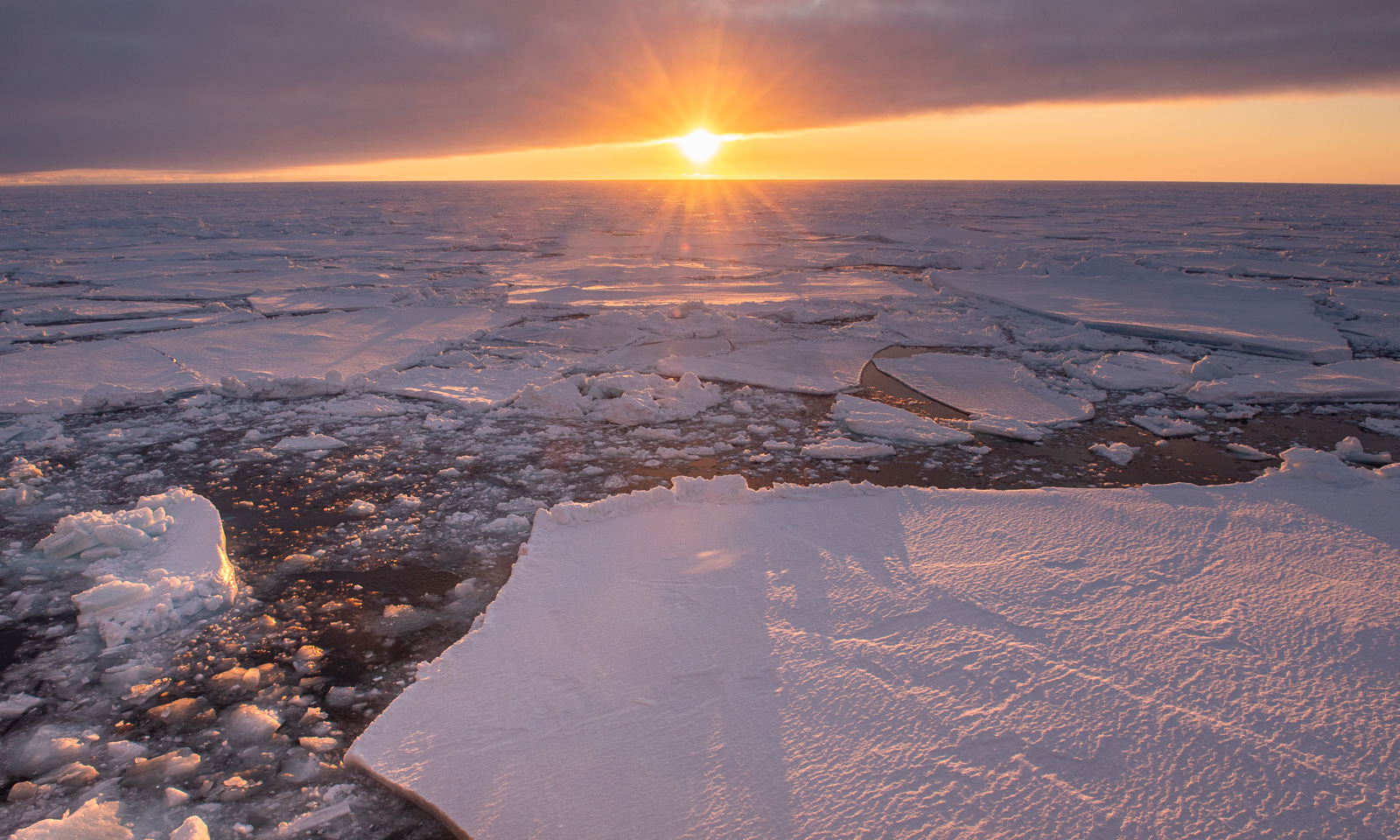
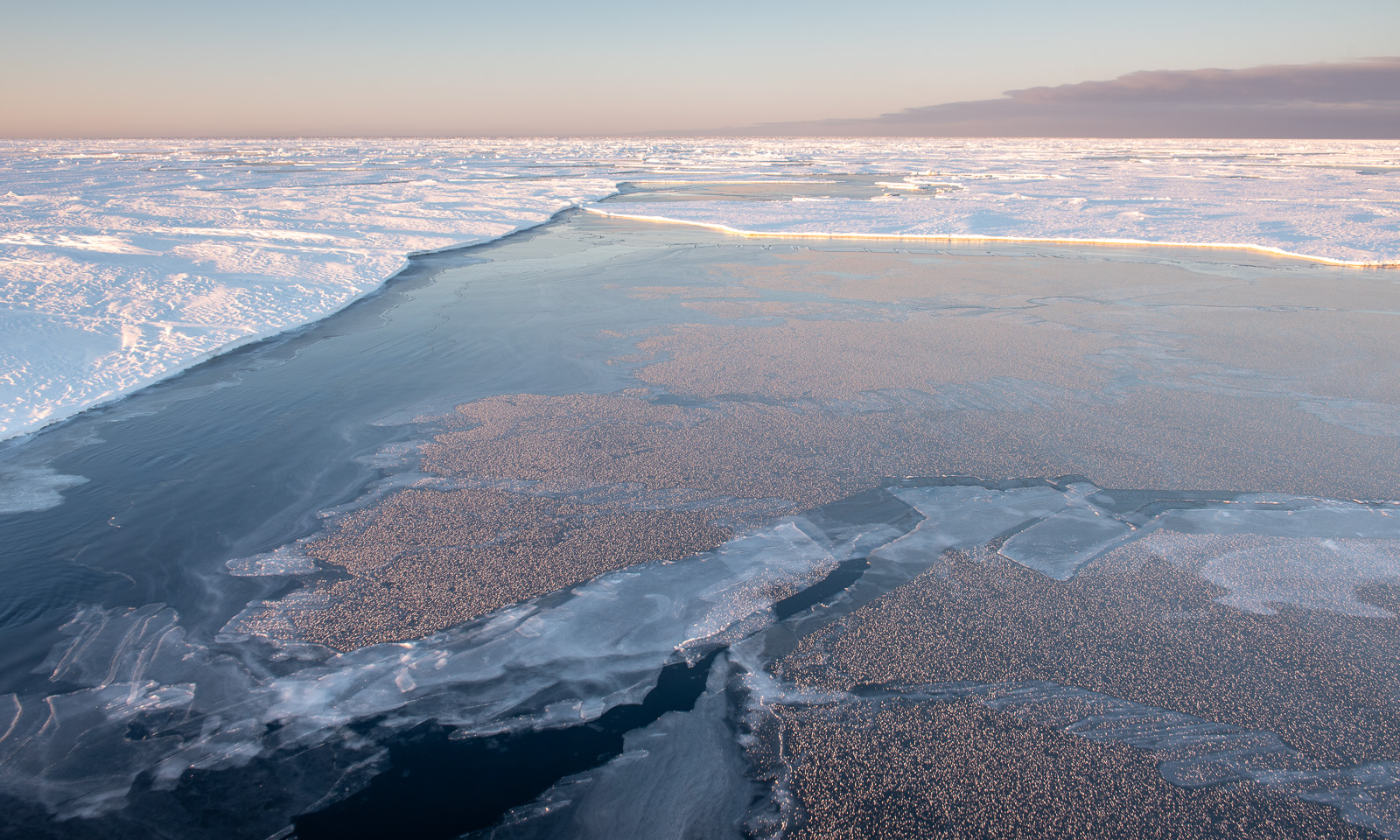
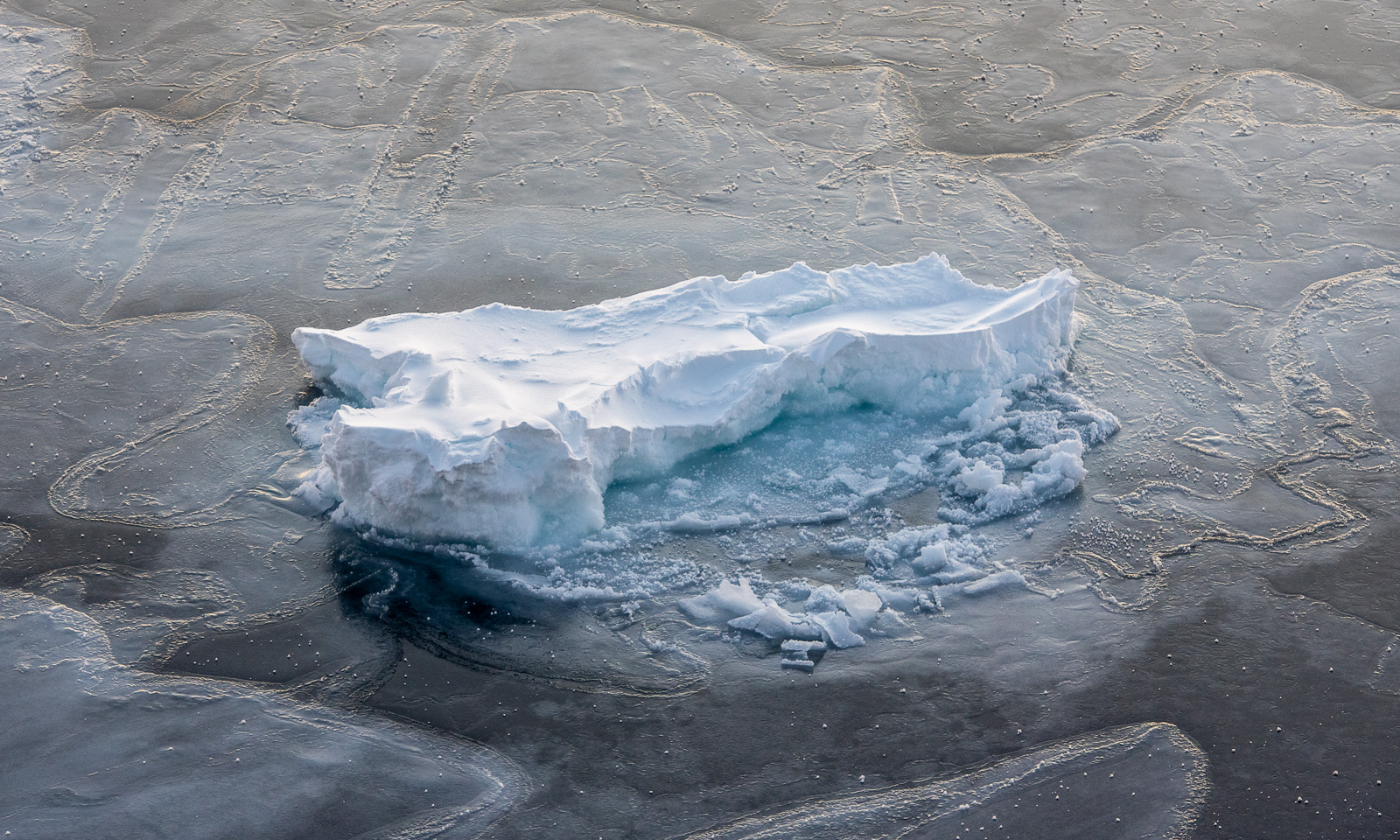
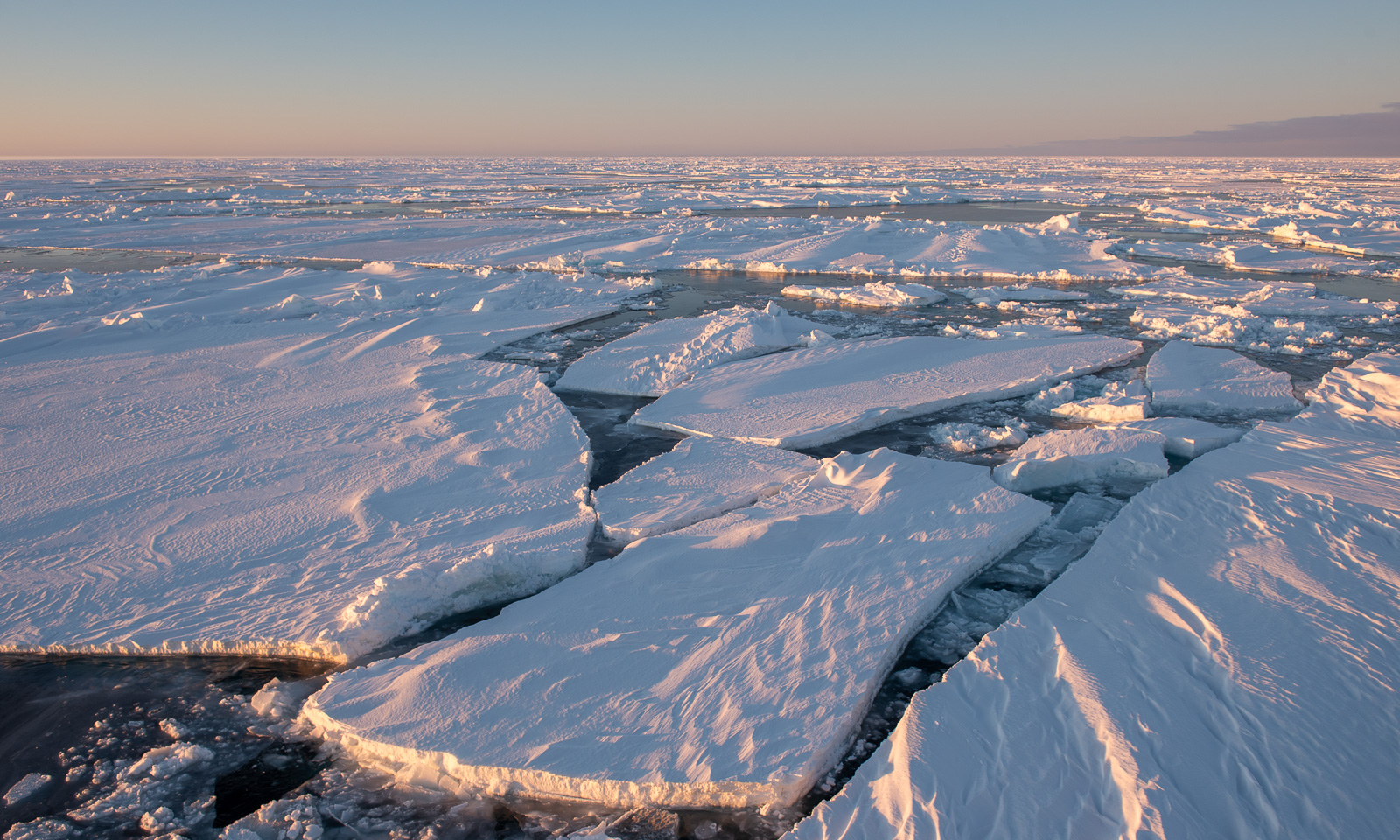
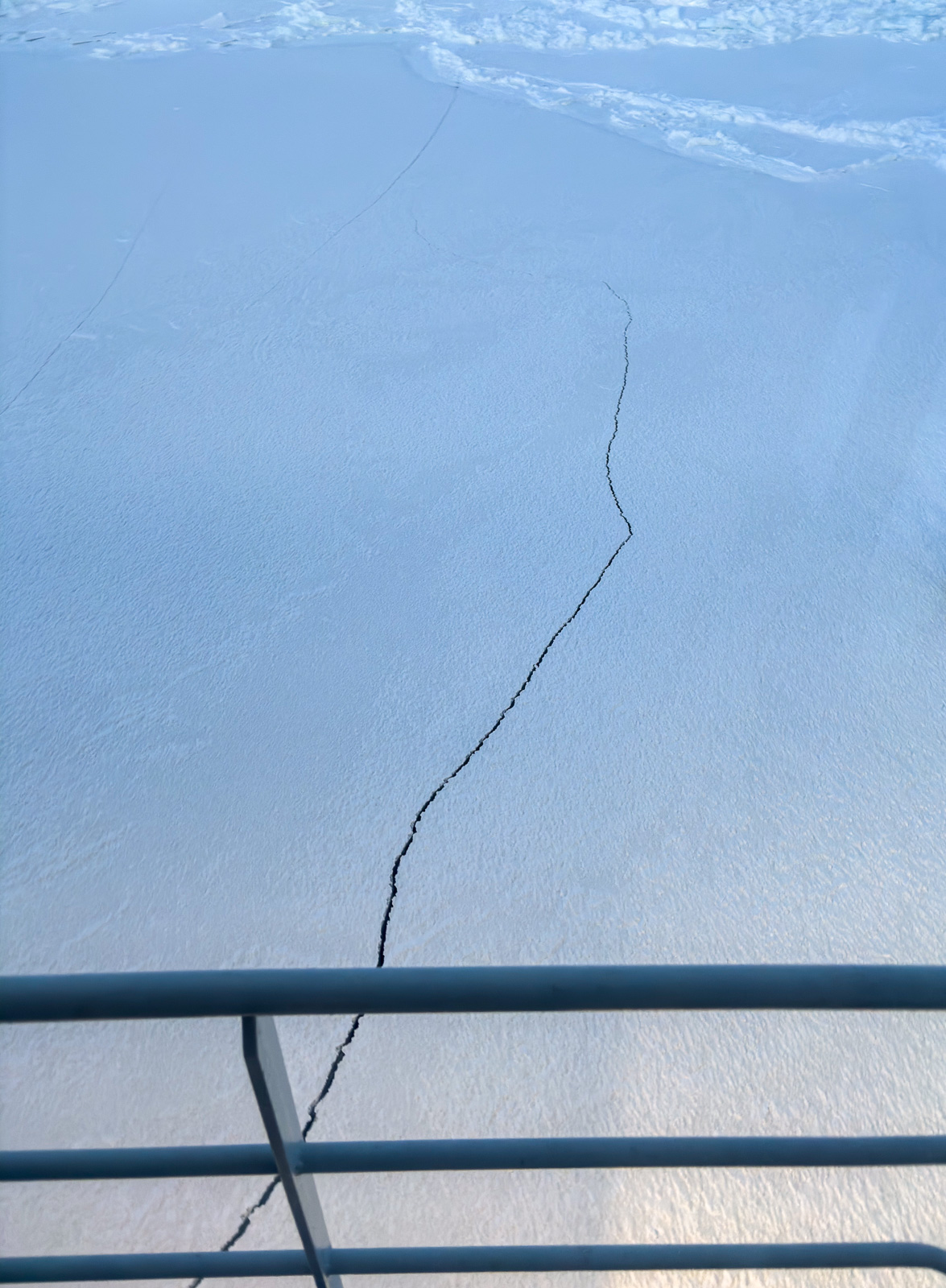
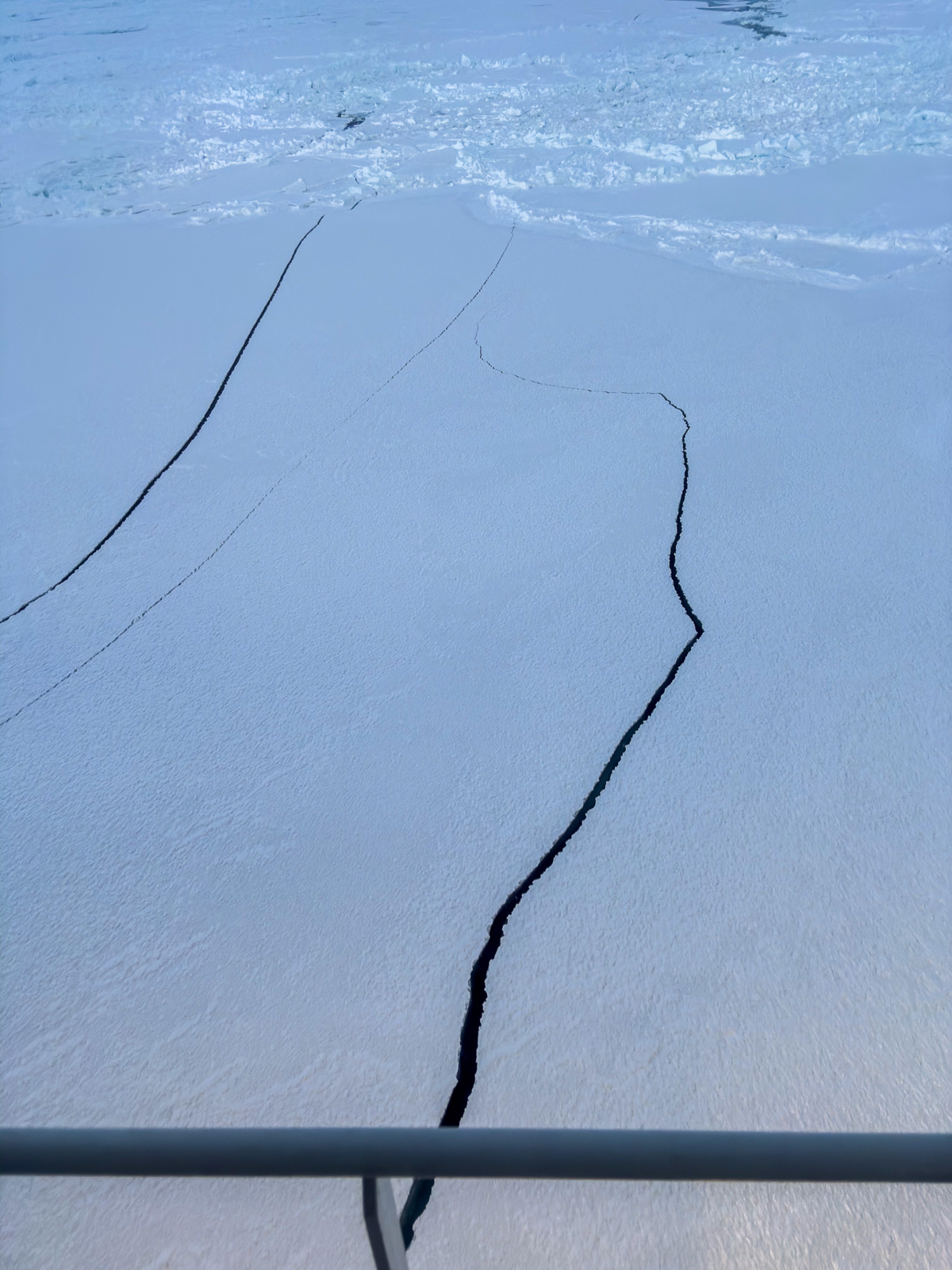
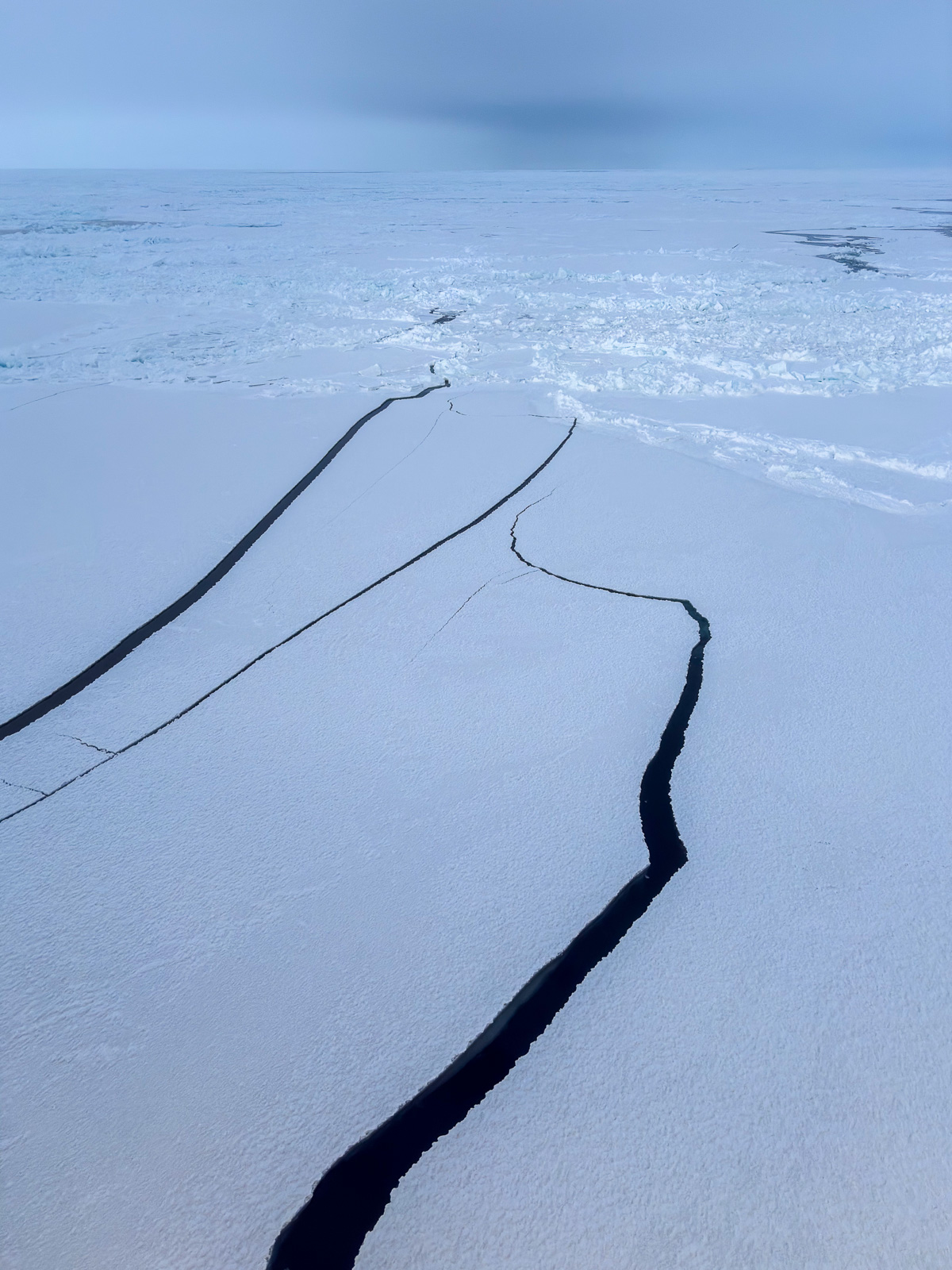
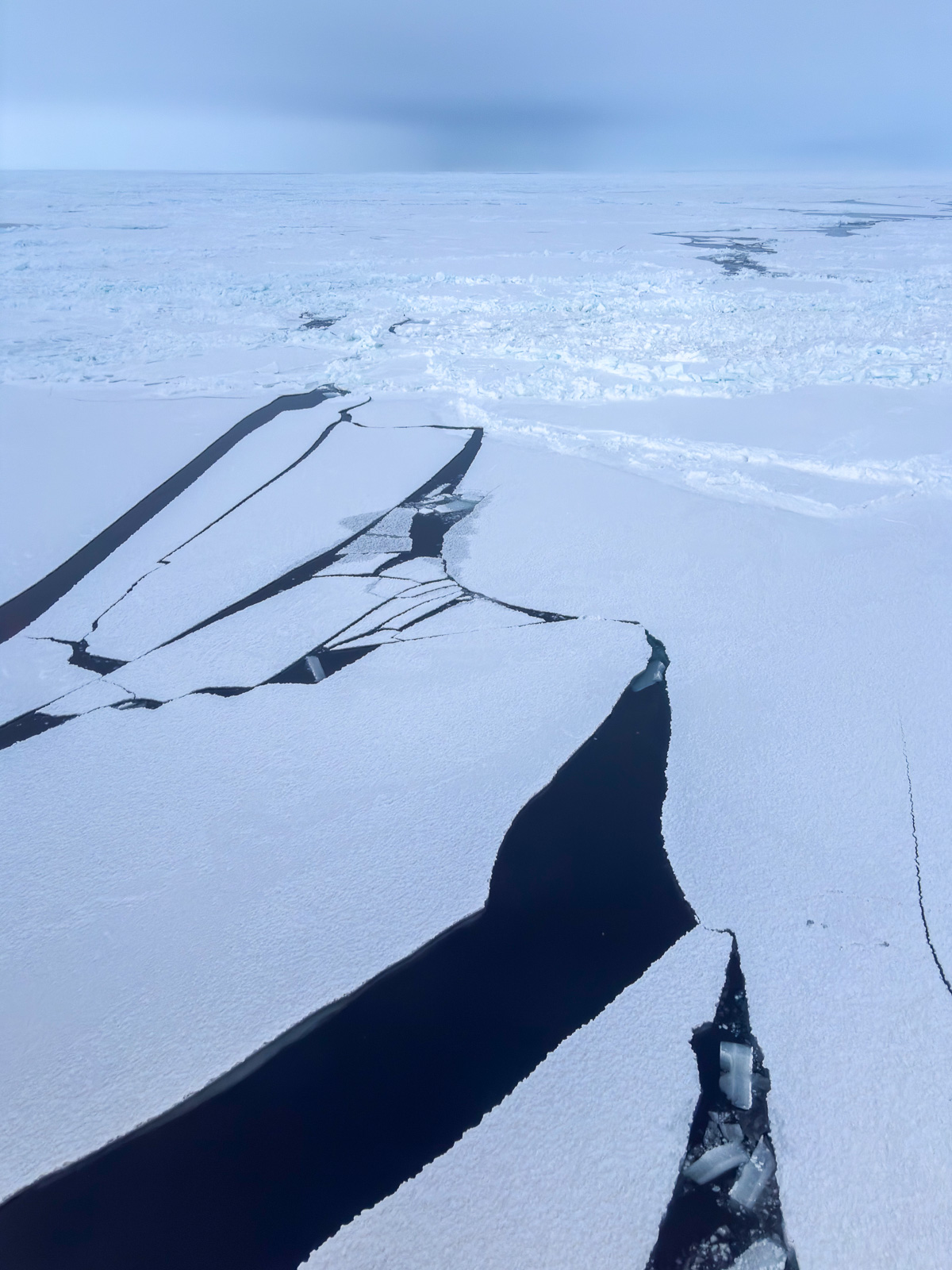
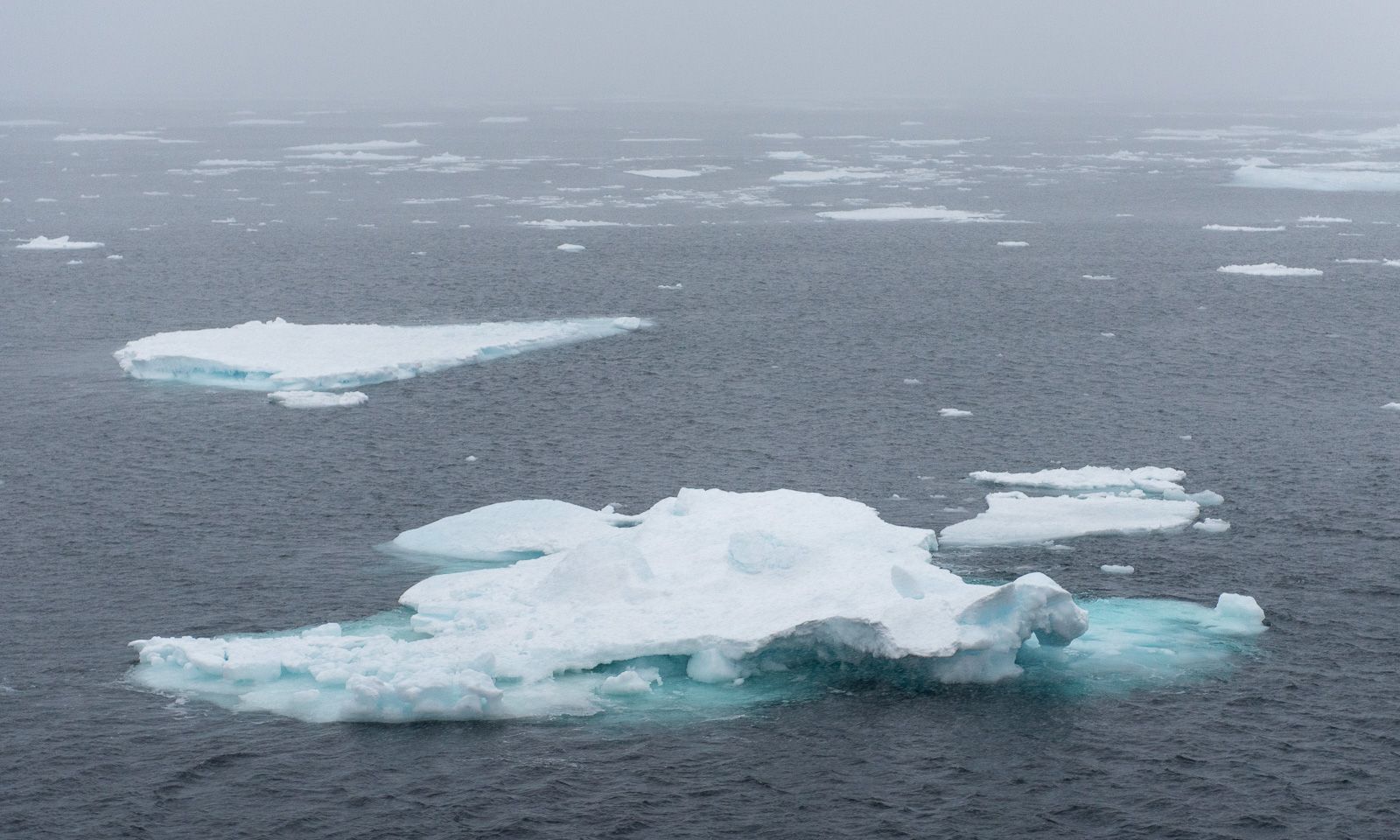
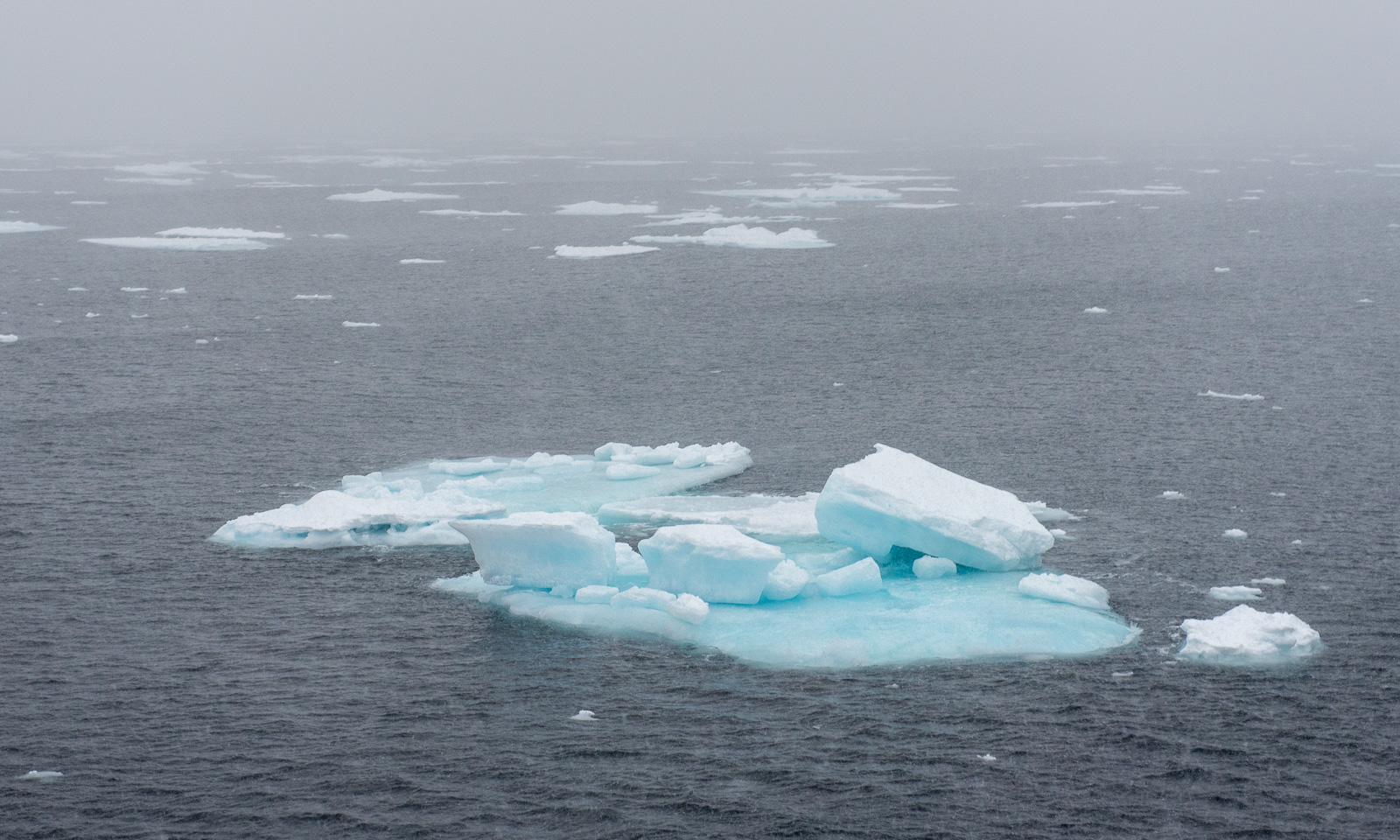
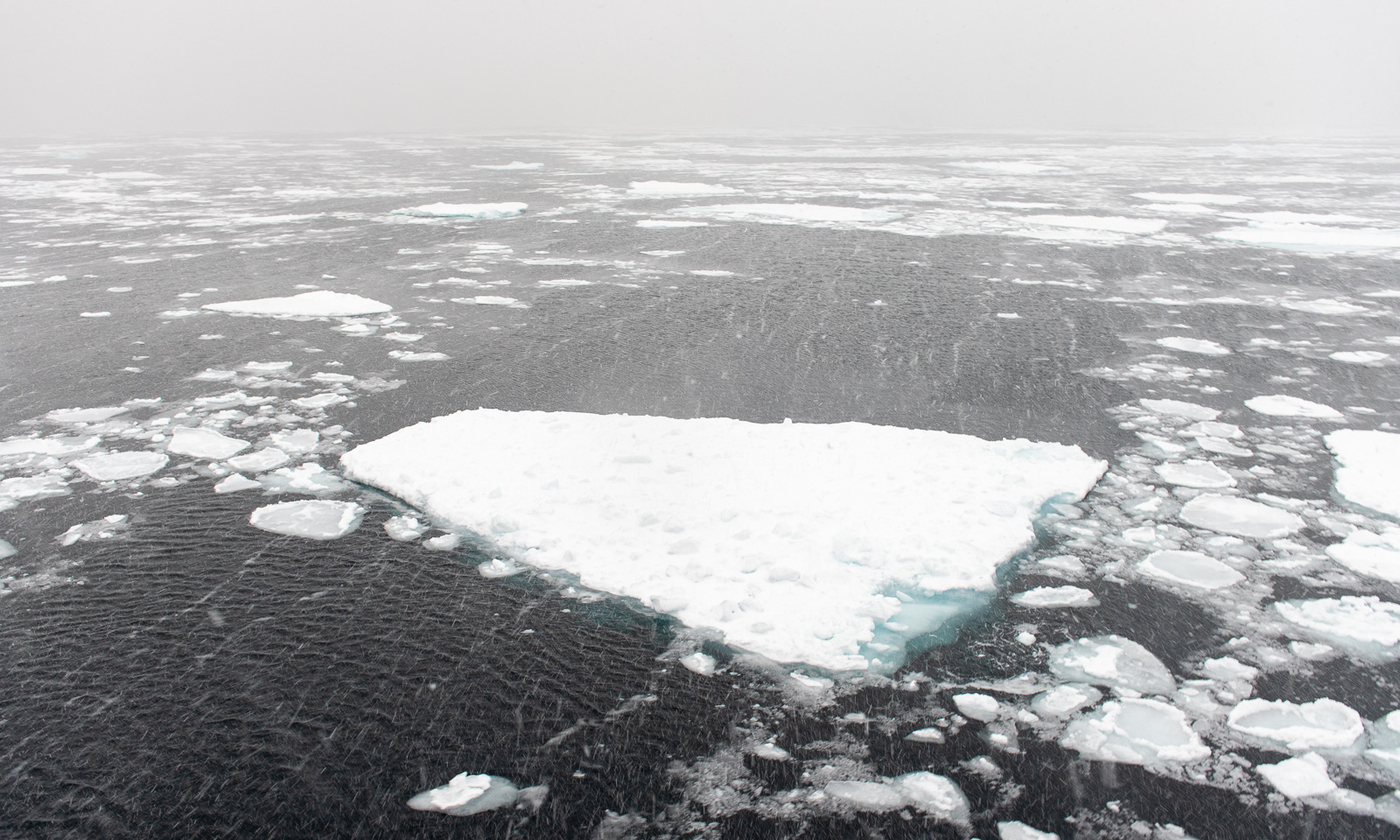
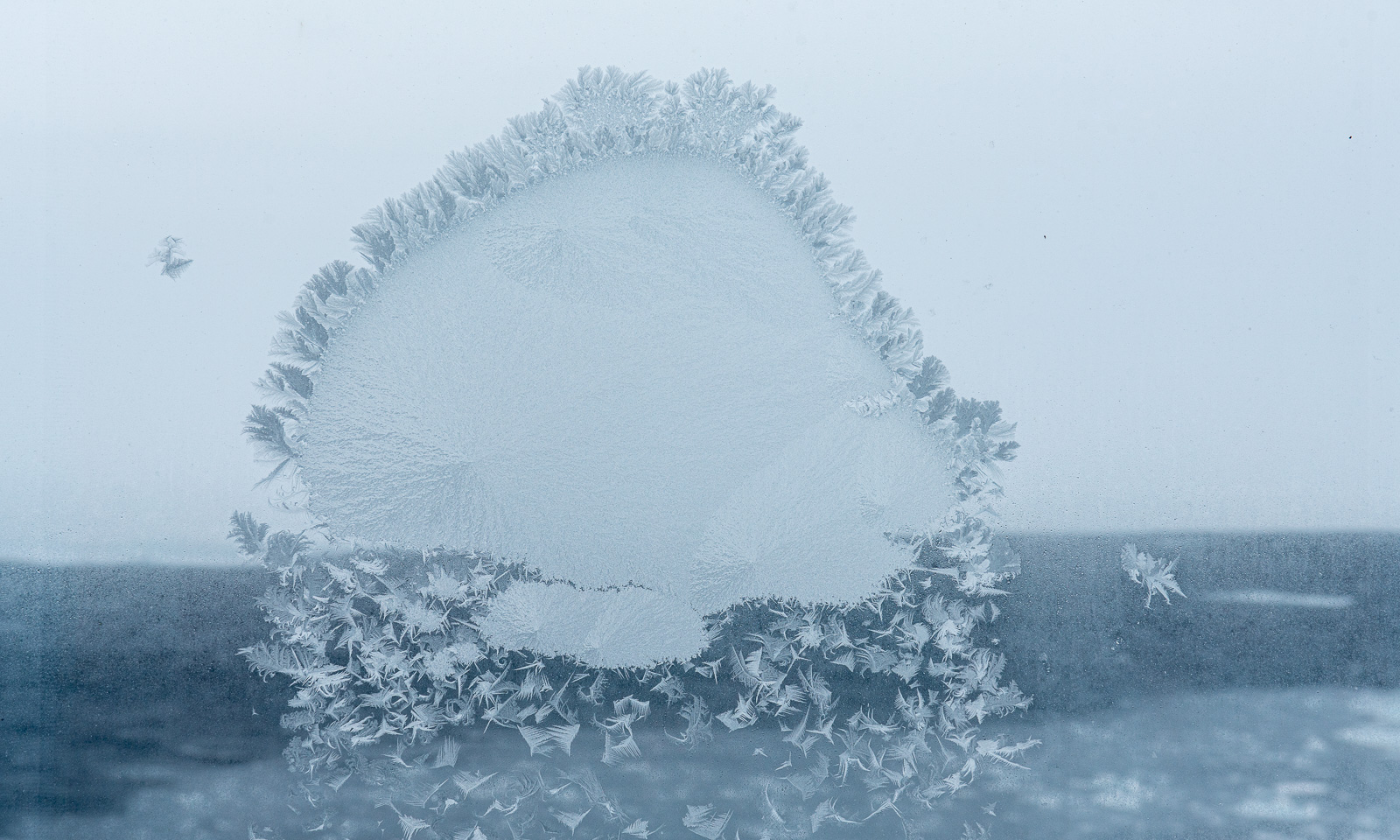
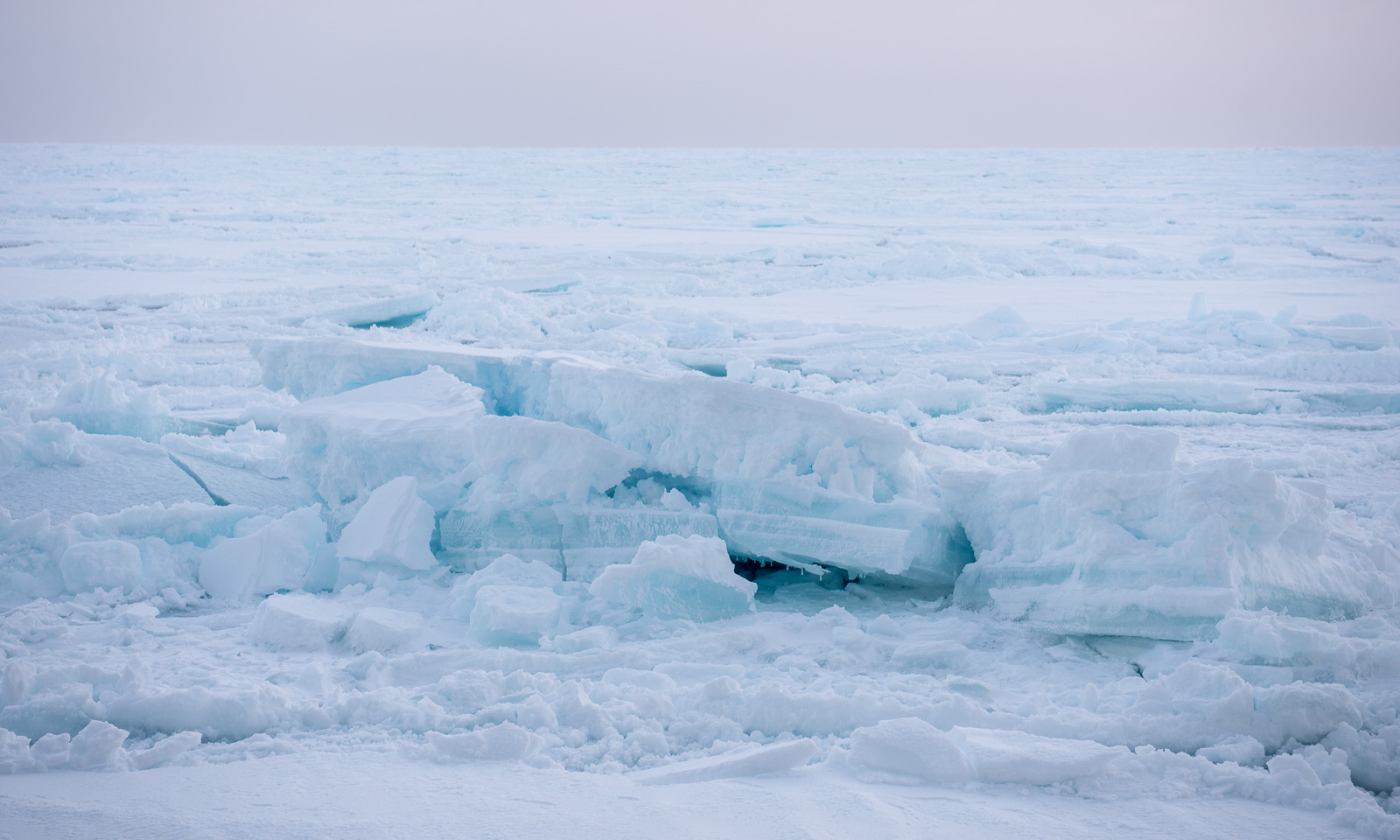
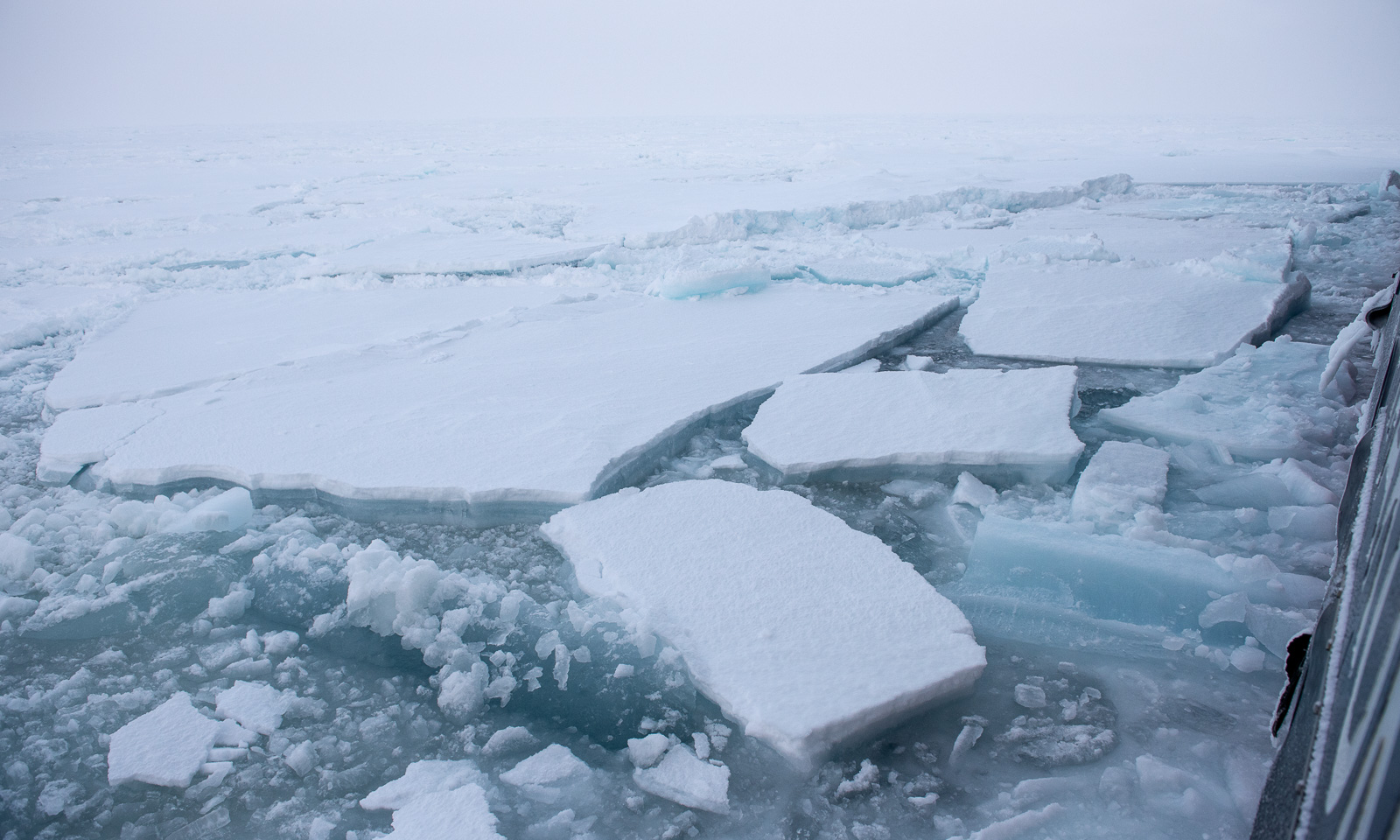
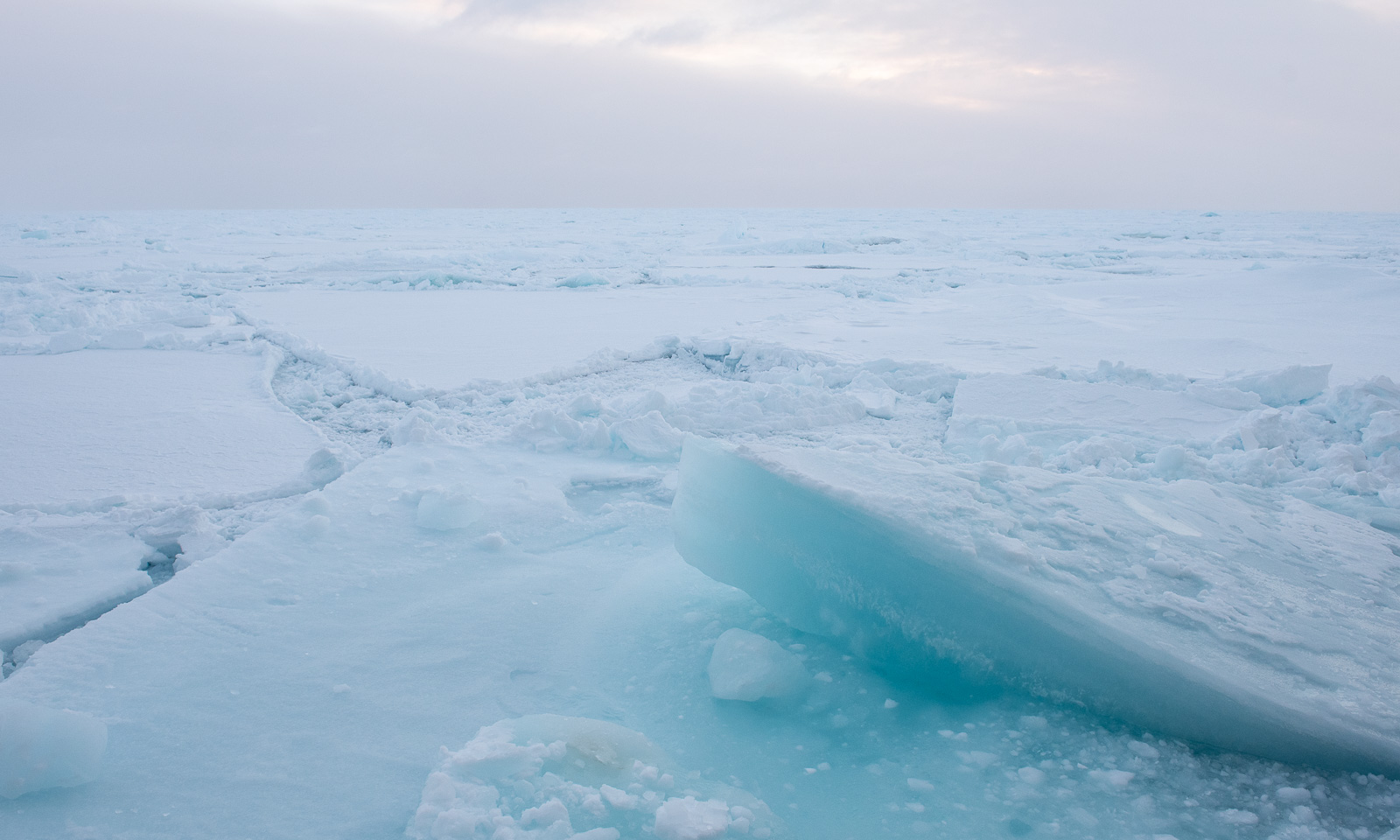
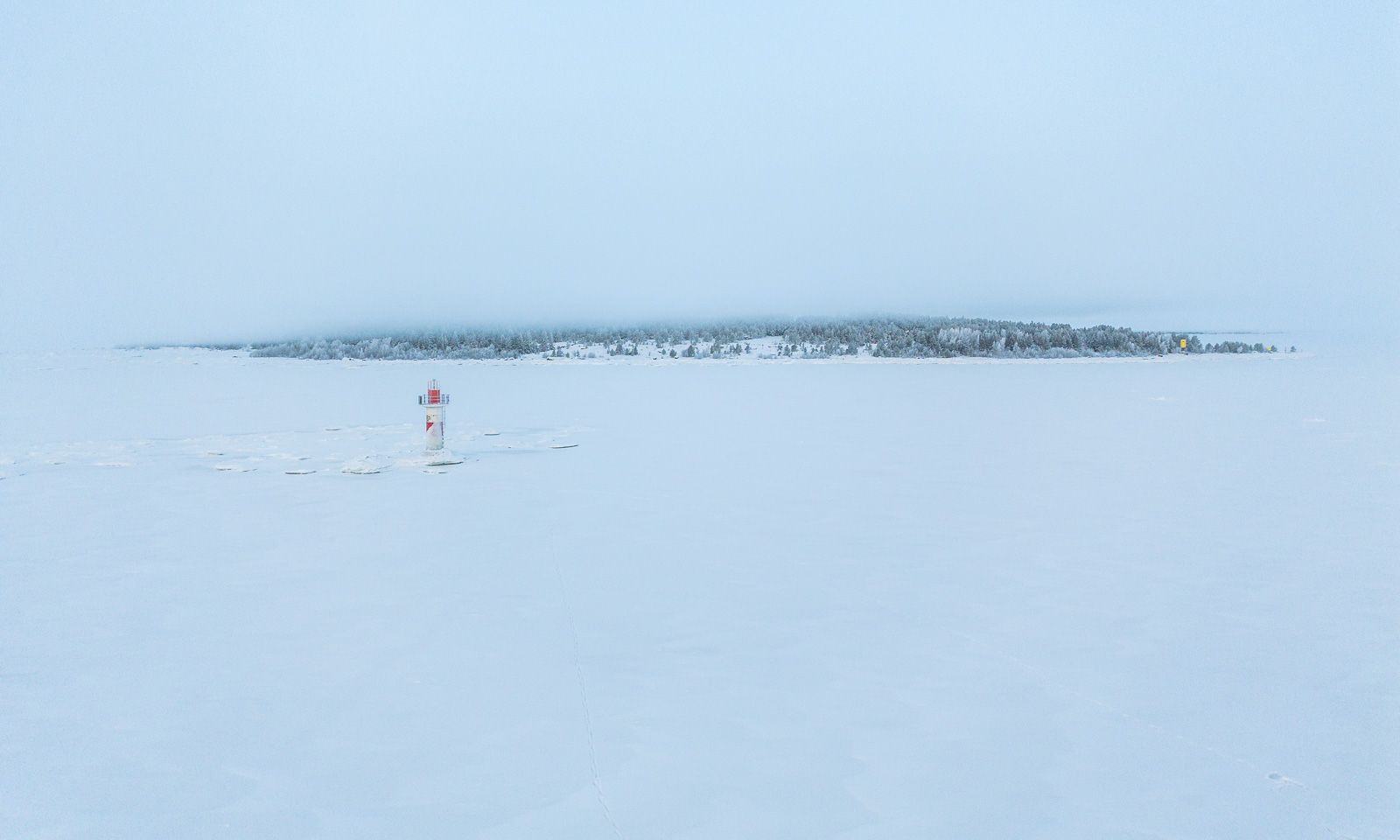
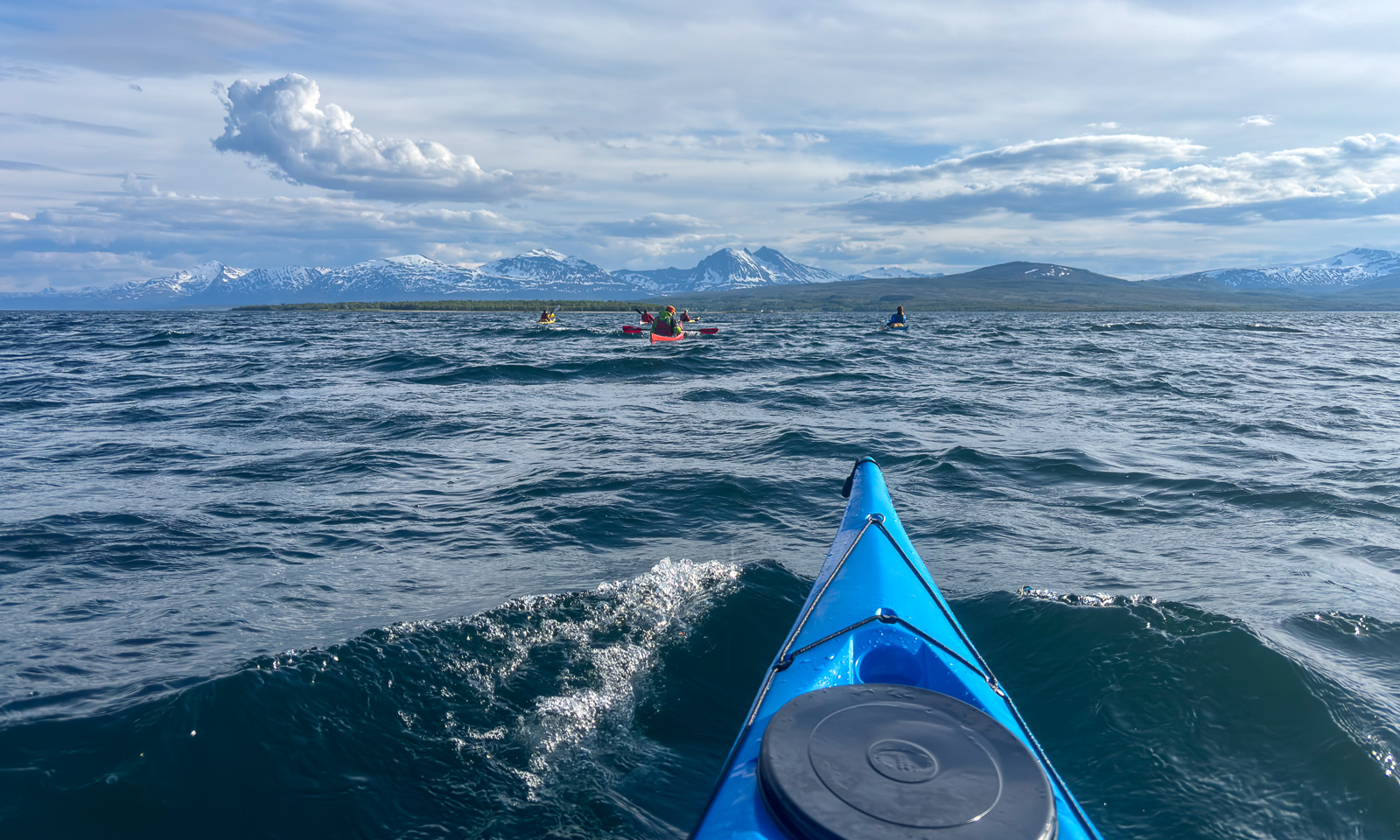
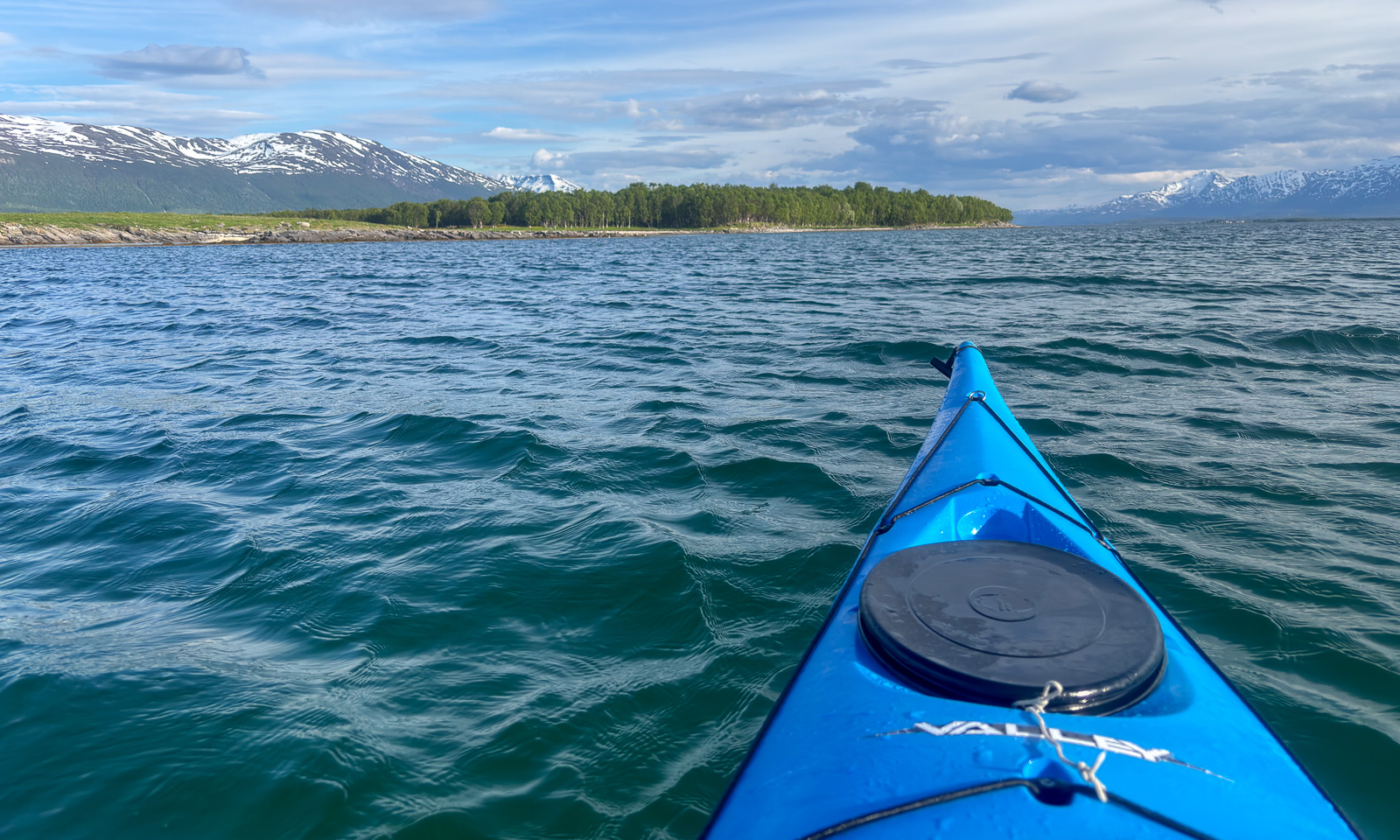
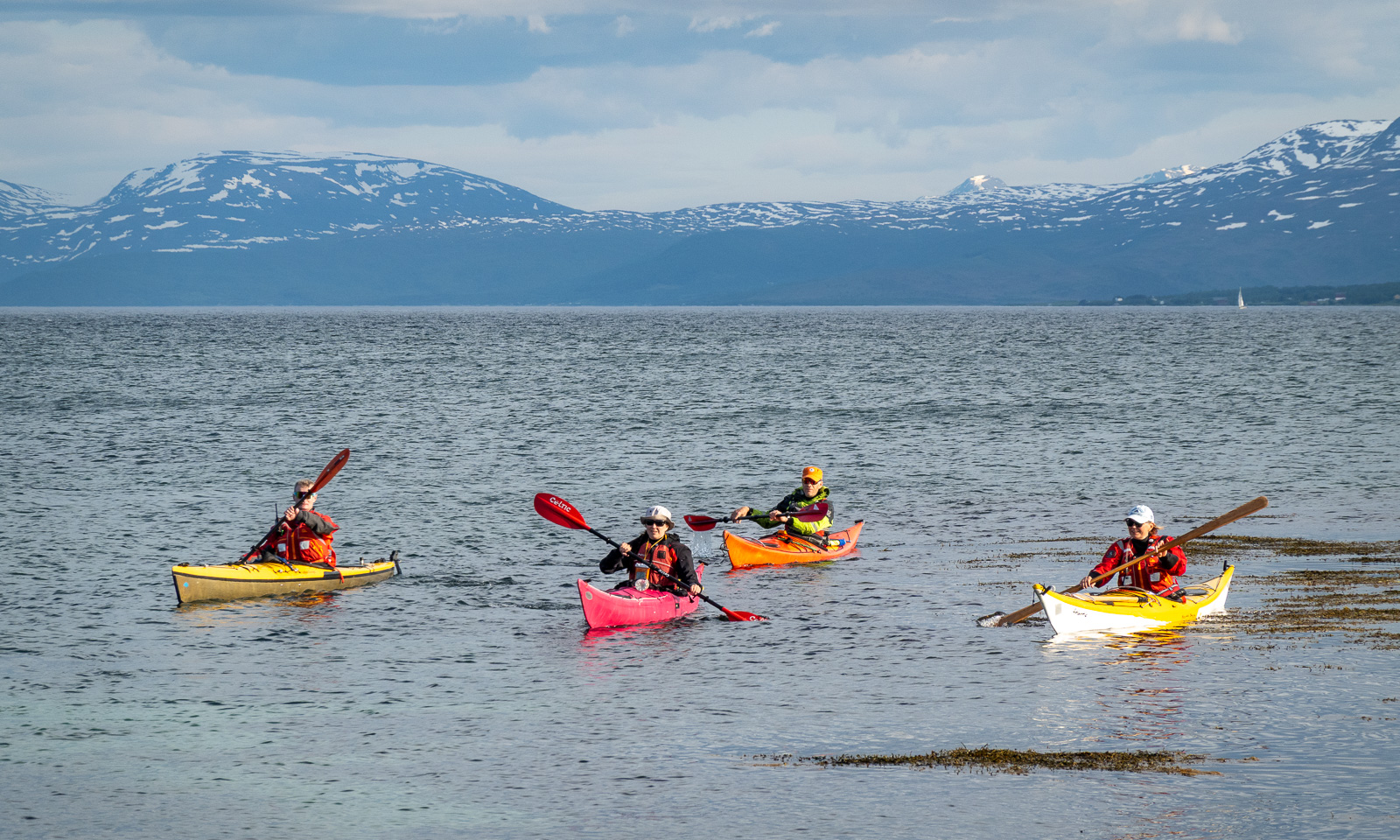
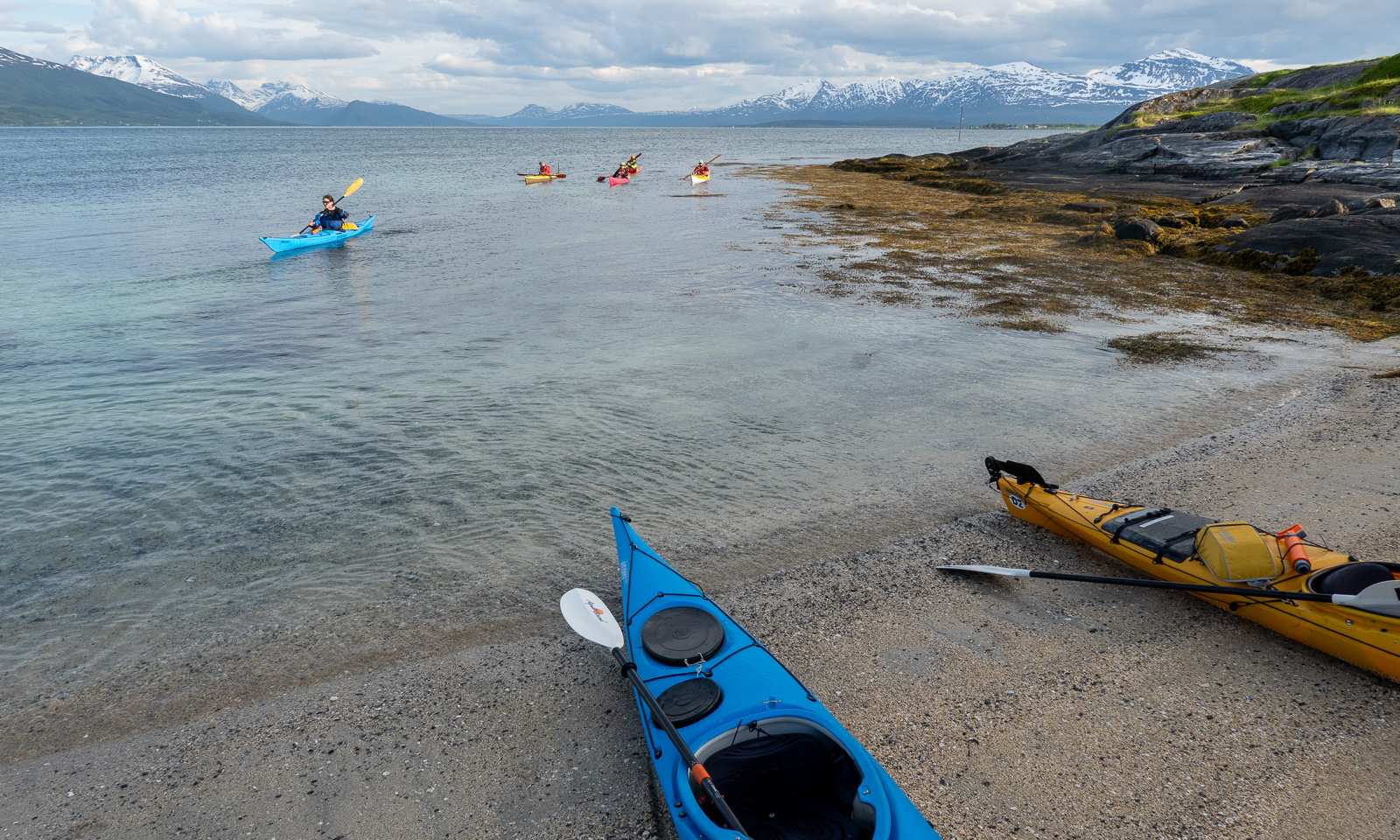
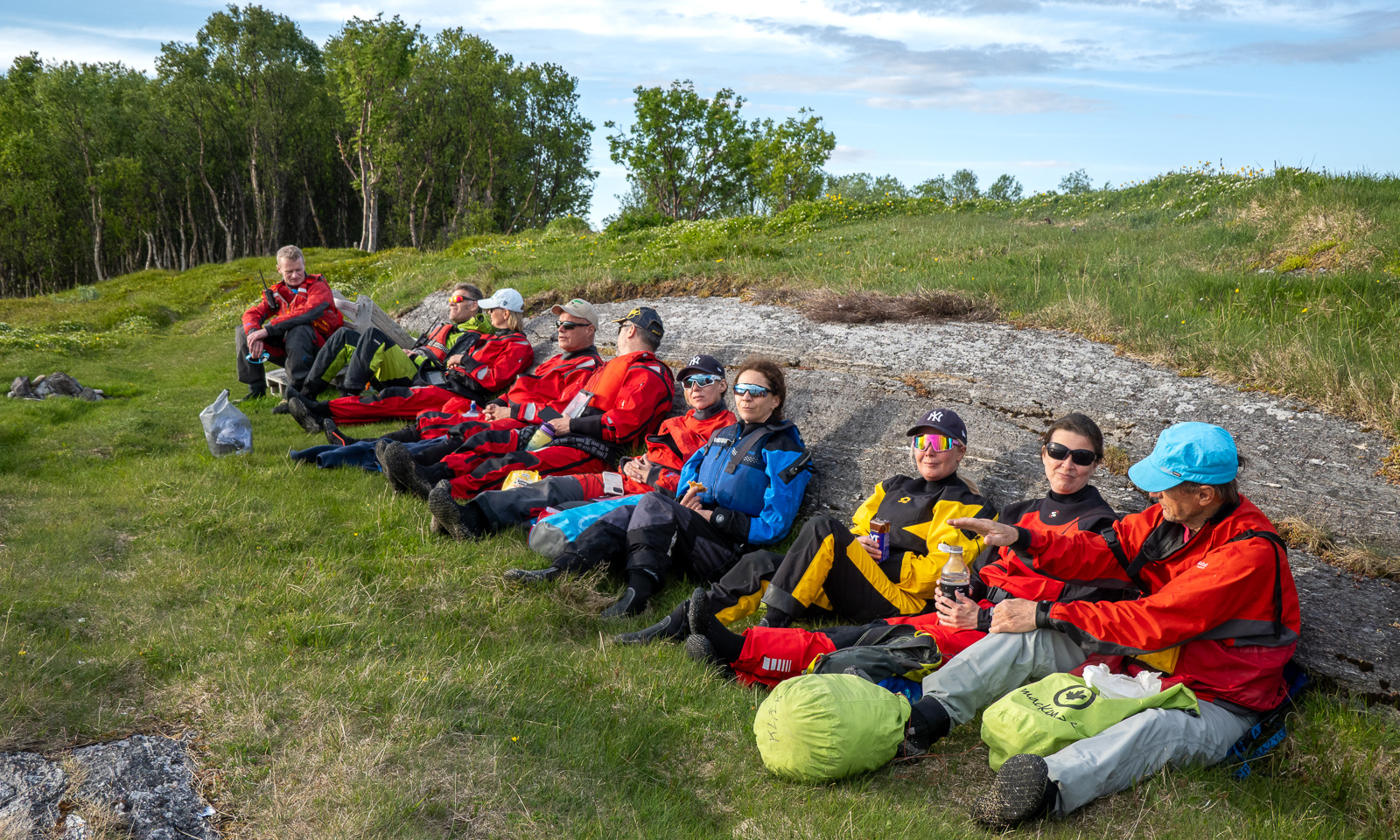
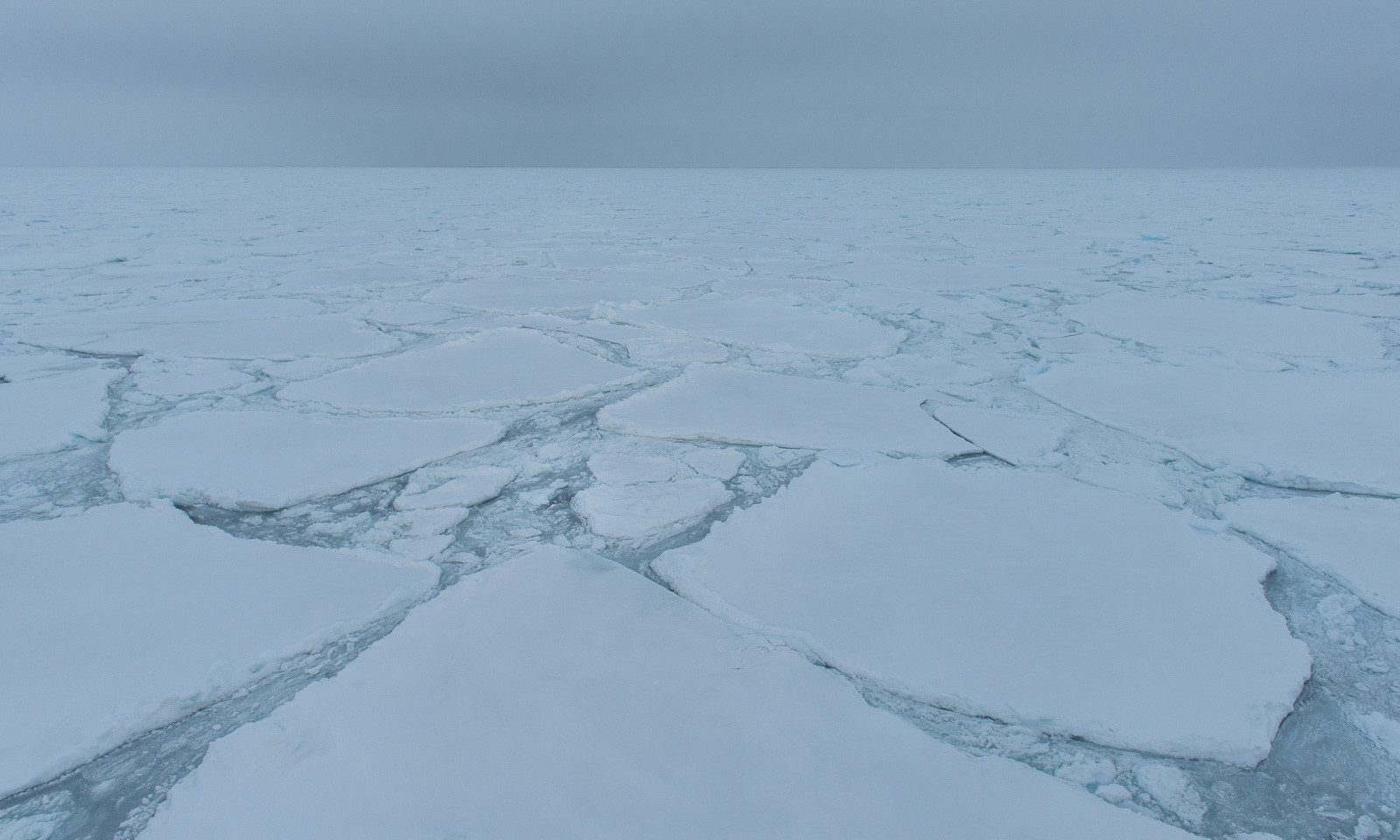
While there is a lot of snow in Tromsø, is is only round 2 cm here in Obbola in Northern Sweden. Here it is the coldness that defines the winter. Today I took my kayak and made a small tour on the Baltic Sea which is just outside the garden. With temperatures round -13 °C and a light wind it was pretty chilly. The small bay is frozen and you can walk on it and on the open sea thin layers of ice are building where the sea is calm. Here are some photos from today’s kayak tour.

Now the kayak is lying in the floor of the house. The kayak’s steering mechanism was frozen and is currently thawing.

Tromsø—Obbola by car

You may know that I have two places to live. My “work home” in Tromsø, where I work at the Norwegian Polar Institute and my “home home” in Obbola near Umeå, where my wife Annika works and we have a house together. Mostly we use the train and the bus to travel, sometimes the plane and occasionally even the car, although it’s a long way.

It is early Friday morning, I’m in Tromsø. My car is packed and I’ve cleared last night’s snow. It is mid-November and the conditions are wintry.

Norway

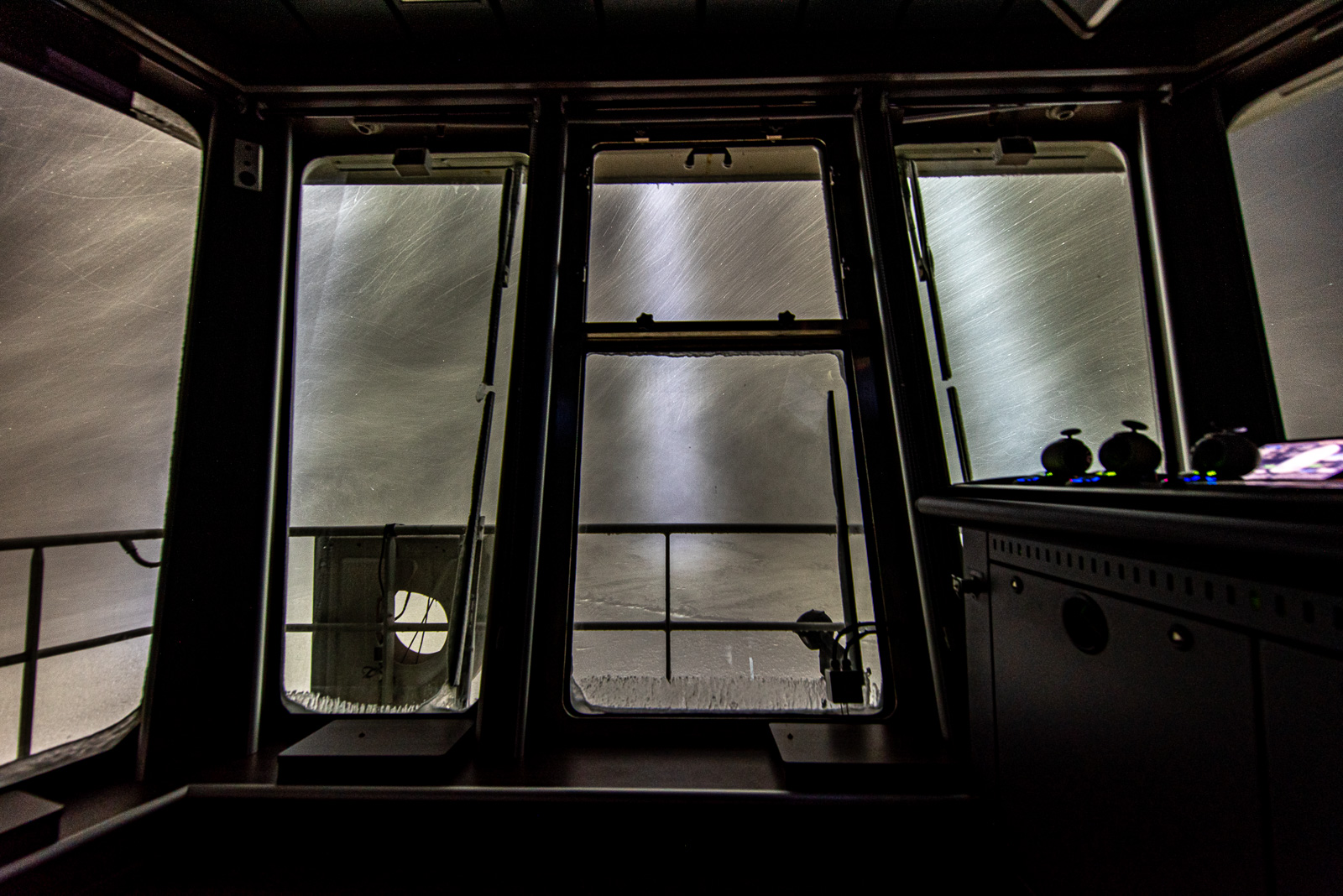
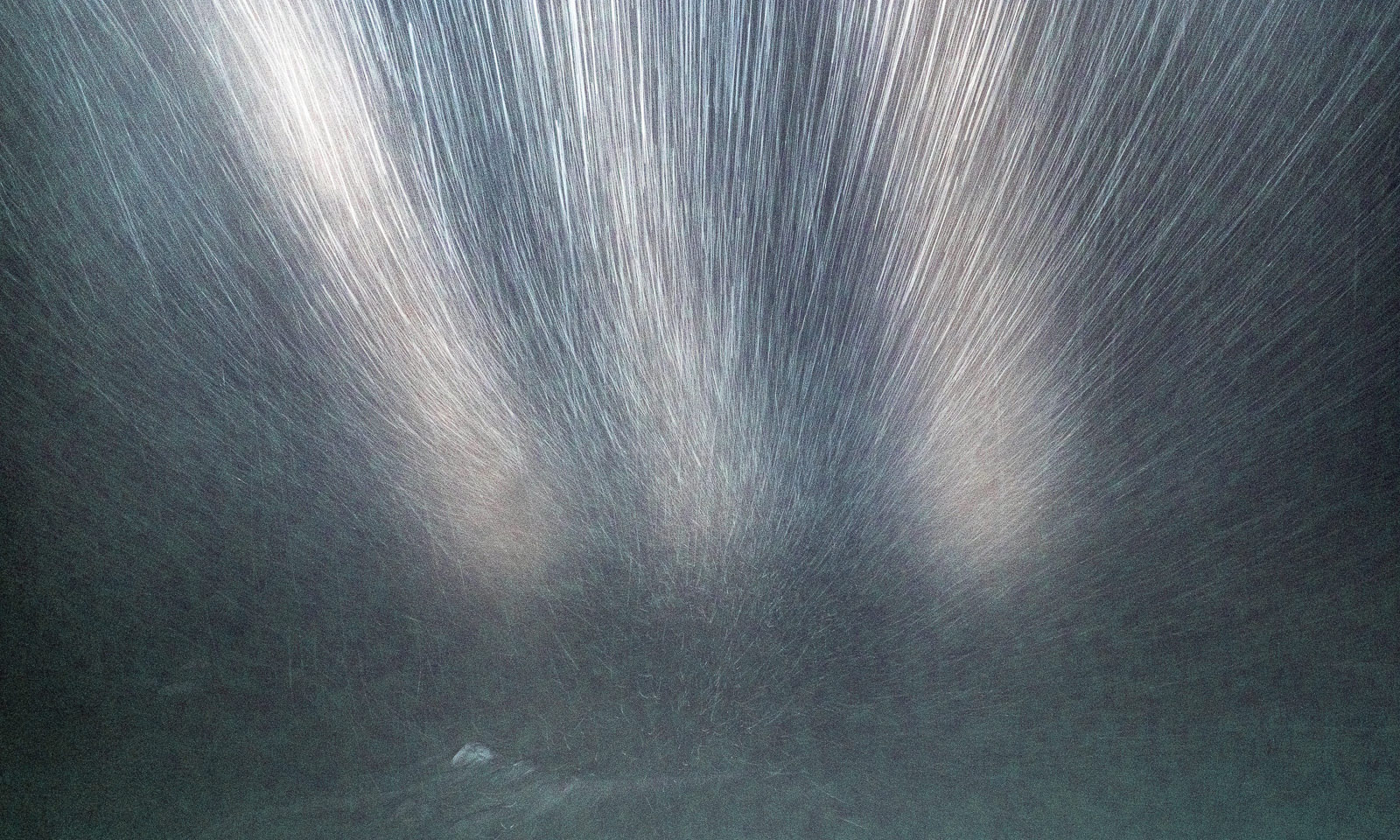
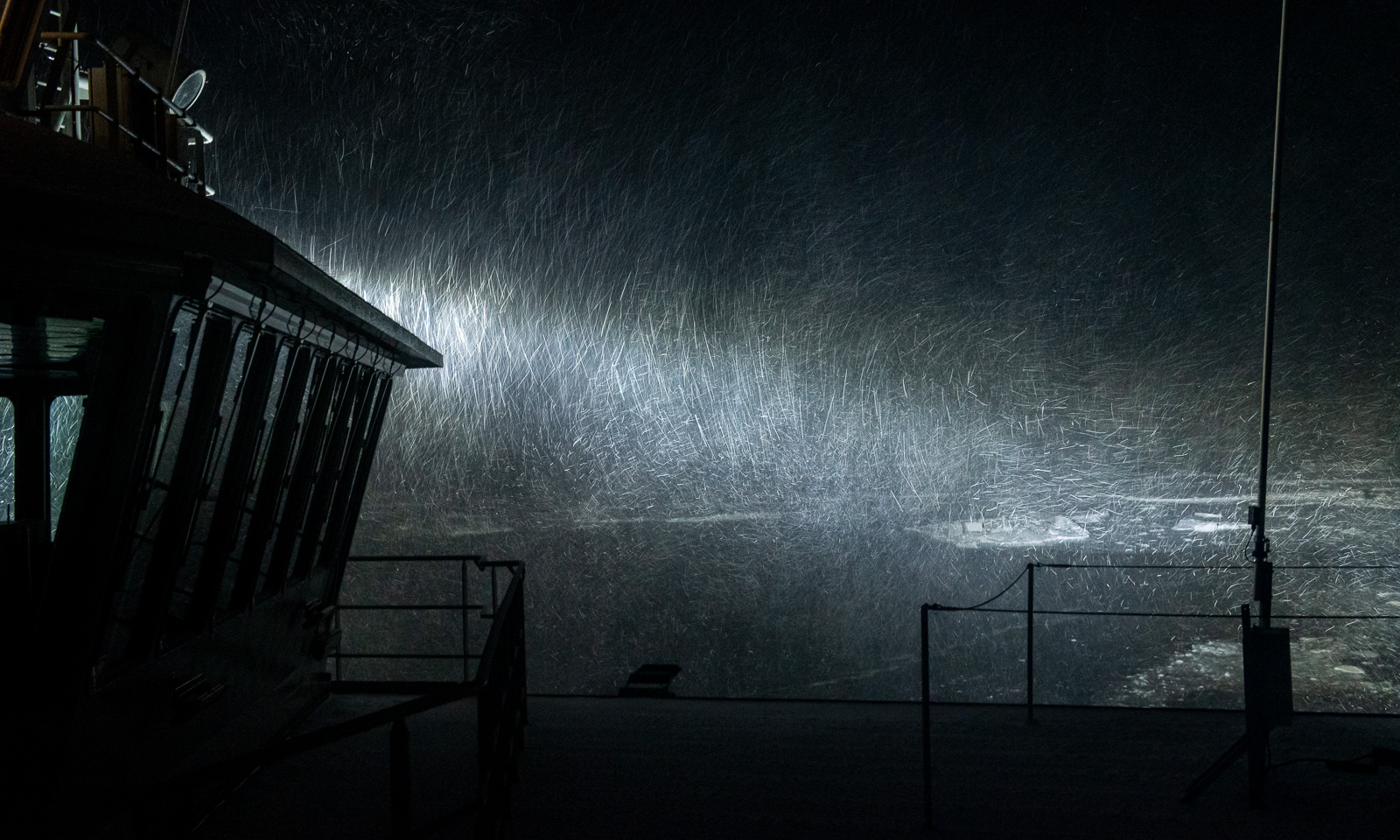
I start the trip at 6:50. In Tromsø the weather is fair, but then I experience some heavy snow showers. When it’s dark the snowflakes seem to form a tunnel that looks a bit as if a spaceship in a science fiction film were going to warp drive. Some short passages have streetlights. That makes seeing the road much easier.

Around half past eight it is bright enough outside to see the landscape, not only a fraction of the road. It is still snowing, but driving is easy. Around 9:20 I reach the border to …

Finland

The snowfall has stopped but a lot of snow lies on the road. I guess up to 15 cm with some deep tracks of a few cars. After a while a snowplough approaches, but it is clearing the opposite lane. In Kilpisjärvi I make a stop at the supermarket and buy some breakfast. The rear of my car is plastered with snow.

I continue south and it is clearing up. Even the road is in much better shape now. Easy driving.

In the Finnish village Karesuvanto I turn right, cross the Muonio River and thus the border to …

Sweden

… where I arrive in Karesuando. I turn right again and join the E45 which ends in Gela, Italy. The sky is clear and the outside temperature dropped more and more. In Övre Soppero the display in the car shows -13 °C. It also shows a lot of warnings because the packed snow in front of the car is confusing the sensors for the cruise control. I feel tired and find a parking bay where I take a nap.
I sleep less than half an hour but I feel refreshed again. I continue my car trip to Vittangi and while I’m following the road see the slowest sunset I can remember. Perhaps, because I’m driving southwards?

In Töre, where I reach the E4 I fill up the car with fuel. From there it is not far to Råneå, where I visit friends and stay overnight. I’m asleep before 9 o’clock.

Still Sweden

After ten hours of sleep and breakfast I feel fit again to continue my car trip. The day before I made already two thirds of the distance and today I’m more or less only on the E4, so driving will be easy. To be honest, it’s a bit boring. That’s also because I’m leaving winter behind. There is less and less snow and it gets warmer. The good thing – the snow on the car has melted and the cruise control is working again.

Around 14:15 I pass Obbola and drive southwards to “home home”. No snow.

And then, after driving 966.8 km I am finally home home again. Here I’ll stay for about three weeks, then Annika and I will make the return trip to Tromsø together.

The route

Tromsø—Nordkjosbotn—Kilpisjärvi—Karesuvanto—Karesuando—Övre Soppero—Nedre Soppero—Vittangi—Tärendö—Överkalix—Töre—Råneå—Skellefteå—Umeå—Obbola

November snowfall in Tromsø

When I came back from Scotland about three weeks ago snow had fallen in Tromsø. But temperatures went up again and more or less all the snow melted away, at least on Tromsøya. These photos I took on my way home five days ago.

It started snowing in the weekend and so it looked like, when I waited for the bus yesterday morning:

During the day another twenty centimetres of snow fell down and at 0:00 we had 29.7 cm of snow at the weather station. I however think, we have even more snow, where I live. Weather can be quite local in Tromsø.

This morning it had cleared up and temperatures were round -2 °C, when I went out for a walk. It takes only a couple of minutes, and you are in the nature of Tromsøya with its forests, bogs, lakes, and hiking paths.  This way will soon become a ski trail, if the weather stays wintery.


Walking home between the seasons

After a three-week break, I did my usual after-work hike from Prestvannet to my flat today. Back then it was full autumn, now the weather bas become more wintry despite of the warmer temperatures the last days.

For those who wonder whether I’ll show photos from Scotland. Yes I’ll do but not before next weekend. See you then …

Tromsø departure – Tromsø arrival

On 11 October I took the plane from Tromsø to Bergen and then to Aberdeen for a holiday in Scotland with my wife Annika. In Tromsø it has rained the night before but in higher altitudes the rain had come as snow. I could see the mountain Tromsdalstinden (1238 m) after departure and before we were swallowed by the thick layer of clouds. It was covered with a thin layer of snow.

Then we had a great time in Scotland. And we didn’t had any snow at all. (More to be told later.)

Yesterday I flew back and arrived in Tromsø at 10 o’clock in the evening. Round the airport there was some snow and slush but where I live there was more snow. More than I expected.

Today I measured 28 cm of snow on the roof of the car (or 11 Scottish inches), but now it is warmer and the snow has started to melt. While the birch trees are leafless, other trees are still leafy and now let their colourful leaves fall onto the snow.

Today I took a day off and will use some of the time to browse through the Scotland photos. But before that I will clear the snow on my parking place to avoid afternoon’s rain.

Midnight sun on the Stor-Kjølen – part II

To part I >

I slept better than expected in the shelter on top of the mountain Stor–Kjølen (790 masl) that I hiked up the previous day. At 7 o’clock I get up and enjoy strolling around the plateau under a deep blue sky. Thank you, DNT, for maintaining this shelter.

At half past seven I start my way back. The sun is high in the sky.

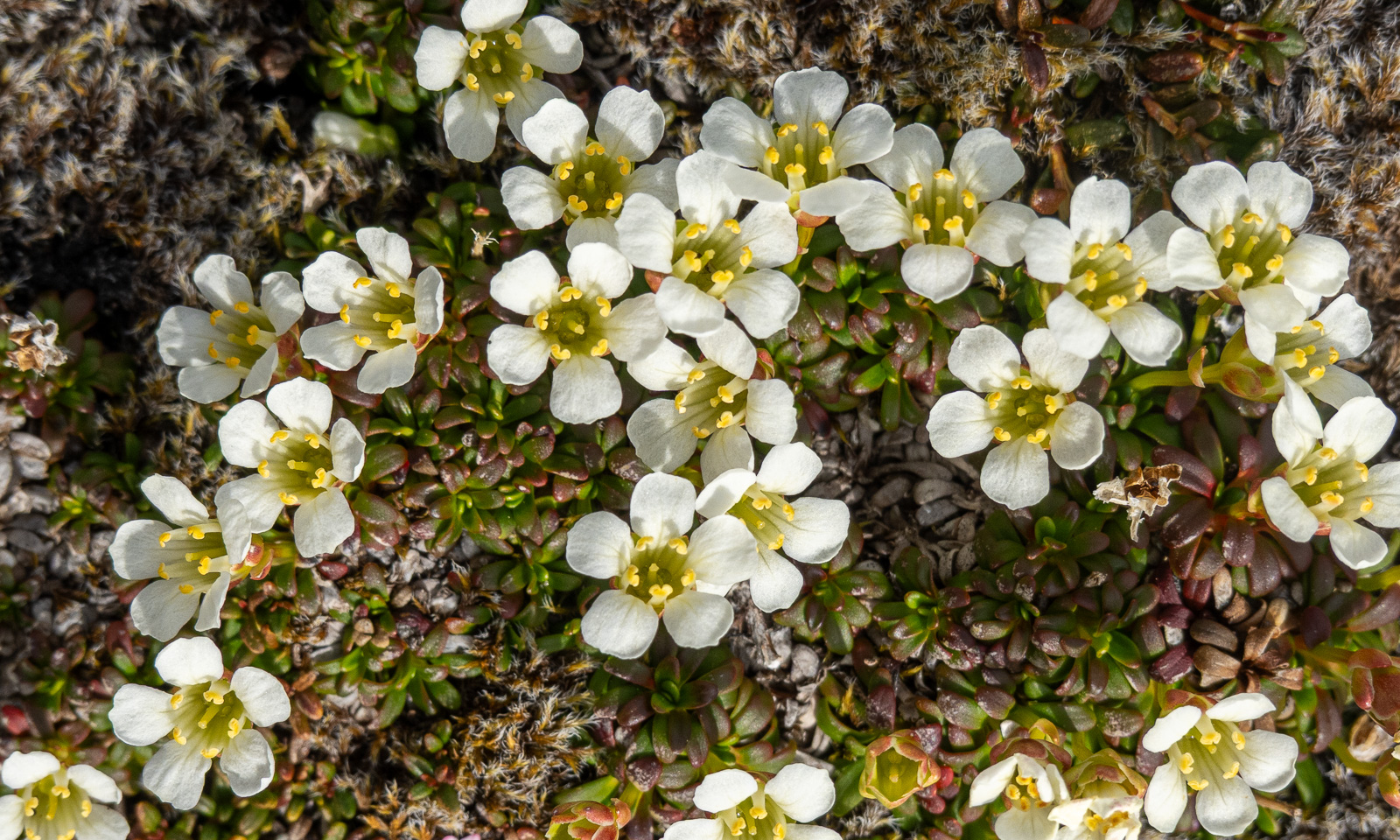
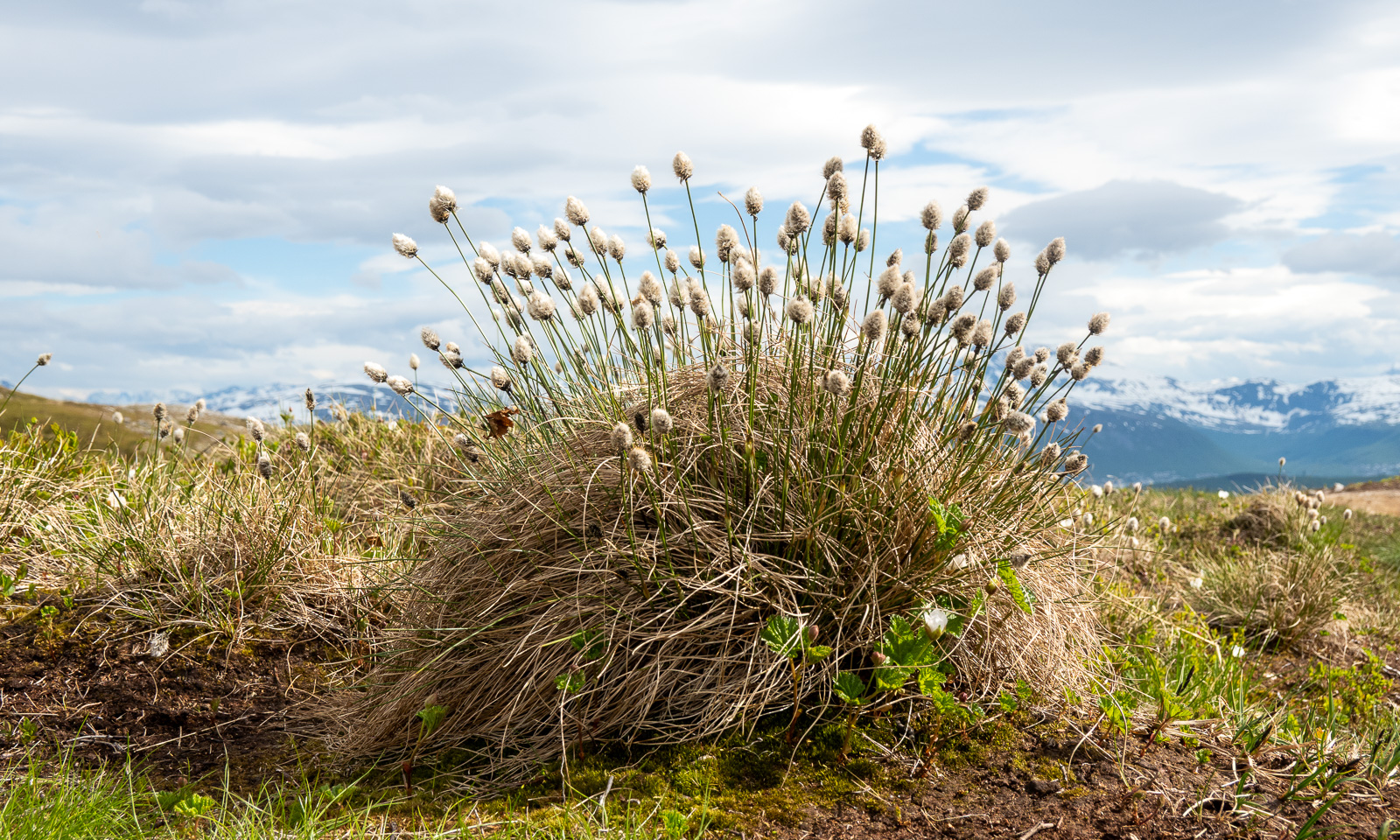
The plateau summit resembles a desert of stones with hardly any plant beside of lichens and some tufts of grass. The first plant that catches my eye when descending the summit is a flowering ground cover. If the AI is correct, it is silene acaulis, also known as moss campion or cushion pink.

Again I cross the huge snow field. I see footprints but no ski tracks. Skiing season seams finally to be over.

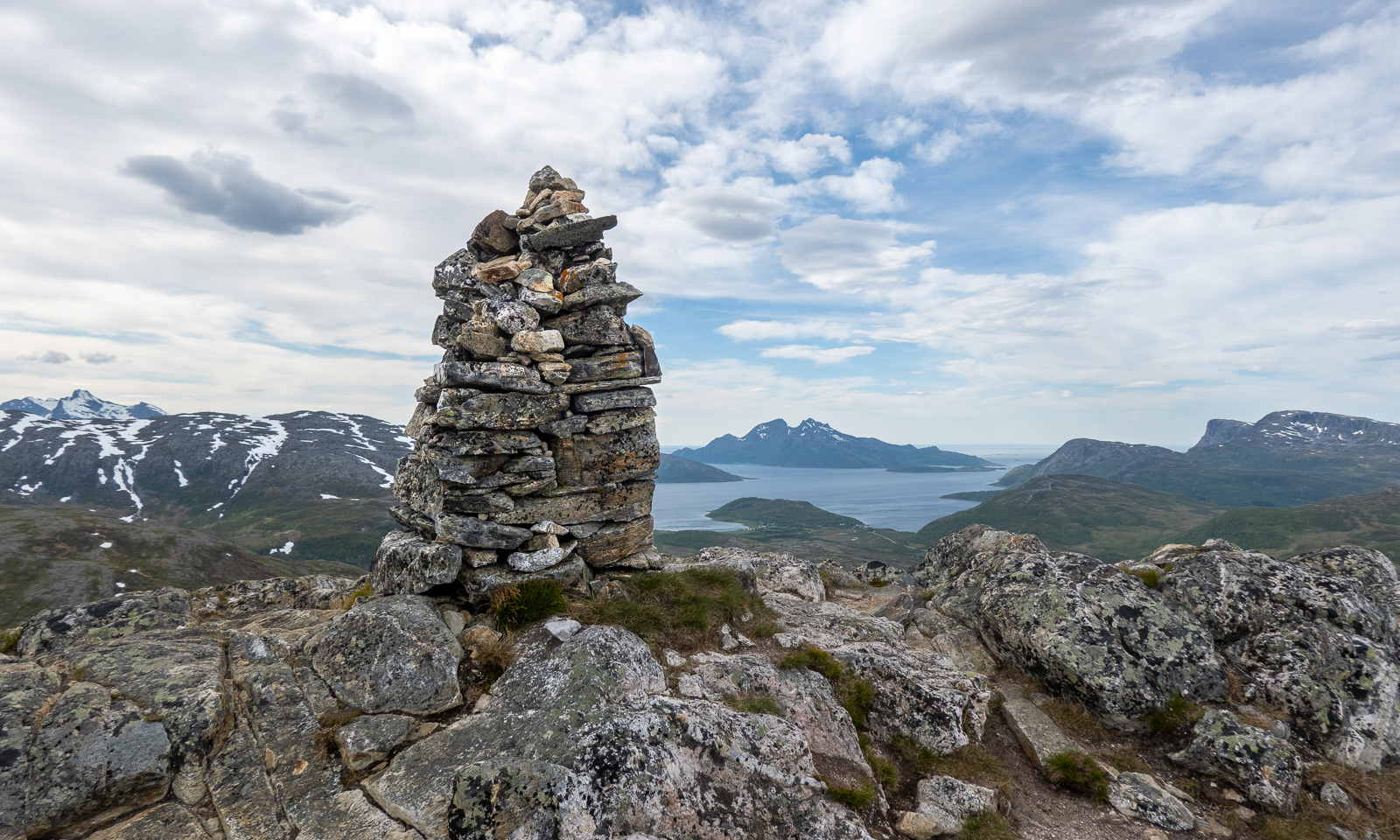
Navigation is easy. Sometimes I go astray, since there are so many parallel paths – this hike is quite popular. But with the help of the painted red dots it is easy to find back to the main track. The cairns – Scottish  Gaelic for a man-made pile of stones – can be used for navigation as well. Great in fog! However, use them with caution. Tourists love to build these all over the mountains on random places.

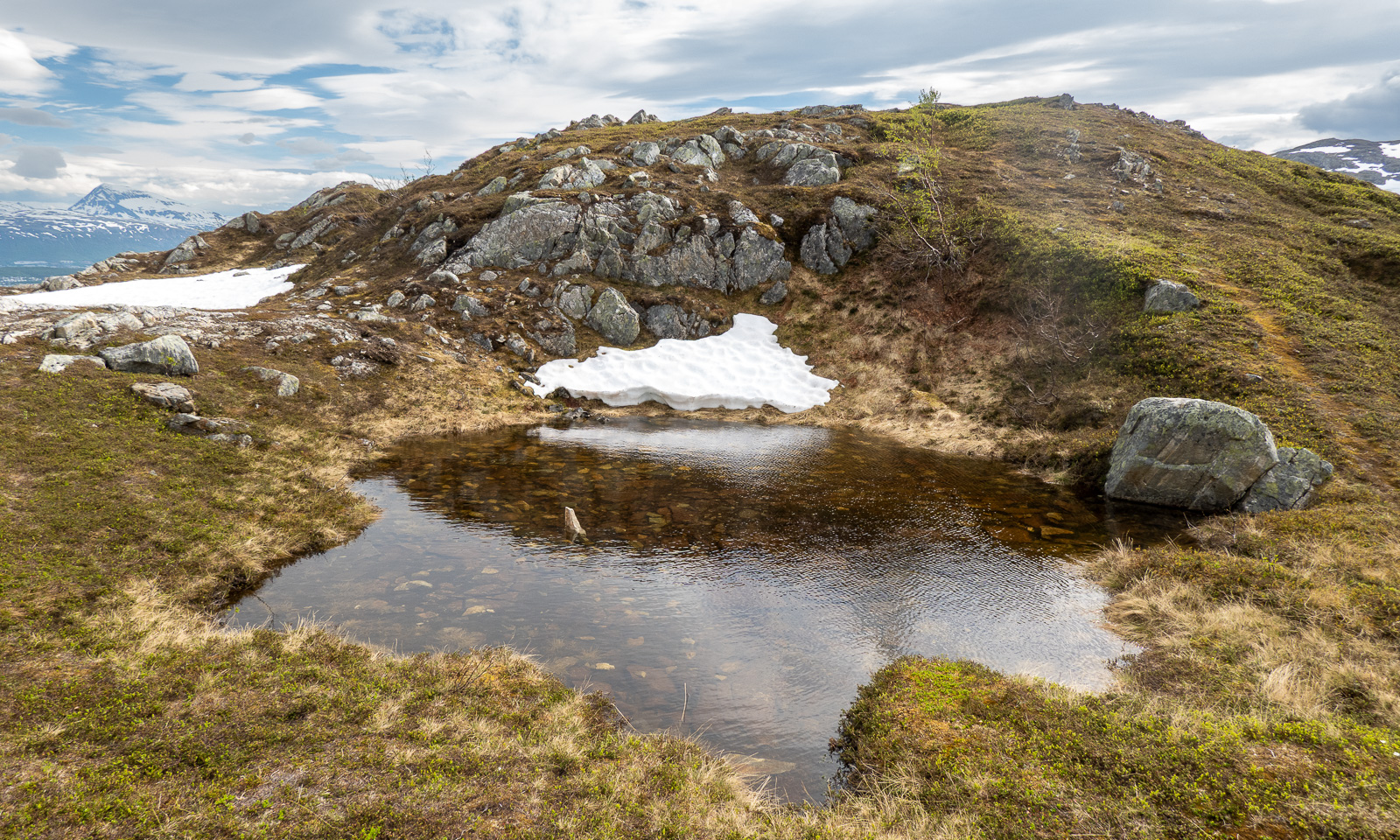
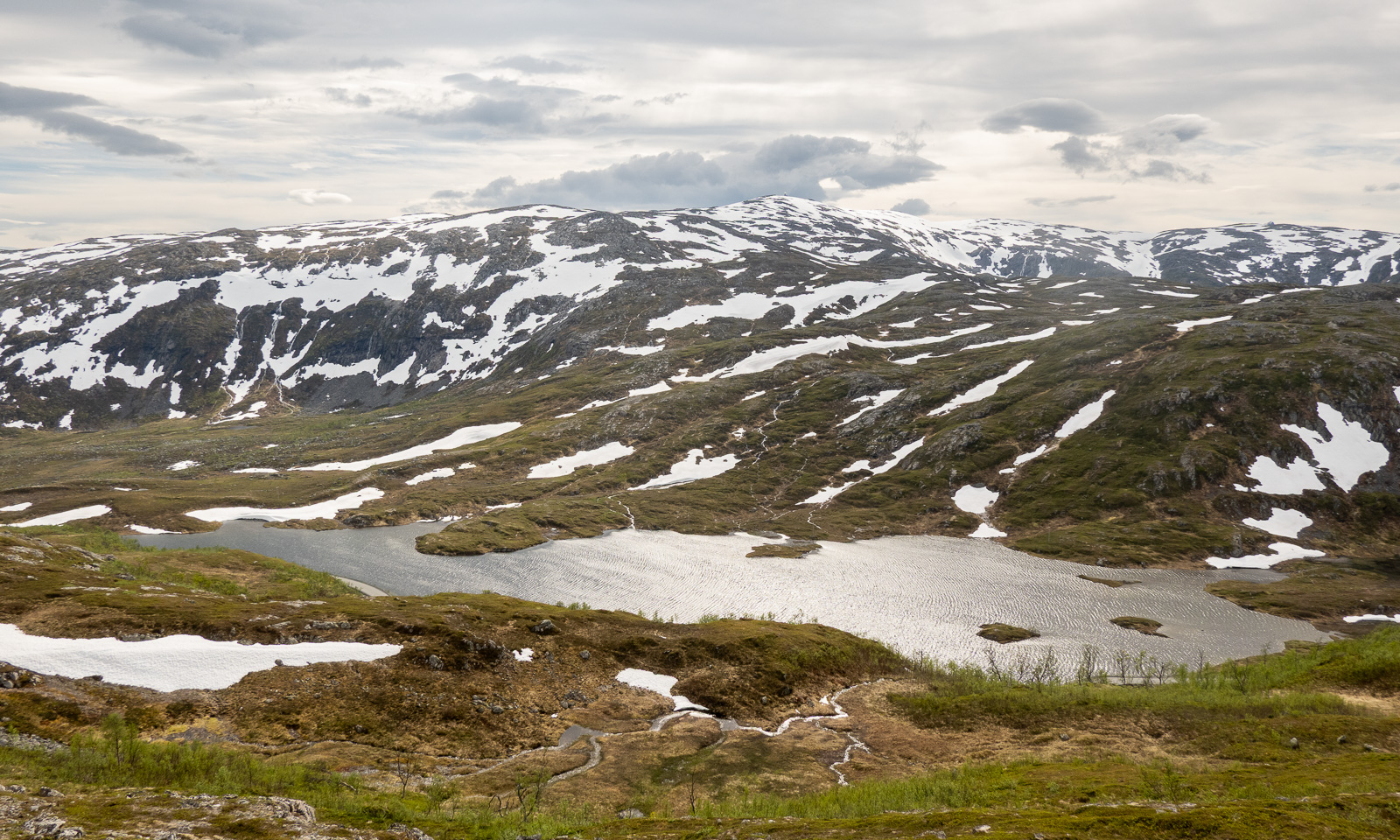
While coming down the mountain the landscape slowly changes. The ground is more and more overgrown and to the right there are several lakes.

As the day before I pass a small valley. Now it lies in the sun. It looks very idyllic with its lakes, streams and its birch trees. One day I have to check how to go there.

Another stream to cross, another lake to view …

… and I’m on the home stretch. Soon I can see the gravel car park. One of the grey cars is mine. But still the terrain is hilly and in no time the car park disappears from view again.

By 9:45 I am back at the car. I was incredibly slow — a luxury you can afford when you’re hiking alone and stopping to take photos.

Later that day I stand on my balcony. The view is mostly blocked by large trees. Birches, willows, rowans. Through the gaps I can spot the mountains. And if you look carefully on the next photo, you may spot a tiny white dot on the top of a snowy mountain. That’s the radar station of Stor-Kjølen. I’ve been there last night.

Midnight sun on the Stor-Kjølen

Yes, I was tired Saturday evening after travelling back from Obbola to Tromsø. But the weather was so nice and I already had started thinking about going up the mountain Stor-Kjølen for experiencing the midnight sun up there. Finally I made a decision. Let’s go. I packed water, a camping mat, a sleeping back, but most of all my camera equipment and went off. It is only a twenty minute drive to the lake Finnvikvatnet on the island Kvaløya where I parked my car. From there it is round 5½ km to the top and a good 500 metres of elevation gain.

When I start my tour at around 10 o’clock the sun is low. The sun is low, but it won’t set tonight – and not for the next twenty days either. The landscape glows in warm colours. The ground is dry, but soon I cross the first tiny snowfield.

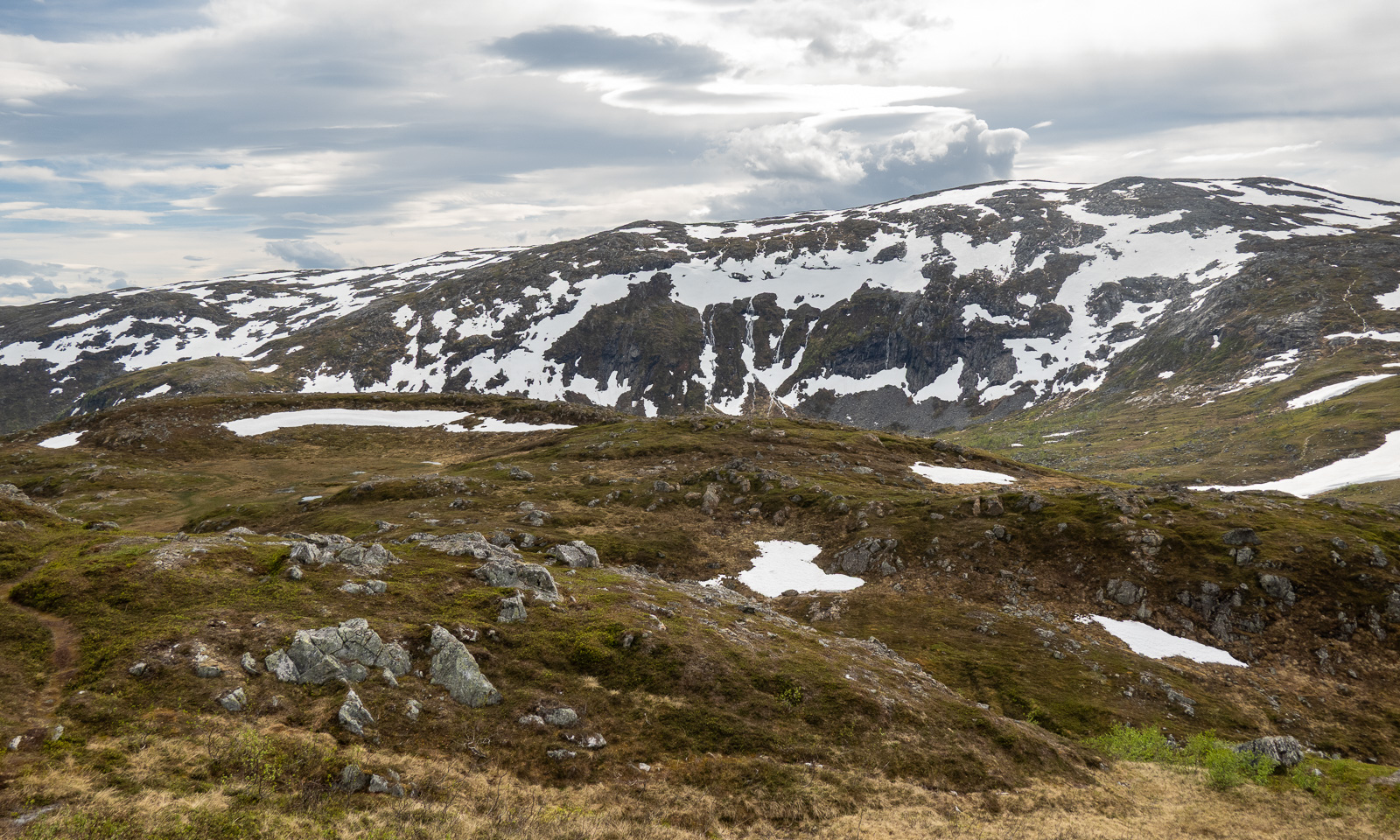
The path winds its way through grassy terrain scattered with stones and rocks. Stray snowfields lie on both sides of the path and the radar station on top of Stor-Kjølen has come into view.

The first lake flanks the trail. Slowly, the terrain is becoming rockier.

I look back and already now the hiking tour was a success. Lakes, hills – some grassy, some rocky – and at the horizon a mountain range. So beautiful in the warm light of the low sun.

For a while, grassy patches and rocky ground alternate …

… then the altitude takes command. Only snow and rocks are present and the vegetation is reduced mostly to mosses and lichens. I have to cross a large snow field but the ground is not slippery.

But then I arrive on the stone-covered plateau of Stor-Kjølen, where I can see a small cairn in front of me, a tall cairn marking the summit and the radar station. And if you look closely you can see a small cabin in front of the station. It’s a shelter for hikers. I’m alone, so I can use it for the night.

I want to take photos of the midnight sun, so I start experimenting with some sun-facing shots. These photos are much darker than reality. While the light is warm, it is still bright daylight.

The mountains and the sea all glow in hazy orange hues when I look against the sun.

But I have a mission – taking a photo of the midnight sun. Here it is. Unfortunately there is a small, transparent cloud in front of the sun that makes it look like a white splotch instead of a circle. Bad luck!

Bad luck? Not really. We have summer time, so the lowest position of the sun is one hour later – or a bit more accurate 0:48 due to local solar time. So I had some spare time to take more photo from the stone-covered flat top.

Then it was time: The sun as its lowest position. Ok – I was three minutes late, but the solar path is so flat that it doesn’t matter when taking photos. The light is the same. And eventually the little cloud was vanished.

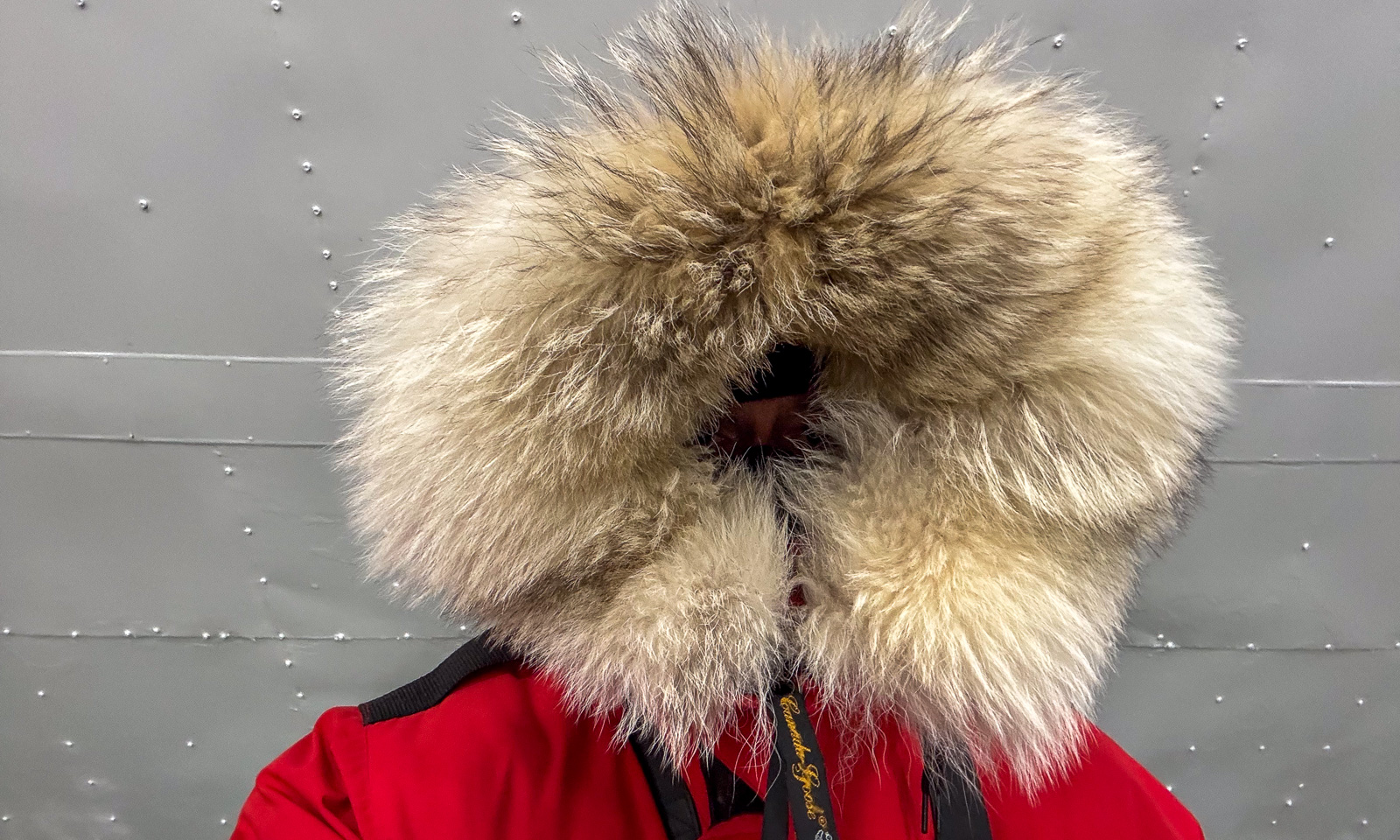
Just a selfie with my mobile phone, then it is time for bed, at last. (A down hoodie? Yes – it is windy and only +5 °C.)

I enter the shelter, roll out my sleeping mat on the floor and lie down, using my sleeping bag as a blanket. Cluck-cluck, cackle-cackle! What’s that? I peek out of the door and see that the hour of the ptarmigans has started. All around, these galliforms dart about, filling the air with their typical clucking. I am too tired to start another photo hunt so I just take some snapshots. (These photos are heavily cropped.)

But then it is finally time to sleep. The shelter is filled with light, the camping mats (I found another one in the shelter) are thin and the ground is hard. But then I doze off and …

… sleep. At least for a couple of hours.

To part II >

Travelling through worlds

Some of you may know, that I live in two places. In Tromsø in Norway, my “work home” and in Obbola in Sweden, my “home home”. Travelling is not so easy, since the distance is 940 km by car. Normally I take the bus TromsøNarvik and then the train NarvikUmeå, but I happens frequently, that the Swedish train does not operate this route. Yesterday for example I took the plane. It’s like travelling through different worlds.

Tromsø

Friday 11:00 – I am taking a promenade in the forests nearby. While the snow in the forests will soon be soon, the mountains will stay white much longer.

Airplane

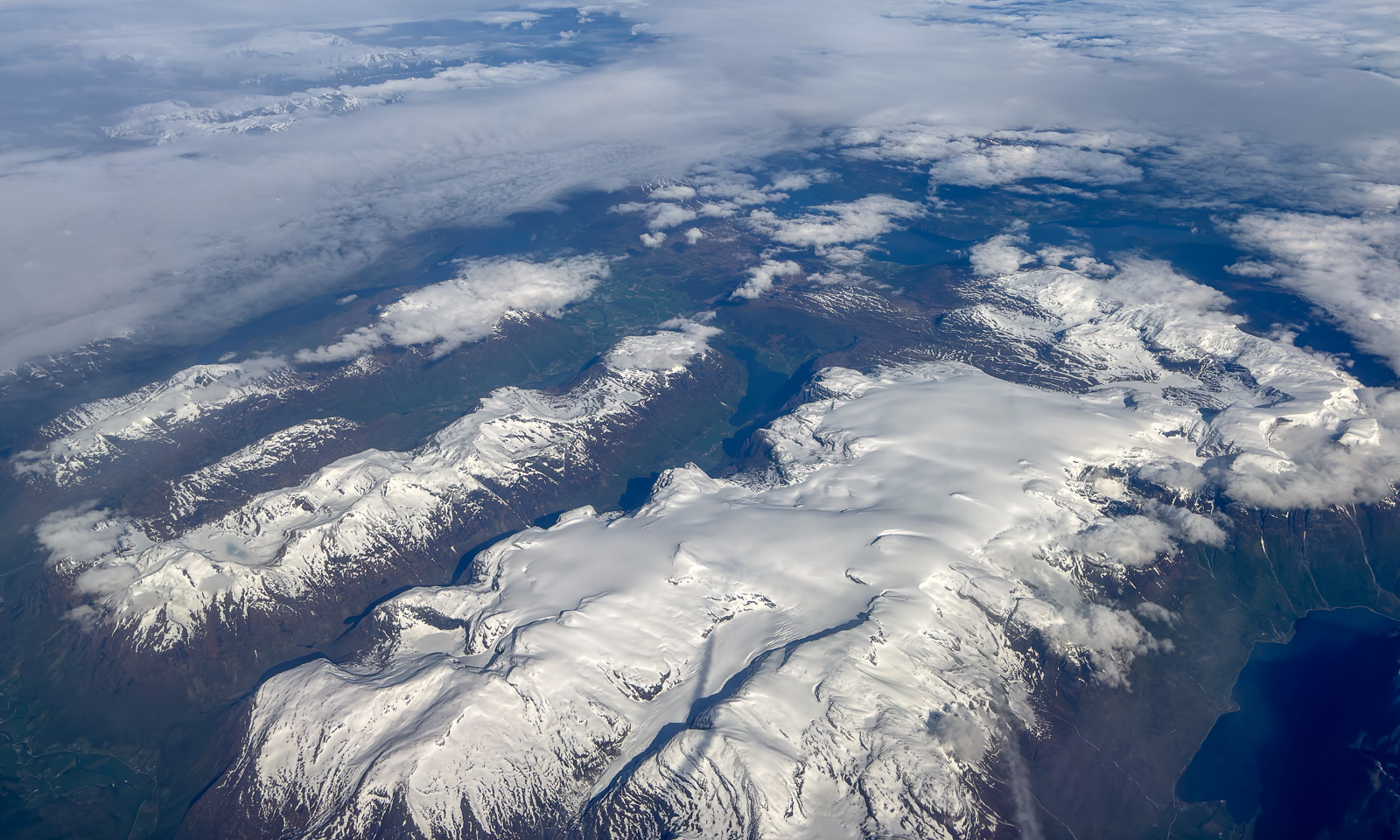
Friday 17:00 – I am sitting in the airplane to Stockholm, now watching the snowy mountains from above until it gets cloudy below.

Airport Arlanda

Friday 21:00 – I am waiting for my plane to Umeå, one of the last planes for today. Less and less people are present and the shops are closing.

Obbola

Saturday 08:00 – I am home home. Compared to Tromsø everything is much greener . The weather is rainy and everything outside is soaking wet.

It’s June in Tromsø

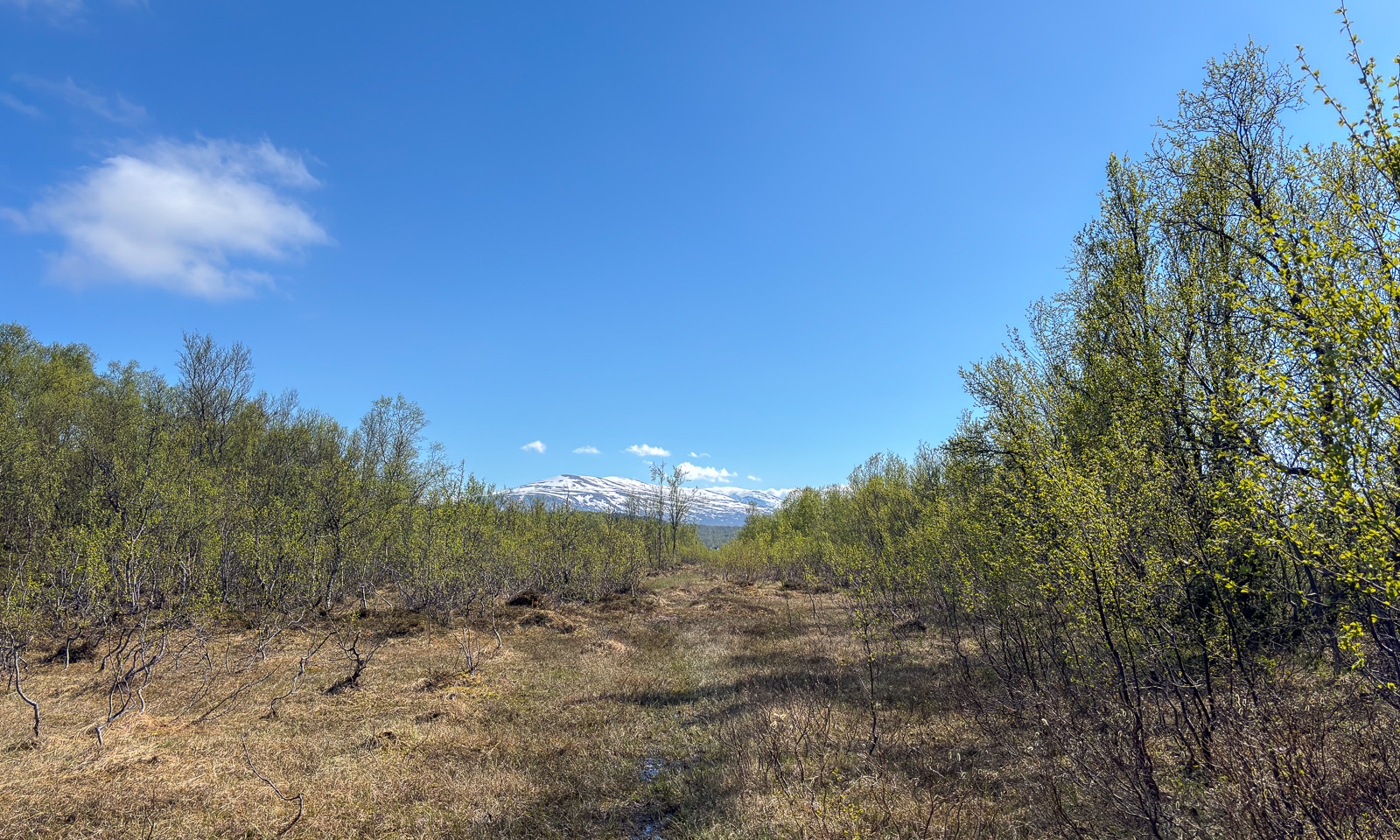
After a week in my hometown Bremen in Germany I returned to Tromsø yesterday. This morning I took a tour through the nature of the northern island. The landscape is mostly wooded hills, with a few bogs and lakes dotted around. I was curious about two things: how much snow is left and have the birch trees got their leaves?

More and more snow is gone. However some of the forest floor is still covered with dirty snow, sometimes up to half a metre and more.
You can still see last winter’s cross-country ski trails. The pressure of many thousand skiers has squeezed the snow making it more compact. Like white ribbons, these paths wind their way through the forest.

Other paths give no hint that winter ever touched that place.
The moorland with its spongy ground is completely clear of snow. And so are the lakes.
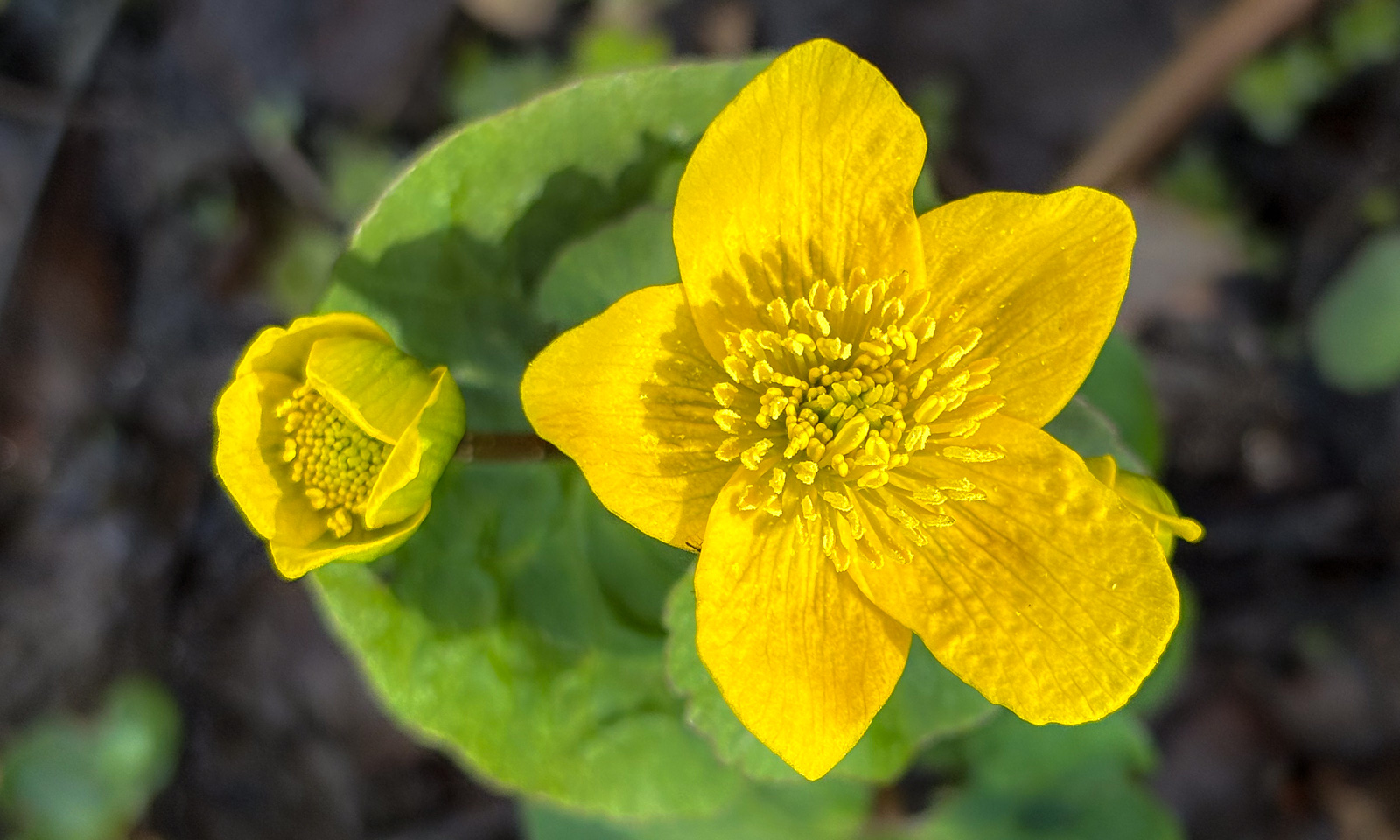
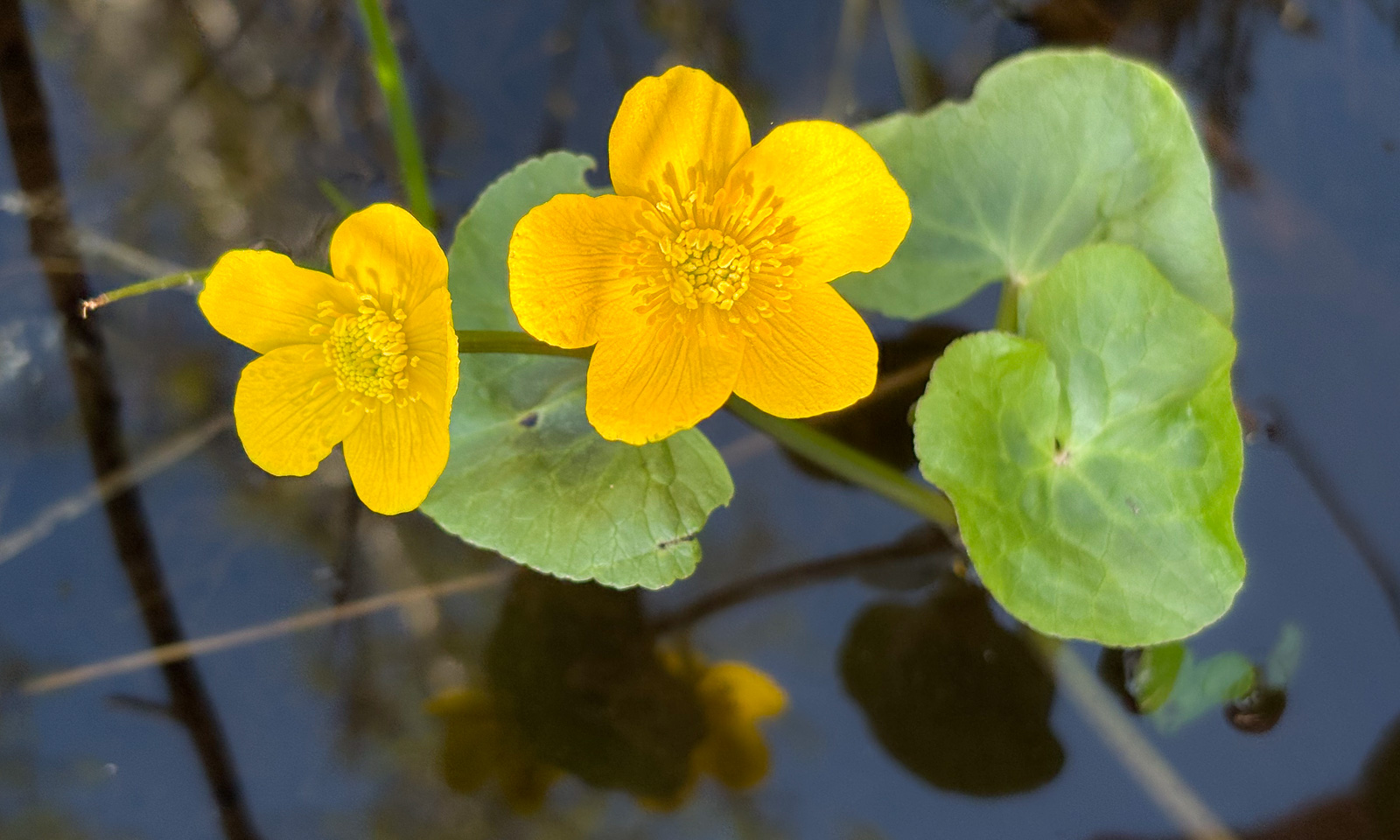
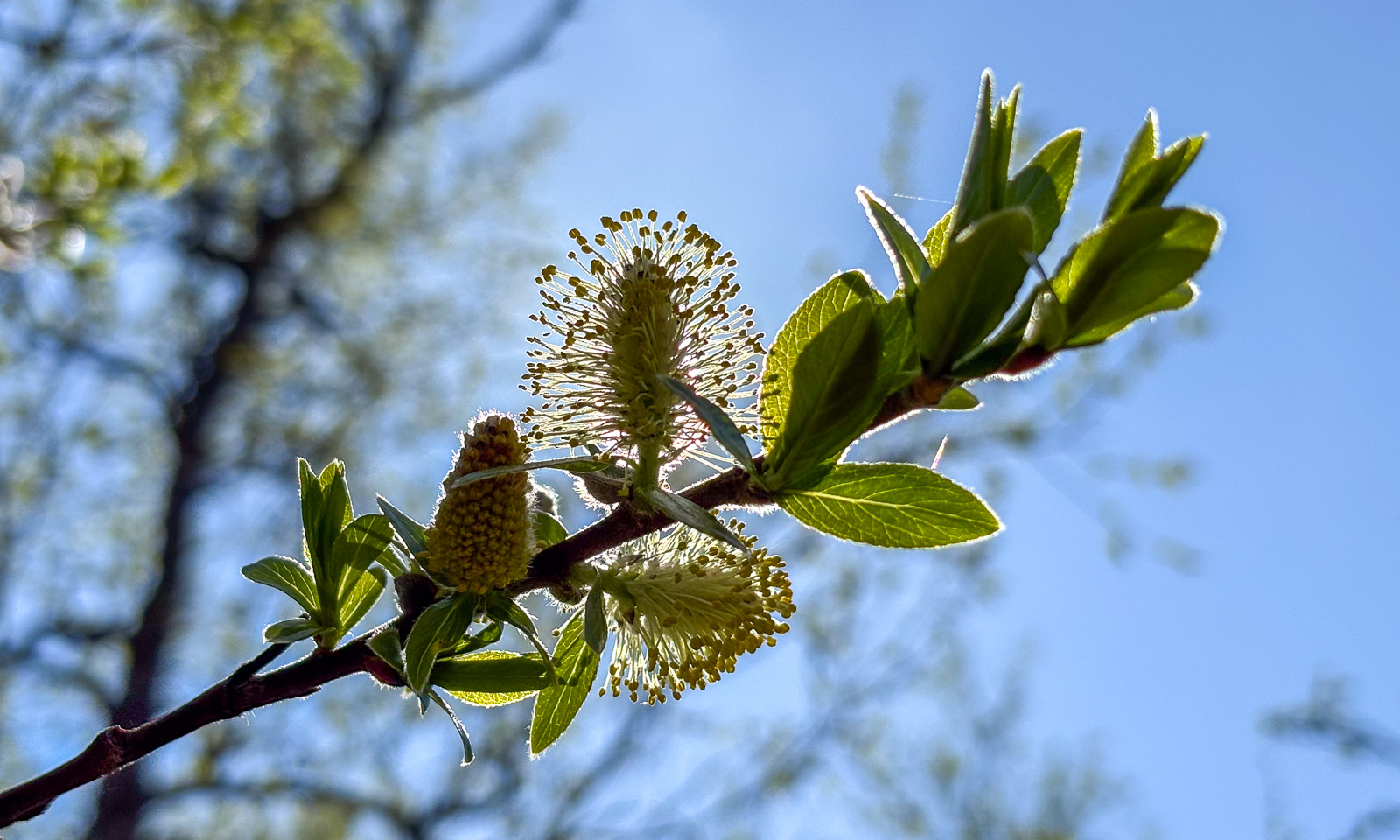
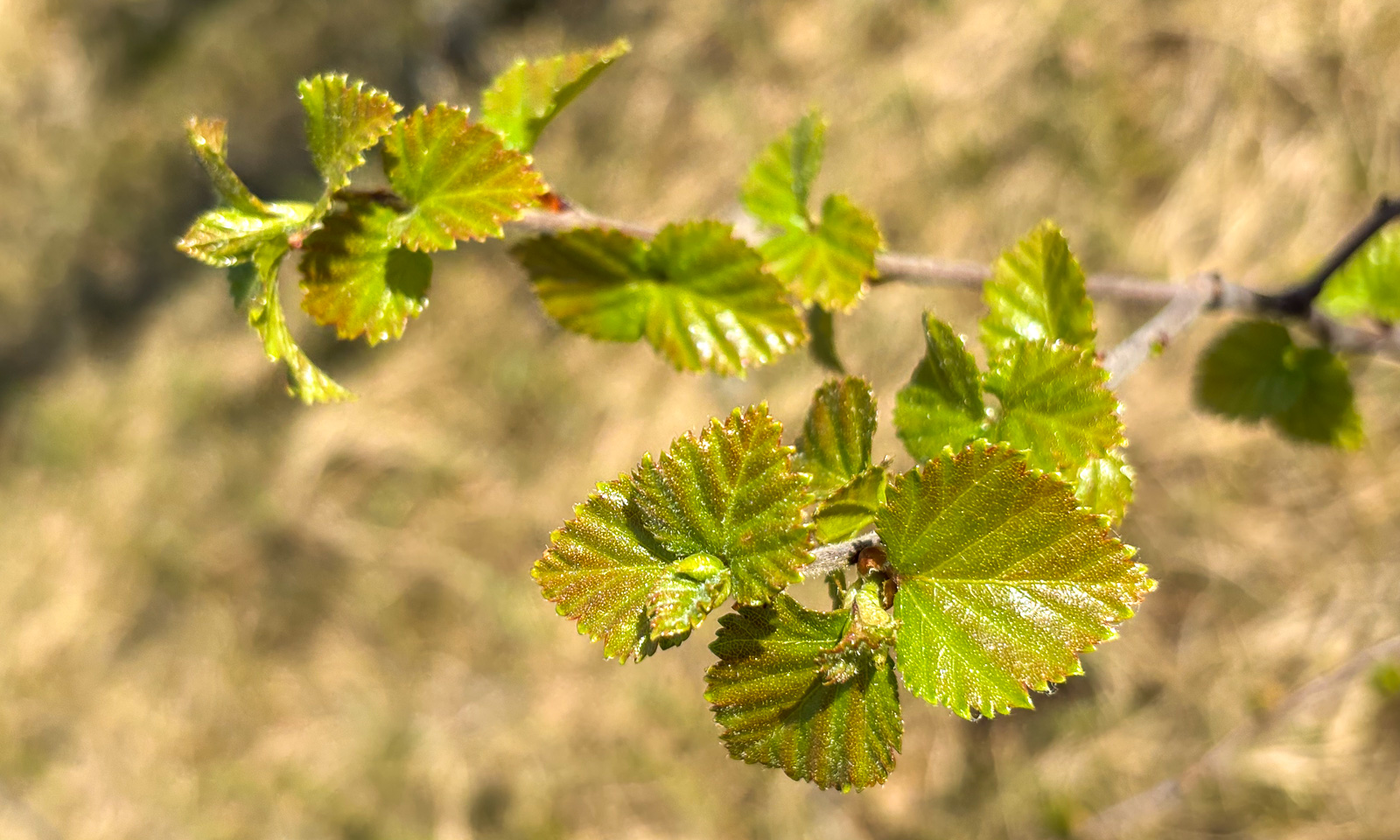
However, although it is already 1st of June the colours look more like late October. But if you look a bit closer you see the signs of springs such as the blooming marsh-marigold and the birch leaves that finally start to grow and unfold on some of the trees.

The snow is melting

Fifteen days ago: 98 cm of snow in Tromsø, measured at an elevation of 100 metres. Yesterday – two weeks later – 31 cm of snow are left. And so my walk home also looked like. Somewhere between the winter still hesitating but spring approaching anyhow.
Tomorrow the summer working hours start and till September I’ll have to work only seven hours a day. Yay!

The following day my car will get summer tyres.

And on Sunday – four days from now – the time of the polar days start where the sun won’t set before 26 July.