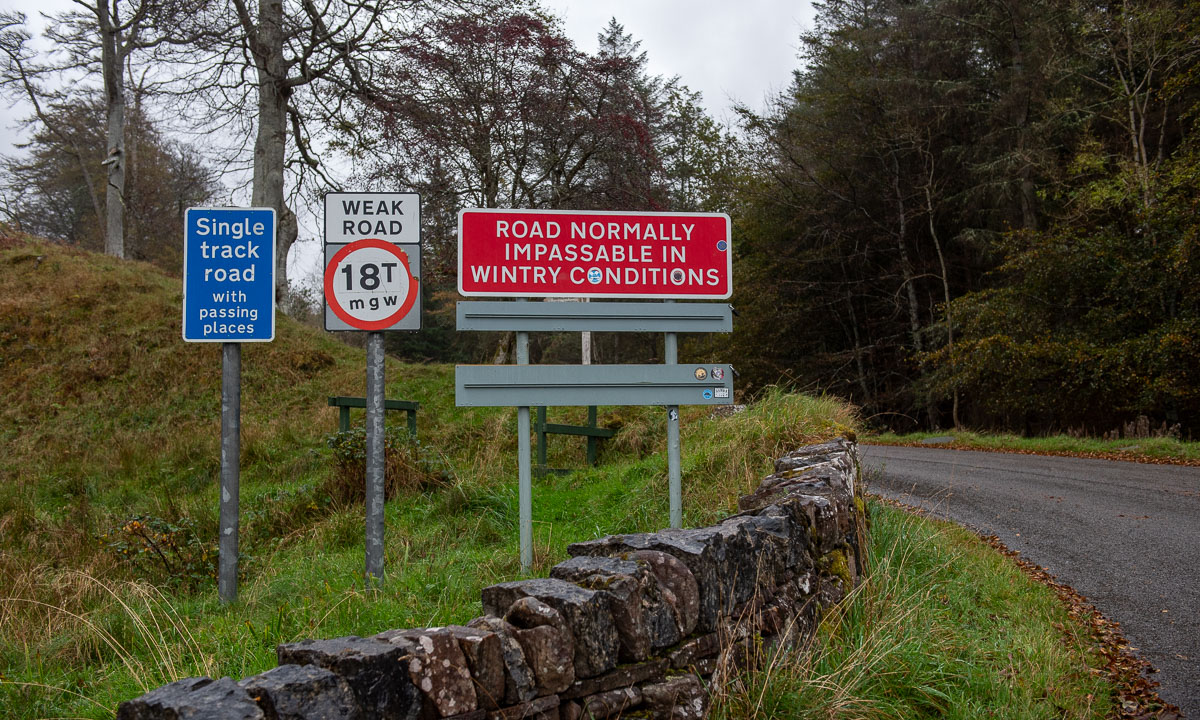
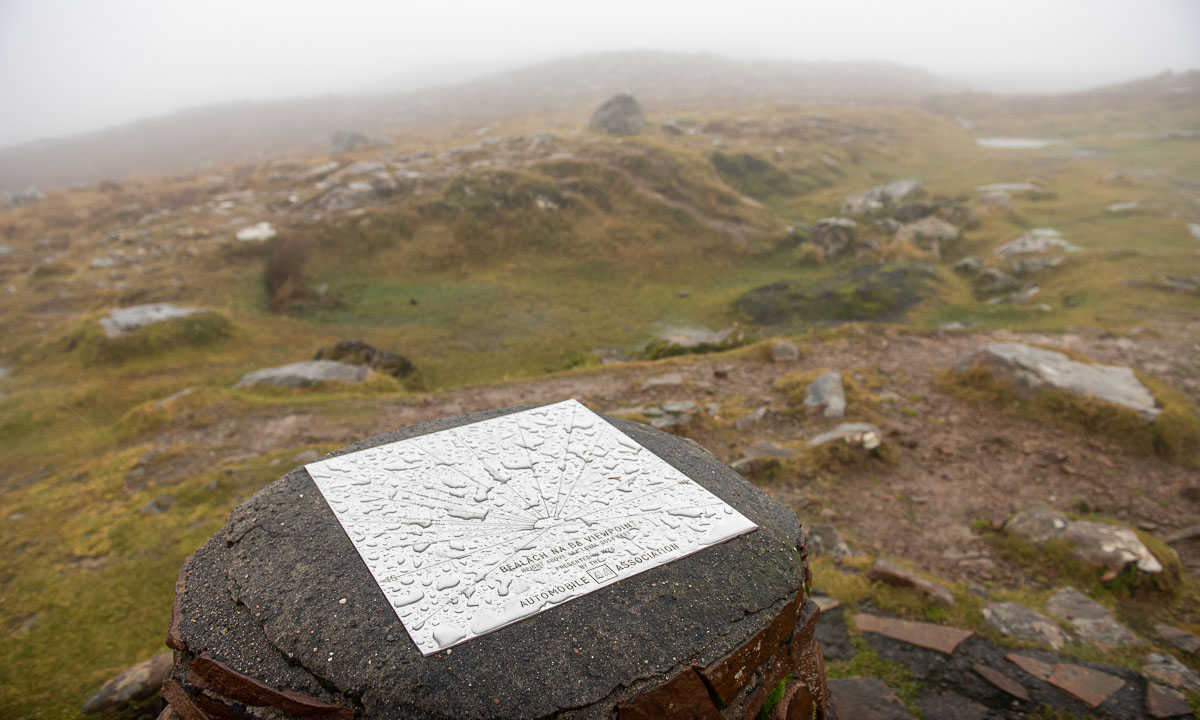
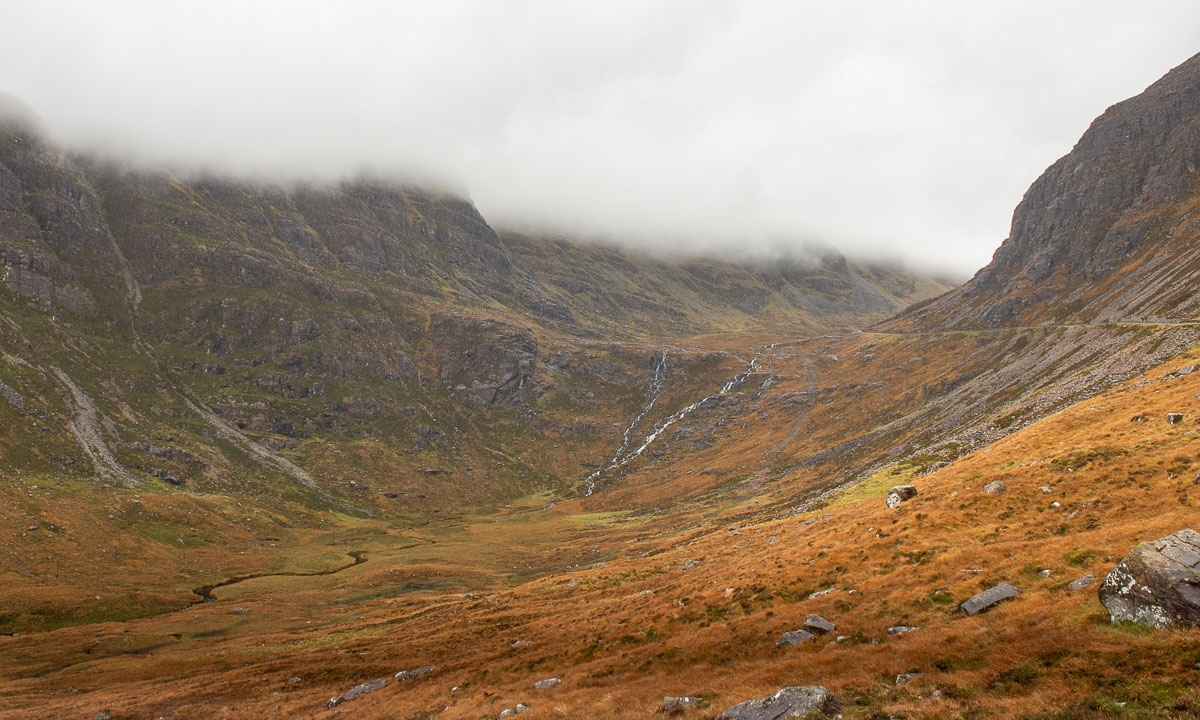
Scotland NC500 – day 5 – fog, castle, mountains and forests

This article is part of the series “2025-10: Northern Scotland”.
October 17

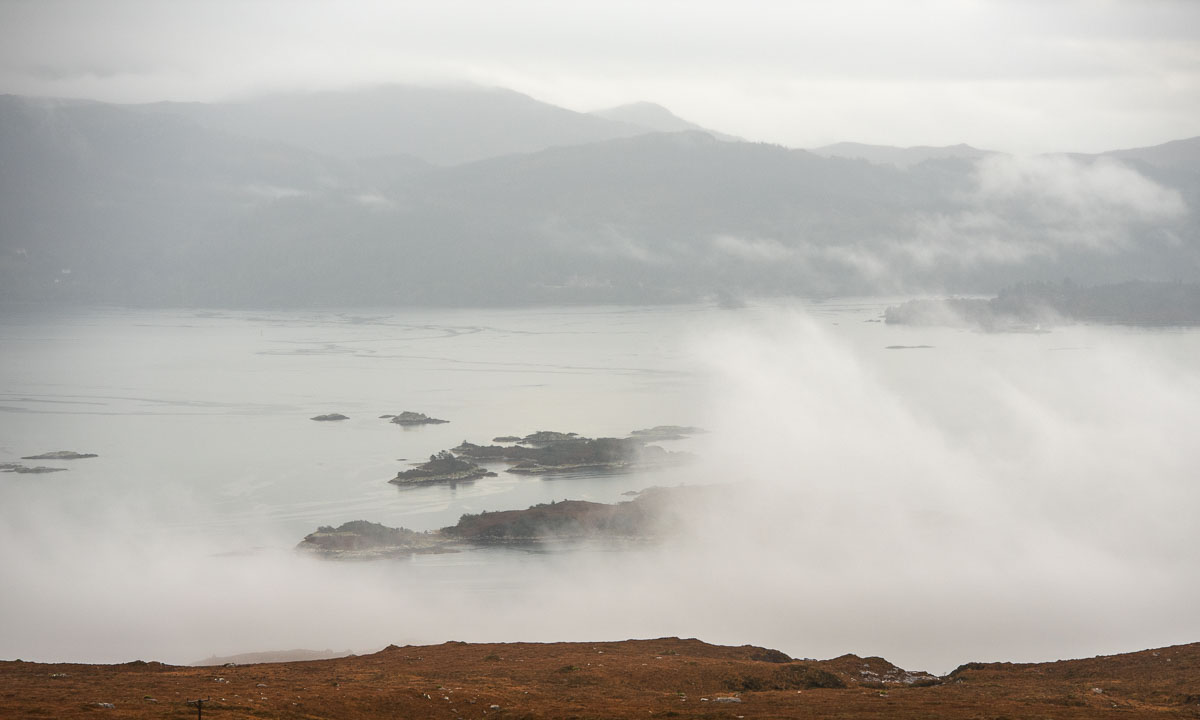
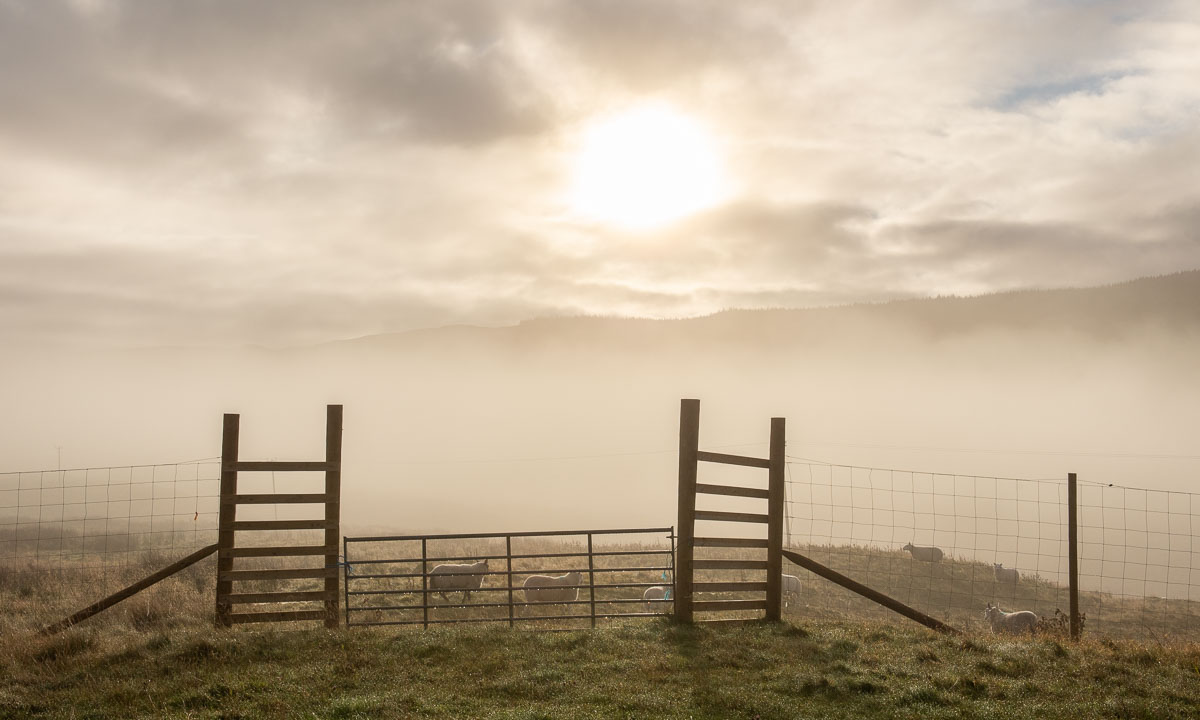
My wife Annika and I have left Lairg where we stayed overnight and head west on the A837 through hilly farmland. Some places are covered with patches of dense fog which give even the more common views a magical touch.

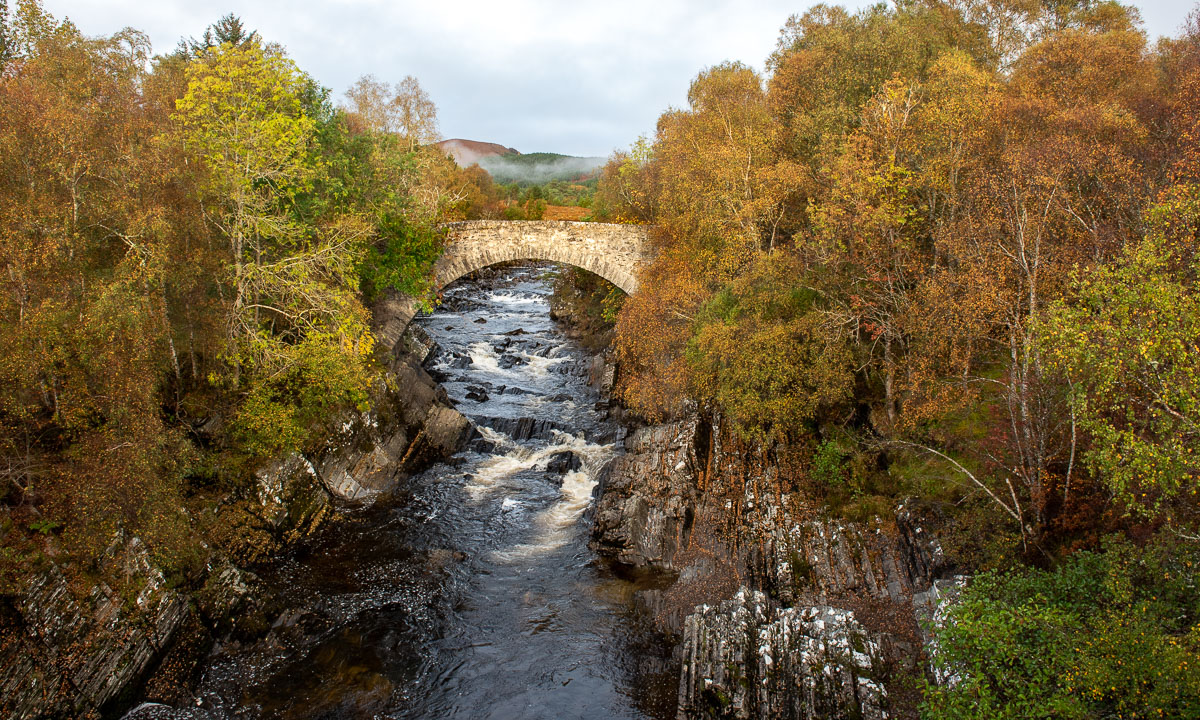
We cross the River Oykel. North of the A837 another bridge spans the small river. These stone arch bridges are quite common, but here we can park so that we can take photos. We even get a bit of sun.

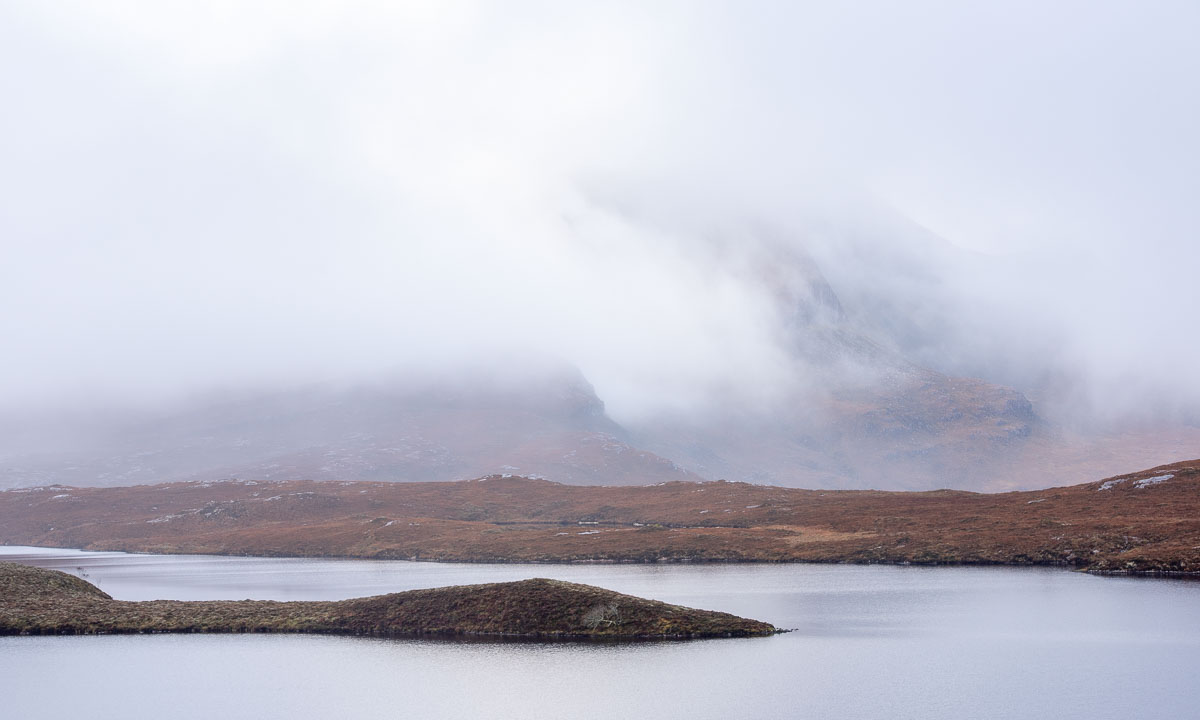
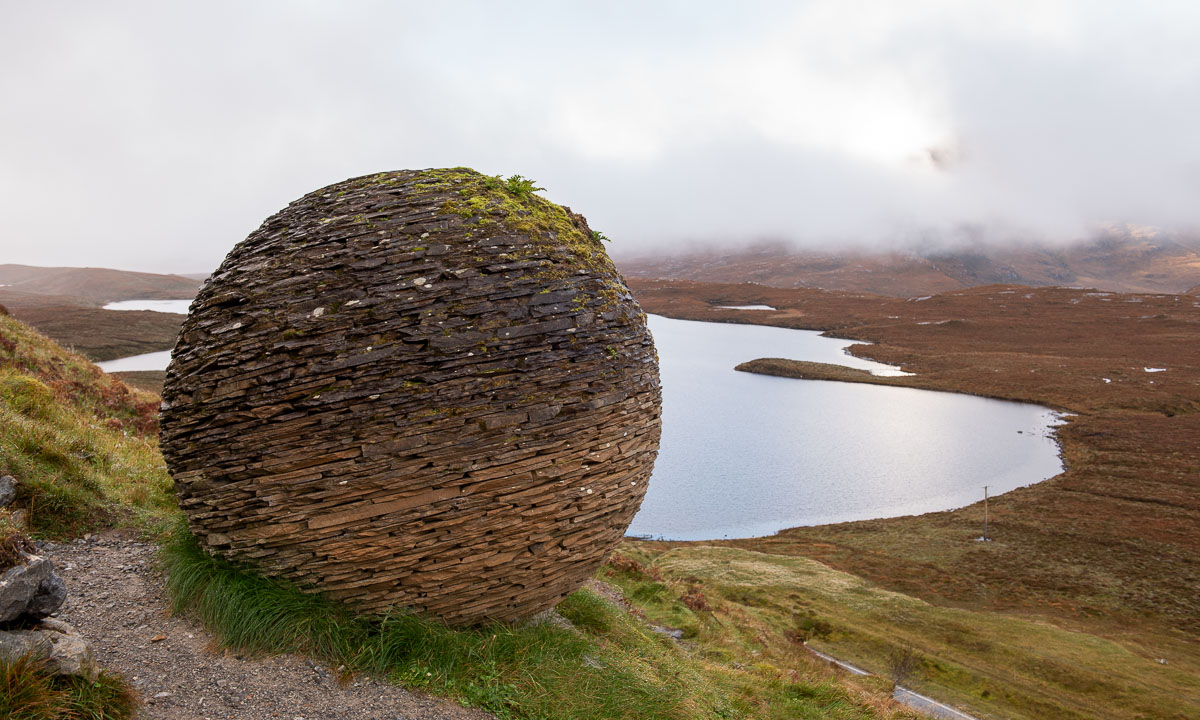
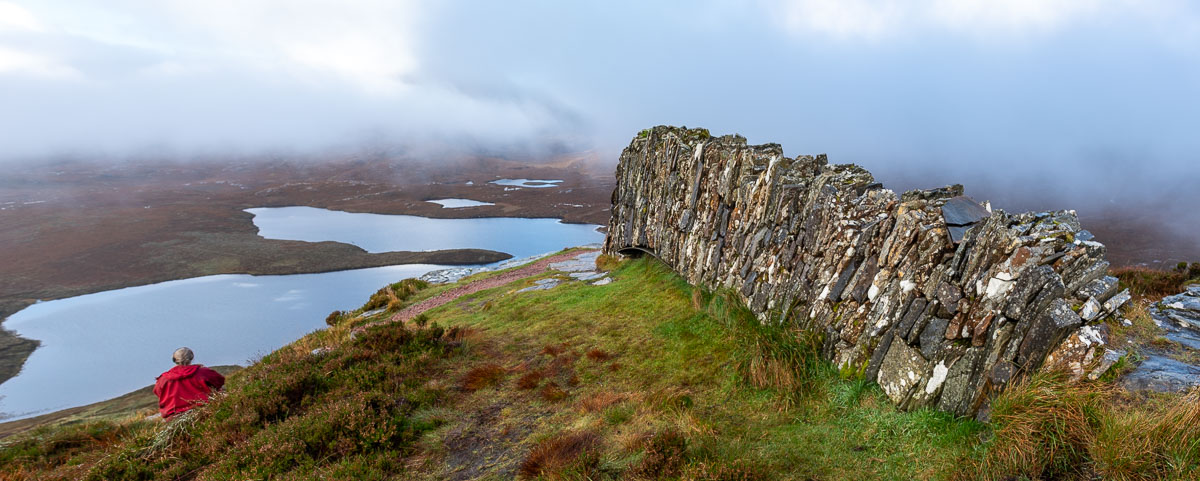
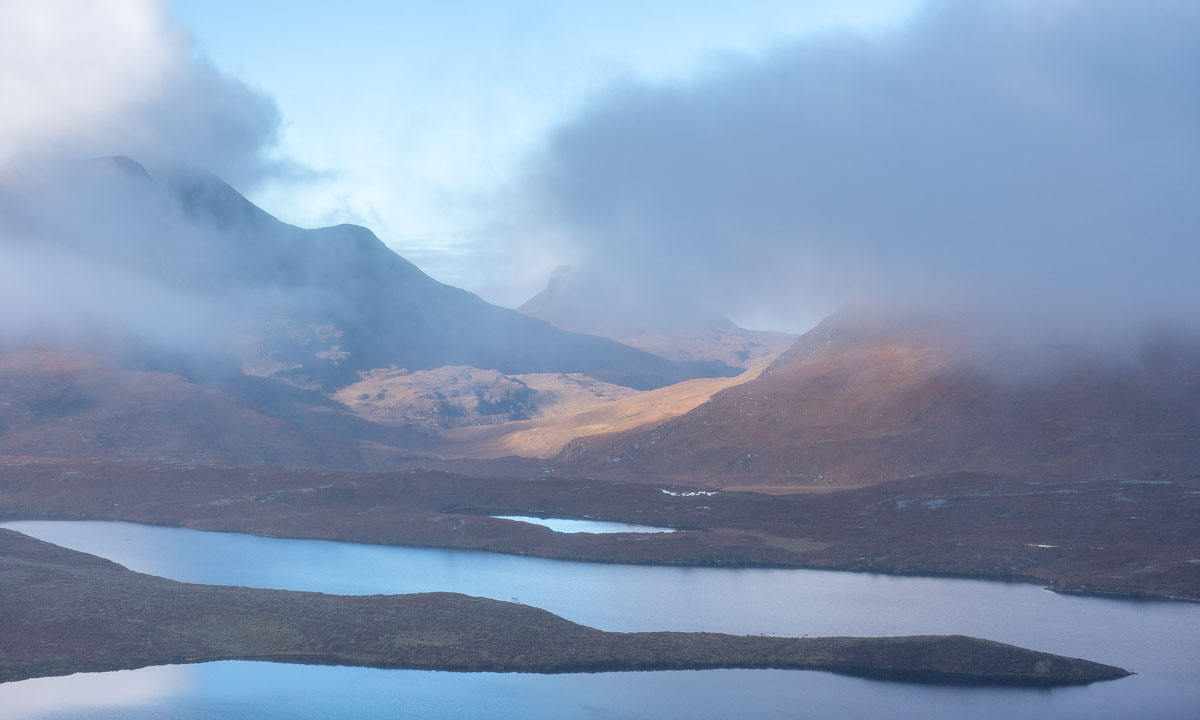
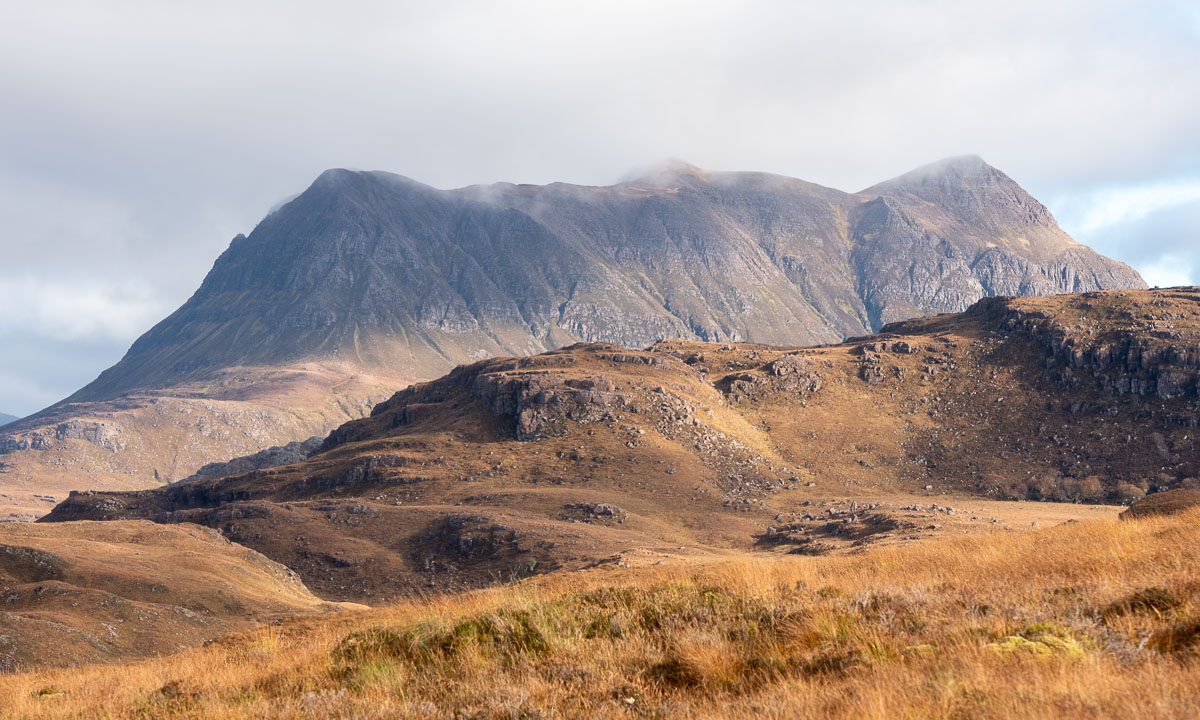
Half an hour later we arrive at the Knockan Crag National Nature Reserve. We park the car and have a view of the lake Lochan An Ais and the mountains behind. At least on those parts, that are not covered by fog.

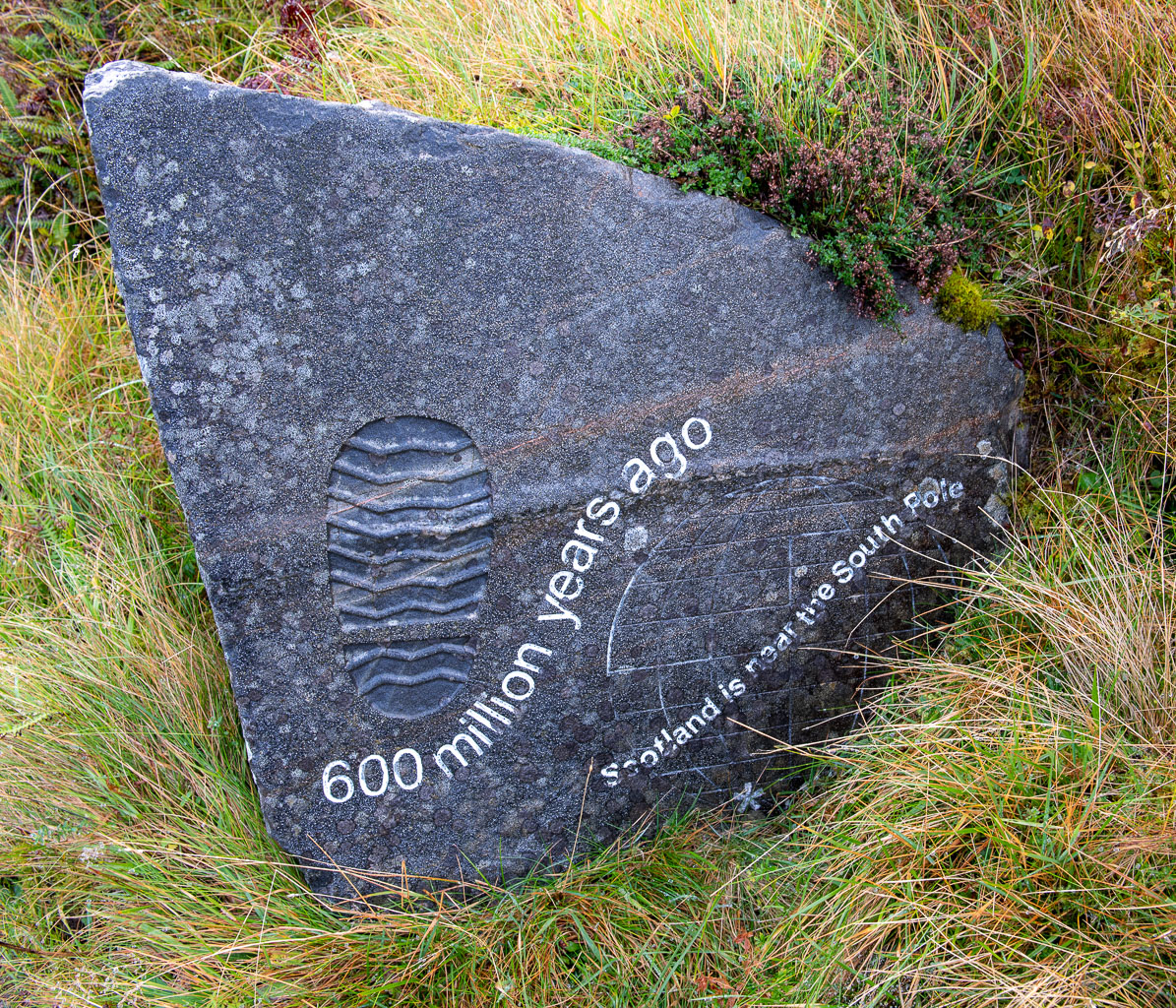
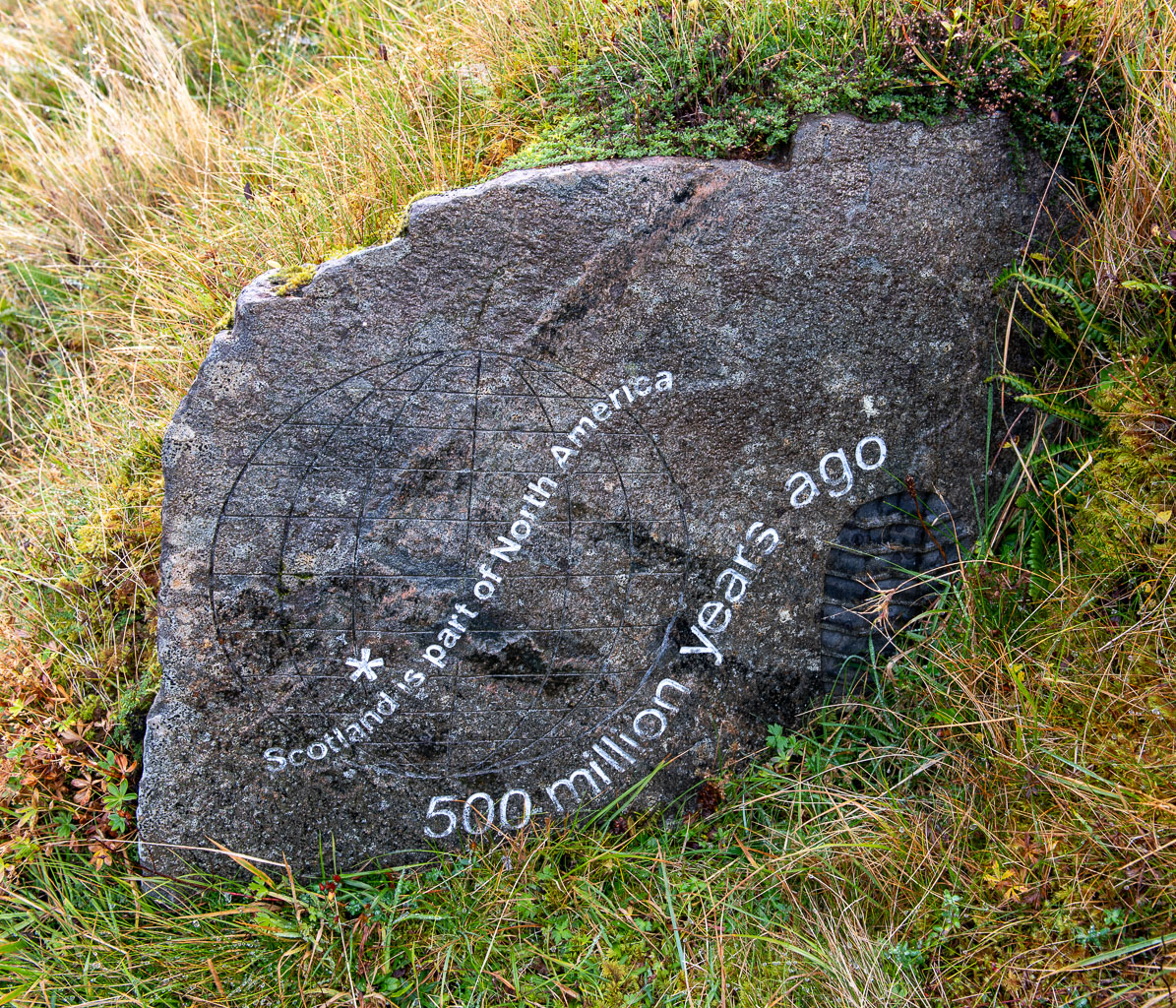
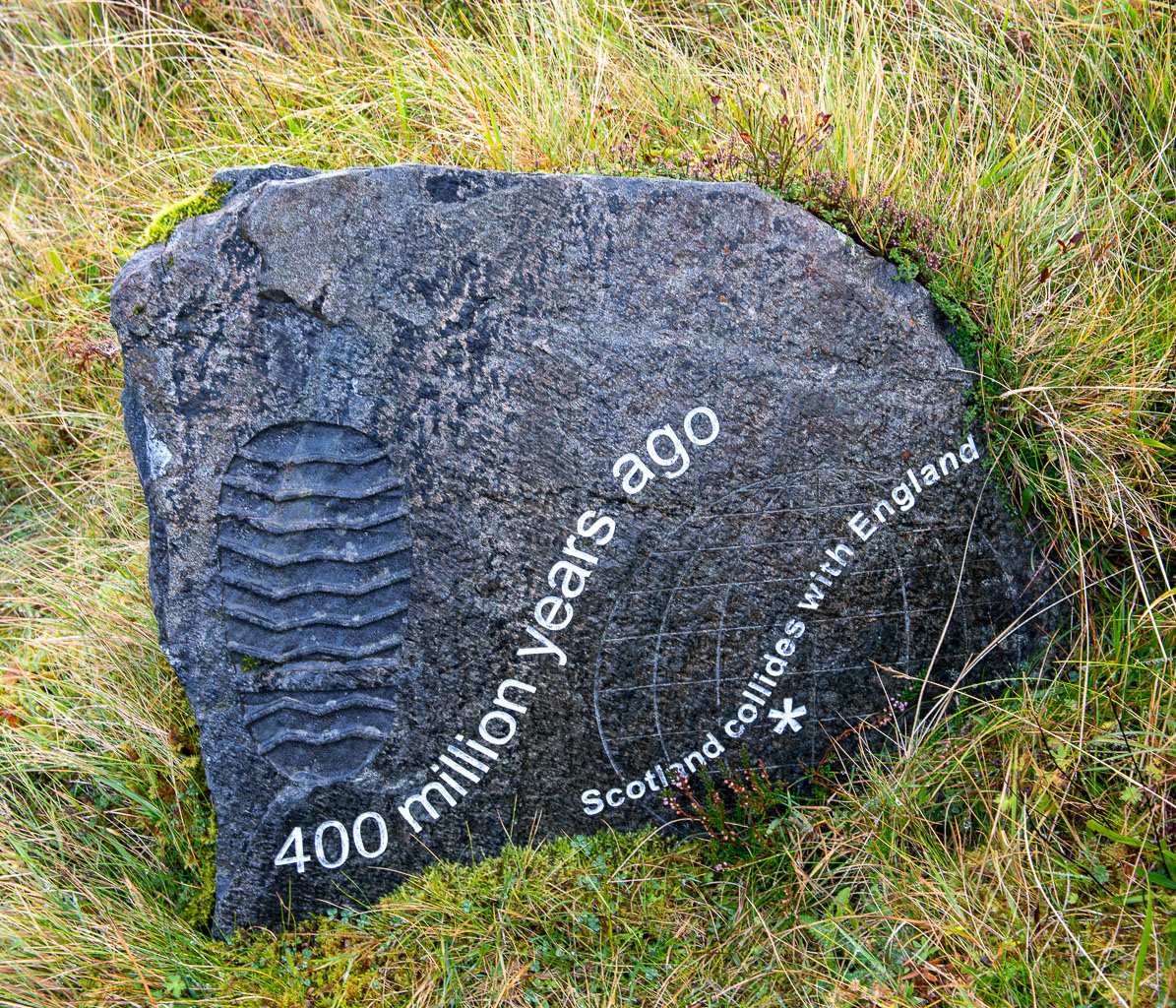
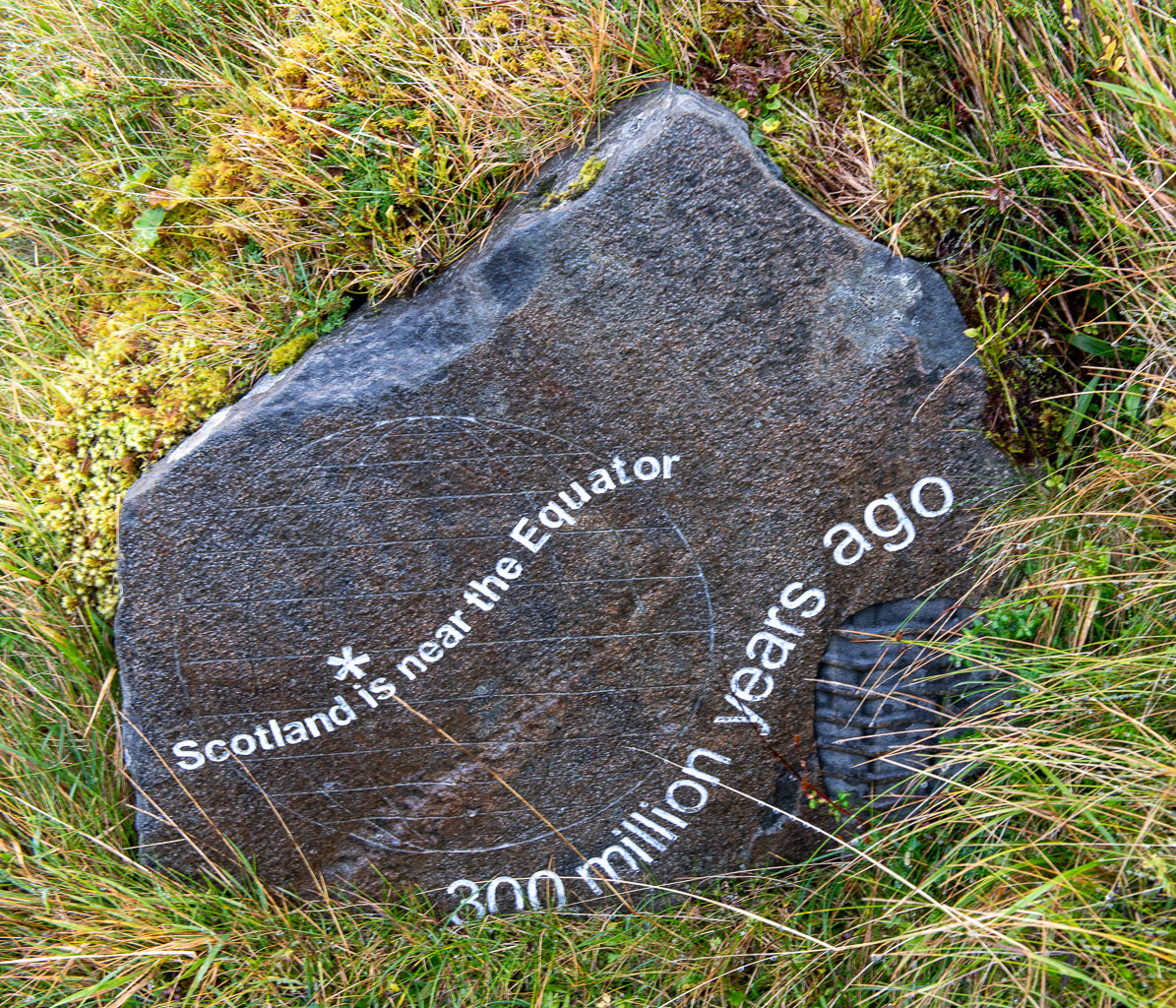
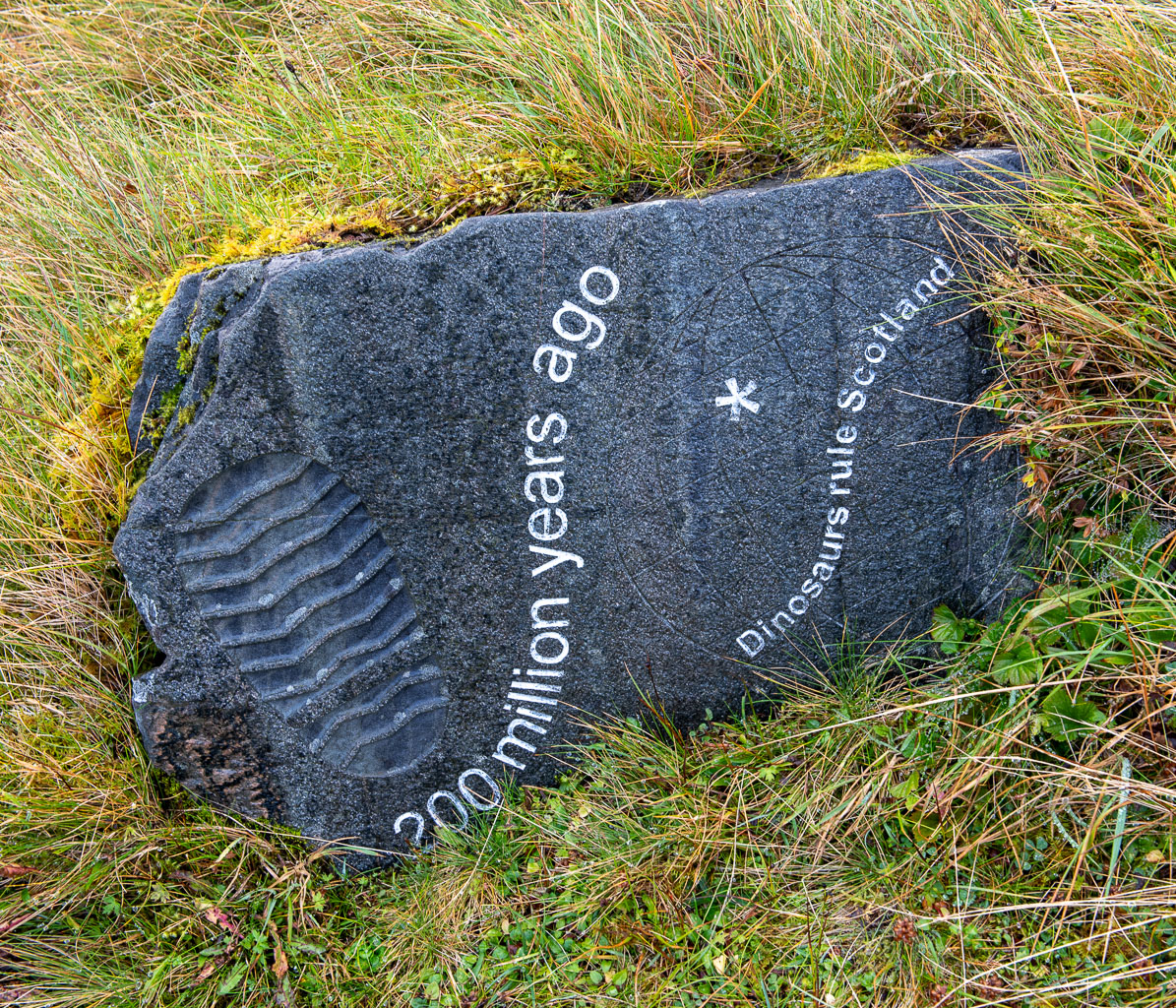
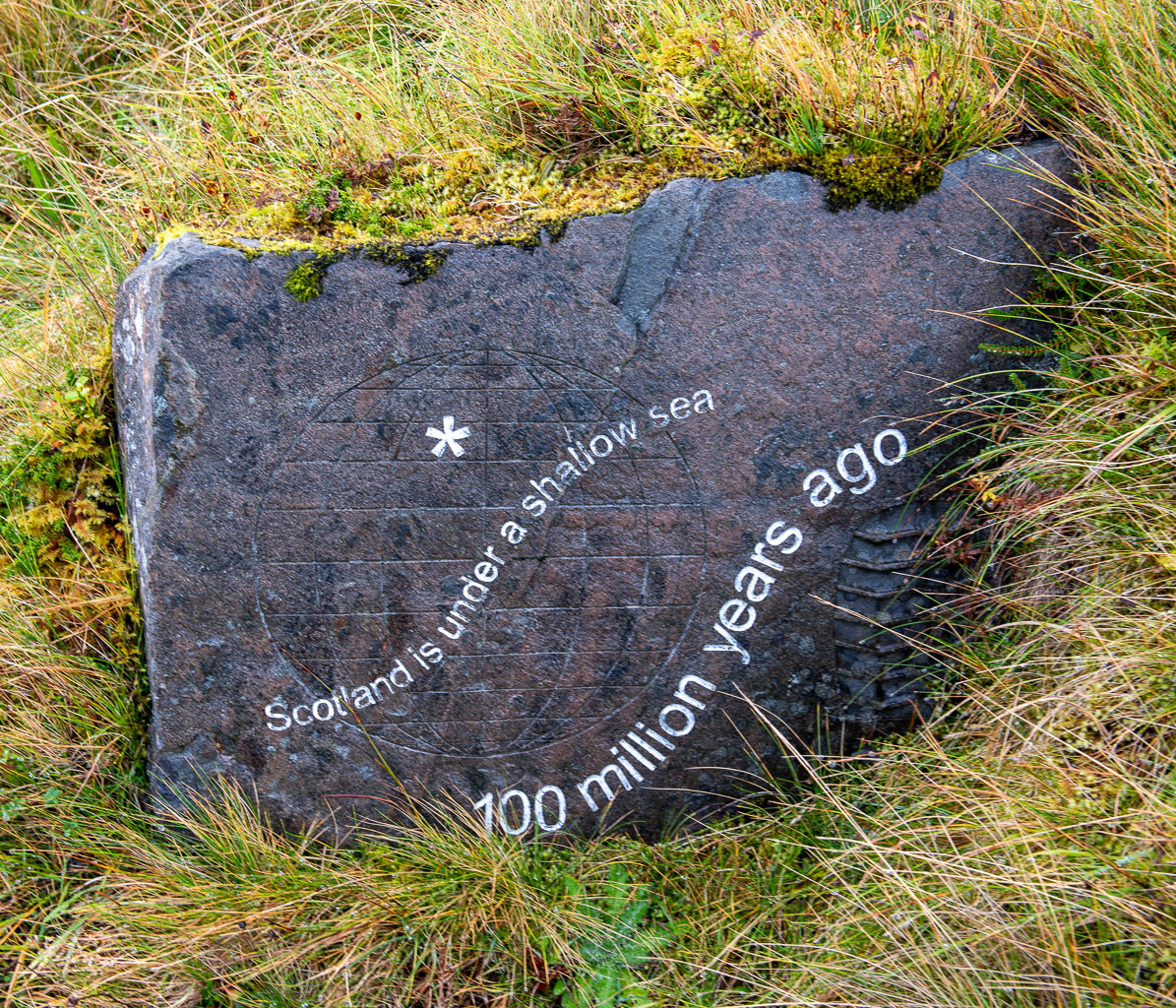
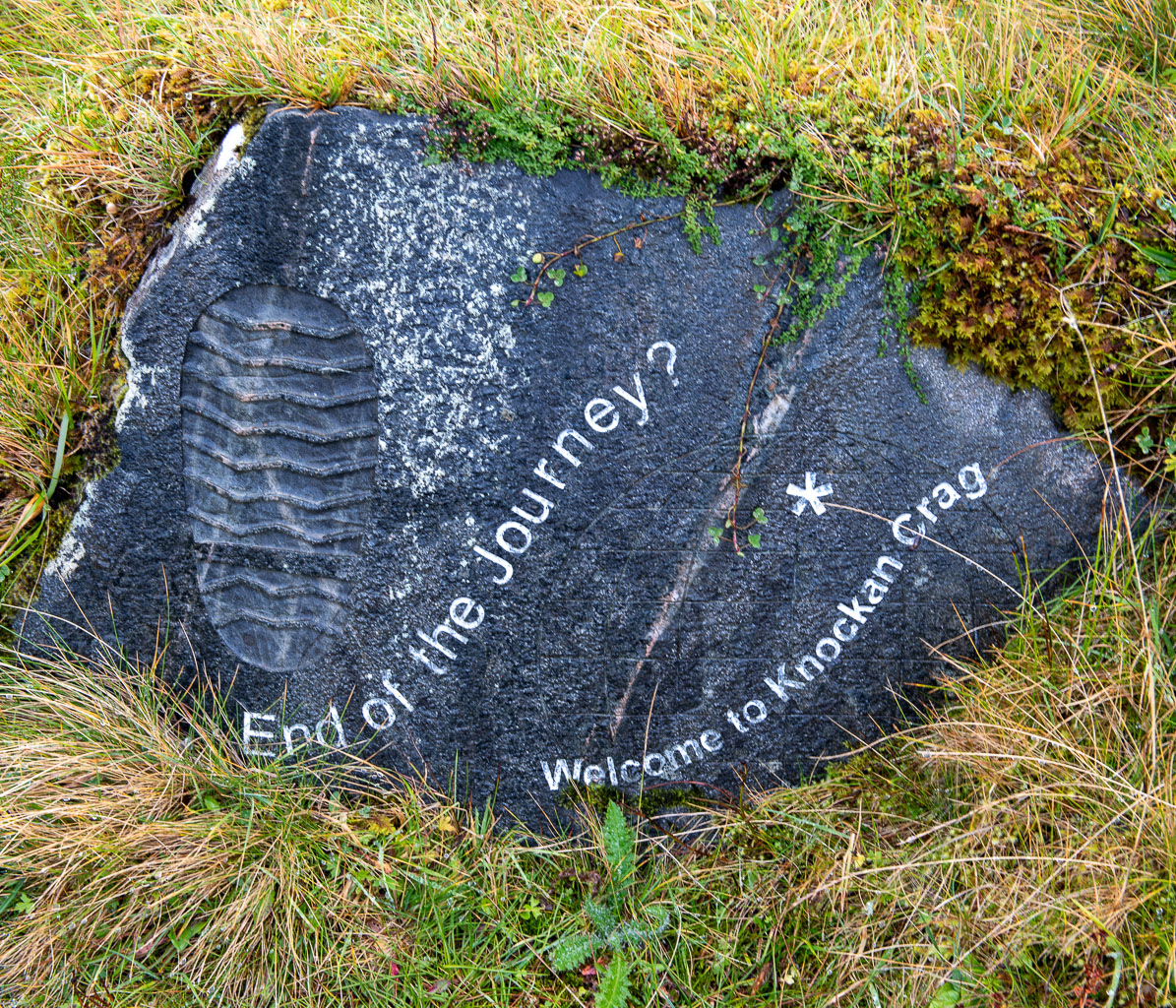
Anyway, we hike the Crag Top Trail, a circular route. It starts drizzling as we follow the path and learn about the geological history of Scotland. Have a look at the seven photos of the stones.

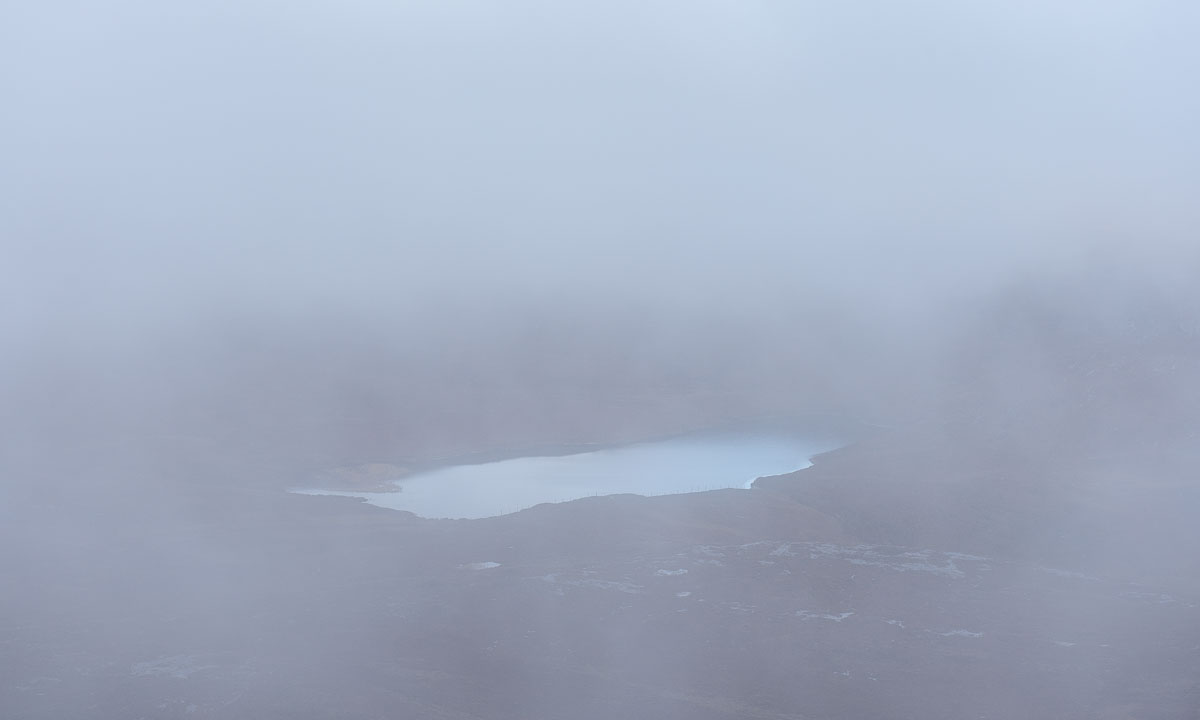
While we continue our hike clouds approach and most of the view vanishes into a white void. But not for long, then lake and mountains are visible again.

Our next accommodation is in Badrallach in the south. However, we have time and first take the road north to Loch Assynt where Ardvreck Castle is located. We already visited this place three years ago.

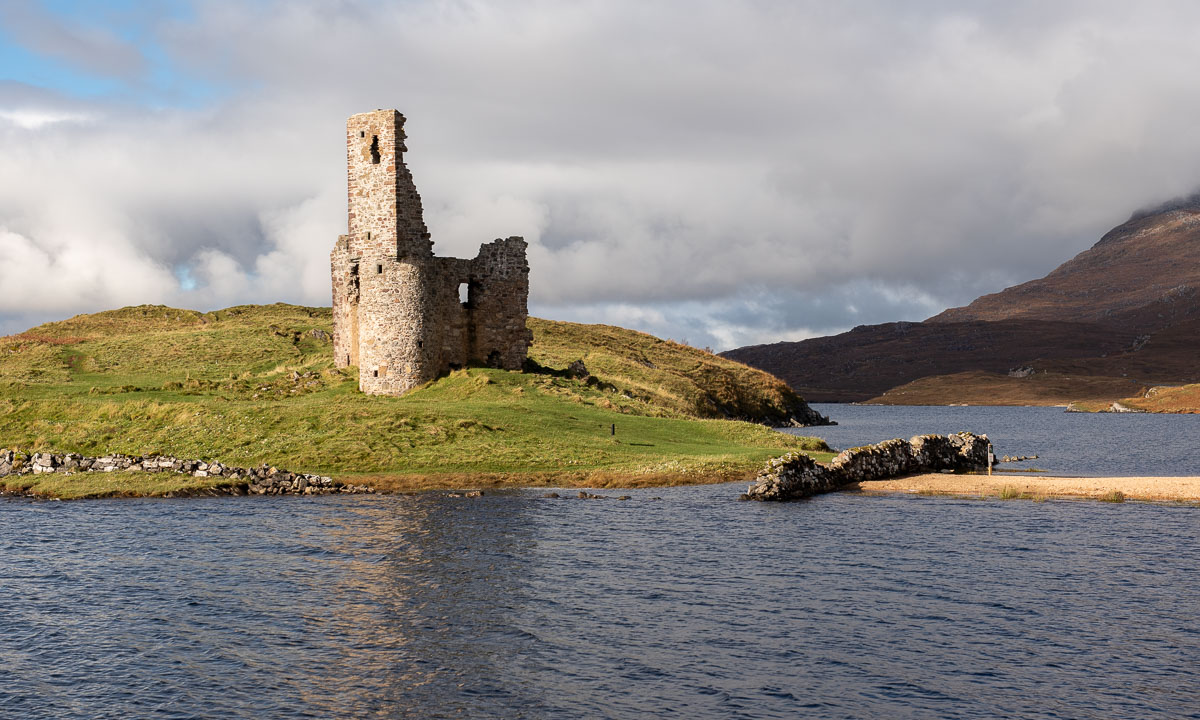
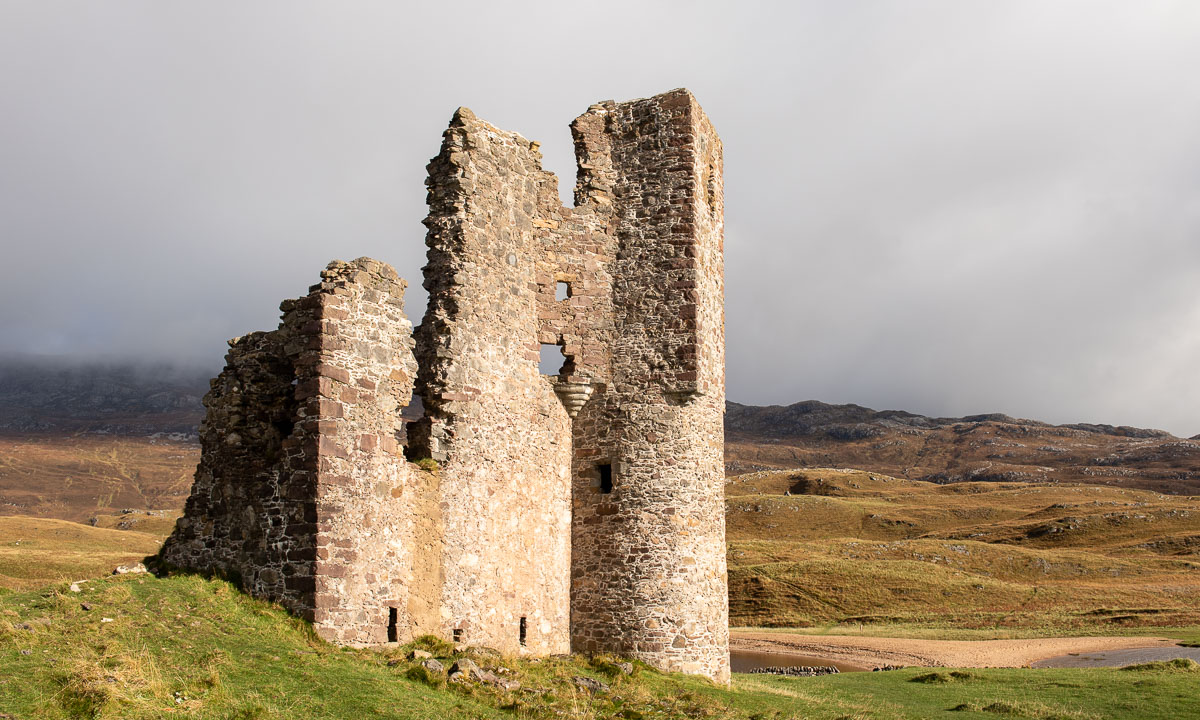
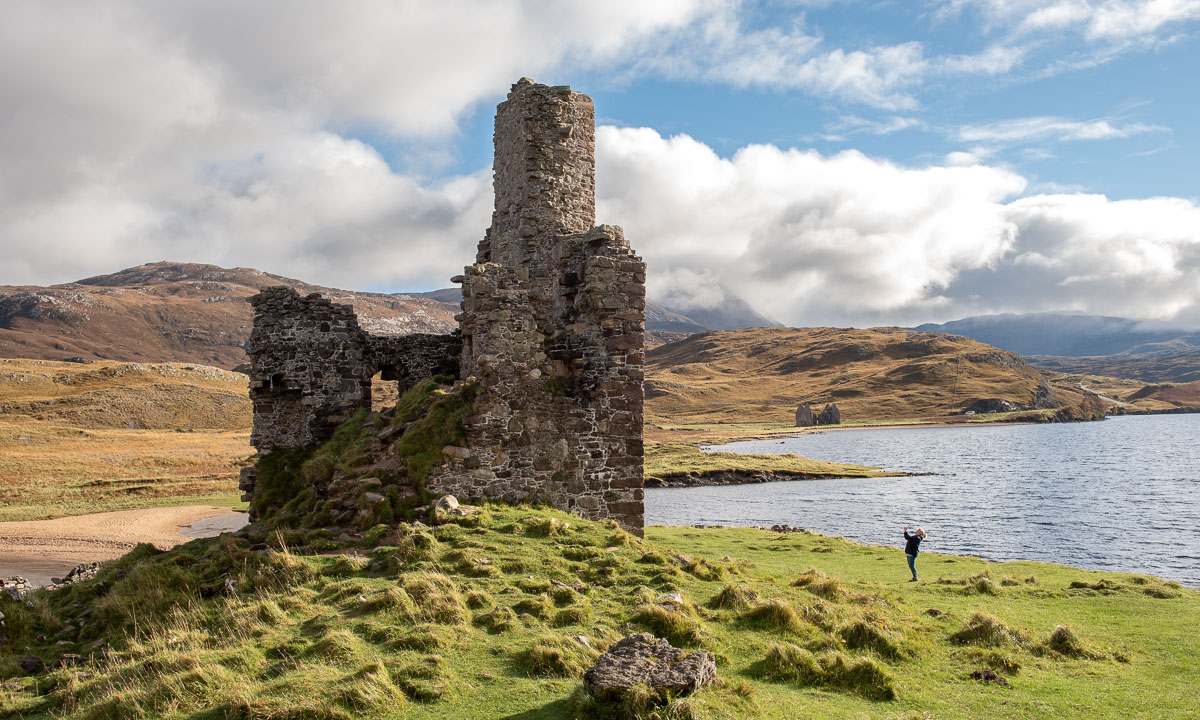
As we hoped, the weather forecast was correct and it cleared up more and more. The silhouette of the castle ruins looks as impressive as last time, but now the water level is much lower and you can reach the peninsula with dry feet without wearing high rubber boots.

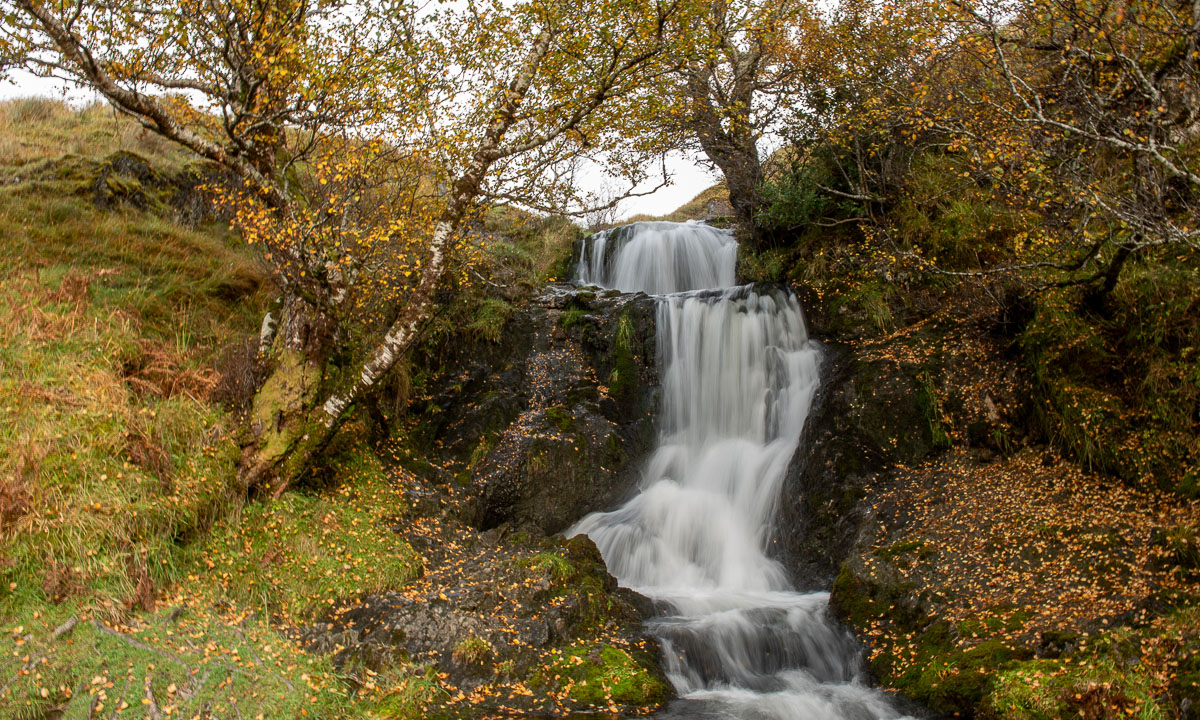
Not far from the castle there is a little waterfall, that is surrounded by birch trees. Now the leaves are bright yellow – one of the reasons why Annika and I love to visit Scotland in autumn.

Back in the car we follow the same roads that we already used three years ago. The same A837 to Lochinver by the sea where we take a light lunch in the very same guesthouse we stayed overnight three years ago. The same ridiculously small and bent single track road, that leads us further south to Badnagyle. Perhaps this is my favourite Scottish road (as long as Annika is driving and not me).

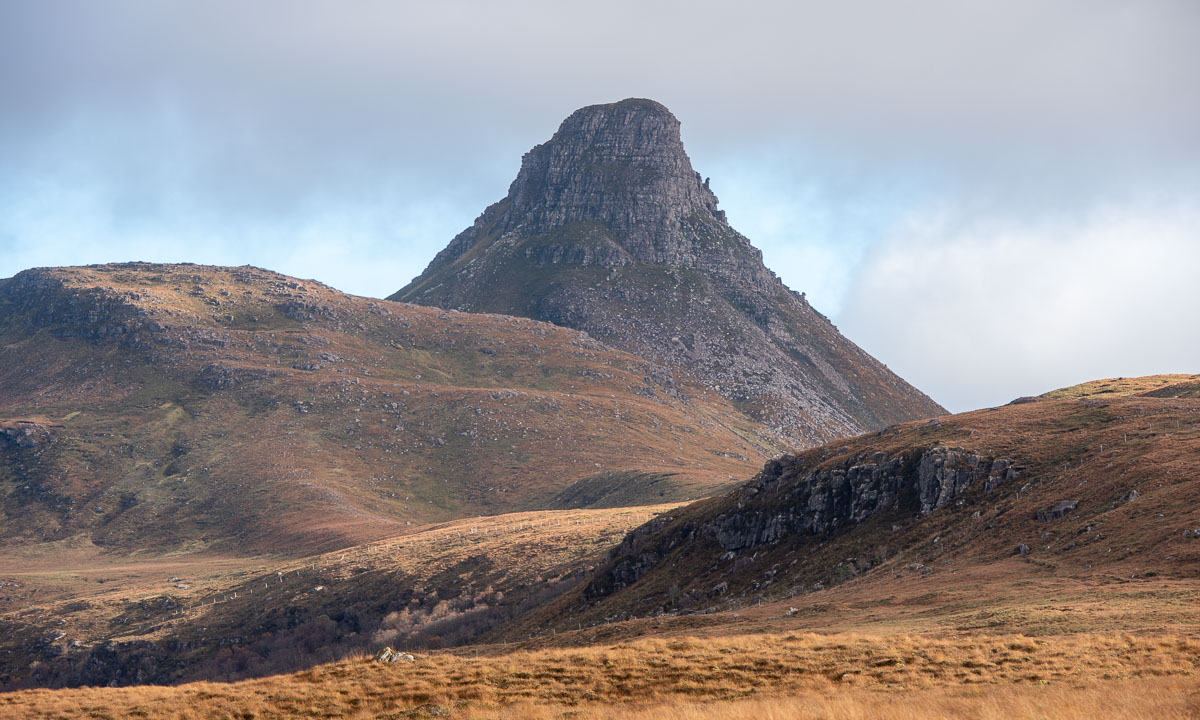
We turn left and reach the highlands again. We pass many mountains, amongst others Stac Pollaidh, that we climbed last time.

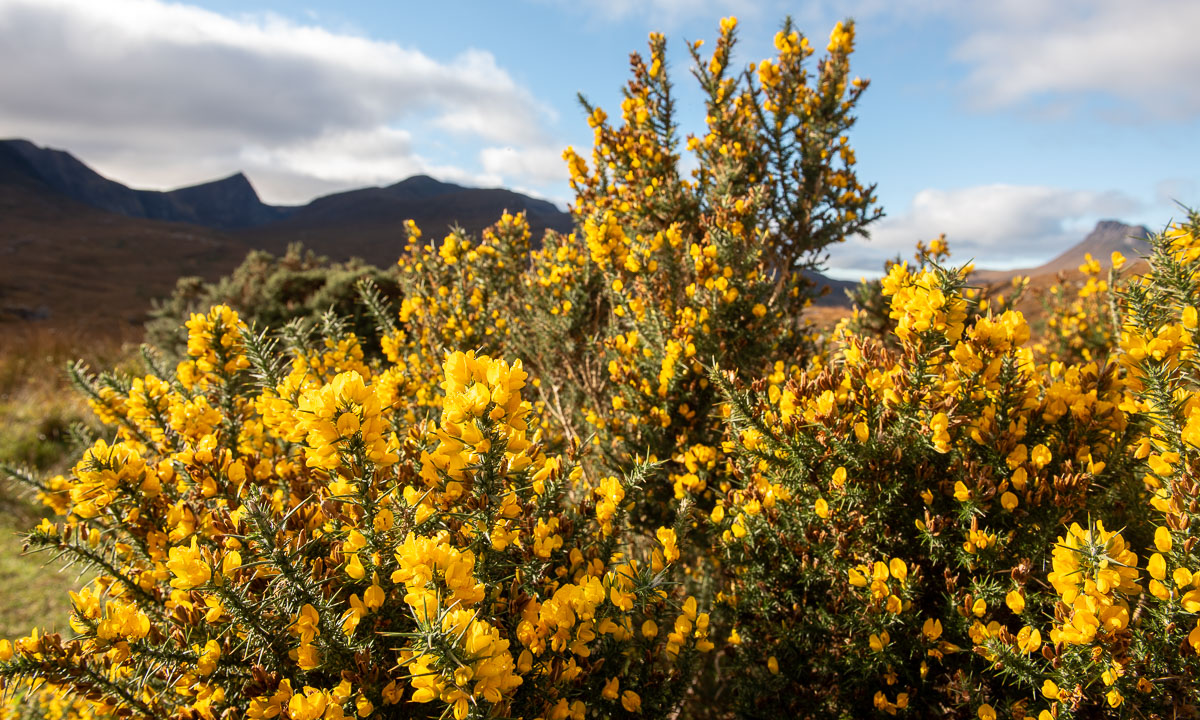
And we finally find a parking place where I can take a photo of a gorse bush, that is still in bloom.

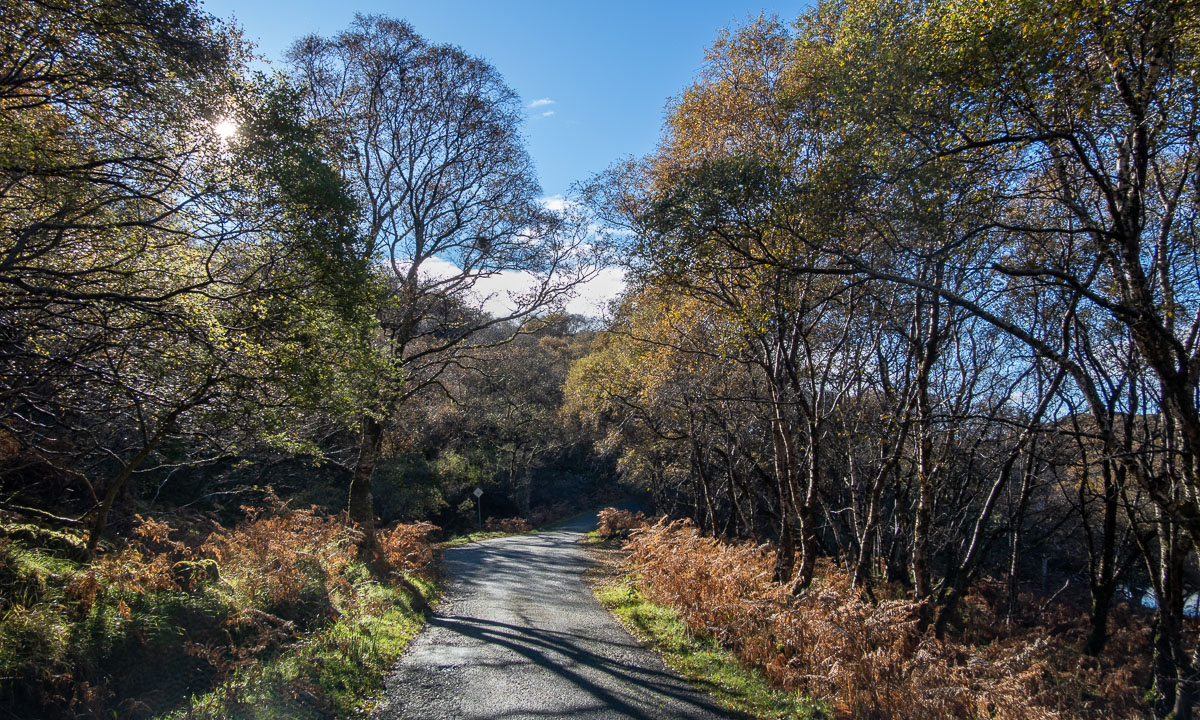
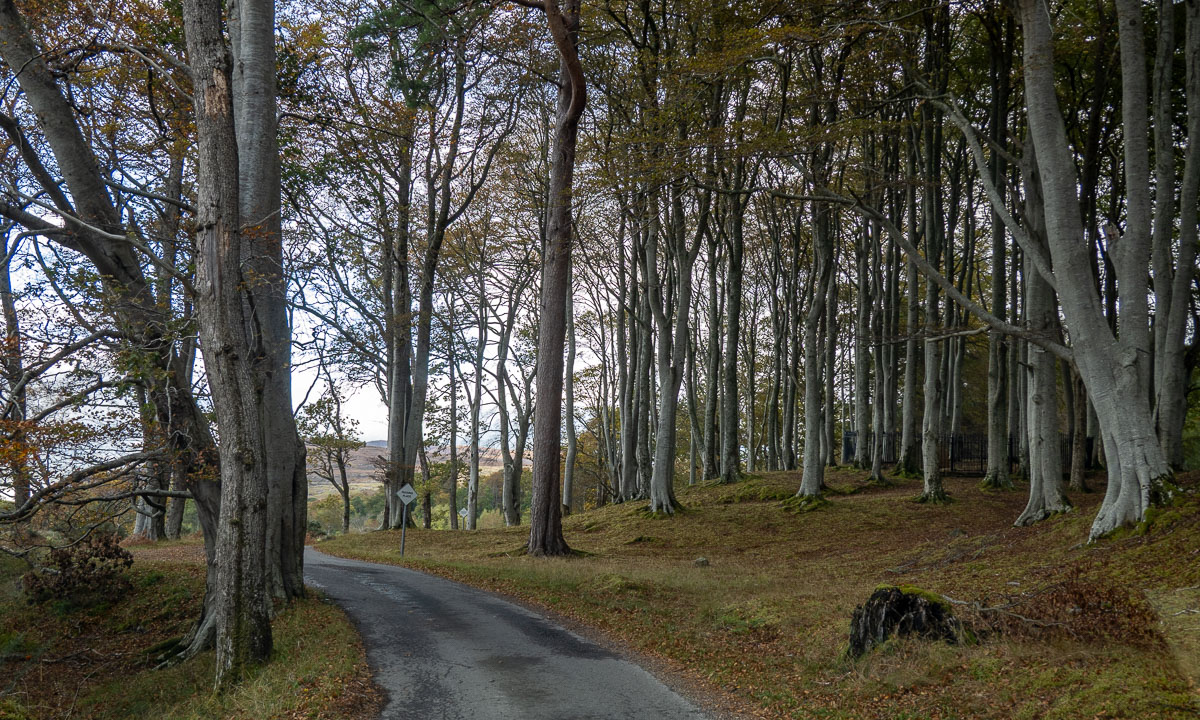
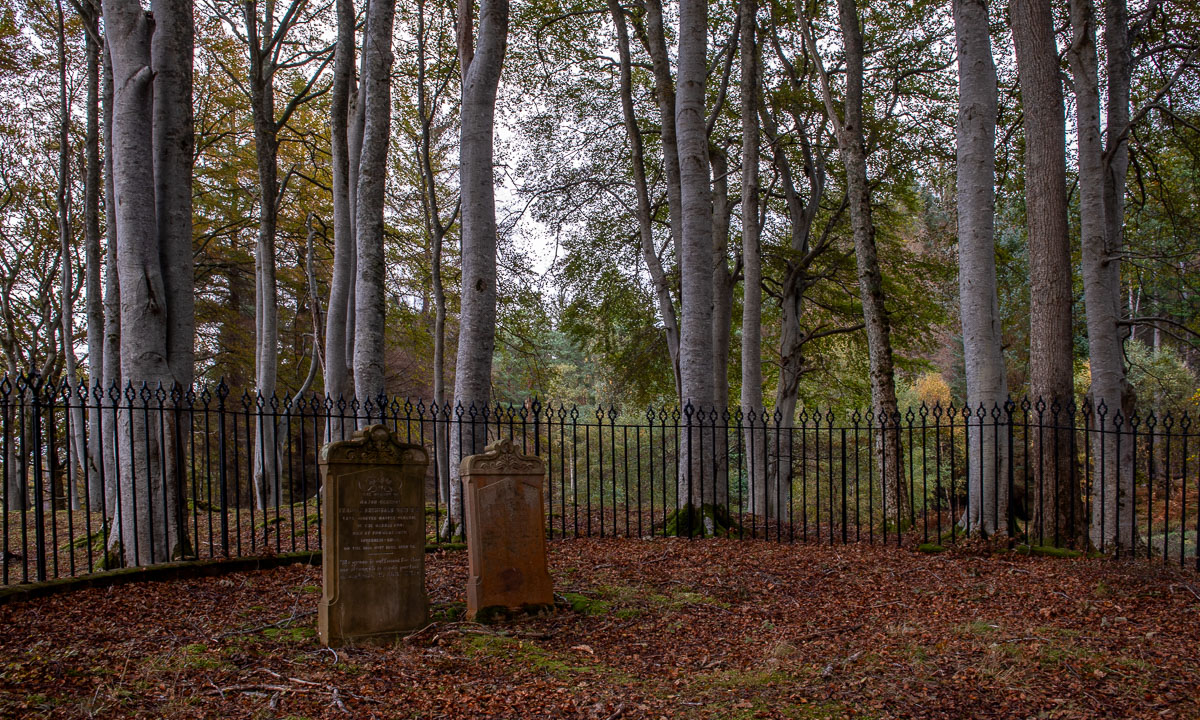
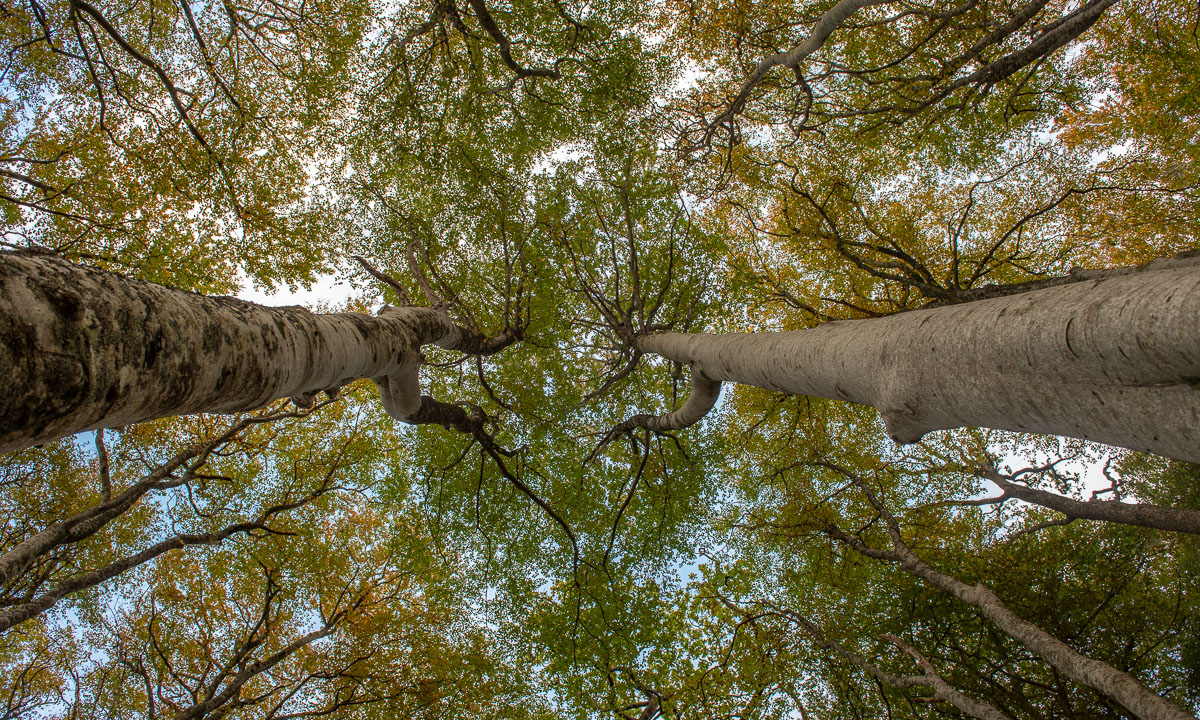
Last time we spent a lot of time in Ullapool, now we do not even stop. (Or did we? I don’t remember.) We have to drive around the Loch Broom, a sea loch that cuts deeply into the land. But finally we can leave the main route and take the small road to Badrallach where we will spend the next night. Left and right there are some of the most beautiful trees I have seen for a long time, but again this road is single-track and it is not possible to stop without blocking it completely. Only once we can leave the car to admire the beech forest and to have a curious look at the two fenced in tombstones.

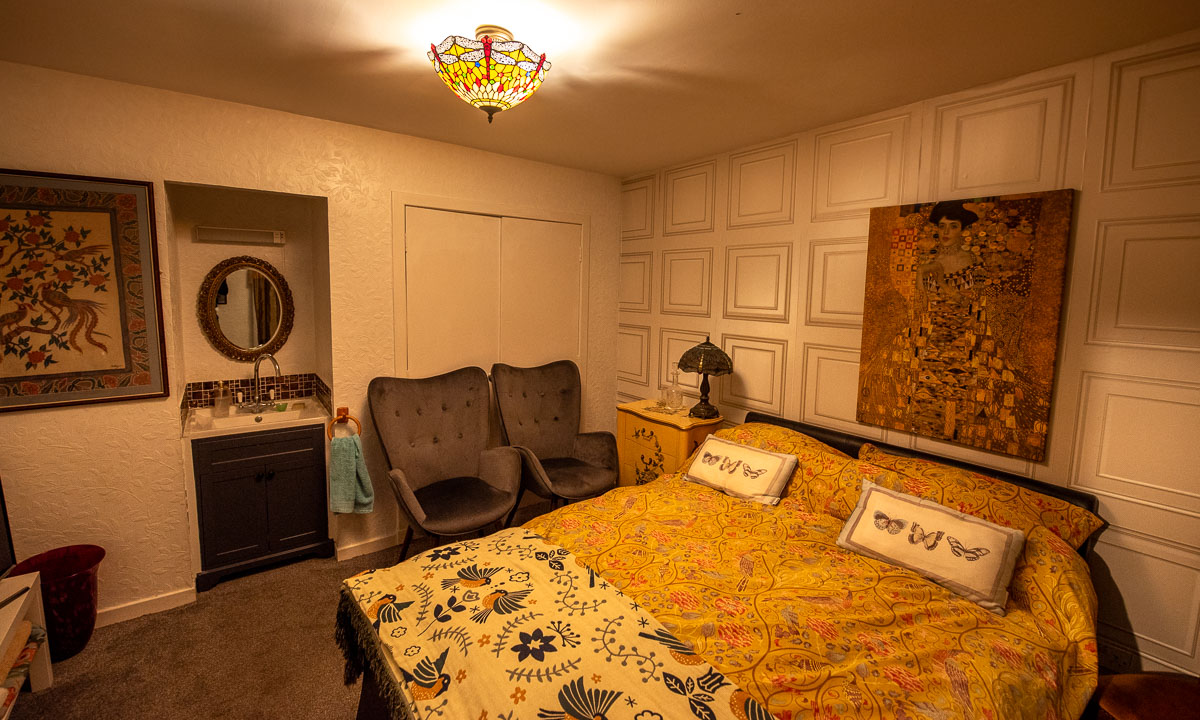
Then Annika and I arrive at our tonight’s accommodation where we get an extraordinarily beautiful room with a Scandinavian wood-burning stove and a large double bed. We take an evening walk to the end of the road and back again. Then we’re winding down the day in our room.

Scotland NC500 – day 2 – standing stones and a castle on a cliff

This article is part of the series “2025-10: Northern Scotland”.

14 October

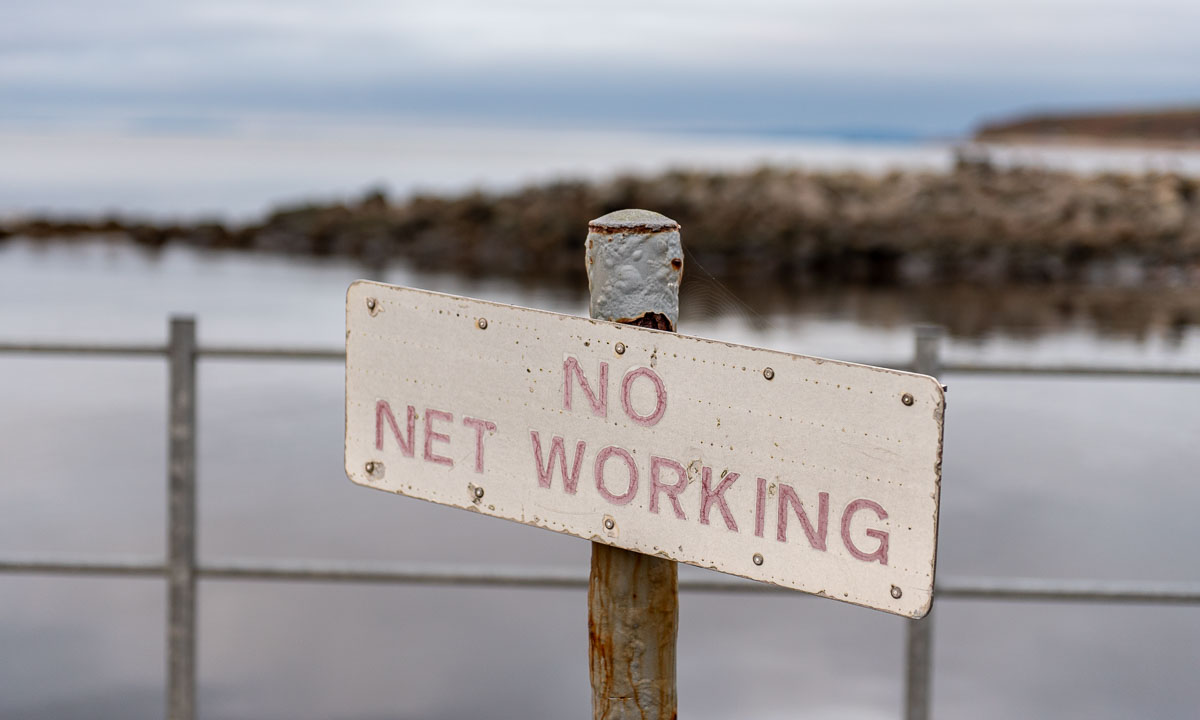
When I wake up in Helmsdale on the Scottish east coast it is still twilight. It is quiet. Only some fisher boats are leaving the harbour and two bird watchers are standing on the pier. I like especially the sign “No net working” which has a completely different meaning here. Context matters!

Back at our guesthouse “Song of the Sea, Selkie House”, Lorna, our host is inviting my wife Annika and me to her big kitchen where she prepares our breakfast. And what a breakfast: Cereals with fresh strawberries, eggs, bacon, mushrooms, toast with home-made jam and more was put on the table while we had a long and cheerful chat with plenty of laughter. I feel so welcome to be here and we only left reluctantly. I think: “If you do not like Lorna’s place you do not know anything about travelling.” If only my English was better and my ability to understand all kinds of Scottish accents.

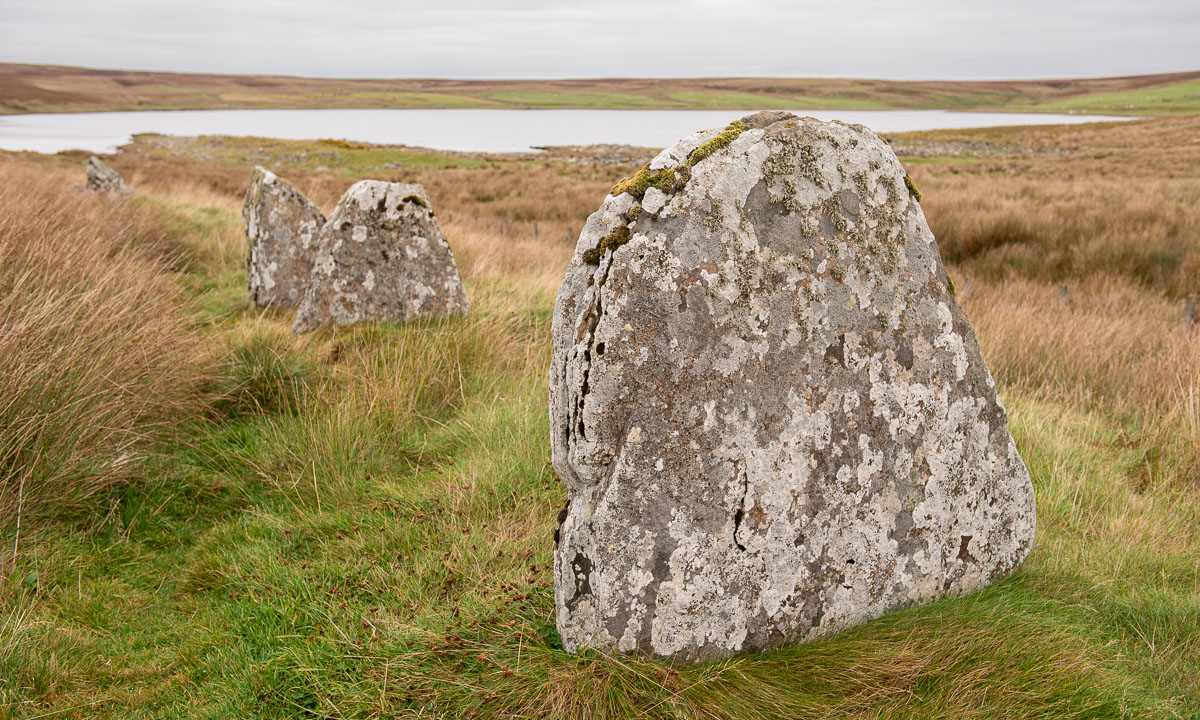
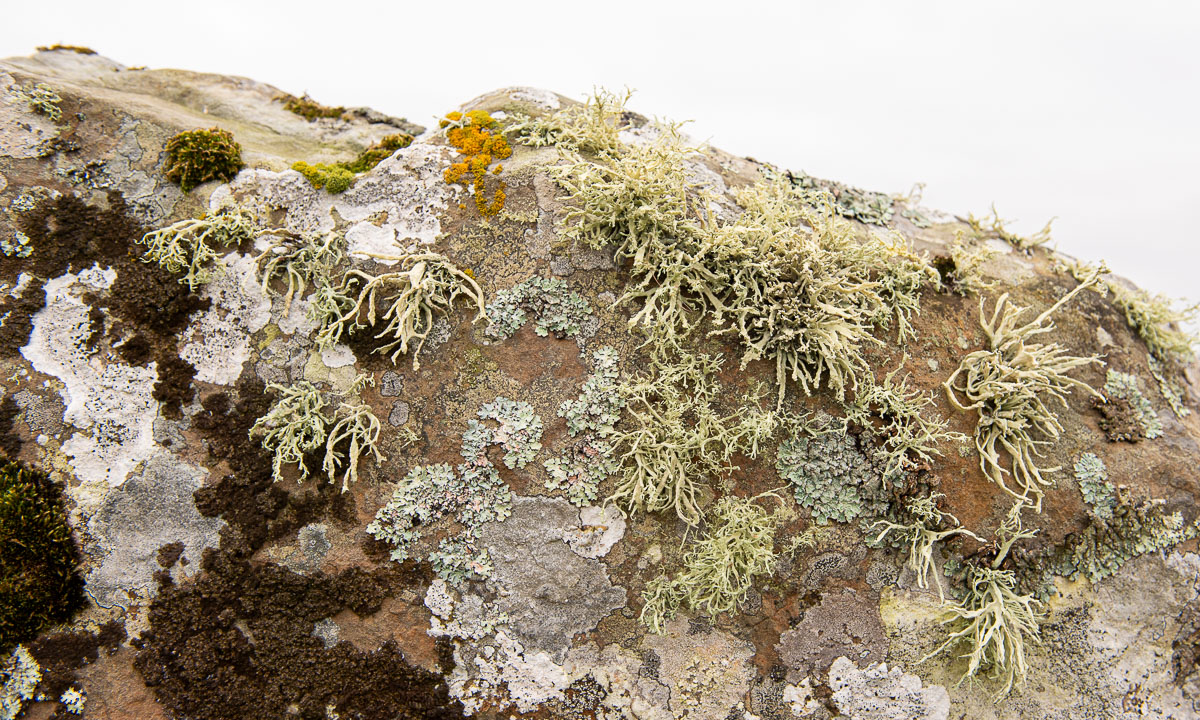
Round half past ten we continue our road trip, heading straight north. Some attractions we find in our guidebook, while others are on using Google Maps. So we have found Achavanich, a megalithic structure literally in the middle of nowhere. We use the tiny parking area und wander around between the lichen-covered stones that are arranged in a horseshoe-shaped pattern. A bit further down – a lake called Loch Stemster.

Exercise for lichenologists: how many different species can you count on the second photo?

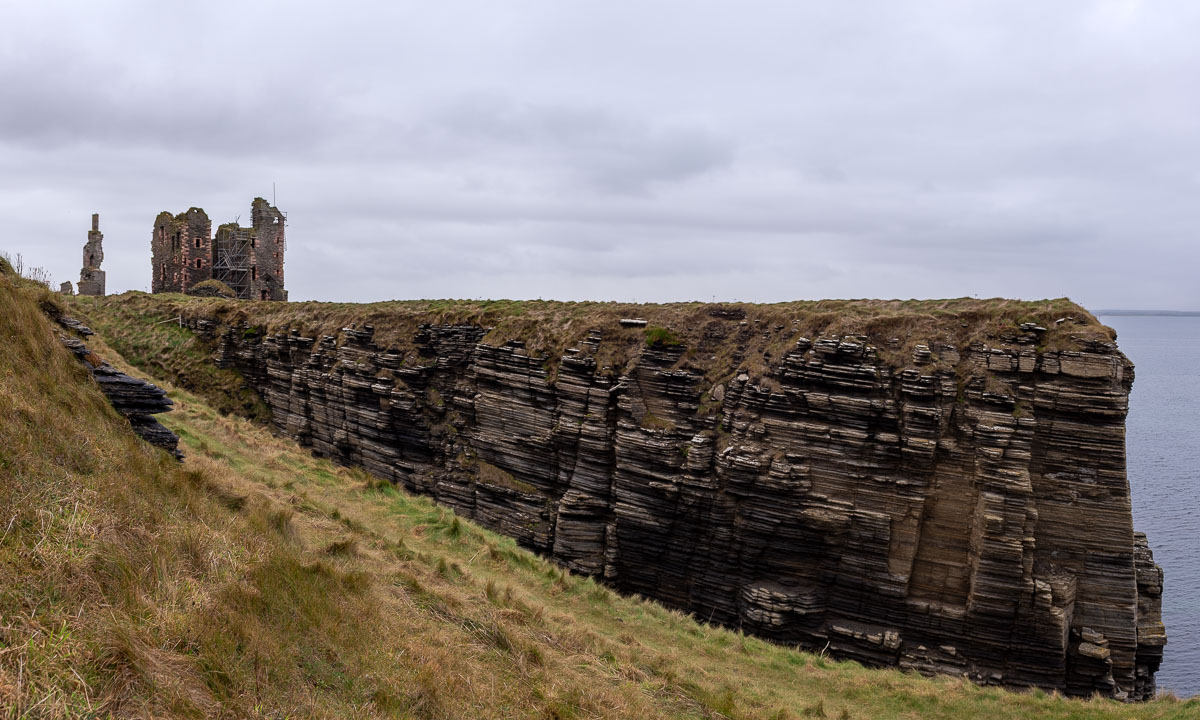
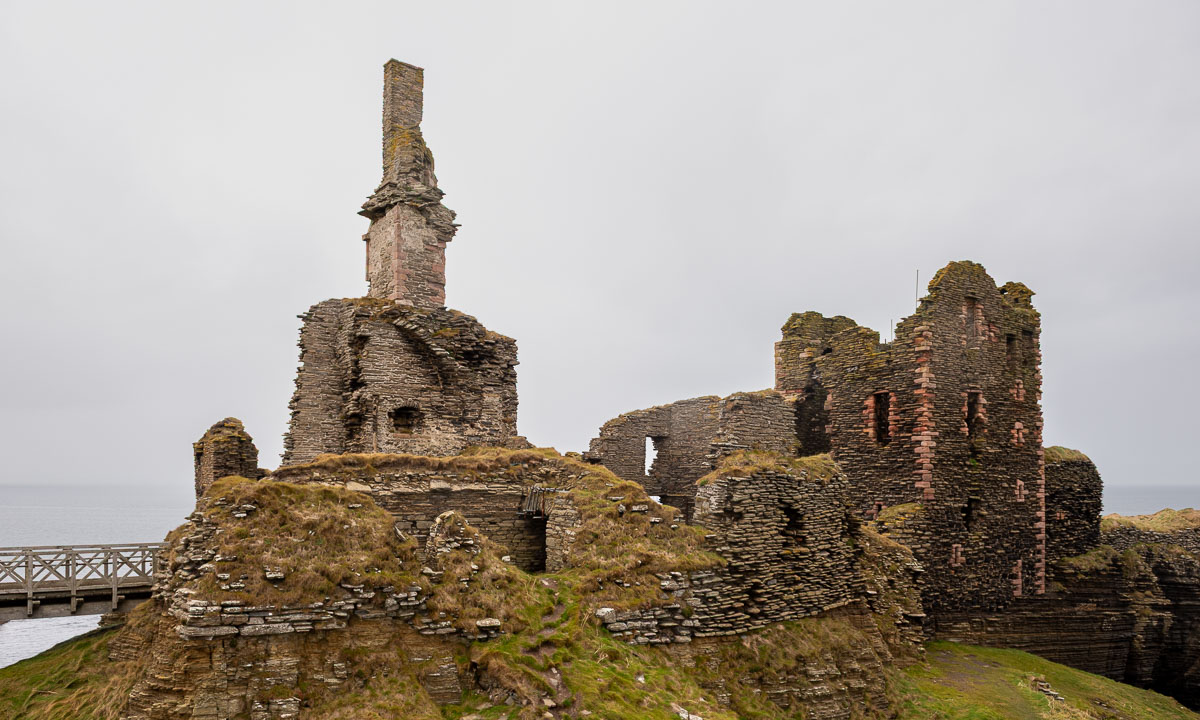
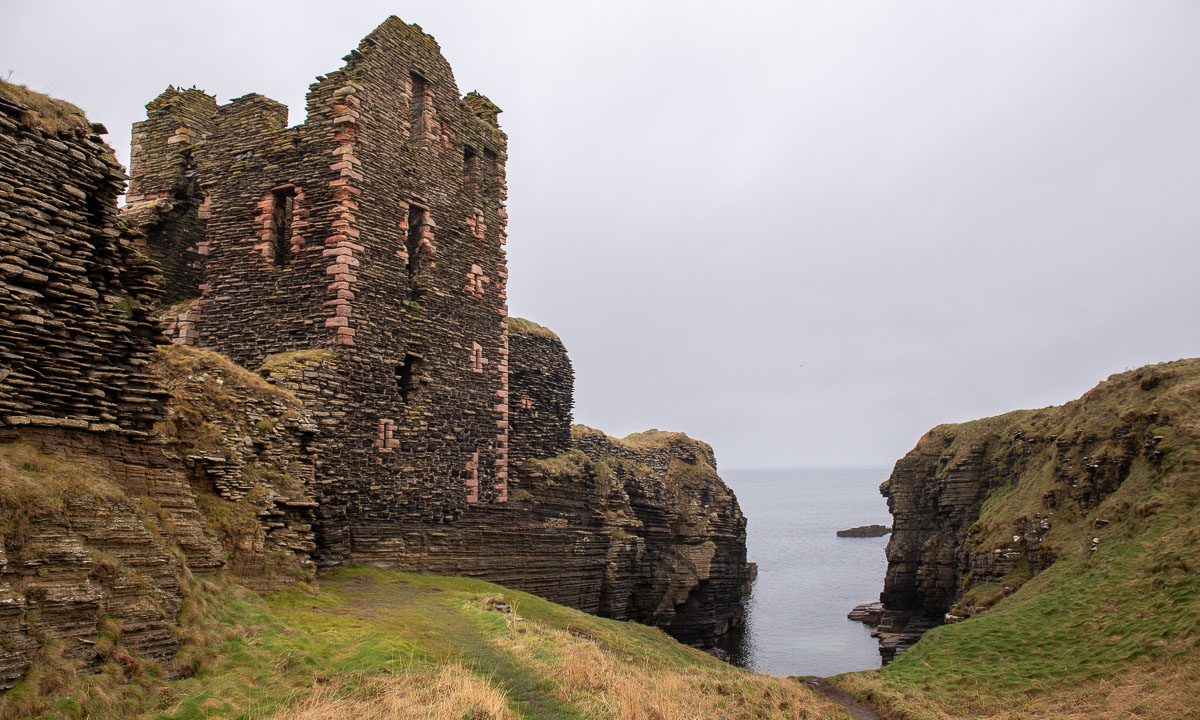
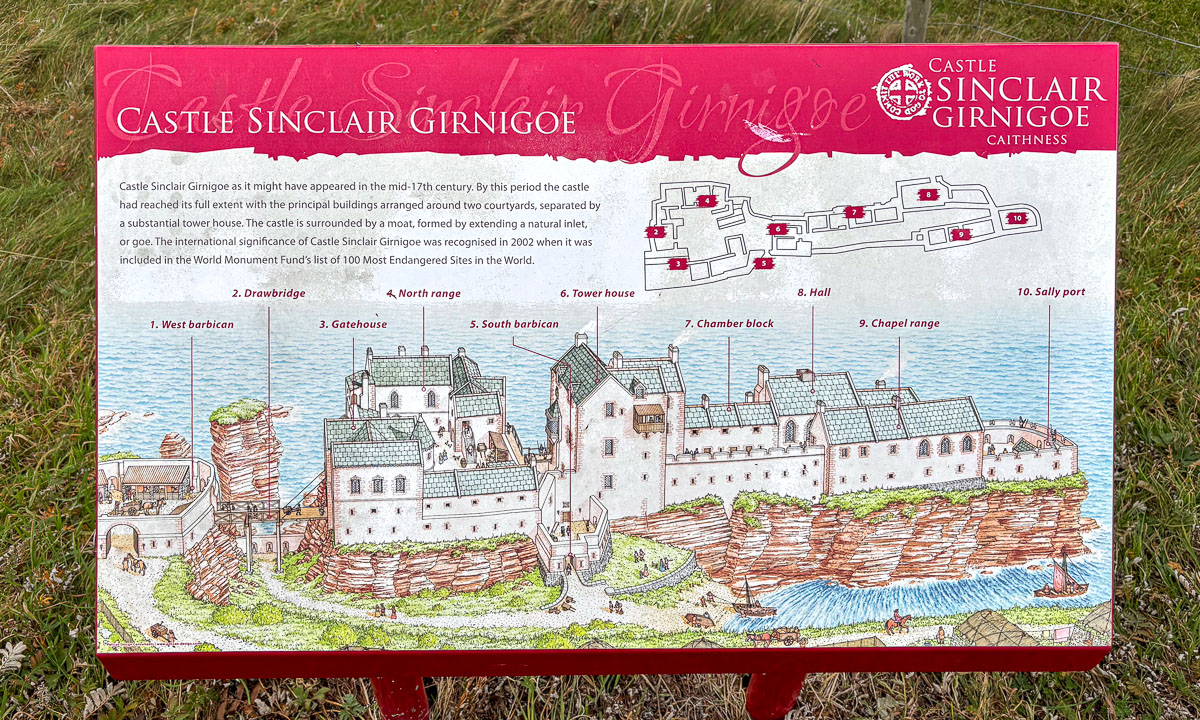
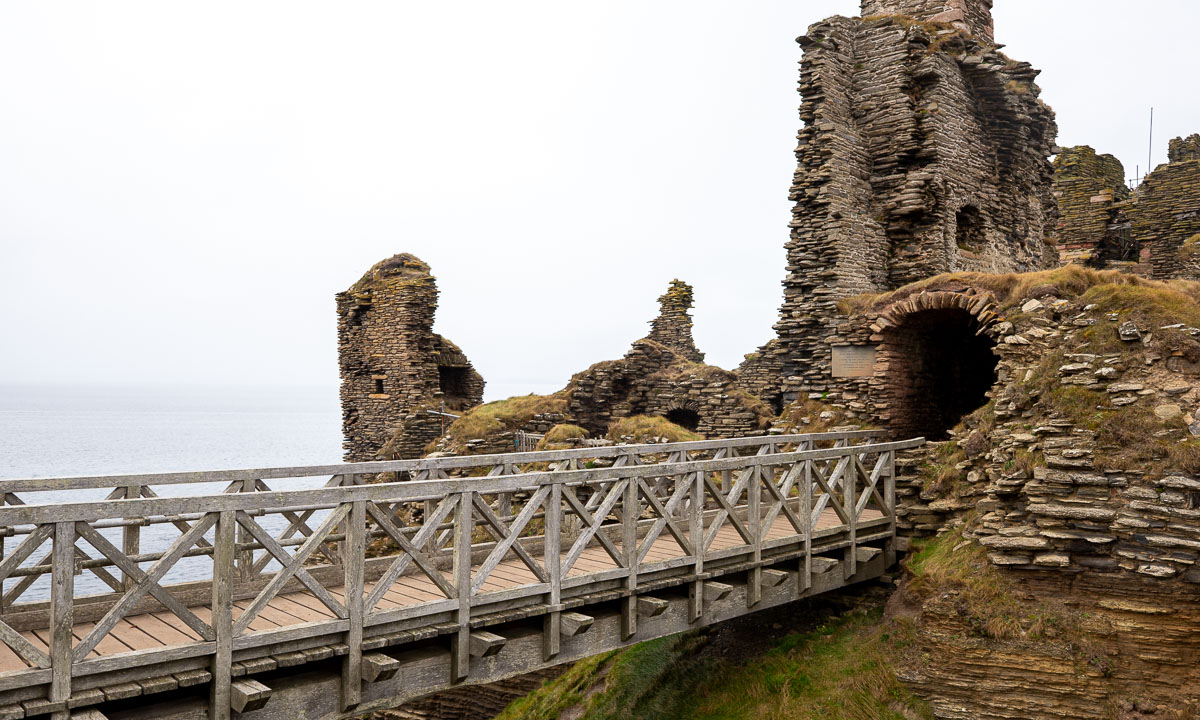
The next attraction is in the book: The Castle Sinclair Girnigoe 5 miles north of the town Wick. This castle – or better said its ruins – is located at the very edge of the coastal cliff. There are educational displays that explain the history, but for me the most impressive detail is the exposed location by the sea. More than an hour Annika and I are strolling round the castle despite of the drizzle. A real highlight on our trip!

This is one of the displays showing how the castle looked centuries ago.

Back in the car we drive back to the A)), follow it north and then take the road to the Duncansby Head Lighthouse which marks the most northeasterly point of the Scottish mainland. Photo. Check!

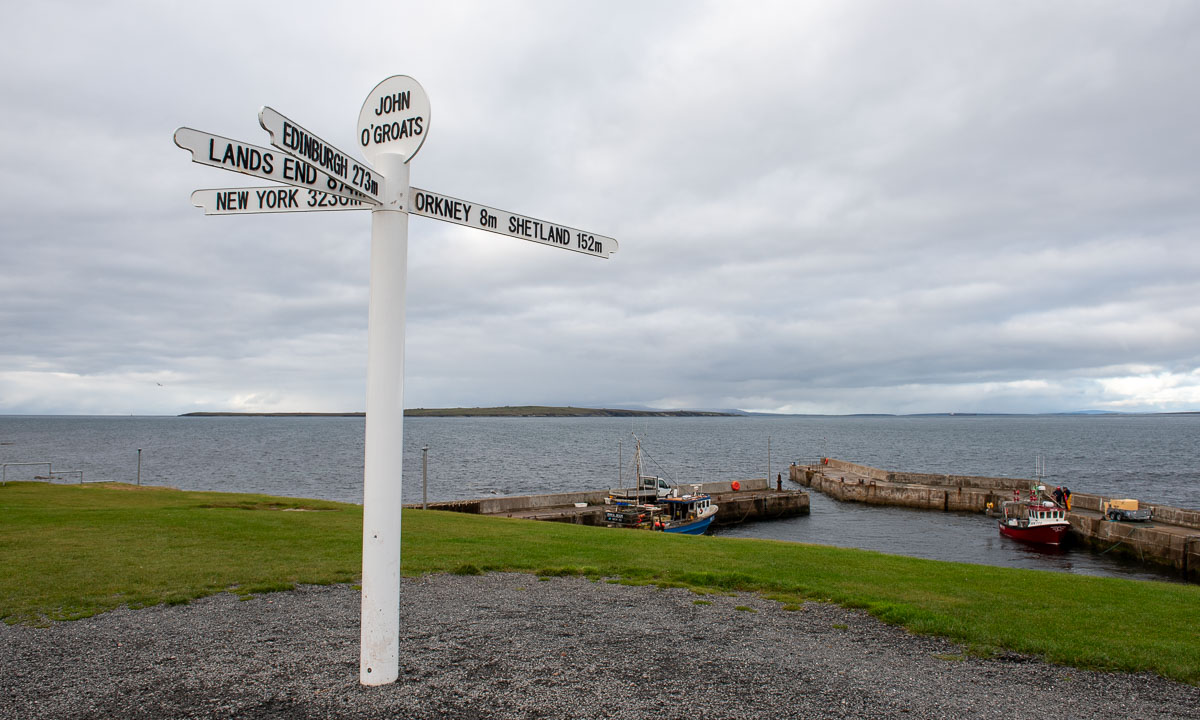
The next stop is only a very short one. I take some photos of the John o’ Groats Signpost, a famous but surprisingly boring signpost. It has four arms pointing to Orkney and Shetland, to Edinburgh, Lands End and New York. That’s it. While I take these photos Annika is slowly driving around because parking is expensive in this commercially focussed place and we are happy to leave it behind.

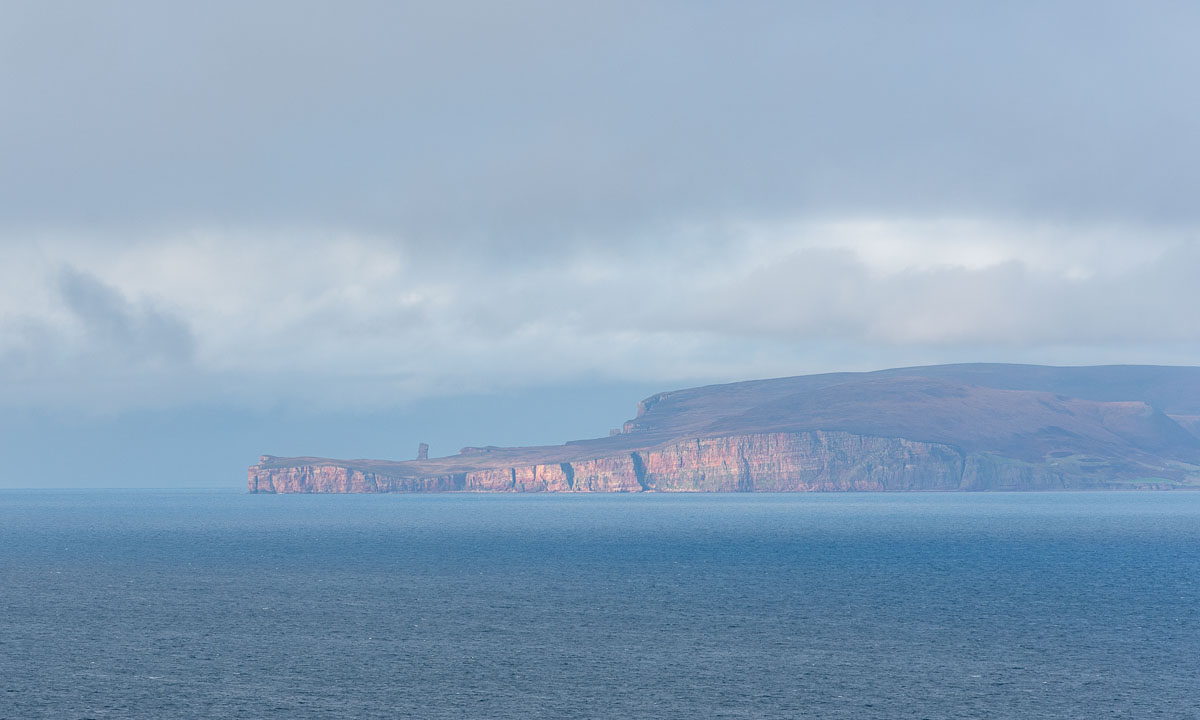
But the signpost is true: The Orkney islands are pretty near and we see the cliffs from different places, such as our next stop Dunnet Head. This is the northernmost point of the UK. Here take a photo of the partially sunlit cliffs of the Orkney islands in the distance.

So Annika, next time Orkney and Shetland? … and Faroe islands? … Iceland again? … Greenland? … Vinland? Sorry, I got slightly distracted. Back to our road trip.

From Dunnet Head it is just about twenty kilometres to Thurso, a surprisingly big town by the north coast of Scotland. Here we stay in a quite shabby hostel, but we can cook, we can sleep and that’s all you really need. Parking the car in town however was adventurous because the rules are pretty cryptic and time-dependent. Anyhow, there is a big car park by the River Thurso, where Annika parked our rental car over night. (Thanks again, Google Maps for the tip.)

The next day we will leave the NC500. We thought, travelling in October would make it easier to find accommodation, but it gets harder, because many guesthouses have been closed for the season.

SE—DE—NO

Sweden—Germany—Norway, that’s the short version of my travel route the last two weeks.

Obbola – Sweden

Christmas was less than two weeks ago but it feels much longer. The kayak defrosting in the winter garden on Christmas Eve to prepare for a last paddle tour in 2022 with Annika. The drag marks of her kayak in the snow the day after. Last year. Long ago and far away.

On 25 December we travelled to Germany – a 24-hour train journey from Umeå to Bremen to celebrate the 90th birthday of my mother.

Bremen, Oldenburg, Münster, Heidelberg, Düsseldorf – Germany

After two days of celebration we visited friends in Oldenburg and Münster and then continued to Heidelberg by train to meet my old and loved friends I got to know in Munich many years ago. I love the north but I miss my friends in Germany. Some of them I haven’t met for many years. But that’s another story.

On 30 December we travelled to Heidelberg by train, our southernmost destination in Germany. From Tromsø, Heidelberg is further away than the North Pole though much easier to travel to ;-).

While the weather in Bremen was partially rainy, New Year’s Eve in Heidelberg was warm and sunny. The temperature of  18 °C was much warmer than usual for the season and felt like a warm spring day in Obbola (or like a great summer day in Tromsø).

In the air

On 2 January we took the train to Düsseldorf Airport, from where we flew home the next day. I travelled to Tromsø in Norway with an early direct flight, Annika to Umeå in Sweden some hours later. I could see the sun for many hours while flying on 11000 feet altitude but it didn’t reach the earth. Norway lay in the shadow. In Southern Norway it was too early, in Tromsø the sun won’t rise before 16 January.

Tromsø – Norway

Today has been my 2nd work day in Tromsø this year. With temperatures round -10 °C it’s almost 30 degrees colder than in Heidelberg 5 days ago. I enjoy spring but I embrace winter. I feel home in the North. And when I can watch polar lights from my doorstep with just a parka and warm boots over my pyjamas I realise how privileged I am that I may live here – both in Obbola and Tromsø.

Scotland: wetness

This article is part of the series “2022-10: Autumn in Scotland”.

You cannot deny, that Scotland can be a pretty wet land. There are however different kinds of wetnesses.

Bathing in the sea

This kind of wetness I love: bathing in the sea. Finally Annika and I managed to find a sandy beach that looked very promising for taking a bath. And it was perfect. No stones, no currents, no sharp-edged shells, no waves as high as a house. The water was warmer than expected and it hardly rained.

Rain and muddy trails

We continued our road trip through the region of Assynt and parked our car by the Stoer Lighthouse. From there we took a circular hike to the Old Man of Stoer, a 60 metre high sea stack. It rained and the trail was soaking wet and partially quite muddy. I managed to keep my rubber boots dry but Annika’s hiking boots were soaking wet after our hike. Her dancing experience helped her to change to dry shoes.

Adventurous roads

As the days before it was Annika that drove the rental cars. You don’t want to fall asleep while driving in Scotland. Beside the single file tracks with its many meeting points sometimes the roads are blocked by sheep. The road sign warning of a 25% steep hill however looked much more dramatic than the road was.

Ardvreck Castle

We have passed Ardvreck Castle several times the last days. Now it was time to stop and have a look.

The lake Loch Assynt was flooded and so was the path to the castle. I like hiking in rubber boots which is a bit overdressed sometimes. In Scotland however I think it’s perfect footwear. Here they helped me to wade to the castle to take some more photos, while Annika waited ashore.

Sea monsters

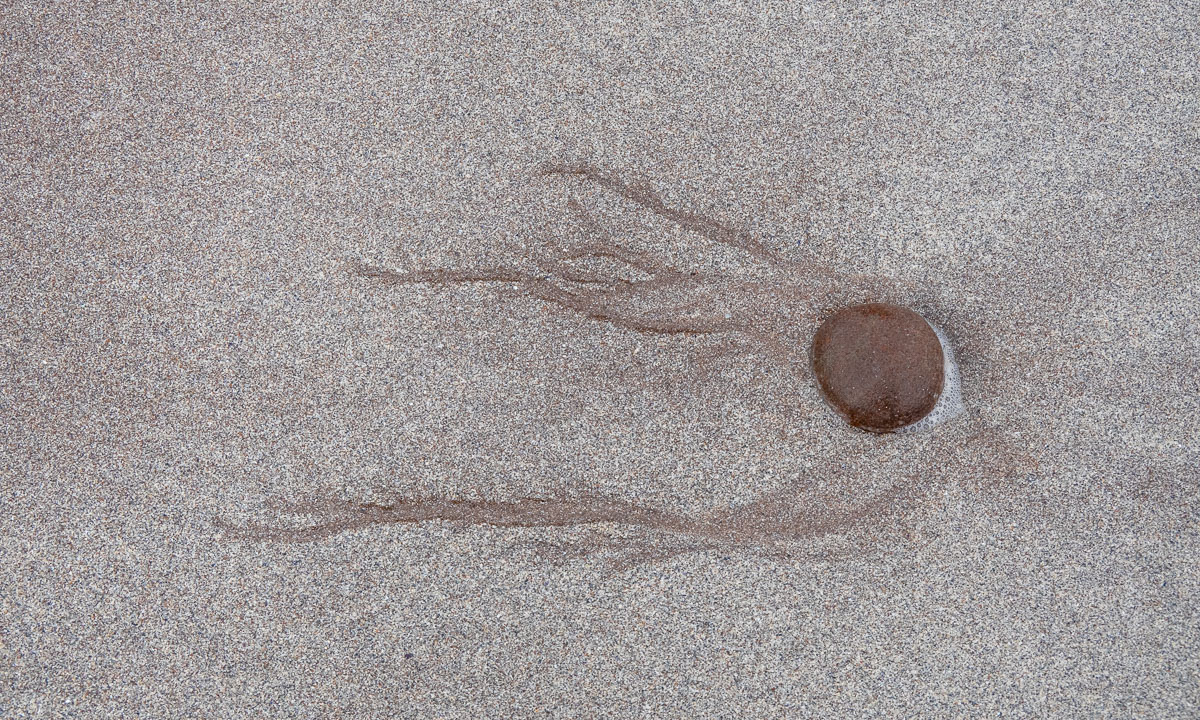
I almost forgot to tell: At the beach of Clashnessie I observed sea monsters! Carefully I sneaked up to one of them and I managed to take a photo as a proof. There are sea monsters in Scotland!

10 cm high sea monsters.

10 cm high sea monsters buried in the sand.

10 cm high sea monsters buried in the sand looking suspiciously like seaweed.

10 days in Scotland

This article is part of the series “2022-10: Autumn in Scotland”.

It has been years, since Annika and I were on holiday outside of Fennoscandia. This October we enjoyed a ten day journey to Scotland from which I just arrived in Tromsø yesterday.

For this article I chose 2 photos for each day. Some more articles will follow later.

6 October – Edinburgh

I landed in the late morning and have the rest of the day strolling through Edinburgh. Blue sky – so it can actual stop raining in  Edinburgh ;-). In the evening I wait for Annika who is taking the tram from the airport. Now it is raining. Finally we are together.

7 October – travelling to Ullapool

We have pre-booked train tickets to Inverness where we will spend three hours before taking the coach to Ullapool. Well, in theory. The trains do not go the whole way due to heavy rain flooding. The rest is operated by replacement buses. So much to rain in Scotland. In Inverness we catch the connecting coach to Ullapool and have even time for a pizza.

8 October – hiking in Ullapool

After two travel days we want to be outdoors and look for the hiking trail to the hill Meall Mor after a hand-drawn sketch. We find it. From the top we have a view to the town, the hills and mountains in sun, clouds and rain.

9 October – taking the ferry to Lewis

After breakfast we take our backpacks through rain and heavy winds to the ferry terminal just to learn that the ferry has been cancelled because of the gusts on the Minch – the straight between Ullapool and the Isle of Lewis. Luckily the afternoon ferry runs according schedule and we arrive in Stornoway at nine o’clock. Scotland premiere: We hire a car. Annika is driving. Left-hand traffic in darkness!

10 October – exploring Lewis

We explore Lewis by car. Great that Annika is brave enough to drive in Scotland (I’m not). Read the article The west coast of Isle of Lewis about this day.

11 October – Peat bogs and Northern Gannets

From Gearrannan Village we take a small way back to Stornoway. In the bogs you can see traces of peat mining. We give back the car, take the ferry back and are watching the elegant aerial manoeuvres of the Northern Gannets. In Ullapool we receive another car that we have hired for the next two days.

12 October – exploring Assynt

We start exploring Assynt, the region north of Ullapool. Read the article Stac Pollaidh about this day.

13 October – taking a bath

Finally – our first bath! At Achmelvich beach. I will write more about this day later …

14 October – travelling to Edinburgh

It is time to give back the rental car and travel back to Edinburgh. First by coach, then by train. This travel confirms my theory that Scottish coaches and trains are designed solely for transport, not for comfort.

15 October – flying back

Short ones, long ones – all holidays comes to their end. Annika takes me to the tram, again it’s me travelling first. What a wonderful holiday. Thank you, Annika!

Day 20–21 – Småland again

This article is part of the series “2019-07: Southern Sweden”.

July 27–28 – Store Mosse National Park, Sävsjö and Vetlanda

After some hot yet relaxing days with Annika and Jonas in Sparsör near Fristad Annika and I take the car east again to visit L. in Vetlanda in Småland.

Småland is very well known because of Astrid Lindgren and her books. She grew up there and many of her stories take place in Småland as for example Emil of Lönneberga. We expected many tourists, especially German ones, but even Vimmerby, Astrid Lindgrens place of birth that we passed a week ago was not crowded at all.

We leave Sparsör and Fristad behind and take minor roads that lead east. It’s not easy to navigate. In contrary to Norrland, the Northern part of Sweden there are many ways in Southern Sweden – from big multi-lane roads to small, winding gravel paths that Google Maps try to avoid.

We make a stopover at the Store Mosse National Park, a huge bog that according to our guidebooks looks like as you were in Lapland. We disagree and think, that it looks quite different, but beautiful anyway.

We take a very late lunch in the Café Timjan mellan VärnamoVrigstad, then we want to continue non-stop to Vetlanda. Until we see the huge castle ruins on an island in a lake we pass by. It’s Eksjöhovgård, a hunting château from the 17th century. We stop the car and use the wooden bridge to have a closer look.

Shortly after 18 o’clock we arrive at the cosy house of L. in Vetlanda, where we stay for two nights. Just two photos of another castle ruins: Hultaby slott, which is in walking distance of L’s. house.