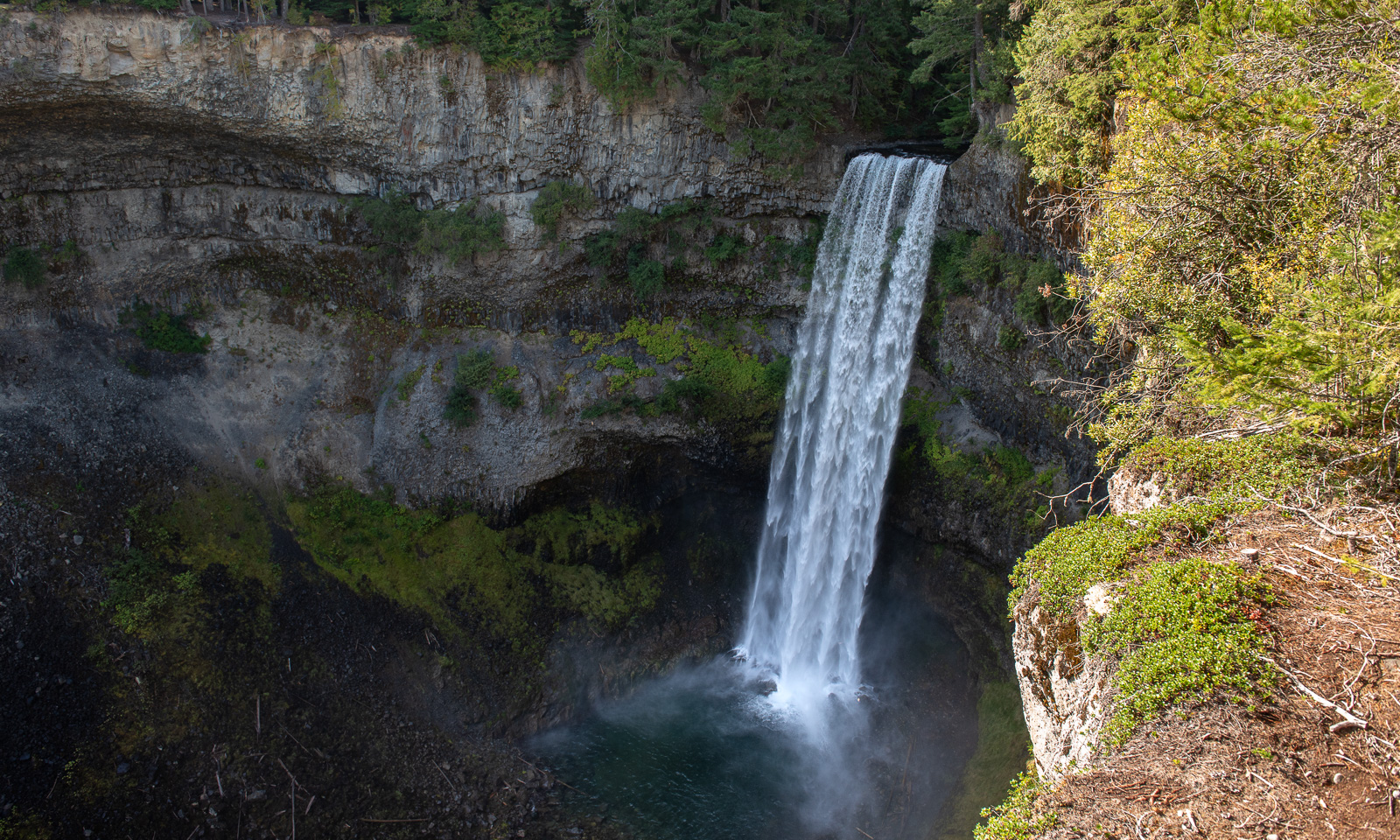
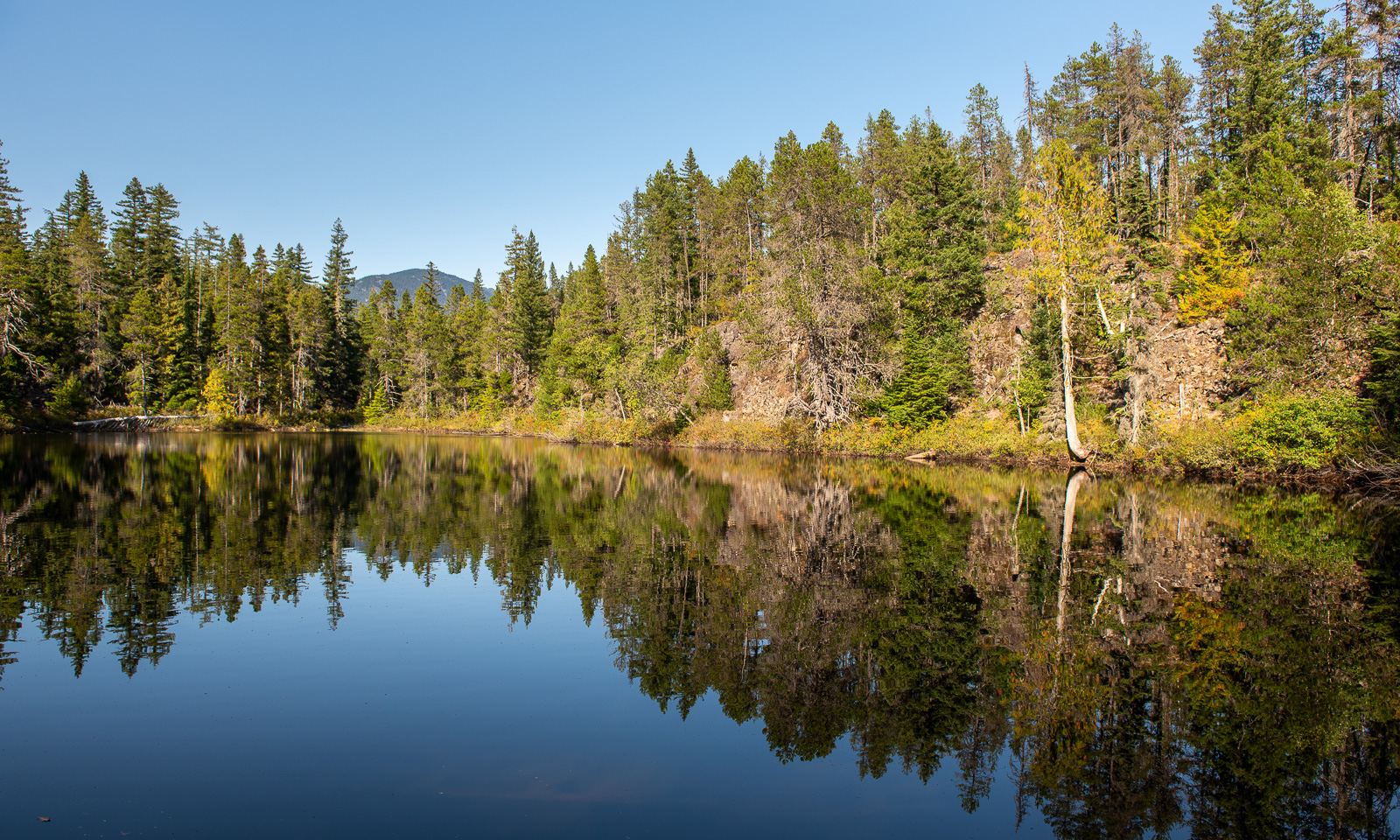
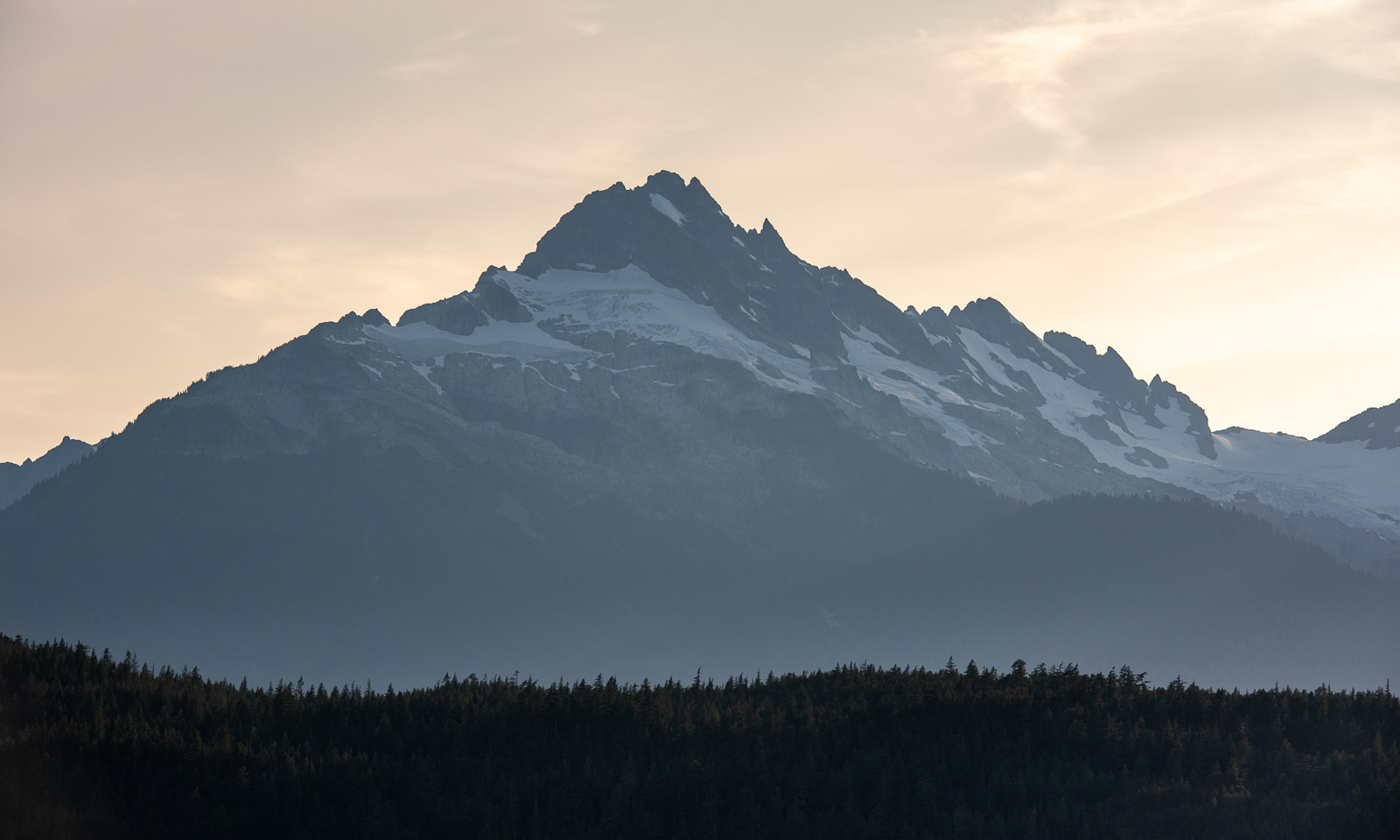
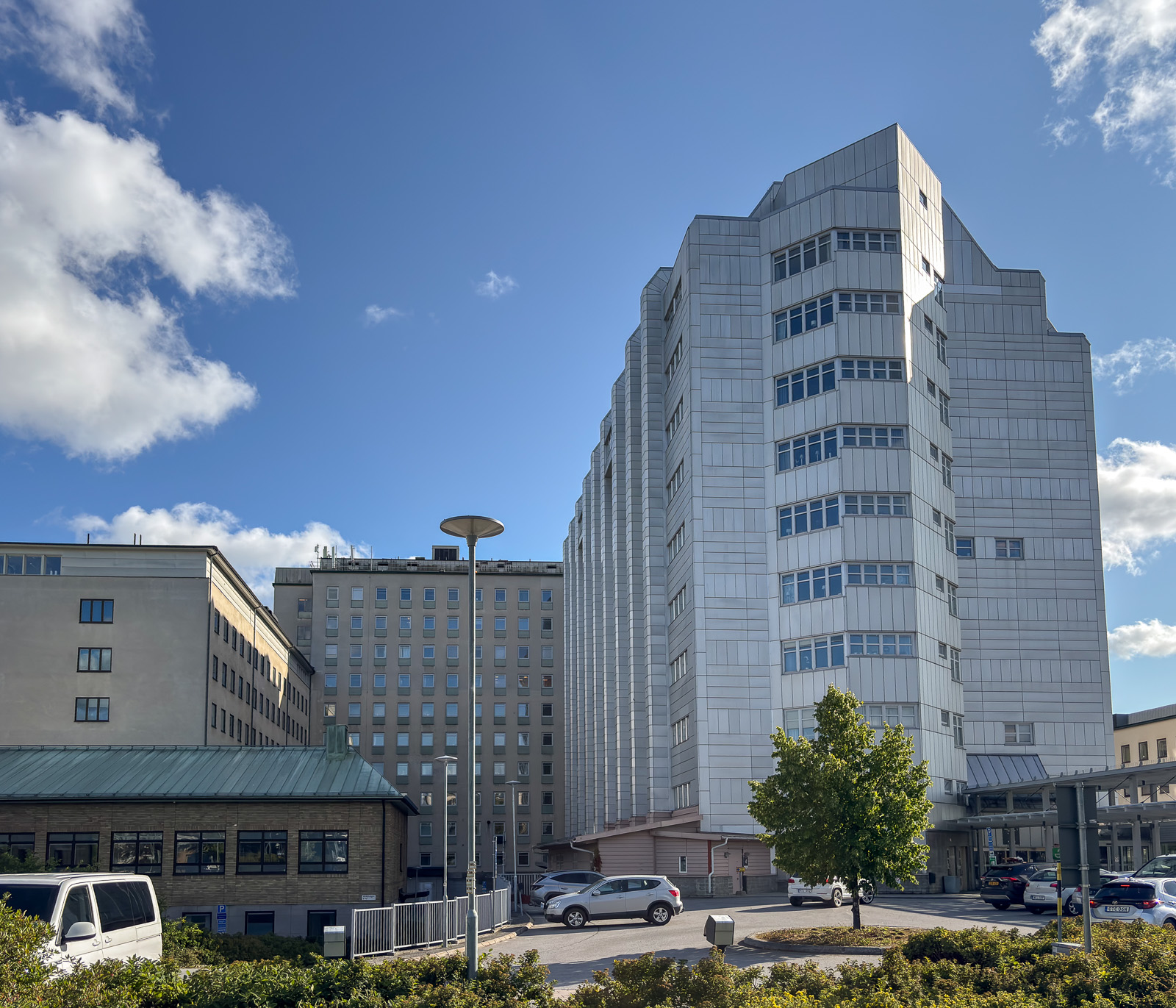
Scotland NC500 – day 2 – standing stones and a castle on a cliff

This article is part of the series “2025-10: Northern Scotland”.

14 October

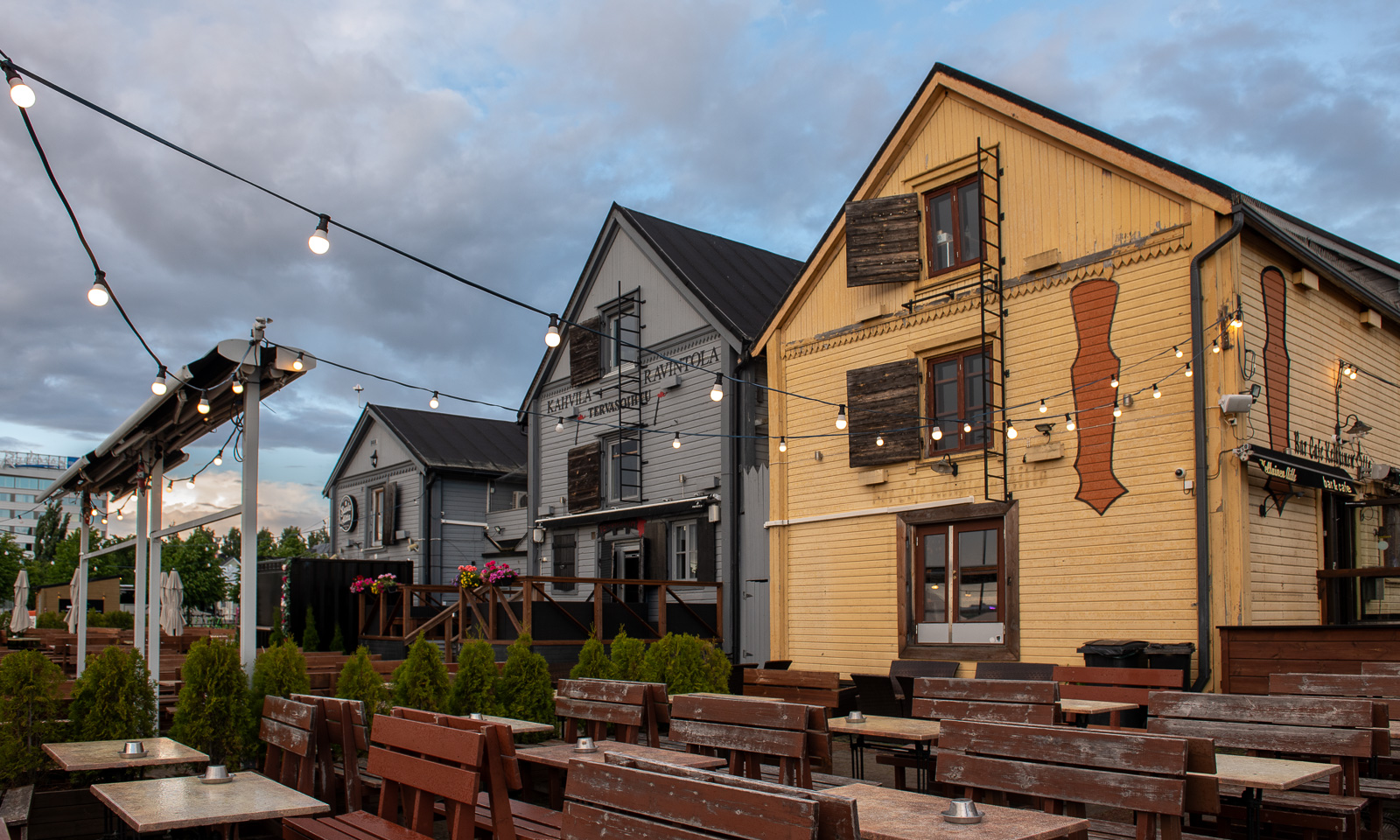
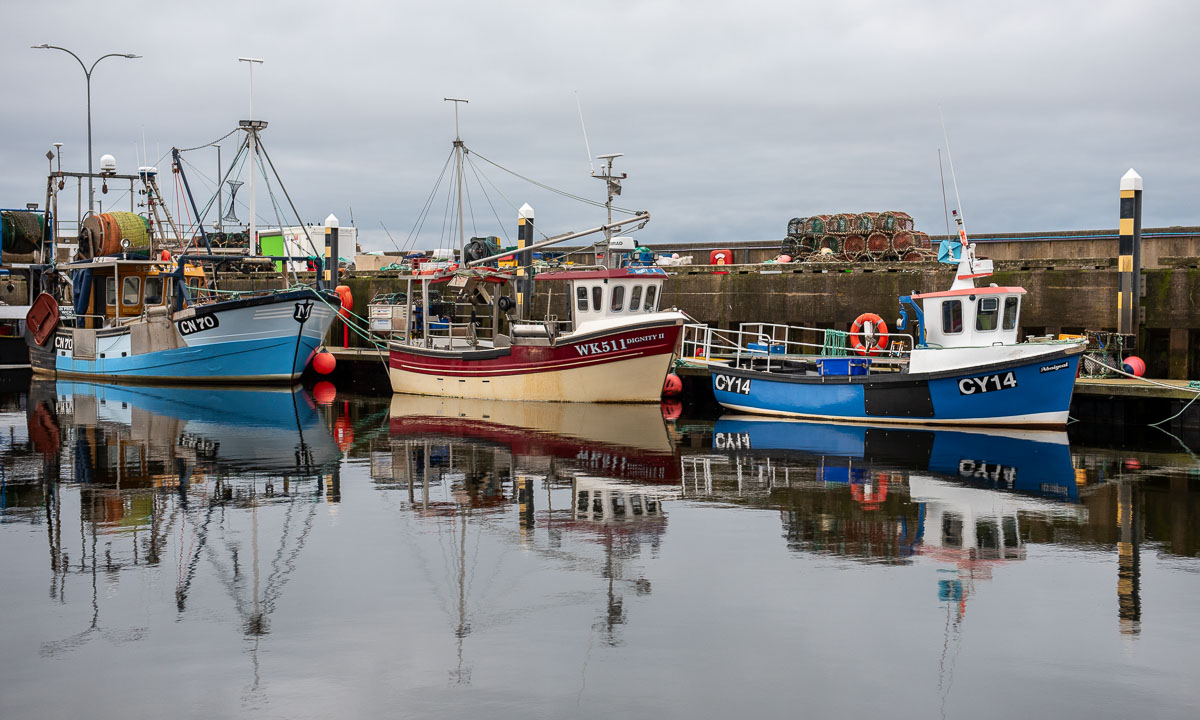
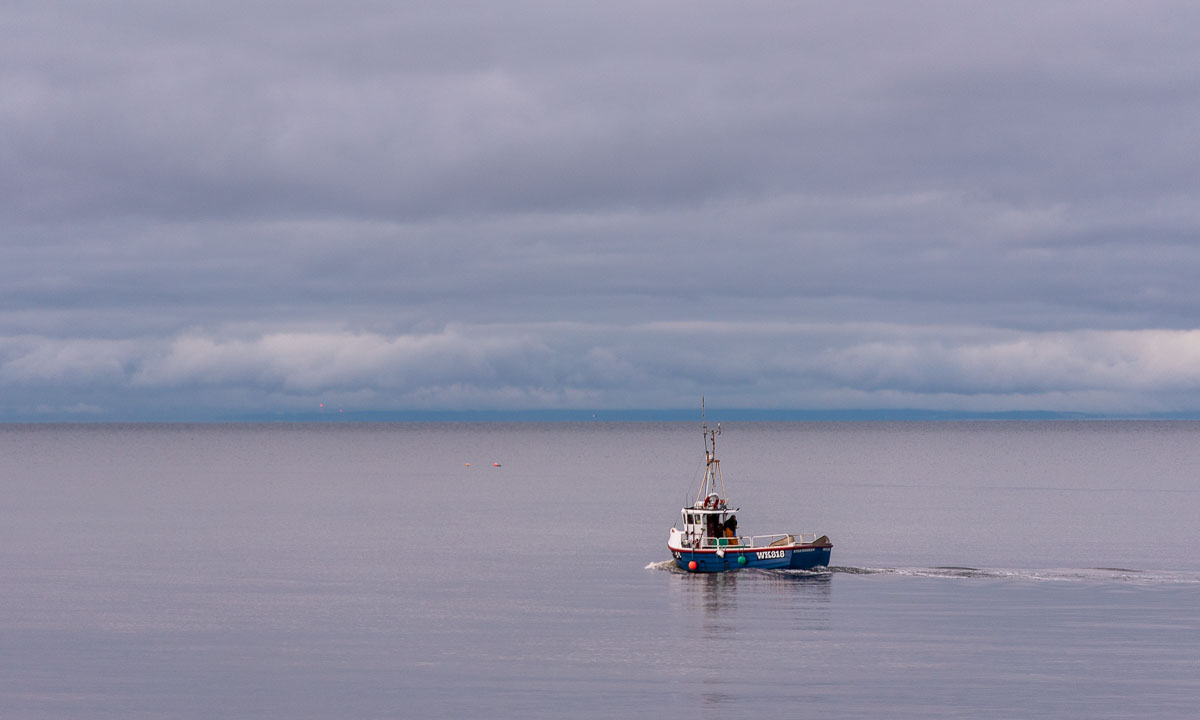
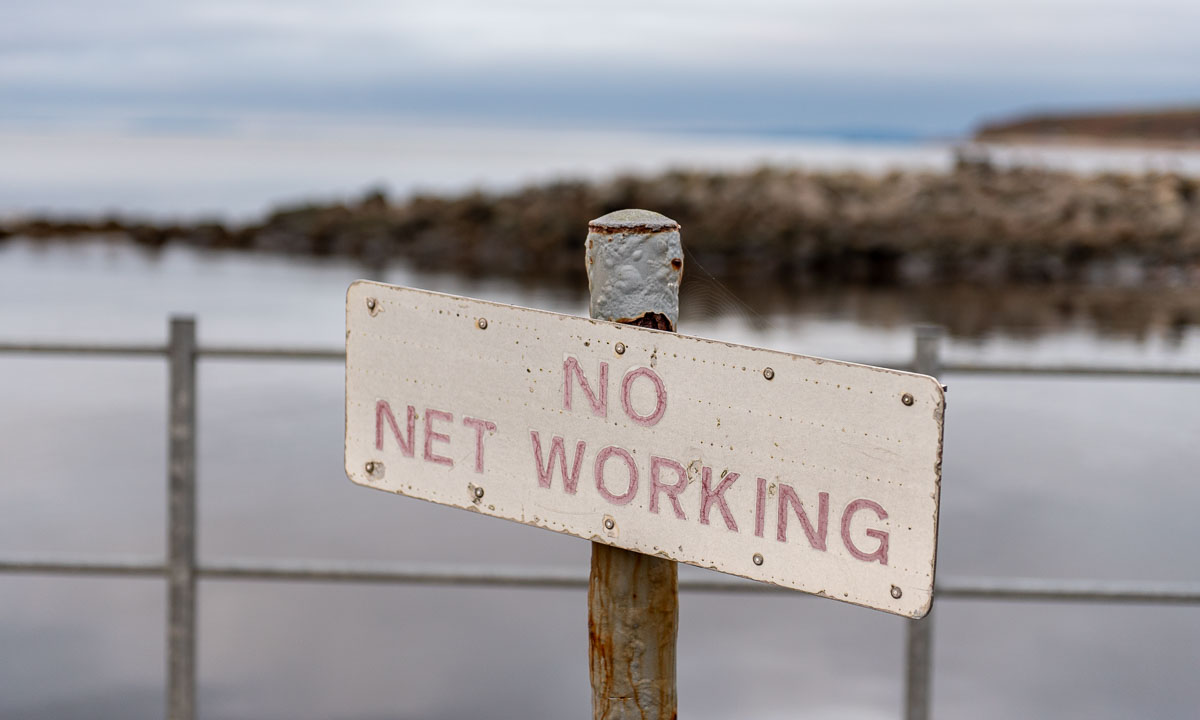
When I wake up in Helmsdale on the Scottish east coast it is still twilight. It is quiet. Only some fisher boats are leaving the harbour and two bird watchers are standing on the pier. I like especially the sign “No net working” which has a completely different meaning here. Context matters!

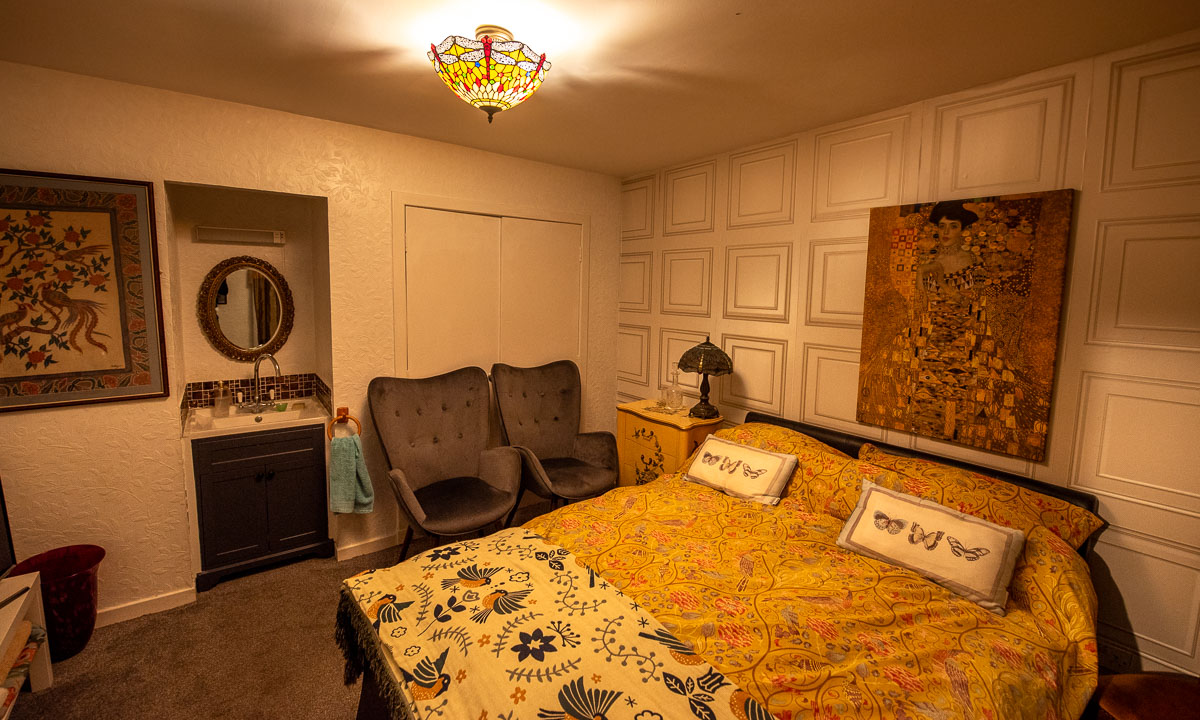
Back at our guesthouse “Song of the Sea, Selkie House”, Lorna, our host is inviting my wife Annika and me to her big kitchen where she prepares our breakfast. And what a breakfast: Cereals with fresh strawberries, eggs, bacon, mushrooms, toast with home-made jam and more was put on the table while we had a long and cheerful chat with plenty of laughter. I feel so welcome to be here and we only left reluctantly. I think: “If you do not like Lorna’s place you do not know anything about travelling.” If only my English was better and my ability to understand all kinds of Scottish accents.

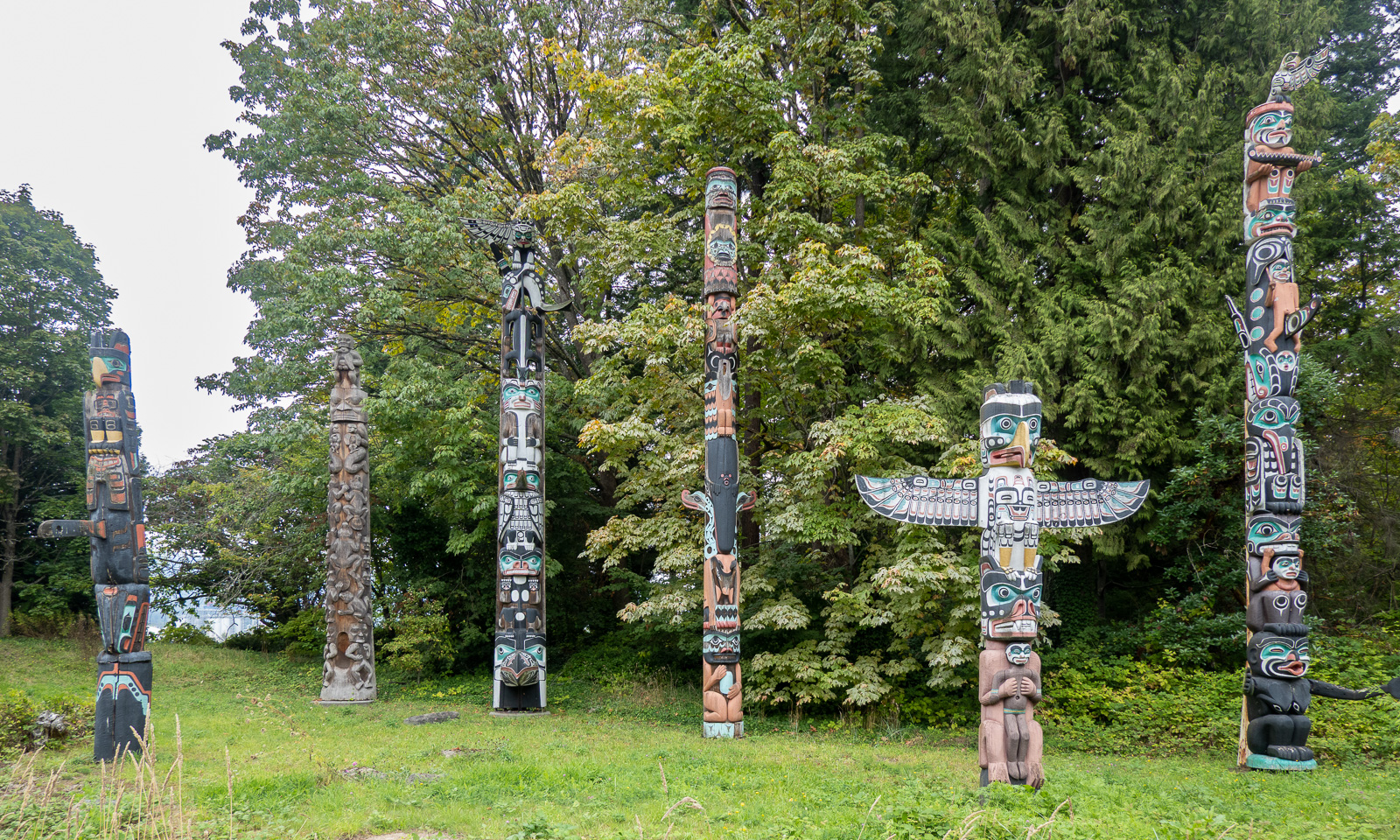
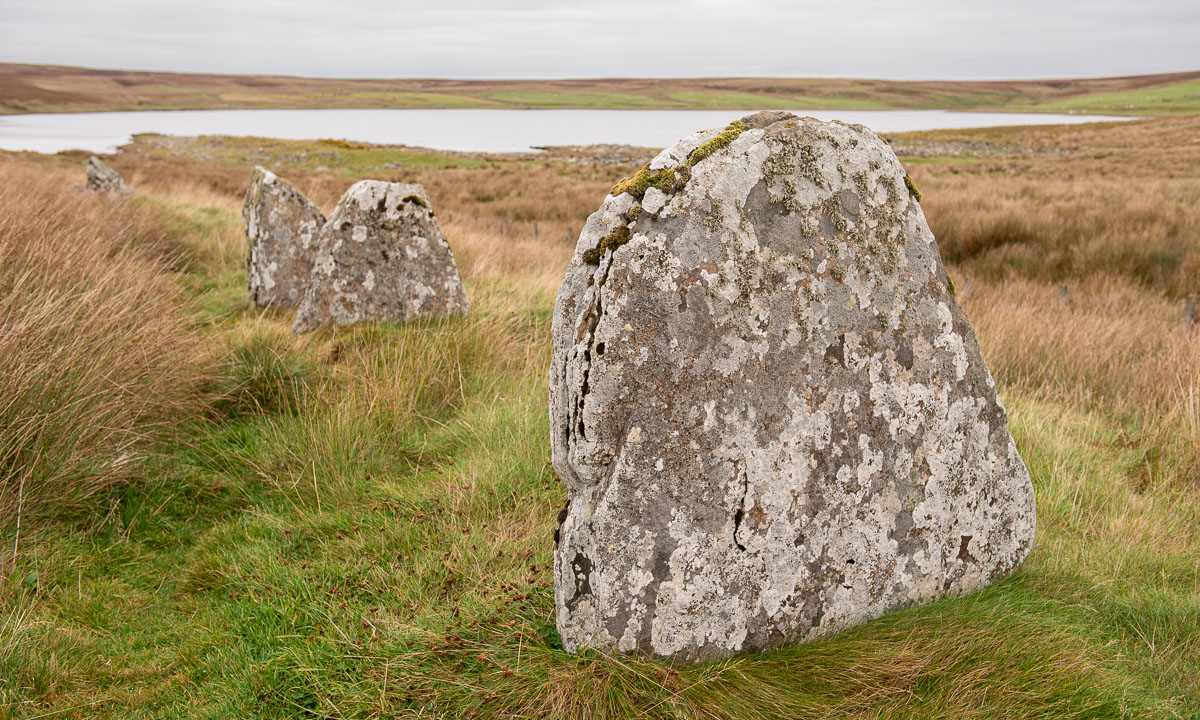
Round half past ten we continue our road trip, heading straight north. Some attractions we find in our guidebook, while others are on using Google Maps. So we have found Achavanich, a megalithic structure literally in the middle of nowhere. We use the tiny parking area und wander around between the lichen-covered stones that are arranged in a horseshoe-shaped pattern. A bit further down – a lake called Loch Stemster.

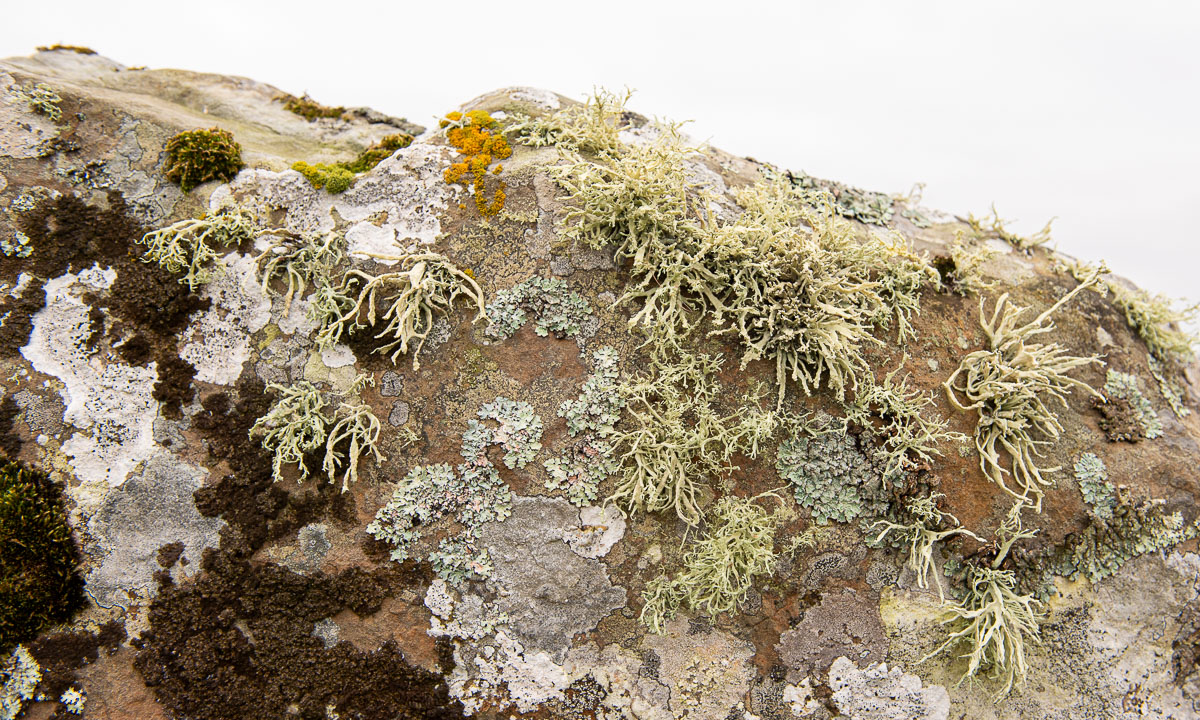
Exercise for lichenologists: how many different species can you count on the second photo?

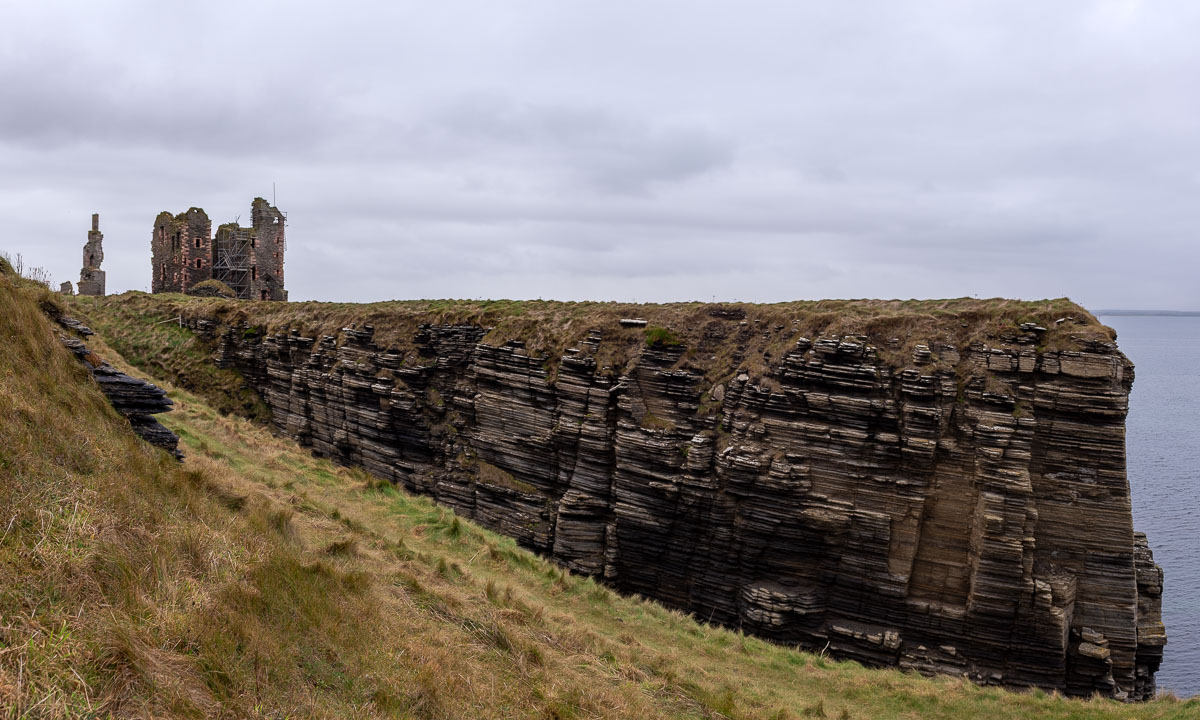
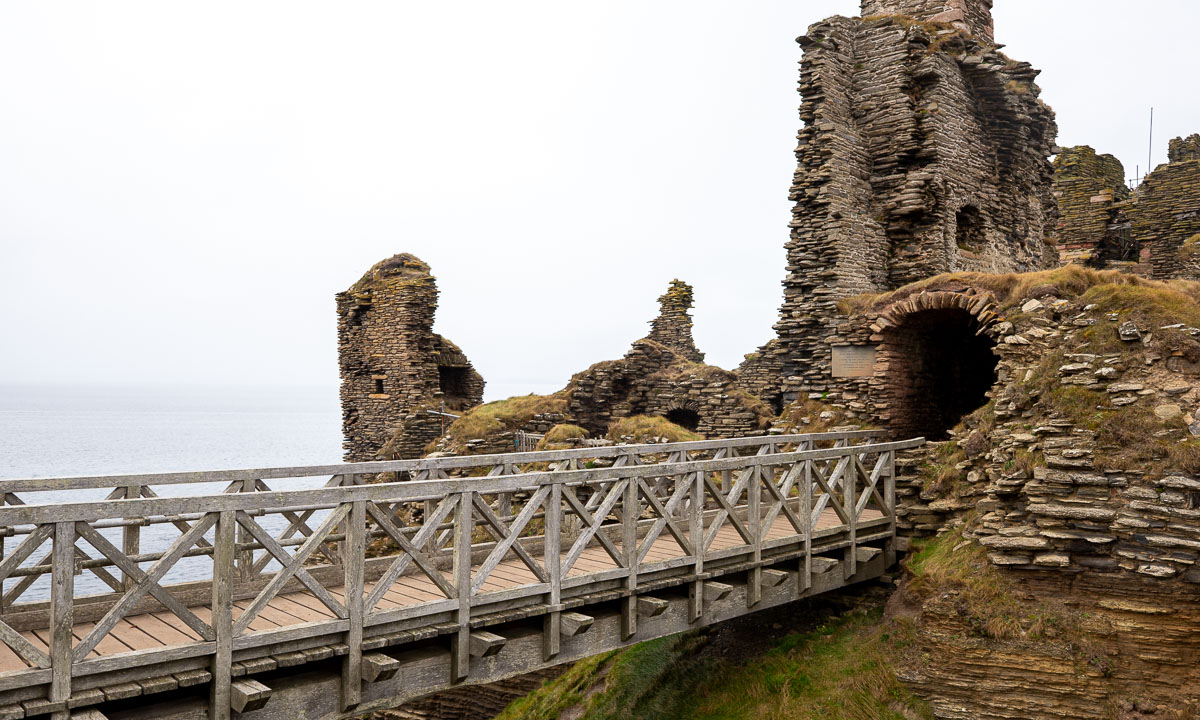
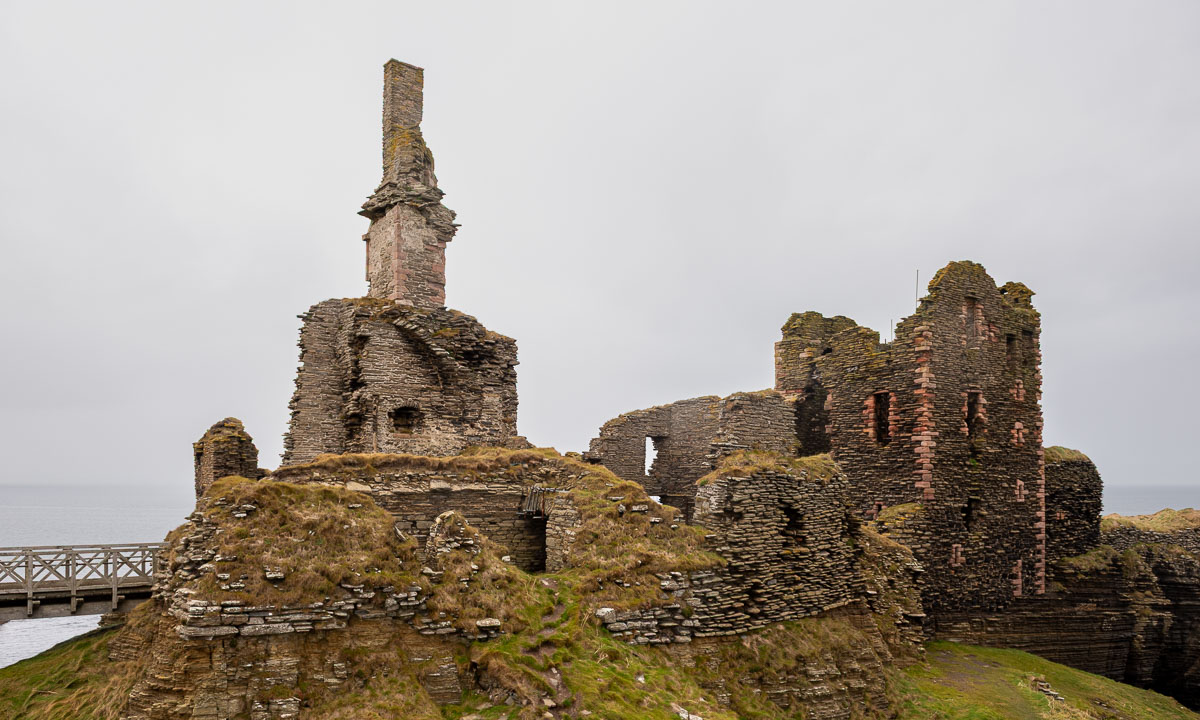
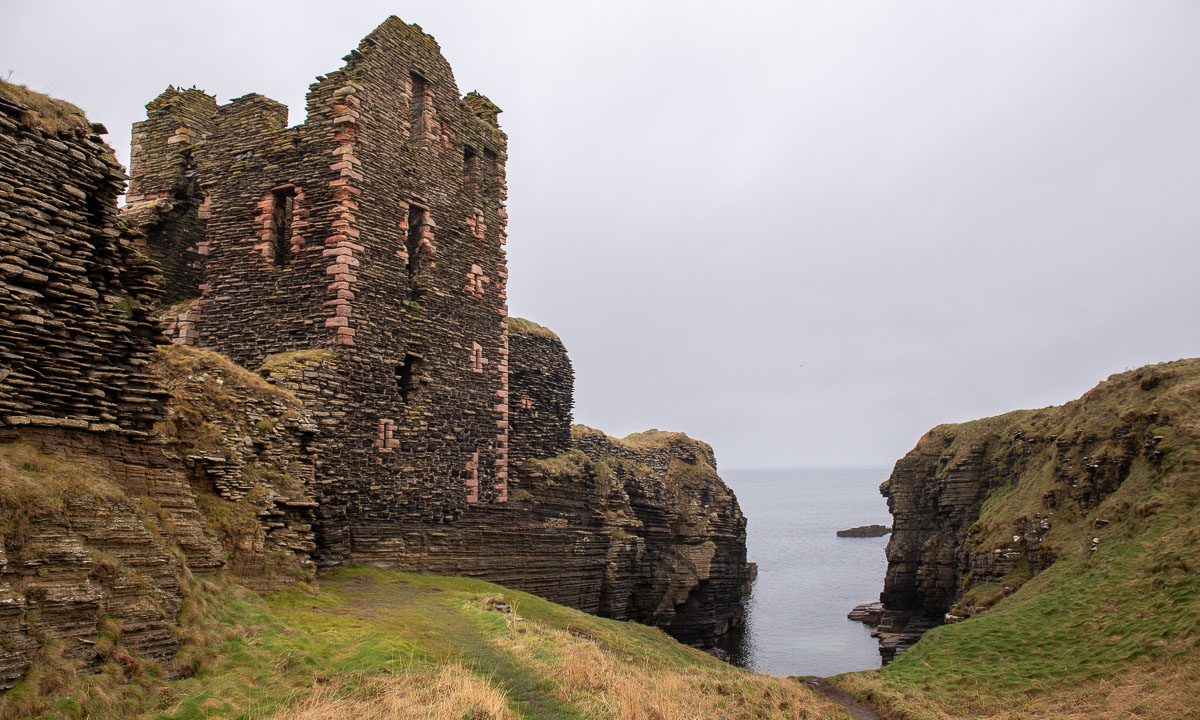
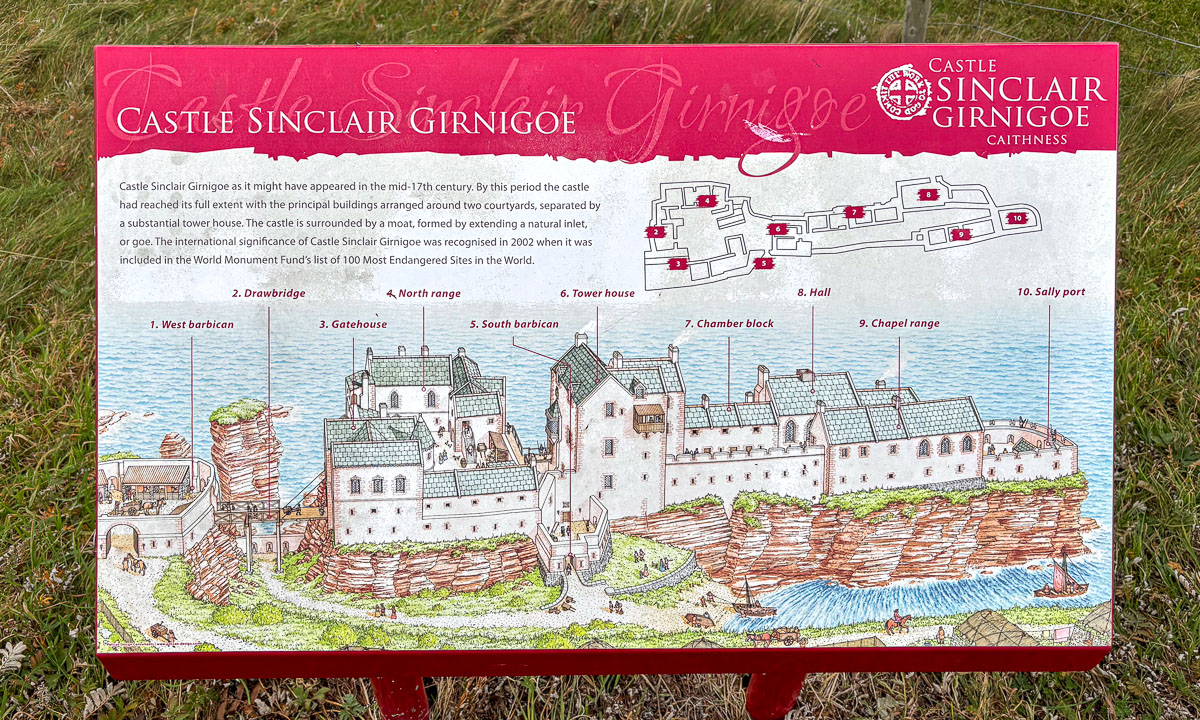
The next attraction is in the book: The Castle Sinclair Girnigoe 5 miles north of the town Wick. This castle – or better said its ruins – is located at the very edge of the coastal cliff. There are educational displays that explain the history, but for me the most impressive detail is the exposed location by the sea. More than an hour Annika and I are strolling round the castle despite of the drizzle. A real highlight on our trip!

This is one of the displays showing how the castle looked centuries ago.

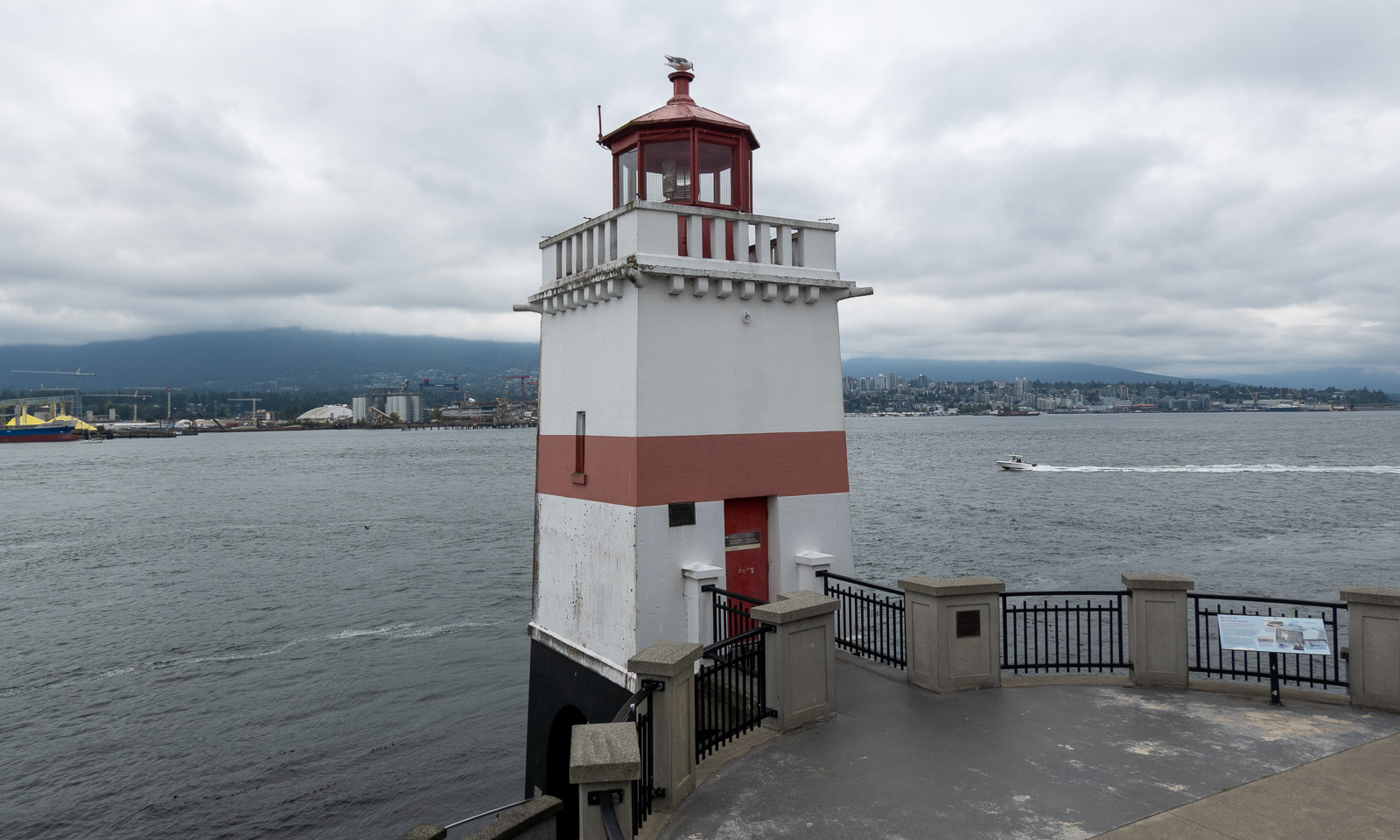
Back in the car we drive back to the A)), follow it north and then take the road to the Duncansby Head Lighthouse which marks the most northeasterly point of the Scottish mainland. Photo. Check!

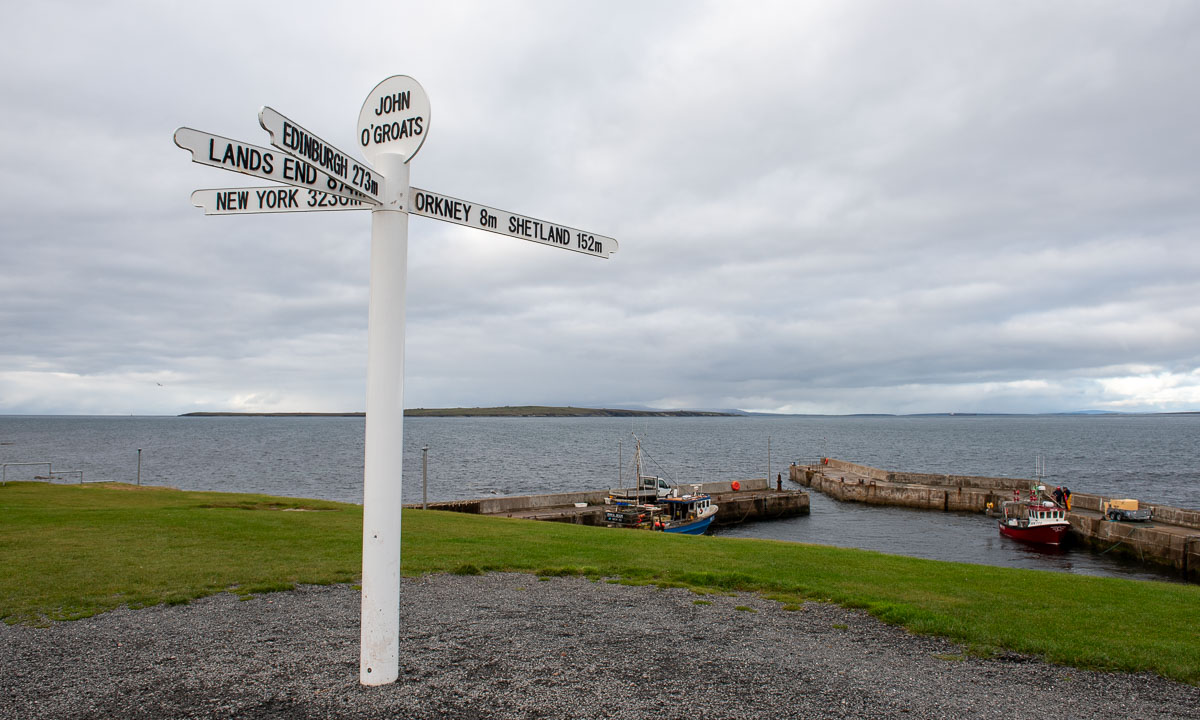
The next stop is only a very short one. I take some photos of the John o’ Groats Signpost, a famous but surprisingly boring signpost. It has four arms pointing to Orkney and Shetland, to Edinburgh, Lands End and New York. That’s it. While I take these photos Annika is slowly driving around because parking is expensive in this commercially focussed place and we are happy to leave it behind.

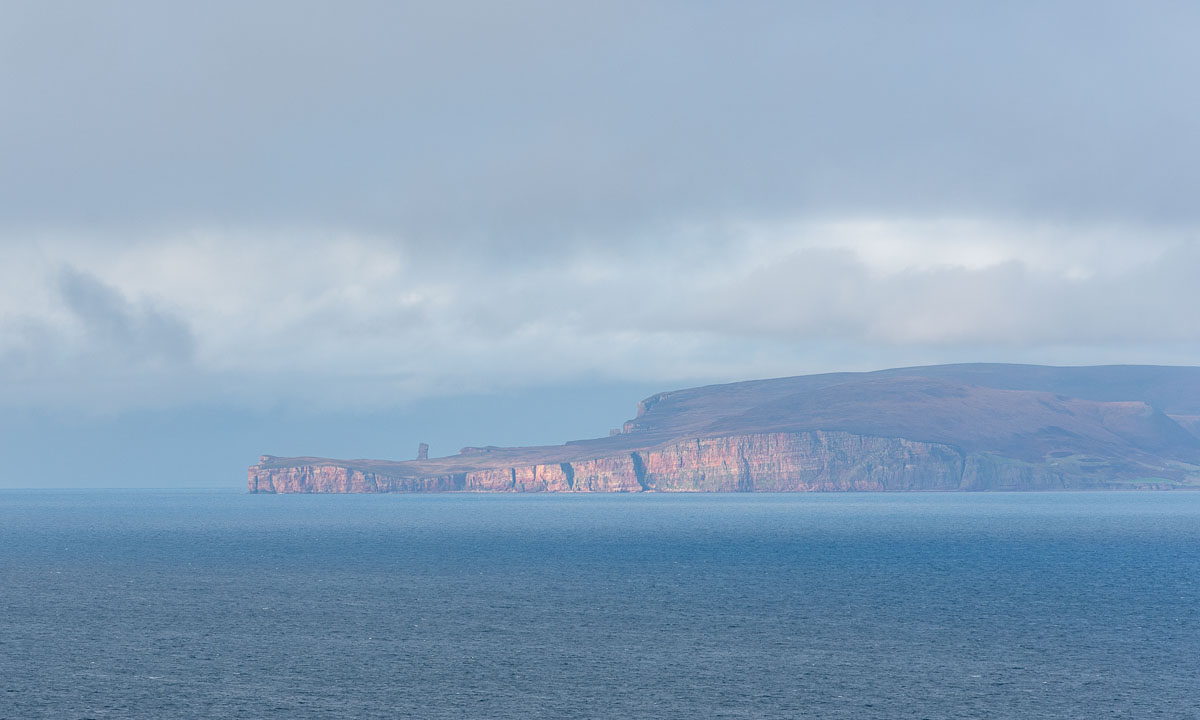
But the signpost is true: The Orkney islands are pretty near and we see the cliffs from different places, such as our next stop Dunnet Head. This is the northernmost point of the UK. Here take a photo of the partially sunlit cliffs of the Orkney islands in the distance.

So Annika, next time Orkney and Shetland? … and Faroe islands? … Iceland again? … Greenland? … Vinland? Sorry, I got slightly distracted. Back to our road trip.

From Dunnet Head it is just about twenty kilometres to Thurso, a surprisingly big town by the north coast of Scotland. Here we stay in a quite shabby hostel, but we can cook, we can sleep and that’s all you really need. Parking the car in town however was adventurous because the rules are pretty cryptic and time-dependent. Anyhow, there is a big car park by the River Thurso, where Annika parked our rental car over night. (Thanks again, Google Maps for the tip.)

The next day we will leave the NC500. We thought, travelling in October would make it easier to find accommodation, but it gets harder, because many guesthouses have been closed for the season.

Just a pick-up at the station…

When Annika travelled to me last weekend, her train from Boden to Narvik was cancelled and the next and last train was heavily delayed. Unfortunately train problems have become common in Northern Sweden over the years. I had to use the airplane several times because trains didn’t run at all for days or it was impossible to buy tickets.

To keep Annika from being stranded, I drive to Narvik to fetch her. From Tromsø it takes me about three and a half hours plus some breaks.

Meanwhile Annika has booked a hostel in Bogen where we stay overnight. Our plan is not to drive back the direct route, but to visit the islands Andøya and Senja.

Monday, 21 July

The next morning starts sunny.

However it soon gets foggy. After crossing the Tjeldsund we are on Hinnøya, the largest Norwegian island (when we ignore Svalbard). We decide against a swim in the sea due to the fog and continue to Refsnes. From here go ferries cross the Gullesfjorden to Flesnes. On my trip to Narvik yesterday it was often 28 °C, now in the fog it is hardly 15 °C.

We have missed the 10 o’clock ferry, but they run hourly and we don’t have to wait for long. The journey itself takes only 20 minutes.

From Flesnes we continue to Risøyhamn. Hurtigruten travellers may know this place not only because it is one of the stops but also because of Risøyrenna – a man-made underwater channel that allows larger vessels to pass between Andøya and Hinnøya. The Hurtigruten ships has to go quite slow there.

We take the bridge over the Risøysundet and drive through Risøyhamn. Twice. Because I didn’t know that it is so small. Only round 200 people live there.

The weather is sunny again and we become more beach focussed. The first beach is for having lunch. We share it with a flock of sheep.

The second beach is for bathing. 16 °C in the water – surprisingly warm for the region.

We continue north. To the west the Norwegian Sea. Next shore westwards is Greenland, more than 1500 kilometres away. Our next stop is much closer: a public toilet at Bukkekjerka. But what a one! It is a designed block of concrete and mirrored glass. From the outside you cannot look in, but from the inside you can switch the huge glass windows between being transparent or opaque.

Around this place – a lighthouse on a peninsula, interesting looking rocks, a baaing sheep and of course the sea.

We follow the coastal road further north to Bleik. Here you can find beaches and turquoise water as well as ridiculously looking rock needles.

After refuelling my car in Andenes we drive south again to Marmelkroken, where we will stay overnight. With an additional photo stop.

To part 2 >

Fremdriftstak

Monday 19 May

On Monday I joined a kayak training on fremdriftstak. That’s Norwegian for forward stroke, the most basic kayak stroke. We had two experienced trainers, one for the euro paddle, one for the Greenland paddle. I joined the euro paddle group and learned some new details that hopefully will help me kayaking a bit more effortlessly in the future. The weather was a mixture of sun and clouds and the last hour it rained. Doesn’t matter, we are fully waterproofed when on the sea anyhow.

Thursday 22 May

Yesterday was the regular Thursday paddling with eighteen eager kayakers and fantastic spring weather. I joined the group kayaking to the island Grindøya as the week before. While the tour leaders told us about their plans and checked, that we all know the basic communication signs, the colourful kayaks had already been brought to the shore.

My own kayak is in Sweden so I always rent a kayak from the kayak club. A good opportunity to finally test another model. I had used the same on Monday, now I checked it a bit again while waiting for the others to join.

We paddled to “Monsterbygget” – a large cuboid building that is one of the favourite orientation marks for kayakers. There we split and our group of eleven headed west to the island Grindøya.

It is round 2.5 kilometres to the southern tip of the island. A good opportunity to recap my learning from the Monday training. It went well but it will take time until it is in the muscle memory. At the small bay with the sandy beach we parked our kayaks. This is one of the two locations where you may enter the island during the bird breeding season. Time for a break, enjoying the sun, drinking water and eating chocolate.

On our way back we paddled along the western shore of the island. We saw a lot of eider ducks and other sea birds that I cannot name. After two kilometres we had passed the northern tip and were heading back to Tromsøya crossing the strait Sandnessundet.

This is a great season for paddling, especially on such a sunny day. The coast is green, the sea is blue (and very cold) and the mountains are still covered with snow.

In the south we could spot a ship. Where will it go? We decided to wait. The ship was sailing along the strait and since ships are not only much bigger than us but also much faster we decided to paddle back a bit and then to a sea mark north to wait for the ship to pass.

First the ship’s movements were hardly visible but when it approached it seemed to become faster and faster. While it was passing we spotted another ship in the distance, this time in the south and decided to cross the strait instantly. I took two photos, then I had to keep up and since we wanted to cross the strait quickly I didn’t make any further photos.

At half past nine we were back at the boat houses. Takk for turen – thanks for the tour!

Today

I’m proud. I paddled 11.3 km yesterday and I don’t have any pain in my right arm as occasionally after other tours. Just for that the training on fremdriftstak this Monday was a full success. Thanks, B. for your tipps and advice.

These are the two recorded tracks from kayaking to Grindøya. The first one from last week, the second one from yesterday.

Two promenades on Tromsøya

Easter Monday – from Sydspissen to home

On Easter Monday we got surprisingly fine weather in Tromsø. The sun was shining and the sky was blue. I took the bus to Sydspissen – the southern tip of Tromsøya – because it has been ages since I’ve been there. A lot of snow has melted away and tussilago was blooming everywhere. I passed the beach at Telegrafbukta and the pier at Folkeparken came into view. I know the this area well, because I lived nearby for quite some time.

I went on, enjoying the sun and ignoring the chilly wind. Don’t let your eyes fool you, the max temperature was about +2 °C. I passed the old boat house Engenesnaustet, saw a lonely winter kayaker and passed the small lighthouse.

I was not alone. A lot of other people took the holiday to take a promenade, sit side by side or do some barbecuing. I took the liberty to remove some people from the photos.

I wondered if the old, abandoned boathouse was still open? It was. A bit away from the shore there was some leftover snow. The tussilago flowers didn’t care, they were blooming anyhow.

Now it was not far away to the boat houses of the two kayak clubs in Tromsø. TSI Trulle and Tromsø Havpadleklubb. Here I start all my kayak tours in Tromsø, because my own kayak is in Obbola in Swede, so I use to hire one here. Season has just started and I want to paddle a lot this year!

At the bus stop Giæverbukta I missed my bus. 28 minutes of waiting or two kilometres of walking? Easy decision: I walked.

It was fascinating that the coast was mostly free of snow, while MET, the meteorological institute inside the island measured a snow depth of about 80 cm that day. At an elevation of 100 metres. And so the walk became snowy in the end. But spring showed up here as well: some willows had started to bloom.

Intermezzo – more snow

Yesterday afternoon it started snowing. Some snow showers were pretty dense. And sometimes I got one of my favourite weathers: snow flurry and sun at the same time. So beautiful. I tried to take pictures but the result became quite ugly, because the snow against the camera looks dark.
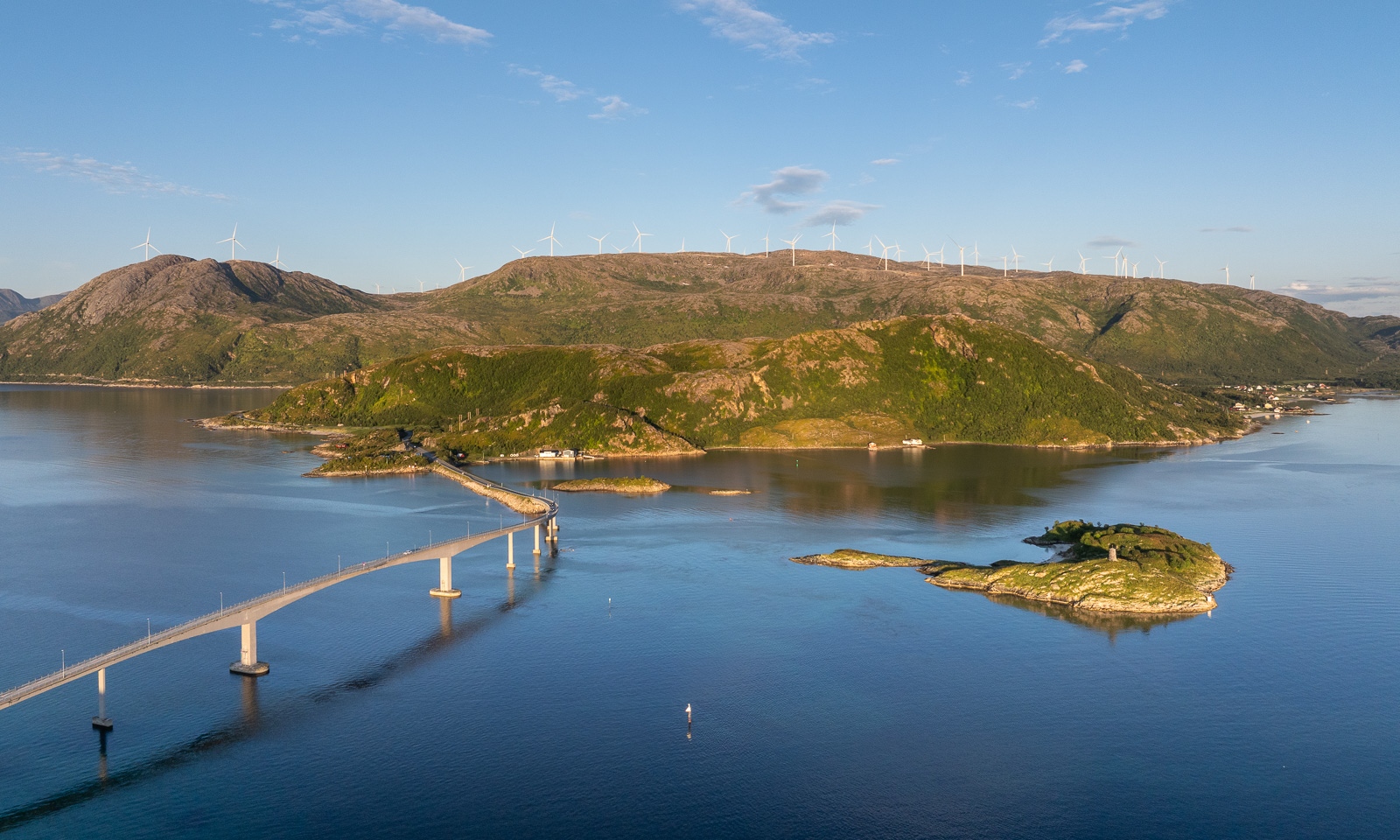
This morning ten more centimetres of snow have fallen, even in the lowland areas. All Scilla flowers in the centre were covered in snow and for the photo I had to look to find some flowers not being completely buried.

Friday (today) – from Prestvannet to home

I use to walk home twice a week after work. Then I take the bus to the lake Prestvannet to skip the boring (and steep) parts. Today I do the same. Additional snow showers have increased the snow depth to 92 cm, but it has started clearing up, when I begin my way home at 15:00. The fresh snow gives the lake an untouched appearance and the first lifebuoy is snowed over almost completely. Could it be January? No, the light is different.

I follow the ski trail a bit then I follow the smaller paths. They have hardly been used today, mostly by a single skier or pedestrian.

But then I come to an area where the snowy paths are completely untouched. No one has used them today. Imagine that: You are on a island with 43000 inhabitants. Many of them are enthusiastic skiers and outdoor maniacs. It is Friday afternoon and the sun is shining. And I trudge through 15 cm of untouched fresh snow. This is absolutely brilliant; I’ve never experienced anything like this before!


Back in Obbola – opening the kayak season

Friday

Two days ago Annika and I returned from our Finnmark and Finland journey. Just north of Umeå there was a low layer of strange clouds. Any of you who knows what kind of clouds this is?

Saturday

We are back home in Obbola in Sweden. The sky is clear and blue. In wintertime this often means that it can be pretty cold outside. Instead we had up to +8 or +9 °C. What a strange winter.

The wind is strong. The waves have already crushed the ice floes. In the afternoon the floating ice has been blown away into the open sea.

There is still some snow around but parts of the ground is free of snow. That‘s early for the season. And so is the arrival of the first whooper swans.

Sunday

The wind has calmed down and so have the waves. Time to fetch the kayak from the garage and open the kayak season. While there was not much of ice left at the shores of Obbola and the island Bredskär there was another highlight today: A 360°C halo round the sun.

Next week?

It looks like we expect colder temperatures, sun and calm weather. I hope, I have more opportunities to do some kayaking.

Bjuröklubb over night

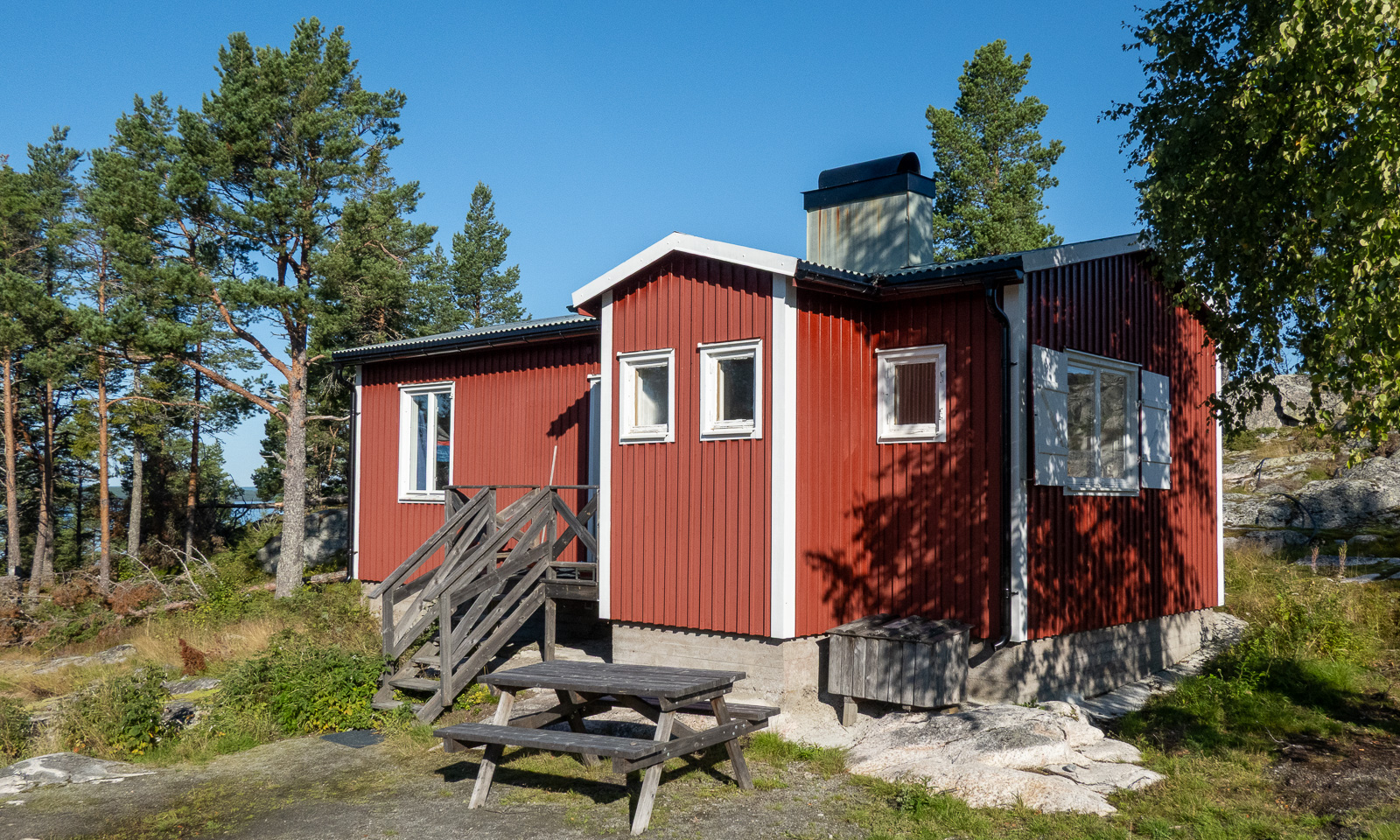
Annika and I have been in Bjuröklubb a lot, especially when I lived in Skelleftehamn, but never we stayed overnight. Anyhow, there is a cabin called Spanarstugan and that we booked for a night last weekend. The cabin is modern and quite large but still cosy. It has electricity, and running water as well as toilet are not far away.

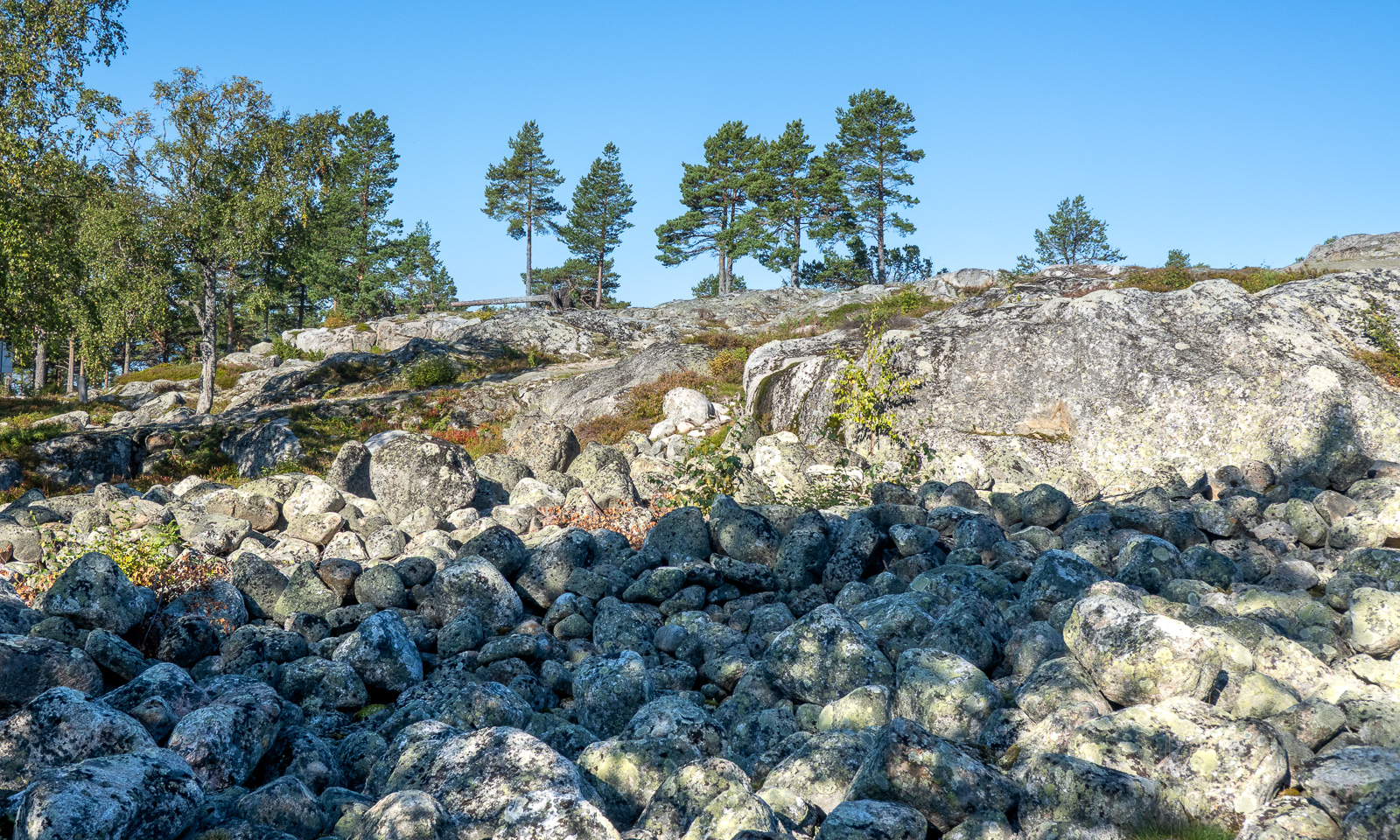
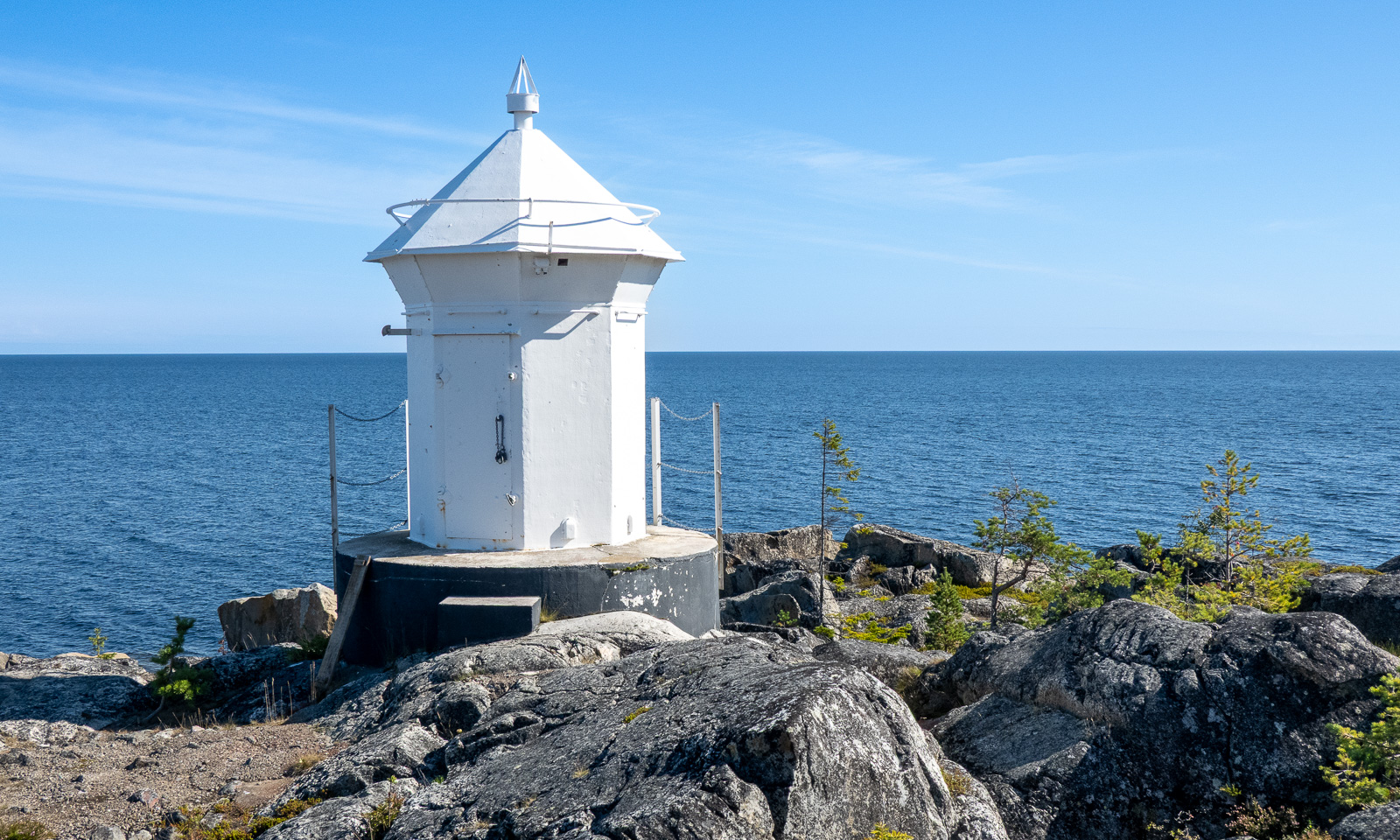
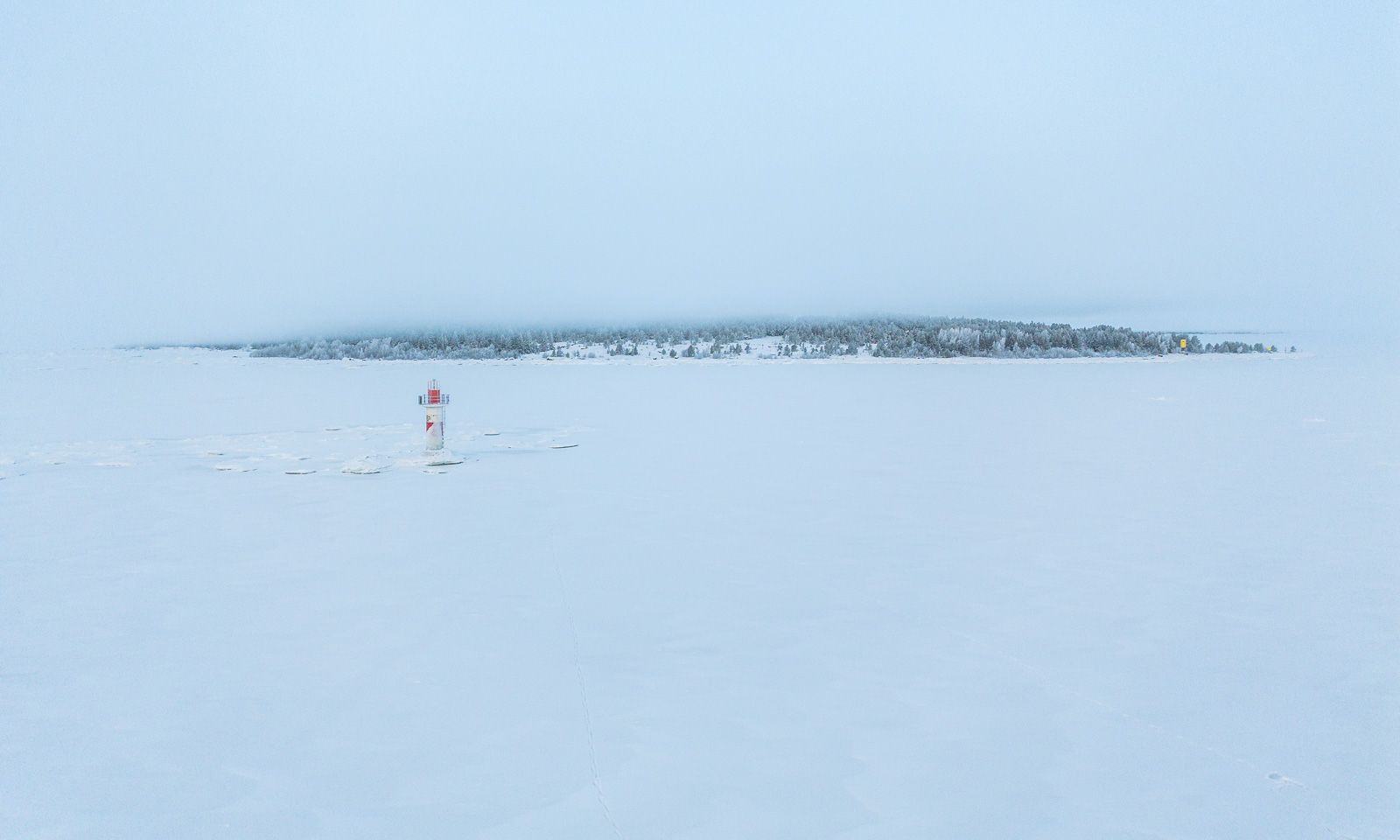
After a short lunch in the shadow of the large yellow lighthouse building we took a promenade to the beacon Bjuroklubb NÖ. The way there involved some climbing over rock fields but the view was worth it.

At 7 o’clock in the evening we went down the gravel road to the small marina where we sat for a while and watched the sky, the sea and a lonely sea bird.

Then we went up again – the ways are short – to the lighthouse building. The sun was partially hidden behind clouds and the light was warm and beautiful.

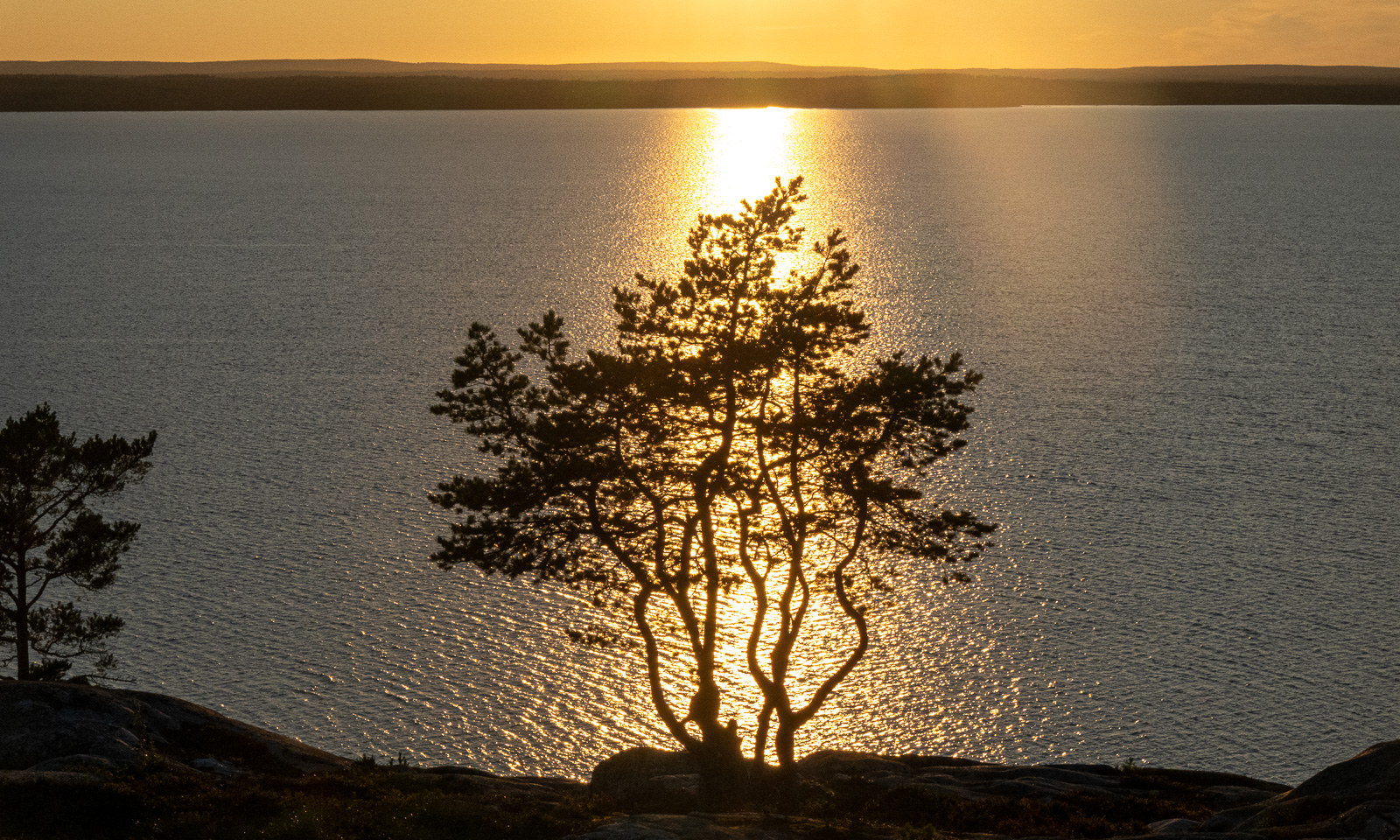
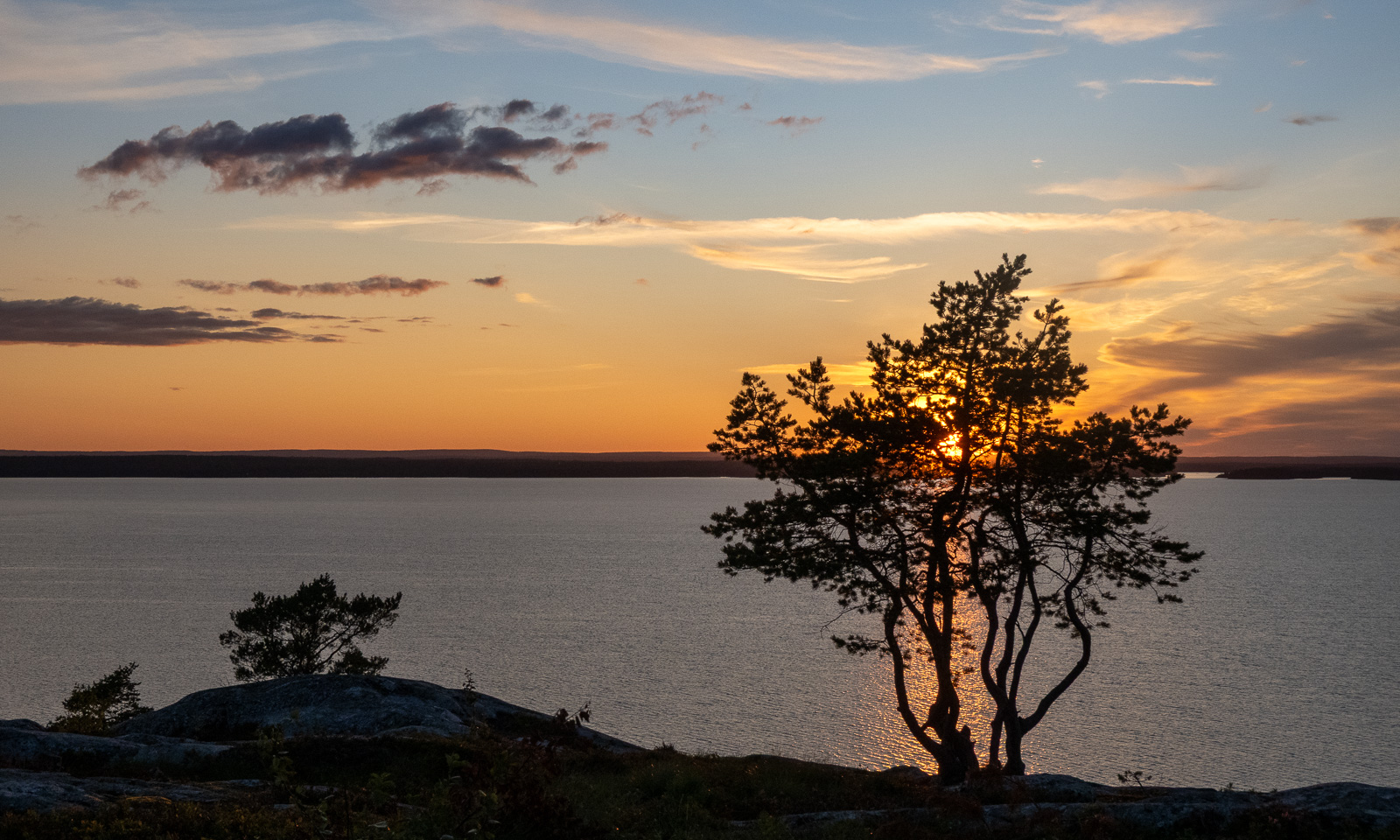
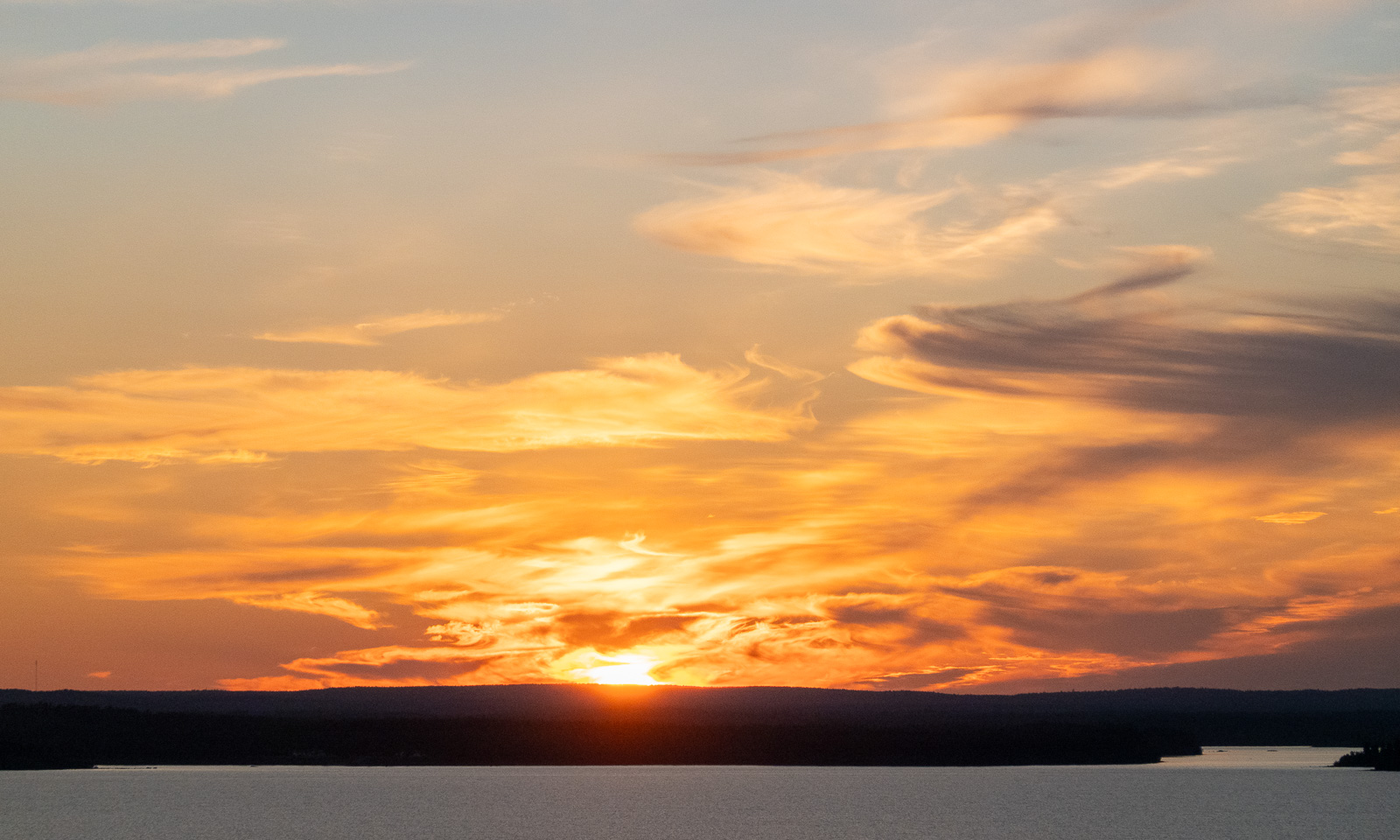
Round 11 o’clock in the evening I took another stroll up to the wooden view platform. I wanted to watch the sunset. First the sun was round and red then it resembled more and more a huge glowing jellyfish until it morphed into a small dash and disappeared behind the horizon.

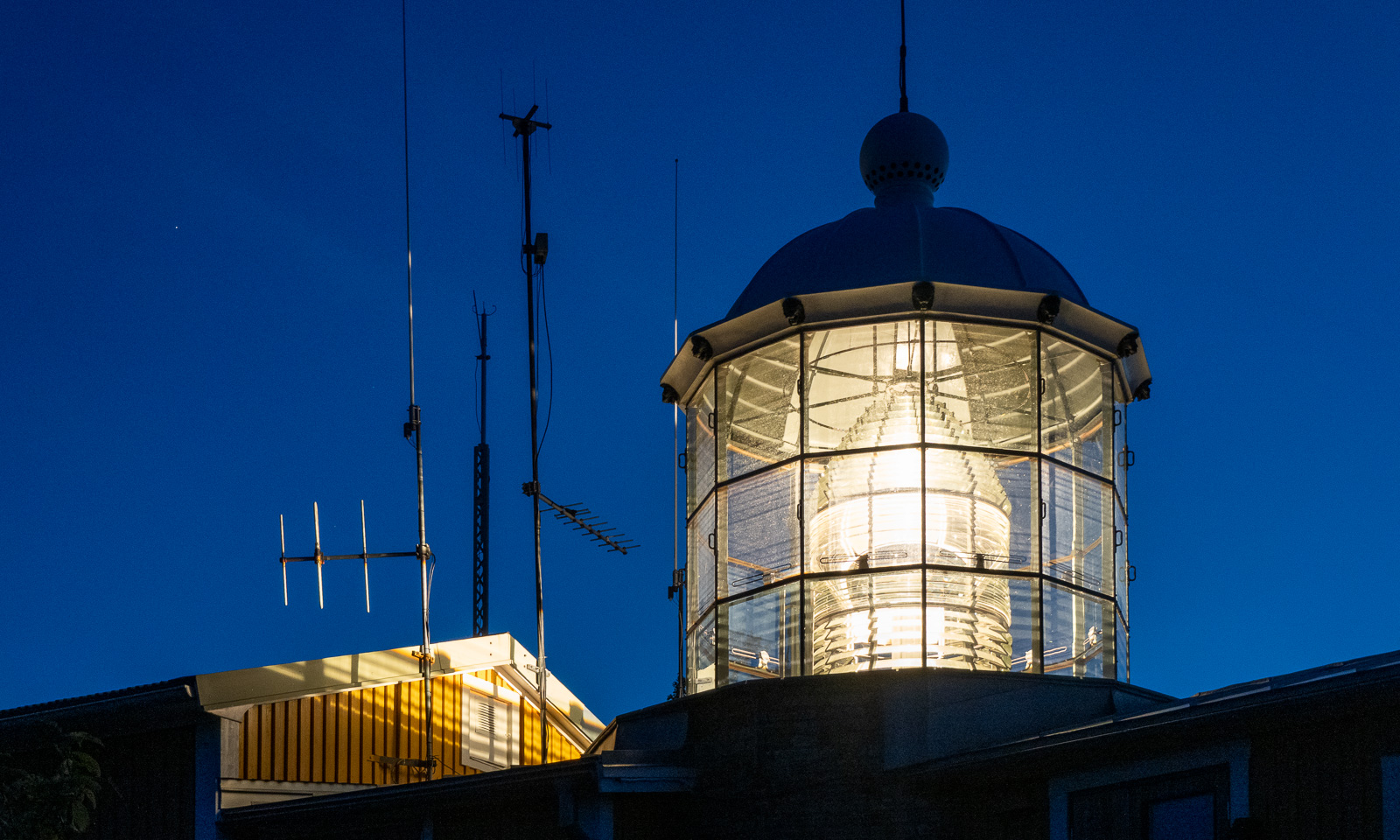
Annika and I were in doubt if the lighthouse would be active in summer, when it doesn’t get dark. But round sunset I could see the light go on, blinking in a steady rhythm.
I sat there for a moment but then I became tired. So I walked down and went to bed where after slaughtering some mosquitoes I fast fell asleep.

In the night it rained, in the morning it was foggy but after breakfast and cleaning up the cabin the weather was sunny again. We enjoyed our stay there very much and started wondering, if this place is accessible in wintertime as well.


5 × 5 images from a Hurtigruten cruise

Two weeks ago I took the plane from Tromsø to Bergen. From there I would travel back to Tromsø by Hurtigruten together with my sister, my brother-in-law and my mother. My wife Annika would join us in Trondheim two days later.

22 May

There is still a lot of snow in the mountains on Tromsøya, Kvaløya, Senja and other islands I do not recognise from the plane. But in the lowland it is springtime.

I travelled with the Hurtigruten several times, but never south from Trondheim. We were not the only one’s boarding in Bergen. A lot of people use the Hurtigruten as a cruise ship, not as a possibility to travel from A to B. And there it lies, the vessel Kong Harald.

We have boarded round 18:00. At 20:30 we are departing and leave the town Bergen behind.

We are in sheltered waters and you hardly notice the ship moving beside of the motor’s vibrations. Even though Bergen is nine degrees south from Tromsø it does not get dark anymore.

The weather is cloudy but when the sun peeks through a holes in the clouds it looks beautiful.

23 May

One breakfast later: We arrive in Ålesund where the Hurtigruten will stay for ten hours. Time to explore this town which looks so different from the towns in the north. Ålesund has many Art Nouveau houses and “exotic” plants like azaleas are blooming everywhere. Together with my sister I climb the four hundred and something steps up the Aksla where we have an awesome view on the town.

We have also a view on the cruise ship AIDA prima. And beside of that – our Hurtigruten ship Kong Harald. It looks so tiny in comparison. I definitely prefer the small one.

I take a short stroll through town before I meet the others. First I admire all the small Art Nouveau details on the houses, then I almost get a culture shock when I find this tunnel:

In the evening we circumnavigate the island Hessa, because the ship is “reparked” on the other side of Ålesund. After a very warm and sunny day clouds have been gathering. But the sun manages to send beams through the clouds.

Is this one of the life boats? I mean – a photo of one of the life boats? No, it is a photo of a reflection of one of the life boats. It is reflected in the glass facade of an office building by the port.

24 May

Where are we? In Trondheim. Yay! I was so looking forward to meet Annika there. She checks in, then we take a short stroll in town along the channel with the groundbreaking name Kanalen – the channel.

As in Tromsø there are Kittiwakes in Trondheim. They use to screech a lot – often to each other – but these two fellows seem to be a bit shy, at least in the minute where I took the photo.

At lunchtime we leave Trondheim behind. The shimmering sunlight is reflected by zillions of tiny waves. We meet commercial ships, fishing boats, two kayaks and sometimes a sailing boat.

On the port side there is the open sea. Blue sky, blue sea, a small skerry and a house. Wait, a house? Yes, it is erected on a floating raft. What you cannot see – it is part of one of the countless salmon farms located in coastal Norway.

I have moved into Annika’s cabin. It has no regular window but two portholes. It is five to eleven in the evening and the sun peeks into our small but practical cabin.

And that’s the night where I get sick. That really wouldn’t have been necessary at all.

25 May

I am feeling ill and I sleep, I sleep and I sleep. I do not leave the cabin before 17:45 to take some photos while we are approaching the Lofoten islands. They look like mirages at the hazy horizon.

Round half past seven we are approaching Stamsund, passing rocky skerries and rocky mountains. Northern Norway, here we come!

At the harbour a graffito was sprayed or painted on the outer wall of the waiting room. Free high fives! For me however it was time to continue sleeping …

… but I got up at 23:15 again to see more from the Lofoten islands. Some of the mountains look like not being from this world.

The light got dim but it didn’t get dark. It’s the first day of midnight sun on the Lofoten. And it is almost midnight.
26 May

The reason for being up so late is that Kong Harald sails into the quite famous and very narrow fjord Trollfjorden. The landscape is impressive because the Hurtigruten is so near to land. – especially the mighty dark rock face in the north.

On our way back I spot a beautiful wave pattern. I really wonder how it was created.

Then it is time for me to sleep. And I sleep long. At lunch time I take some more photos. Now the landscape looks very familiar. No wonder, in an hour we will be in Tromsø, where I’ve been working for three years now. To my relief there is still snow on the mountain tops. It looks so nice.

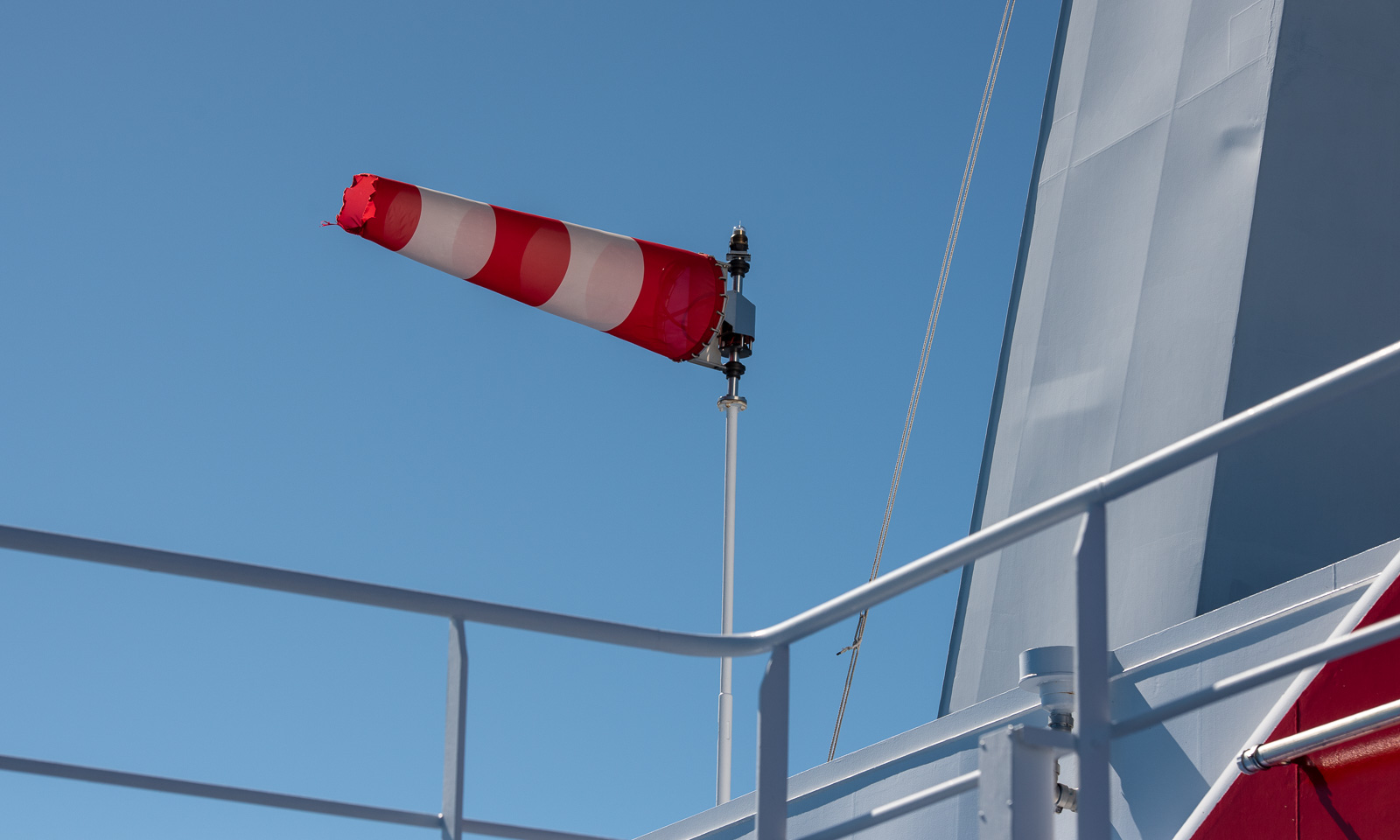
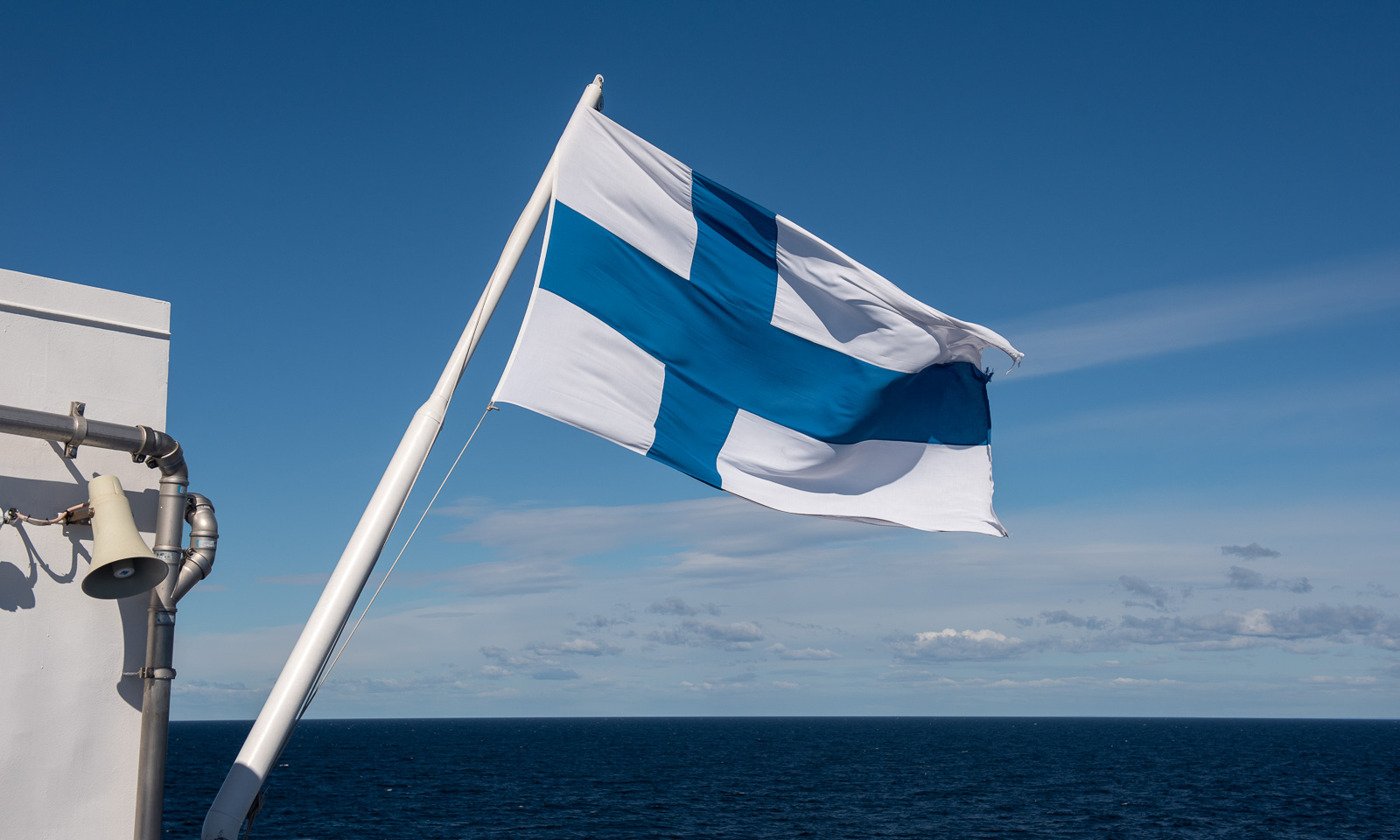
The sky is still blue and the sea has been calm more or less the whole journey. There is hardly any wind but the flag is flattering in the airstream.

Round two o’clock we pass the southern tip of the island Tromsøya and then the new buildings on the eastern sea side.

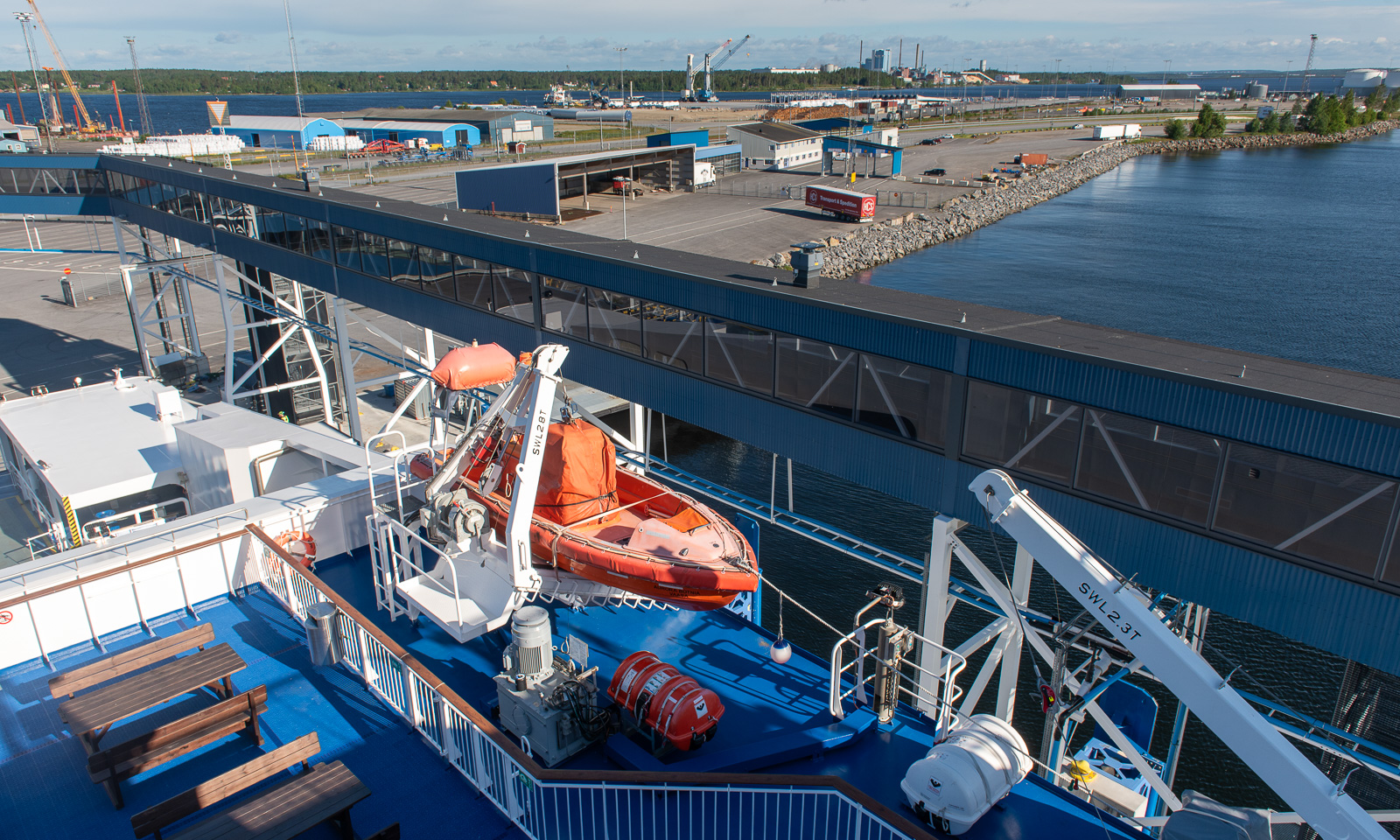
After round 93 hours we are leaving the ship. My family checks into their hotel, Annika and I take the bus to my apartment which has become one of my two homes.

A day trip to the island Vannøya

It is 10 o’clock on Sunday, 28 April. Marika, whom I know from work and I are in Hansnes on the island Ringvassøya waiting for the ferry. It will take us to the island Vannøya where we want to stay for the day.

I want to take photos, so I am opening the boot of my car and realise that I have forgotten my camera backpack at home. Sh*t! Fortunately I have my Sony camera with me, which does a pretty good job on landscape photography But no time to be grumpy, here comes the ferry.

After a ferry ride of forty minutes we arrive at the island and take the western way to the fishing village Torsvåg. We pass the Polargirl, a passenger ship that uses to make touristic excursions in Svalbard in the summer season.

After seven kilometres we come to our first stop: A small beach. The view is incredible. Snow covered mountains in the back, a cloudless sky above, some islets with white sandy beaches and shallow waters of a turquoise colour so intense that you can see it on satellite images.

We start cleaning the beach, mostly of plastic. A huge amount is plastic nets and ropes from the fishing industry. The plastic is harmful to the environment and is especially dangerous to sea birds. Beach cleaning has become quite popular and it is a good feeling to remove the garbage from nature even when it is only a drop in the ocean. The next photo showing me is taken by Marika.

We stay there for a while, not only because the scenery is to beautiful and the sun shines warmly, but because there are seals out there. Some of them were sitting on rocks until the tide came in, others are swimming in the turquoise water. They are too far away to take good pictures, but I can observe them through my binoculars.

We continue our road trip, occasionally stopping when there is any wildlife. And there is quite a lot. Here at partially frozen puddles we do not only see crows but also a Eurasian curlew.

Minutes later we arrive at Sandsletta, a larger beach. The small sandy dunes are reminiscent of the German North Sea, the mountains aren’t.

There are some more photo stops, either for scenery or for animals. This time a reindeer (we saw some of them) grazing by the road.

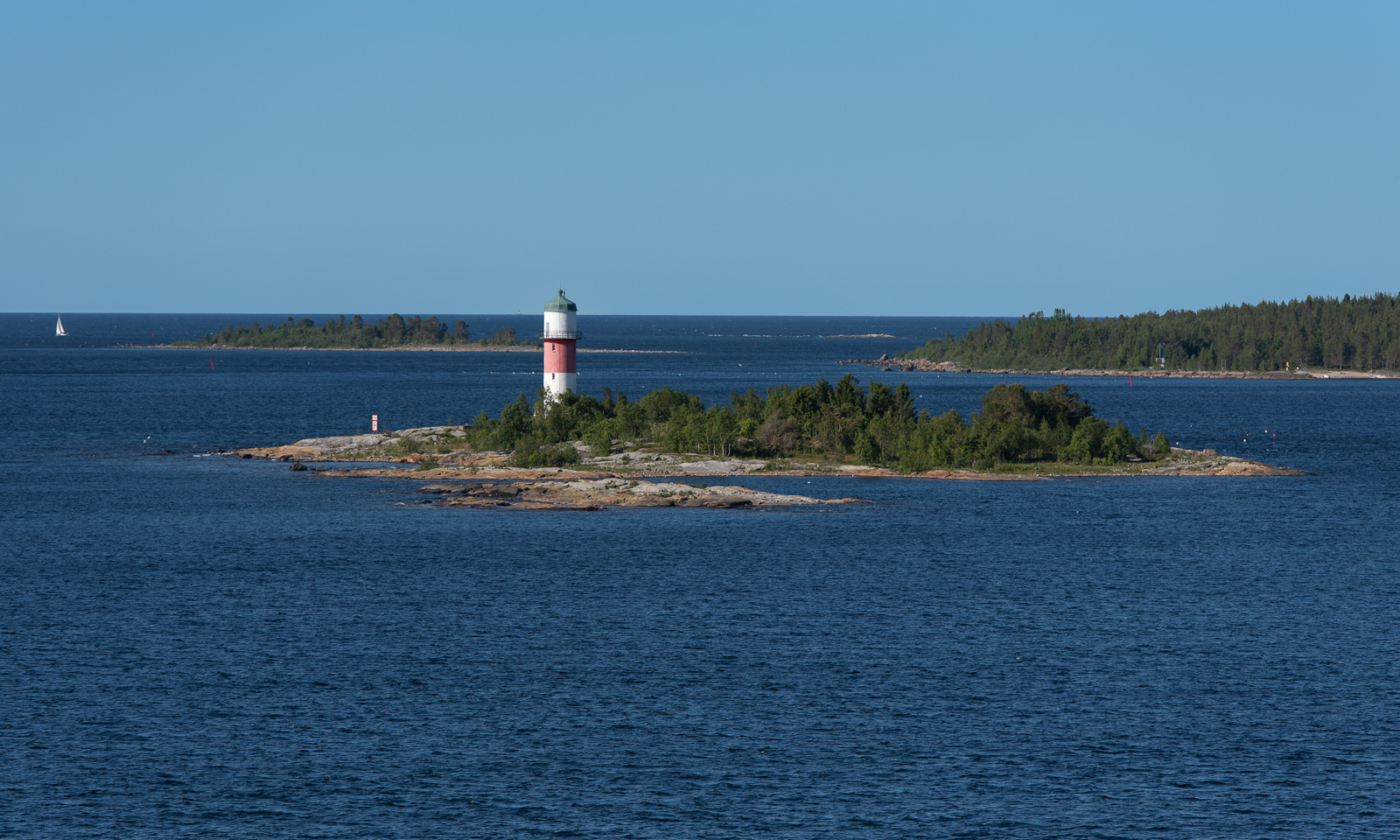
Then we arrive at the fishing village Torsvåg. Parts of it are located on Vannøya, others on the small island Kåja. To get there by car you have to cross a dam with a single file concrete road. In the harbour area there is a huge rack full with fish hanging to dry. The dried fish is called stockfish. And there is the Torsvåg lighthouse. If you look north from there, you can see some stony islets and rocks and then there is the open Norwegian sea. Next stop Svalbard.

Is this the end of the island? Well, at least it is the end of this road. But there is more to explore. We turn, drive back 8 km and turn left onto the road to Burøysund in the east. Marika spots an eagle with prey, probably a mountain hare. I do not stop timely and the disturbed eagle flies away to land on a stone nearby. I make a photo through the windscreen, but it is blurred. Anyhow it shows, how big eagles are. You see the crow for size comparison?

Ten minutes later I have stopped the car again, this time for two ptarmigans that first strolled on a meadow by the road and then decided to ignore us and cross the road. Another object with flying abilities was easier to photograph, but what does a propeller plane do on a parking place by the road? Does it use the road for taking off and landing?

We arrive in Burøysund. The whole of Vannøya is a bit “Norway in a nutshell” with its snowy mountains, the blue sea, the rocky shore, the coastal villages. Here anyhow the rocks are special. They are sharp-edged with their “teeth” up into the air and look wild and rough.

Now it is time to head back. On a place we spotted already on our way there we take a late lunch break with the view to the sea (and some ptarmigans and seals in the distance) and the wetlands in our back.

Even if we take the second last ferry we have plenty of time. And we need it, because while driving further I spot something in the water which does not look like seabirds. It is an otter. No, it’s two, wait – three. They meet in the sea and then swim side by side.

Then they go ashore quite near us. One is swimming away soon while the other two stay on land for ten minutes. What an experience so see them so near! I’m sure they have seen us as well but since we are quiet they ignore us. What a pity, that I forgot my Nikon to use the large telephoto lens. The Sony did not manage to take good pictures, also because of the light situation. Anyhow – for the archives – two pictures of the otters:

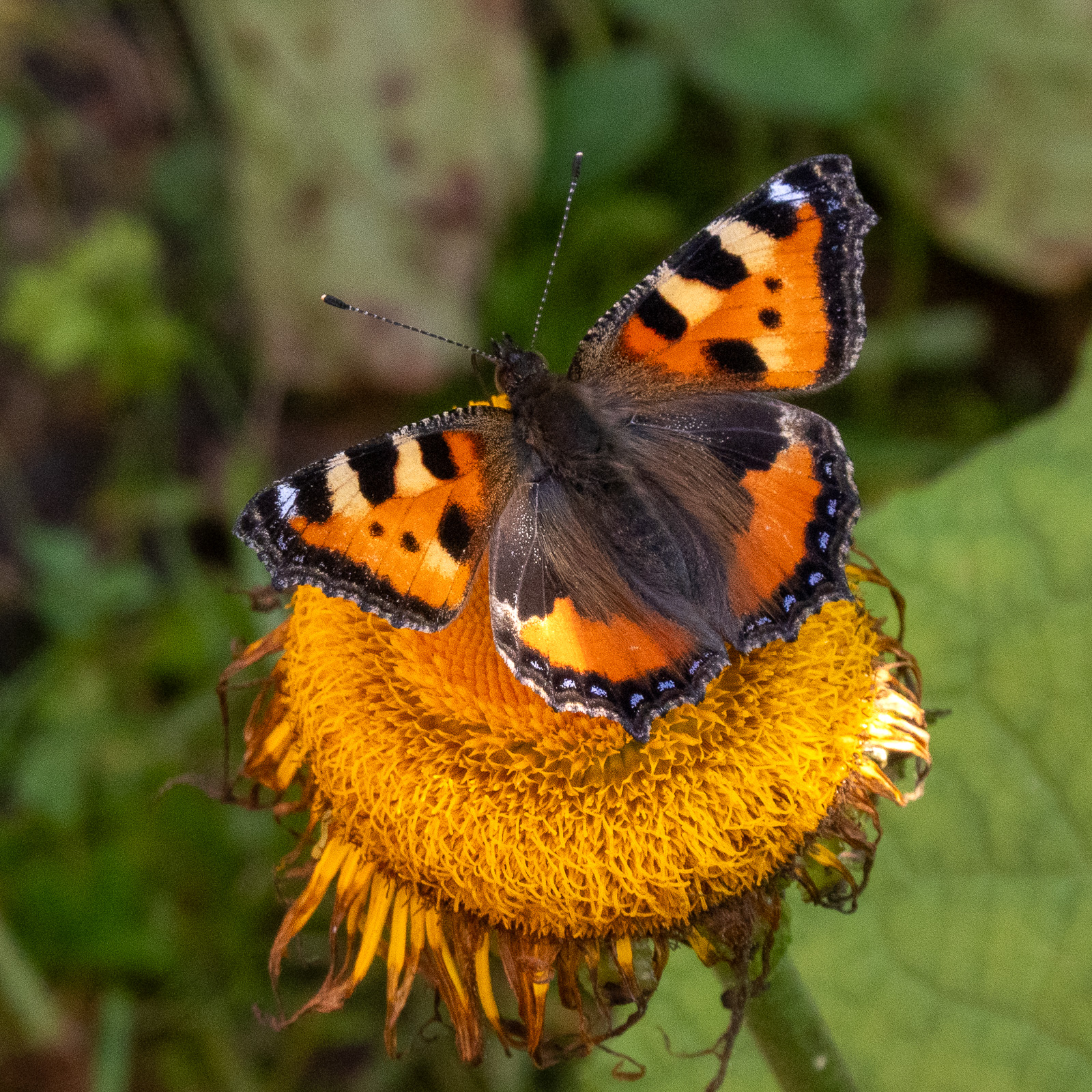
This day really delivered! Incredible weather and a lot of wildlife. Reindeer, curlews, ptarmigans, geese, eagles, a lot of other birds I do not know, a white mountain hare, the first butterfly of the season (a small tortoiseshell), several seals and now the three otters. Time to catch the ferry with a hasty detour to the south east of the island from which you can see the Nordfugløya (Northern bird island).

Finally we have to hurry a bit but we reach the 19:15-ferry in time. Another forty minutes ferry ride in beautiful light …

… and we are back in Hansnes on the island Ringvassøya which is connected to the island Kvaløya with a tunnel which is connected to the island Tromsøya with a bridge, and that’s where I live. There are worse places!

Takk for turen, Marika!

The last Thursday kayaking 2023

No, I haven’t joined many of “torsdagspadlinger” organised by the Tromsø sea kayak association this year. But at least the first one on the 4th of May and the last one this evening.

We were a group of ten heading to the island Grindøya in the west. When I arrived at the boat houses round half past five the sun was already disappearing behind the mountains of Kvaløya. Half an hour later we were on the water. The weather was quite warm and it was very calm –perfect conditions for a relaxed tour.

We headed to a sea mark – resting place for a small flock of cormorants. They flew away, when we gathered there.

While we were continuing to the northern tip of the island it was becoming dusky. We all had lights at our kayaks or our lifejackets. Less to see but to be seen.

After we passed the northern tip of Grindøya we turned left (meaning south) and calmly paddled along the forested island.

When we arrived at the beach at the southern tip it already had become pretty dark. The lights of the mainland illuminated the horizon. The single light at the left top corner of the next photo is the mountain station of the cable car Fjellheisen.
On the way back it was really dark. We paddled in pairs to ensure that no one was left behind and it was too dark to take snapshots. Just before we arrived at the boat houses again I took the iPhone out of its waterproof bag and took a photo. With a bit of help from Lightroom it’s surprisingly sharp.
It’s a pity that this was the last torsdagspadling but understandable, because it gets darker and darker every week. And if the weather forecast is correct it may snow next week.
Takk for turen – thanks for the tour, especially to the tour guides. See you next year.

#escapism – midnight sun at Lyngstuva

Sunday, half past five in the afternoon. I just arrived in Breivikeidet by car, waiting for the ferry.

It was a quite spontaneous decision to take the car to the northern tipp of the Lyngen Peninsula to watch the midnight sun before the polar days are over in Northern Norway. Without the ferry I would have to drive 200 km one way, using the ferry it is less than half the distance. And there the ferry arrives.

Eight a clock. I have parked by car on a camping ground and the backpack is packed. Camera equipment, something to eat and drink, an extra jacket as well as sleeping bag and camping mat. Hopefully I can sleep in the tiny hut that is near the lighthouse I want to hike to. If not, I’ll sleep outside and get eaten by mosquitoes …

The way there is only 3 km. First I follow the broad gravel road then I turn right and hike along a path that meanders through the mountain landscape. The forecast of the Norwegian weather service yr was right: the weather is nice and mostly sunny. Hopefully it will be clear this night.

And there it is: Lyngstuva Lighthouse. The hut is tiny but it’s open and no one else is there. Nice!

Behind the lighthouse lies the open sea with the prominent shape of the island Nord-Fugløya (Northern bird island) in the north. On the sea there are surprisingly many ships, some of them large. The largest (and ugliest) is the touristic cruise ship Viking Mars with place for 930 passengers. Then there are two Hurtigruten ships. From the left comes Kong Harald on its way to Skjervøy, from the other side Richard With with destination Tromsø. Both have a capacity of 590 passengers.

As usual the ships greet each other with the ship’s horn. Again and again they toot, apparently checking who will have the last word.  Finally some minutes after she ships have passed, Richard With toots a last time for half a second and Kong Harald answers the same way. Then it gets silent.

I enter the tiny hut and take some pictures before I make myself at home. It’s cosy!

I soon realise, that I may have the hut for myself this night but definitely not the place. The french couple has gone but in the next hours many other people will appear “on stage”.

Dramatis personae: A couple from Amsterdam. Two people from Lithuania (he’s here for the 7th time) with friends. A group of Finnish scouts. Some more random people. M. and F. from Bavaria.

With the latter two I spend the evening and night. They are the perfect outdoor hosts. They already have collected wood for a campfire, that is soon is burning. We sit round the fire and chat about all sorts of things. I’m even invited to a glass of red wine if I have a glass. No, I don’t have any glass or cup but I have a pot of yoghurt. I only have to eat the yoghurt and clean the pot and – voilà – I have a high standard quality wine glass. Later this evening F. surprises me once more: He brought a travel guitar and so we have live music while we watch the sun slowly lowering but mostly wandering to the right.

At 0:28 the sun has vanished behind the island Nord-Fugløya in the north.

Will it be visible in the mountain gap at 0:44, the time when I think it’s lowest? Yes, at 0:42 it shows up and at 0:44 it is mostly visible again. It’s not my very first midnight sun I see, but a very beautiful one. I’m glad, that I have come here.

I take some more pictures – from the lighthouse and hut and from the mountains behind whose red rocks now seem to gleam by themselves.

Then I say goodbye to my “outdoor hosts” and enter the hut to sleep.

I decide not to take the tiny room under the roof but to roll out my camping mat in the main room. The camping mat and I have some disagreements on the topic of sleep comfort but anyhow I sleep quite ok. Just much too short. Because the next day is today and today is Monday and Monday is a working day. A quite tired working day but it was worth it. I never regret being in nature.

In Tromsø the first sunset will be in three days, at the Lyngstuva Lighthouse it will take another day, because it’s a bit more north. Now I’m looking forward to spot the first star. The last one I think I saw in the end of April.