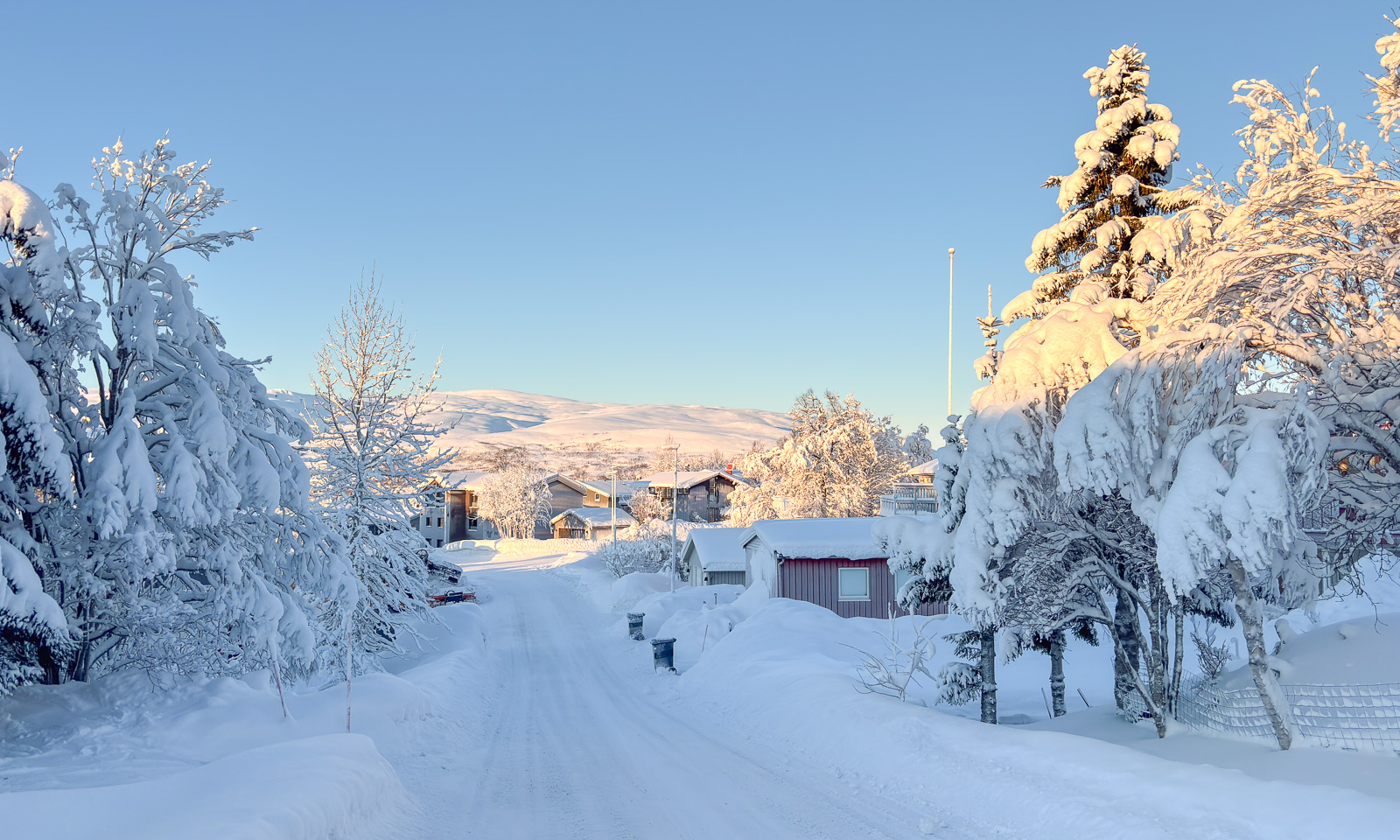
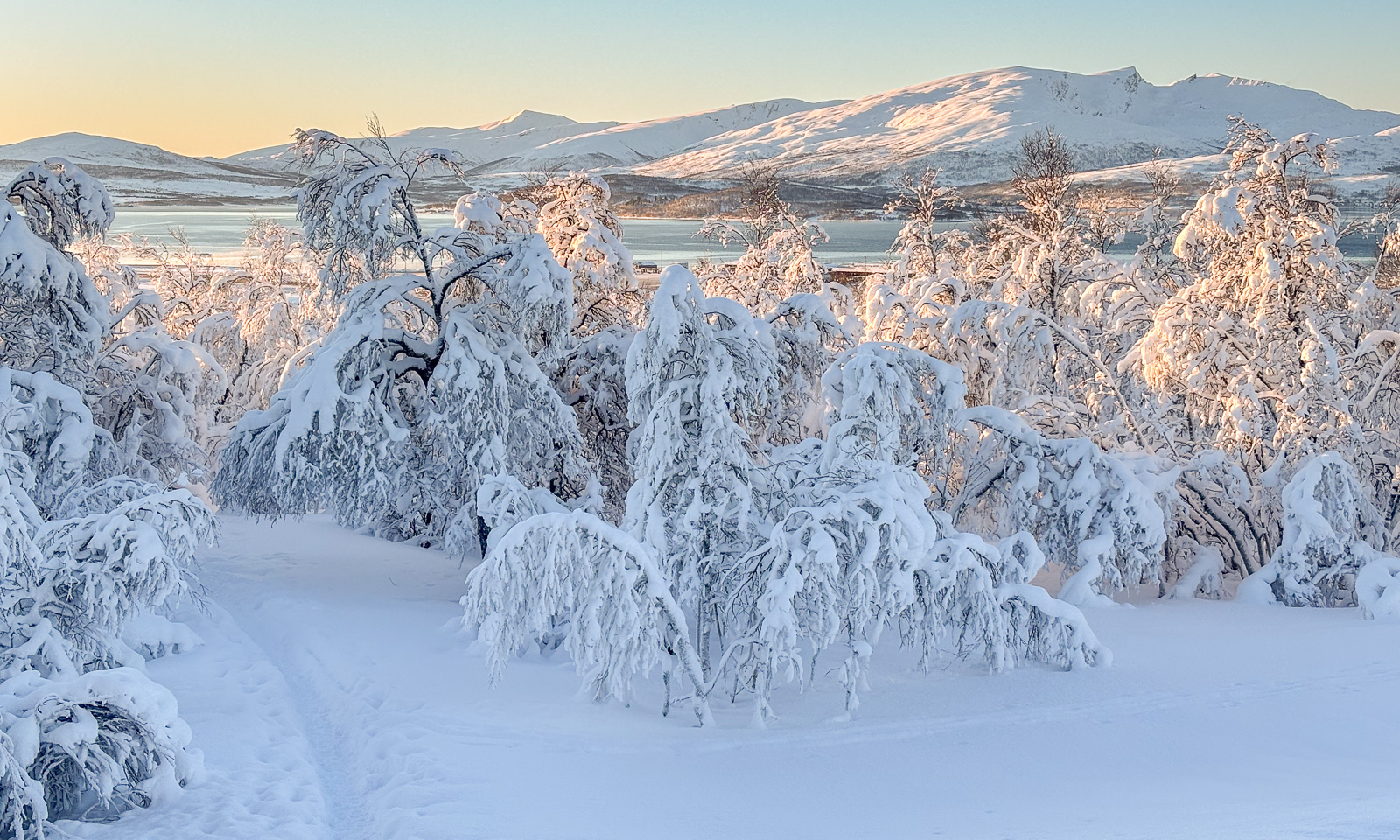
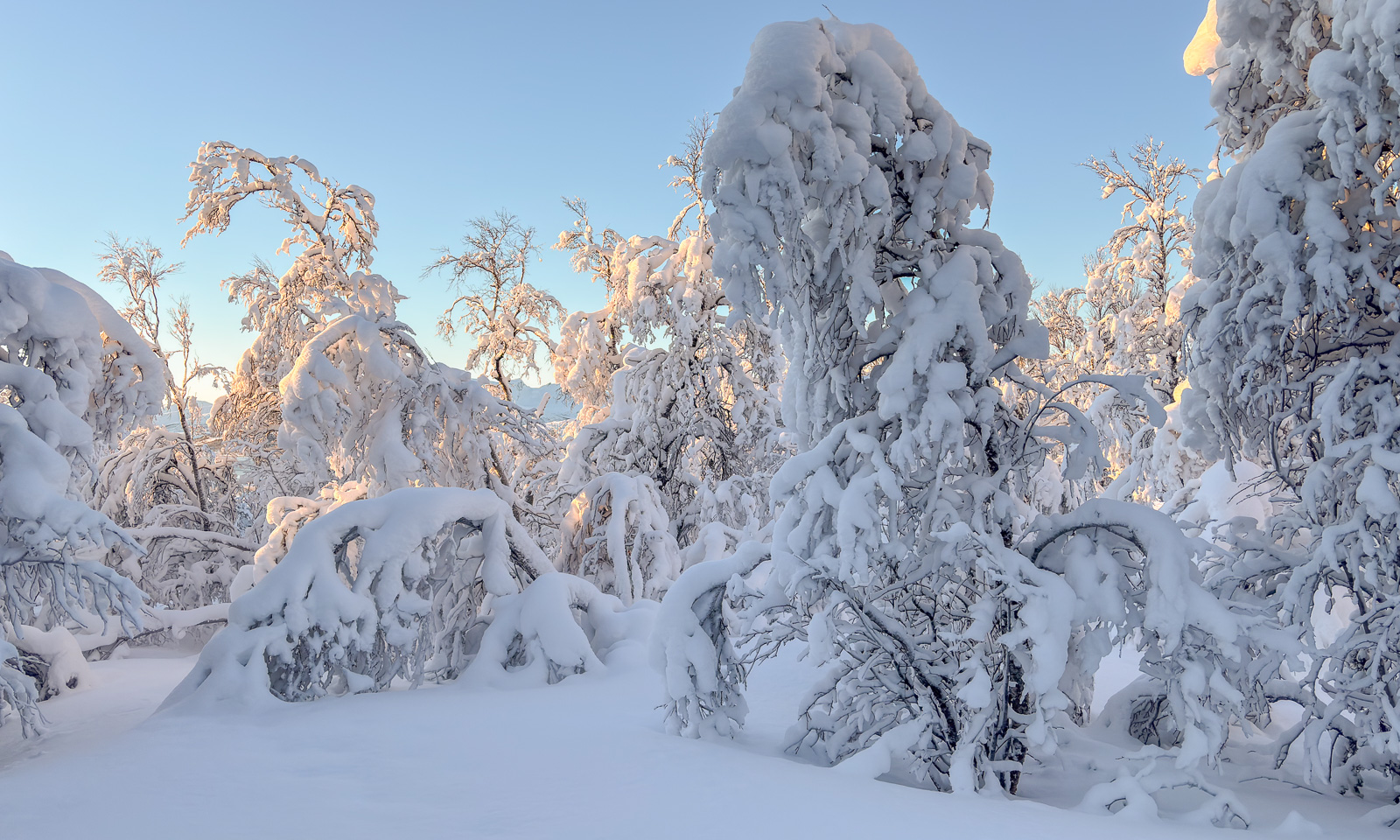
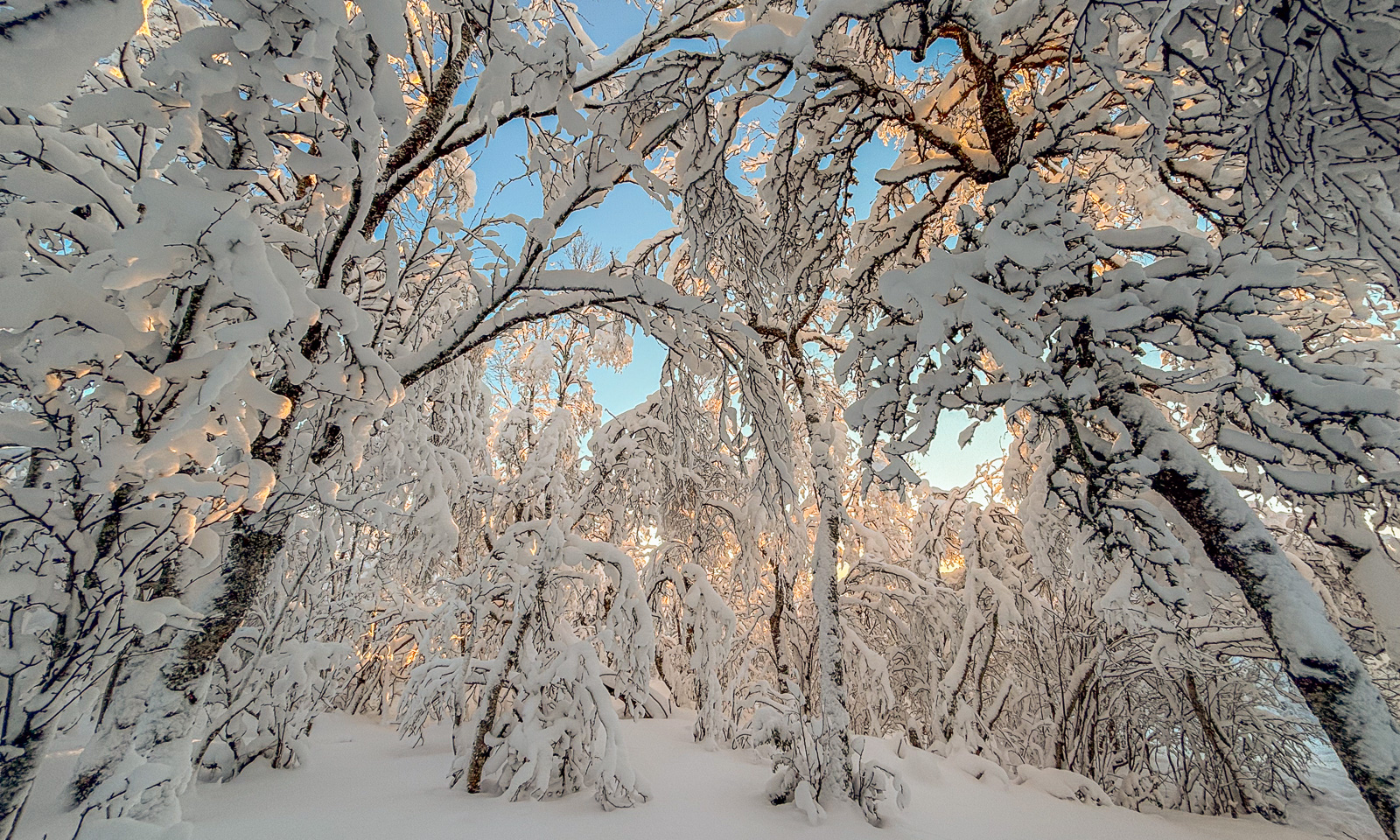
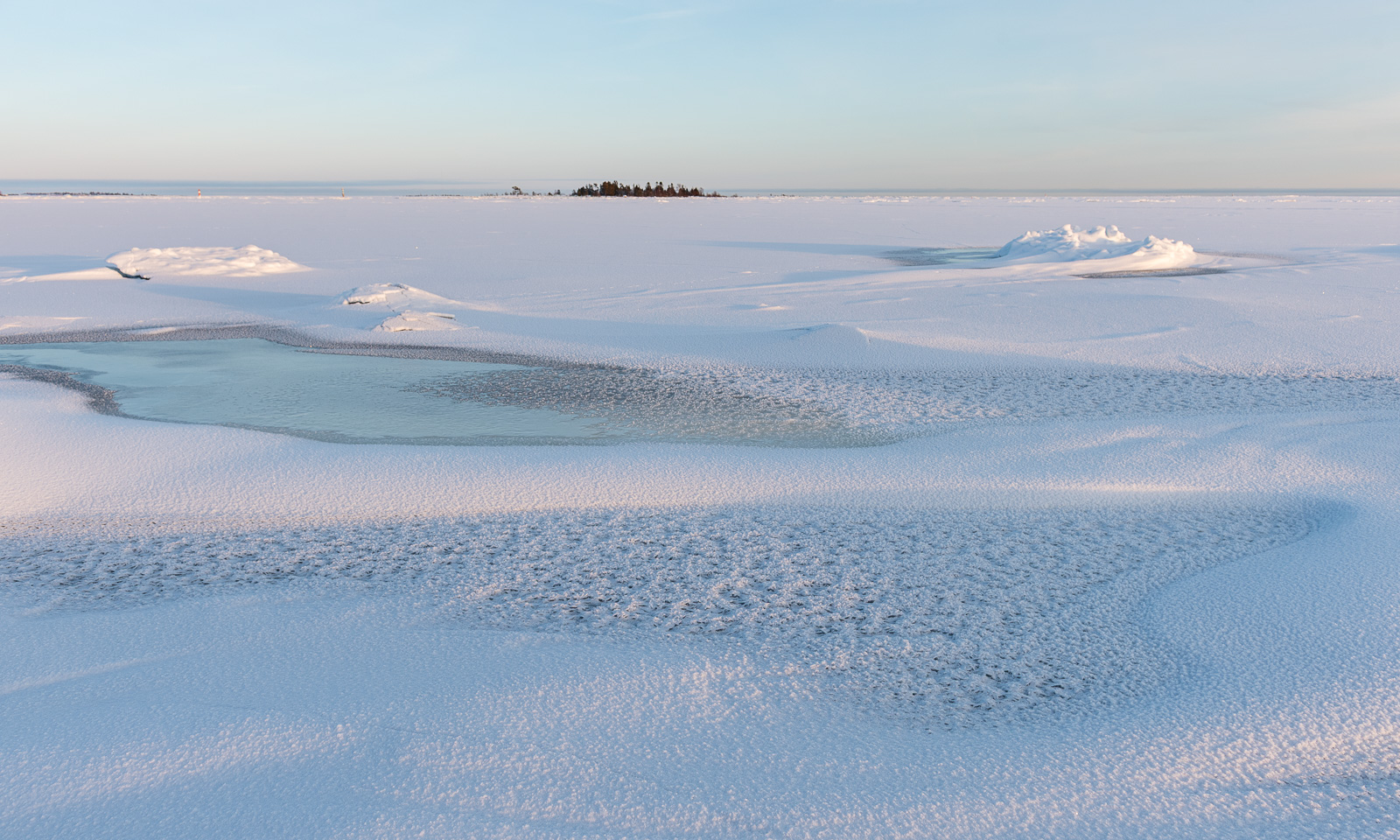
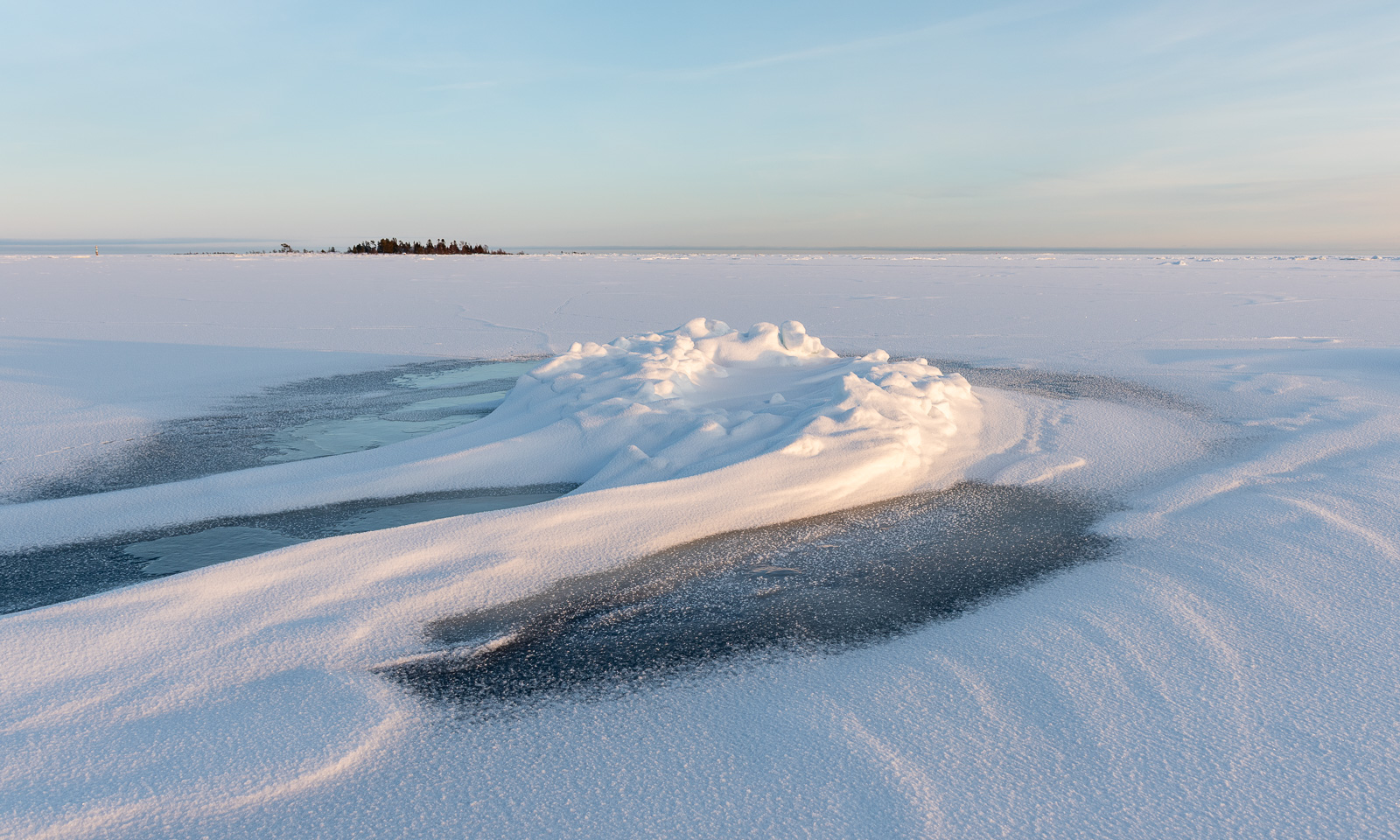
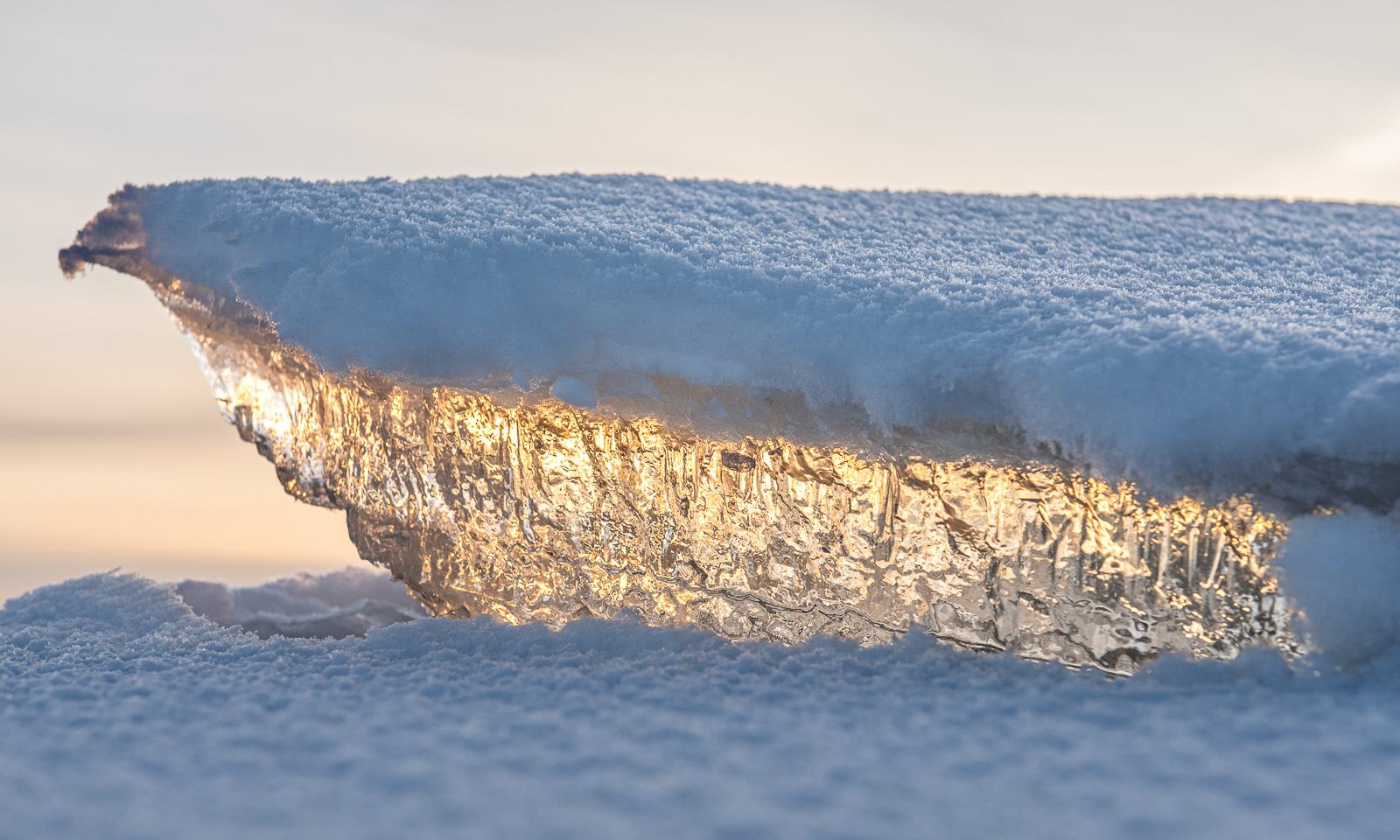
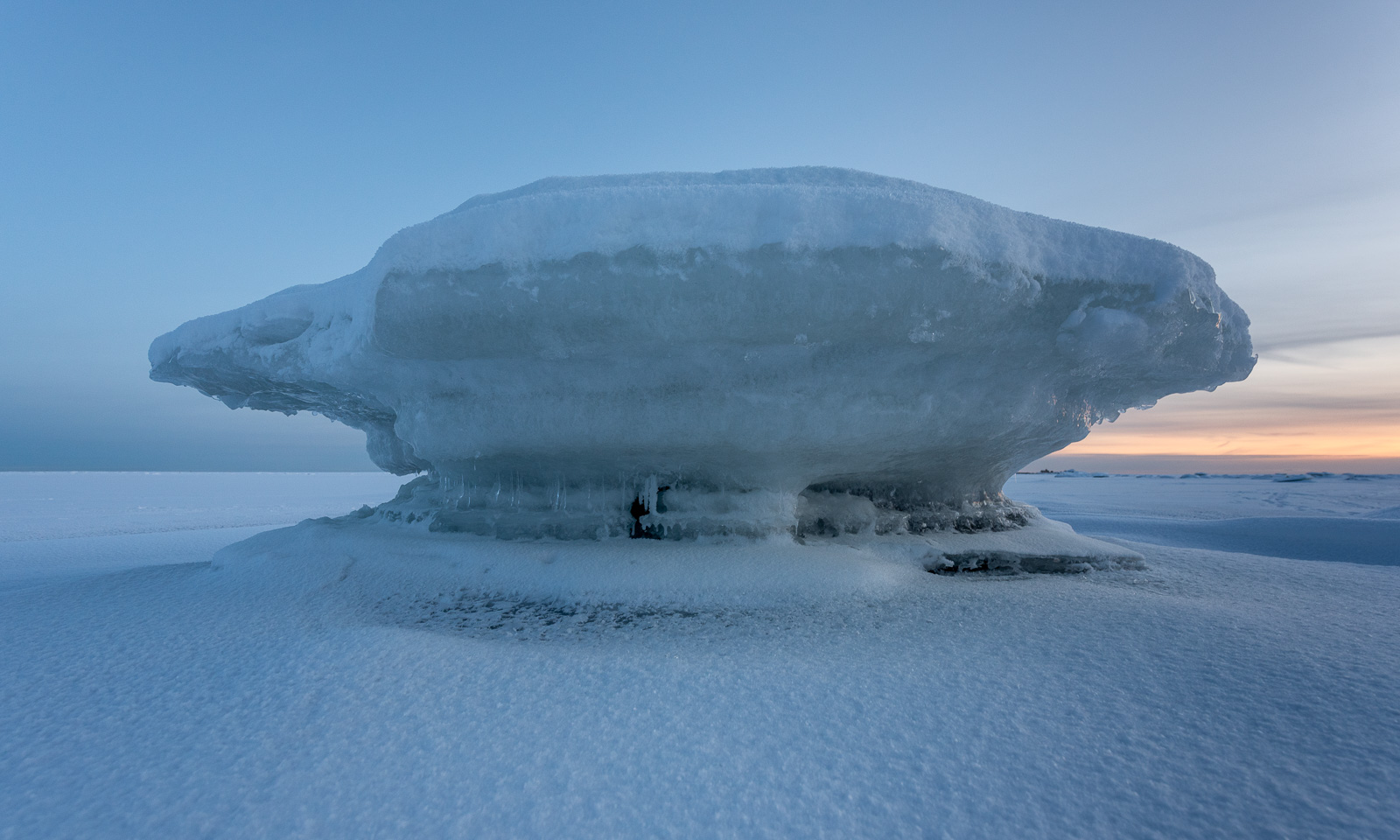
My first winter paddling 2026

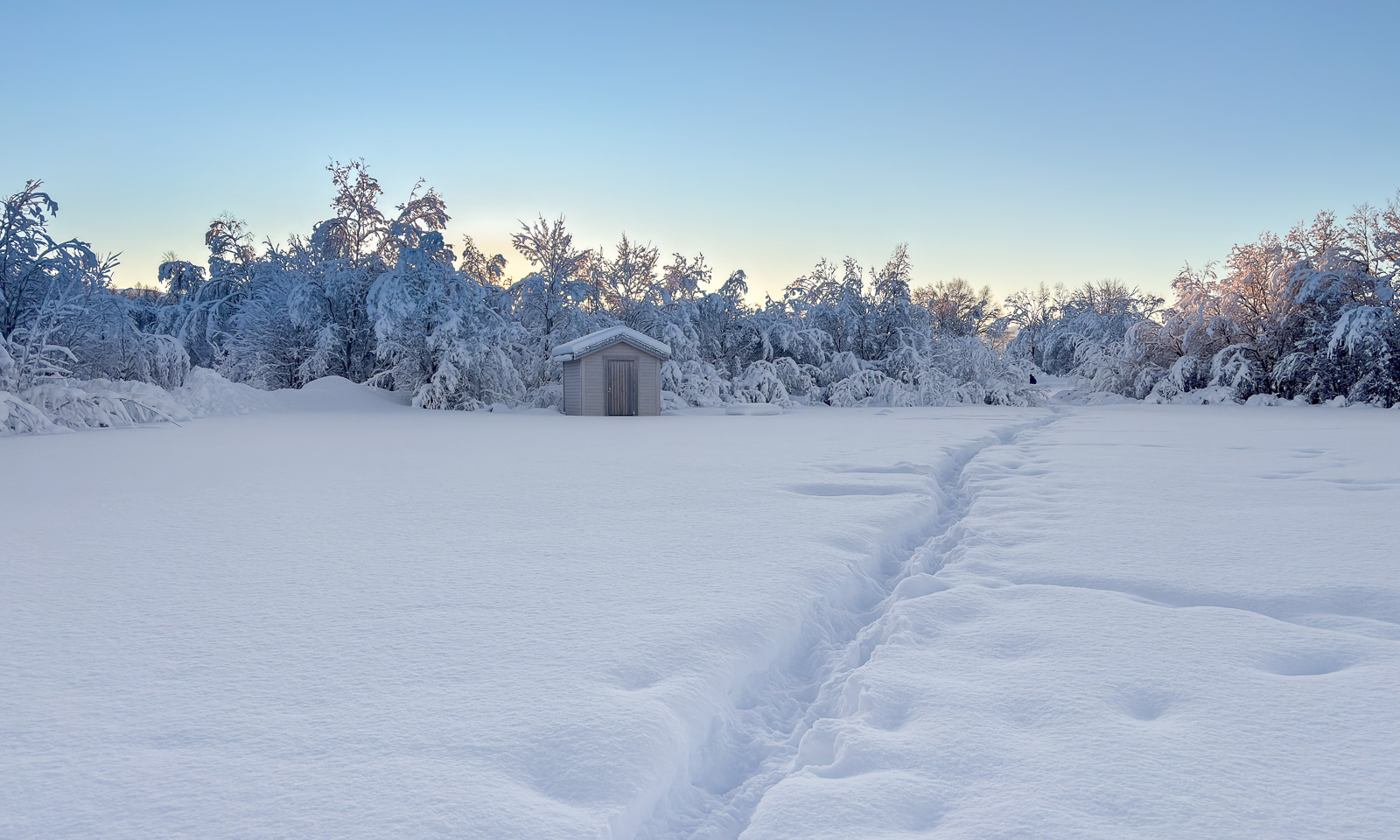
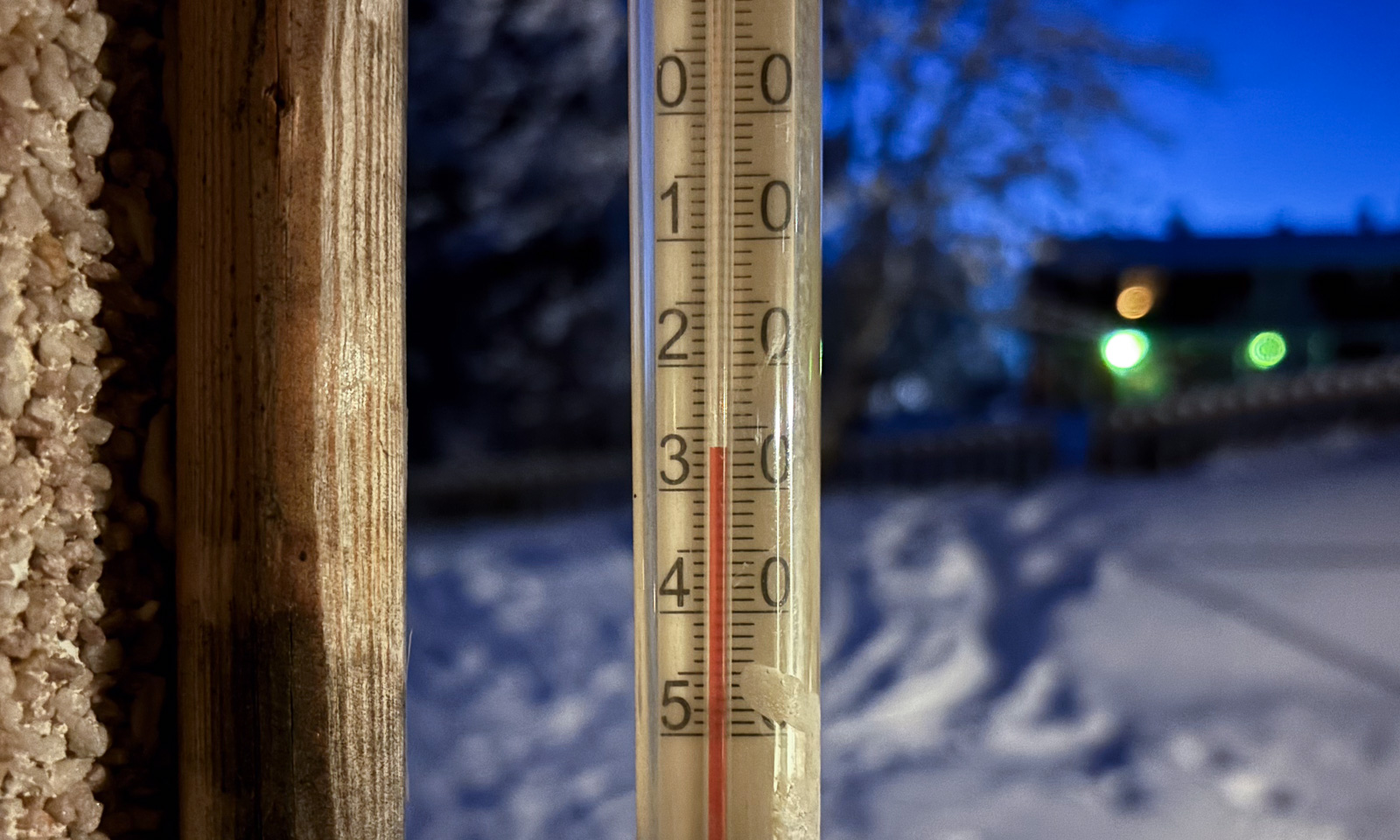
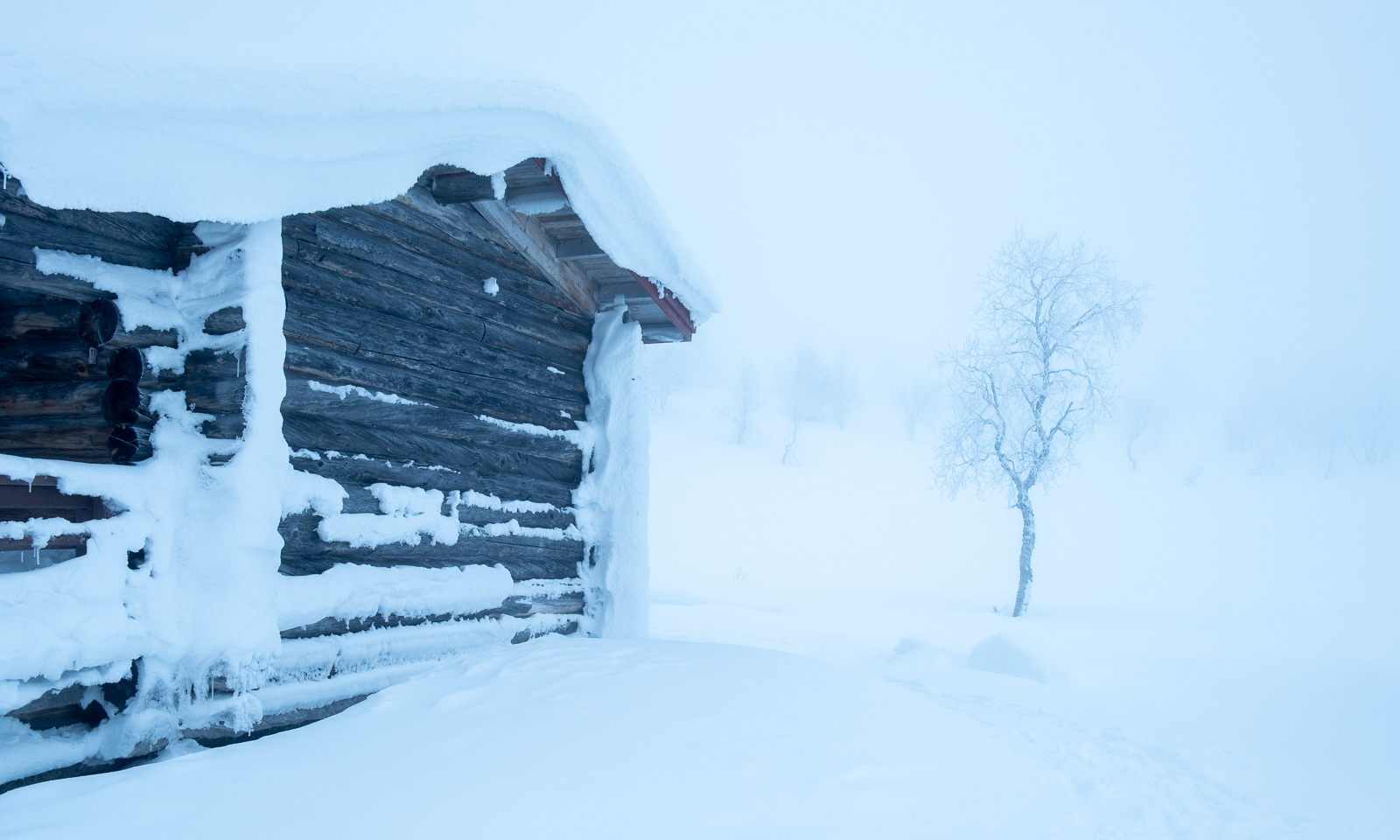
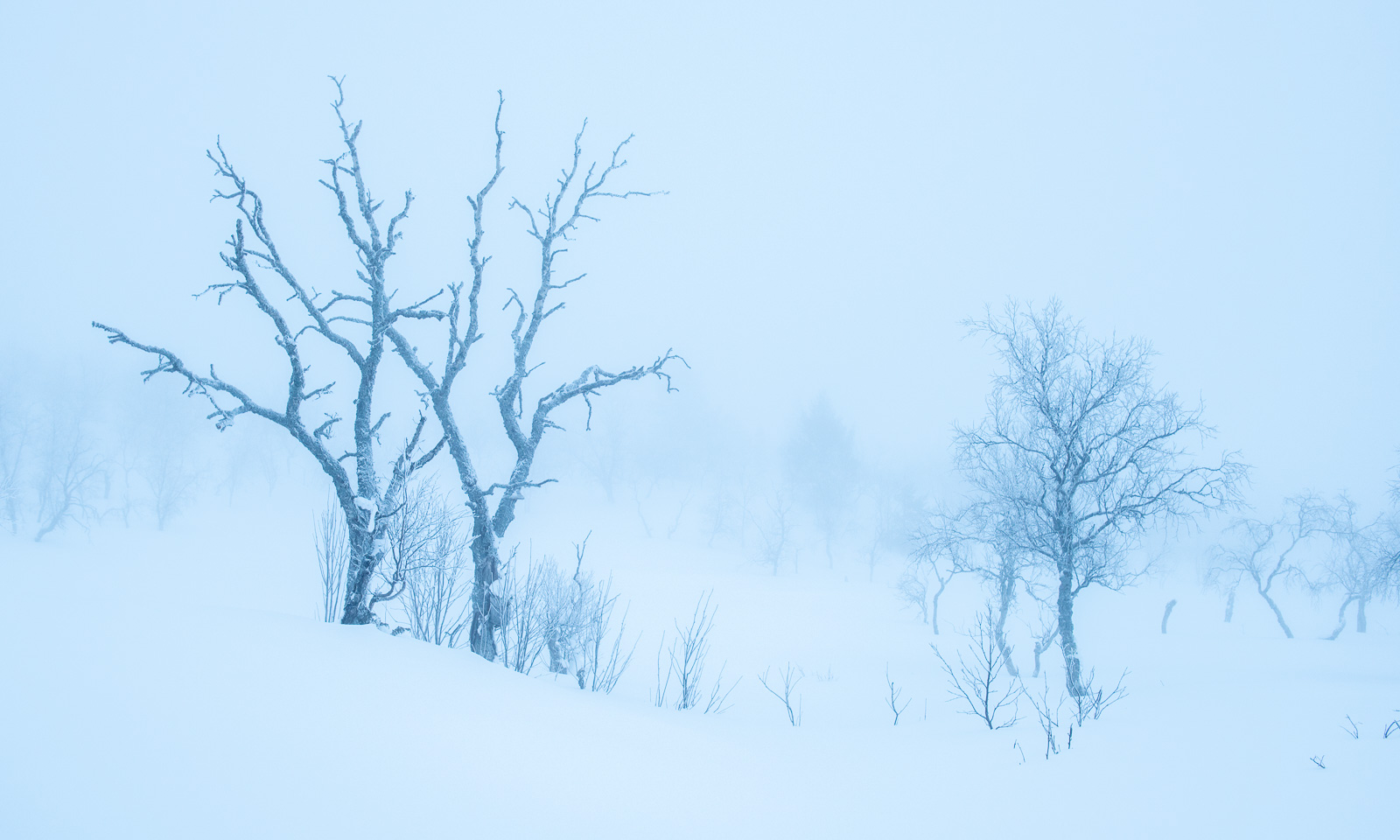
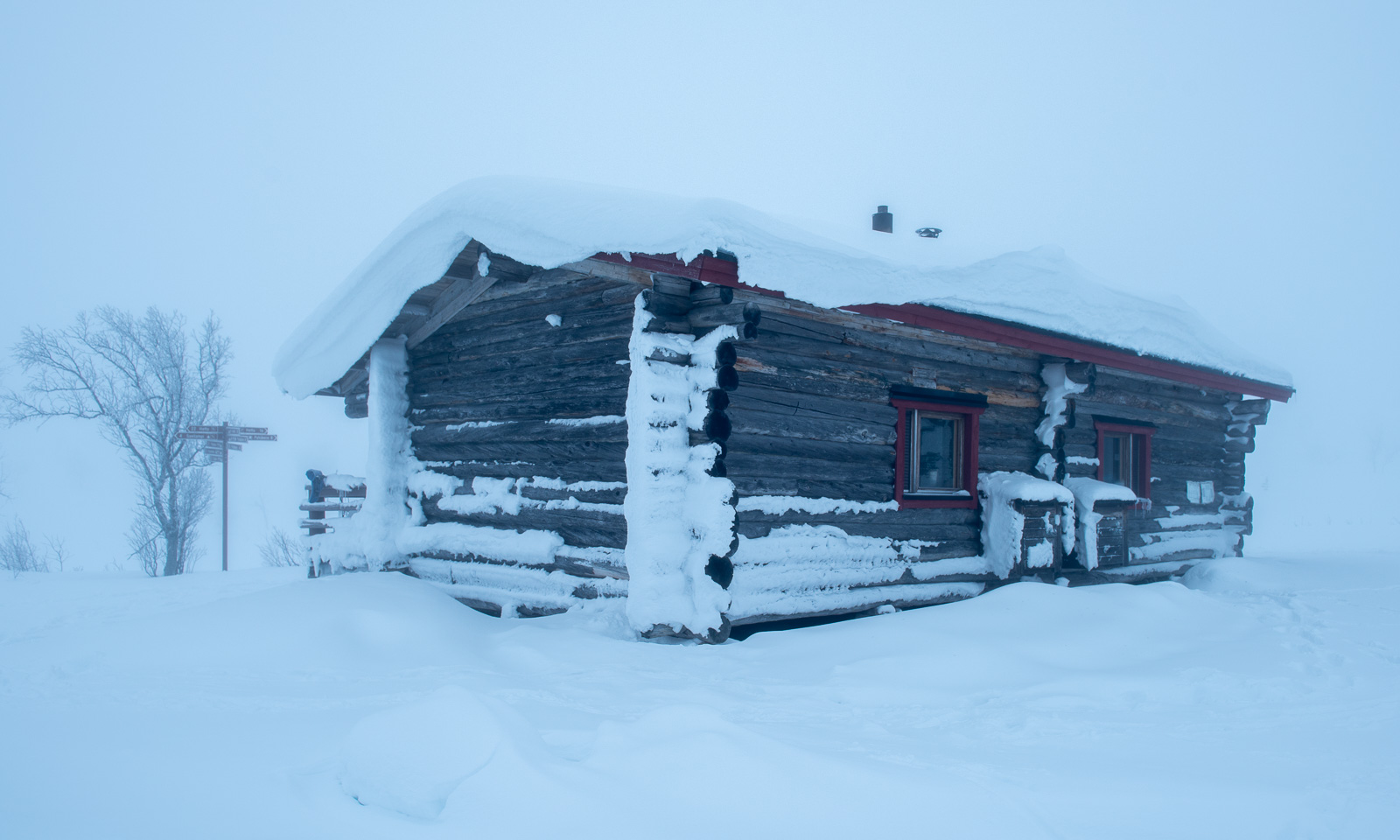
It may not look like the ideal conditions for kayaking: -10 °C, snowfall and winds of 7–10 m/s, according to SMHI. Anyway, I wanted to open this year’s kayak season today, though not for a long trip.

It all start with dressing properly: stay warm, stay dry. Then I dragged my kayak to the small bay. I was lucky, the ice was thick enough to cross, so I was in the water within minutes.

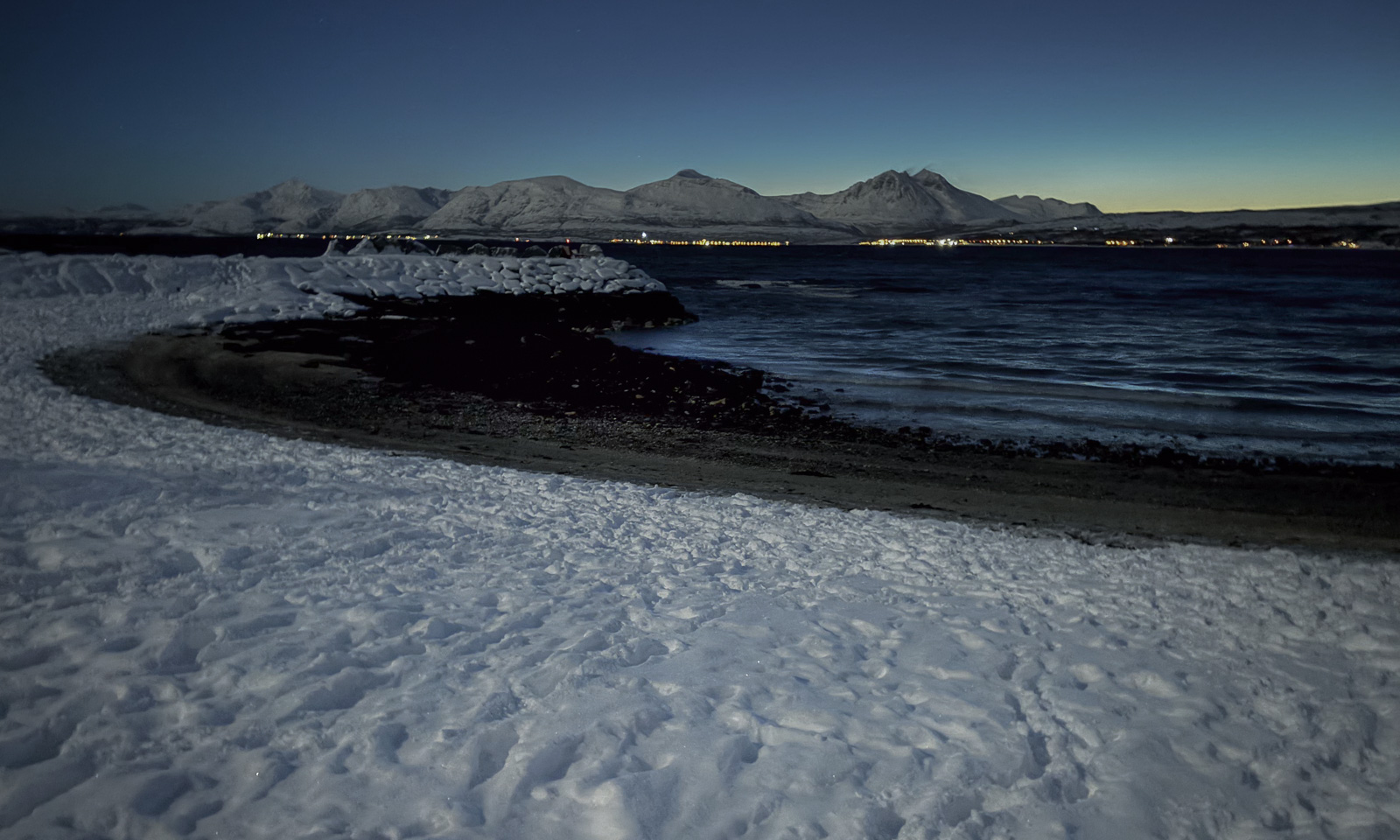
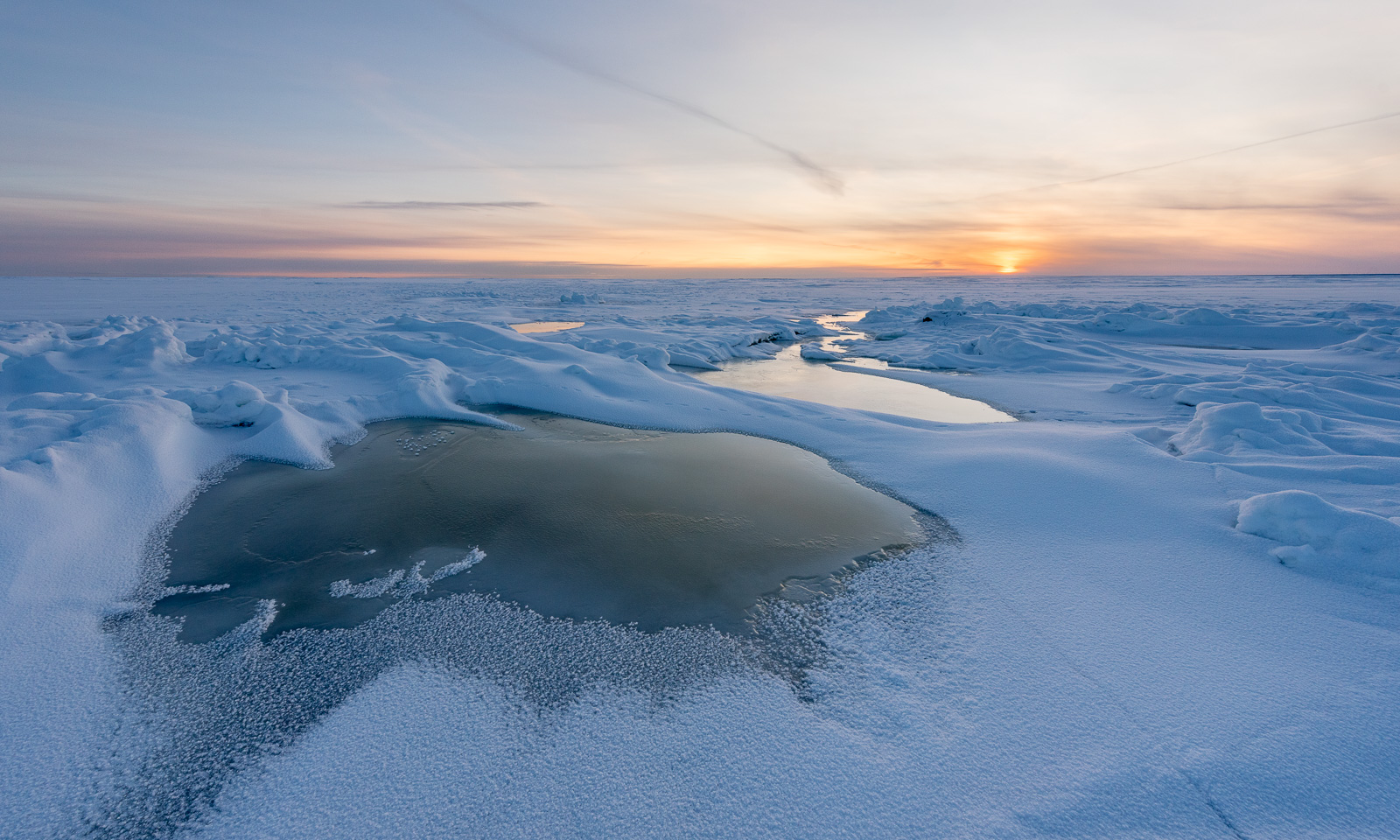
I followed the coastline southwards. I would have loved to come closer to the photo scenes, but there are a lot of underwater rocks there and the waves were breaking on the shore. So I had to keep my distance.

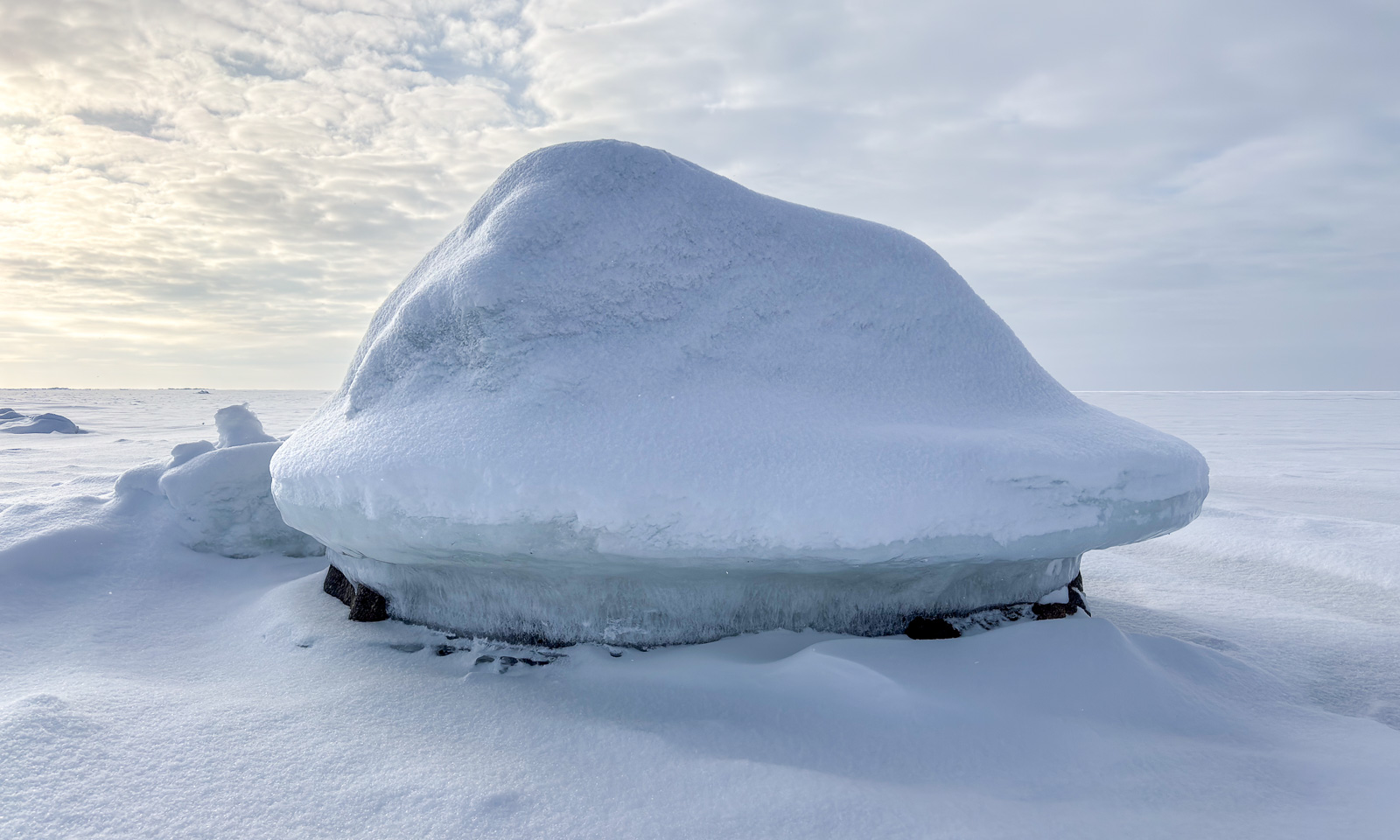
Paddling became much easier with every metre away from shore. Most rocks were covered with ice, a result of the cold, windy weather over the past few days. The sea was open but some long bands of wet ice floes were drifting on the open Baltic Sea.

I turned right and headed to Vitskärsudden, our nearest sandy beach.

I turned my kayak and paddled the same way back. First to the south, then south-east, and finally east

And then home again, which lies to the north-northeast – that’s where the cold wind and snow come from. I can feel the cold air behind my face mask. Time to put on the ski goggles. (Nice side effect of being bundled up like this: you do not have to smile on your selfies ;-) )

I tried to take some more photos but was blown back by winds with around 1 m/s. Time to reach the ice edge – from there it’s less than 100 metres home.

The 3.8 km took me an hour. Partly because of the wind, partly because my neoprene survival suit is pretty stiff but mostly because of the photos I took. Even though my iPhone, in its waterproof case, hangs around my neck, it always takes time to put off the warm mittens and put the paddle aside.

Despite the forecast, it has been snowing all day and the kayak lying on the terrace is covered with snow. The survival suit is still drying in the shower. Sleeves and legs were encrusted with ice when I hung it up.


Crisp and clear winter

After ten centimetres of snowfall, the sky cleared during the night and temperatures dropped. I woke up at one o’clock simply to see the full moon with a halo and Jupiter nearby. I resisted the urge to go back to bed and went outside to take a photo. What a beautiful sight, especially in combination with the wintry coast.

I also took some photos of the snow and the ice at the coast tonight. Nine hours later the sun managed to climb above the cloud layer that had gathered on the open sea. Time to take a photo of the same scene again.

I guess this is my favourite combination of winter weather: first snowfall and wind, then a clear sky and cold air. I took two other pictures from the same place. You can see the sunlit ice fog on the horizon, which forms when very cold air meets the open sea.

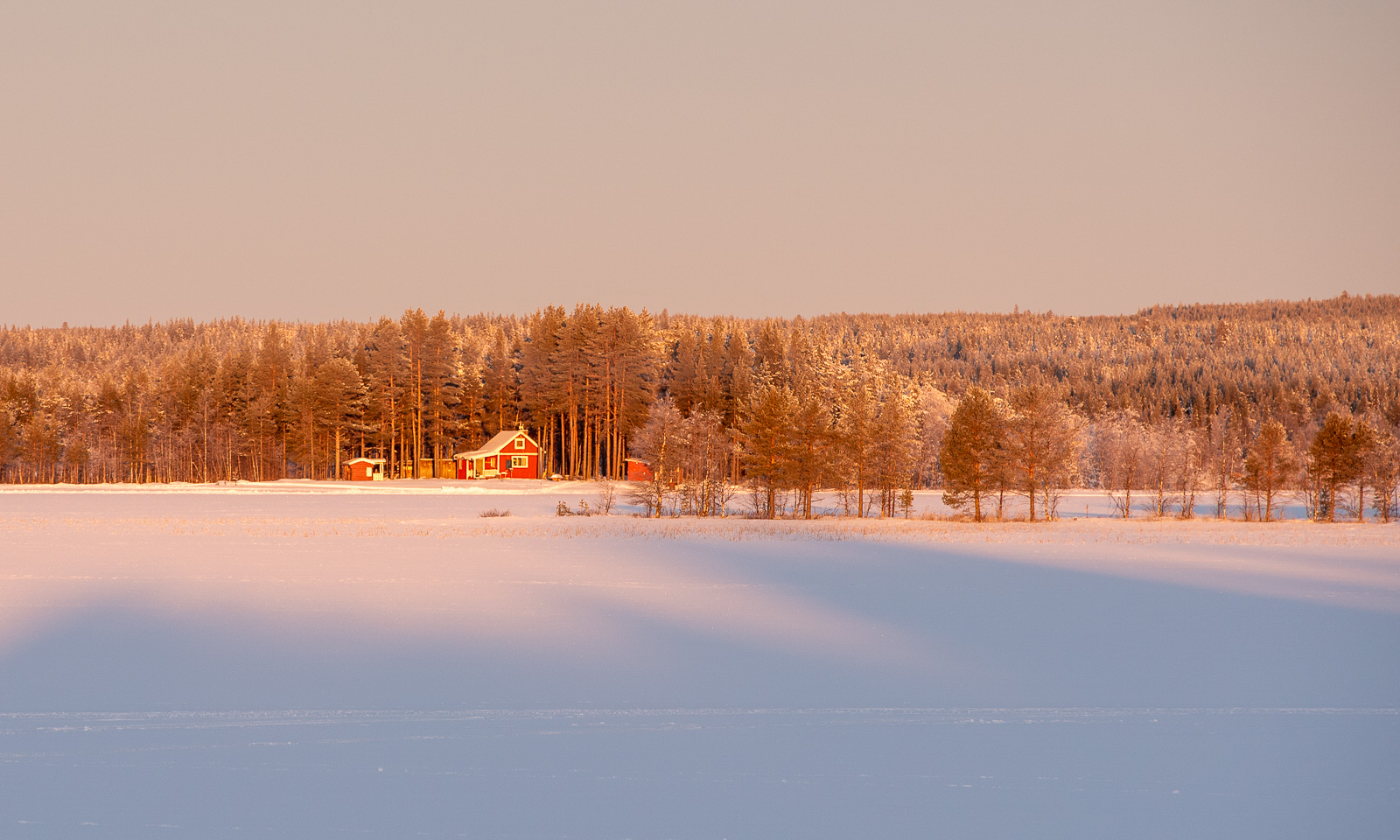
At noon my wife Annika and I took a promenade to the beach Vitskärsudden. The sea was still open, but a layer of ice had begun to form along the beach. The small harbour on the other side of the breakwater was covered with ice floes. When the sun is low ice and snow in the shadow often look blue, while in the sun they look orange.

13:52 – fifteen minutes before sunset – the landscape became even more colourful. We were back at our house in Obbola and I took some photos through the windows of the winter garden that were covered with frost. The temperature had dropped to -16 °C.

Now it is 17:37 and I sit writing this blog article. The temperature is now -20.4 °C. When you are outside at minus twenty degrees and inhale through your nose it tickles, because your nose hairs freeze. If you think that is cold, in Gielas in the Swedish mountains -40.7 °C were measured at 10 o’clock.

Tomorrow I will travel back to Tromsø. Then it will be a while before I see the sun again, as the polar night lasts until 15 January. It will also be less cold, but more snowy. At the moment there are 67 cm of snow there. And the great thing: winter has just begun!


Winter walk on Tromsøya

This morning I went for a winter walk in Tromsømarka. That’s not an official name, but it describes the hilly terrain with forests, lakes, and bogs on the island of Tromsøya. I’ve walked there countless times because it is only minutes away from my flat – on foot. And I walked there on foot today. Maybe a stupid idea, when we have 60 cm of snow …

We are still in mørketid, the time where the sun will be below the horizon the whole day, but as you can see it is not dark at all. At least not around lunch time. The colours of the sky are incredibly delicate and vary a lot depending on the hour of the day and the direction you are looking. The photos were taken between 10:38 and 11:28.

I’m not happy with the photos. I used my small Sony RX100 that was accidentally to some strange mode using JPG, not raw format. That caused me some trouble editing them in Lightroom. Next time I will take my Nikon again, although the camera body plus two lenses is far heavier.

Ski premiere 2026 in Tromsø

What do you do when it is Sunday, you sleep until 10 o’clock, have a long breakfast and want to go skiing, but the amount of usable light is quite limited? You take the car to the mainland, park by the Elvestrand Cemetery and ski to the lavvo of Gutta på Skauen (The Guys in the Woods). That’s what my wife Annika and I did today, when we slept until 10 o’clock, took a longer breakfast and wanted to go skiing.

With -15 °C it was significantly colder at the parking lot than in town. It took a while until the fingers got warm when we started skiing.

Behind us: the town of Tromsø on the island Tromsøya. In front of us after 2.6 km: the wooden lavvo.

It is an attractive destination amongst the locals, not only because it is near and the ski track is easy but also because the lavvo is open on Sundays between 12:00 and 14:00. A fire is burning and men – the guys in the woods – serve coffee and hot juice. The “lavvoboller” – the cinnamon rolls – that lie by the fire, you take yourself. Everything is free but a donation is always welcome.

We sat there for a while and then headed back taking a slightly different route. It had become darker and the light had changed.

At the parking lot we put our stuff into the car and I drove back. Around 15 minutes later we were back at the flat in Tromsø, where I took a final photo of the view from the balcony.

The time from deciding “let’s do it” to being back in our flat in Tromsø was less than three hours. Another reason why Tromsø is a cool town to live in.

End of polar night in Tromsø

Now the time of the polar night has ended in Tromsø. The sun rises above the horizon, though not above the mountains yet to be seen in town. This will take some other days.

A weekend ski trip to Trollvassbu

It’s not the first time that Annika and I have visited the mountain cabin Trollvassbu. This time our friend Christine joined us on this ski trip.

At 10 o’clock we set of, Christine and Annika with backpacks and I with my camera backpack and pulka. And since there is a lot of space in a pulka – for example for all our sleeping bags – we could bring lots food with us for the evening and next day’s breakfast.

Navigating there has never been easier. Since it hasn’t snowed for twelve days the backcountry ski trail was not snow-covered and was very easy to follow. I have taken pictures of all the mountains already last year, but that’s no reason not to take more:

And there lies the mountain cabin Trollvassbu.

At first it was pretty crowded inside, but many were just on a day trip and didn’t stay overnight. Nowadays the head torches are so bright, that skiers can leave in the afternoon as well after it had become dark.

Like many mountain cabins, you heat Trollvassbu with a wood-burning stove and fetch water from the river nearby. It seems to be open all winter.

While I was taking long-exposure shots of the river, Christine was preparing a luxury dinner: reinskav with Spätzle. Reinskav is shaved reindeer meat and Spätzle traditional egg pasta from Swabia in the southwest of Germany. Thanks for cooking, Christine – so delicious!

In the evening it got warmer, and during the night the wind strengthened and turned very gusty. The next day showed that Yr, the Norwegian weather forecast, had been correct: it really had started raining.

After a long breakfast we got ready to leave Trollvassbu and ski back to the car park. This time the landscape looked colourless in the rain and the photos came out nearly black-and-white.

To our relief the wet snow did not slow us down and soon we arrived at the car park apparently guarded by this snowman with the top hat.

Now came the most dangerous part of our ski tour: crossing the car park that has transformed into a huge area of wet ice, which was almost frictionless. But no one slipped and fell, and we packed the car with all our wet stuff and left.

The weather on our way back could have been much better (and much worse), but it was fun to be out together. Shall we do it again later this winter?


Soldagen 2026

Although the sun has been above the horizon in Tromsø since 15 January, it always takes some days until it rises above the mountains south of the island. Today was the “official” soldagen, the “sun day” when the sun returns to Tromsø.

The first photos, however, I took today between 5:00 and 5:30. There was polar light all over the sky but when I reached a good spot it had already weakened. At least I took a photo of the trees covered in hoar frost – the result of a very foggy night two nights earlier.

Before lunchtime, I took an hour off and took the bus to Telegrafbukta in the southern part of Tromsøya.  It is a good spot to welcome the sun after two months of absence. When I reached the beach I could already see the sunlit snowy mountains in the north. What a beauty!

I joined some winter swimmers and took a dip in the sea. Water temperature 3.9 °C and sorry—no photos. The sun had vanished behind a mountain but luckily came back and stayed for a while. That’s always a special moment and I was amongst hundreds of other people celebrating this hour of resurgence.

I look very overdressed with this heavy down parka considering it was only -6 °C, but I like to have it extra warm after a winter bath when waiting for the bus back to work.

With the sun, the days get longer and longer and even shortly before 16:00 the western sky was still glowing in warm colours. Fifteen minutes later I saw another aurora between the frosted trees.

Unfortunately the last photo is out of focus. When I realised it the aurora had already almost disappeared again. Often you have to be quick to take pictures of the northern lights.


Fresh snow in Tromsø

It has been a while since it snowed in Tromsø. Nevertheless, the trees have been white this week, not because of any snow but because of the hoar frost. Yesterday many trees – large and small – were still covered in hoar frost. In the afternoon it started snowing.

When I woke up today the outside scenery looked as wintry as it could be. The next two photos I took from the balcony of my flat on Tromsøya this morning.

Today after breakfast I went on a ski tour. Not a big one, just starting at the gravel road that leads into the forest 350 metres from here. The road leads to the ski run and crosses a cross-country ski track on the way there.

I like the scenery there in all seasons, but I adore it in winter when fresh snow has arrived. Just some photos, especially from the more open places – bogs in summer, snowfields in winter:

While I cleared 14 cm of fresh snow from my parking space in the afternoon it started snowing again leading to a snowburst with snow bucketing down and adding another one or two centimetres additional snow within minutes. In my snowed-covered teddy fleece jacket I looked like a snowman.

Next week there will be not much snowfall, but it will be cold enough to preserve the snow. I love winter in the north.


Just a walk to the supermarket

I couldn’t find my small Sony RX100 camera so I took photos with my mobile when I took a walk to the supermarket on my lunch break today. In wintertime there are some hidden beauties on the walk there.

Bonus photo – taken at 16:55, just before my first Friday winter swim at Telegrafbukta beach. We were a group of around twenty people. Today’s challenge was not the swim itself (water temperature: 3 °C), but the vicious wind and the long walk into swimmable water due to the low tide.

From inland to coast – a cold car ride

Yesterday morning, when I woke up I first checked the thermometer in the kitchen. It showed -27 °C.

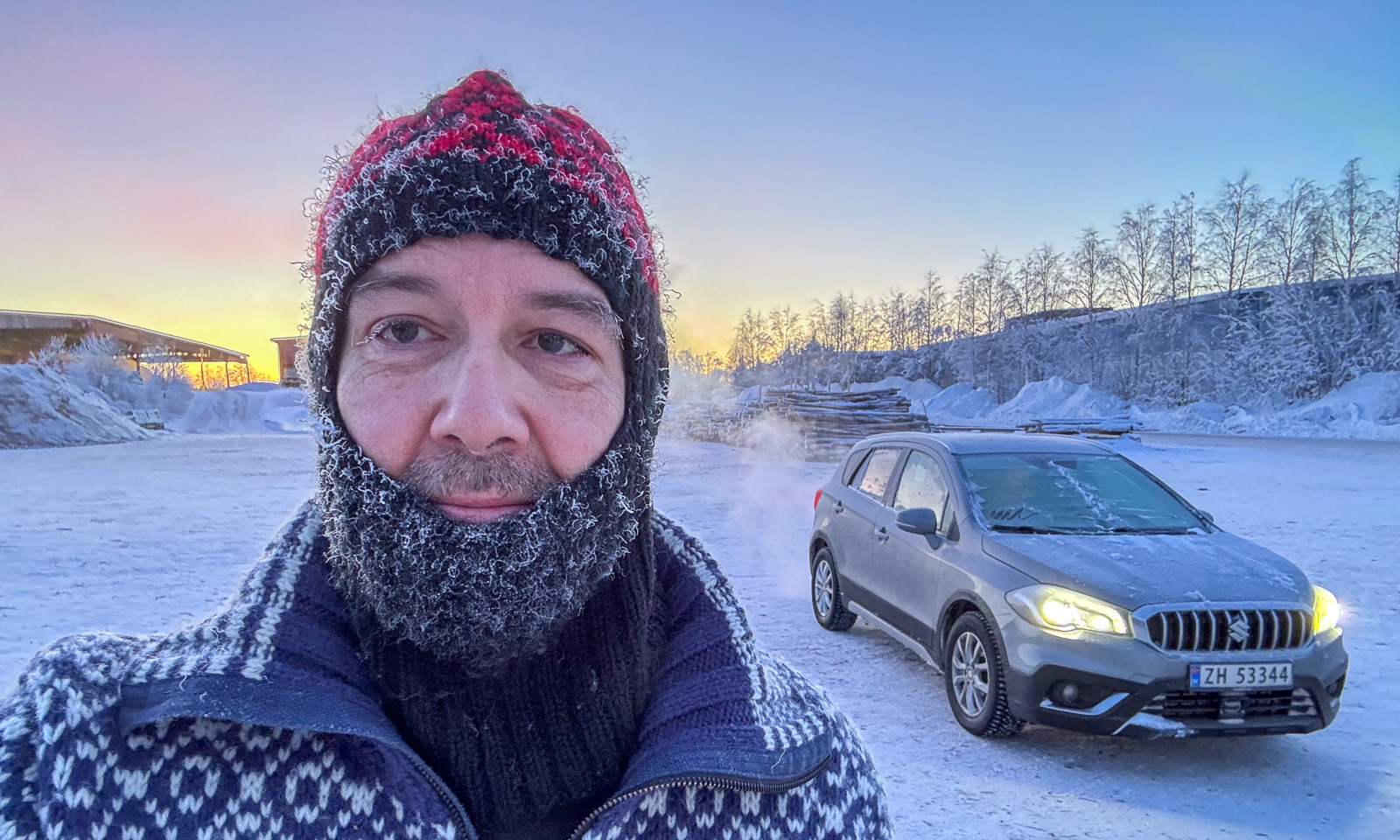
I was in Jokkmokk to visit my friend Sascha and the Jokkmokk winter market. Would my car start when it’s that cold? After a coffee Sascha, his dog Roxy, and I went to the huge car park behind the railway line where my Suzuki had been parked the last two days. To my relief it started without any issues and even scraping ice off the car didn’t take as long as expected.

Farewell my friends – off I go.

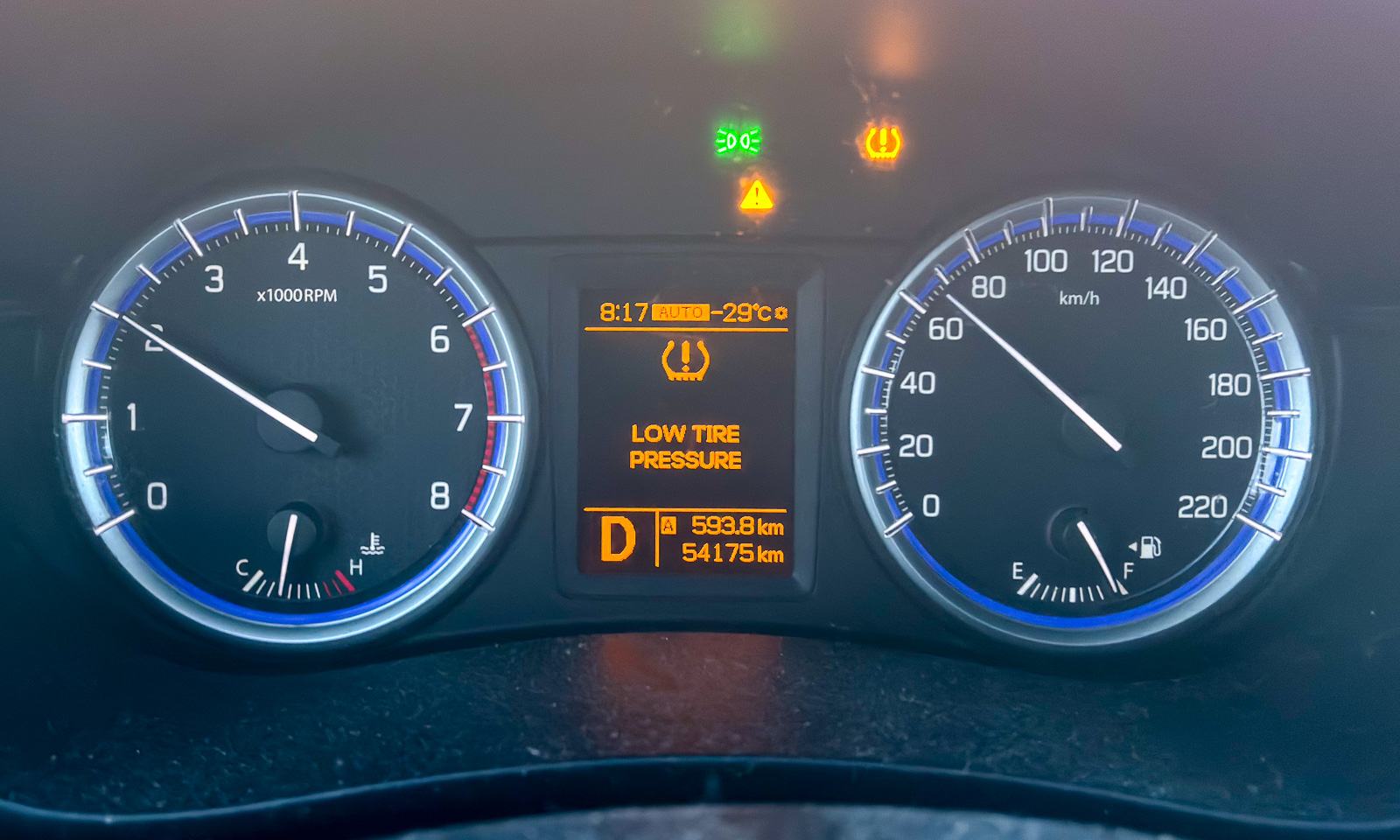
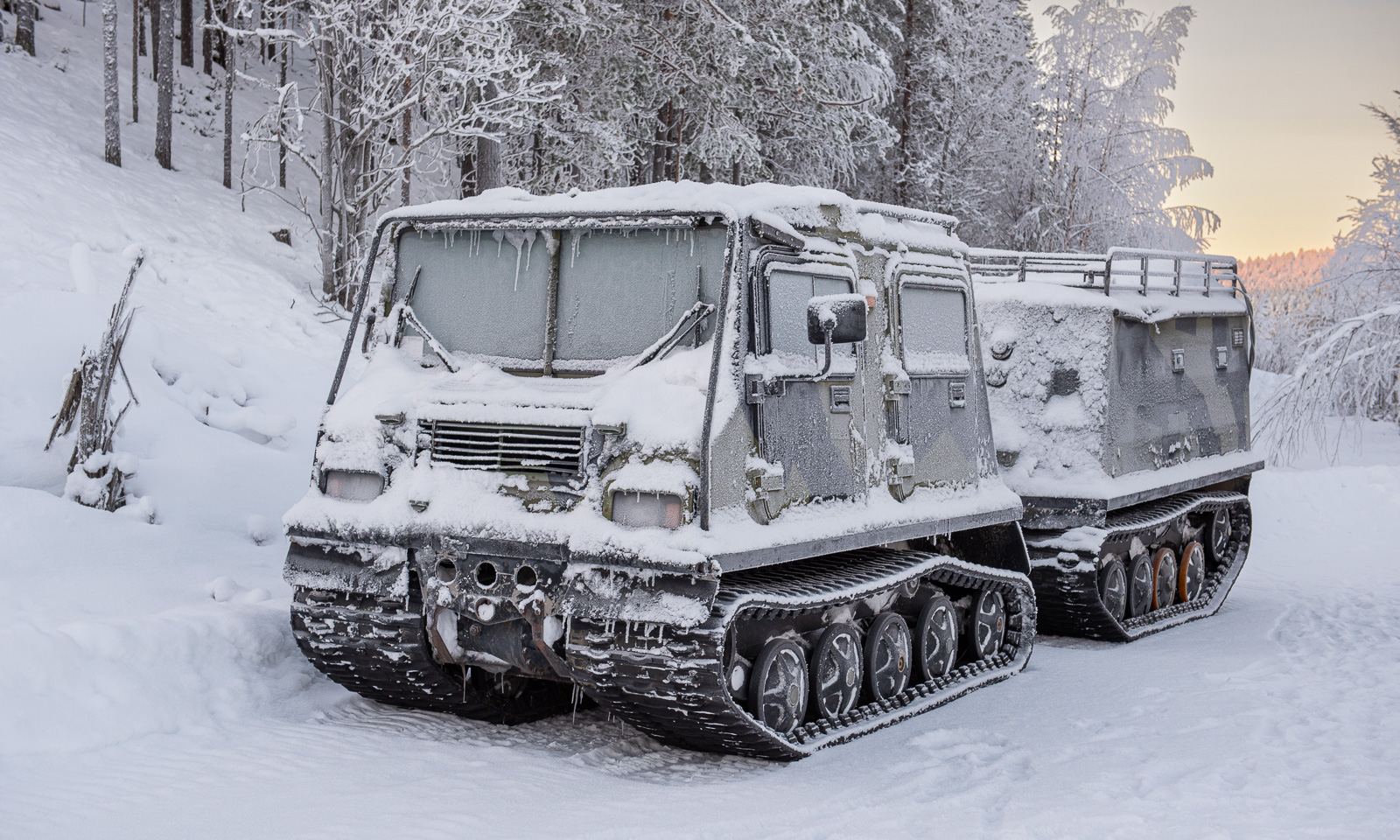
The day was exceptionally beautiful and cold. The car thermometer went down to -29 °C and then stayed around -25 °C for the next hour. Should I switch to the Hägglunds that was parked beside the E45? Probably not the best idea with a distance of around 400 km ahead.

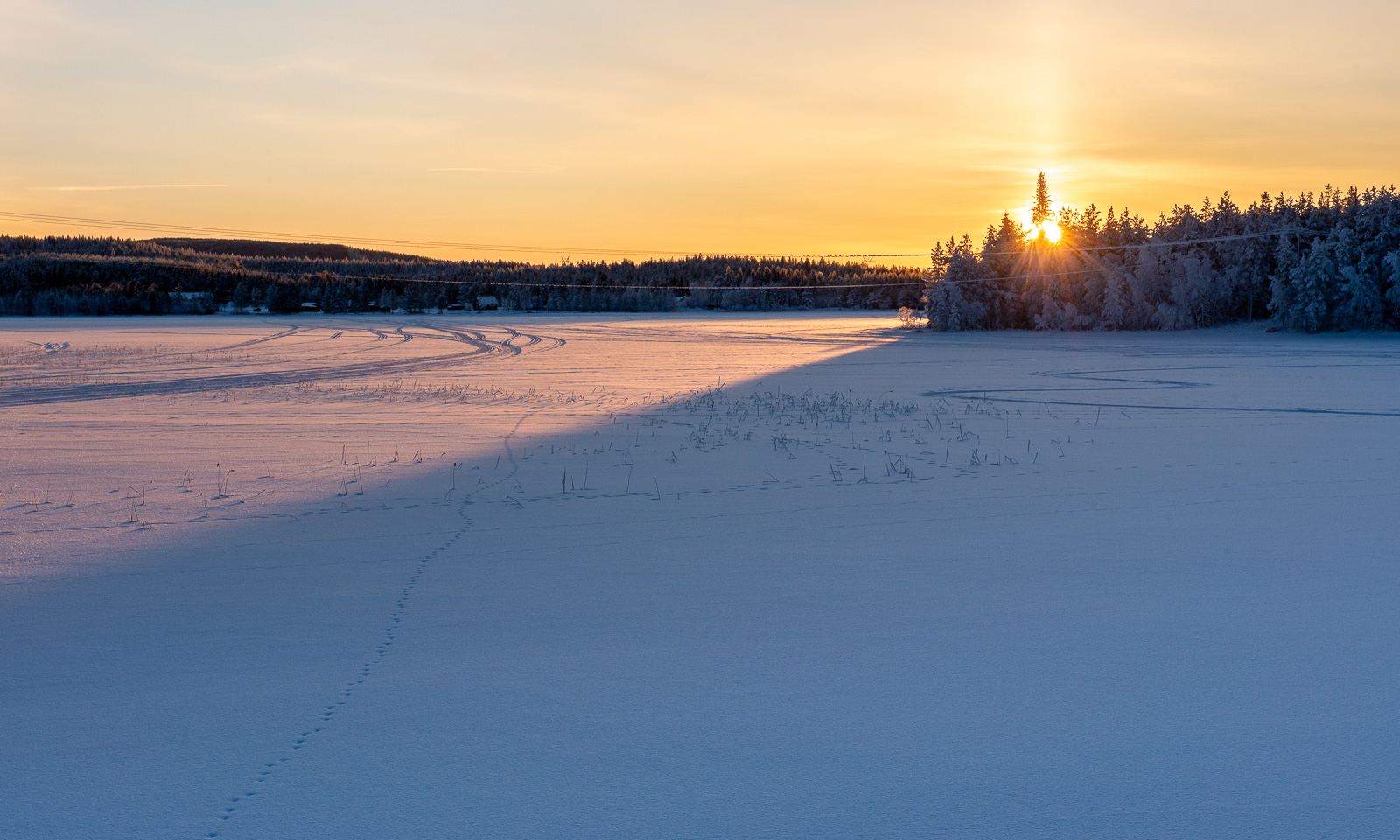
At half past eight, the sun rose. I parked my car and walked to a frozen lake nearby to take some photos. Was that where I froze my nose? It still itches a bit today.

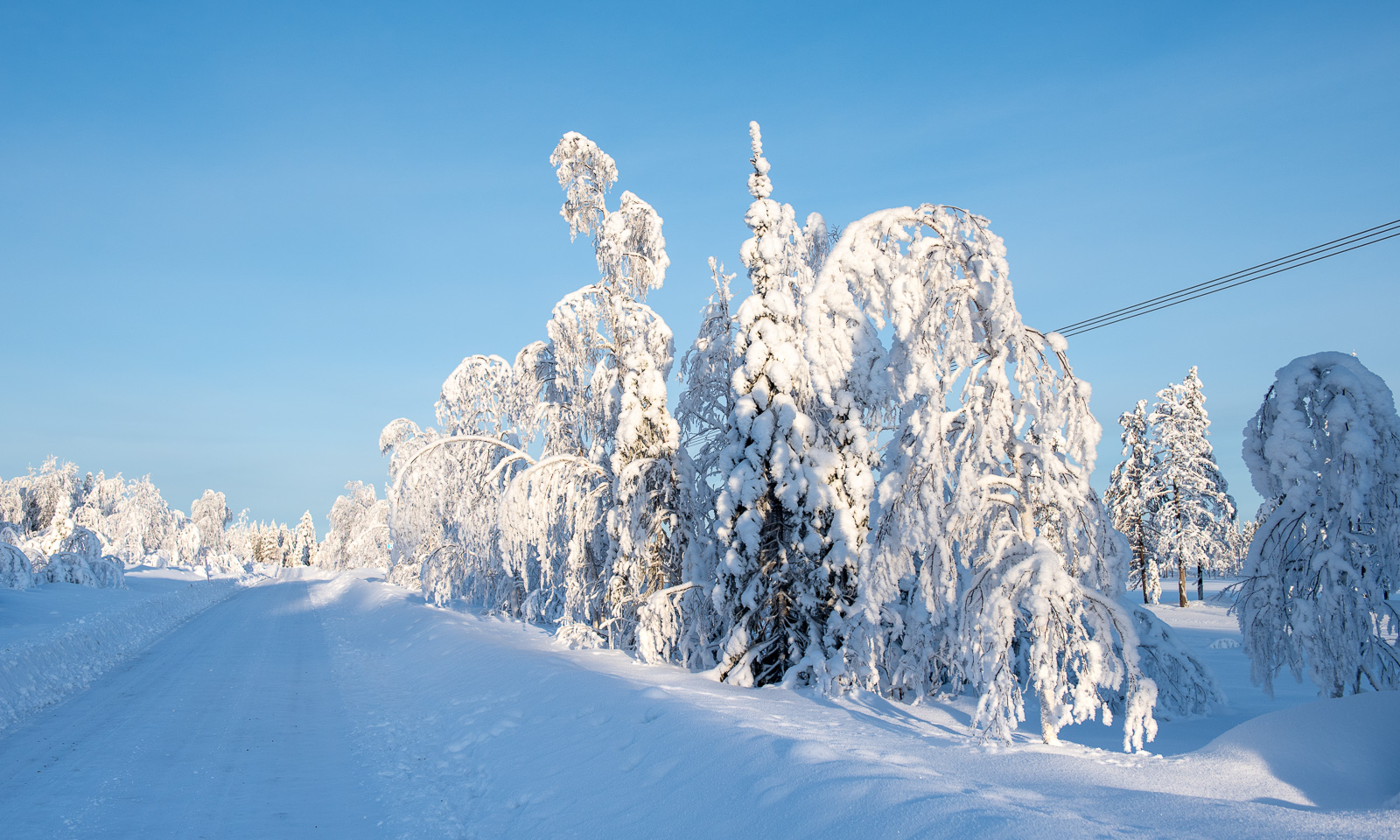
Because of the cold weather in the last weeks the frost and snow on the trees has not melted and often I pulled into a lay-by to take more pictures. The small side roads were white with snow and looked absurdly beautiful.

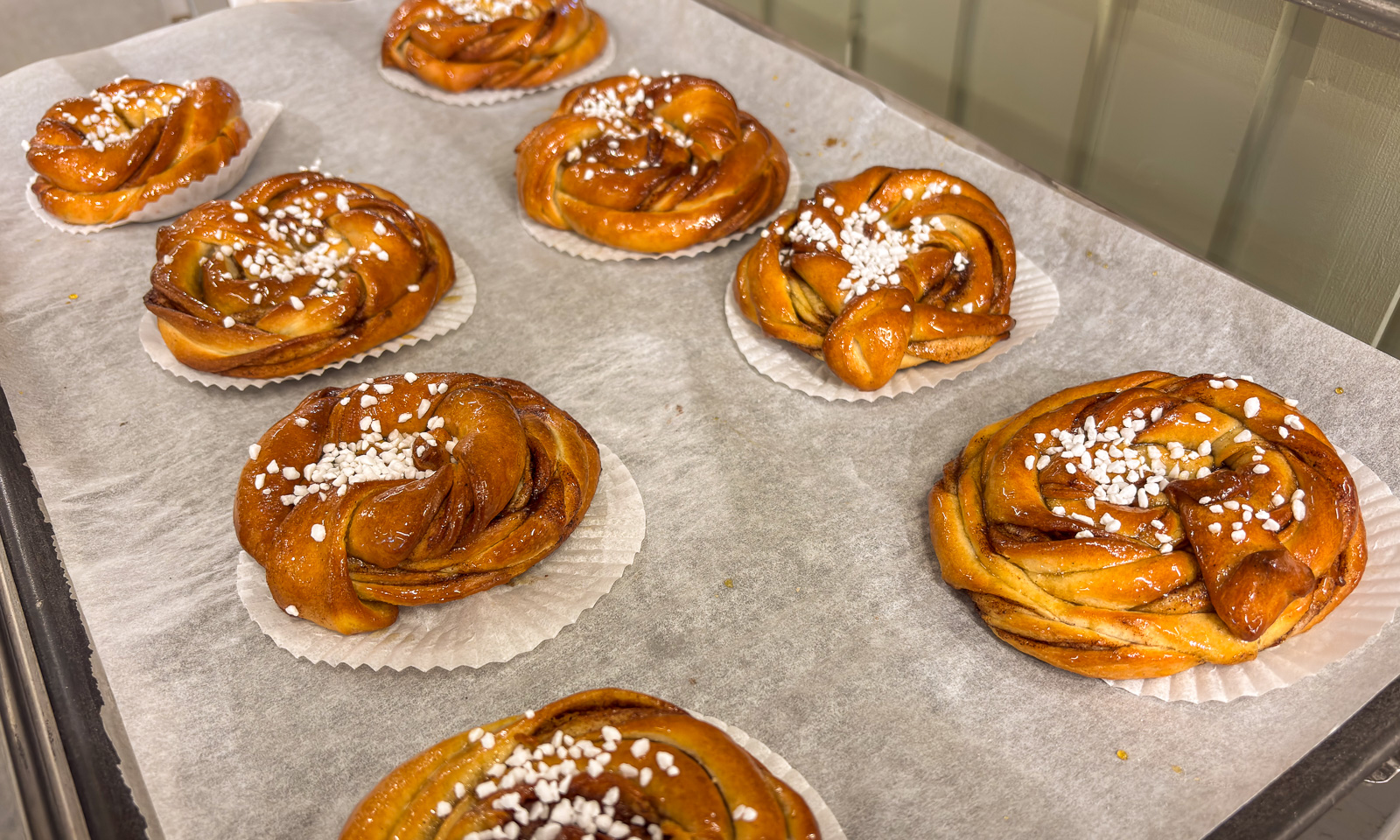
I started to get hungry and stopped at the small shop in Kåbdalis, where I bought a kanelbulle that was still hot from the oven.

I continued my trip south and crossed the river Piteälven, which was mostly open. And so was the river Skellefteälven, which I crossed three hours later.

The sun sank lower and lower. When I arrived in Obbola at five in the afternoon it has become dark.

Today in Obbola the winter looked very different from the forest-dominated inland. The Baltic Sea has frozen due to the cold winter temperatures and if the icebreakers would not keep open channels for commercial seafaring you could walk the 45 km to Finland. I was on the ice as well, but only for a walk along the coast. I like the snowy forest, but I adore the sea ice!

Jokkmokk’s Market 2026

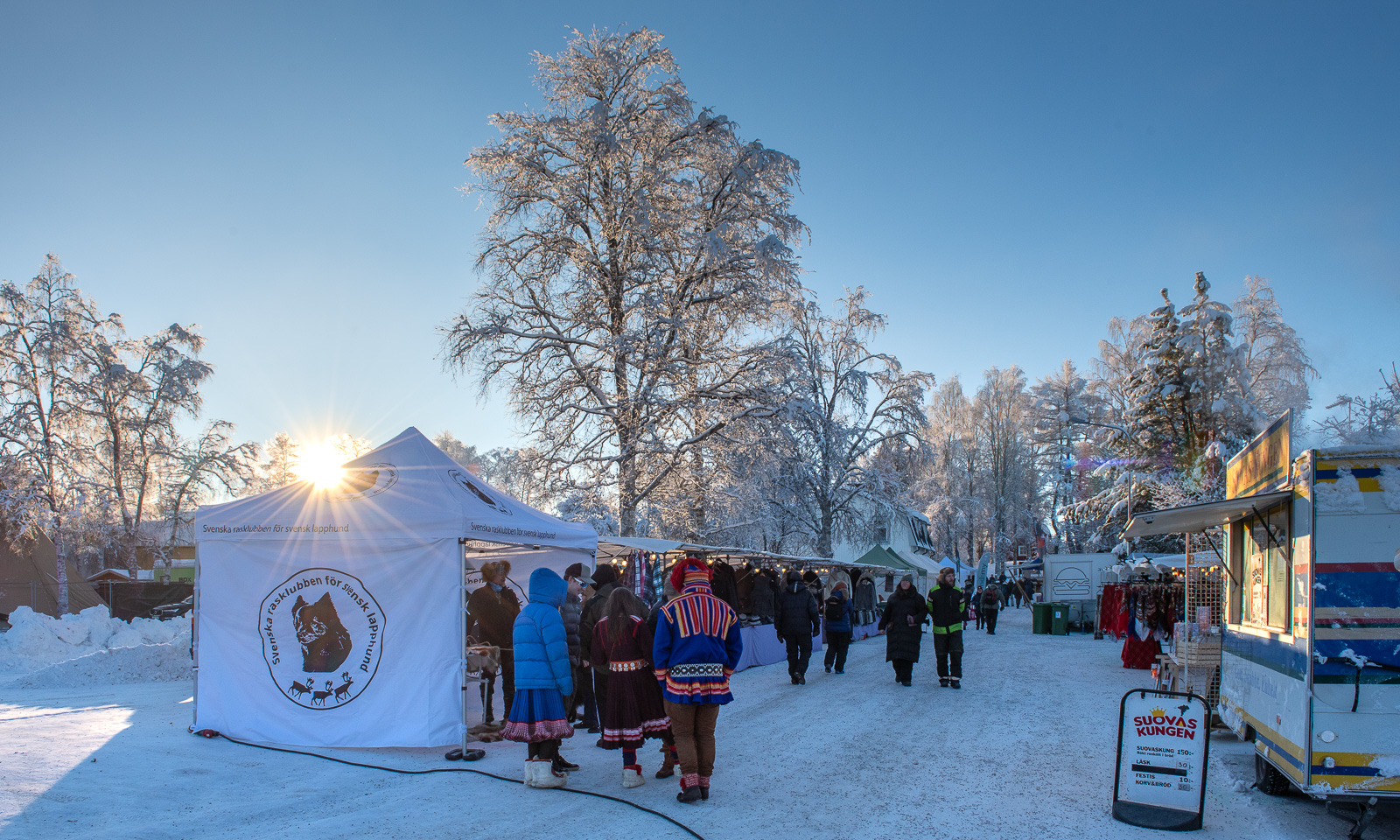
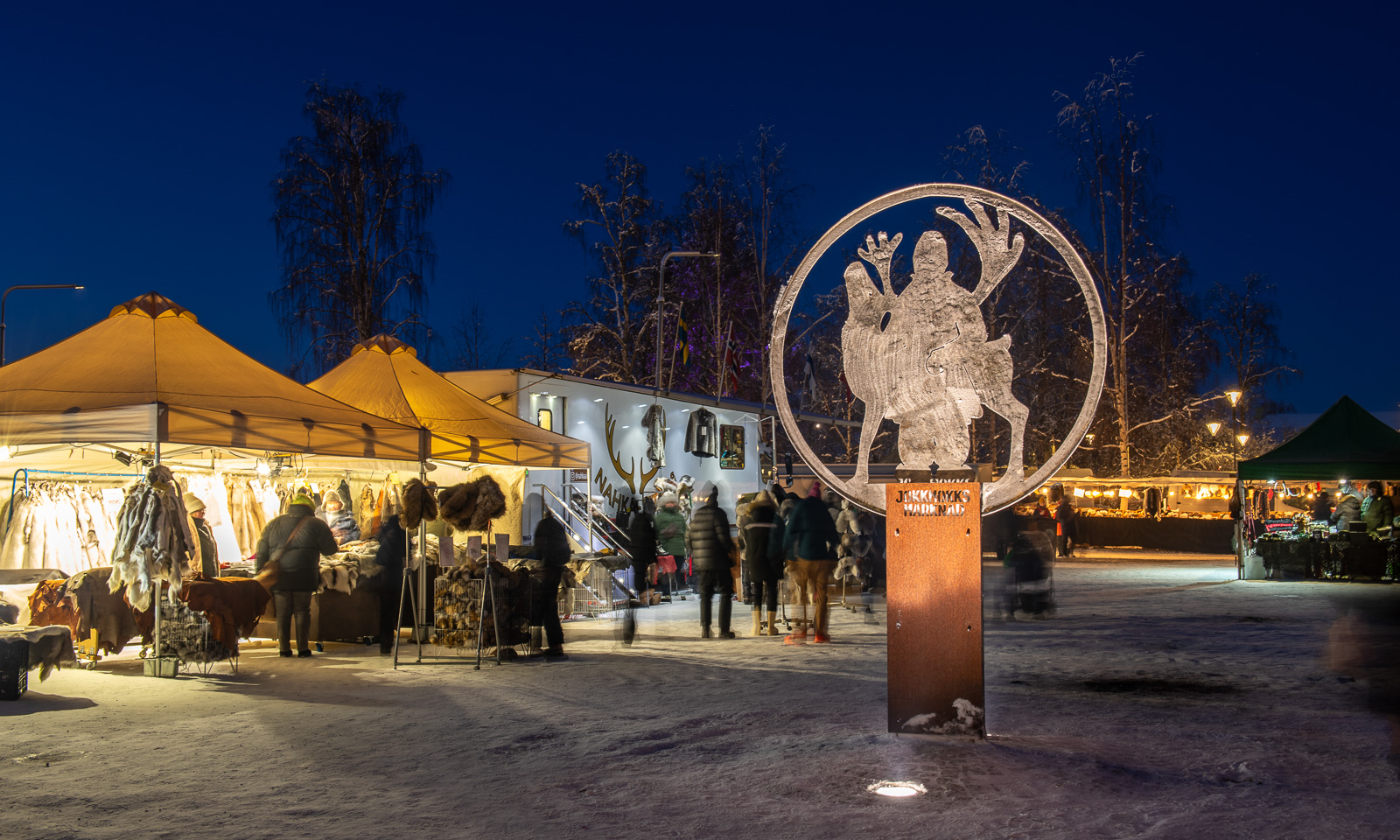
How time flies! It has been eight years since I visited Jokkmokk’s Market, the traditional Sámi market in Swedish Lapland that took place for the 421st time this year. This year I was lucky, because my friend Sascha had moved to Jokkmokk and so I had not only good company but also a place to stay. The weather was just perfect: the sun shone from a perfect blue sky and the air was calm with temperatures between -15 and -20 °C.

Thursday, 5 February

I had started my drive in Tromsø on Thursday morning and was pretty tired when I arrived in Jokkmokk the same day. It is almost 600 km of driving and the conditions in Finland had been rather bad: -4 °C and freezing drizzle. In Sweden, however, it had slowly started clearing up.

Friday, 6 February

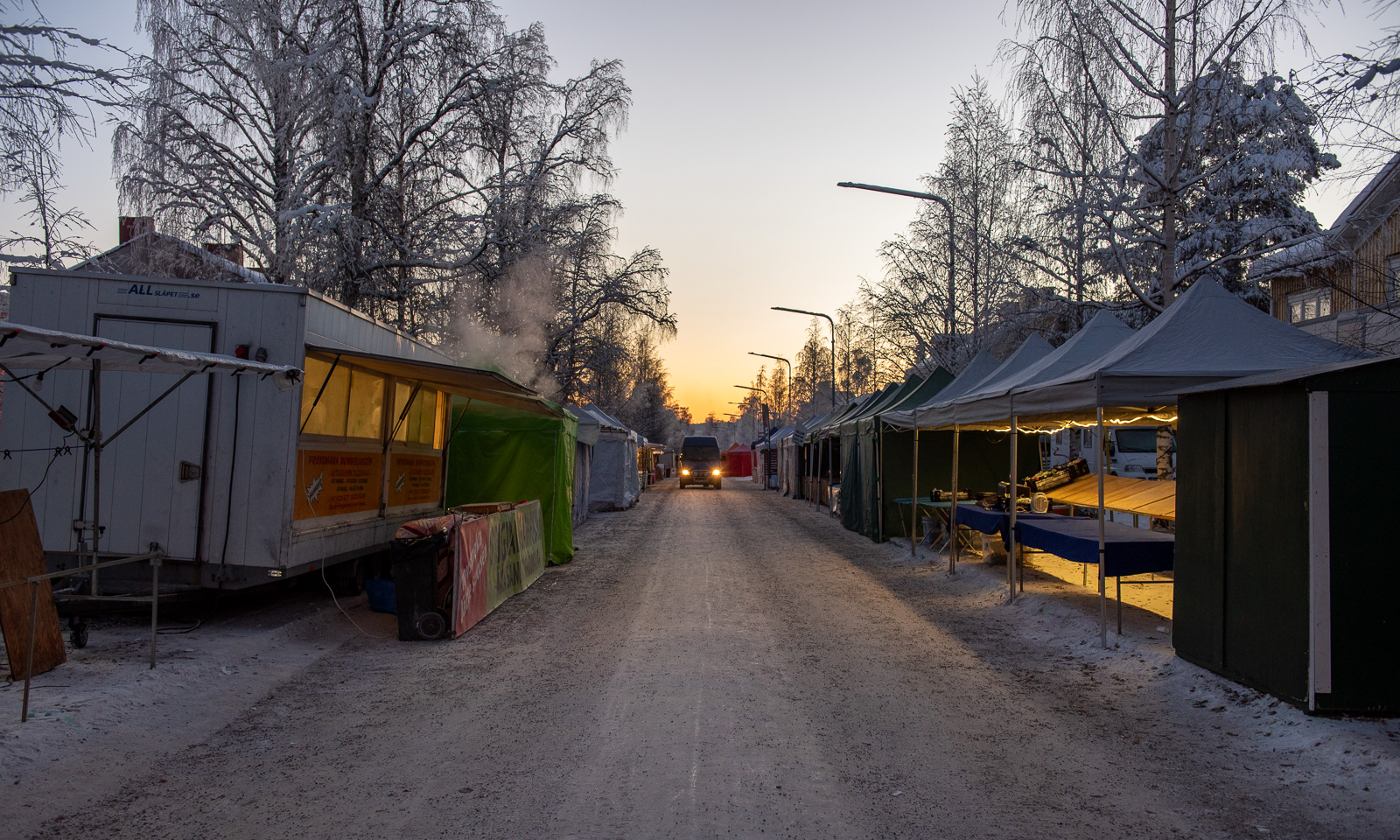
On Friday I was up early. At eight o’clock the market was empty; it would open at ten. I went to the lake Talvatissjön, enjoying the crisp air and the sunrise colours. When I went back to the market the first stalls were open.

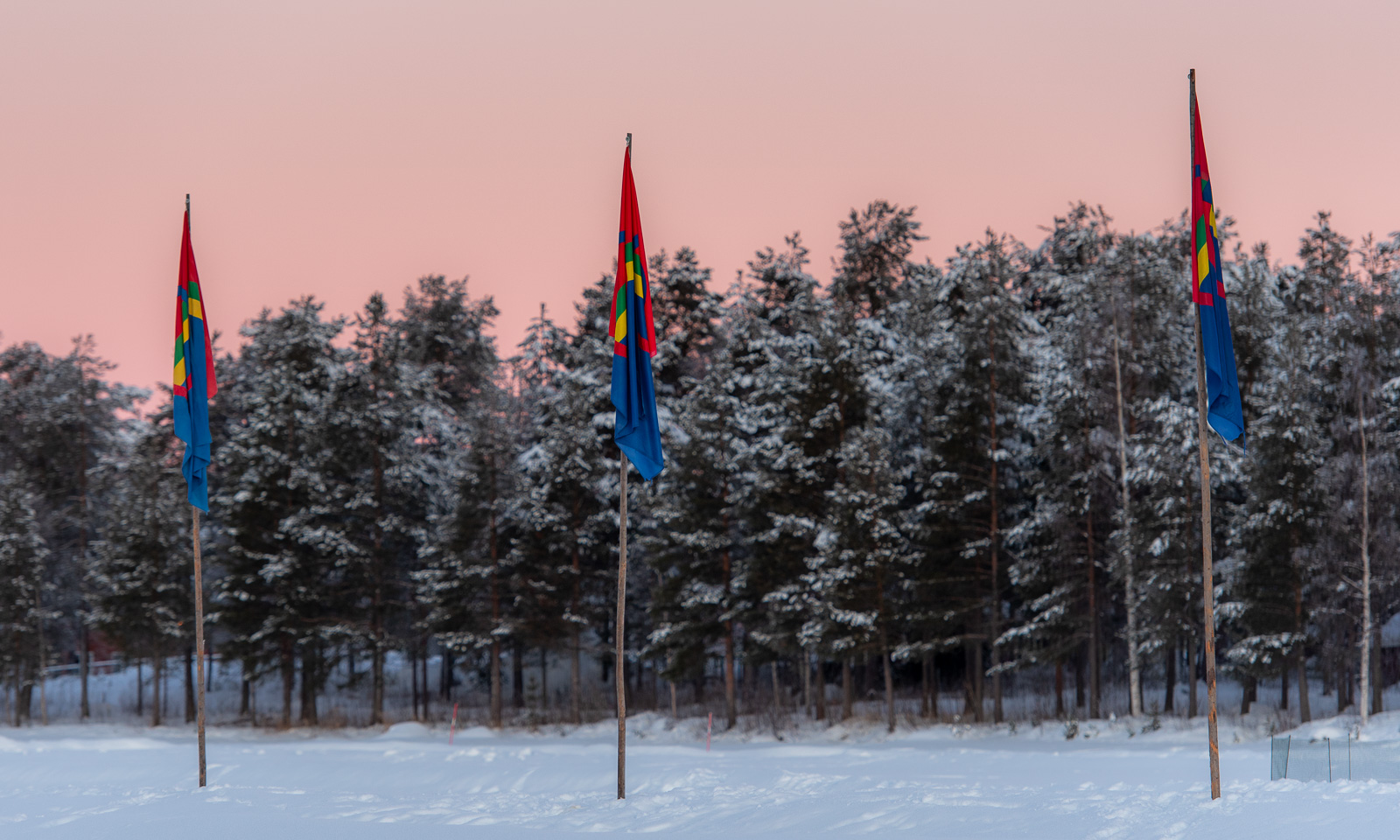
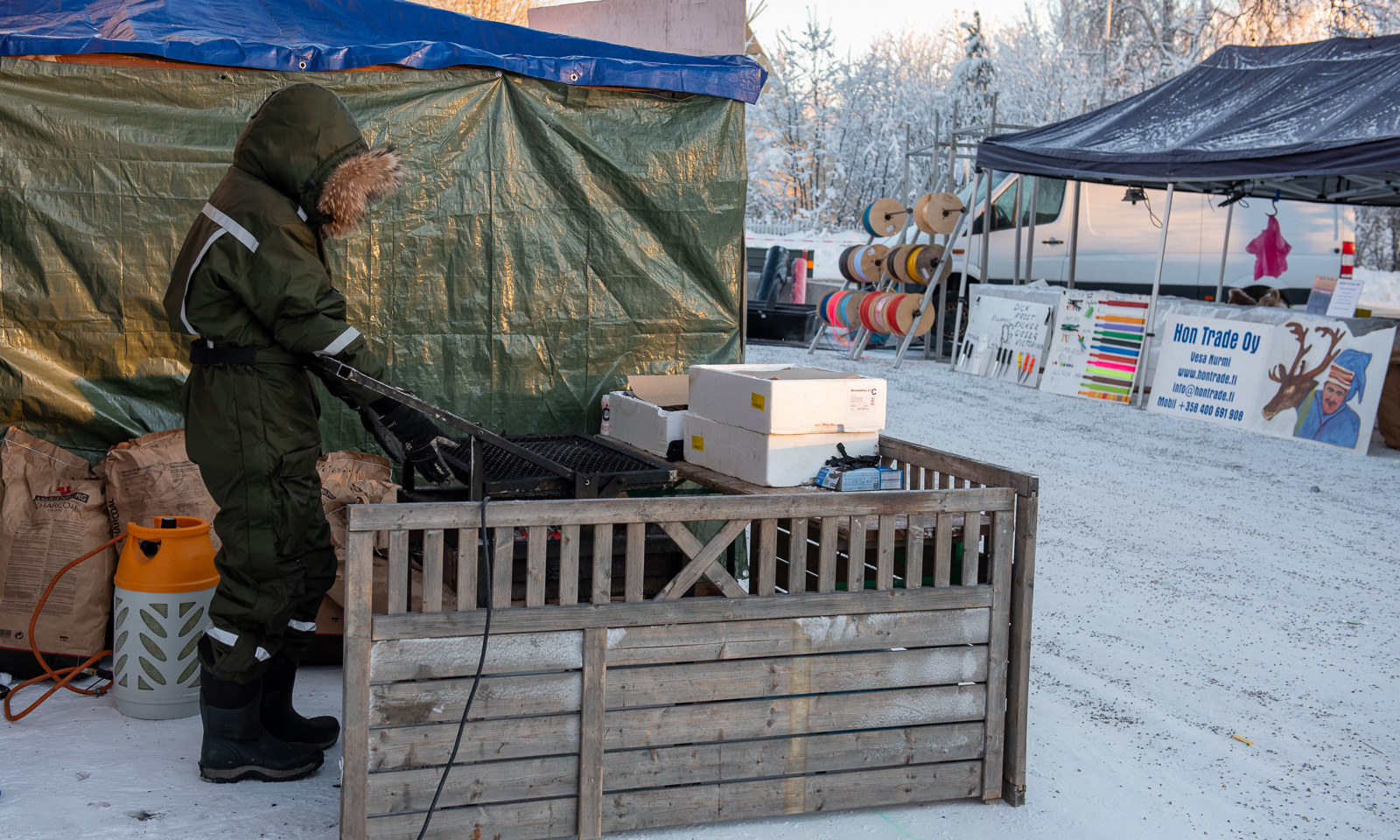
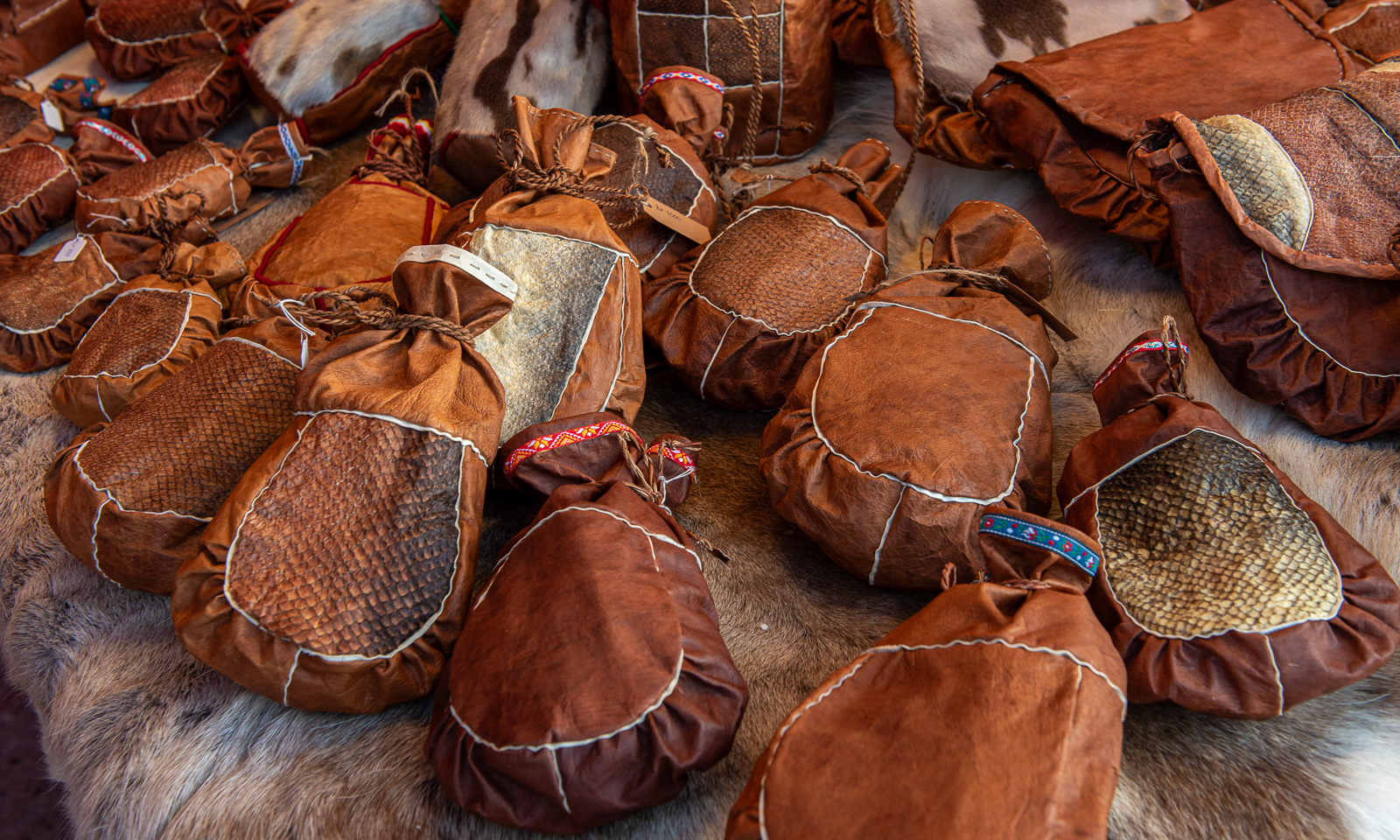
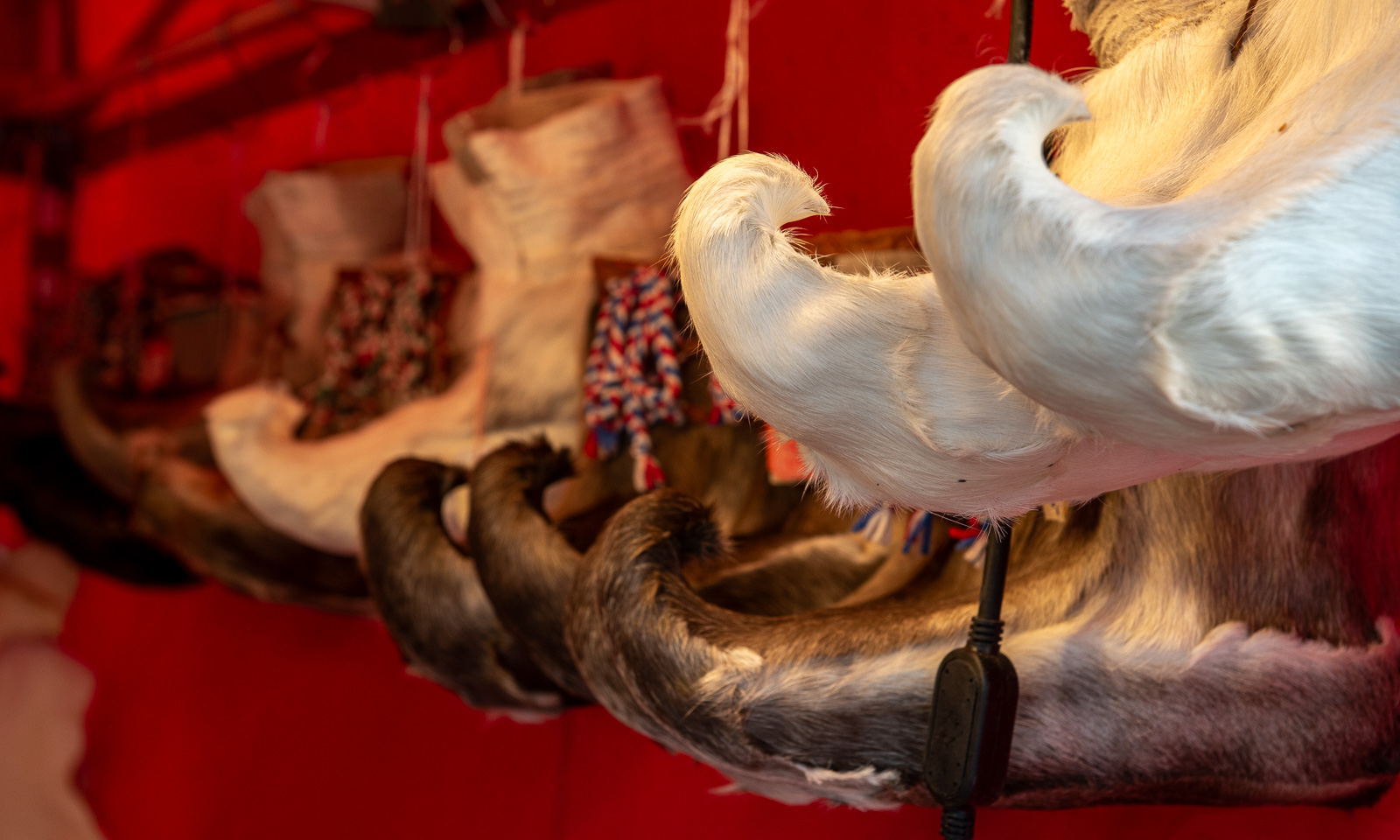
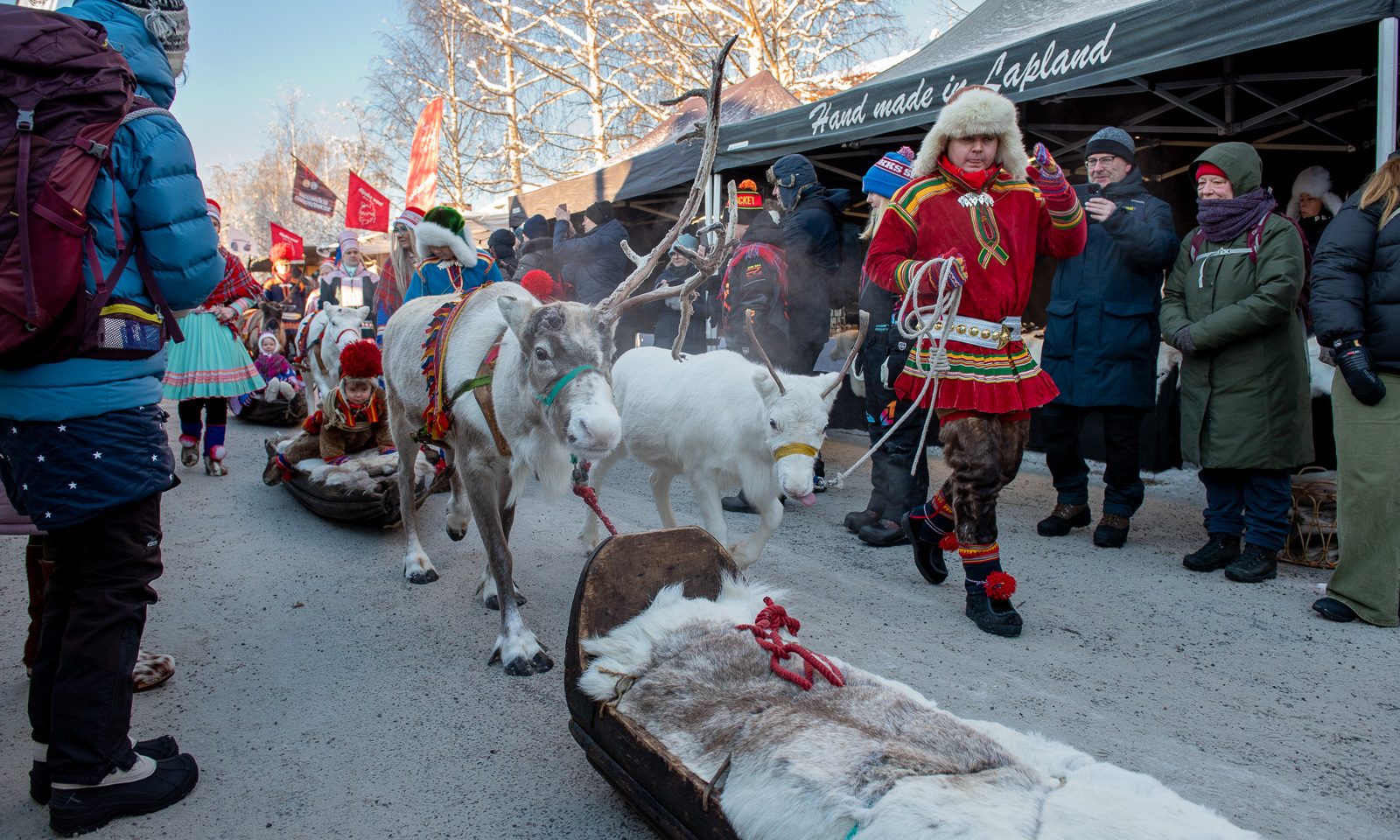
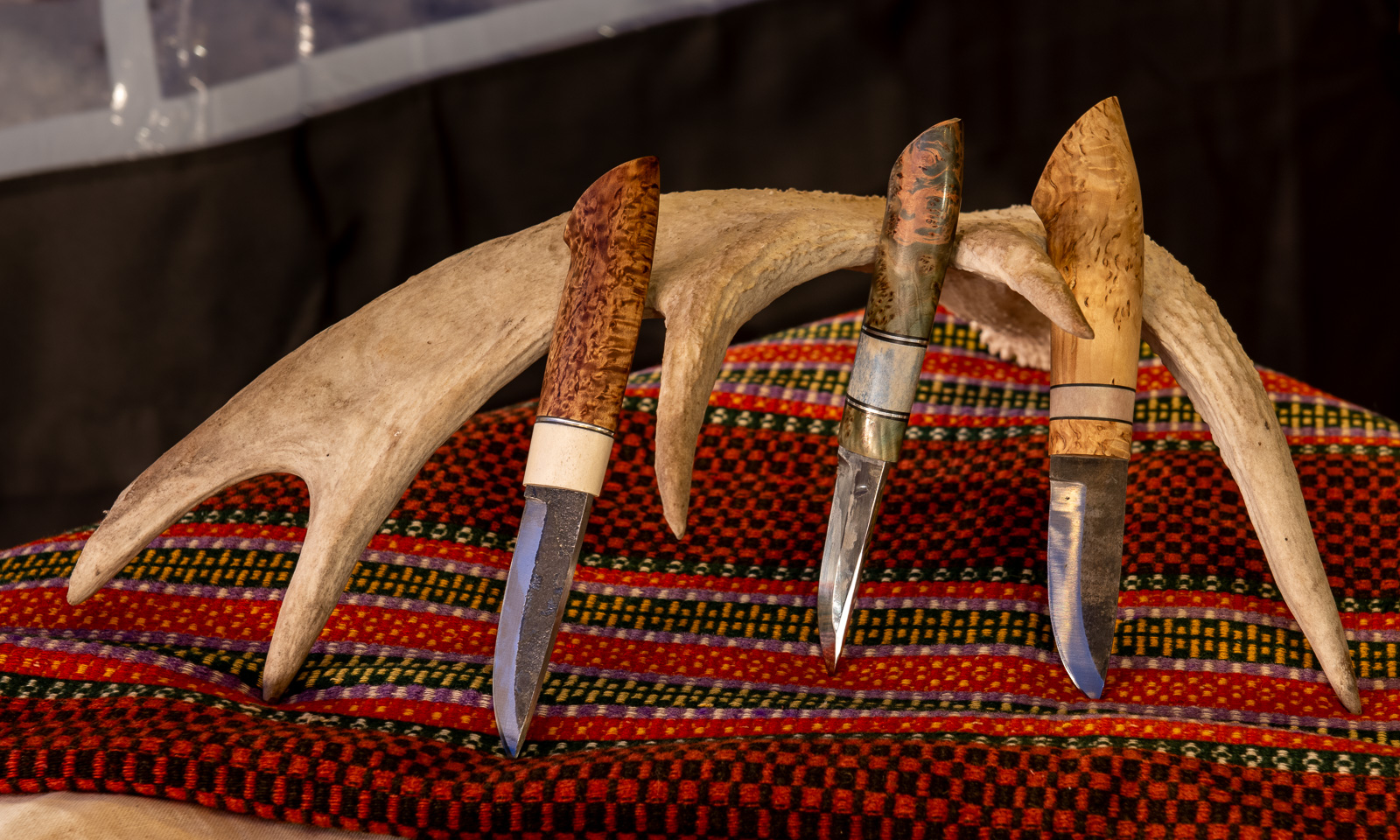
The market is famous for the Sámi culture being presented there. You can, for example, attend Sámi concerts and you can buy Sámi handicraft – often made of natural materials such as leather or reindeer hides.

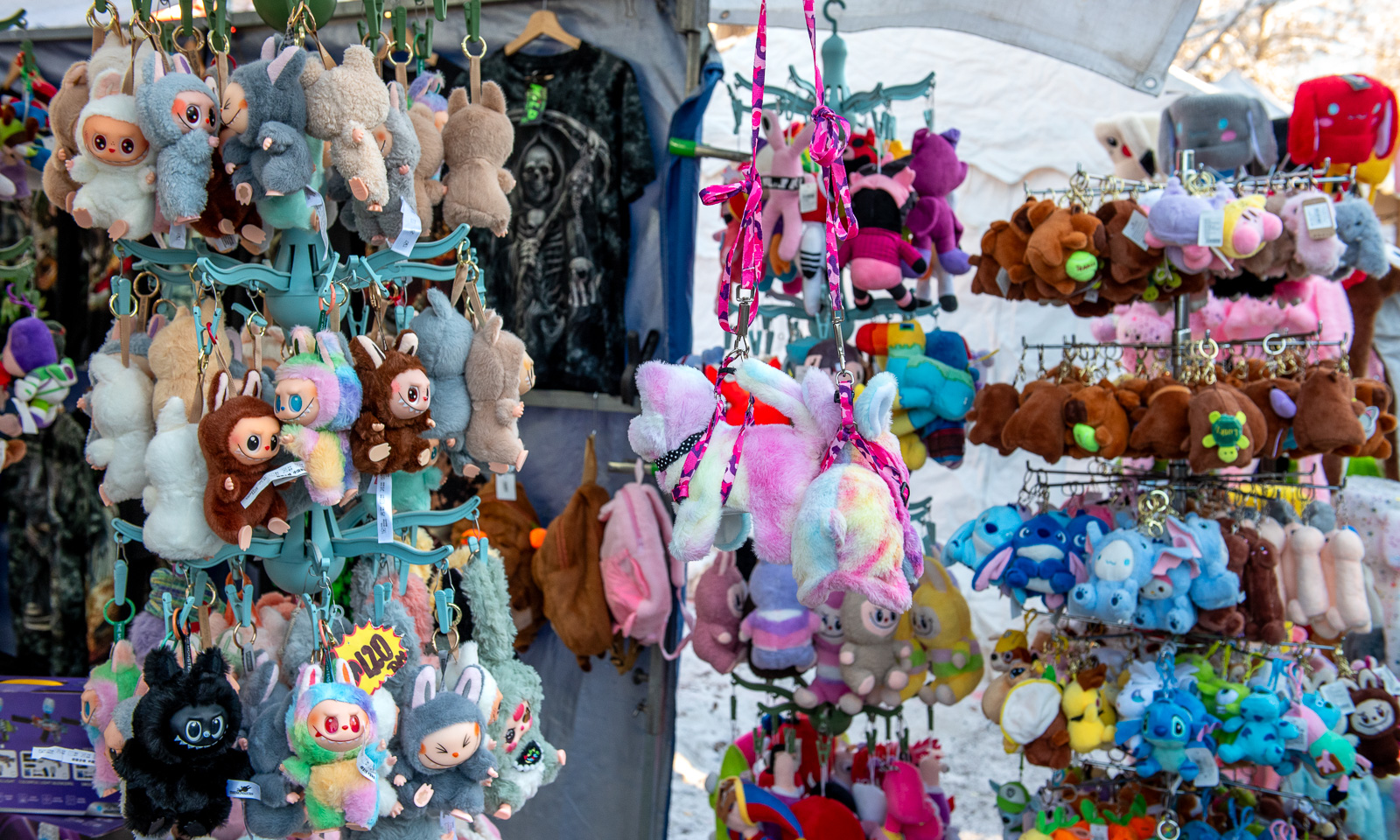
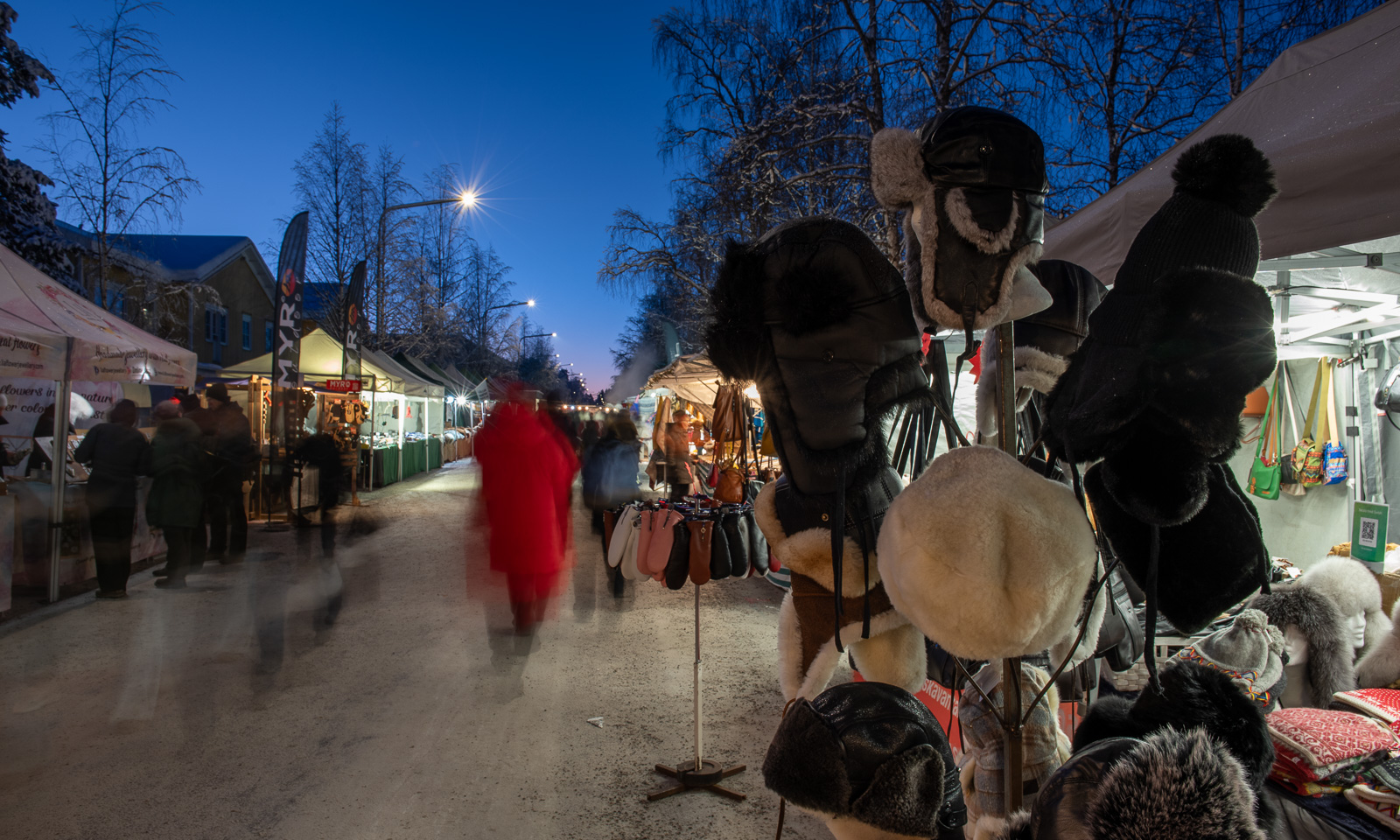
But don’t let yourself be fooled by these images, because a market is a market and even on the Jokkmokk Market you can find cheap plastic clothing and plastic toys, made in you-know-where. I don’t like it but it is part of the market as well.

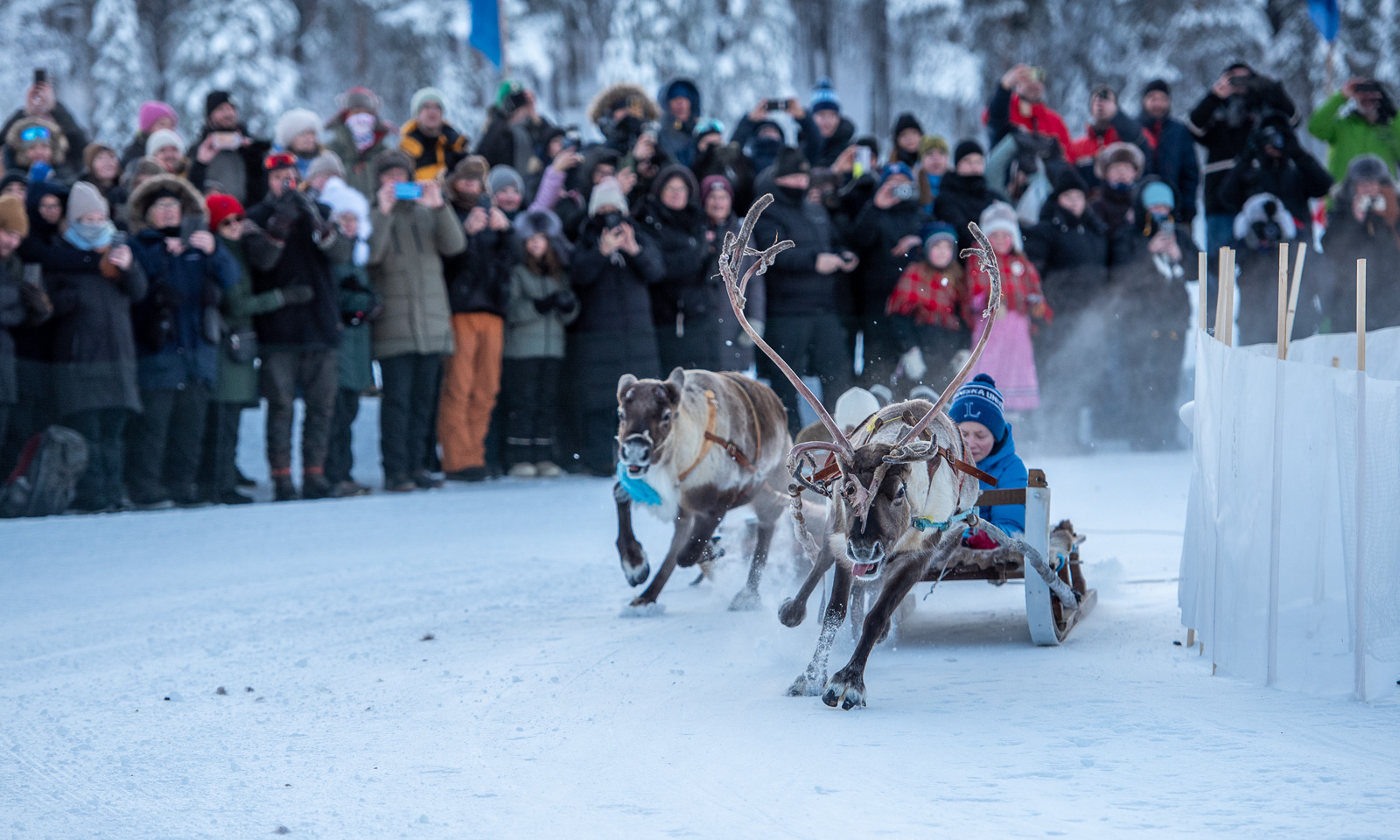
At 10:20, the sun peeped over the tents. And at 12:15 the traditional renrajden crossed the market.

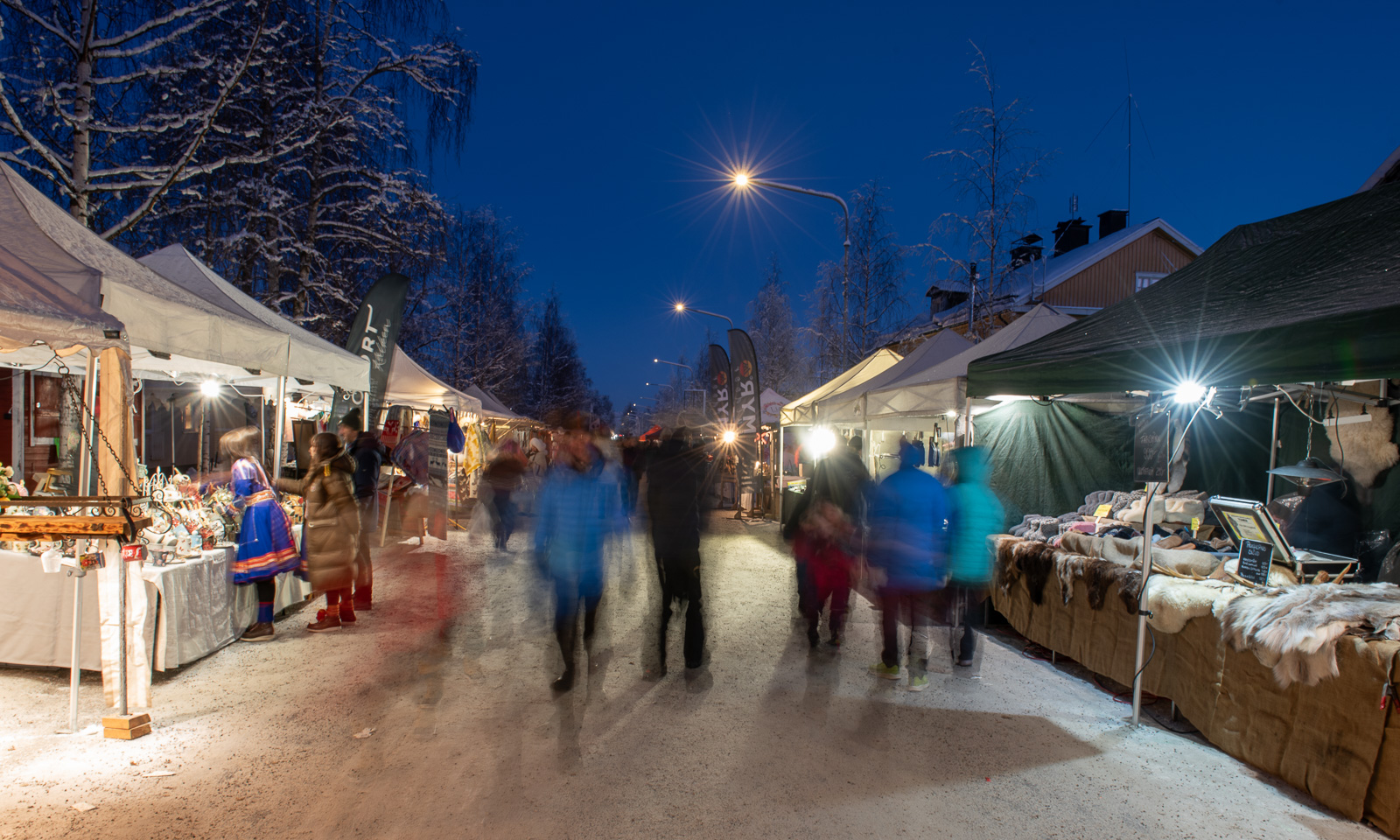
The market gets its special atmosphere when it gets dark. I had my tripod with me and made some long-exposure photos to catch my favourite time of the day at the market.

Saturday, 7 February

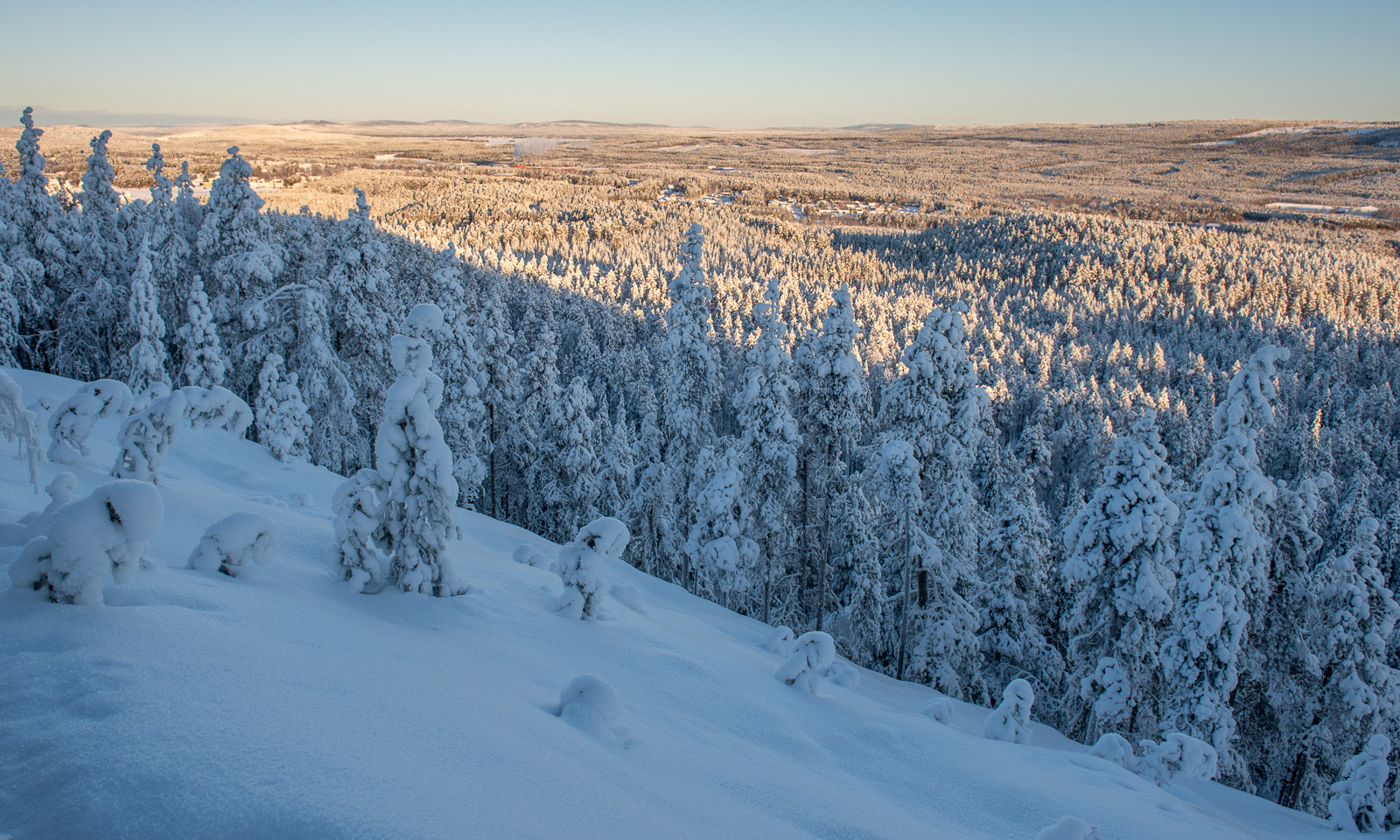
On Saturday I joined Sascha while he was walking his dog Roxy. Next to the lake Talvatissjön there are countless ski trails and winter footpaths. We went up Storknabben (The Big Knob) from which you have a wide view of Jokkmokk and the surrounding forests. We were completely alone until we were almost back at the lake.

Then I went back to the market, this time to the elementary school Västra skolan. In the sports hall you can see arts and crafts from local artists. In the corridor and outside you can see arts and crafts from the local children. Which of them will become a professional artist later on?

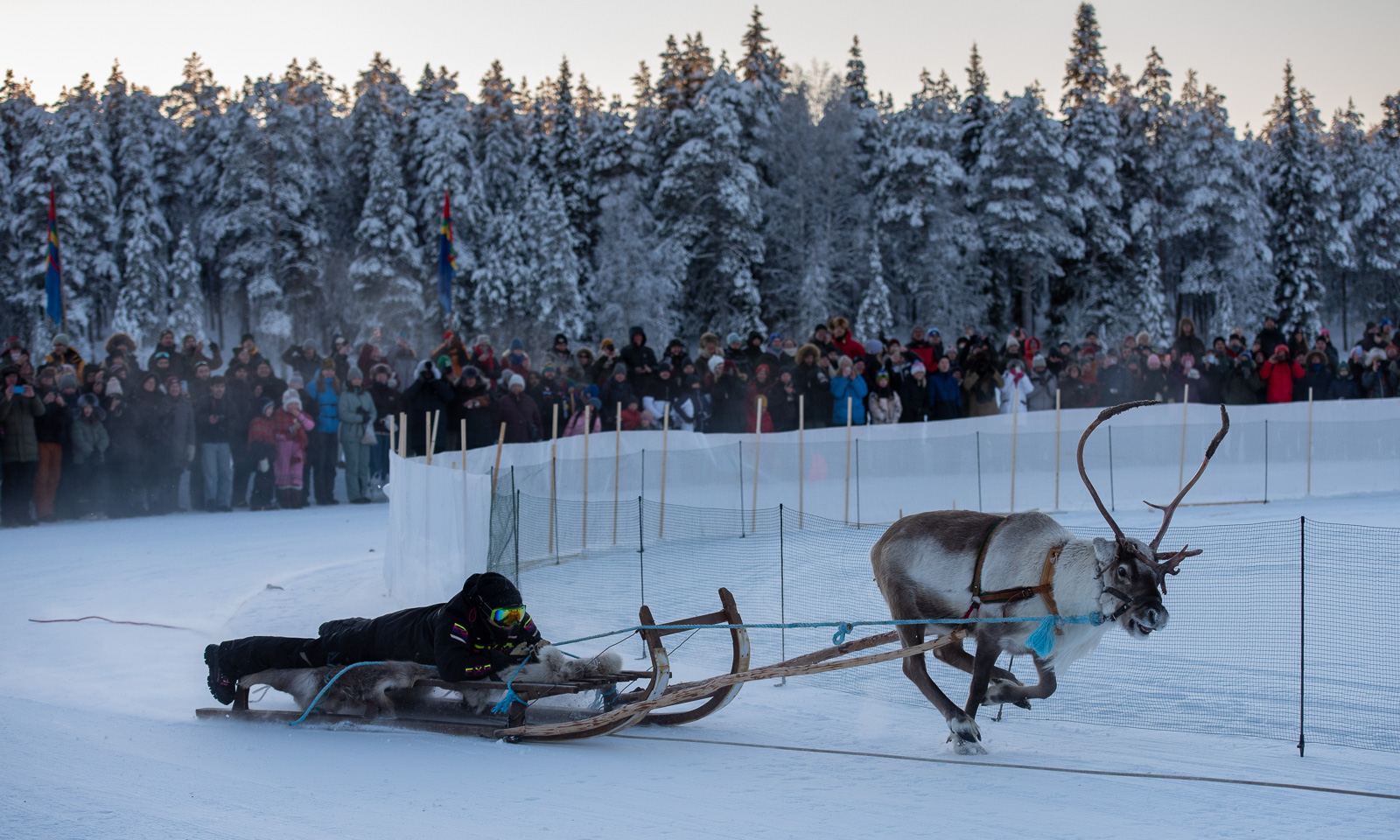
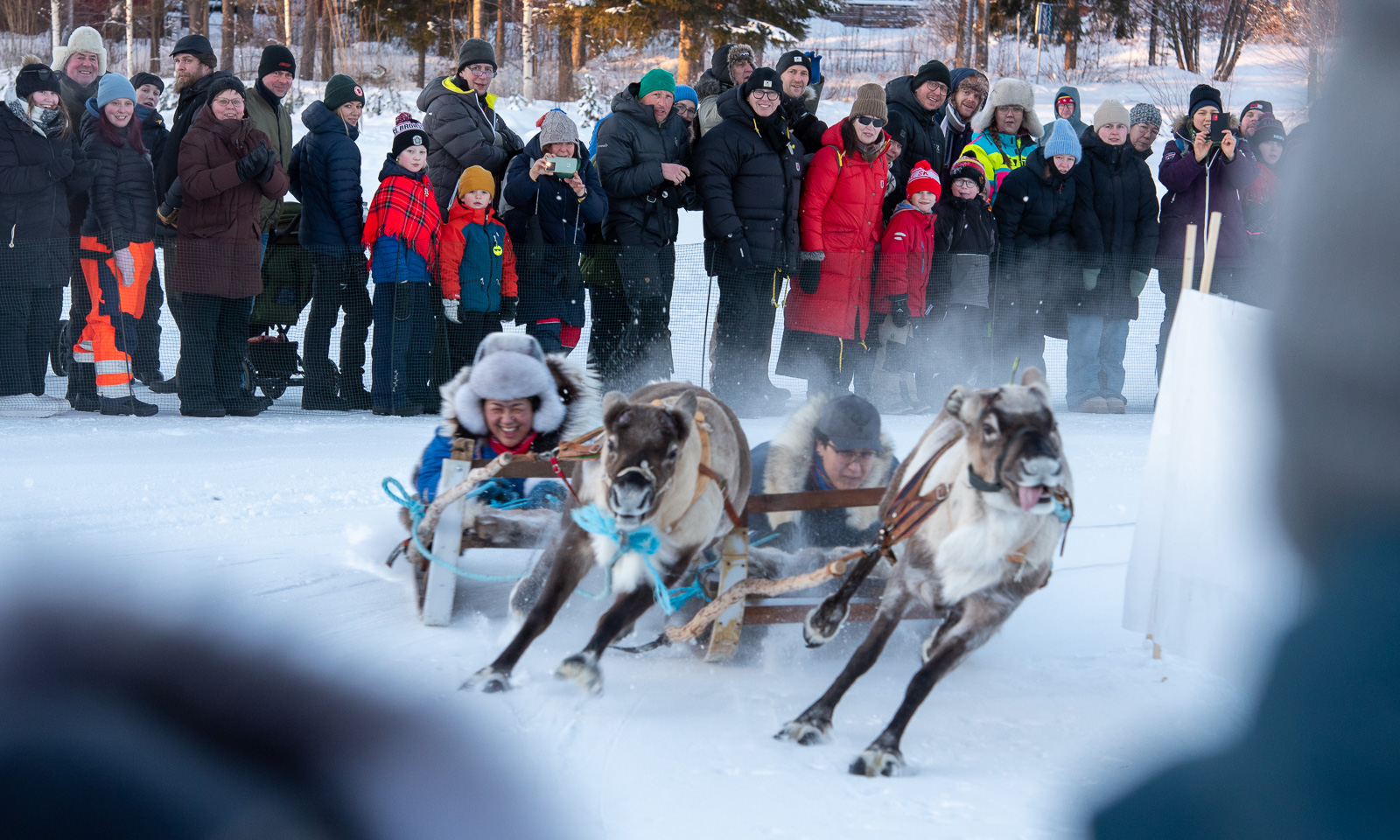
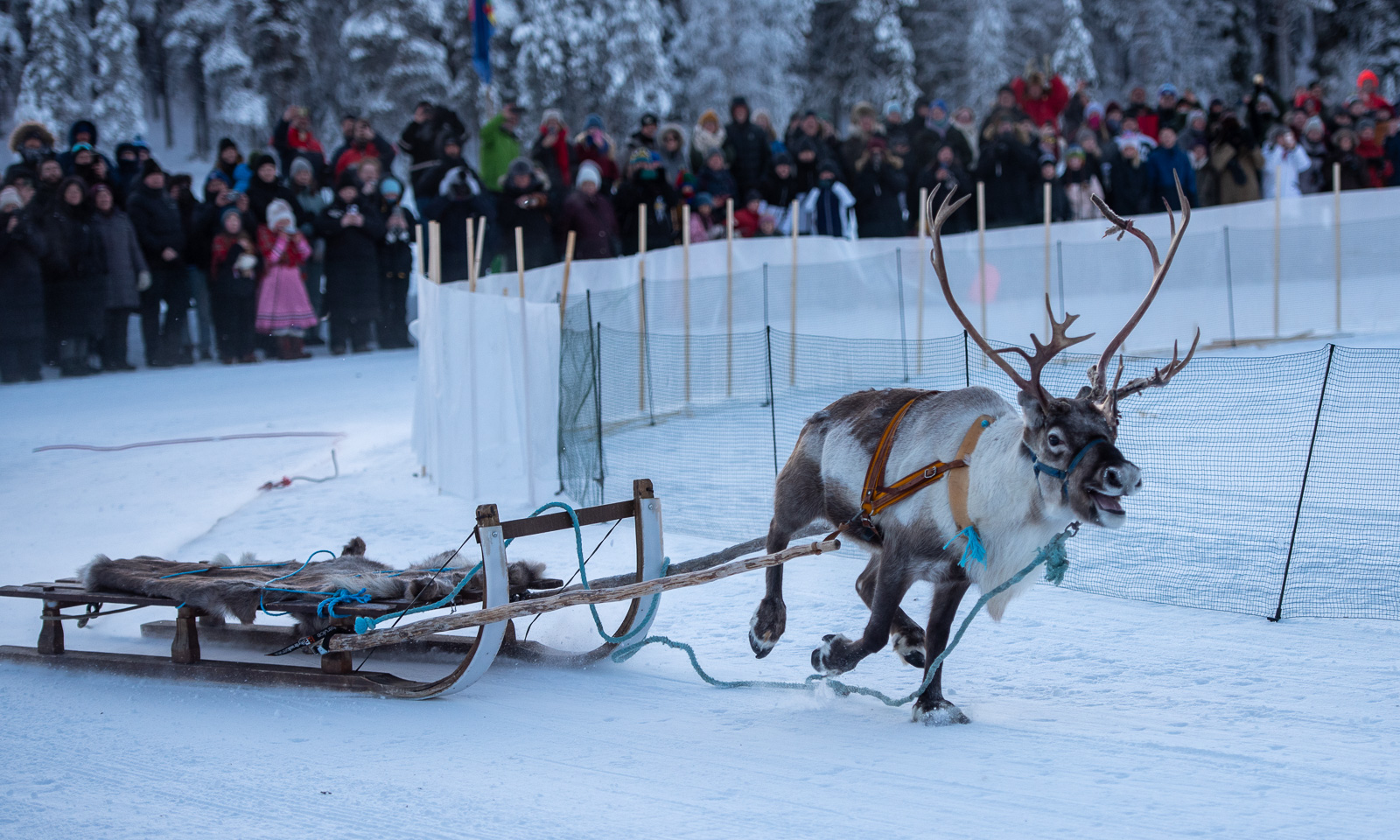
At lunchtime I met friends from Umeå who visited the market this day and we went together to Talvatissjön to watch the reindeer race. I watched it with mixed feelings. It looks like fun for us humans but it seems pretty stressful for the reindeer.

Will I visit the Jokkmokk Market again? Very likely, but not every year.


Lighthouses on ice: A winter walk on the Baltic Sea

It does not happen often that the Baltic Sea outside Obbola is frozen all the way to Finland. Today I took a longer break from work and took a long walk on the frozen and snow-covered Baltic Sea.

I left the small islet (we call it Lillskär) behind and could see the vast expanse of snow.

I went between the islands of Bredskär and Bredskärsten and headed to the red lighthouse called Dynan. I’ve been there before once – by kayak.

I even continued to the next lighthouse – Revet, but it lay behind a frozen ice channel and I was not sure how stable it would be.

On the way back to Dynan I saw the ice, that covered parts of the lighthouse. Was it storm waves that created this icy layer?

In the distance I saw some moving clouds. There was probably an open ice channel there and when it is cold – around -12 °C today – the sea “smokes” building ice fog.

I crossed the ice back to the island Bredskärsten, which I circumvented. At the northern tip a two-metre-high wall of ice has built. Time for a selfie using the self-timer on my Nikon.

Then it was time to return to the mainland, first into the shower, then back to my desk.

Some words about the equipment:

When I am in doubt about the ice conditions I wear my neoprene floatation suit. In case I would break through the ice it would keep me warm and dry and provide enough buoyancy to get back onto stable ice. To get a grip in the ice I have ice safety picks hanging around my neck. The camera and a spare pair of gloves I have in my waterproof backpack. and my mobile phone is in its own waterproof bag hanging around my neck as well.

It is like carrying a first aid kit. You don’t want to use it, but you should have it with you to be safe. If you don’t have proper equipment and tested its usage I would strongly discourage you from crossing sea ice, especially when it is snow-covered and you cannot see the thickness of the ice. So – please stay safe!

Links

Impressions of the frozen Baltic Sea

It was pretty cold this morning when I decided to take a day off today and go for a longer hike on the frozen surface of the Baltic Sea. It doesn’t happen very often that it freezes all the way and I wanted to go a bit longer today. At -24 °C I chose to wear an extra anorak and better mittens than two days before. That in combination with the survival suit kept me warm for hours.

At the shore beside our house everything was covered with hoar frost – a lovely sight. After going around the islet Lillskär the sight was pretty different. Some islands were visible in the distance and otherwise just a vast expanse of snow-covered ice.

First I followed more or less the same route as two days ago. To the right in the distance were the islands Obbolstenarna, then Bredskärsten nearby.

I went to the lighthouse Dynan again and took some more photos. I also flew my drone, taking some aerials but I may not publish them without permission of Lantmäteriet and maybe even Sjöfartsverket. That may take a while …

When I went further fog started rolling in. Beside Dynan and Revet, I could not see much. Where is the next island?

Despite of the fog I decided to continue my tour. While I was checking my bearing with my compass the fog lifted and I could continue, navigating by sight. From then on I regularly checked my course back home to be on the safe side. And there it is – the next island: Langån, still in the haze.

On this island there was another lighthouse, called Lillbådan. “Lill-” means small and the lighthouse is actually not one of the tall ones.

On Langån there were some trees growing, amongst others, a beautiful pine tree. It was covered with hoar frost. It was not so easy to get there because this island is more or less a big heap of rocks with knee deep powder snow between them.

I crossed the small island, passing a last frosted shrub …

… and the next expanse of ice was waiting for me. This, however, was different. First of all you could see ice floes – all of them frozen together. And then there were old ice channels, made by an ice breaker. Would it be possible and safe to cross them? I swept away the snow and yes – the ice was thick and I could continue to the next lighthouse.

And there it is – the lighthouse Storbränningen. Impressive from all sides.

Time for a selfie. The anorak was the only thing that was not waterproof. I was not dependent of this extra layer because it had become warmer but it was nice to have it on. I could also make use of the pockets for a compass or my mobile phone in its waterproof bag. The only issue: the survival suit is waterproof but as breathable as a rubber boot. I could feel, how the liquid sweat gathered in the rubber gloves – not comfortable but still it was a big relief to have clothes I can be in the cold water for at least half an hour. Safety first, comfort back at home. Ok – the selfie. Cheeeese!?

I went farther to the two islands Obbola-Storbådan. In the summer more an extent of boulders, now it is winter wonderland. On the way there I had to cross newer ice but it was thick enough as well. I was less afraid to break through than that an icebreaker would appear between mainland and me and create an open ice channel!

Lucky me, no icebreaker came and – now on my way back – I could cross the frozen channel as easily and safely as on the way there.

At first I used my compass to walk back; then I could see details of the mainland to orient myself. When I looked back, Storbränningen was already far away and I could hardly imagine that I had been there today.

As usual I did not take many pictures on my way back. The crystal-clear ice block, the wet passage, another view back …

… and then I was home again after 9.98 km in 4½ hours.

I have another photo to share:

What is it? Frost structures in the ice? Frozen plankton? No, it is just AI (and a bit of editing). I asked Copilot to make that image using this prompt:

Could you use this image and let it look, like the pizza has been frozen in an ice age for 500 years? Make everything look white with a hue of blue-green and put hoar frost on it.

This is the original image I uploaded to Copilot. It is the pizza I ate in Obbola after today’s tour.

Did I use more AI today? Yes, I used it in Lightroom to remove my own footsteps on one photo and I used it to correct some of the language mistakes. All other photos are edited manually but without any AI support.


The sunset was too early

Today we had another clear morning with a temperature of -23 °C and not a single cloud. According to SMHI and The Photographer’s Ephemeris sunrise at our place in Obbola was at 07:32 today. While I was still walking on the sea ice to have a better view of the sunrise the sun already appeared – three minutes too early. The reason for this is atmospheric refraction due to an inversion above the ice that bends the light and so “lifts up” objects in the distance.

To the right in the photo: The lighthouse Storbränningen, which I visited two days ago. It is about 4 km away. I could also spot the lighthouse Väktaren – 7 km away – although the distance to the horizon is technically only 4.5 km. I can even still see some construction far, far away on a bearing of 140° but I haven’t worked out what it is. Finland perhaps … ?

Ice, ice, spring, ice and snow

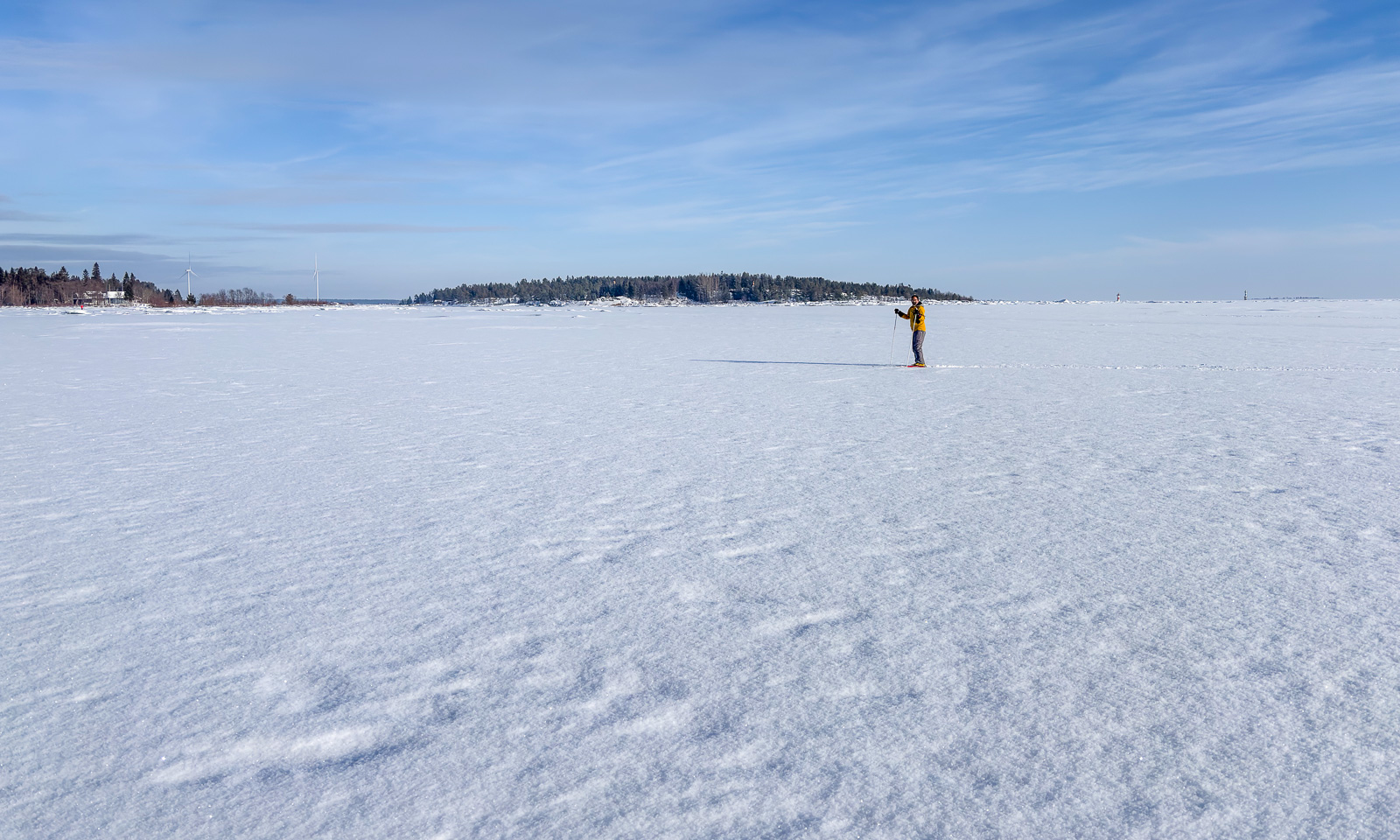
It is mid-February in Obbola in Sweden. Dear friends are visiting us. The Baltic Sea is frozen. On the ice there is a layer of snow. On 16 February we walk from our house to and across the sea ice to a nearby beach. Three days later we do the same with skis.

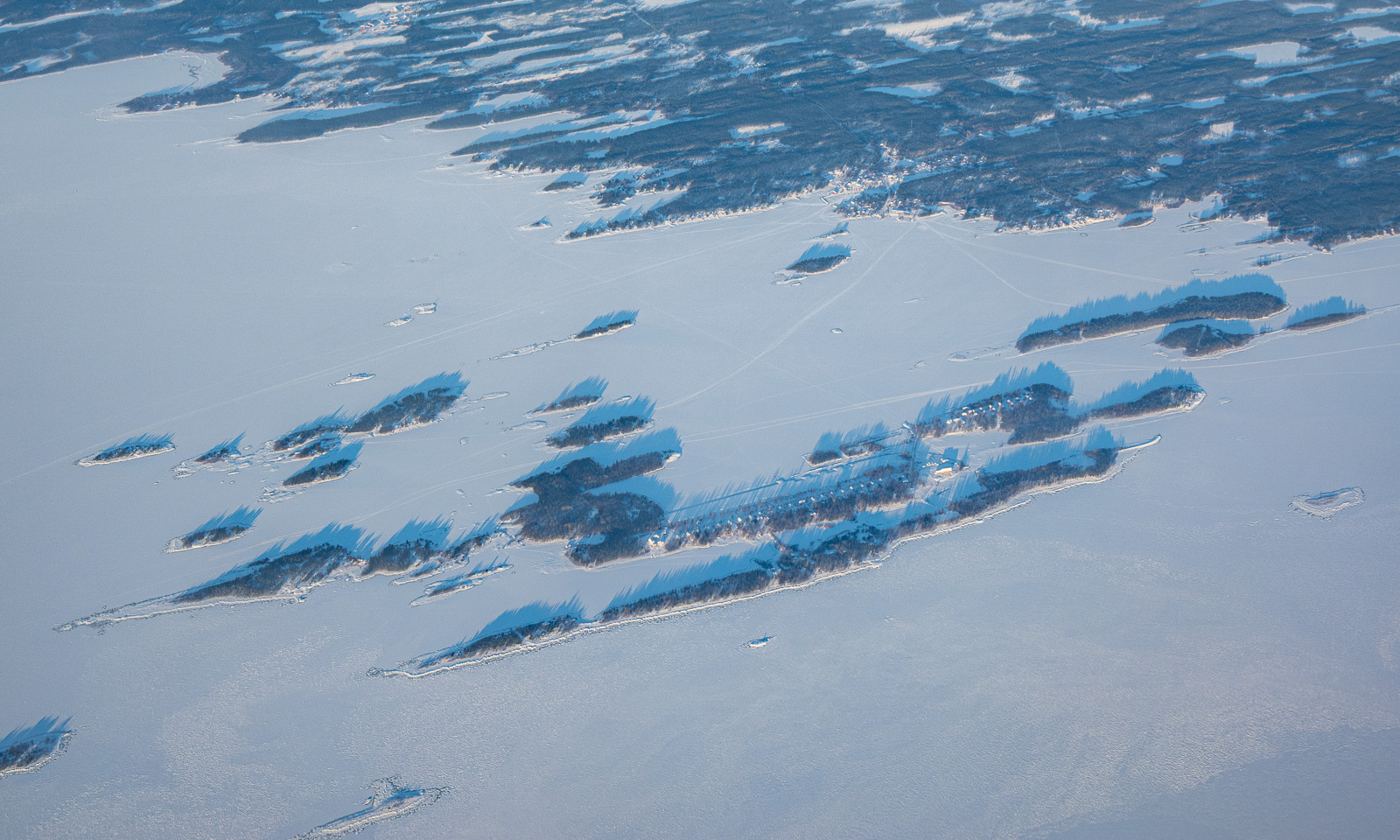
Three days later I see the sea from above, because Annika and I are visiting part of my family in Augsburg in Germany. 100% sea ice coverage in the northern Baltic Sea, open water near Stockholm.

Augsburg is a striking contrast. First, it chilly and rainy, but then it gets warm. On our last day we are sitting outside for lunch, enjoying the warm sun while bees and bumblebees are visiting the thousands of spring flowers. It’s like another world!

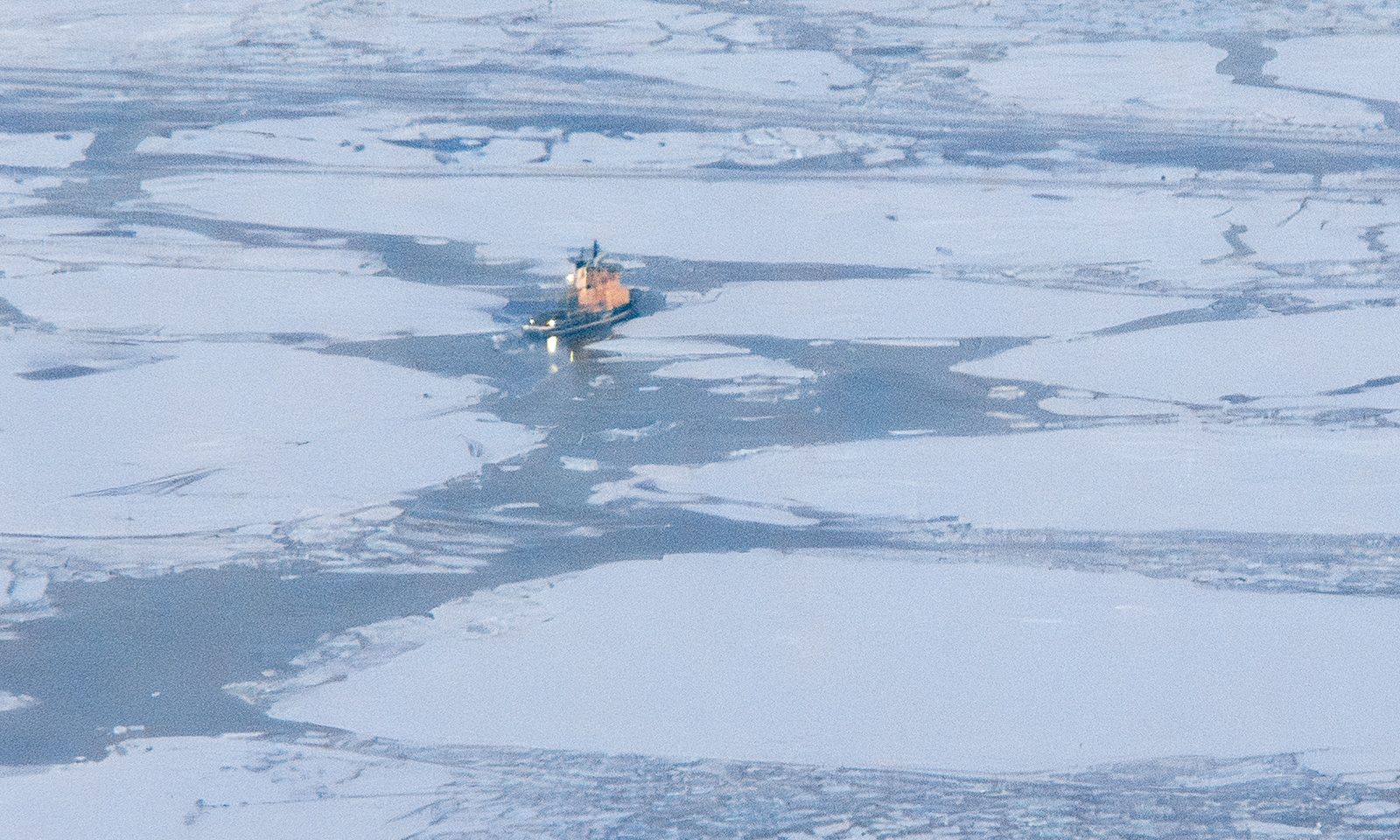
Two days later we fly back the same way. The sea ice is segmented by many shipping lanes. I can even spot one of the Swedish icebreakers – probably the vessel Ymer – which keeps these channels free of ice during the winter.

In the afternoon we are home again in our house by the sea in Obbola.

However we are not here for long. For the next two weeks we will be on our backcountry skis, first in Finnish Lapland, then in Swedish Lapland.


Reindeer on the road

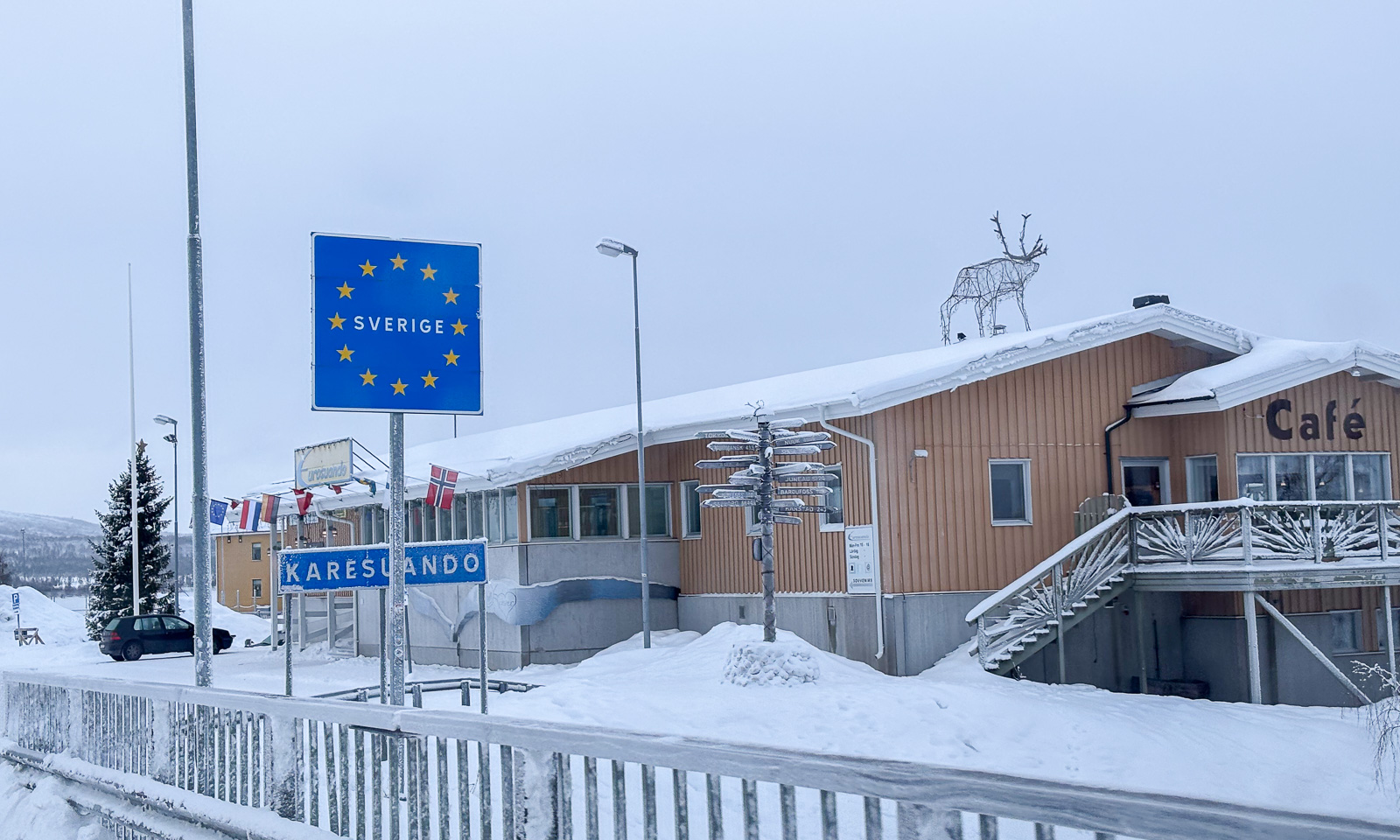
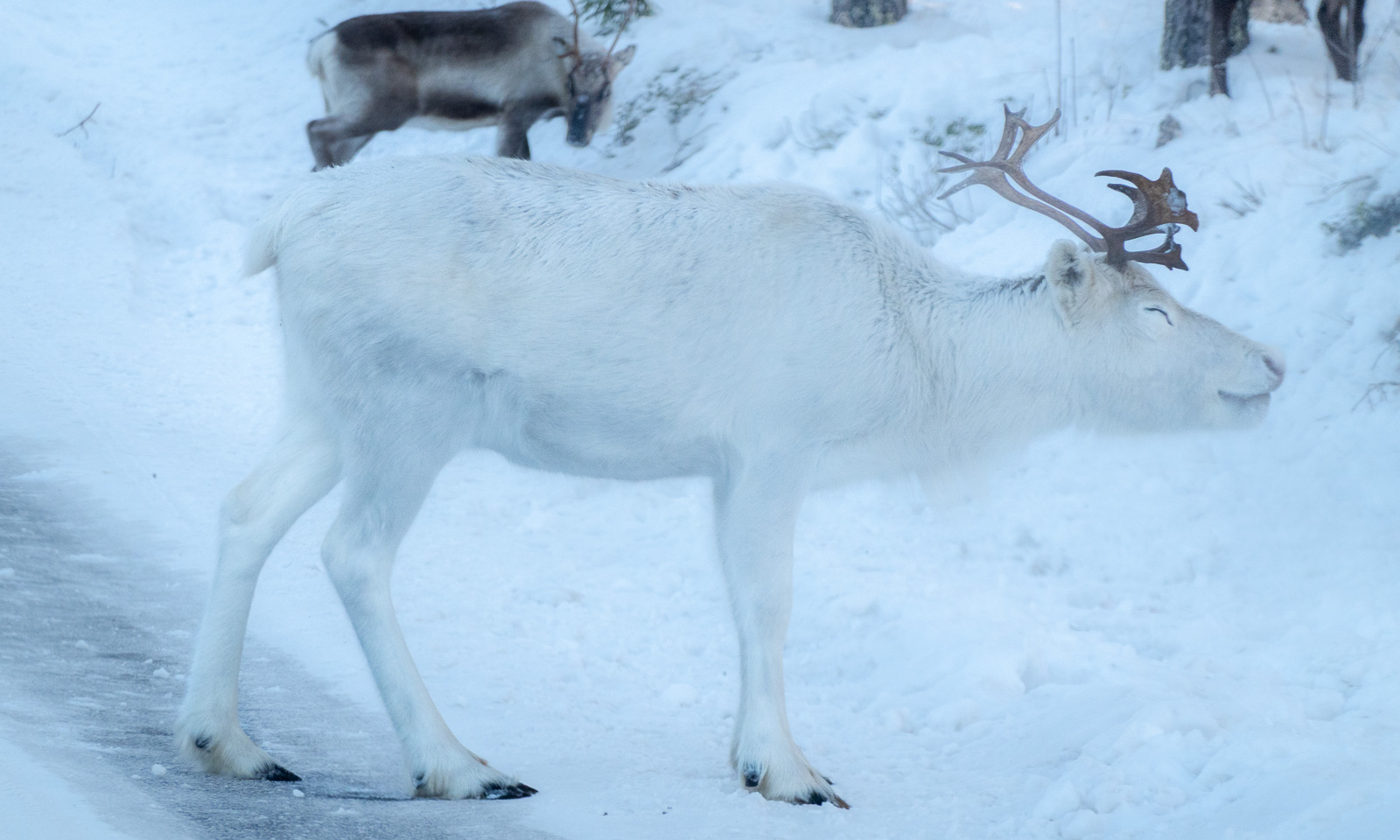
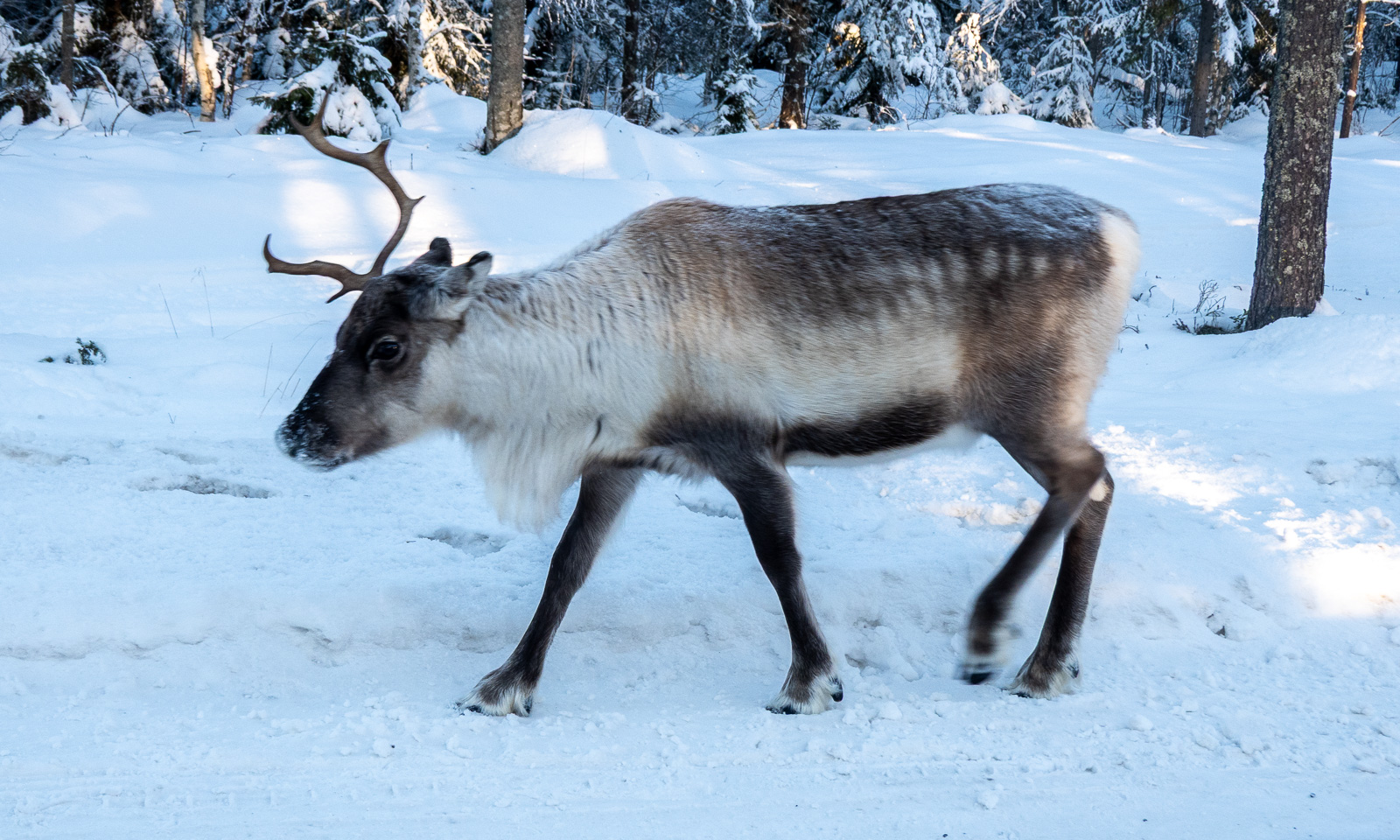
On Monday my wife Annika and I took the car from our house in Obbola, Sweden to Hetta in Lappi, Finland’s northernmost region. It was almost given that we would see reindeer on our 676-km drive. And we saw a herd of at least one hundred reindeer from the car.

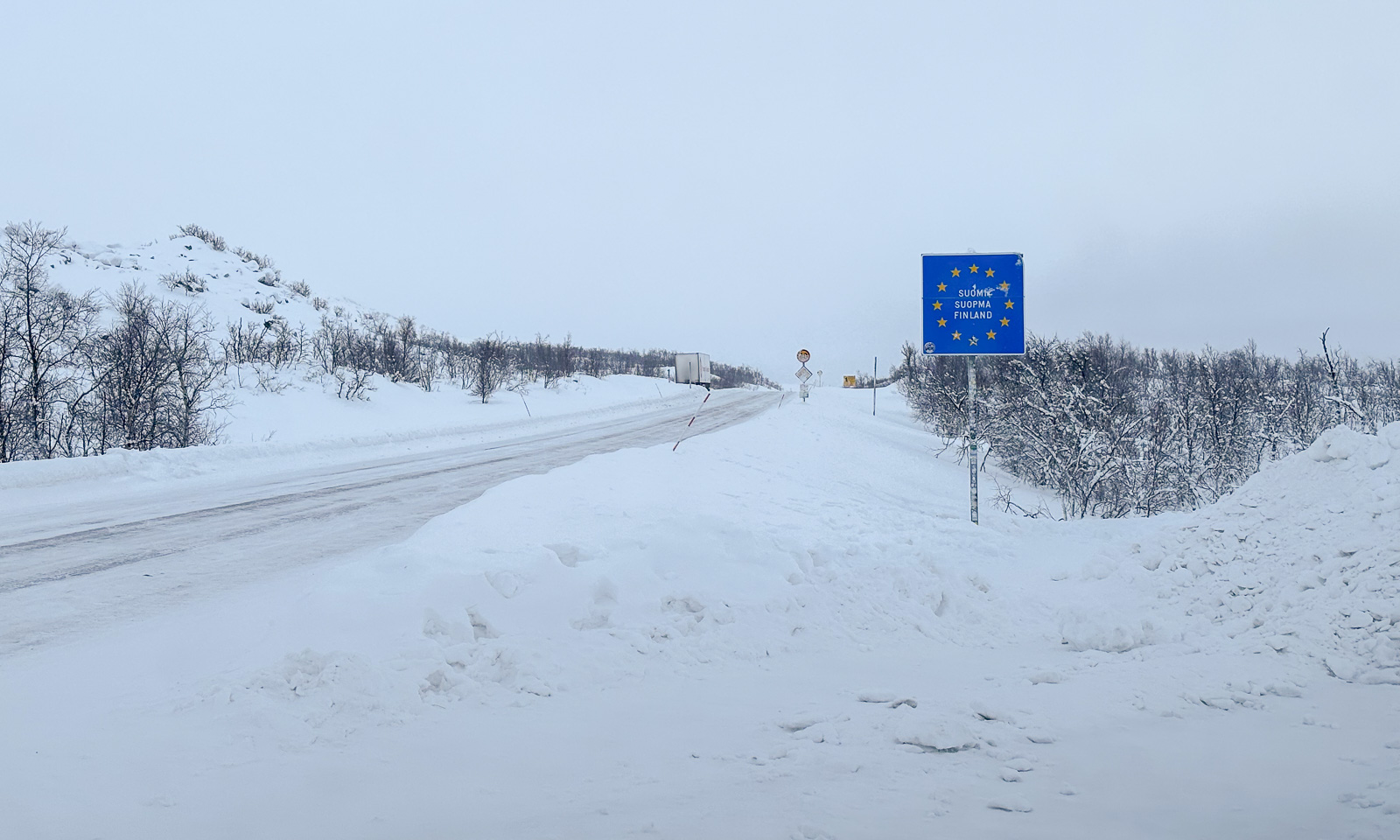
However, we didn’t spot them in Överkalix, Pajala, or Palojoensuu, we saw them right in the beginning, just 2 km from our house. That is not a common sight at all, but it can happen when the Baltic Sea is frozen.

In the afternoon, we arrived at Hetan Kota, our accommodation for the night. The next day, we would start our first ski tour in Finland, directly from the doorstep.
Ski tour in the Pallas-Yllästunturi National Park – day one

08:50 – everything is packed for starting our ski tour through the Pallas-Yllästunturi National Park. My wife Annika wears a backpack, I’m dragging a pulka. Today’s destination is the hut Sioskuru.

We ski down to the lake and turn left onto one of the cross-country ski trails. The weather is grey, it has started snowing.

Skiing on the trail is easy. We soon enter the national park and after two hours we reach the hut Pyhäkero.

The Pallas-Yllästunturi National Park has a whole network of open wilderness huts, where you can stay for free. There is a wood-burning stove or fireplace, a gas cooker and a platform to sleep on. No mattresses, no luxury, but everything you need on a tour without the need for a tent and a cooker.

Some of the huts have locked rooms that you can pre-book for a small fee.

Outside of the hut Pyhäkero there is a signpost with all the destinations you can reach on foot in summer and on ski in winter. And since we are in Finland the names are quite long, such as OnnasvaaranreittiSammalvaaranreitti, or Postituvaniärvet. We have only 8 km to ski to Sioskuru today, where we pre-booked two beds. Sounds easy,  doesn’t it?

A piste groomer is passing the hut. Will it groom our trail? No, it just turns back. At the same time the wind is increasing, and so is the snowfall. Unfortunately the weather forecast was correct.

First we traverse a gorge that leads slowly uphill.

Then we reach more open terrain. The wind is pretty strong, it is snowing and you cannot make out anything except the trees, that look like being placed randomly in the plateau. Luckily, the path is well marked with wooden crosses.

The snow gets deeper, the terrain steeper and each metre we ascend is extremely exhausting. Again and again we have to rest to catch our breath. It takes us two hours until we finally spot the hut Sioskuru. Two hours, in which didn’t take a single picture in these two hours.

It takes some effort to unlock the frozen lock, then we are inside. Now it is time for us to defrost our faces, change clothes and enjoy the shelter of the hut. While the wind and snowfall are slowly declining, we  are settling in, making fire and cooking food. We skied 17 km, but I am very exhausted, my legs hurt and I am very glad to have arrived.

The next day we will continue to Hannukuru, which is, fortunately, a shorter distance.

Ski tour in the Pallas-Yllästunturi National Park – day two

When I wake up in the hut Sioskuru in the Pallas-Yllästunturi National Park the scenery has changed since yesterday. Thick fog makes the world small and the few visible trees are all covered with frost.

Time to light the stove in our small room.

Yesterday we started our ski tour in Hetta, today we want to continue on to Hannukuru, the next cabin. The distance is shorter than that of the previous day and although it is foggy the weather is calm. At 9:45 we set off. We pass the wooden bridge and ski into the fog.

It is like skiing through a contemporary art exhibition with us being the only visitors. There is fog and there are some frosted trees, some of them are real beauties. And there is silence.

Slowly we gain elevation. Fewer and fewer trees grow here. I’m glad about the wooden waymarks, it would be an effort to navigate through the fog in this featureless landscape.

After crossing this plateau, we descend a bit and are below the timberline again. The fog has started lifting, but it is still grey.

I am still a bit exhausted from the day before but I cannot explain why it is so hard to ski today. It is as if the landscape is bewitched and sucks all my energy, motivation and happiness from my body, my mind and my soul. More and more I have to stop, lean forward on my ski poles and ask myself why I should ski another metre. We are getting slower and slower and it feels like Dementors from Harry Potter’s magical had gathered here in this bleak nothingness. I stop and shout my frustration into the void with words not suitable for publication. Then another nine and a half metres of skiing. A stop. Some more steps. And so on.

After two hours something happens. The clouds have started breaking up and all of a sudden the sun is coming out. It is maybe only half a minute but it helps me to look ahead again. I’m still exhausted but I can see the beauty of the landscape again and of course I know that we will reach the next cabin.

There are more and more trees and in another small hollow we even spot something we yet didn’t see: rocks!

After 11.7 km (and more than 5 hours) we reach the hut Hannukuru, or rather the wilderness village of Hannukuru. There are several huts, woodsheds, outhouses and a sauna. We search our pre-booked shared rental hut, unlock “Hannukuru Hanna” – the room on the right – and inside I spot the most beautiful collection of  kindling I’ve ever seen in my life.

While Sioskuru was pretty small and more a mattress room, this spacious room provides bunk beds for twelve people and a giant wood-burning stove.

I am eating part of the chocolate that I forgot we had with us. Annika is soaking dried potatoes and vegetables for the dinner: frittata. Delicious!

Before dinner we plan the next day’s route. We cannot change it – the skiing distance to Nammalakuru, the next hut is 21 km with a tedious ascent in the end. We are considering to change our plans and ski east instead. Reason one: the long distance, likely in untracked terrain. Reason two: the weather forecast that predicts warm temperatures with sleet and freezing rain.

A Finnish couple in the other room knows the area well and shows us the options. We decide to ski east to the small ski resort Vuontispirtti. This also means that we can sleep longer the next day. When three other skiers invite us to use the sauna after them we gladly accept. What a wonderful end of a quite strange and tiring day. And yes – Finnish saunas are hot!


Ski tour in the Pallas-Yllästunturi National Park – day three

4 March 2026

Today is the third and last day of the ski tour Annika and I are doing in the Pallas-Yllästunturi National Park. We slept in the hut Hannukuru. We expect to ski about 15 km and parts of it will be on groomed cross‑country ski trails. Day one of our tour was snowy and windy, day two was foggy, but today the sun is shining.

After our morning routines – breakfast, packing, cleaning – we set off at 09:45 local time. (Finland is one hour ahead of Central European Time.) We follow the trail back a hundred metres, cross the small lake and to our surprise we already meet the cross-country ski trail.

I expected to ski at least half the distance without any groomed trail, now it feels like “civilisation”. At the same time the calm weather and the blue sky give a completely different impression than the days before. First we have wide views of the snowy landscape and the mountains in the distance and many trees are covered in hoarfrost and snow.

We slowly descend into a large conifer forest and the terrain gets a bit hilly. A sign says “Vaarallinen lasku” which means dangerous slope. I walk a small section of this stretch but most of the trail is easy to ski.

We take a short break in the Varkaanjärven kota, not because we need to rest but because it’s there. Two young skiers arrive, looking for matches. They want to ski up to Hannukuru. As most skiers here they have cross-country skis, not the broader backcountry skis that we are using. Probably they are four times faster uphill then we are downhill.

Now we can see the first huts, houses, a snowmobile trail and then we arrive in the village Vuontispirtti.  At the hotel Tunturihotelli we take a cold coke and I eat a sandwich. Our ski tour has come to an end. Not the planned one but a good one.

The distances: 17 km + 11½ km + 13½ km, summing up to 42 km.

Our speed: 2.8 km/h in average including all shorter and longer breaks.

Will I – or we – do another ski tour in Finland? A few days ago I definitely had denied this idea. Now, while blogging I see the tour and the landscape much more positively. So my answer: I don’t know. Ask me again a bit later.