A day and half a night in Bergen

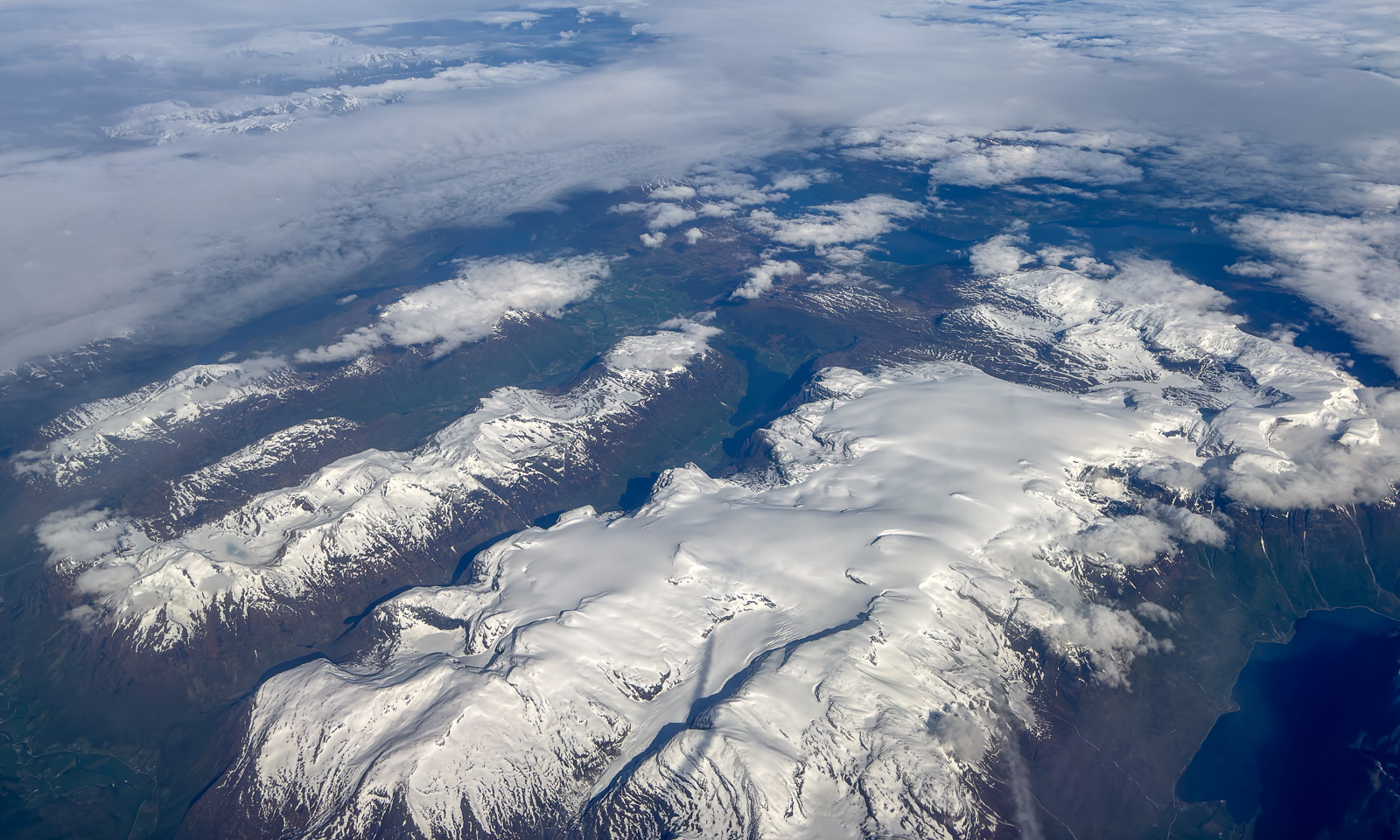
28 May – I am sitting on a plane to Bergen, Tromsø lies behind. Finally the layer of clouds has opened and Vestlandet – Western Norways reveals itself with vast glaciers, mountain ranges, fjords, forests, archipelagos and the open sea.

The reason I am in Bergen is sea ice in the Arctic. On board the ice-breaking research vessel Kronprins Haakon there is a special radar used for navigation through sea ice. Researcher Polona Itkin wants to store this data for scientific purposes. The companies Sea-Hawk Navigation AS and dspnor AS are responsible for the hardware, I handle the software to read and store the data. And since these companies are in Bergen and have a working setup including a radar on the roof, I am working there for two days. The only work-related detail I will mention is this: the data volume to be stored is immense and can exceed 2 TB a day. Quite a challenge.

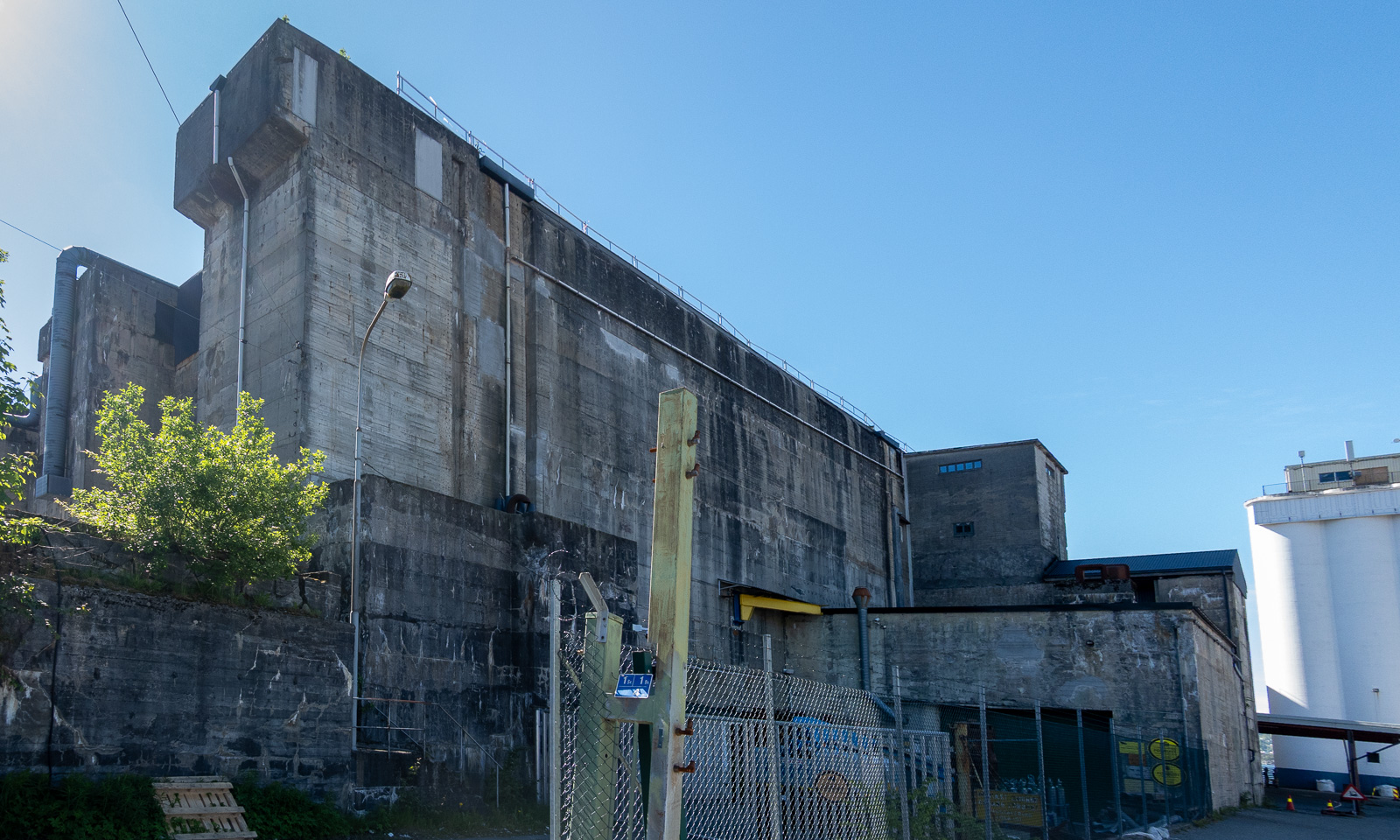
At 16:00 I finish work. Since the weather is warm and sunny, I decide to walk to the hotel in the centre of Bergen on the other side of Puddefjorden. Let’s go down the concrete ramp and start our tour. First, I walk through an industrial area …

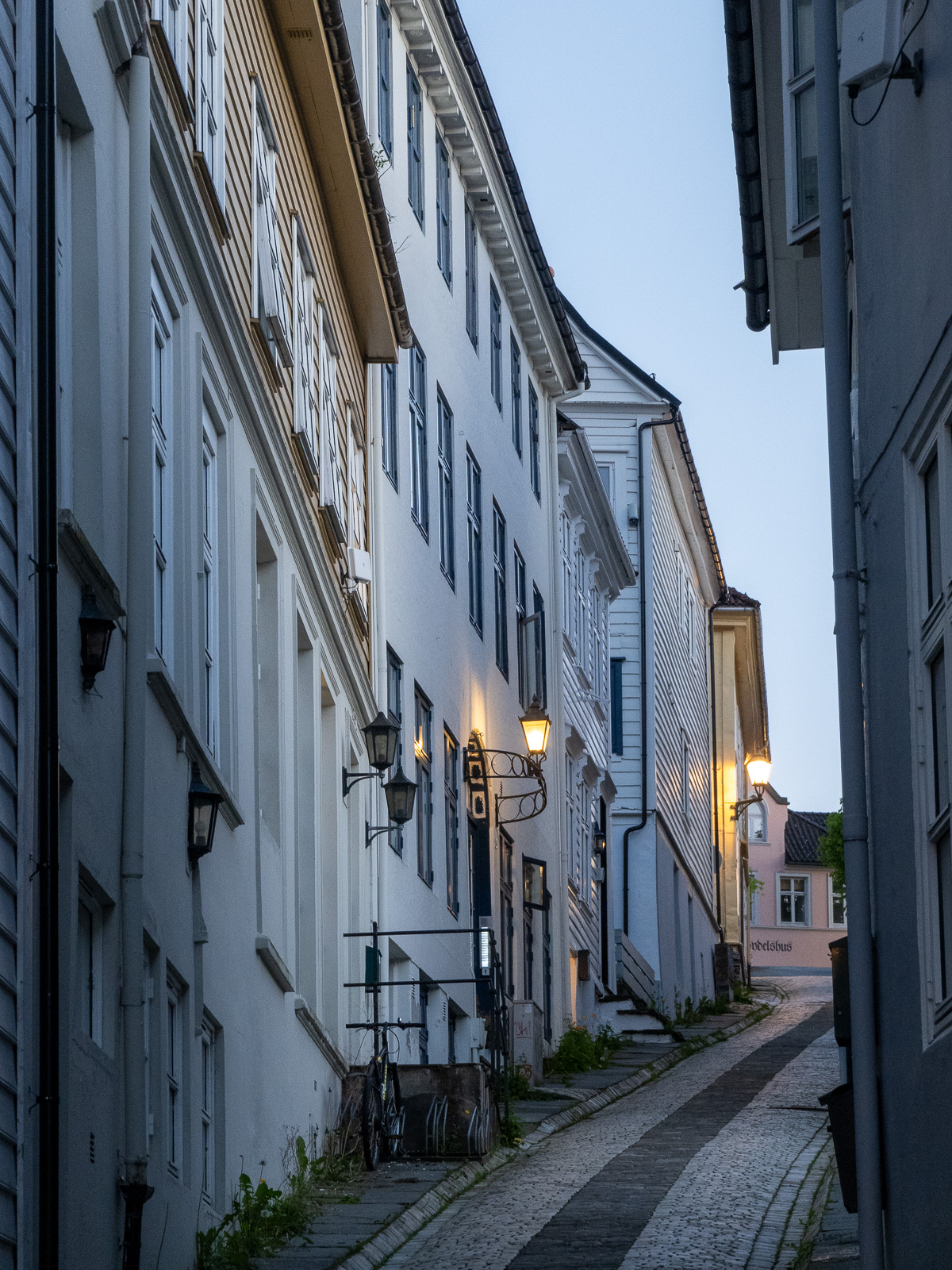
… but then the surroundings change revealing marinas, parks and older wooden houses.

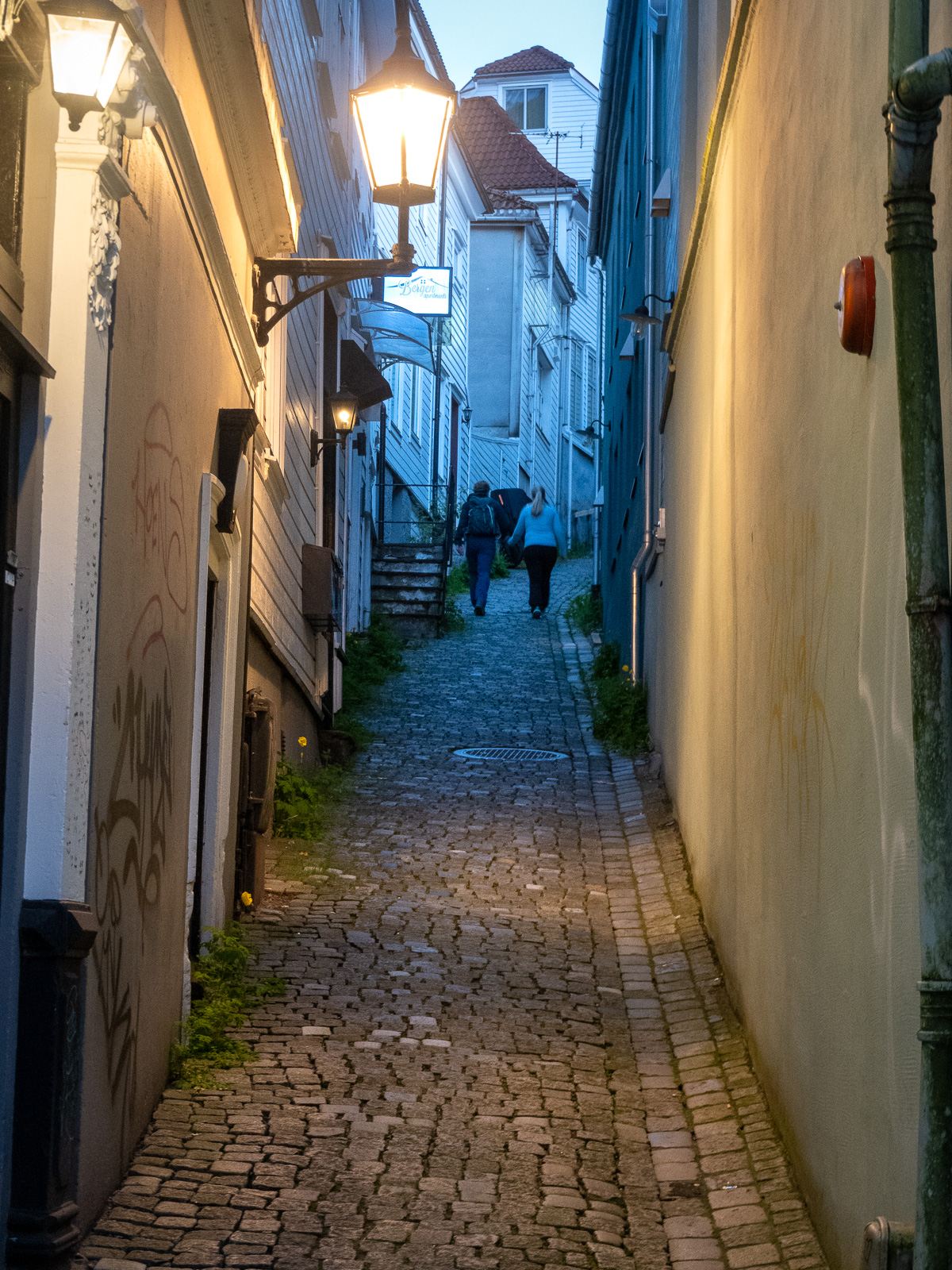
I cross the Damsgårdssundet and head towards the centre. A myriad of small alleys, footpaths and stairs make me ignore the polite navigation of Google Maps and stroll around, enjoying the town in the sun.

I don’t want to own this car, but I envy the driver’s parking skills.

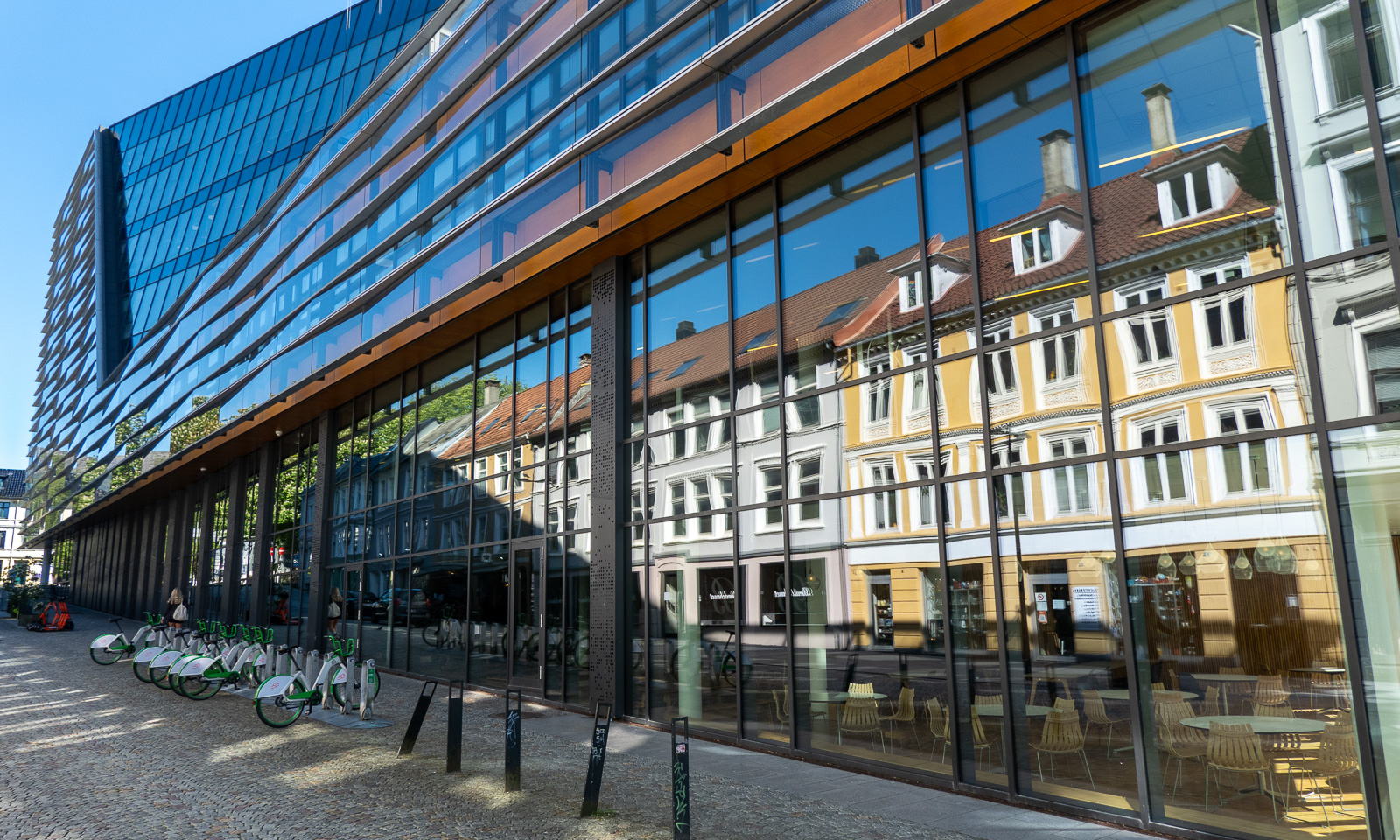
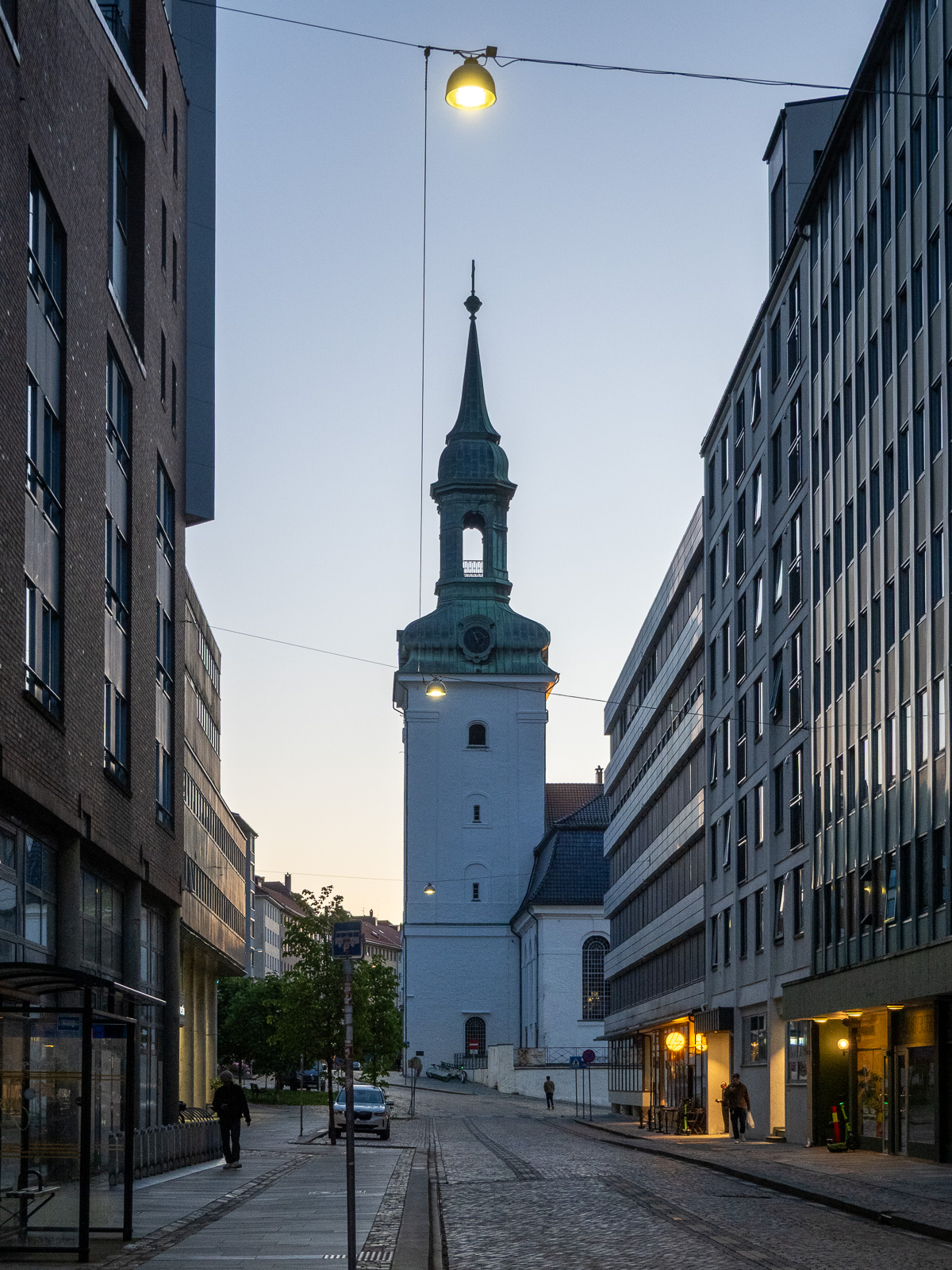
But of course Bergen is an evolving city, not a museum and a lot of contemporary architecture is found there too. But sometimes the glassy facades reflect the older world.

From there it is not long to Vågen, the central harbour bay with a view of the historic quarter Bryggen.

I check in at the hotel and leave again straight away, first to get some food (Pasha – Peruvian food – not cheap but delicious) and then to take Fløibanen, a 848-metre-long funicular railway that leads up to the mountain of Fløyen (320 m).

Of course I could have walked up the 302-metre ascent, but I have a plan: I want to walk to the mountain of Ulriken (643 m), the highest of De syv fjell that surround the city centre of Bergen. The route is between 13 and 15 km long and leads through hilly terrain. From there I want to take the cable car down and the last one leaves at 23:00. So I don’t have the whole day, just a long evening.

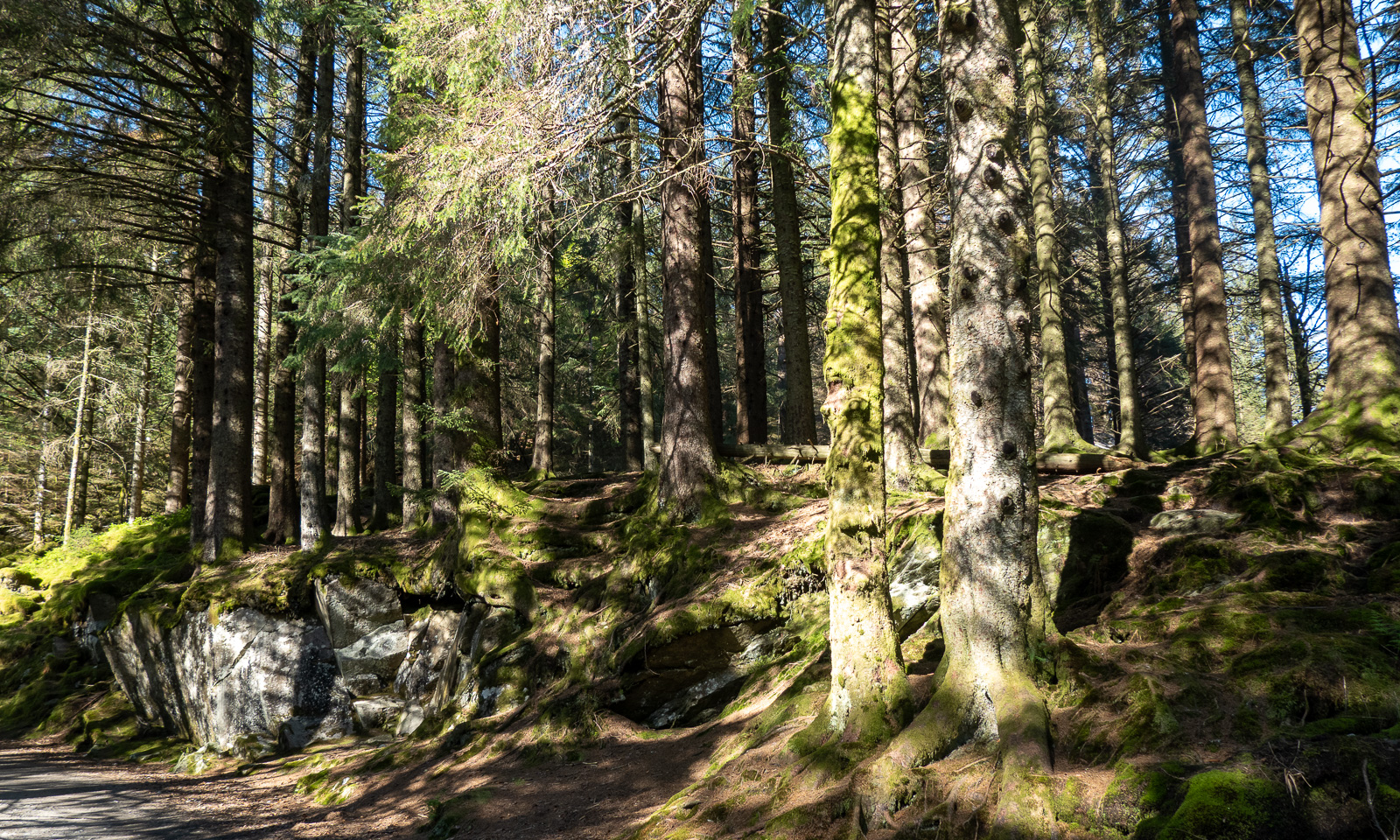
At 18:45 I start my tour. First, I cross a small, but surprisingly dense forest then I follow the wide hiking trail.

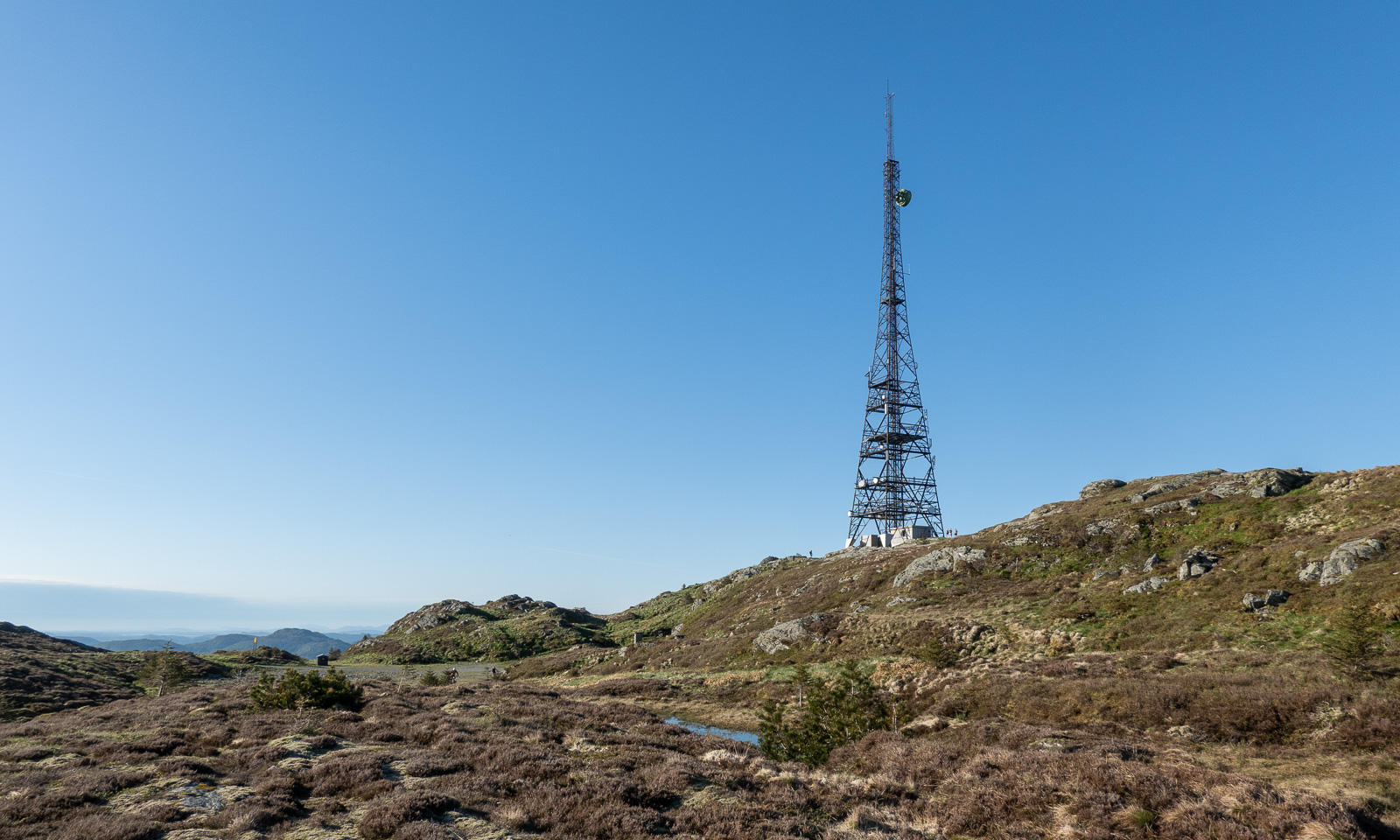
When I approach the mountain Rundemanen with its tall radio mast, the trail branches into many paths leading in different directions. I ask for directions twice and get it – together with the warning that it is a long hike. The younger women told me it would take four hours from here, another woman said it would take her six hours. I decide to walk a bit faster and see where I am after two hours. I could still turn back then.

Now the trail looks more like a mountain trail. Smaller, steeper, rougher and sometimes very wet. Normally I walk with rubber boots but on this journey I only have an old pair of low shoes, so I try to avoid all the wet patches walking around them or stepping onto the stones.

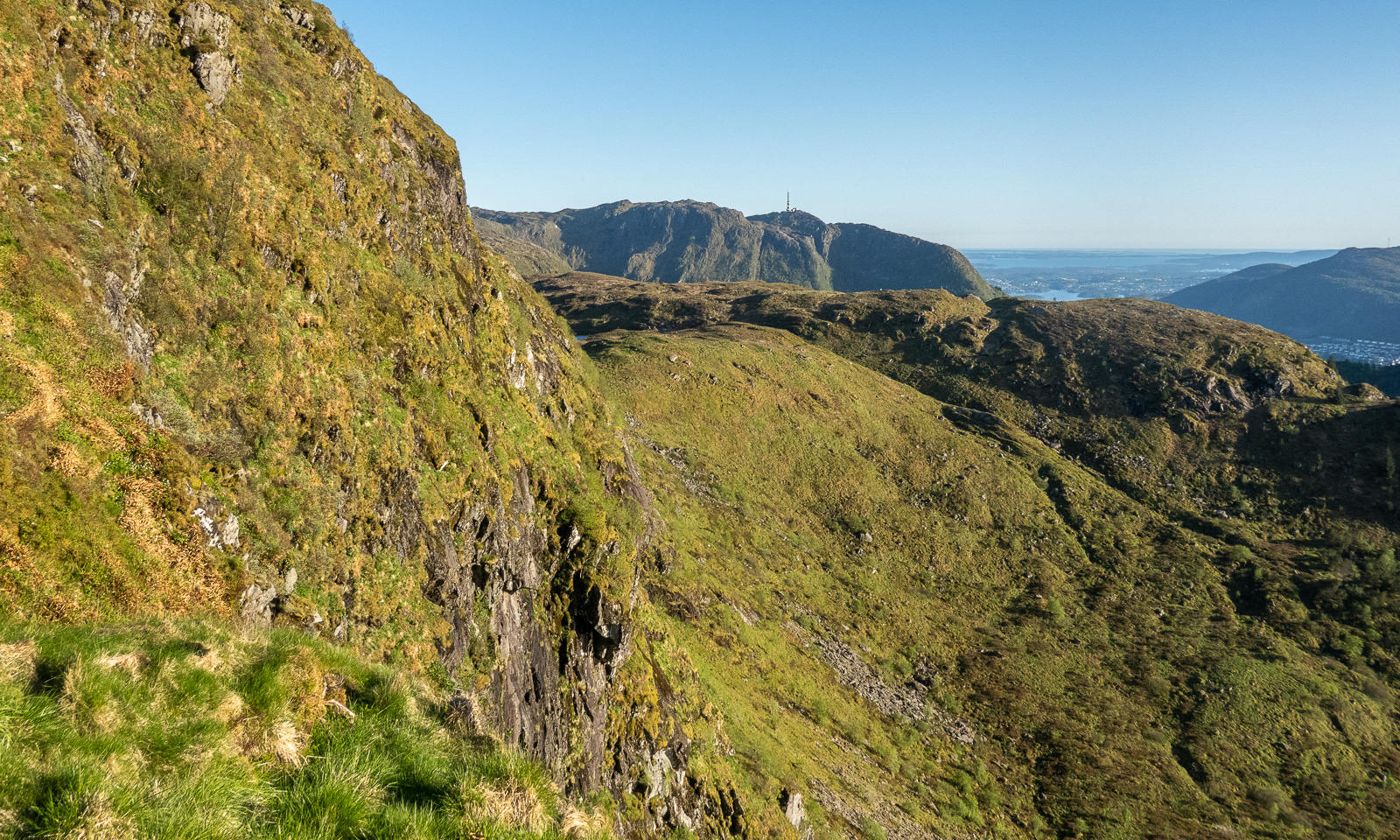
I pass the lake Øvre Jordalsvatnet, use the stone causeway to cross the small stream that transports water to the lower lake Tarlebøvatnet. My planned destination, the TV tower near Ulriken, can already be seen.

Now the trail is excellently marked by large square cairns with a sign “←Fløyen, /Ulriken→“. It is easy to follow them. I try to walk at least 4 km/h, ideally 4.5 to catch the cable car. At 20:30 I reach one of the few signposts with distances. I’m happy, because I made more than half the distance in one hour, forty-five minutes. Decision made: I carry on.

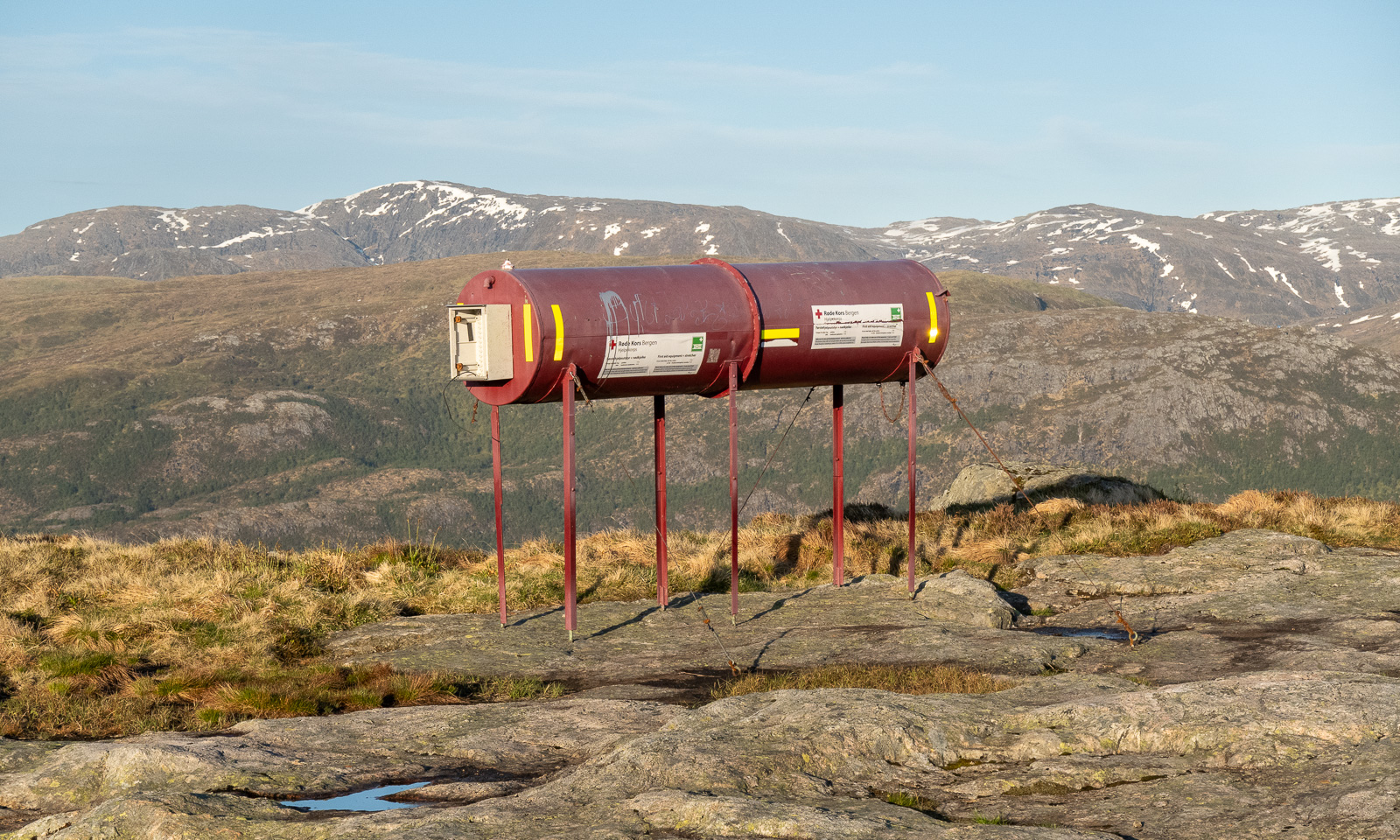
And on I go across the Vidden. Sometimes the point of interest is nearby, such as the tube with the first aid equipment including a stretcher. Sometimes it is far away, such as the snowy mountains in the east. Will I see snow here as well?

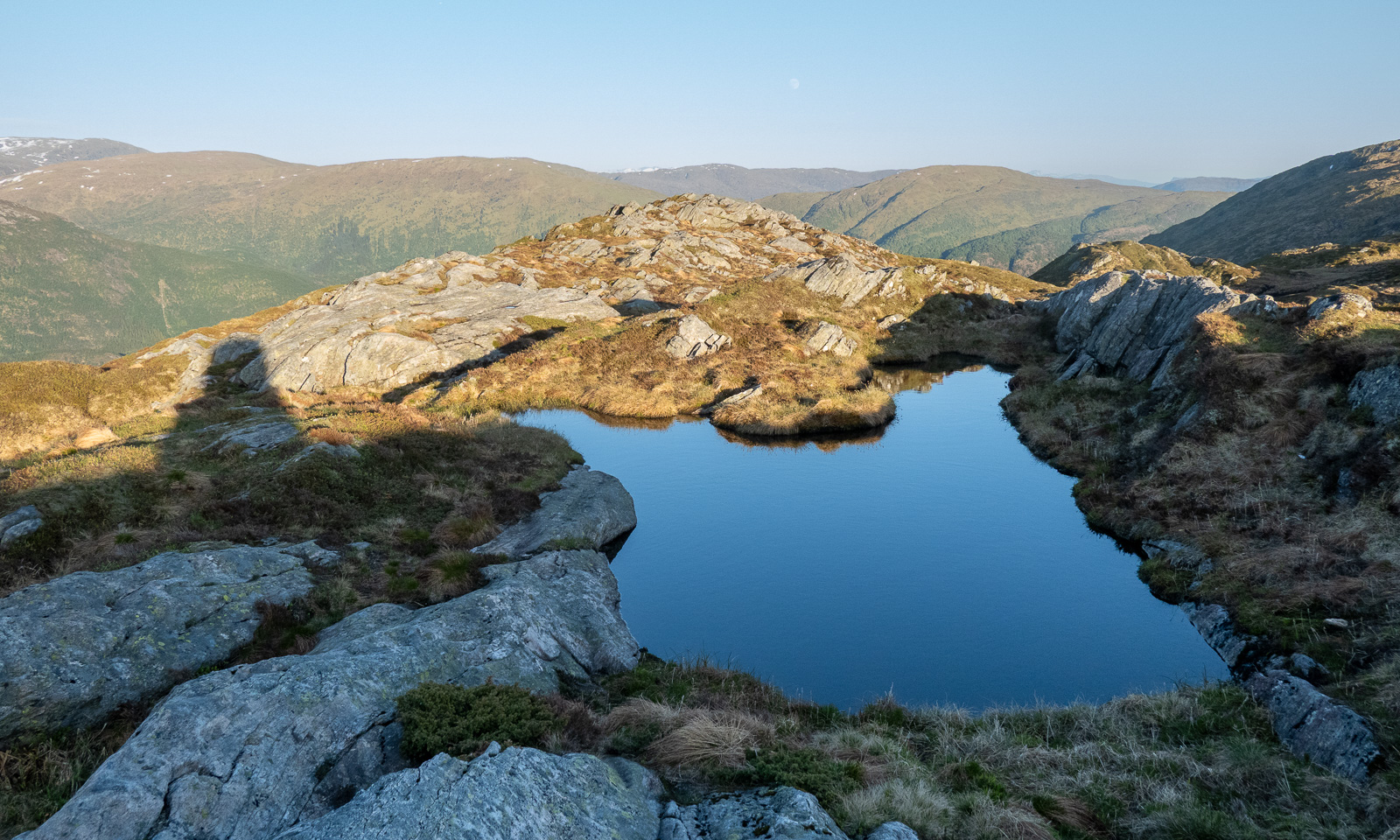
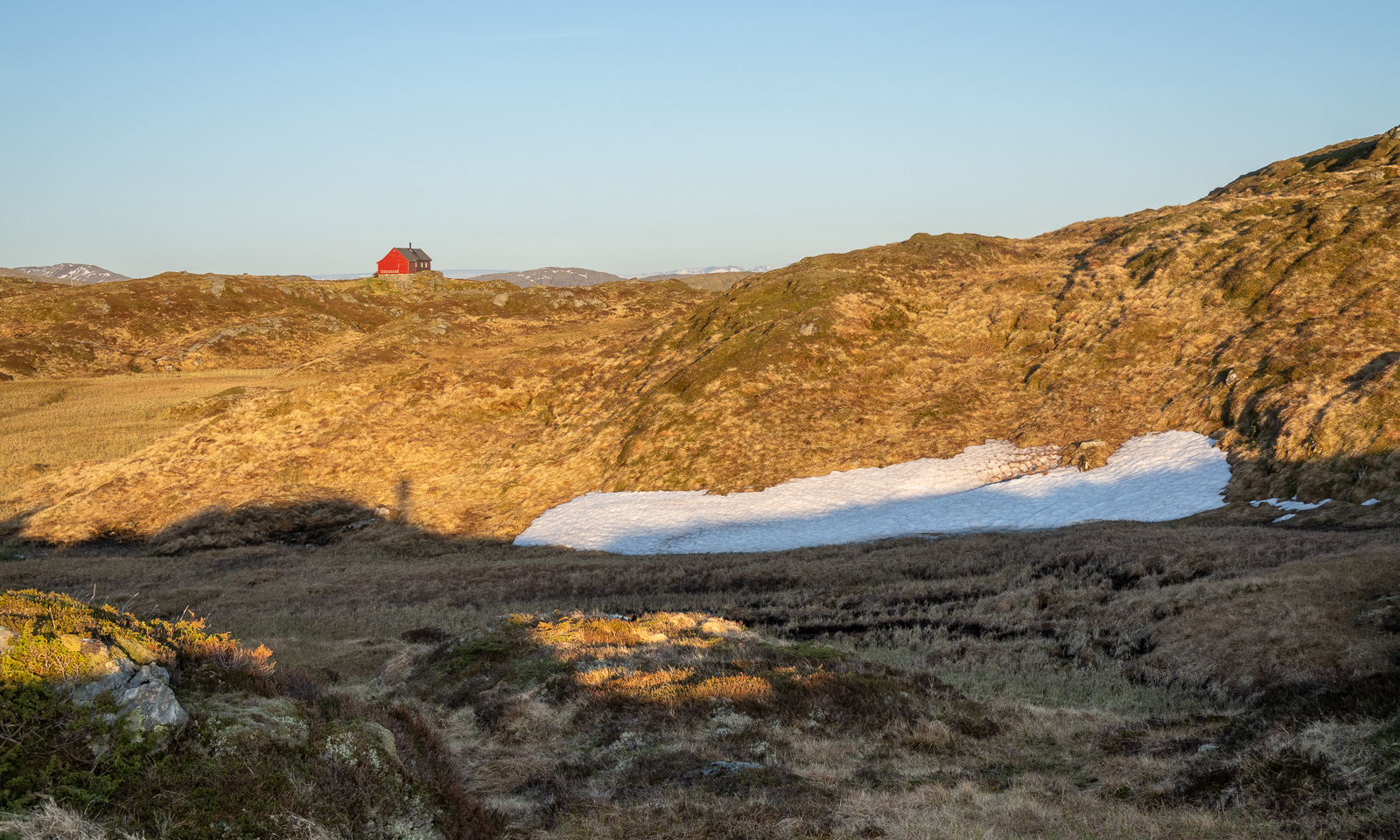
And there it is: one of the two patches of snow on the Vidden plateau.

Slowly the sun is setting and the light gets warmer. I walk against the sun and have to protect my eyes with one hand when the path descends steeply into one of the valley cuts. But I’m sure I’ll arrive in time.

I spot some cabins, first a small red one then a larger one. When I researched this while writing, I found out that this is Turnerhytten, a DNT cabin with thirty beds. I think that when I plan a trip to Bergen again, I should stay there rather in some hotel in the centre.

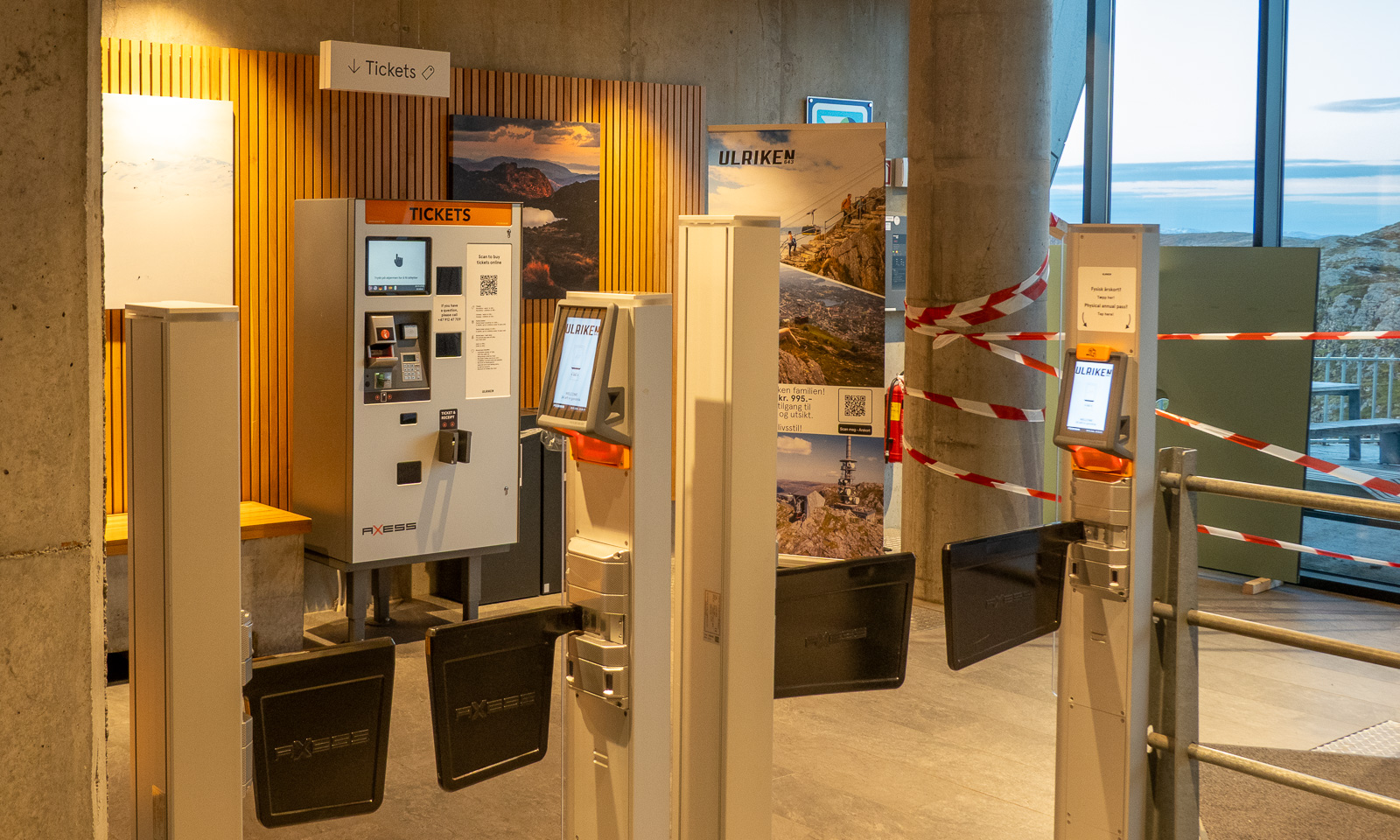
I decide not to climb to the top of Ulriken but to go straight to the cable car station. I’m tired and exhausted because my only rests were to take photos and once to put on a jacket. I follow the signs to the station, take another photo, one of the TV tower, buy a ticket at the ticket machine and two minutes later I am in the cable car that leads me down. It is 22:30, so the hike – 14½ km long – took me 3¾ hours.

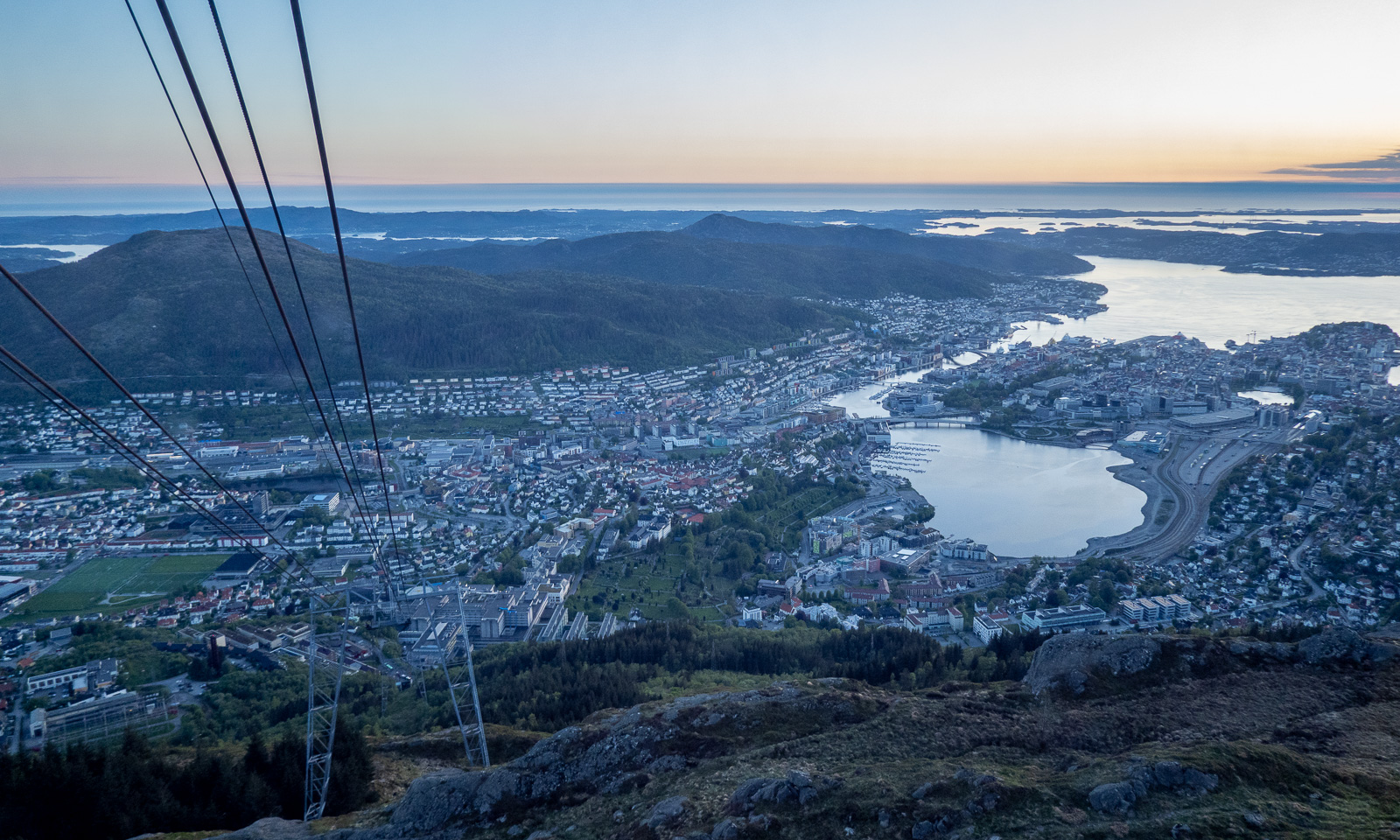
From the descending cable car I watch the sunset …Sunset over Bergen

… then I’m in town again. It is five more kilometres to my hotel, so I take a bus (the wrong one), a tram, and another bus. At 23:15 I am in my hotel room.

Today I walked around 25 kilometres in total and now I only want to take a shower and fall into bed and sleep until breakfast at 7:00 the next morning.

Travelling from ice to summer

This article is part of the series “2023-06: Arctic Ocean cruise KPH”.

This photo was taken three days ago:

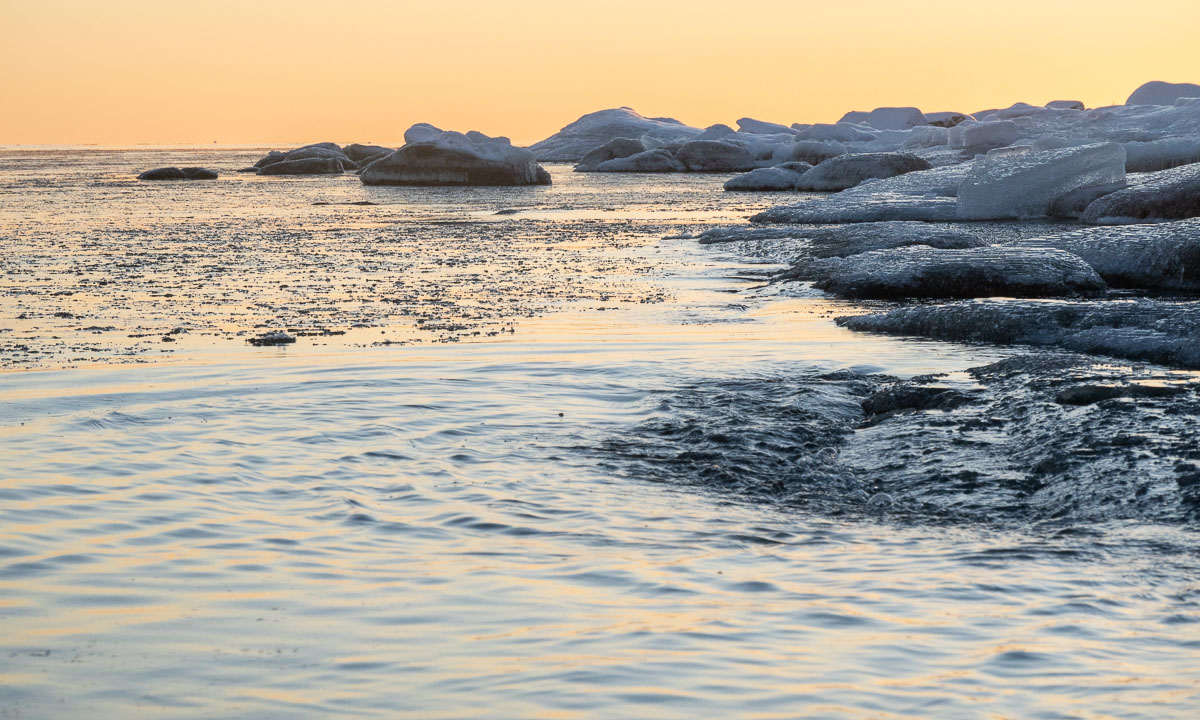
These photos were taken three hours ago:

Quite a contrast, isn’t it?

18 June (four days ago)

I stand on the sea ice for the last time as part of the polar research expedition with the ice breaker Kronprins Haakon. It has become quite foggy and we will close the ice station earlier due to bad visibility. If you cannot spot the polar bears it is not safe and we had quite a few of them the last two weeks.

19 June (three days ago)

Today we stop the ship several times for the usual CTD casts to get the salinity and temperature of the sea water in different depths. For science it is always interesting to get comparable measurements. One way is to do a transect, a series of the same type of measurements in different locations, mostly in a line. Today we do CTD casts at 2° W, 1° W, 0°, 1° E, and 2 °E. So today we have crossed the Prime Meridian.

For doing CTD casts the ship must stand still. At 1° E I use this to fly my private drone from the helicopter deck for the first picture above. (Memo to myself: do not fly a drone in fog, it is hard to land.)

20 June (two days ago)

After four days of fog it finally clears up in the evening. And for the first time in 18 days we can see land again, the long and narrow island Prins Karls Forland.

We can get a lot of information about what’s going on on the TV. On channel 9 there is OLEX, a navigation system. I see, that Helmer Hanssen, another research vessel owned by the University of Tromsø is nearby. The ships are getting closer and closer and I go up to the helicopter deck to take some photos. There’s a reason for the ships to meet. Malin, a researcher in the field of arctic and marine biology is transferred from our ship to Helmer Hanssen by boat. She will join another cruise.

21 June (yesterday)

In the morning we have approached Adventfjorden, where the main city Longyearbyen is located. Due to the touristic cruise ships occupying all dock places we will stop in the open water. From there we are transferred to land by boat as well. I’m in the first boat because I want to meet people in Longyearbyen at Forskningsparken. There UNIS, the university of Svalbard is located and a department of the Norwegian Polar Institute, too.

We get a car transport there and I meet Vegard, that helped me with drone flying and Luke, that I have worked with quite a bit. Luke and I have even time to get some outdoor lunch in the summery town. It’s sunny and more than 10 °C. (Too warm for me.) He mentions that it got quite green in Longyearbyen. And I spot the first flowers.

At the airport there are long queues everywhere. It is not build for large groups of slightly disorientated tourists. But we arrived early. Shortly after half past two we lift off. I glue myself to the window to see the fjords, the mountain chains and the glaciers of Svalbard passing by.

Amidst between Svalbard and Tromsø I manage to spot the arctic island Bjørnøya in the haze. For the first time in my life! The photo is heavily processed to make Bjørnøya visible.

And then we land in Tromsø where the vegetation just has exploded in my three weeks of absence. Everything is green and there are flowers everywhere. I am lucky and get a lift home. (Thank you, Tore!)

22 June (today)

I drop by in the office to meet my colleagues. Good to see them in real life. We talk about the cruise and many other things. But after work I take a bath in the sea. So refreshing when it is summer and 25 °C! That’s more than twenty degrees warmer than four days ago when I navigated my small drone to take a photo of Kronprins Haakon in the sea ice somewhere between Greenland and Svalbard.

23 June (tomorrow)

Tromsø is my work home, but Obbola in Sweden is my home home. Tomorrow I will travel there. If everything goes well it “only” takes 18 hours. And then I finally will be united with my wife Annika again in our cosy house by the Baltic Sea.

Kronprins Haakon in between

Yesterday

Yesterday I took the car to the northern tipp of Tromsøya to get my tyres changes. When I drove back I had my studded “Nokian Hakkapeliitta 9” tyres in the car’s back and brand new summer tyres on the rims. On my way back I passed the port and there lay the ice breaker Kronprins Haakon.

I continued to the shopping mall Jekta to fetch a photo collage printed on a hard foam board. The photo show scenes from the expedition I joined last year with the very same icebreaker Kronprins Haakon (KPH or even KH for the lazy ones). At time it stands on my dresser. With 75×50 cm it’s larger than expected.

Today

Today I took the car to the port, parked it outside, went to kai 25 and went on board of Kronprins Haakon. Not to join a cruise but to meet my colleague M. on the bridge. Nice to be there anyhow. M. already had installed some GIS software plugins on a computer there. I configured another plugin on my computers that can show the ship’s position in realtime together with other map layers.

In three weeks

The ship’s position in realtime however works only when my computer is connected to KPH’s network. No use to have it home. But in three weeks I’ll enter the vessel again, then in Longyearbyen. Then I’ll join my second arctic cruise with the Norwegian Polar Institute that will lead us to the Arctic Ocean north of Svalbard. There’s a lot to do and I’m nervous because I have some tasks there that I never did before but I’m looking forward to it very much.


A day cruise to Finland

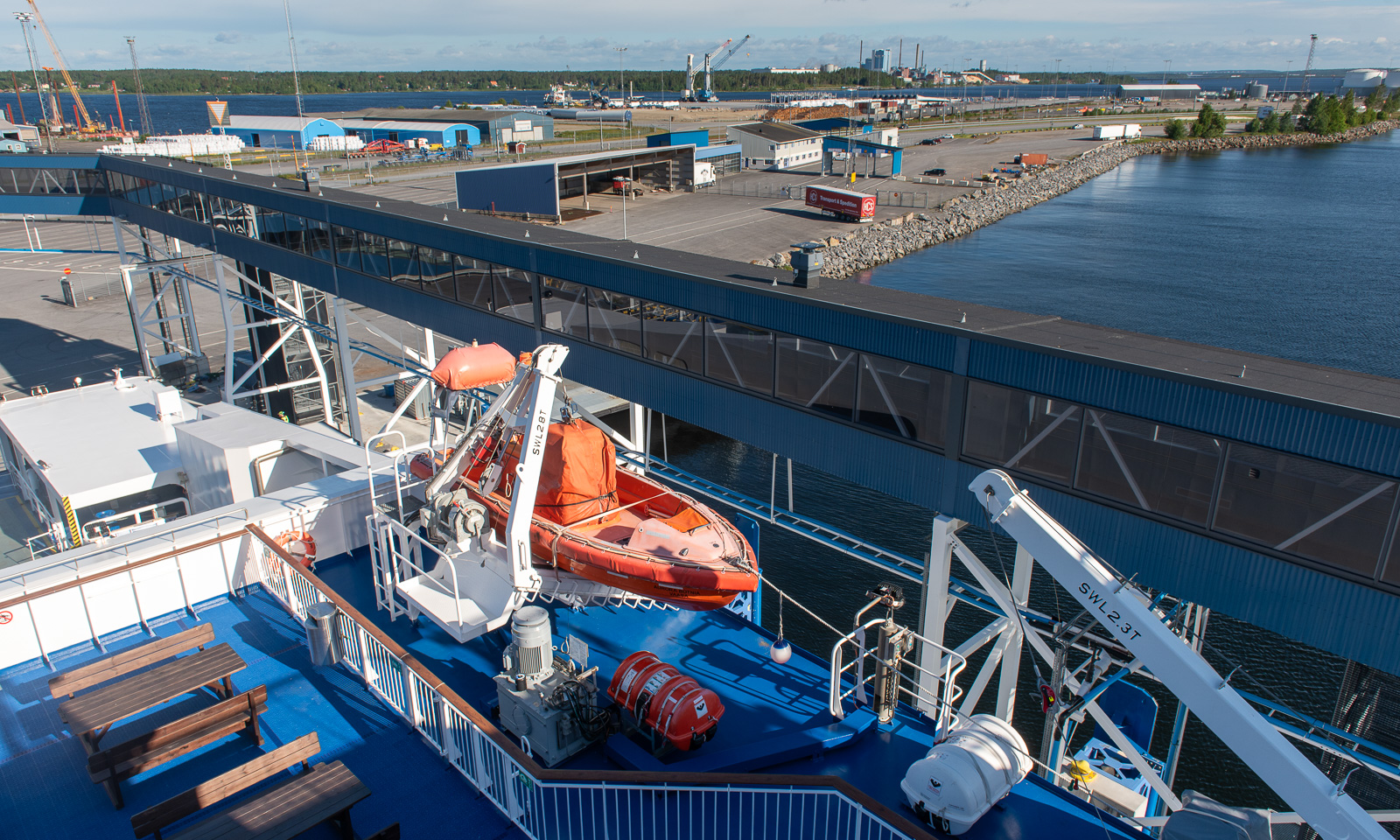
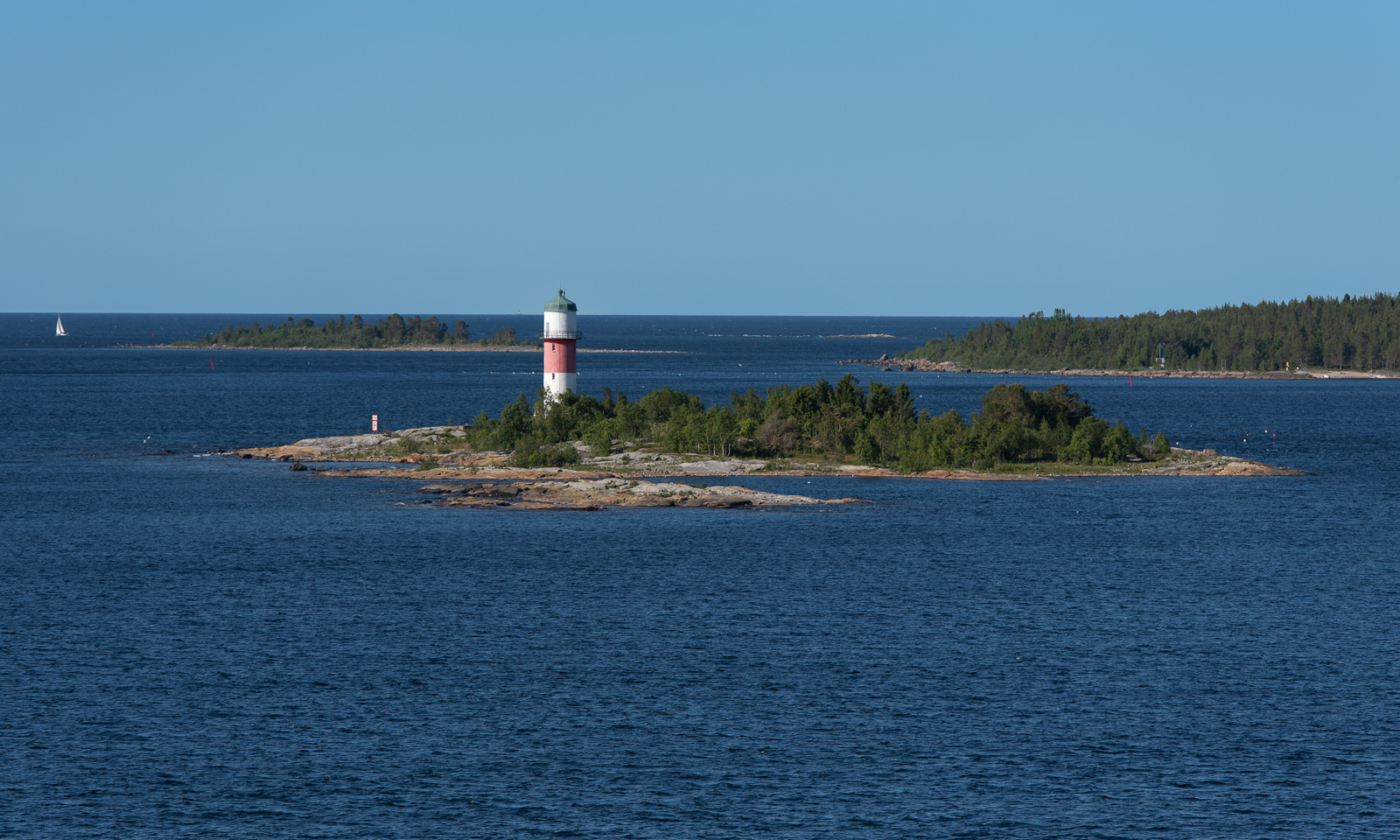
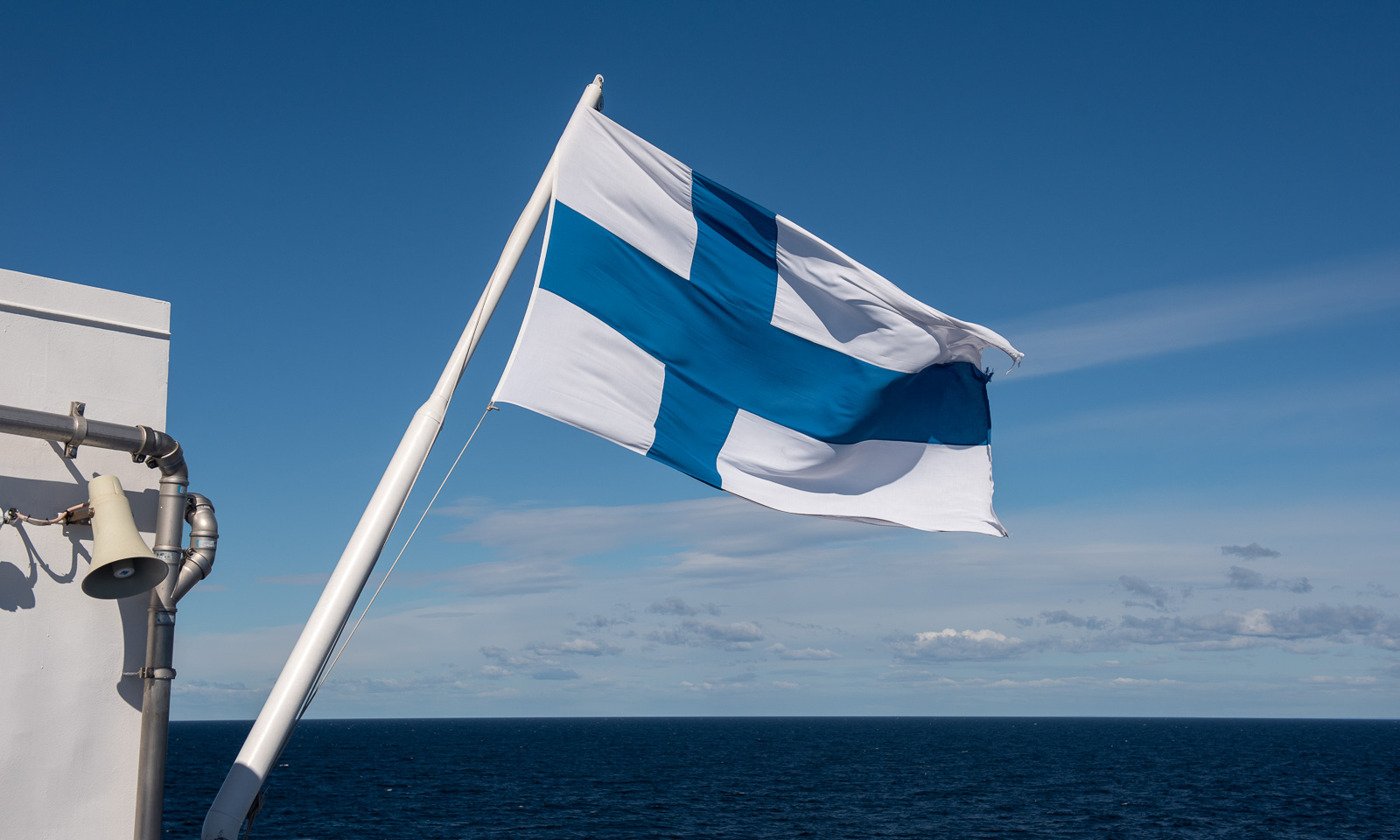
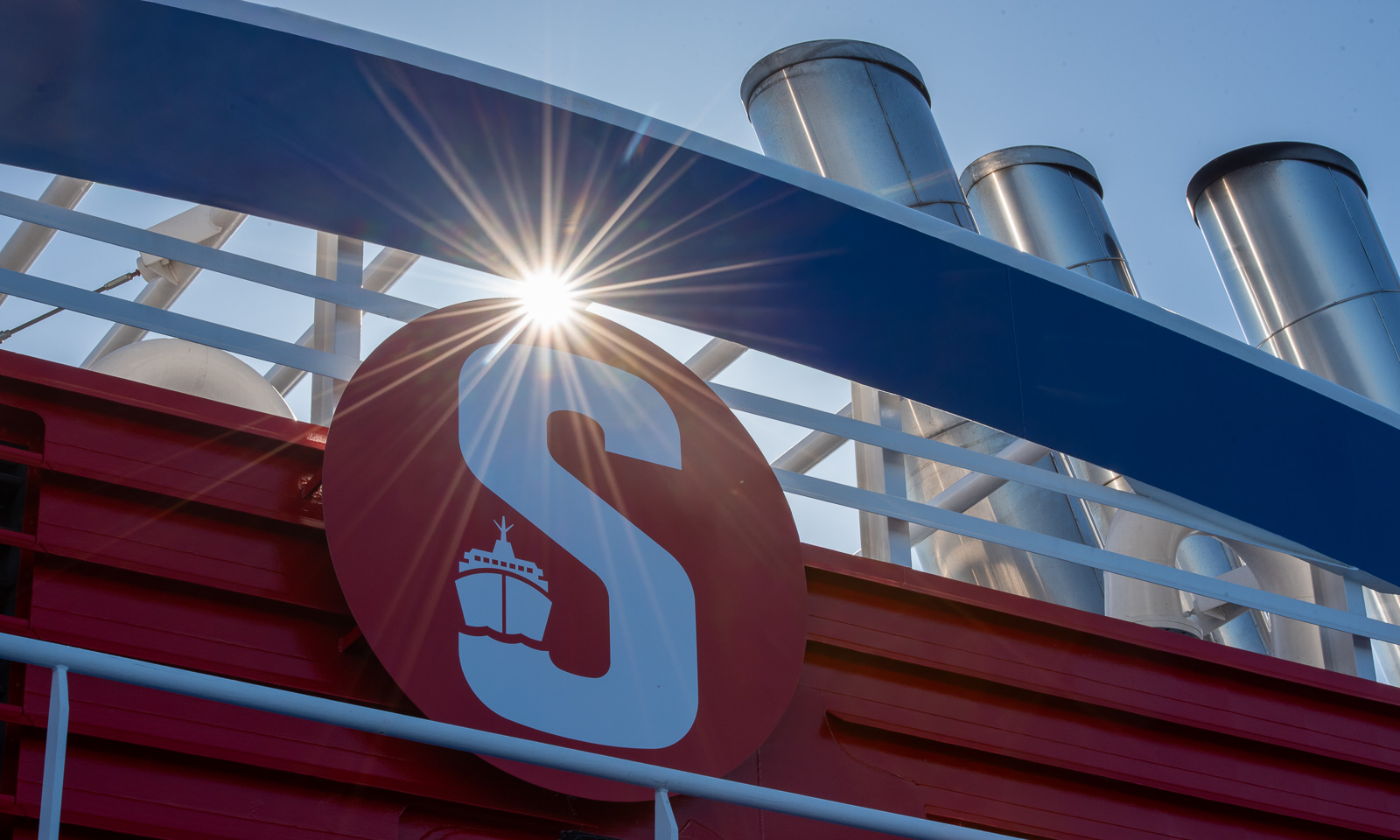
A day cruise from Sweden to Finland and back.

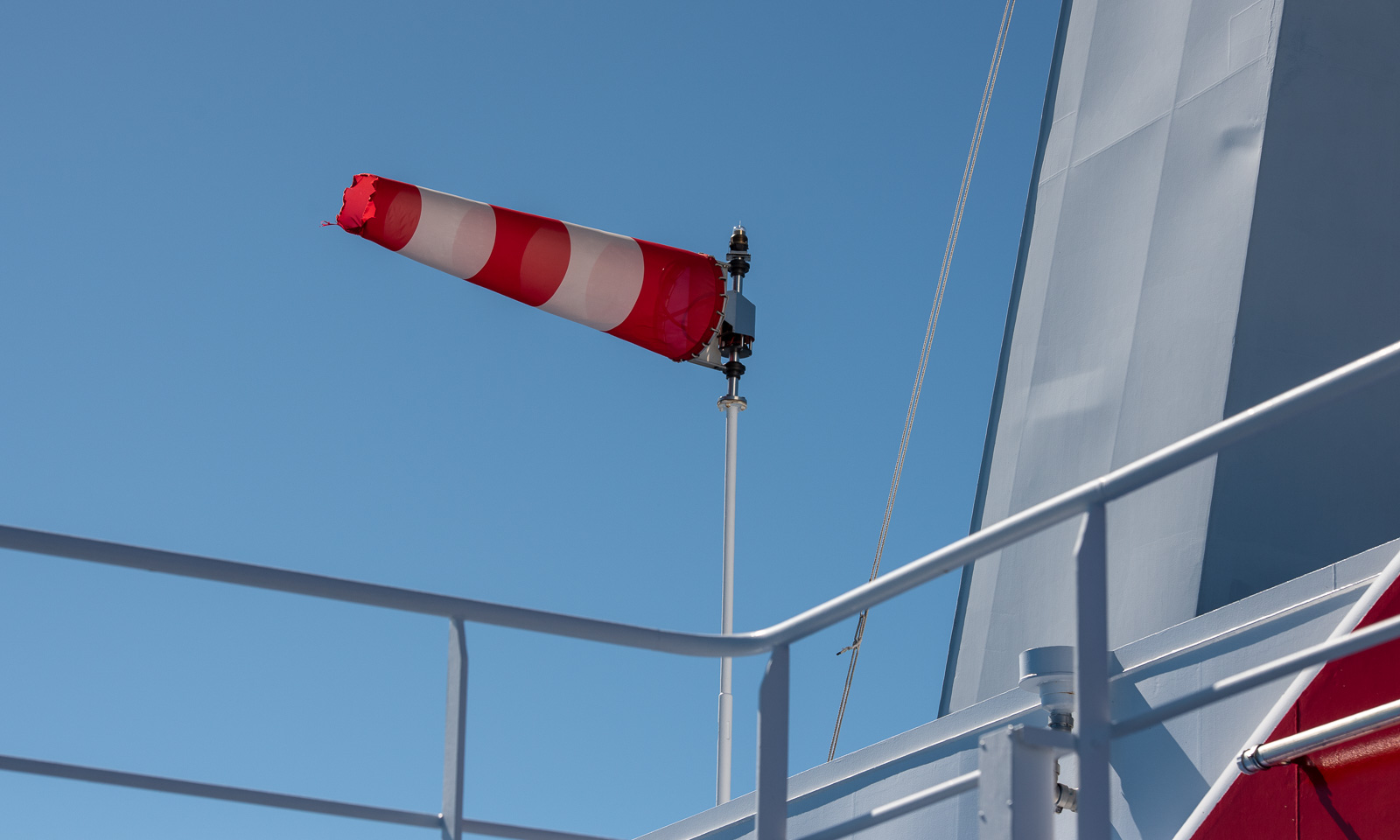
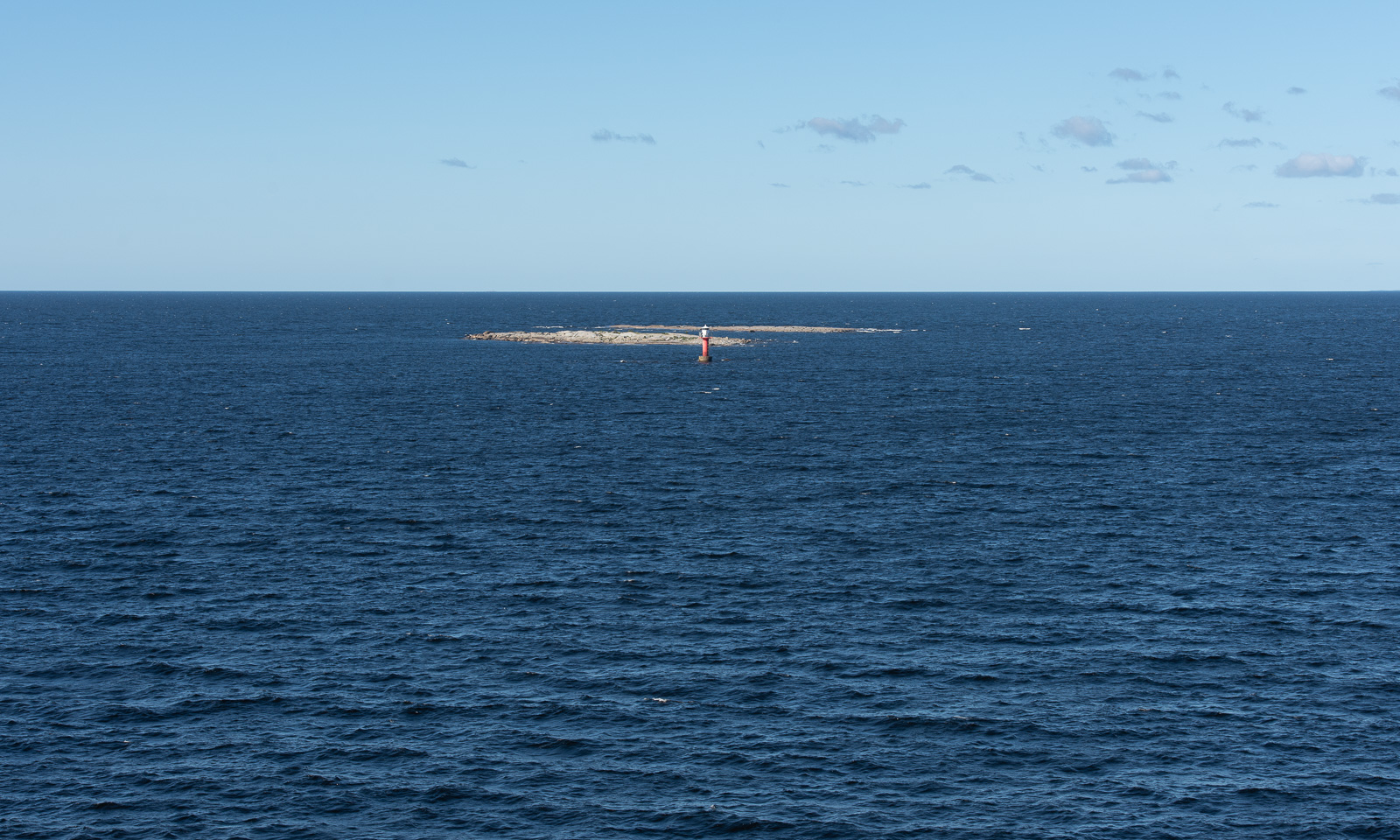
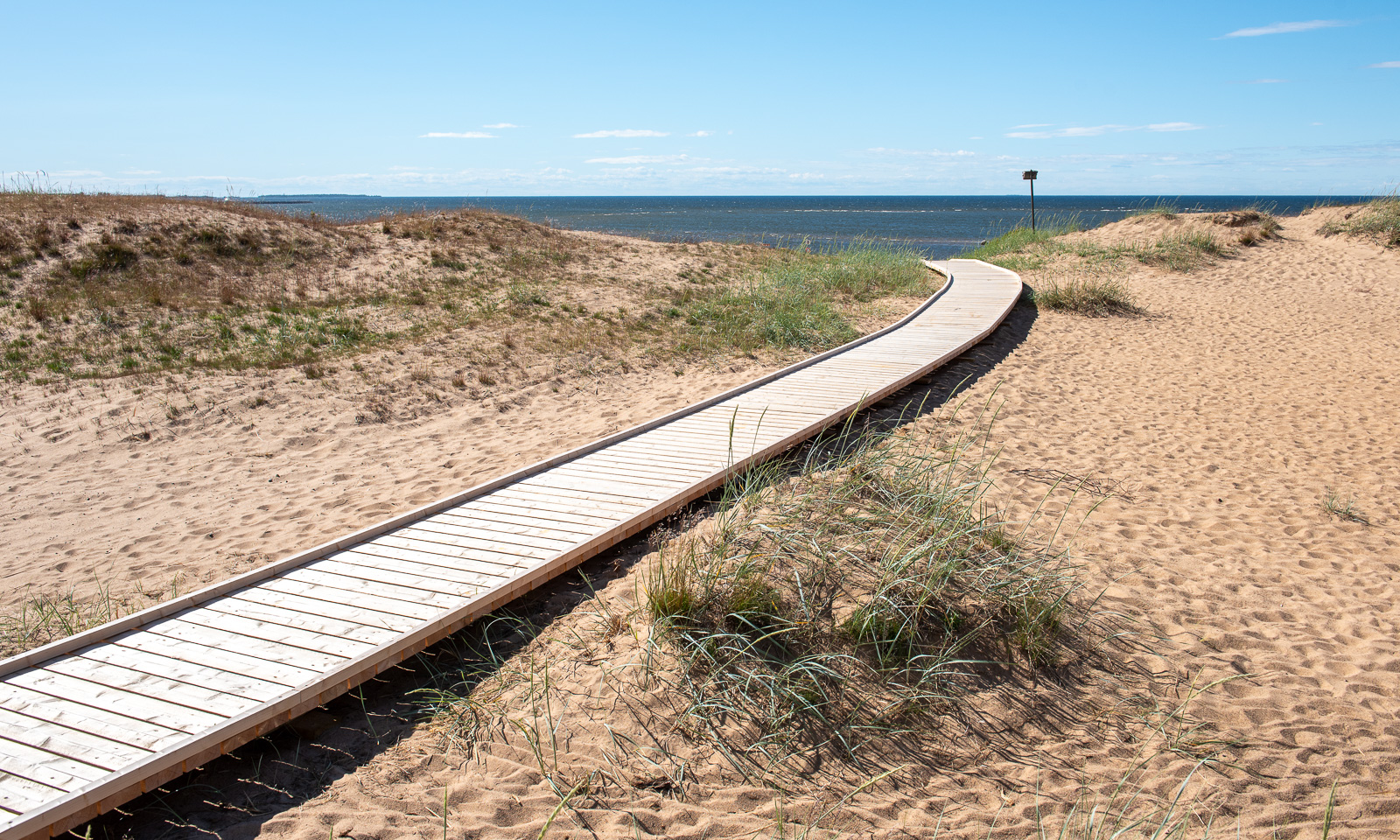
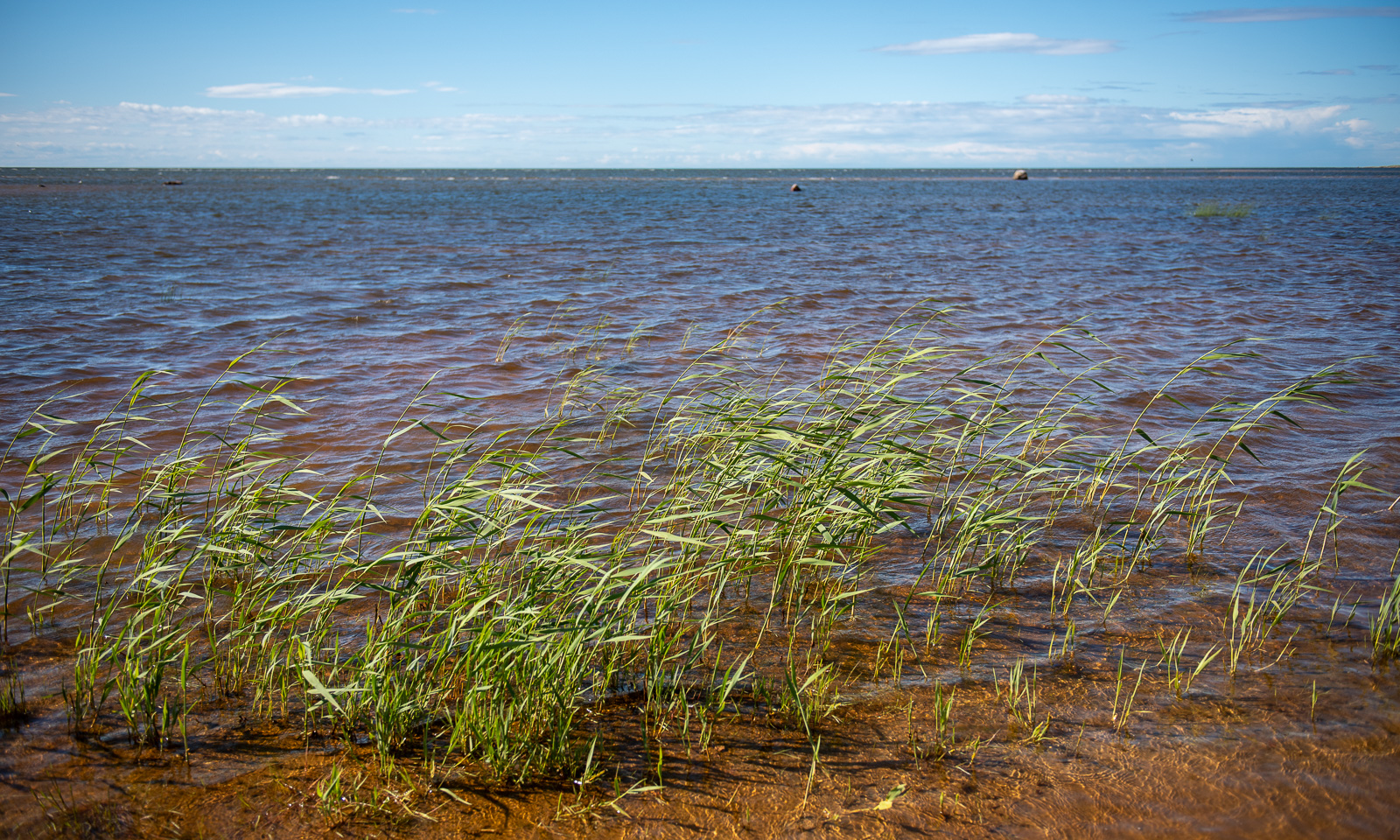
HolmsundVaasa: 11:15–16:00. VaasaHolmsund: 16:30—19:00. The ferry is not faster on the way back but the Finnish time is one hour ahead.

Just some photos:

12 more photos of Longyearbyen

This article is part of the series “2023-03: Svalbard”.

3 March

It is the first evening of Annika’s and my stay in Longyearbyen, Spitsbergen, Svalbard. We already strolled through the settlement after arrival. Now it is dark but the full moon illuminates the end of the road of Nybyen, one of Longyearbyen’s districts. What a special feeling to be in one of the world northernmost settlements on Earth. And a slightly tense one. It’s the edge of town, are there any polar bears around?

8 March

When you are in Svalbard you have to keep distance to animals to protect them. The animals do not follow this rule. This is a Svalbard reindeer, an own species of reindeer living here. It is looking for food in the middle of the city.

9 March

I didn’t expect to see ptarmigans on Svalbard but on our guided minibus tour we get to see a whole flock, again in Longyearbyen. Magnus is so kind to stop so that I could take a photo from the road.

10 March

This day is quite warm for Longyearbyen: Only -8 °C. When I took this photo however it was windy. Average wind wind 16 m/s, gusts 21 m/s and snow is blowing in the streets.

12 March

Annika is on her way home, I’ll stay for another week and today I enjoy the beautiful weather by the coast. The mountains on the other side of the fjord Isfjorden look quite near today – especially through the big telephoto lens.

15 March

I take an after work stroll along the coast and through town. It is cold and even with the modest wind of 6 m/s windchill is below -30 °C. It looks arctic, it smells arctic (the nose hairs freeze together immediately) and it feels arctic. No wonder – I am in the Arctic. Even the petrol prices show, that you are not in mainland Norway any longer. Petrol is cheap because Svalbard has reduced taxes.

18 March

Another walk in town. Up the hill to Taubanesentrale (the central of coal mining cableway), down to the center and up again to the elevated way in the east, part of the avalanche protection.

19 March

Sunday. Tomorrow I’ll fly back to Tromsø, today I’m quite lazy but finally I walk to the coast again because of the wonderful weather. Even with my hood on I can hear something above me. I look up and see the first two seagulls since I have arrived here. It is two glaucous gulls that draw large circles above the coastal line.

I try even to take pictures of the incredibly coloured mountains on the other side of the Isfjorden but the turbulences in the air make clear pictures impossible. I’ll keep it in my memory as I’ll do with my whole stay in Longyearbyen.


Guided minibus tour with Magnus

This article is part of the series “2023-03: Svalbard”.

Thursday morning Annika and I joined a guided tour by minibus. Magnus, our guide and driver has moved to Svalbard in 1964 and has spent most of his life here. I’ll show you some pictures of the tour, but the real experience were the incredible stories Magnus told us. About the times, when there was no shop in Longyearbyen, when the island could be cut off from the mainland the whole winter, when it was a mining town hardly visited by any tourists. What makes the stories special is that they seem to tell from ancient times but some took place just one generation ago. I could listen to Magnus for ages.

And now some photos. From the road up to Gruve 7, the last active coal mine that will be closed in 2025. From the Svalbard Global Seed Vault, where more than one million seed samples are stored. From the cable car facility that was used to transport coal from the mines to the quay until the 80th and from a special guest, the ice breaker Kronprins Haakon, that I travelled with last year. And of course from the famous polar bear warning sign on the road to Gruve 7.

This tour is strongly recommended if you want to get first hand information about Longyearbyen’s history. Longyearbyen Guiding AS. The web site is only in Norwegian, but the guiding is in English.


Svalbard – arrival

This article is part of the series “2023-03: Svalbard”.

Today Annika and I took the plane from Tromsø to Longyearbyen, Spitsbergen, Svalbard. We’ll be here together for a week, then Annika is leaving and I’ll work here for another week.

We arrived at 13:45 and were lucky. I met the colleague with whom I will work later and he gave us a lift to our first accommodation, the Coal Miners’ Cabins. Here we’ll stay the first two days before we change housing.

Just some photos from today’s walk to the centre of Longyearbyen. -12 °C and quite windy. More blog articles will come, but I don’t know when. Stay tuned …


The last two kayak tours 2022

It’s Friday and the day before Christmas Eve. It’s actually my last working day but I worked only short, thanks to flextime. At 11:10 I stopped developing software for this year and went out kayaking.

Two days before the sea was open between our small ice covered bay and the islet Lillskär. Today it is covered with a layer of new ice. I drag the kayak to the end of the bay and start the tour.

Just crossing the 100 metres of ice seems to take ages. The ice is too thick to paddle through, too thin to walk on and too soft to push oneself forward with arms and ice claws. So it’s a lot of back and forth to get a bit of momentum to crash another metre with brute force. The stiff neoprene of my survival suit does not make it easier and I’m so exhausted when I leave the ice behind. I change plans. I won’t visit Obbolstenarna today (farther away) but the island Bredskär again. I turn the kayak and paddle north. Partially to open water, partially through fields of thin feathery ice. Let’s see, how far I’ll come.

I reach Bredskär and start to circle it. Looking at the right I see snow covered islands in the distance and ice fields. It feels and looks quite arctic.

This impression changes directly when I look left and see the forest of Bredskär passing by. Looking straight ahead gives another view: The port of Holmsund with the ferry to Finland. Between that and me: many ice fields.

I pass the small bay with the sandy beach and slowly follow the shore line. When I want to turn left again to enter the sound that leads back I am stopped by another ice field, this one thicker than the others. I remember the first 100 metres today and decide not to break through but to turn. It will make the tour a bit longer but I have holidays and I’m not cold. The outer side of the island is beautiful anyhow in the light of the lowering sun.

Yes, the sun is lowering. The tour took longer than expected. I decide to watch the sunset from the kayak and slow down a bit. My fingers are getting a bit cold, but it’s worth it.

A good two hours later I arrive at the first ice field again. The ice channel that I had created by breaking through has frozen over again but breaks under the weight of my kayak. Shortly before 14 o’clock I stand on the bay ice again. The tour was a bit demanding, but impressive and beautiful. A great start into the Christmas holidays!

I’m however quite sceptical about Annika’s and my idea for tomorrow: Christmas eve paddling together. With temperatures round -10 °C the ice will probably be too thick the next day. A pity!

One day later – Christmas eve. Annika and I peek through the spotting scope to check the ice situation. Looks like the ice has gone. I walk to the ice edge and see our observations confirmed: Yesterday’s ice has gone and beside of some new and thin ice fields the water is open. So let’s take a kayak tour together!

This paddling tour was magic. The sea surface was smooth as silk, the sun felt warm and the new ice was easy to paddle through. The air was so clear that we could spot islands far away and there was almost no wind. Beside of the high frequency noises when crushing the ice with our kayaks and a dog at land barking at us it was completely silent.

It was Annika’s first winter paddling tour and I’m glad and lucky that it was such an exceptionally great one. May many other tours follow in the future! In spring, summer, autumn and winter.


Some summer days in Sweden

I was home in Sweden for only three weeks but the time feels long and rich. Annika and I had guests most of the time but some days in between just the two of us.

A short kayak trip in the sun

On 1 July I used my lunch break to paddle to the beach. I took a bath and lunch there and then paddled back to work. Ah, I love this type of lunch breaks!

A day trip to Norrbyskär

On 3 July Annika and I took the car to Norrbyn and from there the ferry to the island Norrbyskär. Always worth visiting, especially when the warm weather invites to a bath.

A wavy kayak trip

On 4 July Annika and I made a kayak trip to and round the island Tarv. Normally this would be a quite relaxing tour of 10–11 km. But due to the windy weather the sea was pretty choppy and we had to focus a lot on the waves and the rocks.

No one of us took any photos there, but in the more sheltered waters beside and behind the island it was possible to take some photos again. And another bath.

Finally rain

On 7 July it finally rained in Obbola. The rain came too late for the dried up lawn but probably saved a lot of flowers and bushes in our garden.

Hiking twice

On 8 July Annika and hiked twice. First round Grössjön together with guests from Germany, then just we two at the Kronören naturreservat. Grössjön is mostly forest and bogs (and a lot of mosquitoes) while Kronören is also open landscape by the sea.

Back to Tromsø

Ten days ago an 10 July I travelled back to Tromsø. Train Departure in Umeå 2:15 in the night, bus arrival in Tromsø was 17:30.

I felt cold and made a Covid test the next day. Bang – positive! Therefore I couldn’t take advantage of the beautiful summer weather in Tromsø but stayed home in bed the week.

I made some short hikes on the weekend but the weather was dull, foggy and rainy.


Summer paddling to lunch

Since last Friday we have summer home in Obbola, Sweden. Temperatures are round 25 °C (and higher in town) and the sky is mostly blue.

Today it was sunny again. Although working I finally managed to paddle to the beach Bredviks havsbad and eat lunch there. Tour–retour it is about 7 km and since the weather was very calm it was easy to paddle there.  I paddled in shorts and t-shirt but it was still almost too warm. At the beach I took a bath to cool down while waiting for Nouri’s tasty Pinchos.