Flying a drone

I’m sitting on a bench at gate E18 of the Tromsø Airport. E18 means it’s an international flight. I am flying to Munich and will be spending a week in Augsburg. In Tromsø the temperature exceeded 20 °C on only two days in July, Augsburg will be hot with temperatures up to 35 °C. I like summer but this heat is not my thing and I’m longing for cooler temperatures already now. Like 6 May 2023, when temperatures in Tromsø reached only around 6 °C.

On that day I tested a drone of the Norwegian Polar Institute for an expedition. Flying a drone always means having to leave Tromsøya because of the airport restrictions.

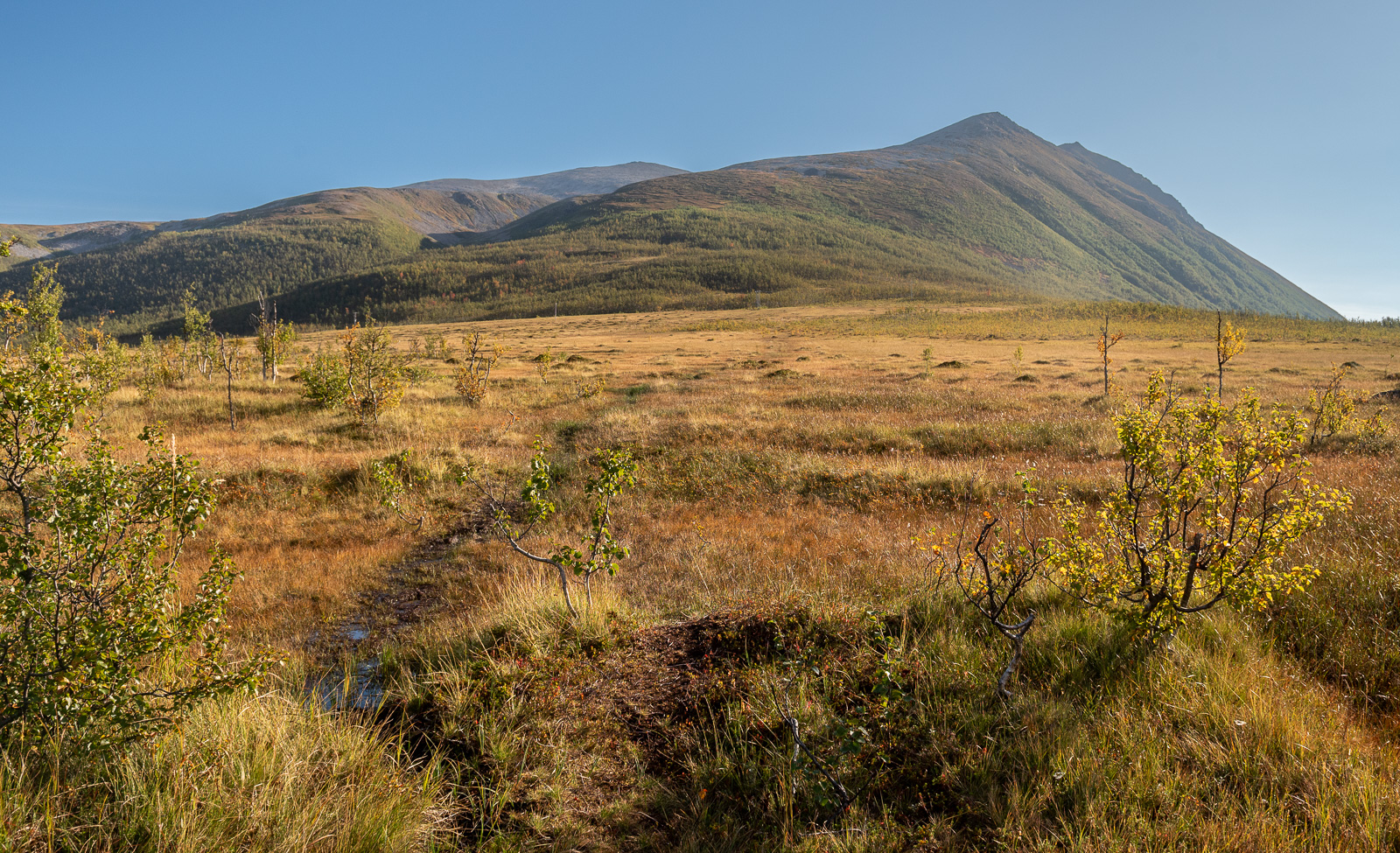
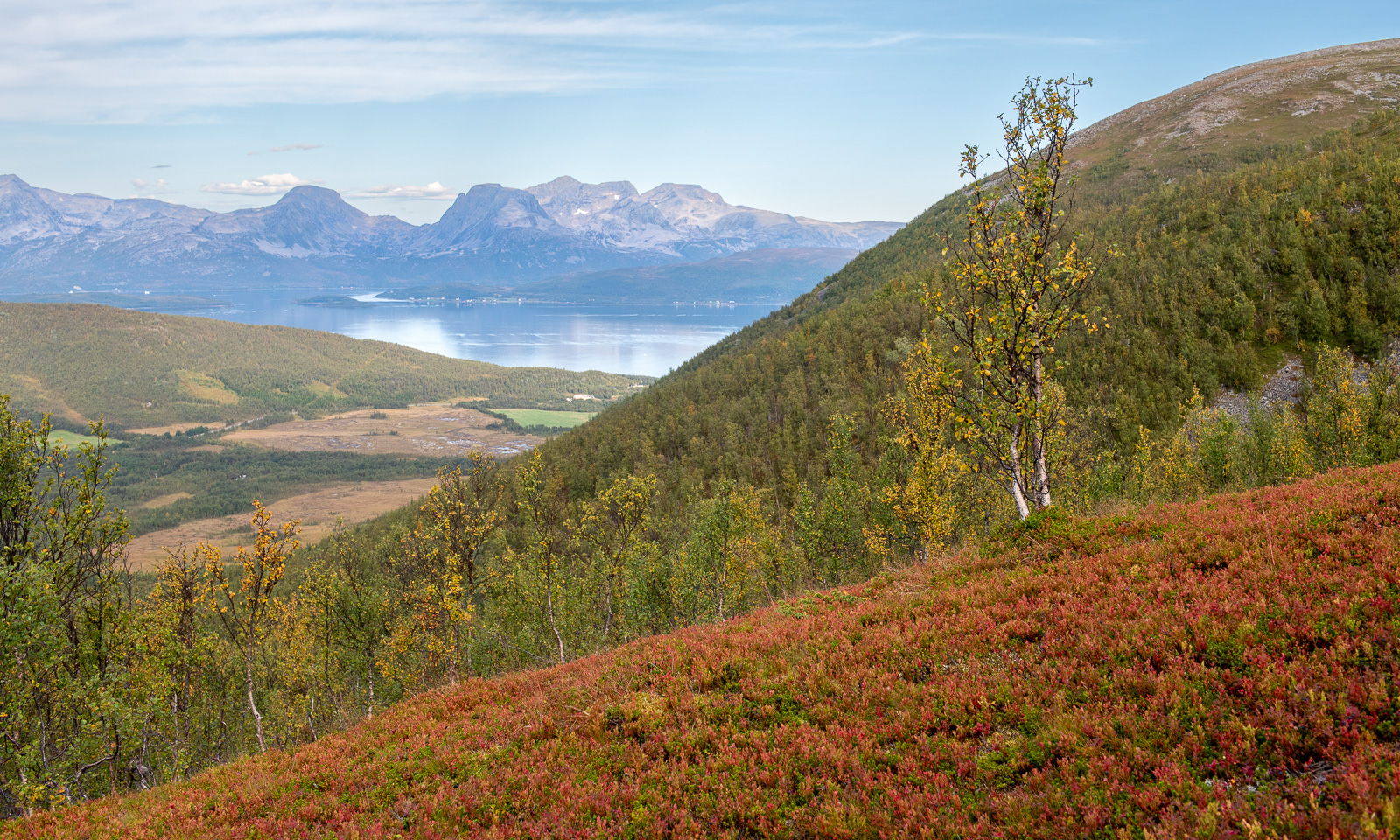
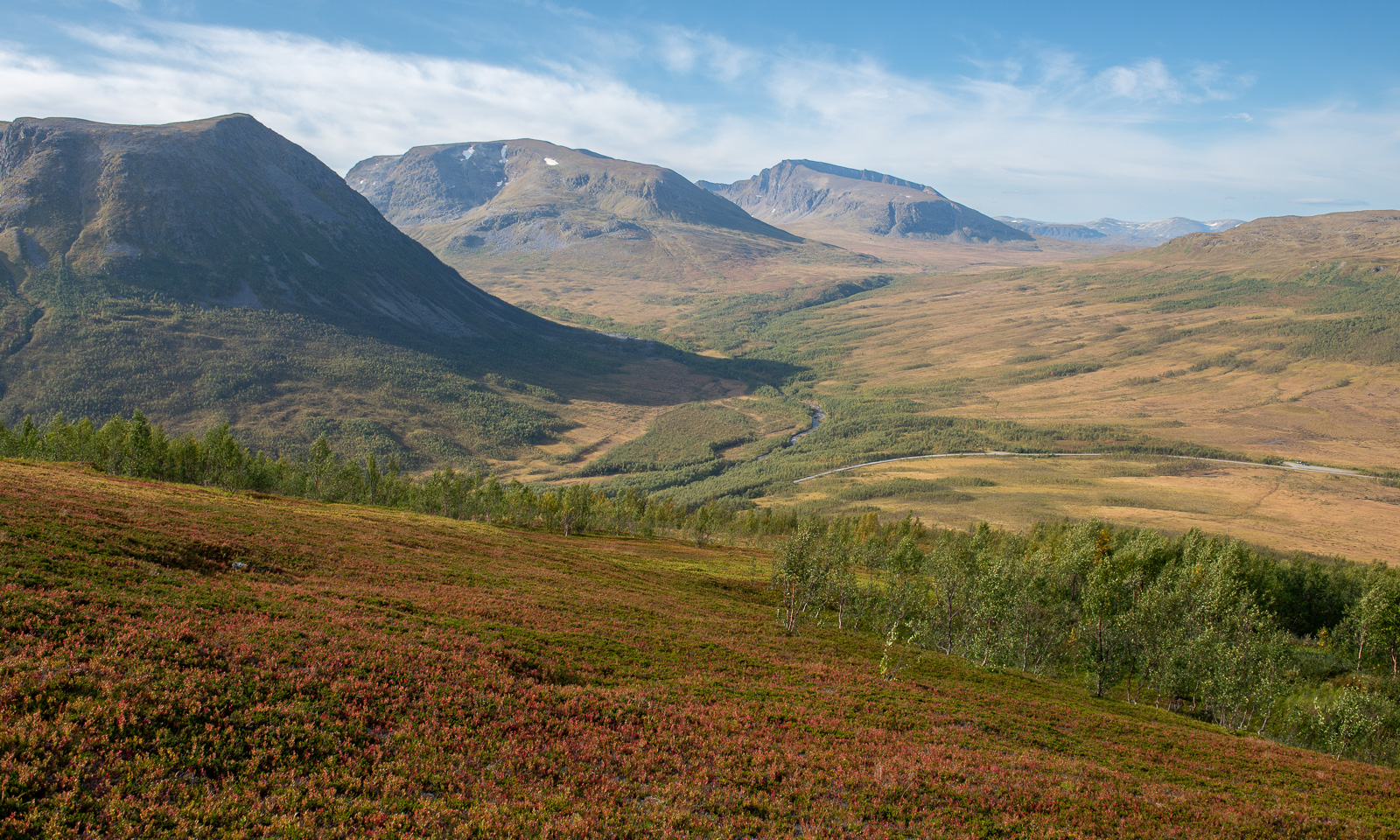
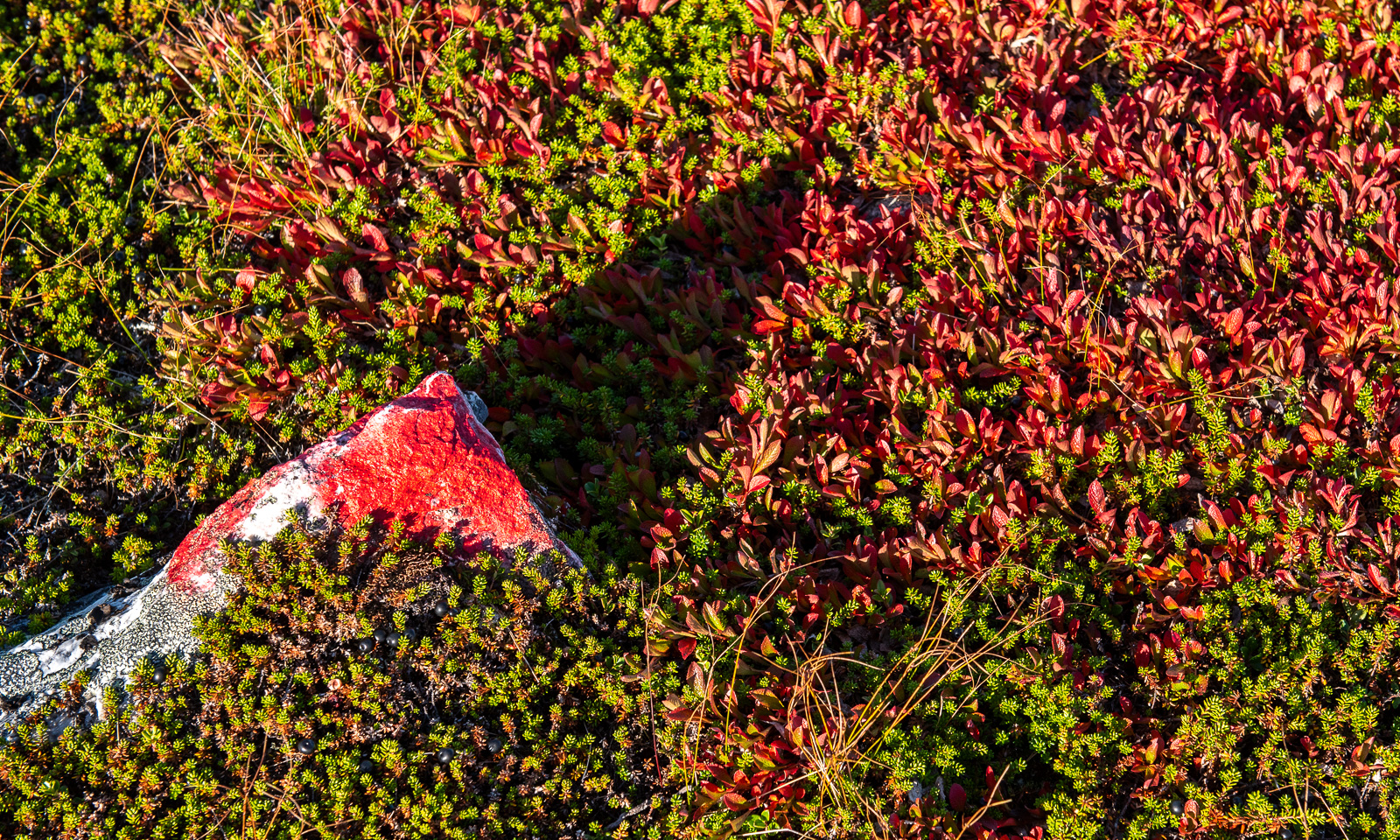
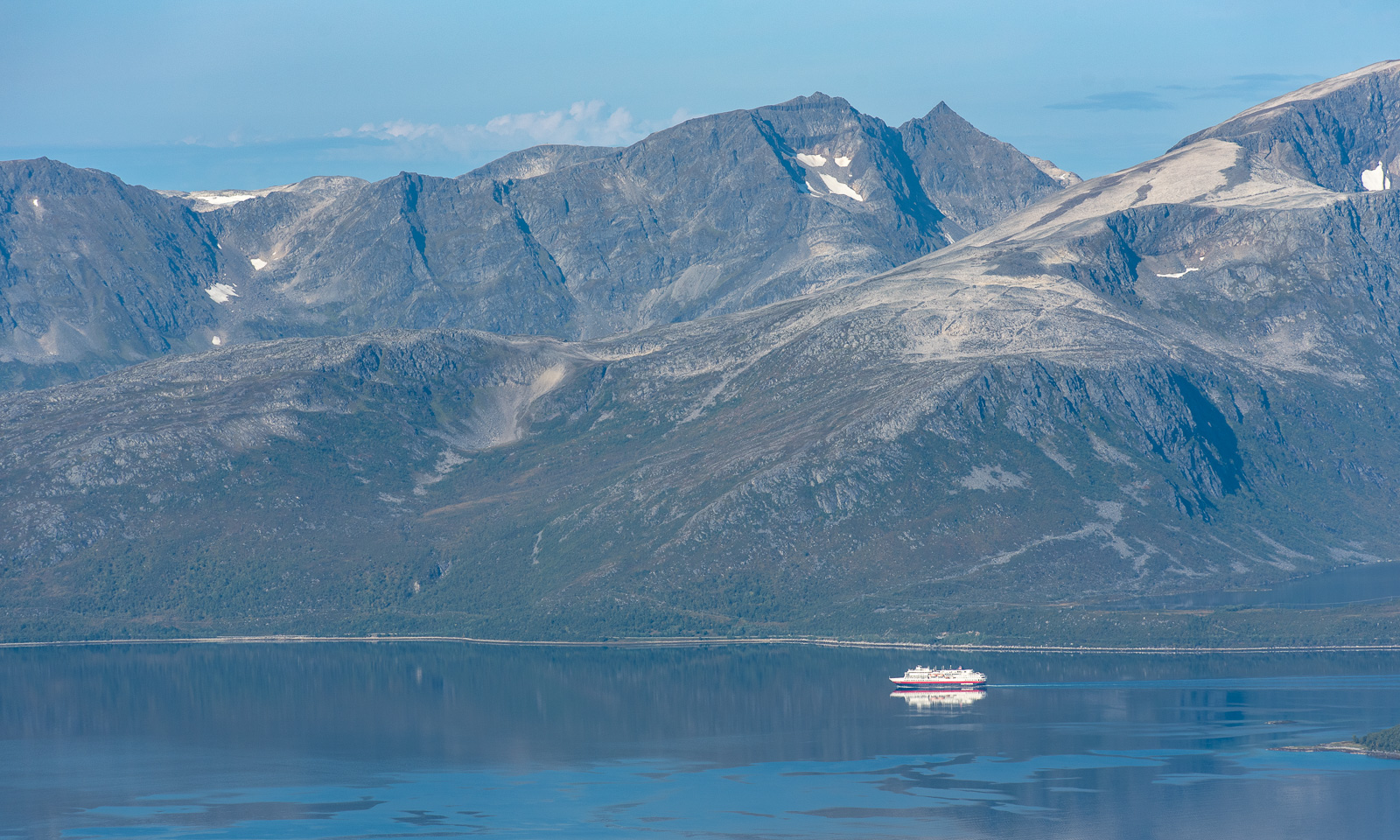
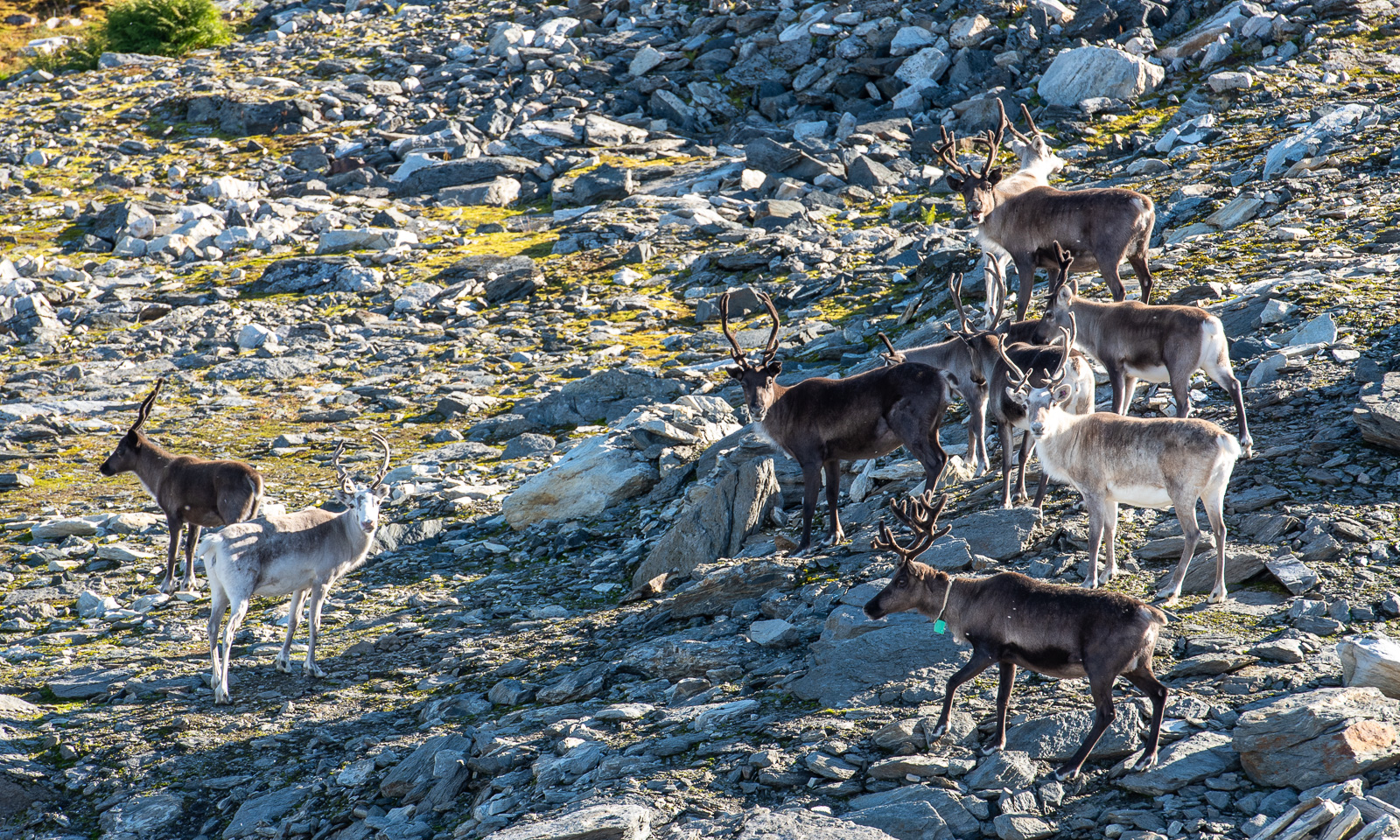
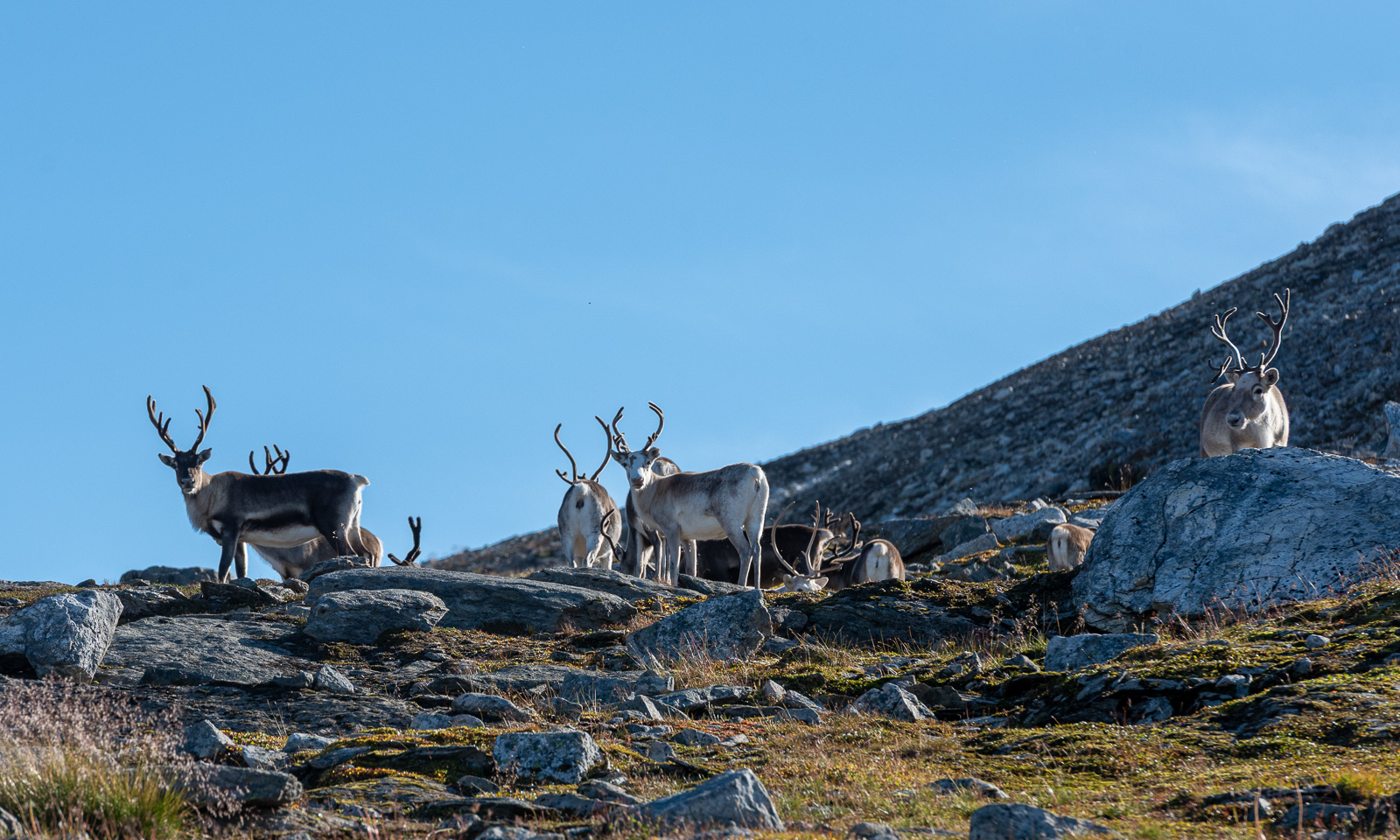
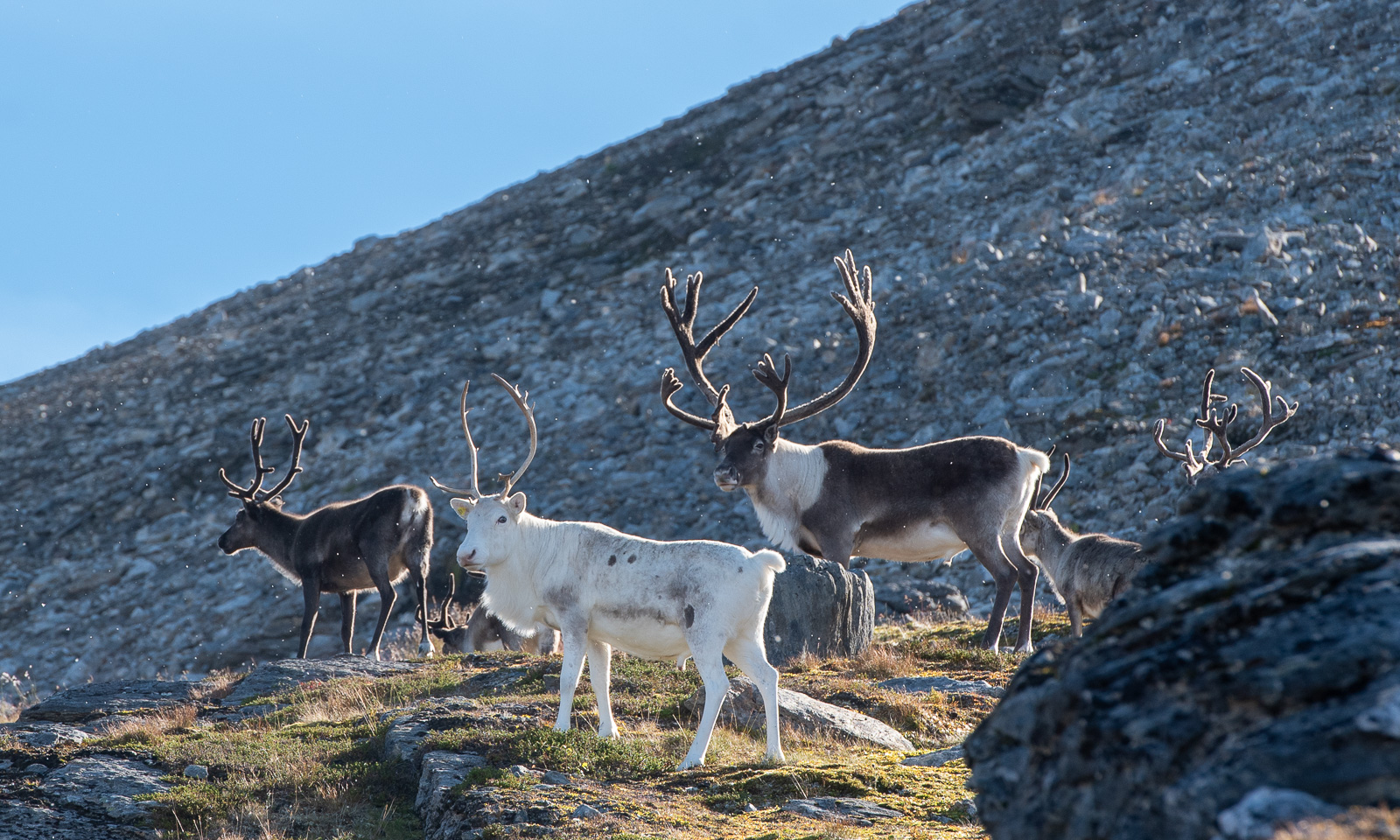
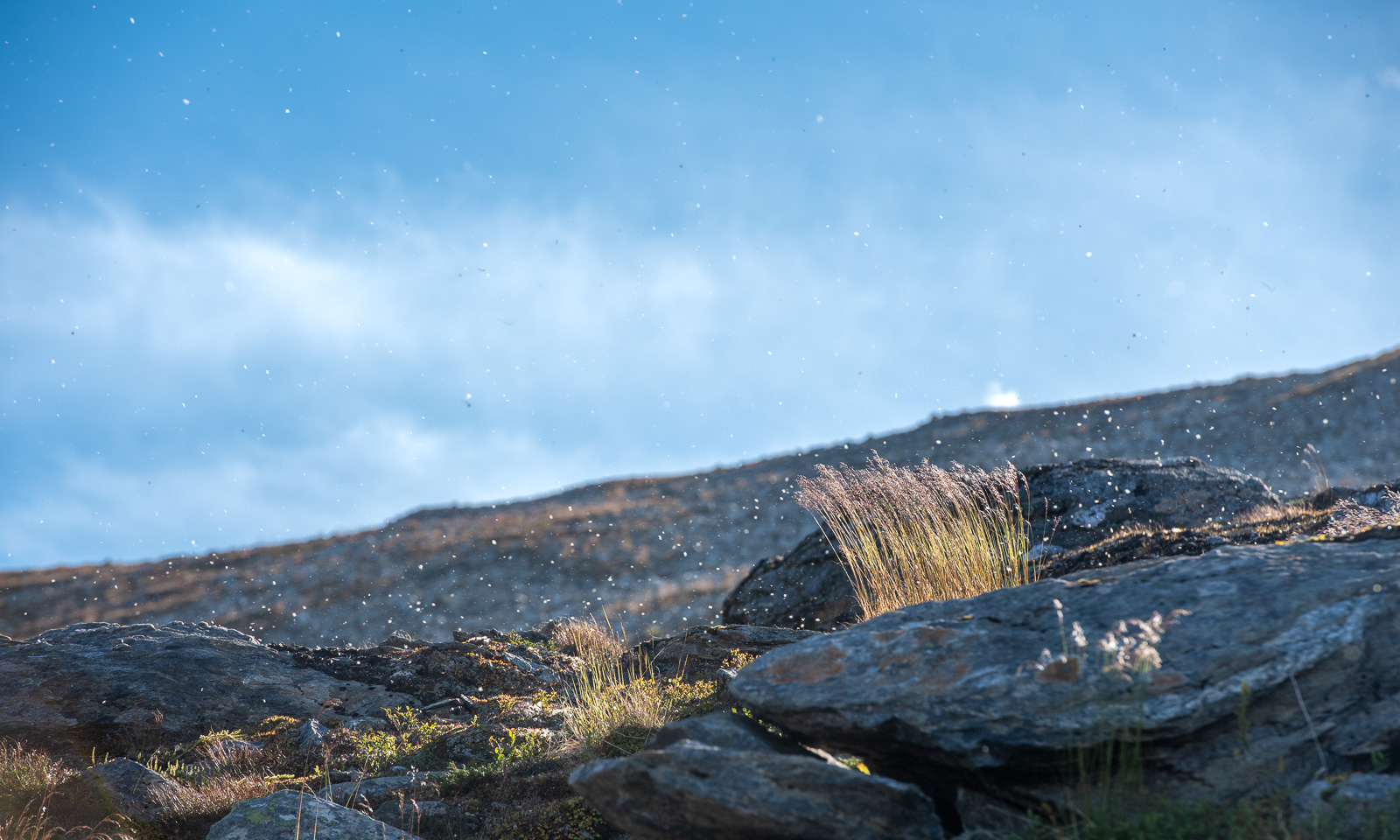
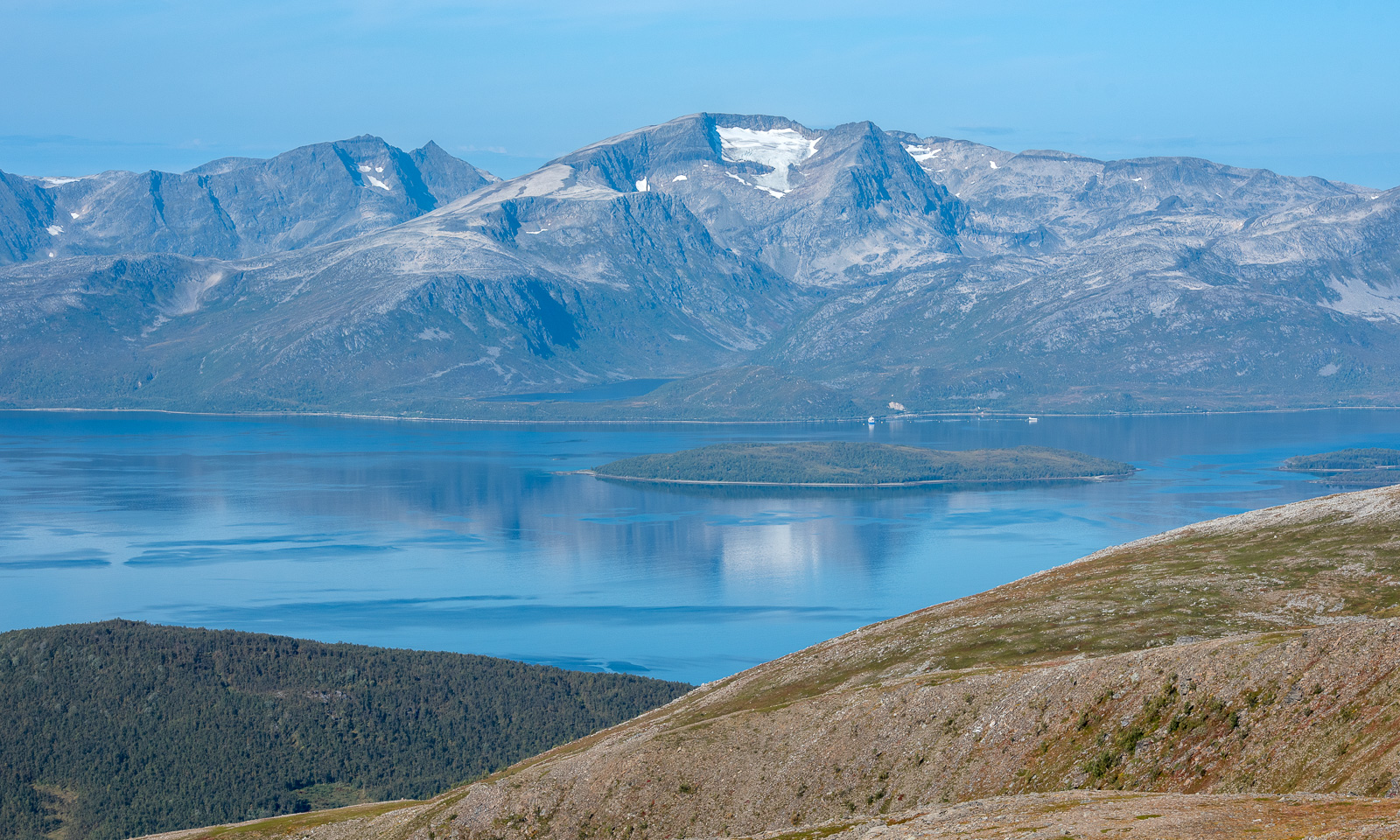
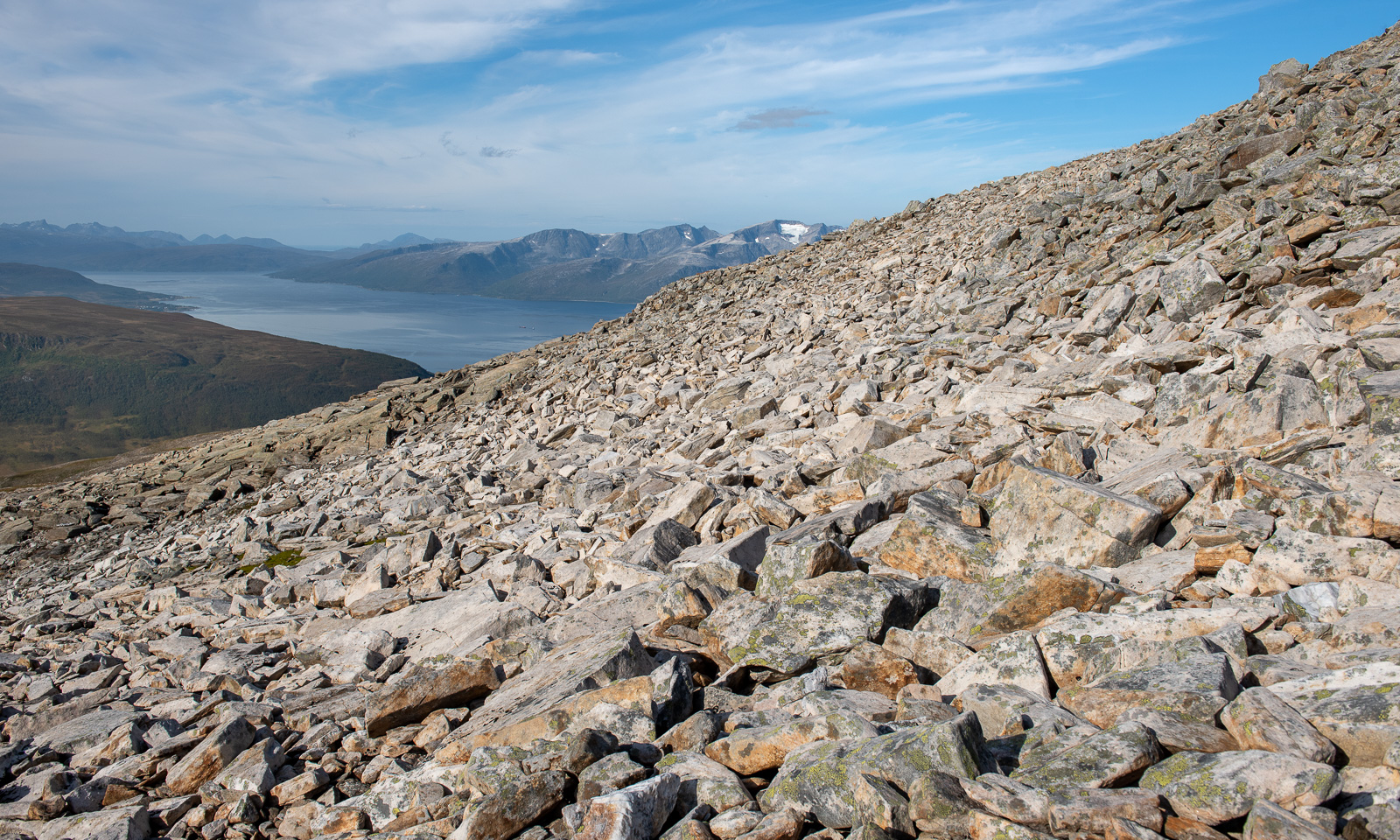
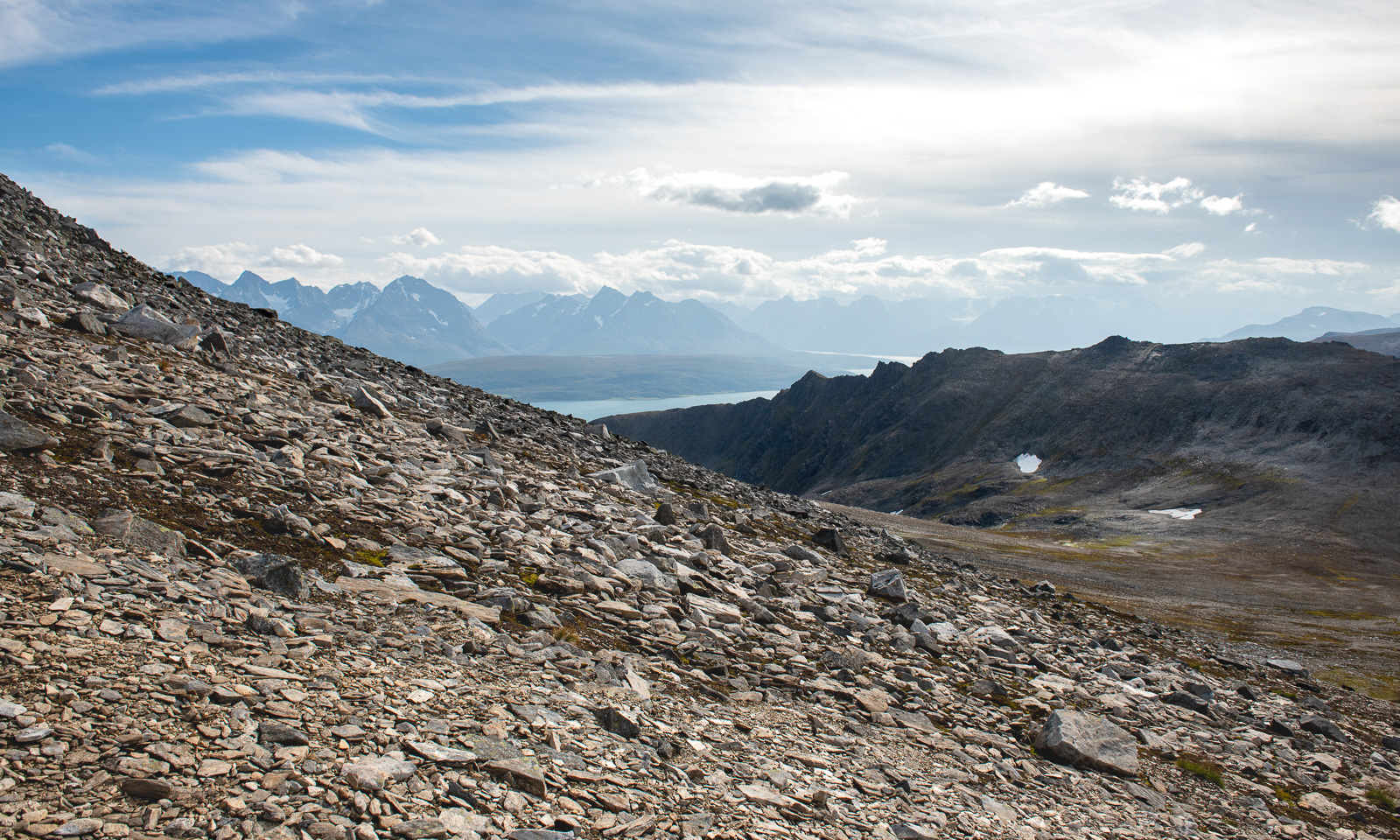
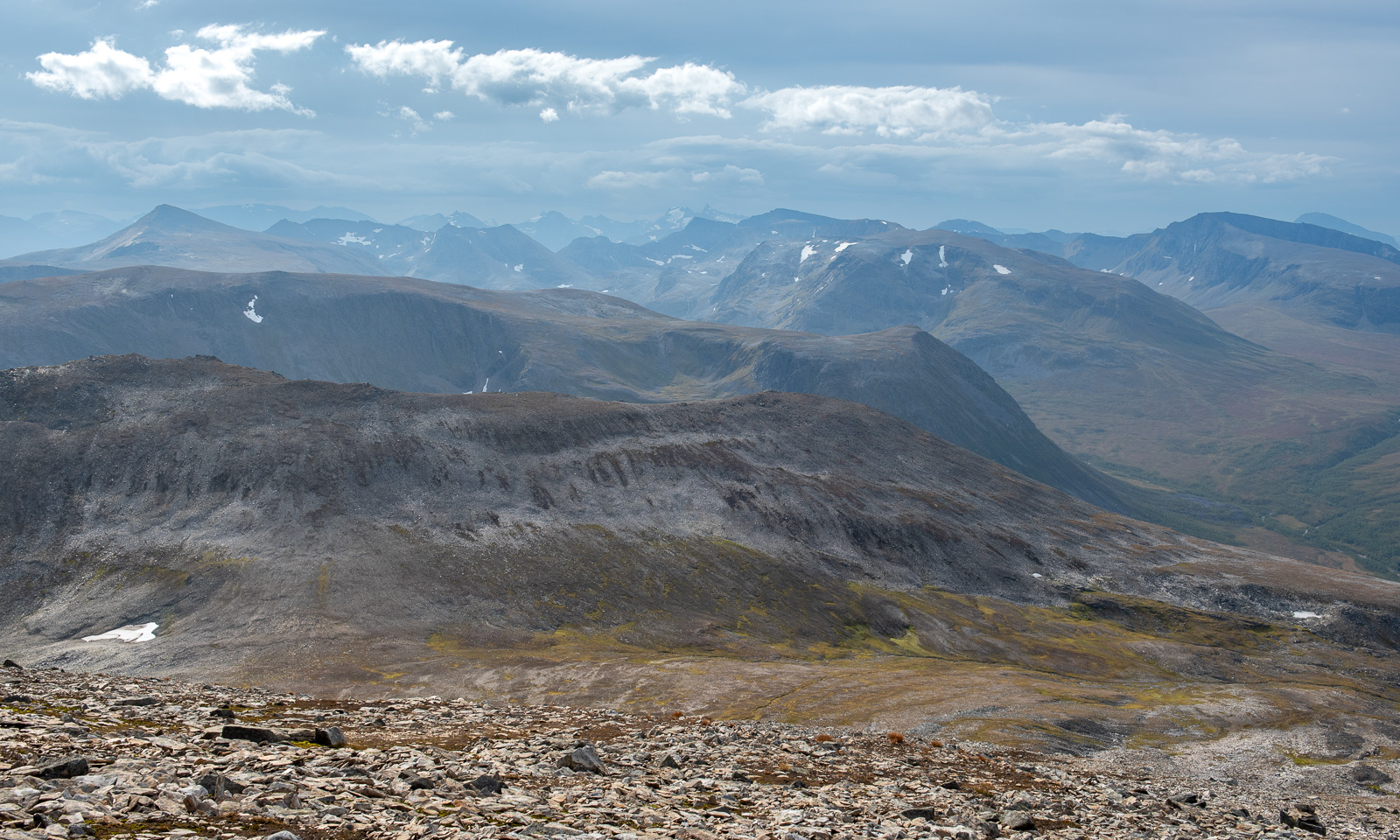
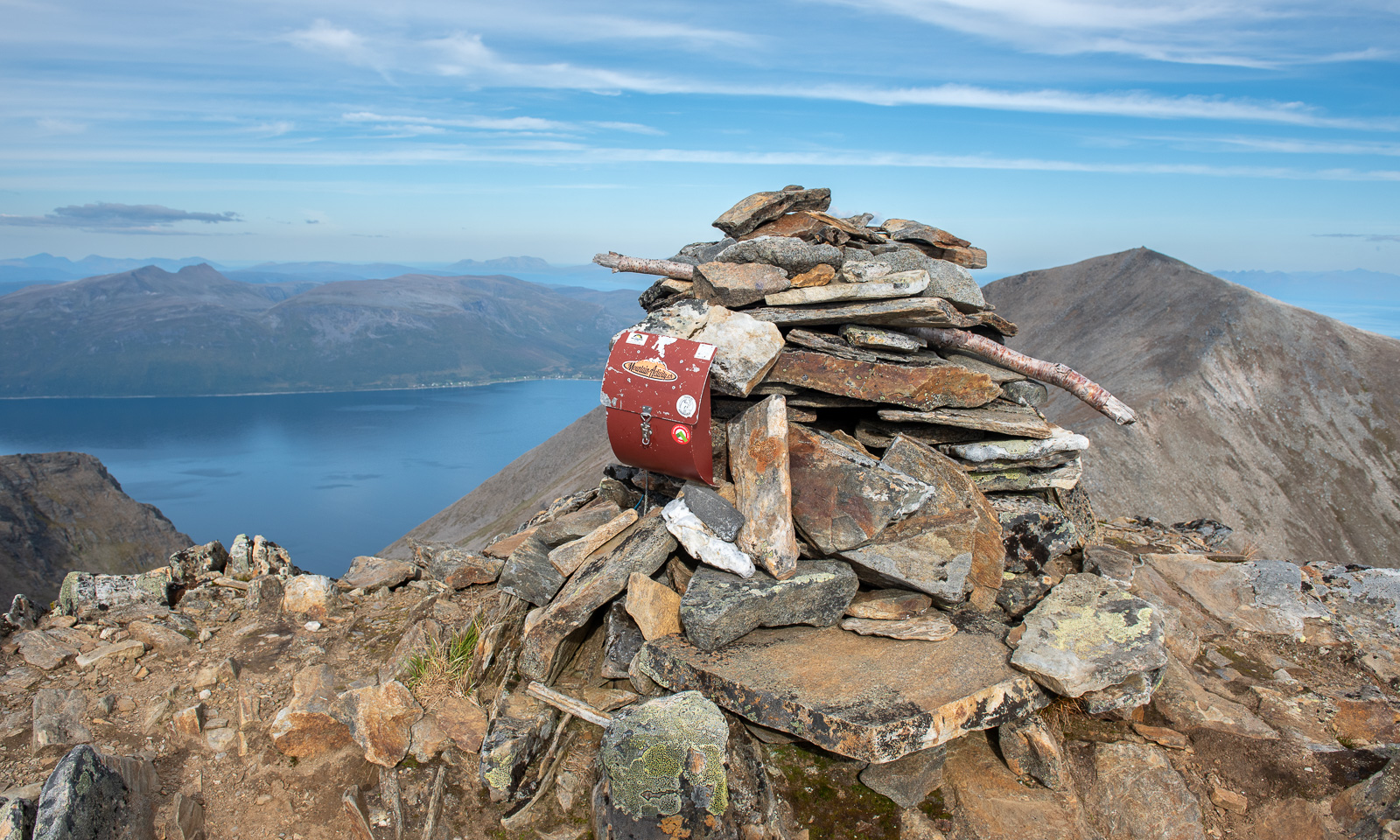
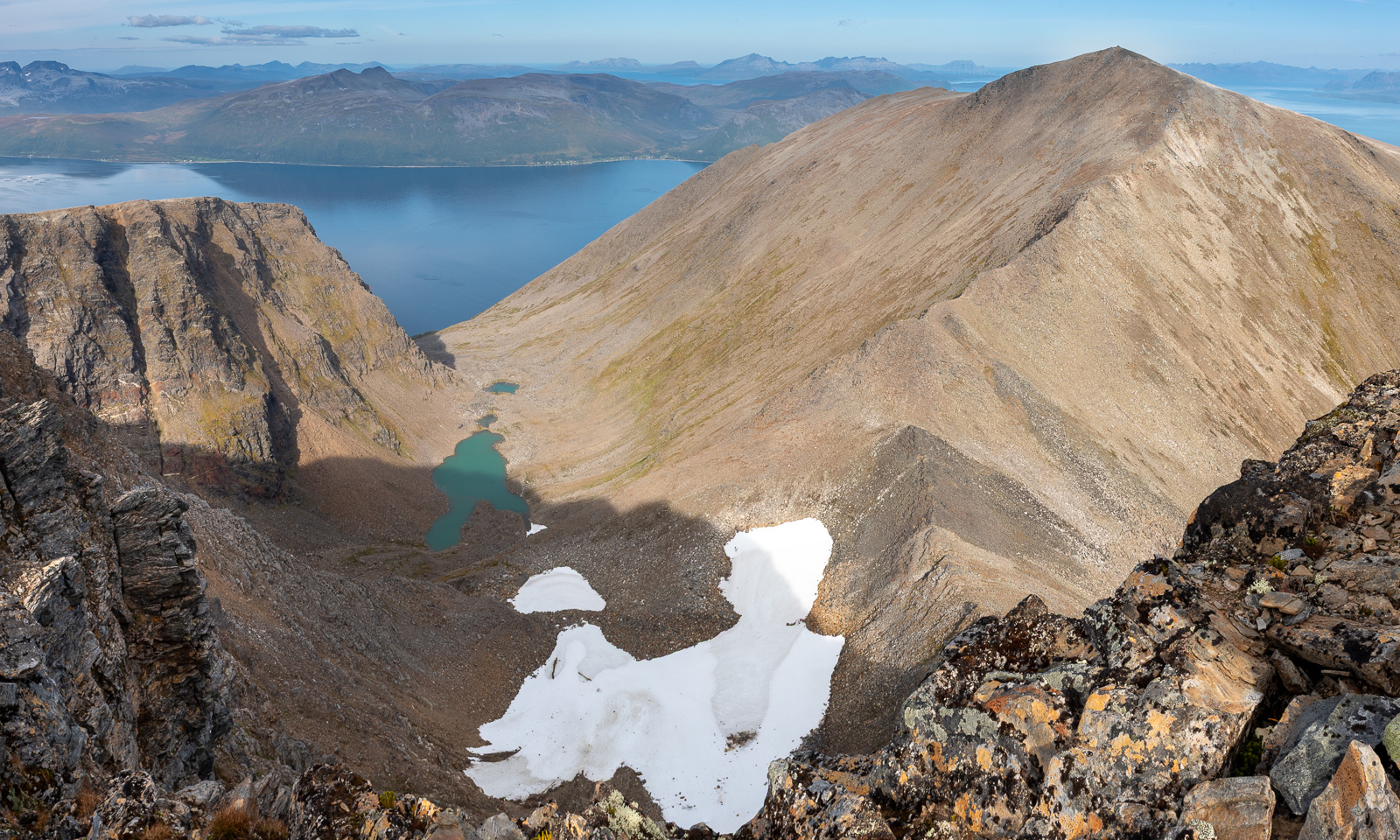
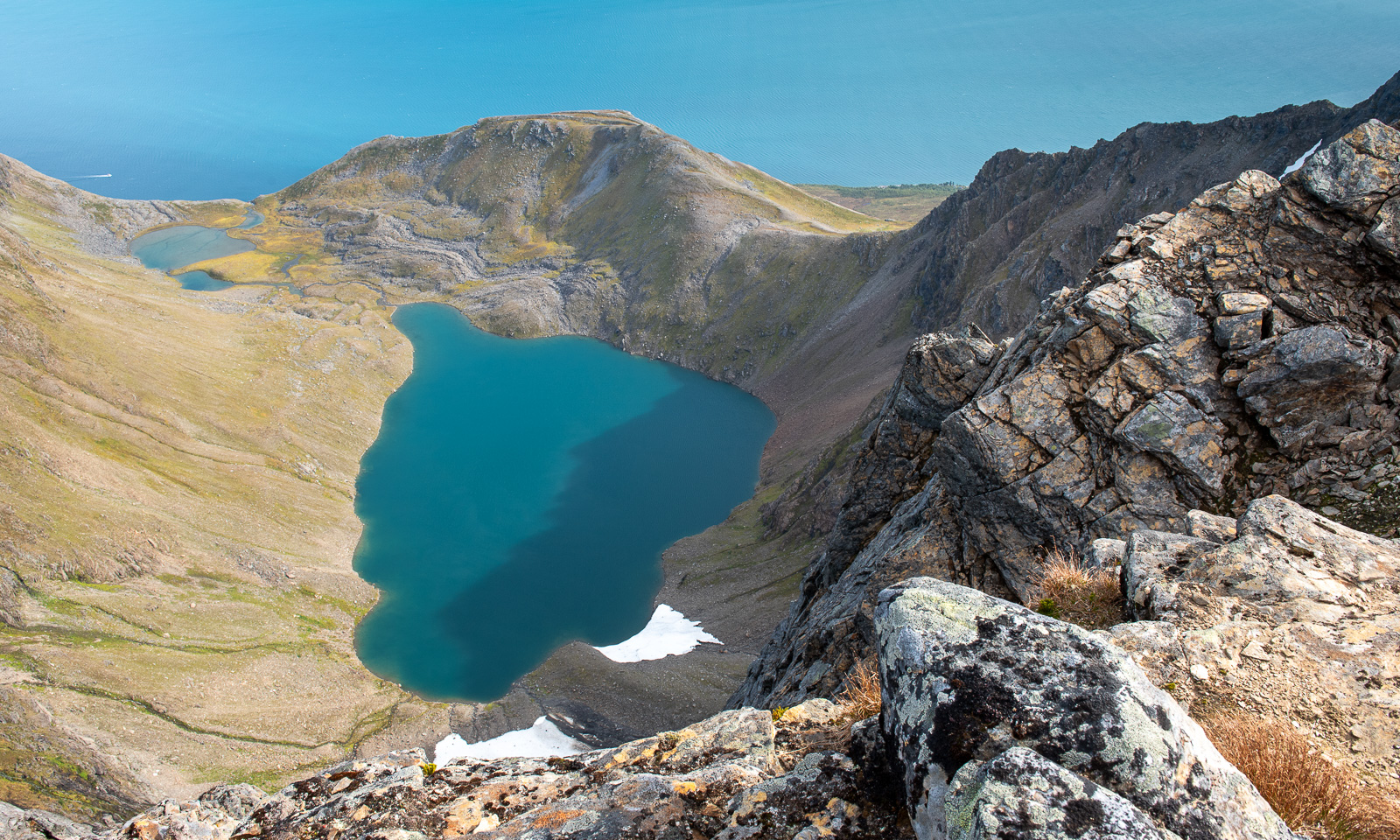
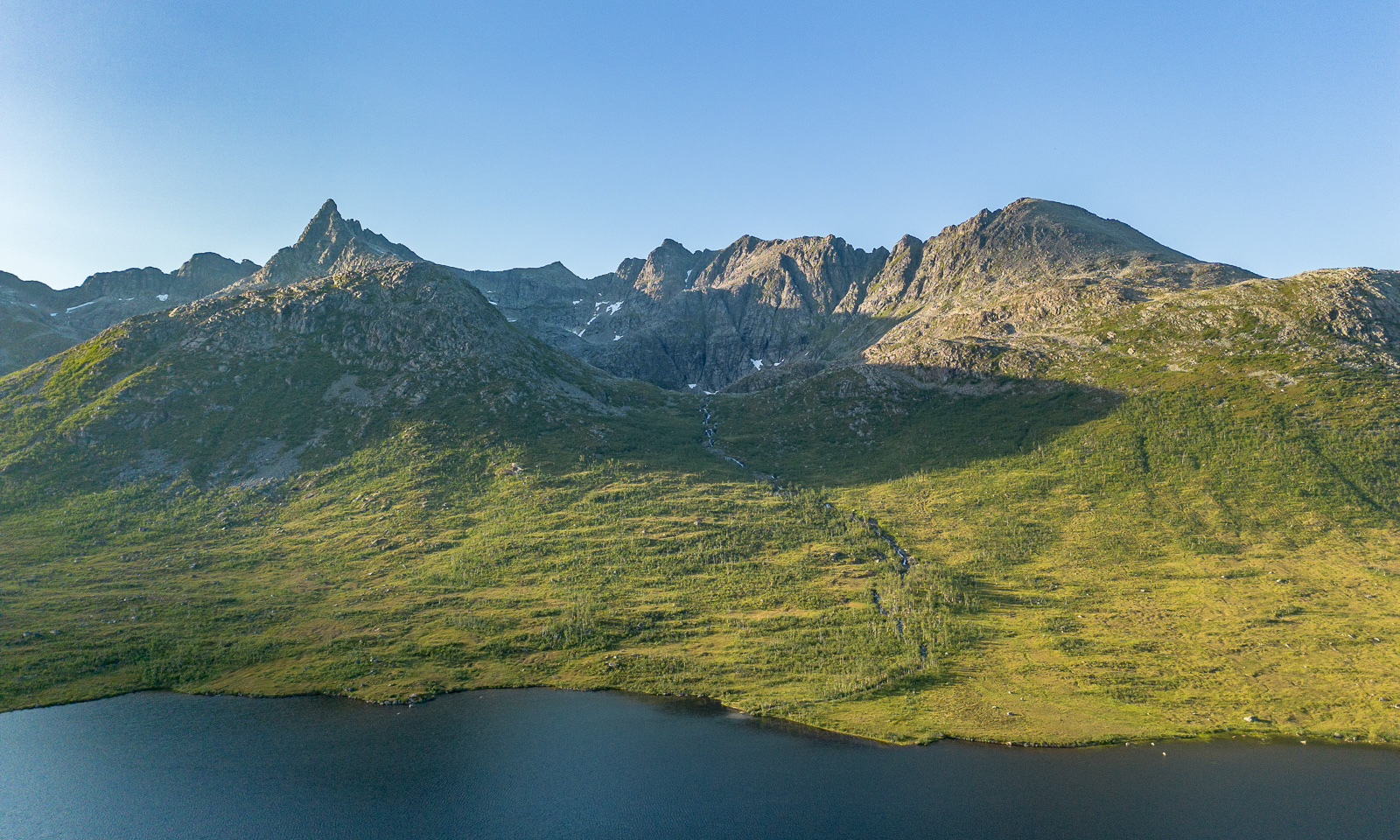
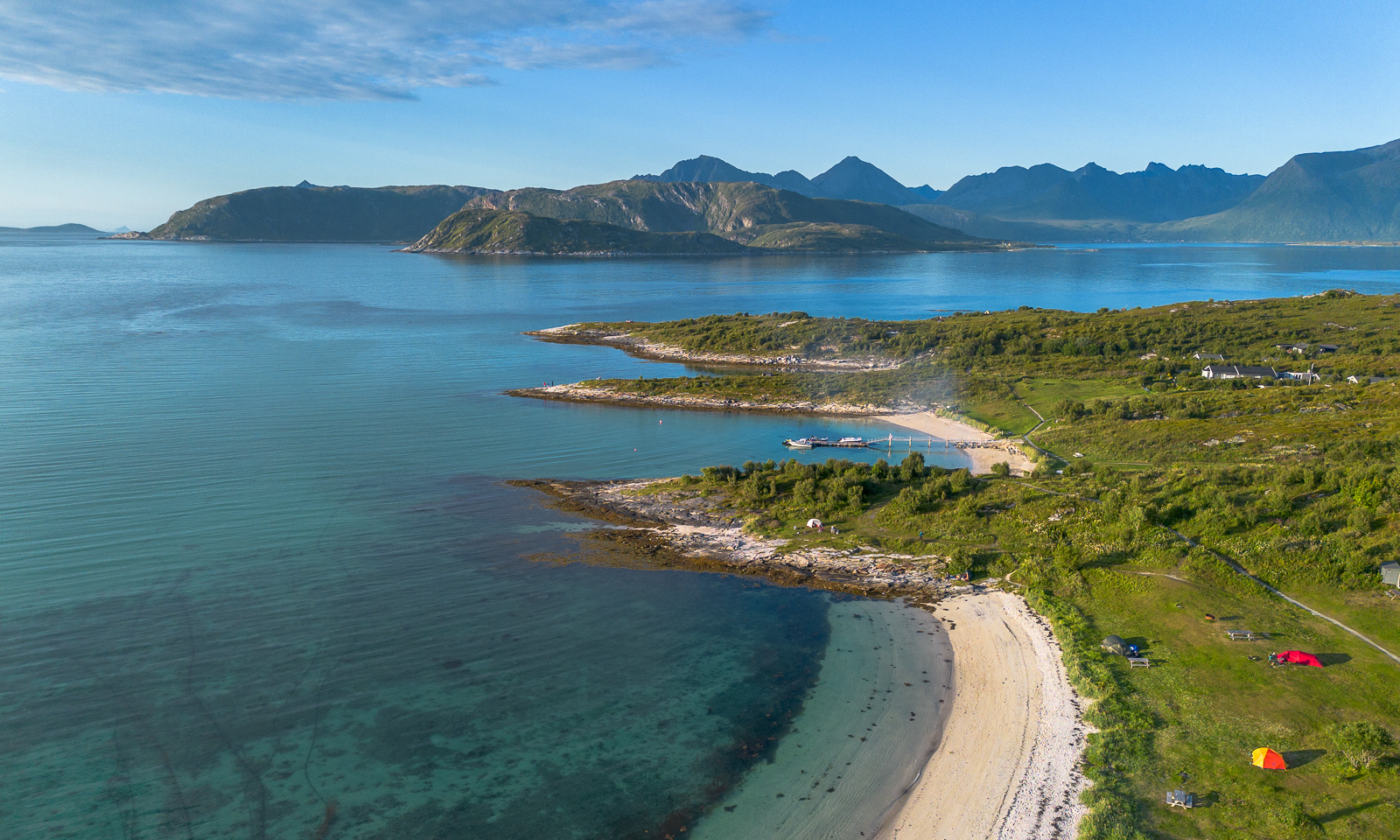
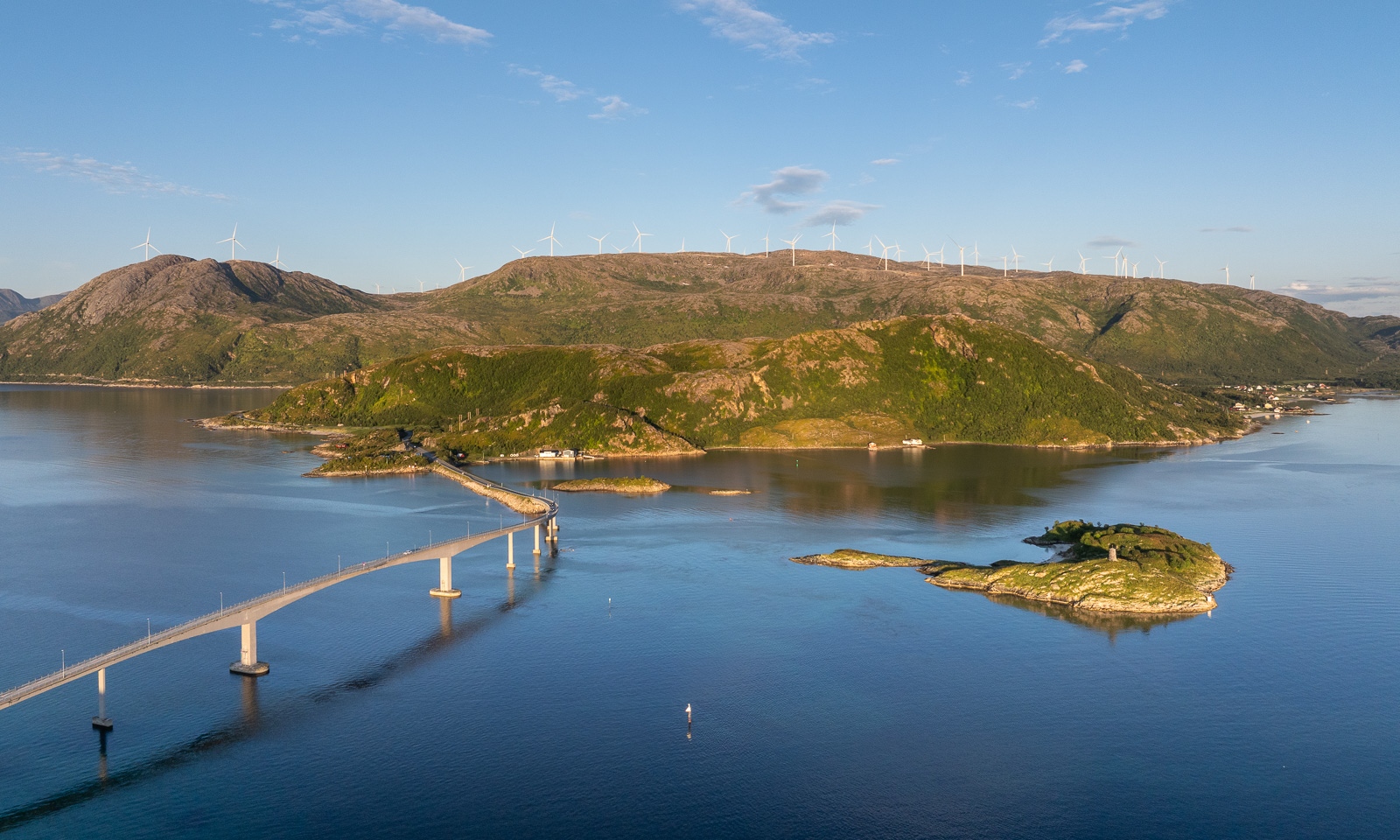
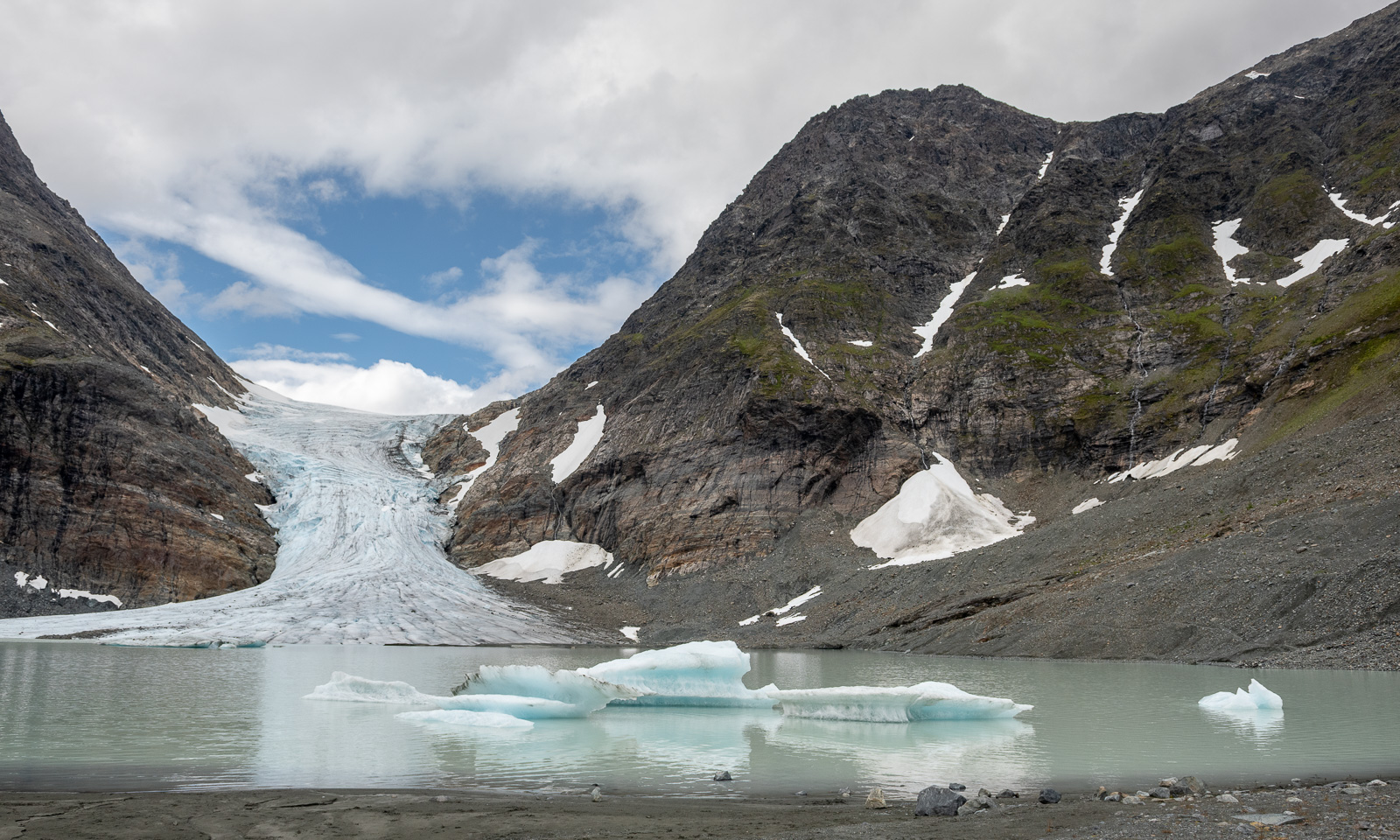
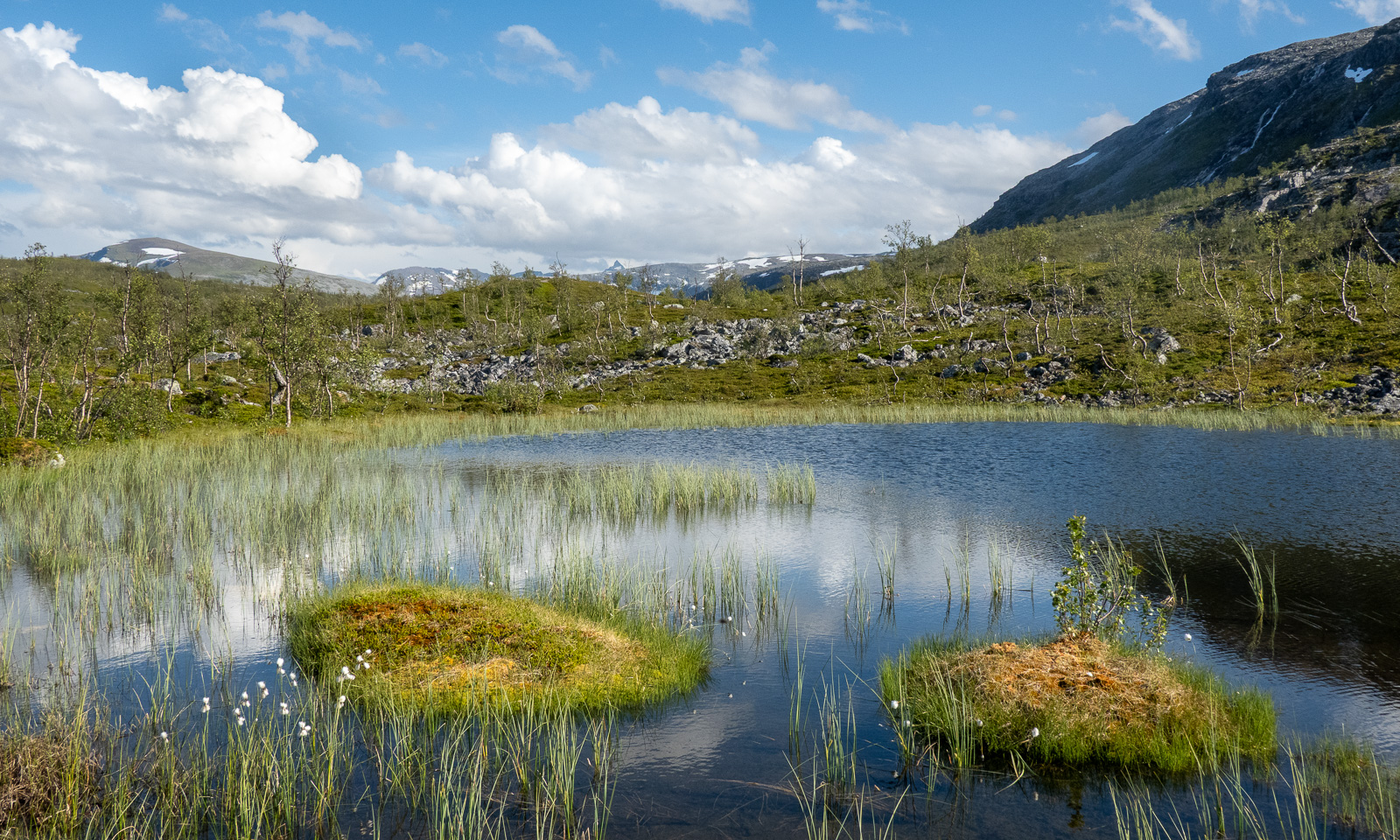
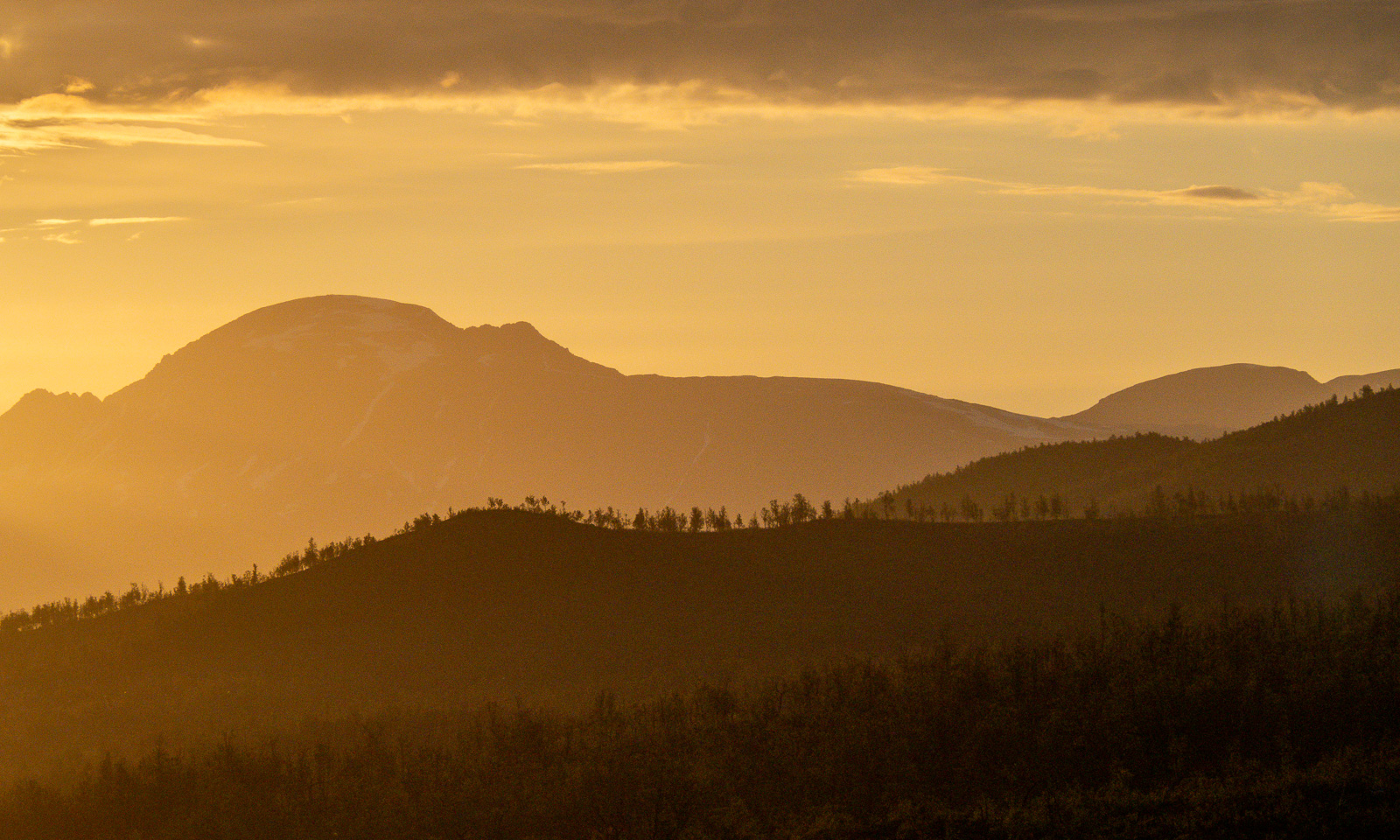
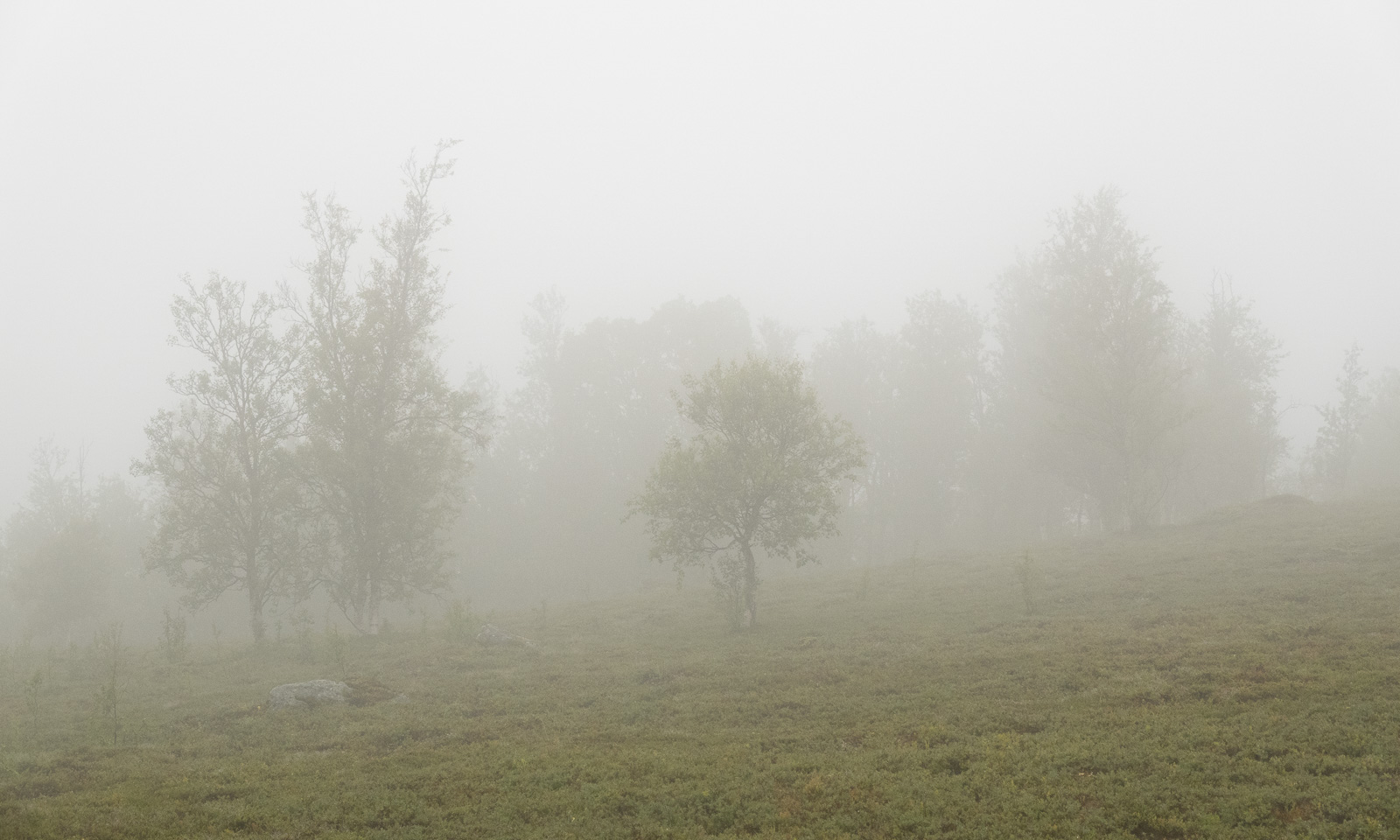
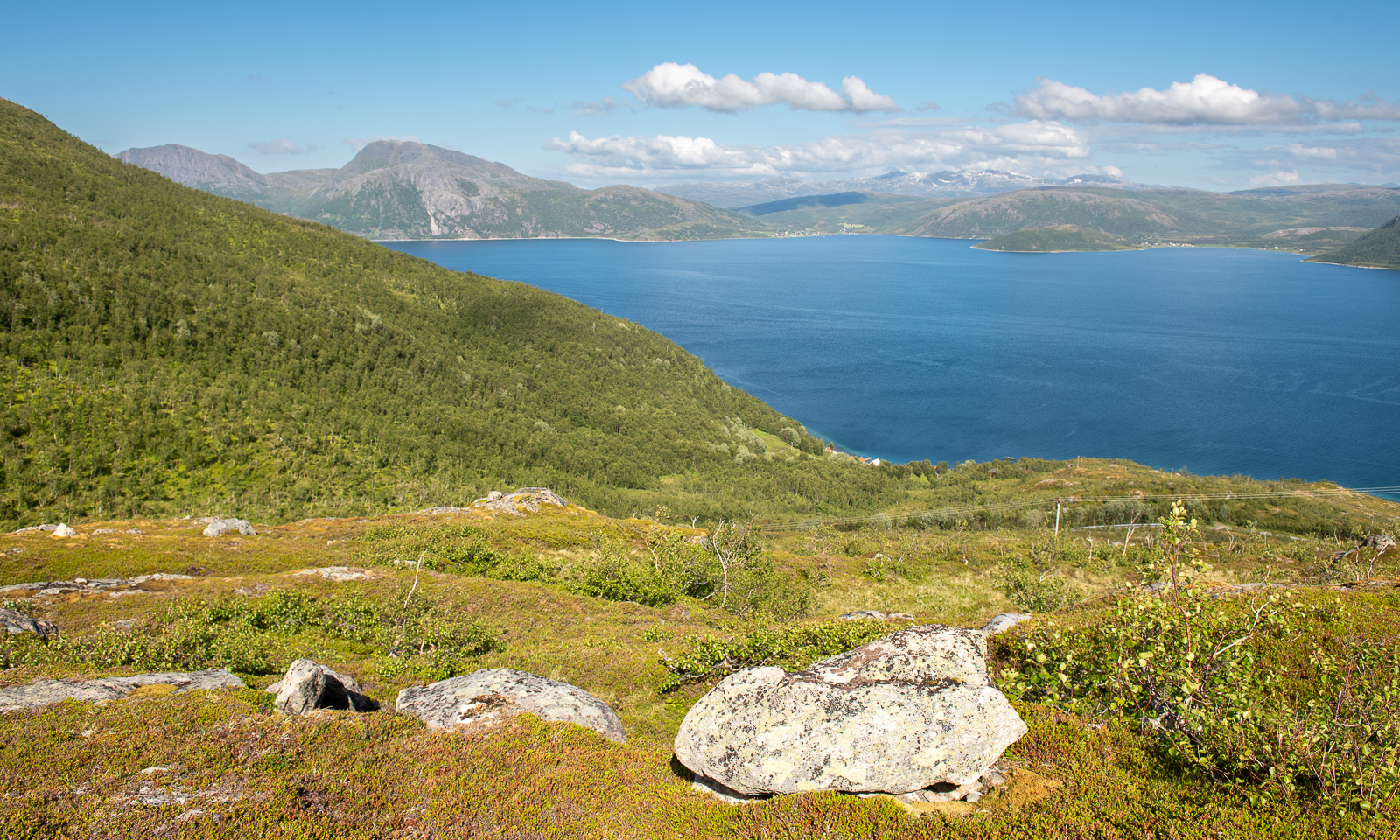
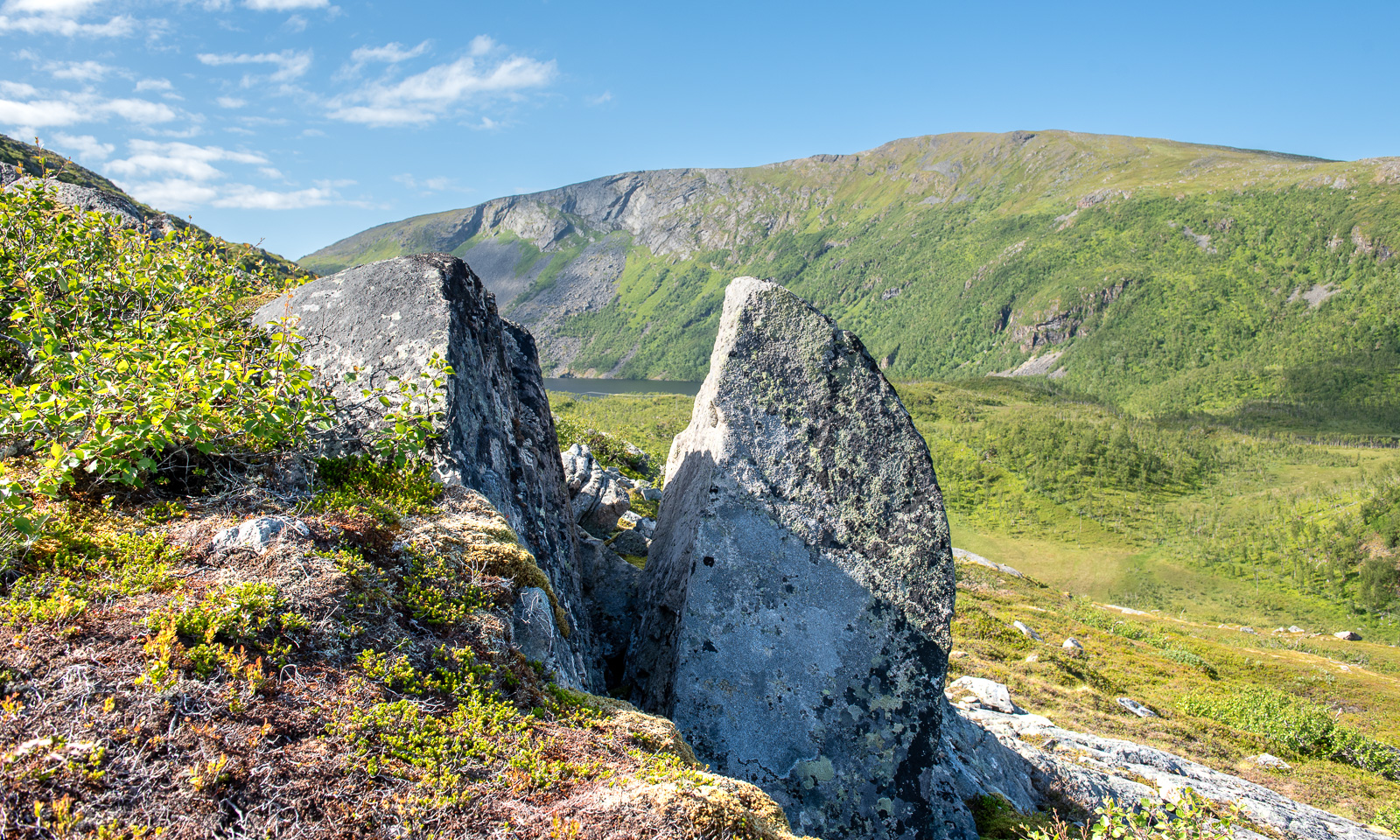
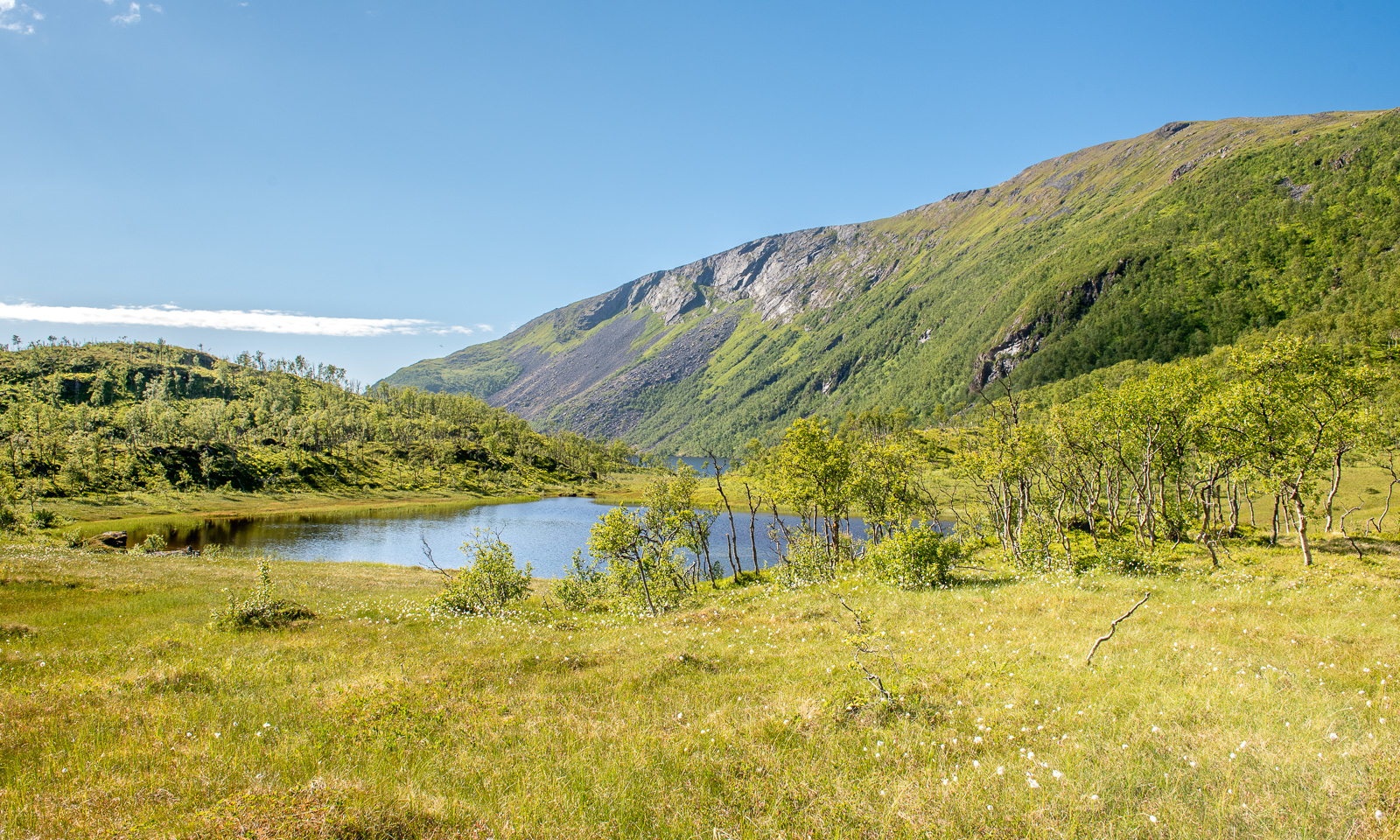
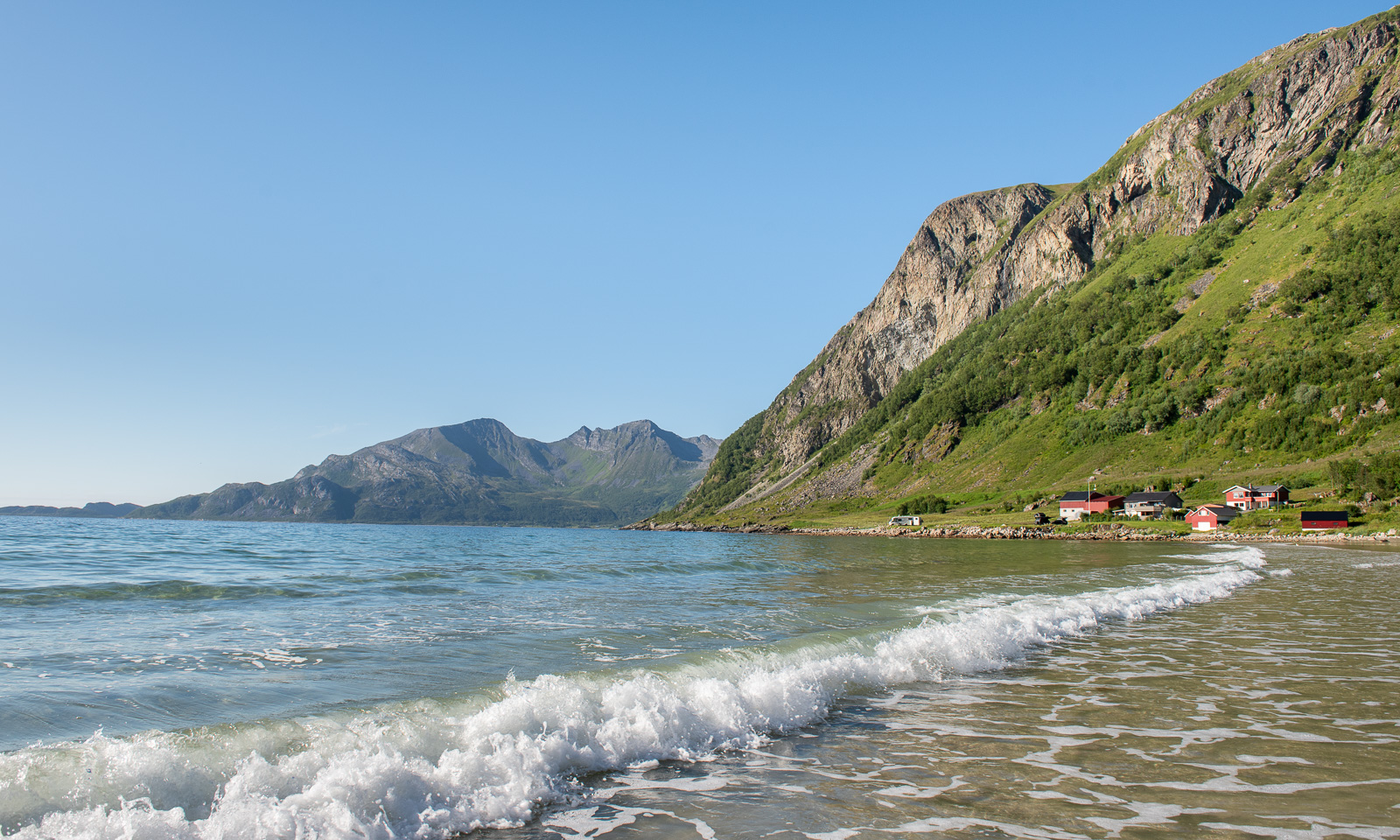
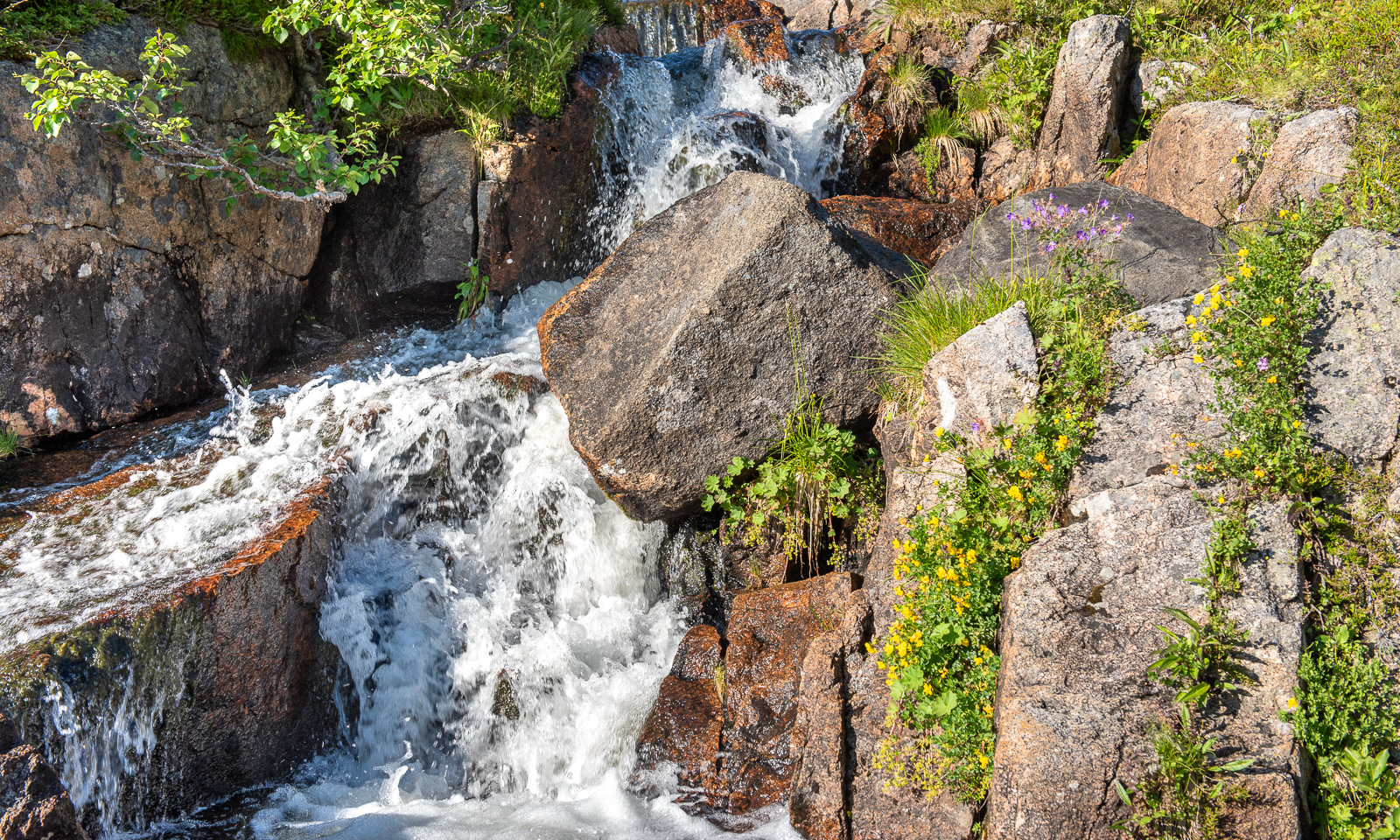
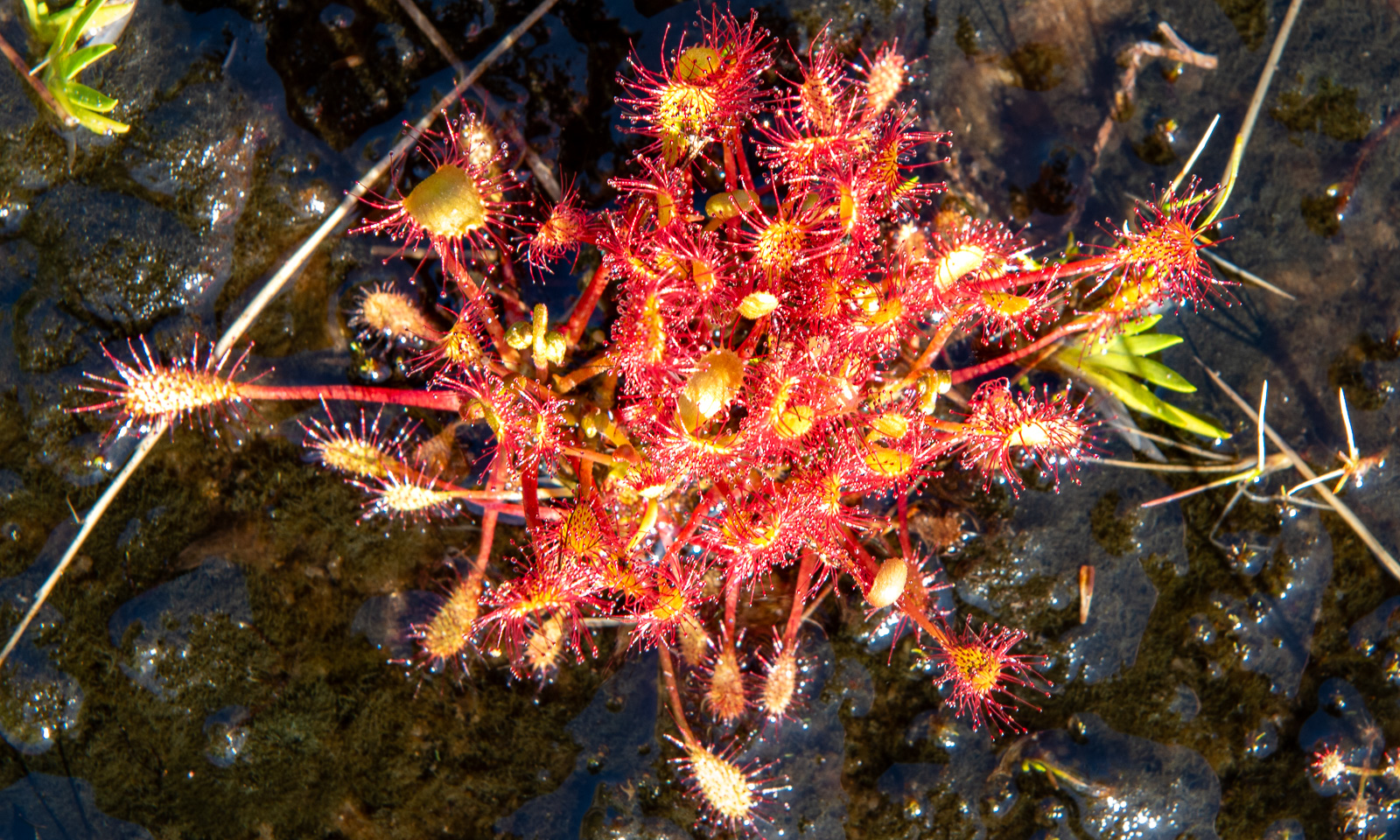
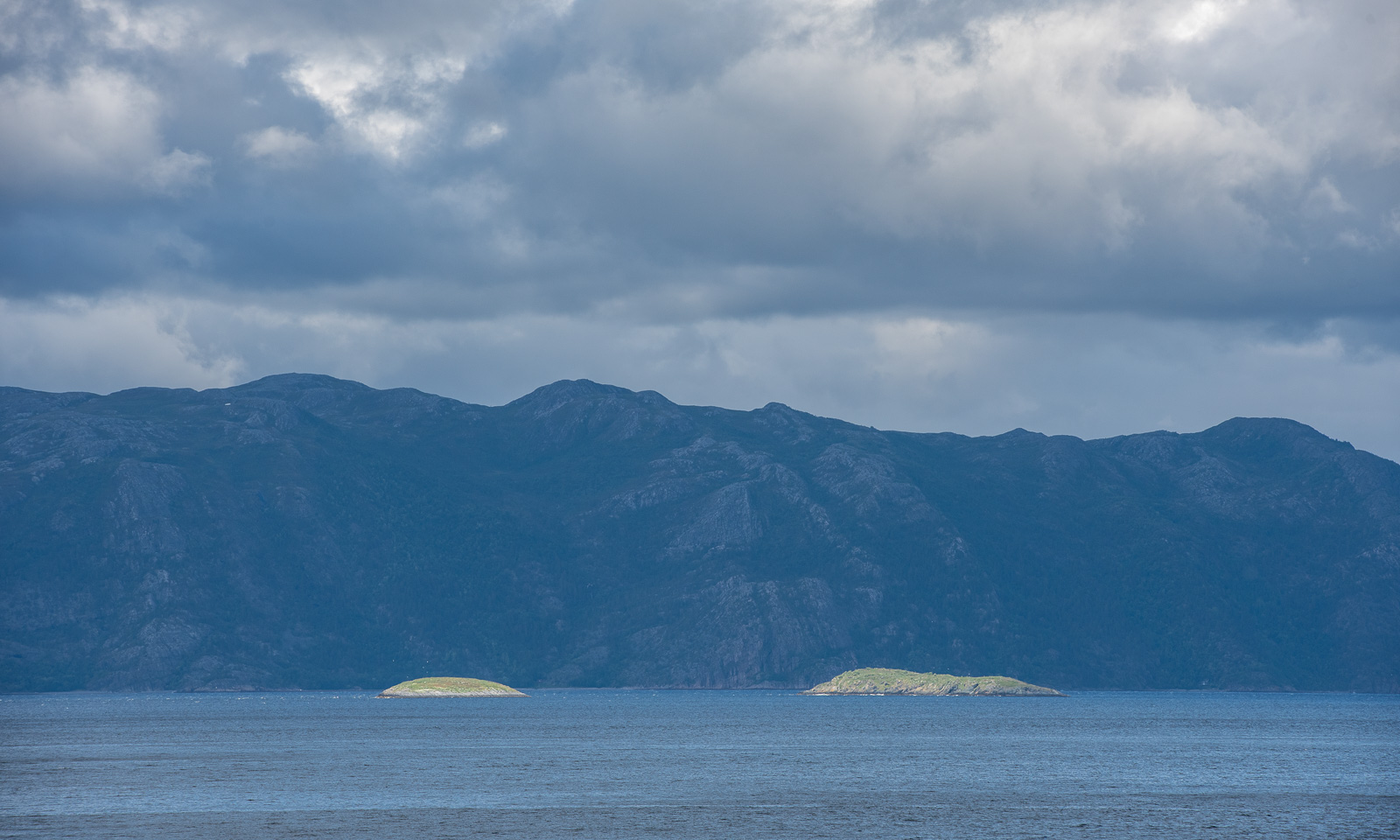
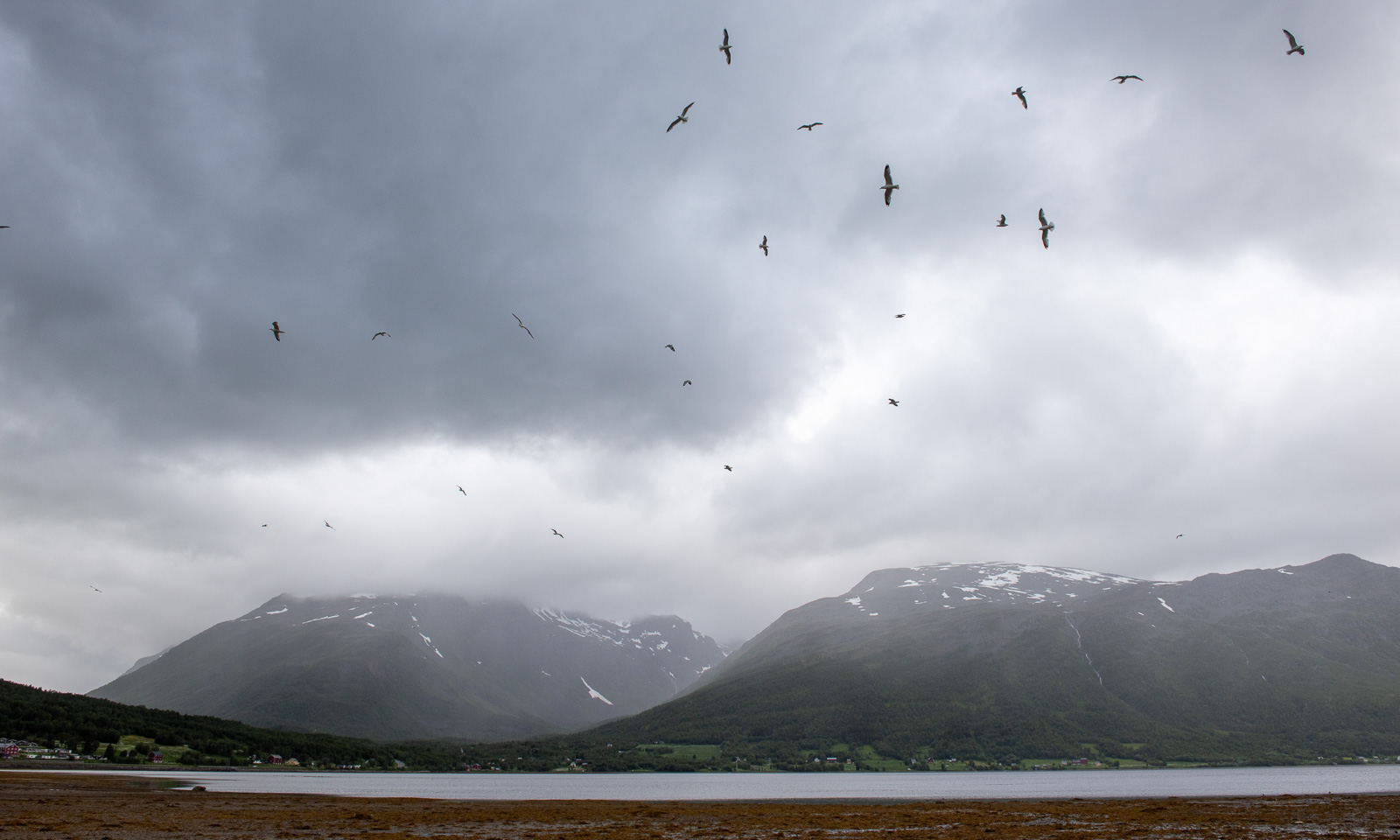
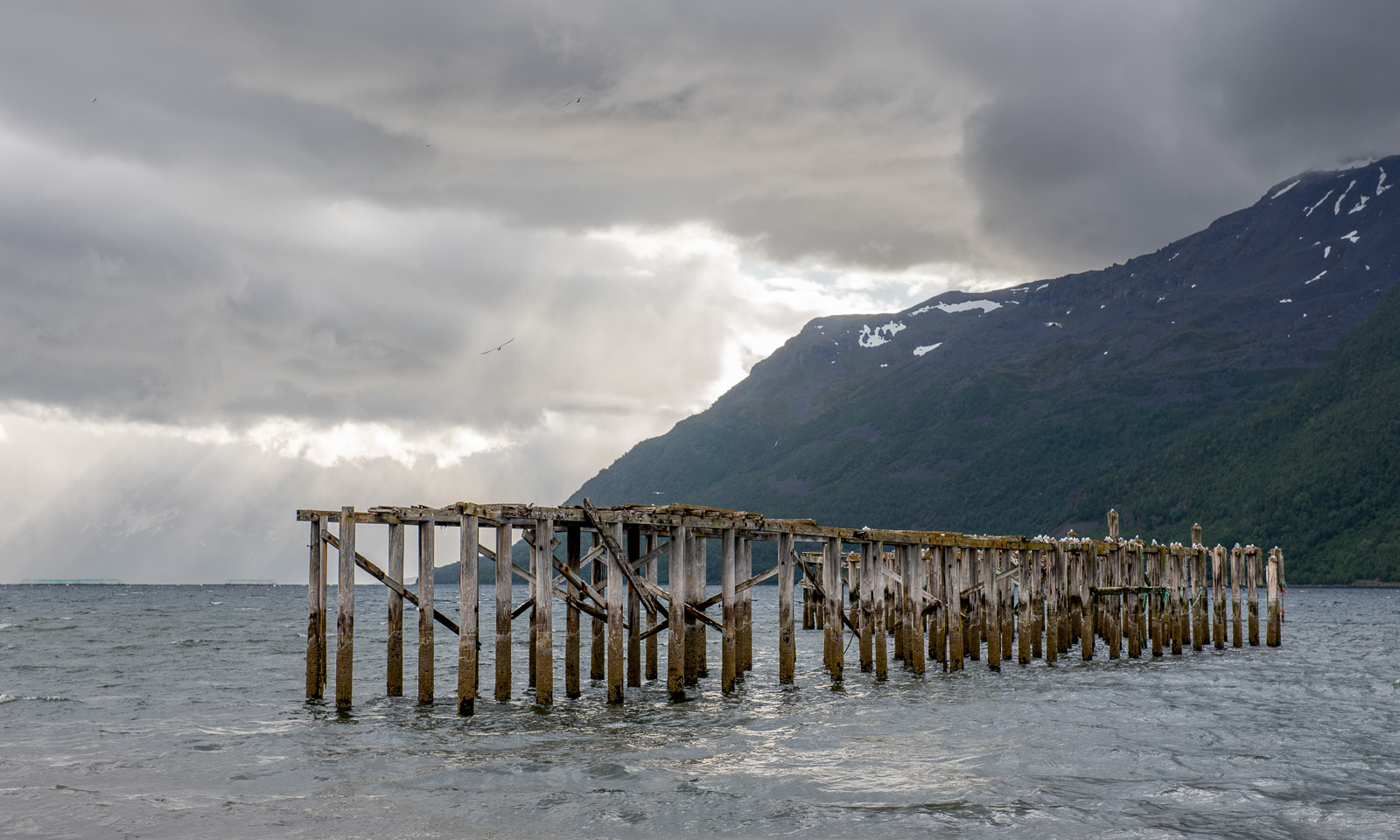
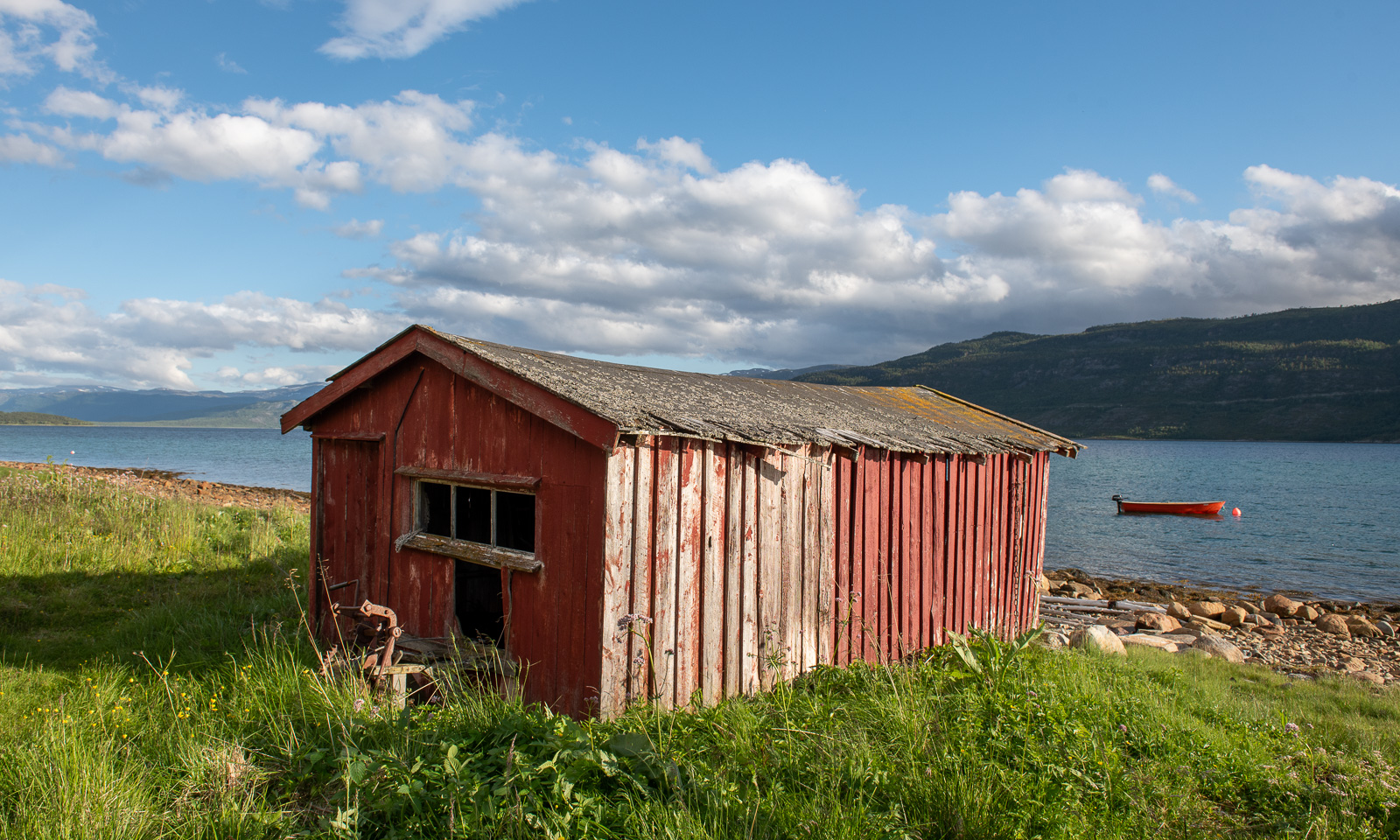
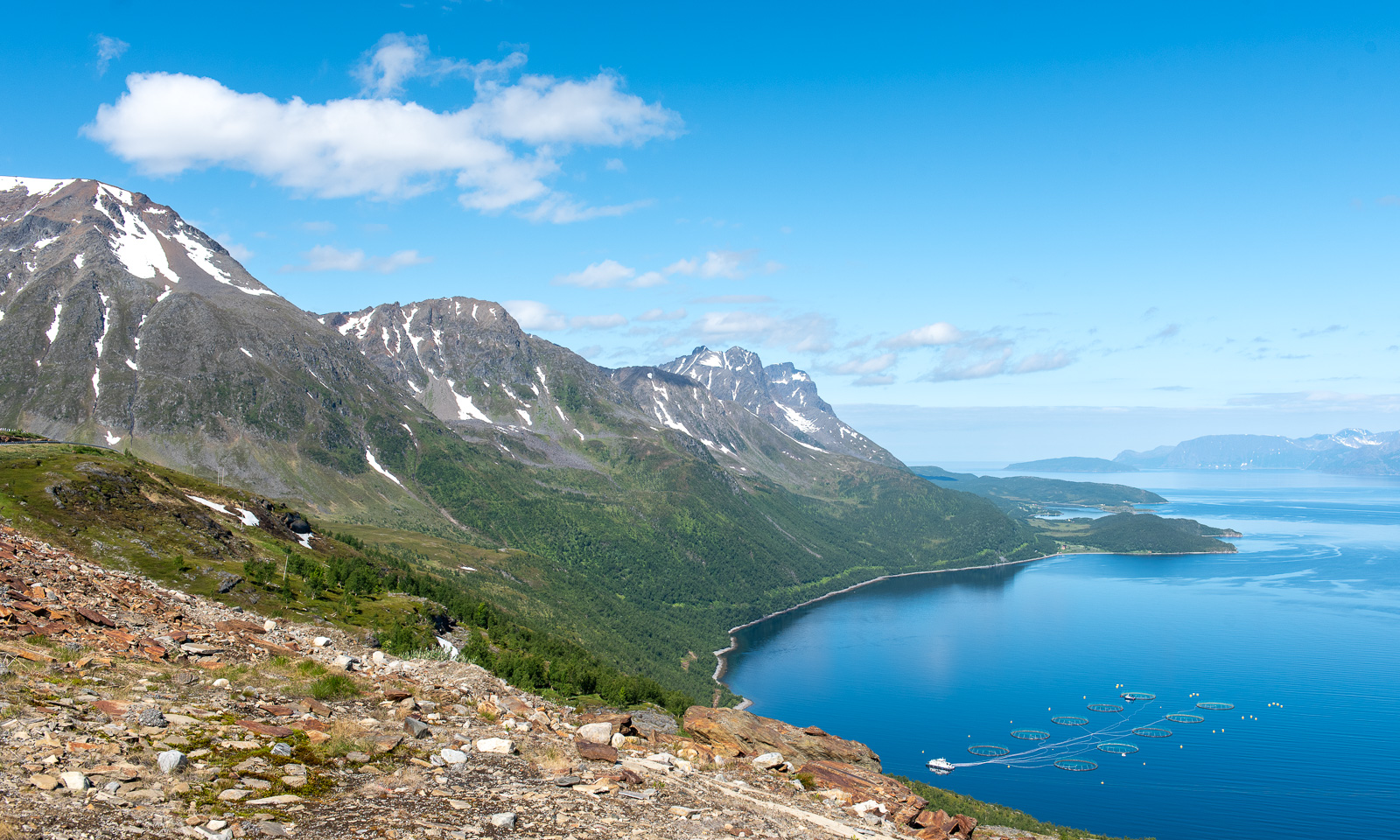
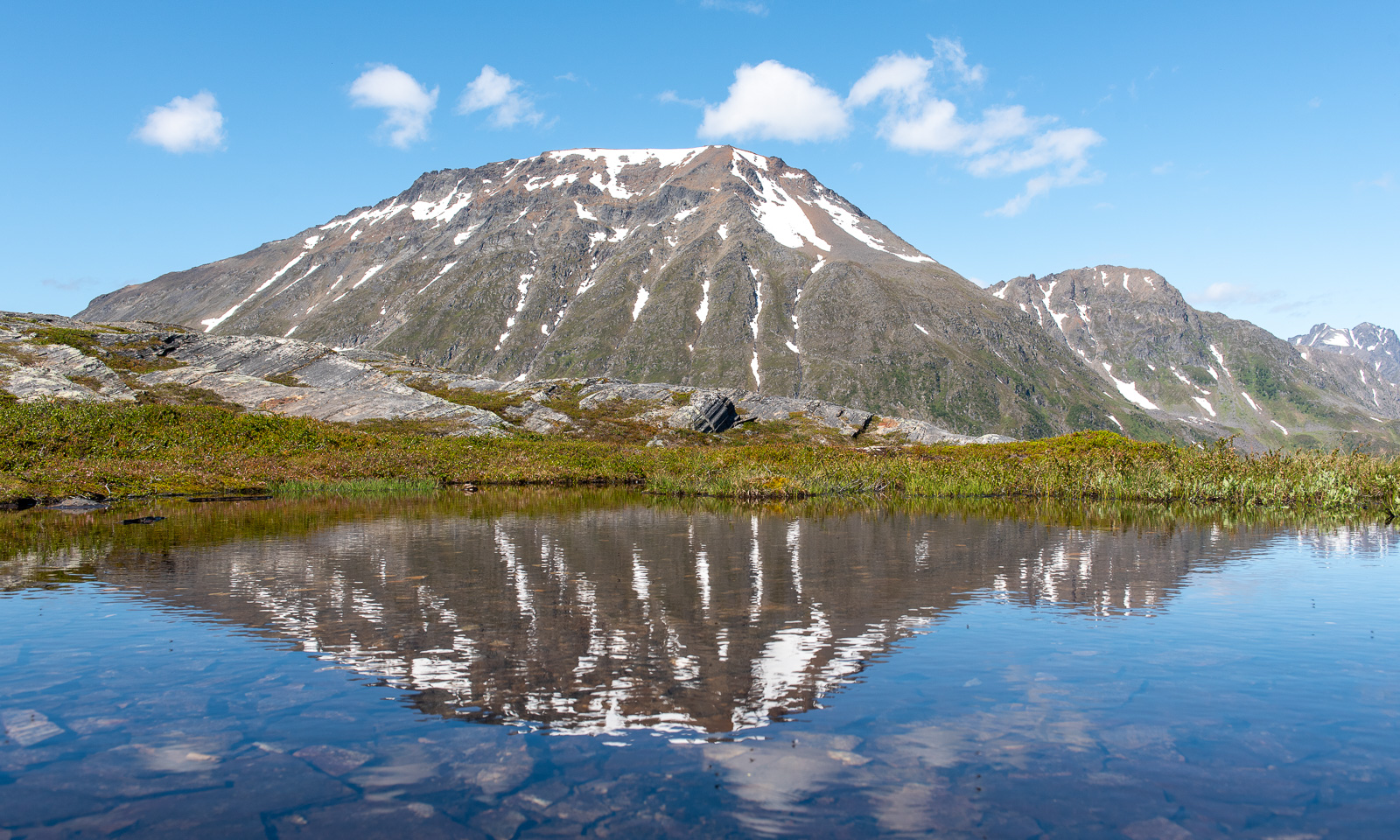
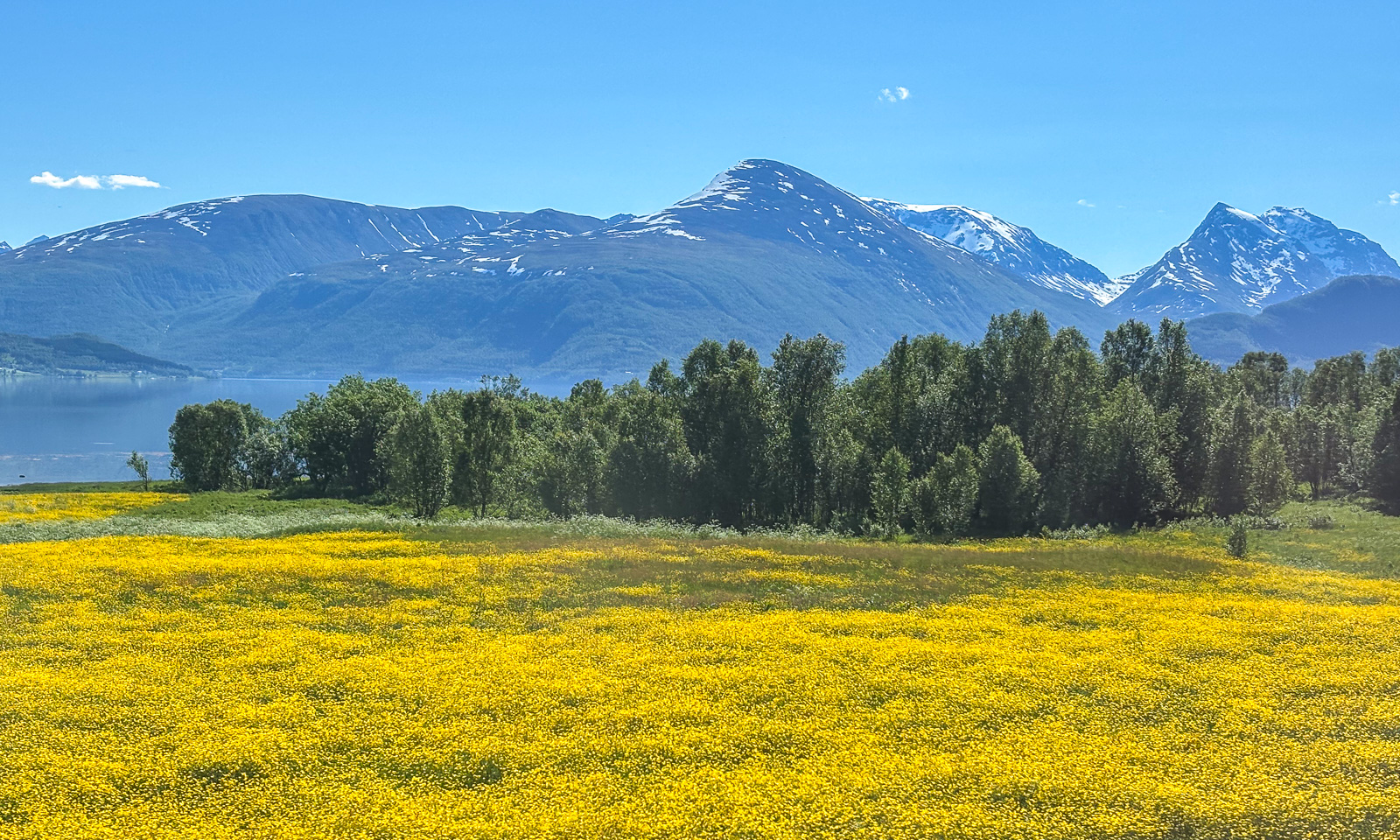
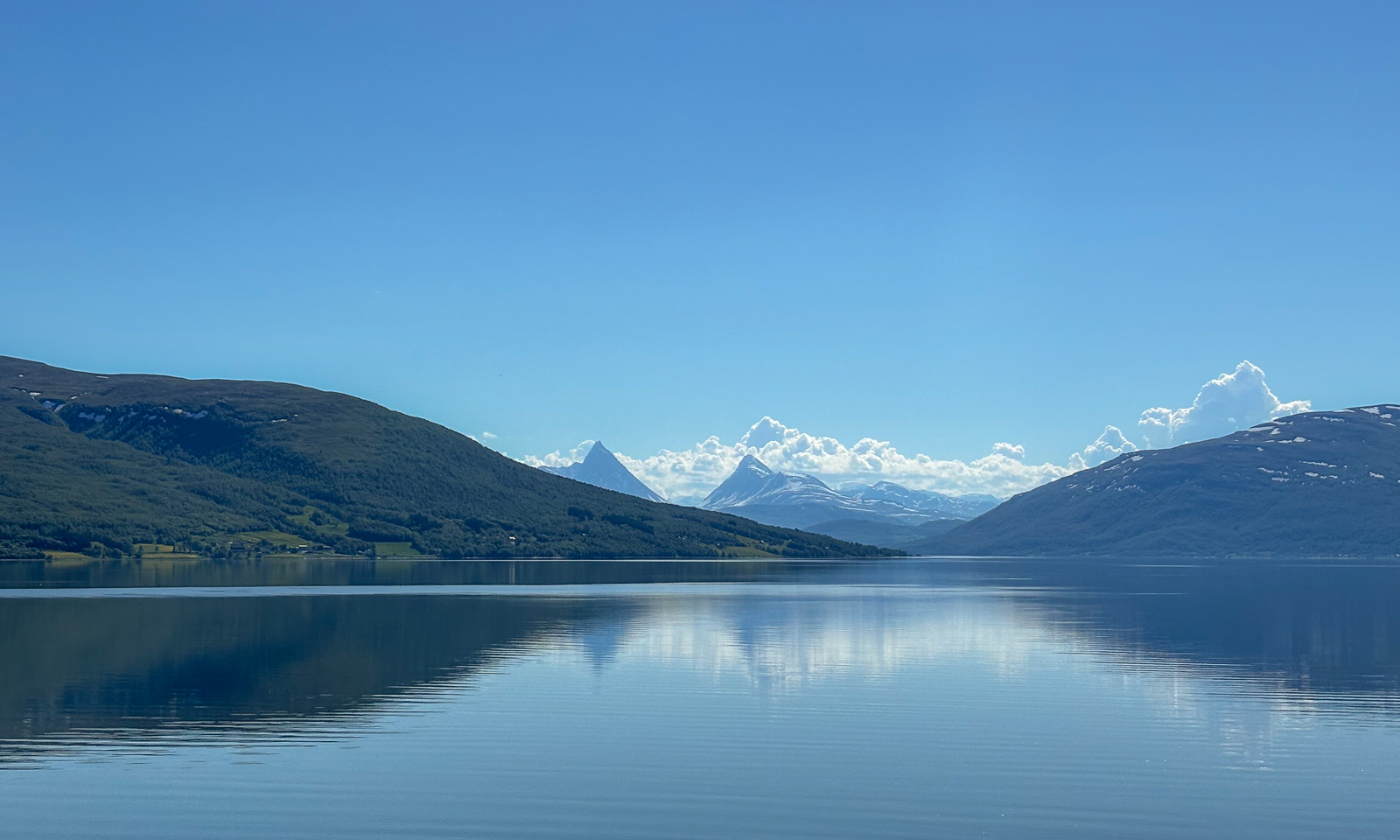
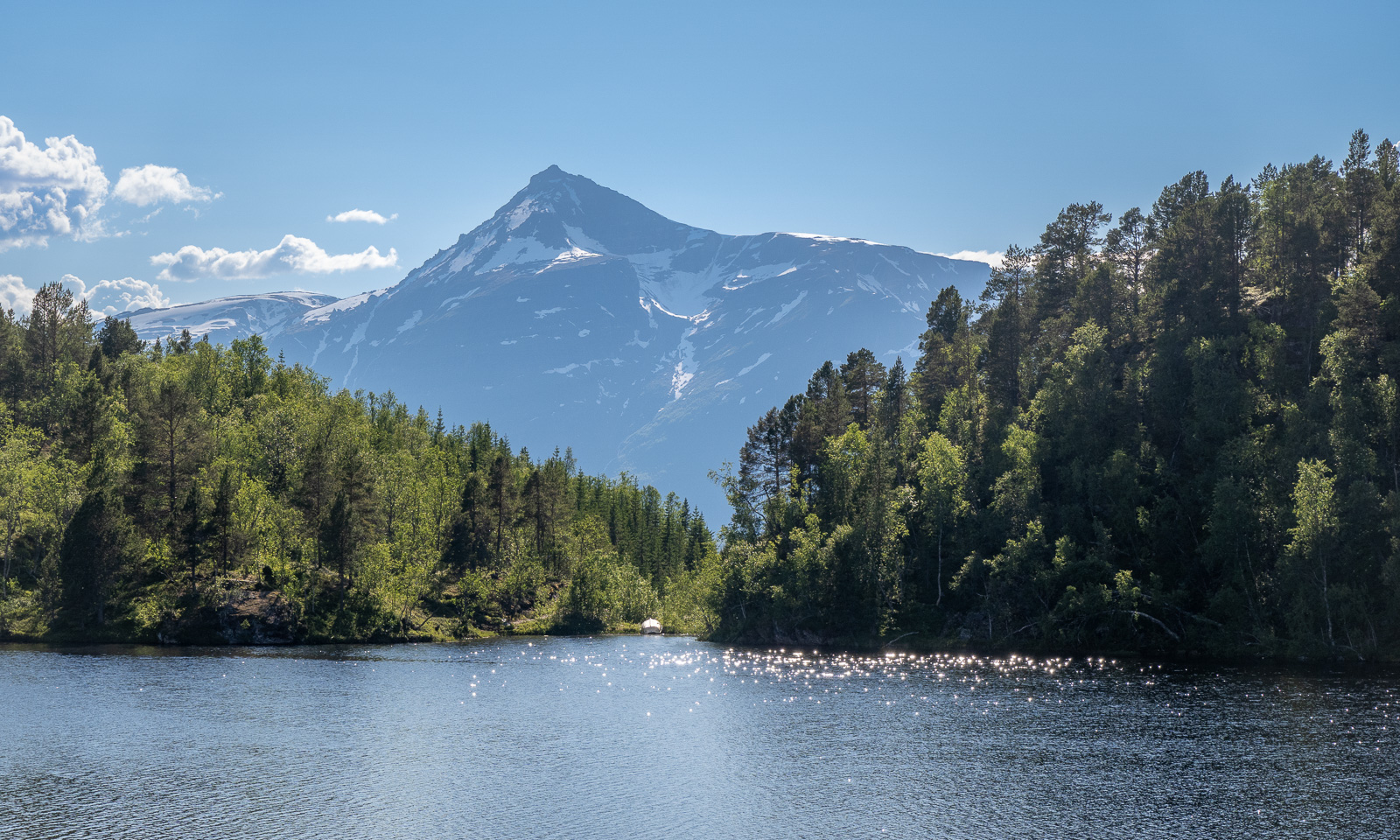
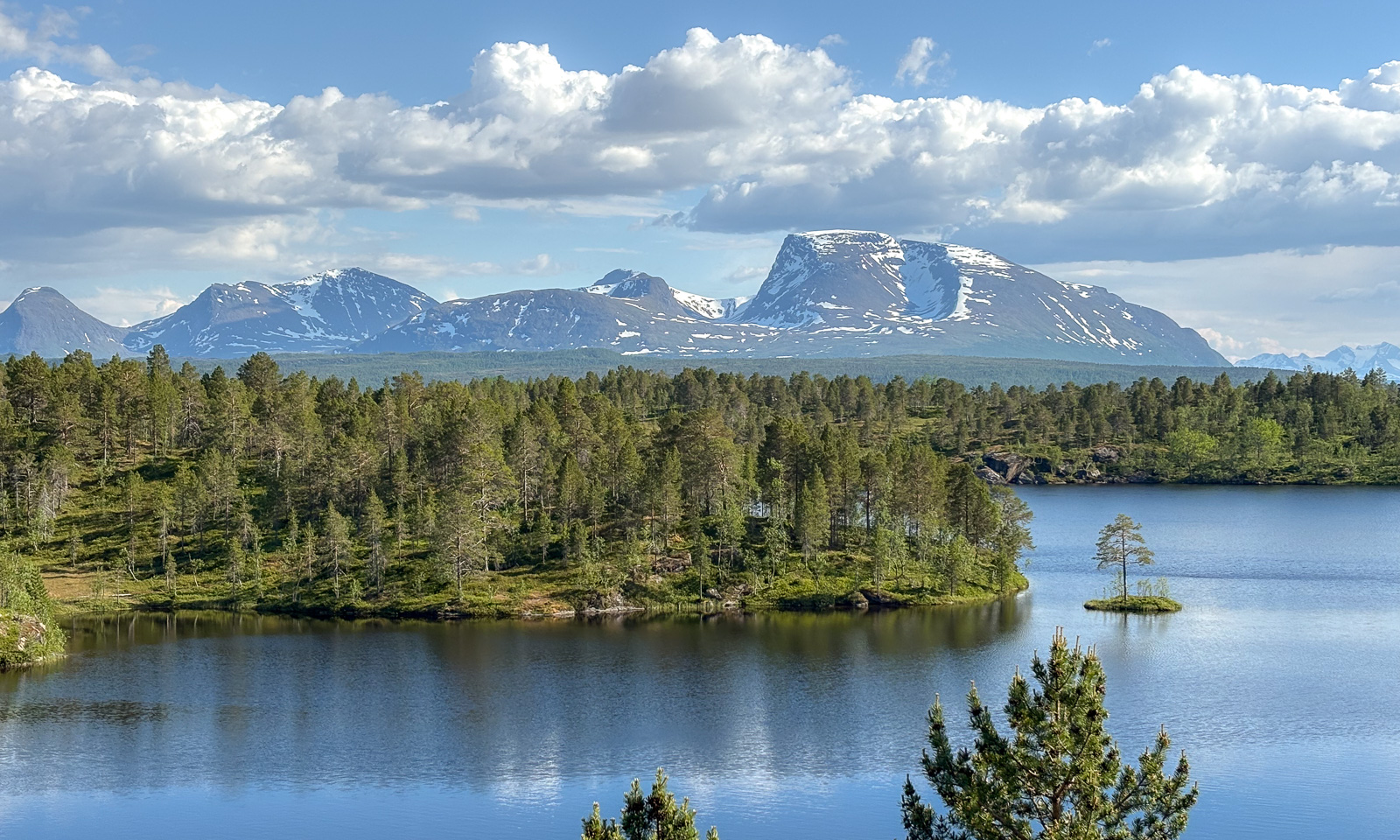
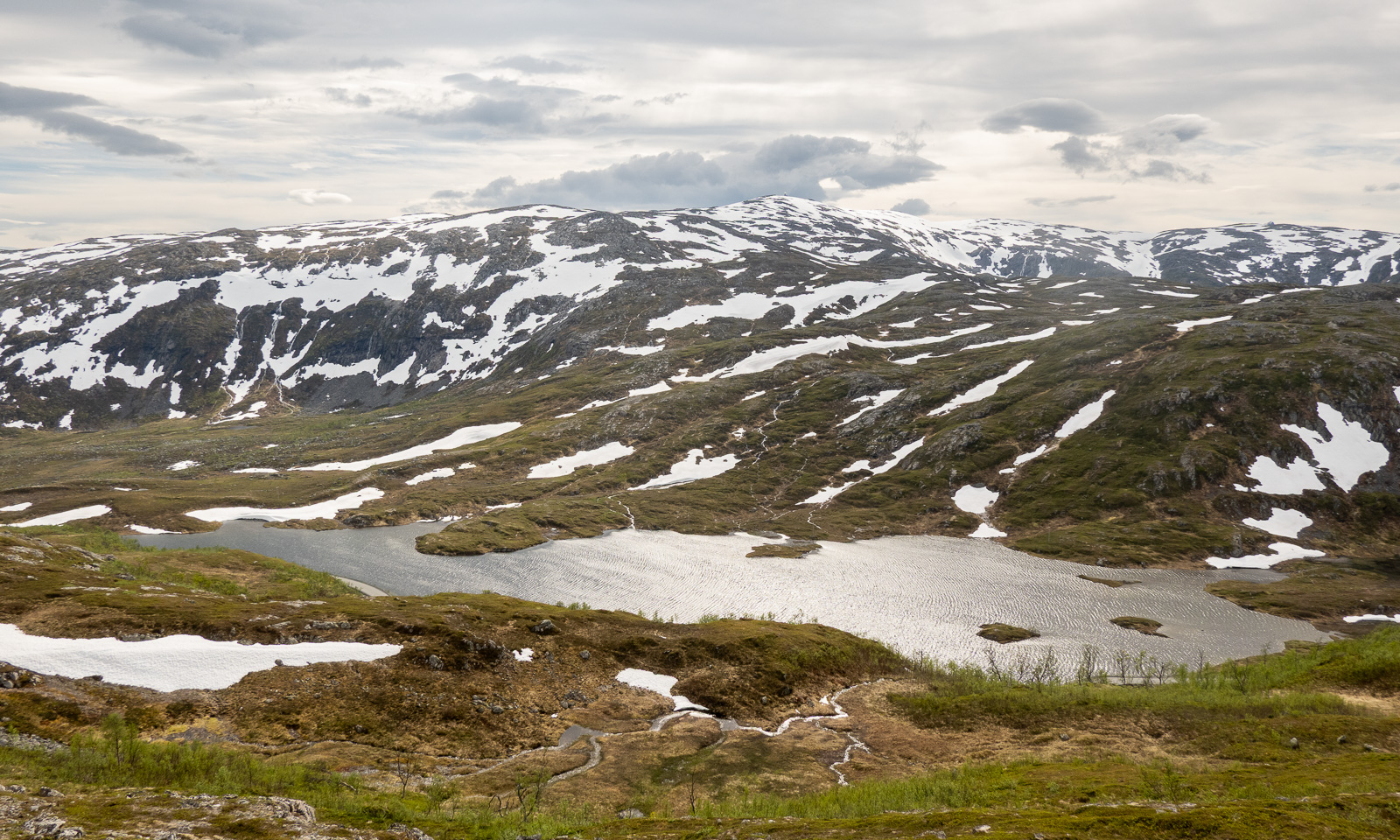
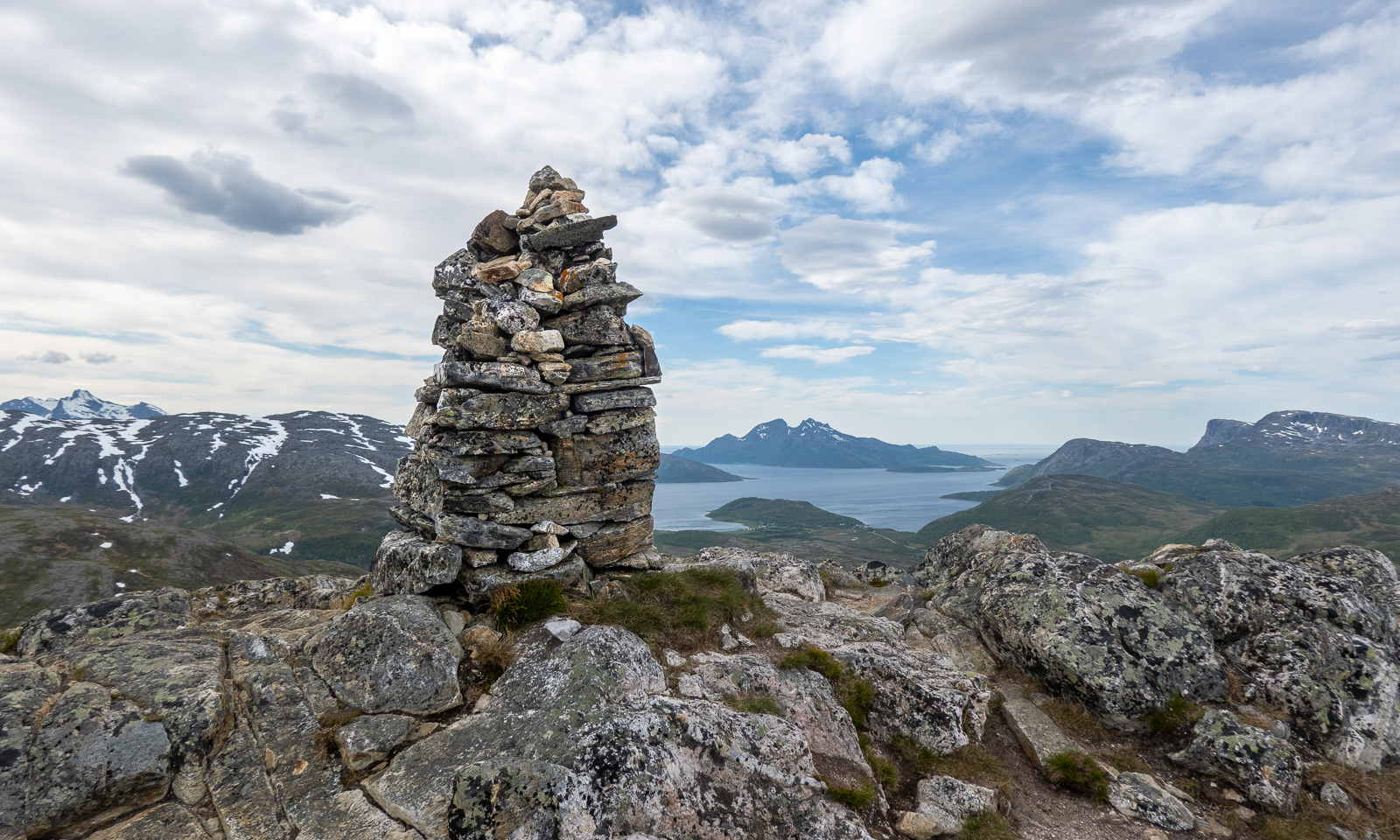
Last week I tested again, this time a newer drone belonging to the Norwegian Polar Institute and a better remote control for my own drone, which I bought second-hand a few days ago. I really like the institute’s DJI Mavic 3 Pro because it is larger, more stable, and has three cameras. But I’m pretty content with my own DJI Mini 3 Pro, especially now with the updated remote control. Under good light conditions they both make great photos. Here is one from Kattfjordeidet, Kvaløya, and the others are from Sommarøya. You can try to guess which drone took which photo. I couldn’t.

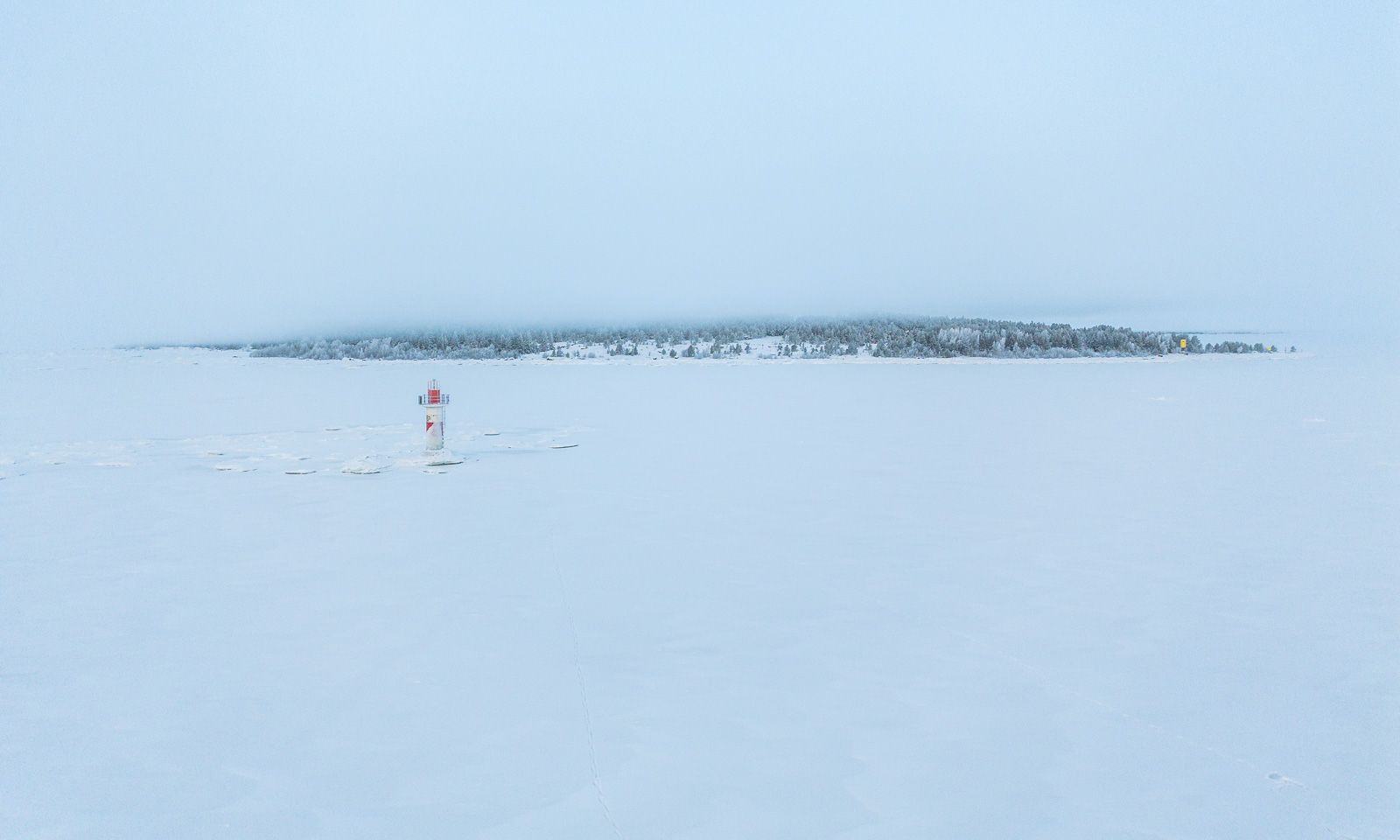
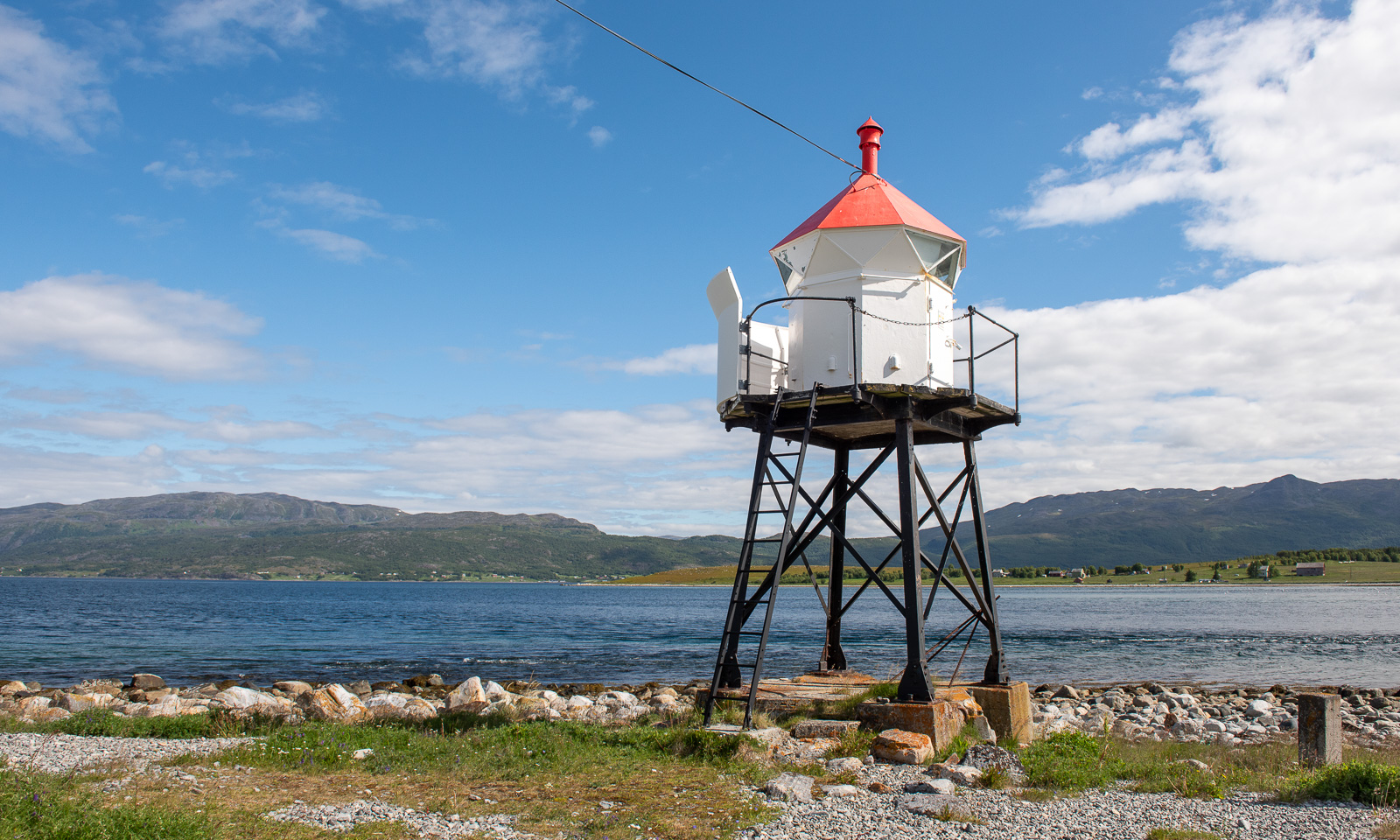
About half a year ago I had my drone with my as well, this time on the frozen Baltic Sea where I flew it several times. Publishing aerial photos taken in Sweden always takes a while, as you need to apply for publication permission for each photo. I have obtained permission to publish the following photo of the lighthouse Dynan and the island Bredskär. So, here it is:

If everything goes according to plan I will go on a three-week work cruise with the icebreaking vessel Kronprins Haakon between Svalbard and Greenland in October. Hopefully, we will have good conditions for ice stations. Then I’ll take orthophotos of and on the ice again.


Steindalsbreen 2026

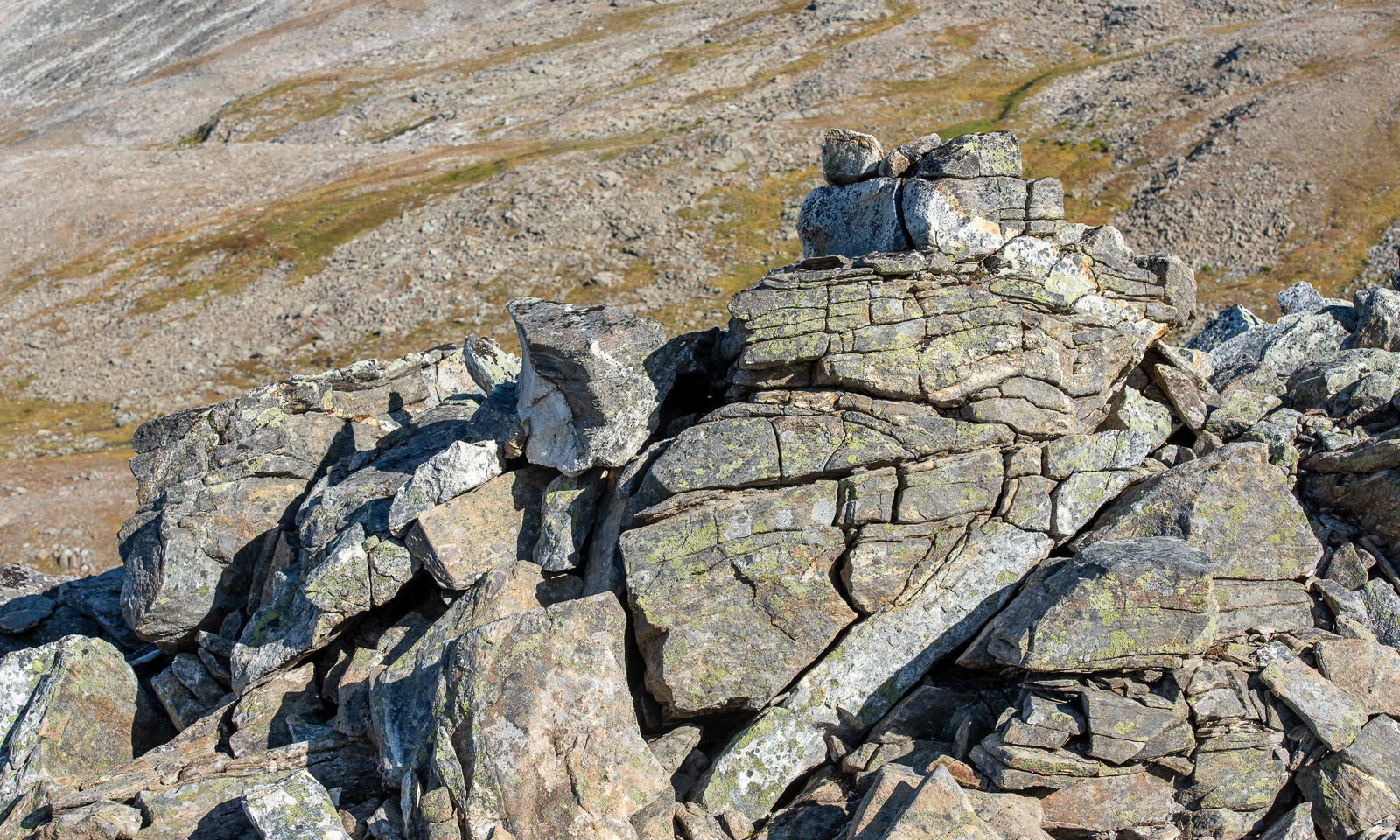
It has become a tradition for me to hike to the glacier Steindalsbreen on the Lyngen Peninsula once a year. I was there on 24 September 2023, on 28 September 2024, and on 14 September 2025. This year I’ll be away  most of September, so I hiked there already yesterday with my friend Christine.

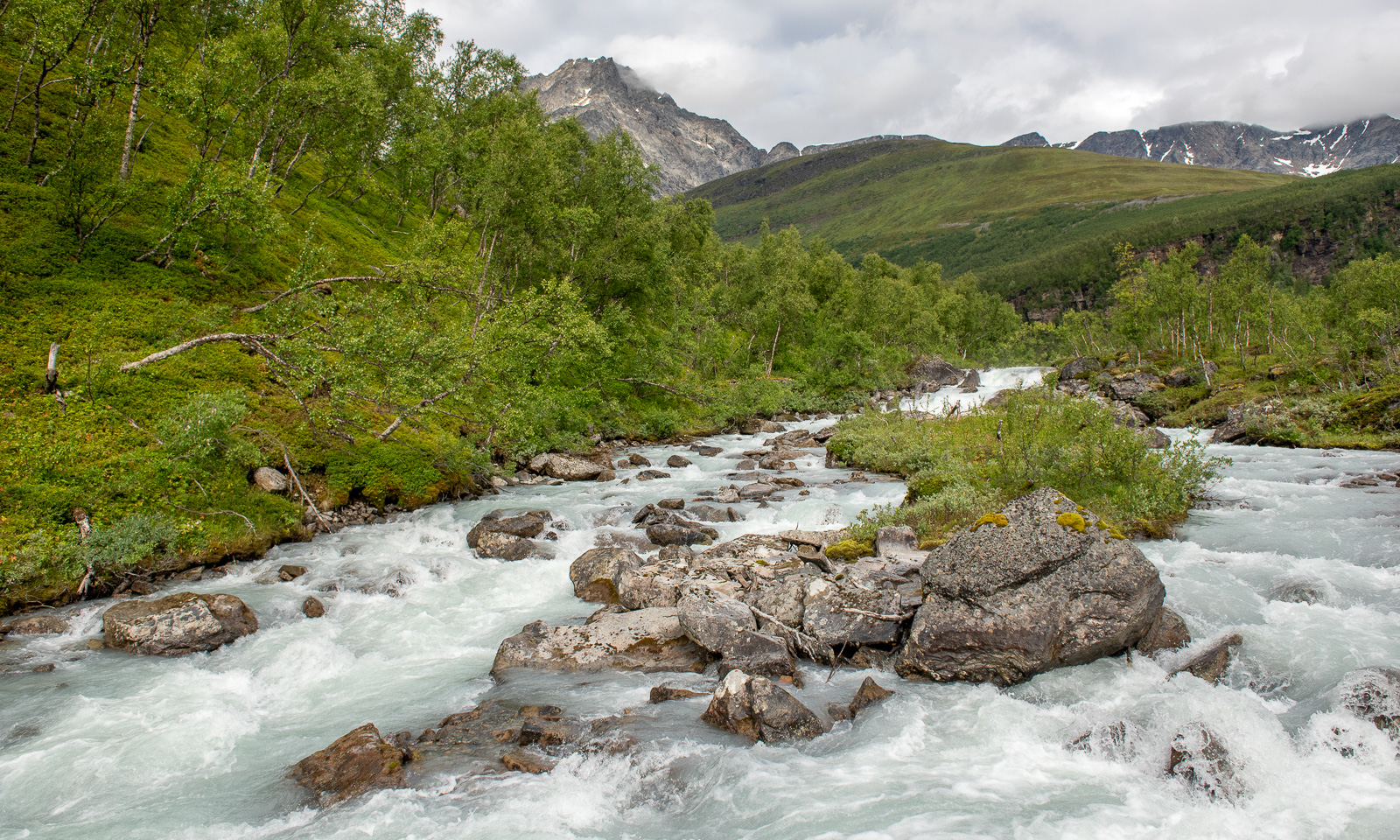
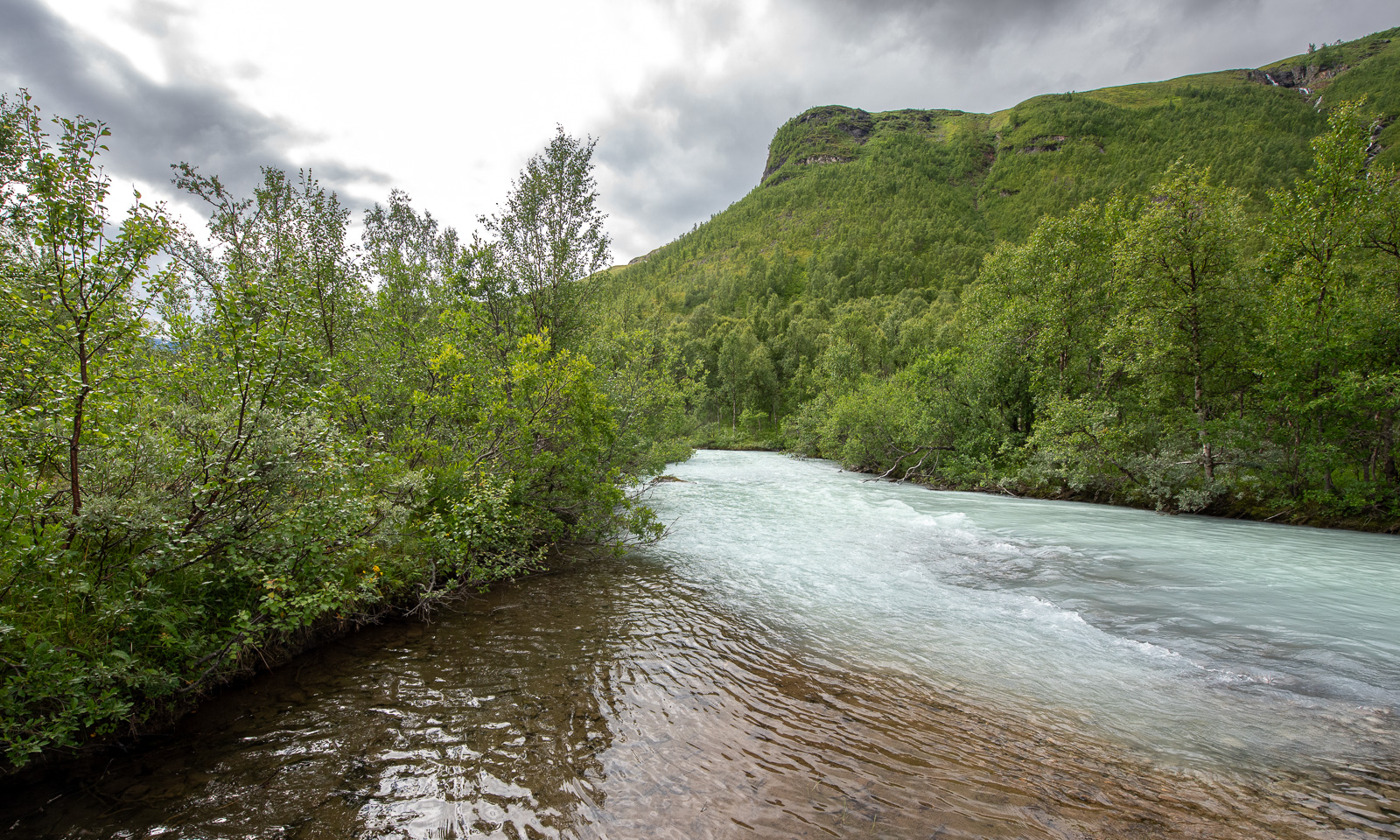
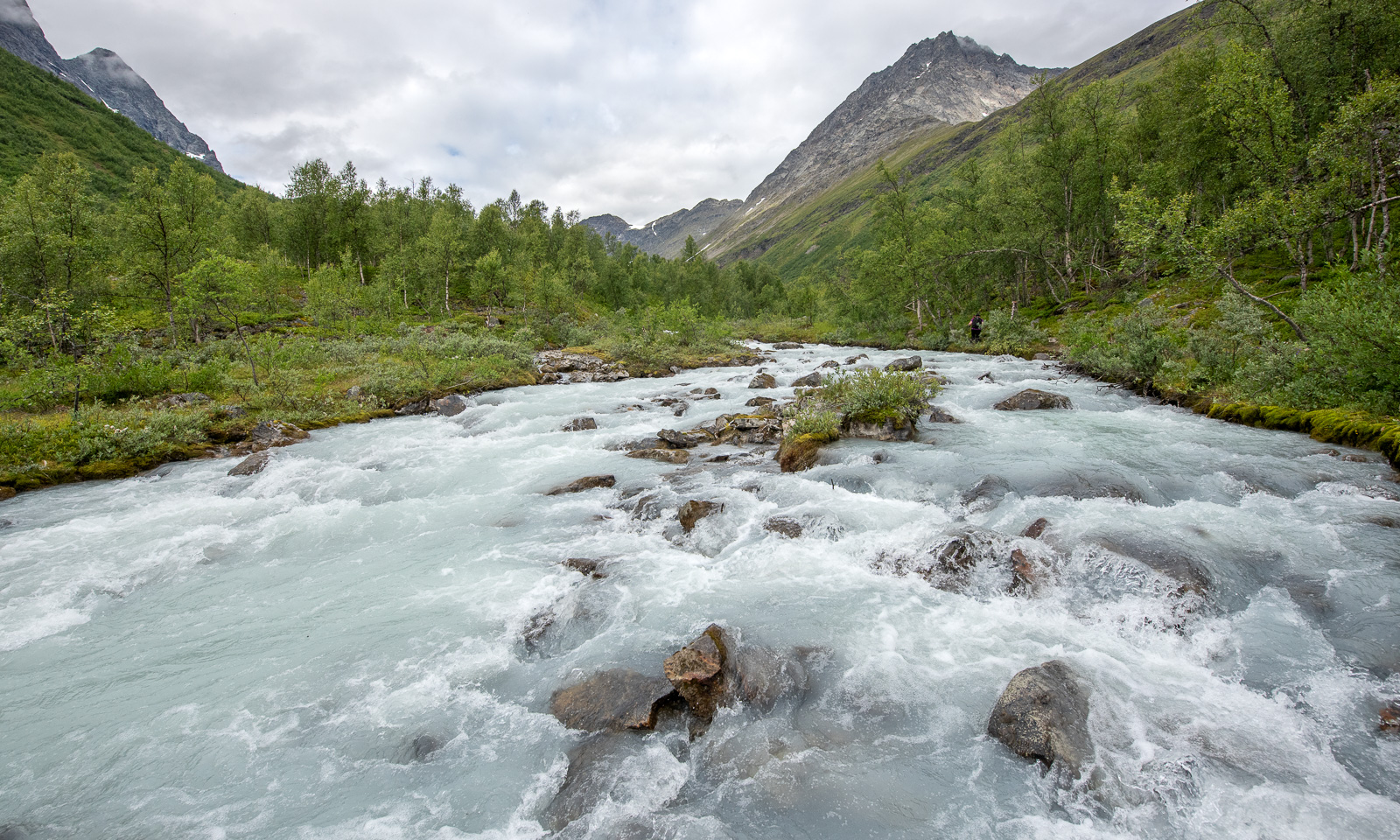
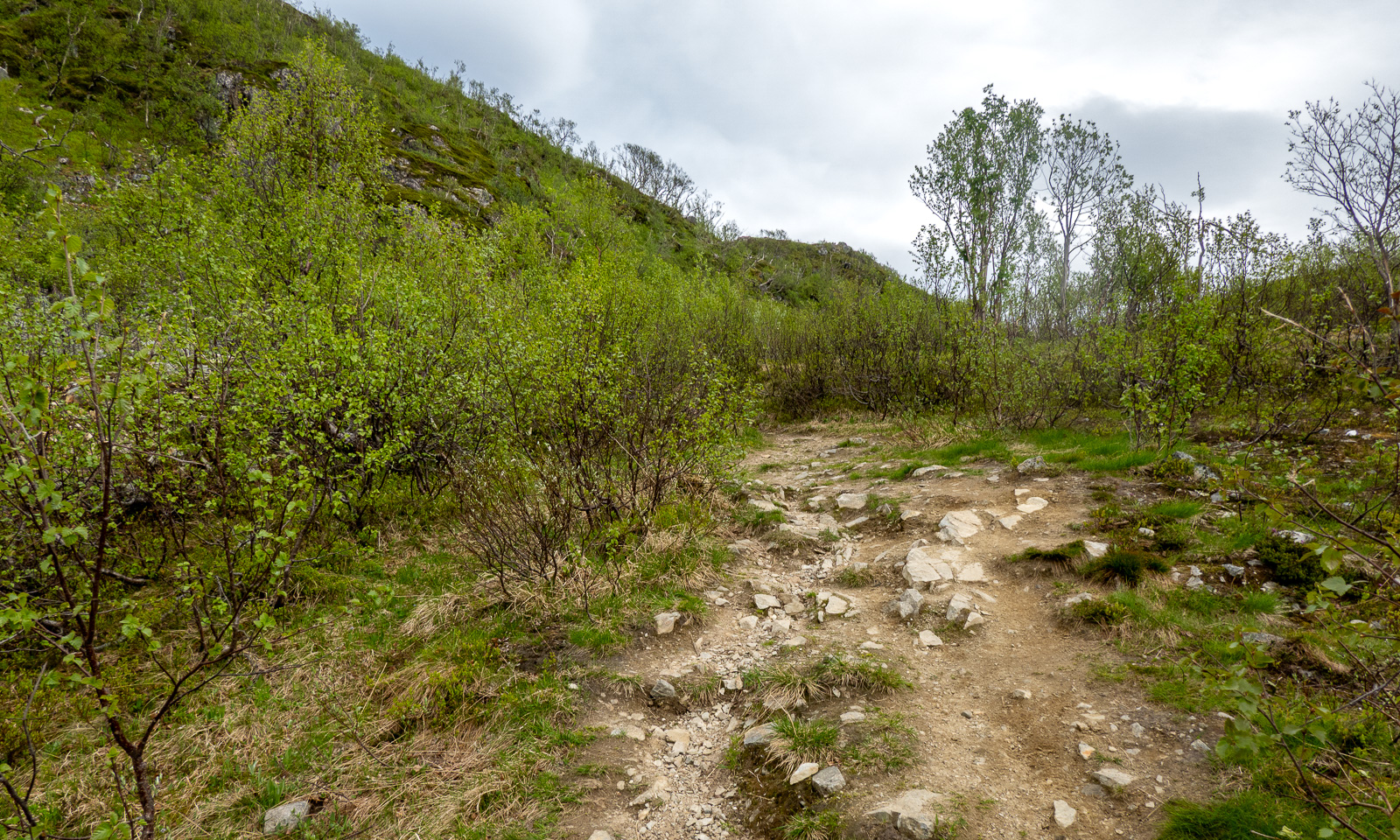
We know the way – the ascending forest path by the river Gievdanjohka (Steindalselva) …

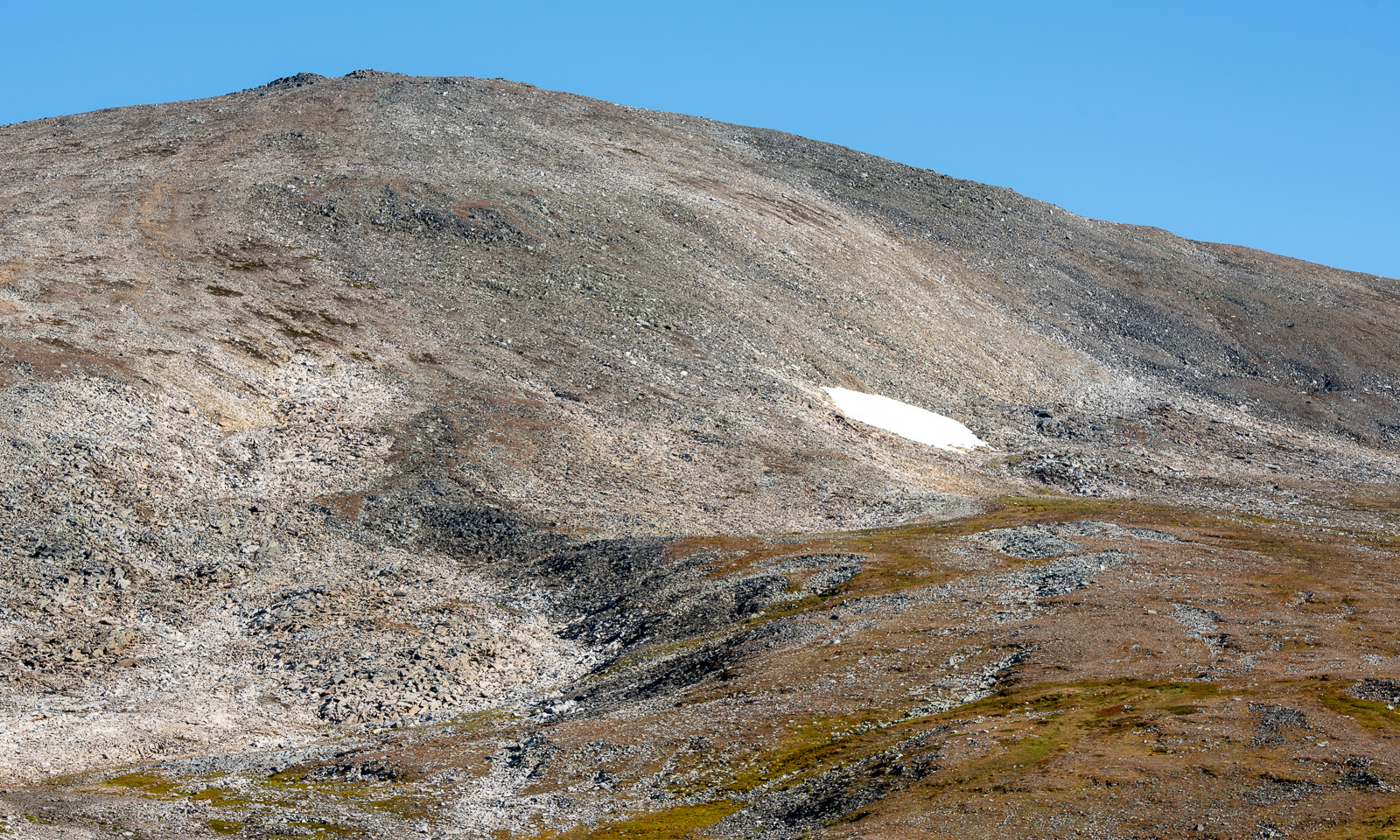
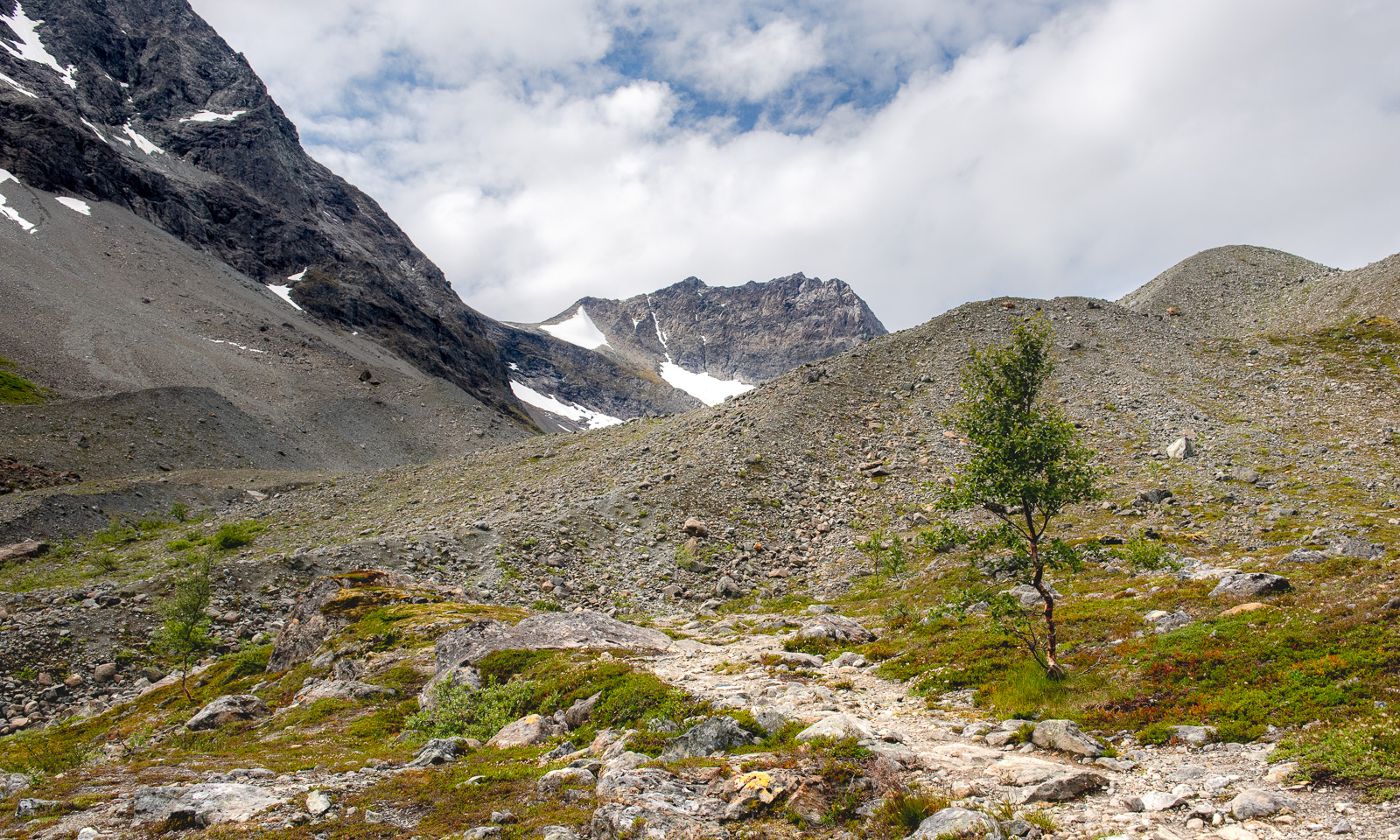
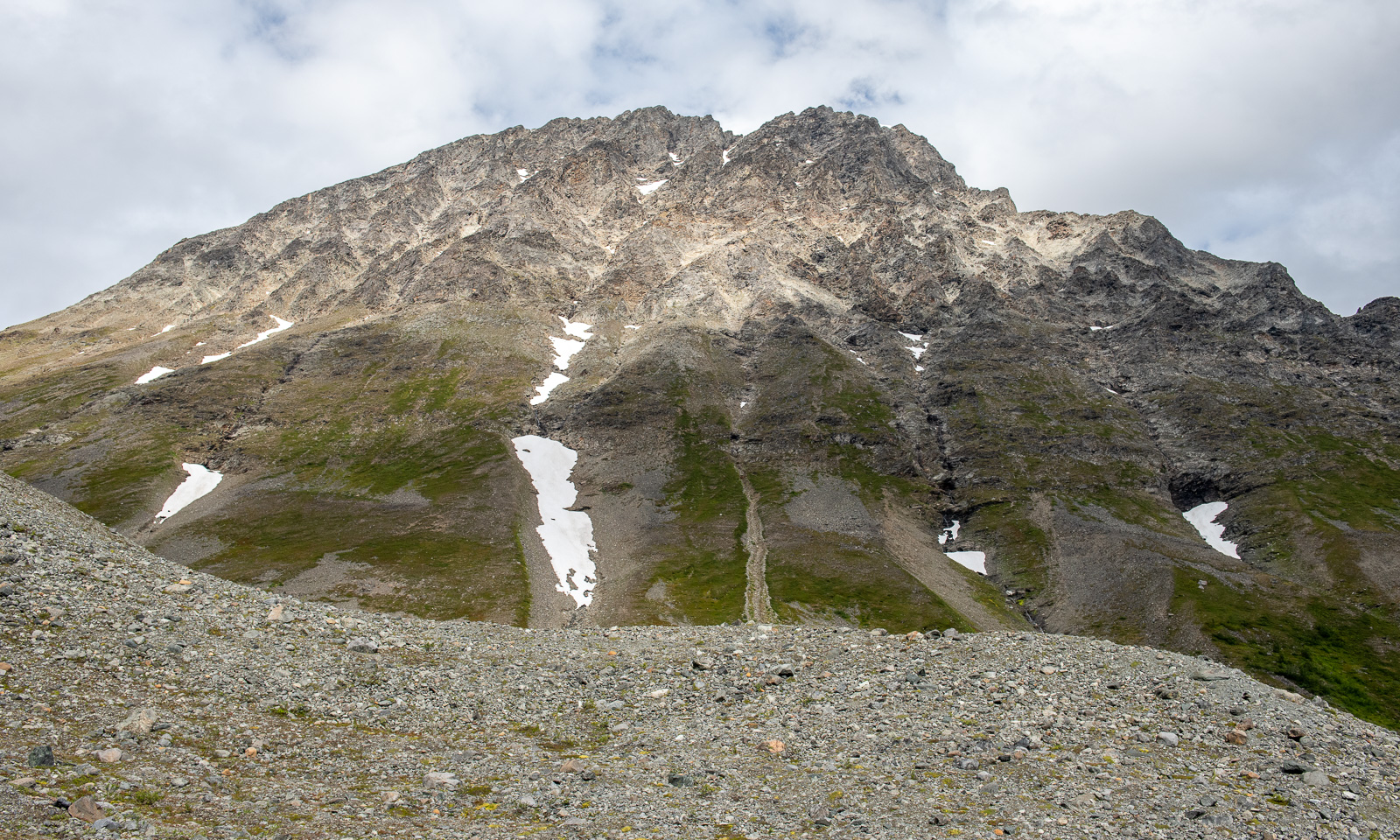
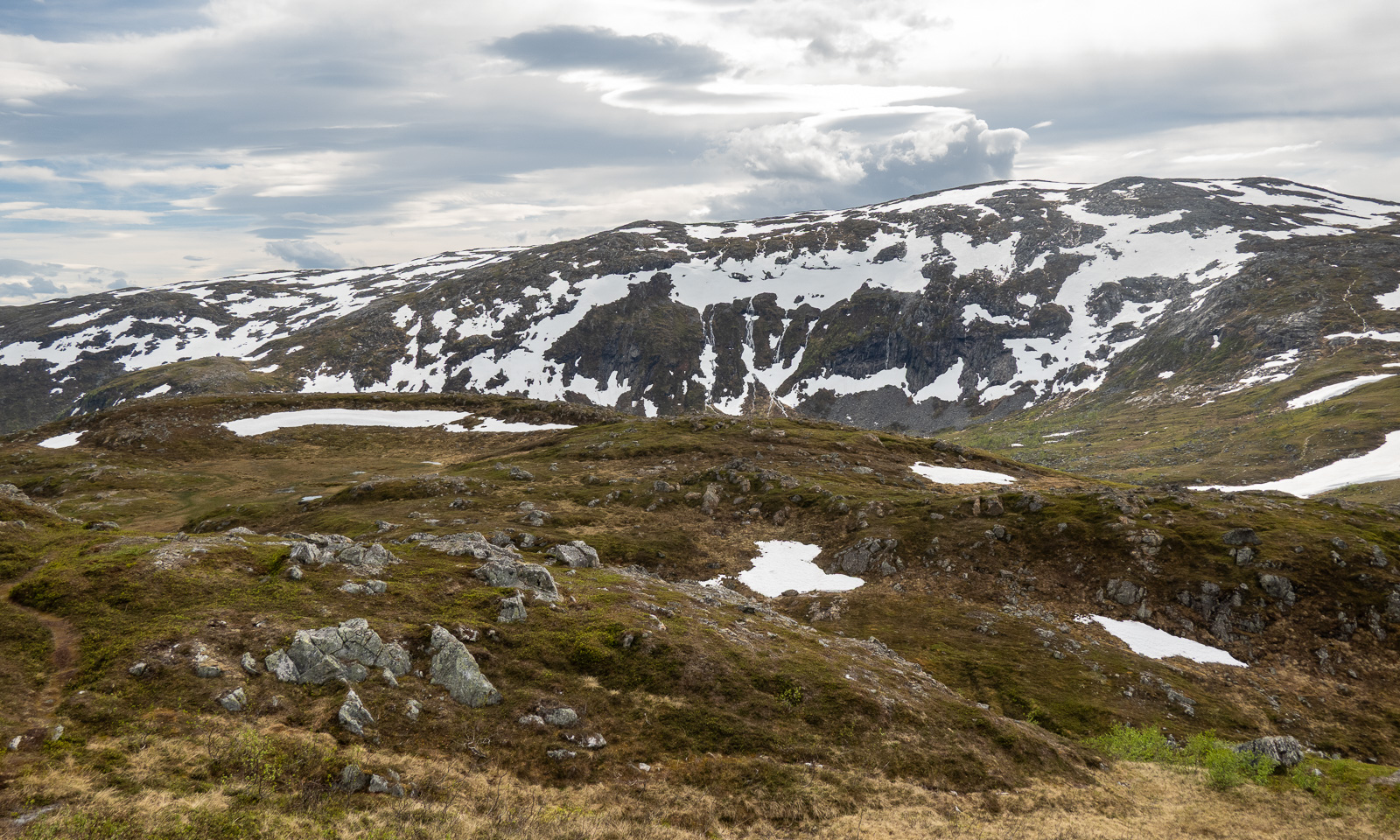
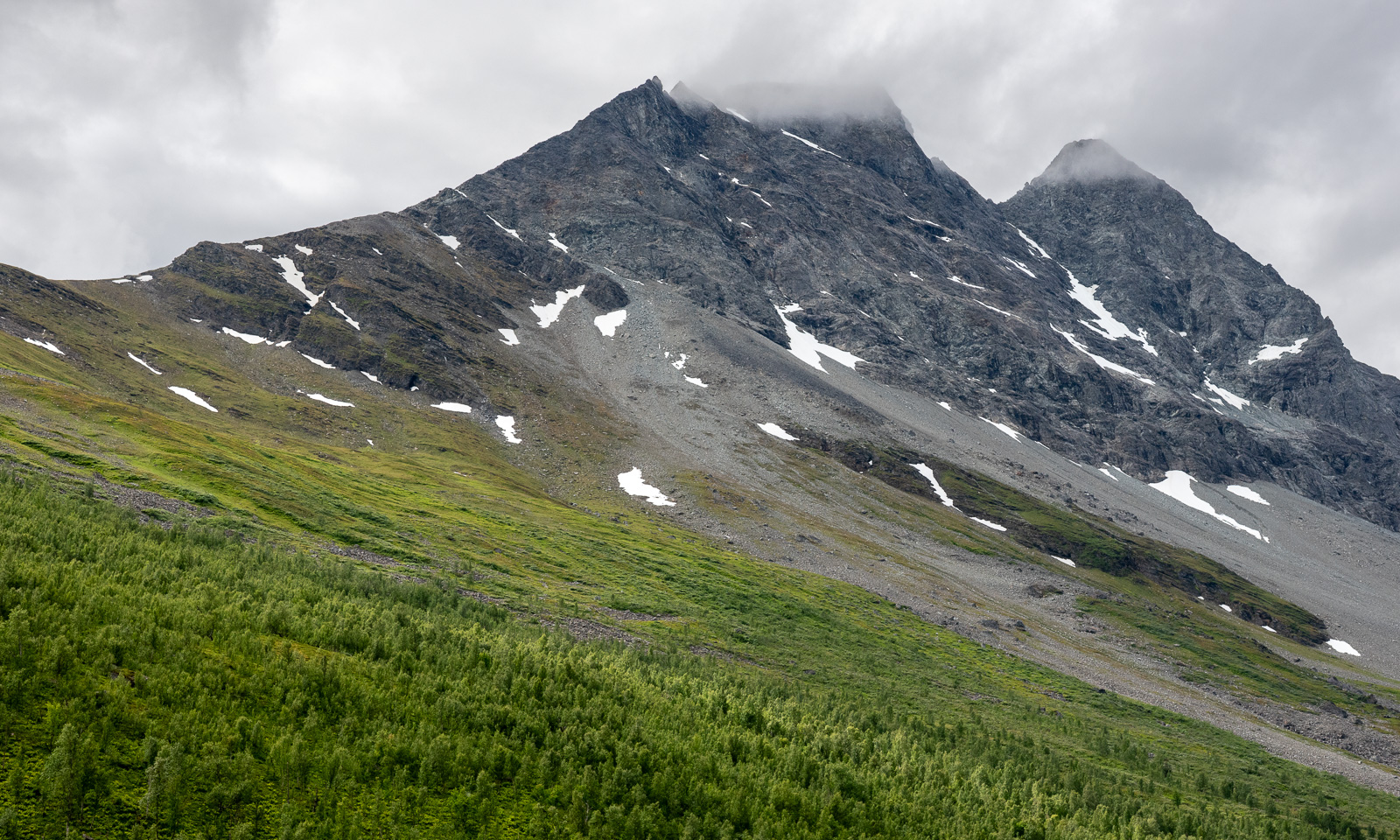
… the Steindalshytta cabin, where my wife Annika and I stayed overnight last year, the bridge over the river Doaresjohka (Tverrelva) and the small hilltop from which you can see the glacier for the first time. Then the U-shaped valley, broad and easy to walk before the ascent where the landscape looks high alpine between 1500-metre-high mountains.

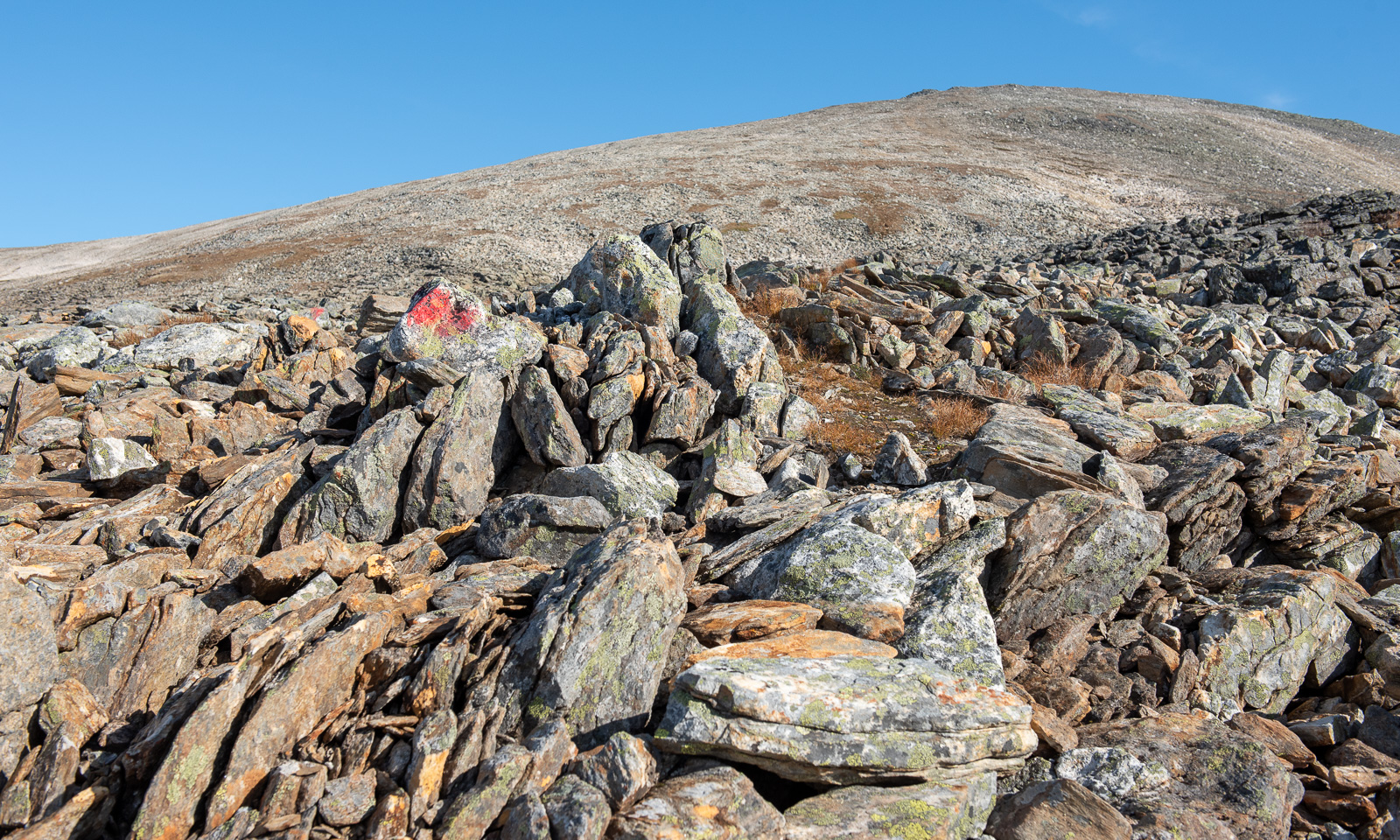
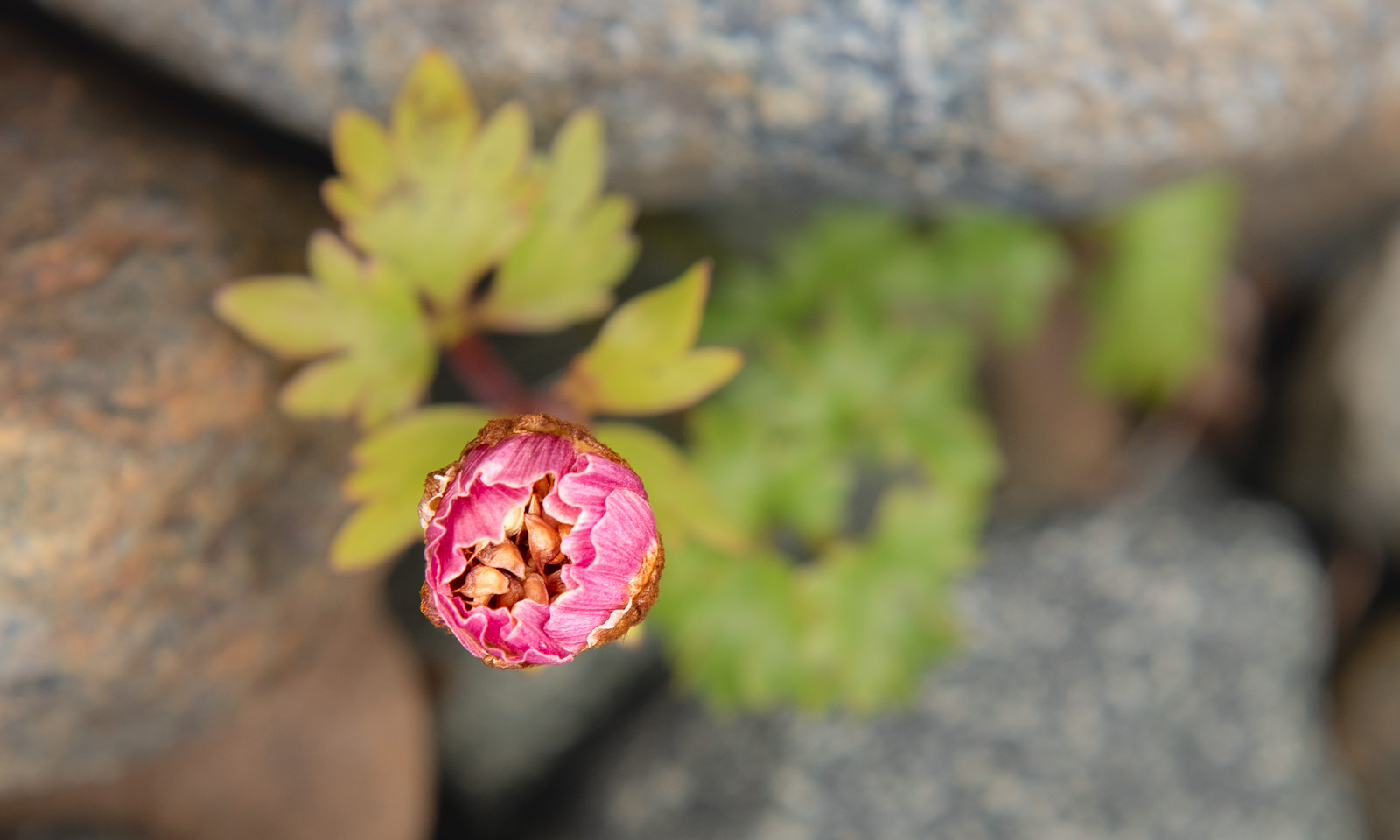
Now the landscape is dominated of rocks and the vegetation is sparse and low. Here a favourite flower of mine grows: Ranunculus glacialis – also known as glacier buttercup or glacier crowfoot.

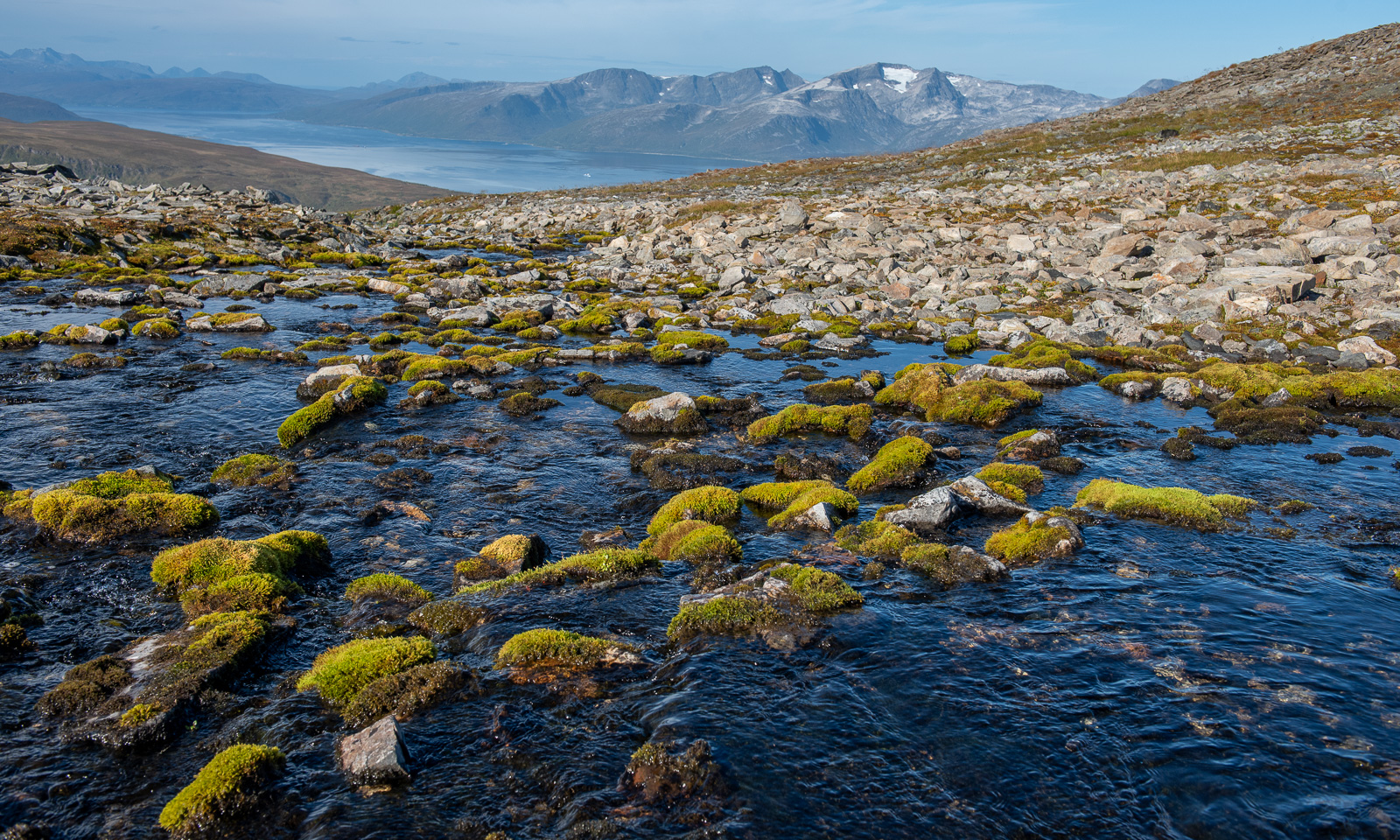
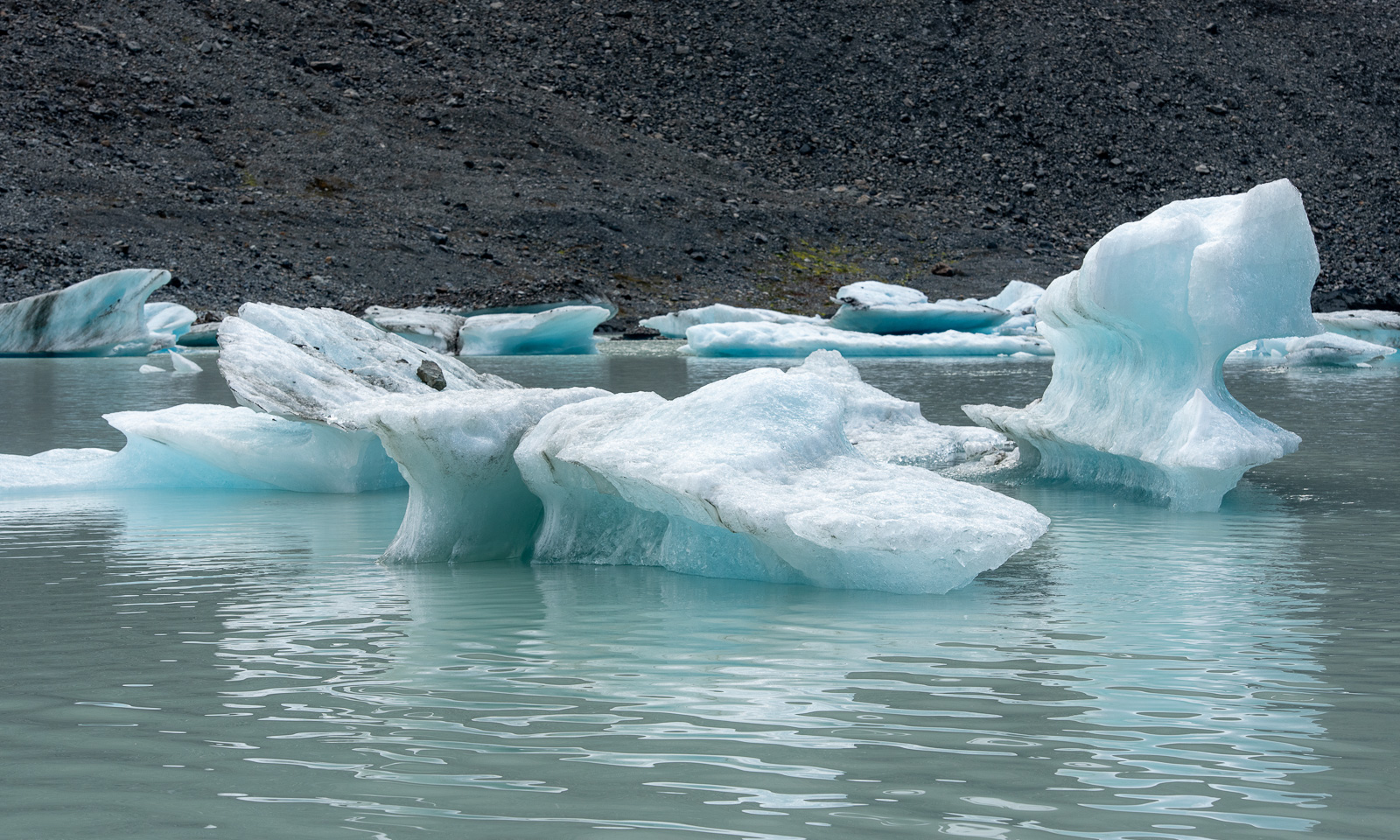
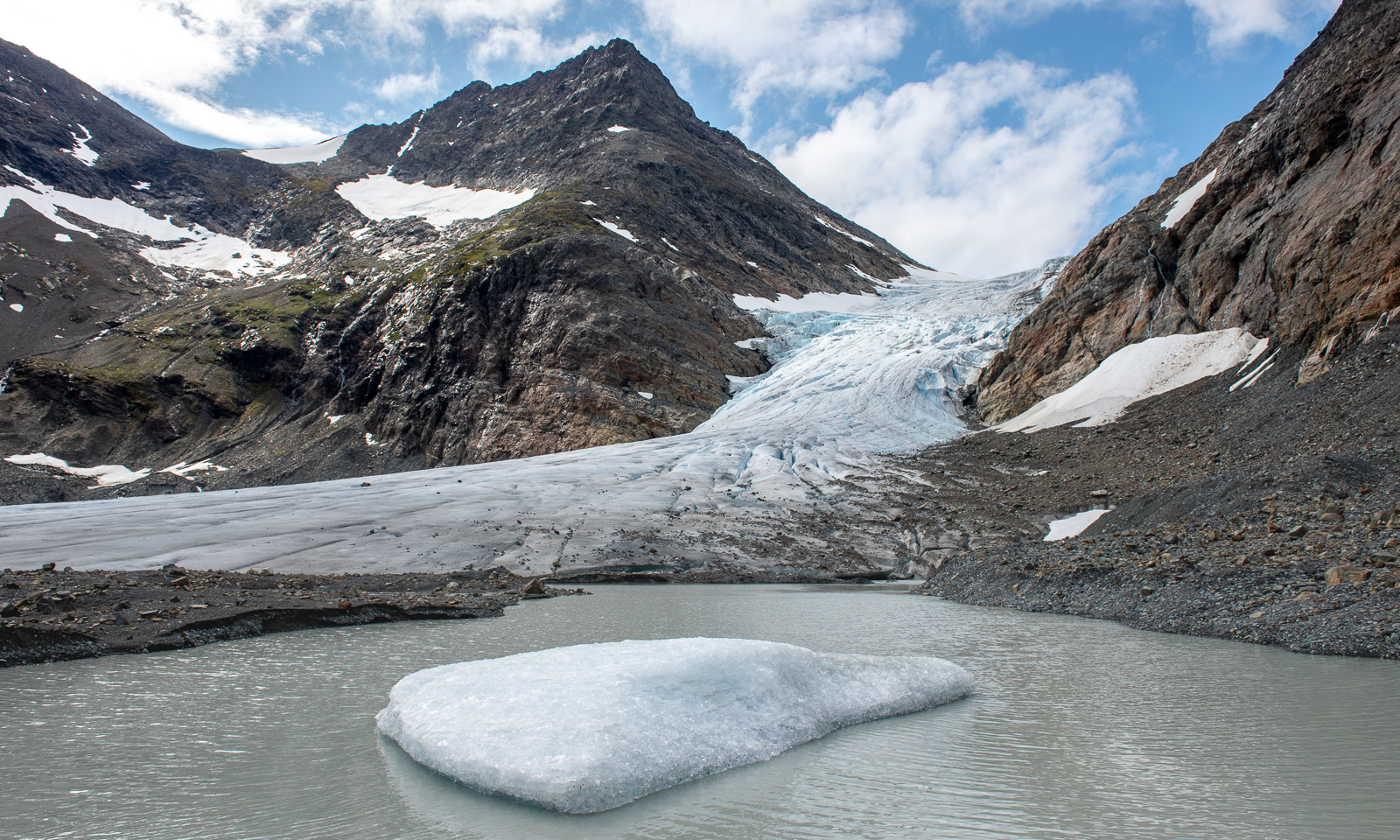
The landscape rises in several waves and then we can see the glacier lake. The water level looks higher than usual. I don’t know if it’s due to the wet summer or the time of the season. This time the lake has some small icebergs in it.

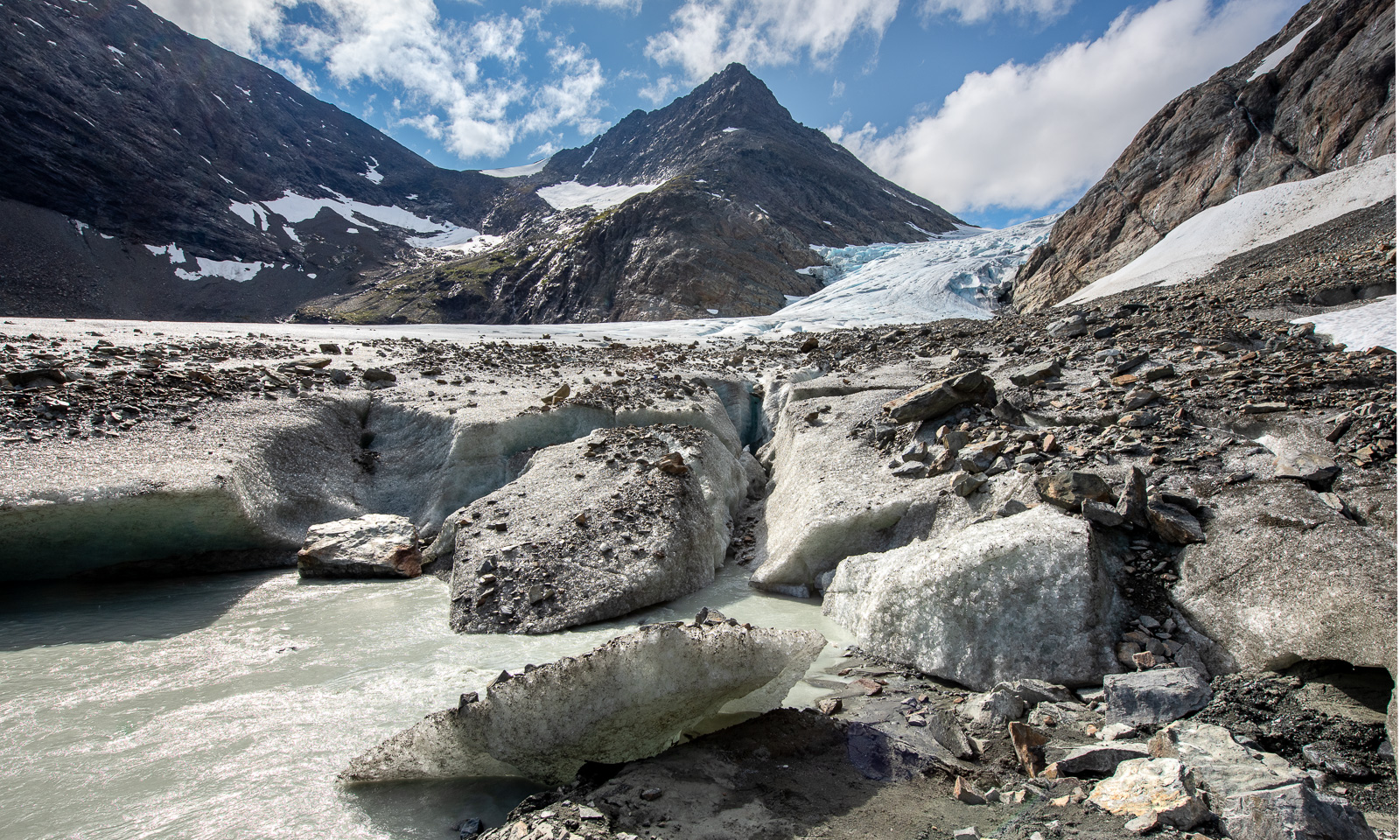
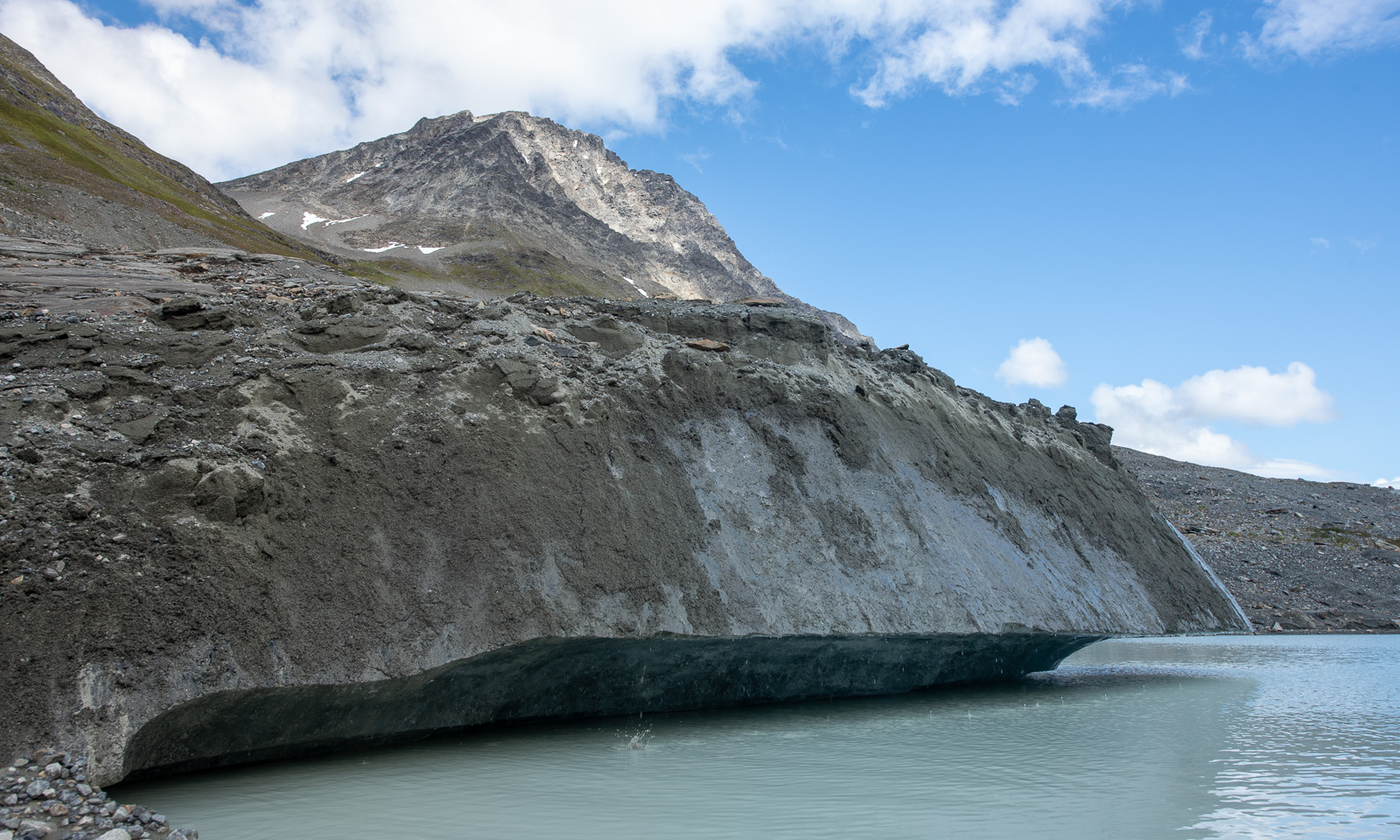
I’m not sure if it is possible to reach the glacier without taking an icy swim but it is surprisingly easy to follow the small path on the scree slopes. The other years it was possible to walk along the glacier front on banks of sand and mud. This year I am limited to the tiny reachable edge of the glacier. This makes the photography part much shorter this year.

The lake looks murky and so do some of the huge ice blocks by the lake. They are covered with rocks, pebbles, and clay and only the smooth side reveals that under the debris there is solid glacial ice.

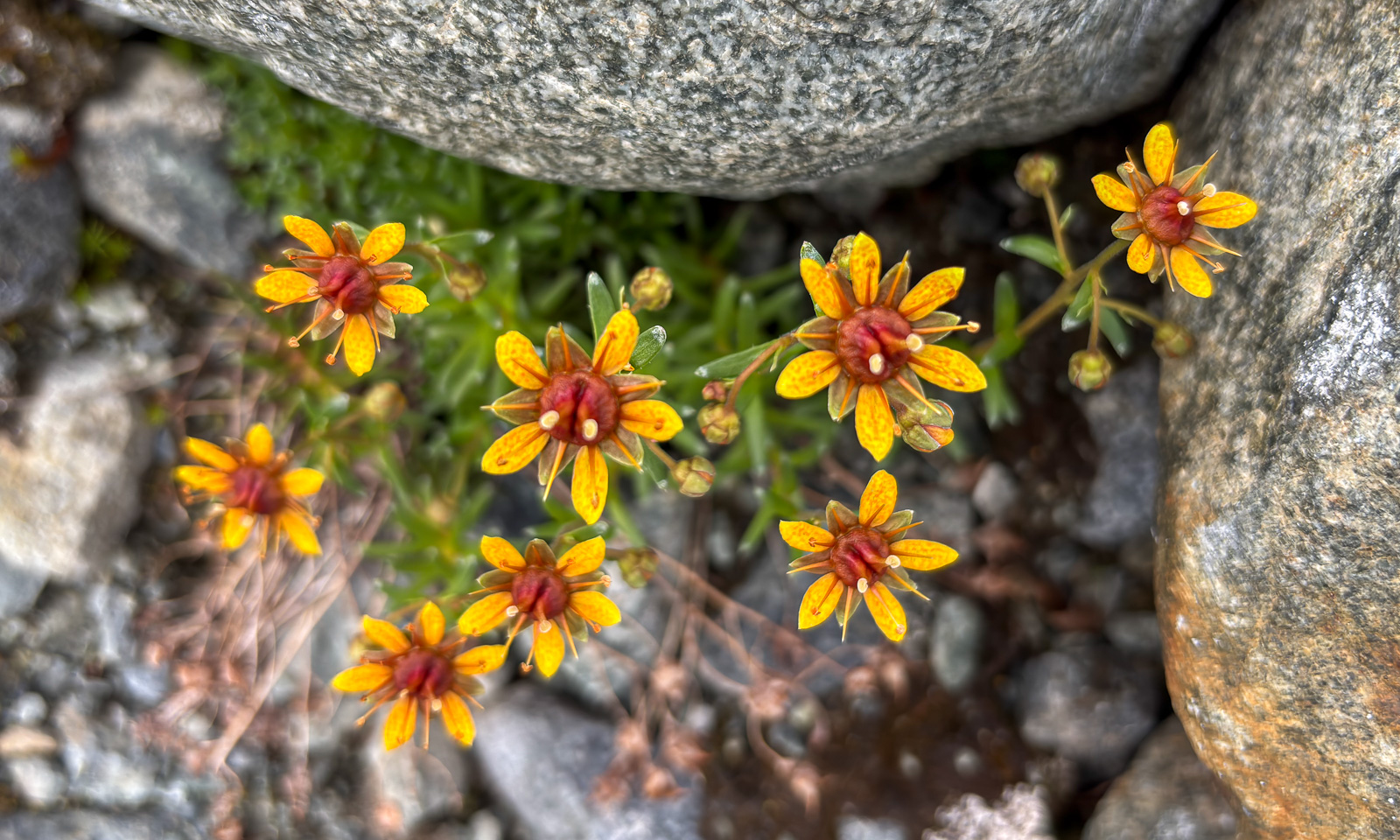
On our way back I hardly took any photos, just an snapshot of this flower with my mobile phone to look up what it is. According to my app “Flora Incognita”, it is Saxifraga aizoides – also known as yellow mountain saxifrage.

Thanks for the trip, Christine, and for driving all the way.


A summer overnight stay at Blåkollkoia cabin

The weather in Tromsø for the weekend didn’t look promising, but for Friday it did. I leave work just after lunch so that Annika and I can hike up to Blåkollkoia cabin together. At half past one I park the car in Tønsvik. From there, it is an 8 km walk up to the cabin. The first 2½ km we follow a gravel road that leads to some private cabins.

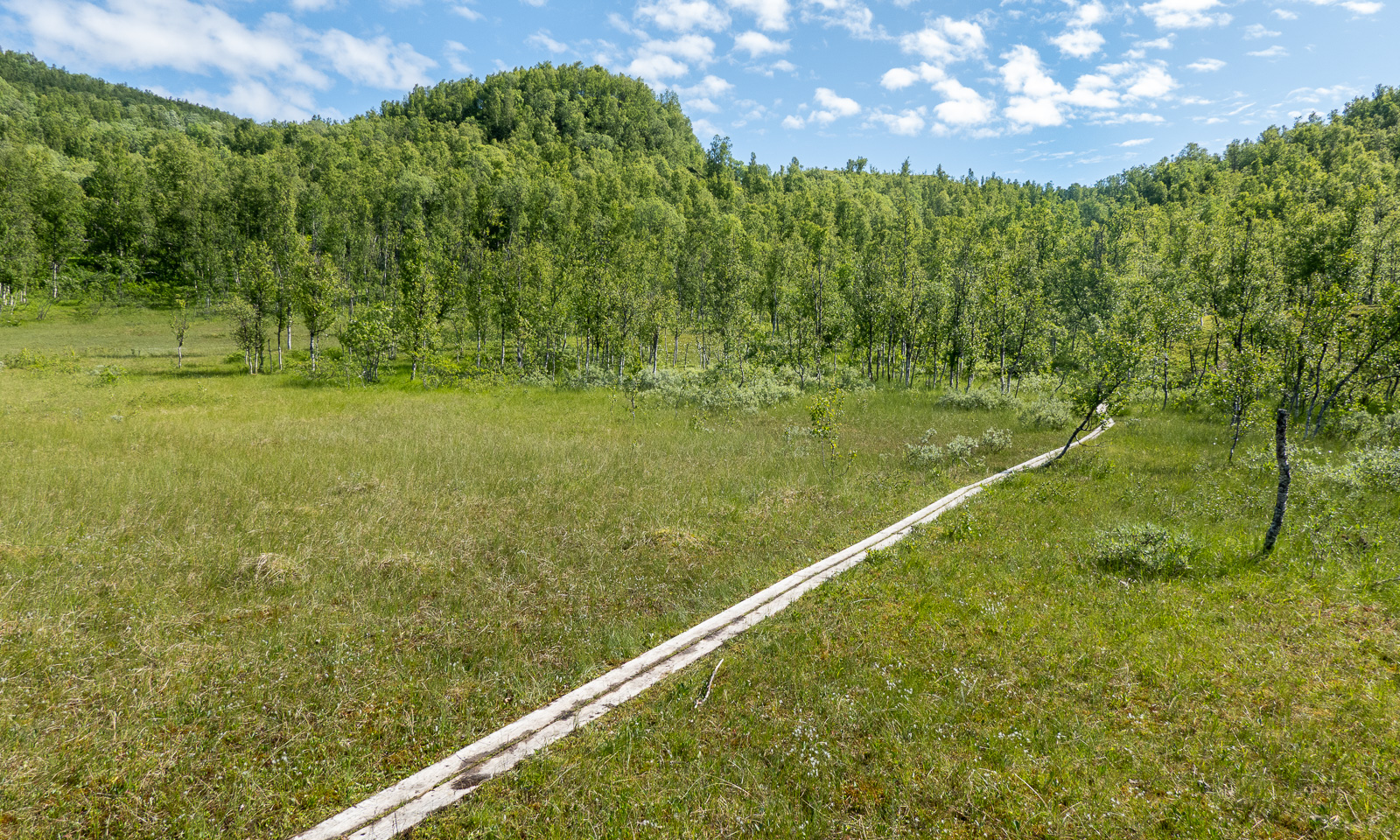
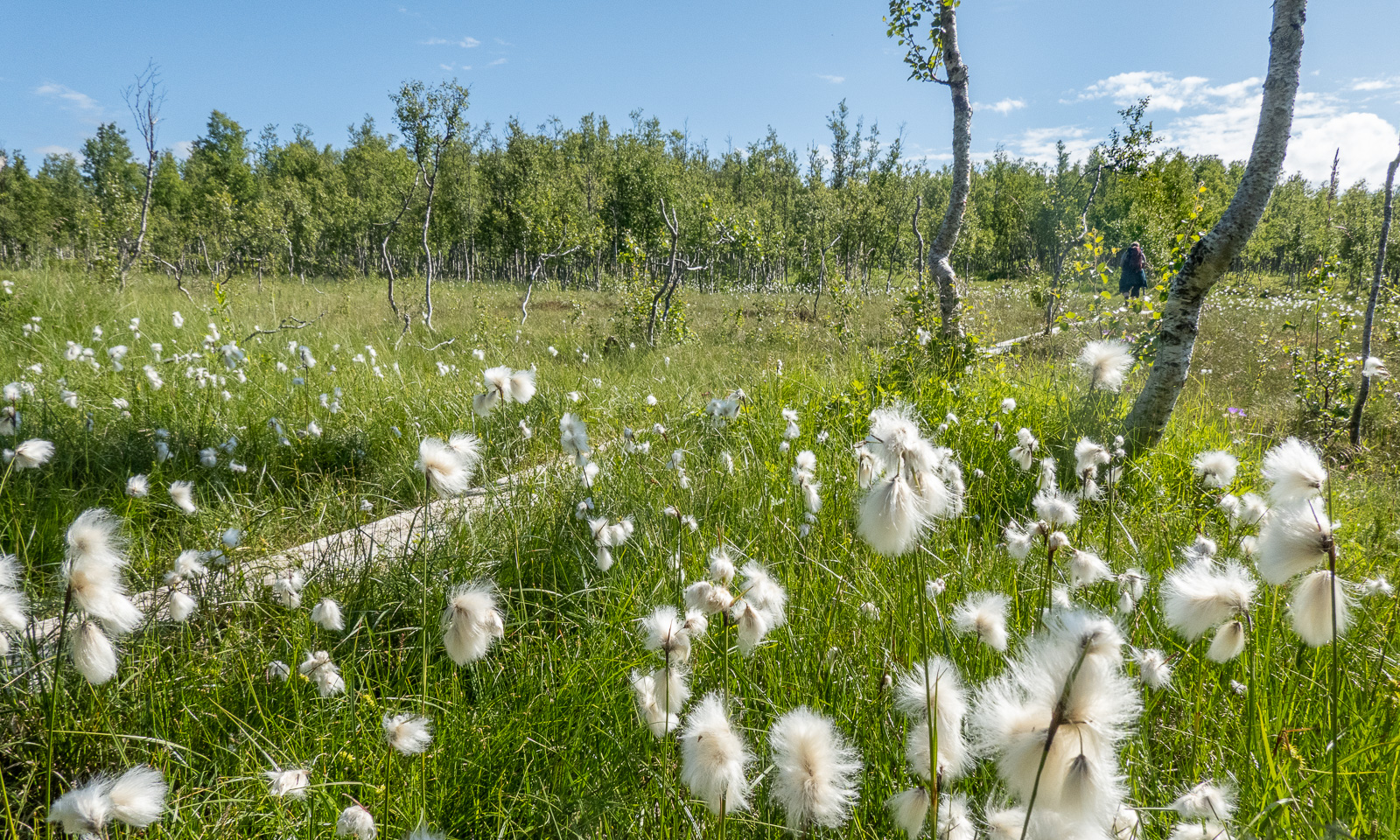
Then the road turns into a marked hiking trail. It leads through fern thickets and birch forests; it crosses grassy plateaus and bogs with cotton grass.

It is perfect hiking weather. The air is not too warm, but the sun is quite strong and we are glad about the occasional wind cooling us down. There are hardly any mosquitoes, but plenty of flies seem to fall in love with us and follow us everywhere.

Below the cabin we use the bridge to cross the river Goahtevuomieatnu/Tønsvikelva. We were here in August 2024 and took a bath; now the river carries a lot more water.

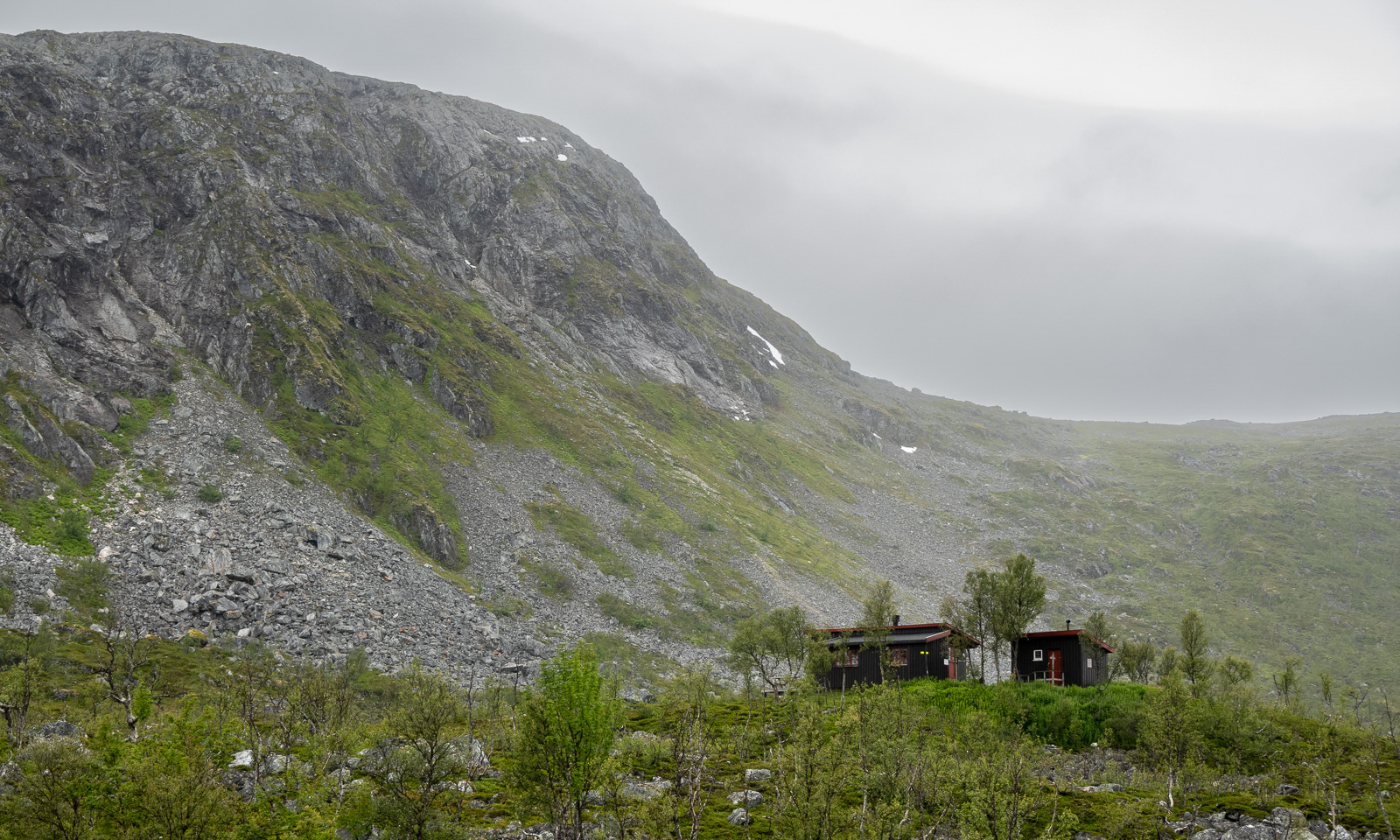
Then we arrive at the cabin. It is locked and we use the key provided by DNT (Den Norske Turistforening) to enter. We have booked two beds in Room 2.

I go outside several times to take photos, while the sun is slowly sinking lower and lower. It is still polar day in Tromsø, so the sun won’t set. I sleep a bit but after midnight I am out again enjoying the beautiful scenery that is illuminated by the low sun in warm colours.

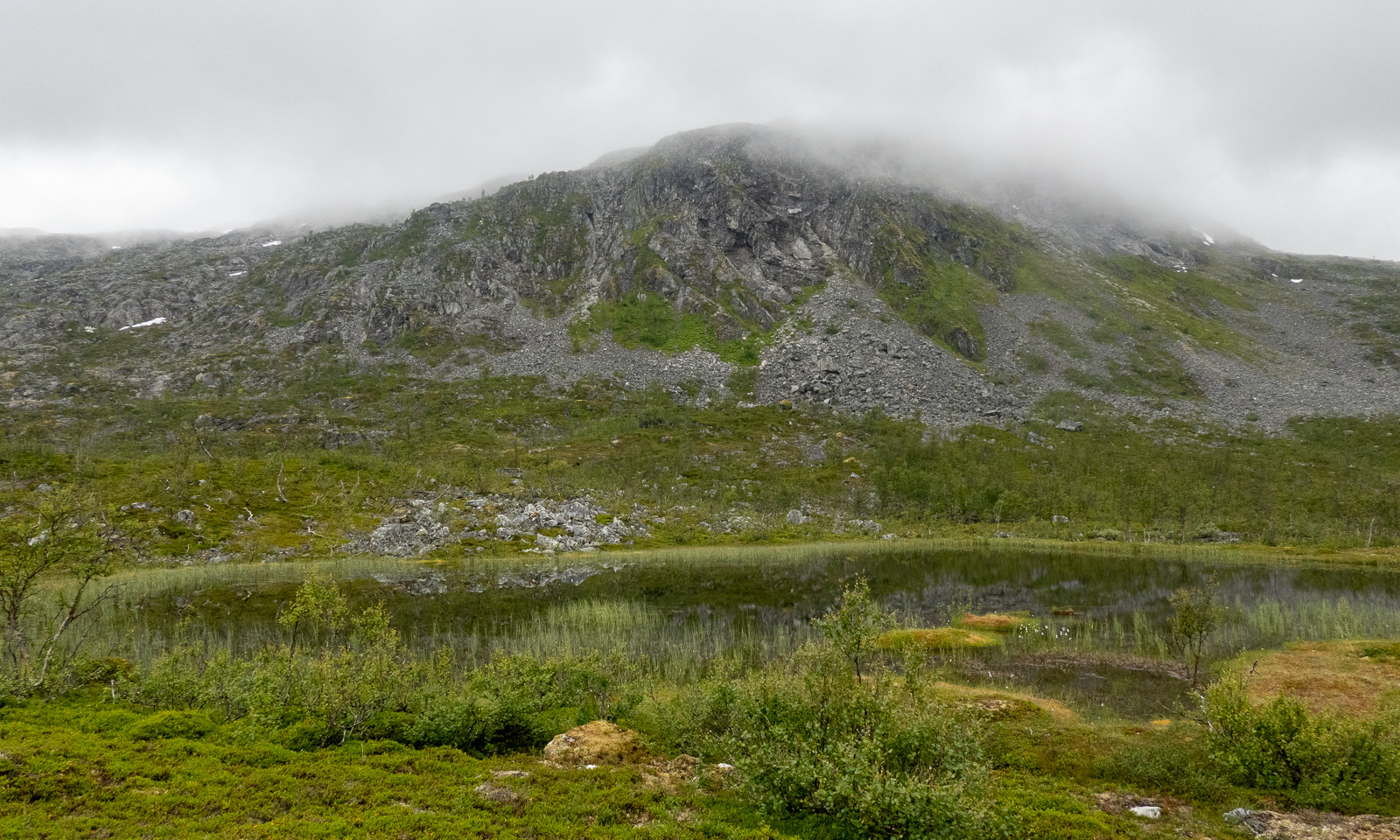
The next morning the scenery is quite different. The sky is overcast, some mountains hang in the clouds and it has started drizzling a bit.

After a two-course breakfast (fried spaghetti and muesli), Annika and I pack our things, clean the cabin with the other guests and start our tour back to the parked car.

First it is just overcast, then it becomes foggy and in the end, when we are on the gravel road again, it starts to rain.

Luckily, a friend of ours lives nearby. Here we can change into dry clothes and we get hot soup and coffee. Thank you, C. for the food and good company! A perfect ending for a great hiking tour that took less than 24 hours.


After work visit of Kvaløya

A bit of hiking – a bit of dining – a bit of bathing – a bit of geocaching – a lot of sun.

All after a regular work day, together with Annika.

Skoganvarre—Tromsø – the last stage of our car trip

This article is part of the series “2026-06: Obbola—Finland—Tromsø”.

Part four of the journey from Obbola to Tromsø

It is Saturday morning. My wife Annika and I are having breakfast in the kitchen of the campsite Skoganvarre Villmark. It is raining and people passing outside are wearing pyjamas and carrying umbrellas or wearing raincoats and crocs. Campsite fashion. Skuvvanvárri (Northern Sámi) or Skoganvarre (Norwegian) is located in Norway, but most of the guests here are Finnish, and it seems to me that more or less all of them are here for fishing.

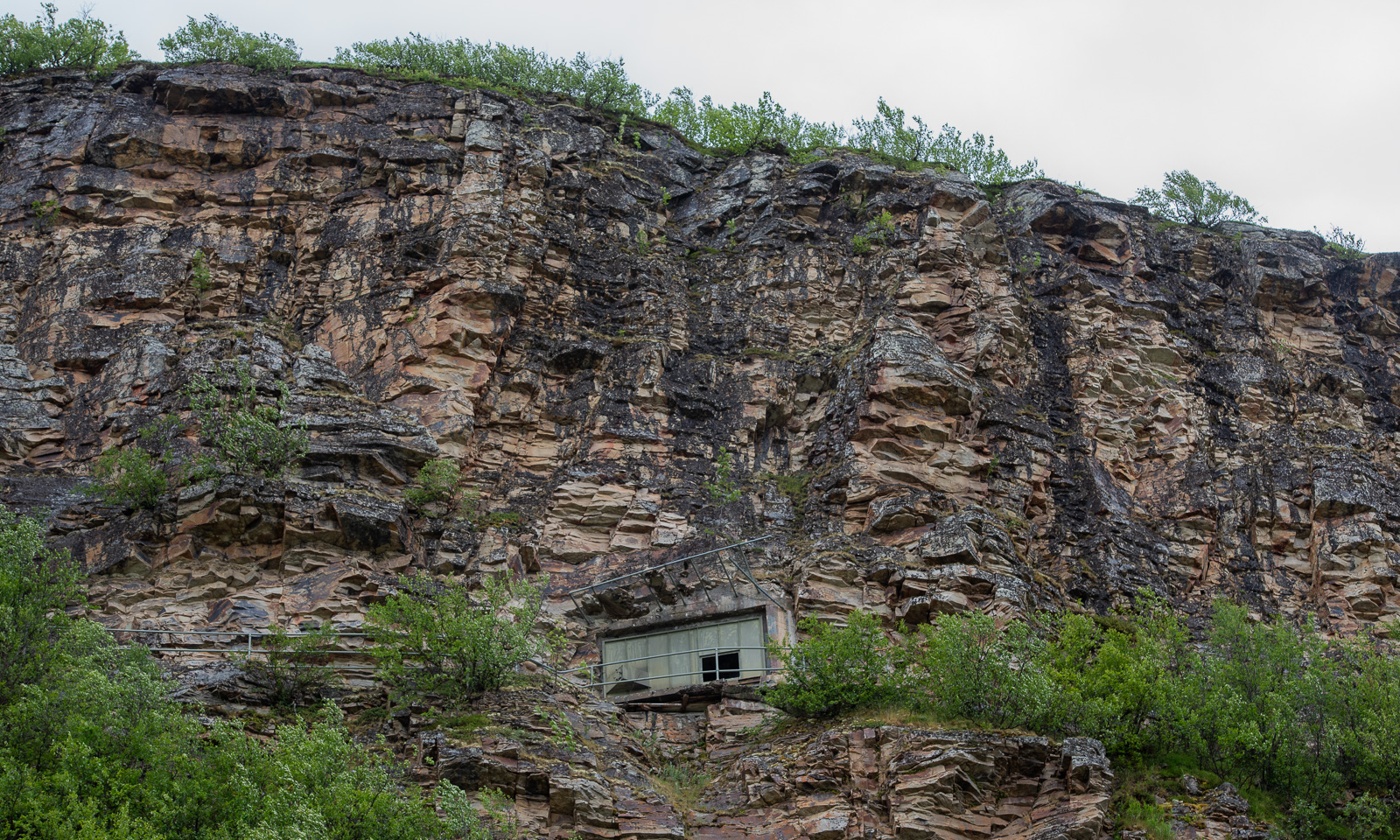
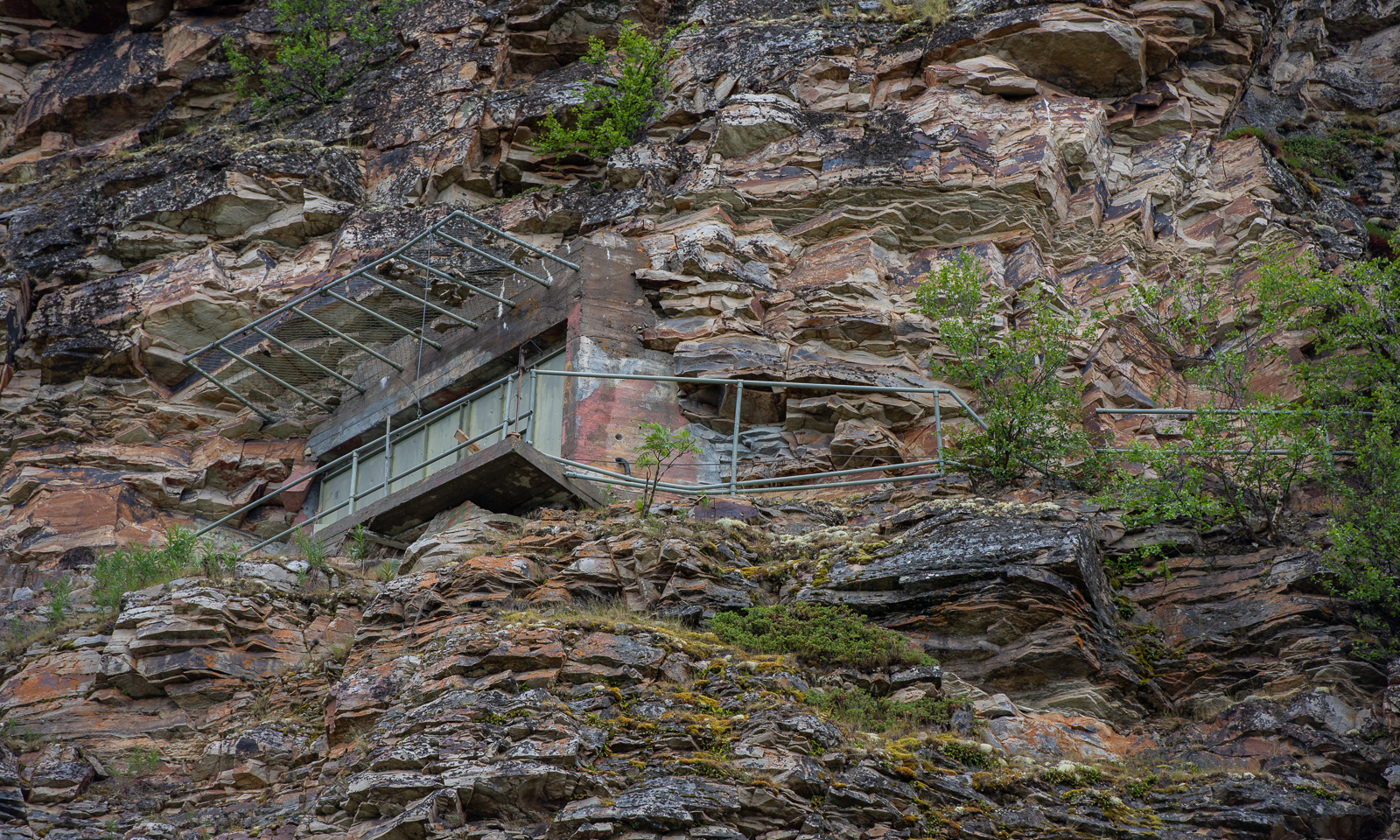
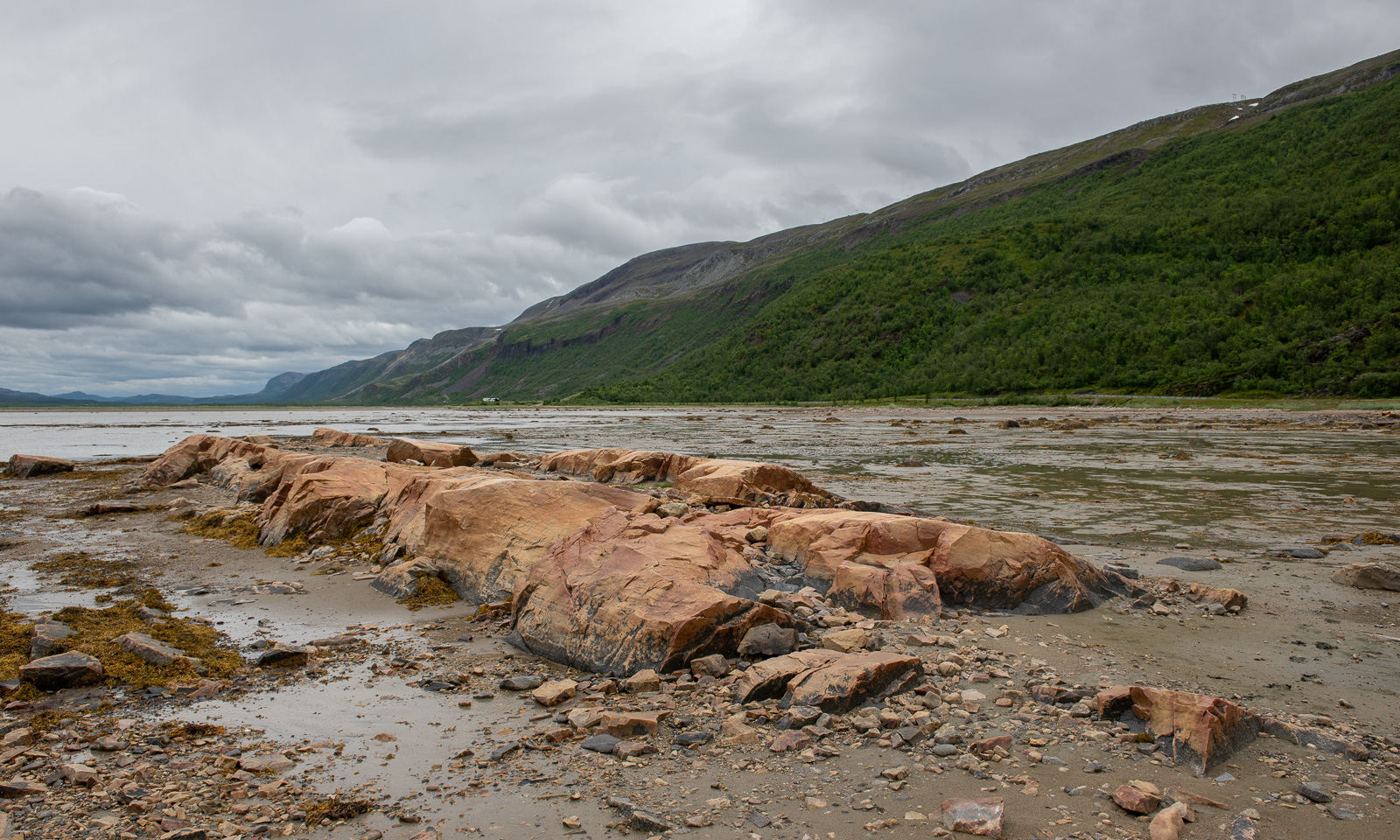
The grey weather follows us to Lakselv where we meet the sea again in the form of the southern end of the huge Porsangerfjorden, the fourth longest fjord in Norway. We passed the road leading north before, but it was the first time that I saw the fortification high in the mountain walls left of the road. It is part of Banak fort, started by the Germans in WWII and continued by the Norwegians and used until 1987.

On the other side of the road the scenery is completely different. Stabbursnes nature reserve is a large protected area dominated by wetlands.

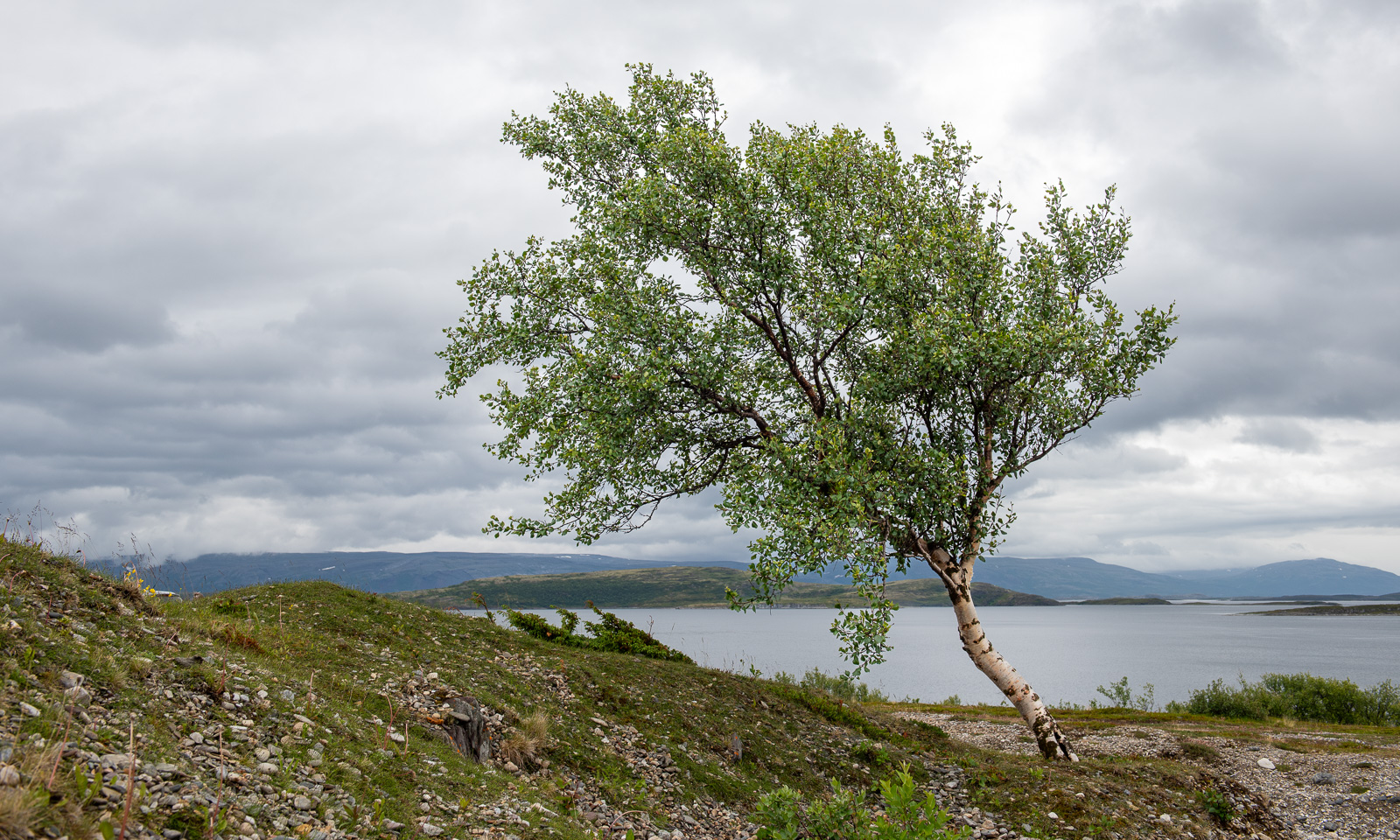
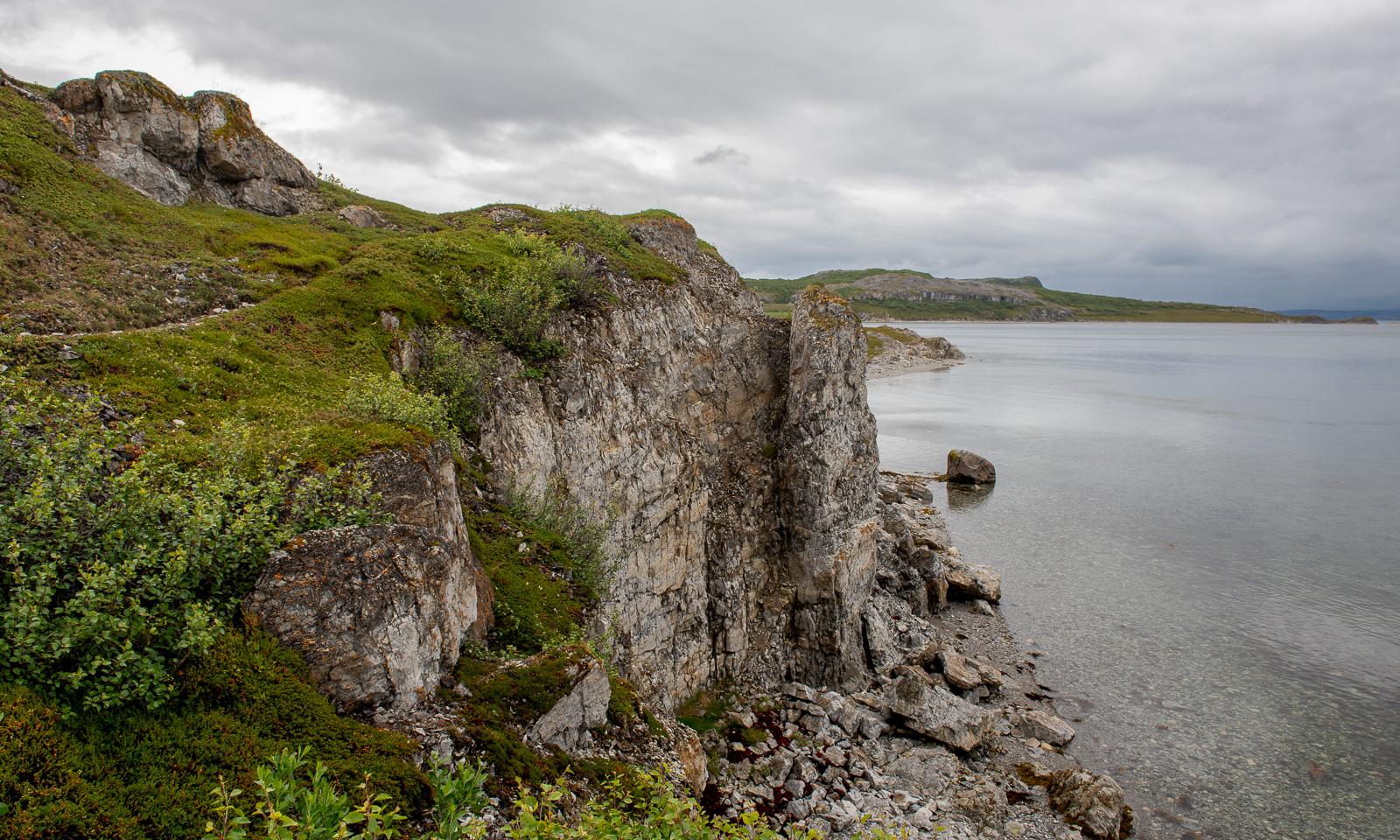
Annika started geocaching a while ago. Sometimes I join her in the search for I found a place to park the car, sometimes I focus more on looking for photo subjects, ideally I do both. At one of the geocache locations behind a gravelly area I first find this lonely birch and then surprisingly beautiful coastal cliffs, although it looked a bit dull in the grey weather.

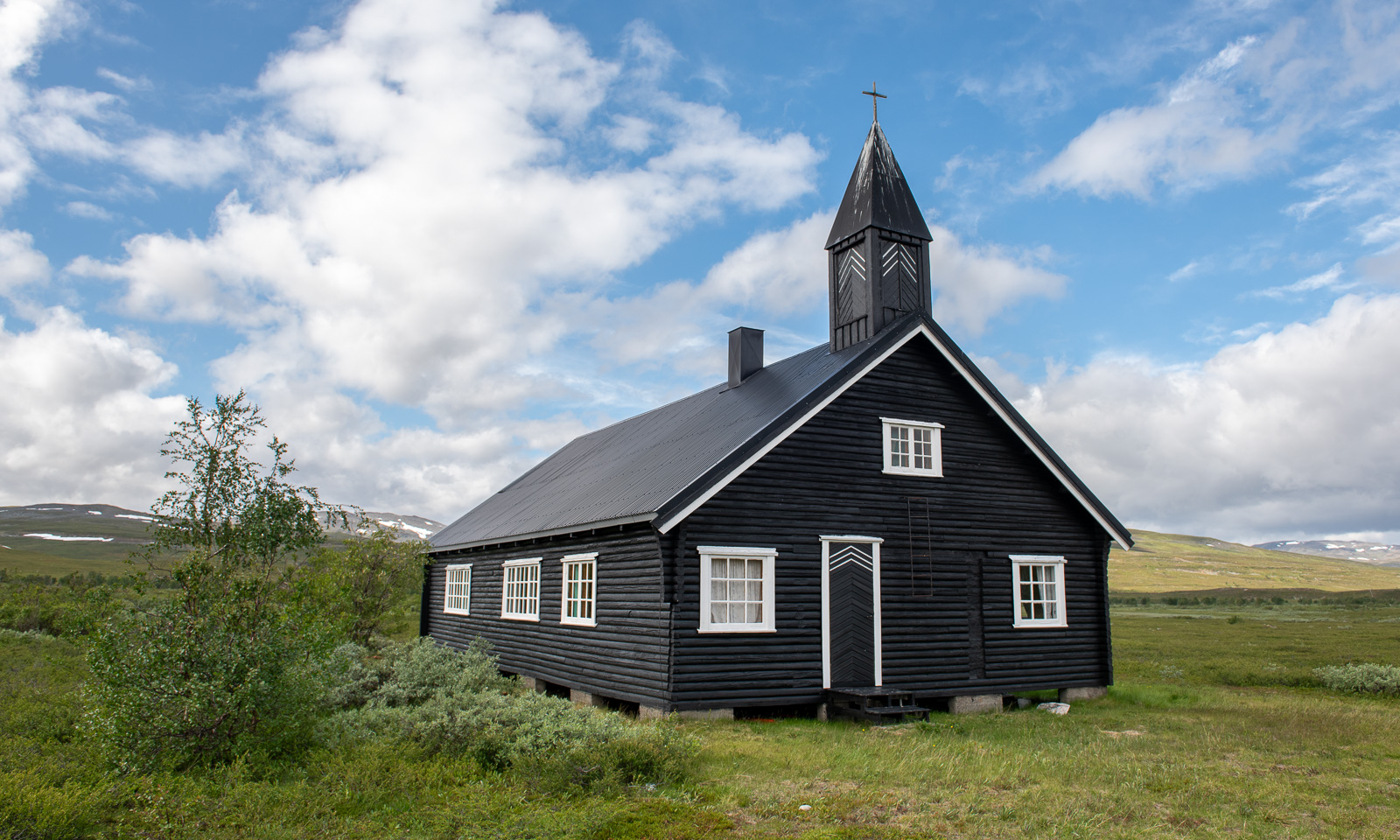
I hardly take any photos of one of my favourite landscapes on this stage of the journey – the plateau of  Sennalandet. I only stop for the Aisaroaivi kapell after the sky has cleared up a bit.

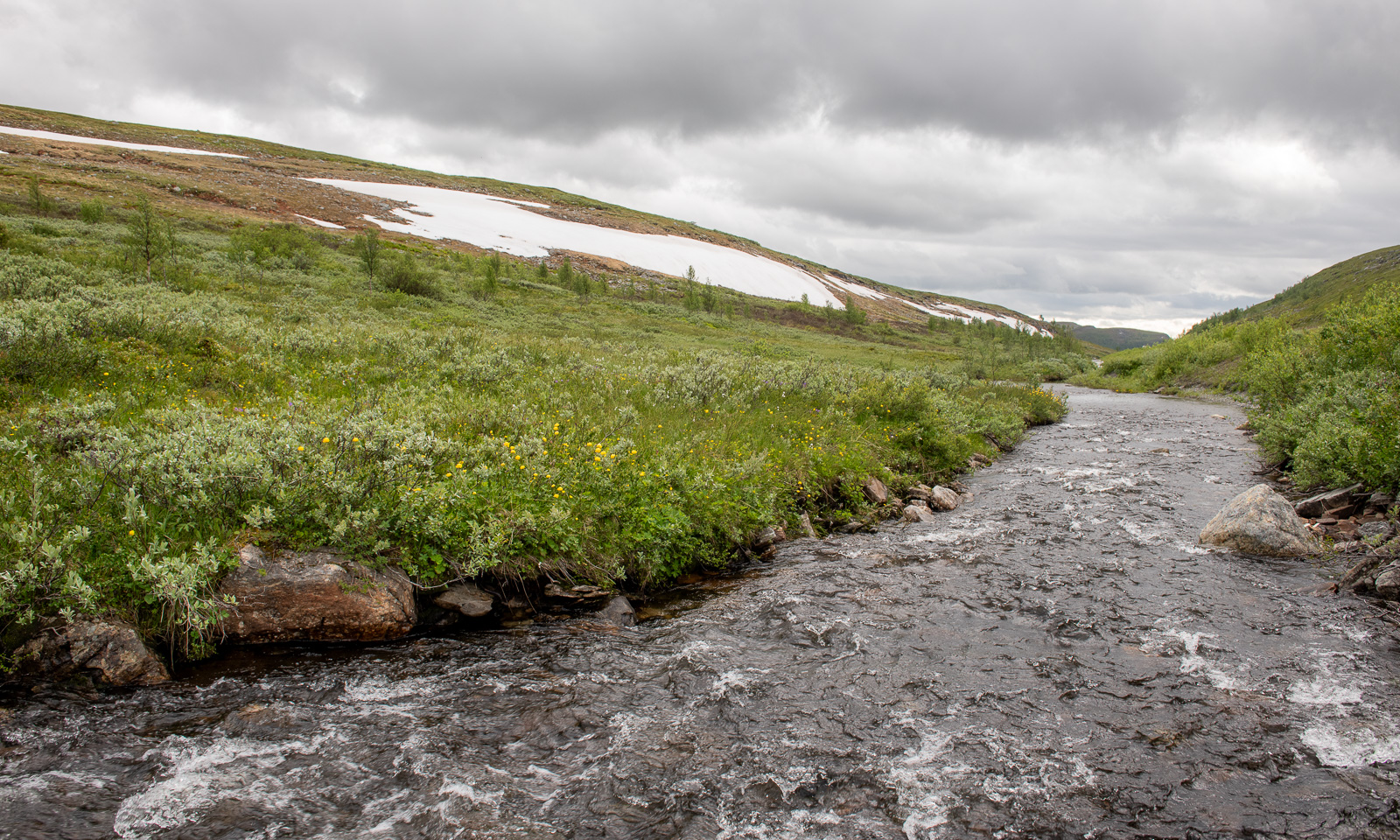
Some more photos from this day:

At 7 o’clock in the evening we arrive at our last overnight stay of this road trip near Sørstraumen. This time we used Airbnb and found a real gem, owned by Gunn, who is a fantastic host. Gunn rents out rooms in her private home and not only invites her guests to her kitchen for a chat but also provides huge amounts of waffles with jam. I can highly recommend her when you like meeting interesting people. We met two Germans who wanted to go north for fishing and a motorcyclist, who is driving all coastal roads of mainland Norway to collect money for ME-fondet, part of Norges Myalgisk Encefalopati forening. We are talking about 50,000 km – what a trip! This is his Facebook page: Around the Coast 2026.
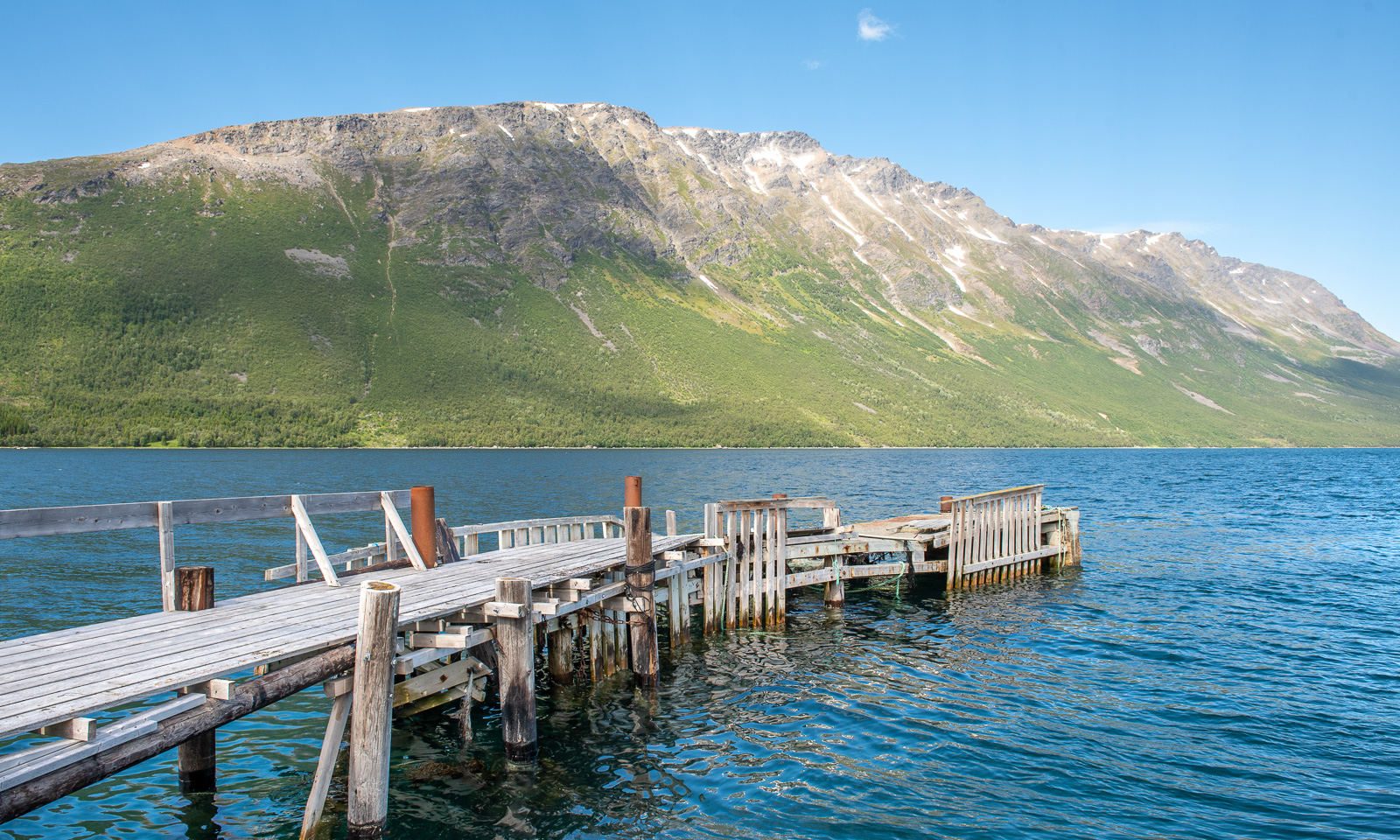
A last photo of this day.

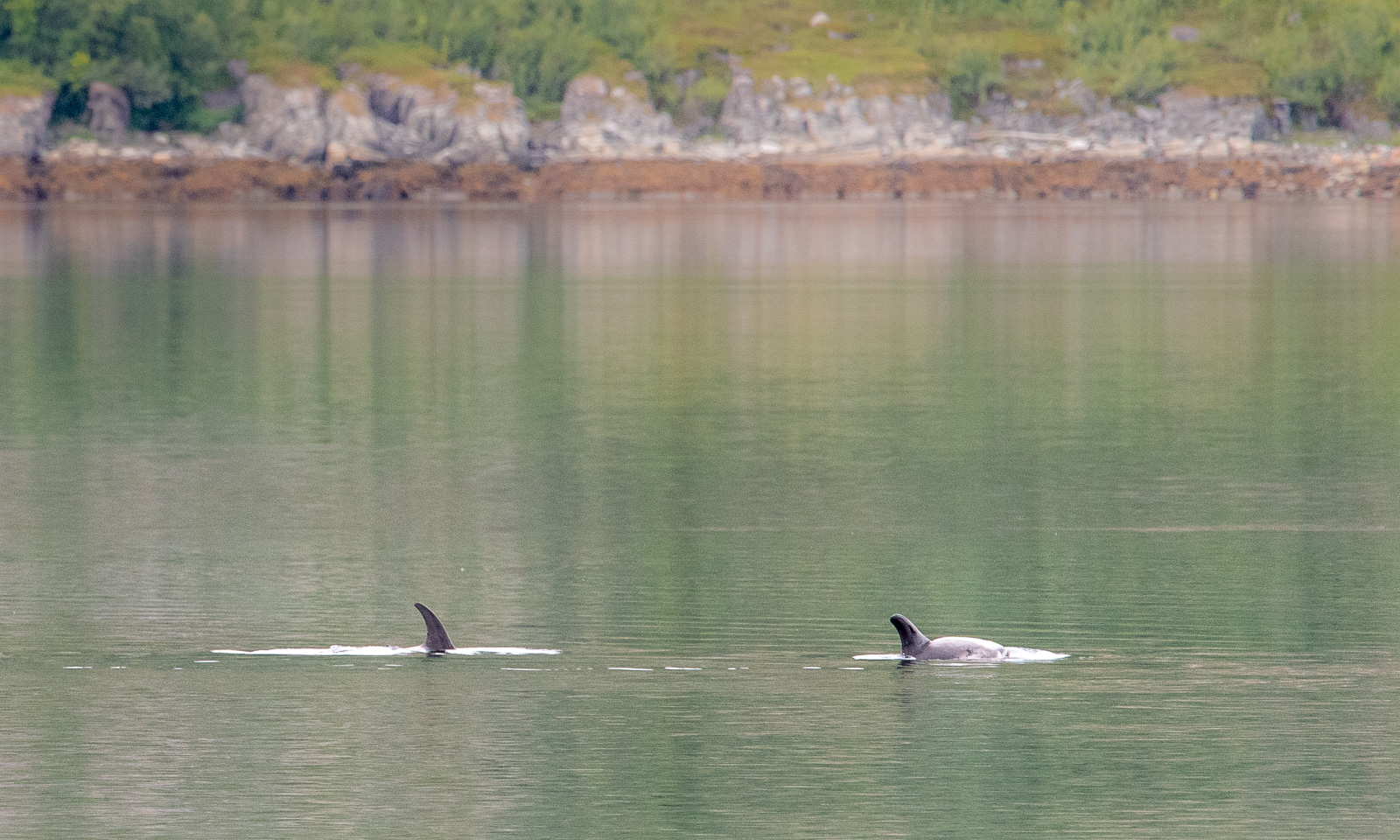
The next day at Gunn’s place began a bit like the evening before: a lively chat and waffles. One thing was different, though. Gunn already told us about whales she saw and showed some videos. While eating another waffle I looked at the fjord and saw movements on the surface. It was a school of white-beaked dolphins passing by the house. We observed them for a while, swimming, jumping, blowing and hunting. They were far away, so even with the big telephoto lens I only got images like this one:

Later than usual, we left this wonderful place to drive the last stage to Tromsø. We could have made it in four hours but it took us seven and a half. The reasons: geocaches, photo stops, detours and an outdoor lunch break. Here are some photos.

Around 18:00 we arrive in Tromsø, my “work home”. I’ll be here for about four weeks and Annika will join me the first two weeks.

Two days in Malangen

Yesterday and today our department “Miljø og kart” MIKA at the Norwegian Polar Institute had a two-day seminar on the Malangen peninsula.

We travelled there by bus while in glorious real summer weather. Two photos I took from the bus:

Between the last presentation in the afternoon and dinner we had a few hours off. A group of us headed to a spot by Lake Nikkavatnet and I went round the lake with a colleague. It was a beautiful walk of about 2 km, revealing another facet of Northern Norway: Forest and lake – with snowy mountain ranges on the horizon.

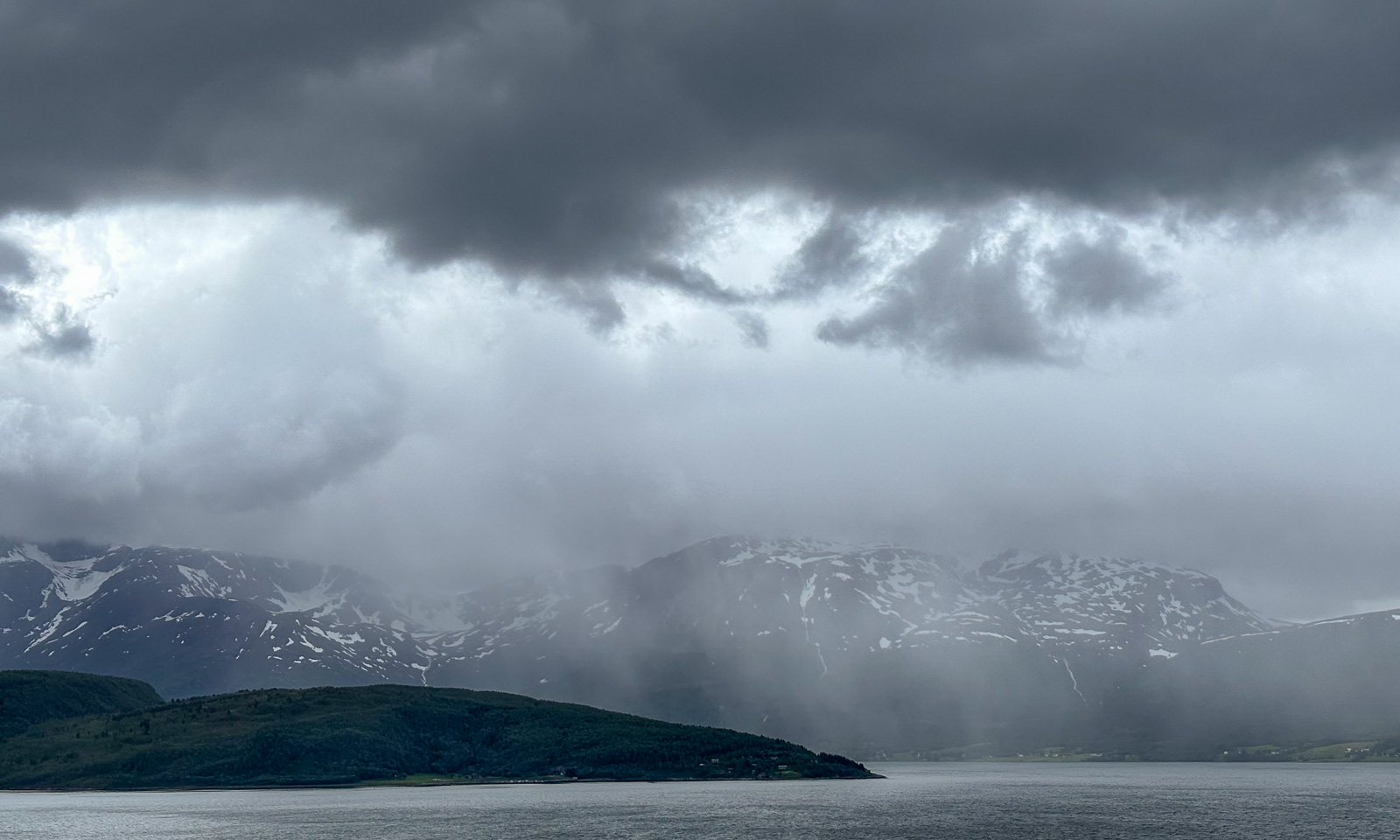
During the night the weather changed completely. This morning it was about ten degrees colder and it was cloudy with occasional rain showers. Therefore the view from the bus on the way back was quite different:


The sea and the mountains

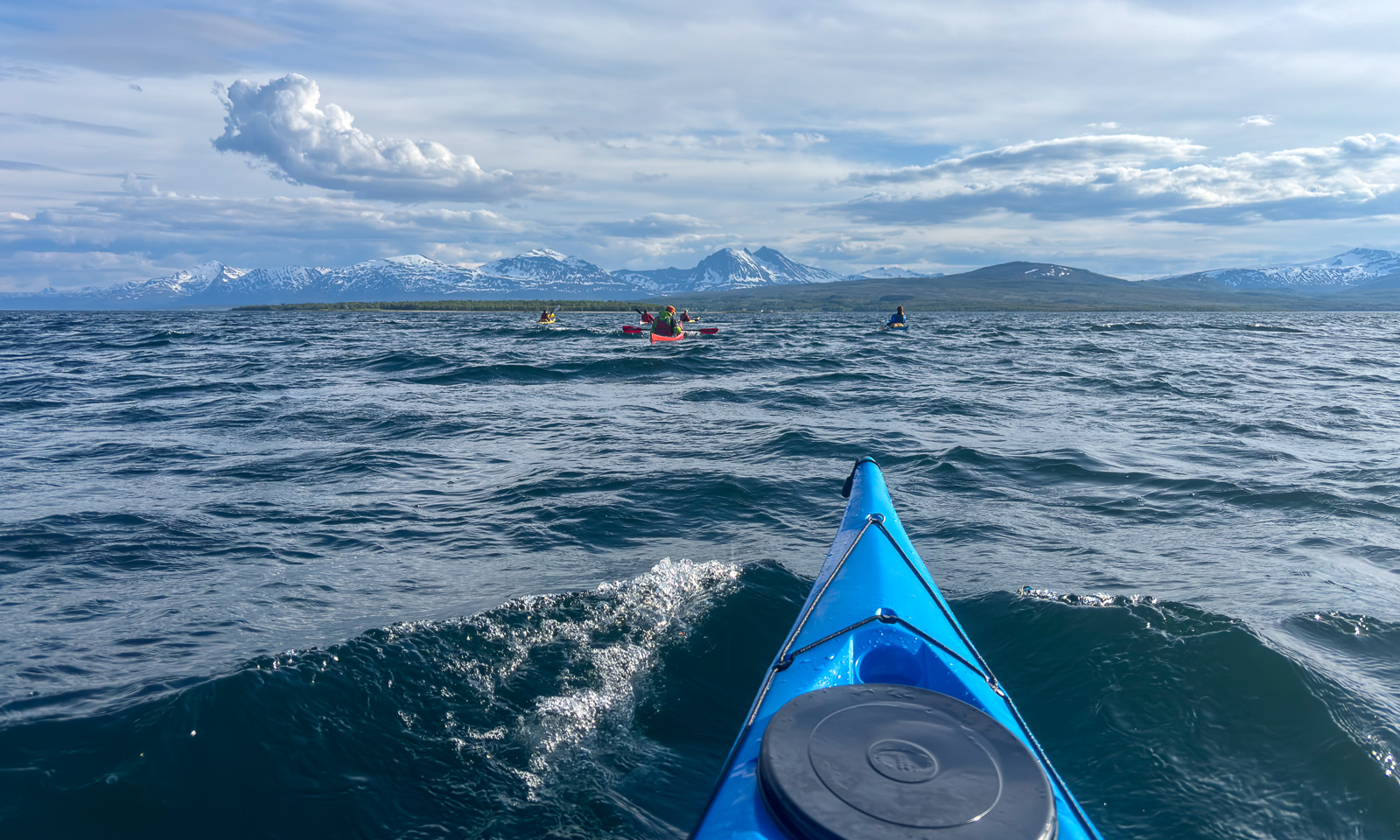
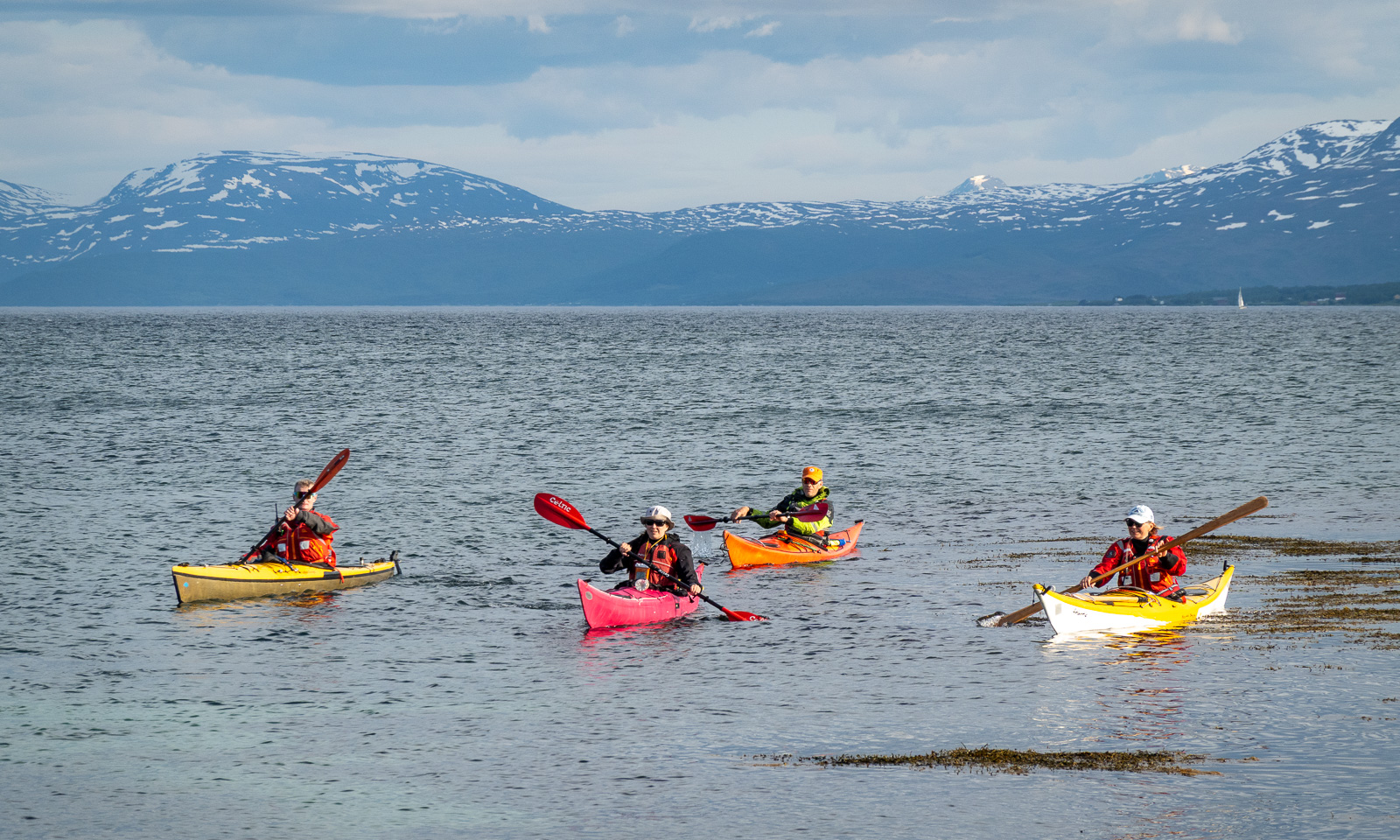
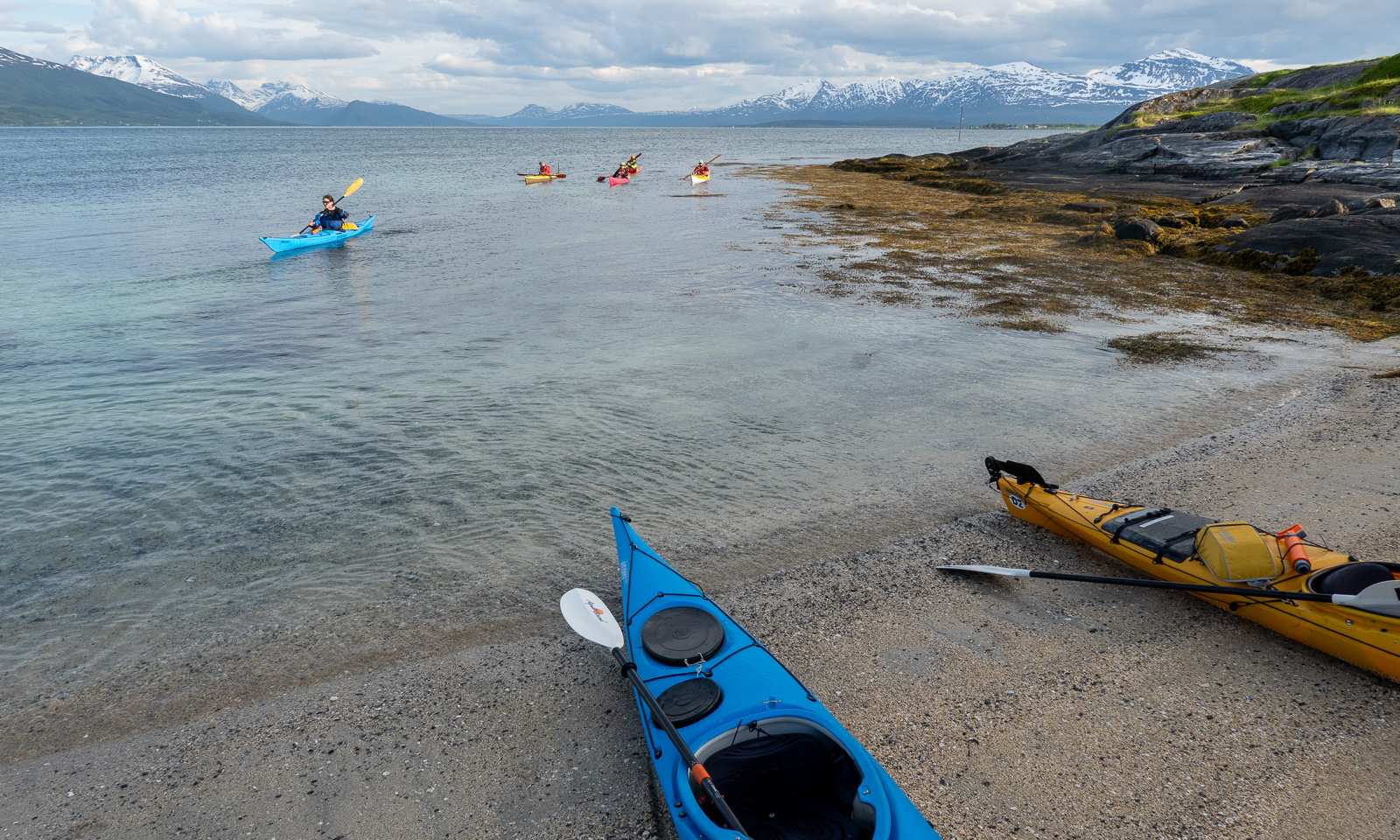
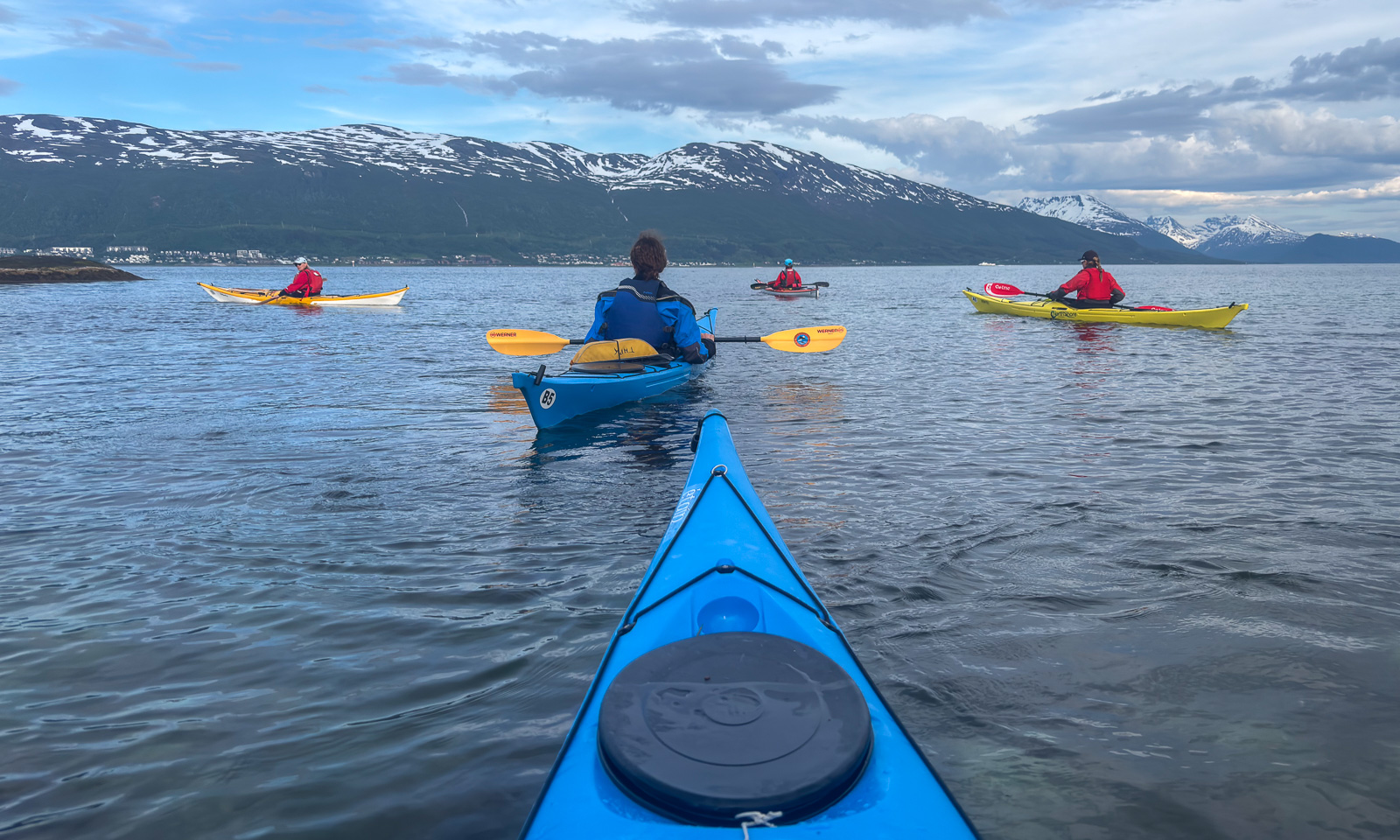
Back in Tromsø after some travelling I joined the “Thursday paddling” organised by the Tromsø Sea Kayakers Club. We were eleven kayakers and it was proposed and we decided to paddle to Grindøya, one of the common tours.

On Sálljnjárnuorri / Sandnessundet, the sound between Tromsøya and Kvaløya, it was windy and short waves came from the right. Here I preferred to hold my paddle and didn’t take any photos. In the lee of Grindøya, I started taking photos again.

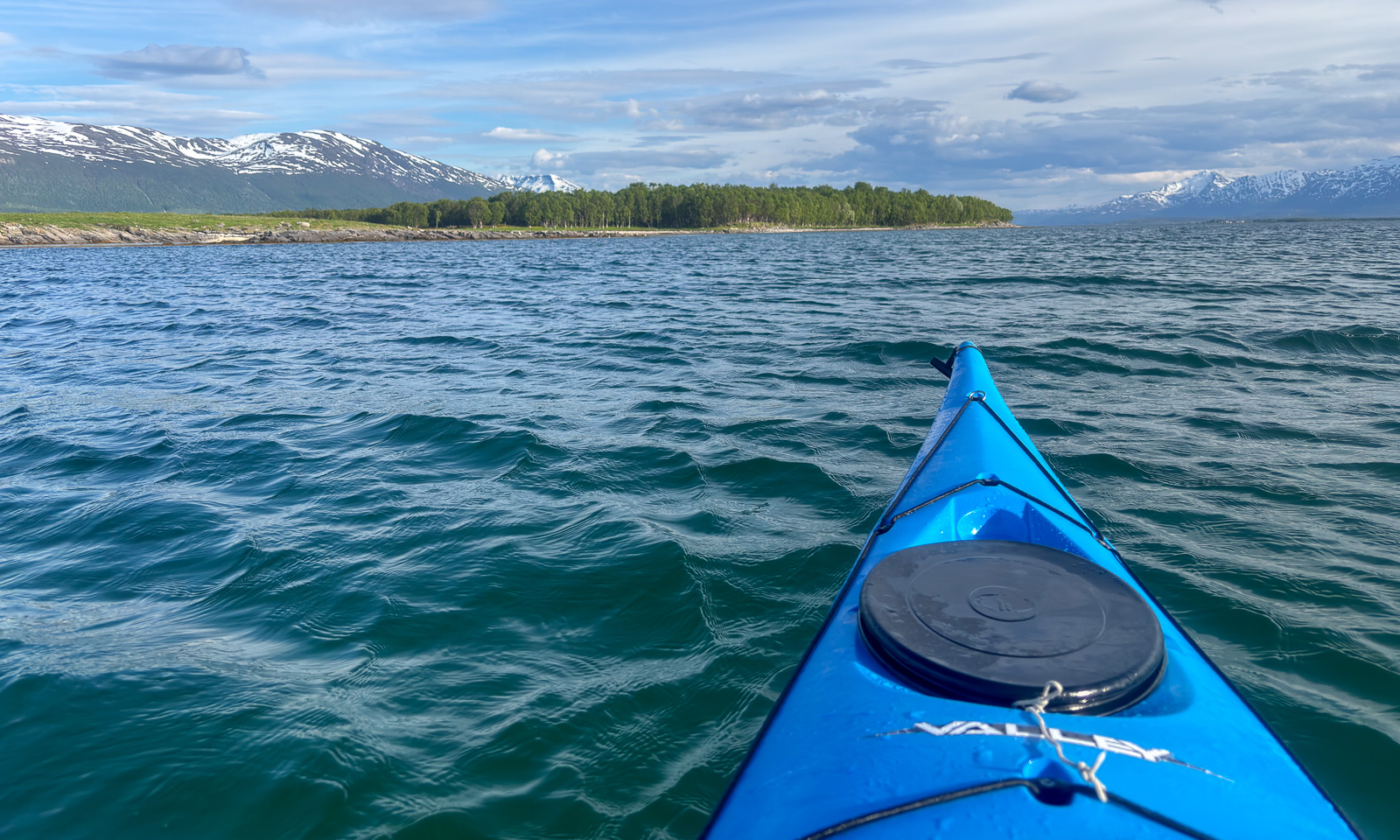
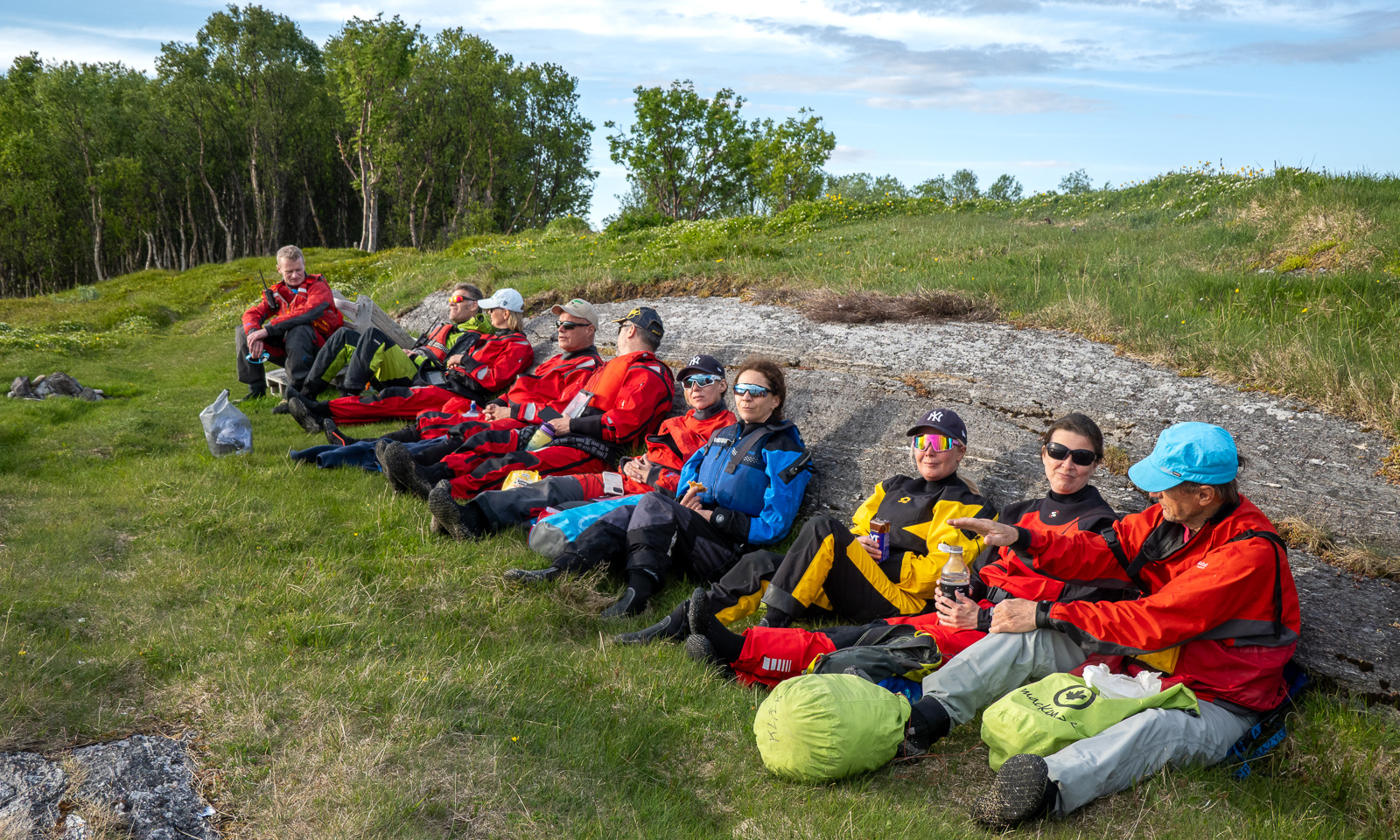
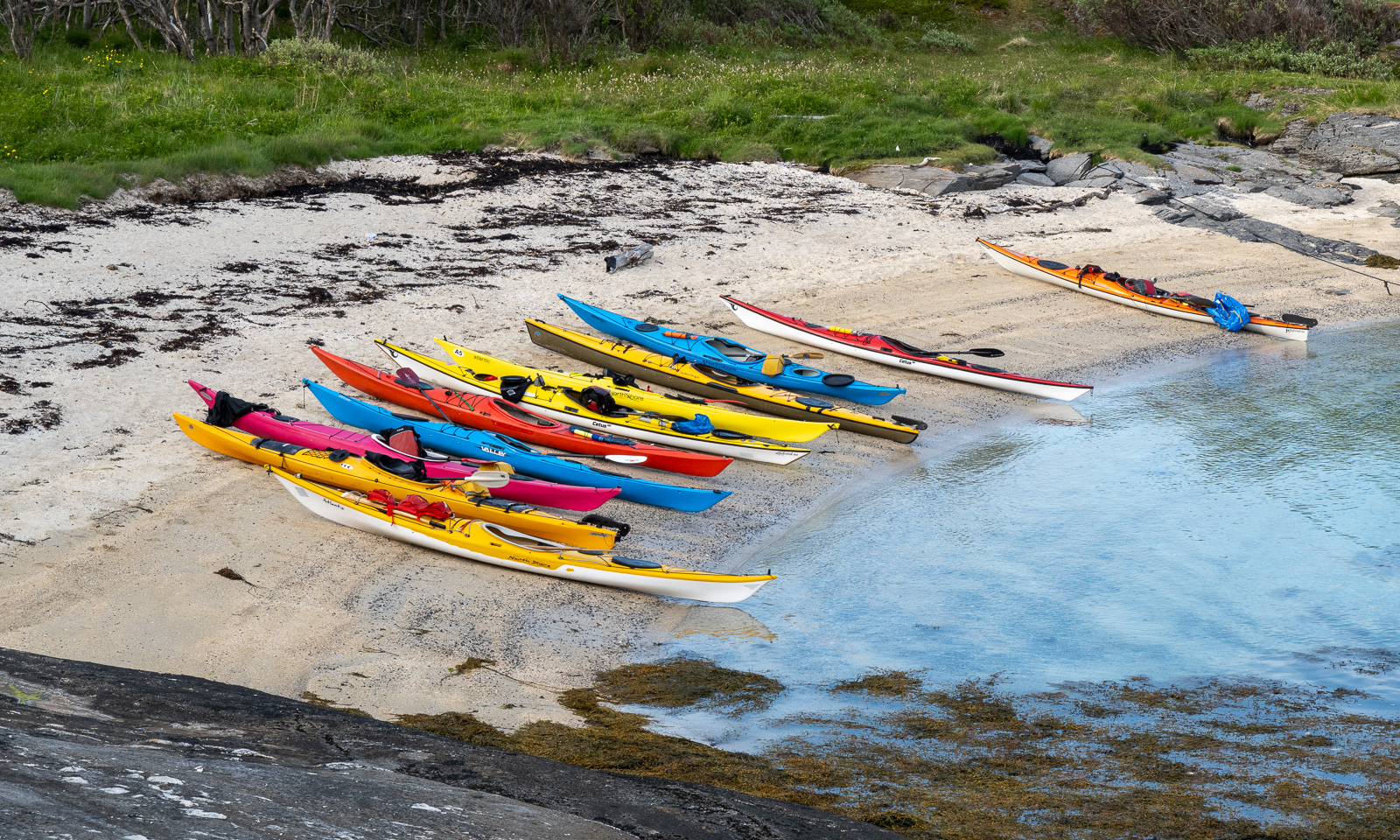
We paddled alongside the island and took a break at the southern tip.

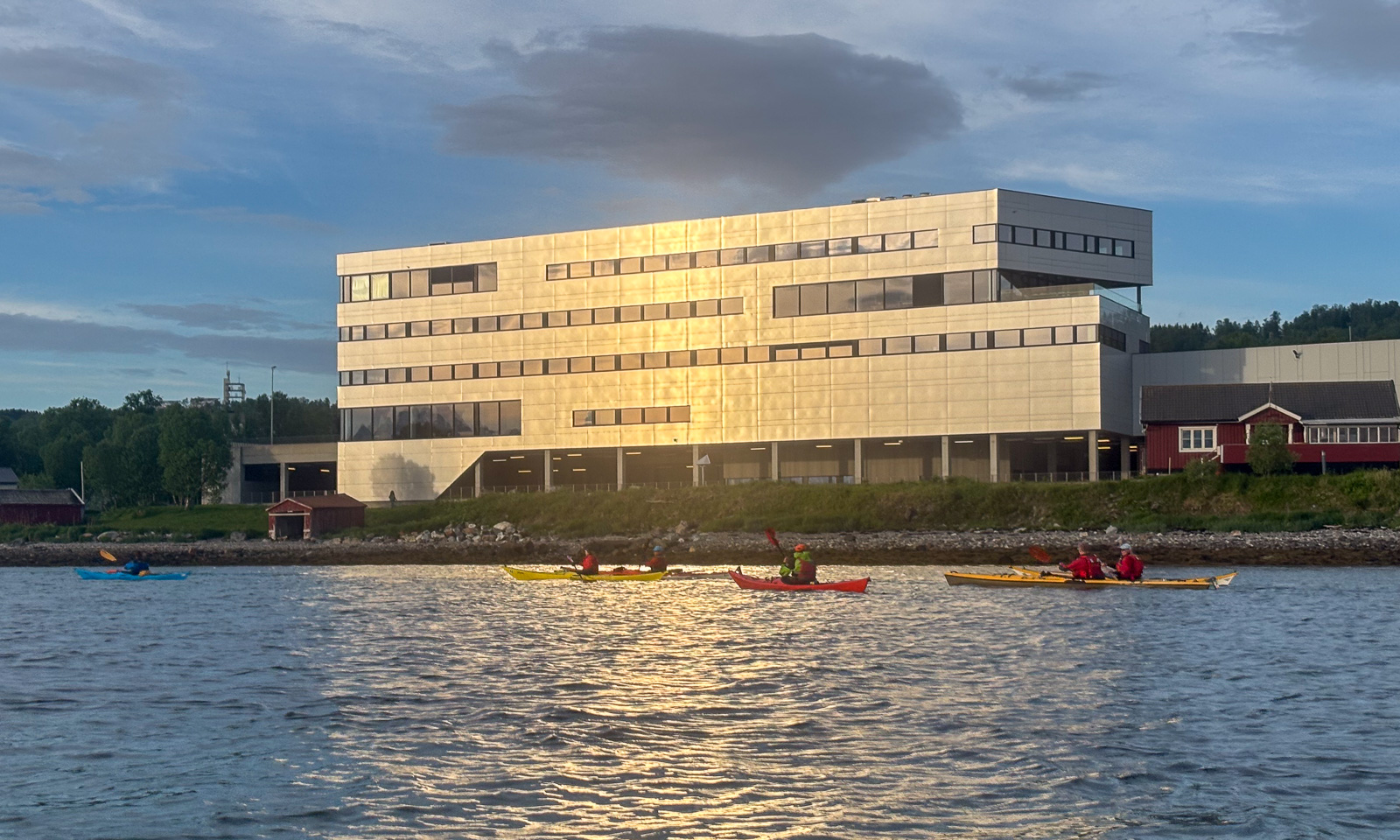
After half an hour, we continued our tour. The wind had calmed down and so did the waves. We paddled around the island and then headed to Monsterbygget (the monster building), a landmark on Tromsøya often used for kayaking navigation. After three hours, we were back at the boathouses.

Next day, another tour. I stopped working early to meet my friend Christine. We took my car to a parking area on Kvaløya and went up the Sørtinden. This is a short tour, about 4 km long with 250 metres of elevation gain., but you are immediately in the mountains.

Some parts were still covered with snow while others were covered with carpets of flowers. Even the cottongrass was blooming.

Gaining altitude, we had views of the lake Finnvikvatnet and the mountains behind, such as Kjølen.

The top of Sørtinden is a bit like a cliff. Here, you also have a view of the sea and the island Vengsøya. After a rest on the windy summit, we went back the same way.

Bergen reloaded

On Sunday I flew to Bergen once more. While it had been sunny a few days ago, it now presented itself as Bergen is known for: rainy.

It was not the normal rain with raindrops falling from above. It was more like an omnipresent moisture coming at you from all directions. Invisible to the eye but you get wet anyway.

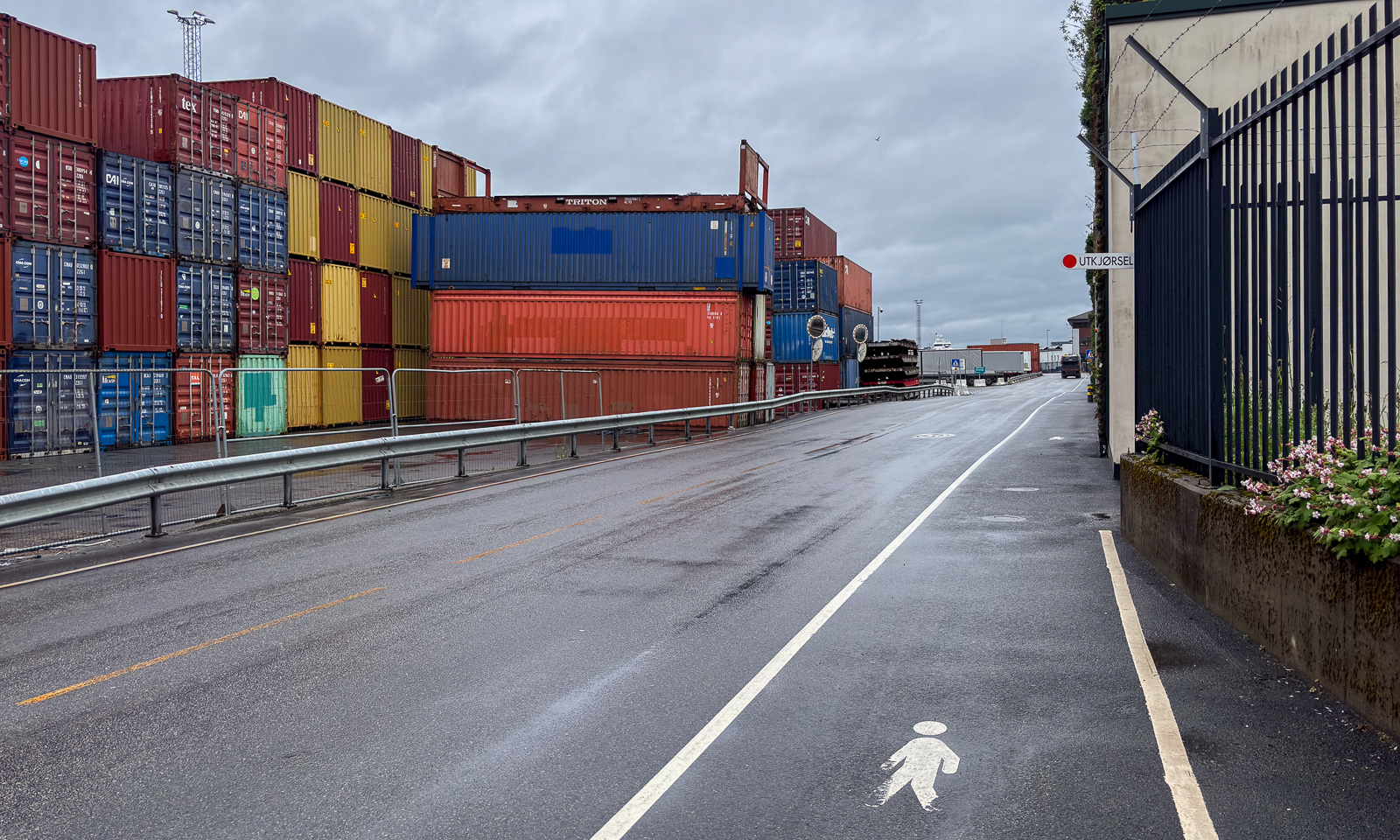
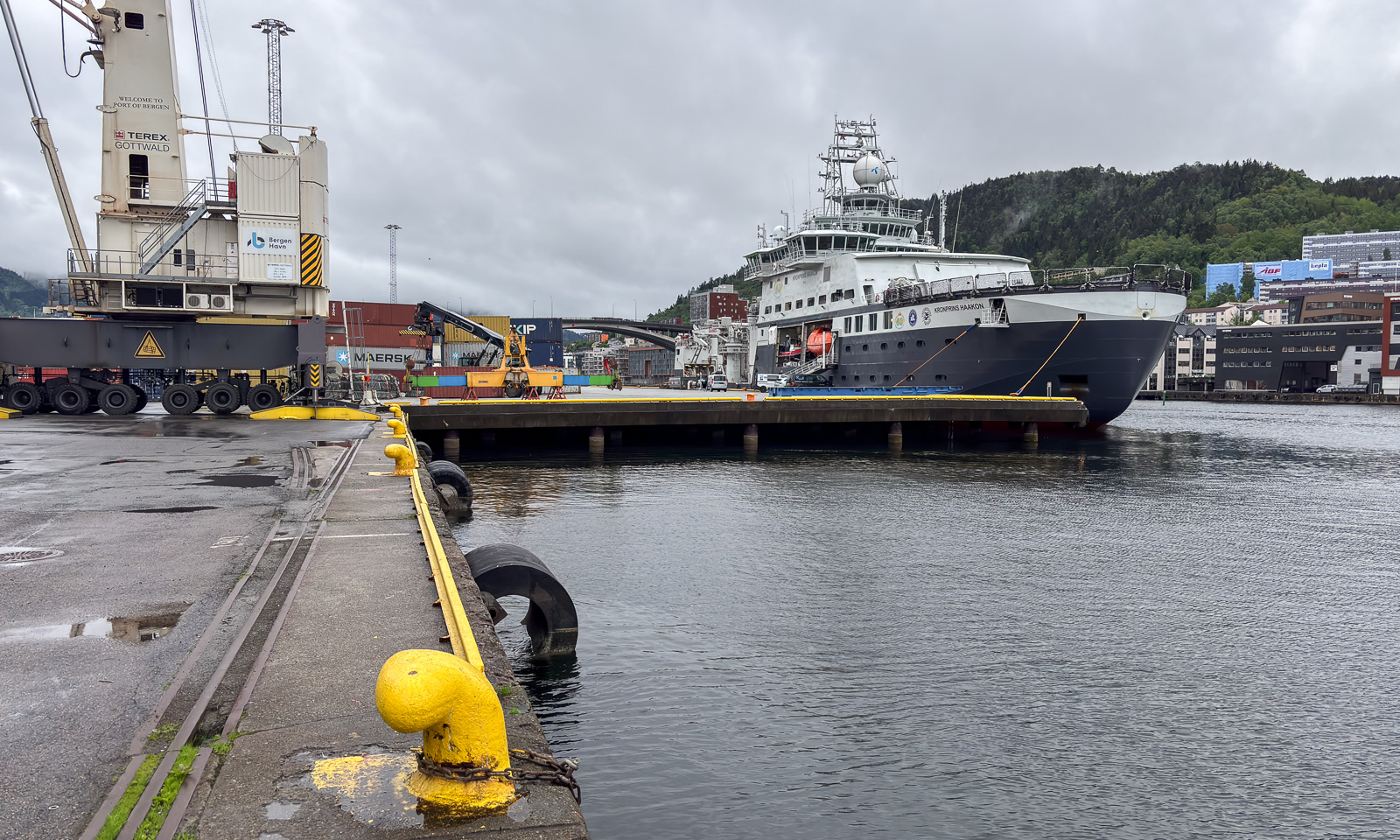
On Monday I went to work. I went from the hotel in the centre to the Port of Bergen, where it took me a while to find the entrance and then to get on the list for a day visit aboard the icebreaker Kronprins Haakon.

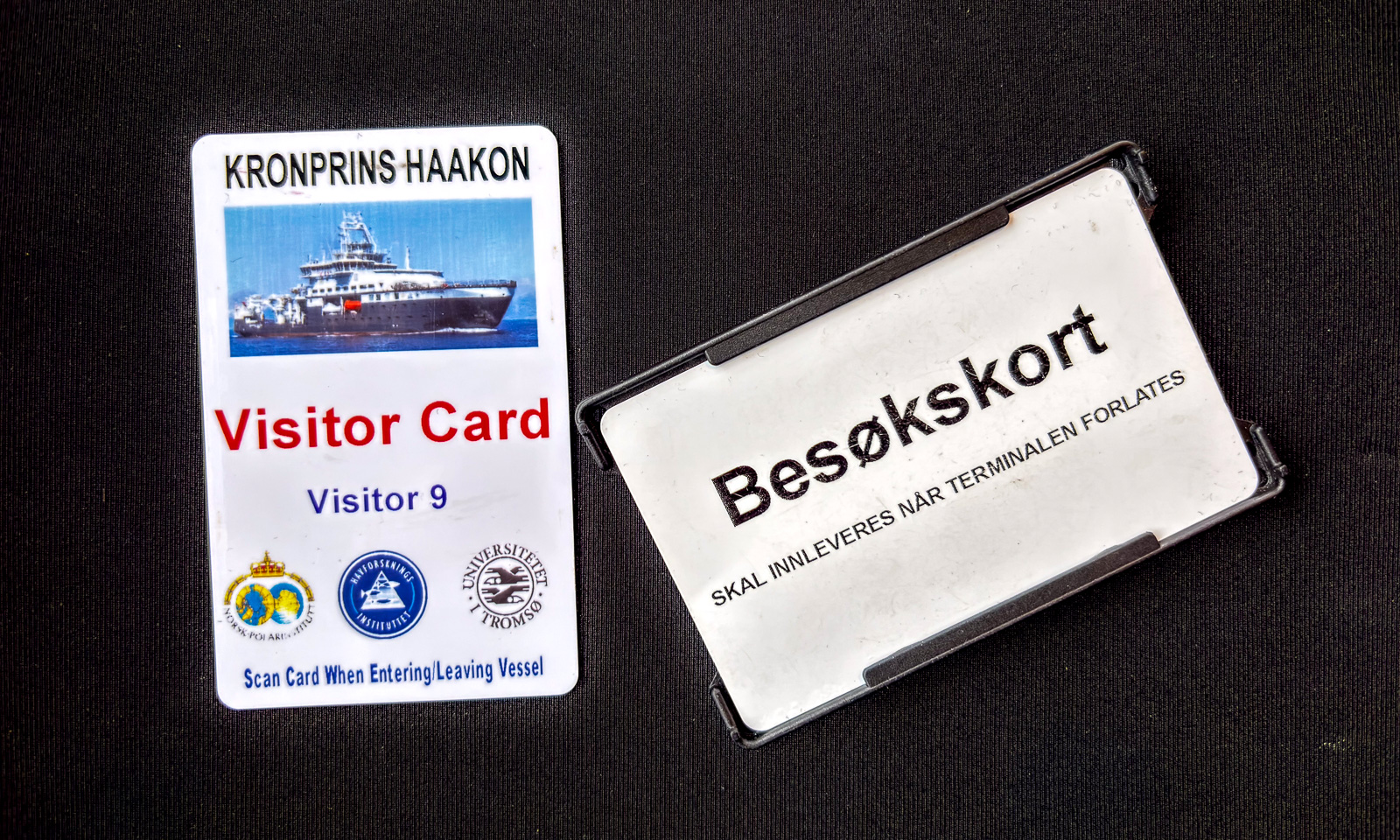
My pocket was full of cards – one for my hotel room, one visitor card for the port, one for the ship.

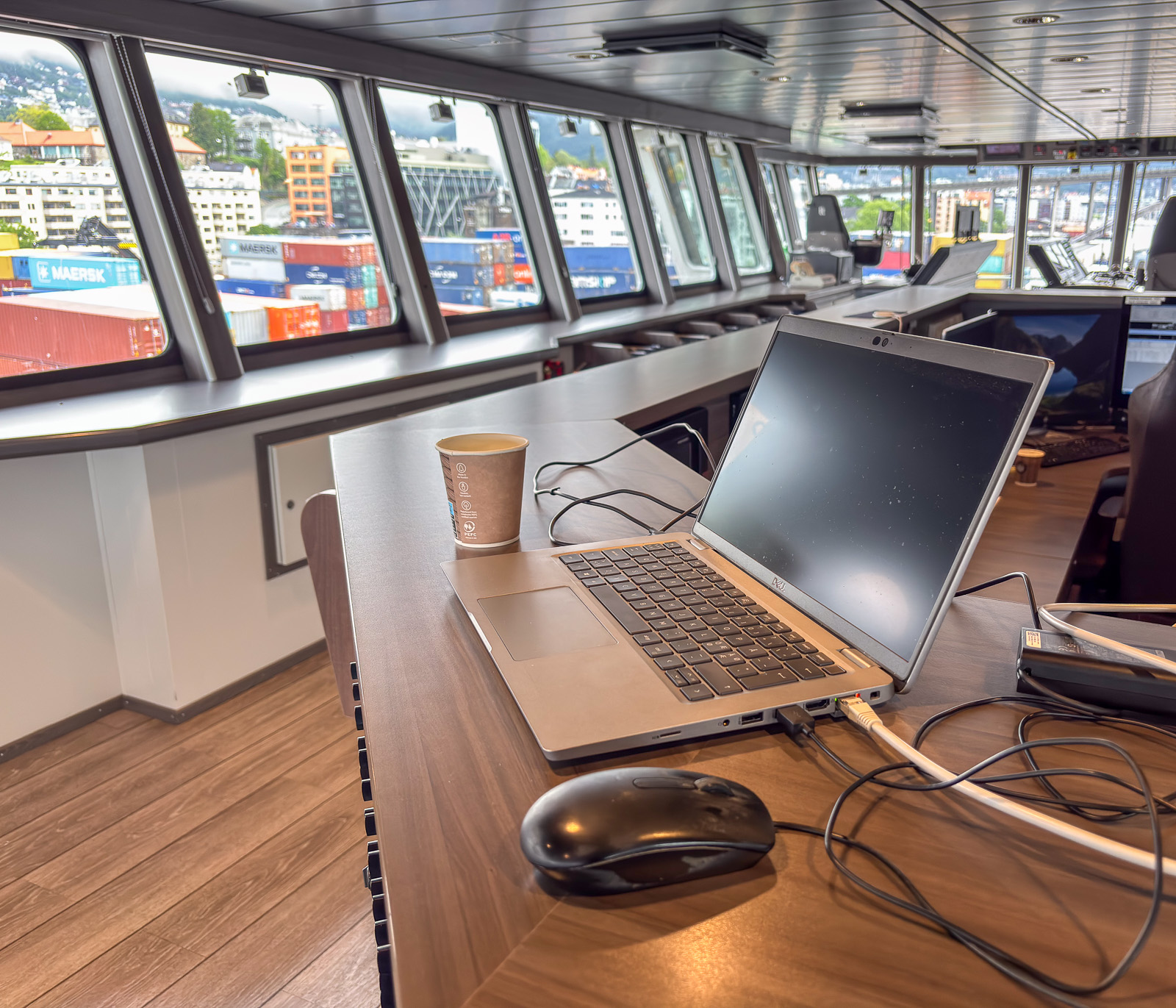
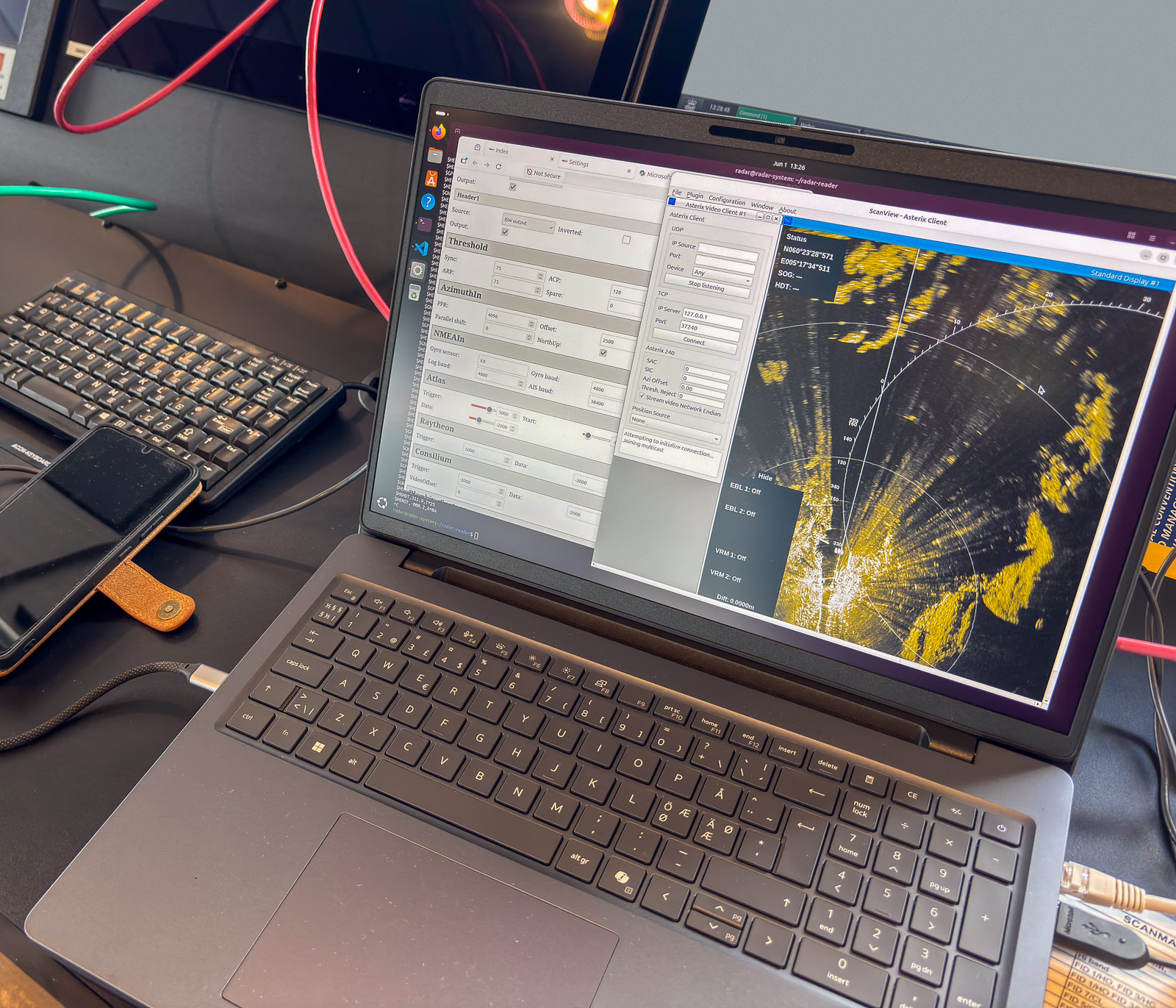
One of the instruments on the bridge is a radar used for sea ice navigation. On this day an engineer from Sea Hawk was installing additional hardware that delivered the radar video signal and additional data such as GPS and gyro to an auxiliary network. My responsibility was the other half: the laptop and the software to read and store the data. And so my workplace looked like:

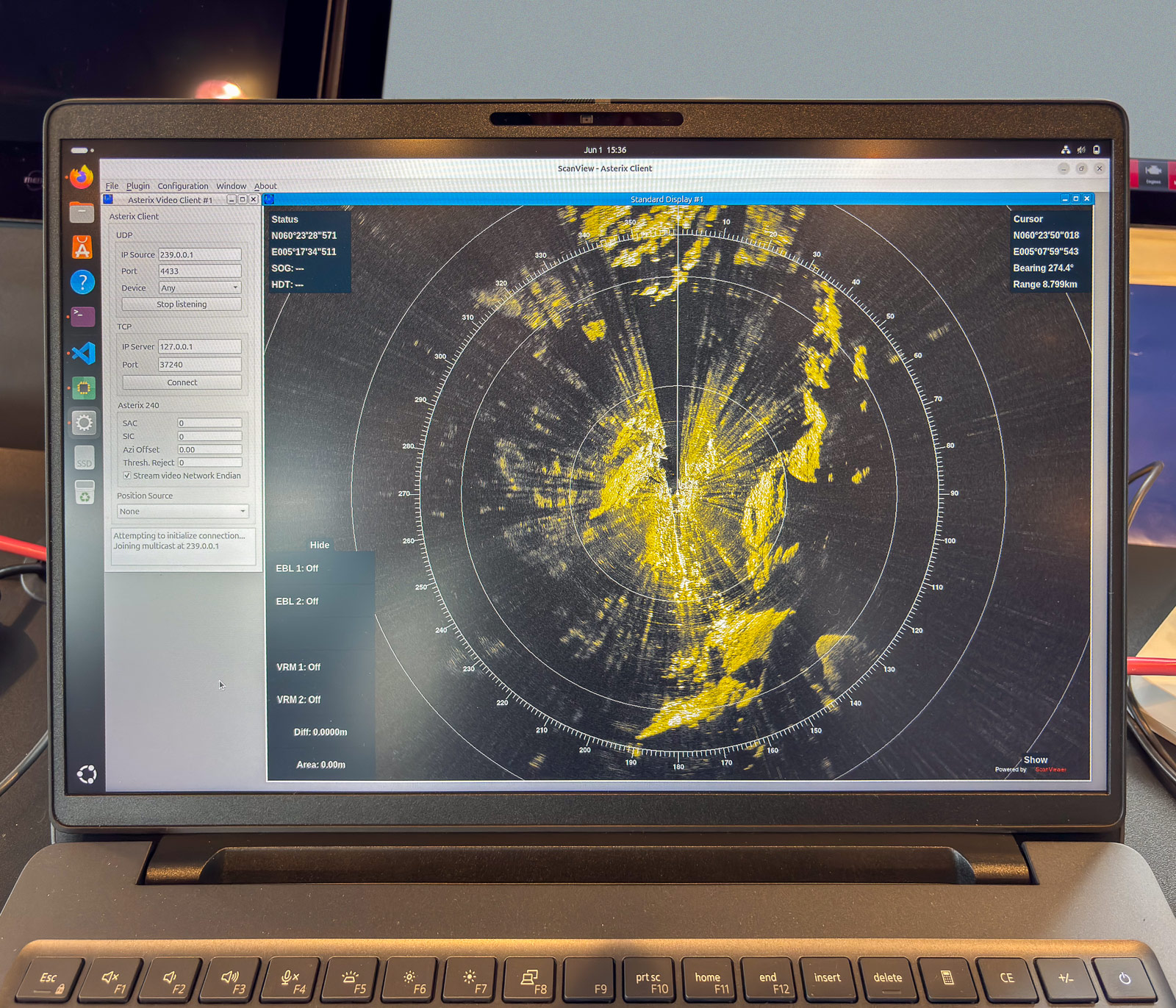
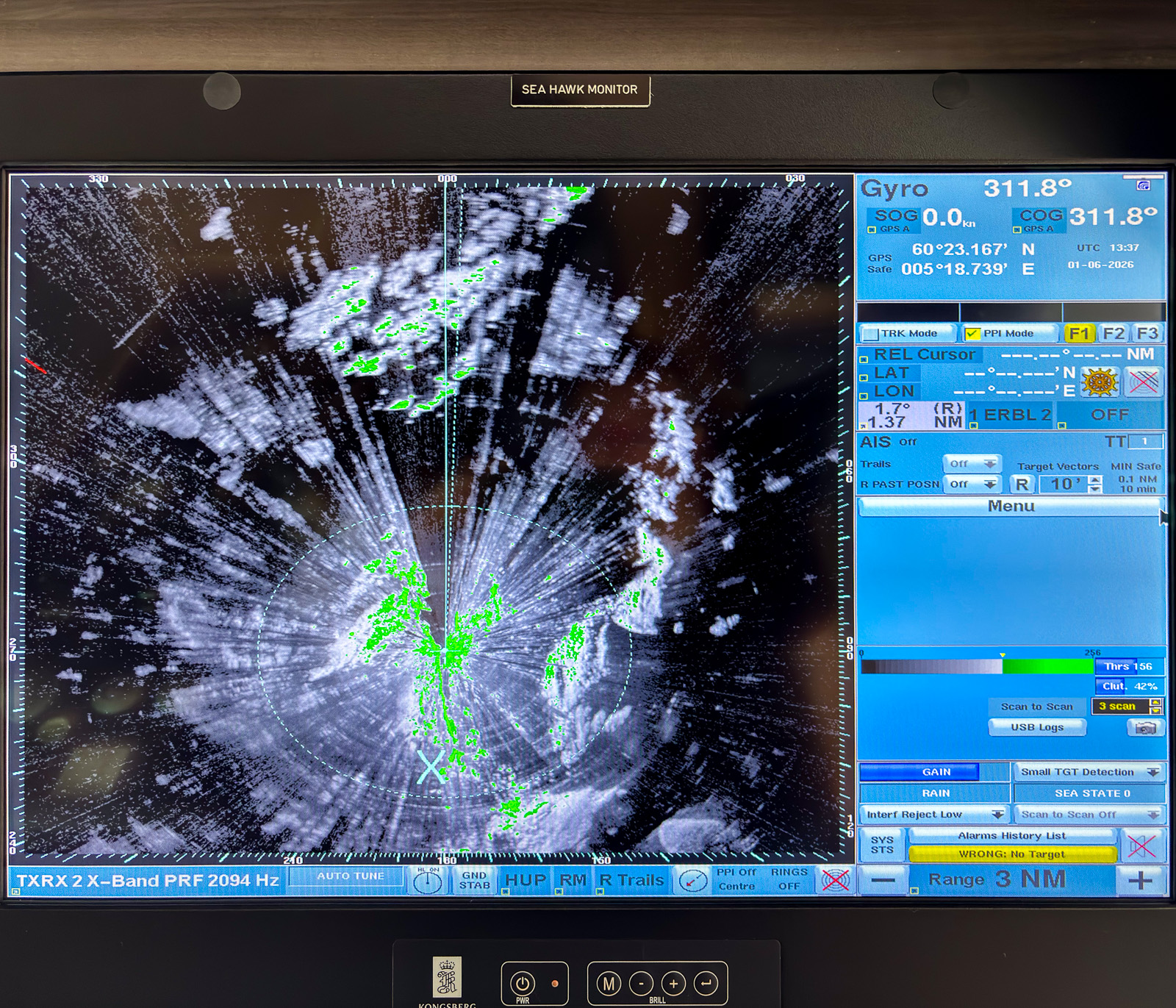
After some hours of work the “radar” laptop showed the same data as the large overhead display on the bridge. The engineer calibrated the scan streamer unit and I used the rest of my working day to catch one hour of radar data as an example. As expected the amount of data was immense: about 74 GB per hour.

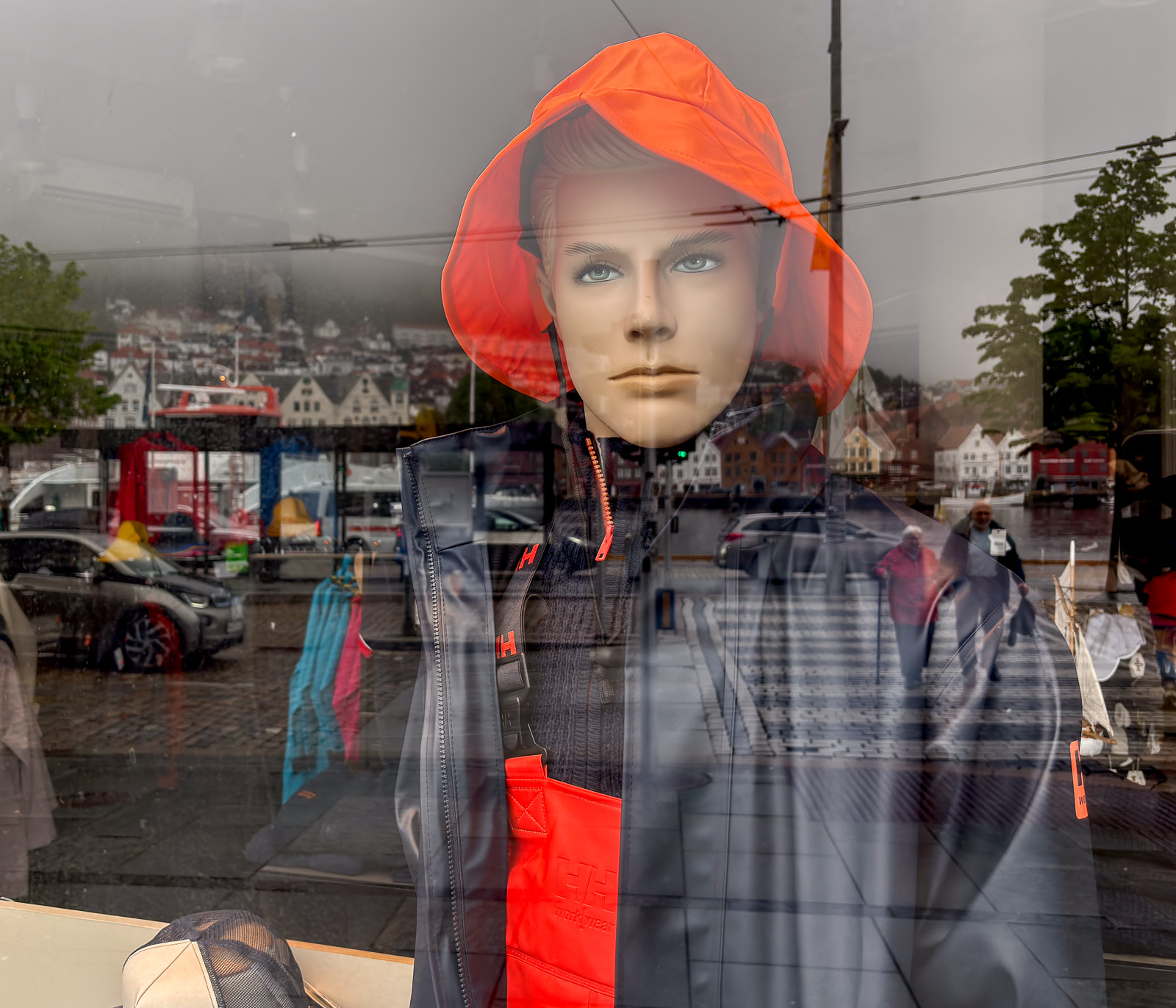
Then it was time to head back to my hotel in Bergen, the city with about two hundred days of precipitation a year. Even the shops here reflect the omnipresence of rain.

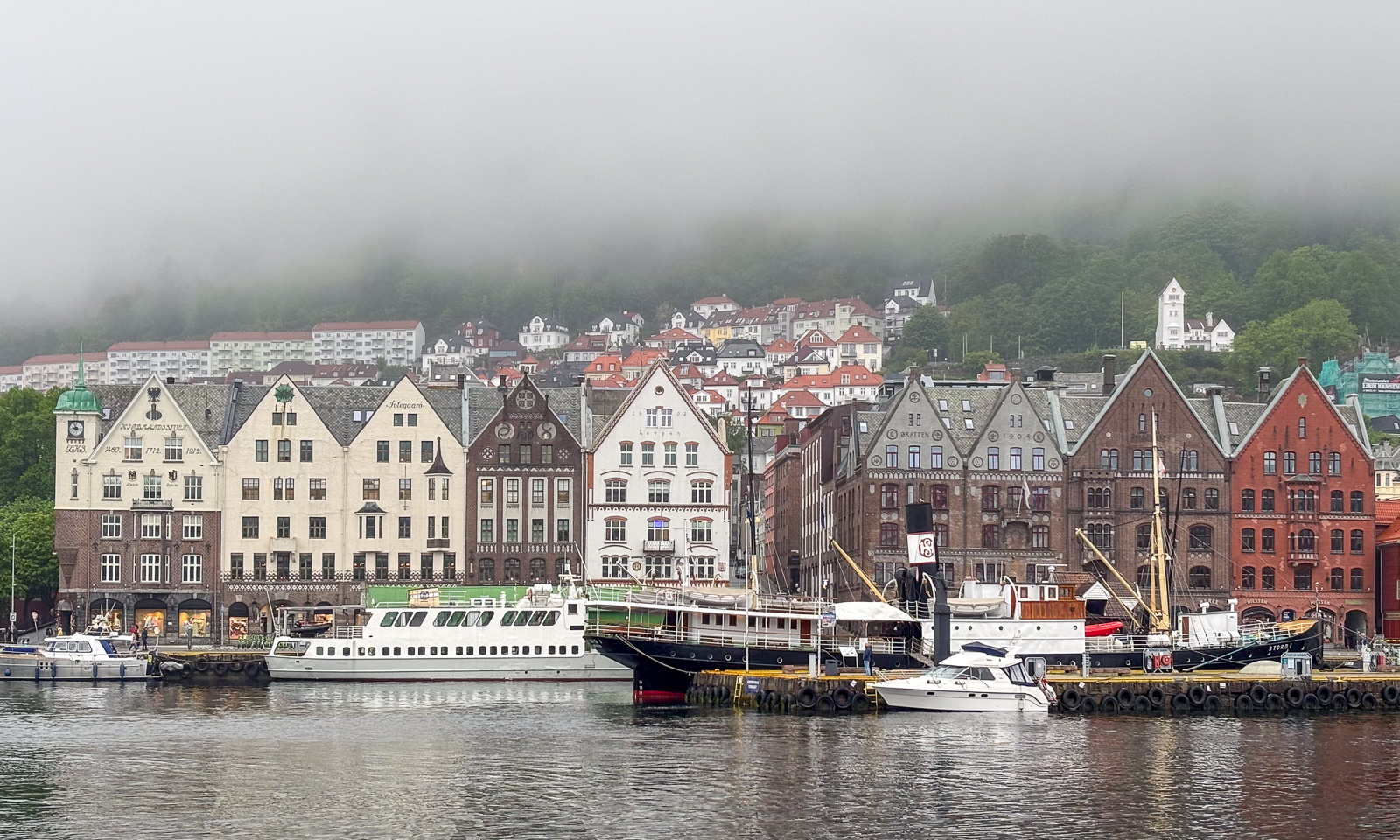
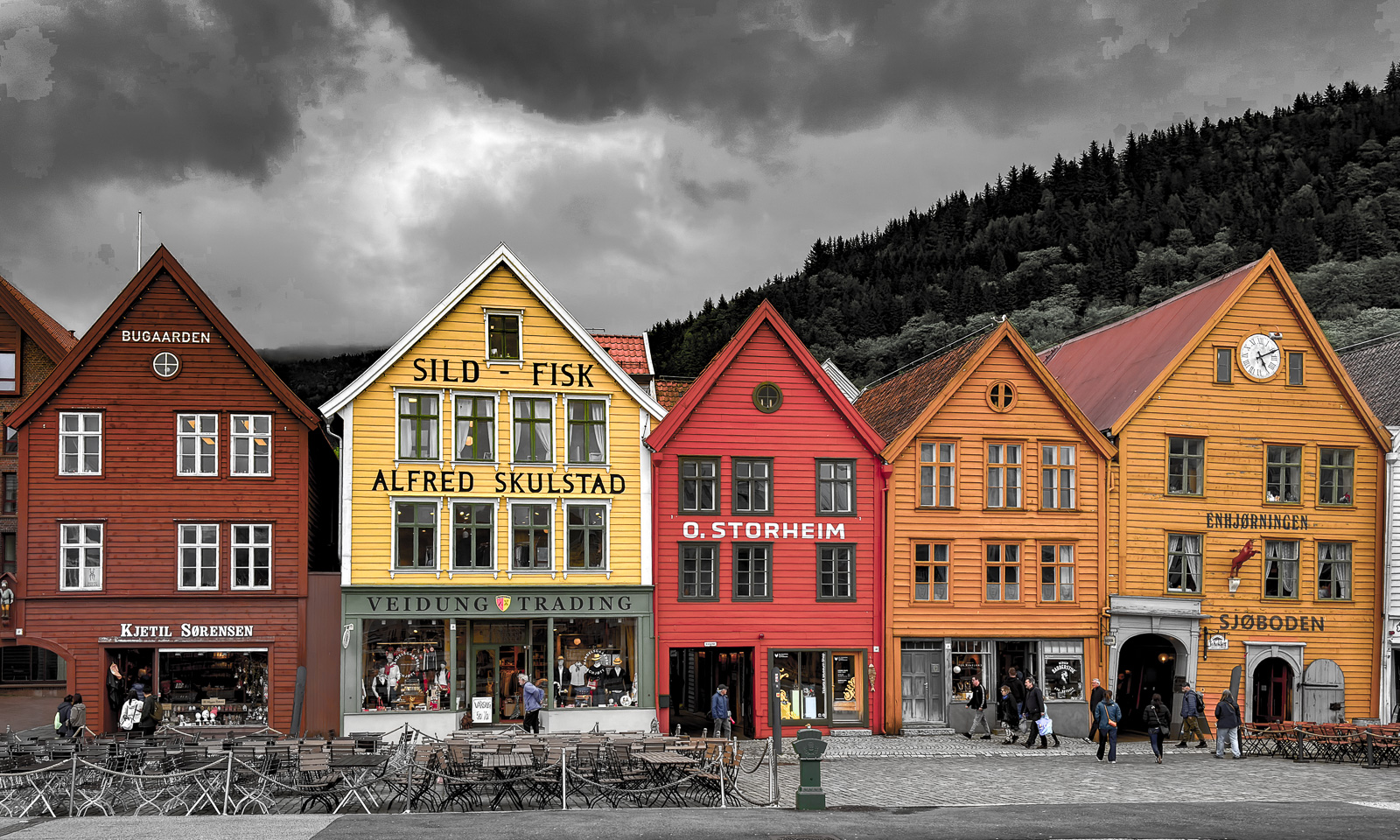
Tor te rest of the day, I was a tourist and took some tourist photos in Bryggen, the famous historic quarter.

A day and half a night in Bergen

28 May – I am sitting on a plane to Bergen, Tromsø lies behind. Finally the layer of clouds has opened and Vestlandet – Western Norways reveals itself with vast glaciers, mountain ranges, fjords, forests, archipelagos and the open sea.

The reason I am in Bergen is sea ice in the Arctic. On board the ice-breaking research vessel Kronprins Haakon there is a special radar used for navigation through sea ice. Researcher Polona Itkin wants to store this data for scientific purposes. The companies Sea-Hawk Navigation AS and dspnor AS are responsible for the hardware, I handle the software to read and store the data. And since these companies are in Bergen and have a working setup including a radar on the roof, I am working there for two days. The only work-related detail I will mention is this: the data volume to be stored is immense and can exceed 2 TB a day. Quite a challenge.

At 16:00 I finish work. Since the weather is warm and sunny, I decide to walk to the hotel in the centre of Bergen on the other side of Puddefjorden. Let’s go down the concrete ramp and start our tour. First, I walk through an industrial area …

… but then the surroundings change revealing marinas, parks and older wooden houses.

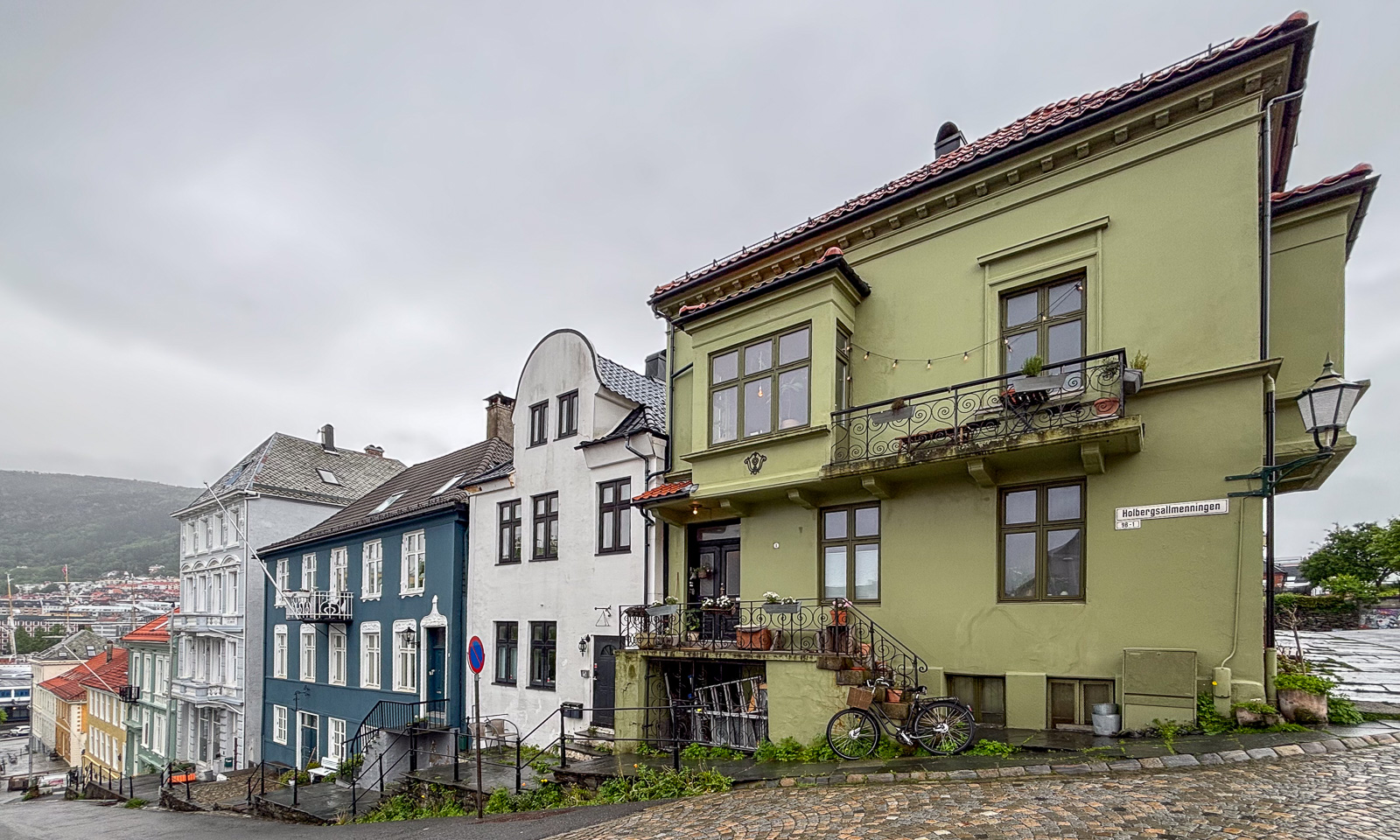
I cross the Damsgårdssundet and head towards the centre. A myriad of small alleys, footpaths and stairs make me ignore the polite navigation of Google Maps and stroll around, enjoying the town in the sun.

I don’t want to own this car, but I envy the driver’s parking skills.

But of course Bergen is an evolving city, not a museum and a lot of contemporary architecture is found there too. But sometimes the glassy facades reflect the older world.

From there it is not long to Vågen, the central harbour bay with a view of the historic quarter Bryggen.

I check in at the hotel and leave again straight away, first to get some food (Pasha – Peruvian food – not cheap but delicious) and then to take Fløibanen, a 848-metre-long funicular railway that leads up to the mountain of Fløyen (320 m).

Of course I could have walked up the 302-metre ascent, but I have a plan: I want to walk to the mountain of Ulriken (643 m), the highest of De syv fjell that surround the city centre of Bergen. The route is between 13 and 15 km long and leads through hilly terrain. From there I want to take the cable car down and the last one leaves at 23:00. So I don’t have the whole day, just a long evening.

At 18:45 I start my tour. First, I cross a small, but surprisingly dense forest then I follow the wide hiking trail.

When I approach the mountain Rundemanen with its tall radio mast, the trail branches into many paths leading in different directions. I ask for directions twice and get it – together with the warning that it is a long hike. The younger women told me it would take four hours from here, another woman said it would take her six hours. I decide to walk a bit faster and see where I am after two hours. I could still turn back then.

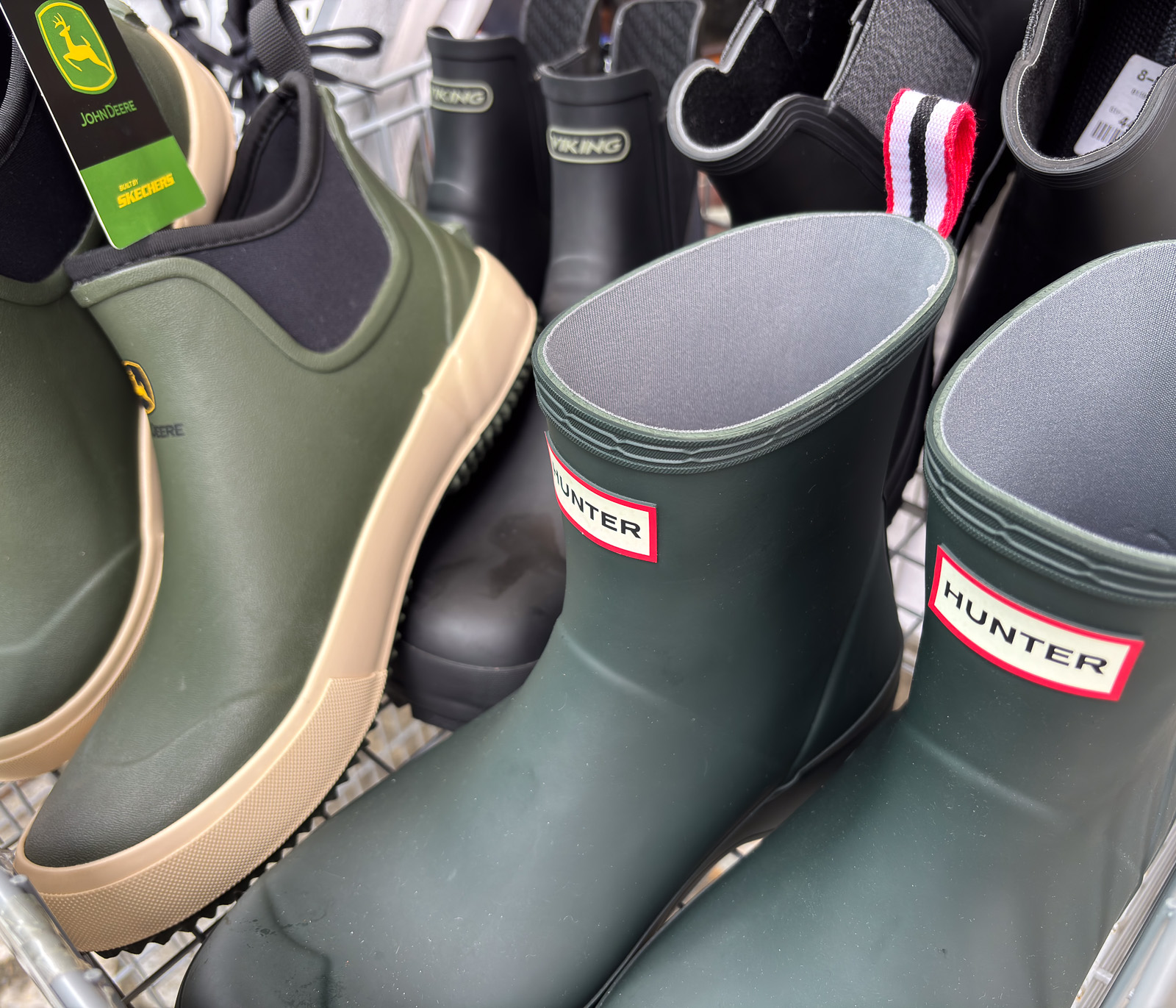
Now the trail looks more like a mountain trail. Smaller, steeper, rougher and sometimes very wet. Normally I walk with rubber boots but on this journey I only have an old pair of low shoes, so I try to avoid all the wet patches walking around them or stepping onto the stones.

I pass the lake Øvre Jordalsvatnet, use the stone causeway to cross the small stream that transports water to the lower lake Tarlebøvatnet. My planned destination, the TV tower near Ulriken, can already be seen.

Now the trail is excellently marked by large square cairns with a sign “←Fløyen, /Ulriken→“. It is easy to follow them. I try to walk at least 4 km/h, ideally 4.5 to catch the cable car. At 20:30 I reach one of the few signposts with distances. I’m happy, because I made more than half the distance in one hour, forty-five minutes. Decision made: I carry on.

And on I go across the Vidden. Sometimes the point of interest is nearby, such as the tube with the first aid equipment including a stretcher. Sometimes it is far away, such as the snowy mountains in the east. Will I see snow here as well?

And there it is: one of the two patches of snow on the Vidden plateau.

Slowly the sun is setting and the light gets warmer. I walk against the sun and have to protect my eyes with one hand when the path descends steeply into one of the valley cuts. But I’m sure I’ll arrive in time.

I spot some cabins, first a small red one then a larger one. When I researched this while writing, I found out that this is Turnerhytten, a DNT cabin with thirty beds. I think that when I plan a trip to Bergen again, I should stay there rather in some hotel in the centre.

I decide not to climb to the top of Ulriken but to go straight to the cable car station. I’m tired and exhausted because my only rests were to take photos and once to put on a jacket. I follow the signs to the station, take another photo, one of the TV tower, buy a ticket at the ticket machine and two minutes later I am in the cable car that leads me down. It is 22:30, so the hike – 14½ km long – took me 3¾ hours.

From the descending cable car I watch the sunset …Sunset over Bergen

… then I’m in town again. It is five more kilometres to my hotel, so I take a bus (the wrong one), a tram, and another bus. At 23:15 I am in my hotel room.

Today I walked around 25 kilometres in total and now I only want to take a shower and fall into bed and sleep until breakfast at 7:00 the next morning.

Tromsøya 21 May

Yesterday, I took a walk in the sun on Tromsøya from my doorstep. Will the snow finally be gone? What I first found was marsh marigold in bloom. Of course I had to take some photos, as it is one of my favourite flowers.

It is not the only change. The island is finally getting green. Finally, the birches have decided to open their leaf buds and the trees are clad in a fresh green. What a difference from the barren trees from my hike one week ago.

Other plants had started their spring activities as well. While the common cowslip had been blooming for weeks—sometimes you find a purplish one—the fern fiddleheads have not yet started to unfurl.

After 2.6 kilometres I found it. One of the very last patches of snow, located on a northern slope.

I am writing this blog article at the Frankfurt Airport while waiting for the connecting flight to my hometown Bremen. I guess, when I’m back in Tromsø in a couple of days, all this snow will be gone.