Scotland NC500 – prelude

This article is part of the series “2025-10: Northern Scotland”.

Oh my, was is really less than two weeks ago, that my wife Annika and I were on holidays in Scotland? It feels like ages ago! Time to start blogging about our trip that is south from were we live, but still kind of way up north, at least from a British perspective.

11 October – arrival

Half past twelve. I have just landed in Aberdeen, Scotland’s 3rd largest town. Annika will arrive late afternoon, my luggage the next day … . I check in at the Station Hotel and realise that I have reached a rainy realm. At the entrance door you can rent umbrellas. 3 £ for 48 hours. Card payment.

I take a stroll through town and start to take photos.

Soon I realise that in Aberdeen it completely makes sense to take photos in upright format.

Later the day I head eastwards to the Aberdeen beach front. I would have taken my bathing gear if my luggage had arrived in time.

When Annika arrives it has become dark. We eat dinner at the Indian restaurant Namaste Delhi where we have great Indian food. I ordered a salty lassi and got a custom one—off the menu! I however didn’t dare to play the grand piano. A rare view nowadays.

12 October – Aberdeen

After having breakfast in our hotel –cereals,  toast, bacon and eggs, beans, haggis, you name it – we take the bus to the Old Town. But before that I try to take a photo of the Marischal College in the center. No, it is not curved like on the photo but even with my 14 mm wide angle lens I had to stitch together six photos to get this colossal building on a single image.

But now: Old town. First the botanical garden, where the Autumn Crocus flowers were in full bloom. Very beautiful and very toxic!

Next stop: St Machar’s cathedral with its Heraldic Roof. Just impressive!

Equally impressive are the huge and ancient trees. We don’t have such trees at home, neither in Umeå, Sweden, nor in Tromsø, Norway. These beech roots I photographed in Seaton Park that lies beside St Machar’s by the river Don.

Next stop: King’s College, founded in 1495 and still part of the university. The wood carvings in the chapel are amazing and the whole place breathes centuries of history.

After a small lunch we take the bus back to the center of Aberdeen, where old and modern architecture live side by side.

We are back at the hotel, but not my luggage. Just minutes after we have entered our room I get a call from the reception. The luggage finally has arrived. Wideroe had failed completely in giving any updates on any communication channel about the luggage’s whereabouts. Now I’m really relieved. We can take the train to Inverness the next day as planned! Now it is time for a nap.

After the nap we want to have a snack for dinner, preferably something that is new to us. We find it in a tiny Georgian restaurant called Oki Doki, where we eat Khinkali for the first time in our lives. Strongly recommended to try it out when you are in Aberdeen!

13 October – Car rental

It is ten o’clock and Leakey’s Bookshop – Scotland’s 2nd largest second-hand bookshop – has just opened. It is a beauty! At least in the eyes of book lovers. It is also overwhelming with its over 100,000 books (including an own section for polar exploration!) and we didn’t buy anything.

We are not in Aberdeen anymore. As planned we took the the train to Inverness in the morning, where Leakey’s Bookshop is located. Here in Inverness we will hire a car and drive the “North Coast 500” (short NC500), a scenic 516-mile (or 830 km) long road trip along the north coast of Scotland. We have eight days.

We have to walk a bit to Arnold Clark, our car rental. Here we receive our SEAT Ibiza – a perfect car for the many narrow single track roads. It is Annika, who is driving. She has already left-hand driving experiences from three years ago and an additional driver (me) would have costed us £ 120.

And off we go – heading north.

Stay tuned for the next chapter …

The end of high summer in Tromsø

One month ago was the last polar day in Tromsø, where the sun did not set at all. Now it gets dark again in the night. Rain clouds may help as well to make it darker and I got a lot of help from them, when I made an evening stroll through the forests nearby yesterday evening.

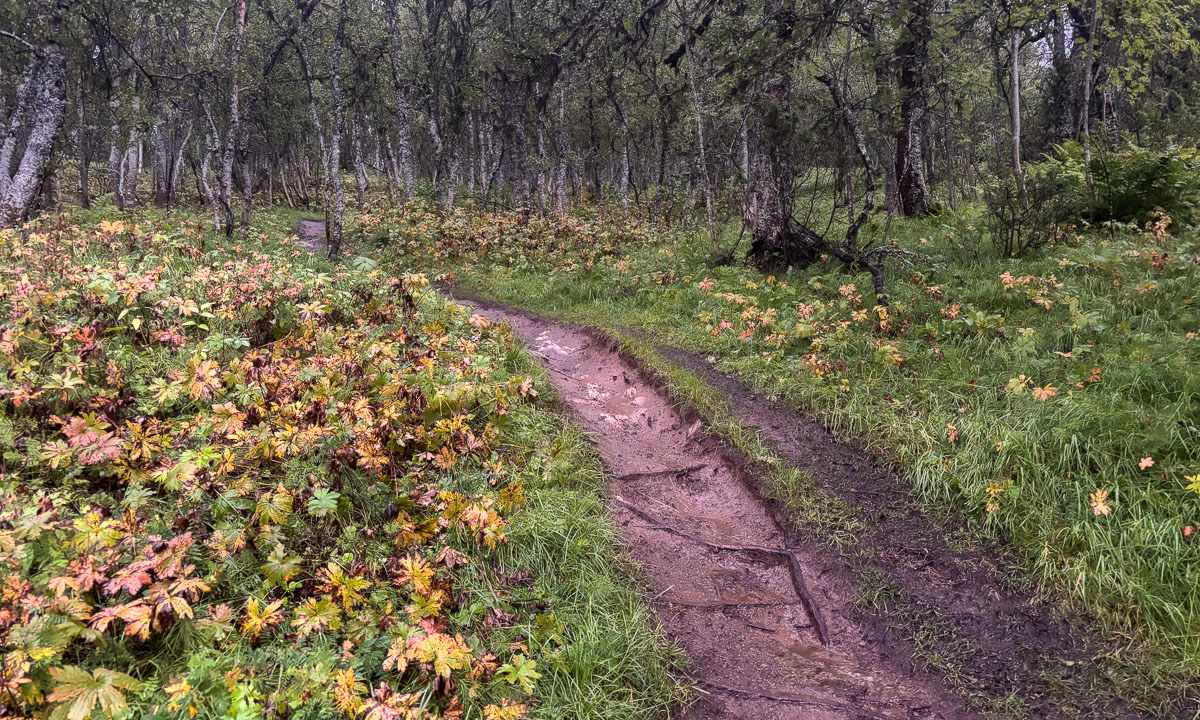
It was still light when I set off and it was raining. The big leaves of the wood cranesbill (Geranium sylvaticum) beside the forest paths had started to turn yellow.

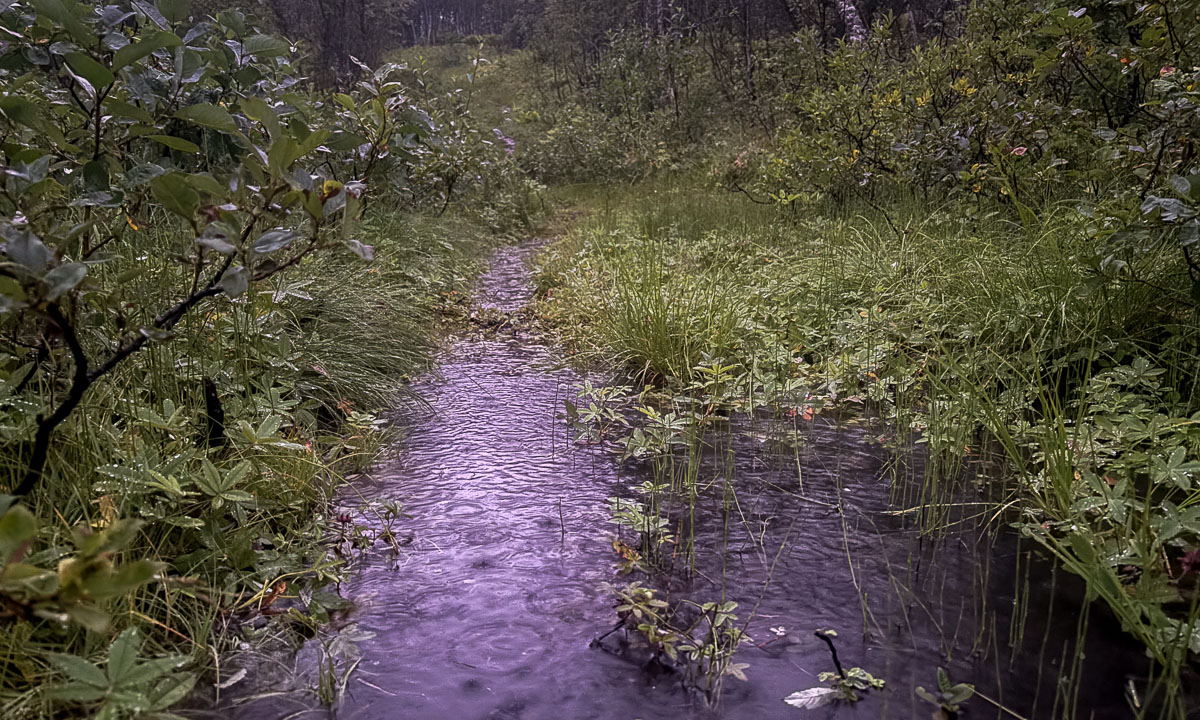
The small, grass-covered bogs always look like autumn. The vegetation is just yellower and browner. Because of the recent rain they were pretty wet and partly covered with water.

There were still flowers in bloom, like the pink fireweed and the thistle in the next photo, but more and more it was the leaves bringing the colour—like the wood cranesbill, whose leaves turn a vivid red in autumn.

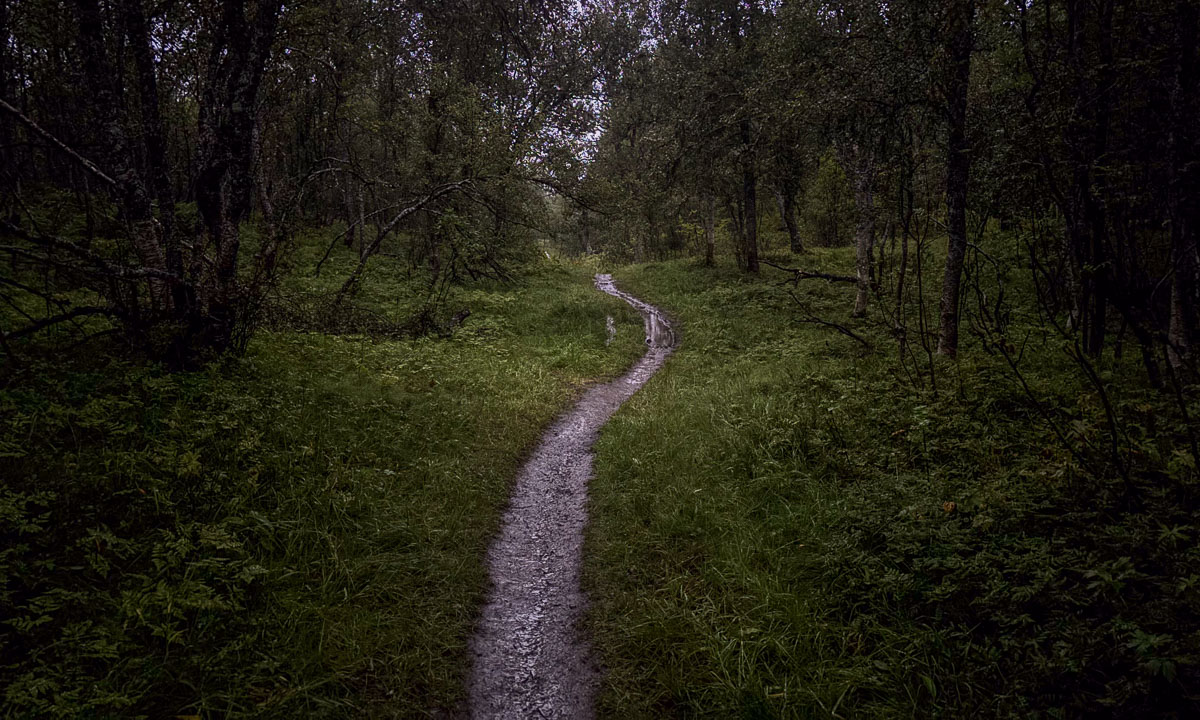
Most of the forest paths were mostly dry but some of them had turned into deep water puddles. Rubber boots came in handy.

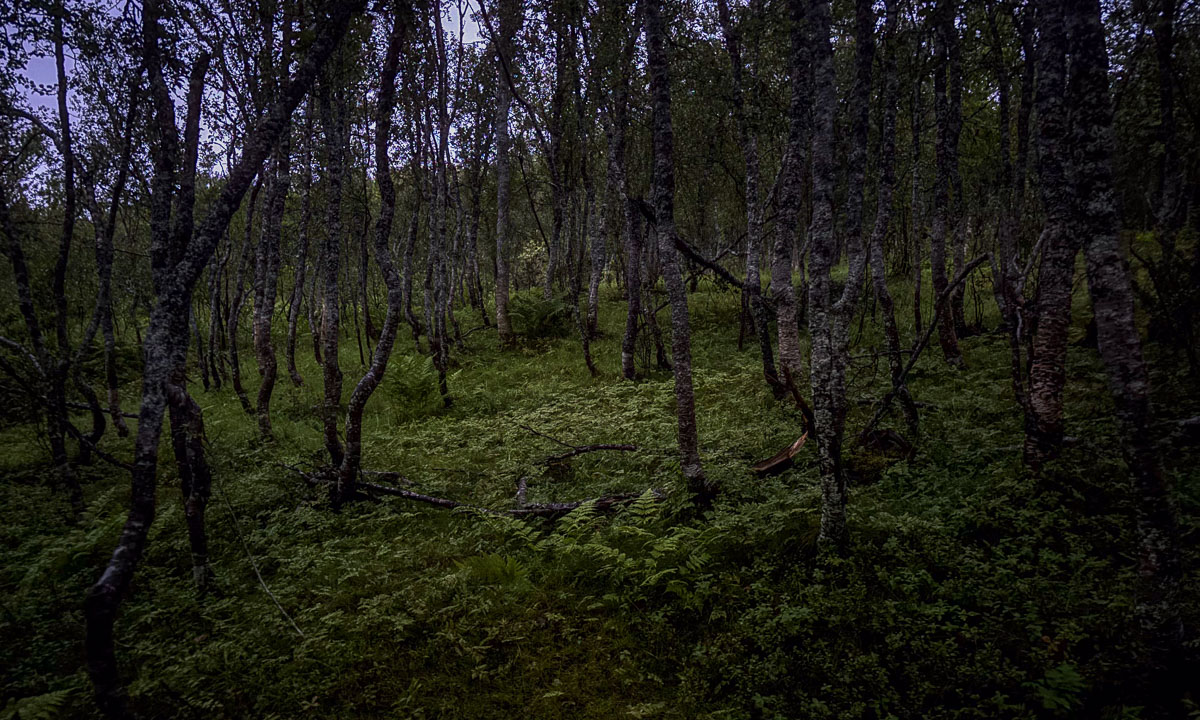
Half past nine – it was getting darker. Now and then I caught a glimpse of city lights through the trees, but most of the time I was away from town—sometimes going cross-country through the forest, sometimes staying on the paths.

Another sign of autumn was starting to show. Various mushrooms have popped up beside the path. I don’t pick them—I haven’t got a clue about mushrooms—but I do enjoy spotting them.

When I came home at 22:20 my rain clothes were so soaking wet, that I hung them into the shower. Today was the first day after months, where I put on the electrical heating in the living room.

July 2025 – photo supplement

No matter whether I blog little or much, there are always photos left, that could be published but weren’t. Today I just show four photos from this month that comes to its end in less than two hours from now.

4 July – Obbola

Just on the eve of my journey from Obbola to Tromsø, when my telephoto lens was already safely packed in the suitcase for next days travel the doe with its two fawns came back. This time they didn’t just passed by but all three stayed in our garden. First the fawns were frolicking around, running back and forth, then they joined their mother and grazed the long culms round the rock in our garden. Meanwhile I found my old telephoto lens and took photos through the window pane. That’s far from being ideal but I didn’t wanted to disturb our visitors peace.

11 July – Tromsøya

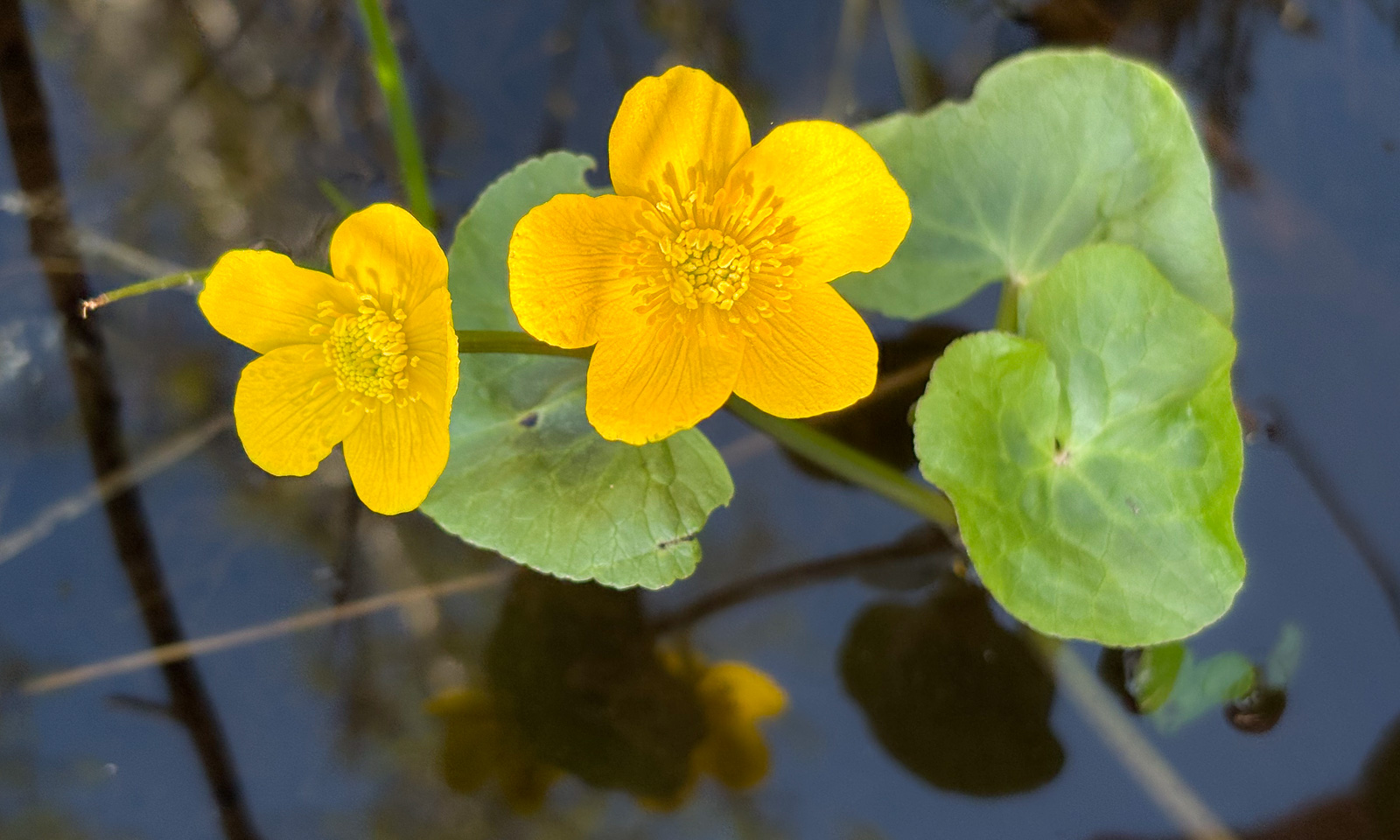
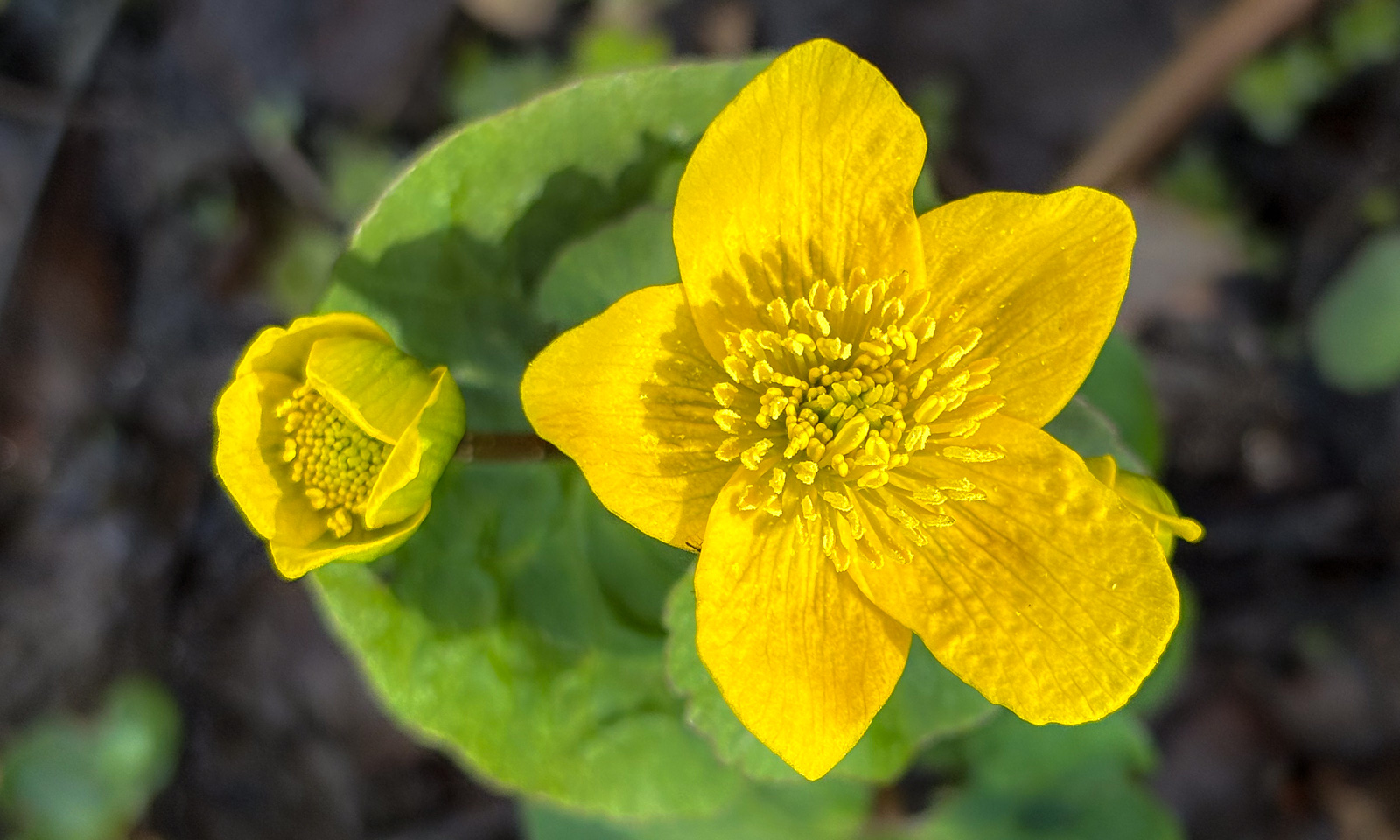
One week later I walked home through the forests on top of Tromsøya. Four weeks ago there still had been deep patches of snow, now it was blooming everywhere. Fields of lilac cranesbills, patches of yellow globeflowers and where it was wet und muddy a favourite of mine, marsh-marigold with its bright yellow petals. There is still snow on the mountains, but on the island Tromsøya it is summer.

23 July – Tromsøya

17 °C may not sound hot, but when the wind is calm and it is sunny it makes a summer day in Tromsø. A day Annika and I used for taking a bath in the lake Langvannet. There’s a sandy beach over there at this woodland lake and some quite curious ducklings. After the bath we took another way home that led us to another lake. Lillevannet is far from being a lake for bathing but it shows the beauty of Tromsøya’s nature.

27 July – Tromsøya again

A good friend will start a very special trip the following week. She will embark the three-master Statsraad Lehmkuhl and sail from Nuuk in Greenland through the Northwest Passage to Cambridge Bay in Arctic Canada. What a journey! Time to bid farewell with a barbecue in the forest, but before that another hike to Langvannet – 2 km from my place – to take another bath. We met an acquainted duck with three ducklings (last time one of them tried to nibble my toes all the time). Then another duck family arrived with much younger ducklings – still nestlings. While being less curious they were equally confiding and we could take some photos of them. This is my favourite.

That’s all for today. Perhaps I have some photo leftovers again in the end of August but I guess I’ll blog before that. See you soon in the digital world.

Flower spotting in Tromsø

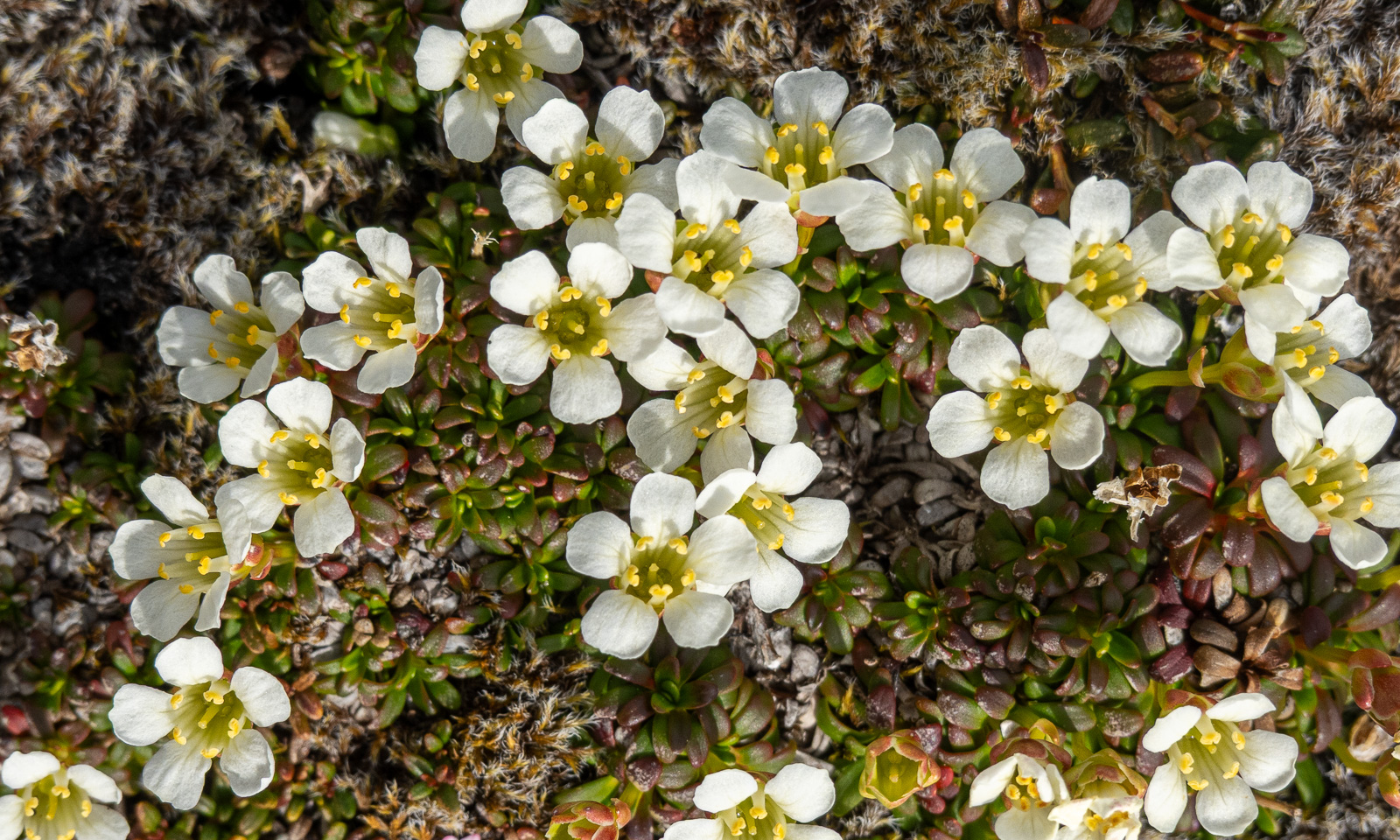
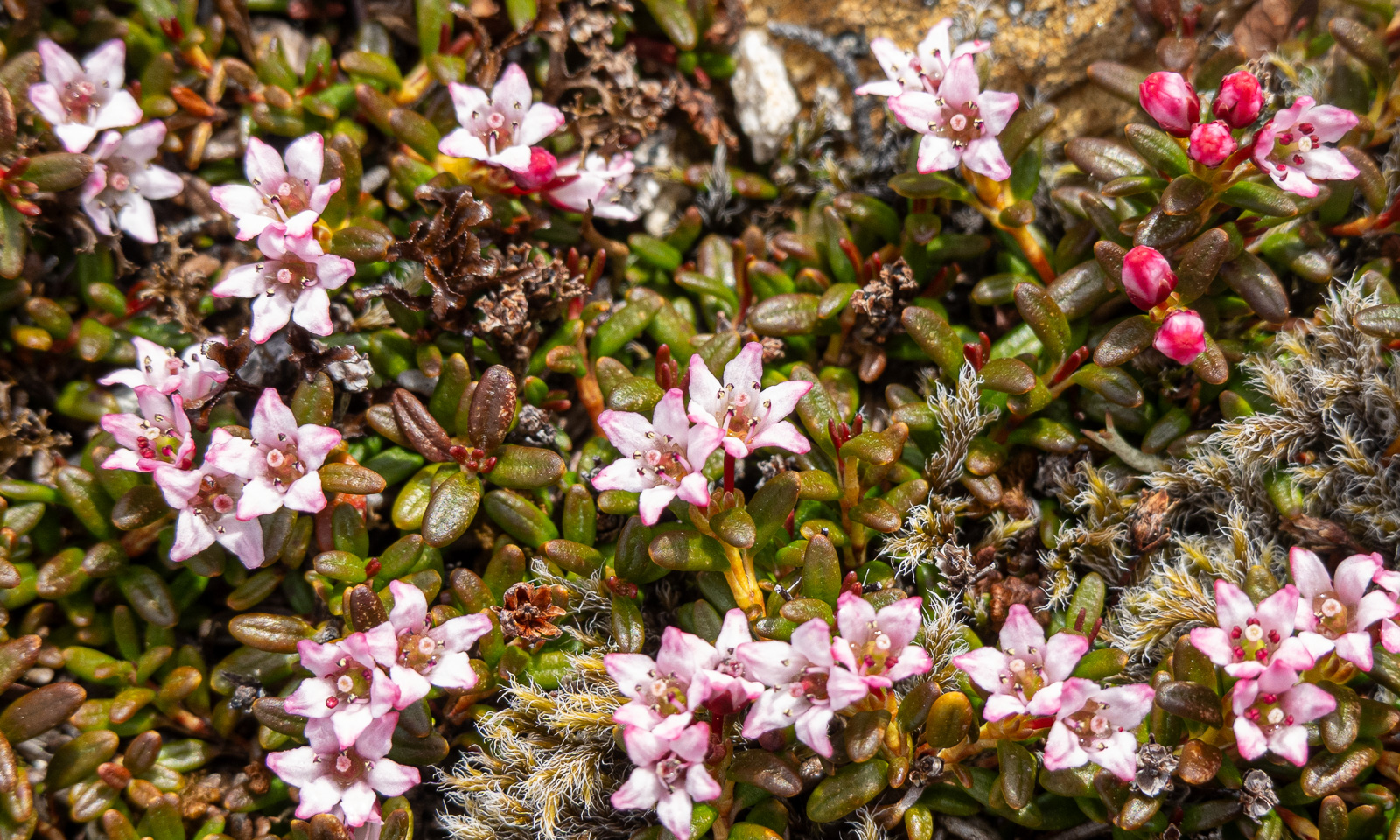
This afternoon I took my camera with a macro lens and strolled through the nature of Tromsøya looking for flowers. A lot of them grow on gravel, while others prefer the shady forest or boggy grounds. I’m not a biologist so I used AI tools to identify the flowers. I then checked in GBIF if these flowers have been found in Tromsø. Anyhow the scientific names may be plainly wrong! I do not provide any English names here, because there are too many synonyms for my taste. No wonder, that the English Wikipedia uses the scientific names as well. 30 blooming flowers I found today:

Midnight sun on the Stor-Kjølen – part II

To part I >

I slept better than expected in the shelter on top of the mountain Stor–Kjølen (790 masl) that I hiked up the previous day. At 7 o’clock I get up and enjoy strolling around the plateau under a deep blue sky. Thank you, DNT, for maintaining this shelter.

At half past seven I start my way back. The sun is high in the sky.

The plateau summit resembles a desert of stones with hardly any plant beside of lichens and some tufts of grass. The first plant that catches my eye when descending the summit is a flowering ground cover. If the AI is correct, it is silene acaulis, also known as moss campion or cushion pink.

Again I cross the huge snow field. I see footprints but no ski tracks. Skiing season seams finally to be over.

Navigation is easy. Sometimes I go astray, since there are so many parallel paths – this hike is quite popular. But with the help of the painted red dots it is easy to find back to the main track. The cairns – Scottish  Gaelic for a man-made pile of stones – can be used for navigation as well. Great in fog! However, use them with caution. Tourists love to build these all over the mountains on random places.

While coming down the mountain the landscape slowly changes. The ground is more and more overgrown and to the right there are several lakes.

As the day before I pass a small valley. Now it lies in the sun. It looks very idyllic with its lakes, streams and its birch trees. One day I have to check how to go there.

Another stream to cross, another lake to view …

… and I’m on the home stretch. Soon I can see the gravel car park. One of the grey cars is mine. But still the terrain is hilly and in no time the car park disappears from view again.

By 9:45 I am back at the car. I was incredibly slow — a luxury you can afford when you’re hiking alone and stopping to take photos.

Later that day I stand on my balcony. The view is mostly blocked by large trees. Birches, willows, rowans. Through the gaps I can spot the mountains. And if you look carefully on the next photo, you may spot a tiny white dot on the top of a snowy mountain. That’s the radar station of Stor-Kjølen. I’ve been there last night.

Dundret

It rained a lot in Gällivare when Annika and I were there some days ago. On Wednesday however the weather forecast said there’d be a bit of sun in the afternoon, so we planned to hike on the Dundret. Dundret is just around the corner and a solitary mountain, a so-called inselberg. I skied up there in Winter 2012. In summer you can take your car and drive up almost all the way.
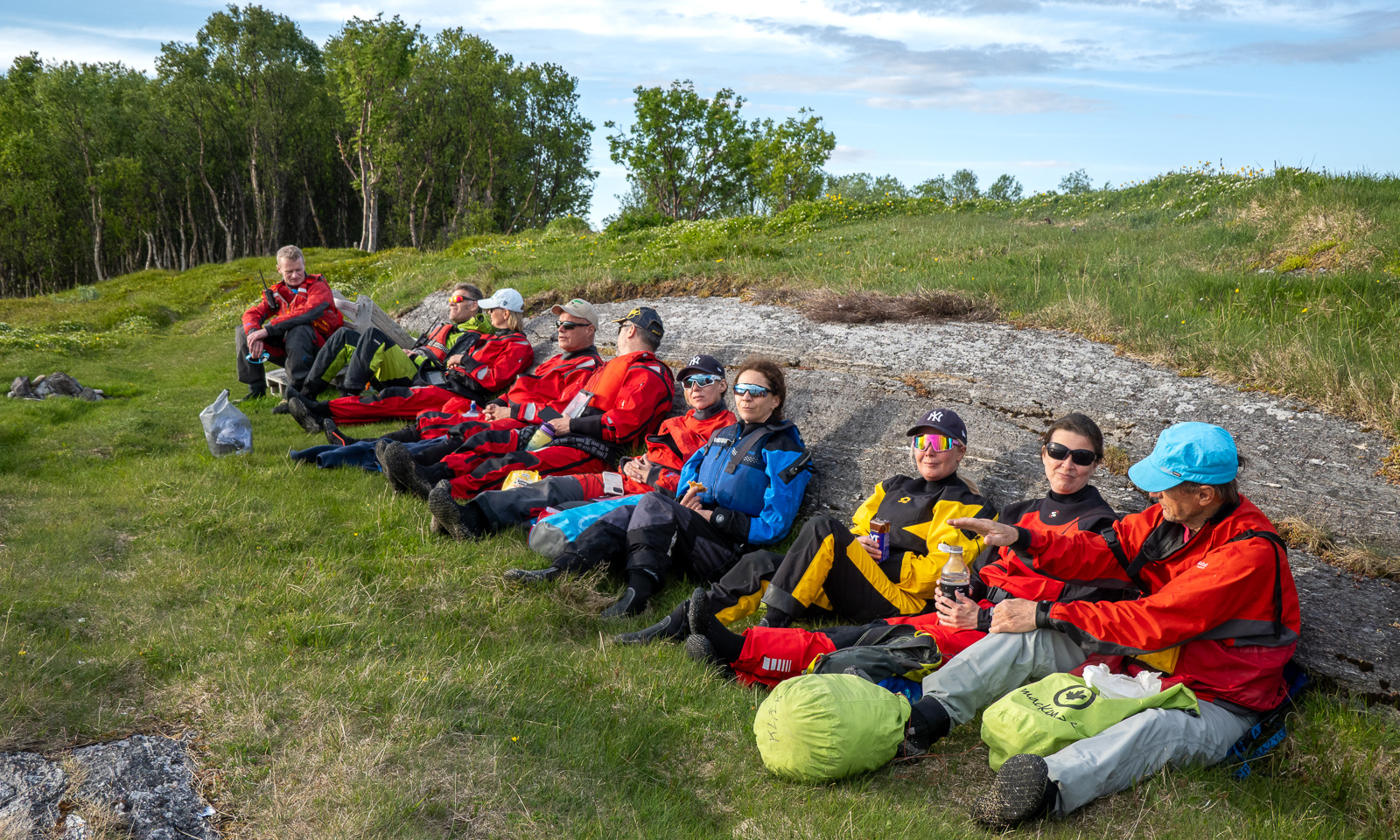
Indeed it had stopped raining and we had some sun and blue sky when we started our hike.

As in many Scandinavian hiking areas there are summer and winter trails. The winter trails are marked with red crosses that lead over the “kalfjäll”.

Kalfjäll is the Swedish word for the alpine tundra above the tree line. The dwarf  birch growing here is technically a tree, but you wouldn’t think so at first glance. It has no visible trunk, and its branches sprawl low across the ground.

We splotted some flowers in bloom such as the mountain-Heath, the alpine azalea or the lapland lousewort.

It got cloudy on our hike, but at least it didn’t rain.

After some hours of hiking (and some mosquito contacts) we arrived at the car and drove down again. On some of the slopes there was still a bit of snow.

For me Dundret is a mountain for hiking and back-country skiing, but it is also a ski resort.

Near the station at the bottom we were sitting for a while enjoying our waffle with jam and cream before we drove back to the Gällivare camping ground. When we arrived there it started to rain heavily. Good timing I would say.

And here two winter photos from Dundret when I was there in February 2012. Seems like ages ago.

A short summer journey in Northern Sweden

Annika and I are on holiday and spent this week to travel around northern Sweden by car, mainly to visit friends. Some stopps: Kusfors, Arvidsjaur, Nattavaara, and Gällivare.

Jar museum Rolig & Rusk

We took a short stop at the jar museum in Burträsk. Not to visit the museum, but the small flea market. If you travel in Sweden and love browsing at flea markets, look for the sign “Loppis”.

Smörgåstårta

In Kusfors we visited friends and got Smörgåstårta for lunch. This dish is very Swedish. While its “architecture” resembles a layered cream cake, the taste is savoury and contains ingredients like ham or cheese.

Summer flowers

When there are meadows or pastures in Northern Sweden there are full of flowers in summer. Here you can see for examples dandelions, butter cups, campions, and cow parsley. This patch is by our friend’s house.

A reindeer in the grocery?

Reindeers are typical for Northern Sweden and you have to watch out for them when driving a car. This fellow however is stuffed and stands in the display window of a grocery in Arvidsjaur.

Zzzzzzzzzzzzz…

There are many lakes in Sweden and in summer these lakes always come with mosquitoes, especially in the evening. Luckily they are late this year and I could take this photo without being eaten alive.

Old log cabin

We are spending the night at Renvallen Camping near Arvidsjaur. The camping ground is an old farm and some buildings such as this log cabin are pretty old.

Gravel roads

If you think, your car is too clean, use a Swedish gravel road in rain. The back of you car will be plastered with brownish-grey mud that even the strongest rain cannot wash away.
Sandviken beach

Yes, I wanted to take a bath at Sandviken in Gällivare, but my motivation went near zero, when I stood there in the steady rain looking at the shallow water with its gravelly ground.

Fat Tony’s

If you like burgers, you should give Fat Tony’s in Gällivare a try. Both atmosphere and food are great. And if you are there, do visit the bathroom.

Dundret

Just around the corner from Gällivare lies Dundret, a solitary mountain. When the rain stopped Annika and I took a hike there together with our friend Sascha and his malamute Roxy.

Tyre dealer

Stuff standing around in car garages has always its own aesthetics. The reason, why we needed a tyre dealer on our trip will be told another time (although you already may guess it).

Summer Café in Nattavaara

On Monday we passed Nattavaara. Alas, the summer café is closed on Mondays. On our way back it was open and we stopped to ate cake. Different volunteers come up for short stays to run the café and bake cakes. Most of them are from Switzerland or Germany which strongly increases the cake variety in the region.

Mid-June flowers in Obbola

Yesterday morning I was out with my camera and a macro lens and tried to take pictures of all the blooming flowers in our garden. Here they are. Please specify them by yourself, because it is my first holiday today and I’m way to lazy.

It’s June in Tromsø

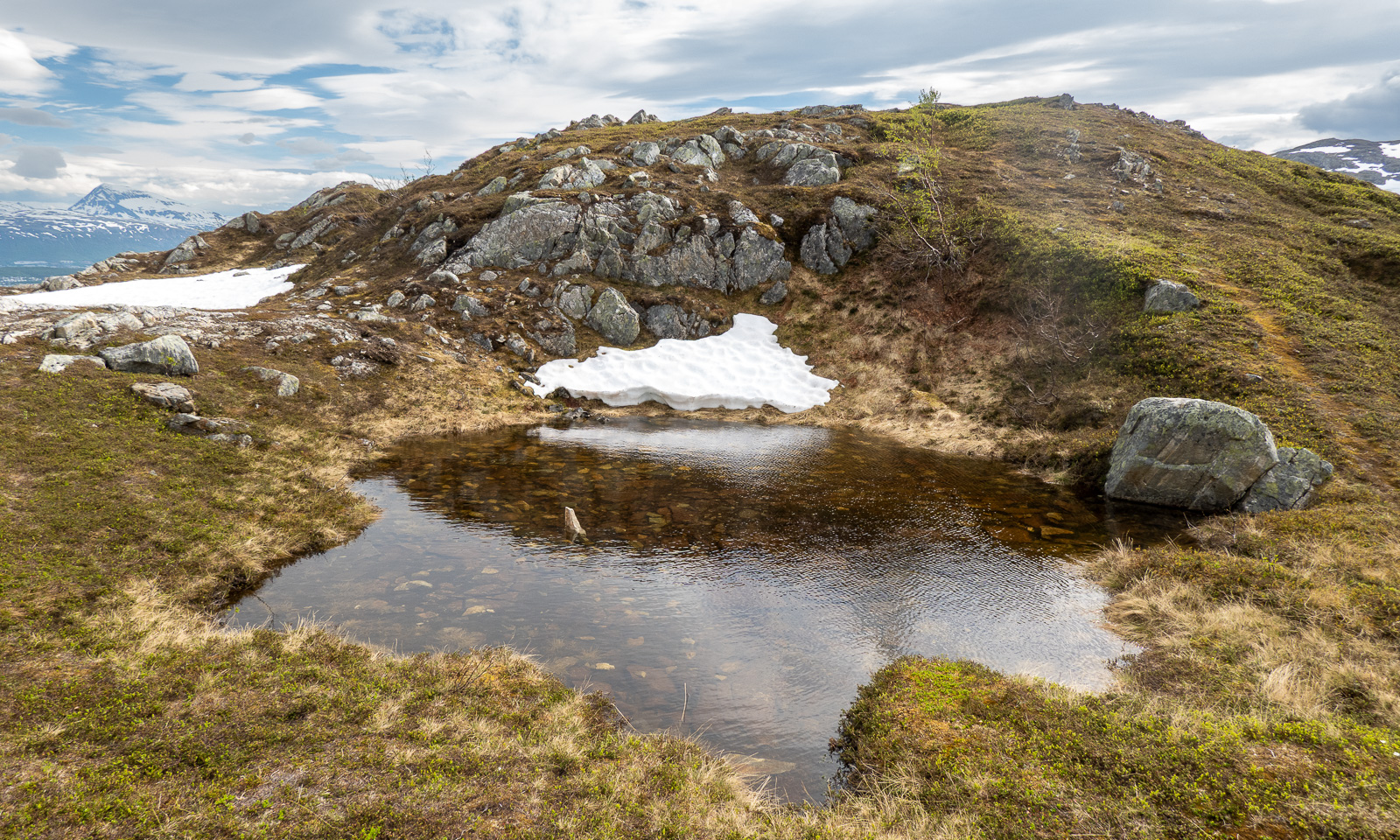
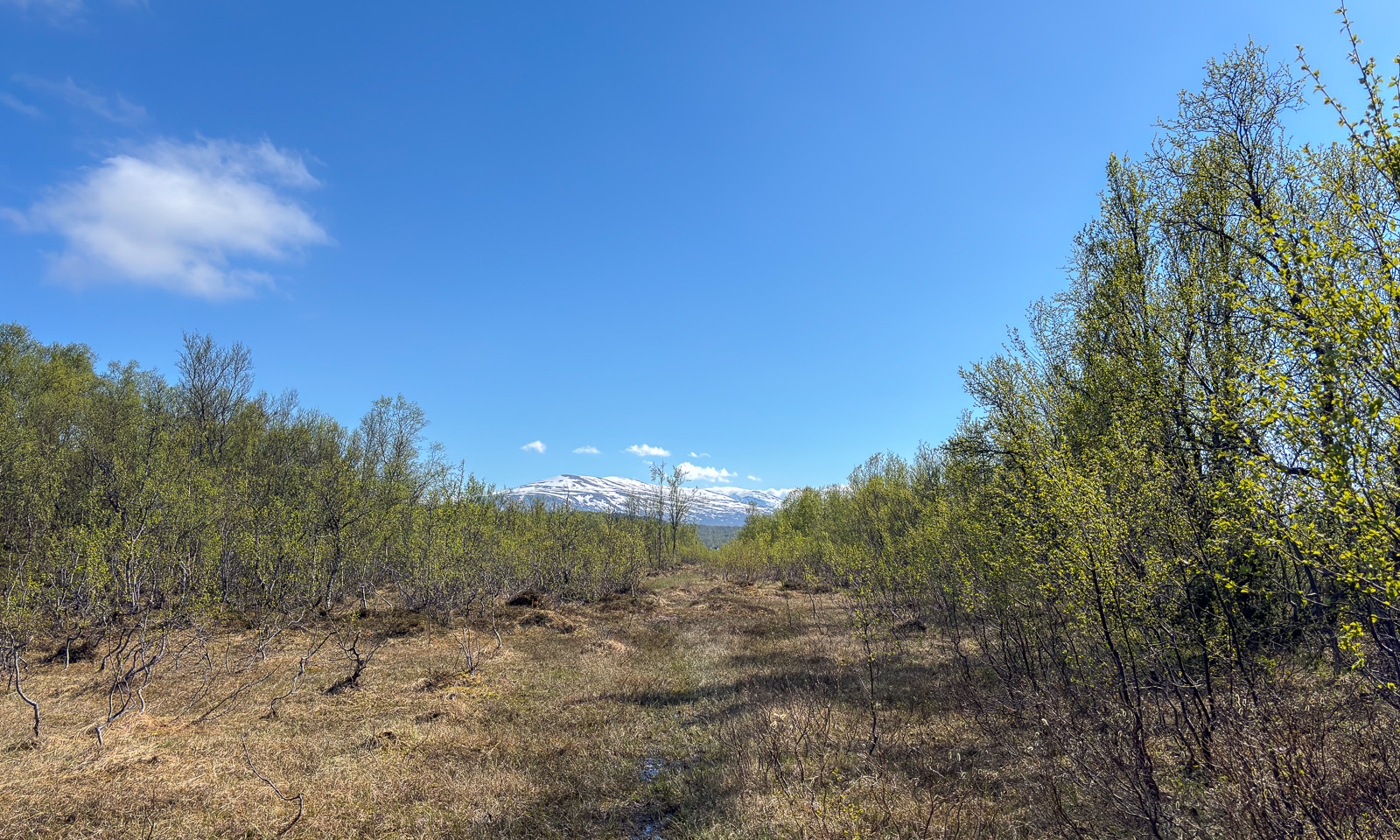
After a week in my hometown Bremen in Germany I returned to Tromsø yesterday. This morning I took a tour through the nature of the northern island. The landscape is mostly wooded hills, with a few bogs and lakes dotted around. I was curious about two things: how much snow is left and have the birch trees got their leaves?
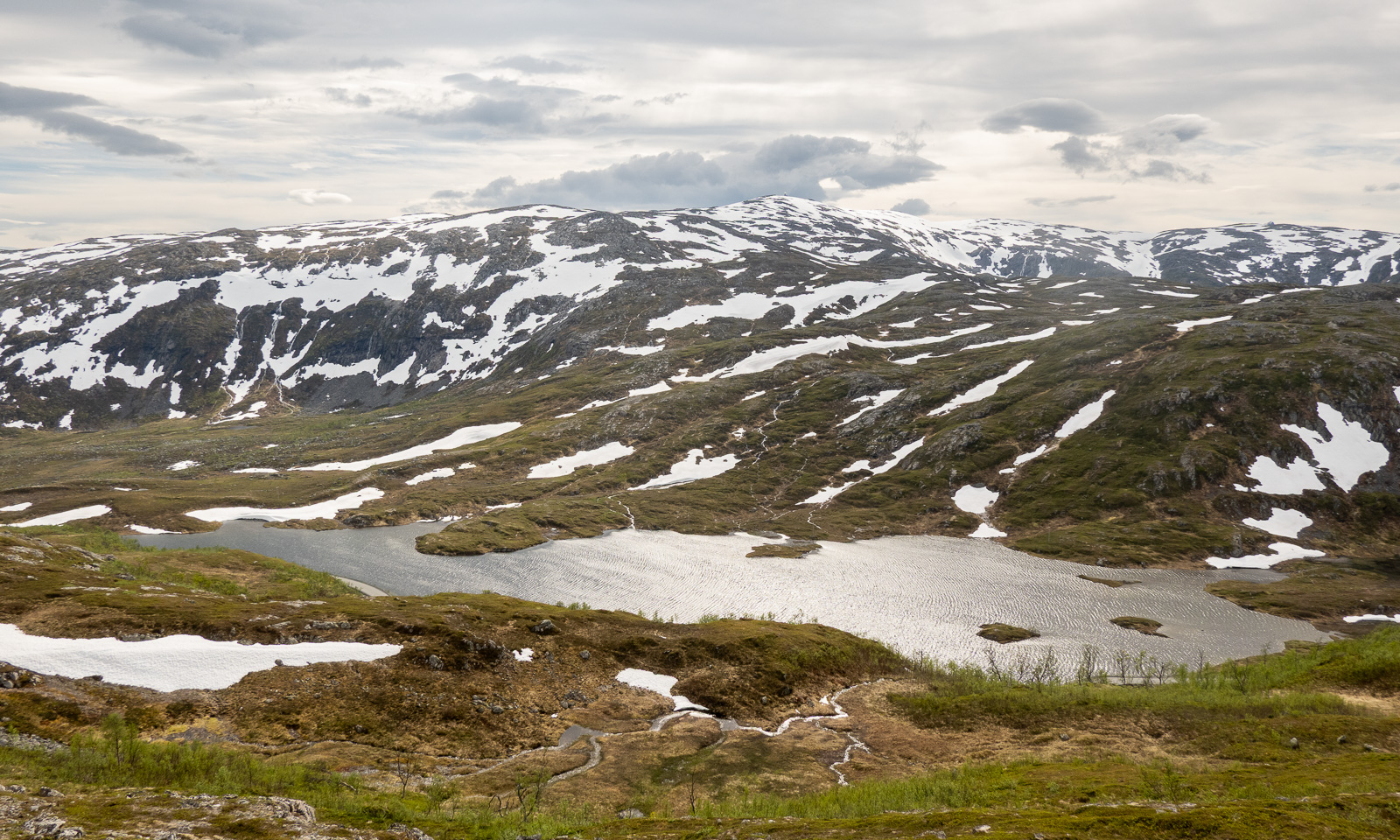
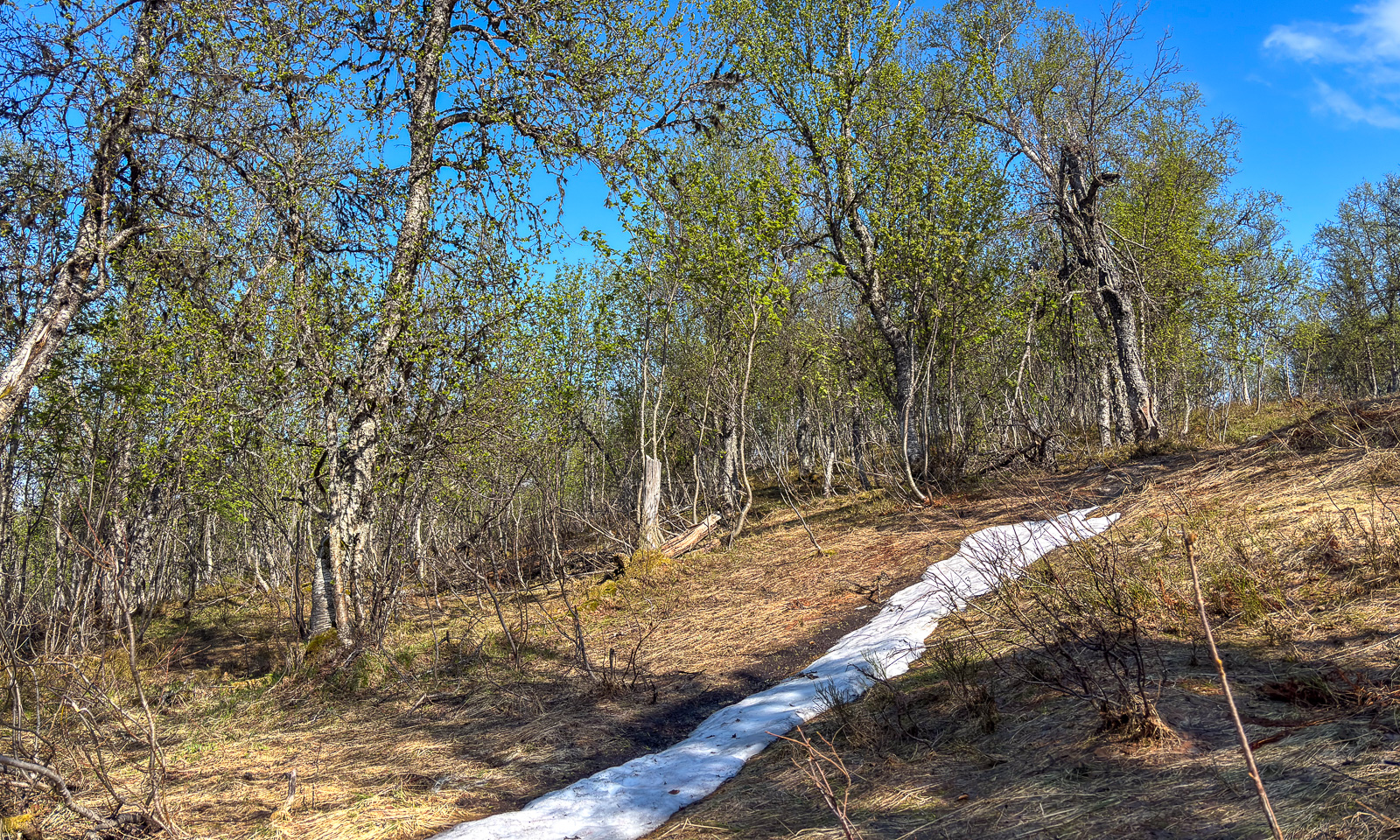
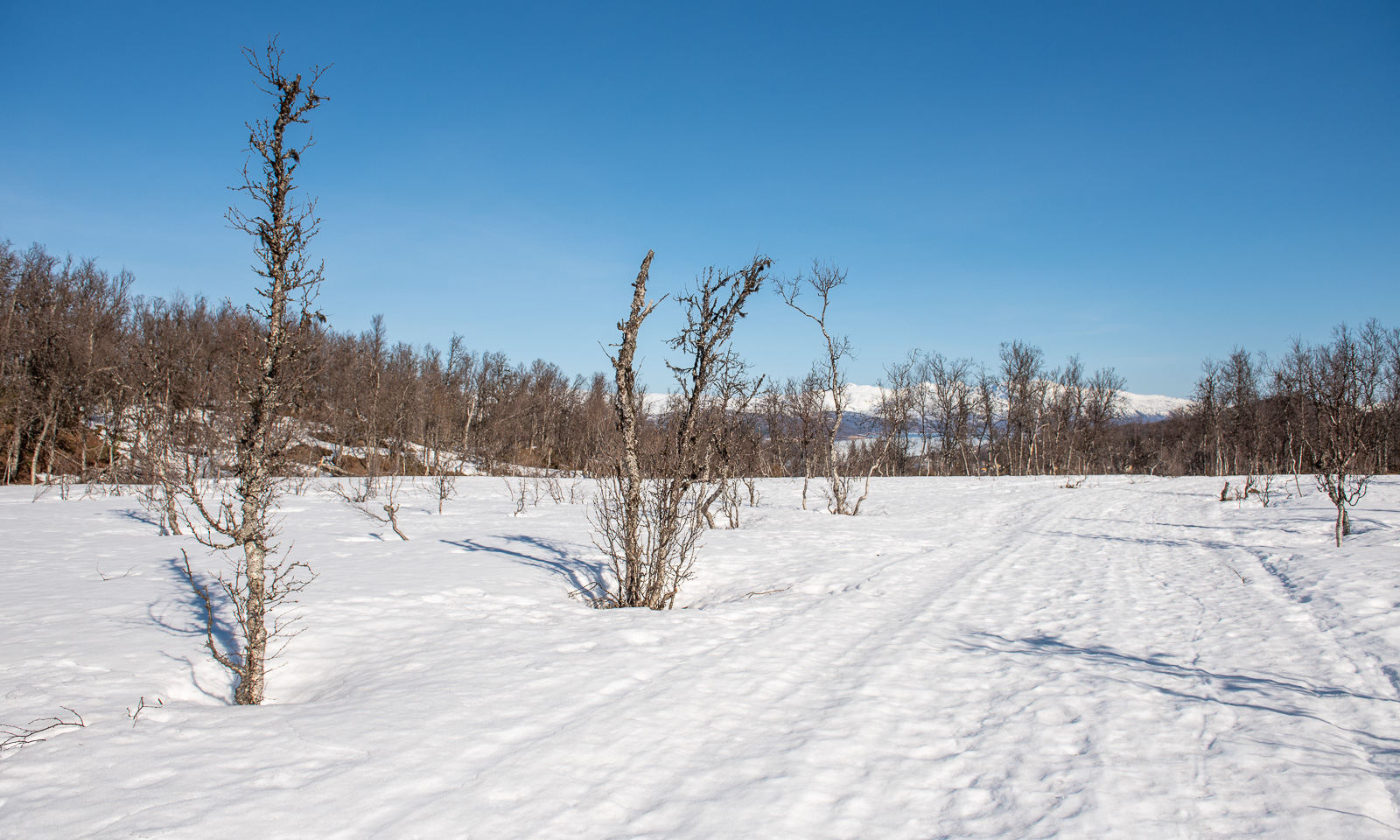
More and more snow is gone. However some of the forest floor is still covered with dirty snow, sometimes up to half a metre and more.

You can still see last winter’s cross-country ski trails. The pressure of many thousand skiers has squeezed the snow making it more compact. Like white ribbons, these paths wind their way through the forest.

Other paths give no hint that winter ever touched that place.

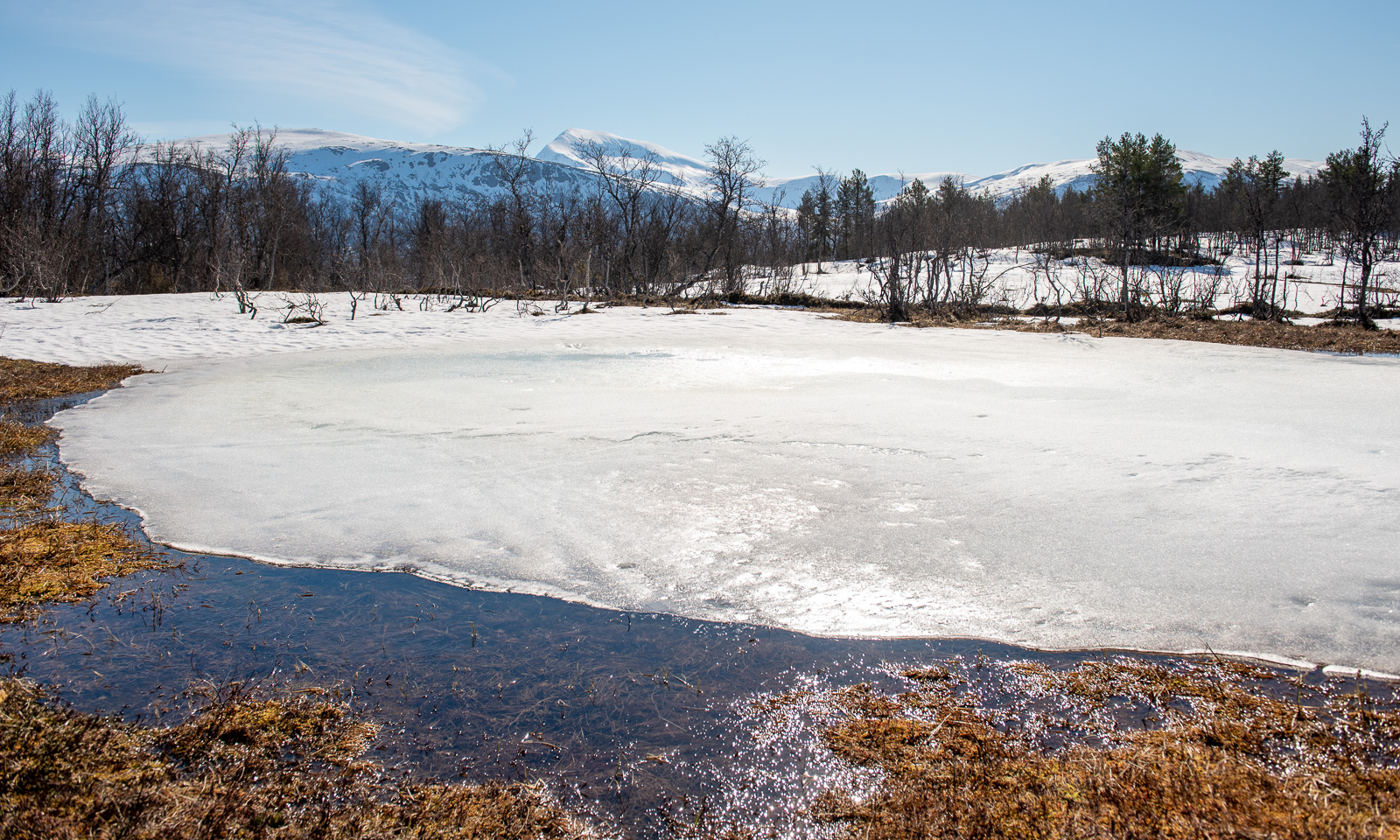
The moorland with its spongy ground is completely clear of snow. And so are the lakes.

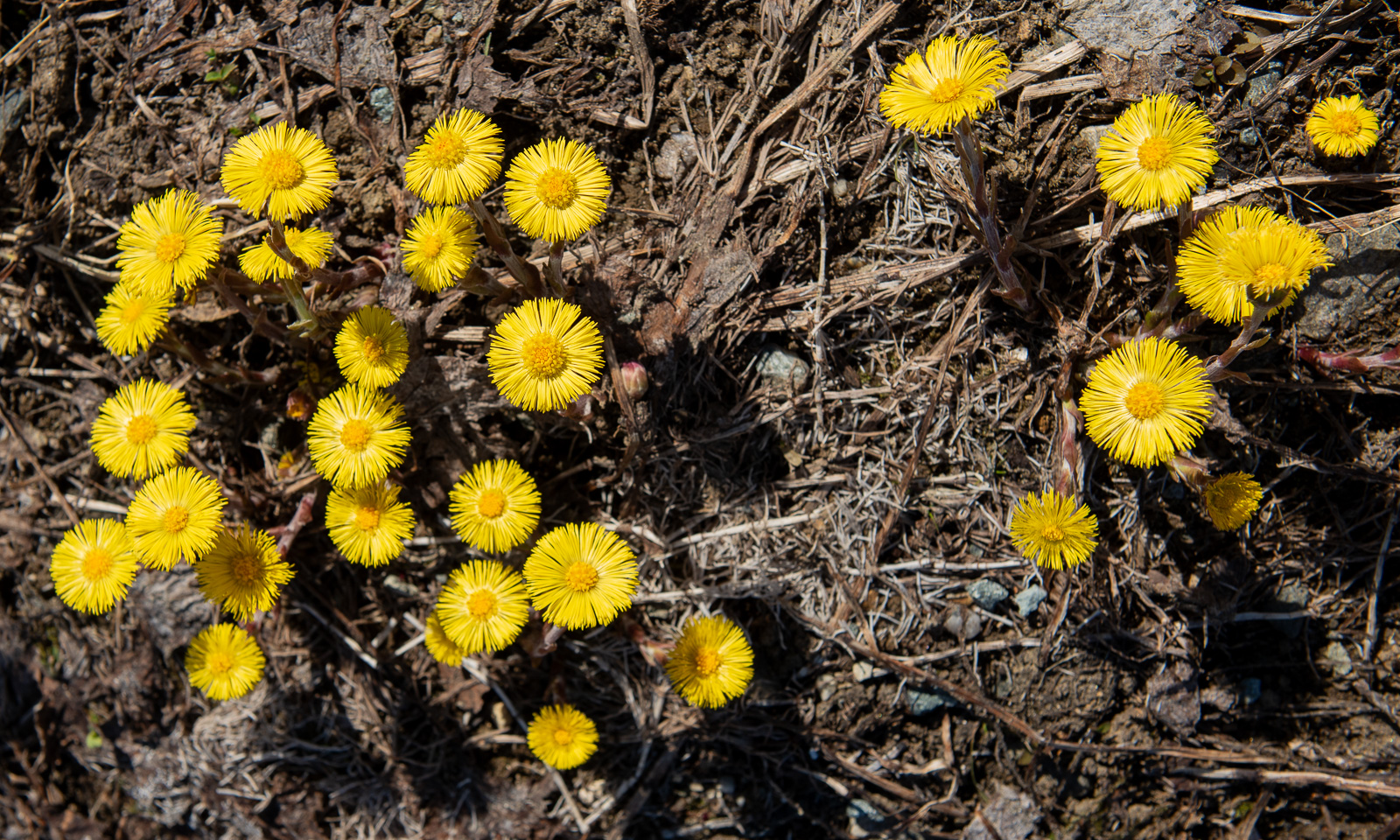
However, although it is already 1st of June the colours look more like late October. But if you look a bit closer you see the signs of springs such as the blooming marsh-marigold and the birch leaves that finally start to grow and unfold on some of the trees.

The snow is melting

Fifteen days ago: 98 cm of snow in Tromsø, measured at an elevation of 100 metres. Yesterday – two weeks later – 31 cm of snow are left. And so my walk home also looked like. Somewhere between the winter still hesitating but spring approaching anyhow.

Tomorrow the summer working hours start and till September I’ll have to work only seven hours a day. Yay!
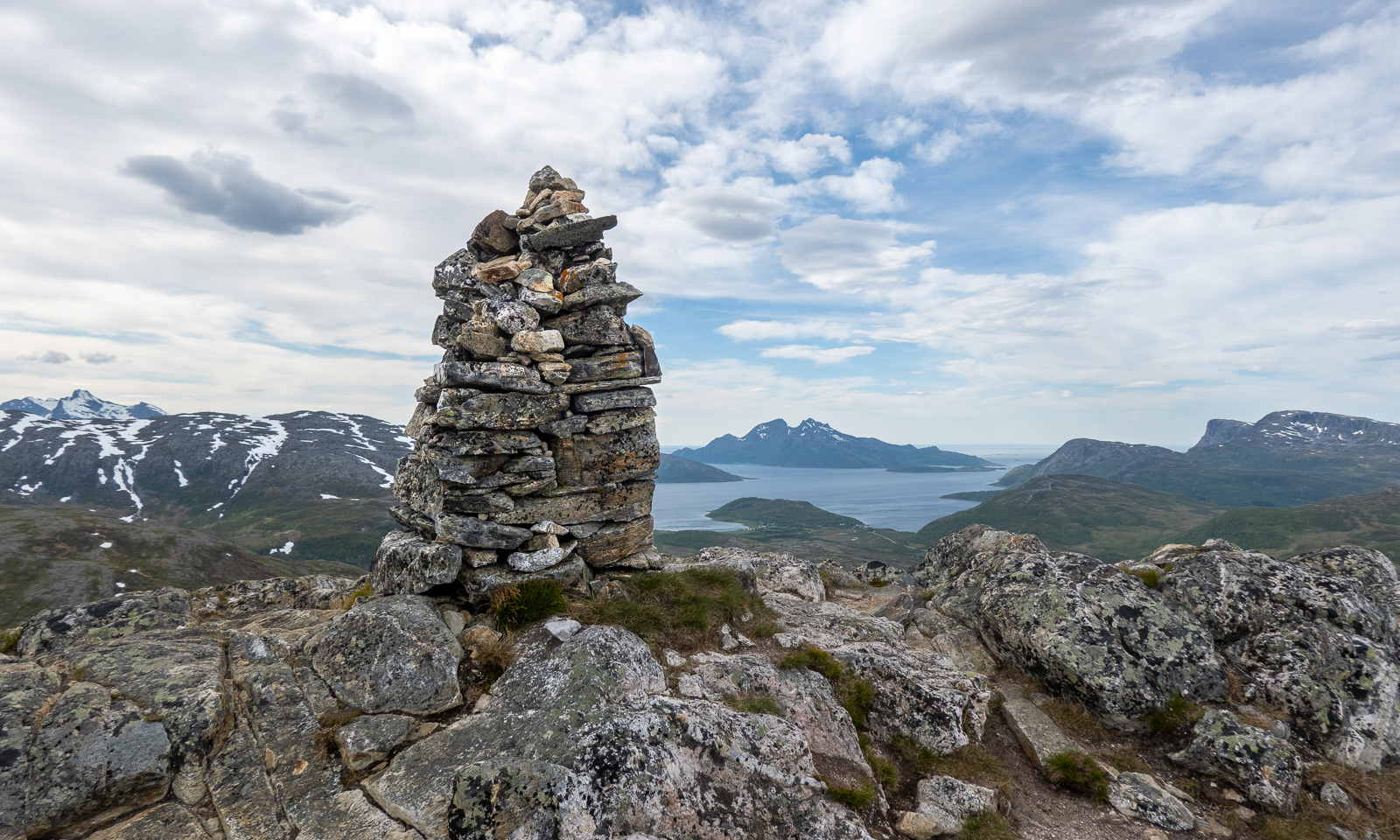
The following day my car will get summer tyres.
And on Sunday – four days from now – the time of the polar days start where the sun won’t set before 26 July.