Scotland NC500 – day 9 – water falls and Loch Ness

This article is part of the series “2025-10: Northern Scotland”.

October 21

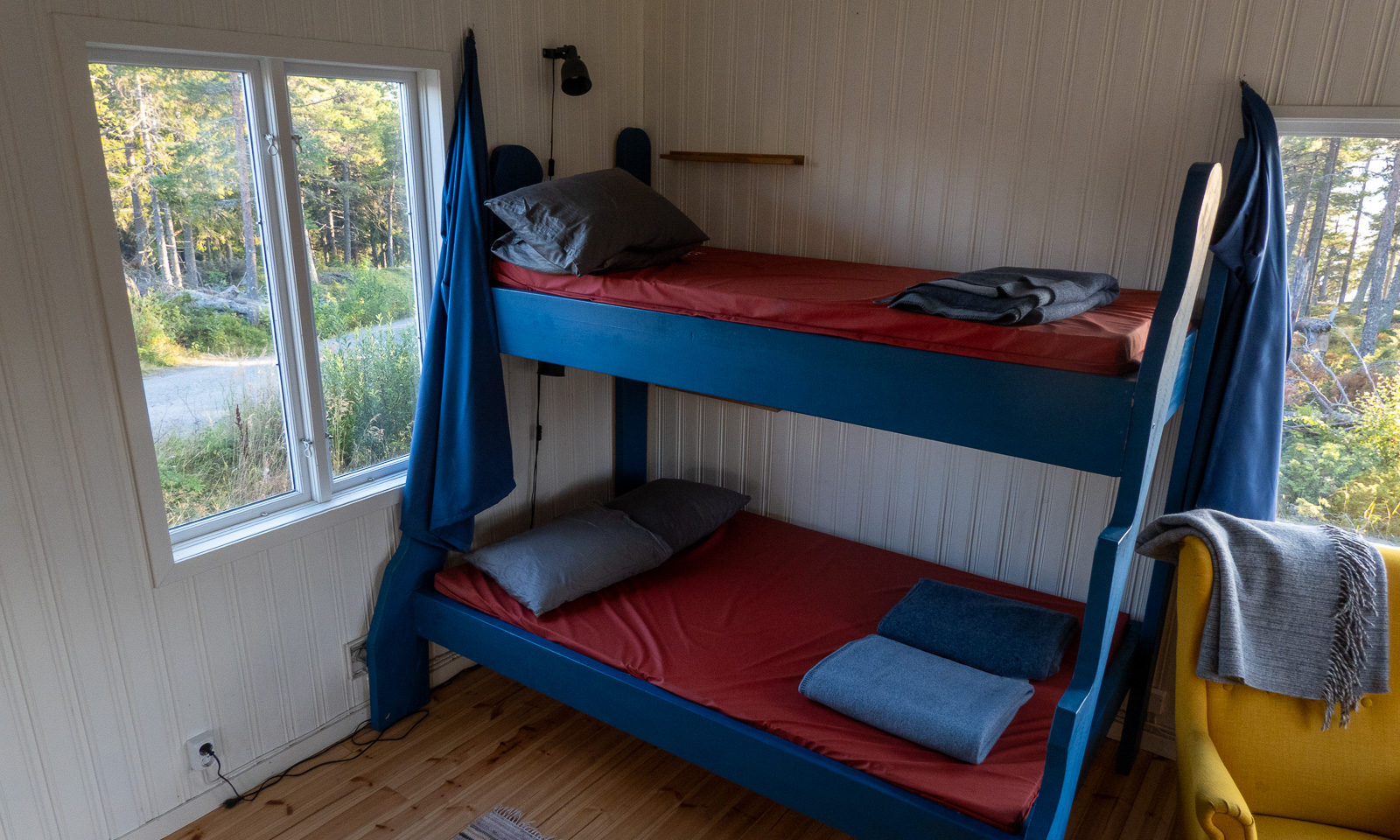
Today is the last day of our holiday in Scotland that my wife Annika and I are spending together. We had a comfortable accommodation at An Spiris in Dundreggan. Now we are walking to the café for breakfast. On our way we pass this private house.

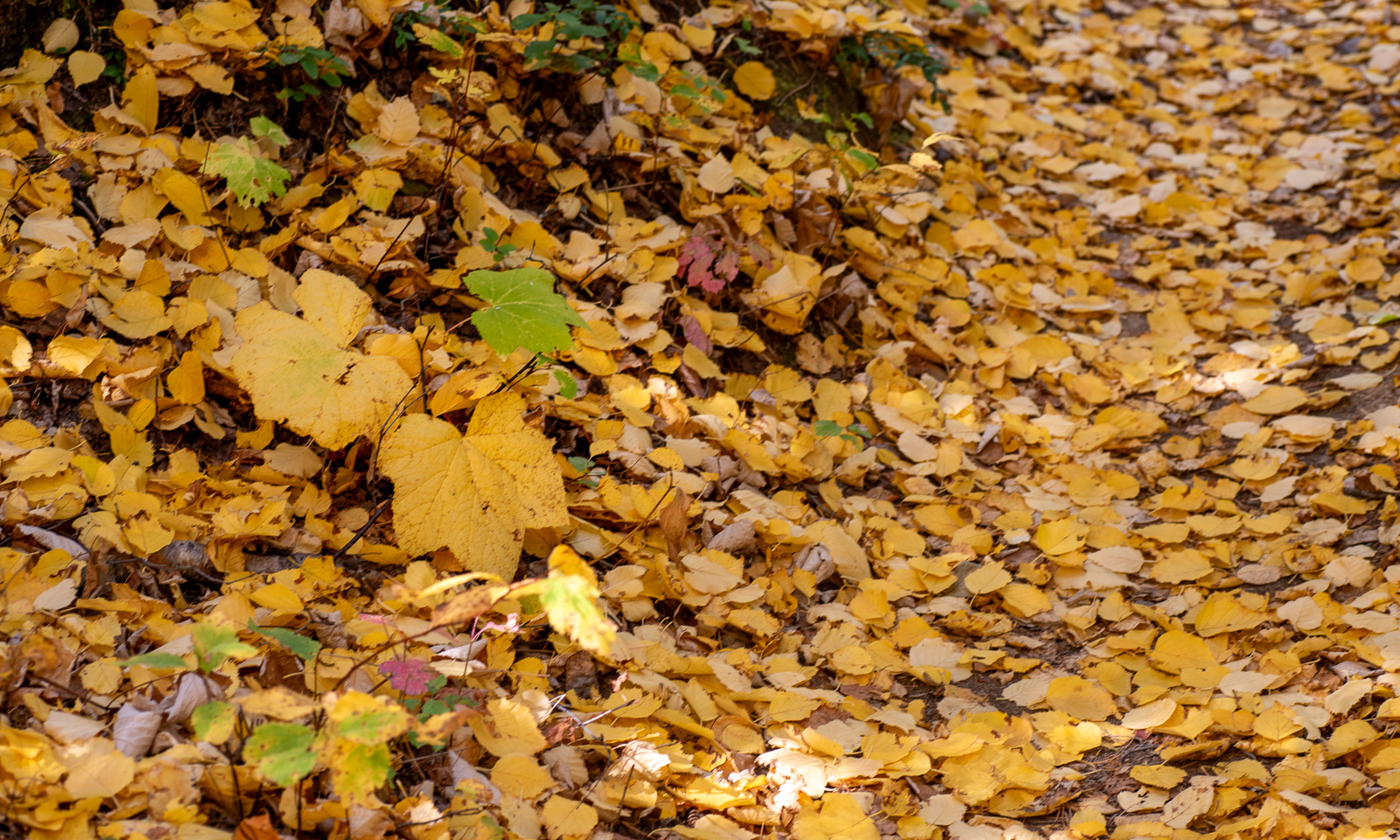
Back in the car we follow the road A887 which goes alongside the River Moriston. This river flows eastwards where it enters Loch Ness – Scotland’s most famous lake. Before we reach Loch Ness we stop at the Invermoriston Falls. While these are more a series of rapids than a huge single waterfall, the short walk in the old beech forest is extremely beautiful, especially now in autumn. You can also see how beautiful these stone arch bridges are when viewed from the side. You never notice that when driving over them. Nor do you notice small gems like the stone shelter at the ridge of the ravine that the river has carved into the rocks over time.

Inside the shelter it is quite dark. On the dark stone table lies an arrangement of lichen, a stone, two thin sticks – one with a cone – a feather and three leaves. I really would love to know the story behind this artistic still life. Was it a playing child with artistic talent? Leftovers of a pagan rite? A photographer creating a new subject? I’ll never know.

As most places on our journey this place is new to me and so is the next one: Loch Ness and the Loch Ness Centre in Drumnadrochit. This is of course a tourist hot spot. We didn’t visit the centre, but stroll around and check the gift shops. And the surprisingly good Italian ice-cream. I like the submarine called Viperfish that was built as a private project in 1969 to search for the monster. I guess you needed a shoehorn to get into this tiny vehicle.

And then of course there is Nessie, the Loch Ness monster and you see it everywhere. Not necessarily as a living creature but as a sculpture and on countless souvenirs. Even Scotland’s famous soft drink, Irn Bru has a Nessie edition.

Some other stops follow. Some stops enforced by roadworks with single-lane traffic and some freely chosen, such as the Corrimony Chambered Cairn – a 4000 year old passage grave, or the village Cannich that has a café in an old, turquoise double-decker bus and an outdoor collection of teapots.

The reason we pass Cannich is that we want to visit Plodda Falls, our last stop on our road trip that was originally planned to follow the NC500 coastal route but became much more zigzagged – and hence much more interesting.

As many other waterfalls the Plodda Falls are a bit disappointing. It’s a nice view, but come on – we have waterfalls in Norway too.

But then we continue the circular hiking trail. We hear water falling, we enter a platform and look down into a deep chasm. And right below us, the water thunders down! That’s the Plodda Falls!

The hiking trail goes downhill, we follow. Now we have a better view of the real Plodda Falls. Truly impressive! From the photo, you wouldn’t guess that they are 46 metres high!

It is not only the waterfall, the trail itself is impressive as well with its gigantic trees with enormous roots.

At half past four we are back in Inverness where we leave our rental car. Annika has driven 1290 km the last eight and a half days to all these special places across Northern Scotland. We re-pack our things and get a lift to the train station. The train leaves at 17:20 and we arrive back in Aberdeen around half past seven.

October 22

Time to fly home – farewell Scotland. I’ve been here three times and I’m pretty sure we’ll come back.

Scotland NC500 – day 8 – a hidden pass, palm trees, and a famous castle

This article is part of the series “2025-10: Northern Scotland”.

October 20

Today is the eighth day of our road trip in Northern Scotland, which my wife and I are taking together. Last night we slept in a hostel near Applecross. Now we want to take the road over Bealach na Bà pass, that is known for its hairpin bends and scenic views. Unfortunately it is still raining and the clouds are low. The beginning of the road is marked with several warning signs, but Annika can drive single track roads and we do not have wintry conditions, so we can take the road. But clouds we have. Soon we are in the middle of them. It is raining and the visibility is pretty bad. And so is the view of the hairpin turns from the top of the pass. Well, you cannot have everything.

We descend and slowly visibility improves. When we look back we can see the colourful mountain scenery with the summits in the clouds. In front of us we see the other clouds floating down to the sea loch Loch Kishorn, where they start hiding the coastal islands.

Two hours later we arrive in Plockton, a beautiful village by the sea. The climate is particularly mild, so that palm trees can grow here. An older chap I meet in the street tells me that he has different sorts of palms, a eucalyptus tree and other trees I never heard of in his garden.

It is low tide. Some fisher boats lie in the mud and it is possible to go to an island nearby. From the sandy tidal flat you can see the long row of houses by the seaside – sea view for everyone. We spend an hour and a half here to visit the craft fair, to go to the island, to pet a cat, to take photos and to find a geocache. A charming place with views of the sea, an island called Sgeir Bhuidhe, Duncraig Castle, hills, and steep mountains.

Finally we continue our tour. Next stop: Eilean Donan Castle. This castle is regarded one of the most photographed landmarks in Scotland, and it’s very popular with tourists. Visiting the interior costs money, and there’s even a charge to cross the bridge, so I take photos from the outside. It is not easy to take photos without too many tourists in the shot.

From Eilean Donan Castle it is not far to the An Spiris Accommodation at Dundreggan Rewilding Centre, our last overnight stay on our road trip. My highlight of the evening is the toddler in the large common room singing “Do-Re-Mi” from the Sound of Music.


Scotland NC500 – day 6 – a long breakfast and palm trees in the evening

This article is part of the series “2025-10: Northern Scotland”.

October 18

Annika and I are sitting in the comfortable kitchen of our hosts in Badrallach having breakfast. Cereals – bacon – fried eggs – mushrooms – toast – homemade jam – homemade ketchup – tea. The breakfast is very delicious, but it’s not the main reason we’ve been sitting here for hours. It is the wonderful conversation about life, us, and the wider world that we have with our hosts. Breakfast had long turned into brunch when we finally prepare ourselves to leave.

Behind the house is a pasture with dark, horned sheep. They are curious and all of them are looking at us. In the background lie the mountains and in front of them a narrow strip of blue – the sea loch Little Loch Broom.

Soon we drive over the moorlands of the Scottish Highlands with their intense colours. We haven’t gone far when we make a spontaneous stop at a car park by the sea. It is the small, bright red three-wheeled vehicle with labels such as “coffee” that catches our eyes. The owner is a local and he seems to know all the other customers. The two old ladies just leaving and the man with moustache, who – so he tells me – has worked in the Arctic and Antarctica. While Annika enjoys her hot chocolate I get perhaps the best coffee I’ve ever had. I’m not a big coffee consumer but this stuff is addictive.

As the weather is fine today, we stop at another beach – Mellon Udrigle Beach – where we meet another local playing with his border collie. I take the first and only bath on our Scotland holidays. The water is crystal clear and warmer than expected.  It’s a shame I only bathed once.

This day is about the people we meet and it is the only day where we haven’t booked any accommodation. We make a stop in Gairloch, a village that I quickly fall in love with. It is not just the location by the sea or the beautiful houses. Many Scottish villages have that as well. It is the alternative book shop, the community-driven pub, the restaurant with Caribbean food that makes Gairloch special. After we have bought some books we continue our road trip, but we have hardly left the village when we decide to stay there overnight. Annika turns the car, we enter the Gairloch Hotel and the receptionist gives us a big room with a sea view. Later we go to the pub first and then have Caribbean food for dinner. That kind of food matches perfectly the palm trees that grow outside the pub.

Scotland NC500 – day 2 – standing stones and a castle on a cliff

This article is part of the series “2025-10: Northern Scotland”.

14 October

When I wake up in Helmsdale on the Scottish east coast it is still twilight. It is quiet. Only some fisher boats are leaving the harbour and two bird watchers are standing on the pier. I like especially the sign “No net working” which has a completely different meaning here. Context matters!

Back at our guesthouse “Song of the Sea, Selkie House”, Lorna, our host is inviting my wife Annika and me to her big kitchen where she prepares our breakfast. And what a breakfast: Cereals with fresh strawberries, eggs, bacon, mushrooms, toast with home-made jam and more was put on the table while we had a long and cheerful chat with plenty of laughter. I feel so welcome to be here and we only left reluctantly. I think: “If you do not like Lorna’s place you do not know anything about travelling.” If only my English was better and my ability to understand all kinds of Scottish accents.

Round half past ten we continue our road trip, heading straight north. Some attractions we find in our guidebook, while others are on using Google Maps. So we have found Achavanich, a megalithic structure literally in the middle of nowhere. We use the tiny parking area und wander around between the lichen-covered stones that are arranged in a horseshoe-shaped pattern. A bit further down – a lake called Loch Stemster.

Exercise for lichenologists: how many different species can you count on the second photo?

The next attraction is in the book: The Castle Sinclair Girnigoe 5 miles north of the town Wick. This castle – or better said its ruins – is located at the very edge of the coastal cliff. There are educational displays that explain the history, but for me the most impressive detail is the exposed location by the sea. More than an hour Annika and I are strolling round the castle despite of the drizzle. A real highlight on our trip!

This is one of the displays showing how the castle looked centuries ago.

Back in the car we drive back to the A)), follow it north and then take the road to the Duncansby Head Lighthouse which marks the most northeasterly point of the Scottish mainland. Photo. Check!

The next stop is only a very short one. I take some photos of the John o’ Groats Signpost, a famous but surprisingly boring signpost. It has four arms pointing to Orkney and Shetland, to Edinburgh, Lands End and New York. That’s it. While I take these photos Annika is slowly driving around because parking is expensive in this commercially focussed place and we are happy to leave it behind.

But the signpost is true: The Orkney islands are pretty near and we see the cliffs from different places, such as our next stop Dunnet Head. This is the northernmost point of the UK. Here take a photo of the partially sunlit cliffs of the Orkney islands in the distance.

So Annika, next time Orkney and Shetland? … and Faroe islands? … Iceland again? … Greenland? … Vinland? Sorry, I got slightly distracted. Back to our road trip.

From Dunnet Head it is just about twenty kilometres to Thurso, a surprisingly big town by the north coast of Scotland. Here we stay in a quite shabby hostel, but we can cook, we can sleep and that’s all you really need. Parking the car in town however was adventurous because the rules are pretty cryptic and time-dependent. Anyhow, there is a big car park by the River Thurso, where Annika parked our rental car over night. (Thanks again, Google Maps for the tip.)

The next day we will leave the NC500. We thought, travelling in October would make it easier to find accommodation, but it gets harder, because many guesthouses have been closed for the season.

October on Tromsøya

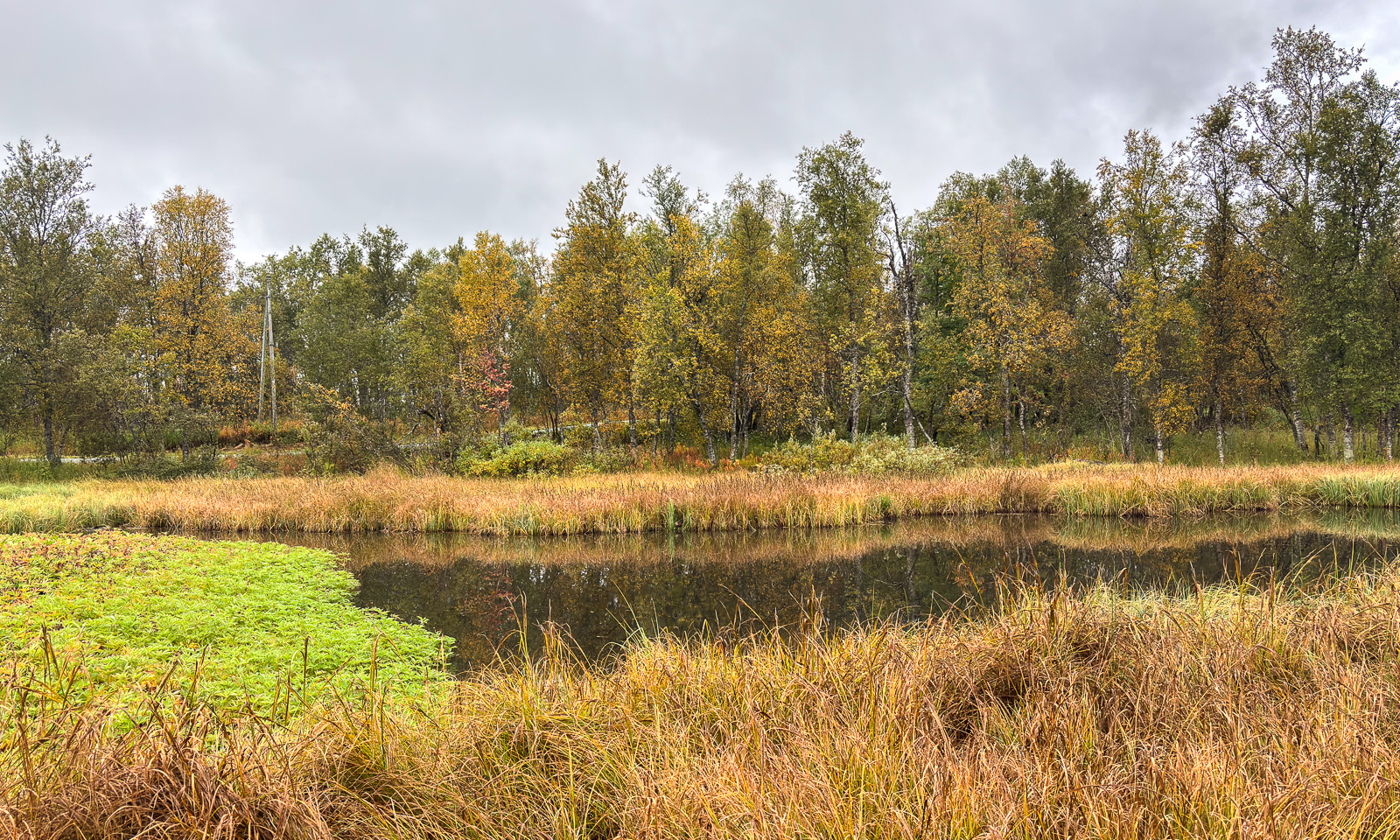
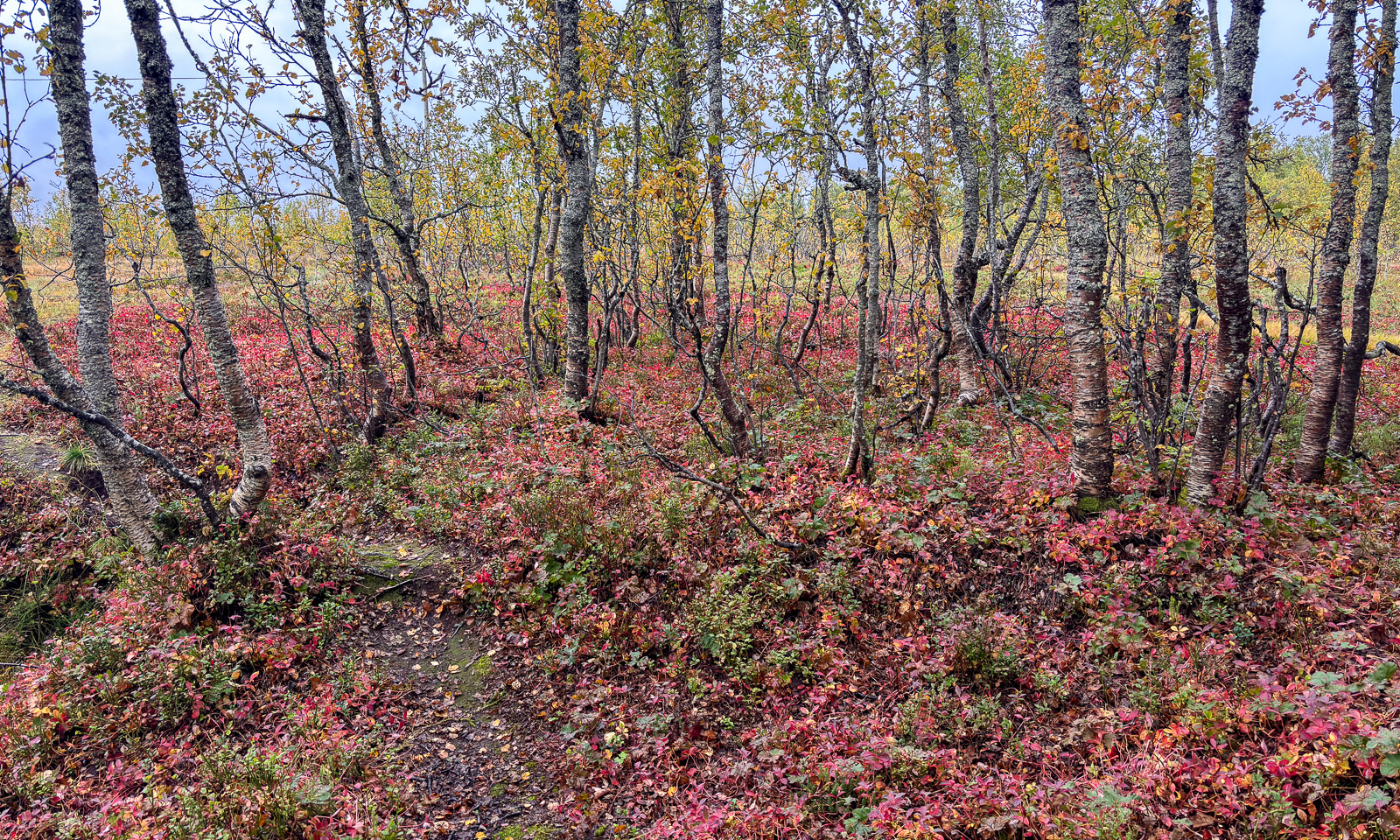
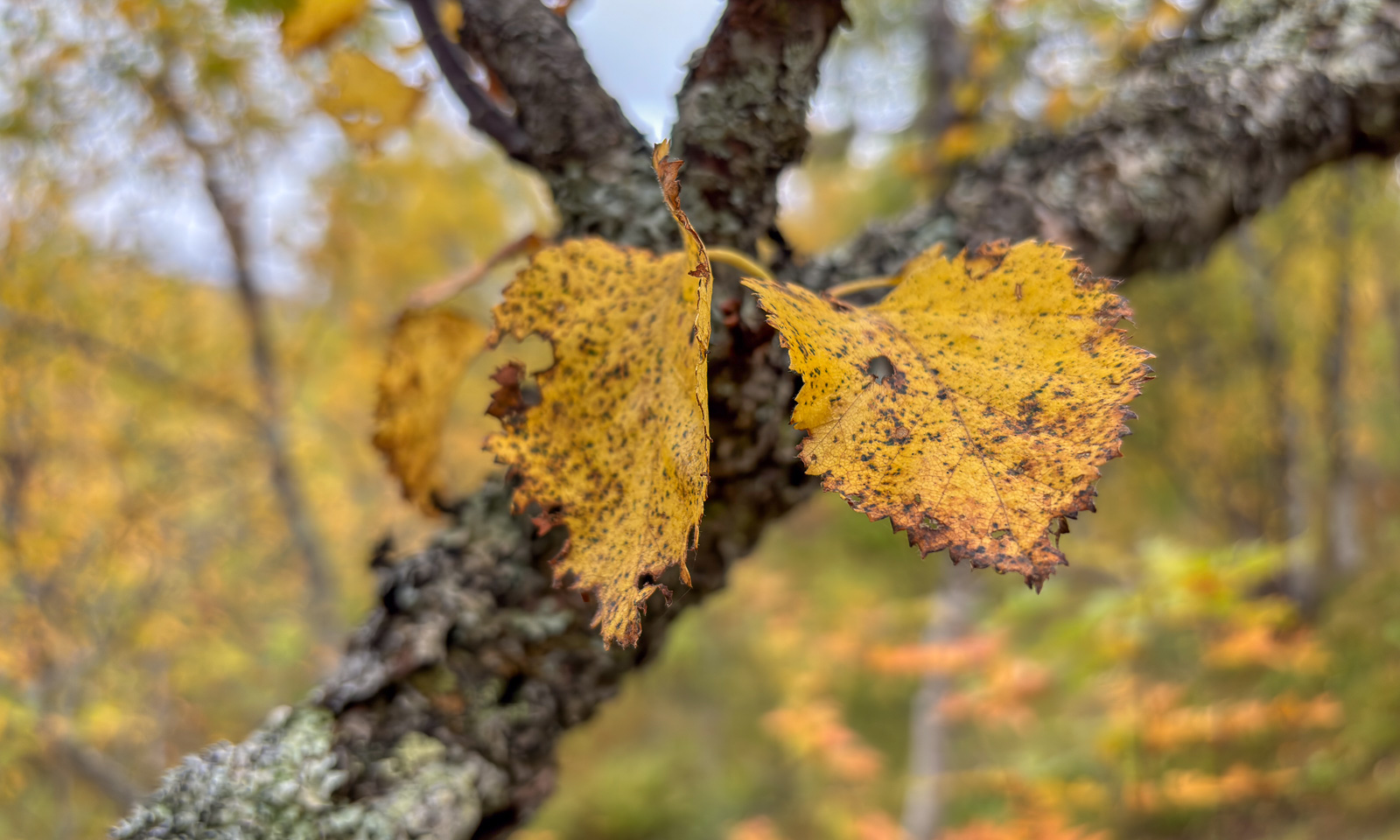
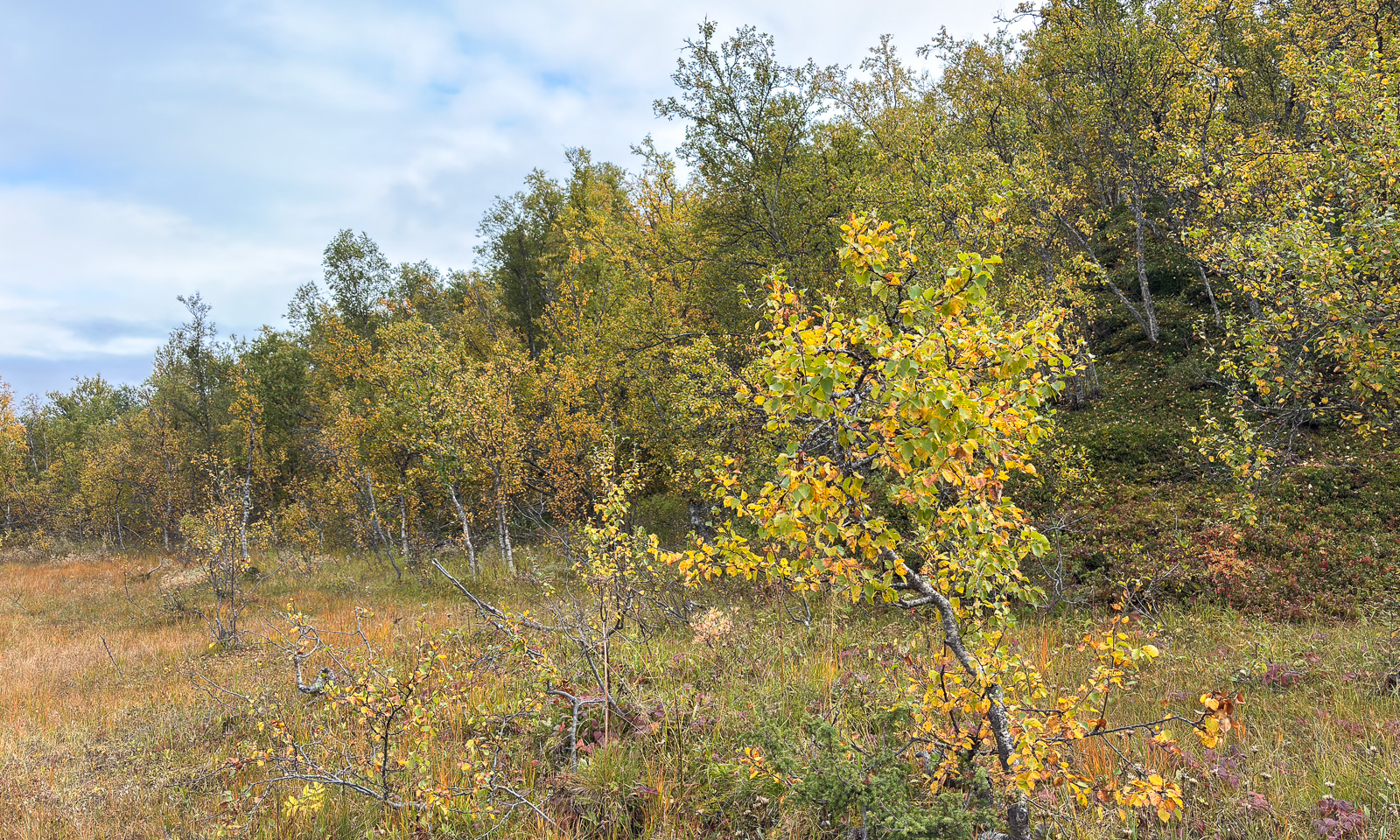
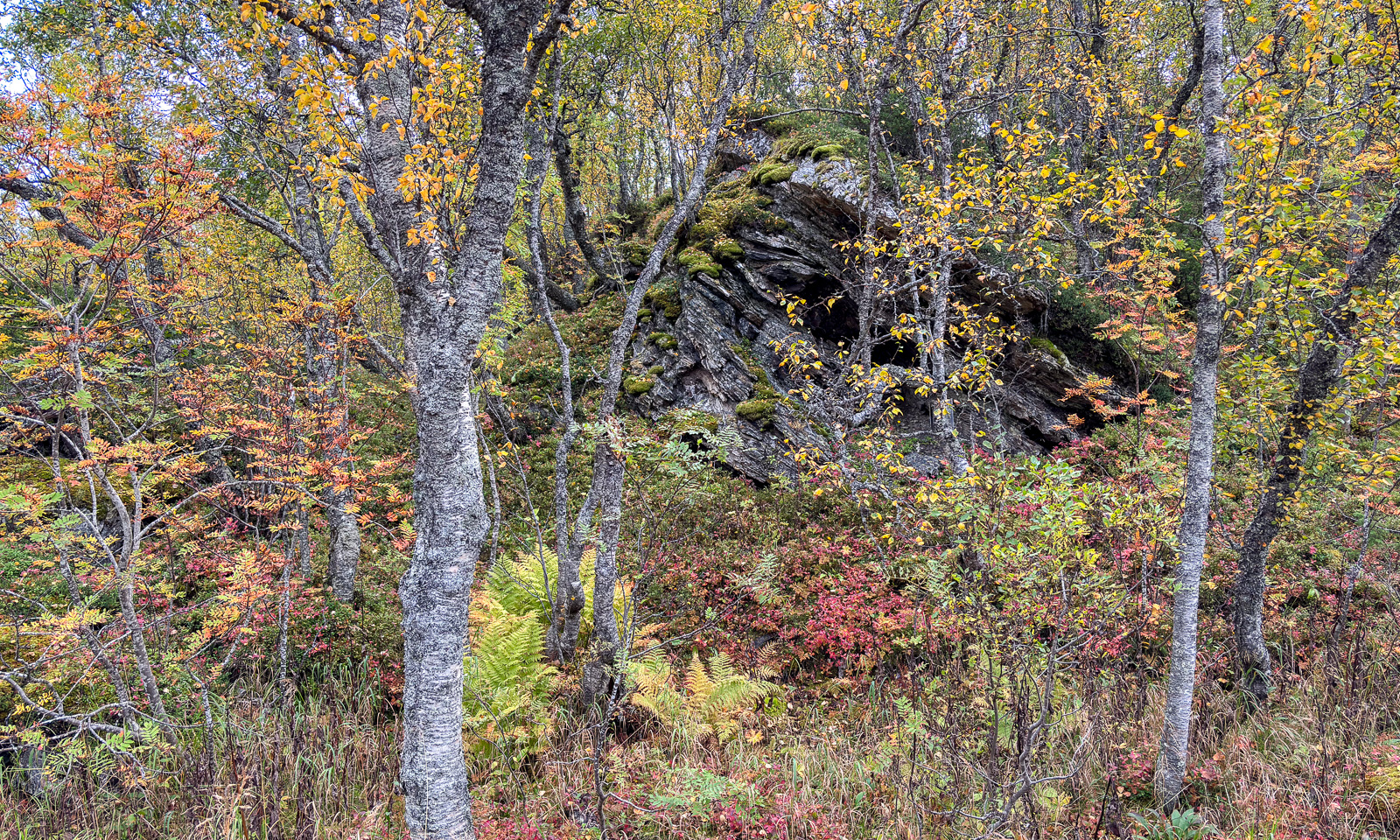
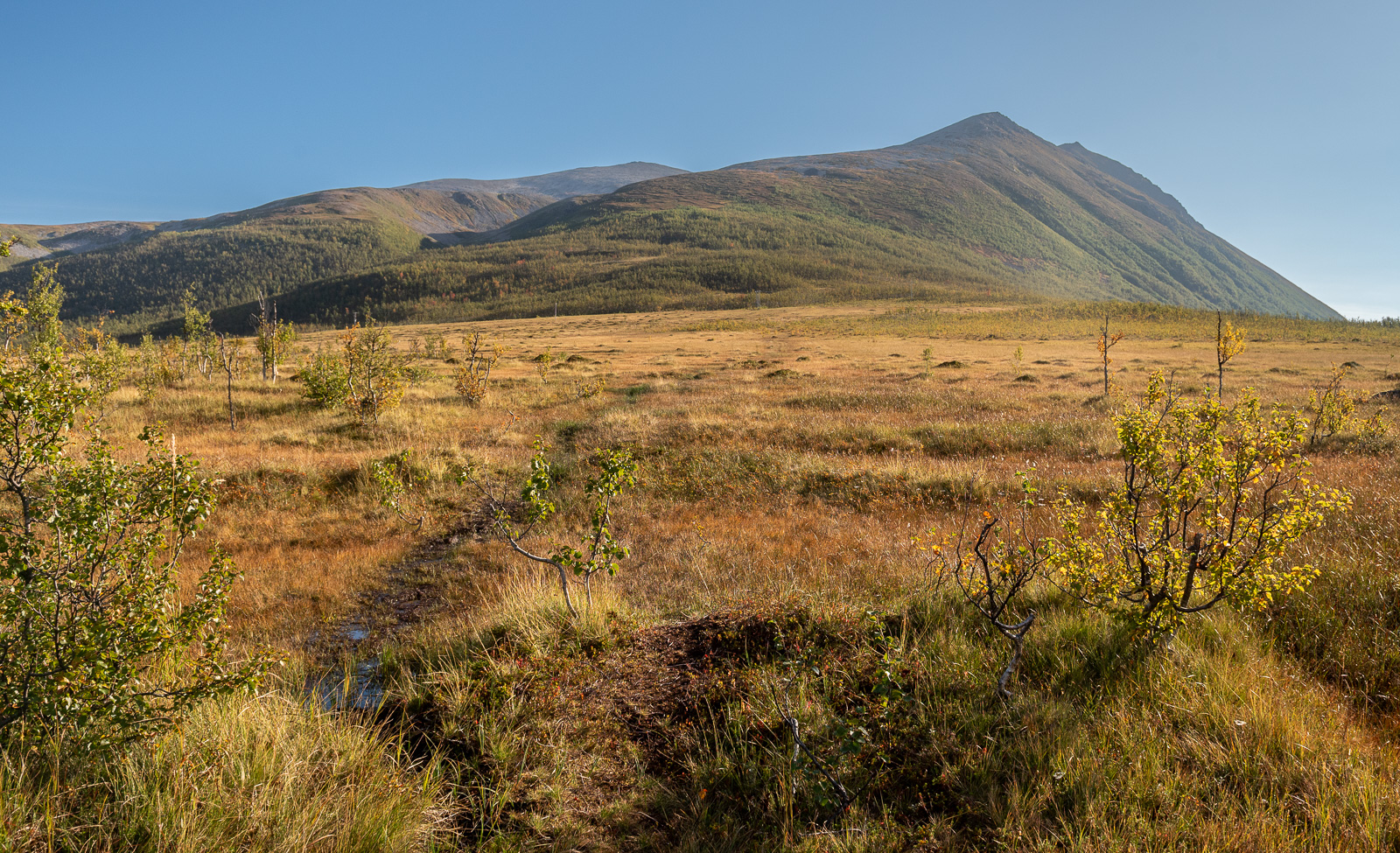
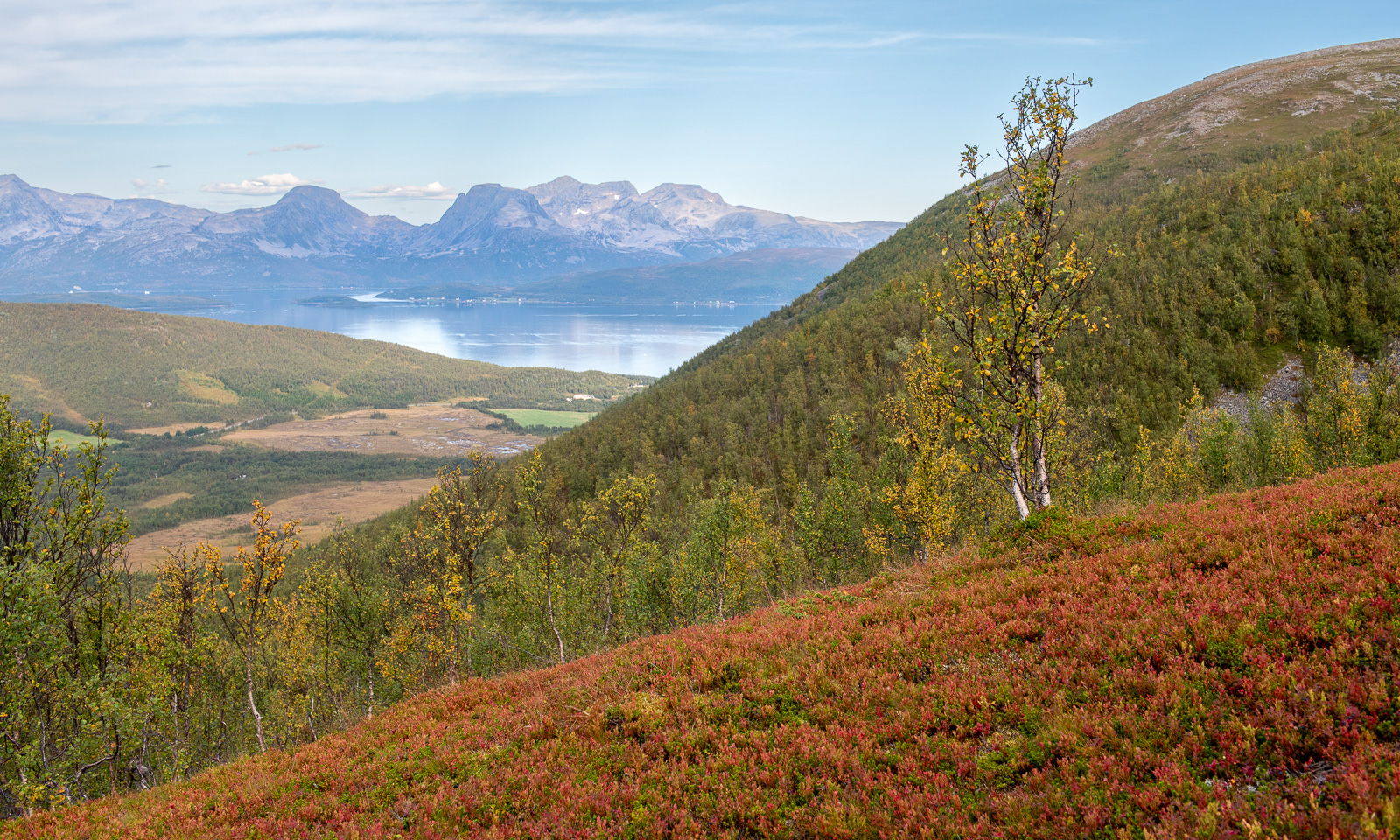
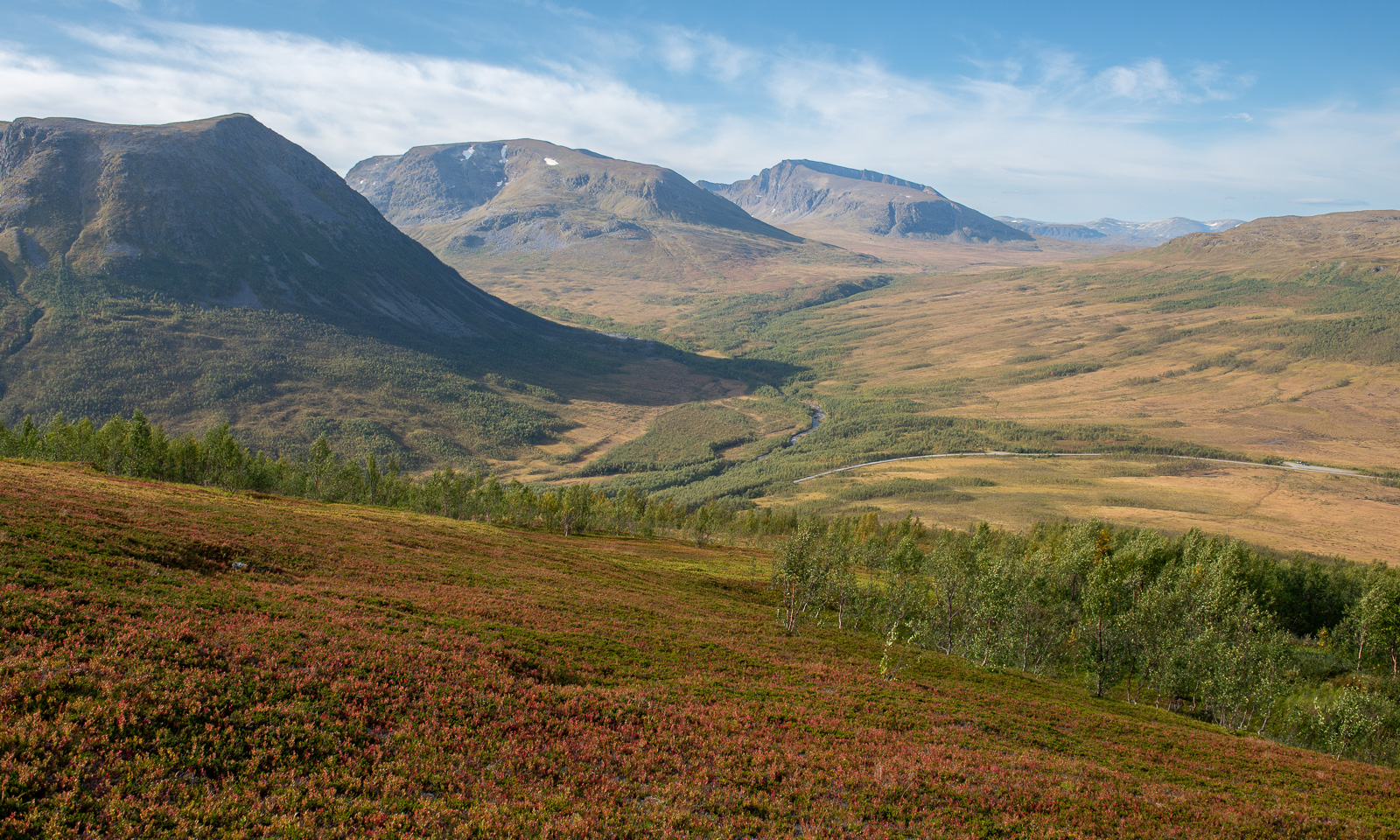
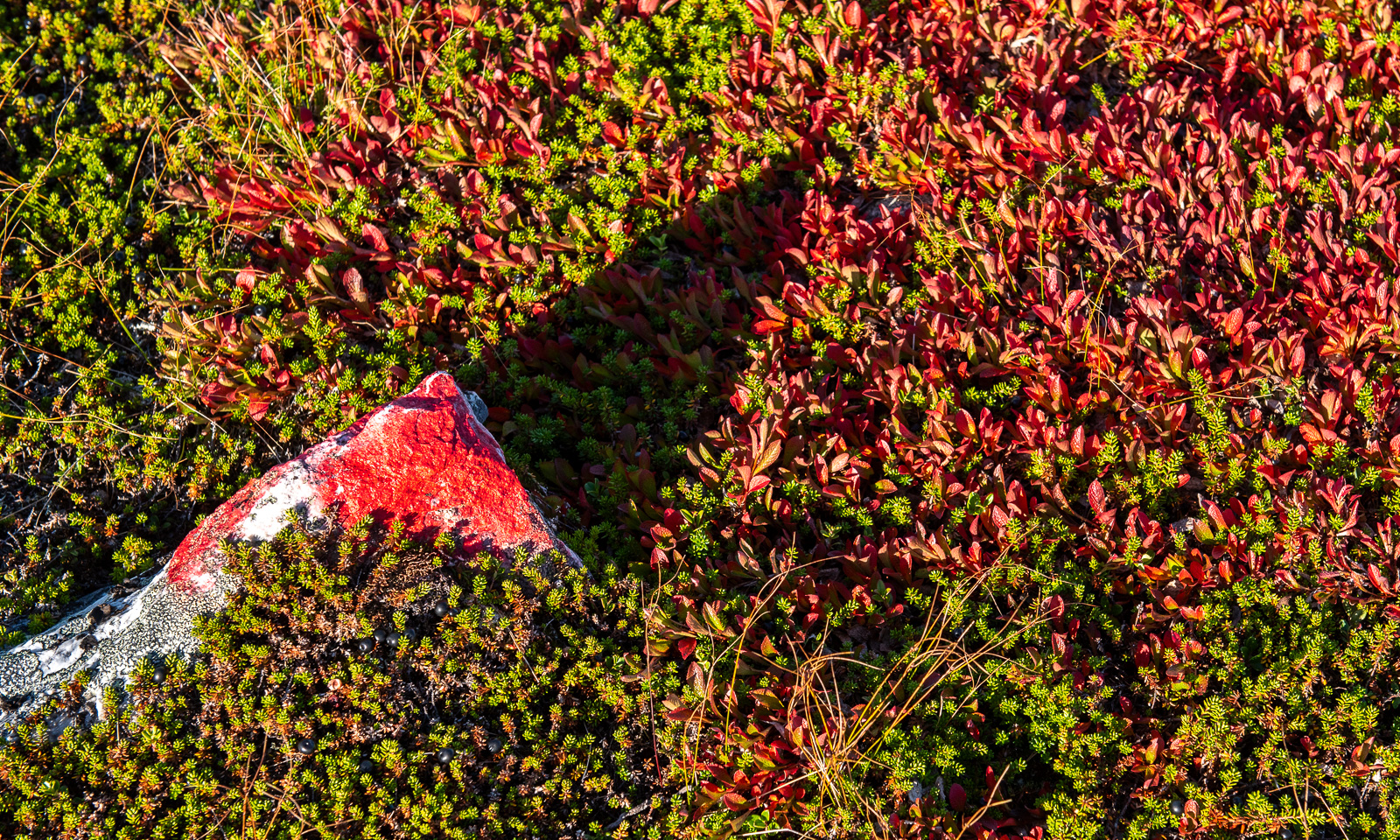
This is the season where the golden October starts to loose its colours. The first ground frosts occur and many birch trees have lost their leaves. Now it is the rowan and willow trees and the grass and moss that shows autumnal colours.

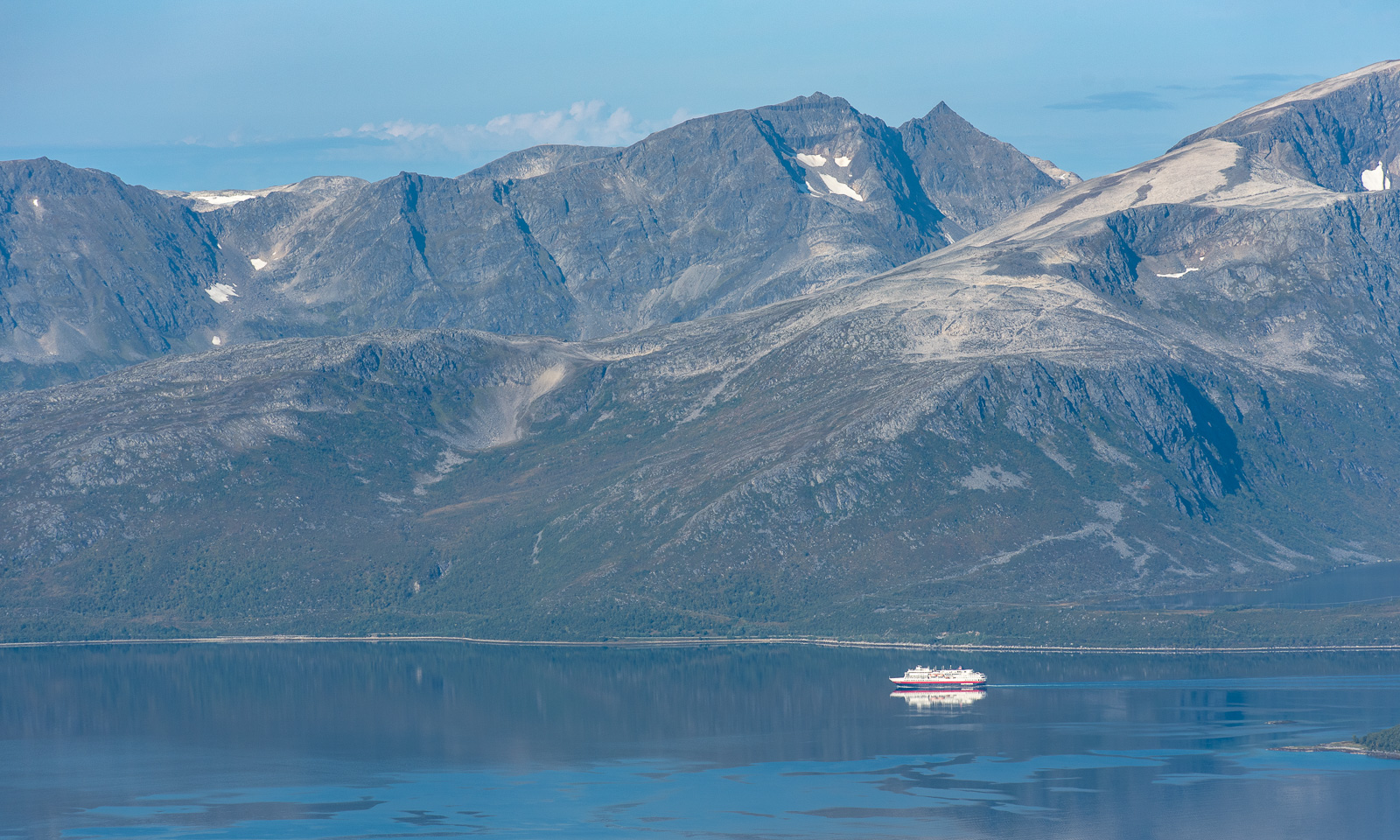
Four pics I took on an after-work hike two days ago and four I took today.

It won’t be long before the afternoons are so dark that the light posts make sense — and maybe I’ll be able to ski there as early as next month.

Just a pick-up at the station…

When Annika travelled to me last weekend, her train from Boden to Narvik was cancelled and the next and last train was heavily delayed. Unfortunately train problems have become common in Northern Sweden over the years. I had to use the airplane several times because trains didn’t run at all for days or it was impossible to buy tickets.

To keep Annika from being stranded, I drive to Narvik to fetch her. From Tromsø it takes me about three and a half hours plus some breaks.

Meanwhile Annika has booked a hostel in Bogen where we stay overnight. Our plan is not to drive back the direct route, but to visit the islands Andøya and Senja.

Monday, 21 July

The next morning starts sunny.

However it soon gets foggy. After crossing the Tjeldsund we are on Hinnøya, the largest Norwegian island (when we ignore Svalbard). We decide against a swim in the sea due to the fog and continue to Refsnes. From here go ferries cross the Gullesfjorden to Flesnes. On my trip to Narvik yesterday it was often 28 °C, now in the fog it is hardly 15 °C.

We have missed the 10 o’clock ferry, but they run hourly and we don’t have to wait for long. The journey itself takes only 20 minutes.

From Flesnes we continue to Risøyhamn. Hurtigruten travellers may know this place not only because it is one of the stops but also because of Risøyrenna – a man-made underwater channel that allows larger vessels to pass between Andøya and Hinnøya. The Hurtigruten ships has to go quite slow there.

We take the bridge over the Risøysundet and drive through Risøyhamn. Twice. Because I didn’t know that it is so small. Only round 200 people live there.

The weather is sunny again and we become more beach focussed. The first beach is for having lunch. We share it with a flock of sheep.

The second beach is for bathing. 16 °C in the water – surprisingly warm for the region.

We continue north. To the west the Norwegian Sea. Next shore westwards is Greenland, more than 1500 kilometres away. Our next stop is much closer: a public toilet at Bukkekjerka. But what a one! It is a designed block of concrete and mirrored glass. From the outside you cannot look in, but from the inside you can switch the huge glass windows between being transparent or opaque.

Around this place – a lighthouse on a peninsula, interesting looking rocks, a baaing sheep and of course the sea.

We follow the coastal road further north to Bleik. Here you can find beaches and turquoise water as well as ridiculously looking rock needles.

After refuelling my car in Andenes we drive south again to Marmelkroken, where we will stay overnight. With an additional photo stop.

To part 2 >

Midnight sun on the Stor-Kjølen

Yes, I was tired Saturday evening after travelling back from Obbola to Tromsø. But the weather was so nice and I already had started thinking about going up the mountain Stor-Kjølen for experiencing the midnight sun up there. Finally I made a decision. Let’s go. I packed water, a camping mat, a sleeping back, but most of all my camera equipment and went off. It is only a twenty minute drive to the lake Finnvikvatnet on the island Kvaløya where I parked my car. From there it is round 5½ km to the top and a good 500 metres of elevation gain.

When I start my tour at around 10 o’clock the sun is low. The sun is low, but it won’t set tonight – and not for the next twenty days either. The landscape glows in warm colours. The ground is dry, but soon I cross the first tiny snowfield.

The path winds its way through grassy terrain scattered with stones and rocks. Stray snowfields lie on both sides of the path and the radar station on top of Stor-Kjølen has come into view.

The first lake flanks the trail. Slowly, the terrain is becoming rockier.

I look back and already now the hiking tour was a success. Lakes, hills – some grassy, some rocky – and at the horizon a mountain range. So beautiful in the warm light of the low sun.

For a while, grassy patches and rocky ground alternate …

… then the altitude takes command. Only snow and rocks are present and the vegetation is reduced mostly to mosses and lichens. I have to cross a large snow field but the ground is not slippery.

But then I arrive on the stone-covered plateau of Stor-Kjølen, where I can see a small cairn in front of me, a tall cairn marking the summit and the radar station. And if you look closely you can see a small cabin in front of the station. It’s a shelter for hikers. I’m alone, so I can use it for the night.

I want to take photos of the midnight sun, so I start experimenting with some sun-facing shots. These photos are much darker than reality. While the light is warm, it is still bright daylight.

The mountains and the sea all glow in hazy orange hues when I look against the sun.

But I have a mission – taking a photo of the midnight sun. Here it is. Unfortunately there is a small, transparent cloud in front of the sun that makes it look like a white splotch instead of a circle. Bad luck!

Bad luck? Not really. We have summer time, so the lowest position of the sun is one hour later – or a bit more accurate 0:48 due to local solar time. So I had some spare time to take more photo from the stone-covered flat top.

Then it was time: The sun as its lowest position. Ok – I was three minutes late, but the solar path is so flat that it doesn’t matter when taking photos. The light is the same. And eventually the little cloud was vanished.

Just a selfie with my mobile phone, then it is time for bed, at last. (A down hoodie? Yes – it is windy and only +5 °C.)

I enter the shelter, roll out my sleeping mat on the floor and lie down, using my sleeping bag as a blanket. Cluck-cluck, cackle-cackle! What’s that? I peek out of the door and see that the hour of the ptarmigans has started. All around, these galliforms dart about, filling the air with their typical clucking. I am too tired to start another photo hunt so I just take some snapshots. (These photos are heavily cropped.)

But then it is finally time to sleep. The shelter is filled with light, the camping mats (I found another one in the shelter) are thin and the ground is hard. But then I doze off and …

… sleep. At least for a couple of hours.

To part II >

A stroll through the bog Torsmyran

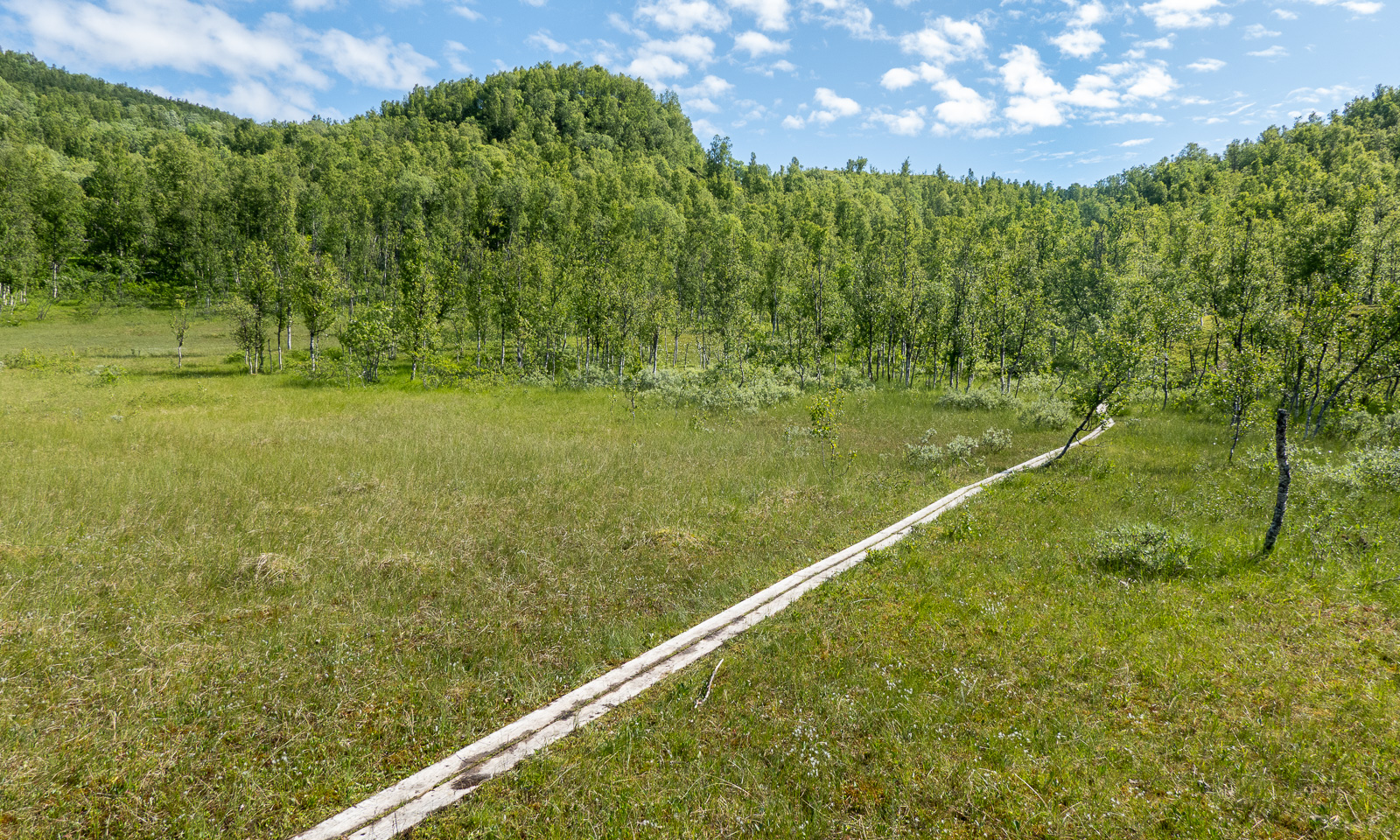
Yesterday I visited the bog Torsmyran again. It has been almost five years since I was there. Torsmyran is a nature reserve that lies by the road E4. You can park there and easily walk on the wooden planks to the observation platform.

I have my long walking stick with me, both mobile phone and camera are waterproof and spare clothes are in the car. I am ready to leave the wooden walkway and take some photos. There are some heather-covered ridges that lead through the labyrinth of peat moss and ponds. Here it is easy to walk. Sometimes there are wet, mossy passages. And there is an old boardwalk crossing the bog, but would you trust it?

So it is not easy to reach some of the motives and for each photo I take there are five others I didn’t because there was no way to get there.

Taking photos takes some time, not only because of the terrain but also because I sometimes wait for a cloud to pass. The intense bog colours in sunshine are incredible.

After some hours of taking photos and finding routes through the maze I go back to the platform and then the car. I gladly change into clean and dry clothes and I think, I should pay Torsmyran a visit more often than every five years.


It’s June in Tromsø

After a week in my hometown Bremen in Germany I returned to Tromsø yesterday. This morning I took a tour through the nature of the northern island. The landscape is mostly wooded hills, with a few bogs and lakes dotted around. I was curious about two things: how much snow is left and have the birch trees got their leaves?

More and more snow is gone. However some of the forest floor is still covered with dirty snow, sometimes up to half a metre and more.
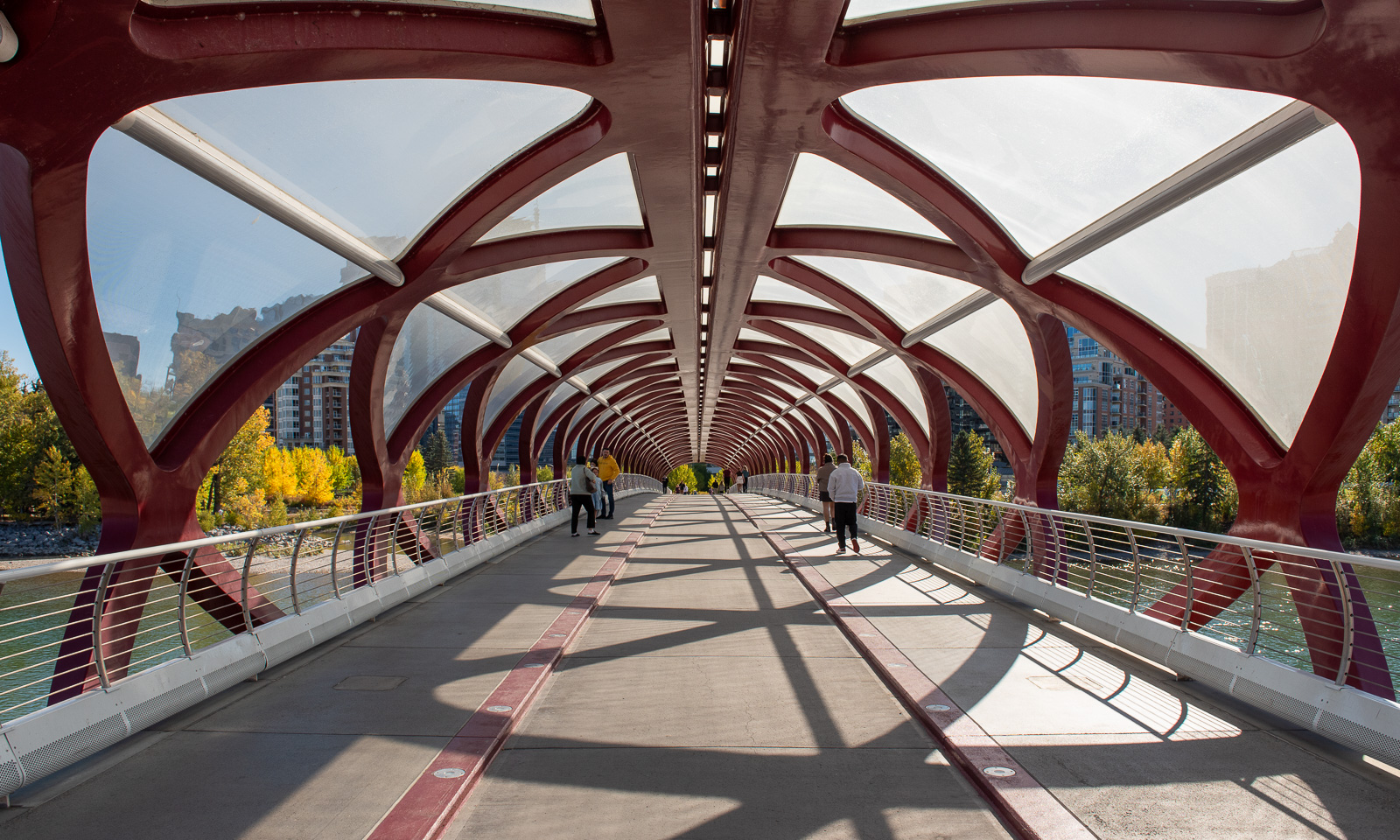
You can still see last winter’s cross-country ski trails. The pressure of many thousand skiers has squeezed the snow making it more compact. Like white ribbons, these paths wind their way through the forest.

Other paths give no hint that winter ever touched that place.
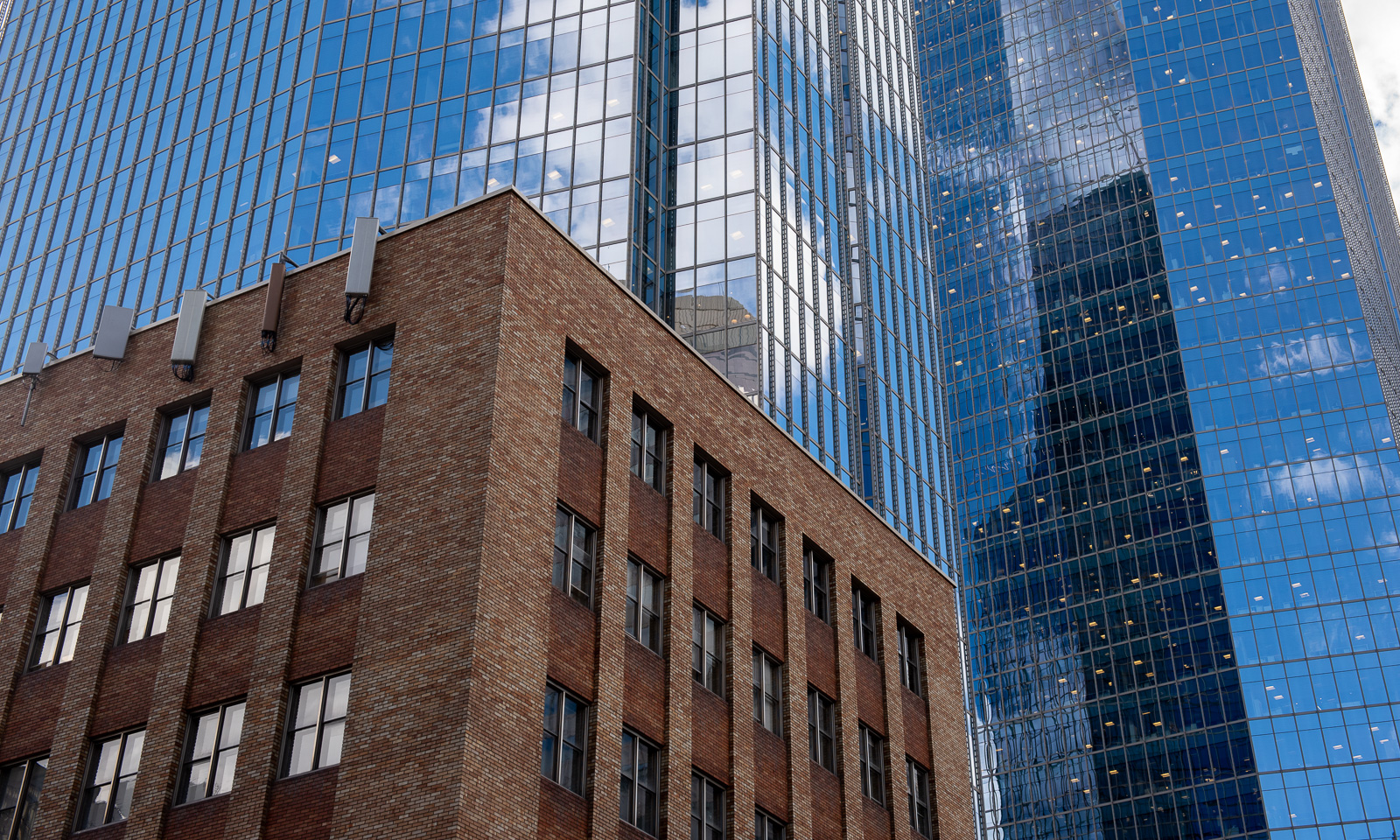
The moorland with its spongy ground is completely clear of snow. And so are the lakes.

However, although it is already 1st of June the colours look more like late October. But if you look a bit closer you see the signs of springs such as the blooming marsh-marigold and the birch leaves that finally start to grow and unfold on some of the trees.

The snow is melting

Fifteen days ago: 98 cm of snow in Tromsø, measured at an elevation of 100 metres. Yesterday – two weeks later – 31 cm of snow are left. And so my walk home also looked like. Somewhere between the winter still hesitating but spring approaching anyhow.
Tomorrow the summer working hours start and till September I’ll have to work only seven hours a day. Yay!

The following day my car will get summer tyres.

And on Sunday – four days from now – the time of the polar days start where the sun won’t set before 26 July.