20–21 September – Nordegg, Alberta

This article is part of the series “2026-09: Canada”.

20 September

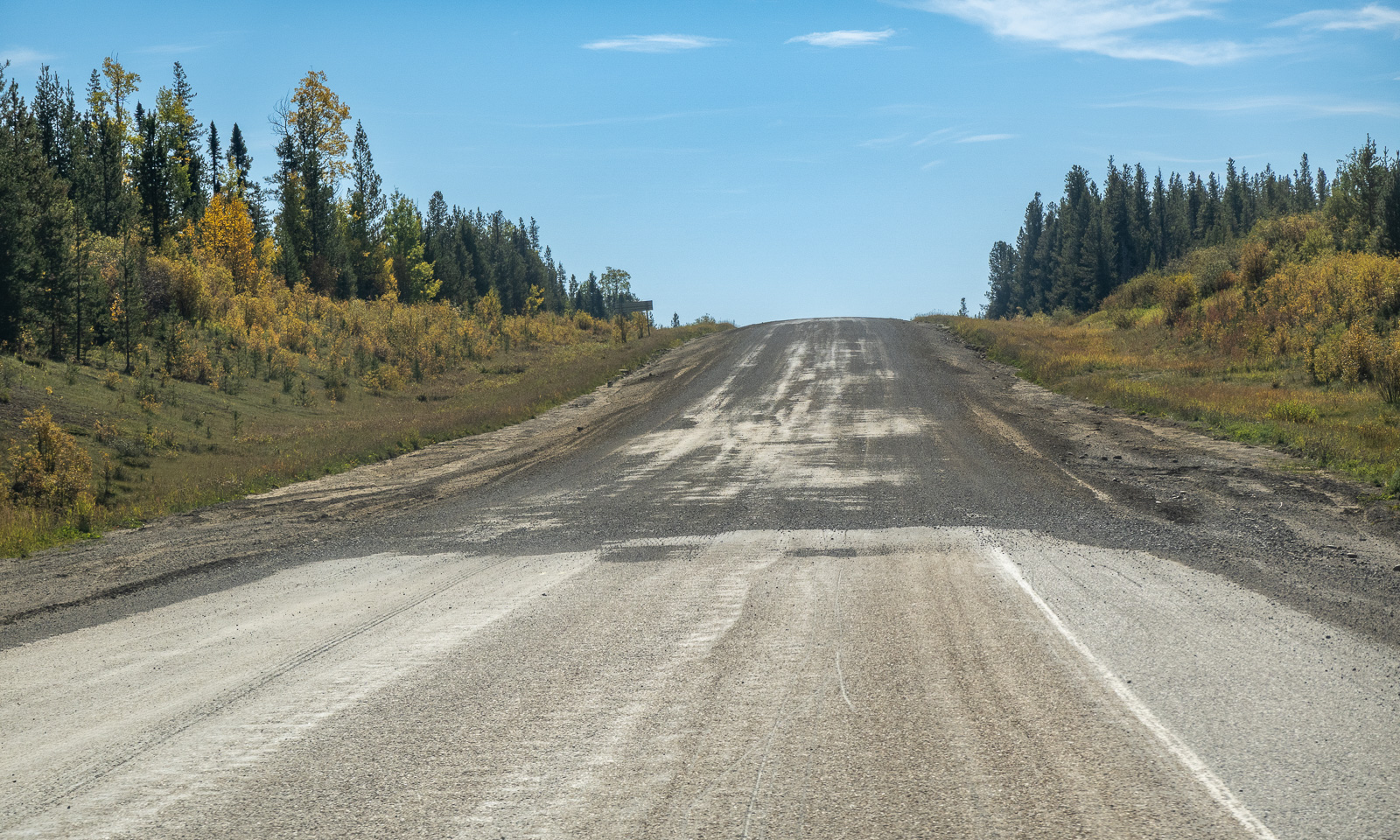
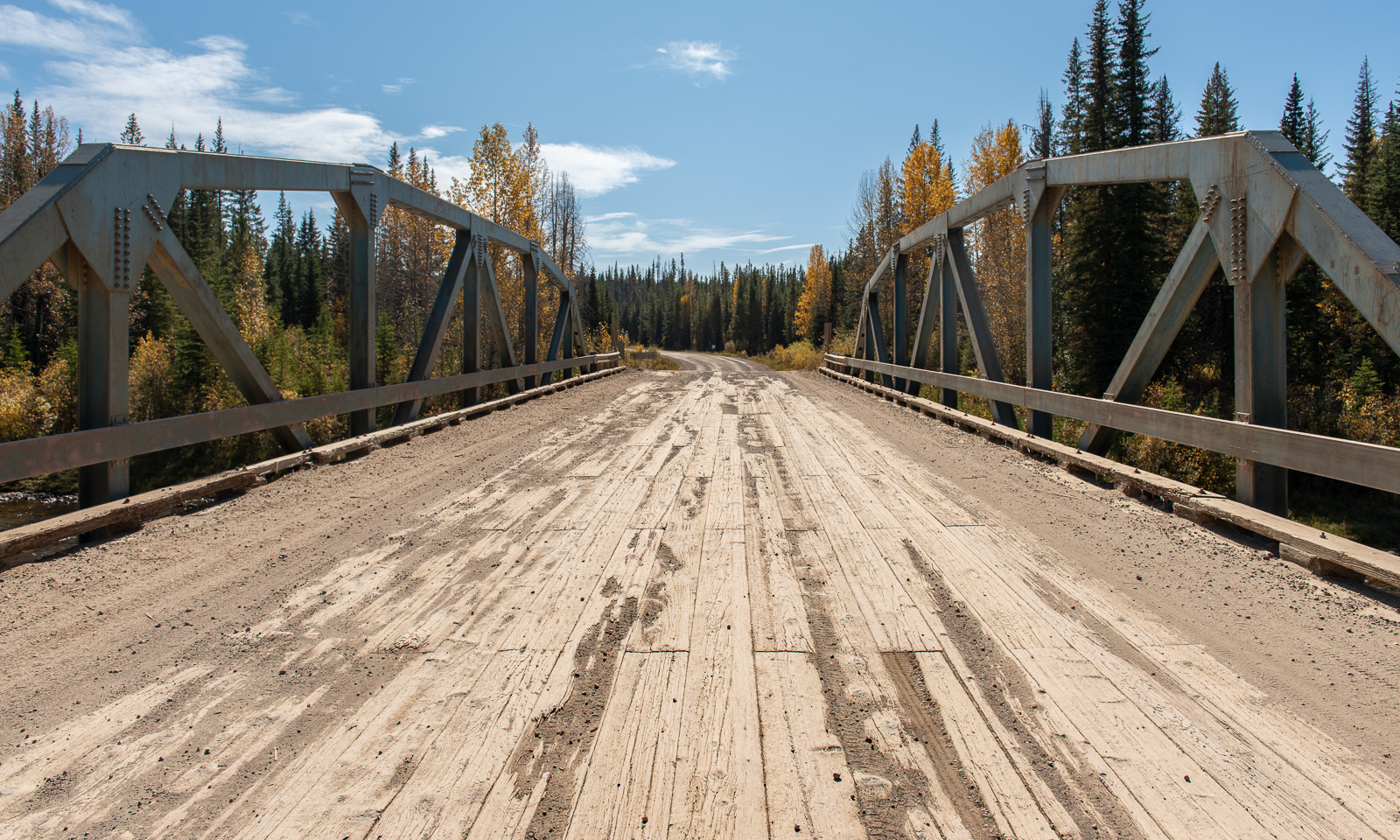
Nordegg, Alberta, Canada – another settlement I never heard of before (which doesn’t mean too much). This will be Annika’s and my next stop; we will stay in a hostel for two nights. After a brief breakfast, we leave Hinton, fill up the car, buy food for the next few days and take the direct road east. This road is mostly unpaved and leads through autumnal forests and across rivers on old bridges. It is a perfect road to take it nice and slow, especially on such a sunny day when the destination is less than 200 km away.
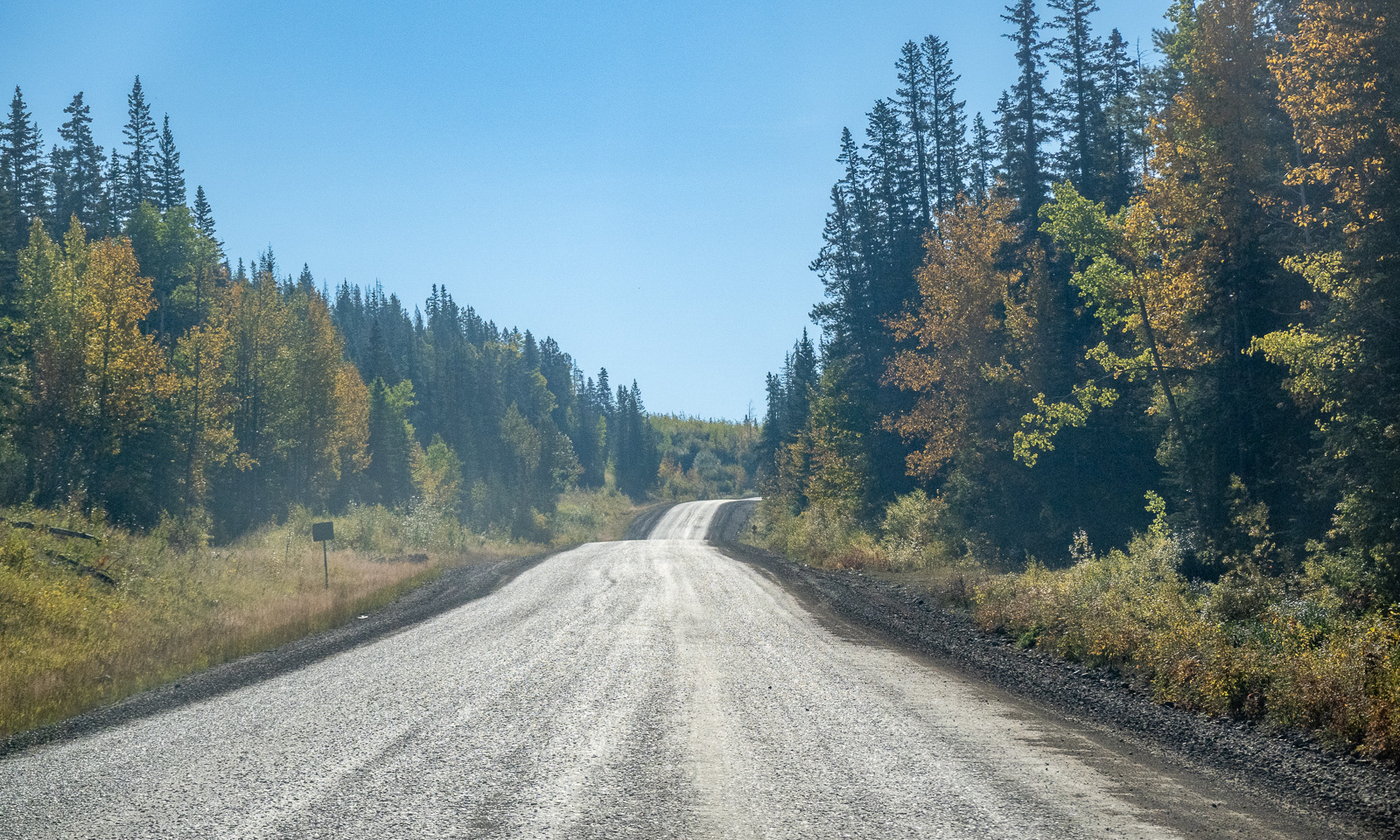
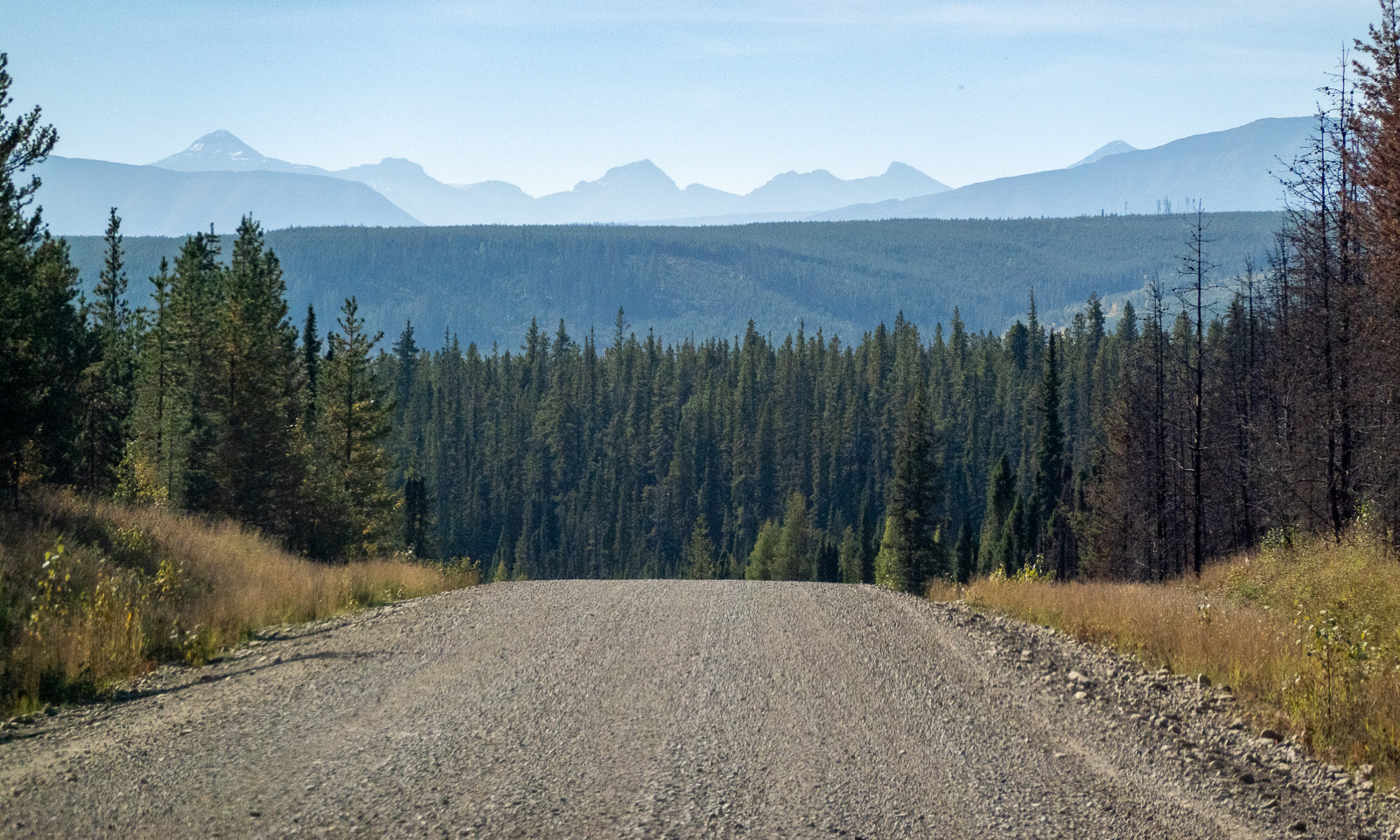
Using these roads in a dry period means a lot of dust when another car approaches or passes.
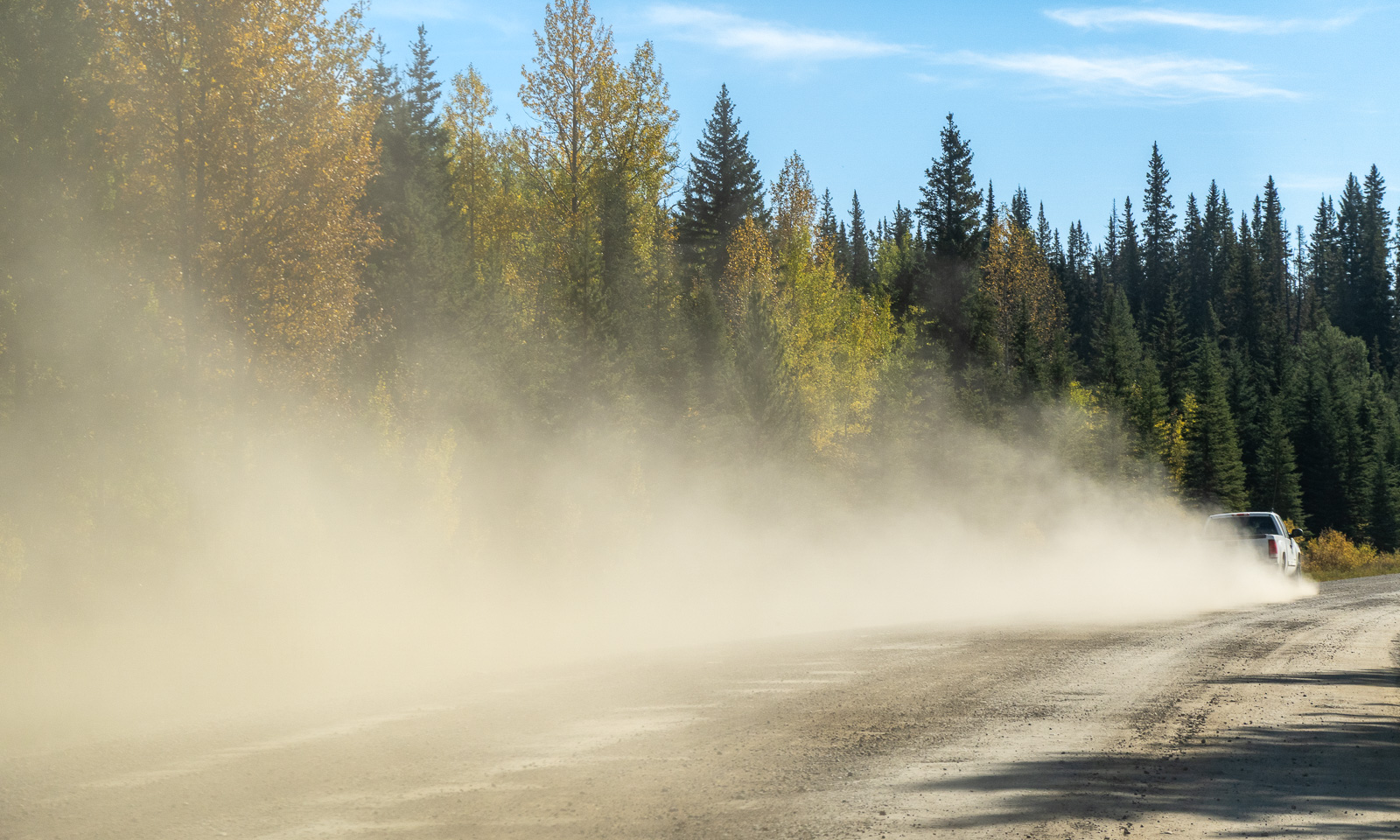
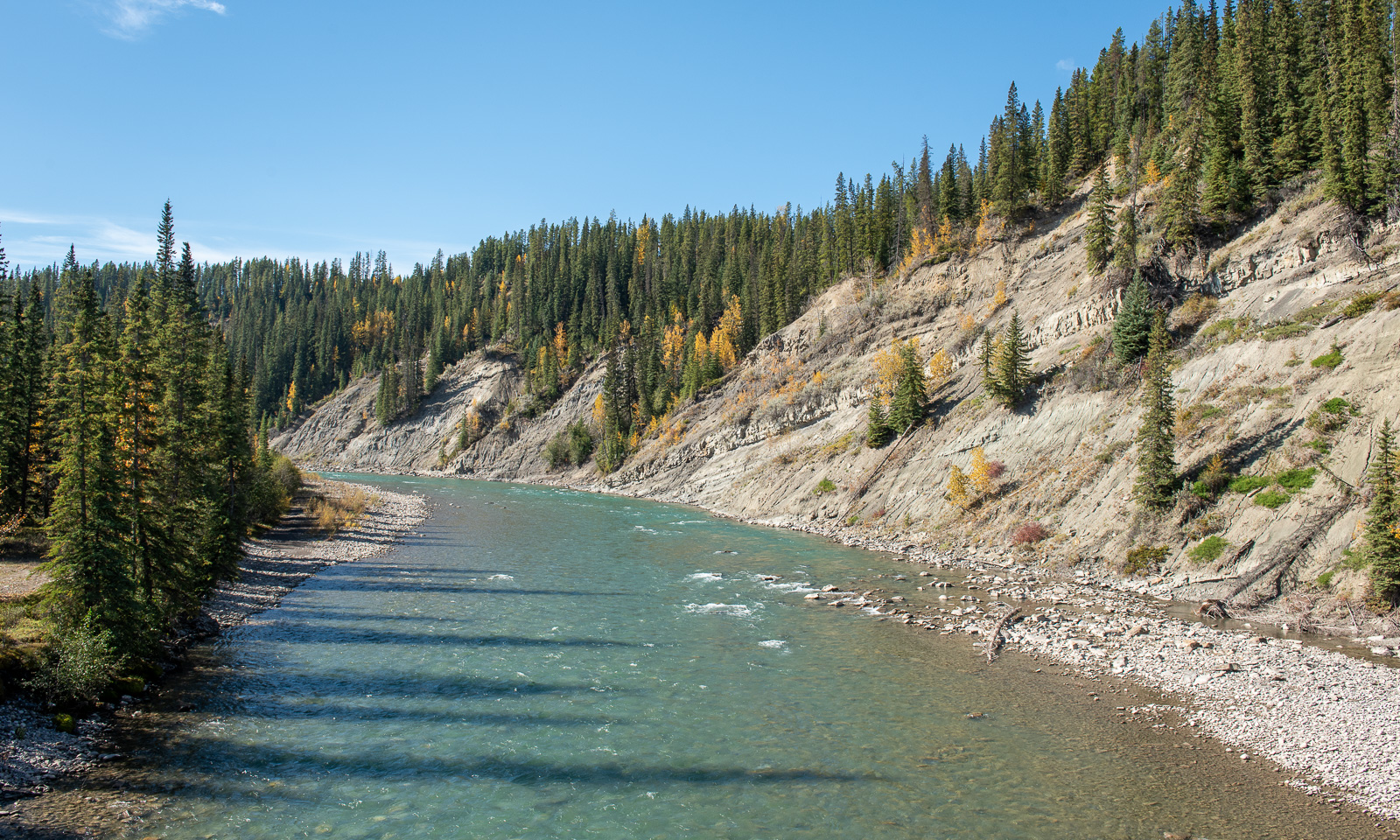
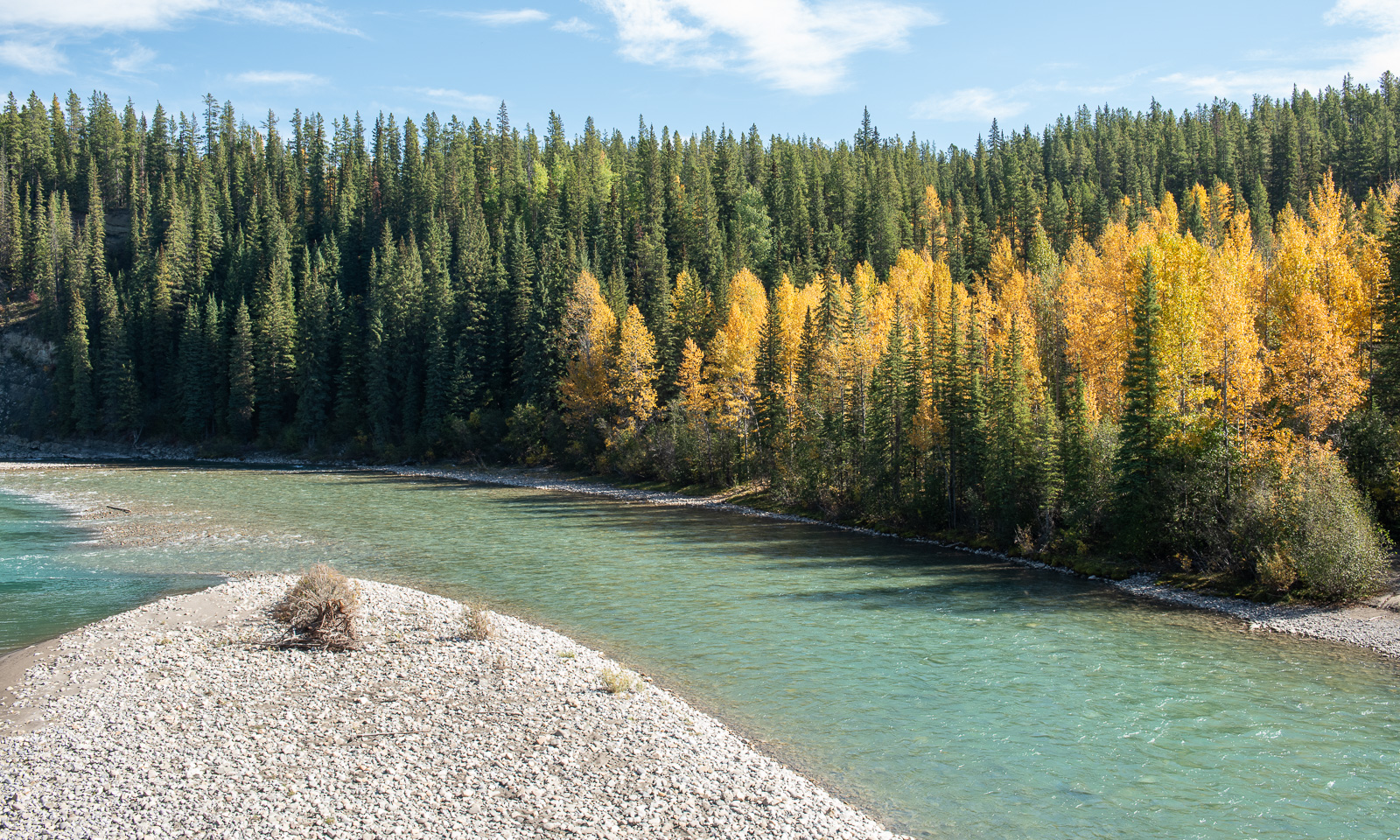
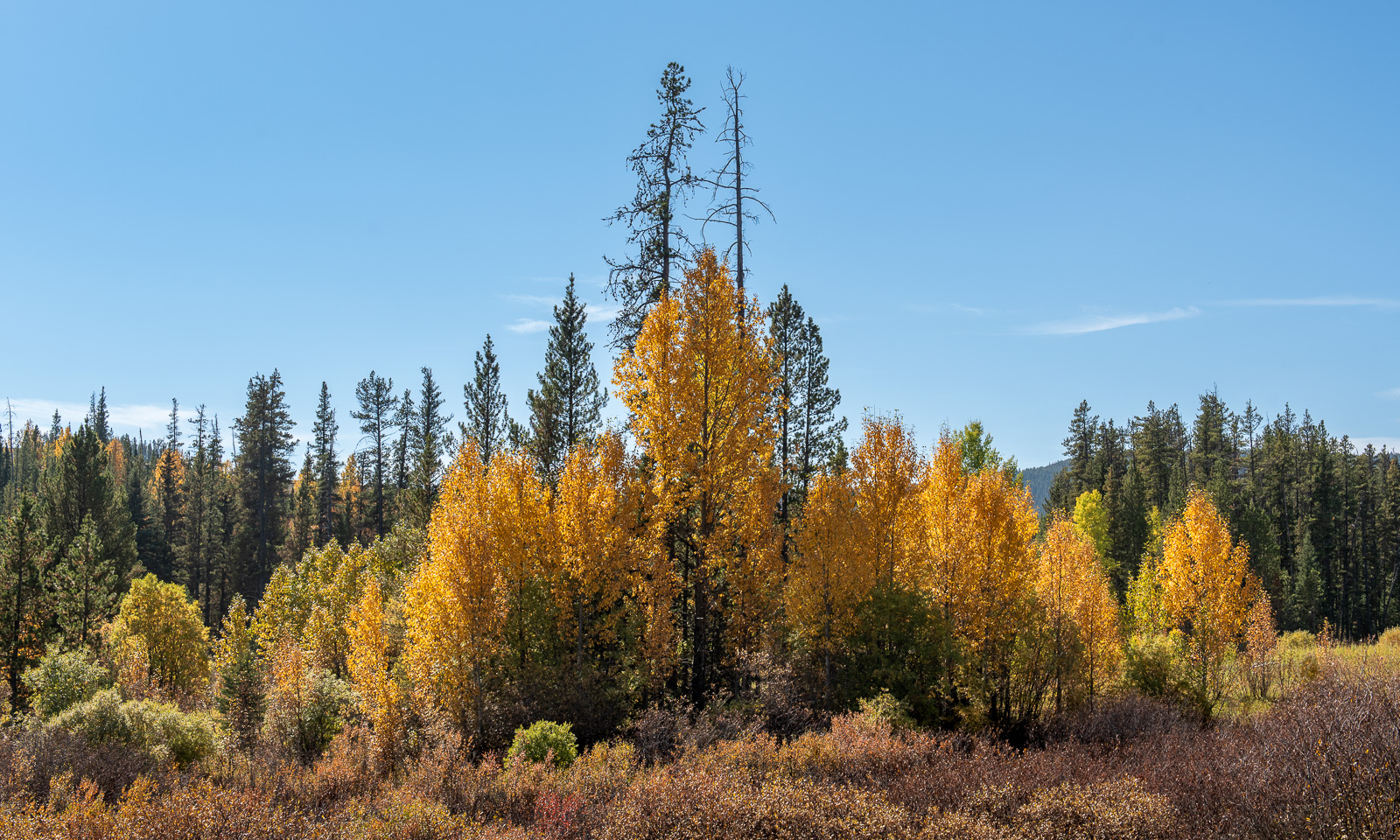
However, we are mostly alone and enjoy the views of the yellow aspen trees and the turquoise rivers.
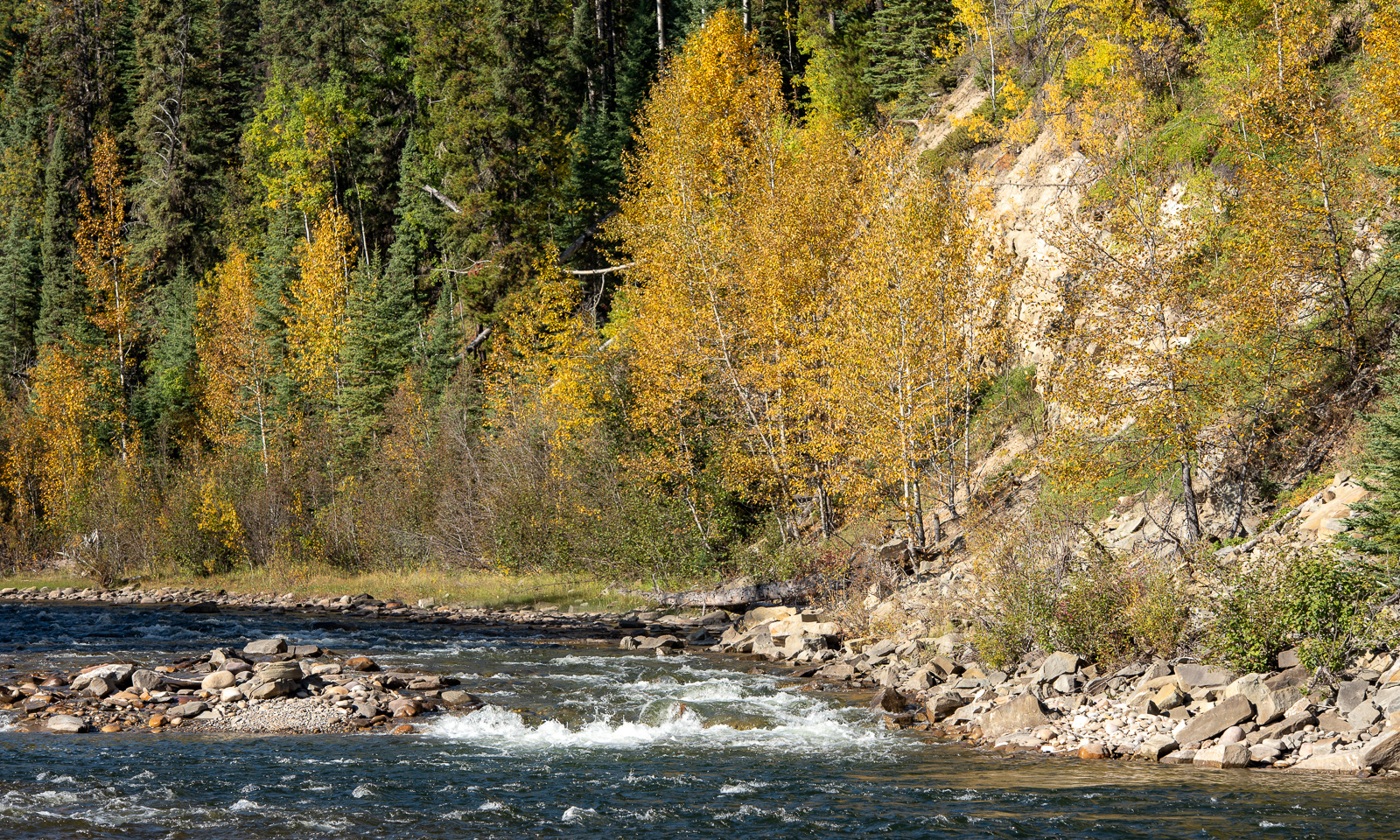
Just as our car has been filled up with petrol, we are filling ourselves up with colours, just like in the children’s book about the mouse Frederick.
We arrive at the Nordegg Shunda Creek Wilderness Hostel already at a quarter to three; way too early to check in. Anyhow, we may use the facilities and besides, it is so warm and sunny outside that we just sit on the terrace until we get our room.
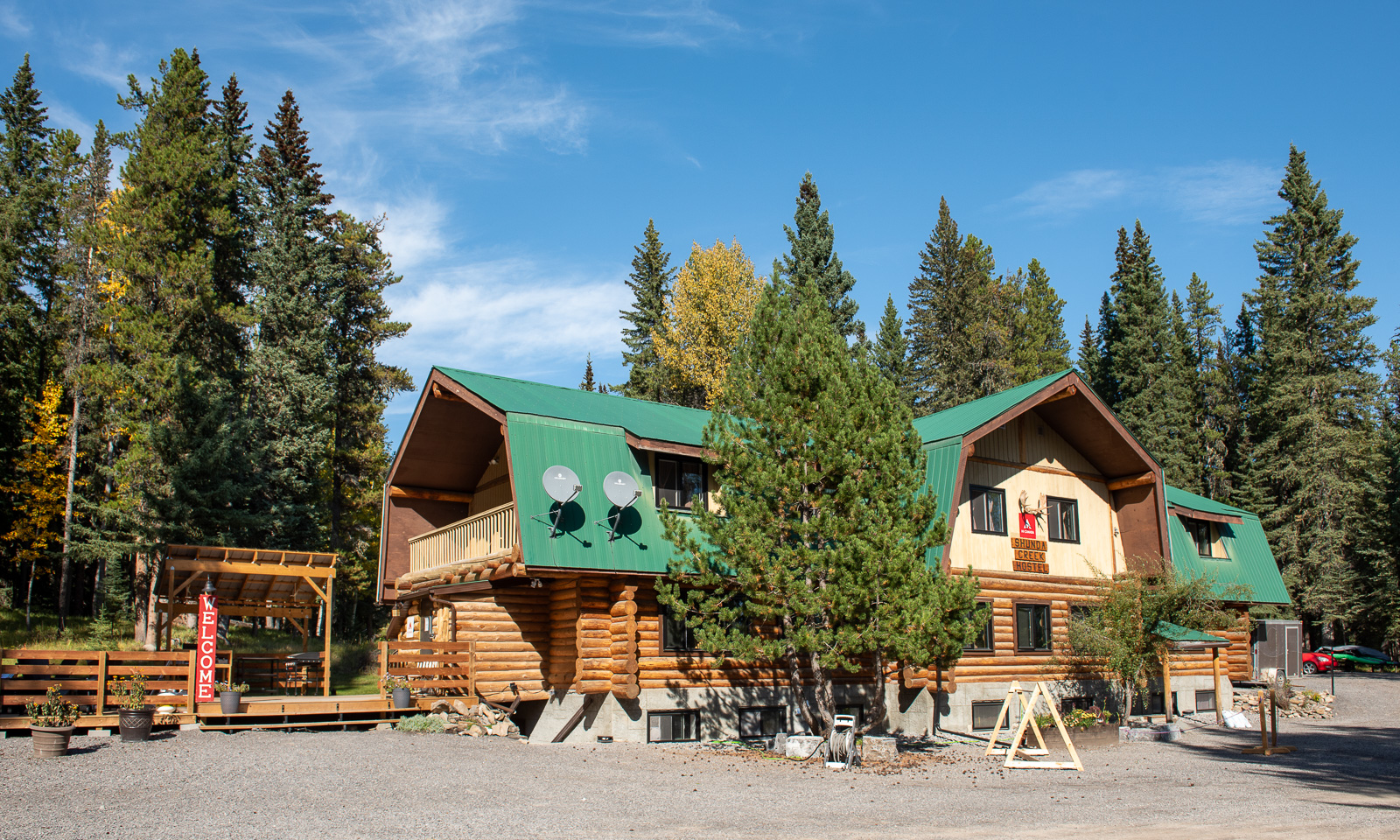
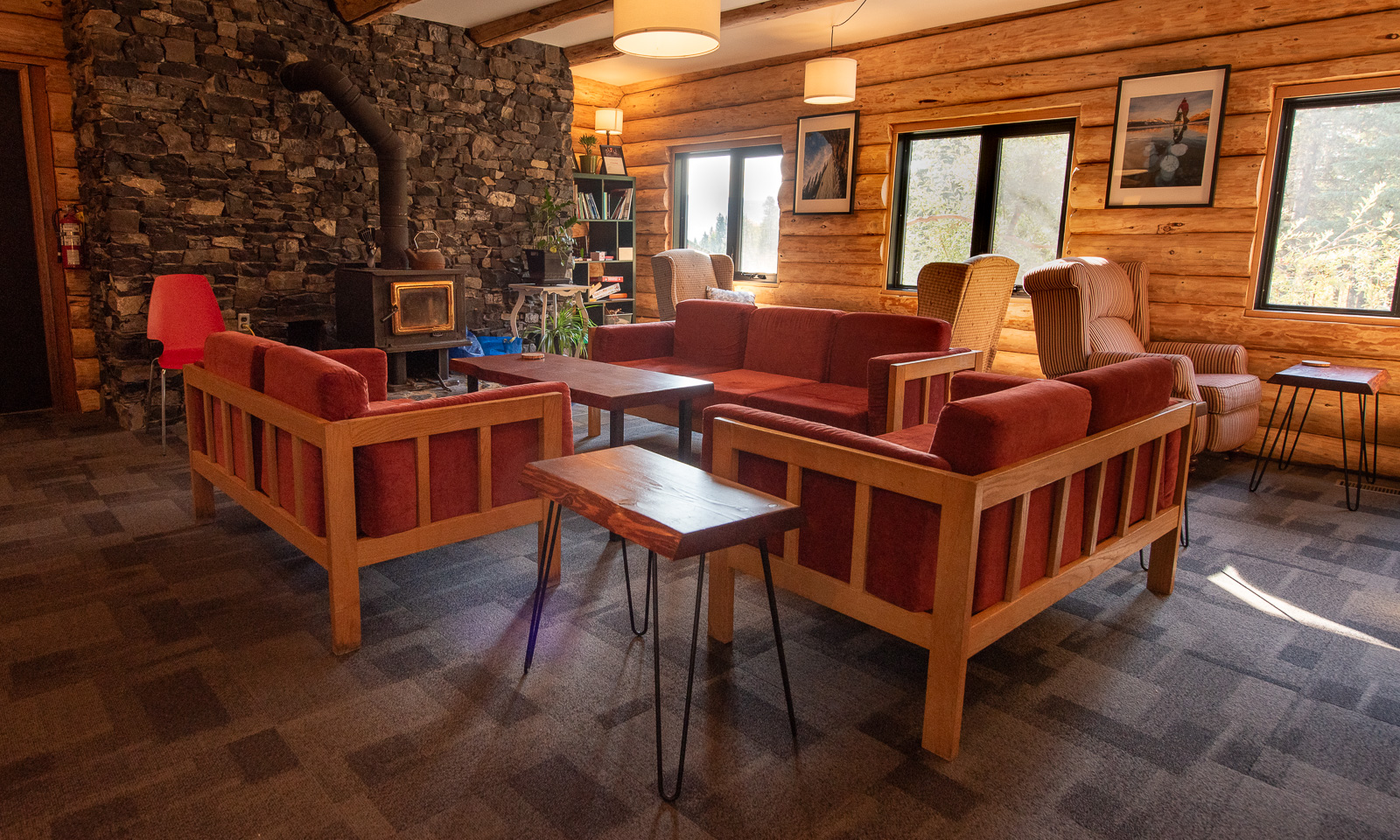
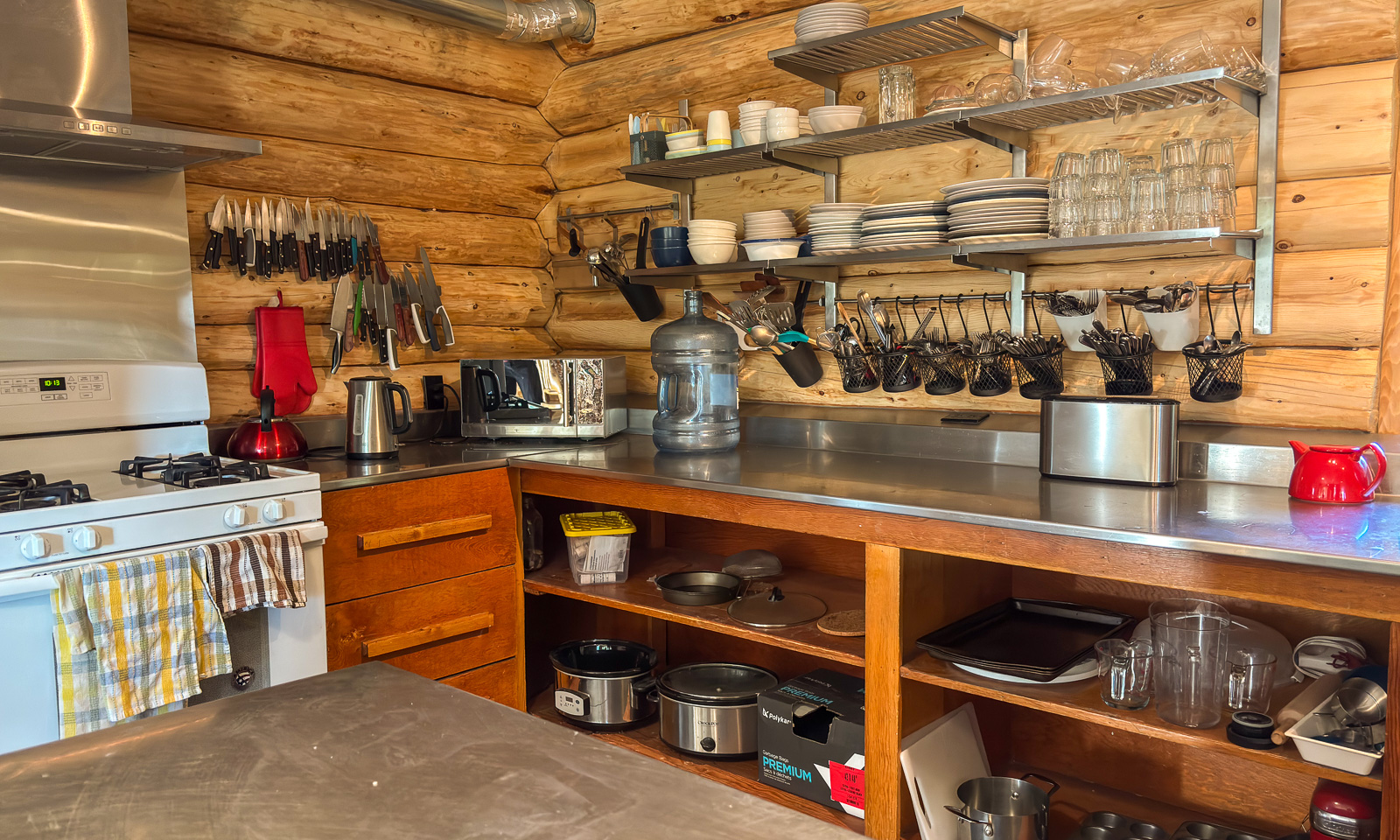
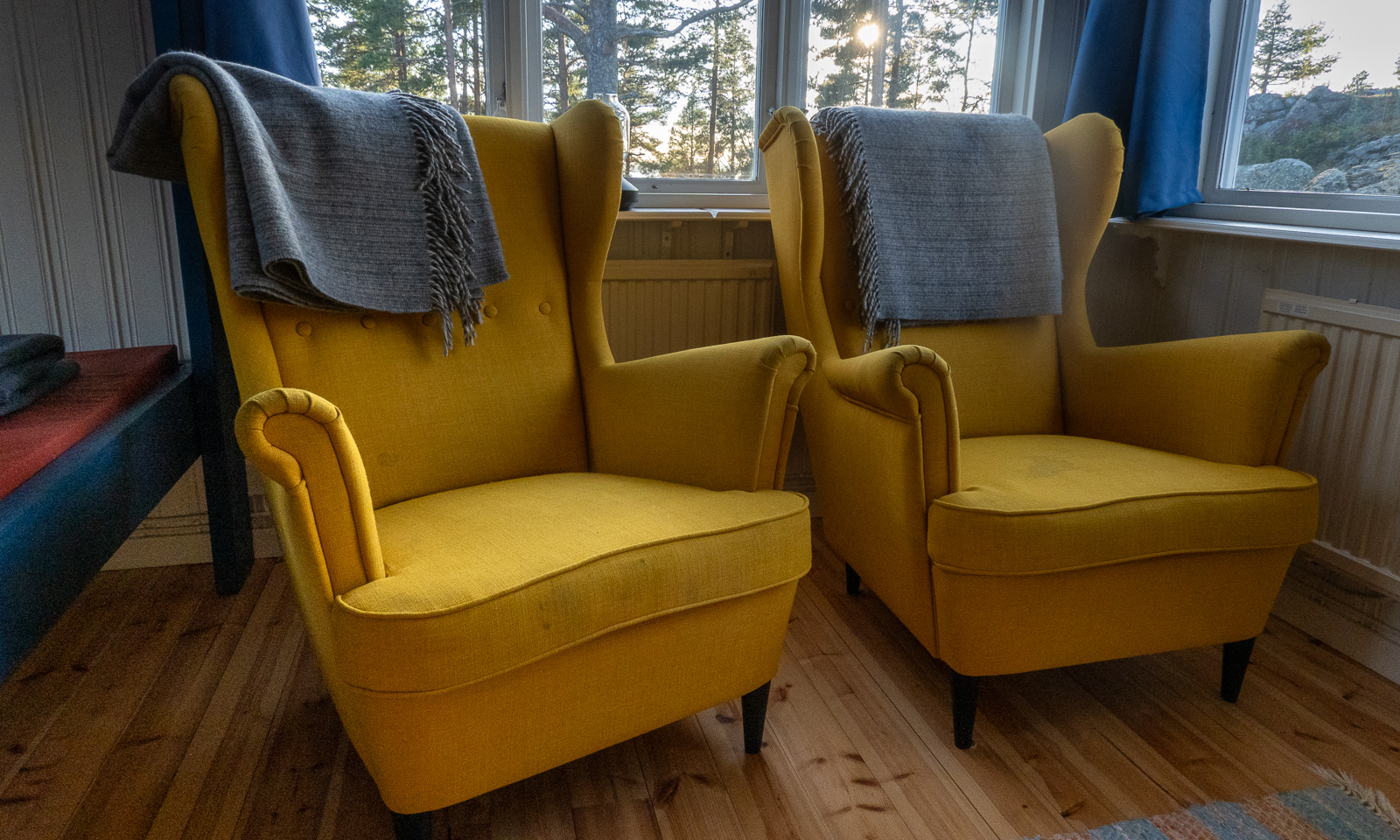
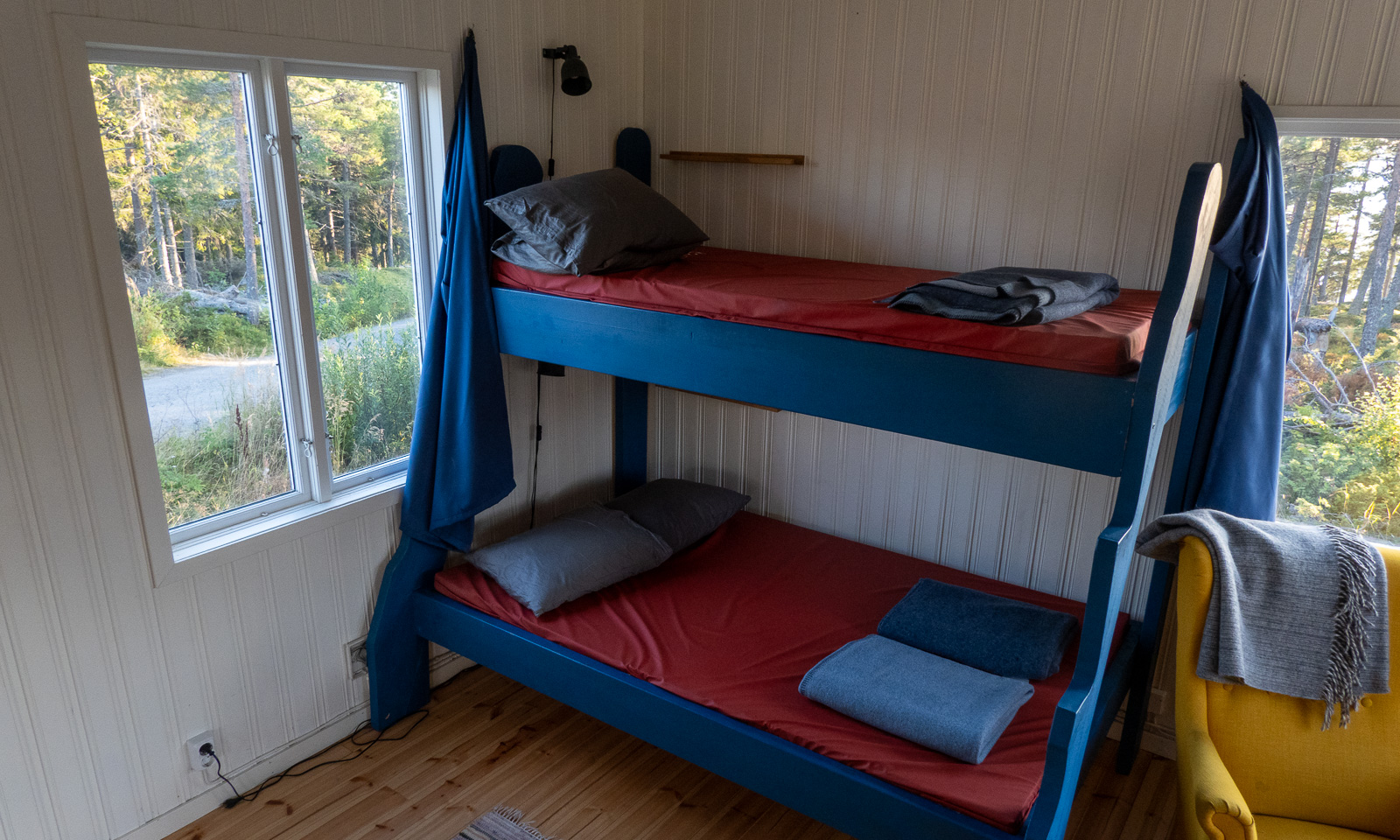
Later we realise that this hostel is not only extraordinarily cosy but also extremely well-conceived. The kitchen is perfectly equipped and apart from the cups, everything is within easy reach. There is a lot of space and even when the hostel is fully booked it never feels crowded. There are even free goodies in a drawer that I open more than once over the next two days.

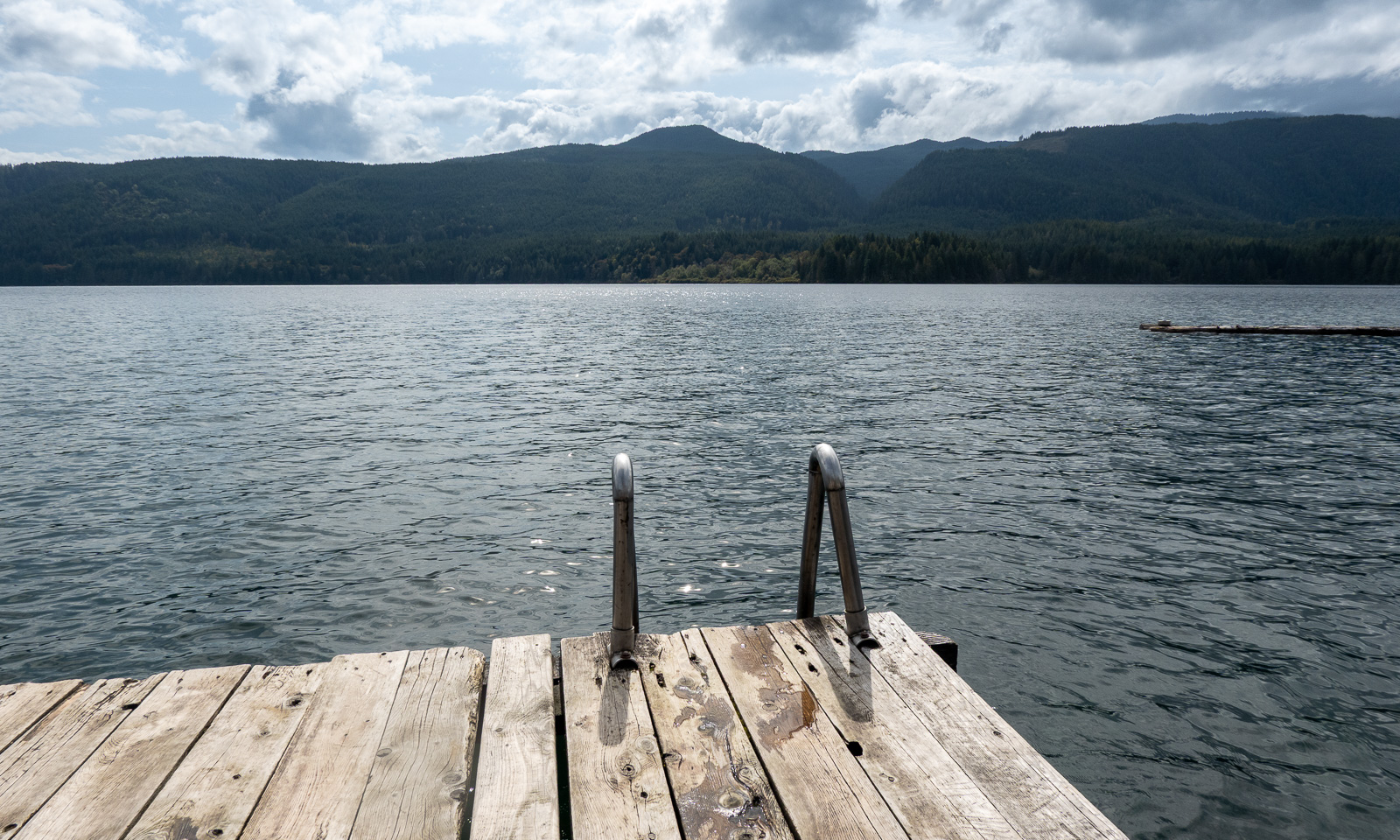
Before lunch, we take a short drive to Goldeye Lake to take a swim. The lakebed is muddy and rocky at the same time, but the water is wonderfully refreshing.
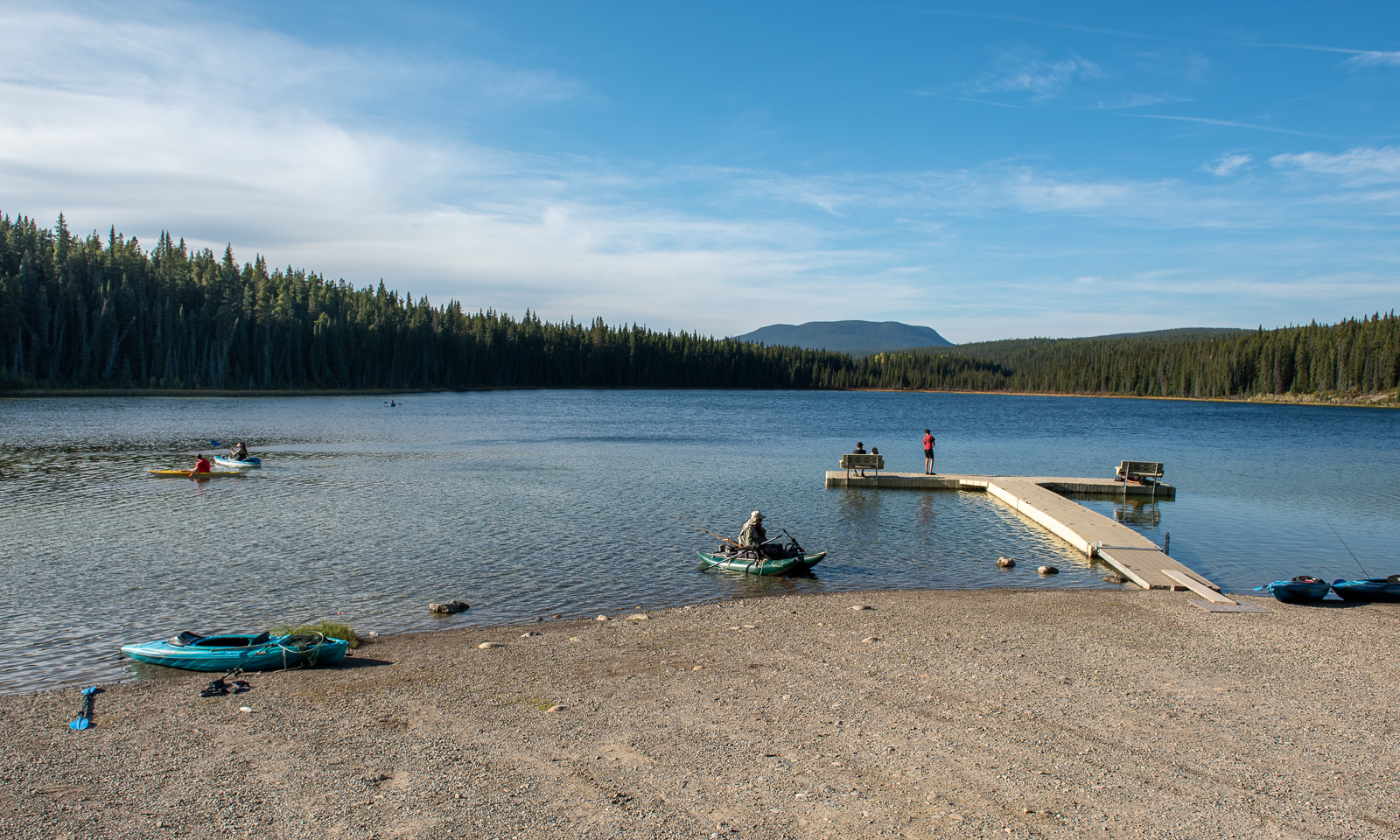
21 September

While Nordegg may not be the most popular place in Alberta, it is located near a prominent river: the North Saskatchewan River, which originates in the Rocky Mountains, flows eastwards, widens into Abraham Lake before continuing for another 1000 km, eventually joining the South Saskatchewan River.

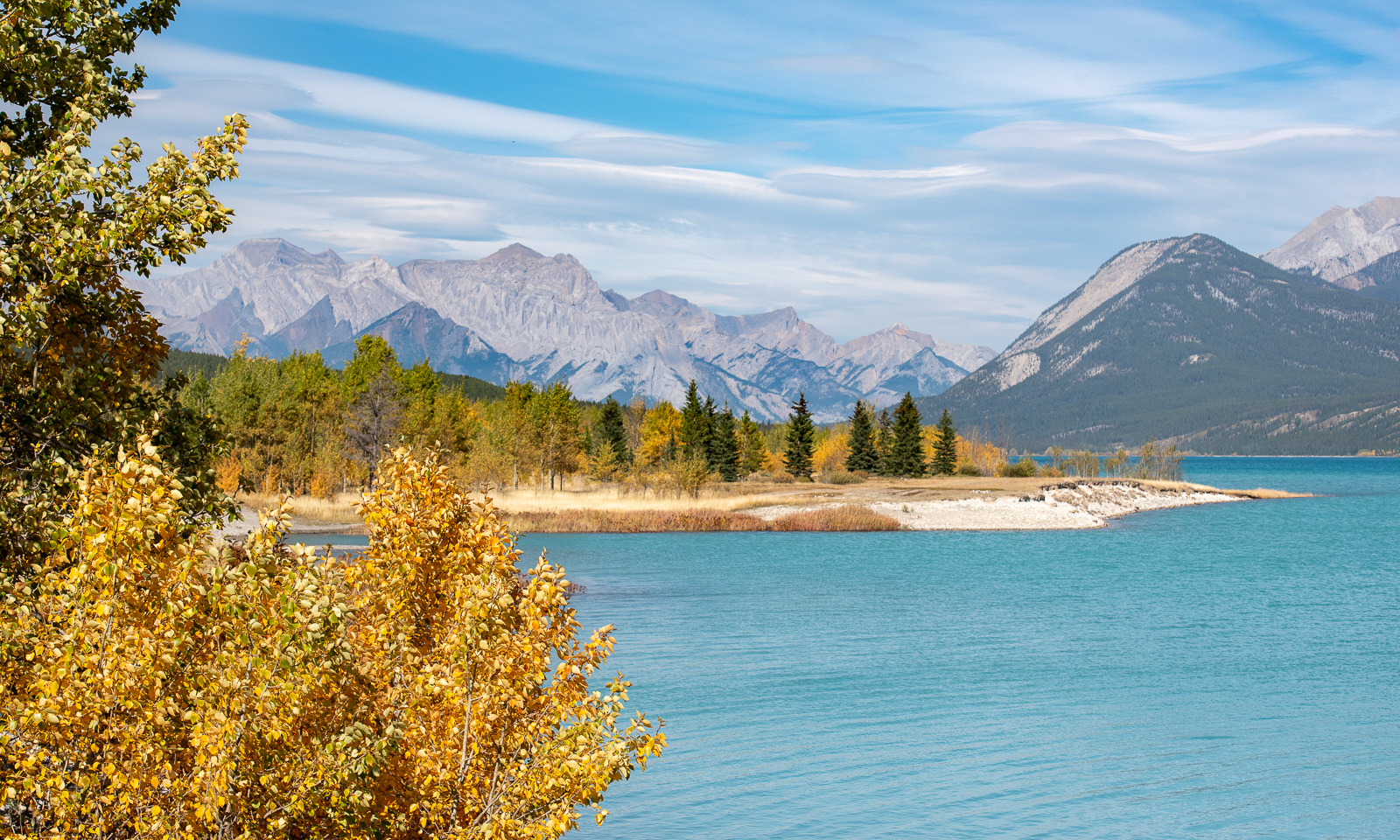
What luck we have! The morning is pretty chilly, but the sky is blue and promises to deliver another beautiful, sunny day. After a leisurely breakfast we take the car to Abraham Lake. When we see it  for the first time from the car, its bright, intense turquoise colour looks almost ridiculous, like someone had played around with Photoshop, setting the hue to its maximum. The lake is so calm that I wish I had a kayak to paddle on this beauty of a lake.
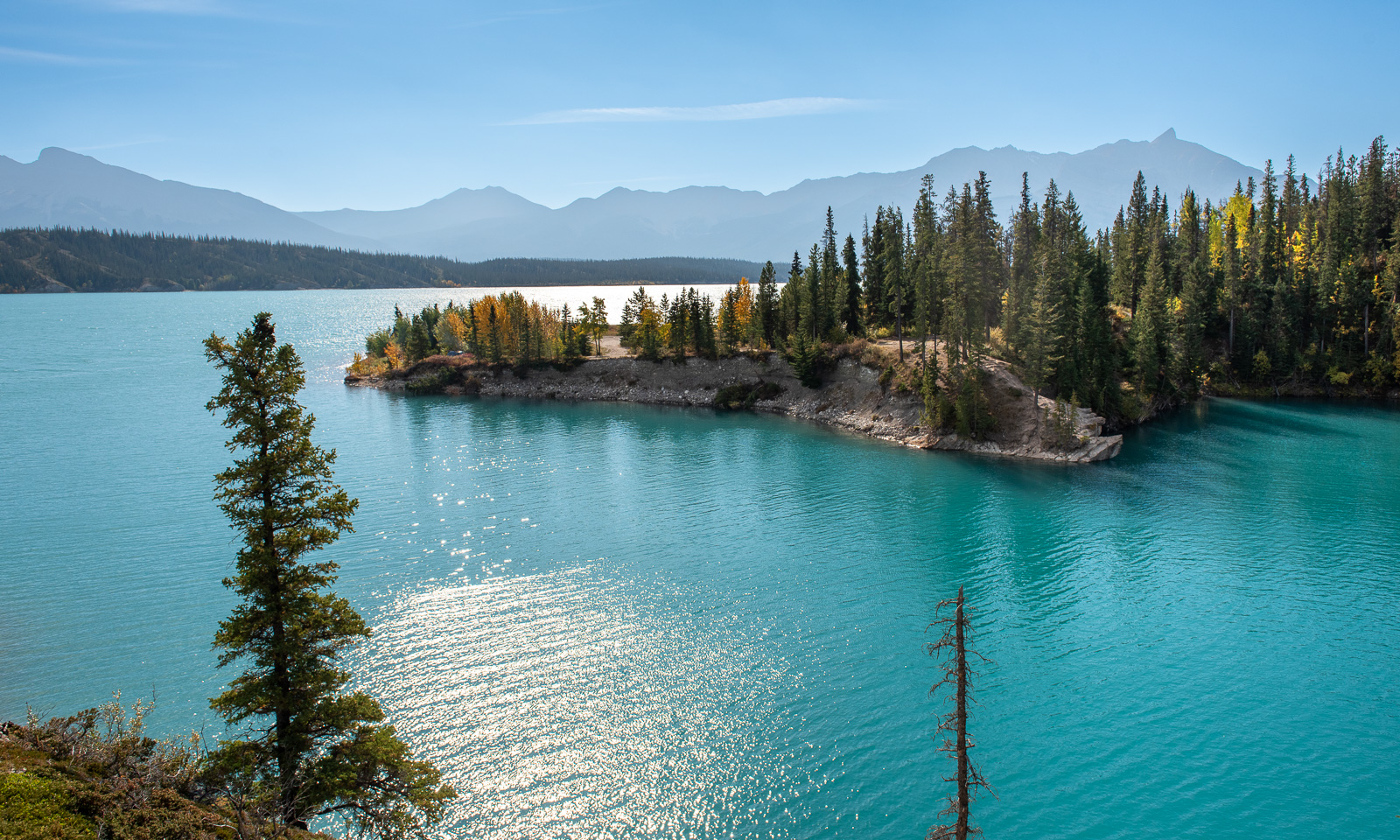
While we are driving to the next stop, strong gusts appear out of nowhere and start shaking our car. Standing outside in these strong gusts makes my dream of kayaking on the lake vanish instantly.
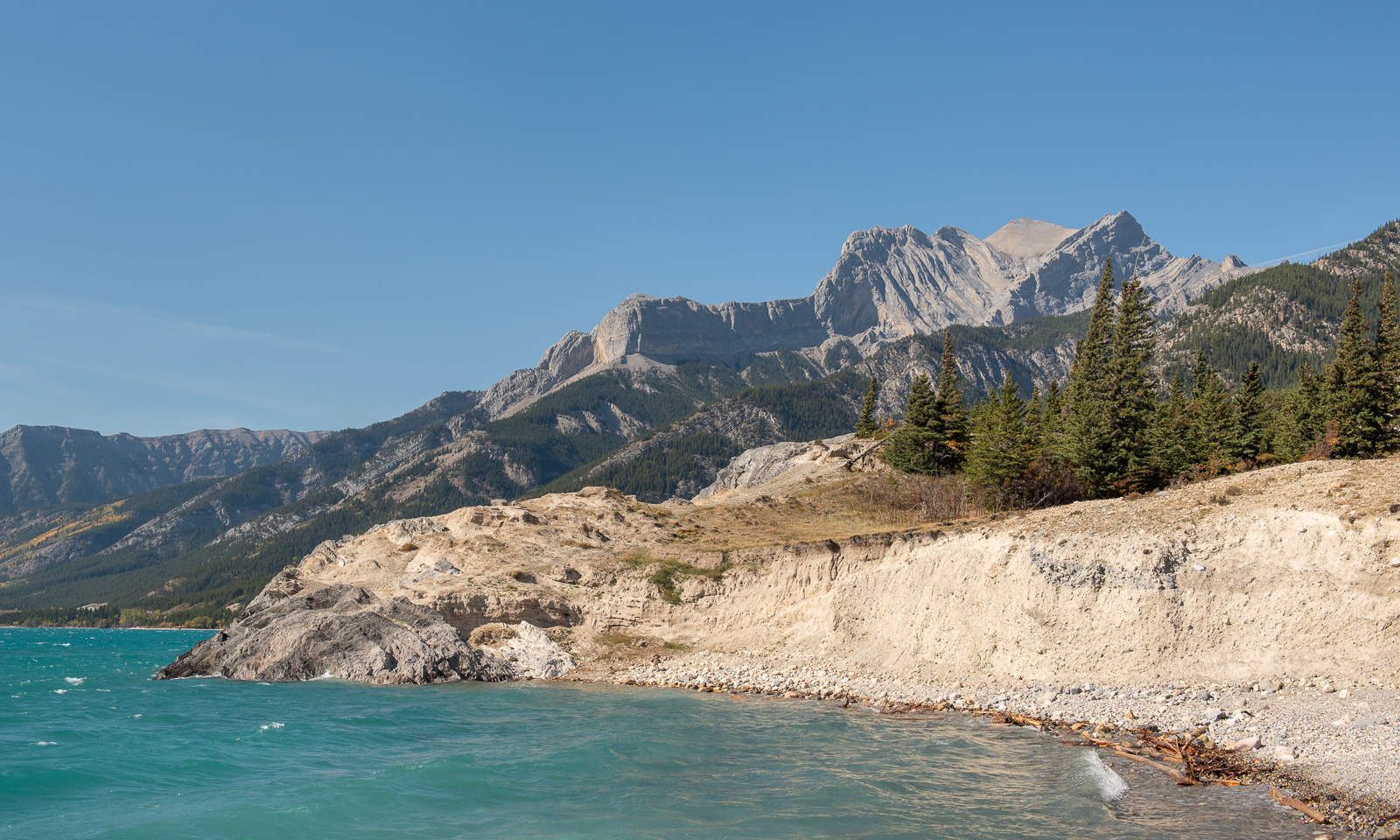
Another stop and most of the wind is gone – where did it come from? The water level of Abraham Lake is quite high. Many trees at the shore stand in the water.
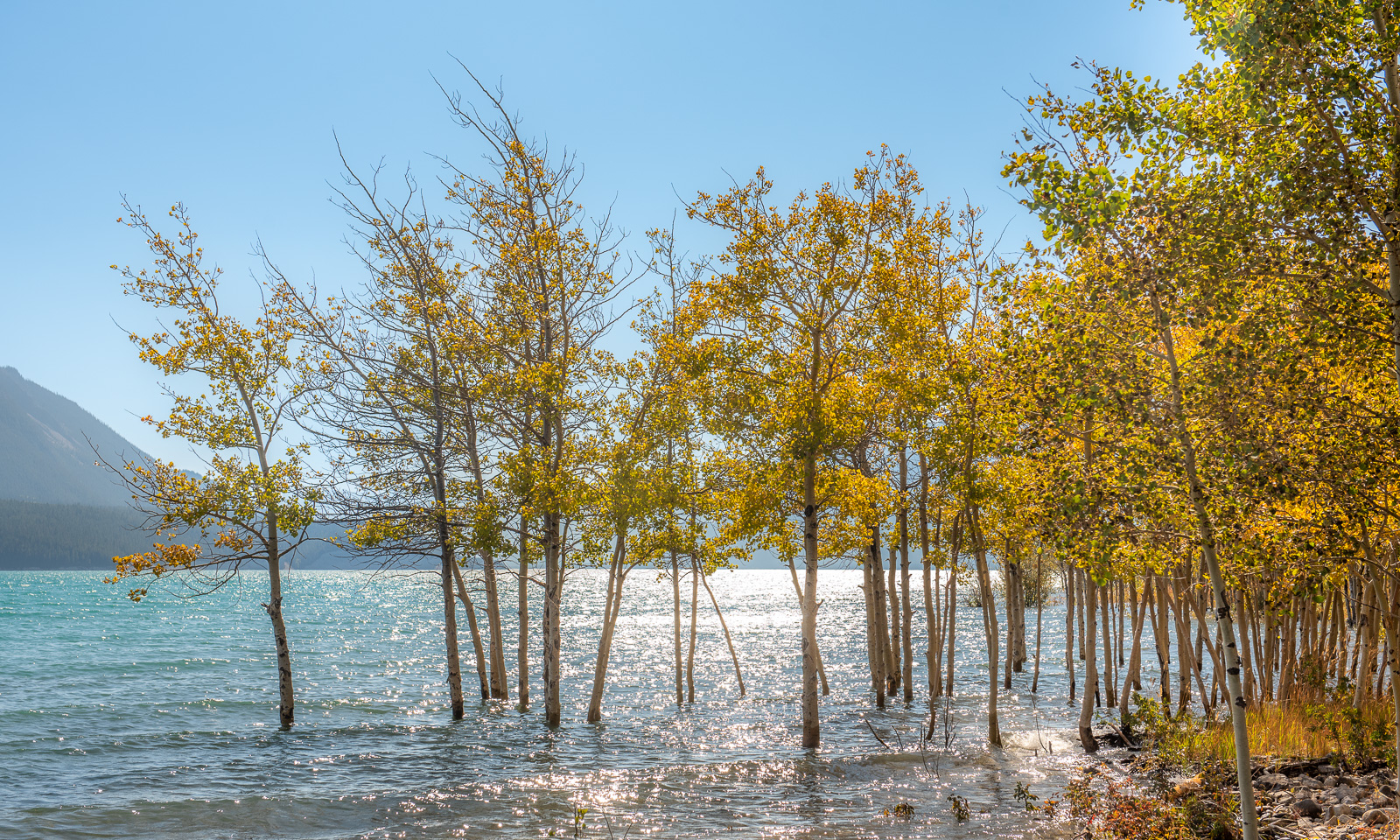
More stops, more photos. Of course, I do not know what screen you use, but let me assure you: the colours were as bright as the photos show. Another thing that fascinates me: while driving more and more mountains appear around us until we are surrounded by them. It is as if these mountains were living beings that actively move around.
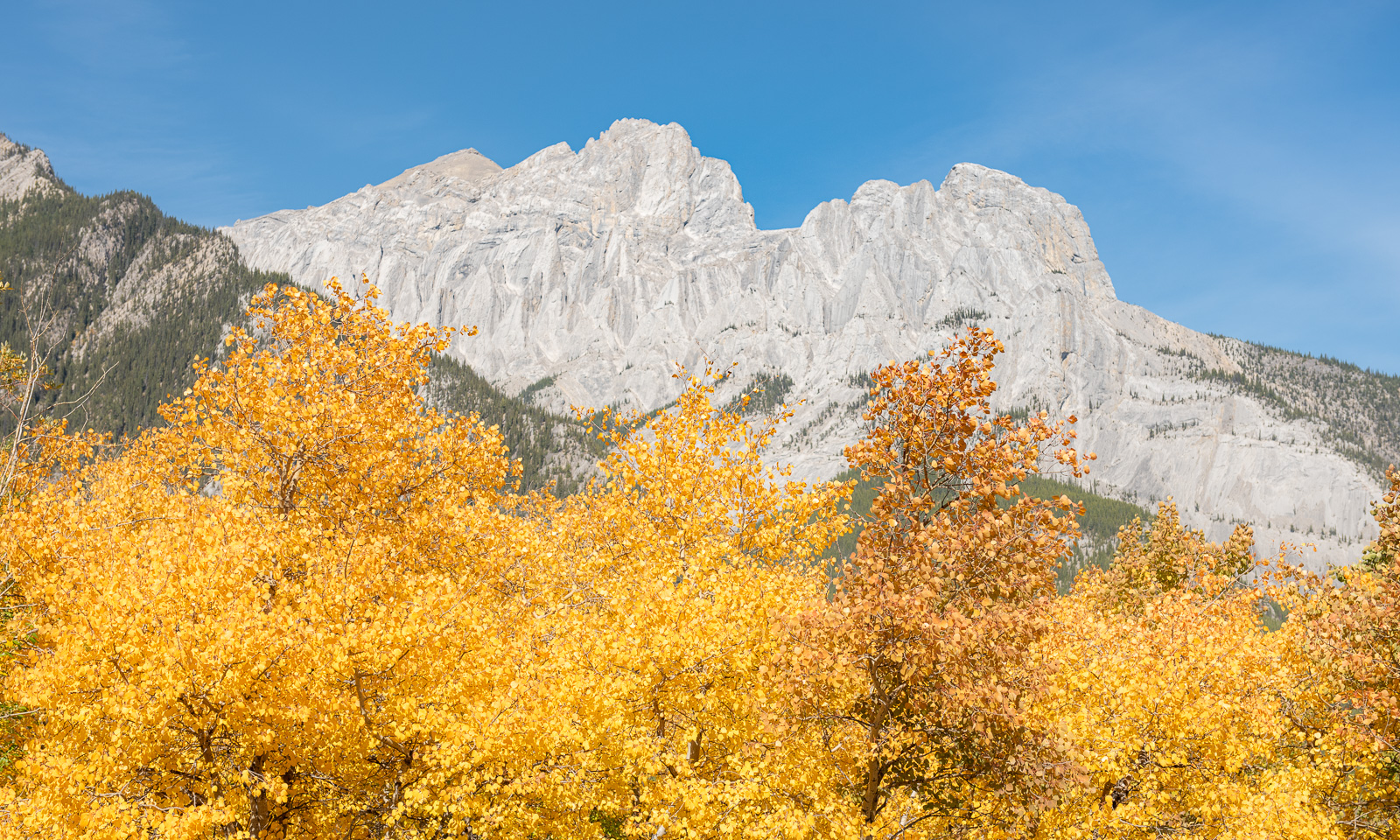
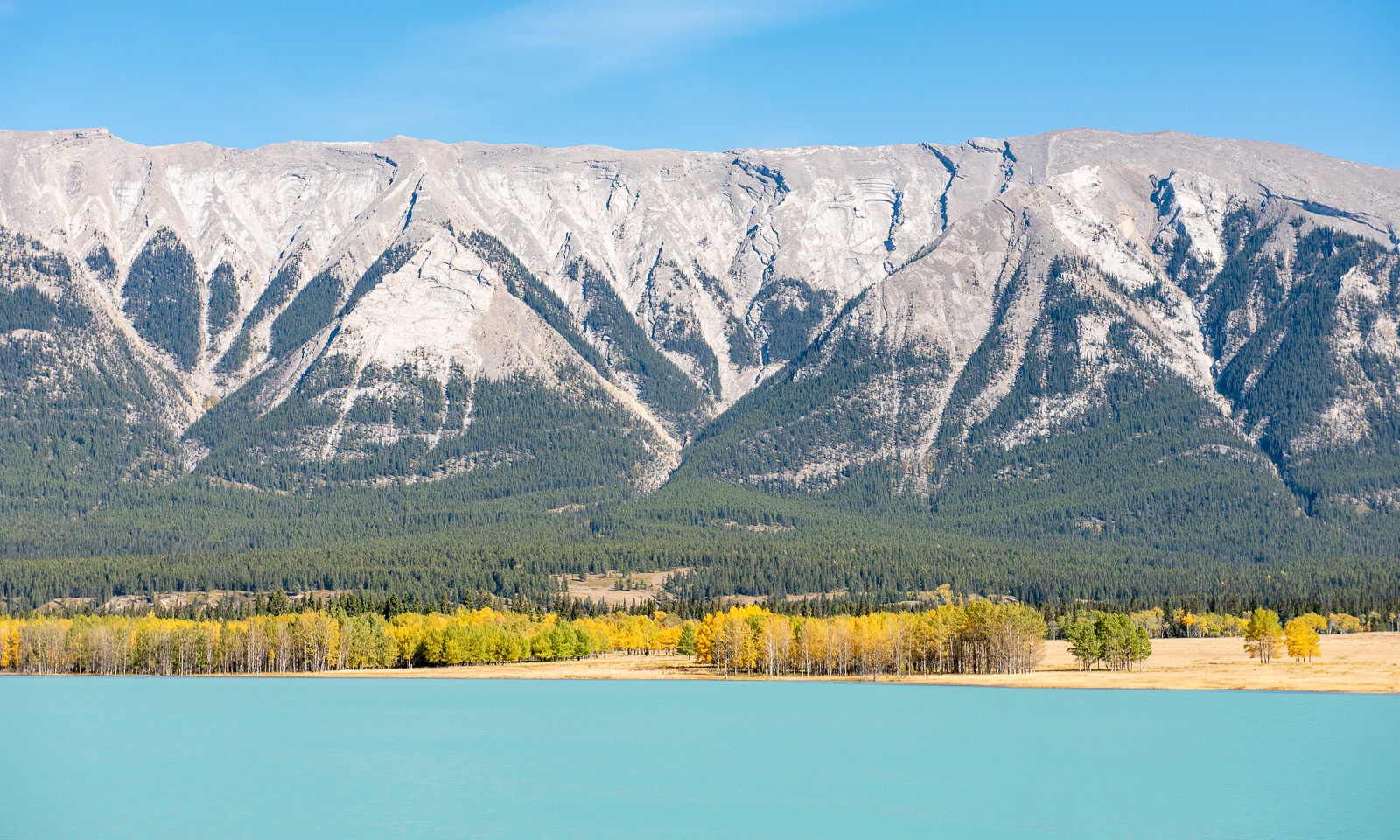
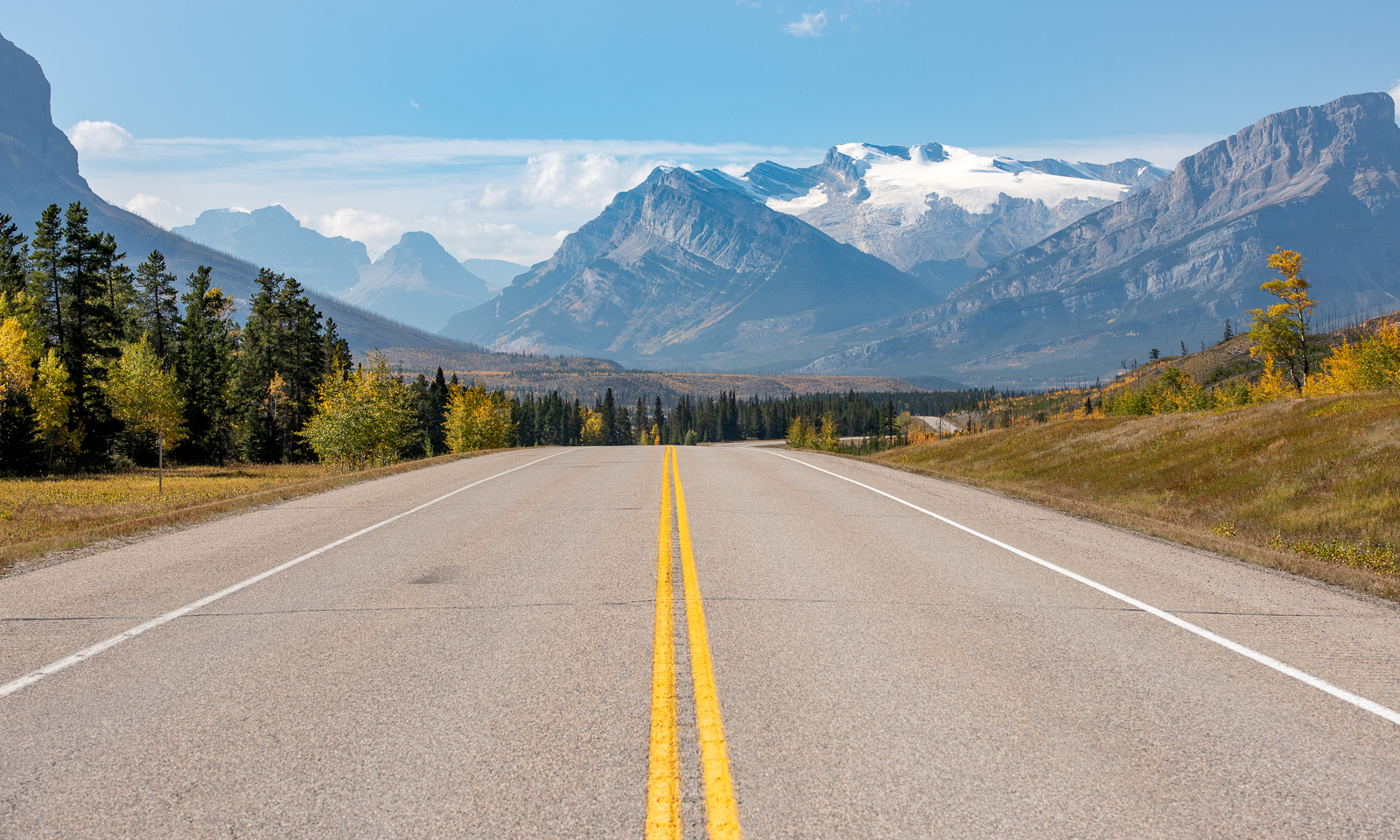
We have passed the whole lake and now follow the river again. If we continued another 30 km west, we would end up at the locality of Saskatchewan River Crossing, which lies on the famous Icefields Parkway. We can already spot glacier-covered mountains ahead, such as Mount Wilson (3260 m), as shown in the next photo. But the Icefields Parkway is not our route today; we will drive it the following week – hopefully with equally brilliant weather.
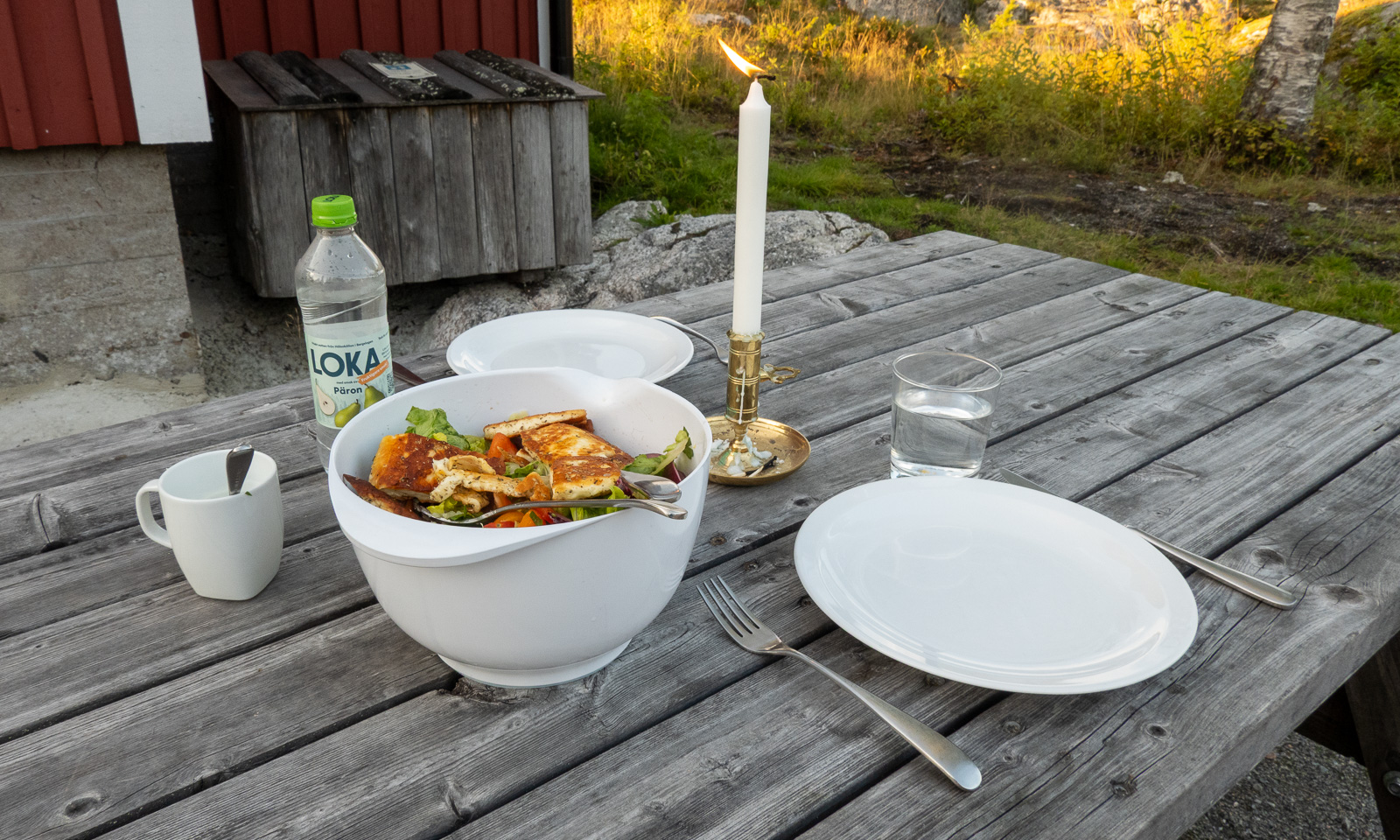
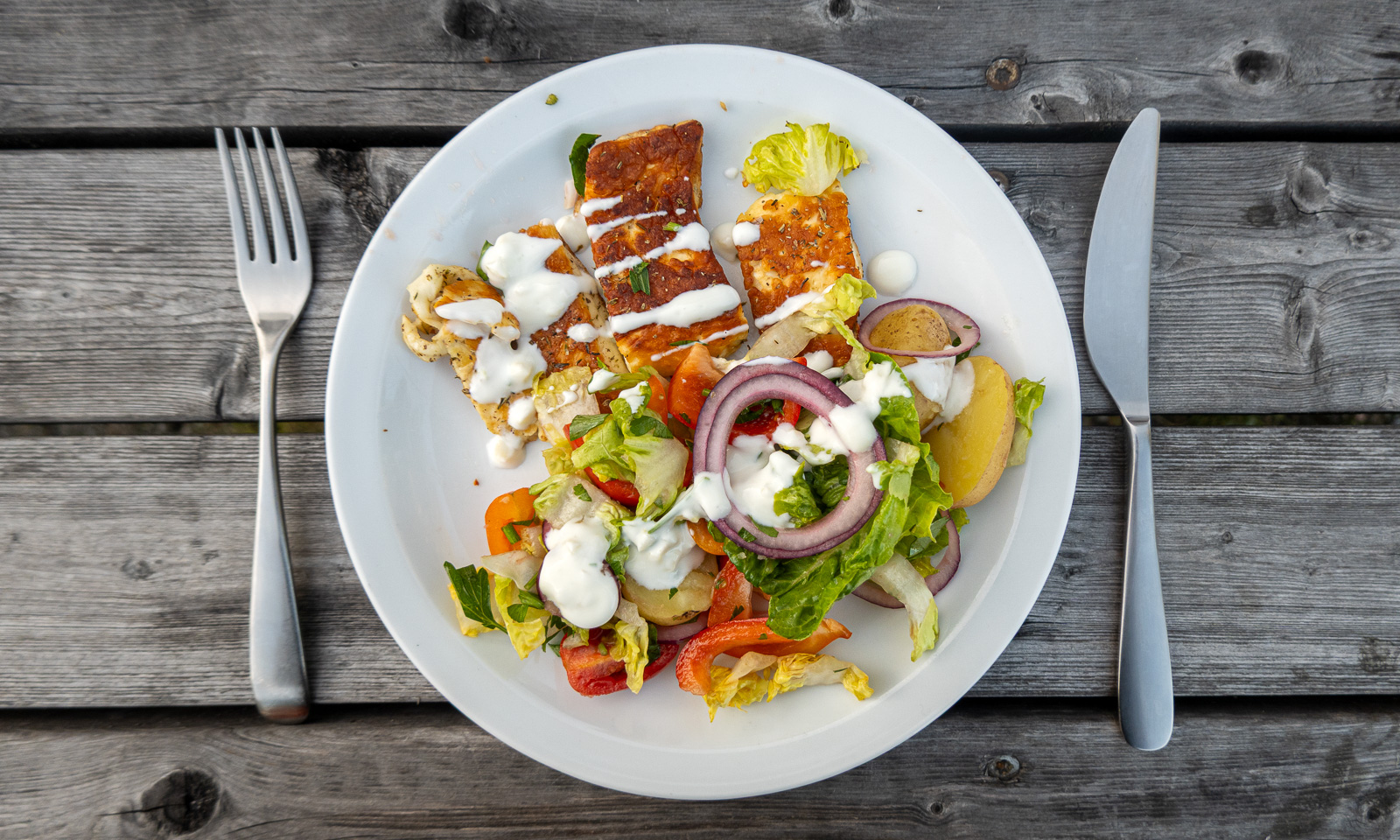
So we turn the car and drive the same way back. We pass Abraham Lake again and, while driving along, the mountains seem to scurry back to their secret places and we are in the hilly lands of Nordegg again, where we first take a nap and then eat a delicious dinner that Annika cooked with small potatoes, eggs, carrots, Parmesan cheese and two dips. And I still have a bottle of my favourite Canadian drink: Canada Dry Ginger Ale.

22 September

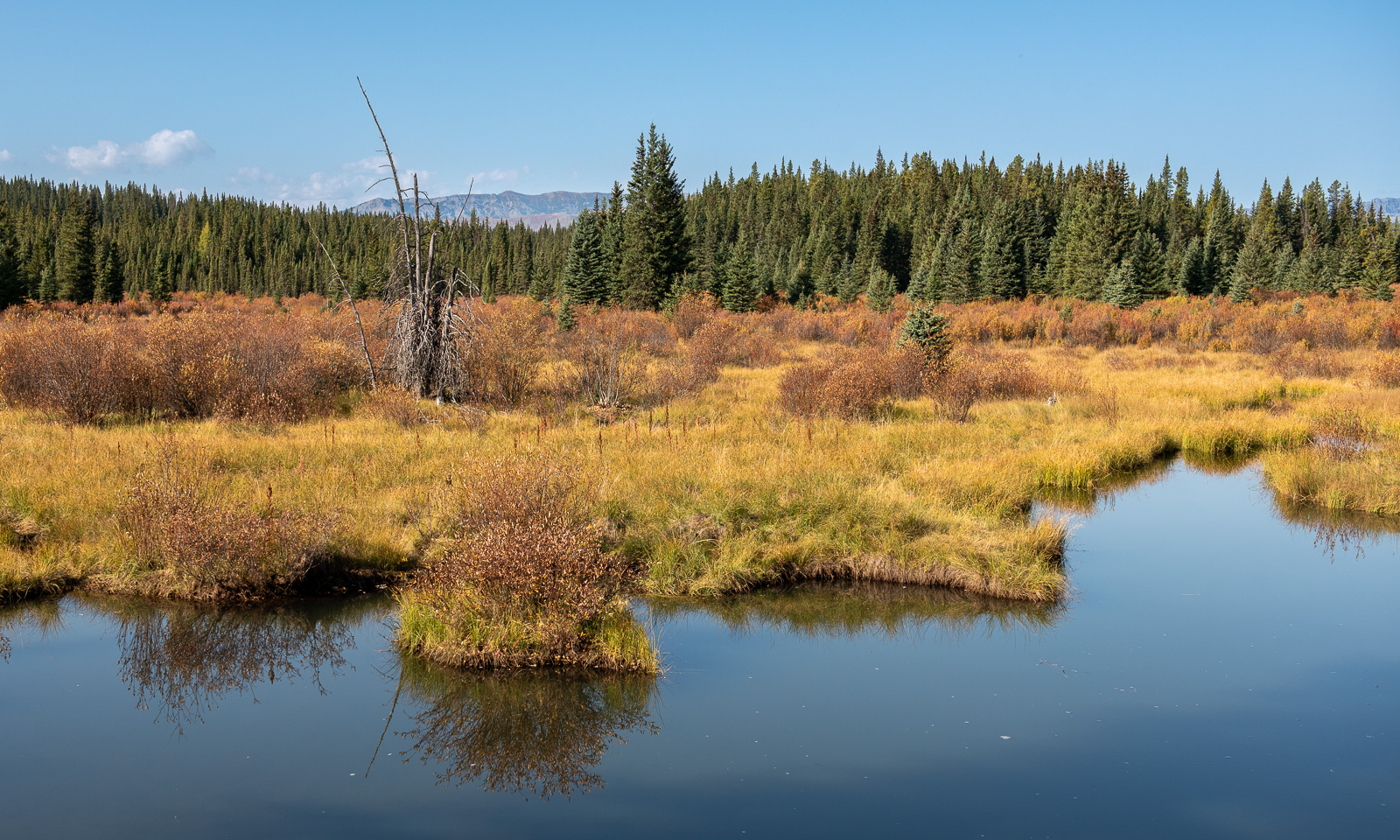
This morning I finally take a picture of the wetlands by the hostel. Then we will head off to Red Deer, where a surprise await us.
13–14 September – From the island into the desert

This article is part of the series “2026-09: Canada”.

13 September

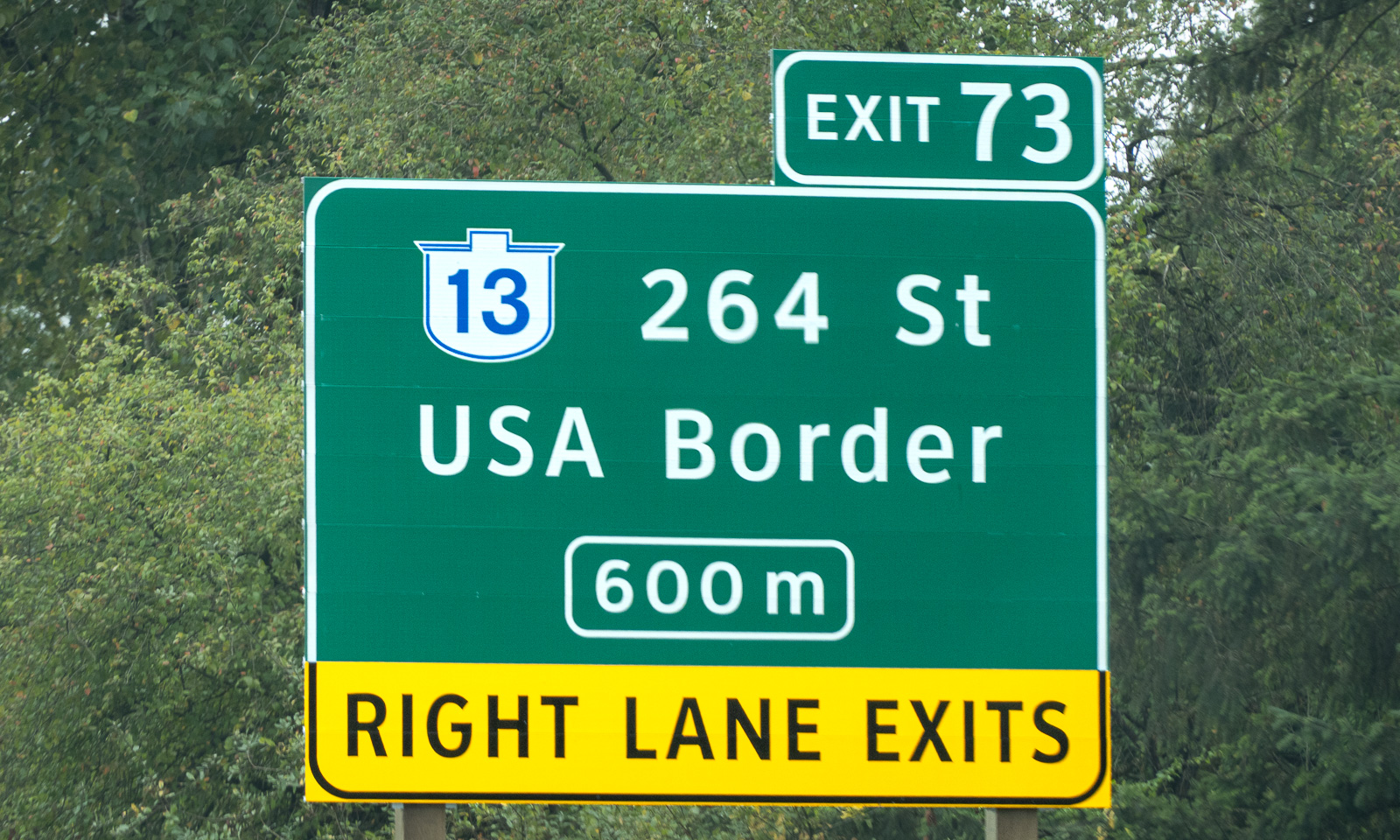
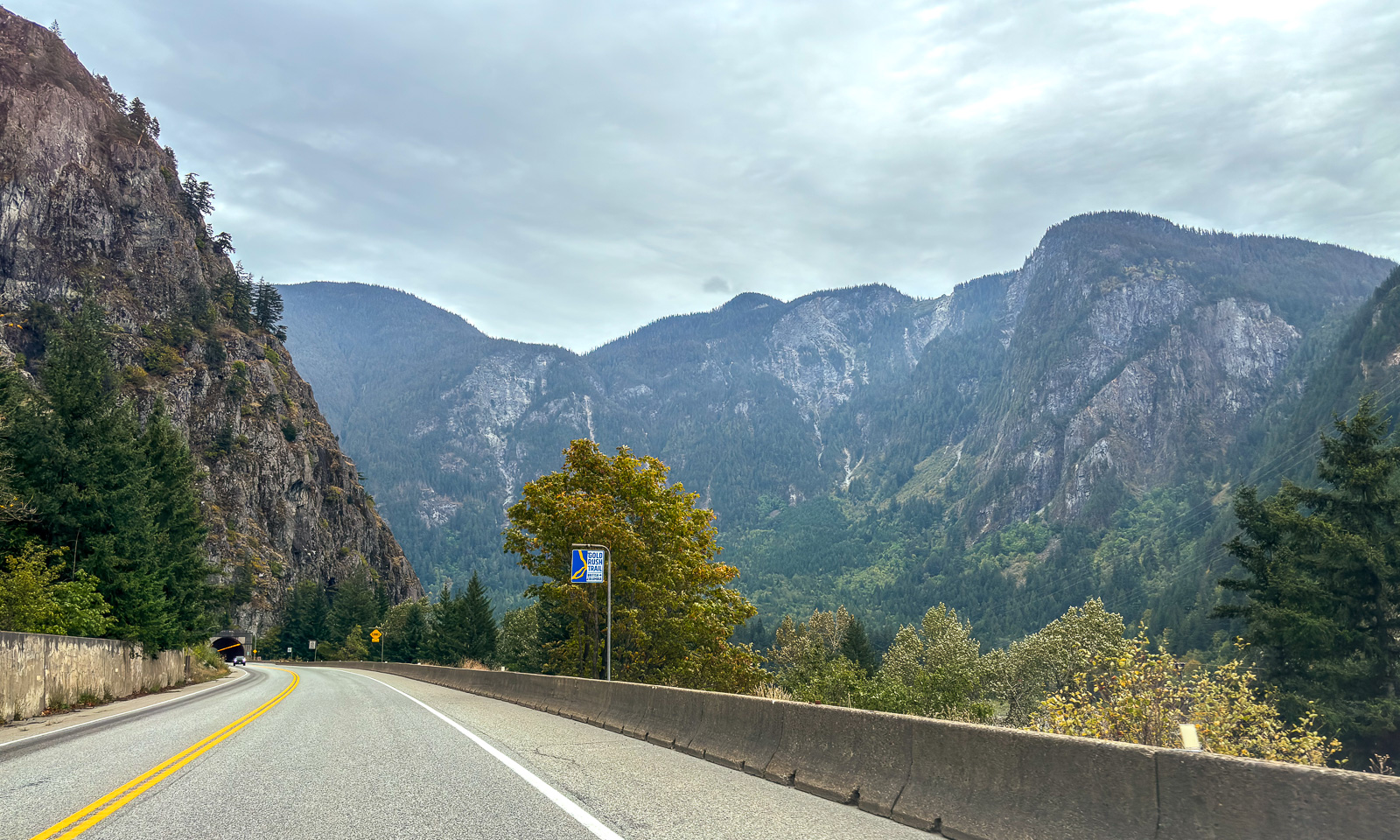
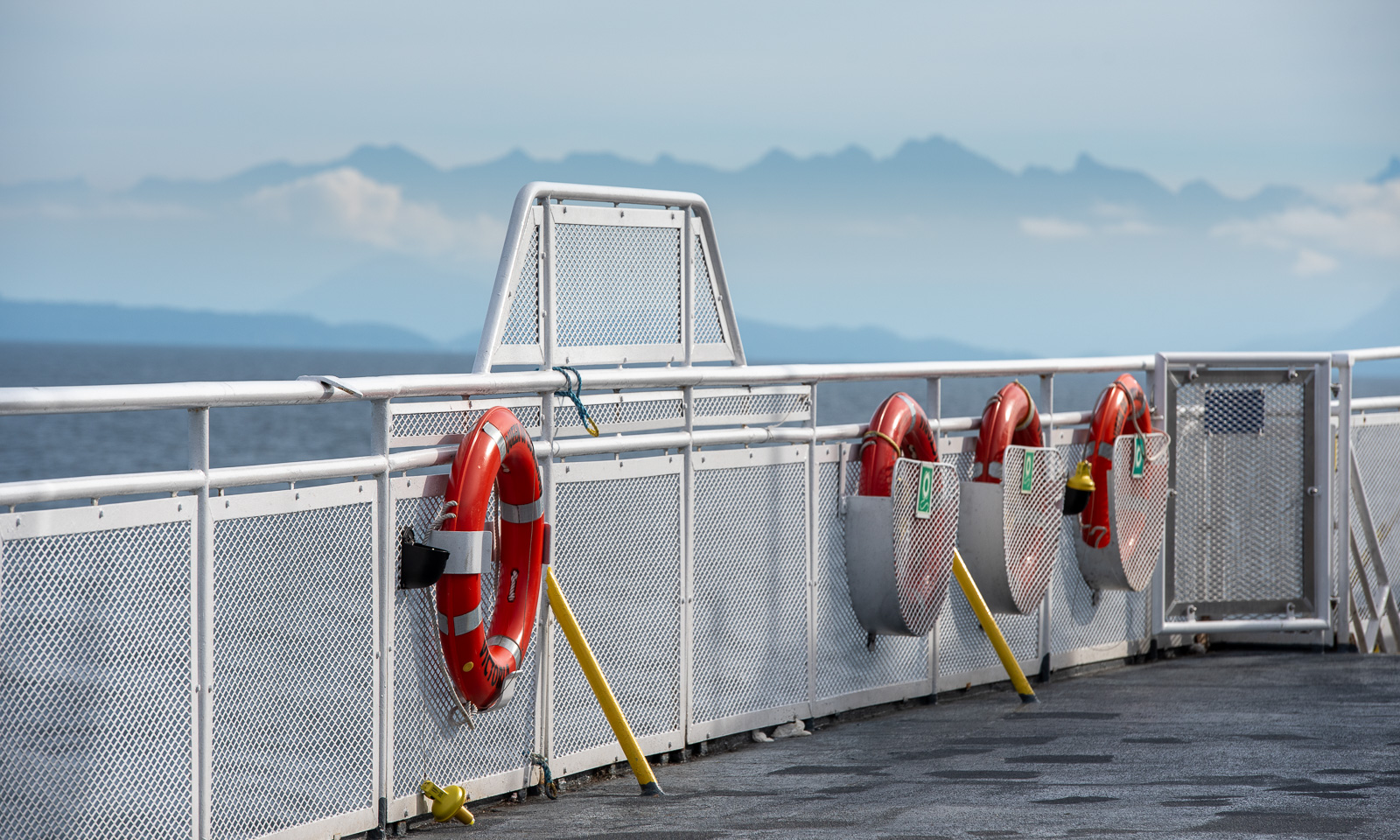
My wife Annika and I stand on board of the ferry Queen of Cowichan. After several days on Vancouver Island we are heading back to the Canadian mainland, this time to Tsawwassen, which is south of Vancouver. To get there we have to cross international borders twice, first into the USA and then back into Canada. These borders are invisible because they are on sea. Back on the mainland, we see signs to the USA border at several places as well.

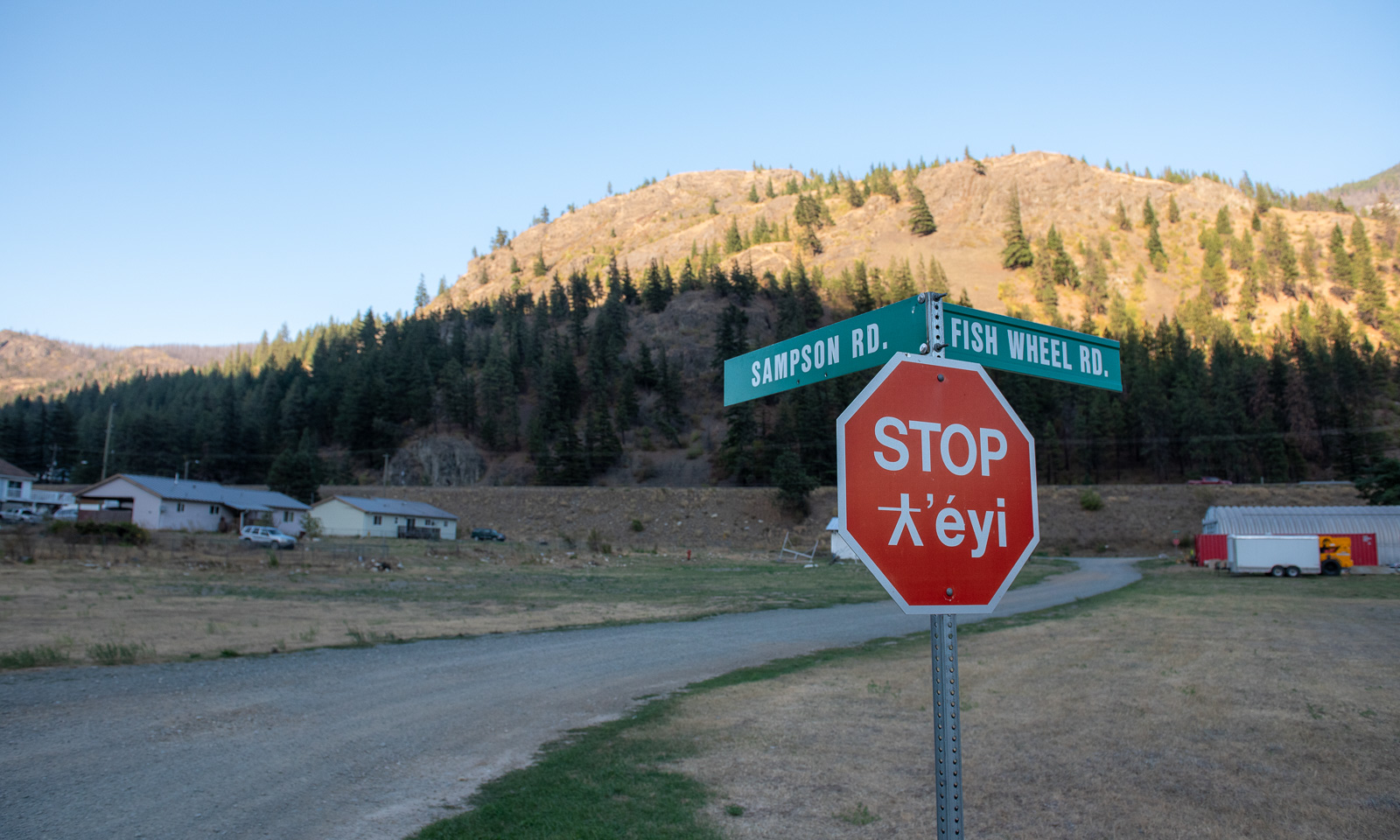
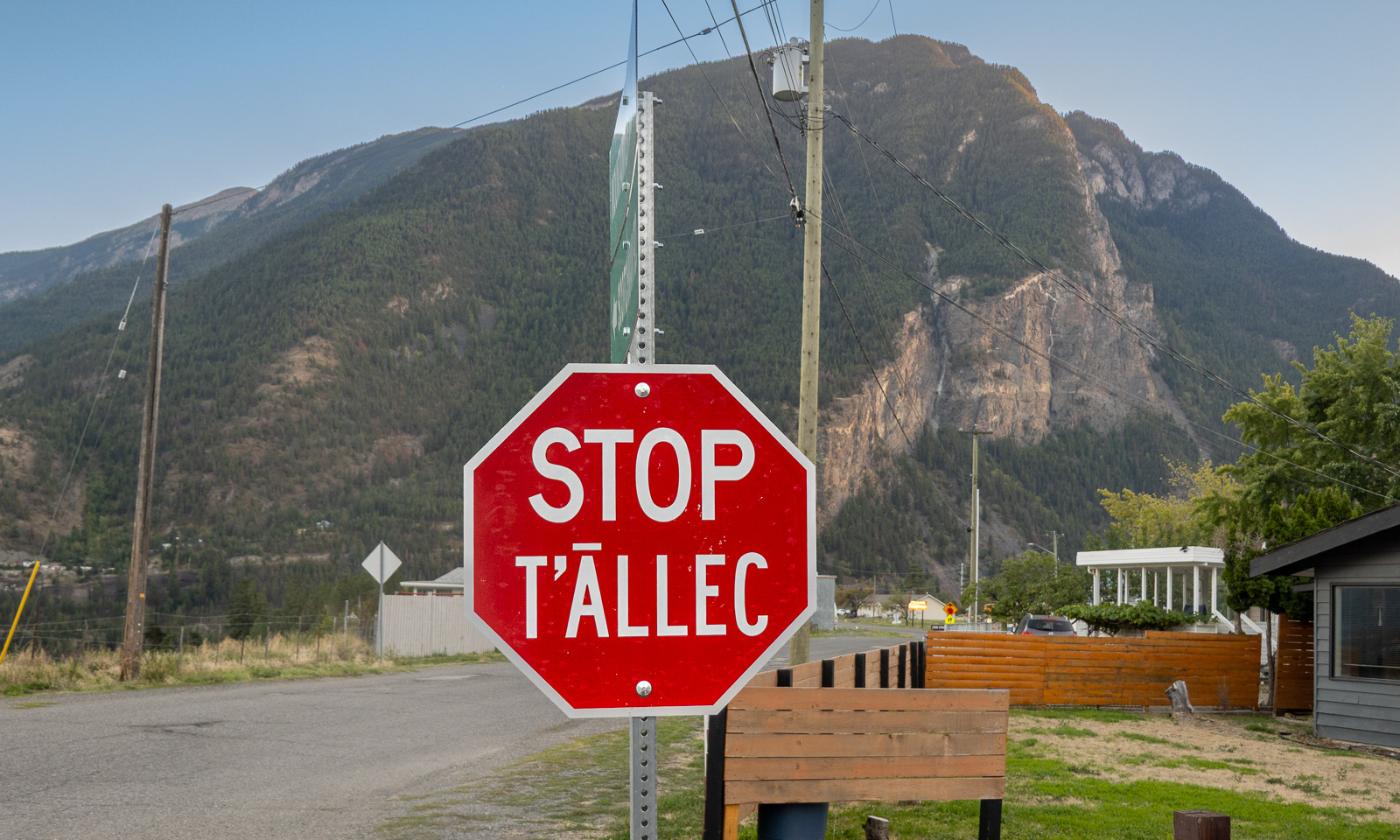
We make a stop in the village of tucckʷiowhum which is part of the Nlaka’pamux Nation. British Columbia is home to many distinct First Nations, each with its own culture, history, territory, and language. Often the languages are visible on the bilingual signs. The following stop signs show two different languages. According to the AI I used for research, “ƛ̓éyi” is Nłeʔkepmxcín which is spoken in the Fraser Canyon and Nicola regions. “T̄ÁLLEC” is St̓át̓imcets which is spoken in and around Lillooet, the town we are heading for today.

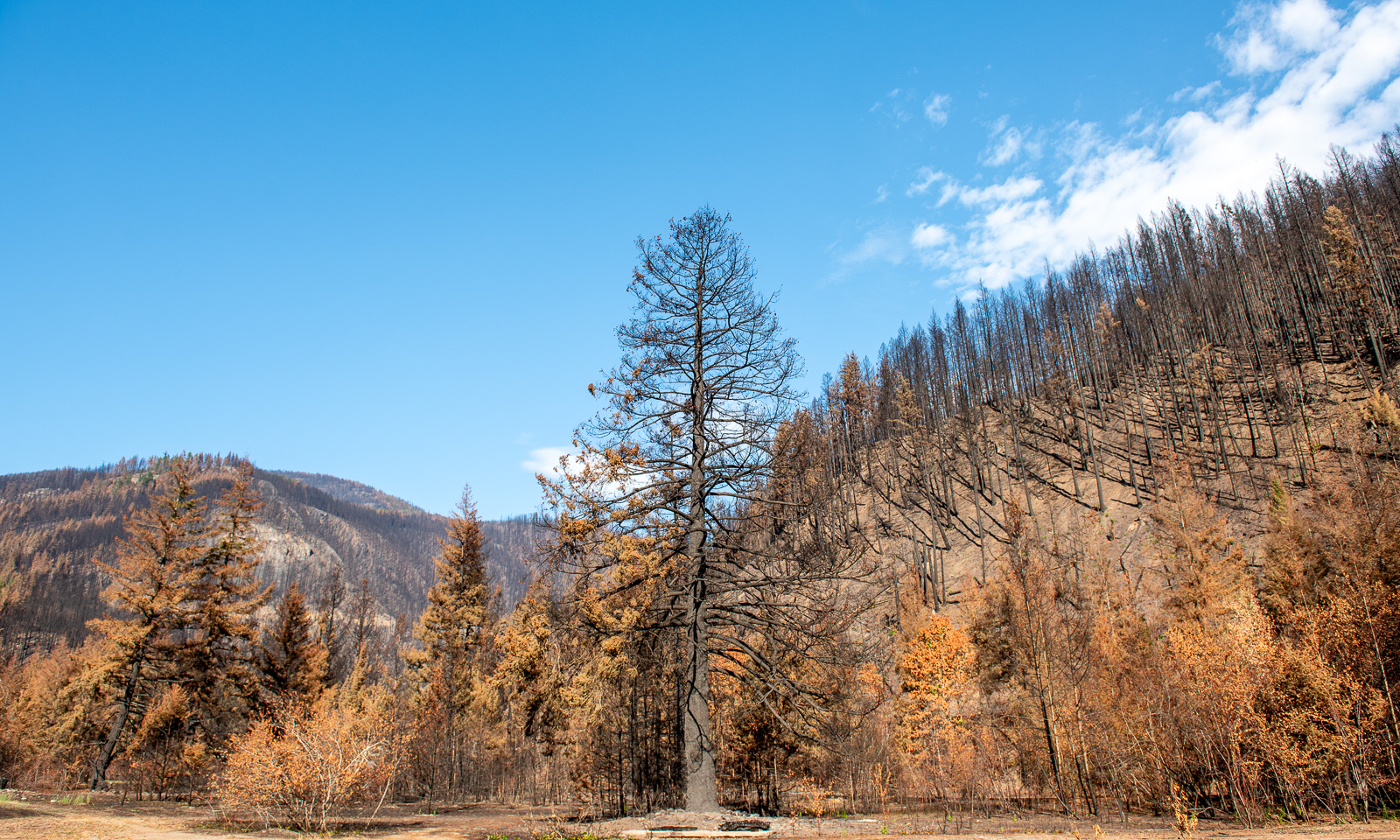
But we are not in Lillooet yet, we are in tucckʷiowhum. This is the first place where we can see the devastation caused by this year’s forest fires. Some hills are covered with black trunks. Even some of the buildings have burnt down. We know that forest fires are part of nature (or can be) but it makes me sad to see the black trees, some standing, some fallen.

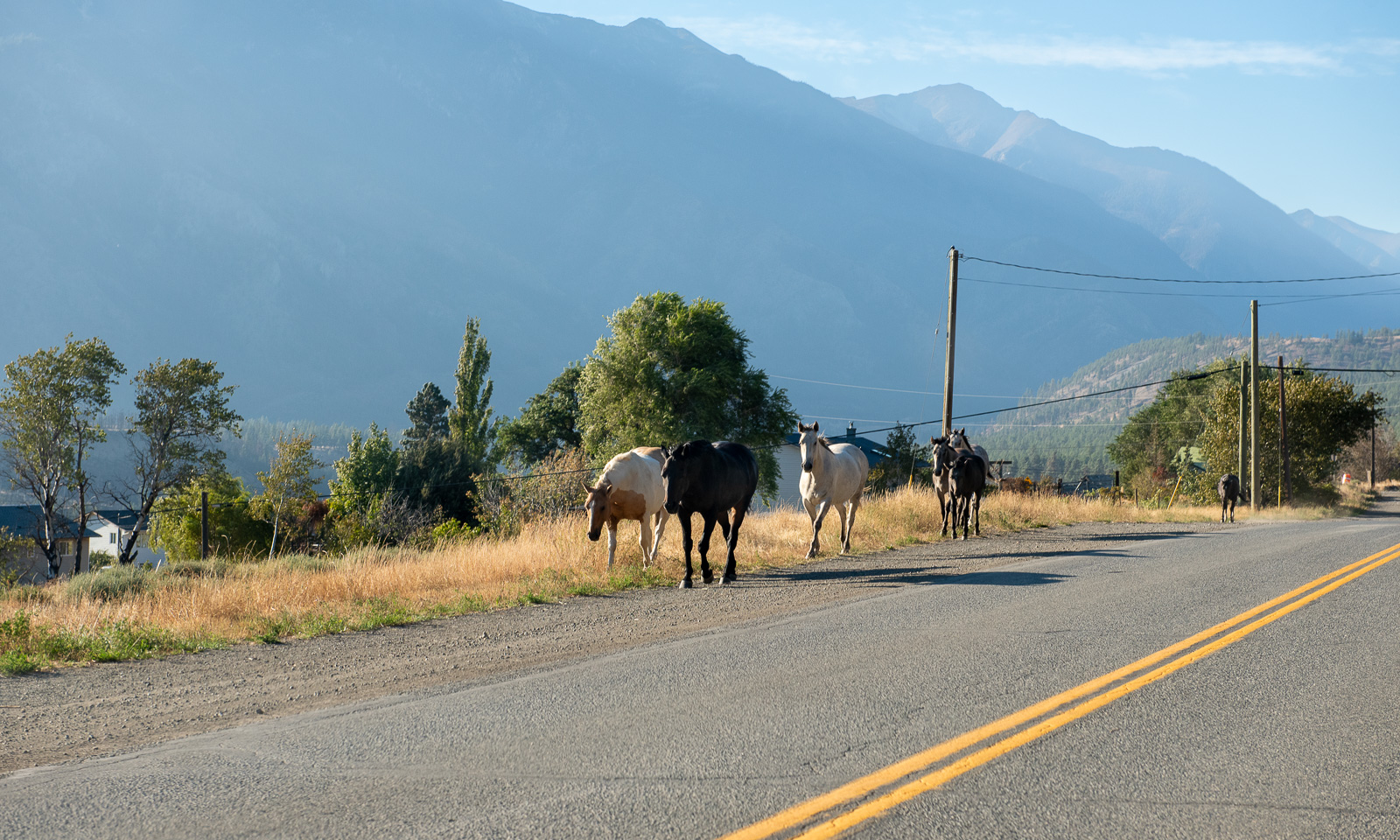
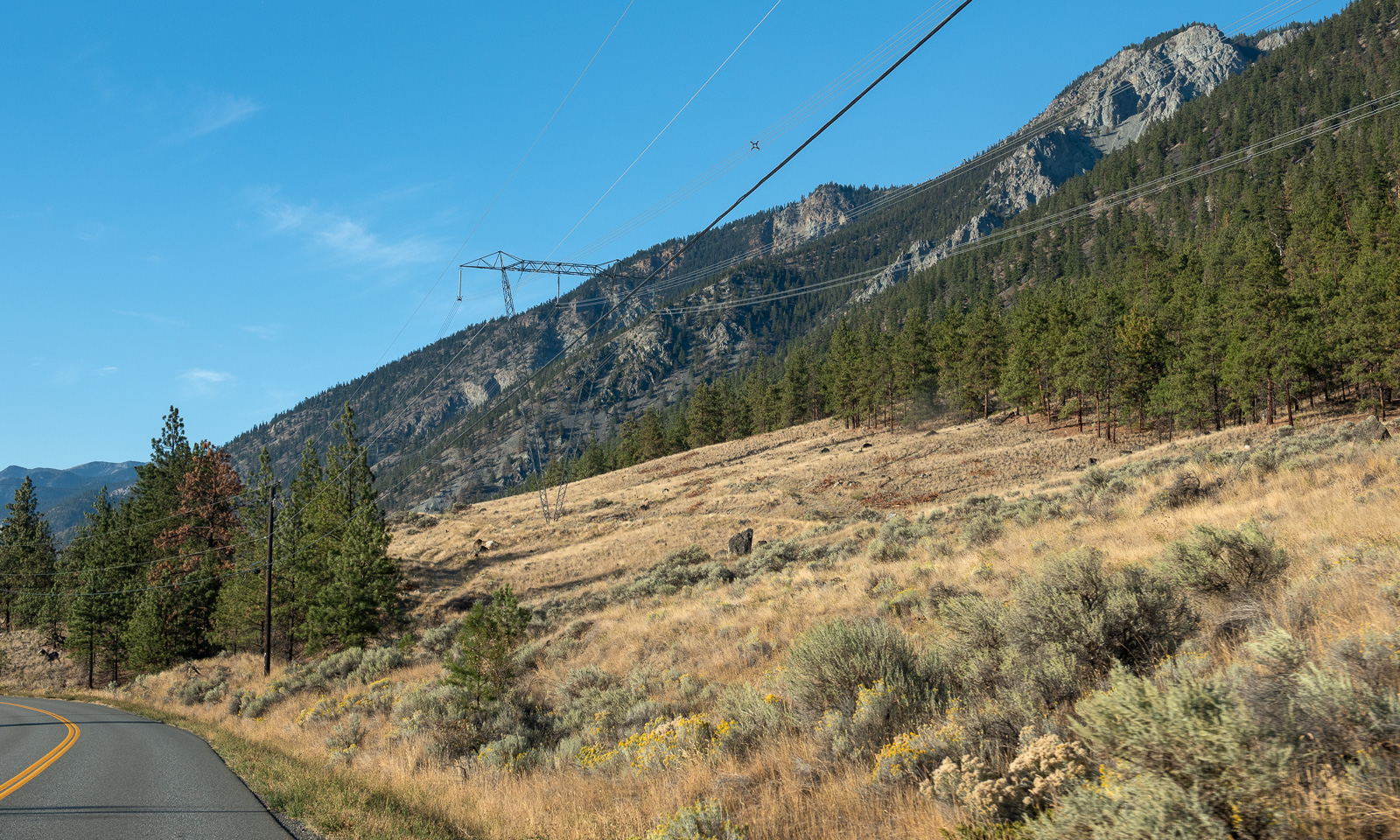
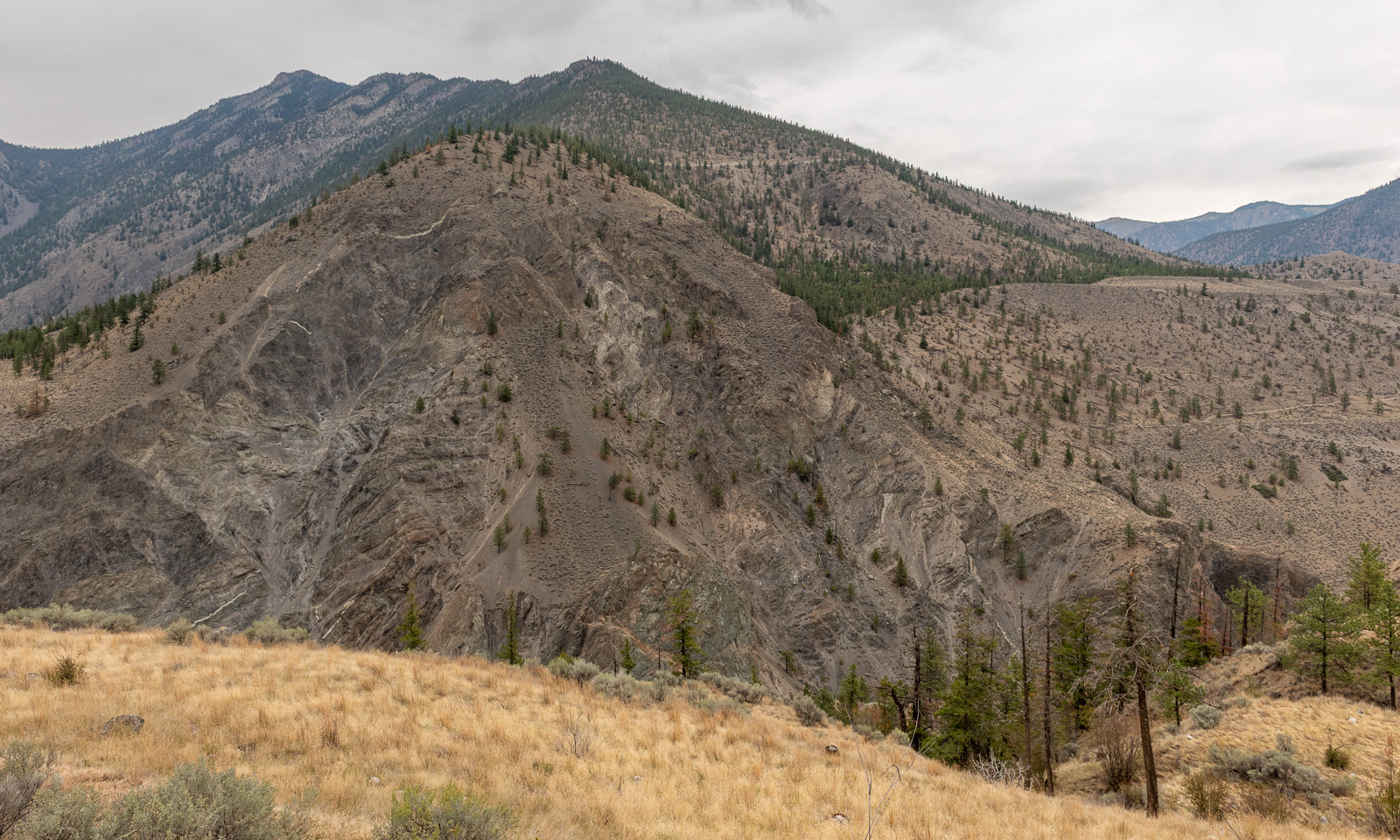
We continue our trip north. The landscape changes slowly. The forests are less dense, the soil looks drier and is often vegetated with brown grass.

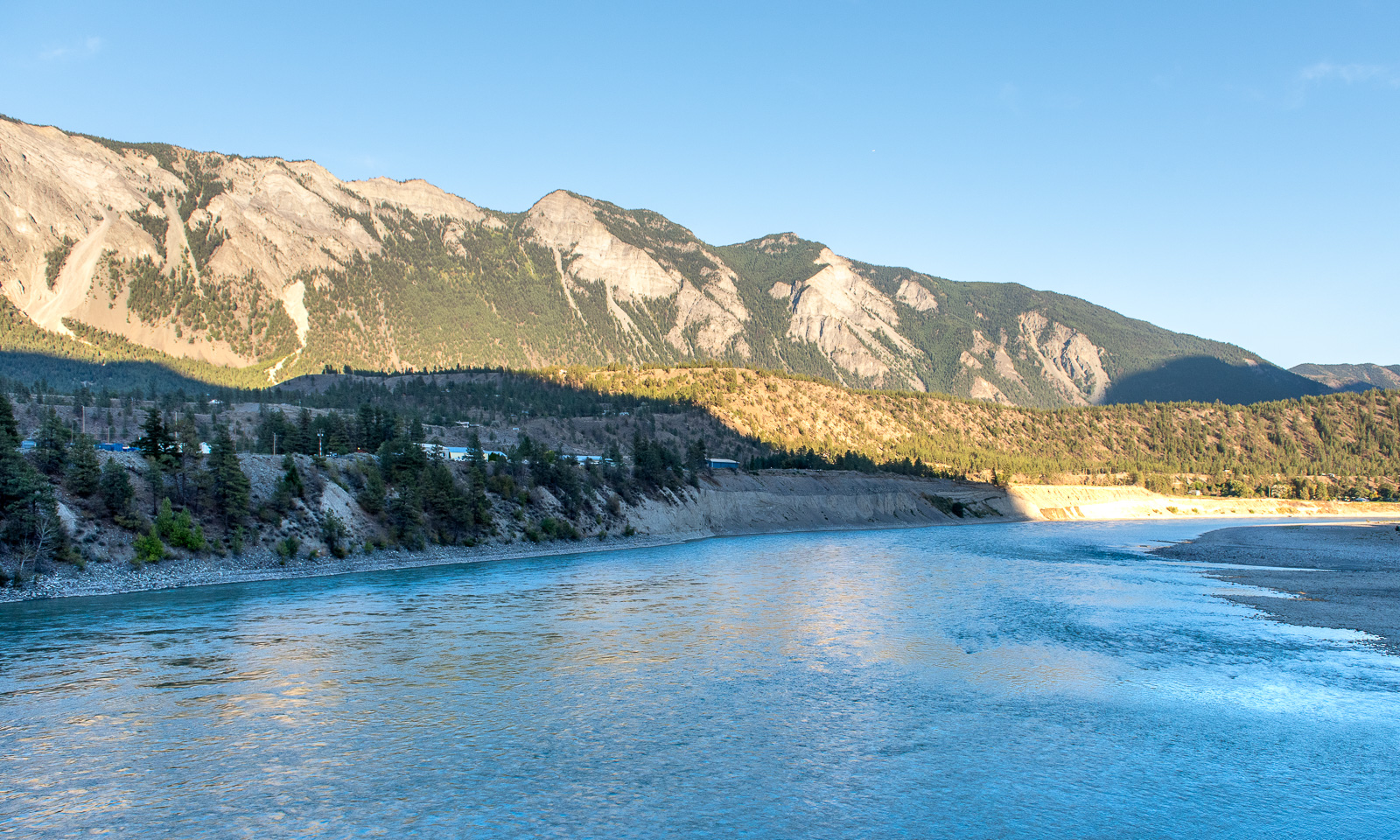
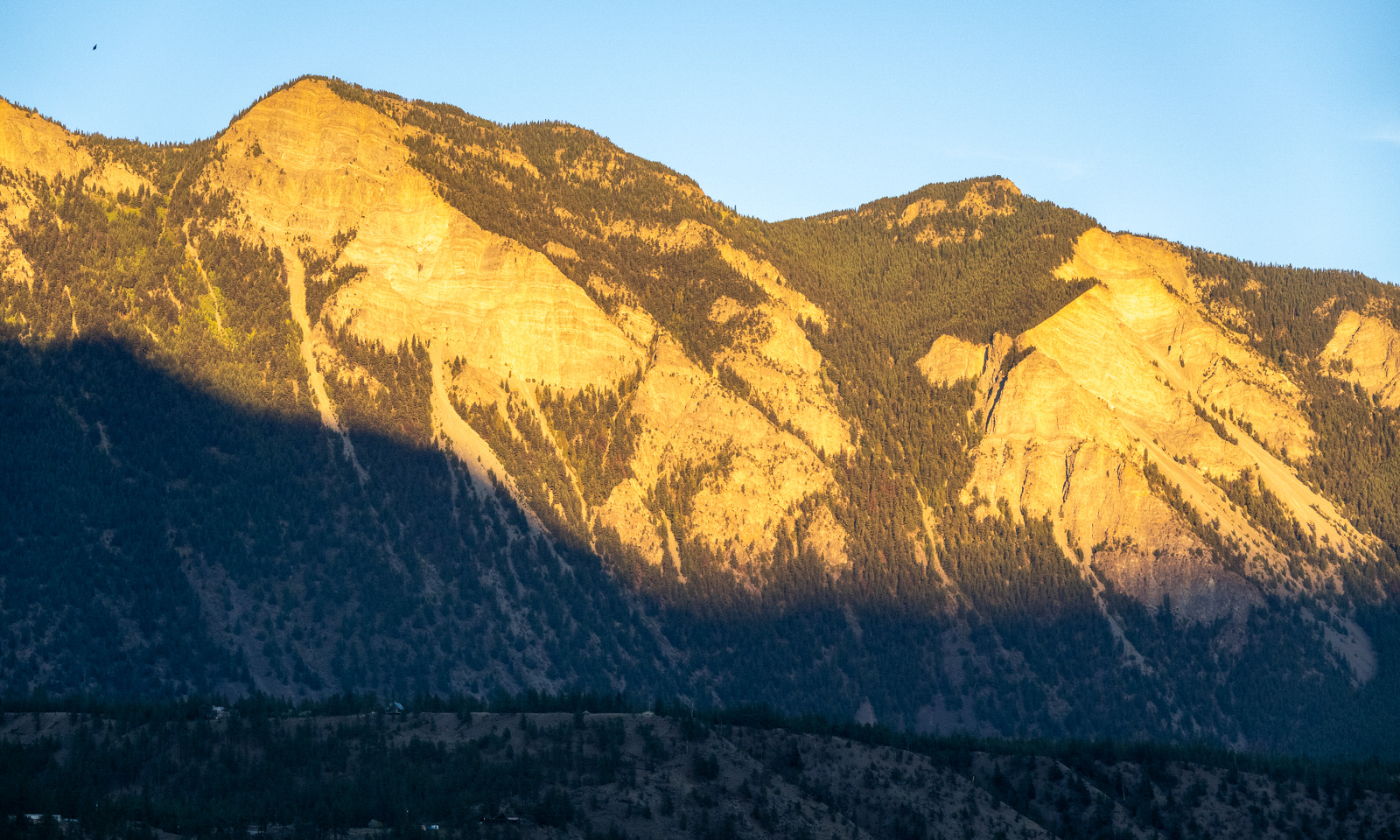
At half past seven we cross the Fraser river and arrive in Lillooet, a small town with a population of about 2300. The sun starts to set, but the mountains in the east still have sunlight.

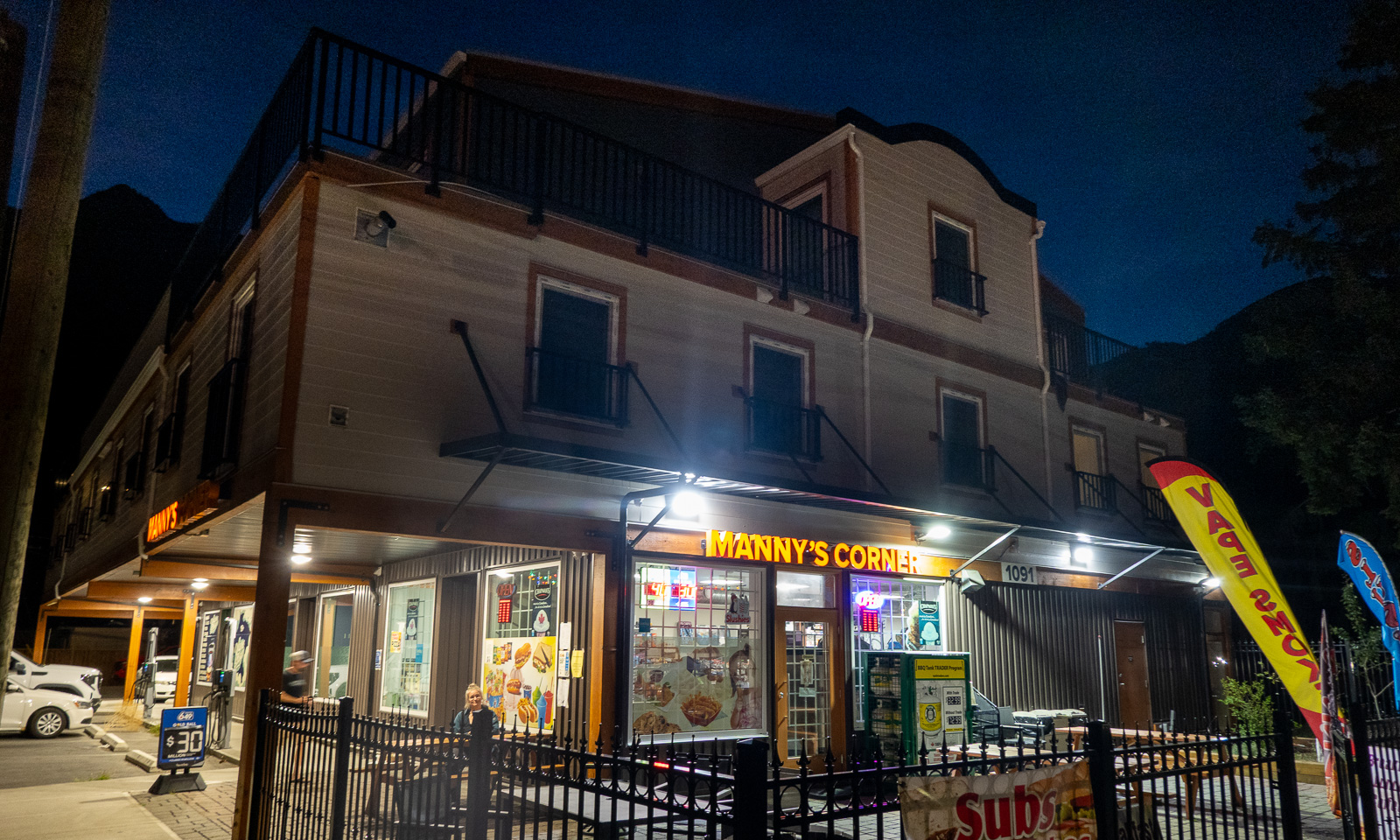
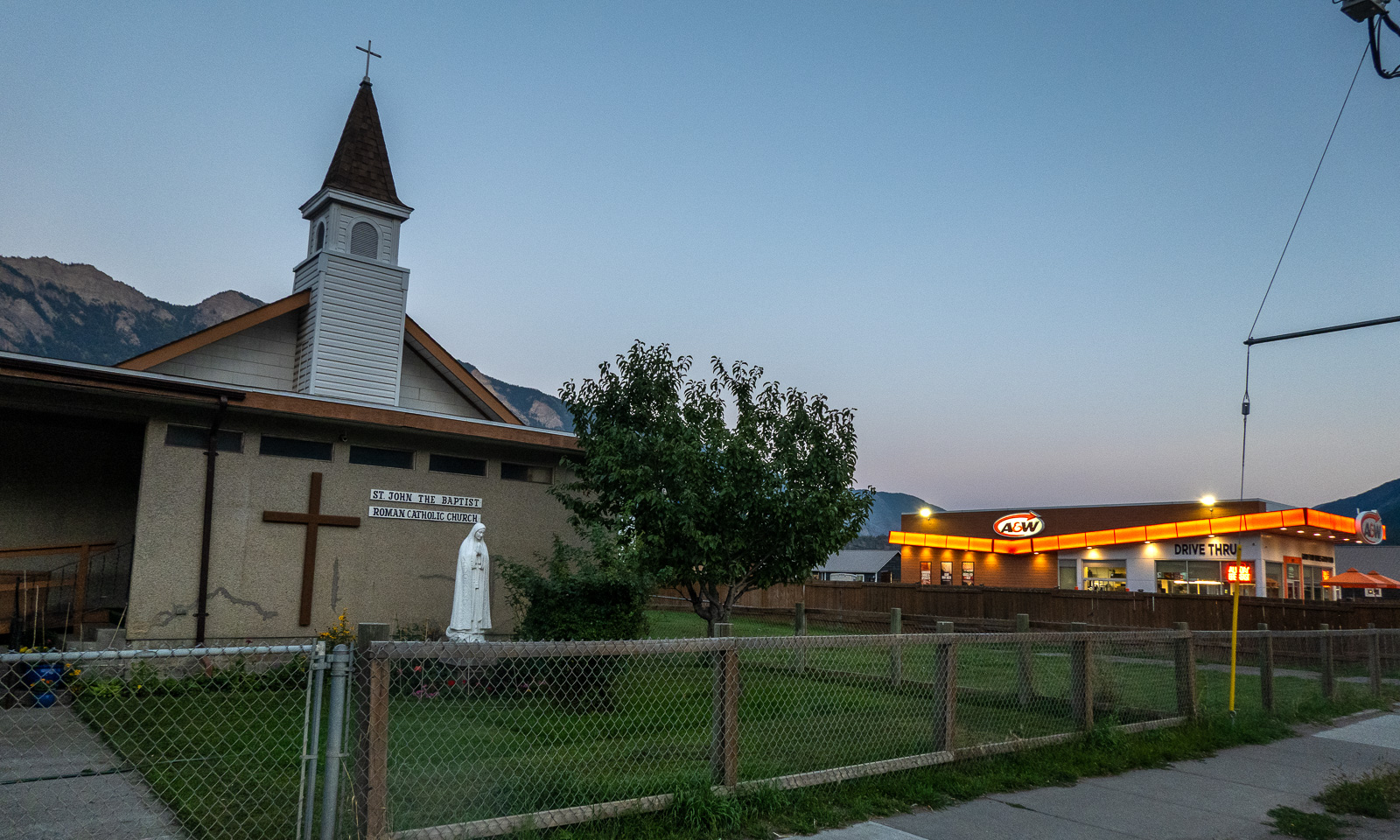
We check in at our first motel ever. We get a giant room with two double beds, a fridge, a coffee machine and a microwave. Since there is no proper kitchen available we walk into the centre where we eat salad and pizza at Manny’s Corner. The delicious Tandoori Chicken Pizza is massive and although I ordered only “medium size” I only manage to eat half of it. The leftovers will serve as tomorrow’s breakfast. On the other side of the street: The Roman Catholic church and a fast food chain.

In the streets: some pedestrians, especially younger ones and cars – mostly pickup trucks. The latter are very common in the area, the bigger the better. No wonder that our rented VW Tiguan, not a small car either, was rated as an “undersized vehicle” by the ferry company :-D .

14 September

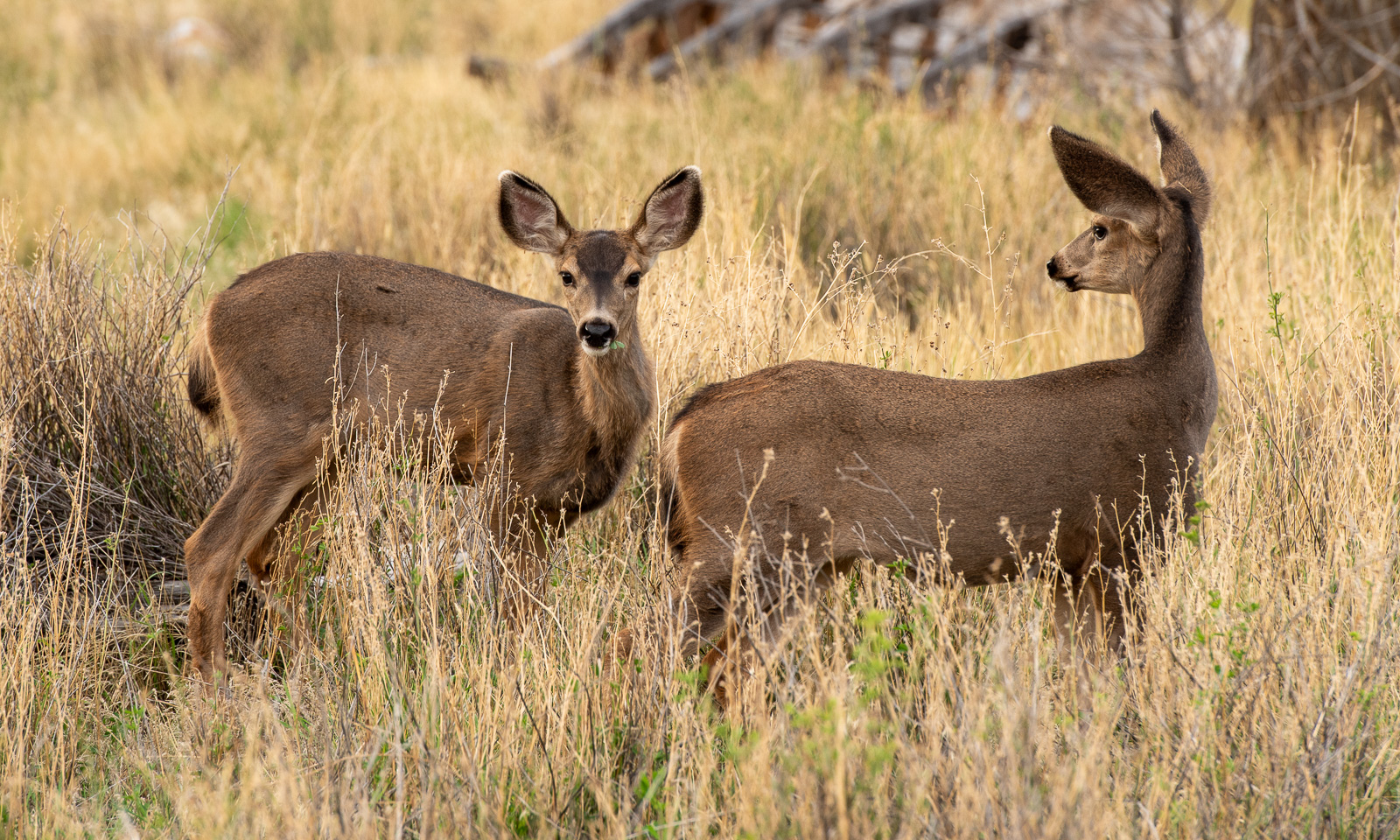
Yesterday it had cleared up and when I wake up, the sky is blue. I go outside, just to the road where I see a flock of mule deer grazing on the dry meadows.

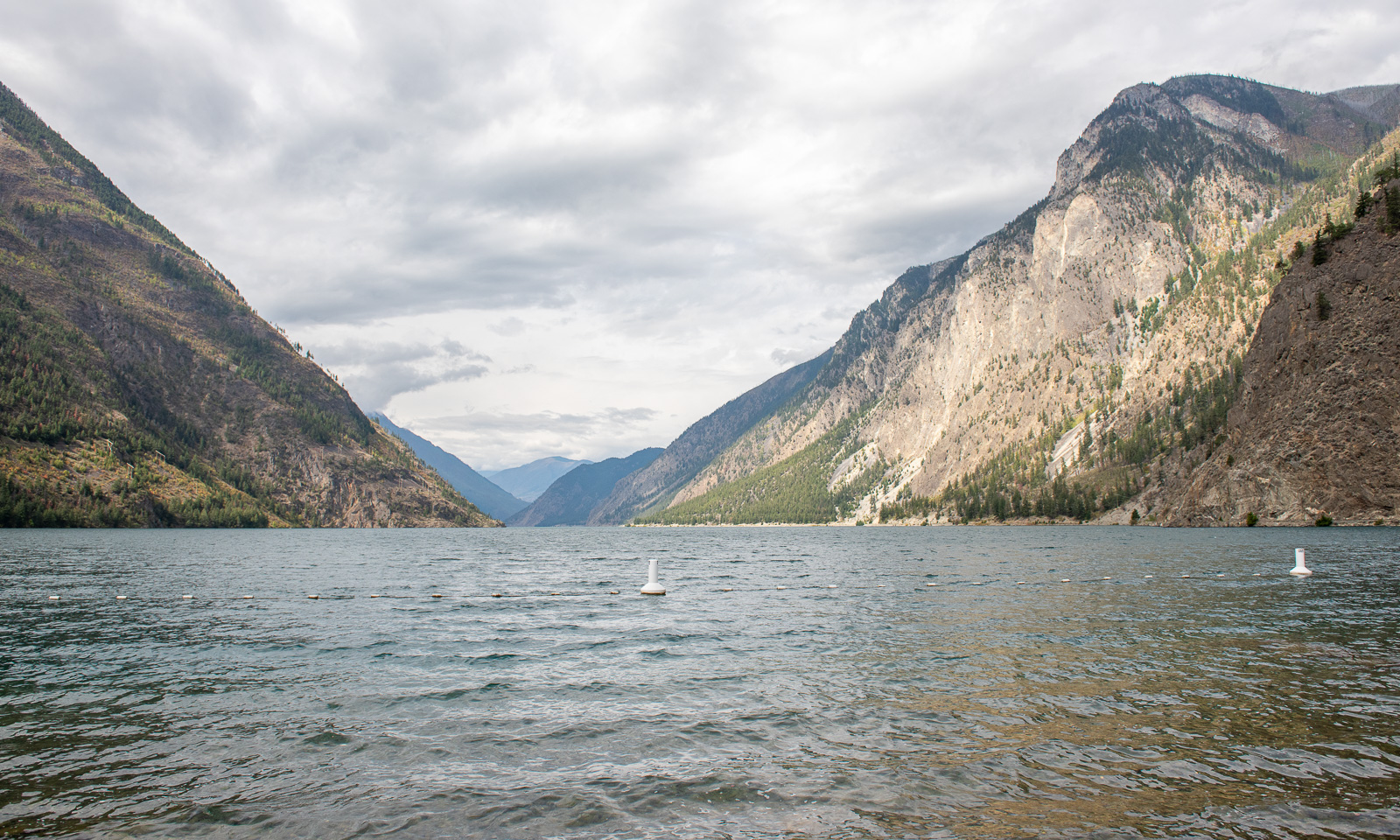
Our first action this morning is to visit Seton Lake. Sam, the manager of the motel said, it was a good place to take a swim and it is. There are some other people around but it is only us actually swimming in the lake.

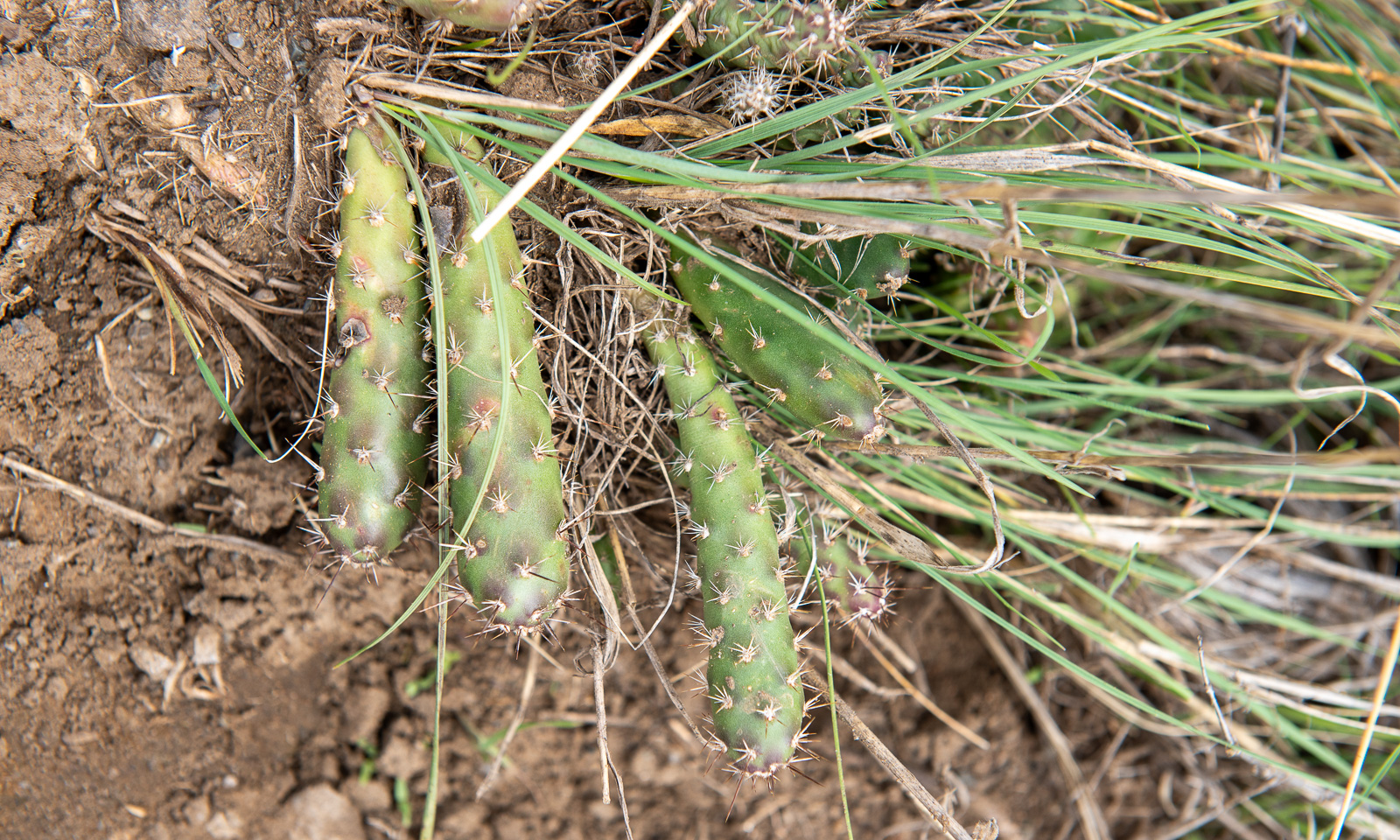
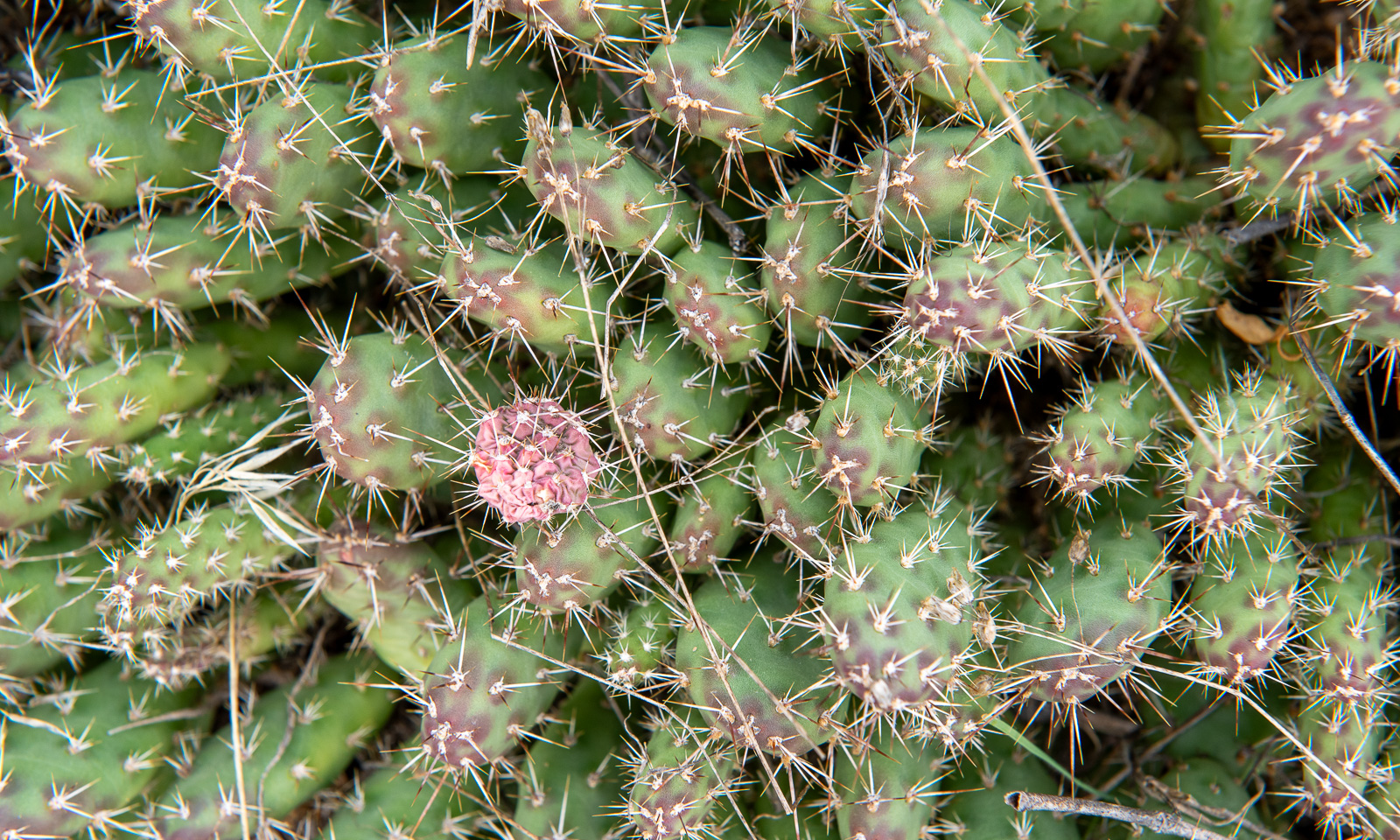
Back in town we are looking around. I already knew that the landscape around Lillooet is desert-like, but I never expected cacti to grow here. This species seems to be the Brittle pricklypear.

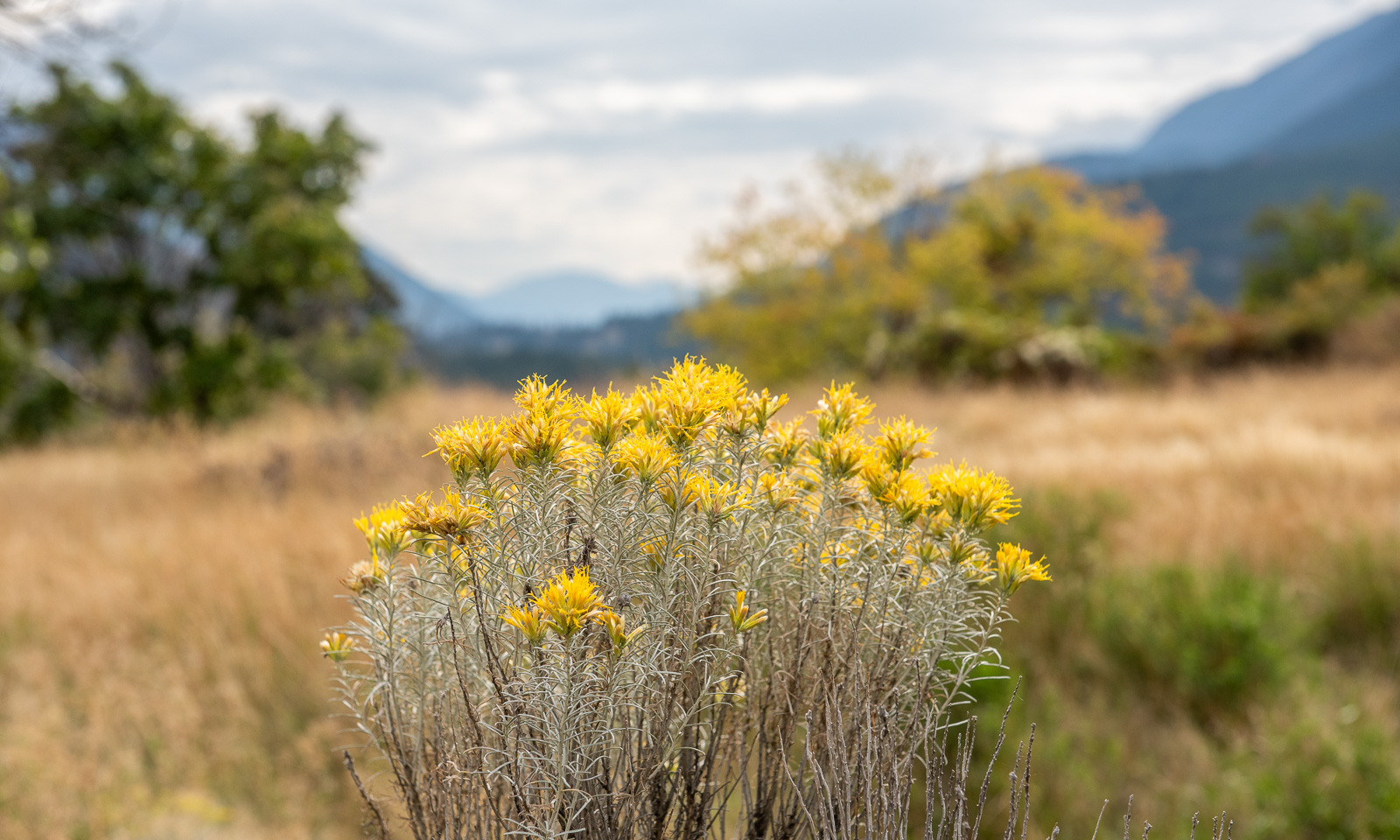
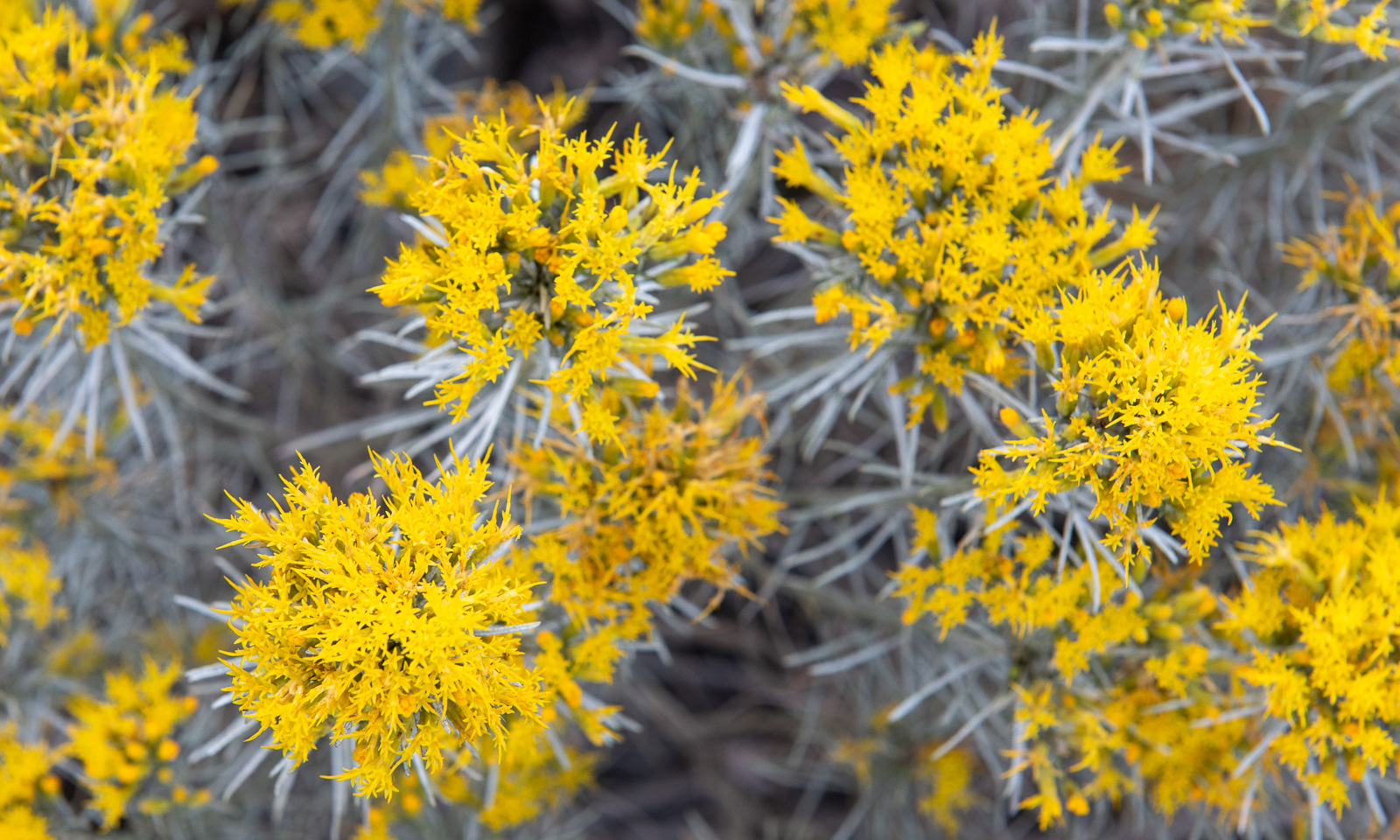
You meet the Brittle pricklypear in person when you are stupid enough to wear sandals. But it is the yellow-blooming Rubber rabbitbrush that shapes this landscape. You can see them everywhere.

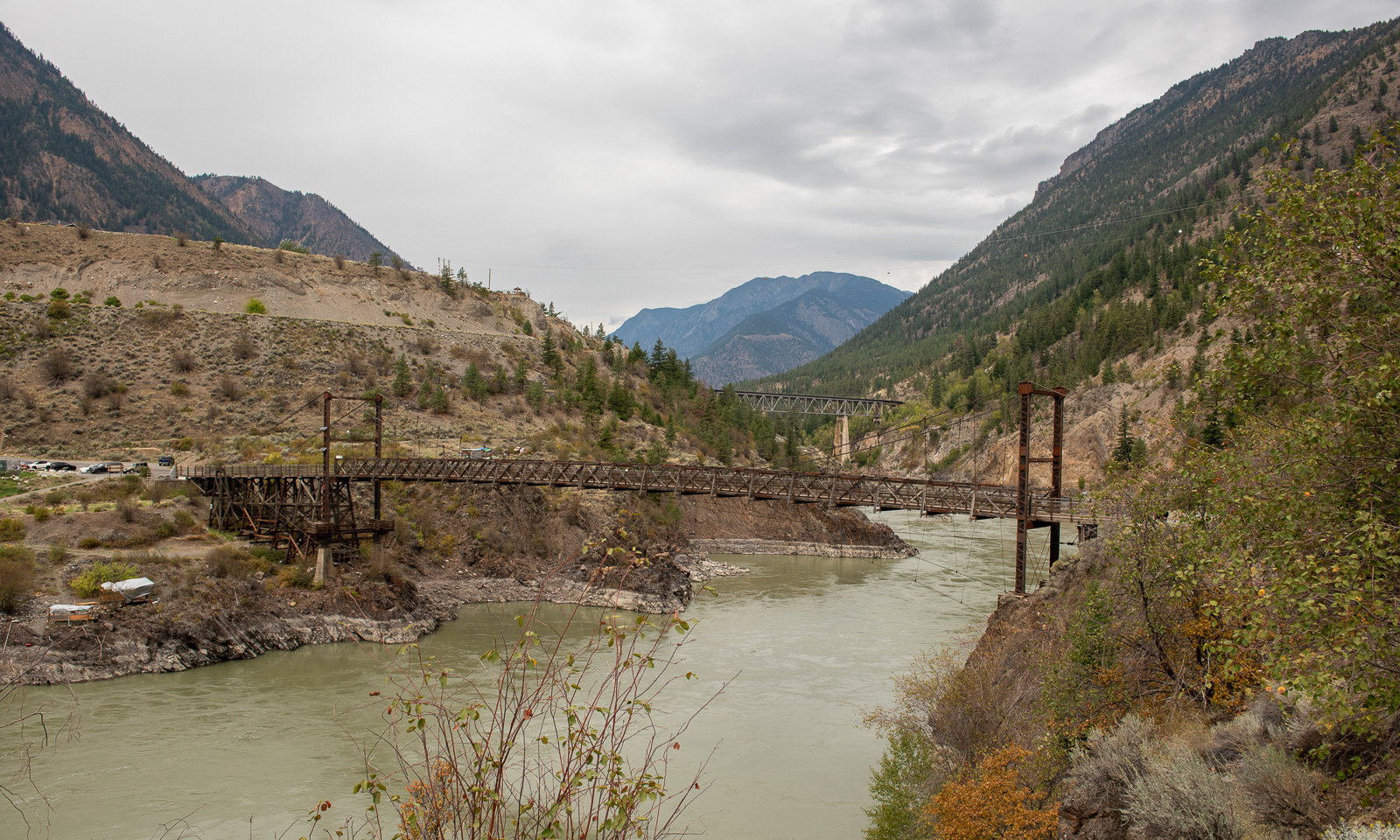
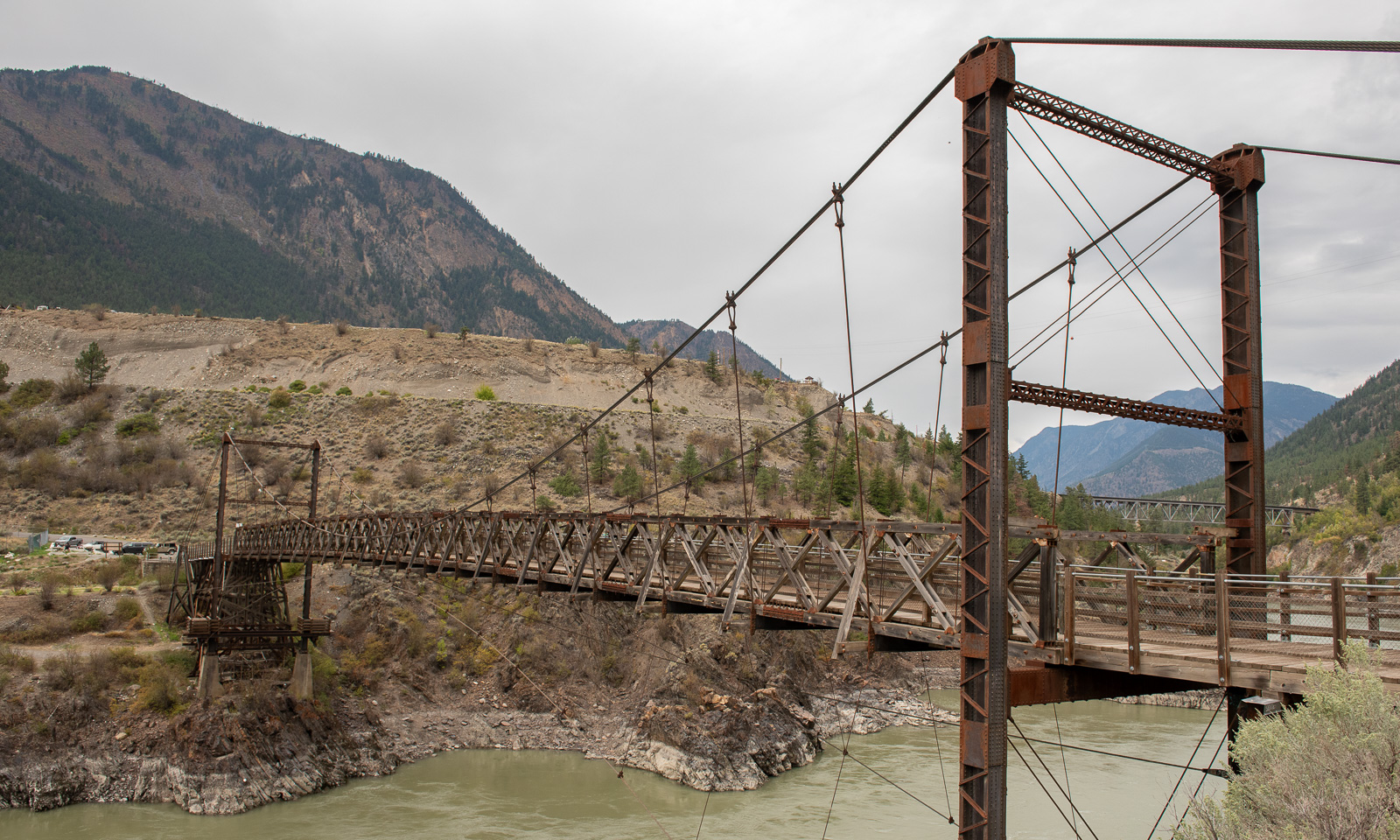
Nearby lies the Lillooet Suspension Bridge, built in 1913 and in active use to cross the Fraser river until the modern “Bridge of the Twenty-Three Camels” was built in 1981.

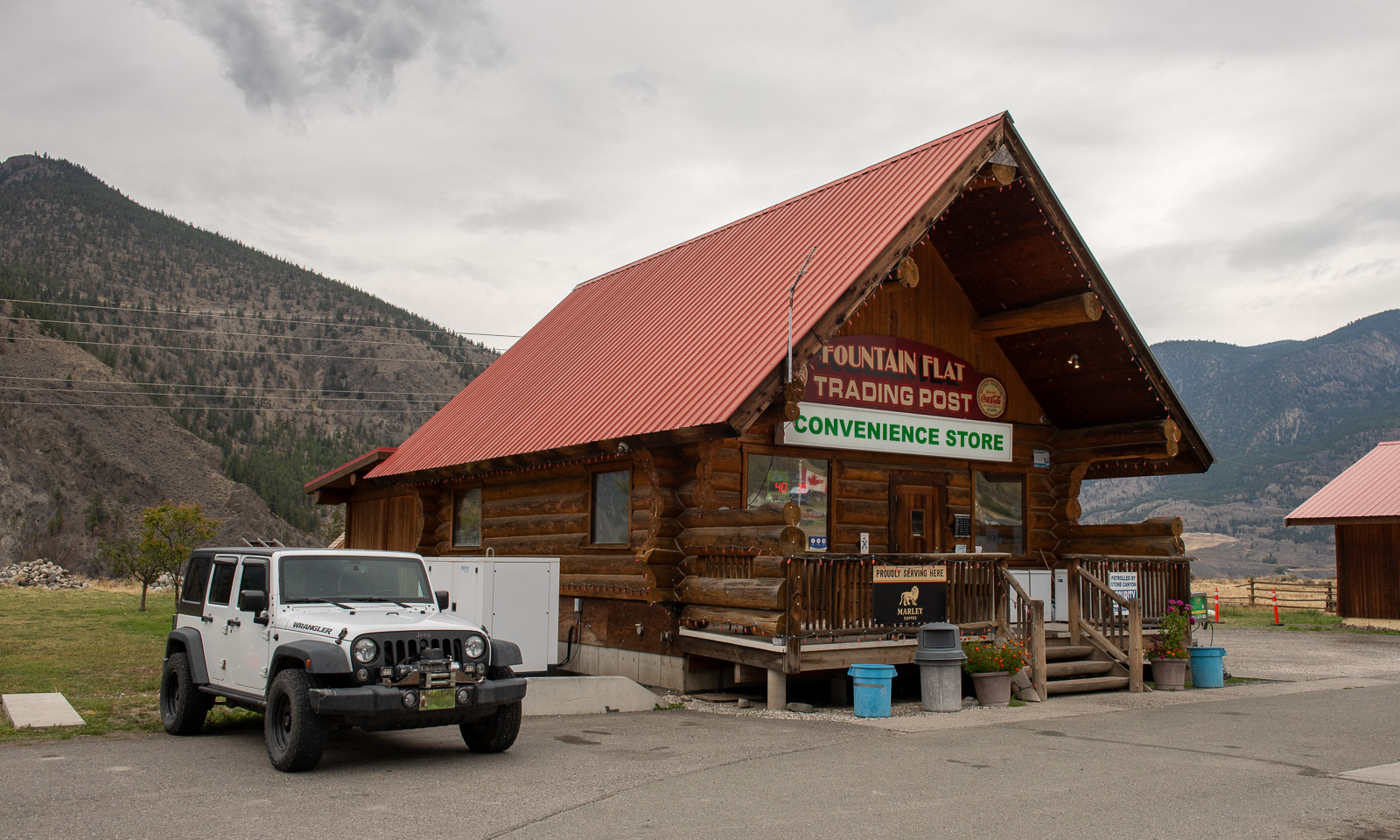
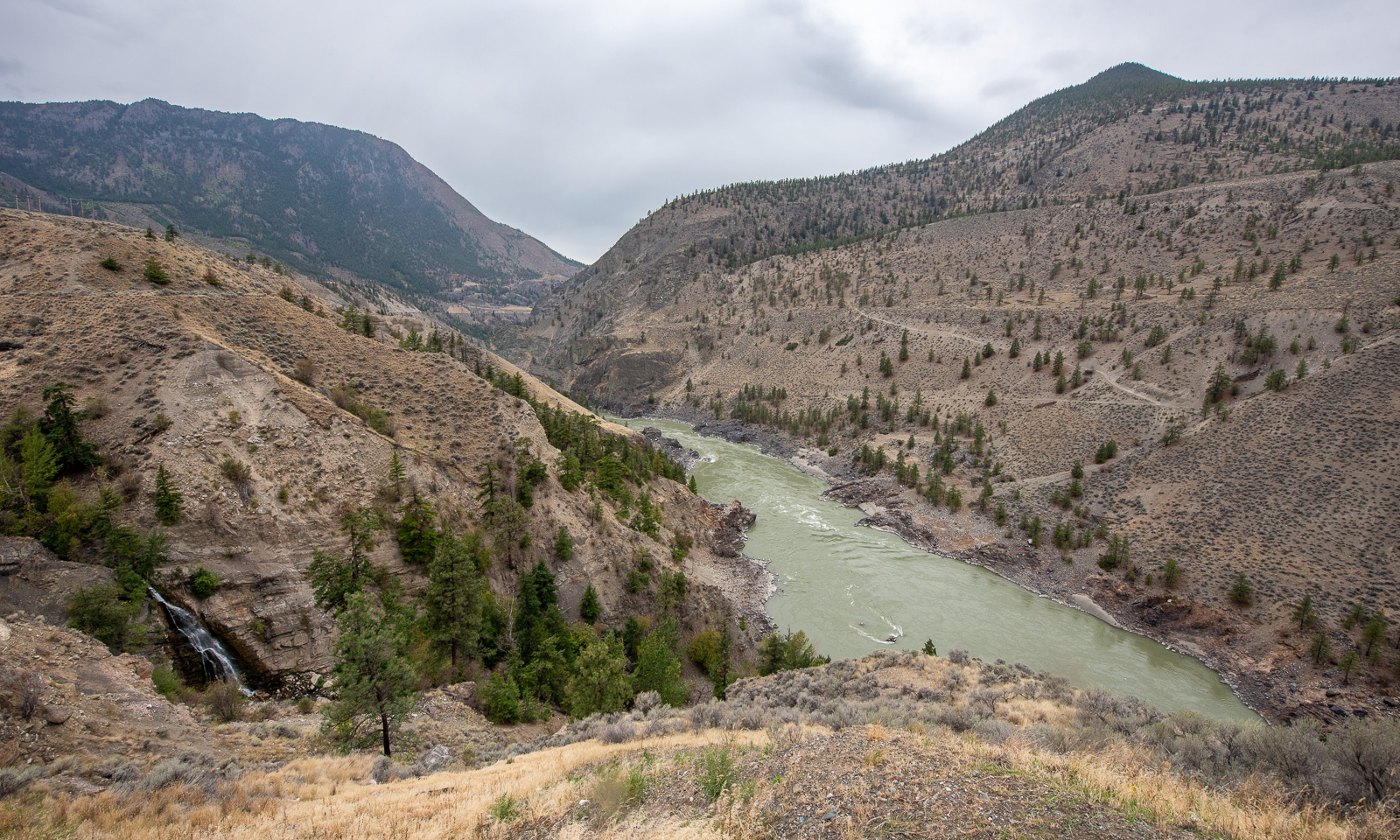
Our way leads north along the Fraser River canyon. We stop several times, mostly to enjoy the views and once at the Fountain Flats Trading Post, a convenience store where we buy snacks and something to drink.

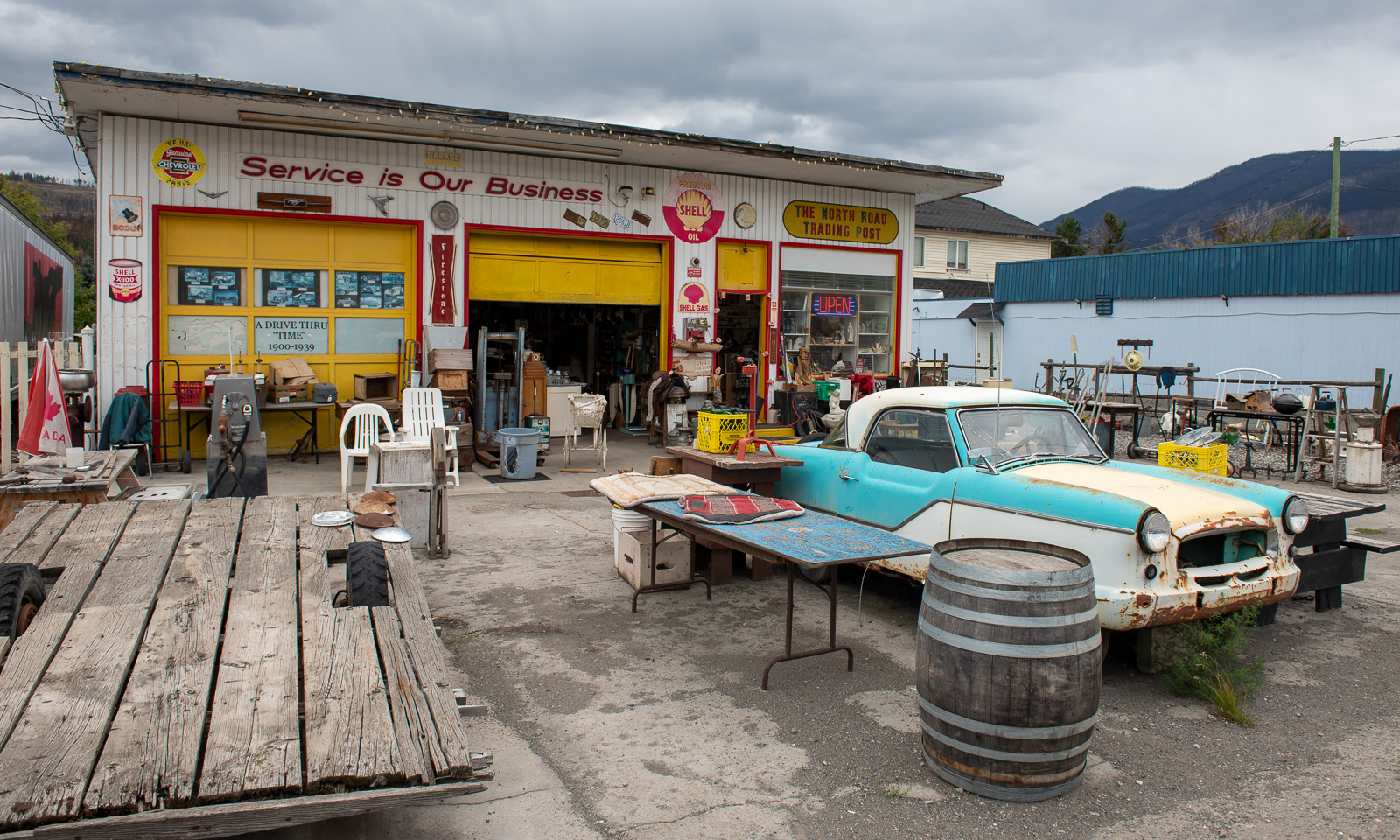
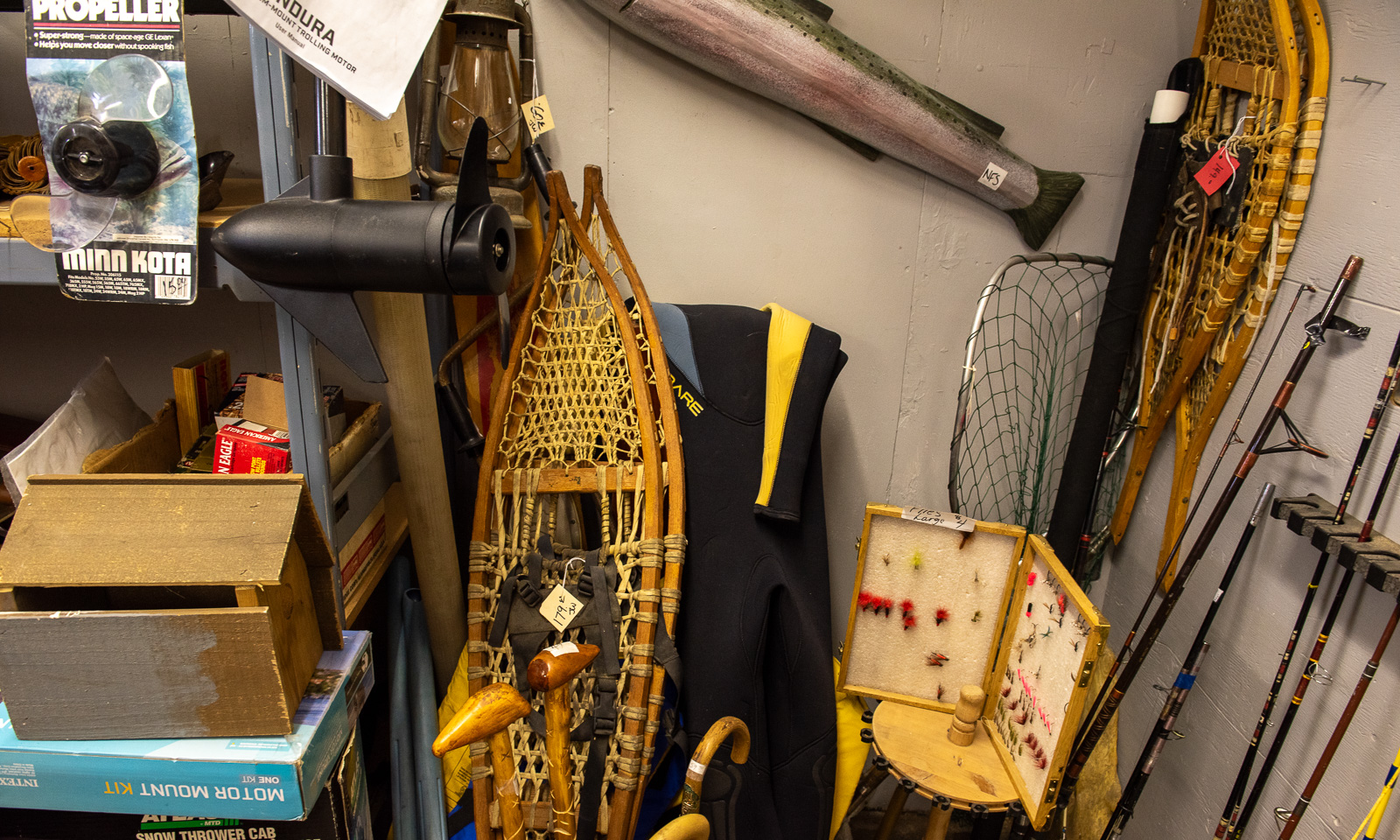
Another stop we make is at the second-hand shop in Clinton where Annika buys a Thermos flask with an interesting feature: it does not insulate for a minute. In a corner of one of the rooms: Two pairs of large snowshoes.

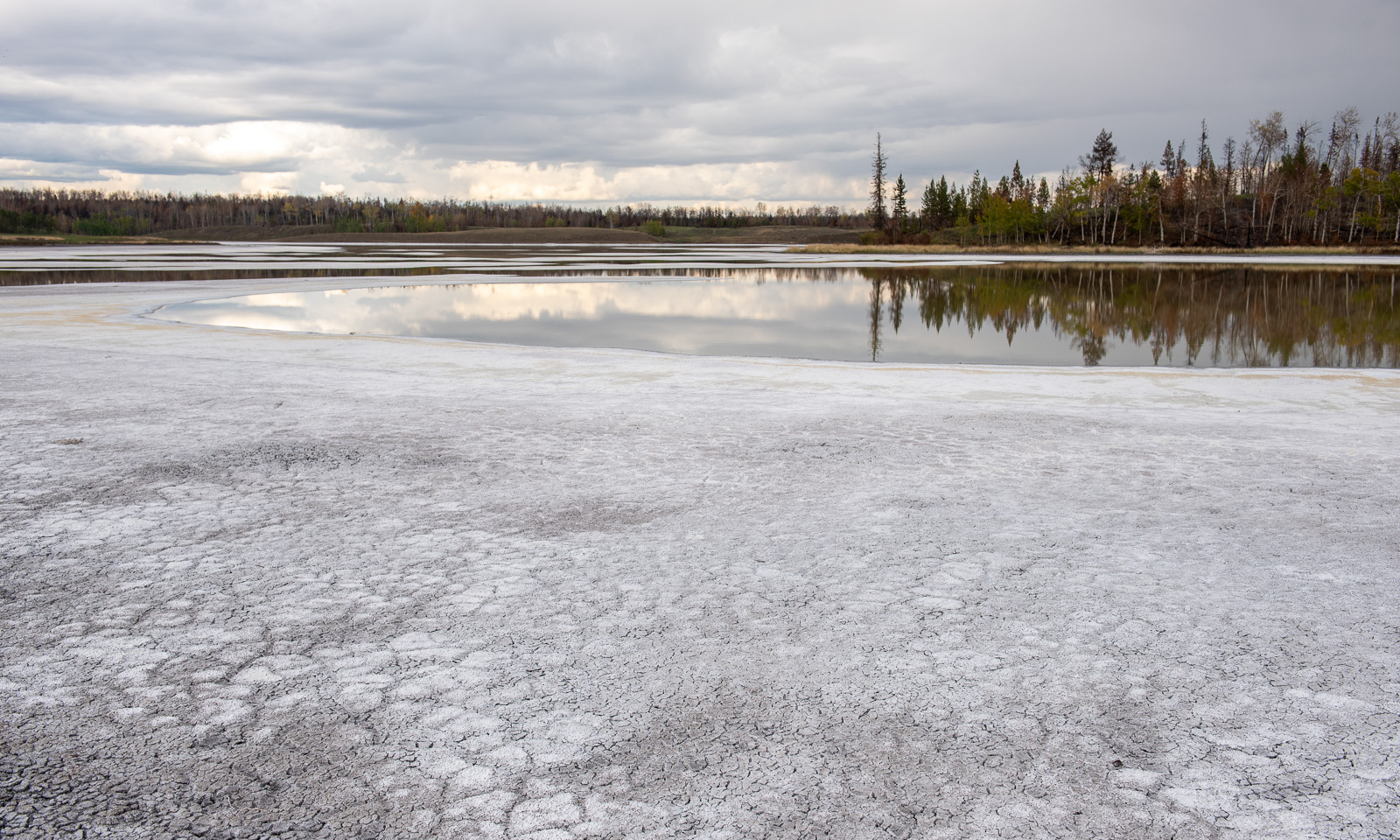
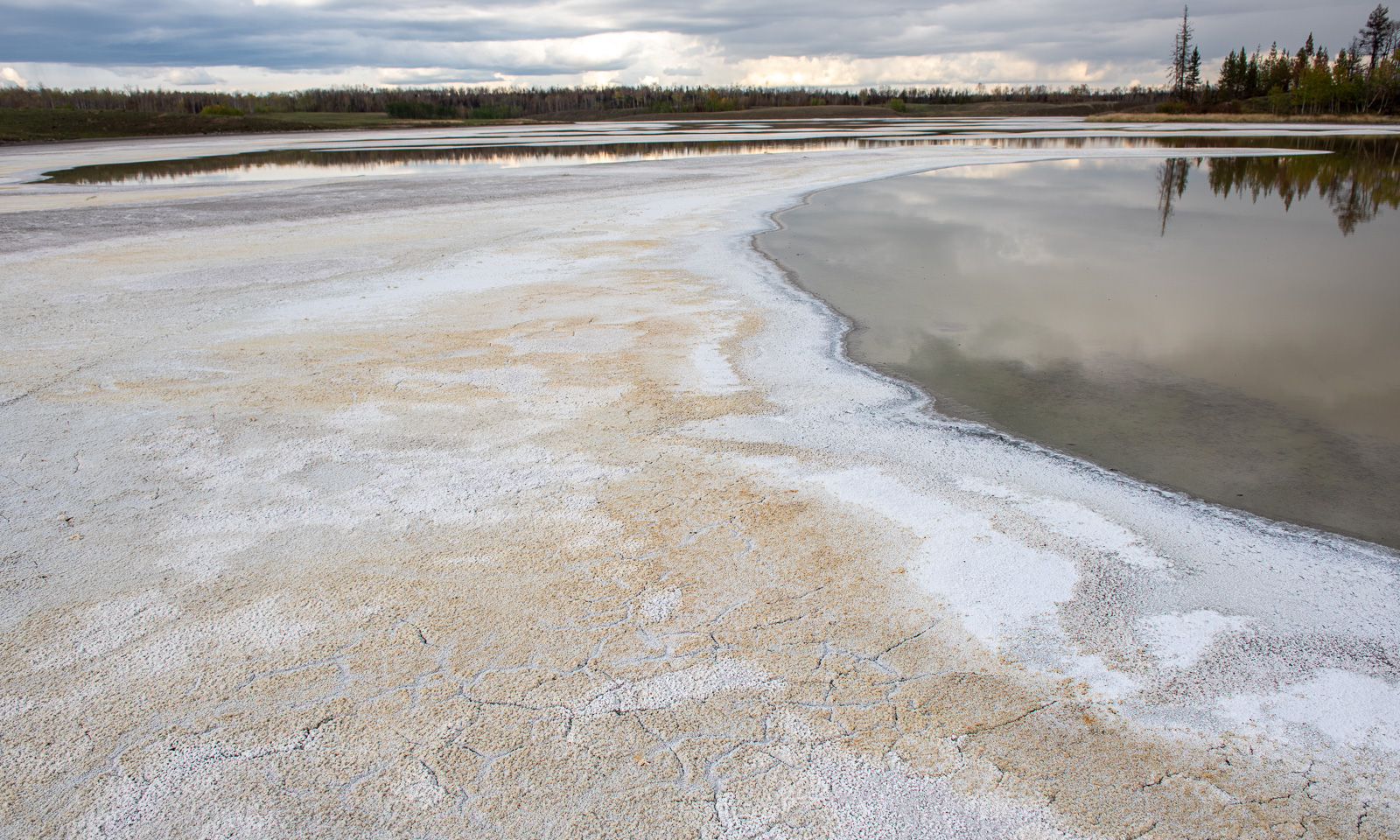
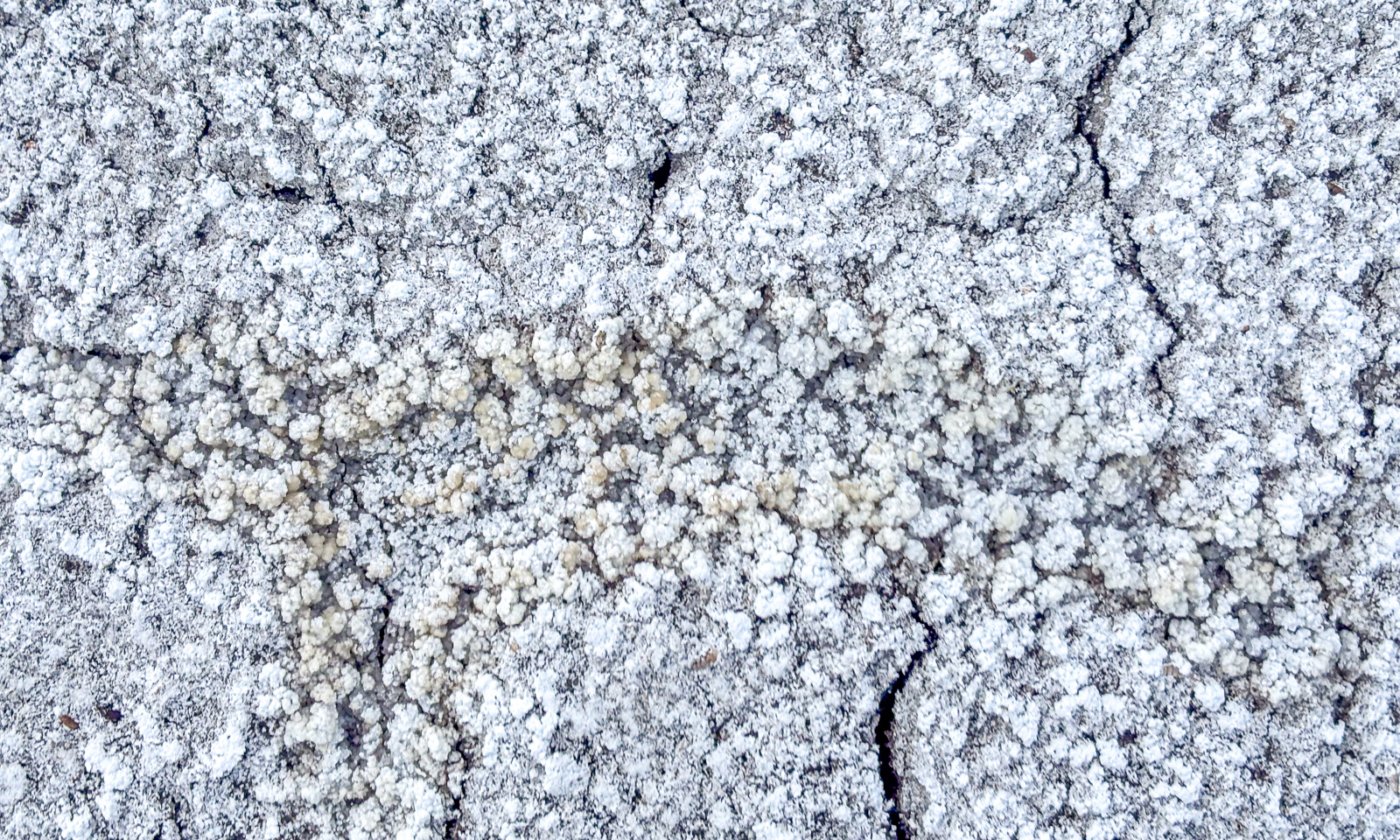
Near Chasm we leave Highway 97 and drive north on unpaved roads. Beside the road are several alkaline lakes, most of them dried out. On the surface there is a thin layer of soda crust, underneath it is black mud. I never saw anything like this before. My rubber boots get muddy and it takes ages to wash the soft-soap-like mud away.

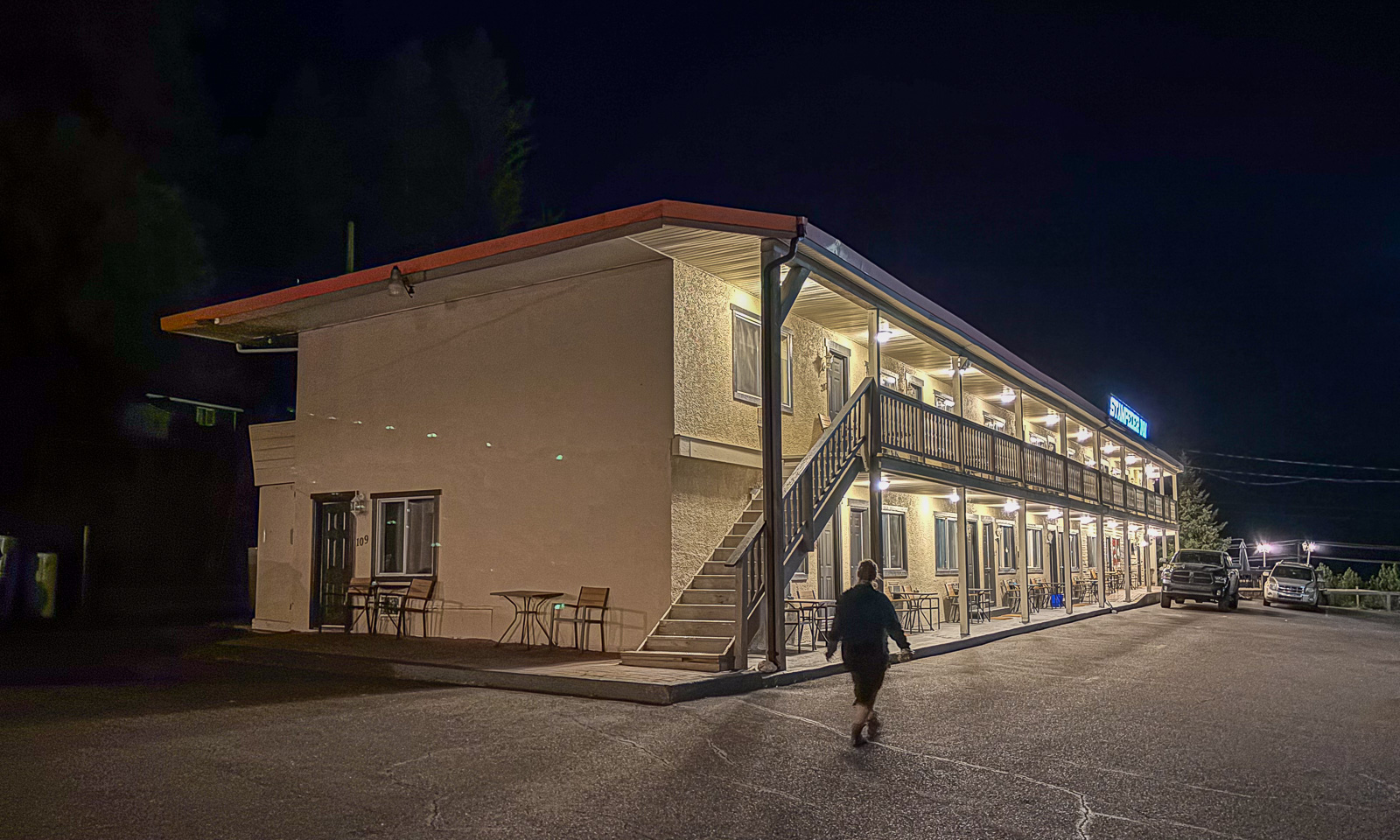
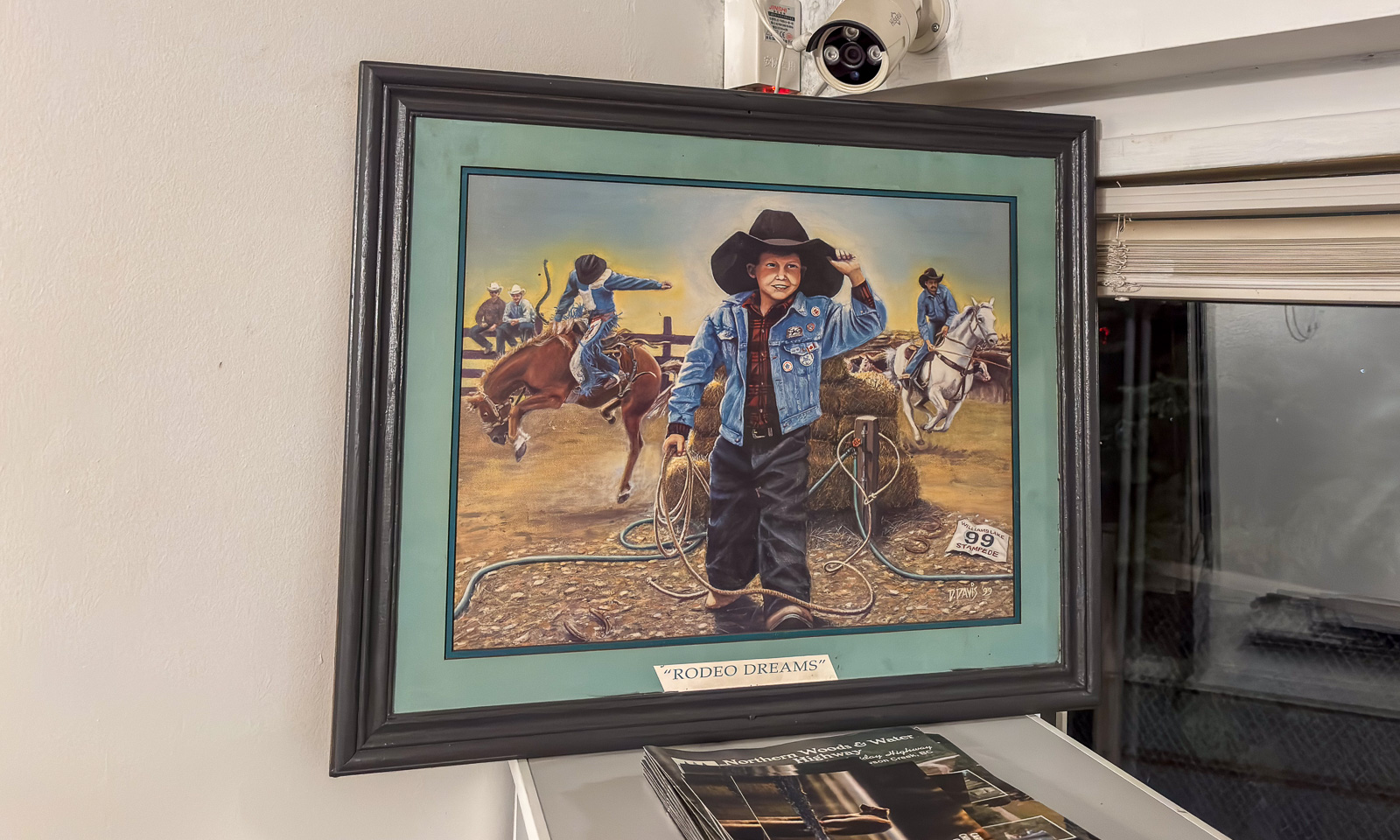
At half past eight we arrive at our motel, the Stampeder Inn in Williams Lake where we’ll stay for two nights.

Again I remember my wondering before our journey: Will Canada be different from Scandinavia apart from its size. And again I get the answer: Some parts are very, very different!

9–11 September – Vancouver Island

This article is part of the series “2026-09: Canada”.

Oh my, it is already 20 September. My wife Annika and I are still travelling around in western Canada, have seen many things and today I finally find the time to write another blog article, this time about Vancouver Island, that we visited from 9 to 13 September. It feels like ages ago.

9 September

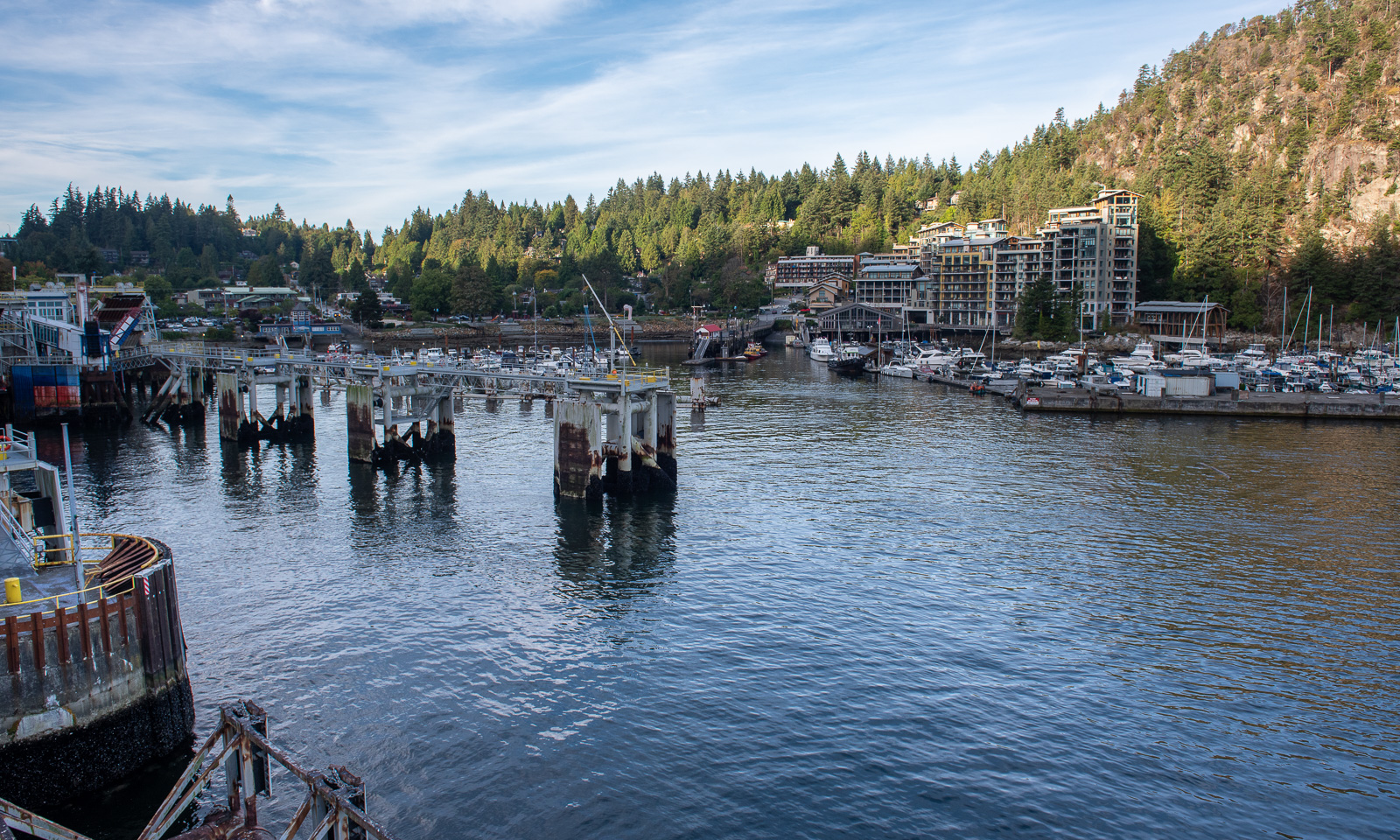
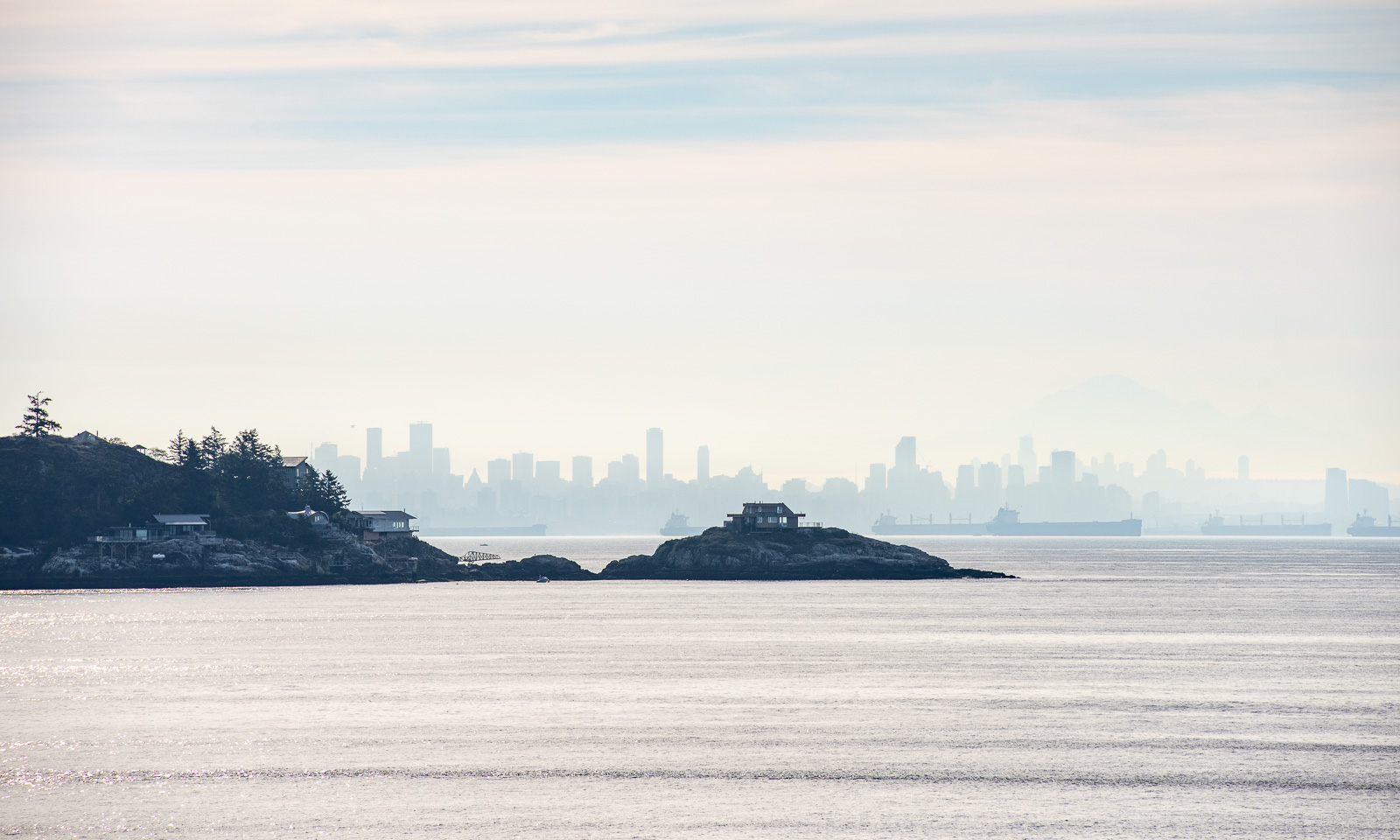
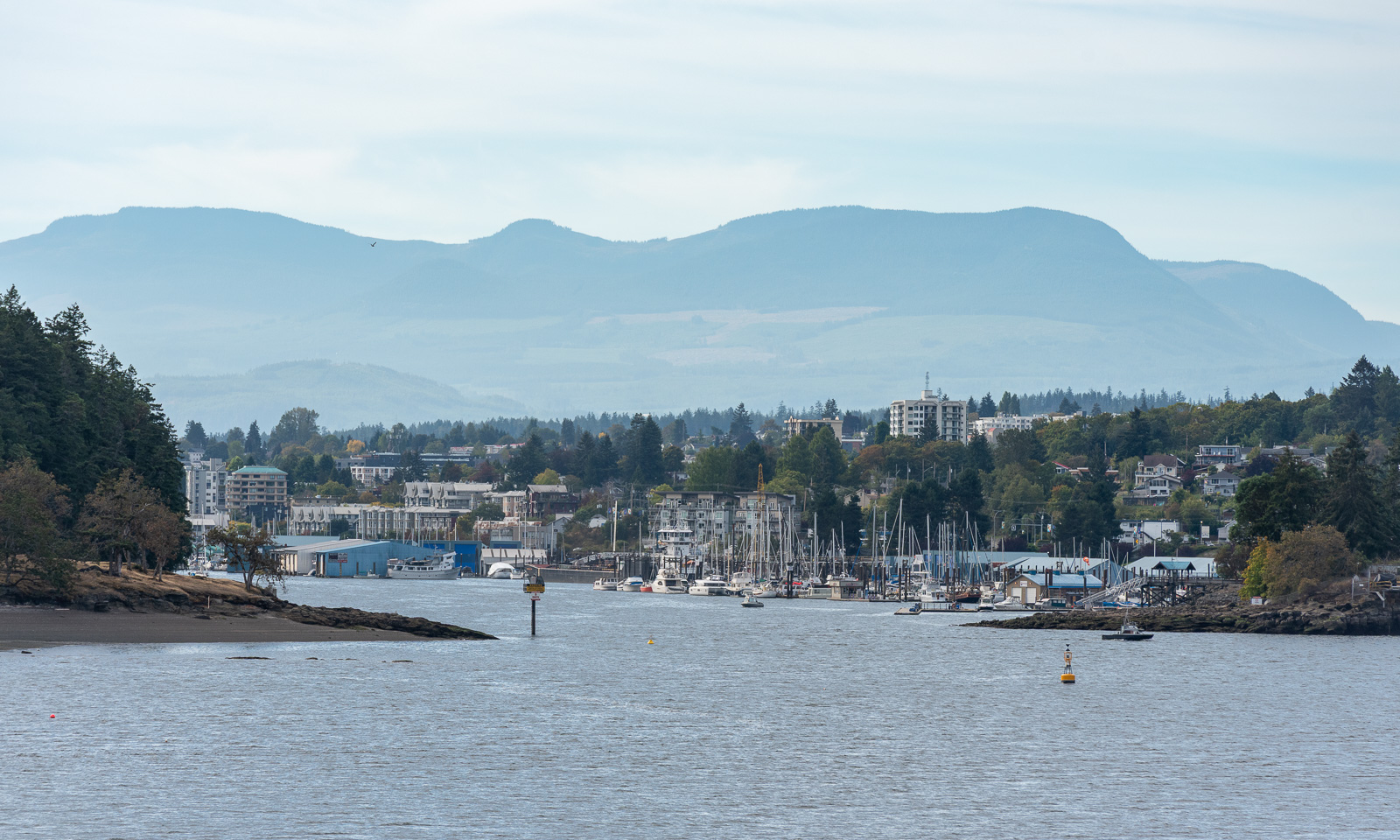
The alarm clock rings at 5:45. We want to catch the early ferry from Horseshoe Bay on the mainland to Nanaimo on Vancouver Island. The ferry crossing takes about two hours.

With 2200 km², Hinnøya is the largest Norwegian island near the mainland. Vancouver Island is more than 14 times as large and is ranked 11 on the list of Canadian islands. Sometimes Canada may resemble Scandinavia but everything seems to be much bigger.

We take the road north and make a stop at the public beach in Parksville on the east side of the island.

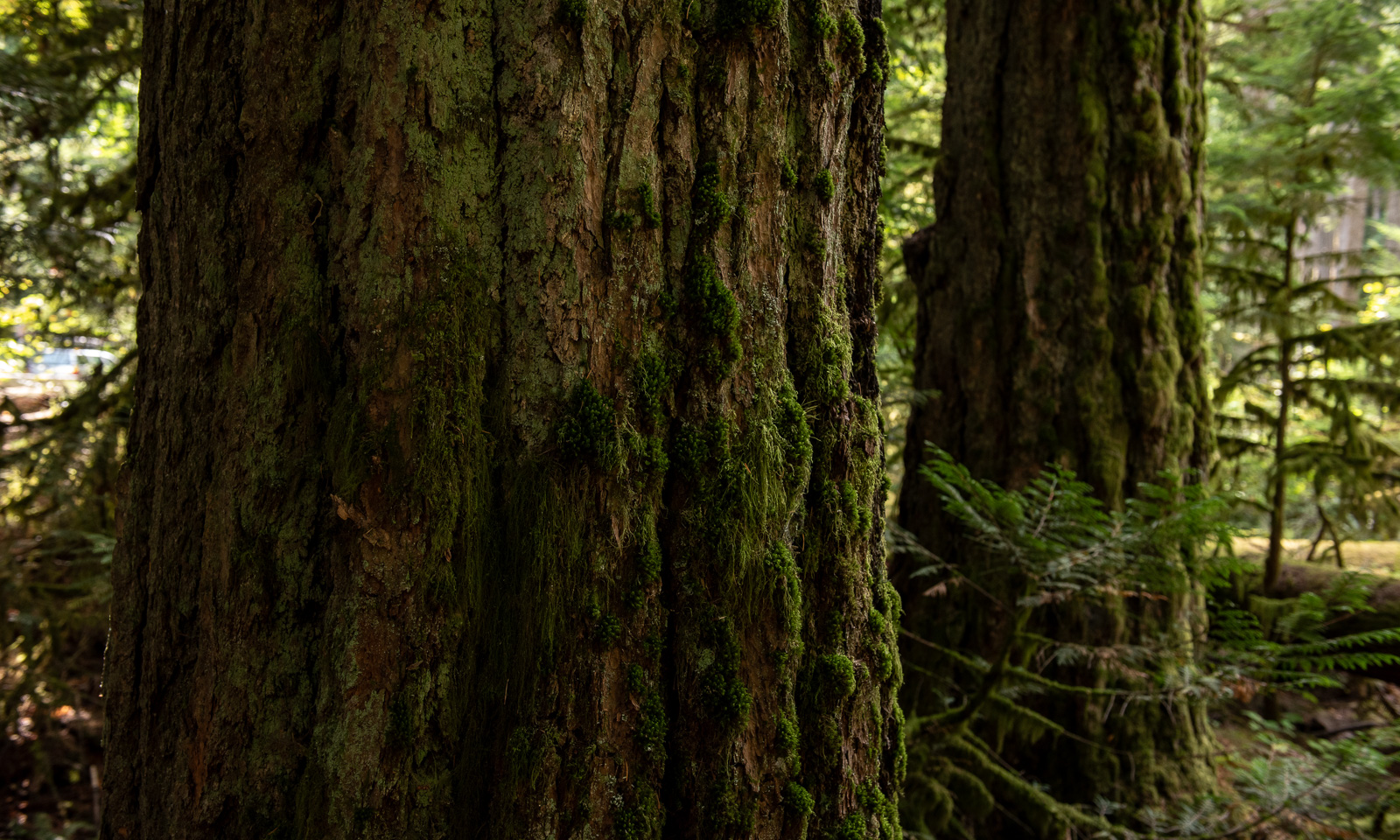
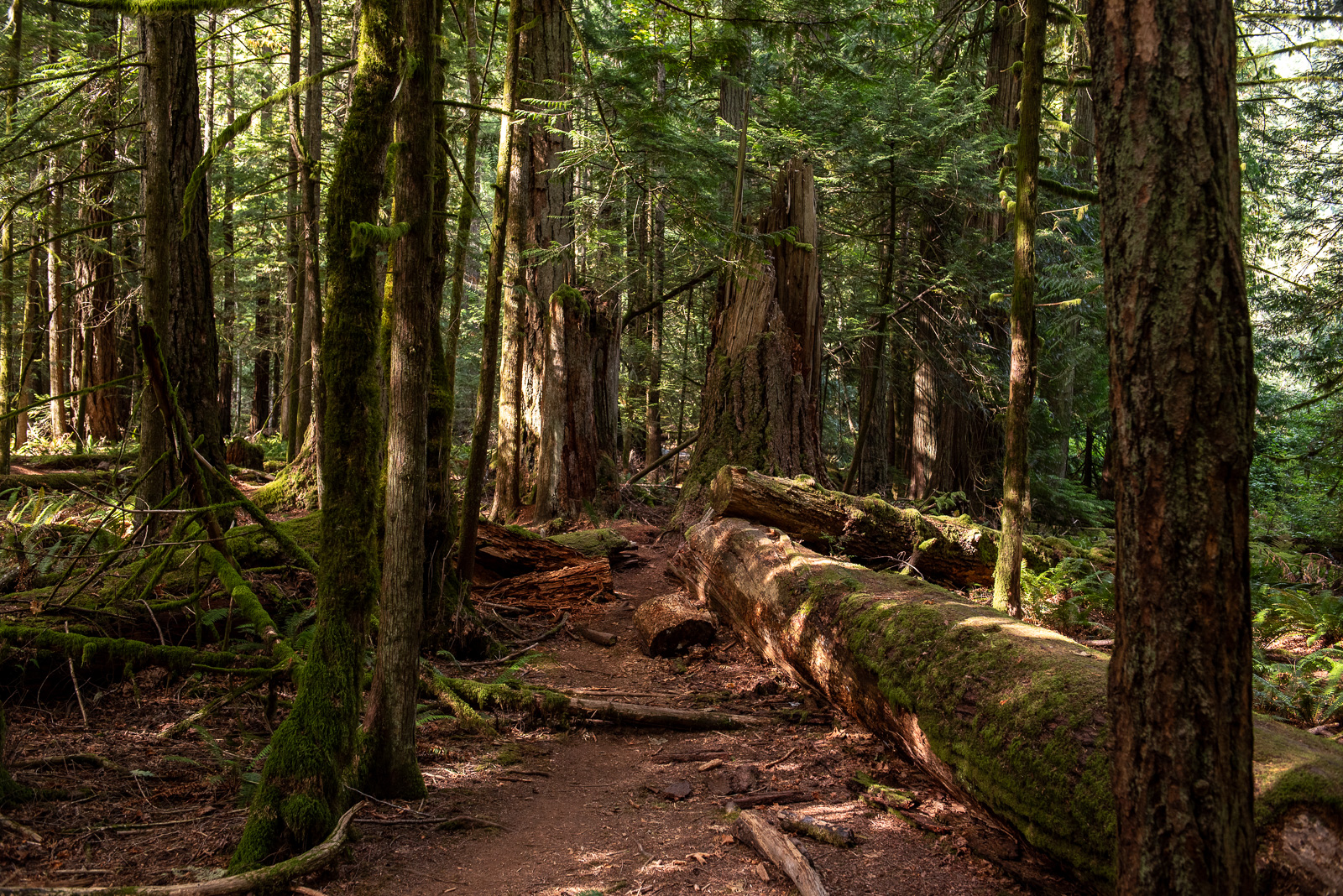
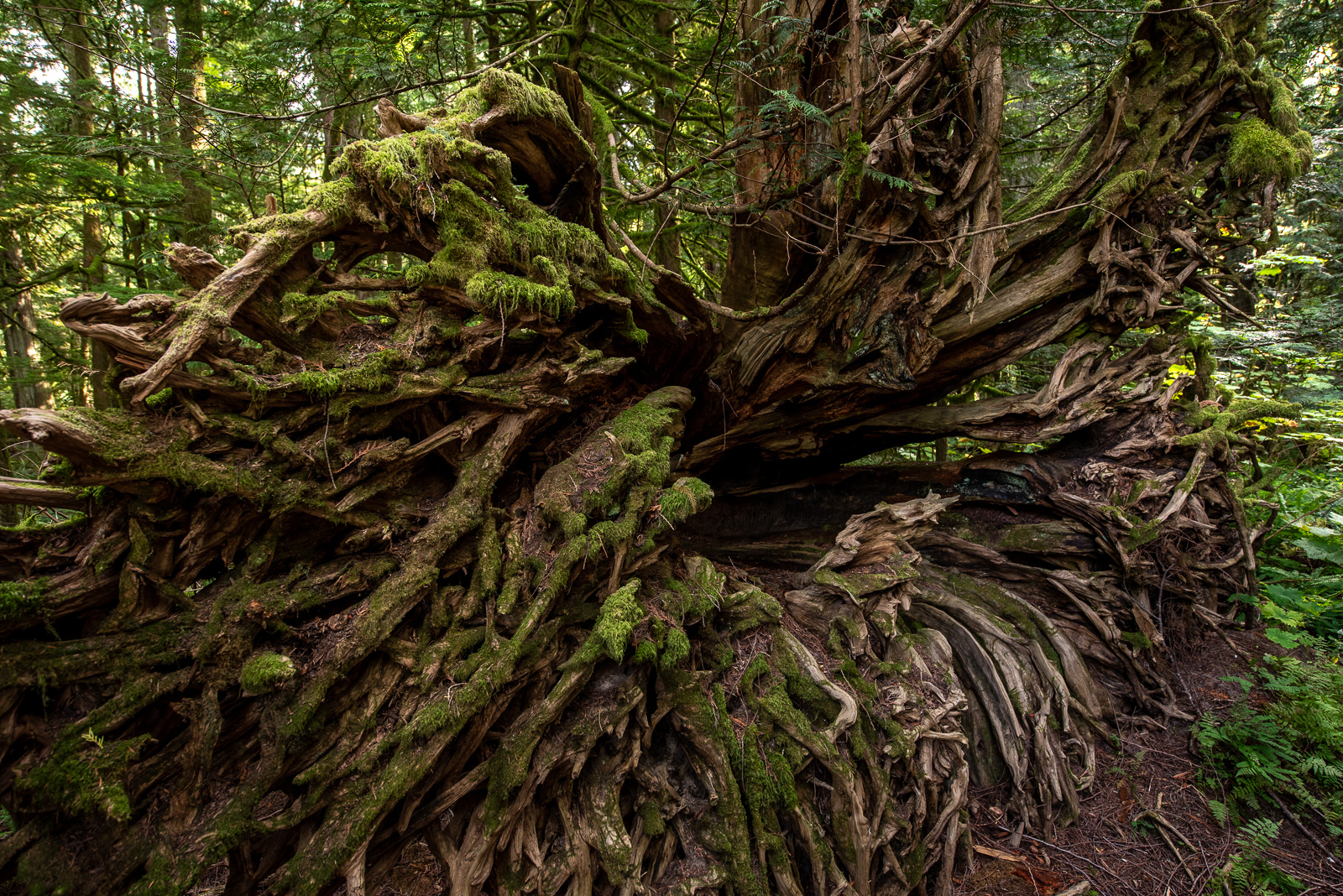
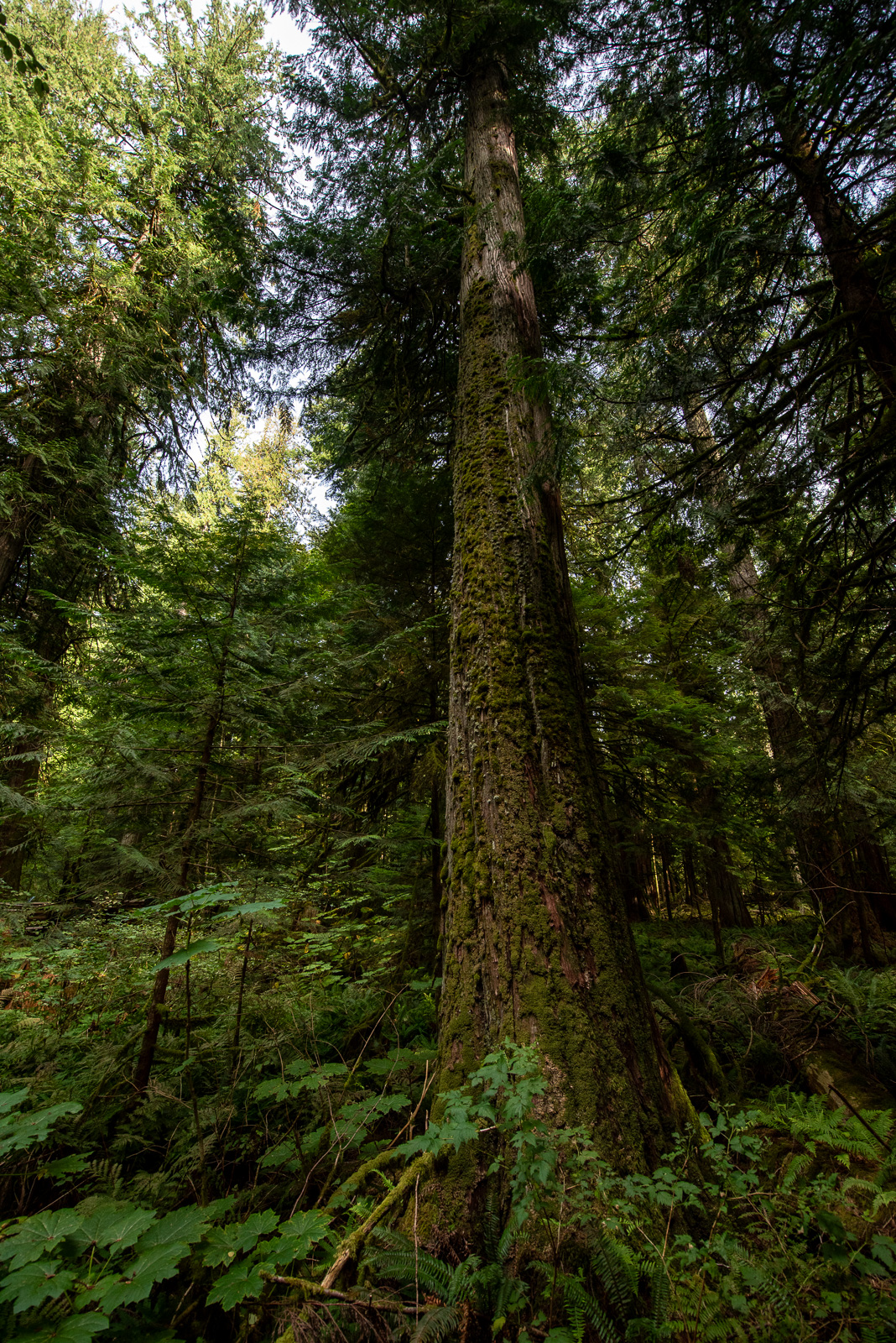
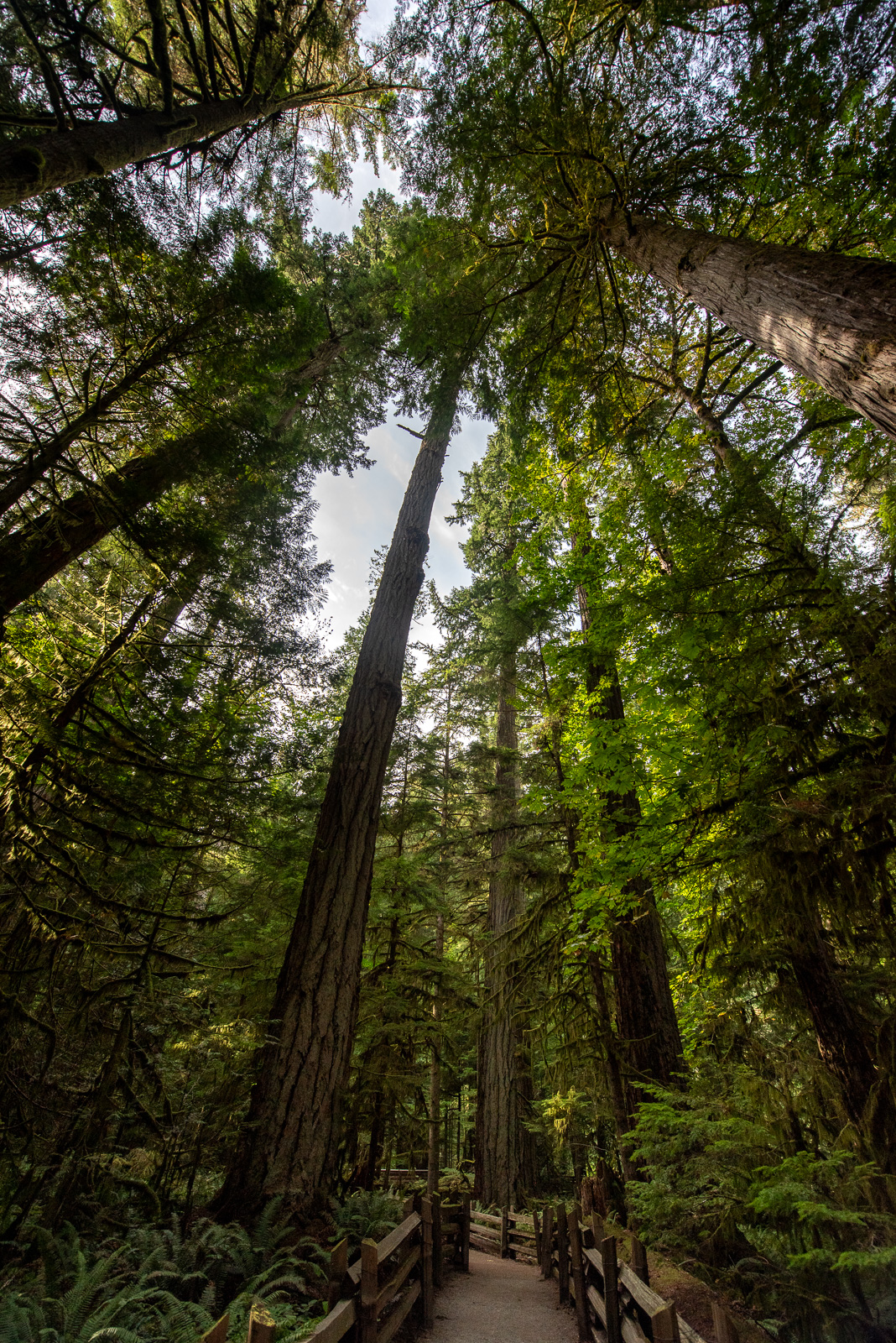
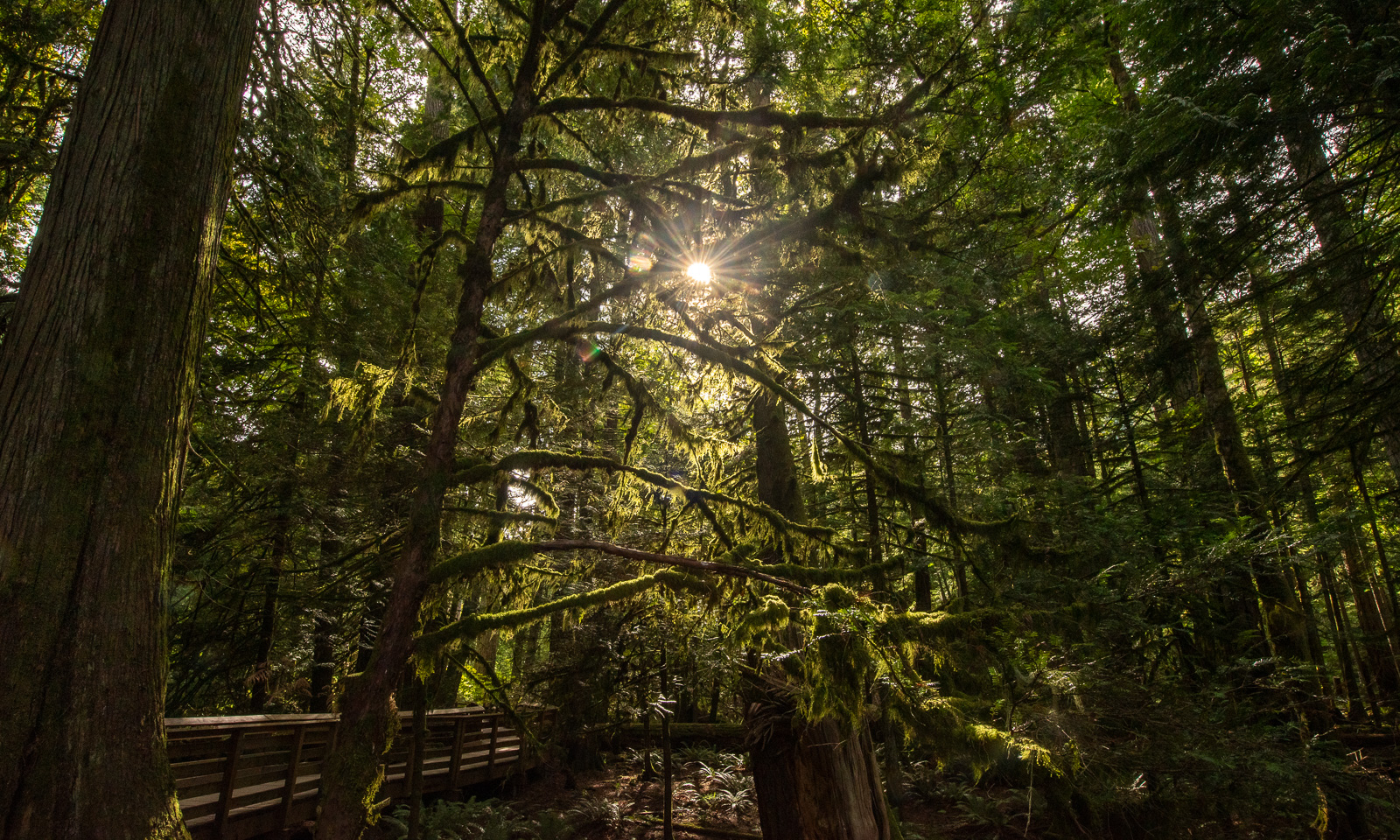
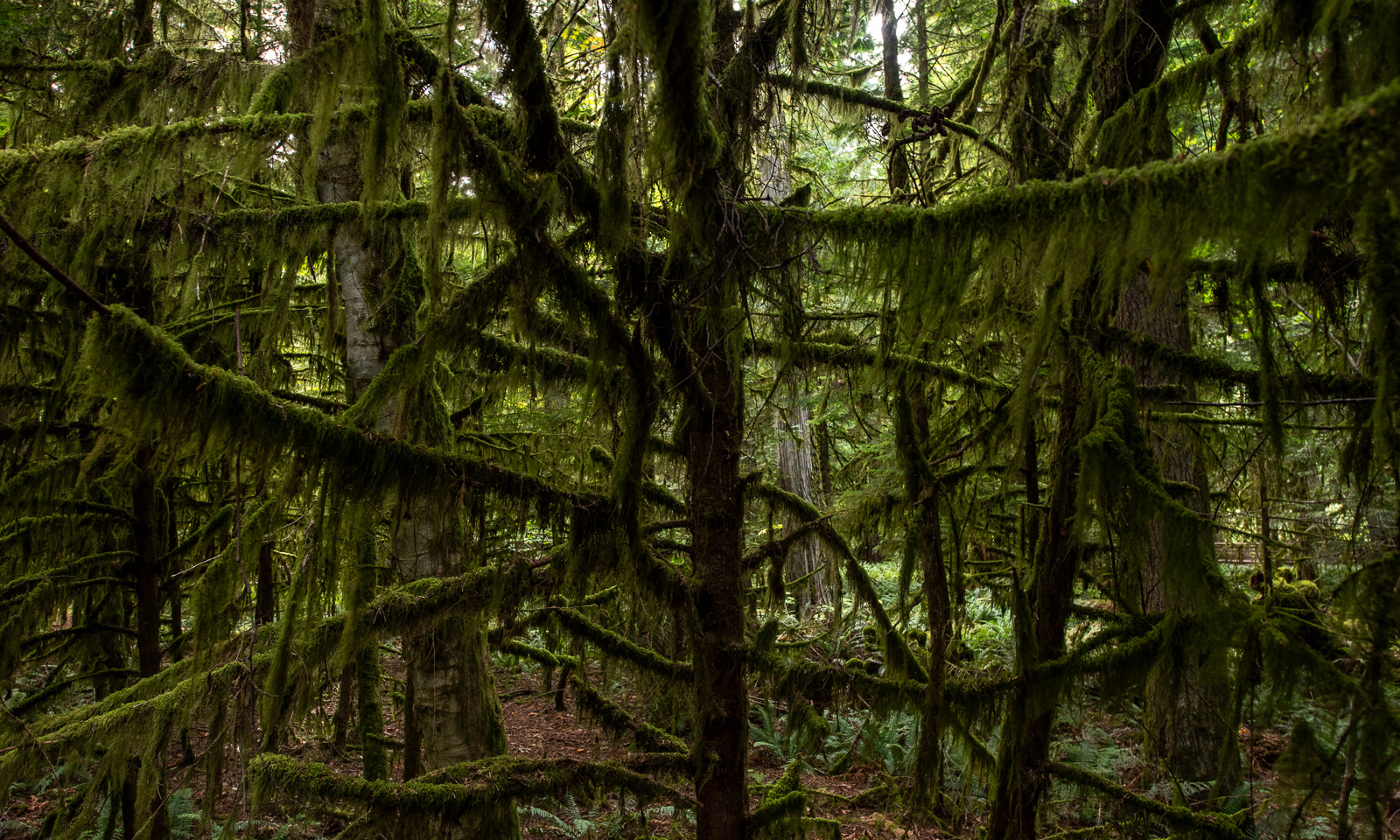
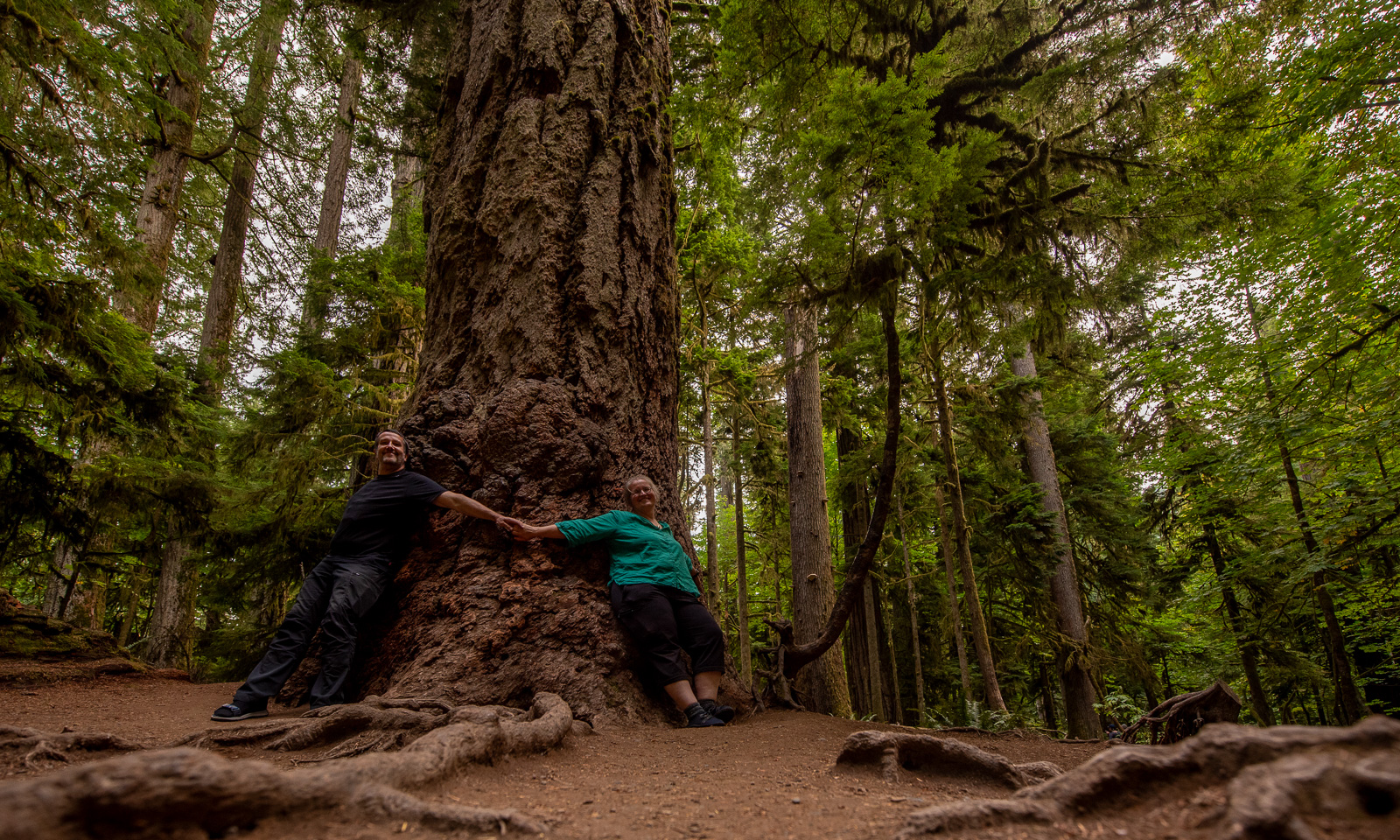
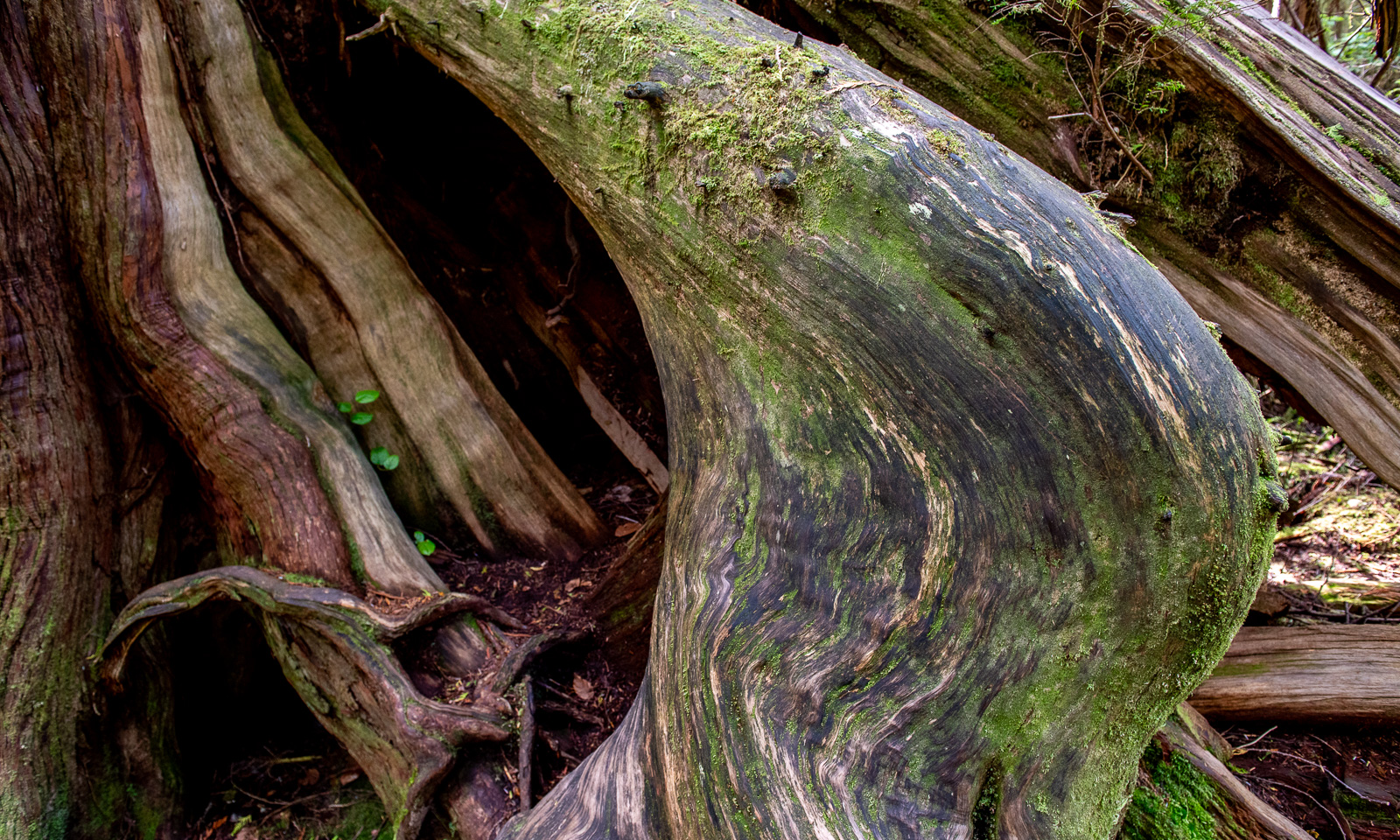
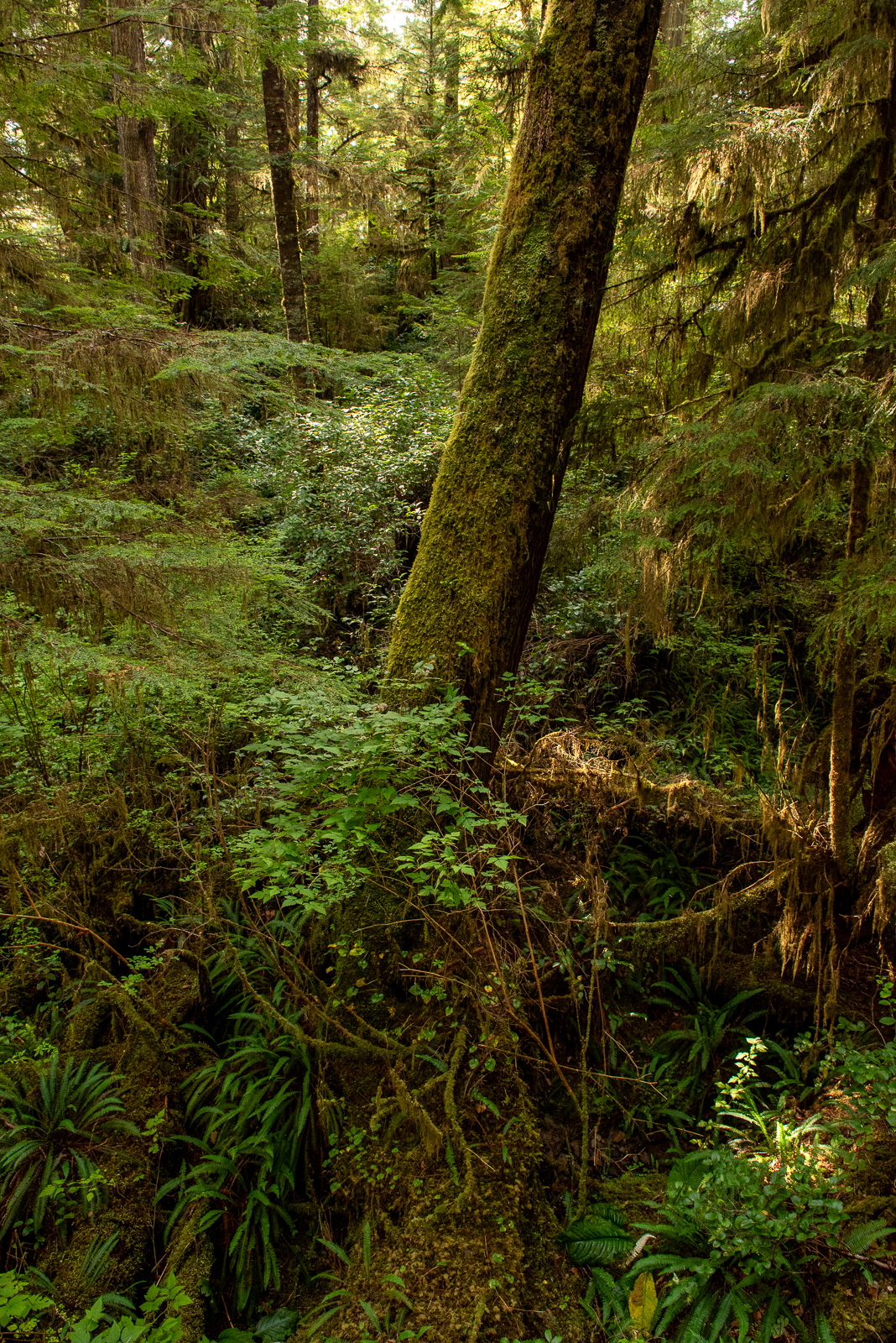
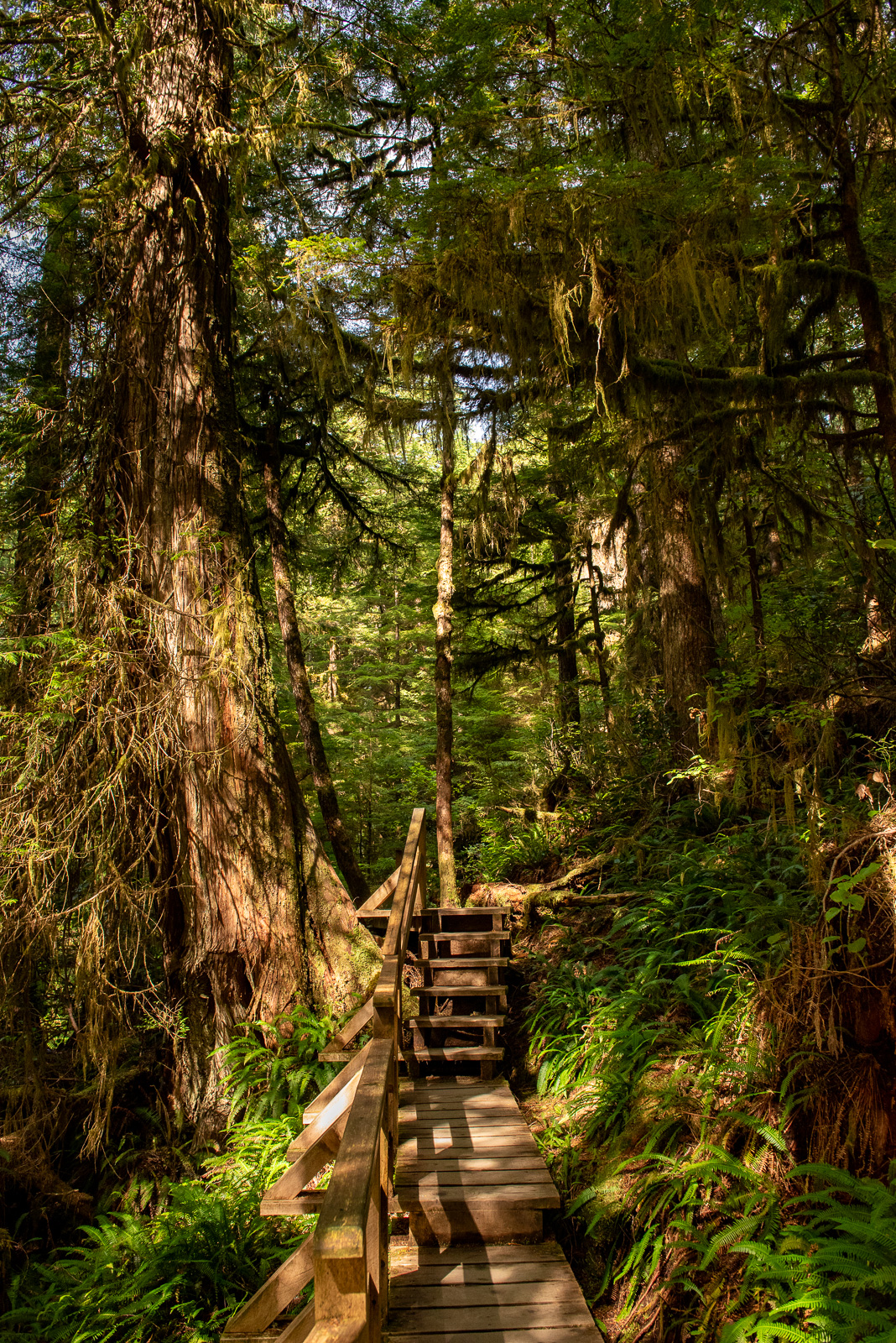
Then we make a stop at Cathedral Grove. It was a recommendation of a local from Vancouver that we met a couple of days ago. And this place is amazing. This is not just some forest, it is an ancient rain forest with gigantic trees, both tall and thick so that you may need a whole group of people to embrace it. I never ever saw a forest and trees like that and my concerns that Canada could be too similar to Scandinavia are immediately washed away.

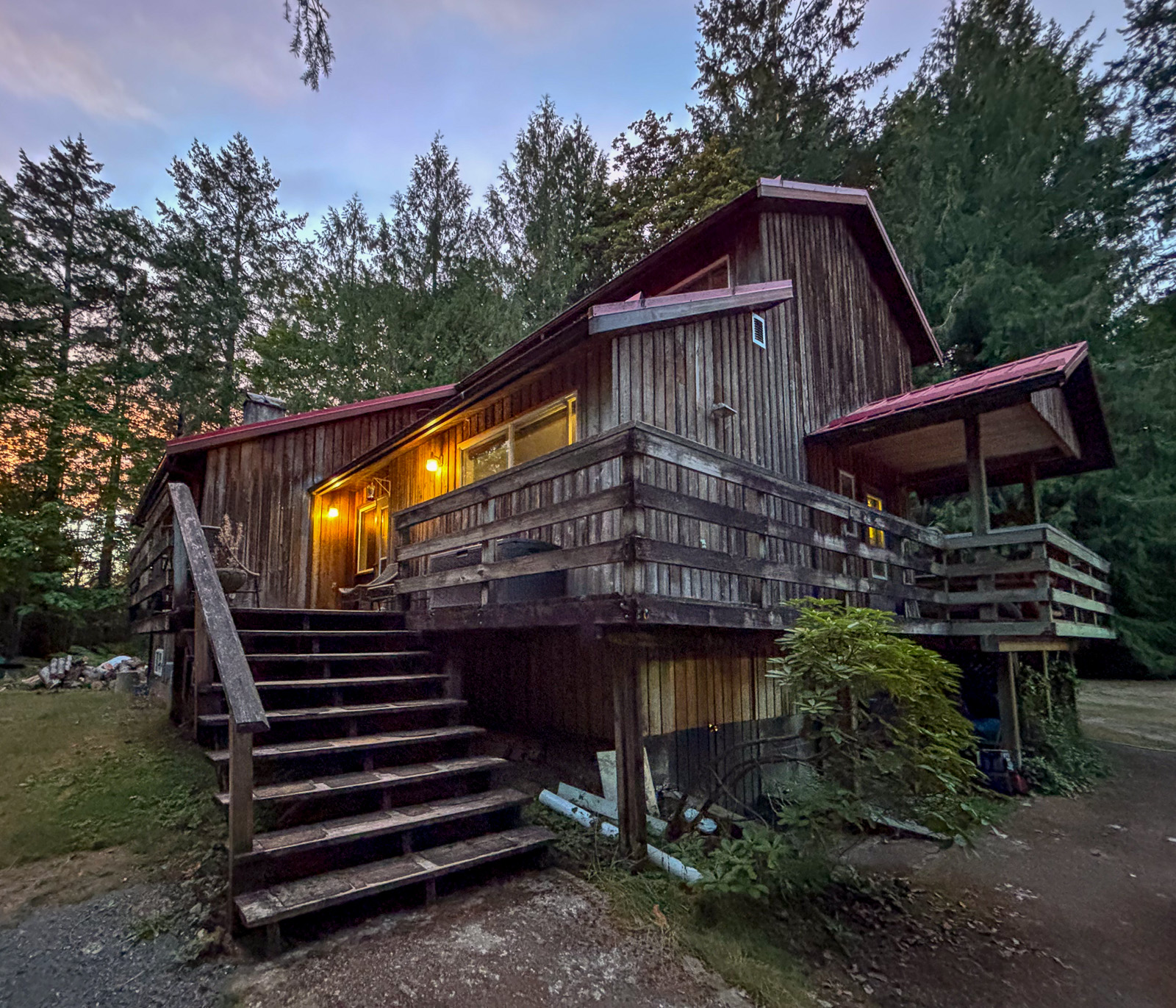
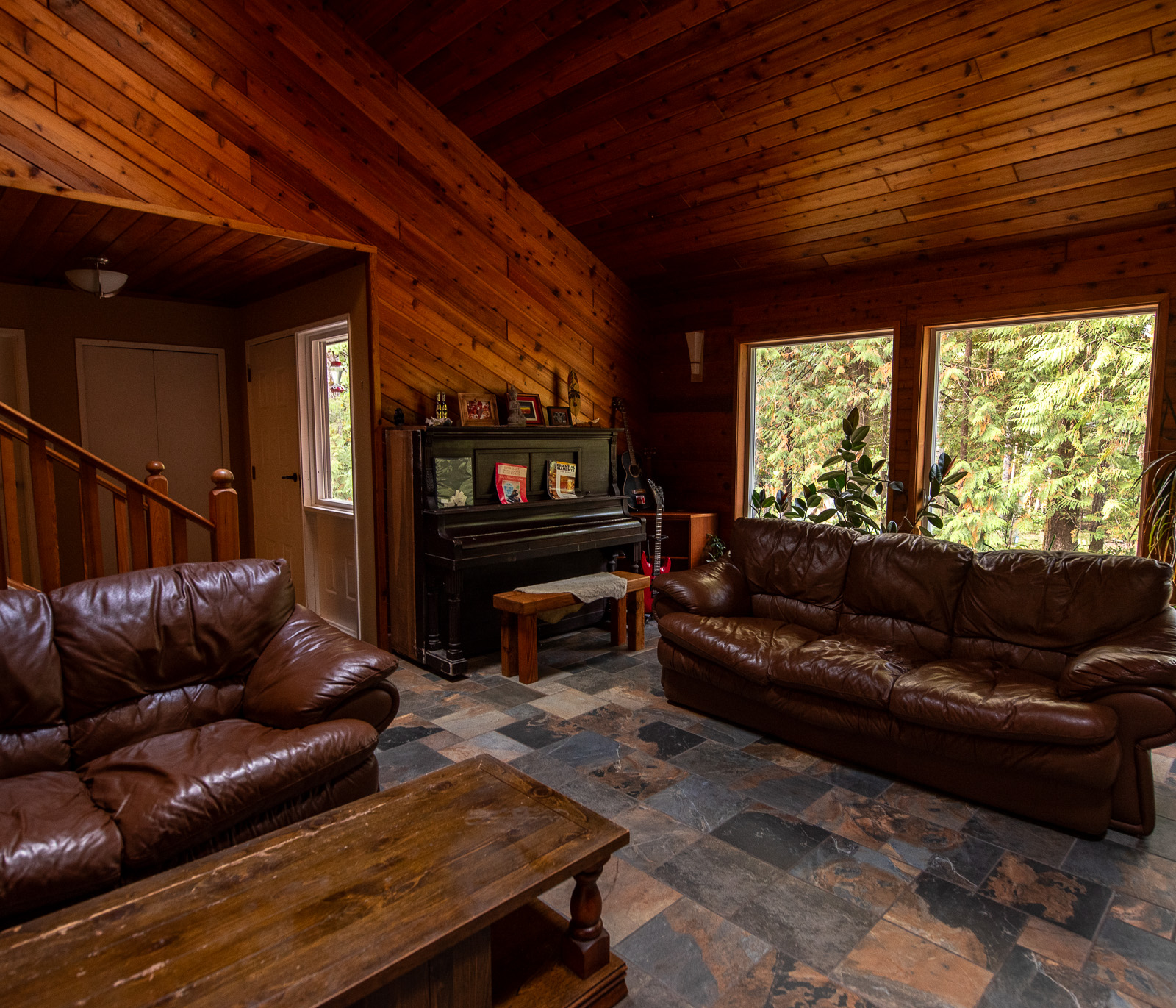
From there it is not far away to our accommodation near Port Alberni, a beautiful blockhouse that we have booked for a night but immediately extend to three nights. It has a large living room including a piano and everything you need. Later Ryan, the friendly and helpful owner will tell us about the house’s story, but now we just fall into the king-size bed and are soon fast asleep.

10 September

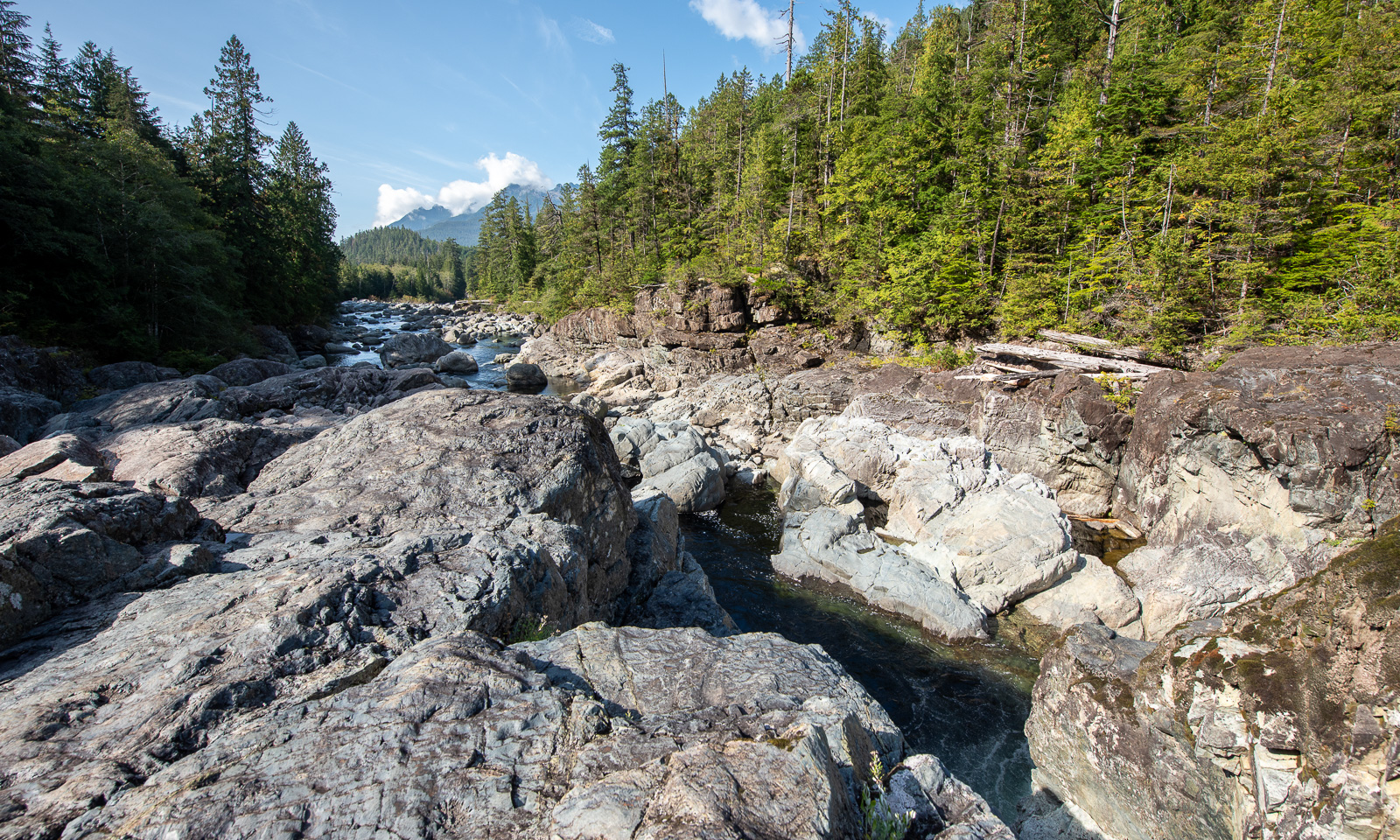
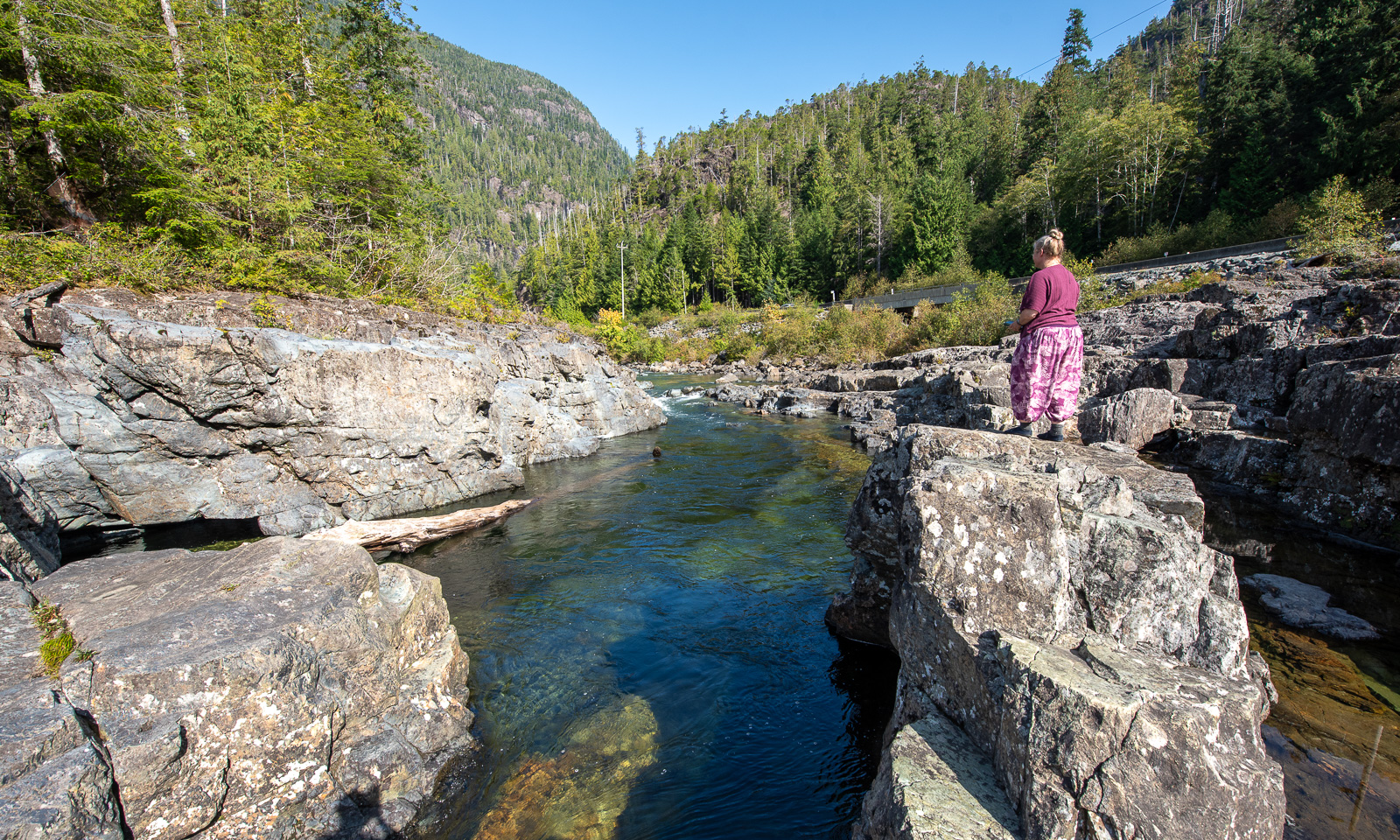
Today we have planned a day trip to Tofino including visits in the Pacific Rim National Park Reserve. Our first stop is an unplanned one – many more will follow, a pull-off by Kennedy River¹, that has created a gorge in the rough rocks. A good way to start the day.

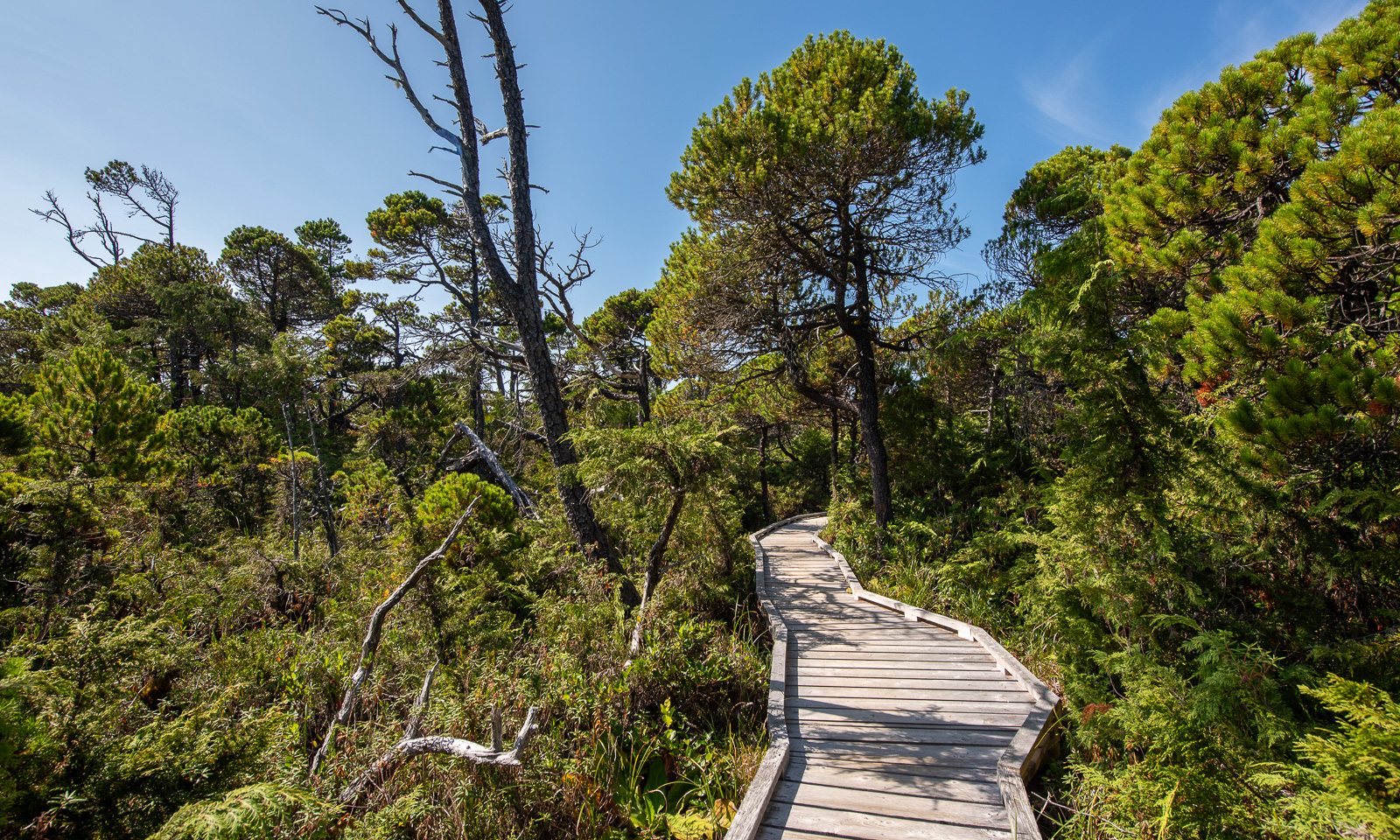
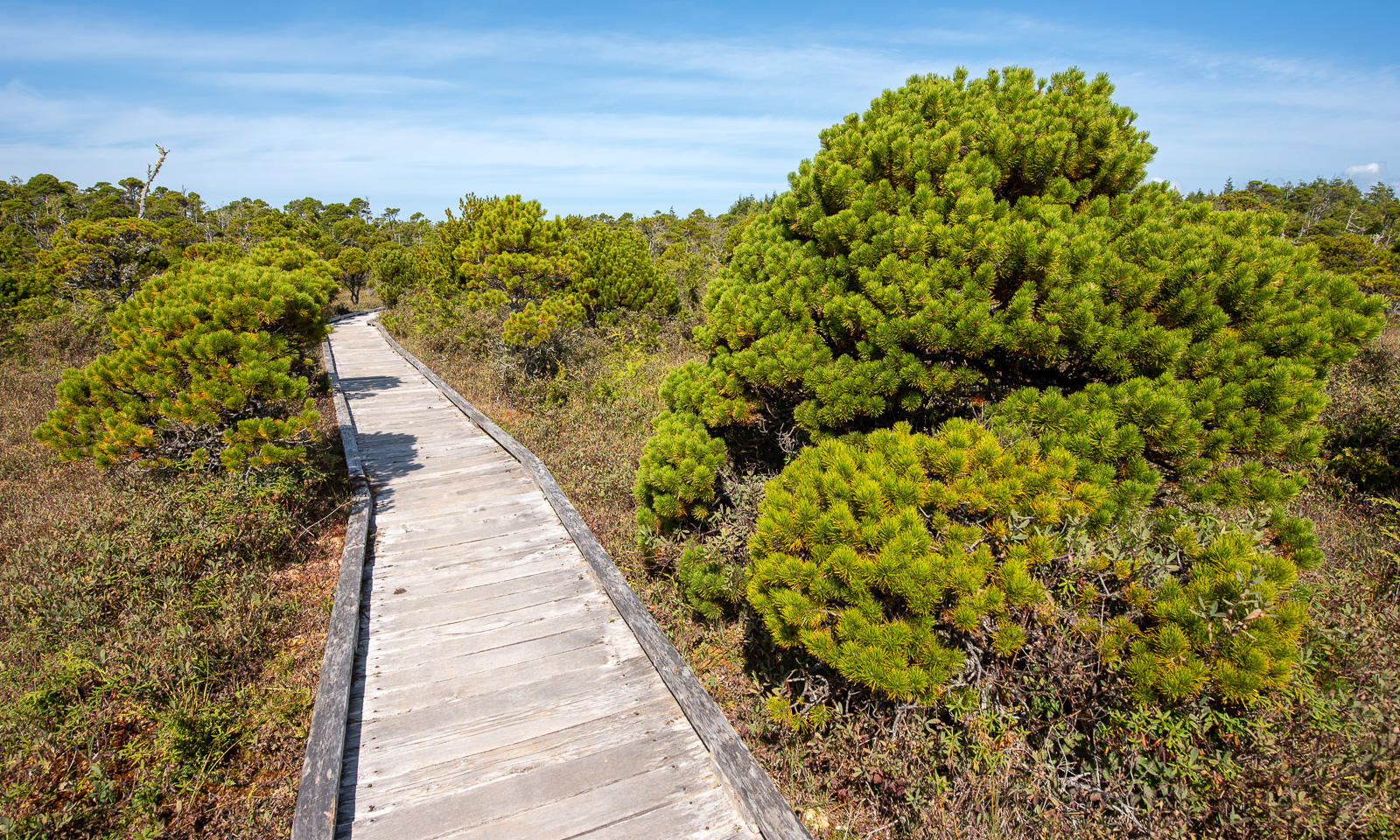
We buy a pass for the Canadian national parks and start with a short hike on the Shorepine Bog Trail. Well, I have visited countless bogs in Sweden, where the landscape is mostly sparse. Here a boardwalk leads over the bog, which is wet as well but overgrown with large pines with intense green needles.

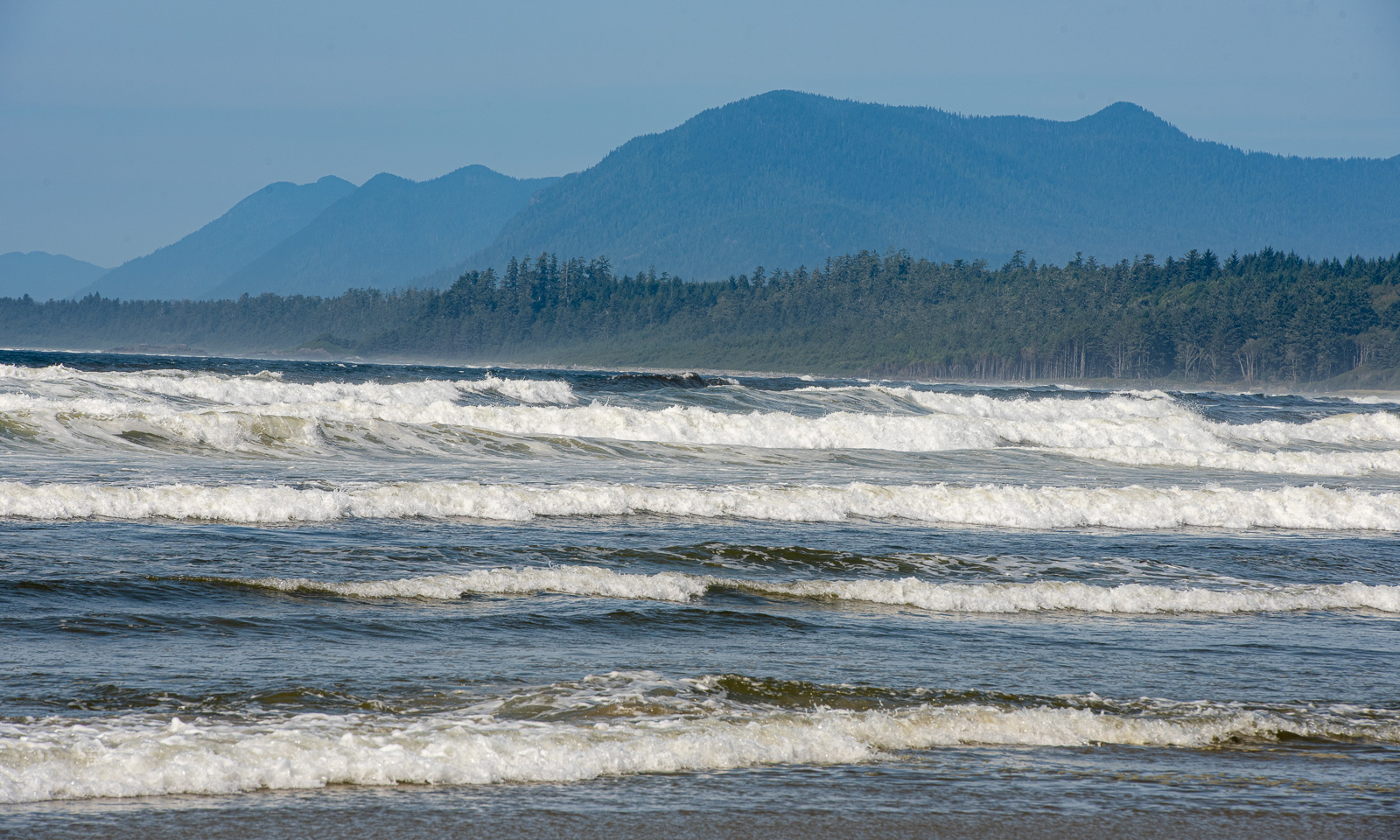
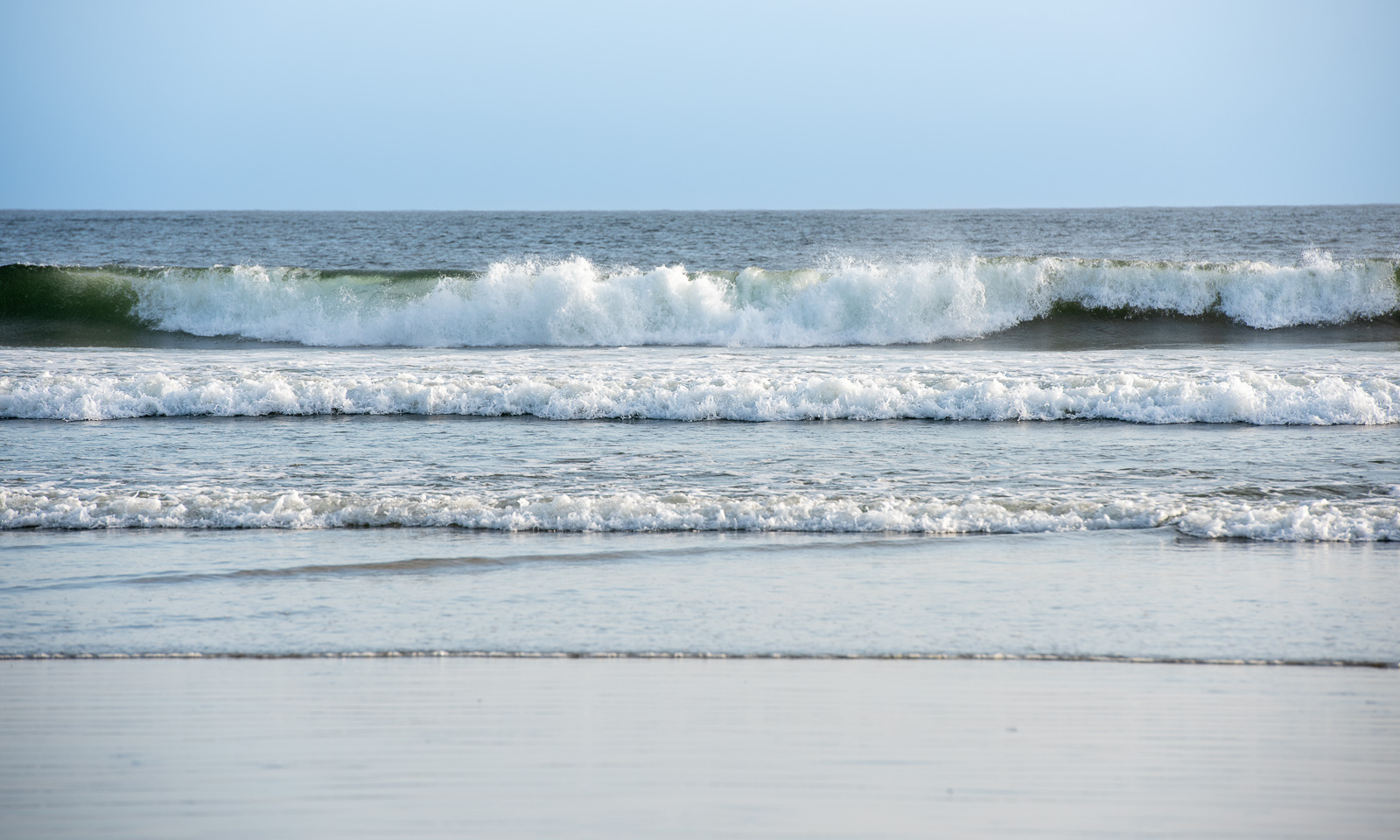
And then there it is – a Pacific beach, the open ocean. Both the waves and the many warning signs prevent us from taking a bath, but the impression of standing at the shore of the largest ocean of the world is thrilling. Next land to the west? More than 6000 km away!

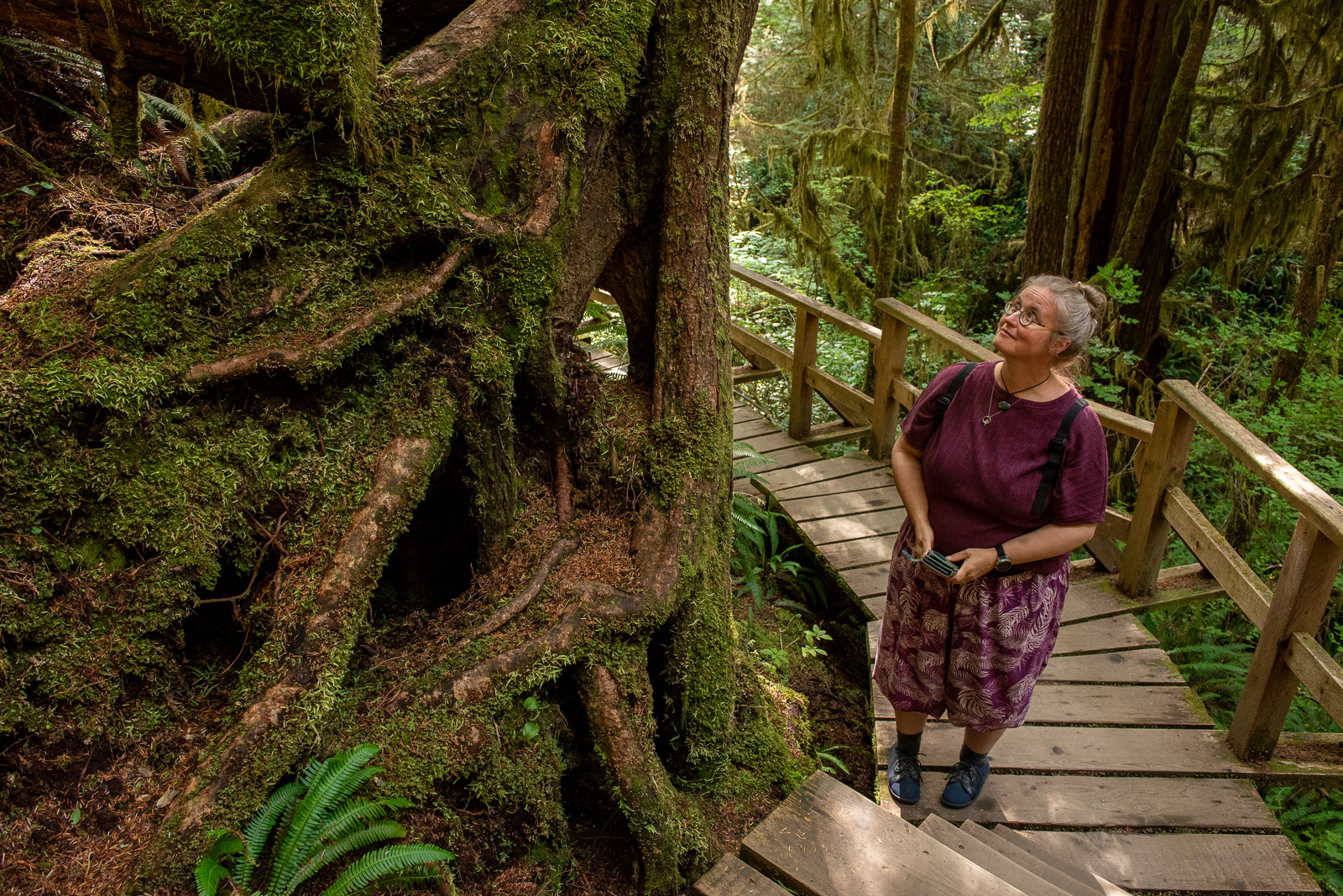
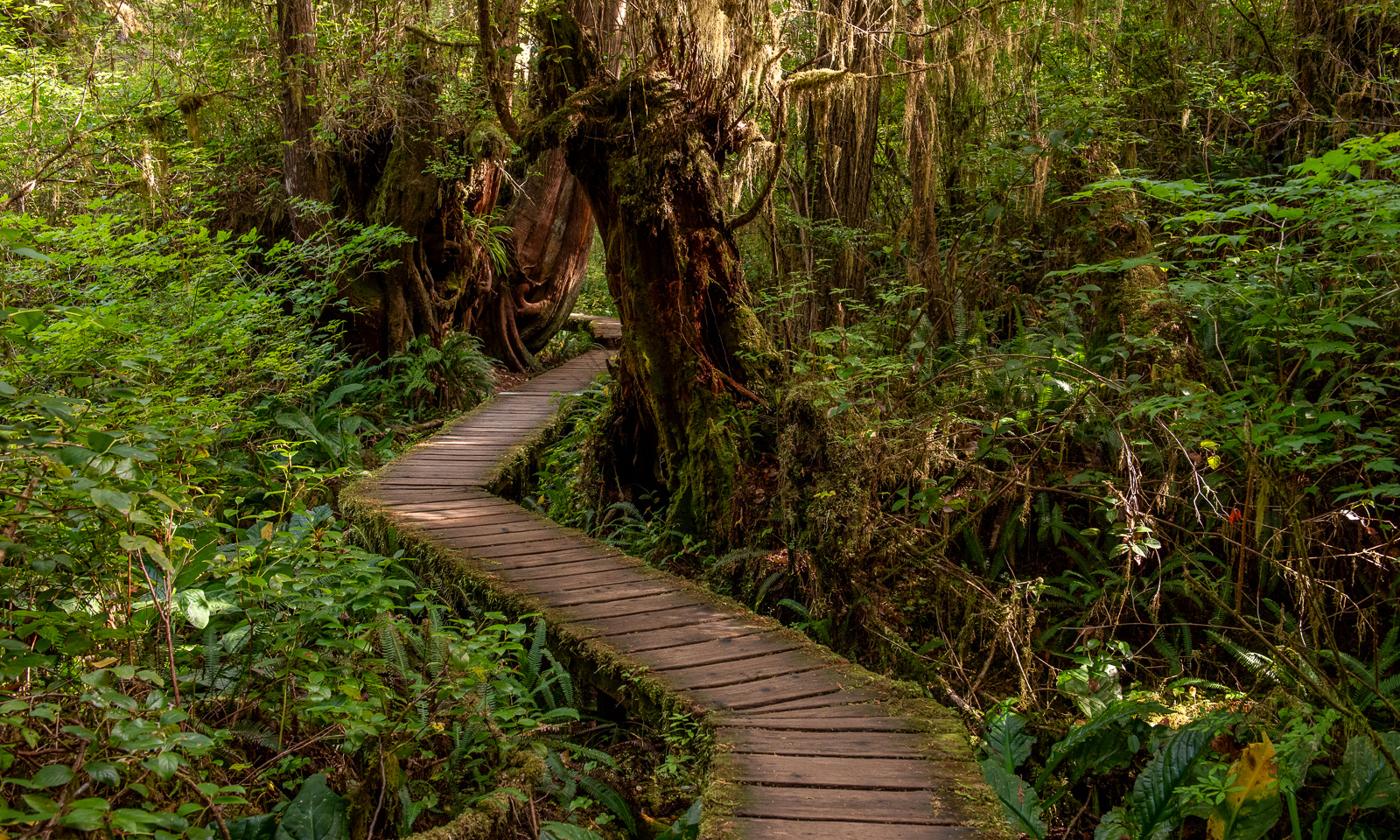
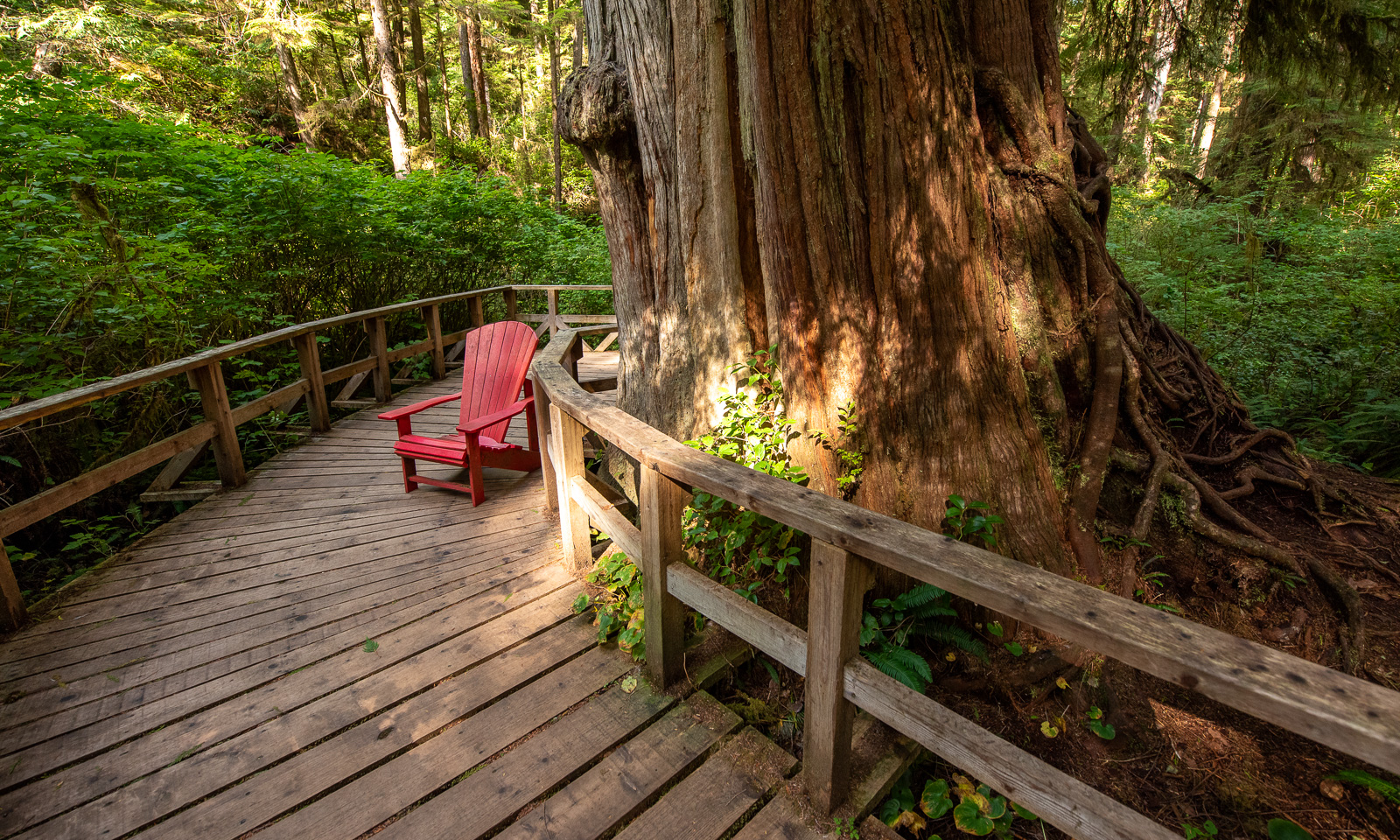
Before we arrive in Tofino, we walk both parts of the Rainforest Trail, which is as amazing as Cathedral Grove. Especially “Loop B” is outstanding, because it not only features giant trees but also leads into a deep-cut valley so overgrown that you cannot see any ground or soil. Even if you head to Tofino for the beaches – as I did – do make this hike. It does not take long but it’s absolutely worth it!

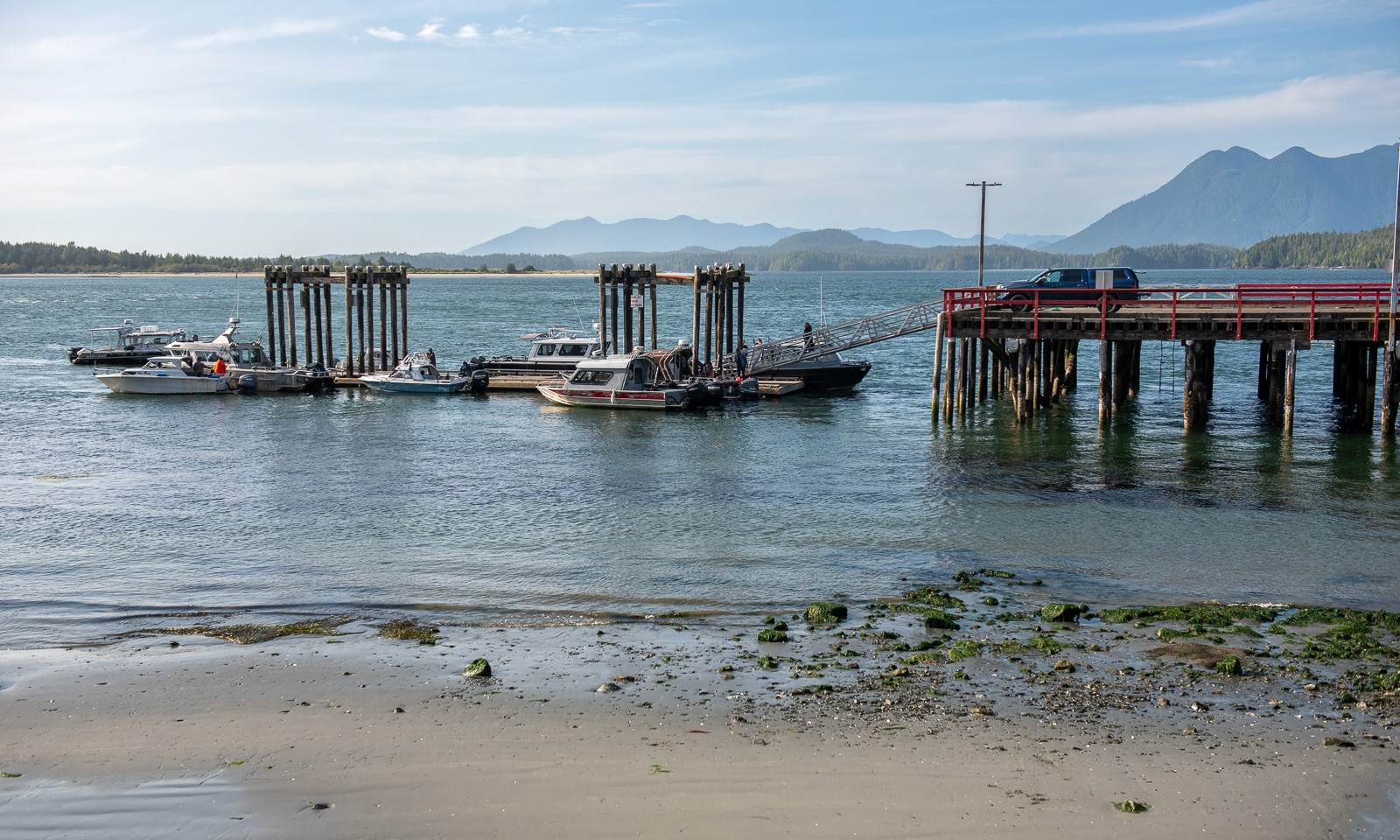
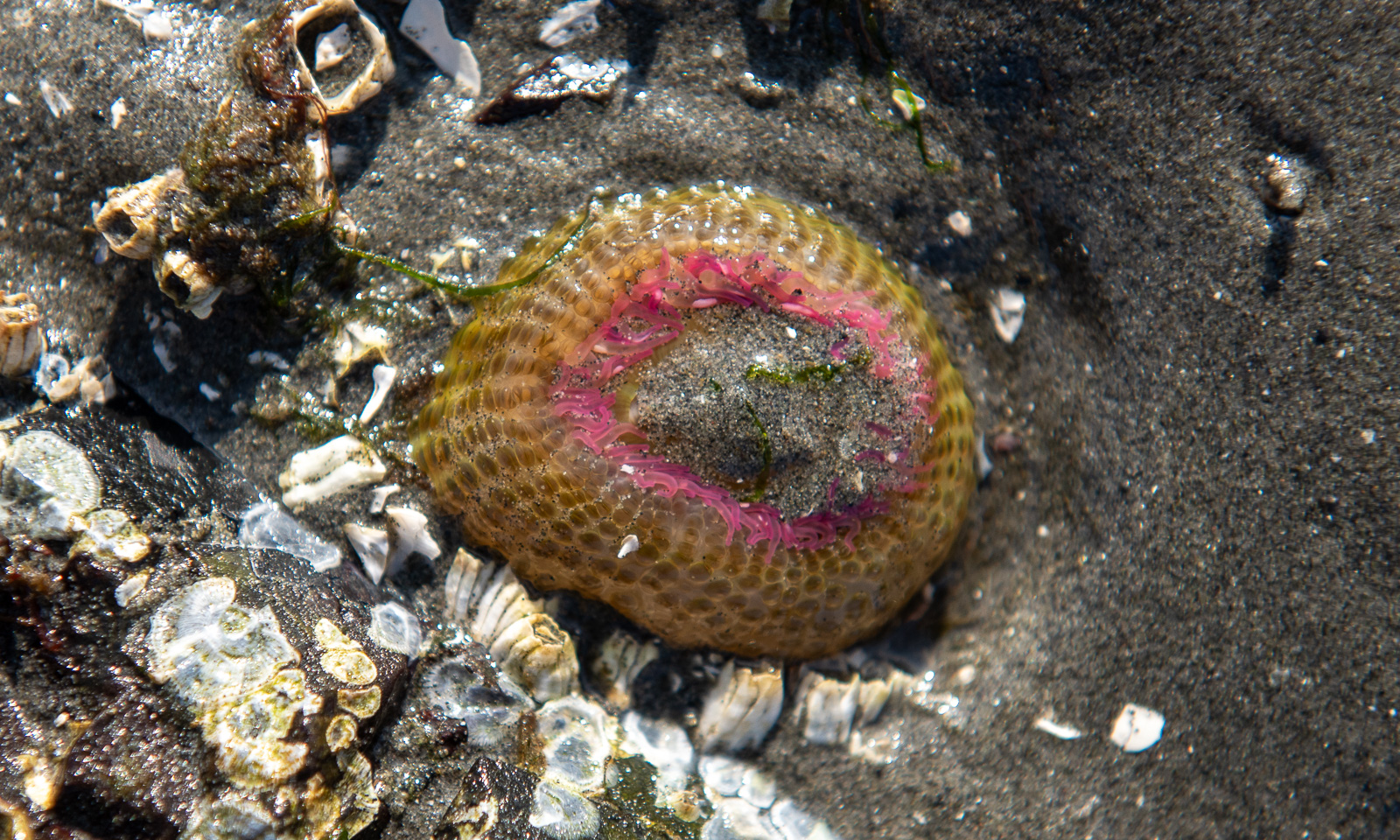
We spend the time in Tofino mostly replenishing our supplies, refuelling the car and having a meal by the harbour, where as many seaplanes than boats were arriving or leaving. I also found an animal on a rock under a layer of sand. It is the sea anemone Anthopleura elegantissima (thank you, Ulrich, for the specification).

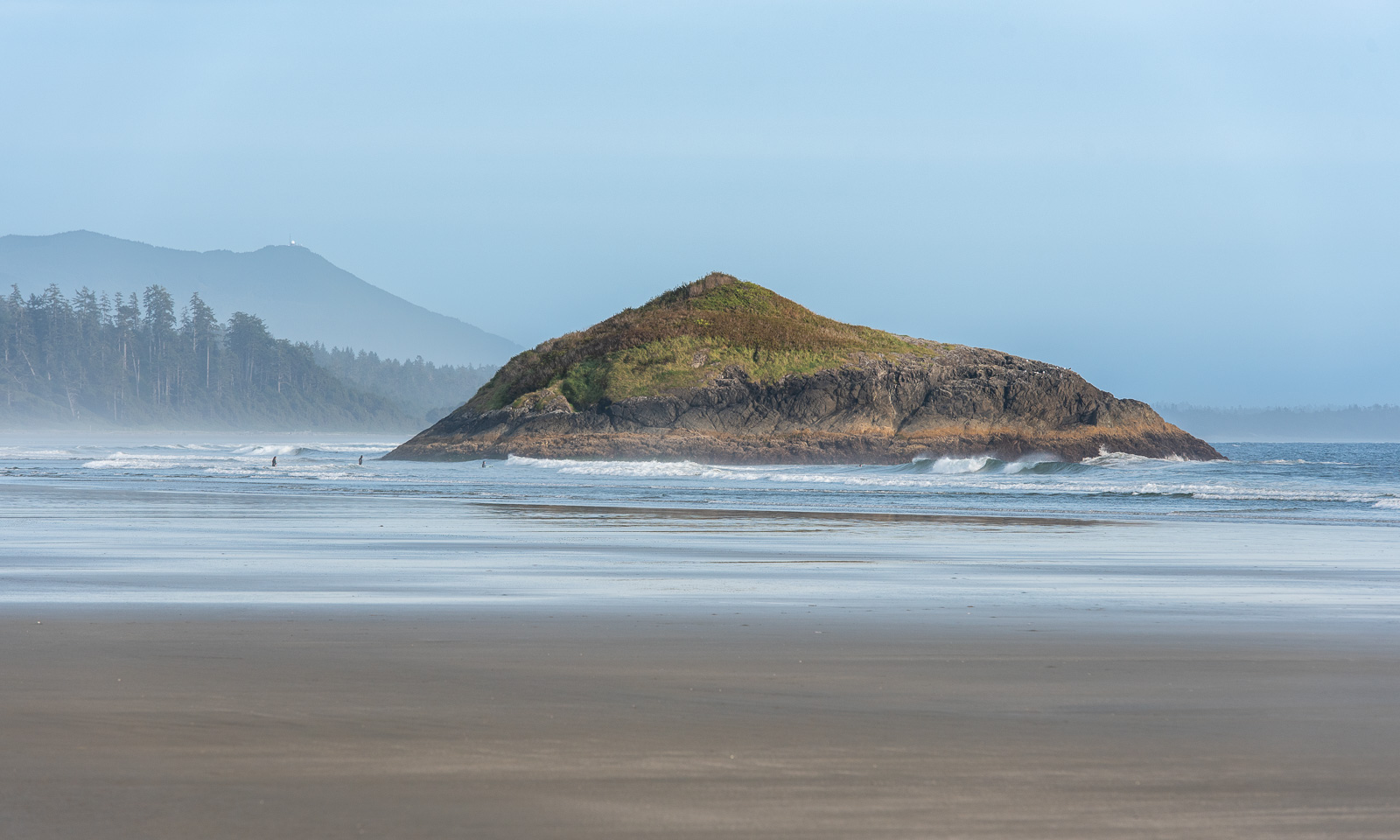
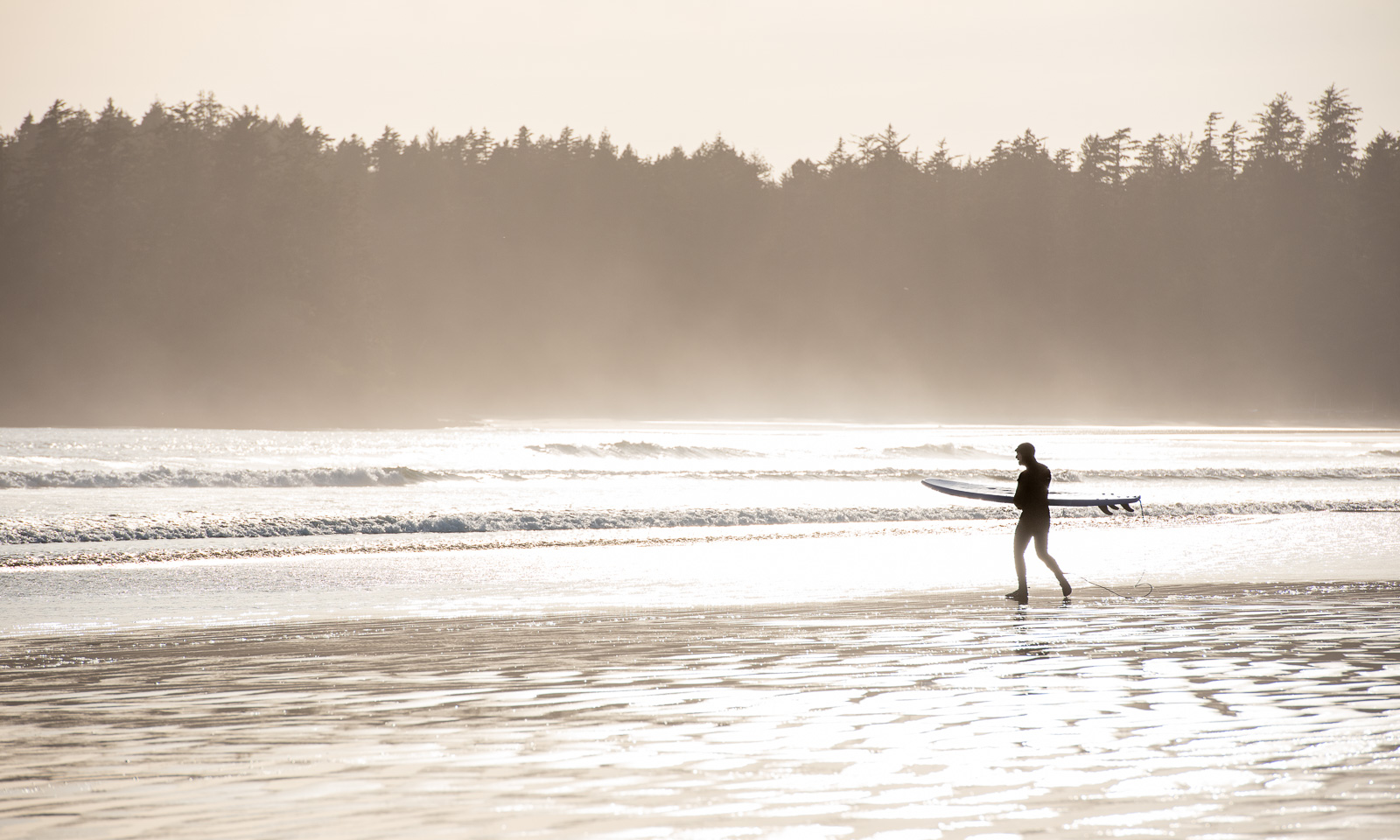
On the way back we stop at the northern tip of Long Beach, the largest beach, where we watch the surfers, take a stroll by the beach and collect some shells.

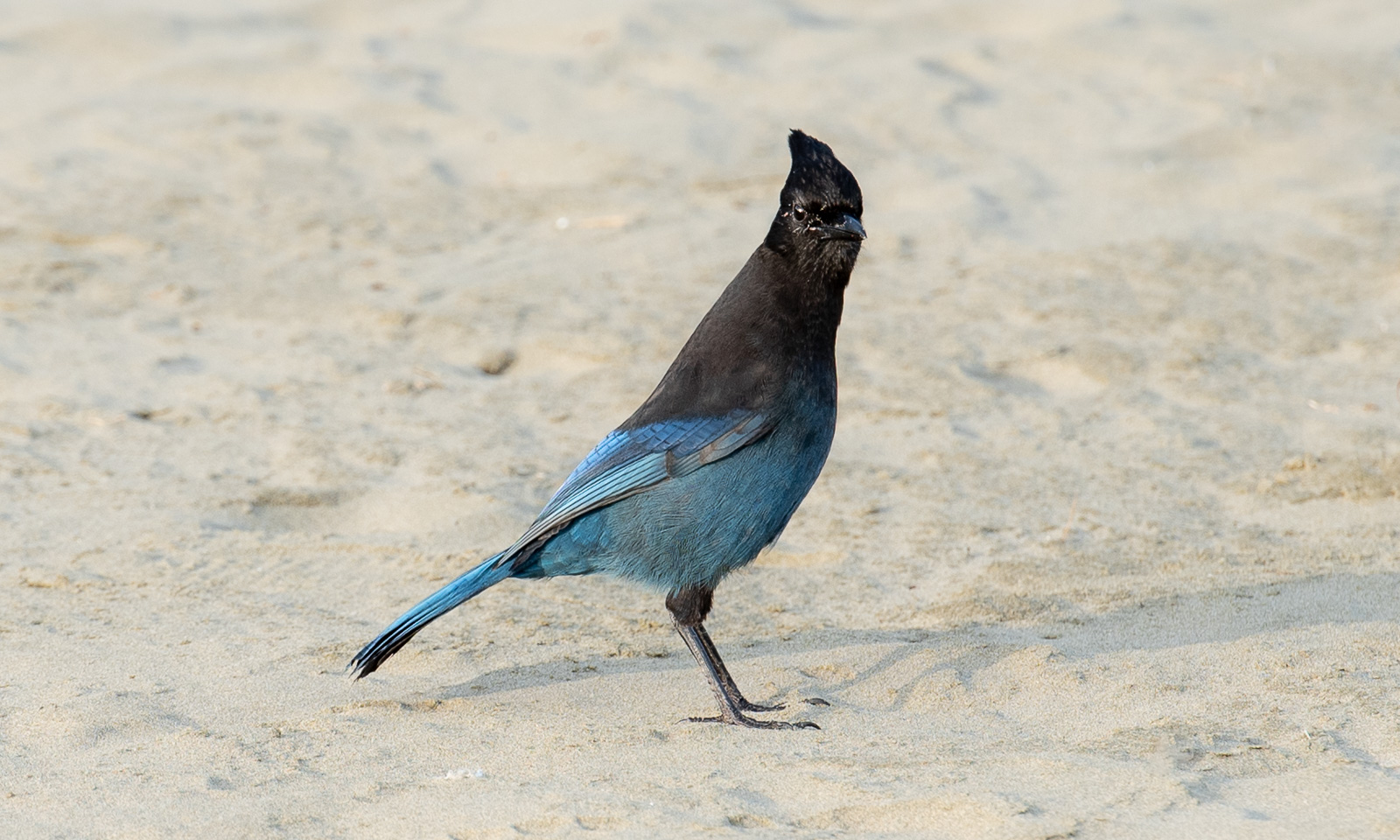
And here I finally manage to take a photo of a Steller’s jay. I’ve seen many, but they flew away as soon as I appeared with my telephoto lens.

11 September

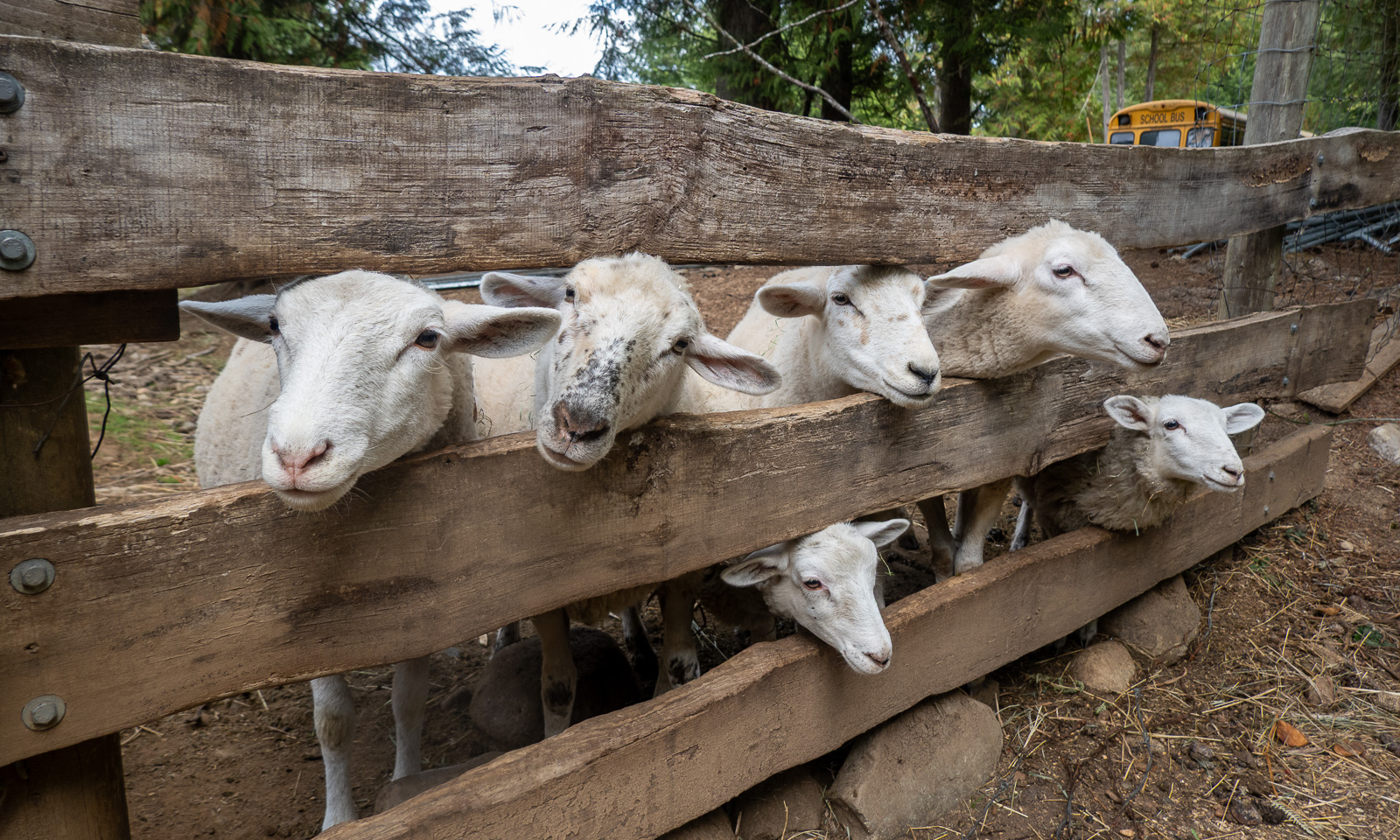
Our first day off. Taking it easy, feeding the sheep, playing the piano, taking a bath in Sproat Lake, taking a nap and another bath in Sproat Lake. It’s important to let the many impressions sink in.

We will stay another day on Vancouver Island, then we will head back to British Columbia’s mainland.

_____
¹Kennedy River may be the wrong name.

Early September in Tromsø

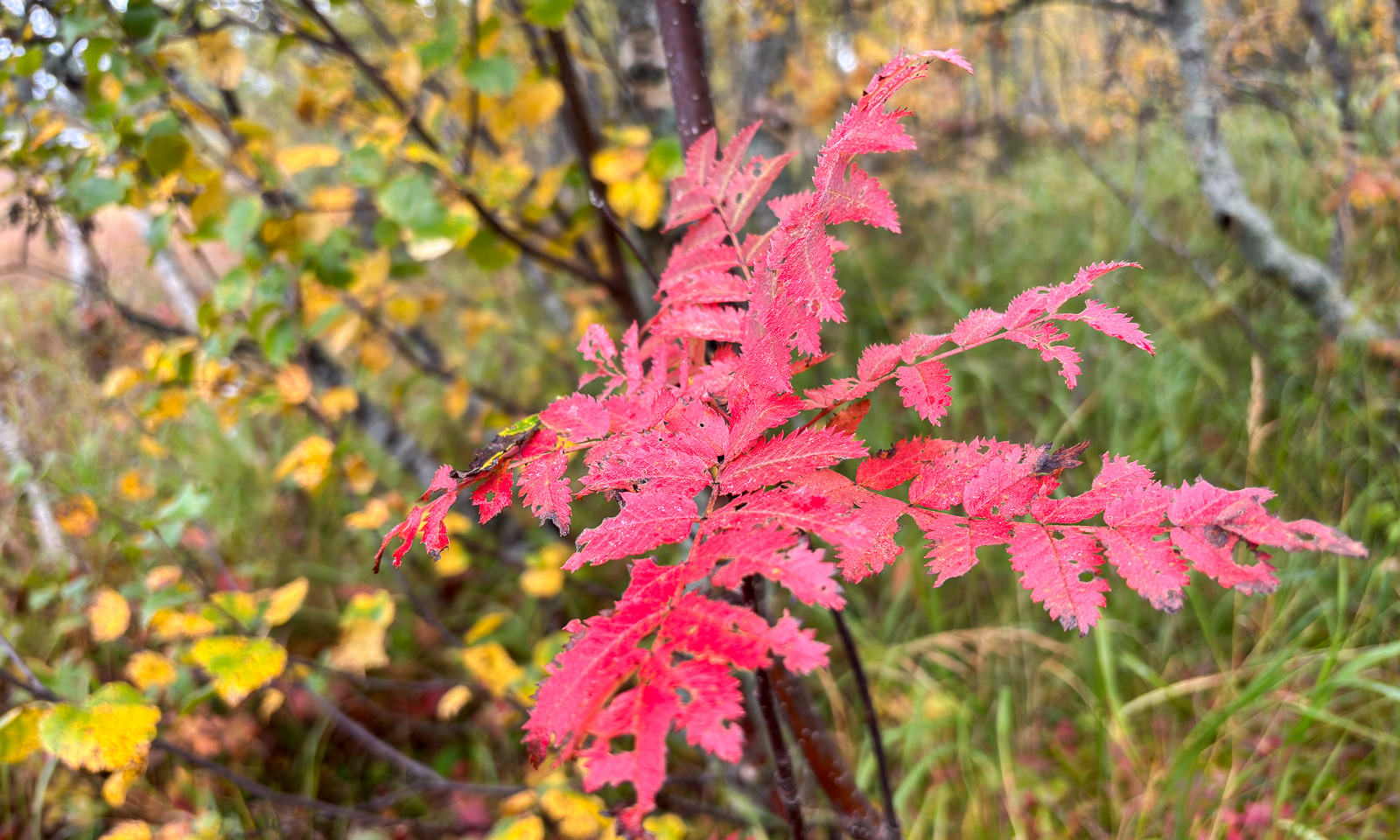
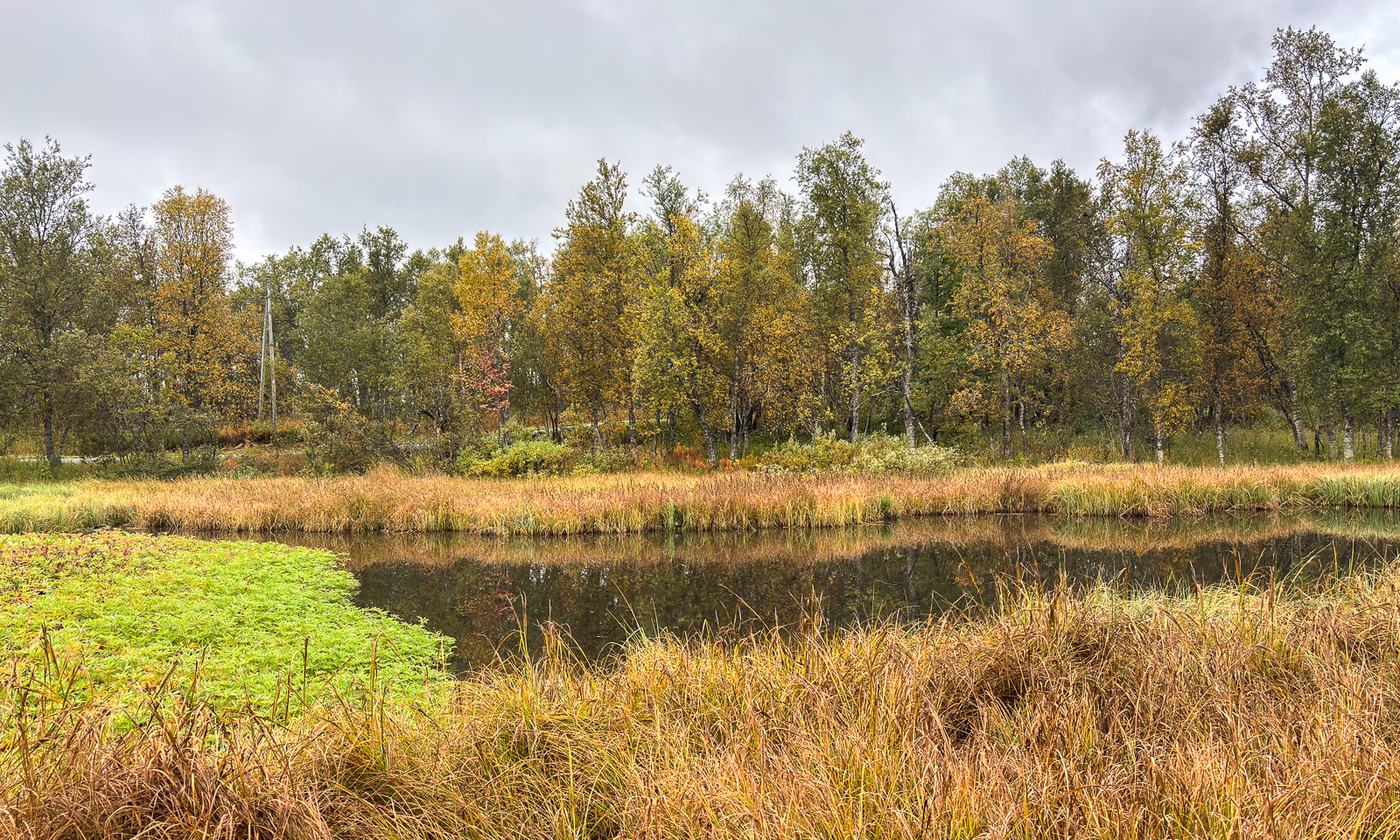
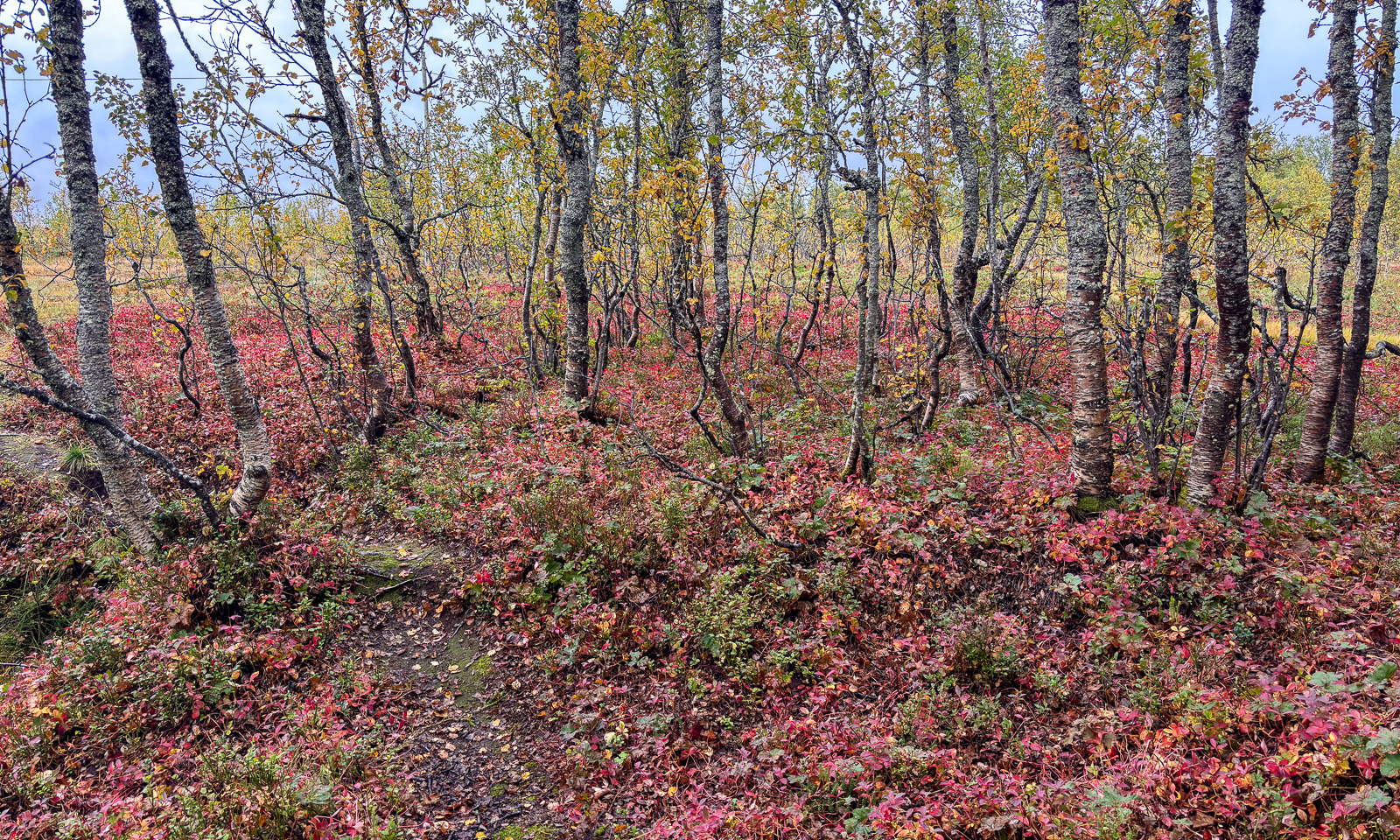
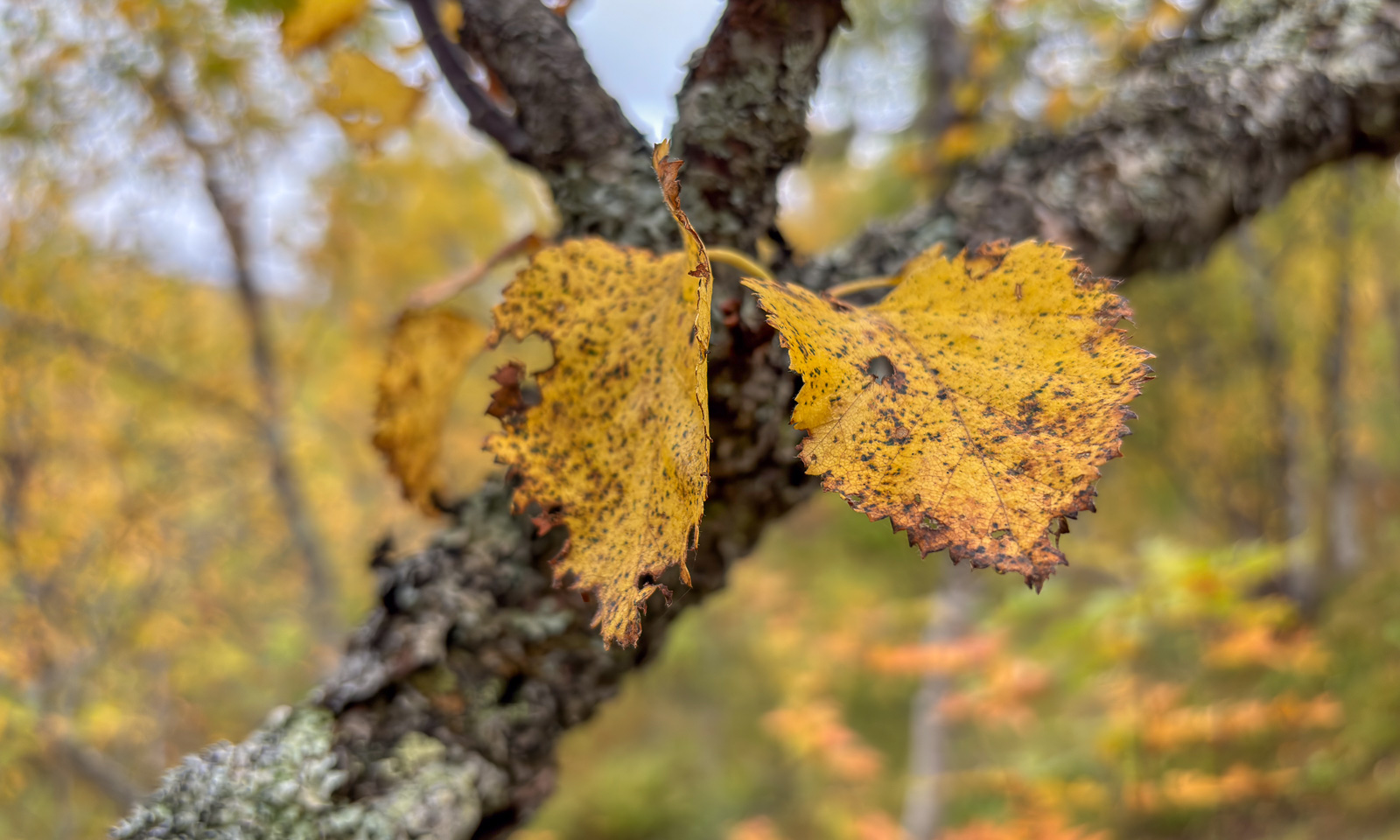
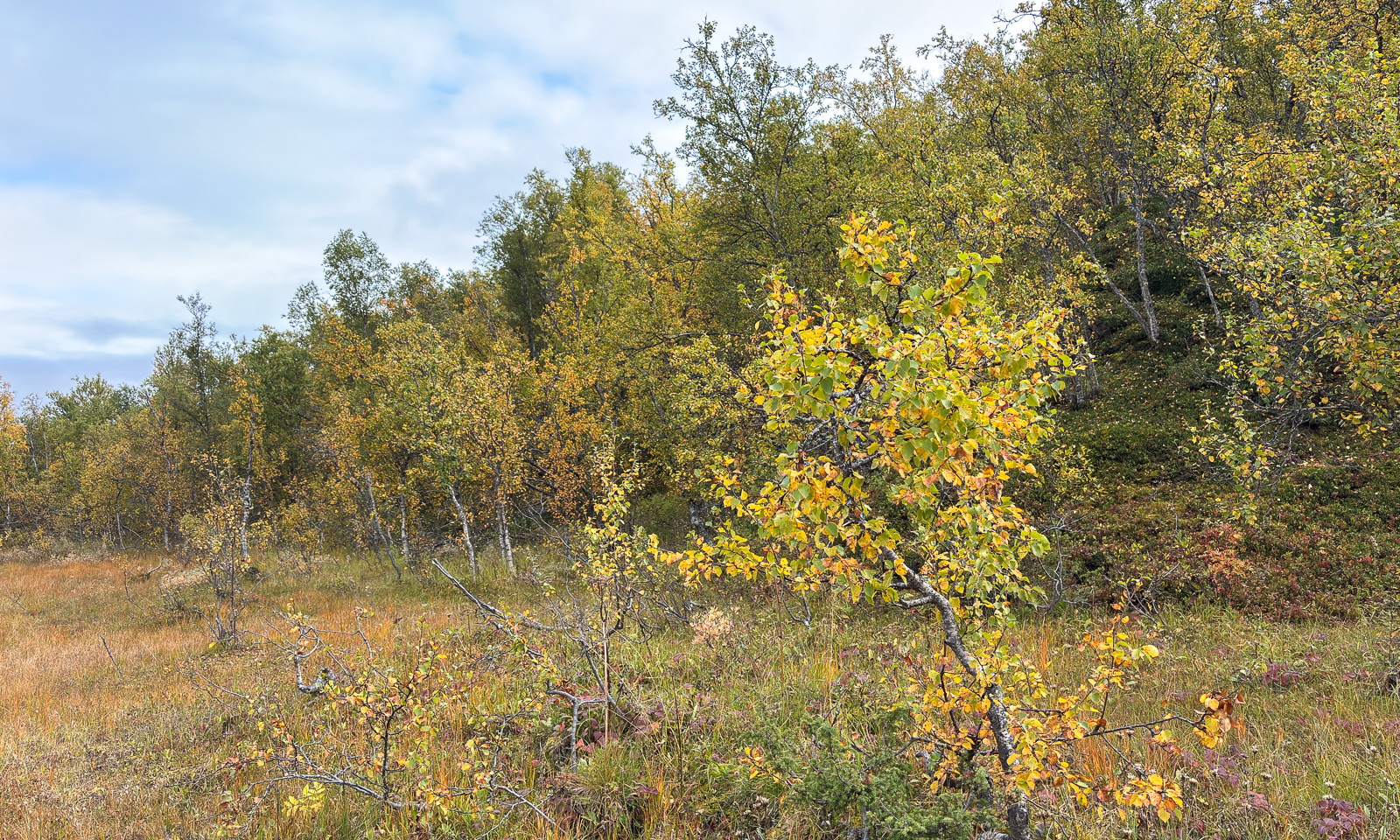
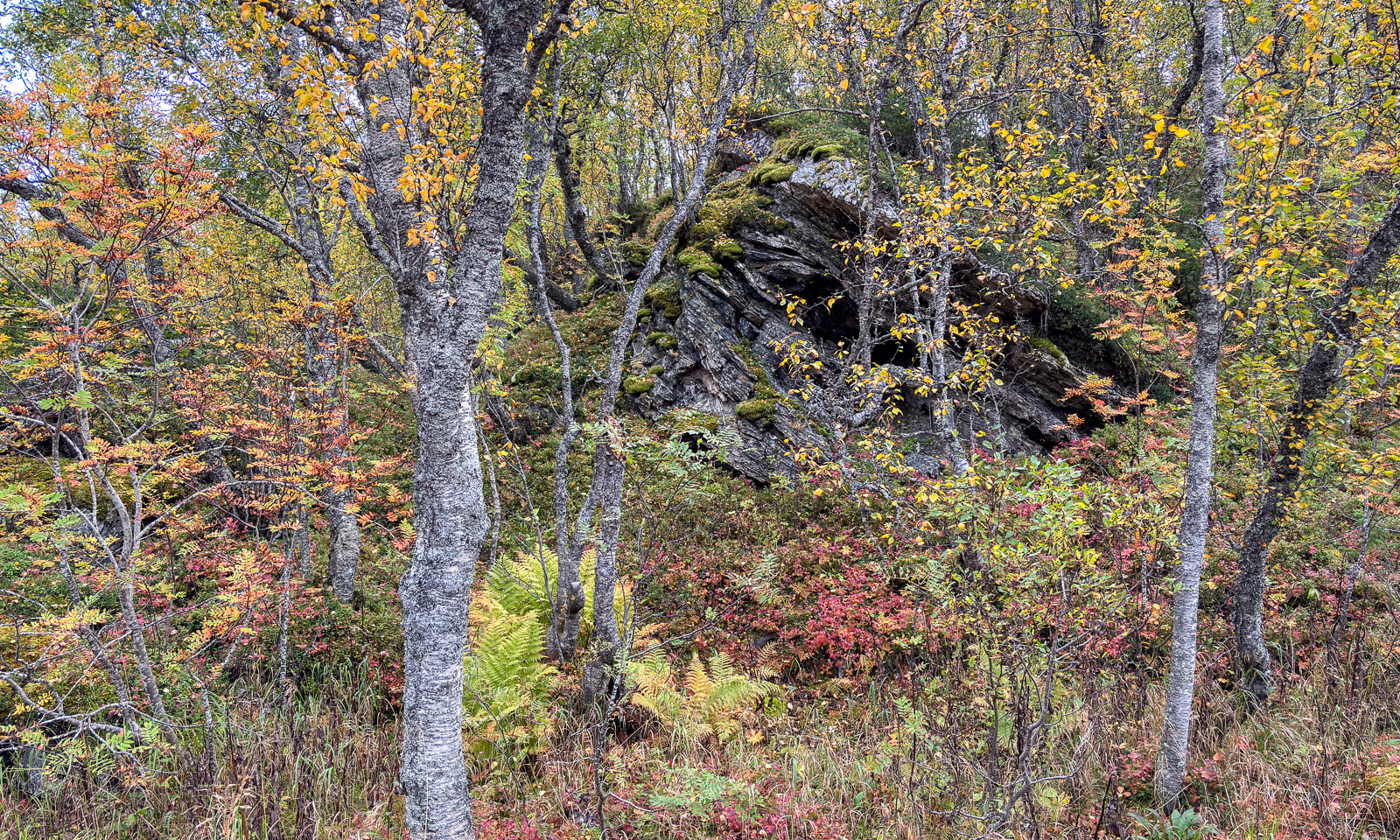
The first signs of autumn have arrived in Tromsø in recent days. I took some snapshots with my mobile while following the paths through the forest and the wet trods over the bogs. Still many birches are green but some are yellow and have starting shedding their leaves while parts of the undergrowth are bright red.

Today I left Tromsø behind for four weeks. I flew to Oslo and will spend the night in a hotel near the airport. Tomorrow I’ll fly to Amsterdam where I’ll meet my wife Annika and then we head for our furthest journey yet. Canada for four weeks! British Columbia and Alberta. I’m very excited, a bit nervous and pretty curious how it looks like.

A late summer overnight stay at Bjuröklubb

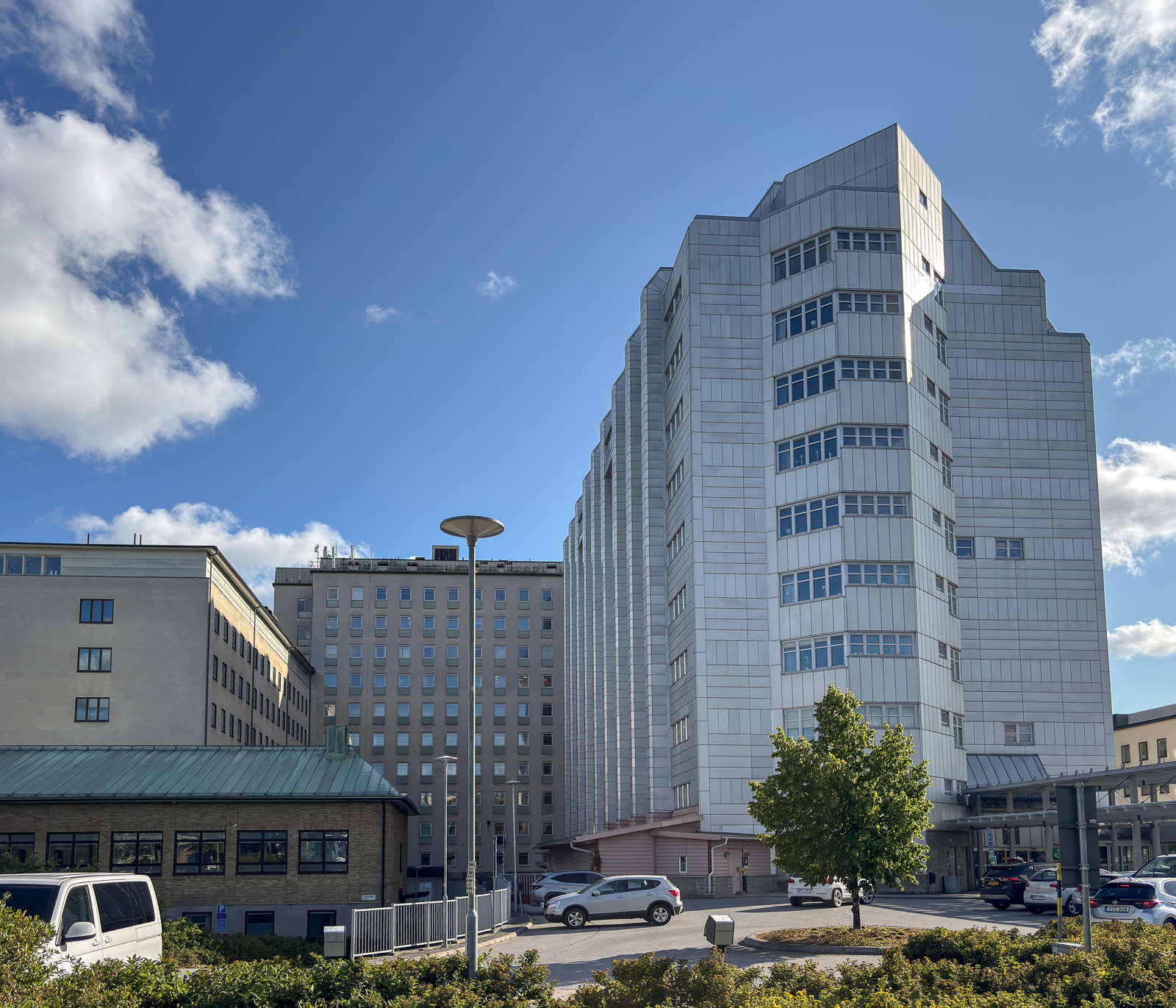
Thursday afternoon. It is just before the bus stop that I discover the first fly agarics of the year. I have walked about 3.3 km from our home in Obbola to the nearest bus stop. From here it’s half an hour’s bus journey to Norrlands universitetssjukhus, the hospital where I meet Annika.

We take her car, heading north to a well-known place: Bjuröklubb. The first time I went there was 25 April 2010, just three days after I moved to Sweden. The last time I was there was with Annika on 28 June 2024, when we rented the cabin Spanarstugan for an overnight stay.

Since we both have Friday off and the weather forecast looked promising, we have hired the cabin again at very short notice. Luckily it was free. After a 120-km drive, we arrive there, carry our things up the last 250 metres on foot and there we are again: at one of my favourite places, having the large cabin for ourselves and everything we need for a tasty outdoor dinner.

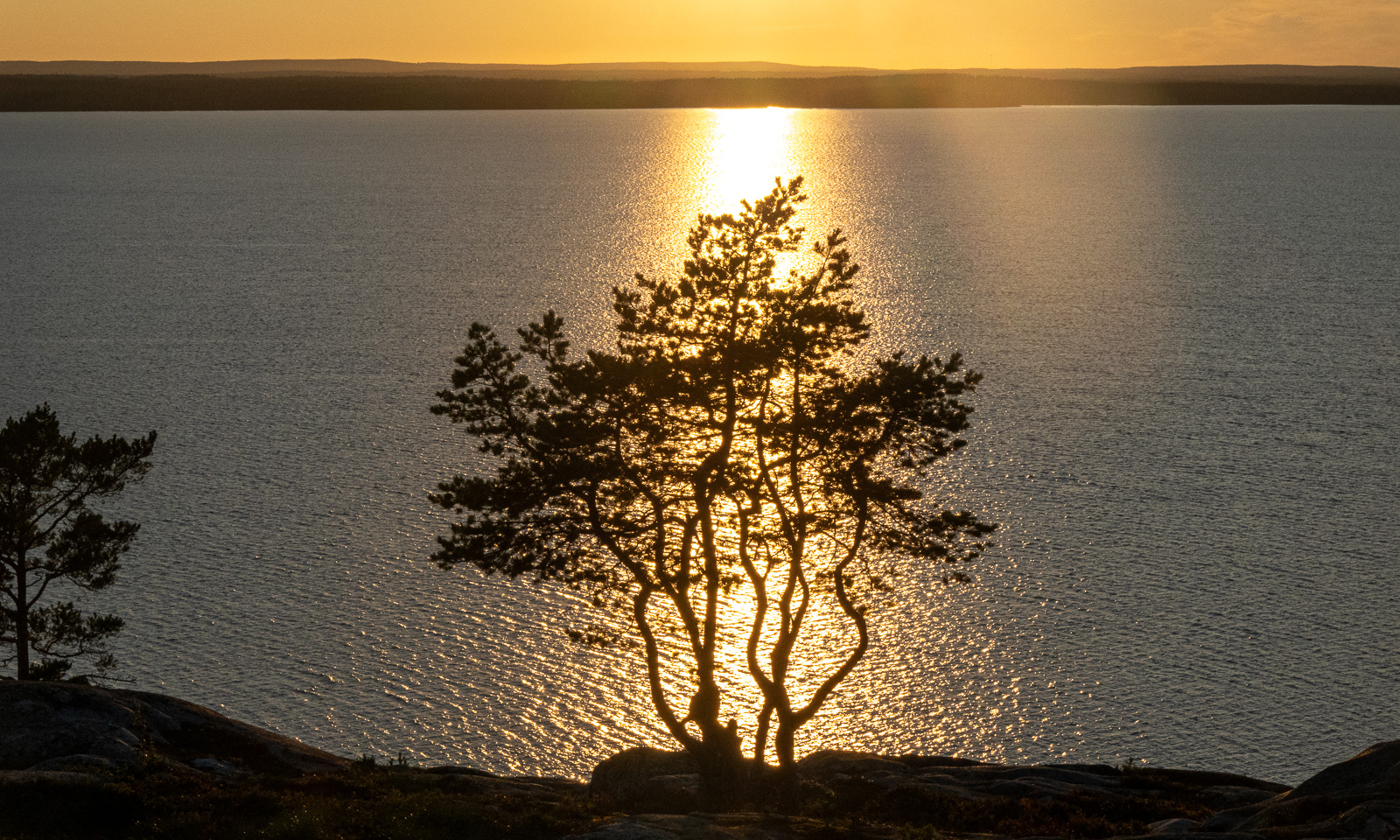
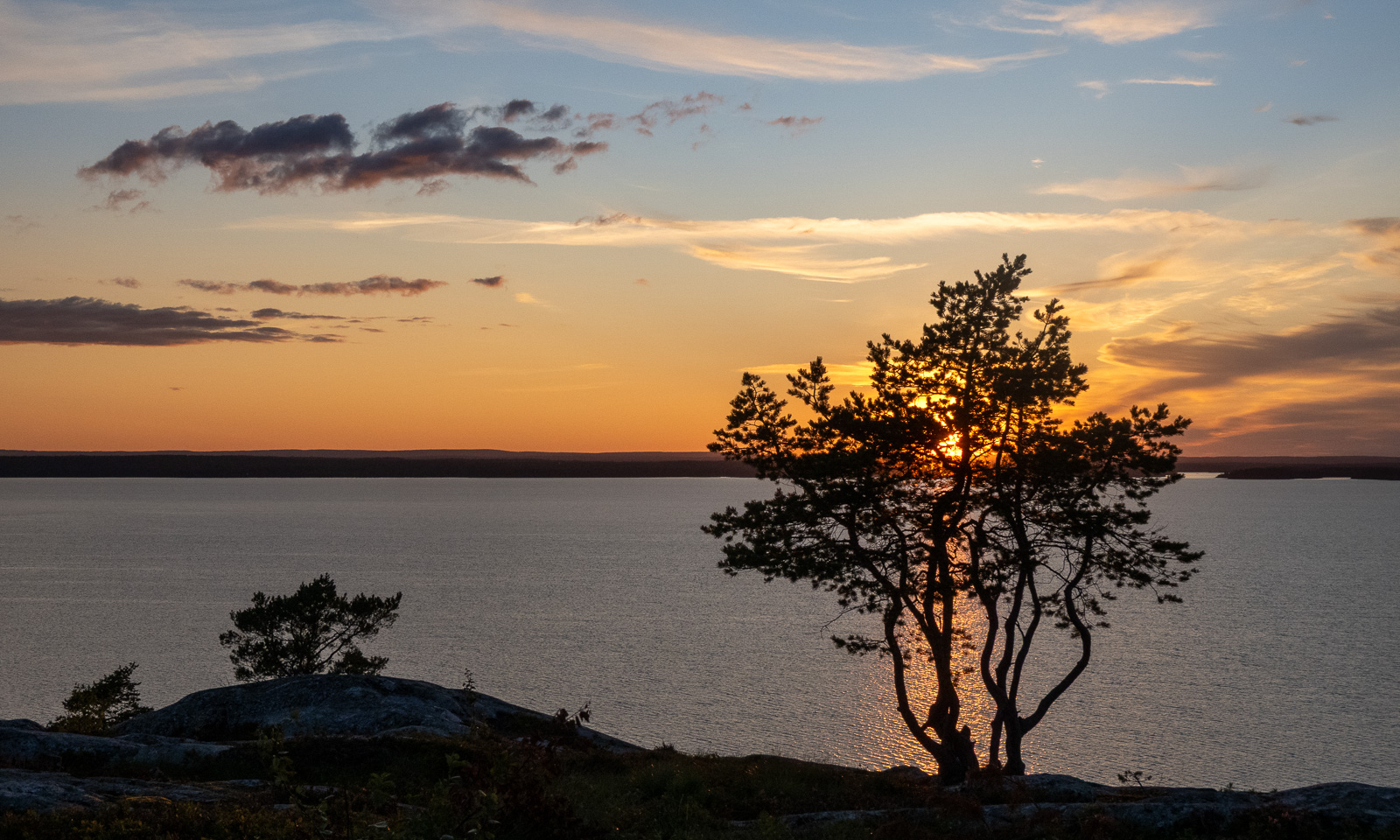
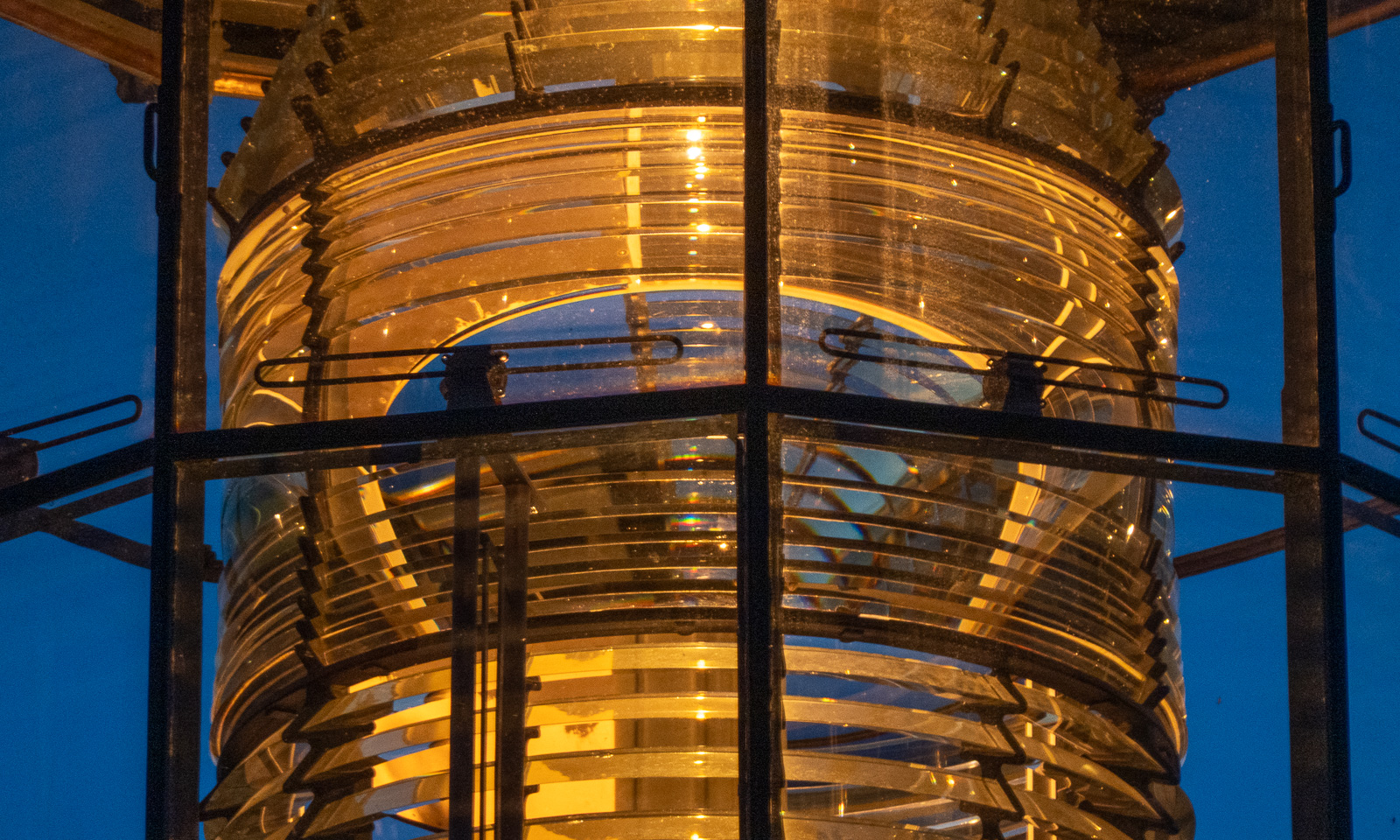
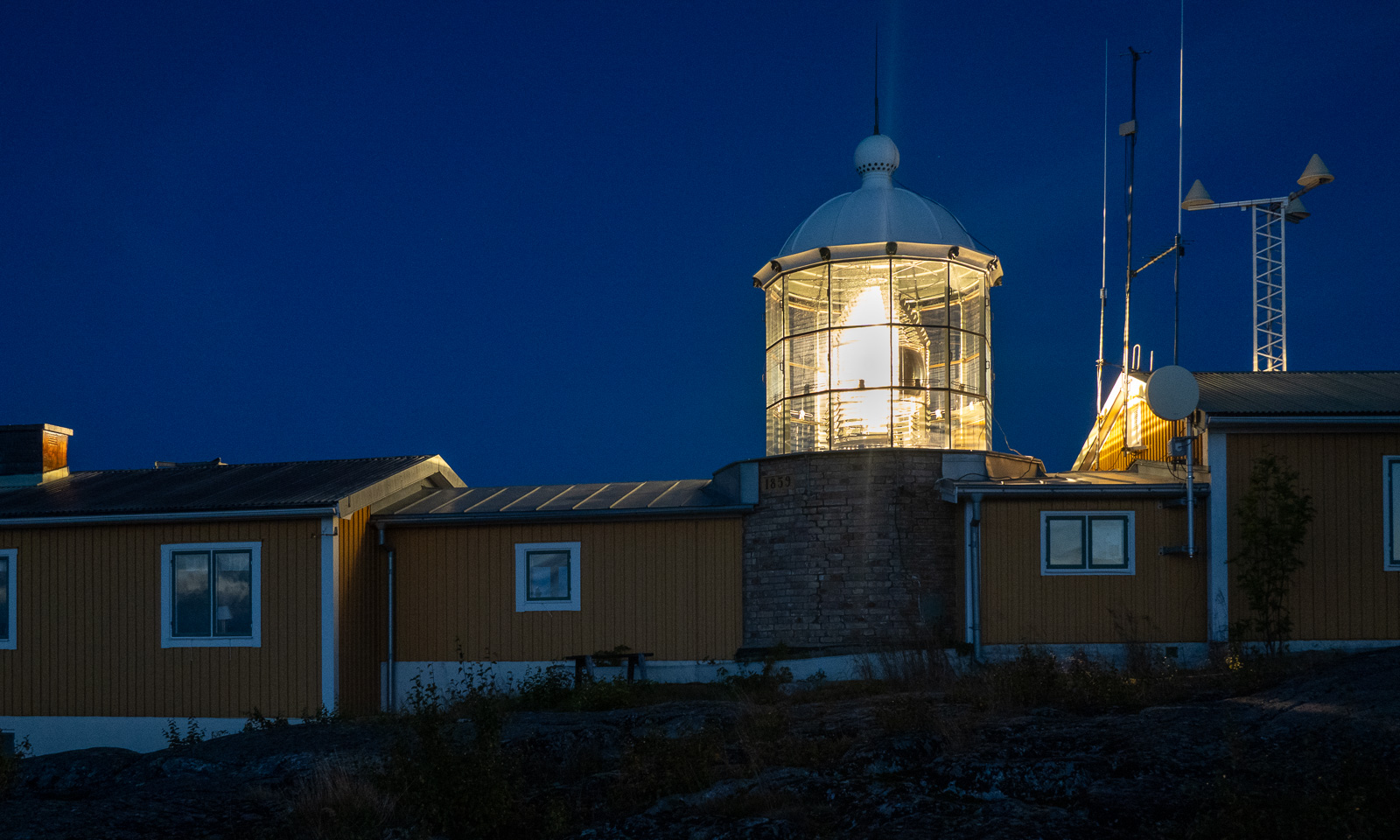
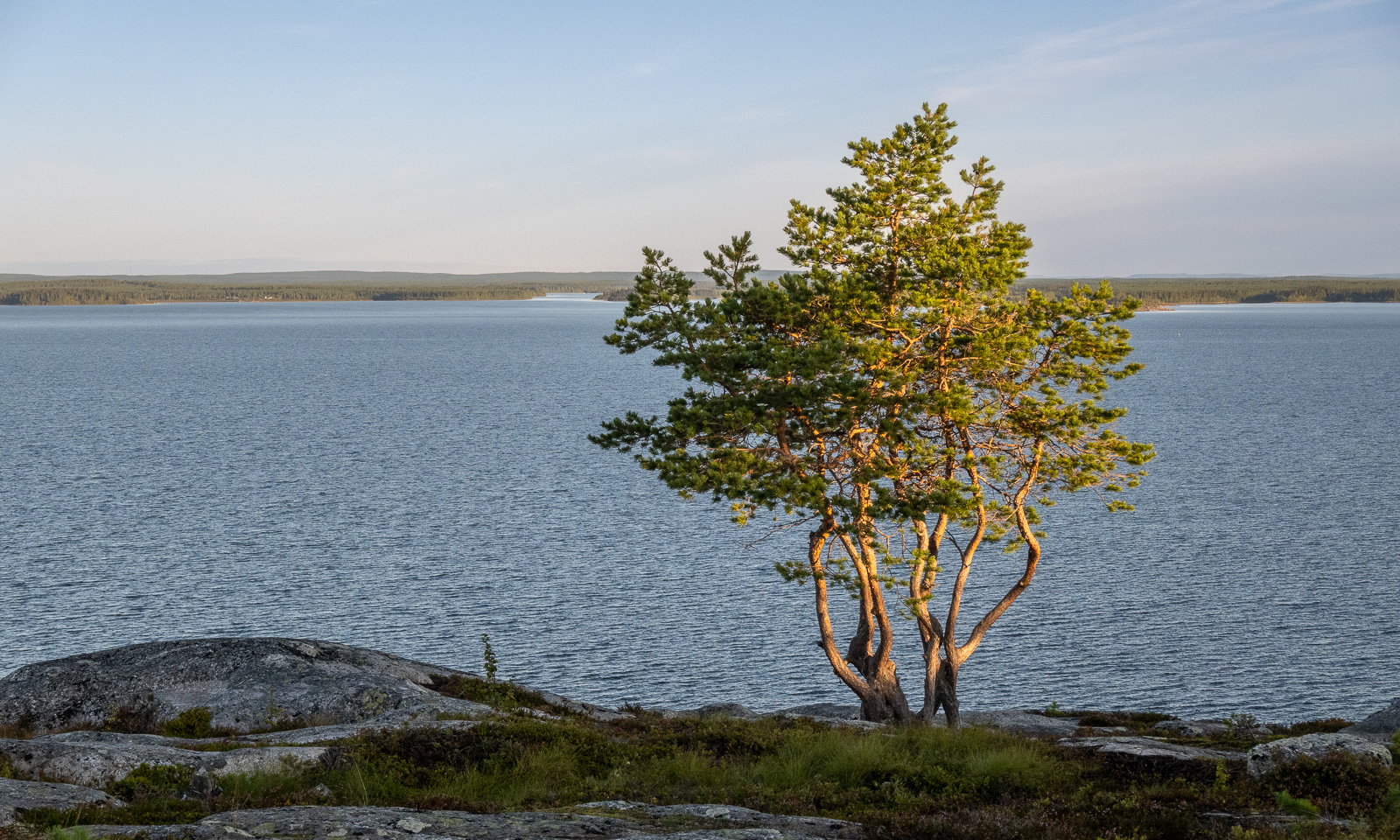
After dinner we go up the hill to the lighthouse Bjuröklubbs fyr which, despite its age, is still active. From here you have a unique view of the sea and, weather permitting, beautiful sunsets.

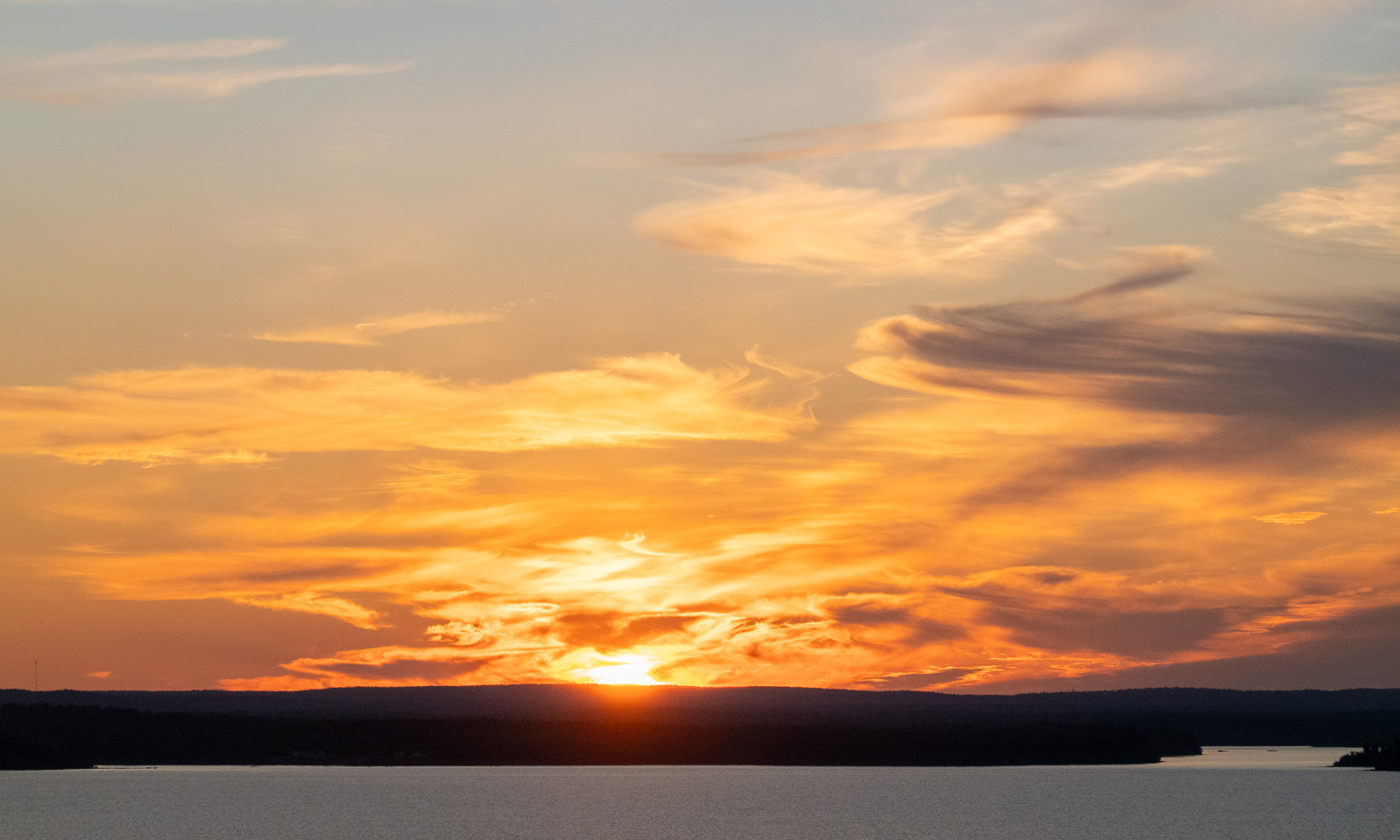
As the sun sinks lower and lower, the light gets warmer and warmer and it takes a while for the sun to set behind the distant, flat hills in the north.

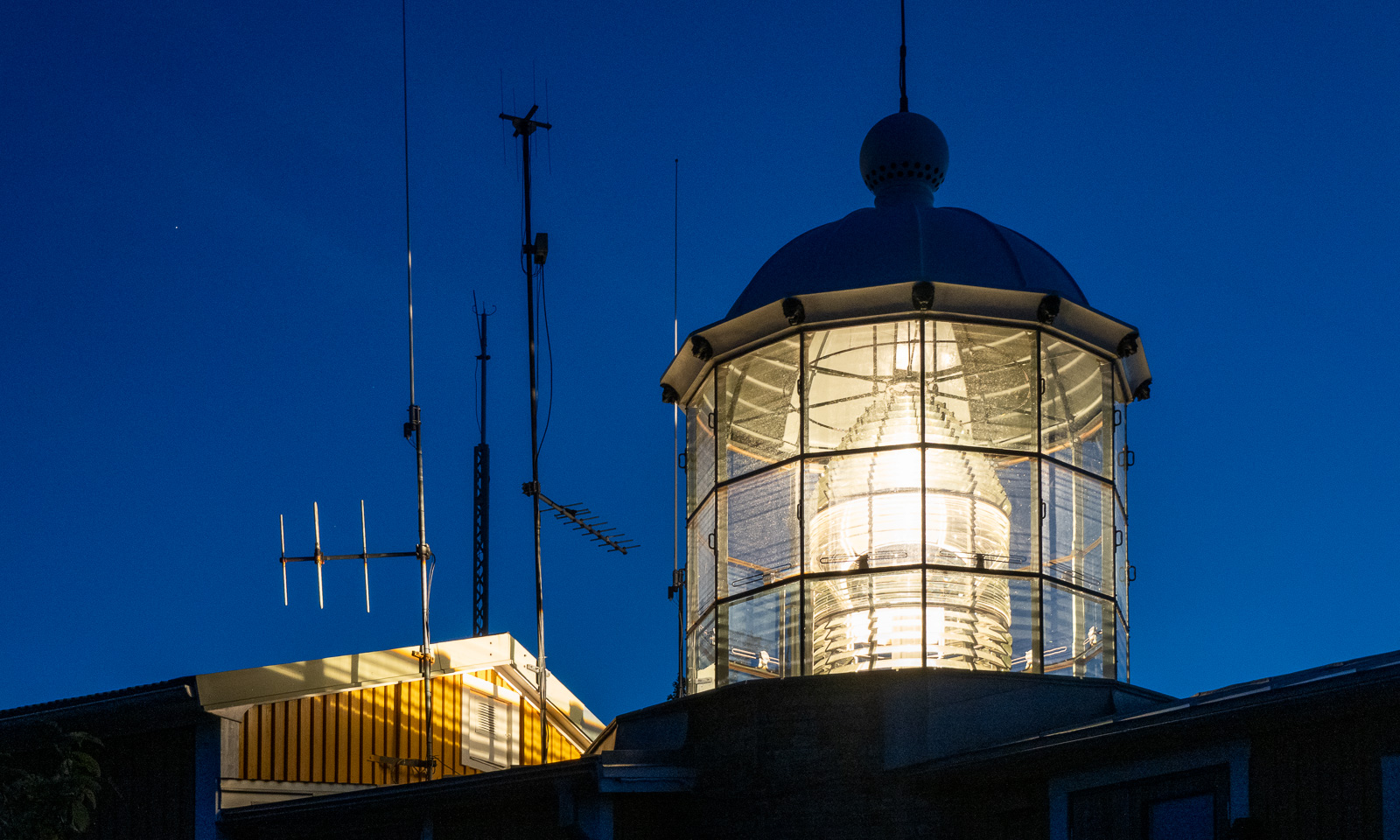
An hour later it has become darker and the stars are out. The pine trees appear as black silhouettes and the lighthouse has started its work.

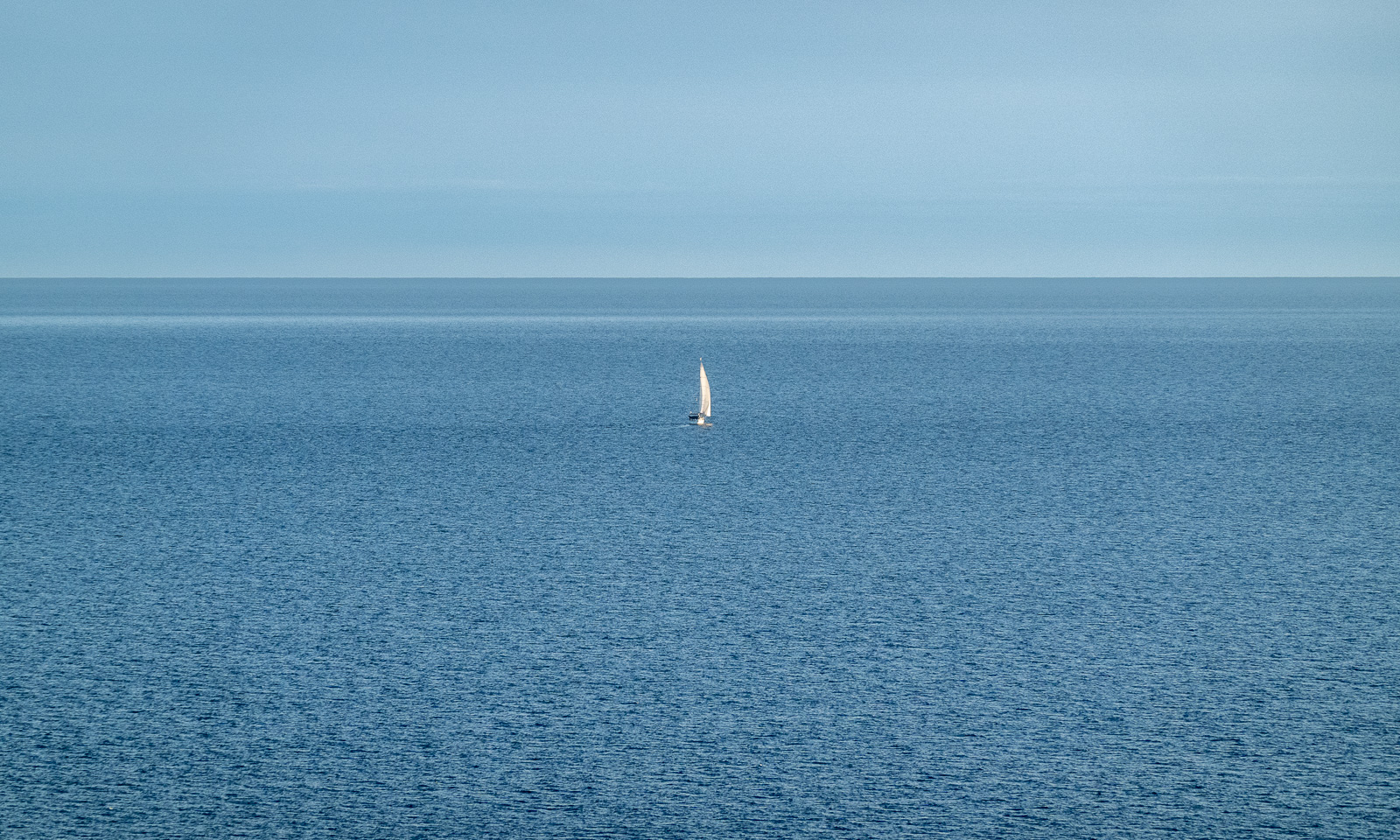
The next morning the weather is still clear. A small sailing boat is already out at 6 o’clock. Where does it come from, and where is it heading?

Today is Annika’s and my sixth wedding anniversary and I’m not only blessed to have Annika as my wife, but also glad that we are here together and the weather is nice and the hares are running and the birds are chirping and the butterflies are fluttering around and that we can even have breakfast outside in the sun. But before that: New day – new photos!

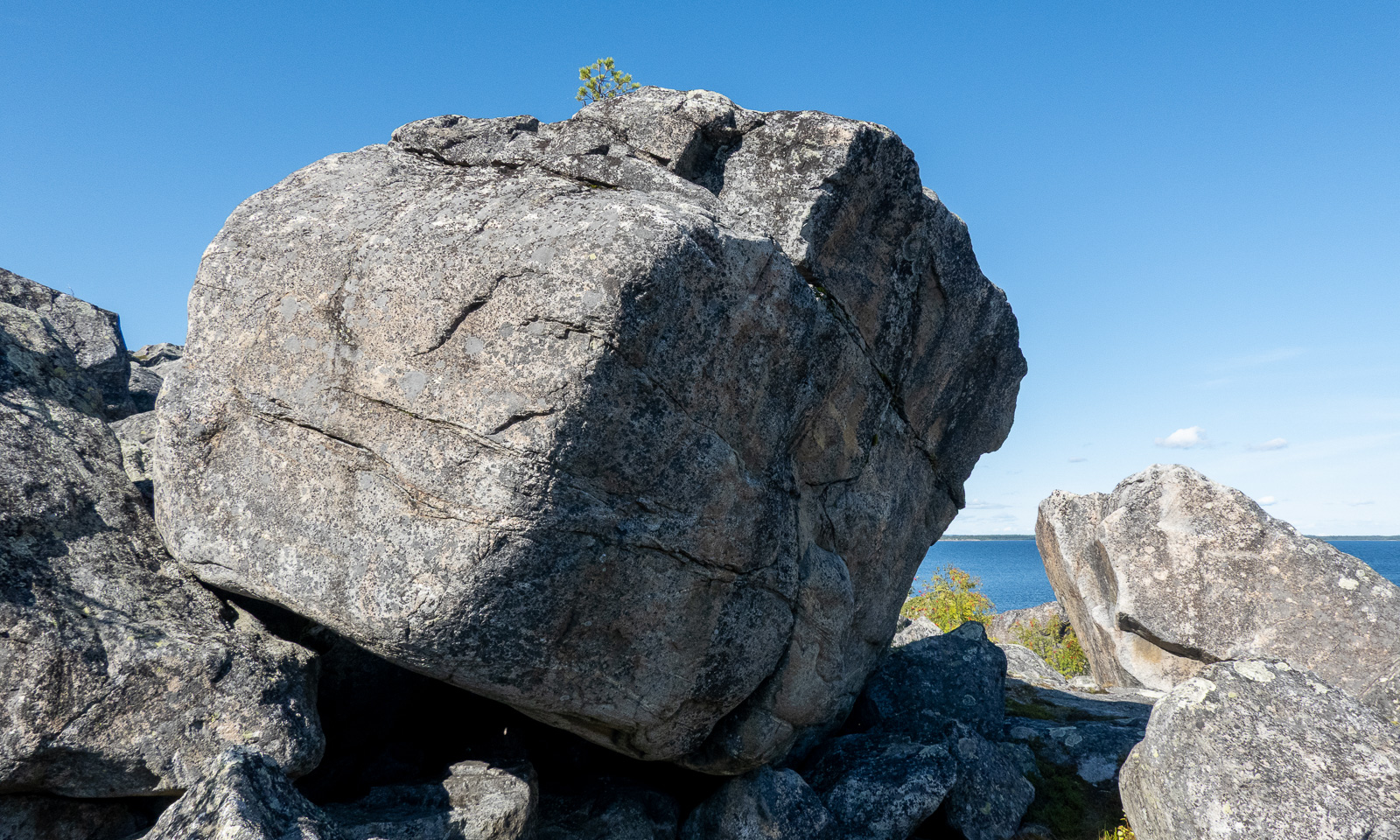
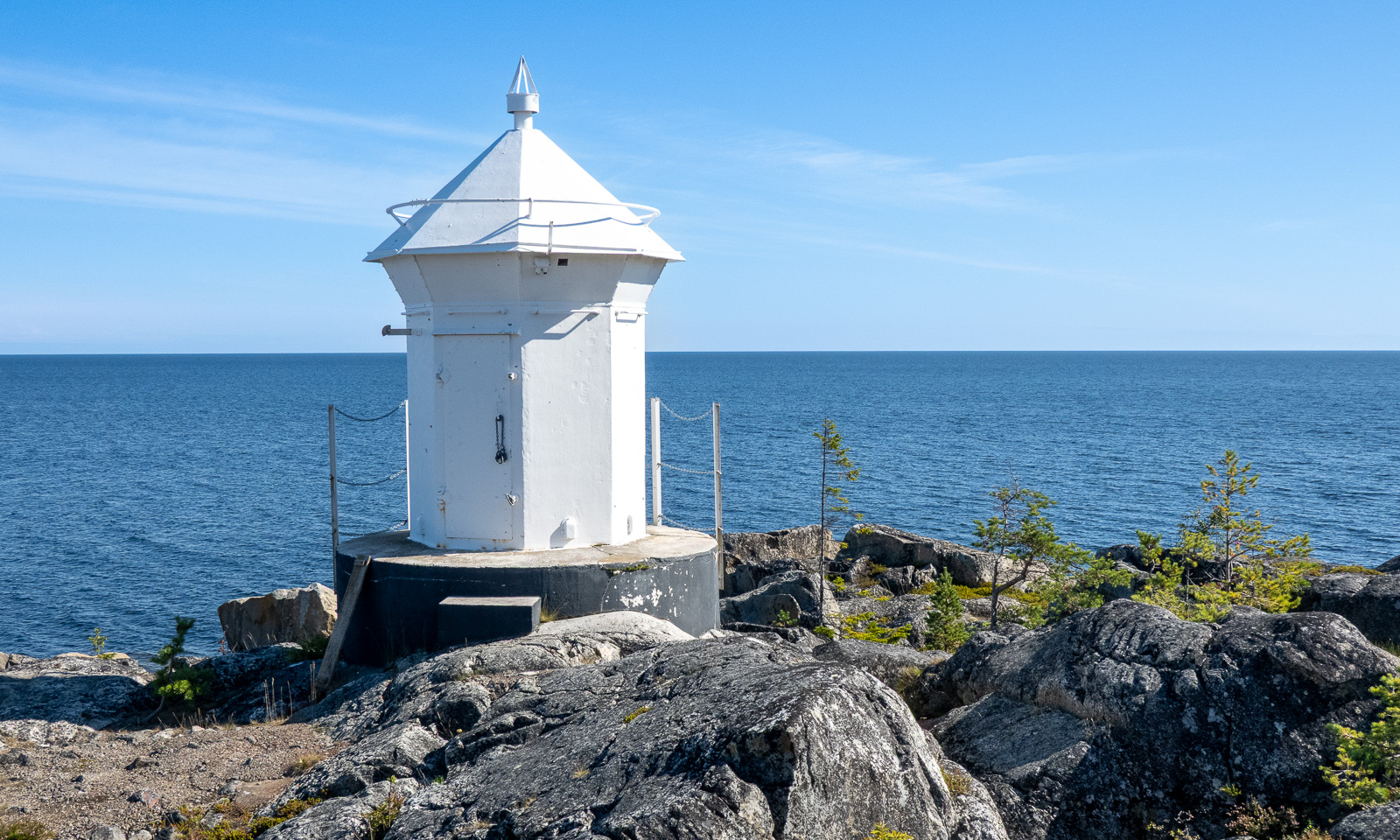
After lunch, Annika is picking berries while I am walking and climbing to the old lighthouse Bjuröklubb Nord Östra, an abandoned leading light situated by the sea.

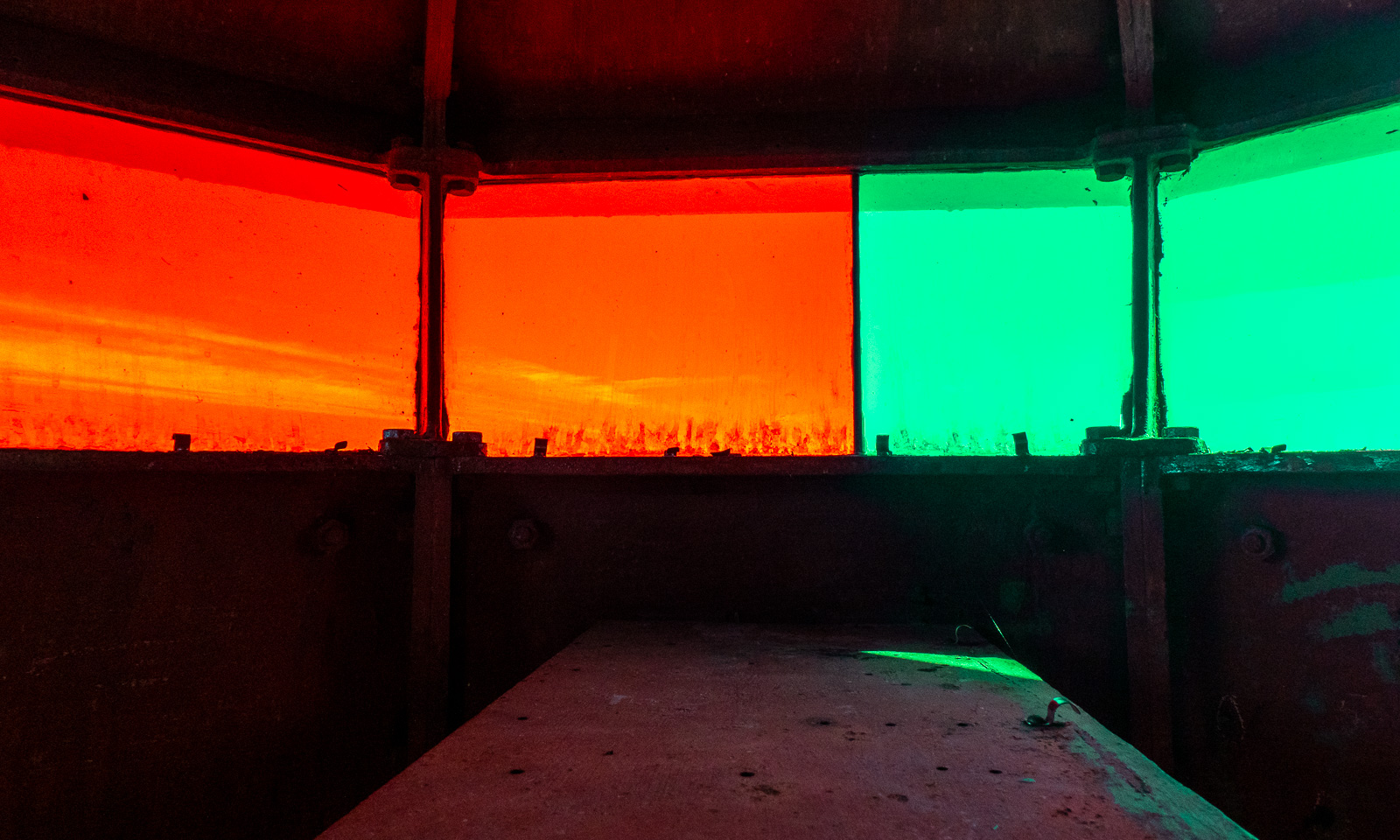
I unscrew a hook that locks the metal door, open it and peek in. While the windows still retain their colours, the light source is long gone.

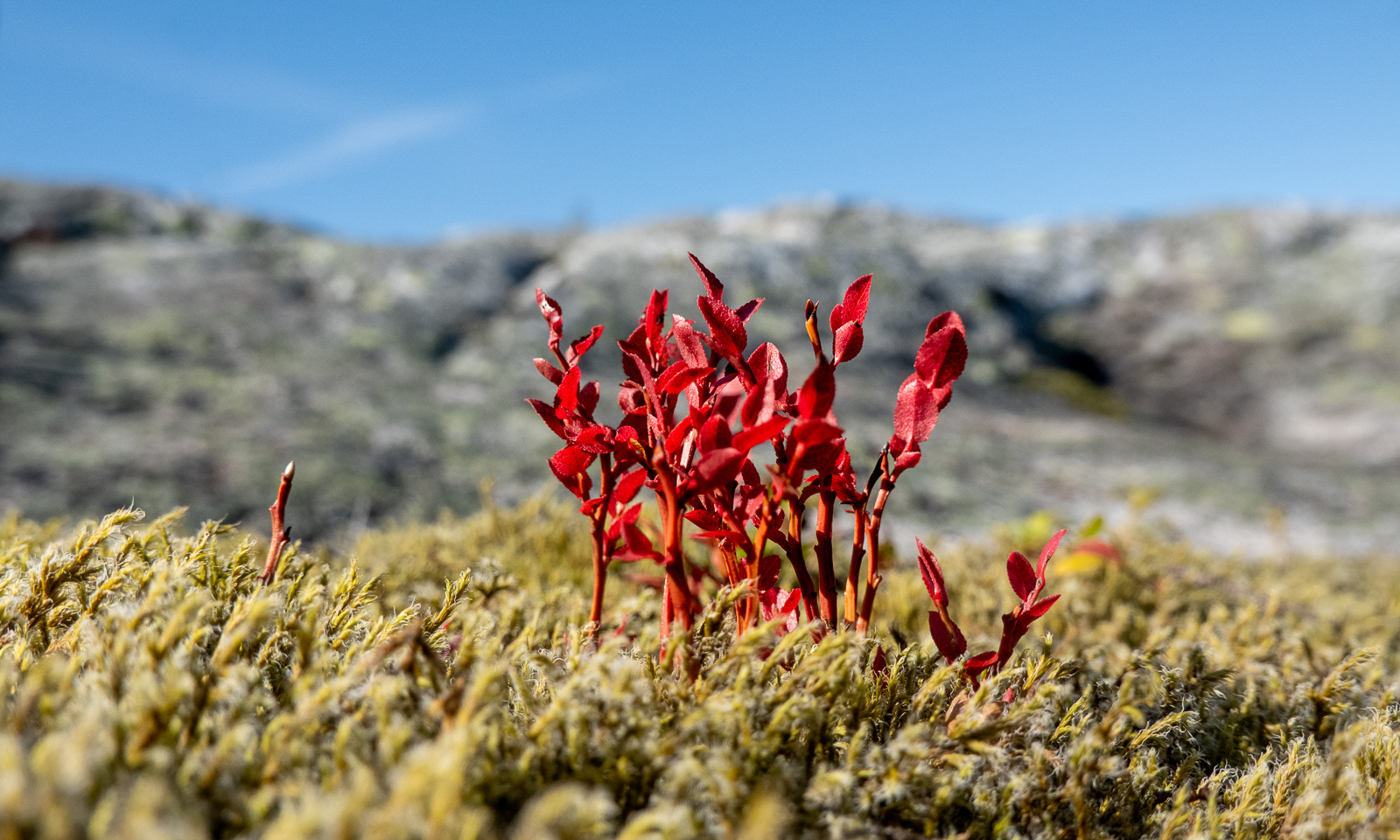
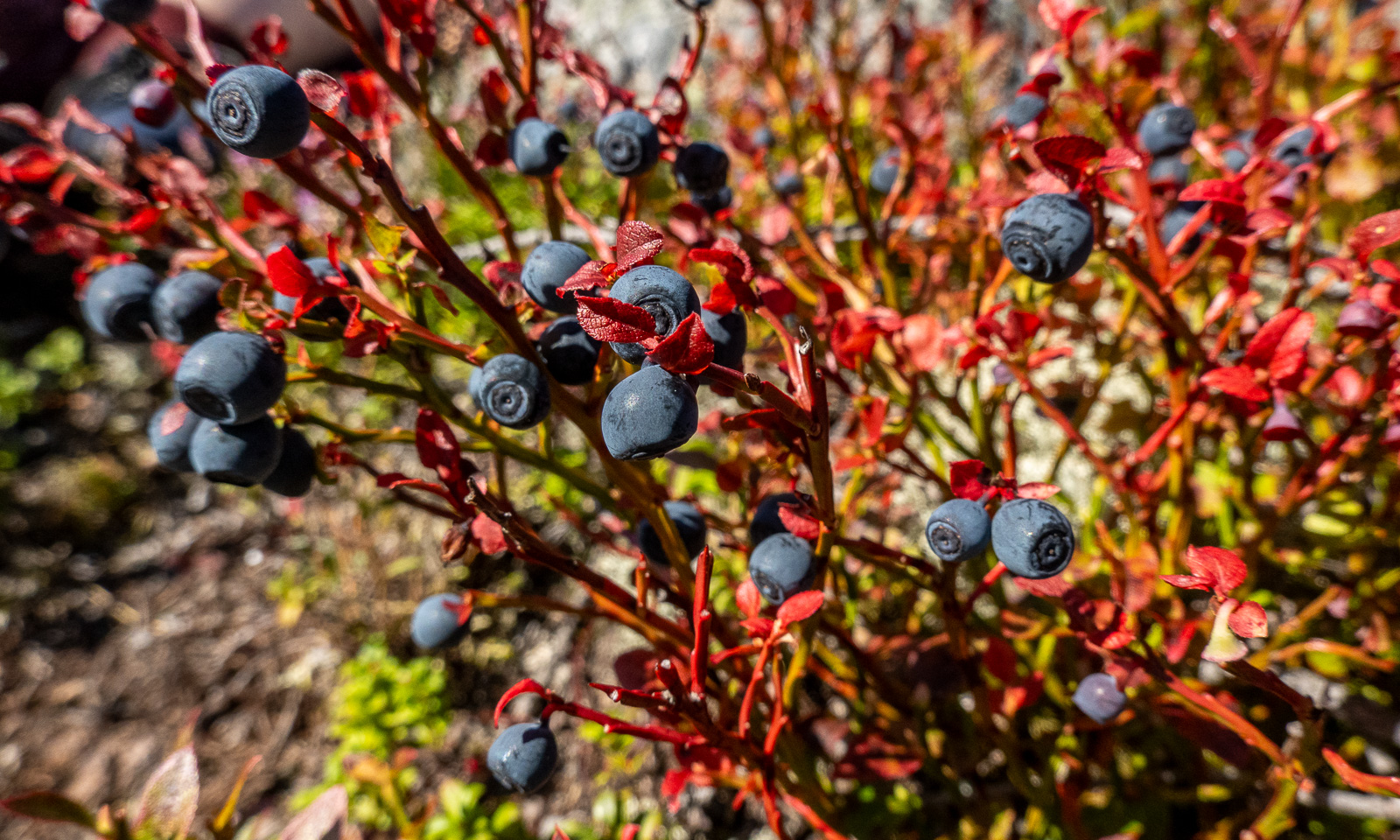
On my way back I meet Annika in the sun. She is still collecting blueberries. Although the warmth of the sun makes it feel like a summer day the bright red leaves on the blueberry bushes show that autumn is near.

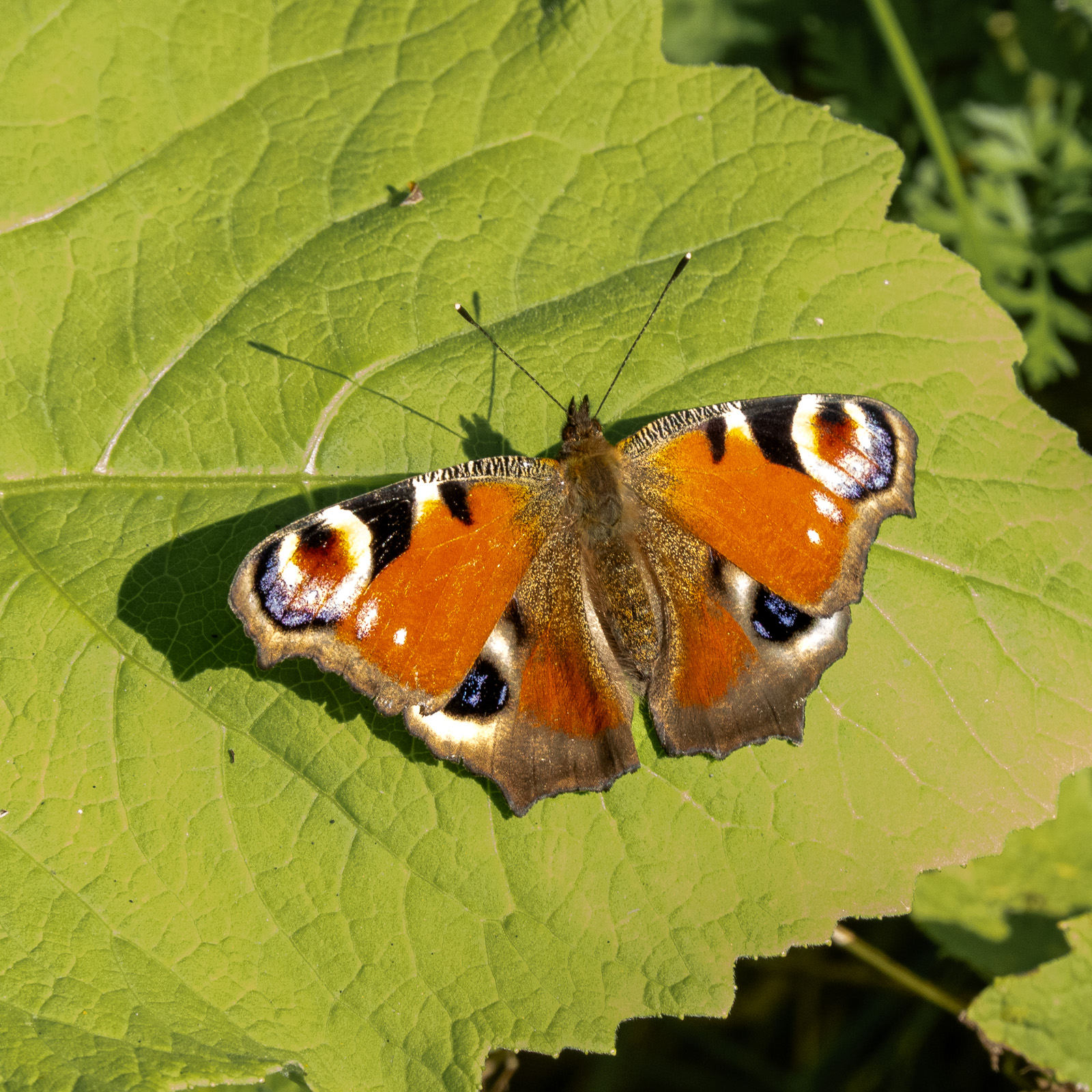
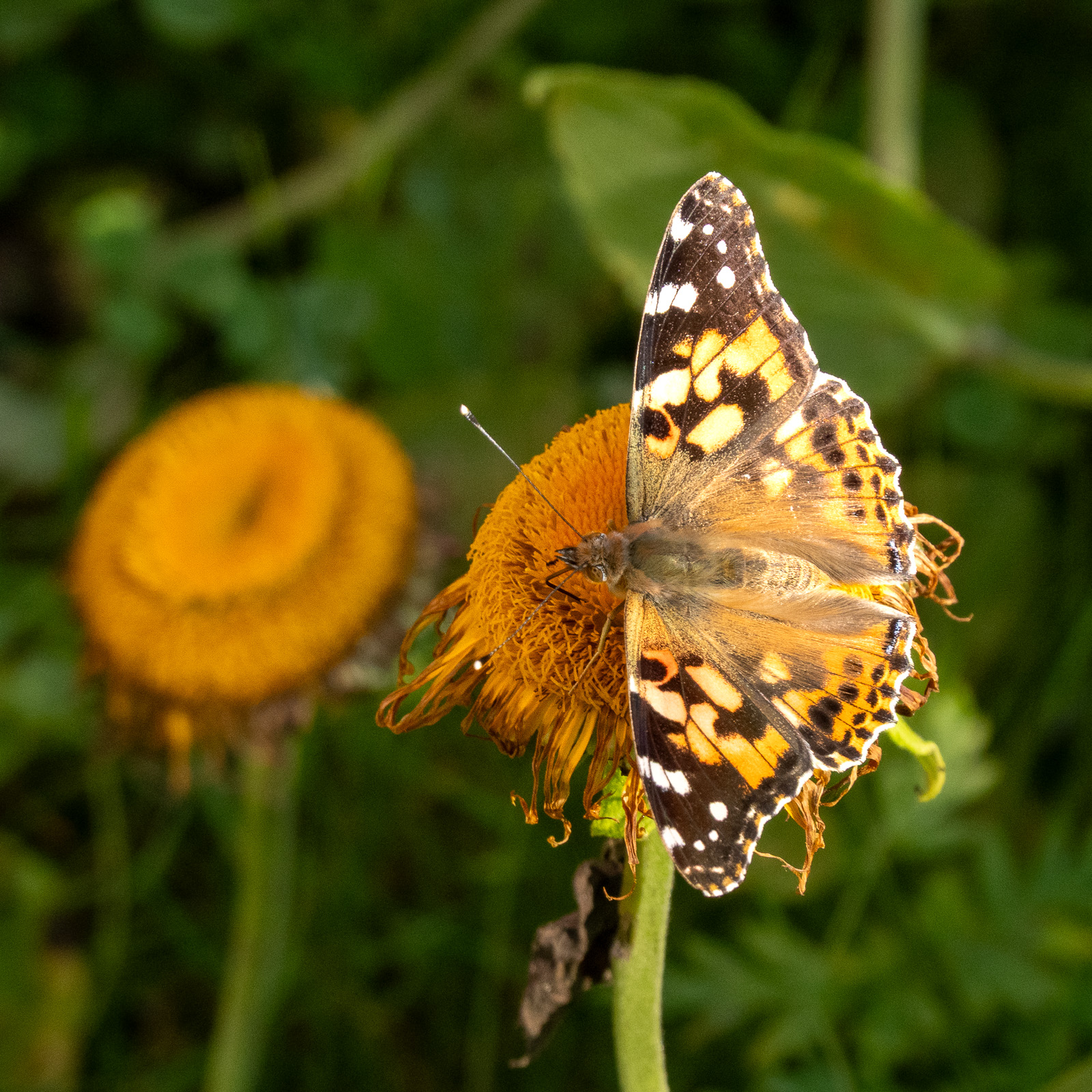
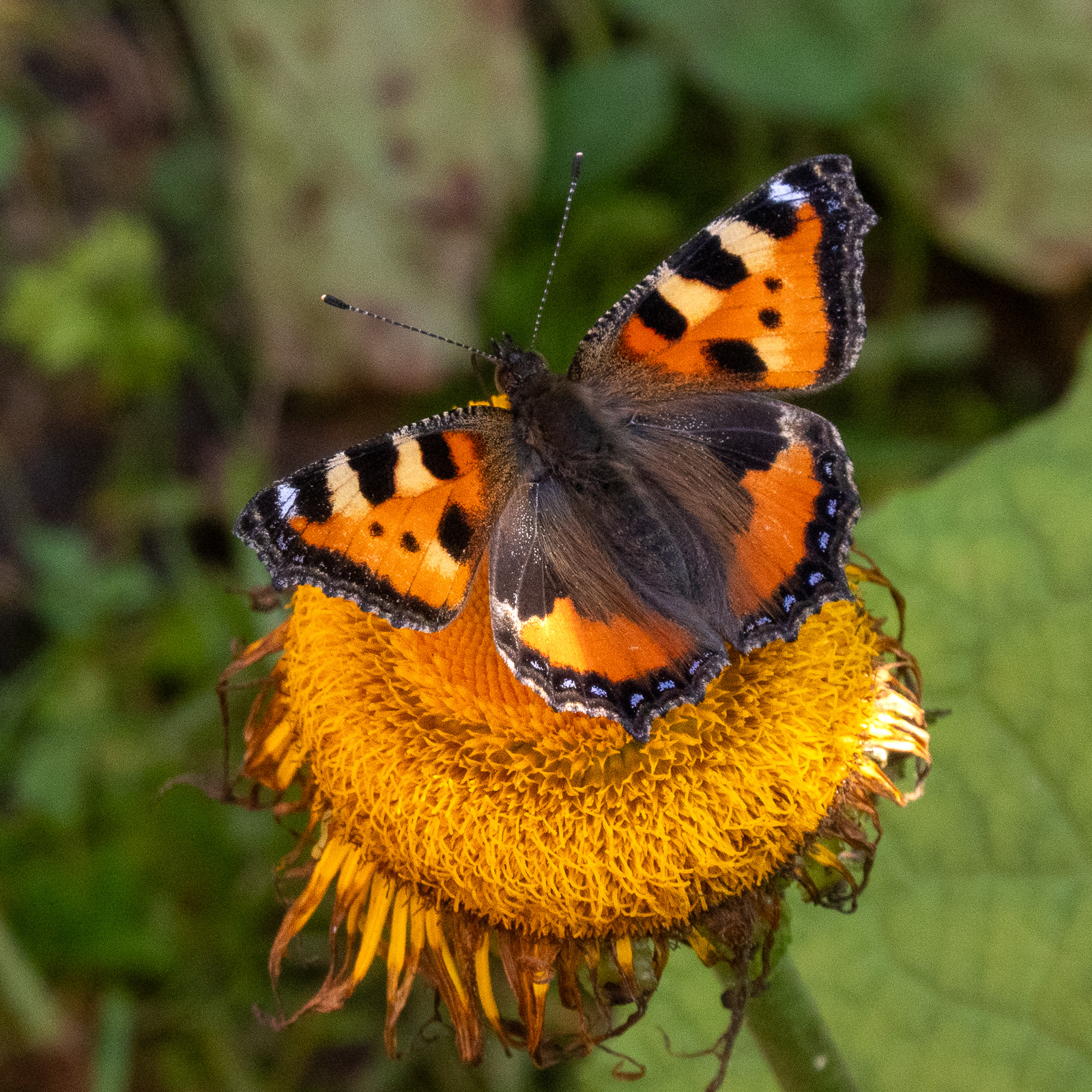
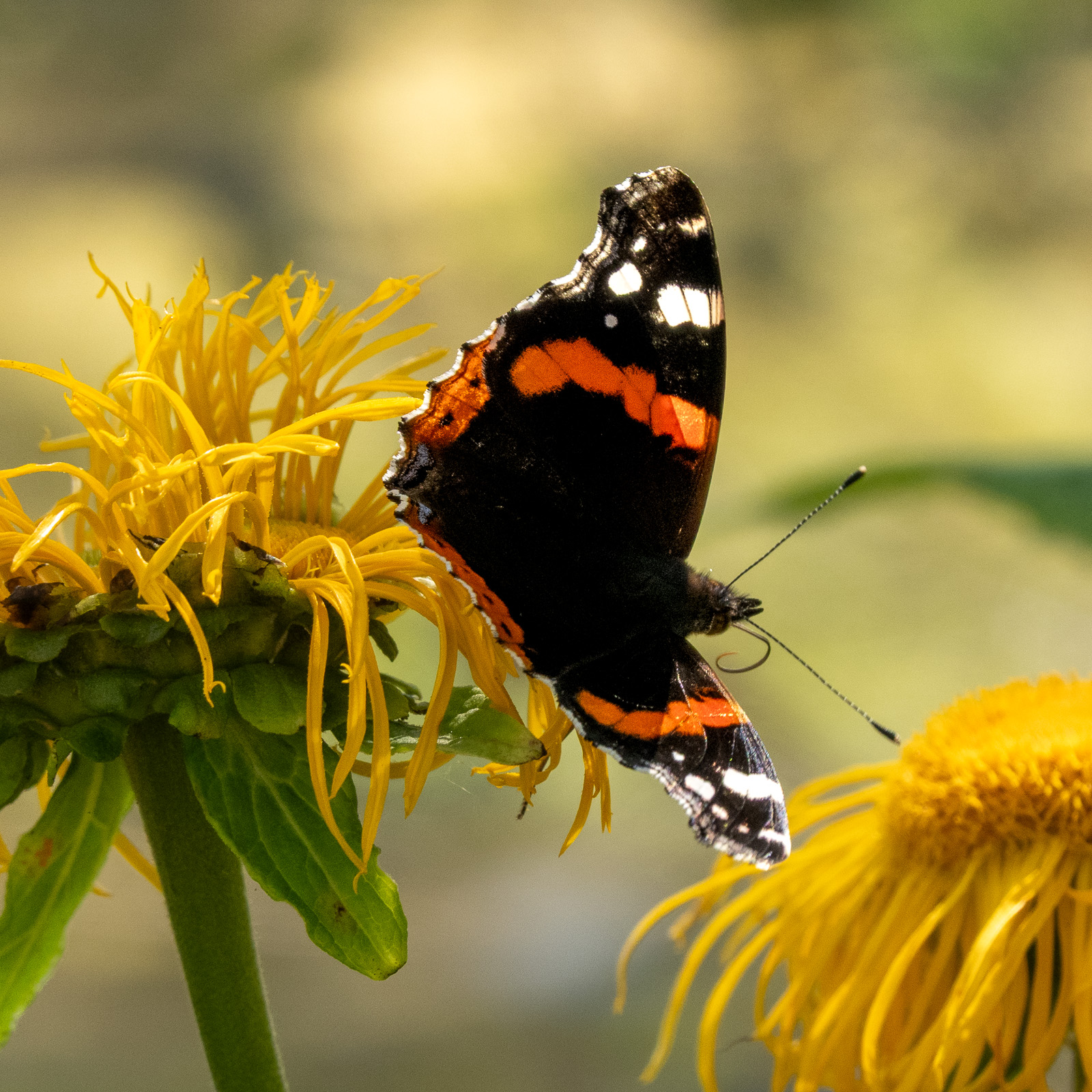
Meanwhile, the café has opened. Time to buy some ice cream. After I have finished mine, I try to take photos of the many, many butterflies. Anyway, that’s not easy because I left my big Nikon camera at home and my small Sony camera is a bit picky when it comes to focussing on such subjects. These are the best shots: European peacock (Aglais io) – painted lady (Vanessa cardui) – small tortoiseshell (Aglais urticae) – red admiral (Vanessa atalanta).

Ski tour in the Pallas-Yllästunturi National Park – day three

This article is part of the series “2026-03: Ski tours”.

4 March 2026

Today is the third and last day of the ski tour Annika and I are doing in the Pallas-Yllästunturi National Park. We slept in the hut Hannukuru. We expect to ski about 15 km and parts of it will be on groomed cross‑country ski trails. Day one of our tour was snowy and windy, day two was foggy, but today the sun is shining.

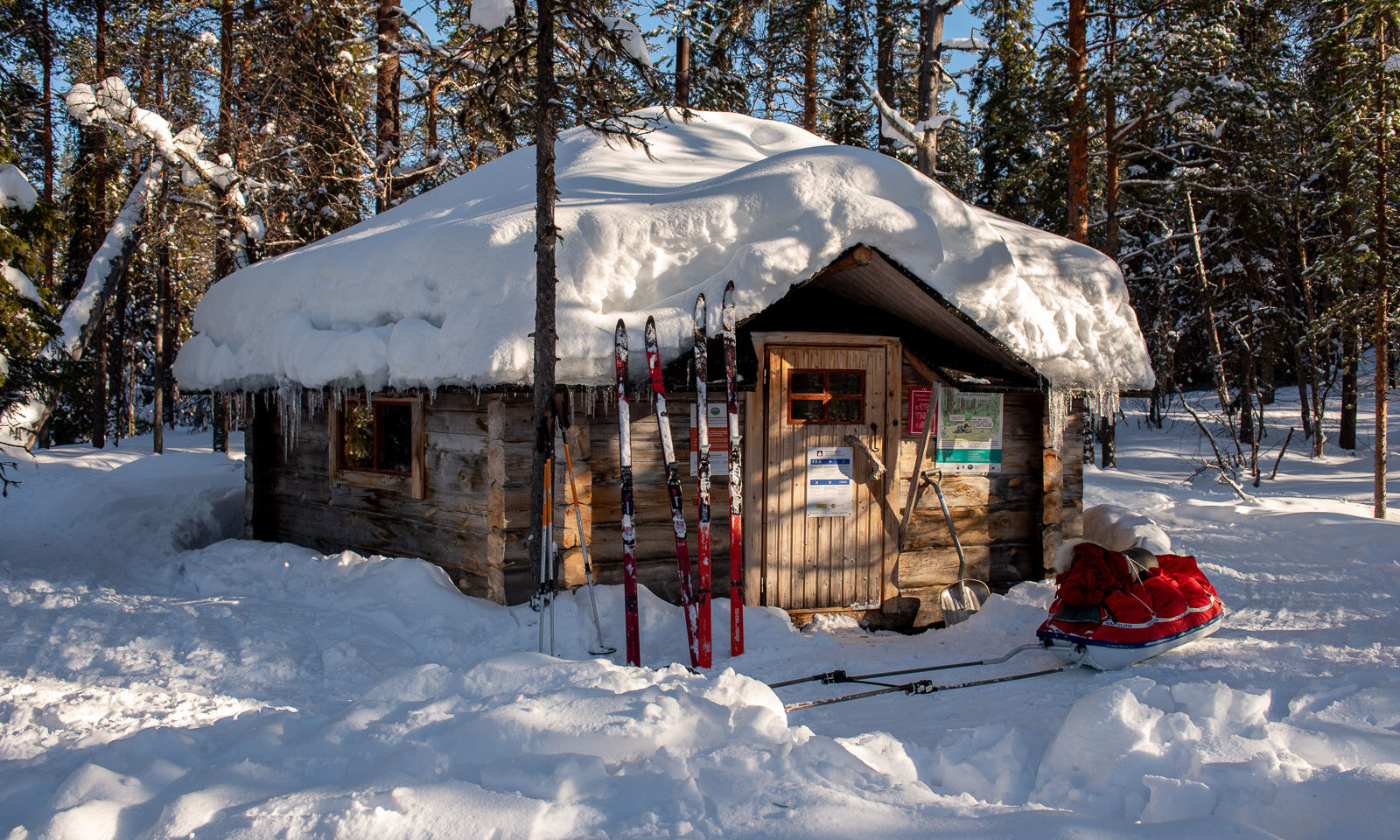
After our morning routines – breakfast, packing, cleaning – we set off at 09:45 local time. (Finland is one hour ahead of Central European Time.) We follow the trail back a hundred metres, cross the small lake and to our surprise we already meet the cross-country ski trail.

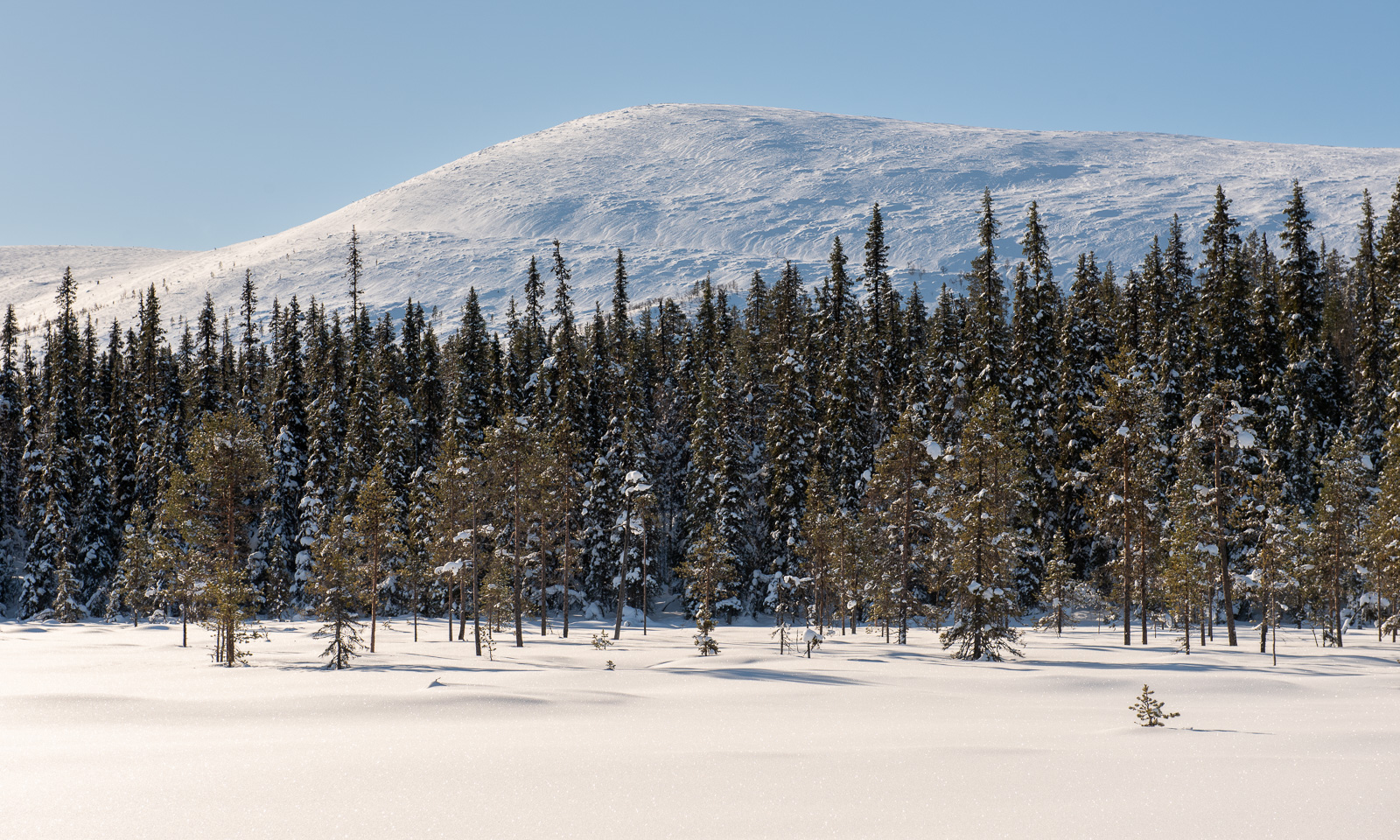
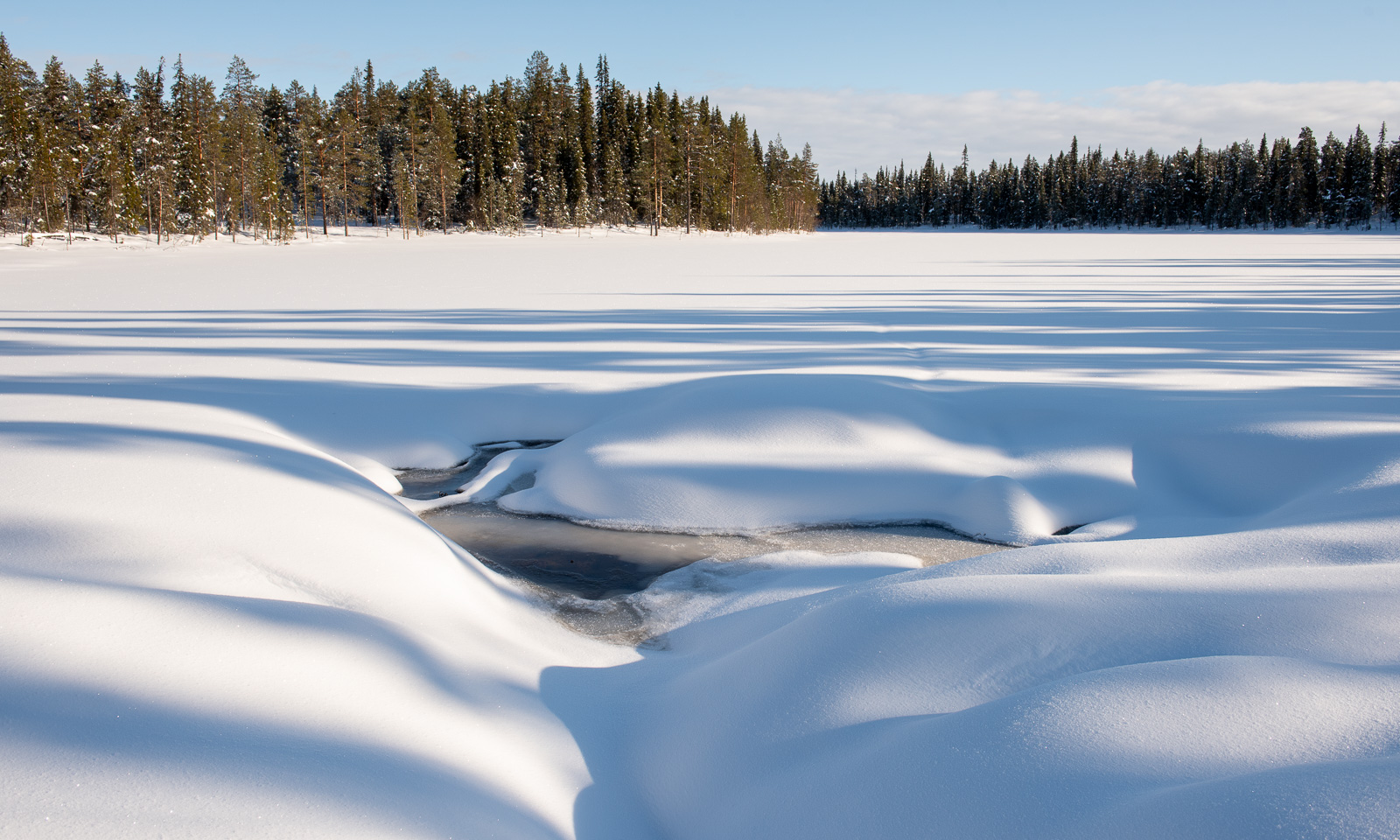
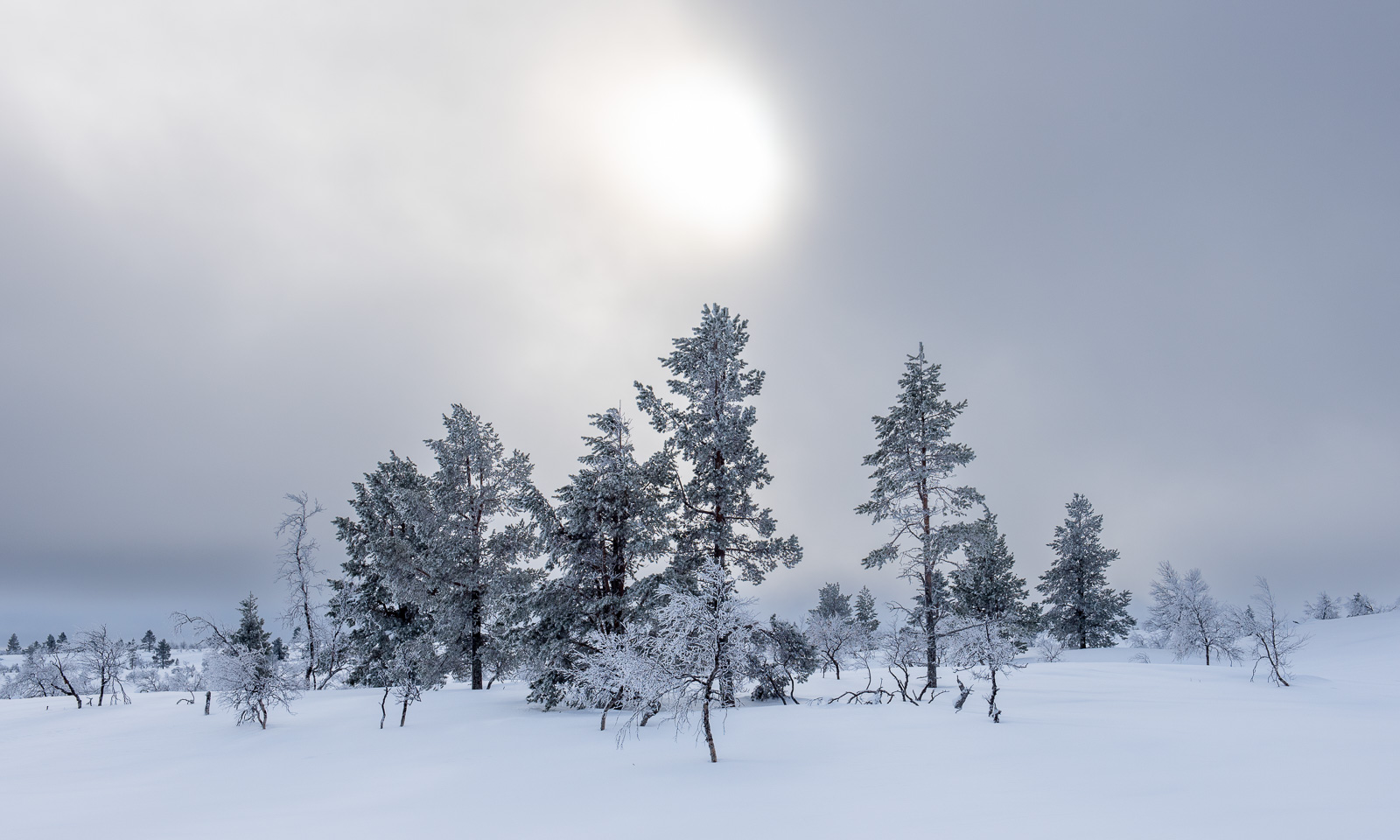
I expected to ski at least half the distance without any groomed trail, now it feels like “civilisation”. At the same time the calm weather and the blue sky give a completely different impression than the days before. First we have wide views of the snowy landscape and the mountains in the distance and many trees are covered in hoarfrost and snow.

We slowly descend into a large conifer forest and the terrain gets a bit hilly. A sign says “Vaarallinen lasku” which means dangerous slope. I walk a small section of this stretch but most of the trail is easy to ski.

We take a short break in the Varkaanjärven kota, not because we need to rest but because it’s there. Two young skiers arrive, looking for matches. They want to ski up to Hannukuru. As most skiers here they have cross-country skis, not the broader backcountry skis that we are using. Probably they are four times faster uphill then we are downhill.

Now we can see the first huts, houses, a snowmobile trail and then we arrive in the village Vuontispirtti.  At the hotel Tunturihotelli we take a cold coke and I eat a sandwich. Our ski tour has come to an end. Not the planned one but a good one.

The distances: 17 km + 11½ km + 13½ km, summing up to 42 km.

Our speed: 2.8 km/h in average including all shorter and longer breaks.

Will I – or we – do another ski tour in Finland? A few days ago I definitely had denied this idea. Now, while blogging I see the tour and the landscape much more positively. So my answer: I don’t know. Ask me again a bit later.

Ski tour in the Pallas-Yllästunturi National Park – day two

This article is part of the series “2026-03: Ski tours”.

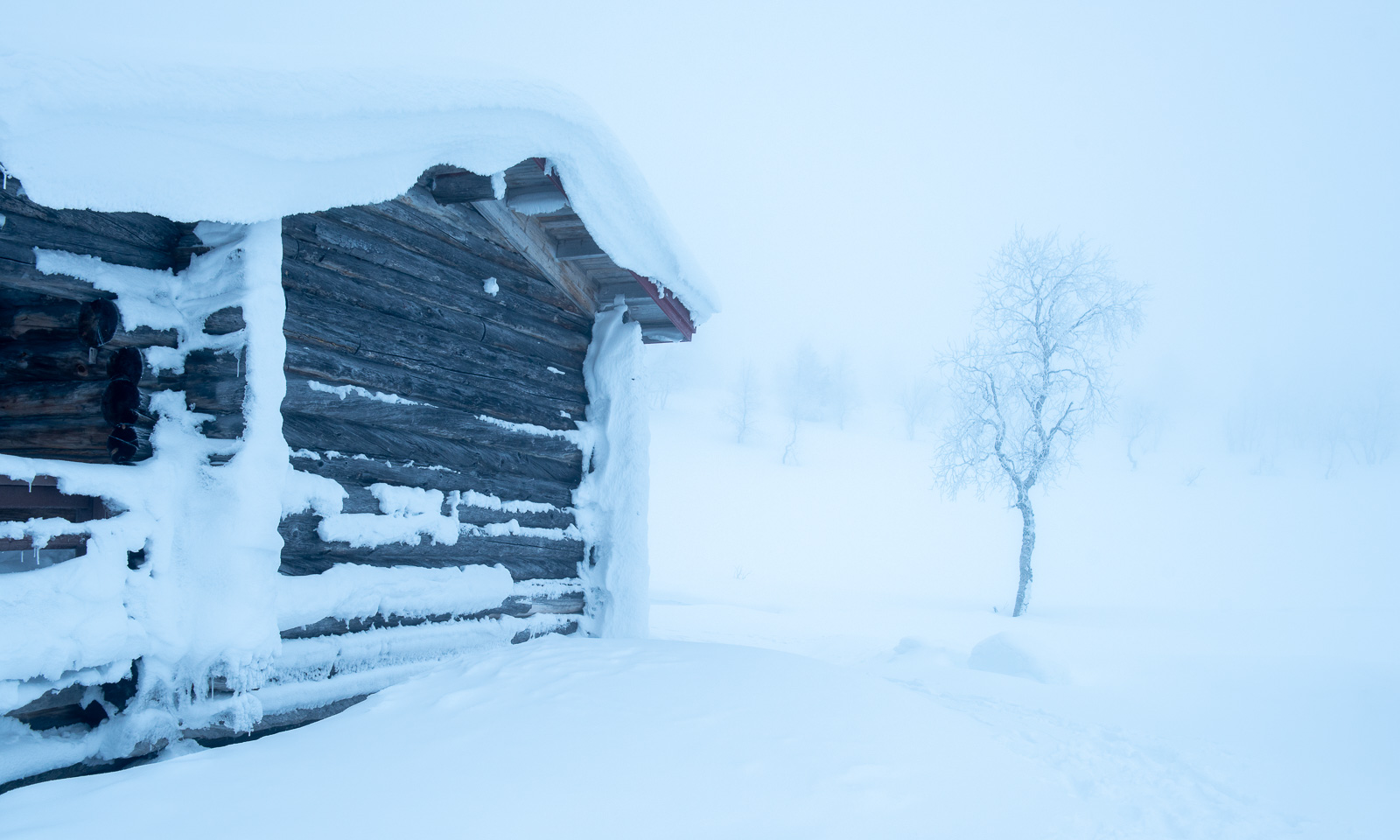
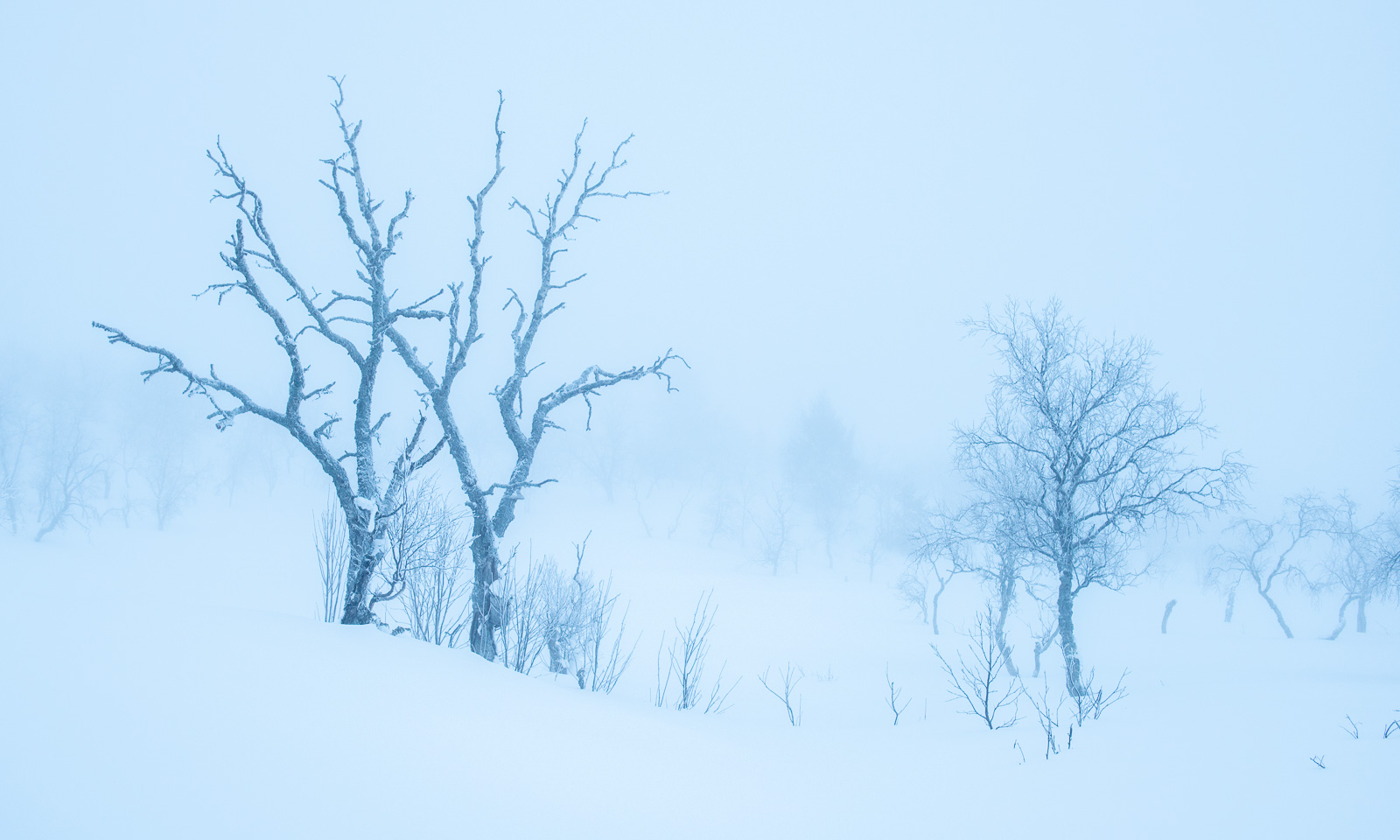
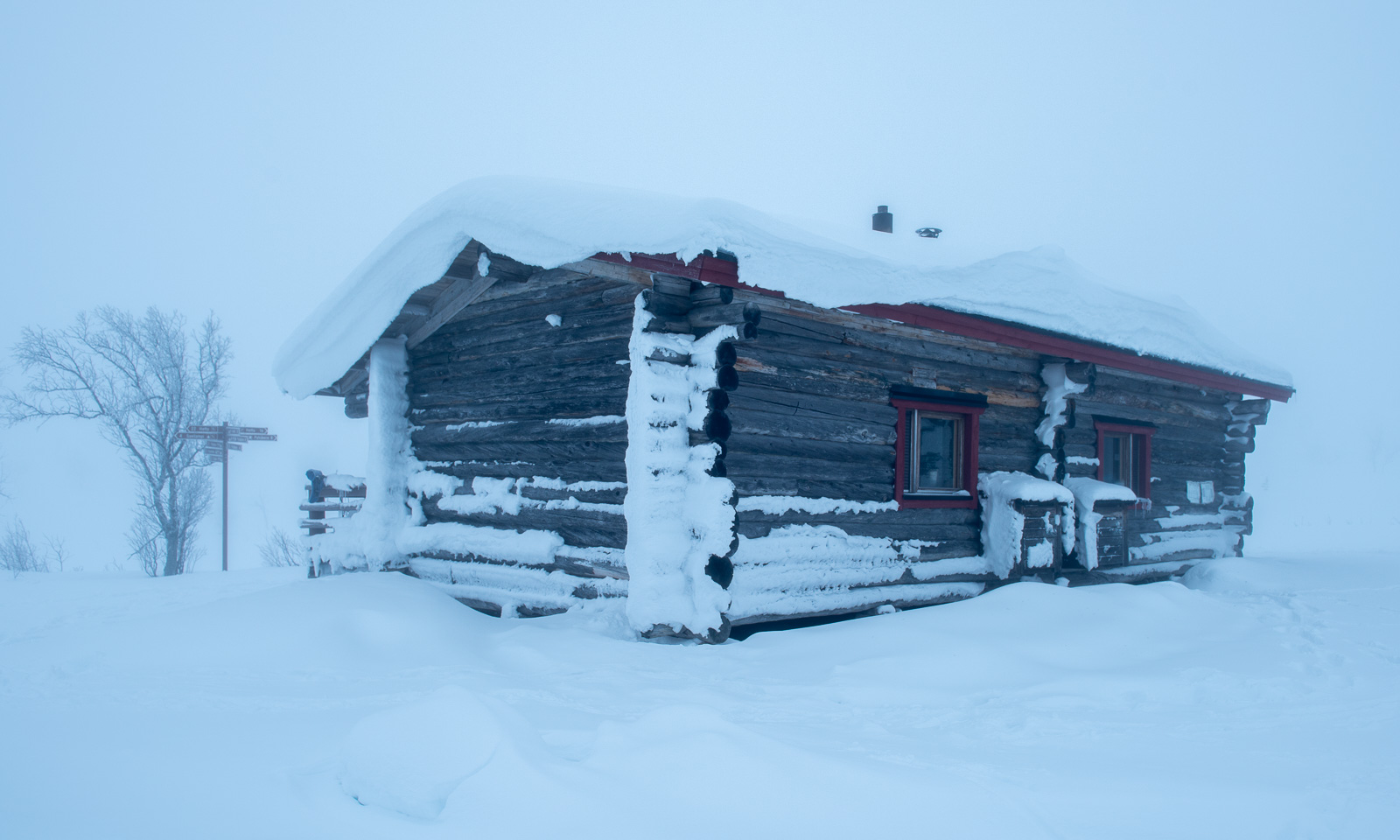
When I wake up in the hut Sioskuru in the Pallas-Yllästunturi National Park the scenery has changed since yesterday. Thick fog makes the world small and the few visible trees are all covered with frost.

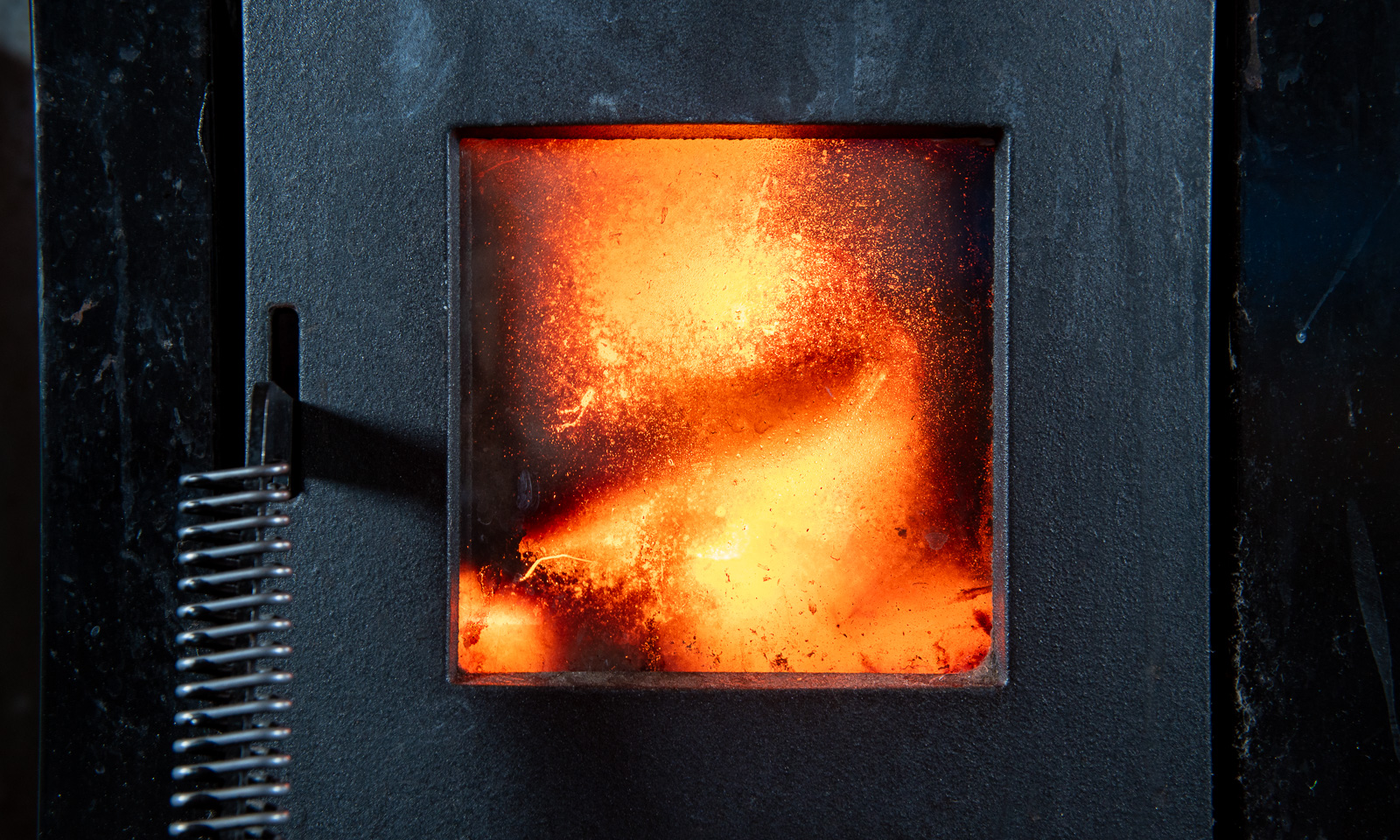
Time to light the stove in our small room.

Yesterday we started our ski tour in Hetta, today we want to continue on to Hannukuru, the next cabin. The distance is shorter than that of the previous day and although it is foggy the weather is calm. At 9:45 we set off. We pass the wooden bridge and ski into the fog.

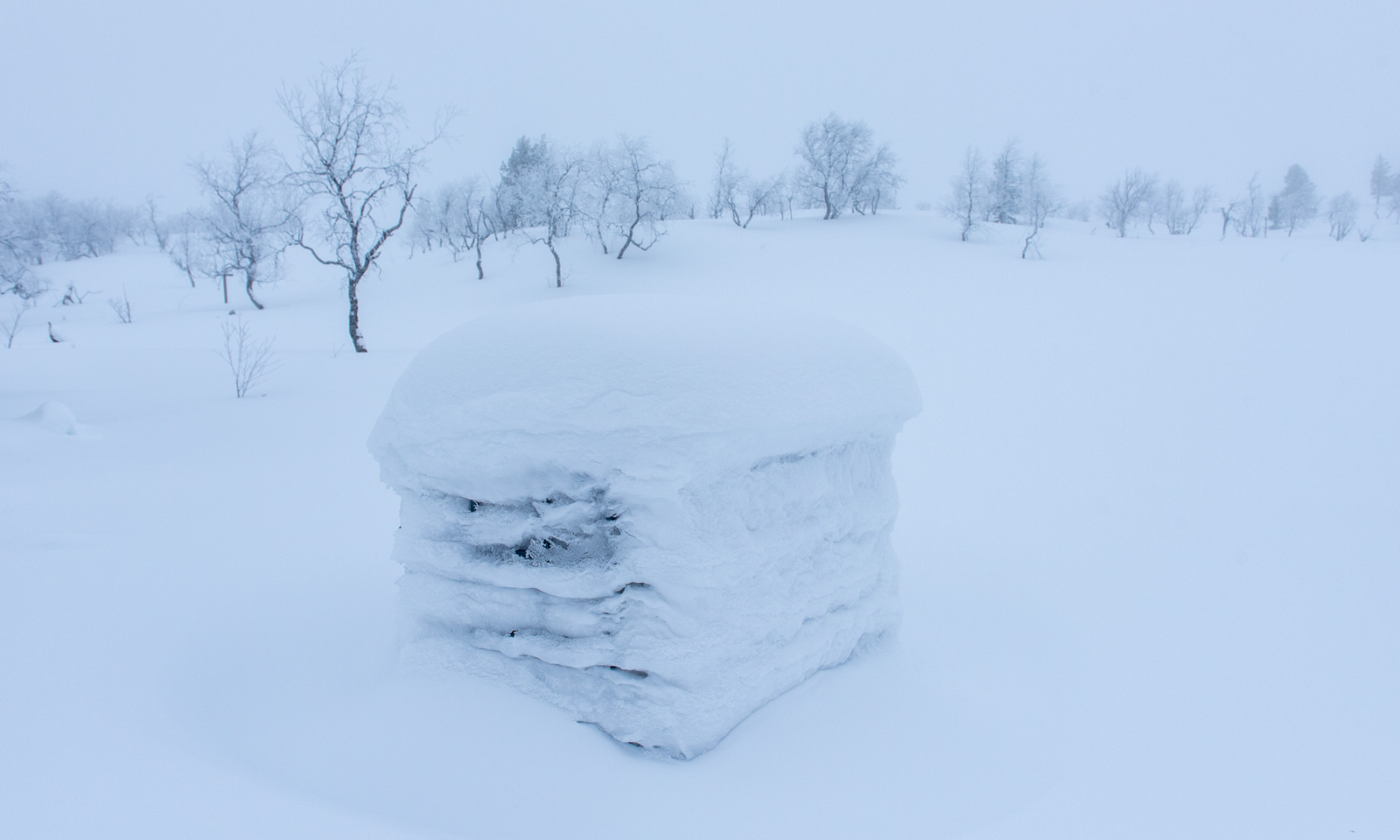
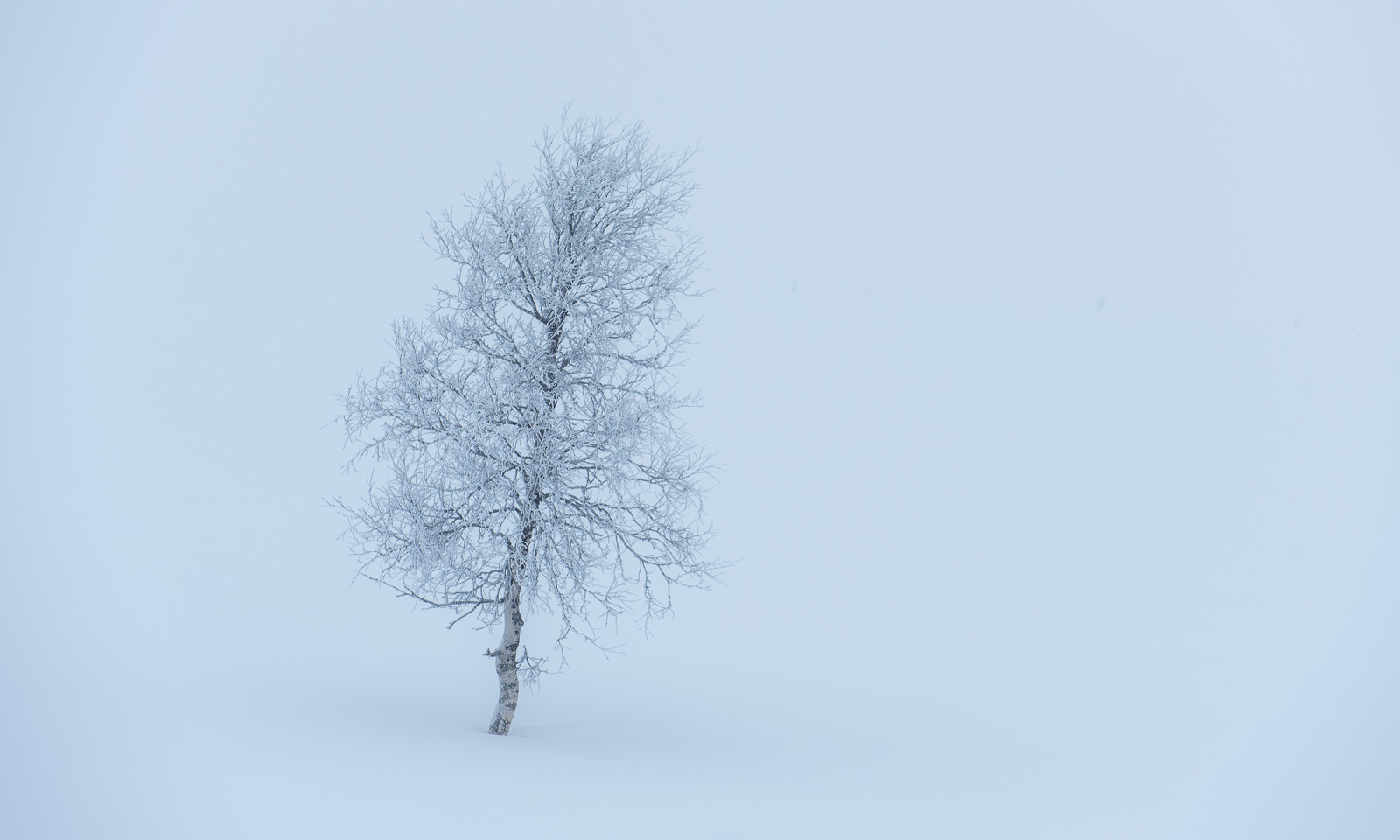
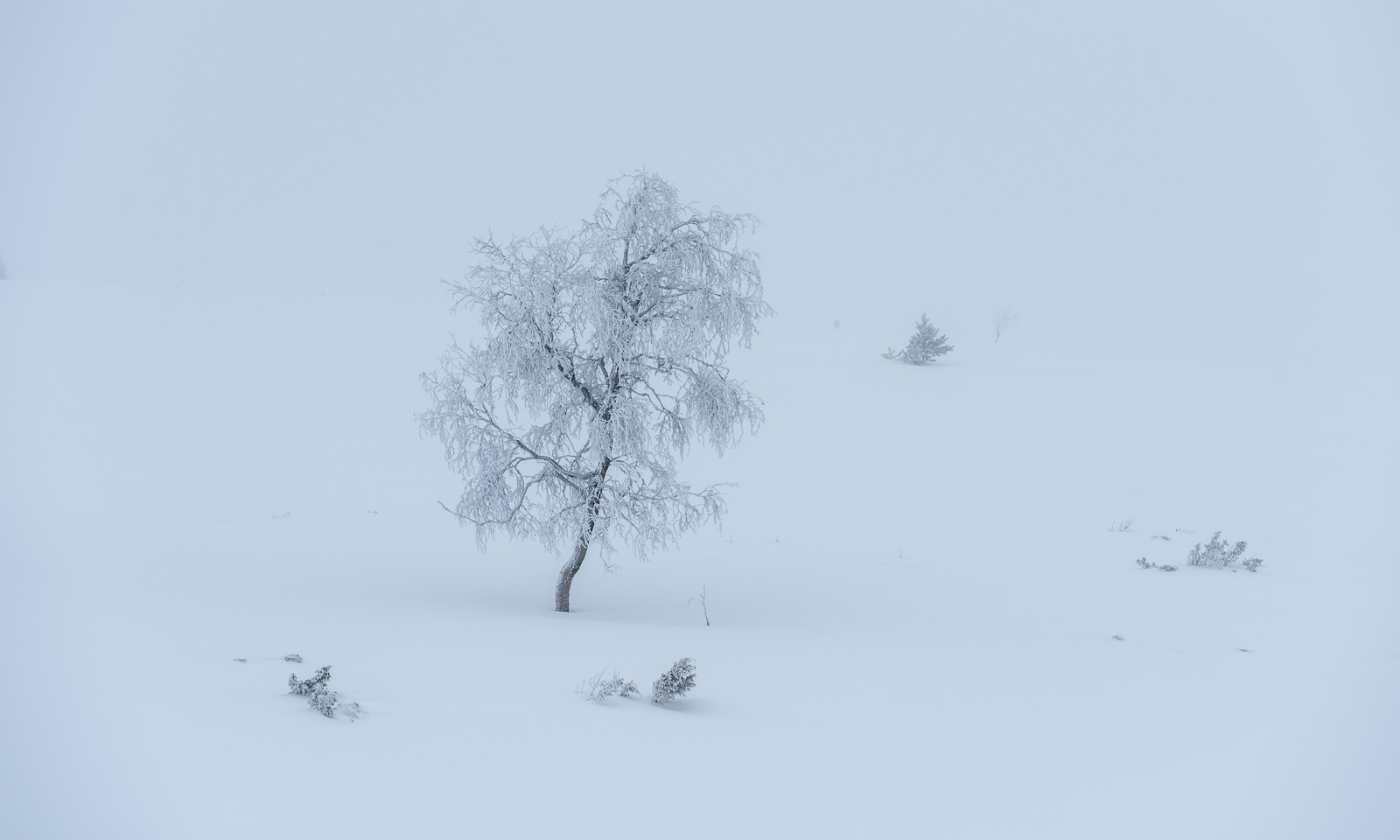
It is like skiing through a contemporary art exhibition with us being the only visitors. There is fog and there are some frosted trees, some of them are real beauties. And there is silence.

Slowly we gain elevation. Fewer and fewer trees grow here. I’m glad about the wooden waymarks, it would be an effort to navigate through the fog in this featureless landscape.

After crossing this plateau, we descend a bit and are below the timberline again. The fog has started lifting, but it is still grey.

I am still a bit exhausted from the day before but I cannot explain why it is so hard to ski today. It is as if the landscape is bewitched and sucks all my energy, motivation and happiness from my body, my mind and my soul. More and more I have to stop, lean forward on my ski poles and ask myself why I should ski another metre. We are getting slower and slower and it feels like Dementors from Harry Potter’s magical had gathered here in this bleak nothingness. I stop and shout my frustration into the void with words not suitable for publication. Then another nine and a half metres of skiing. A stop. Some more steps. And so on.

After two hours something happens. The clouds have started breaking up and all of a sudden the sun is coming out. It is maybe only half a minute but it helps me to look ahead again. I’m still exhausted but I can see the beauty of the landscape again and of course I know that we will reach the next cabin.

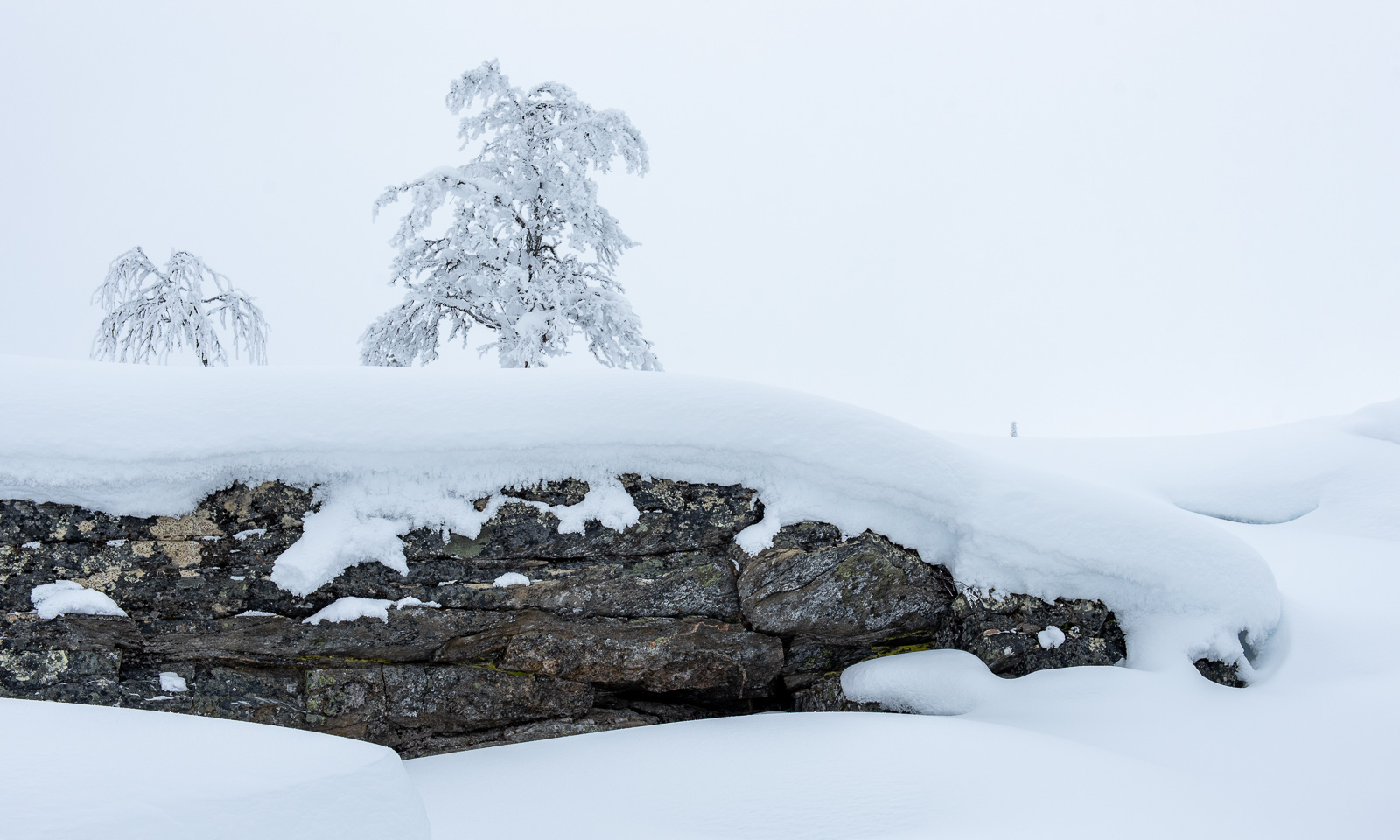
There are more and more trees and in another small hollow we even spot something we yet didn’t see: rocks!

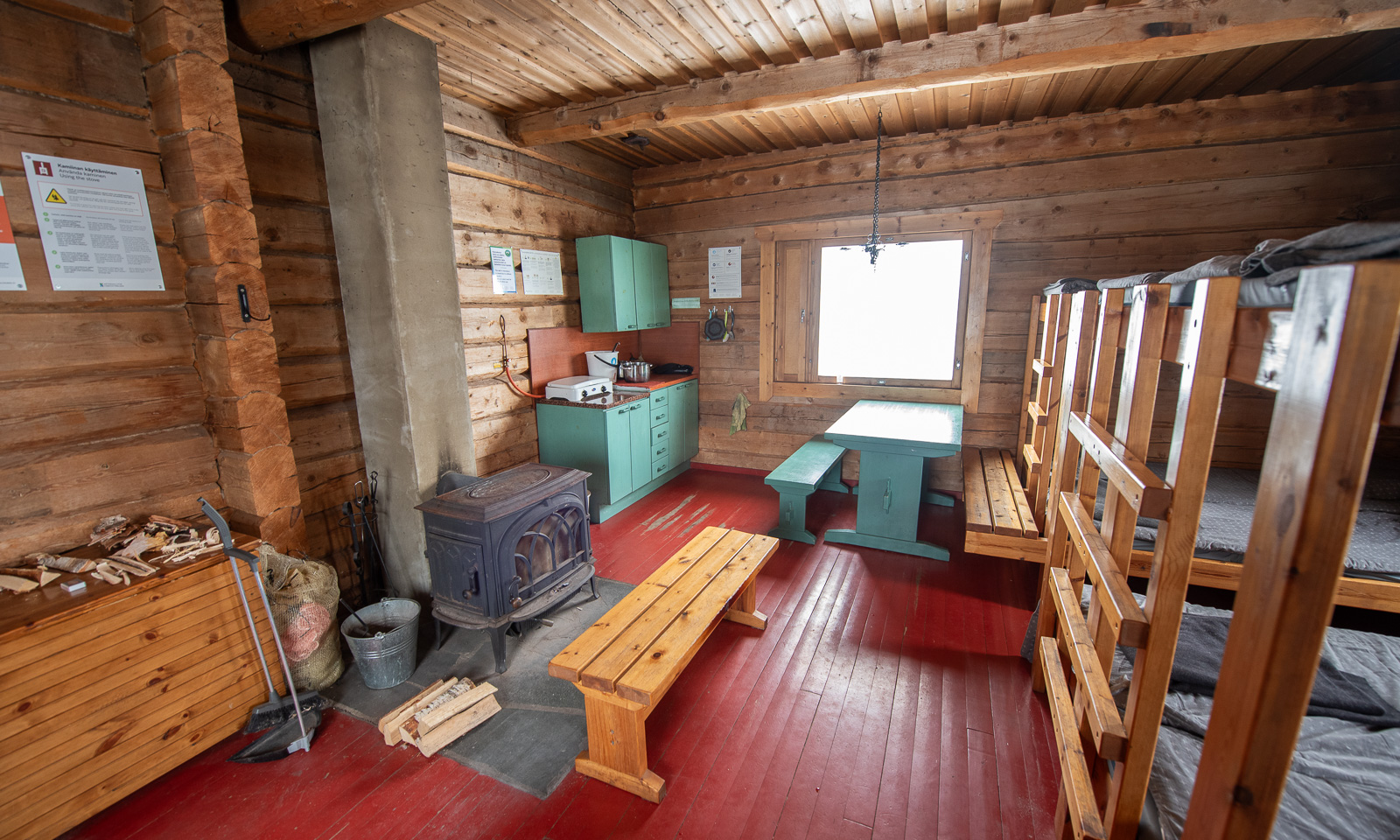
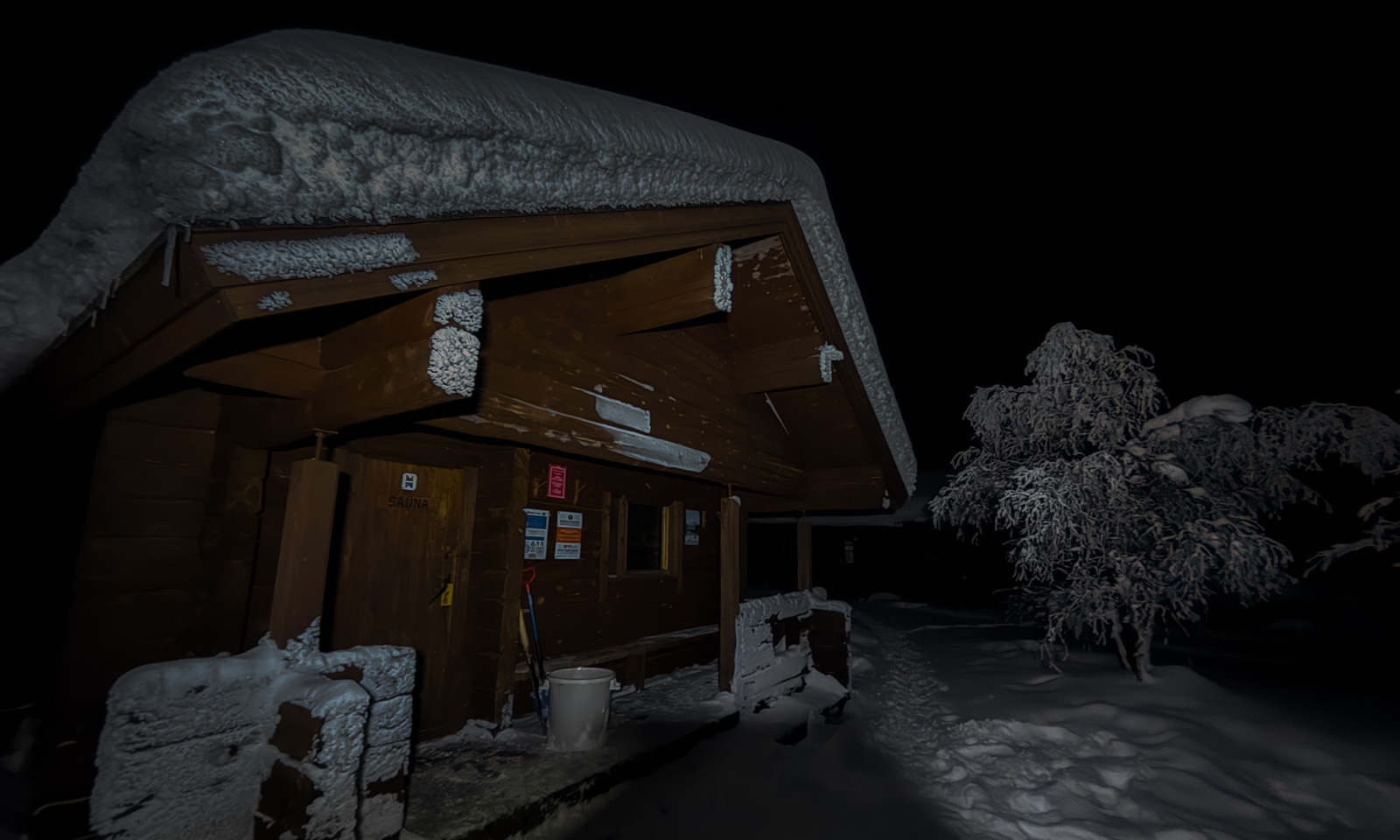
After 11.7 km (and more than 5 hours) we reach the hut Hannukuru, or rather the wilderness village of Hannukuru. There are several huts, woodsheds, outhouses and a sauna. We search our pre-booked shared rental hut, unlock “Hannukuru Hanna” – the room on the right – and inside I spot the most beautiful collection of  kindling I’ve ever seen in my life.

While Sioskuru was pretty small and more a mattress room, this spacious room provides bunk beds for twelve people and a giant wood-burning stove.

I am eating part of the chocolate that I forgot we had with us. Annika is soaking dried potatoes and vegetables for the dinner: frittata. Delicious!

Before dinner we plan the next day’s route. We cannot change it – the skiing distance to Nammalakuru, the next hut is 21 km with a tedious ascent in the end. We are considering to change our plans and ski east instead. Reason one: the long distance, likely in untracked terrain. Reason two: the weather forecast that predicts warm temperatures with sleet and freezing rain.

A Finnish couple in the other room knows the area well and shows us the options. We decide to ski east to the small ski resort Vuontispirtti. This also means that we can sleep longer the next day. When three other skiers invite us to use the sauna after them we gladly accept. What a wonderful end of a quite strange and tiring day. And yes – Finnish saunas are hot!


Fresh snow in Tromsø

It has been a while since it snowed in Tromsø. Nevertheless, the trees have been white this week, not because of any snow but because of the hoar frost. Yesterday many trees – large and small – were still covered in hoar frost. In the afternoon it started snowing.

When I woke up today the outside scenery looked as wintry as it could be. The next two photos I took from the balcony of my flat on Tromsøya this morning.

Today after breakfast I went on a ski tour. Not a big one, just starting at the gravel road that leads into the forest 350 metres from here. The road leads to the ski run and crosses a cross-country ski track on the way there.

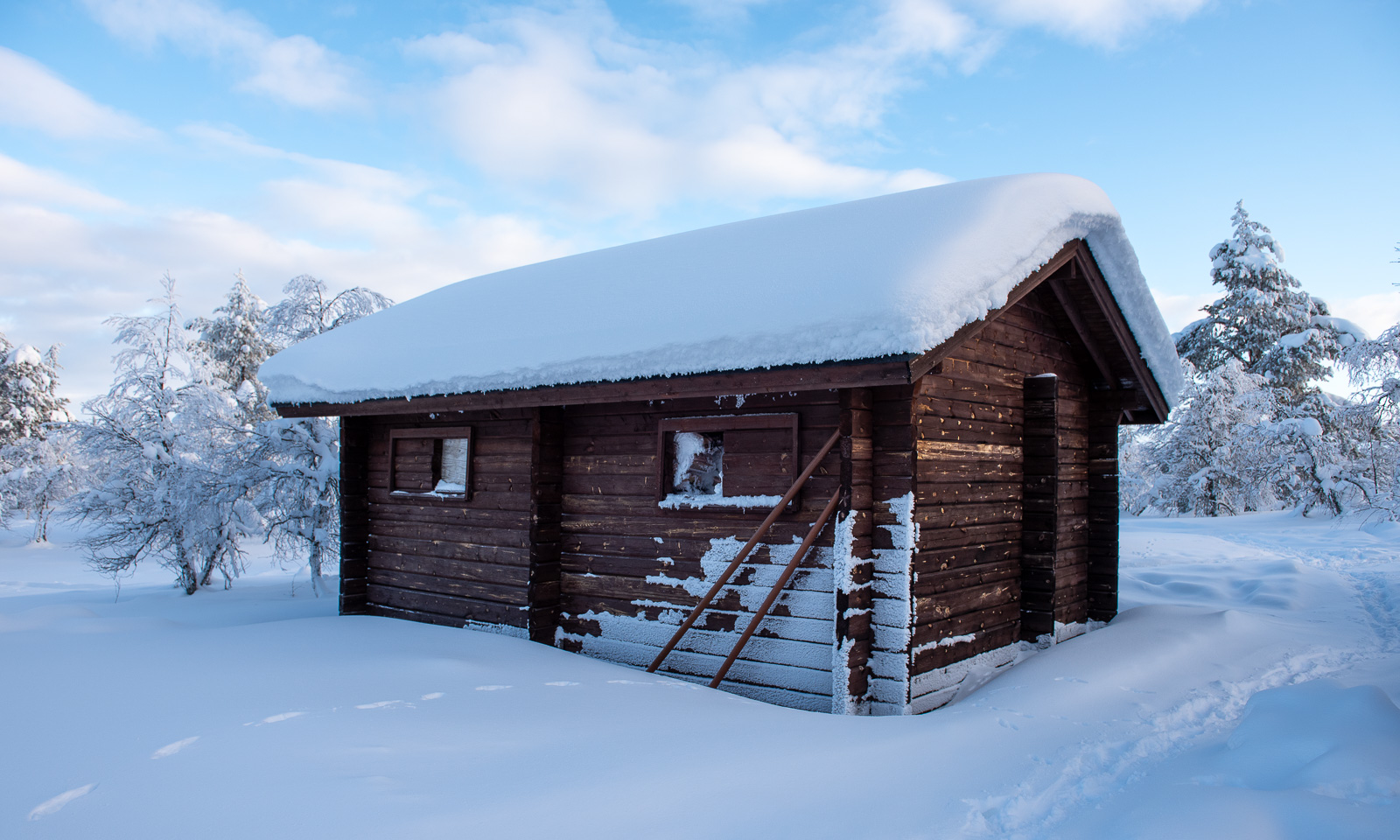
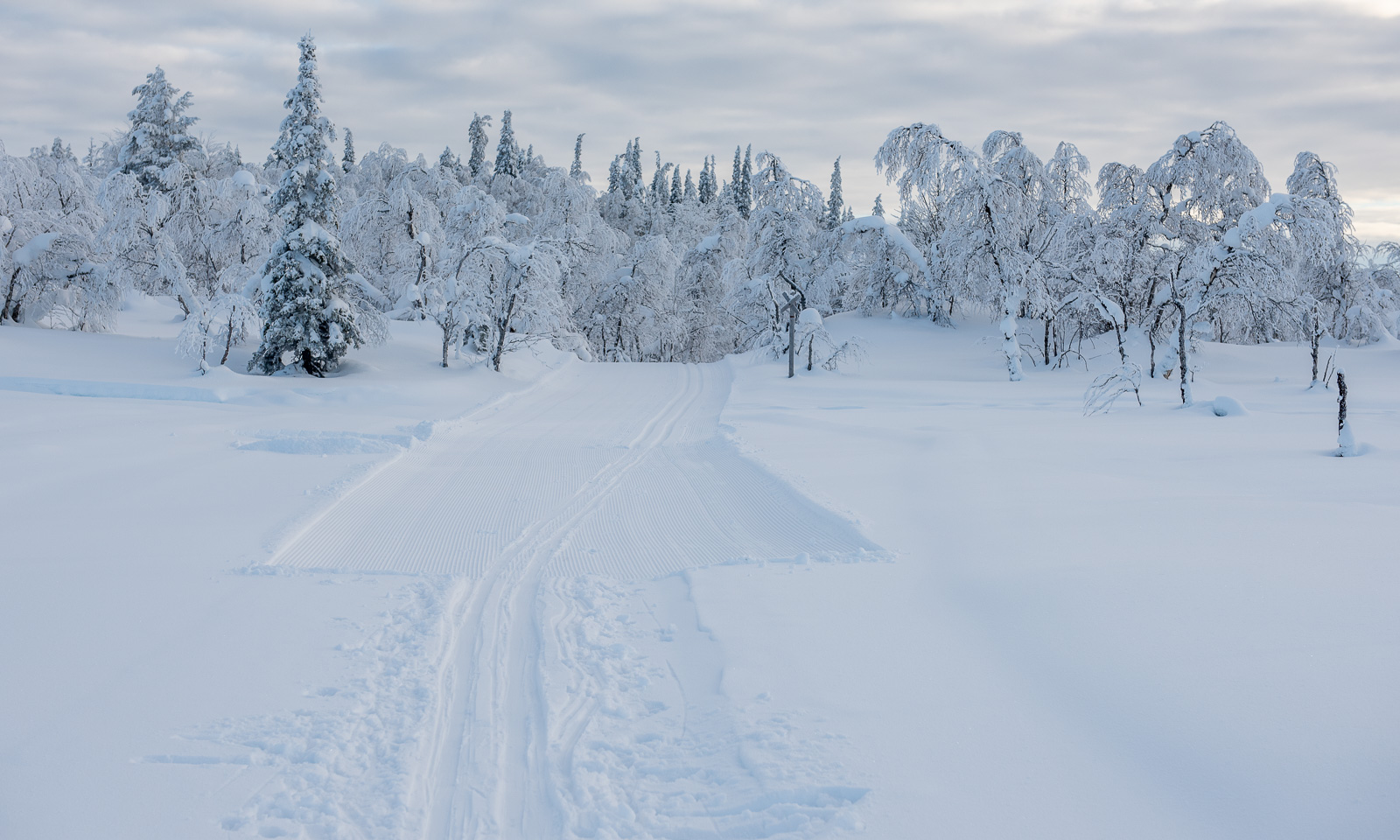
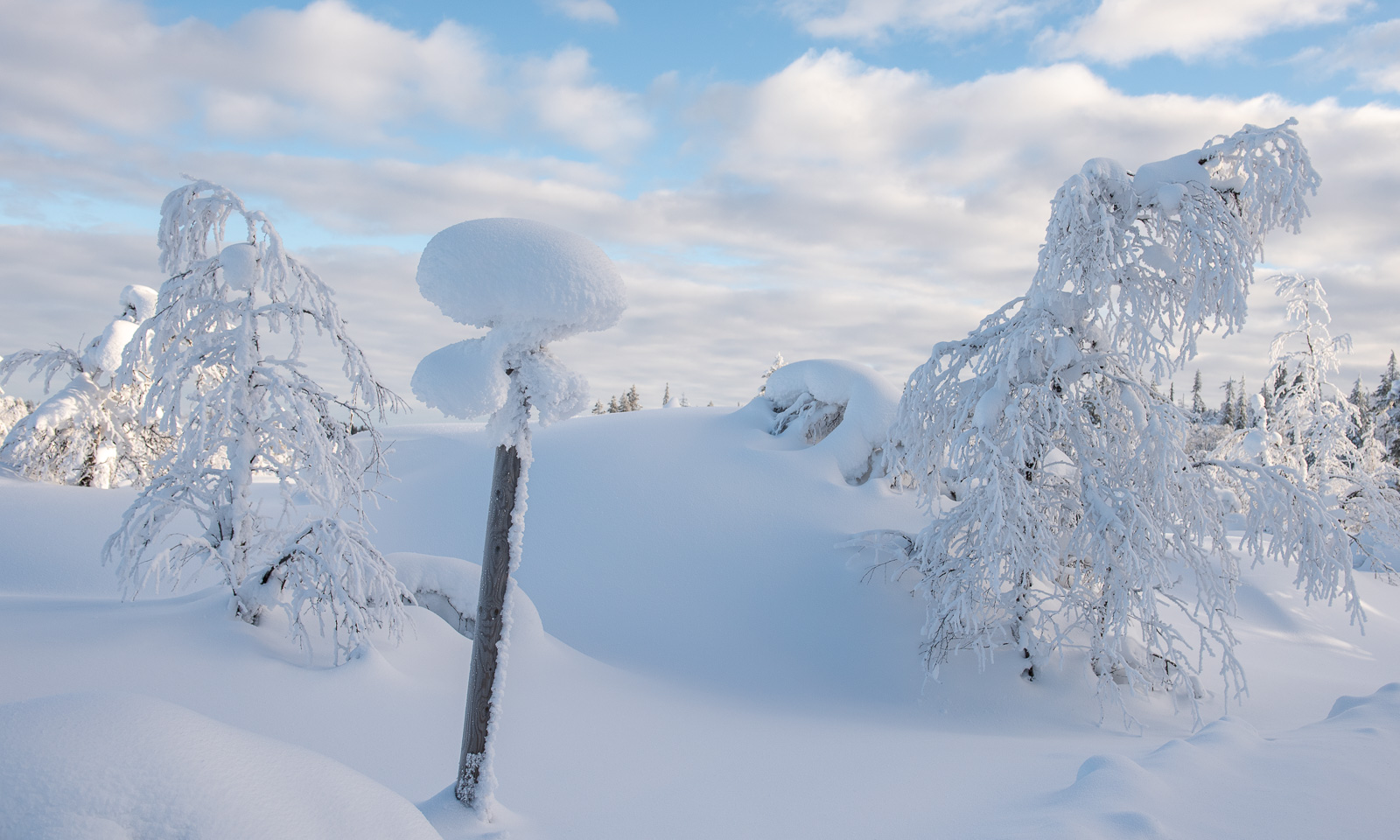
I like the scenery there in all seasons, but I adore it in winter when fresh snow has arrived. Just some photos, especially from the more open places – bogs in summer, snowfields in winter:

While I cleared 14 cm of fresh snow from my parking space in the afternoon it started snowing again leading to a snowburst with snow bucketing down and adding another one or two centimetres additional snow within minutes. In my snowed-covered teddy fleece jacket I looked like a snowman.

Next week there will be not much snowfall, but it will be cold enough to preserve the snow. I love winter in the north.


Soldagen 2026

Although the sun has been above the horizon in Tromsø since 15 January, it always takes some days until it rises above the mountains south of the island. Today was the “official” soldagen, the “sun day” when the sun returns to Tromsø.

The first photos, however, I took today between 5:00 and 5:30. There was polar light all over the sky but when I reached a good spot it had already weakened. At least I took a photo of the trees covered in hoar frost – the result of a very foggy night two nights earlier.

Before lunchtime, I took an hour off and took the bus to Telegrafbukta in the southern part of Tromsøya.  It is a good spot to welcome the sun after two months of absence. When I reached the beach I could already see the sunlit snowy mountains in the north. What a beauty!

I joined some winter swimmers and took a dip in the sea. Water temperature 3.9 °C and sorry—no photos. The sun had vanished behind a mountain but luckily came back and stayed for a while. That’s always a special moment and I was amongst hundreds of other people celebrating this hour of resurgence.

I look very overdressed with this heavy down parka considering it was only -6 °C, but I like to have it extra warm after a winter bath when waiting for the bus back to work.

With the sun, the days get longer and longer and even shortly before 16:00 the western sky was still glowing in warm colours. Fifteen minutes later I saw another aurora between the frosted trees.

Unfortunately the last photo is out of focus. When I realised it the aurora had already almost disappeared again. Often you have to be quick to take pictures of the northern lights.