From inland to coast – a cold car ride

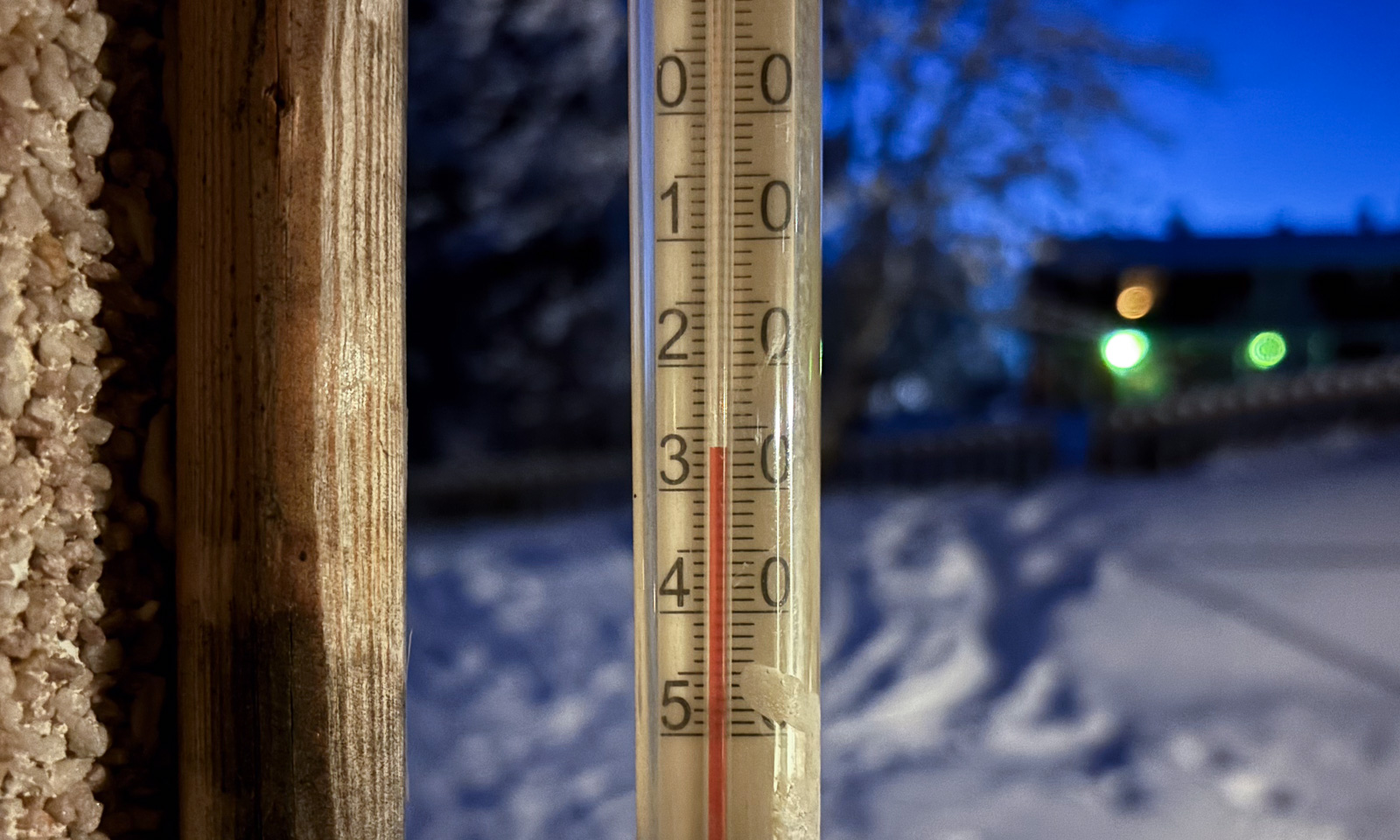
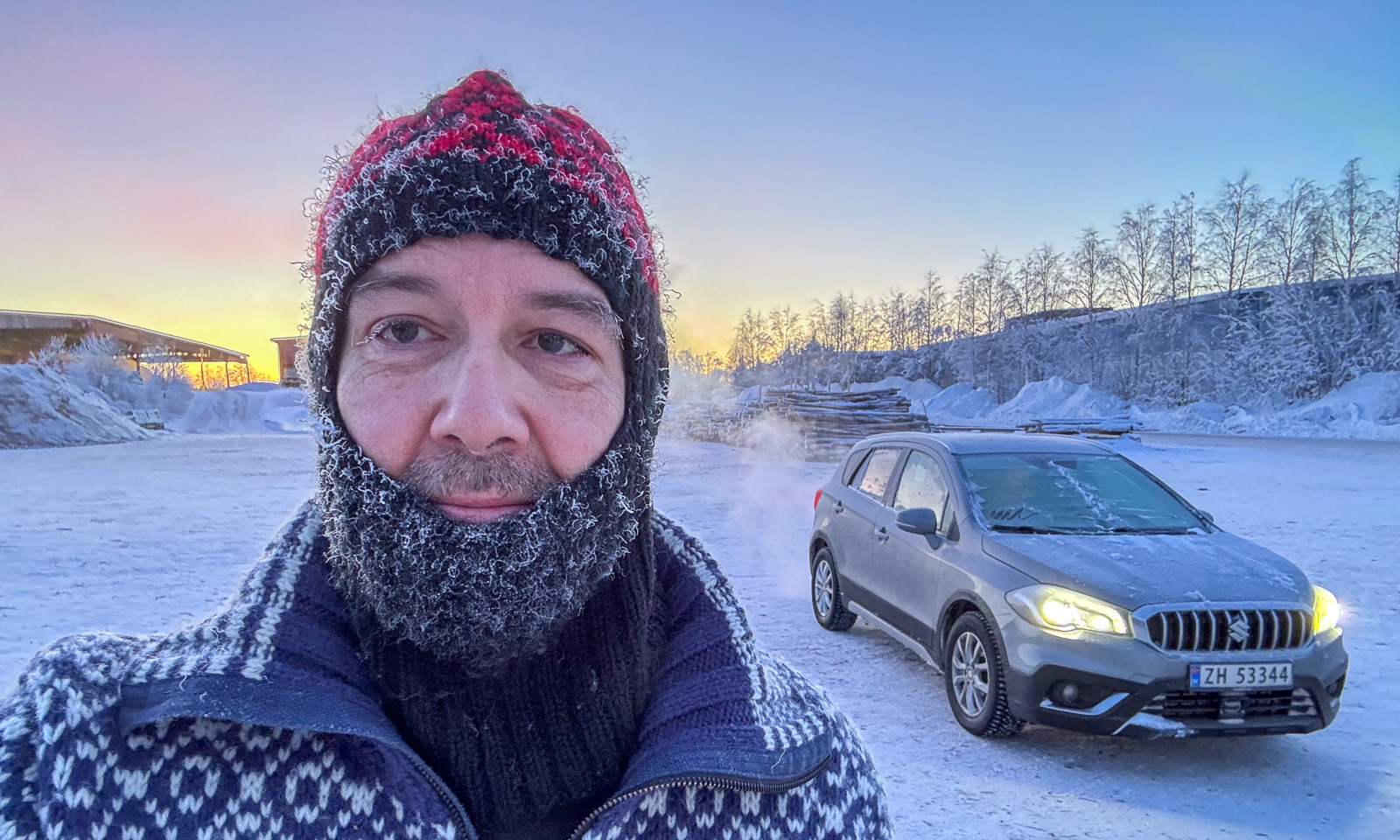
Yesterday morning, when I woke up I first checked the thermometer in the kitchen. It showed -27 °C.

I was in Jokkmokk to visit my friend Sascha and the Jokkmokk winter market. Would my car start when it’s that cold? After a coffee Sascha, his dog Roxy, and I went to the huge car park behind the railway line where my Suzuki had been parked the last two days. To my relief it started without any issues and even scraping ice off the car didn’t take as long as expected.

Farewell my friends – off I go.

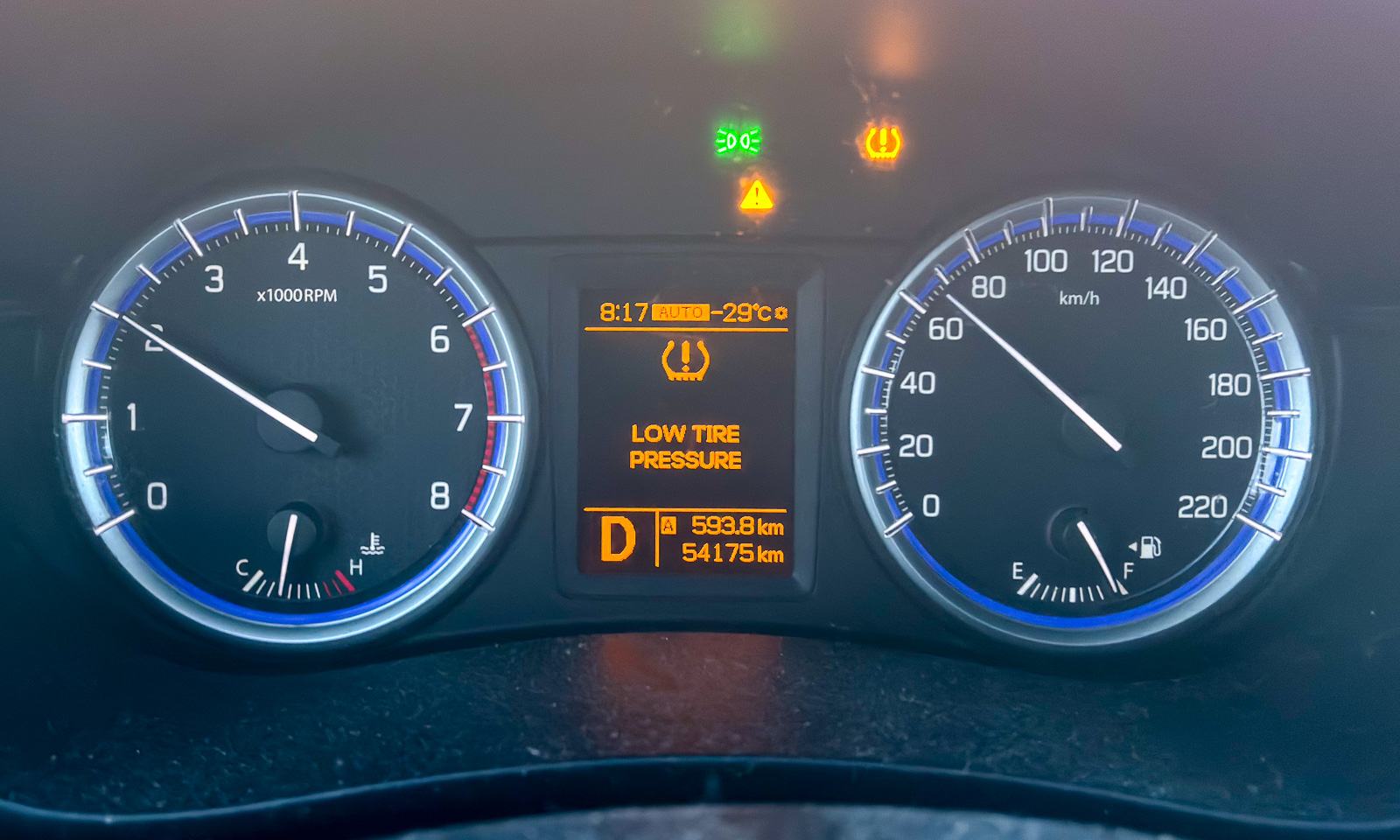
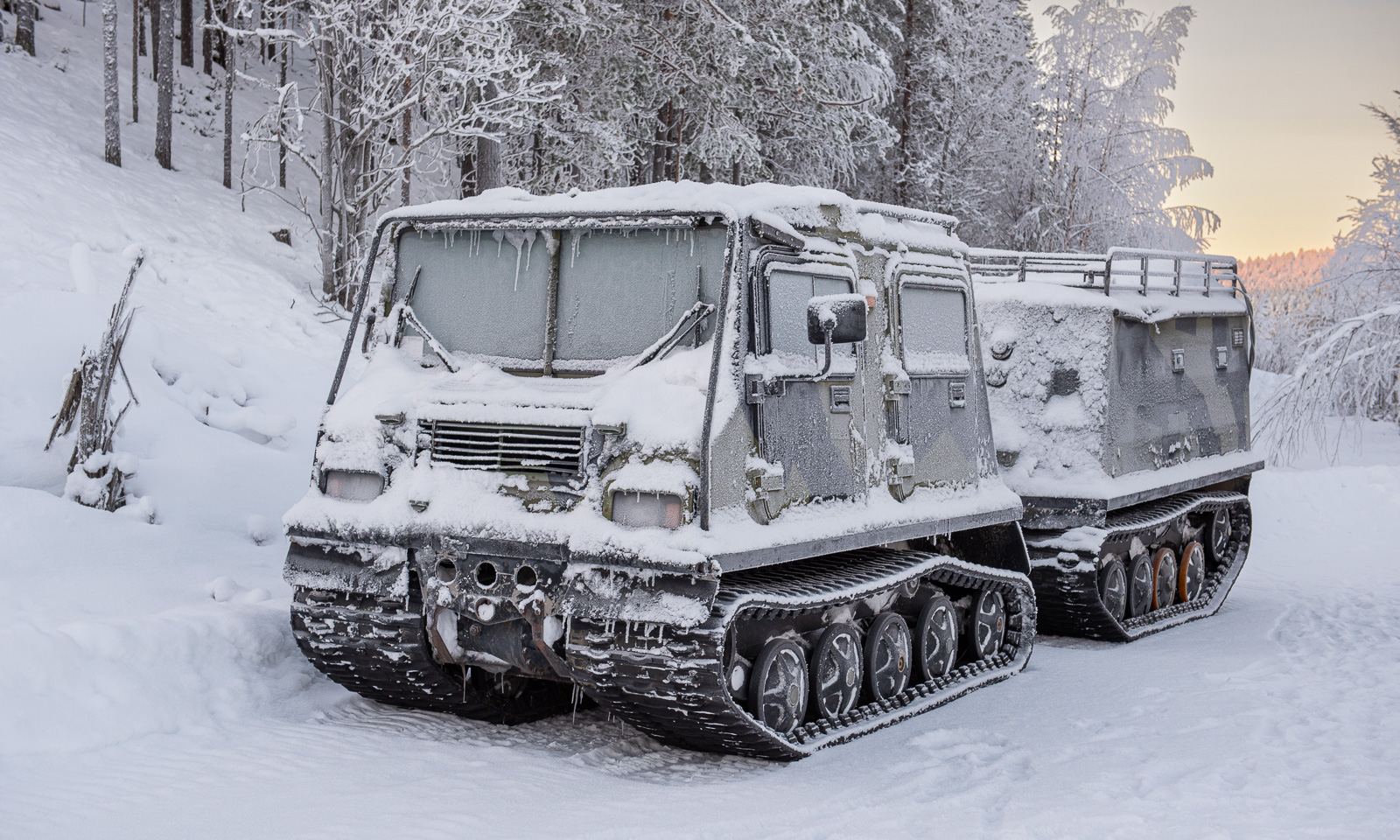
The day was exceptionally beautiful and cold. The car thermometer went down to -29 °C and then stayed around -25 °C for the next hour. Should I switch to the Hägglunds that was parked beside the E45? Probably not the best idea with a distance of around 400 km ahead.

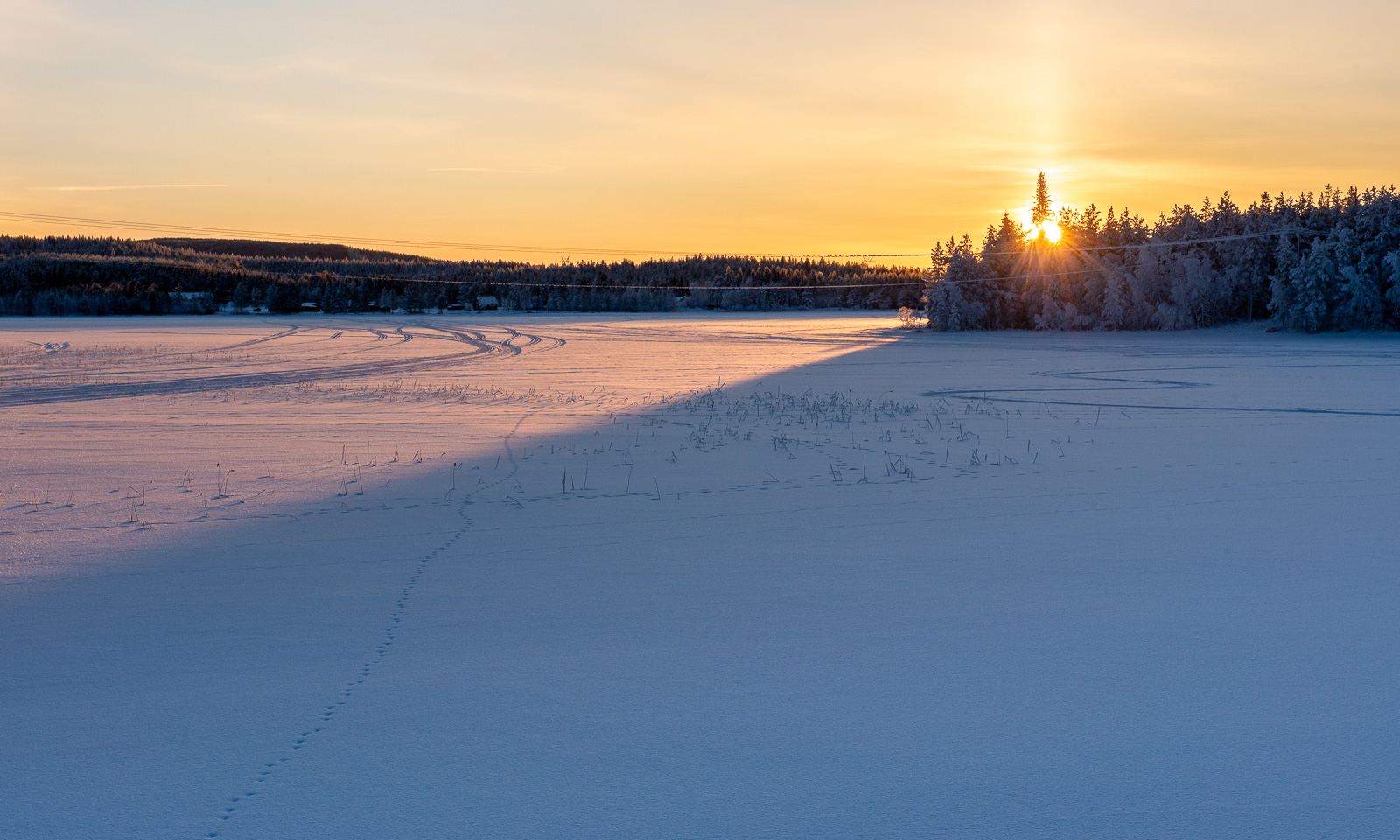
At half past eight, the sun rose. I parked my car and walked to a frozen lake nearby to take some photos. Was that where I froze my nose? It still itches a bit today.

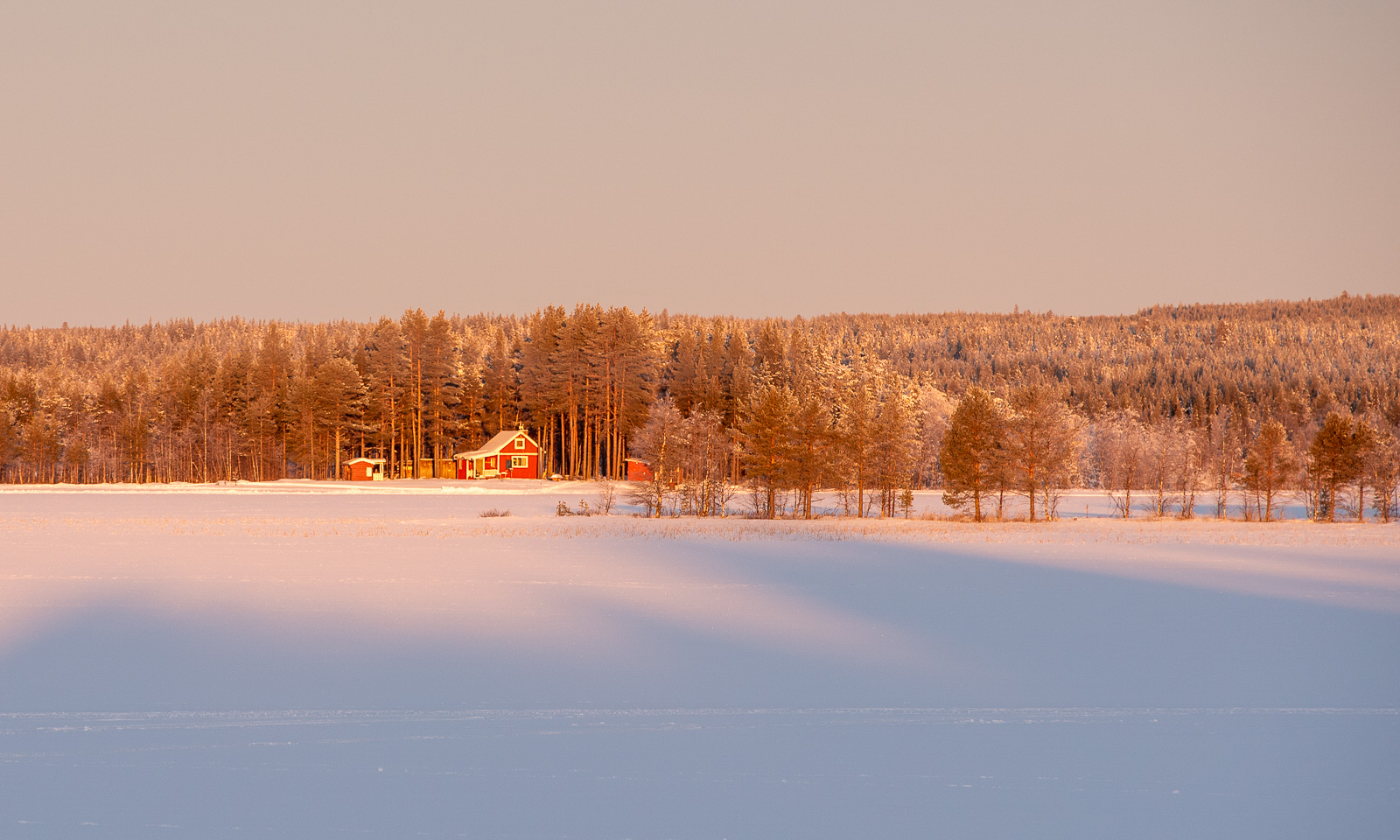
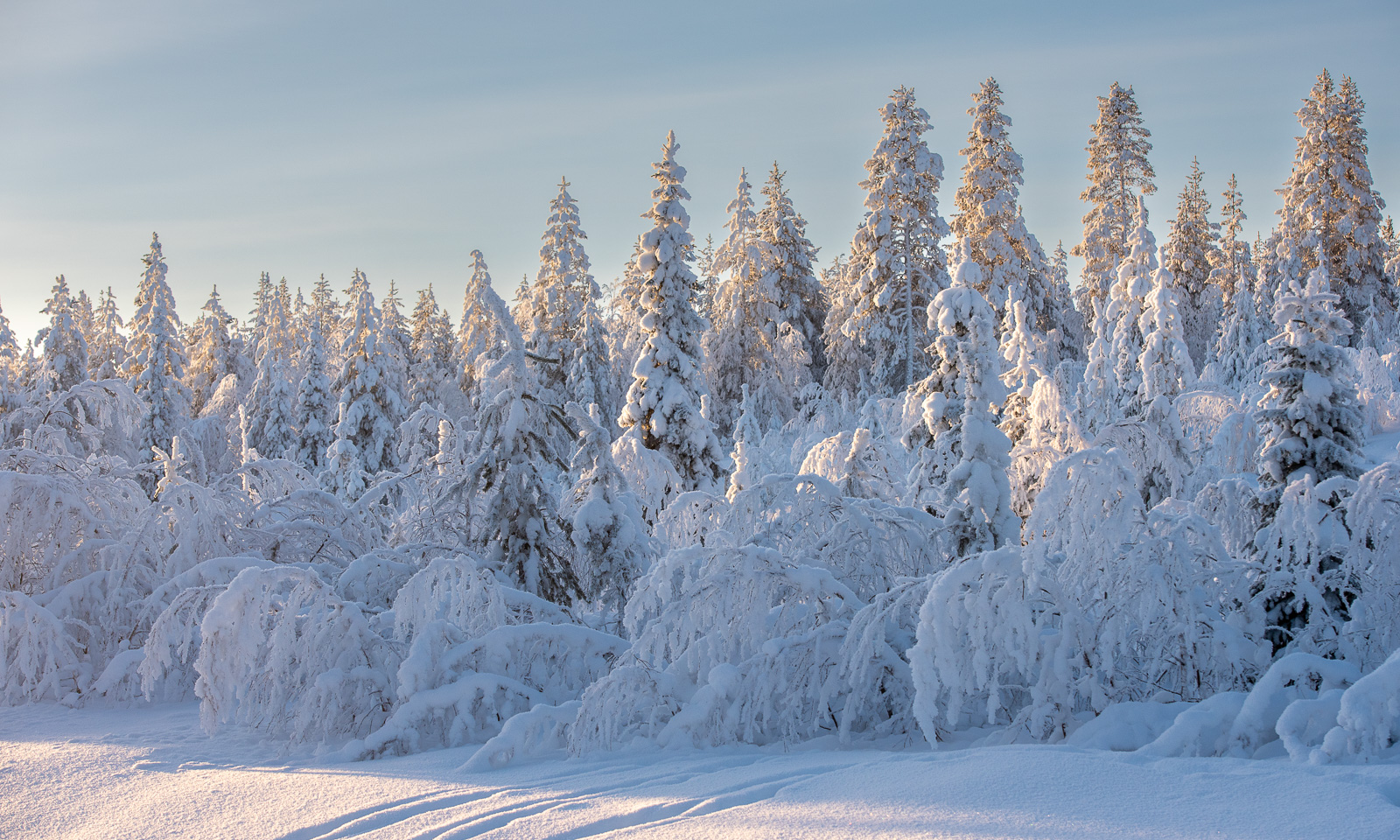
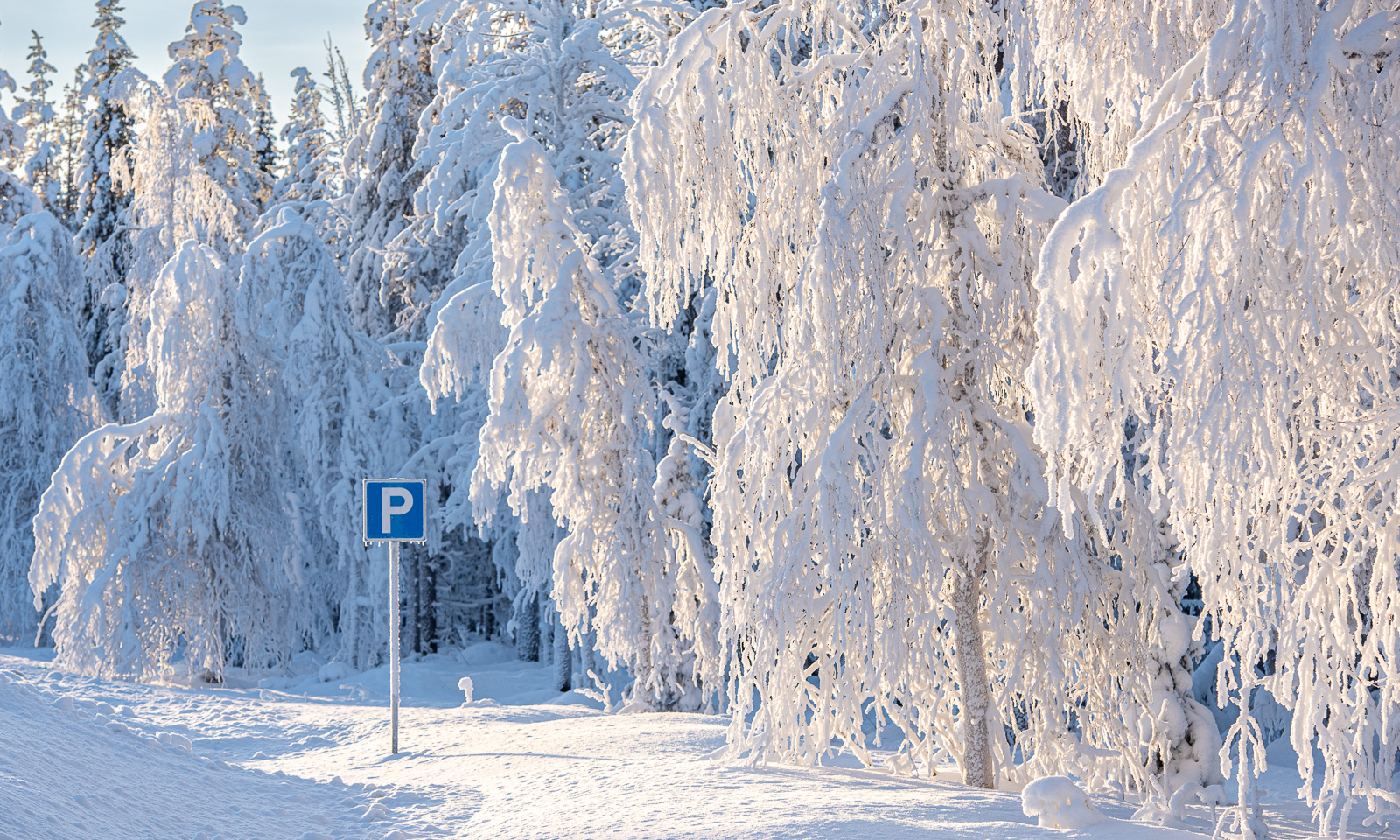
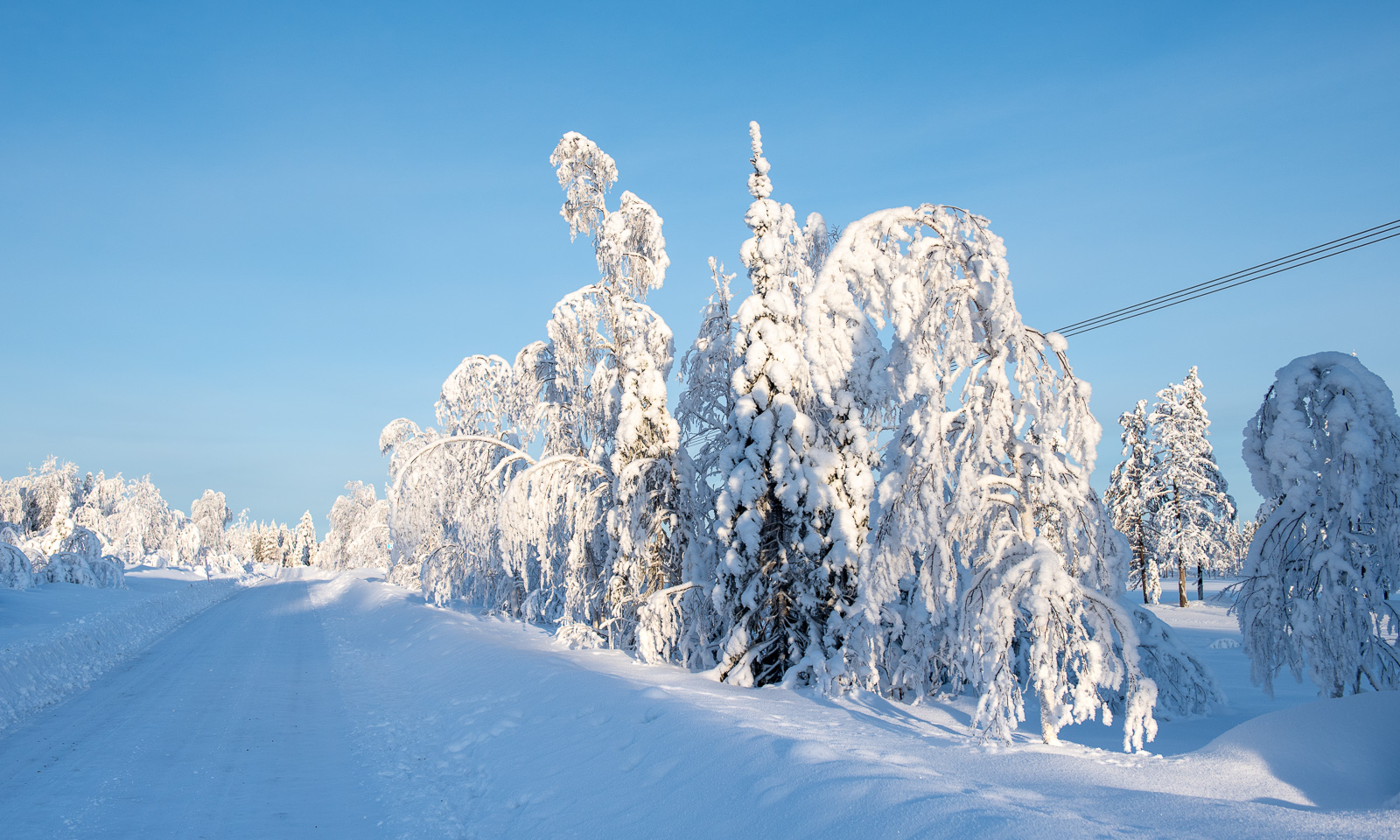
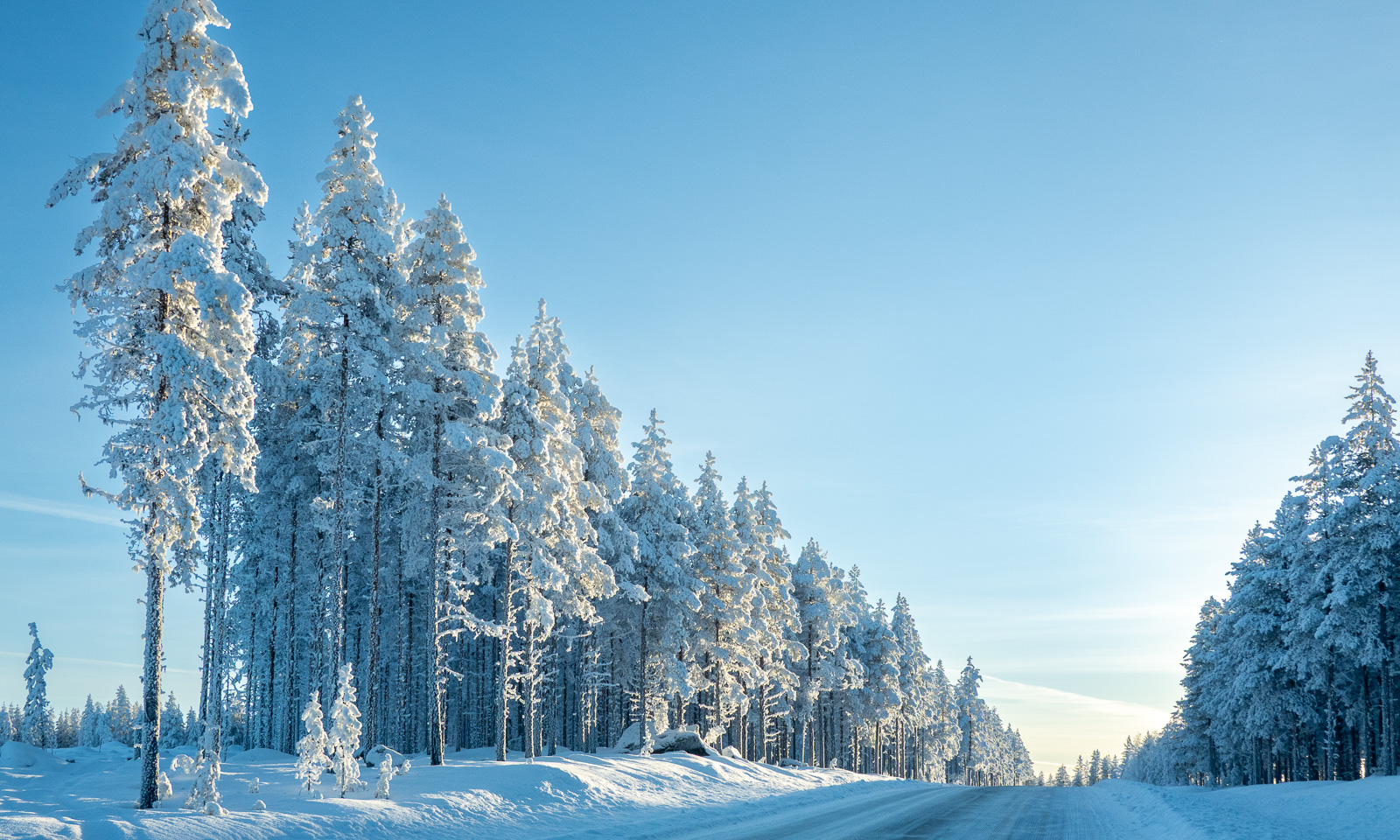
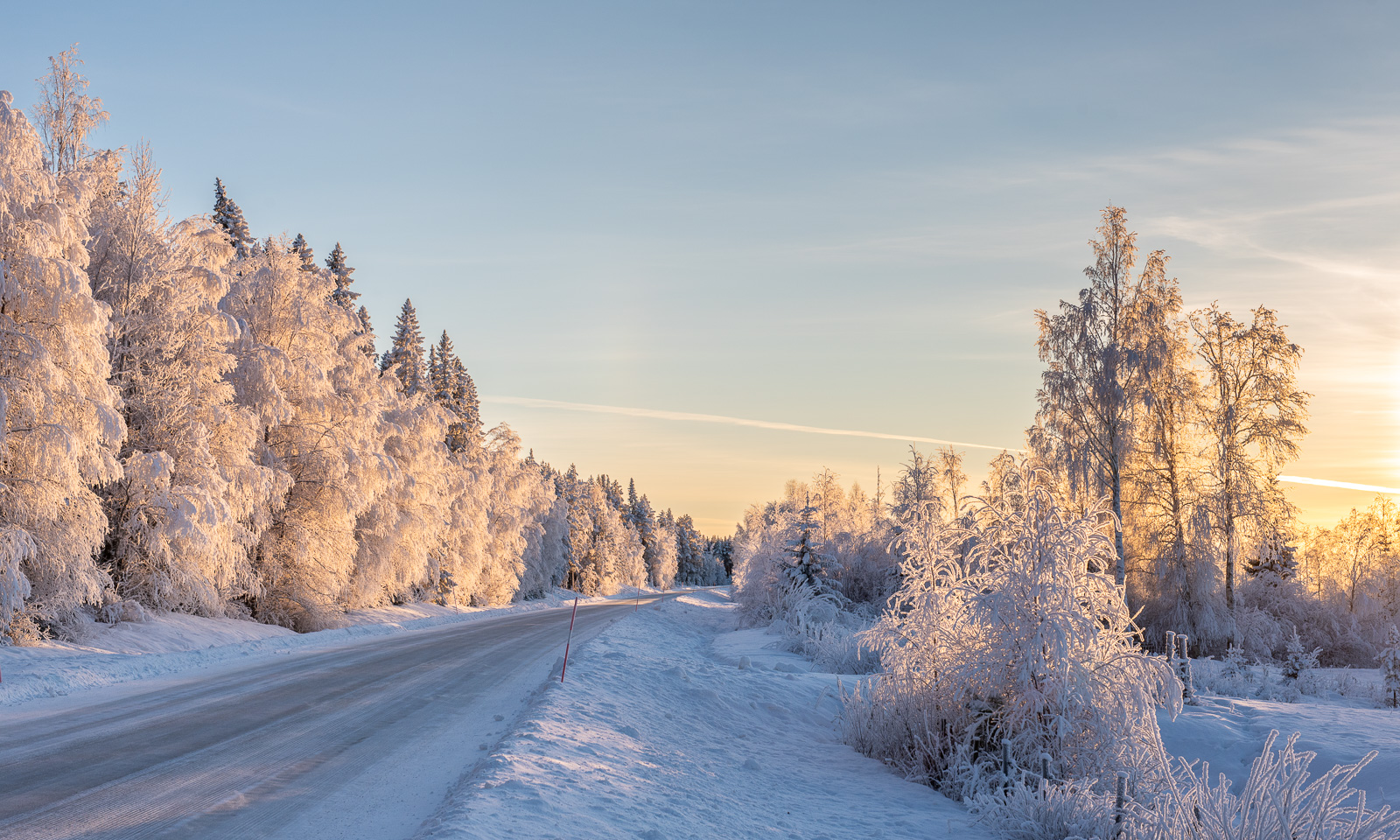
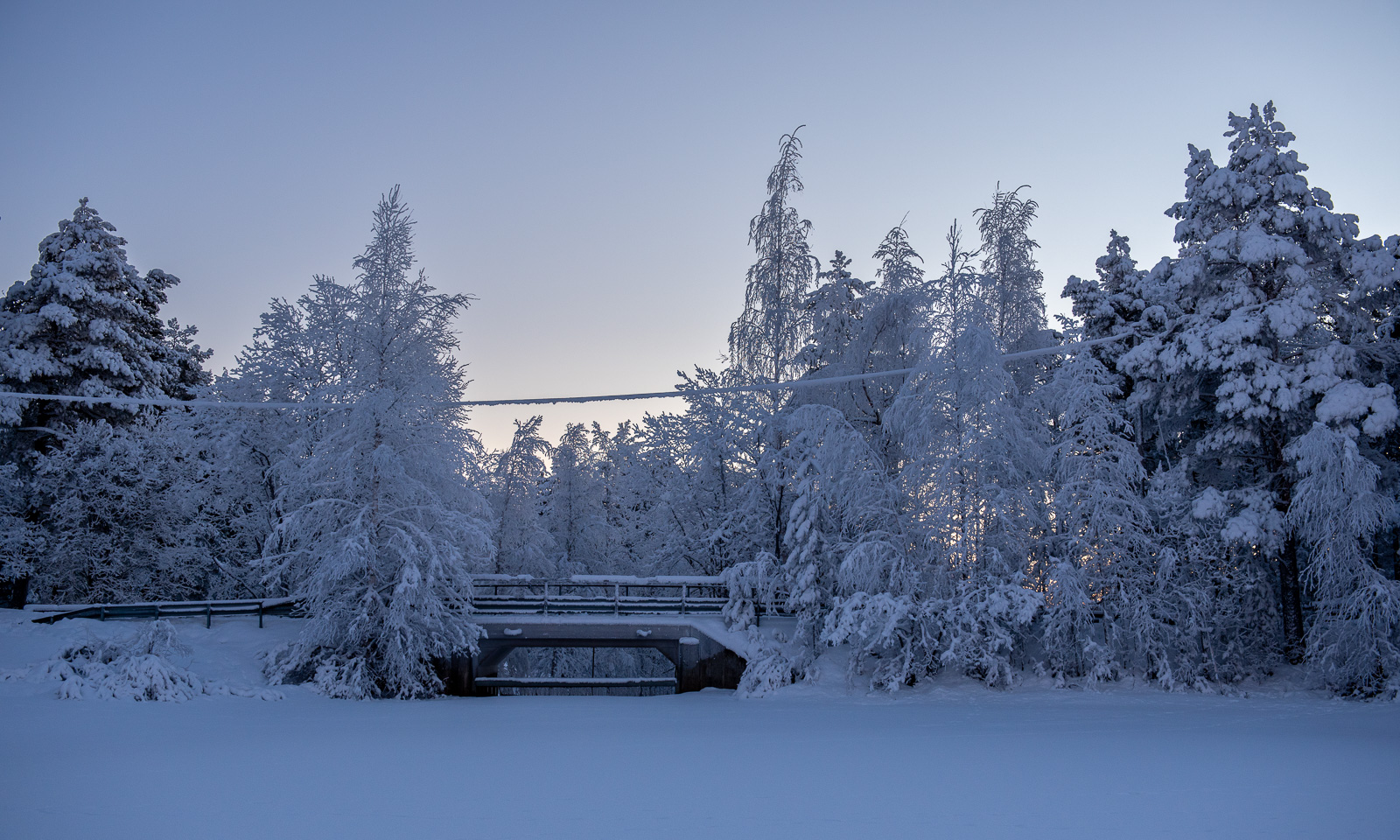
Because of the cold weather in the last weeks the frost and snow on the trees has not melted and often I pulled into a lay-by to take more pictures. The small side roads were white with snow and looked absurdly beautiful.

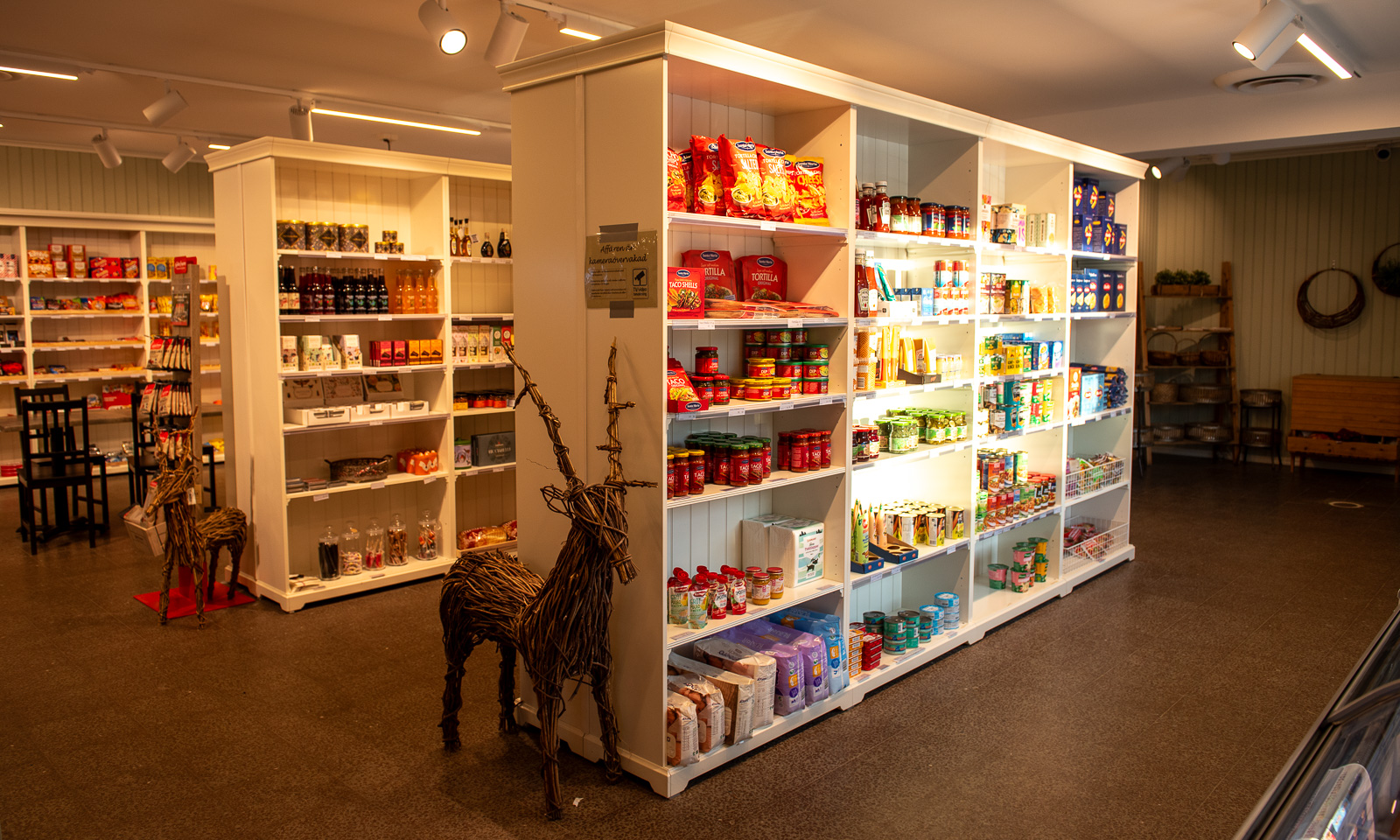
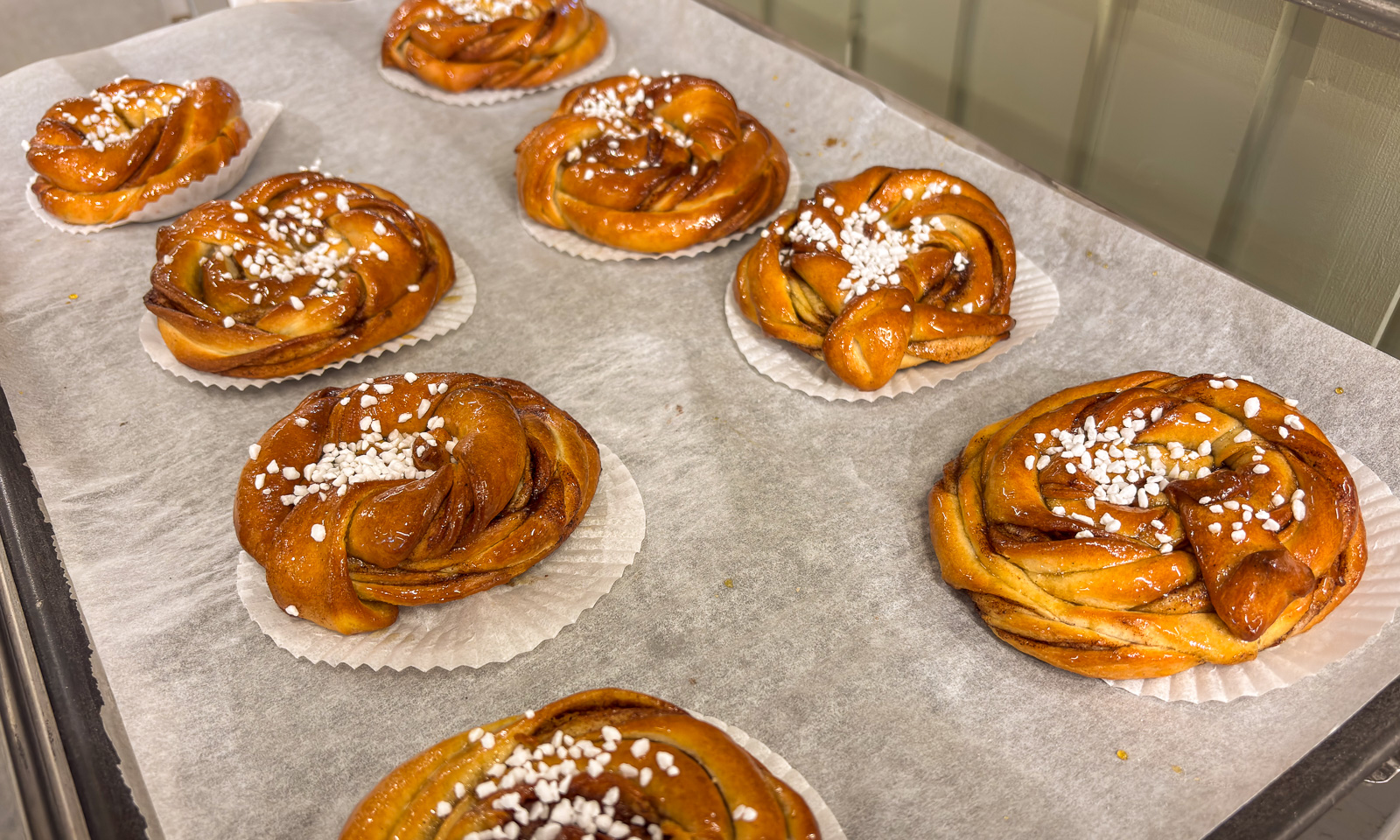
I started to get hungry and stopped at the small shop in Kåbdalis, where I bought a kanelbulle that was still hot from the oven.

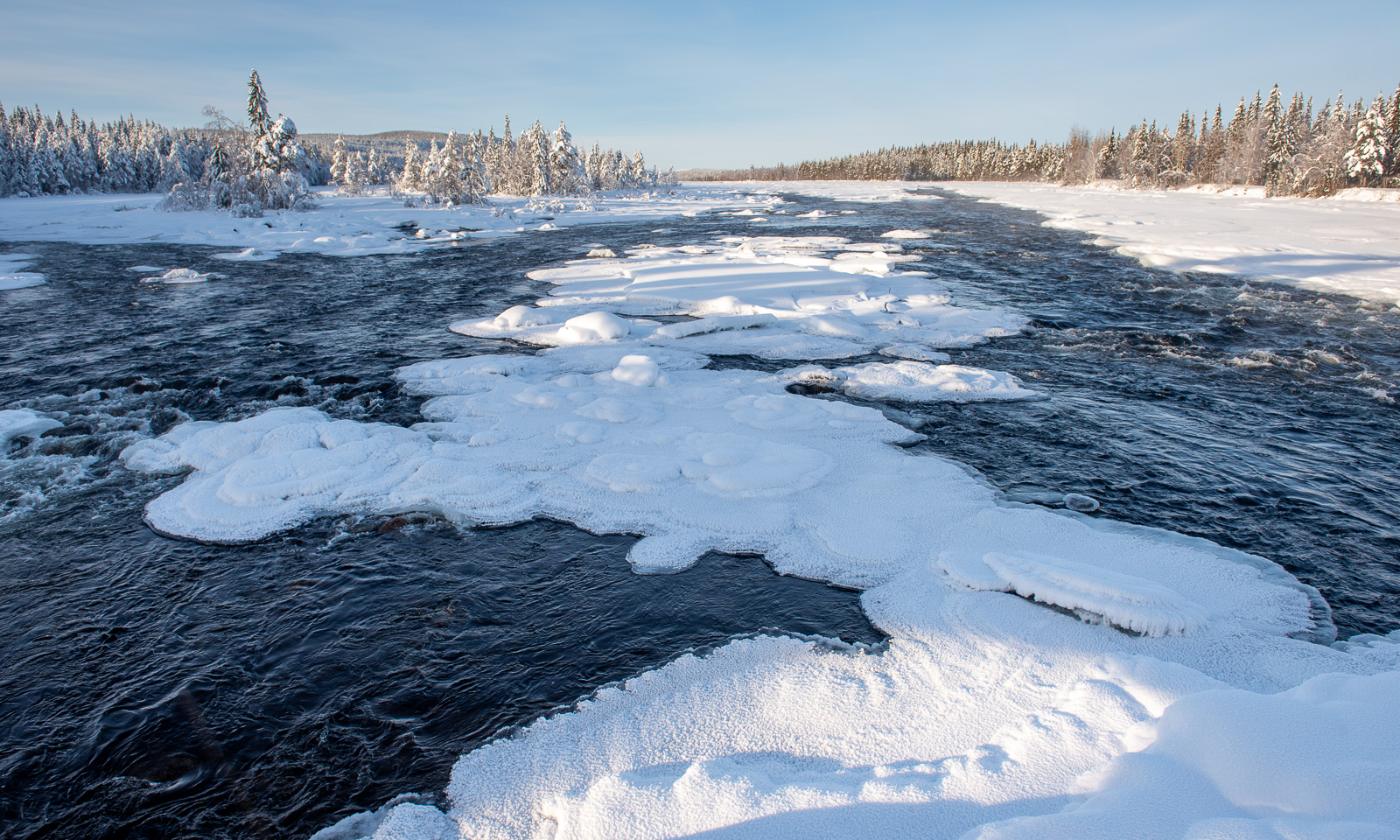
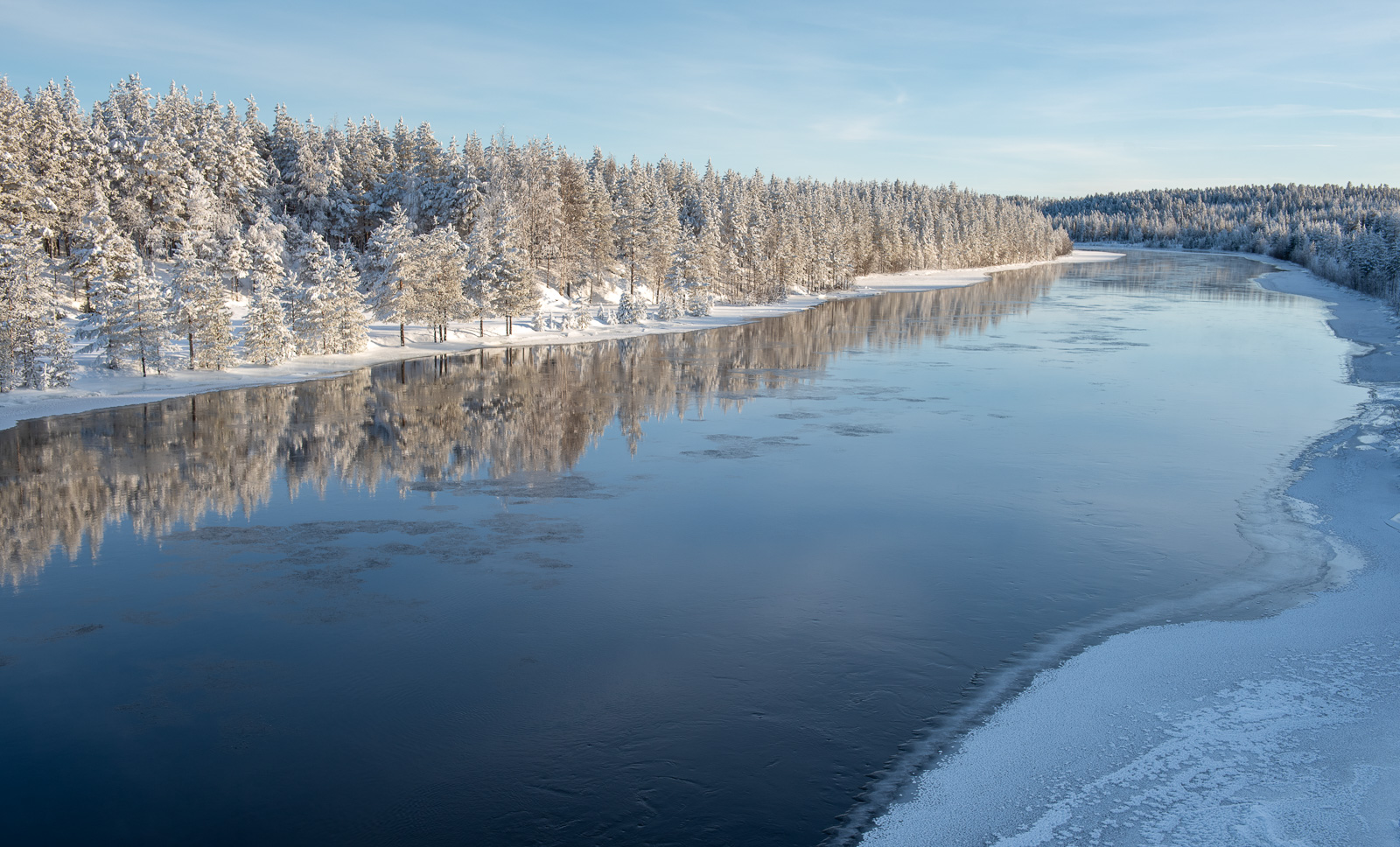
I continued my trip south and crossed the river Piteälven, which was mostly open. And so was the river Skellefteälven, which I crossed three hours later.

The sun sank lower and lower. When I arrived in Obbola at five in the afternoon it has become dark.

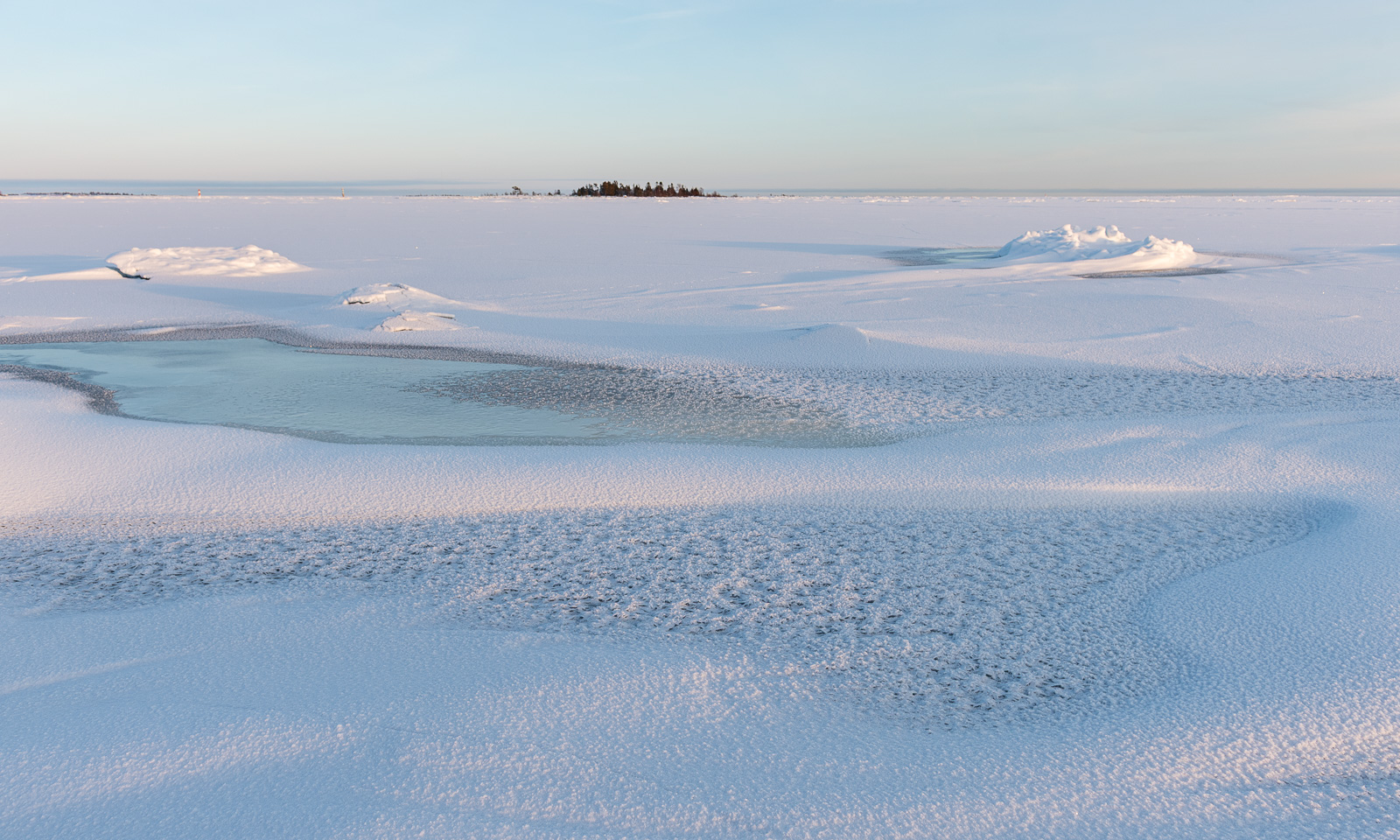
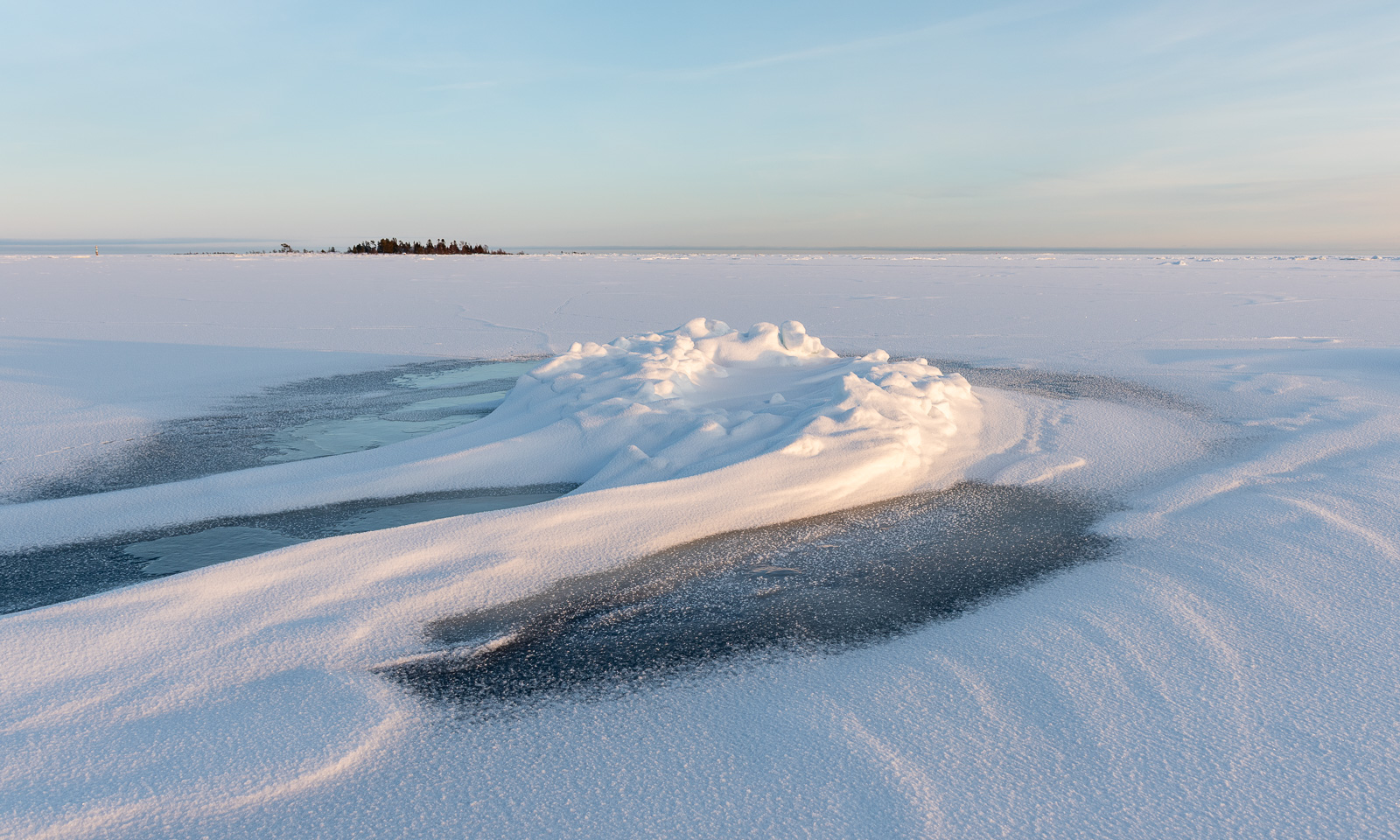
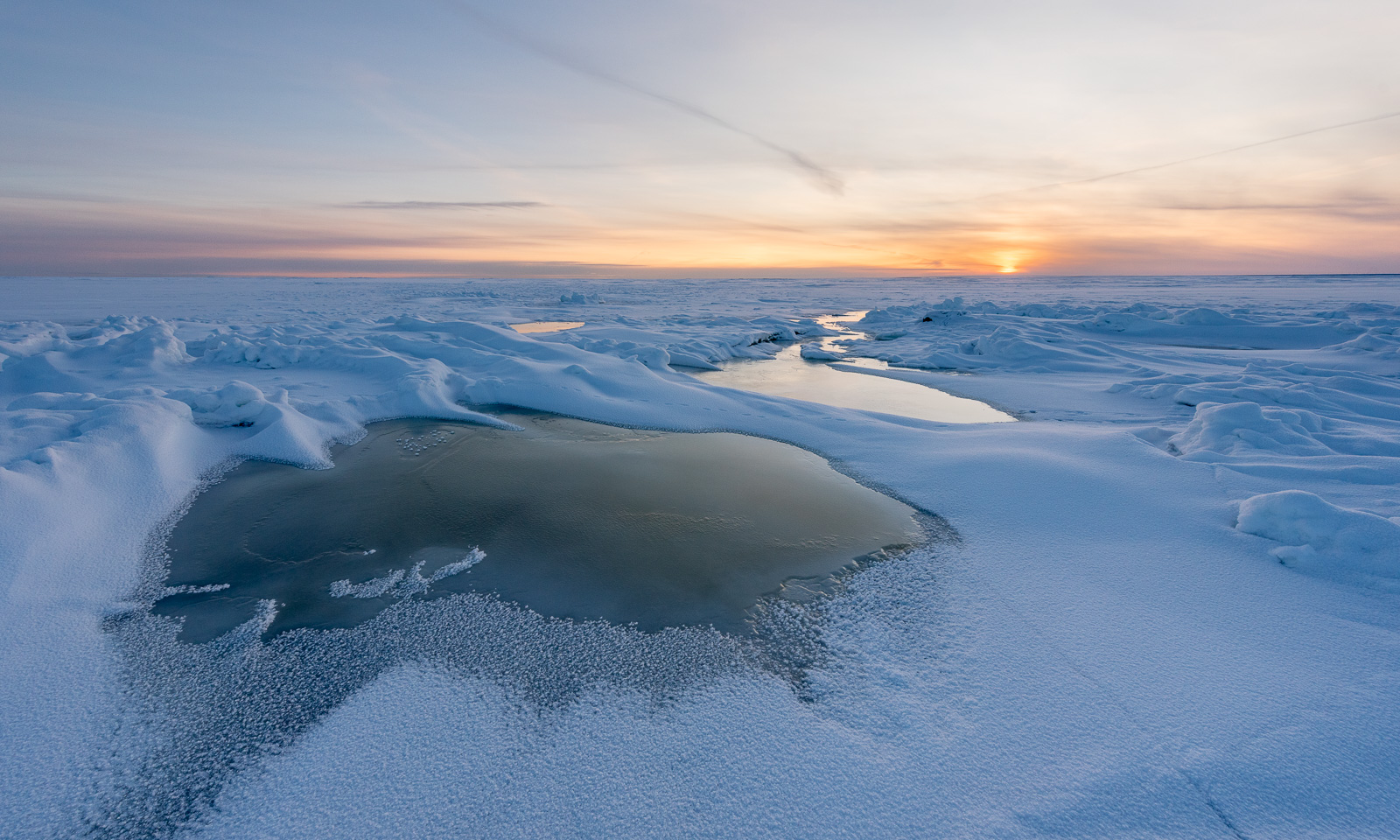
Today in Obbola the winter looked very different from the forest-dominated inland. The Baltic Sea has frozen due to the cold winter temperatures and if the icebreakers would not keep open channels for commercial seafaring you could walk the 45 km to Finland. I was on the ice as well, but only for a walk along the coast. I like the snowy forest, but I adore the sea ice!

Jokkmokk’s Market 2026

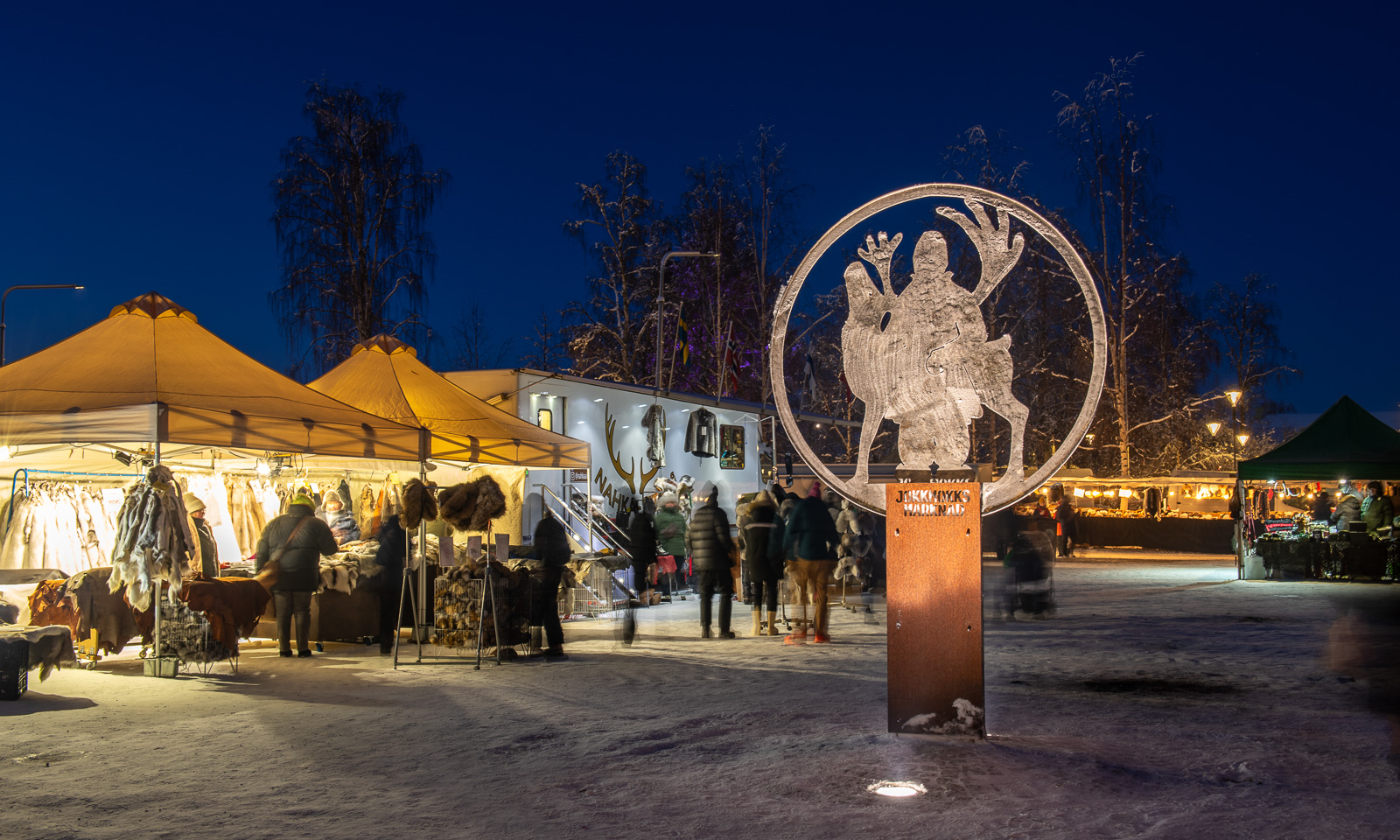
How time flies! It has been eight years since I visited Jokkmokk’s Market, the traditional Sámi market in Swedish Lapland that took place for the 421st time this year. This year I was lucky, because my friend Sascha had moved to Jokkmokk and so I had not only good company but also a place to stay. The weather was just perfect: the sun shone from a perfect blue sky and the air was calm with temperatures between -15 and -20 °C.

Thursday, 5 February

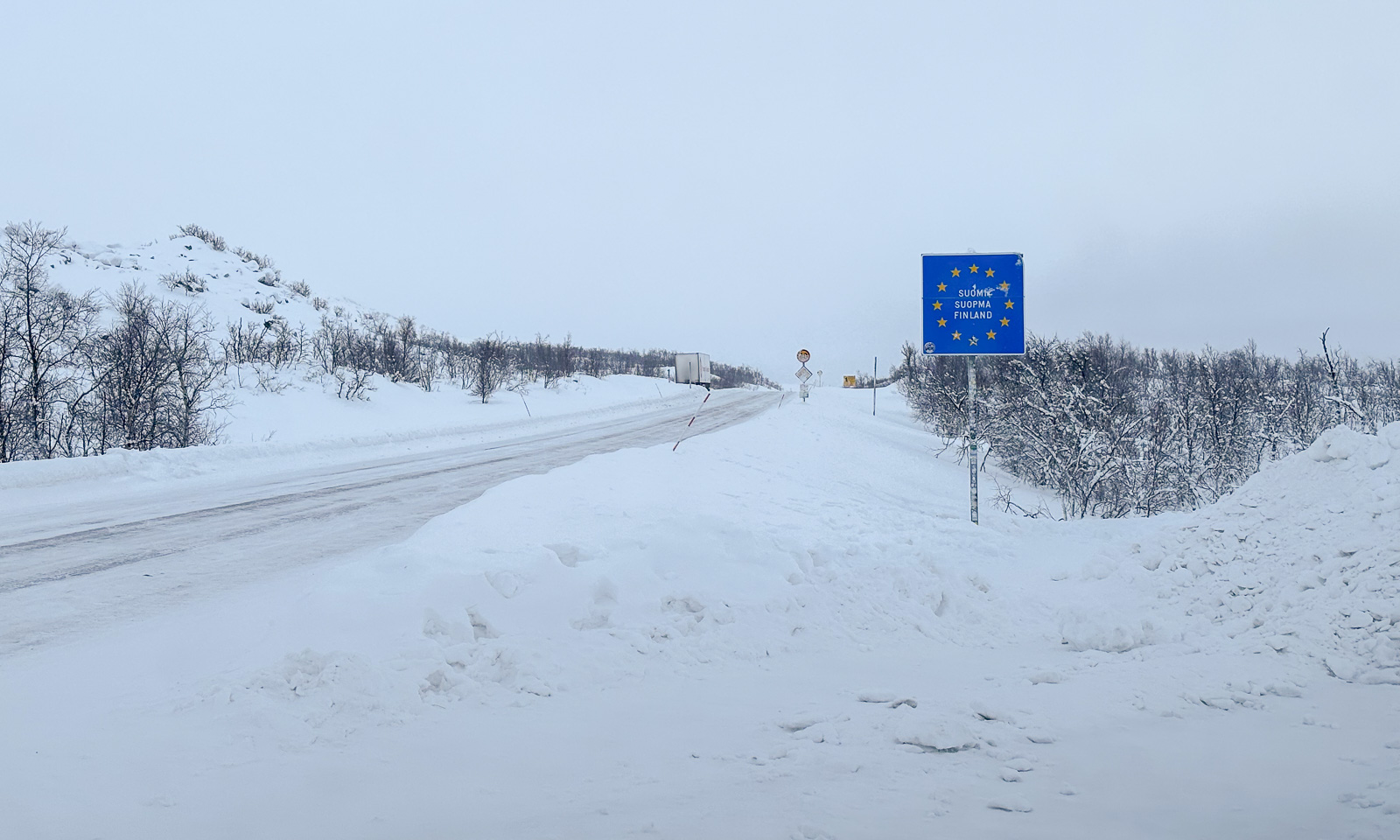
I had started my drive in Tromsø on Thursday morning and was pretty tired when I arrived in Jokkmokk the same day. It is almost 600 km of driving and the conditions in Finland had been rather bad: -4 °C and freezing drizzle. In Sweden, however, it had slowly started clearing up.

Friday, 6 February

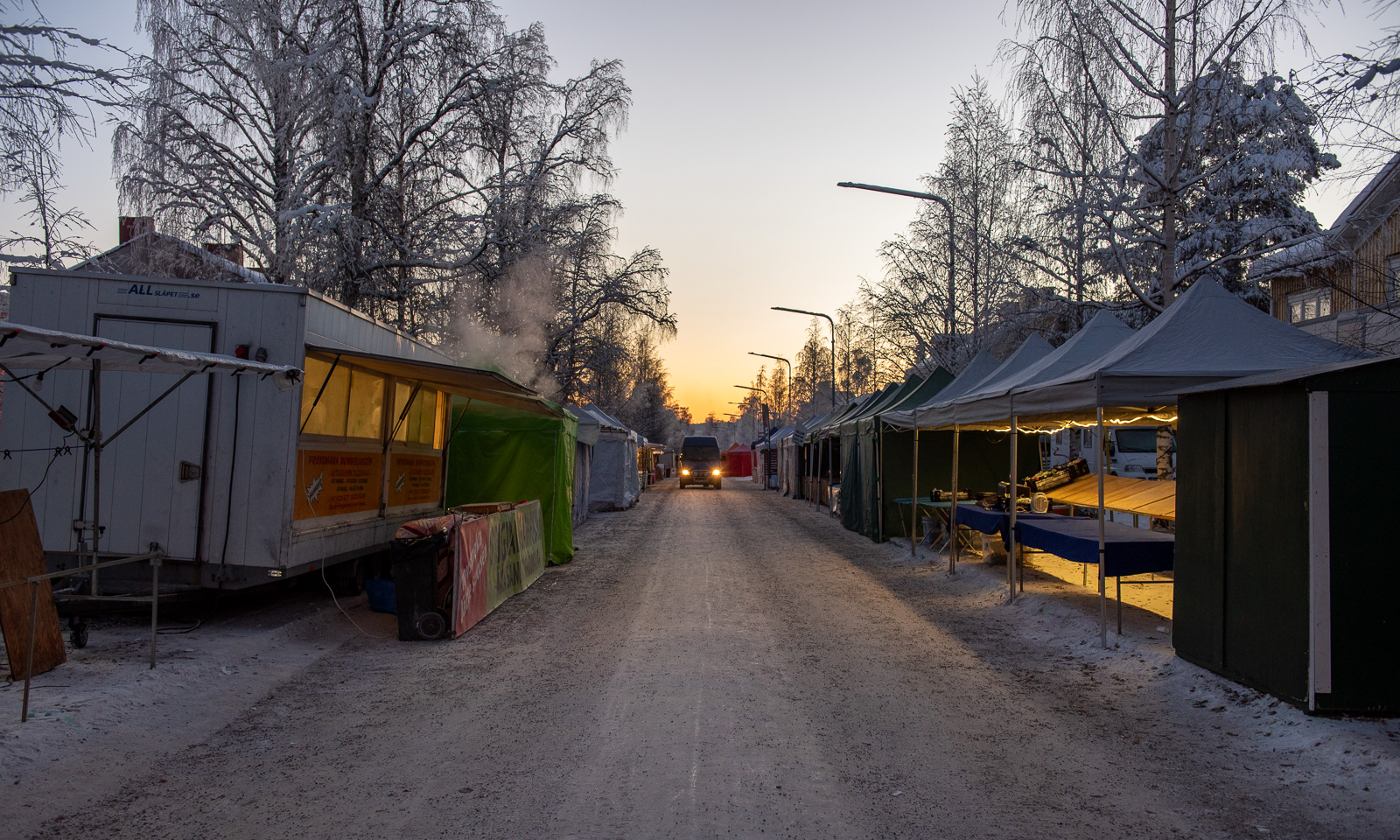
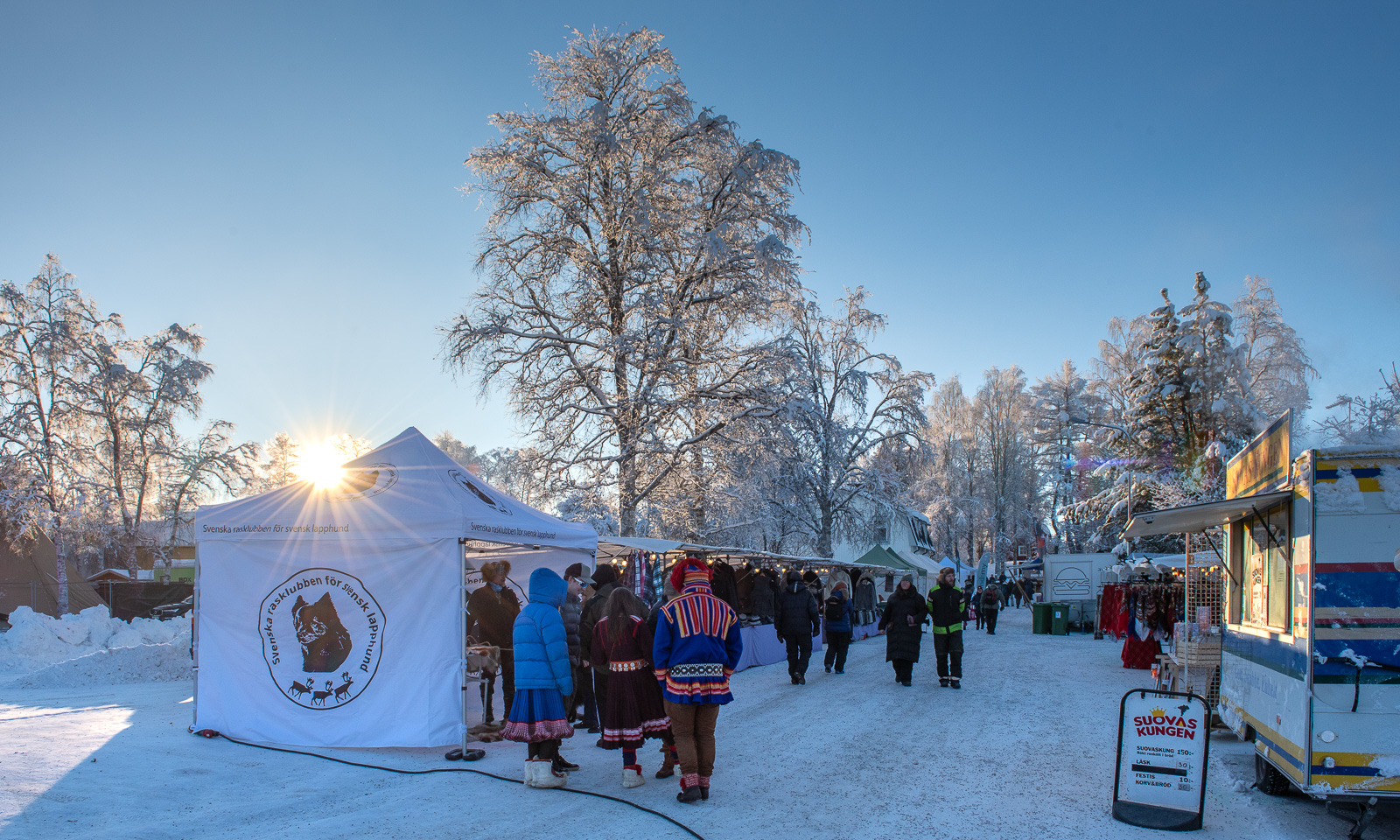
On Friday I was up early. At eight o’clock the market was empty; it would open at ten. I went to the lake Talvatissjön, enjoying the crisp air and the sunrise colours. When I went back to the market the first stalls were open.

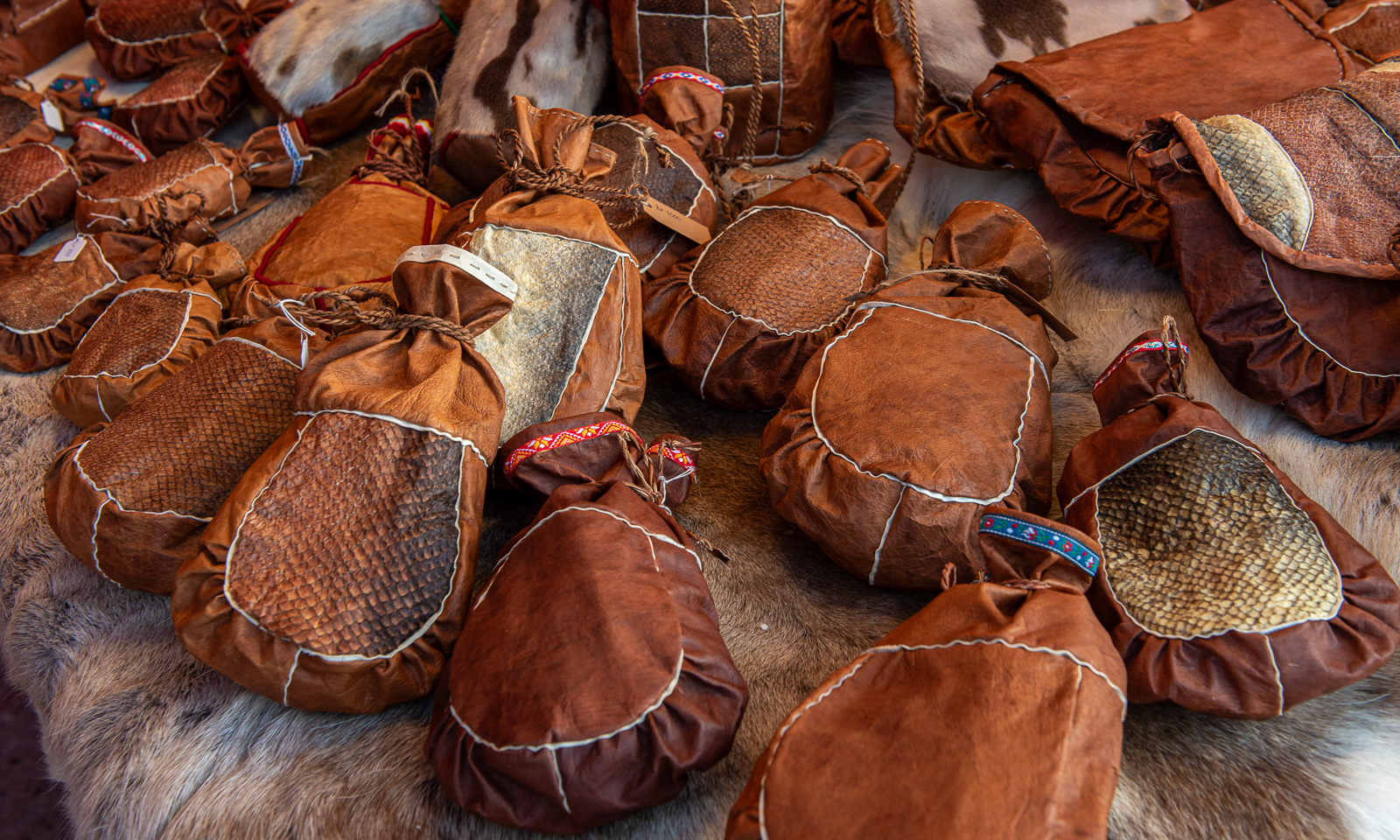
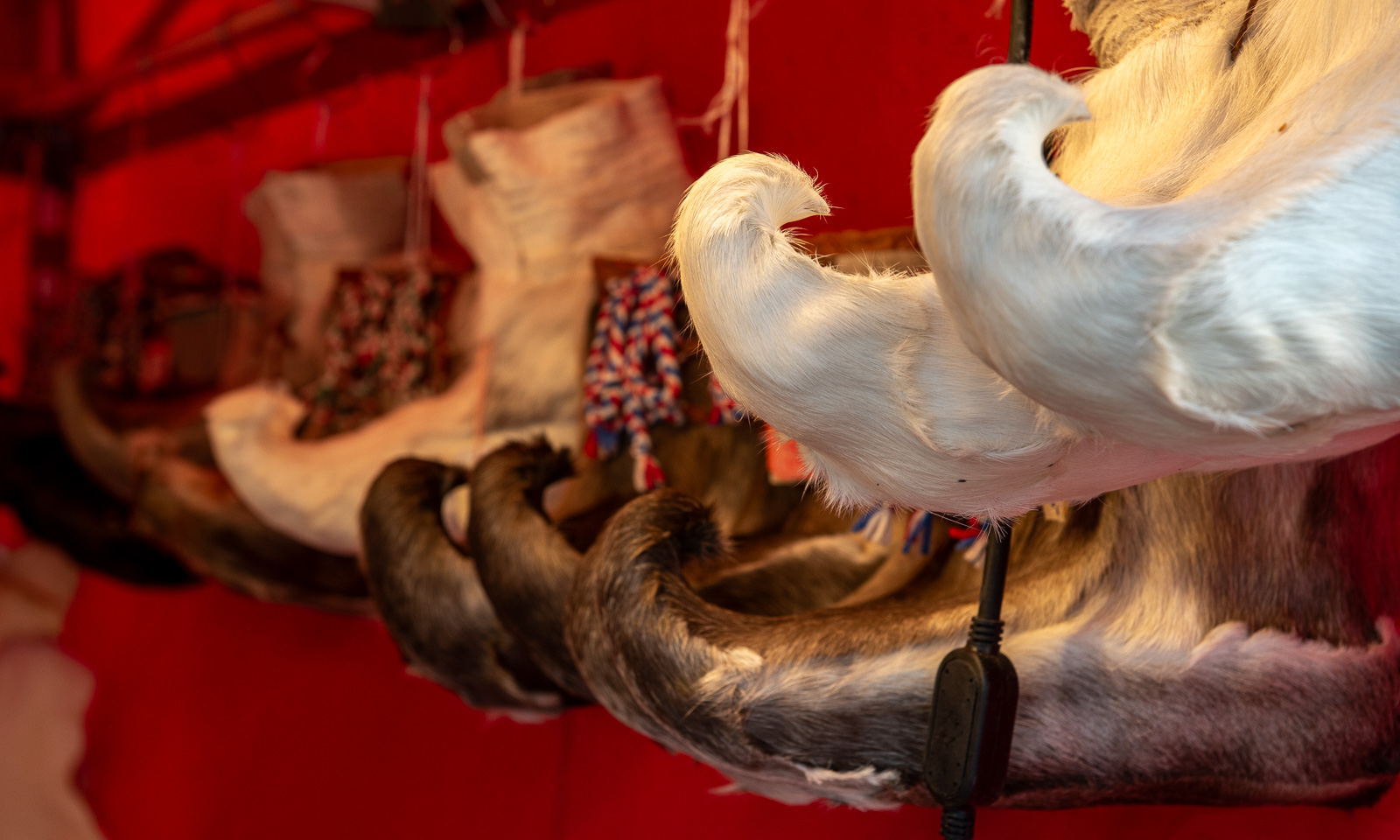
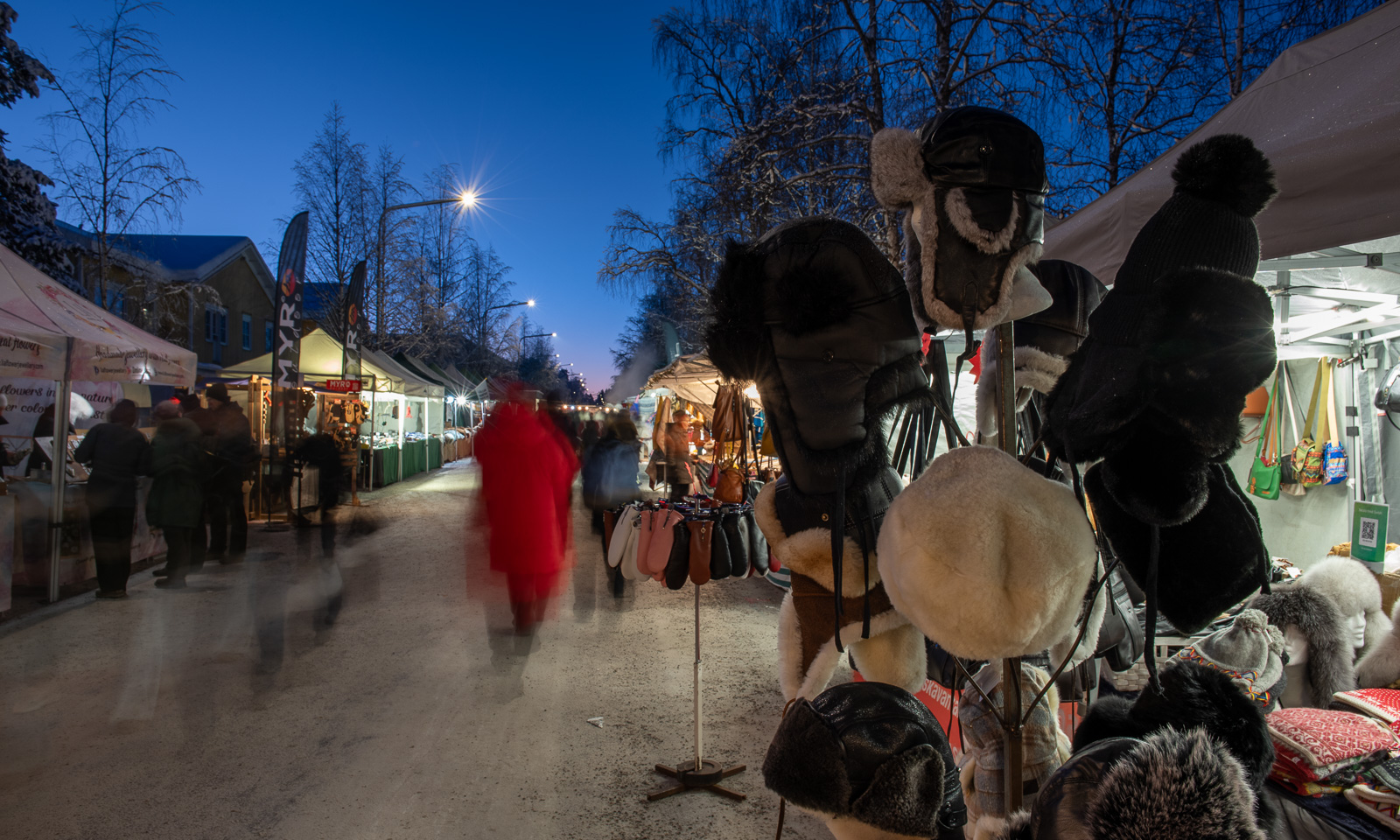
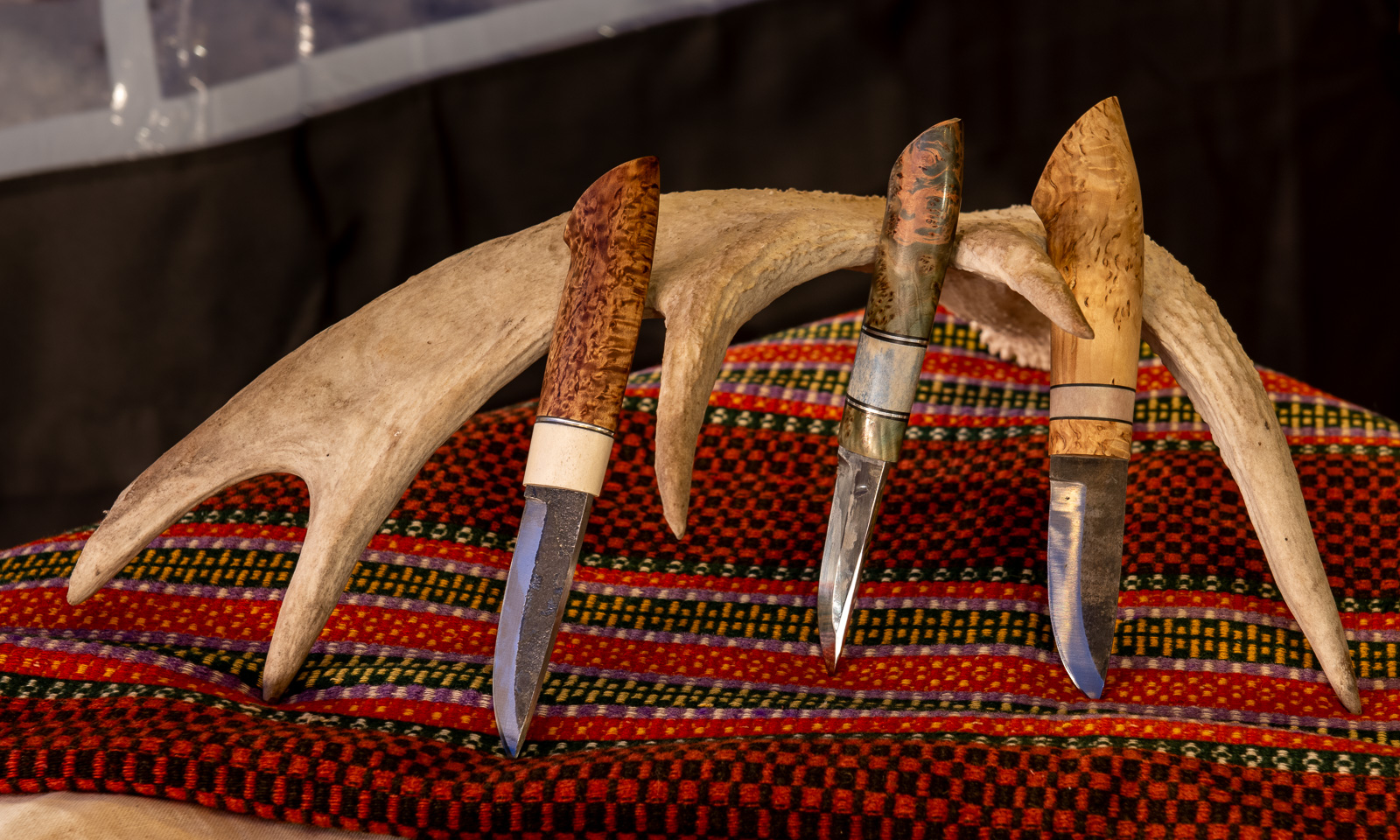
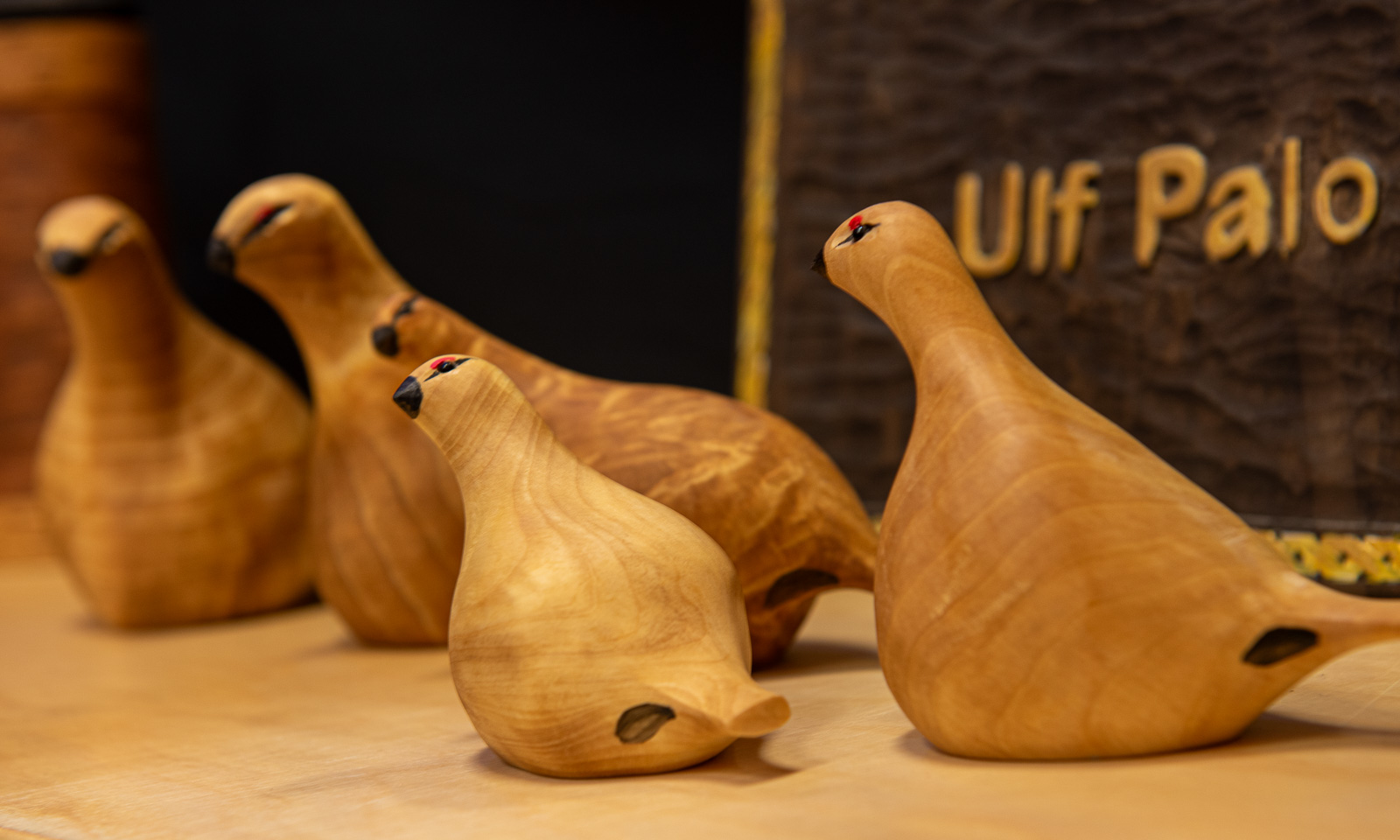
The market is famous for the Sámi culture being presented there. You can, for example, attend Sámi concerts and you can buy Sámi handicraft – often made of natural materials such as leather or reindeer hides.

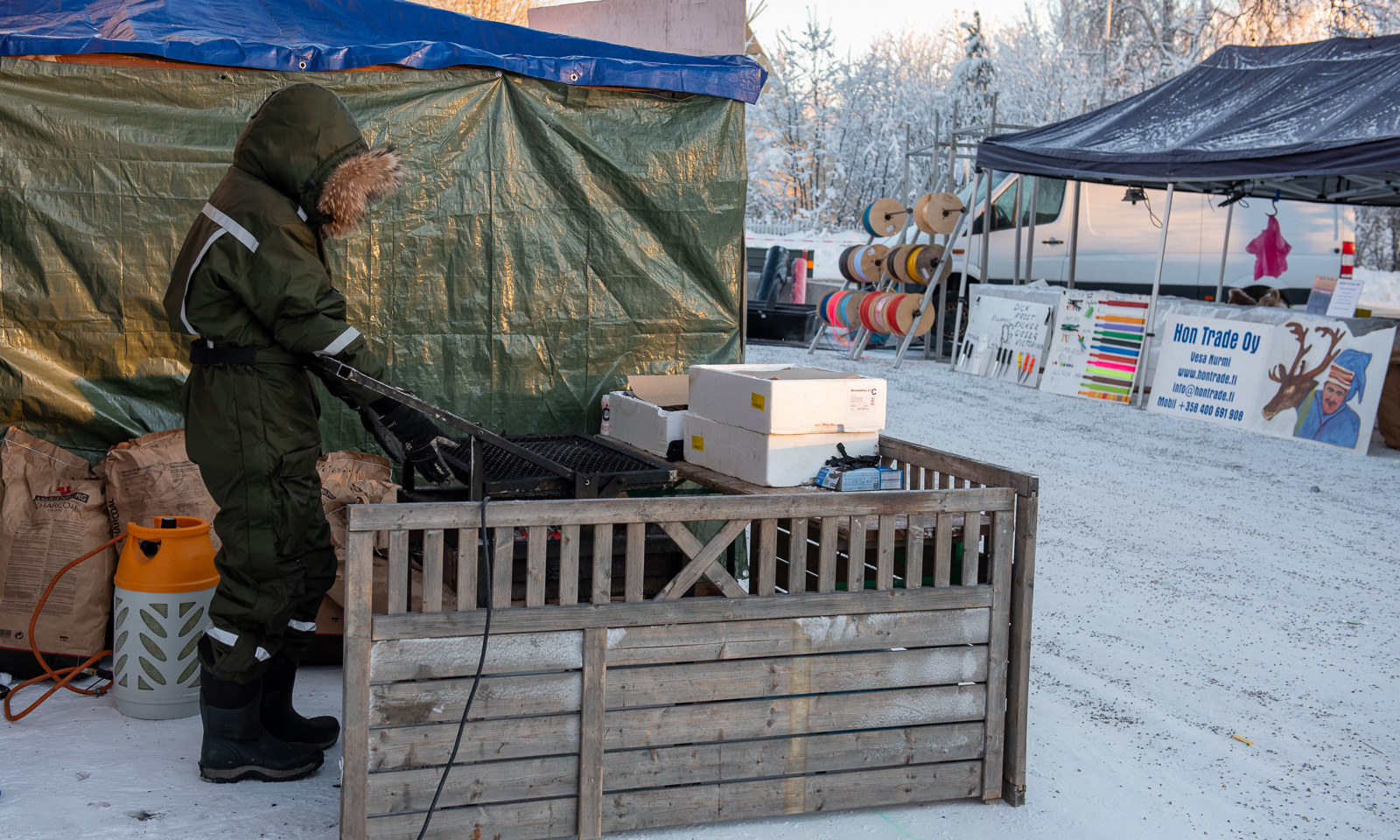
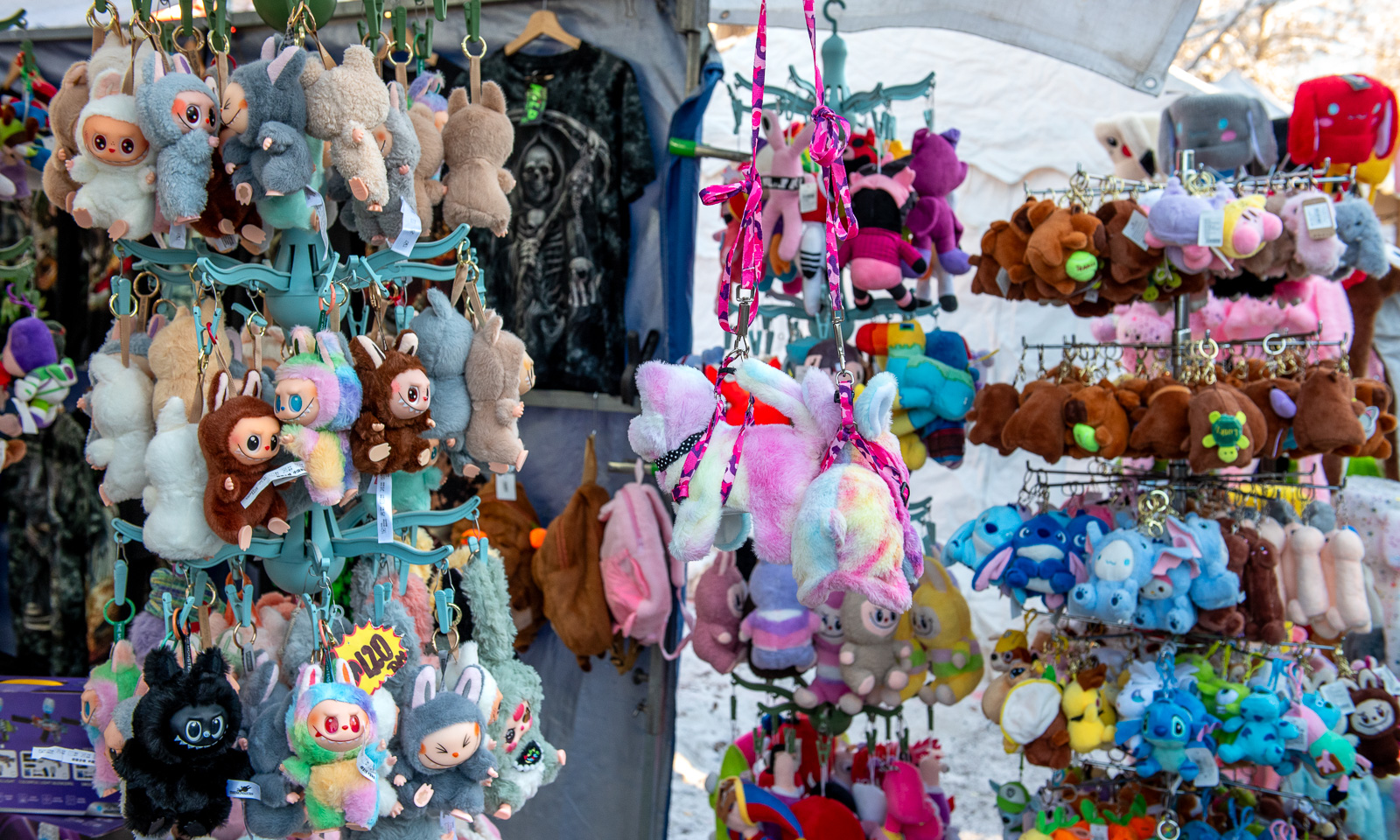
But don’t let yourself be fooled by these images, because a market is a market and even on the Jokkmokk Market you can find cheap plastic clothing and plastic toys, made in you-know-where. I don’t like it but it is part of the market as well.

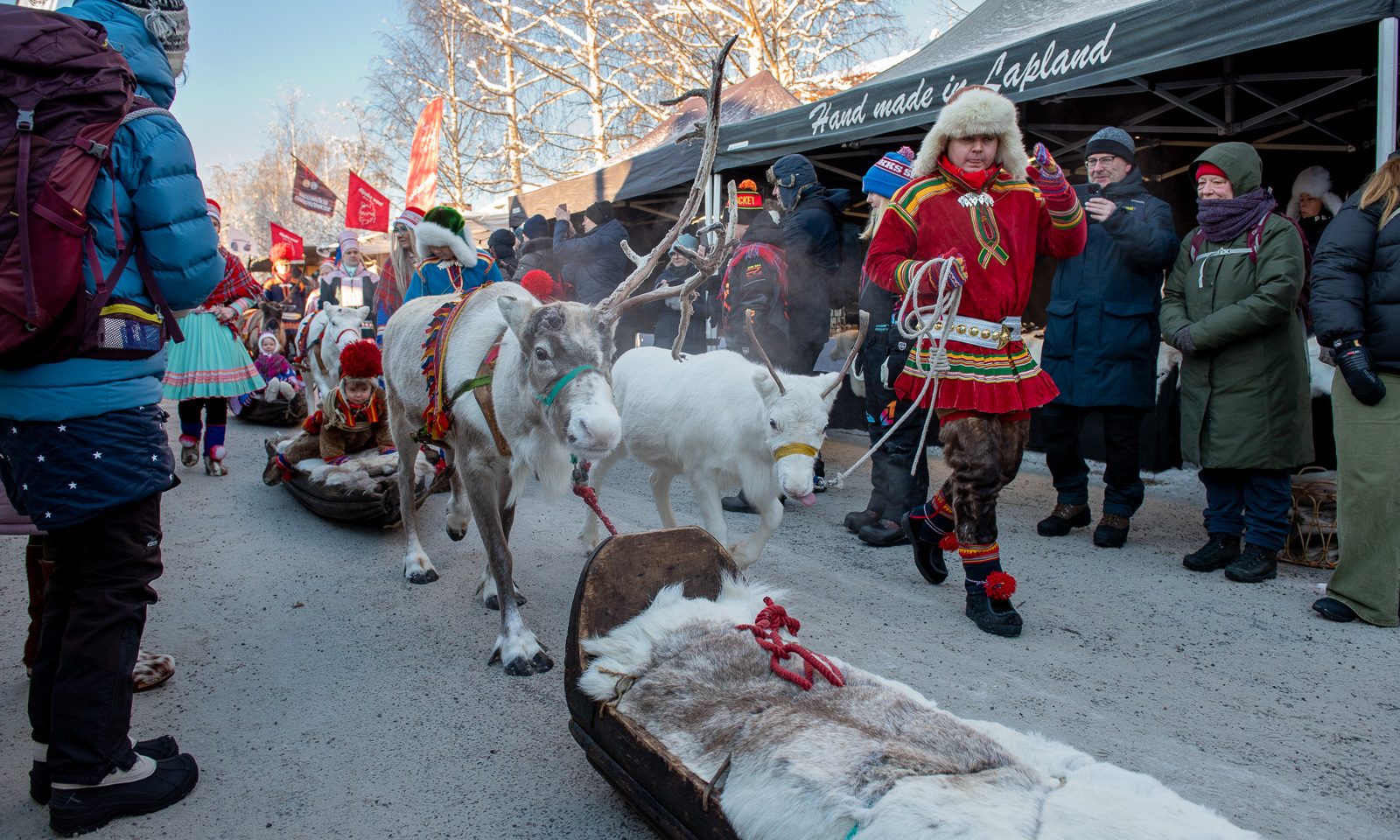
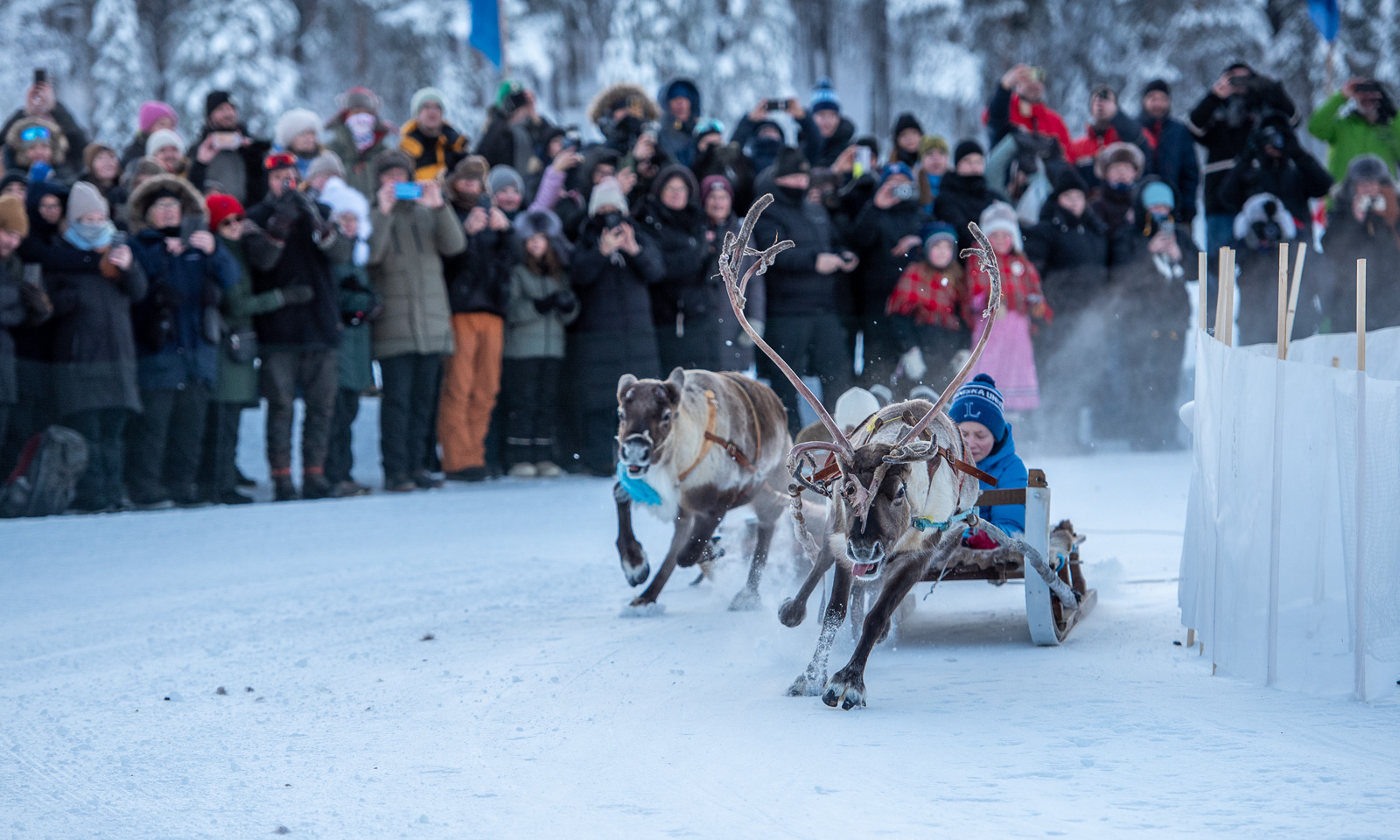
At 10:20, the sun peeped over the tents. And at 12:15 the traditional renrajden crossed the market.

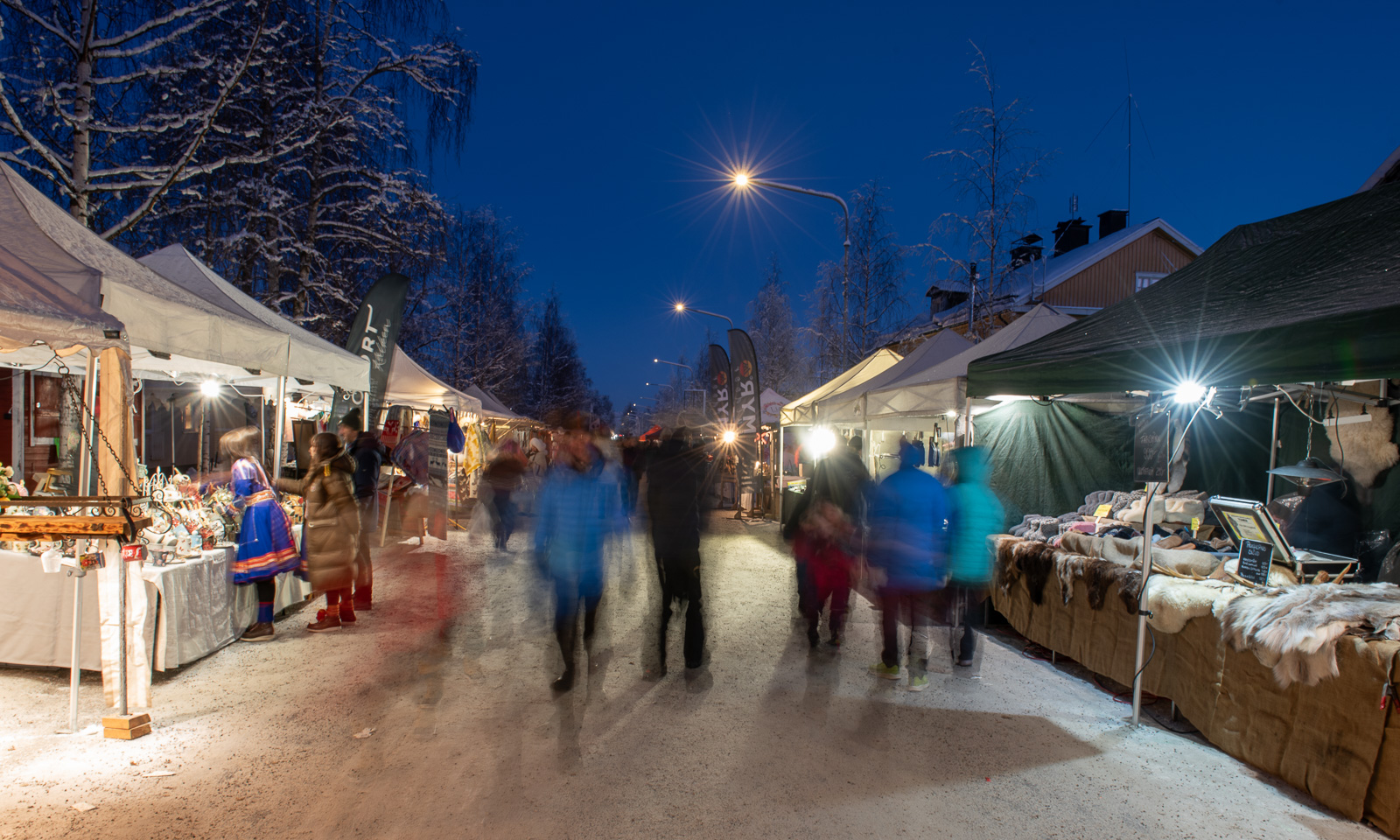
The market gets its special atmosphere when it gets dark. I had my tripod with me and made some long-exposure photos to catch my favourite time of the day at the market.

Saturday, 7 February

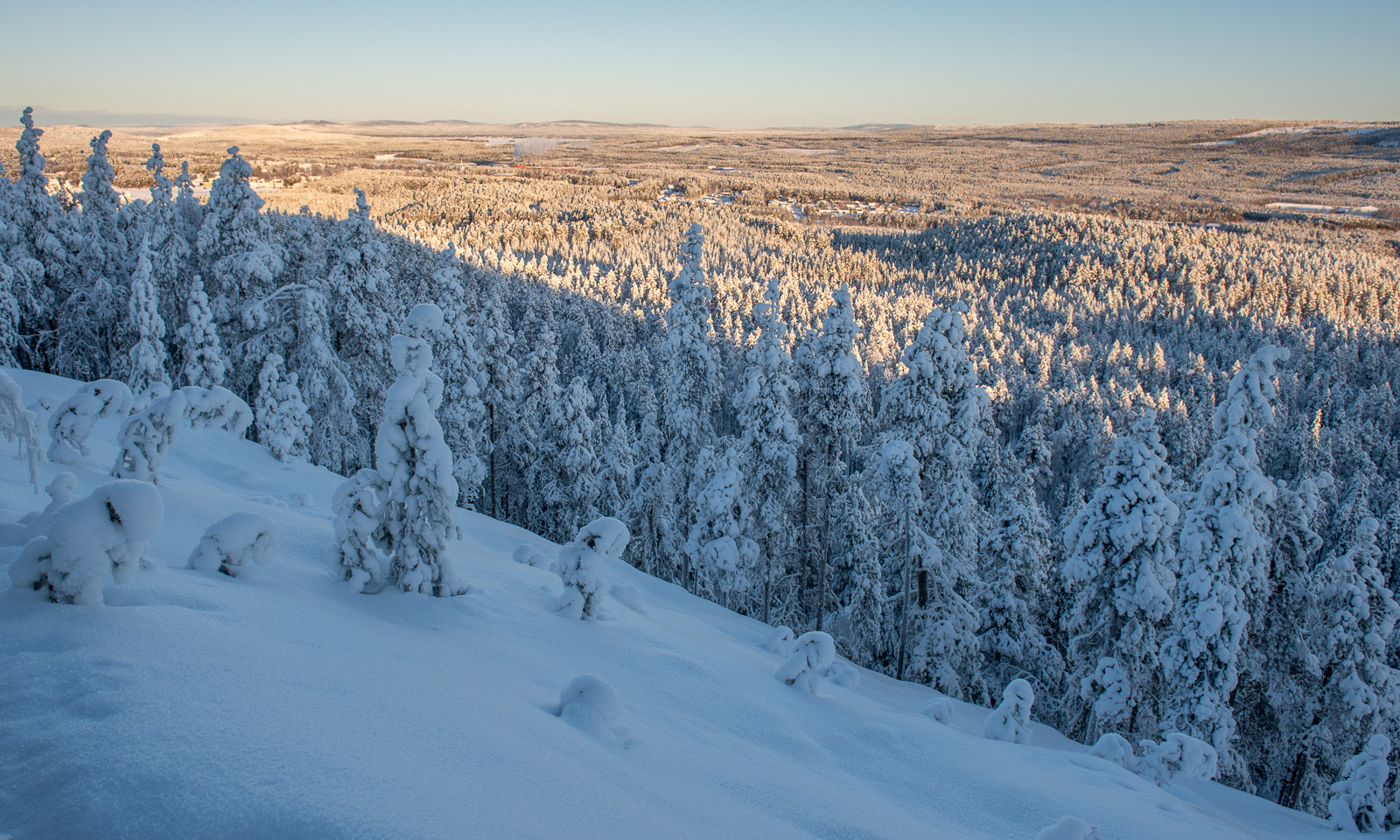
On Saturday I joined Sascha while he was walking his dog Roxy. Next to the lake Talvatissjön there are countless ski trails and winter footpaths. We went up Storknabben (The Big Knob) from which you have a wide view of Jokkmokk and the surrounding forests. We were completely alone until we were almost back at the lake.

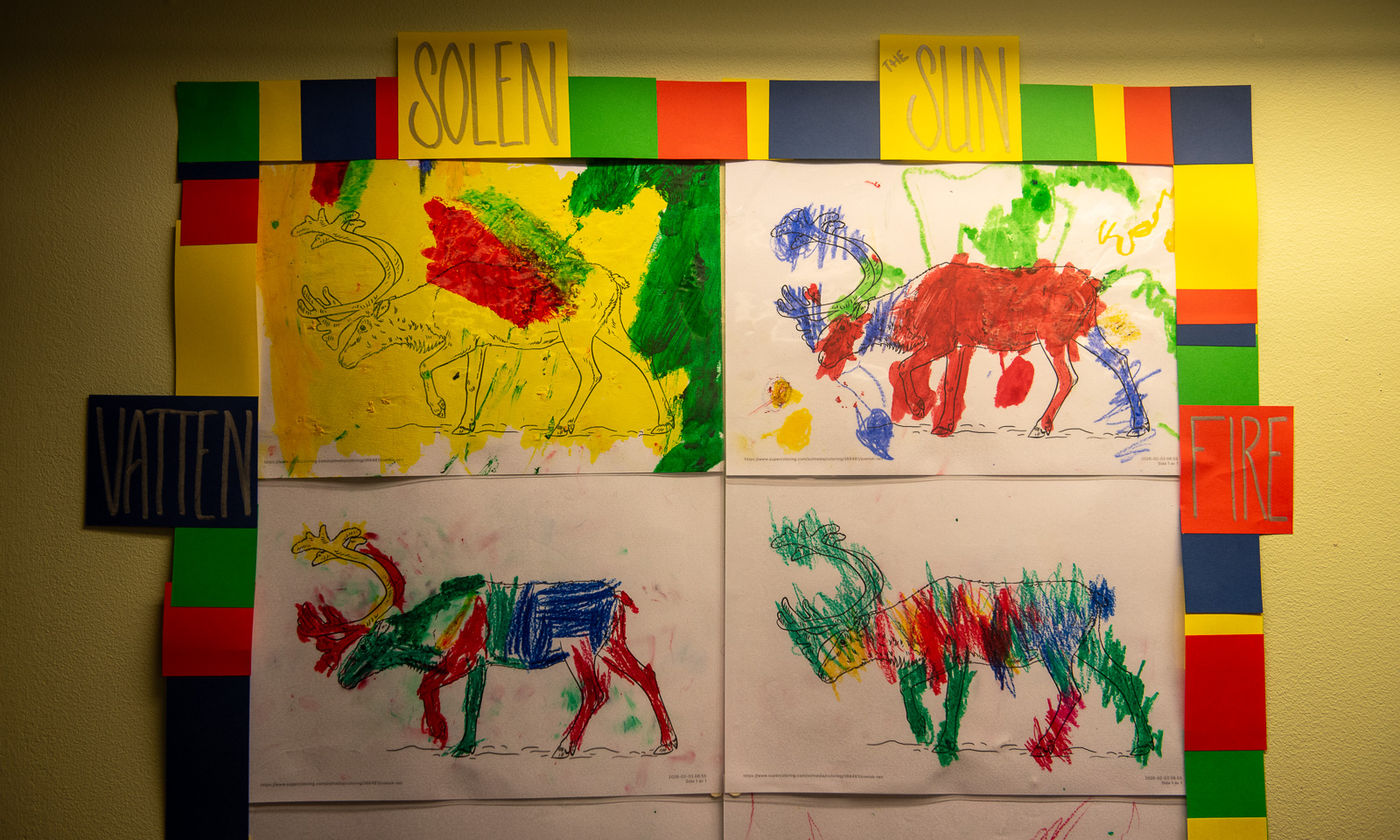
Then I went back to the market, this time to the elementary school Västra skolan. In the sports hall you can see arts and crafts from local artists. In the corridor and outside you can see arts and crafts from the local children. Which of them will become a professional artist later on?

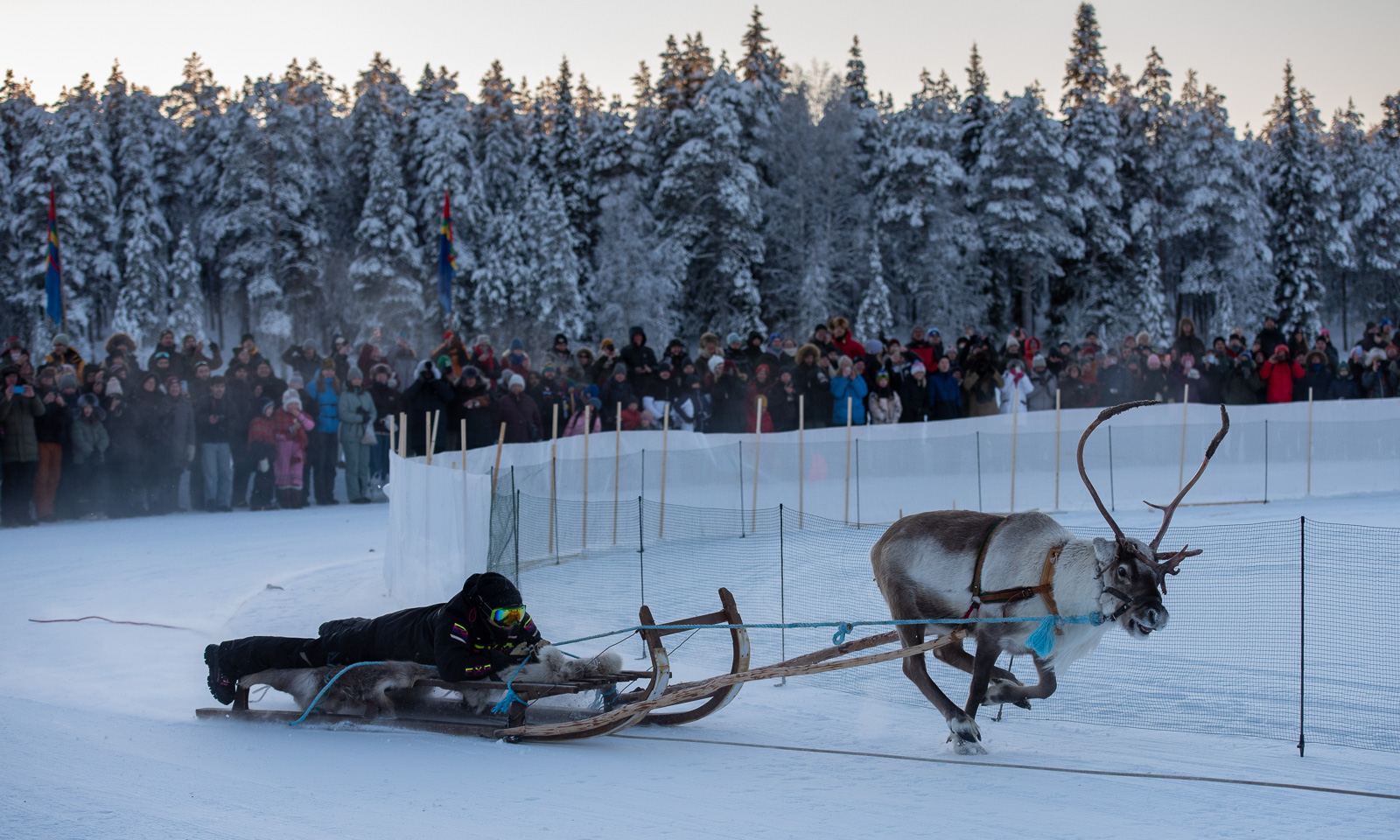
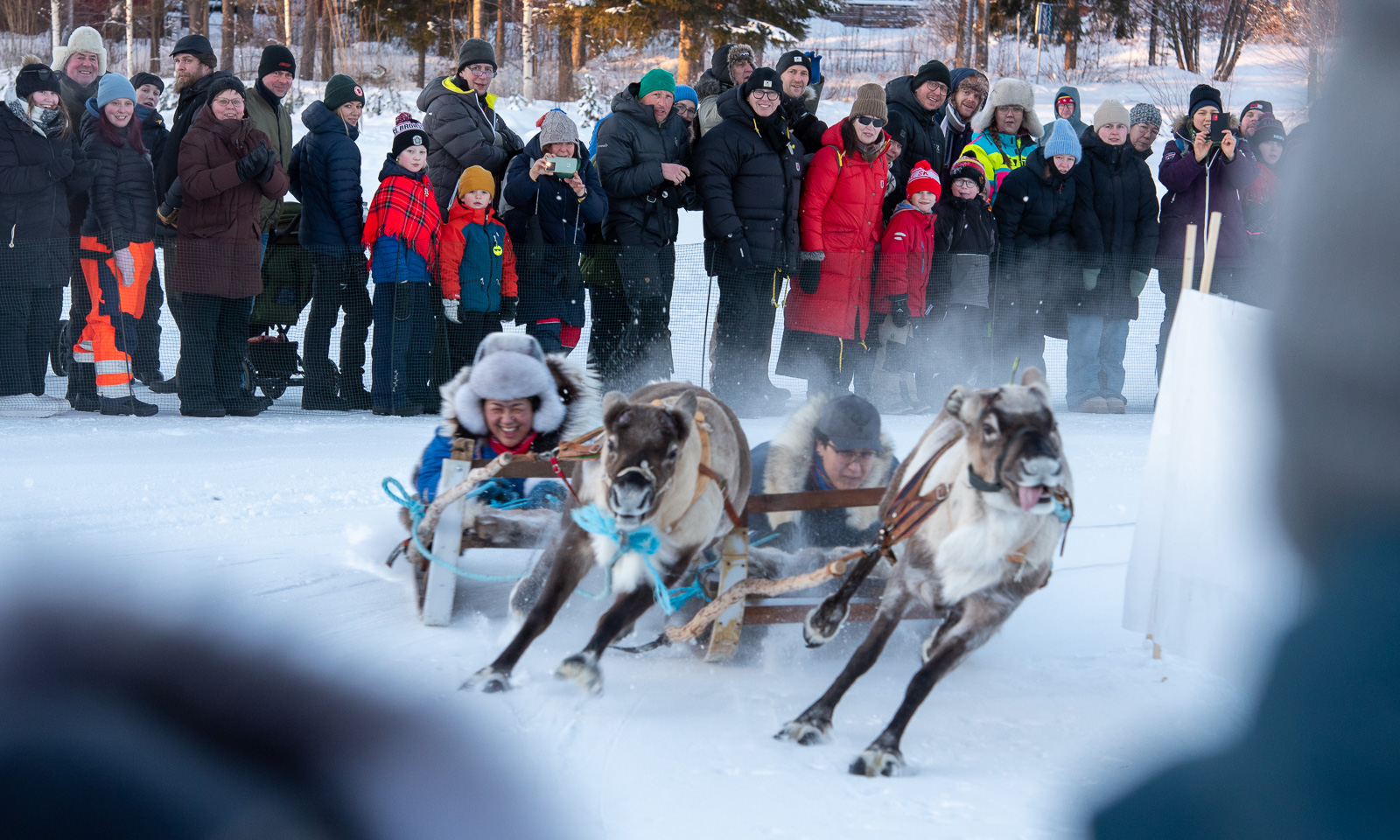
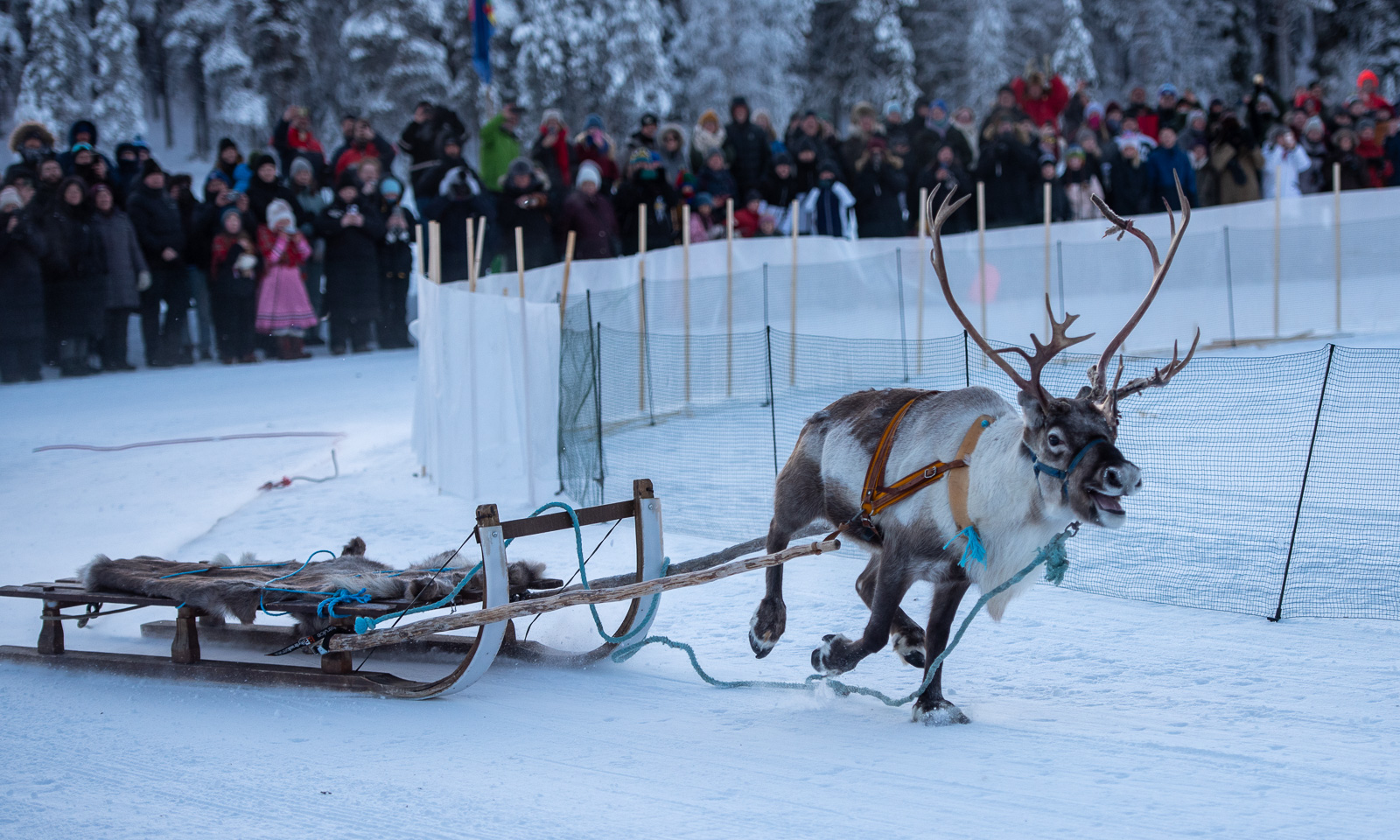
At lunchtime I met friends from Umeå who visited the market this day and we went together to Talvatissjön to watch the reindeer race. I watched it with mixed feelings. It looks like fun for us humans but it seems pretty stressful for the reindeer.

Will I visit the Jokkmokk Market again? Very likely, but not every year.


Lighthouses on ice: A winter walk on the Baltic Sea

It does not happen often that the Baltic Sea outside Obbola is frozen all the way to Finland. Today I took a longer break from work and took a long walk on the frozen and snow-covered Baltic Sea.

I left the small islet (we call it Lillskär) behind and could see the vast expanse of snow.

I went between the islands of Bredskär and Bredskärsten and headed to the red lighthouse called Dynan. I’ve been there before once – by kayak.

I even continued to the next lighthouse – Revet, but it lay behind a frozen ice channel and I was not sure how stable it would be.

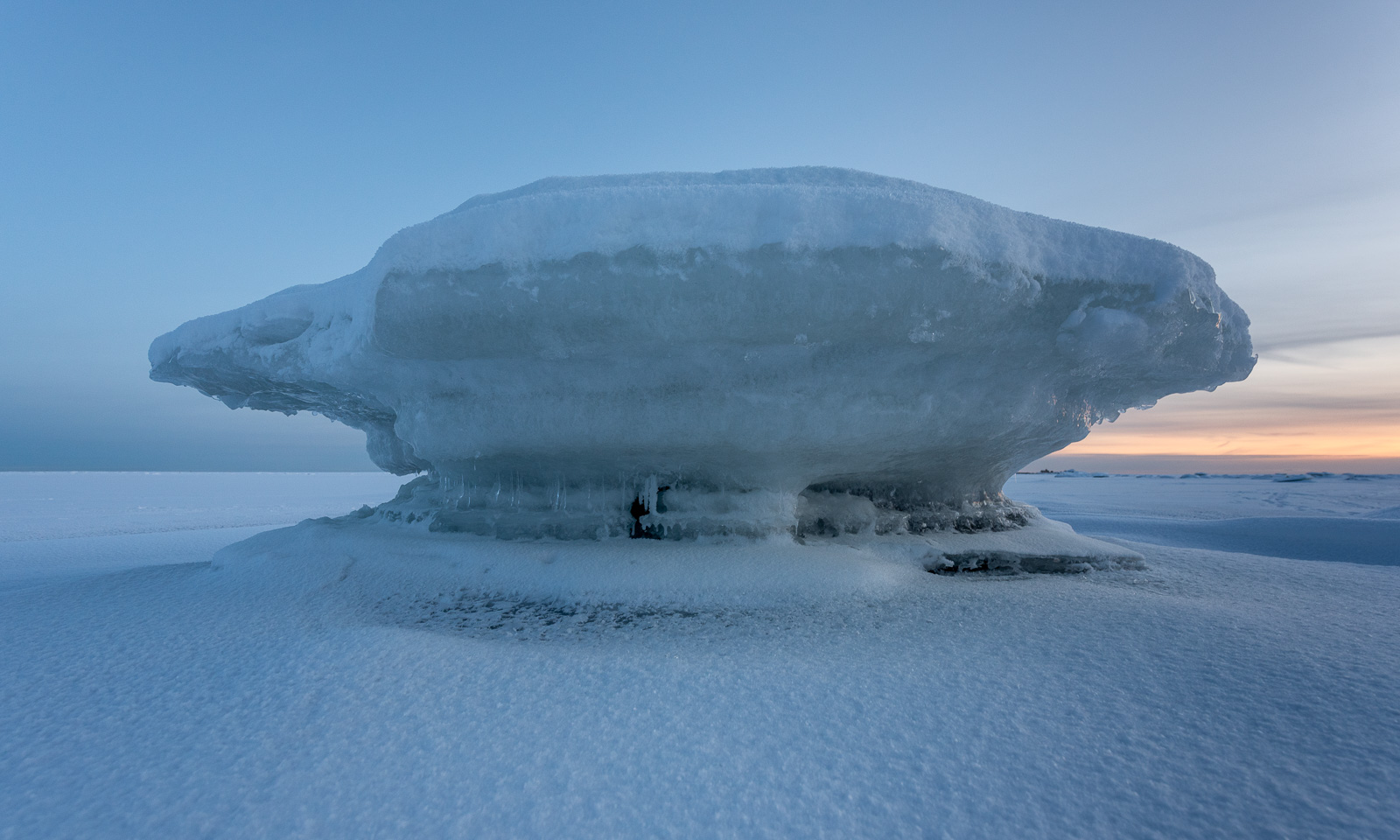
On the way back to Dynan I saw the ice, that covered parts of the lighthouse. Was it storm waves that created this icy layer?

In the distance I saw some moving clouds. There was probably an open ice channel there and when it is cold – around -12 °C today – the sea “smokes” building ice fog.

I crossed the ice back to the island Bredskärsten, which I circumvented. At the northern tip a two-metre-high wall of ice has built. Time for a selfie using the self-timer on my Nikon.

Then it was time to return to the mainland, first into the shower, then back to my desk.

Some words about the equipment:

When I am in doubt about the ice conditions I wear my neoprene floatation suit. In case I would break through the ice it would keep me warm and dry and provide enough buoyancy to get back onto stable ice. To get a grip in the ice I have ice safety picks hanging around my neck. The camera and a spare pair of gloves I have in my waterproof backpack. and my mobile phone is in its own waterproof bag hanging around my neck as well.

It is like carrying a first aid kit. You don’t want to use it, but you should have it with you to be safe. If you don’t have proper equipment and tested its usage I would strongly discourage you from crossing sea ice, especially when it is snow-covered and you cannot see the thickness of the ice. So – please stay safe!

Links

Impressions of the frozen Baltic Sea

It was pretty cold this morning when I decided to take a day off today and go for a longer hike on the frozen surface of the Baltic Sea. It doesn’t happen very often that it freezes all the way and I wanted to go a bit longer today. At -24 °C I chose to wear an extra anorak and better mittens than two days before. That in combination with the survival suit kept me warm for hours.

At the shore beside our house everything was covered with hoar frost – a lovely sight. After going around the islet Lillskär the sight was pretty different. Some islands were visible in the distance and otherwise just a vast expanse of snow-covered ice.

First I followed more or less the same route as two days ago. To the right in the distance were the islands Obbolstenarna, then Bredskärsten nearby.

I went to the lighthouse Dynan again and took some more photos. I also flew my drone, taking some aerials but I may not publish them without permission of Lantmäteriet and maybe even Sjöfartsverket. That may take a while …

When I went further fog started rolling in. Beside Dynan and Revet, I could not see much. Where is the next island?

Despite of the fog I decided to continue my tour. While I was checking my bearing with my compass the fog lifted and I could continue, navigating by sight. From then on I regularly checked my course back home to be on the safe side. And there it is – the next island: Langån, still in the haze.

On this island there was another lighthouse, called Lillbådan. “Lill-” means small and the lighthouse is actually not one of the tall ones.

On Langån there were some trees growing, amongst others, a beautiful pine tree. It was covered with hoar frost. It was not so easy to get there because this island is more or less a big heap of rocks with knee deep powder snow between them.

I crossed the small island, passing a last frosted shrub …

… and the next expanse of ice was waiting for me. This, however, was different. First of all you could see ice floes – all of them frozen together. And then there were old ice channels, made by an ice breaker. Would it be possible and safe to cross them? I swept away the snow and yes – the ice was thick and I could continue to the next lighthouse.

And there it is – the lighthouse Storbränningen. Impressive from all sides.

Time for a selfie. The anorak was the only thing that was not waterproof. I was not dependent of this extra layer because it had become warmer but it was nice to have it on. I could also make use of the pockets for a compass or my mobile phone in its waterproof bag. The only issue: the survival suit is waterproof but as breathable as a rubber boot. I could feel, how the liquid sweat gathered in the rubber gloves – not comfortable but still it was a big relief to have clothes I can be in the cold water for at least half an hour. Safety first, comfort back at home. Ok – the selfie. Cheeeese!?

I went farther to the two islands Obbola-Storbådan. In the summer more an extent of boulders, now it is winter wonderland. On the way there I had to cross newer ice but it was thick enough as well. I was less afraid to break through than that an icebreaker would appear between mainland and me and create an open ice channel!

Lucky me, no icebreaker came and – now on my way back – I could cross the frozen channel as easily and safely as on the way there.

At first I used my compass to walk back; then I could see details of the mainland to orient myself. When I looked back, Storbränningen was already far away and I could hardly imagine that I had been there today.

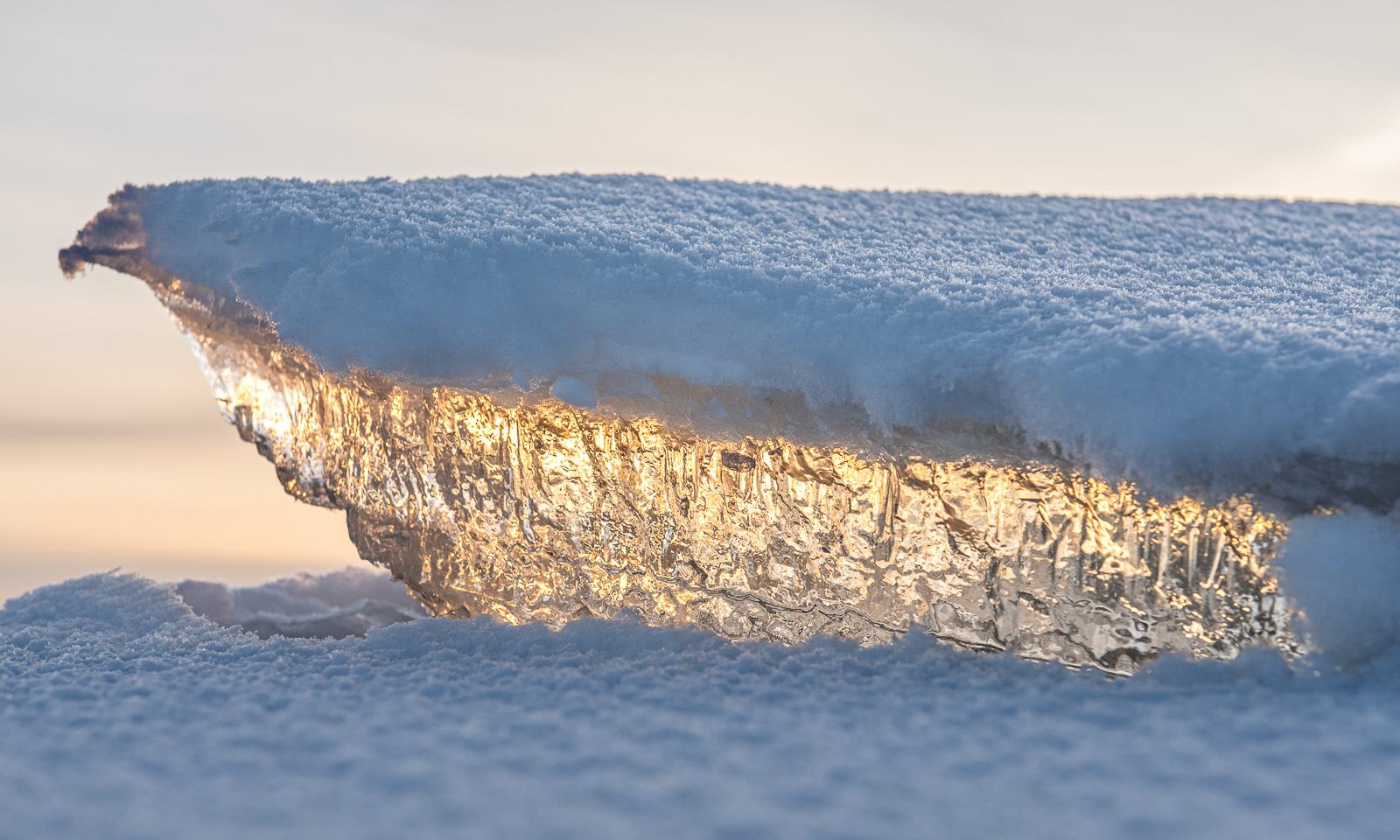
As usual I did not take many pictures on my way back. The crystal-clear ice block, the wet passage, another view back …

… and then I was home again after 9.98 km in 4½ hours.

I have another photo to share:

What is it? Frost structures in the ice? Frozen plankton? No, it is just AI (and a bit of editing). I asked Copilot to make that image using this prompt:

Could you use this image and let it look, like the pizza has been frozen in an ice age for 500 years? Make everything look white with a hue of blue-green and put hoar frost on it.

This is the original image I uploaded to Copilot. It is the pizza I ate in Obbola after today’s tour.

Did I use more AI today? Yes, I used it in Lightroom to remove my own footsteps on one photo and I used it to correct some of the language mistakes. All other photos are edited manually but without any AI support.
 

The sunset was too early

Today we had another clear morning with a temperature of -23 °C and not a single cloud. According to SMHI and The Photographer’s Ephemeris sunrise at our place in Obbola was at 07:32 today. While I was still walking on the sea ice to have a better view of the sunrise the sun already appeared – three minutes too early. The reason for this is atmospheric refraction due to an inversion above the ice that bends the light and so “lifts up” objects in the distance.
To the right in the photo: The lighthouse Storbränningen, which I visited two days ago. It is about 4 km away. I could also spot the lighthouse Väktaren – 7 km away – although the distance to the horizon is technically only 4.5 km. I can even still see some construction far, far away on a bearing of 140° but I haven’t worked out what it is. Finland perhaps … ?