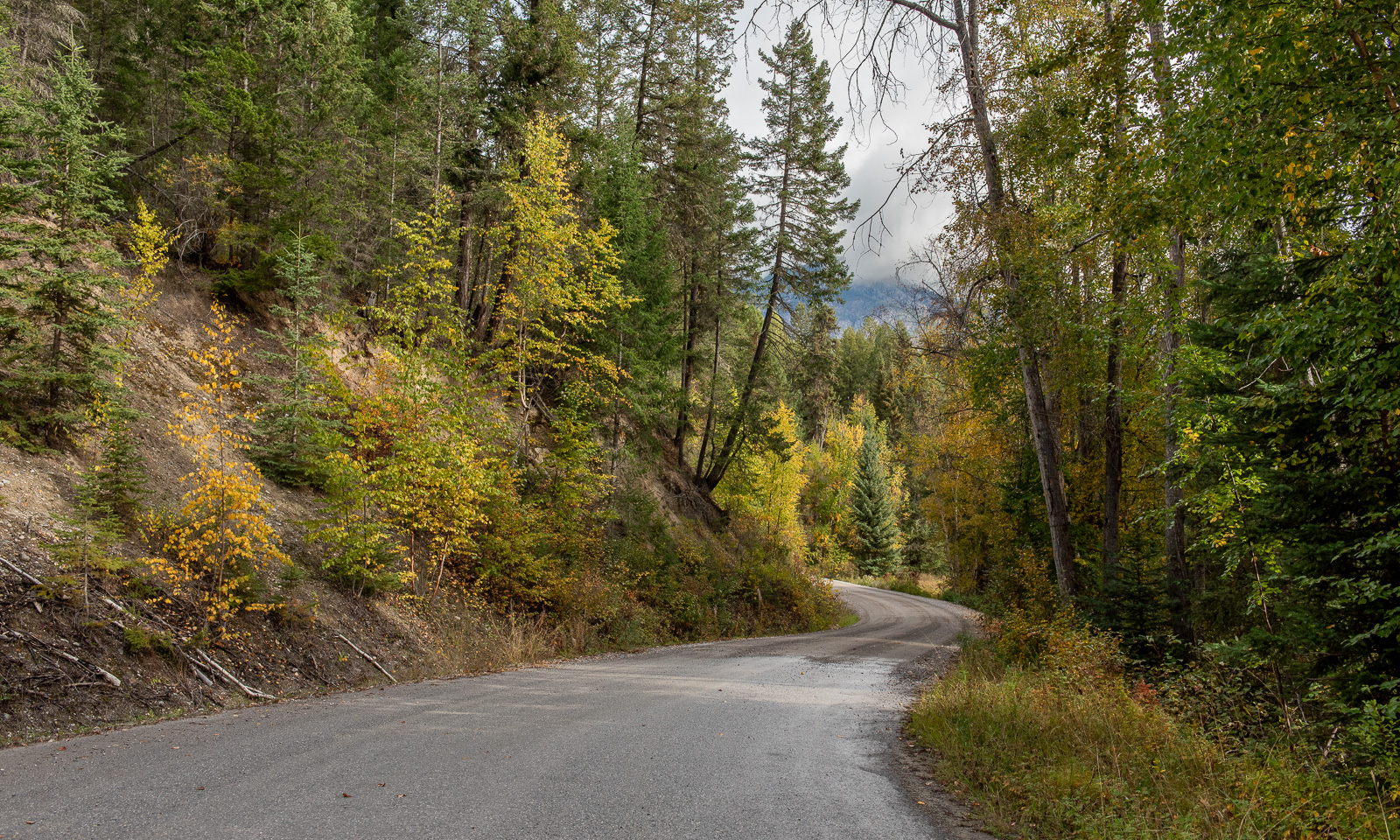
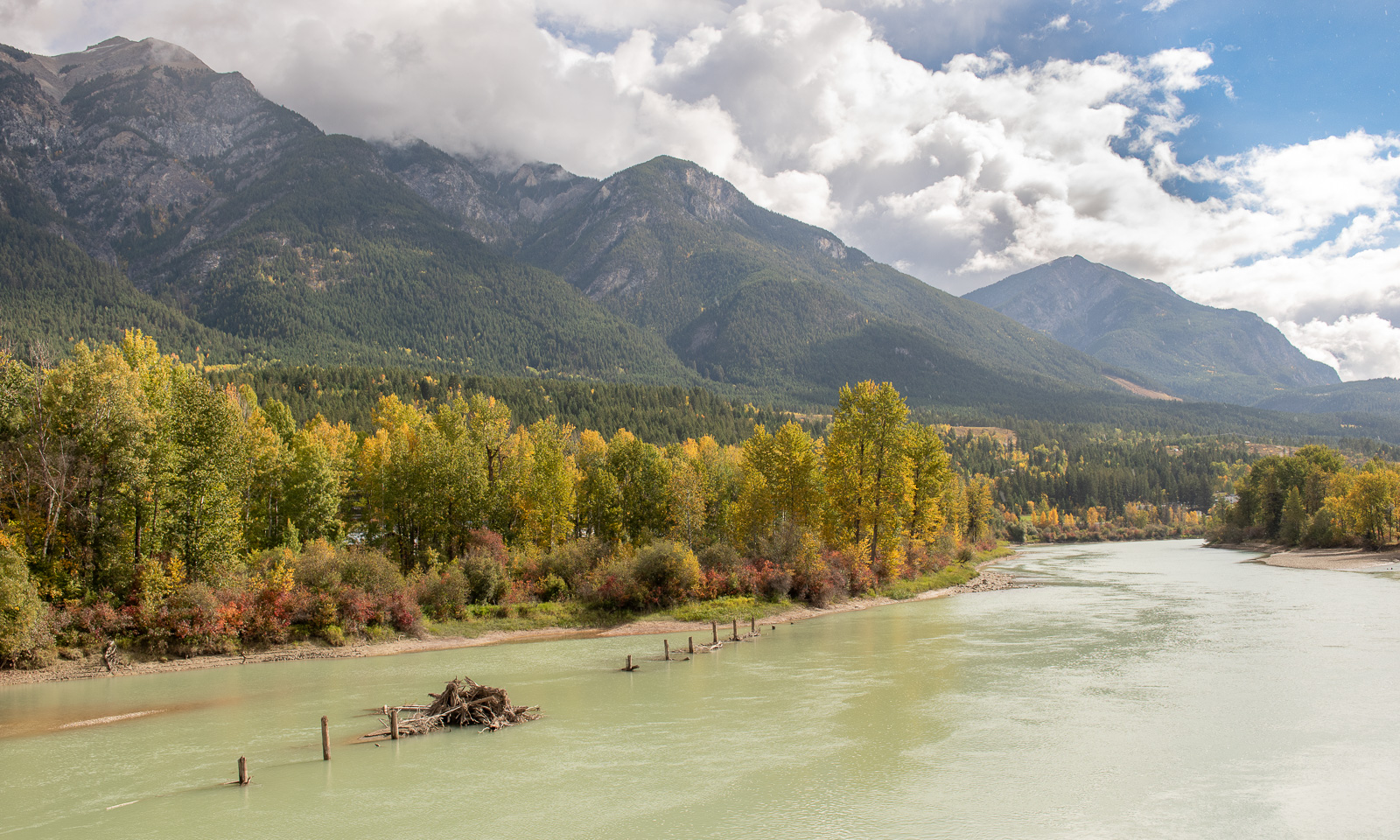
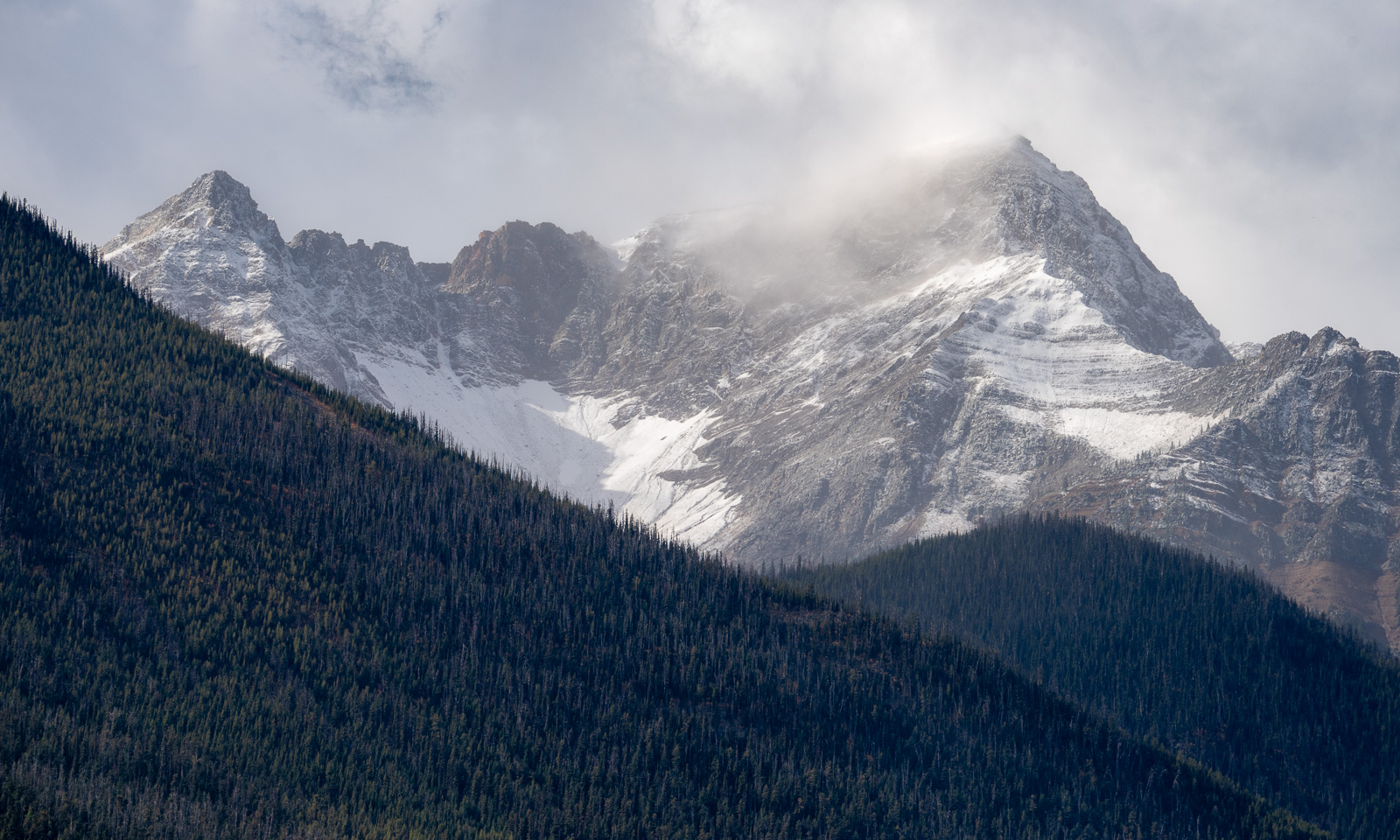
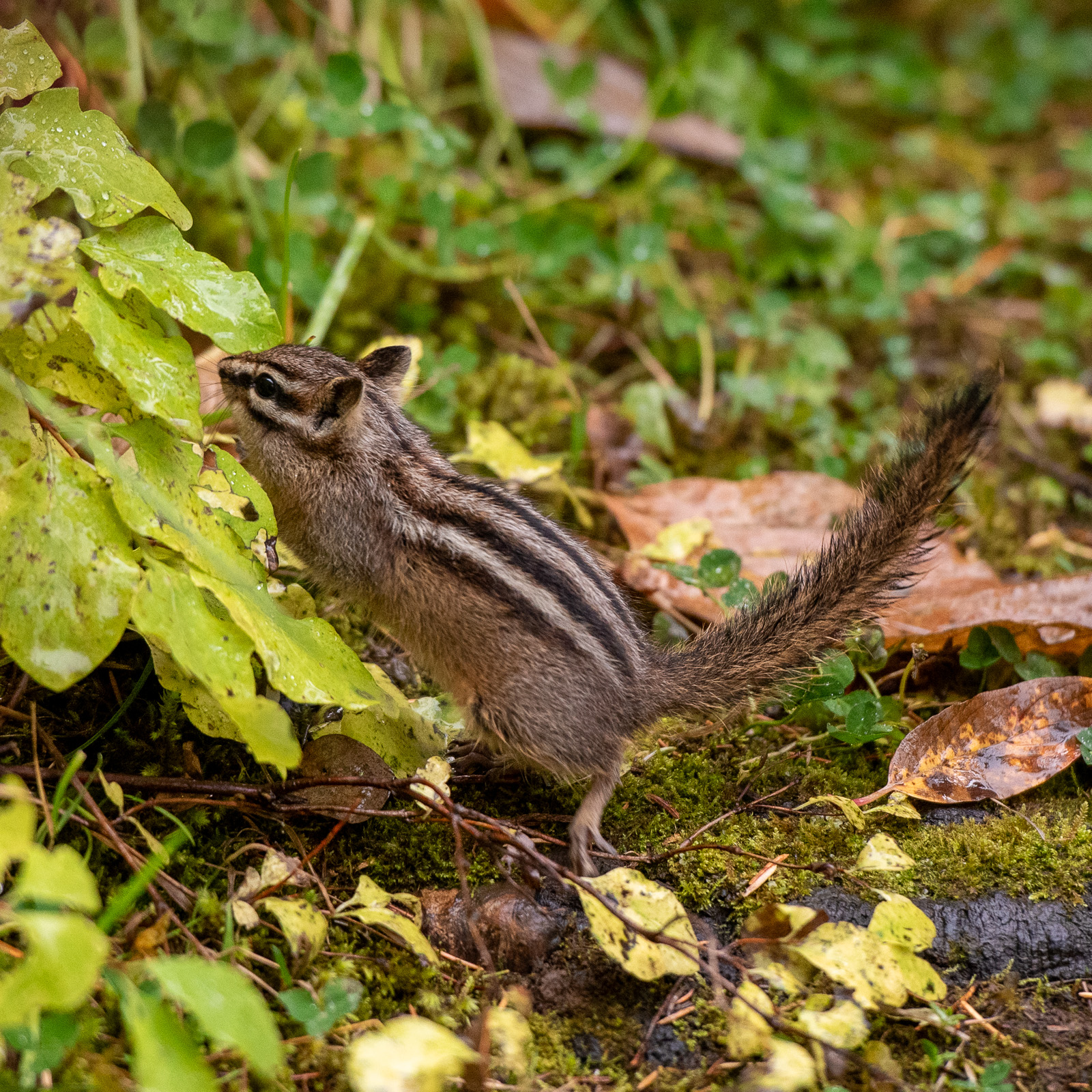
Scotland NC500 – day 8 – a hidden pass, palm trees, and a famous castle

This article is part of the series “2025-10: Northern Scotland”.

October 20

Today is the eighth day of our road trip in Northern Scotland, which my wife and I are taking together. Last night we slept in a hostel near Applecross. Now we want to take the road over Bealach na Bà pass, that is known for its hairpin bends and scenic views. Unfortunately it is still raining and the clouds are low. The beginning of the road is marked with several warning signs, but Annika can drive single track roads and we do not have wintry conditions, so we can take the road. But clouds we have. Soon we are in the middle of them. It is raining and the visibility is pretty bad. And so is the view of the hairpin turns from the top of the pass. Well, you cannot have everything.

We descend and slowly visibility improves. When we look back we can see the colourful mountain scenery with the summits in the clouds. In front of us we see the other clouds floating down to the sea loch Loch Kishorn, where they start hiding the coastal islands.

Two hours later we arrive in Plockton, a beautiful village by the sea. The climate is particularly mild, so that palm trees can grow here. An older chap I meet in the street tells me that he has different sorts of palms, a eucalyptus tree and other trees I never heard of in his garden.

It is low tide. Some fisher boats lie in the mud and it is possible to go to an island nearby. From the sandy tidal flat you can see the long row of houses by the seaside – sea view for everyone. We spend an hour and a half here to visit the craft fair, to go to the island, to pet a cat, to take photos and to find a geocache. A charming place with views of the sea, an island called Sgeir Bhuidhe, Duncraig Castle, hills, and steep mountains.
Finally we continue our tour. Next stop: Eilean Donan Castle. This castle is regarded one of the most photographed landmarks in Scotland, and it’s very popular with tourists. Visiting the interior costs money, and there’s even a charge to cross the bridge, so I take photos from the outside. It is not easy to take photos without too many tourists in the shot.
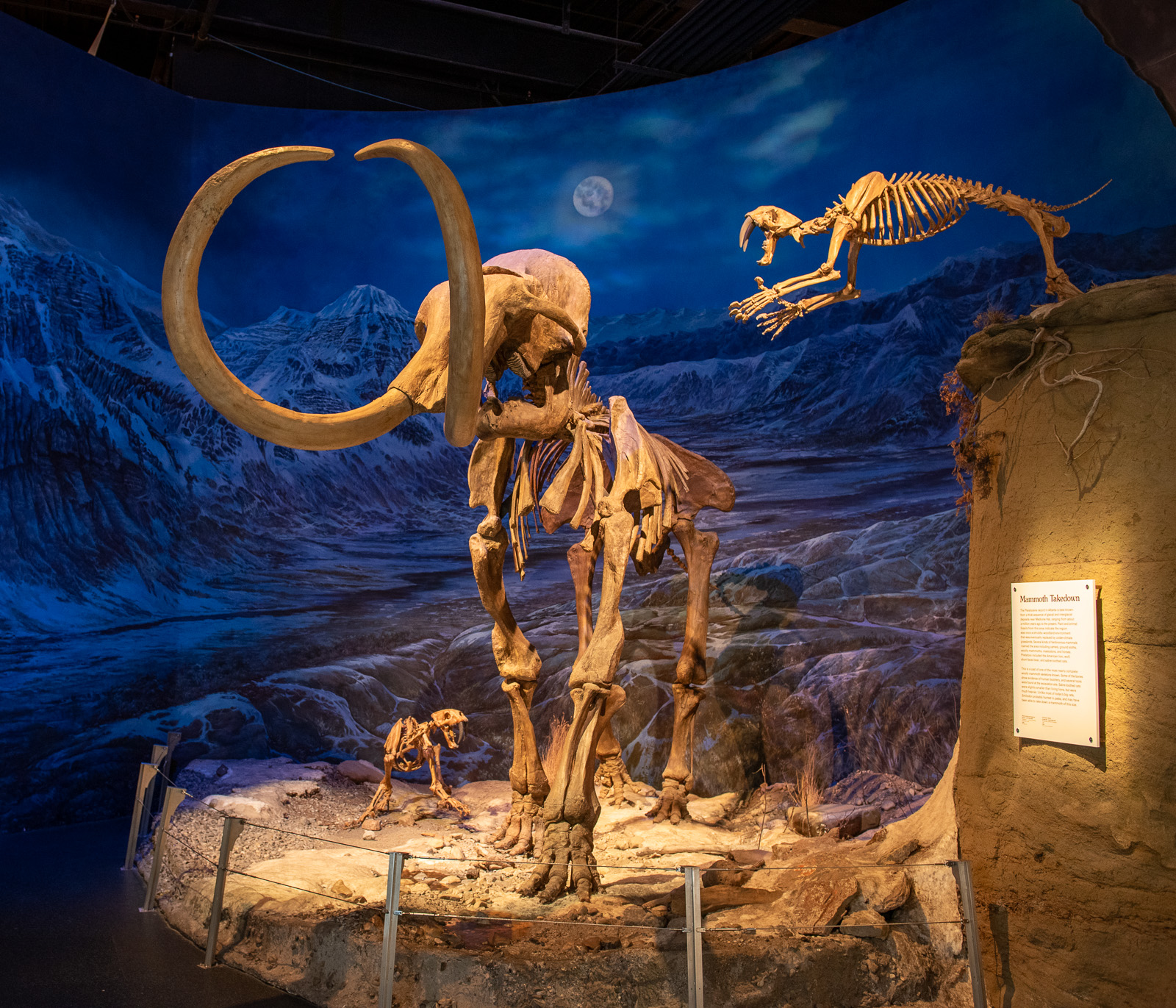
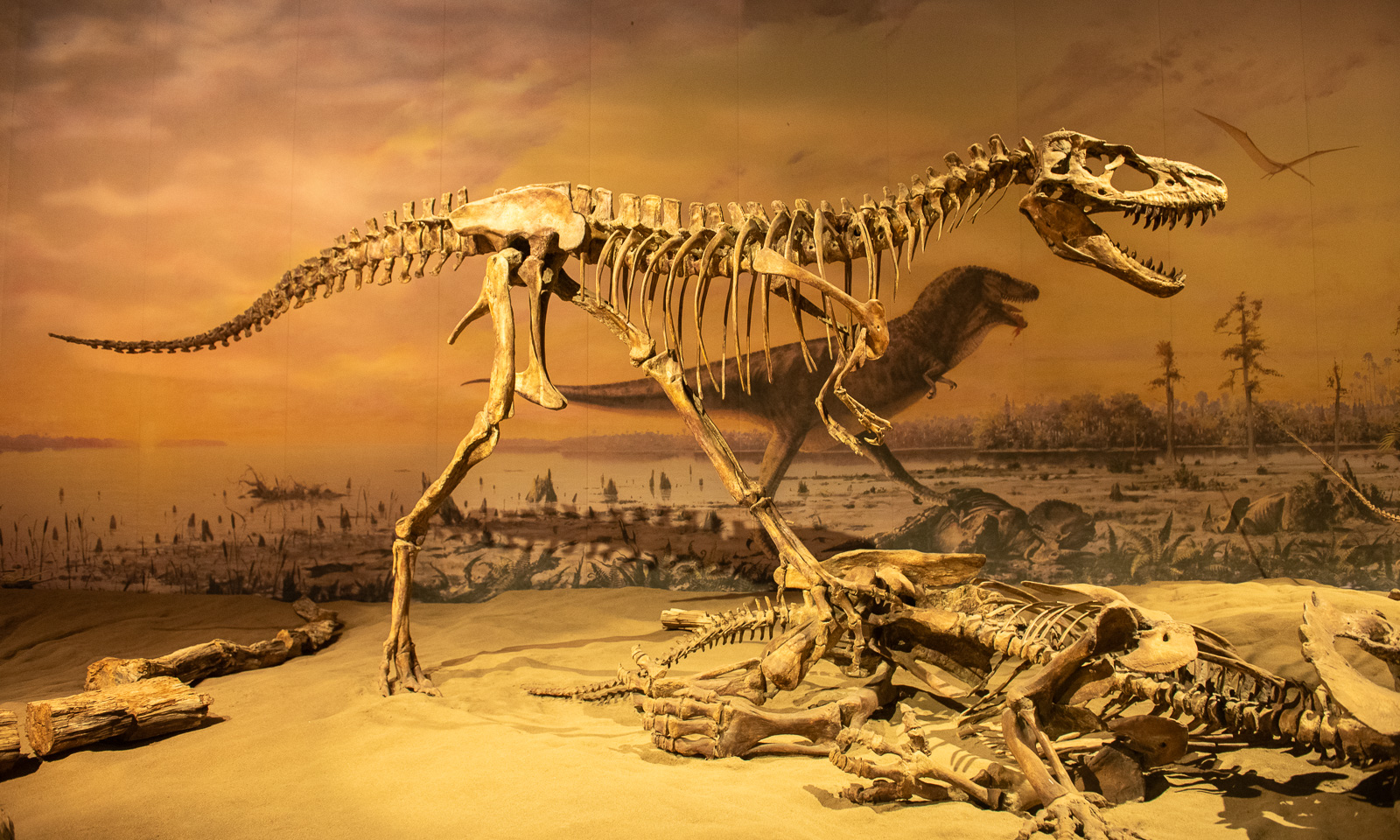
From Eilean Donan Castle it is not far to the An Spiris Accommodation at Dundreggan Rewilding Centre, our last overnight stay on our road trip. My highlight of the evening is the toddler in the large common room singing “Do-Re-Mi” from the Sound of Music.


Scotland NC500 – day 7 – a rainy day

This article is part of the series “2025-10: Northern Scotland”.

October 19

According to the weather forecast it will be pretty rainy in Northern Scotland the whole day. So, today we may interrupt our road trip less often than the other days. We will drive to AppleCross, where we’ve got a room in the Hartfield House Hostel & The Bunkhouse. If we arrive early, we may get a nap in the afternoon, which sounds tempting given the weather. We have breakfast in the hotel and take it easy. When we leave, it is half past ten. It is raining.
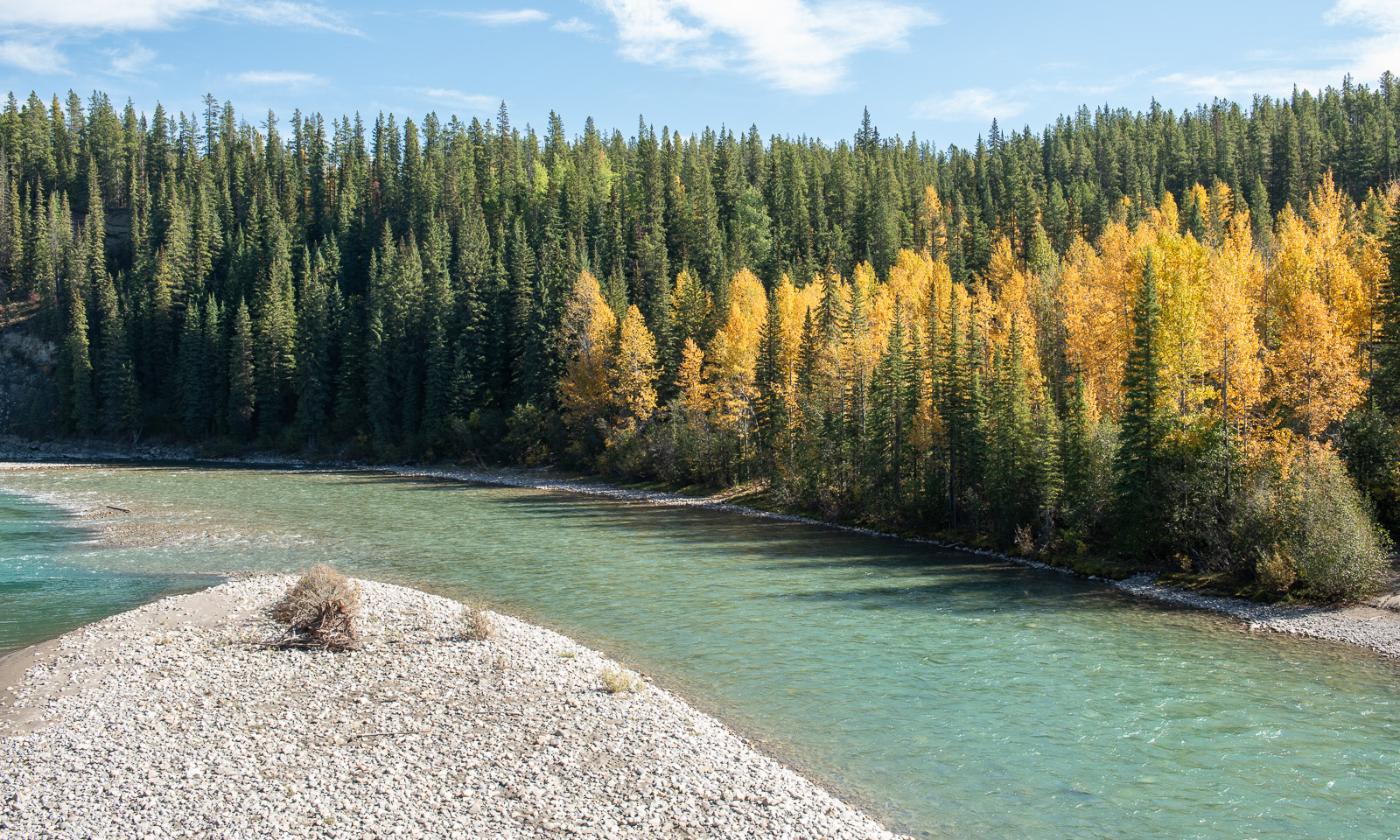
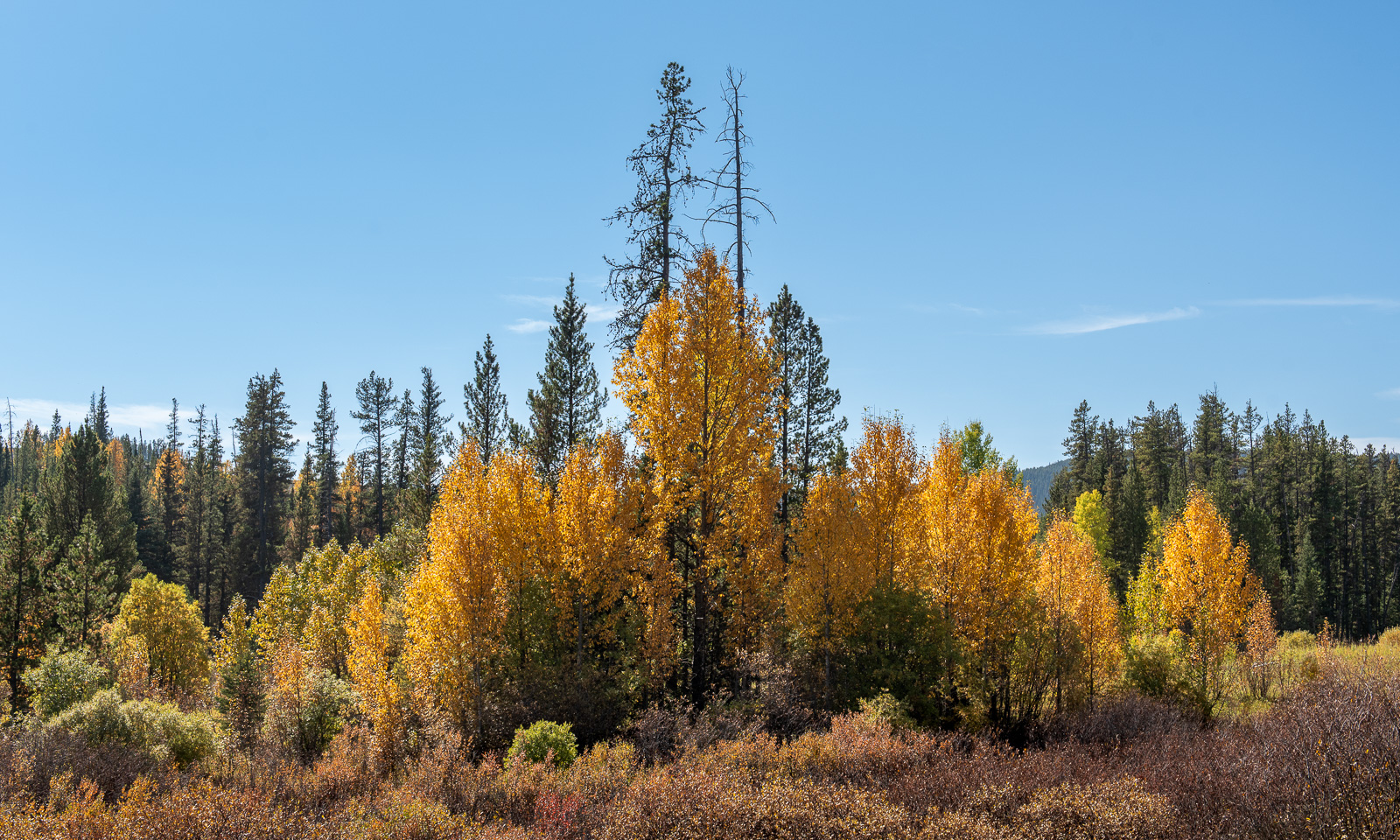
We make a stop at the visitor centre of the Beinn Eighe National Nature Reserve. There’s a small museum and a cabin, from where you can spot birds. There are also lovely spots outdoors, but  – it is raining.

Next stop: The lake Loch Clair, where I go for a short walk. I put on rubber boots, waterproof trousers and a rain anorak, because – it is raining. Annika prefers to stay inside the car to read. A smart choice, because the trail is just a rather dull gravel road and – did I mention it? – it is raining.

No noteworthy stops after that. We arrive at the bunkhouse at three o’clock. Beside the house there is a fenced in pasture with Scottish highland cattle. They look pretty soaked, but I guess, they are used to this kind of weather.

After an afternoon-nap (we got one!) we take a small car trip southwards. On the photos it looks like the weather has finally brightened up a bit.

But if you see a photo taken from inside the car you realise – it is raining.

One of the last photos I take today is of the seafront of Applecross.

As Google has already told us, the pub is closed. So we head back to the bunkhouse and have our dinner there.

Scotland NC500 – day 6 – a long breakfast and palm trees in the evening

This article is part of the series “2025-10: Northern Scotland”.

October 18

Annika and I are sitting in the comfortable kitchen of our hosts in Badrallach having breakfast. Cereals – bacon – fried eggs – mushrooms – toast – homemade jam – homemade ketchup – tea. The breakfast is very delicious, but it’s not the main reason we’ve been sitting here for hours. It is the wonderful conversation about life, us, and the wider world that we have with our hosts. Breakfast had long turned into brunch when we finally prepare ourselves to leave.

Behind the house is a pasture with dark, horned sheep. They are curious and all of them are looking at us. In the background lie the mountains and in front of them a narrow strip of blue – the sea loch Little Loch Broom.

Soon we drive over the moorlands of the Scottish Highlands with their intense colours. We haven’t gone far when we make a spontaneous stop at a car park by the sea. It is the small, bright red three-wheeled vehicle with labels such as “coffee” that catches our eyes. The owner is a local and he seems to know all the other customers. The two old ladies just leaving and the man with moustache, who – so he tells me – has worked in the Arctic and Antarctica. While Annika enjoys her hot chocolate I get perhaps the best coffee I’ve ever had. I’m not a big coffee consumer but this stuff is addictive.

As the weather is fine today, we stop at another beach – Mellon Udrigle Beach – where we meet another local playing with his border collie. I take the first and only bath on our Scotland holidays. The water is crystal clear and warmer than expected.  It’s a shame I only bathed once.

This day is about the people we meet and it is the only day where we haven’t booked any accommodation. We make a stop in Gairloch, a village that I quickly fall in love with. It is not just the location by the sea or the beautiful houses. Many Scottish villages have that as well. It is the alternative book shop, the community-driven pub, the restaurant with Caribbean food that makes Gairloch special. After we have bought some books we continue our road trip, but we have hardly left the village when we decide to stay there overnight. Annika turns the car, we enter the Gairloch Hotel and the receptionist gives us a big room with a sea view. Later we go to the pub first and then have Caribbean food for dinner. That kind of food matches perfectly the palm trees that grow outside the pub.

Scotland NC500 – day 5 – fog, castle, mountains and forests

This article is part of the series “2025-10: Northern Scotland”.

October 17

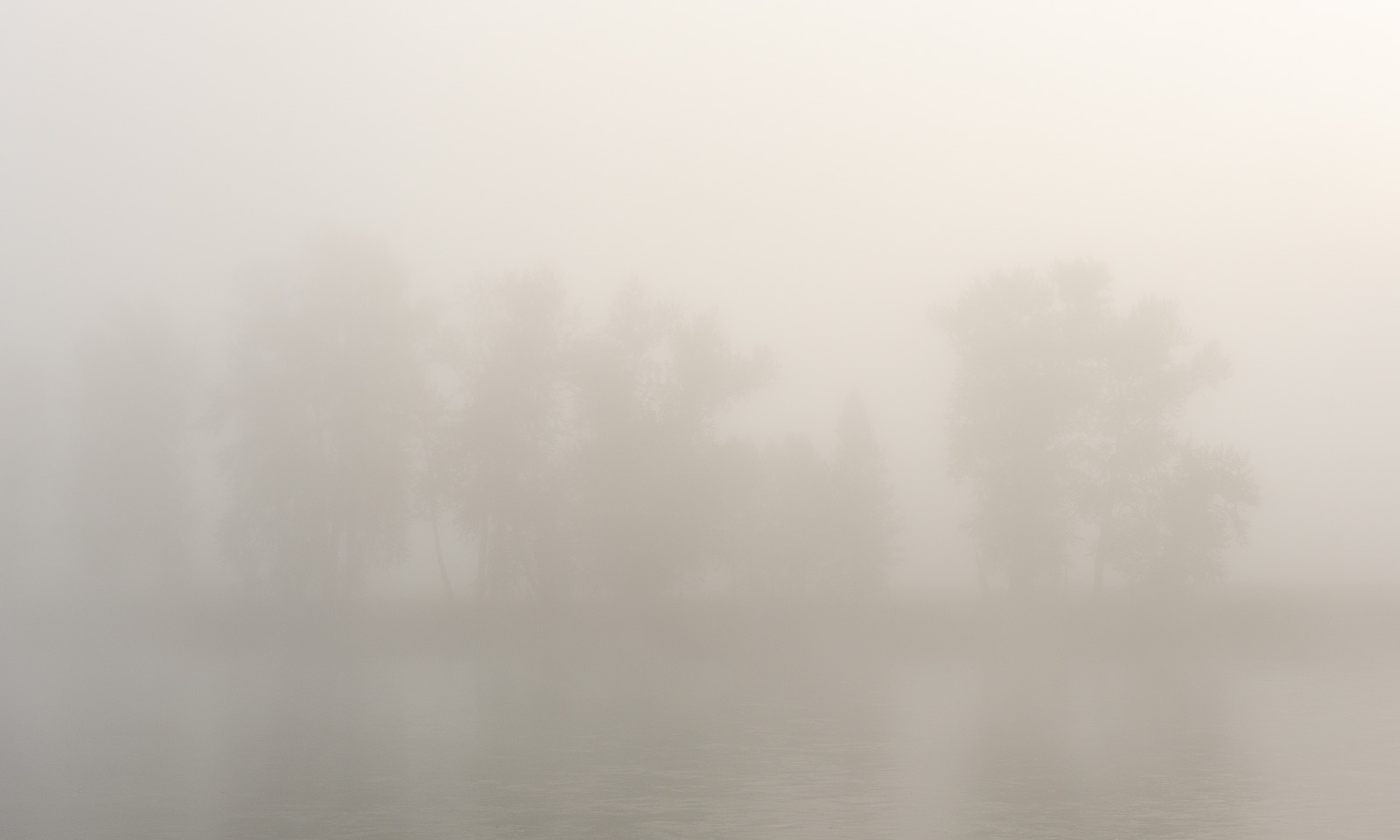
My wife Annika and I have left Lairg where we stayed overnight and head west on the A837 through hilly farmland. Some places are covered with patches of dense fog which give even the more common views a magical touch.

We cross the River Oykel. North of the A837 another bridge spans the small river. These stone arch bridges are quite common, but here we can park so that we can take photos. We even get a bit of sun.

Half an hour later we arrive at the Knockan Crag National Nature Reserve. We park the car and have a view of the lake Lochan An Ais and the mountains behind. At least on those parts, that are not covered by fog.

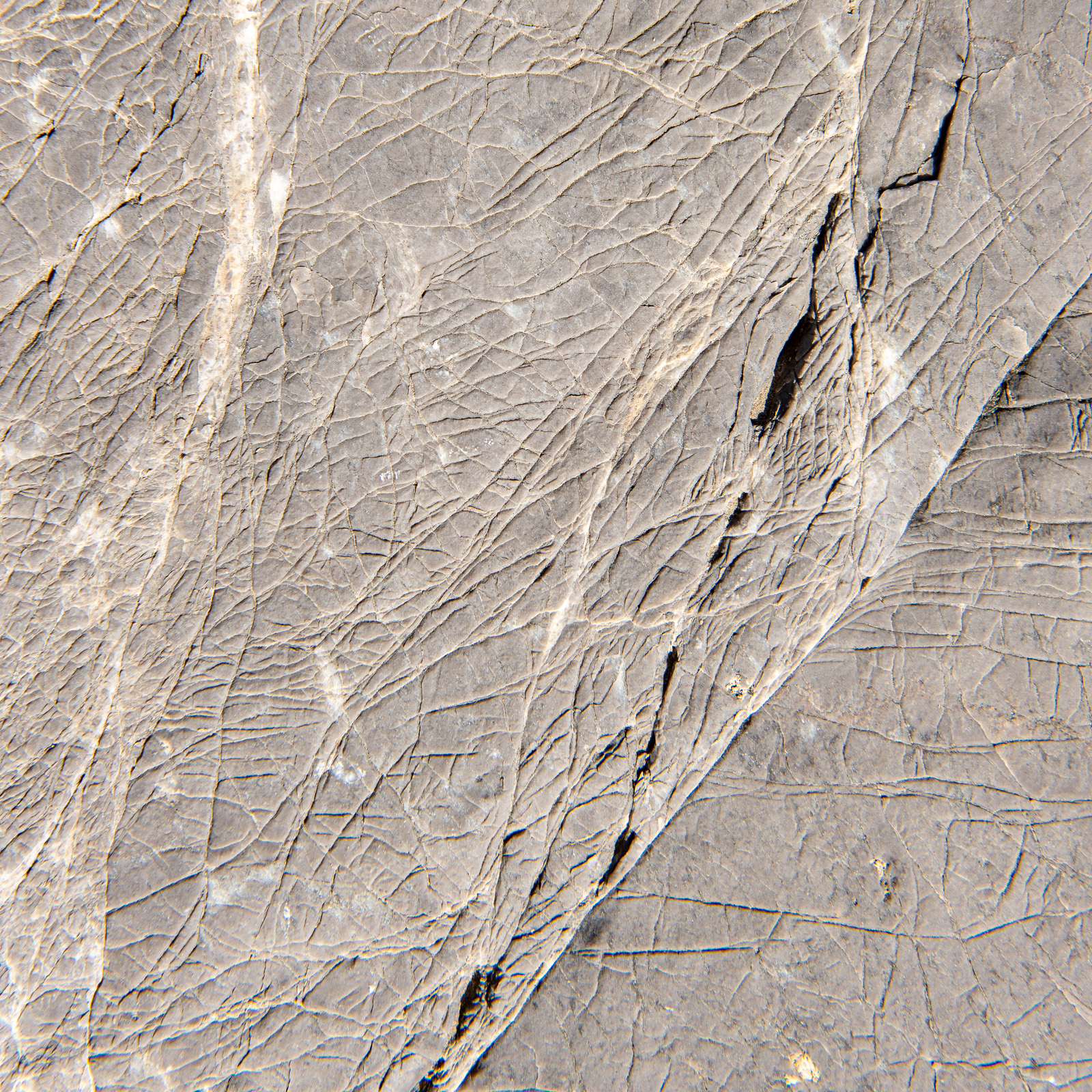
Anyway, we hike the Crag Top Trail, a circular route. It starts drizzling as we follow the path and learn about the geological history of Scotland. Have a look at the seven photos of the stones.

While we continue our hike clouds approach and most of the view vanishes into a white void. But not for long, then lake and mountains are visible again.

Our next accommodation is in Badrallach in the south. However, we have time and first take the road north to Loch Assynt where Ardvreck Castle is located. We already visited this place three years ago.

As we hoped, the weather forecast was correct and it cleared up more and more. The silhouette of the castle ruins looks as impressive as last time, but now the water level is much lower and you can reach the peninsula with dry feet without wearing high rubber boots.

Not far from the castle there is a little waterfall, that is surrounded by birch trees. Now the leaves are bright yellow – one of the reasons why Annika and I love to visit Scotland in autumn.

Back in the car we follow the same roads that we already used three years ago. The same A837 to Lochinver by the sea where we take a light lunch in the very same guesthouse we stayed overnight three years ago. The same ridiculously small and bent single track road, that leads us further south to Badnagyle. Perhaps this is my favourite Scottish road (as long as Annika is driving and not me).

We turn left and reach the highlands again. We pass many mountains, amongst others Stac Pollaidh, that we climbed last time.

And we finally find a parking place where I can take a photo of a gorse bush, that is still in bloom.

Last time we spent a lot of time in Ullapool, now we do not even stop. (Or did we? I don’t remember.) We have to drive around the Loch Broom, a sea loch that cuts deeply into the land. But finally we can leave the main route and take the small road to Badrallach where we will spend the next night. Left and right there are some of the most beautiful trees I have seen for a long time, but again this road is single-track and it is not possible to stop without blocking it completely. Only once we can leave the car to admire the beech forest and to have a curious look at the two fenced in tombstones.

Then Annika and I arrive at our tonight’s accommodation where we get an extraordinarily beautiful room with a Scandinavian wood-burning stove and a large double bed. We take an evening walk to the end of the road and back again. Then we’re winding down the day in our room.

Scotland NC500 – day 4 – the highlands, a beach, a cave and back to the highlands

This article is part of the series “2025-10: Northern Scotland”.

16 October

My wife Annika and I have just left the comfortable Altnaharra Hotel. As on the whole road trip Annika is driving while I am trying to guide as well as I can. We cross the River Mudale and turn left onto one of the many, many single track roads.

A single track road is a road so narrow that two cars cannot pass. Therefore there are passing places marked with signs at more or less regular intervals. As a driver you have to be constantly alert, especially when the road is bending or the terrain is hilly. And especially if you have a rental car without a rear-view camera ;-). For obvious reasons it is prohibited to park in any passing places.

Luckily there are spots where you can stop, so that I can take photos of the moorlands in the Scottish Highlands. I wonder whether they always have such intense red-brown colours. I’ve been in Scotland three times, but always in October.

We stop at a broch. I learned this word just a couple of days ago and I cite from Wikipedia to explain it:

In archaeology, a broch /brɒx/ is an Iron Age drystone hollow-walled structure found in Scotland. […]

This tower-like ruin is Dun Dornaigil Broch. It dates back at least 2,300 years. It is impressive that parts of it still stand.

Actually we chose this street to see Ben Hope, Scotland’s northernmost Munro (that’s the Scottish name for mountains higher than 3000 feet). But it is too cloudy and we can only guess where the top might be. Following the road however is an attraction itself. The views on the moorlands, the patches of grass in the middle on the road, the stubborn sheep that refuse to move, often it is the small experiences that form one’s memories.

But eventually even the most stubborn sheep step aside and the longest single track road comes to an end. We are on the A838, drive round the sea loch Loch Eriboll and park our car at the Ceannabeinne Beach. Time for a walk. And photos. But still I haven’t bathed in the sea even once, the weather is just not very inviting.

Our next stop is the car park of the Smoo Cave. We go down the stairs, cross the river that emerges from the cave on the wooden bridge and stand in the vast opening. Here there is another bridge leading into darkness.

Following this bridge leads to a jetty. At the end of the jetty, there is a ladder. Below, a dinghy is moored. But straight ahead a waterfall is visible, illuminated from above, where there is a hole in the cave ceiling.

To our delight, tours into the caves are still available and we add our names to the list. I run upstairs to the car to fetch my waterproof mobile phone case and down again. Soon after we enter the jetty again. We are eight “cave explorers” including us and a guide, all wearing helmets. We climb down the ladder, enter the boat and are rowed over the underground pond. More than once we have to duck, when the ceiling gets low. Then we exit the boat and continue exploring by foot. We reach a water-filled hole in the bottom and the guide shows a video of a diver going down there. Diving down small and deep holes, digging oneself through the narrowest cracks – the stories we are told about the still ongoing exploration of this cave are not for people with claustrophobia!

The guided tour is not long but I enjoyed it very much. If you want to participate, take cash with you. There is no internet in the cave.

Near the cave is Durness, the north-western tip of the scenic road NC500. Here we do not stay long. After buying provisions at the shop and filling up the car we continue a bit further west to Balnakeil. We visit the cemetery and then have lunch on the grass looking over the beach and the sea.

Then we head back to Durness and drive southwards. Annika has to drive us another 90 km to Lairg where we managed to find affordable accommodation – not an easy task off-season in Scotland. But the road leads to the highlands again and so the day ends as it began: with impressive views over the red-brown moorlands and a grey sky.

Scotland NC500 – day 3 – from kayak surfers to the inland

This article is part of the series “2025-10: Northern Scotland”.

15 October

My wife Annika and I have stayed in a hostel in the center of Thurso. If you took a ship from here and head north you could reach the North Pole without crossing any land mass. We however have no ship, but a rental car and after breakfast we continue our road trip westward.

Our first stop is Melvick Beach, where we go for a walk. The beach is embedded in a bay. At the eastern end Halladale River flows into the sea. In this section of the beach it smells bad, because large amounts of rotten seaweed cover the sand. Maybe it was torn from the sea by Storm Amy a fortnight ago.

Our next stop is Bettyhill, just 20 km to the west. While there is a beach here as well – we come to this later – there is something else to see: Erected in the Bettyhill Cemetery there is an ancient Pictish symbol stone, the Farr Stone. It is dated to around the year 800. Little is known about the Picts. That makes this carved stone all the more mysterious.

The old tombstones from the 17th century are pretty impressive as well with their pictogram-like symbols: The hourglass, the bell, the coffin, the skull with crossbones and grave-digging tools. When this tombstone was carved, Johann Sebastian Bach was still alive.

Back to the present. And time to visit Farr Beach nearby. We are not alone. There are kayakers out in the sea with short surf kayaks. I wish I had a tenth of their skills. On the beach, we strike up a conversation with a man. We learn that it is his friends being out there playing in the waves. Among them are some of the most skilled kayak surfers in Scotland. The waves are not high, they are just playing around and it is fun to watch them while chatting. I wish I had a twentieth of their skills.

Back in the car we continue west but we make a detour. We follow a small road lined by trees. Sometimes the treetops touch each other so that a tunnel of trees is formed. That makes these single track roads look even narrower. Luckily the road is pretty empty.

We see the island Eilean nan Ron from above. The road rises, then descends nearly to sea level and we come to the main road, where we reach the Kyle of Tongue, a shallow sea loch. Before we cross it using the bridge, we have lunch on the car park by the loch. Each of us has a “meal deal”. That’s a cold meal such as sushi or salad, combined with a drink and a snack. Available in most supermarkets.

It has been pretty grey today, but there are holes in the clouds and the sun illuminates different parts of the mountains in the south.

Our original idea was to follow the NC500 further to Durness further west, but we couldn’t find any affordable accommodation. Therefore we had booked a room in Altnaharra the day before. After the booking we learned that there are many accommodations in Scotland, which are not on booking.com, but today’s room is already booked. So let’s head to the Scottish highlands!

We take the bridge over the Kyle of Tongue and turn left to follow the bay southwards until it looks more like a shallow slough with mudflats sticking out of the water. A pity, that the light is quite dull.

And then we cut through the moorlands in the Scottish highlands. The red-brown colours of the grass are intense – these are the colours of Scotland in my humble opinion.

Forty minutes later we sit by the open fireplace at the reception of the hotel in Altnaharra.

Soon we are given a comfortable room upstairs. To my delight it includes a bathtub. After dinner I’m having my first hot bath in years. Oh – so delightful!

Tromsø departure – Tromsø arrival

On 11 October I took the plane from Tromsø to Bergen and then to Aberdeen for a holiday in Scotland with my wife Annika. In Tromsø it has rained the night before but in higher altitudes the rain had come as snow. I could see the mountain Tromsdalstinden (1238 m) after departure and before we were swallowed by the thick layer of clouds. It was covered with a thin layer of snow.

Then we had a great time in Scotland. And we didn’t had any snow at all. (More to be told later.)

Yesterday I flew back and arrived in Tromsø at 10 o’clock in the evening. Round the airport there was some snow and slush but where I live there was more snow. More than I expected.

Today I measured 28 cm of snow on the roof of the car (or 11 Scottish inches), but now it is warmer and the snow has started to melt. While the birch trees are leafless, other trees are still leafy and now let their colourful leaves fall onto the snow.

Today I took a day off and will use some of the time to browse through the Scotland photos. But before that I will clear the snow on my parking place to avoid afternoon’s rain.

October on Tromsøya

This is the season where the golden October starts to loose its colours. The first ground frosts occur and many birch trees have lost their leaves. Now it is the rowan and willow trees and the grass and moss that shows autumnal colours.

Four pics I took on an after-work hike two days ago and four I took today.

It won’t be long before the afternoons are so dark that the light posts make sense — and maybe I’ll be able to ski there as early as next month.

Steindalsbreen 2025

It is the third year, that I hiked to the glacier Steindalsbreen in the Lyngen Alps. This time I had the pleasure to do the tour with my wife Annika. To make it a holiday we have decided to try to book the cabin Steindalshytta over the weekend. This cabin lies some kilometres from the parking place on the way to the glacier.

Saturday morning we manage to book two beds but we have to hurry to fetch the key in Steindalen, which is 100 km away. There we meet H. that gives us the keys and some info. She tells us we can use the gas driven hotplates to cook. We also learn that there’s hardly any firewood left, but it’s not cold and we have sleeping bags, so no worries. We pay using Vipps, the leading mobile payment system in Norway, then we take the car to Lyngseidet – 25 km away – to buy food.

When we pack our backpacks to start the tour it is already afternoon, but the cabin is not far away.

In the beginning a forest path winds up through a narrow valley. The colours are autumnal – yellow the birches, red the cornel and the blueberries. To the left down from the bottom of a ravine we can hear the river Gievdanjohka.

The path is rising and so is the river. After two kilometres we are almost level.

From there it is not far to the cabin. We go round a moraine and there it is: Steindalshytta. I unlock the door and we peek inside. Looks cosy!

Now we want to cook. This will take the rest for the evening because the gas canister is empty. No cooking on the hotplates, we have to use the wood-burning stove. We gather all the leftover wood from inside and outside of the cabin. There is no axe. Luckily Annika has a knife that is sturdy enough to make some smaller peaces of firewood. The wind is calm, the oven isn’t drawing and it takes almost three hours until the water for the spaghetti is boiling. At least we get a starter: warm shrimps with parmesan that we eat from the huge plastic plates we found in the kitchen. And I found chocolate cookies in the kitchen.

Meanwhile it has become dark outside and soon we get to sleep. We don’t have to freeze. After having powered the stove for hours we have 24 °C in the living room and hardly less in our sleeping room. Good night!

When I wake up the next morning it is raining, but it stops soon and the sun starts to light the mountains in the east.

After breakfast we pack our backpacks and start our hike to the glacier Steindalsbreen. Many things like our sleeping bags we leave behind, because we will go the same way back.

Again we follow the river to the east, then the landscape opens to a broader U-shaped valley. The terrain flattens and hiking is easy.

But we can already see the ascent we have to take. After two steeper passages we stand between two landscapes. In our back lies the mellow valley with its gentle slopes, everything in autumnal colours. Ahead lies a rough and rugged mountain landscape, where grey rocks and stones are the predominant element.

And there it is. The glacier. (Photo Annika Kramer.)

We continue the gravel path. Soon we pass the first of the signs that marks the glacier front some decennials ago. Due to global warming the glacier is melting and retreating every year. It is fantastic to see the glacier and we feel excited, but sad at the same time. First we hike to the glacial lake in front. Will we manage to go round the lake the glacier itself? Yes – and it is quite easy this year.

I have my big camera backpack with me and the Nikon with three lenses. That was made possible by Annika who took all the food. Although the weather is a bit dull it is photo time!

As often I’m not content with my photos and yes, I should have carried my tripod with me. But I’m happy about being there together with Annika. (Next photo: Annika Kramer.)

It is time to go back. This time we follow the river and pass two fields with scientific instruments, part of the project iC3. I have to ask a colleague from the Norwegian Polar Institute what is measured there.

Now the trail leads mostly downwards. We descend the hill, cross the broad valley, enter the forest and then reach the bridge by the cabin again. Here we take a rest and then fetch the rest of our stuff from inside the cabin.

I take a tiny detour that leads on a hill. Here I can see everything together: The huge mountains with their snow fields, the river Gievdanjohka, the autumnal birch forests. Only the glacier is hidden from view.

What a terrific tour we had! The glacier Steindalsbreen is worth a visit, especially in autumn. We drive back to Tromsø and I copy the photos to my computer. Then I check the tracker I used on the tour. As I was afraid I have walked on rock, sand, and mud this year, where last year the glacier covered the ground.

Late summer mountain hike

The forecast was correct – the sky was blue the whole day today. At 9 o’clock I meet my friend Chris on a parking place and we start a mountain hike. The morning air is a bit chilly and some leaves even have frost on them.

After we have crossed the river Tromsdalselva we follow a path and some quiet residential streets and arrive at the way up to Sherpatrappa. That’s is a stone staircase of 1,203 steps leading up the mountain. Today is Sherpatrappa Opp – a competition where people run up the stairs. We however prefer walking and are lucky, that the competition will not start before eleven.

At the end of the stairs the terrain becomes less steep and you have a gorgeous view on the island Tromsøya and its beautiful surroundings. I see the island Håkøya that I circumvented by kayak two days ago. And today there is another competition: Tromsøya rundt, a 24 km long kayak tour round the island. From 400 metres up, we spot a group of kayakers passing below.

I assumed it was too late in the year for cotton grass – a clear sign for wet ground – but by a small and shallow pond we find a field of these candyfloss like flowers.

A lake always gives an awesome extra perspective in the mountainous landscapes, especially when it is as clear and blue as this one.

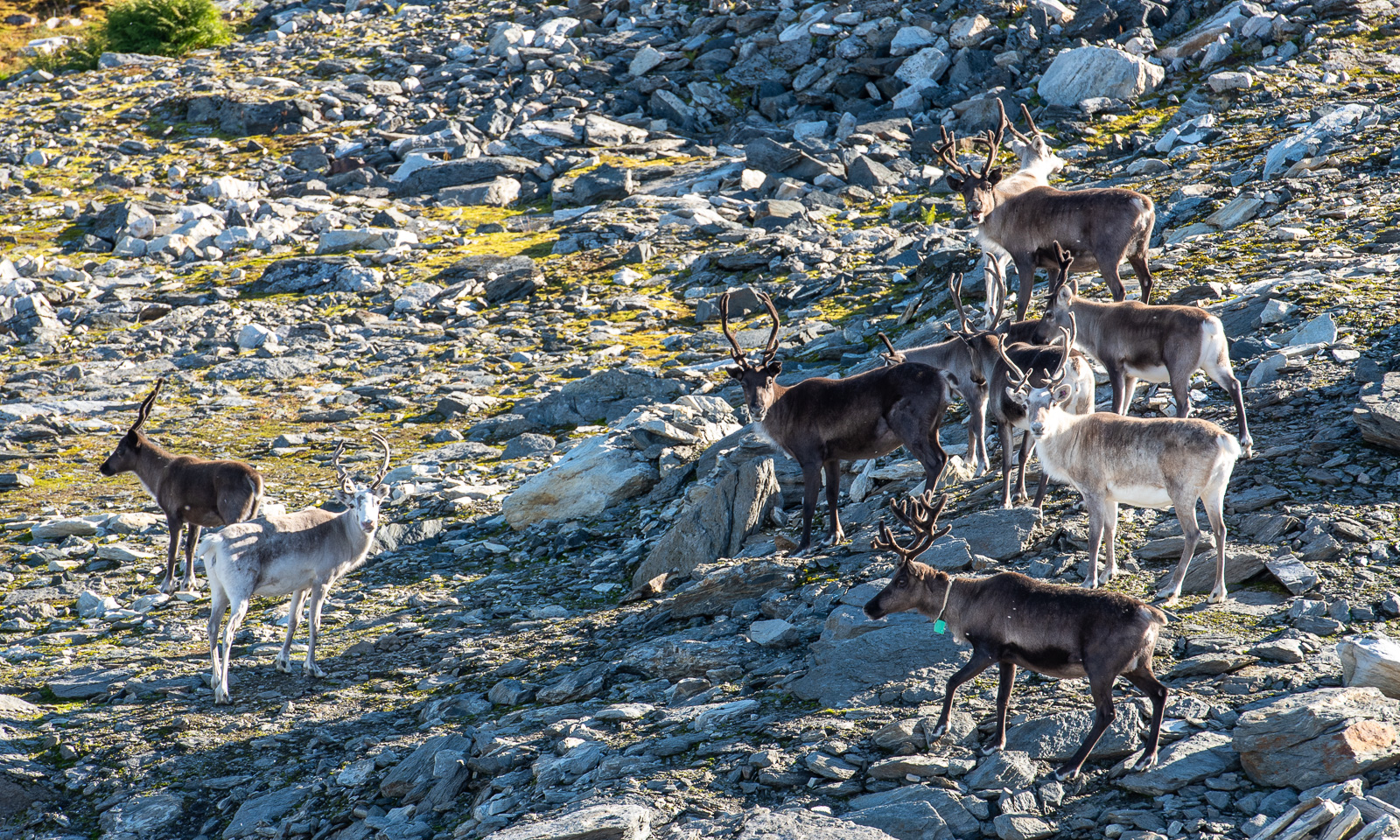
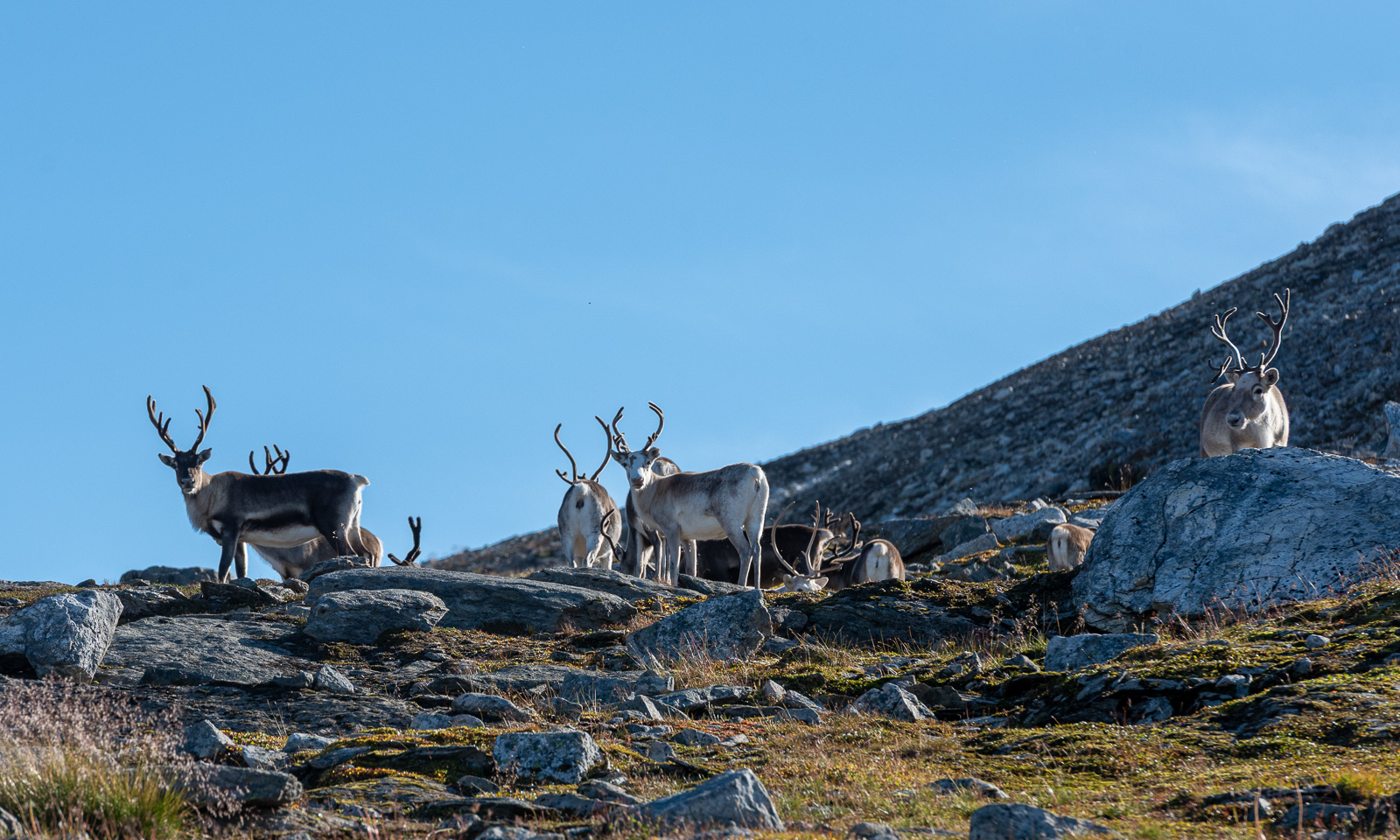
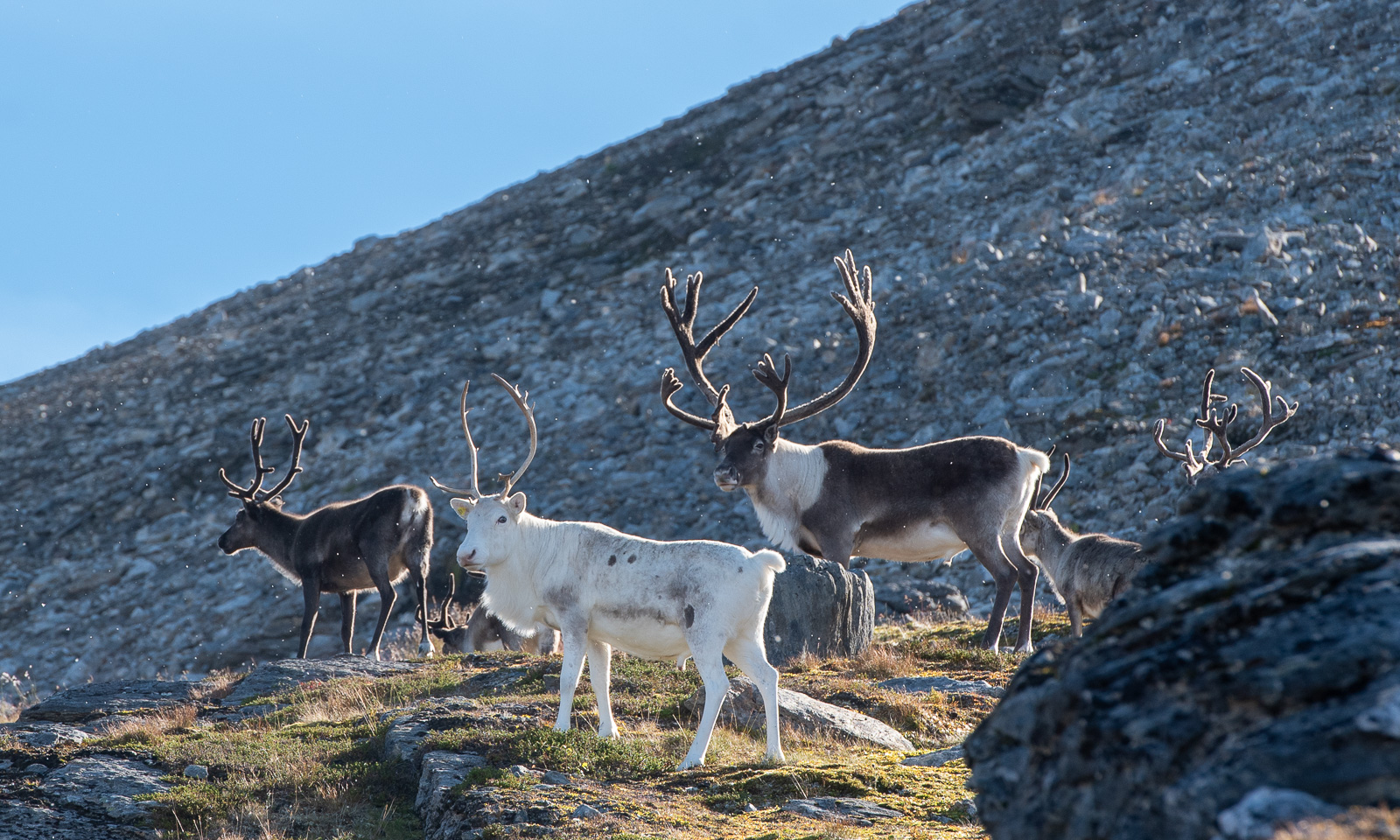
A white reindeer is grazing by the trail. It is not shy at all and ignores us while looking for food. On the way back we will meet it again.

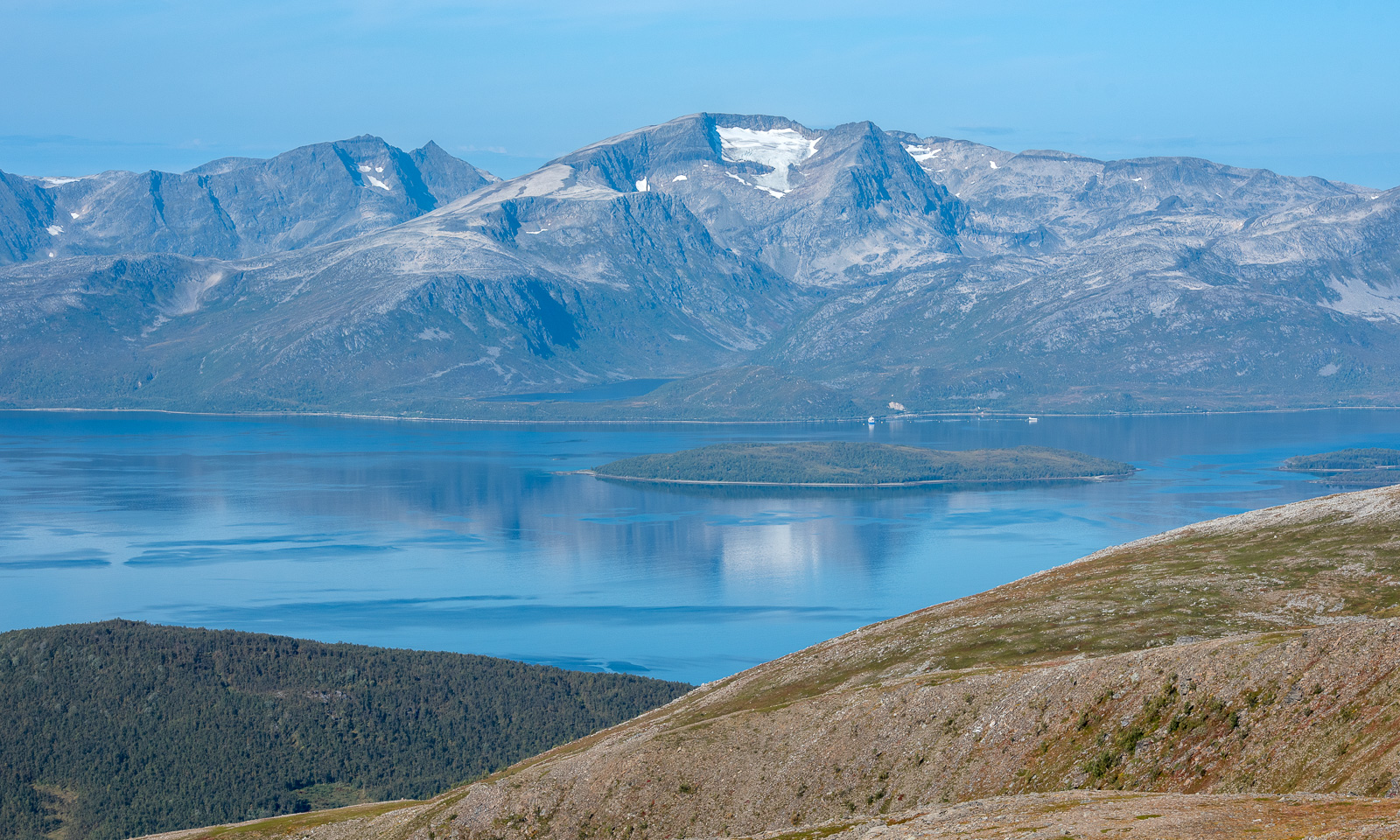
I will never loose the fascination for the Norwegian landscapes, where sea and summits meet. I paddled to Grindøya – the island in the middle – several times. In the back lies mountain range on the island Kvaløya. This island is more than 1200 times larger than Grindøya and mainland Norways 5th largest island.

The weather has become warm and summery. Anyhow you can see the signs that the summer comes to an end. The colours have started changing.

On our way back we use Sherpatrappa again and get an awesome view on the town. Tromsø in a nutshell: Two Hurtigruten ships – the bridge Tromsøbrua – the iconic church Ishavskatedralen. And in the background the mountain Kjølen, where I’ve seen the midnight sun seven weeks ago (I and II).

Takk for turen, Chris!