Daily weather changes and another ice station

This article is part of the series “2026-10: Fram Strait cruise KPH”.

18 October

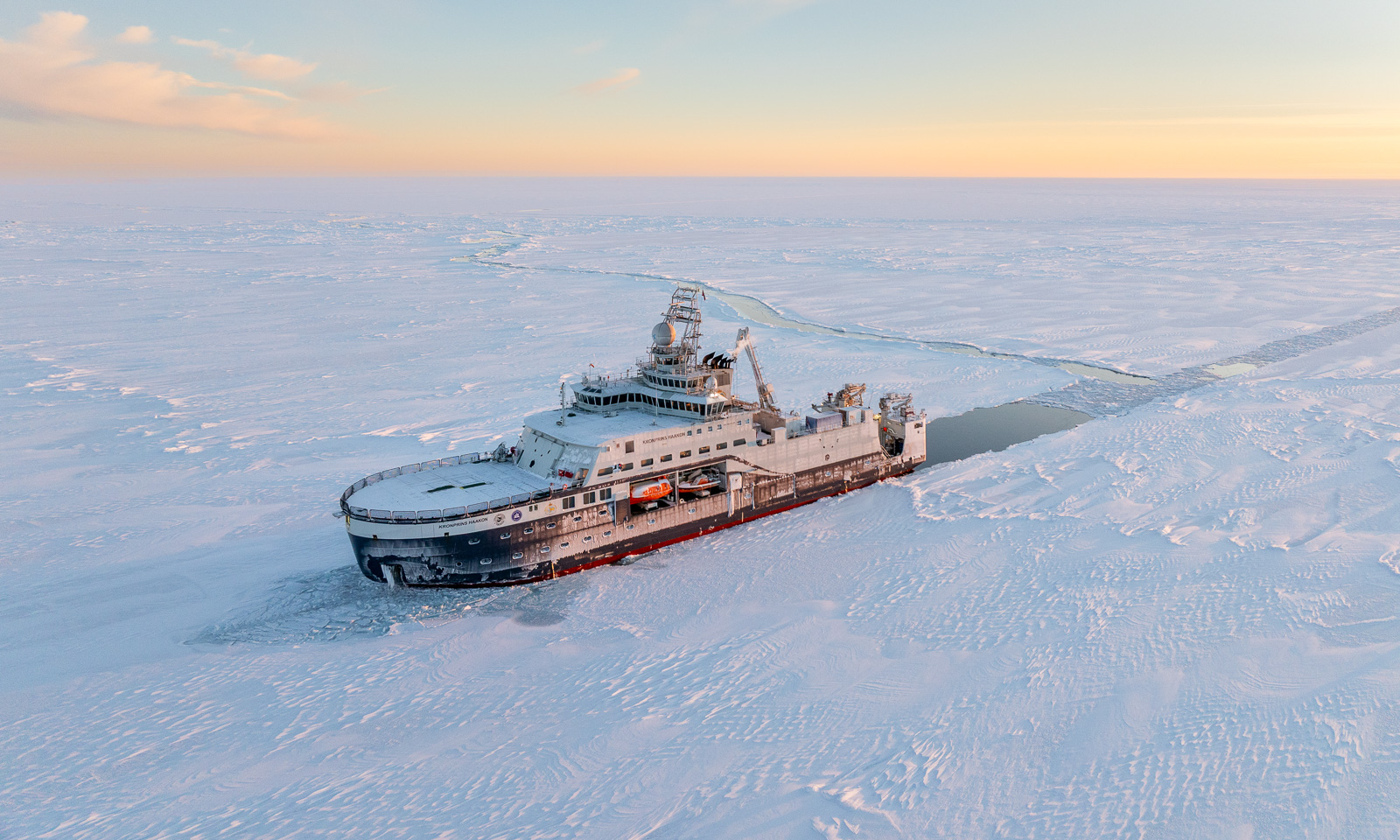
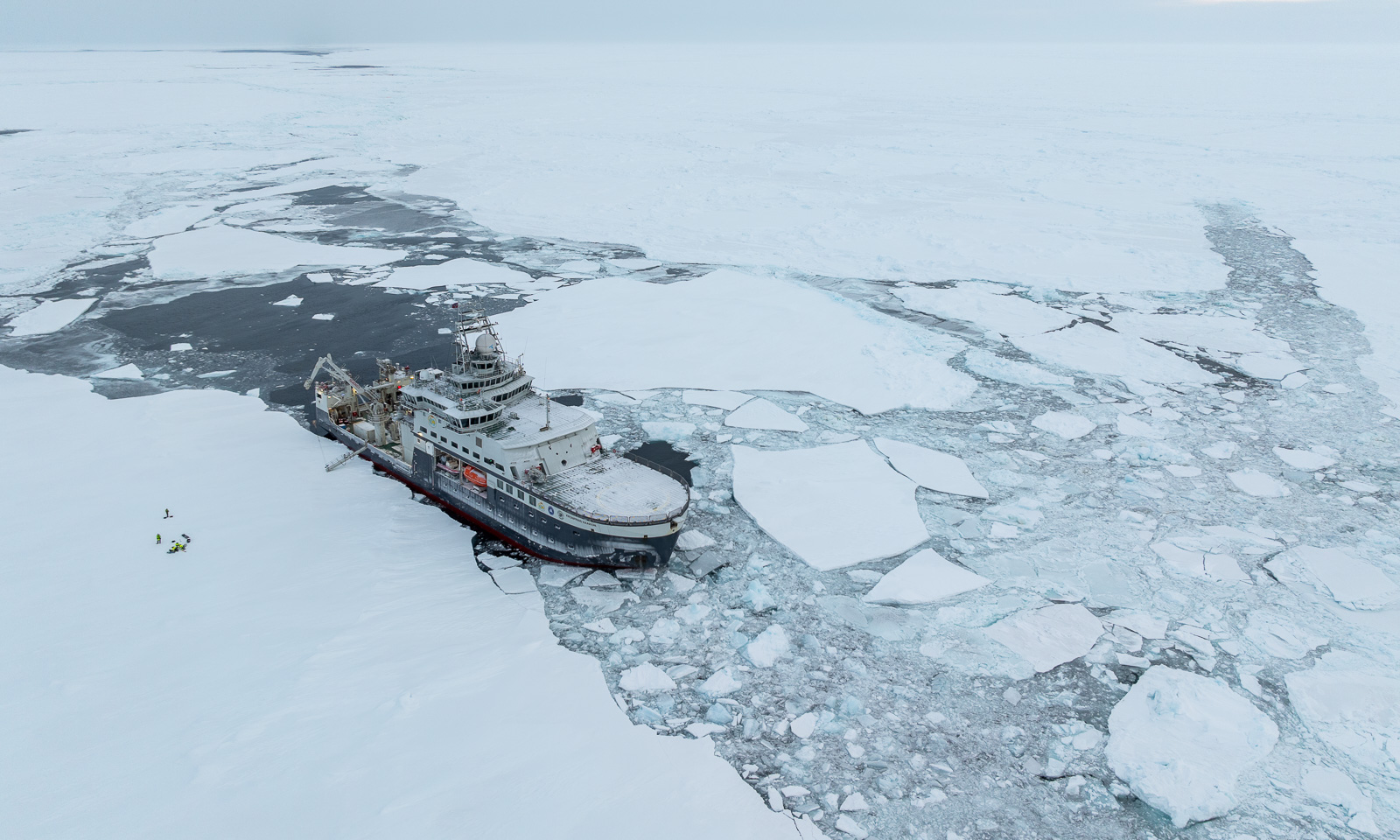
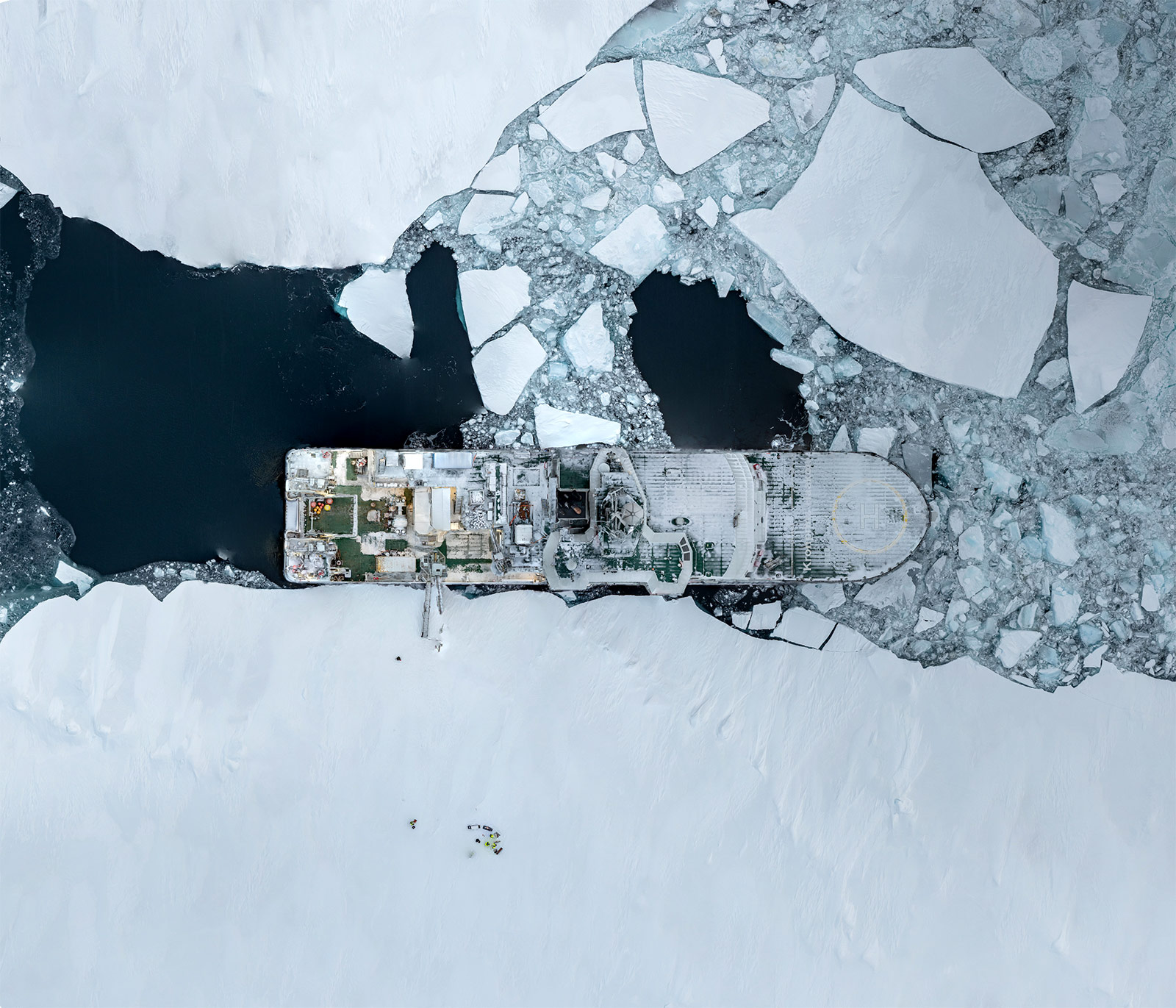
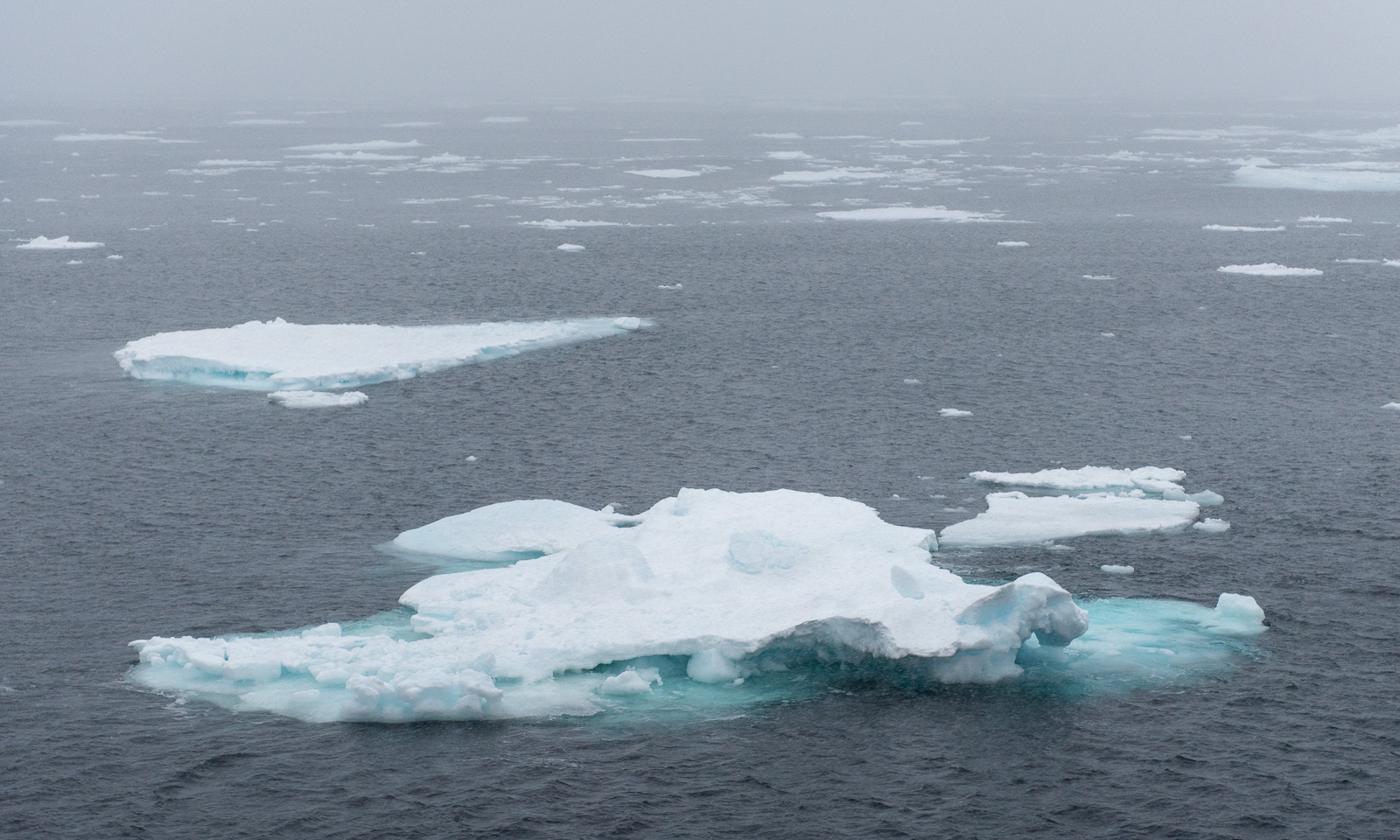
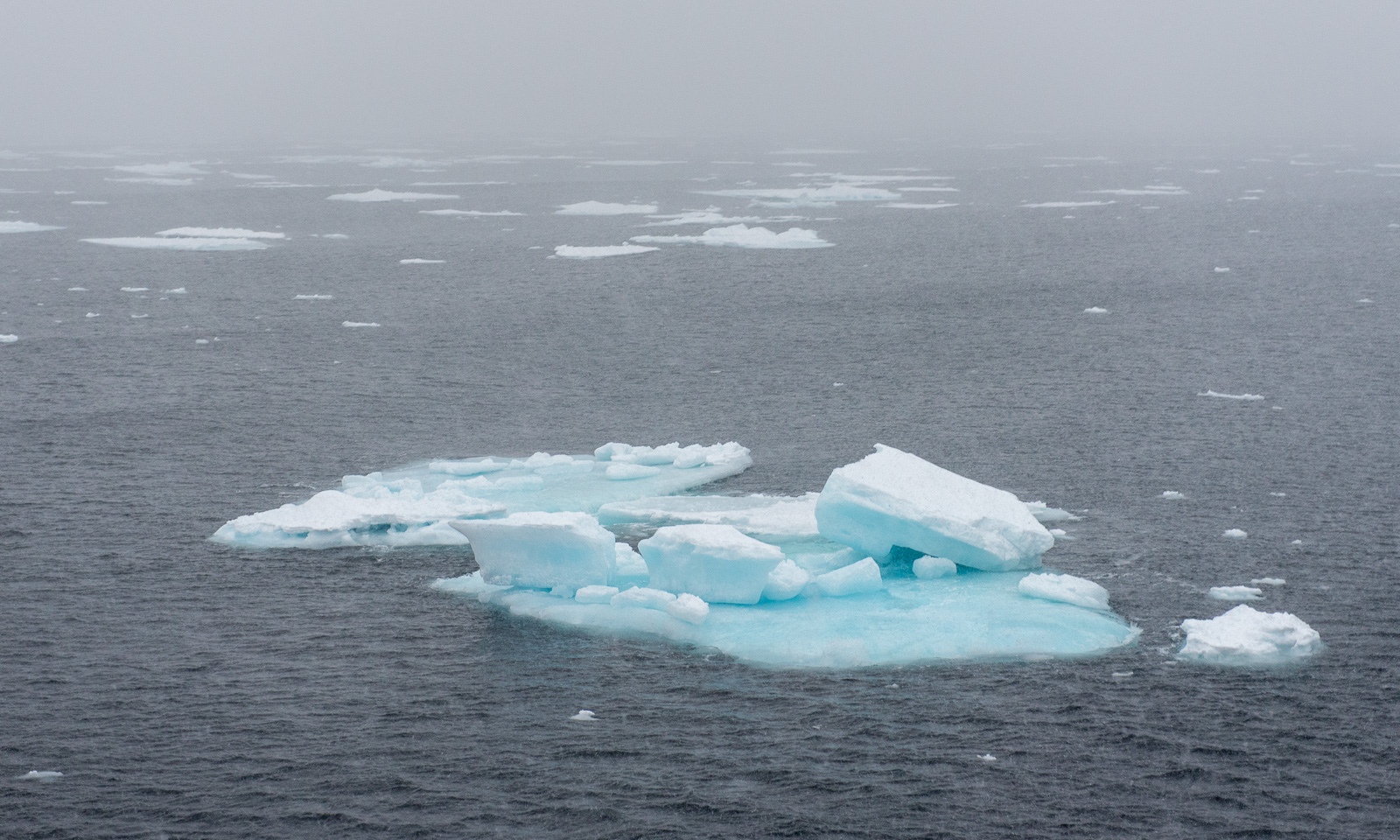
Oh, what lovely weather we have on the ice station. After I have done my job, I take the opportunity to take a photo from the icebreaker Kronprins Haakon by drone.
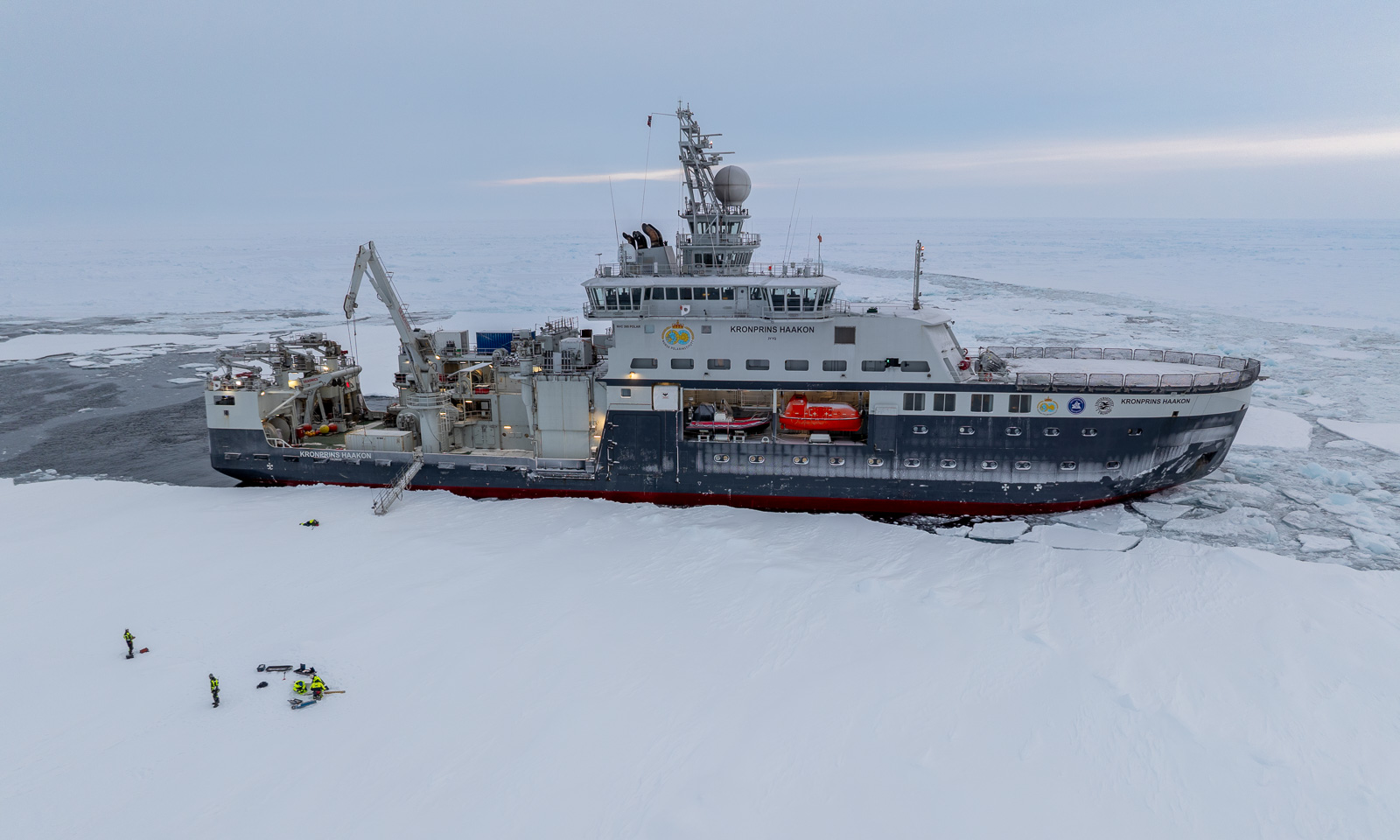
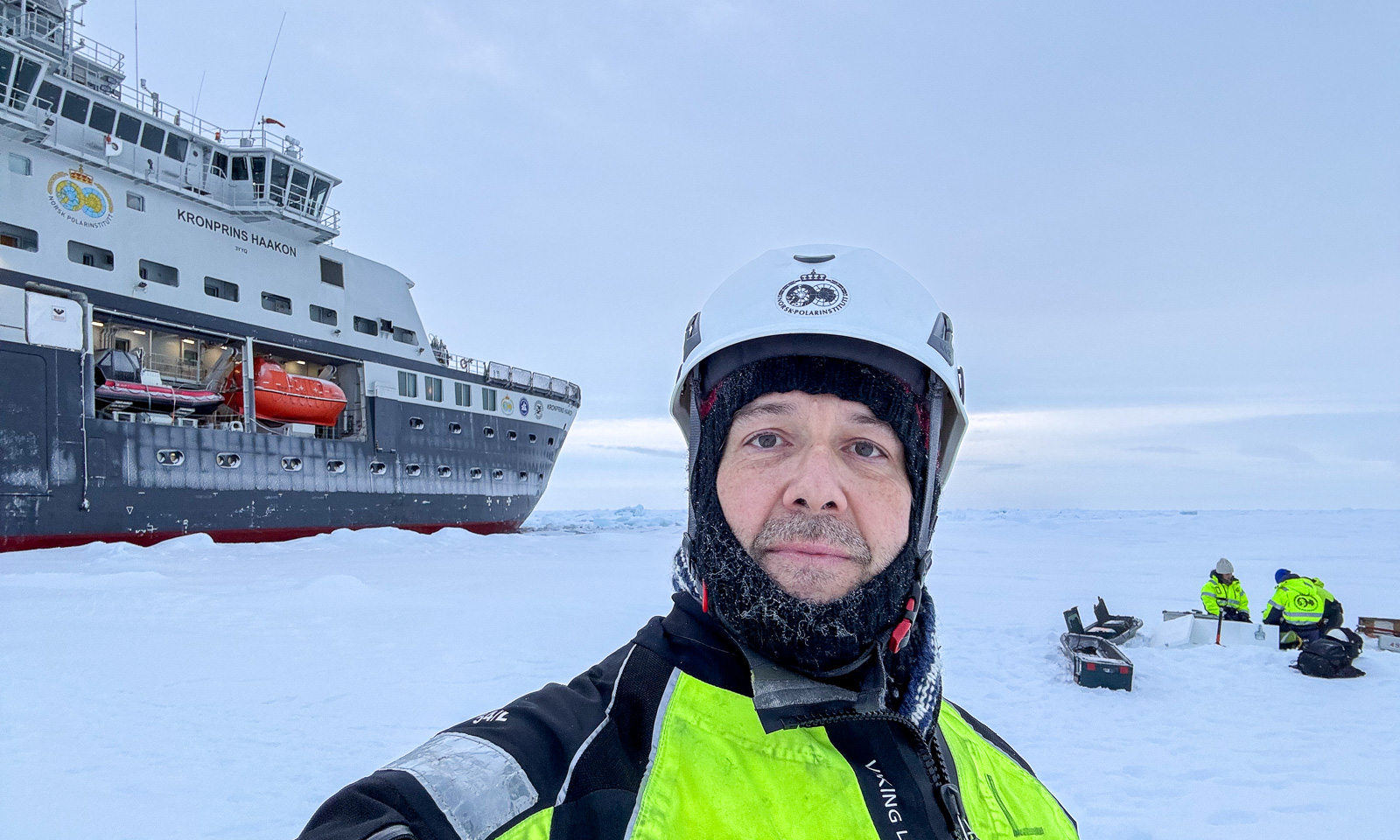
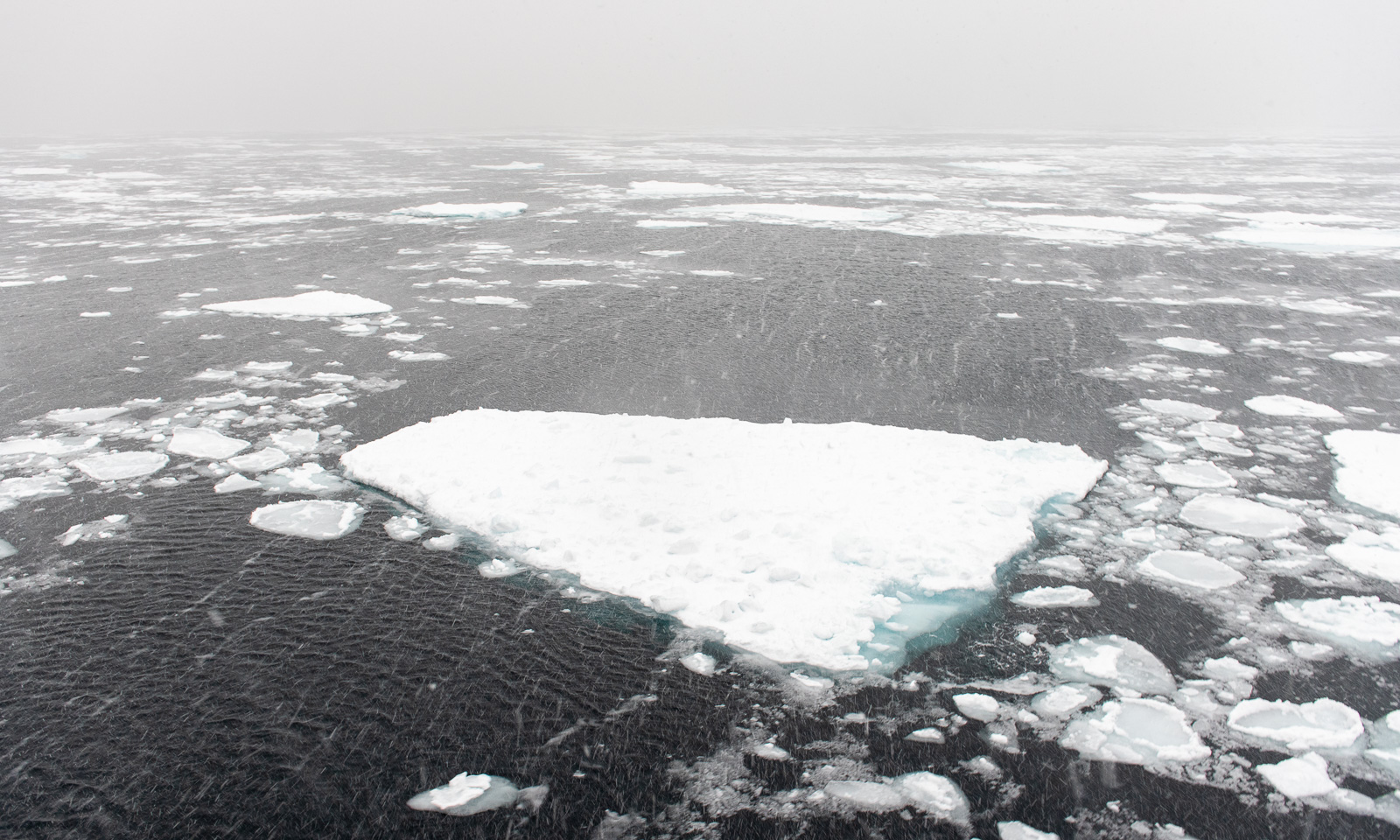
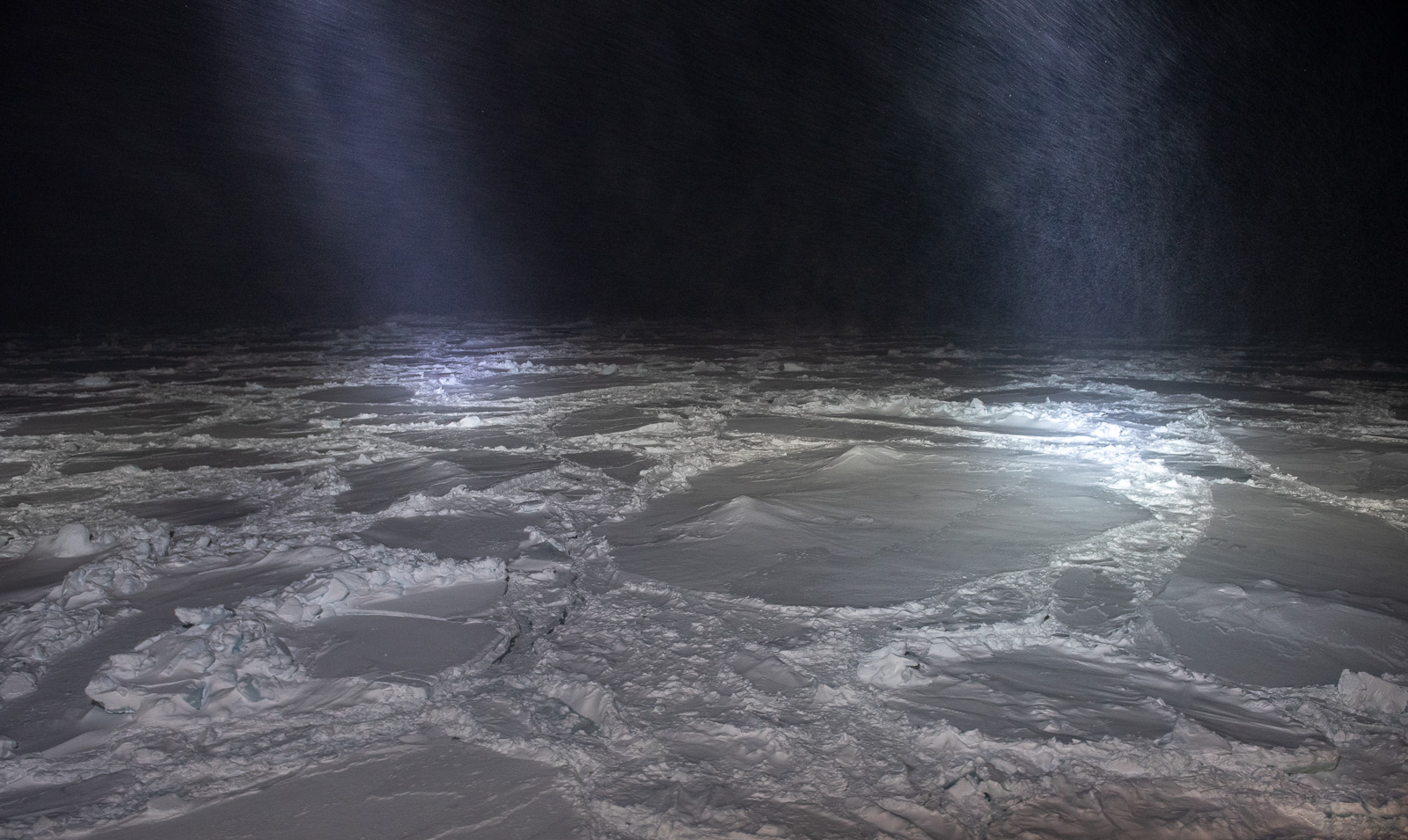
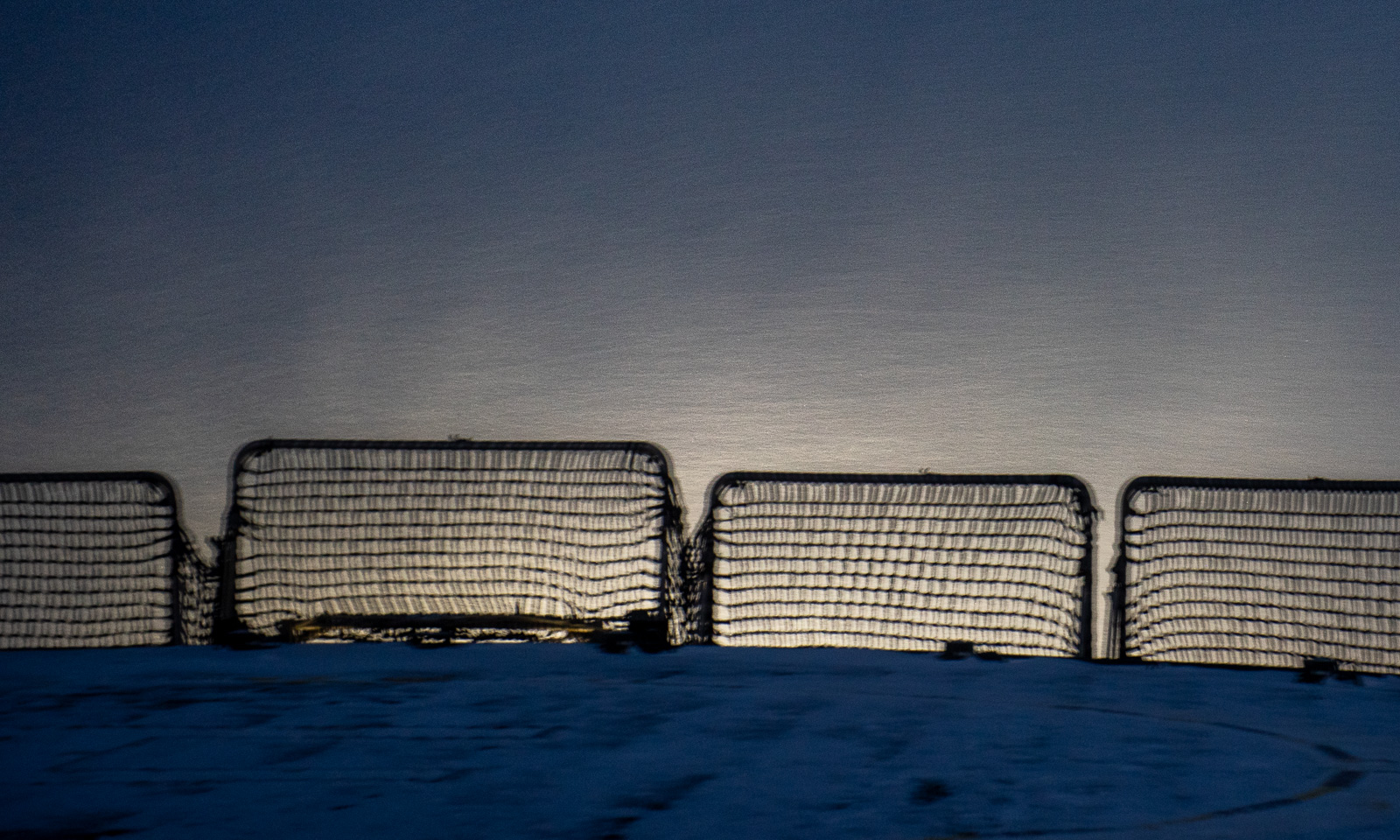
That was 13:00. Six hours later, the weather has changed. It is snowing and the crosswind on the helicopter deck is so massive that I do not dare to step out more than one metre. I take a shot to the front and a very blurred selfie and go inside again.
19 October

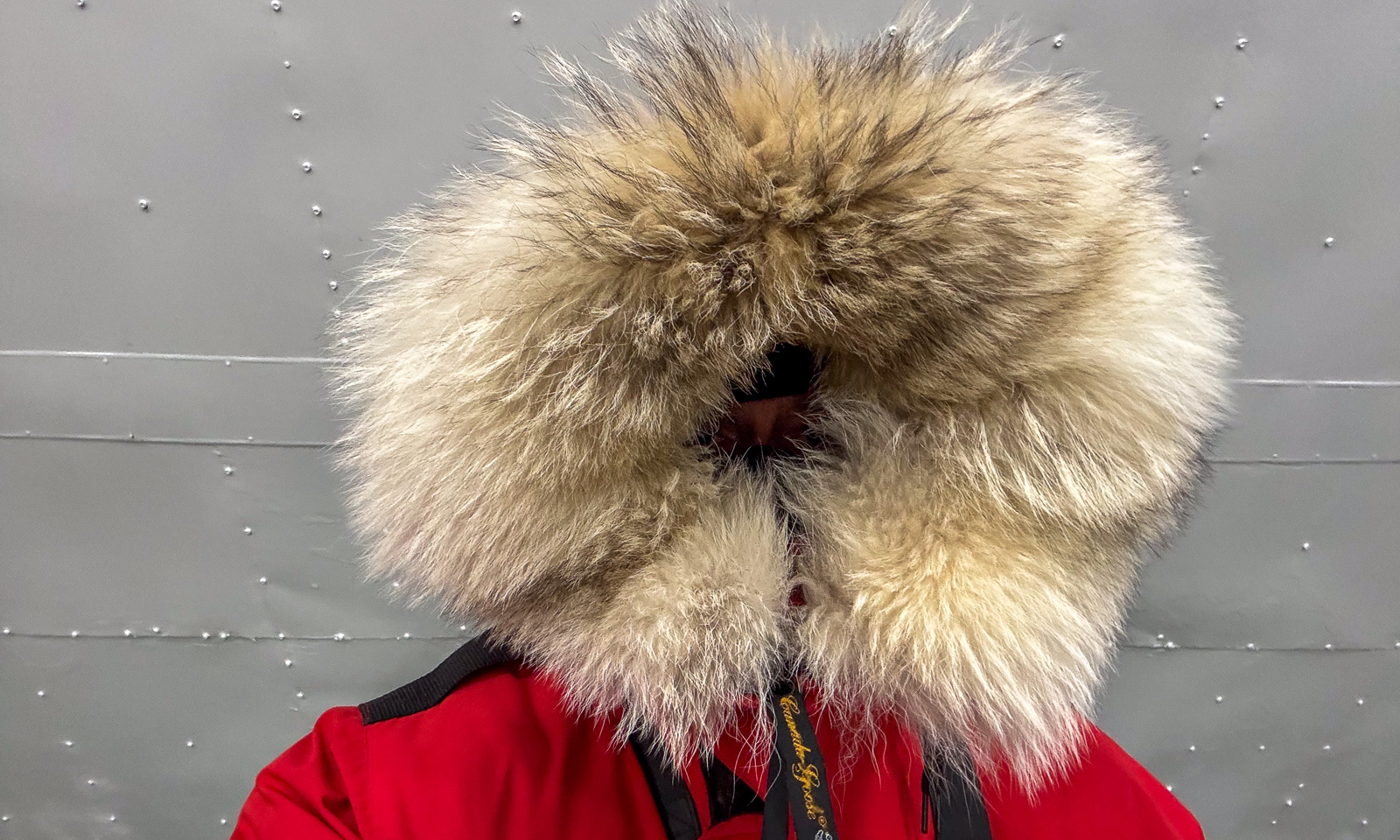
As predicted, the weather has become worse. When I am on the deck again after lunch, wind speeds have increased to something between 22 m/s and 28 m/s and the temperature has dropped to -8 °C. So I take the selfie in the wind-protected hangar.
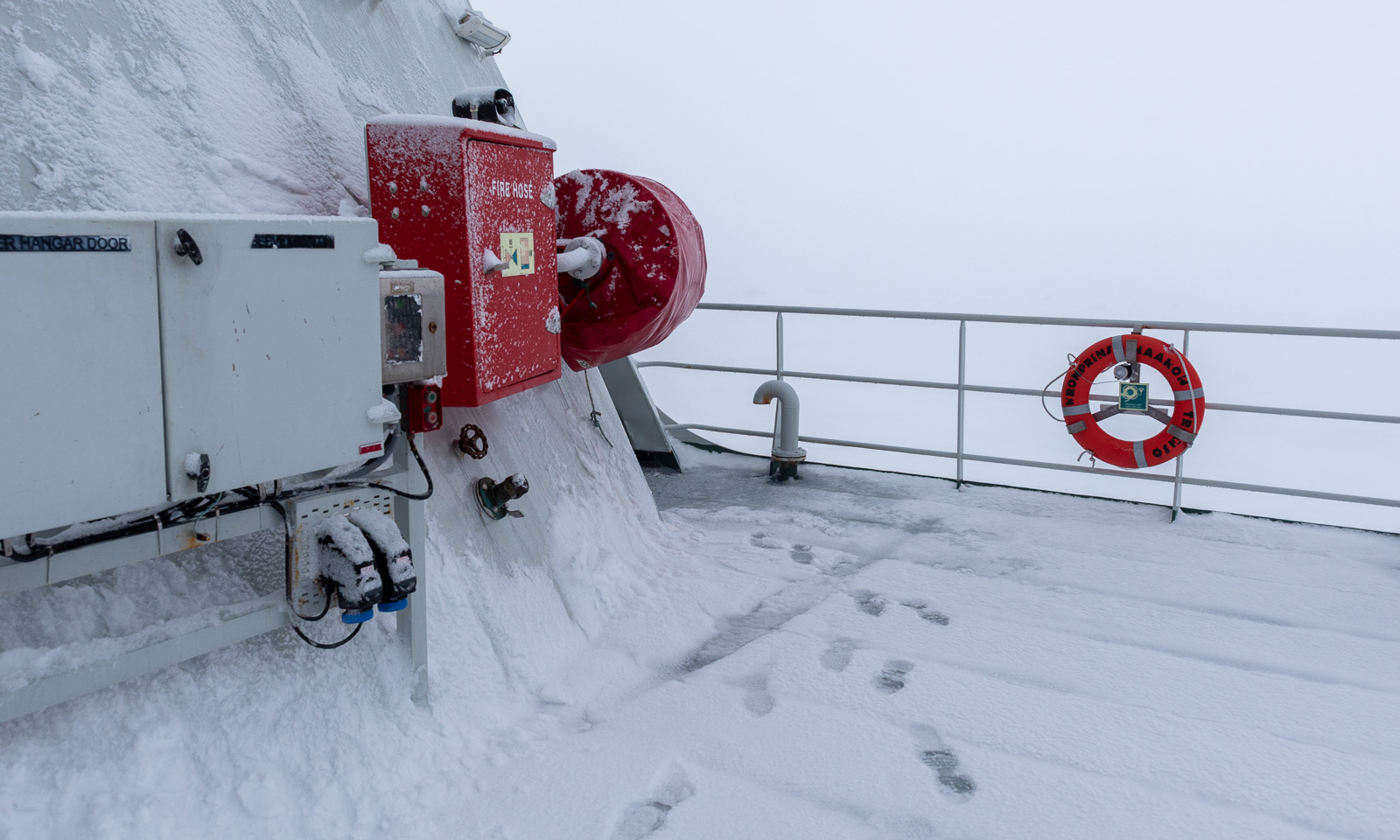
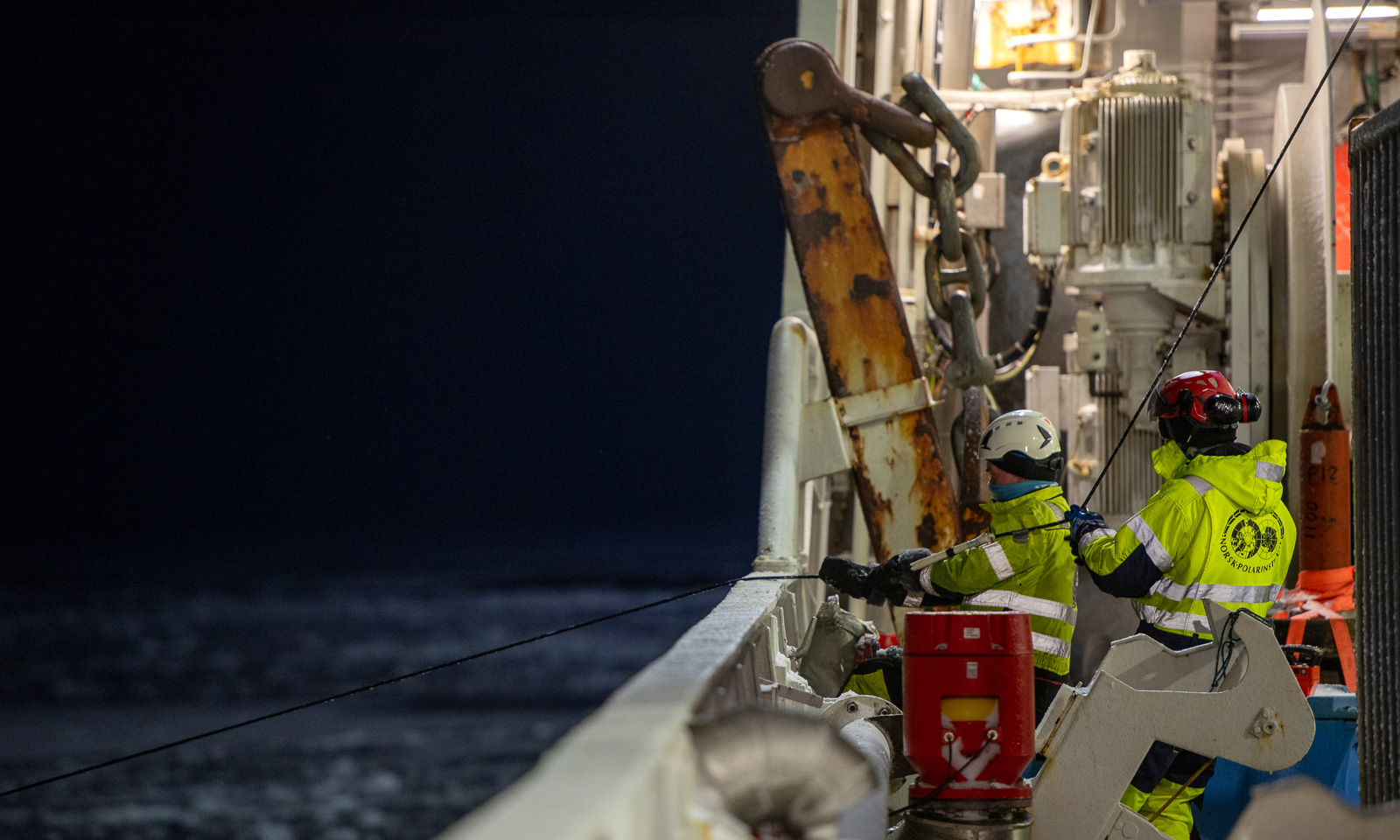
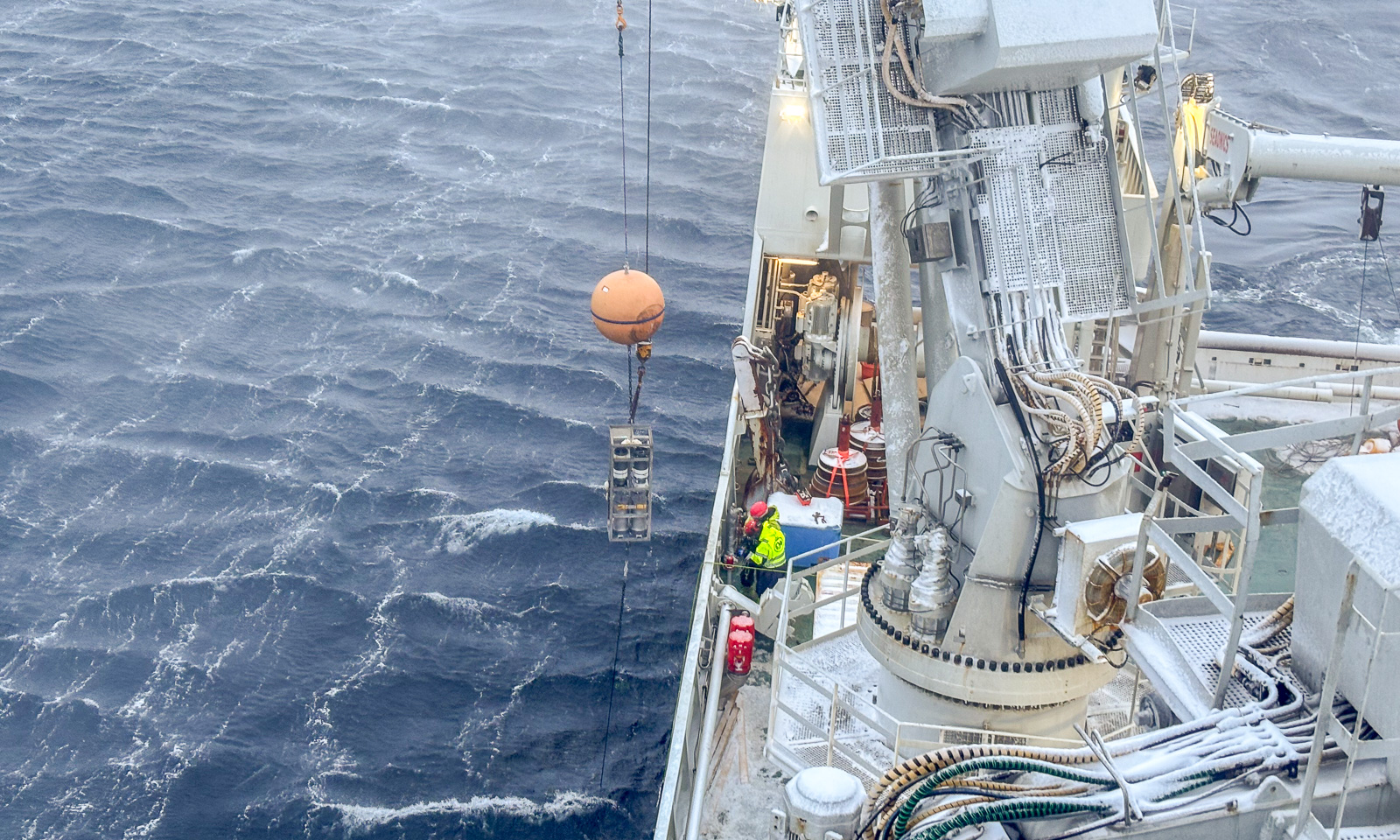
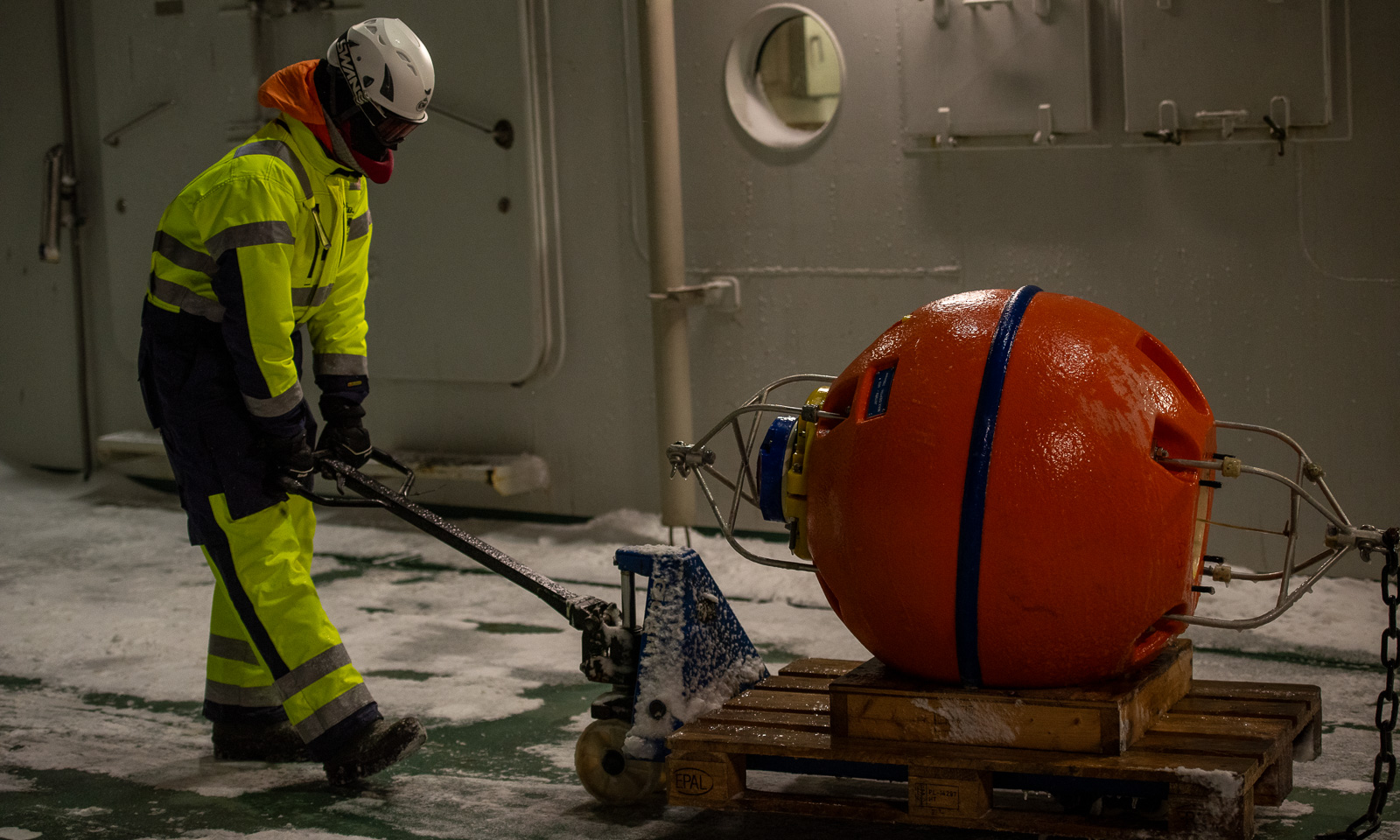
But I am in a luxury position. Most of my work here is computer work, done in the heated Conference Work Room. Others have a much tougher job. They are recovering a mooring. Although the cable is one of the shorter ones, it takes around two hours until the mooring is recovered, because the elements keeps tangling up the cable. This is outside work on deck 3, with overalls, helmets, balaclavas and goggles in storm conditions and wind chills below -20 °C. So, it’s not me who should complain about the weather.
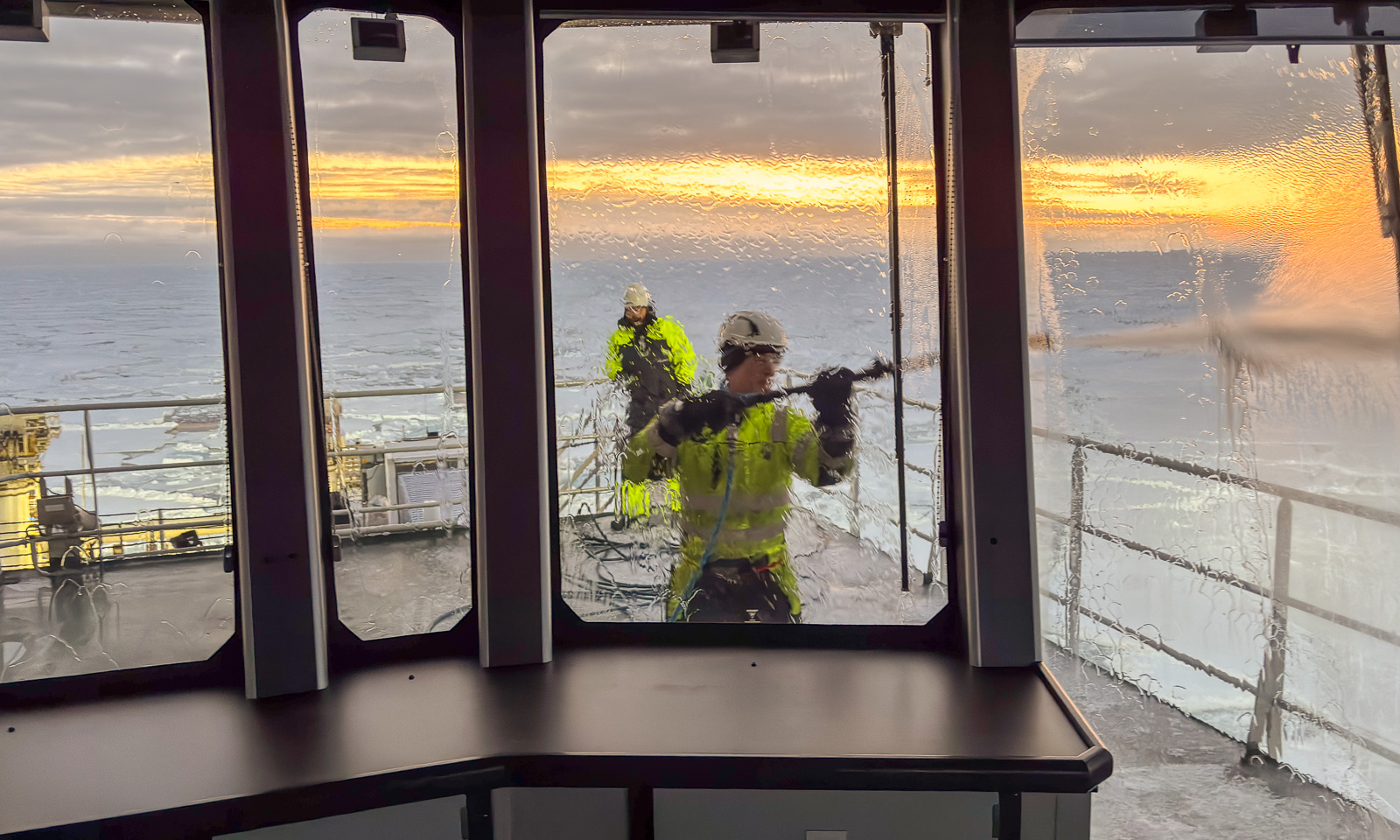
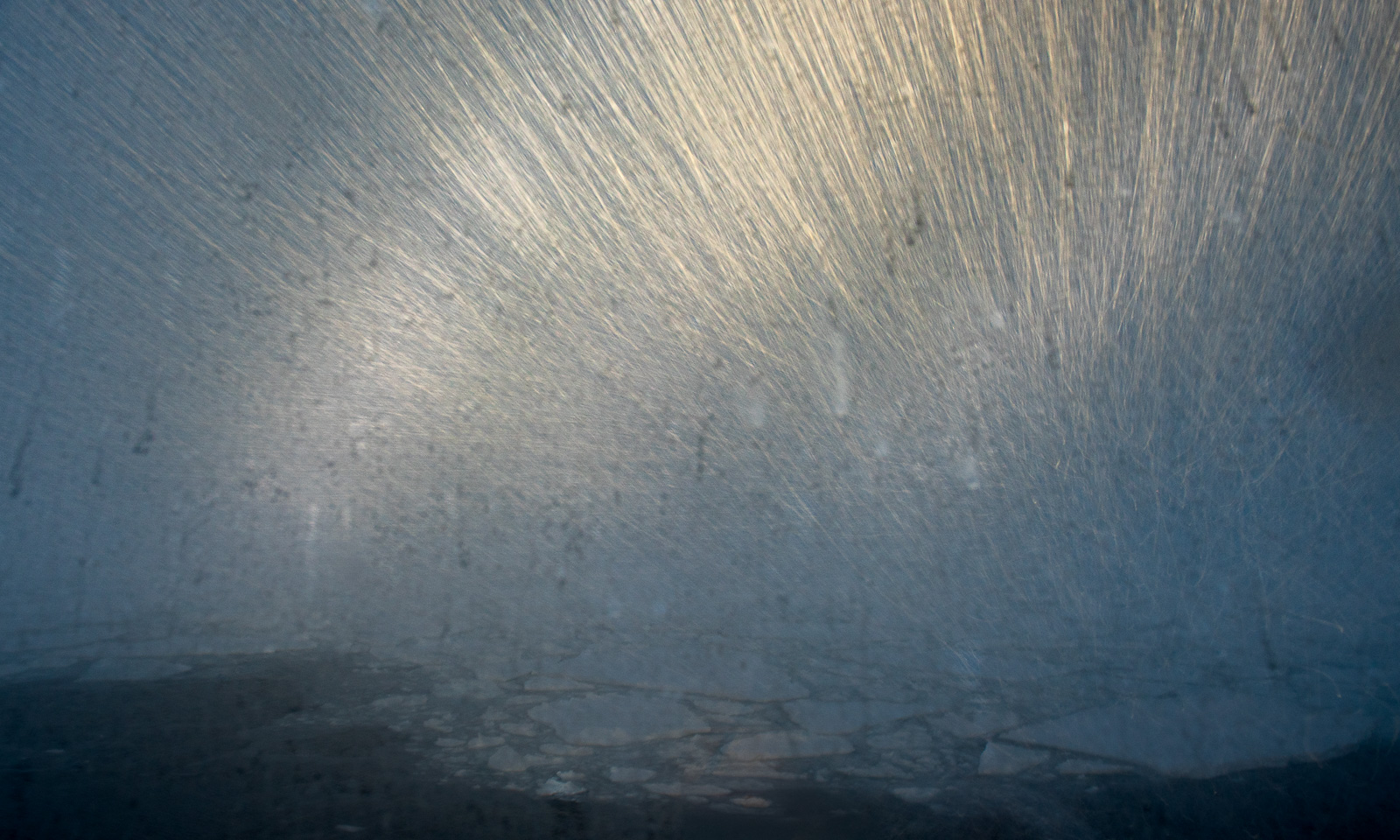
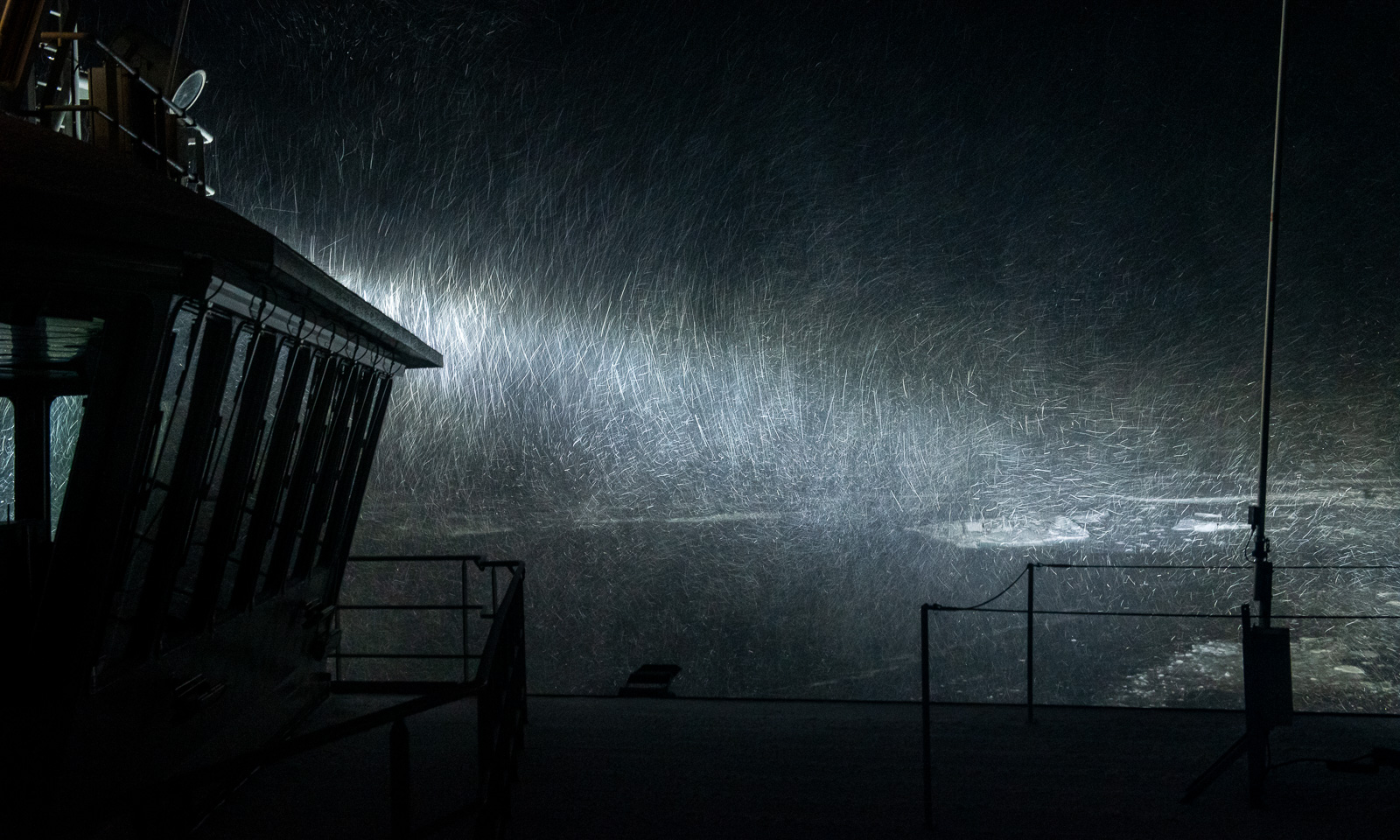
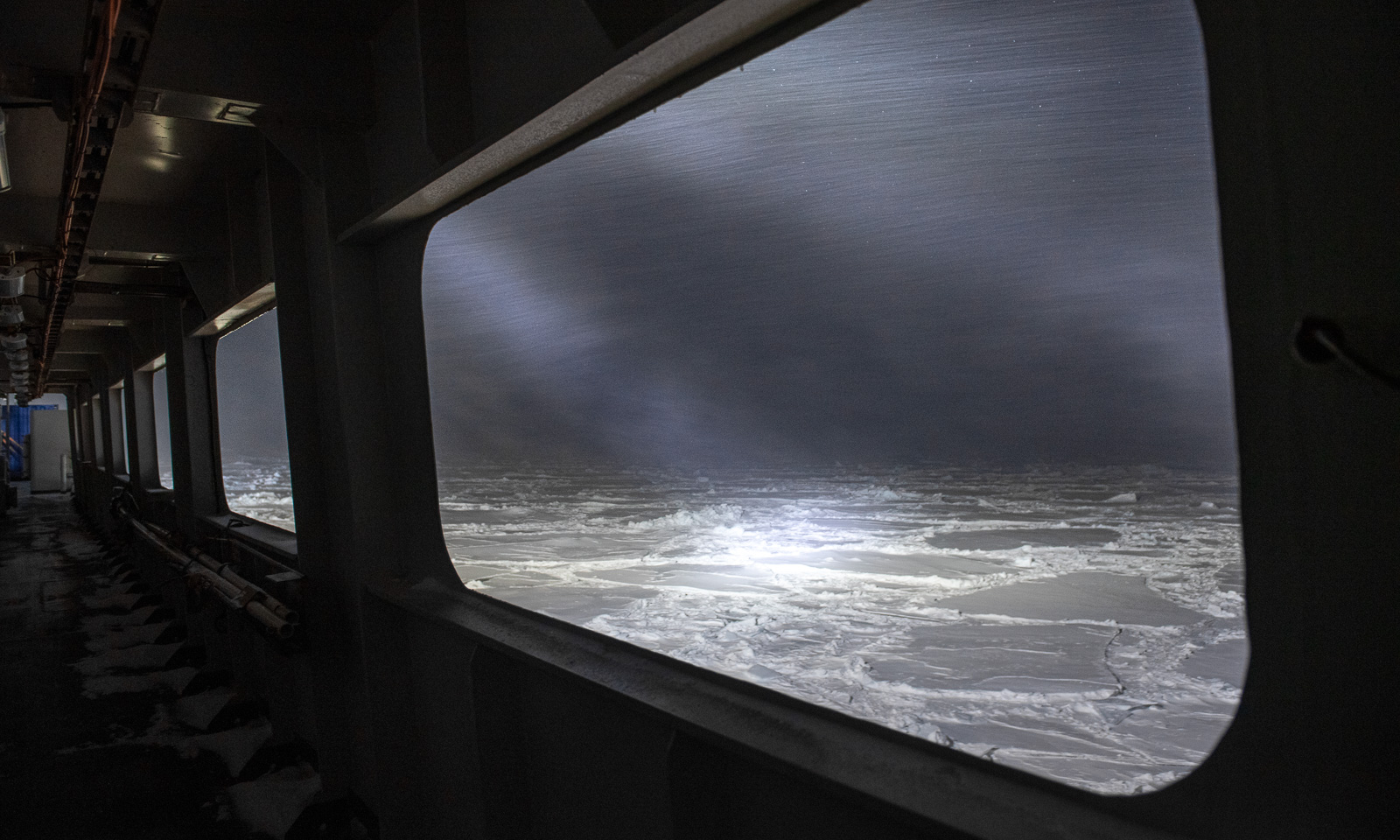
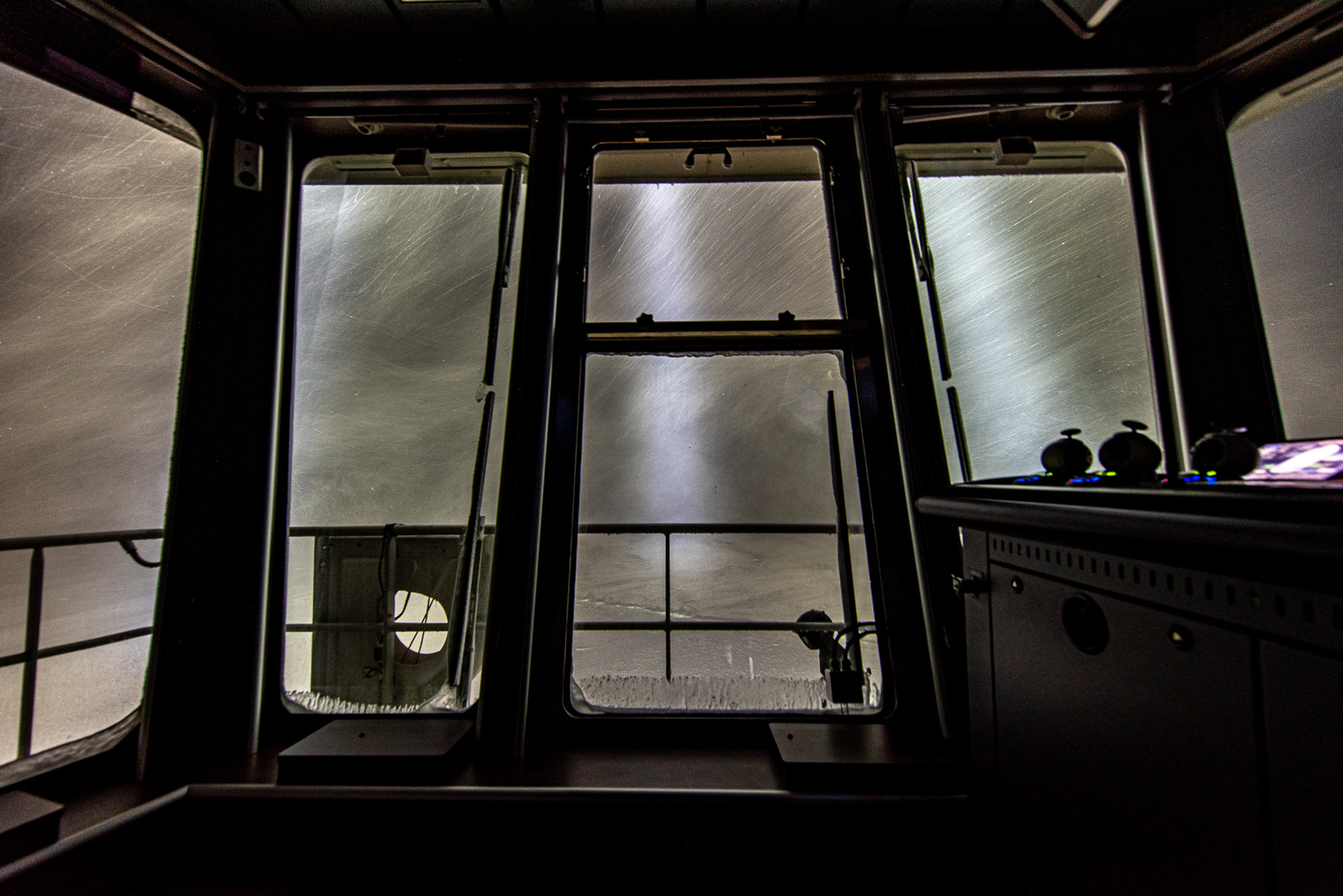
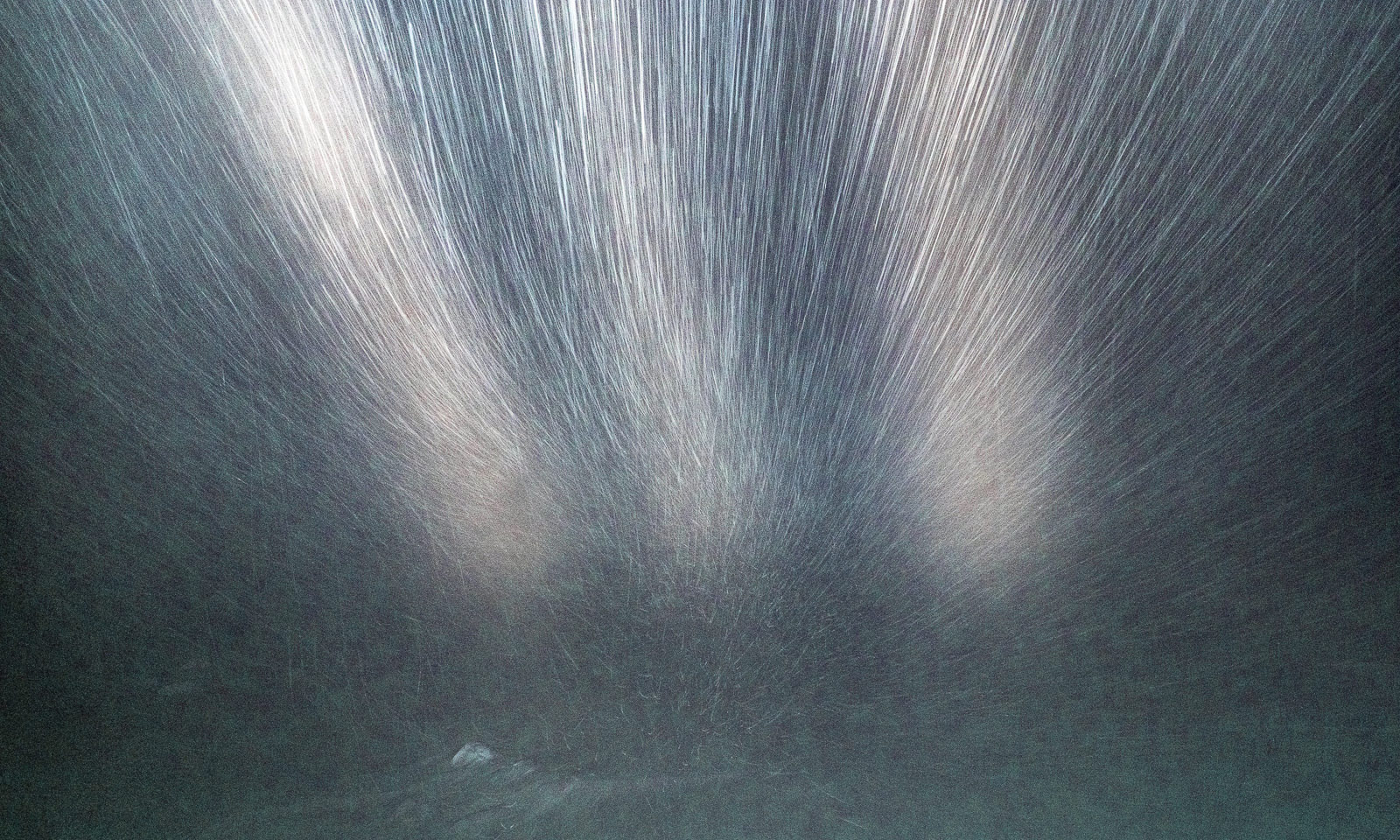
Later in the evening, the weather becomes even more severe, with wind gusts above 30 m/s and temperatures dropping below -10 °C. A very good time to stay inside even when taking photos. So I take photos through the windows from the bridge. On the starboard side, the storm batters the ship with snow. On the port side, the snow swirls in all possible directions.
20 October

The next morning, the weather has changed again, this time for the better. It has become colder, with temperatures of -13 °C, but the storm is gone and so has the snowfall.
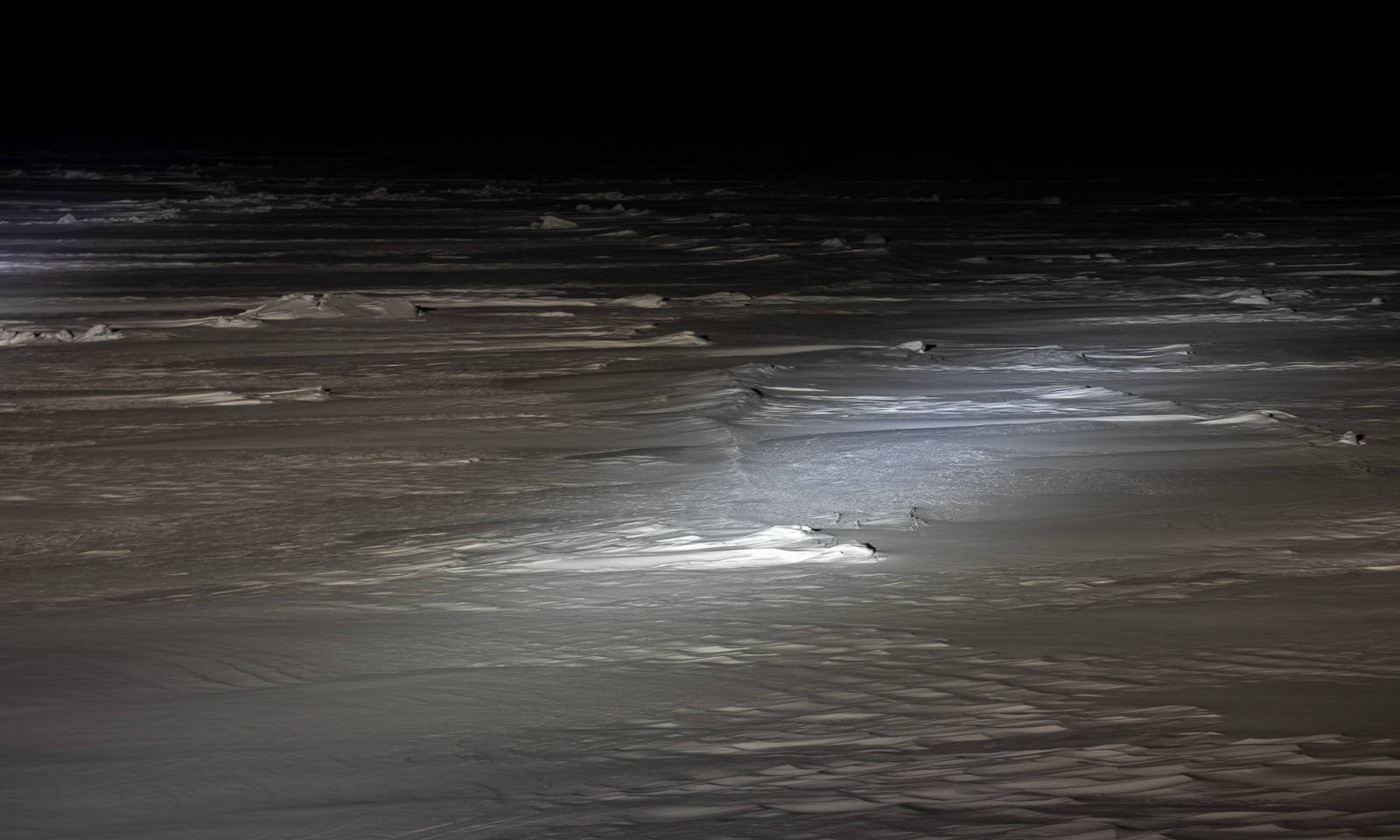
An ice station is planned. I will join it later, when the wind has decreased even more and it is a bit brighter outside. Although our position is -9.5° W, our ship time is Norwegian time and so sunrise is around noon. Around 10 o’clock, I stand on the ice with the drone I intend to fly. Will it work when it is still dawn?
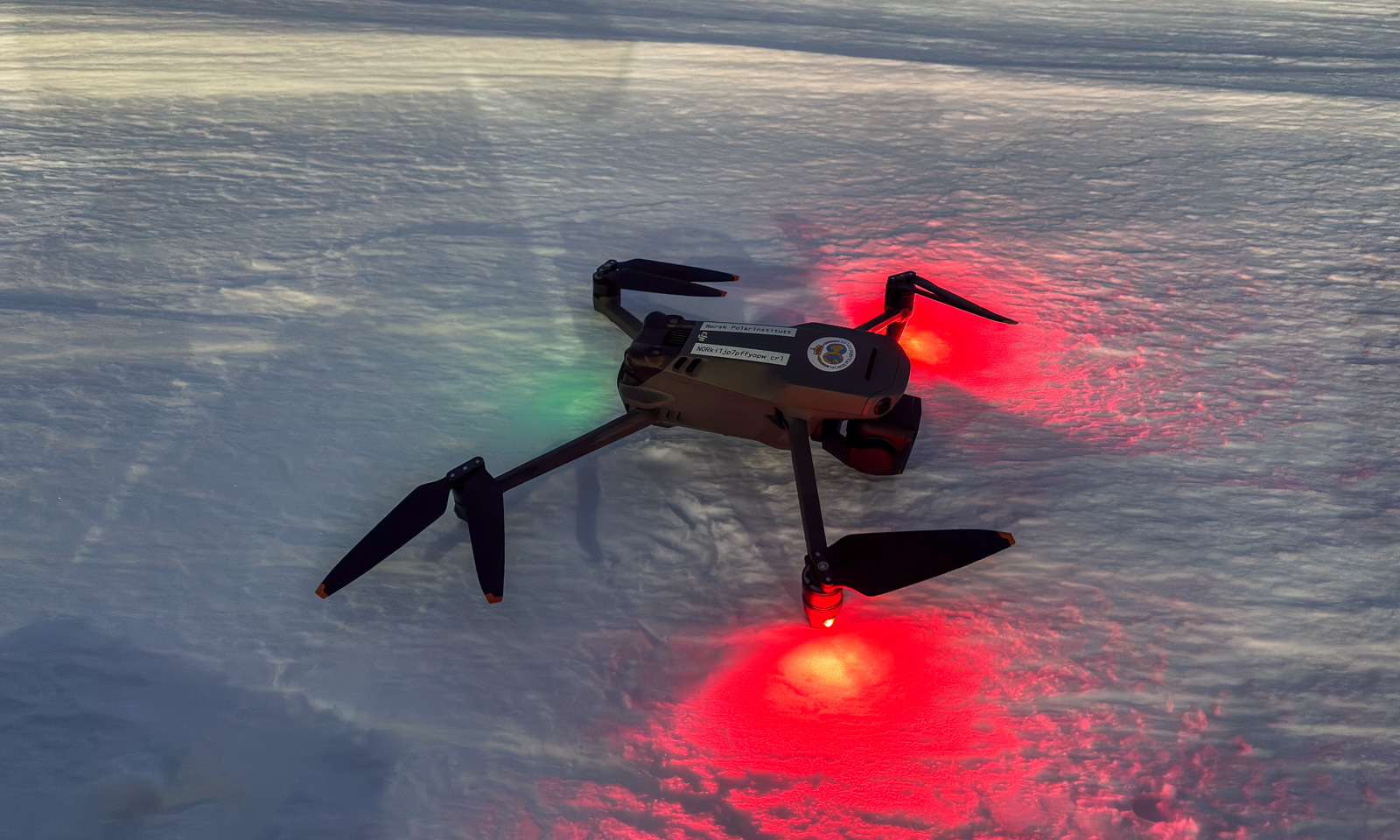
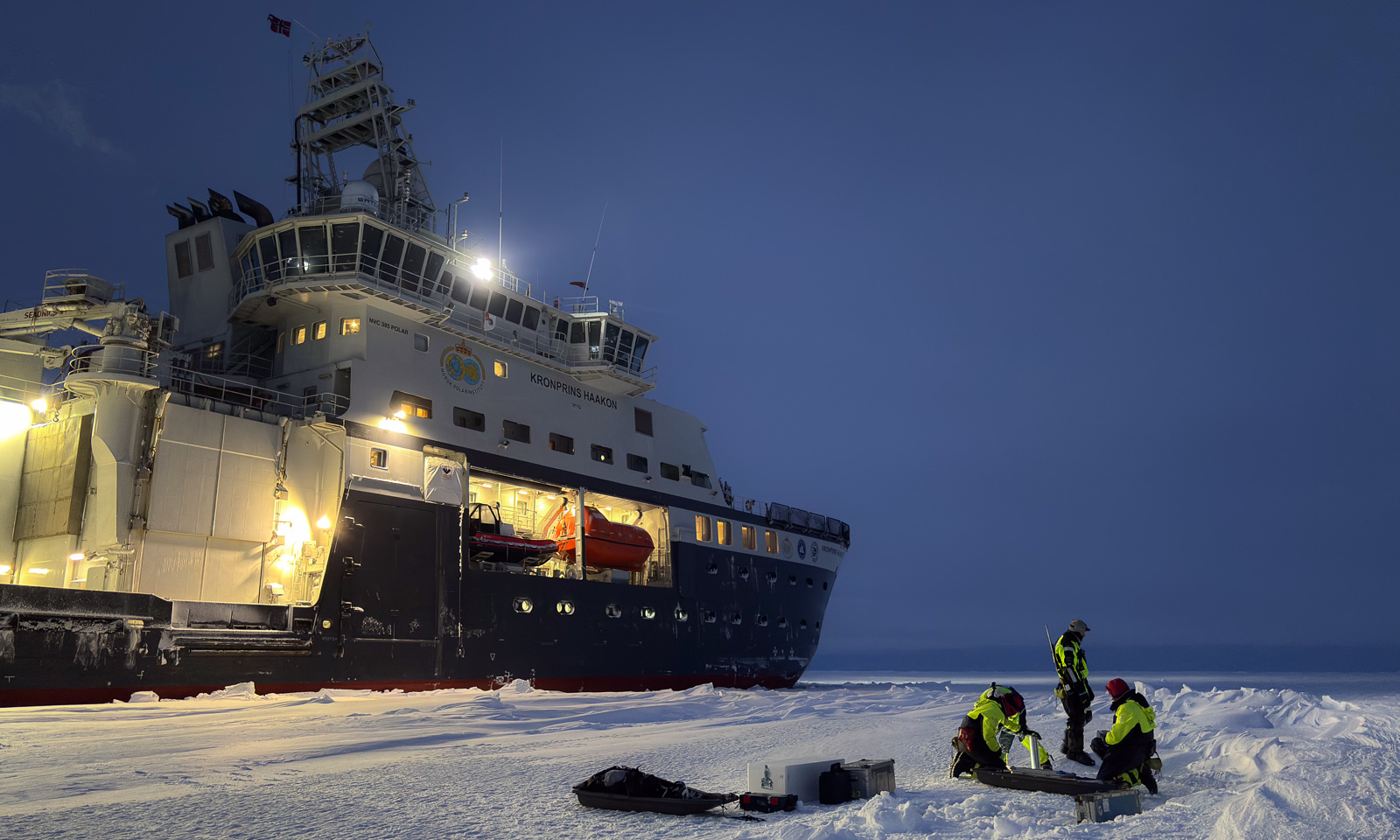
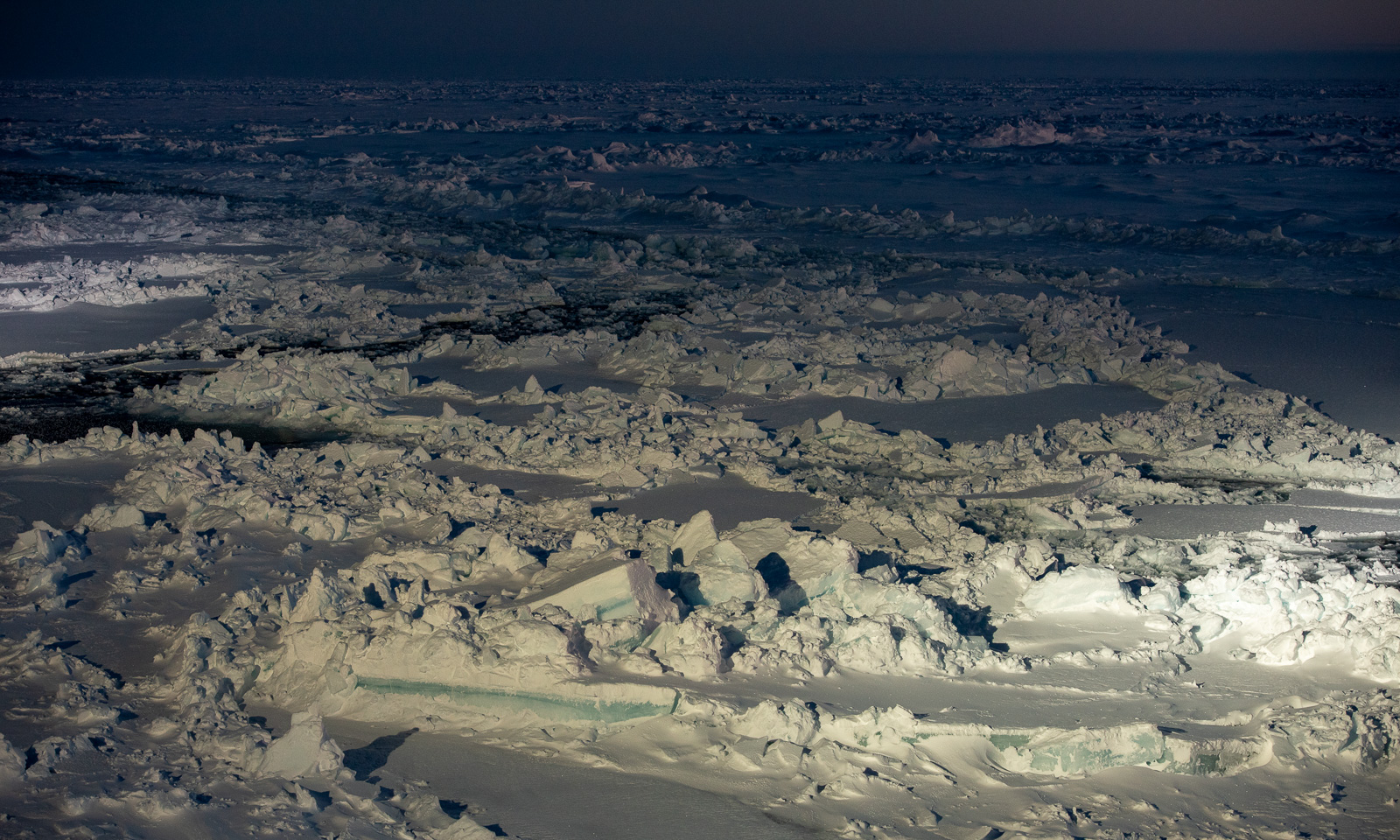
Yes – it works! The ship provides a lot of light that illuminates the ice. Not only for working but also for the team on the bridge that is looking for polar bears. While their job is harder at dawn, my drone flies well, although it detects obstacles in the air that are not there.
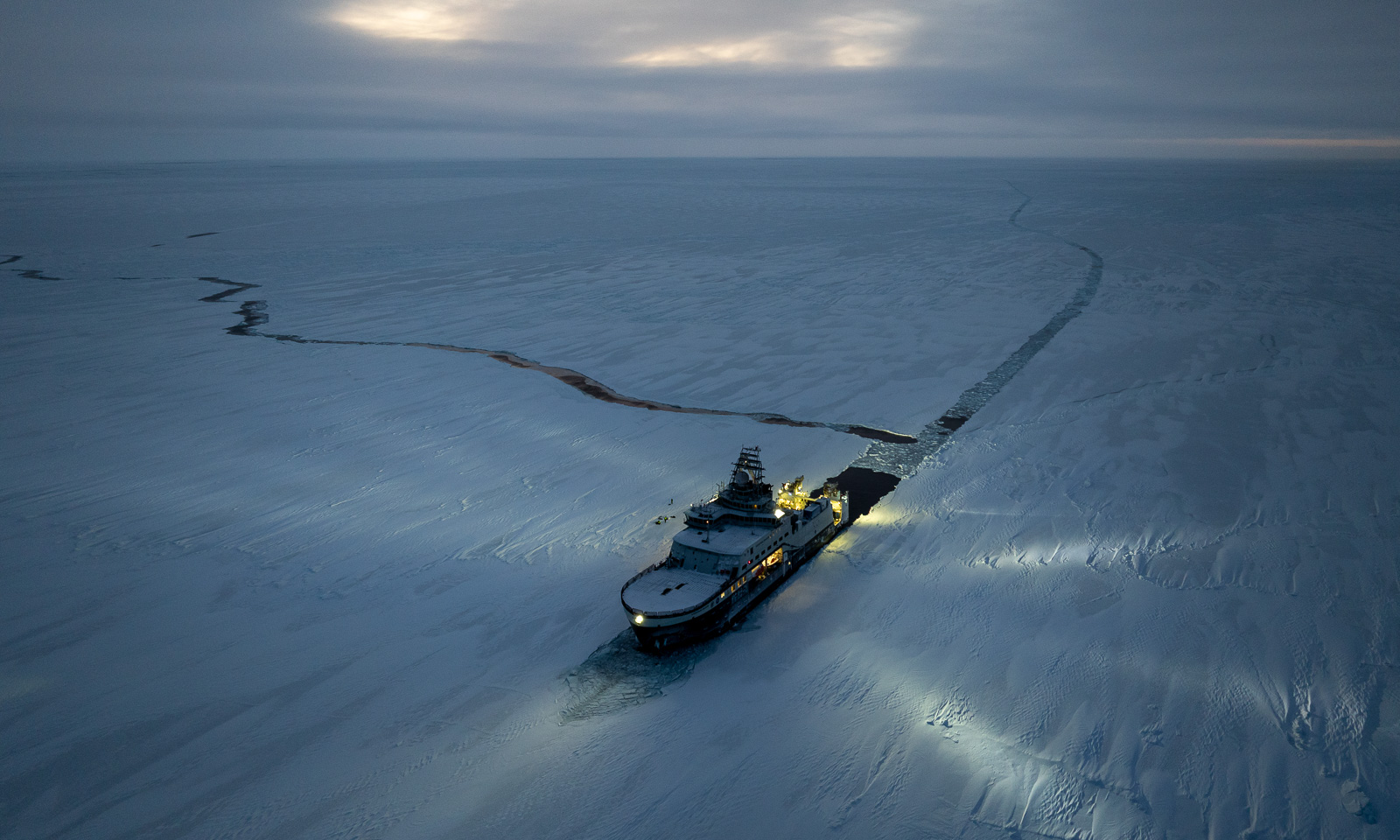
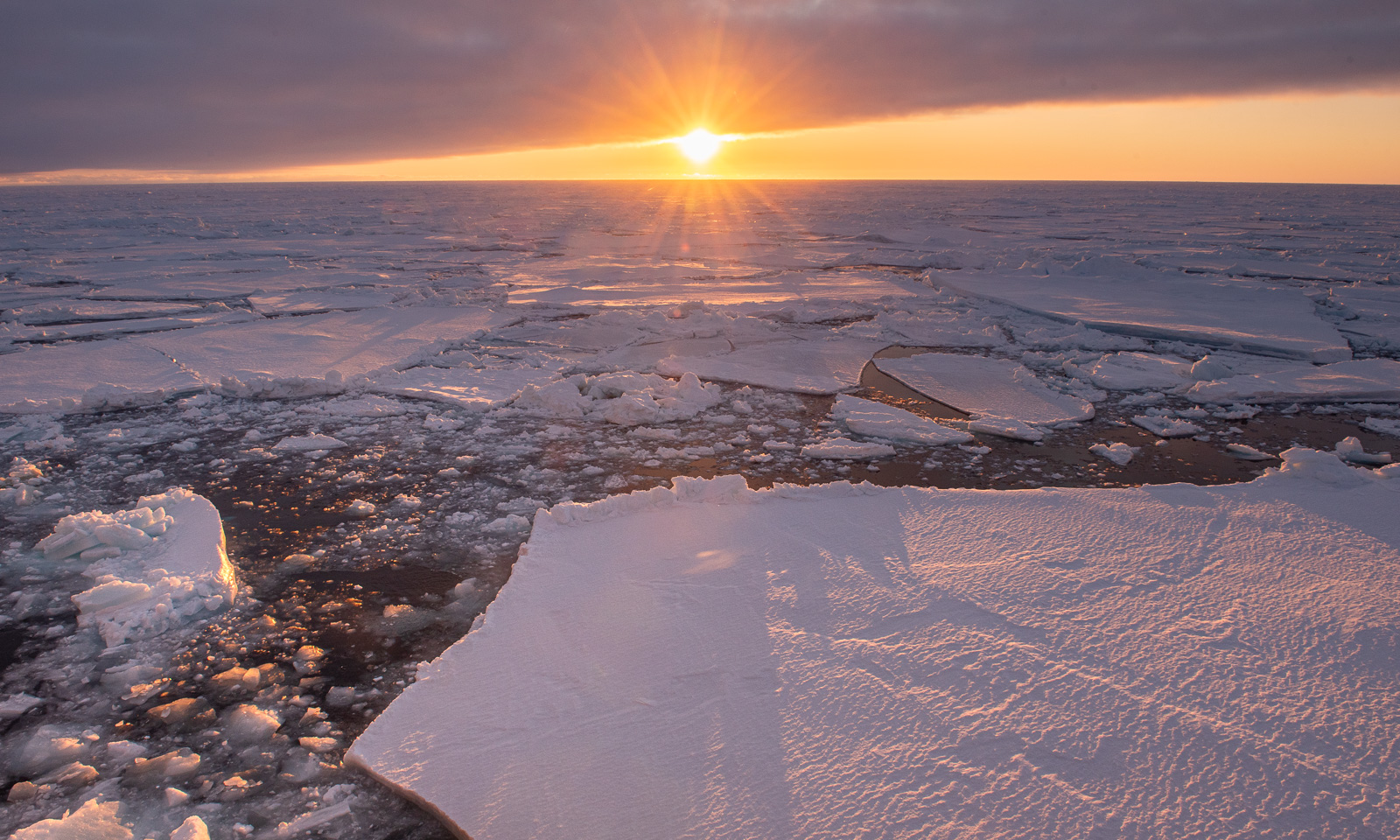
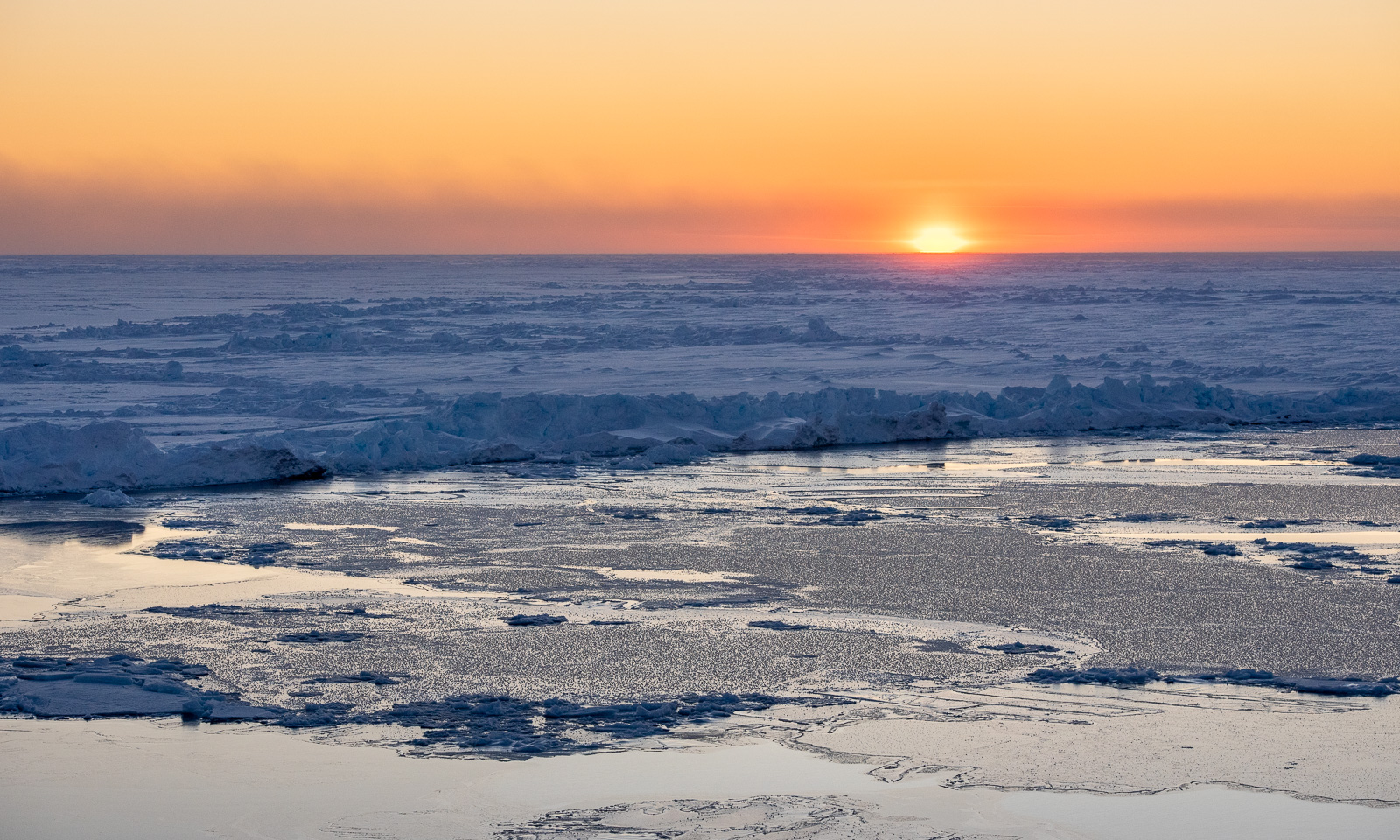
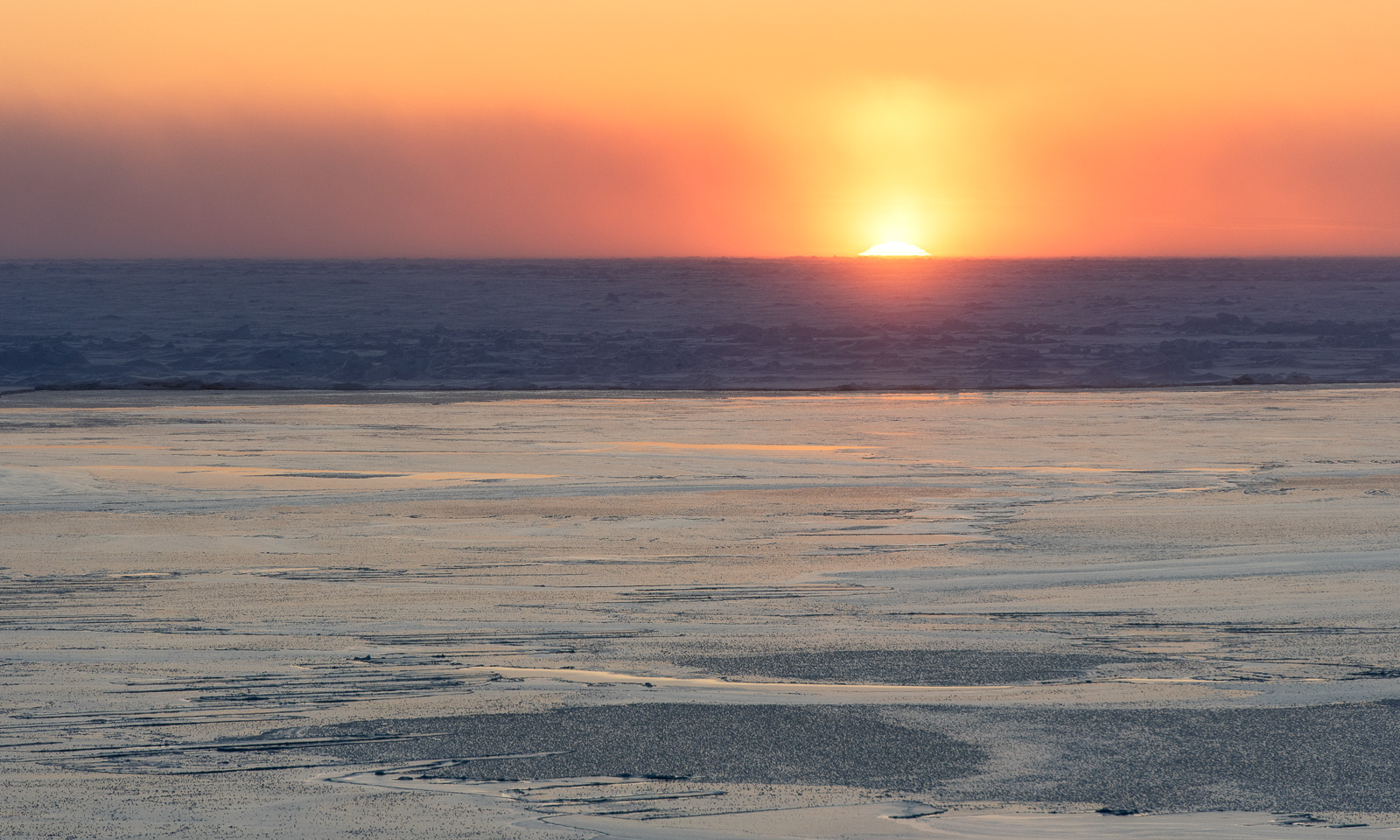
When the sun finally rises, it is pretty spectacular. In high latitudes, it seems more to roll over the horizon than to lift up.
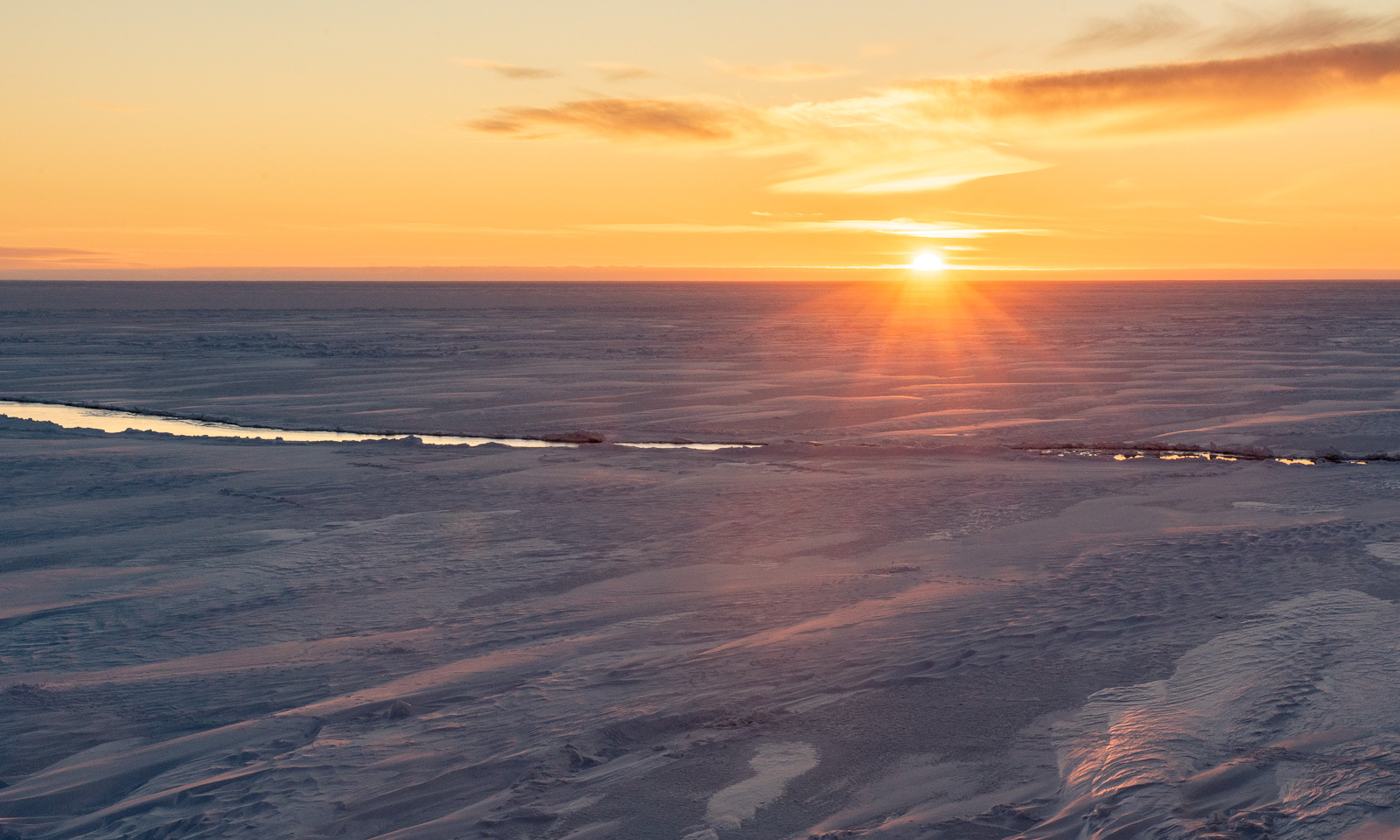
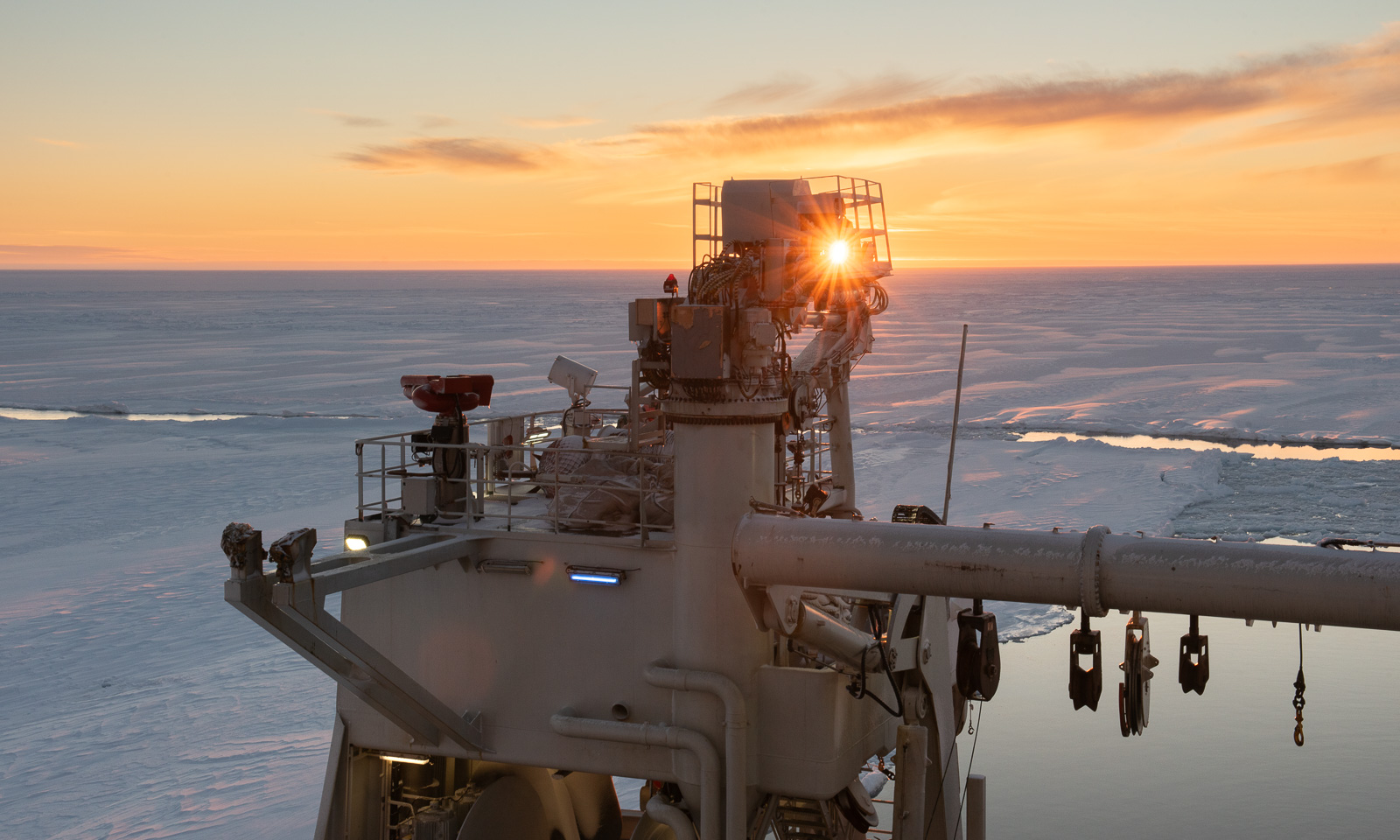
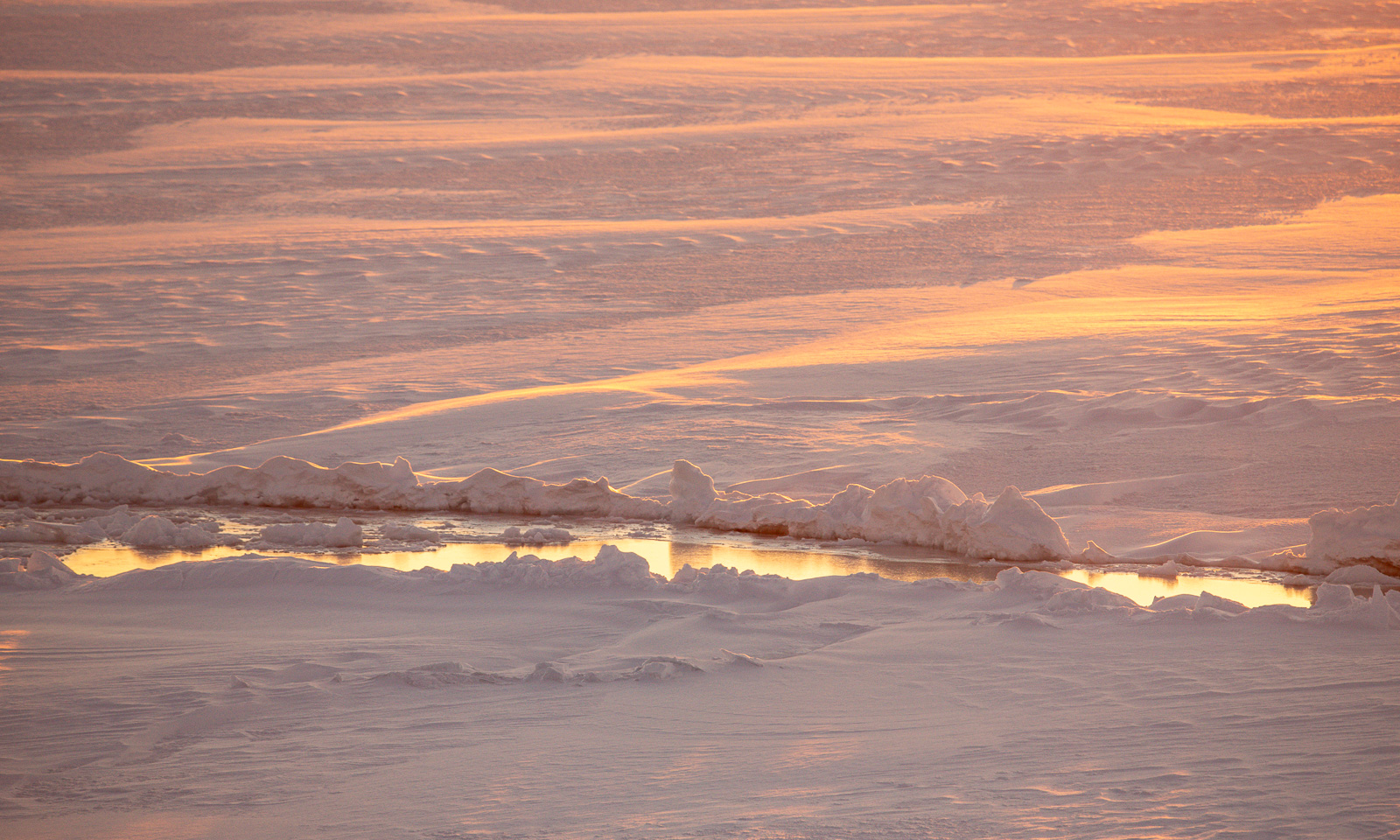
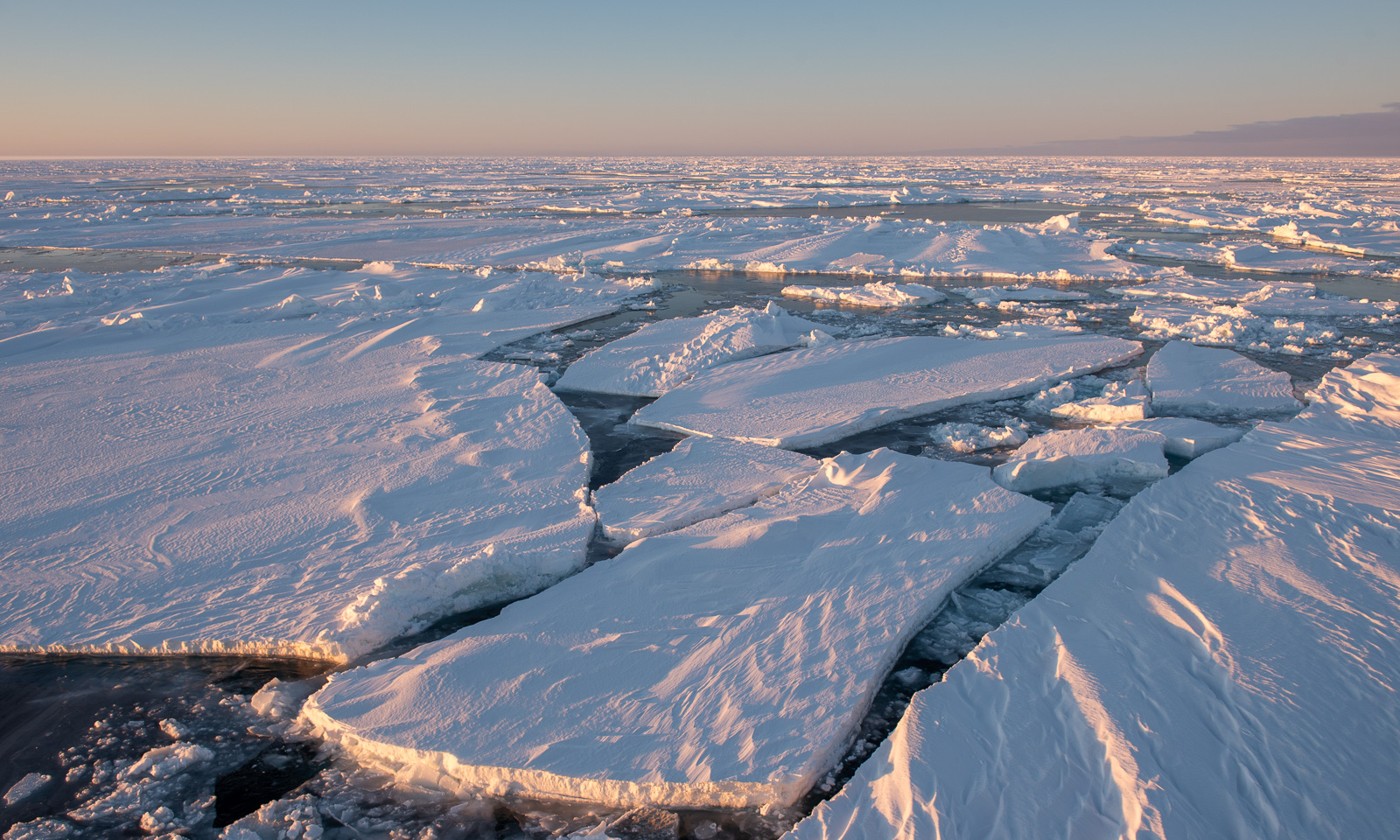
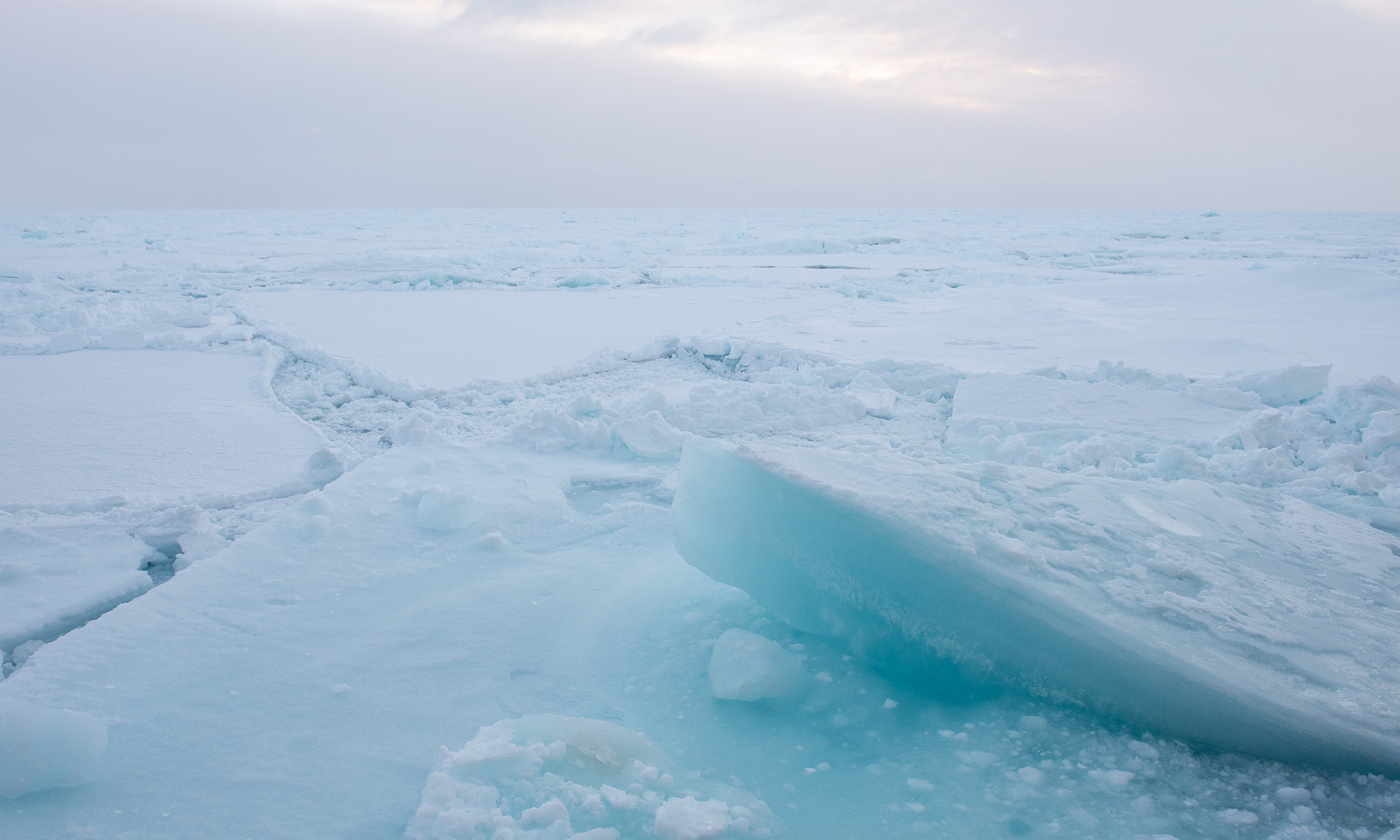
And the colours are incredible. The snow-covered ice floe we are in shows many colours but not white.
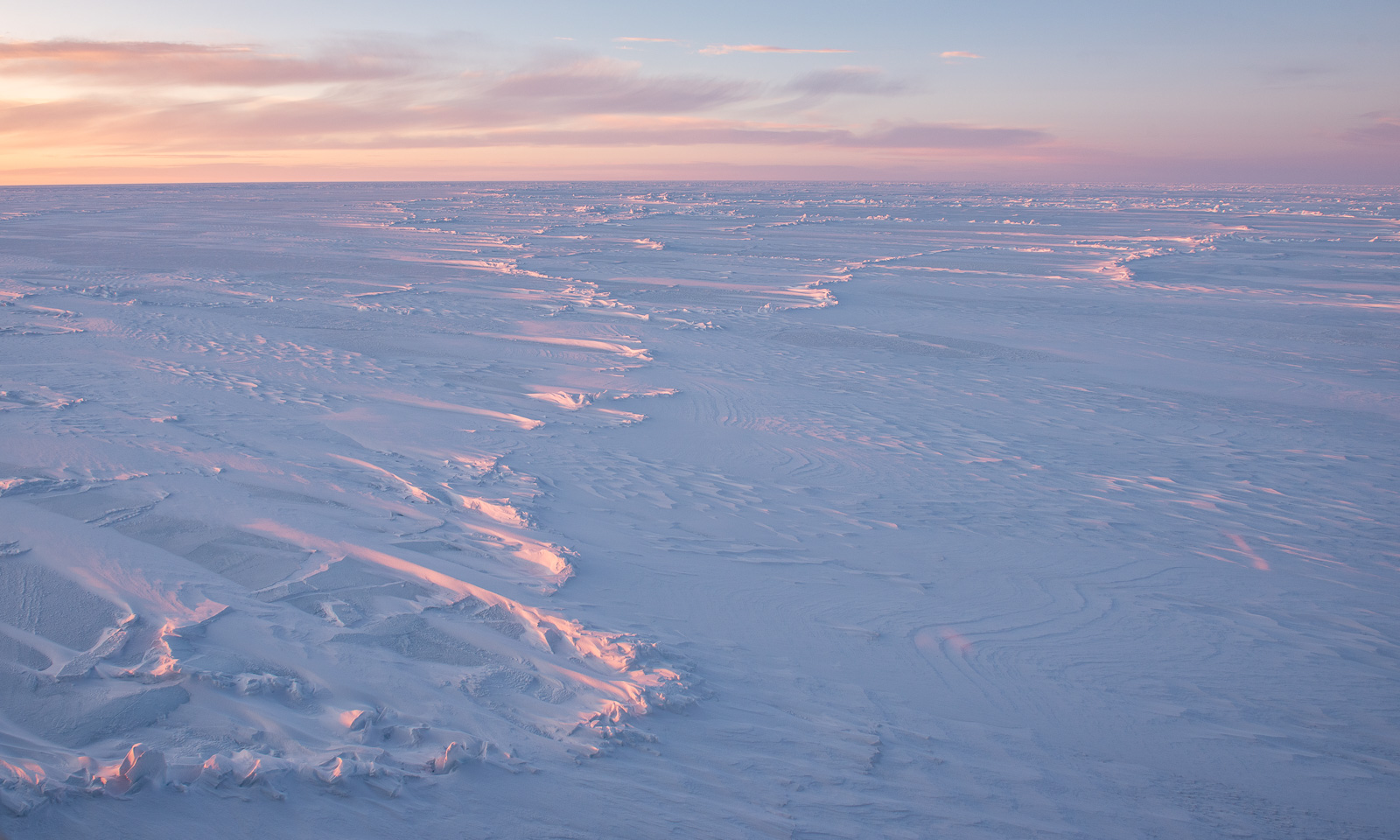
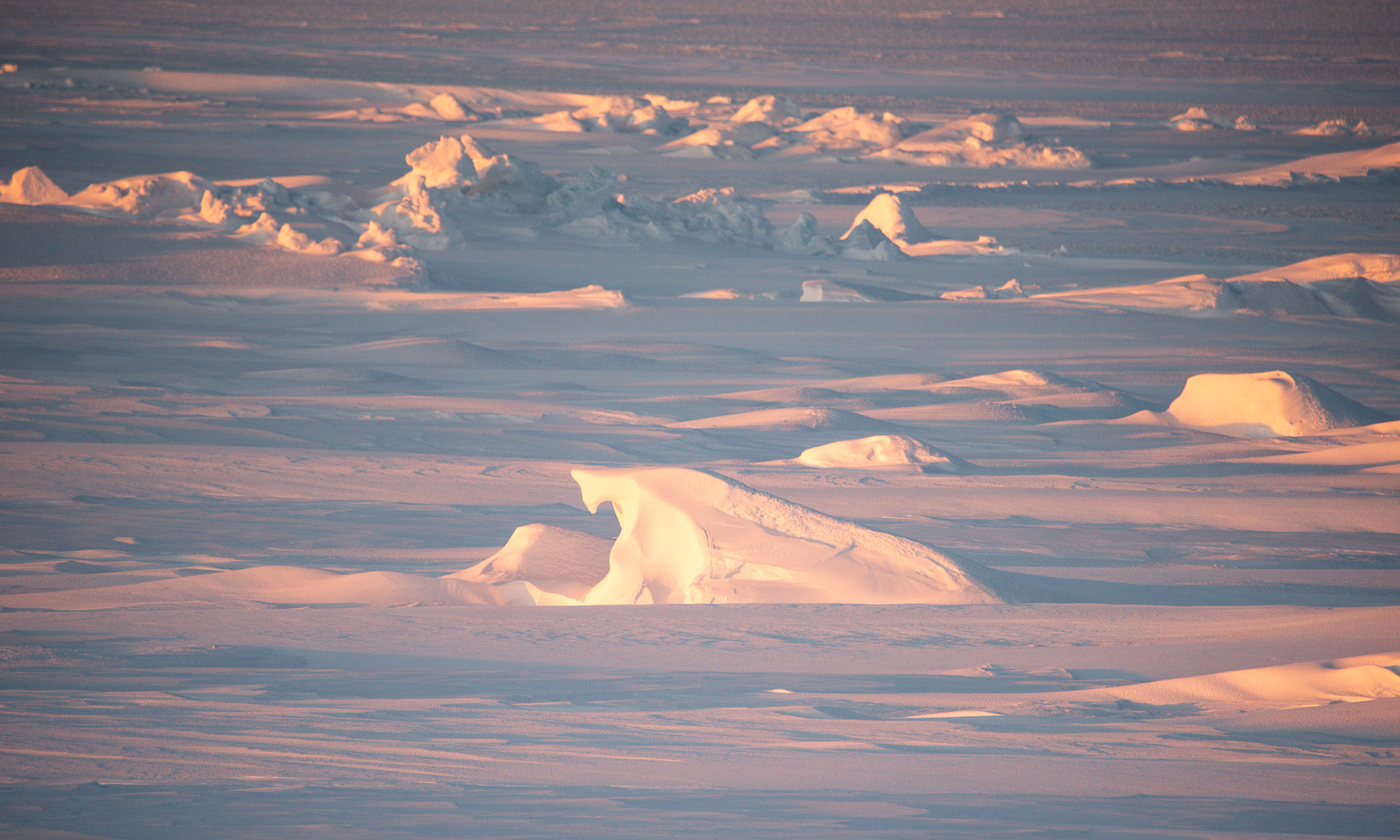
After lunch, the ice station is continued and have the opportunity for another flight. Some shots from the side:
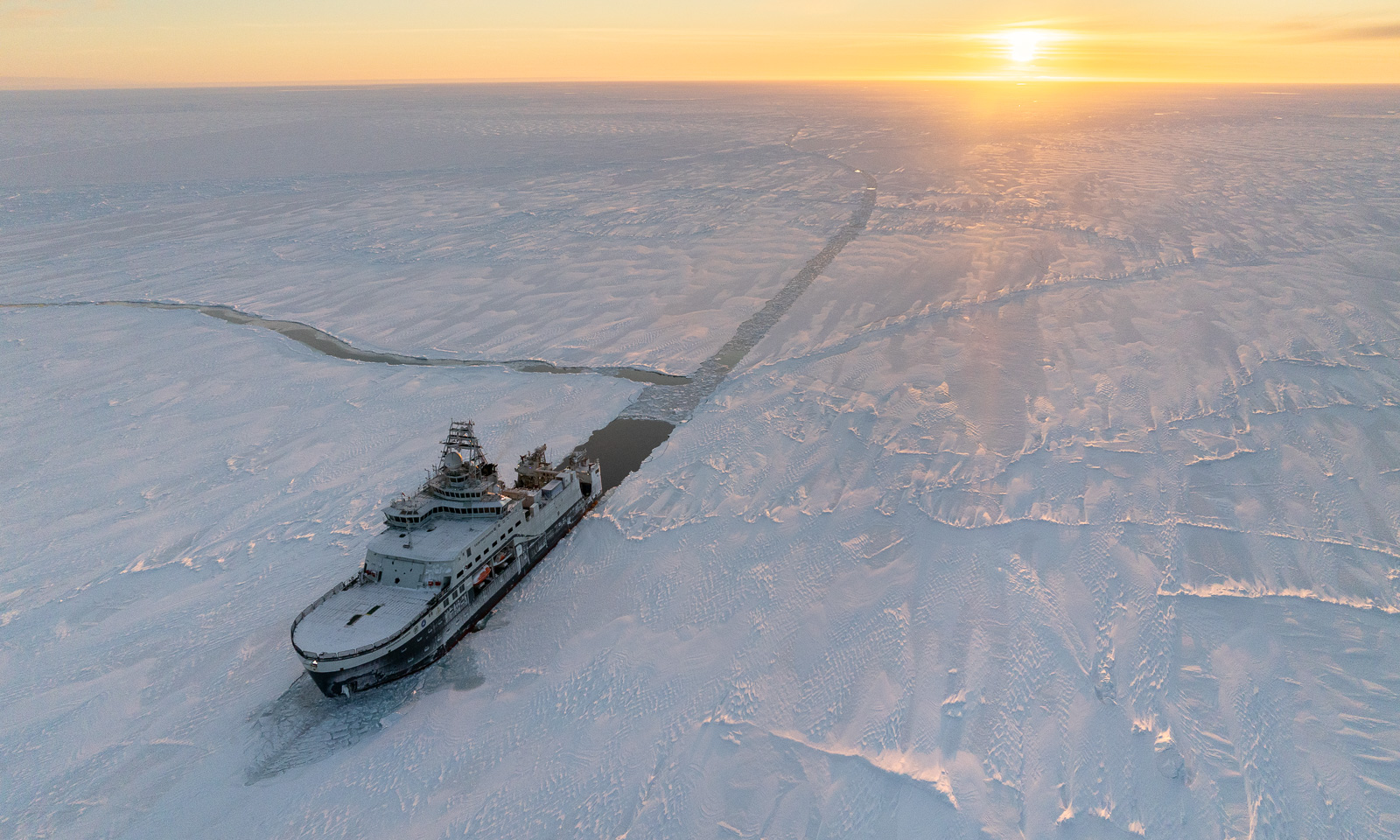
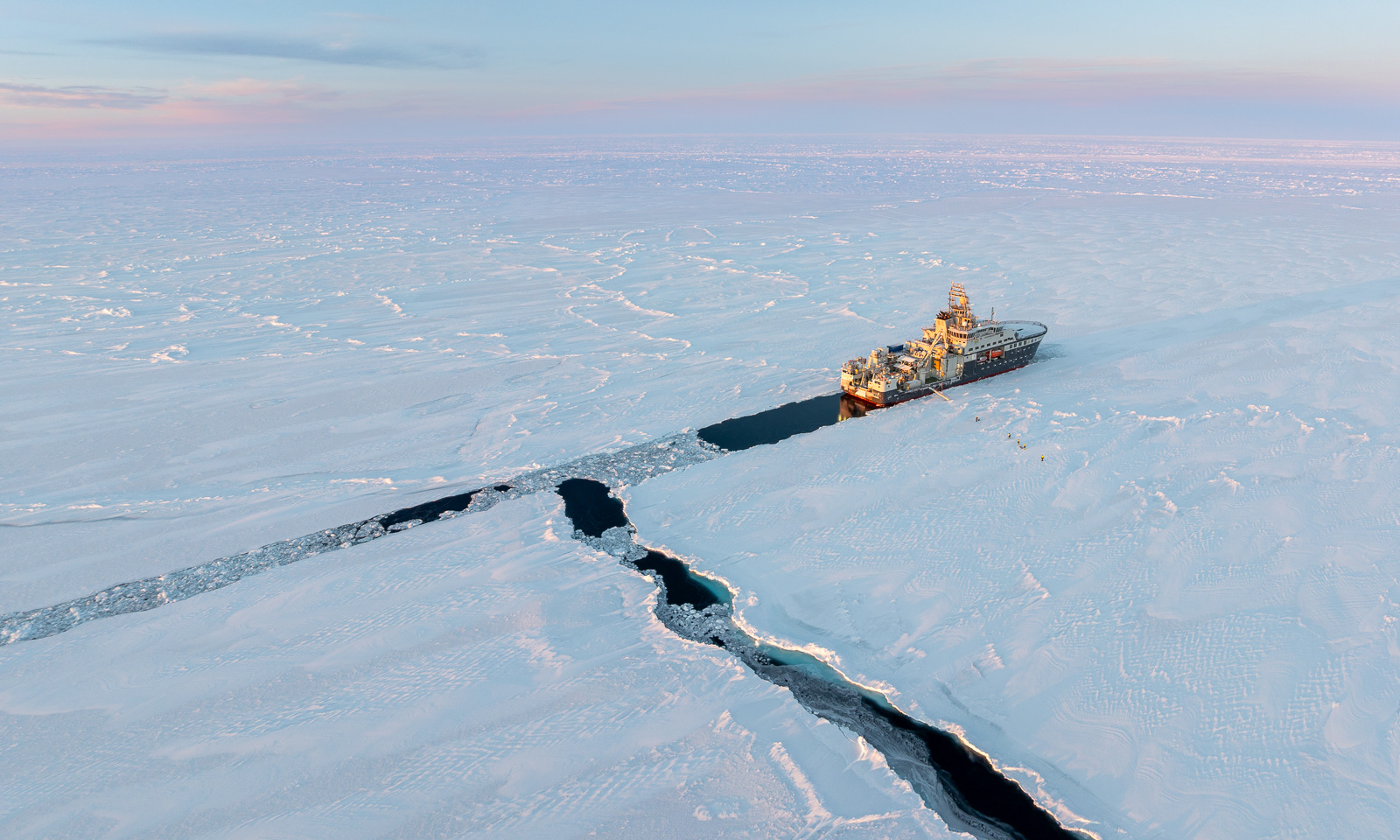
Then I stayed outside to learn a bit about the calibration of the GEM2, an electromagnetic instrument that is used for measuring the thickness of snow and ice.

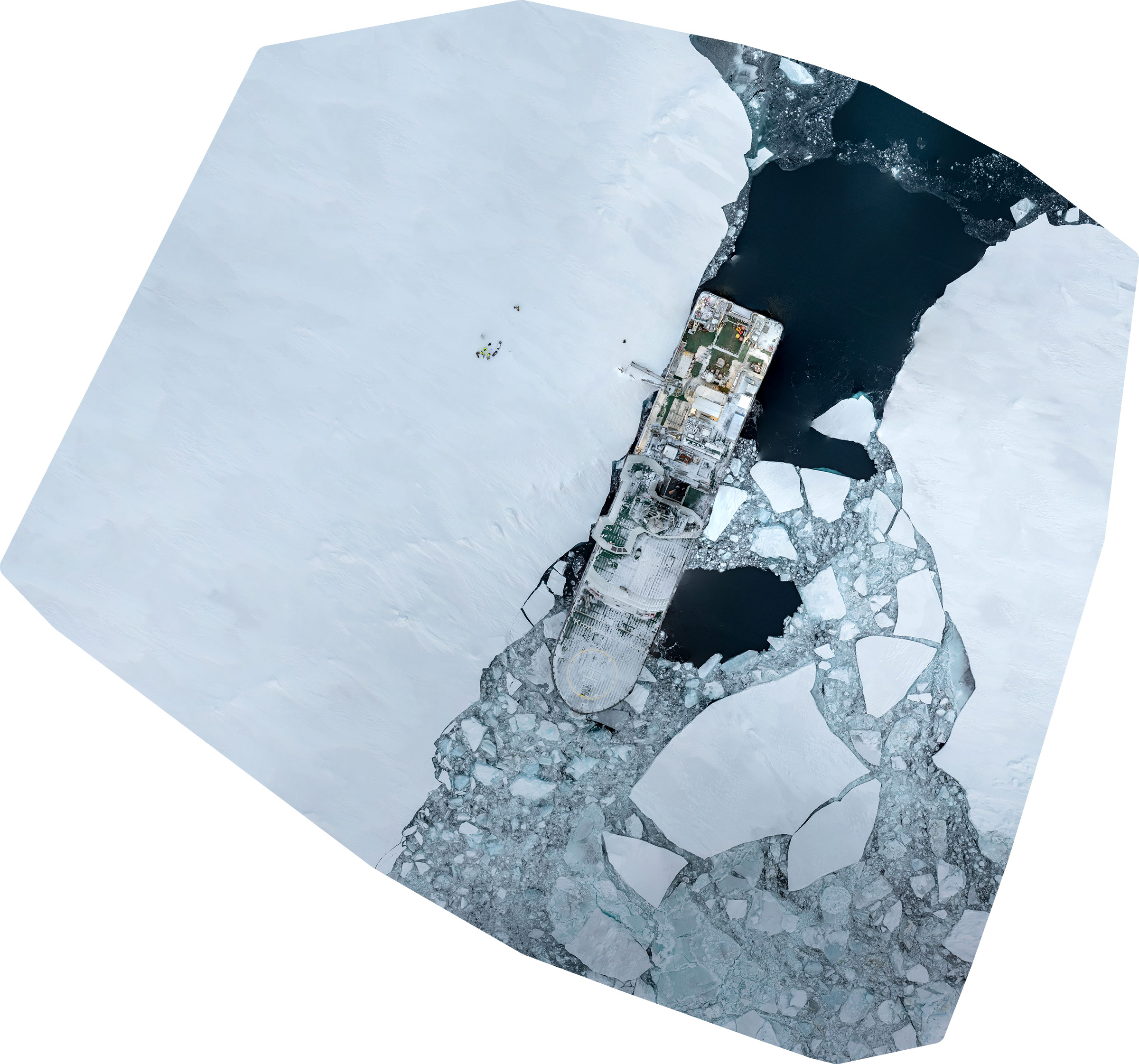
However, I do not fly the drone for leisure but to make orthophotos that show the ice situation from above. For that, I have to take many pictures and then – back on the ship – use both traditional image editing and special software to stitch the images together. The morning orthophoto was stitched together from 125 images, the afternoon one from 255 images. That took about an hour of processing on a fast computer.
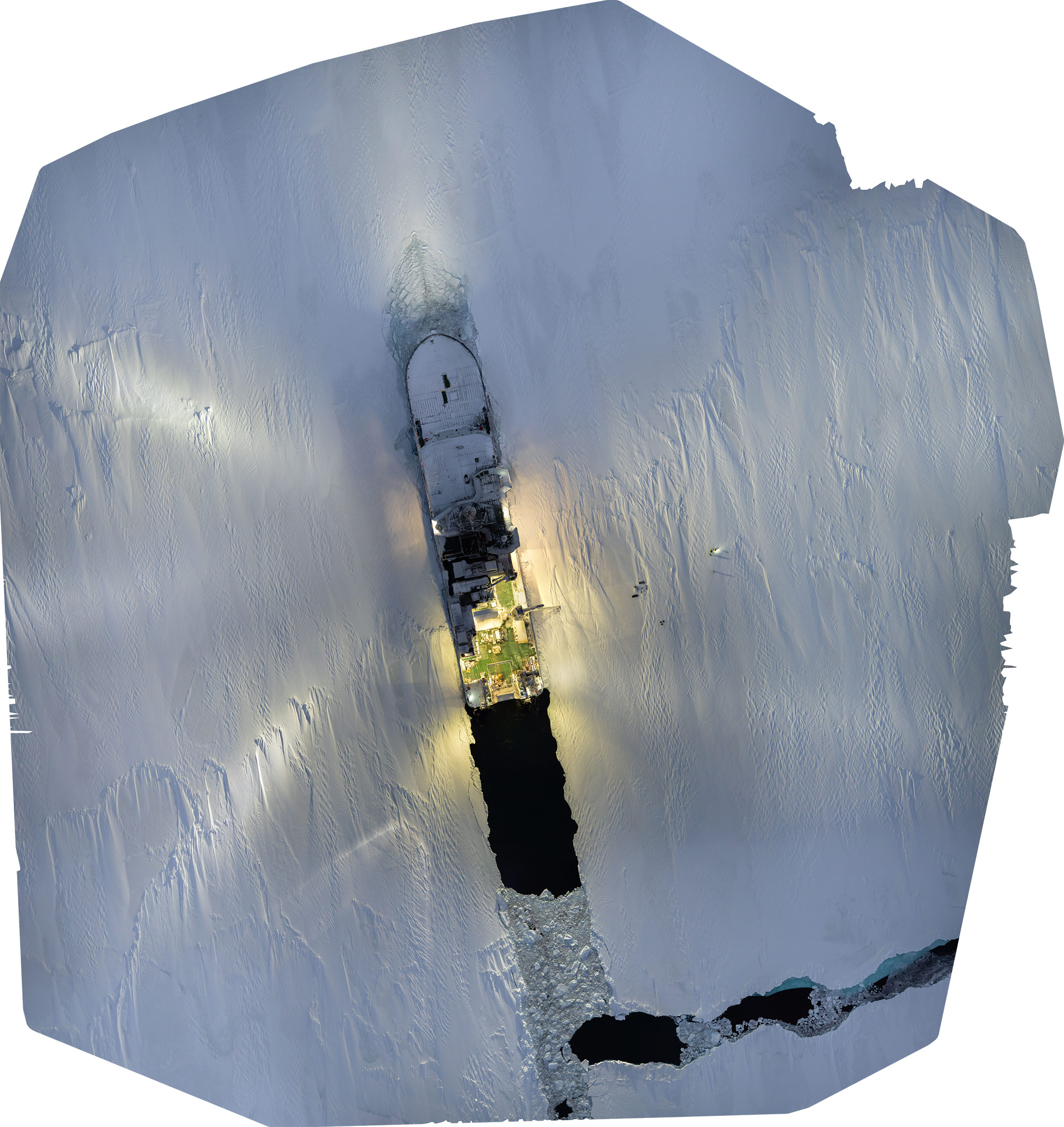
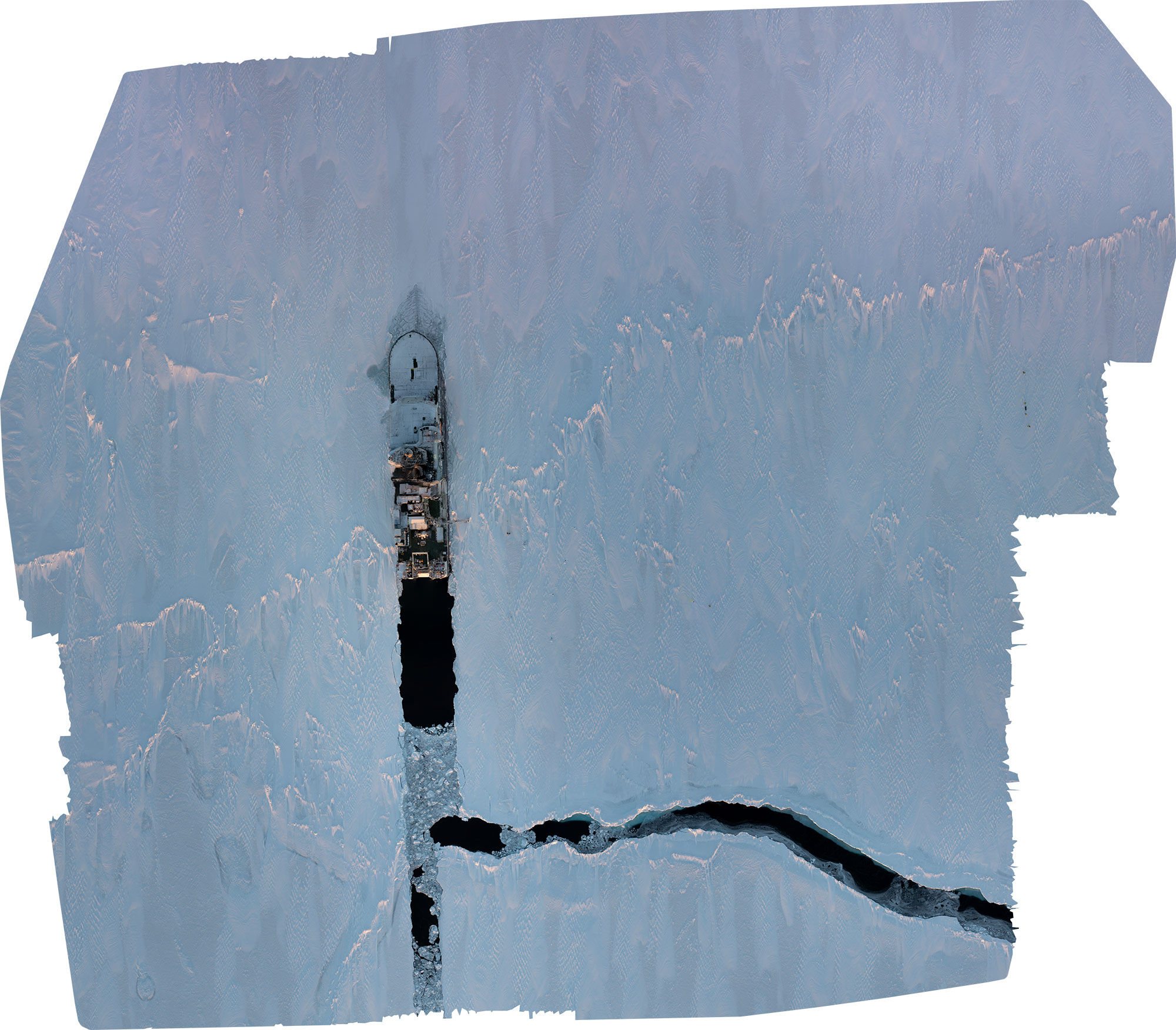
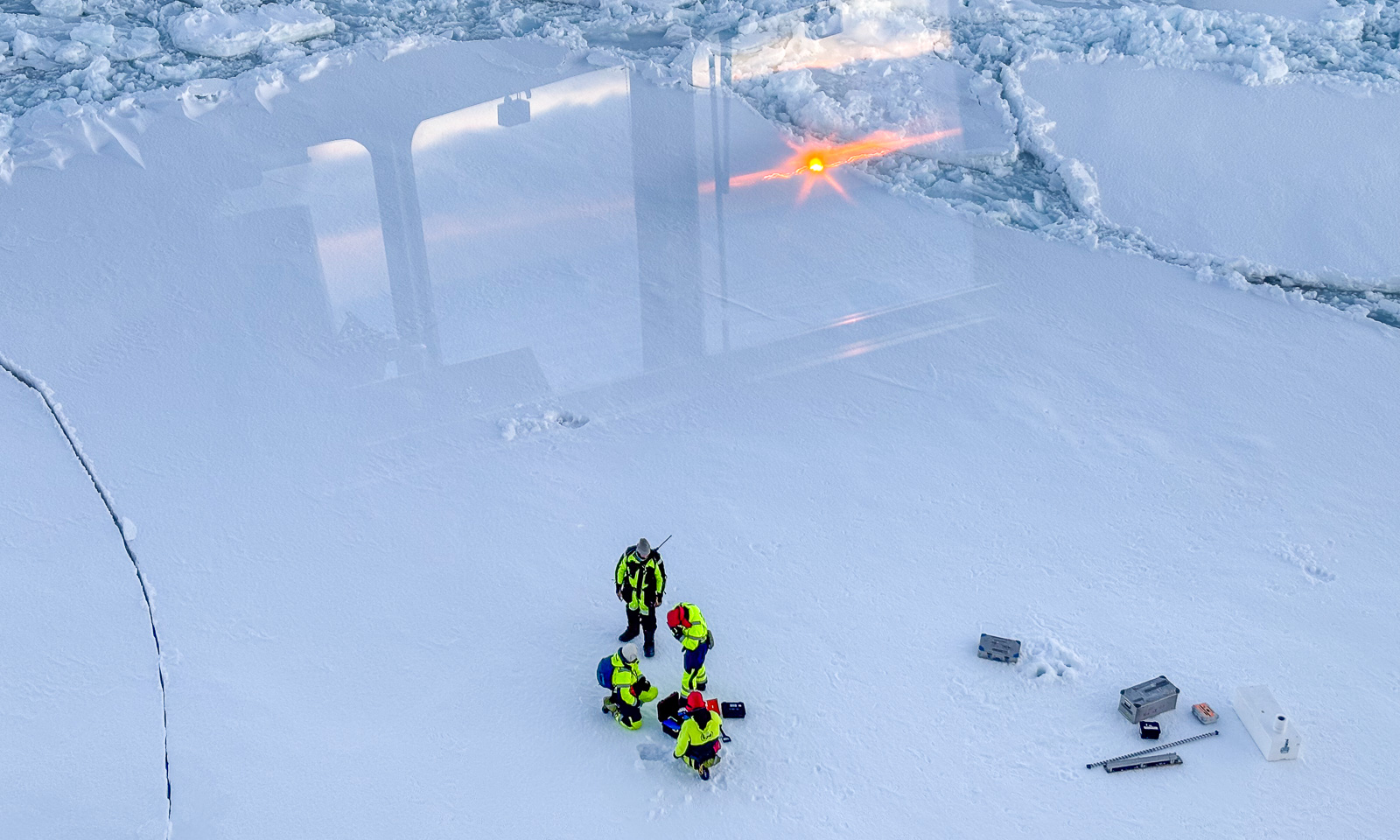
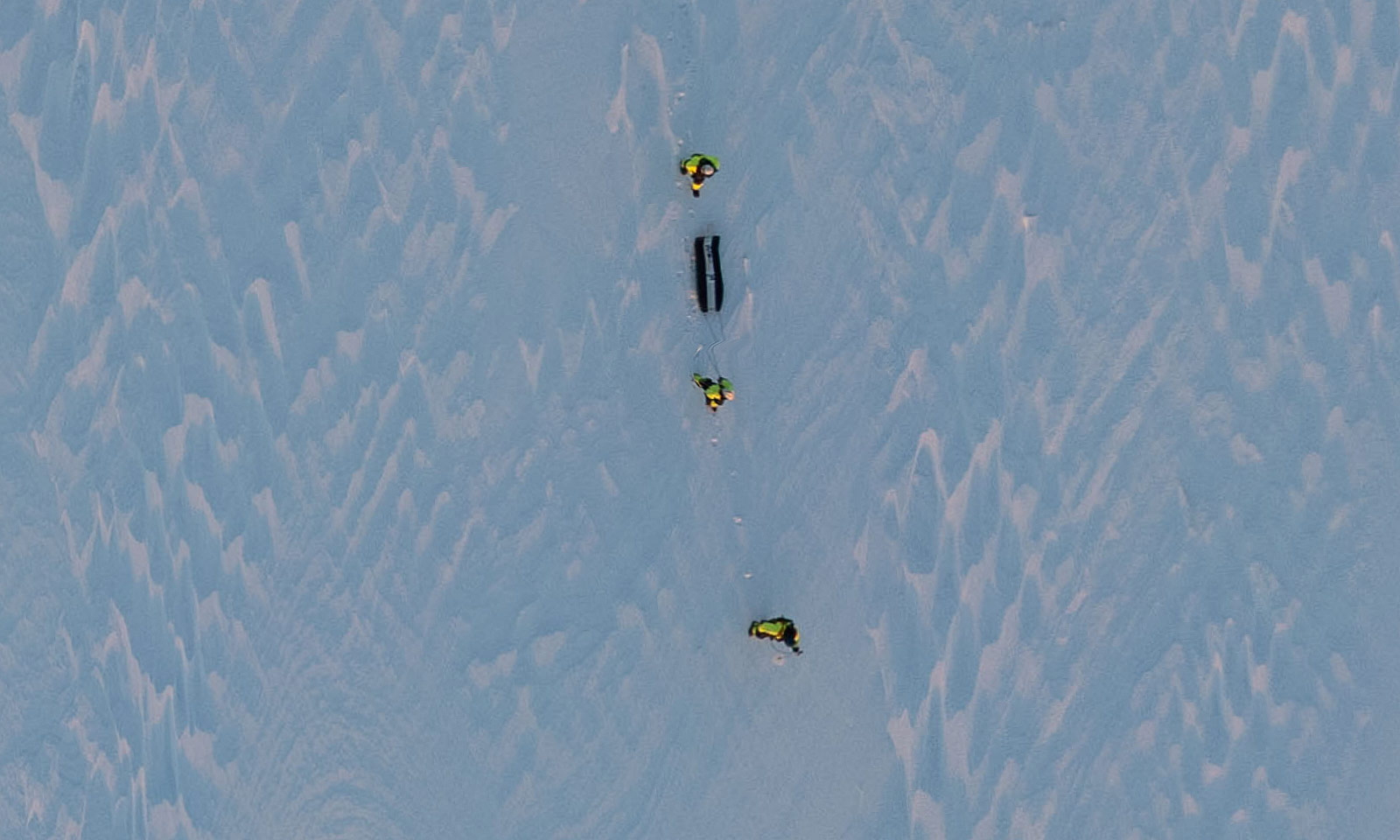
Especially the latter photo has a good image resolution. Do you see the scientists out there with the GEM2 on a pulka sled in the photo below? It is taken from the orthophoto above.
The next day another ice station is planned.

21 October

… but never set up. First the visibility was too poor and then it was too windy. I couldn’t have flown a drone anyhow because first it was snowing and then, with rising temperatures, it was raining. So a lot of other work was done instead.
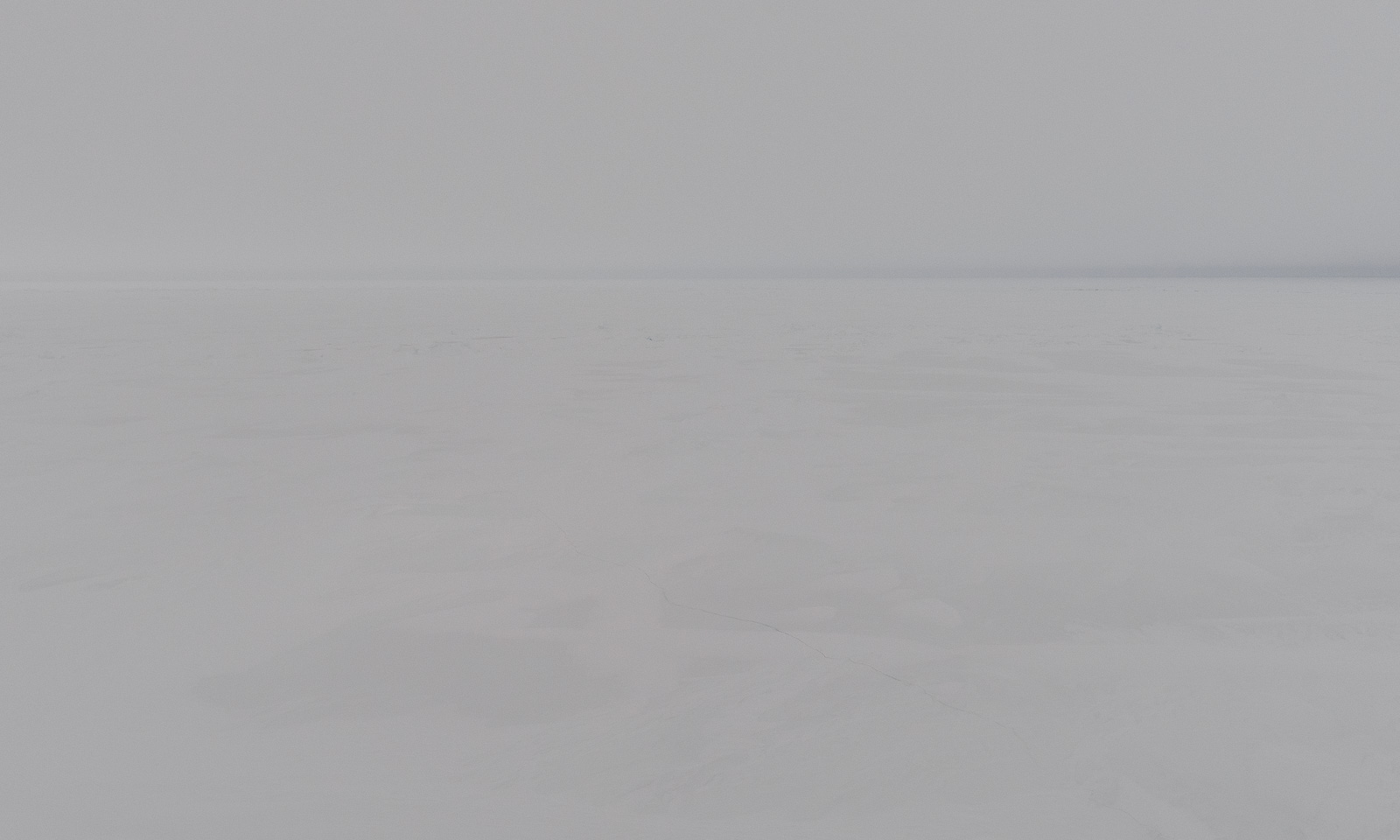
So – another ice station tomorrow? Actually, that’s planned. Tomorrow I’ll know a bit more.
 

A mooring, ice stations and the sun

This article is part of the series “2026-10: Fram Strait cruise KPH”.

16 October

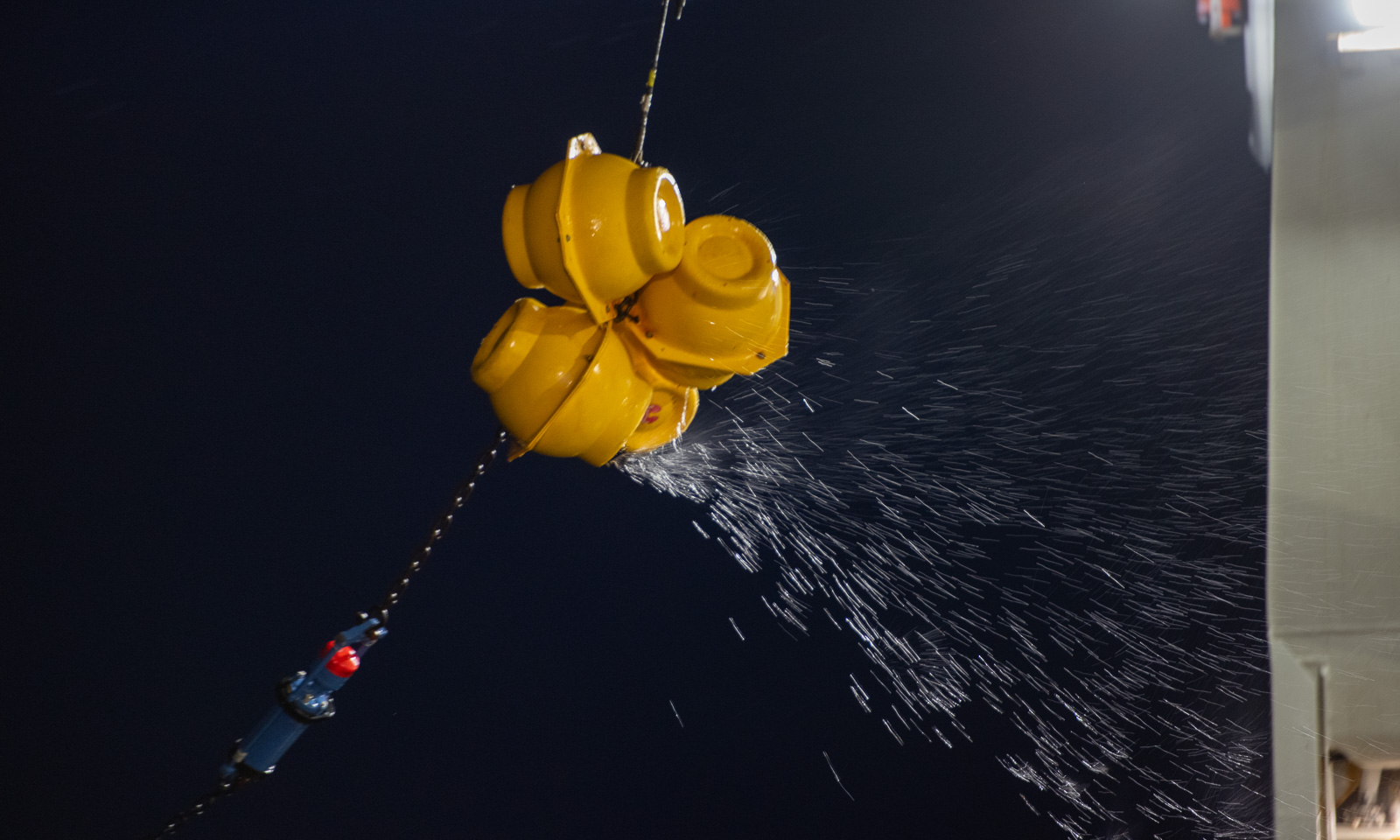
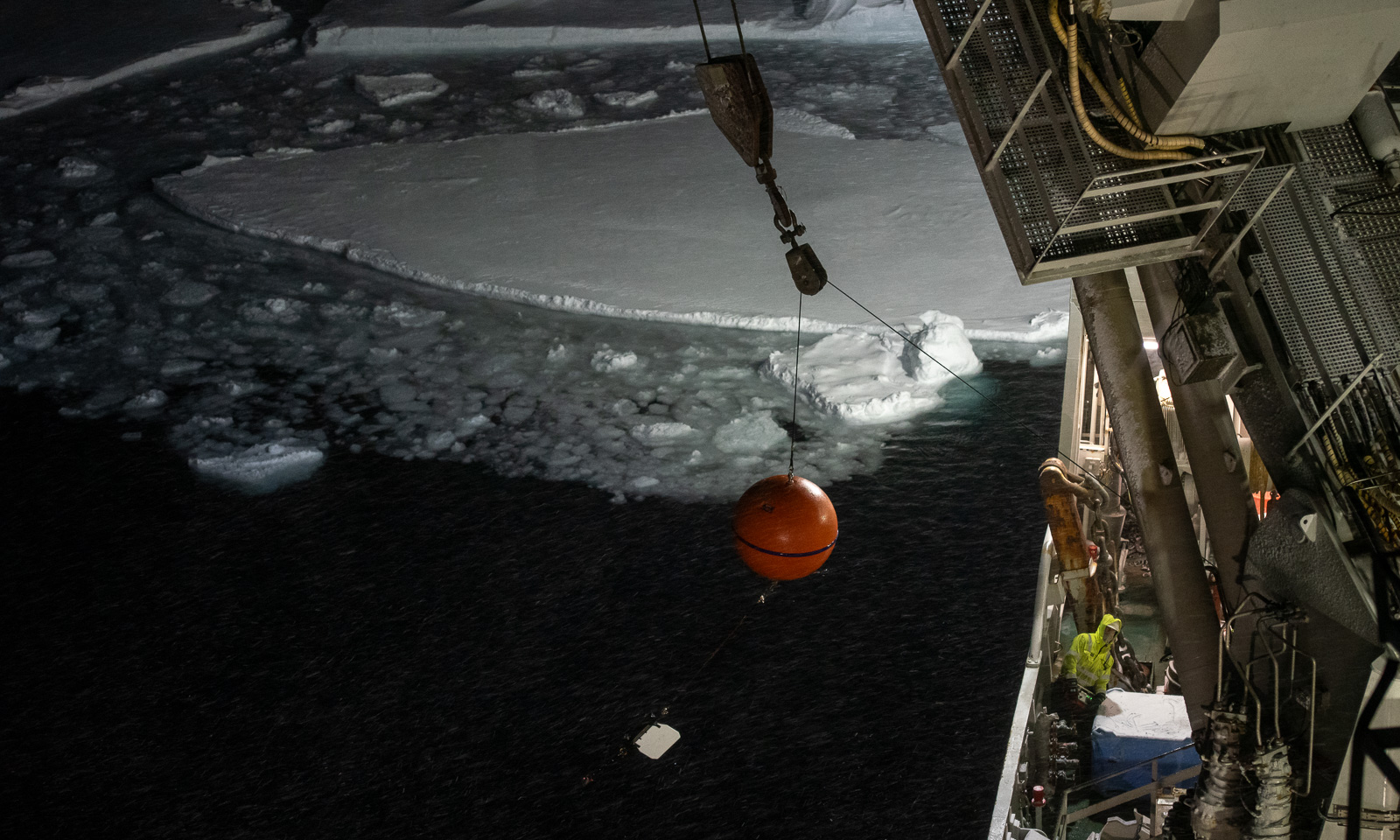
The polar bear is gone. The dinner has been eaten. Now it is time to recover F12, another mooring which is underwater and has measured a variety of values for 14 months. The ship’s echo sounder has already located it, so it has “only” to be released from the ground. There is only one issue – there is a lot of ice and to recover the mooring, open water is needed. The helmsman has already circled the icebreaker several times to create an ice-free area. When the mooring is finally released, the air-filled buoy pops up in the water, just two metres away from the searchlight. Chapeau! I mentioned in the last article the joint effort that is needed to get such a mooring with more than 1800 metres of Kevlar cable equipped with instruments from the sea onto the ship.

17 October

When there is ice, it’s an opportunity for an ice station. Again, this is teamwork. Besides the scientists on the ice, you need a polar bear guard with a rifle on the ice and three bridge watches on the bridge on deck 8 that are constantly observing the surroundings for polar bears, cracks in the ice, fog coming up, and other potential dangers. I handle the communication between the bridge and the team on the ice, and luckily nothing happens. The only thing I have to do is to keep track of the people who are on the ice.

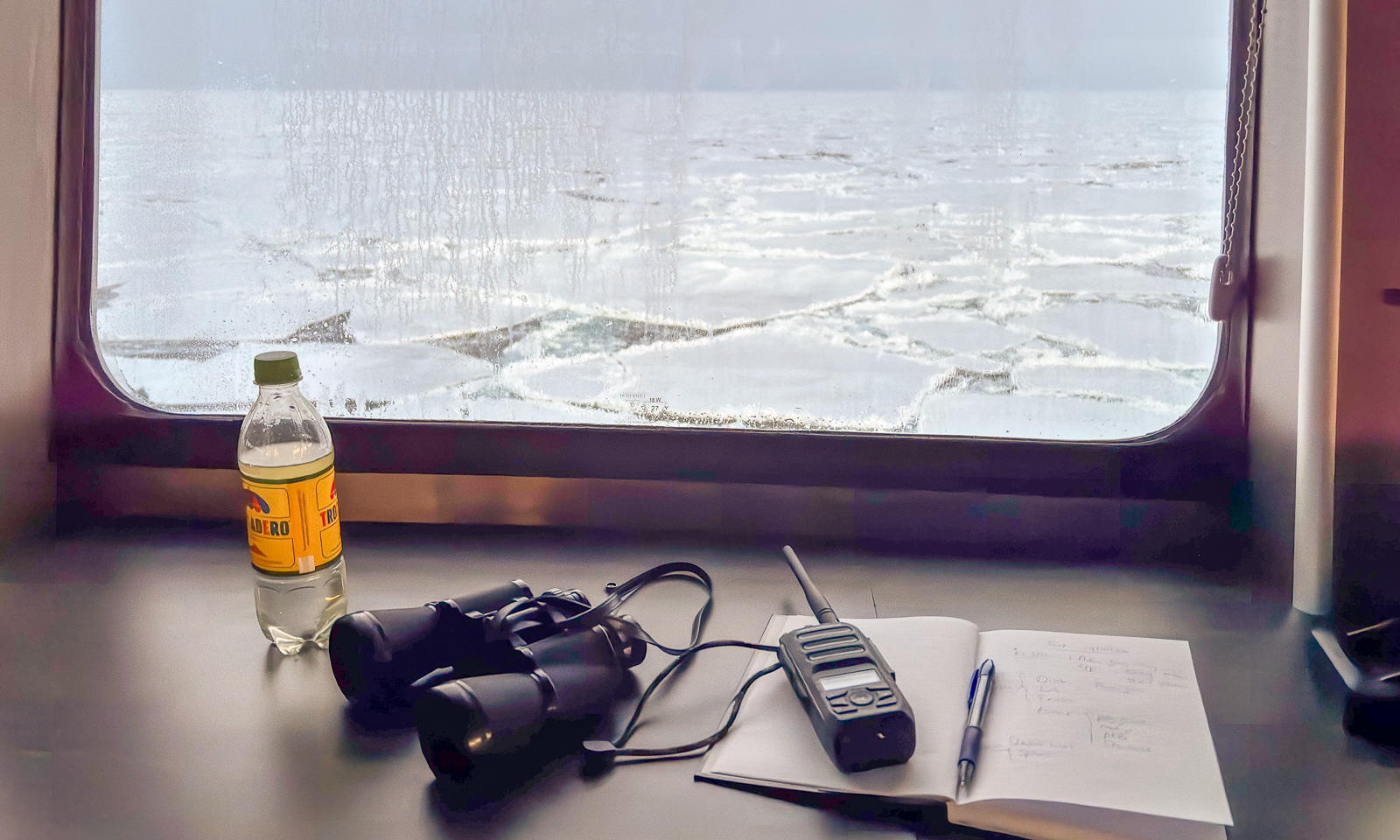
There are my things: A bottle of water, my own binoculars (I have had them for more than 40 years), a VHF radio for communication and a notebook with a ballpen for taking notes.

I haven’t seen the sun for days, but now, while I am taking the second shift, the sun is rising from a low layer of clouds on the horizon. I can see its reflections in the windows on the other side of the bridge while the ice team works in the ship’s shadow.

For the rest of the day, I do computer work but interrupt it several times just to go outside and take some photos from the helicopter deck, which is on deck 6 at the bow of the ship. You never know how long the good weather will last. I am there while the sun is shining, I am watching the sllloooowww sunset, and I am there in the evening, when it is the ship that is illuminating the ice.

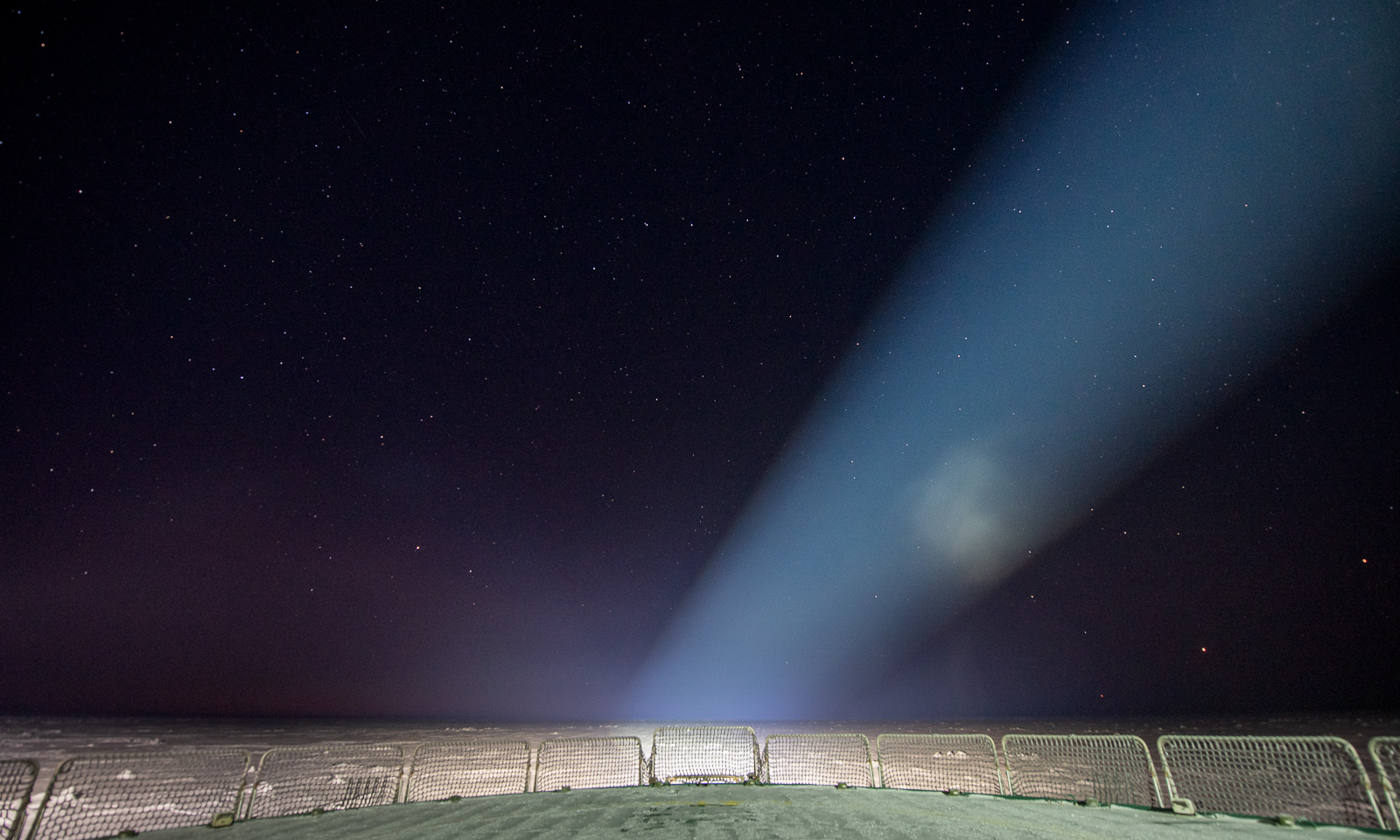
I am already in bed when I see a post in our group chat mentioning Jupiter and Mars. I put my down clothes over my pyjama, put the helmet on my head and go out onto the “helideck” one last time for the day. The night is starry and there they are: Both Jupiter and Mars near the horizon, accompanied by many stars. But there are also big spotlights, which make the view somehow special. The stars are slightly out of focus, but I am showing a photo nevertheless.

18 October

Another day – another ice station. I will do the first bridge watch and then go onto the ice myself to fly a drone. Around 10 o’clock, the team enters the ice.

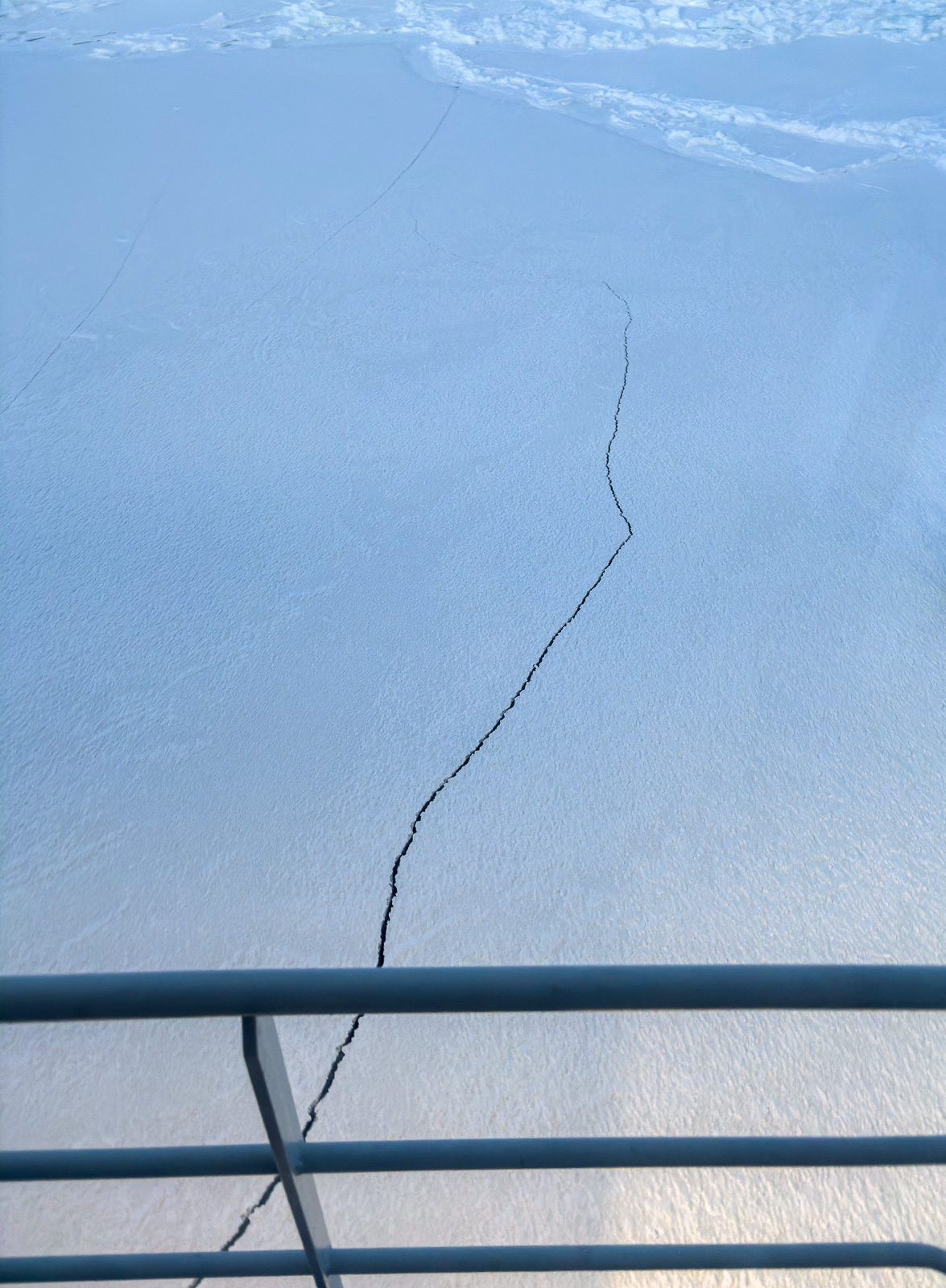
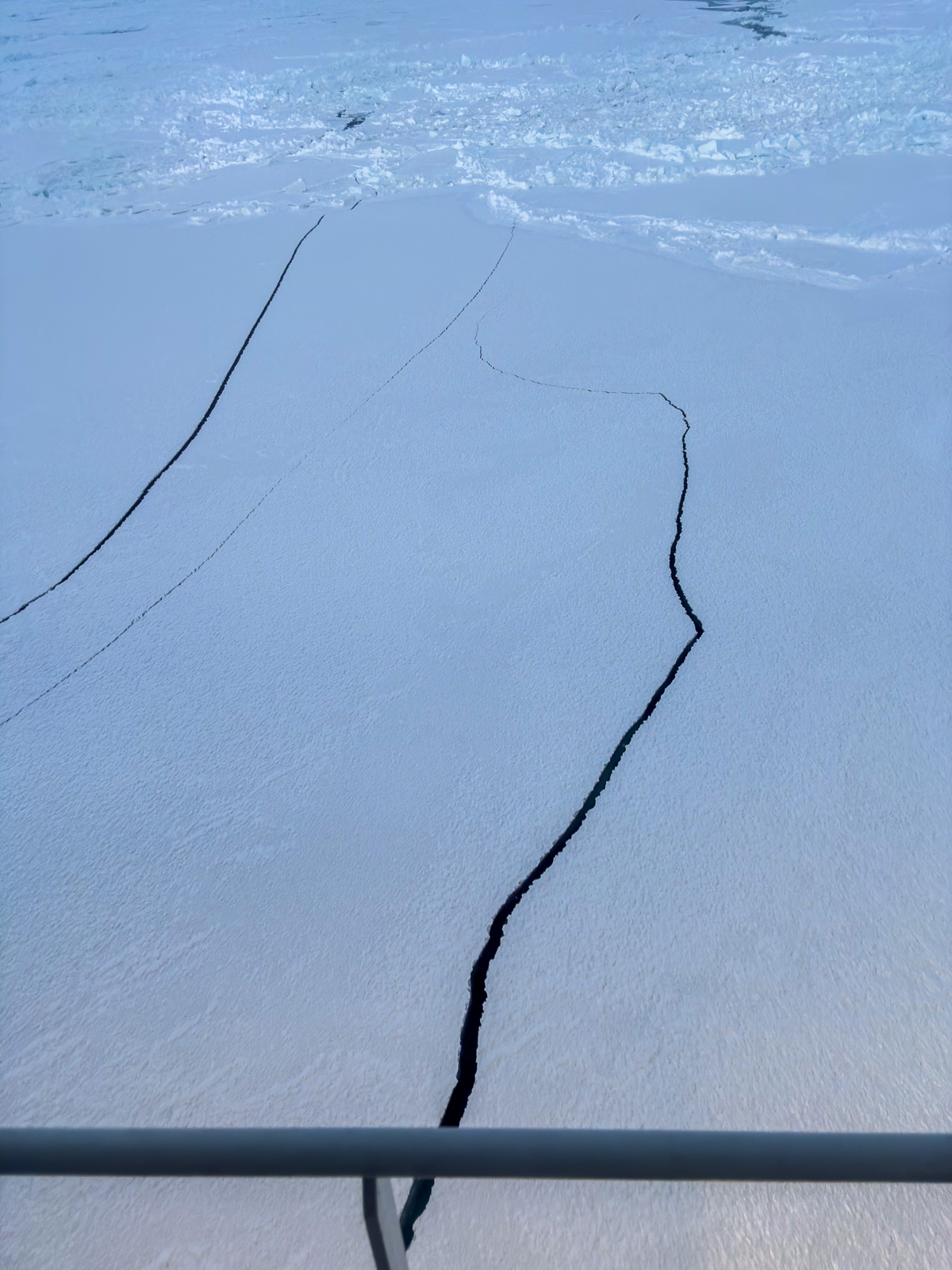
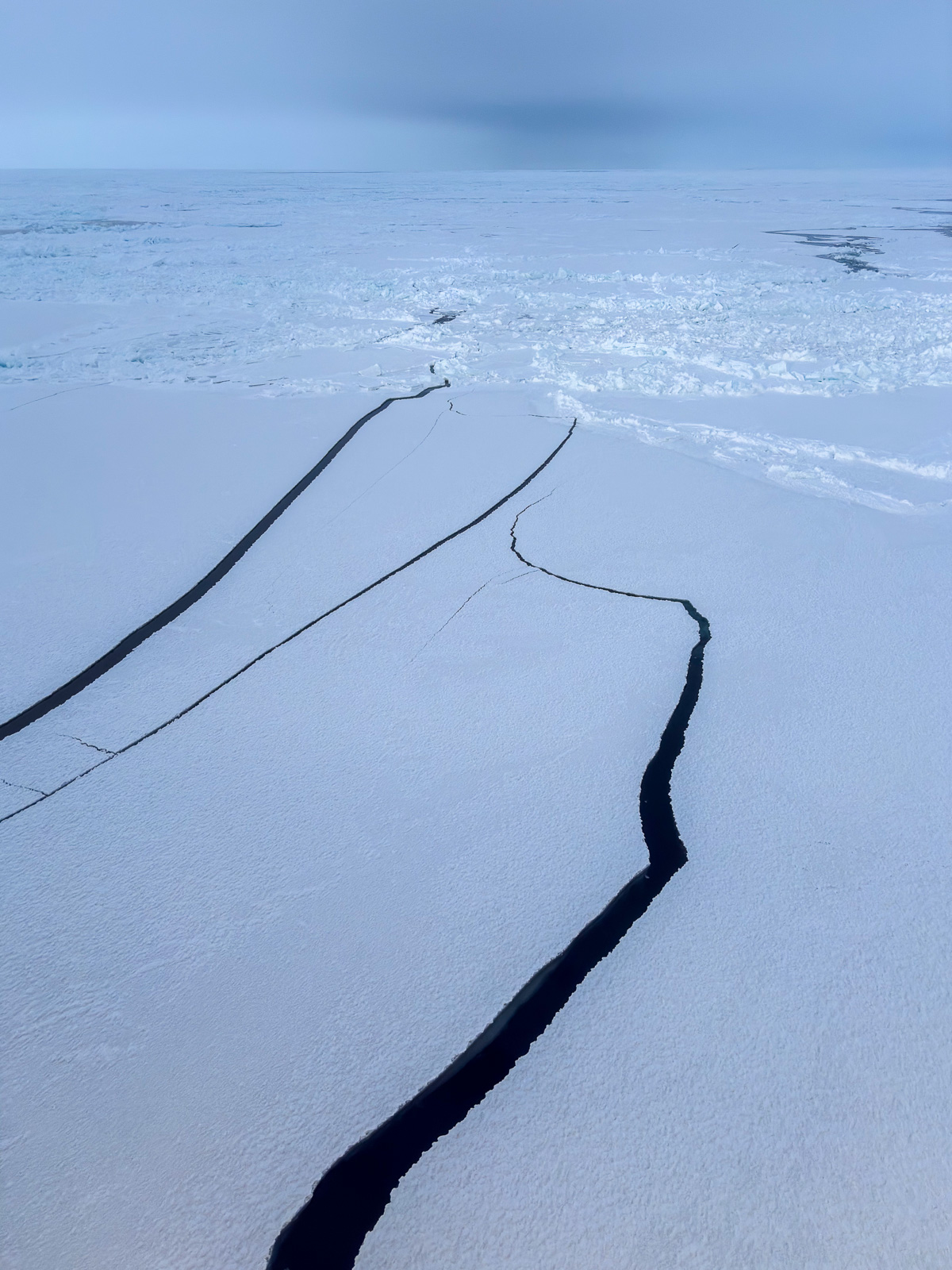
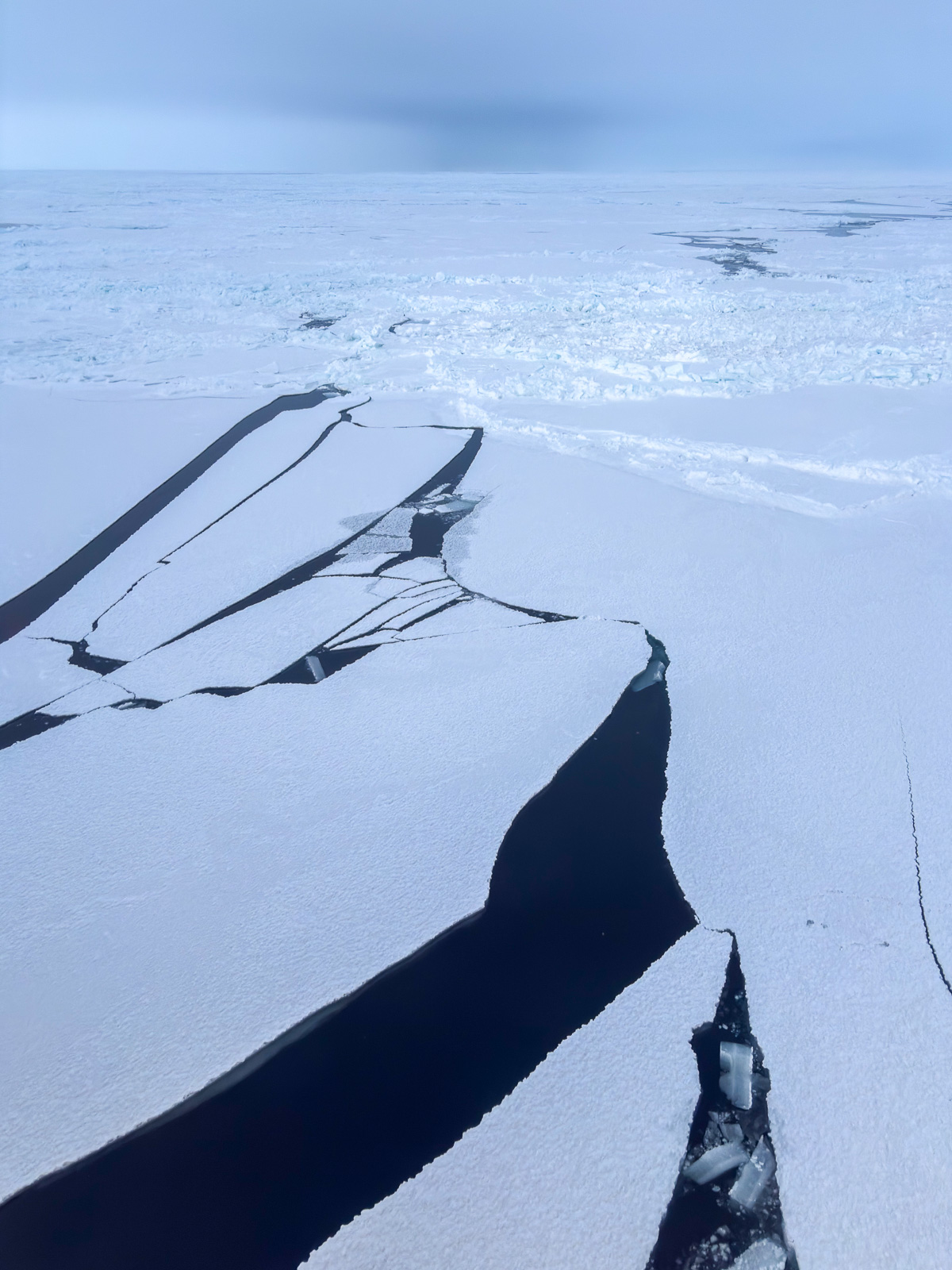
Two things are certain on an expedition with the icebreaker Kronprins Haakon. All meals are on time. Everything else may and will change. This time, it is a crack in the ice that I observe. I inform the team on the ice. I have to give several updates, because more and more cracks appear. After less than half an hour, both the team and their equipment are safely back on board, and the ice station is aborted. Between the first and the last of the following photos lie 18 minutes.

After lunch – the second try. I may join the team in the beginning, because, although the conditions for drone flying are not the best (mediocre visibility, low temperatures, high humidity), the winds will increase in the afternoon. It’s now, or never.

Fifteen minutes later, I am on the sea ice. At first, I let the drone fly at an altitude of only 2-3 metres for two minutes. I land it and check the propellers. Are they free and able to move? Is there visible icing? What about the battery? Luckily, everything looks fine. With a new battery I lift the drone up to 65 metres to fly a zigzag pattern to get a mosaic of photos to be stitched together later. The flying itself works pretty well, although I get some wind warnings on the display of my remote control. I have some minor issues with the camera gimbal and take another flight to get some backup photos. At the very end I take a snapshot of our icebreaker.

And a selfie or two. I am wearing a survival suit and a helmet from the Norwegian Polar Institute, a woollen sweater I bought in Longyearbyen two years ago and a balaclava knitted by my friend Christine.

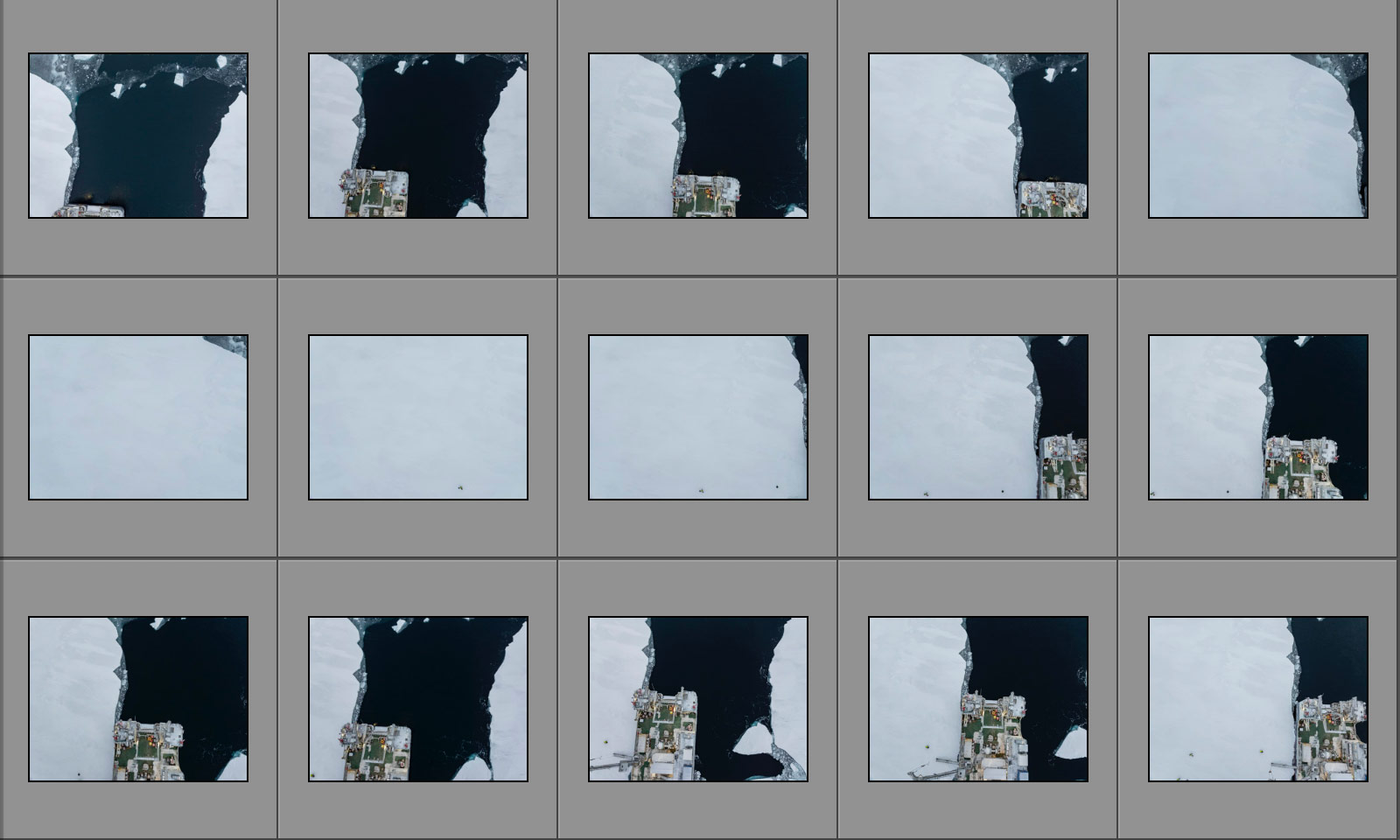
When I have finished, I leave the sea ice. After redressing and a small break I take another bridge watch. Nothing happens, and so it should be. The exciting part comes thereafter. Are the photos – 126 in total – suitable for an orthomosaic? I mean, the single shots look like this:

An then, the relief: WebODM, the software successfully stitches together the photos.

Why does the image has this odd angle? Because it contains spatial data, so that it can be used in GIS systems. It is therefore aligned north. Here is a cropped version aligned parallel to the ship:

Will there be another ice station? I’m pretty sure. Probably not tomorrow, when we expect another strong gale, with wind speeds above 20 m/s. So I don’t know what will happen tomorrow, apart from one thing: all meals will be on time.

Into the ice, into the storm

This article is part of the series “2026-10: Fram Strait cruise KPH”.

14 October

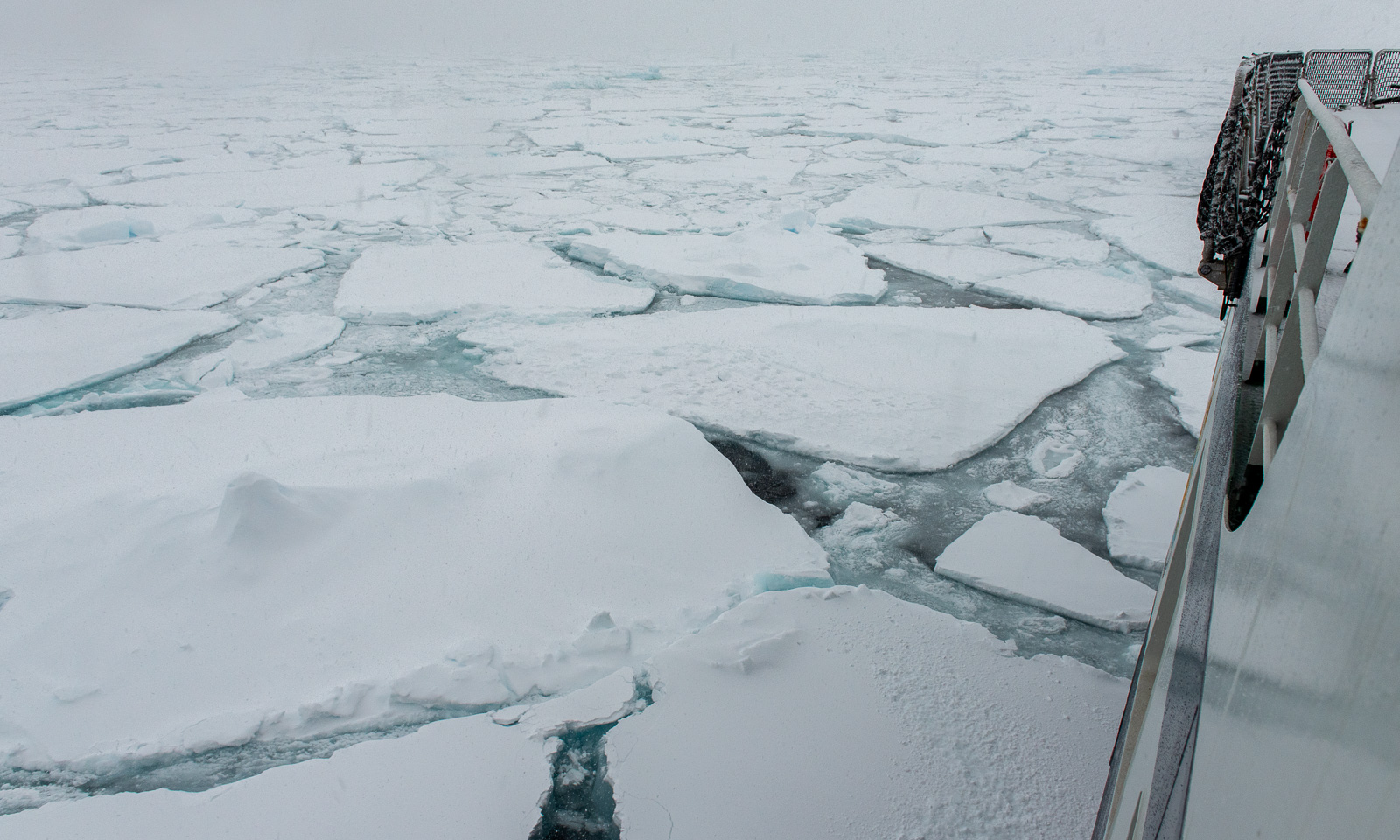
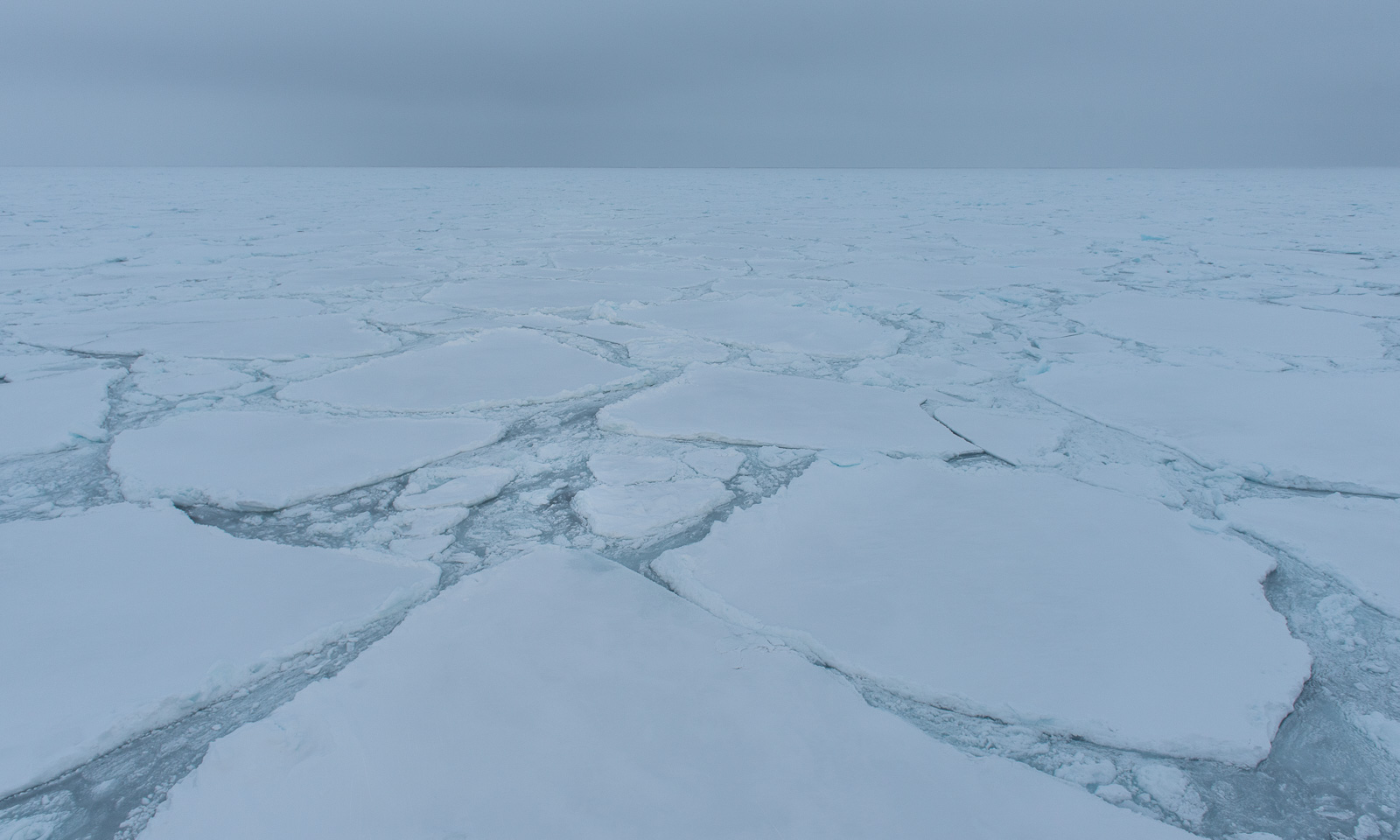
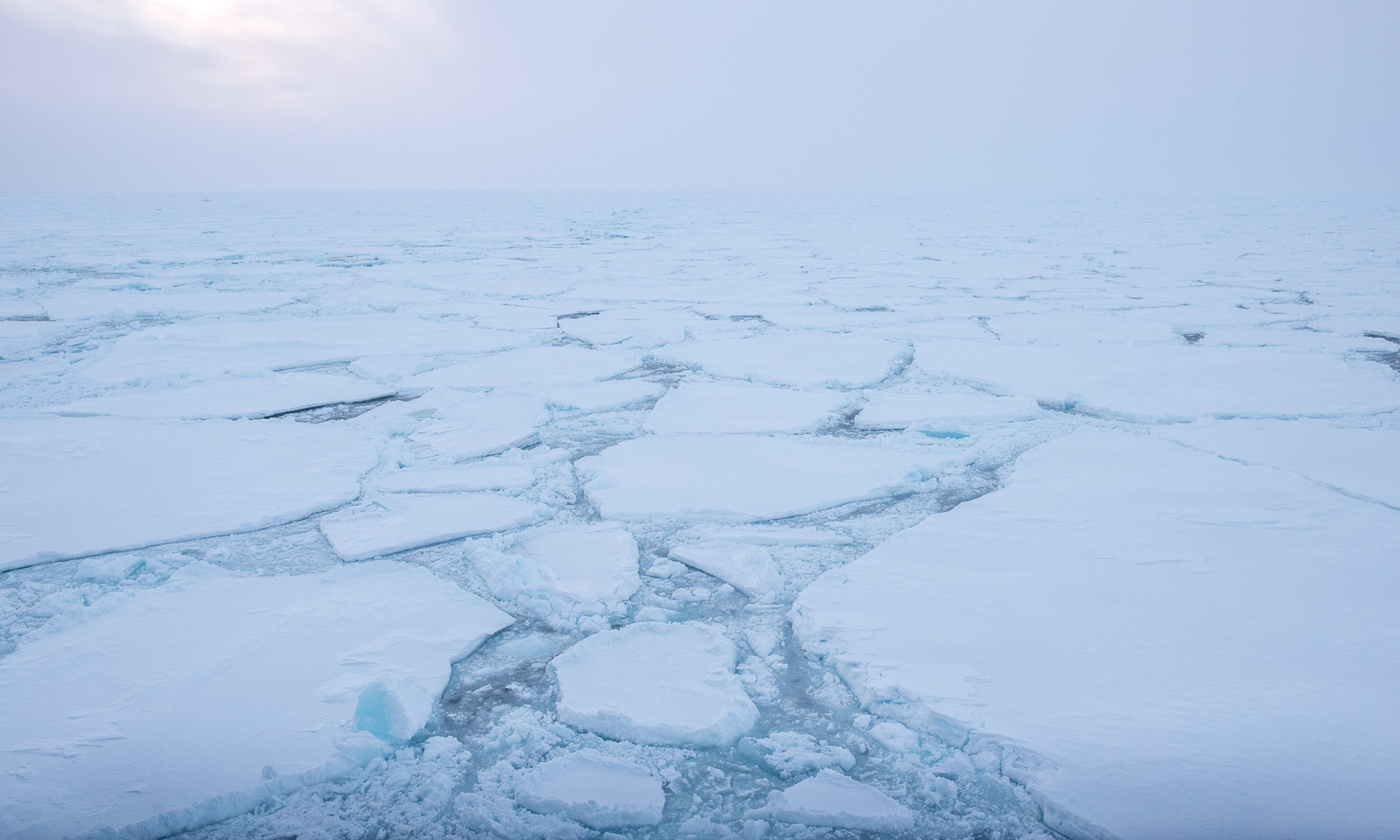
After encountering a small ice field in the morning, we reach the marginal ice zone. So it looks like round 16:00:

Less than an hour later, it looks like this:

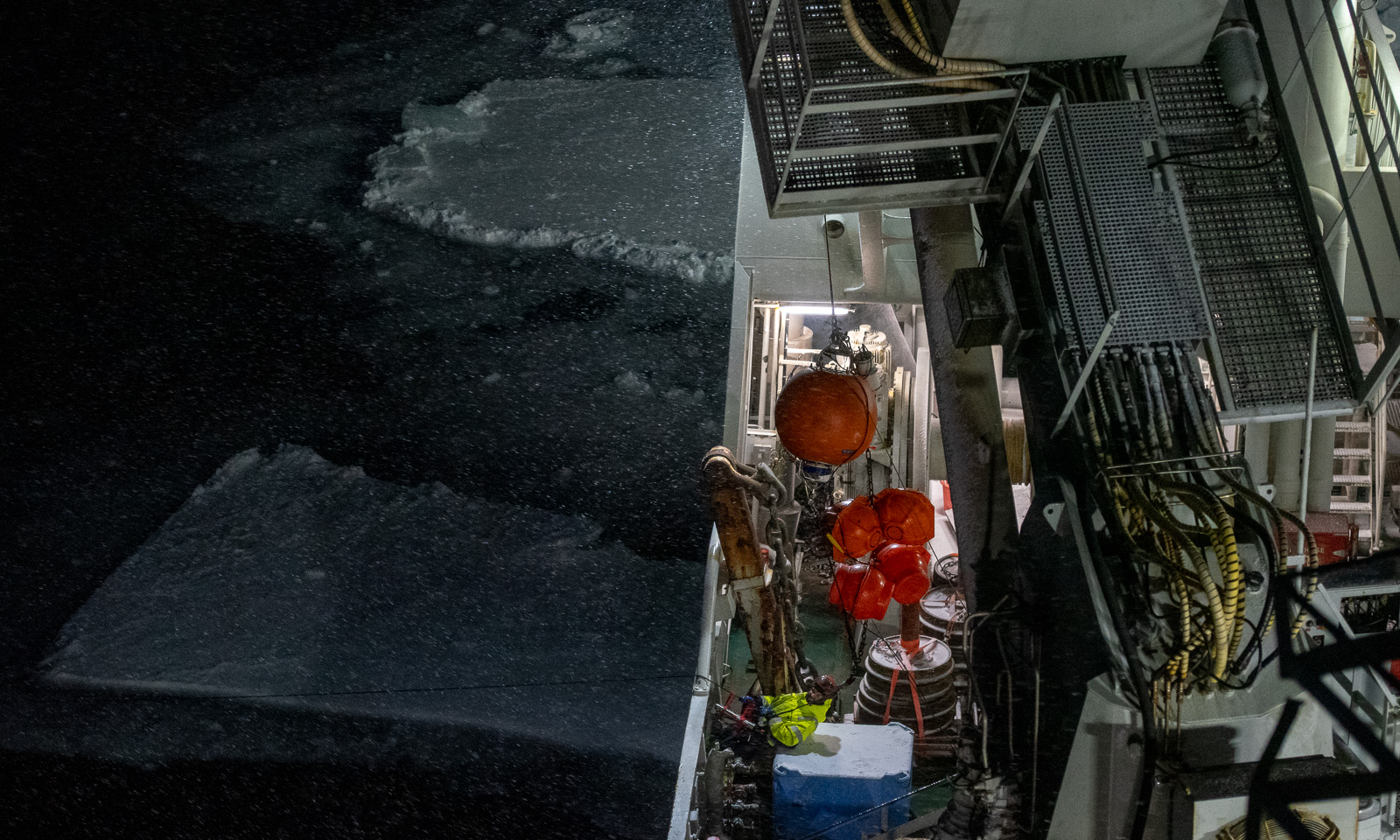
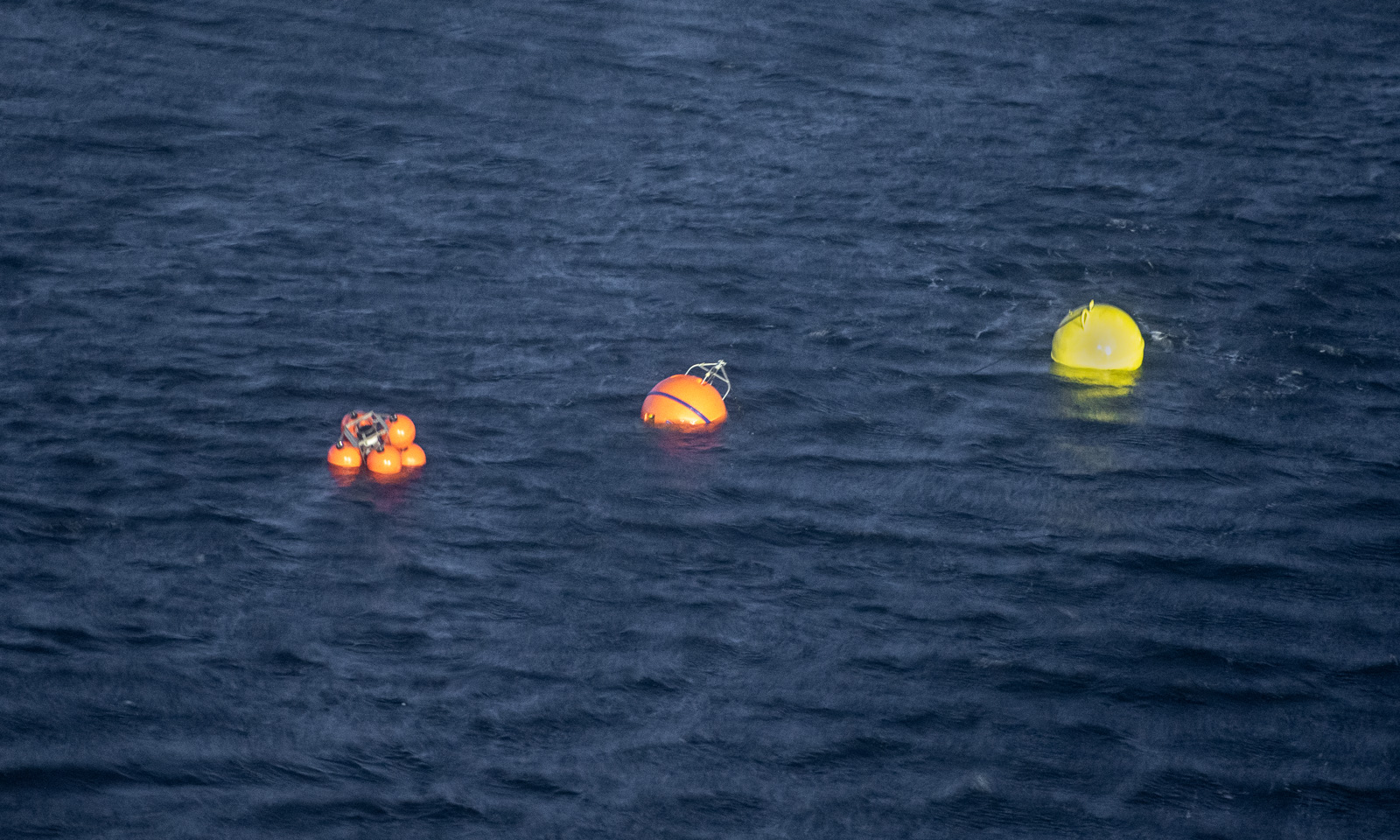
At six o’clock, people are standing on the bridge, peeking into the snowfall, driven by the increasing wind. A mooring is about to be recovered. It has been collecting data for more than a year, and now its release mechanism will be triggered by a so-called hydrophone, allowing the air-filled orange buoys to float to the surface and making the mooring visible. Then it has to be located visually so that it can be towed onto the ship. Not easy, when it looks like this.

The buoy is spotted, and now the long cable, equipped with instruments at different depths, is pulled onto the ship. Not easy, because ice floes drift along and carry the cable with them, bringing them close to the ship, until the cable is released. A new version of ice fishing.

This is a good example of teamwork. You need experts on deck doing the manual work, a helmsman steering the ship with Fingerspitzengefühl, people on the bridge spotting the next buoy, and good communication between these groups. The first activity is successfully completed, with a wow-effect.

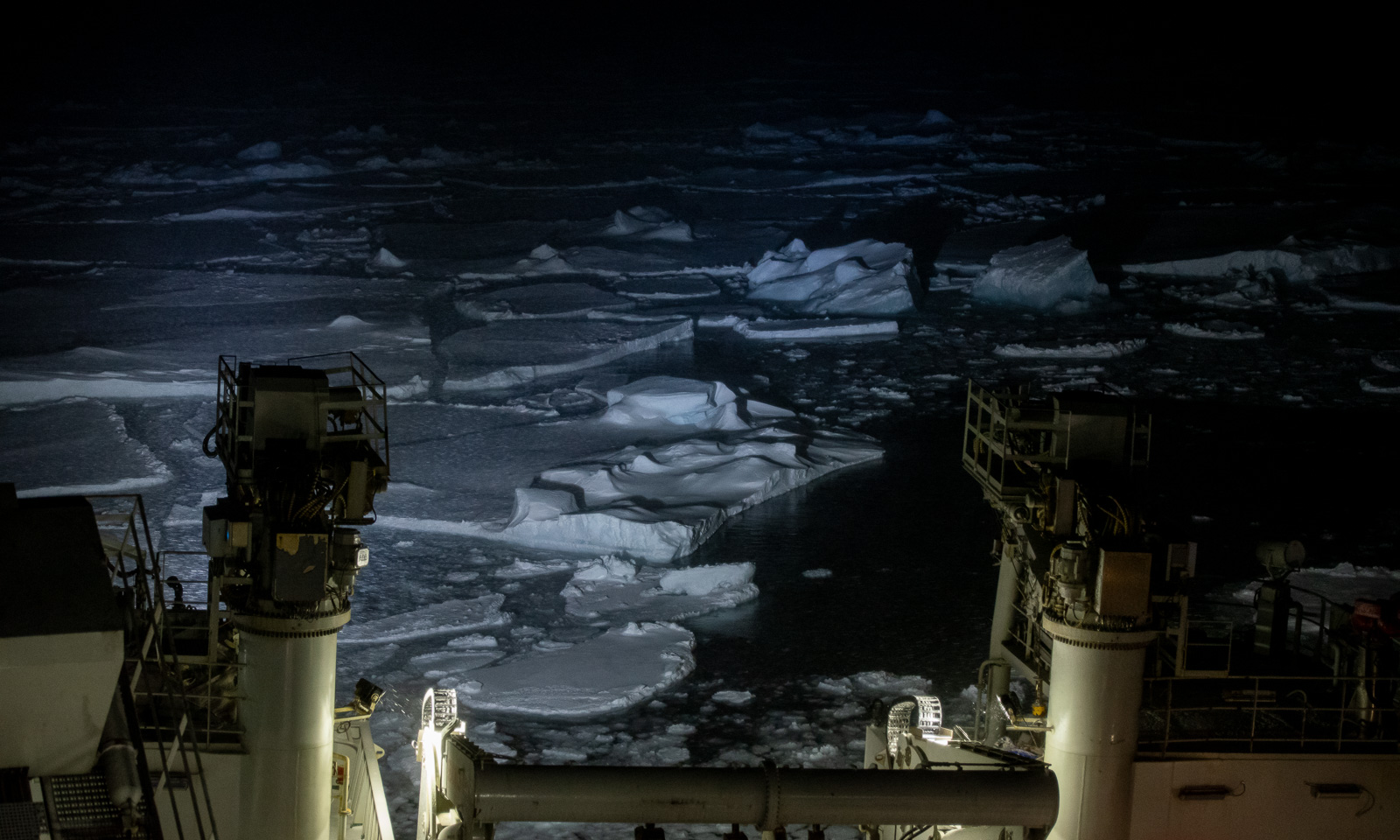
Watching the sea ice illuminated by the ships spotlights has its own beauty. I still cannot get enough from these views.

The weather, however, worsens. At 21:10, the wind speed reaches 20 m/s for the first time that day, and the temperature is dropping as well. It is snowing, and each snowflake leaves a bright trail, like a meteor. How will the weather be like tomorrow?

15 October

Over night, it has become even colder and windier. The temperature -10 °C and falling, and the wind speed is above 20 m/s and increasing. Ice floes cover the ocean. Now I’m glad, I brought my warmest down parka with me.

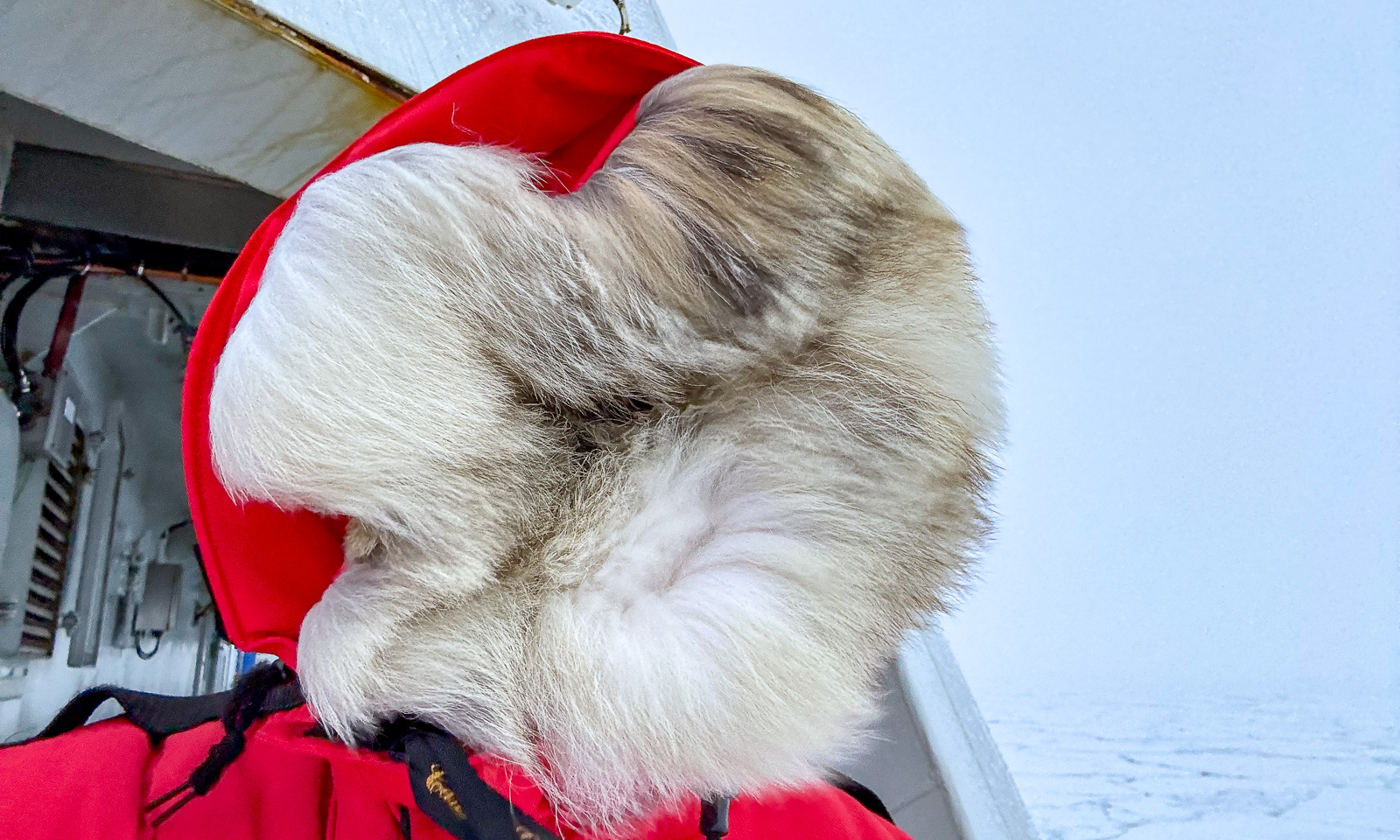
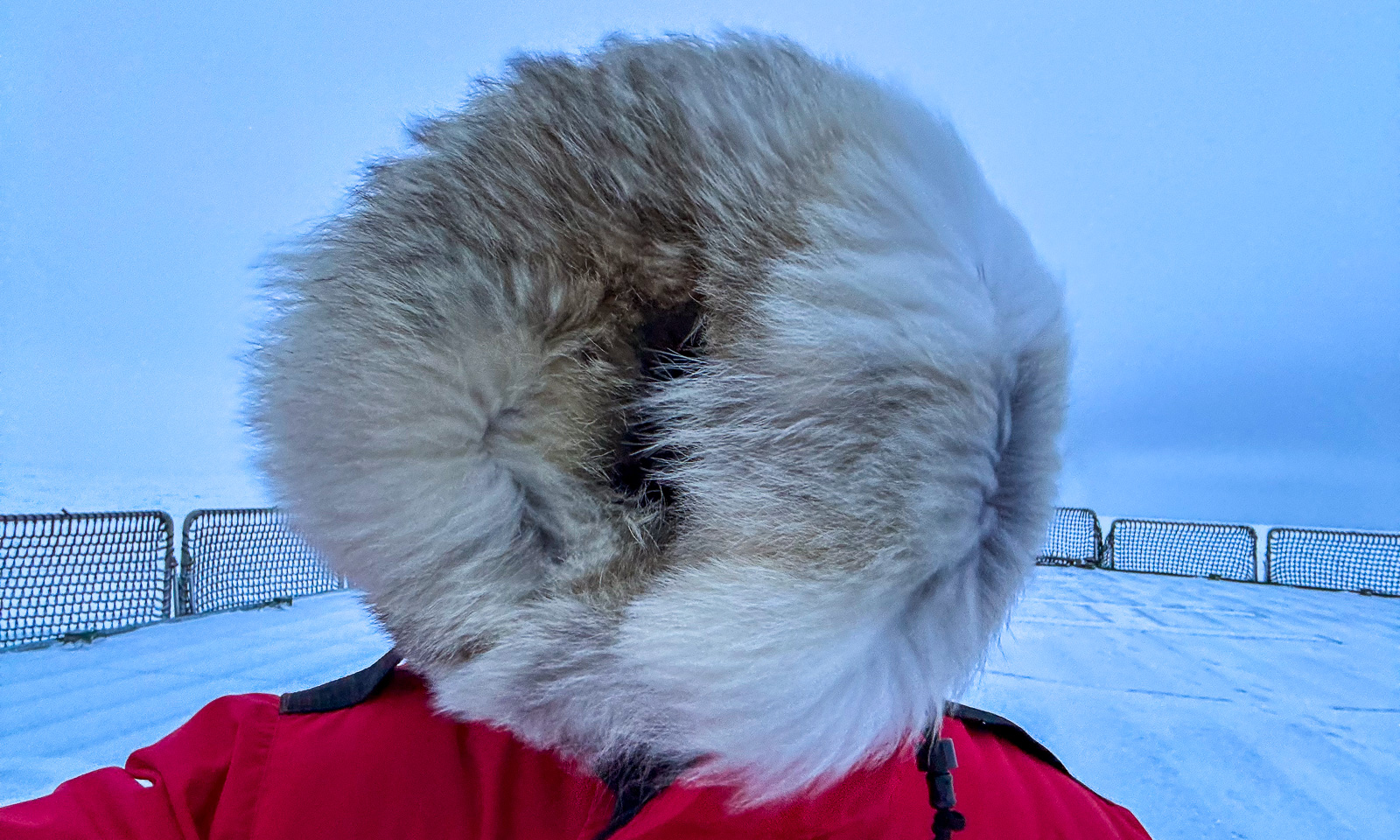
Two CTD casts have been completed today, but then it became too stormy to continue. I go onto the helicopter deck to take some photos, but the wind is so strong, that although I never thought it could actually happen, I’m afraid of being blown overboard. I can’t see much because I’ve pulled up the fur-trimmed hood of my parka to protect myself from the cold, and the wind blows the fur in all direction closing the hood even further.

In the evening – well, I managed to get a shot from the side of the ship, where I was slightly sheltered from the storm. When I went around the corner to the helicopter deck, I had to seek shelter because the storm was too strong. I took a selfie, but in a sheltered corner so that I could stand steadily and avoid getting frostbite on my hand while using my mobile phone.

16 October

At the risk of repeating myself, the weather looks even worse. I wake up at 5 o’clock, and the temperature is -15.4 °C with a wind speed of 26.2. That’s a wind chill of -32.6 °C. In mid-October!

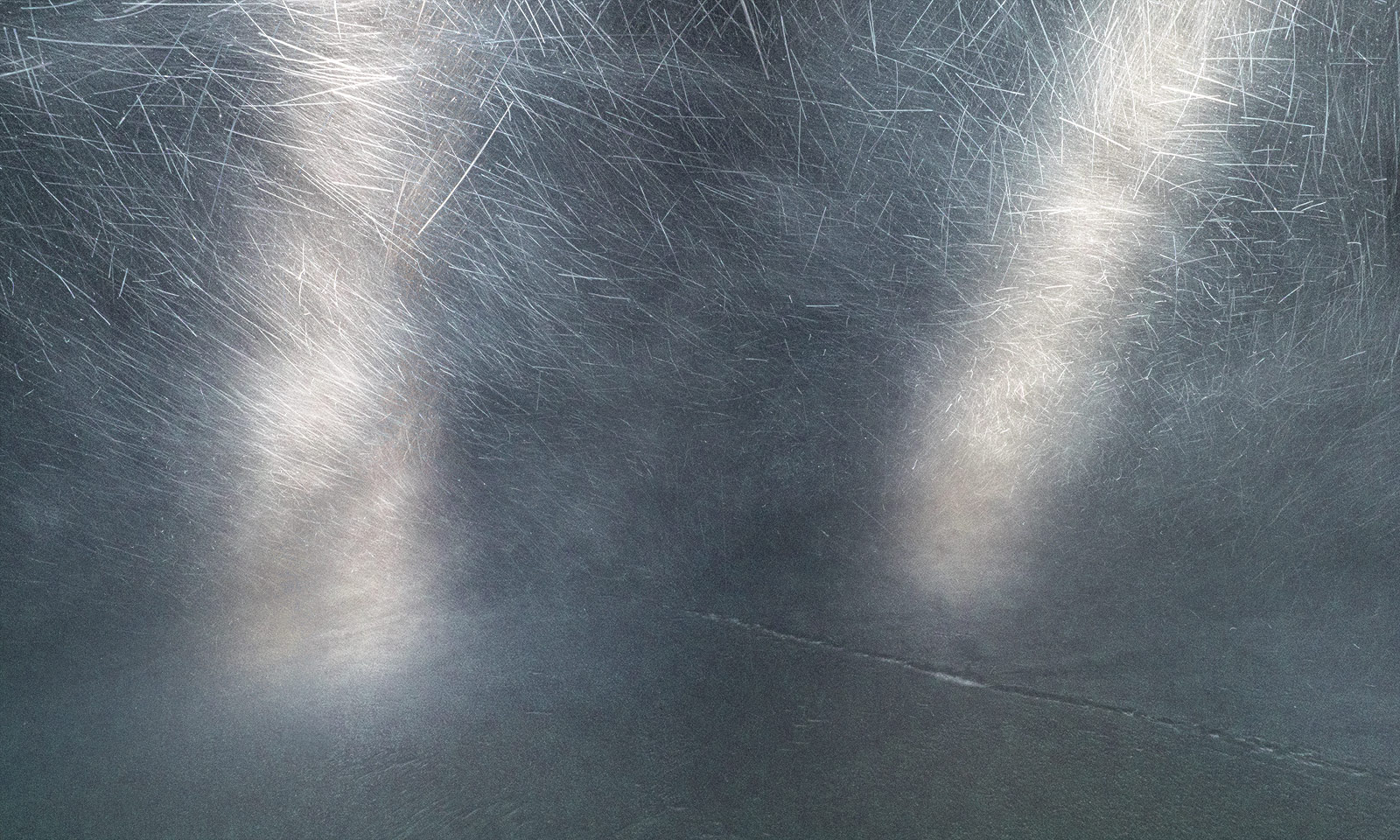
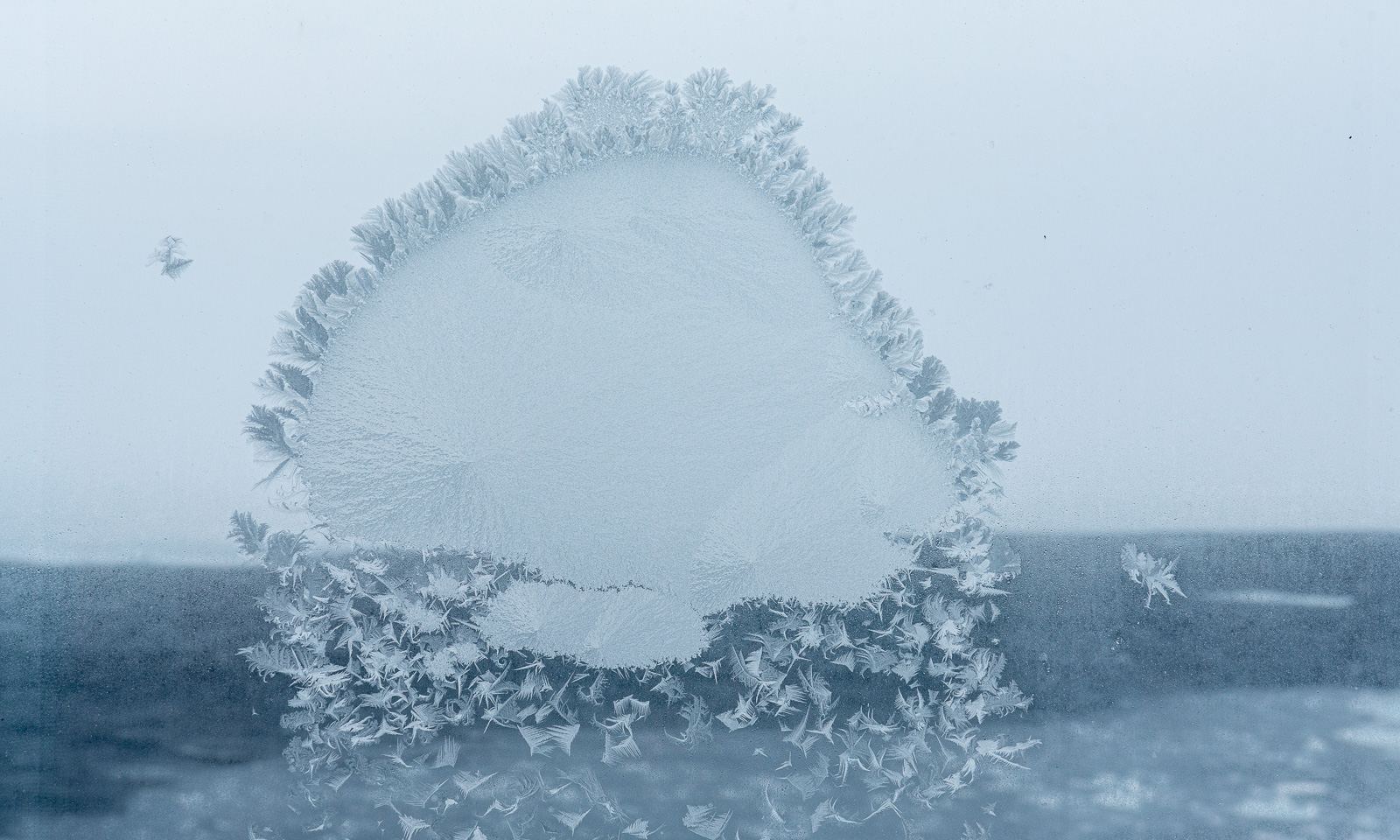
If you have read this article so far, you might get the impression that I am here as a photographer, but I’m actually here as a data manager, and I spend a lot of time at my computer in the Conference Work Room. I just don’t write too much about my computer work here. I am making good progress, but the distractions are there, for example, the frost patterns on the outer windows. This one looks like a jellyfish made of ice.

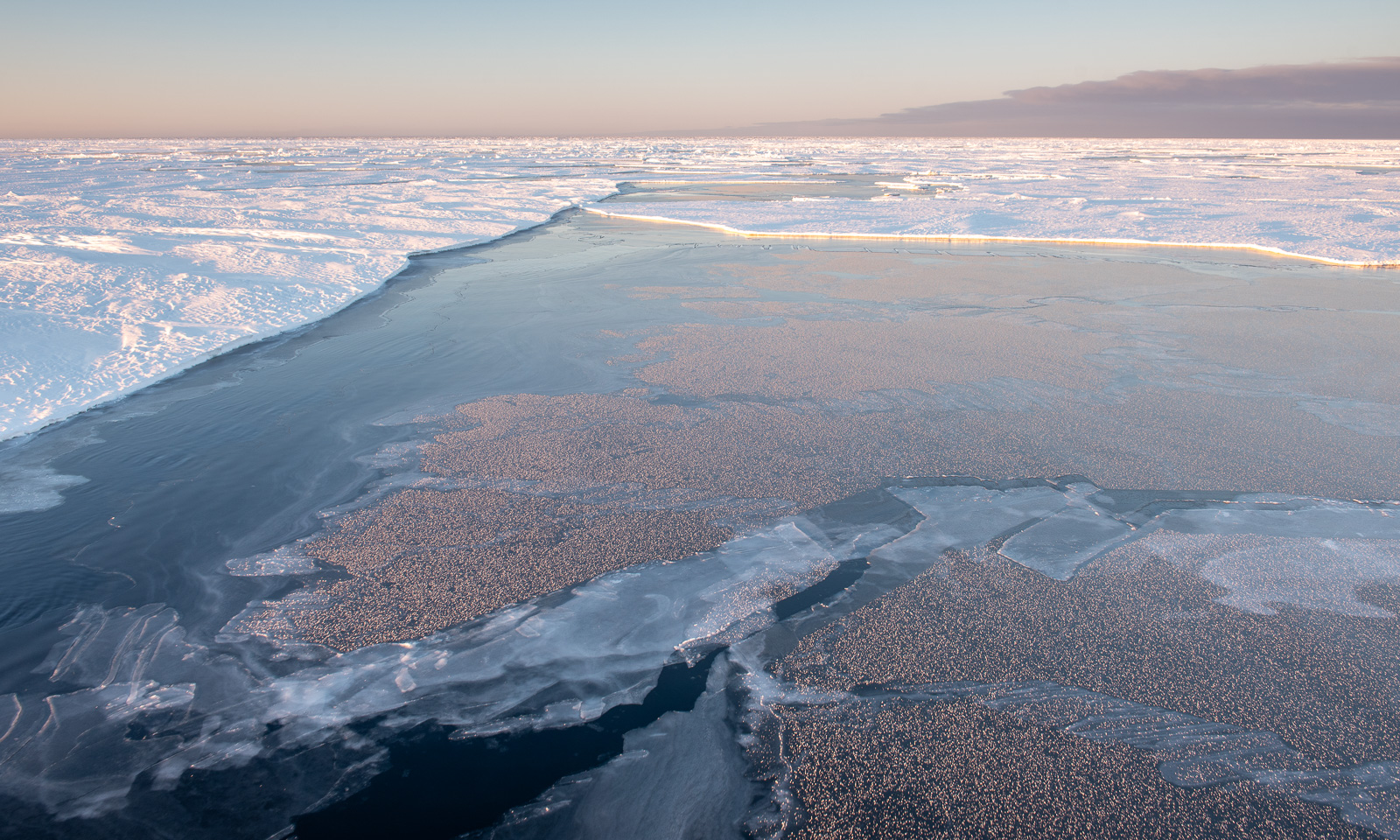
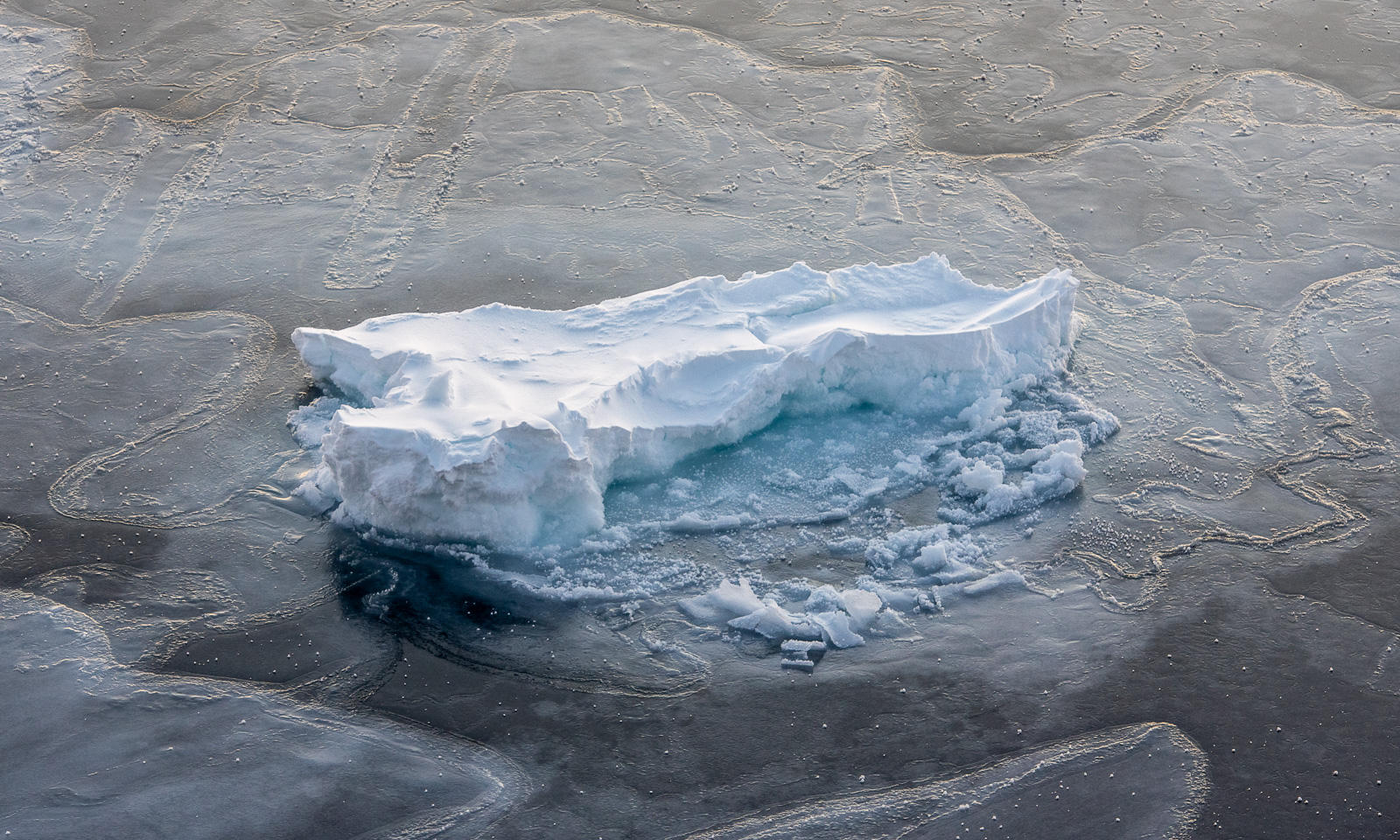
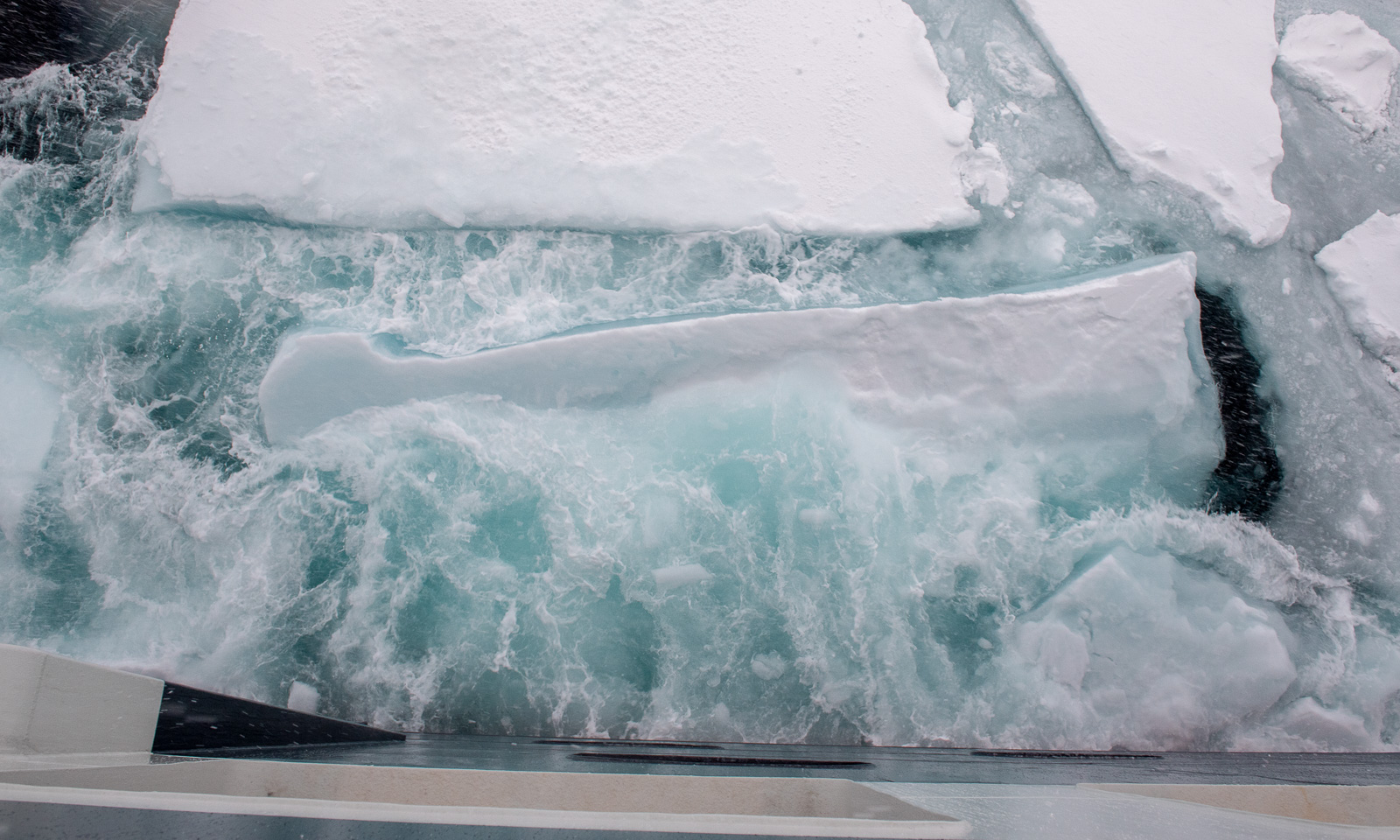
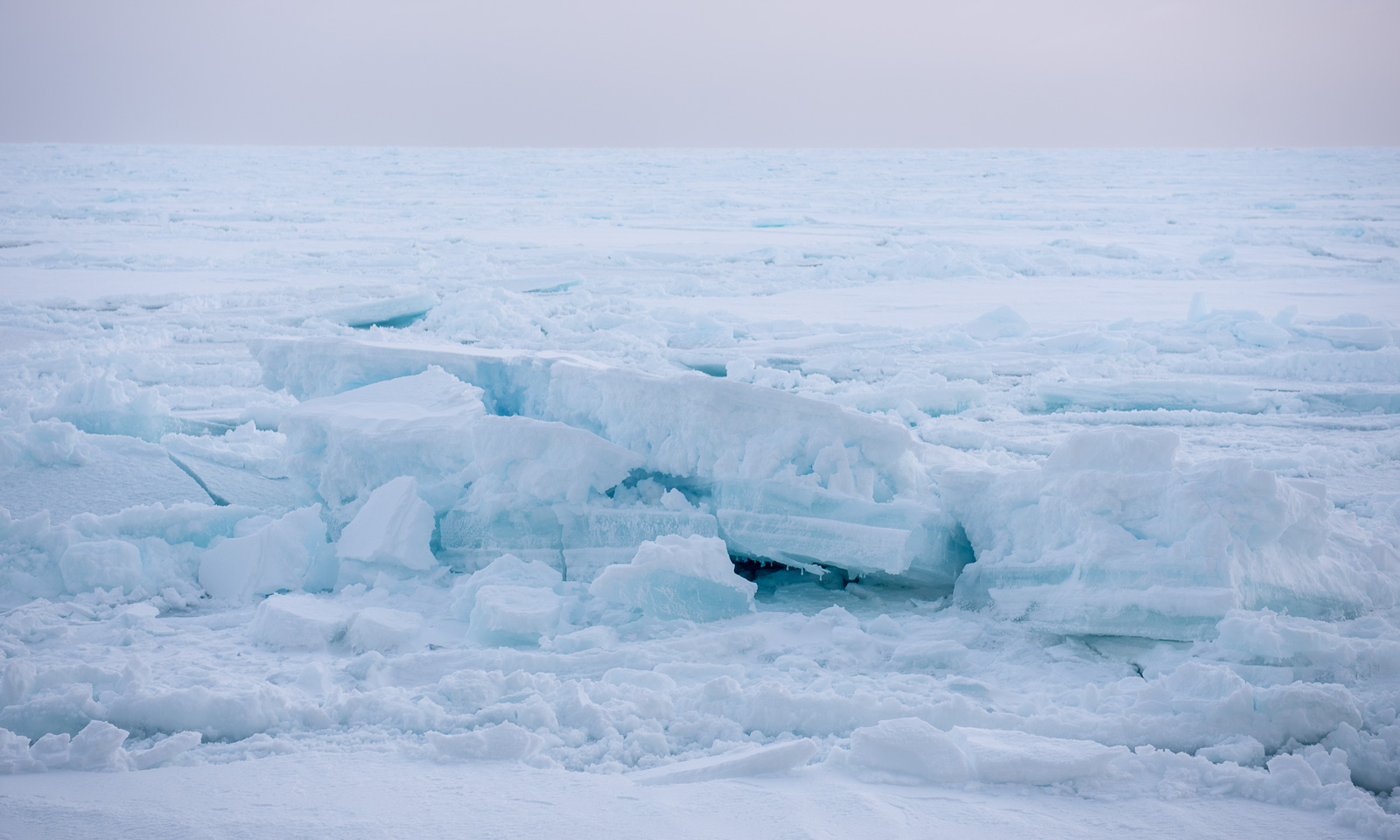
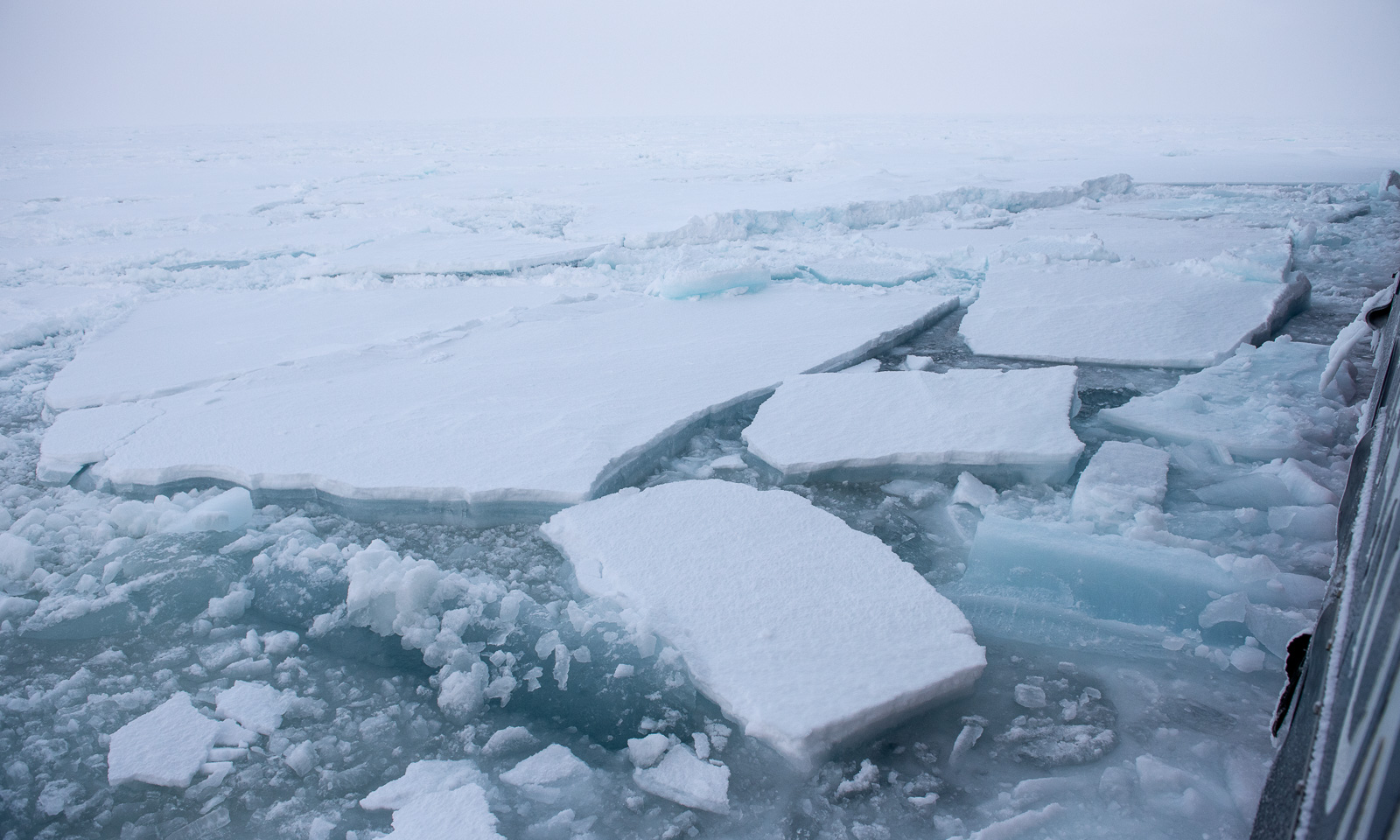
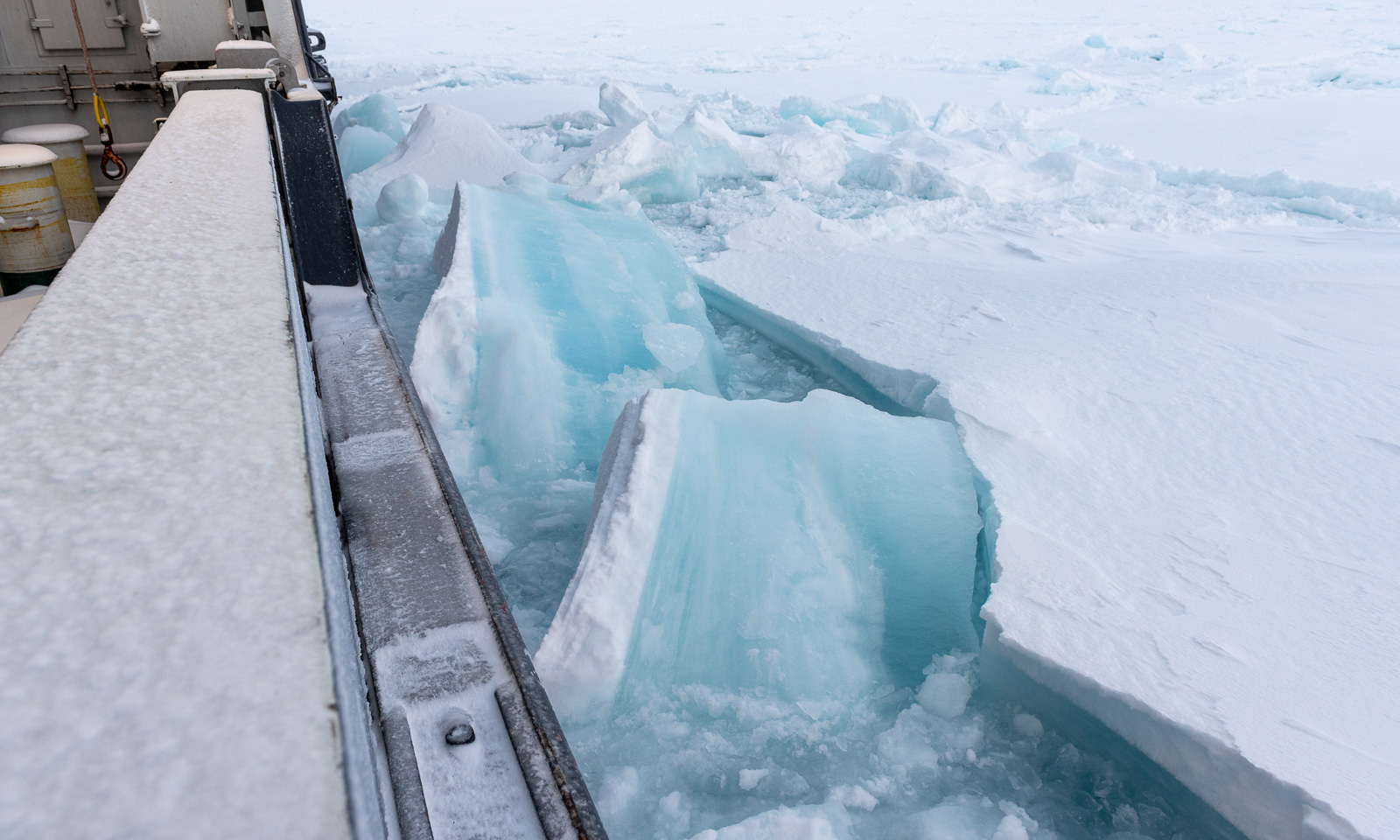
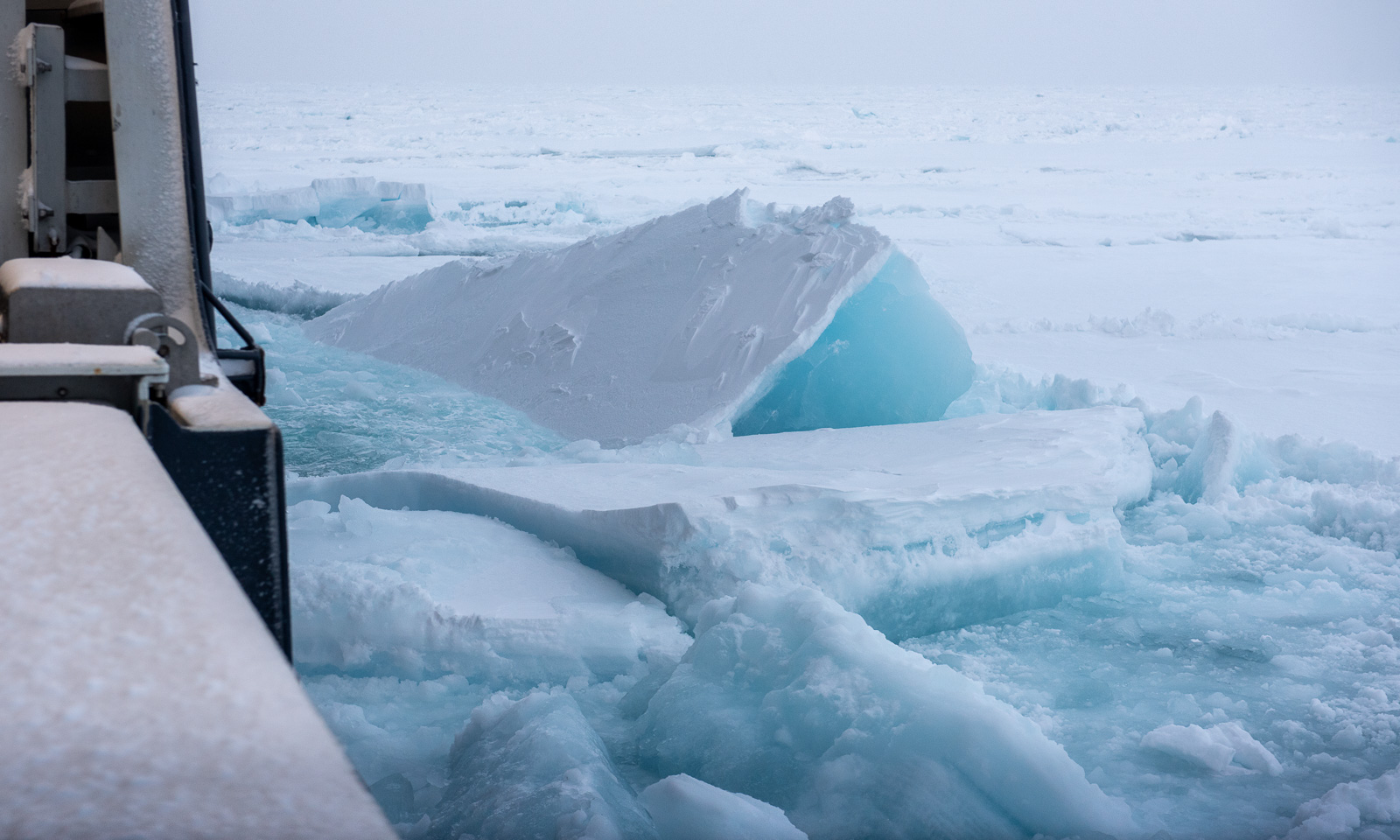
Right after lunch I go outside once more, this time to the ship’s stern, where I had a better protection from the wind. Oh, how I love watching the sea ice gently drifting by or being crushed forcefully by the ship.

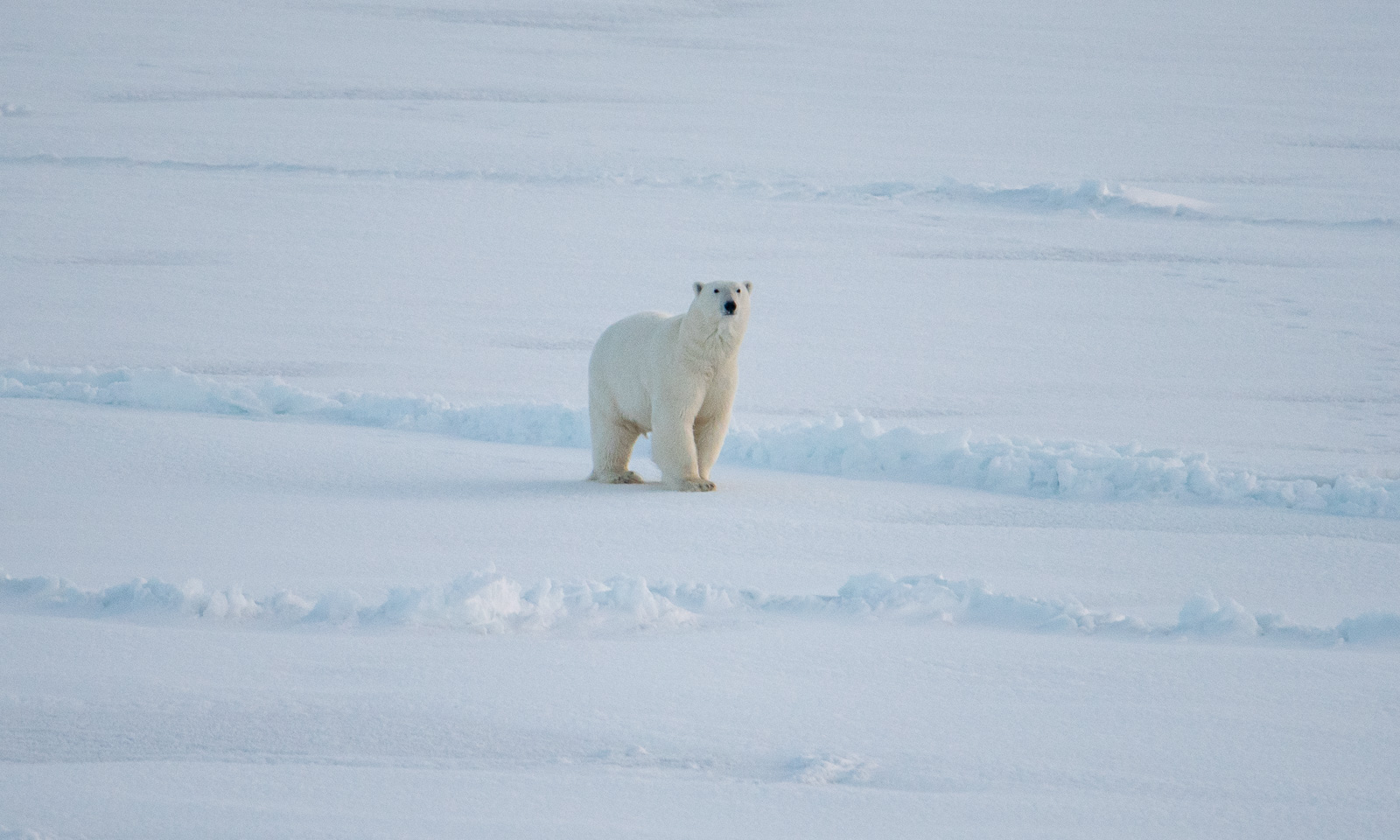
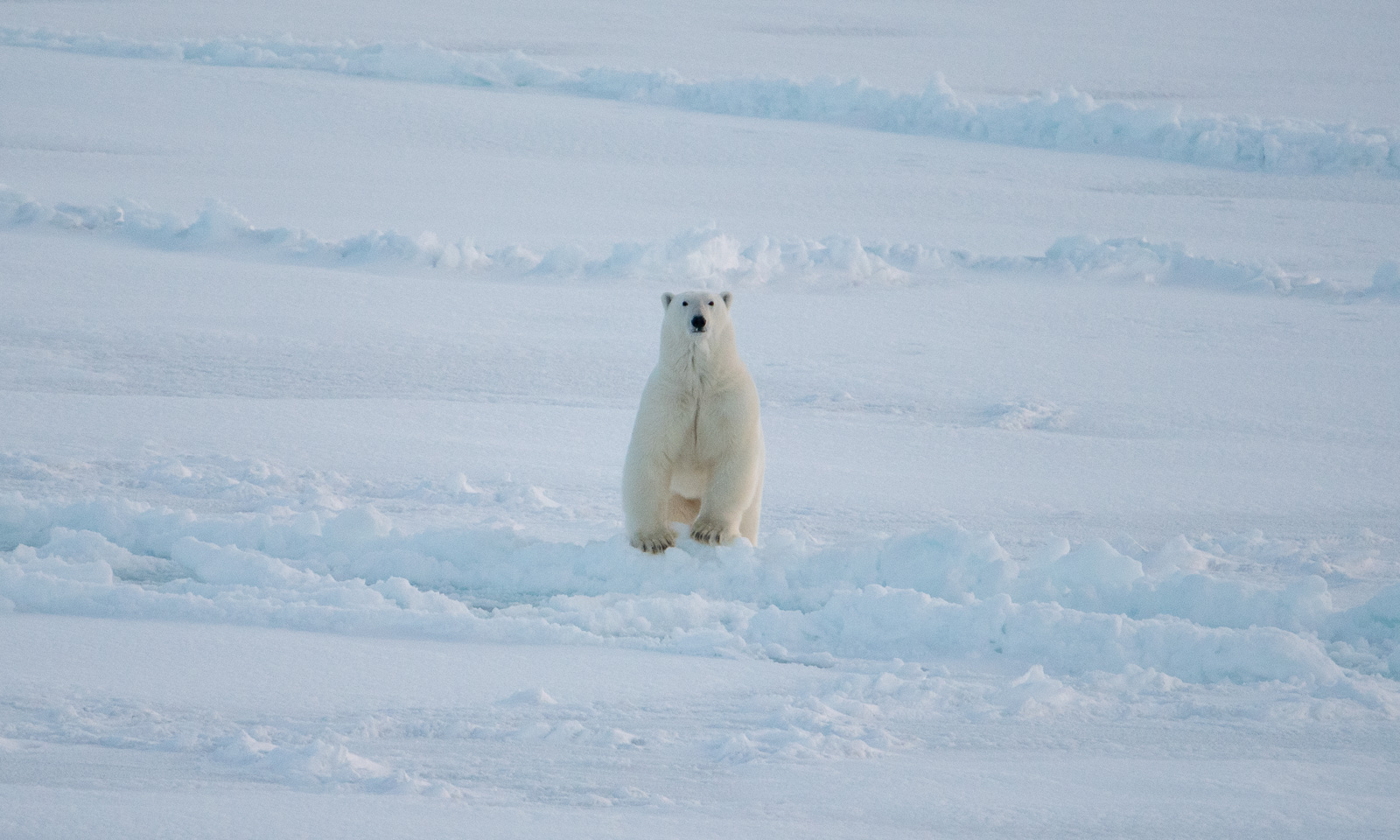
Ok, back to work. I’m almost finished with the day’s work when the others in the room suddenly jump up and disappear. A polar bear has been sighted in front of the ship. It takes me some time to put on my face mask, helmet, down parka, down pants, gloves, and boots, and to mount the big telephoto lens. Only then can I take some photos of the bear in the distance. It approaches at first, but then turns right and trots away.


Flying a drone

I’m sitting on a bench at gate E18 of the Tromsø Airport. E18 means it’s an international flight. I am flying to Munich and will be spending a week in Augsburg. In Tromsø the temperature exceeded 20 °C on only two days in July, Augsburg will be hot with temperatures up to 35 °C. I like summer but this heat is not my thing and I’m longing for cooler temperatures already now. Like 6 May 2023, when temperatures in Tromsø reached only around 6 °C.

On that day I tested a drone of the Norwegian Polar Institute for an expedition. Flying a drone always means having to leave Tromsøya because of the airport restrictions.

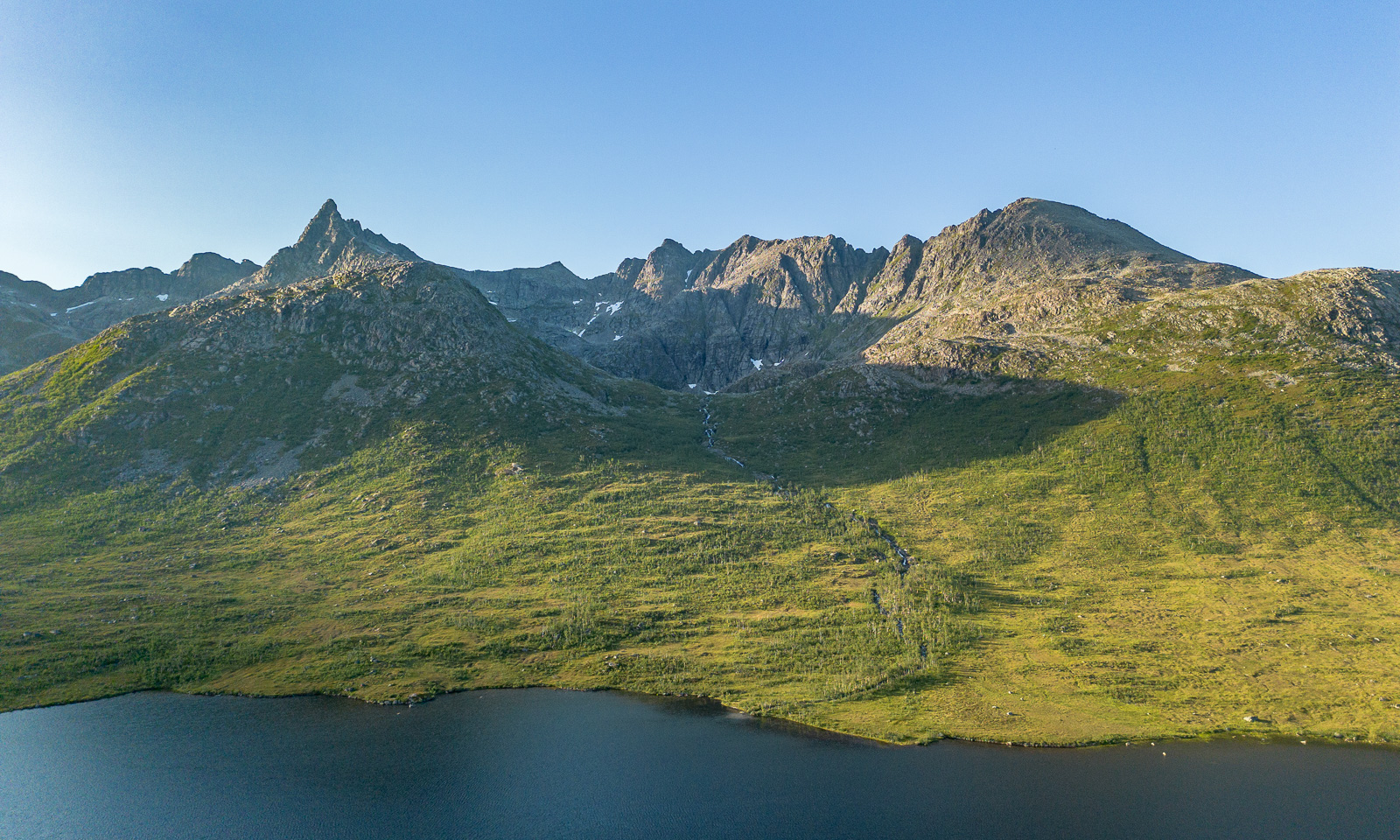
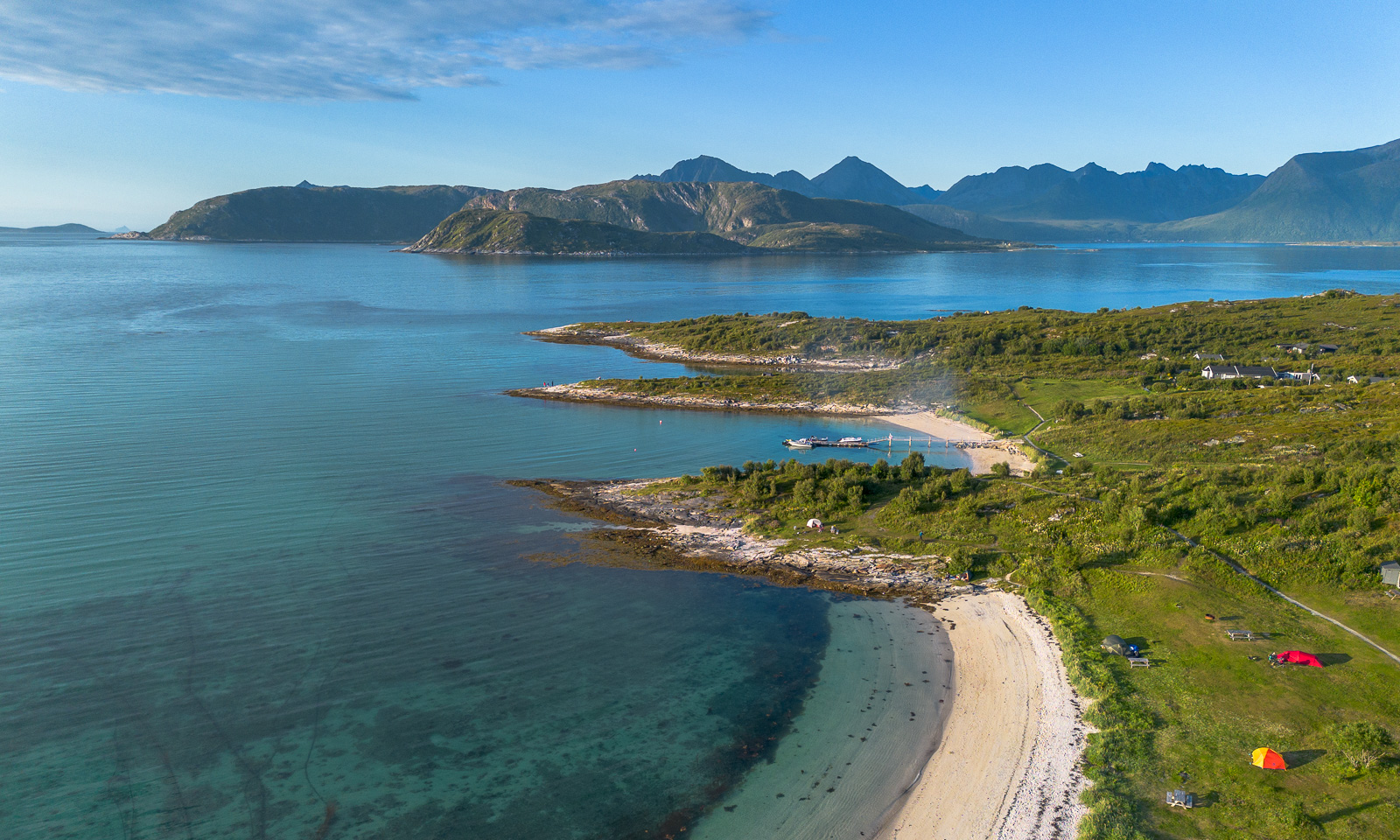
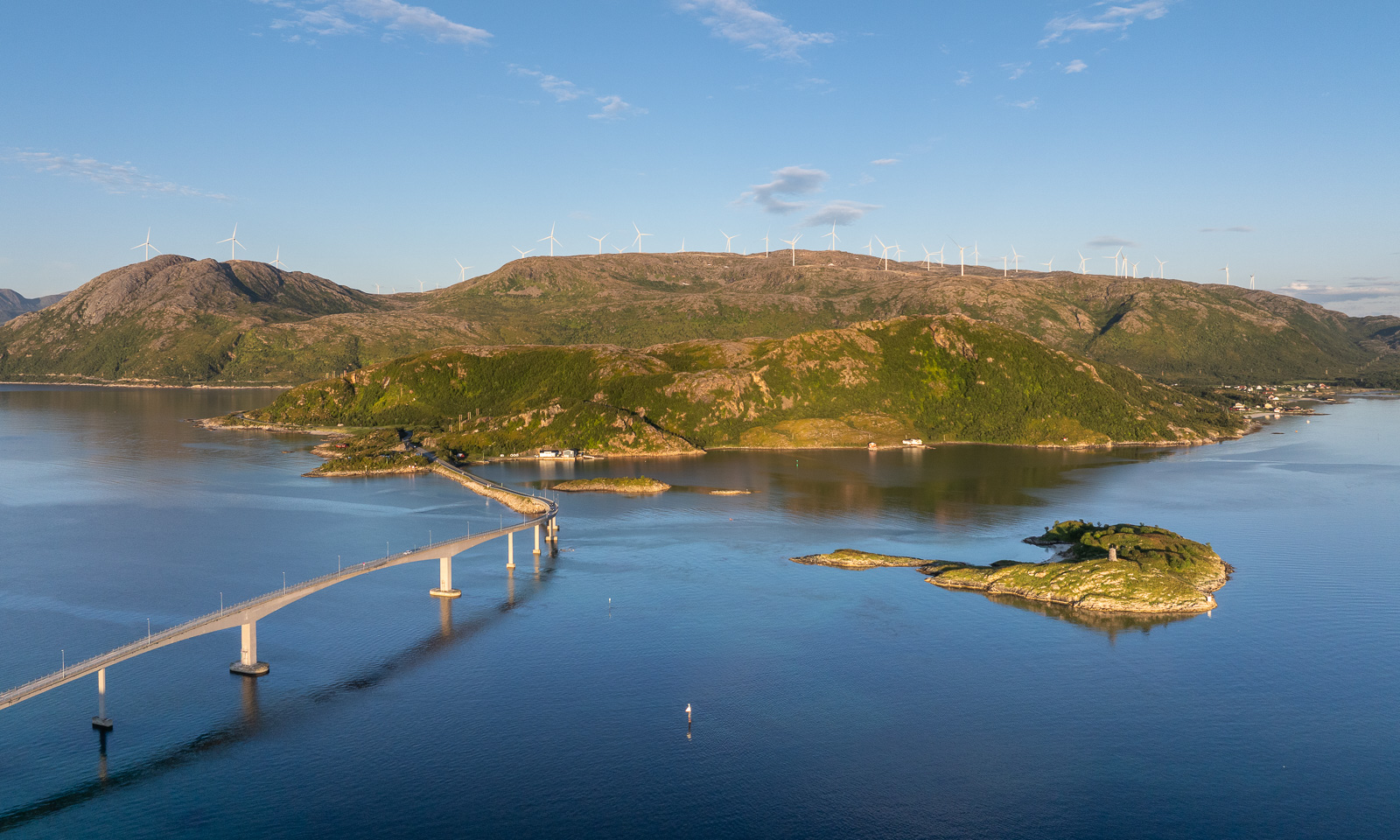
Last week I tested again, this time a newer drone belonging to the Norwegian Polar Institute and a better remote control for my own drone, which I bought second-hand a few days ago. I really like the institute’s DJI Mavic 3 Pro because it is larger, more stable, and has three cameras. But I’m pretty content with my own DJI Mini 3 Pro, especially now with the updated remote control. Under good light conditions they both make great photos. Here is one from Kattfjordeidet, Kvaløya, and the others are from Sommarøya. You can try to guess which drone took which photo. I couldn’t.

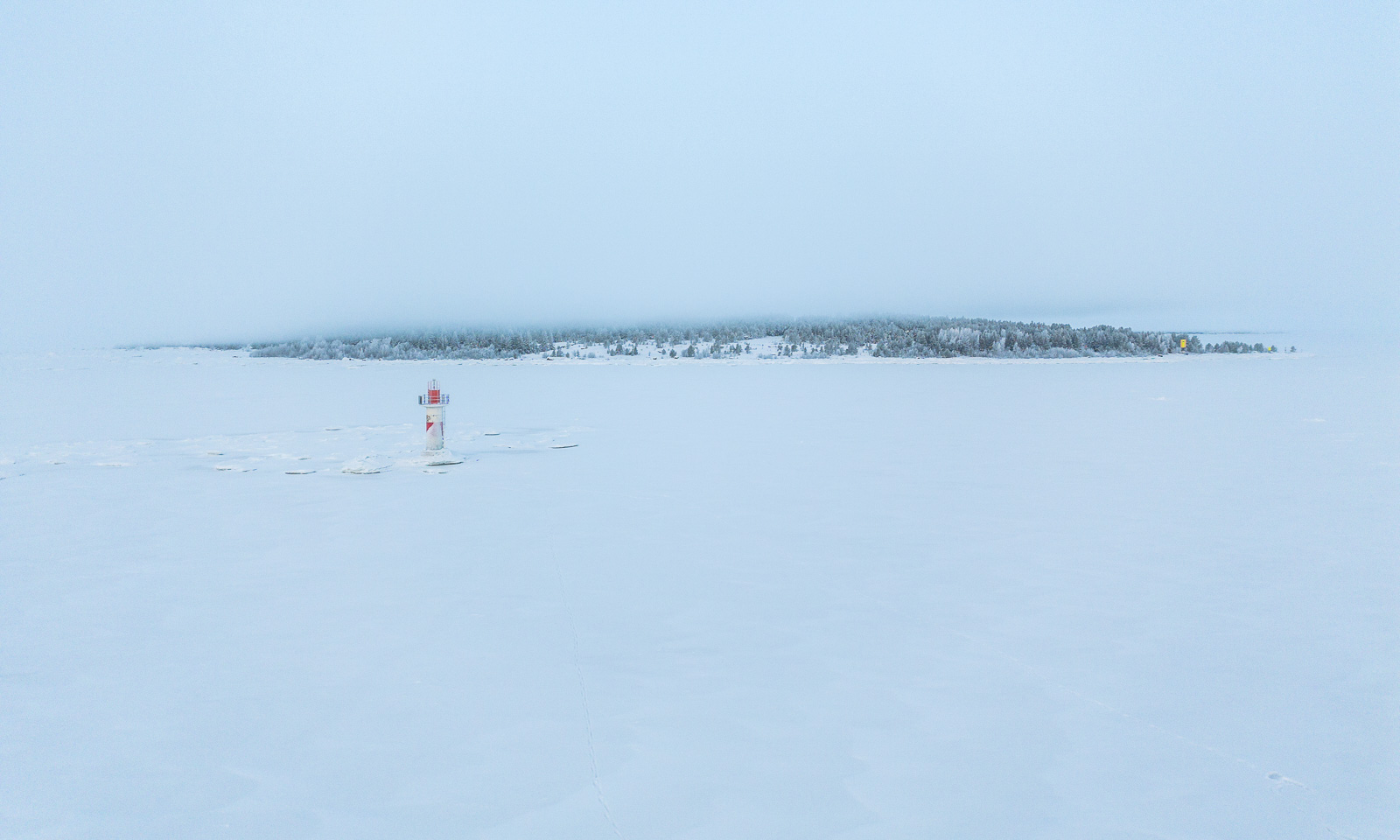
About half a year ago I had my drone with my as well, this time on the frozen Baltic Sea where I flew it several times. Publishing aerial photos taken in Sweden always takes a while, as you need to apply for publication permission for each photo. I have obtained permission to publish the following photo of the lighthouse Dynan and the island Bredskär. So, here it is:

If everything goes according to plan I will go on a three-week work cruise with the icebreaking vessel Kronprins Haakon between Svalbard and Greenland in October. Hopefully, we will have good conditions for ice stations. Then I’ll take orthophotos of and on the ice again.


Snow depth = 0

The meteorological station Tromsø (Vervarslinga) measured the following snow depths yesterday:

Time Snow depth [cm]
2026-04-18 17:00 1.0
2026-04-18 18:00 0.0

Thus, yesterday was the last day with snow cover at Tromsø (Vervarslinga) this year. Let’s compare the values with previous years:

Year Snow depth 18 April 18:00 First day with 0 cm of snow at 18:00 Difference in days
2025 72.9 2025-05-18 30
2024 71.0 2024-05-10 22
2023 87.1 2023-05-15 27
2022 45.5 2022-05-18 30
2021 82.7 2021-05-20 32
2020 157.0 2020-06-01 44

Based on the median values from the data above, around 78 cm of snow should have covered the ground at Vervarslinga yesterday, and snow should have remained for another 30 days. I also checked older data and couldn’t find a single 18 April that was without snow at Vervarslinga within the last 50 years.

That doesn’t mean that all the snow on Tromsøya is gone. Tromsø Vervarslinga is just a single station, but it illustrates how unusually early the snow has melted this year.

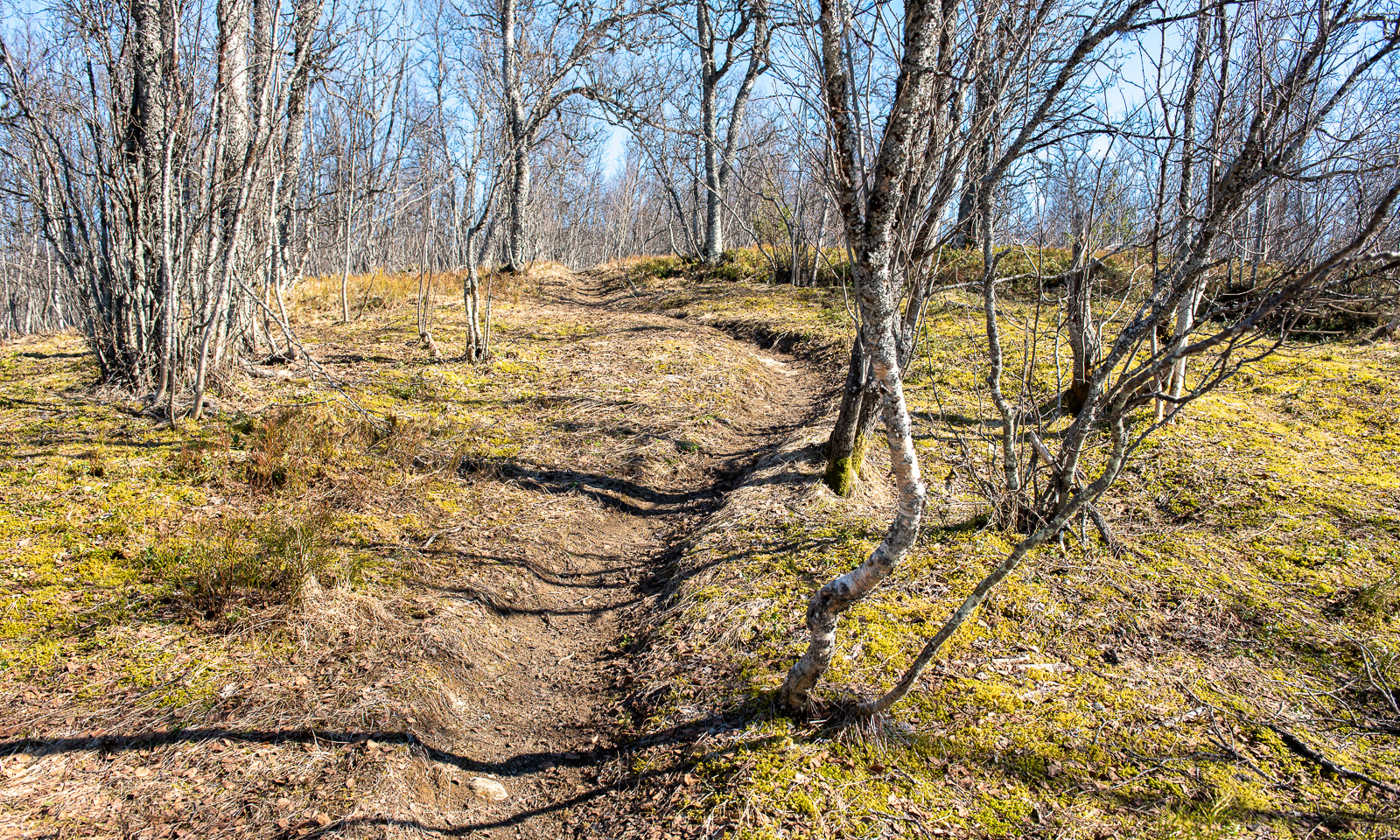
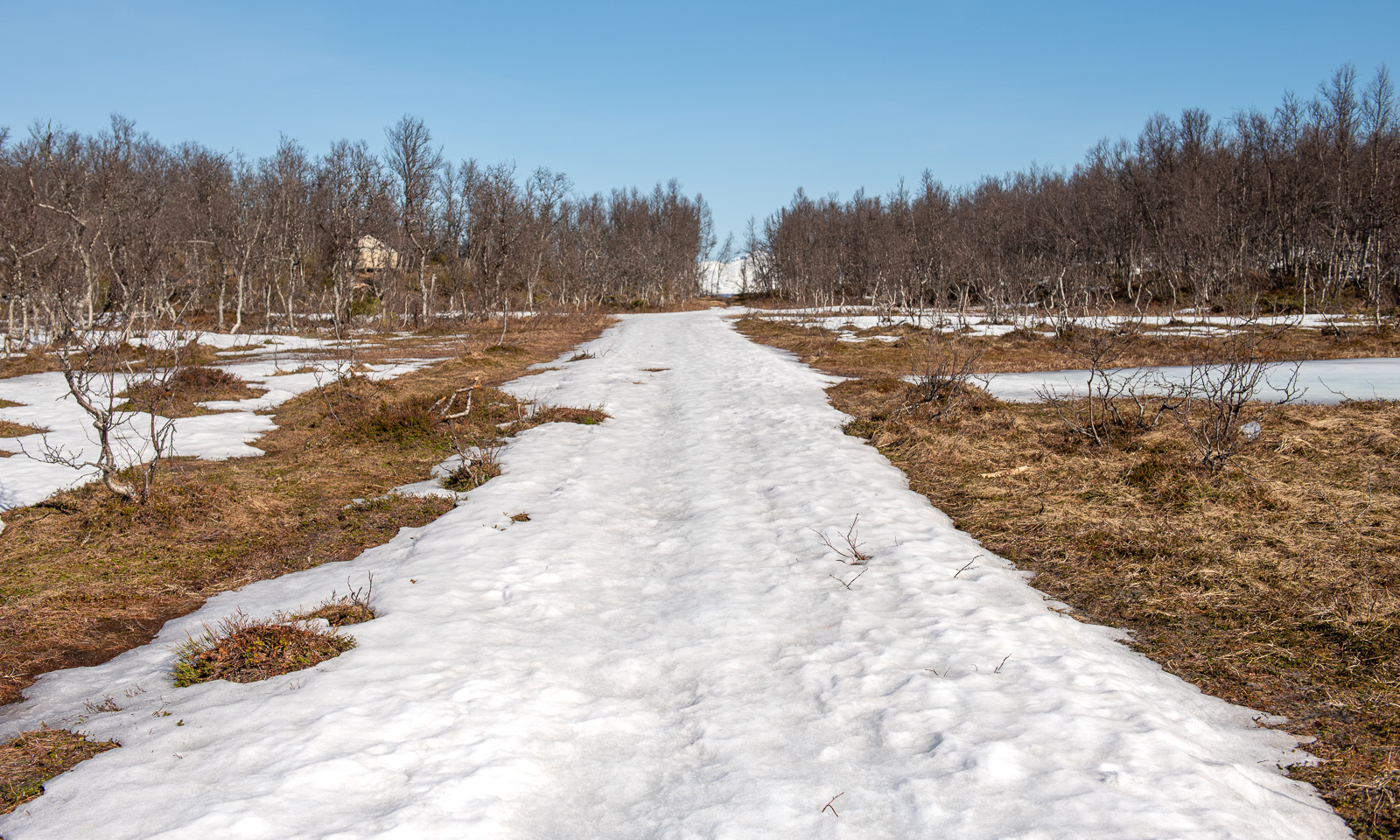
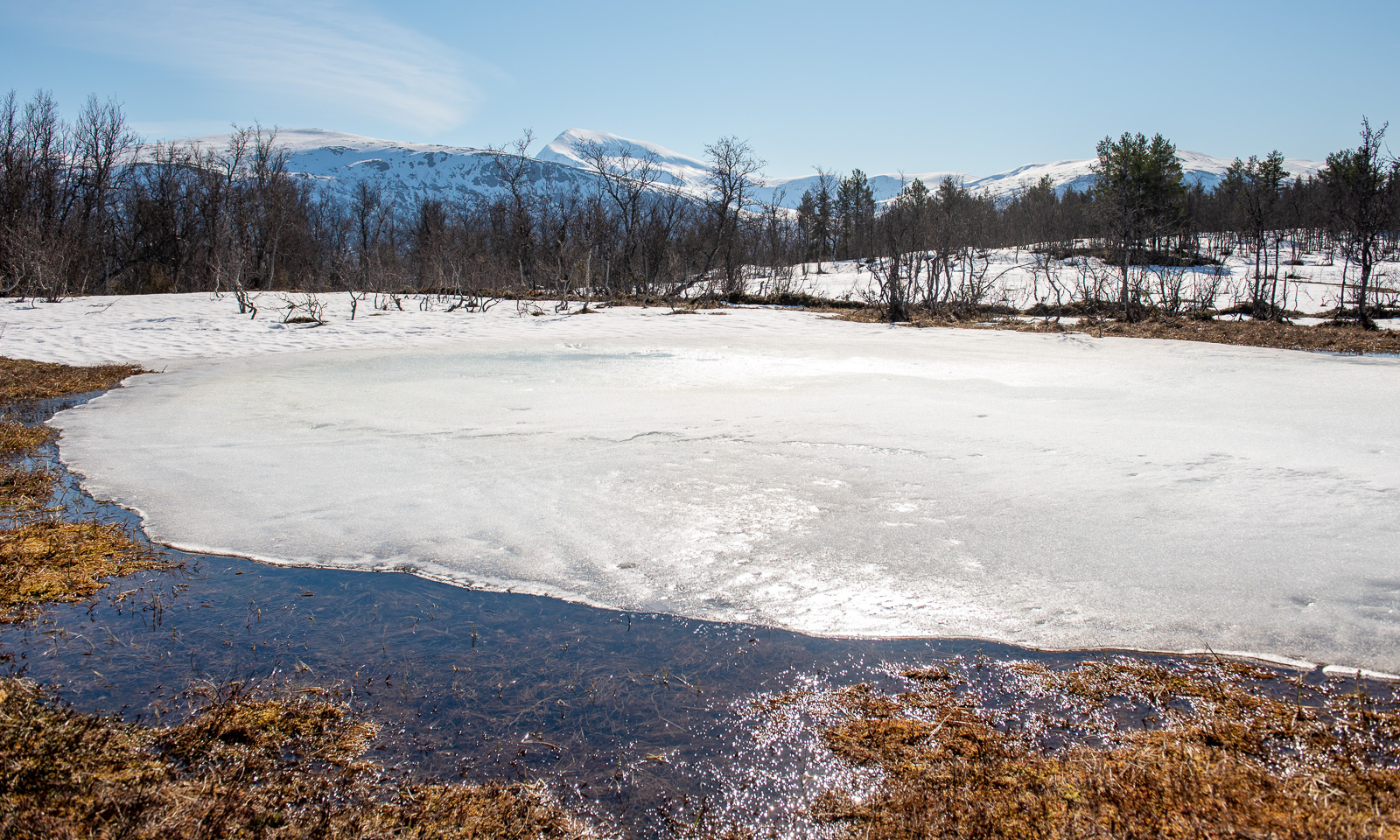
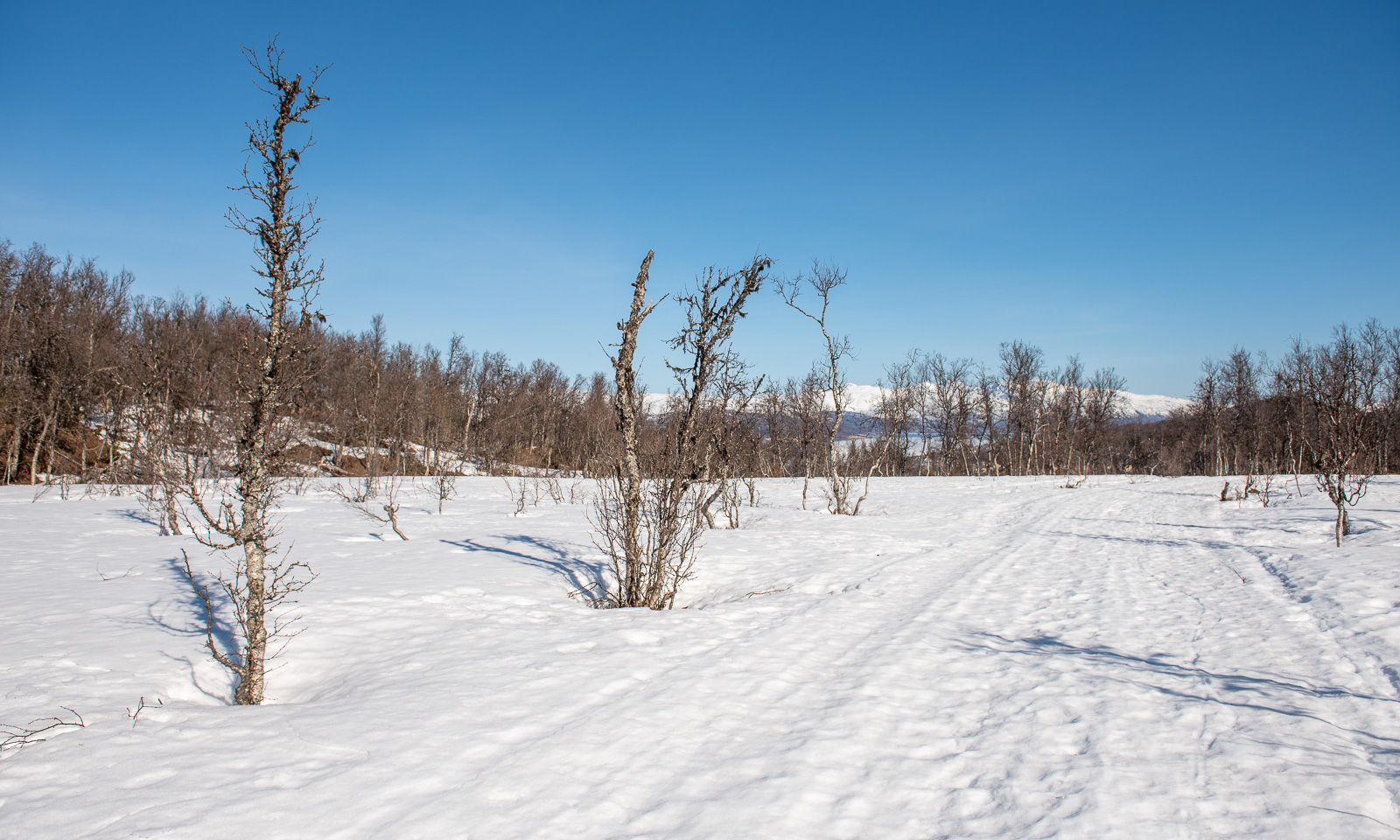
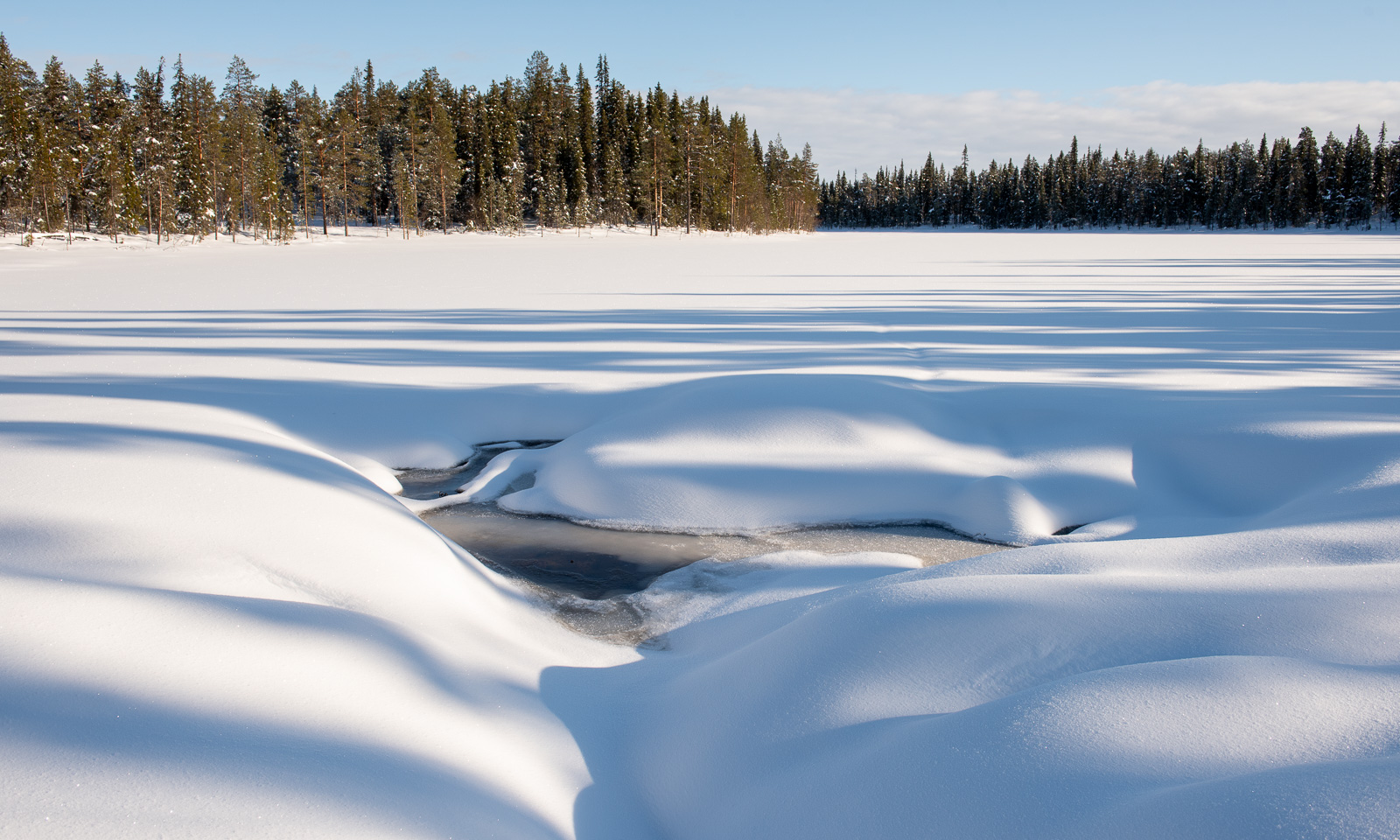
This morning I took a walk through the Tromsømarka on top of the island. As you can see, the snow varies. Some forested hills are completely bare of snow, while some boggy places still look wintry, and the lakes and ponds are covered with ice.

The second photo is typical. In winter, cross-country skiing is extremely popular. So popular that countless skiers compact the snow. As a result, it melts more slowly and so you can see “snow lanes” that cross the snow-free ground at this time of the year.

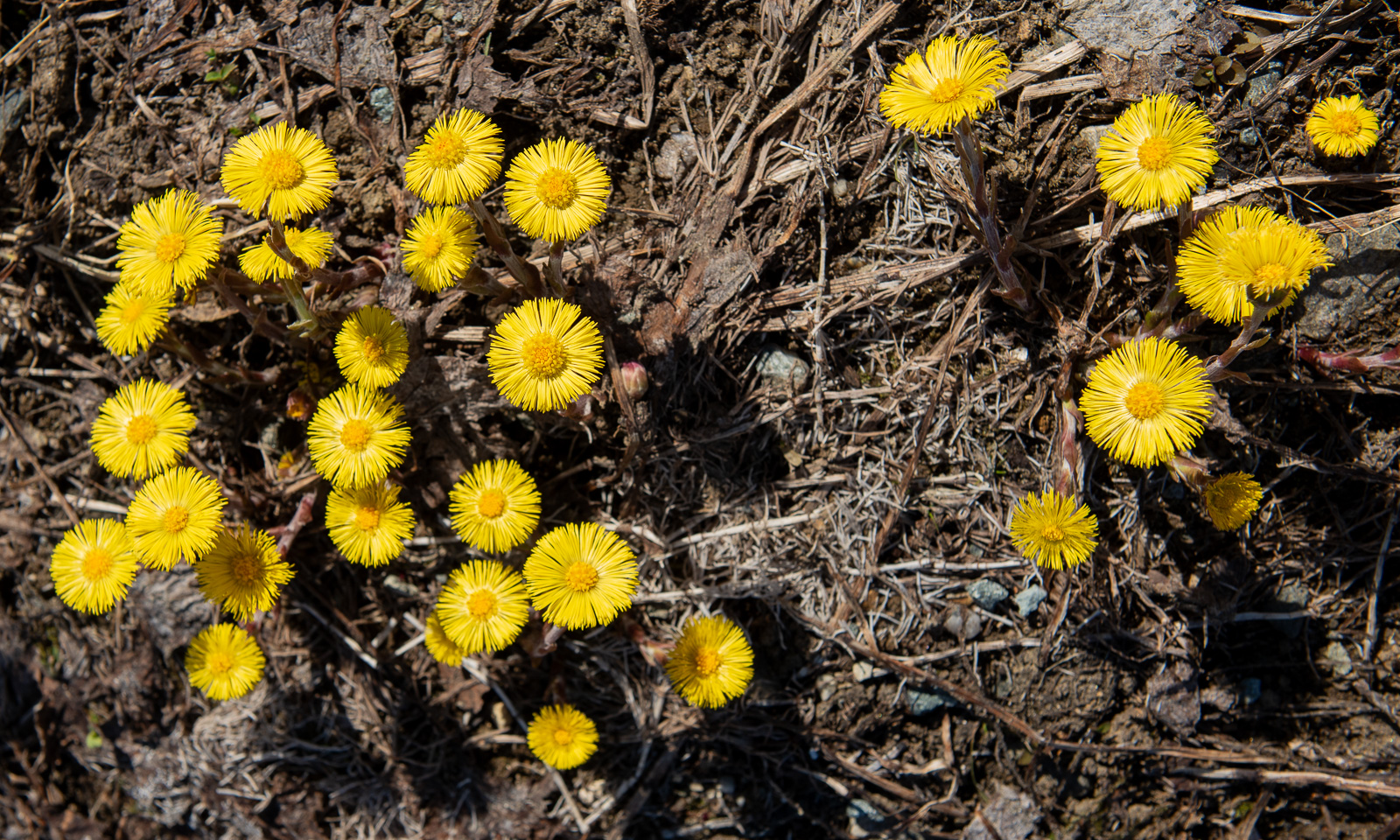
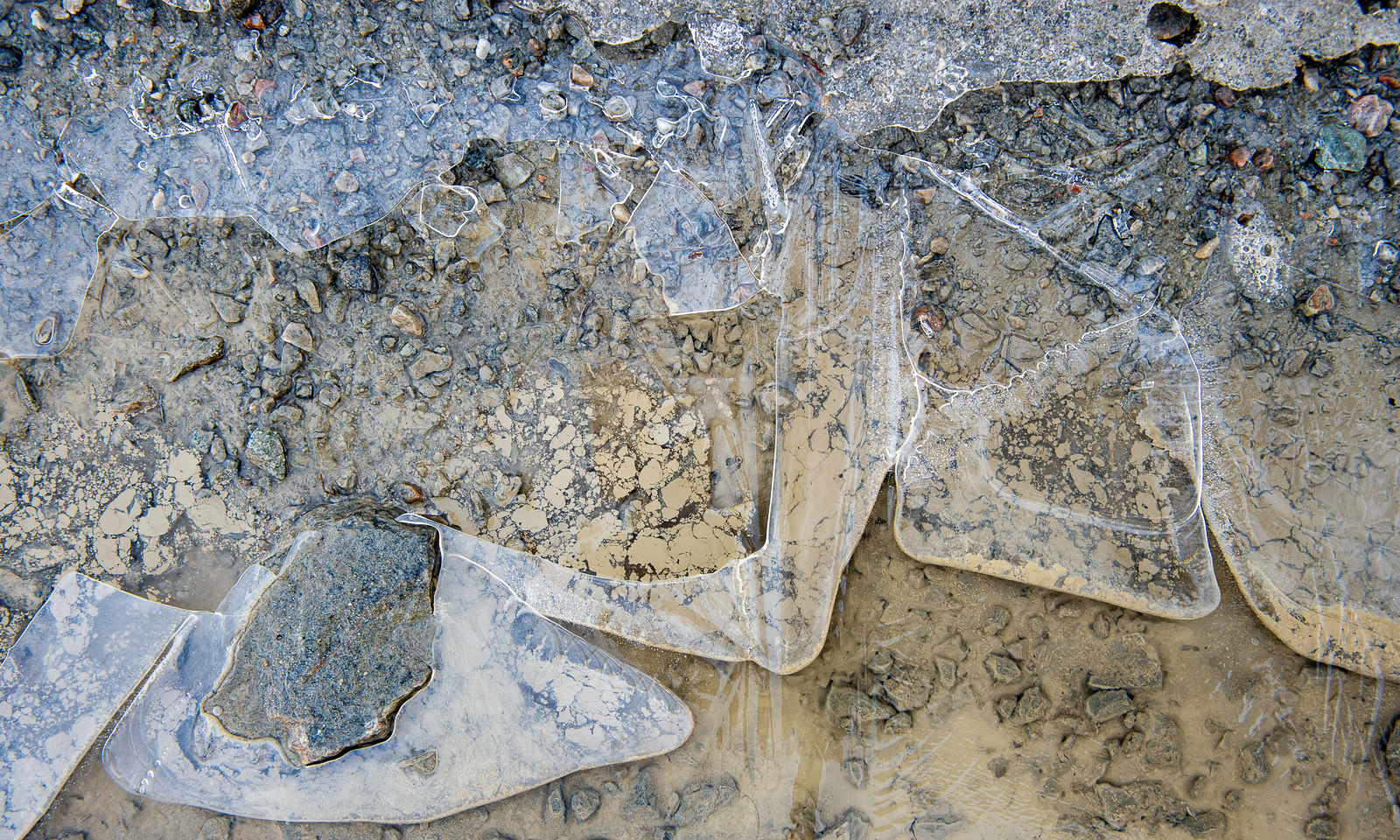
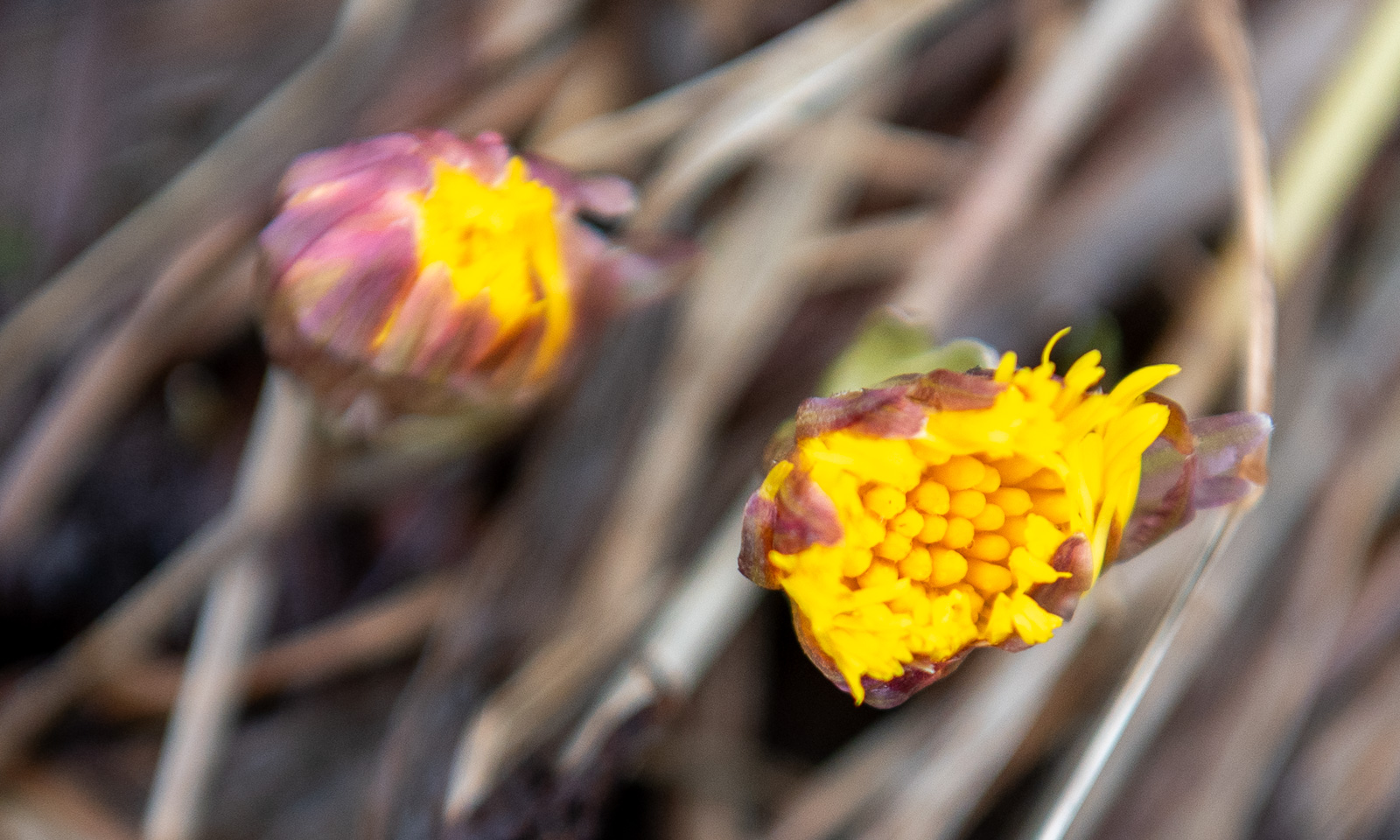
Another typical feature is the contrast: In one spot, thousands of tussilago are blooming while a hundred metres away in the shadow there is still ice on the water puddles.

What I am really curious about this year is the birch trees: will they get their leaves earlier or as usual?

A winter night with northern lights

When I returned to Tromsø two weeks ago a lot of snow had melted due to a warm and rainy period. Last weekend I took a rainy hike by the coast on the island Kvaløya, where it was free of snow and I saw the first flowering tussilago.

In the last few days it has become a bit colder and today’s precipitation came as snow, making the street white again, at least for a while.

At ten o’clock I went onto my balcony to look for Jupiter and the Moon I saw faint northern lights. Should I take a chance and try to take some photos? I grabbed my equipment, winter boots and a down jacket, took the car to the kindergarten, where a path leads to the ski runs and I went to the small pond. Luckily, the aurora was still present though not strong. I put the camera on a tripod and started taking pictures. The sky was slightly purple – was it the Moon, or what caused the colour? I do not know.

The aurora was quite low and weakened and reappeared several times. After half an hour it reappeared again, gained shape and movement – although it was not very bright.

Then it started to rise more and more …

… until it reached the zenith, where it slowly flickered back and forth for a while. Since I didn’t take my fisheye lens with me I didn’t take any more photos.

I had been standing there in the snow by the small pond for about 50 minutes. The down jacket I wore was warm enough but quite short and my legs were really freezing, although it was only around -4 °C. When the aurora weakened I went back to the car and drove home with a plan in mind: when the aurora was still present, I would change to my Canada Goose down parka and pants (the warmest clothes I have) and drive back. Anyhow, when I parked the car in front of the door of my apartment, the aurora was gone.


Skiing to Njunjes

This article is part of the series “2026-03: Ski tours”.

Monday, 9 March

Last week, in our second week of holiday my wife Annika and I wanted to visit the stugvärdarna – the cabin hosts – of the Swedish mountain cabin Aktse. We had loads of food with us, among others chicken filet.

It is 16 km by ski from the car park Sitoälvsbron. Or would have been if the road to the car park had been cleared of snow. However, when we tried to drive there, the last 13 km of the road were just a snowmobile track not suited for cars. So we had to change plans.

At the Kvikkjokk Fjällstation we could sit inside and use wifi and bathroom to make new plans. We decided to stay there a night and to ski to Njunjes – the nearest cabin of the Padjelantaleden – the next day.

Tuesday, 10 March

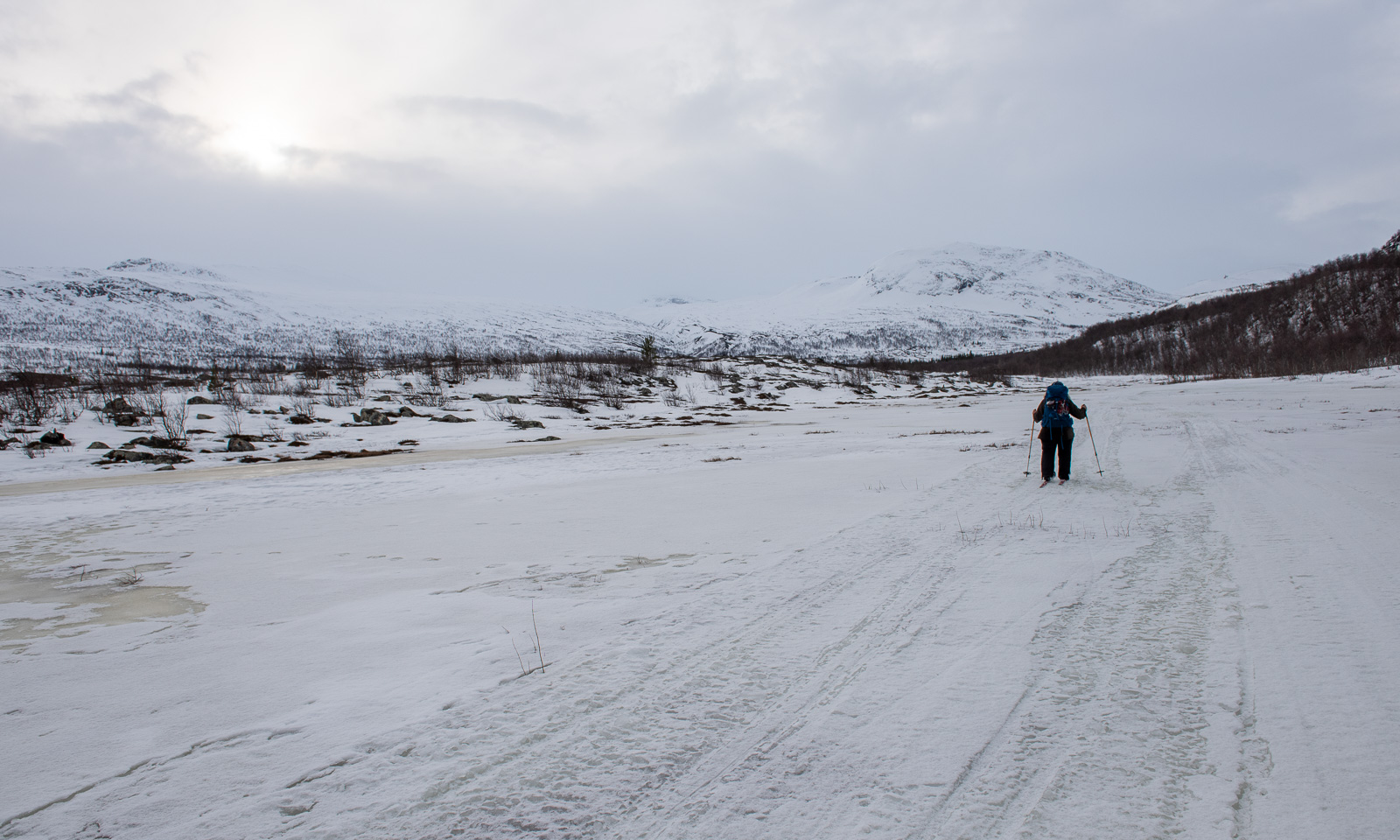
After breakfast Annika packed her backpack and I packed my pulka and we started our ski tour to Njunjes. The first part is on the river Darreädno/Tarraätno – by boat in summer, on the ice in winter. More or less the whole river was covered with snowmobile tracks and they were so icy that I put off my skis and walked using spikes under my ski boots.

I stopped and asked Annika: Do we have the chicken filet with us? No, we didn’t, we forgot it in the fridge.

Later the snowmobile trail continued in the forest. Here it was easier to ski despite the warm weather with above-freezing temperatures. It was apparent that there had been not much snow this season and occasionally you could see patches free of snow.

Wet and icy snow, grey weather, a snowmobile track through the forest – I didn’t take many photos of this dull scenery. It seemed to take ages until we finally got a view of the cabins. But first we had to cross wet and icy terrain were we broke through into a few centimetres of water several times. According to the map there is neither a lake nor a bog. Maybe it was a partially frozen meltwater pond.

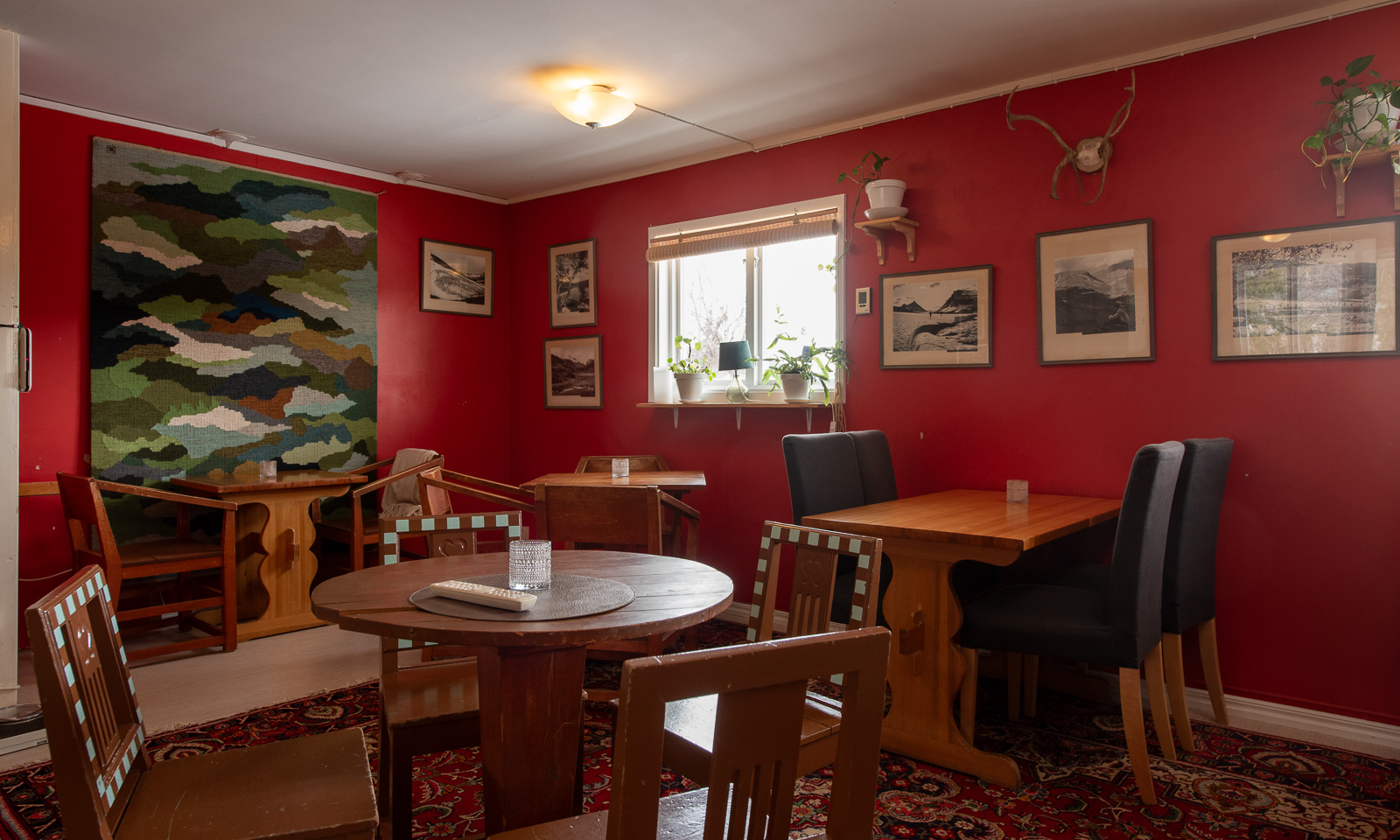
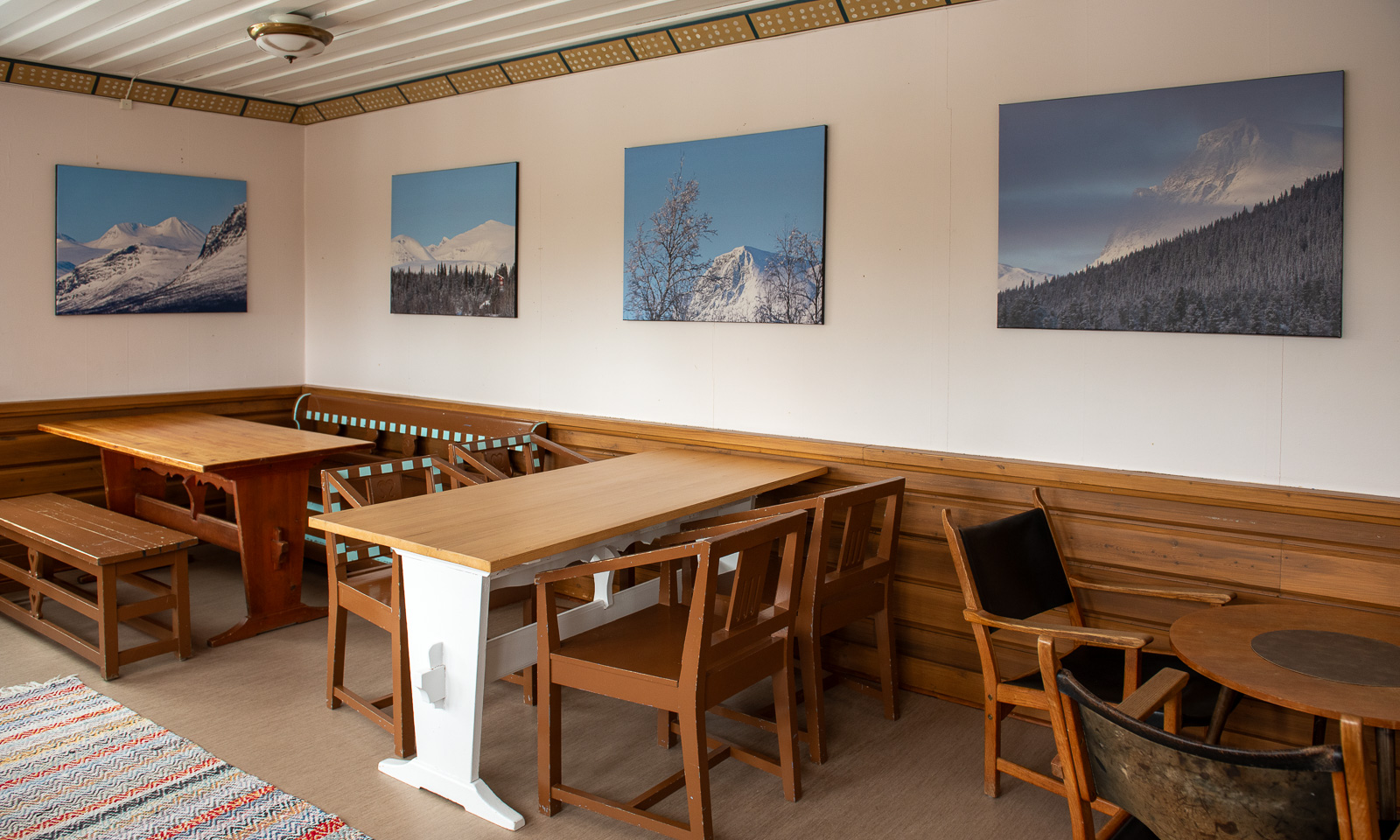
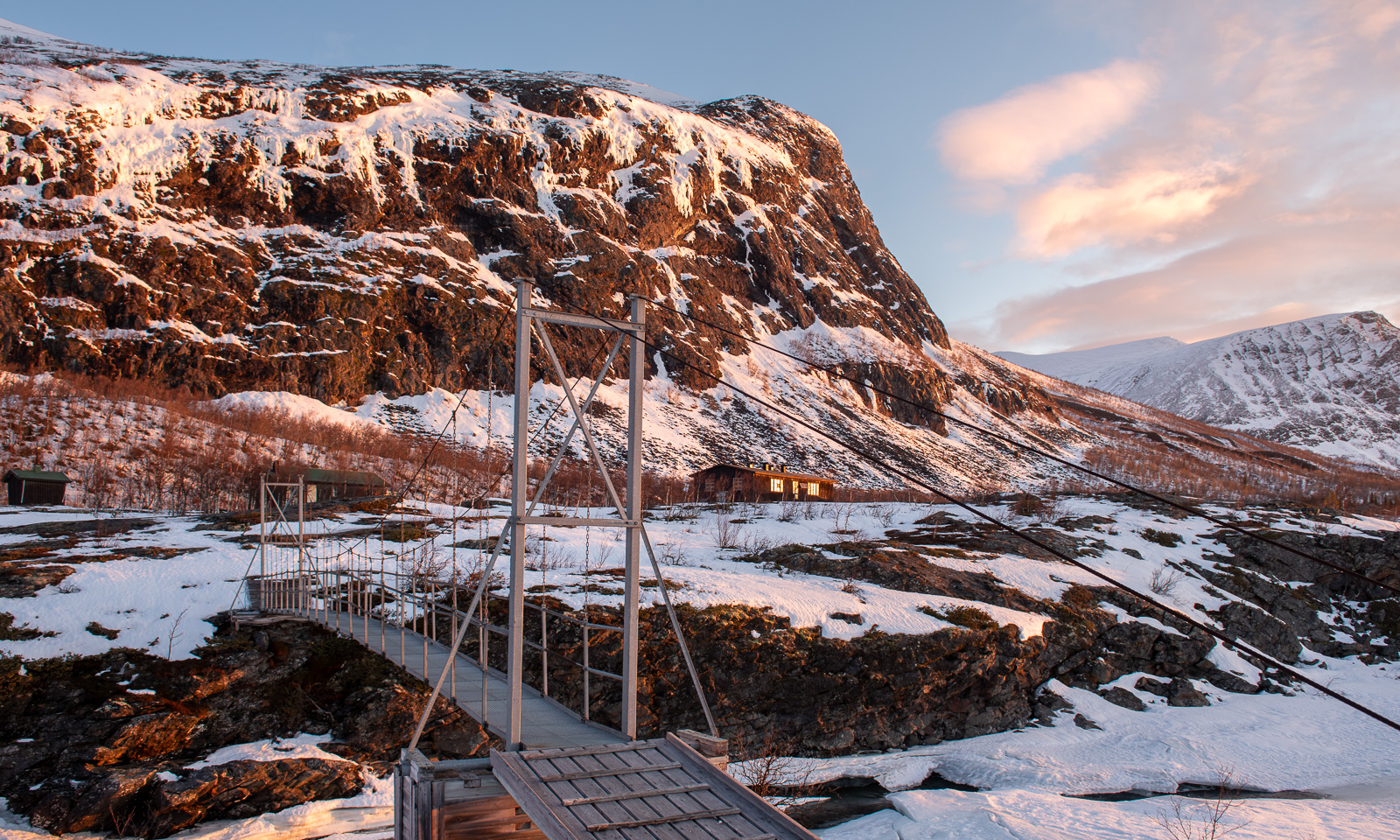
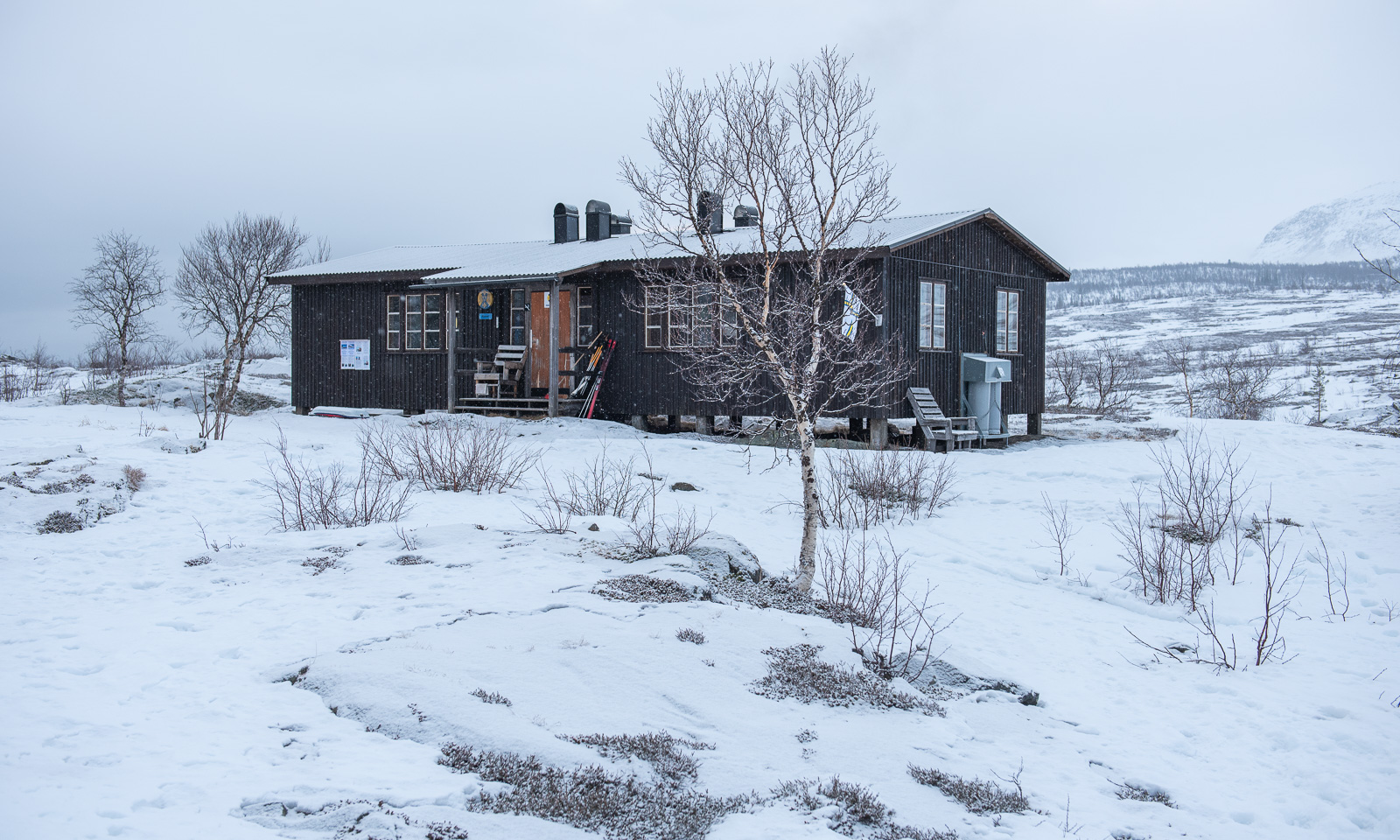
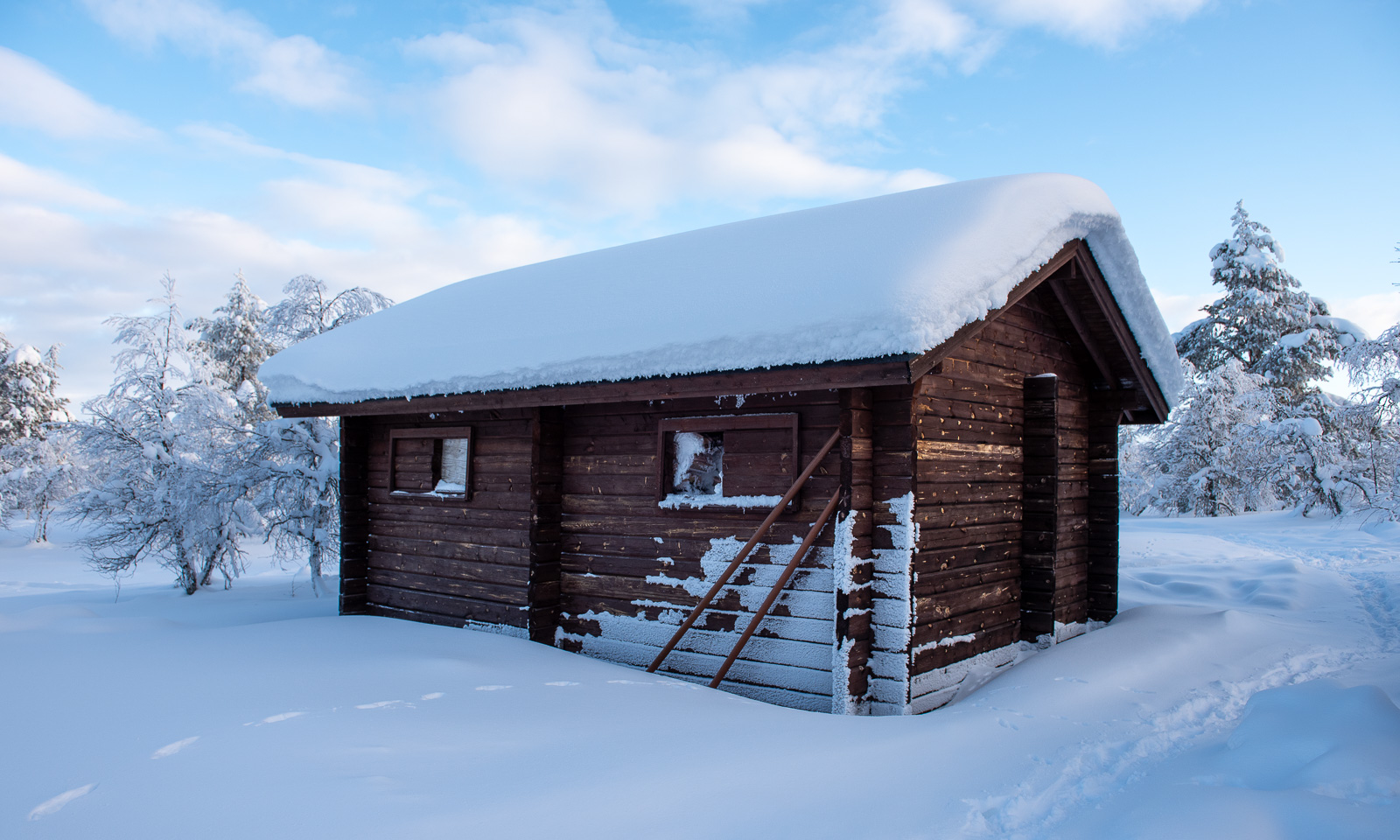
But then after about 17 km we arrived at the cabins of Njunjes where we were welcomed by the hut warden. The main cabin of Njunjes is a “Fjällstuga 65”, sometimes called Abrahamssonstugan. It was renovated lately and the new wood-burning stove is just awesome!

Our skis and ski skins were soaking wet from the final stretch but at least we ourselves stayed dry, because luckily the forecasted rain came later after we already had arrived.

Wednesday, 11 March

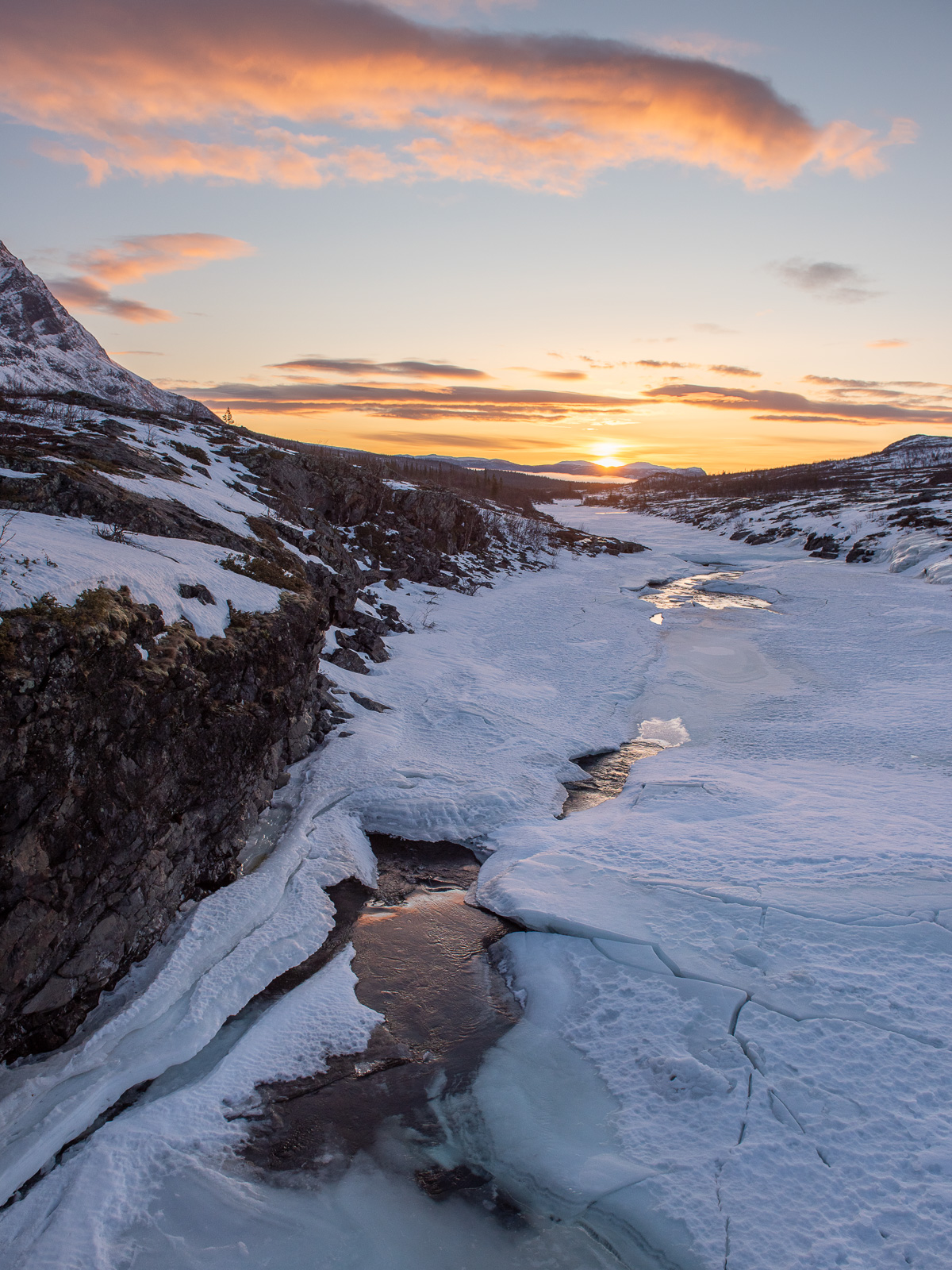
On this day we took a rest day. I was up early and went out to watch the sunrise because rain and clouds had disappeared overnight. What a beautiful morning!

The rest of the day we were pretty lazy. While Annika was reading in the sun (and my pulka was drying) I was taking some photos nearby.

It was quiet, but occasionally we could hear loud rumbles. The southern cliff of the mountain Njunjesvárre was dewing in the sun and the large ice blocks were thundering downwards. This added some drama to the otherwise peaceful scenery.

In the afternoon Annika started to make food. Although we forgot the chicken filet we still had loads of other food, among others feta cheese, peppers, zucchini, and onions, all of them dried at home by Annika in the weeks before. This home-dried food has to be soaked in water for hours, so the resting day was a good opportunity to use it. In the evening we got a very delicious dinner.
Thursday, 12 March

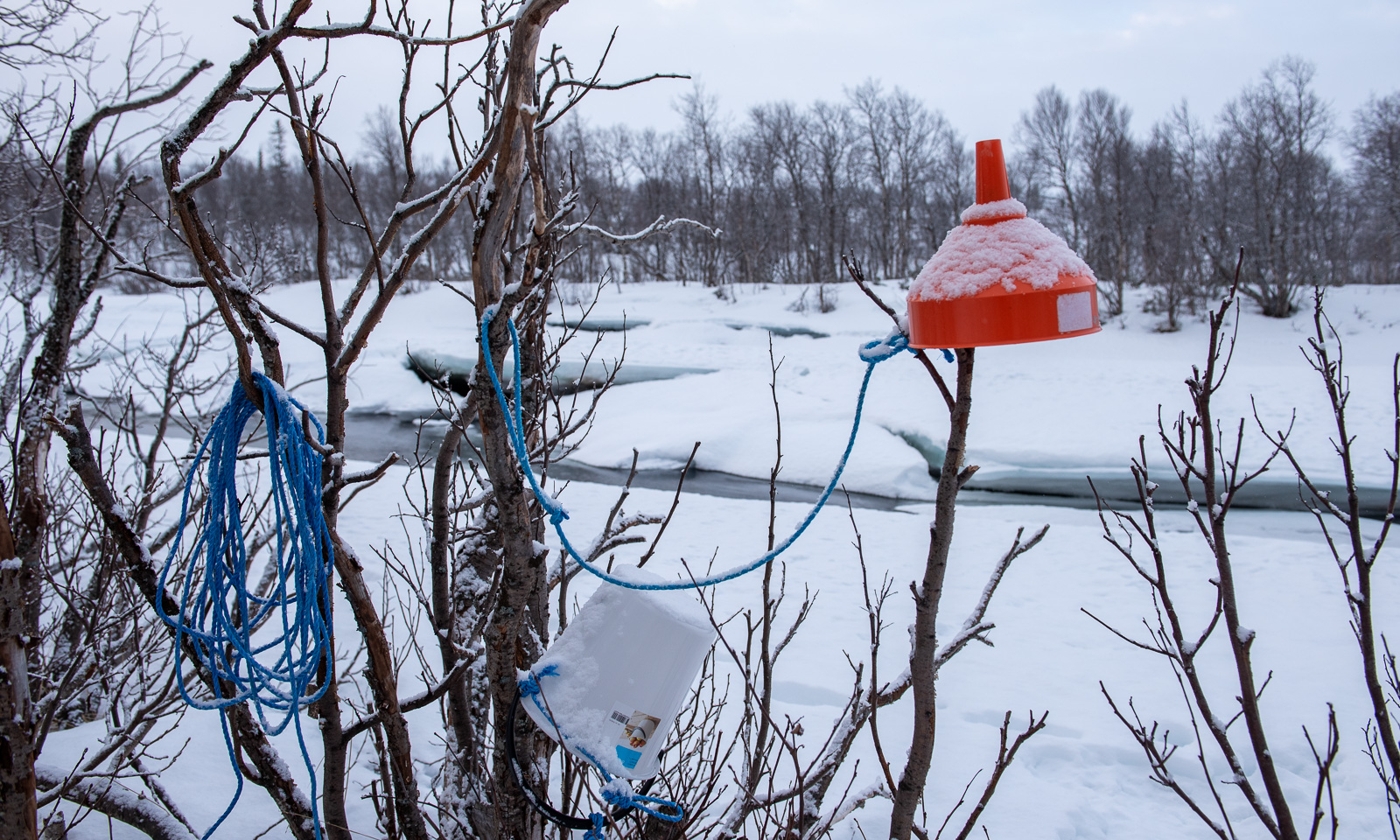
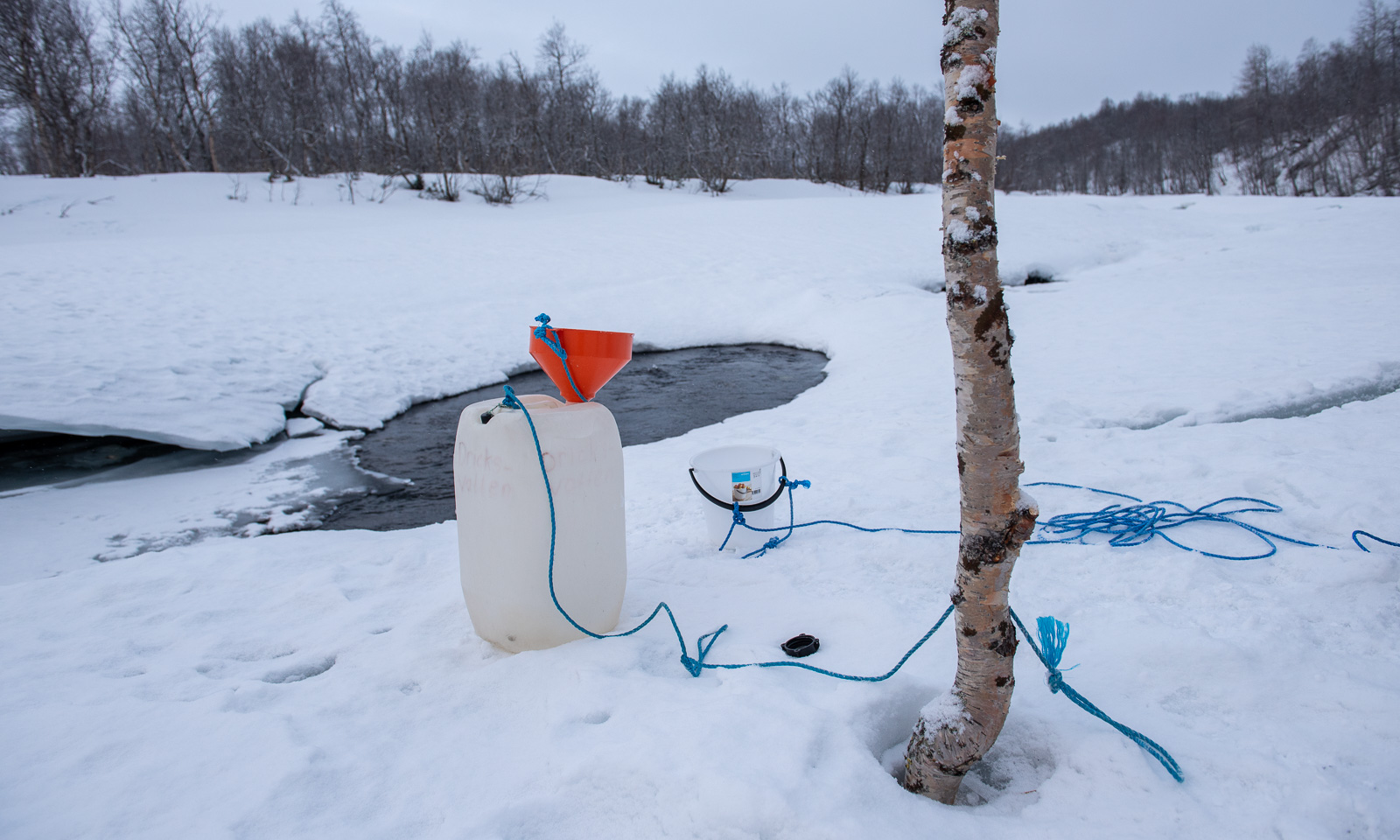
Time to return to Kvikkjokk. The mountains were cloud-covered and it had snowed over night. Just one centimetre or two, but enough to make the scenery look a bit more wintry and more important: to make the icy track a bit smoother to ski. Before we started I fetched water from the river. About 200 metres away the river is partially open and there is a bucket to fetch water with and a funnel to pour it into the canister. I pulled the heavy canister after me back to the cabin. Now there was water and wood for the next guests to come.

Then we packed our things, cleaned the room and said goodbye to the friendly warden. And off we went, taking a slightly different track in the beginning. I only took some photos on our way back and none at all in the forest.

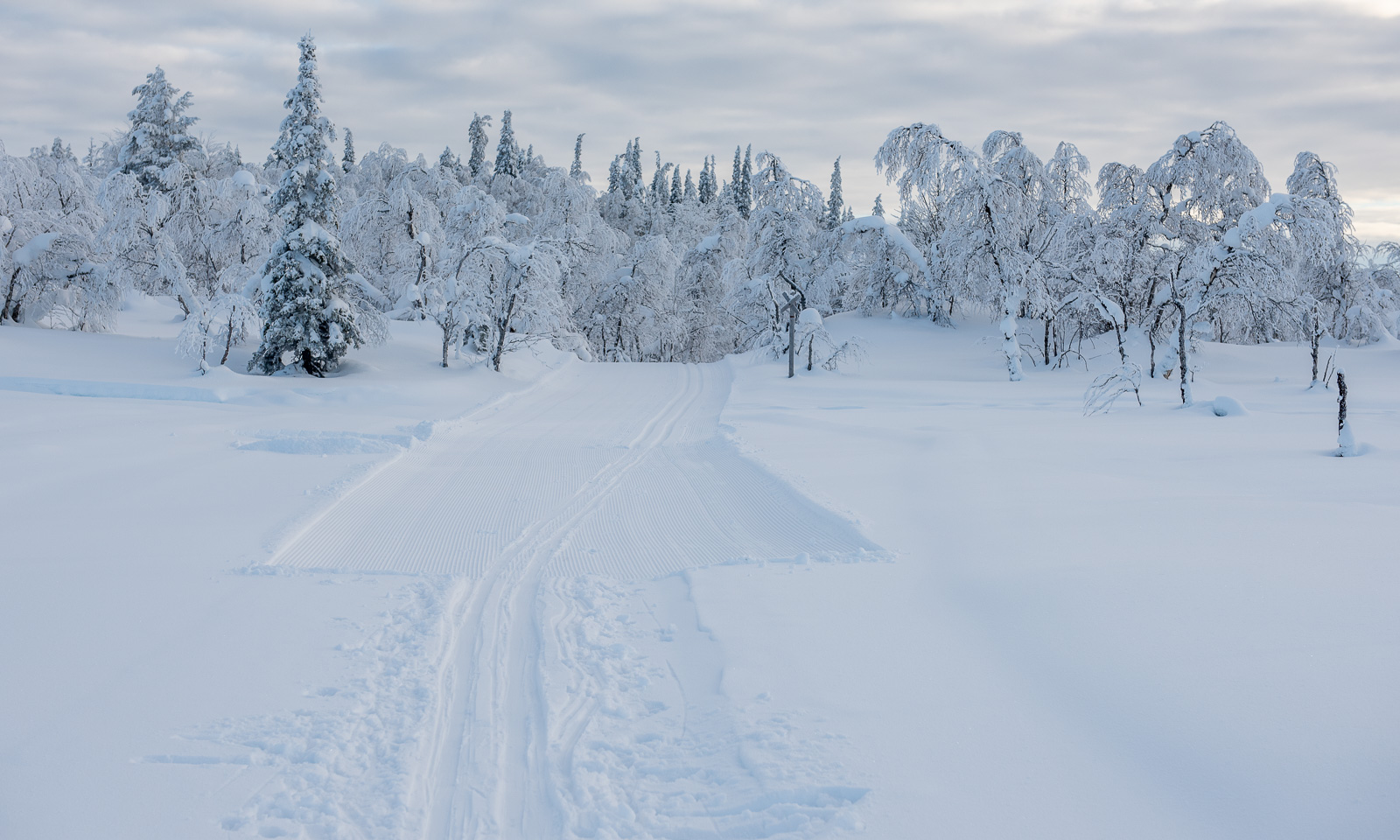
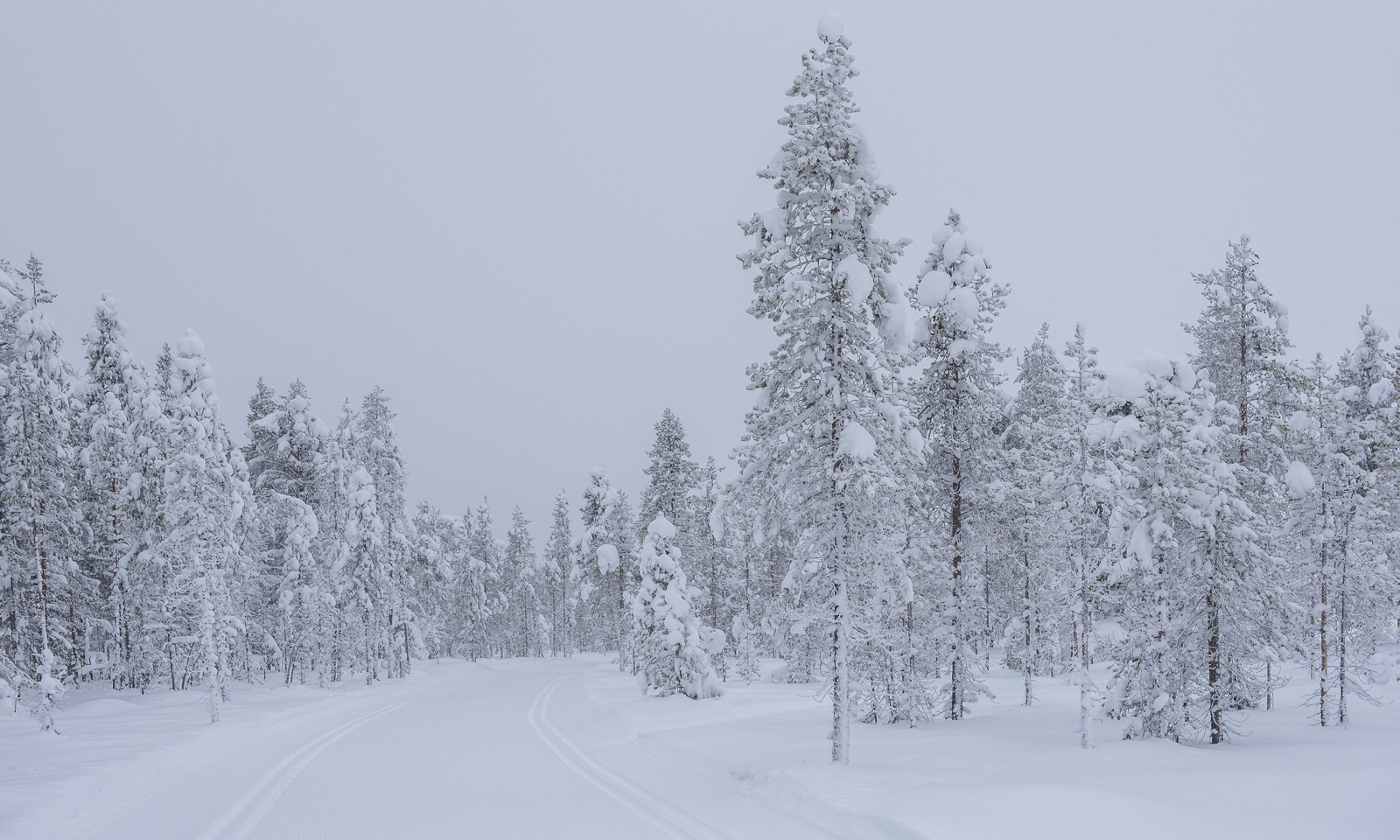
This day we realised again that of course you can ski here, but the omnipresent vehicle is the snowmobile. We met about fifty on our way back. In the last kilometres most of river was more or less covered with their tracks. But then we saw other skiers gliding effortlessly on the other side of the river. We skied there and right: there was a freshly prepared cross-country ski trail that we used until we were in Kvikkjokk.

Here we picked up the forgotten chicken filet, bought something to drink and put everything into the car. This night we would stay in Solberget, the touristic wilderness retreat that I visited the first time in 2005. We had three-hour car drive ahead of us but it was still early and probably we would make it not only for the dinner but also for the sauna before. And yes – we made it. The smoked reindeer in creamy sauce was delicious!
Sunday, 15 March

Annika was back in Obbola, I was back in Tromsø. I finally fried and ate the chicken filet.


Ski tour in the Pallas-Yllästunturi National Park – day three

This article is part of the series “2026-03: Ski tours”.

4 March 2026

Today is the third and last day of the ski tour Annika and I are doing in the Pallas-Yllästunturi National Park. We slept in the hut Hannukuru. We expect to ski about 15 km and parts of it will be on groomed cross‑country ski trails. Day one of our tour was snowy and windy, day two was foggy, but today the sun is shining.

After our morning routines – breakfast, packing, cleaning – we set off at 09:45 local time. (Finland is one hour ahead of Central European Time.) We follow the trail back a hundred metres, cross the small lake and to our surprise we already meet the cross-country ski trail.
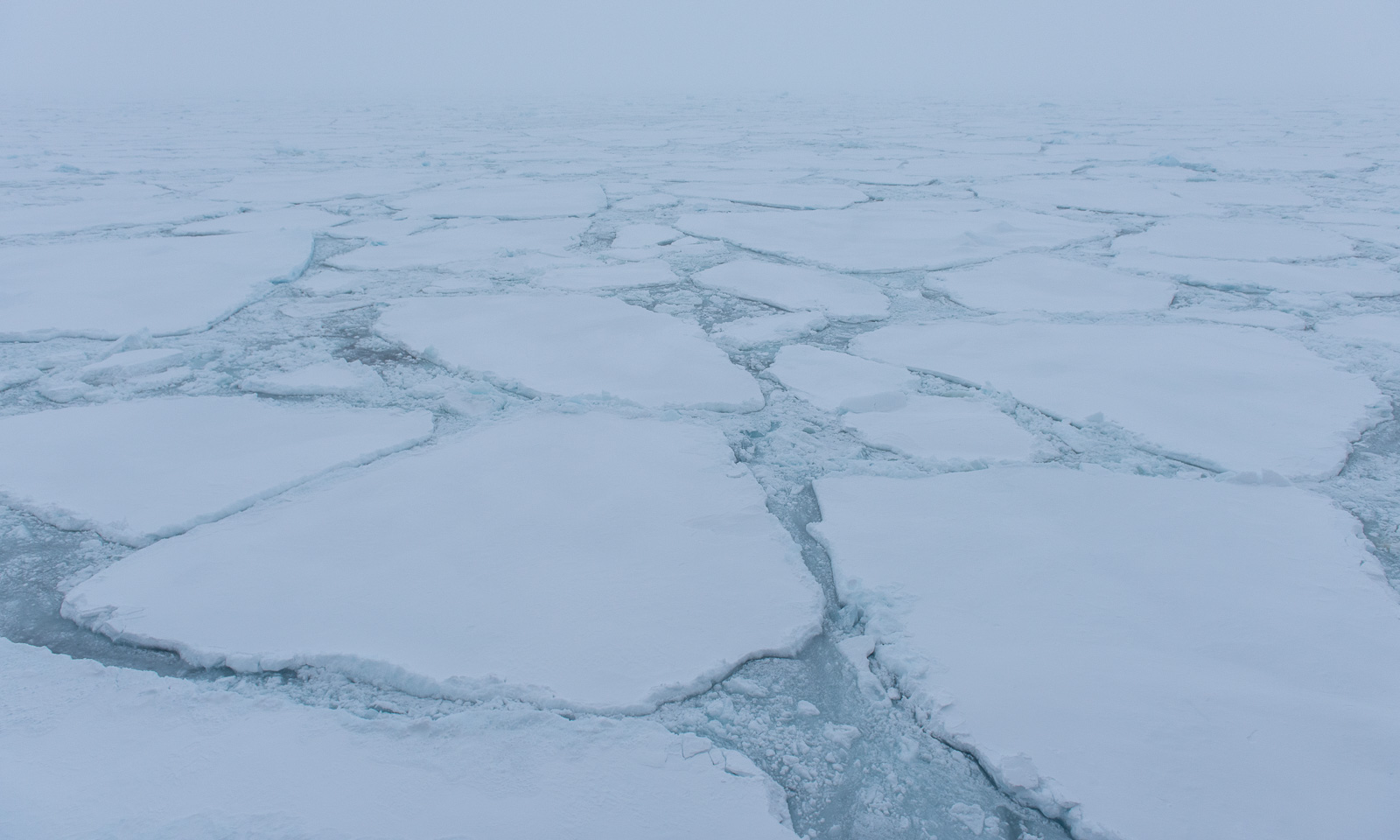
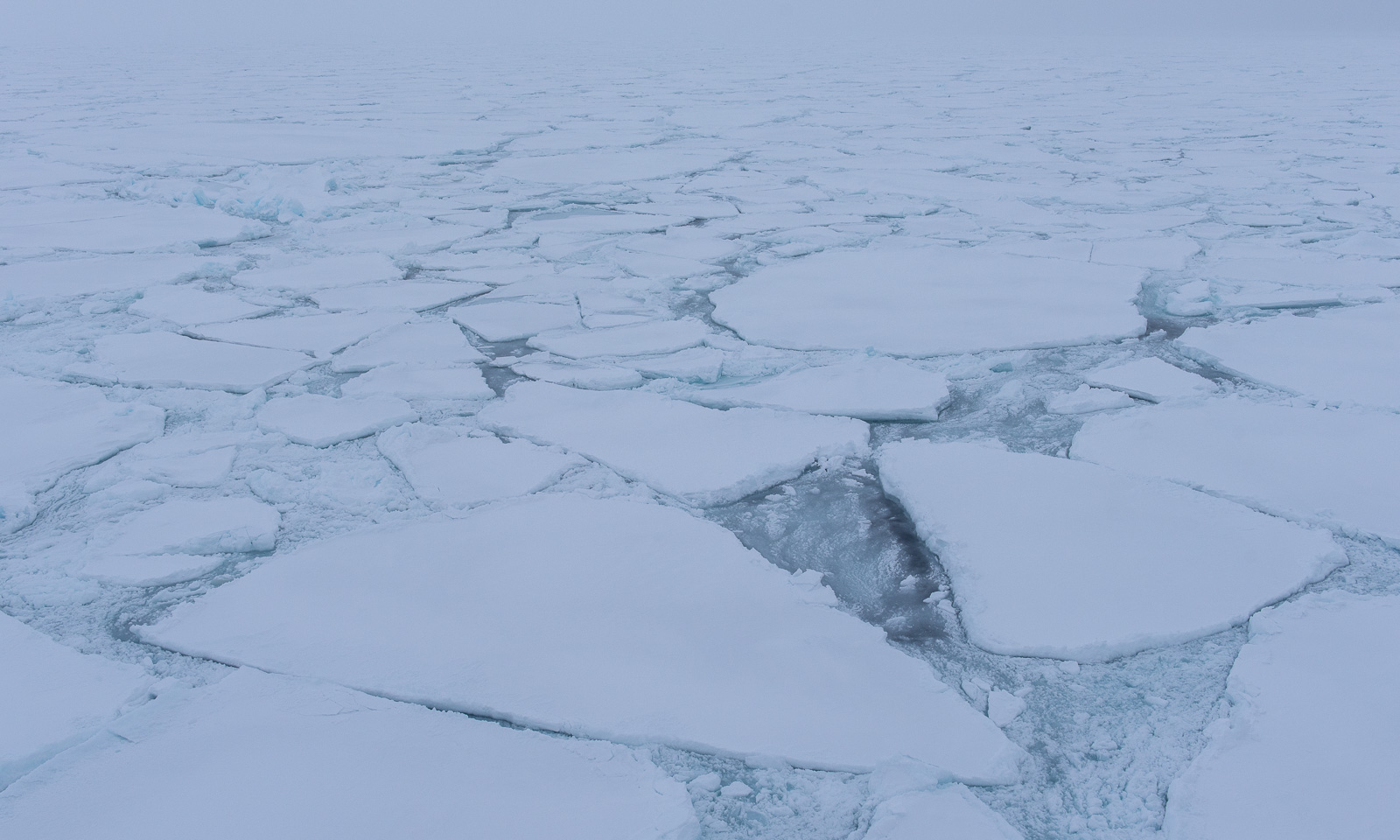
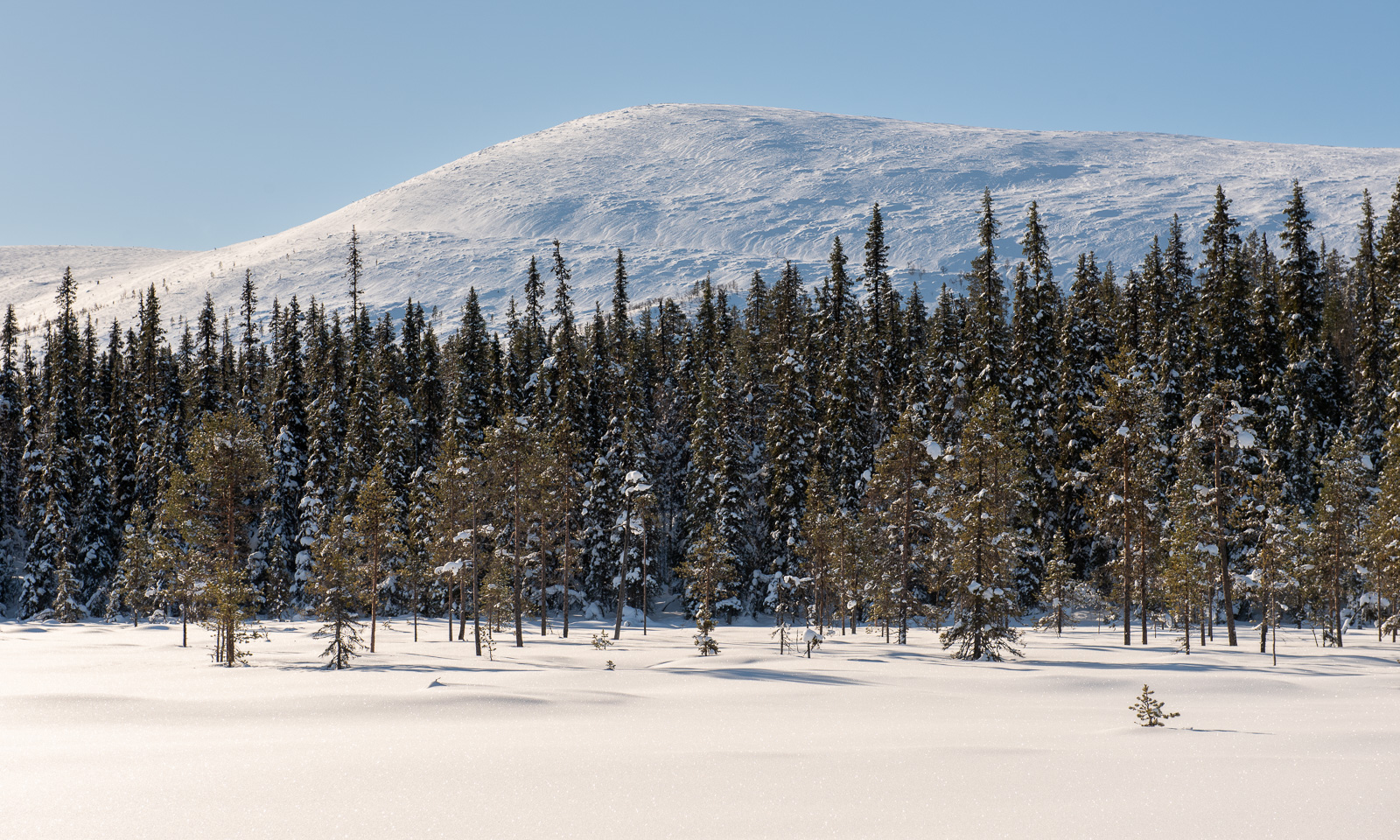
I expected to ski at least half the distance without any groomed trail, now it feels like “civilisation”. At the same time the calm weather and the blue sky give a completely different impression than the days before. First we have wide views of the snowy landscape and the mountains in the distance and many trees are covered in hoarfrost and snow.

We slowly descend into a large conifer forest and the terrain gets a bit hilly. A sign says “Vaarallinen lasku” which means dangerous slope. I walk a small section of this stretch but most of the trail is easy to ski.

We take a short break in the Varkaanjärven kota, not because we need to rest but because it’s there. Two young skiers arrive, looking for matches. They want to ski up to Hannukuru. As most skiers here they have cross-country skis, not the broader backcountry skis that we are using. Probably they are four times faster uphill then we are downhill.

Now we can see the first huts, houses, a snowmobile trail and then we arrive in the village Vuontispirtti.  At the hotel Tunturihotelli we take a cold coke and I eat a sandwich. Our ski tour has come to an end. Not the planned one but a good one.

The distances: 17 km + 11½ km + 13½ km, summing up to 42 km.

Our speed: 2.8 km/h in average including all shorter and longer breaks.

Will I – or we – do another ski tour in Finland? A few days ago I definitely had denied this idea. Now, while blogging I see the tour and the landscape much more positively. So my answer: I don’t know. Ask me again a bit later.

Ski tour in the Pallas-Yllästunturi National Park – day two

This article is part of the series “2026-03: Ski tours”.

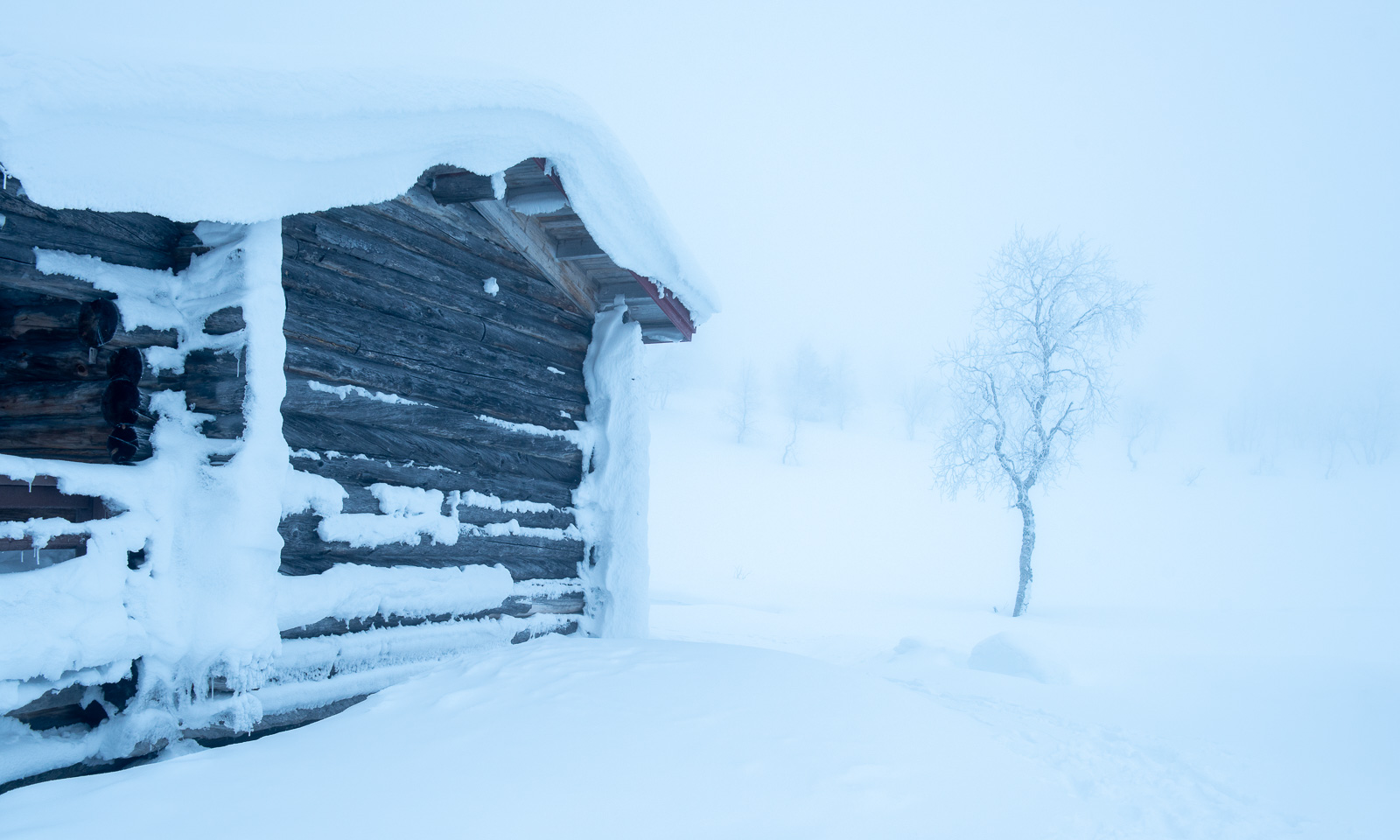
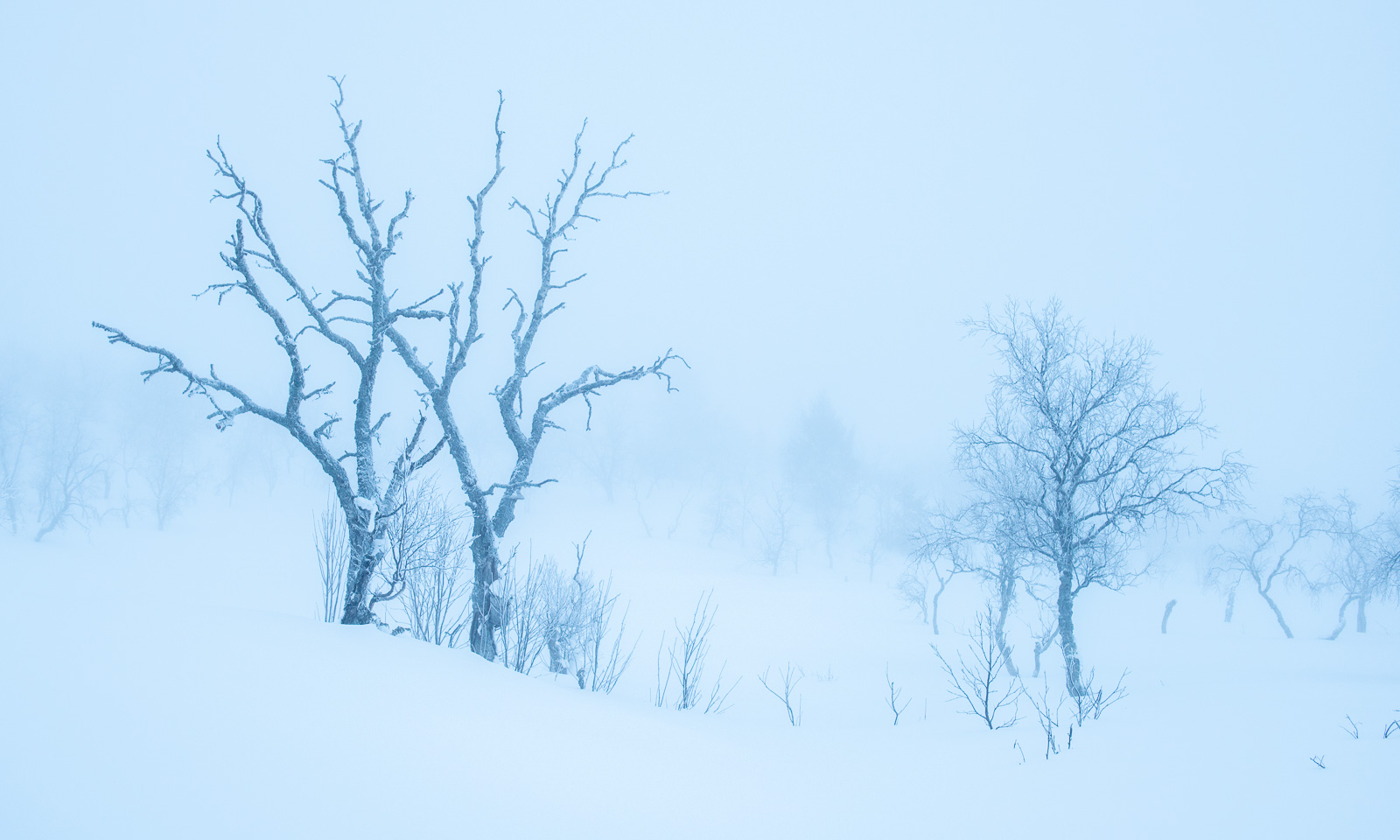
When I wake up in the hut Sioskuru in the Pallas-Yllästunturi National Park the scenery has changed since yesterday. Thick fog makes the world small and the few visible trees are all covered with frost.

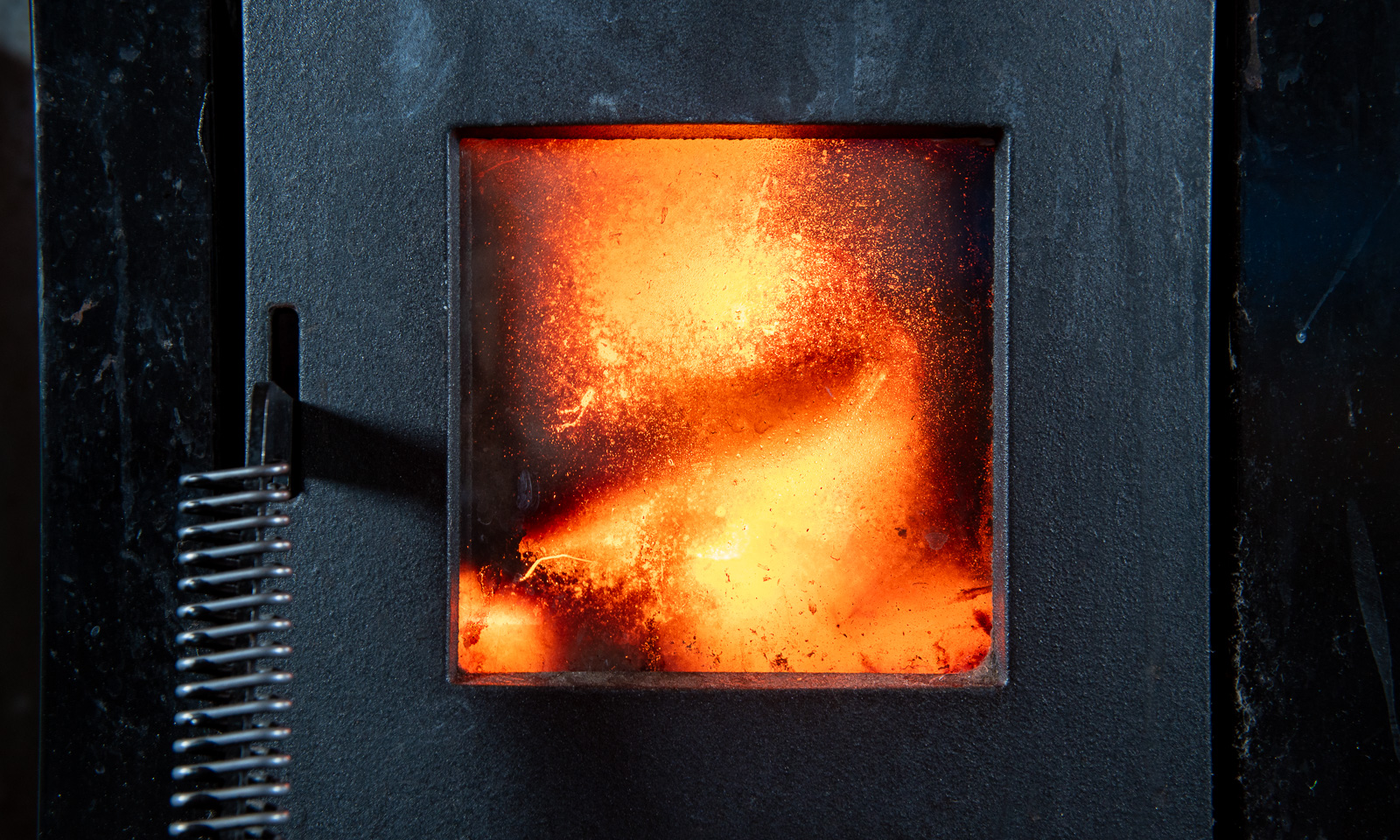
Time to light the stove in our small room.

Yesterday we started our ski tour in Hetta, today we want to continue on to Hannukuru, the next cabin. The distance is shorter than that of the previous day and although it is foggy the weather is calm. At 9:45 we set off. We pass the wooden bridge and ski into the fog.

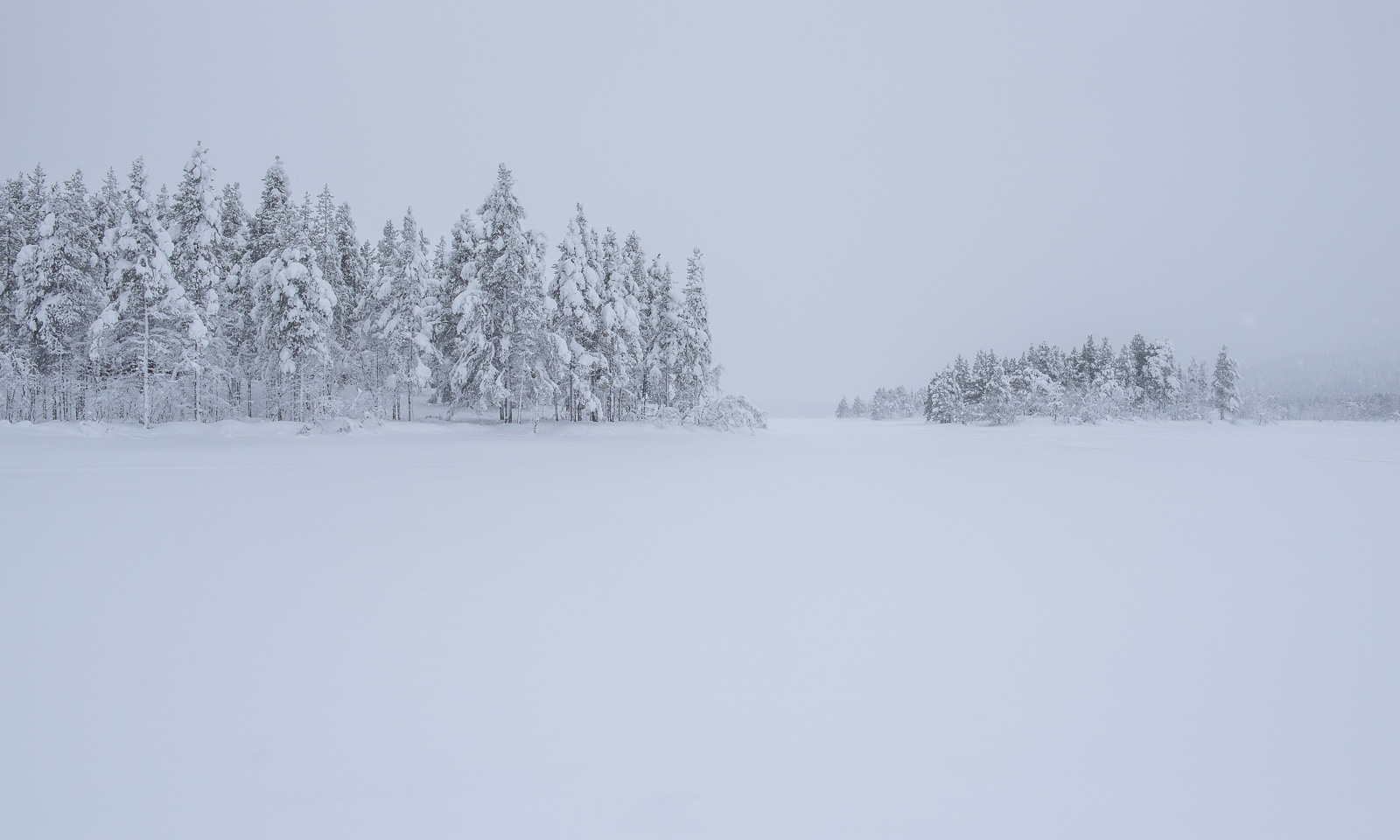
It is like skiing through a contemporary art exhibition with us being the only visitors. There is fog and there are some frosted trees, some of them are real beauties. And there is silence.

Slowly we gain elevation. Fewer and fewer trees grow here. I’m glad about the wooden waymarks, it would be an effort to navigate through the fog in this featureless landscape.

After crossing this plateau, we descend a bit and are below the timberline again. The fog has started lifting, but it is still grey.

I am still a bit exhausted from the day before but I cannot explain why it is so hard to ski today. It is as if the landscape is bewitched and sucks all my energy, motivation and happiness from my body, my mind and my soul. More and more I have to stop, lean forward on my ski poles and ask myself why I should ski another metre. We are getting slower and slower and it feels like Dementors from Harry Potter’s magical had gathered here in this bleak nothingness. I stop and shout my frustration into the void with words not suitable for publication. Then another nine and a half metres of skiing. A stop. Some more steps. And so on.

After two hours something happens. The clouds have started breaking up and all of a sudden the sun is coming out. It is maybe only half a minute but it helps me to look ahead again. I’m still exhausted but I can see the beauty of the landscape again and of course I know that we will reach the next cabin.

There are more and more trees and in another small hollow we even spot something we yet didn’t see: rocks!

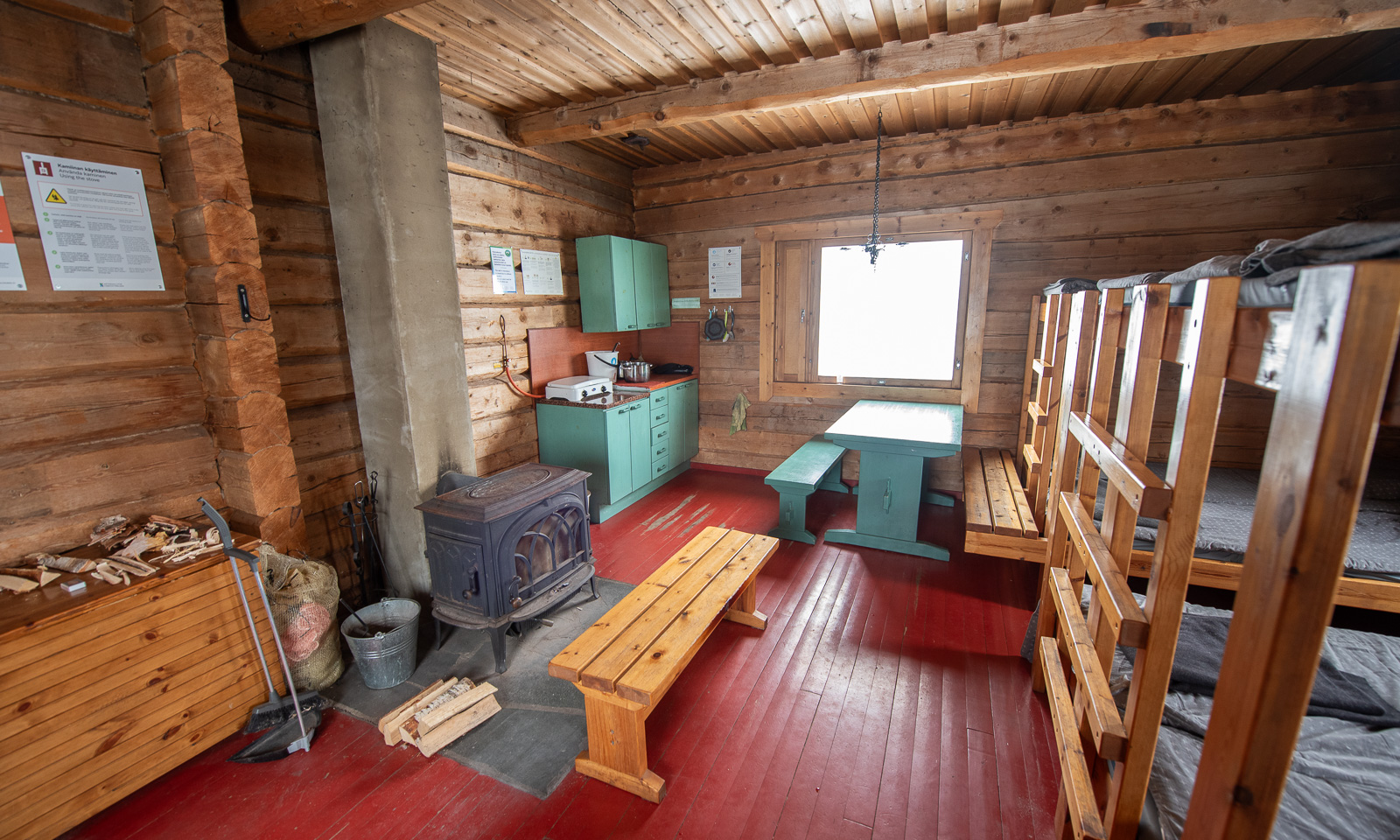
After 11.7 km (and more than 5 hours) we reach the hut Hannukuru, or rather the wilderness village of Hannukuru. There are several huts, woodsheds, outhouses and a sauna. We search our pre-booked shared rental hut, unlock “Hannukuru Hanna” – the room on the right – and inside I spot the most beautiful collection of  kindling I’ve ever seen in my life.

While Sioskuru was pretty small and more a mattress room, this spacious room provides bunk beds for twelve people and a giant wood-burning stove.

I am eating part of the chocolate that I forgot we had with us. Annika is soaking dried potatoes and vegetables for the dinner: frittata. Delicious!

Before dinner we plan the next day’s route. We cannot change it – the skiing distance to Nammalakuru, the next hut is 21 km with a tedious ascent in the end. We are considering to change our plans and ski east instead. Reason one: the long distance, likely in untracked terrain. Reason two: the weather forecast that predicts warm temperatures with sleet and freezing rain.

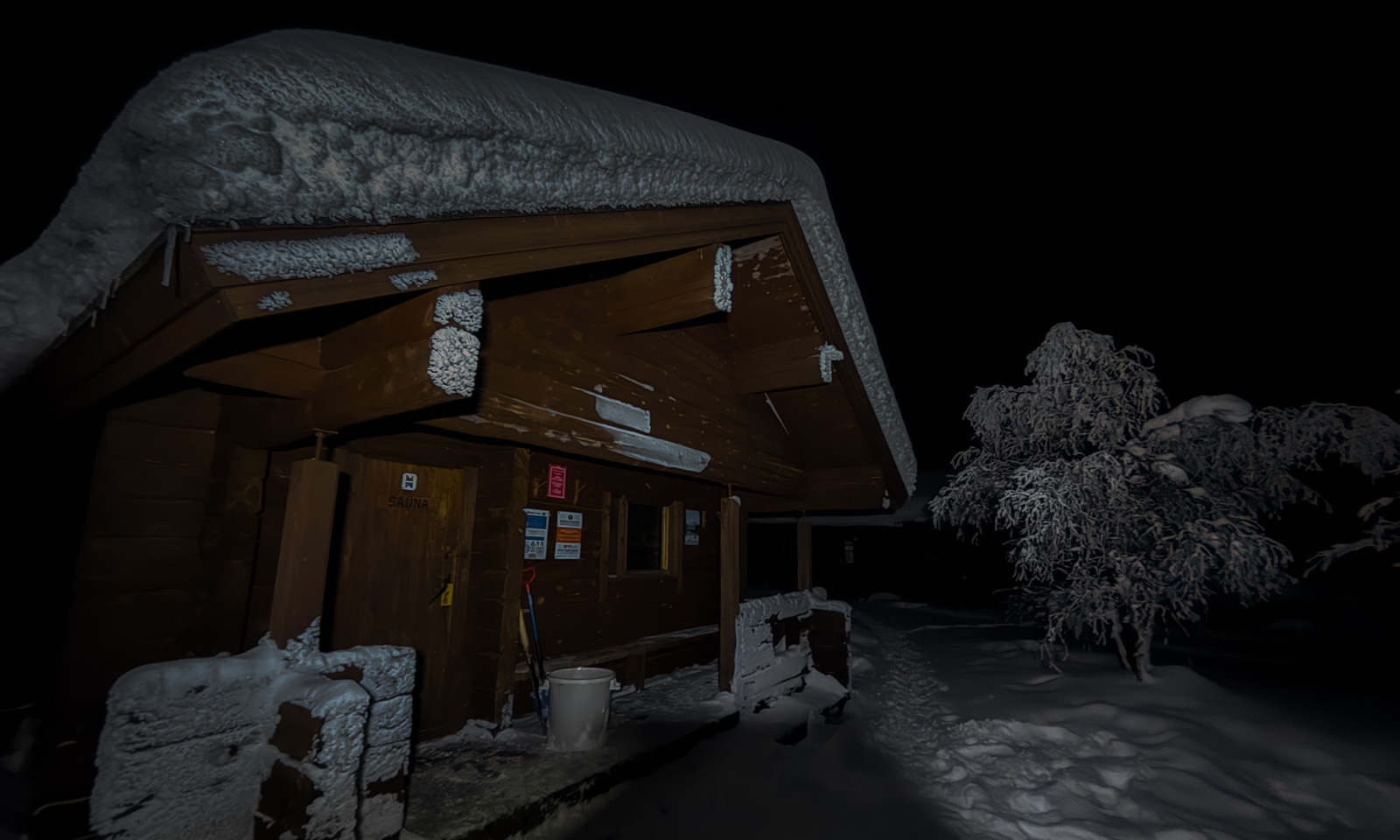
A Finnish couple in the other room knows the area well and shows us the options. We decide to ski east to the small ski resort Vuontispirtti. This also means that we can sleep longer the next day. When three other skiers invite us to use the sauna after them we gladly accept. What a wonderful end of a quite strange and tiring day. And yes – Finnish saunas are hot!


Ski tour in the Pallas-Yllästunturi National Park – day one

This article is part of the series “2026-03: Ski tours”.

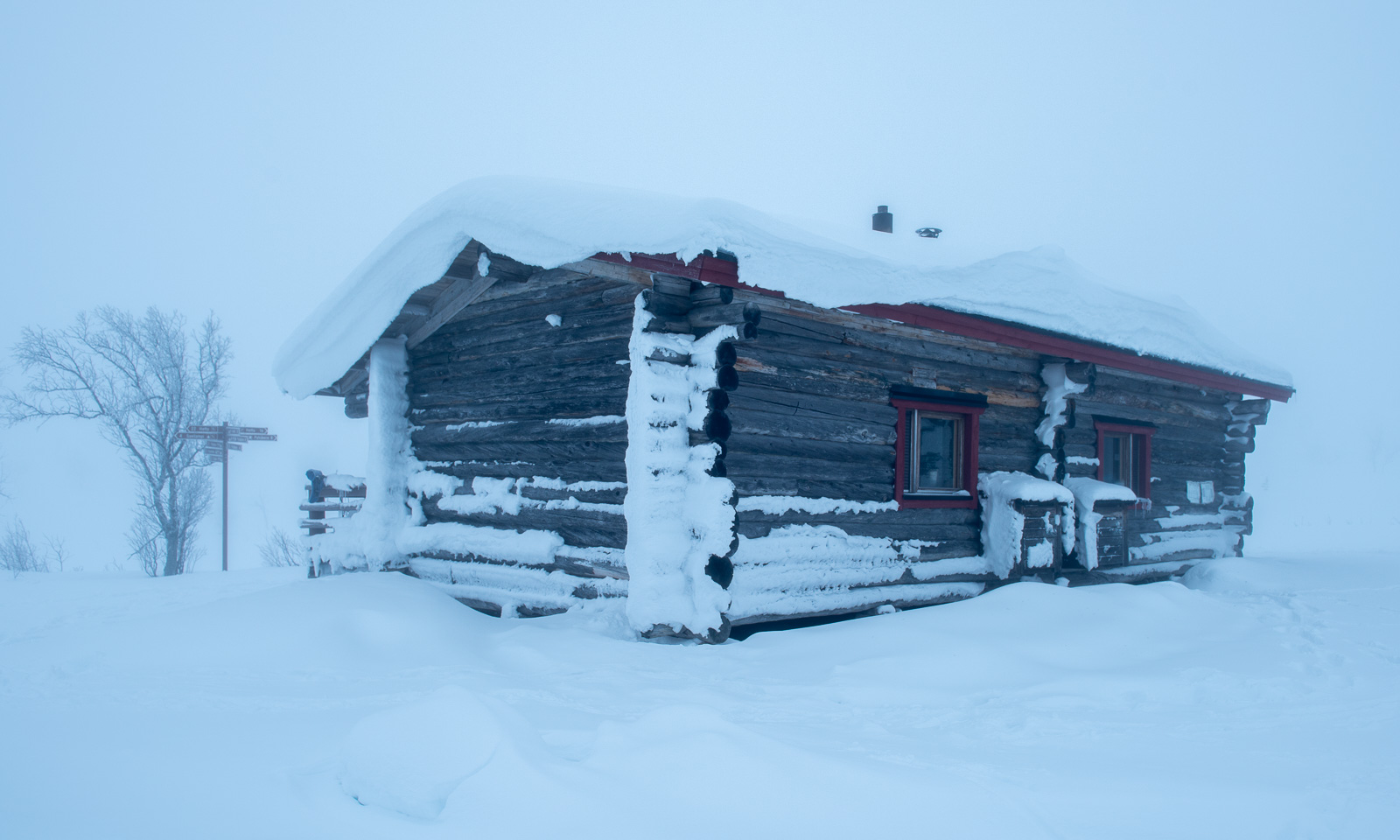
08:50 – everything is packed for starting our ski tour through the Pallas-Yllästunturi National Park. My wife Annika wears a backpack, I’m dragging a pulka. Today’s destination is the hut Sioskuru.

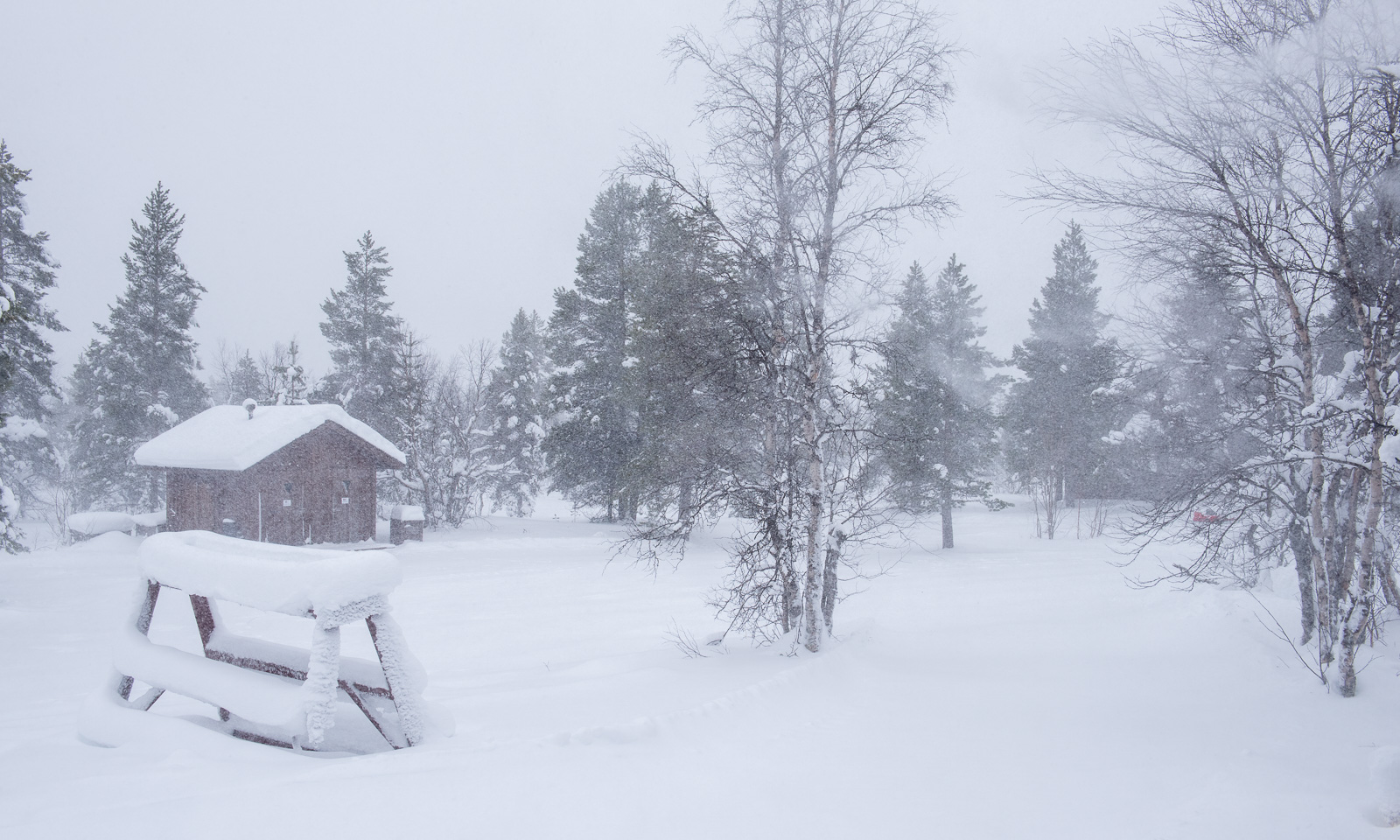
We ski down to the lake and turn left onto one of the cross-country ski trails. The weather is grey, it has started snowing.

Skiing on the trail is easy. We soon enter the national park and after two hours we reach the hut Pyhäkero.

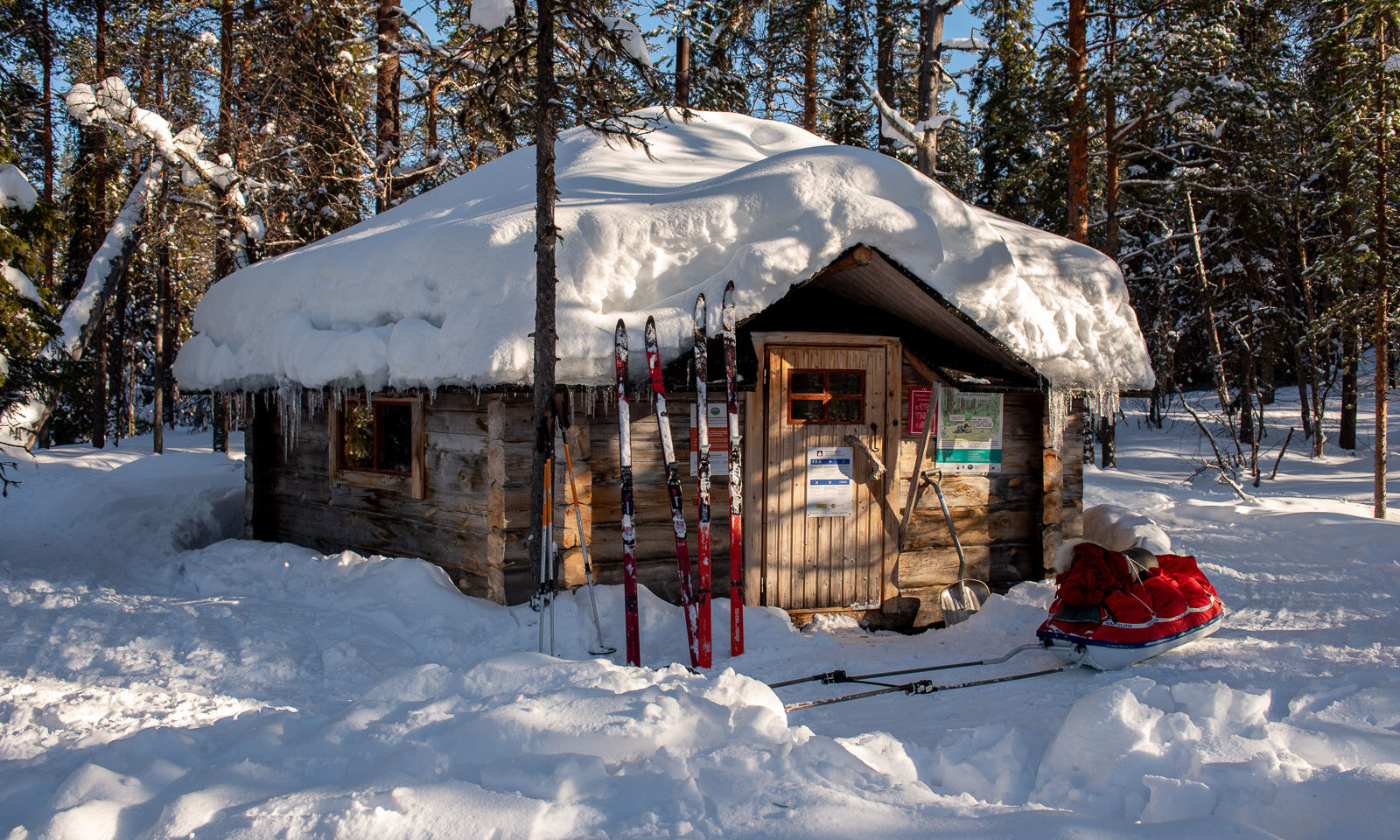
The Pallas-Yllästunturi National Park has a whole network of open wilderness huts, where you can stay for free. There is a wood-burning stove or fireplace, a gas cooker and a platform to sleep on. No mattresses, no luxury, but everything you need on a tour without the need for a tent and a cooker.

Some of the huts have locked rooms that you can pre-book for a small fee.

Outside of the hut Pyhäkero there is a signpost with all the destinations you can reach on foot in summer and on ski in winter. And since we are in Finland the names are quite long, such as Onnasvaaranreitti,  Sammalvaaranreitti, or Postituvaniärvet. We have only 8 km to ski to Sioskuru today, where we pre-booked two beds. Sounds easy,  doesn’t it?

A piste groomer is passing the hut. Will it groom our trail? No, it just turns back. At the same time the wind is increasing, and so is the snowfall. Unfortunately the weather forecast was correct.

First we traverse a gorge that leads slowly uphill.

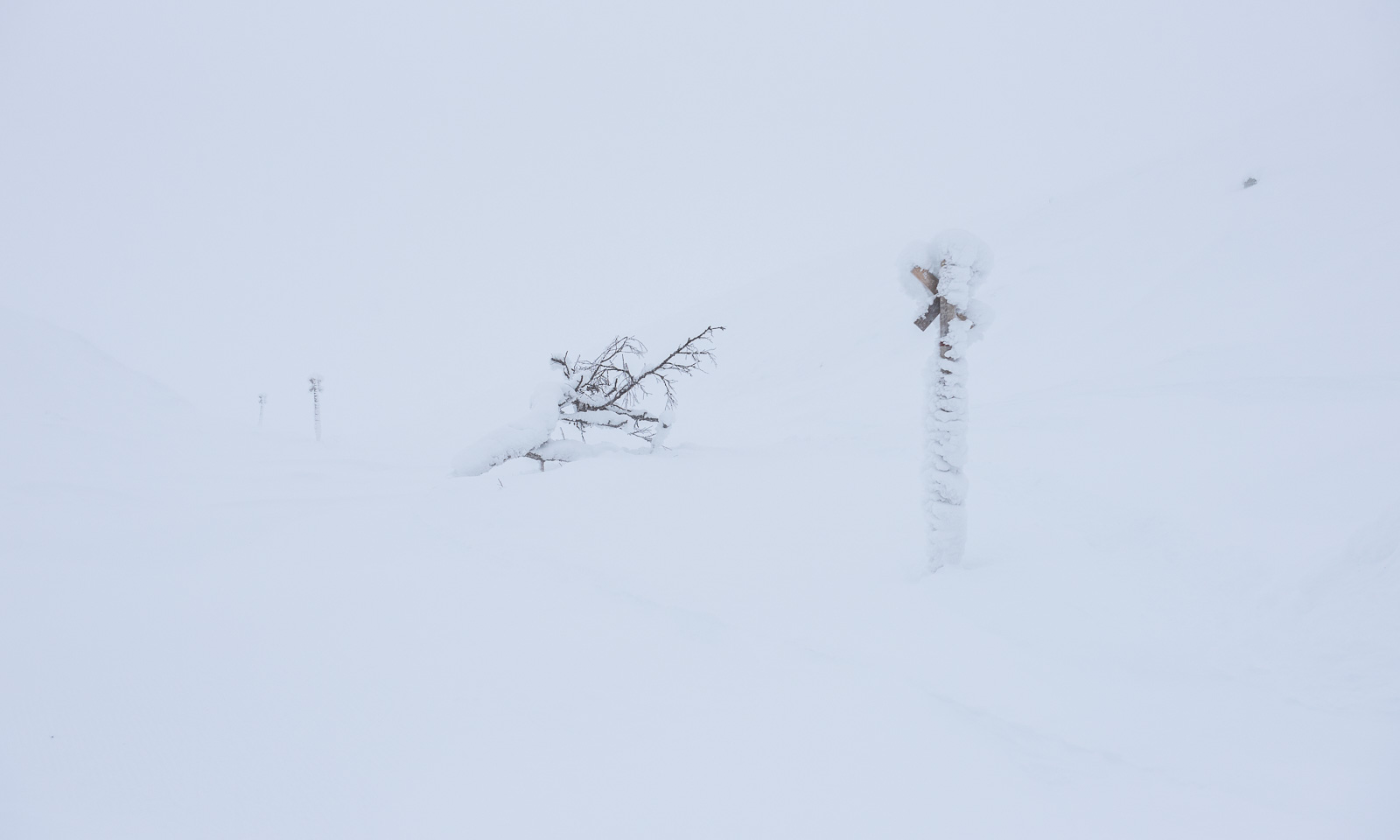
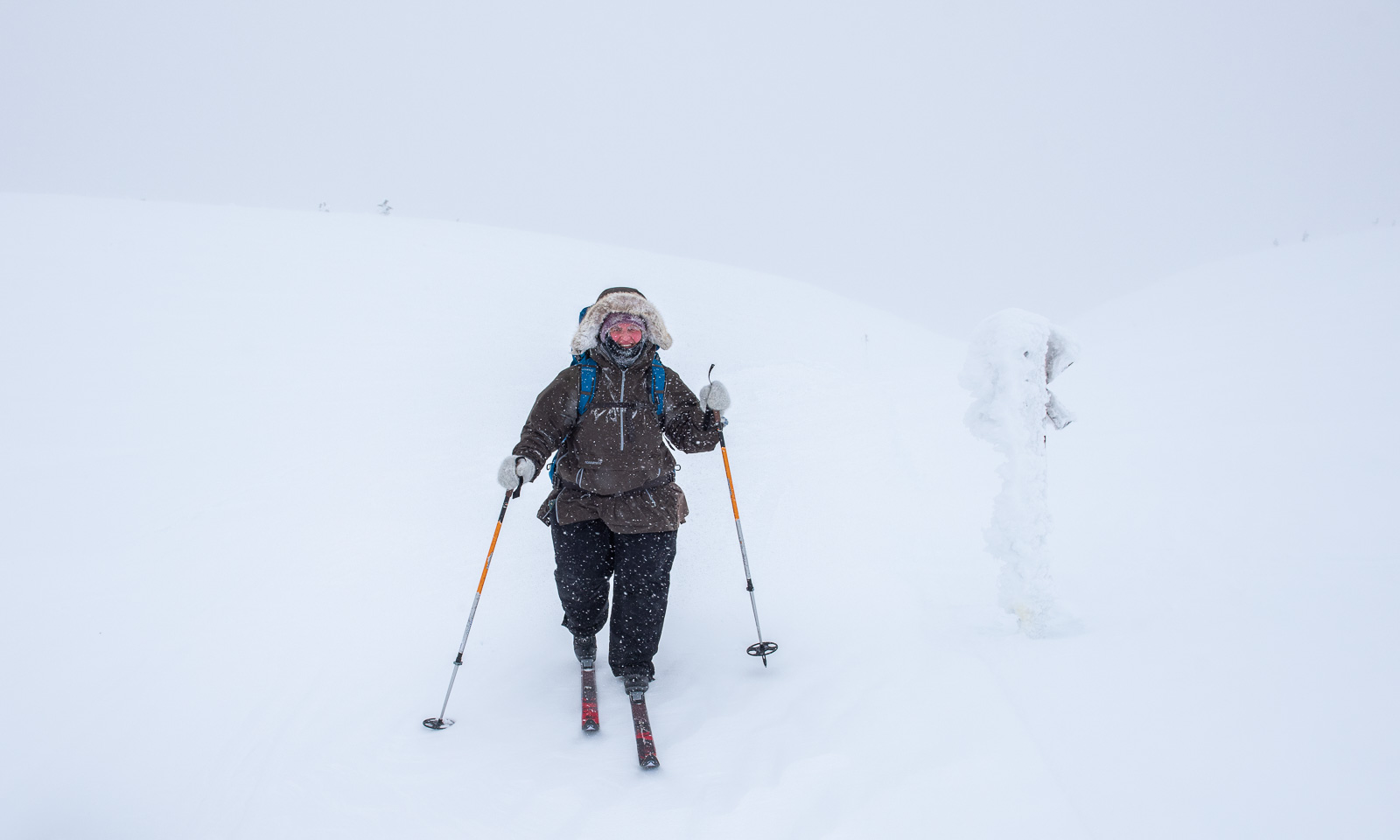
Then we reach more open terrain. The wind is pretty strong, it is snowing and you cannot make out anything except the trees, that look like being placed randomly in the plateau. Luckily, the path is well marked with wooden crosses.

The snow gets deeper, the terrain steeper and each metre we ascend is extremely exhausting. Again and again we have to rest to catch our breath. It takes us two hours until we finally spot the hut Sioskuru. Two hours, in which didn’t take a single picture in these two hours.

It takes some effort to unlock the frozen lock, then we are inside. Now it is time for us to defrost our faces, change clothes and enjoy the shelter of the hut. While the wind and snowfall are slowly declining, we  are settling in, making fire and cooking food. We skied 17 km, but I am very exhausted, my legs hurt and I am very glad to have arrived.

The next day we will continue to Hannukuru, which is, fortunately, a shorter distance.