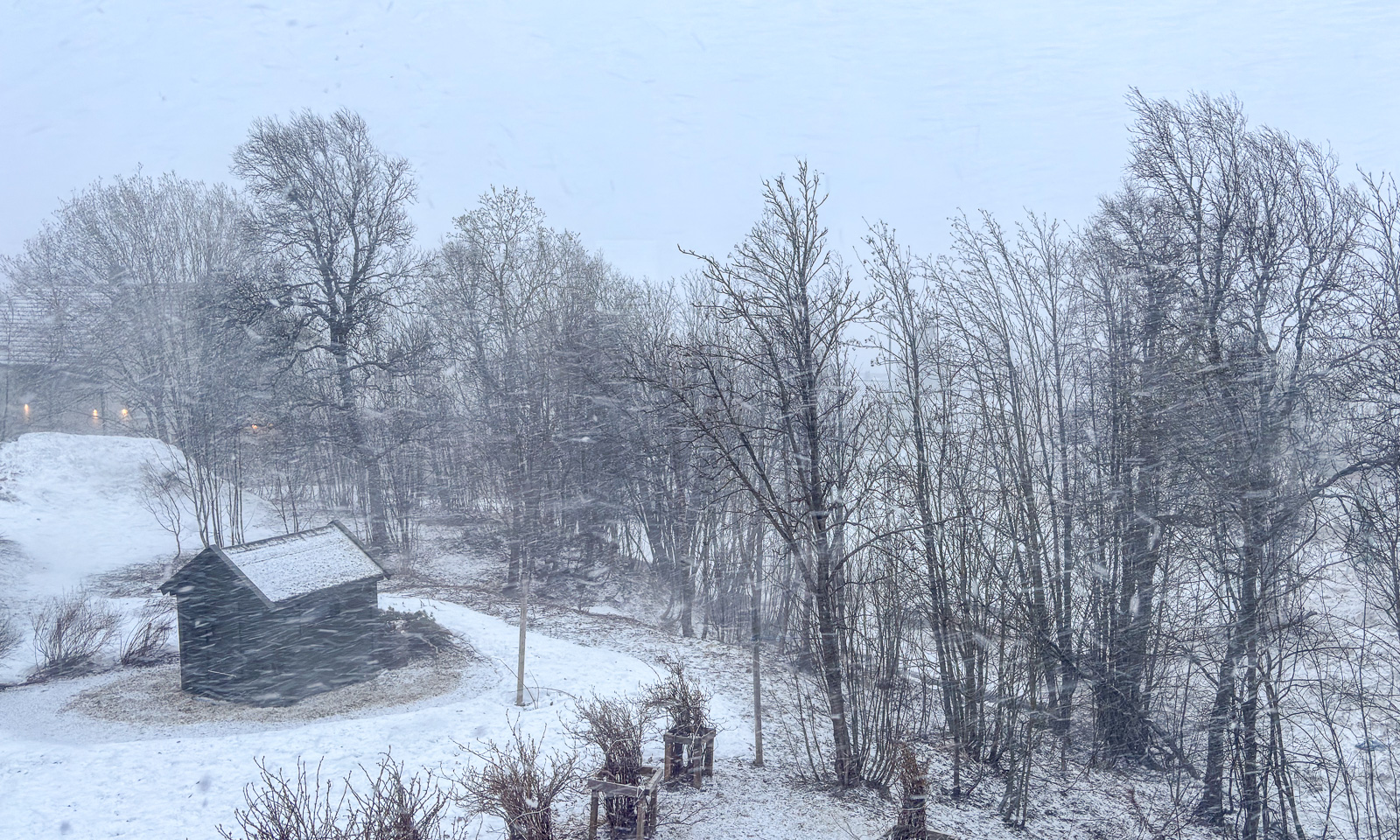
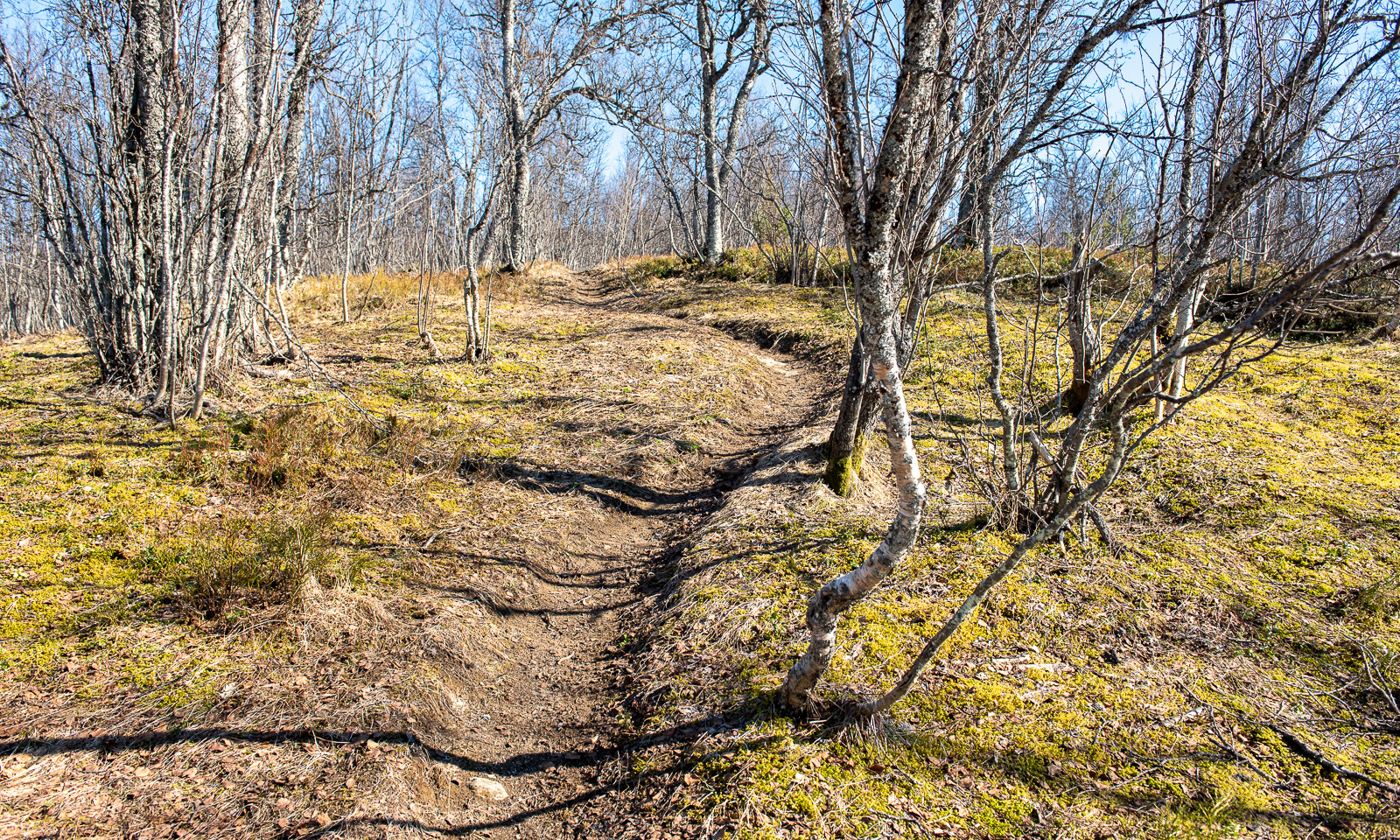
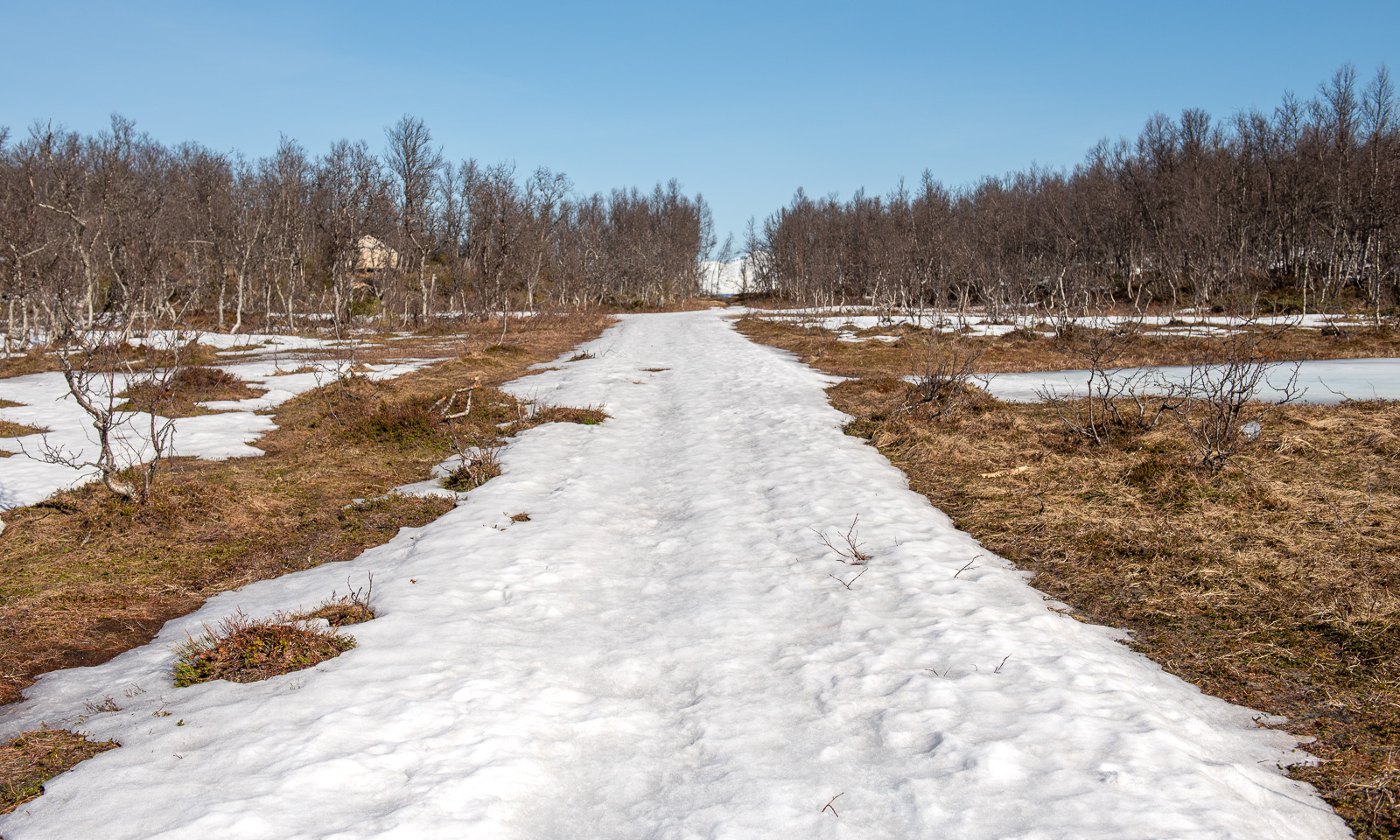
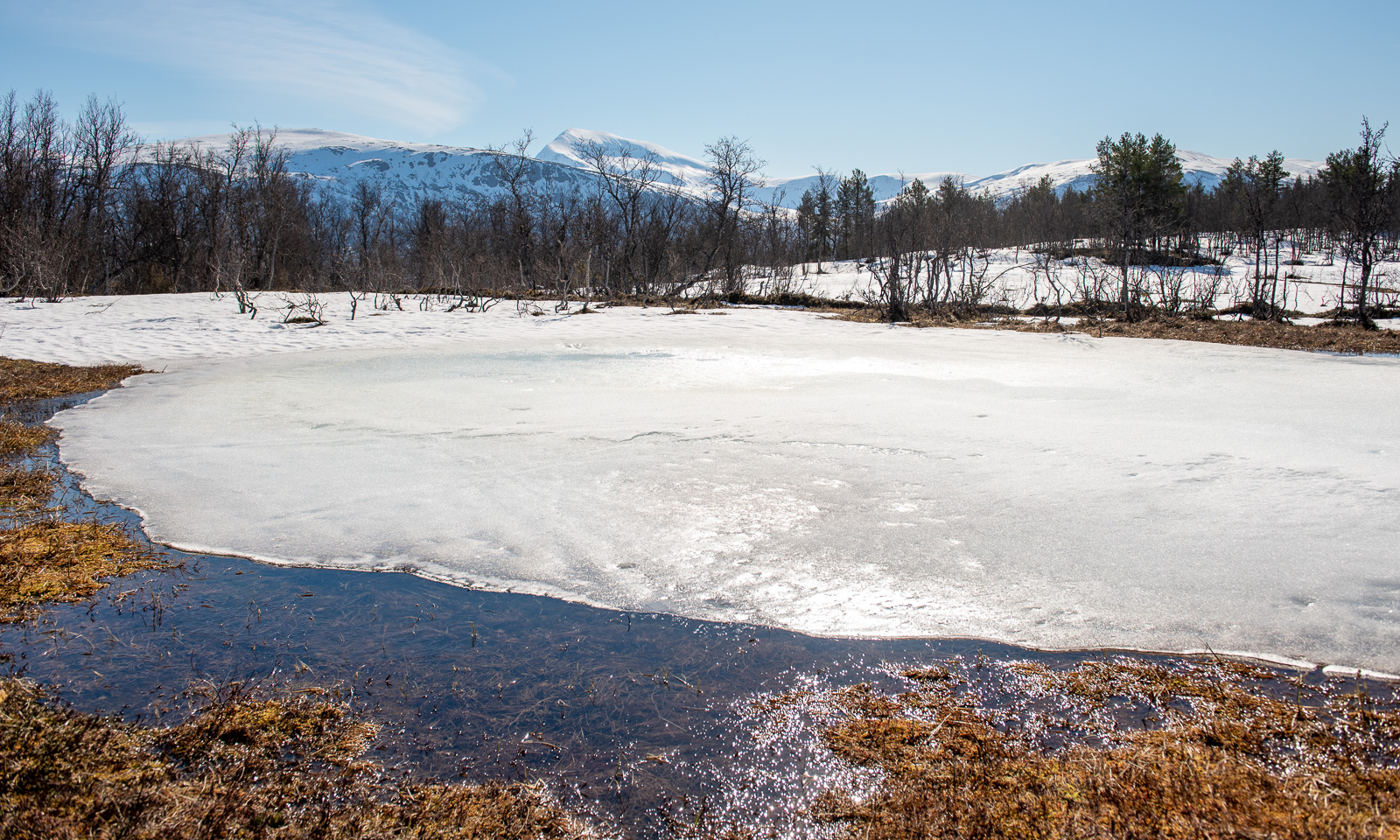
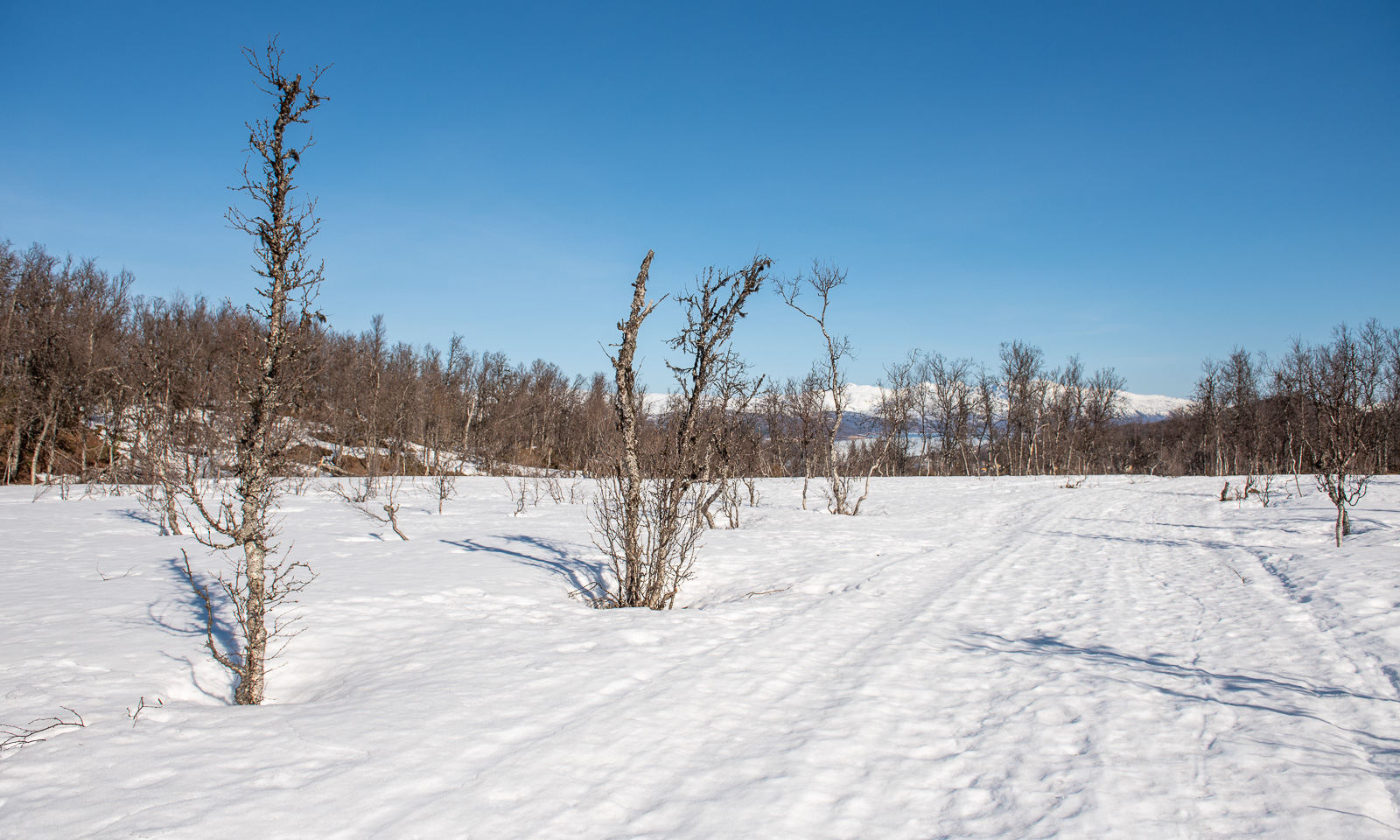
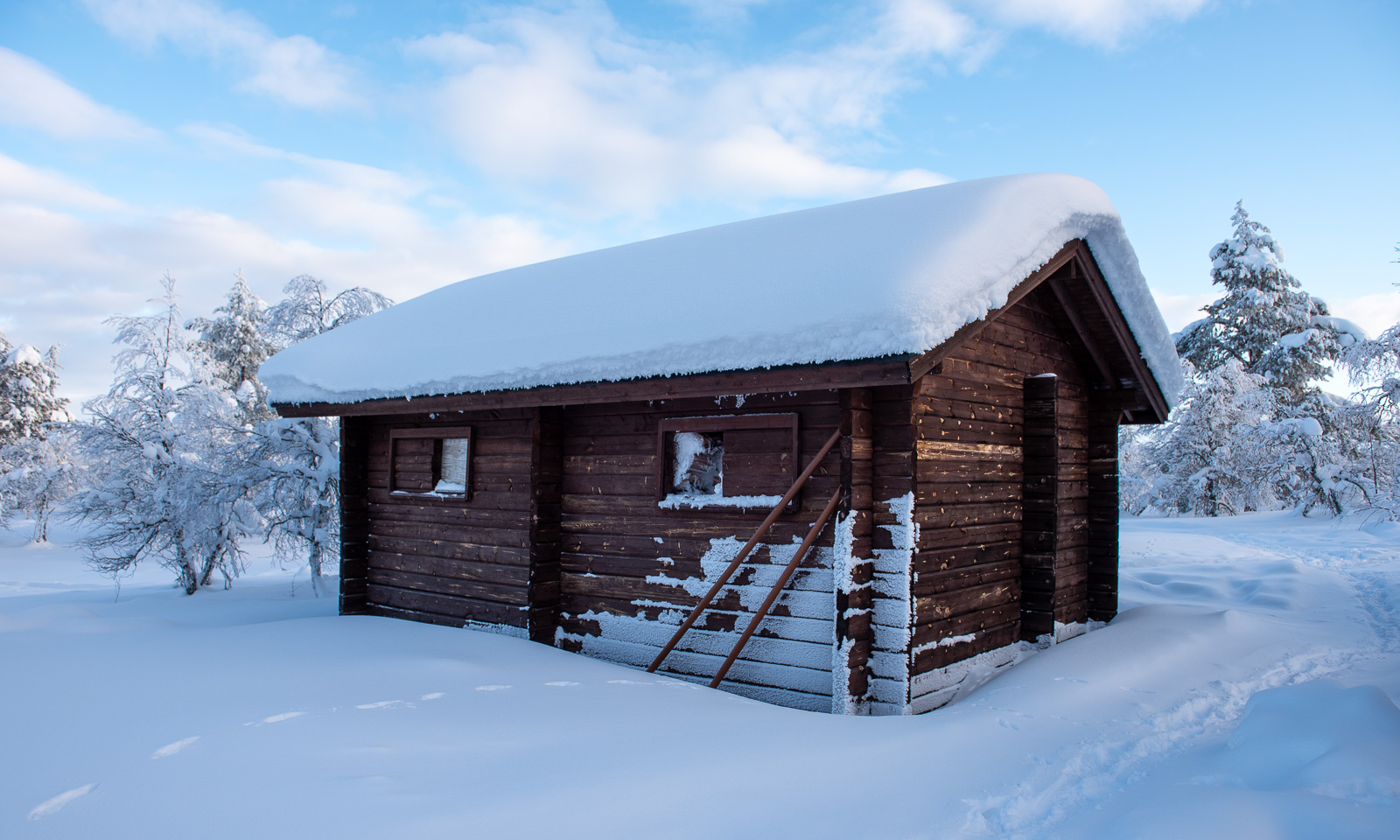
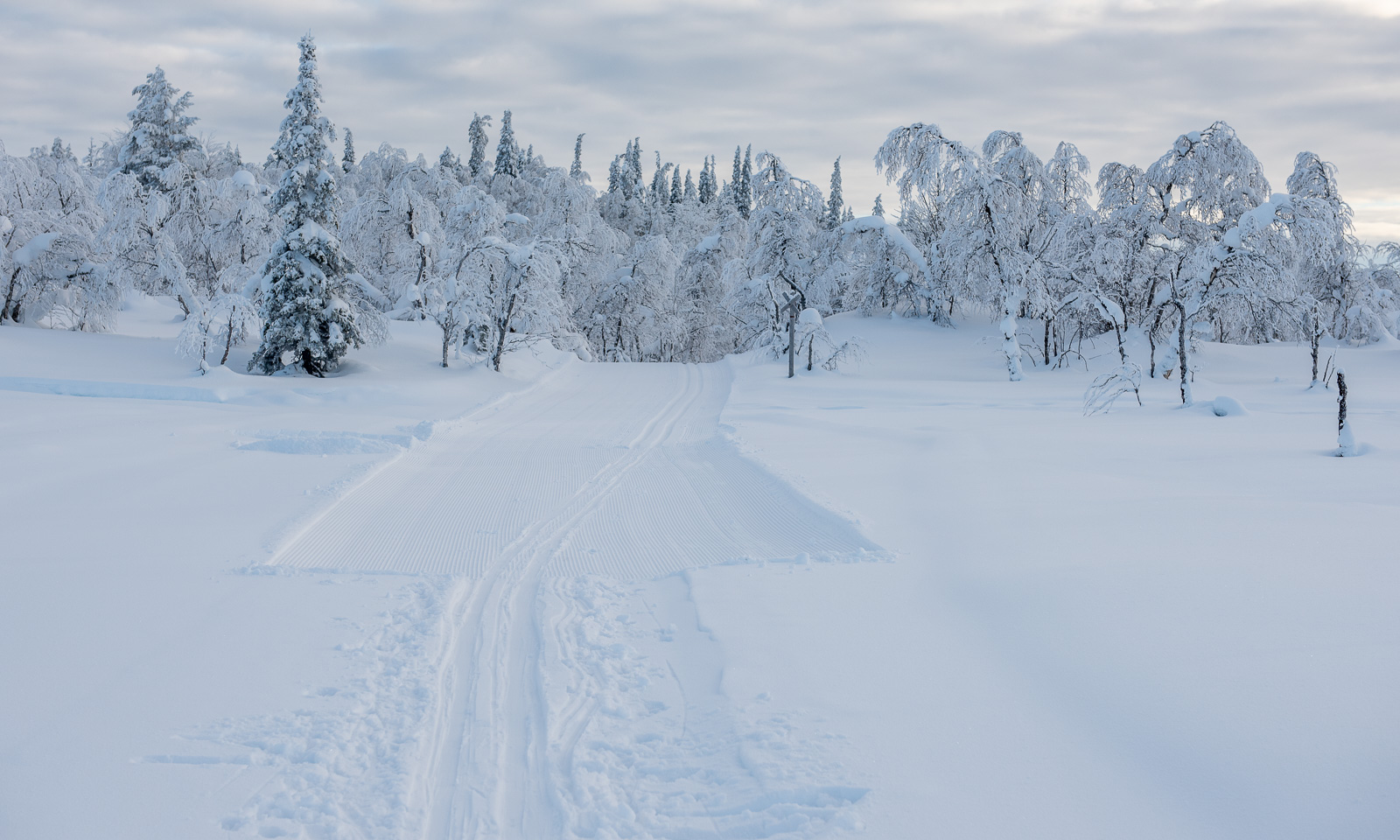
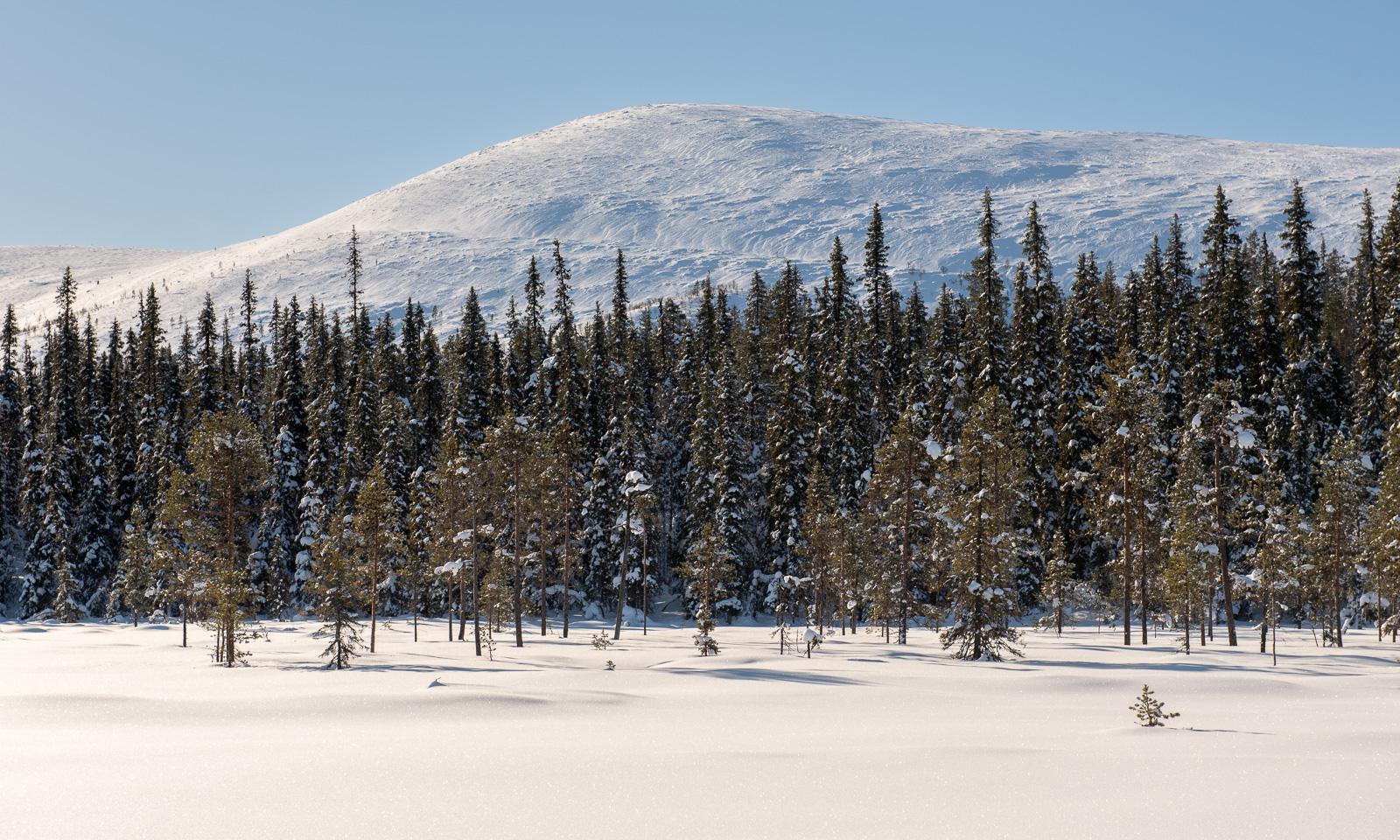
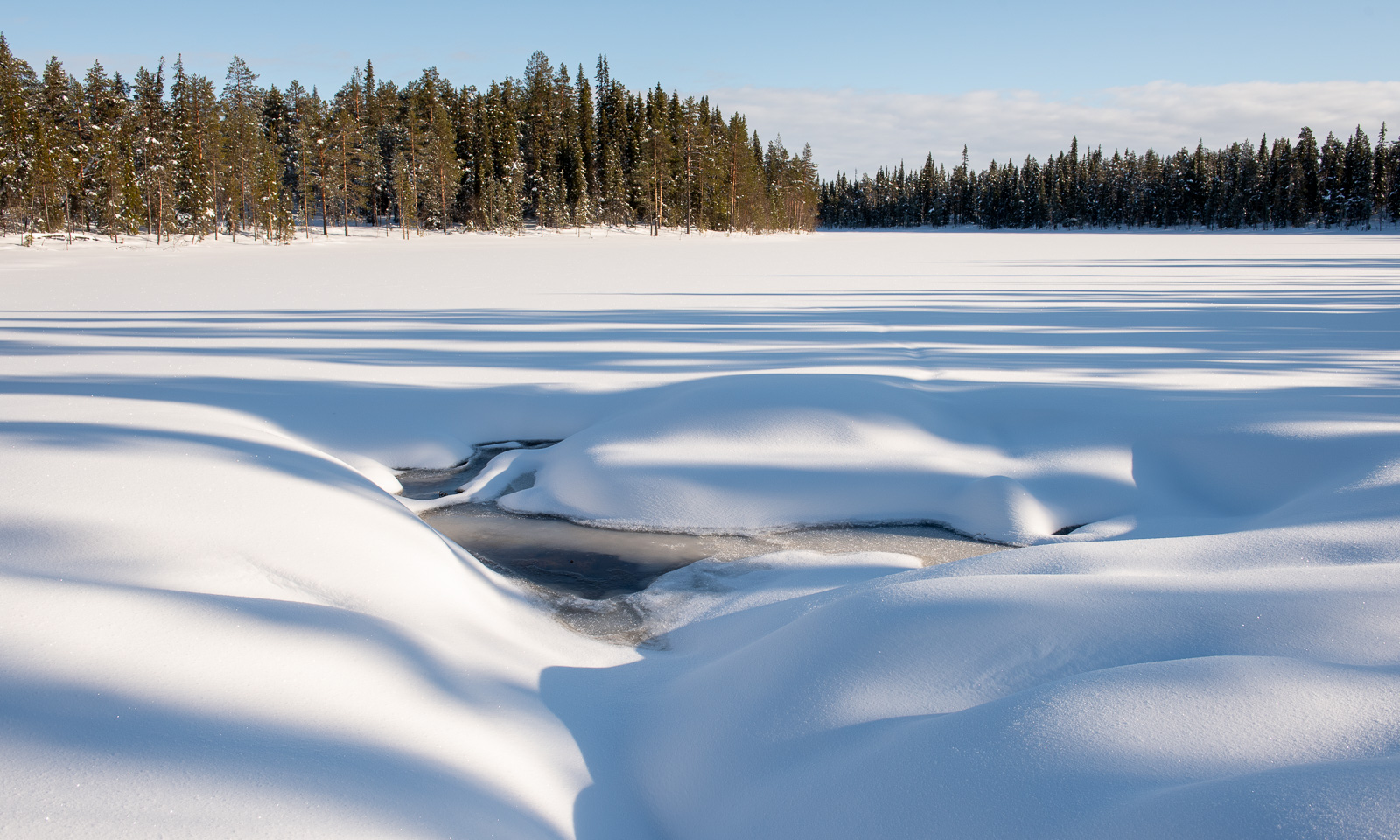
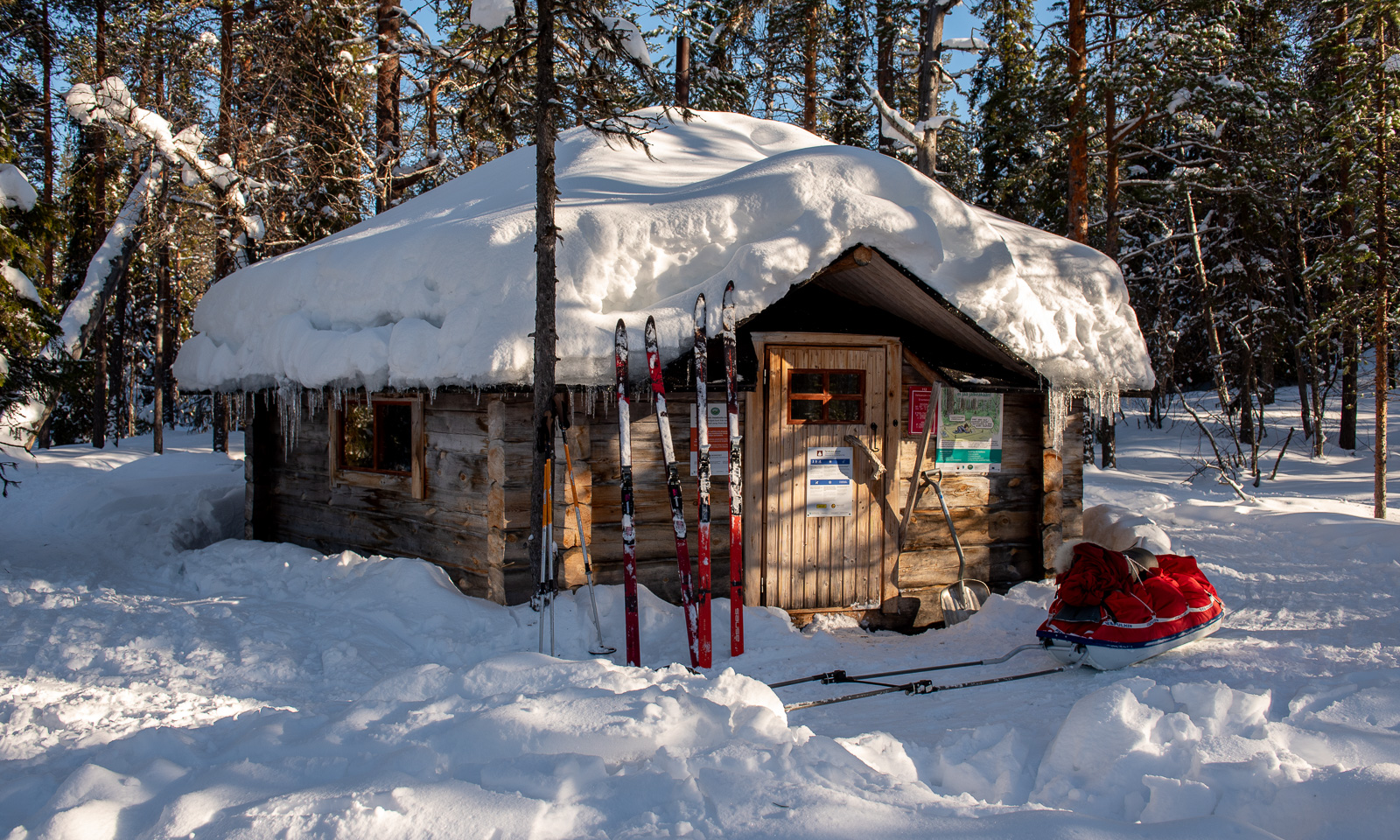
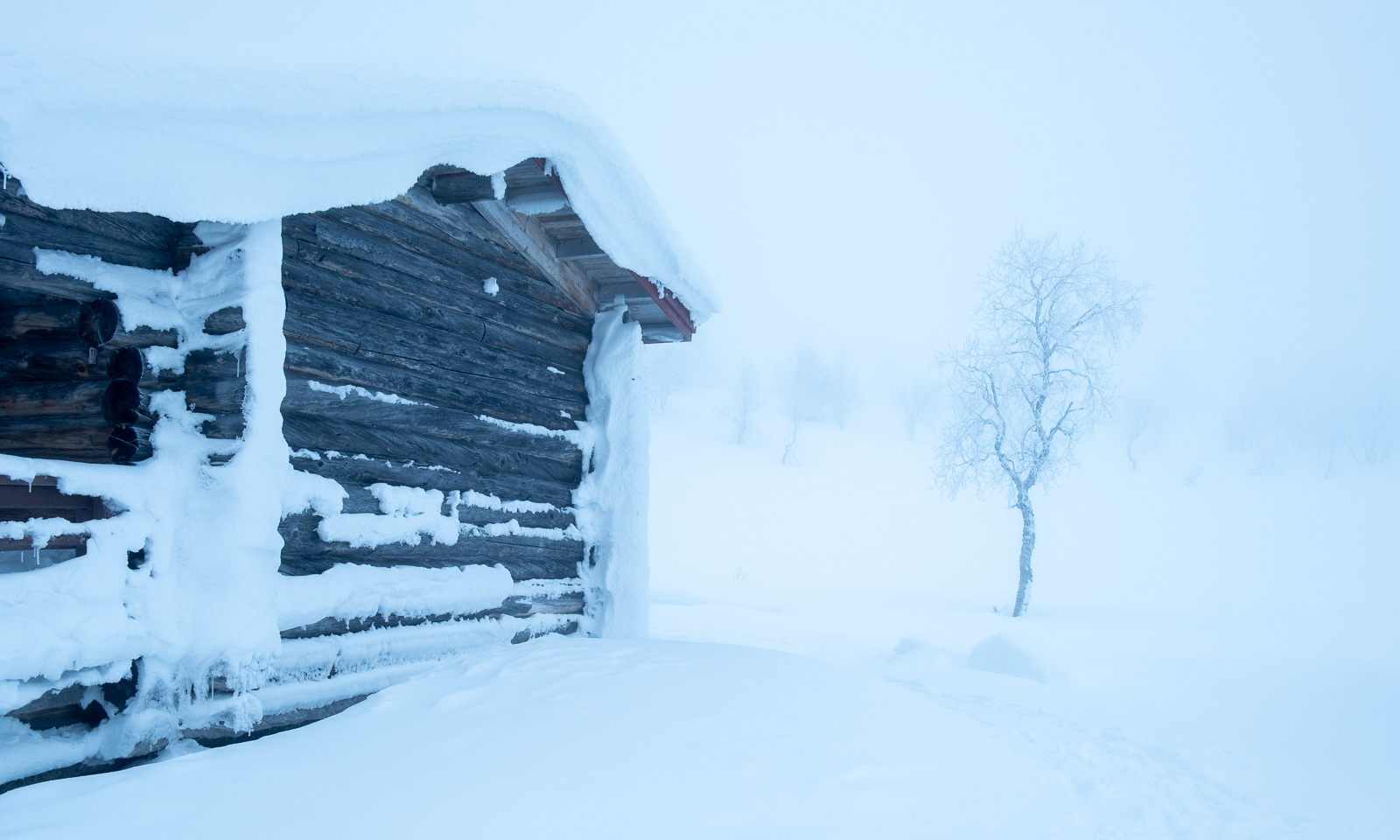
Soldagen 2026

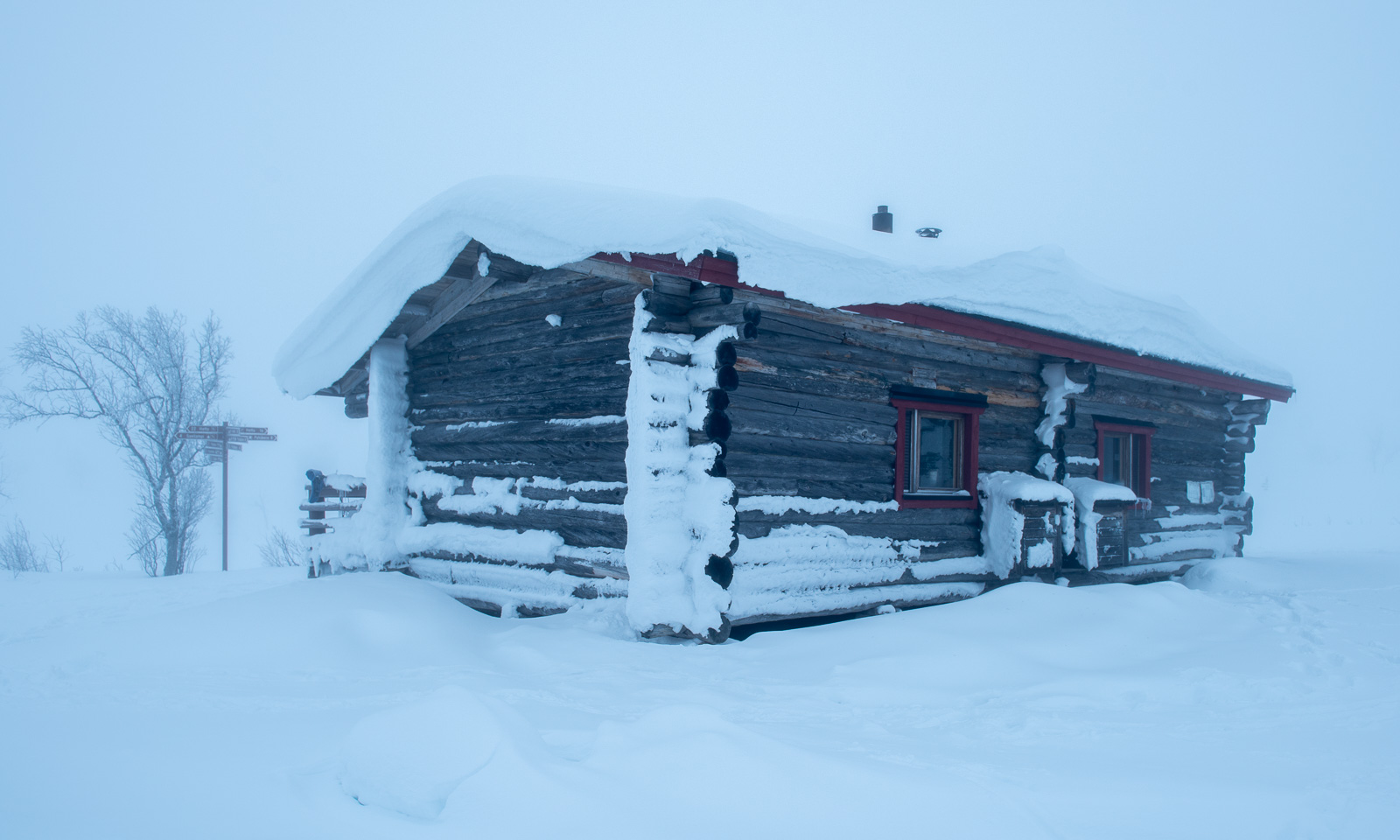
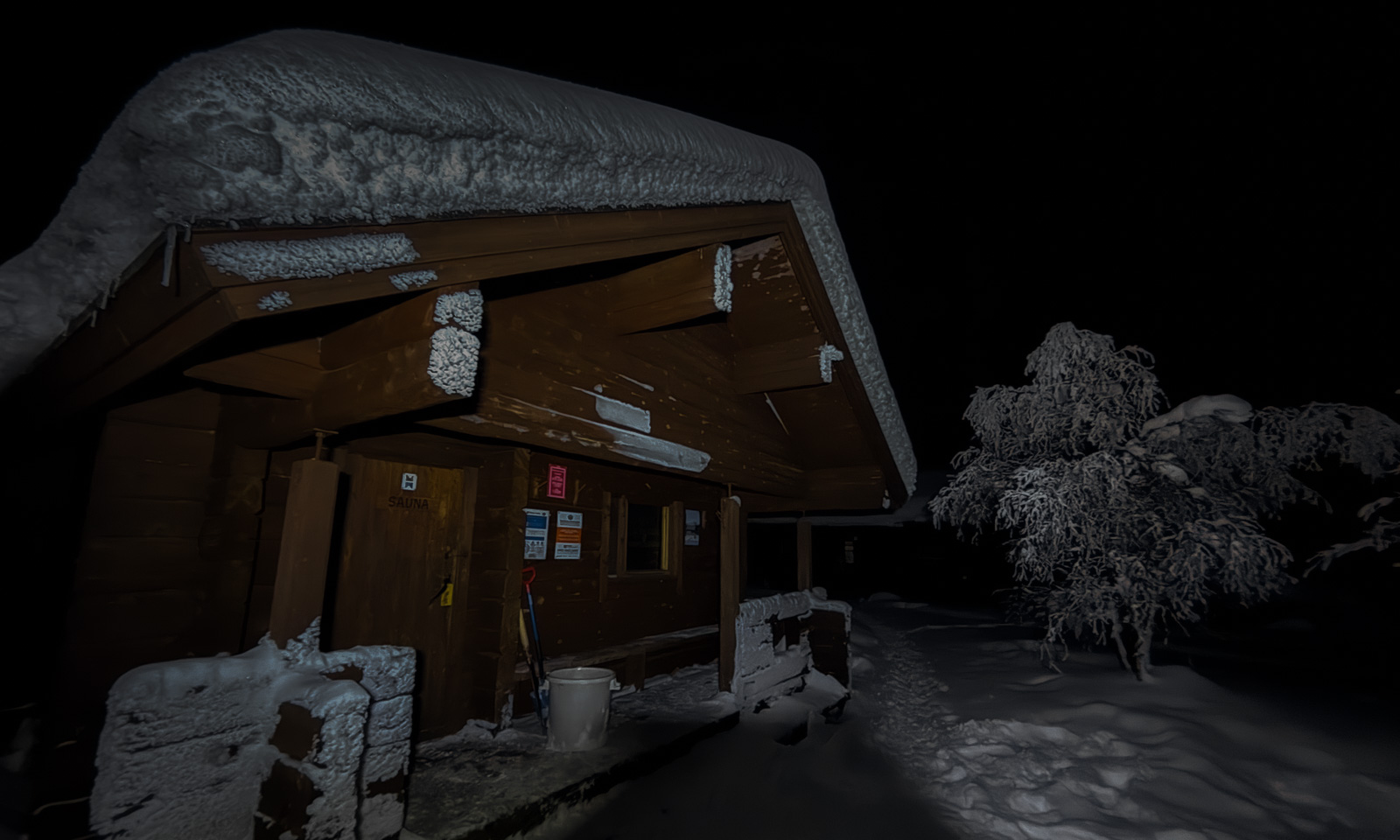
Although the sun has been above the horizon in Tromsø since 15 January, it always takes some days until it rises above the mountains south of the island. Today was the “official” soldagen, the “sun day” when the sun returns to Tromsø.

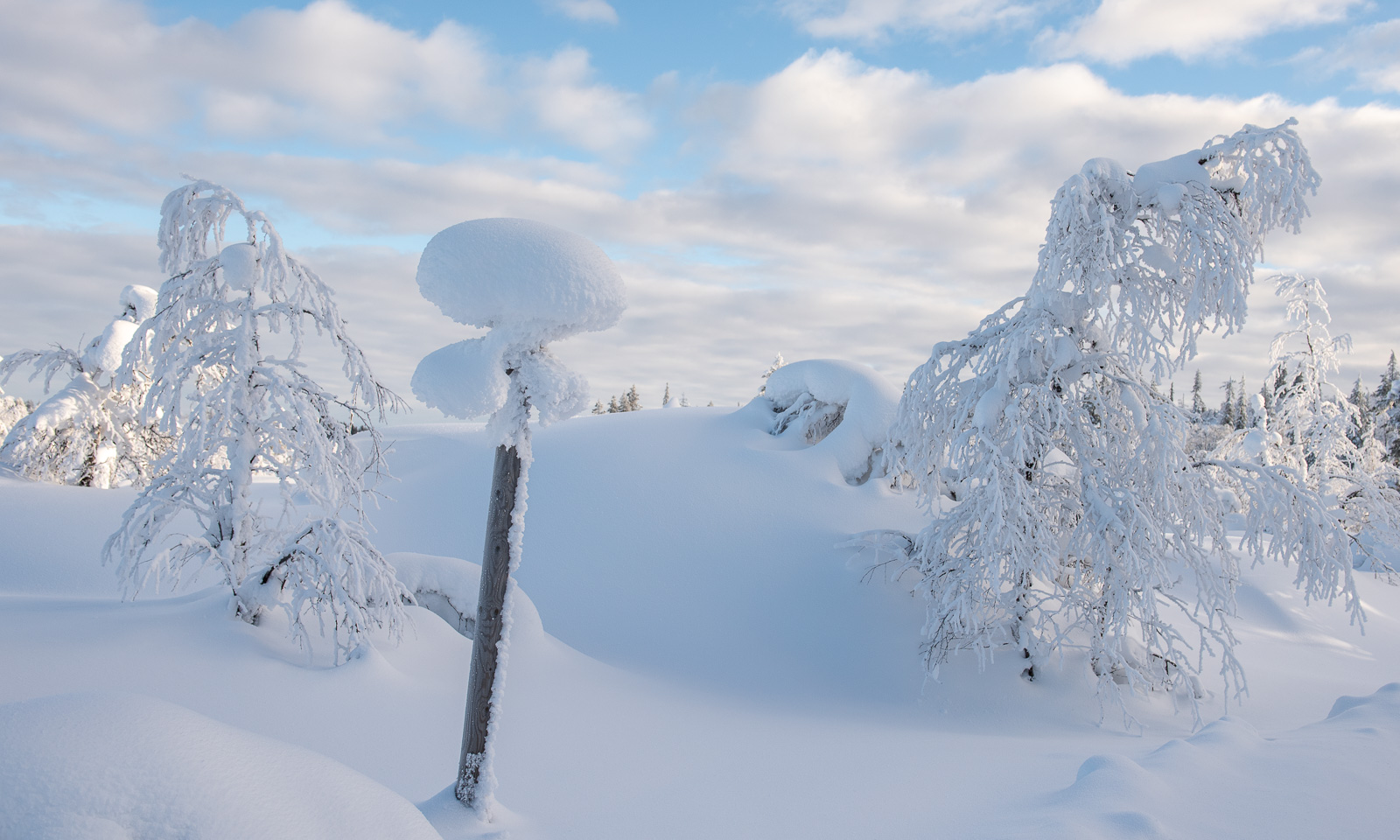
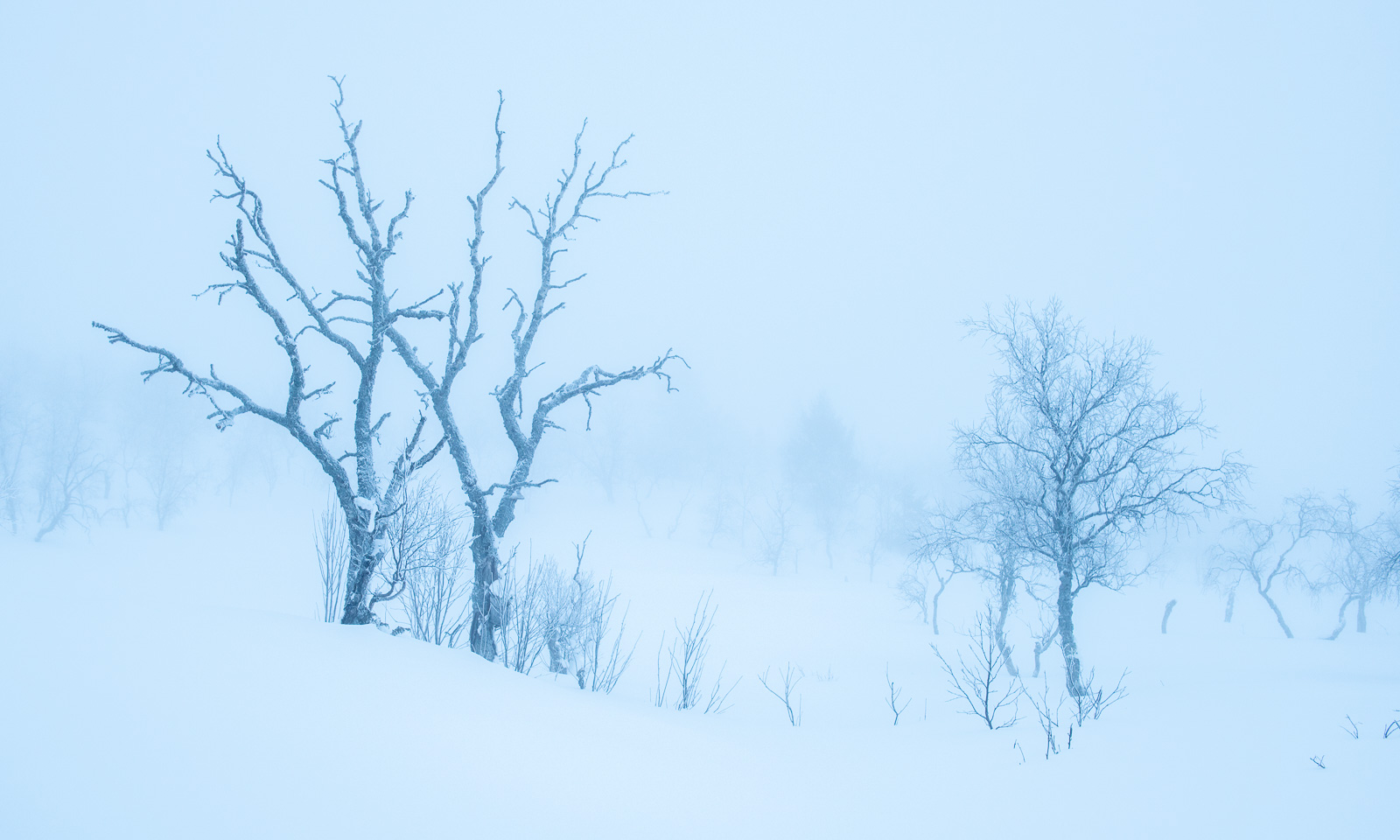
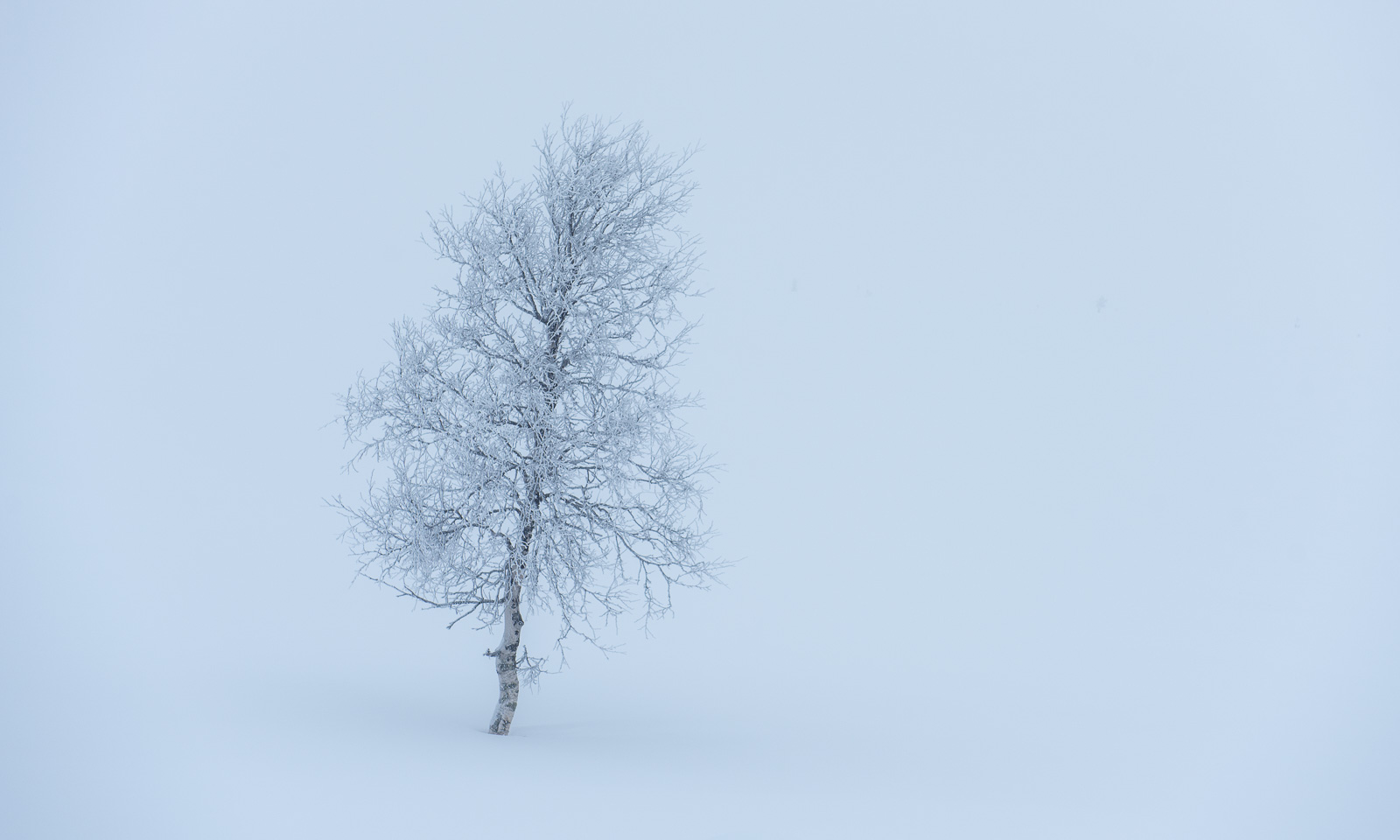
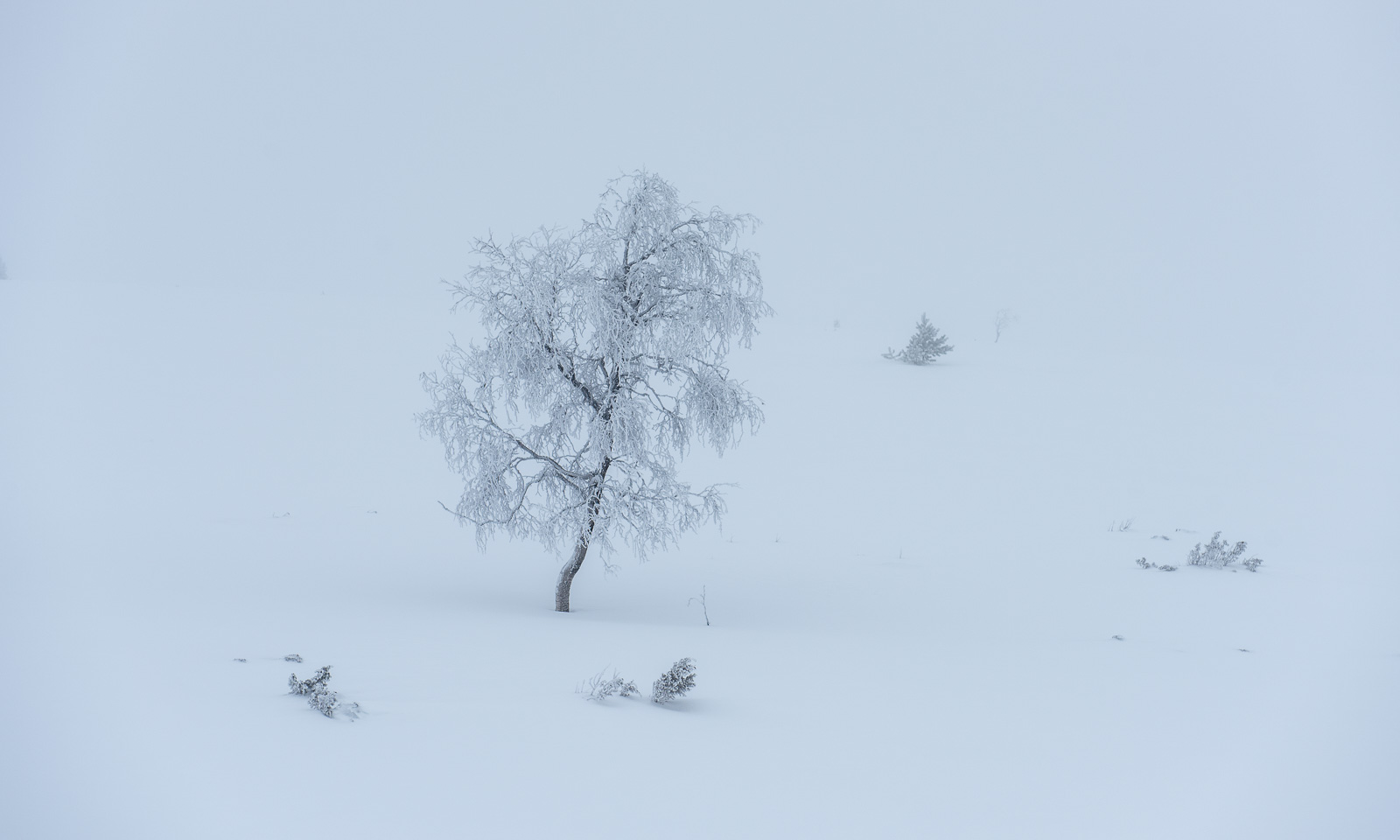
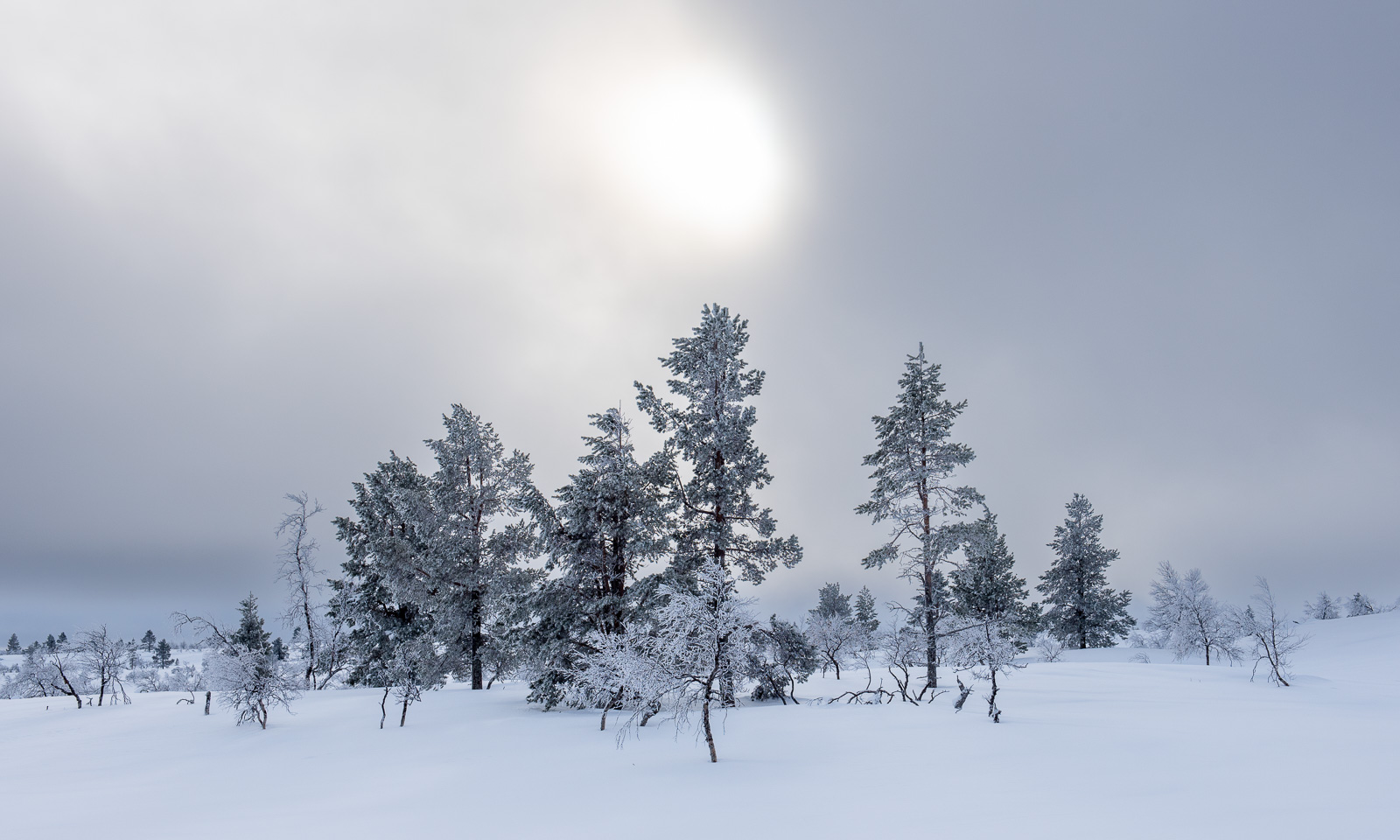
The first photos, however, I took today between 5:00 and 5:30. There was polar light all over the sky but when I reached a good spot it had already weakened. At least I took a photo of the trees covered in hoar frost – the result of a very foggy night two nights earlier.

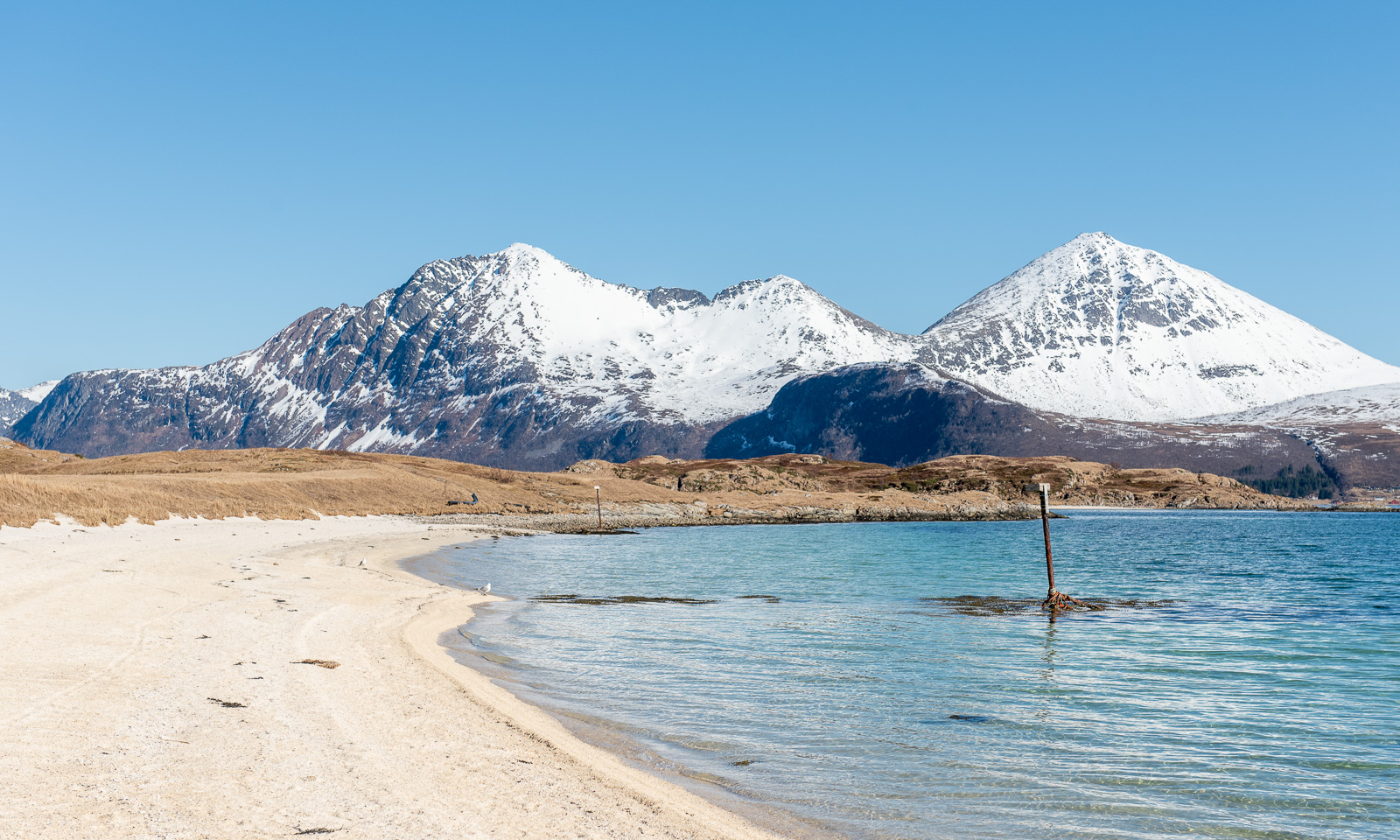
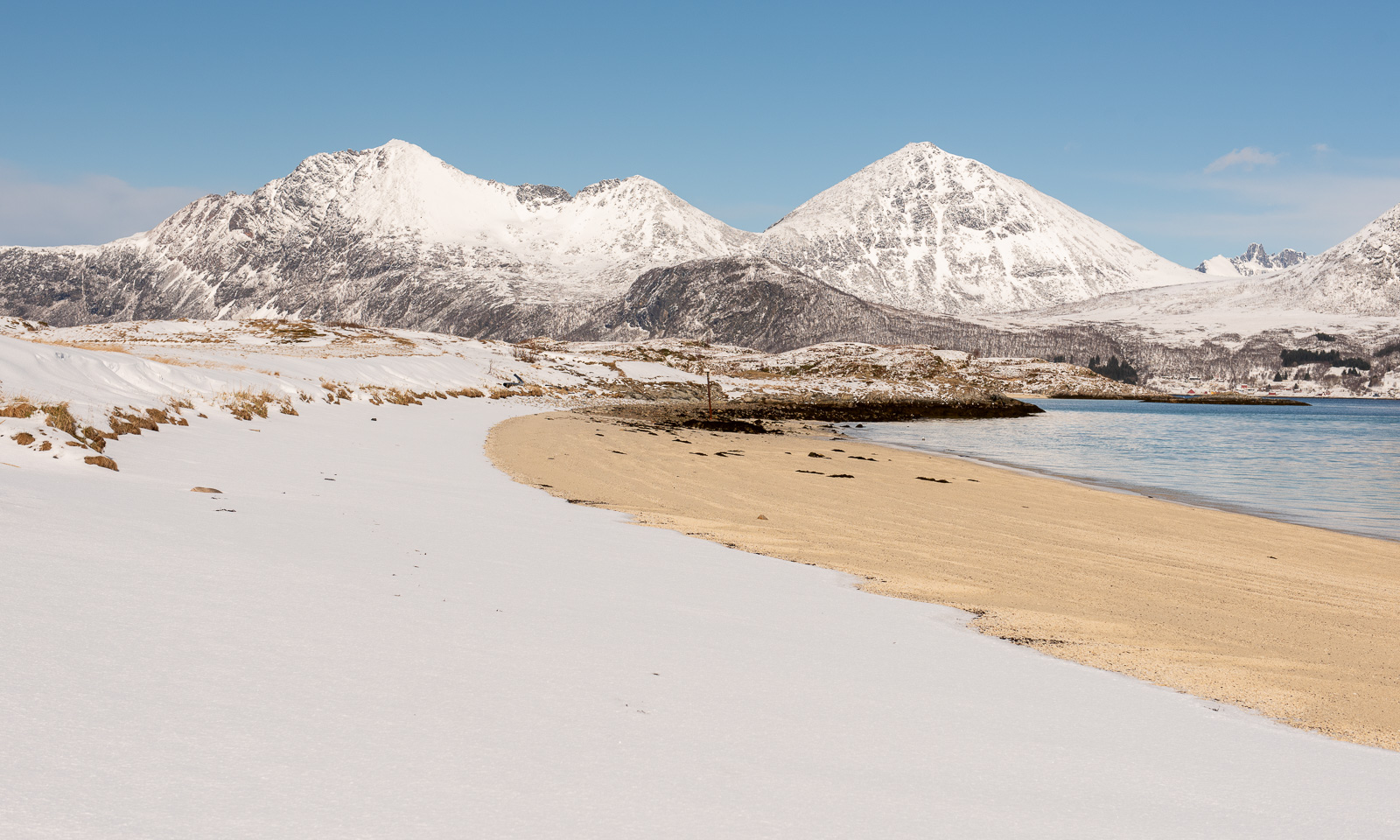
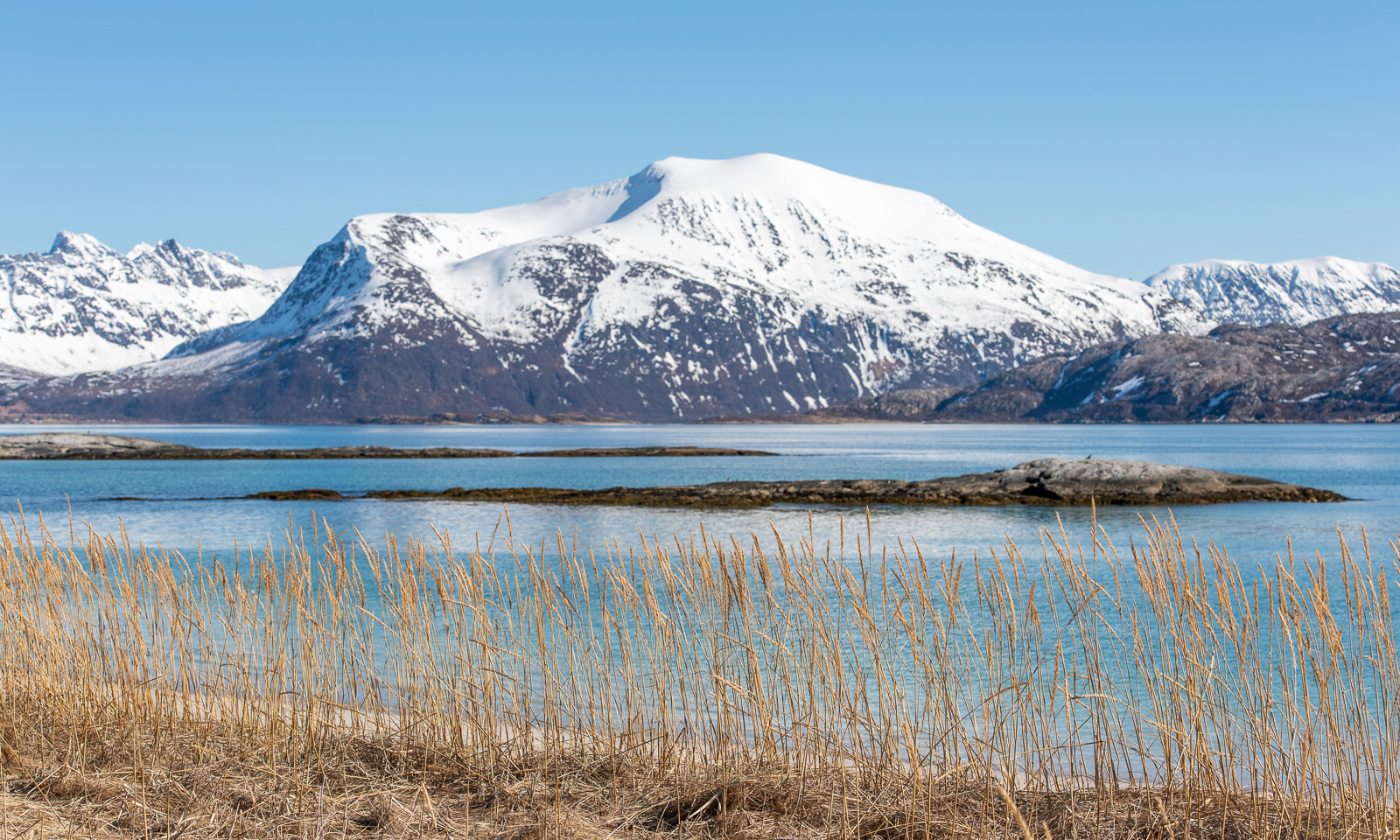
Before lunchtime, I took an hour off and took the bus to Telegrafbukta in the southern part of Tromsøya.  It is a good spot to welcome the sun after two months of absence. When I reached the beach I could already see the sunlit snowy mountains in the north. What a beauty!

I joined some winter swimmers and took a dip in the sea. Water temperature 3.9 °C and sorry—no photos. The sun had vanished behind a mountain but luckily came back and stayed for a while. That’s always a special moment and I was amongst hundreds of other people celebrating this hour of resurgence.

I look very overdressed with this heavy down parka considering it was only -6 °C, but I like to have it extra warm after a winter bath when waiting for the bus back to work.

With the sun, the days get longer and longer and even shortly before 16:00 the western sky was still glowing in warm colours. Fifteen minutes later I saw another aurora between the frosted trees.

Unfortunately the last photo is out of focus. When I realised it the aurora had already almost disappeared again. Often you have to be quick to take pictures of the northern lights.


30 days – 30 photos

19 November – Obbola, Sweden

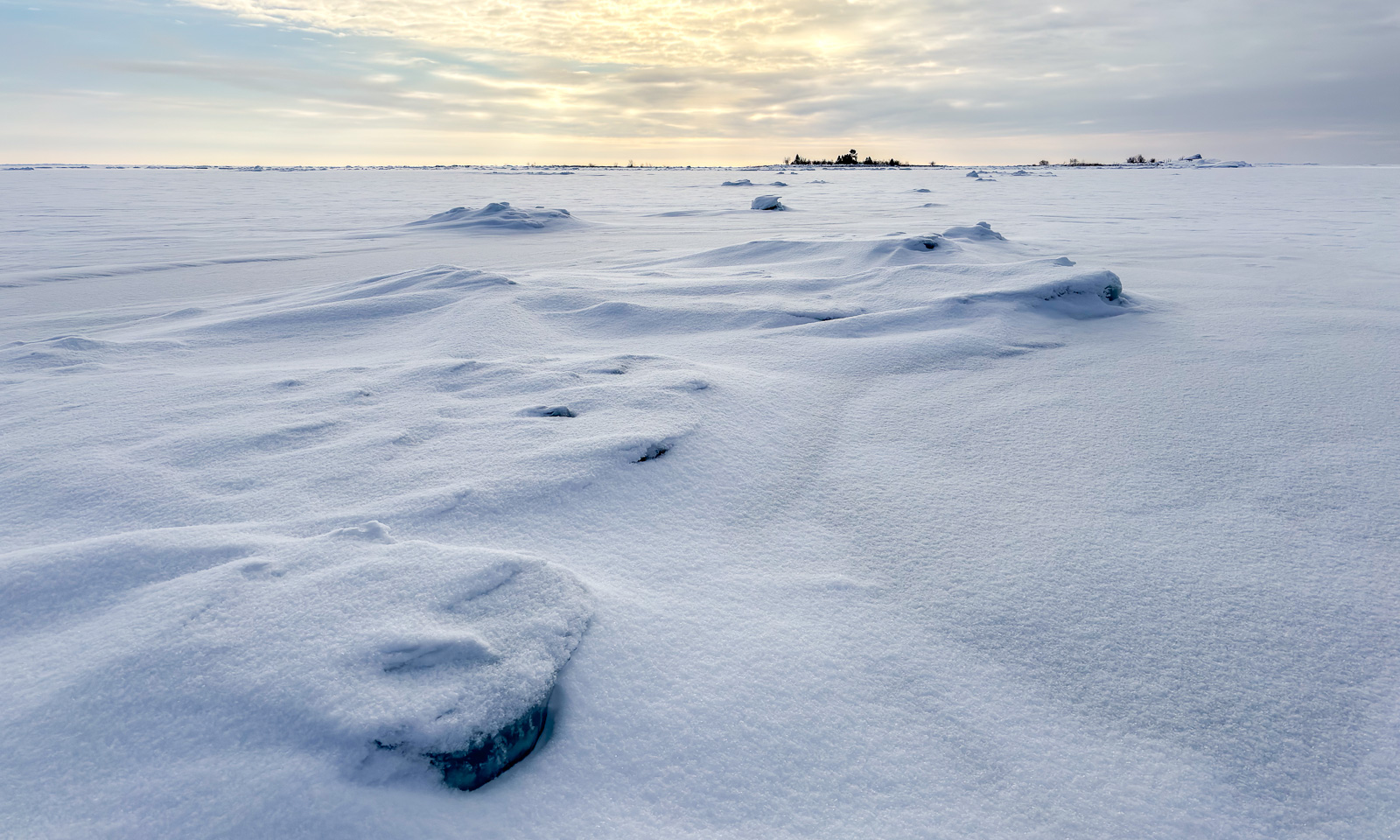
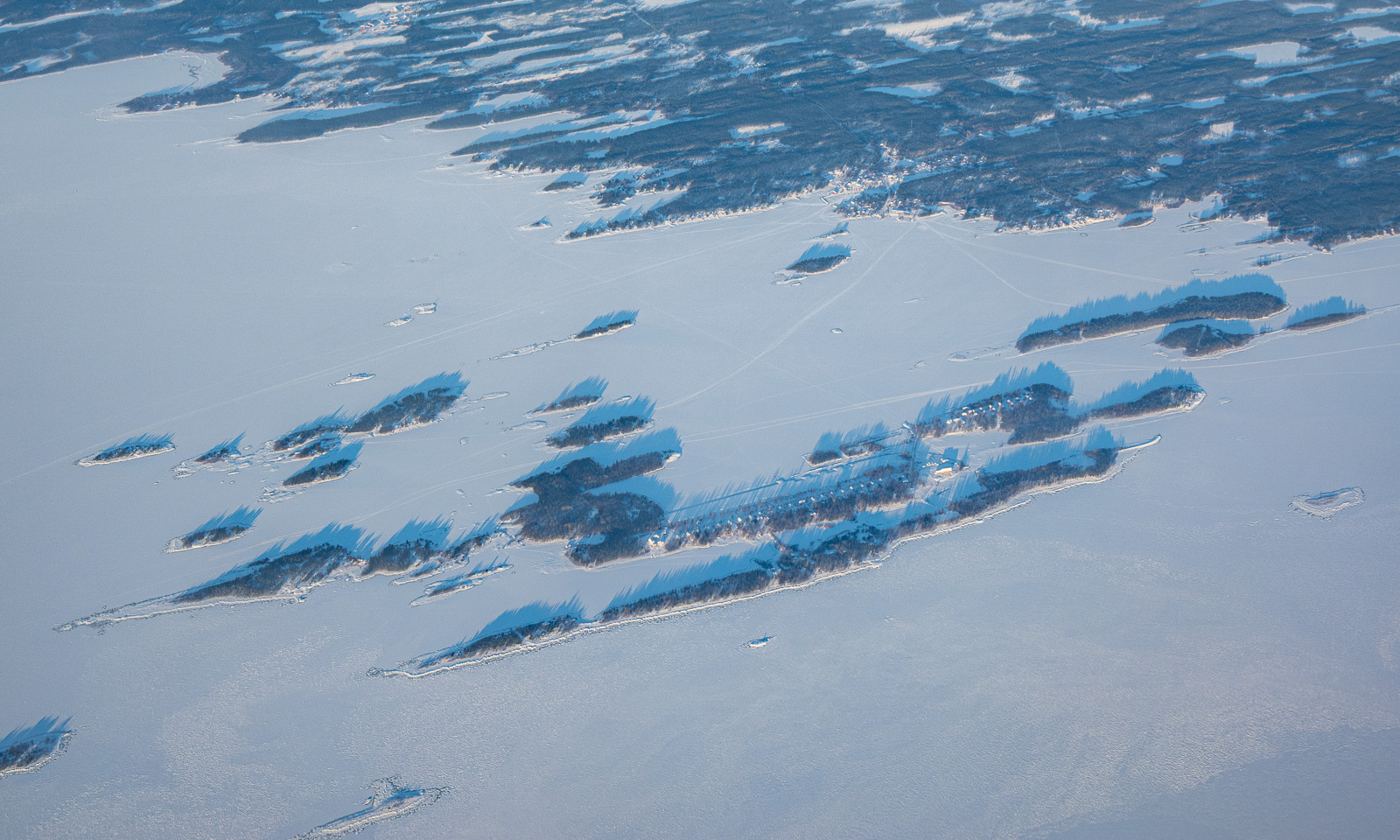
The morning is cold. -14 °C. The sea has been freezing over. At the horizon lies a layer of clouds. Will they bring snow? Ice fog indicates open water. Later this morning I walk Spåret, the local circular hiking trail. There is hardly any snow, but the ice on the ponds is covered with frost patterns.

27–29 November – Obbola, Sweden

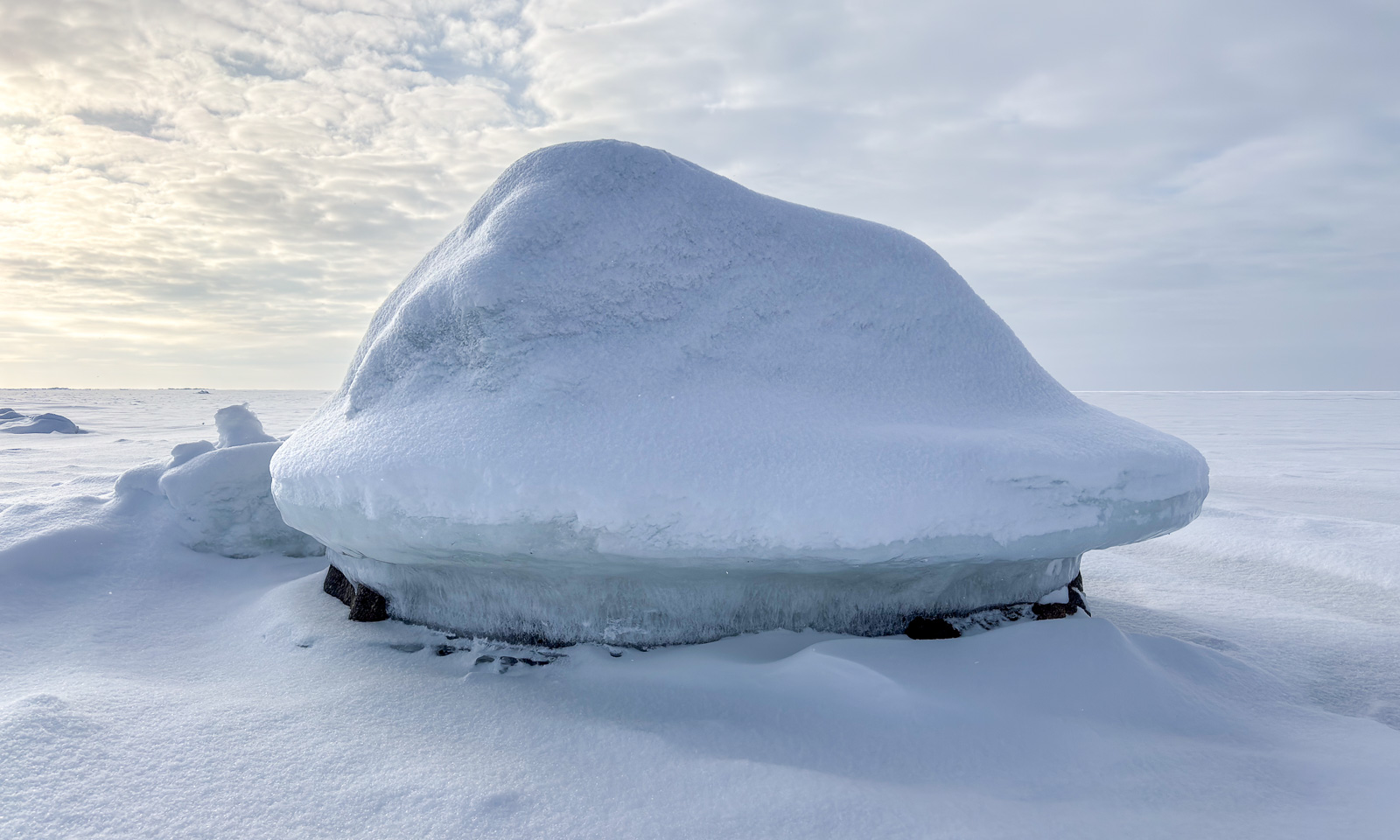
The weather has changed back from winter to autumn. Rain and storm dominate. The crushed sea ice gathers in our bay and big waves roll up the beach of Vitskärsudden. Even the last tiny bit of snow has gone.

1–2 December – Obbola and Umeå, Sweden

We got some centimetres of snow and Vitskärsudden looks completely different. Our plan to take the car to the inland with our German guests however was stopped by the weather. Too slippery the wet and icy roads. At least we make it to Umeå, where parts of the river Umeälven are frozen over.

3–4 December – Obbola, Sweden

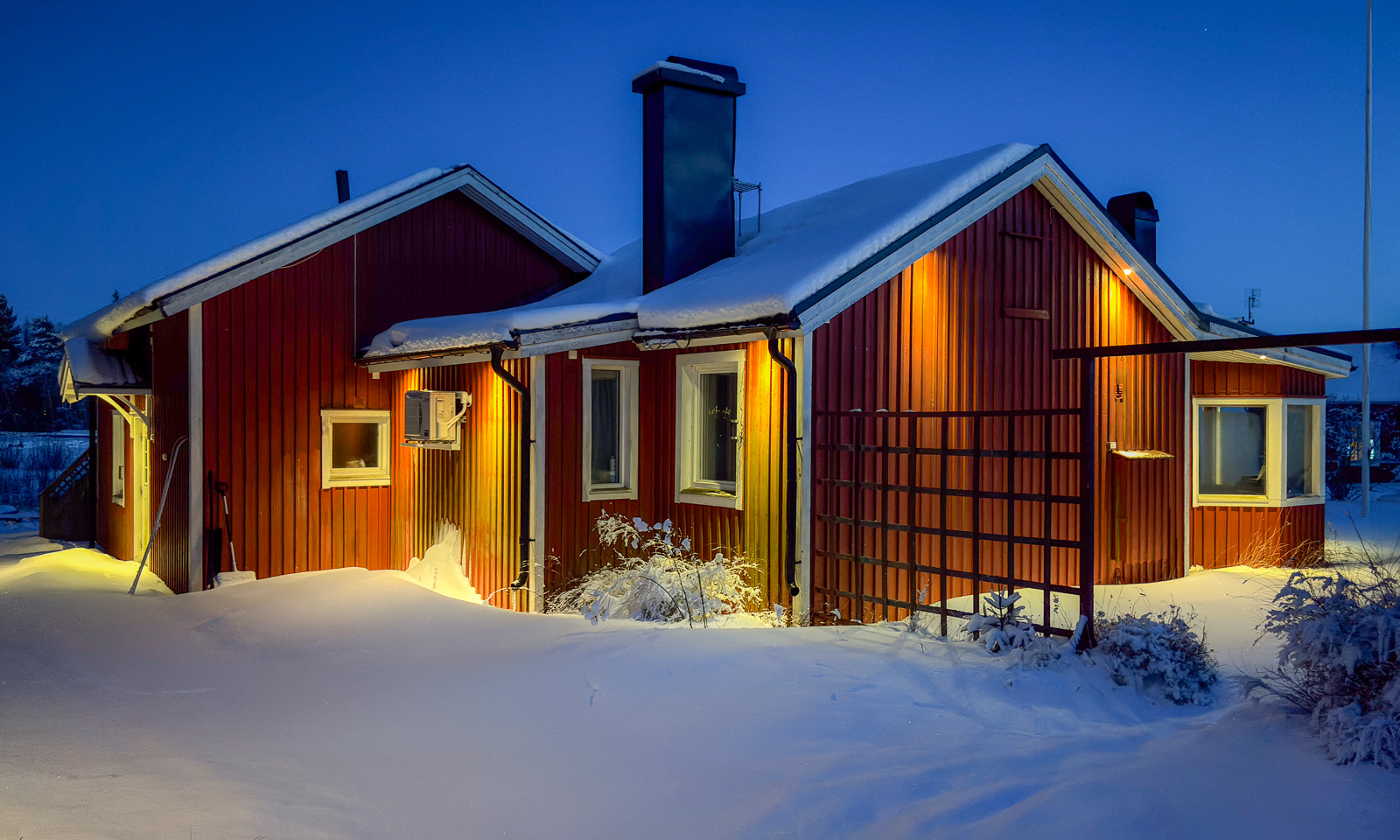
The snow is gone. On 4 December my wife Annika and I leave our house behind …

4–5 December — Obbola, Gagsmark, and Pajala, Sweden / Palojoensuu, Finland

… and we are on our way to Tromsø. First stop is the village Gagsmark in Sweden, where we visit friends and stay over night. Next morning we continue our journey. We pass Piteå and Luleå, leave the E4 in Töre and take lunch in Vippabacken, a small restaurant with a back-room museum. We buy food in Pajala and cross the border to Finland. We stay the night in the village Palojoensuu.

6–7 December – Skibotn, Tromsø, Norway

The road between Palojoensuu (FIN) to Kilpisjärvi (FIN) is lonely. Beside of the village Karesuvanto (population: 140) hardly anyone seems to live here and only a few other cars pass. As soon as we cross the border to Norway snowy mountain ranges come into view. Near Skibotn we see the first fjord and at a quarter past two we arrive in Tromsø.

Next day is the second Sunday of advent but I only have a single candle. I have to cheat with a mirror.

7–13 December – Tromsø, Norway

I am member of two choirs and Christmas is near. That results in a pretty busy week, where I have three rehearsals and three concerts beside of my regular work. The first concert is in the hospital, which is in walking distance. While Obbola was free of snow 60 cm lie in Tromsø.

After the second concert, this time with the Sami choir Romssa Rástát we got Northern lights. Annika and I watch them from the balcony. I try to make photos with my Nikon and a tripod as well, but the aurora has weakened and I had some camera issues.

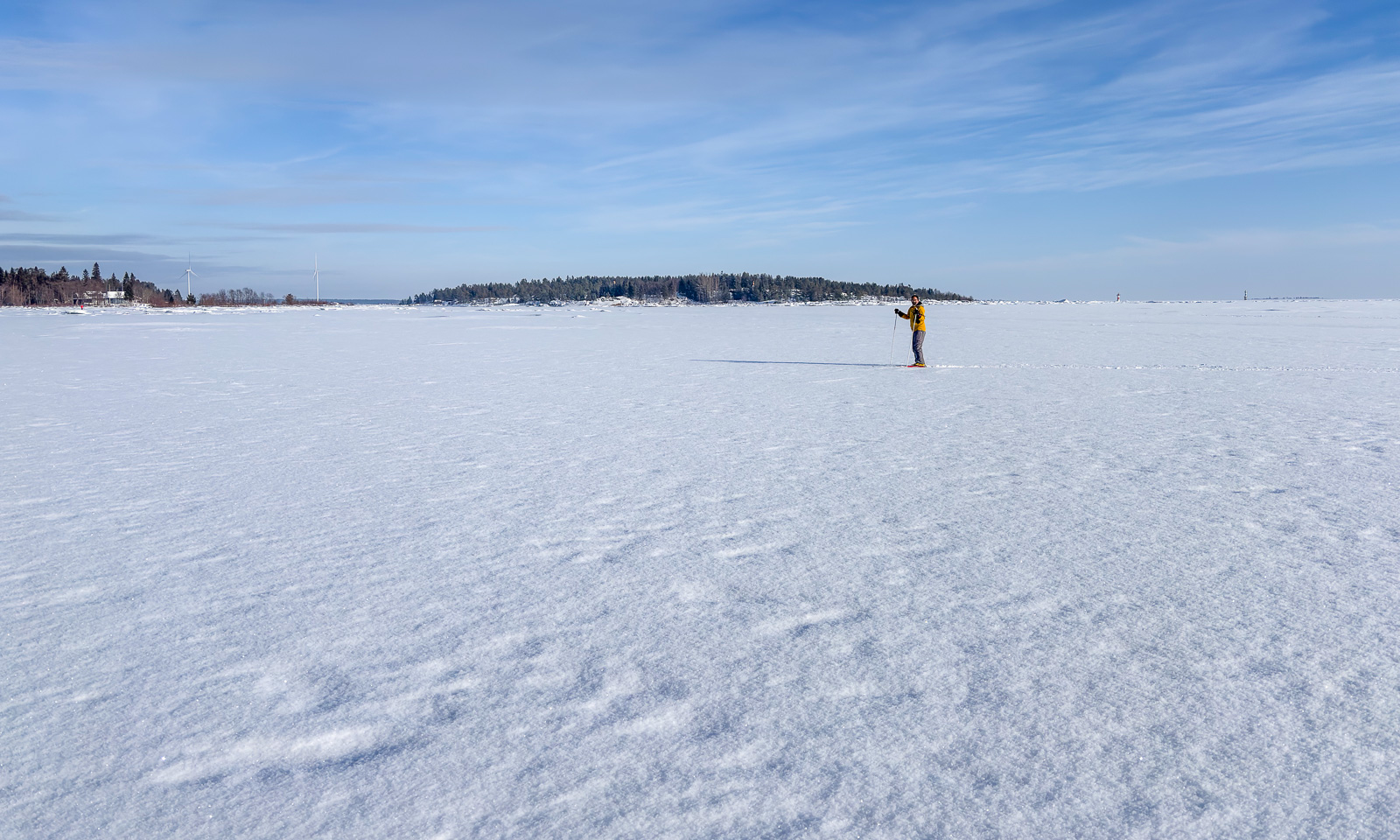
On Saturday we open the skiing season. It is polar night, so we ski round noon, when it isn’t dark. In the evening I am singing the last concert, this time with the choir Ultima Thule in the Tromsø Cathedral, a wooden church in the very centre of Tromsø.

15–18 December – Tromsø, Norway

On Sunday Annika travels back to Obbola. I will take bus and train a week later (that’s tomorrow) and spend the rest of the year there, too. Will we get a white Christmas? Probably not. It is plus degrees and rainy weather both in Tromsø and in Obbola. While the Christmas decoration in the office building looks cozy, the streets in the centre of Tromsø don’t. Brown ice and sleet and water puddles dominate and it is extremely slippery.

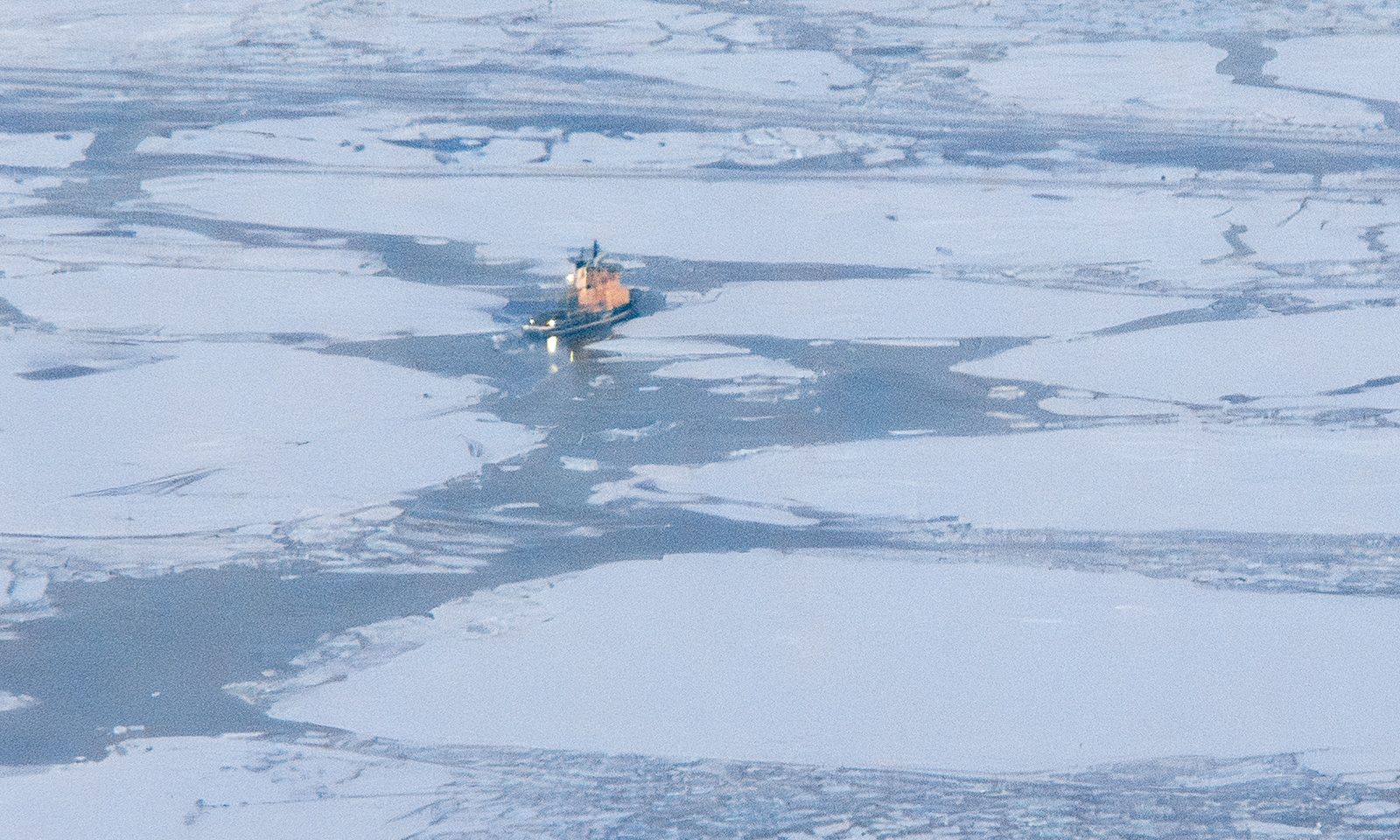
On Thursday I have a special workplace: The research ice breaking vessel Kronprins Haakon lies in the port of Tromsø for two days. I walk down with my spiked Icebug shoes. On board of the ship I test some of my software components that read from the ship’s systems. It is always a relief to see your software to work in real life, not only with simulations. And I get a free lunch :-) . I get a bit nostalgic. I joined three scientific cruises on board of this ship. Will I ever join a cruise again, standing on the helicopter deck while we break through the ice? I hope so.

A photo of another Northern light in the evening ends this photo series.

Scotland NC500 – day 8 – a hidden pass, palm trees, and a famous castle

This article is part of the series “2025-10: Northern Scotland”.

October 20

Today is the eighth day of our road trip in Northern Scotland, which my wife and I are taking together. Last night we slept in a hostel near Applecross. Now we want to take the road over Bealach na Bà pass, that is known for its hairpin bends and scenic views. Unfortunately it is still raining and the clouds are low. The beginning of the road is marked with several warning signs, but Annika can drive single track roads and we do not have wintry conditions, so we can take the road. But clouds we have. Soon we are in the middle of them. It is raining and the visibility is pretty bad. And so is the view of the hairpin turns from the top of the pass. Well, you cannot have everything.

We descend and slowly visibility improves. When we look back we can see the colourful mountain scenery with the summits in the clouds. In front of us we see the other clouds floating down to the sea loch Loch Kishorn, where they start hiding the coastal islands.

Two hours later we arrive in Plockton, a beautiful village by the sea. The climate is particularly mild, so that palm trees can grow here. An older chap I meet in the street tells me that he has different sorts of palms, a eucalyptus tree and other trees I never heard of in his garden.

It is low tide. Some fisher boats lie in the mud and it is possible to go to an island nearby. From the sandy tidal flat you can see the long row of houses by the seaside – sea view for everyone. We spend an hour and a half here to visit the craft fair, to go to the island, to pet a cat, to take photos and to find a geocache. A charming place with views of the sea, an island called Sgeir Bhuidhe, Duncraig Castle, hills, and steep mountains.

Finally we continue our tour. Next stop: Eilean Donan Castle. This castle is regarded one of the most photographed landmarks in Scotland, and it’s very popular with tourists. Visiting the interior costs money, and there’s even a charge to cross the bridge, so I take photos from the outside. It is not easy to take photos without too many tourists in the shot.

From Eilean Donan Castle it is not far to the An Spiris Accommodation at Dundreggan Rewilding Centre, our last overnight stay on our road trip. My highlight of the evening is the toddler in the large common room singing “Do-Re-Mi” from the Sound of Music.


Scotland NC500 – day 7 – a rainy day

This article is part of the series “2025-10: Northern Scotland”.

October 19

According to the weather forecast it will be pretty rainy in Northern Scotland the whole day. So, today we may interrupt our road trip less often than the other days. We will drive to AppleCross, where we’ve got a room in the Hartfield House Hostel & The Bunkhouse. If we arrive early, we may get a nap in the afternoon, which sounds tempting given the weather. We have breakfast in the hotel and take it easy. When we leave, it is half past ten. It is raining.

We make a stop at the visitor centre of the Beinn Eighe National Nature Reserve. There’s a small museum and a cabin, from where you can spot birds. There are also lovely spots outdoors, but  – it is raining.

Next stop: The lake Loch Clair, where I go for a short walk. I put on rubber boots, waterproof trousers and a rain anorak, because – it is raining. Annika prefers to stay inside the car to read. A smart choice, because the trail is just a rather dull gravel road and – did I mention it? – it is raining.

No noteworthy stops after that. We arrive at the bunkhouse at three o’clock. Beside the house there is a fenced in pasture with Scottish highland cattle. They look pretty soaked, but I guess, they are used to this kind of weather.

After an afternoon-nap (we got one!) we take a small car trip southwards. On the photos it looks like the weather has finally brightened up a bit.

But if you see a photo taken from inside the car you realise – it is raining.

One of the last photos I take today is of the seafront of Applecross.

As Google has already told us, the pub is closed. So we head back to the bunkhouse and have our dinner there.

Scotland NC500 – prelude

This article is part of the series “2025-10: Northern Scotland”.

Oh my, was is really less than two weeks ago, that my wife Annika and I were on holidays in Scotland? It feels like ages ago! Time to start blogging about our trip that is south from were we live, but still kind of way up north, at least from a British perspective.
11 October – arrival

Half past twelve. I have just landed in Aberdeen, Scotland’s 3rd largest town. Annika will arrive late afternoon, my luggage the next day … . I check in at the Station Hotel and realise that I have reached a rainy realm. At the entrance door you can rent umbrellas. 3 £ for 48 hours. Card payment.

I take a stroll through town and start to take photos.

Soon I realise that in Aberdeen it completely makes sense to take photos in upright format.

Later the day I head eastwards to the Aberdeen beach front. I would have taken my bathing gear if my luggage had arrived in time.

When Annika arrives it has become dark. We eat dinner at the Indian restaurant Namaste Delhi where we have great Indian food. I ordered a salty lassi and got a custom one—off the menu! I however didn’t dare to play the grand piano. A rare view nowadays.

12 October – Aberdeen

After having breakfast in our hotel –cereals,  toast, bacon and eggs, beans, haggis, you name it – we take the bus to the Old Town. But before that I try to take a photo of the Marischal College in the center. No, it is not curved like on the photo but even with my 14 mm wide angle lens I had to stitch together six photos to get this colossal building on a single image.

But now: Old town. First the botanical garden, where the Autumn Crocus flowers were in full bloom. Very beautiful and very toxic!

Next stop: St Machar’s cathedral with its Heraldic Roof. Just impressive!

Equally impressive are the huge and ancient trees. We don’t have such trees at home, neither in Umeå, Sweden, nor in Tromsø, Norway. These beech roots I photographed in Seaton Park that lies beside St Machar’s by the river Don.

Next stop: King’s College, founded in 1495 and still part of the university. The wood carvings in the chapel are amazing and the whole place breathes centuries of history.

After a small lunch we take the bus back to the center of Aberdeen, where old and modern architecture live side by side.

We are back at the hotel, but not my luggage. Just minutes after we have entered our room I get a call from the reception. The luggage finally has arrived. Wideroe had failed completely in giving any updates on any communication channel about the luggage’s whereabouts. Now I’m really relieved. We can take the train to Inverness the next day as planned! Now it is time for a nap.

After the nap we want to have a snack for dinner, preferably something that is new to us. We find it in a tiny Georgian restaurant called Oki Doki, where we eat Khinkali for the first time in our lives. Strongly recommended to try it out when you are in Aberdeen!

13 October – Car rental

It is ten o’clock and Leakey’s Bookshop – Scotland’s 2nd largest second-hand bookshop – has just opened. It is a beauty! At least in the eyes of book lovers. It is also overwhelming with its over 100,000 books (including an own section for polar exploration!) and we didn’t buy anything.

We are not in Aberdeen anymore. As planned we took the the train to Inverness in the morning, where Leakey’s Bookshop is located. Here in Inverness we will hire a car and drive the “North Coast 500” (short NC500), a scenic 516-mile (or 830 km) long road trip along the north coast of Scotland. We have eight days.

We have to walk a bit to Arnold Clark, our car rental. Here we receive our SEAT Ibiza – a perfect car for the many narrow single track roads. It is Annika, who is driving. She has already left-hand driving experiences from three years ago and an additional driver (me) would have costed us £ 120.

And off we go – heading north.

Stay tuned for the next chapter …

Tromsø departure – Tromsø arrival

On 11 October I took the plane from Tromsø to Bergen and then to Aberdeen for a holiday in Scotland with my wife Annika. In Tromsø it has rained the night before but in higher altitudes the rain had come as snow. I could see the mountain Tromsdalstinden (1238 m) after departure and before we were swallowed by the thick layer of clouds. It was covered with a thin layer of snow.

Then we had a great time in Scotland. And we didn’t had any snow at all. (More to be told later.)

Yesterday I flew back and arrived in Tromsø at 10 o’clock in the evening. Round the airport there was some snow and slush but where I live there was more snow. More than I expected.

Today I measured 28 cm of snow on the roof of the car (or 11 Scottish inches), but now it is warmer and the snow has started to melt. While the birch trees are leafless, other trees are still leafy and now let their colourful leaves fall onto the snow.

Today I took a day off and will use some of the time to browse through the Scotland photos. But before that I will clear the snow on my parking place to avoid afternoon’s rain.

October on Tromsøya

This is the season where the golden October starts to loose its colours. The first ground frosts occur and many birch trees have lost their leaves. Now it is the rowan and willow trees and the grass and moss that shows autumnal colours.

Four pics I took on an after-work hike two days ago and four I took today.

It won’t be long before the afternoons are so dark that the light posts make sense — and maybe I’ll be able to ski there as early as next month.

The end of high summer in Tromsø

One month ago was the last polar day in Tromsø, where the sun did not set at all. Now it gets dark again in the night. Rain clouds may help as well to make it darker and I got a lot of help from them, when I made an evening stroll through the forests nearby yesterday evening.

It was still light when I set off and it was raining. The big leaves of the wood cranesbill (Geranium sylvaticum) beside the forest paths had started to turn yellow.

The small, grass-covered bogs always look like autumn. The vegetation is just yellower and browner. Because of the recent rain they were pretty wet and partly covered with water.

There were still flowers in bloom, like the pink fireweed and the thistle in the next photo, but more and more it was the leaves bringing the colour—like the wood cranesbill, whose leaves turn a vivid red in autumn.

Most of the forest paths were mostly dry but some of them had turned into deep water puddles. Rubber boots came in handy.

Half past nine – it was getting darker. Now and then I caught a glimpse of city lights through the trees, but most of the time I was away from town—sometimes going cross-country through the forest, sometimes staying on the paths.

Another sign of autumn was starting to show. Various mushrooms have popped up beside the path. I don’t pick them—I haven’t got a clue about mushrooms—but I do enjoy spotting them.

When I came home at 22:20 my rain clothes were so soaking wet, that I hung them into the shower. Today was the first day after months, where I put on the electrical heating in the living room.

July 2025 – photo supplement

No matter whether I blog little or much, there are always photos left, that could be published but weren’t. Today I just show four photos from this month that comes to its end in less than two hours from now.

4 July – Obbola

Just on the eve of my journey from Obbola to Tromsø, when my telephoto lens was already safely packed in the suitcase for next days travel the doe with its two fawns came back. This time they didn’t just passed by but all three stayed in our garden. First the fawns were frolicking around, running back and forth, then they joined their mother and grazed the long culms round the rock in our garden. Meanwhile I found my old telephoto lens and took photos through the window pane. That’s far from being ideal but I didn’t wanted to disturb our visitors peace.

11 July – Tromsøya

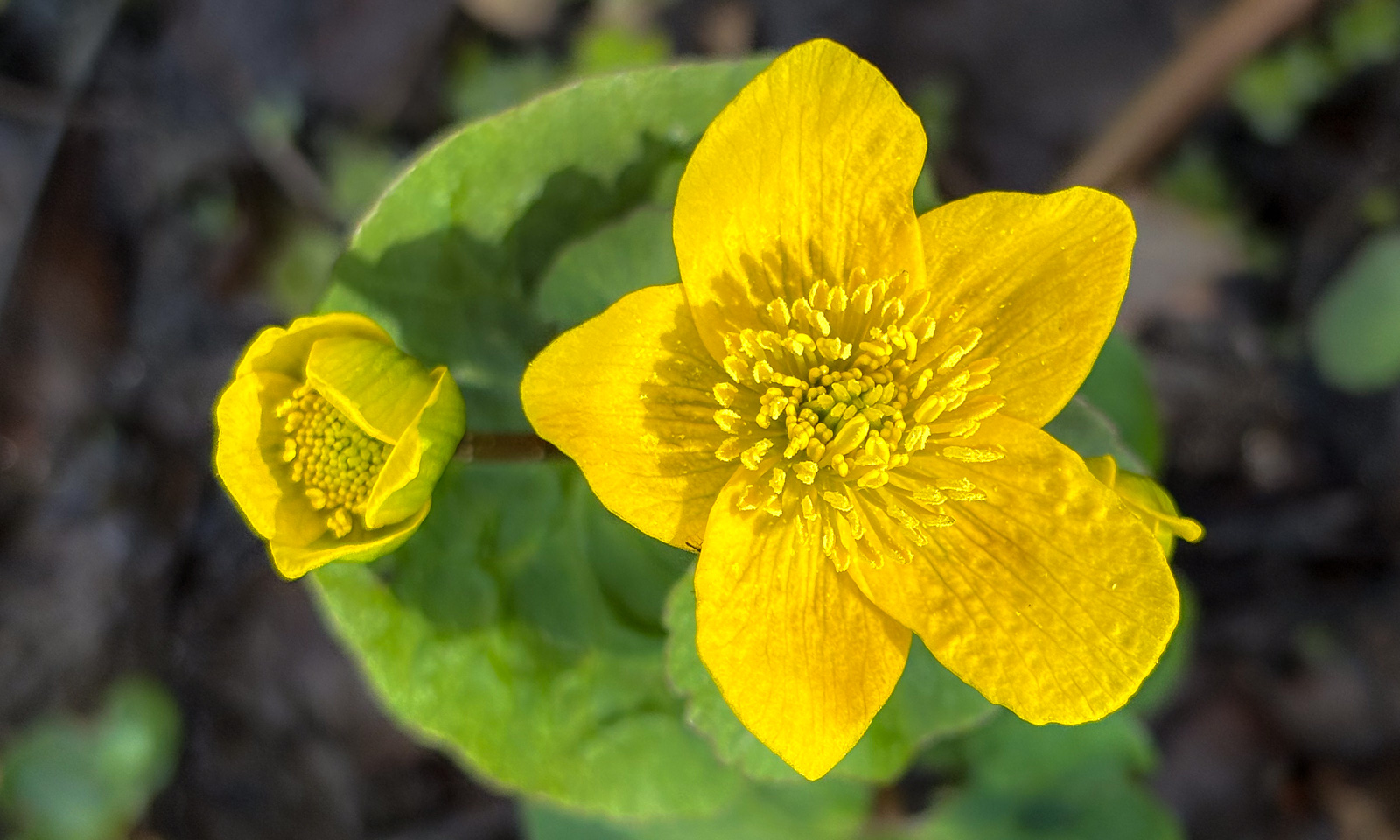
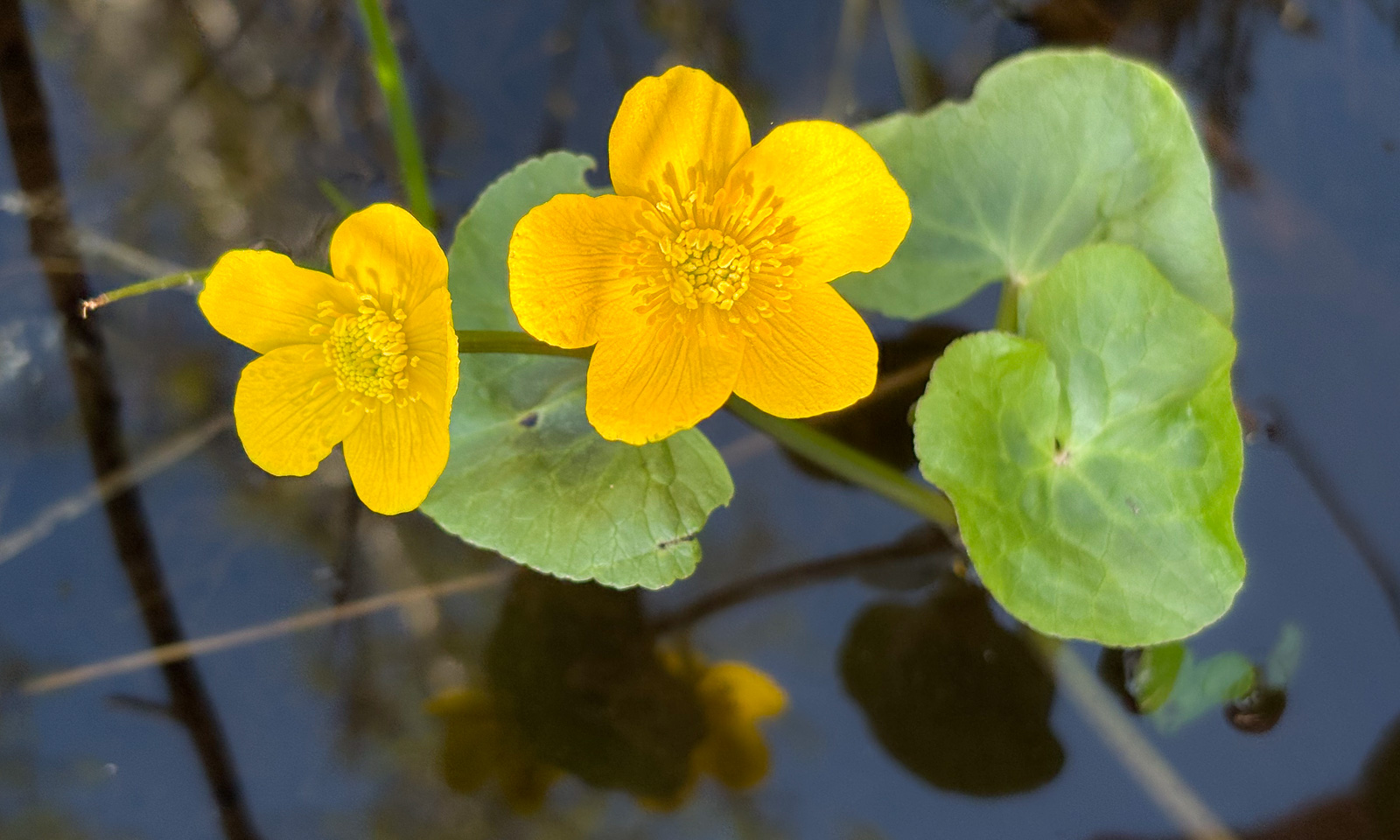
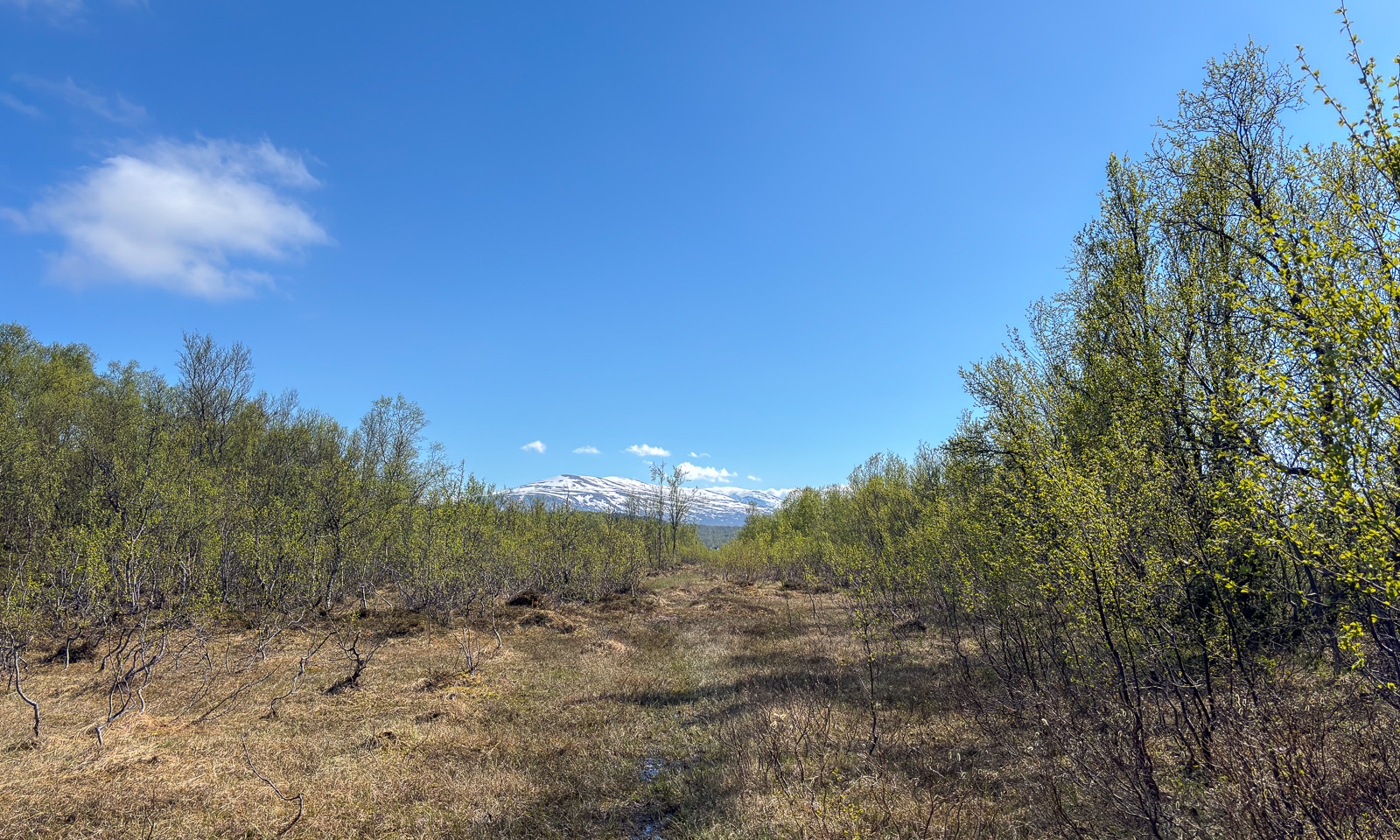
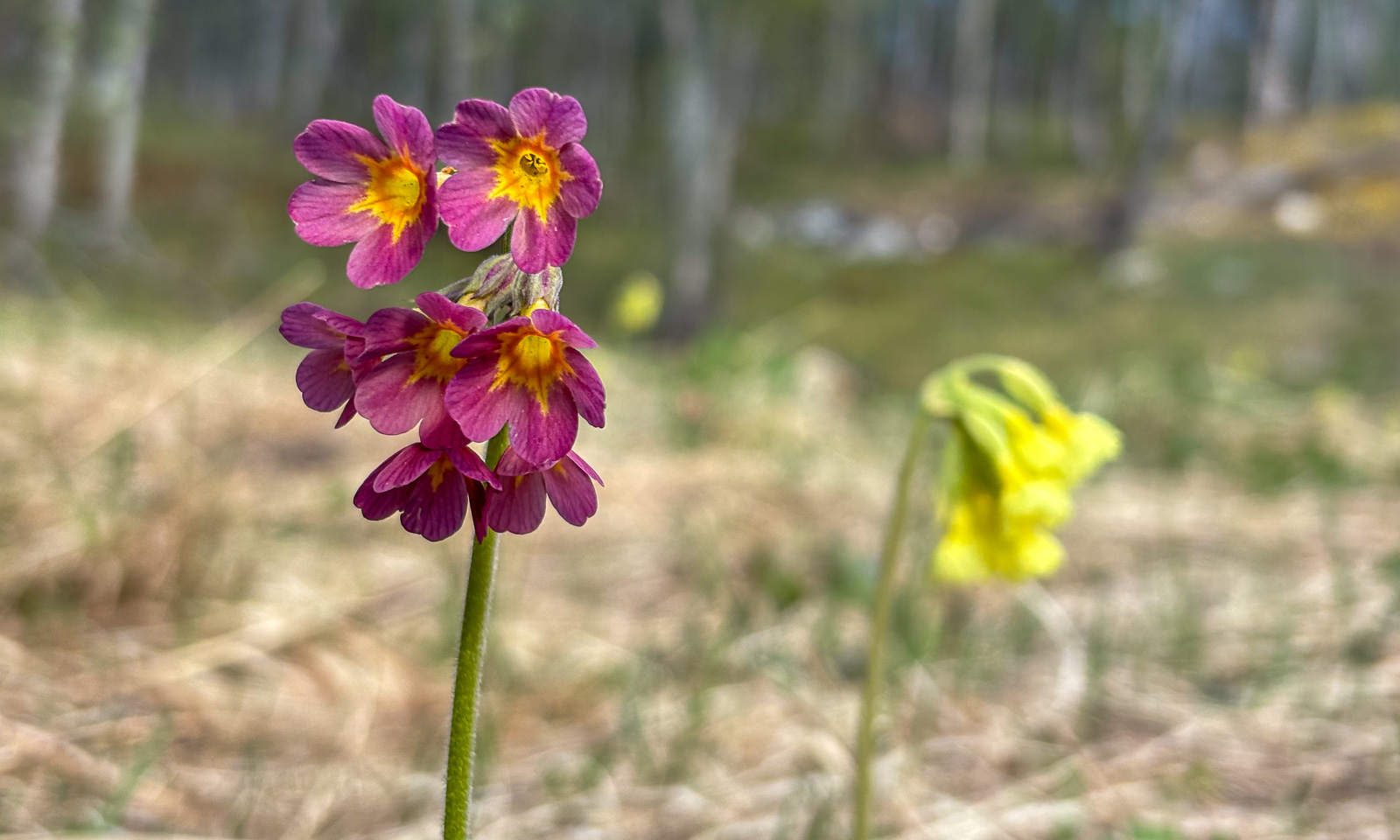
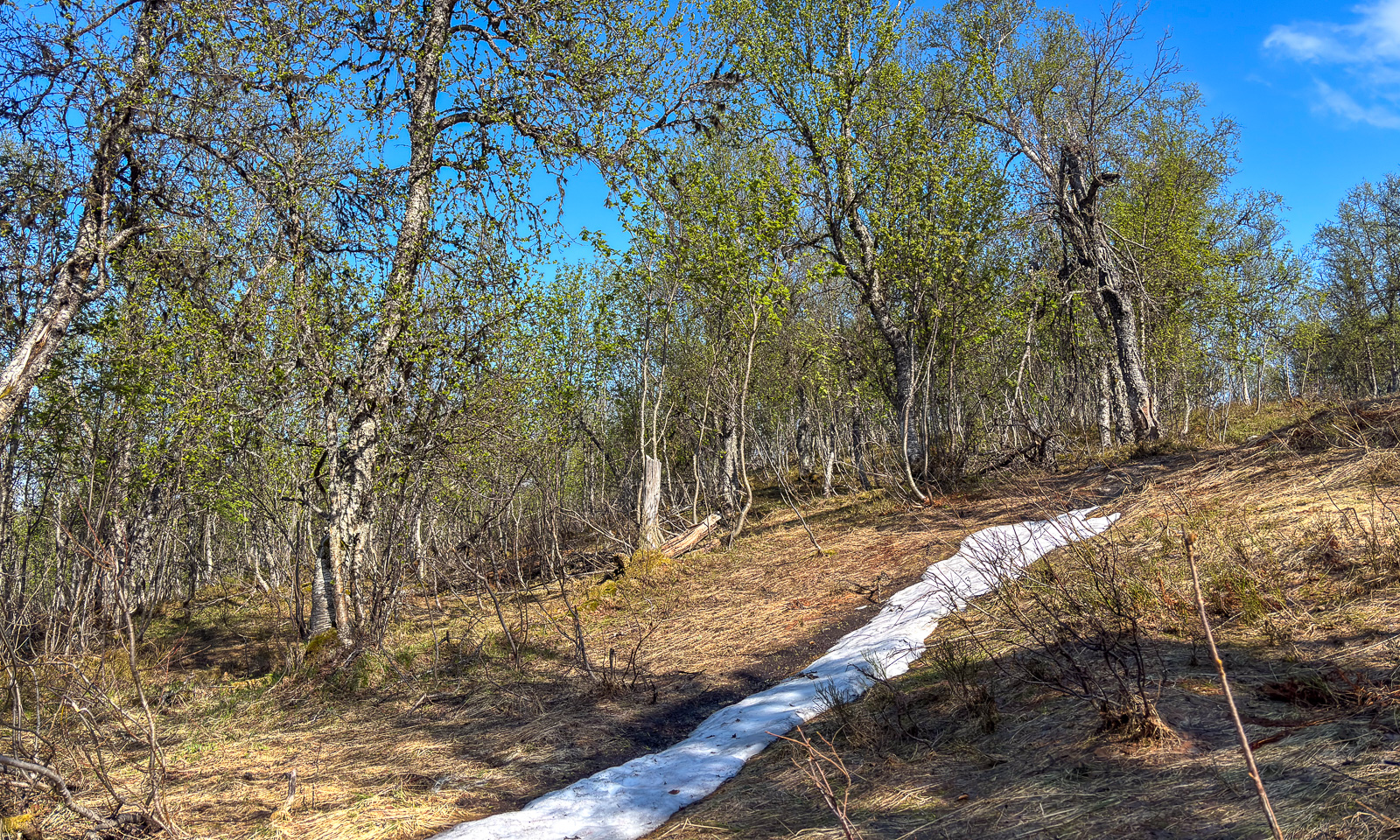
One week later I walked home through the forests on top of Tromsøya. Four weeks ago there still had been deep patches of snow, now it was blooming everywhere. Fields of lilac cranesbills, patches of yellow globeflowers and where it was wet und muddy a favourite of mine, marsh-marigold with its bright yellow petals. There is still snow on the mountains, but on the island Tromsøya it is summer.

23 July – Tromsøya

17 °C may not sound hot, but when the wind is calm and it is sunny it makes a summer day in Tromsø. A day Annika and I used for taking a bath in the lake Langvannet. There’s a sandy beach over there at this woodland lake and some quite curious ducklings. After the bath we took another way home that led us to another lake. Lillevannet is far from being a lake for bathing but it shows the beauty of Tromsøya’s nature.

27 July – Tromsøya again

A good friend will start a very special trip the following week. She will embark the three-master Statsraad Lehmkuhl and sail from Nuuk in Greenland through the Northwest Passage to Cambridge Bay in Arctic Canada. What a journey! Time to bid farewell with a barbecue in the forest, but before that another hike to Langvannet – 2 km from my place – to take another bath. We met an acquainted duck with three ducklings (last time one of them tried to nibble my toes all the time). Then another duck family arrived with much younger ducklings – still nestlings. While being less curious they were equally confiding and we could take some photos of them. This is my favourite.

That’s all for today. Perhaps I have some photo leftovers again in the end of August but I guess I’ll blog before that. See you soon in the digital world.

Flower spotting in Tromsø

This afternoon I took my camera with a macro lens and strolled through the nature of Tromsøya looking for flowers. A lot of them grow on gravel, while others prefer the shady forest or boggy grounds. I’m not a biologist so I used AI tools to identify the flowers. I then checked in GBIF if these flowers have been found in Tromsø. Anyhow the scientific names may be plainly wrong! I do not provide any English names here, because there are too many synonyms for my taste. No wonder, that the English Wikipedia uses the scientific names as well. 30 blooming flowers I found today: