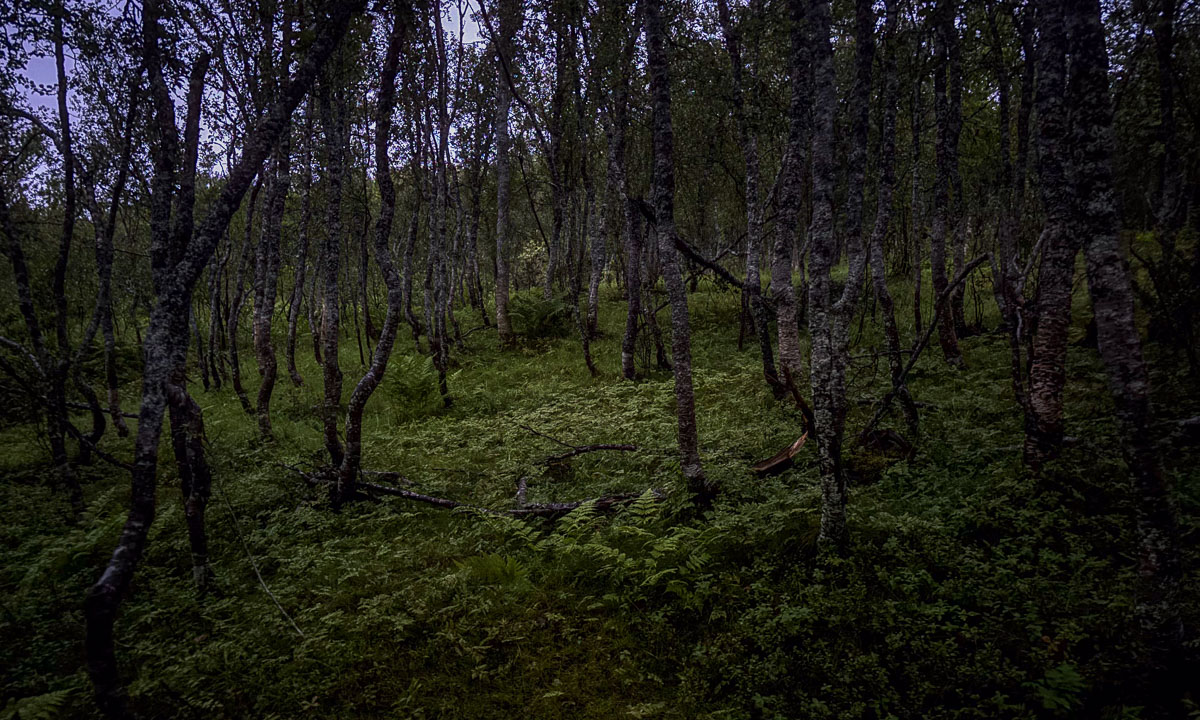
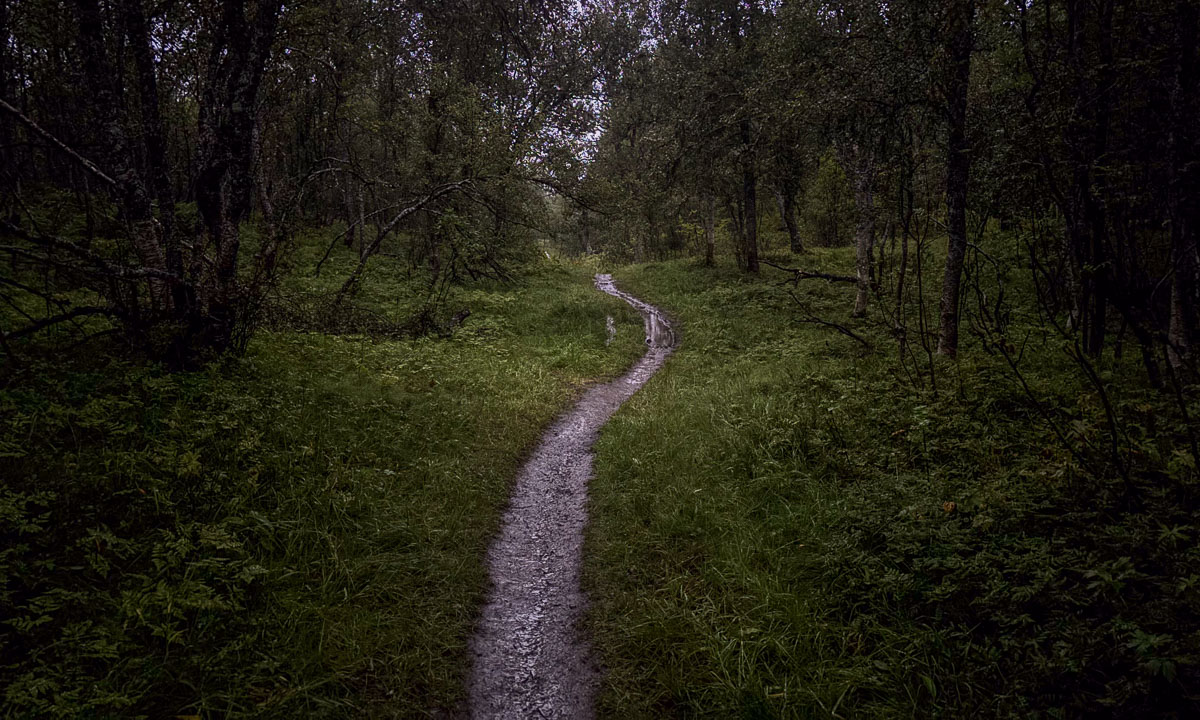
Winter walk on Tromsøya

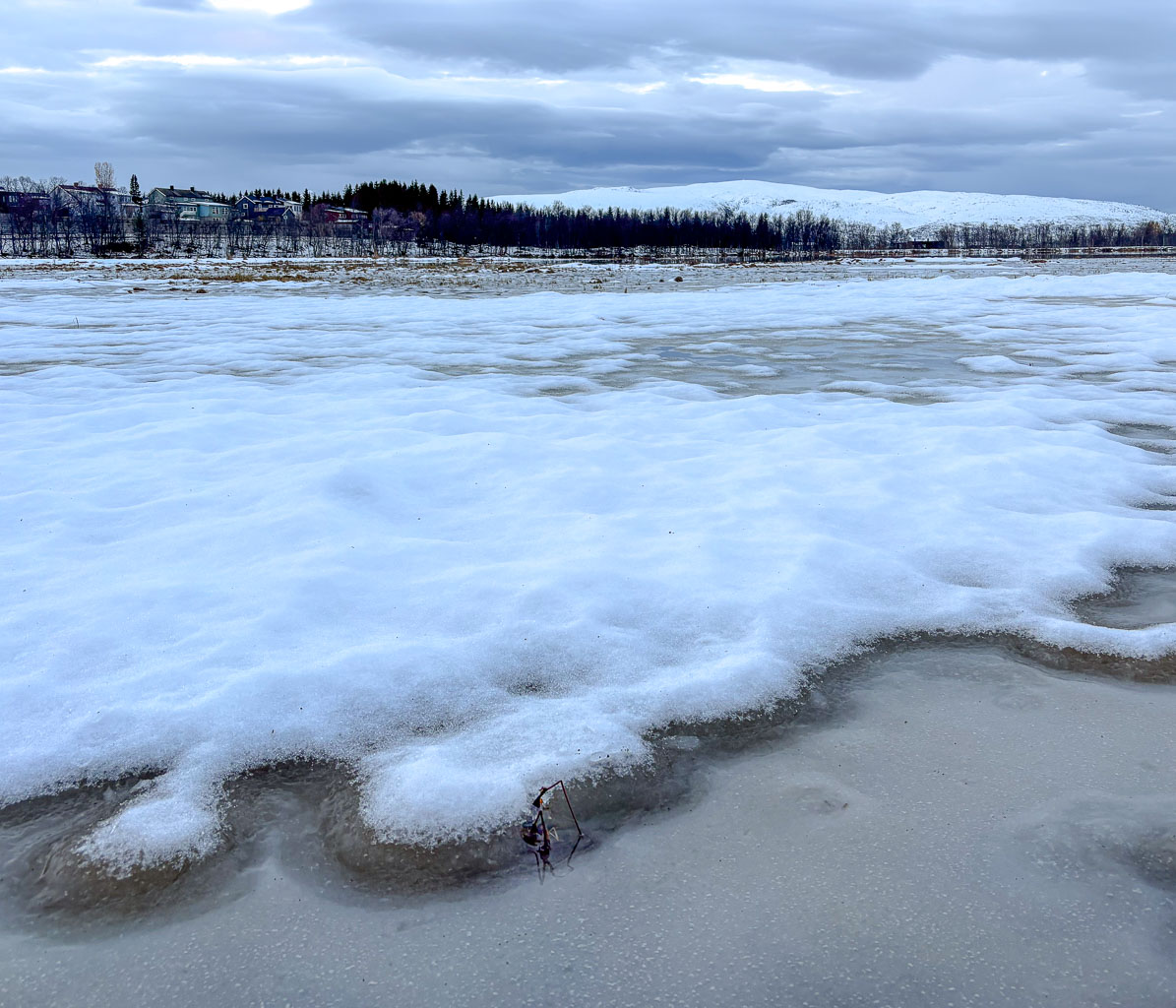
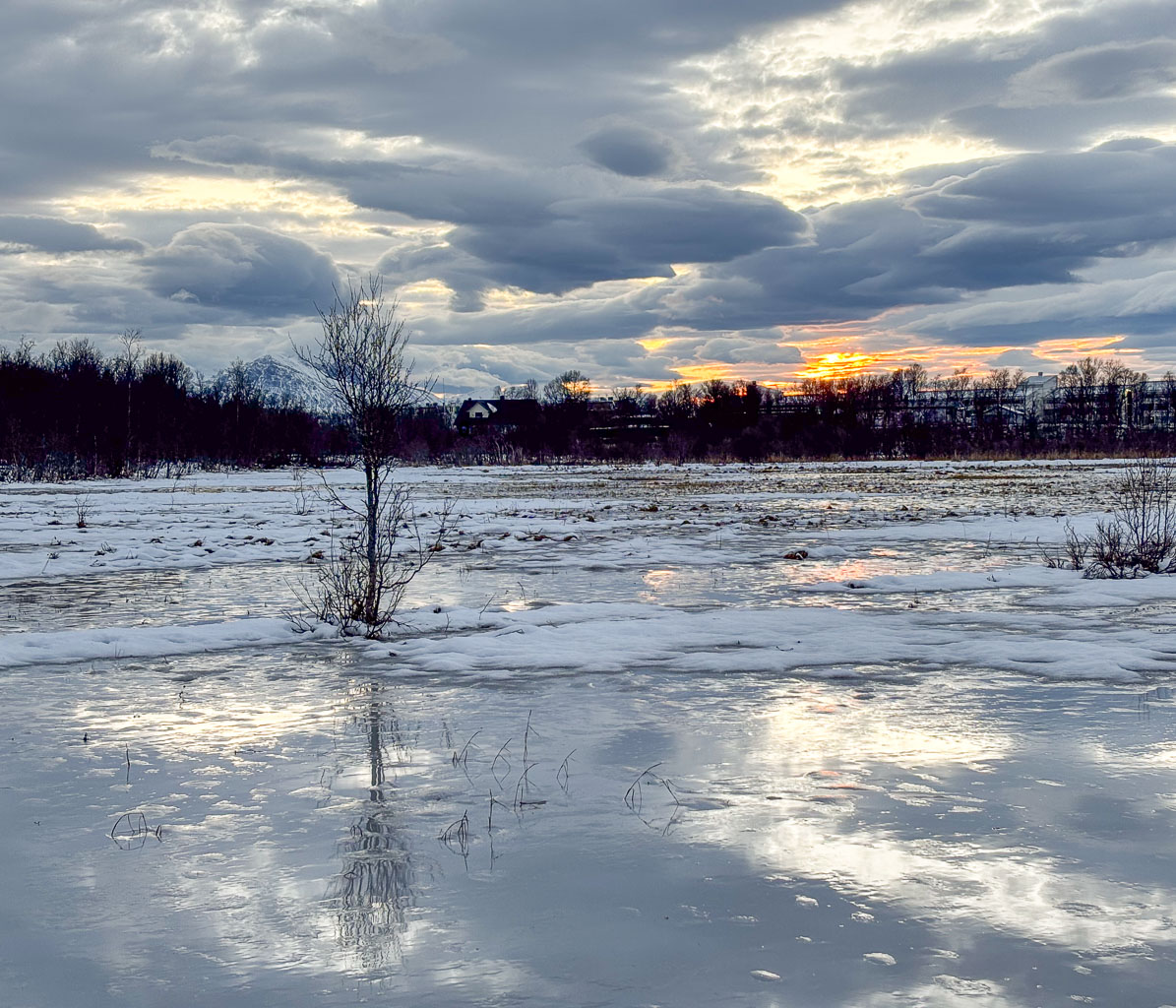
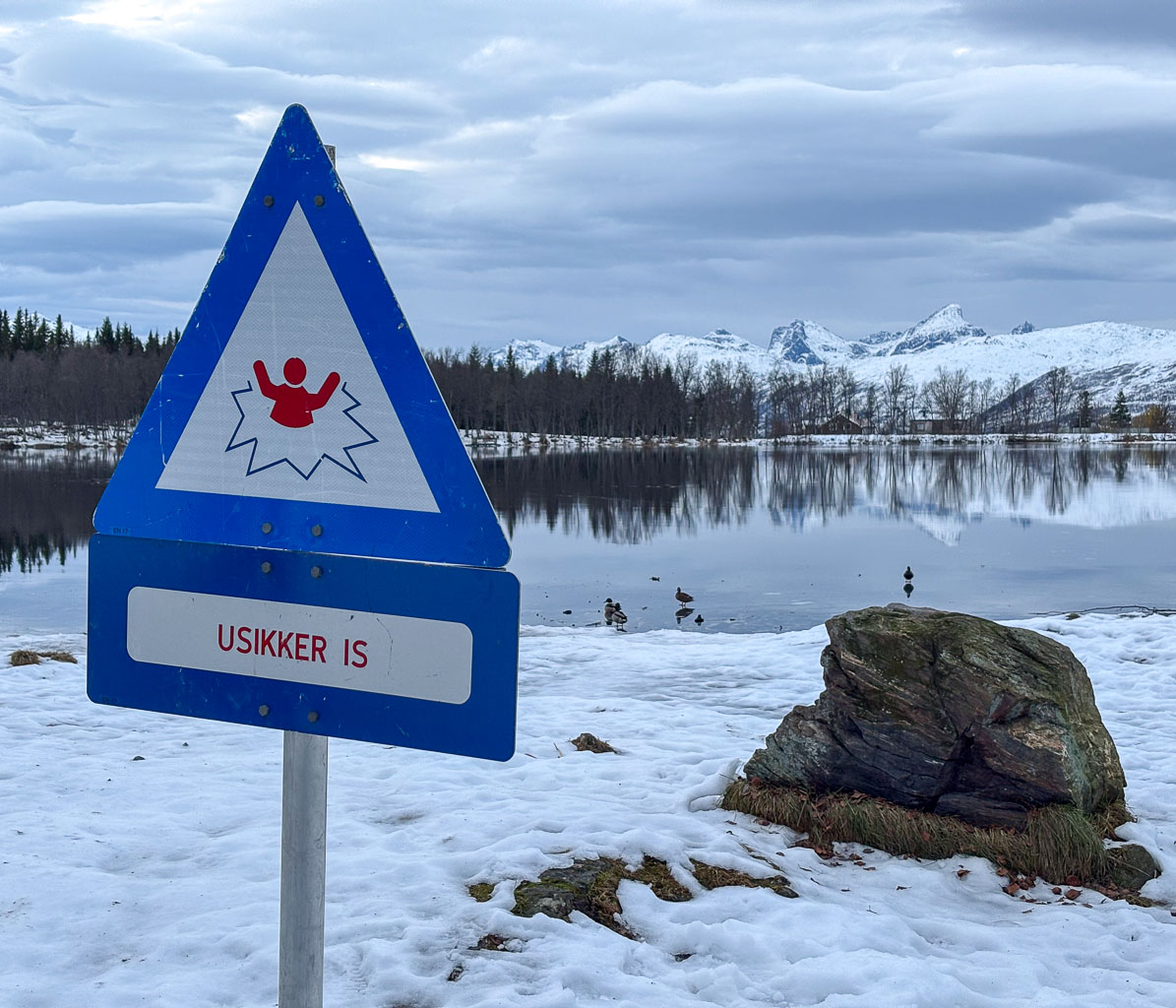
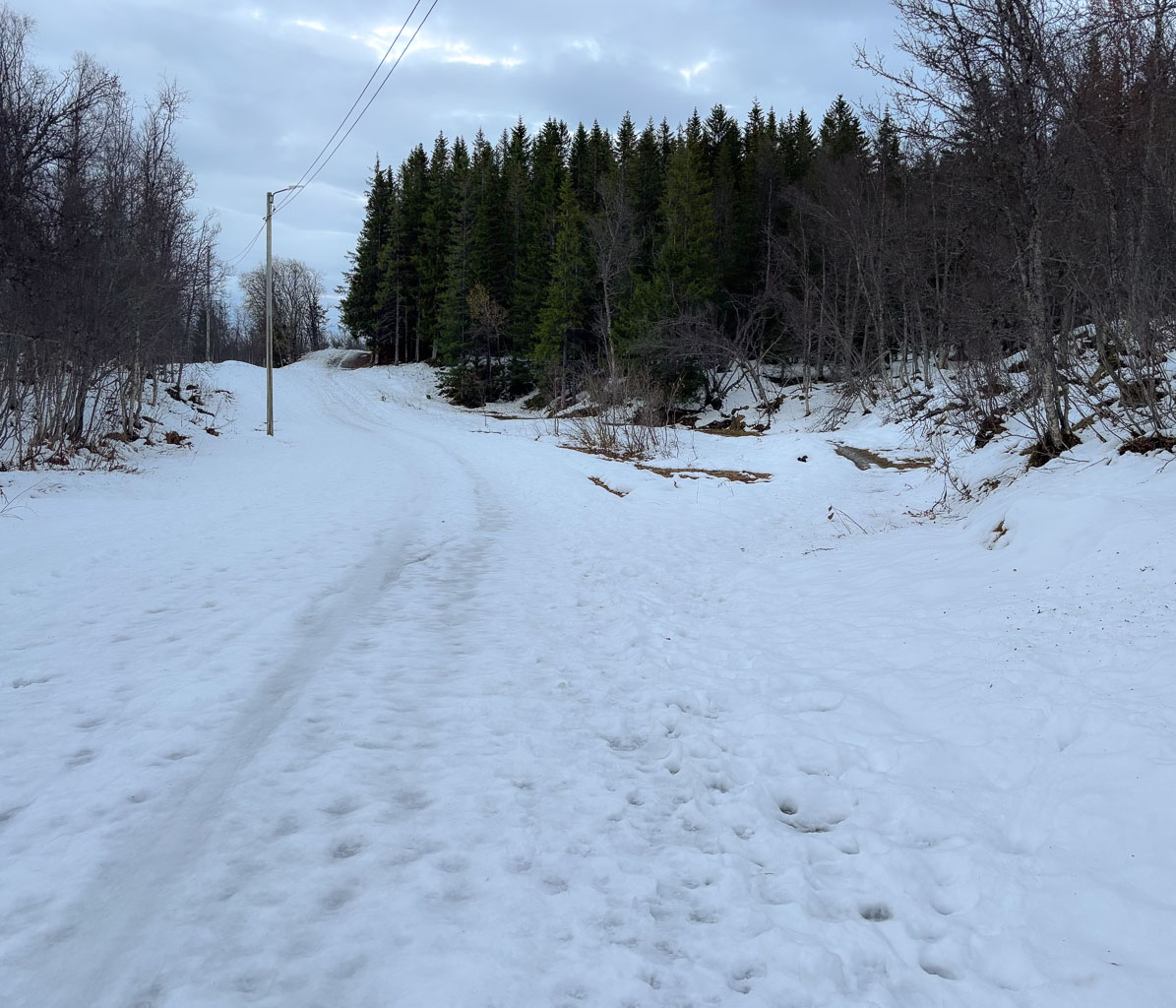
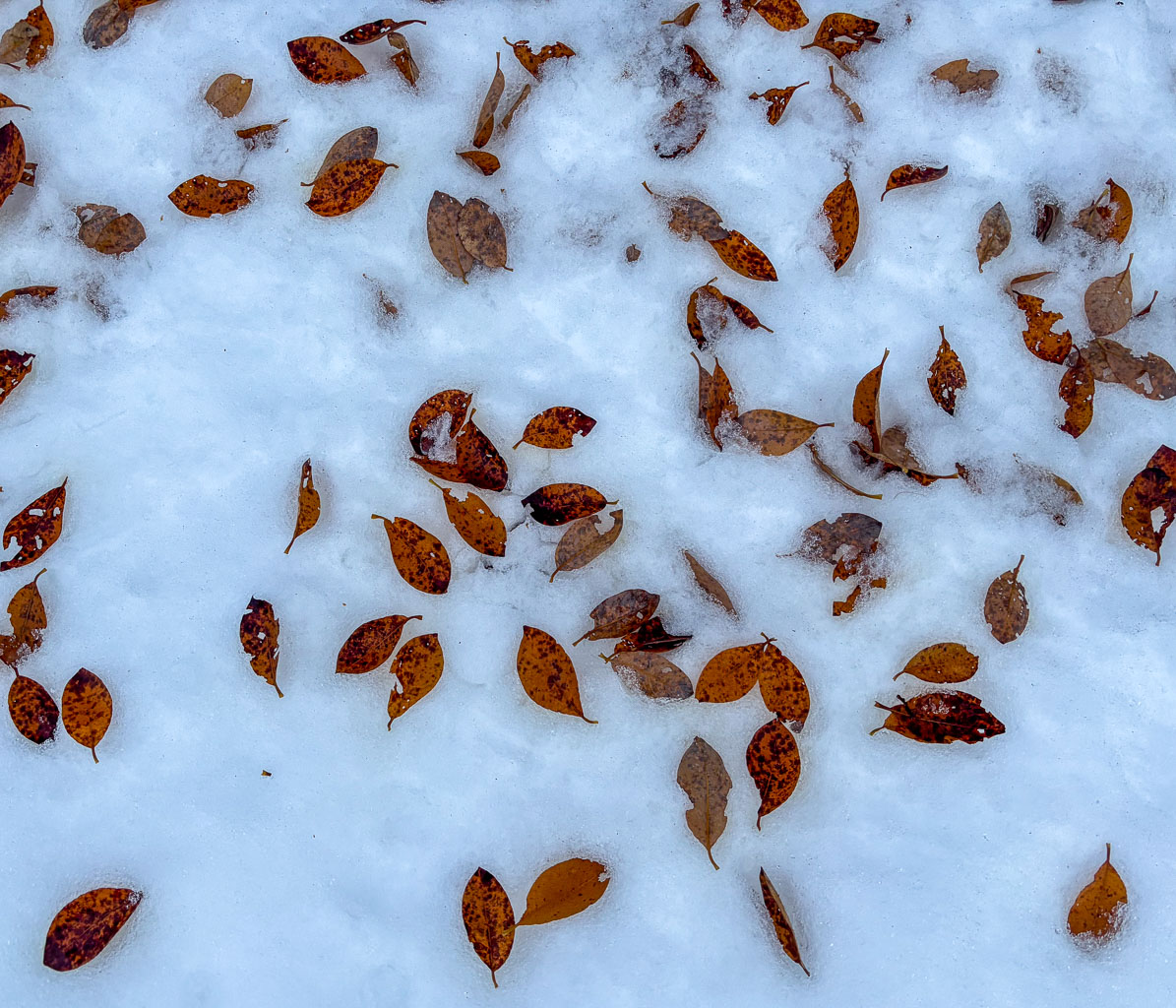
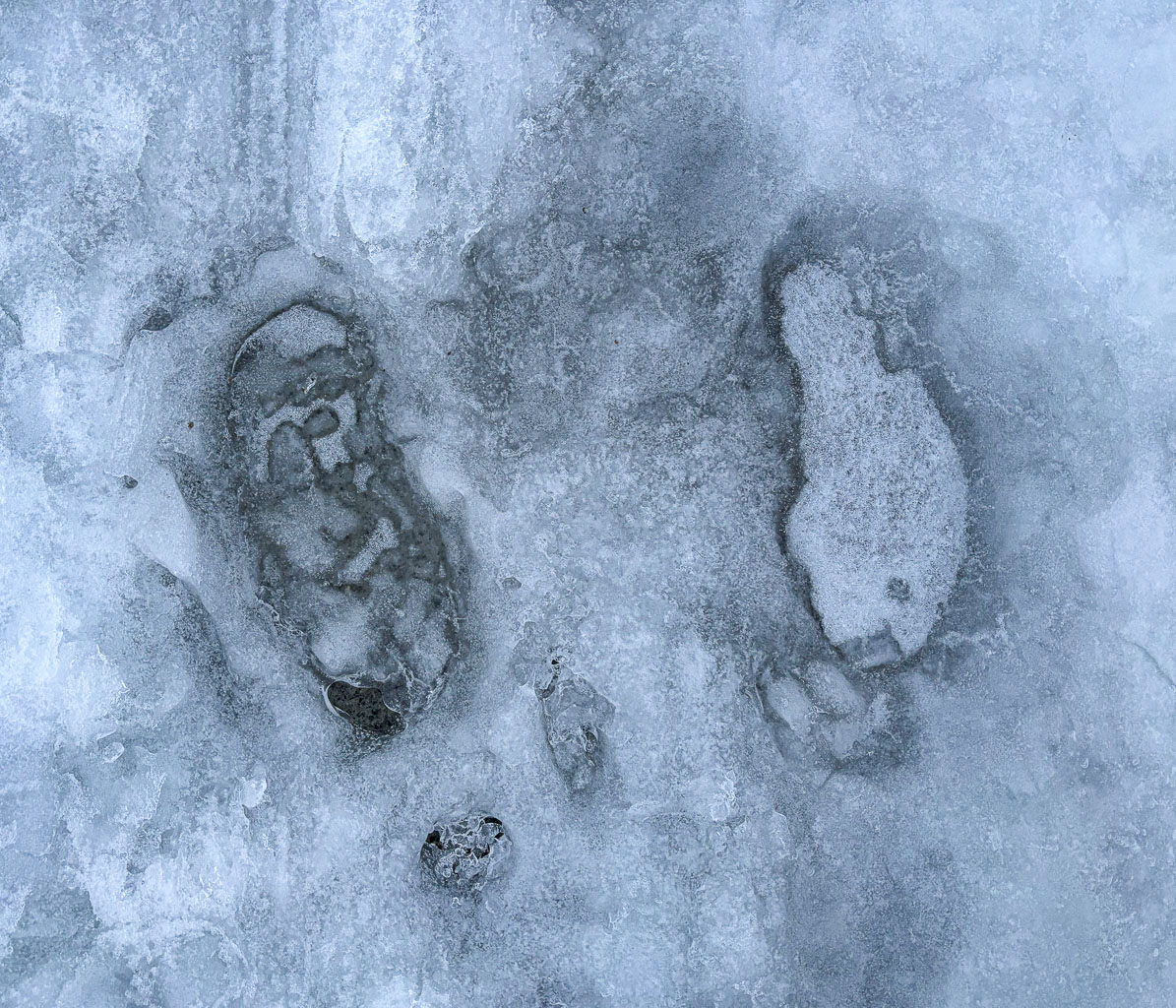
This morning I went for a winter walk in Tromsømarka. That’s not an official name, but it describes the hilly terrain with forests, lakes, and bogs on the island of Tromsøya. I’ve walked there countless times because it is only minutes away from my flat – on foot. And I walked there on foot today. Maybe a stupid idea, when we have 60 cm of snow …

We are still in mørketid, the time where the sun will be below the horizon the whole day, but as you can see it is not dark at all. At least not around lunch time. The colours of the sky are incredibly delicate and vary a lot depending on the hour of the day and the direction you are looking. The photos were taken between 10:38 and 11:28.

I’m not happy with the photos. I used my small Sony RX100 that was accidentally to some strange mode using JPG, not raw format. That caused me some trouble editing them in Lightroom. Next time I will take my Nikon again, although the camera body plus two lenses is far heavier.

Low water level in Obbola

On the evening of 23 December, it got colder and frost patterns formed on the windows of the unheated winter garden.

It takes some effort to cross the new layer of ice in the bay when my wife Annika and I go kayaking on the morning of Christmas Eve, but we manage and most of the sea is free of ice.

Two days later – on 26 December – the situation has changed. It has become much warmer – up to +7 °C – and the ice is gone.

Yesterday – on 29 December – the water is gone as well, maybe caused by the storm Johannes that crossed Sweden two days before.

Today I have a day off and used the sunny weather to take a long stroll by the coast. The water level is even lower at –66 cm, so I walk part of my route in the Baltic Sea. Air temperature is around -8 °C and so you can see ice on the sea and on land, as well as huge fields of boulders that normally are underwater. Some photos from this morning:

Larger parts of the shallow bay Nagelhamnsviken by the camping ground Fläse have completely fallen dry. That looks pretty strange, when you know how it normally looks like.

The only thing we do not have at all in Obbola is any snow, but it seems to be a matter of days before it snows. And Tromsø – I’ll travel there at the end of the week – has 60 cm of snow right now.

Walking home between the seasons

After a three-week break, I did my usual after-work hike from Prestvannet to my flat today. Back then it was full autumn, now the weather bas become more wintry despite of the warmer temperatures the last days.

For those who wonder whether I’ll show photos from Scotland. Yes I’ll do but not before next weekend. See you then …

October on Tromsøya

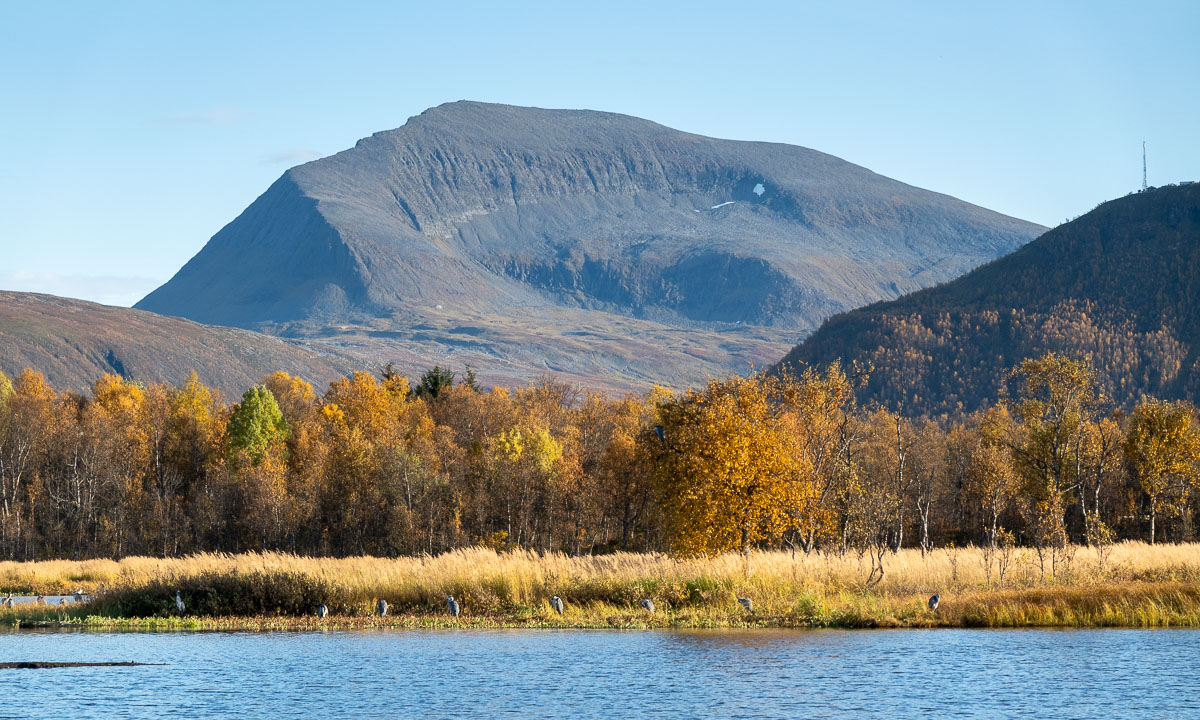
This is the season where the golden October starts to loose its colours. The first ground frosts occur and many birch trees have lost their leaves. Now it is the rowan and willow trees and the grass and moss that shows autumnal colours.

Four pics I took on an after-work hike two days ago and four I took today.

It won’t be long before the afternoons are so dark that the light posts make sense — and maybe I’ll be able to ski there as early as next month.

1st October

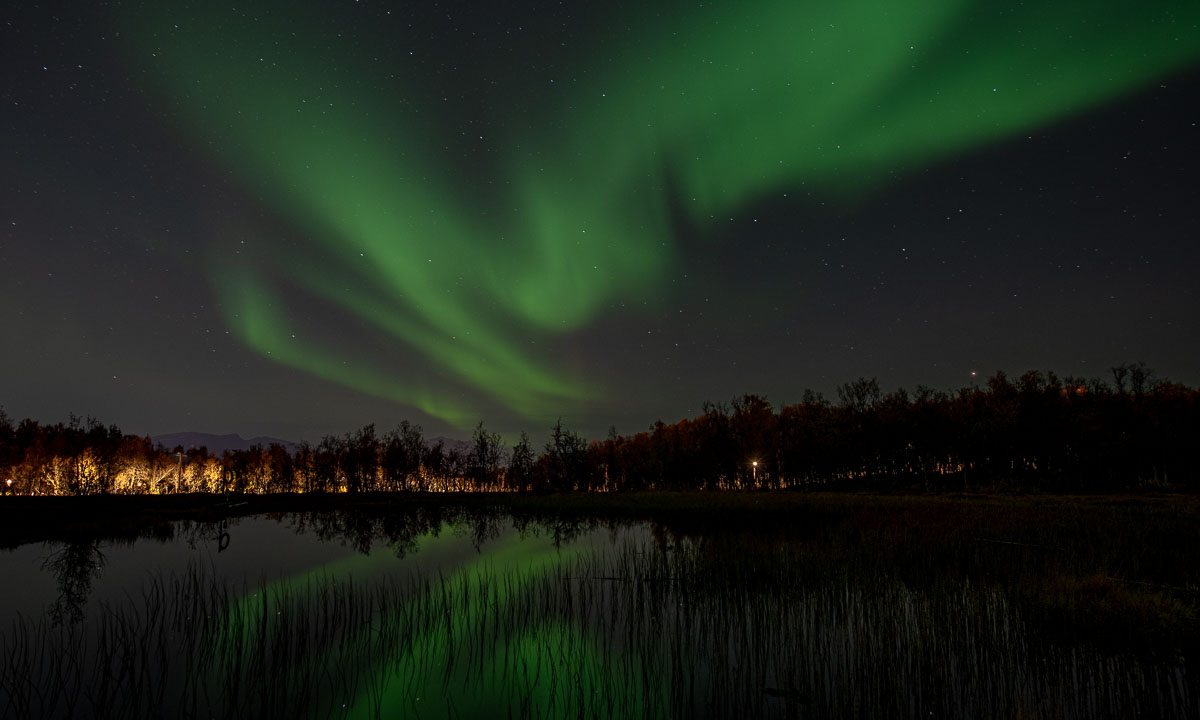
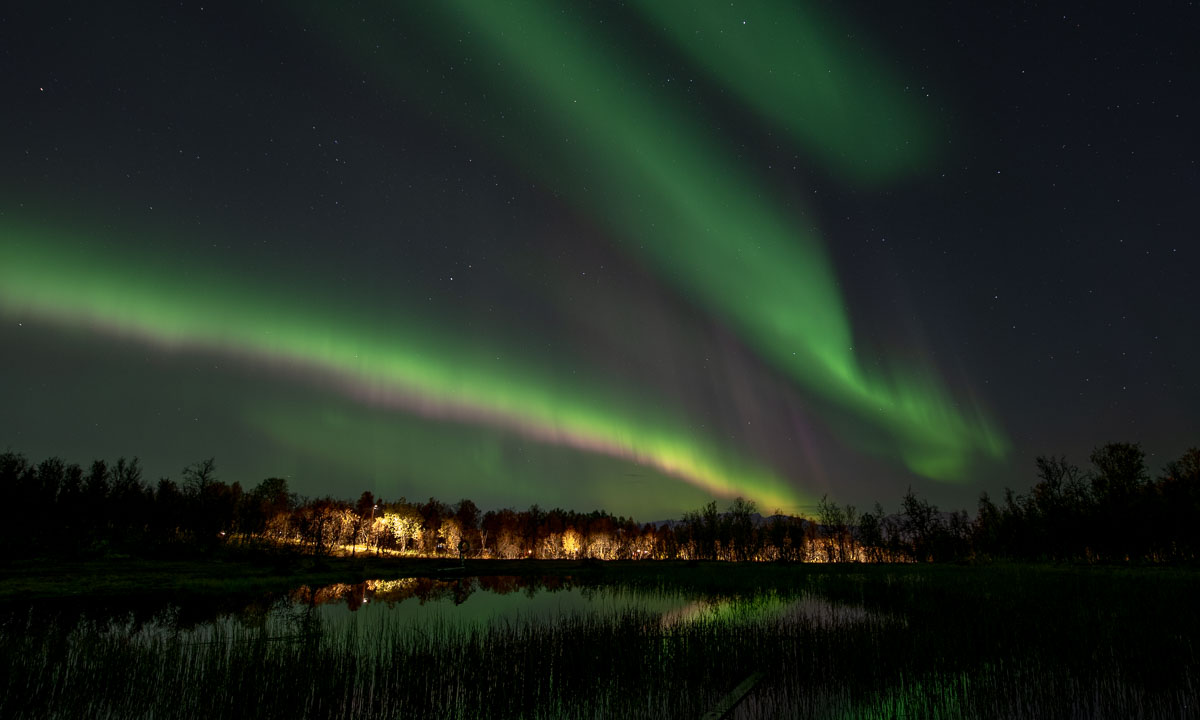
The 1st day of this year’s October delivers! First I got a clear, blue sky on my after-work hike through the autumnal forests on top of Tromsøya. Then I got beautiful Northern lights tonight, I just came in and developed the photos a bit.

What you don’t see here – as usual – is the movements of the Aurora. The live act is still better.

Steindalsbreen 2025

It is the third year, that I hiked to the glacier Steindalsbreen in the Lyngen Alps. This time I had the pleasure to do the tour with my wife Annika. To make it a holiday we have decided to try to book the cabin Steindalshytta over the weekend. This cabin lies some kilometres from the parking place on the way to the glacier.

Saturday morning we manage to book two beds but we have to hurry to fetch the key in Steindalen, which is 100 km away. There we meet H. that gives us the keys and some info. She tells us we can use the gas driven hotplates to cook. We also learn that there’s hardly any firewood left, but it’s not cold and we have sleeping bags, so no worries. We pay using Vipps, the leading mobile payment system in Norway, then we take the car to Lyngseidet – 25 km away – to buy food.

When we pack our backpacks to start the tour it is already afternoon, but the cabin is not far away.

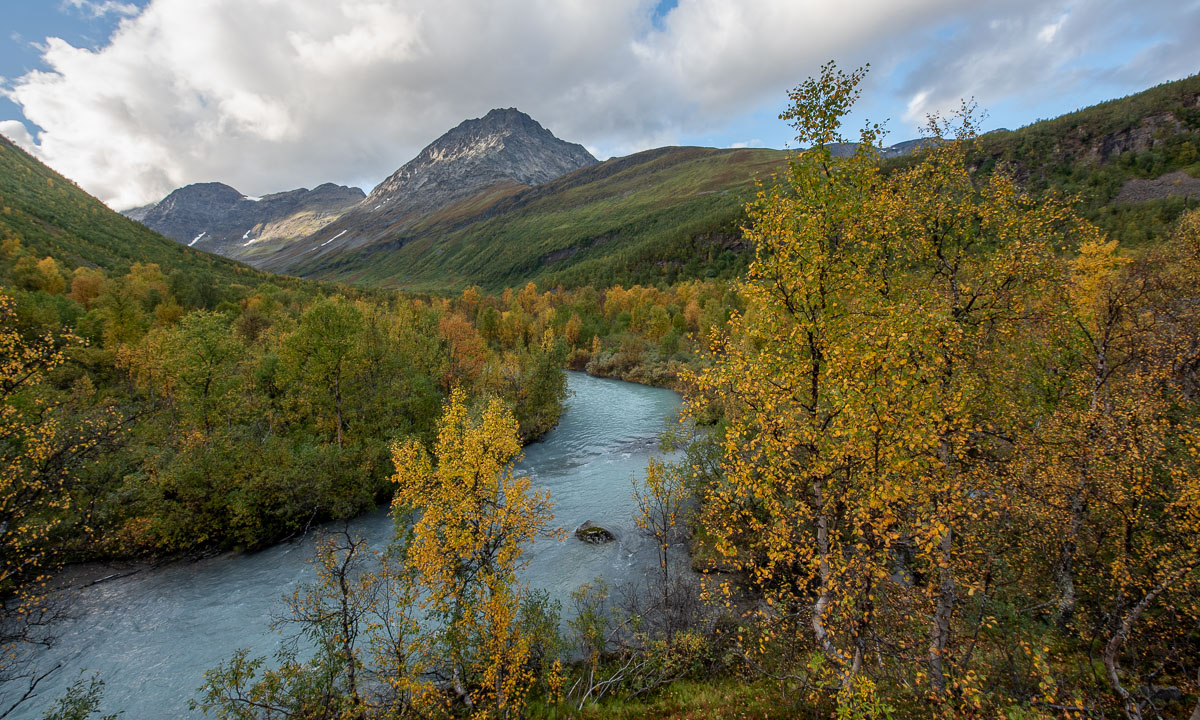
In the beginning a forest path winds up through a narrow valley. The colours are autumnal – yellow the birches, red the cornel and the blueberries. To the left down from the bottom of a ravine we can hear the river Gievdanjohka.

The path is rising and so is the river. After two kilometres we are almost level.

From there it is not far to the cabin. We go round a moraine and there it is: Steindalshytta. I unlock the door and we peek inside. Looks cosy!

Now we want to cook. This will take the rest for the evening because the gas canister is empty. No cooking on the hotplates, we have to use the wood-burning stove. We gather all the leftover wood from inside and outside of the cabin. There is no axe. Luckily Annika has a knife that is sturdy enough to make some smaller peaces of firewood. The wind is calm, the oven isn’t drawing and it takes almost three hours until the water for the spaghetti is boiling. At least we get a starter: warm shrimps with parmesan that we eat from the huge plastic plates we found in the kitchen. And I found chocolate cookies in the kitchen.

Meanwhile it has become dark outside and soon we get to sleep. We don’t have to freeze. After having powered the stove for hours we have 24 °C in the living room and hardly less in our sleeping room. Good night!

When I wake up the next morning it is raining, but it stops soon and the sun starts to light the mountains in the east.

After breakfast we pack our backpacks and start our hike to the glacier Steindalsbreen. Many things like our sleeping bags we leave behind, because we will go the same way back.

Again we follow the river to the east, then the landscape opens to a broader U-shaped valley. The terrain flattens and hiking is easy.

But we can already see the ascent we have to take. After two steeper passages we stand between two landscapes. In our back lies the mellow valley with its gentle slopes, everything in autumnal colours. Ahead lies a rough and rugged mountain landscape, where grey rocks and stones are the predominant element.

And there it is. The glacier. (Photo Annika Kramer.)

We continue the gravel path. Soon we pass the first of the signs that marks the glacier front some decennials ago. Due to global warming the glacier is melting and retreating every year. It is fantastic to see the glacier and we feel excited, but sad at the same time. First we hike to the glacial lake in front. Will we manage to go round the lake the glacier itself? Yes – and it is quite easy this year.

I have my big camera backpack with me and the Nikon with three lenses. That was made possible by Annika who took all the food. Although the weather is a bit dull it is photo time!

As often I’m not content with my photos and yes, I should have carried my tripod with me. But I’m happy about being there together with Annika. (Next photo: Annika Kramer.)

It is time to go back. This time we follow the river and pass two fields with scientific instruments, part of the project iC3. I have to ask a colleague from the Norwegian Polar Institute what is measured there.

Now the trail leads mostly downwards. We descend the hill, cross the broad valley, enter the forest and then reach the bridge by the cabin again. Here we take a rest and then fetch the rest of our stuff from inside the cabin.

I take a tiny detour that leads on a hill. Here I can see everything together: The huge mountains with their snow fields, the river Gievdanjohka, the autumnal birch forests. Only the glacier is hidden from view.

What a terrific tour we had! The glacier Steindalsbreen is worth a visit, especially in autumn. We drive back to Tromsø and I copy the photos to my computer. Then I check the tracker I used on the tour. As I was afraid I have walked on rock, sand, and mud this year, where last year the glacier covered the ground.

Late summer mountain hike

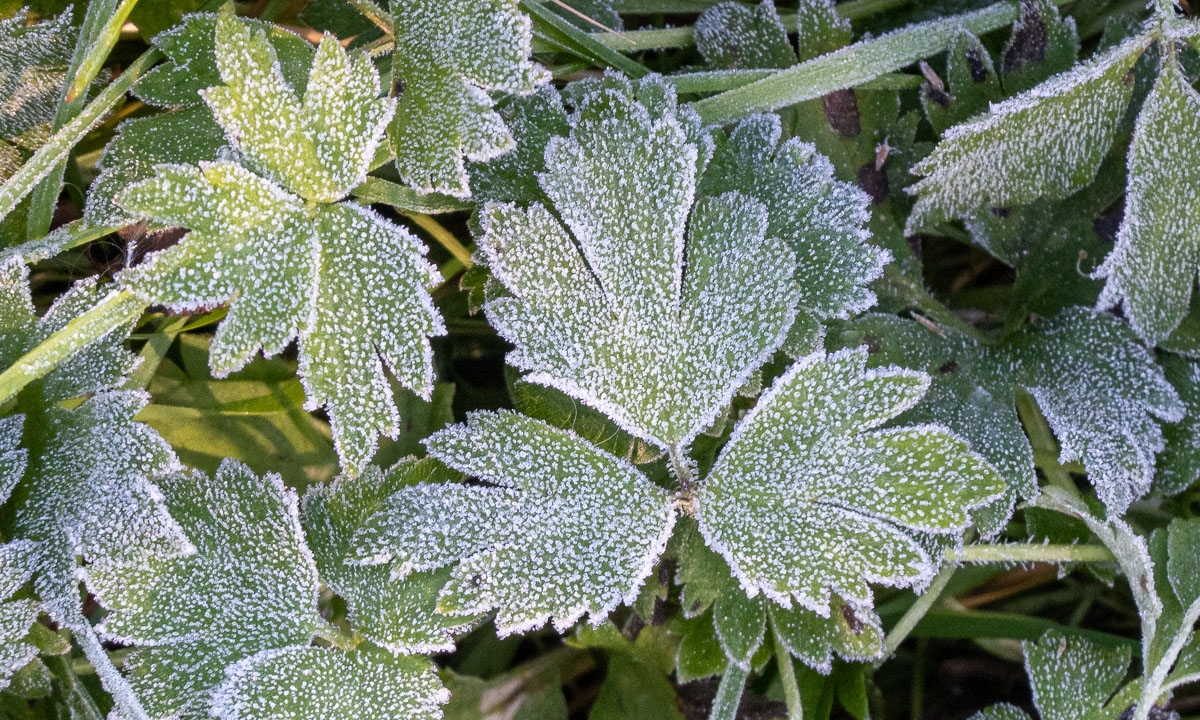
The forecast was correct – the sky was blue the whole day today. At 9 o’clock I meet my friend Chris on a parking place and we start a mountain hike. The morning air is a bit chilly and some leaves even have frost on them.

After we have crossed the river Tromsdalselva we follow a path and some quiet residential streets and arrive at the way up to Sherpatrappa. That’s is a stone staircase of 1,203 steps leading up the mountain. Today is Sherpatrappa Opp – a competition where people run up the stairs. We however prefer walking and are lucky, that the competition will not start before eleven.

At the end of the stairs the terrain becomes less steep and you have a gorgeous view on the island Tromsøya and its beautiful surroundings. I see the island Håkøya that I circumvented by kayak two days ago. And today there is another competition: Tromsøya rundt, a 24 km long kayak tour round the island. From 400 metres up, we spot a group of kayakers passing below.
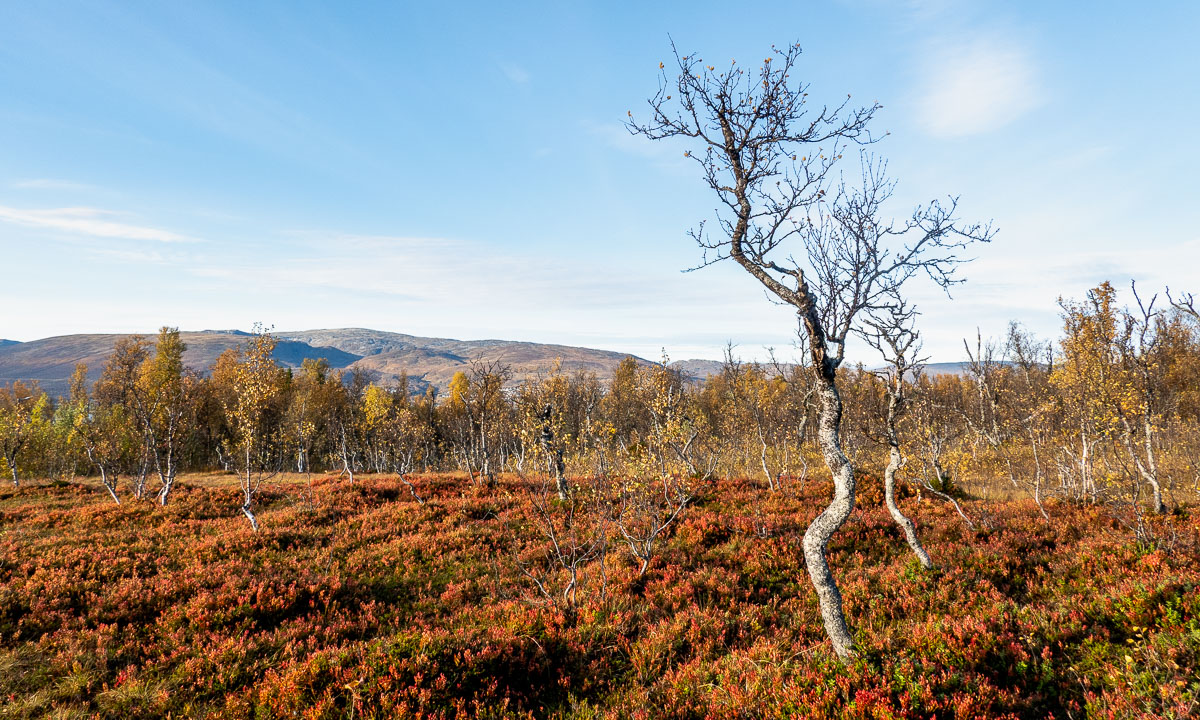
I assumed it was too late in the year for cotton grass – a clear sign for wet ground – but by a small and shallow pond we find a field of these candyfloss like flowers.

A lake always gives an awesome extra perspective in the mountainous landscapes, especially when it is as clear and blue as this one.

A white reindeer is grazing by the trail. It is not shy at all and ignores us while looking for food. On the way back we will meet it again.
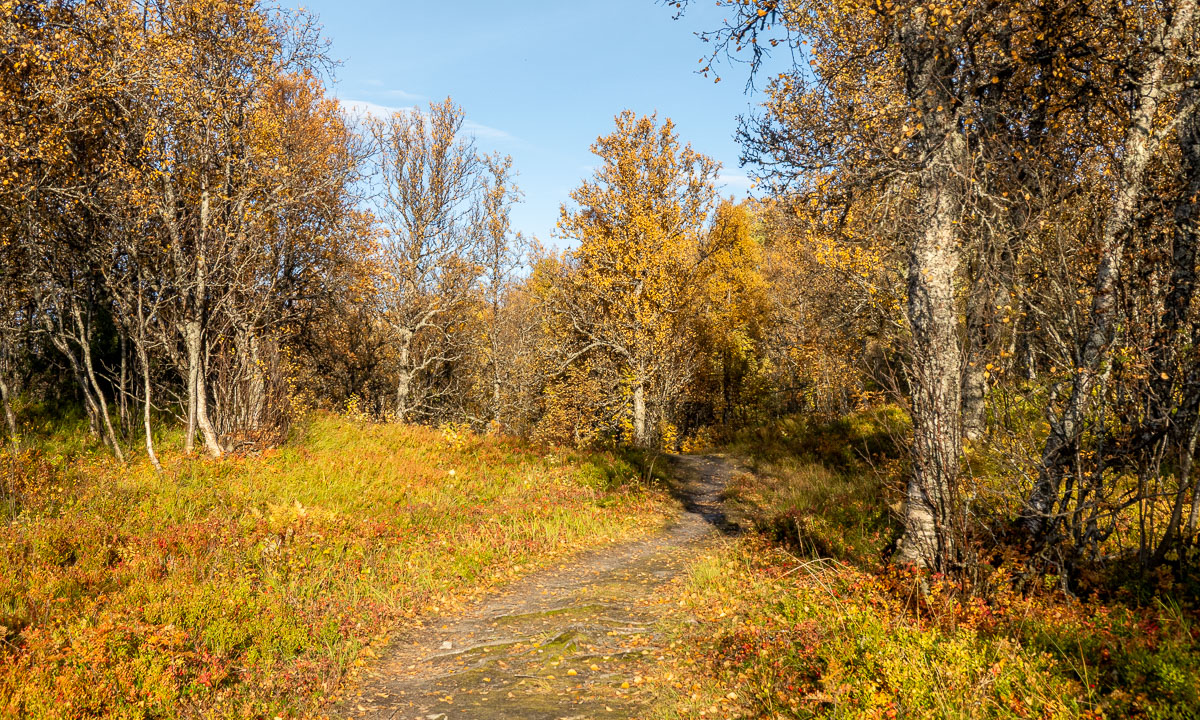
I will never loose the fascination for the Norwegian landscapes, where sea and summits meet. I paddled to Grindøya – the island in the middle – several times. In the back lies mountain range on the island Kvaløya. This island is more than 1200 times larger than Grindøya and mainland Norways 5th largest island.

The weather has become warm and summery. Anyhow you can see the signs that the summer comes to an end. The colours have started changing.

On our way back we use Sherpatrappa again and get an awesome view on the town. Tromsø in a nutshell: Two Hurtigruten ships – the bridge Tromsøbrua – the iconic church Ishavskatedralen. And in the background the mountain Kjølen, where I’ve seen the midnight sun seven weeks ago (I and II).

Takk for turen, Chris!

The end of high summer in Tromsø

One month ago was the last polar day in Tromsø, where the sun did not set at all. Now it gets dark again in the night. Rain clouds may help as well to make it darker and I got a lot of help from them, when I made an evening stroll through the forests nearby yesterday evening.

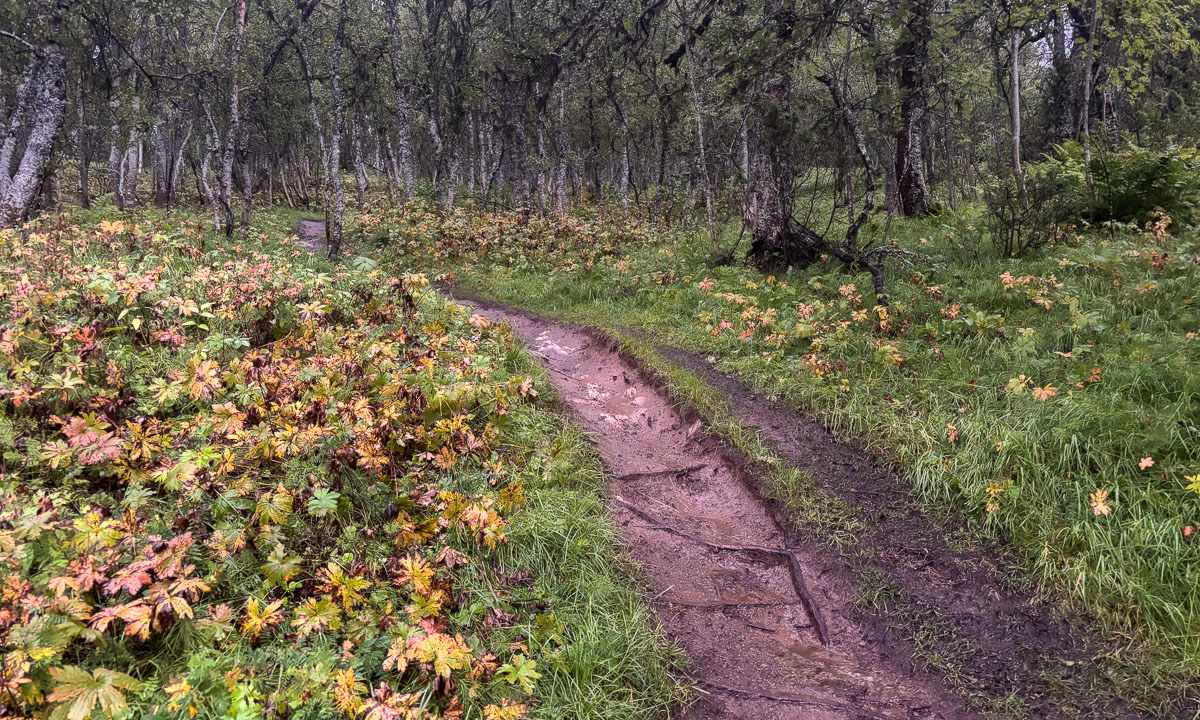
It was still light when I set off and it was raining. The big leaves of the wood cranesbill (Geranium sylvaticum) beside the forest paths had started to turn yellow.

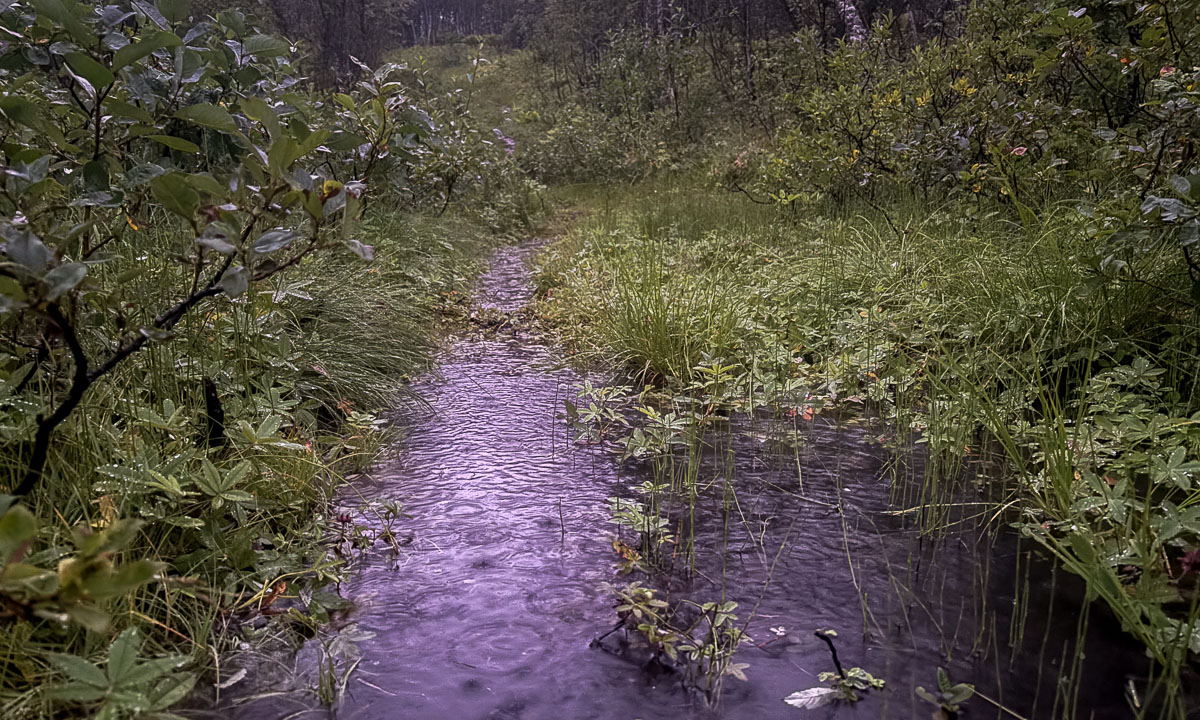
The small, grass-covered bogs always look like autumn. The vegetation is just yellower and browner. Because of the recent rain they were pretty wet and partly covered with water.

There were still flowers in bloom, like the pink fireweed and the thistle in the next photo, but more and more it was the leaves bringing the colour—like the wood cranesbill, whose leaves turn a vivid red in autumn.

Most of the forest paths were mostly dry but some of them had turned into deep water puddles. Rubber boots came in handy.

Half past nine – it was getting darker. Now and then I caught a glimpse of city lights through the trees, but most of the time I was away from town—sometimes going cross-country through the forest, sometimes staying on the paths.

Another sign of autumn was starting to show. Various mushrooms have popped up beside the path. I don’t pick them—I haven’t got a clue about mushrooms—but I do enjoy spotting them.

When I came home at 22:20 my rain clothes were so soaking wet, that I hung them into the shower. Today was the first day after months, where I put on the electrical heating in the living room.

Midnight sun on the Stor-Kjølen – part II

To part I >

I slept better than expected in the shelter on top of the mountain Stor–Kjølen (790 masl) that I hiked up the previous day. At 7 o’clock I get up and enjoy strolling around the plateau under a deep blue sky. Thank you, DNT, for maintaining this shelter.

At half past seven I start my way back. The sun is high in the sky.

The plateau summit resembles a desert of stones with hardly any plant beside of lichens and some tufts of grass. The first plant that catches my eye when descending the summit is a flowering ground cover. If the AI is correct, it is silene acaulis, also known as moss campion or cushion pink.

Again I cross the huge snow field. I see footprints but no ski tracks. Skiing season seams finally to be over.

Navigation is easy. Sometimes I go astray, since there are so many parallel paths – this hike is quite popular. But with the help of the painted red dots it is easy to find back to the main track. The cairns – Scottish  Gaelic for a man-made pile of stones – can be used for navigation as well. Great in fog! However, use them with caution. Tourists love to build these all over the mountains on random places.

While coming down the mountain the landscape slowly changes. The ground is more and more overgrown and to the right there are several lakes.

As the day before I pass a small valley. Now it lies in the sun. It looks very idyllic with its lakes, streams and its birch trees. One day I have to check how to go there.

Another stream to cross, another lake to view …

… and I’m on the home stretch. Soon I can see the gravel car park. One of the grey cars is mine. But still the terrain is hilly and in no time the car park disappears from view again.

By 9:45 I am back at the car. I was incredibly slow — a luxury you can afford when you’re hiking alone and stopping to take photos.

Later that day I stand on my balcony. The view is mostly blocked by large trees. Birches, willows, rowans. Through the gaps I can spot the mountains. And if you look carefully on the next photo, you may spot a tiny white dot on the top of a snowy mountain. That’s the radar station of Stor-Kjølen. I’ve been there last night.

Midnight sun on the Stor-Kjølen

Yes, I was tired Saturday evening after travelling back from Obbola to Tromsø. But the weather was so nice and I already had started thinking about going up the mountain Stor-Kjølen for experiencing the midnight sun up there. Finally I made a decision. Let’s go. I packed water, a camping mat, a sleeping back, but most of all my camera equipment and went off. It is only a twenty minute drive to the lake Finnvikvatnet on the island Kvaløya where I parked my car. From there it is round 5½ km to the top and a good 500 metres of elevation gain.

When I start my tour at around 10 o’clock the sun is low. The sun is low, but it won’t set tonight – and not for the next twenty days either. The landscape glows in warm colours. The ground is dry, but soon I cross the first tiny snowfield.

The path winds its way through grassy terrain scattered with stones and rocks. Stray snowfields lie on both sides of the path and the radar station on top of Stor-Kjølen has come into view.

The first lake flanks the trail. Slowly, the terrain is becoming rockier.

I look back and already now the hiking tour was a success. Lakes, hills – some grassy, some rocky – and at the horizon a mountain range. So beautiful in the warm light of the low sun.

For a while, grassy patches and rocky ground alternate …

… then the altitude takes command. Only snow and rocks are present and the vegetation is reduced mostly to mosses and lichens. I have to cross a large snow field but the ground is not slippery.

But then I arrive on the stone-covered plateau of Stor-Kjølen, where I can see a small cairn in front of me, a tall cairn marking the summit and the radar station. And if you look closely you can see a small cabin in front of the station. It’s a shelter for hikers. I’m alone, so I can use it for the night.

I want to take photos of the midnight sun, so I start experimenting with some sun-facing shots. These photos are much darker than reality. While the light is warm, it is still bright daylight.

The mountains and the sea all glow in hazy orange hues when I look against the sun.

But I have a mission – taking a photo of the midnight sun. Here it is. Unfortunately there is a small, transparent cloud in front of the sun that makes it look like a white splotch instead of a circle. Bad luck!

Bad luck? Not really. We have summer time, so the lowest position of the sun is one hour later – or a bit more accurate 0:48 due to local solar time. So I had some spare time to take more photo from the stone-covered flat top.

Then it was time: The sun as its lowest position. Ok – I was three minutes late, but the solar path is so flat that it doesn’t matter when taking photos. The light is the same. And eventually the little cloud was vanished.

Just a selfie with my mobile phone, then it is time for bed, at last. (A down hoodie? Yes – it is windy and only +5 °C.)

I enter the shelter, roll out my sleeping mat on the floor and lie down, using my sleeping bag as a blanket. Cluck-cluck, cackle-cackle! What’s that? I peek out of the door and see that the hour of the ptarmigans has started. All around, these galliforms dart about, filling the air with their typical clucking. I am too tired to start another photo hunt so I just take some snapshots. (These photos are heavily cropped.)

But then it is finally time to sleep. The shelter is filled with light, the camping mats (I found another one in the shelter) are thin and the ground is hard. But then I doze off and …

… sleep. At least for a couple of hours.

To part II >