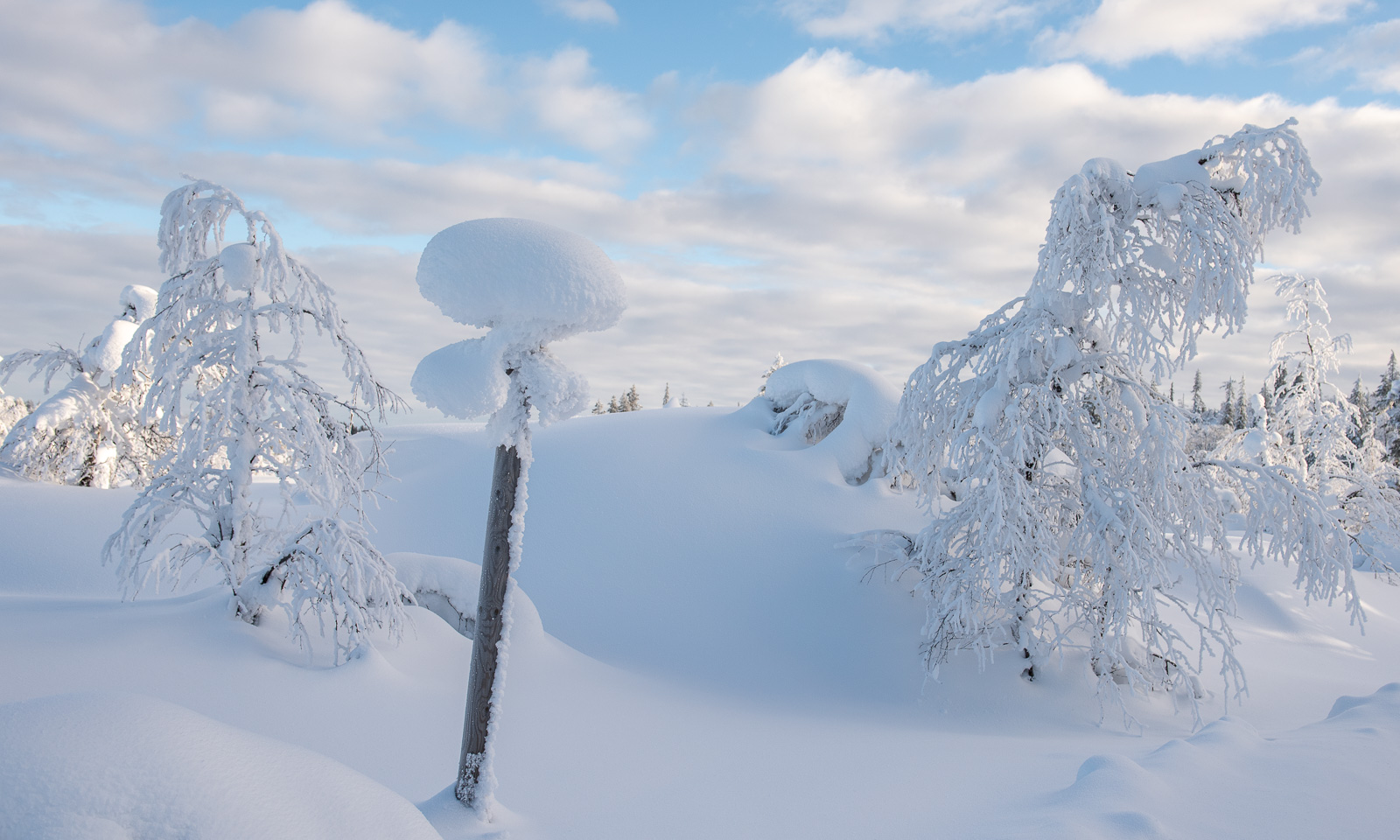
A weekend ski trip to Trollvassbu

It’s not the first time that Annika and I have visited the mountain cabin Trollvassbu. This time our friend Christine joined us on this ski trip.

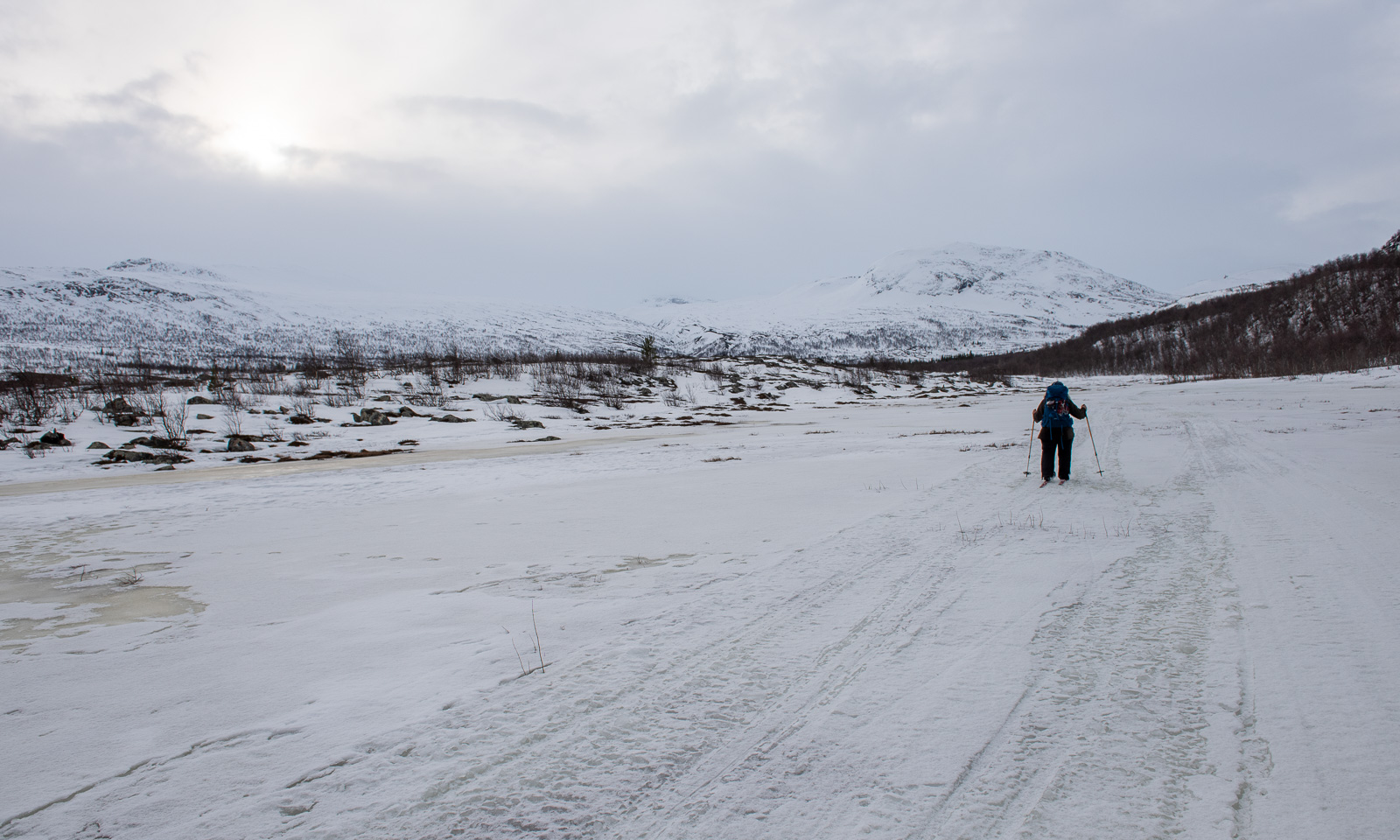
At 10 o’clock we set of, Christine and Annika with backpacks and I with my camera backpack and pulka. And since there is a lot of space in a pulka – for example for all our sleeping bags – we could bring lots food with us for the evening and next day’s breakfast.

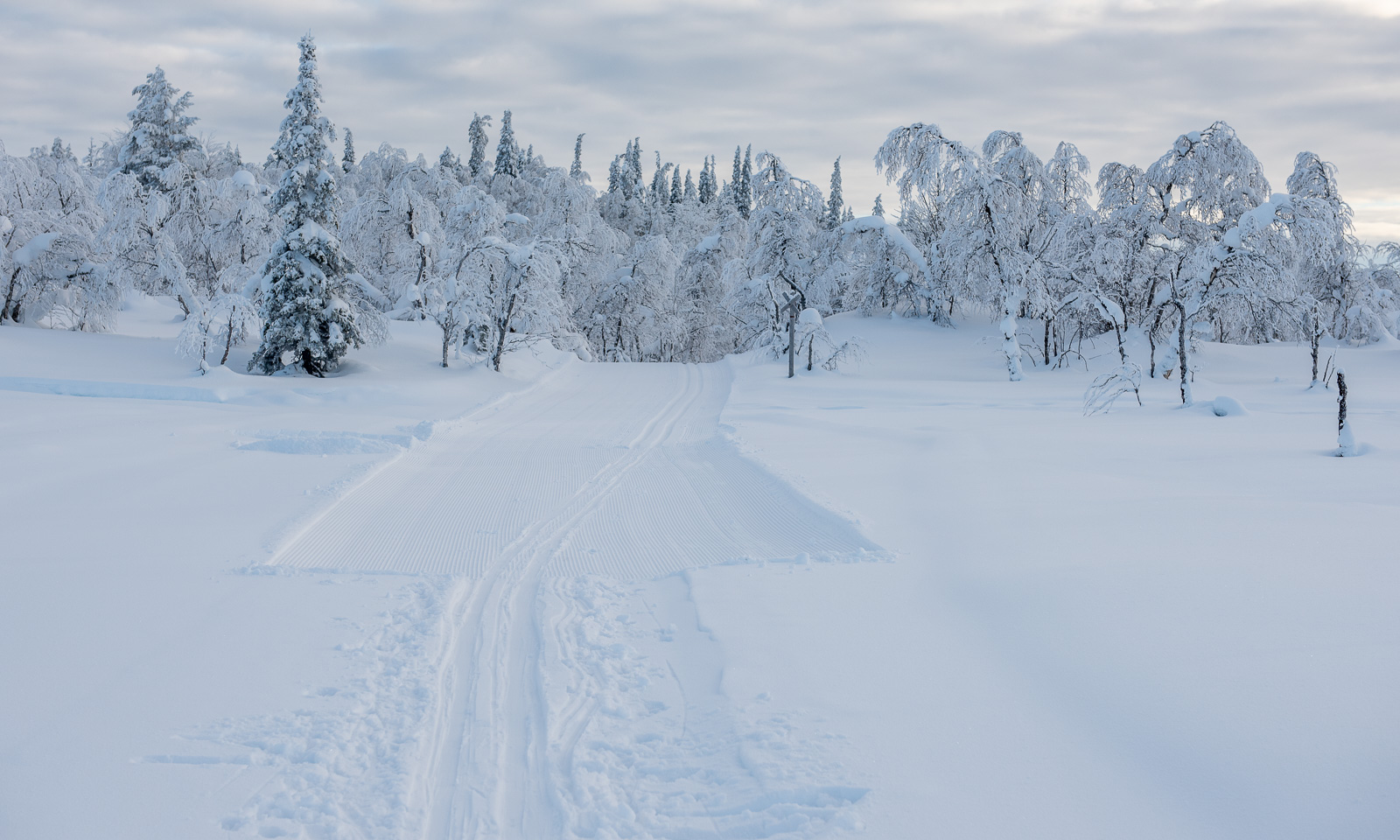
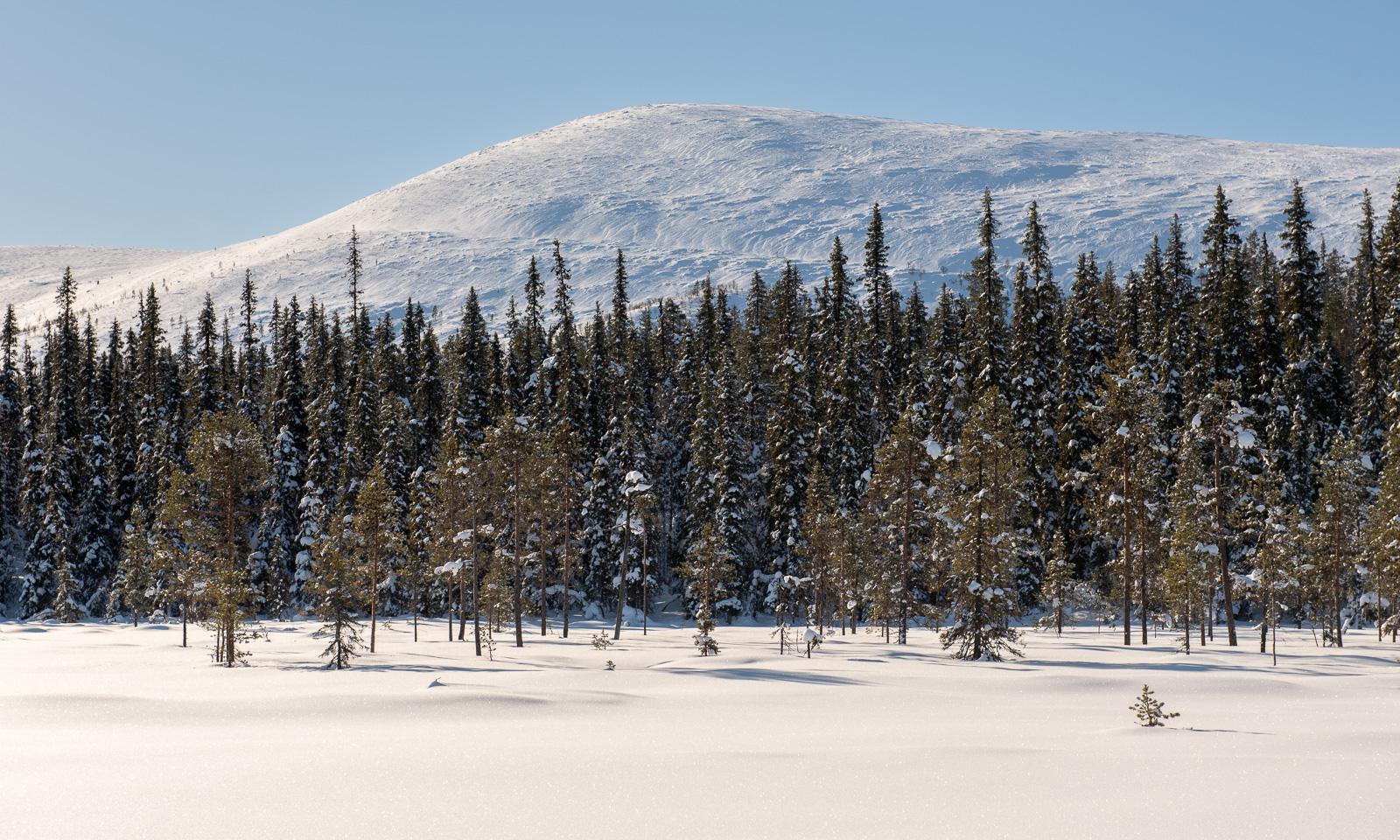
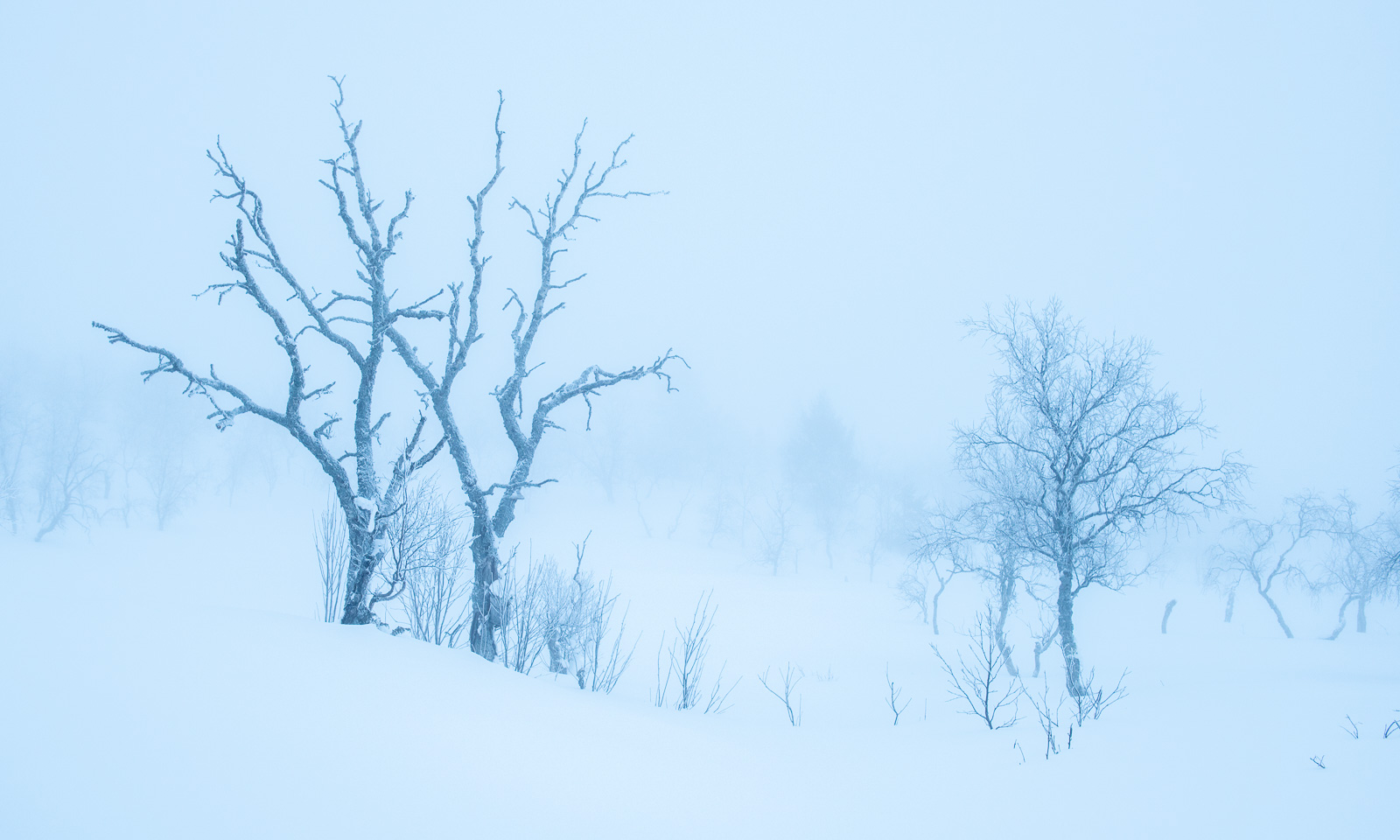
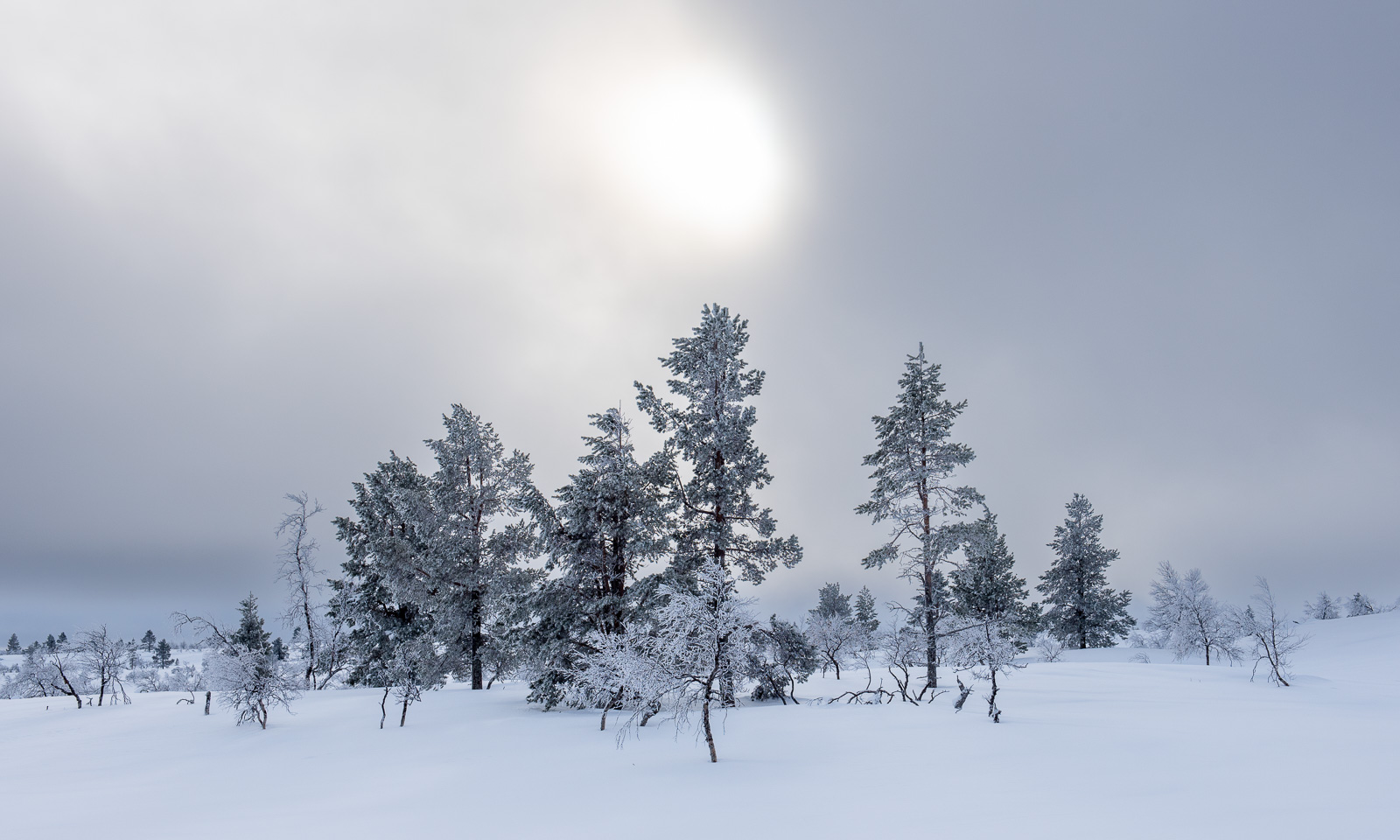
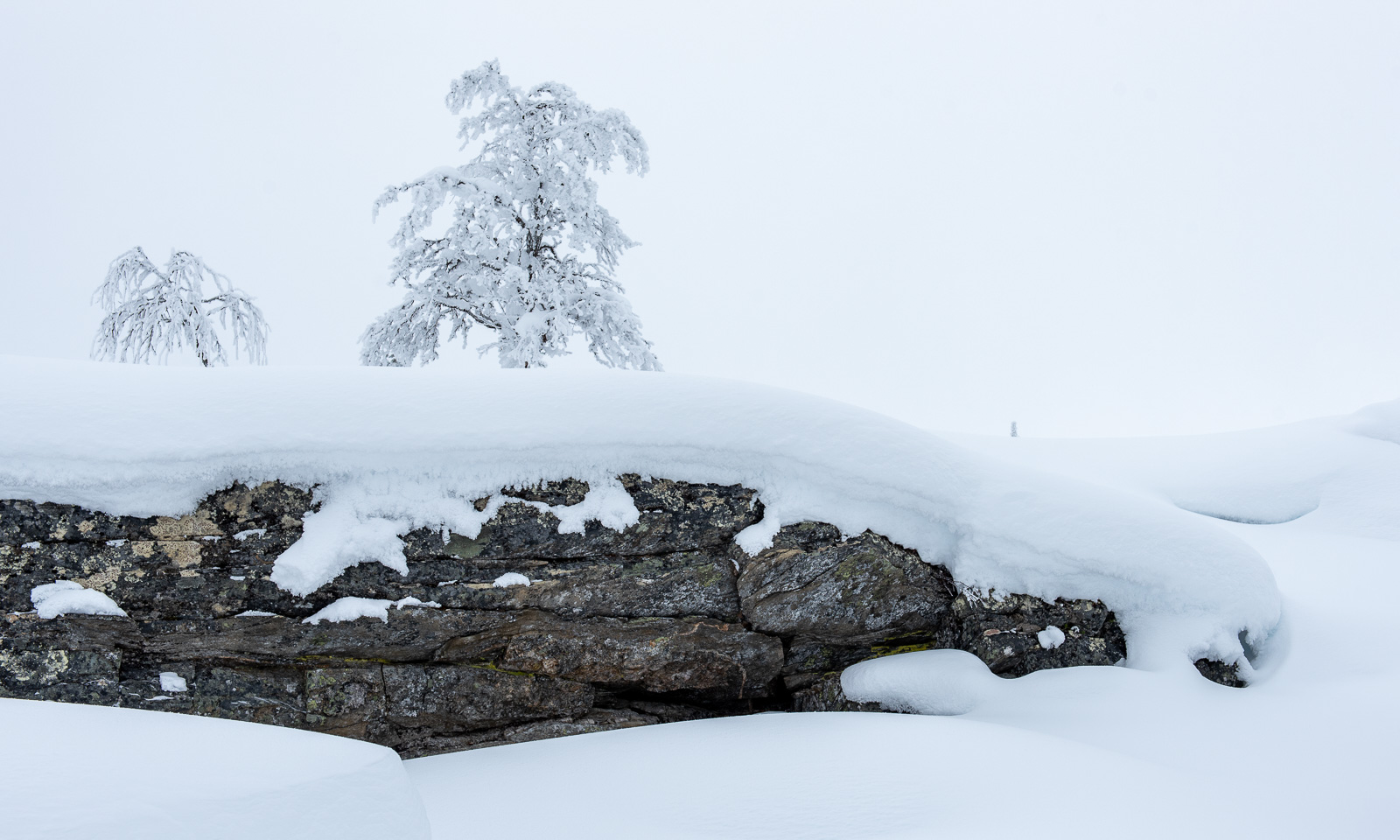
Navigating there has never been easier. Since it hasn’t snowed for twelve days the backcountry ski trail was not snow-covered and was very easy to follow. I have taken pictures of all the mountains already last year, but that’s no reason not to take more:

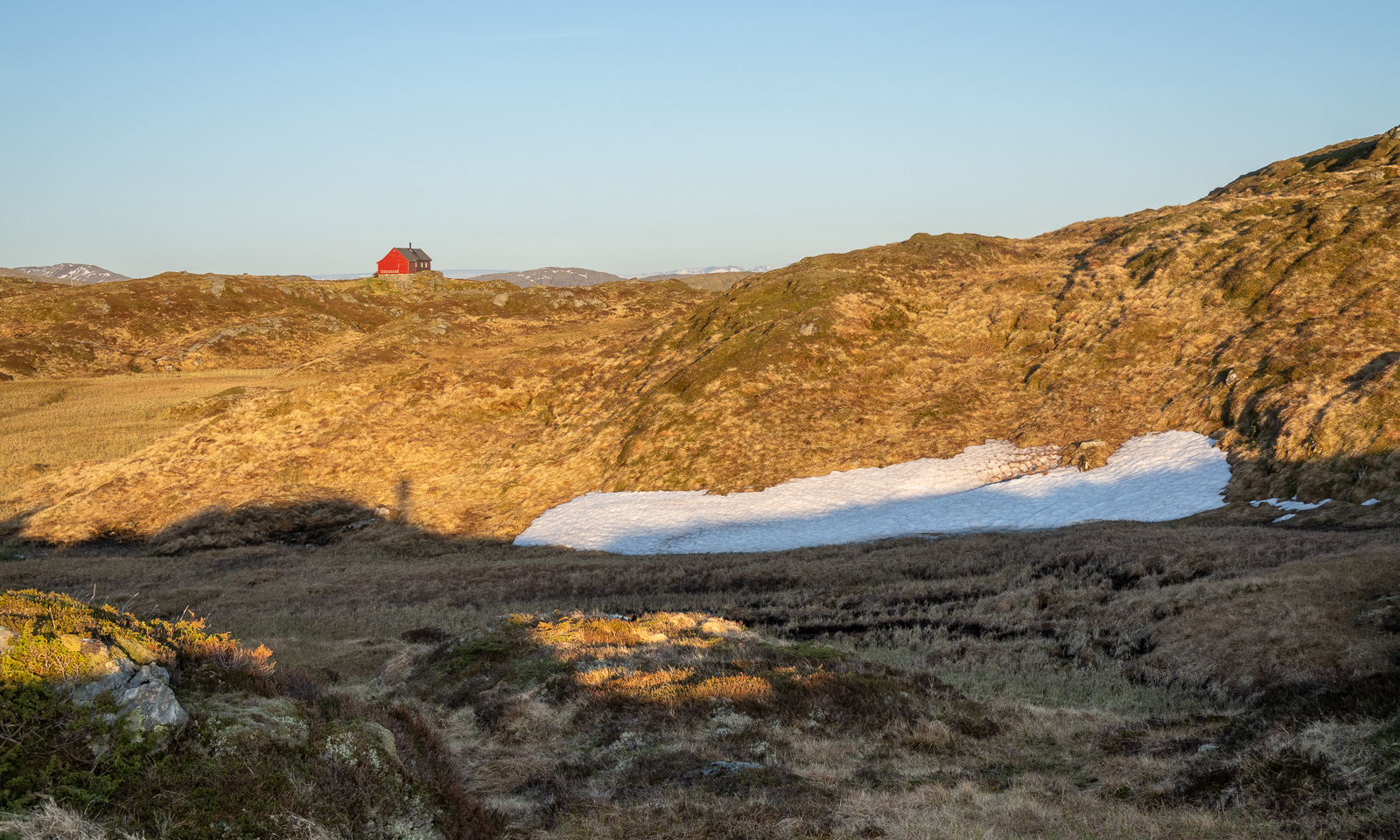
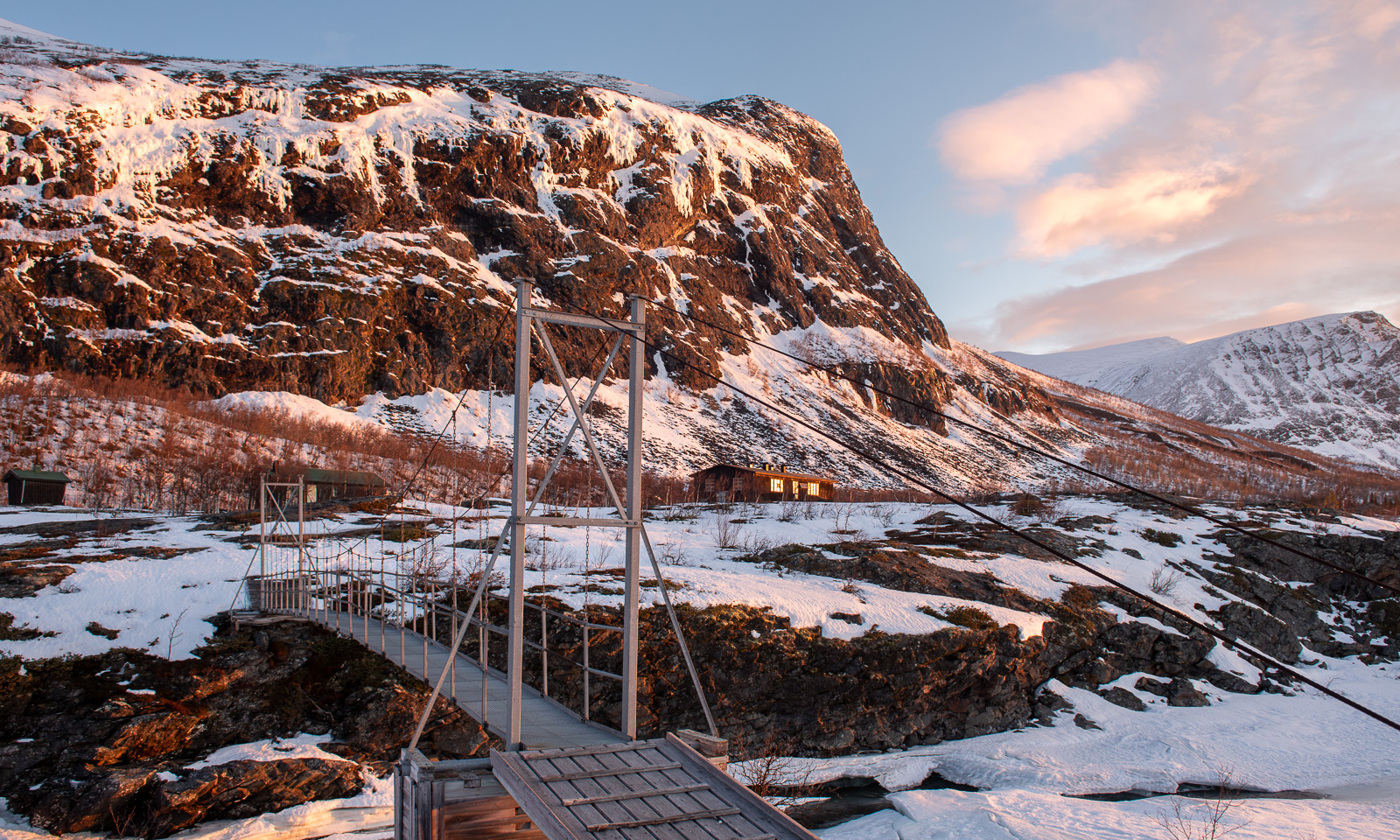
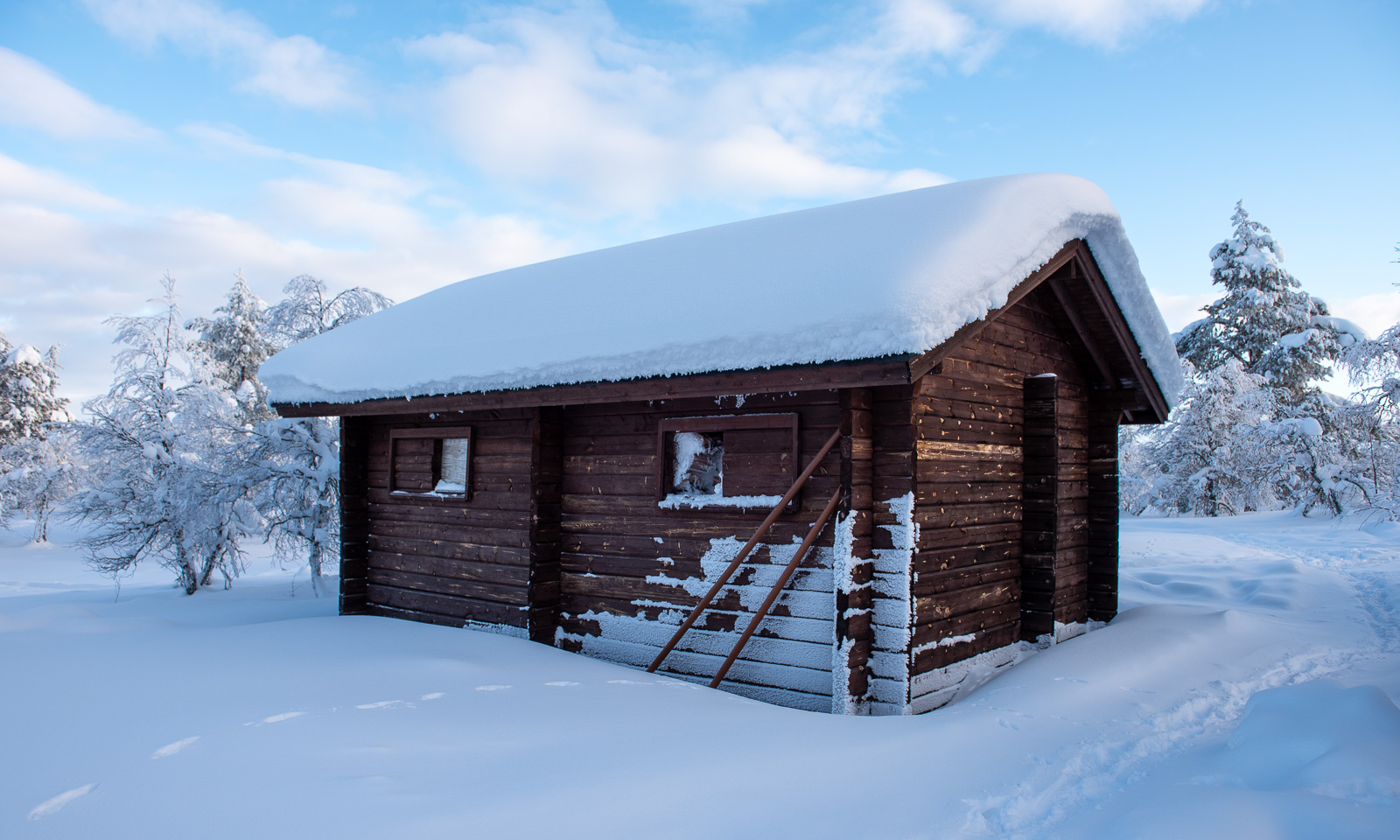
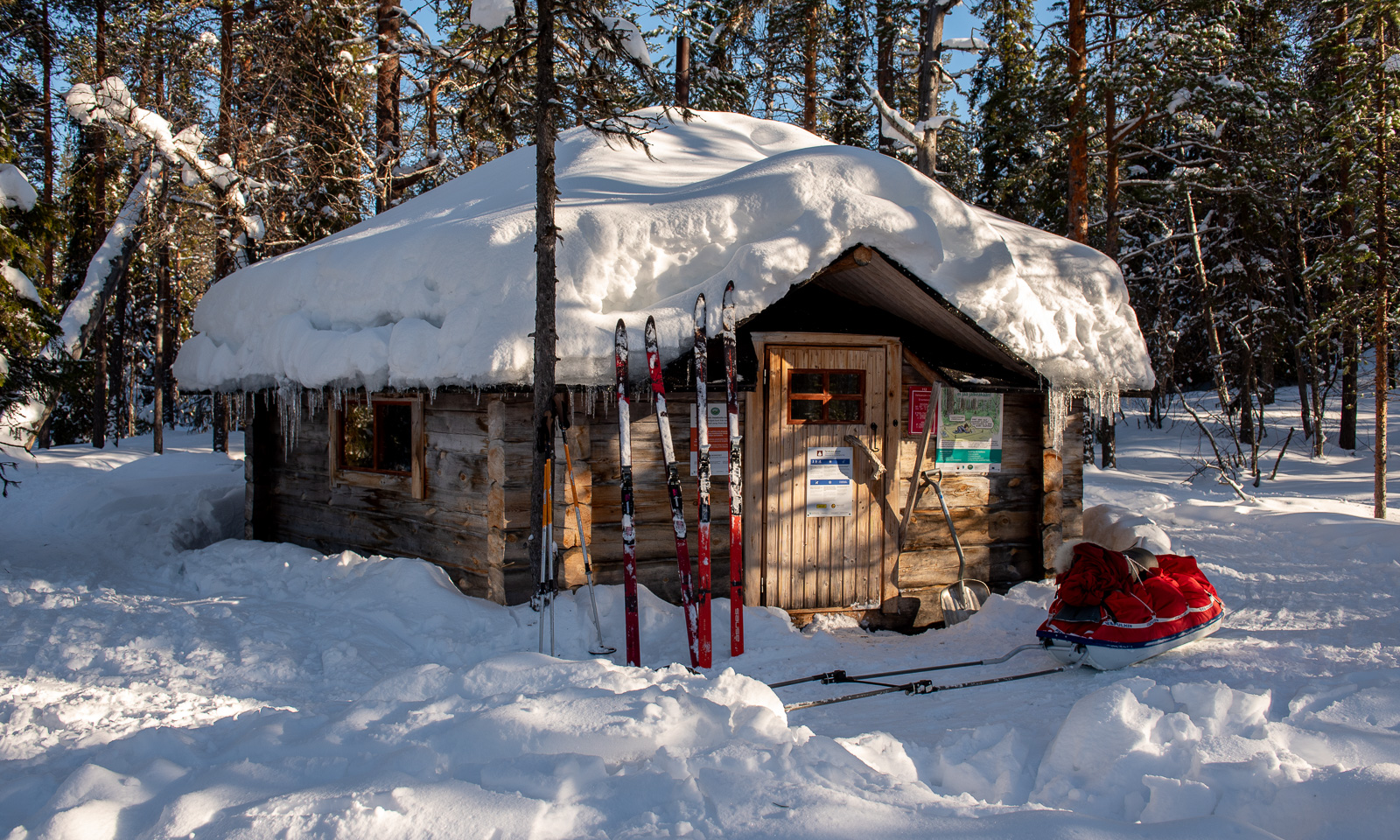
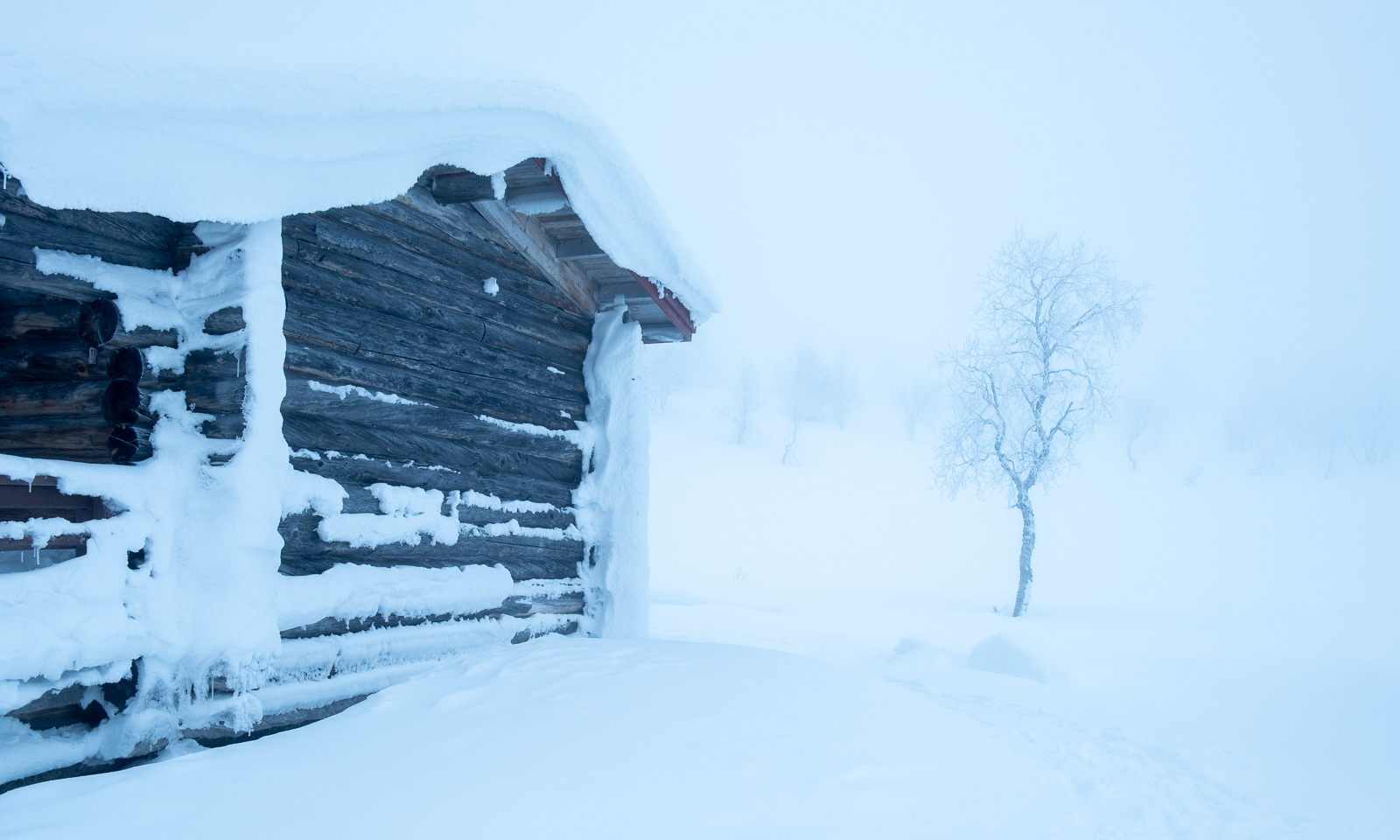
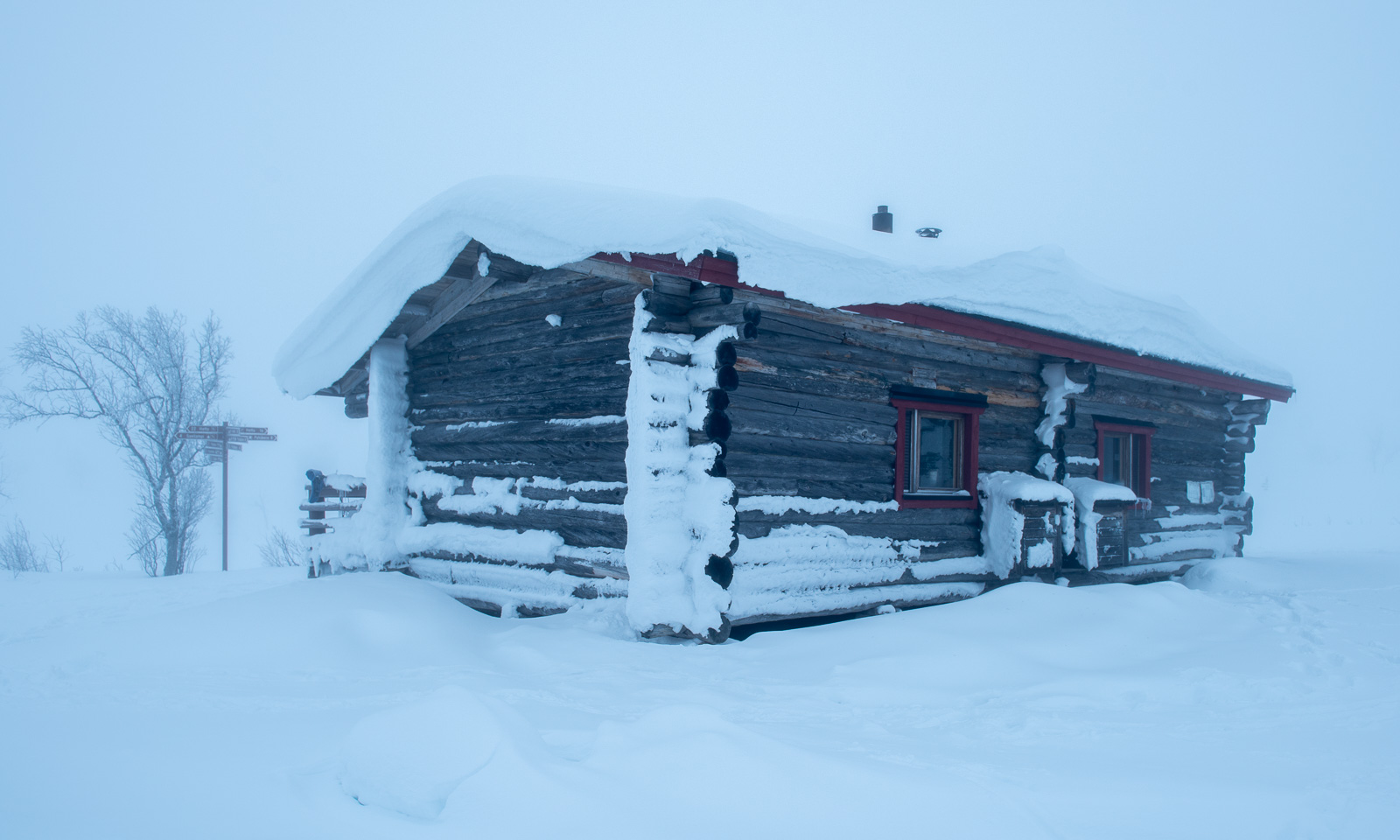
And there lies the mountain cabin Trollvassbu.

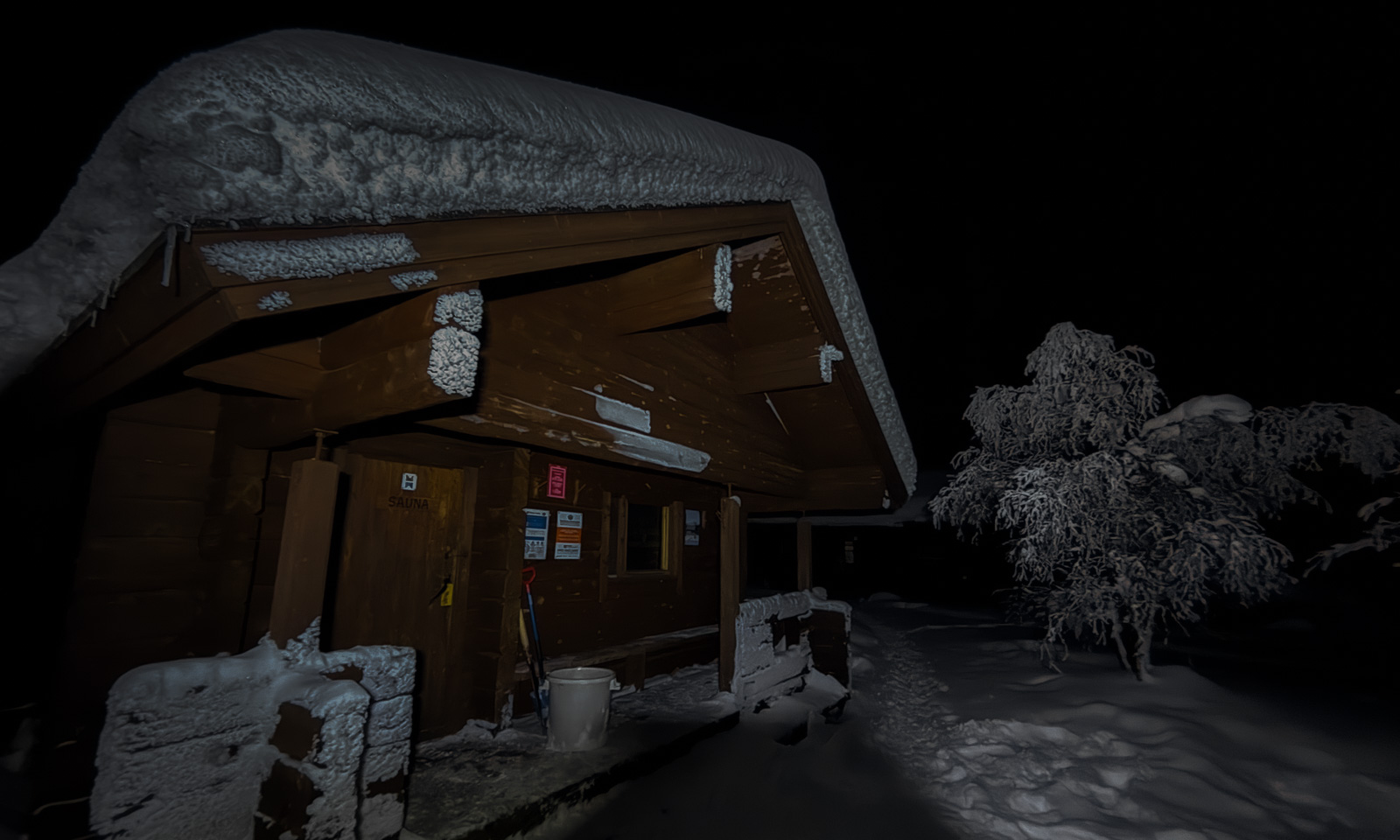
At first it was pretty crowded inside, but many were just on a day trip and didn’t stay overnight. Nowadays the head torches are so bright, that skiers can leave in the afternoon as well after it had become dark.

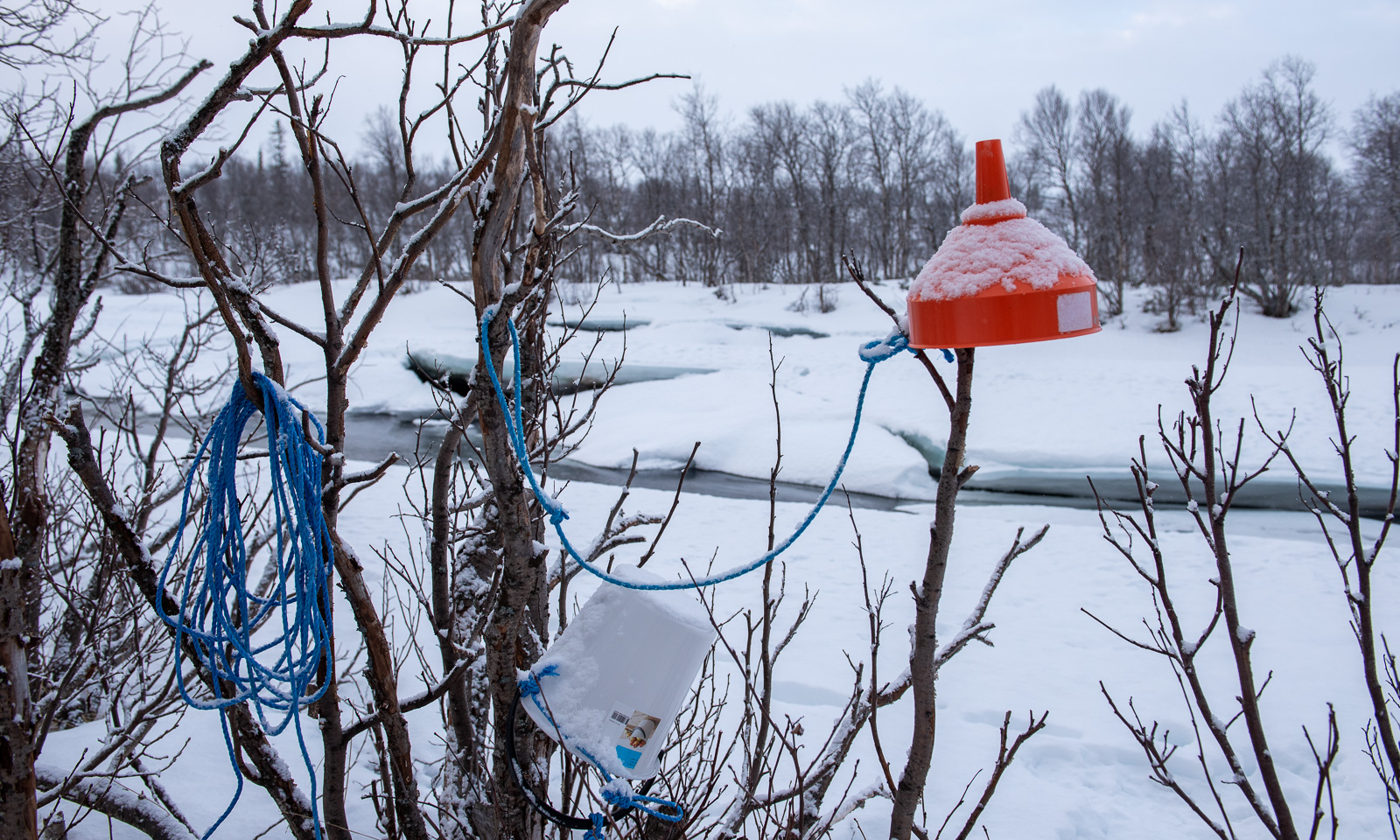
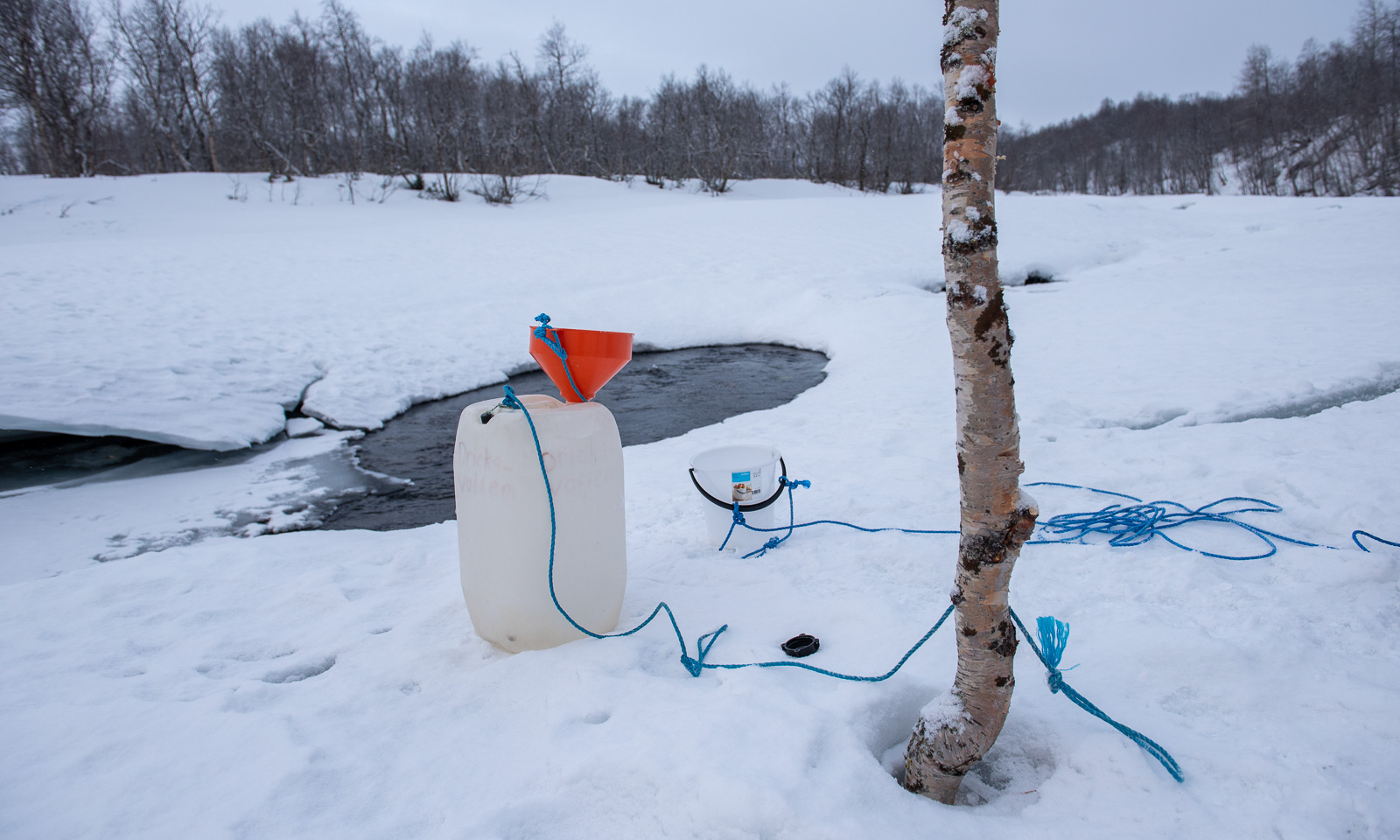
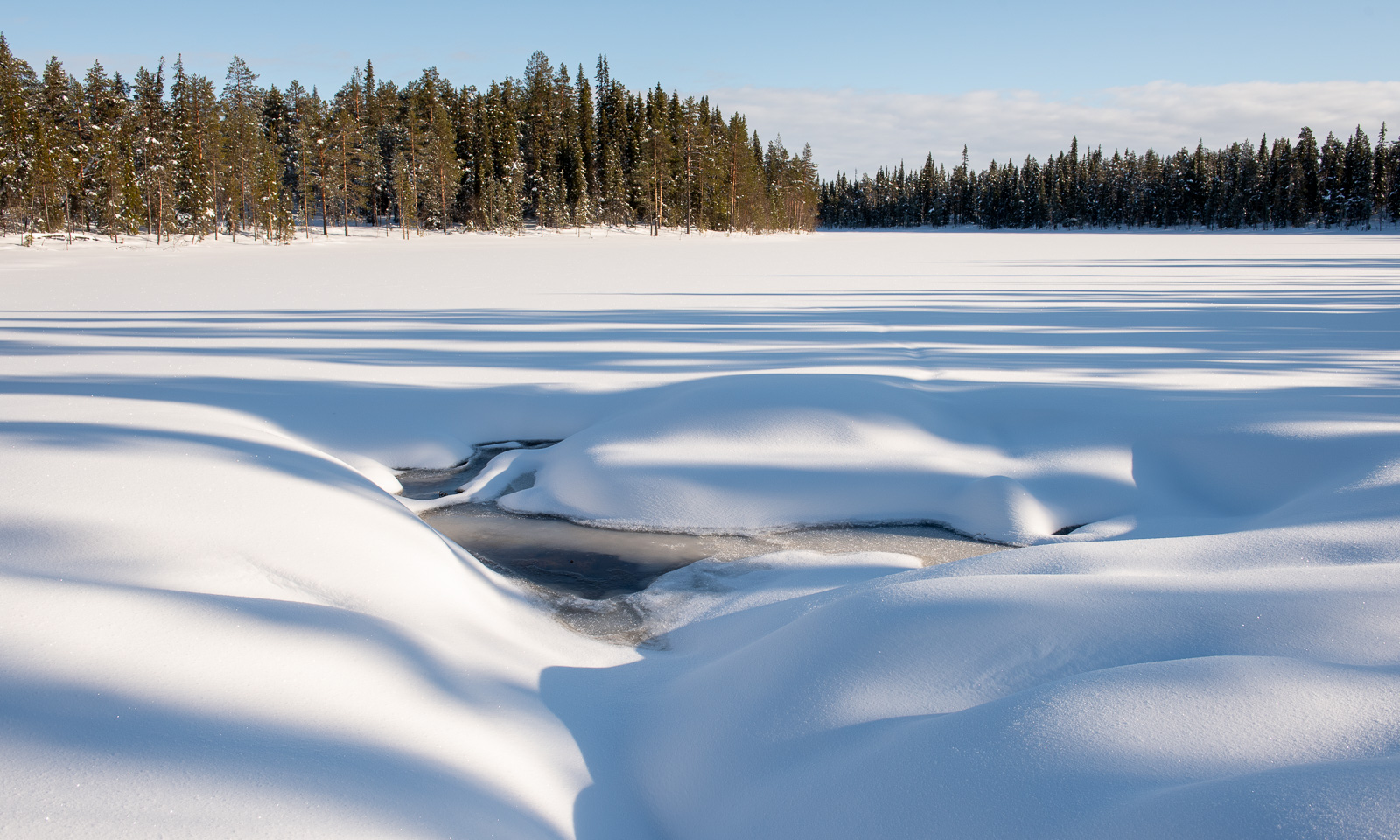
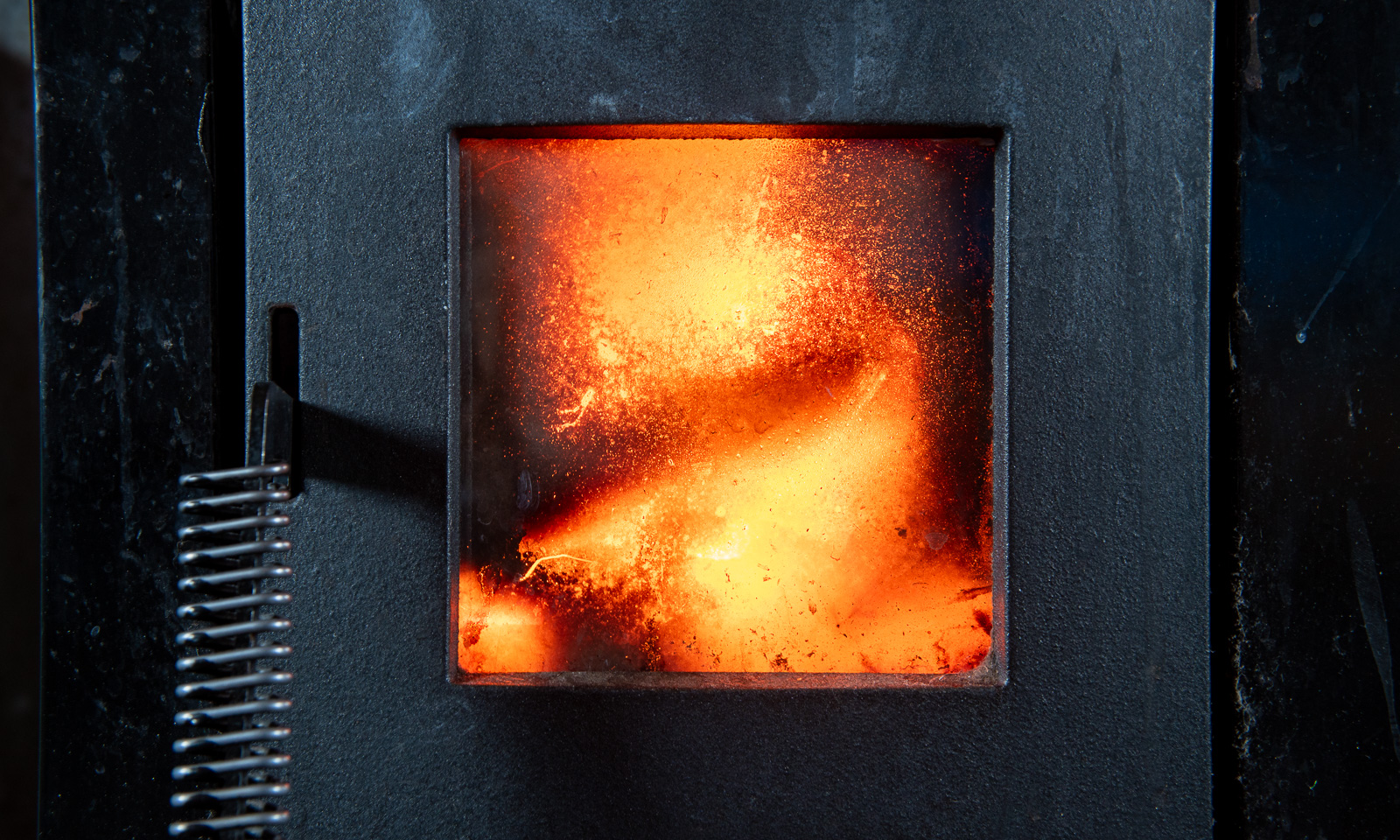
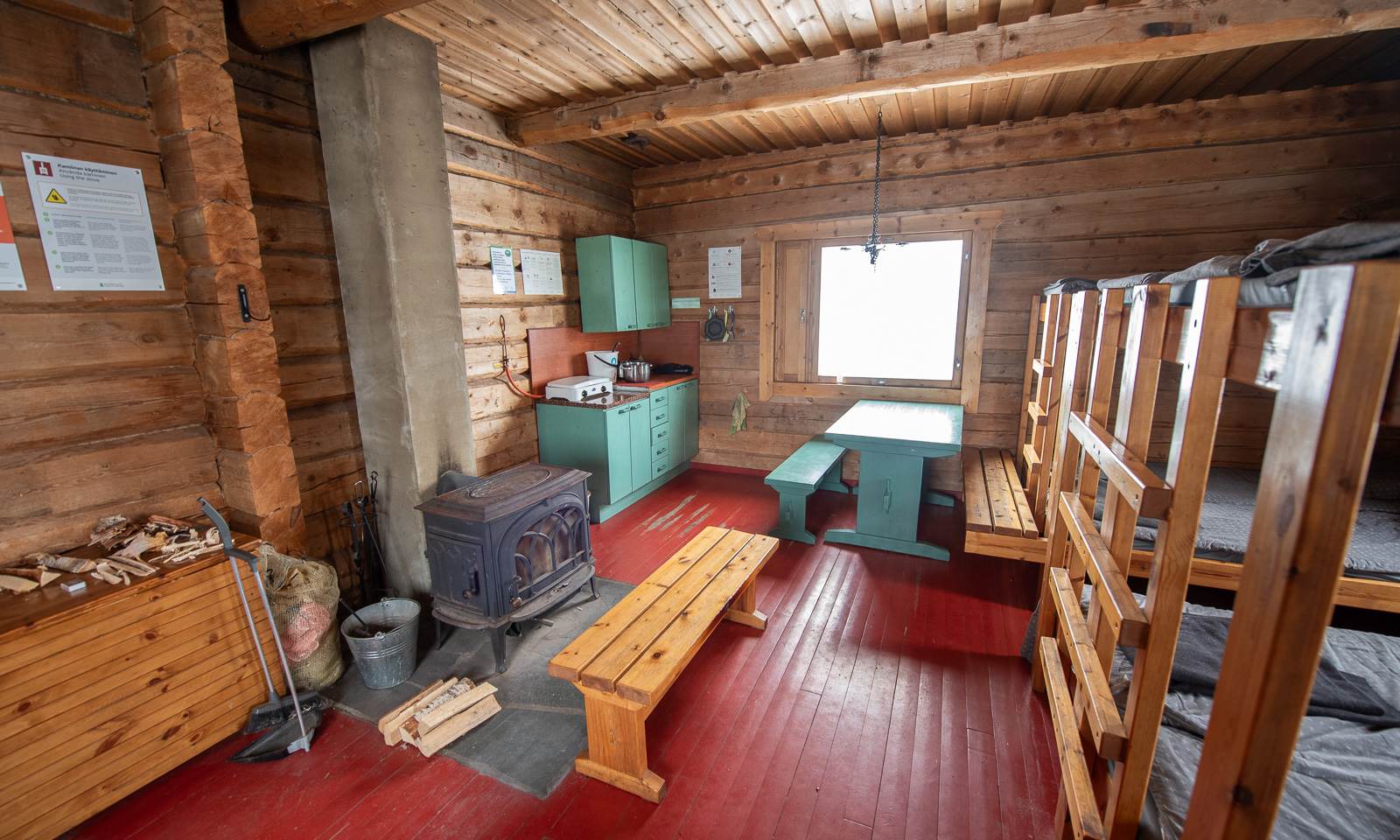
Like many mountain cabins, you heat Trollvassbu with a wood-burning stove and fetch water from the river nearby. It seems to be open all winter.

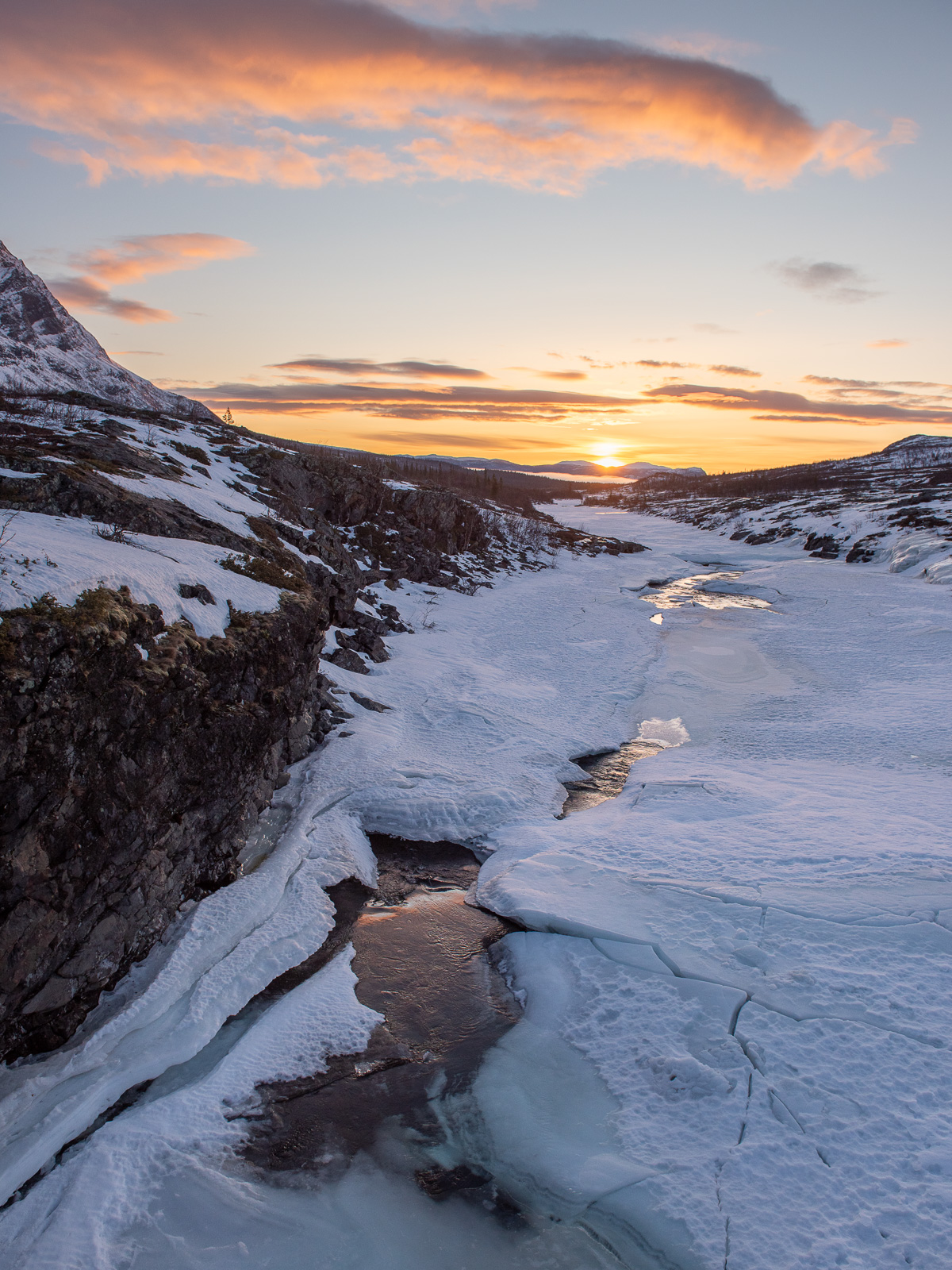
While I was taking long-exposure shots of the river, Christine was preparing a luxury dinner: reinskav with Spätzle. Reinskav is shaved reindeer meat and Spätzle traditional egg pasta from Swabia in the southwest of Germany. Thanks for cooking, Christine – so delicious!

In the evening it got warmer, and during the night the wind strengthened and turned very gusty. The next day showed that Yr, the Norwegian weather forecast, had been correct: it really had started raining.

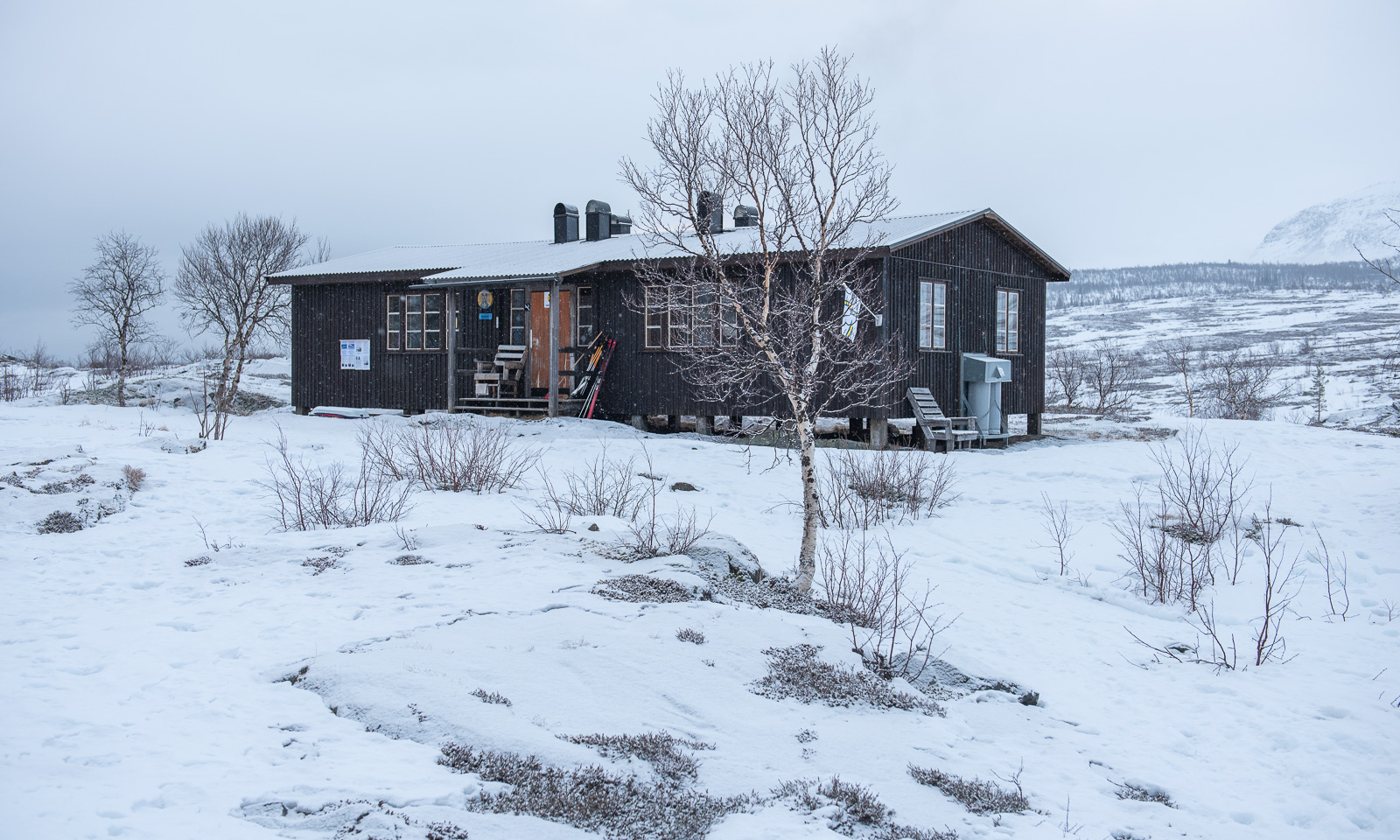
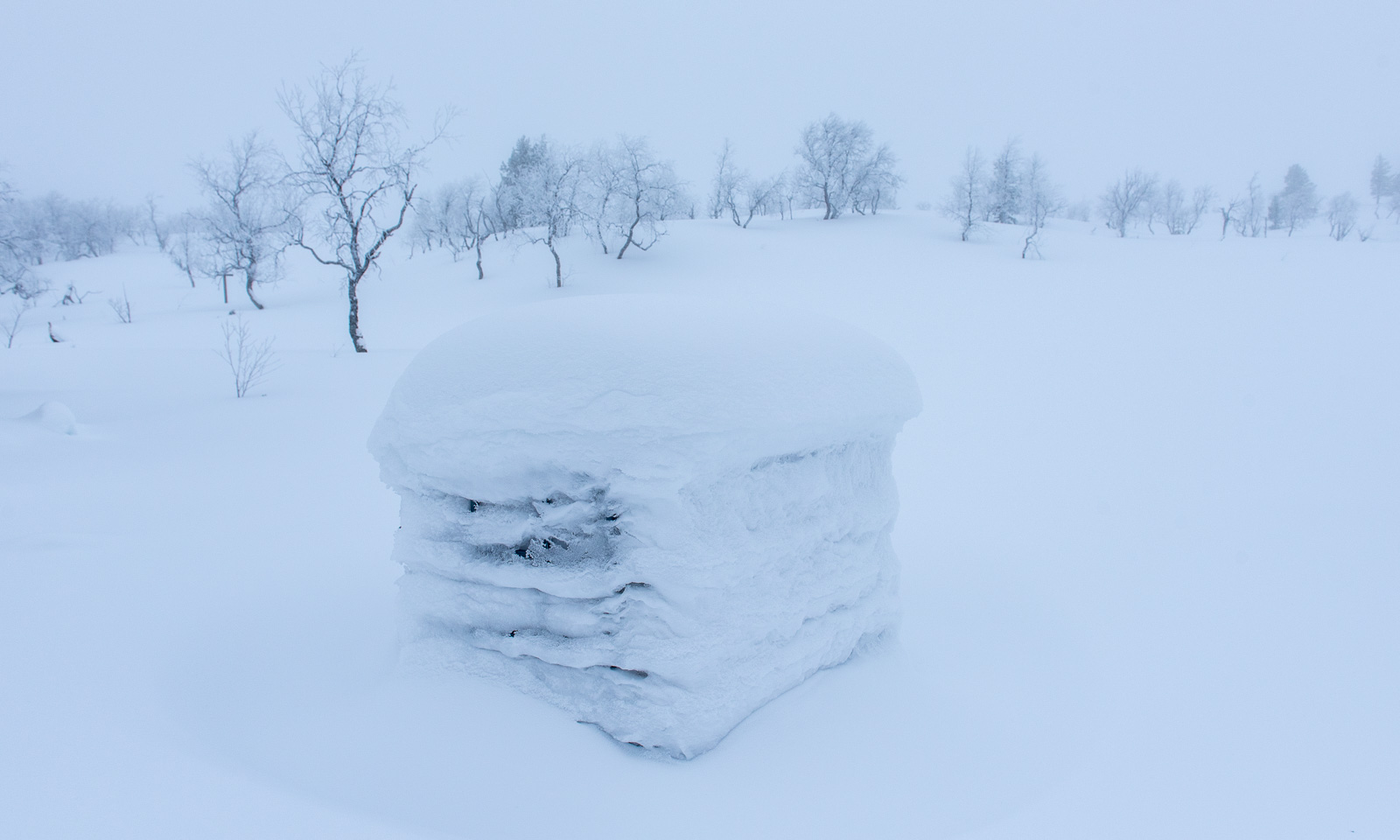
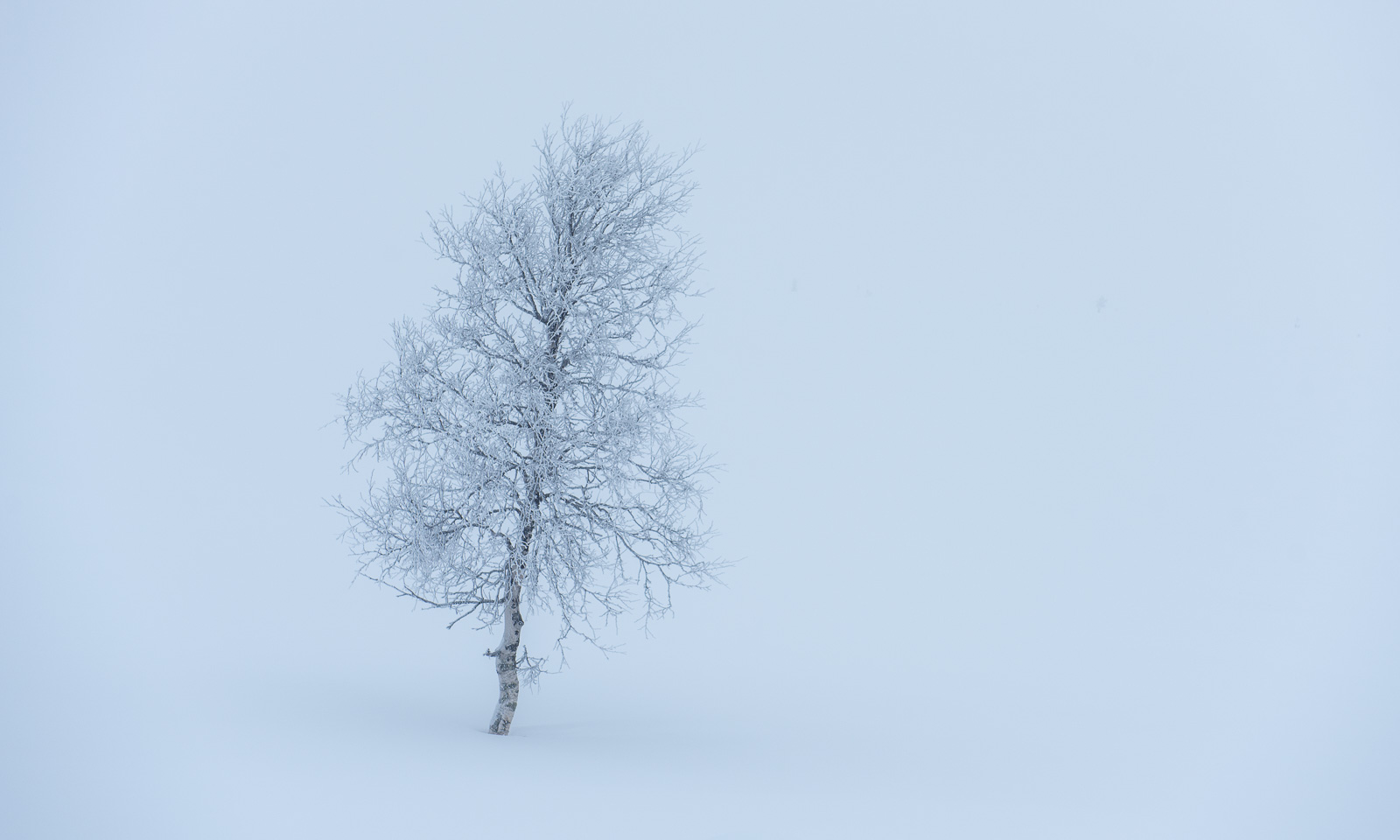
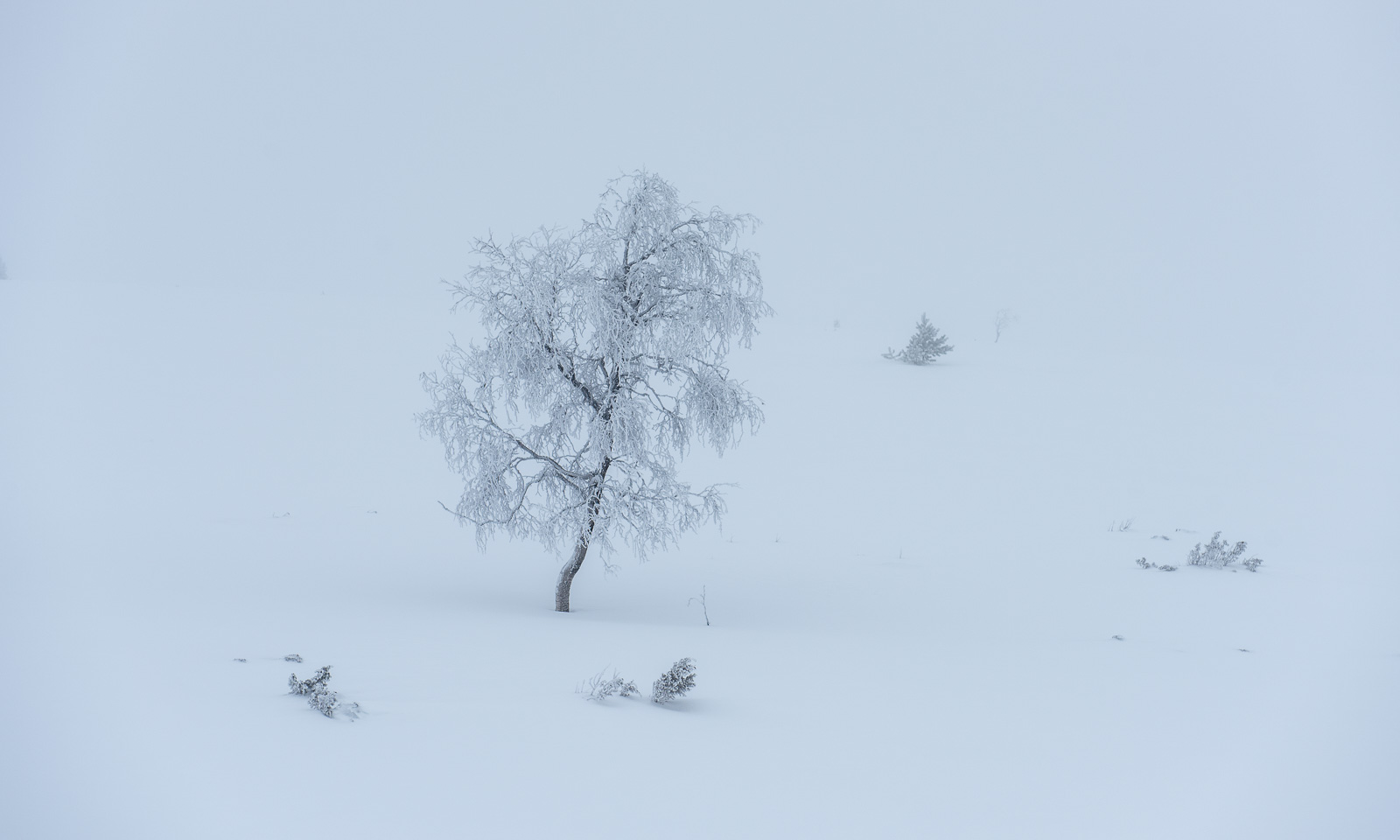
After a long breakfast we got ready to leave Trollvassbu and ski back to the car park. This time the landscape looked colourless in the rain and the photos came out nearly black-and-white.

To our relief the wet snow did not slow us down and soon we arrived at the car park apparently guarded by this snowman with the top hat.

Now came the most dangerous part of our ski tour: crossing the car park that has transformed into a huge area of wet ice, which was almost frictionless. But no one slipped and fell, and we packed the car with all our wet stuff and left.

The weather on our way back could have been much better (and much worse), but it was fun to be out together. Shall we do it again later this winter?


Ski premiere 2026 in Tromsø

What do you do when it is Sunday, you sleep until 10 o’clock, have a long breakfast and want to go skiing, but the amount of usable light is quite limited? You take the car to the mainland, park by the Elvestrand Cemetery and ski to the lavvo of Gutta på Skauen (The Guys in the Woods). That’s what my wife Annika and I did today, when we slept until 10 o’clock, took a longer breakfast and wanted to go skiing.

With -15 °C it was significantly colder at the parking lot than in town. It took a while until the fingers got warm when we started skiing.

Behind us: the town of Tromsø on the island Tromsøya. In front of us after 2.6 km: the wooden lavvo.

It is an attractive destination amongst the locals, not only because it is near and the ski track is easy but also because the lavvo is open on Sundays between 12:00 and 14:00. A fire is burning and men – the guys in the woods – serve coffee and hot juice. The “lavvoboller” – the cinnamon rolls – that lie by the fire, you take yourself. Everything is free but a donation is always welcome.

We sat there for a while and then headed back taking a slightly different route. It had become darker and the light had changed.

At the parking lot we put our stuff into the car and I drove back. Around 15 minutes later we were back at the flat in Tromsø, where I took a final photo of the view from the balcony.

The time from deciding “let’s do it” to being back in our flat in Tromsø was less than three hours. Another reason why Tromsø is a cool town to live in.

Crisp and clear winter

After ten centimetres of snowfall, the sky cleared during the night and temperatures dropped. I woke up at one o’clock simply to see the full moon with a halo and Jupiter nearby. I resisted the urge to go back to bed and went outside to take a photo. What a beautiful sight, especially in combination with the wintry coast.

I also took some photos of the snow and the ice at the coast tonight. Nine hours later the sun managed to climb above the cloud layer that had gathered on the open sea. Time to take a photo of the same scene again.

I guess this is my favourite combination of winter weather: first snowfall and wind, then a clear sky and cold air. I took two other pictures from the same place. You can see the sunlit ice fog on the horizon, which forms when very cold air meets the open sea.

At noon my wife Annika and I took a promenade to the beach Vitskärsudden. The sea was still open, but a layer of ice had begun to form along the beach. The small harbour on the other side of the breakwater was covered with ice floes. When the sun is low ice and snow in the shadow often look blue, while in the sun they look orange.

13:52 – fifteen minutes before sunset – the landscape became even more colourful. We were back at our house in Obbola and I took some photos through the windows of the winter garden that were covered with frost. The temperature had dropped to -16 °C.

Now it is 17:37 and I sit writing this blog article. The temperature is now -20.4 °C. When you are outside at minus twenty degrees and inhale through your nose it tickles, because your nose hairs freeze. If you think that is cold, in Gielas in the Swedish mountains -40.7 °C were measured at 10 o’clock.

Tomorrow I will travel back to Tromsø. Then it will be a while before I see the sun again, as the polar night lasts until 15 January. It will also be less cold, but more snowy. At the moment there are 67 cm of snow there. And the great thing: winter has just begun!


Low water level in Obbola

On the evening of 23 December, it got colder and frost patterns formed on the windows of the unheated winter garden.

It takes some effort to cross the new layer of ice in the bay when my wife Annika and I go kayaking on the morning of Christmas Eve, but we manage and most of the sea is free of ice.

Two days later – on 26 December – the situation has changed. It has become much warmer – up to +7 °C – and the ice is gone.

Yesterday – on 29 December – the water is gone as well, maybe caused by the storm Johannes that crossed Sweden two days before.

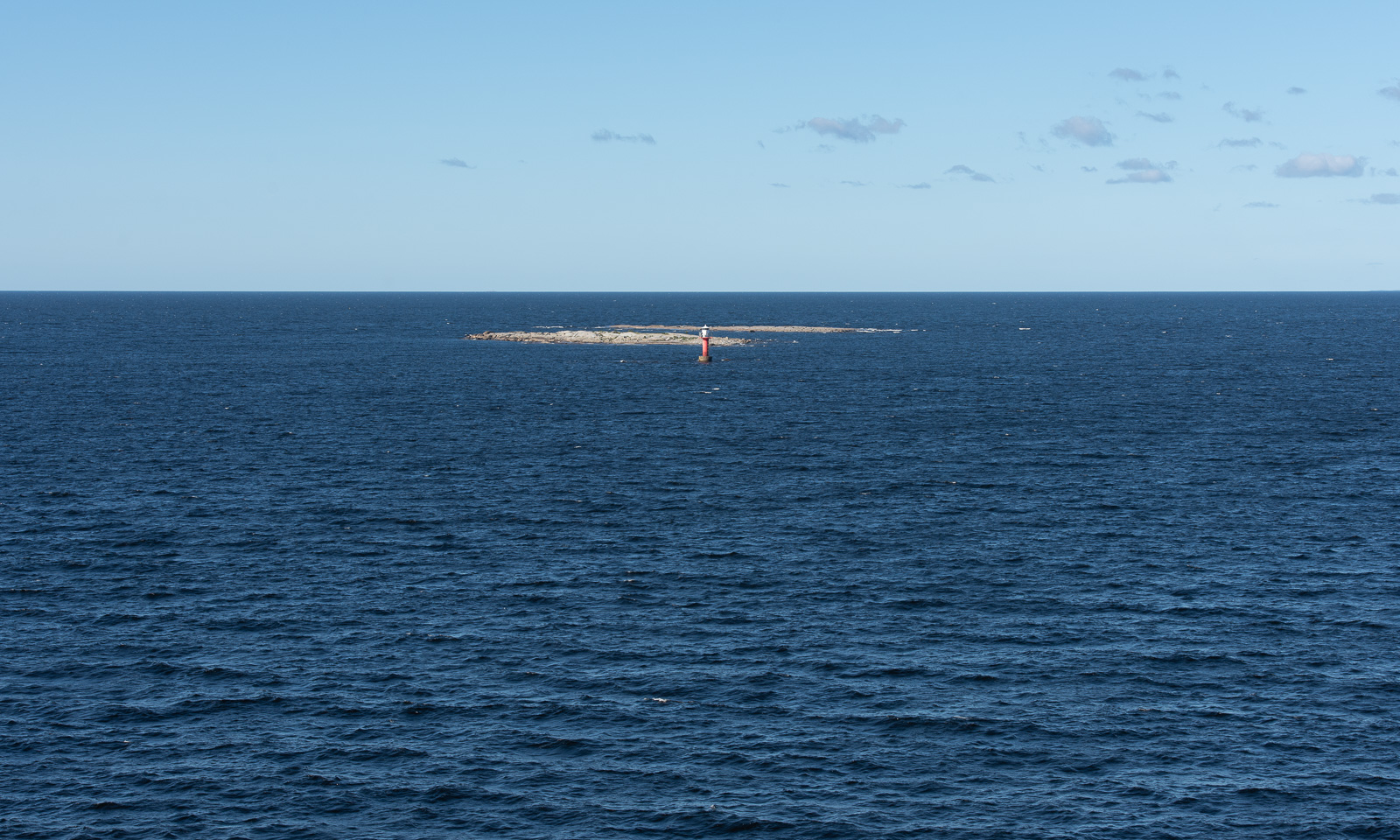
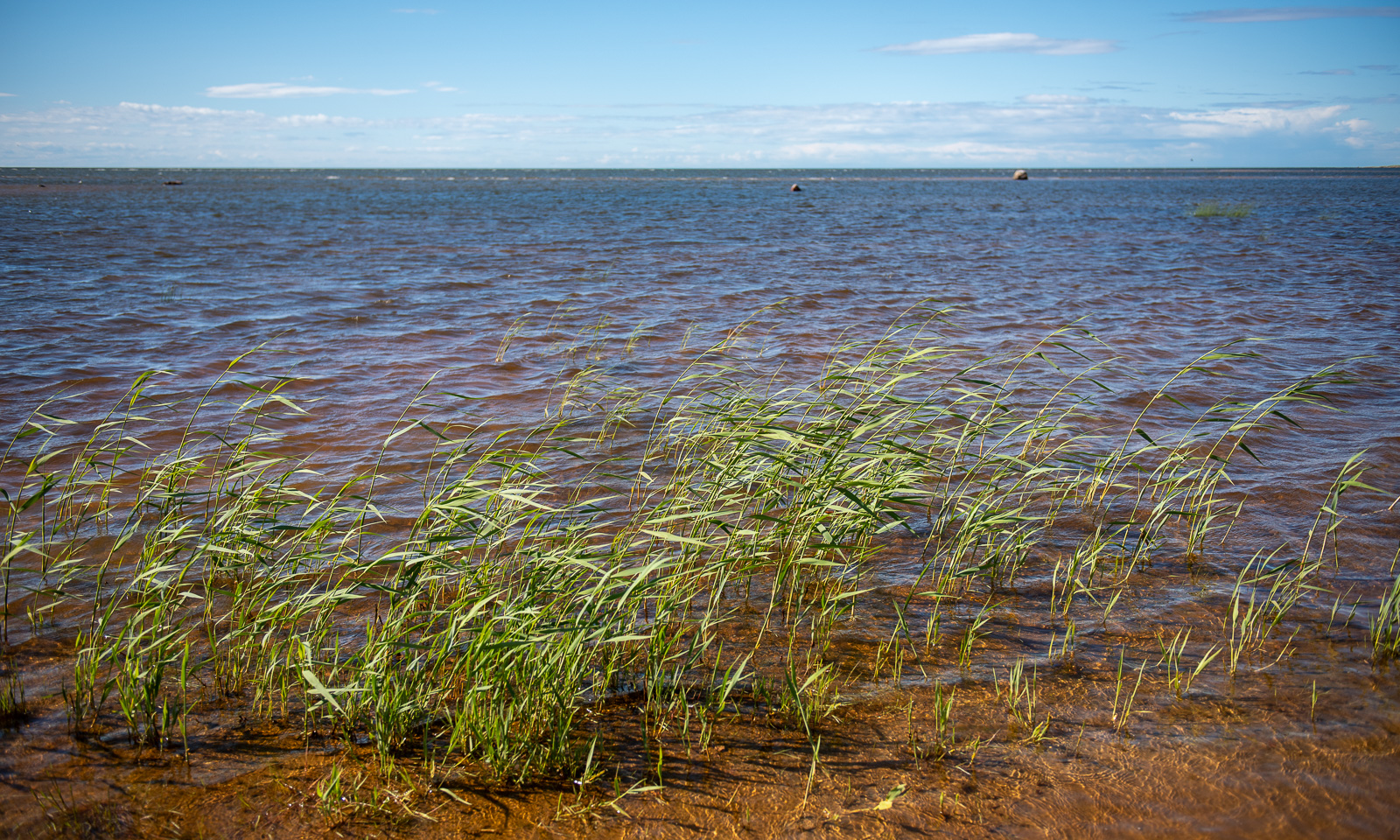
Today I have a day off and used the sunny weather to take a long stroll by the coast. The water level is even lower at –66 cm, so I walk part of my route in the Baltic Sea. Air temperature is around -8 °C and so you can see ice on the sea and on land, as well as huge fields of boulders that normally are underwater. Some photos from this morning:

Larger parts of the shallow bay Nagelhamnsviken by the camping ground Fläse have completely fallen dry. That looks pretty strange, when you know how it normally looks like.

The only thing we do not have at all in Obbola is any snow, but it seems to be a matter of days before it snows. And Tromsø – I’ll travel there at the end of the week – has 60 cm of snow right now.

30 days – 30 photos

19 November – Obbola, Sweden

The morning is cold. -14 °C. The sea has been freezing over. At the horizon lies a layer of clouds. Will they bring snow? Ice fog indicates open water. Later this morning I walk Spåret, the local circular hiking trail. There is hardly any snow, but the ice on the ponds is covered with frost patterns.

27–29 November – Obbola, Sweden

The weather has changed back from winter to autumn. Rain and storm dominate. The crushed sea ice gathers in our bay and big waves roll up the beach of Vitskärsudden. Even the last tiny bit of snow has gone.

1–2 December – Obbola and Umeå, Sweden

We got some centimetres of snow and Vitskärsudden looks completely different. Our plan to take the car to the inland with our German guests however was stopped by the weather. Too slippery the wet and icy roads. At least we make it to Umeå, where parts of the river Umeälven are frozen over.

3–4 December – Obbola, Sweden

The snow is gone. On 4 December my wife Annika and I leave our house behind …

4–5 December — Obbola, Gagsmark, and Pajala, Sweden / Palojoensuu, Finland

… and we are on our way to Tromsø. First stop is the village Gagsmark in Sweden, where we visit friends and stay over night. Next morning we continue our journey. We pass Piteå and Luleå, leave the E4 in Töre and take lunch in Vippabacken, a small restaurant with a back-room museum. We buy food in Pajala and cross the border to Finland. We stay the night in the village Palojoensuu.

6–7 December – Skibotn, Tromsø, Norway

The road between Palojoensuu (FIN) to Kilpisjärvi (FIN) is lonely. Beside of the village Karesuvanto (population: 140) hardly anyone seems to live here and only a few other cars pass. As soon as we cross the border to Norway snowy mountain ranges come into view. Near Skibotn we see the first fjord and at a quarter past two we arrive in Tromsø.

Next day is the second Sunday of advent but I only have a single candle. I have to cheat with a mirror.

7–13 December – Tromsø, Norway

I am member of two choirs and Christmas is near. That results in a pretty busy week, where I have three rehearsals and three concerts beside of my regular work. The first concert is in the hospital, which is in walking distance. While Obbola was free of snow 60 cm lie in Tromsø.

After the second concert, this time with the Sami choir Romssa Rástát we got Northern lights. Annika and I watch them from the balcony. I try to make photos with my Nikon and a tripod as well, but the aurora has weakened and I had some camera issues.

On Saturday we open the skiing season. It is polar night, so we ski round noon, when it isn’t dark. In the evening I am singing the last concert, this time with the choir Ultima Thule in the Tromsø Cathedral, a wooden church in the very centre of Tromsø.

15–18 December – Tromsø, Norway

On Sunday Annika travels back to Obbola. I will take bus and train a week later (that’s tomorrow) and spend the rest of the year there, too. Will we get a white Christmas? Probably not. It is plus degrees and rainy weather both in Tromsø and in Obbola. While the Christmas decoration in the office building looks cozy, the streets in the centre of Tromsø don’t. Brown ice and sleet and water puddles dominate and it is extremely slippery.

On Thursday I have a special workplace: The research ice breaking vessel Kronprins Haakon lies in the port of Tromsø for two days. I walk down with my spiked Icebug shoes. On board of the ship I test some of my software components that read from the ship’s systems. It is always a relief to see your software to work in real life, not only with simulations. And I get a free lunch :-) . I get a bit nostalgic. I joined three scientific cruises on board of this ship. Will I ever join a cruise again, standing on the helicopter deck while we break through the ice? I hope so.

A photo of another Northern light in the evening ends this photo series.

Sunrise winter paddling

Three days ago it thawed and stormy weather crushed all the sea ice. The day after, the temperature dropped below zero again. This morning the weather was clear and calm at -12 °C. Time for another morning kayak tour, just like four days ago.

At 7:50 I stood on the leftovers of the old ice that covered the small bay. In front of me – a fresh layer of new ice. How thick may it be? I have the feeling it will not hold my weight.

You see the photo above? The kayak is tilted sideways. That’s not because of the waves or because I’m edging, but because the kayak is lying on the ice. The ice is stable enough to bear us with me sitting in the kayak. I move forward by using ice safety picks that I drive into the ice in front of me and then pull the kayak and myself forward. It’s exhausting, but it works. I have done it many times before. The ice is approximately 3 cm thick.
But then the ice gets thinner and has exactly the thickness I loathe: between 1.5 cm and 2 cm. Then the kayak breaks through and is jammed in a narrow water channel, where it’s almost impossible to use your paddle – no open water reachable – or the ice picks – the ice will break when pulling. Luckily the water channels often tend to widen, so you can kayak back some metres, get some forward momentum using the paddle and break another two metres of ice. That takes a lot of time and extends the distance paddled by a factor of four or more.

But then – finally – I reach open water by the island Lillskär. It took me almost half an hour for less than 300 metres!

Anyhow I manage to reach the sunrise in time. Now the surface of the sea is multicoloured. The back of the waves are reflecting the orange horizon, the front of the waves the blue sky above.

Now I just paddle a short round, because it is a weekday and I have to work. Just some more photos with my mobile phone in its waterproof bag …

… before I return home. First it is easy, because the channel that I had broken through the ice is open and I can easily follow it. Then the ice gets thicker again. I’m tired and since the water is pretty shallow I exit the kayak and walk the kayak home. I learn that the ice does not bear me at all. So I break it with my knees or – when deeper – with my rear. I would not dare to do this with my kayaking drysuit, but today I wear my survival suit made of thick neoprene, which is very sturdy.

I reach the shallow part of the bay where I manage to grab a large piece of ice and put it upright. Time to play a bit with the translucent motif in front of the sun.

It is two o’clock in the afternoon when I decide to take another break from my desk to watch the sunset. To make a long story short – I got it. No kayaks involved this time.

Season’s first winter paddling in Northern Sweden

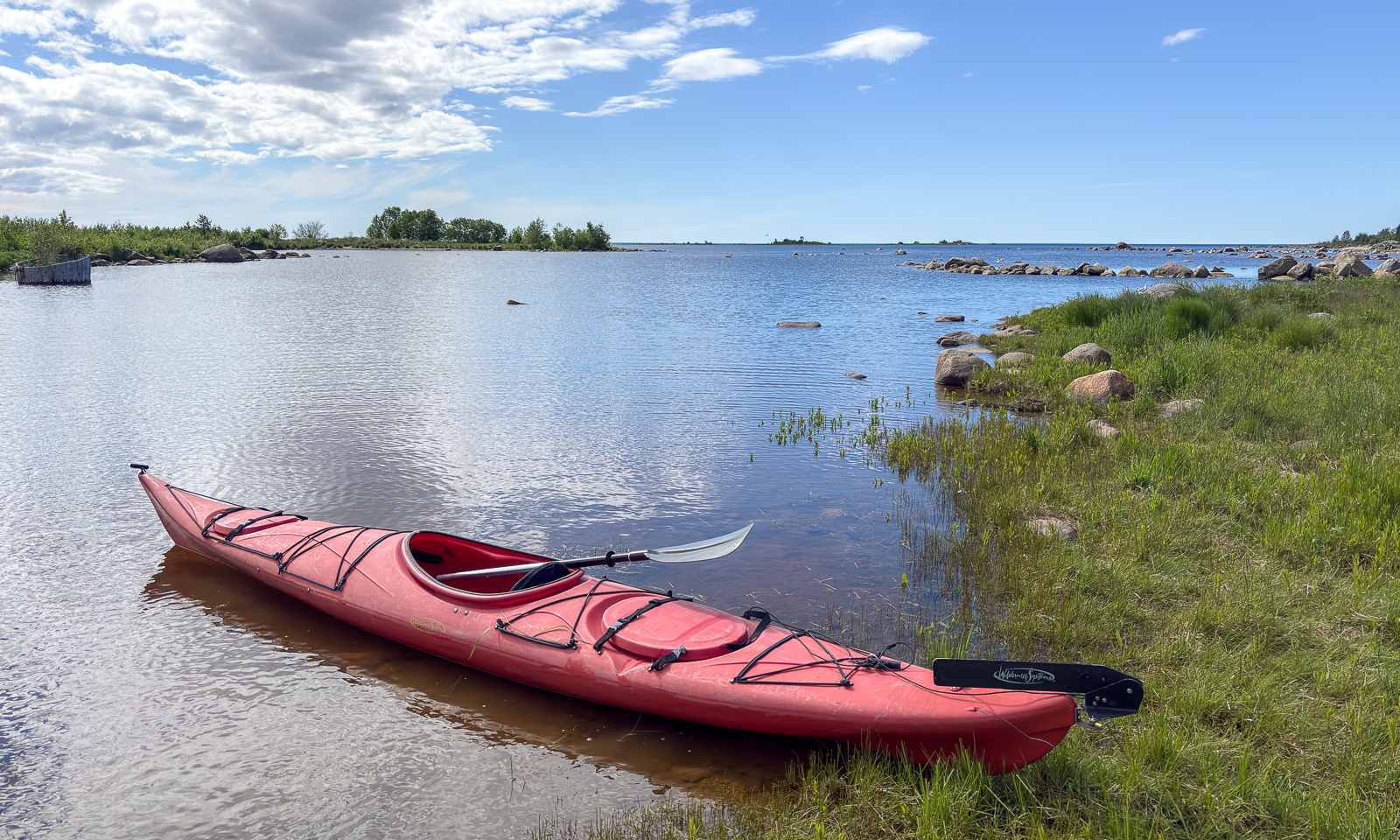
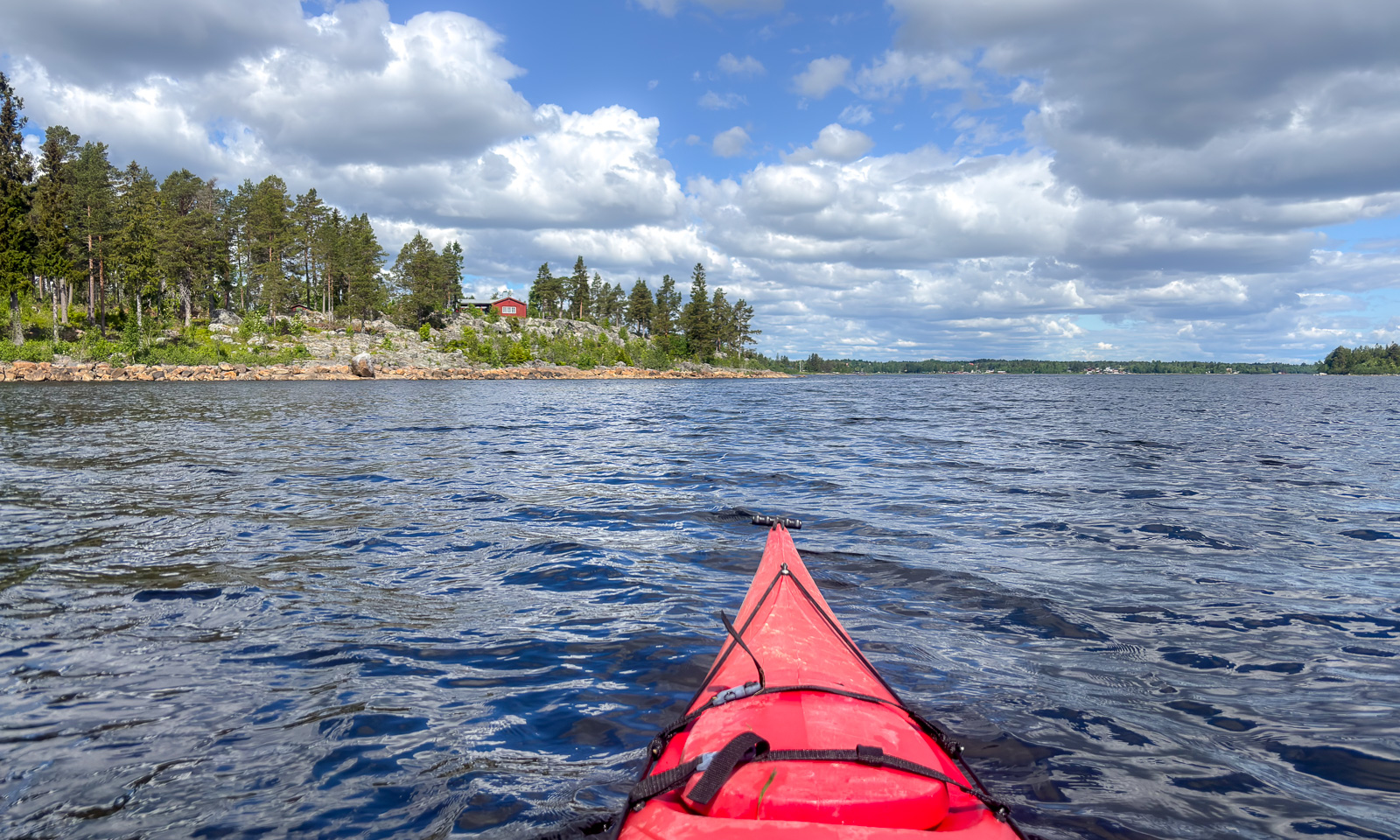
While there is a lot of snow in Tromsø, is is only round 2 cm here in Obbola in Northern Sweden. Here it is the coldness that defines the winter. Today I took my kayak and made a small tour on the Baltic Sea which is just outside the garden. With temperatures round -13 °C and a light wind it was pretty chilly. The small bay is frozen and you can walk on it and on the open sea thin layers of ice are building where the sea is calm. Here are some photos from today’s kayak tour.

Now the kayak is lying in the floor of the house. The kayak’s steering mechanism was frozen and is currently thawing.

Scotland NC500 – day 9 – water falls and Loch Ness

This article is part of the series “2025-10: Northern Scotland”.

October 21

Today is the last day of our holiday in Scotland that my wife Annika and I are spending together. We had a comfortable accommodation at An Spiris in Dundreggan. Now we are walking to the café for breakfast. On our way we pass this private house.

Back in the car we follow the road A887 which goes alongside the River Moriston. This river flows eastwards where it enters Loch Ness – Scotland’s most famous lake. Before we reach Loch Ness we stop at the Invermoriston Falls. While these are more a series of rapids than a huge single waterfall, the short walk in the old beech forest is extremely beautiful, especially now in autumn. You can also see how beautiful these stone arch bridges are when viewed from the side. You never notice that when driving over them. Nor do you notice small gems like the stone shelter at the ridge of the ravine that the river has carved into the rocks over time.

Inside the shelter it is quite dark. On the dark stone table lies an arrangement of lichen, a stone, two thin sticks – one with a cone – a feather and three leaves. I really would love to know the story behind this artistic still life. Was it a playing child with artistic talent? Leftovers of a pagan rite? A photographer creating a new subject? I’ll never know.

As most places on our journey this place is new to me and so is the next one: Loch Ness and the Loch Ness Centre in Drumnadrochit. This is of course a tourist hot spot. We didn’t visit the centre, but stroll around and check the gift shops. And the surprisingly good Italian ice-cream. I like the submarine called Viperfish that was built as a private project in 1969 to search for the monster. I guess you needed a shoehorn to get into this tiny vehicle.

And then of course there is Nessie, the Loch Ness monster and you see it everywhere. Not necessarily as a living creature but as a sculpture and on countless souvenirs. Even Scotland’s famous soft drink, Irn Bru has a Nessie edition.

Some other stops follow. Some stops enforced by roadworks with single-lane traffic and some freely chosen, such as the Corrimony Chambered Cairn – a 4000 year old passage grave, or the village Cannich that has a café in an old, turquoise double-decker bus and an outdoor collection of teapots.

The reason we pass Cannich is that we want to visit Plodda Falls, our last stop on our road trip that was originally planned to follow the NC500 coastal route but became much more zigzagged – and hence much more interesting.

As many other waterfalls the Plodda Falls are a bit disappointing. It’s a nice view, but come on – we have waterfalls in Norway too.

But then we continue the circular hiking trail. We hear water falling, we enter a platform and look down into a deep chasm. And right below us, the water thunders down! That’s the Plodda Falls!

The hiking trail goes downhill, we follow. Now we have a better view of the real Plodda Falls. Truly impressive! From the photo, you wouldn’t guess that they are 46 metres high!

It is not only the waterfall, the trail itself is impressive as well with its gigantic trees with enormous roots.

At half past four we are back in Inverness where we leave our rental car. Annika has driven 1290 km the last eight and a half days to all these special places across Northern Scotland. We re-pack our things and get a lift to the train station. The train leaves at 17:20 and we arrive back in Aberdeen around half past seven.

October 22

Time to fly home – farewell Scotland. I’ve been here three times and I’m pretty sure we’ll come back.

Steindalsbreen 2025

It is the third year, that I hiked to the glacier Steindalsbreen in the Lyngen Alps. This time I had the pleasure to do the tour with my wife Annika. To make it a holiday we have decided to try to book the cabin Steindalshytta over the weekend. This cabin lies some kilometres from the parking place on the way to the glacier.

Saturday morning we manage to book two beds but we have to hurry to fetch the key in Steindalen, which is 100 km away. There we meet H. that gives us the keys and some info. She tells us we can use the gas driven hotplates to cook. We also learn that there’s hardly any firewood left, but it’s not cold and we have sleeping bags, so no worries. We pay using Vipps, the leading mobile payment system in Norway, then we take the car to Lyngseidet – 25 km away – to buy food.

When we pack our backpacks to start the tour it is already afternoon, but the cabin is not far away.

In the beginning a forest path winds up through a narrow valley. The colours are autumnal – yellow the birches, red the cornel and the blueberries. To the left down from the bottom of a ravine we can hear the river Gievdanjohka.

The path is rising and so is the river. After two kilometres we are almost level.

From there it is not far to the cabin. We go round a moraine and there it is: Steindalshytta. I unlock the door and we peek inside. Looks cosy!

Now we want to cook. This will take the rest for the evening because the gas canister is empty. No cooking on the hotplates, we have to use the wood-burning stove. We gather all the leftover wood from inside and outside of the cabin. There is no axe. Luckily Annika has a knife that is sturdy enough to make some smaller peaces of firewood. The wind is calm, the oven isn’t drawing and it takes almost three hours until the water for the spaghetti is boiling. At least we get a starter: warm shrimps with parmesan that we eat from the huge plastic plates we found in the kitchen. And I found chocolate cookies in the kitchen.

Meanwhile it has become dark outside and soon we get to sleep. We don’t have to freeze. After having powered the stove for hours we have 24 °C in the living room and hardly less in our sleeping room. Good night!

When I wake up the next morning it is raining, but it stops soon and the sun starts to light the mountains in the east.

After breakfast we pack our backpacks and start our hike to the glacier Steindalsbreen. Many things like our sleeping bags we leave behind, because we will go the same way back.

Again we follow the river to the east, then the landscape opens to a broader U-shaped valley. The terrain flattens and hiking is easy.

But we can already see the ascent we have to take. After two steeper passages we stand between two landscapes. In our back lies the mellow valley with its gentle slopes, everything in autumnal colours. Ahead lies a rough and rugged mountain landscape, where grey rocks and stones are the predominant element.

And there it is. The glacier. (Photo Annika Kramer.)

We continue the gravel path. Soon we pass the first of the signs that marks the glacier front some decennials ago. Due to global warming the glacier is melting and retreating every year. It is fantastic to see the glacier and we feel excited, but sad at the same time. First we hike to the glacial lake in front. Will we manage to go round the lake the glacier itself? Yes – and it is quite easy this year.

I have my big camera backpack with me and the Nikon with three lenses. That was made possible by Annika who took all the food. Although the weather is a bit dull it is photo time!

As often I’m not content with my photos and yes, I should have carried my tripod with me. But I’m happy about being there together with Annika. (Next photo: Annika Kramer.)

It is time to go back. This time we follow the river and pass two fields with scientific instruments, part of the project iC3. I have to ask a colleague from the Norwegian Polar Institute what is measured there.

Now the trail leads mostly downwards. We descend the hill, cross the broad valley, enter the forest and then reach the bridge by the cabin again. Here we take a rest and then fetch the rest of our stuff from inside the cabin.

I take a tiny detour that leads on a hill. Here I can see everything together: The huge mountains with their snow fields, the river Gievdanjohka, the autumnal birch forests. Only the glacier is hidden from view.

What a terrific tour we had! The glacier Steindalsbreen is worth a visit, especially in autumn. We drive back to Tromsø and I copy the photos to my computer. Then I check the tracker I used on the tour. As I was afraid I have walked on rock, sand, and mud this year, where last year the glacier covered the ground.