Four winter days in and round Obbola

OK guys, it’s Sunday afternoon and I’m too lazy to write long texts. I just show some photos of the last days where our German friend Medi joined Annika and me on various excursions with some notes.

Thursday, 6 January – skiing in Västermarks naturreservat

+++ Västermarks naturreservat, 50 km north from Umeå +++ a non-commercial forest made us climb over and under fallen trees that lay across the marked loop trail +++ by the trail a wooden cabin +++ time was too short to fire the oven but lighting candles is cozy, too +++

Friday, 7. January – lunch break skiing

+++ right next to our postbox (500 metres from our house) starts Spåret, a 3600 metre long forest trail +++ we use back-country skis to ski Spåret in my prolonged lunch break +++ we, that’s Dirk – guest for two nights – Medi and I +++ -12 °C, but my Anorak is too warm +++ I tie it round my hip +++ on the photo it looks like a skirt +++

Photo: Dirk Thomas

Me sking “Spåret” – Photo: Dirk Thomas

Saturday, 8 January — cross-country skiing on Olle’s Spår

+++ grey weather, -14 °C +++ the trees are covered with snow +++ black-and-white imagery +++ after some days of back-country skiing it’s nice to use cross-country skis on a real trail +++

Sunday, 9 January – Northern lights and sunrise

+++ 1 o’clock in the night +++ I check for Northern lights +++ we are lucky +++ Medi and Annika watch the aurora beside of the garage +++ I take some photos from our garden +++
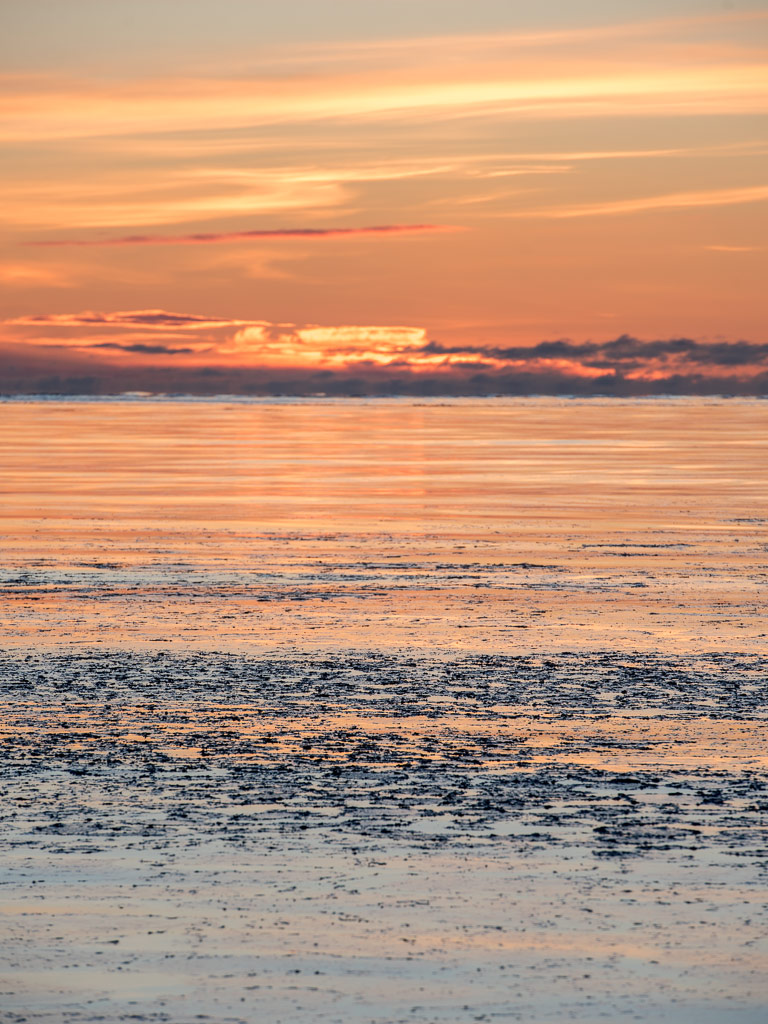
+++ 8:20 in the morning +++ the Baltic Sea freezes over more and more +++ sunrise colours by the sea  +++ and then in our garden +++ watching sunrise while taking breakfast +++

Still Sunday, 9 January – Strömbäck-Kont

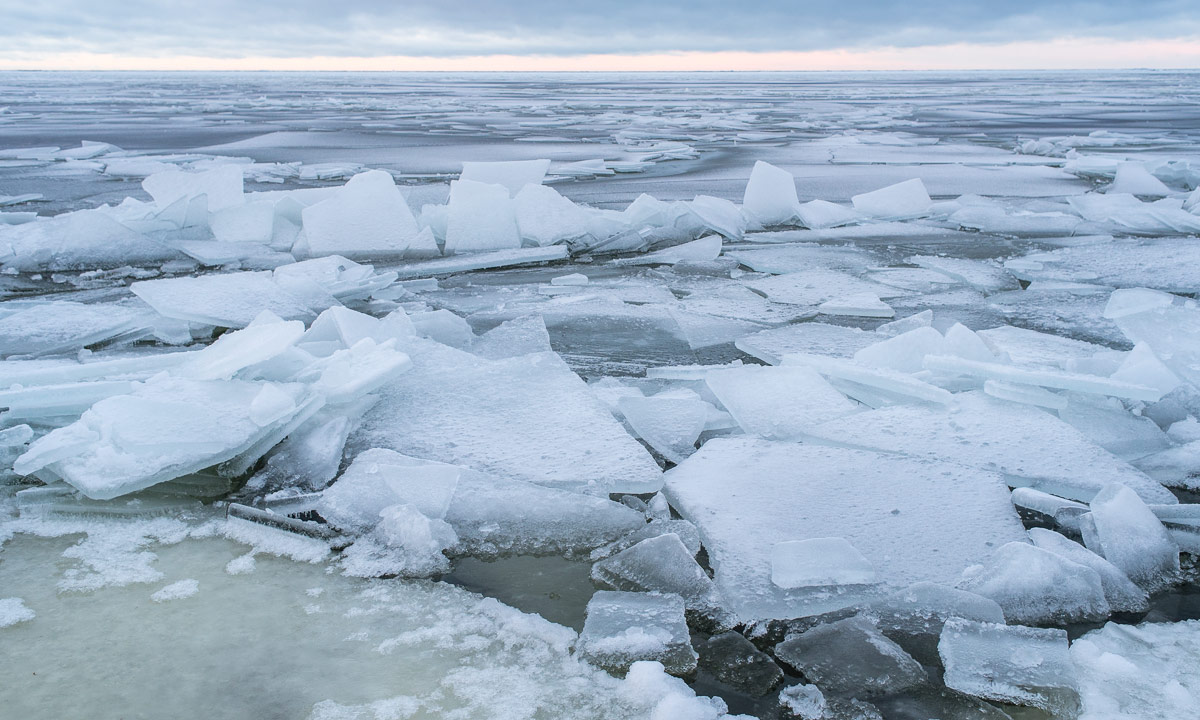
+++ just a short walk at one of Annika’s and my favourite places: Strömbäck-Kont +++ looking at the ice ridge by the sea +++

Still Sunday, 9 January – halo effects

+++ after lunch we are taking Medi to the airport +++ strong and colourful parhelion or sun dogs halos +++ the photo is taken at the airport +++ I am questioned by the security and show the taken photos to prove I’m not a spy +++

Kayak and ice on the Baltic Sea

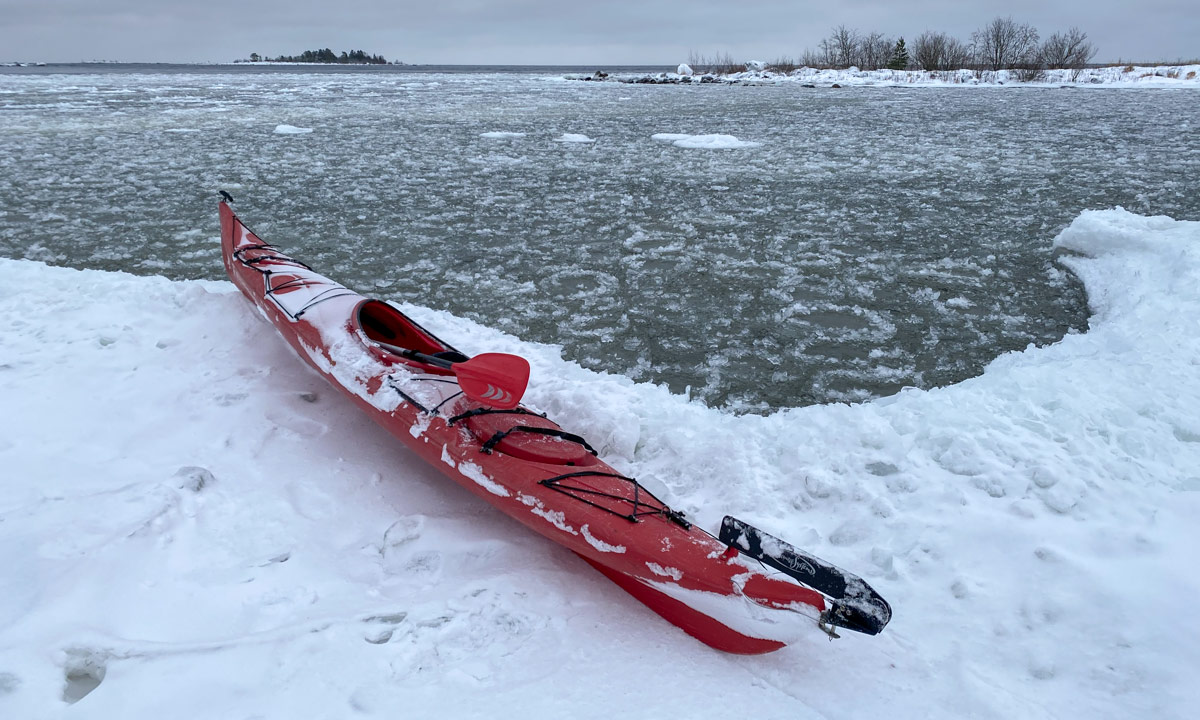
Does it work? Can I paddle kayak on the Baltic Sea when it is covered with up to 20 cm thick ice floes?

Well, let’s try …

Looks like it worked, doesn’t it?

Well, to be honest, no it didn’t.

I did not use the paddle at all but just pushed myself forward with my arms and so pushed the kayak over the ice floes. Since this was slow and exhausting and I only had my lunch break I did not come far and did not reach the open sea that always was in view.

And the way back? The same but backwards. I don’t think it would have been possible to turn around the kayak in the ice while sitting in it. But it was fun anyhow.

Sun salutation

While the polar night in Tromsø started in the end of November and continues for two more weeks there is no polar light home in Obbola which is 6 degrees south of Tromsø. So if there is clear sky, then there is sun.

After Christmas in Norway Annika and I arrived in Obbola some days ago. First the weather was cloudy and stormy but today  sky was quite clear. Therefore I could witness the sun today for the first time in more than a month. I only had to go 200 metres to the edge of our little bay Grundviken where I waited for the sunrise.

I love sunrises and sometimes I can stand up quite early to witness it. But today it was really special to watch the sun rise higher and higher up the sky while in Tromsø polar night still continues.

After breakfast we took the car to Byviken in Obbola to join the winter bath. Round 40 cars were parked there and a queue of winter bathers waited at the ice hole. Winter bathing has really become a popular sport within the last years. We decided to avoid the queue and continued to our favourite beach at Vitskärsudden where we had to climb over a wall of ice but then we were the only winter bathers. Air: -10 °C, no wind – perfect conditions. Great!

(Photos: Annika Kramer)

We may take another outdoor bath today, but then in the hot water of our friend’s hot tub. I guess this bath could take slightly longer than the previous one.

Kayaking in the fog

Before I post some more black-and-white photographs from our car trip through Finland I’ll show you some photos from Annika’s and my kayak tour today. I cannot remember a week as foggy as this one since I moved to Sweden and it was foggy today, too. We couldn’t see the islet Lillskär from our house because it was hidden in the fog. It was however visible from the place where our kayaks lie. Or should I write float, because we had a water level of +45 cm.

Our tour wasn’t long but fun as every kayak tour. Now our kayaks lie on land and are waiting to be cleaned and dried. Then mine will be stored in the garage because I’ll travel to Tromsø on Tuesday and won’t be here before next year.

Morning paddling in Obbola

I’m home in Obbola – 6:20 – it’s still quite dark.

The sky is clear – hardly any wind – frost at -4.5 °C. – my kayak lies at the shore.

A good opportunity to do some pre-work kayaking and watch the sunrise at sea.


Hejdå home office

Hejdå home office – hejdå Obbola – hejdå Sweden.

This picture is from yesterday, my last day in home-home office. One “home” is for not being in the office, another “home” for working from home in Obbola, not in Tromsø.

This room was my home office for eight months.

In normal times you meet colleagues in real life and have landscape photos on your computer monitor as a desktop background. The last eight months it was the opposite: I met my colleagues digitally but the view of the Baltic Sea was real. And so were the sail boats, the screeching sea birds and the roe deer passing by.

While I write this Annika and I sit in the train to Riksgränsen that departed in Umeå at 2:08(!). In Riksgränsen we’ll get a private lift to Narvik crossing the Norwegian border and then take the bus to Tromsø. If everything works well we’ll arrive there this evening. After a week Annika will return home while I’ll stay in Tromsø to continue my work for the Norwegian Polar Institute on-site.

Eight months Annika and I had together in Obbola. I appreciated every single day of this unexpected gift caused by the COVID-19 restrictions and I’ll keep this time in my heart.

What the future brings? Too early to say.

A short promenade to a near swamp

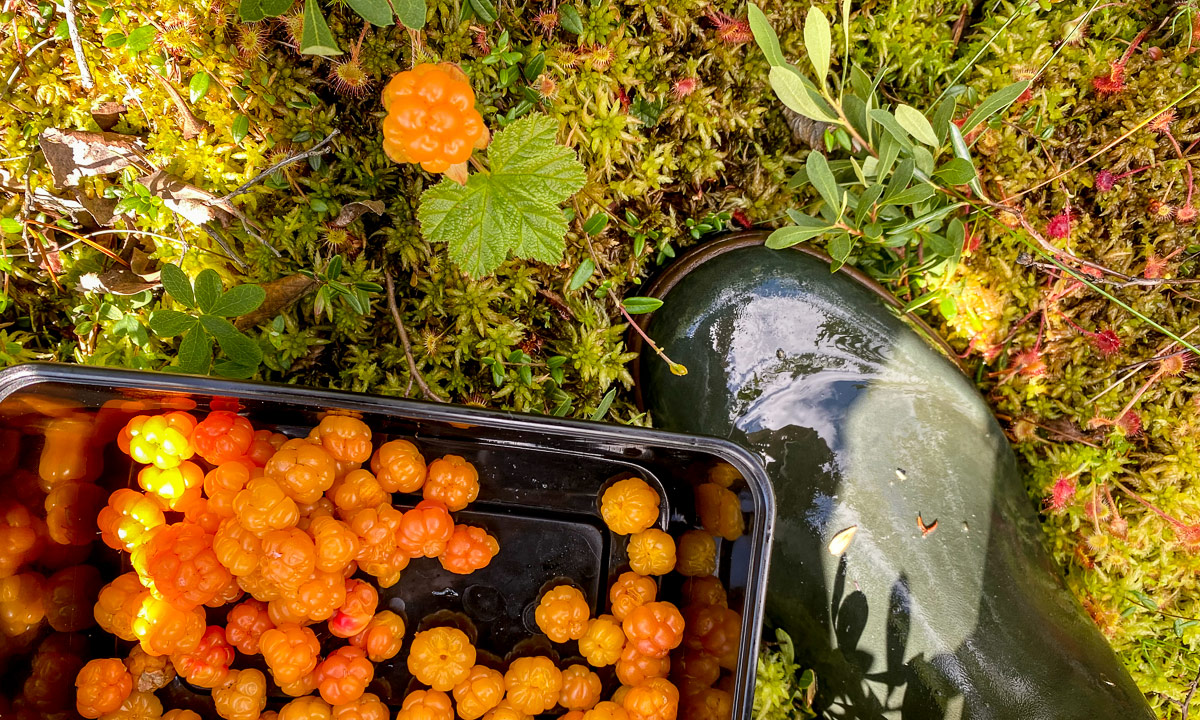
Spåret is a fantastic motion trail just some 100 metres from here. It is 3.6 km long and good for skiing (if not too much snow), running and going for a walk. It leads through forests, over large granite rocks, over sandy bottoms and passes some small swamps. When I walked there with Annika last weekend I spotted some beautiful pond-lilies. Today I took a hike there to take some pictures.

The mosquitos and horse flies appreciated that.

From top to bottom, from left to right:

  • Sundew, a carnivorous plant. Can grow directly on mud.
  • Heath spotted orchid. Protected in Sweden and other countries.
  • Cloudberry, a berry growing on wet ground. Rich in vitamin C. Guarded by mosquitoes …
  • Sphagnum (or peat moss), the main building bog of peat bogs.
  • Cotton-Grass, a sedge that looks like wool. Loves wet ground.
  •  European white water lily, an aquatic plant with blossoms of great beauty.

The flower thread II – June 2021

This is post number  two of ny little hobby project: Looking for new flowers on bloom.

The most photos I made through a cheap magnifier because my macro lens is in Tromsø – out of reach for me here in Sweden. This explains the colour fringes, reflections and other artefacts on many of the photos.

I used the website Pl@ntNet identify for the most flowers for identification. Some classifications were done manually, so there is no guarantee that the names are correct.

The rules:

  • I check only flowers on our property and the marshland between our property and the sea.
  • I do not differentiate between wild and domestic flowers.
  • I do not wait for the most beautiful blossom. I just make a photo of the first occurrence.

The statistics:

New flowers in April: 1 — New flowers in May: 19 — New flowers in June: 39

The flowers in June

4. June: Globeflower | Trollblume | Smörbollar | Ballblom – small wildflower meadow by the house
4. June: Buttercup | Hahnenfuß | Ranunkel | Soleie – amidst the strawberry field
4. June: Iris (Dwarf iris?) | Schwertlilie | Iris | Sverdlilje – on top of the left stone wall

7. June: (Common) Sorrel | Sauerampfer | Ängssyra | Engsyre – by the house
7. June: Moss phlox¹ | Polster-Phlox | Mossflox | Vårfloks
7. June: Wood crane’s-bill | Wald-Storchschnabel | Midsommarblomster | Skogstorkenebb – behind right stone wall

8. June: White clover | Weißklee | Vitklöver | Hvitkløver – between the grass on the lawn
8. June: Garden strawberry | Gartenerdbeere | Jordgubbe | Hagejordbær – strawberry field
8. June: ? – behind the sauna

8. June: Small cow-wheat² |Wald-Wachtelweizen |Skogskovall | ? – behind the sauna
8. June: Cow parsley | Wiesen-Kerbel | Hundkäx | Hundekjeks – behind the left stone wall
8. June: Moss phlox¹ | Polster-Phlox | Mossflox | Vårfloks

8. June: Lesser spearwort(?) | Brennender Hahnenfuß | Ältranunkel | ? – small wildflower meadow by the house
9. June: Ashy cranesbill | Grauer Storchschnabel | Silkesnäva | ? – by the guest cottage
9. June: Field forget-me-not³ | Acker-Vergissmeinnicht | Åkerförgätmigej | ? – behind the sauna

11. June: ?
12. June: Alpine knotweed | Alpen-Knöterich | Alpslide | ? – by the stone/greenhouse
12. June: Lupin | Lupine | Lupin | Lupin – by the stone/greenhouse (destroyed, since it is an invasive weed)

12. June: Columbine | Akelei | Aklej | Akeleie – by the stone/greenhouse
13. June: Marsh Pea | Sumpf-Platterbse | Kärrvial | Myrflatbelg – behind stone wall
13. June: Germander speedwell |Gamander-Ehrenpreis | Teveronika | Tveskjeggveronika – in front of left stone wall

13. June: Red clover | Wiesenklee | Rödklöver | Rødkløver – by the bbq place
13. June: Thyme-leaved Speedwell | Quendel-Ehrenpreis | Majveronika | ? – in front of left stone wall
15. June: May lily | Zweiblättrige Schattenblume | Ekorrbär | Maiblom – behind the sauna

15. June: Lily of the valley | Maiglöckchen | Liljekonvalj | Liljekonvall – in front of left stone wall
15. June: Common yarrow | Gemeine Schafgarbe | Röllika | Ryllik – between the grass on the lawn
19. June: Bird vetch | Vogel-Wicke | Kråkvicke | Fuglevikke – by the bbq place

19. June: Bloody crane’s-bill | Blutroter Storchschnabel | Blodnäva | Blodstorkenebb – between the grass on the lawn
19. June: Hawkweed | Habichtskraut | Hökfibbla | Sveve – gravel by the garage
19. June: Norwegian cinquefoil⁴| Norwegisches Fingerkraut | Norsk fingerört | ? – behind the sauna

19. June: Grasslike Starwort | Gras-Sternmiere | Grässtjärnblomma | Gresstjerneblom – miscellaneous places
19. June:  Meadow vetchling | Wiesen-Platterbse | Gulvial | Gulflatbelg – behind stone wall
23. June: Common speedwell | Echter Ehrenpreis | Ärenpris | Legeveronika – between the grass by the house

24. June: Cuckoo flower | Kuckucks-Lichtnelke | Gökblomster | ? – wetland by the sea
24. June: Marsh-bedstraw | Sumpf-Labkraut | Vattenmåra | ? – wetland by the sea
24. June: Tufted Loosestrife | Straußblütiger Gilbweiderich | Topplösa | Gulldusk – wetland by the sea

24. June: Poppy | Mohn | Vallmo | Valmue – by the garage
24. June: Valerian | Baldrian | Vänderot | Vendelrot – by the bbq place
26. June: Biting stonecrop/Wallpepper | Scharfer Mauerpfeffer | Gul fetknopp | Bitterbergknapp – by the garage

___

Names are in English, German, Swedish, Norwegian. The name can be the species, family or genus. Especially in English there are many different names.

¹ or another phlox
² or common cow-wheat
³ or another forget-me-not
⁴ or another cinquefoil