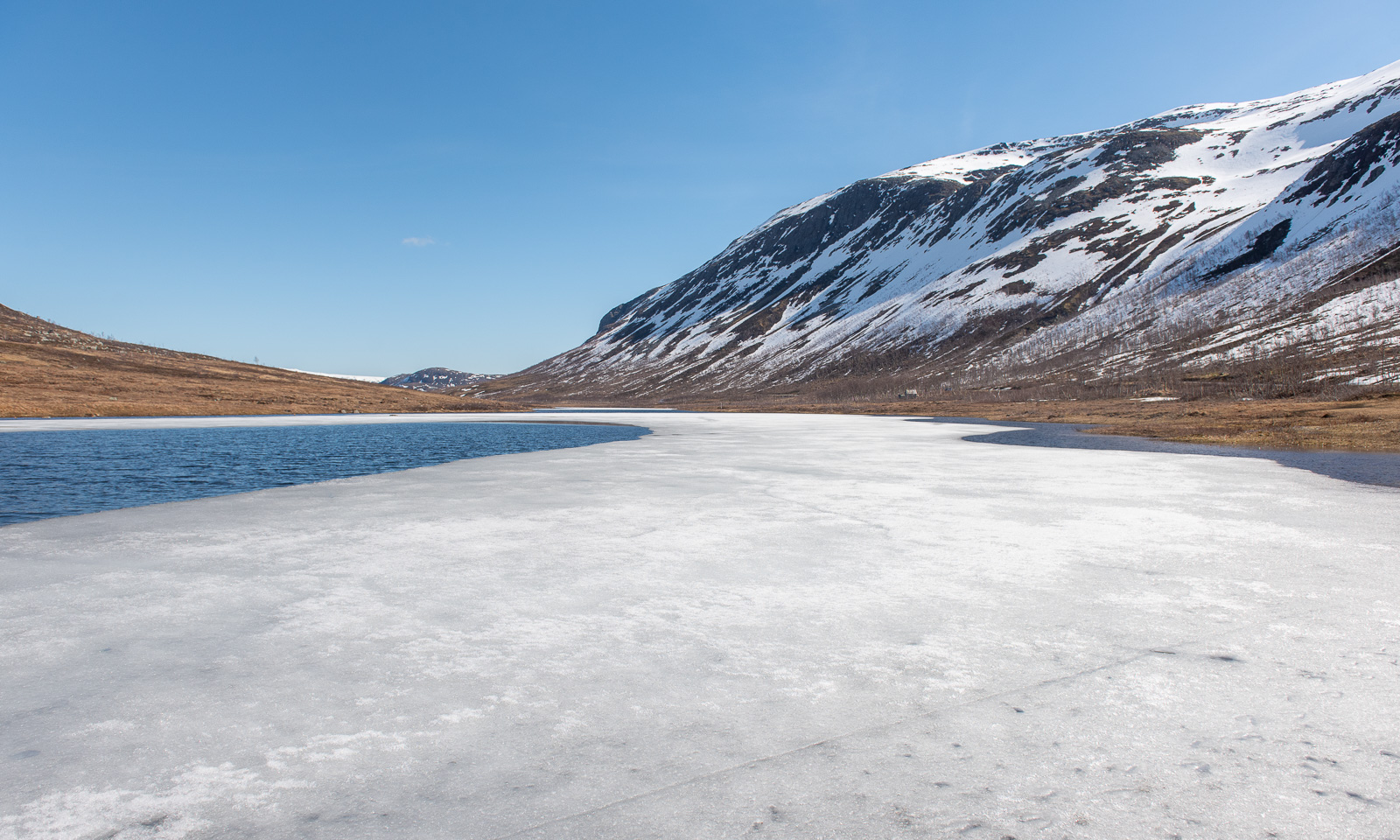
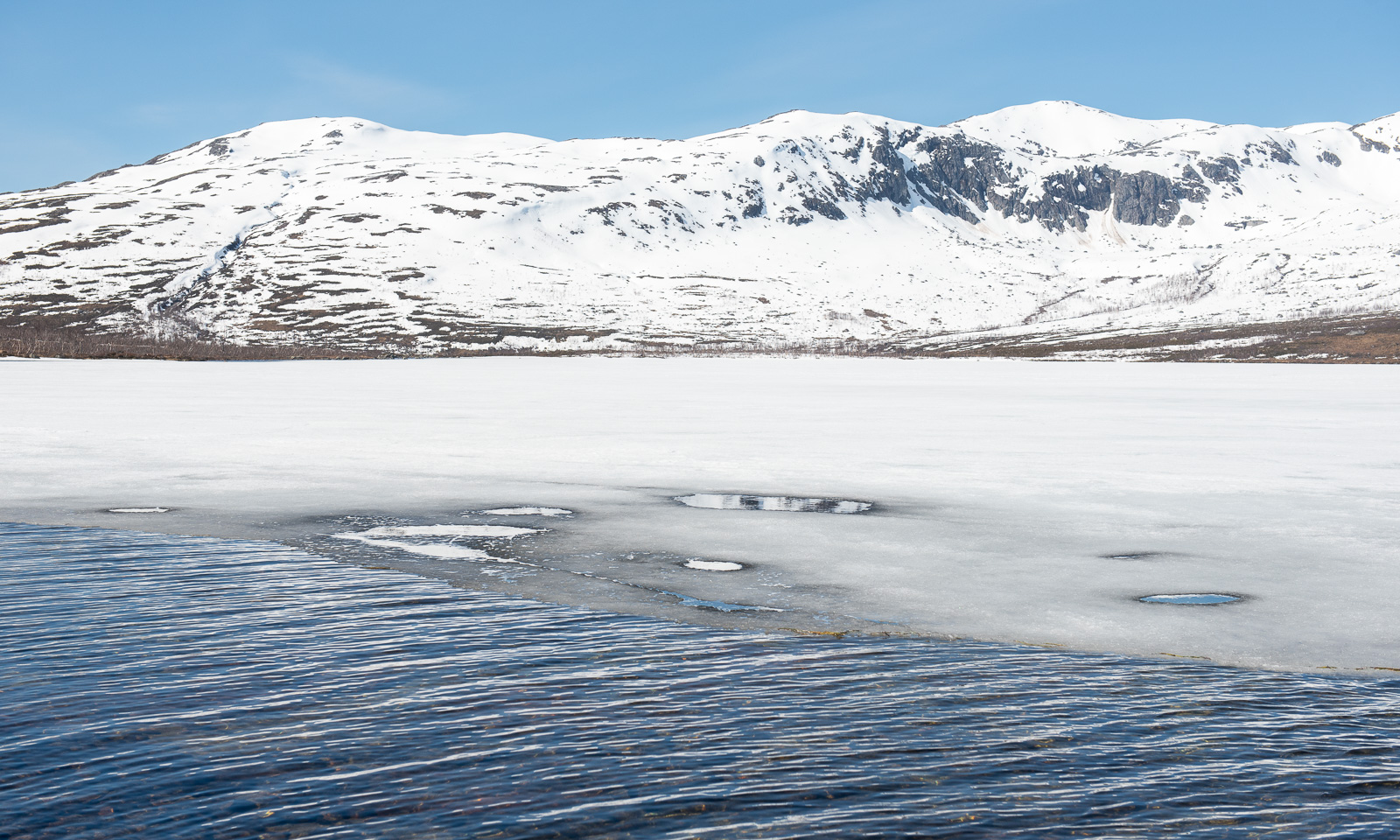
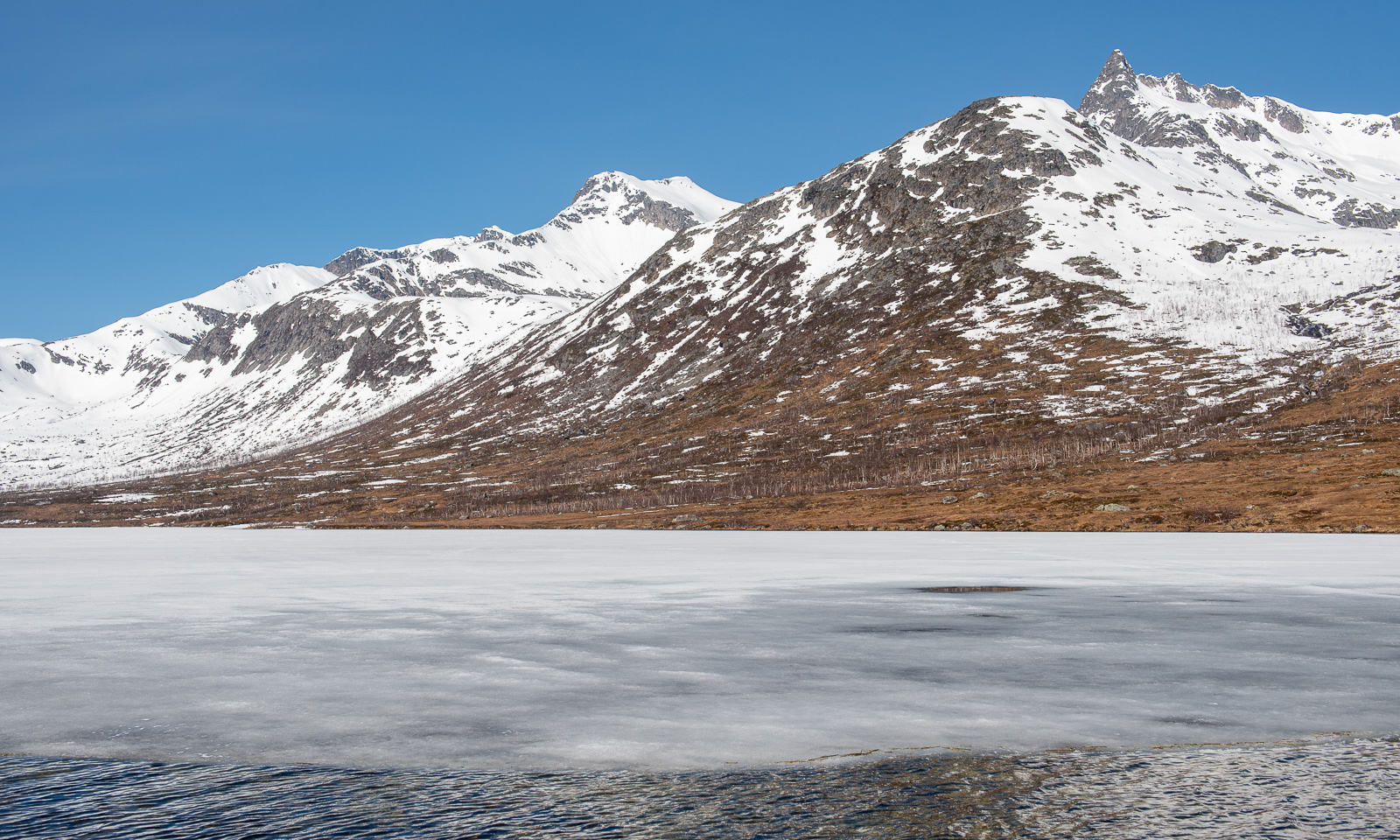
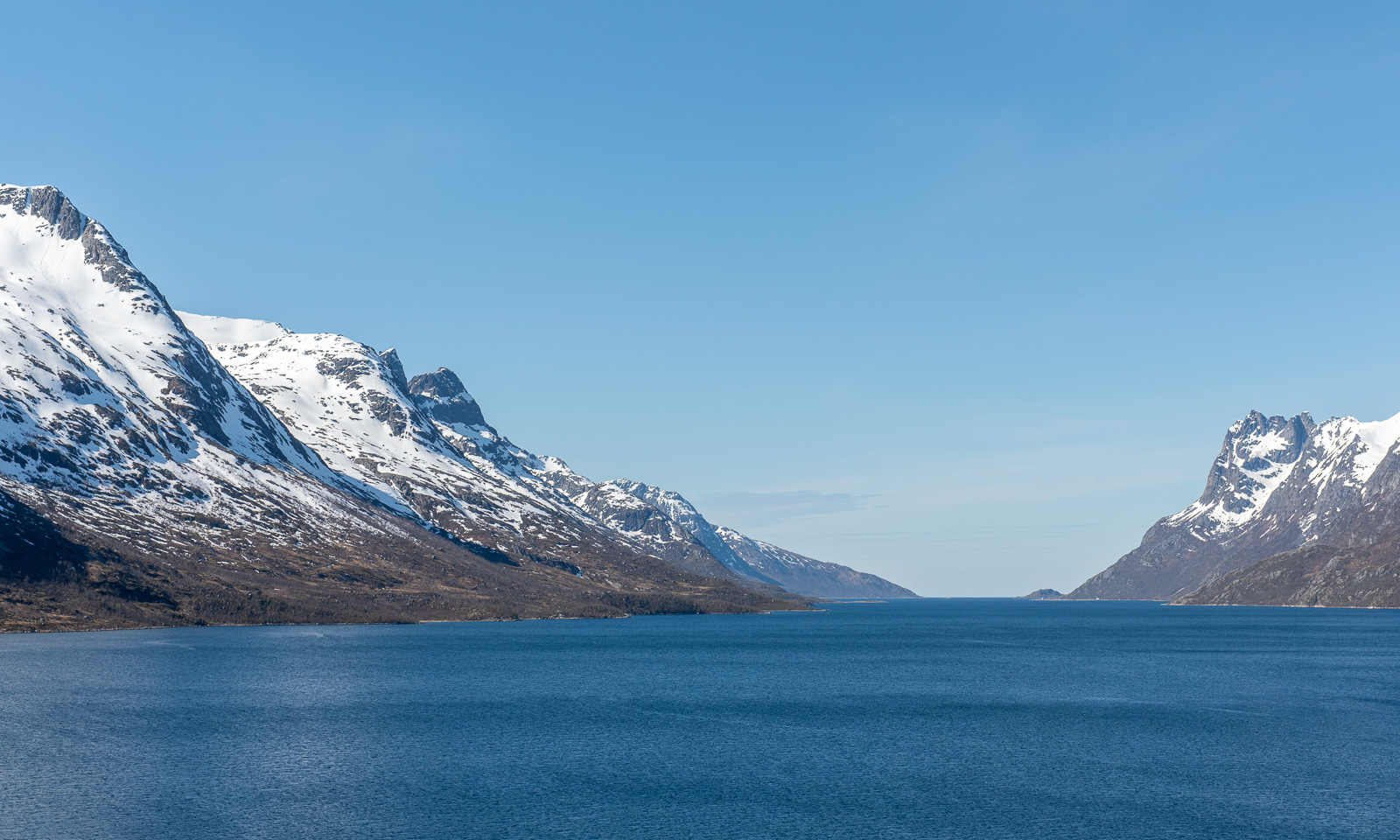
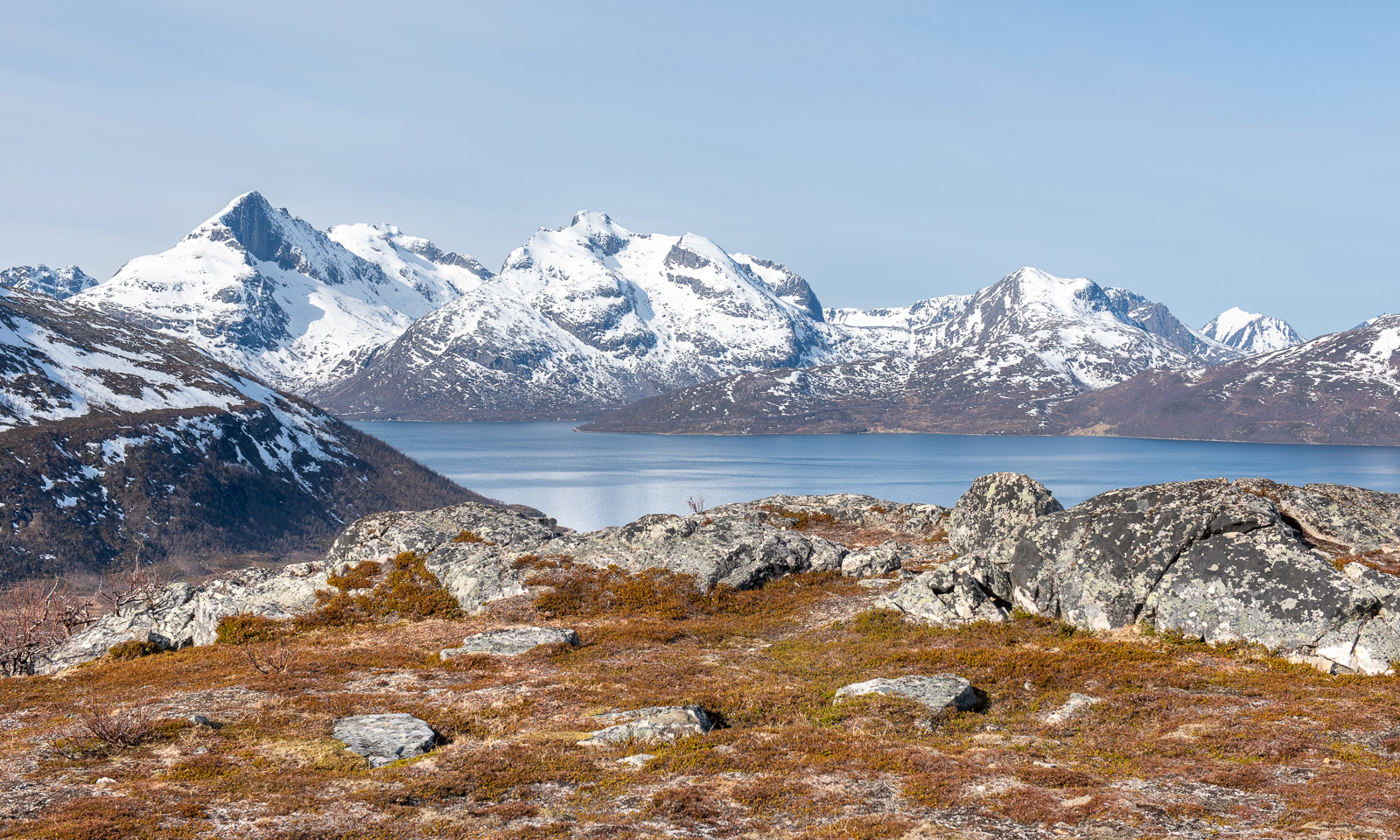
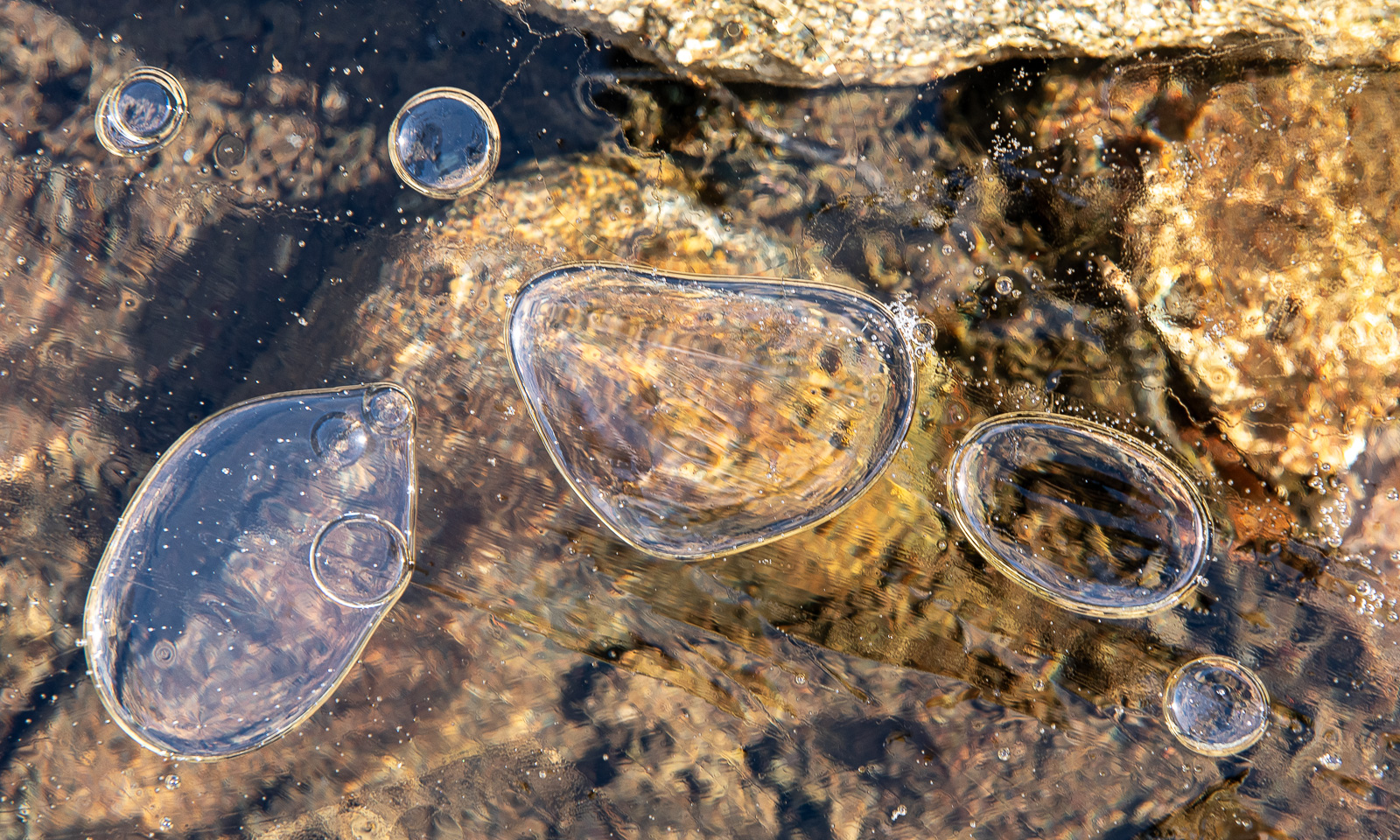
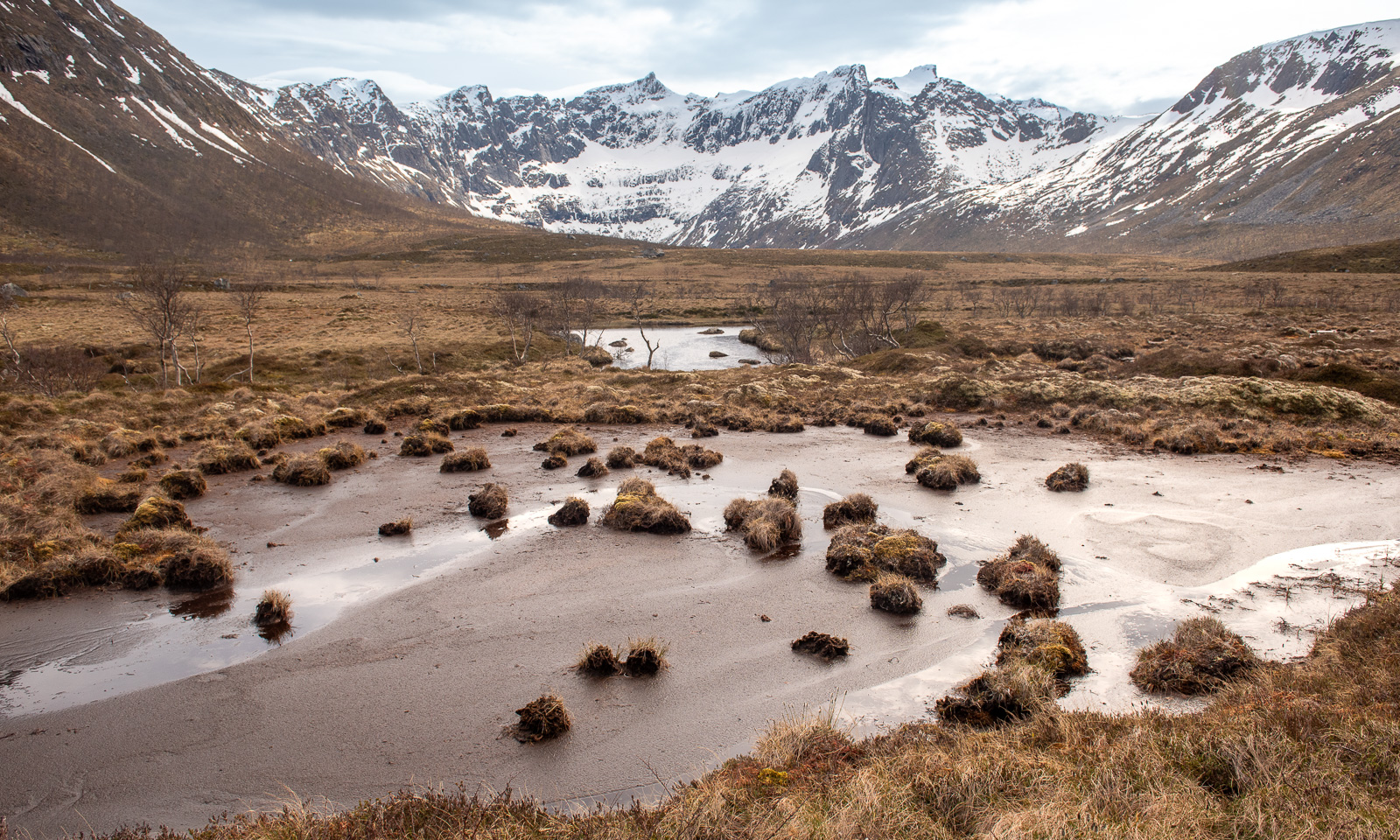
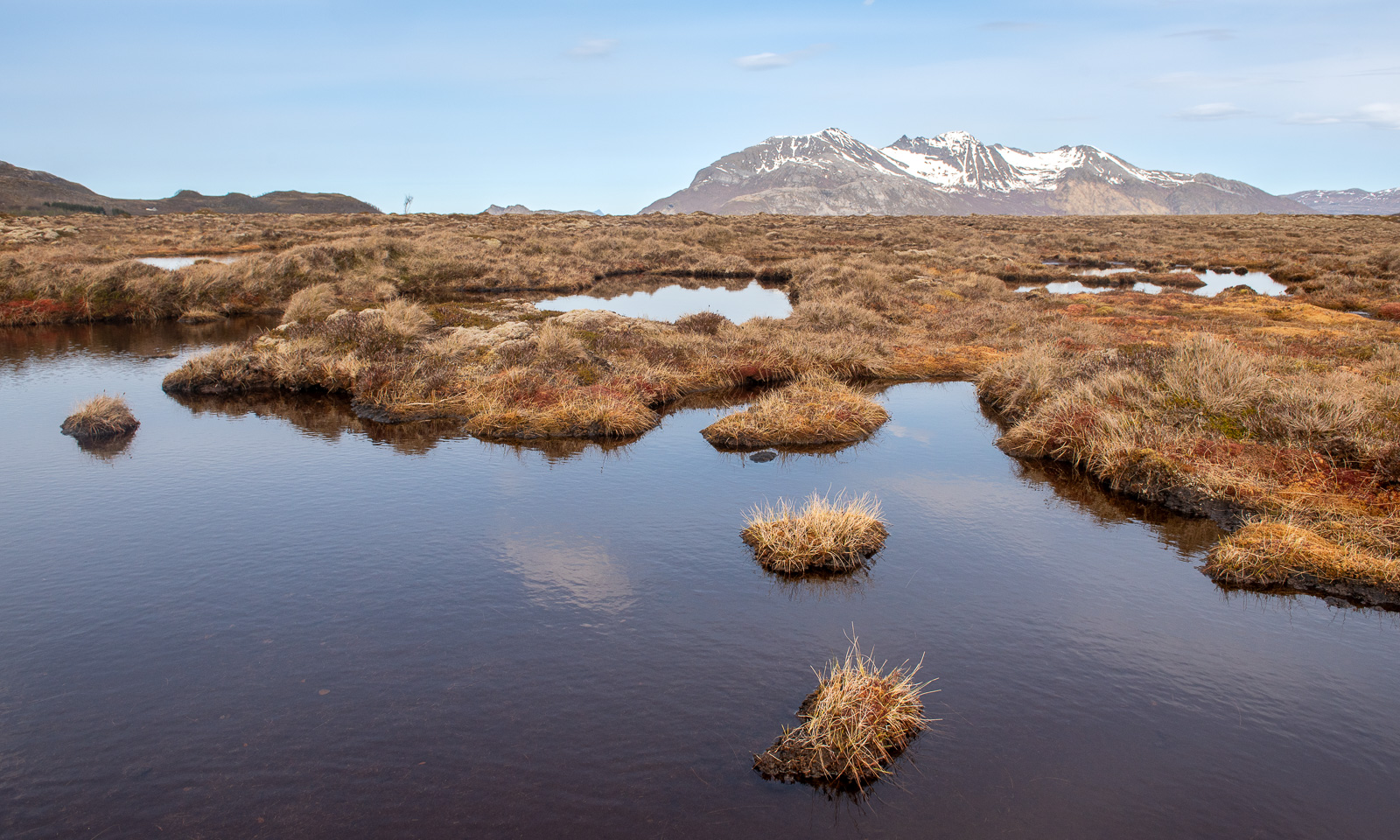
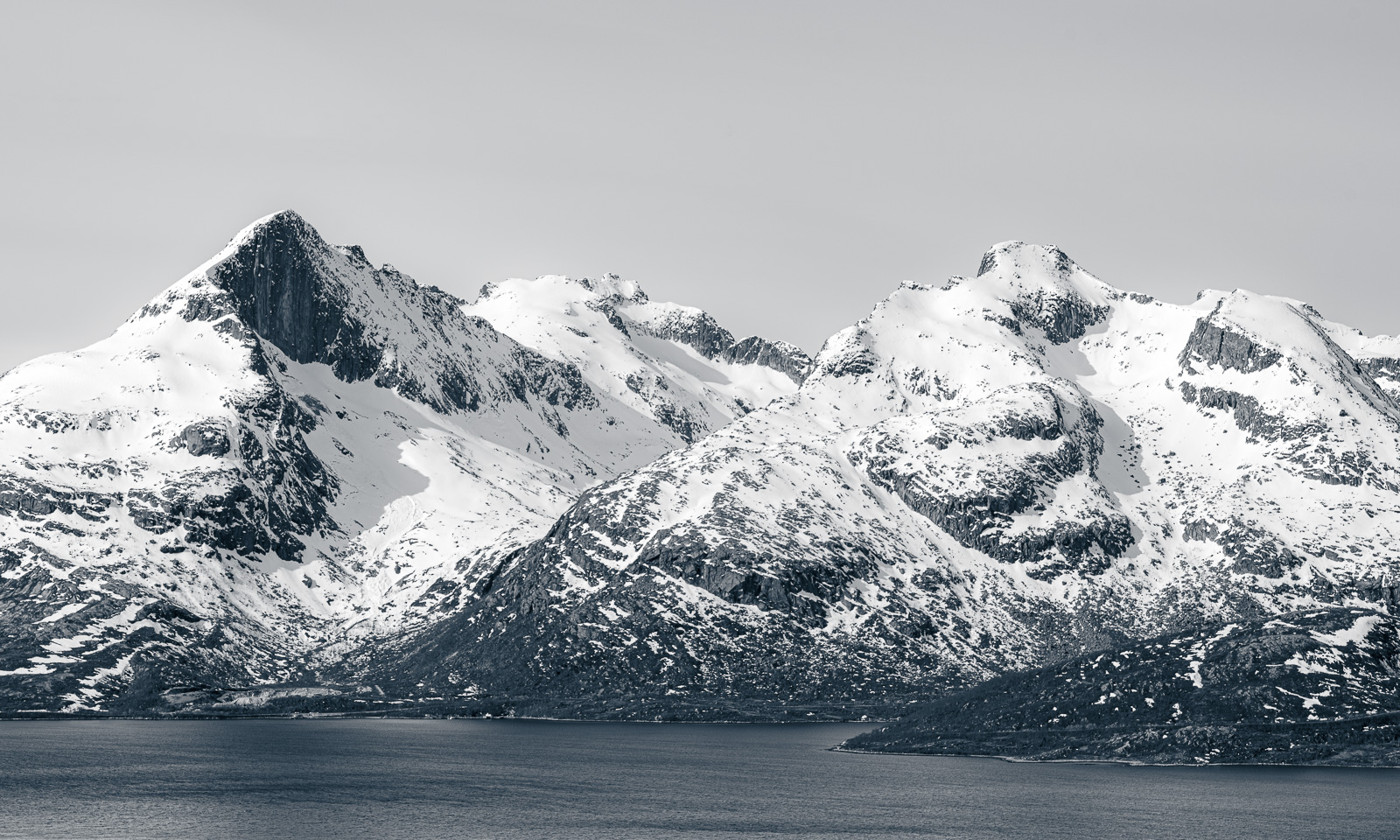
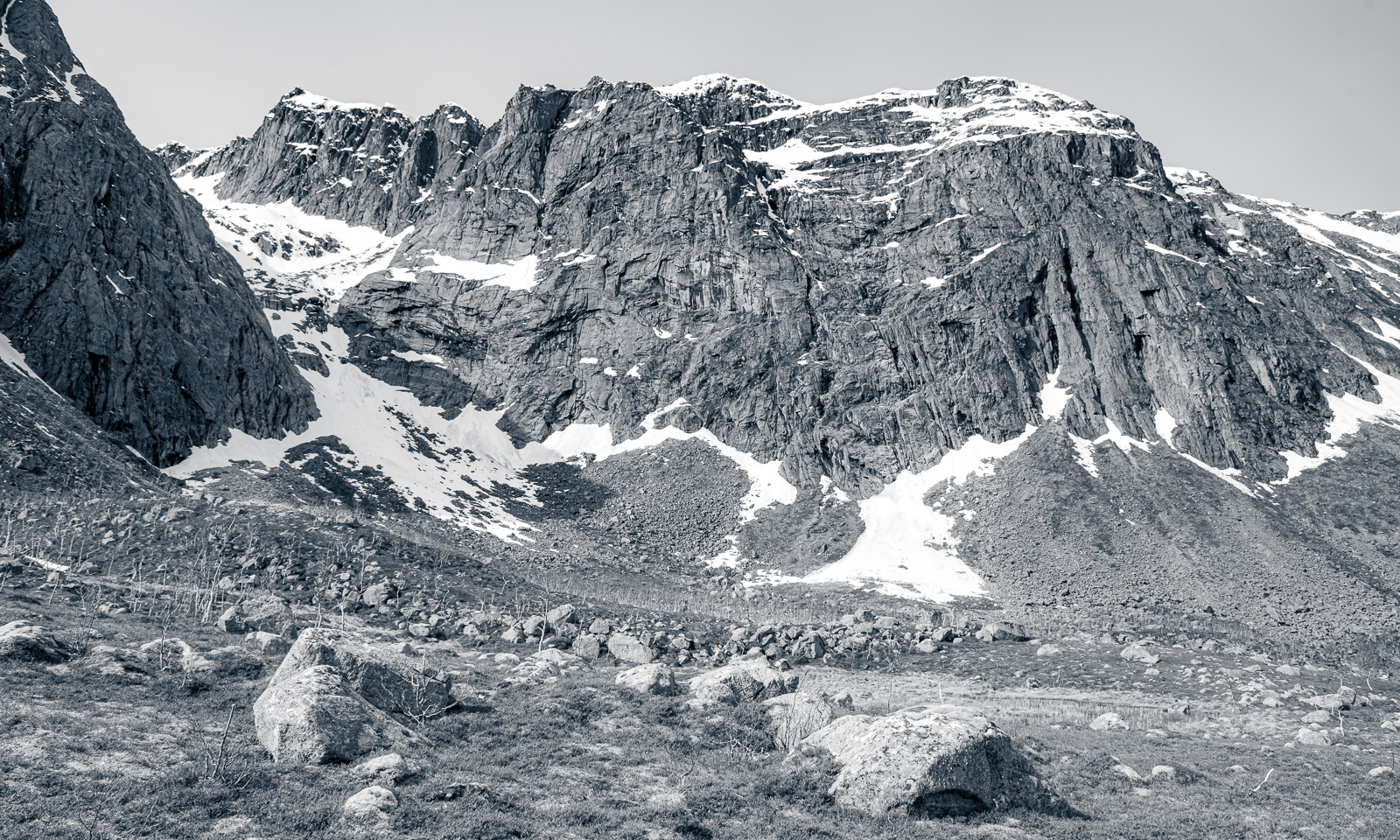
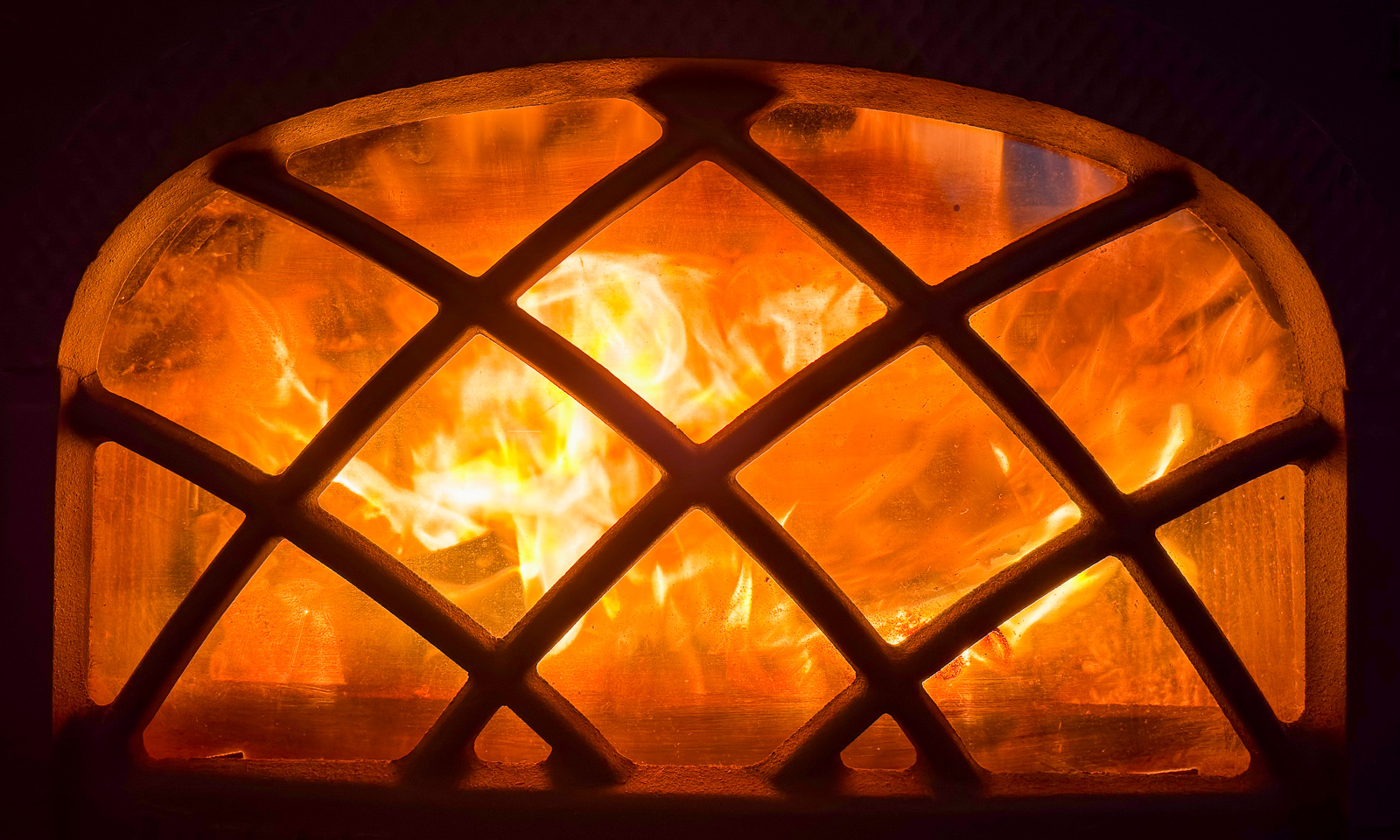
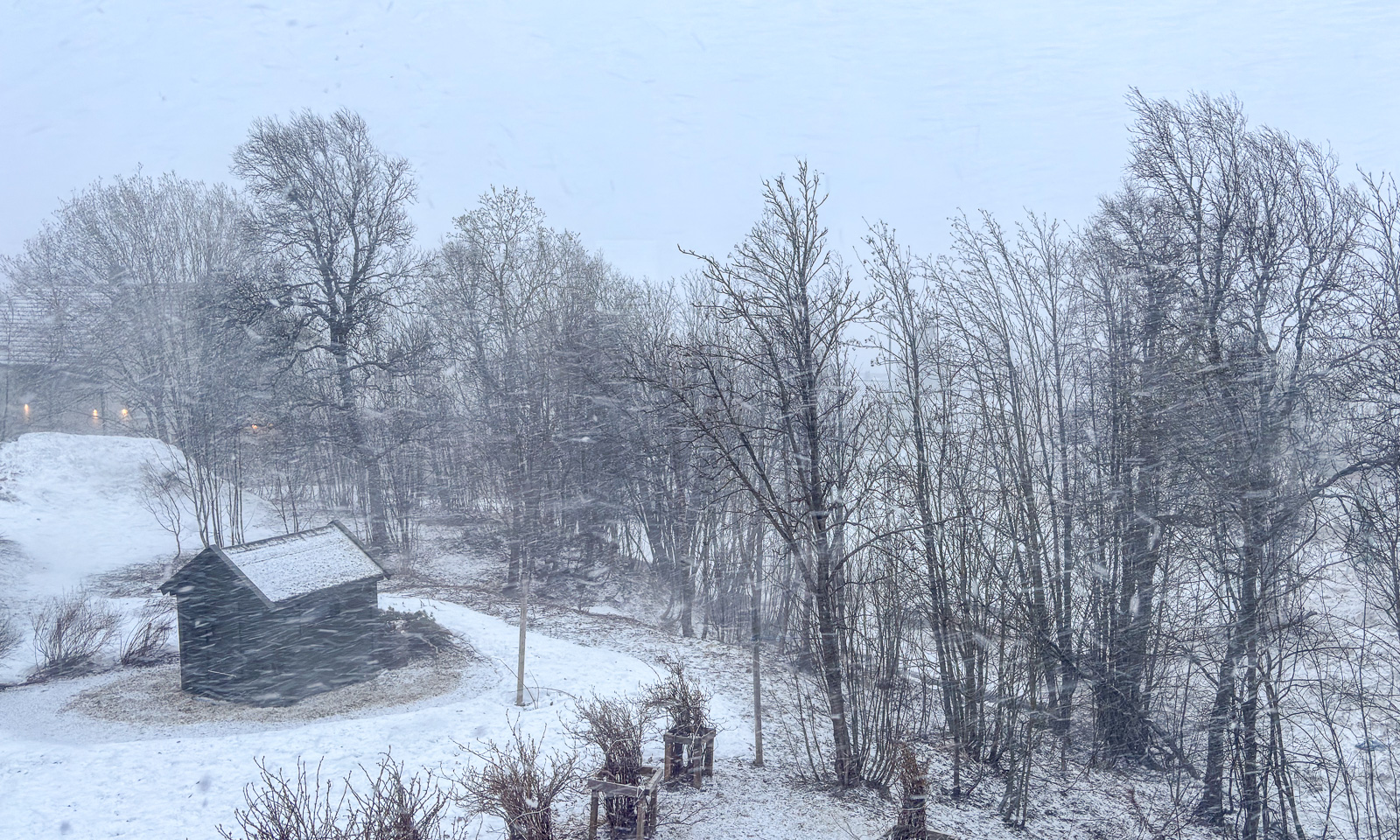
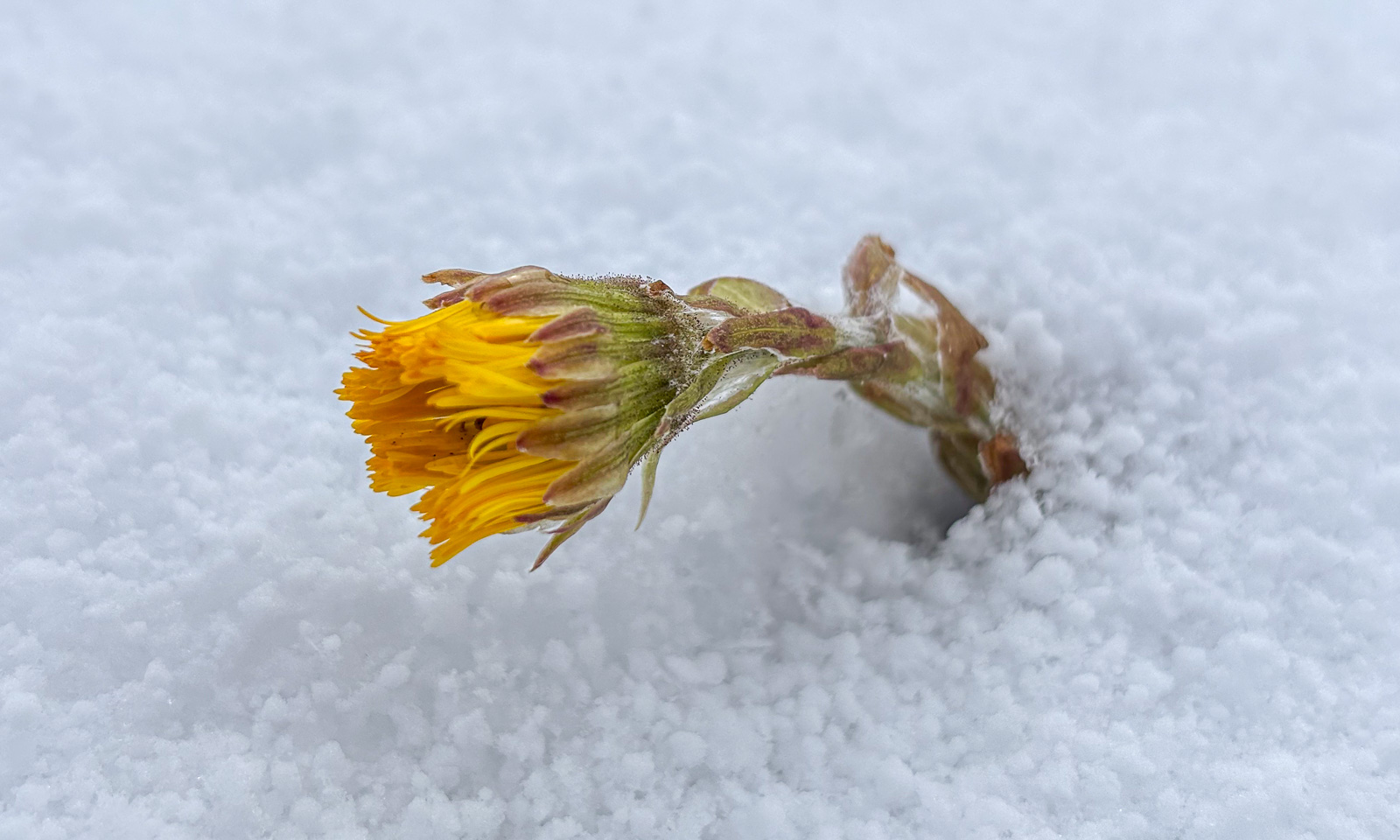
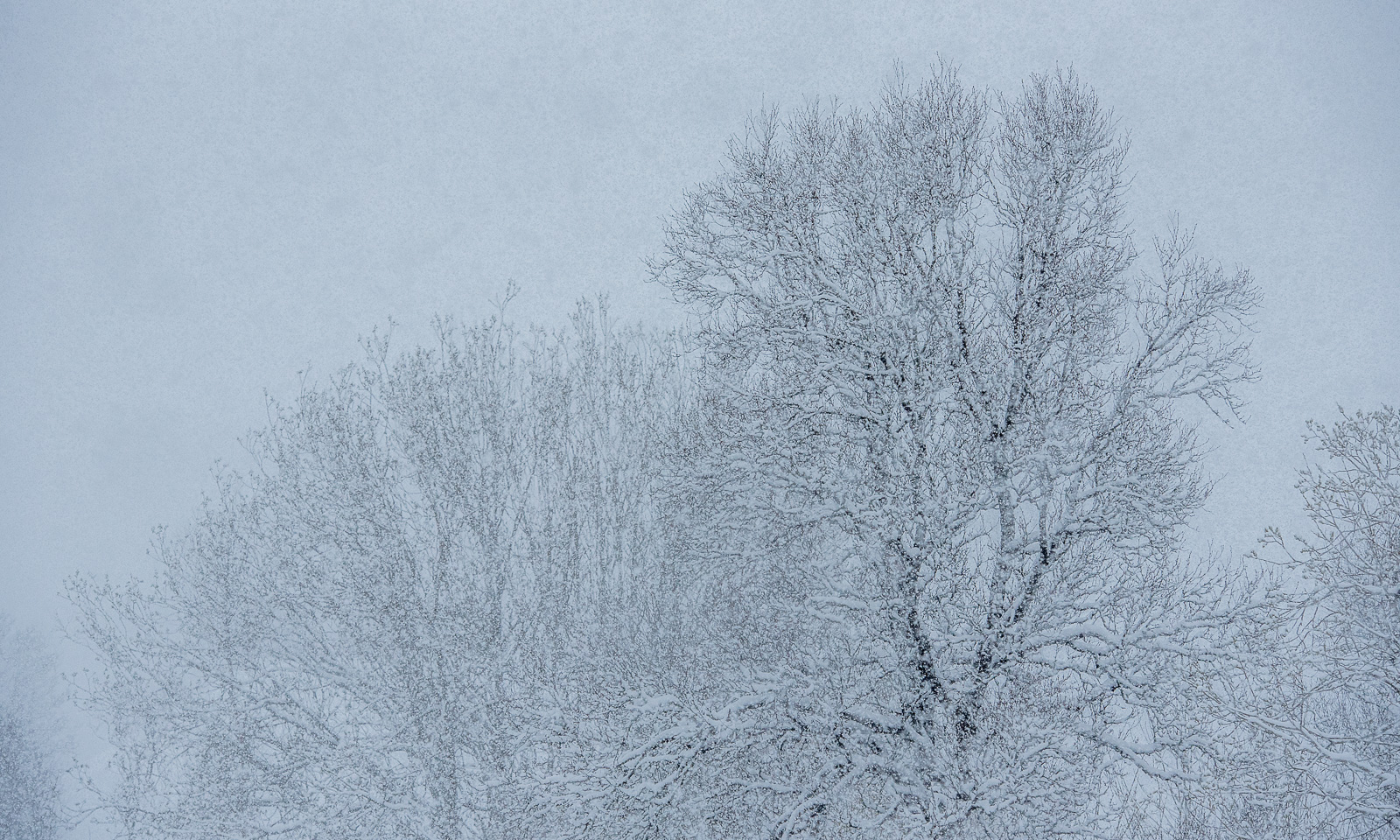
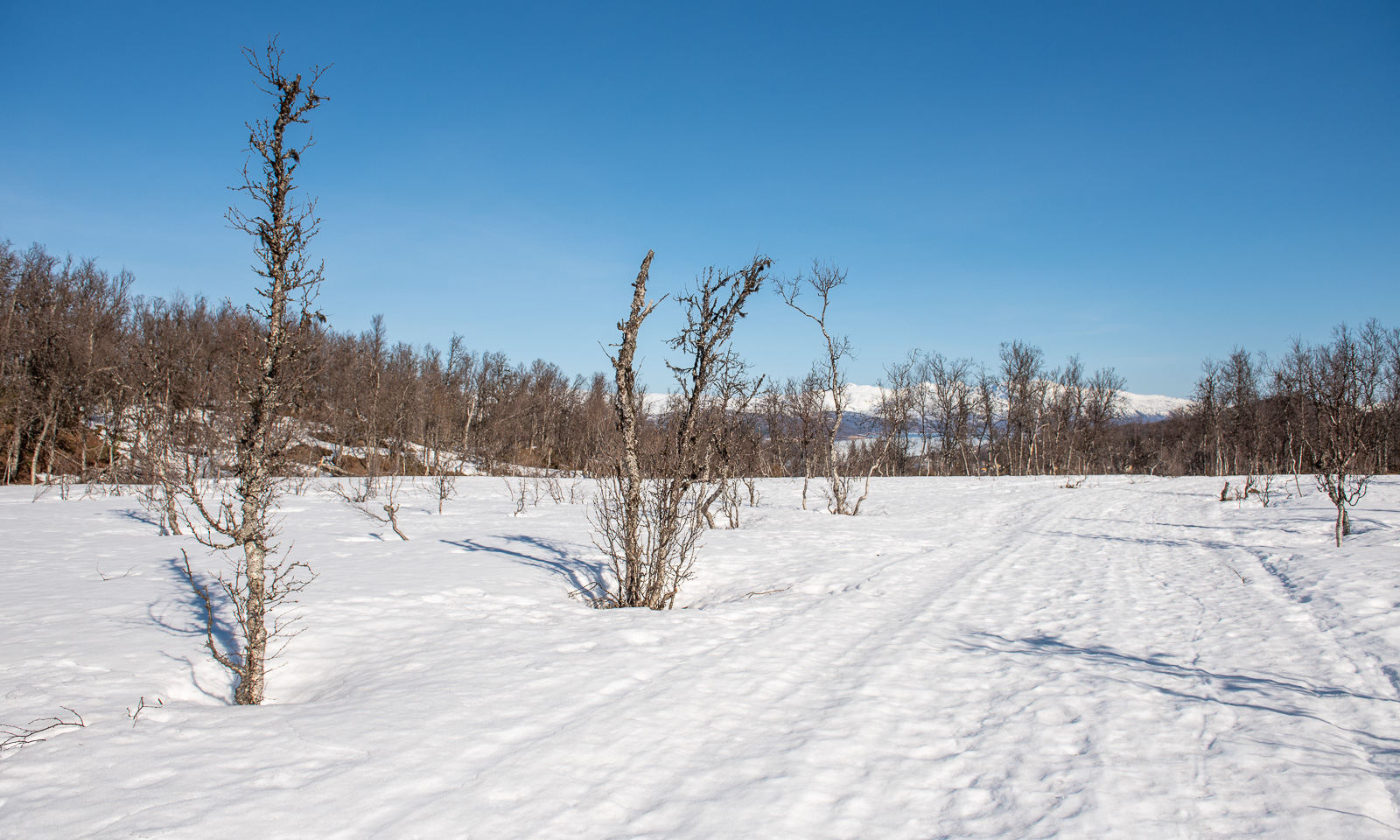
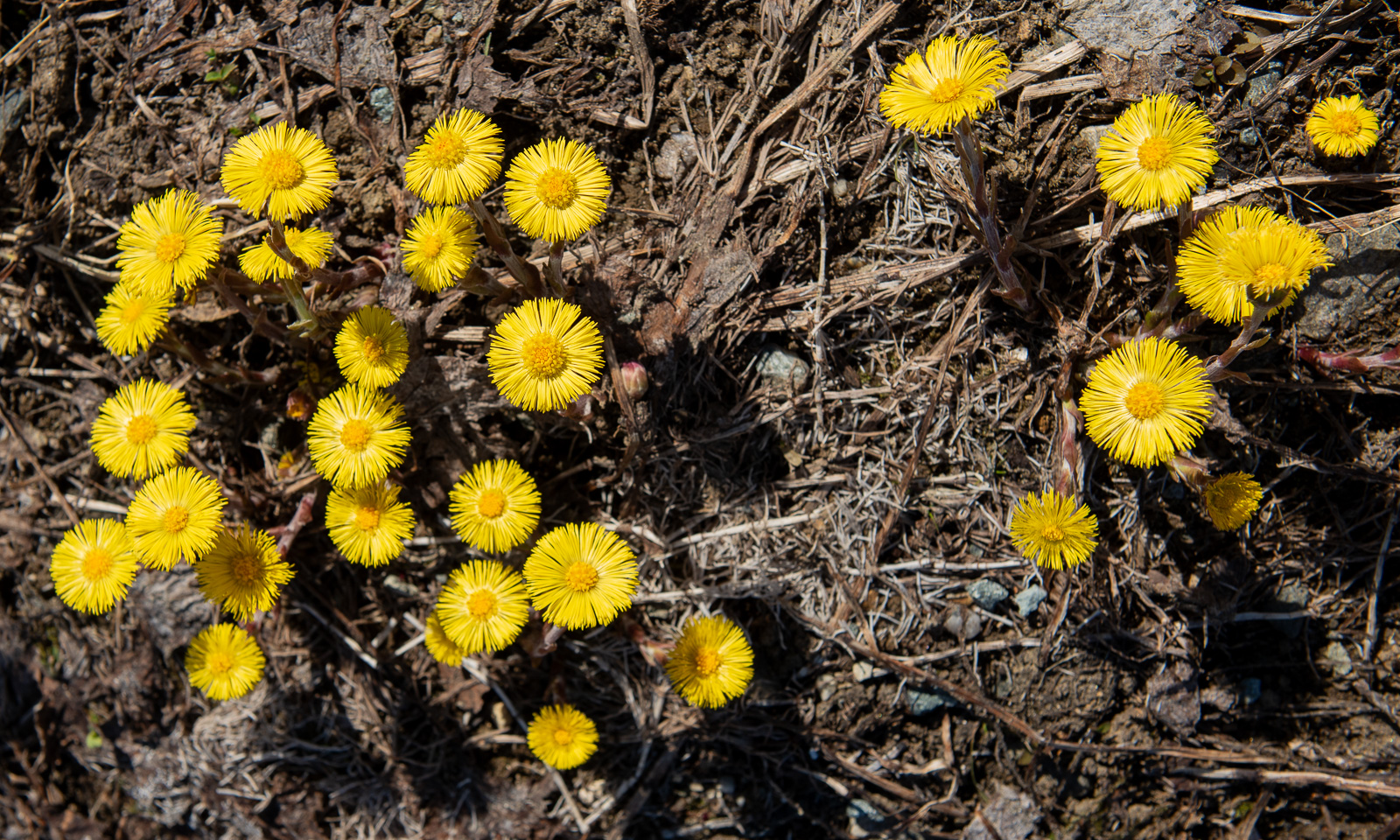
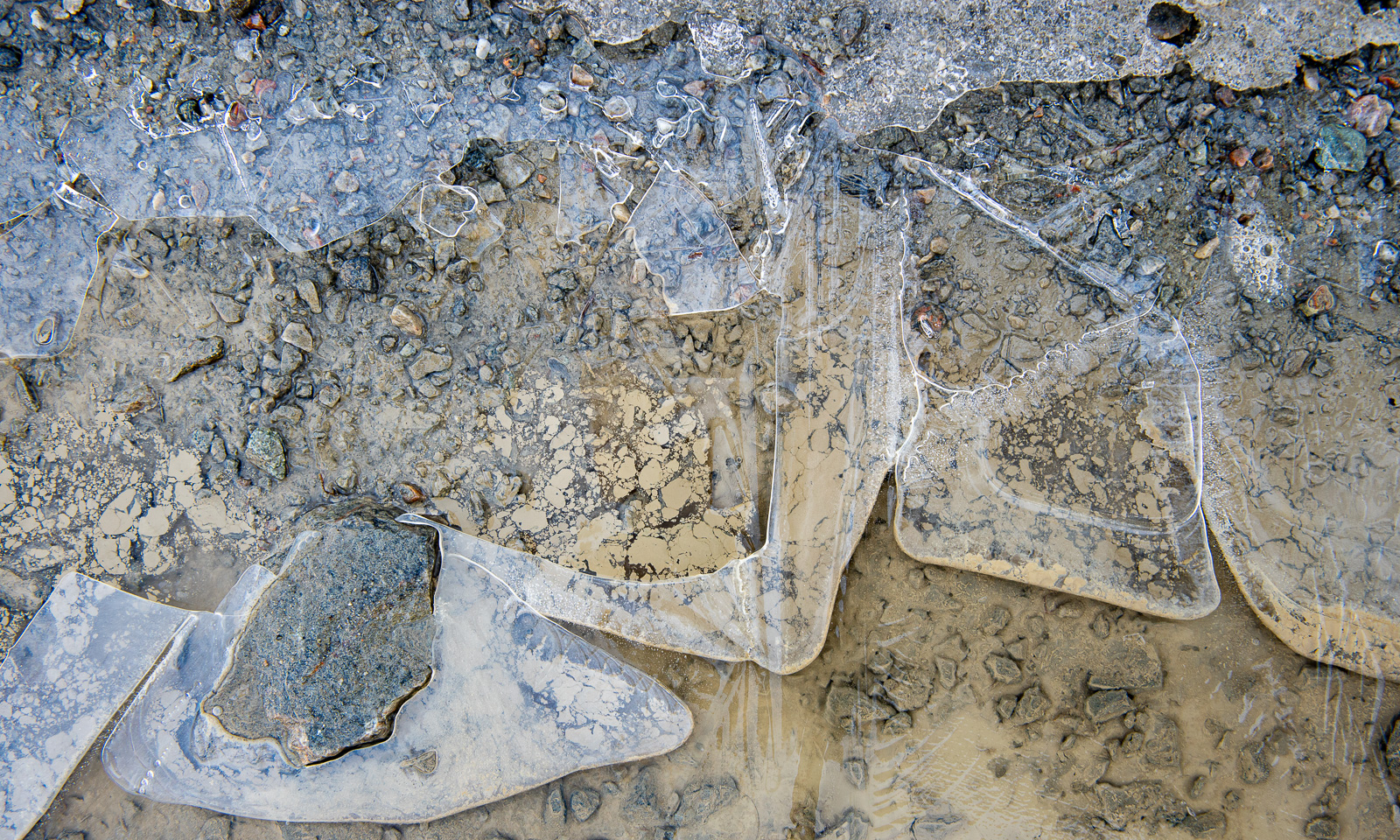
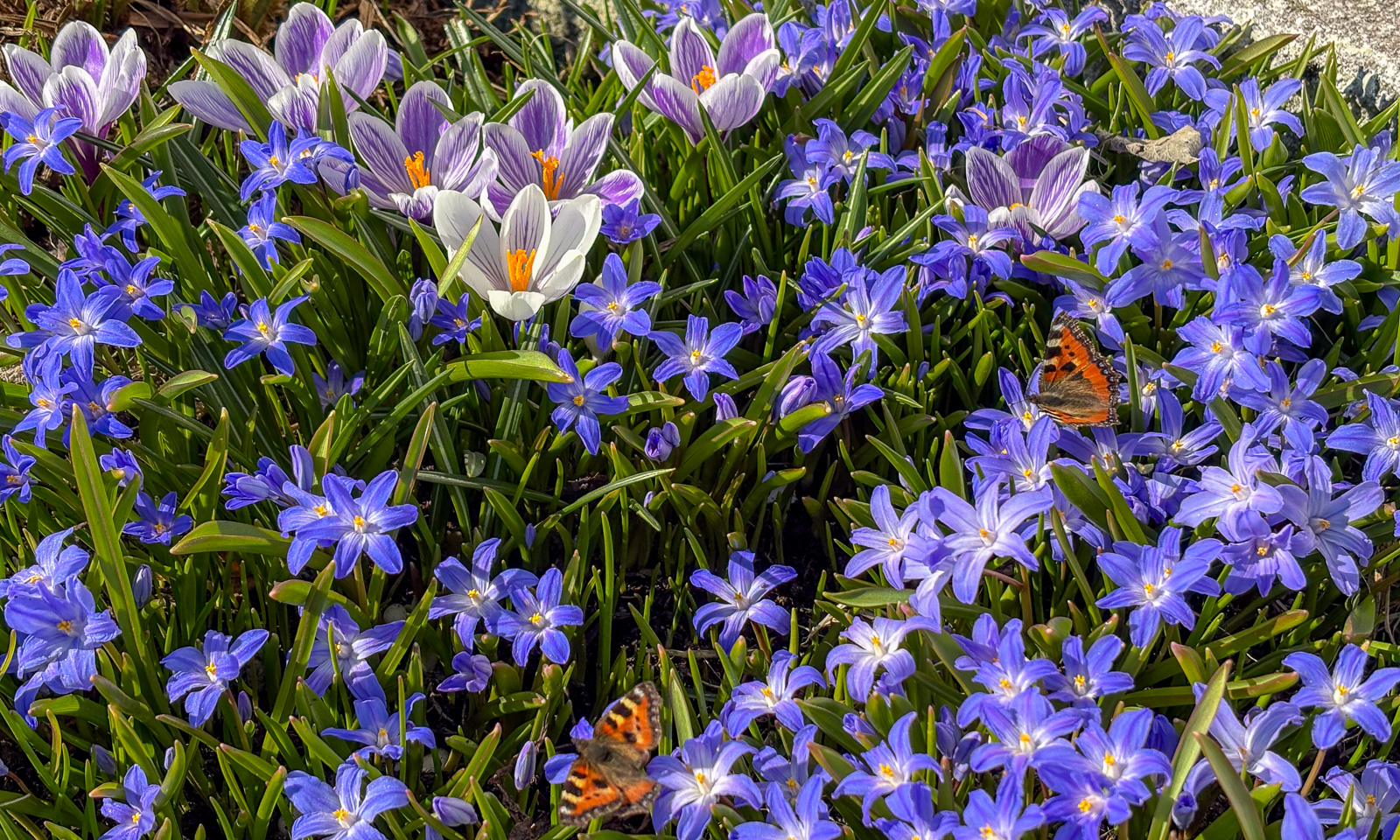
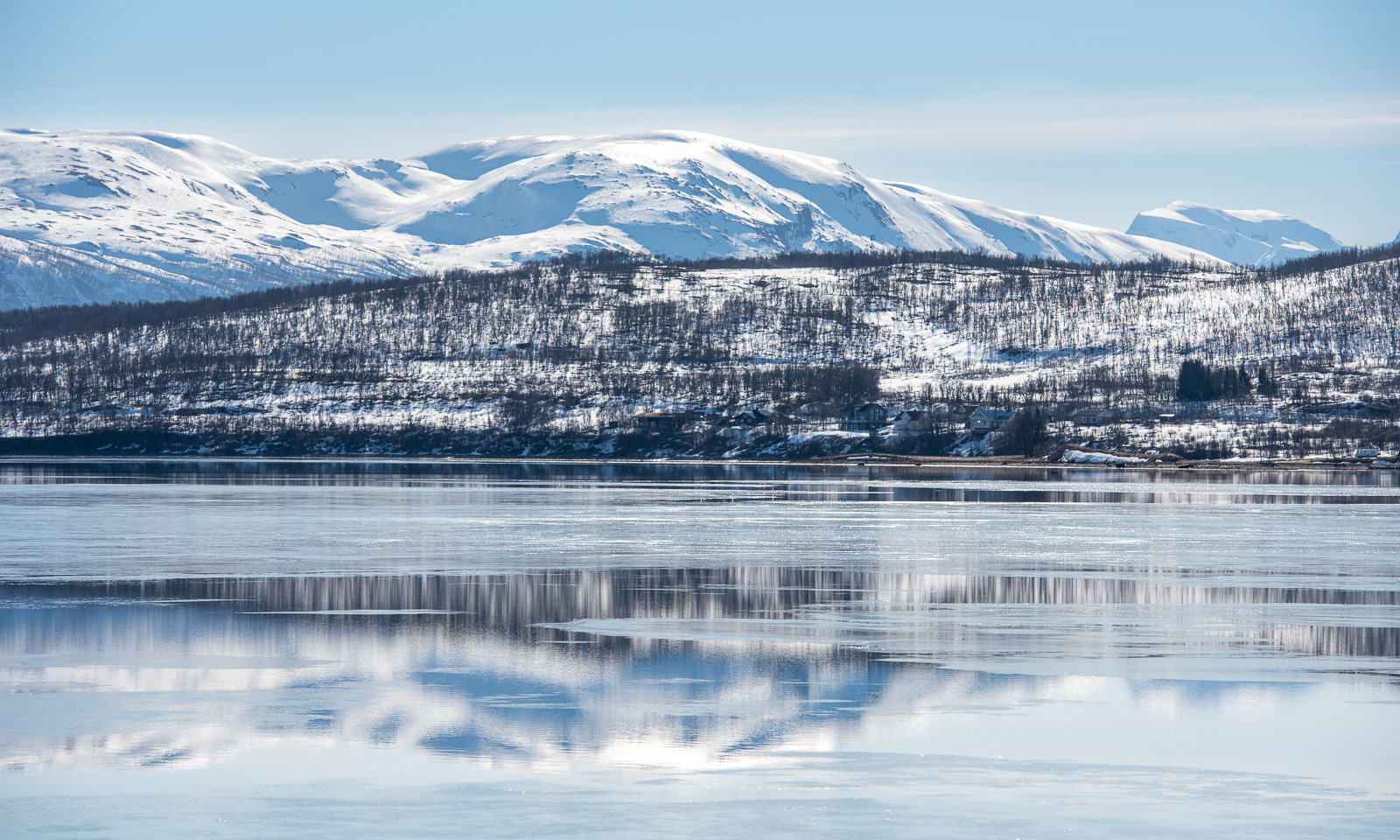
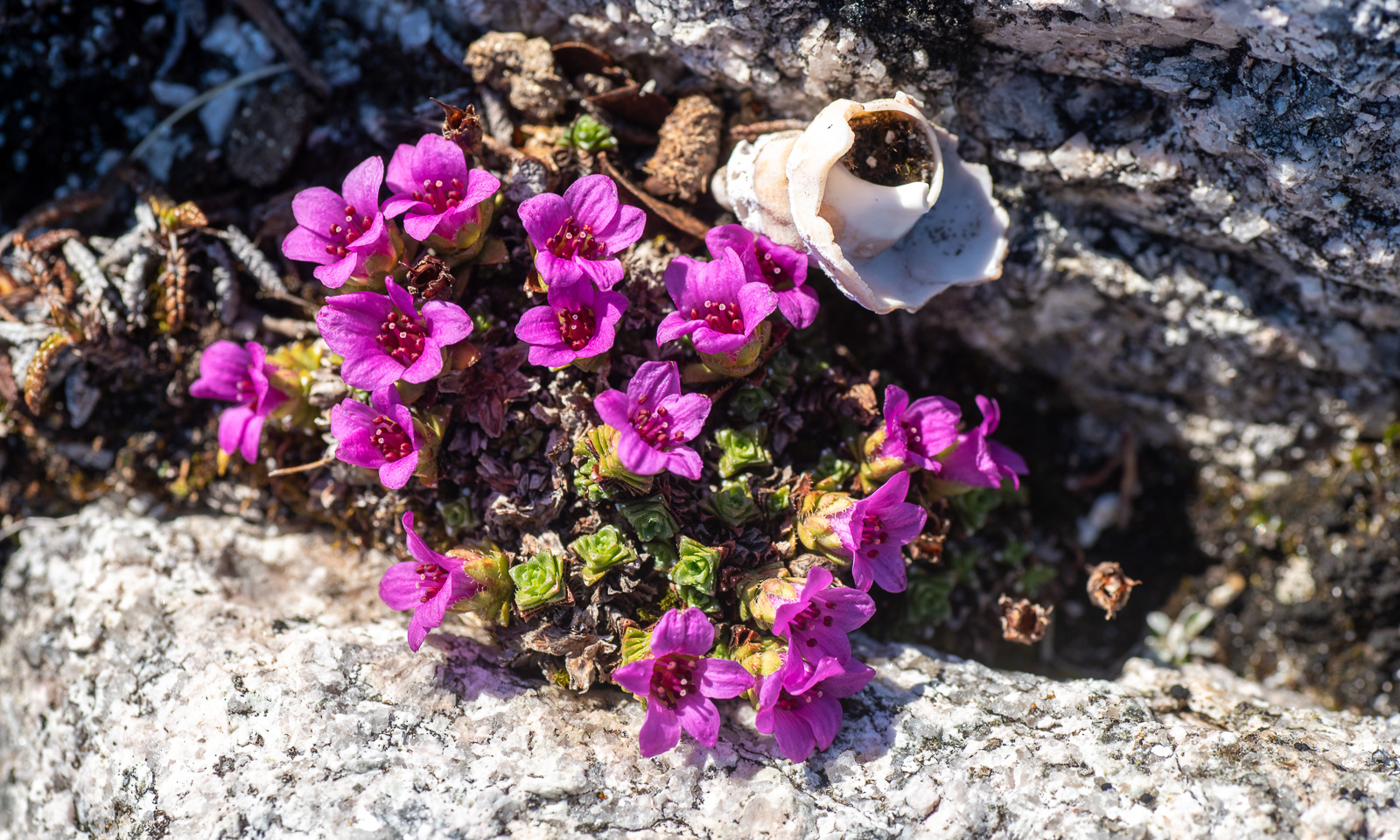
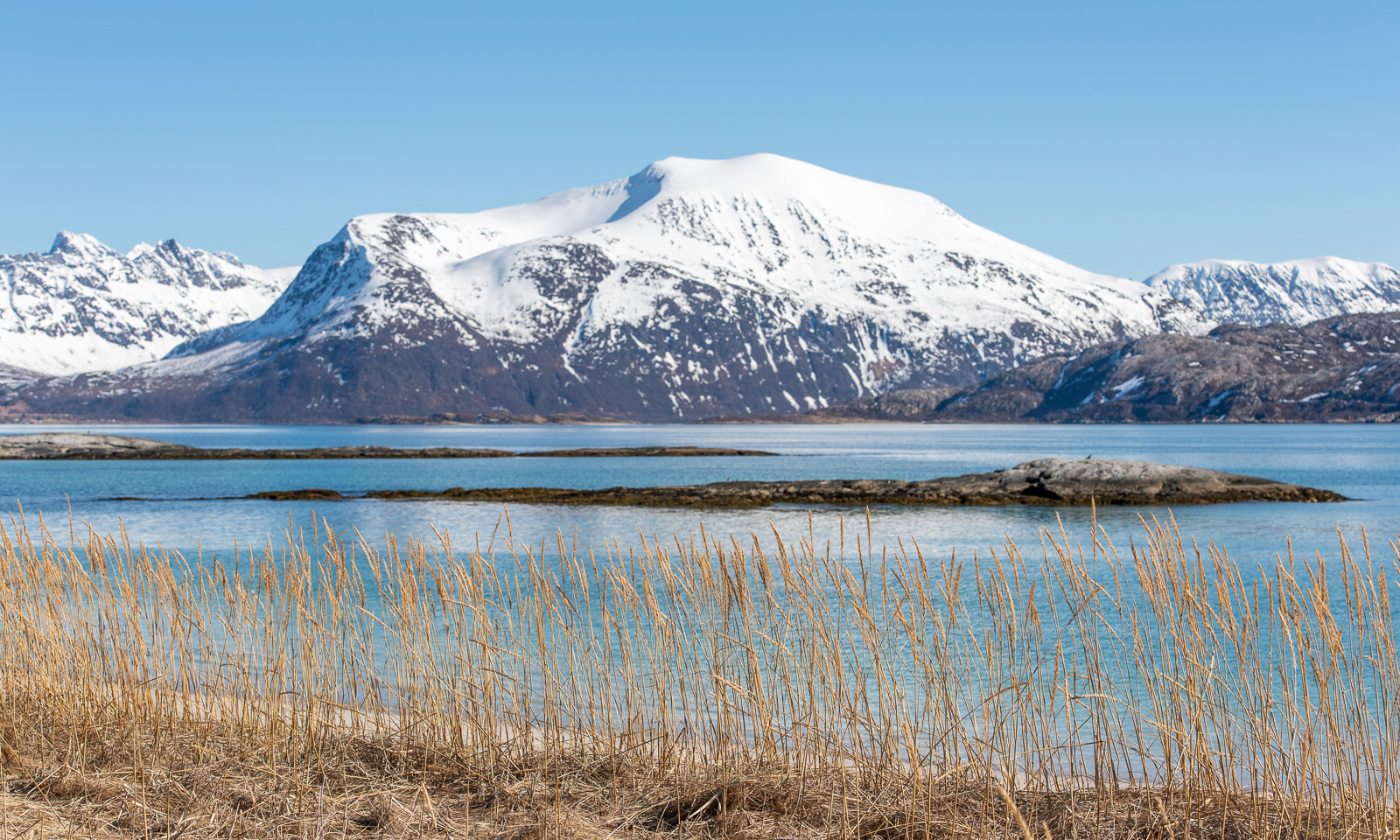
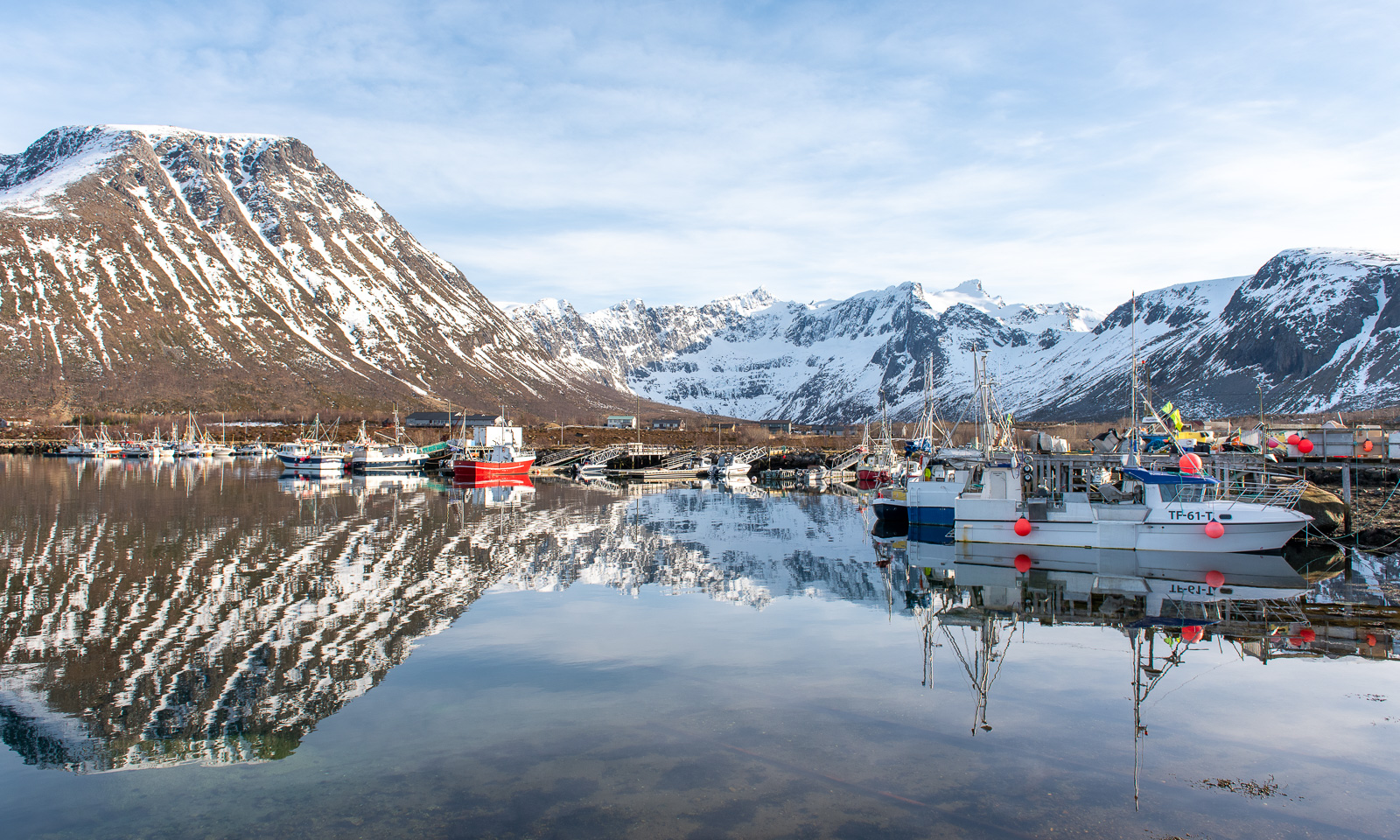
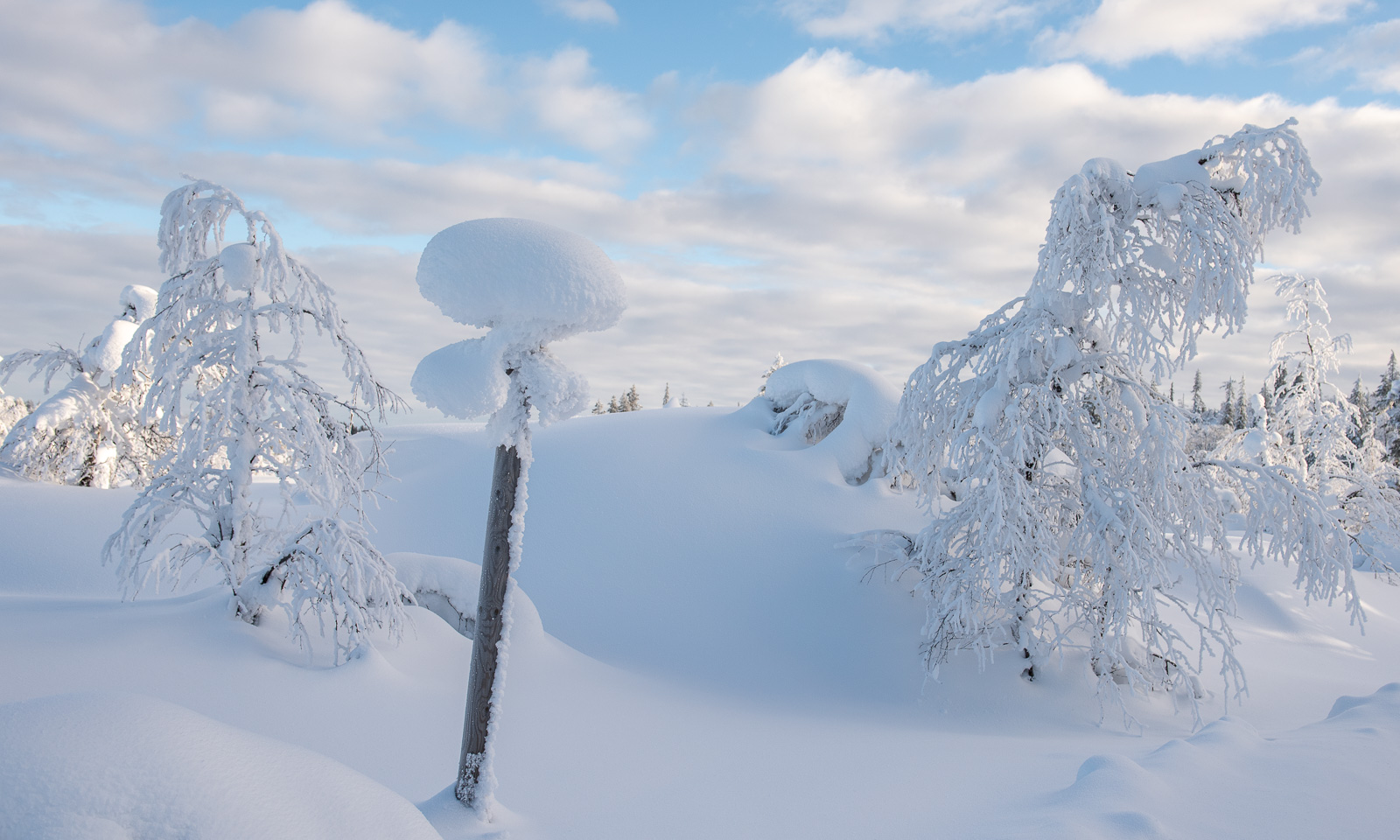
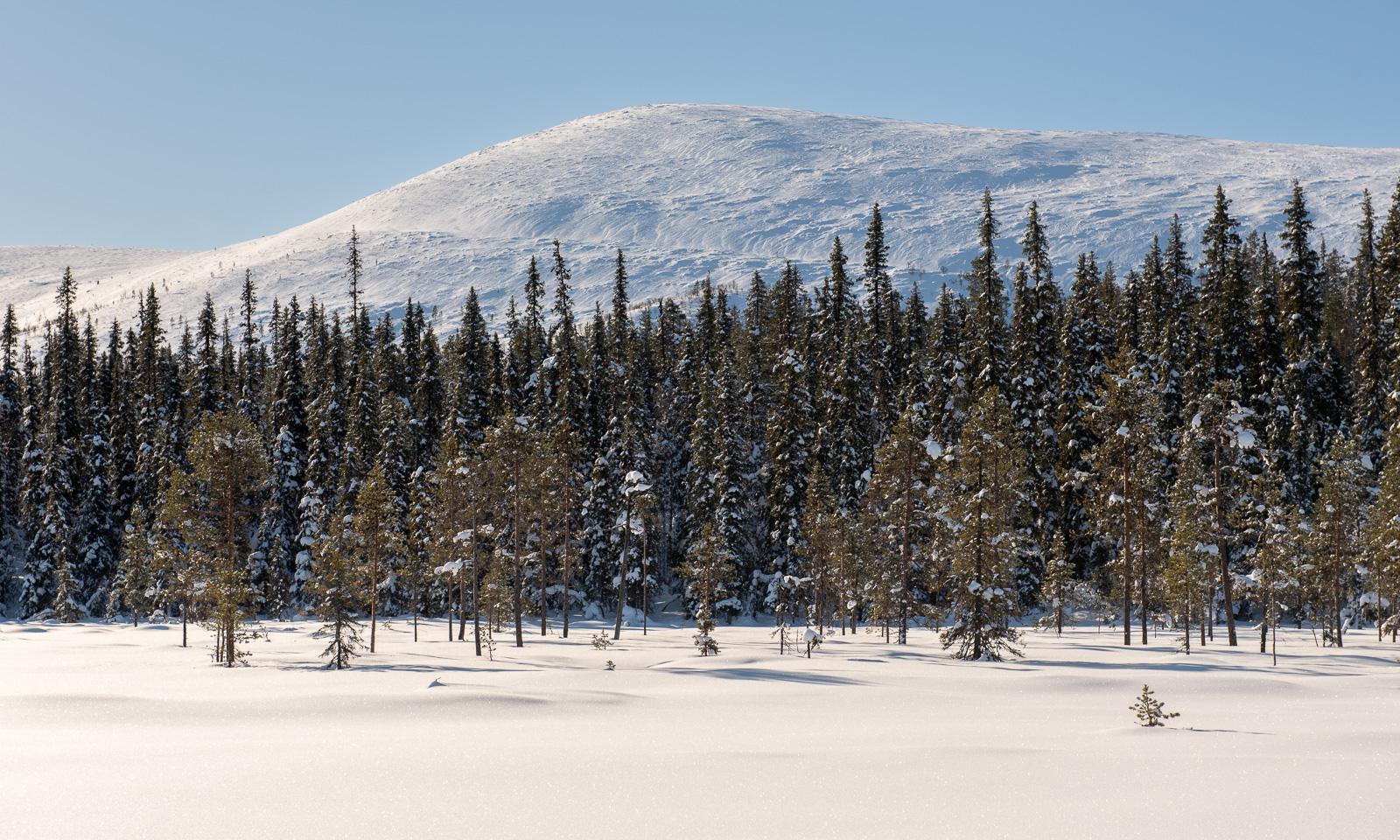
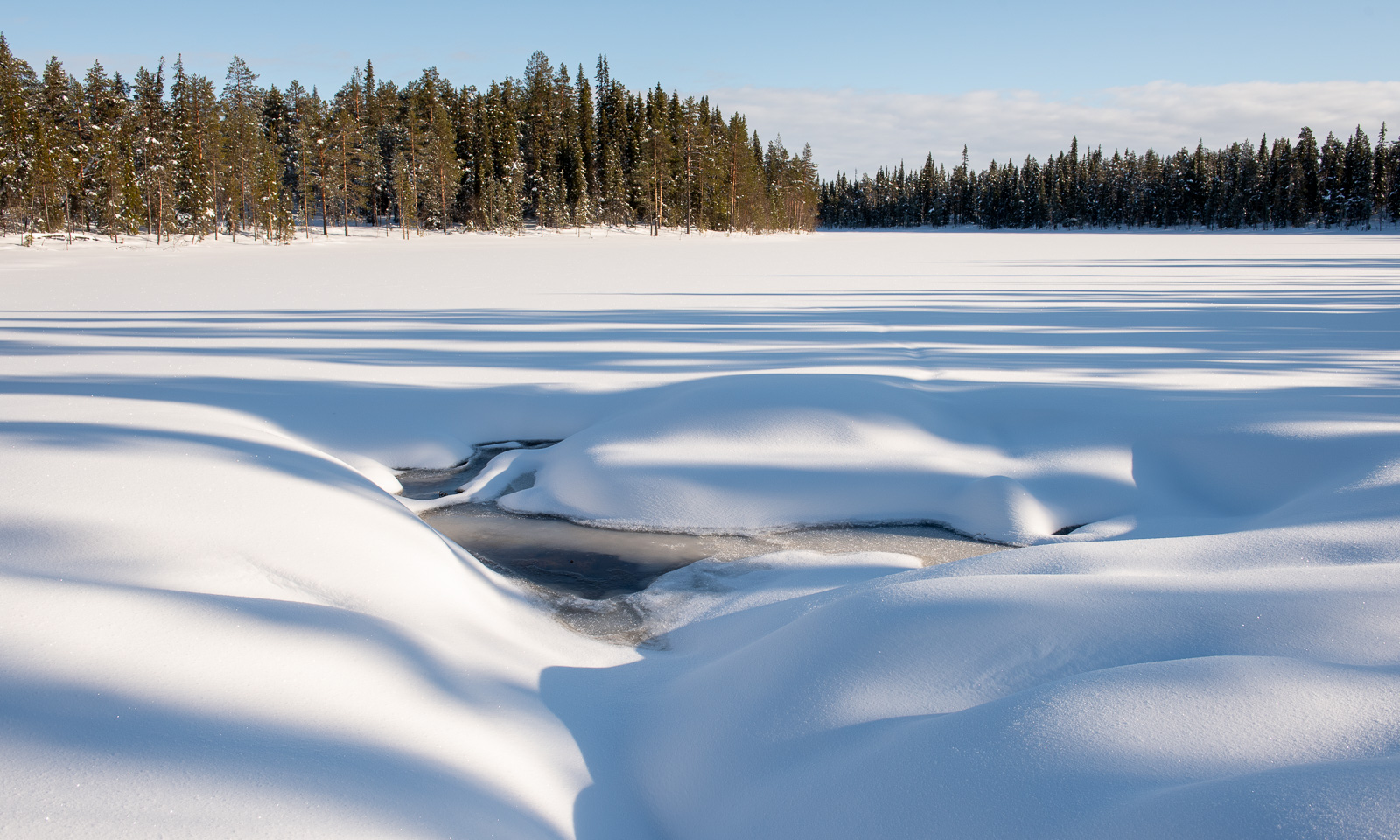
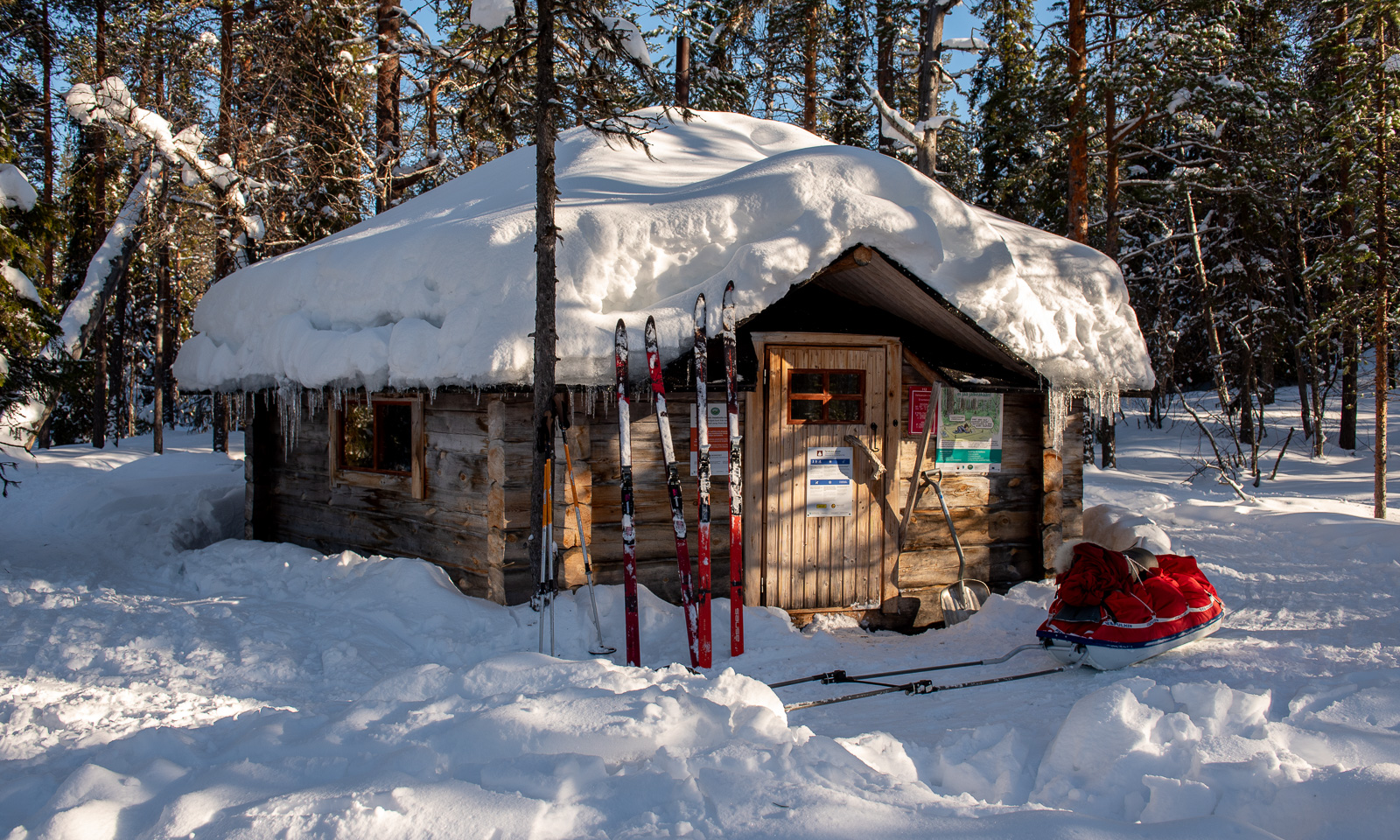
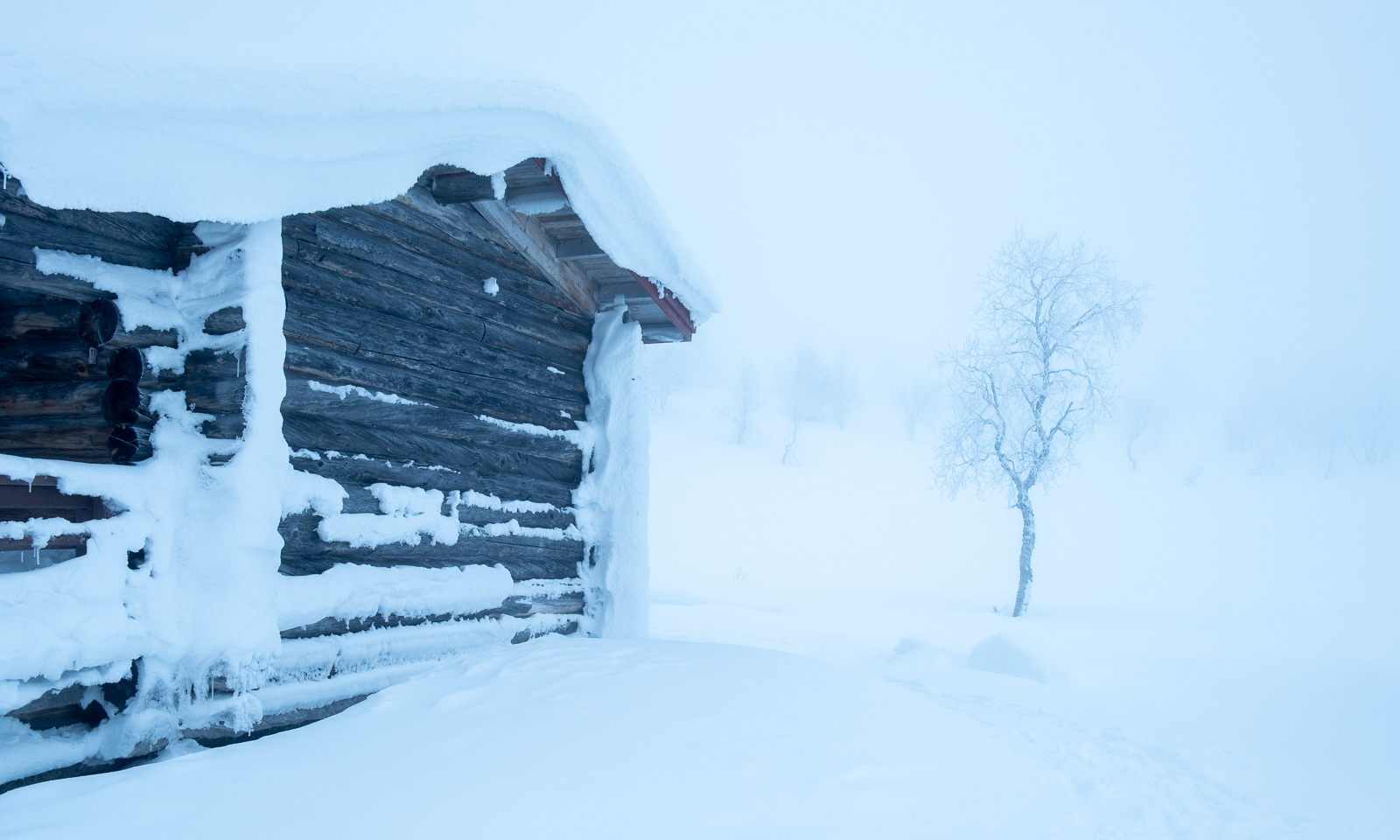
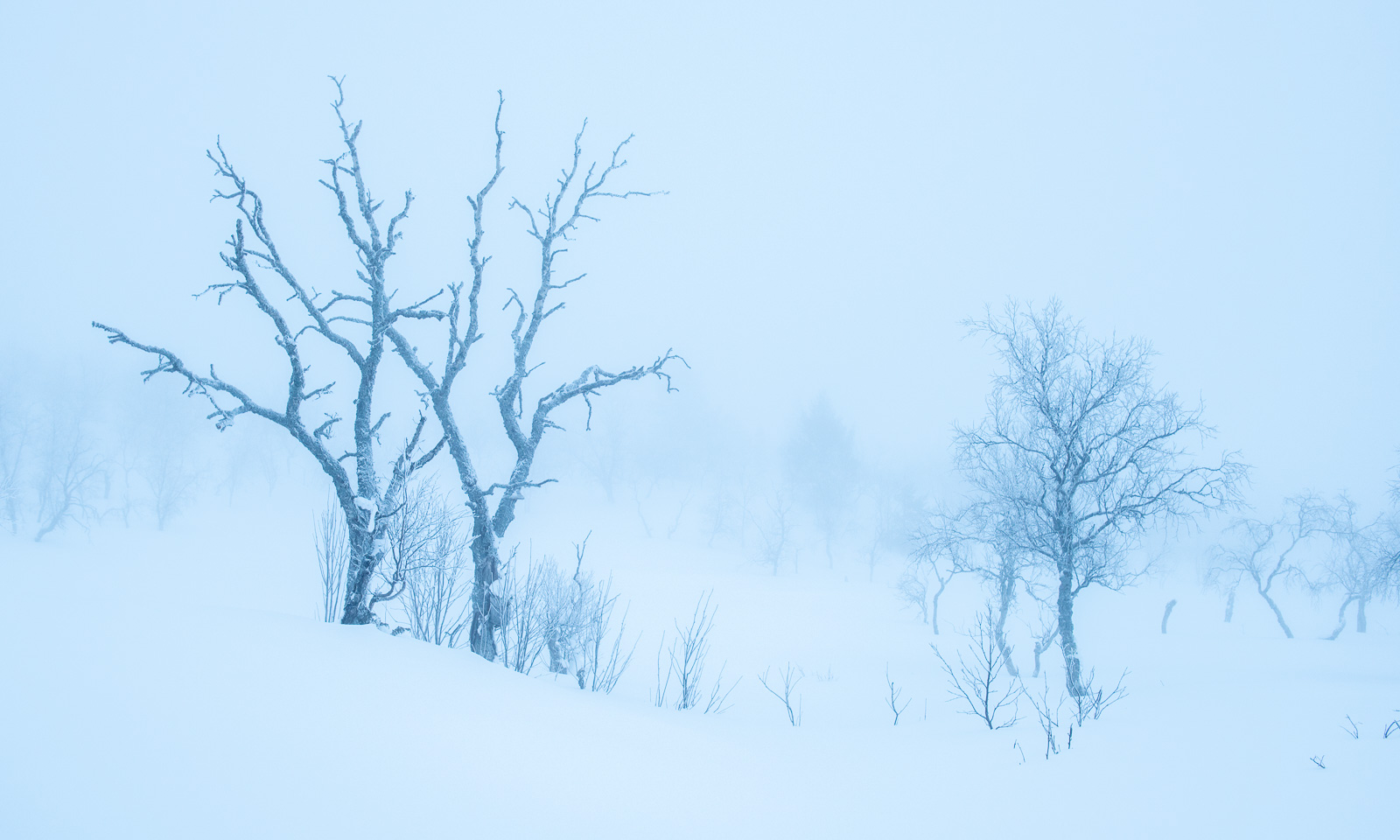
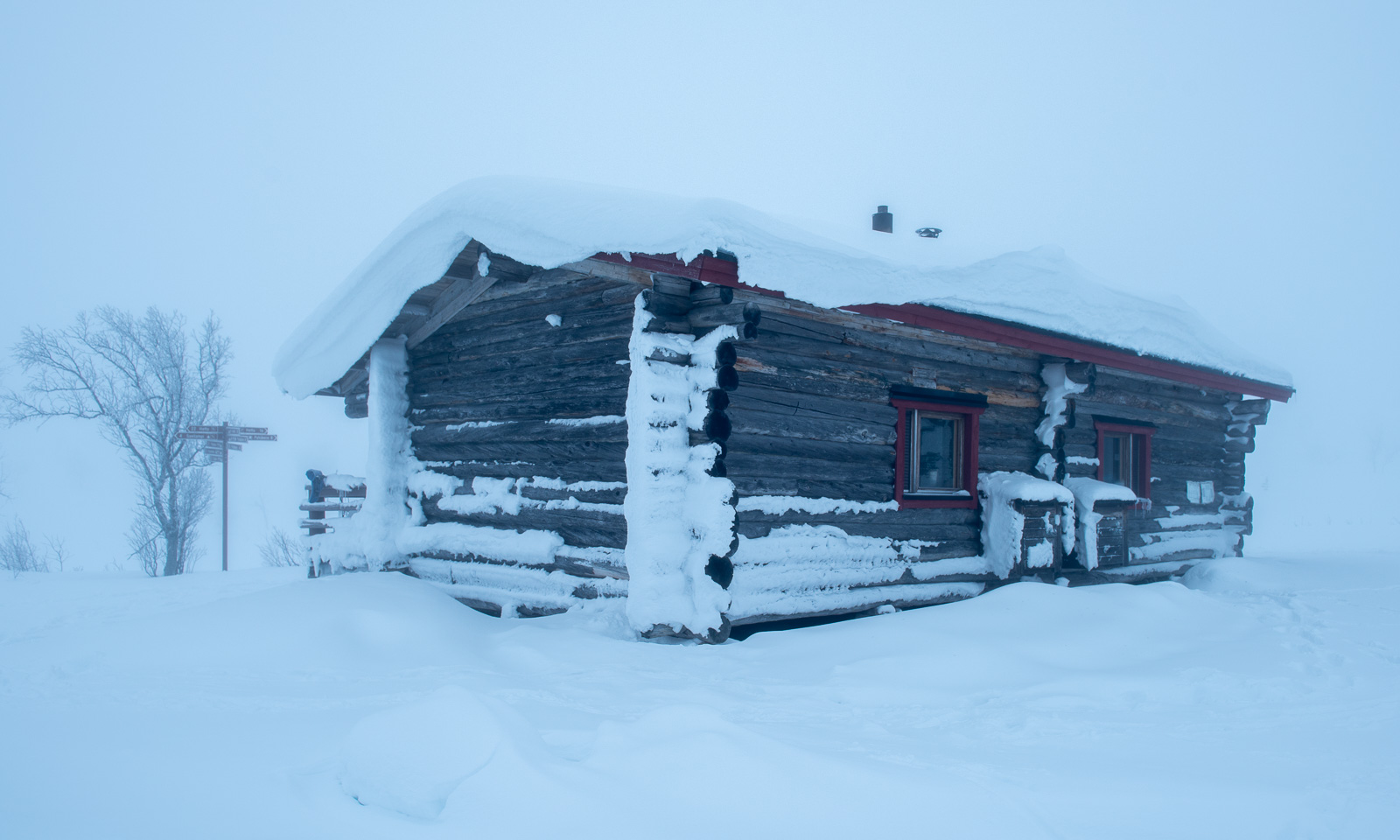
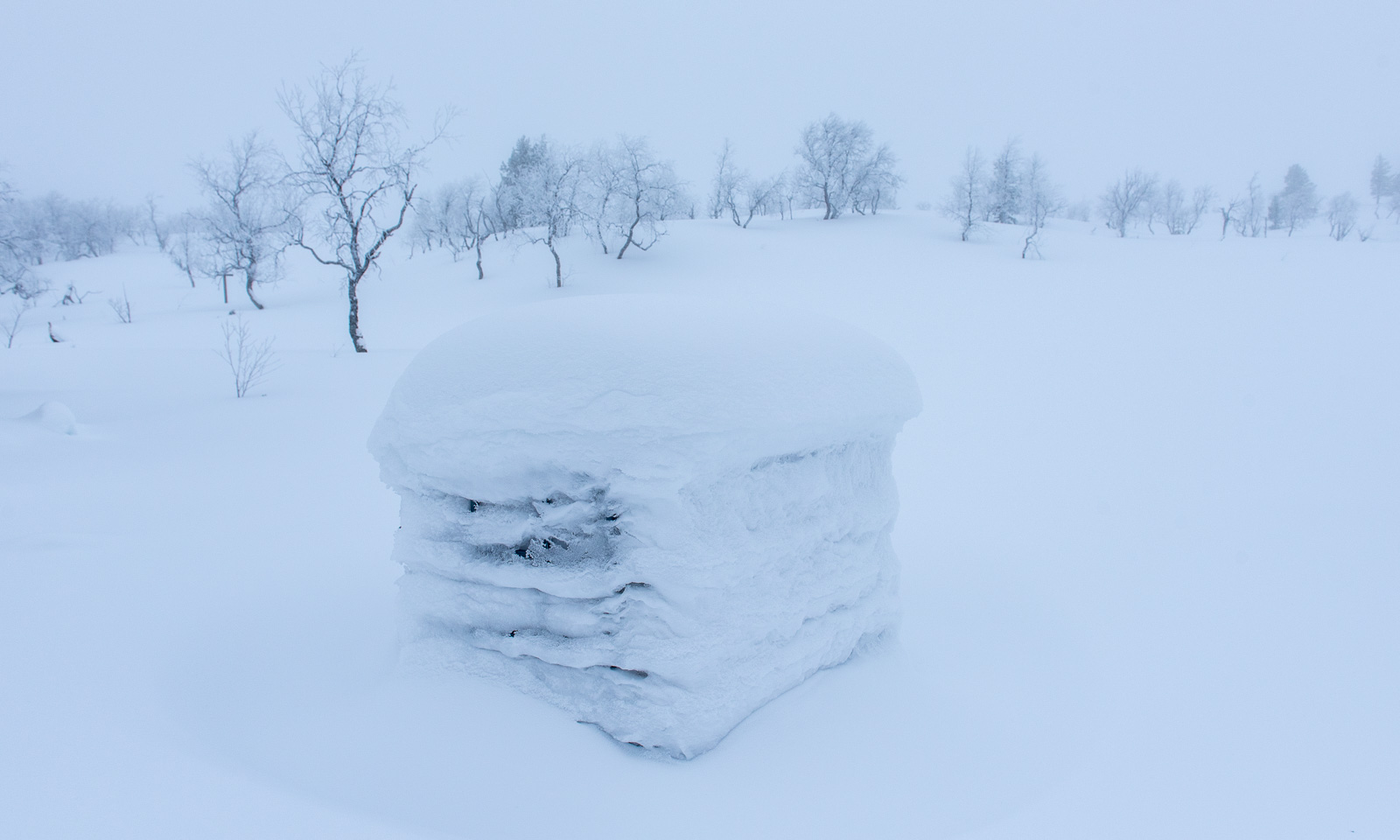
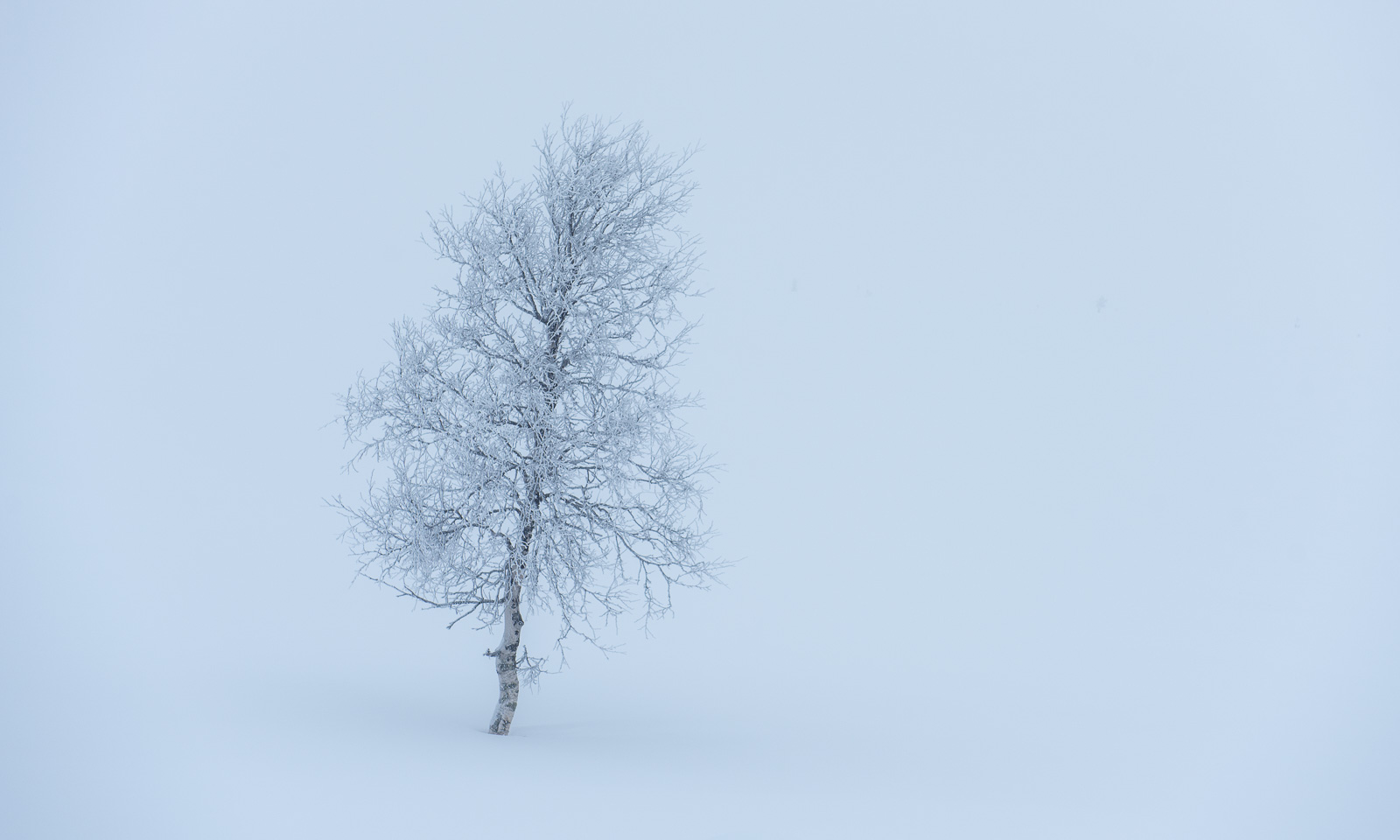
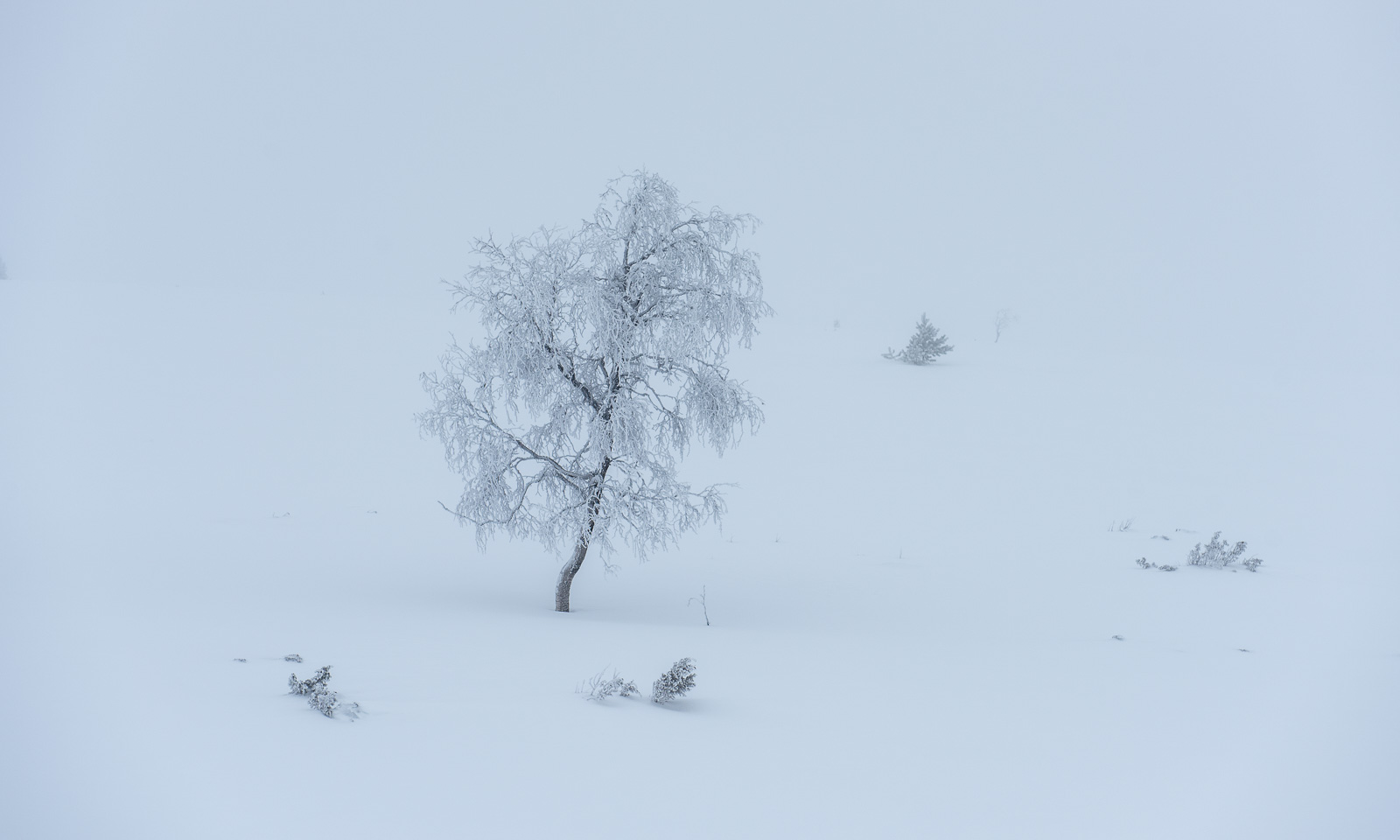
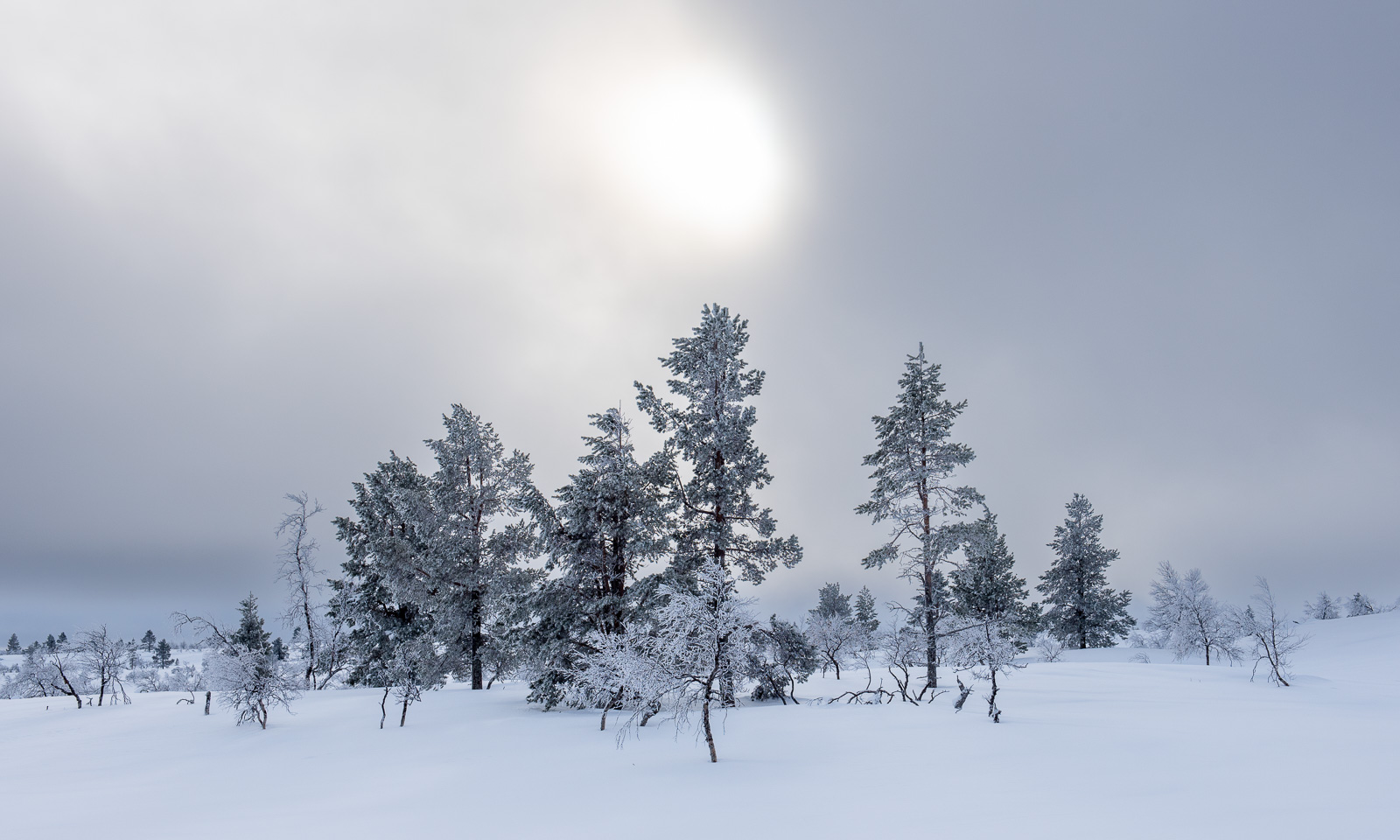
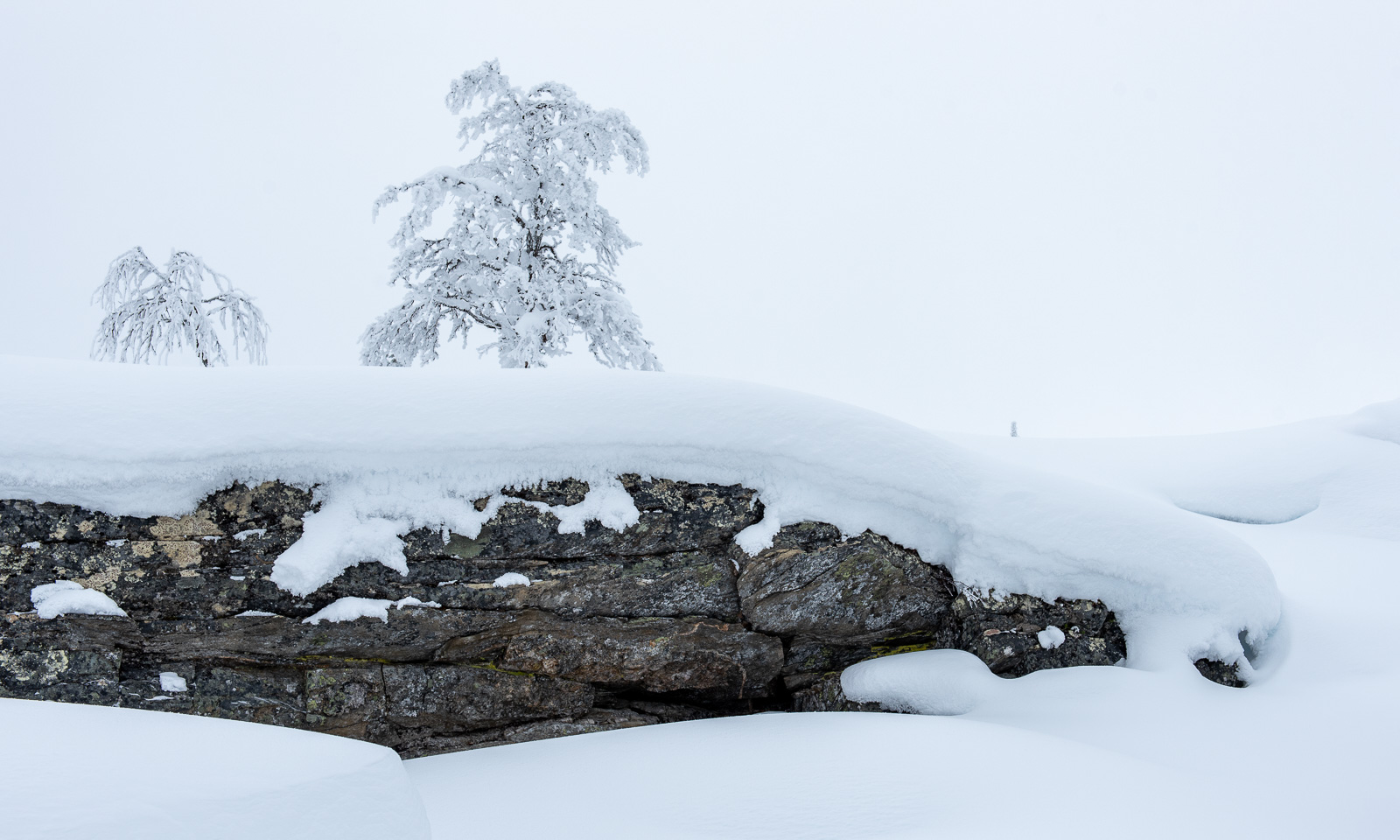
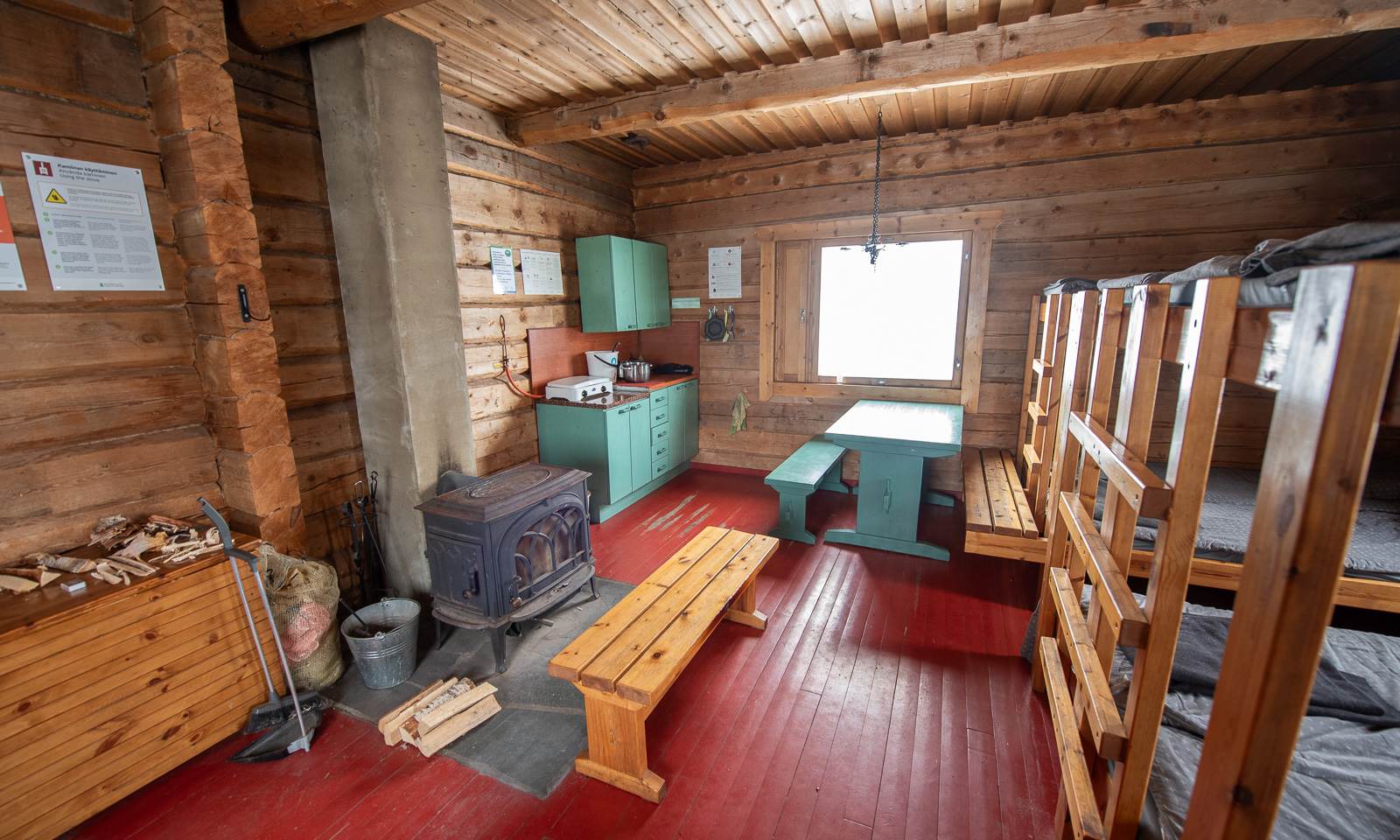
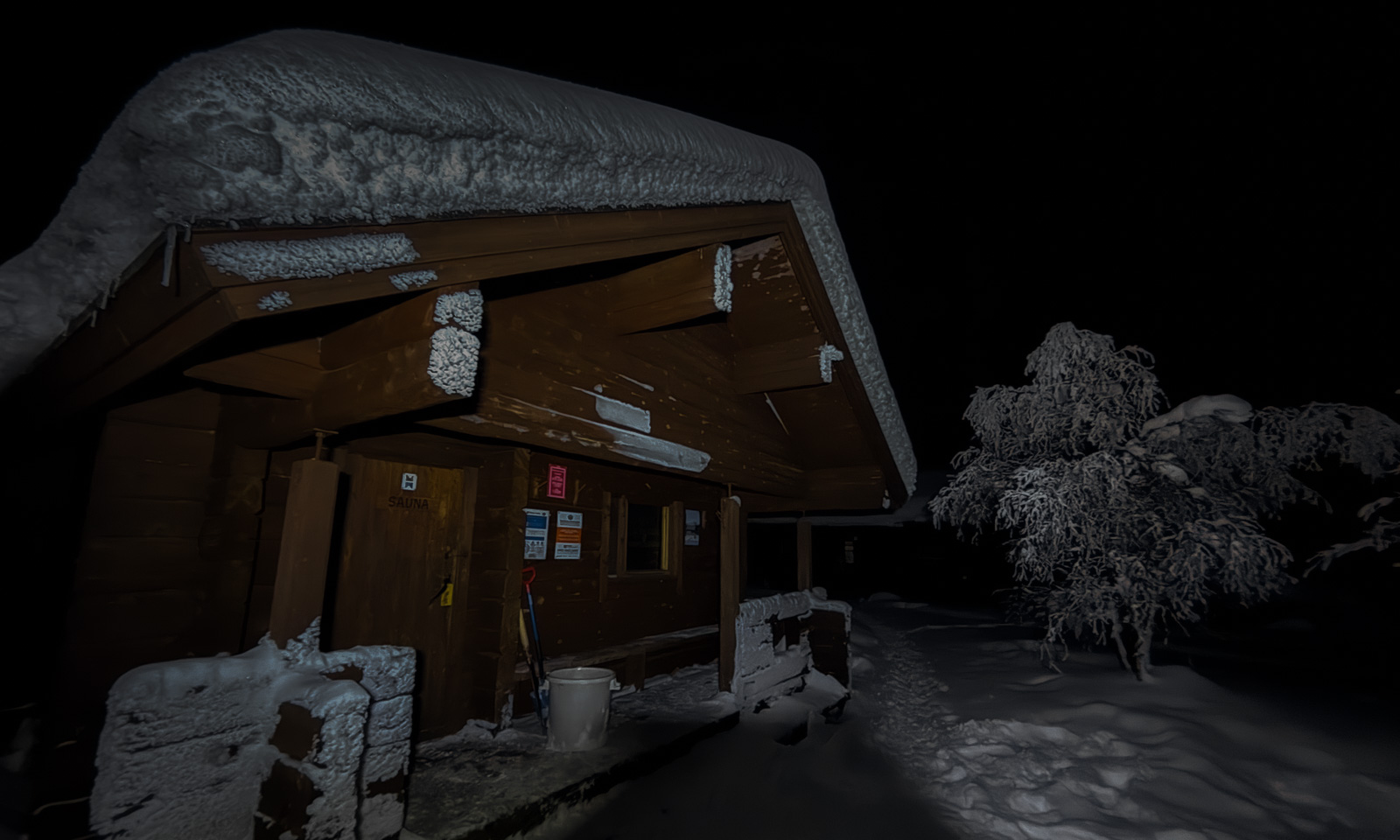
Crisp and clear winter

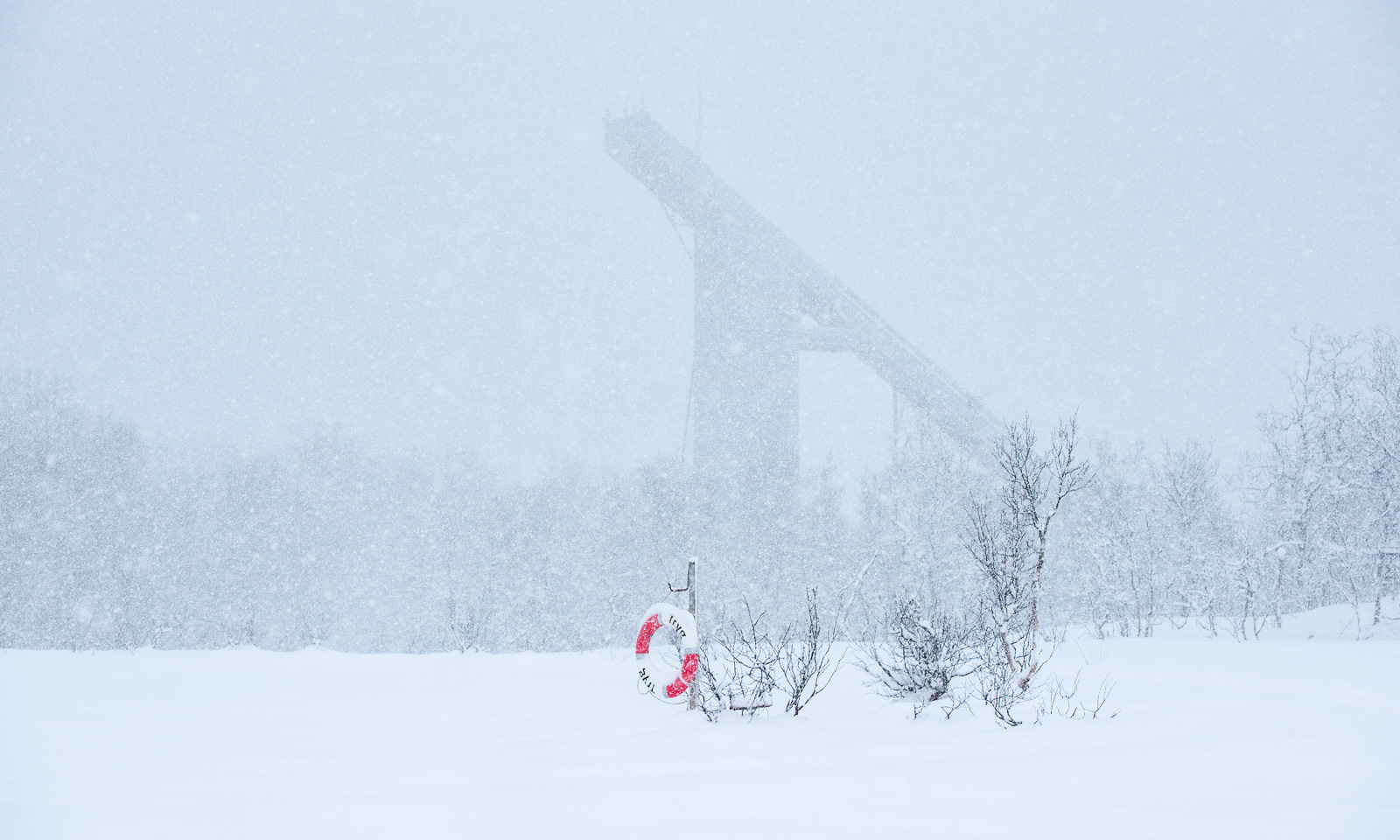
After ten centimetres of snowfall, the sky cleared during the night and temperatures dropped. I woke up at one o’clock simply to see the full moon with a halo and Jupiter nearby. I resisted the urge to go back to bed and went outside to take a photo. What a beautiful sight, especially in combination with the wintry coast.

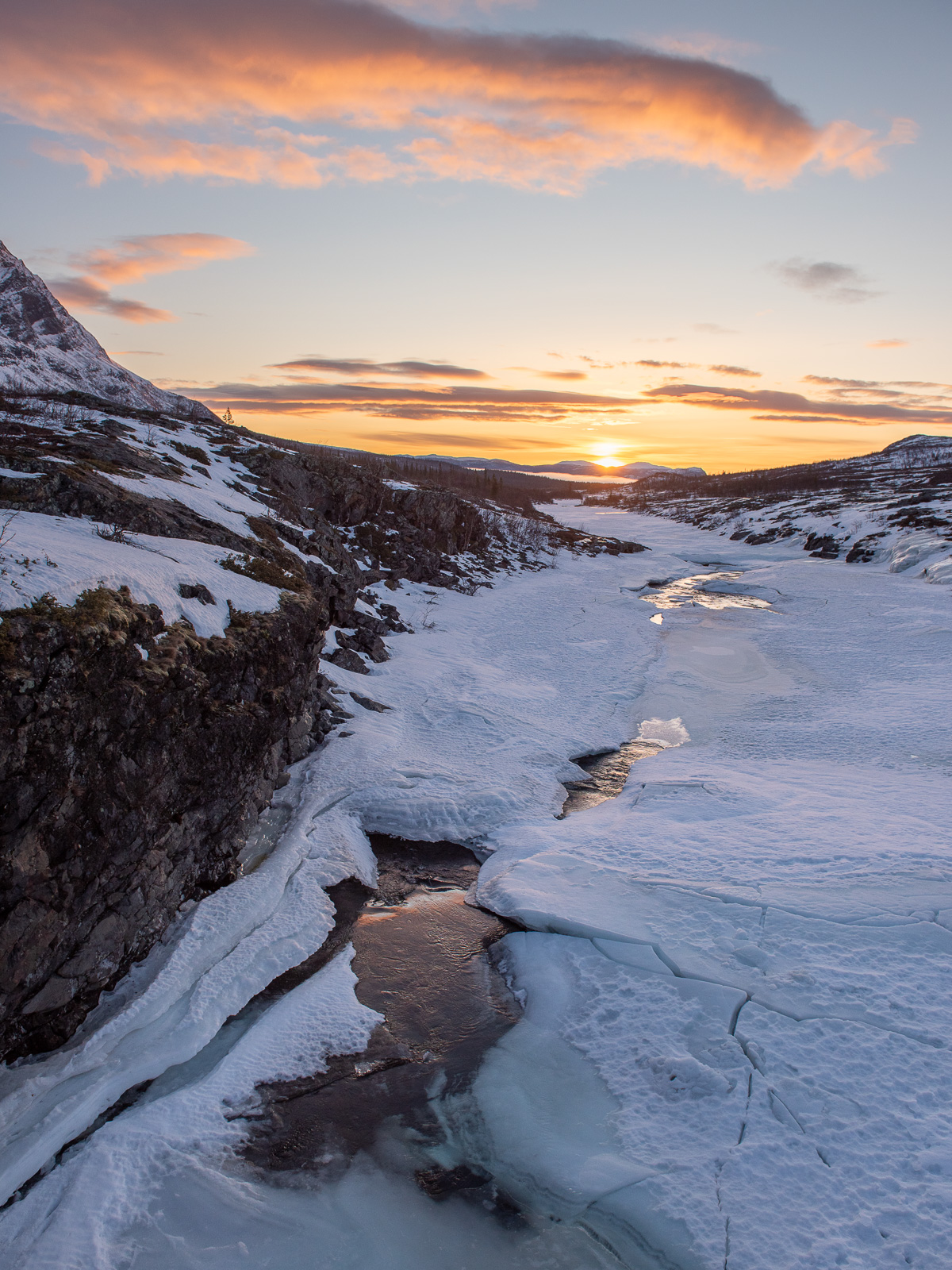
I also took some photos of the snow and the ice at the coast tonight. Nine hours later the sun managed to climb above the cloud layer that had gathered on the open sea. Time to take a photo of the same scene again.

I guess this is my favourite combination of winter weather: first snowfall and wind, then a clear sky and cold air. I took two other pictures from the same place. You can see the sunlit ice fog on the horizon, which forms when very cold air meets the open sea.

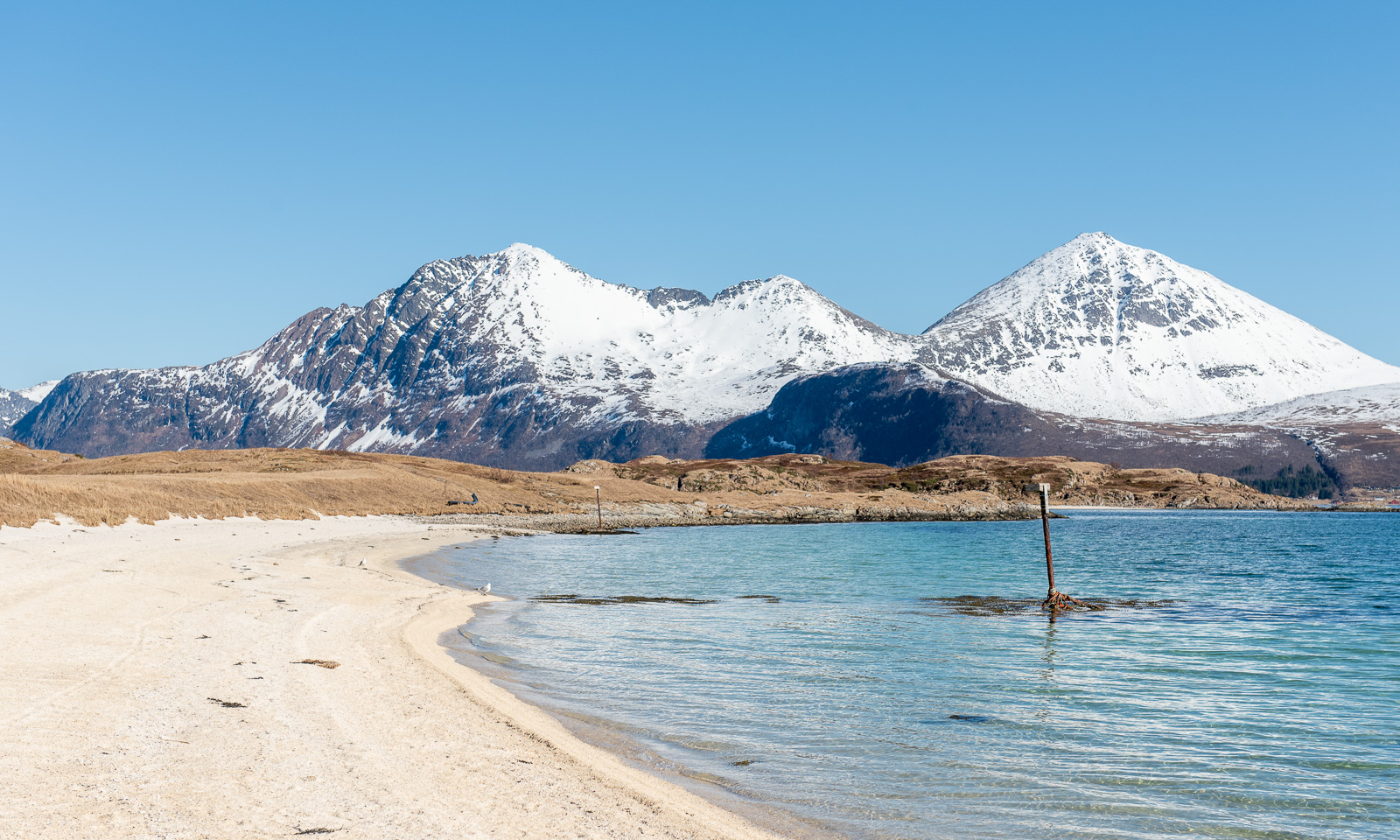
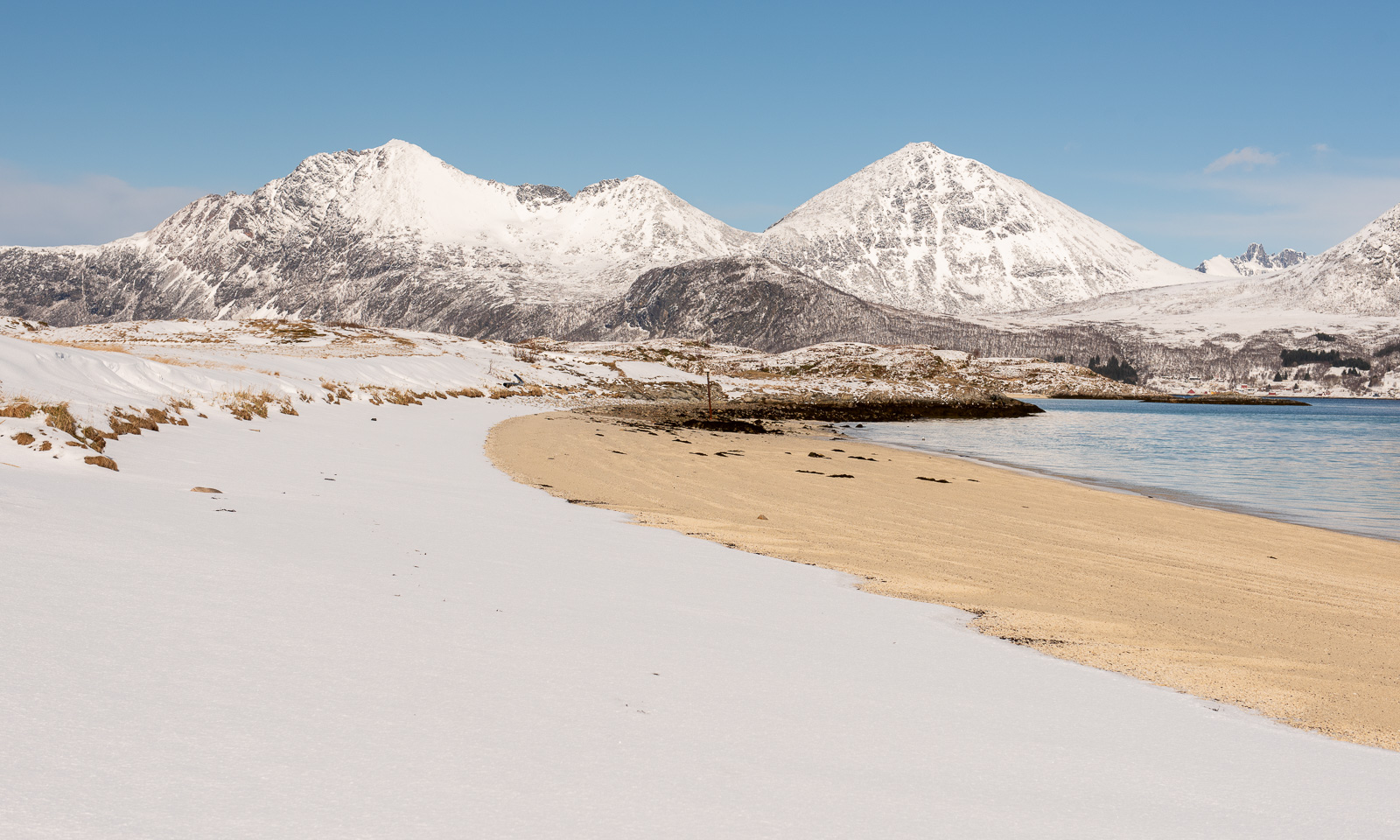
At noon my wife Annika and I took a promenade to the beach Vitskärsudden. The sea was still open, but a layer of ice had begun to form along the beach. The small harbour on the other side of the breakwater was covered with ice floes. When the sun is low ice and snow in the shadow often look blue, while in the sun they look orange.

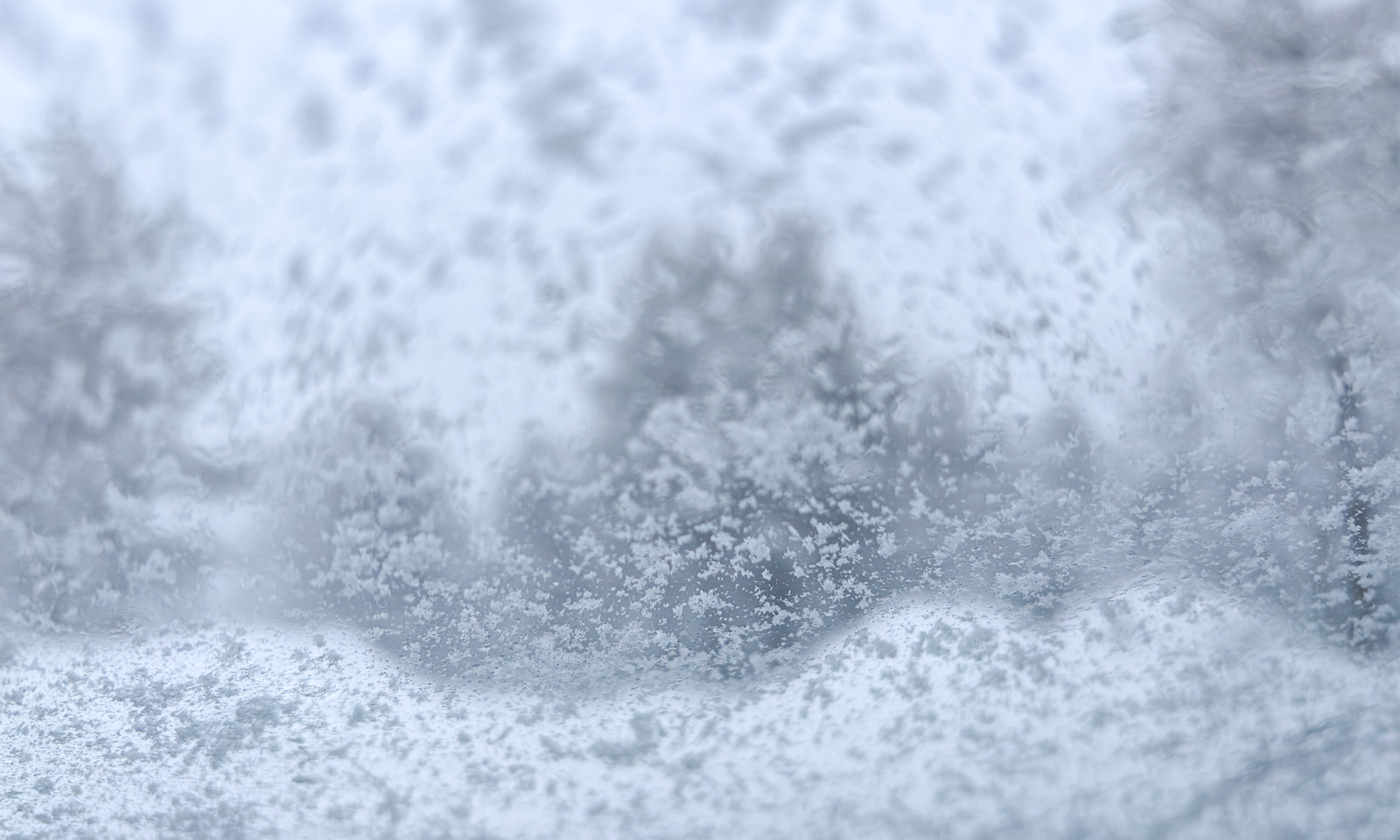
13:52 – fifteen minutes before sunset – the landscape became even more colourful. We were back at our house in Obbola and I took some photos through the windows of the winter garden that were covered with frost. The temperature had dropped to -16 °C.

Now it is 17:37 and I sit writing this blog article. The temperature is now -20.4 °C. When you are outside at minus twenty degrees and inhale through your nose it tickles, because your nose hairs freeze. If you think that is cold, in Gielas in the Swedish mountains -40.7 °C were measured at 10 o’clock.

Tomorrow I will travel back to Tromsø. Then it will be a while before I see the sun again, as the polar night lasts until 15 January. It will also be less cold, but more snowy. At the moment there are 67 cm of snow there. And the great thing: winter has just begun!


My first winter paddling 2026

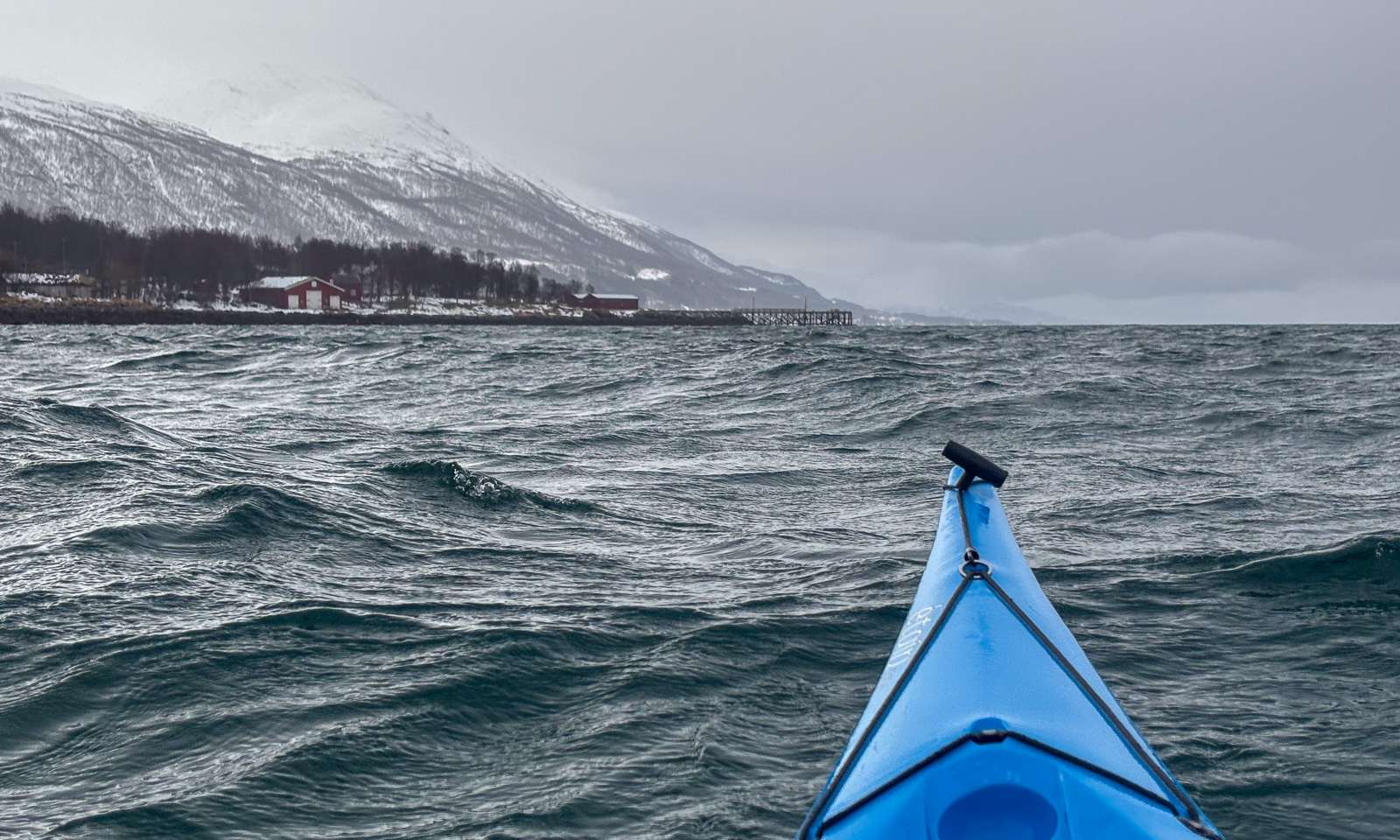
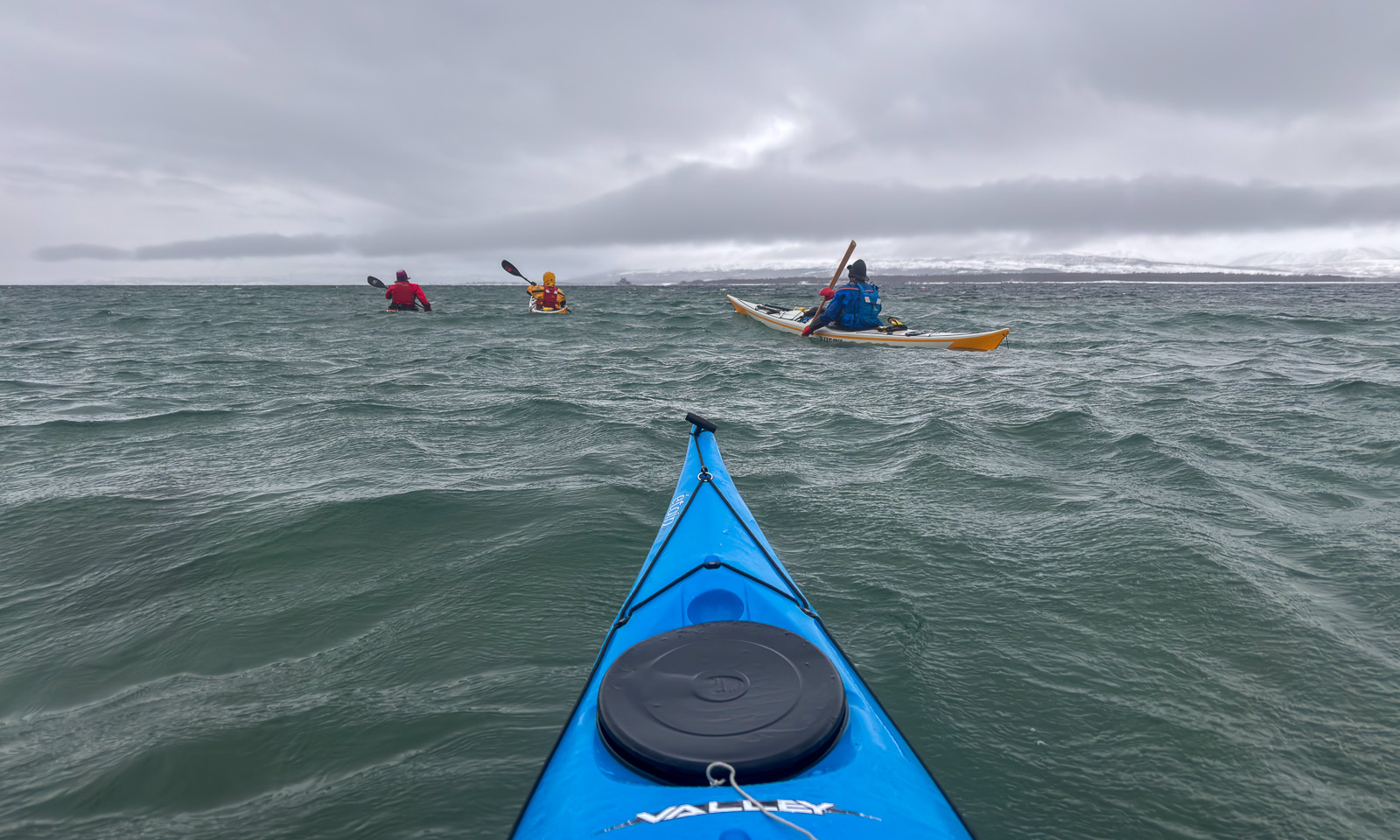
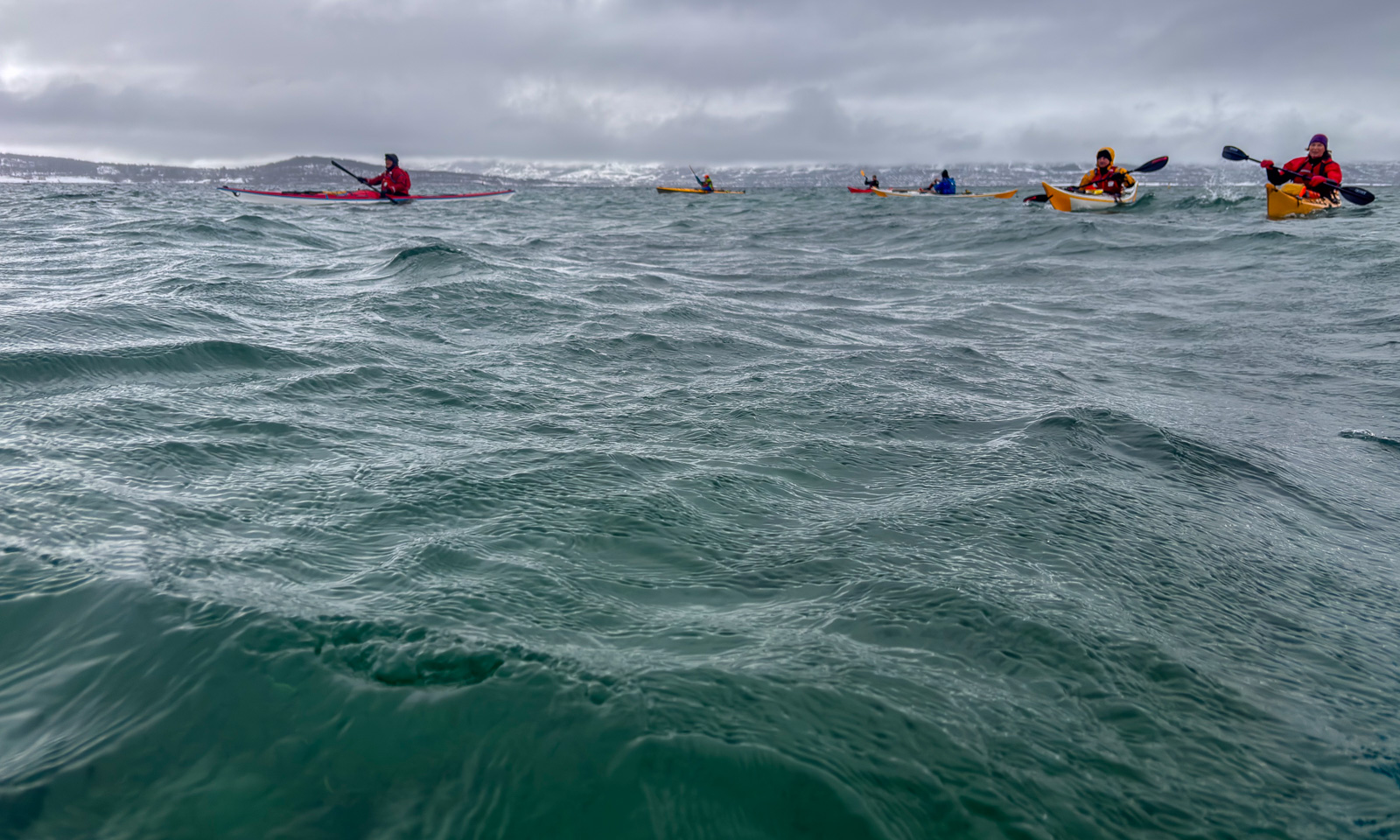
It may not look like the ideal conditions for kayaking: -10 °C, snowfall and winds of 7–10 m/s, according to SMHI. Anyway, I wanted to open this year’s kayak season today, though not for a long trip.

It all start with dressing properly: stay warm, stay dry. Then I dragged my kayak to the small bay. I was lucky, the ice was thick enough to cross, so I was in the water within minutes.

I followed the coastline southwards. I would have loved to come closer to the photo scenes, but there are a lot of underwater rocks there and the waves were breaking on the shore. So I had to keep my distance.

Paddling became much easier with every metre away from shore. Most rocks were covered with ice, a result of the cold, windy weather over the past few days. The sea was open but some long bands of wet ice floes were drifting on the open Baltic Sea.

I turned right and headed to Vitskärsudden, our nearest sandy beach.

I turned my kayak and paddled the same way back. First to the south, then south-east, and finally east

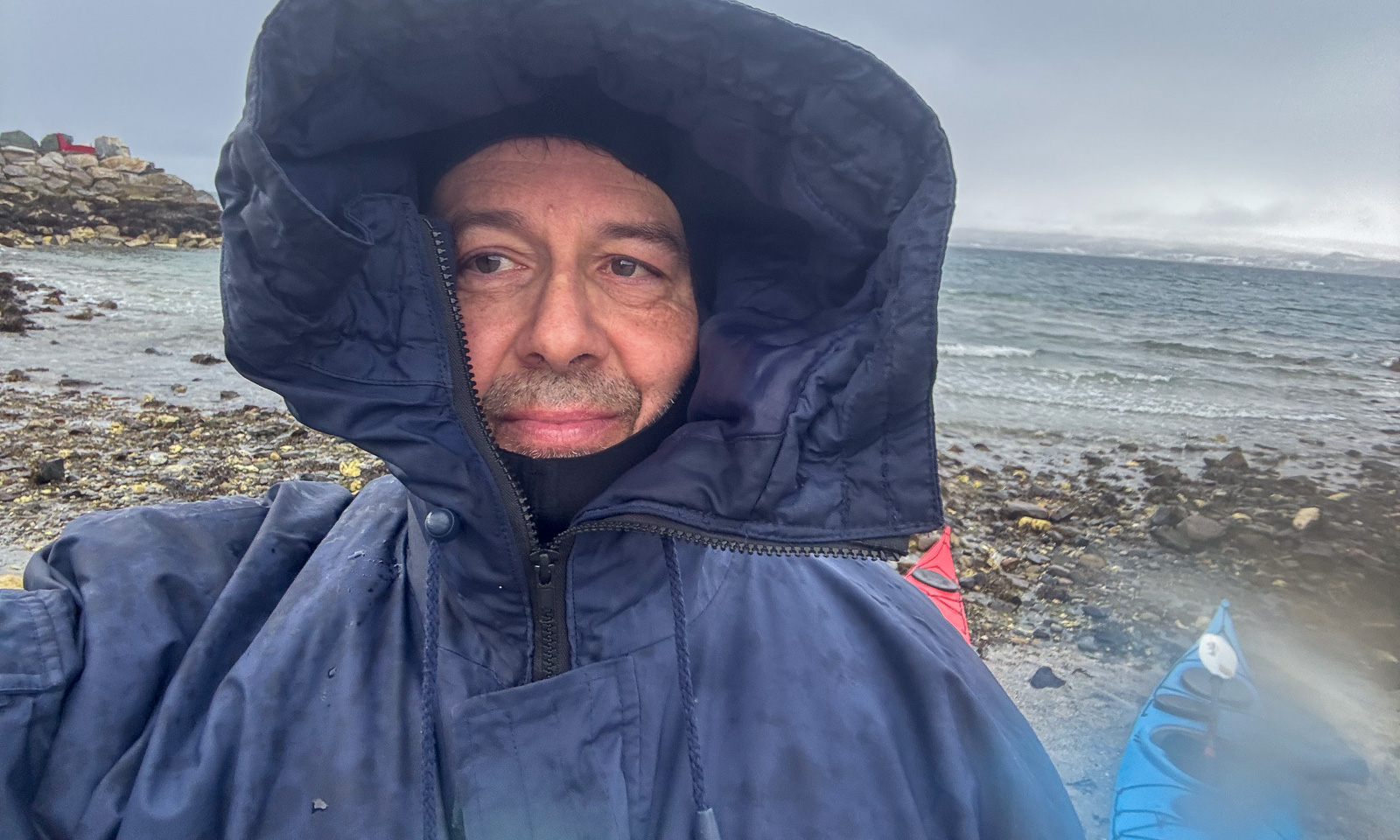
And then home again, which lies to the north-northeast – that’s where the cold wind and snow come from. I can feel the cold air behind my face mask. Time to put on the ski goggles. (Nice side effect of being bundled up like this: you do not have to smile on your selfies ;-) )

I tried to take some more photos but was blown back by winds with around 1 m/s. Time to reach the ice edge – from there it’s less than 100 metres home.

The 3.8 km took me an hour. Partly because of the wind, partly because my neoprene survival suit is pretty stiff but mostly because of the photos I took. Even though my iPhone, in its waterproof case, hangs around my neck, it always takes time to put off the warm mittens and put the paddle aside.

Despite the forecast, it has been snowing all day and the kayak lying on the terrace is covered with snow. The survival suit is still drying in the shower. Sleeves and legs were encrusted with ice when I hung it up.


Low water level in Obbola

On the evening of 23 December, it got colder and frost patterns formed on the windows of the unheated winter garden.

It takes some effort to cross the new layer of ice in the bay when my wife Annika and I go kayaking on the morning of Christmas Eve, but we manage and most of the sea is free of ice.

Two days later – on 26 December – the situation has changed. It has become much warmer – up to +7 °C – and the ice is gone.

Yesterday – on 29 December – the water is gone as well, maybe caused by the storm Johannes that crossed Sweden two days before.

Today I have a day off and used the sunny weather to take a long stroll by the coast. The water level is even lower at –66 cm, so I walk part of my route in the Baltic Sea. Air temperature is around -8 °C and so you can see ice on the sea and on land, as well as huge fields of boulders that normally are underwater. Some photos from this morning:

Larger parts of the shallow bay Nagelhamnsviken by the camping ground Fläse have completely fallen dry. That looks pretty strange, when you know how it normally looks like.

The only thing we do not have at all in Obbola is any snow, but it seems to be a matter of days before it snows. And Tromsø – I’ll travel there at the end of the week – has 60 cm of snow right now.

A winter sunrise

My “work home” in Tromsø is about 340 kilometres north of the Arctic Circle, and this winter the polar night lasts from 27 November to 15 January. It’s always something special to be south of the Arctic Circle at this time of year, where you can actually see the sun.

Today I walked down to the coast near our house in Obbola to watch the sunrise. Yes, people of Tromsø—the sun is still out there!

Sunrise winter paddling

Three days ago it thawed and stormy weather crushed all the sea ice. The day after, the temperature dropped below zero again. This morning the weather was clear and calm at -12 °C. Time for another morning kayak tour, just like four days ago.

At 7:50 I stood on the leftovers of the old ice that covered the small bay. In front of me – a fresh layer of new ice. How thick may it be? I have the feeling it will not hold my weight.

You see the photo above? The kayak is tilted sideways. That’s not because of the waves or because I’m edging, but because the kayak is lying on the ice. The ice is stable enough to bear us with me sitting in the kayak. I move forward by using ice safety picks that I drive into the ice in front of me and then pull the kayak and myself forward. It’s exhausting, but it works. I have done it many times before. The ice is approximately 3 cm thick.

But then the ice gets thinner and has exactly the thickness I loathe: between 1.5 cm and 2 cm. Then the kayak breaks through and is jammed in a narrow water channel, where it’s almost impossible to use your paddle – no open water reachable – or the ice picks – the ice will break when pulling. Luckily the water channels often tend to widen, so you can kayak back some metres, get some forward momentum using the paddle and break another two metres of ice. That takes a lot of time and extends the distance paddled by a factor of four or more.

But then – finally – I reach open water by the island Lillskär. It took me almost half an hour for less than 300 metres!

Anyhow I manage to reach the sunrise in time. Now the surface of the sea is multicoloured. The back of the waves are reflecting the orange horizon, the front of the waves the blue sky above.

Now I just paddle a short round, because it is a weekday and I have to work. Just some more photos with my mobile phone in its waterproof bag …

… before I return home. First it is easy, because the channel that I had broken through the ice is open and I can easily follow it. Then the ice gets thicker again. I’m tired and since the water is pretty shallow I exit the kayak and walk the kayak home. I learn that the ice does not bear me at all. So I break it with my knees or – when deeper – with my rear. I would not dare to do this with my kayaking drysuit, but today I wear my survival suit made of thick neoprene, which is very sturdy.

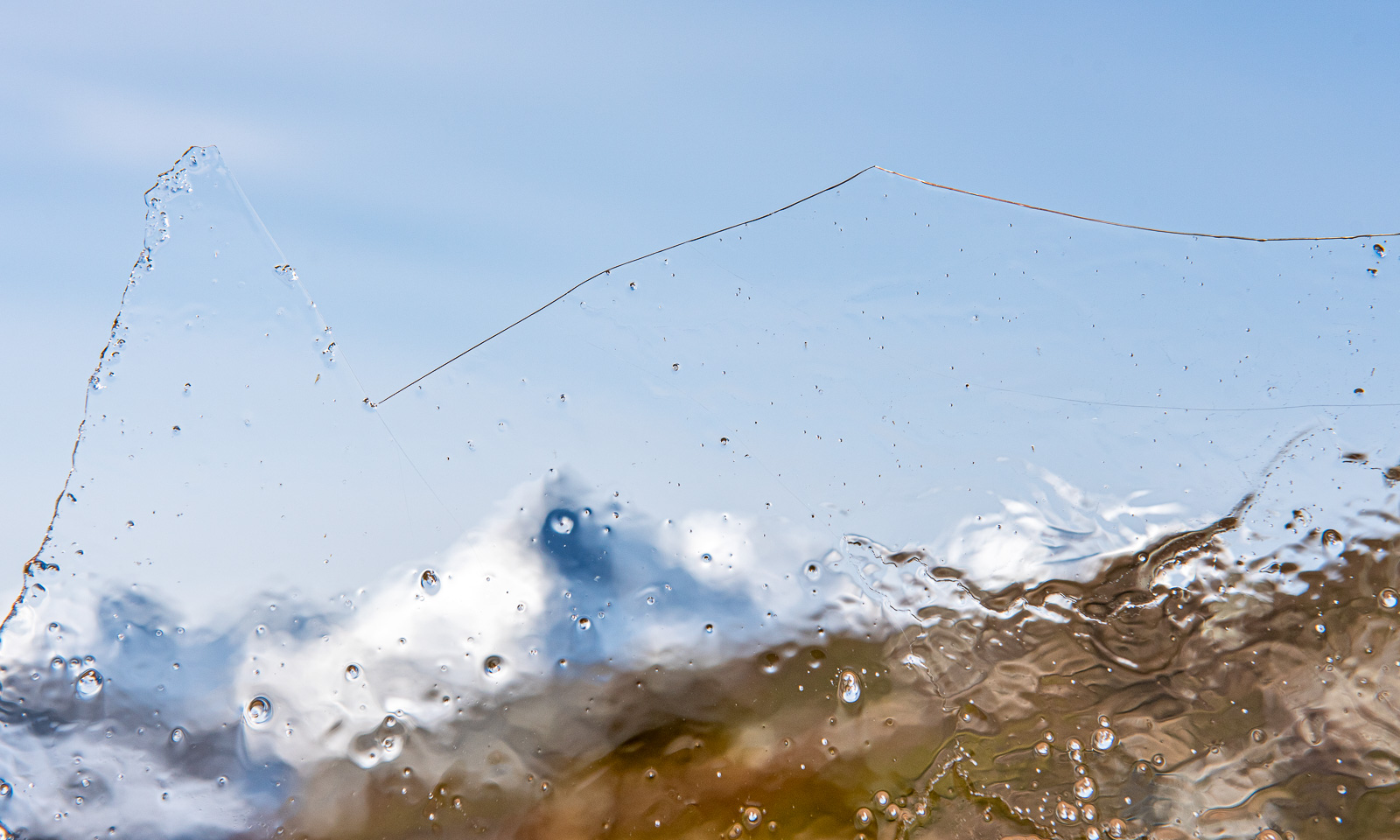
I reach the shallow part of the bay where I manage to grab a large piece of ice and put it upright. Time to play a bit with the translucent motif in front of the sun.

It is two o’clock in the afternoon when I decide to take another break from my desk to watch the sunset. To make a long story short – I got it. No kayaks involved this time.
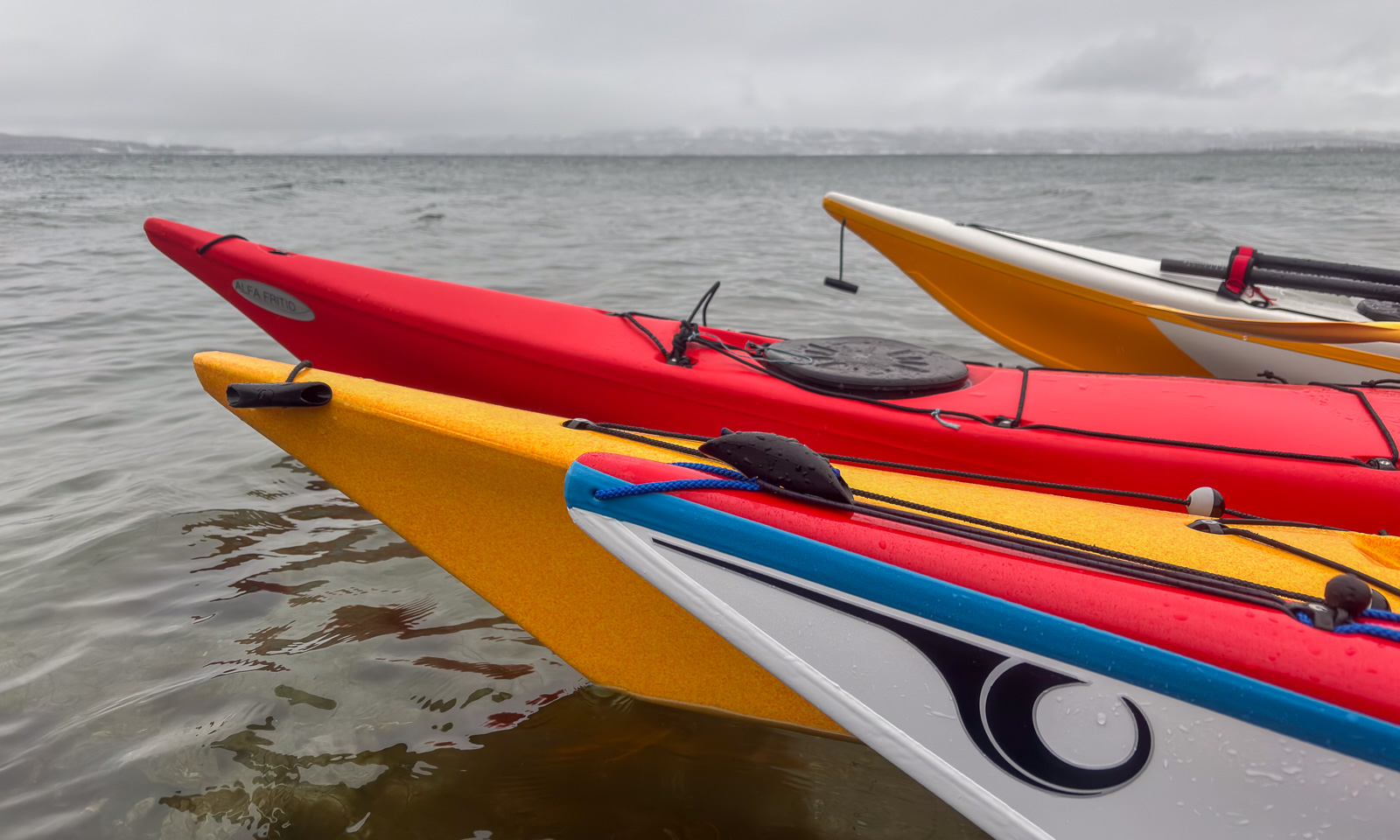
Season’s first winter paddling in Northern Sweden

While there is a lot of snow in Tromsø, is is only round 2 cm here in Obbola in Northern Sweden. Here it is the coldness that defines the winter. Today I took my kayak and made a small tour on the Baltic Sea which is just outside the garden. With temperatures round -13 °C and a light wind it was pretty chilly. The small bay is frozen and you can walk on it and on the open sea thin layers of ice are building where the sea is calm. Here are some photos from today’s kayak tour.

Now the kayak is lying in the floor of the house. The kayak’s steering mechanism was frozen and is currently thawing.

Scotland NC500 – day 9 – water falls and Loch Ness

This article is part of the series “2025-10: Northern Scotland”.

October 21

Today is the last day of our holiday in Scotland that my wife Annika and I are spending together. We had a comfortable accommodation at An Spiris in Dundreggan. Now we are walking to the café for breakfast. On our way we pass this private house.
Back in the car we follow the road A887 which goes alongside the River Moriston. This river flows eastwards where it enters Loch Ness – Scotland’s most famous lake. Before we reach Loch Ness we stop at the Invermoriston Falls. While these are more a series of rapids than a huge single waterfall, the short walk in the old beech forest is extremely beautiful, especially now in autumn. You can also see how beautiful these stone arch bridges are when viewed from the side. You never notice that when driving over them. Nor do you notice small gems like the stone shelter at the ridge of the ravine that the river has carved into the rocks over time.

Inside the shelter it is quite dark. On the dark stone table lies an arrangement of lichen, a stone, two thin sticks – one with a cone – a feather and three leaves. I really would love to know the story behind this artistic still life. Was it a playing child with artistic talent? Leftovers of a pagan rite? A photographer creating a new subject? I’ll never know.

As most places on our journey this place is new to me and so is the next one: Loch Ness and the Loch Ness Centre in Drumnadrochit. This is of course a tourist hot spot. We didn’t visit the centre, but stroll around and check the gift shops. And the surprisingly good Italian ice-cream. I like the submarine called Viperfish that was built as a private project in 1969 to search for the monster. I guess you needed a shoehorn to get into this tiny vehicle.

And then of course there is Nessie, the Loch Ness monster and you see it everywhere. Not necessarily as a living creature but as a sculpture and on countless souvenirs. Even Scotland’s famous soft drink, Irn Bru has a Nessie edition.

Some other stops follow. Some stops enforced by roadworks with single-lane traffic and some freely chosen, such as the Corrimony Chambered Cairn – a 4000 year old passage grave, or the village Cannich that has a café in an old, turquoise double-decker bus and an outdoor collection of teapots.

The reason we pass Cannich is that we want to visit Plodda Falls, our last stop on our road trip that was originally planned to follow the NC500 coastal route but became much more zigzagged – and hence much more interesting.

As many other waterfalls the Plodda Falls are a bit disappointing. It’s a nice view, but come on – we have waterfalls in Norway too.

But then we continue the circular hiking trail. We hear water falling, we enter a platform and look down into a deep chasm. And right below us, the water thunders down! That’s the Plodda Falls!

The hiking trail goes downhill, we follow. Now we have a better view of the real Plodda Falls. Truly impressive! From the photo, you wouldn’t guess that they are 46 metres high!

It is not only the waterfall, the trail itself is impressive as well with its gigantic trees with enormous roots.

At half past four we are back in Inverness where we leave our rental car. Annika has driven 1290 km the last eight and a half days to all these special places across Northern Scotland. We re-pack our things and get a lift to the train station. The train leaves at 17:20 and we arrive back in Aberdeen around half past seven.

October 22

Time to fly home – farewell Scotland. I’ve been here three times and I’m pretty sure we’ll come back.

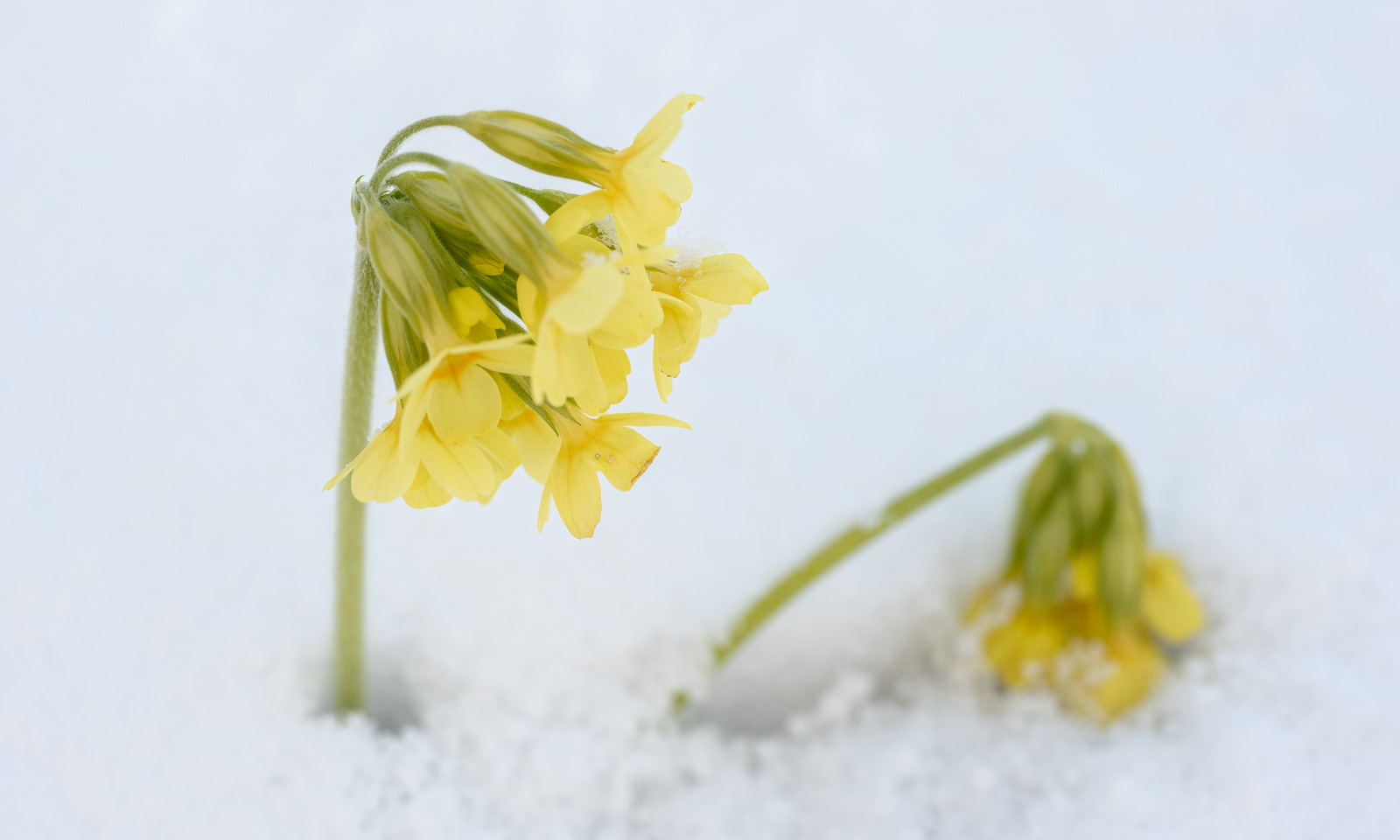
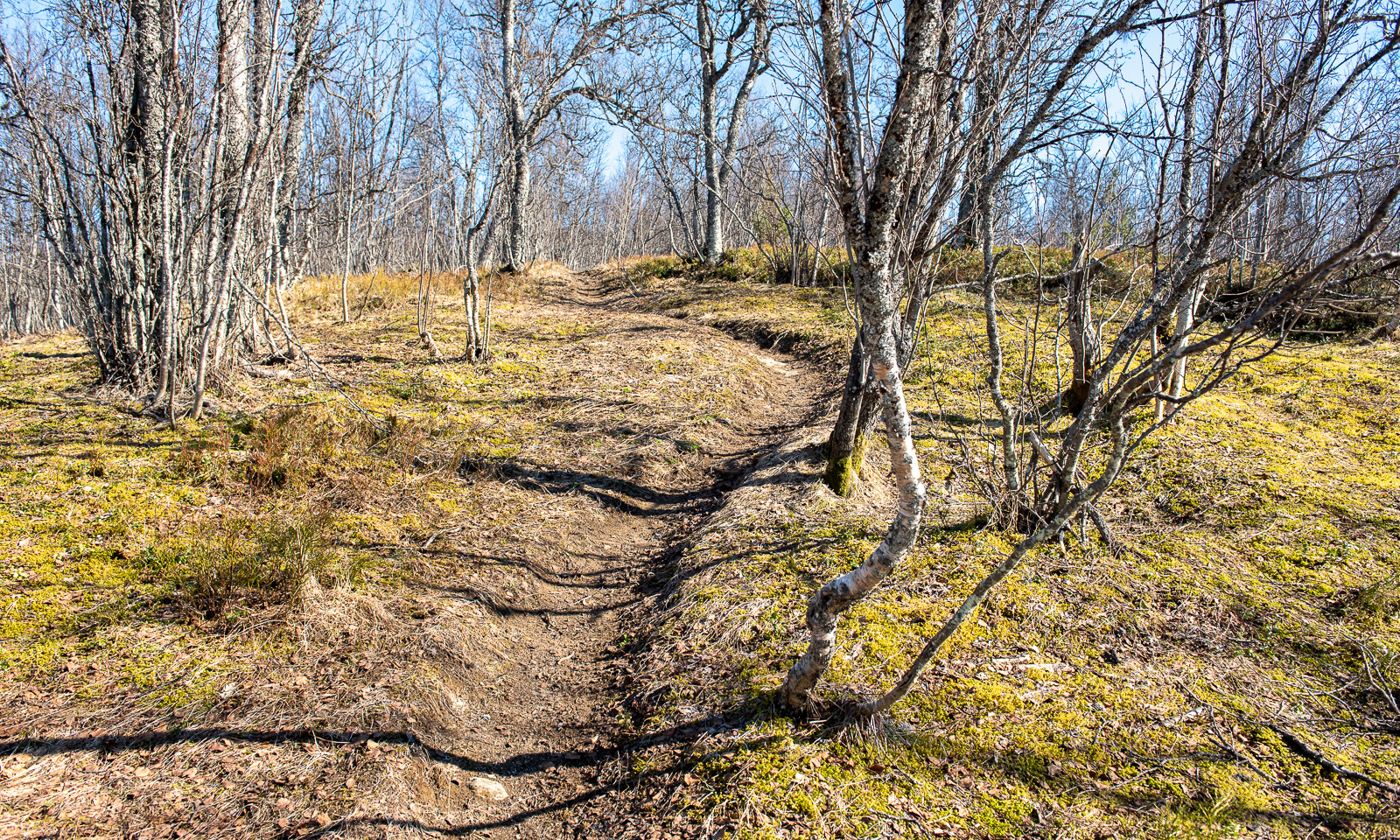
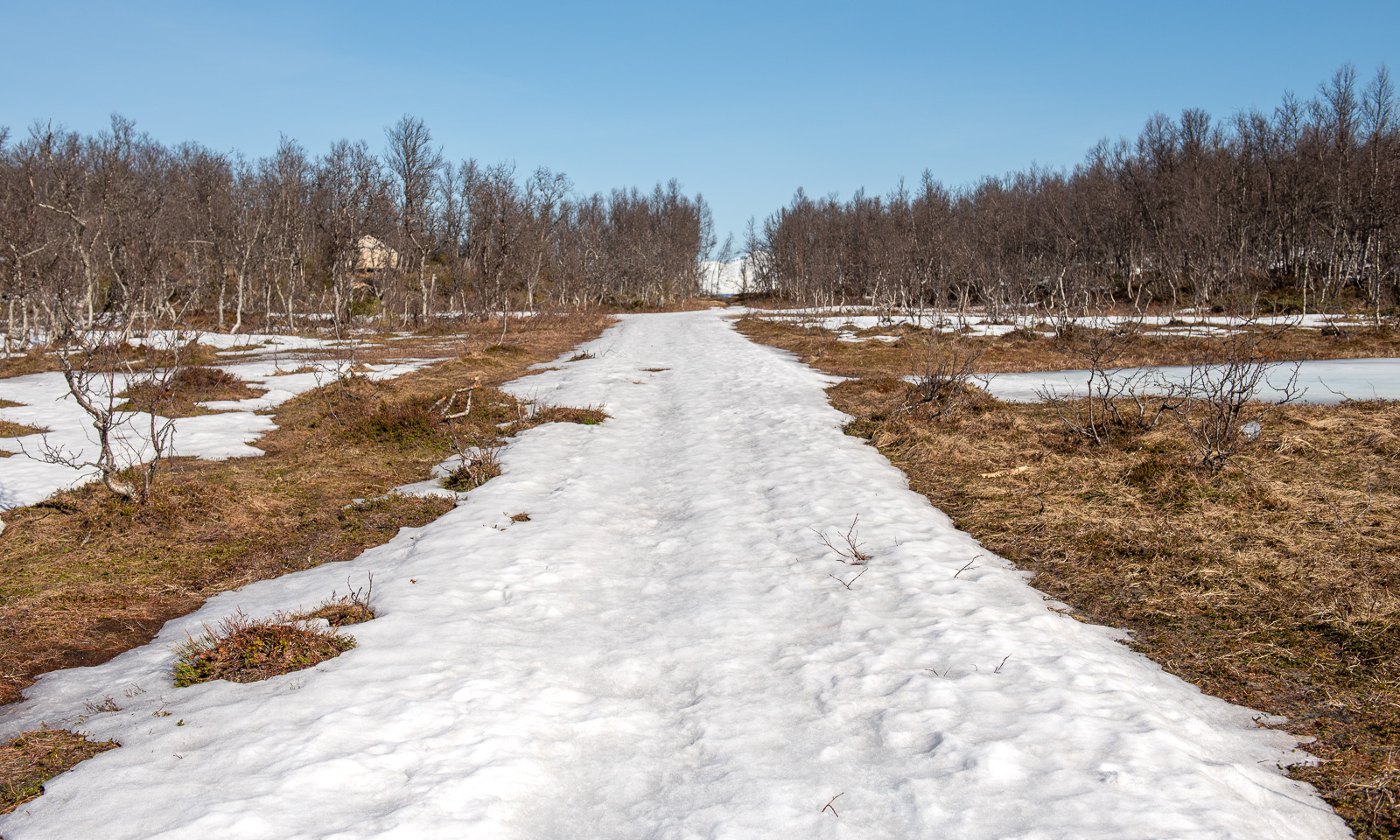
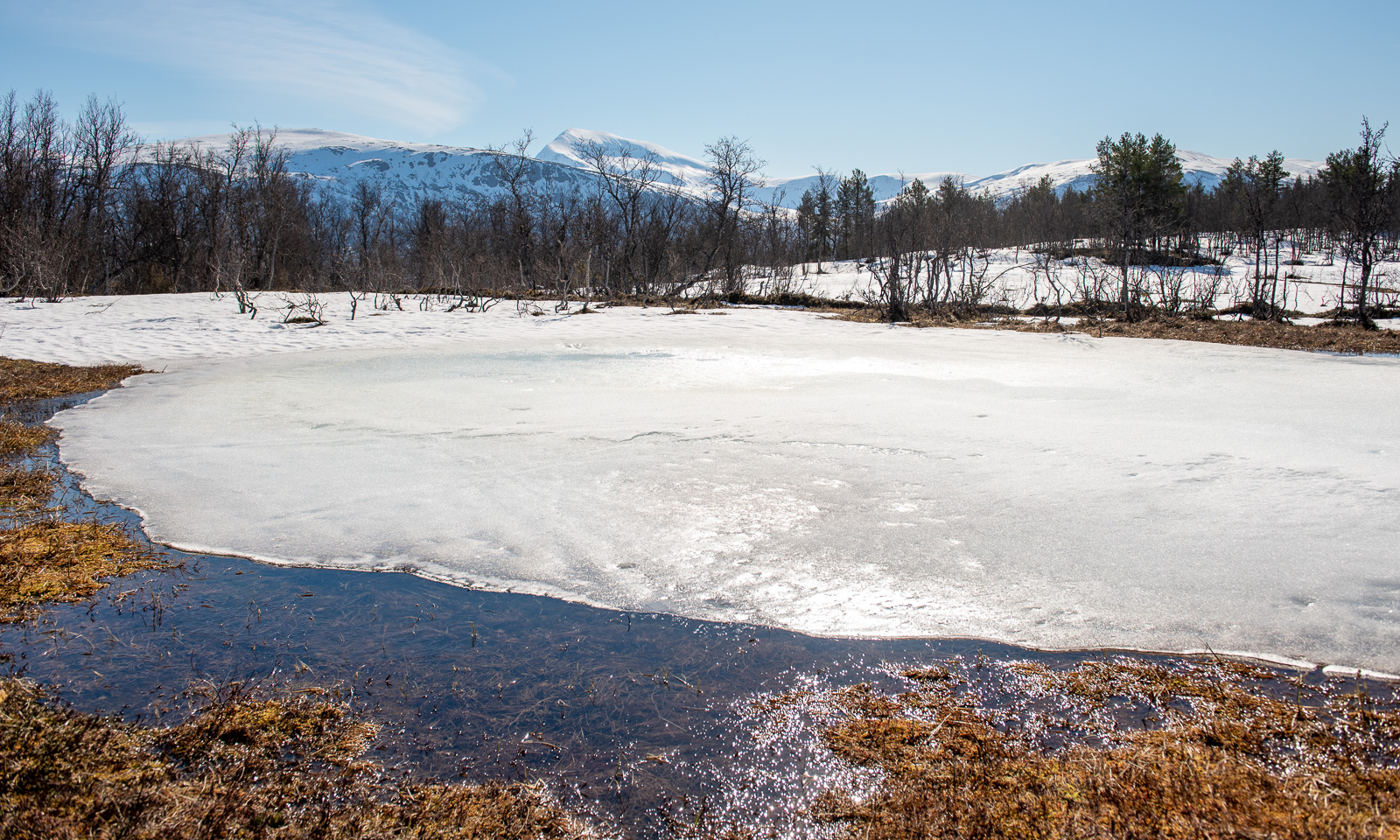
November snowfall in Tromsø

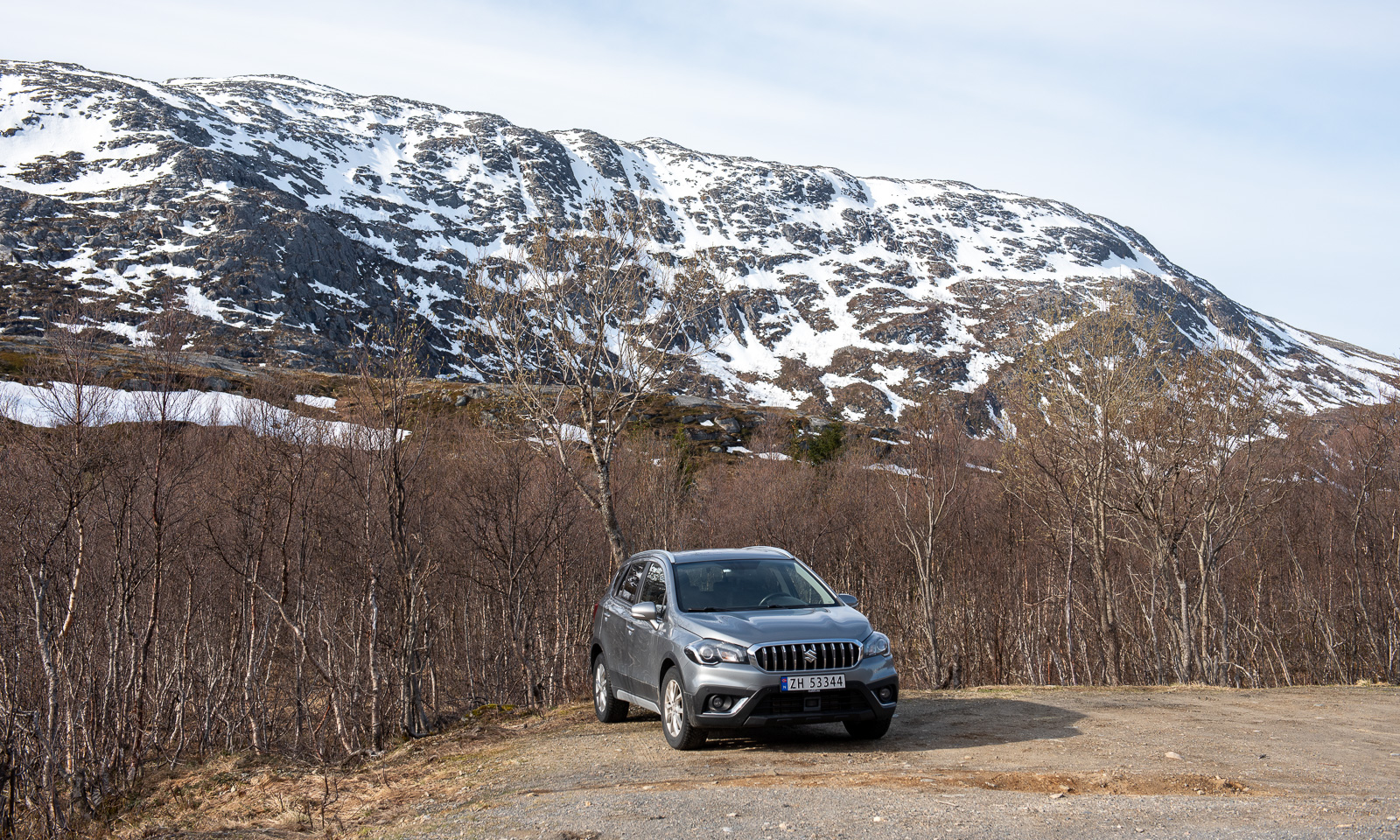
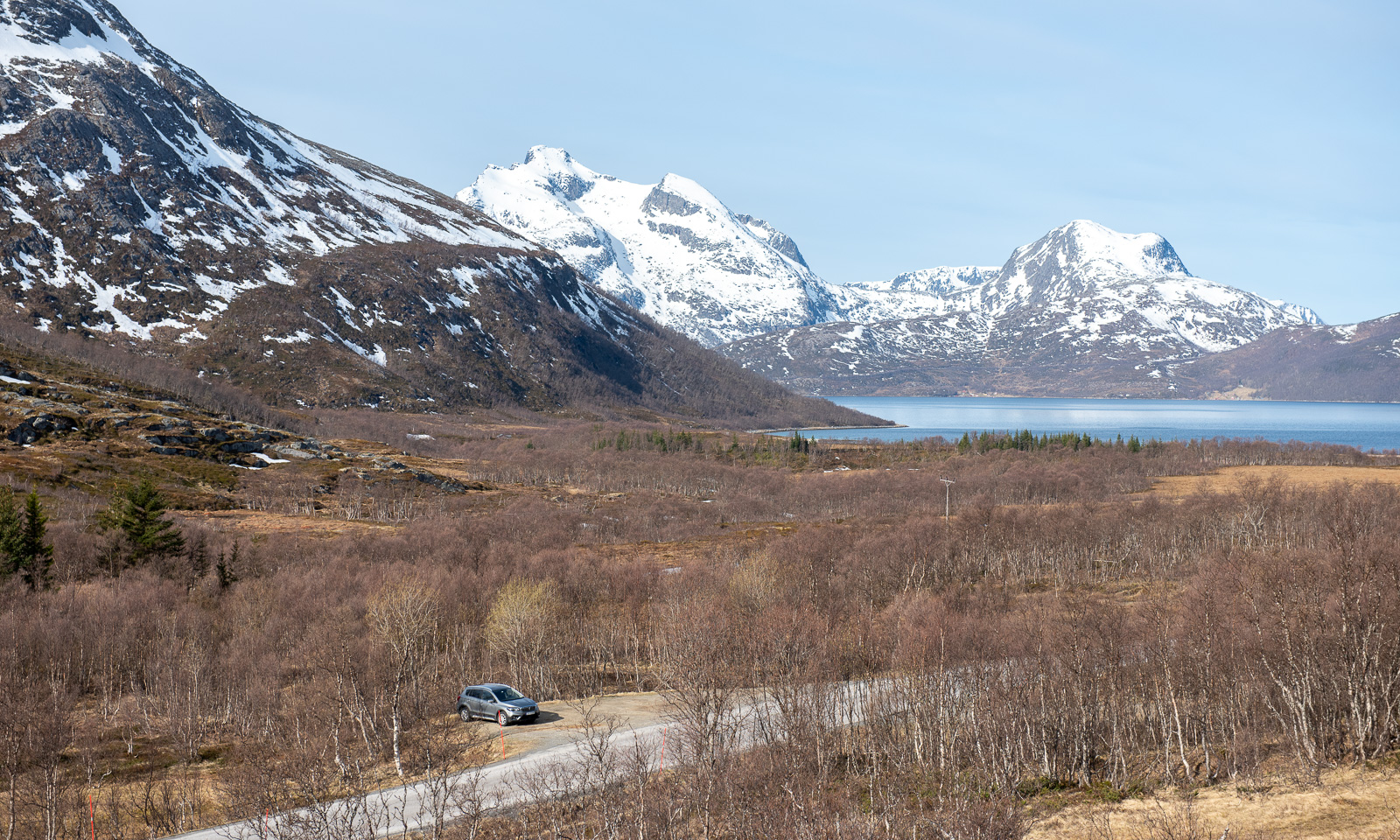
When I came back from Scotland about three weeks ago snow had fallen in Tromsø. But temperatures went up again and more or less all the snow melted away, at least on Tromsøya. These photos I took on my way home five days ago.

It started snowing in the weekend and so it looked like, when I waited for the bus yesterday morning:

During the day another twenty centimetres of snow fell down and at 0:00 we had 29.7 cm of snow at the weather station. I however think, we have even more snow, where I live. Weather can be quite local in Tromsø.

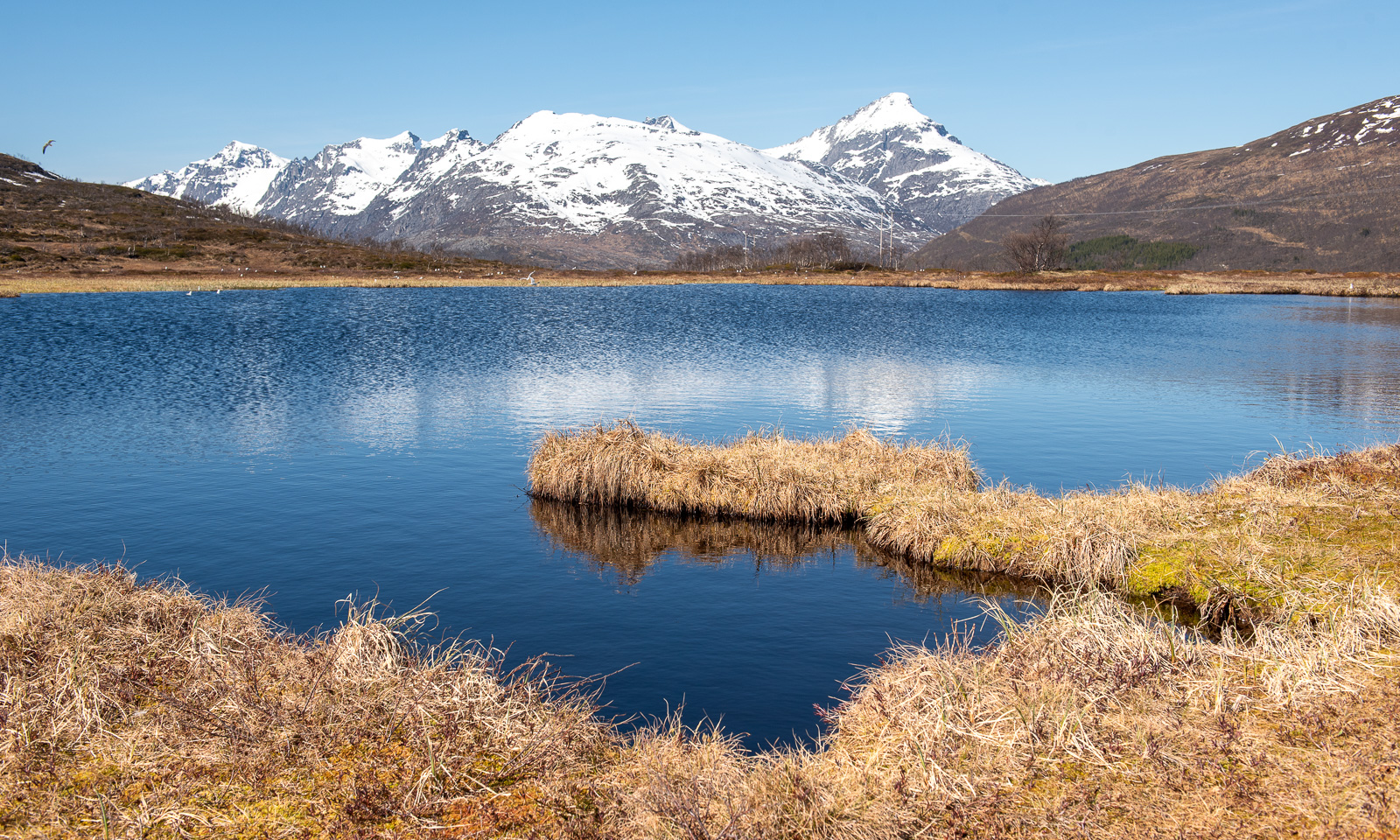
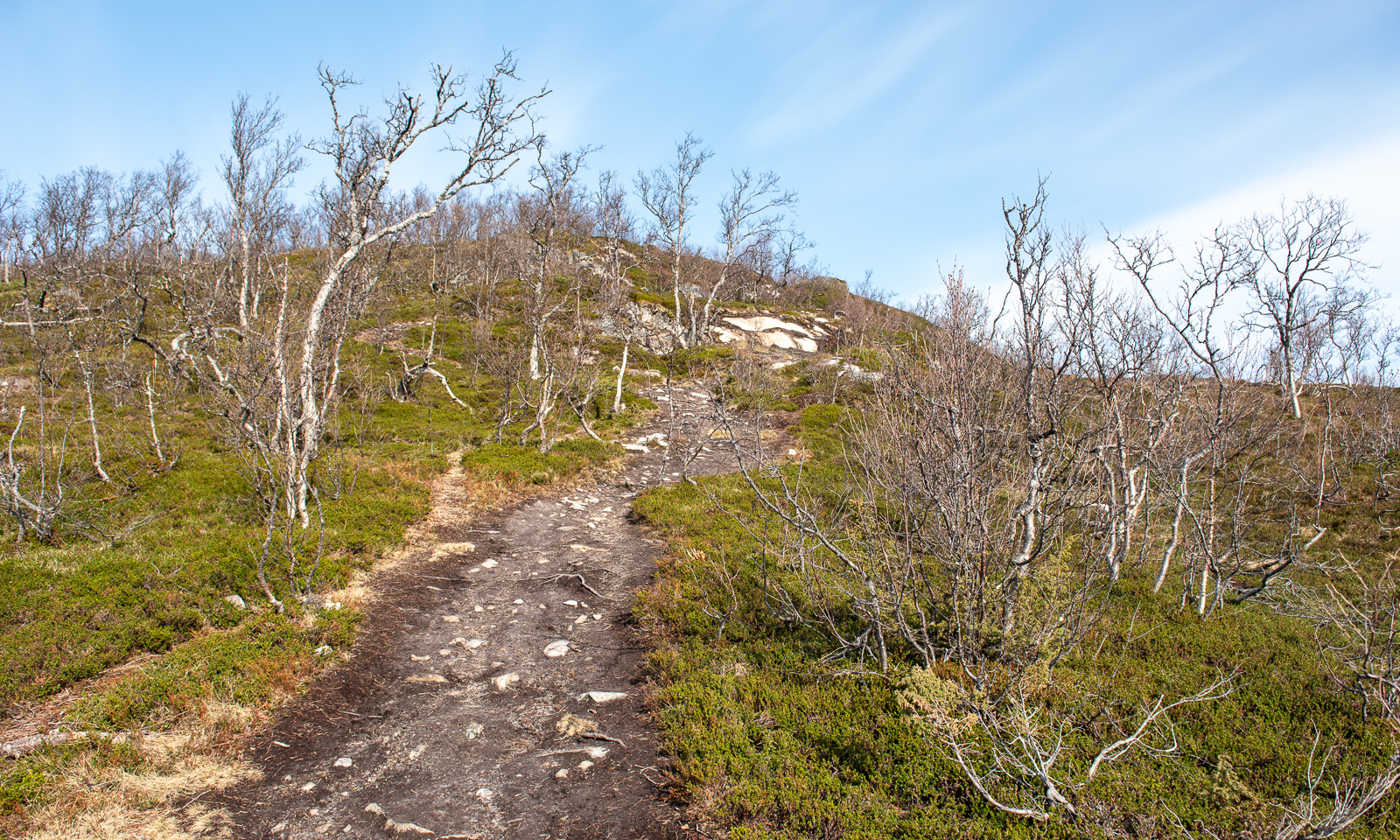
This morning it had cleared up and temperatures were round -2 °C, when I went out for a walk. It takes only a couple of minutes, and you are in the nature of Tromsøya with its forests, bogs, lakes, and hiking paths.  This way will soon become a ski trail, if the weather stays wintery.


Scotland NC500 – day 5 – fog, castle, mountains and forests

This article is part of the series “2025-10: Northern Scotland”.

October 17

My wife Annika and I have left Lairg where we stayed overnight and head west on the A837 through hilly farmland. Some places are covered with patches of dense fog which give even the more common views a magical touch.

We cross the River Oykel. North of the A837 another bridge spans the small river. These stone arch bridges are quite common, but here we can park so that we can take photos. We even get a bit of sun.

Half an hour later we arrive at the Knockan Crag National Nature Reserve. We park the car and have a view of the lake Lochan An Ais and the mountains behind. At least on those parts, that are not covered by fog.

Anyway, we hike the Crag Top Trail, a circular route. It starts drizzling as we follow the path and learn about the geological history of Scotland. Have a look at the seven photos of the stones.

While we continue our hike clouds approach and most of the view vanishes into a white void. But not for long, then lake and mountains are visible again.

Our next accommodation is in Badrallach in the south. However, we have time and first take the road north to Loch Assynt where Ardvreck Castle is located. We already visited this place three years ago.

As we hoped, the weather forecast was correct and it cleared up more and more. The silhouette of the castle ruins looks as impressive as last time, but now the water level is much lower and you can reach the peninsula with dry feet without wearing high rubber boots.

Not far from the castle there is a little waterfall, that is surrounded by birch trees. Now the leaves are bright yellow – one of the reasons why Annika and I love to visit Scotland in autumn.

Back in the car we follow the same roads that we already used three years ago. The same A837 to Lochinver by the sea where we take a light lunch in the very same guesthouse we stayed overnight three years ago. The same ridiculously small and bent single track road, that leads us further south to Badnagyle. Perhaps this is my favourite Scottish road (as long as Annika is driving and not me).

We turn left and reach the highlands again. We pass many mountains, amongst others Stac Pollaidh, that we climbed last time.

And we finally find a parking place where I can take a photo of a gorse bush, that is still in bloom.

Last time we spent a lot of time in Ullapool, now we do not even stop. (Or did we? I don’t remember.) We have to drive around the Loch Broom, a sea loch that cuts deeply into the land. But finally we can leave the main route and take the small road to Badrallach where we will spend the next night. Left and right there are some of the most beautiful trees I have seen for a long time, but again this road is single-track and it is not possible to stop without blocking it completely. Only once we can leave the car to admire the beech forest and to have a curious look at the two fenced in tombstones.

Then Annika and I arrive at our tonight’s accommodation where we get an extraordinarily beautiful room with a Scandinavian wood-burning stove and a large double bed. We take an evening walk to the end of the road and back again. Then we’re winding down the day in our room.

Scotland NC500 – day 4 – the highlands, a beach, a cave and back to the highlands

This article is part of the series “2025-10: Northern Scotland”.

16 October

My wife Annika and I have just left the comfortable Altnaharra Hotel. As on the whole road trip Annika is driving while I am trying to guide as well as I can. We cross the River Mudale and turn left onto one of the many, many single track roads.

A single track road is a road so narrow that two cars cannot pass. Therefore there are passing places marked with signs at more or less regular intervals. As a driver you have to be constantly alert, especially when the road is bending or the terrain is hilly. And especially if you have a rental car without a rear-view camera ;-). For obvious reasons it is prohibited to park in any passing places.

Luckily there are spots where you can stop, so that I can take photos of the moorlands in the Scottish Highlands. I wonder whether they always have such intense red-brown colours. I’ve been in Scotland three times, but always in October.

We stop at a broch. I learned this word just a couple of days ago and I cite from Wikipedia to explain it:

In archaeology, a broch /brɒx/ is an Iron Age drystone hollow-walled structure found in Scotland. […]

This tower-like ruin is Dun Dornaigil Broch. It dates back at least 2,300 years. It is impressive that parts of it still stand.

Actually we chose this street to see Ben Hope, Scotland’s northernmost Munro (that’s the Scottish name for mountains higher than 3000 feet). But it is too cloudy and we can only guess where the top might be. Following the road however is an attraction itself. The views on the moorlands, the patches of grass in the middle on the road, the stubborn sheep that refuse to move, often it is the small experiences that form one’s memories.

But eventually even the most stubborn sheep step aside and the longest single track road comes to an end. We are on the A838, drive round the sea loch Loch Eriboll and park our car at the Ceannabeinne Beach. Time for a walk. And photos. But still I haven’t bathed in the sea even once, the weather is just not very inviting.

Our next stop is the car park of the Smoo Cave. We go down the stairs, cross the river that emerges from the cave on the wooden bridge and stand in the vast opening. Here there is another bridge leading into darkness.

Following this bridge leads to a jetty. At the end of the jetty, there is a ladder. Below, a dinghy is moored. But straight ahead a waterfall is visible, illuminated from above, where there is a hole in the cave ceiling.

To our delight, tours into the caves are still available and we add our names to the list. I run upstairs to the car to fetch my waterproof mobile phone case and down again. Soon after we enter the jetty again. We are eight “cave explorers” including us and a guide, all wearing helmets. We climb down the ladder, enter the boat and are rowed over the underground pond. More than once we have to duck, when the ceiling gets low. Then we exit the boat and continue exploring by foot. We reach a water-filled hole in the bottom and the guide shows a video of a diver going down there. Diving down small and deep holes, digging oneself through the narrowest cracks – the stories we are told about the still ongoing exploration of this cave are not for people with claustrophobia!

The guided tour is not long but I enjoyed it very much. If you want to participate, take cash with you. There is no internet in the cave.

Near the cave is Durness, the north-western tip of the scenic road NC500. Here we do not stay long. After buying provisions at the shop and filling up the car we continue a bit further west to Balnakeil. We visit the cemetery and then have lunch on the grass looking over the beach and the sea.

Then we head back to Durness and drive southwards. Annika has to drive us another 90 km to Lairg where we managed to find affordable accommodation – not an easy task off-season in Scotland. But the road leads to the highlands again and so the day ends as it began: with impressive views over the red-brown moorlands and a grey sky.