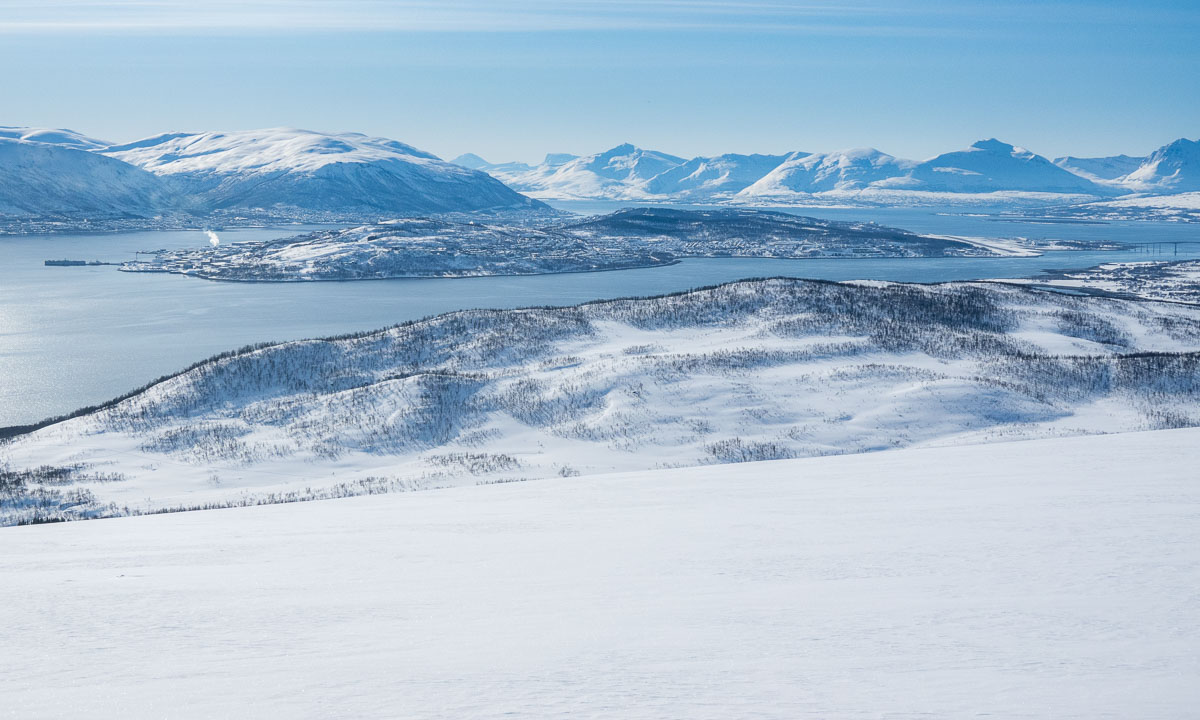
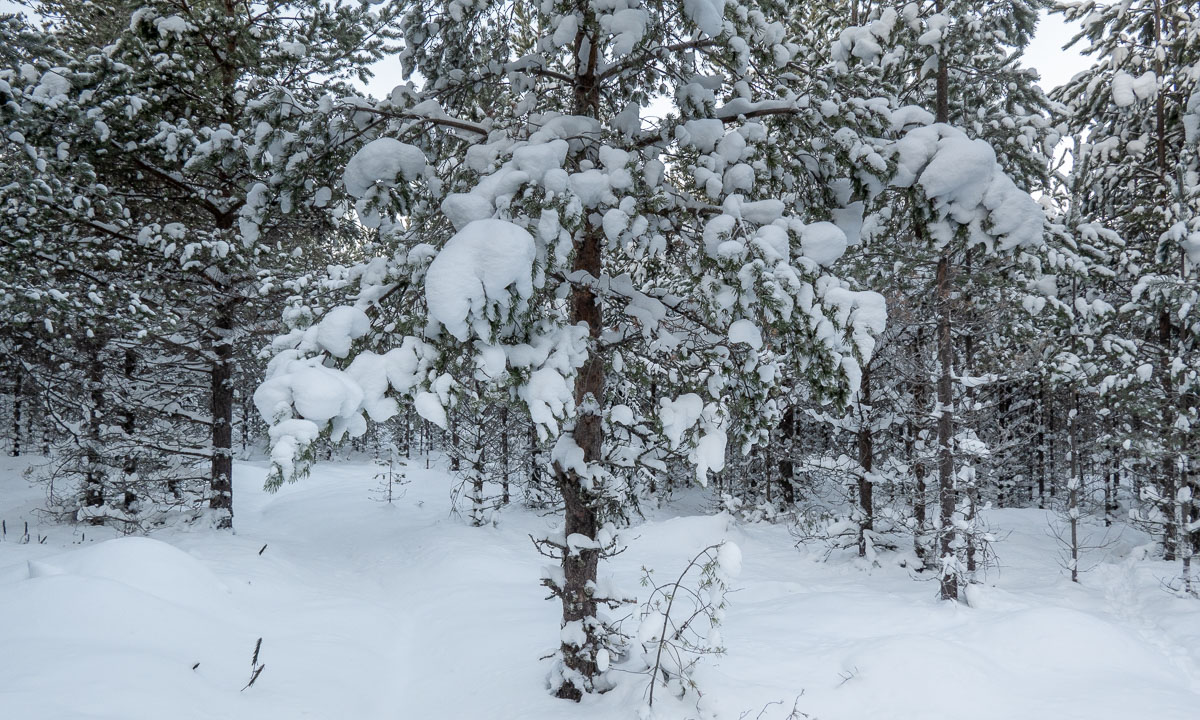
SE—DE—NO

Sweden—Germany—Norway, that’s the short version of my travel route the last two weeks.

Obbola – Sweden

Christmas was less than two weeks ago but it feels much longer. The kayak defrosting in the winter garden on Christmas Eve to prepare for a last paddle tour in 2022 with Annika. The drag marks of her kayak in the snow the day after. Last year. Long ago and far away.
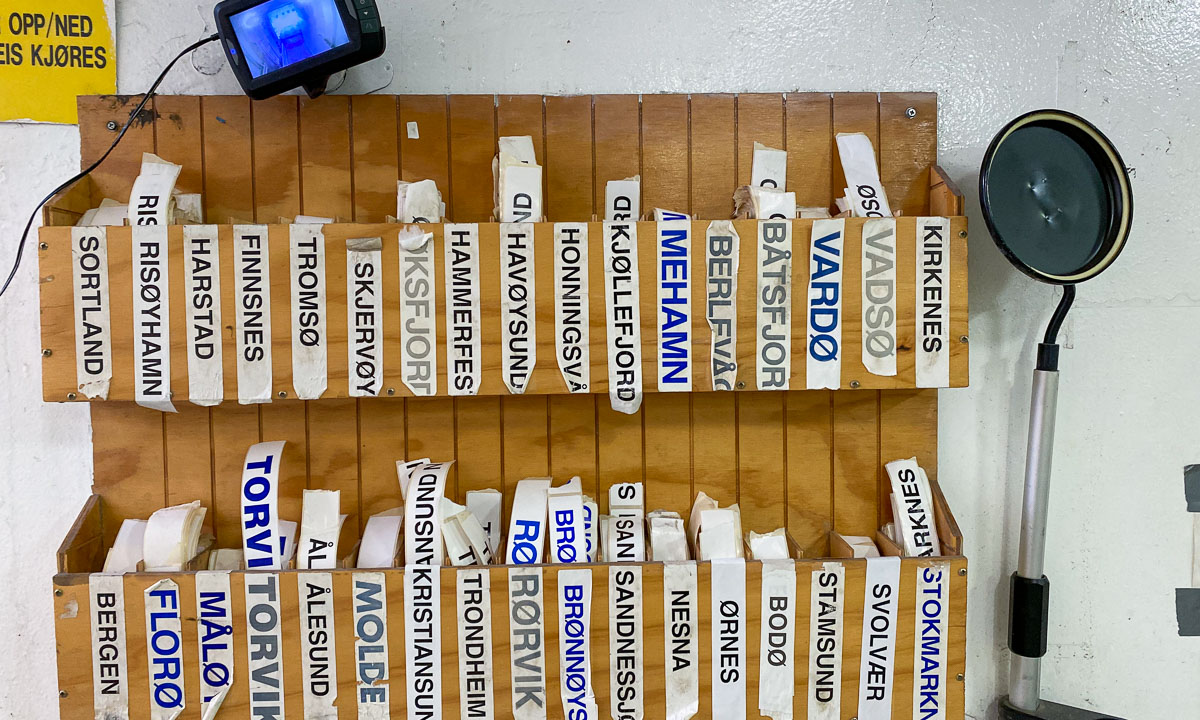
On 25 December we travelled to Germany – a 24-hour train journey from Umeå to Bremen to celebrate the 90th birthday of my mother.

Bremen, Oldenburg, Münster, Heidelberg, Düsseldorf – Germany

After two days of celebration we visited friends in Oldenburg and Münster and then continued to Heidelberg by train to meet my old and loved friends I got to know in Munich many years ago. I love the north but I miss my friends in Germany. Some of them I haven’t met for many years. But that’s another story.

On 30 December we travelled to Heidelberg by train, our southernmost destination in Germany. From Tromsø, Heidelberg is further away than the North Pole though much easier to travel to ;-).

While the weather in Bremen was partially rainy, New Year’s Eve in Heidelberg was warm and sunny. The temperature of  18 °C was much warmer than usual for the season and felt like a warm spring day in Obbola (or like a great summer day in Tromsø).

In the air

On 2 January we took the train to Düsseldorf Airport, from where we flew home the next day. I travelled to Tromsø in Norway with an early direct flight, Annika to Umeå in Sweden some hours later. I could see the sun for many hours while flying on 11000 feet altitude but it didn’t reach the earth. Norway lay in the shadow. In Southern Norway it was too early, in Tromsø the sun won’t rise before 16 January.

Tromsø – Norway

Today has been my 2nd work day in Tromsø this year. With temperatures round -10 °C it’s almost 30 degrees colder than in Heidelberg 5 days ago. I enjoy spring but I embrace winter. I feel home in the North. And when I can watch polar lights from my doorstep with just a parka and warm boots over my pyjamas I realise how privileged I am that I may live here – both in Obbola and Tromsø.

Break at work IV – skiing through the forest

It’s Friday, the last day before weekend and the last opportunity this week to take a break at work.

In the morning I participated a workshop via video conference from my home office in Obbola. I just love the view through the window, where I can see the sun rising over the Baltic Sea and the snow covered backyard.

The workshop ended at 12:20. Right after that I took my old backcountry skis and dressed for a ski tour through the forests. Sunny, calm, -12°C. I wanted to go “Spåret”, a local forest trail. I followed the gravel road, crossed a ditch and followed the trail. Some hundred metres I was lost. When the snow is fresh everything looks quite alike. So I just made my own path. The fluffy snow was as deep as on the trail.

Later I found Spåret again and followed it. I walked through the shadows because the sun didn’t rise more than 3.3° above the horizon today. But at the part north of the treeless swamp the sun had a chance to peek into the forest edge.

At the road I decided to walk straight ahead instead of turning right to avoid the asphaltwith my skis. This was when I lost Spåret for good. Mostly I followed animal tracks because optical orientation is hard when it looks like this:

But it was fun because there was always something to see, even in a forest covered with 40 cm of snow. A frozen puddle at the rim of a swamp – a small pine covered with rime – thick animal tracks – the temporary (and abandoned) snow cave of a black grouse.

Sometimes I could see a roof of the house or hear a car. It’s Obbola, no wilderness. And so I came to the road that we use to take to town. I didn’t follow it but took a side road today. Less asphalt, more snow!

I arrived home at 13:55, some minutes after sunset. Again the horizon was coloured orange – and again I had a video meeting.

Break at work II – ice paddling

Today has been another clear and calm day. It was colder than the day before with temperatures round -19 °C. Today’s plan was paddling, at least round Lillskär, the small skerry nearby.

Step 1 – fetching the kayak

I knew exactly where our kayaks are. They lay in the garden – hidden under a layer of powder snow. So the first part of my paddle tour was digging out my kayak.

Step 2 – dressing and get equipment

Survival suit · thick mittens · ice claws · smartphone · camera · waterproof bag for the camera · paddle. Just the basics, I won’t go far.

Step 3 – crossing the ice

After some frosty days the ice on the shallow bay seemed to be thick enough to support my weight. I walked over the ice dragging the kayak behind. At the edge of the bay there was an ice range that I had to cross. I entered the kayak and mostly I used my ice claws to drag myself forward. Sometimes the ice supported the weight of me in the kayak, sometimes we broke through. Although the ice range to cross was only 100 metres wide I had to take several breaks. Some to take photos, some to catch my breath.

Step 3 – paddling

Then I reached open water. Almost. The water was covered with a thin layer of transparent ice needles that made the water look crystallised. It slowed down the waves and I could hear the high-pitched clinking while I was paddling through. Very fascinating!

In addition to that the sea was smoking. When it is as cold as today, the surface water evaporates and quickly resublimes to tiny ice grains that build this moving fog that colours the sea in a pale white.

Step 4 – visiting an ice exhibition

When I passed Lillskär I bent right to the mainland. There were some ice-coated rocks and thicker ice floes there – an extremely beautiful view in the low sunlight. I just went straight ahead. The first ice floes were split by my kayak, on the thicker once I had to use my ice claws again to move forward.

Step 5 – back to land

I realised, that my tour has taken much longer than planned, although the distance was tiny. I was clad in my survival suit, the kayak was on the ice and in 20 minutes my video meeting would begin. I had to hurry up!

The ice near the mainland was too thick to paddle through, but too thin to walk on. So, ice claws again. Not easy, when you lack trained arm and abdominal muscles. When I approached another shallow, I just left the kayak, splashed a bit trough soft ice and knee deep water until I reached the bay again.

From there I could walk on the ice and drag my kayak behind until I reached our property. I went to the house and transformed from paddle guy to IT guy as fast as possible. I informed my boss and colleagues that I would by 5 minutes late. That gave my the chance to take a hot shower, because I was freezing.

Did I miss anything of the meeting? No, the others had to fix audio and that took longer than my shower.

After the meeting, round 12:15 I walked out again to make a photo of the cloud bank and the sea smoke in the low winter sun.

Tomorrow shall be another cold and sunny day. Let’s see how I’ll spend my work break …

And suddenly it’s winter

Last Tuesday it got sunny and I paddled kayak.  On Wednesday it got cold and the small sound between island Lillskär and mainland was covered with ice.

Although it’s mid-December and despite temperatures between -10 °C and -14 °C there were still whooper swans around. Don’t they migrate south? In the morning they managed to paddle through last night’s fresh and thin sea ice. In the afternoon the swans had left. Perhaps they finally decided to fly south.

On Thursday it snowed. In the afternoon 10 cm of fresh snow had fallen and everything was white and bright, even in the night.

On Friday Annika and I had a day off and visited friends in for a long weekend. They live in Kusfors in the inland, round 180 km north. On the way there and there we found more winter. It was not very cold but it snowed quite a lot. I took some images from the car while Annika was driving.

Yesterday on Sunday we came back to our house in Obbola round 20:00. Our property was covered with 45 of fresh snow. Since it had been sub-zero all the days the snow was pretty fluffy. We had to do quite a bit of snow shovelling – but after taking a photo.

Today it’s Monday and a new working week has begun. I had a lot of meetings today and therefore no time to paddle kayak. Oh yes, the kayaks … where are they? I know they lie beside the wooden terrace. Here they are, well hidden under a thick blanket of snow, right beside the window of the winter garden.

But there are other things to do as well. For example opening the afterwork ski season in Olles Spår near Umeå together with Annika. The snow is still soft and the cross-country skiing trail still slow but the first time of skiing is always special and we are happy and grateful that we live in a place where winter is around us.

Now it’s half past nine in the evening and I’m blogging. Snow is falling and the thermometer shows -9.5 °C, the same temperature as the last hours.

And you? What kind of winter do you like? Or do you prefer other seasons?

Scotland: wetness

This article is part of the series “2022-10: Autumn in Scotland”.

You cannot deny, that Scotland can be a pretty wet land. There are however different kinds of wetnesses.

Bathing in the sea

This kind of wetness I love: bathing in the sea. Finally Annika and I managed to find a sandy beach that looked very promising for taking a bath. And it was perfect. No stones, no currents, no sharp-edged shells, no waves as high as a house. The water was warmer than expected and it hardly rained.

Rain and muddy trails

We continued our road trip through the region of Assynt and parked our car by the Stoer Lighthouse. From there we took a circular hike to the Old Man of Stoer, a 60 metre high sea stack. It rained and the trail was soaking wet and partially quite muddy. I managed to keep my rubber boots dry but Annika’s hiking boots were soaking wet after our hike. Her dancing experience helped her to change to dry shoes.

Adventurous roads

As the days before it was Annika that drove the rental cars. You don’t want to fall asleep while driving in Scotland. Beside the single file tracks with its many meeting points sometimes the roads are blocked by sheep. The road sign warning of a 25% steep hill however looked much more dramatic than the road was.

Ardvreck Castle

We have passed Ardvreck Castle several times the last days. Now it was time to stop and have a look.

The lake Loch Assynt was flooded and so was the path to the castle. I like hiking in rubber boots which is a bit overdressed sometimes. In Scotland however I think it’s perfect footwear. Here they helped me to wade to the castle to take some more photos, while Annika waited ashore.

Sea monsters

I almost forgot to tell: At the beach of Clashnessie I observed sea monsters! Carefully I sneaked up to one of them and I managed to take a photo as a proof. There are sea monsters in Scotland!

10 cm high sea monsters.

10 cm high sea monsters buried in the sand.

10 cm high sea monsters buried in the sand looking suspiciously like seaweed.

Sleet weather in Tromsø

Last night I was woken up my a crackling noise. I peeked out of my front door – everything was white. It was however not snowing but sleeting heavily and the ground was covered with zillions of small snow pellets.

This morning more sleet showers crossed Tromsø. I took a short promenade to the coast where the beaches where covered with snow pellets as well.

I would have loved to take the car to Kvaløya to places where it actually was cold enough for real and dry snow but my car still has summer tyres. I’m even not sure if I can make it to the appointment for tire change in two days or if the streets are too slippery to get there.

So I did not get real winter snow today but at least I spotted the first snowman. Or should I write snow pellet man?

Later the day sleet turned into wet snow with the result, that the streets are covered now with 5 cm of wet slush.

Scotland: the west coast of Isle of Lewis

This article is part of the series “2022-10: Autumn in Scotland”.

It is 10 October.

Yesterday evening we arrived on the Isle of Lewis, took the reserved rental car (Annika driving) and stayed in the Ravenspoint Community Hostel. Today we want to go by car to explore the west coast of the island.

We do not meet a single person while taking breakfast. We succeed in not raising fire alarm while frying eggs, we pack our backpacks, revert our personal rearrangement of the beds in our twin room and get in our small car – a Kia Picanto. While Annika has been in Scotland much more often than me it is our joint premiere in exploring this country by car.

After taking a detour to a small beach at Tobson we continue to Callanish Stones, one of several arrangements of menhirs. Although yesterdays gale has subsided it is still very windy with some showers of rain. My challenge as a photographer is not only to keep my small Sony dry (first photo is an iPhone photo) but also to take pictures while a large family uses the standing stones for playing hide and seek.

We make a stopover at Doune Braes Hotel for lunch. There we spot the standing stones again – as a colourful leaded window, animals included.

Next stop: the Gearrannan Blackhouses, a village of thatched cottages that was inhabited until 1974. Now it is not only a museum but one of the cottage is a hostel, where we check in and reserve a bunk bed. We have a look at the museum, where a local shows his expert knowledge regarding weaving looms. The view of the coast from the village is quite impressive. The waves are high and smash surf and spray against the rocky cliff.

Now we continue the road north to the headland with the catchy name Butt of Lewis. When we arrive there I’m really flabbergasted. Neither Annika nor I have ever seen waves breaking so high as here at the northern tip of the Isle of Lewis. Extremely impressive, a bit daunting and also a bit wet because sea spray seems to be everywhere. Keep in mind, that the rocks in the next photos are round 10 metres high. Thanks, Google Earth for your elevation data.

It takes some time until I can tear myself away. Next we head for Port of Ness, a harbour village nearby. The sandy beach is broad and shallow. Huge waves roll ashore. While they are breaking the wind gusts blow the spray away – a fascinating view. I decide that today is just not the day to take a relaxing bath in the Atlantic ocean.

We return to our parked car and drive back to our hostel – part of the Gearrannan Blackhouses. The museum is closed and it looks like we are completely alone in our cottage, that can host 13 guests. While we boil water to cook pasta we still can hear the waves splashing ashore at the rocky coast round 100 metres away. After dinner we fall fast asleep . Stormy weather is exhausting, and so is left-hand driving. So, thank you, Annika, my luv, for driving us.


A cloudy hike up the Stor-Kjølen

The weather forecast promised sun for most of the day today. Nice conditions for hiking up the Stor-Kjølen. I’ve been there once almost exactly one year ago, today I chose the other route coming from the Northeast.

I was there, my camera was there, however the sun wasn’t. Thick and low clouds hung over the whole mountainscape.

1 – The trail

5-5½ km long, leading up 560 metres in altitude. It is well marked and a visible trail most of the time. One boulder field has to be crossed and the last part is mainly pathless, but not steep.

2 – The reindeer

Much less shy than the Jämtland reindeer. They let me get quite close and one of them came within 3 metres. It seemed to be very curious and I expected it to touch me with its soft nose asking for goodies, but it went away. Another reindeer with huge antlers was much more careful and stayed with its small herd.

3 – The summit

Visible from a lot of places in and round Tromsø because of its prominent, mushroom shaped flight radar station at the top. Beneath the station – a small hut. It’s the varmebua, a heated hut driven by Troms Turlag. Very welcoming today, when it was foggy and round 4 °C.

4 – The weather

According to yr.no 4 °C and sunny. While the temperature might have been correct the rest wasn’t. It was cloudy and foggy and partially also drizzly. But then the sea started to shine and glare. While the sun itself was still hidden by clouds the reflection of the water surface sent sunlight upwards to the Stor-Kjølen. Amazing light, nearly unphotographable.

I waited in the hut for the weather to change, but in vain. On my way back to the car the cloud layer lifted and I could see a bit more of the fantastic surrounding scenery. But if took some more hours until the sun came out today and then I was long home.

A nice tour anyway. Or as the Norwegians say: ut på tur aldri sur – Out on a trip, never sour.

Just a hike up the Rødtinden

Today I joined a group of (much) younger people on a mountain hike up the Rødtinden (470 m). It was special in two ways: First of all it was nice to talk to a bunch of people from the USA, the Netherlands, Austria, Poland and Spain. An then – the weather! It was a real summer day with a cloudless sky and a lot of gorgeous views.

I didn’t take many pictures but some from a small pre-summit that we hiked to after reaching the main summit.

Thursday paddling round Grindøya

Yesterday I was in the mountains – today at 18:00 I joined the torsdagspadling (Thursday paddling) of the Tromsø Sea Kayakers Club. Together with 16 others paddlers and a dachshund we crossed the Grindøyskarven and rounded the island Grindøy.

The conditions were excellent: Hardly any wind, a calm sea, blue sky and temperatures almost 20 °C. Perfect not only for paddling but also for taking a break in the sun – of course at the northern tip where we didn’t disturb the common eiders that nest along the beaches of Grindøya. Then we paddled back – with a small sprint to avoid two ships crossing. No danger however because the guides have a VHF to talk to the ships but they already had spotted us and had slowed down. Three hours later we were back from our round 12 km long paddle tour.

Takk for turen, thanks for the tour! And thanks to all organisers of the torsdagspadling. Great initiative!