Scotland NC500 – day 3 – from kayak surfers to the inland

This article is part of the series “2025-10: Northern Scotland”.

15 October

My wife Annika and I have stayed in a hostel in the center of Thurso. If you took a ship from here and head north you could reach the North Pole without crossing any land mass. We however have no ship, but a rental car and after breakfast we continue our road trip westward.

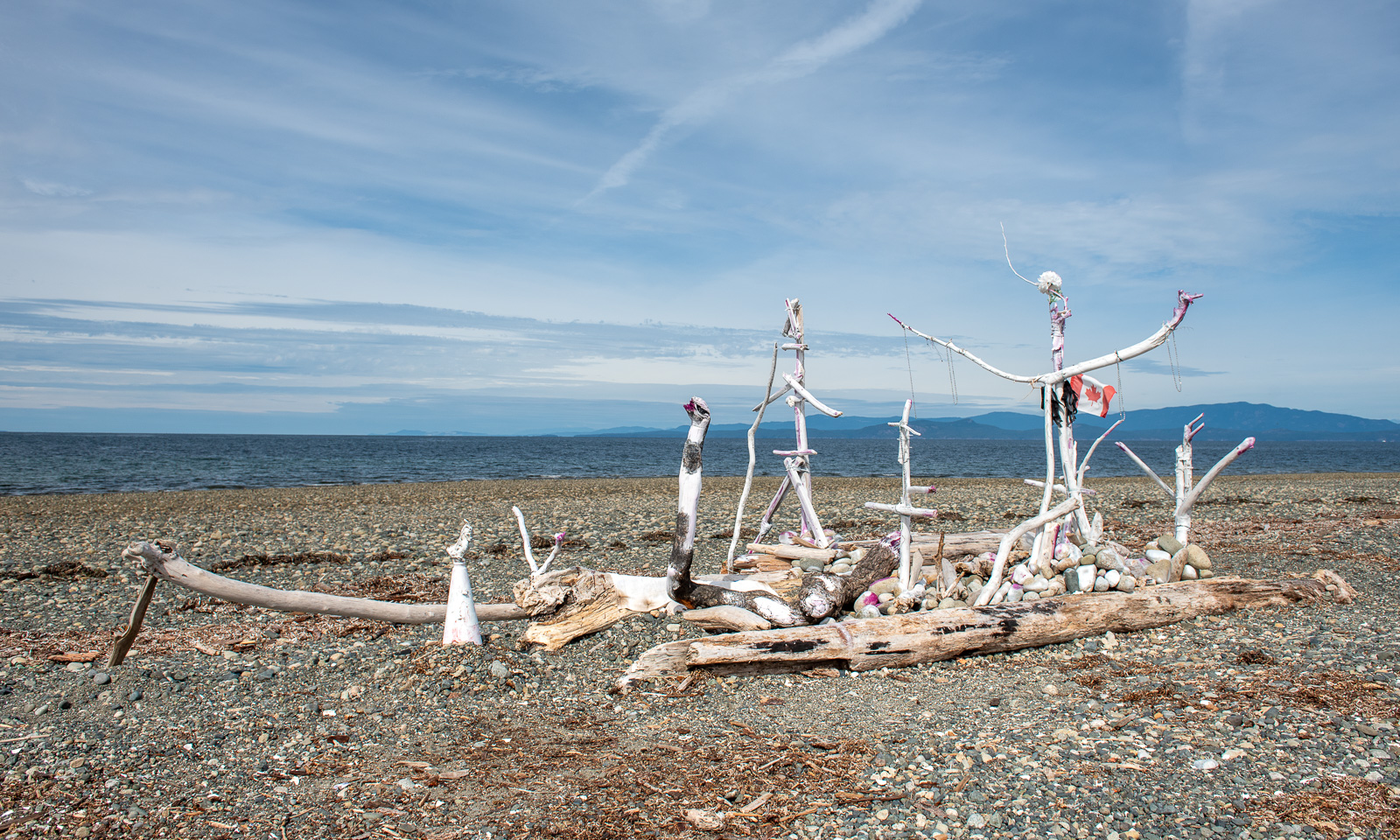
Our first stop is Melvick Beach, where we go for a walk. The beach is embedded in a bay. At the eastern end Halladale River flows into the sea. In this section of the beach it smells bad, because large amounts of rotten seaweed cover the sand. Maybe it was torn from the sea by Storm Amy a fortnight ago.

Our next stop is Bettyhill, just 20 km to the west. While there is a beach here as well – we come to this later – there is something else to see: Erected in the Bettyhill Cemetery there is an ancient Pictish symbol stone, the Farr Stone. It is dated to around the year 800. Little is known about the Picts. That makes this carved stone all the more mysterious.

The old tombstones from the 17th century are pretty impressive as well with their pictogram-like symbols: The hourglass, the bell, the coffin, the skull with crossbones and grave-digging tools. When this tombstone was carved, Johann Sebastian Bach was still alive.

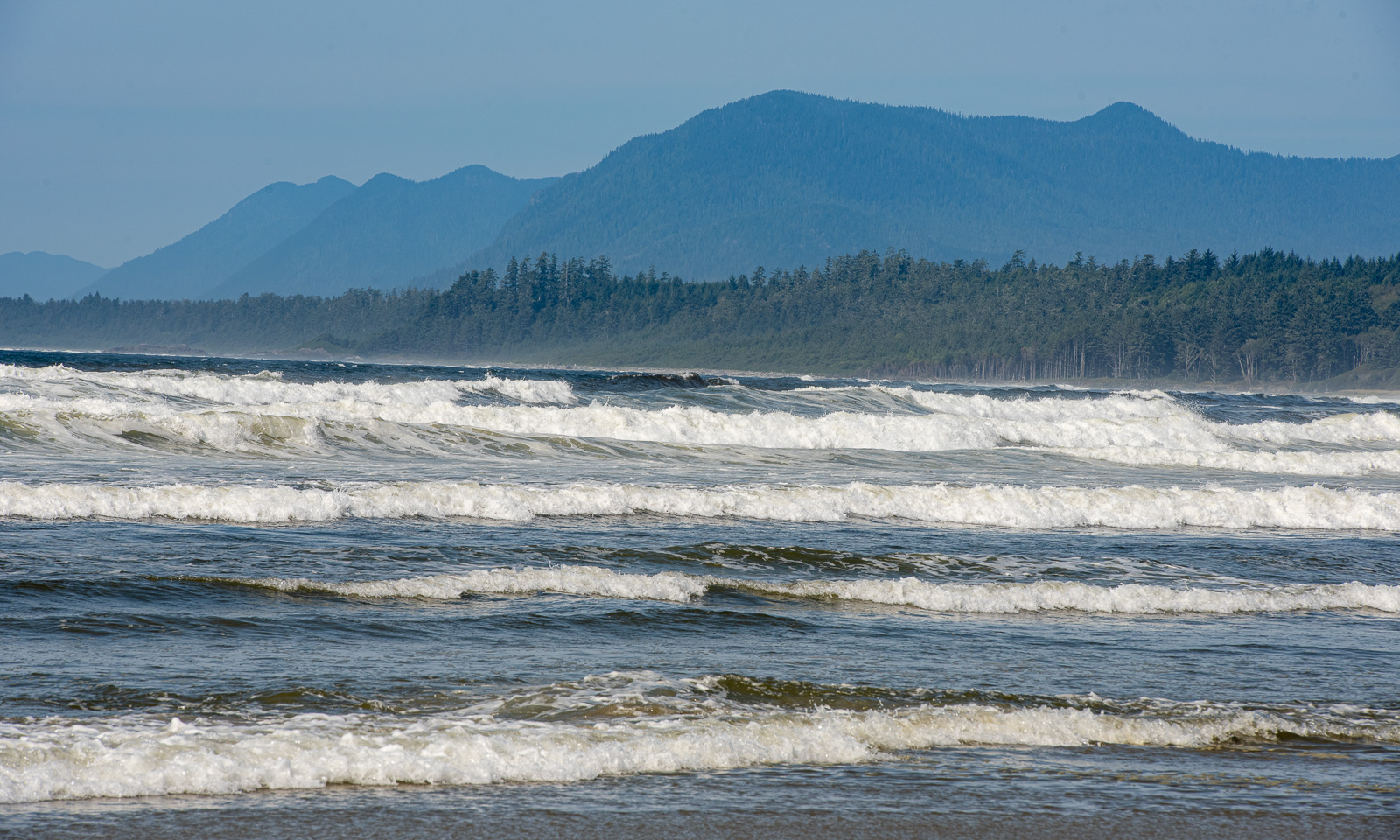
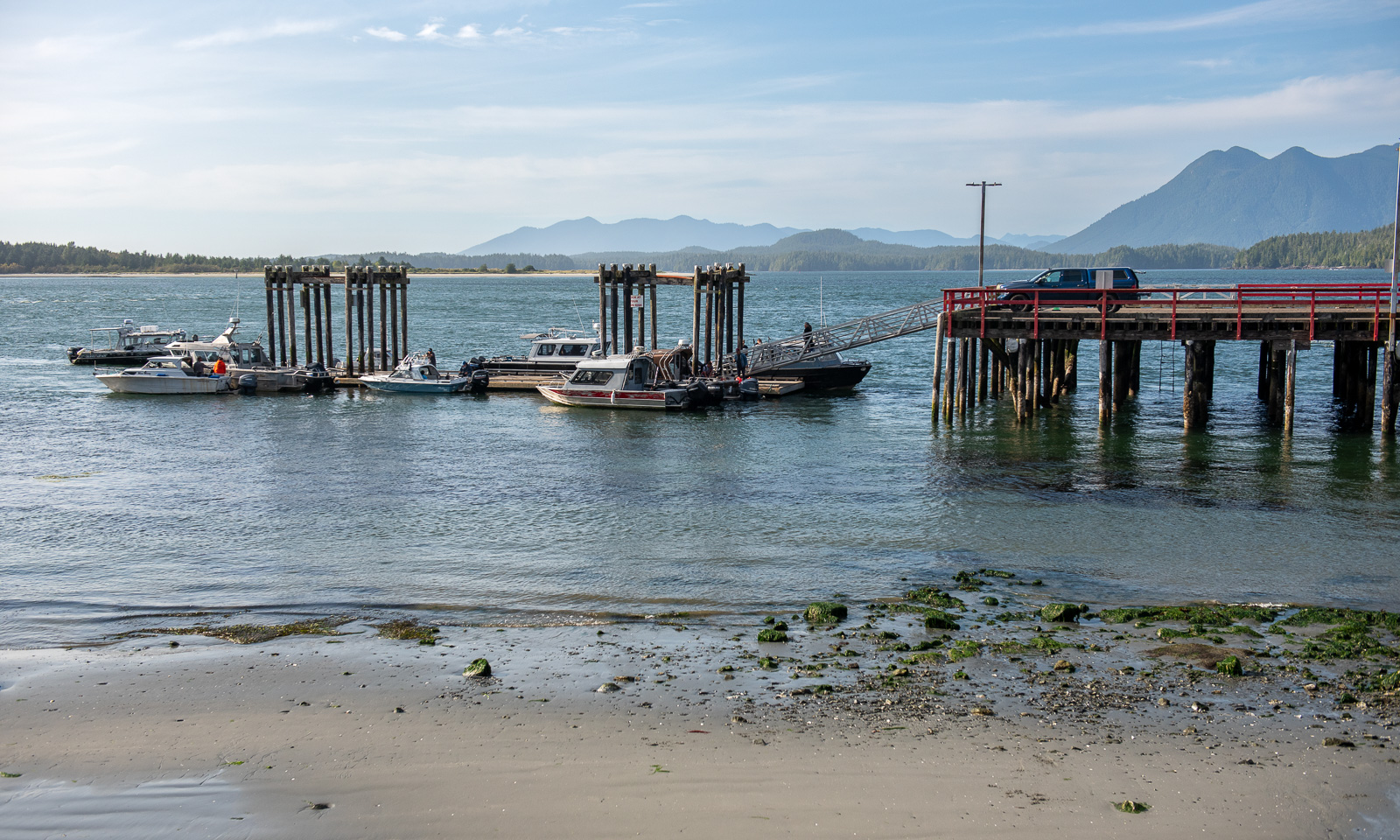
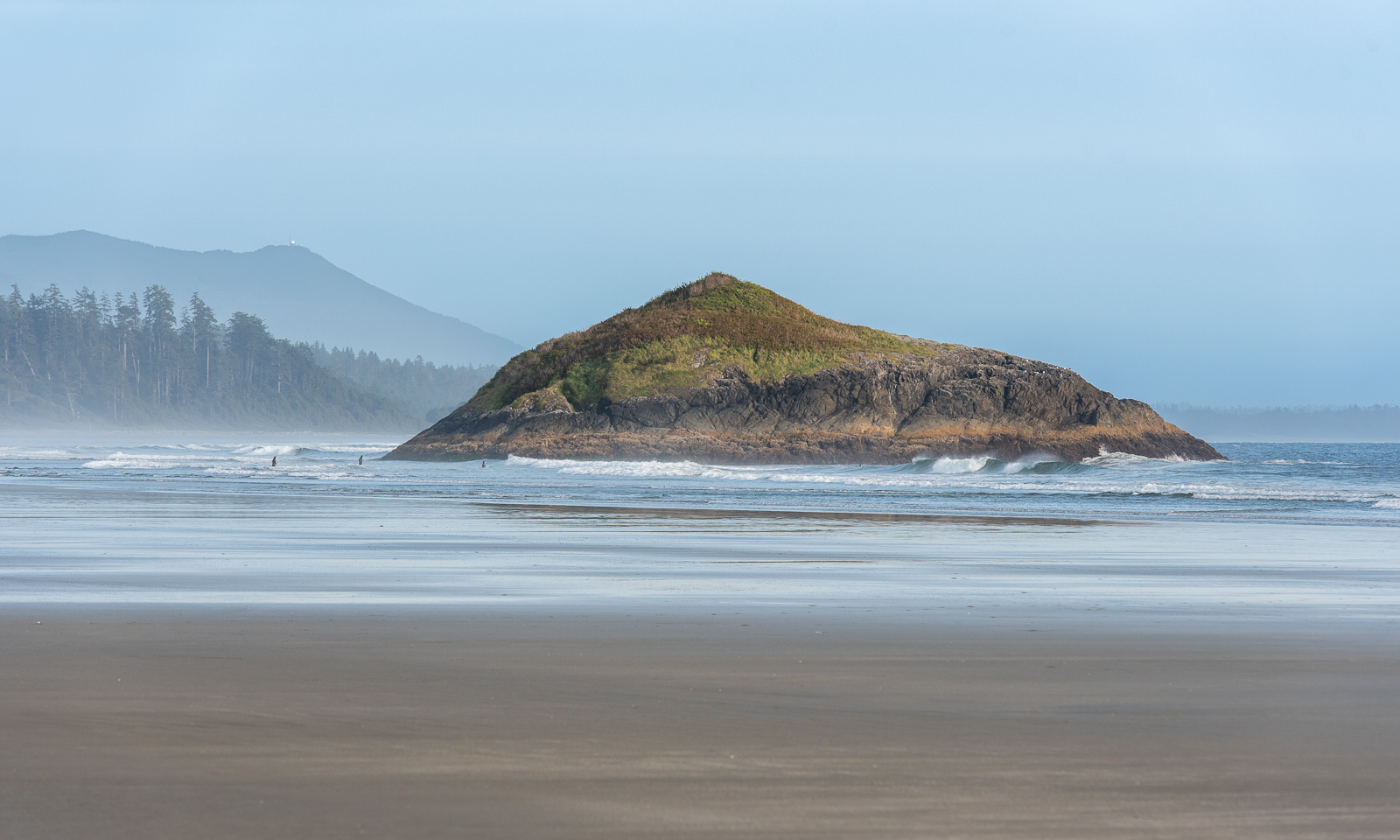
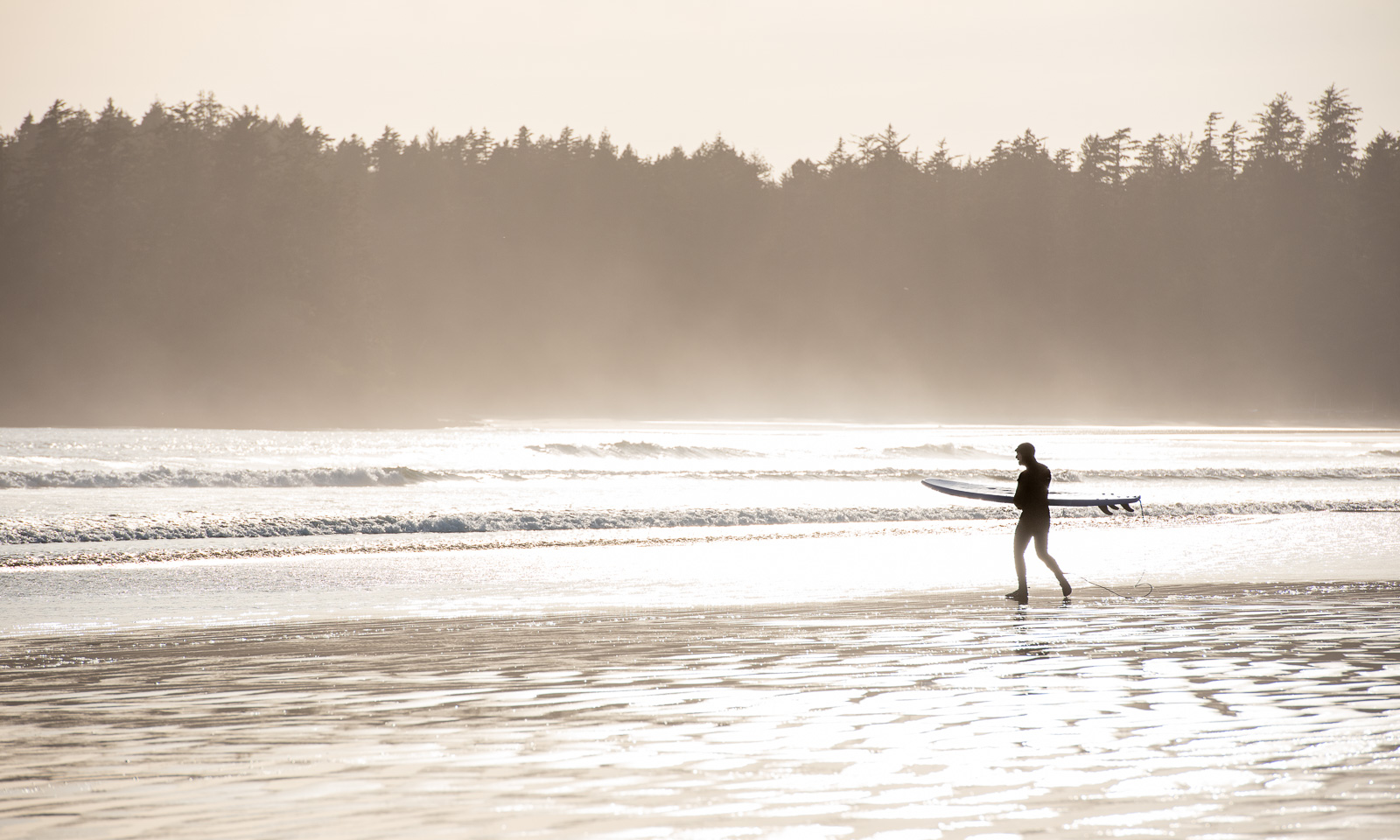
Back to the present. And time to visit Farr Beach nearby. We are not alone. There are kayakers out in the sea with short surf kayaks. I wish I had a tenth of their skills. On the beach, we strike up a conversation with a man. We learn that it is his friends being out there playing in the waves. Among them are some of the most skilled kayak surfers in Scotland. The waves are not high, they are just playing around and it is fun to watch them while chatting. I wish I had a twentieth of their skills.

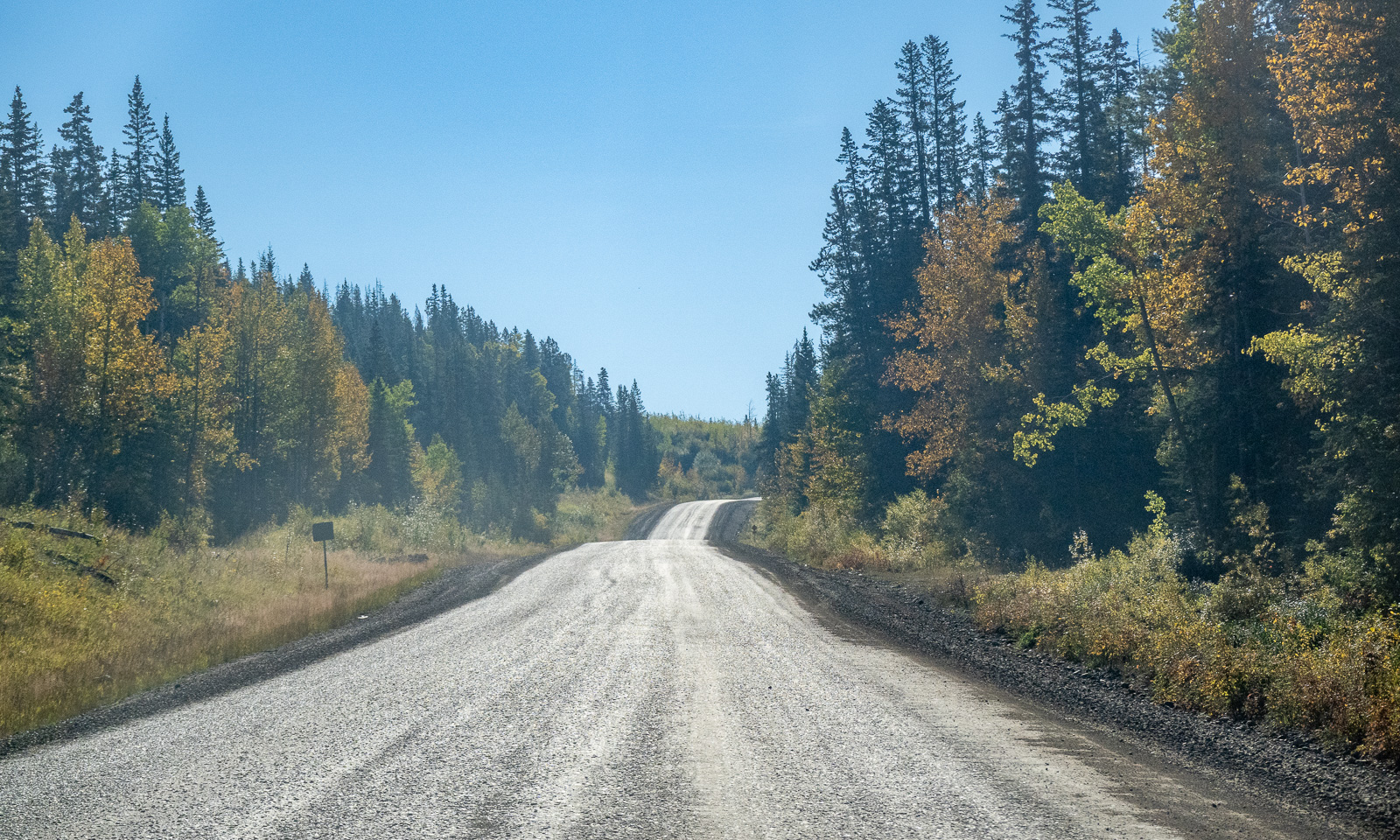
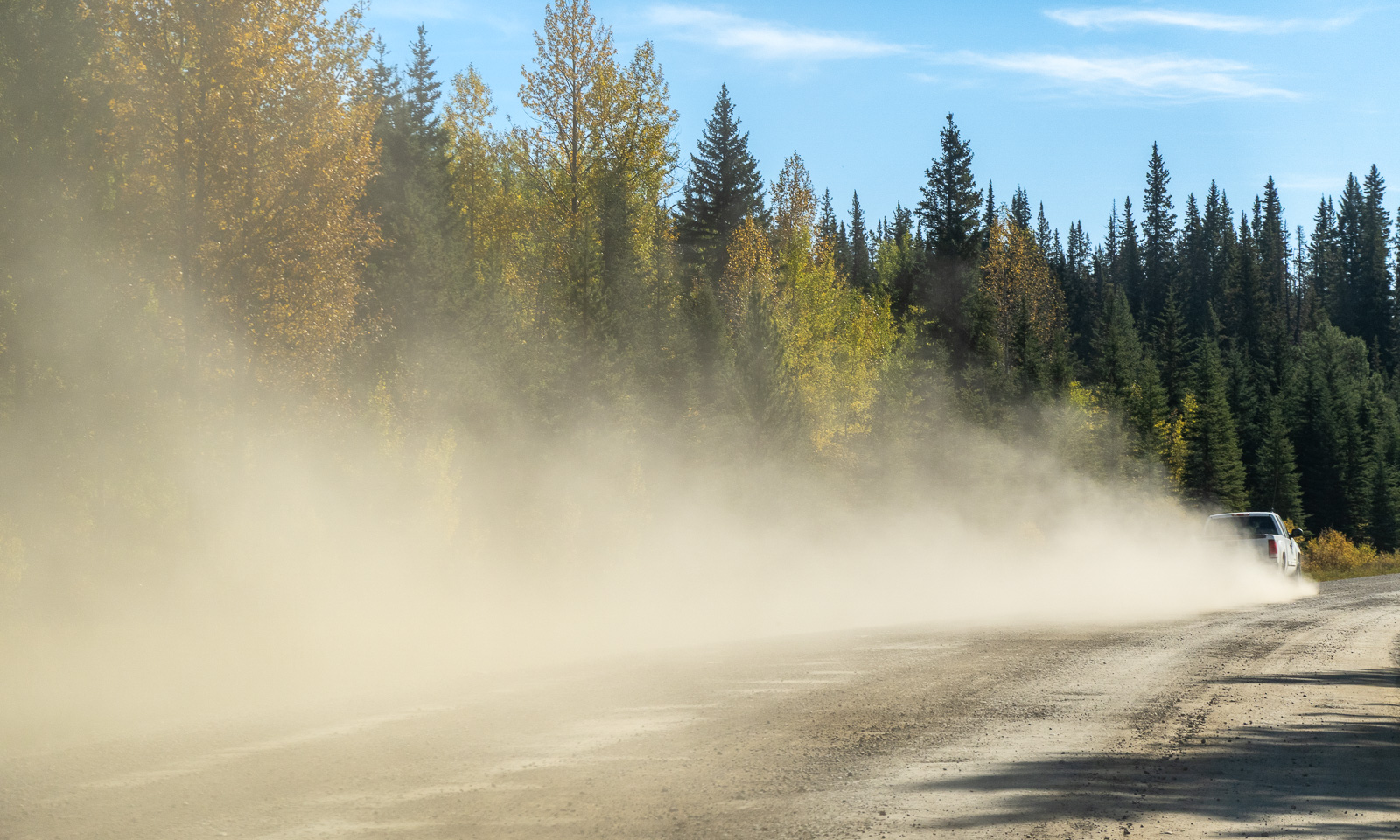
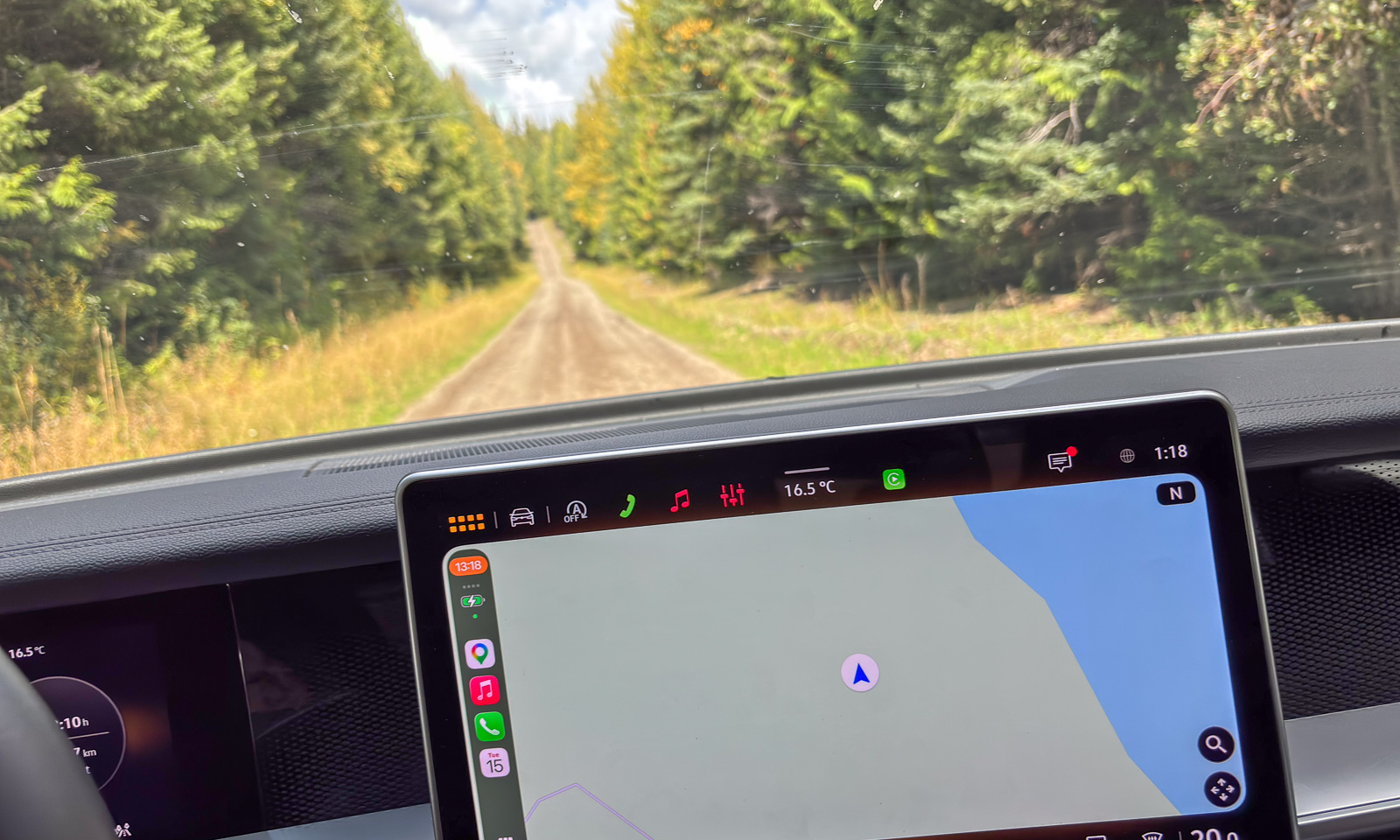
Back in the car we continue west but we make a detour. We follow a small road lined by trees. Sometimes the treetops touch each other so that a tunnel of trees is formed. That makes these single track roads look even narrower. Luckily the road is pretty empty.

We see the island Eilean nan Ron from above. The road rises, then descends nearly to sea level and we come to the main road, where we reach the Kyle of Tongue, a shallow sea loch. Before we cross it using the bridge, we have lunch on the car park by the loch. Each of us has a “meal deal”. That’s a cold meal such as sushi or salad, combined with a drink and a snack. Available in most supermarkets.

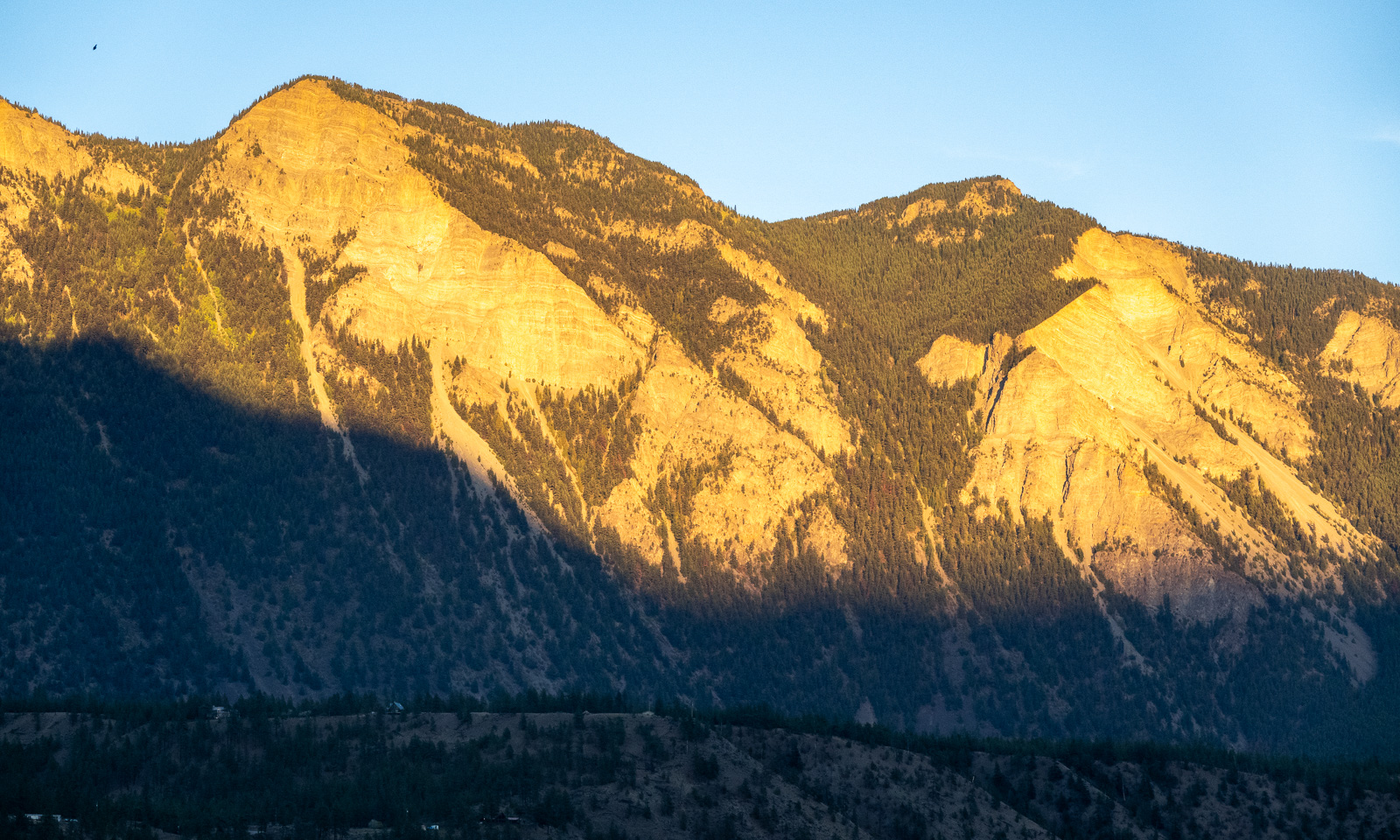
It has been pretty grey today, but there are holes in the clouds and the sun illuminates different parts of the mountains in the south.

Our original idea was to follow the NC500 further to Durness further west, but we couldn’t find any affordable accommodation. Therefore we had booked a room in Altnaharra the day before. After the booking we learned that there are many accommodations in Scotland, which are not on booking.com, but today’s room is already booked. So let’s head to the Scottish highlands!

We take the bridge over the Kyle of Tongue and turn left to follow the bay southwards until it looks more like a shallow slough with mudflats sticking out of the water. A pity, that the light is quite dull.

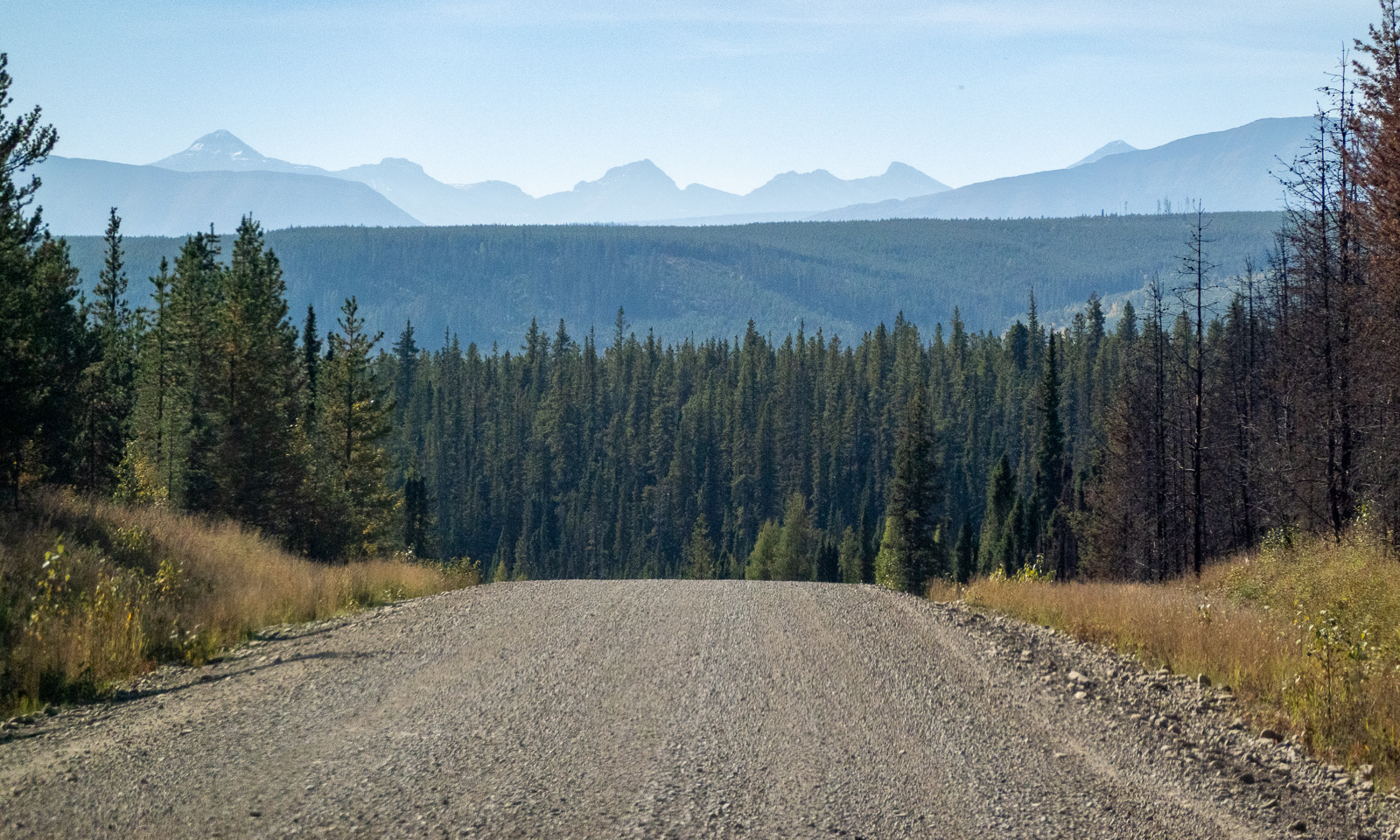
And then we cut through the moorlands in the Scottish highlands. The red-brown colours of the grass are intense – these are the colours of Scotland in my humble opinion.

Forty minutes later we sit by the open fireplace at the reception of the hotel in Altnaharra.

Soon we are given a comfortable room upstairs. To my delight it includes a bathtub. After dinner I’m having my first hot bath in years. Oh – so delightful!

Scotland NC500 – day 2 – standing stones and a castle on a cliff

This article is part of the series “2025-10: Northern Scotland”.

14 October

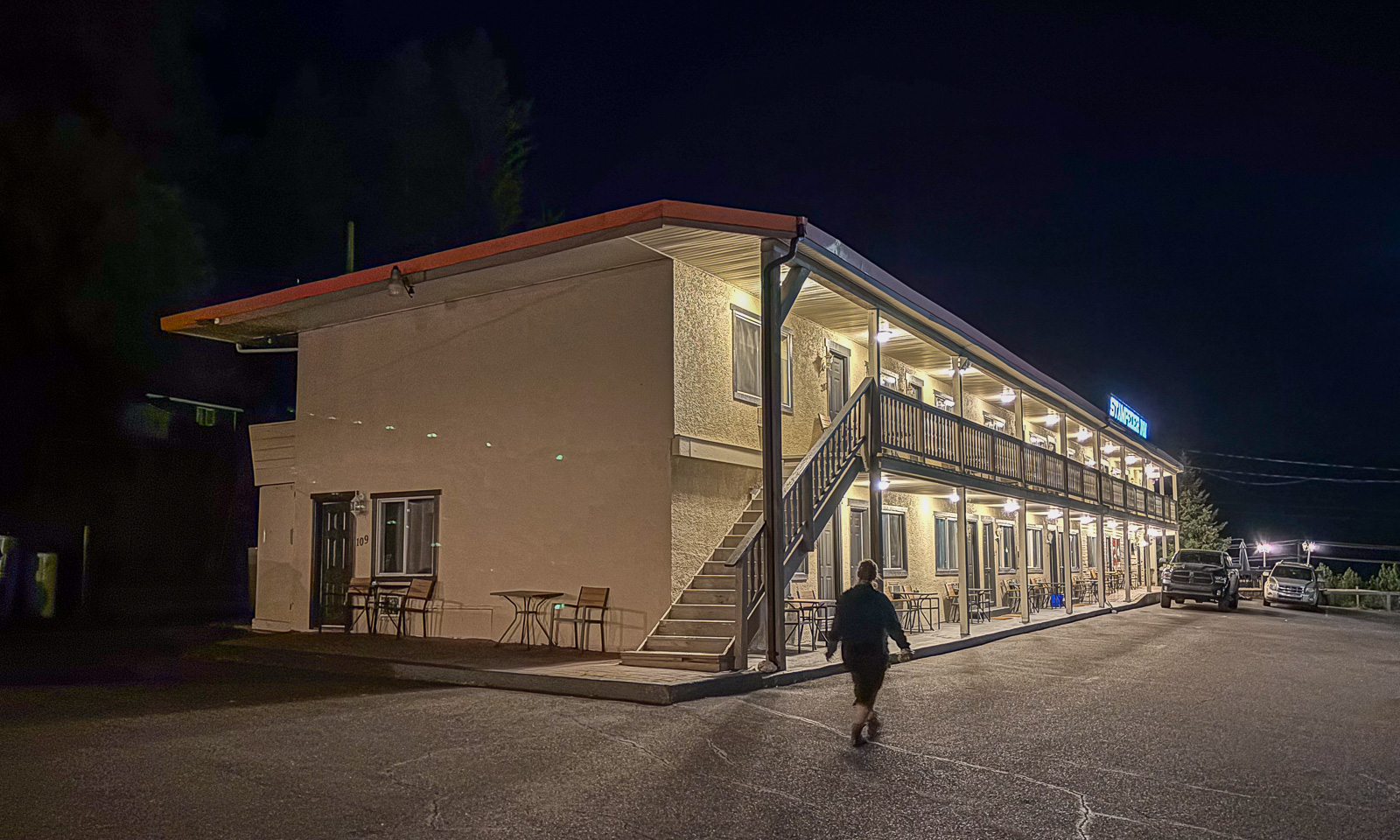
When I wake up in Helmsdale on the Scottish east coast it is still twilight. It is quiet. Only some fisher boats are leaving the harbour and two bird watchers are standing on the pier. I like especially the sign “No net working” which has a completely different meaning here. Context matters!

Back at our guesthouse “Song of the Sea, Selkie House”, Lorna, our host is inviting my wife Annika and me to her big kitchen where she prepares our breakfast. And what a breakfast: Cereals with fresh strawberries, eggs, bacon, mushrooms, toast with home-made jam and more was put on the table while we had a long and cheerful chat with plenty of laughter. I feel so welcome to be here and we only left reluctantly. I think: “If you do not like Lorna’s place you do not know anything about travelling.” If only my English was better and my ability to understand all kinds of Scottish accents.

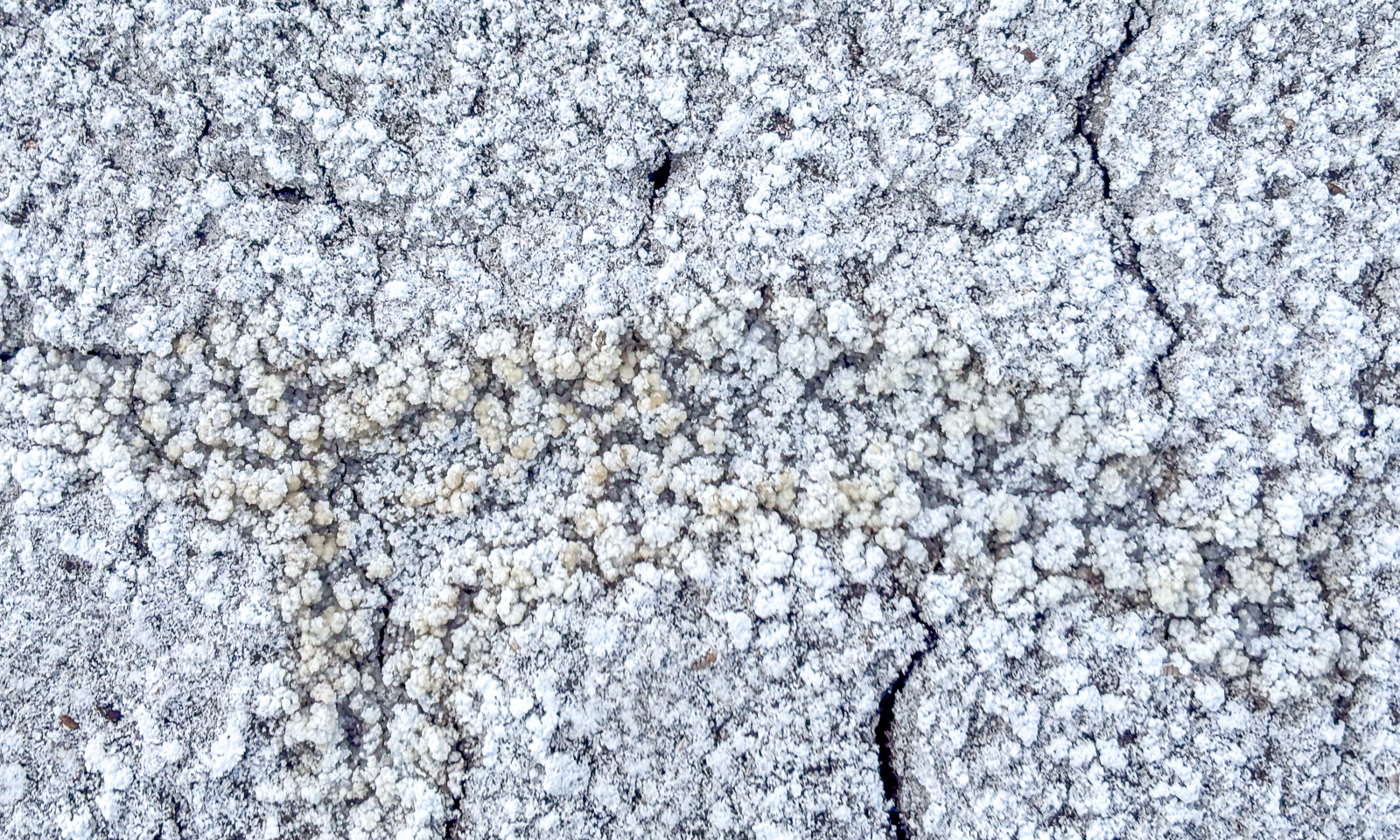
Round half past ten we continue our road trip, heading straight north. Some attractions we find in our guidebook, while others are on using Google Maps. So we have found Achavanich, a megalithic structure literally in the middle of nowhere. We use the tiny parking area und wander around between the lichen-covered stones that are arranged in a horseshoe-shaped pattern. A bit further down – a lake called Loch Stemster.

Exercise for lichenologists: how many different species can you count on the second photo?

The next attraction is in the book: The Castle Sinclair Girnigoe 5 miles north of the town Wick. This castle – or better said its ruins – is located at the very edge of the coastal cliff. There are educational displays that explain the history, but for me the most impressive detail is the exposed location by the sea. More than an hour Annika and I are strolling round the castle despite of the drizzle. A real highlight on our trip!

This is one of the displays showing how the castle looked centuries ago.

Back in the car we drive back to the A)), follow it north and then take the road to the Duncansby Head Lighthouse which marks the most northeasterly point of the Scottish mainland. Photo. Check!

The next stop is only a very short one. I take some photos of the John o’ Groats Signpost, a famous but surprisingly boring signpost. It has four arms pointing to Orkney and Shetland, to Edinburgh, Lands End and New York. That’s it. While I take these photos Annika is slowly driving around because parking is expensive in this commercially focussed place and we are happy to leave it behind.

But the signpost is true: The Orkney islands are pretty near and we see the cliffs from different places, such as our next stop Dunnet Head. This is the northernmost point of the UK. Here take a photo of the partially sunlit cliffs of the Orkney islands in the distance.

So Annika, next time Orkney and Shetland? … and Faroe islands? … Iceland again? … Greenland? … Vinland? Sorry, I got slightly distracted. Back to our road trip.

From Dunnet Head it is just about twenty kilometres to Thurso, a surprisingly big town by the north coast of Scotland. Here we stay in a quite shabby hostel, but we can cook, we can sleep and that’s all you really need. Parking the car in town however was adventurous because the rules are pretty cryptic and time-dependent. Anyhow, there is a big car park by the River Thurso, where Annika parked our rental car over night. (Thanks again, Google Maps for the tip.)

The next day we will leave the NC500. We thought, travelling in October would make it easier to find accommodation, but it gets harder, because many guesthouses have been closed for the season.

Scotland NC500 – day 1 – the road trip starts

This article is part of the series “2025-10: Northern Scotland”.

13 October

It is one o’clock. Annika has driven the first 70 kilometres in our rental car, and we’ve arrived in Dornoch. We already visited the cathedral with its beautiful stained-glass windows. Now we are sitting at the only table outside the SandStone cafe enjoying the sun. I also enjoy something else: An Irn-Bru, this legendary Scottish soft drink with its bright orange colour. It won’t be the last one the next days.

From there it is not far away to our first beach: Durness beach with its beautiful sandy shoreline. It has some features beyond the usual such as a park with outdoor metal musical instruments or the box where you can lend beach toys.

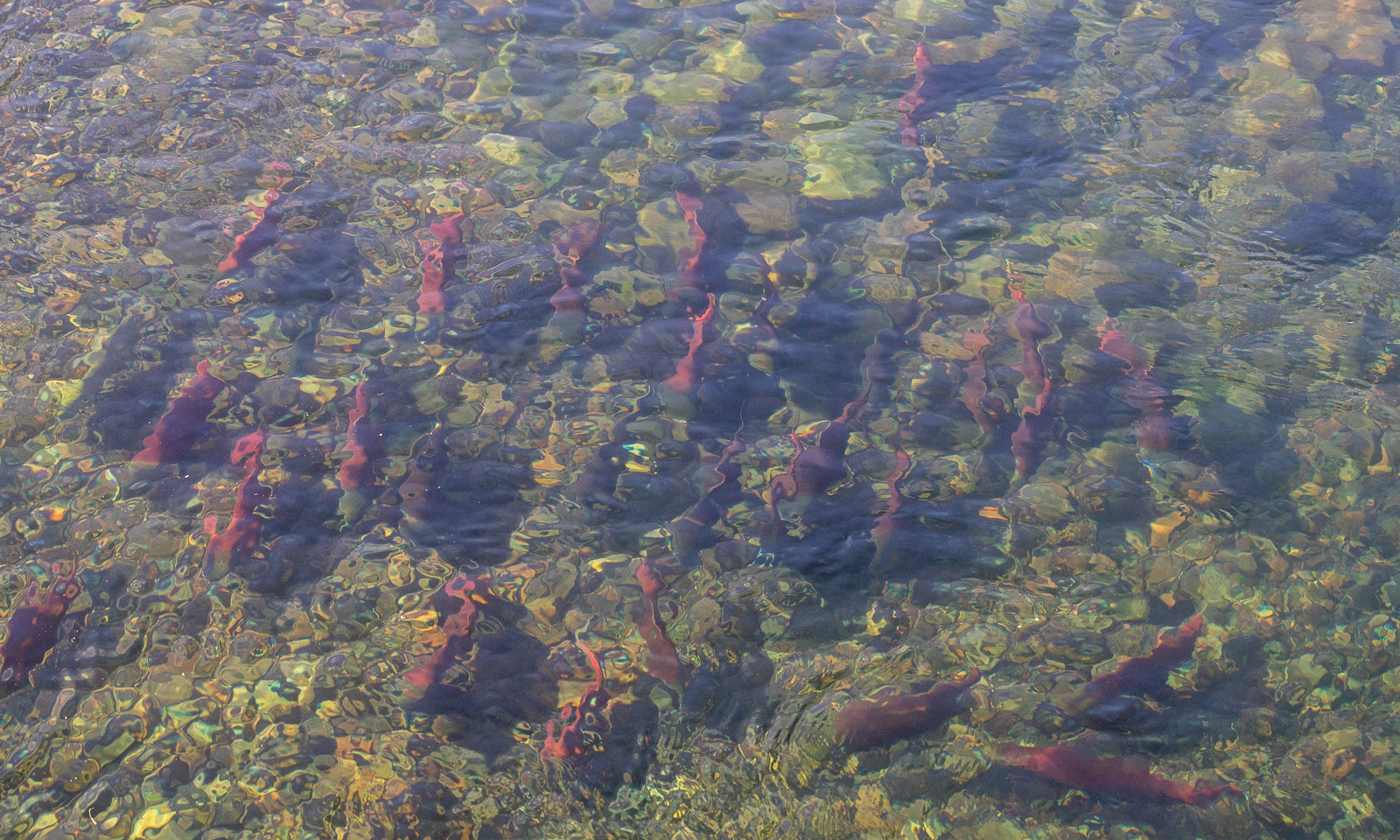
We continue our road trip, but instead of following the main route we take a detour to the Falls of Shin. It is said that in summer and early autumn the salmons swim up the River Shin to spawn. When they pass the Falls of Shin they have to jump up the rapids. I thought, October was already off-season, but we do not only spot the waterfall but also some jumping salmons. And another species: salmon watchers with their binoculars and cameras with huuuge telephoto lenses. With my smaller telephoto lens I manage to take some photos of a lot of water with a tiny fish. I wonder how the salmons master this waterfall? We have not seen any salmon succeed.

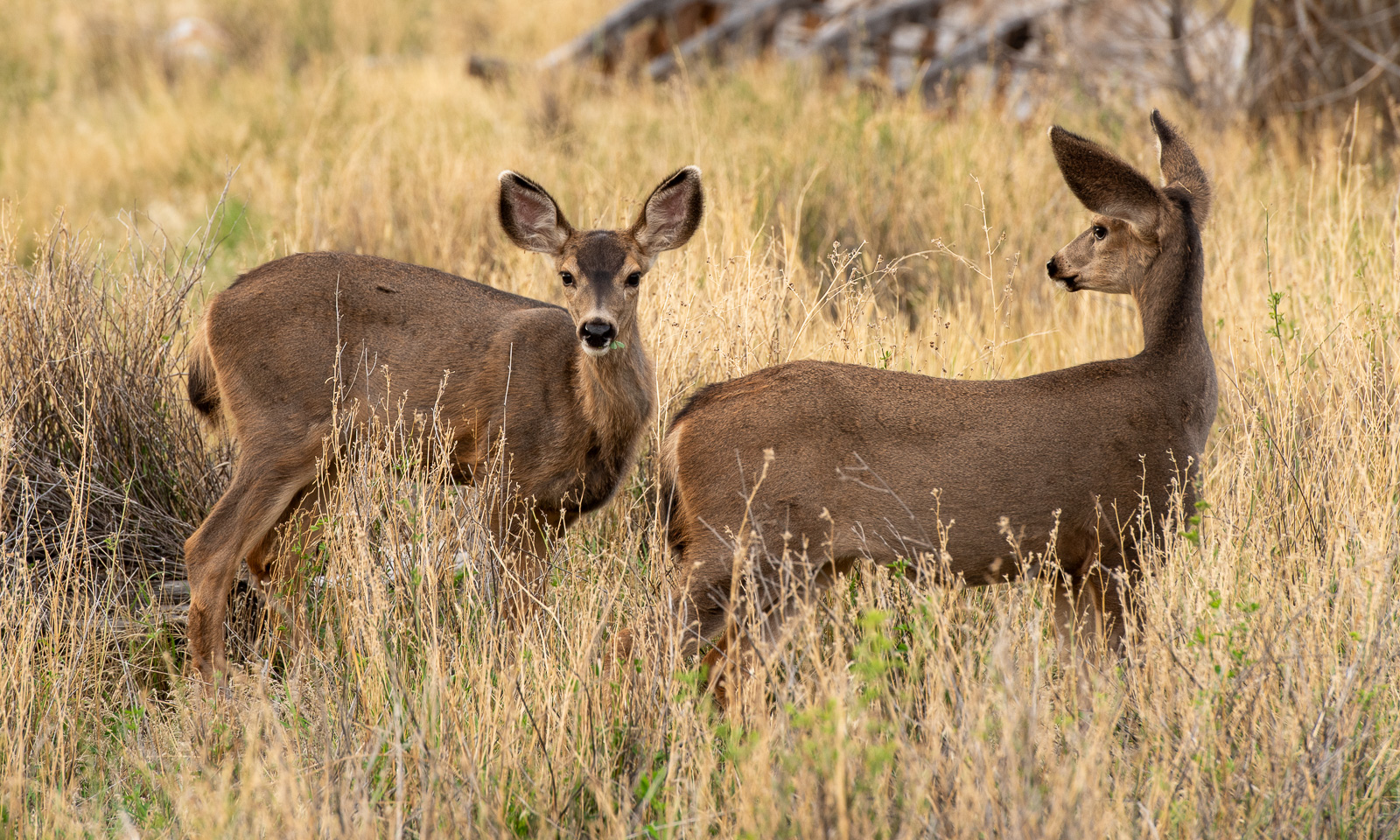
Back in the car we take the road north and pass Lairg. Then we pick minor roads that lead east again. A deer is crossing one of the roads, taking its time.

The sun is setting much faster than in Northern Europe and soon the colours of the scenery become warm. Photographers call this the golden hour and in my humble opinion it is especially beautiful in autumn.

It is not only the golden hour, it is the hour of the pheasants. First we see one here and two there, then some are on the road and all of a sudden a whole flock is blocking the narrow road. completely. They totally ignore our car and I have to exit, running towards them, waving my arms like a madman to shoo them away. Never have I seen so many pheasants in my life.

Near Brora we come back to the main road A9. Another eighteen kilometres and we arrive at the “Song of the Sea, Selkie House” in Helmsdale, our first stay for the night. Just half a day’s drive, and we’ve seen so much already. Now we’re heading to a pub for some food, and before long we’re lying in the huge double bed in our cosy room.

Tomorrow we will continue north.

Scotland NC500 – prelude

This article is part of the series “2025-10: Northern Scotland”.

Oh my, was is really less than two weeks ago, that my wife Annika and I were on holidays in Scotland? It feels like ages ago! Time to start blogging about our trip that is south from were we live, but still kind of way up north, at least from a British perspective.

11 October – arrival

Half past twelve. I have just landed in Aberdeen, Scotland’s 3rd largest town. Annika will arrive late afternoon, my luggage the next day … . I check in at the Station Hotel and realise that I have reached a rainy realm. At the entrance door you can rent umbrellas. 3 £ for 48 hours. Card payment.

I take a stroll through town and start to take photos.

Soon I realise that in Aberdeen it completely makes sense to take photos in upright format.

Later the day I head eastwards to the Aberdeen beach front. I would have taken my bathing gear if my luggage had arrived in time.

When Annika arrives it has become dark. We eat dinner at the Indian restaurant Namaste Delhi where we have great Indian food. I ordered a salty lassi and got a custom one—off the menu! I however didn’t dare to play the grand piano. A rare view nowadays.

12 October – Aberdeen

After having breakfast in our hotel –cereals,  toast, bacon and eggs, beans, haggis, you name it – we take the bus to the Old Town. But before that I try to take a photo of the Marischal College in the center. No, it is not curved like on the photo but even with my 14 mm wide angle lens I had to stitch together six photos to get this colossal building on a single image.

But now: Old town. First the botanical garden, where the Autumn Crocus flowers were in full bloom. Very beautiful and very toxic!

Next stop: St Machar’s cathedral with its Heraldic Roof. Just impressive!

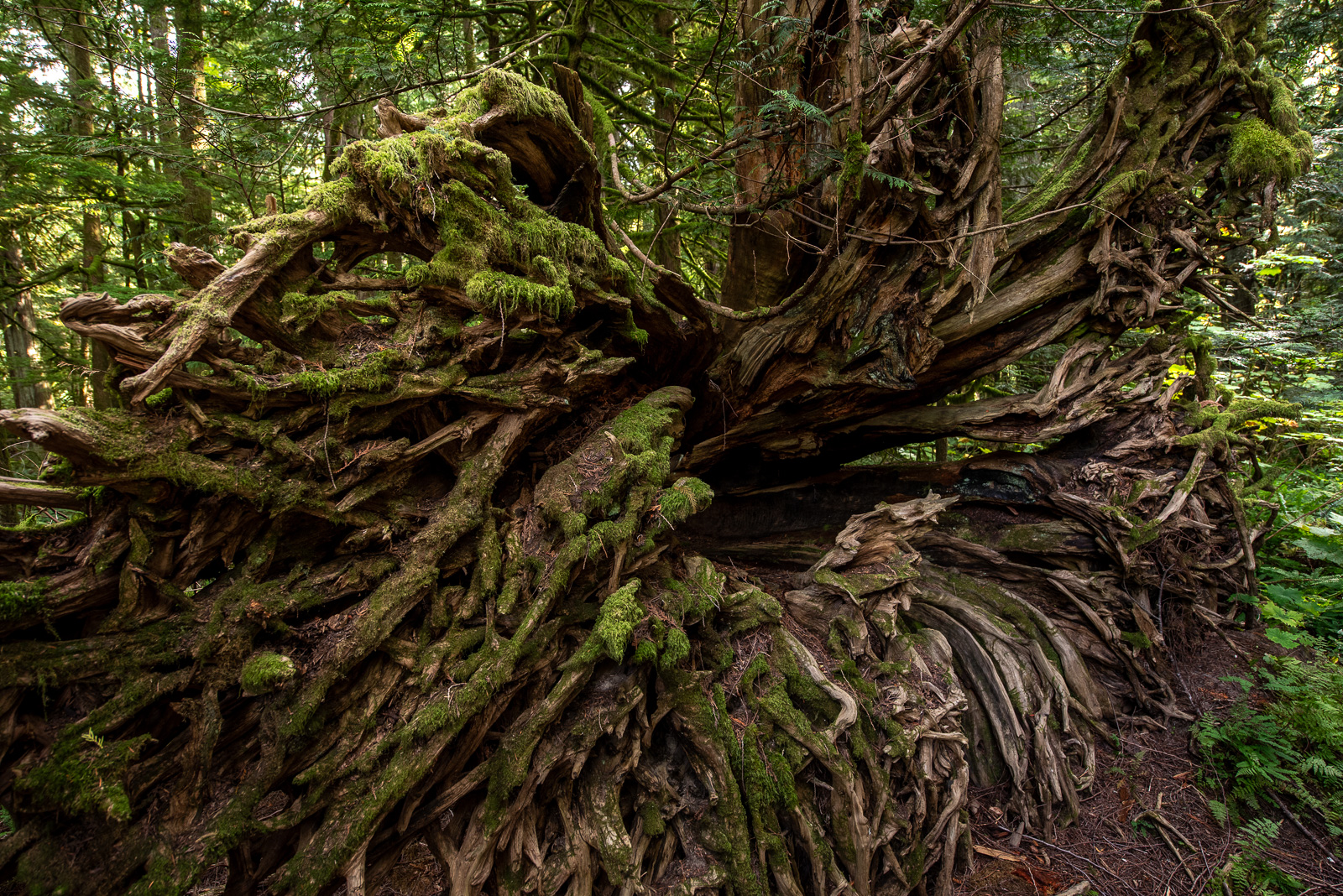
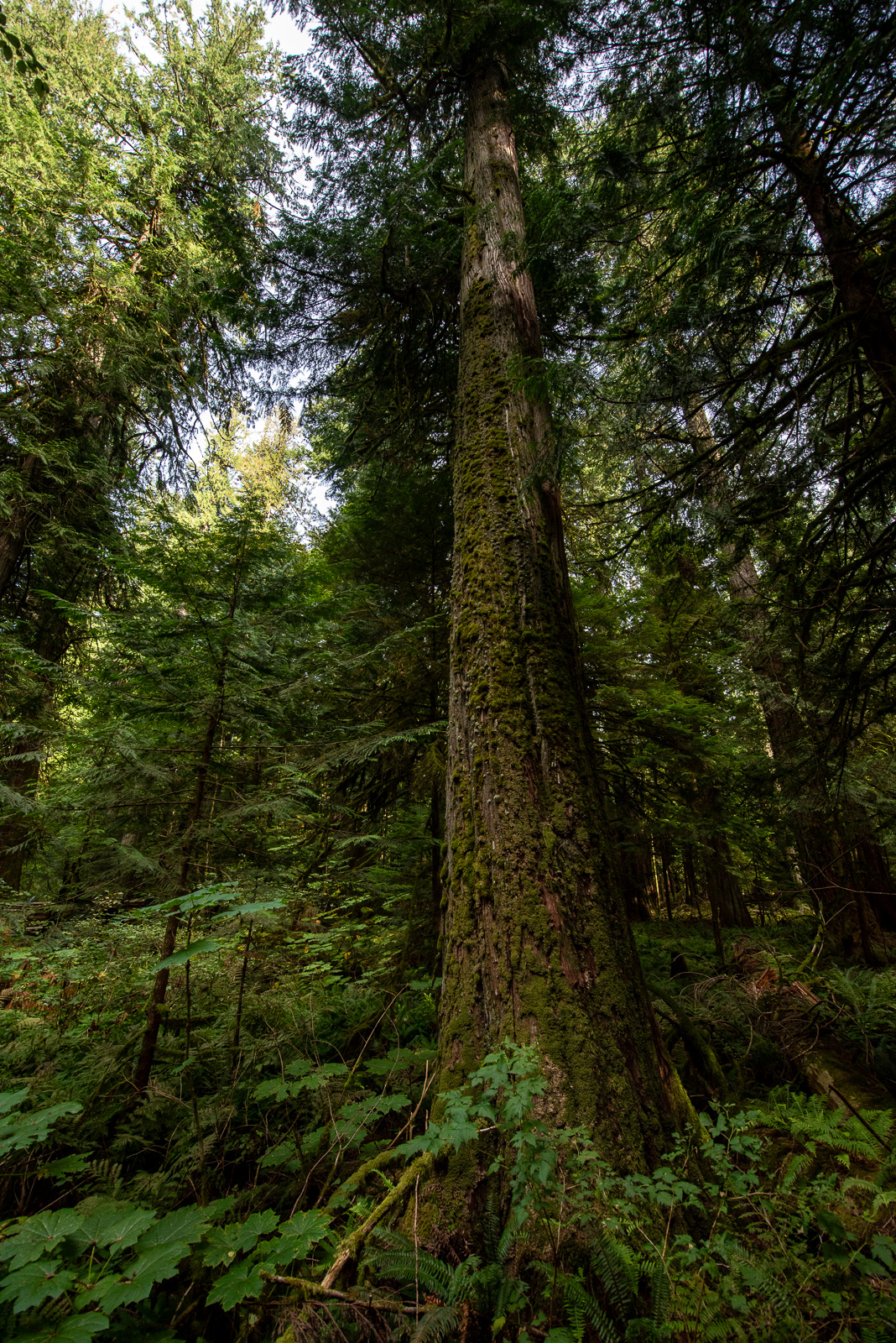
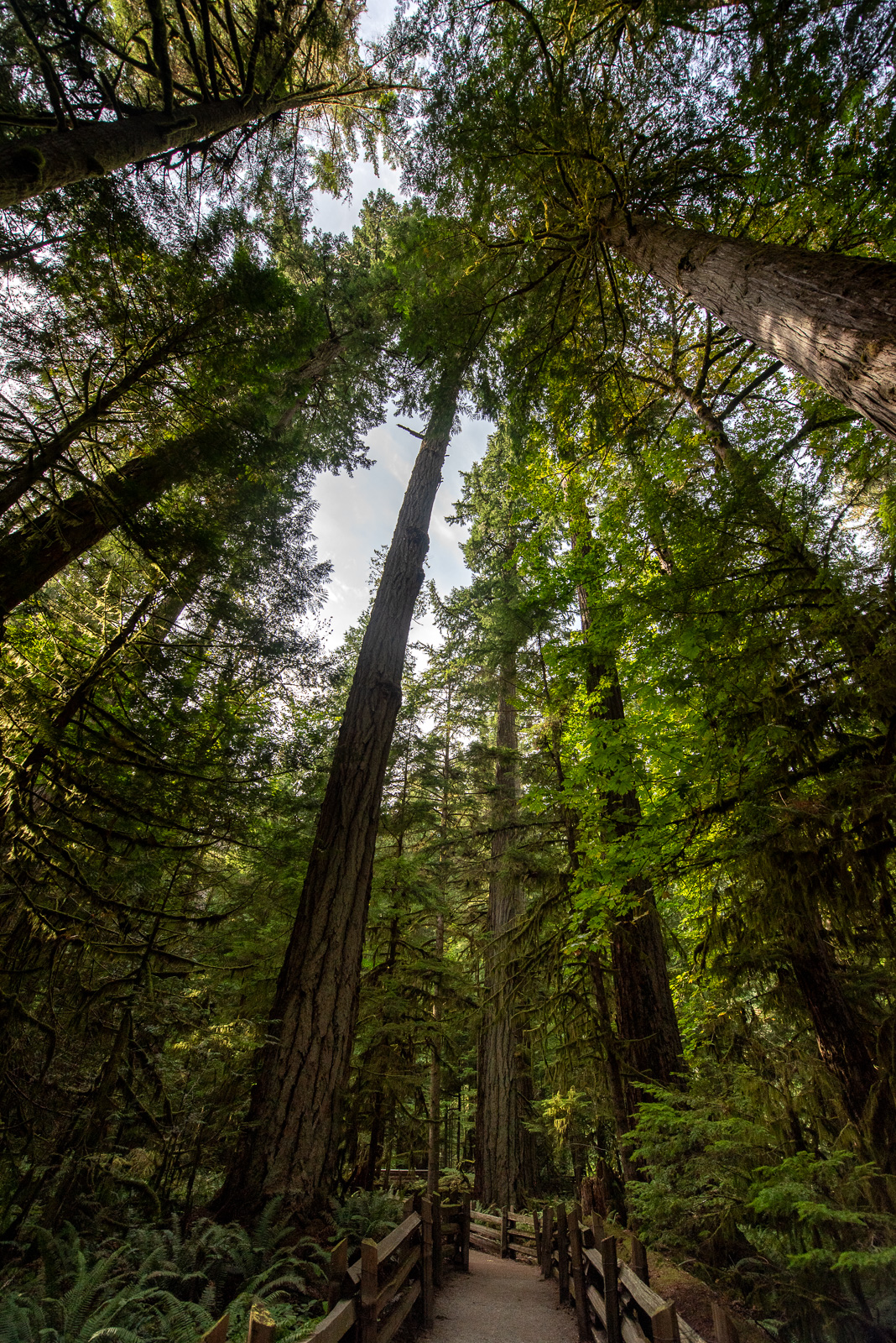
Equally impressive are the huge and ancient trees. We don’t have such trees at home, neither in Umeå, Sweden, nor in Tromsø, Norway. These beech roots I photographed in Seaton Park that lies beside St Machar’s by the river Don.

Next stop: King’s College, founded in 1495 and still part of the university. The wood carvings in the chapel are amazing and the whole place breathes centuries of history.

After a small lunch we take the bus back to the center of Aberdeen, where old and modern architecture live side by side.

We are back at the hotel, but not my luggage. Just minutes after we have entered our room I get a call from the reception. The luggage finally has arrived. Wideroe had failed completely in giving any updates on any communication channel about the luggage’s whereabouts. Now I’m really relieved. We can take the train to Inverness the next day as planned! Now it is time for a nap.

After the nap we want to have a snack for dinner, preferably something that is new to us. We find it in a tiny Georgian restaurant called Oki Doki, where we eat Khinkali for the first time in our lives. Strongly recommended to try it out when you are in Aberdeen!
13 October – Car rental

It is ten o’clock and Leakey’s Bookshop – Scotland’s 2nd largest second-hand bookshop – has just opened. It is a beauty! At least in the eyes of book lovers. It is also overwhelming with its over 100,000 books (including an own section for polar exploration!) and we didn’t buy anything.
We are not in Aberdeen anymore. As planned we took the the train to Inverness in the morning, where Leakey’s Bookshop is located. Here in Inverness we will hire a car and drive the “North Coast 500” (short NC500), a scenic 516-mile (or 830 km) long road trip along the north coast of Scotland. We have eight days.

We have to walk a bit to Arnold Clark, our car rental. Here we receive our SEAT Ibiza – a perfect car for the many narrow single track roads. It is Annika, who is driving. She has already left-hand driving experiences from three years ago and an additional driver (me) would have costed us £ 120.

And off we go – heading north.

Stay tuned for the next chapter …

Šlobboten

Yesterday evening I had the honour and pleasure of joining the musical performance Šlobboten by Sondre Närva Pettersen. As a member of the Tromsø-based Sámi choir Romssa Rástát, I stood on the stage of the Hålogaland Teater, where this extraordinary performance took place last night.

Since I do not manage to find the right words to describe it better, this is the translation of the information I found on the website of the Jazz club:

A magical exploration of Sámi culture and identity.


In this groundbreaking production, Sámi singer and composer Sondre Närva Pettersen—whose roots lie in Ullsfjord—has created a truly unique concept. The performance takes the audience on a journey that blends Sámi culture, Nordic jazz, Sámi hymns, and electronic textures, brought to life by a large ensemble of some of our finest musicians. It also features personal interviews and captivating video art.

On the dress rehearsal I took the freedom to take some snapshots with my mobile, while we waited to go on the stage.

Some of Sondre’s beautiful melodies are still echoing in my mind the day after the concert. If we are lucky, the programme might be staged again. Perhaps next year?

Walking home between the seasons

After a three-week break, I did my usual after-work hike from Prestvannet to my flat today. Back then it was full autumn, now the weather bas become more wintry despite of the warmer temperatures the last days.

For those who wonder whether I’ll show photos from Scotland. Yes I’ll do but not before next weekend. See you then …

Tromsø departure – Tromsø arrival

On 11 October I took the plane from Tromsø to Bergen and then to Aberdeen for a holiday in Scotland with my wife Annika. In Tromsø it has rained the night before but in higher altitudes the rain had come as snow. I could see the mountain Tromsdalstinden (1238 m) after departure and before we were swallowed by the thick layer of clouds. It was covered with a thin layer of snow.

Then we had a great time in Scotland. And we didn’t had any snow at all. (More to be told later.)

Yesterday I flew back and arrived in Tromsø at 10 o’clock in the evening. Round the airport there was some snow and slush but where I live there was more snow. More than I expected.

Today I measured 28 cm of snow on the roof of the car (or 11 Scottish inches), but now it is warmer and the snow has started to melt. While the birch trees are leafless, other trees are still leafy and now let their colourful leaves fall onto the snow.

Today I took a day off and will use some of the time to browse through the Scotland photos. But before that I will clear the snow on my parking place to avoid afternoon’s rain.

October on Tromsøya

This is the season where the golden October starts to loose its colours. The first ground frosts occur and many birch trees have lost their leaves. Now it is the rowan and willow trees and the grass and moss that shows autumnal colours.

Four pics I took on an after-work hike two days ago and four I took today.

It won’t be long before the afternoons are so dark that the light posts make sense — and maybe I’ll be able to ski there as early as next month.

1st October

The 1st day of this year’s October delivers! First I got a clear, blue sky on my after-work hike through the autumnal forests on top of Tromsøya. Then I got beautiful Northern lights tonight, I just came in and developed the photos a bit.

What you don’t see here – as usual – is the movements of the Aurora. The live act is still better.