Ski premiere 2026 in Tromsø

What do you do when it is Sunday, you sleep until 10 o’clock, have a long breakfast and want to go skiing, but the amount of usable light is quite limited? You take the car to the mainland, park by the Elvestrand Cemetery and ski to the lavvo of Gutta på Skauen (The Guys in the Woods). That’s what my wife Annika and I did today, when we slept until 10 o’clock, took a longer breakfast and wanted to go skiing.
With -15 °C it was significantly colder at the parking lot than in town. It took a while until the fingers got warm when we started skiing.
Behind us: the town of Tromsø on the island Tromsøya. In front of us after 2.6 km: the wooden lavvo.

It is an attractive destination amongst the locals, not only because it is near and the ski track is easy but also because the lavvo is open on Sundays between 12:00 and 14:00. A fire is burning and men – the guys in the woods – serve coffee and hot juice. The “lavvoboller” – the cinnamon rolls – that lie by the fire, you take yourself. Everything is free but a donation is always welcome.

We sat there for a while and then headed back taking a slightly different route. It had become darker and the light had changed.

At the parking lot we put our stuff into the car and I drove back. Around 15 minutes later we were back at the flat in Tromsø, where I took a final photo of the view from the balcony.

The time from deciding “let’s do it” to being back in our flat in Tromsø was less than three hours. Another reason why Tromsø is a cool town to live in.

Winter walk on Tromsøya

This morning I went for a winter walk in Tromsømarka. That’s not an official name, but it describes the hilly terrain with forests, lakes, and bogs on the island of Tromsøya. I’ve walked there countless times because it is only minutes away from my flat – on foot. And I walked there on foot today. Maybe a stupid idea, when we have 60 cm of snow …

We are still in mørketid, the time where the sun will be below the horizon the whole day, but as you can see it is not dark at all. At least not around lunch time. The colours of the sky are incredibly delicate and vary a lot depending on the hour of the day and the direction you are looking. The photos were taken between 10:38 and 11:28.

I’m not happy with the photos. I used my small Sony RX100 that was accidentally to some strange mode using JPG, not raw format. That caused me some trouble editing them in Lightroom. Next time I will take my Nikon again, although the camera body plus two lenses is far heavier.

Crisp and clear winter

After ten centimetres of snowfall, the sky cleared during the night and temperatures dropped. I woke up at one o’clock simply to see the full moon with a halo and Jupiter nearby. I resisted the urge to go back to bed and went outside to take a photo. What a beautiful sight, especially in combination with the wintry coast.

I also took some photos of the snow and the ice at the coast tonight. Nine hours later the sun managed to climb above the cloud layer that had gathered on the open sea. Time to take a photo of the same scene again.

I guess this is my favourite combination of winter weather: first snowfall and wind, then a clear sky and cold air. I took two other pictures from the same place. You can see the sunlit ice fog on the horizon, which forms when very cold air meets the open sea.

At noon my wife Annika and I took a promenade to the beach Vitskärsudden. The sea was still open, but a layer of ice had begun to form along the beach. The small harbour on the other side of the breakwater was covered with ice floes. When the sun is low ice and snow in the shadow often look blue, while in the sun they look orange.

13:52 – fifteen minutes before sunset – the landscape became even more colourful. We were back at our house in Obbola and I took some photos through the windows of the winter garden that were covered with frost. The temperature had dropped to -16 °C.

Now it is 17:37 and I sit writing this blog article. The temperature is now -20.4 °C. When you are outside at minus twenty degrees and inhale through your nose it tickles, because your nose hairs freeze. If you think that is cold, in Gielas in the Swedish mountains -40.7 °C were measured at 10 o’clock.

Tomorrow I will travel back to Tromsø. Then it will be a while before I see the sun again, as the polar night lasts until 15 January. It will also be less cold, but more snowy. At the moment there are 67 cm of snow there. And the great thing: winter has just begun!


My first winter paddling 2026

It may not look like the ideal conditions for kayaking: -10 °C, snowfall and winds of 7–10 m/s, according to SMHI. Anyway, I wanted to open this year’s kayak season today, though not for a long trip.

It all start with dressing properly: stay warm, stay dry. Then I dragged my kayak to the small bay. I was lucky, the ice was thick enough to cross, so I was in the water within minutes.

I followed the coastline southwards. I would have loved to come closer to the photo scenes, but there are a lot of underwater rocks there and the waves were breaking on the shore. So I had to keep my distance.

Paddling became much easier with every metre away from shore. Most rocks were covered with ice, a result of the cold, windy weather over the past few days. The sea was open but some long bands of wet ice floes were drifting on the open Baltic Sea.

I turned right and headed to Vitskärsudden, our nearest sandy beach.

I turned my kayak and paddled the same way back. First to the south, then south-east, and finally east

And then home again, which lies to the north-northeast – that’s where the cold wind and snow come from. I can feel the cold air behind my face mask. Time to put on the ski goggles. (Nice side effect of being bundled up like this: you do not have to smile on your selfies ;-) )

I tried to take some more photos but was blown back by winds with around 1 m/s. Time to reach the ice edge – from there it’s less than 100 metres home.

The 3.8 km took me an hour. Partly because of the wind, partly because my neoprene survival suit is pretty stiff but mostly because of the photos I took. Even though my iPhone, in its waterproof case, hangs around my neck, it always takes time to put off the warm mittens and put the paddle aside.

Despite the forecast, it has been snowing all day and the kayak lying on the terrace is covered with snow. The survival suit is still drying in the shower. Sleeves and legs were encrusted with ice when I hung it up.


Low water level in Obbola

On the evening of 23 December, it got colder and frost patterns formed on the windows of the unheated winter garden.

It takes some effort to cross the new layer of ice in the bay when my wife Annika and I go kayaking on the morning of Christmas Eve, but we manage and most of the sea is free of ice.

Two days later – on 26 December – the situation has changed. It has become much warmer – up to +7 °C – and the ice is gone.

Yesterday – on 29 December – the water is gone as well, maybe caused by the storm Johannes that crossed Sweden two days before.

Today I have a day off and used the sunny weather to take a long stroll by the coast. The water level is even lower at –66 cm, so I walk part of my route in the Baltic Sea. Air temperature is around -8 °C and so you can see ice on the sea and on land, as well as huge fields of boulders that normally are underwater. Some photos from this morning:

Larger parts of the shallow bay Nagelhamnsviken by the camping ground Fläse have completely fallen dry. That looks pretty strange, when you know how it normally looks like.

The only thing we do not have at all in Obbola is any snow, but it seems to be a matter of days before it snows. And Tromsø – I’ll travel there at the end of the week – has 60 cm of snow right now.

A winter sunrise

My “work home” in Tromsø is about 340 kilometres north of the Arctic Circle, and this winter the polar night lasts from 27 November to 15 January. It’s always something special to be south of the Arctic Circle at this time of year, where you can actually see the sun.

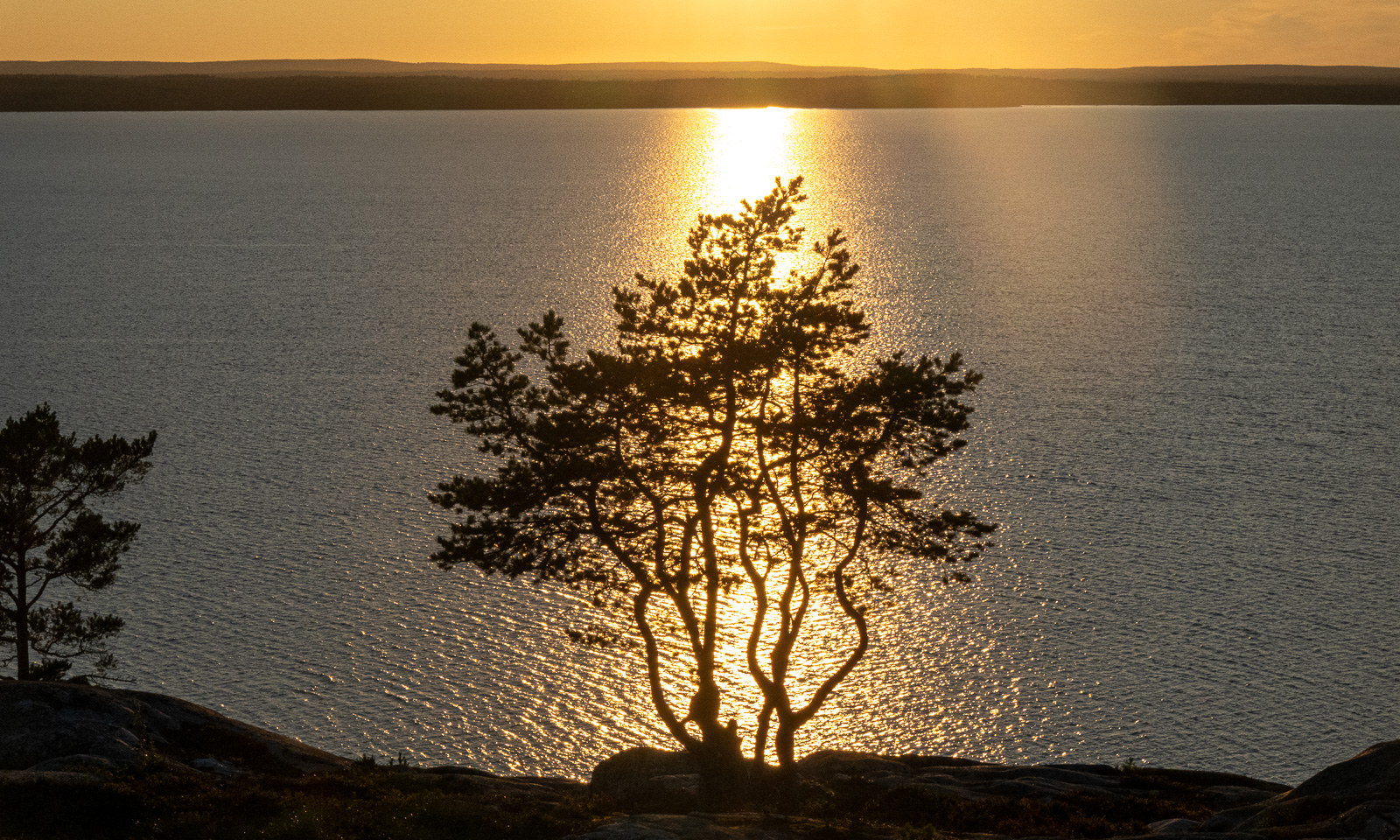
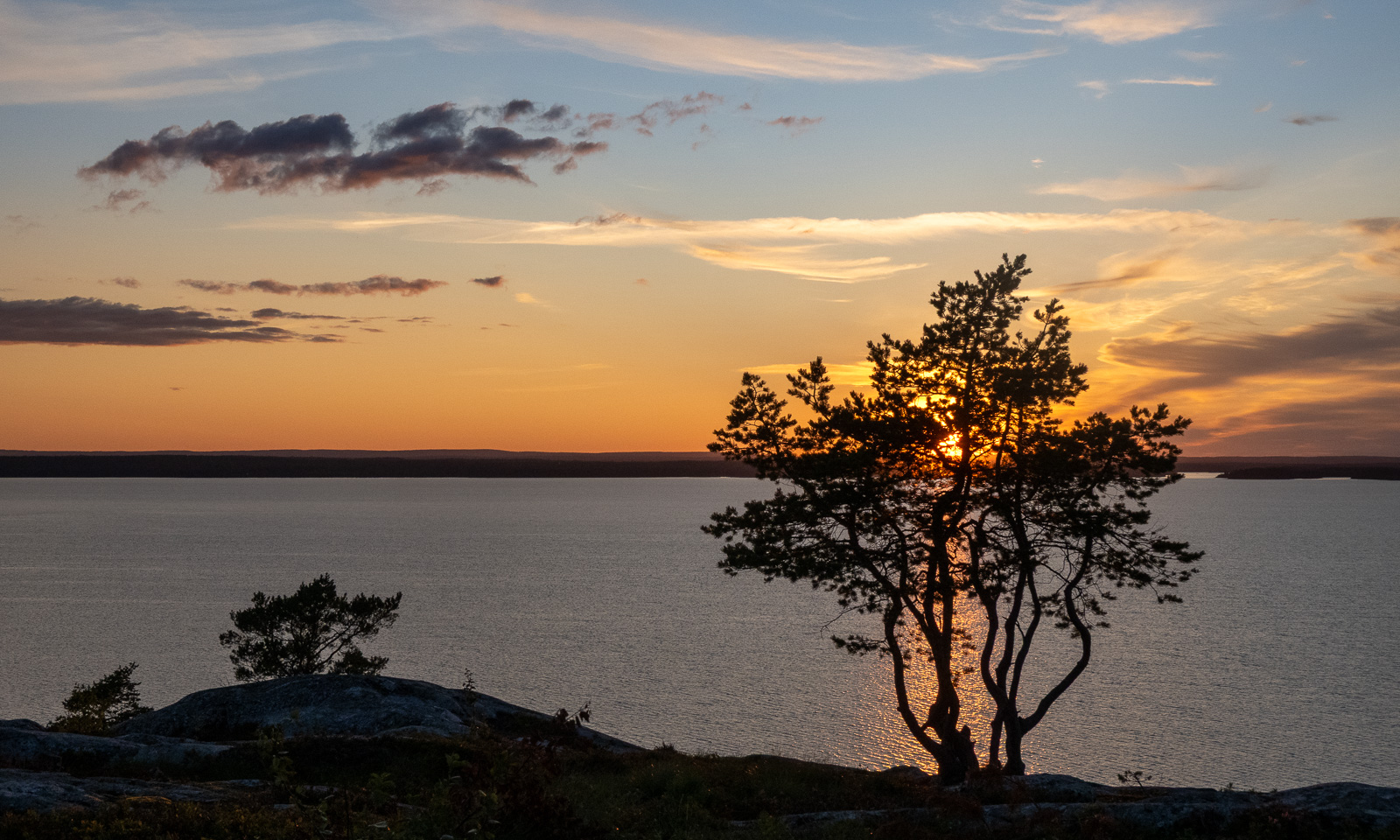
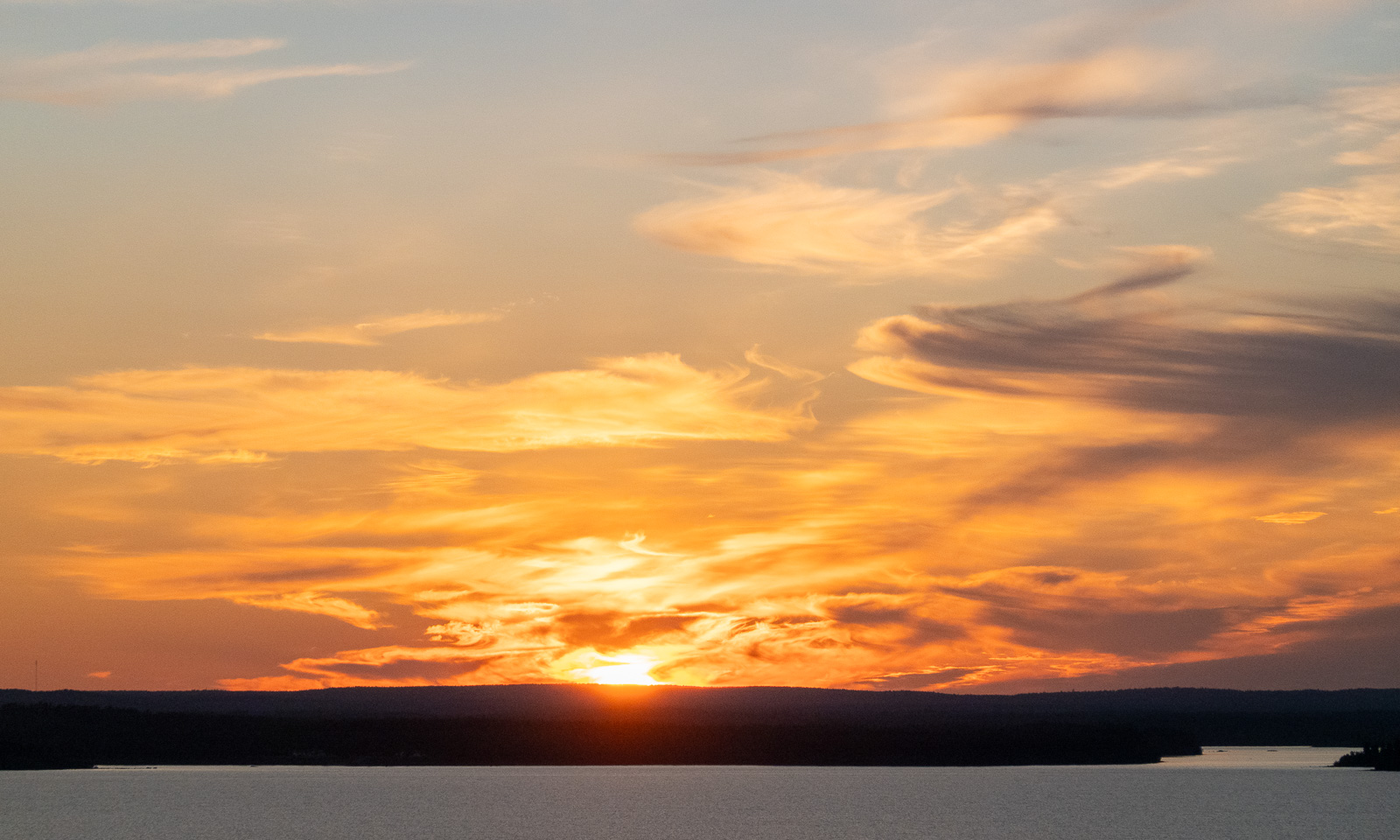
Today I walked down to the coast near our house in Obbola to watch the sunrise. Yes, people of Tromsø—the sun is still out there!

30 days – 30 photos

19 November – Obbola, Sweden

The morning is cold. -14 °C. The sea has been freezing over. At the horizon lies a layer of clouds. Will they bring snow? Ice fog indicates open water. Later this morning I walk Spåret, the local circular hiking trail. There is hardly any snow, but the ice on the ponds is covered with frost patterns.

27–29 November – Obbola, Sweden

The weather has changed back from winter to autumn. Rain and storm dominate. The crushed sea ice gathers in our bay and big waves roll up the beach of Vitskärsudden. Even the last tiny bit of snow has gone.

1–2 December – Obbola and Umeå, Sweden

We got some centimetres of snow and Vitskärsudden looks completely different. Our plan to take the car to the inland with our German guests however was stopped by the weather. Too slippery the wet and icy roads. At least we make it to Umeå, where parts of the river Umeälven are frozen over.

3–4 December – Obbola, Sweden

The snow is gone. On 4 December my wife Annika and I leave our house behind …

4–5 December — Obbola, Gagsmark, and Pajala, Sweden / Palojoensuu, Finland

… and we are on our way to Tromsø. First stop is the village Gagsmark in Sweden, where we visit friends and stay over night. Next morning we continue our journey. We pass Piteå and Luleå, leave the E4 in Töre and take lunch in Vippabacken, a small restaurant with a back-room museum. We buy food in Pajala and cross the border to Finland. We stay the night in the village Palojoensuu.

6–7 December – Skibotn, Tromsø, Norway

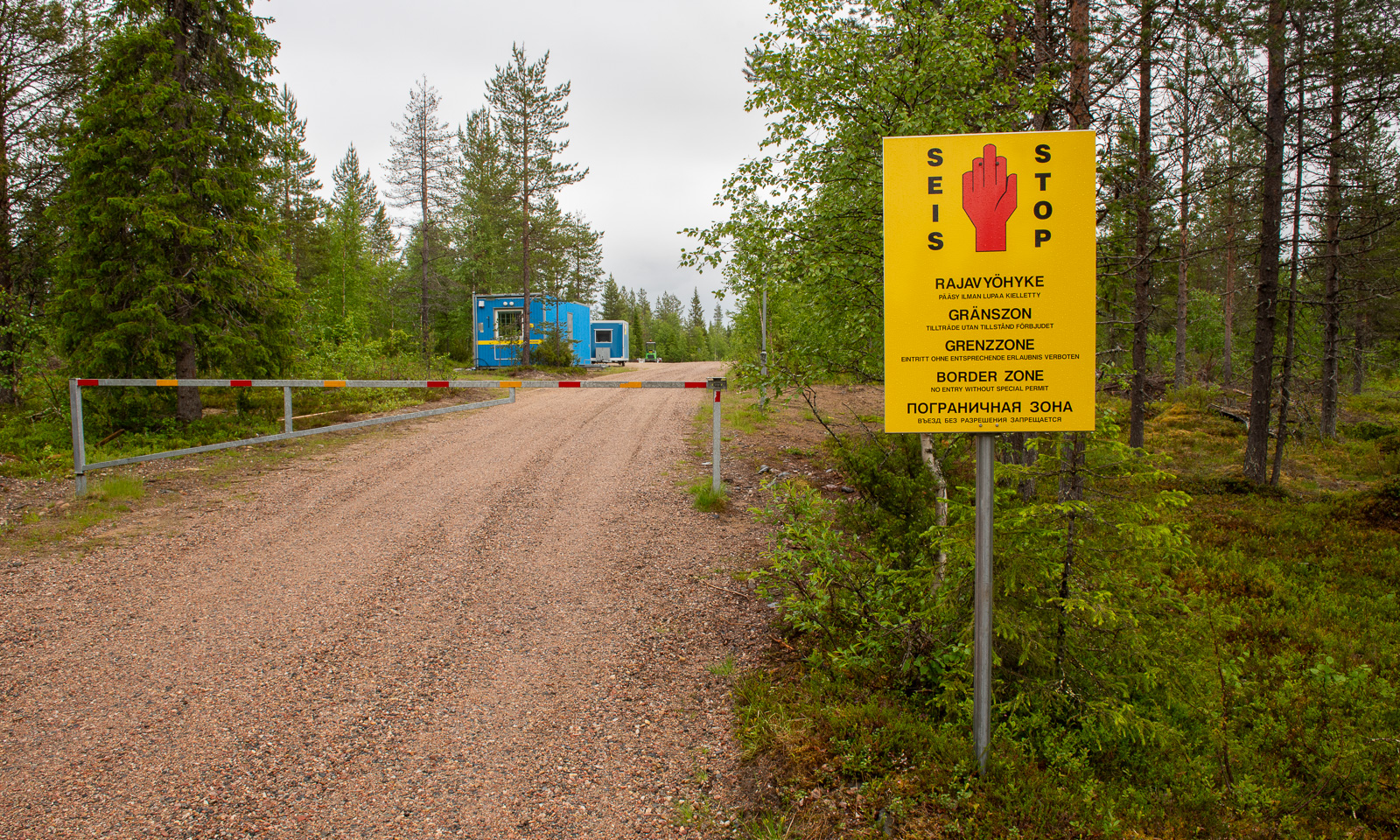
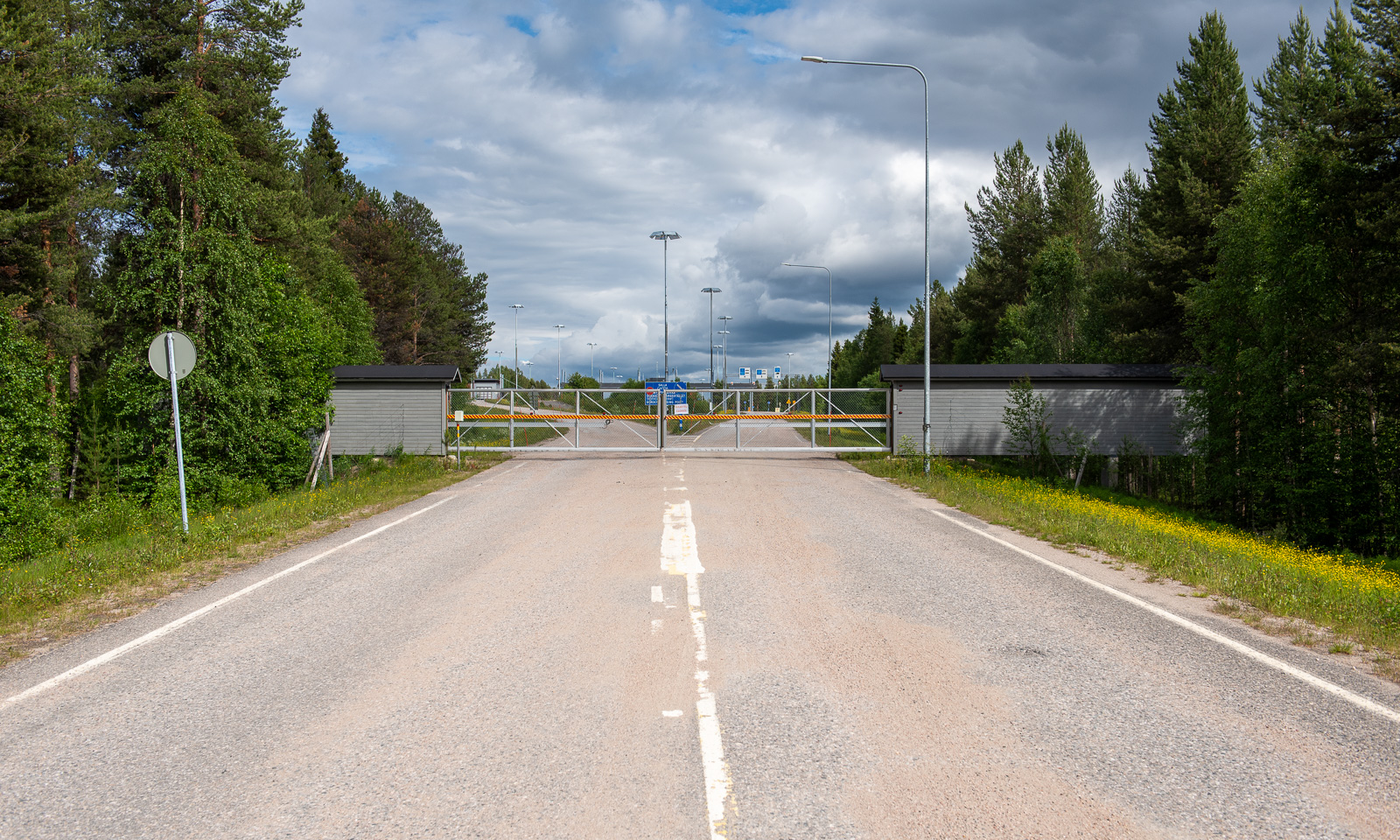
The road between Palojoensuu (FIN) to Kilpisjärvi (FIN) is lonely. Beside of the village Karesuvanto (population: 140) hardly anyone seems to live here and only a few other cars pass. As soon as we cross the border to Norway snowy mountain ranges come into view. Near Skibotn we see the first fjord and at a quarter past two we arrive in Tromsø.

Next day is the second Sunday of advent but I only have a single candle. I have to cheat with a mirror.

7–13 December – Tromsø, Norway

I am member of two choirs and Christmas is near. That results in a pretty busy week, where I have three rehearsals and three concerts beside of my regular work. The first concert is in the hospital, which is in walking distance. While Obbola was free of snow 60 cm lie in Tromsø.

After the second concert, this time with the Sami choir Romssa Rástát we got Northern lights. Annika and I watch them from the balcony. I try to make photos with my Nikon and a tripod as well, but the aurora has weakened and I had some camera issues.

On Saturday we open the skiing season. It is polar night, so we ski round noon, when it isn’t dark. In the evening I am singing the last concert, this time with the choir Ultima Thule in the Tromsø Cathedral, a wooden church in the very centre of Tromsø.

15–18 December – Tromsø, Norway

On Sunday Annika travels back to Obbola. I will take bus and train a week later (that’s tomorrow) and spend the rest of the year there, too. Will we get a white Christmas? Probably not. It is plus degrees and rainy weather both in Tromsø and in Obbola. While the Christmas decoration in the office building looks cozy, the streets in the centre of Tromsø don’t. Brown ice and sleet and water puddles dominate and it is extremely slippery.

On Thursday I have a special workplace: The research ice breaking vessel Kronprins Haakon lies in the port of Tromsø for two days. I walk down with my spiked Icebug shoes. On board of the ship I test some of my software components that read from the ship’s systems. It is always a relief to see your software to work in real life, not only with simulations. And I get a free lunch :-) . I get a bit nostalgic. I joined three scientific cruises on board of this ship. Will I ever join a cruise again, standing on the helicopter deck while we break through the ice? I hope so.

A photo of another Northern light in the evening ends this photo series.

Sunrise winter paddling

Three days ago it thawed and stormy weather crushed all the sea ice. The day after, the temperature dropped below zero again. This morning the weather was clear and calm at -12 °C. Time for another morning kayak tour, just like four days ago.

At 7:50 I stood on the leftovers of the old ice that covered the small bay. In front of me – a fresh layer of new ice. How thick may it be? I have the feeling it will not hold my weight.

You see the photo above? The kayak is tilted sideways. That’s not because of the waves or because I’m edging, but because the kayak is lying on the ice. The ice is stable enough to bear us with me sitting in the kayak. I move forward by using ice safety picks that I drive into the ice in front of me and then pull the kayak and myself forward. It’s exhausting, but it works. I have done it many times before. The ice is approximately 3 cm thick.

But then the ice gets thinner and has exactly the thickness I loathe: between 1.5 cm and 2 cm. Then the kayak breaks through and is jammed in a narrow water channel, where it’s almost impossible to use your paddle – no open water reachable – or the ice picks – the ice will break when pulling. Luckily the water channels often tend to widen, so you can kayak back some metres, get some forward momentum using the paddle and break another two metres of ice. That takes a lot of time and extends the distance paddled by a factor of four or more.

But then – finally – I reach open water by the island Lillskär. It took me almost half an hour for less than 300 metres!

Anyhow I manage to reach the sunrise in time. Now the surface of the sea is multicoloured. The back of the waves are reflecting the orange horizon, the front of the waves the blue sky above.

Now I just paddle a short round, because it is a weekday and I have to work. Just some more photos with my mobile phone in its waterproof bag …

… before I return home. First it is easy, because the channel that I had broken through the ice is open and I can easily follow it. Then the ice gets thicker again. I’m tired and since the water is pretty shallow I exit the kayak and walk the kayak home. I learn that the ice does not bear me at all. So I break it with my knees or – when deeper – with my rear. I would not dare to do this with my kayaking drysuit, but today I wear my survival suit made of thick neoprene, which is very sturdy.

I reach the shallow part of the bay where I manage to grab a large piece of ice and put it upright. Time to play a bit with the translucent motif in front of the sun.

It is two o’clock in the afternoon when I decide to take another break from my desk to watch the sunset. To make a long story short – I got it. No kayaks involved this time.

Season’s first winter paddling in Northern Sweden

While there is a lot of snow in Tromsø, is is only round 2 cm here in Obbola in Northern Sweden. Here it is the coldness that defines the winter. Today I took my kayak and made a small tour on the Baltic Sea which is just outside the garden. With temperatures round -13 °C and a light wind it was pretty chilly. The small bay is frozen and you can walk on it and on the open sea thin layers of ice are building where the sea is calm. Here are some photos from today’s kayak tour.

Now the kayak is lying in the floor of the house. The kayak’s steering mechanism was frozen and is currently thawing.

Tromsø—Obbola by car

You may know that I have two places to live. My “work home” in Tromsø, where I work at the Norwegian Polar Institute and my “home home” in Obbola near Umeå, where my wife Annika works and we have a house together. Mostly we use the train and the bus to travel, sometimes the plane and occasionally even the car, although it’s a long way.

It is early Friday morning, I’m in Tromsø. My car is packed and I’ve cleared last night’s snow. It is mid-November and the conditions are wintry.

Norway

I start the trip at 6:50. In Tromsø the weather is fair, but then I experience some heavy snow showers. When it’s dark the snowflakes seem to form a tunnel that looks a bit as if a spaceship in a science fiction film were going to warp drive. Some short passages have streetlights. That makes seeing the road much easier.

Around half past eight it is bright enough outside to see the landscape, not only a fraction of the road. It is still snowing, but driving is easy. Around 9:20 I reach the border to …

Finland

The snowfall has stopped but a lot of snow lies on the road. I guess up to 15 cm with some deep tracks of a few cars. After a while a snowplough approaches, but it is clearing the opposite lane. In Kilpisjärvi I make a stop at the supermarket and buy some breakfast. The rear of my car is plastered with snow.

I continue south and it is clearing up. Even the road is in much better shape now. Easy driving.

In the Finnish village Karesuvanto I turn right, cross the Muonio River and thus the border to …

Sweden

… where I arrive in Karesuando. I turn right again and join the E45 which ends in Gela, Italy. The sky is clear and the outside temperature dropped more and more. In Övre Soppero the display in the car shows -13 °C. It also shows a lot of warnings because the packed snow in front of the car is confusing the sensors for the cruise control. I feel tired and find a parking bay where I take a nap.

I sleep less than half an hour but I feel refreshed again. I continue my car trip to Vittangi and while I’m following the road see the slowest sunset I can remember. Perhaps, because I’m driving southwards?

In Töre, where I reach the E4 I fill up the car with fuel. From there it is not far to Råneå, where I visit friends and stay overnight. I’m asleep before 9 o’clock.

Still Sweden

After ten hours of sleep and breakfast I feel fit again to continue my car trip. The day before I made already two thirds of the distance and today I’m more or less only on the E4, so driving will be easy. To be honest, it’s a bit boring. That’s also because I’m leaving winter behind. There is less and less snow and it gets warmer. The good thing – the snow on the car has melted and the cruise control is working again.

Around 14:15 I pass Obbola and drive southwards to “home home”. No snow.

And then, after driving 966.8 km I am finally home home again. Here I’ll stay for about three weeks, then Annika and I will make the return trip to Tromsø together.

The route

Tromsø—Nordkjosbotn—Kilpisjärvi—Karesuvanto—Karesuando—Övre Soppero—Nedre Soppero—Vittangi—Tärendö—Överkalix—Töre—Råneå—Skellefteå—Umeå—Obbola