Hill hike II – Nattmålsfjellet

Today I decided to hike up another small mountain. It is called Nattmålsfjellet and is 296 m high. As Trehørningen it is on the island of Kvaløya.

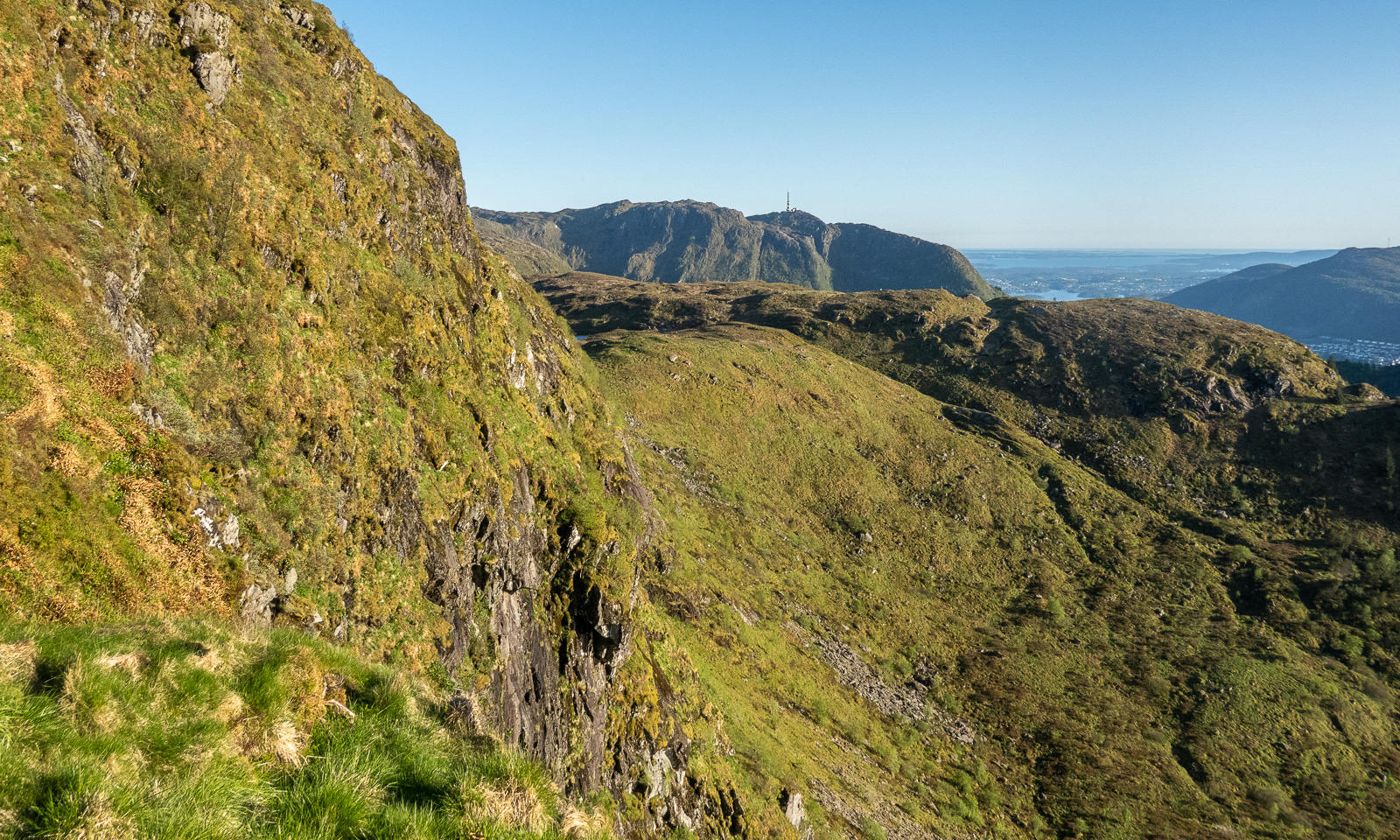
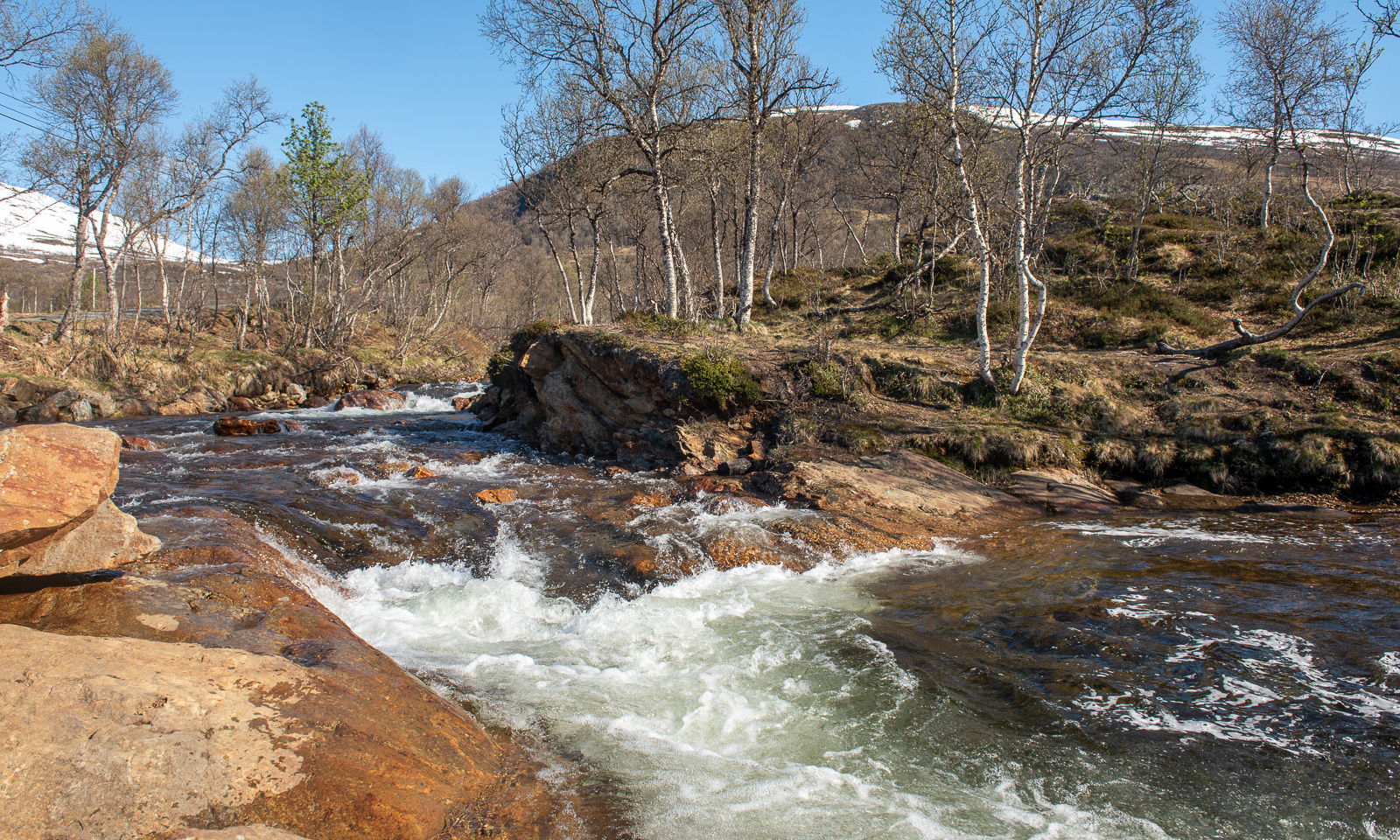
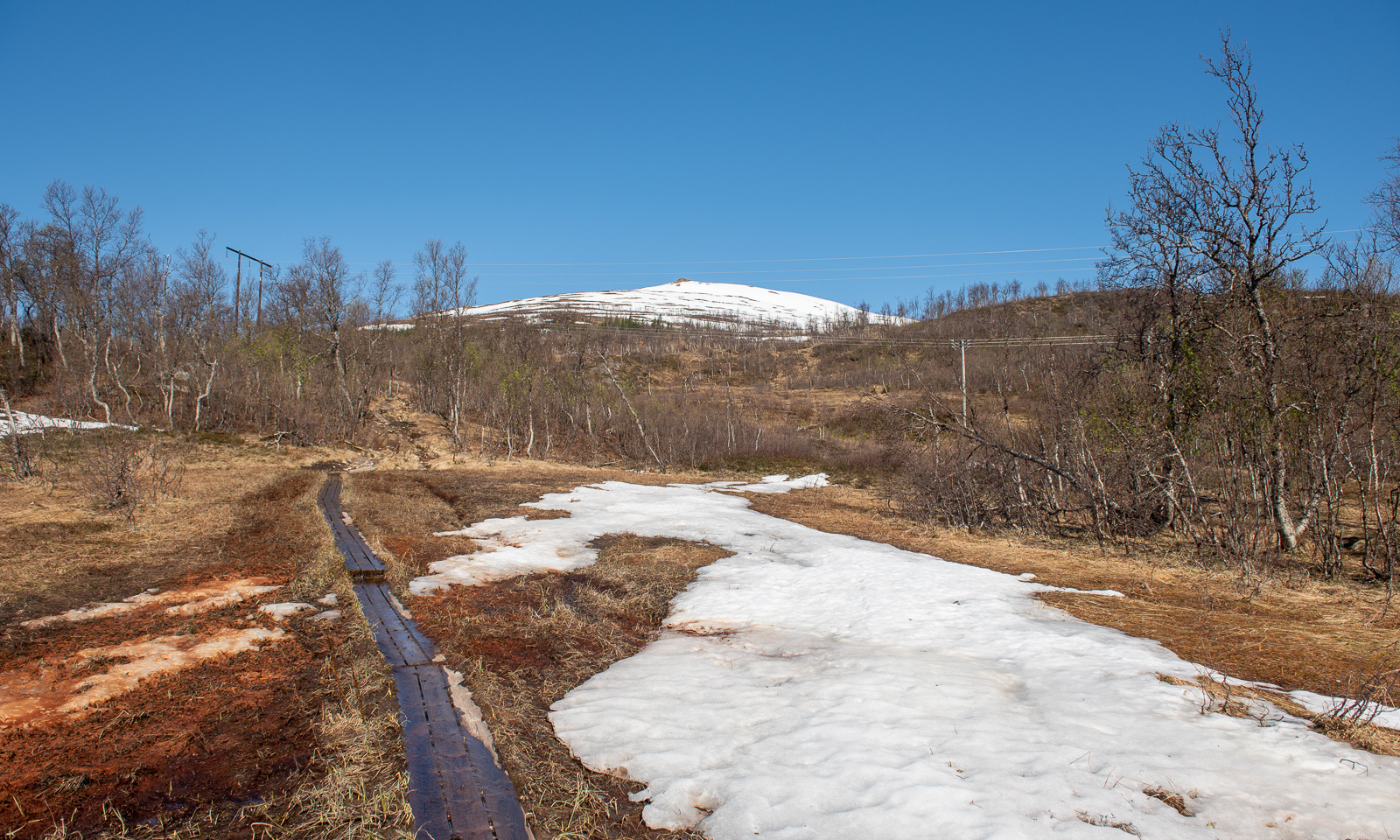
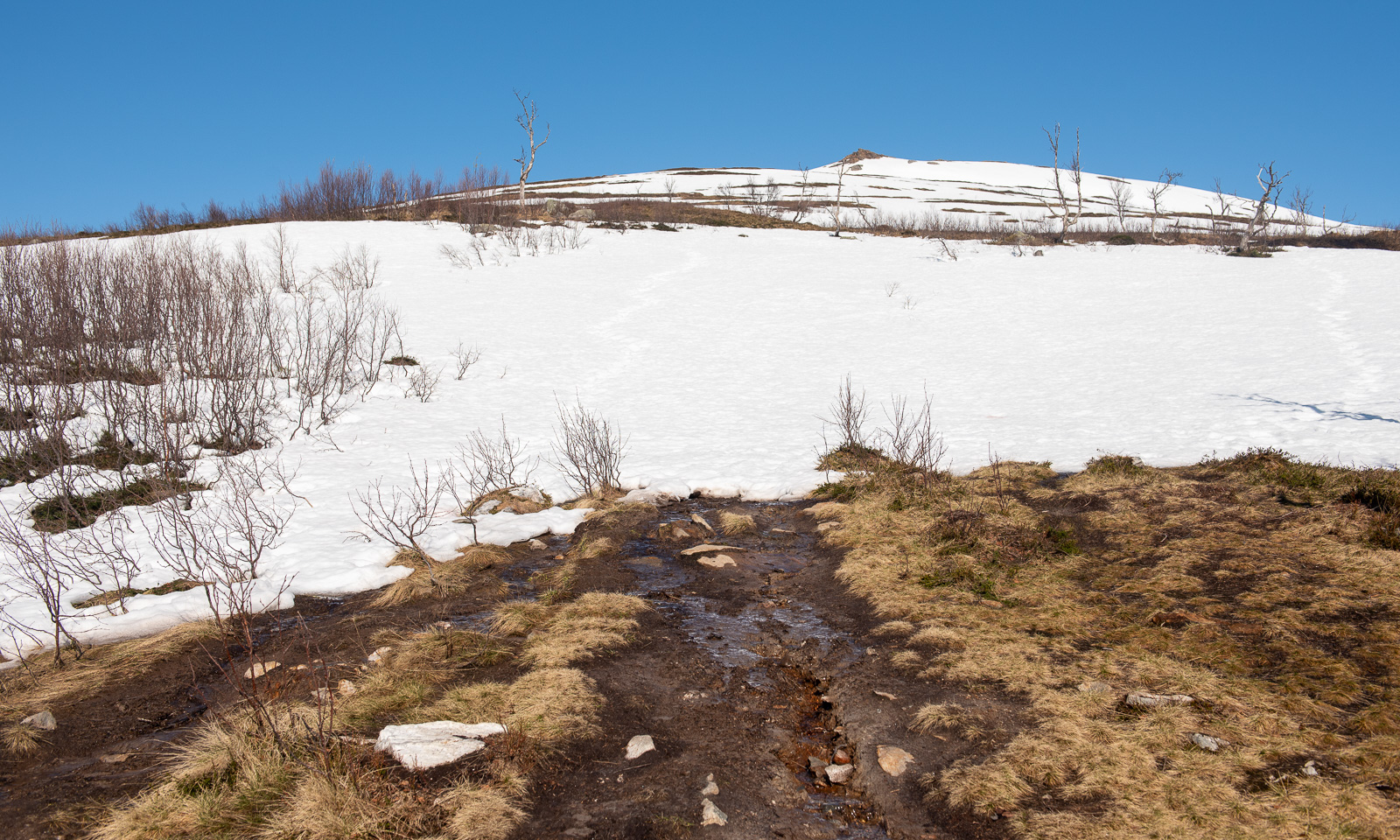
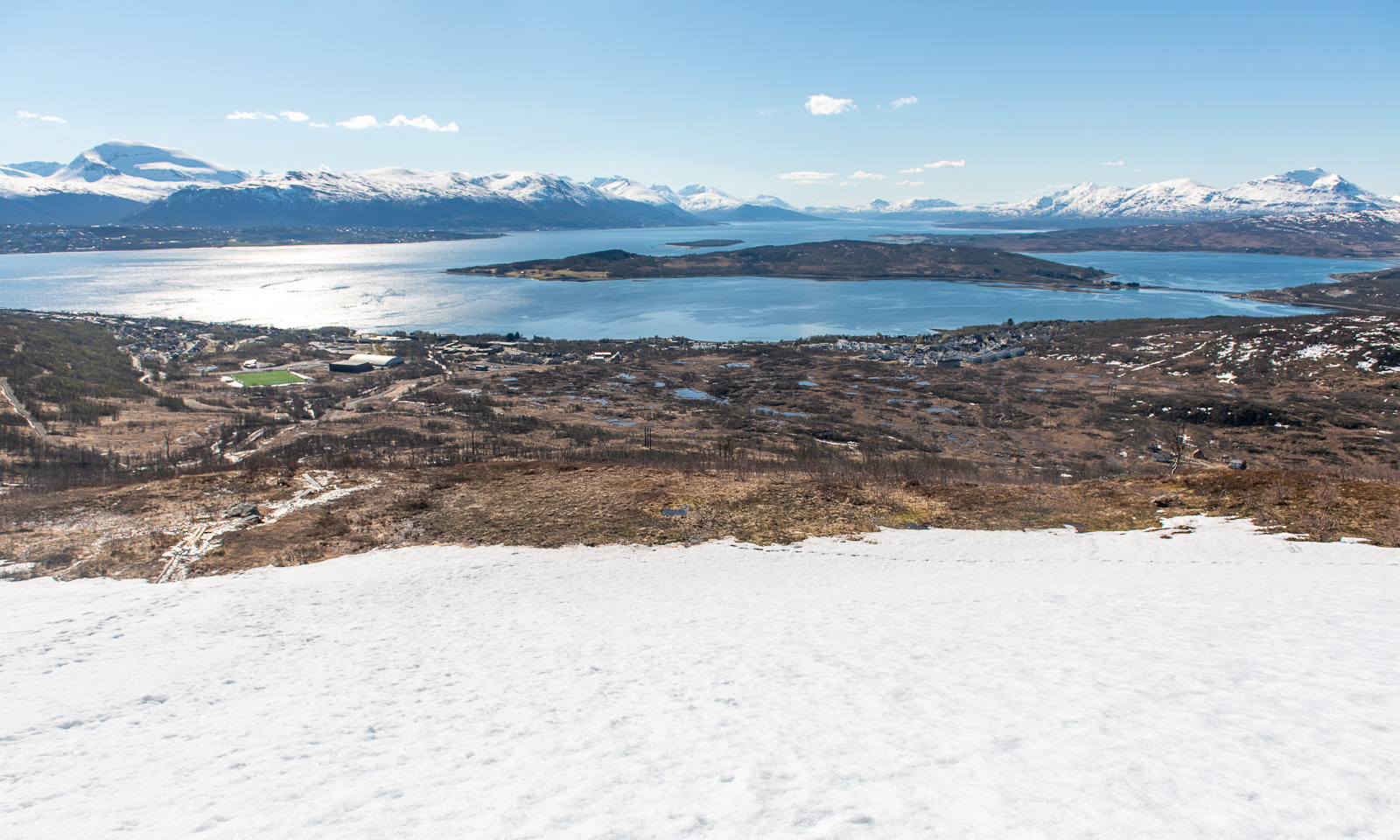
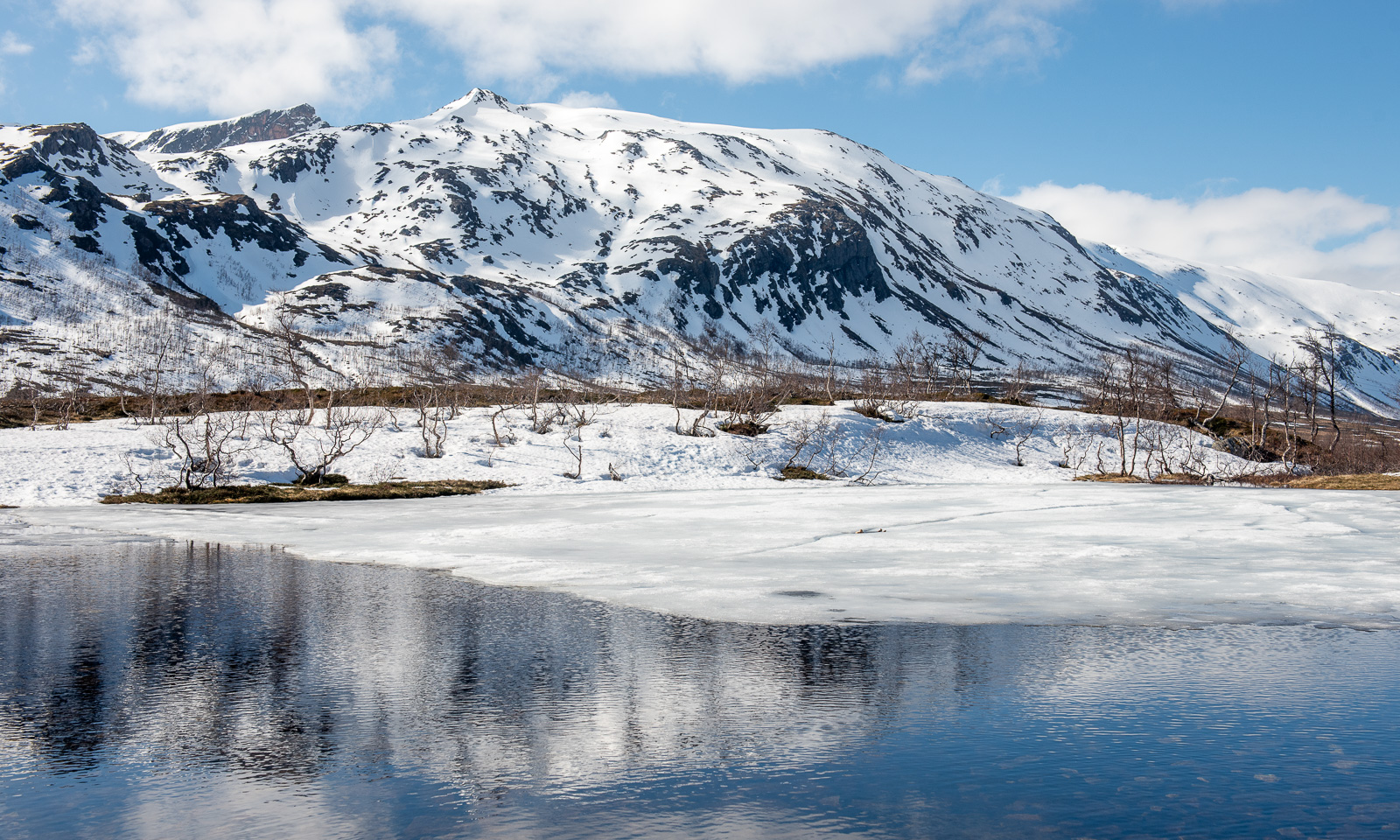
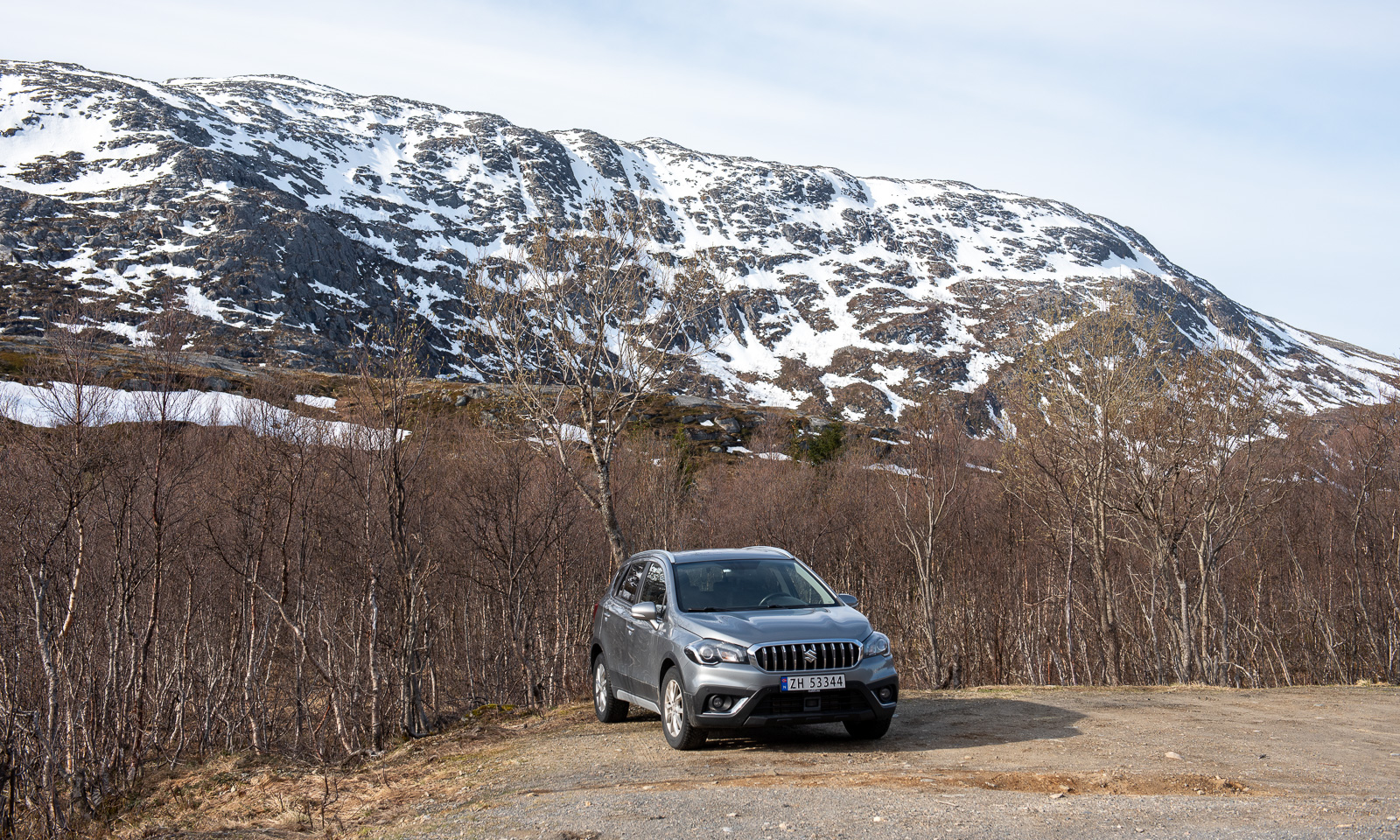
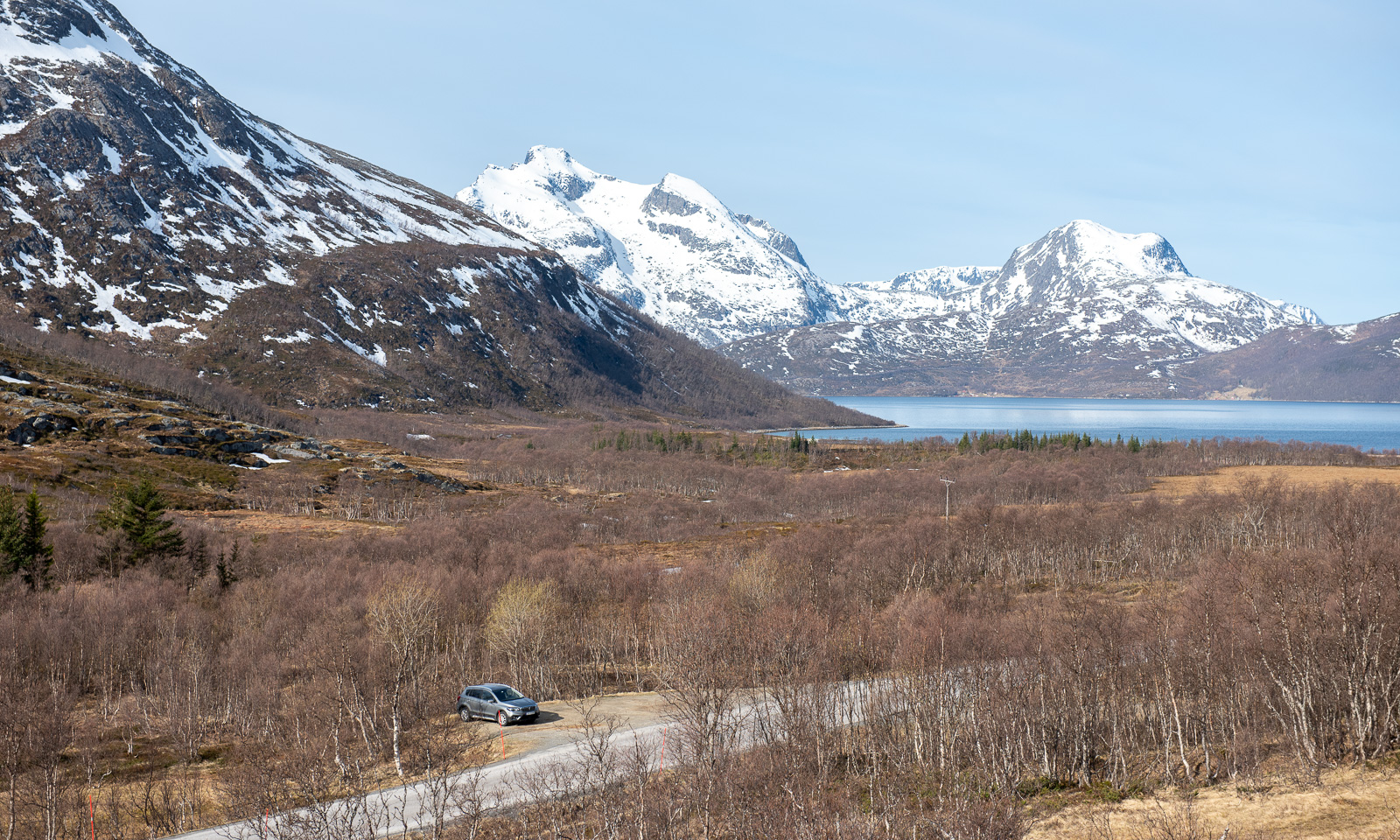
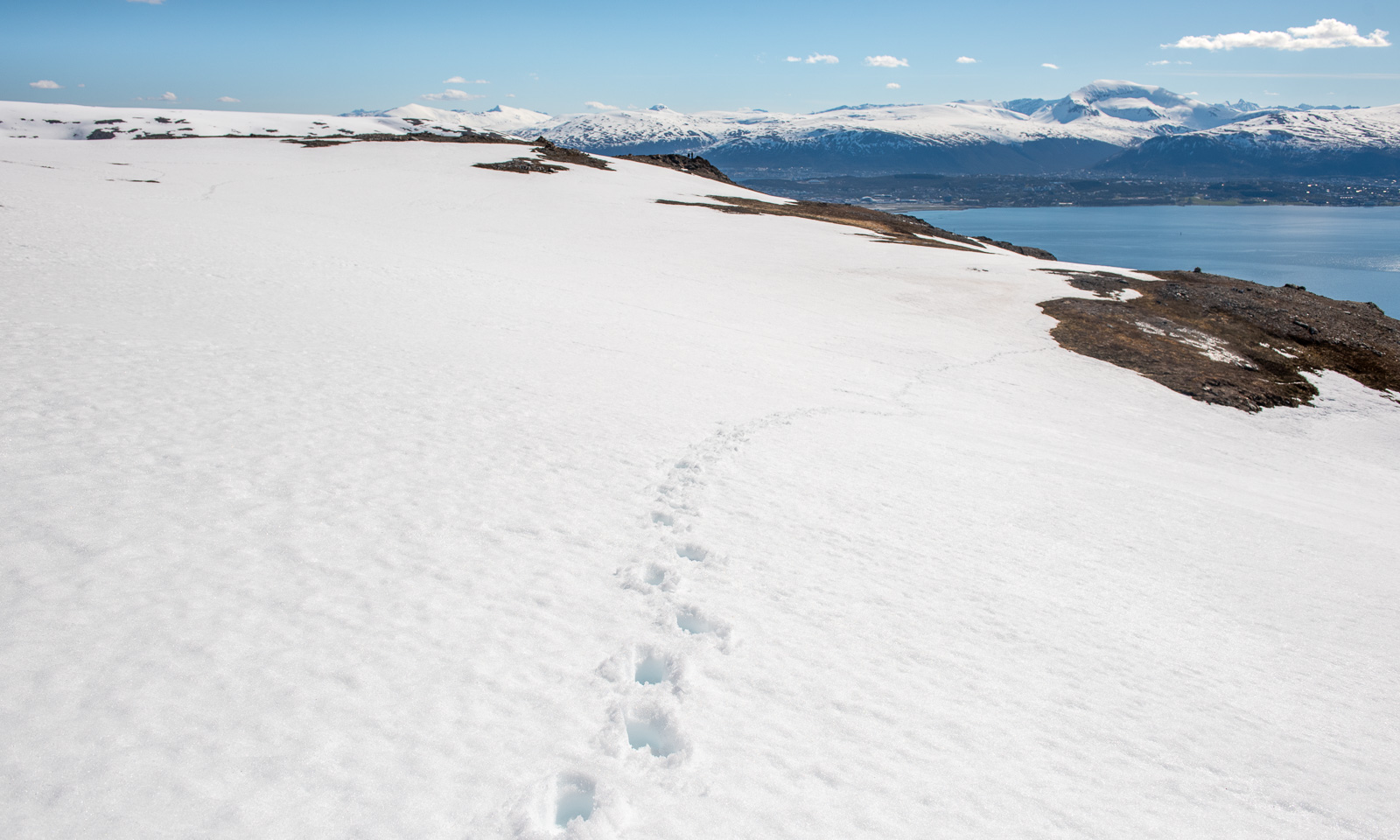
I park my car and soon I am out in nature in Northern Norway. High mountains, covered with snow. Open birch woodland, the birches still bare. Small lakes and ponds, halfway covered with snow and ice. Small mud bogs with wet patches. And views of the fjords and the open sea. All under a blue sky with temperatures above 10 °C.

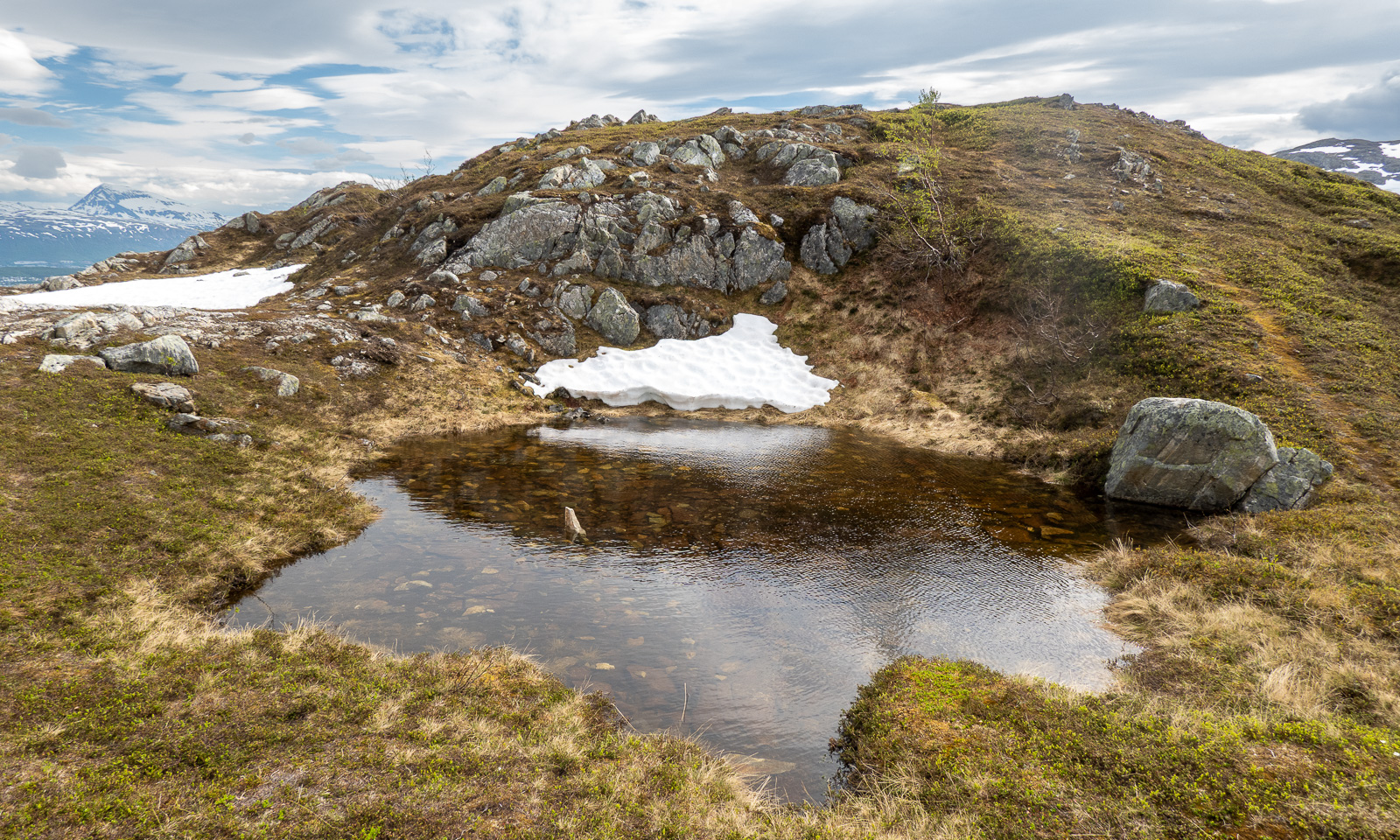
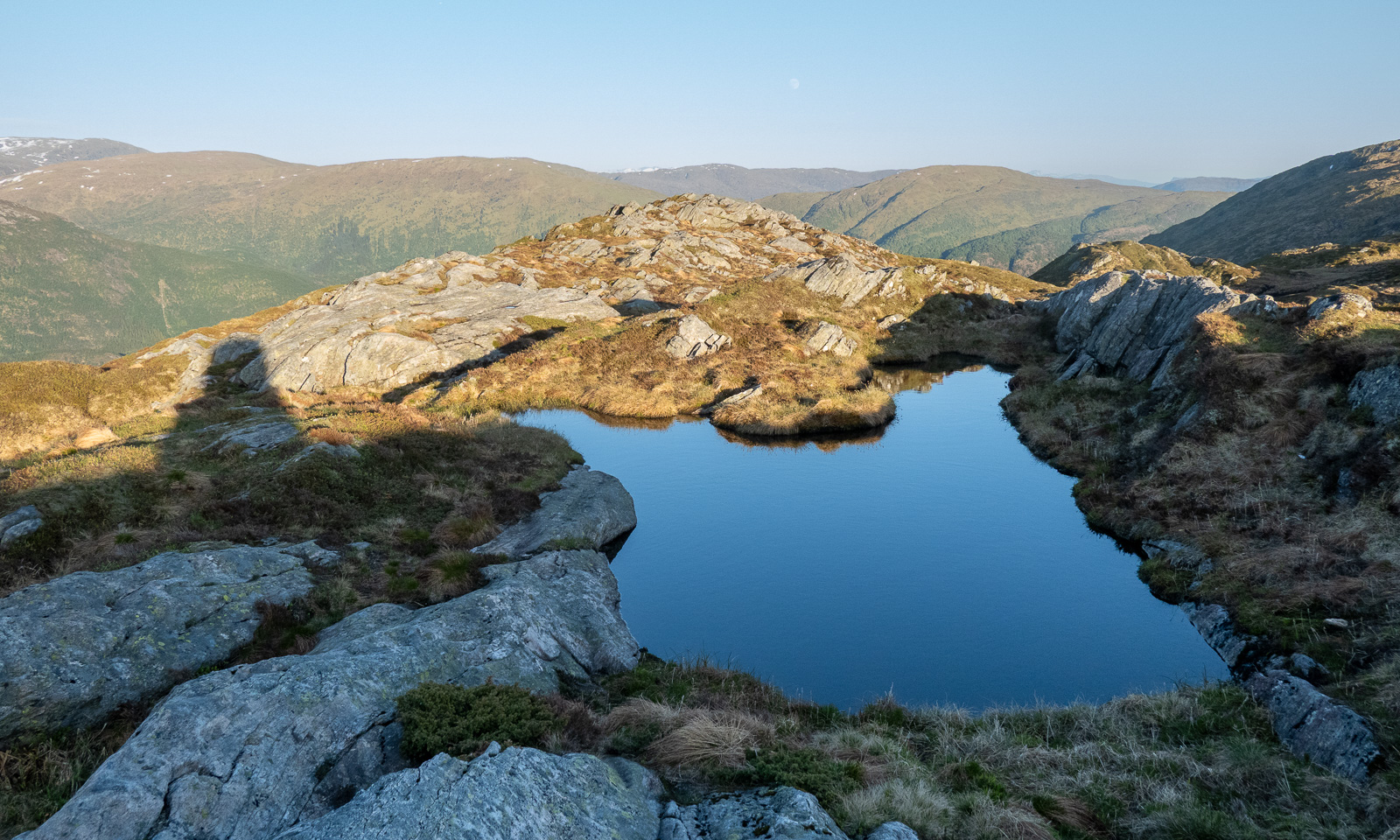
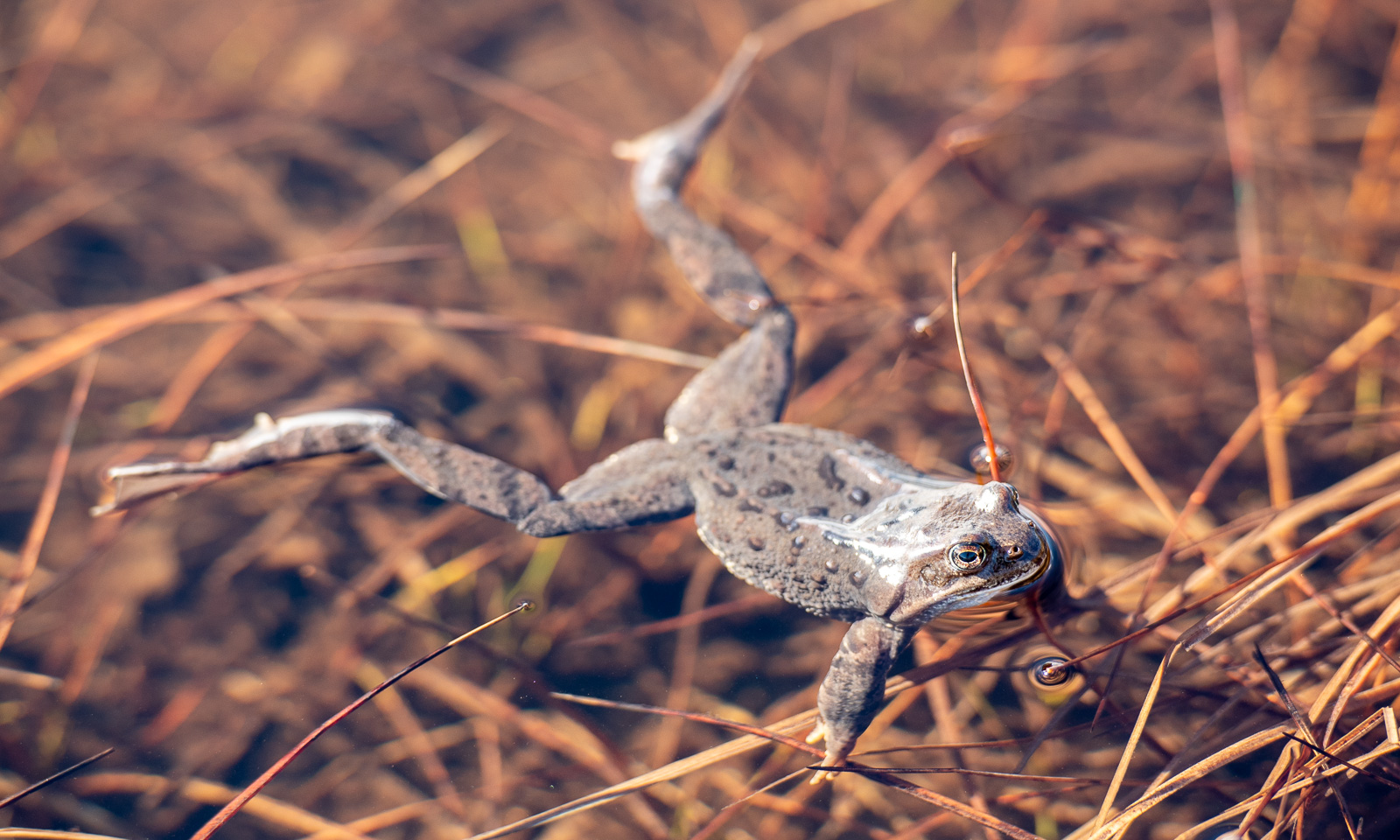
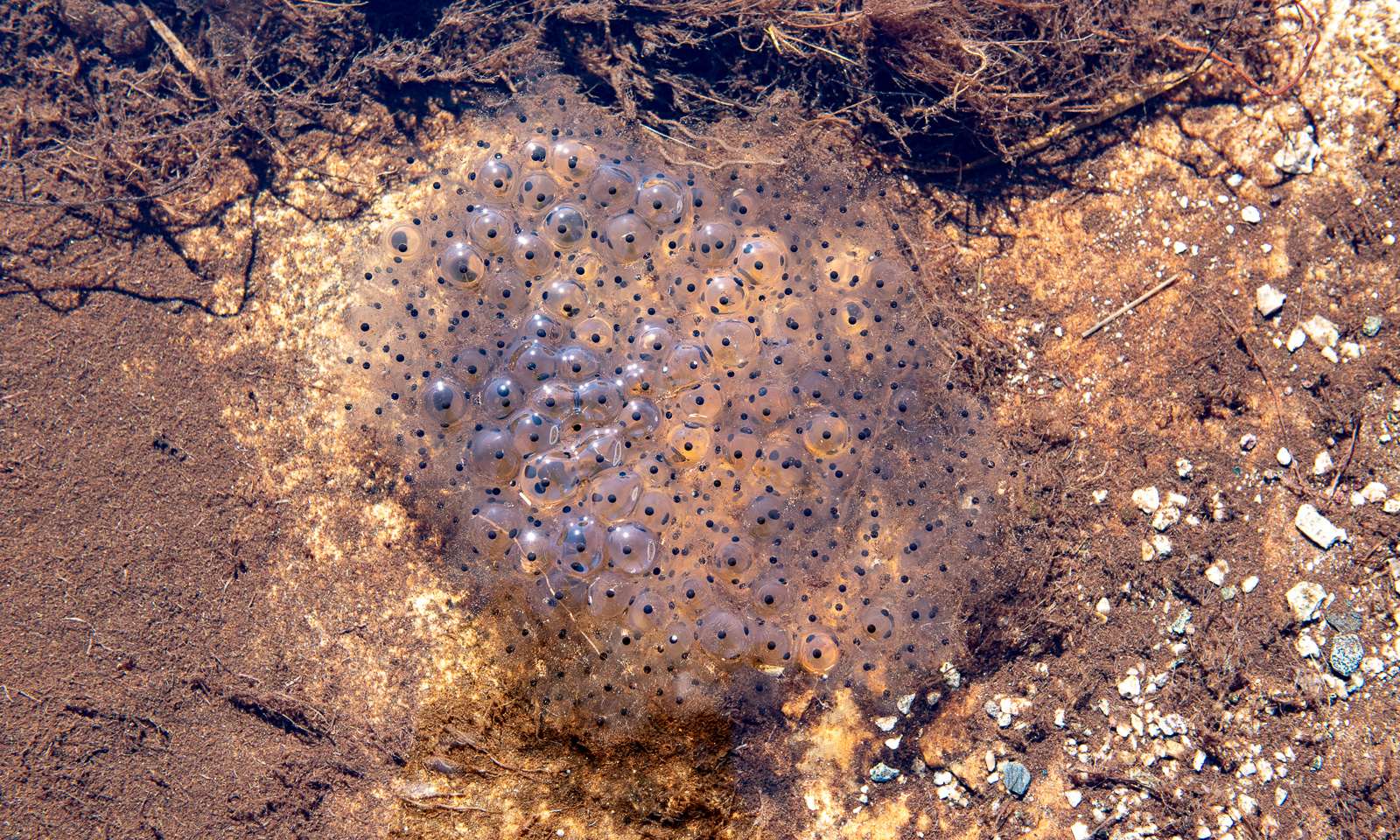
While this pond looks freezing cold, it is inhabited by common frogs. They have already spawned and large clumps of frogspawn are floating in the water.

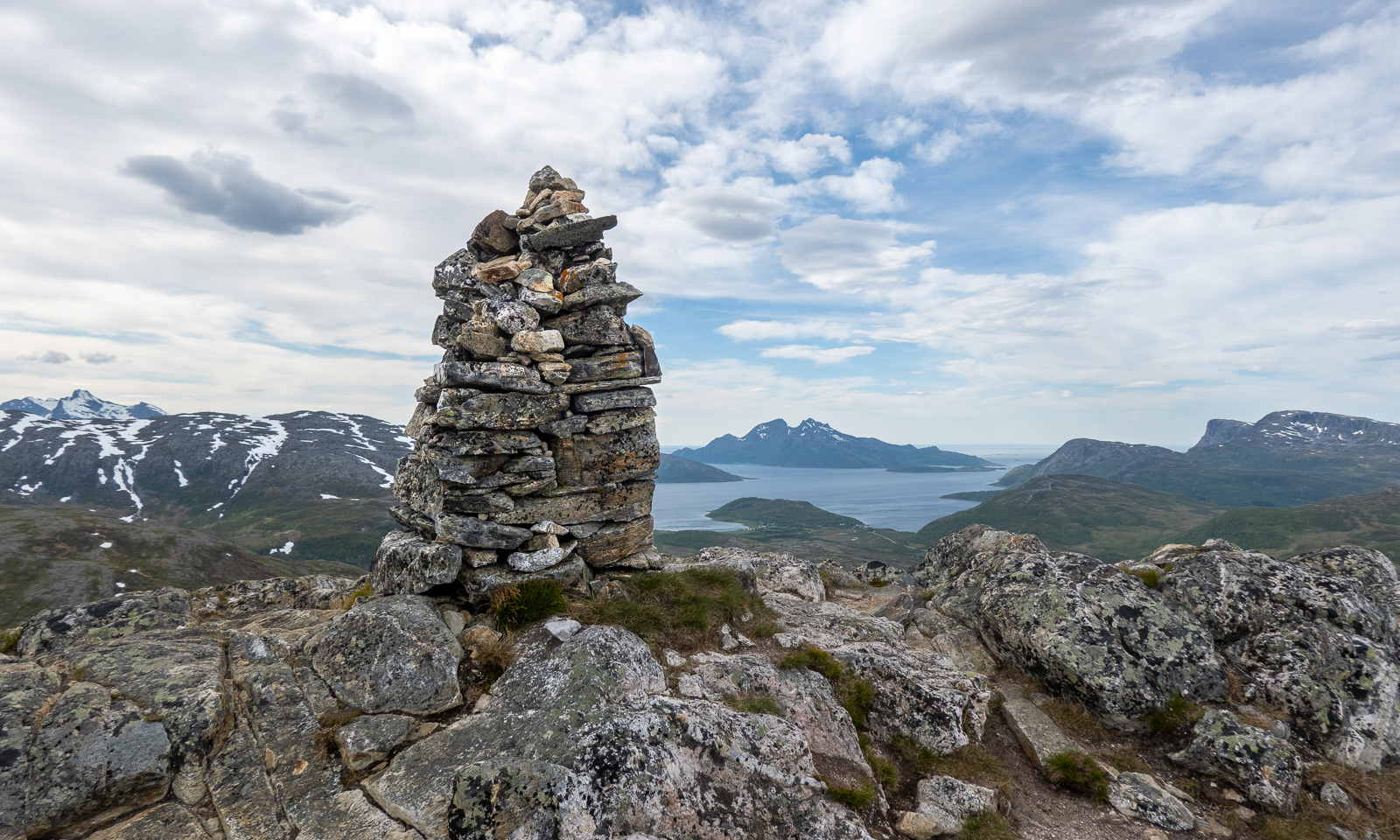
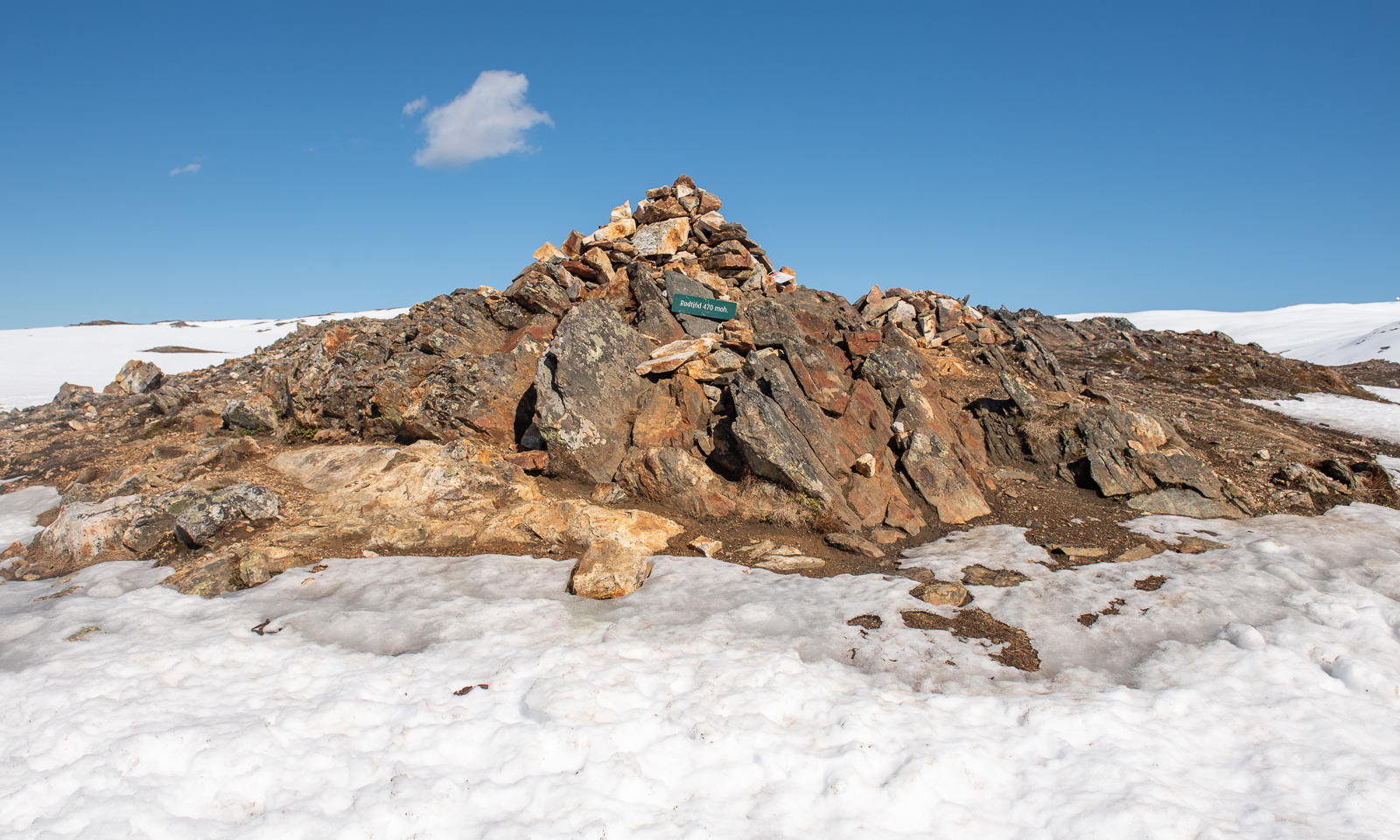
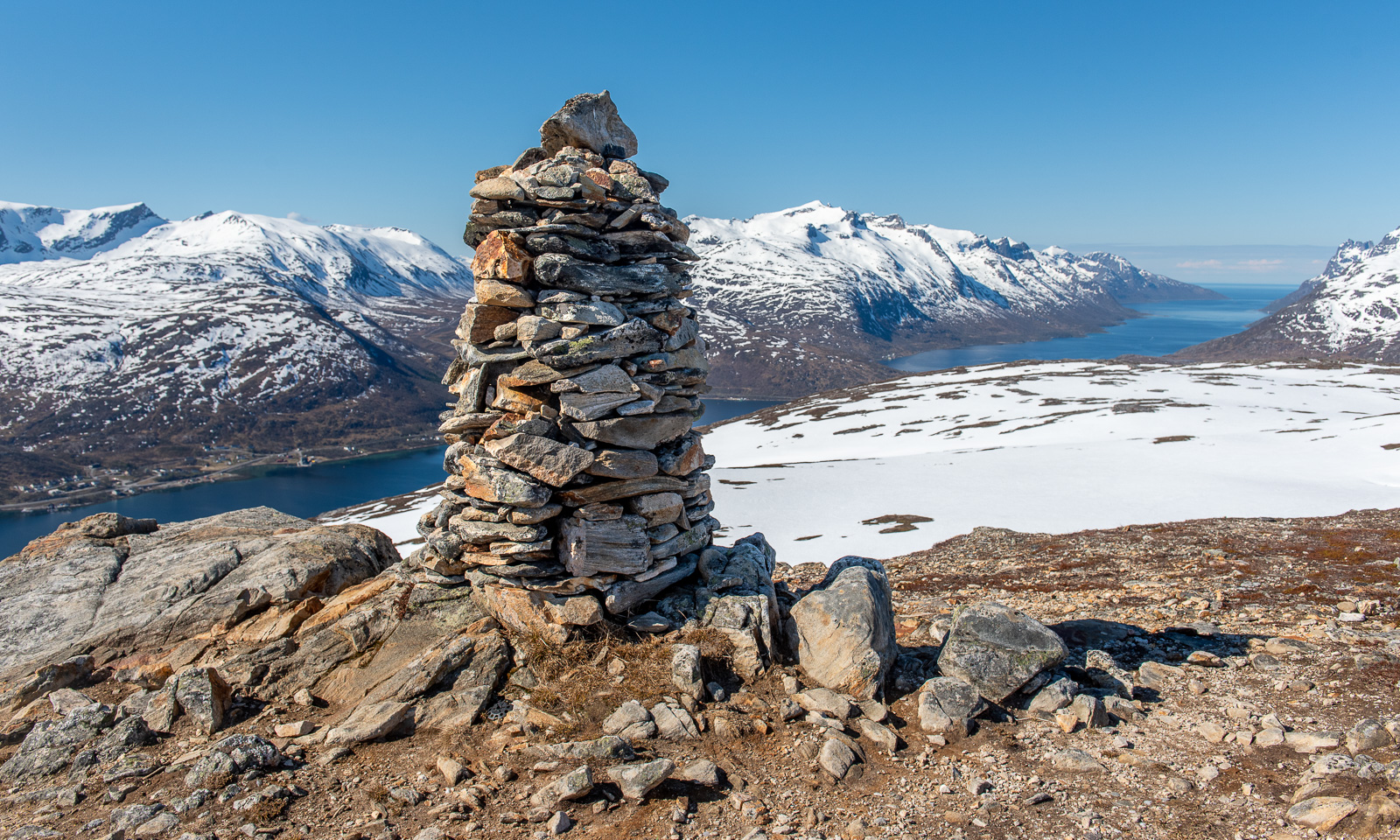
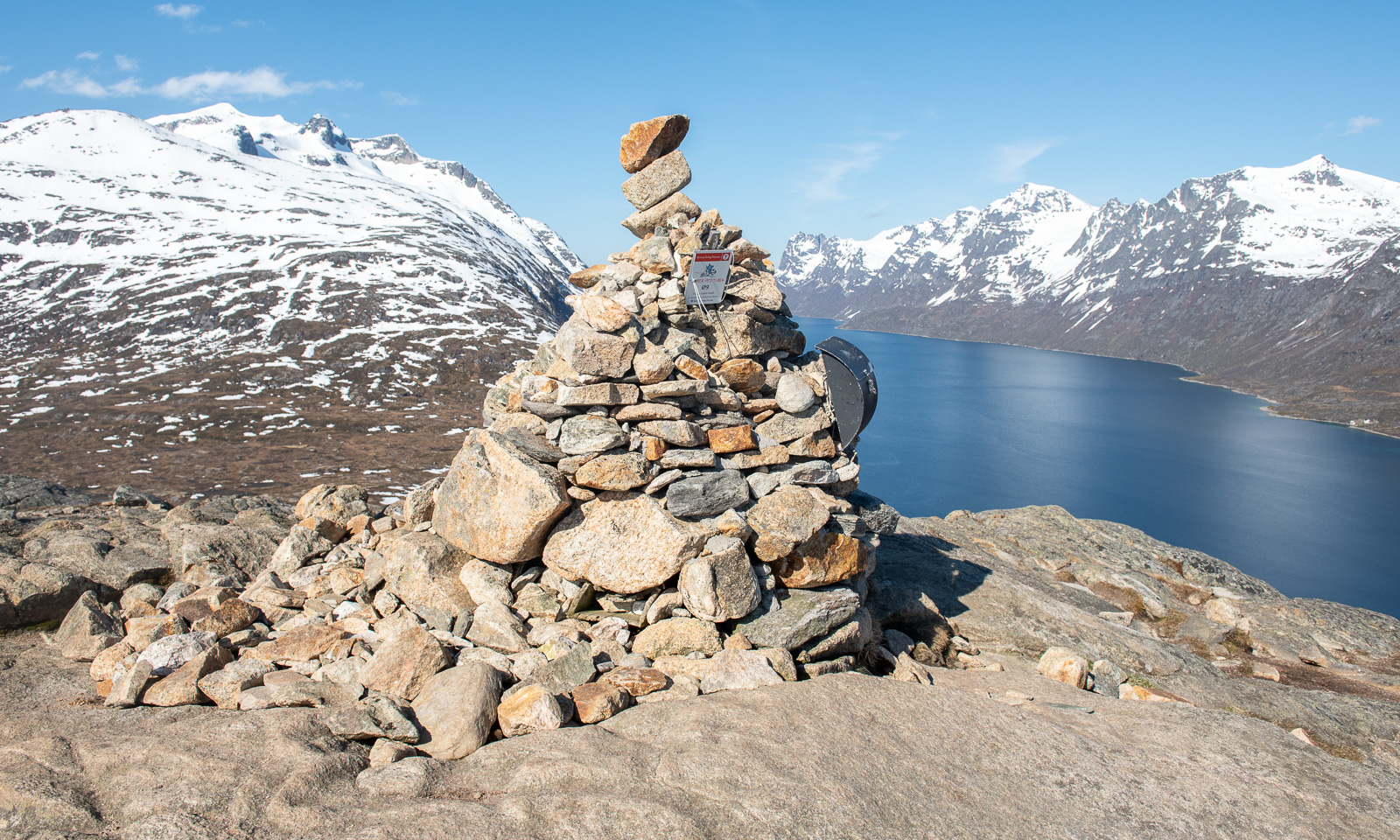
It does not take long and I am on the summit, marked by an impressive cairn that looks half as high as the mountain itself.

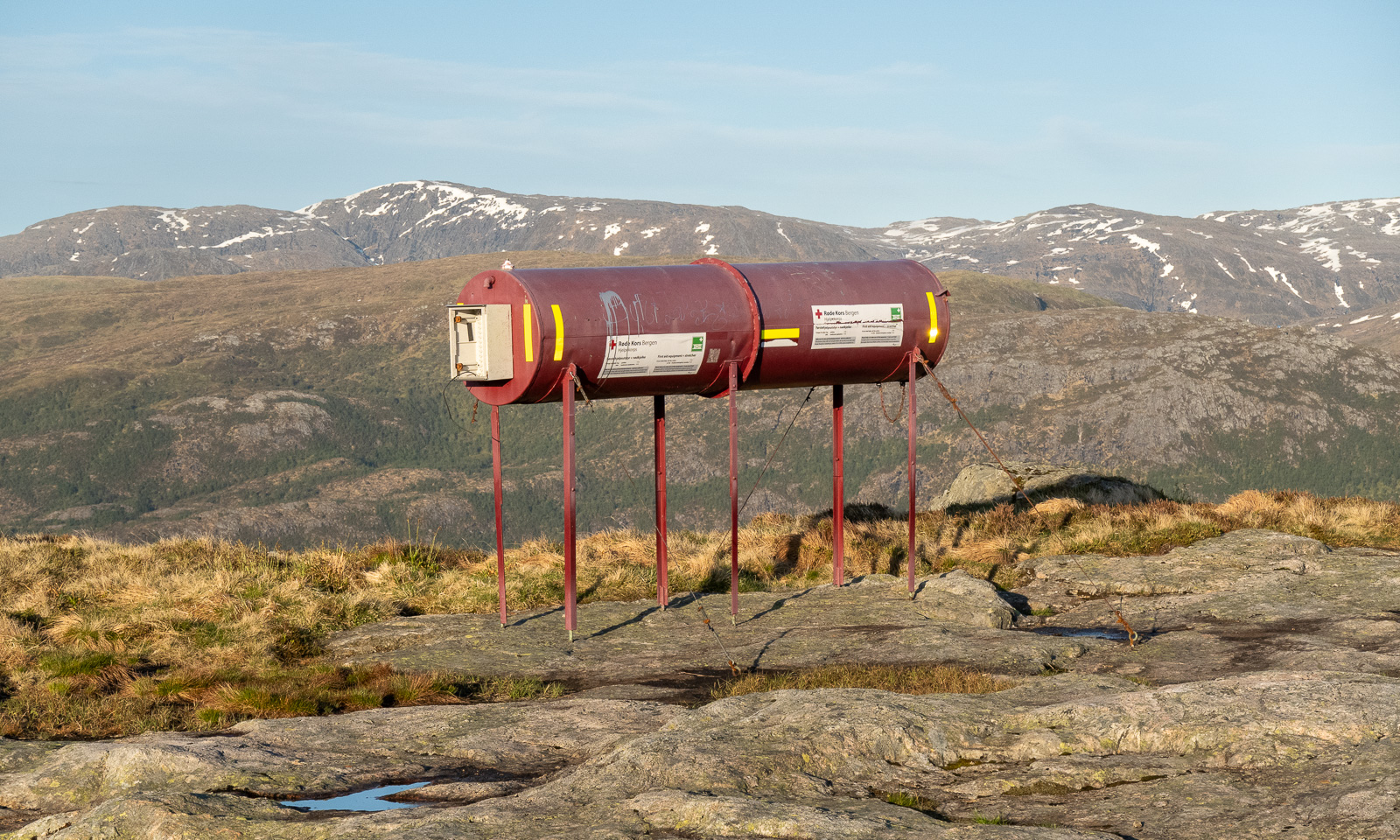
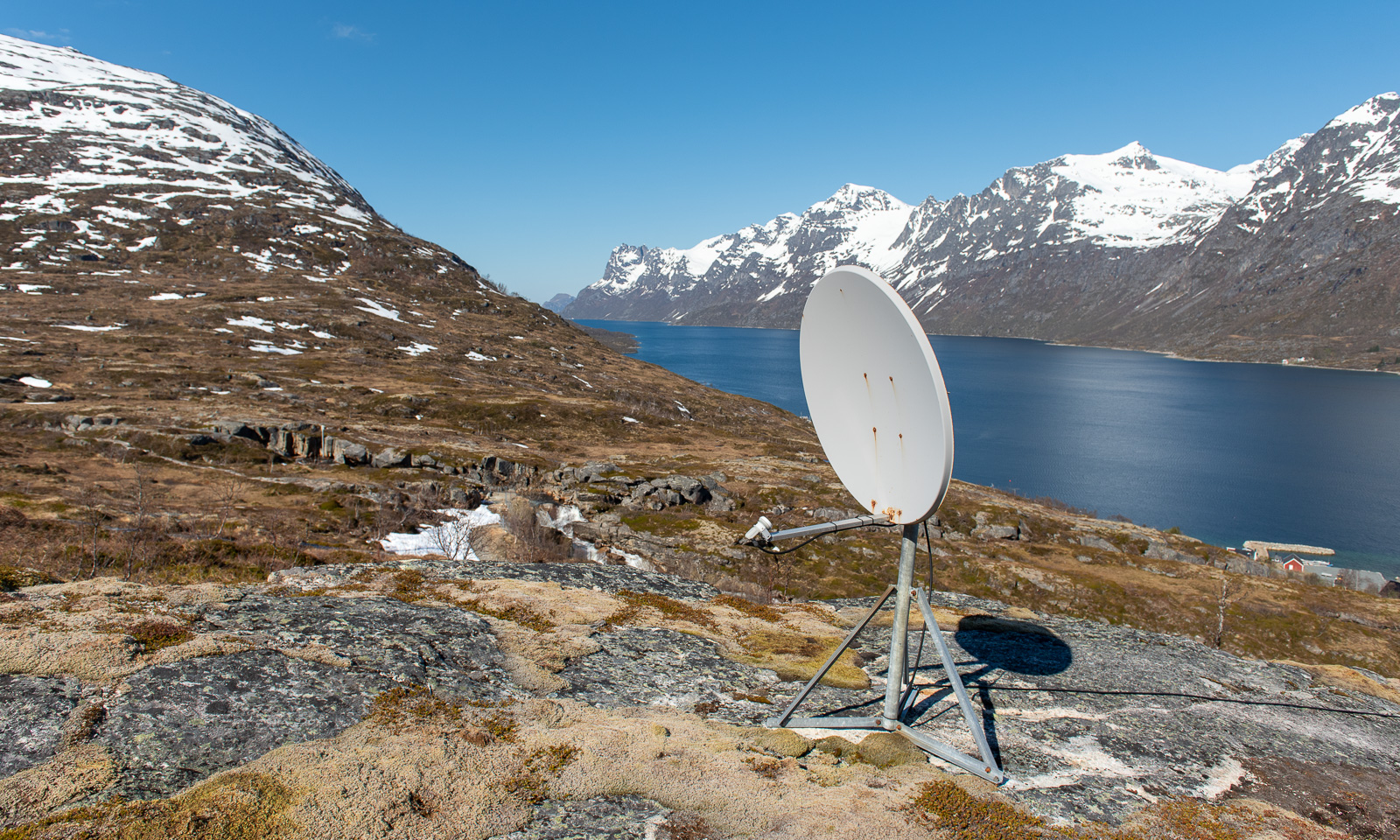
I decide to take another way down. This brings me near the village Ersfjordbotn, but I stay above to follow a track that leads around Nattmålsfjellet which brings me back to my car. Before I leave the village behind I pass this artefact that clearly shows that I’m hiking in nature but not in the wilderness. Someone had mounted a satellite antenna on a small ledge. The cable leads downwards, probably to one of the houses.

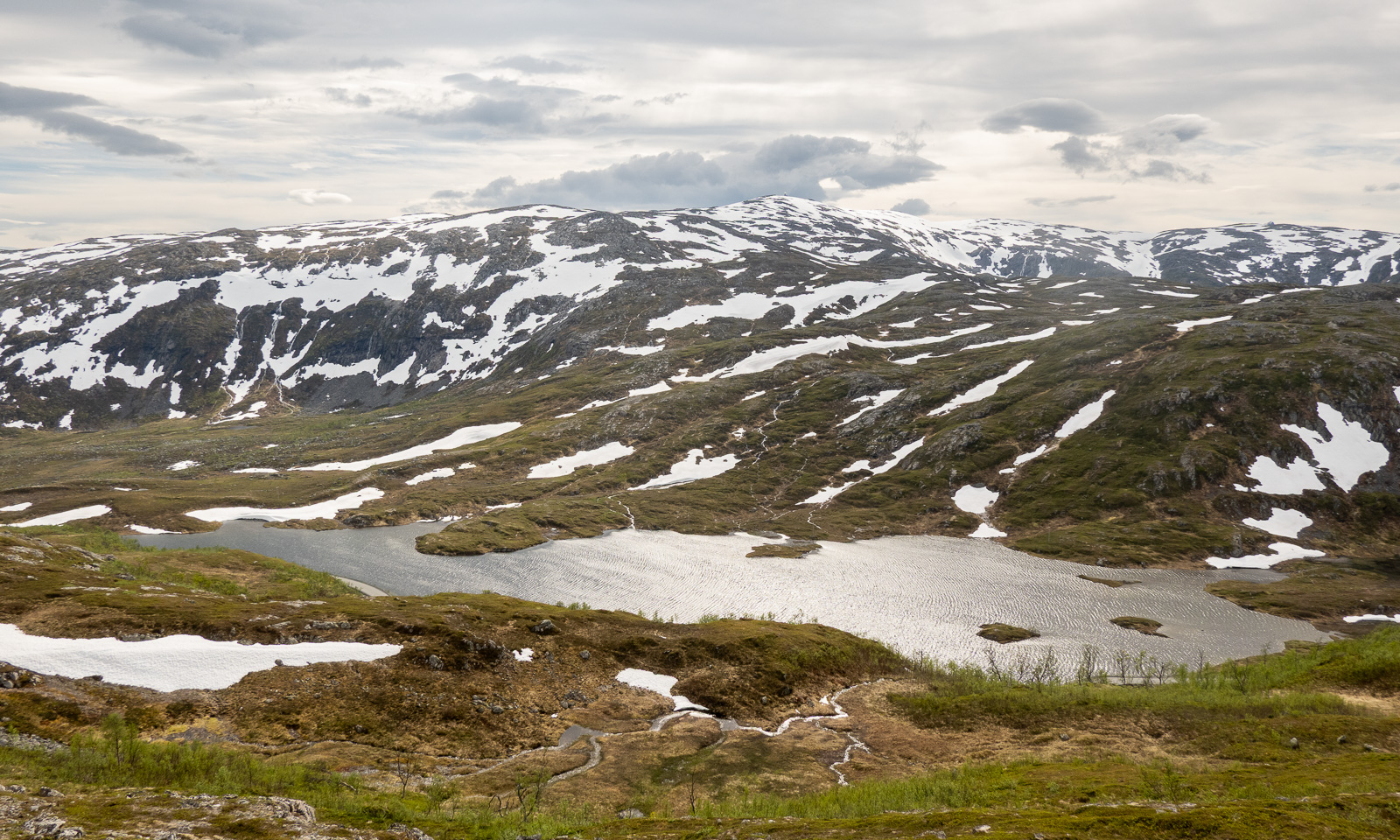
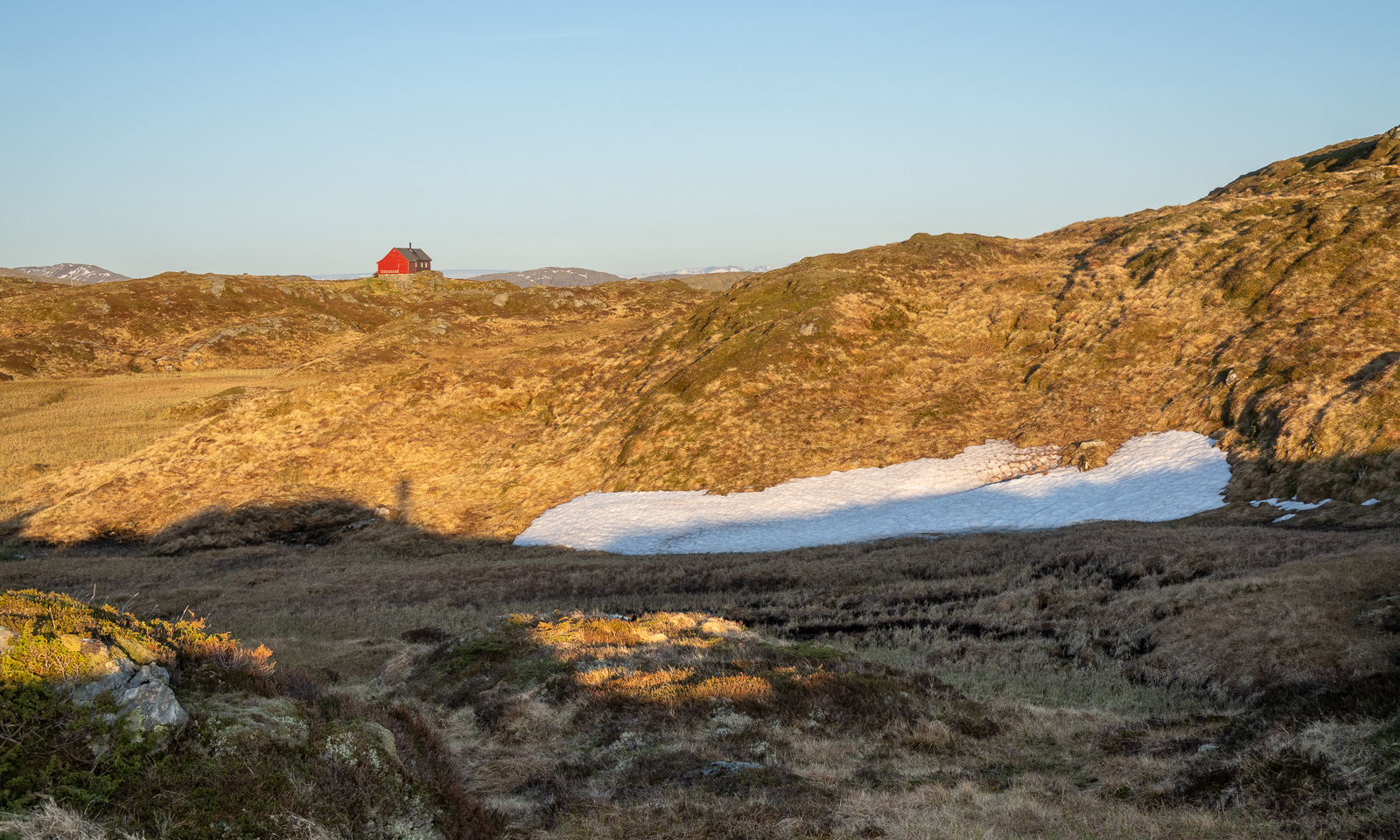
First the track leads through some wet mud bogs but then it winds through an open landscape with views of the boggy grasslands below and the snowy mountains above.

After seven kilometres, I am back at the car. Elevation gain and loss – round 330 m.

Side dishes

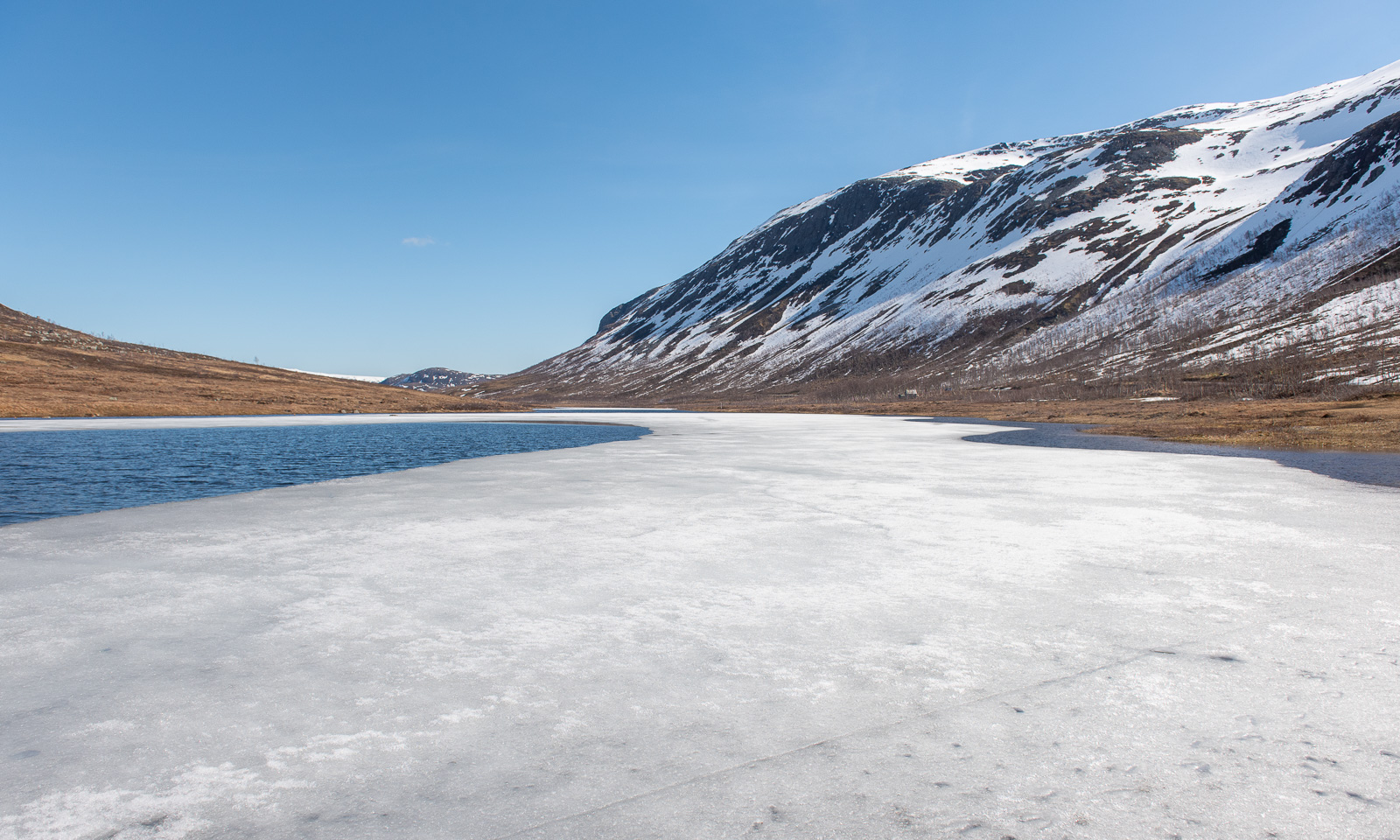
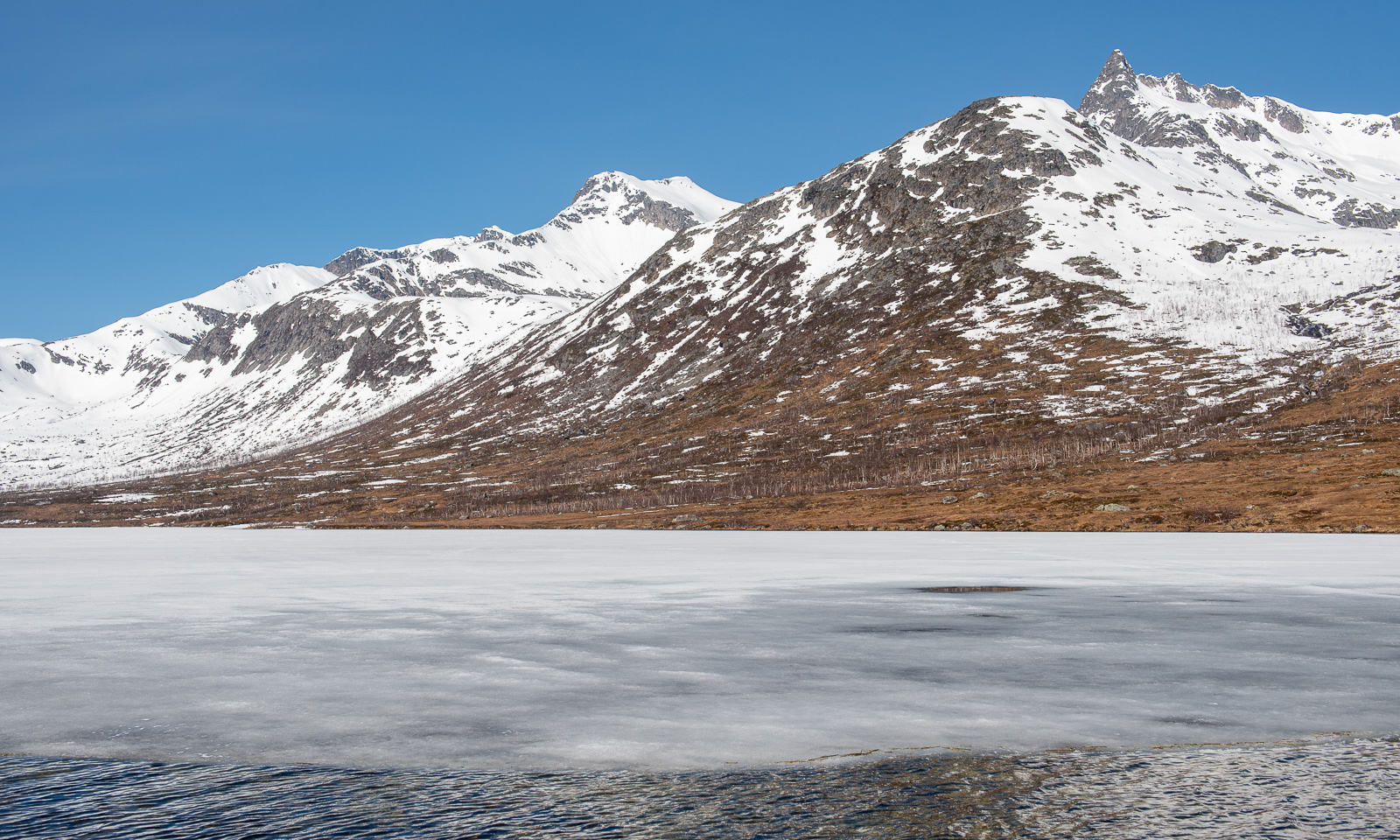
After the hike I drive further west to the lake Kattfjordvatnet. Most of it is still covered with ice, but I don’t think it will stay long. Even the snow line rises with each day. This however is no argument for the locals to stop doing alpine ski tours and they always seem to find a snowy patch by the car, to avoid carrying up their skis. Meanwhile, cross-country skiers have now switched to roller skis and use the roads. Other locals walk their dogs or run downhill on the muddy path happily chatting to each other.

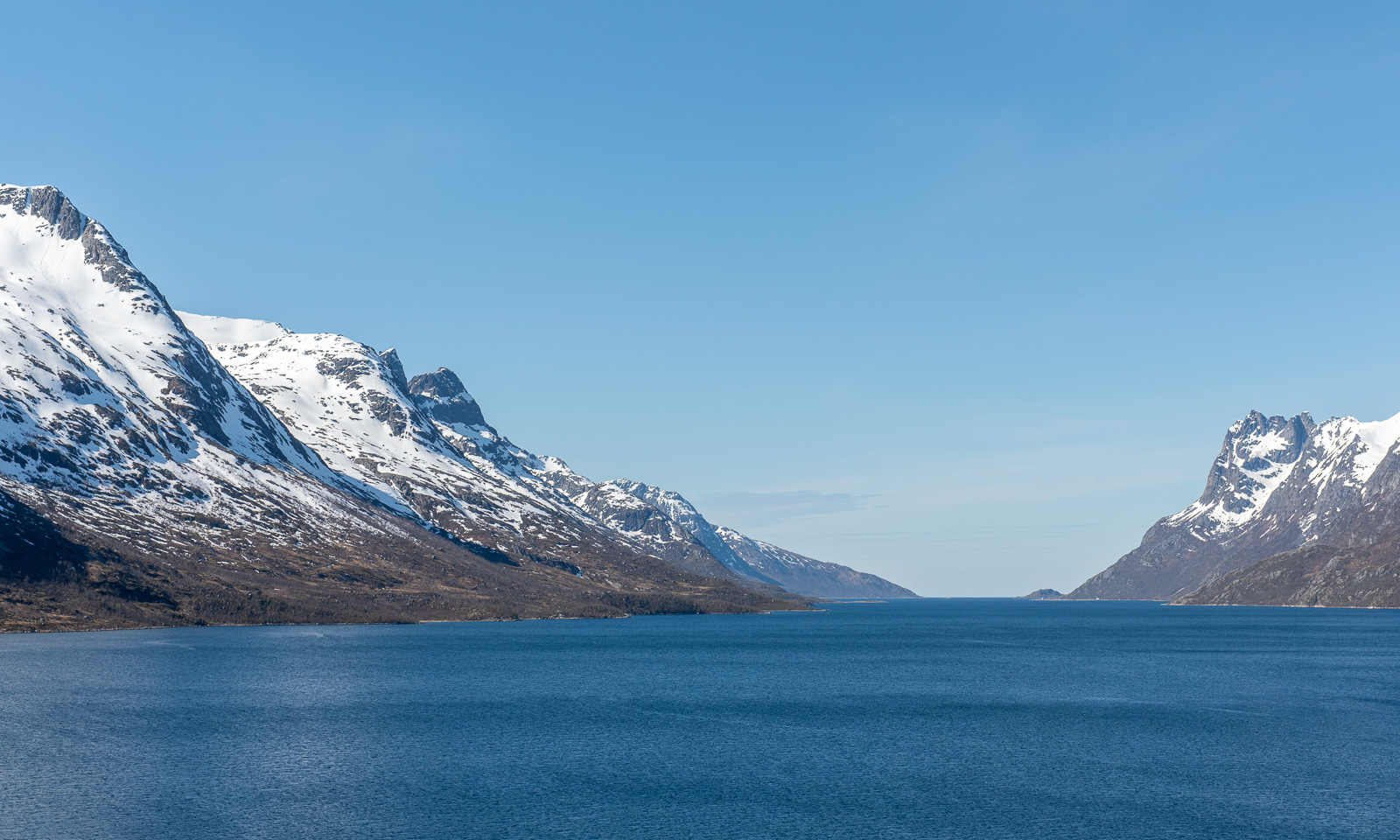
Then I take the car to Ersfjordbotn and stopped at the gravel car park at the viewpoint, apparently the only one in the village. I was too lazy to walk to the waterfall but at least I took a photo of the fjord Ersfjorden which faces directly west.

On my way back home I make another stop in Eidkjosen and take a walk uphill to Lomvatnet.

From Eidkjosen, it’s only a fifteen-minute drive home. I’m still happy every single time I realise that nature around Tromsø is so beautiful, full of variety and nearby, as long as you own a car. With public transport many of these small hikes would unfortunately be inaccessible.


A hill hike and a bog walk

Trehørningen

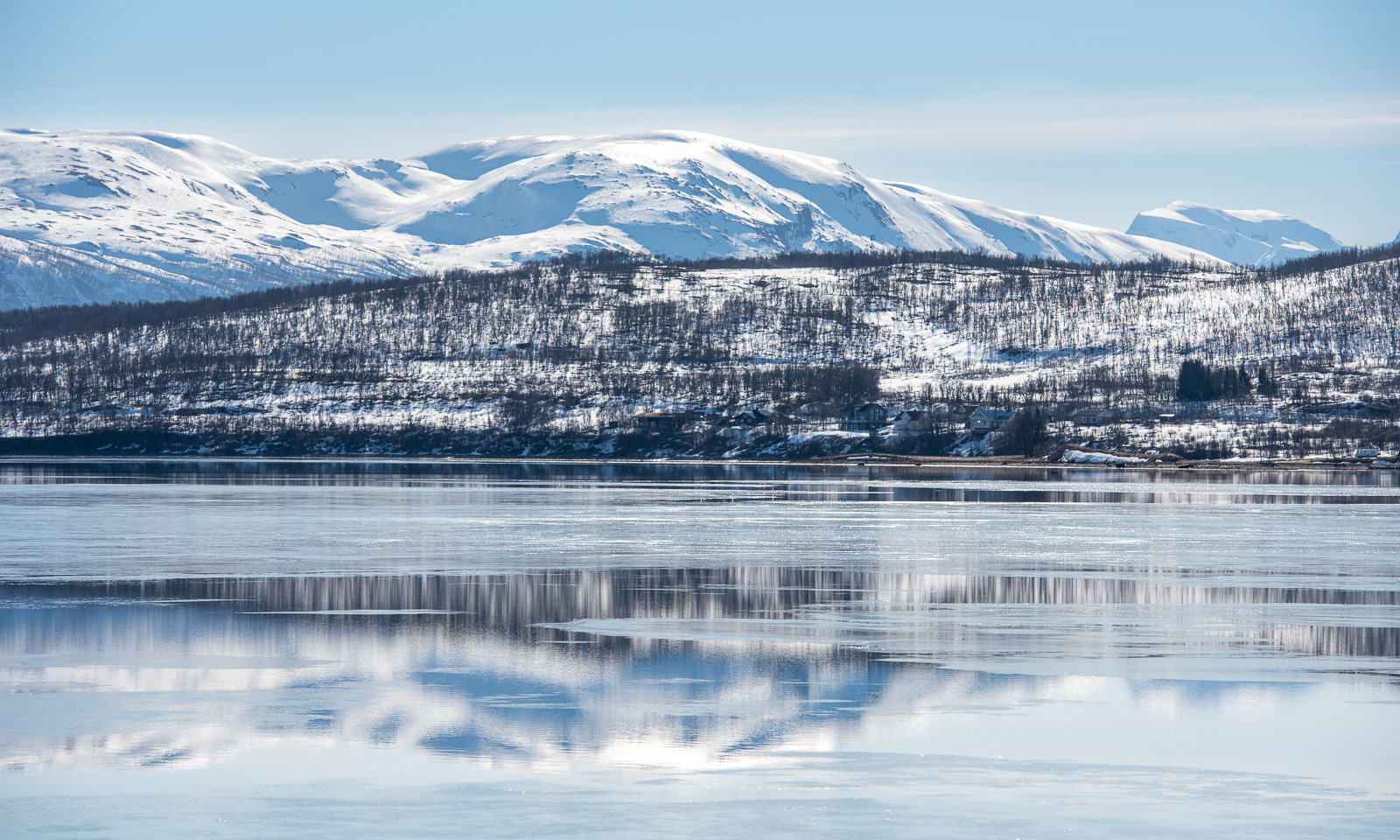
While the mountains around Tromsø are still snowy and the locals are still going ski touring I was looking for a mountain or hill that I can actually walk on by foot. On Facebook people were talking about Trehørningen, not the large one but the small and child-friendly one near Skulsfjord with an astonishing height of 283 metres. Today I drove there, because most places are not accessible by public transport which makes hiking a bit of a motor sport most of the time. I arrive at around half past eight and I’m the first there. After three minutes I and a bit of ascending, I get the first views of the fjord Gállafjerda or Kaldfjorden and the mountain range around the Store Blåmannen.

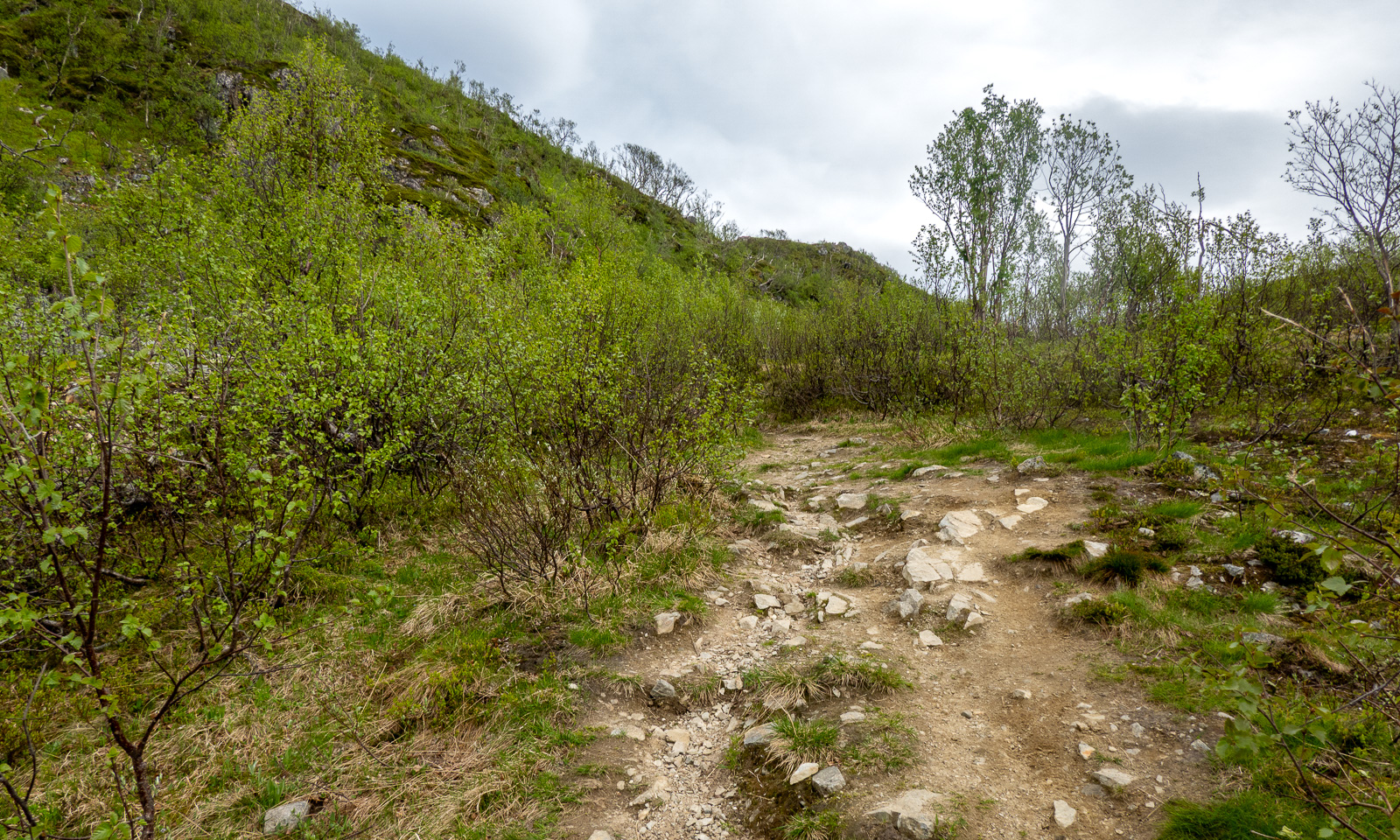
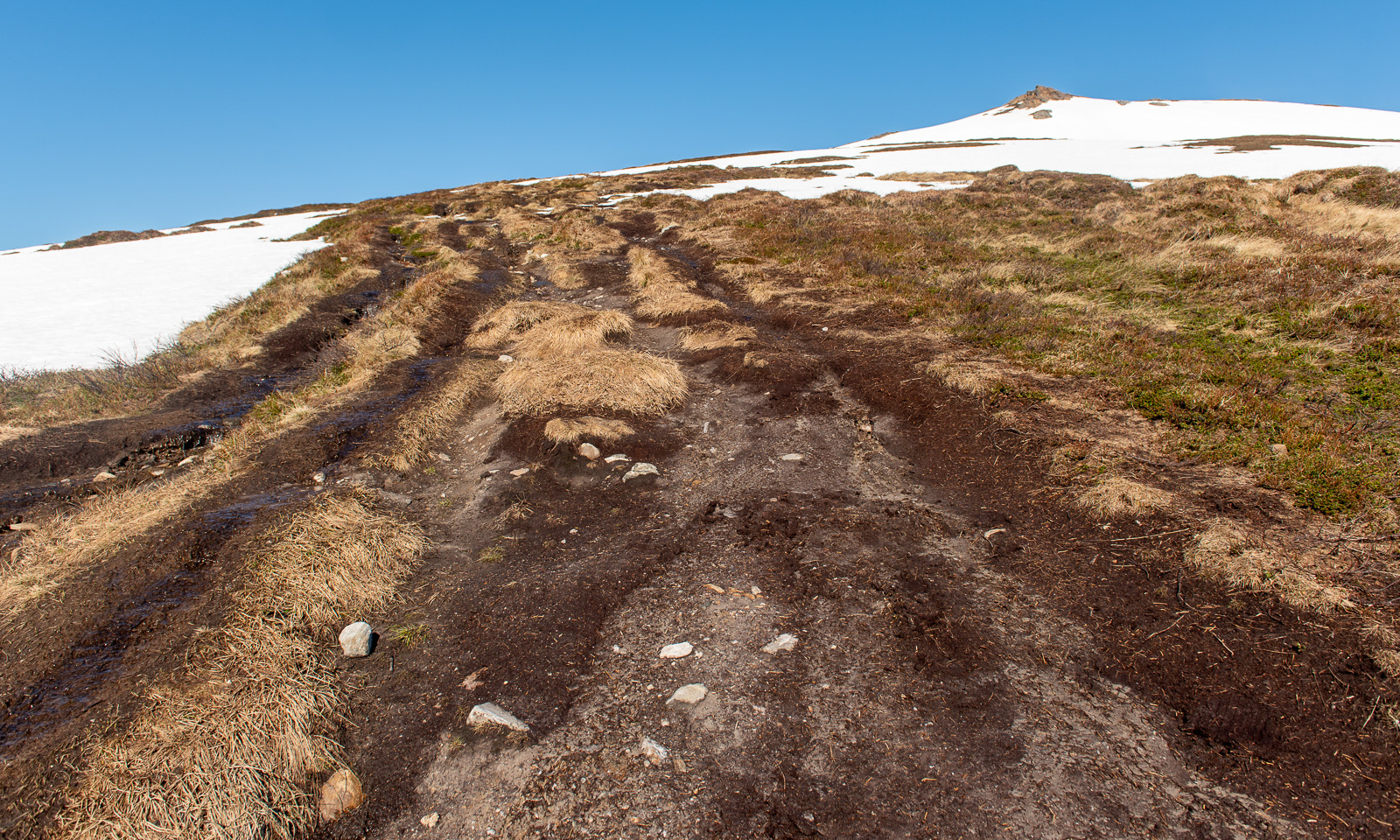
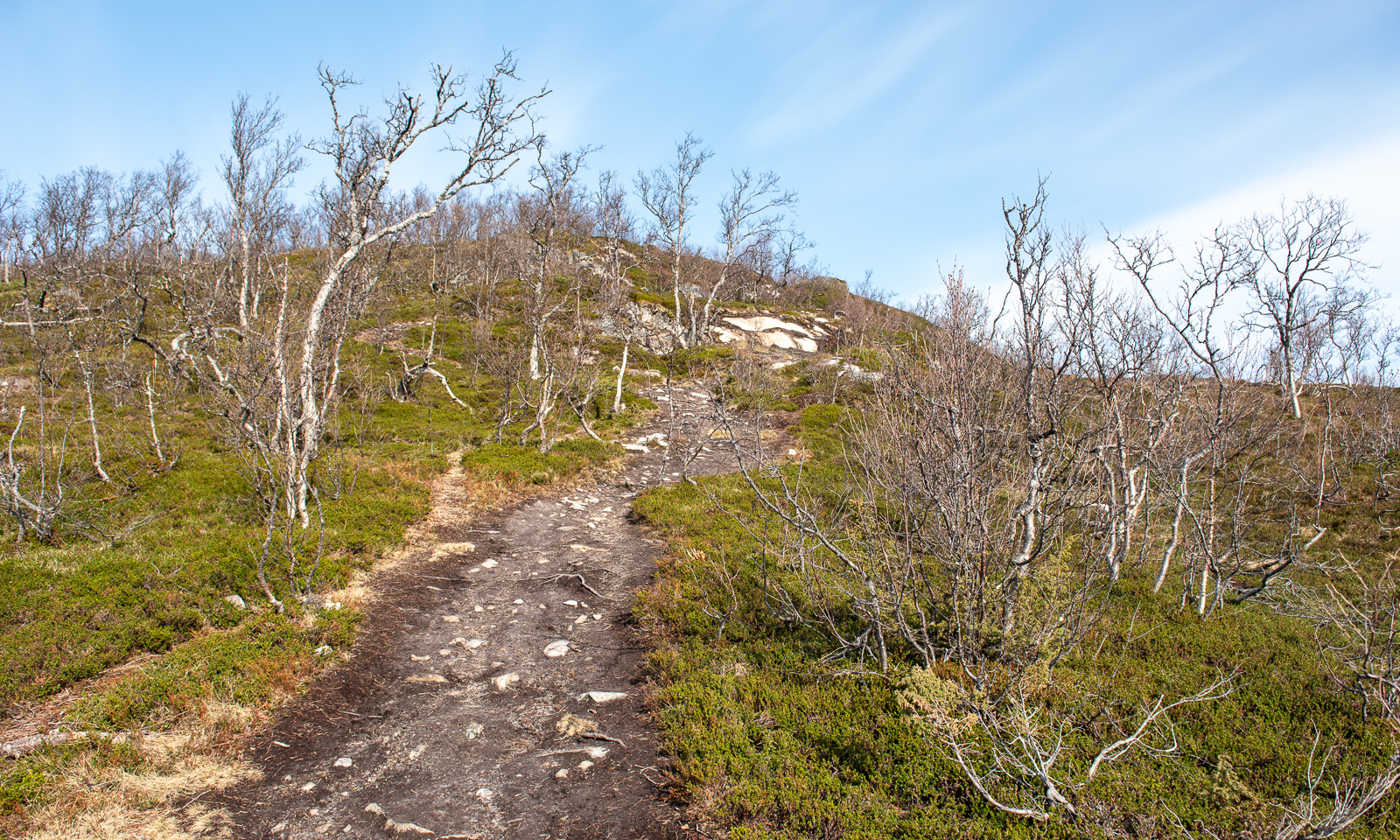
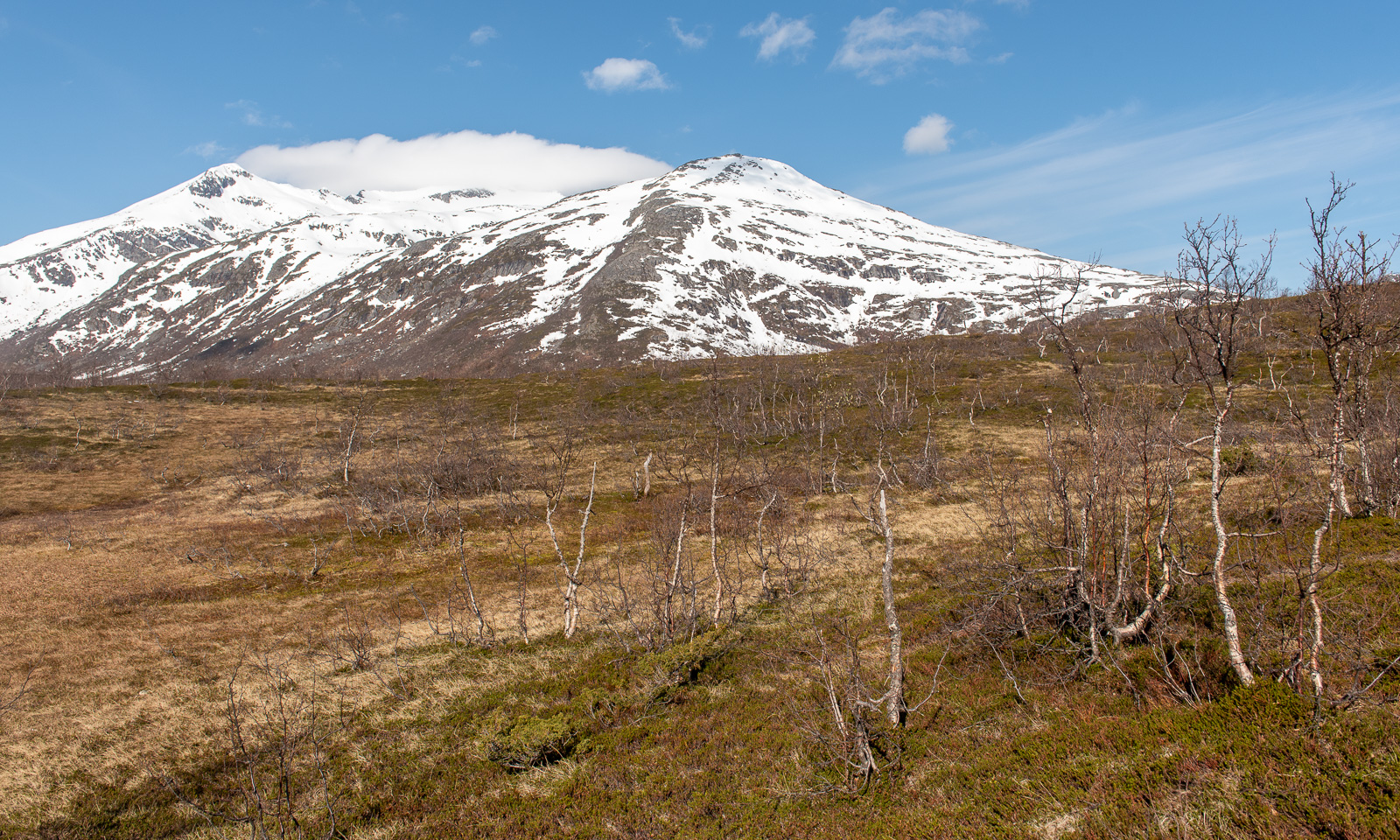
At first, the path is muddy but then the ground is much drier. The track leads up through an open forest of birch trees. They are still bare.

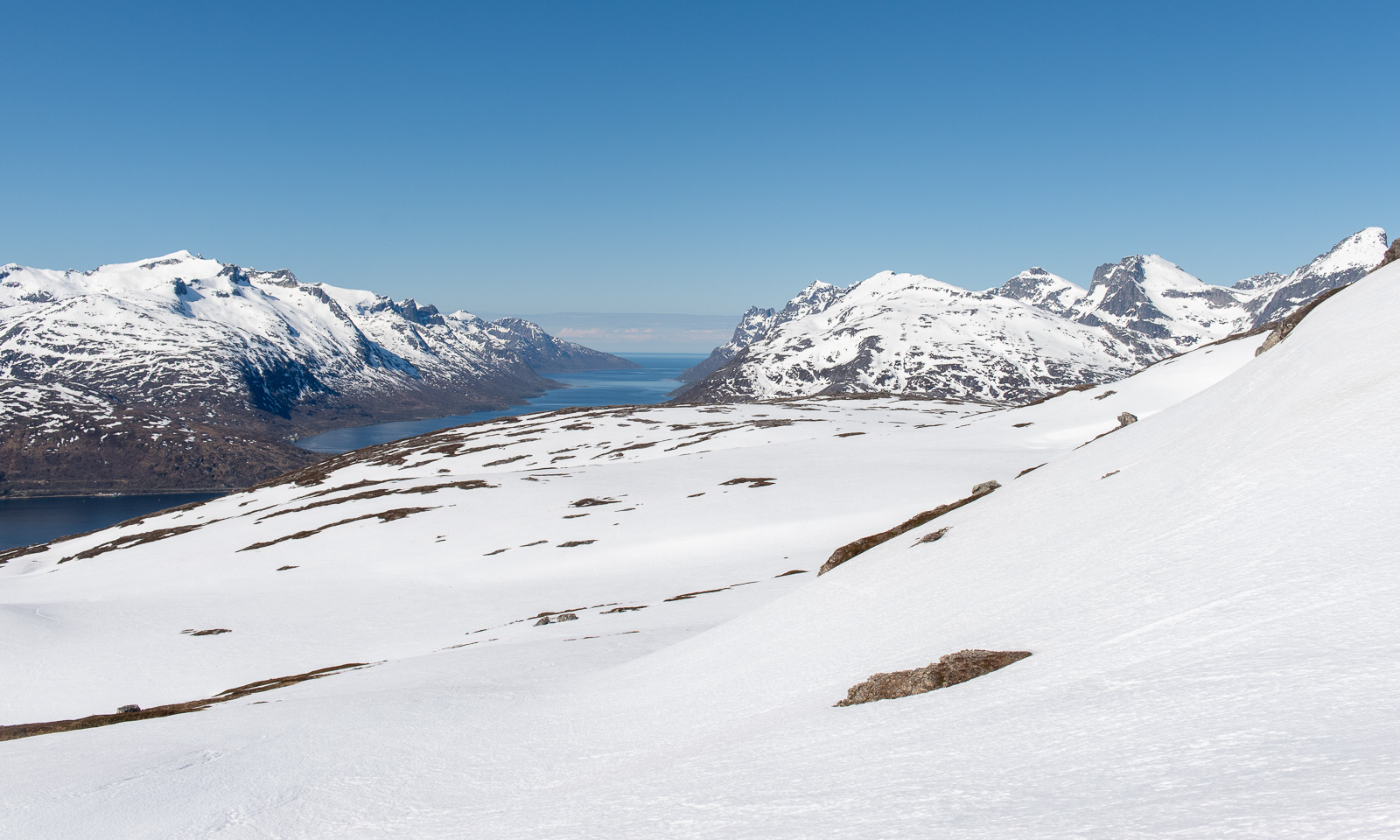
A bit further up, there is a plateau with a beautiful view of Gállafjerda and the mountains behind.

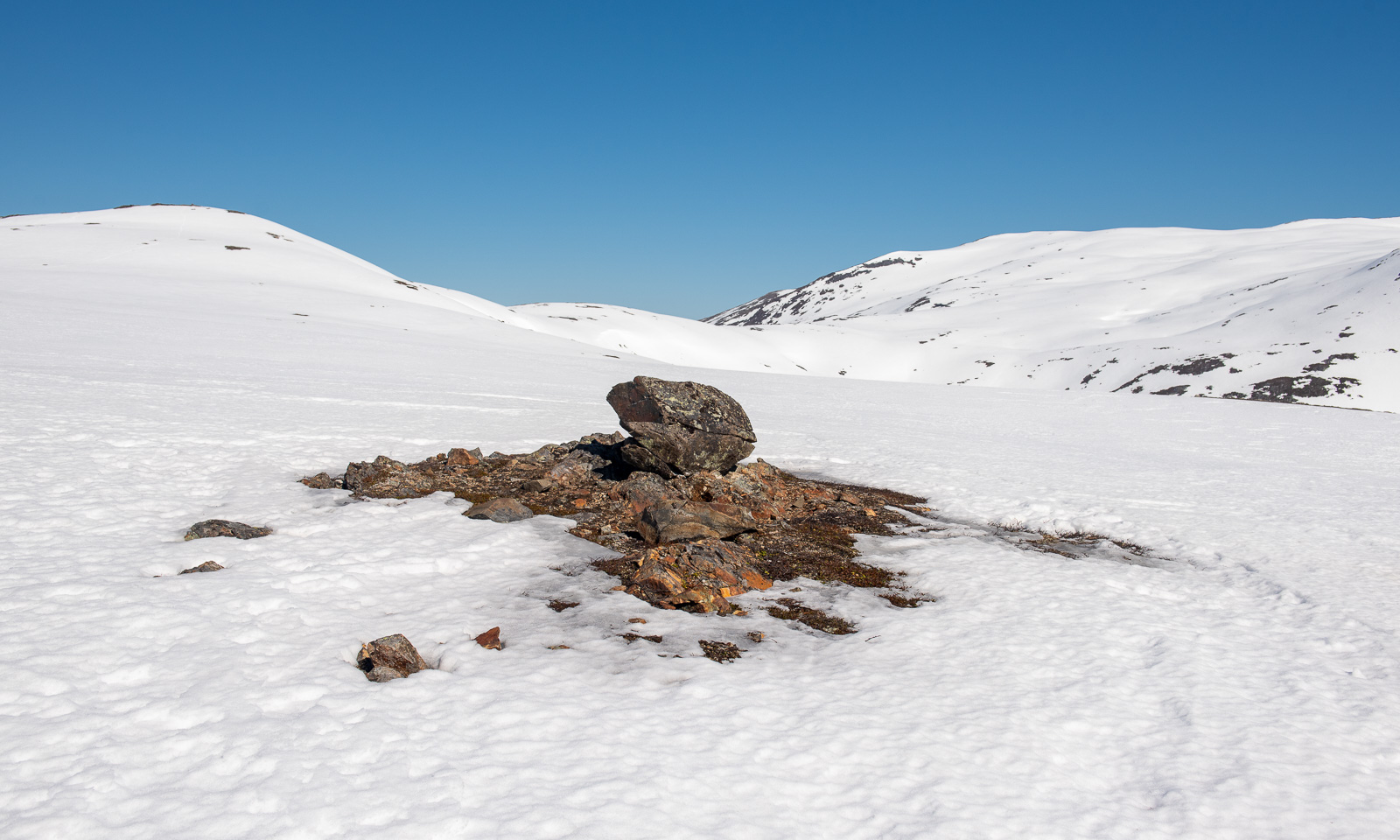
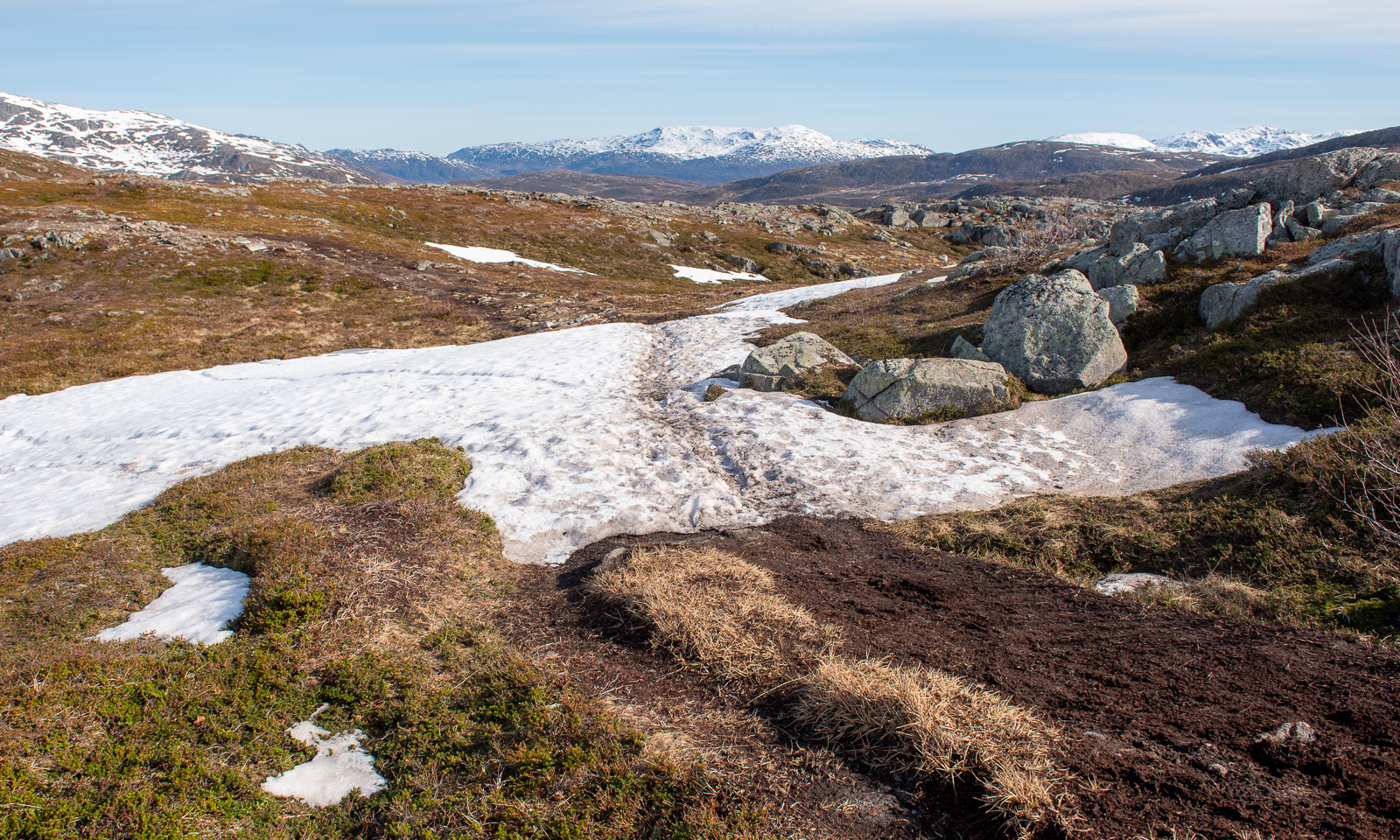
There are some small snow fields, but only one covers a few metres of the track.

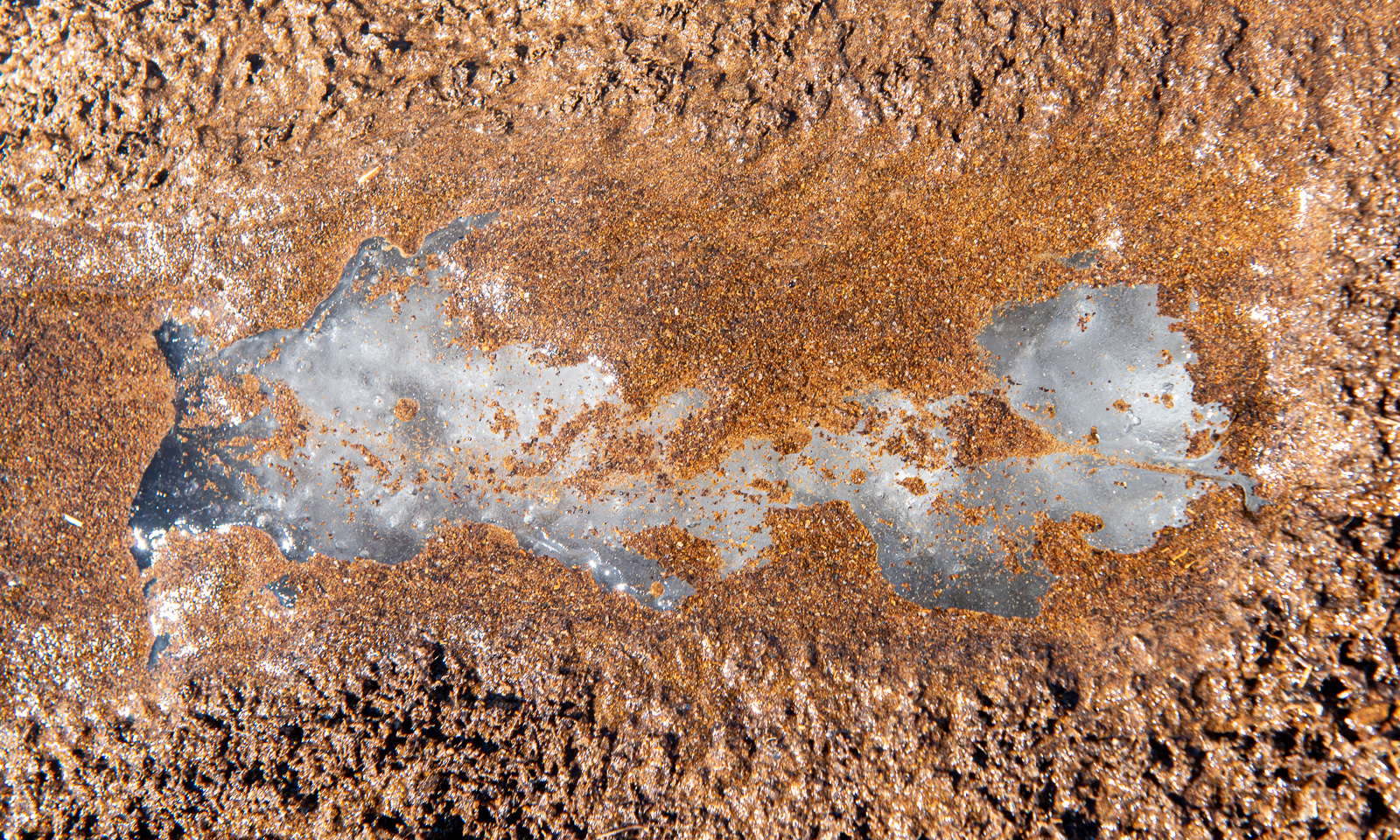
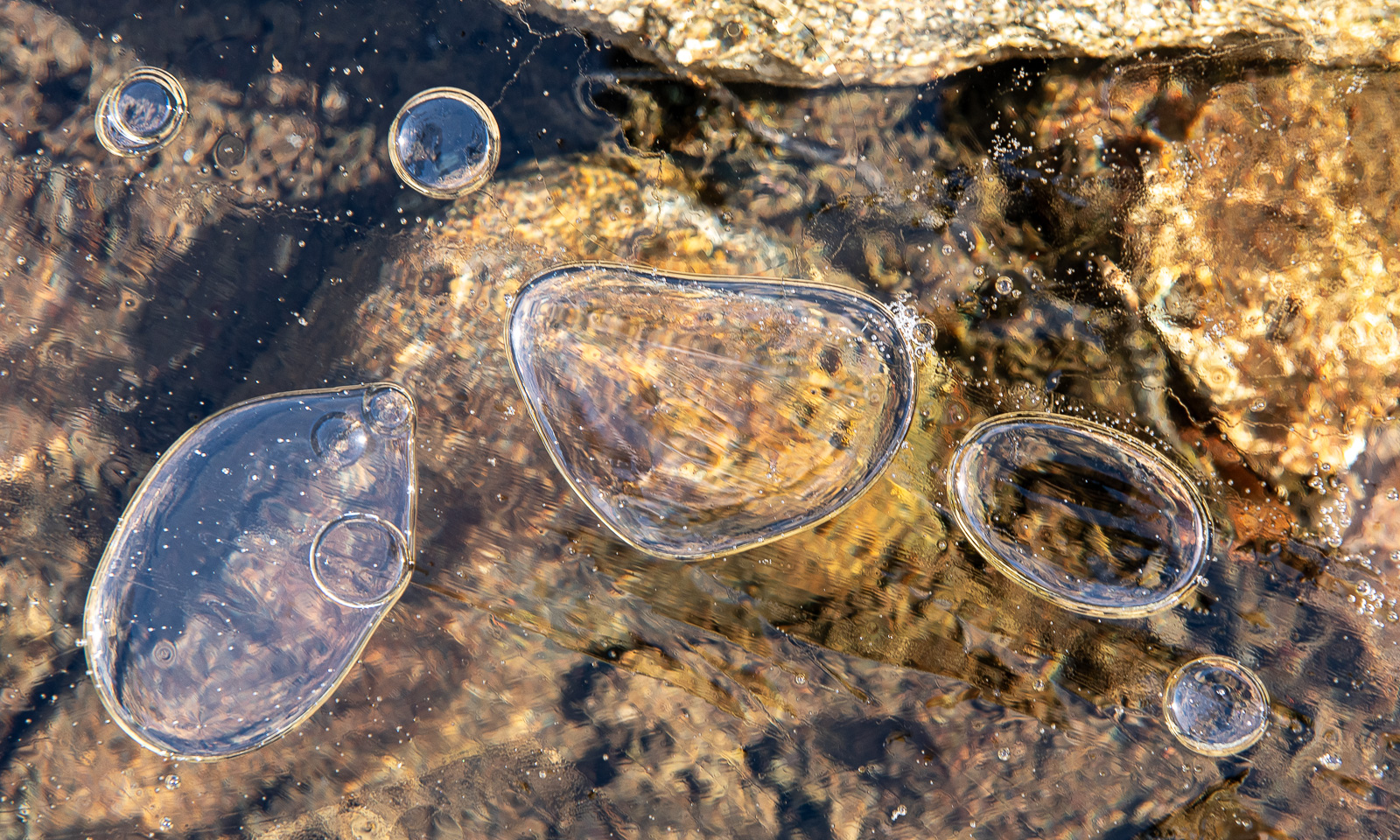
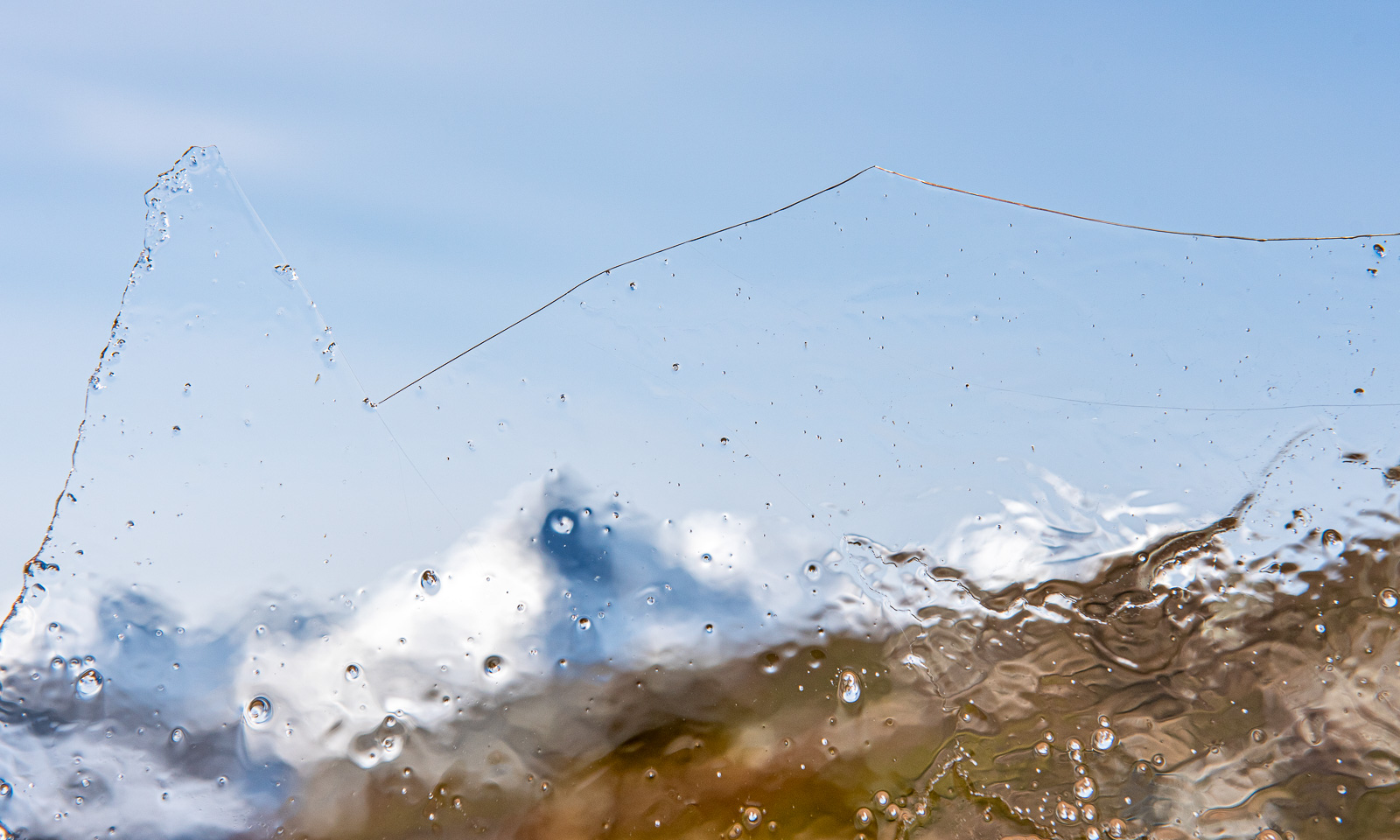
By that snow field there are some water-filled depressions. To my surprise a thin layer of ice covers these puddles. Was there frost last night?

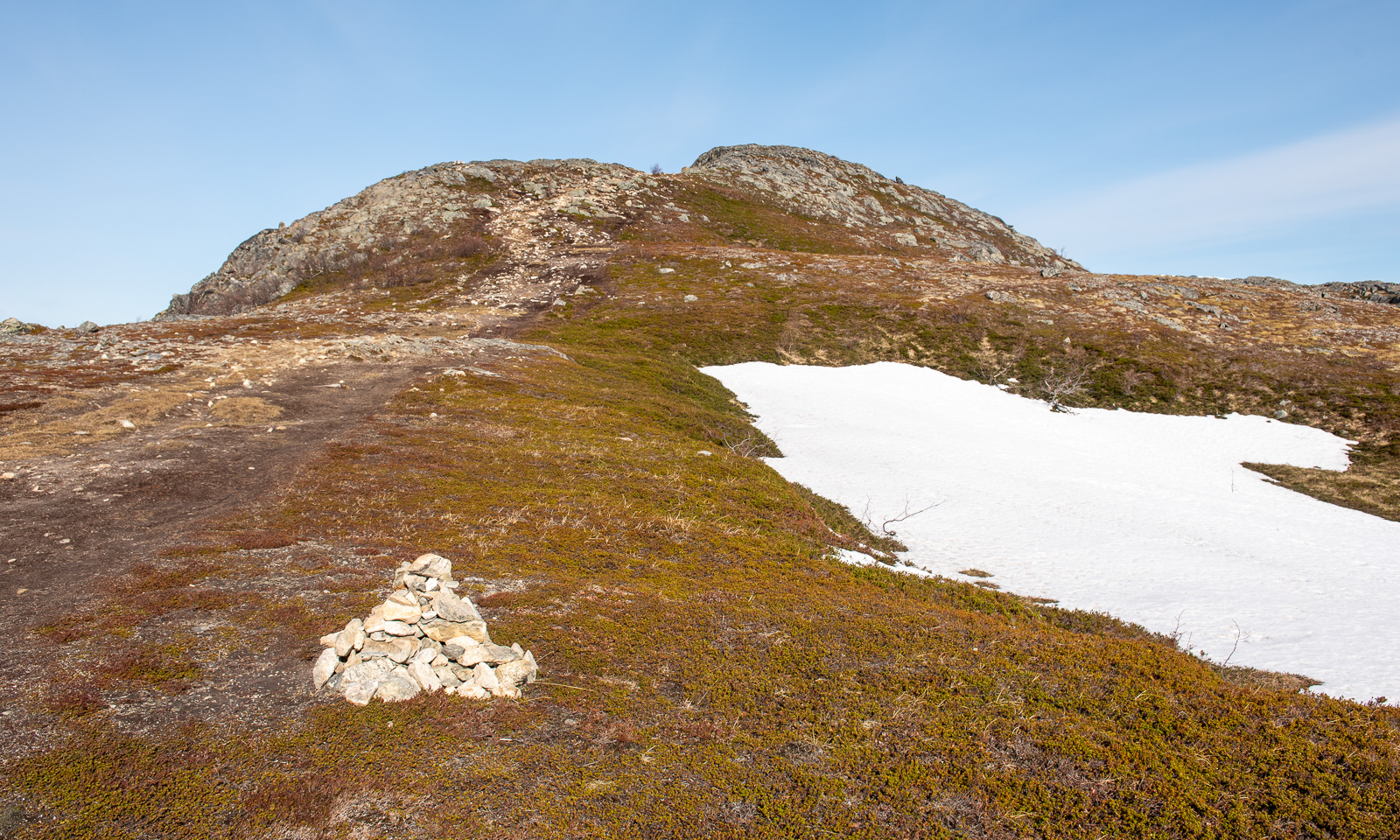
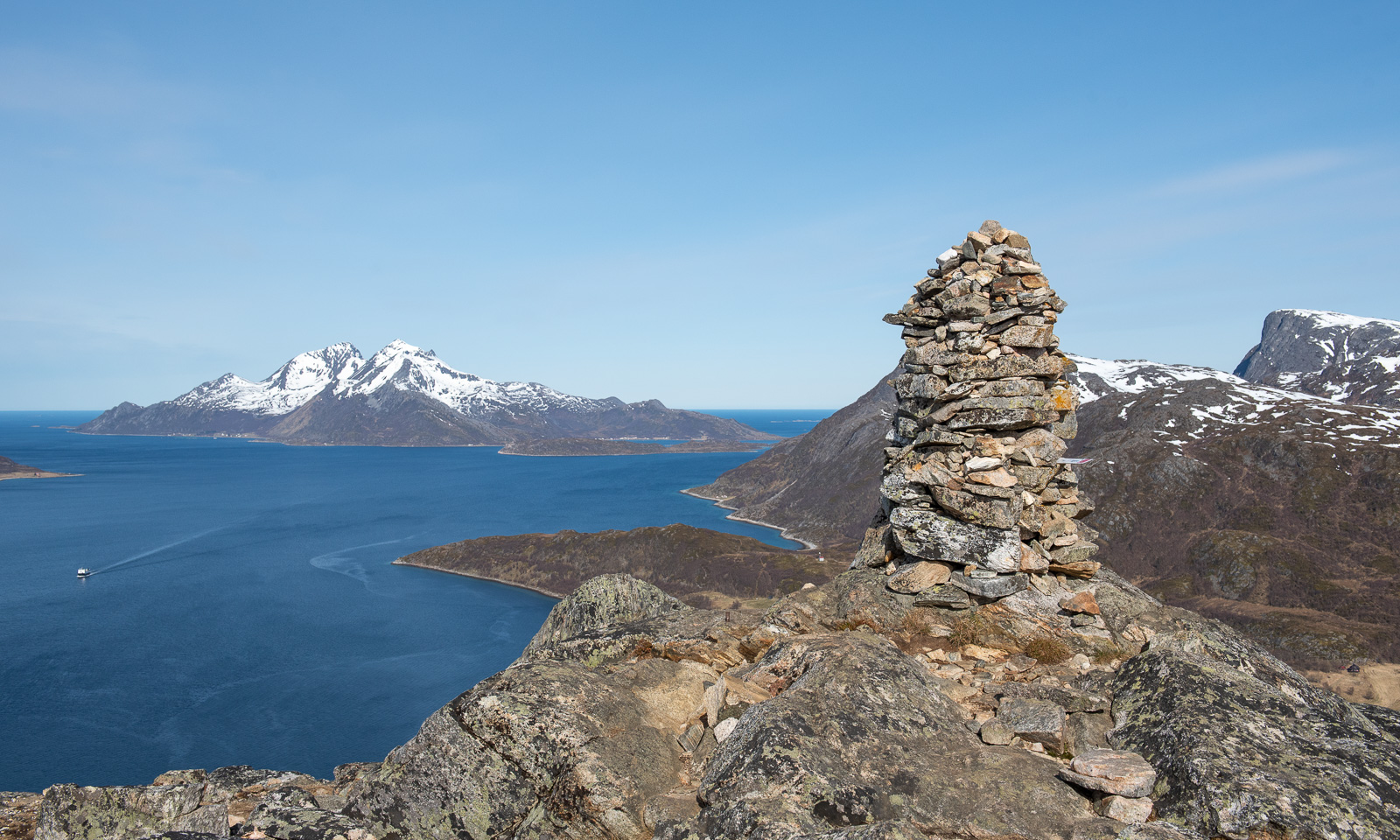
While I am taking these pictures another hiker passes. I’m not alone anymore. Anyway, the mountaintop is near, as usual marked with a huge cairn.

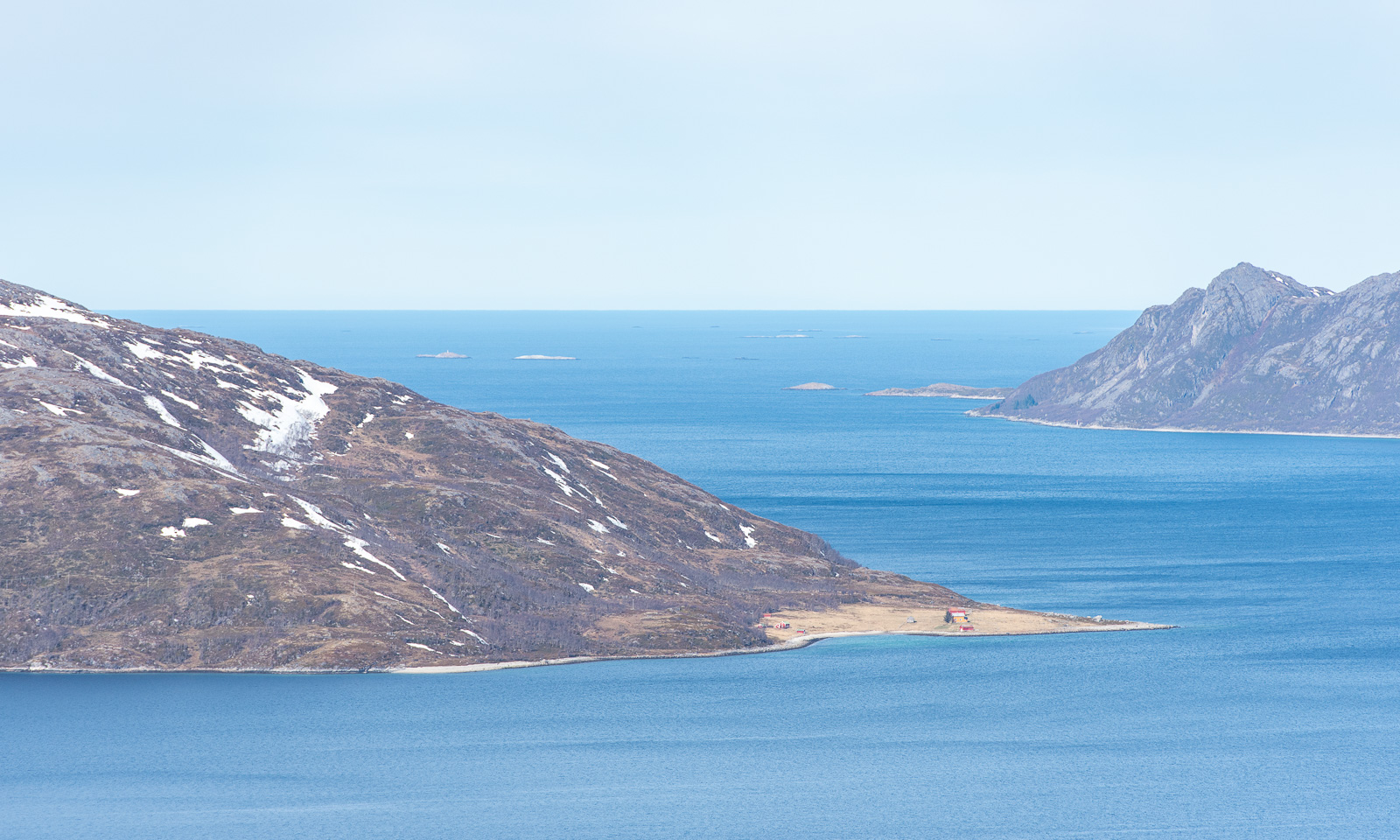
The view is awesome. In the background you can see the island Vengsøya with its mountain Kvantotinden. The island is surrounded by islets and skerries, behind that the Norwegian Sea.

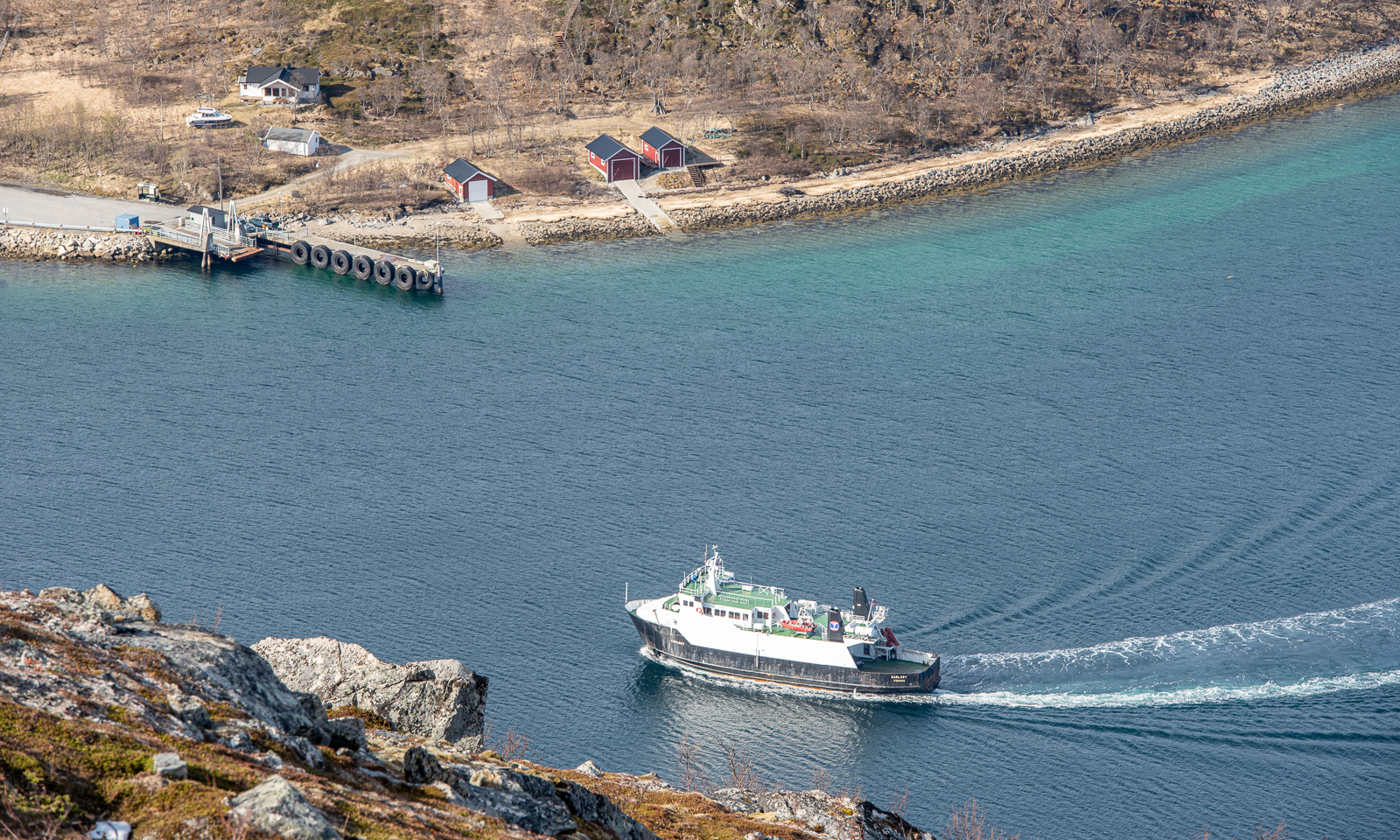
Vengsøya can be reached by ferry. It was just heading back while I was at the top.

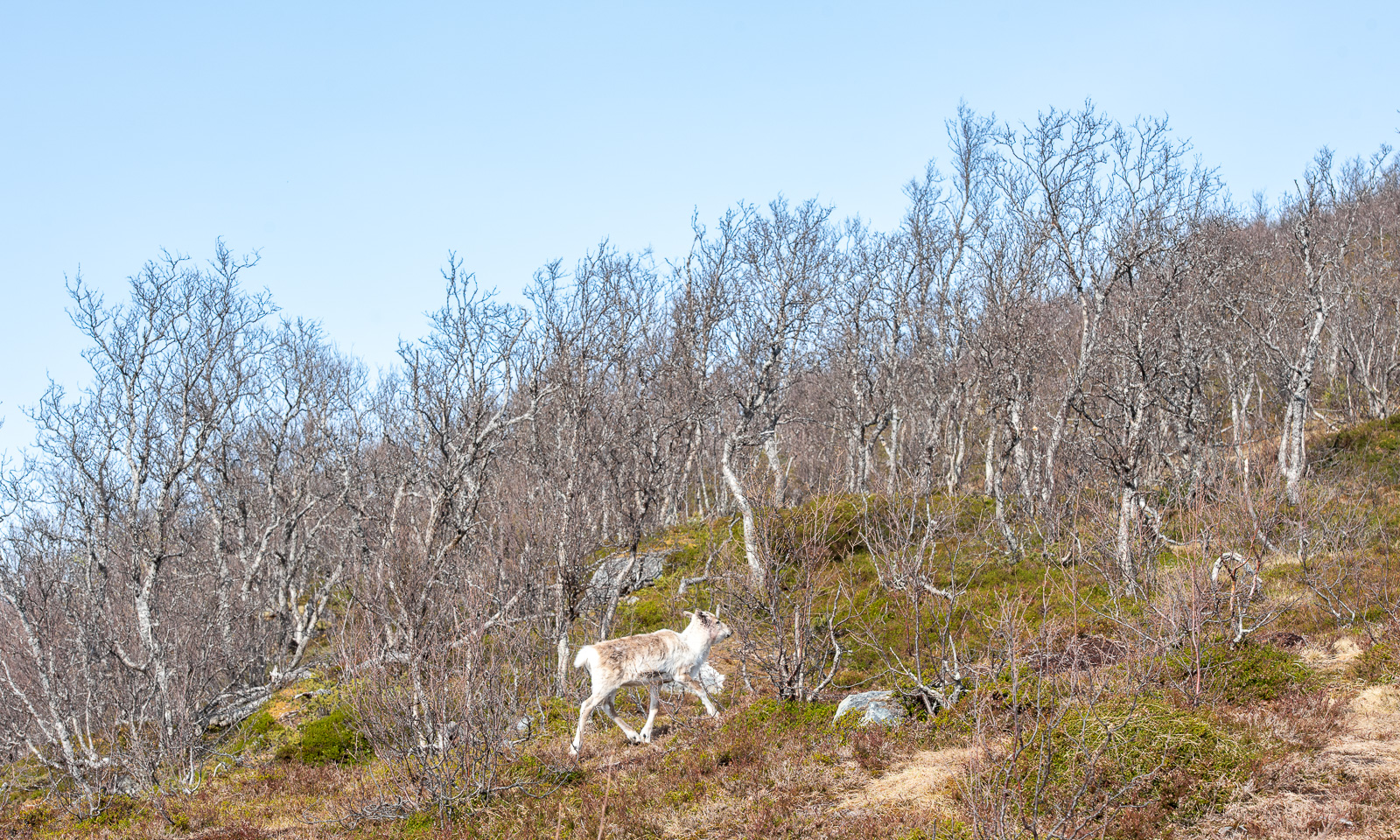
The sun makes the air feel warm but the wind on the top wins: The air is still cold and I put on my anorak again, hood over my head. As often, I take less photos on my way back. I only want to take another photo of the bare birches. While I looked through the viewfinder I saw a movement. A reindeer that I haven’t noticed before it trots into view. Does it want to be photographed? Probably not. It continued its walk carefully looking at me to see what I intend to do.

After a four-kilometre hike I am back at the car. Six other cars are parked there now. I liked the tour. It is easy and the parking area is just 20 km away from Tromsø so you could do it as a small after-work trip. You get clean air, awesome views and maybe – if you’re lucky – a reindeer trotting by.

Peat bogs south of Tromvik

I had another tour in mind. A tour that could become pretty wet. I want to walk from Tromvik to the lake Storvatnet, but not on the track east from the river Storelva but instead crossing the mires and bogs. First I have to go there by car. Both Trehørningen and Tromvik are on the island Kvaløya but it’s a one hour drive. Remember, Kvaløya is the fifth largest island in mainland Norway. Then I put on waterproof clothes – you never know what happens and start my tour.

To make a long story short: I think, the lake is pretty boring. I took a souvenir photo, here it is. I guess this view is much nicer, when the lake is calm and the sun comes from the other direction.

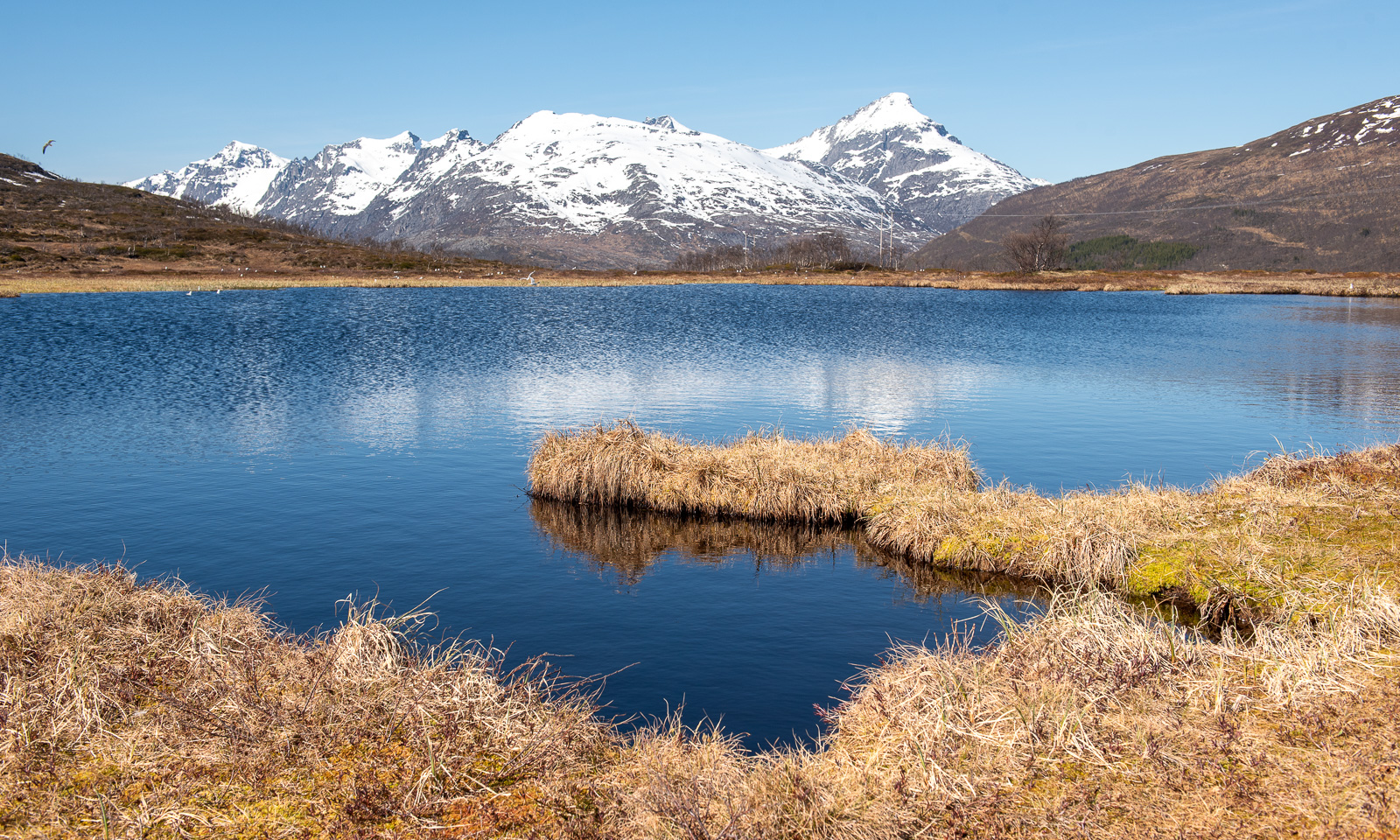
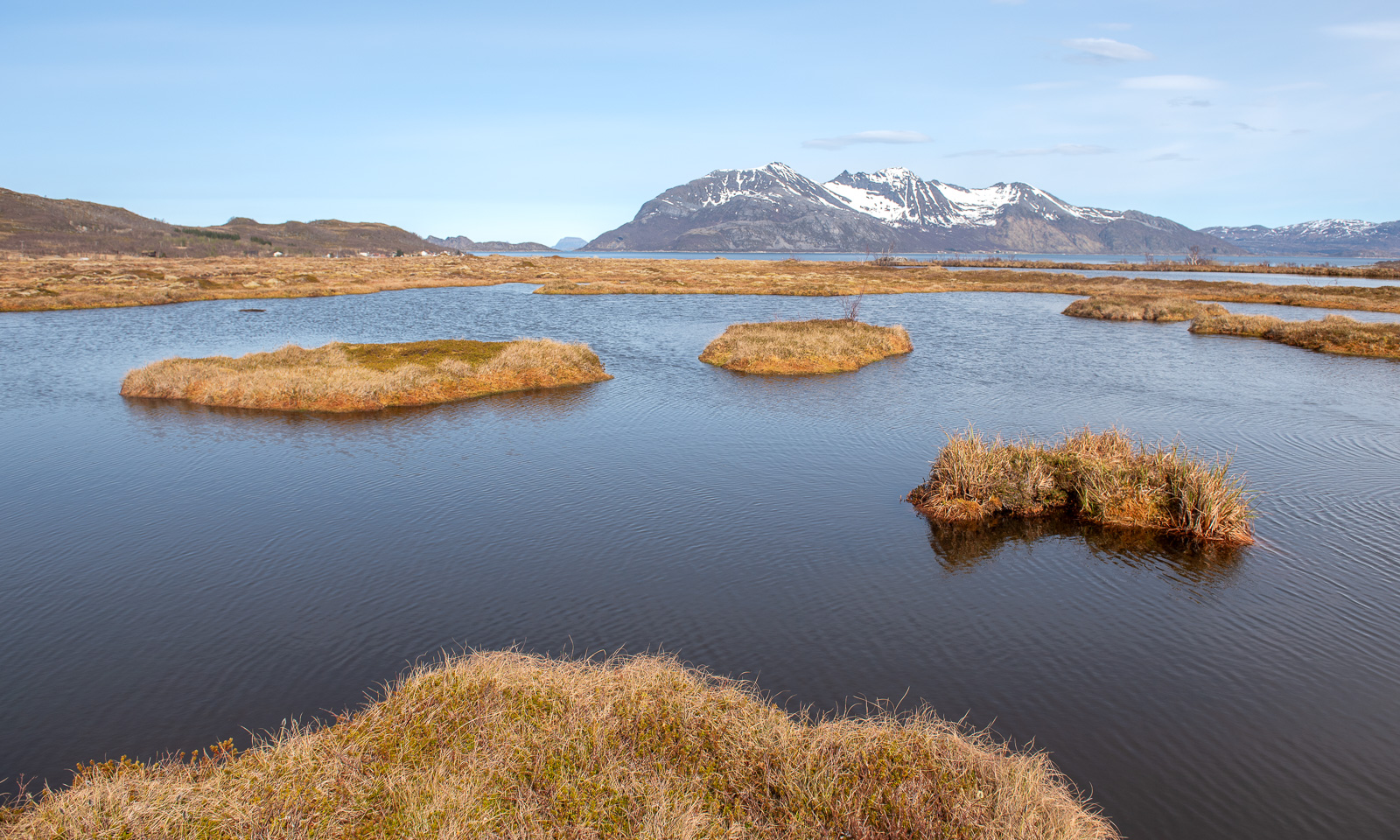
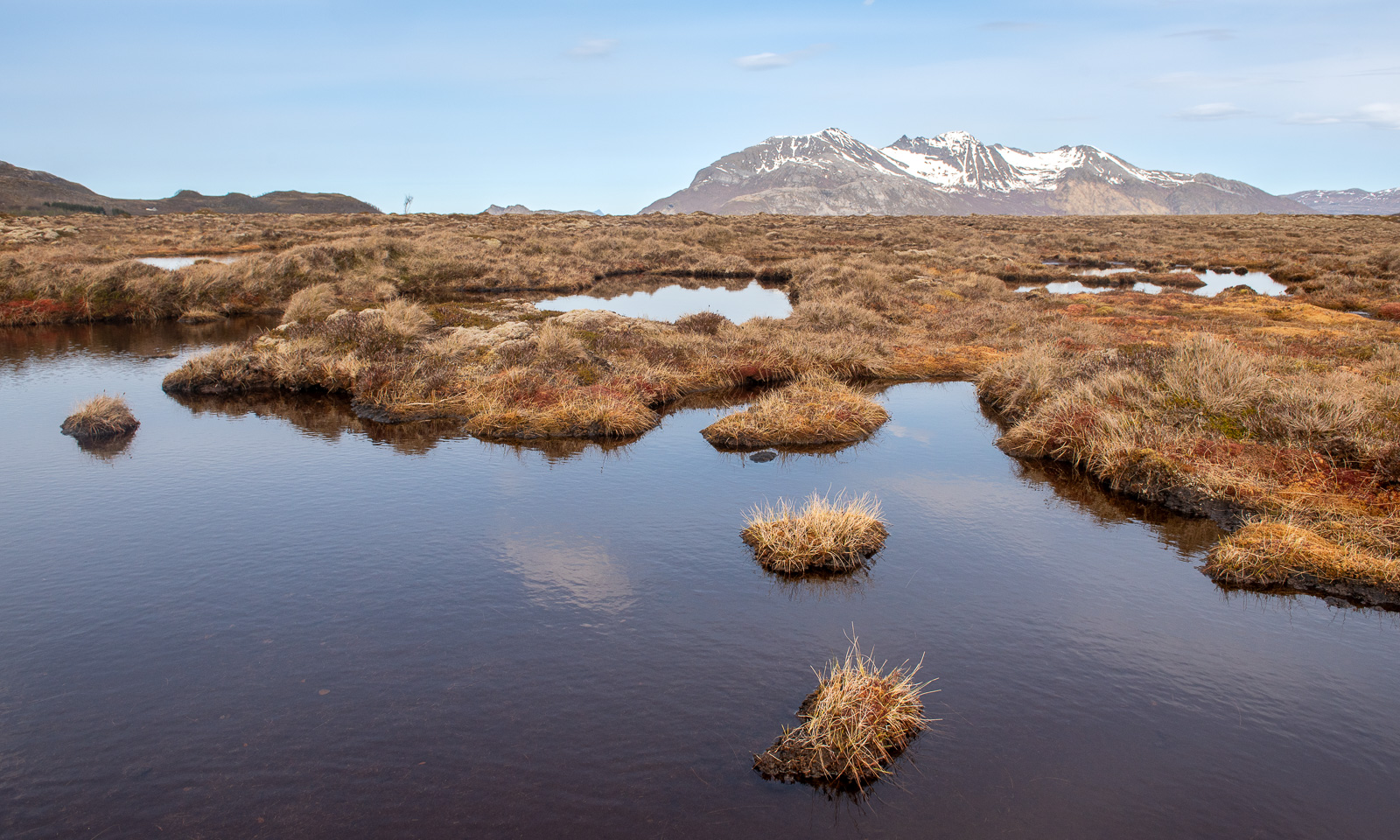
Much more interesting were all the small ponds with mossy islets and also the muddy peat flats with their scattered grass tussocks forming small islands. Pretty fascinating. Some photos:

After a six-kilometre hike – a pretty wet one – I am back at the car. I liked this tour, too and I plan to come back on a sunny night this summer. Then the sun should be low in the north illuminating the mountains behind Storvatnet. Hopefully …

Mountains

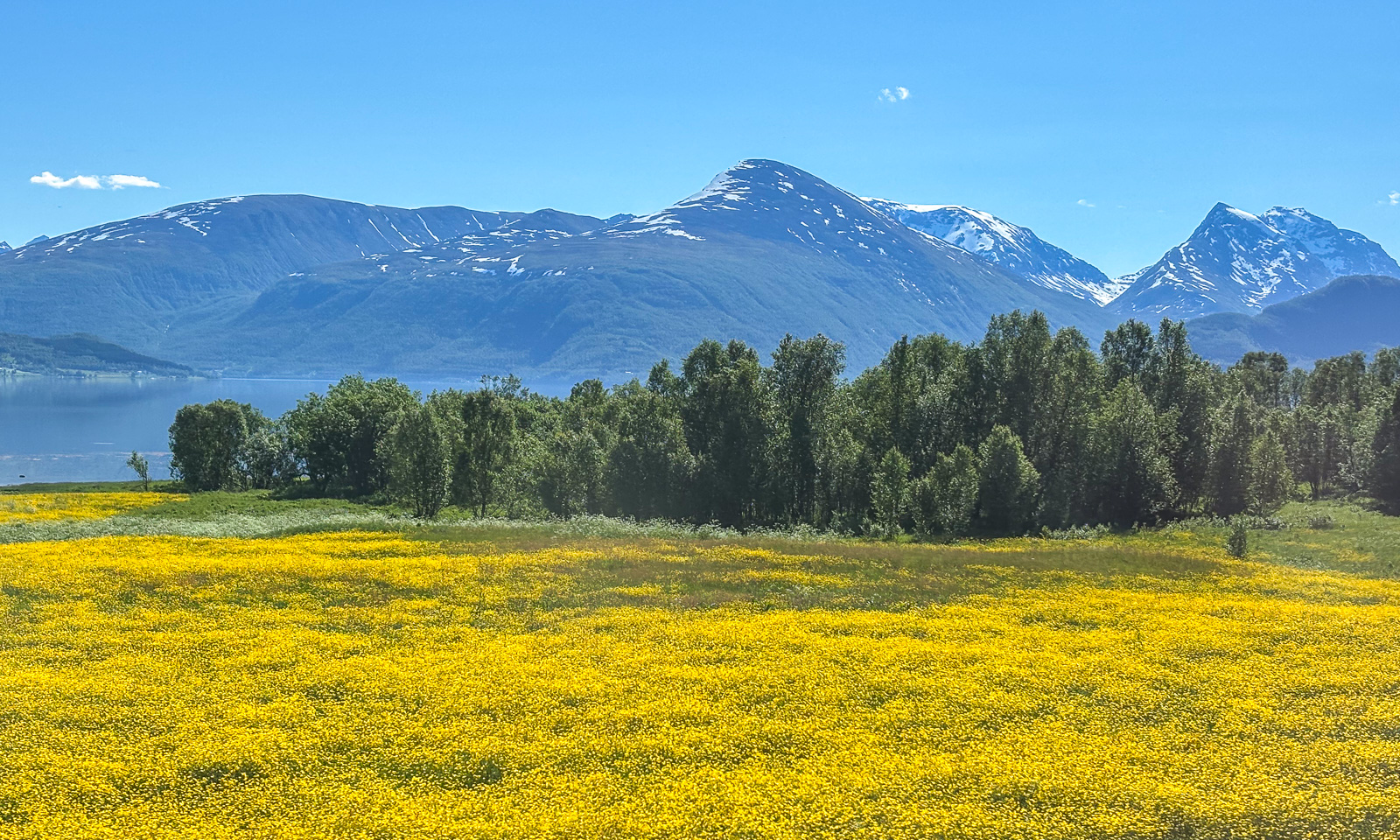
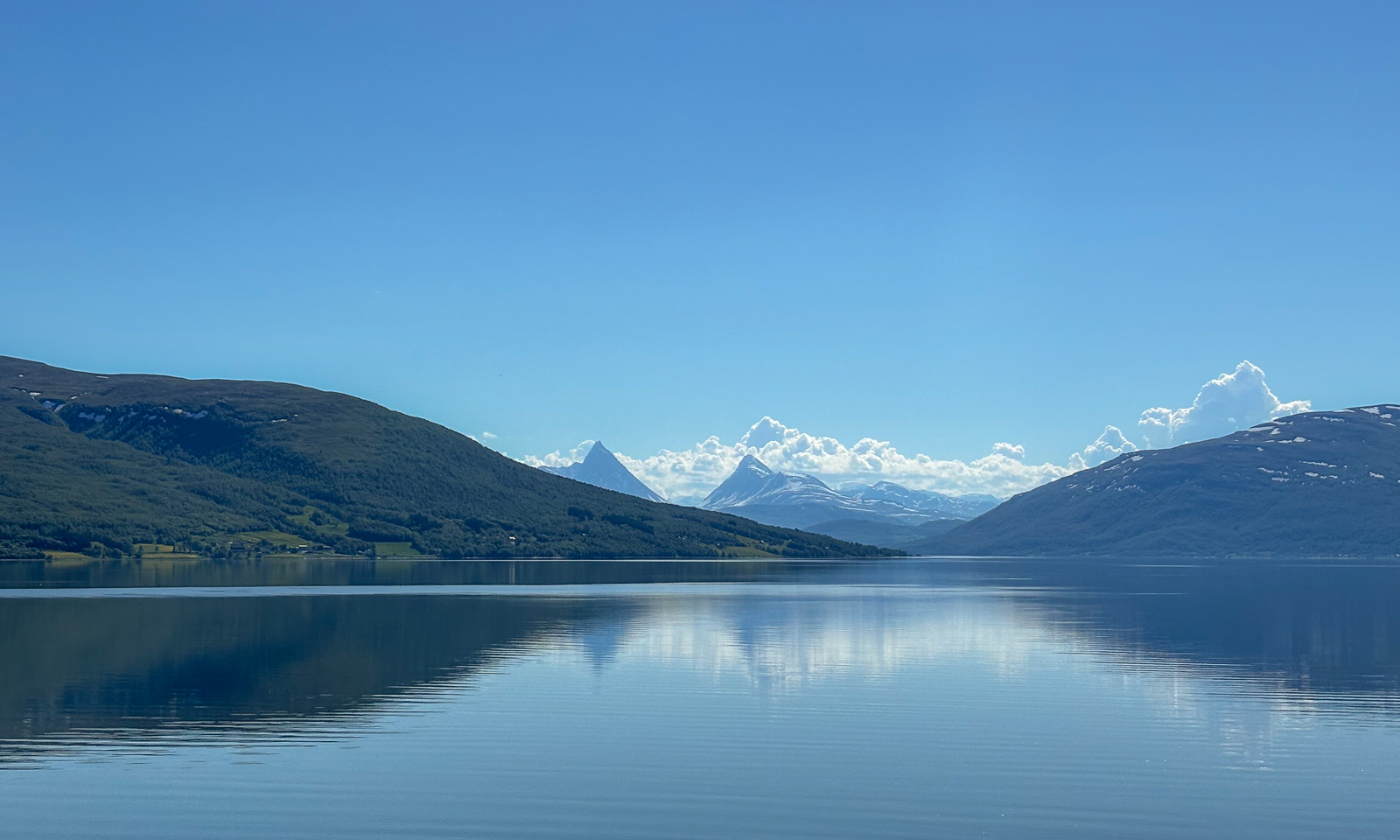
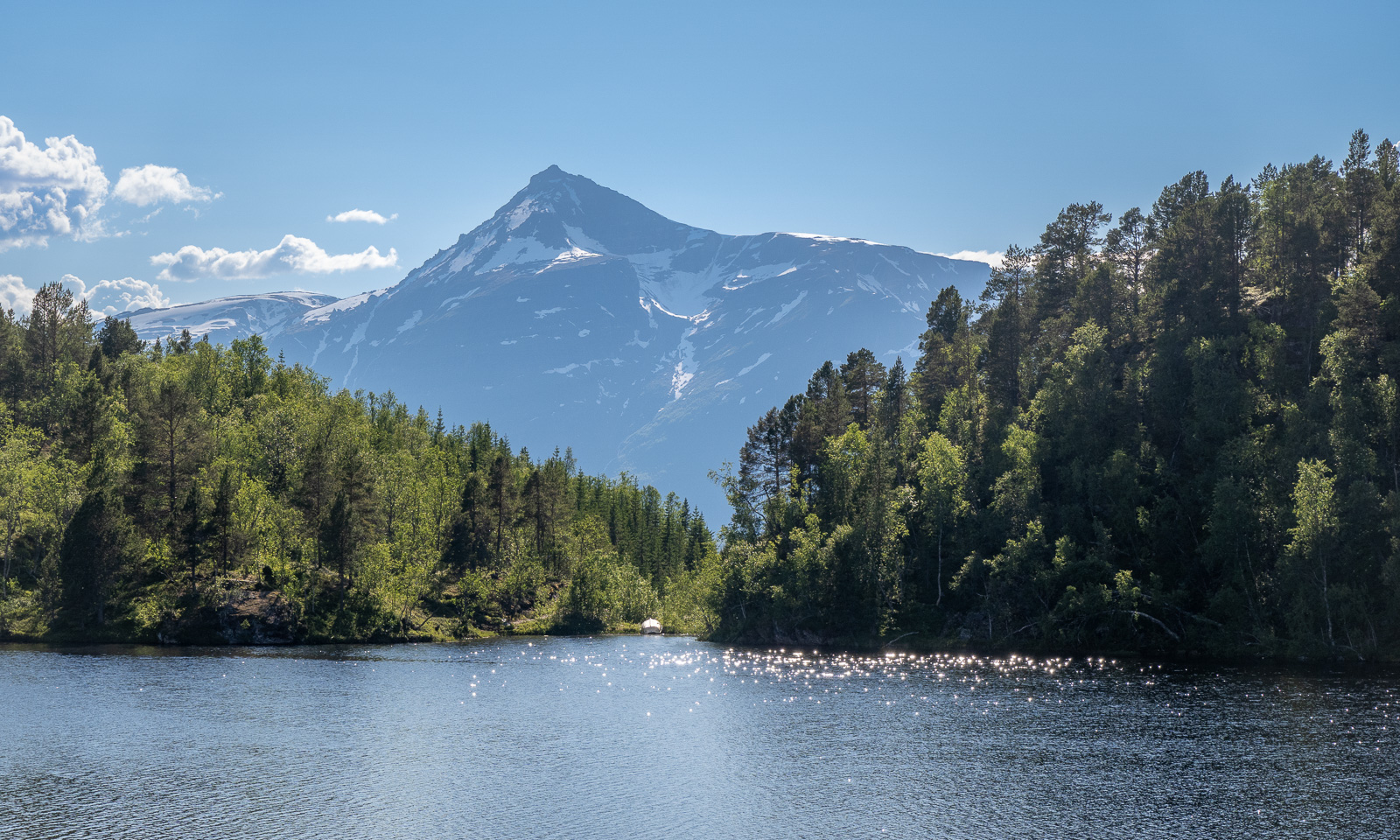
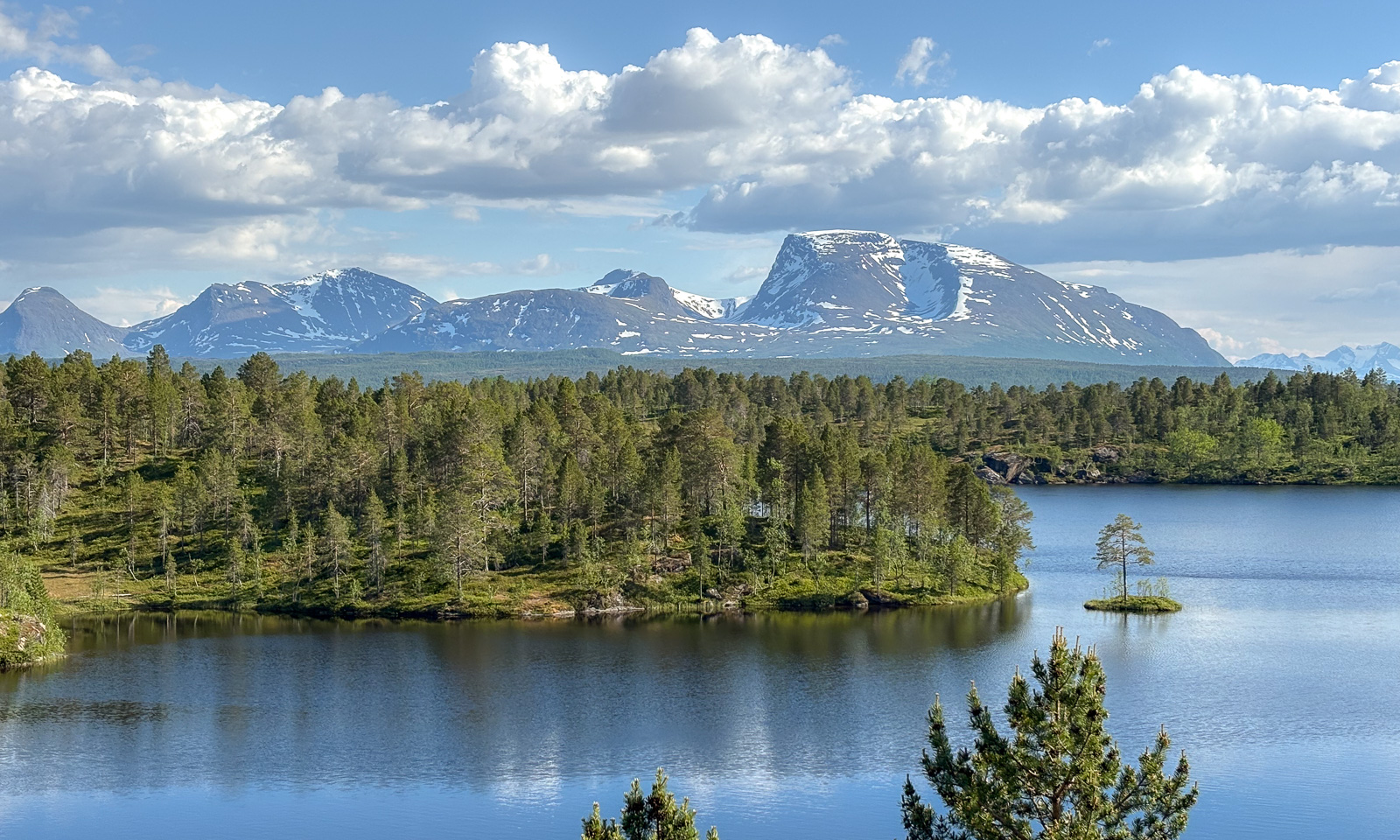
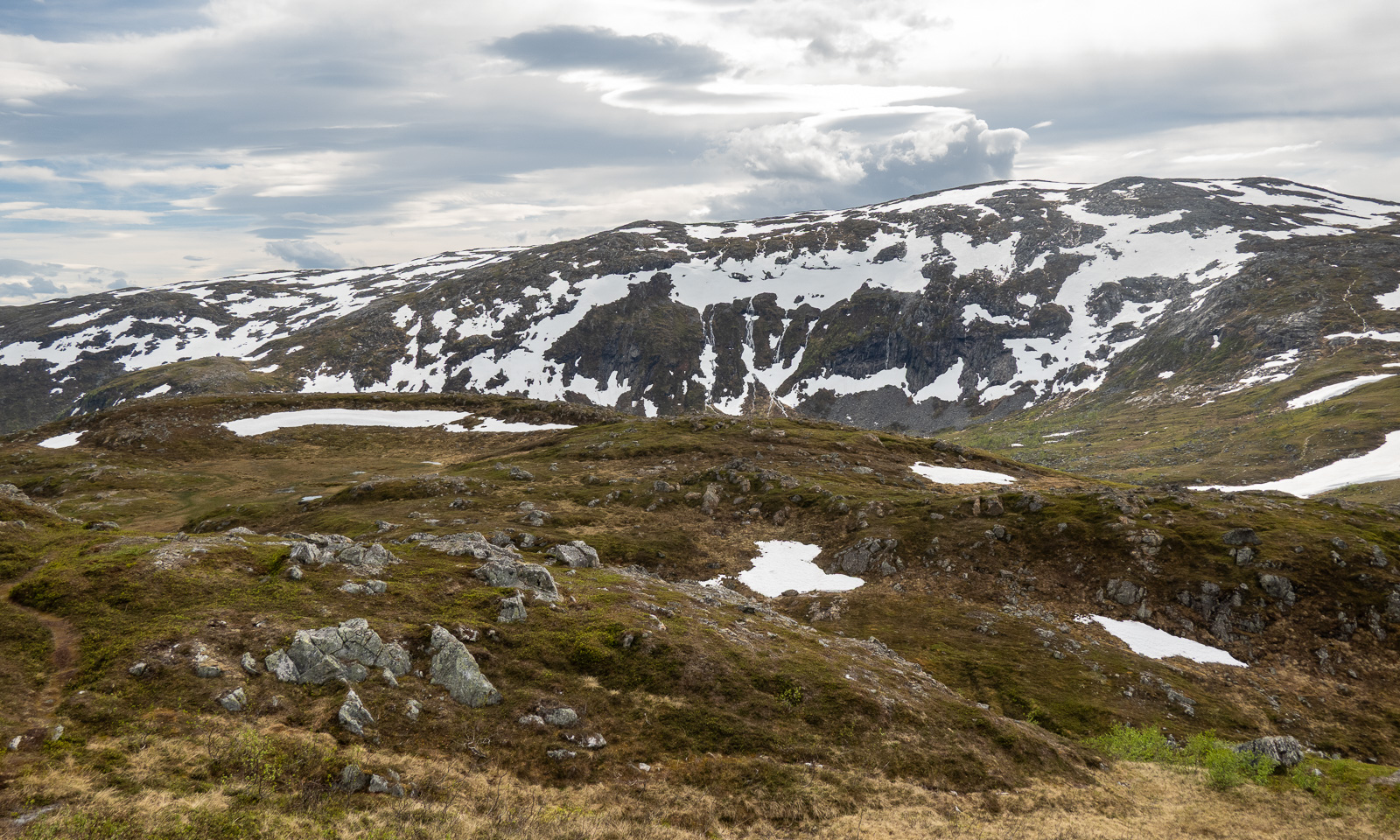
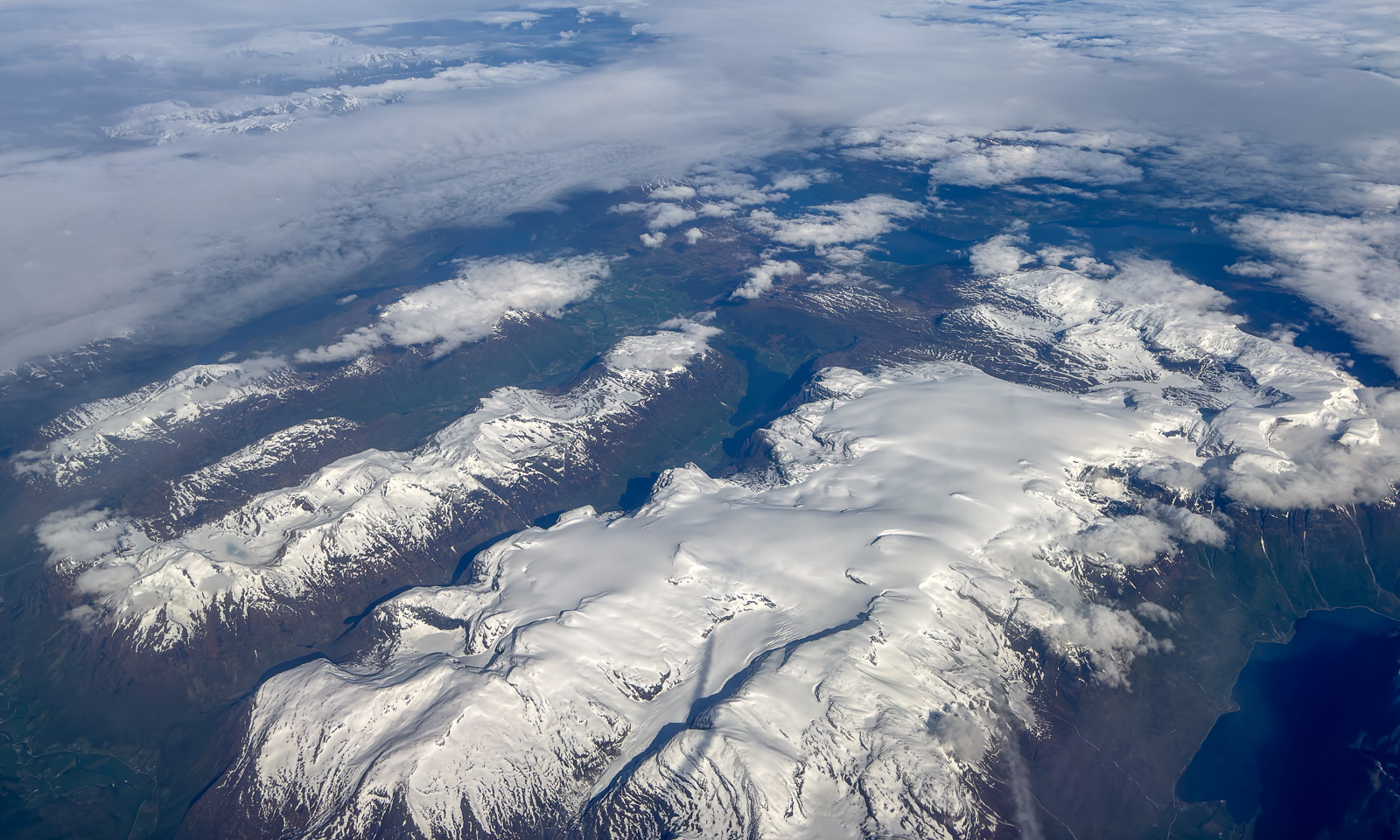
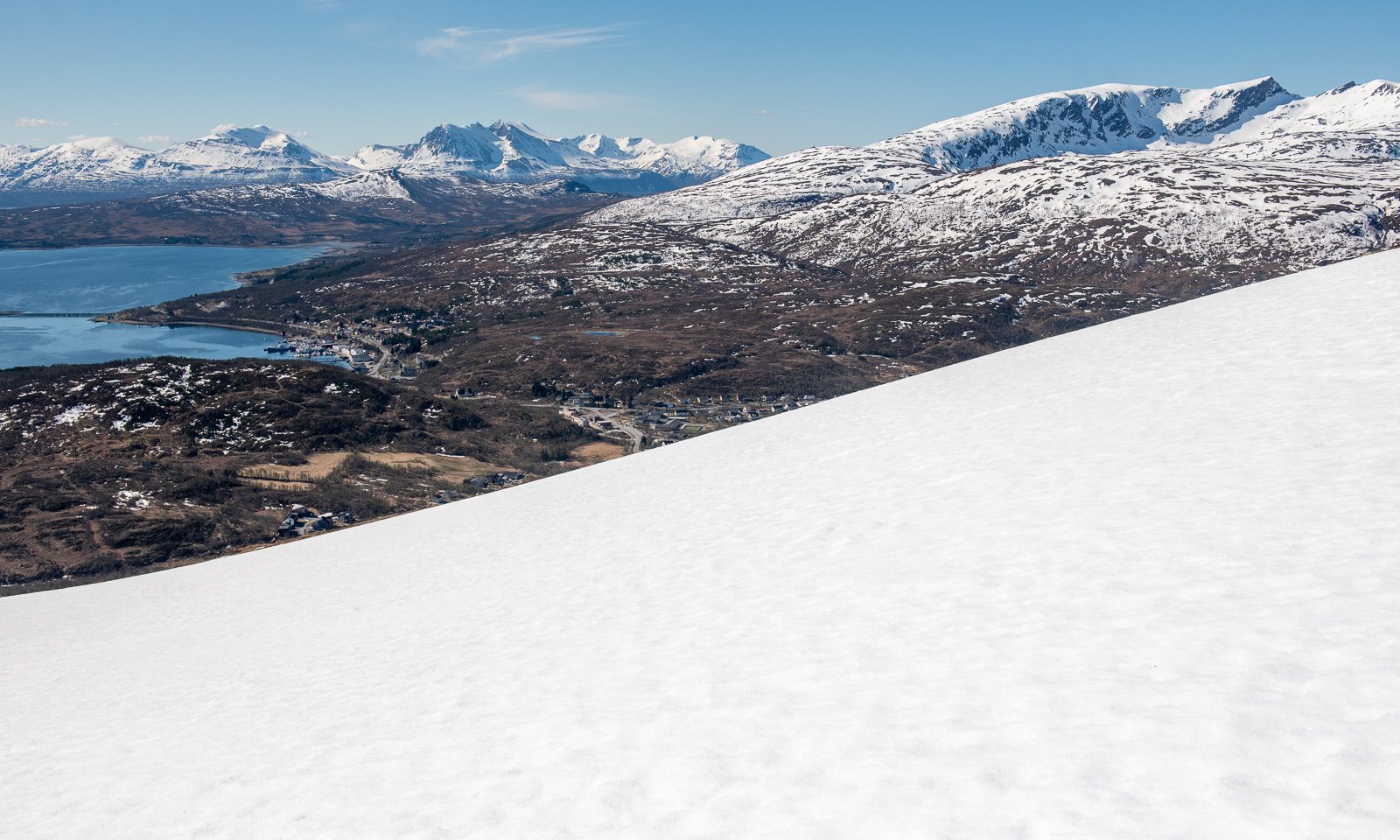
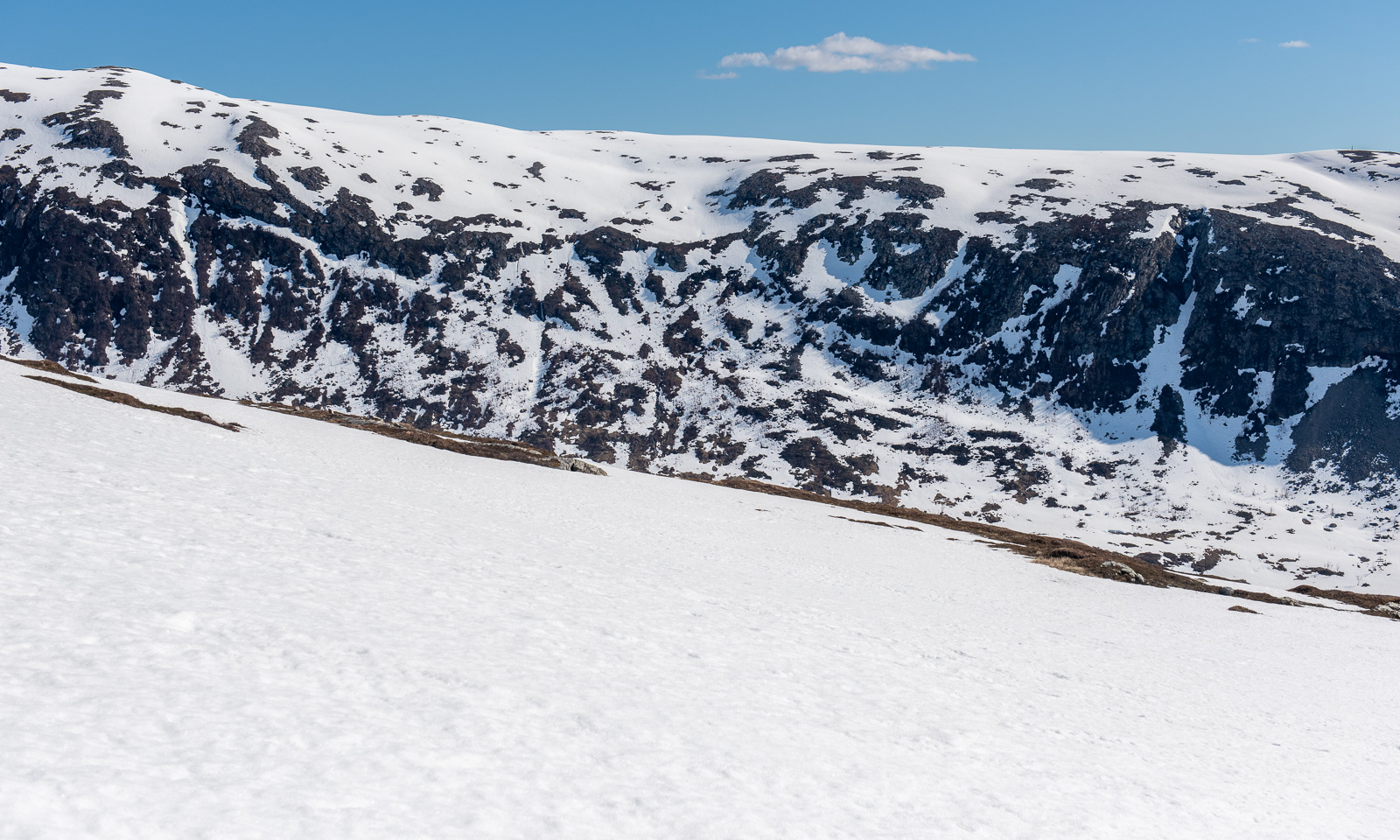
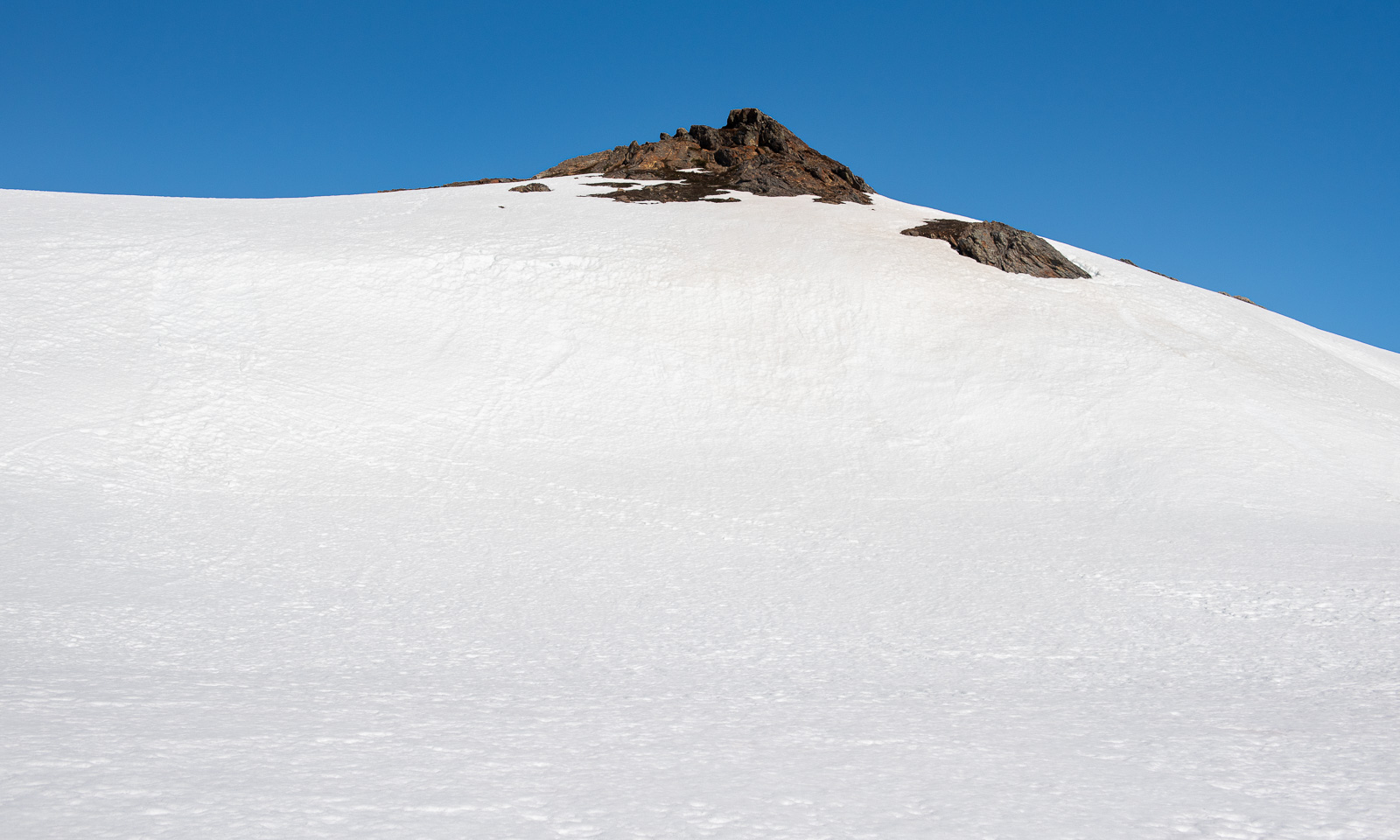
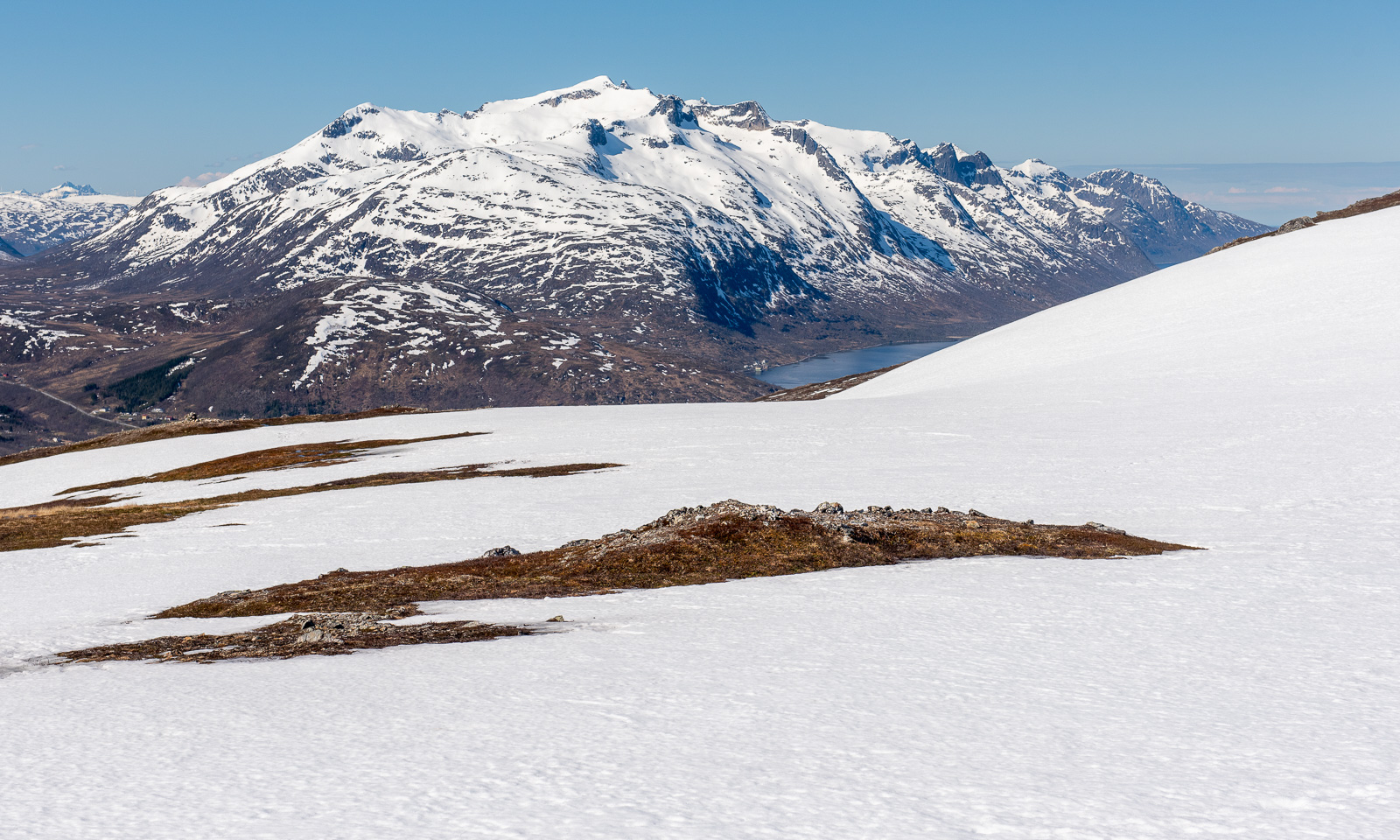
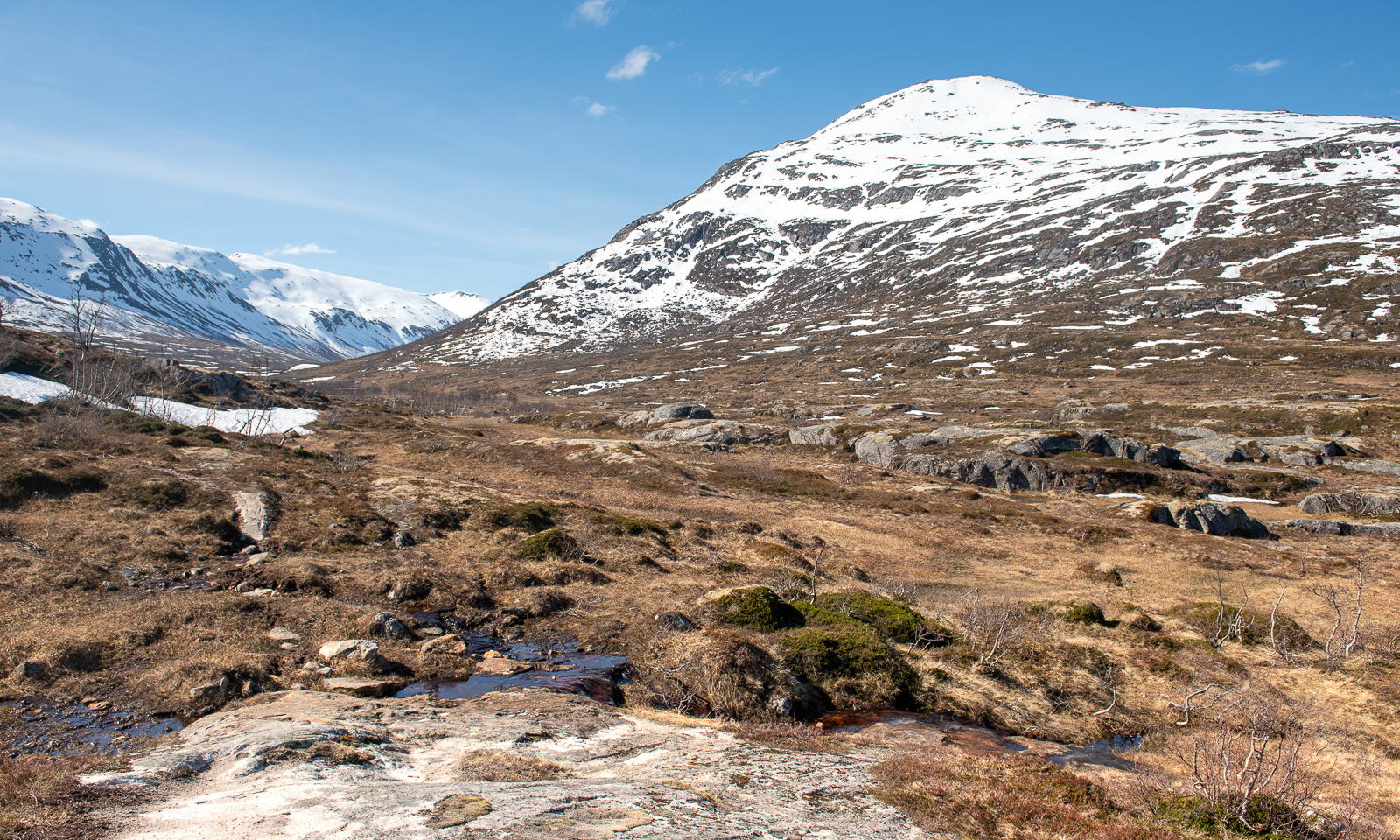
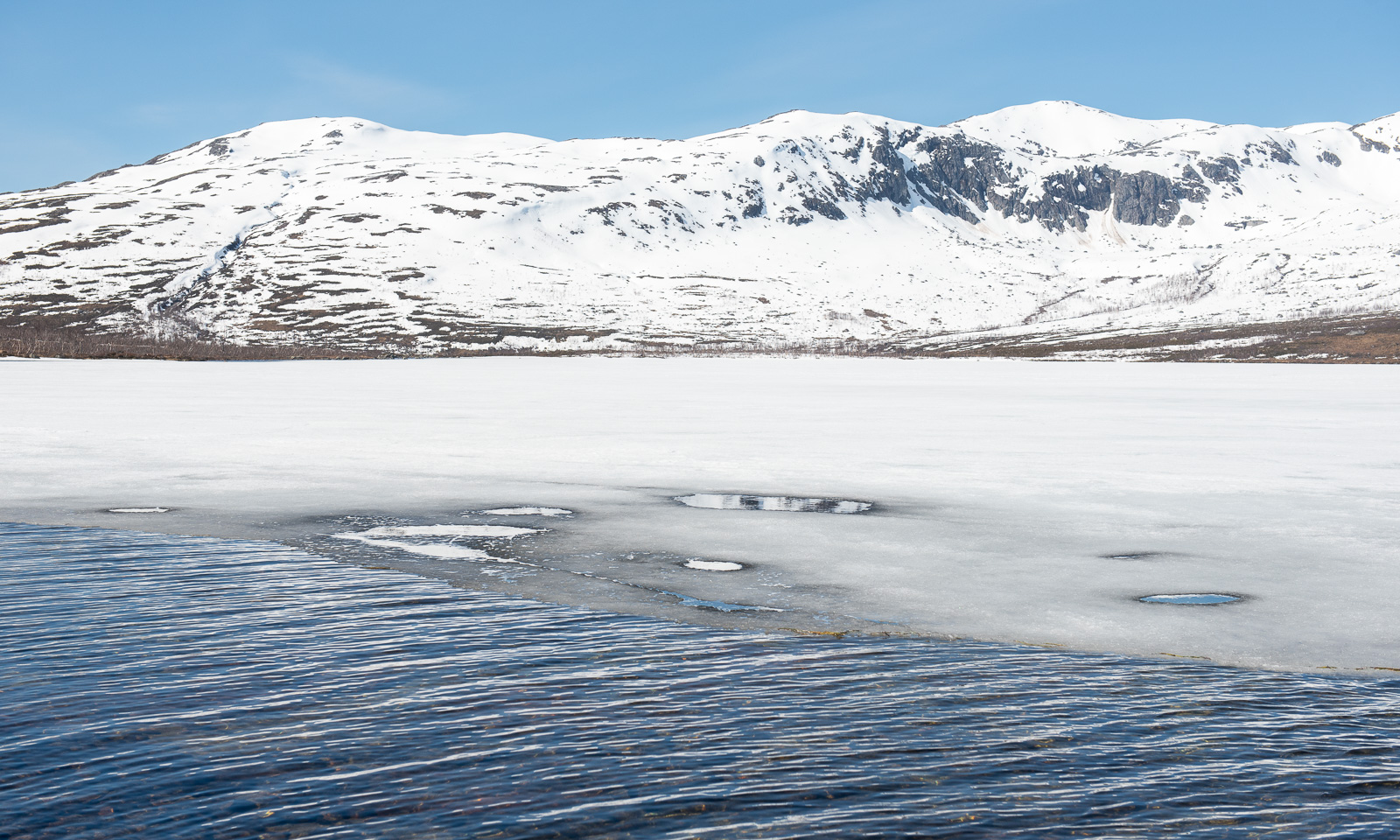
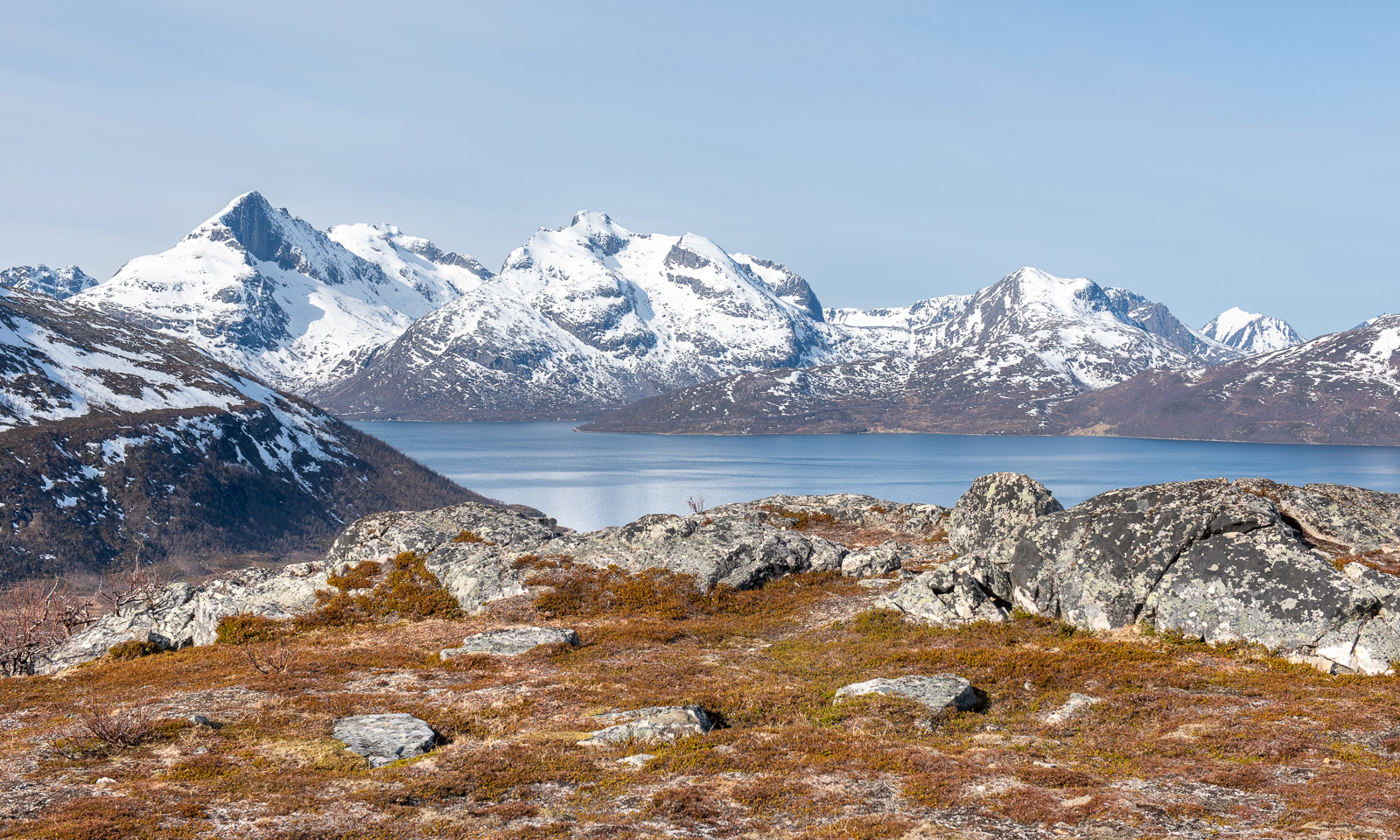
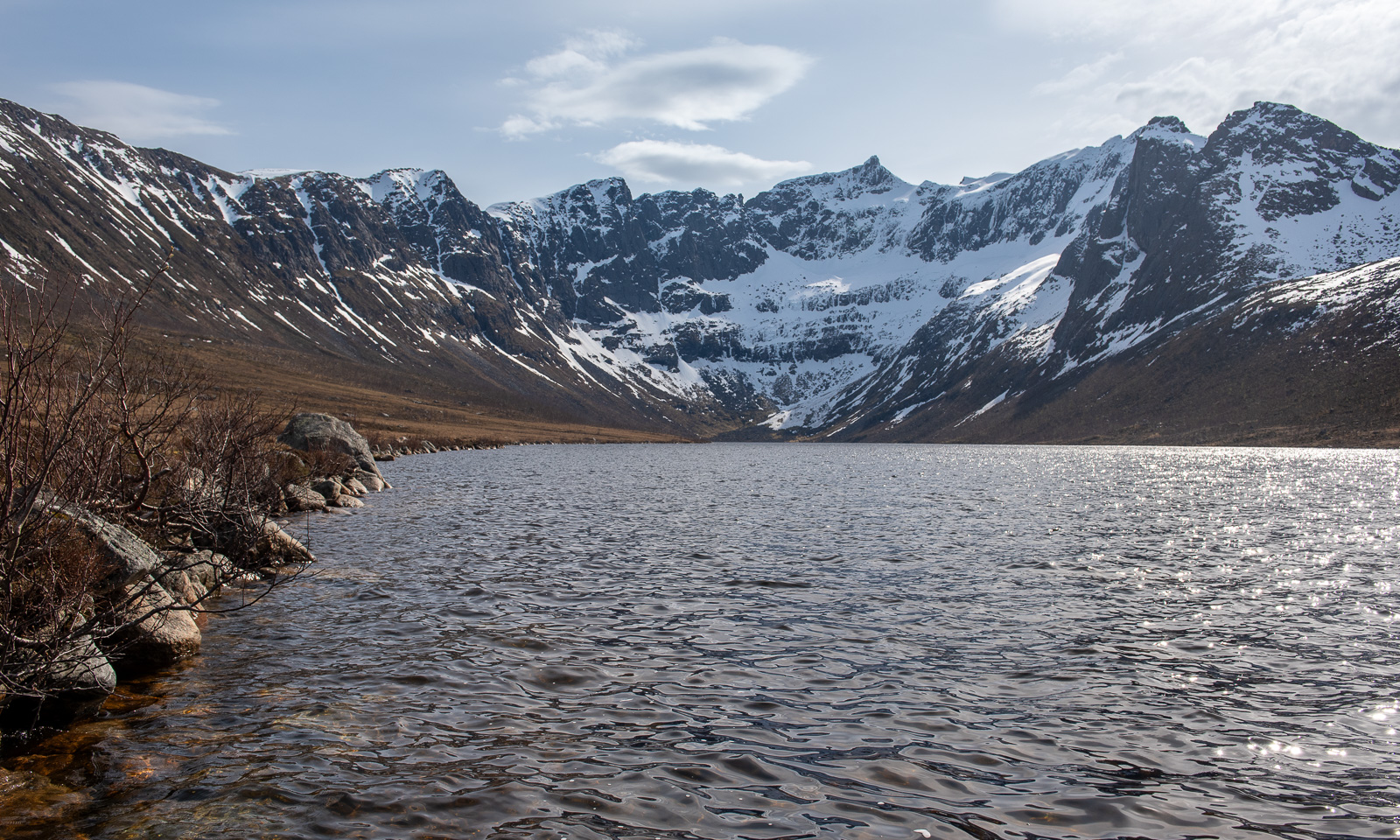
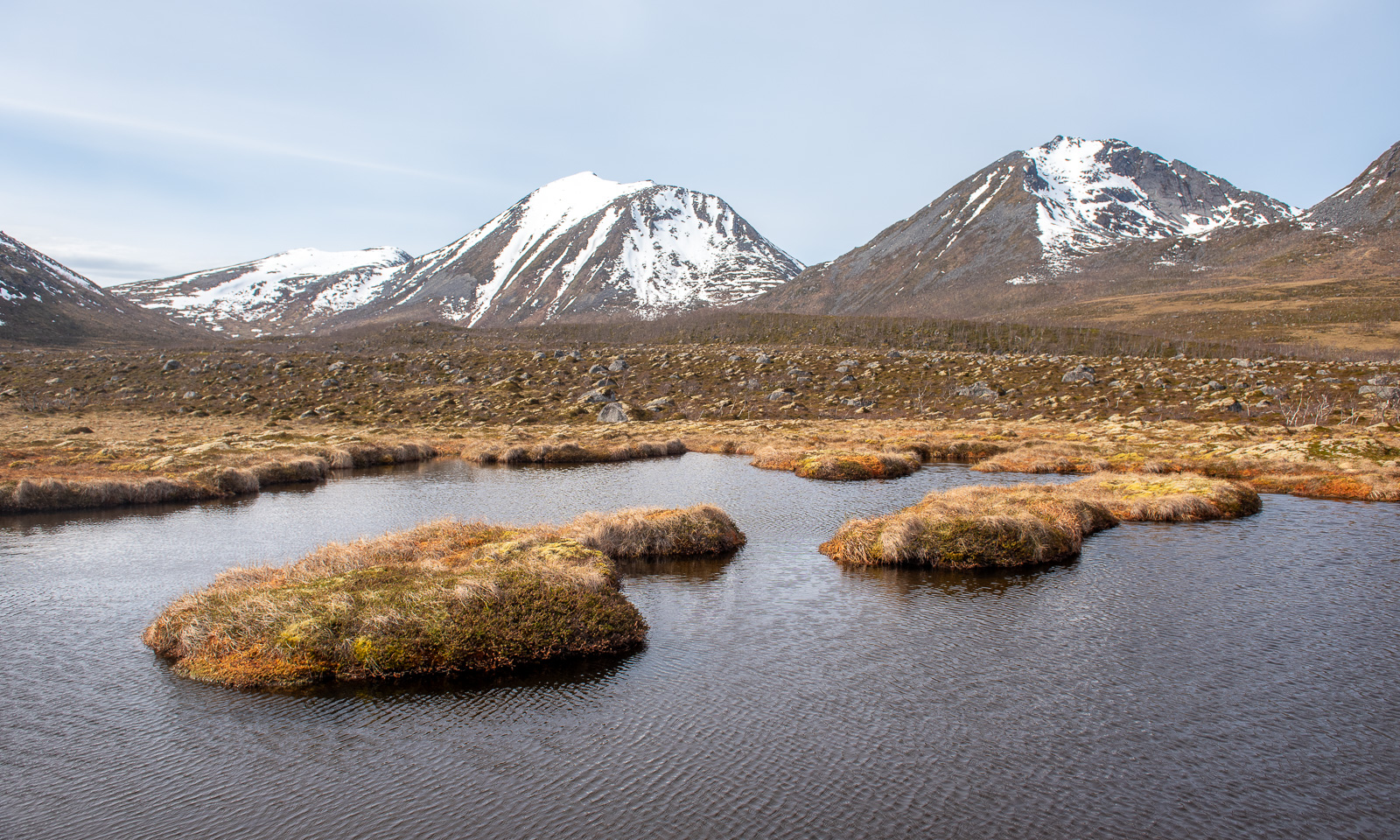
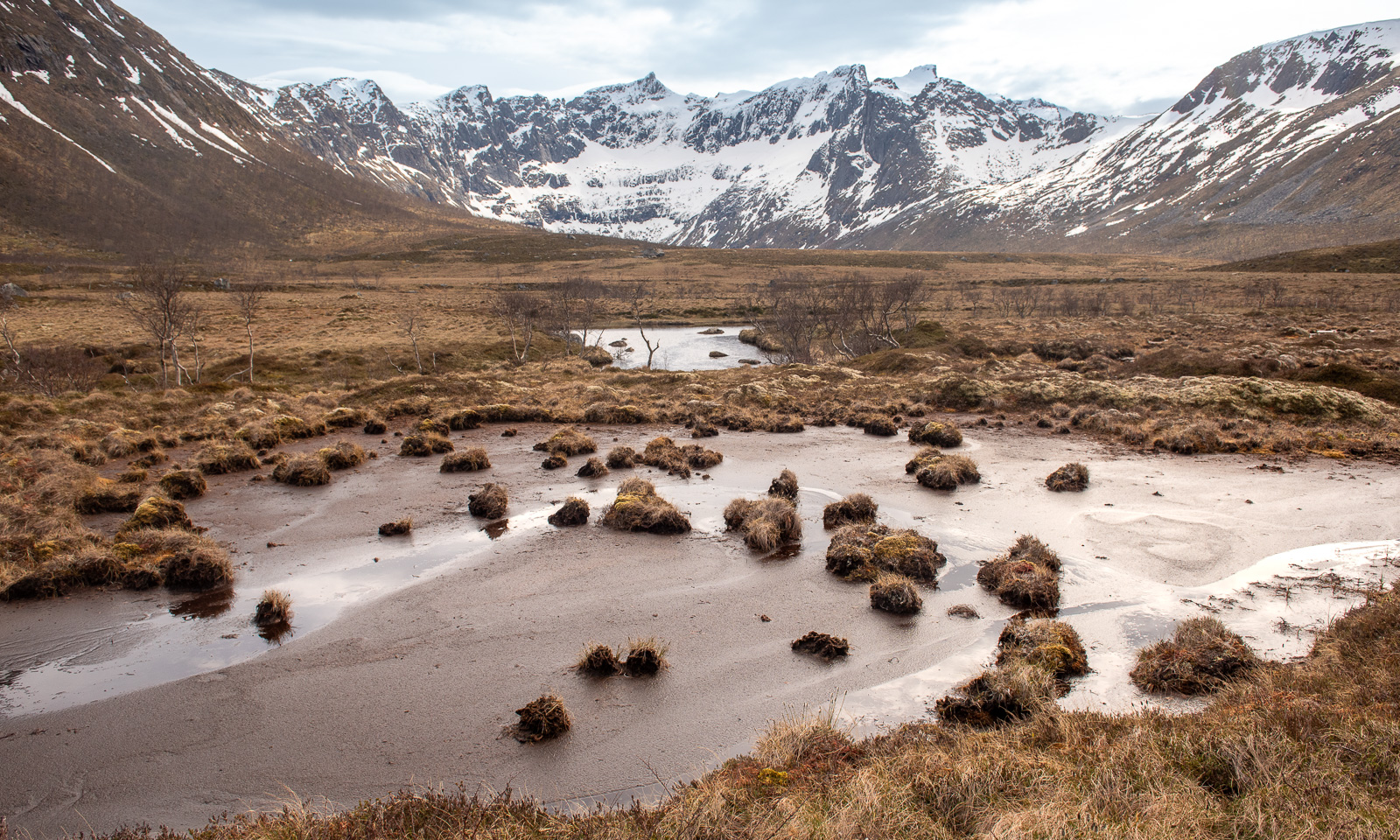
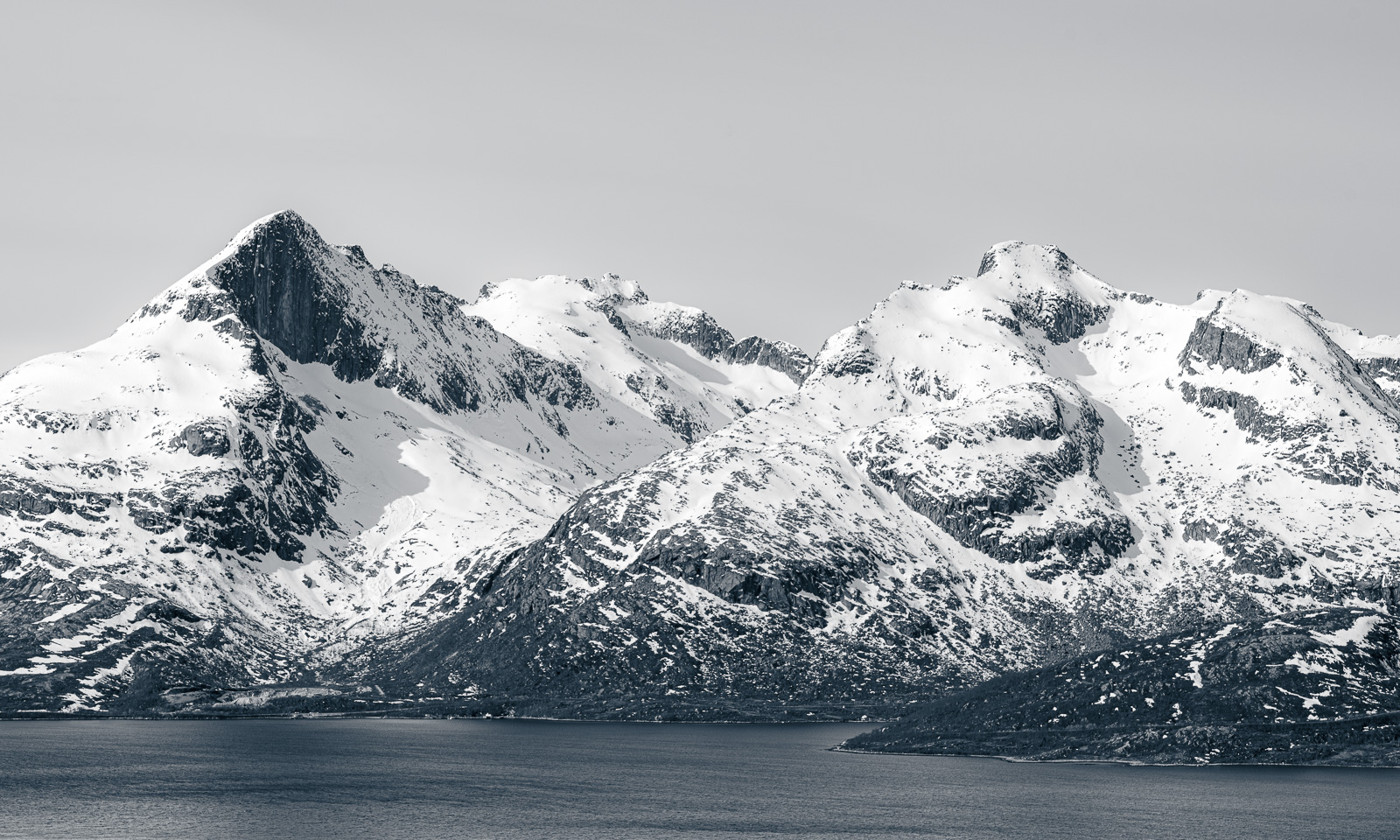
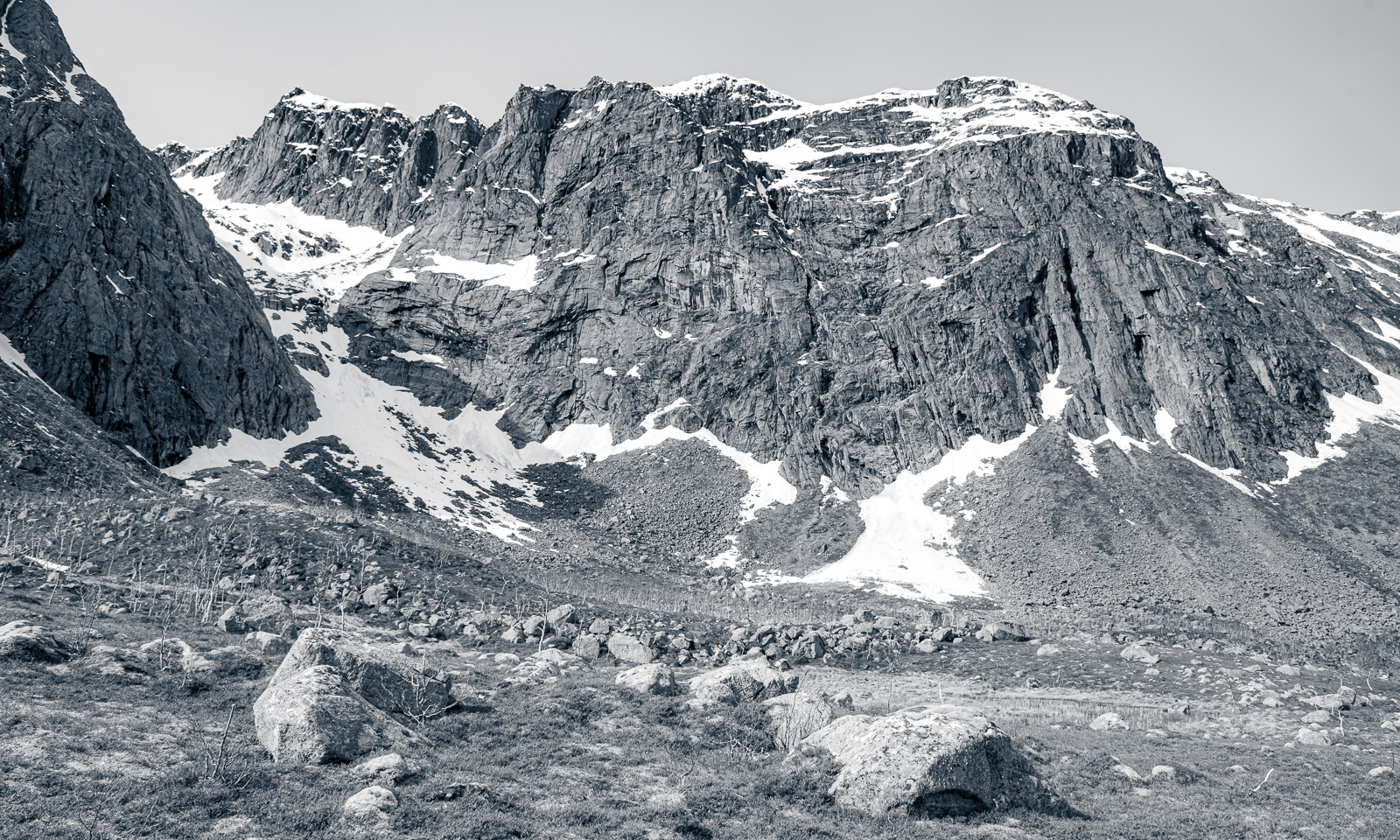
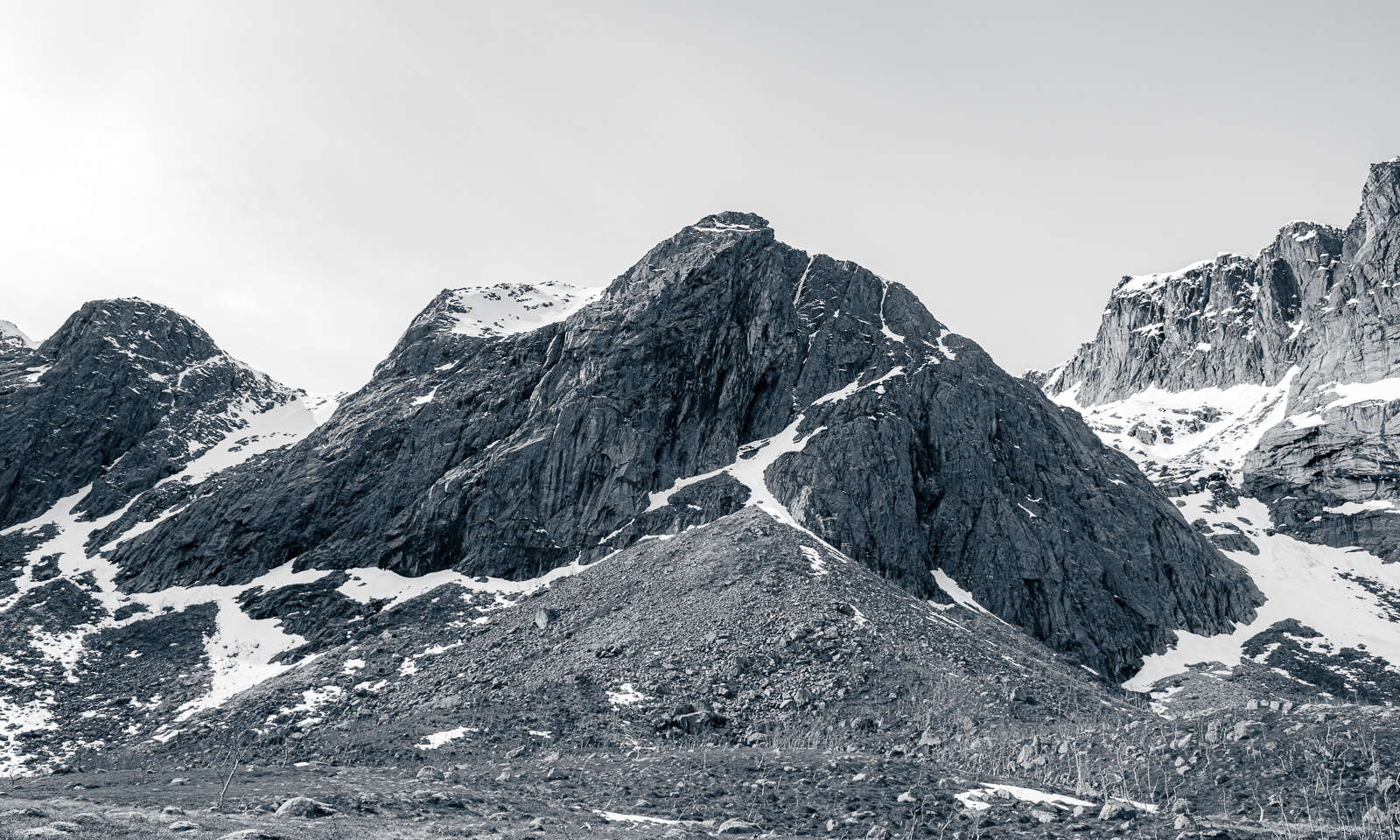
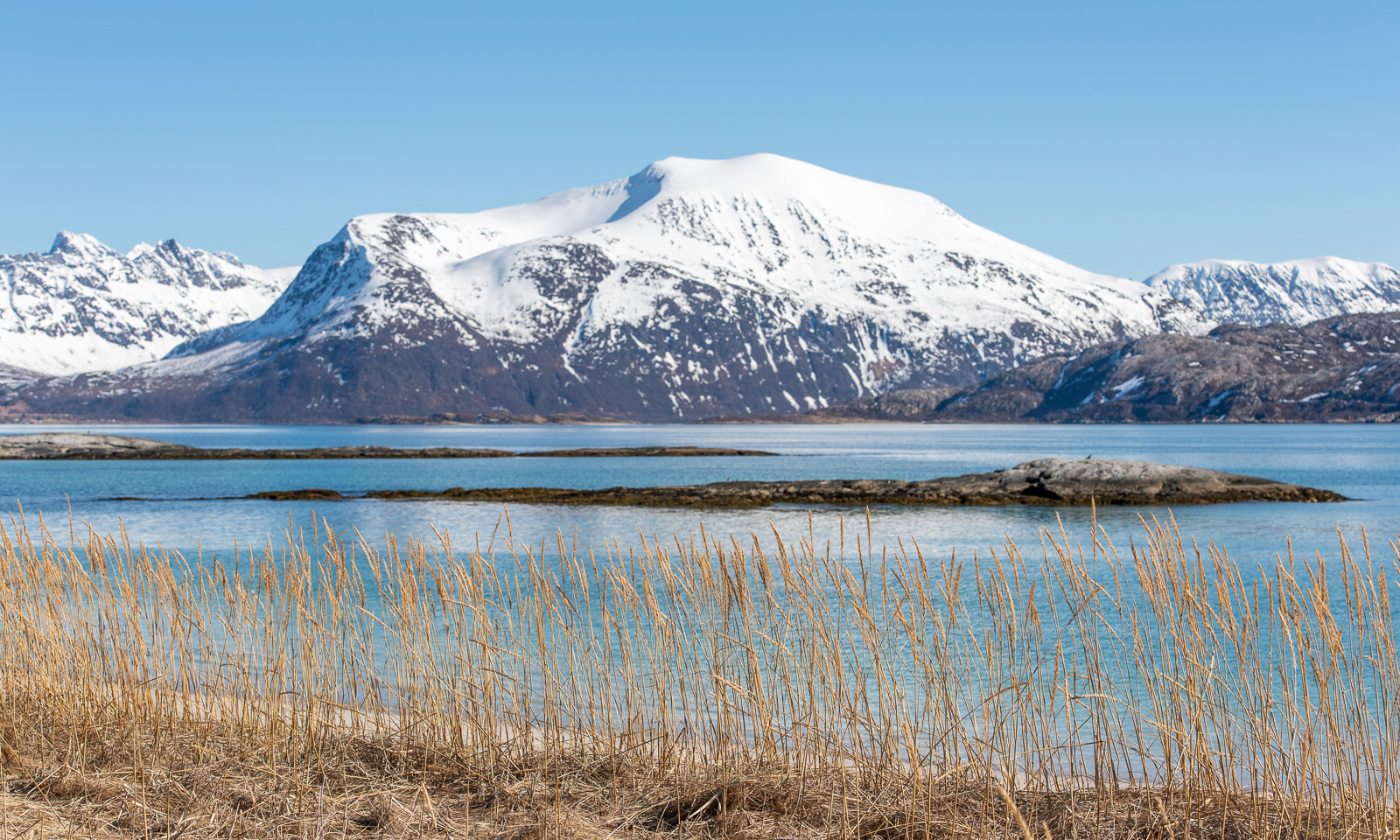
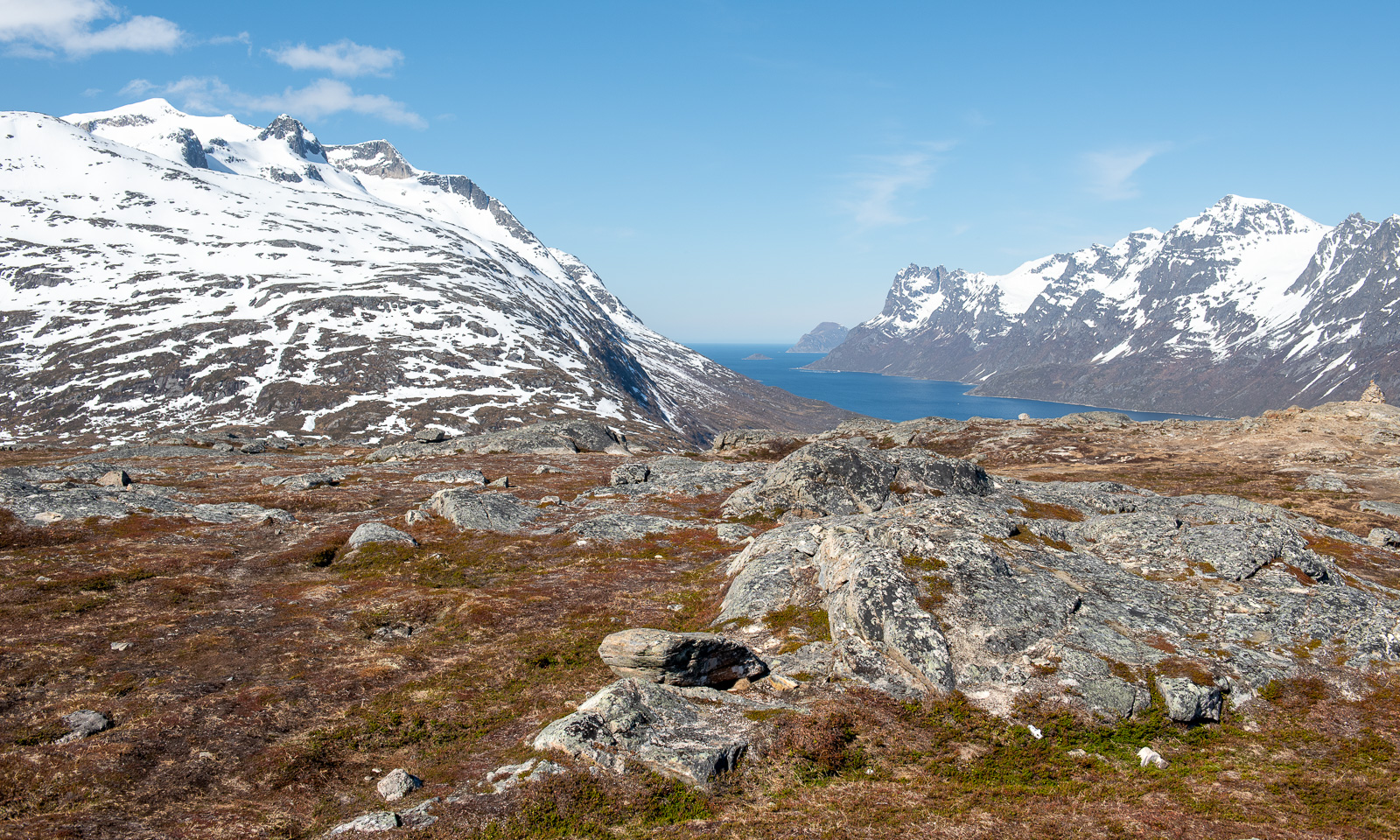
Some mountains and mountain ranges are extremely fascinating in their combination of white snow and rough rock. The first photo I took from Trehørningen, for the other two I stopped the car on my way to Tromvik.


Winter intermezzo

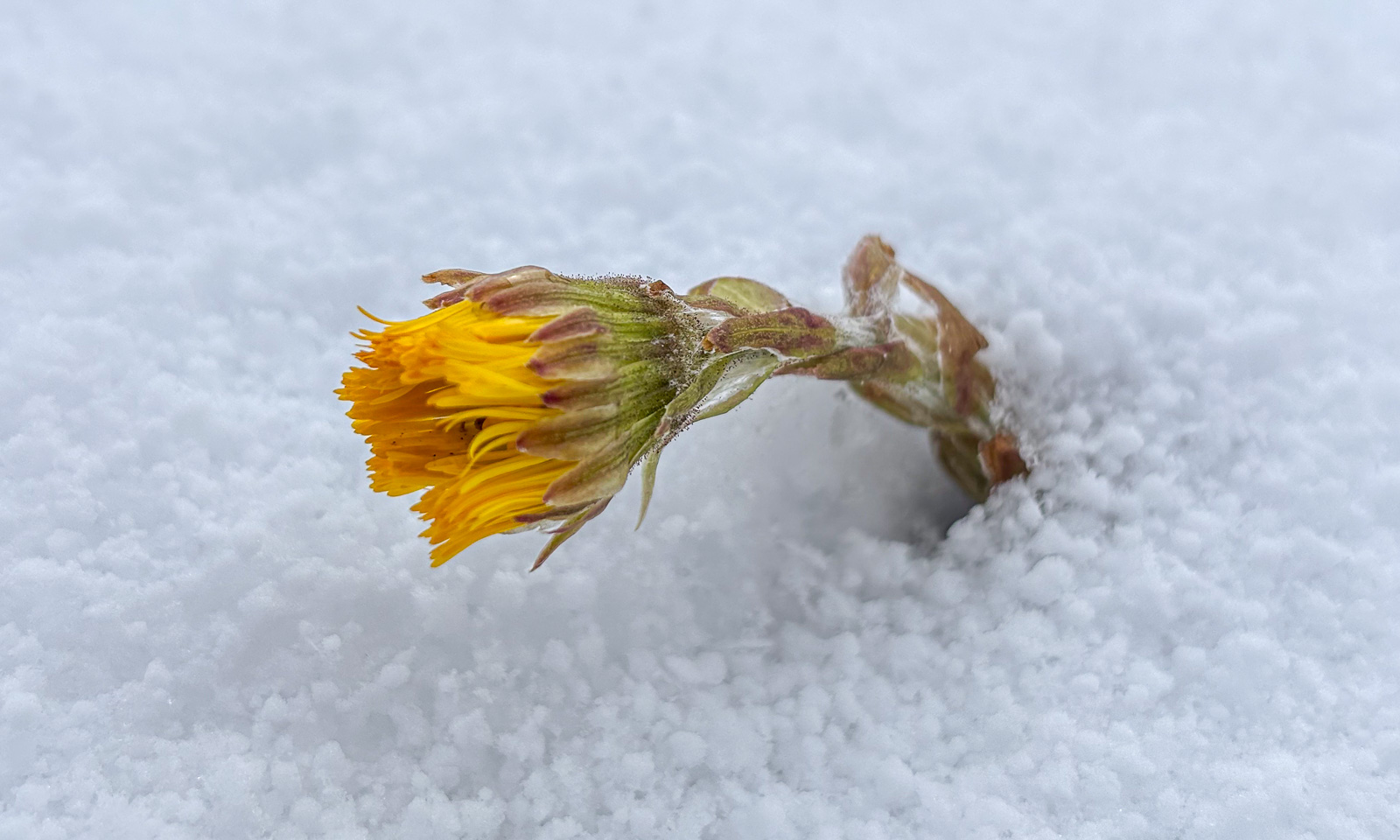
When I wrote about the unusually early snowmelt in Tromsø a week ago, I was almost sure that new snow might come soon. I guessed right. Already on Thursday evening, it starts to snow. The next morning, the roads are white and the tussilago flowers are stuck in the snow.

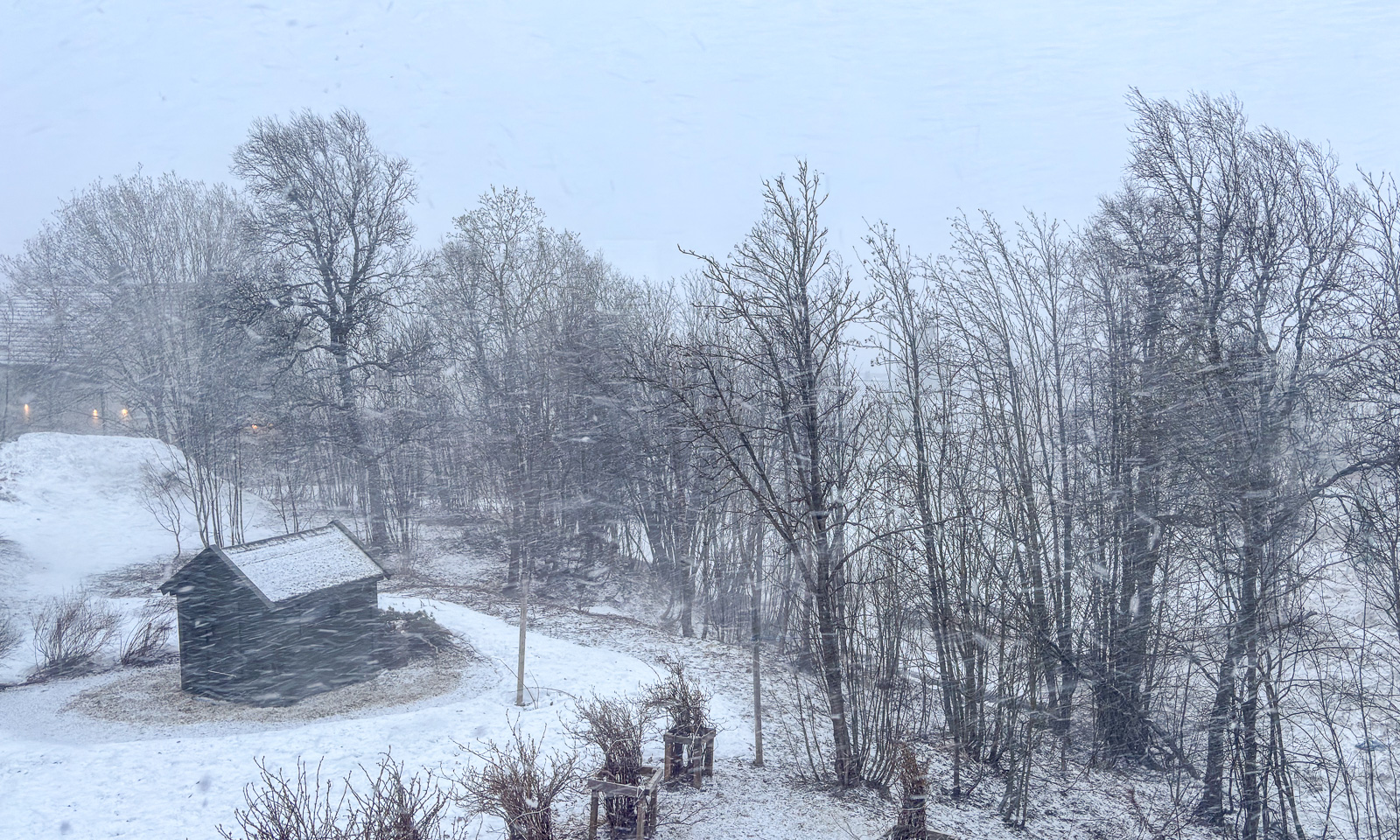
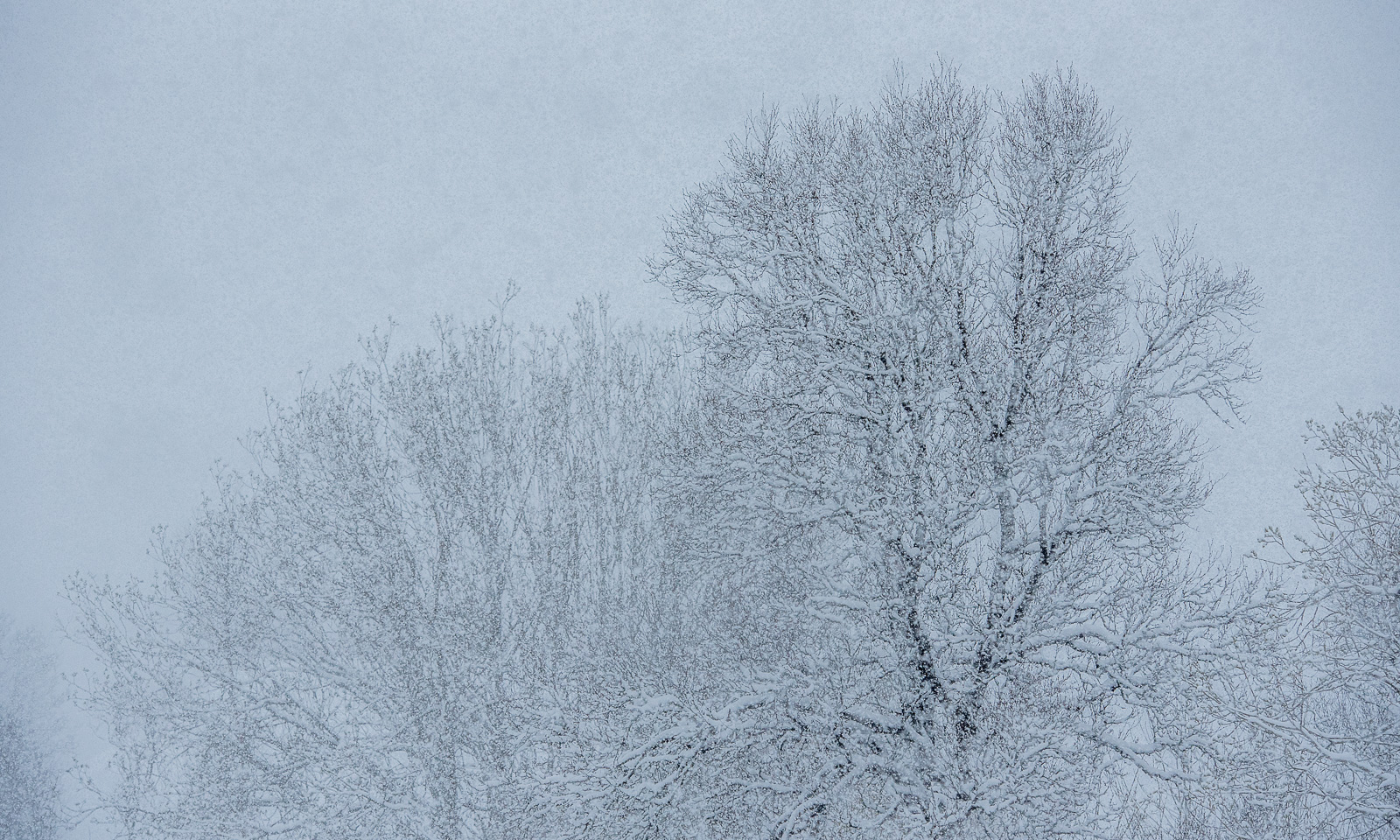
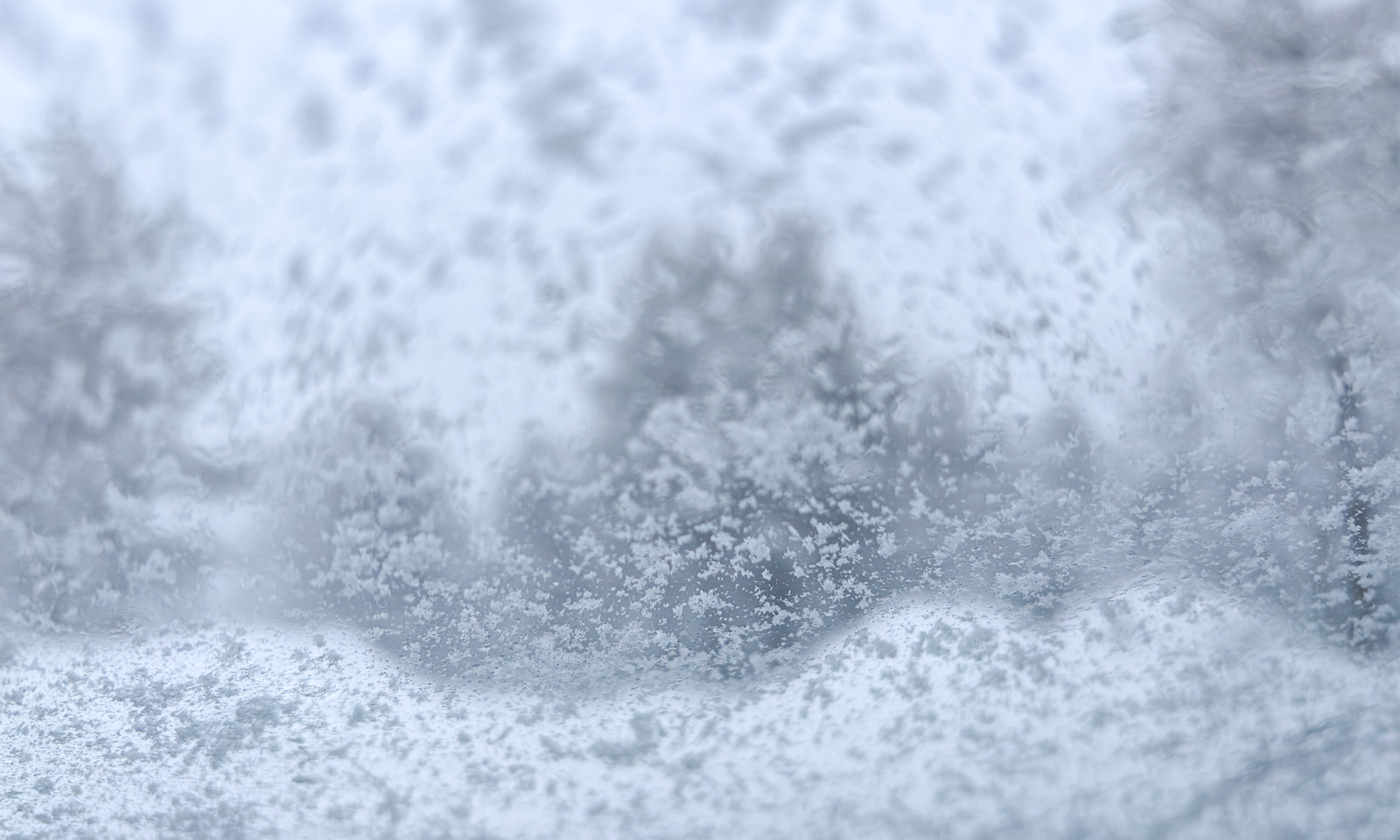
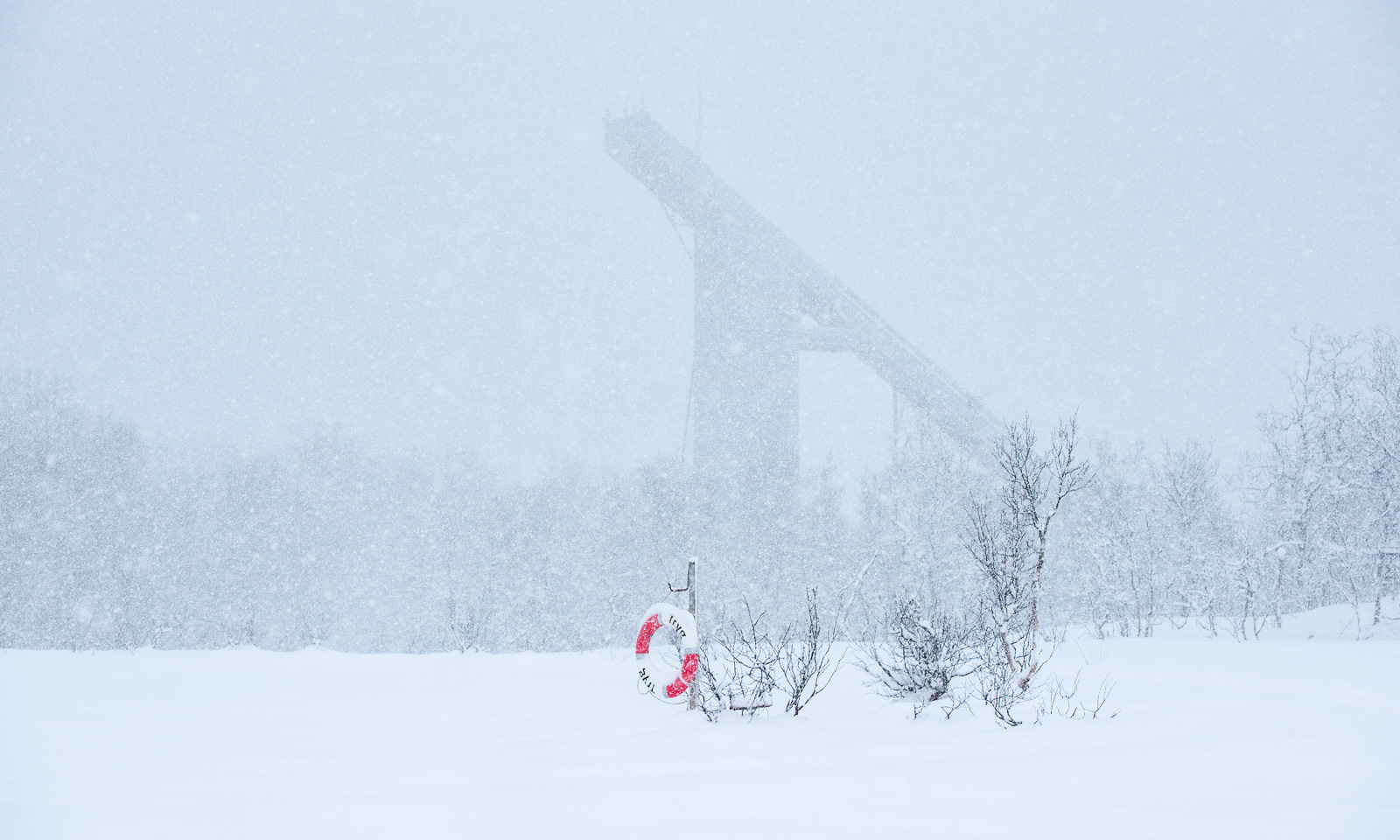
On Saturday morning it is winter again. About 15 cm of snow have fallen; it is -1 °C and it is still snowing heavily.

I take the car on the gravel road to the ski jump, which feels pretty adventurous although the iPhone photo below is exaggerating.

None of the thousands of tussilago flowers is visible anymore on the turning area, they are all under the snow. And the small pond with the ski jump in the background looks like winter has never been absent.

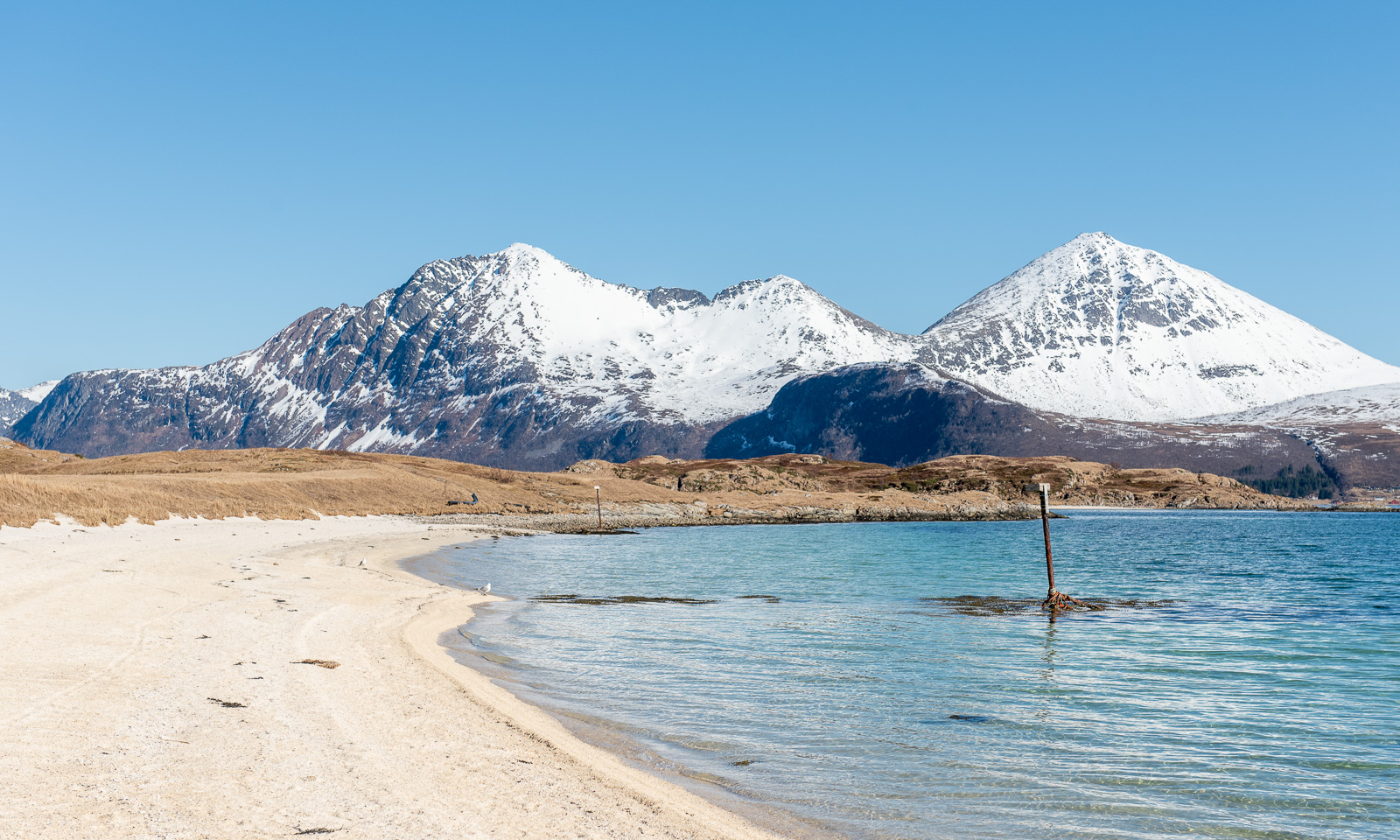
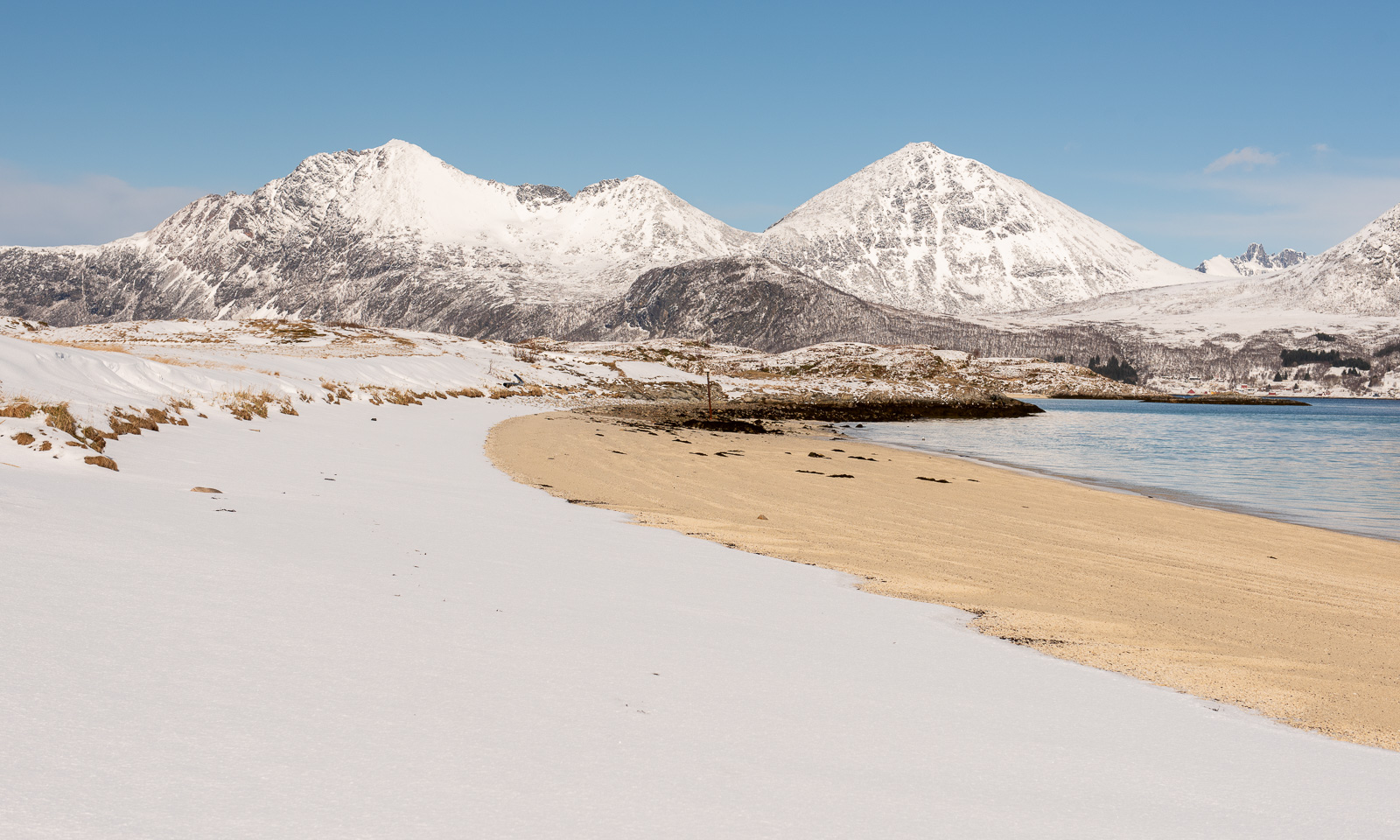
Later that day I make a car trip with a friend. We visit the same beach as my wife Annika and I did two weeks earlier. The first photo is from 12 April; the second from 25 April, which was yesterday.

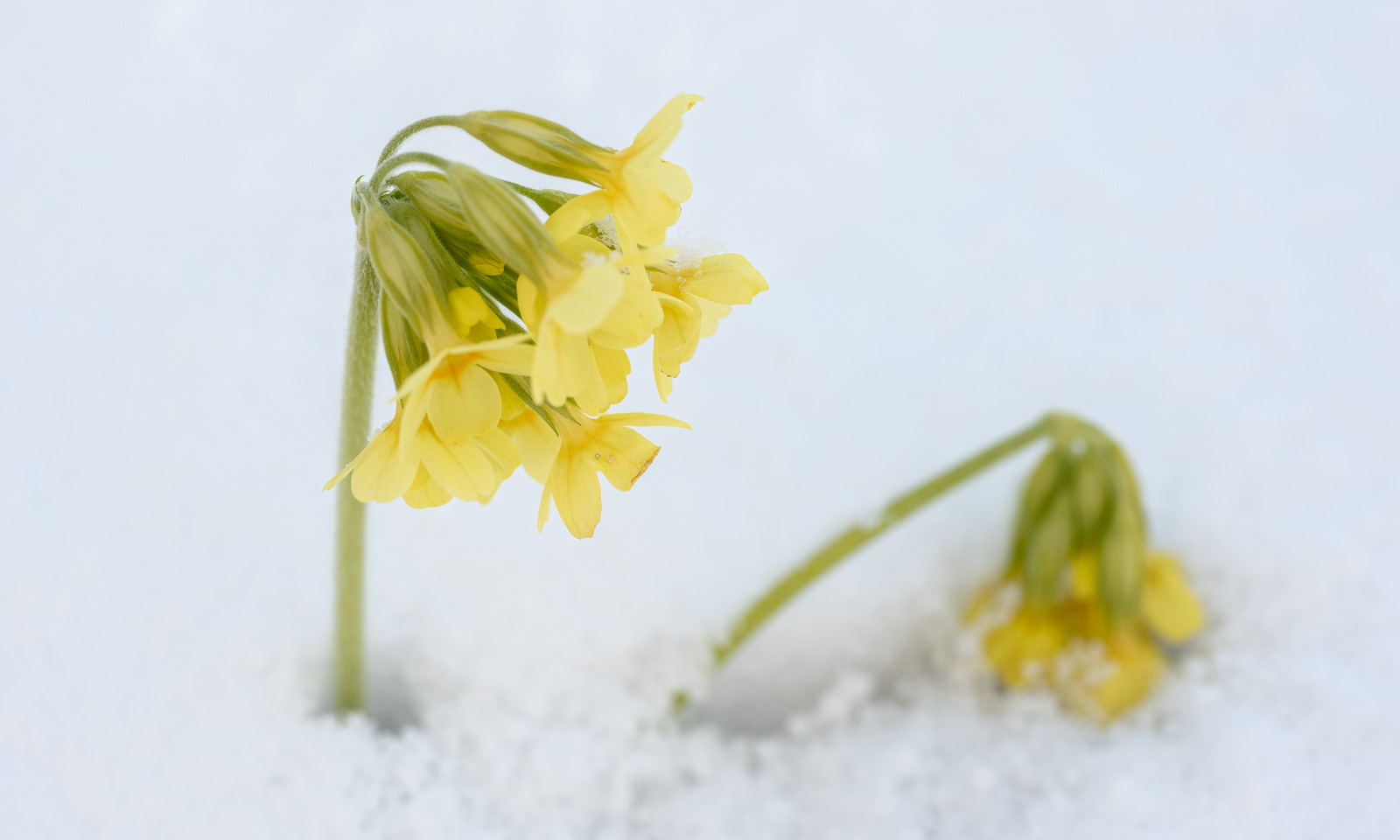
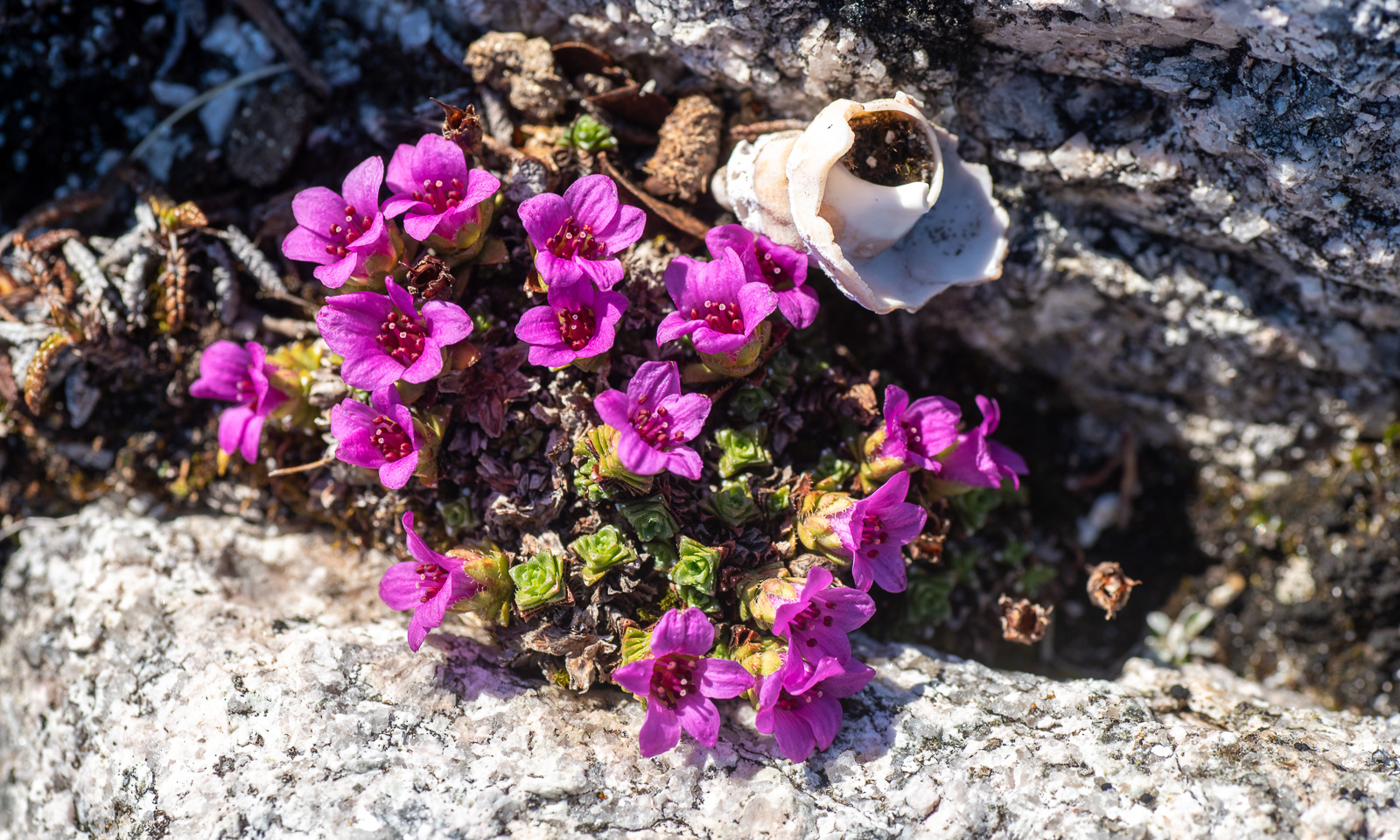
The common cowslip peeks out from the snow while the pillows of purple saxifrage that were in bloom two weeks ago are buried deeply under the fresh snow.

This snow, however, won’t live long. Parts already have melted away and even if it may snow again tomorrow, the rain expected later will melt it all away. And that’s more than ok, because I have put away my skis and now I’m looking forward to some hiking tours, first some hills, and later some mountains.

Early spring in Tromsø

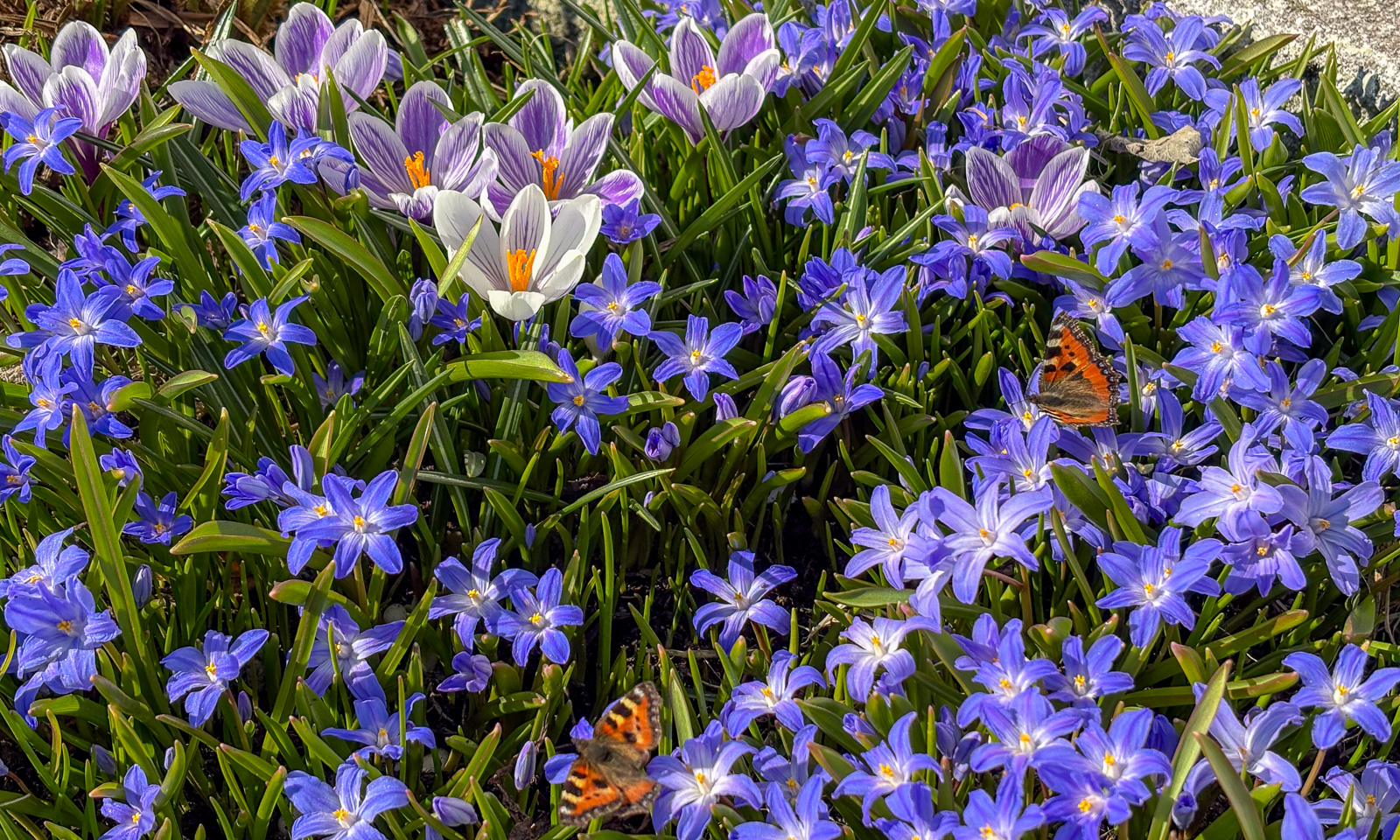
Saturday morning my car was covered with frost. But don’t be fooled by the photo, because winter in Tromsø is gone and in the lower parts of the city the wild flowers tussilago bloom everywhere together with planted flowers such as crocuses or scillas. The first butterflies and bumblebees fly from blossom to blossom and winter seems to be just a memory.

Yesterday my wife Annika and I went on a trip to Kvaløya.

With the flowers in mind I am surprised to see a thin layer of ice on the sea at the bay at Eidkjosen.

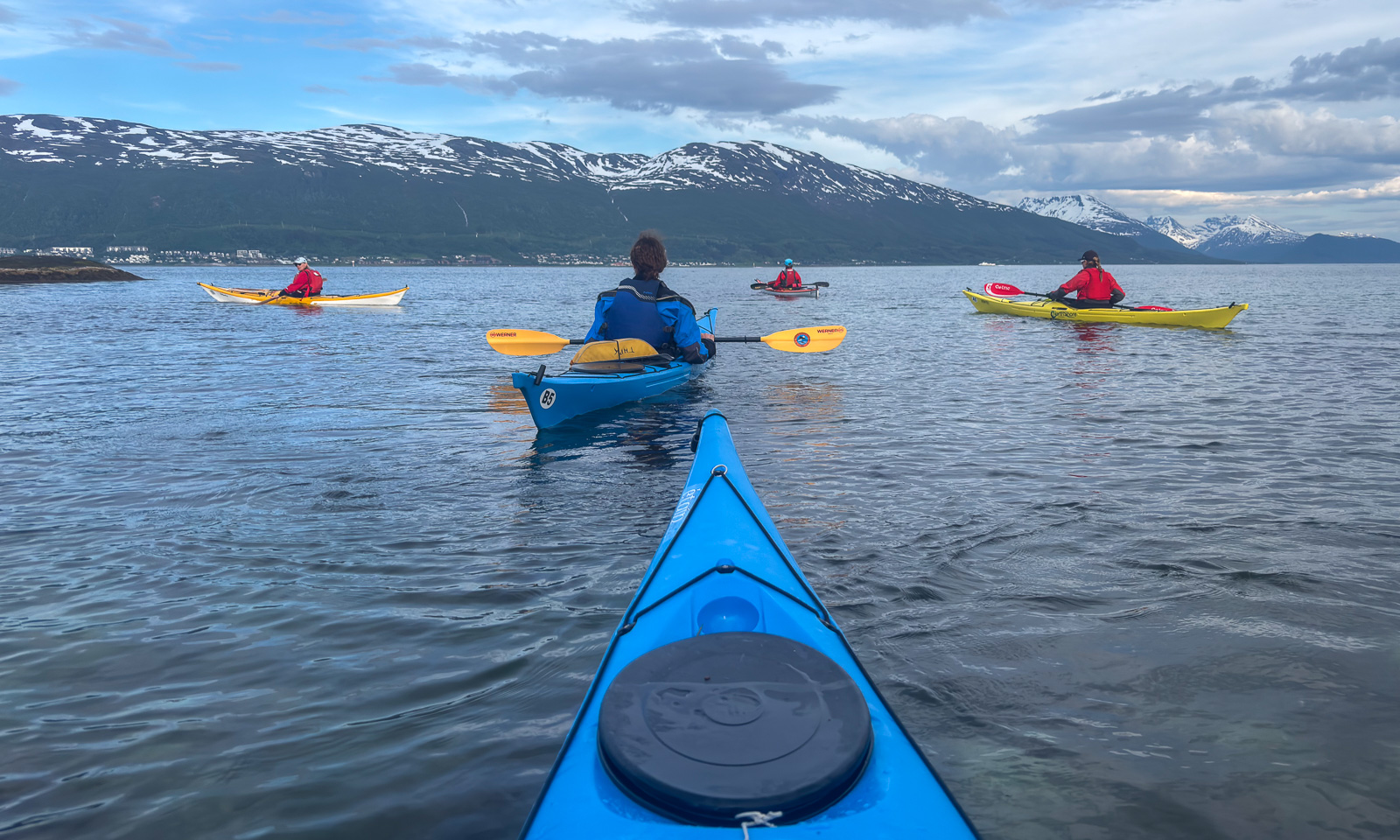
We take the road 862 to Sommarøya through the valley Kattfjorddalen. Although the elevation is only 150 metres, it is still winter here although the edge of the lake Kattfjordvatnet starts to melt. We see many cars with kayaks passing by while most cars parking here belong to ski tourers.

We park our car before the tunnel and walk along some sandy beaches. The sun is warm enough that we walk back in T-Shirts. On one of the hills I spot another flower that uses to bloom quite early – the purple saxifrage, one of the northernmost plants in the world.

Next stop is Sommarøya were we take a short circular tour. Beside of some patches all snow is gone. On the water there are large flocks of common eiders – you can hear them from everywhere.

Back again through Kattfjorddalen. Some skiers return, others just start their tour, while tourists are standing around enjoying the scenery which is probably very exotic to many of them.

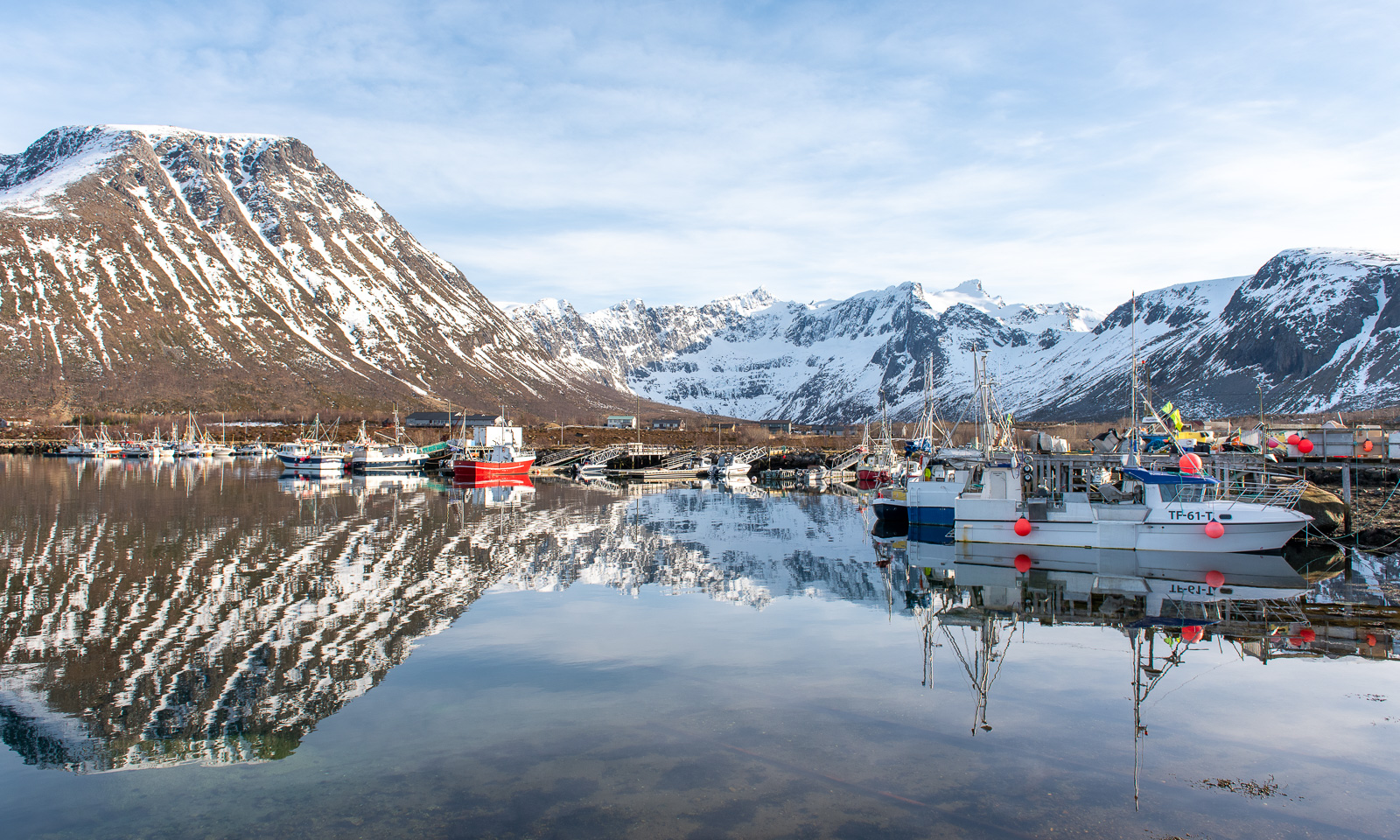
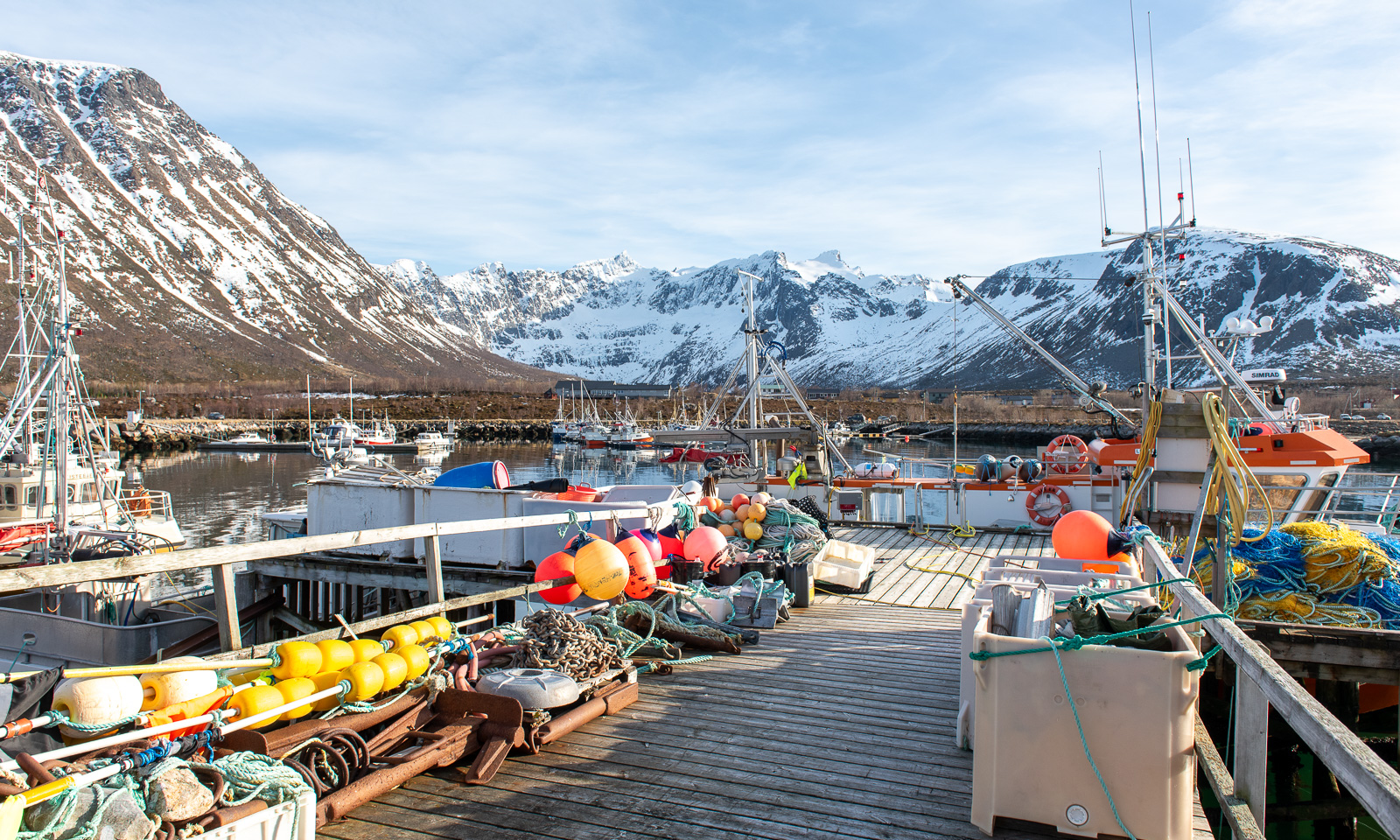
We turn left and head to Tromvik to visit the café Søstrene Kafè. It is quite a detour but it is worth it – both for the scenery and the café. And yes – I like the harbour, too.

Finally I take a detour by car to the village Rekvik. The road is pretty rough, but again the scenery is awesome.

From here it is 53 km home. I drive back without further stops. We have seen a lot and it is fair to call the tour “Norway in a nutshell”. Only the mammals were missing. No reindeer, no seals and no otters.
Note: the text is just a draft. I publish the article anyway and will polish it later.


Spring winter in Tromsø

You want spring? Go to the left.

You want winter? Go to the right.

This may be exaggerated a bit, but in the spring winter season you really can have both. Spring feelings by the shore and winter as soon you leave shore and gain a bit of altitude. Yesterday I took the first two photos near Tromsø airport, The other two photos I took today, when Annika and I were skiing with a friend in the valley Tønsvikdalen.


Ice, ice, spring, ice and snow

It is mid-February in Obbola in Sweden. Dear friends are visiting us. The Baltic Sea is frozen. On the ice there is a layer of snow. On 16 February we walk from our house to and across the sea ice to a nearby beach. Three days later we do the same with skis.

Three days later I see the sea from above, because Annika and I are visiting part of my family in Augsburg in Germany. 100% sea ice coverage in the northern Baltic Sea, open water near Stockholm.

Augsburg is a striking contrast. First, it chilly and rainy, but then it gets warm. On our last day we are sitting outside for lunch, enjoying the warm sun while bees and bumblebees are visiting the thousands of spring flowers. It’s like another world!

Two days later we fly back the same way. The sea ice is segmented by many shipping lanes. I can even spot one of the Swedish icebreakers – probably the vessel Ymer – which keeps these channels free of ice during the winter.

In the afternoon we are home again in our house by the sea in Obbola.

However we are not here for long. For the next two weeks we will be on our backcountry skis, first in Finnish Lapland, then in Swedish Lapland.
 

The sunset was too early

Today we had another clear morning with a temperature of -23 °C and not a single cloud. According to SMHI and The Photographer’s Ephemeris sunrise at our place in Obbola was at 07:32 today. While I was still walking on the sea ice to have a better view of the sunrise the sun already appeared – three minutes too early. The reason for this is atmospheric refraction due to an inversion above the ice that bends the light and so “lifts up” objects in the distance.

To the right in the photo: The lighthouse Storbränningen, which I visited two days ago. It is about 4 km away. I could also spot the lighthouse Väktaren – 7 km away – although the distance to the horizon is technically only 4.5 km. I can even still see some construction far, far away on a bearing of 140° but I haven’t worked out what it is. Finland perhaps … ?

From inland to coast – a cold car ride

Yesterday morning, when I woke up I first checked the thermometer in the kitchen. It showed -27 °C.

I was in Jokkmokk to visit my friend Sascha and the Jokkmokk winter market. Would my car start when it’s that cold? After a coffee Sascha, his dog Roxy, and I went to the huge car park behind the railway line where my Suzuki had been parked the last two days. To my relief it started without any issues and even scraping ice off the car didn’t take as long as expected.

Farewell my friends – off I go.

The day was exceptionally beautiful and cold. The car thermometer went down to -29 °C and then stayed around -25 °C for the next hour. Should I switch to the Hägglunds that was parked beside the E45? Probably not the best idea with a distance of around 400 km ahead.

At half past eight, the sun rose. I parked my car and walked to a frozen lake nearby to take some photos. Was that where I froze my nose? It still itches a bit today.

Because of the cold weather in the last weeks the frost and snow on the trees has not melted and often I pulled into a lay-by to take more pictures. The small side roads were white with snow and looked absurdly beautiful.

I started to get hungry and stopped at the small shop in Kåbdalis, where I bought a kanelbulle that was still hot from the oven.

I continued my trip south and crossed the river Piteälven, which was mostly open. And so was the river Skellefteälven, which I crossed three hours later.

The sun sank lower and lower. When I arrived in Obbola at five in the afternoon it has become dark.

Today in Obbola the winter looked very different from the forest-dominated inland. The Baltic Sea has frozen due to the cold winter temperatures and if the icebreakers would not keep open channels for commercial seafaring you could walk the 45 km to Finland. I was on the ice as well, but only for a walk along the coast. I like the snowy forest, but I adore the sea ice!

Soldagen 2026

Although the sun has been above the horizon in Tromsø since 15 January, it always takes some days until it rises above the mountains south of the island. Today was the “official” soldagen, the “sun day” when the sun returns to Tromsø.

The first photos, however, I took today between 5:00 and 5:30. There was polar light all over the sky but when I reached a good spot it had already weakened. At least I took a photo of the trees covered in hoar frost – the result of a very foggy night two nights earlier.

Before lunchtime, I took an hour off and took the bus to Telegrafbukta in the southern part of Tromsøya.  It is a good spot to welcome the sun after two months of absence. When I reached the beach I could already see the sunlit snowy mountains in the north. What a beauty!

I joined some winter swimmers and took a dip in the sea. Water temperature 3.9 °C and sorry—no photos. The sun had vanished behind a mountain but luckily came back and stayed for a while. That’s always a special moment and I was amongst hundreds of other people celebrating this hour of resurgence.

I look very overdressed with this heavy down parka considering it was only -6 °C, but I like to have it extra warm after a winter bath when waiting for the bus back to work.

With the sun, the days get longer and longer and even shortly before 16:00 the western sky was still glowing in warm colours. Fifteen minutes later I saw another aurora between the frosted trees.

Unfortunately the last photo is out of focus. When I realised it the aurora had already almost disappeared again. Often you have to be quick to take pictures of the northern lights.


Crisp and clear winter

After ten centimetres of snowfall, the sky cleared during the night and temperatures dropped. I woke up at one o’clock simply to see the full moon with a halo and Jupiter nearby. I resisted the urge to go back to bed and went outside to take a photo. What a beautiful sight, especially in combination with the wintry coast.

I also took some photos of the snow and the ice at the coast tonight. Nine hours later the sun managed to climb above the cloud layer that had gathered on the open sea. Time to take a photo of the same scene again.

I guess this is my favourite combination of winter weather: first snowfall and wind, then a clear sky and cold air. I took two other pictures from the same place. You can see the sunlit ice fog on the horizon, which forms when very cold air meets the open sea.

At noon my wife Annika and I took a promenade to the beach Vitskärsudden. The sea was still open, but a layer of ice had begun to form along the beach. The small harbour on the other side of the breakwater was covered with ice floes. When the sun is low ice and snow in the shadow often look blue, while in the sun they look orange.

13:52 – fifteen minutes before sunset – the landscape became even more colourful. We were back at our house in Obbola and I took some photos through the windows of the winter garden that were covered with frost. The temperature had dropped to -16 °C.

Now it is 17:37 and I sit writing this blog article. The temperature is now -20.4 °C. When you are outside at minus twenty degrees and inhale through your nose it tickles, because your nose hairs freeze. If you think that is cold, in Gielas in the Swedish mountains -40.7 °C were measured at 10 o’clock.

Tomorrow I will travel back to Tromsø. Then it will be a while before I see the sun again, as the polar night lasts until 15 January. It will also be less cold, but more snowy. At the moment there are 67 cm of snow there. And the great thing: winter has just begun!