Obbola—Tromsø via Finland – part one

Obbola—Oulu

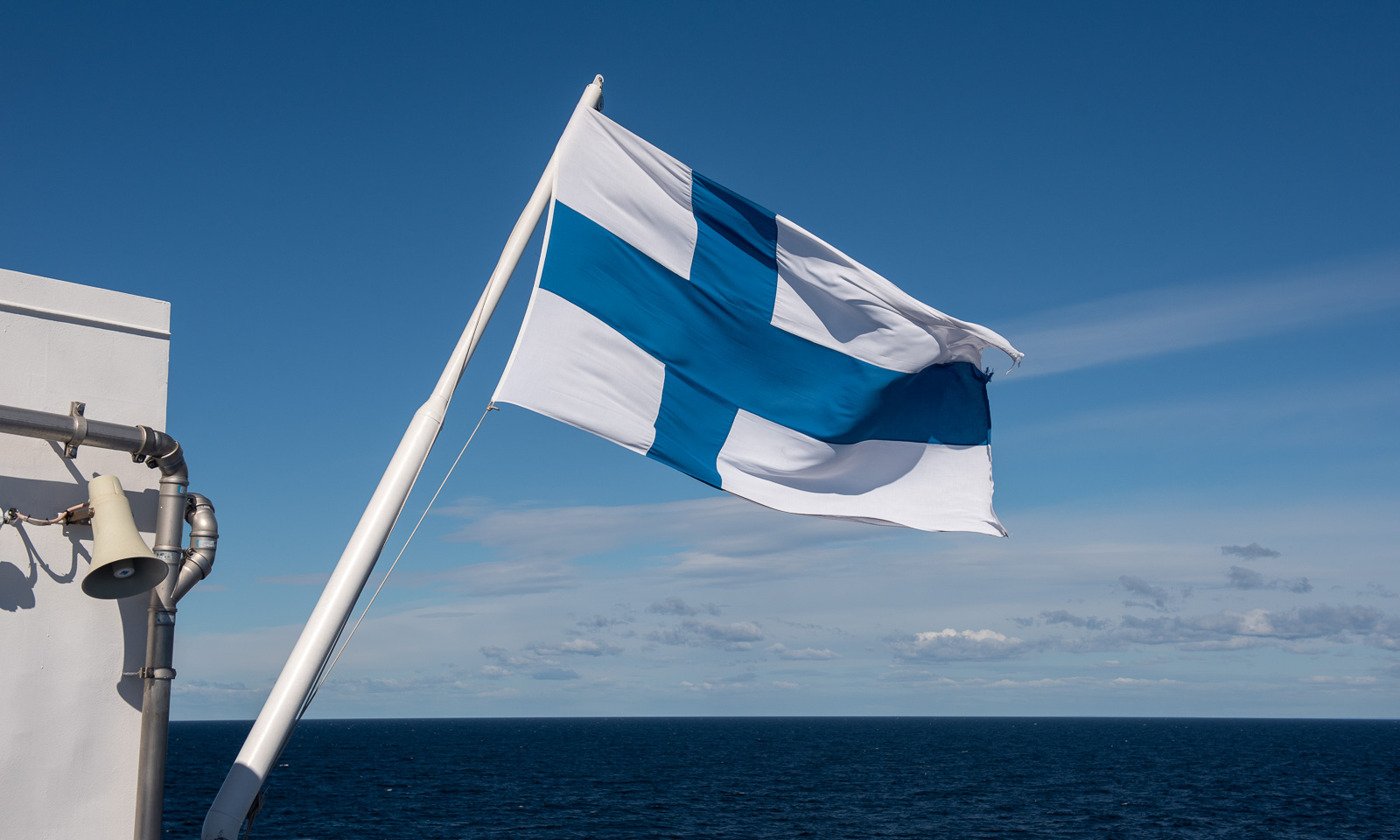
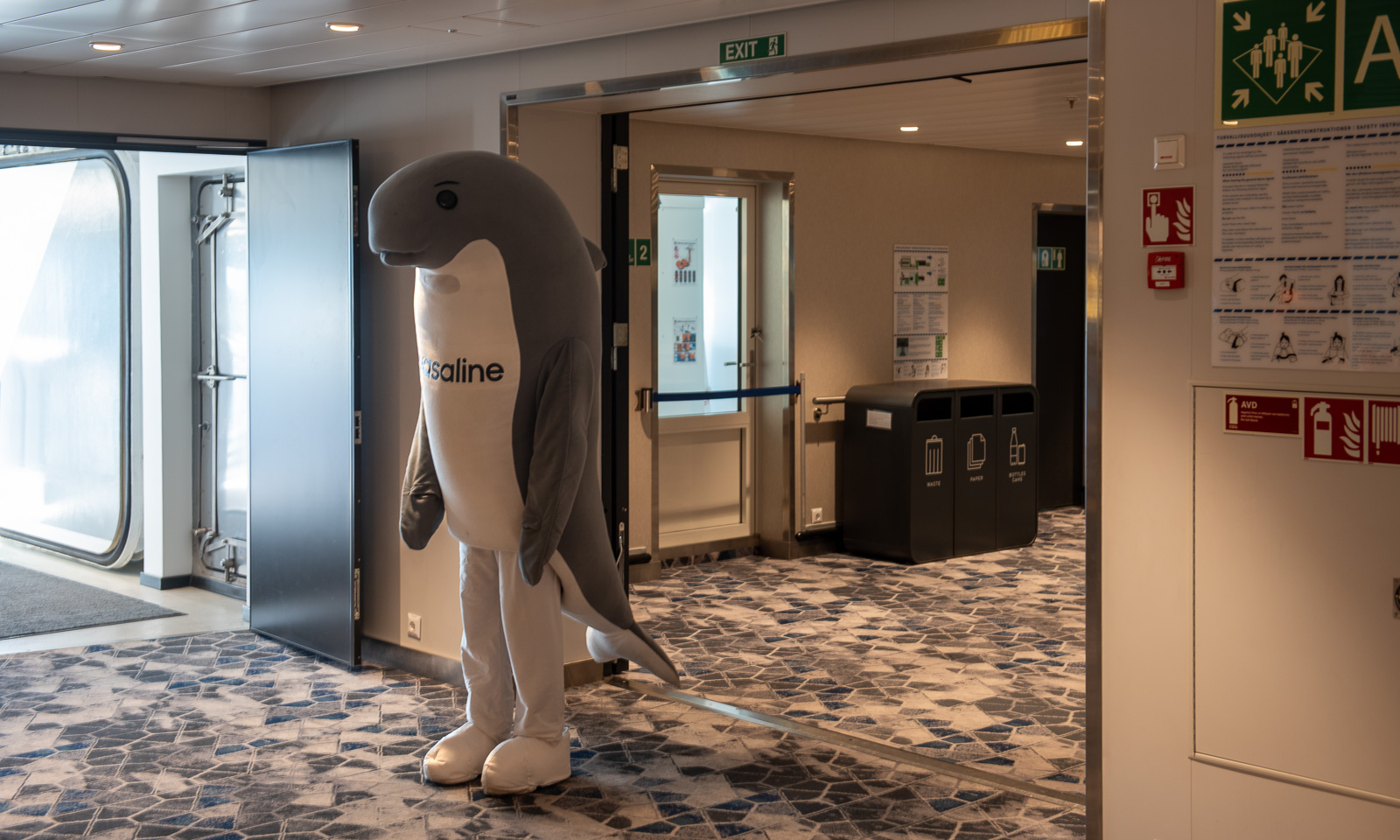
I face the shark, we look into each other’s eyes. I am standing and so is the shark. It waves at me. On its stomach is the word “Wasaline”. That’s the name of the ferry to Finland that we are on.
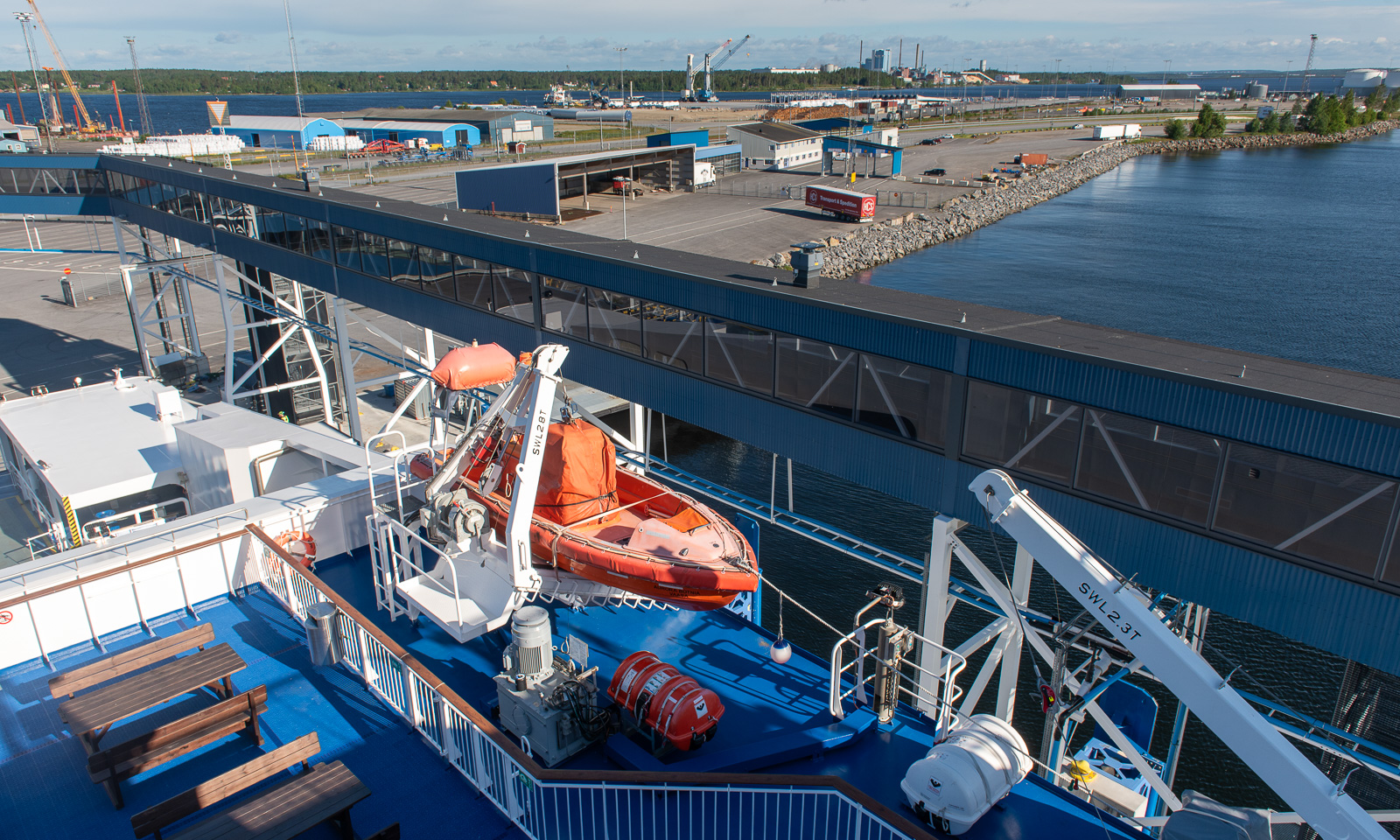
My wife Annika and I are travelling from our house in Obbola, Sweden, to my workplace in Tromsø, Norway. We have a whole week, so it’s a vacation, not just travelling. We decided to take the ferry from Holmsund, Sweden to Vaasa, Finland. Holmsund is just on the other side of the river Umeälven and we can see the arriving and departing ferries from our house. It is 7:50, the ferry Aurora Botnia departs ten minutes ahead schedule.
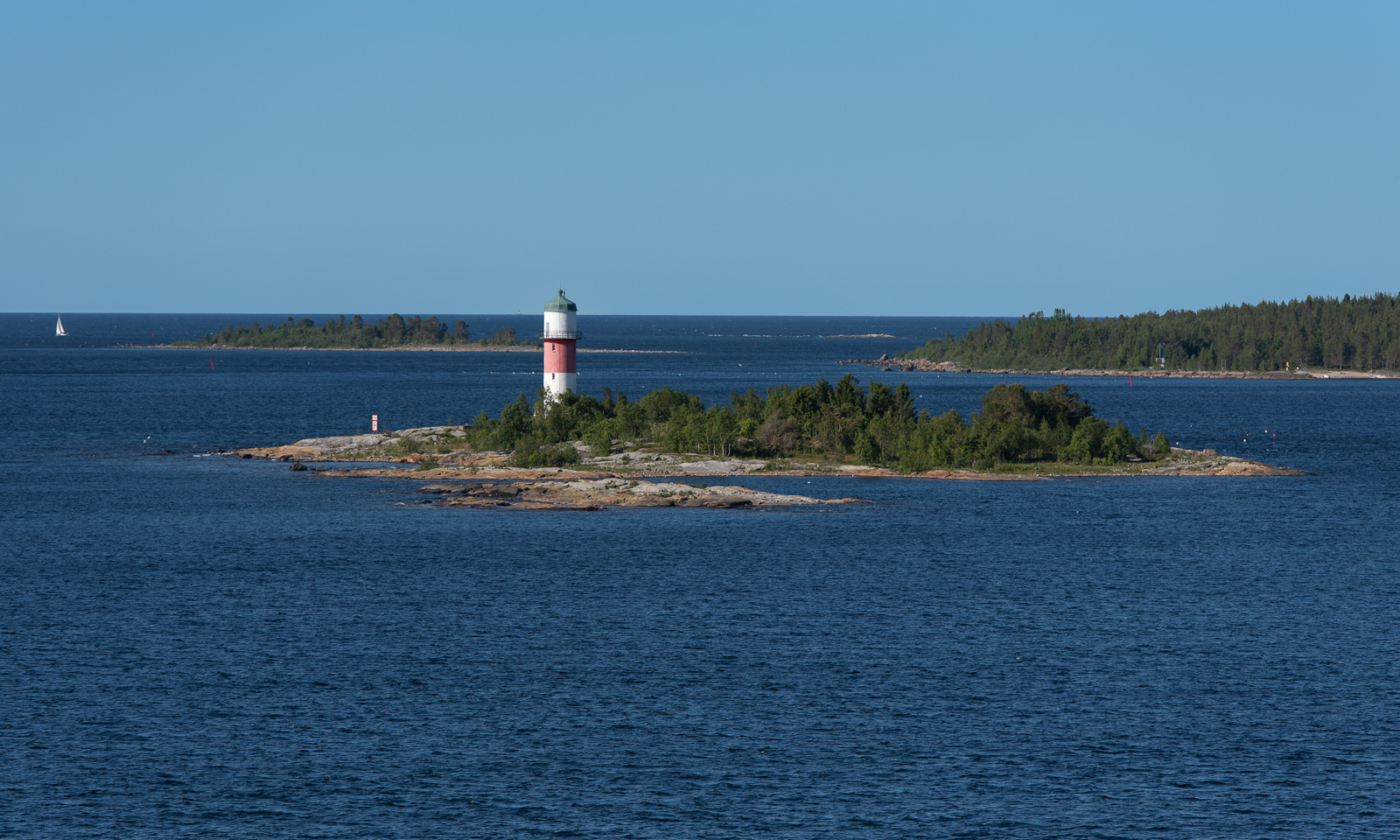
I am standing outside taking photos and looking for the lighthouses. About four months ago I walked to four of them over the frozen Baltic Sea. Now, when I see the small skerries and the isolated lighthouses surrounded by the sea it feels unbelievable. Two different worlds! After we passed Storbränningen, the lighthouse furthest away, I go inside to join Annika at the rich breakfast buffet.
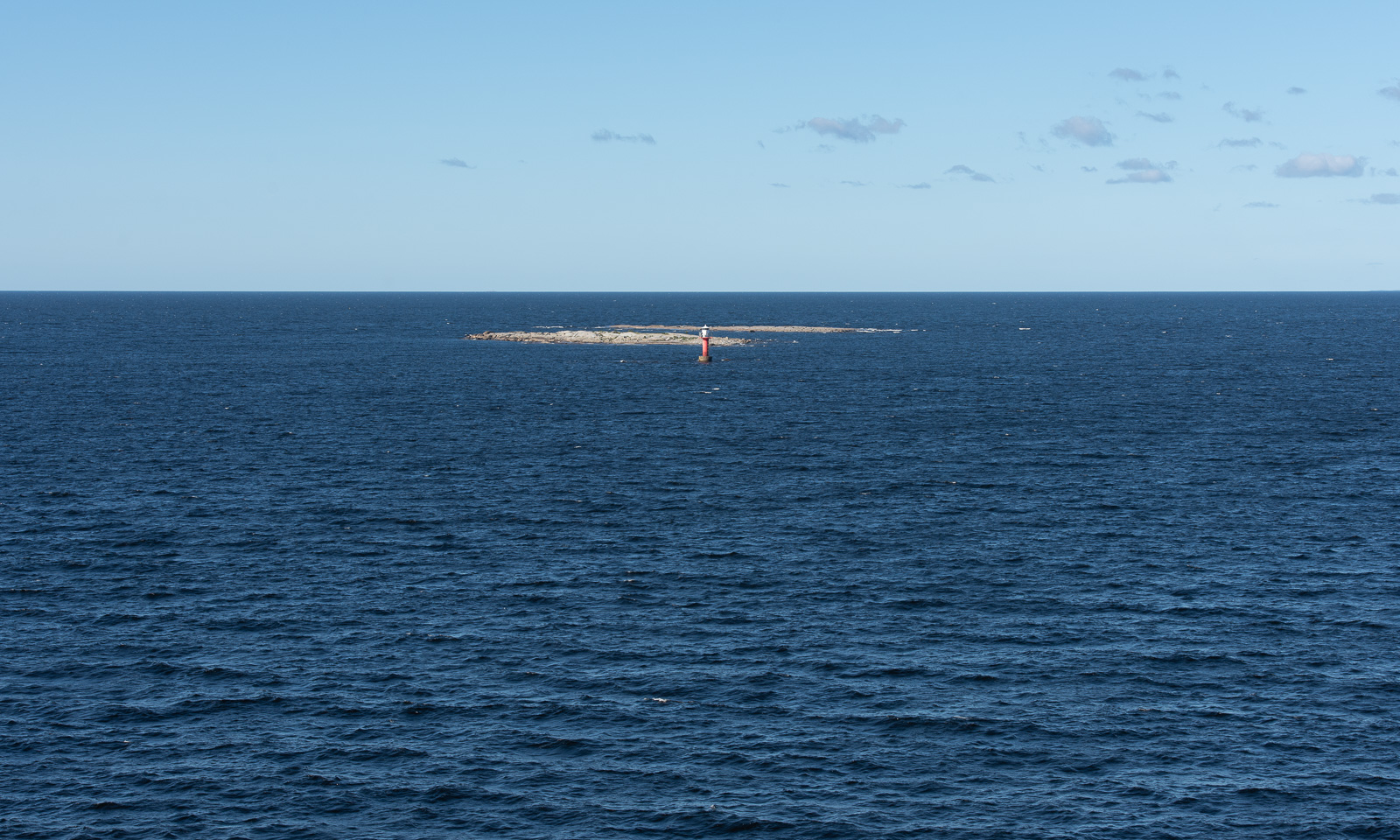
Some hours later we cruise through the Finnish archipelago near our destination, Vaasa where we arrive at 12:30 Finnish time, which is one hour ahead. We leave the ferry and drive north, partially on the main road E8 (it would lead us to Tromsø), partially on smaller detours, which are nicer to drive. The weather is mostly sunny and we start looking for beaches to go for a swim.

We turn left to the beach Kalajoen Hiekkasärkät which is surprisingly large. Boardwalks lead along the dunes and to the sea. The sea is pretty shallow. That kills my motivation a bit and we stay on land.
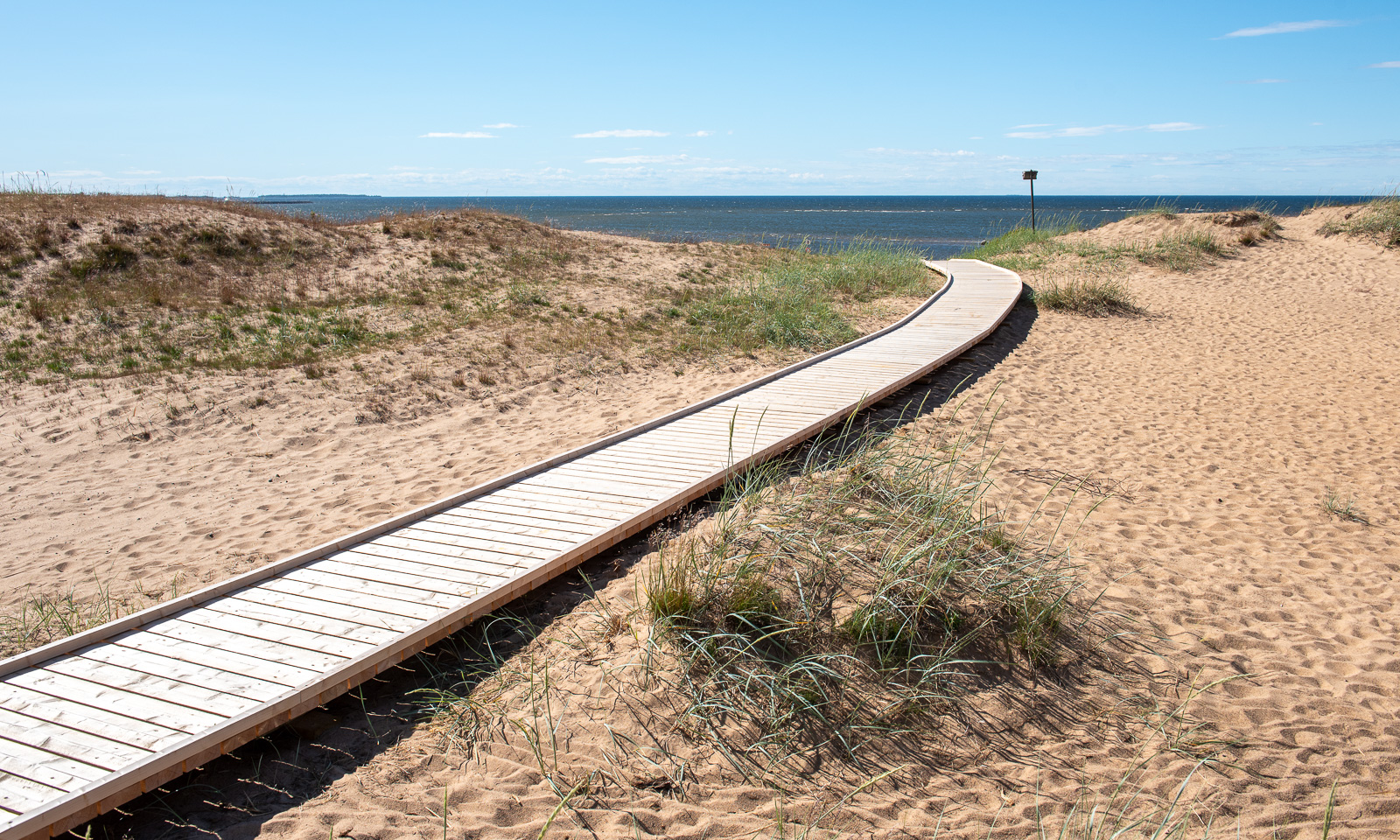
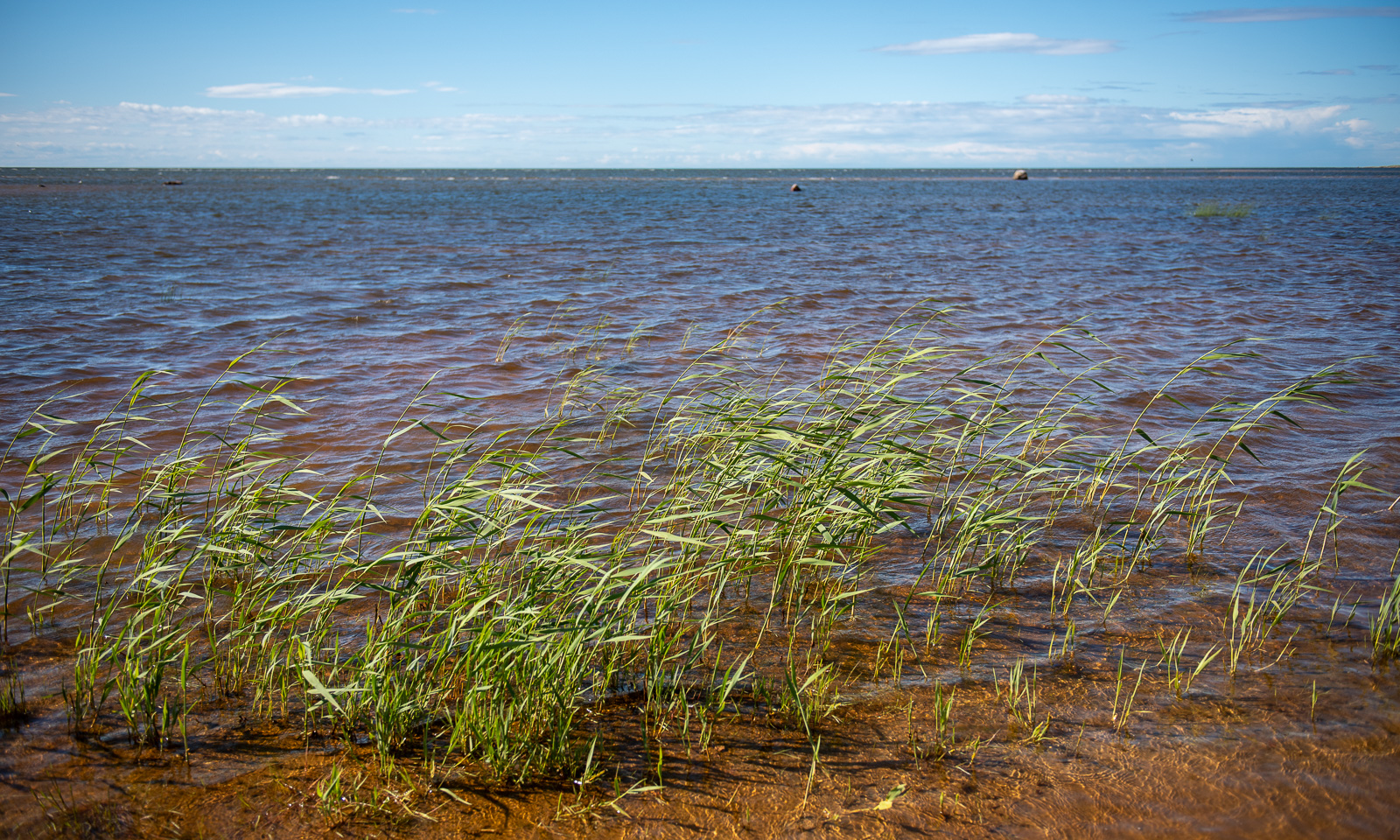
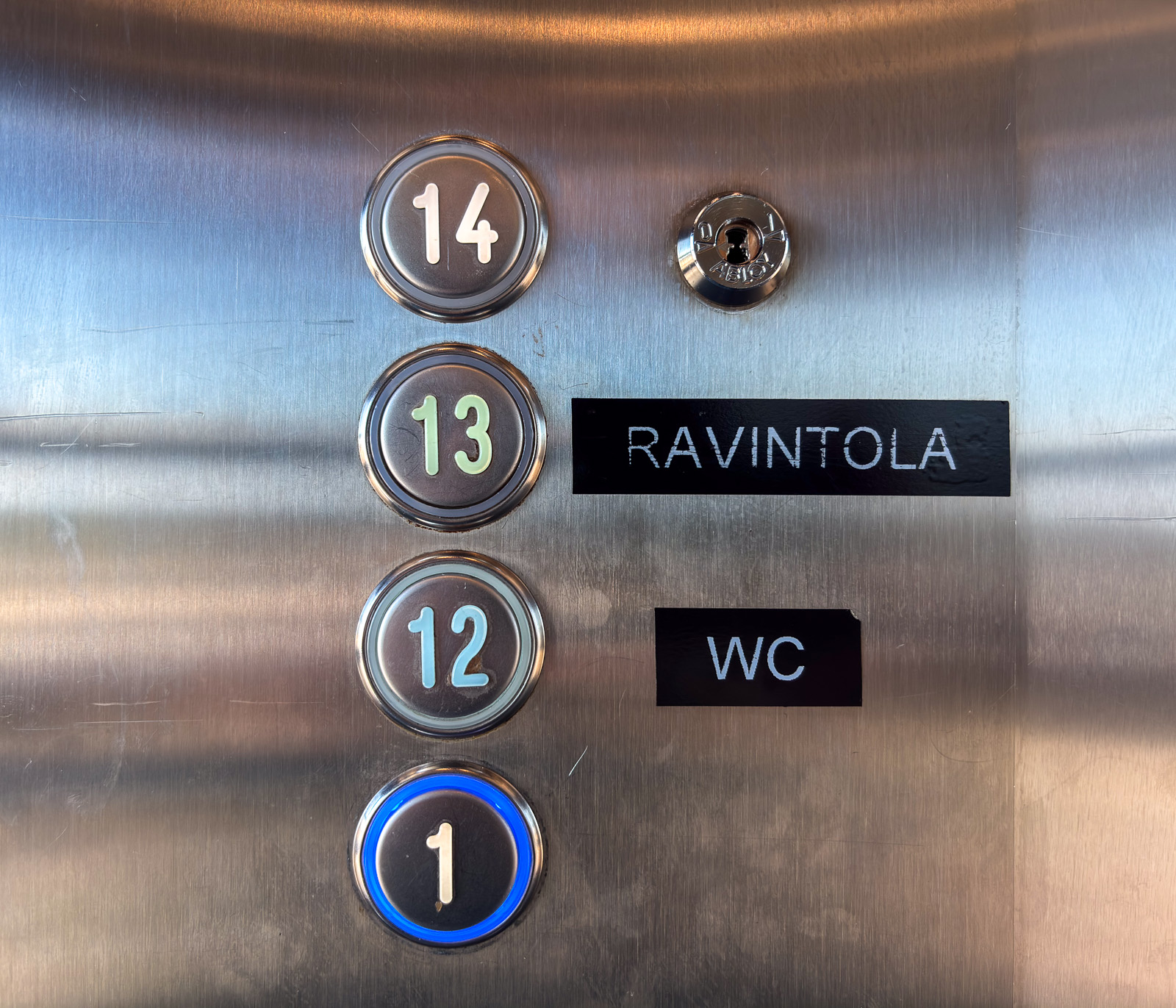
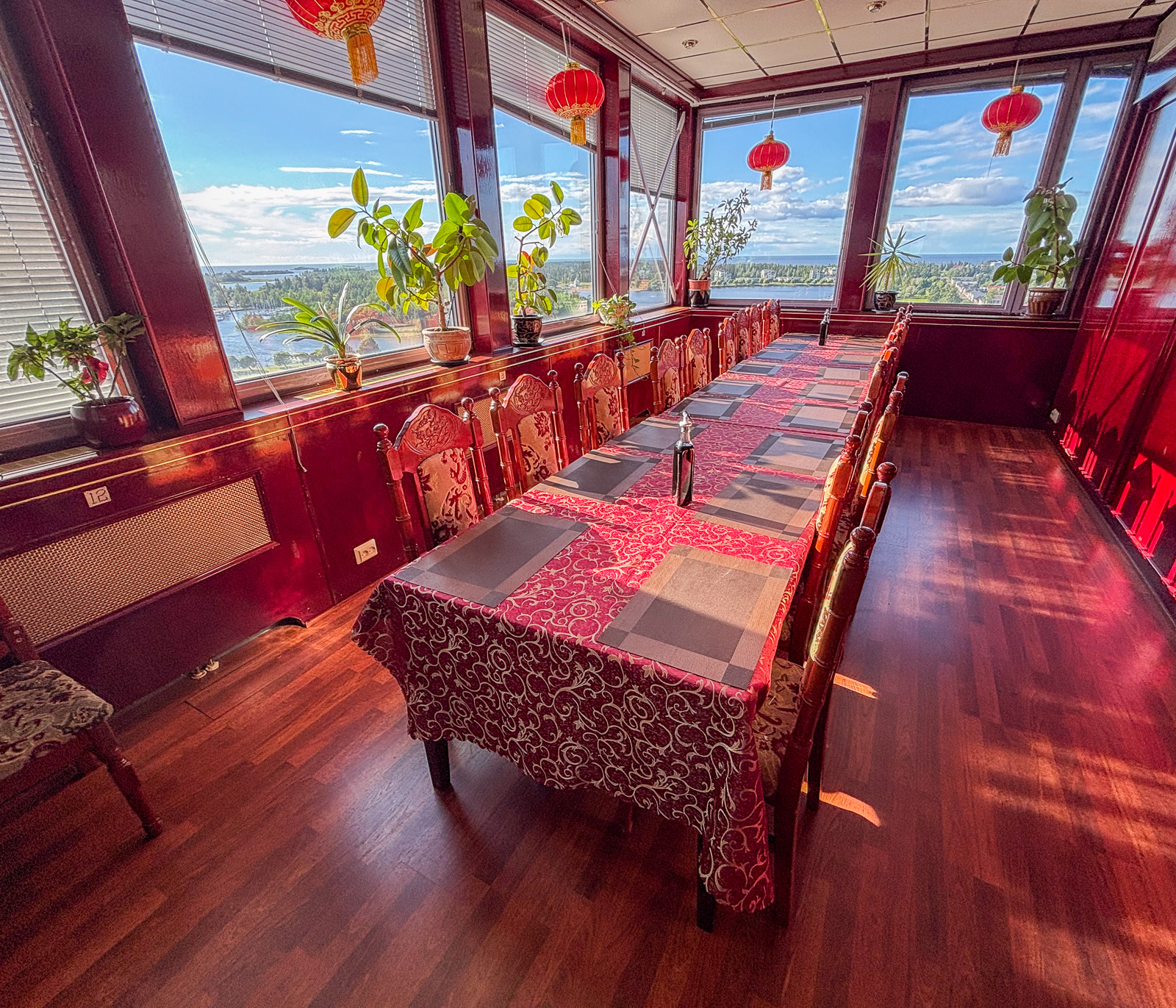
We enjoy the windy but fair weather for a while before we continue our travel north. We start to get hungry and I am looking for a restaurant in Raahe, about an hour away. Many restaurants close already at 18 o’clock, but I find an Asian restaurant that is open longer. When we arrive there and enter the building we are confused. There is nothing but an elevator. We enter it and find only three levels to choose from: (1), (12), and (13). And there – in level 13 is the restaurant with a wide view over land and sea and a huge buffet of sushi and Chinese and Thai food. The reviews on the web were a bit mixed but I liked it very much.
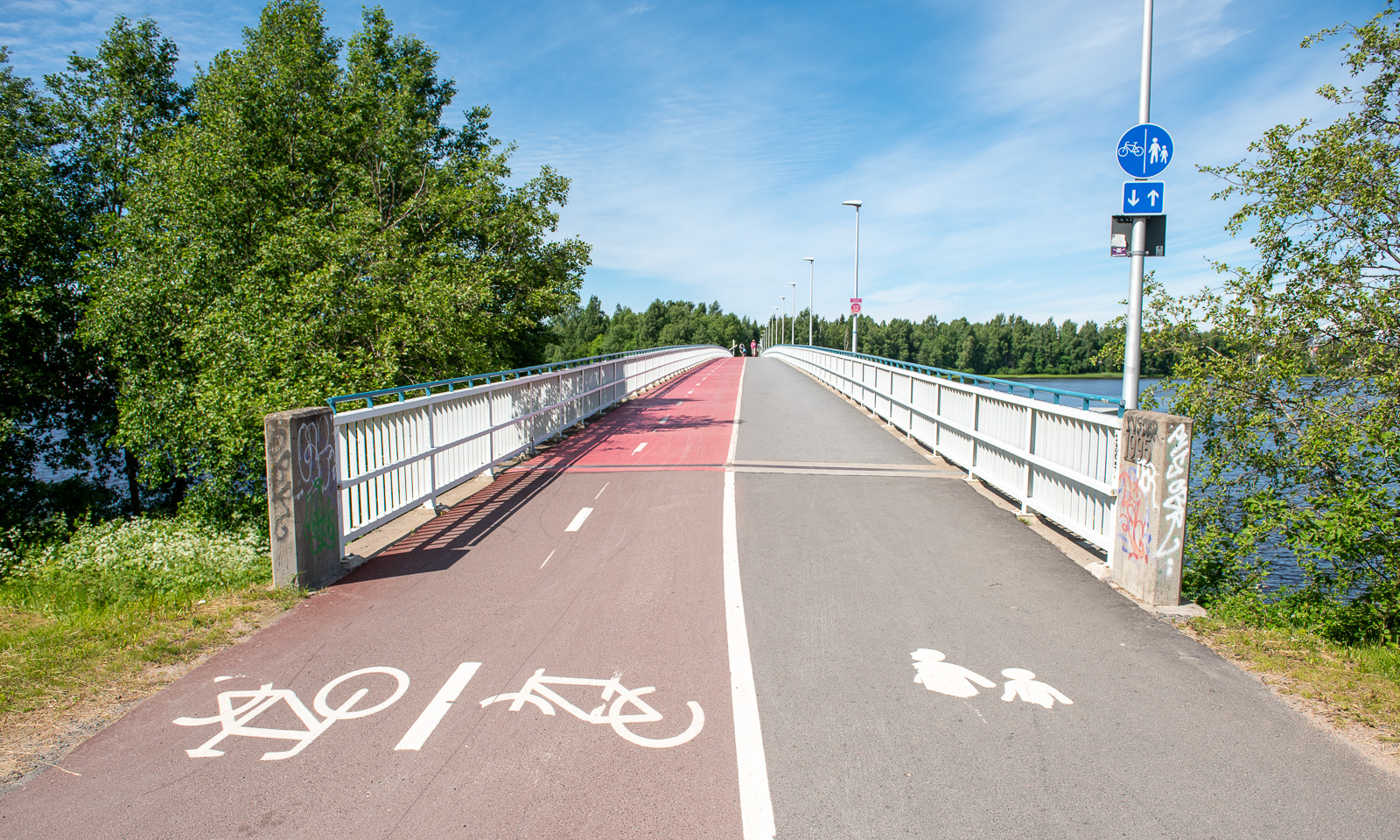
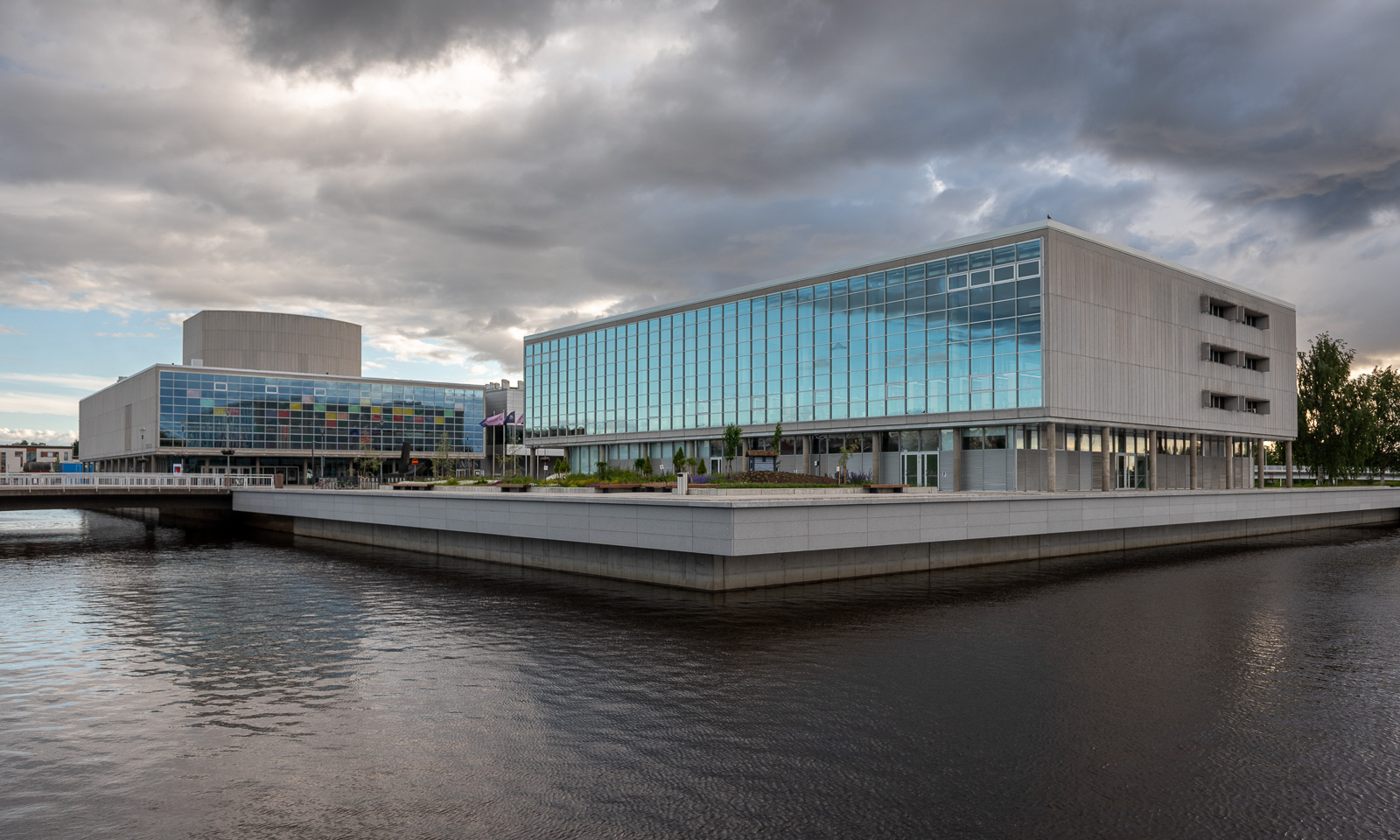
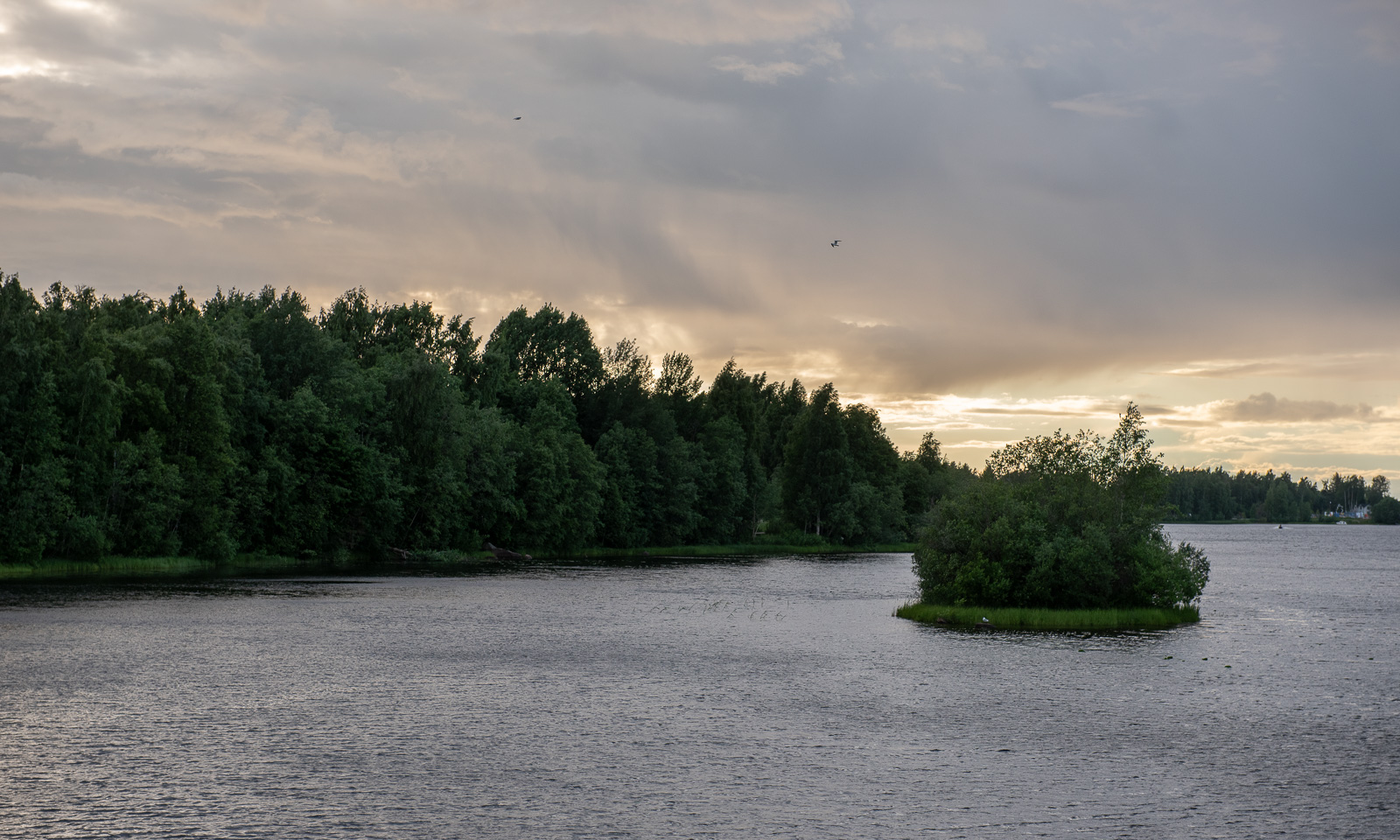
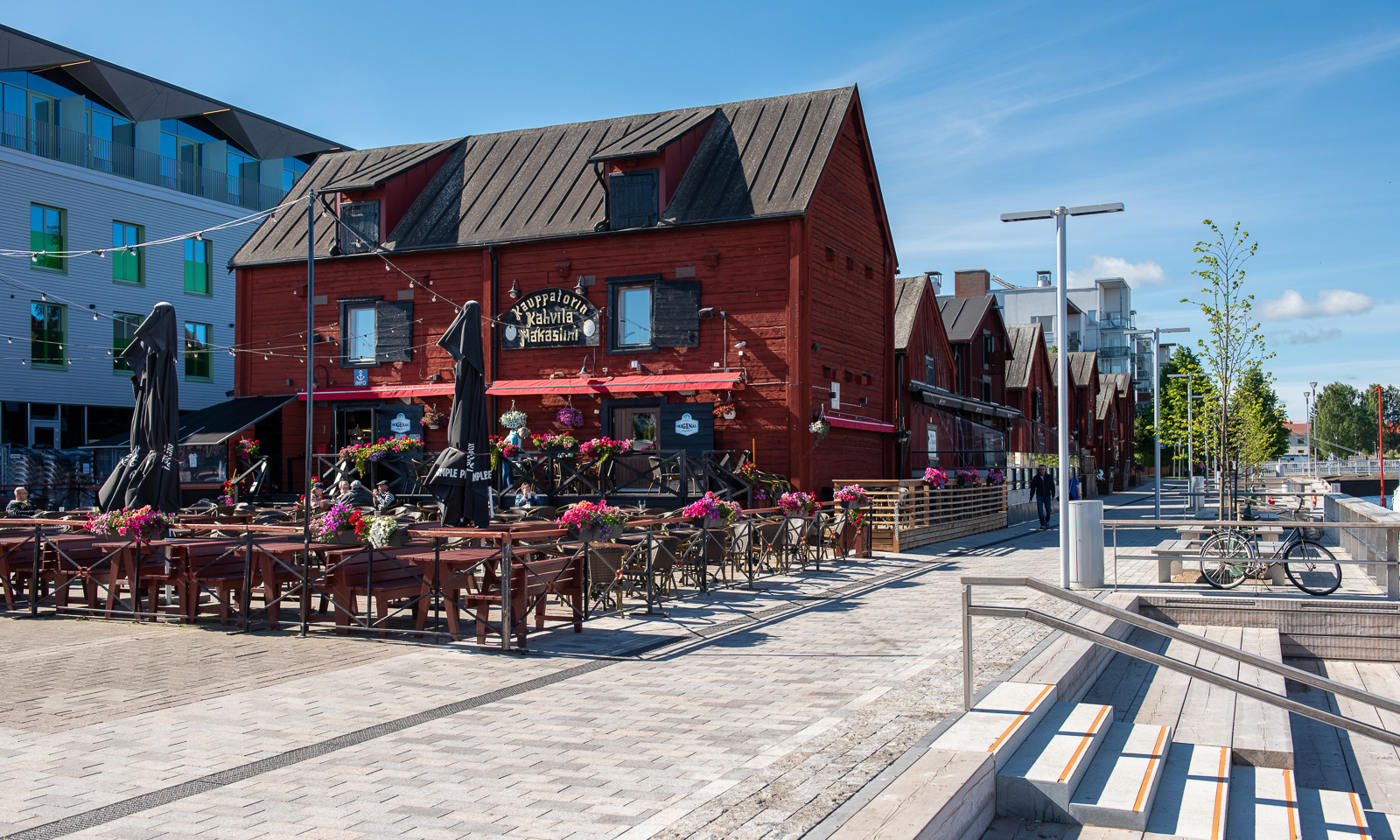
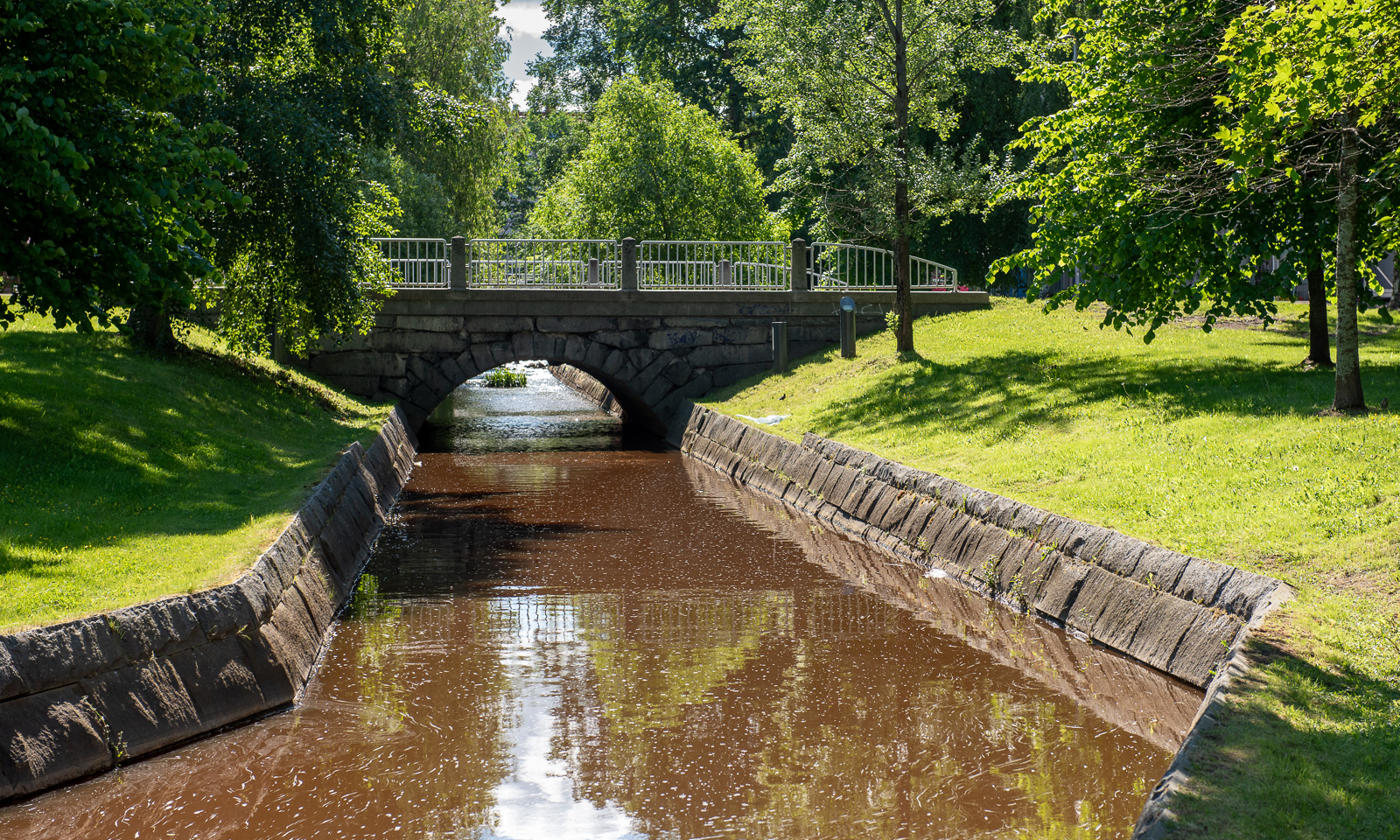
After two more hours of driving we arrive in Oulu, a major city in Finland which is European Capital of Culture this year. We take a short walk and get wet in the only rain shower of the evening. I like the many bridges, the areas of water, the fact that Oulu is a very bicycle-friendly city and the meeting of historical and contemporary architecture.
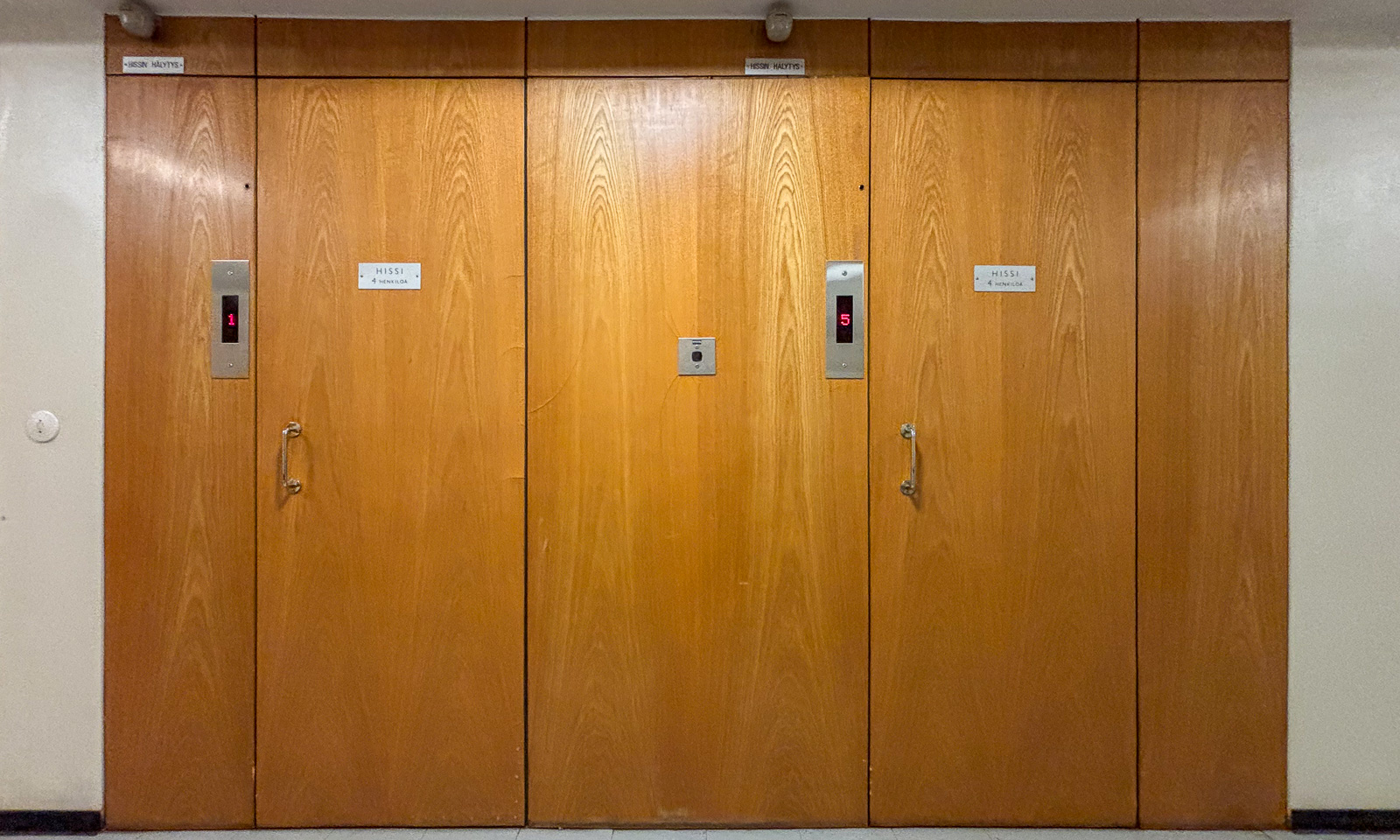
In the apartment house right in the center where we’ll stay two nights we have another elevator encounter. This vintage “hissi” looks like from the fifties and has no inner door, which gives it a bit of a steampunk appearance.
Tomorrow we’ll spend the day in Oulu. The weather forecast looks great, perhaps I’ll go for a swim tomorrow.


Obbola—Tromsø via Finland – part two

Oulu

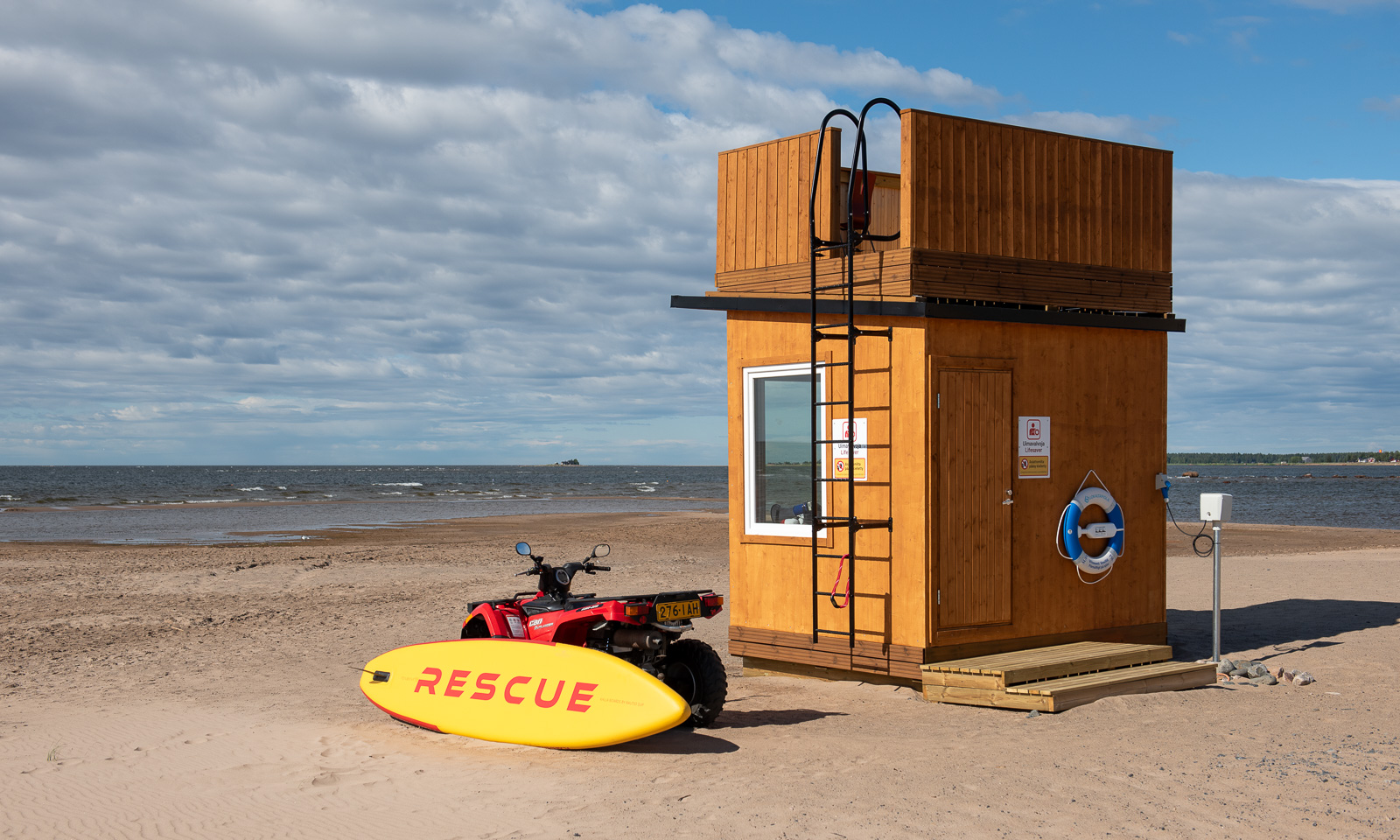
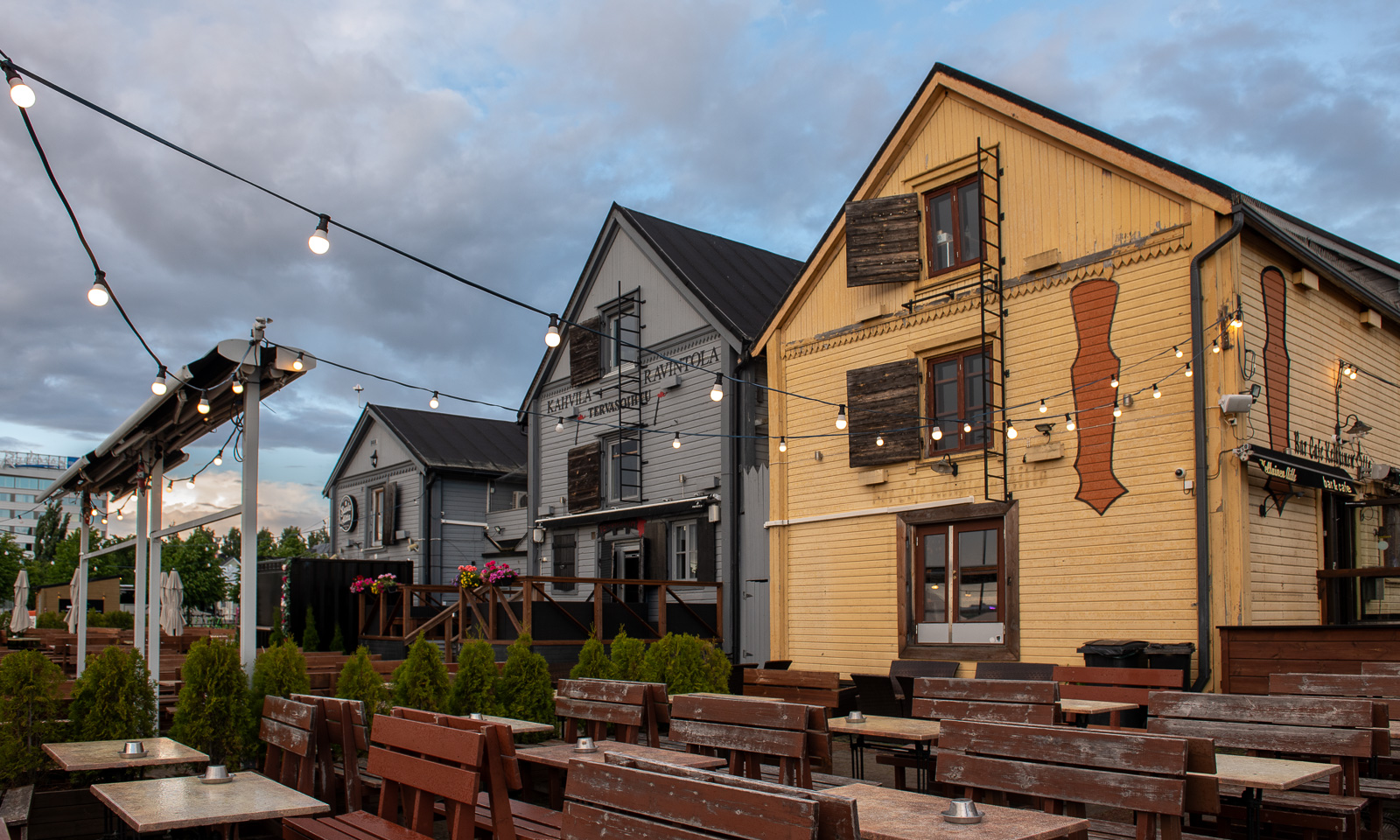
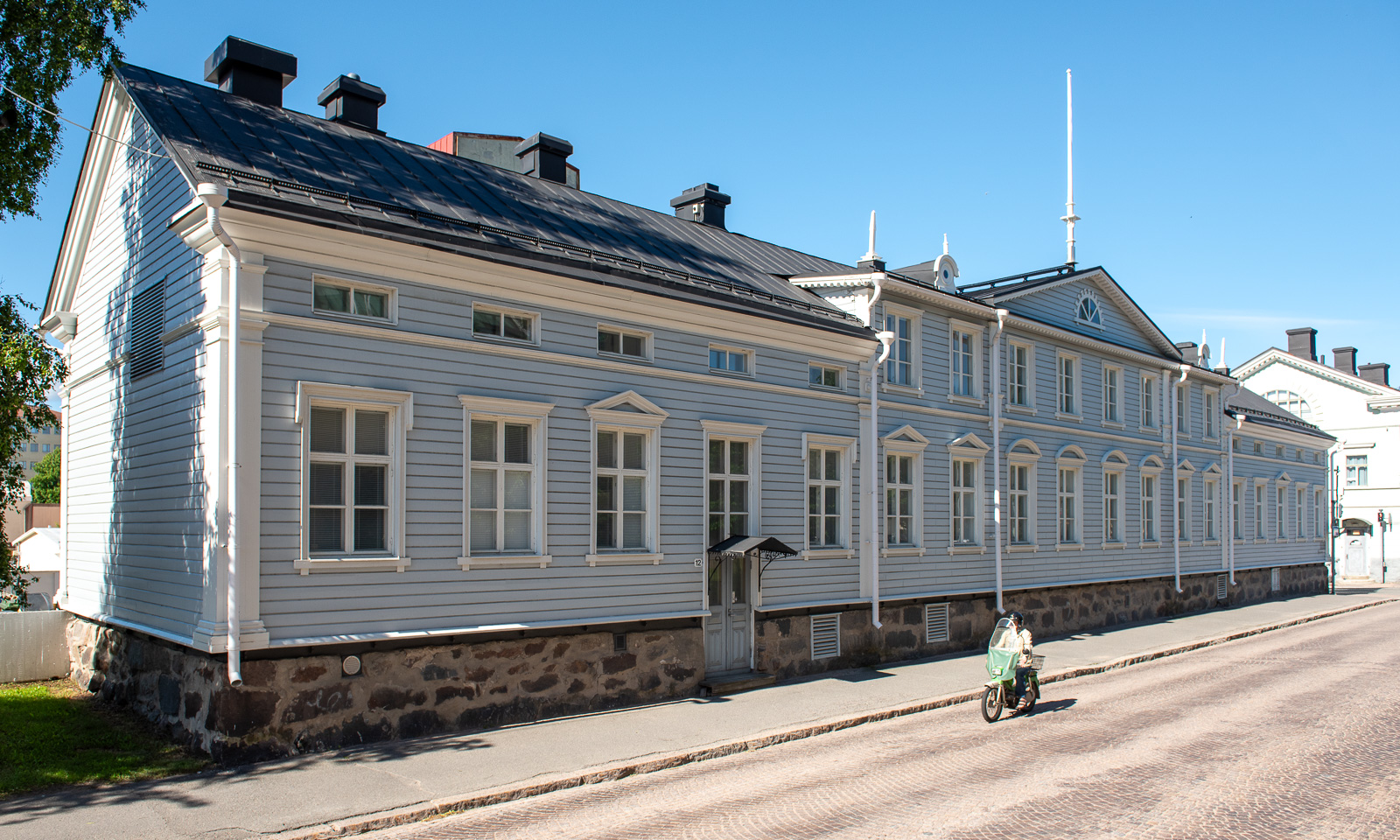
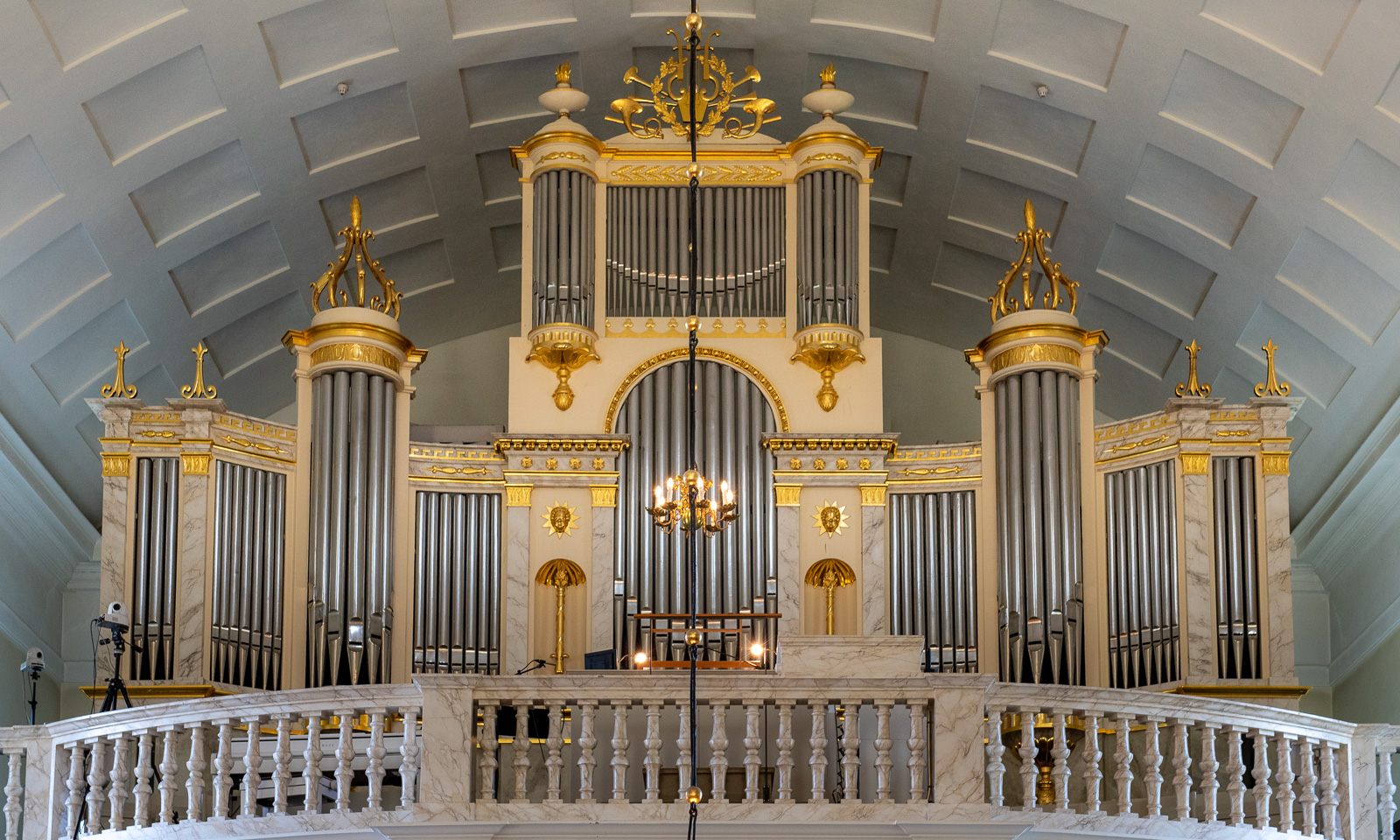
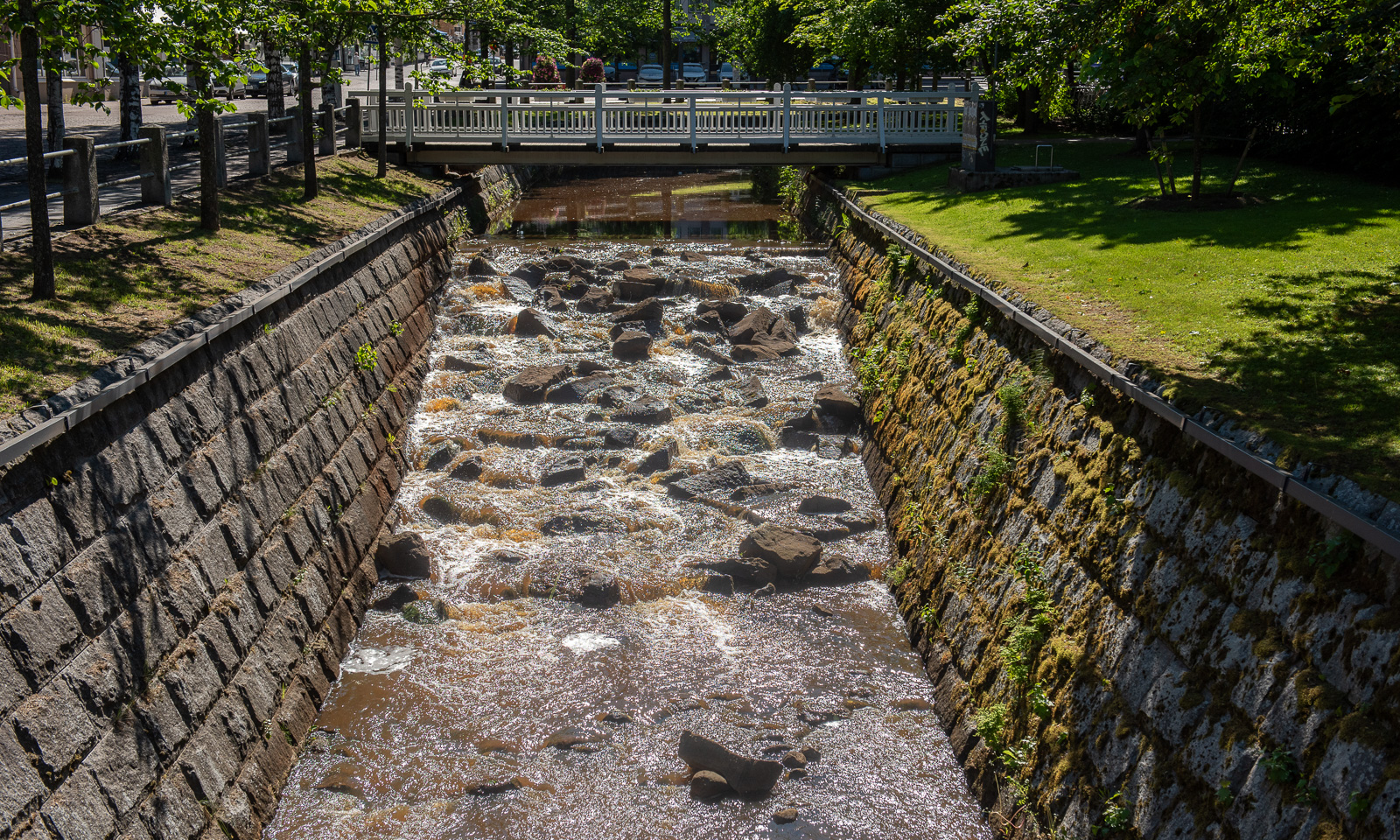
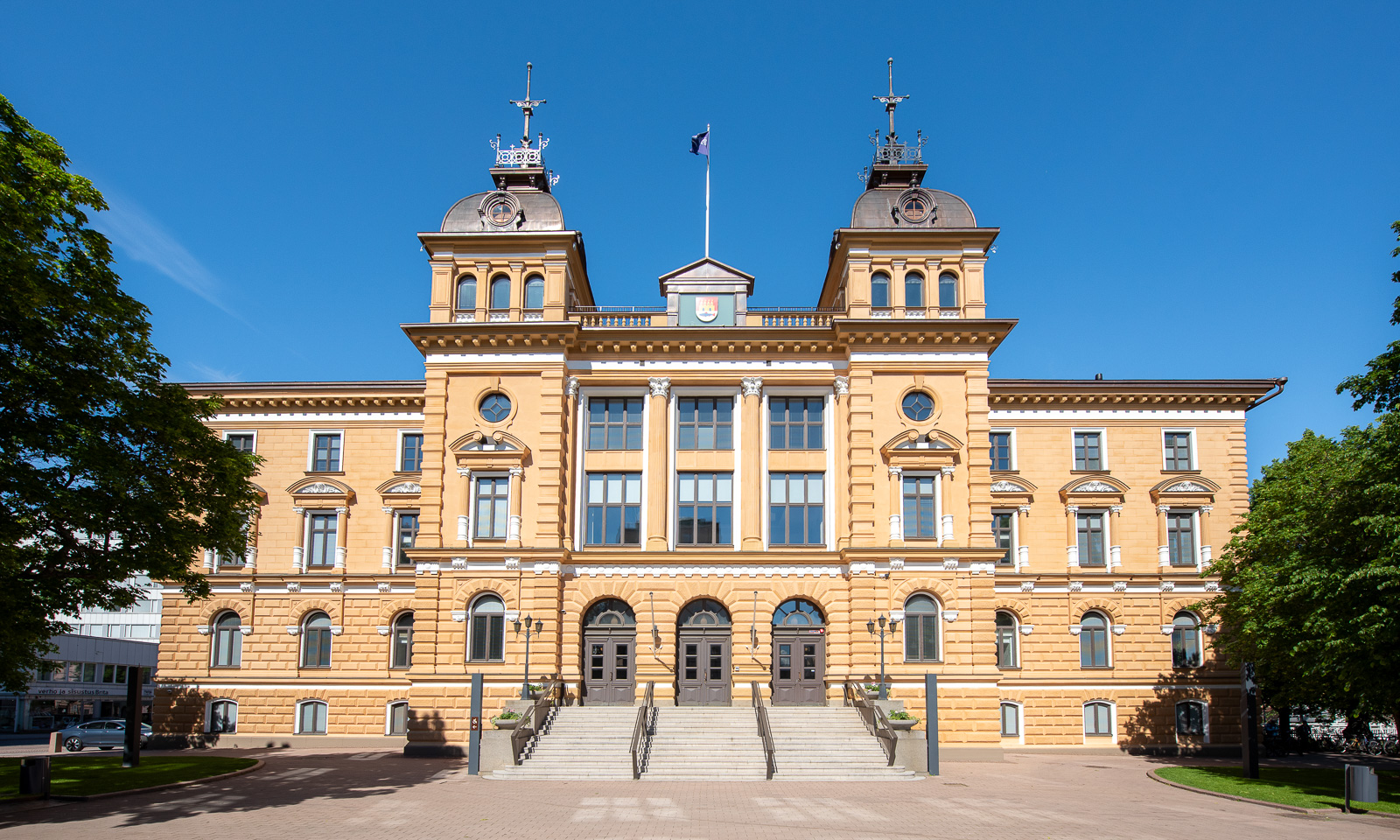
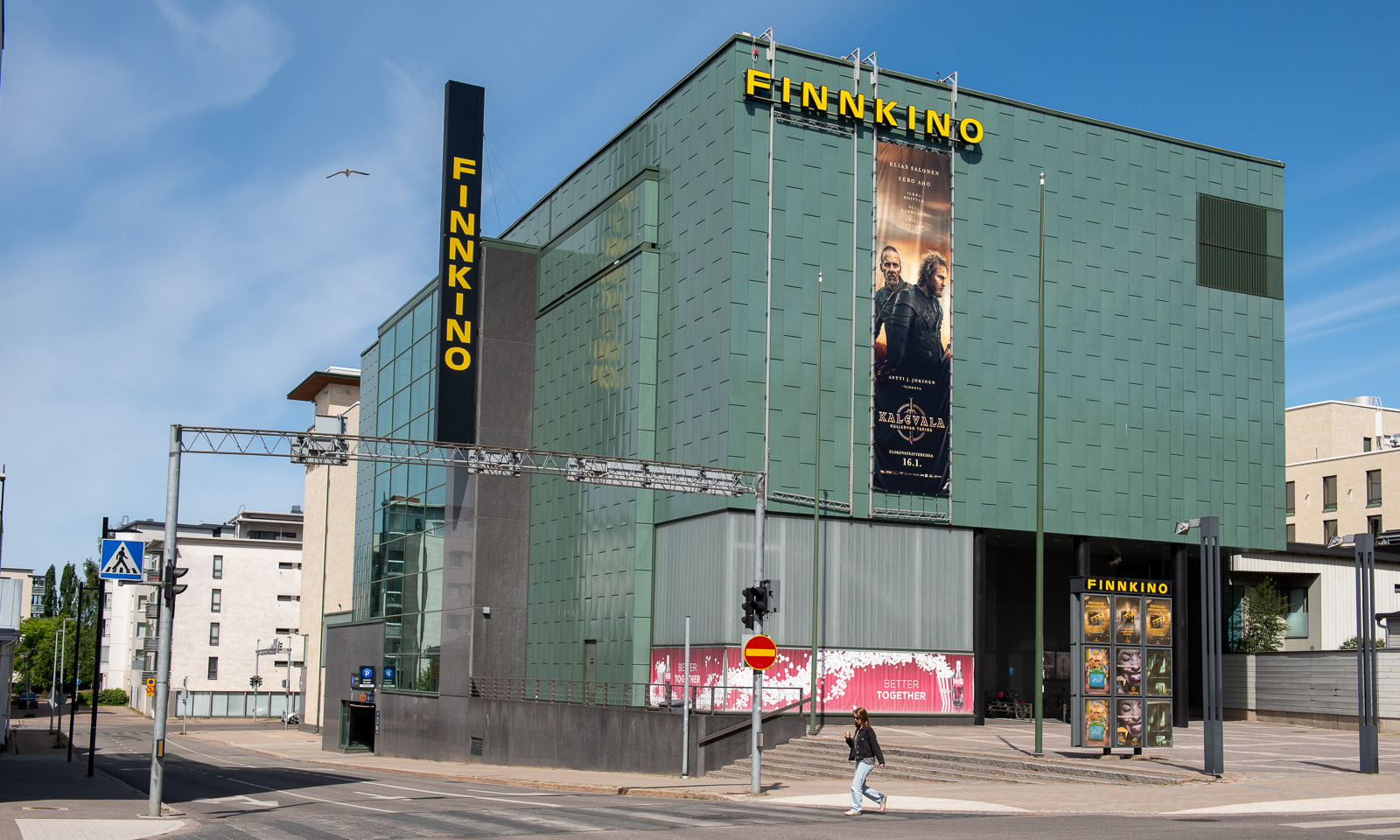
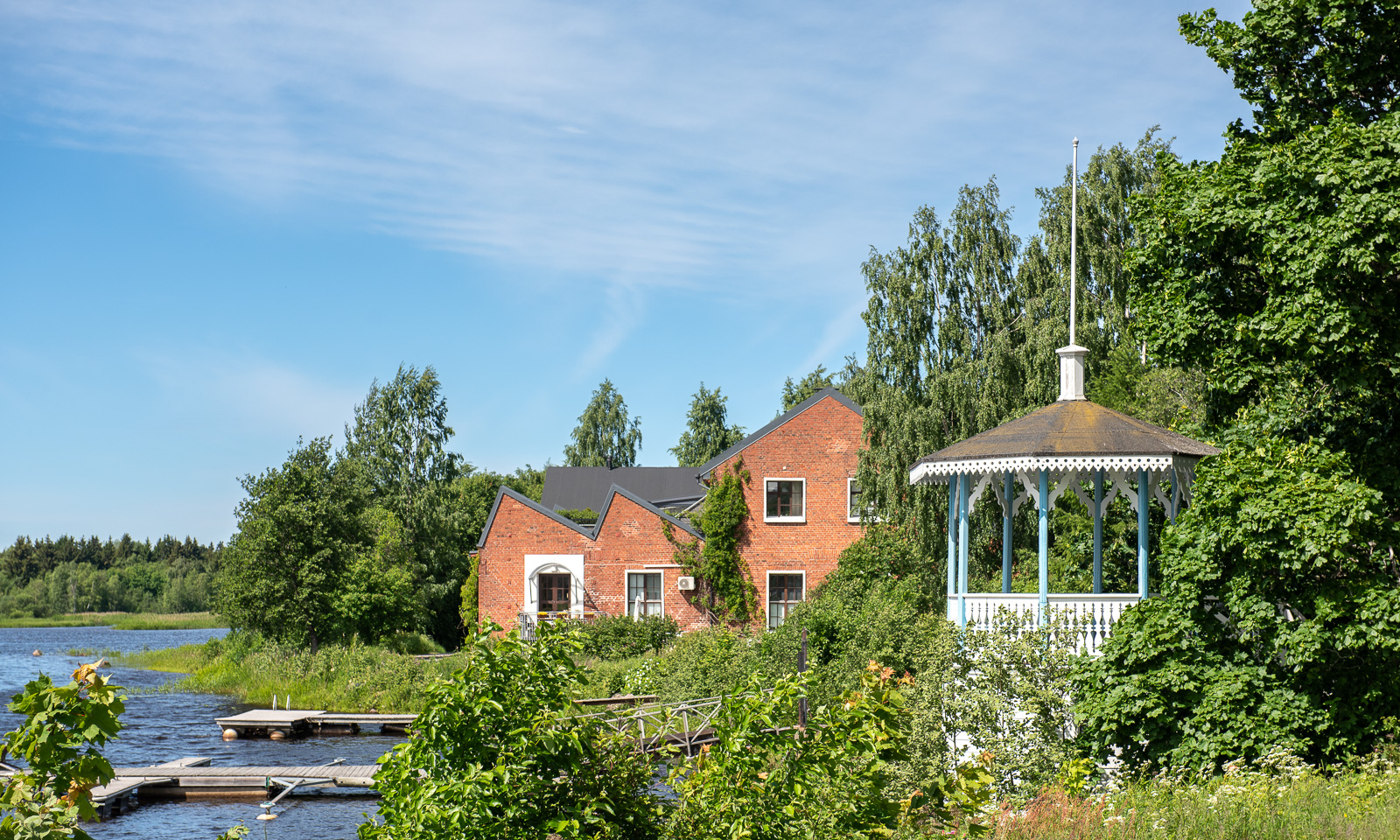
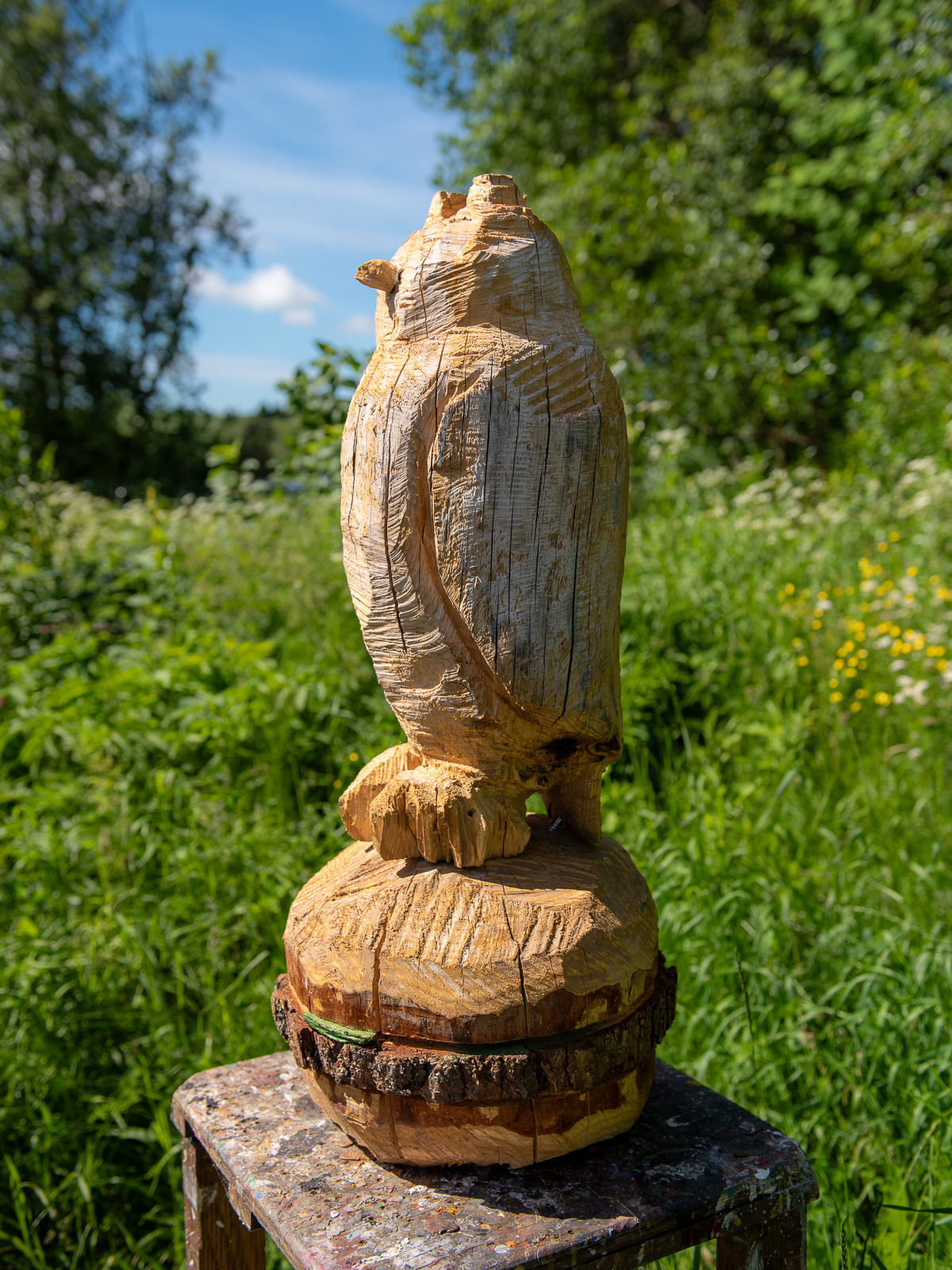
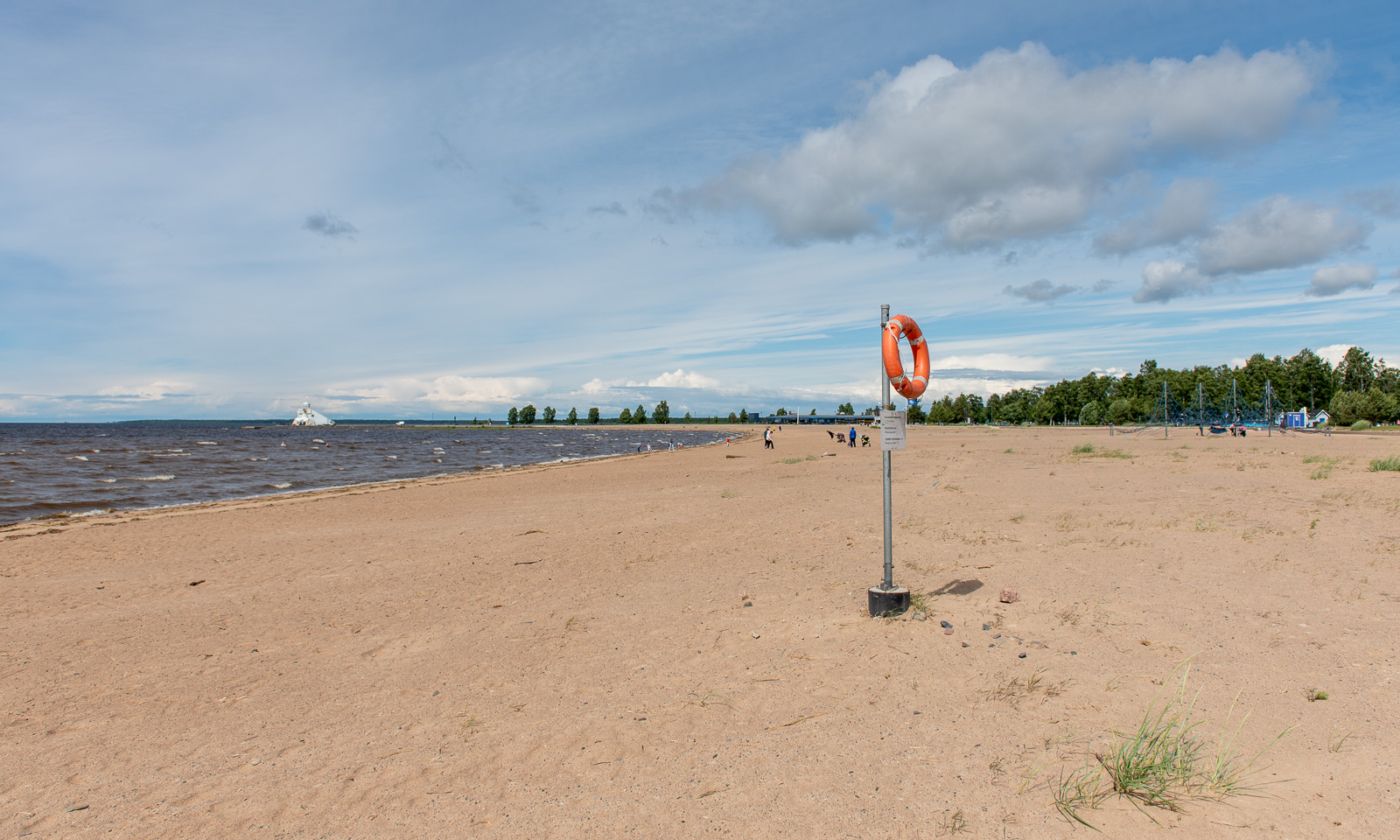
Just some random images from Oulu – old and newer buildings, the church organ in the cathedral, the city hall, some of the sculptures on the island Pikisaari and Nallikarin Uimaranta, the beach on the island Hietasaari where the water is as shallow as at yesterday’s beach.

Oulanka National Park, the Russian border, long dirt roads and Lokka reservoir

Part three of the journey from Obbola to Tromsø

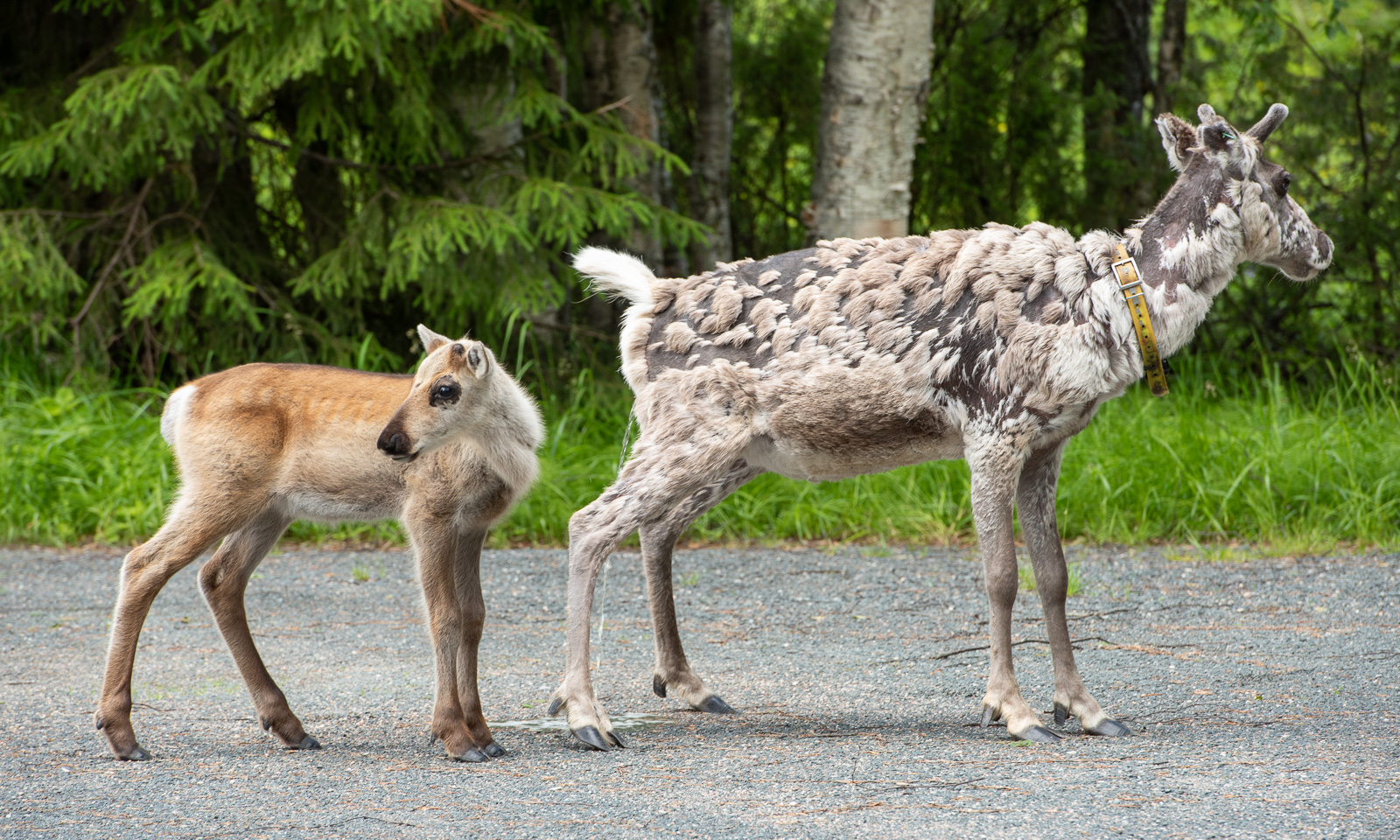
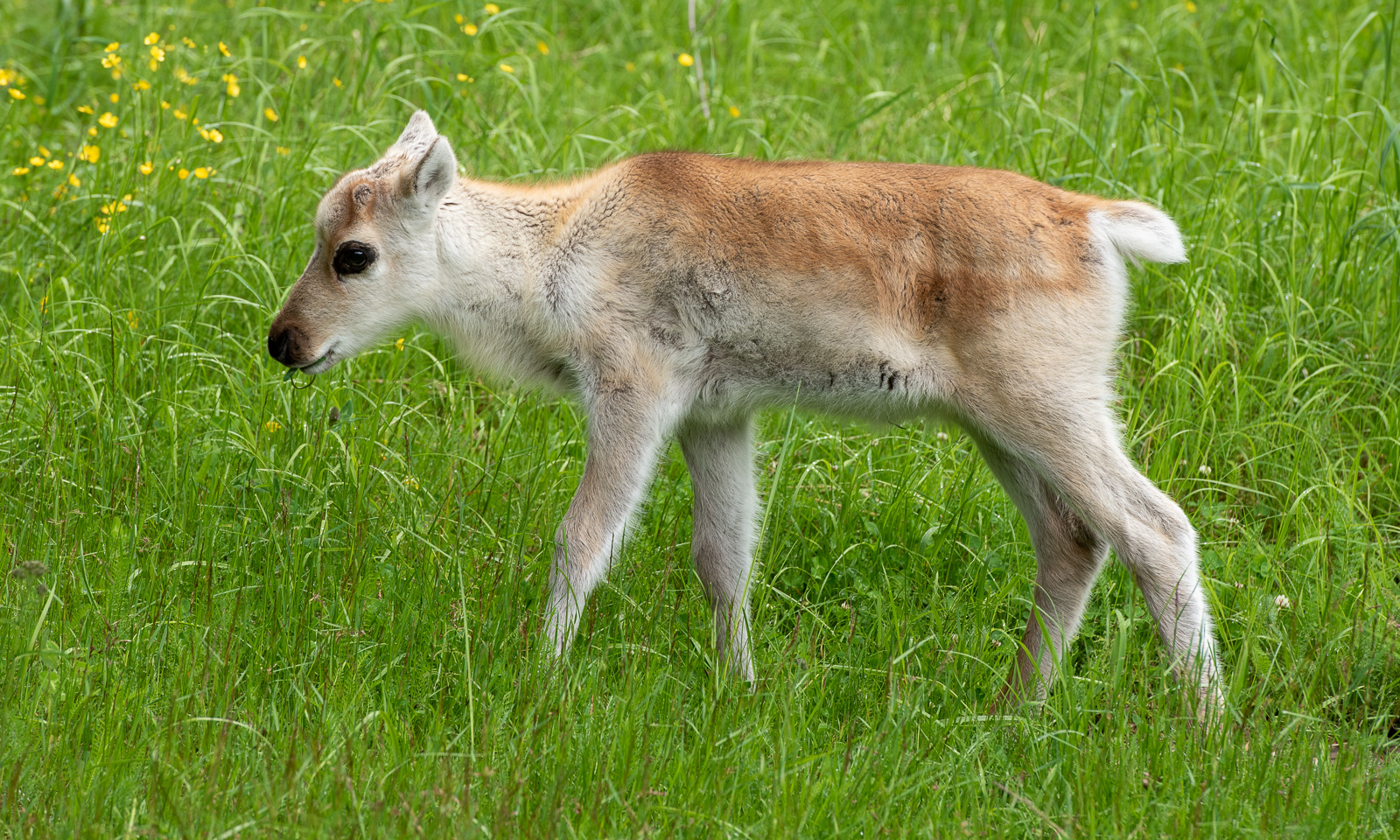
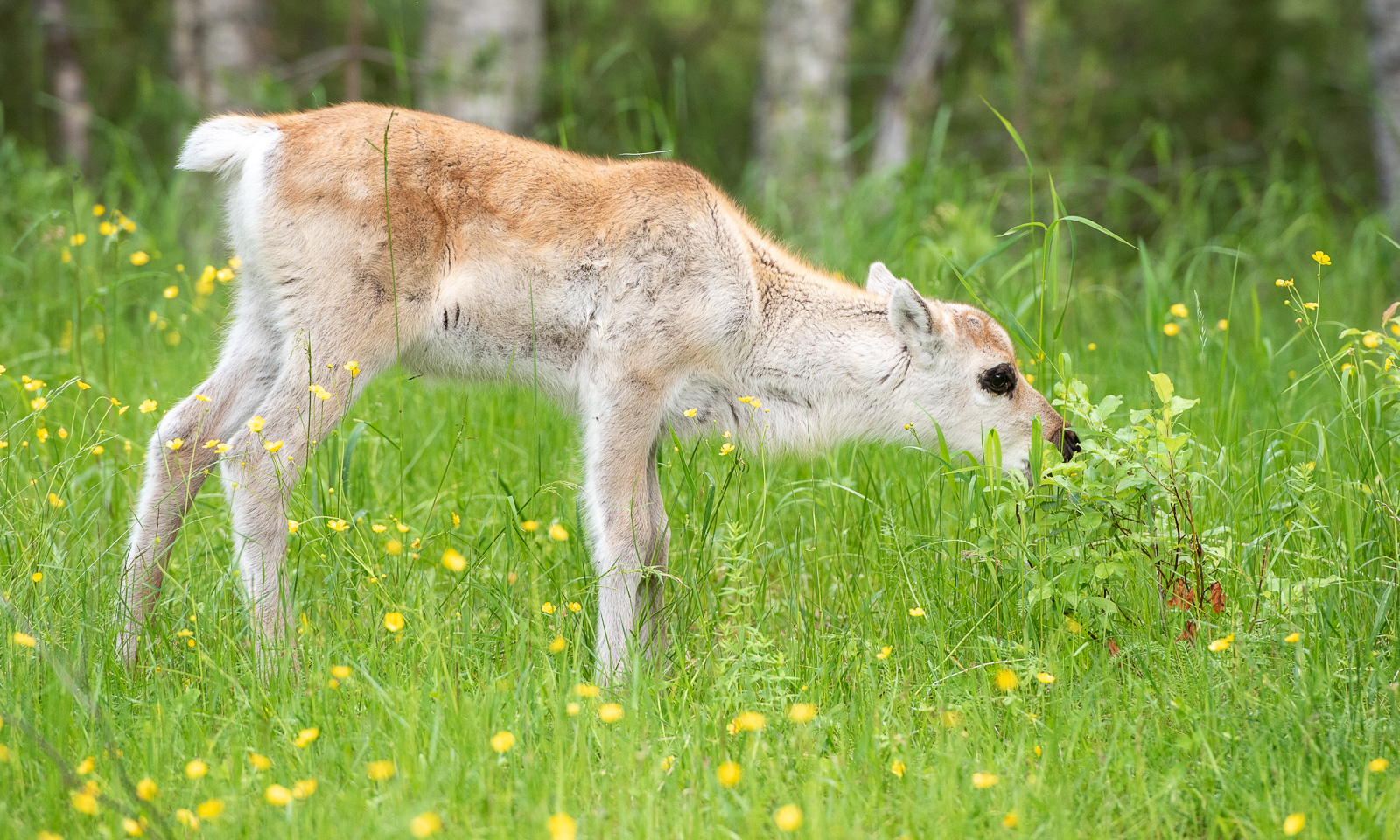
Our first car trip today is short. From our mökki (cottage) by the lake where we slept to the Oulanka National Park it’s only 22 km. In the car park there are more reindeer than cars. While the older reindeer are undergoing a coat change and look quite ragged the younger ones look like animals from an old Disney film with their soft fur, their thin legs and their huge, dark eyes.

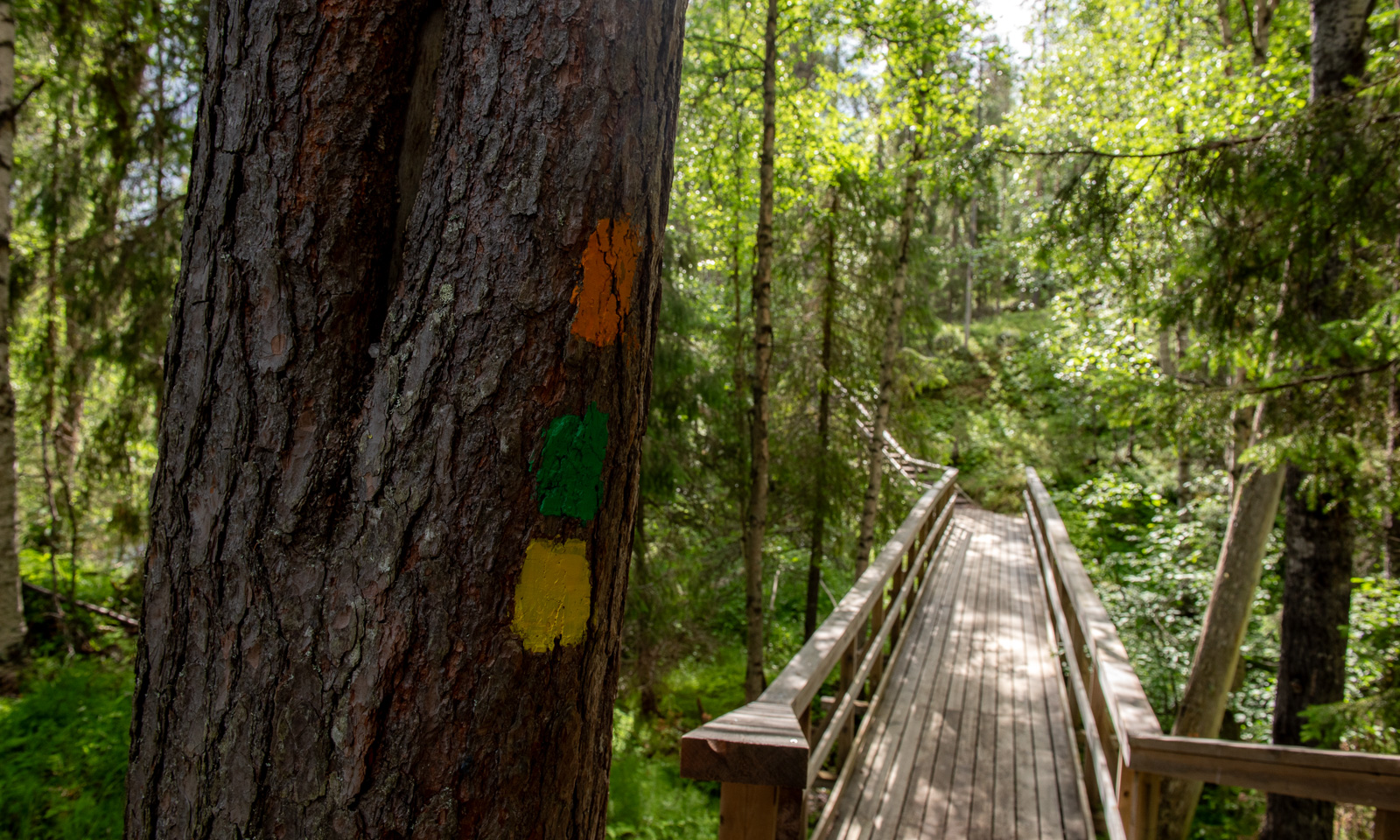
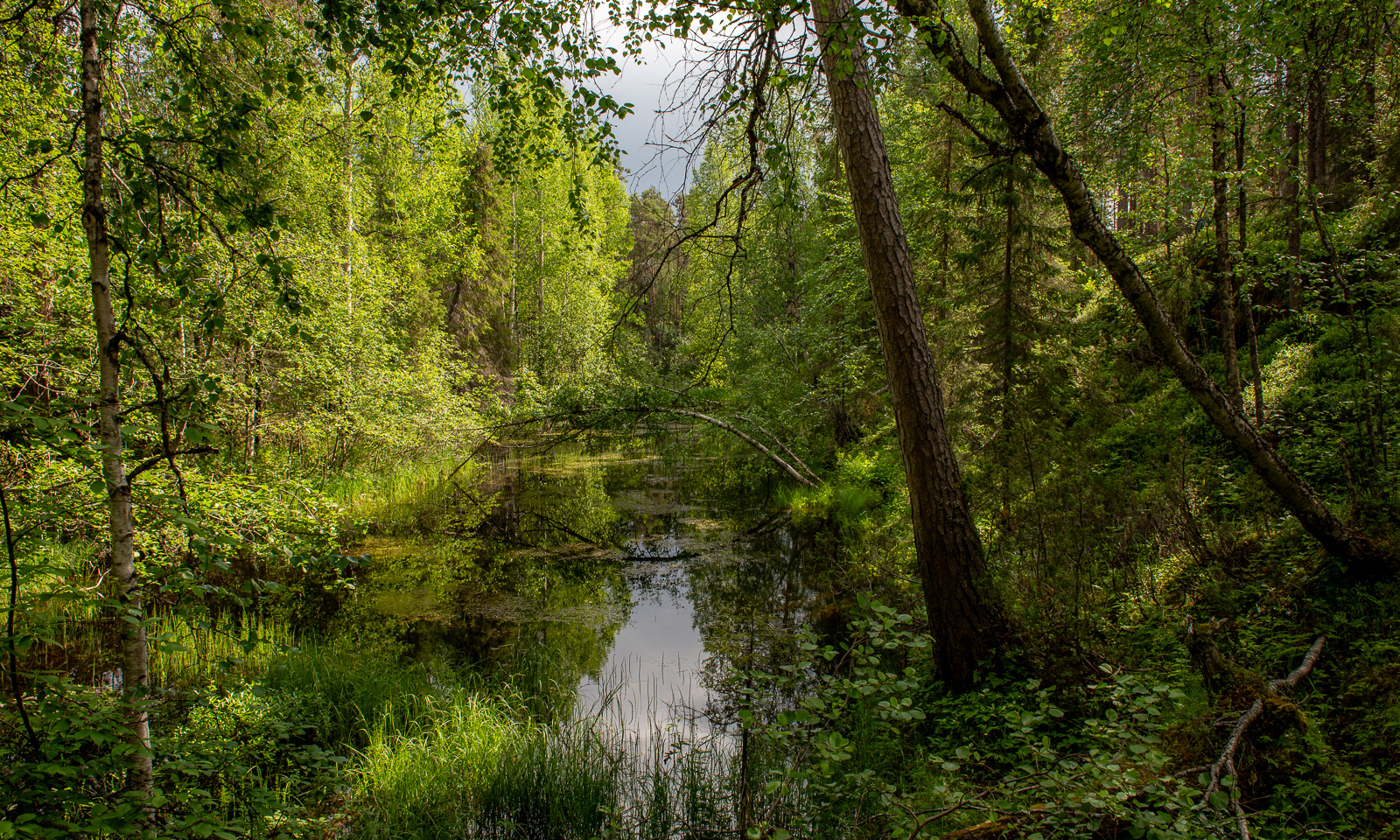
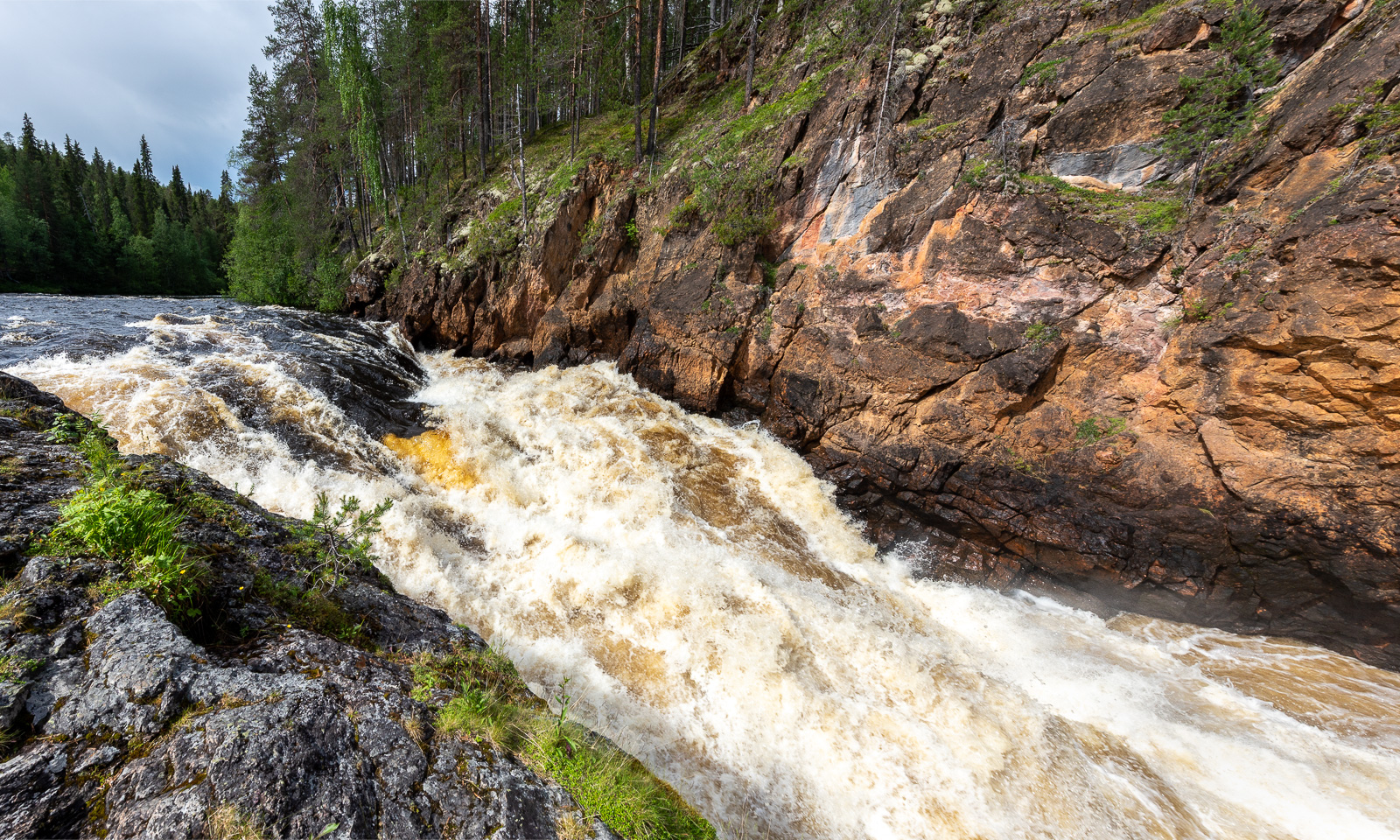
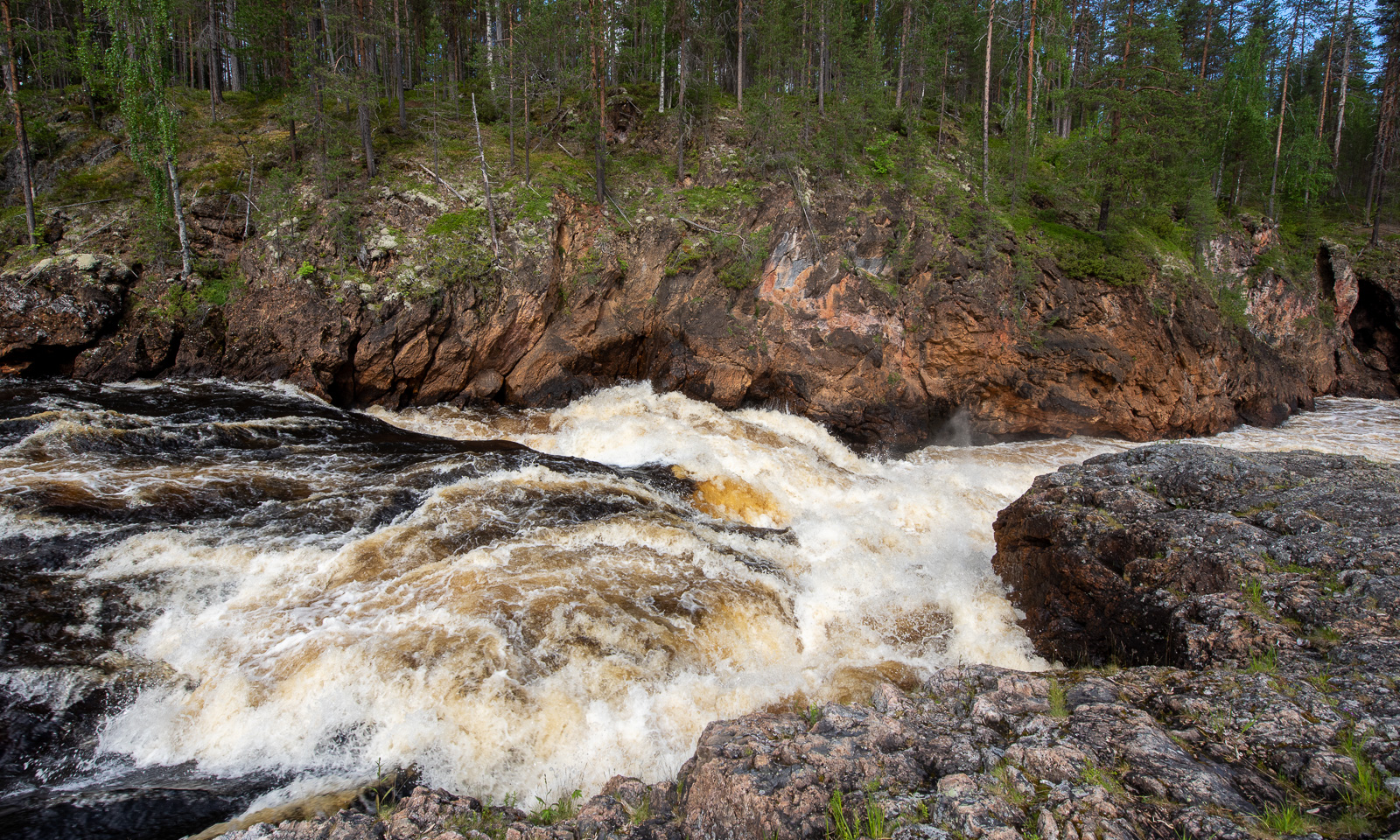
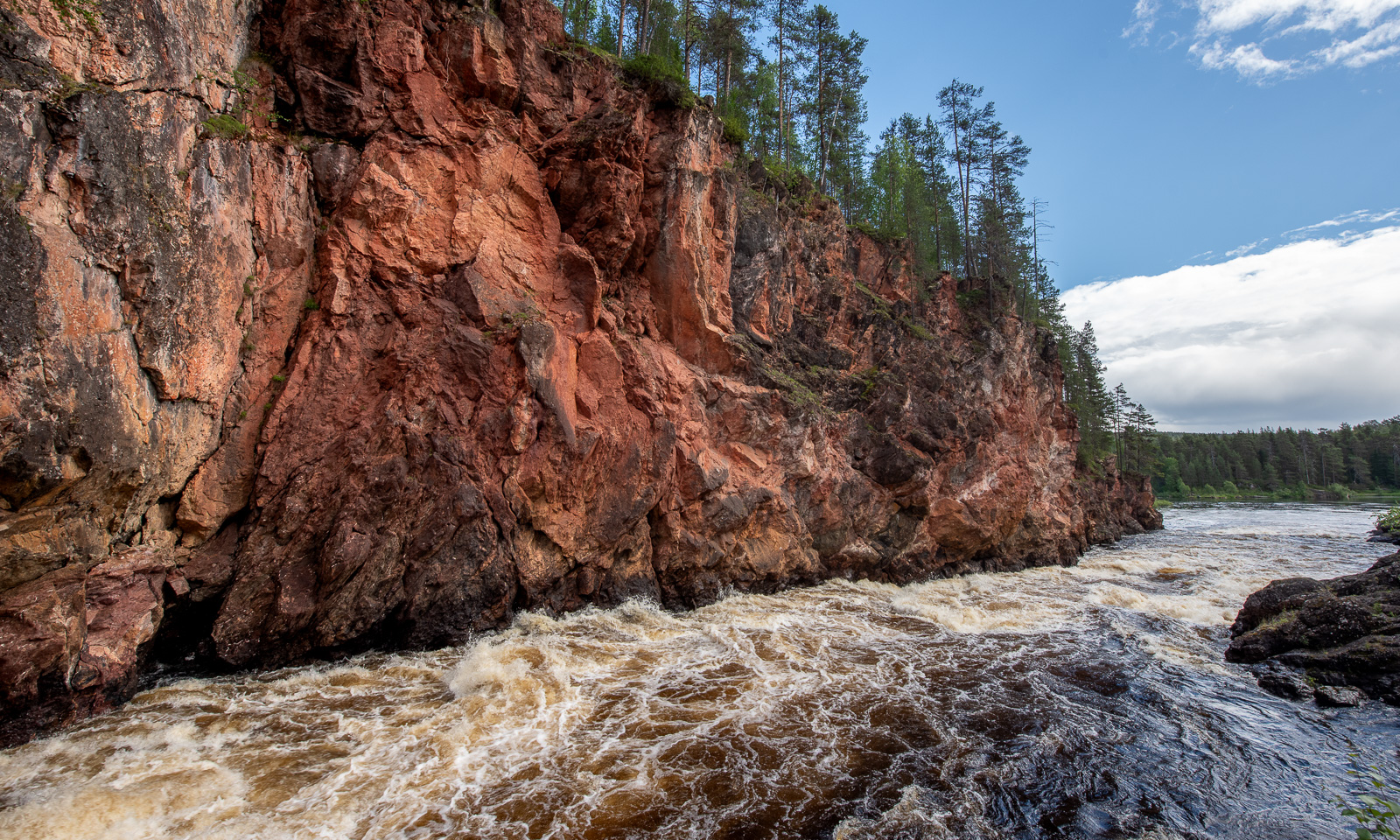
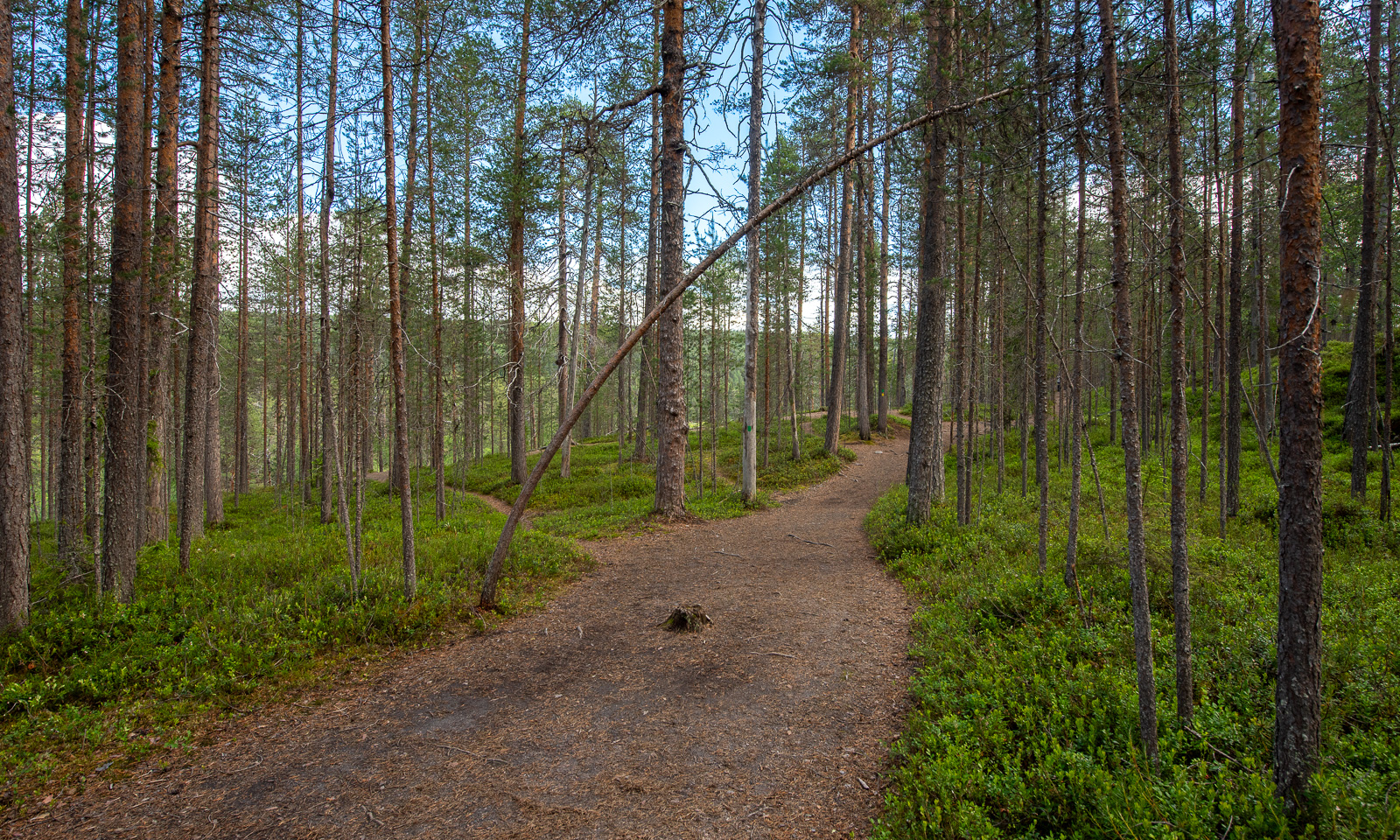
Our hiking tour to the Kiutaköngäs rapids starts through a beautiful, wild forest. After a while you can hear the roar of the water and then you see the narrow gorge through which the water of the river Oulankajoki rushes downwards.

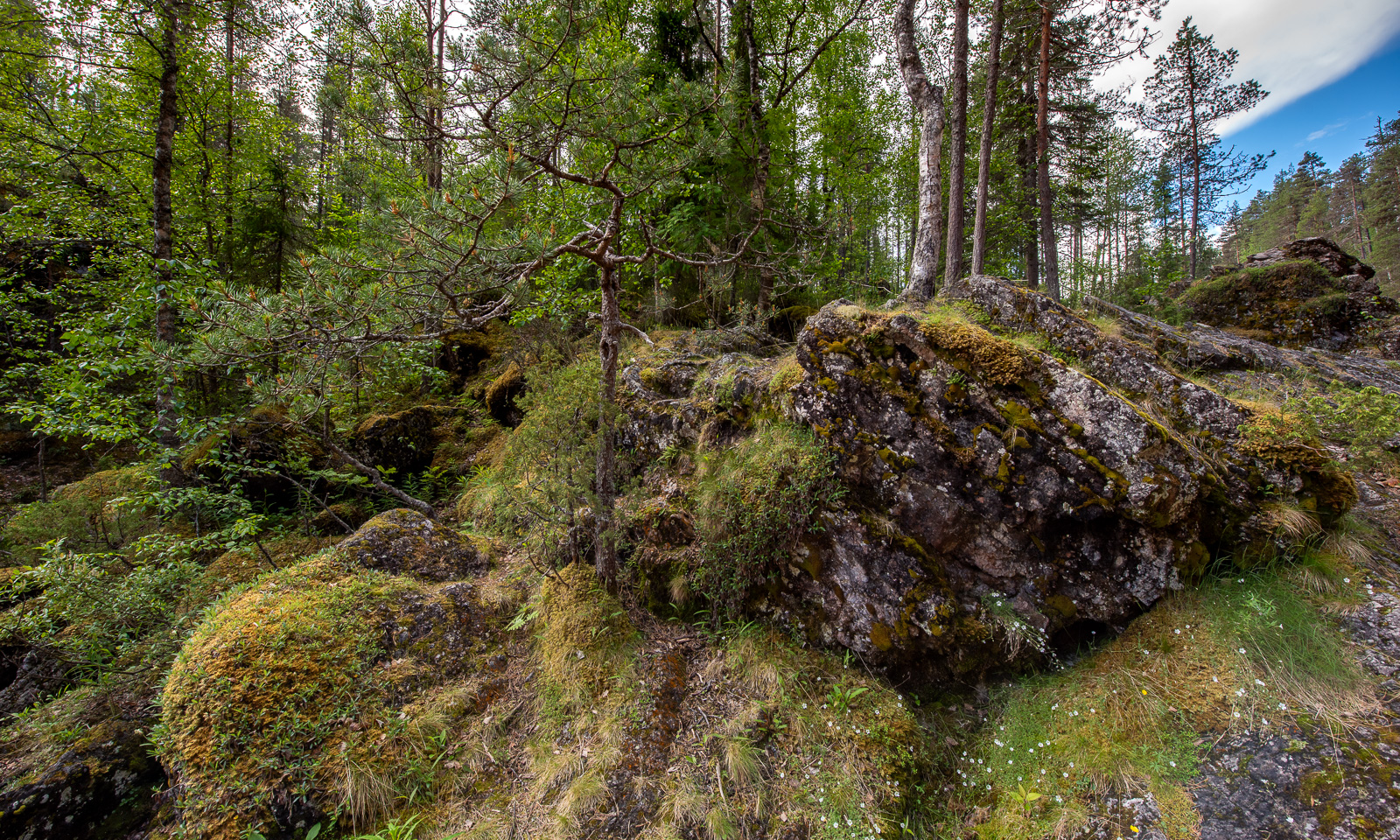
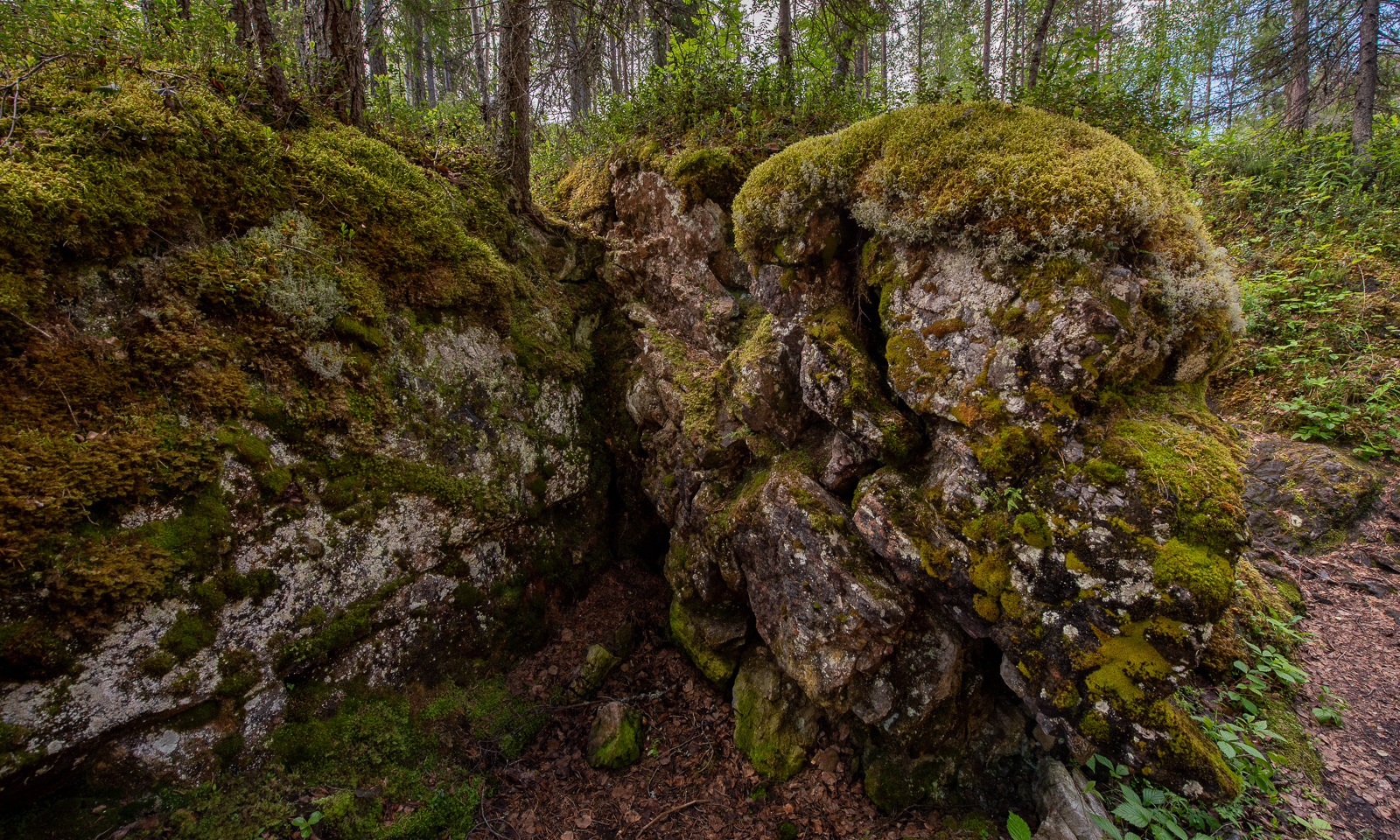
The moss-covered rocks by the gorge look as impressive as the rapids – as if from ancient times.

We follow the yellow dots that mark the shortest circular route. The landscape is now less spectacular than the rapids but in its variety, it’s beautiful to walk in.

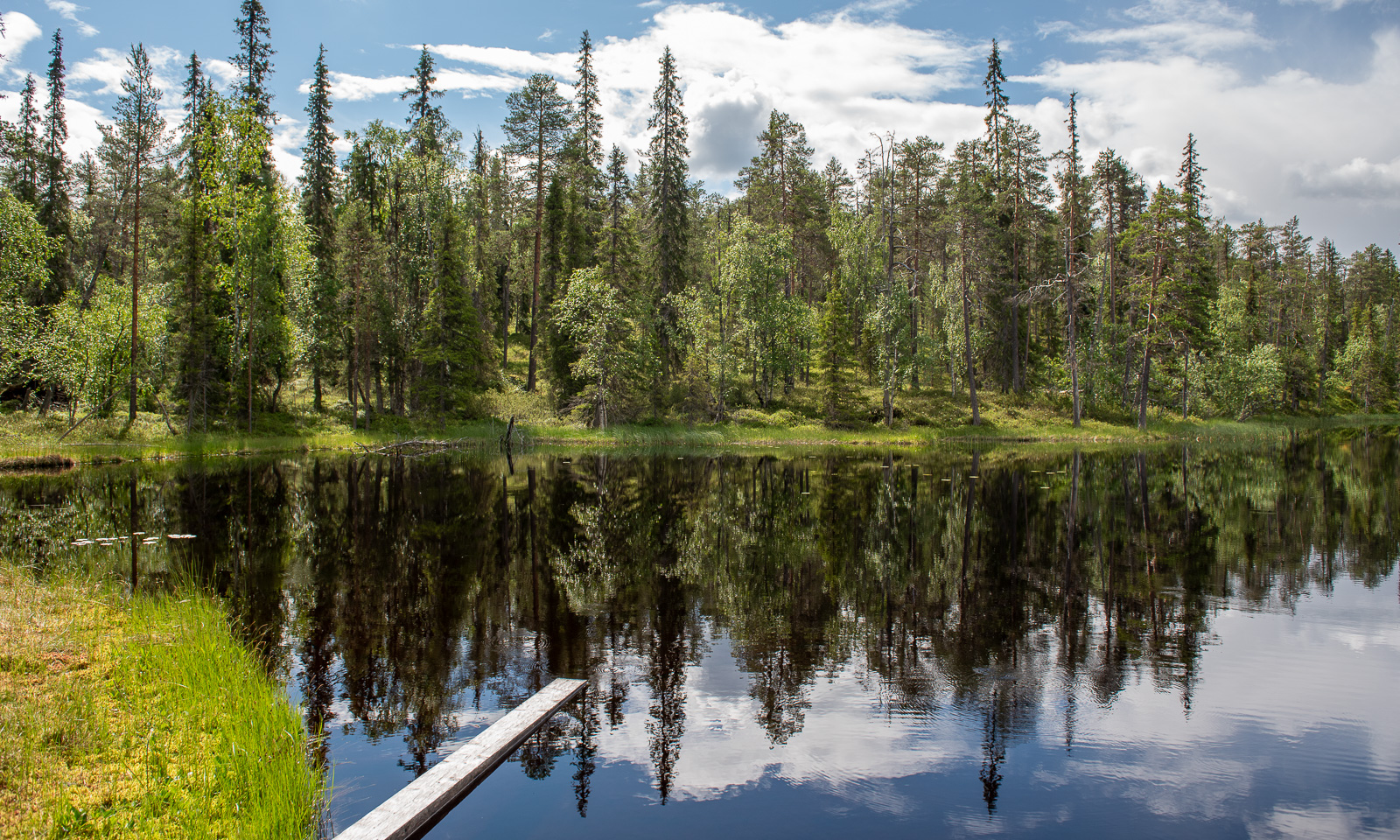
We pass a bog lake named Ylimmäinen Hiidenlampi. We are not alone, a group of students is doing research on freshwater and invertebrates.

For most of the walk, we were lucky with the weather but in the end we get caught in a rain shower. While we have lunch in the visitor centre our jackets start to dry.

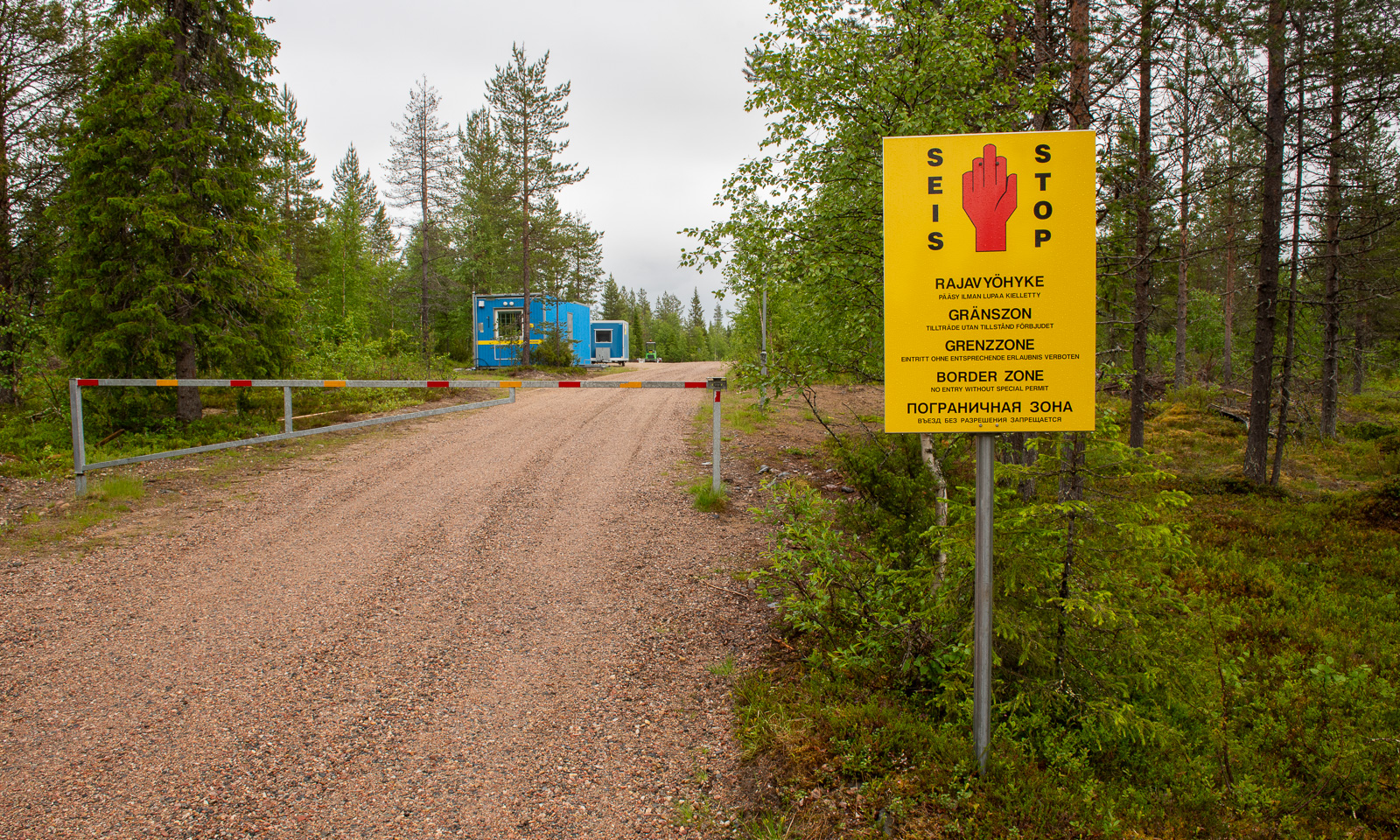
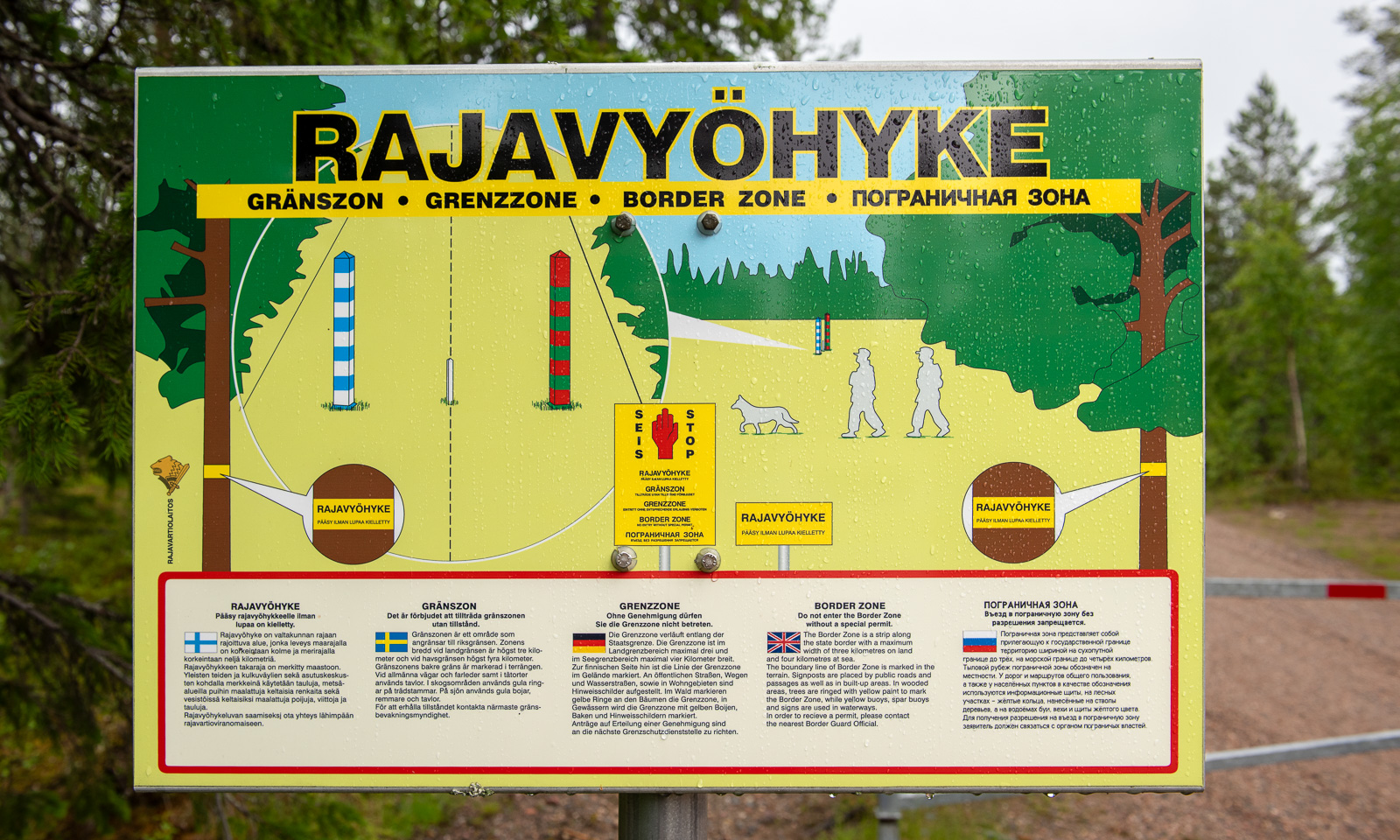
Change of scenery. We are in the eastern part of Finland, a country that has a 1340-kilometre border with Russia. We take a small road to the east leading to the border. In the end, it is just a small forest road. It just ends with a simple barrier and a warning sign saying “Border zone—no entry without special permit” in five languages. On the other side there is an information sign – that’s it.

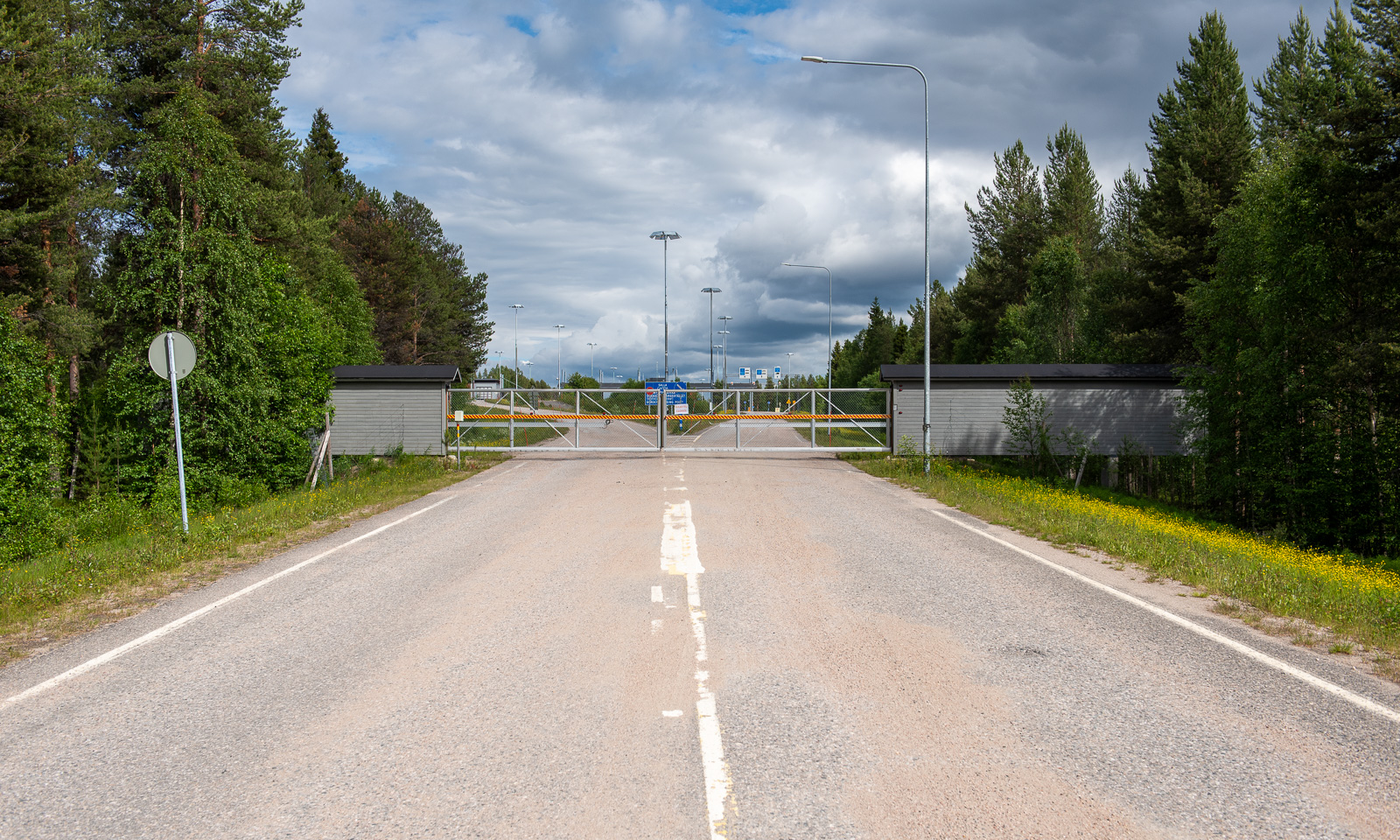
While this road probably never was a border crossing, there is one northeast of Salla. Or rather, was, because all checkpoints were closed in April 2024. Hardly imaginable that I crossed the border here on a journey to Murmansk in March 2019.

When will Russia’s terrible war against Ukraine end? Will there be a regime change in Russia that makes it possible to travel there again in my lifetime? I don’t know.
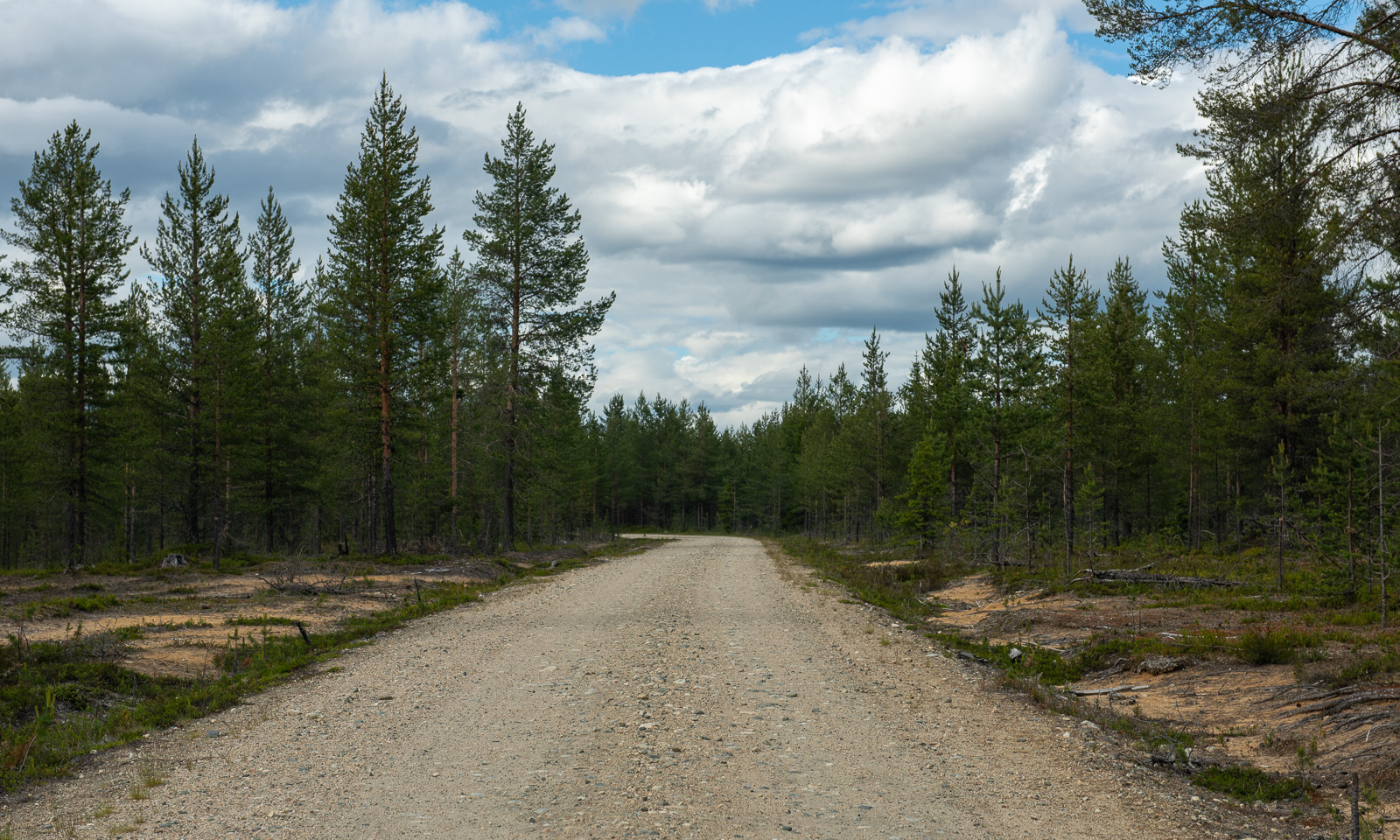
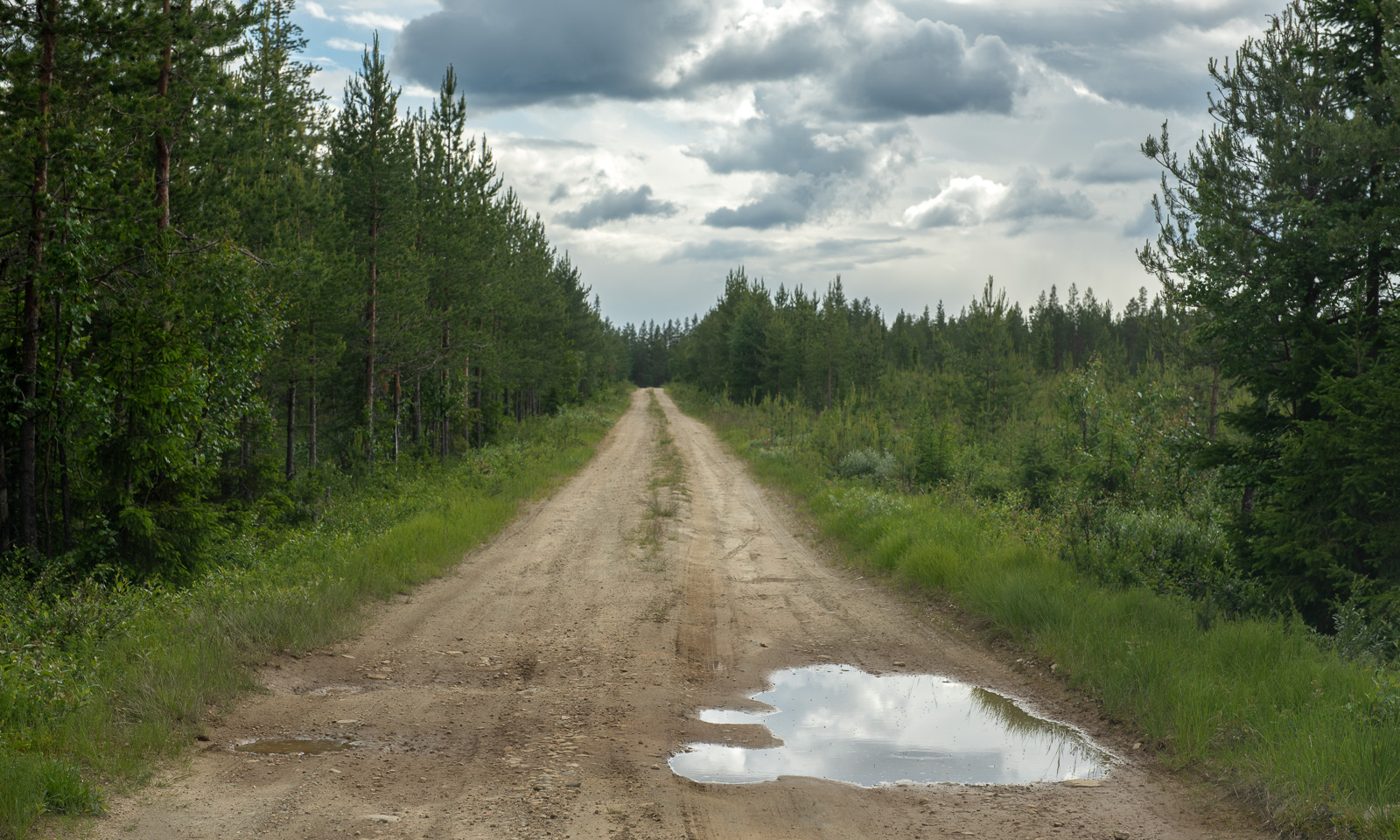
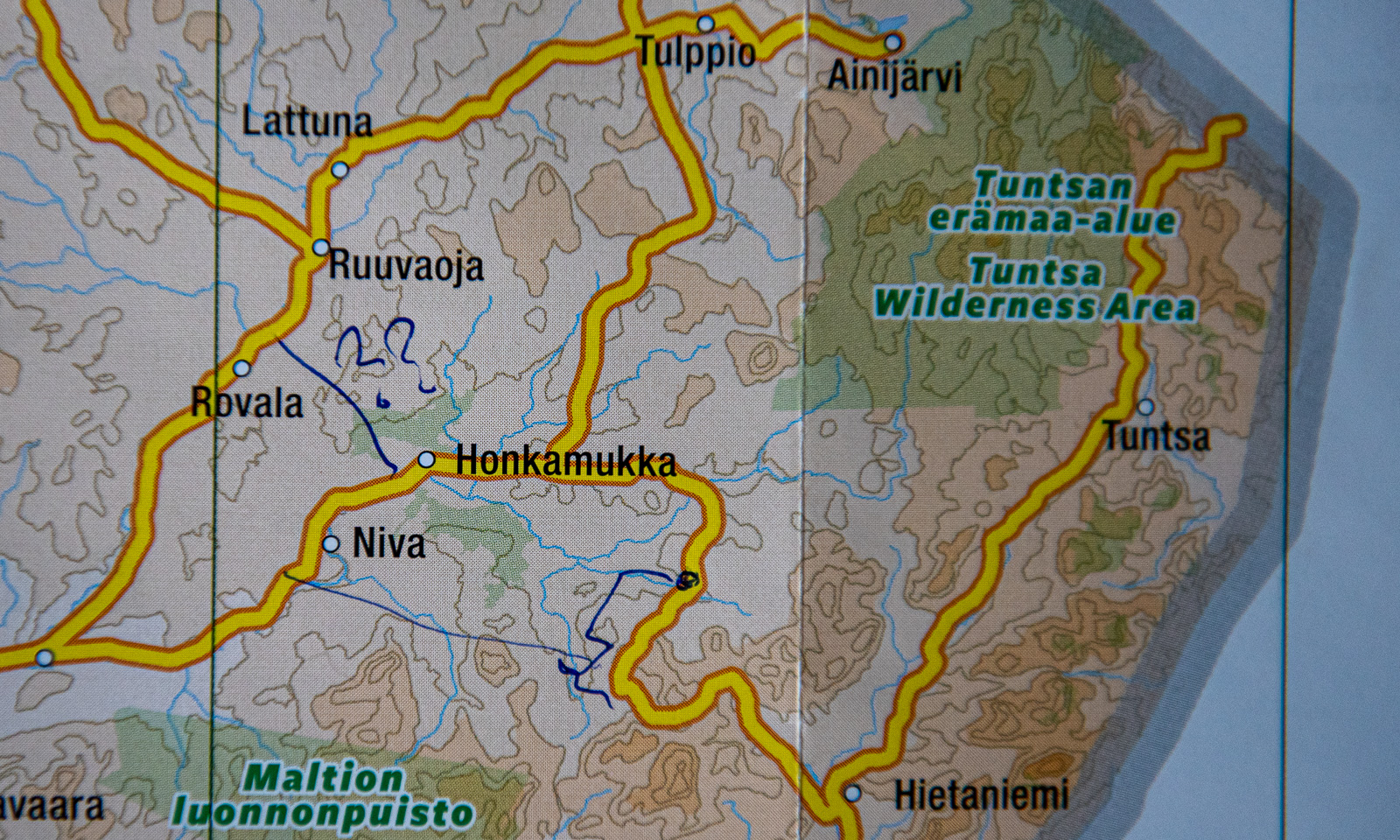
Change of scenery. We travel to Lokka, the most remote location we found with accommodation for overnight stay. Several roads marked in yellow on our paper map lead there and we decide to take some of them to get there. First there are some visible signs of other people – a cottage, a passing car, then we are all alone. We follow the roads according to Google’s navigation. First we drive on asphalt roads, then gravel roads and in the end narrow dirt roads with grass growing in the middle.
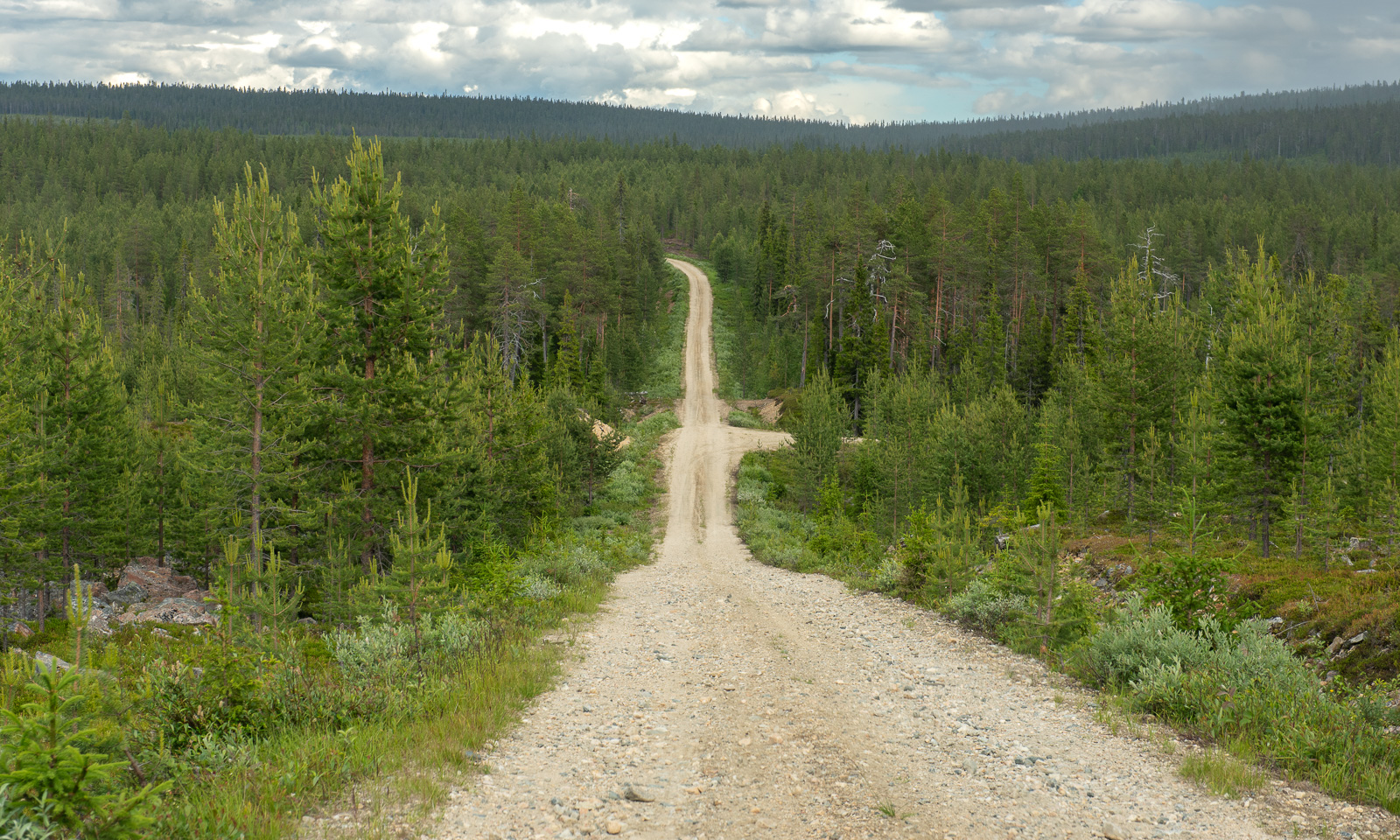
At one junction where we should turn right the road is closed. I follow the other road but it is difficult to know if we are on the right track. There are too many other dirt roads and there are no signs, nor is there any mobile coverage. Finally we find a way back to Hietaniemi that we passed perhaps an hour ago. From there it’s another 50 km back to a paved road. Another minor road finally leads us to Mummon Mökki, our cozy overnight stay where we arrive around 8 o’clock Finnish time.

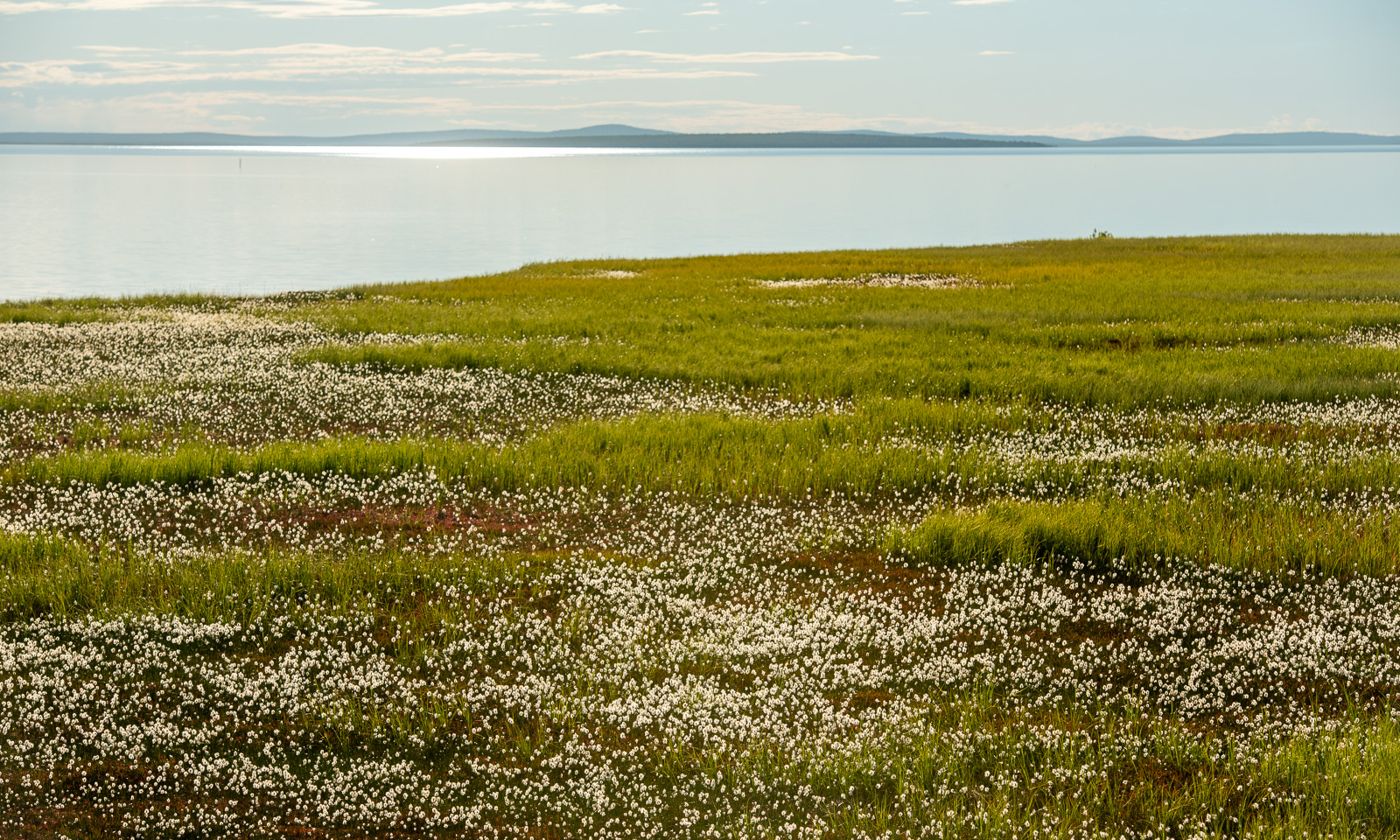
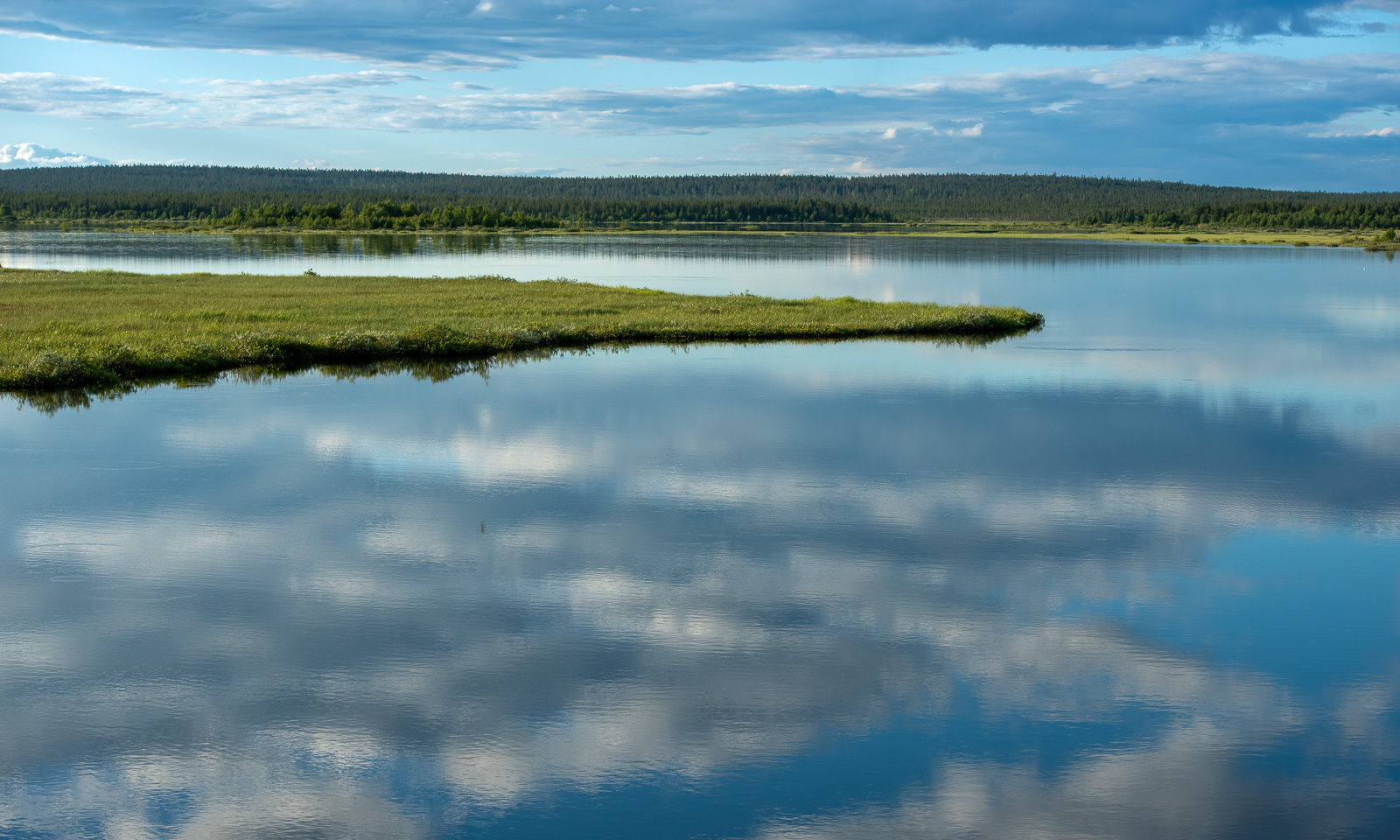
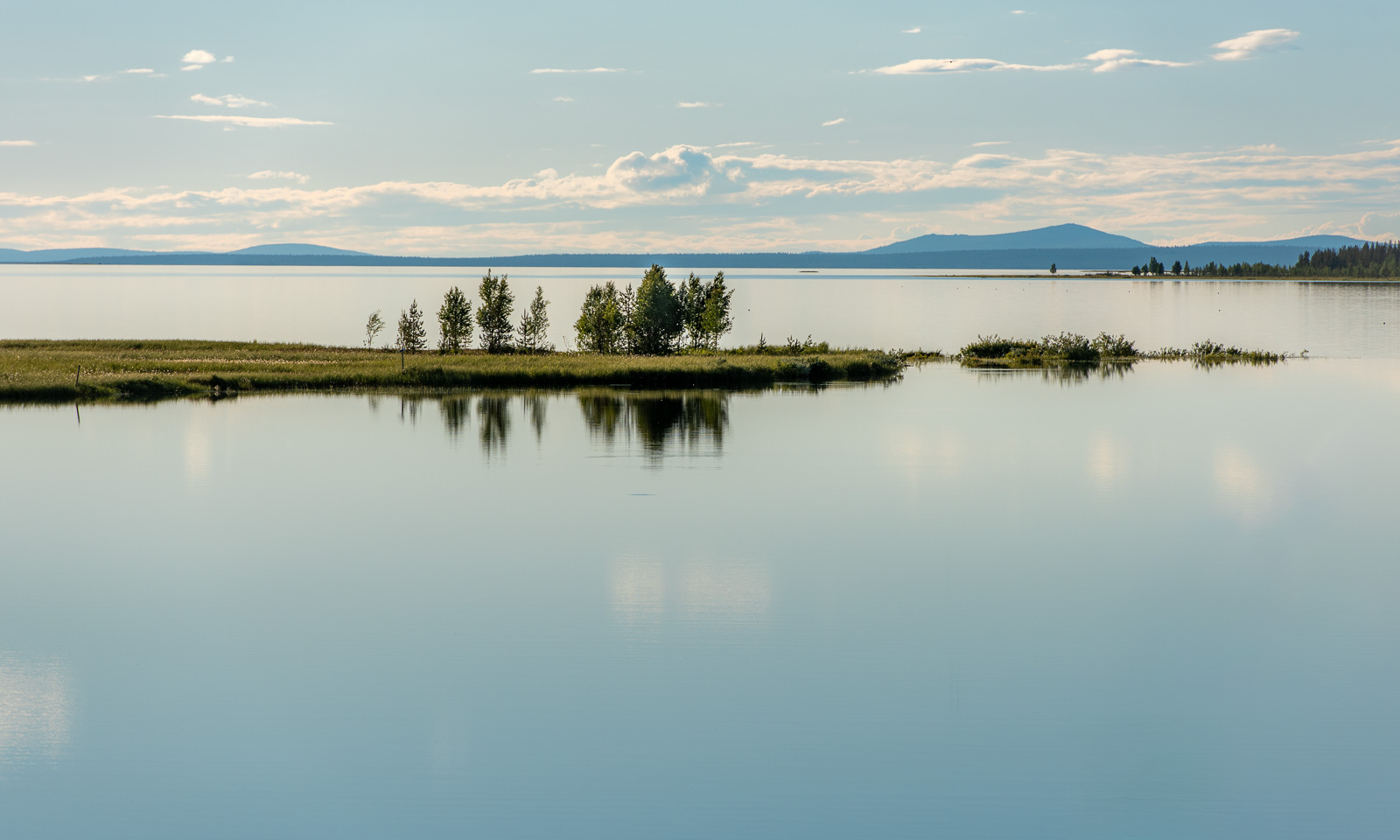
The last part was fascinating. We passed Lokka Reservoir, one of the largest artificial lakes in Europe. There are large areas of grass and some birch trees by the shore. When I walk there after dinner I realise that these immense mats of grass are actually floating on the lake. Fascinating but not a place to stroll around. I take my photos from the safety of the road.

Around ten o’clock I’m back at the mökki. I try to jump in as fast as possible to keep the mosquitoes outside and take a hot shower. Then it’s time to sleep after this long and varied day.


Skoganvarre—Tromsø – the last stage of our car trip

Part four of the journey from Obbola to Tromsø

It is Saturday morning. My wife Annika and I are having breakfast in the kitchen of the campsite Skoganvarre Villmark. It is raining and people passing outside are wearing pyjamas and carrying umbrellas or wearing raincoats and crocs. Campsite fashion. Skuvvanvárri (Northern Sámi) or Skoganvarre (Norwegian) is located in Norway, but most of the guests here are Finnish, and it seems to me that more or less all of them are here for fishing.

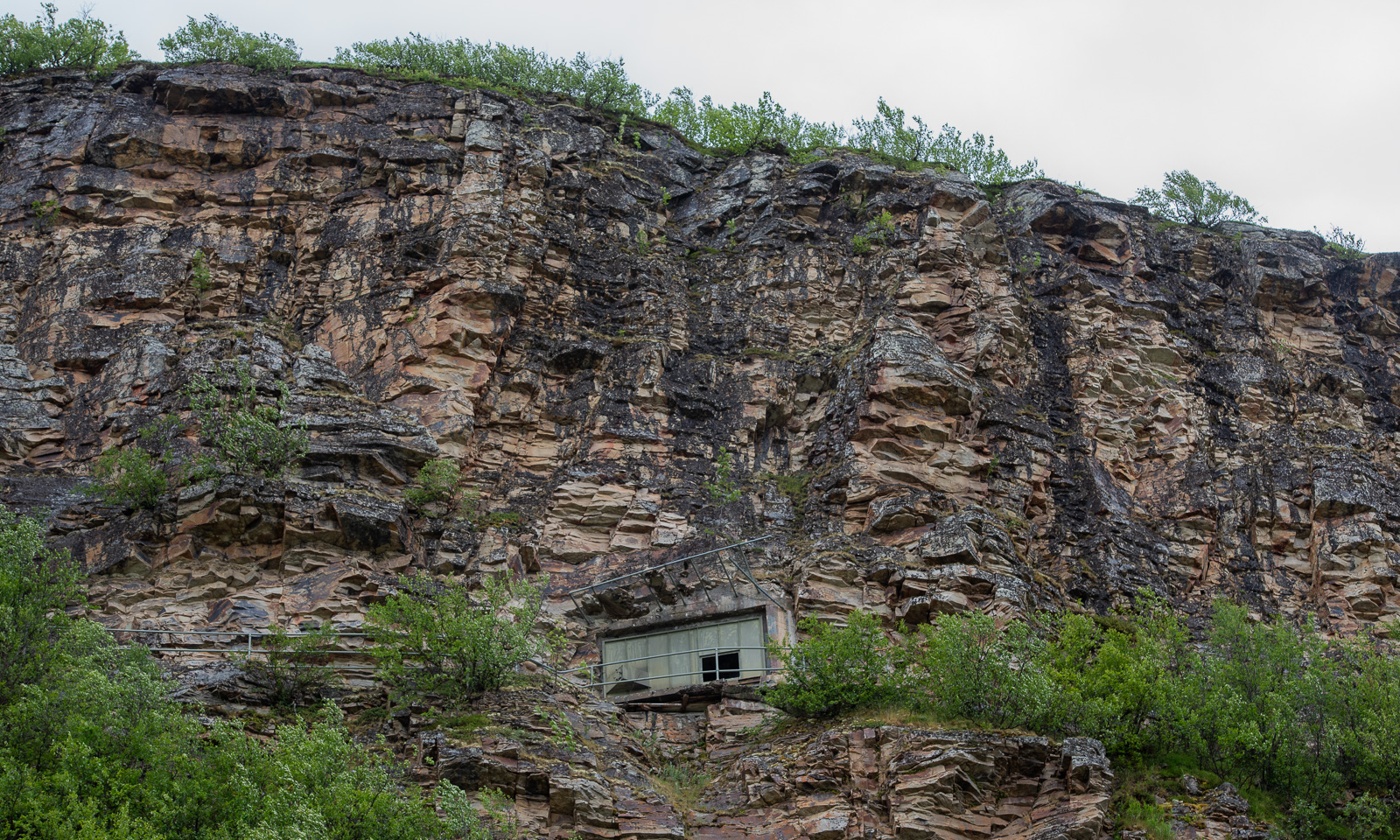
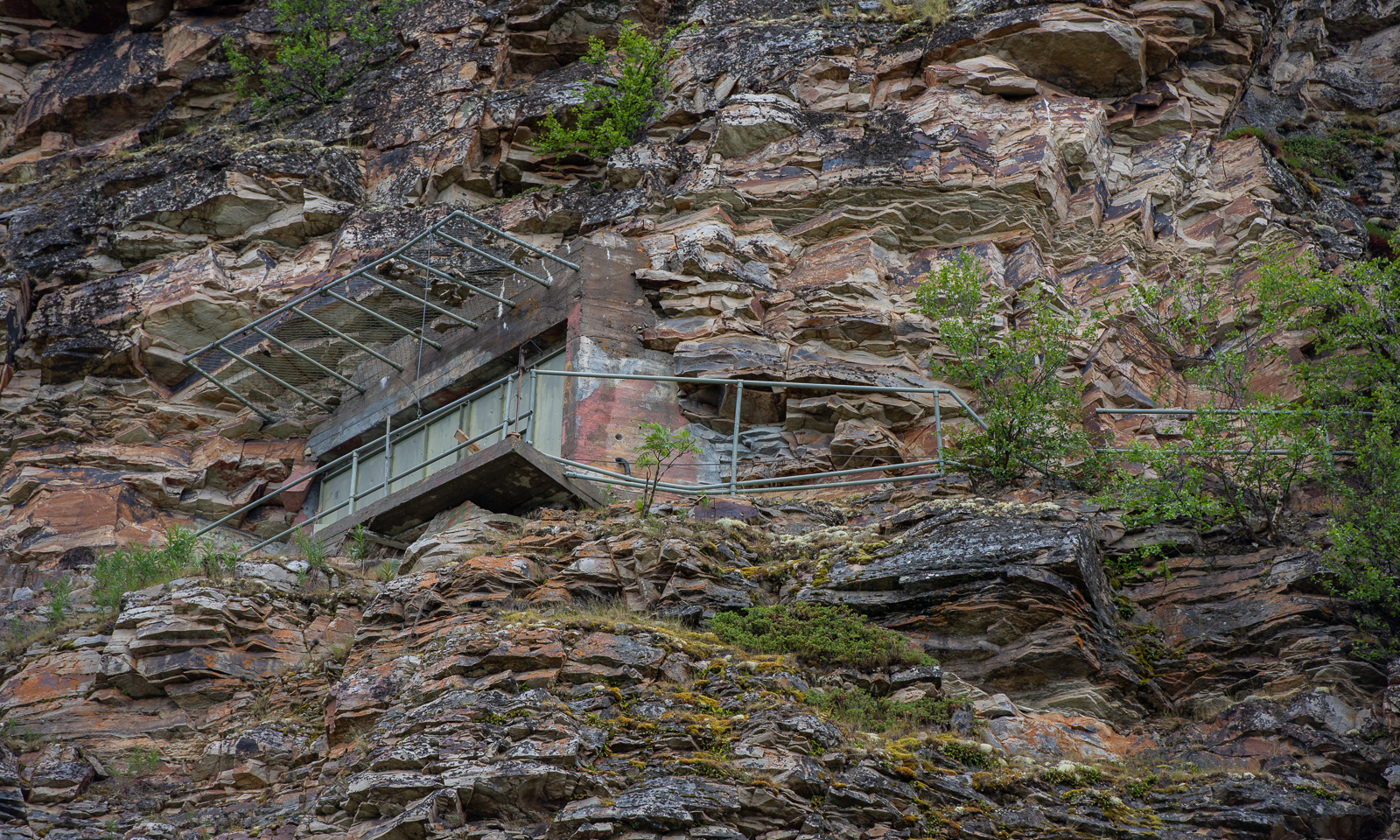
The grey weather follows us to Lakselv where we meet the sea again in the form of the southern end of the huge Porsangerfjorden, the fourth longest fjord in Norway. We passed the road leading north before, but it was the first time that I saw the fortification high in the mountain walls left of the road. It is part of Banak fort, started by the Germans in WWII and continued by the Norwegians and used until 1987.

On the other side of the road the scenery is completely different. Stabbursnes nature reserve is a large protected area dominated by wetlands.

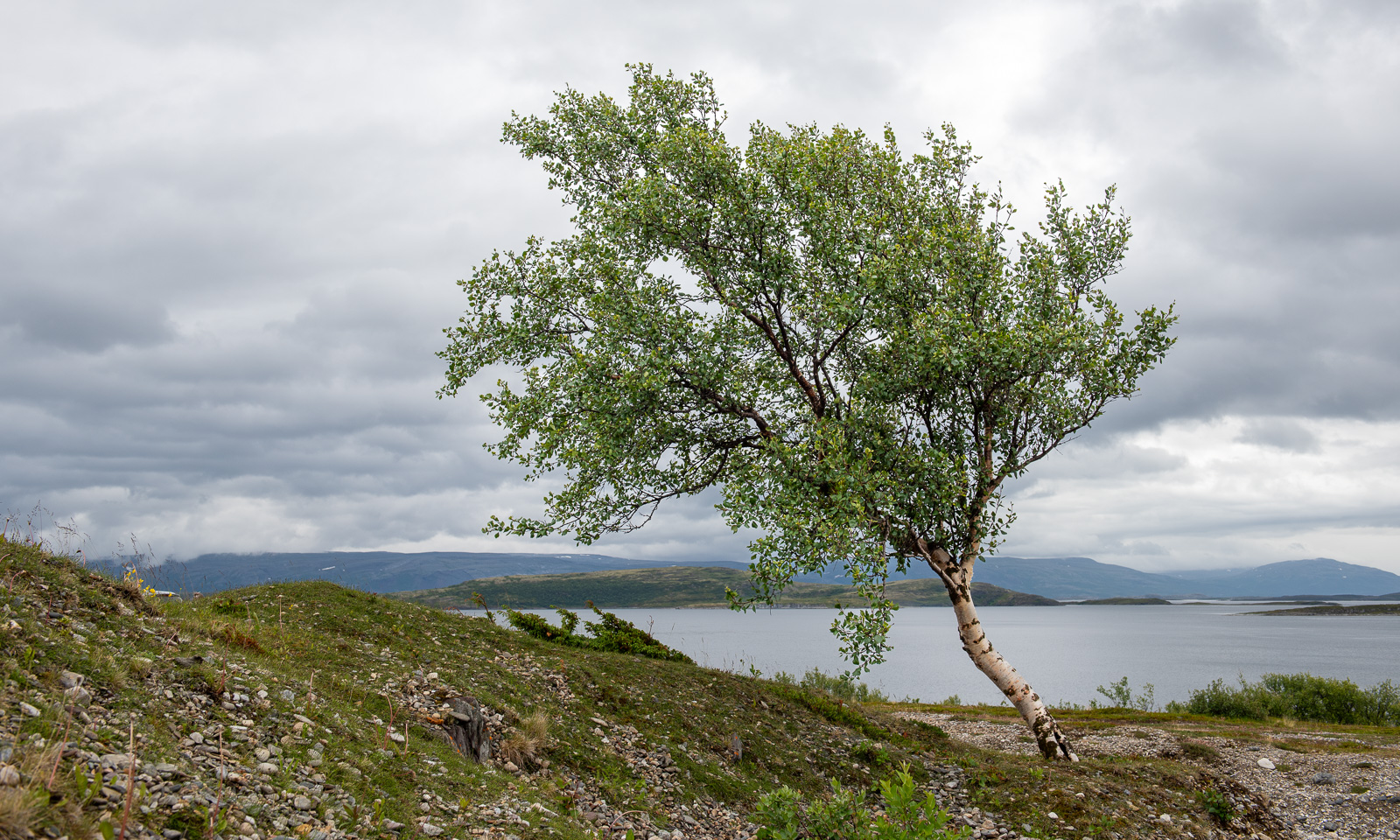
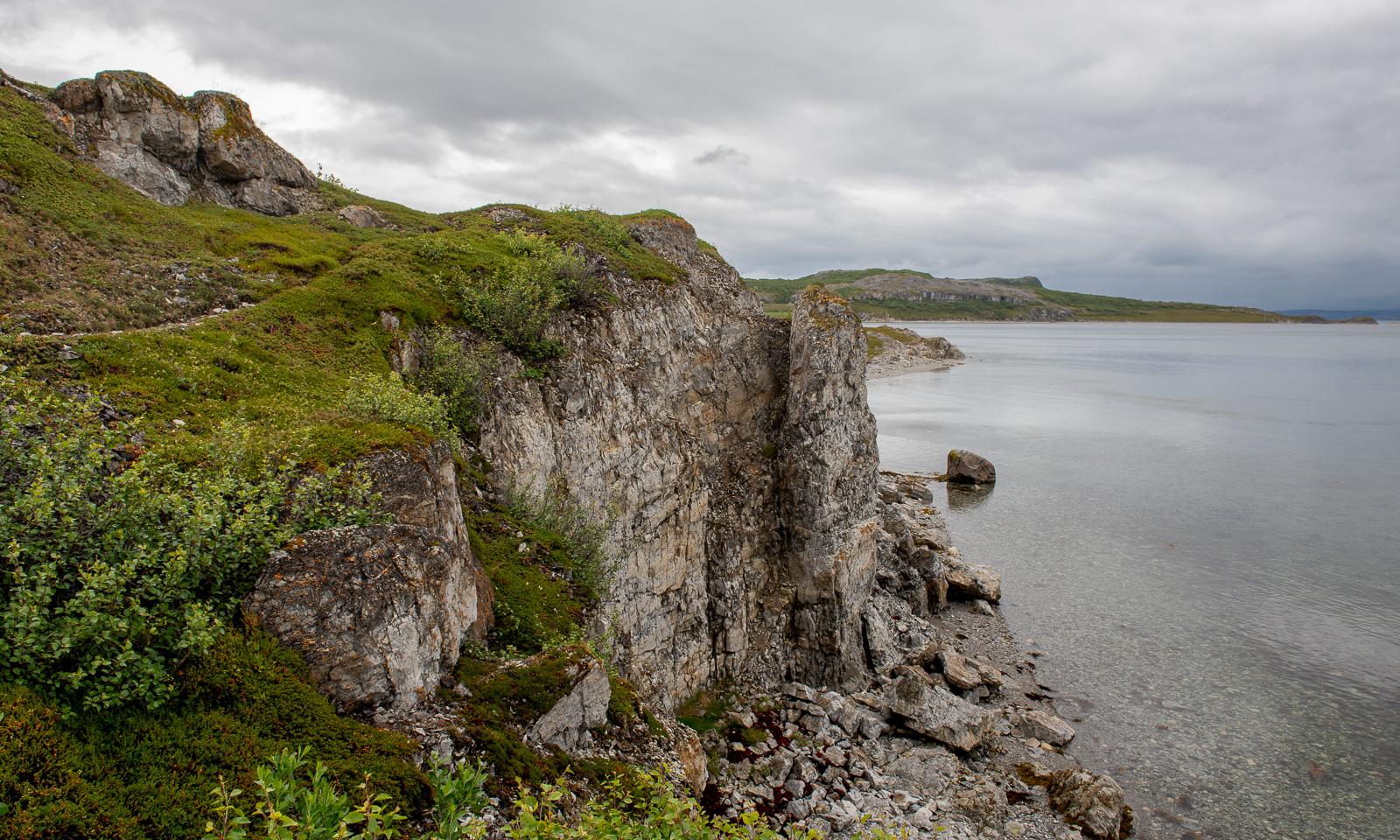
Annika started geocaching a while ago. Sometimes I join her in the search for I found a place to park the car, sometimes I focus more on looking for photo subjects, ideally I do both. At one of the geocache locations behind a gravelly area I first find this lonely birch and then surprisingly beautiful coastal cliffs, although it looked a bit dull in the grey weather.

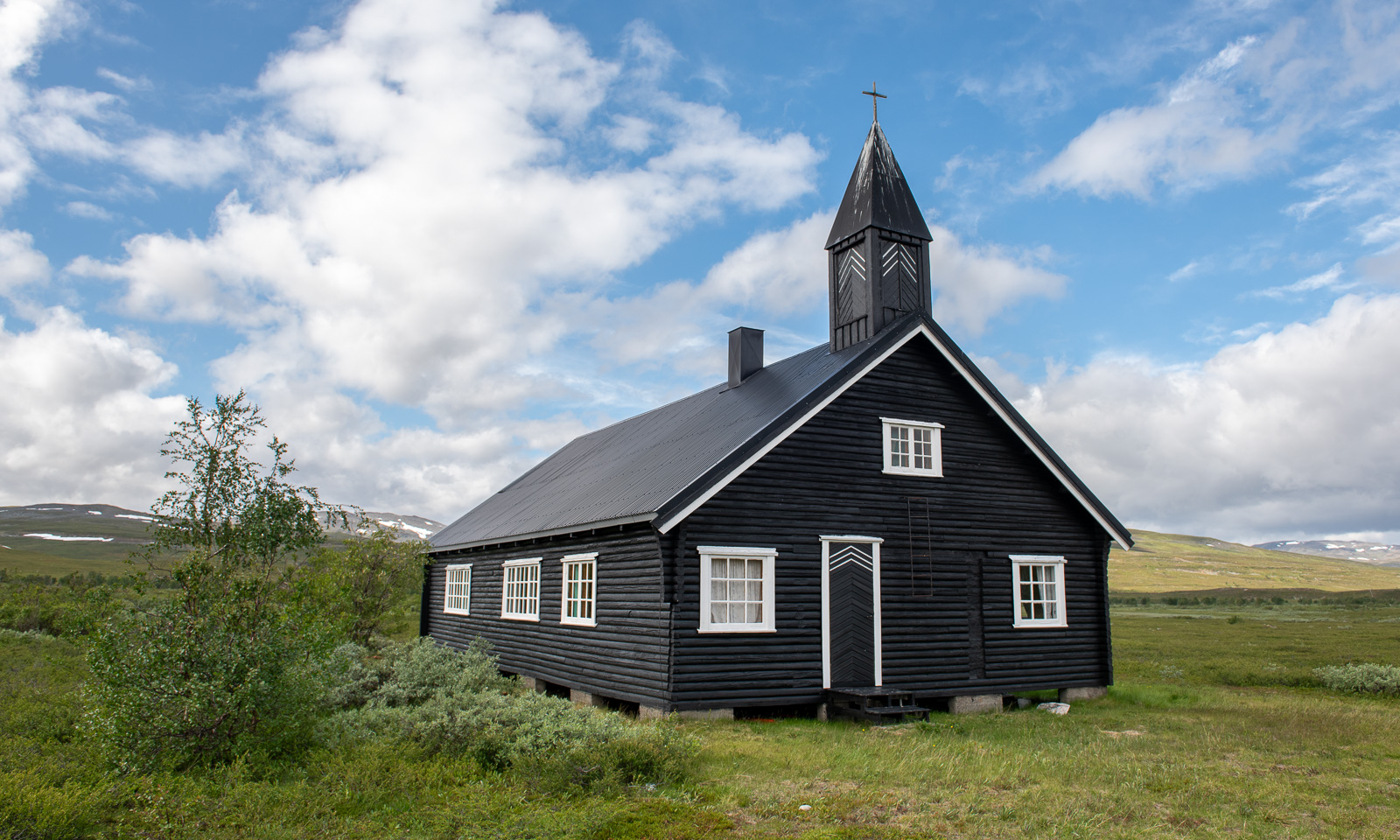
I hardly take any photos of one of my favourite landscapes on this stage of the journey – the plateau of  Sennalandet. I only stop for the Aisaroaivi kapell after the sky has cleared up a bit.

Some more photos from this day:

At 7 o’clock in the evening we arrive at our last overnight stay of this road trip near Sørstraumen. This time we used Airbnb and found a real gem, owned by Gunn, who is a fantastic host. Gunn rents out rooms in her private home and not only invites her guests to her kitchen for a chat but also provides huge amounts of waffles with jam. I can highly recommend her when you like meeting interesting people. We met two Germans who wanted to go north for fishing and a motorcyclist, who is driving all coastal roads of mainland Norway to collect money for ME-fondet, part of Norges Myalgisk Encefalopati forening. We are talking about 50,000 km – what a trip! This is his Facebook page: Around the Coast 2026.

A last photo of this day.

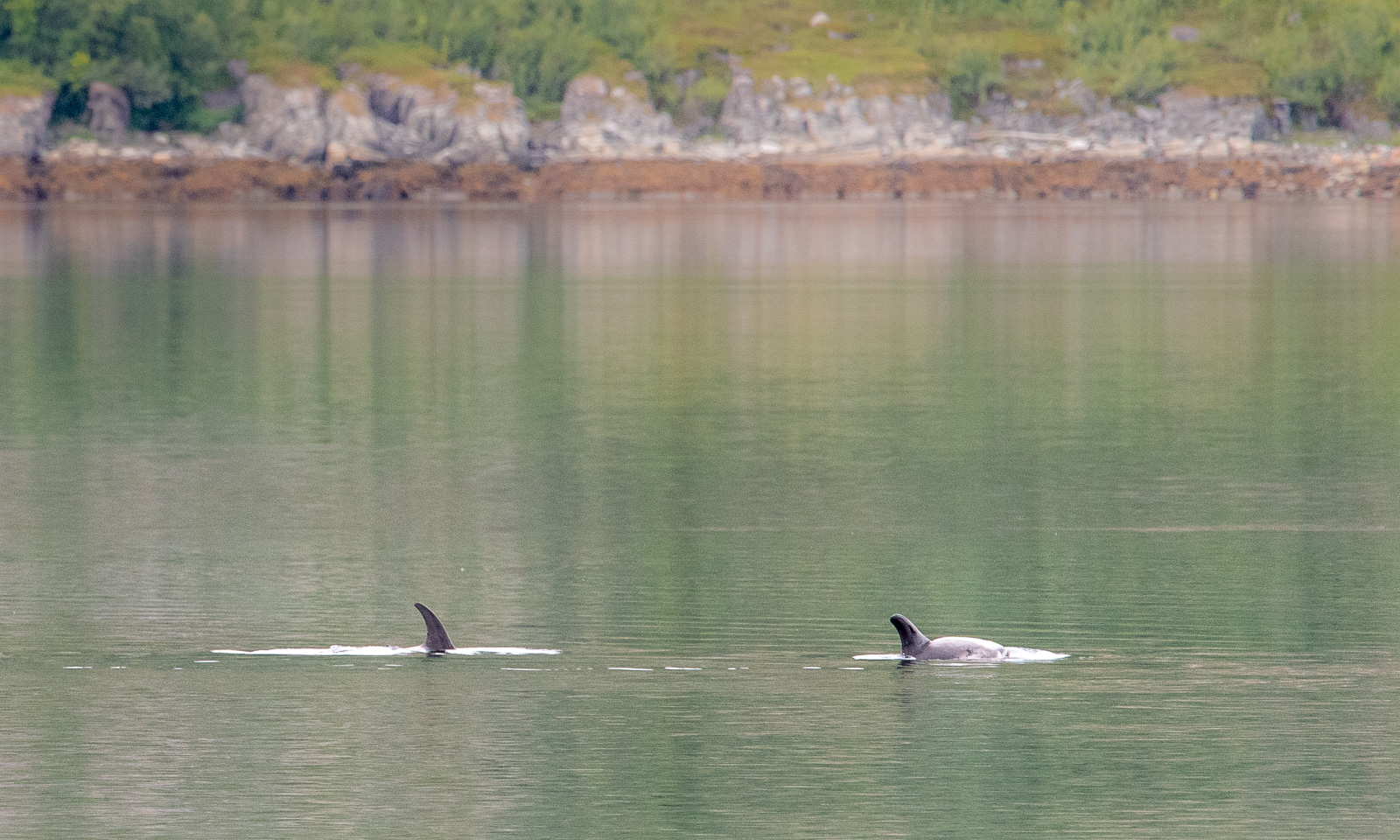
The next day at Gunn’s place began a bit like the evening before: a lively chat and waffles. One thing was different, though. Gunn already told us about whales she saw and showed some videos. While eating another waffle I looked at the fjord and saw movements on the surface. It was a school of white-beaked dolphins passing by the house. We observed them for a while, swimming, jumping, blowing and hunting. They were far away, so even with the big telephoto lens I only got images like this one:

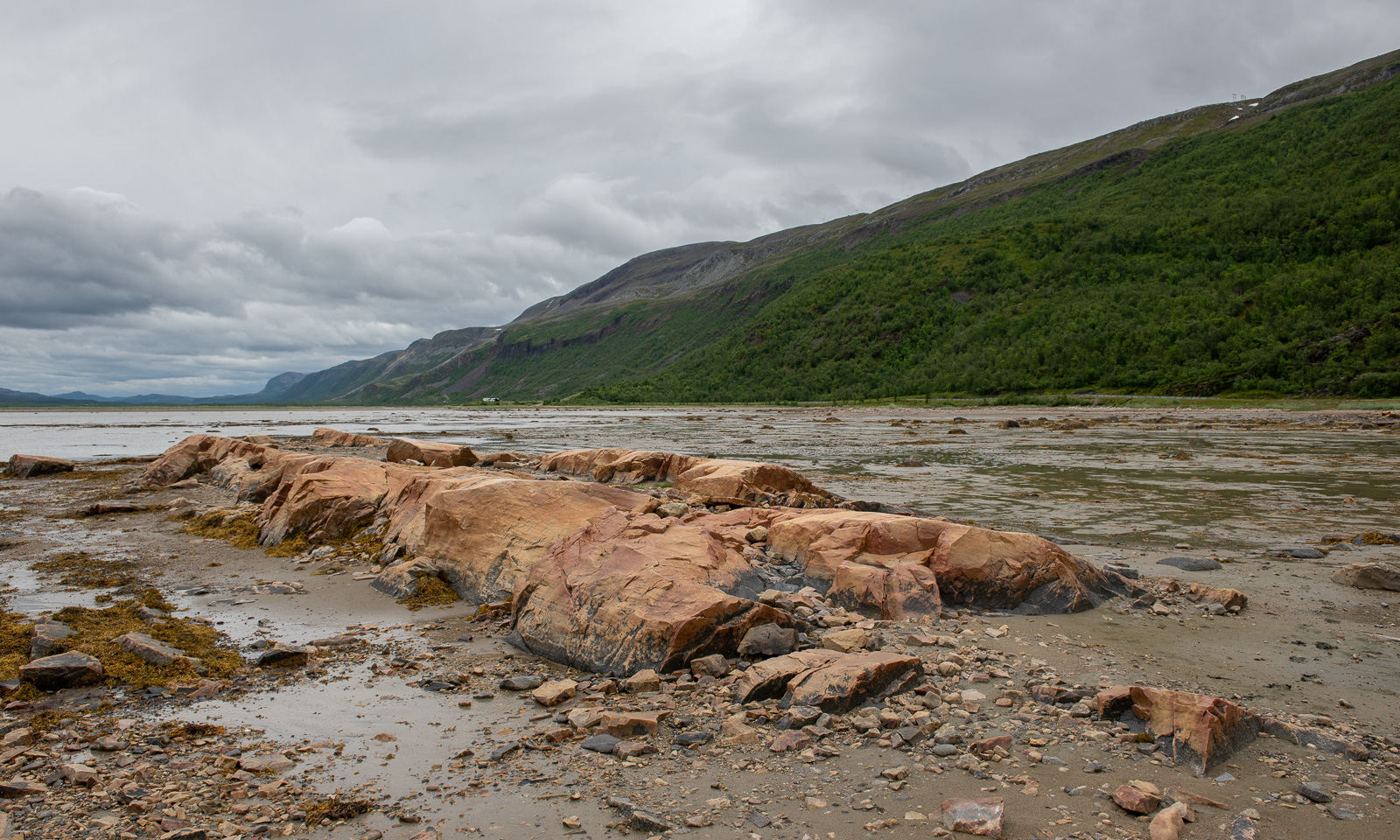
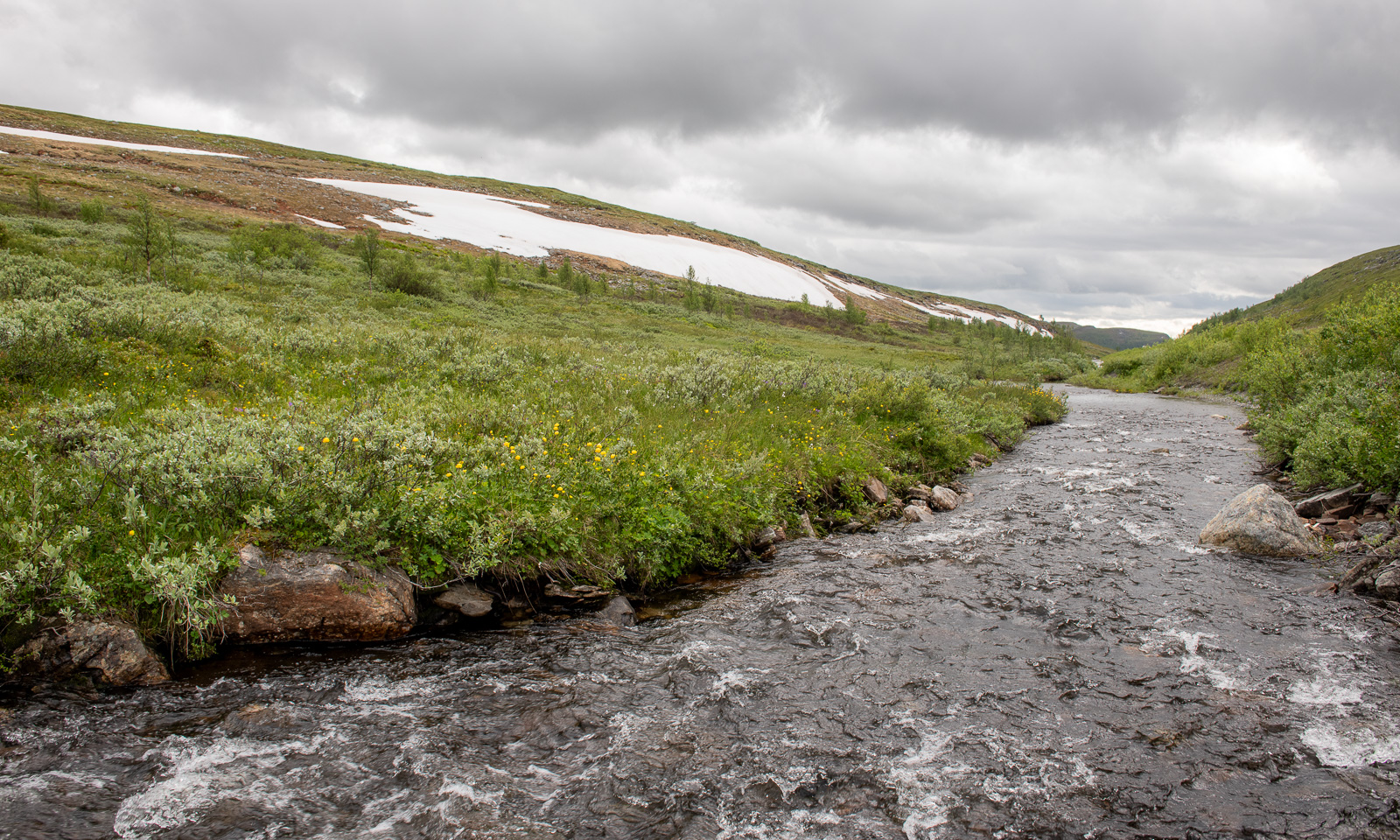
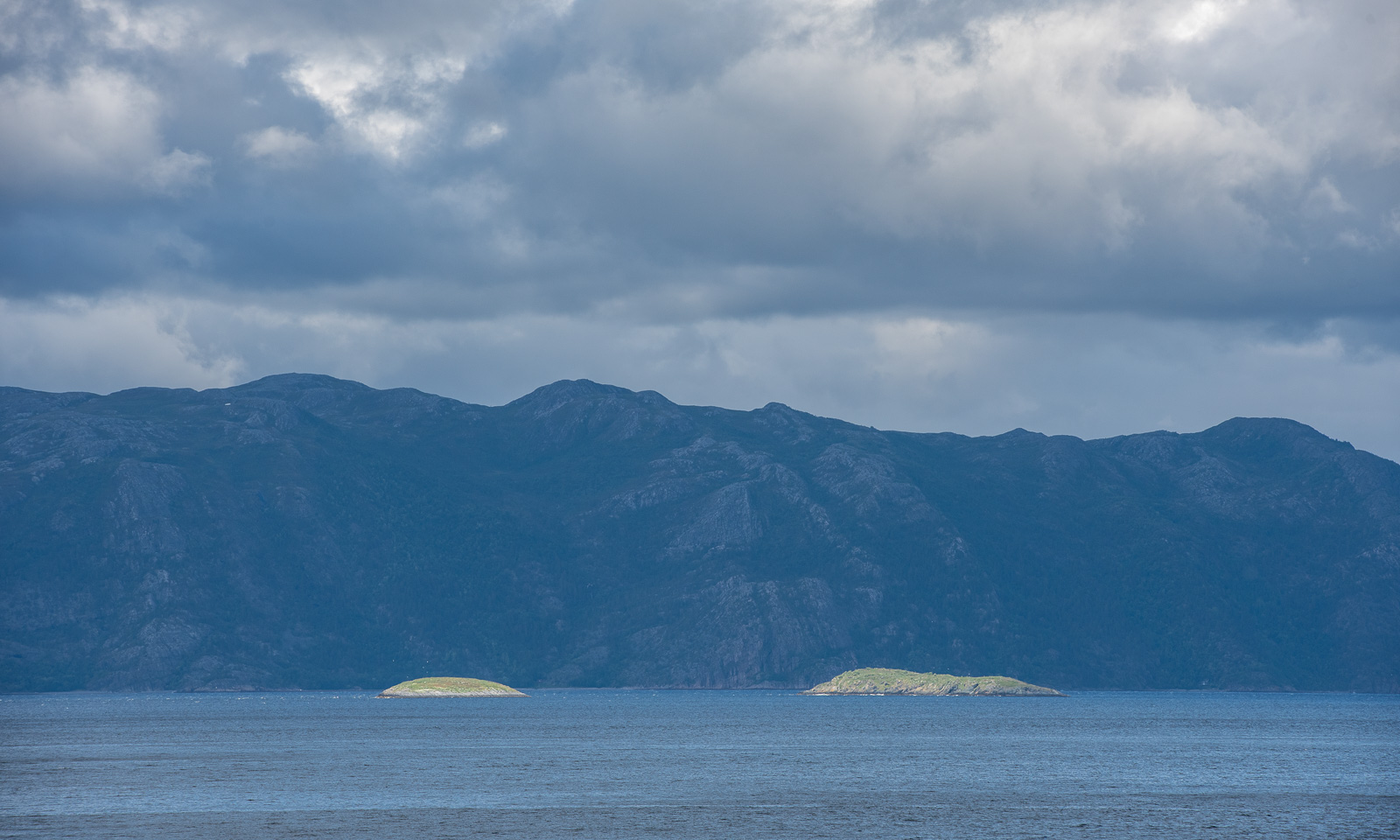
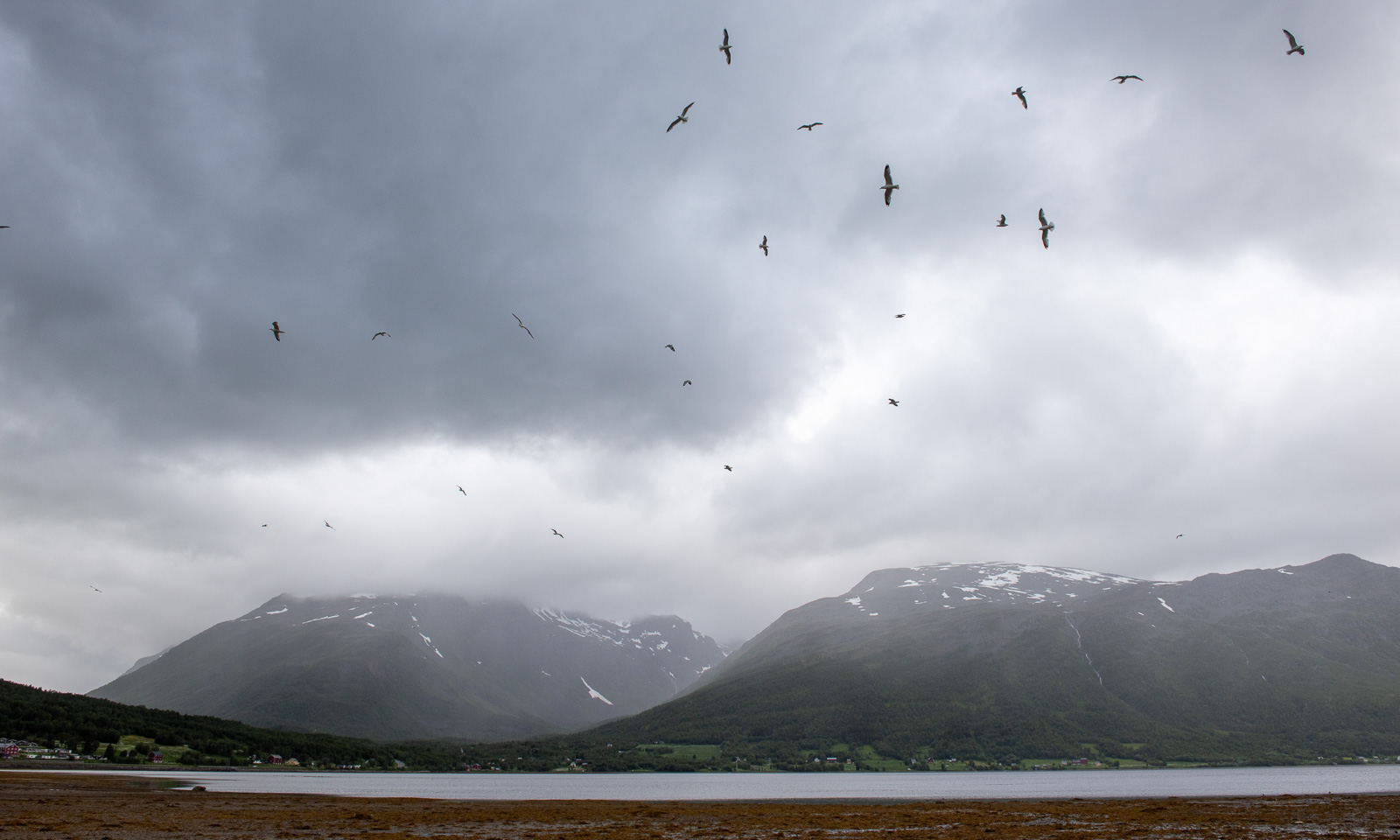
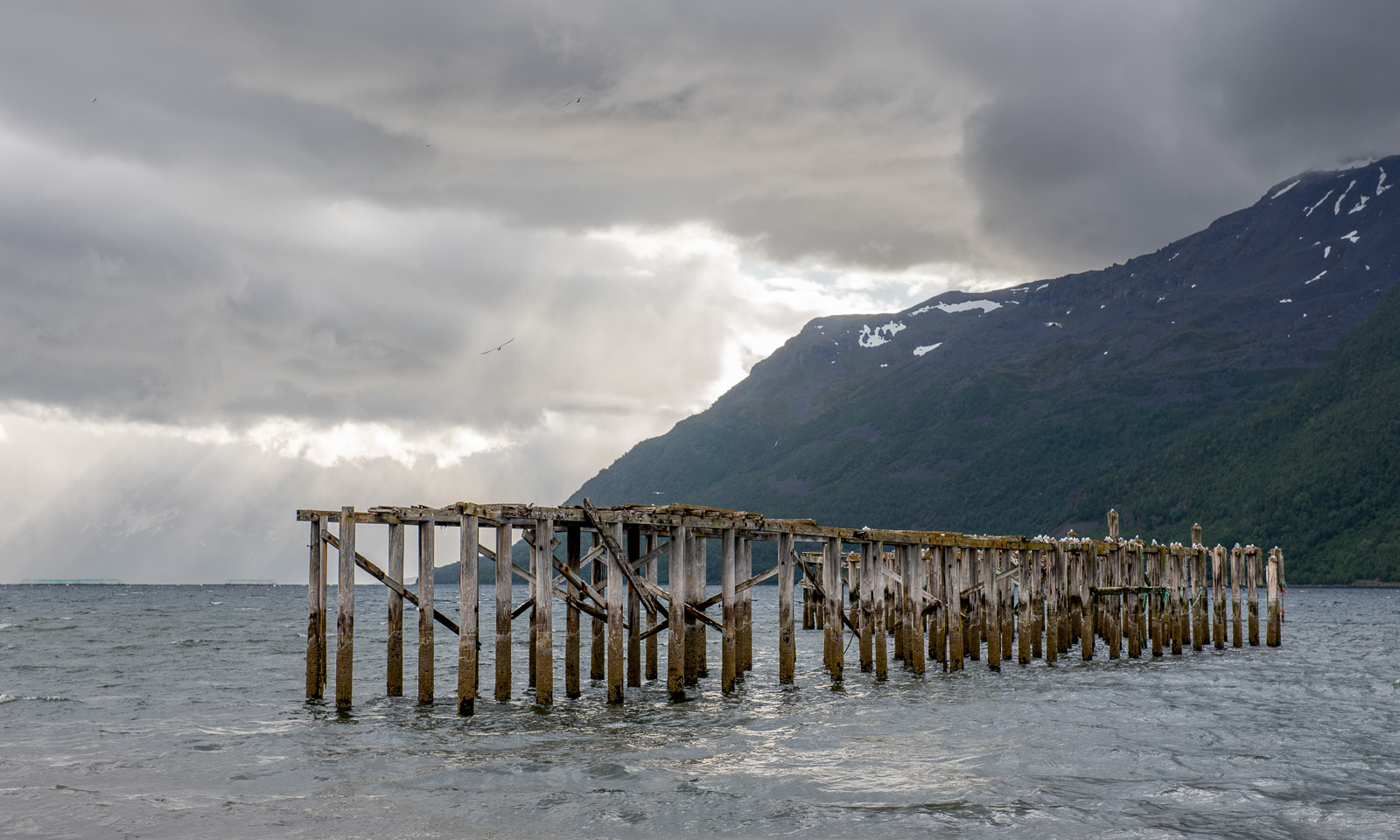
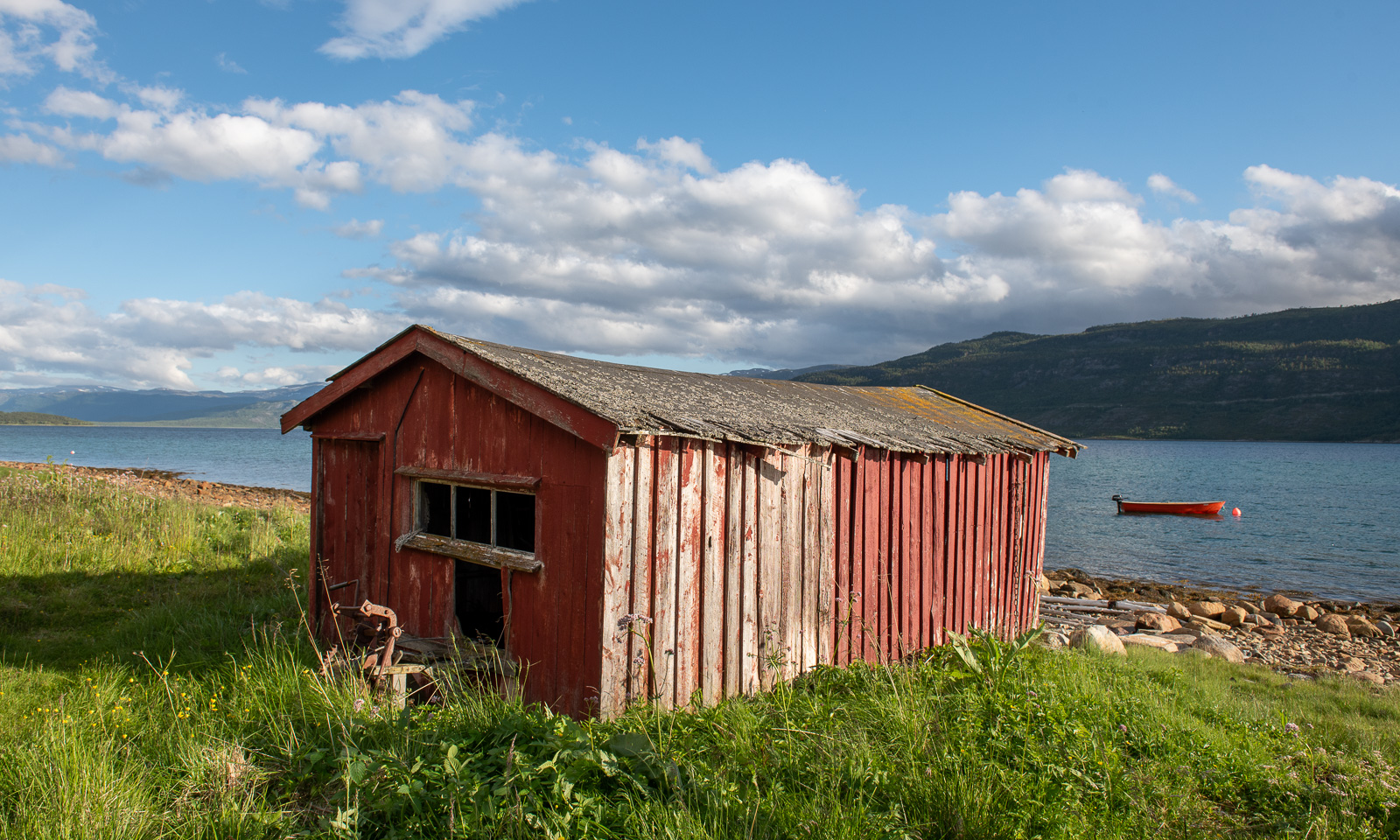
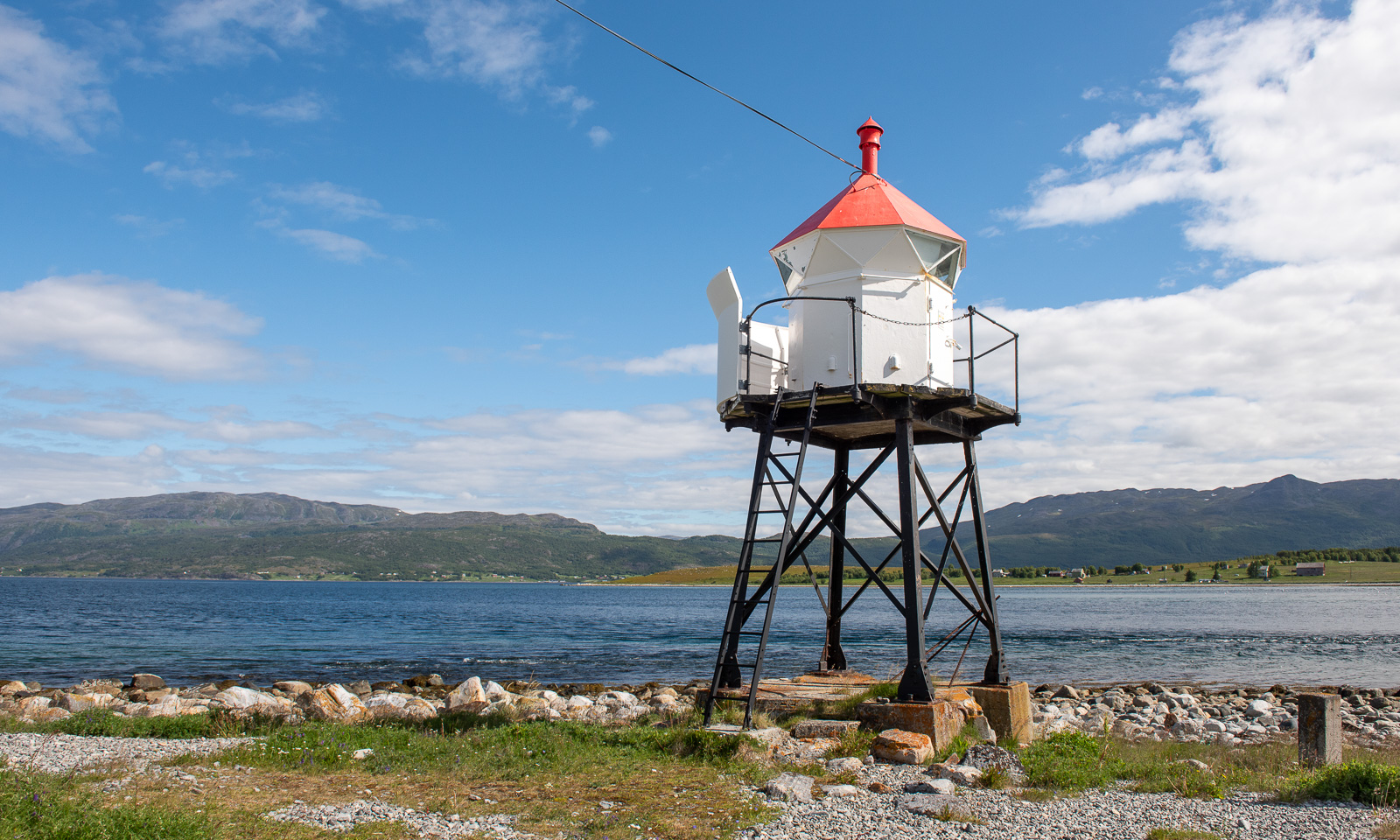
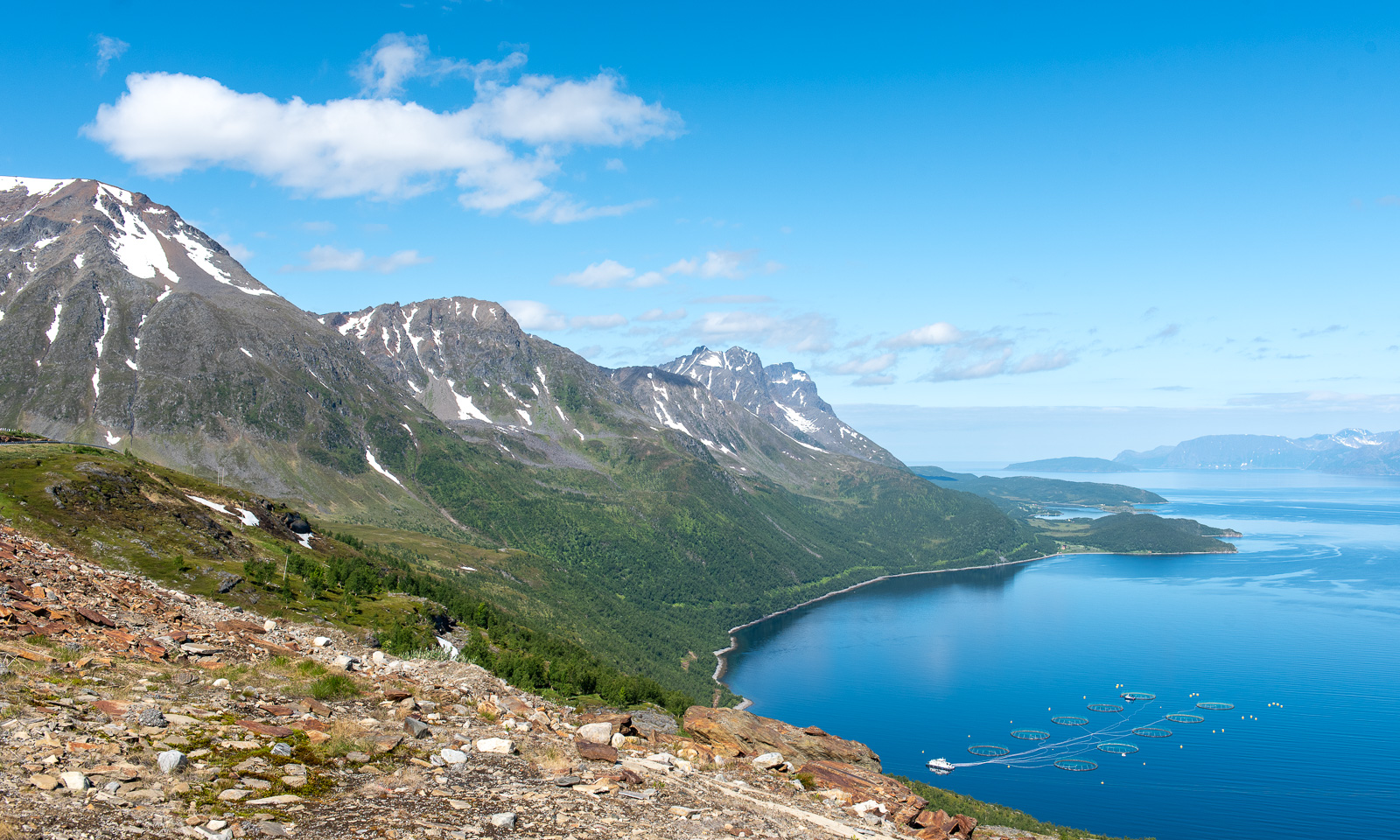
Later than usual, we left this wonderful place to drive the last stage to Tromsø. We could have made it in four hours but it took us seven and a half. The reasons: geocaches, photo stops, detours and an outdoor lunch break. Here are some photos.

Around 18:00 we arrive in Tromsø, my “work home”. I’ll be here for about four weeks and Annika will join me the first two weeks.