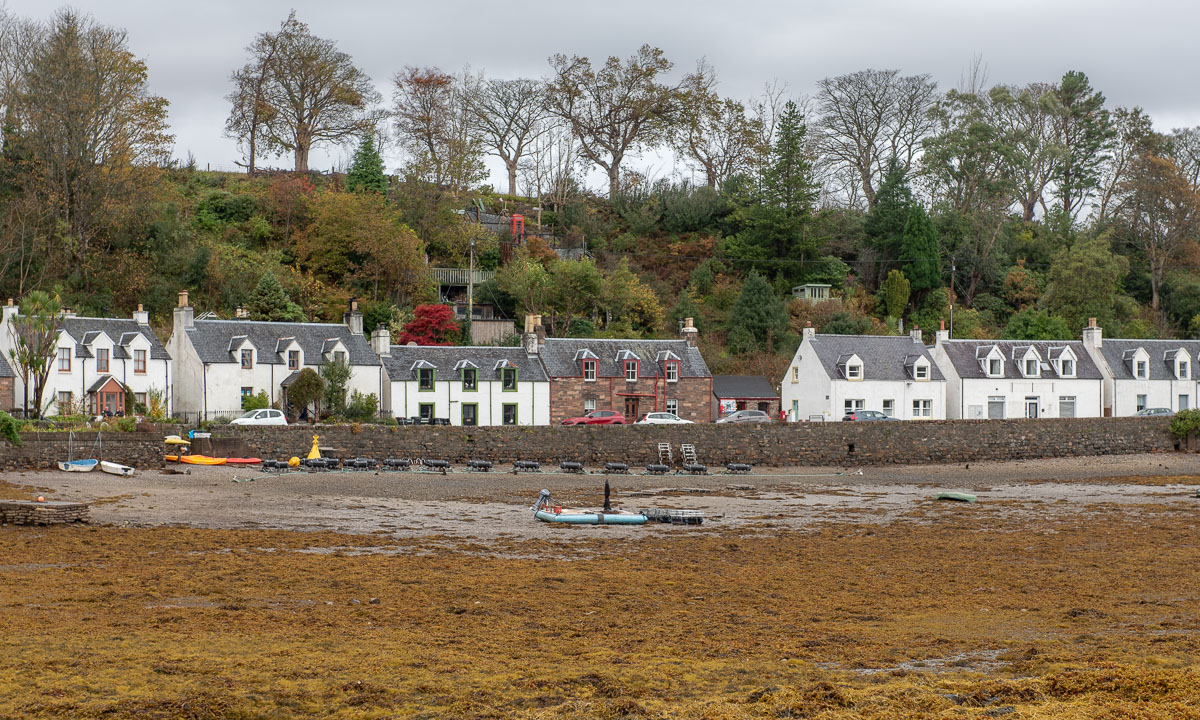
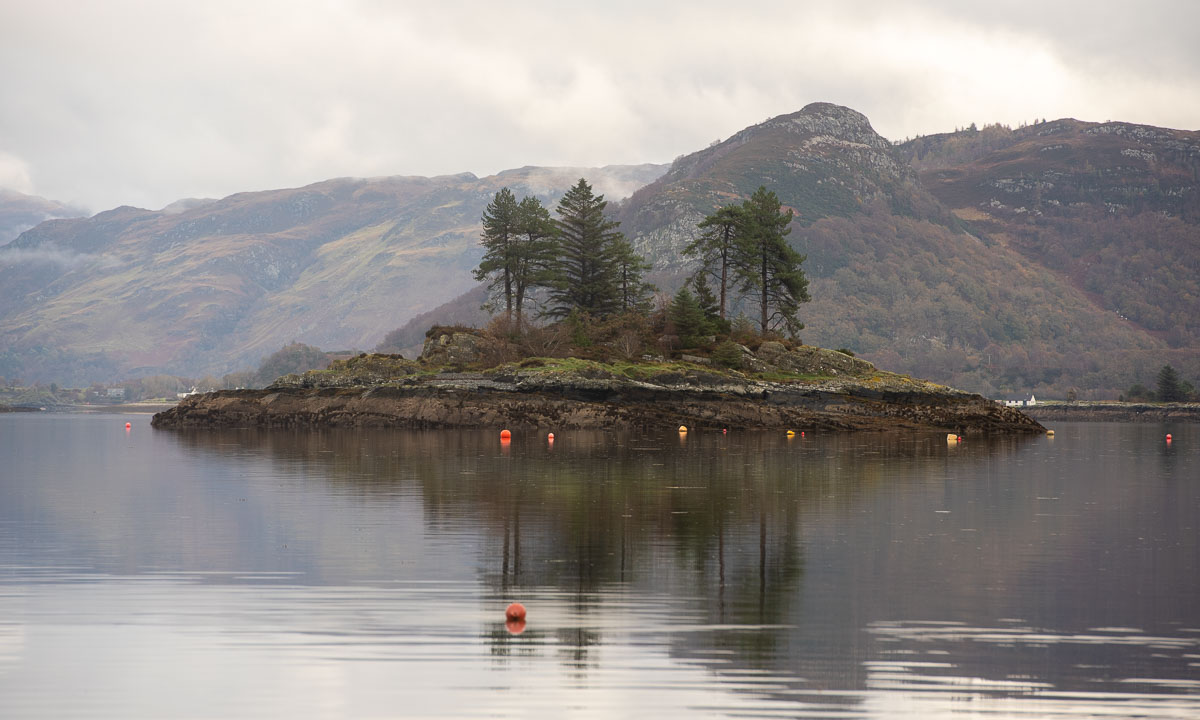
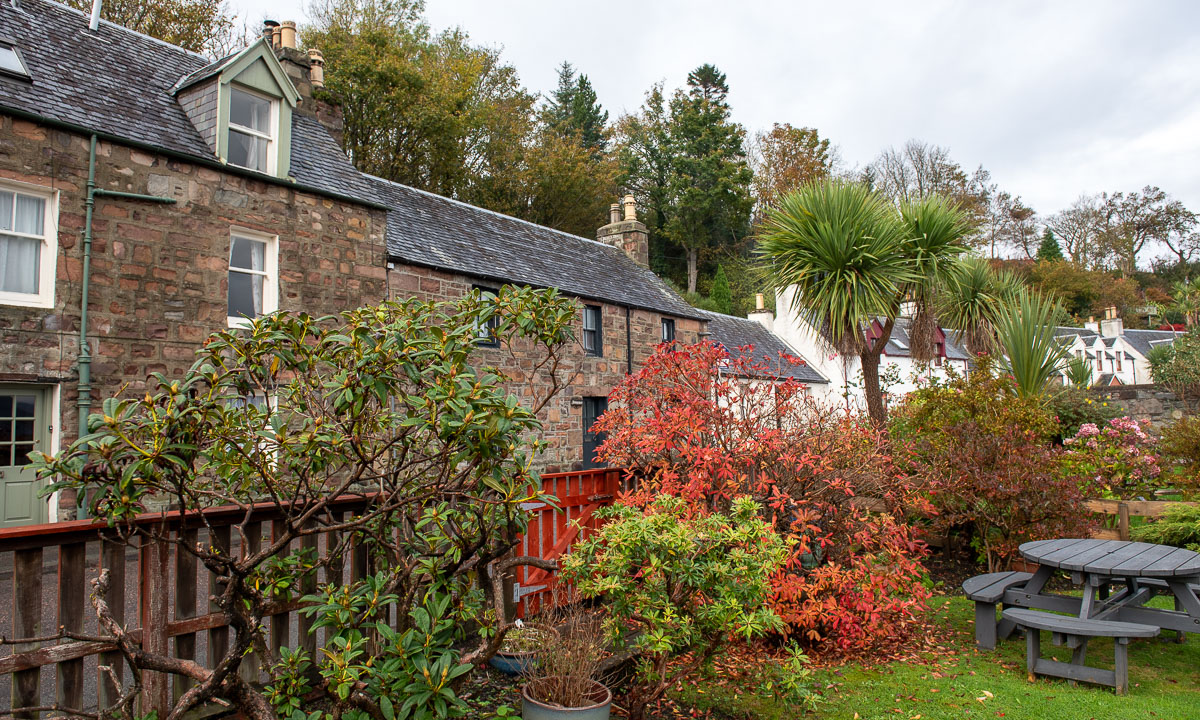
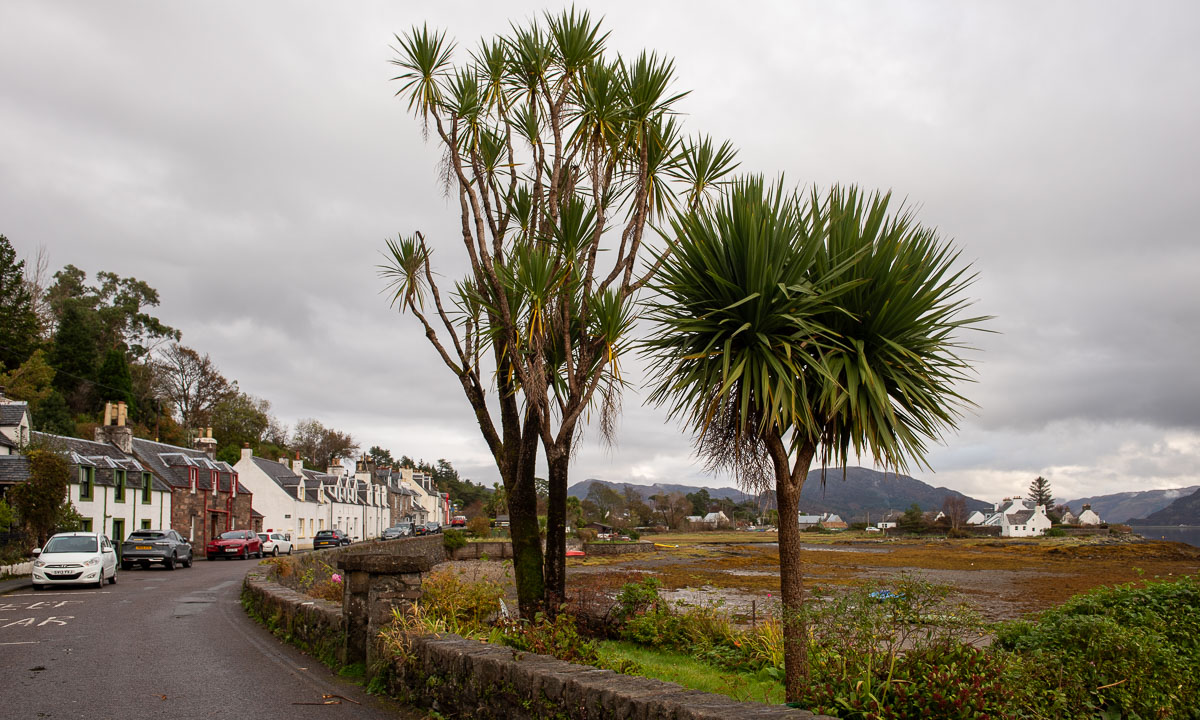
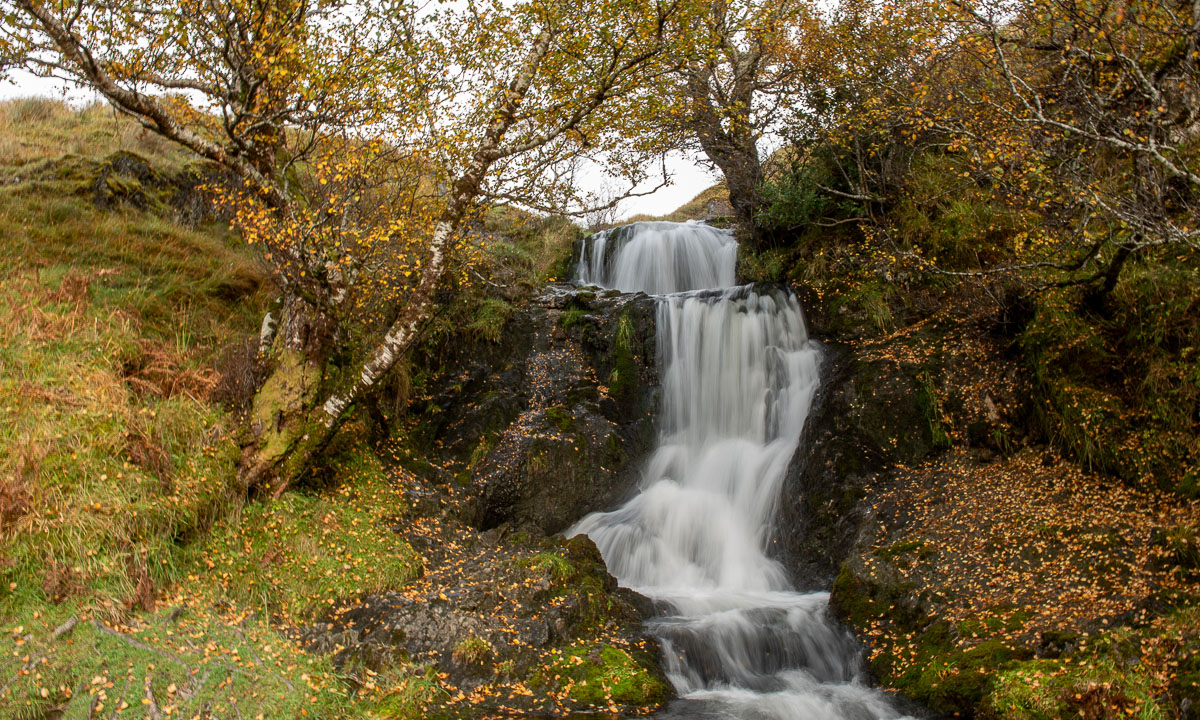
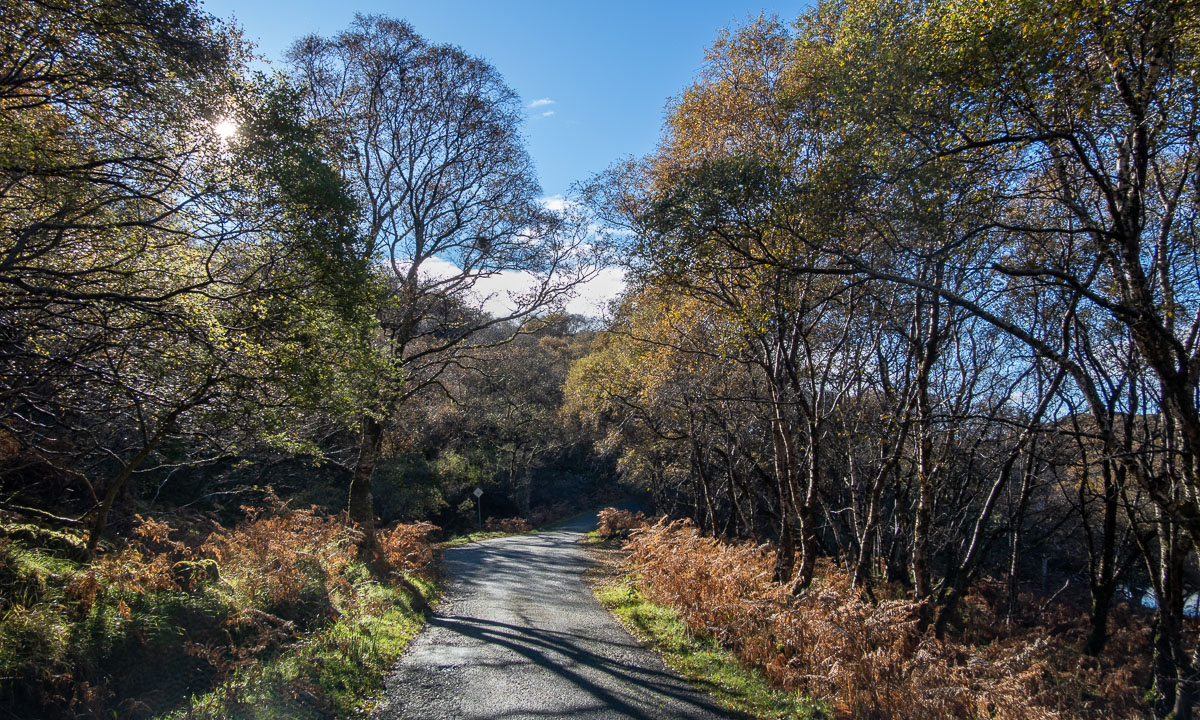
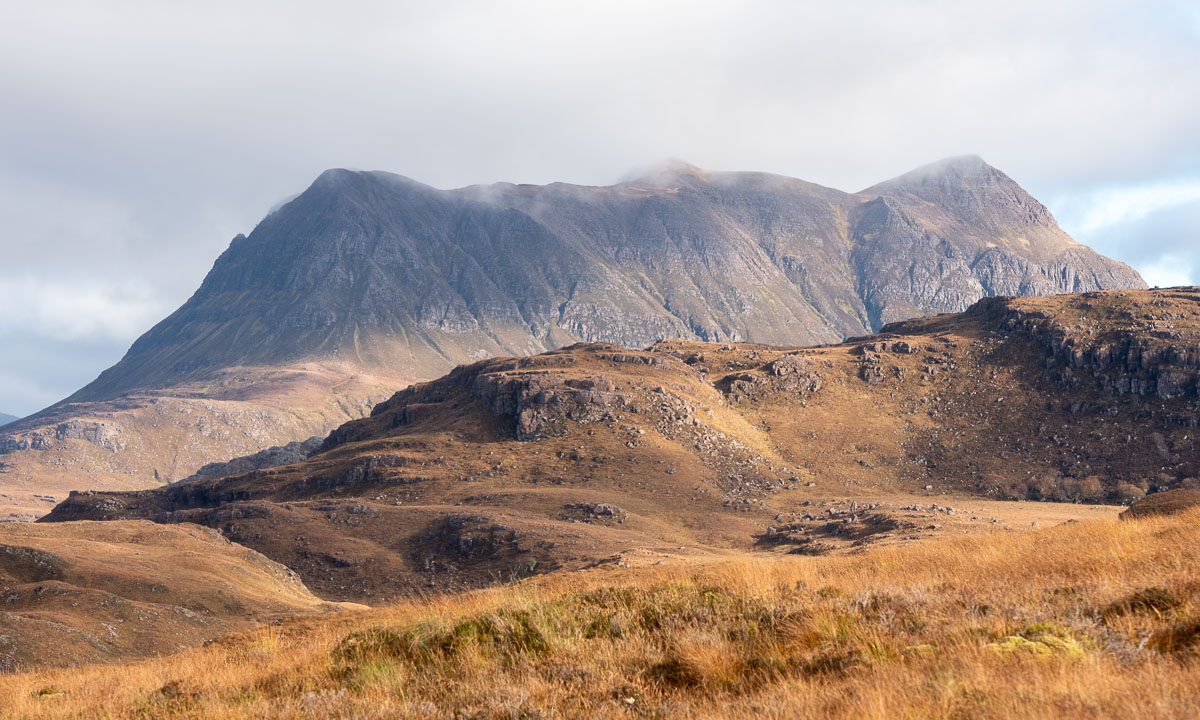
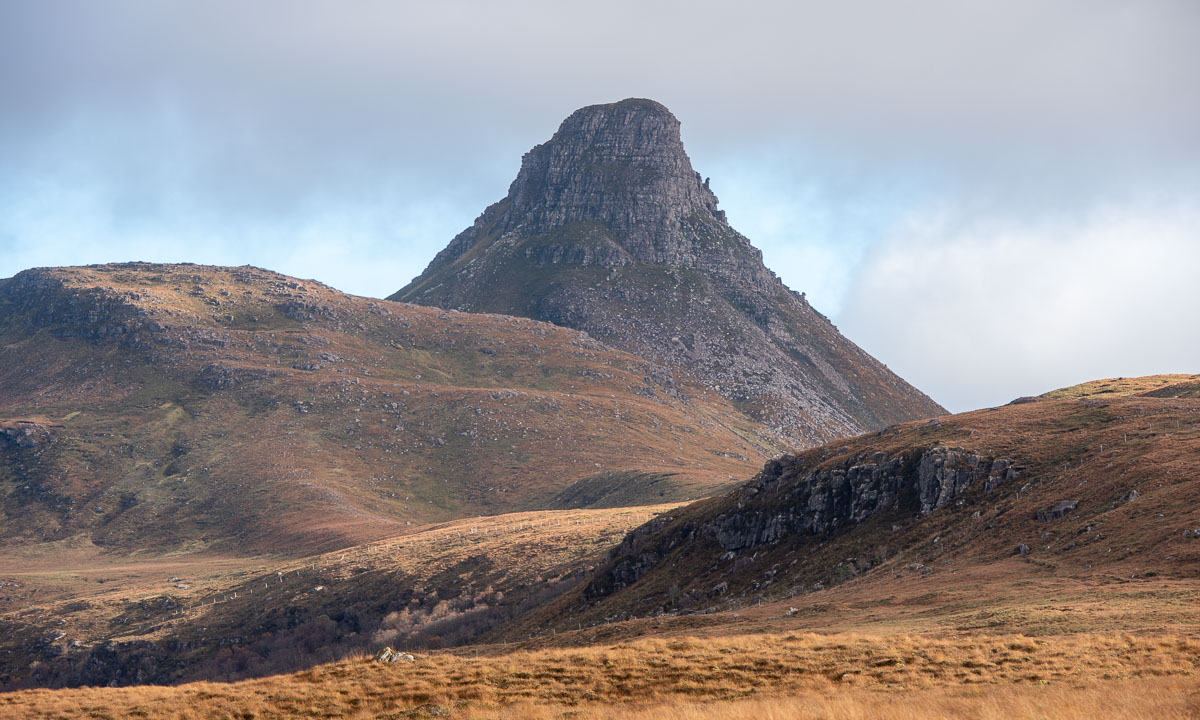
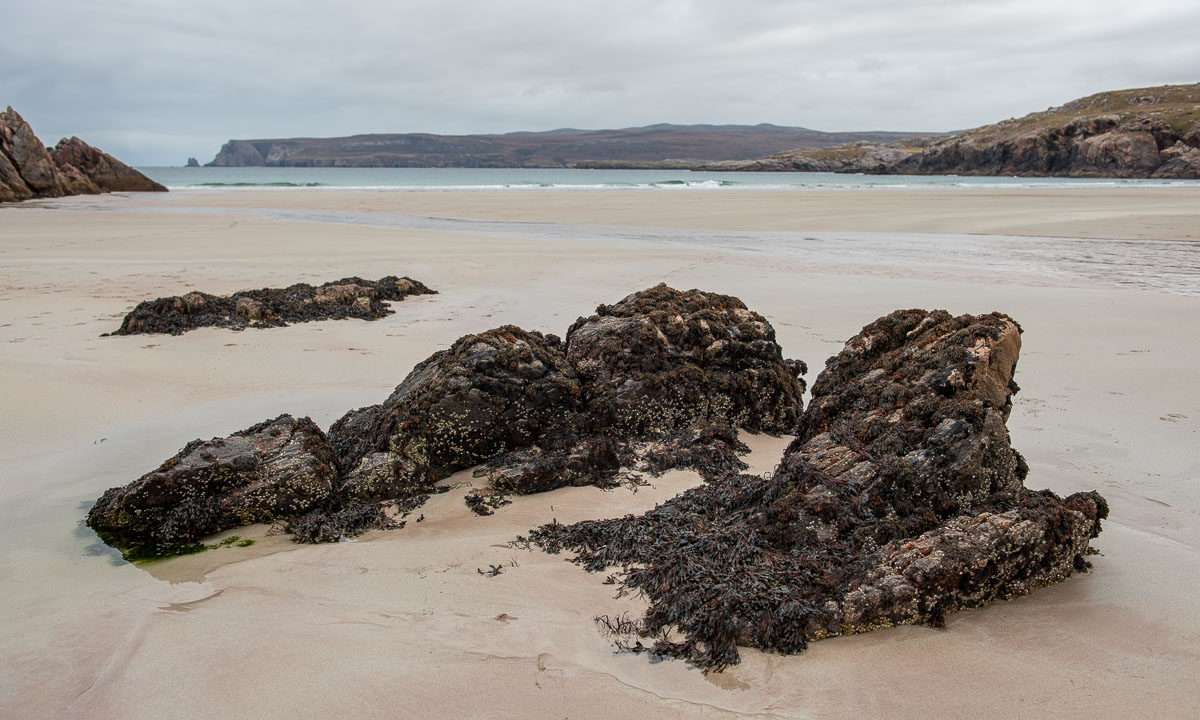
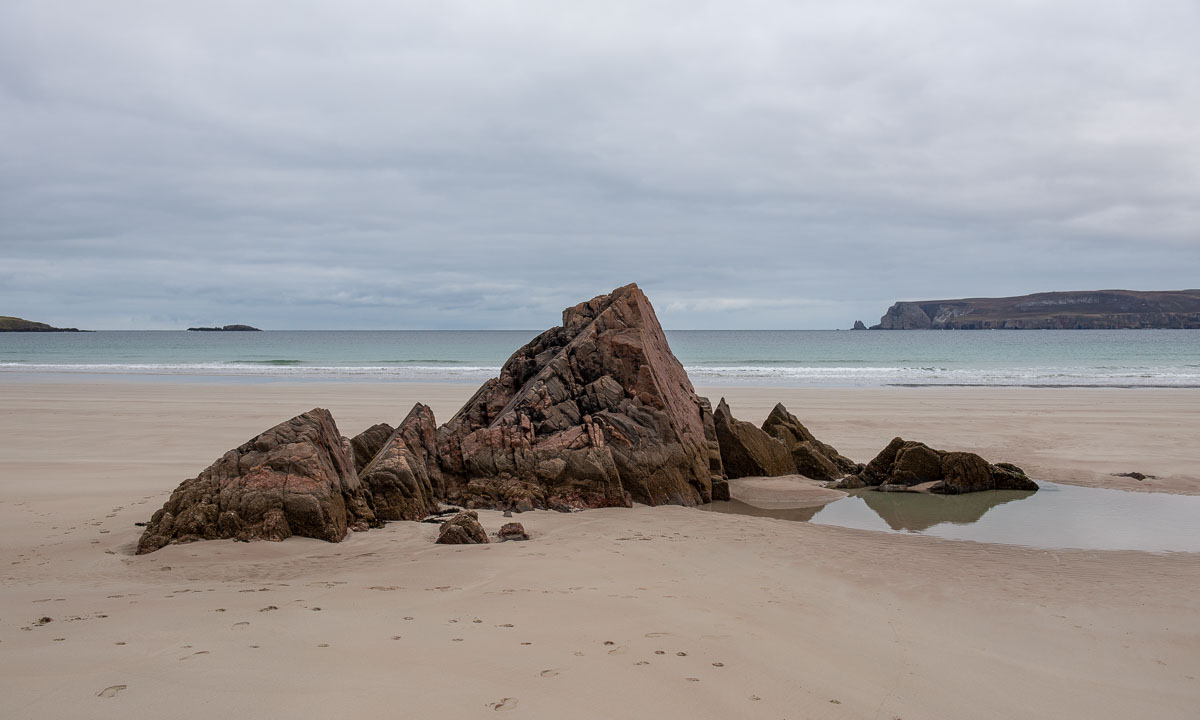
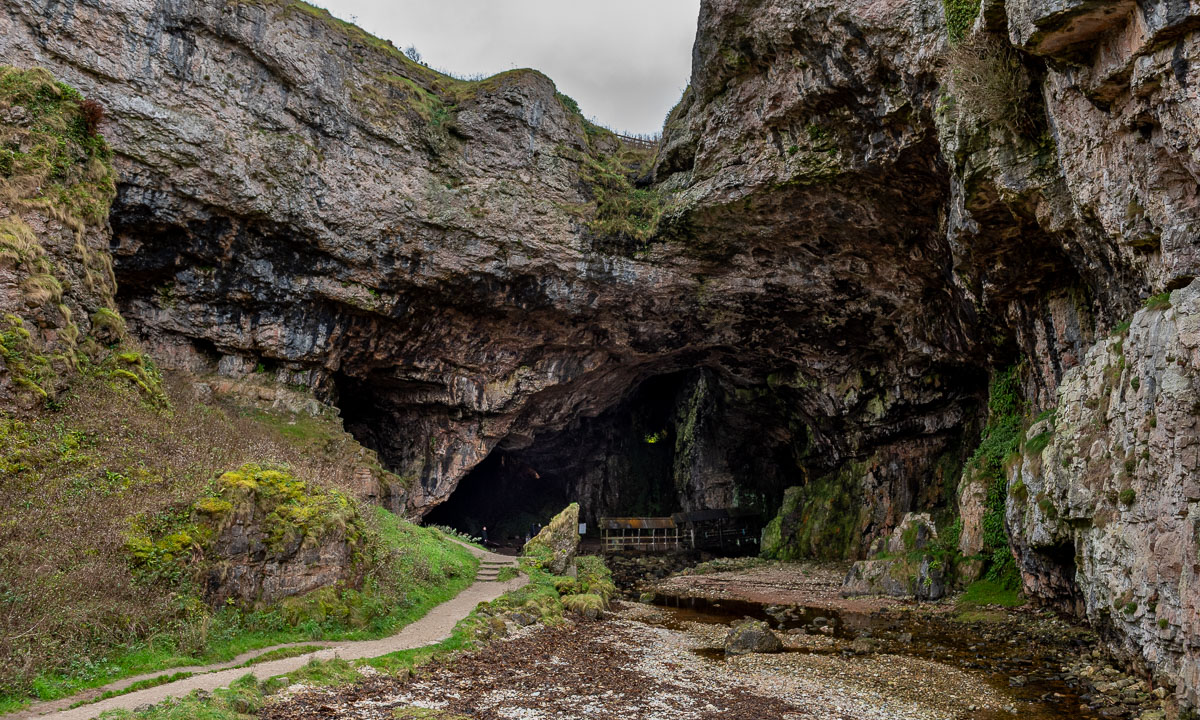
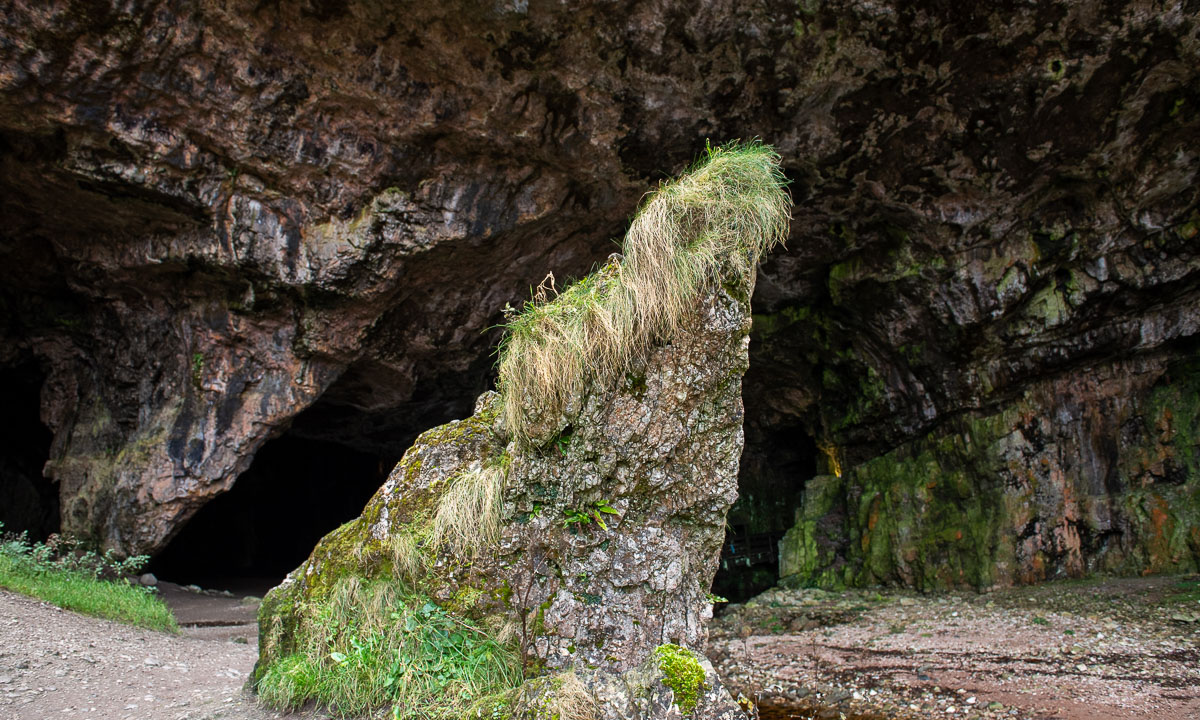
Scotland NC500 – day 2 – standing stones and a castle on a cliff

This article is part of the series “2025-10: Northern Scotland”.

14 October

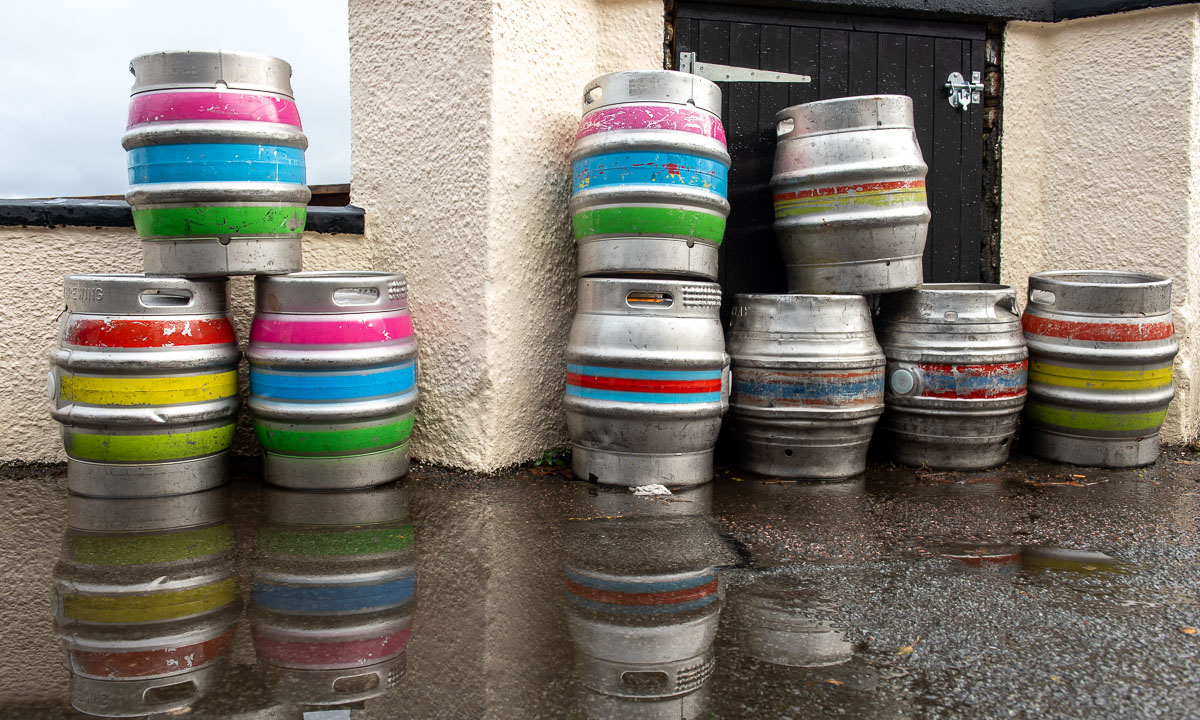
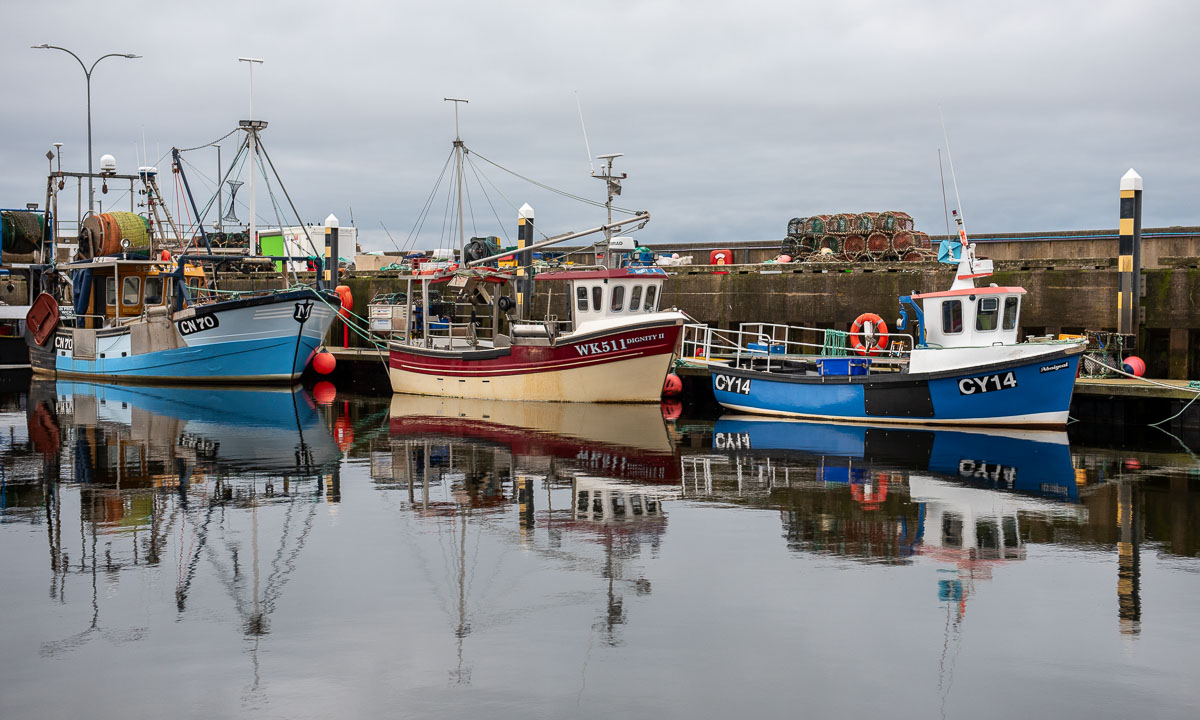
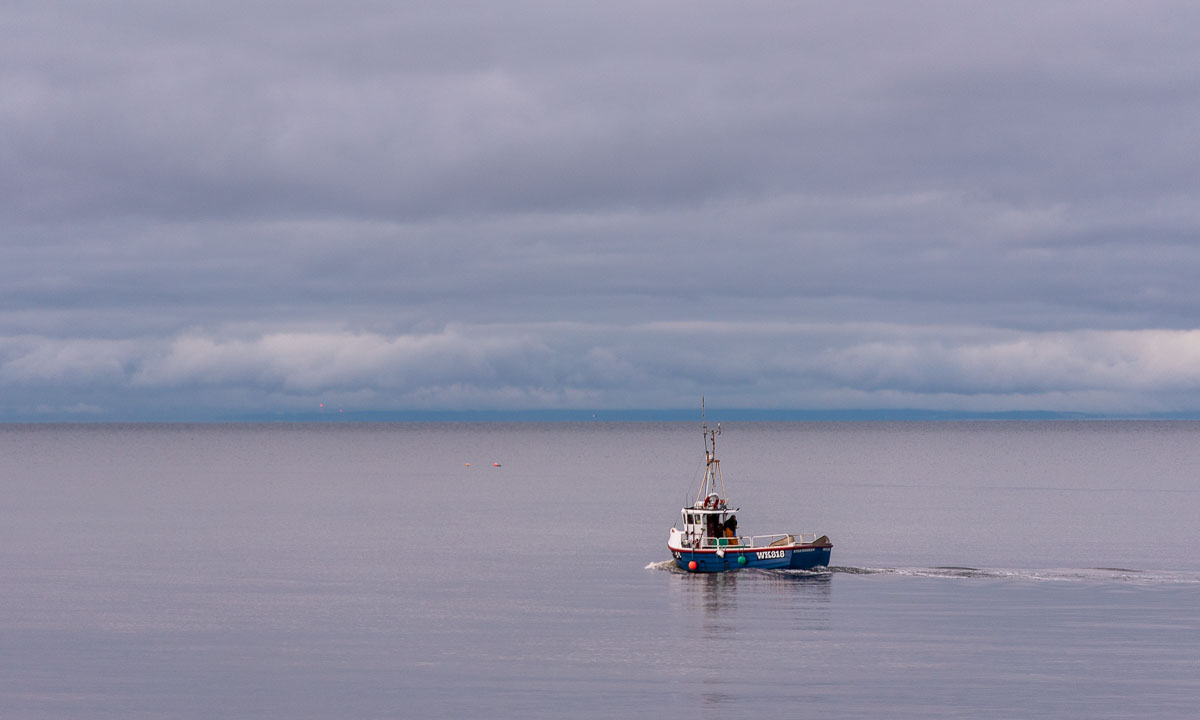
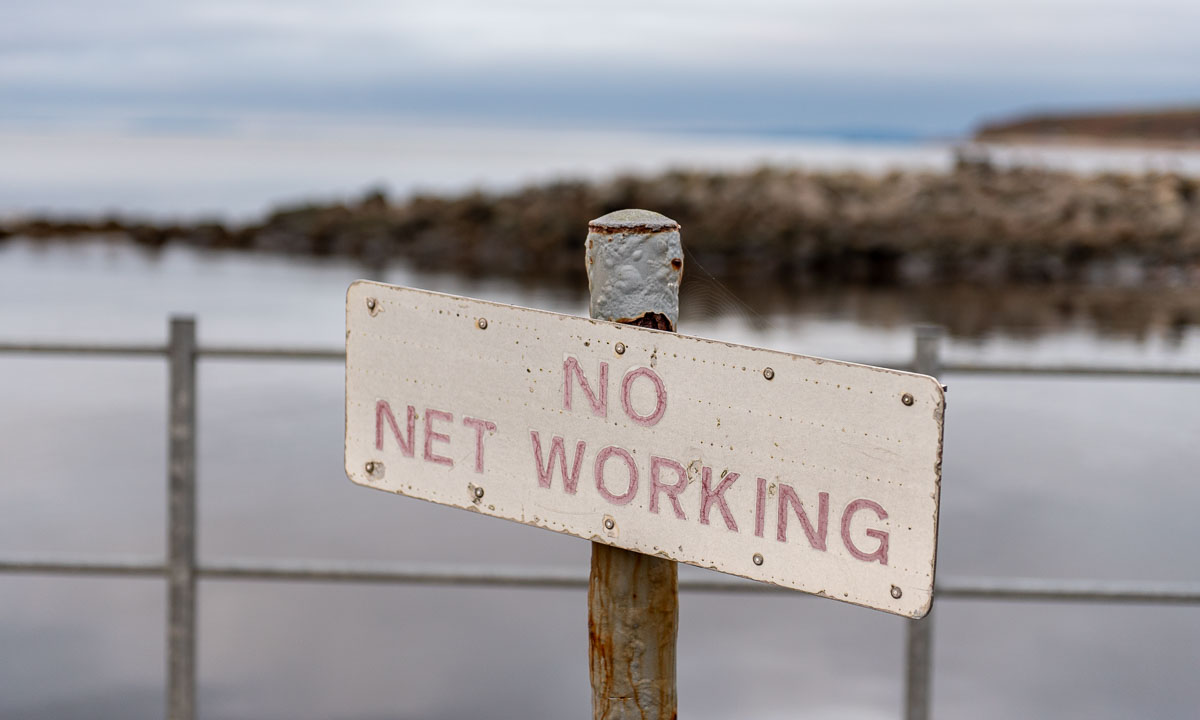
When I wake up in Helmsdale on the Scottish east coast it is still twilight. It is quiet. Only some fisher boats are leaving the harbour and two bird watchers are standing on the pier. I like especially the sign “No net working” which has a completely different meaning here. Context matters!

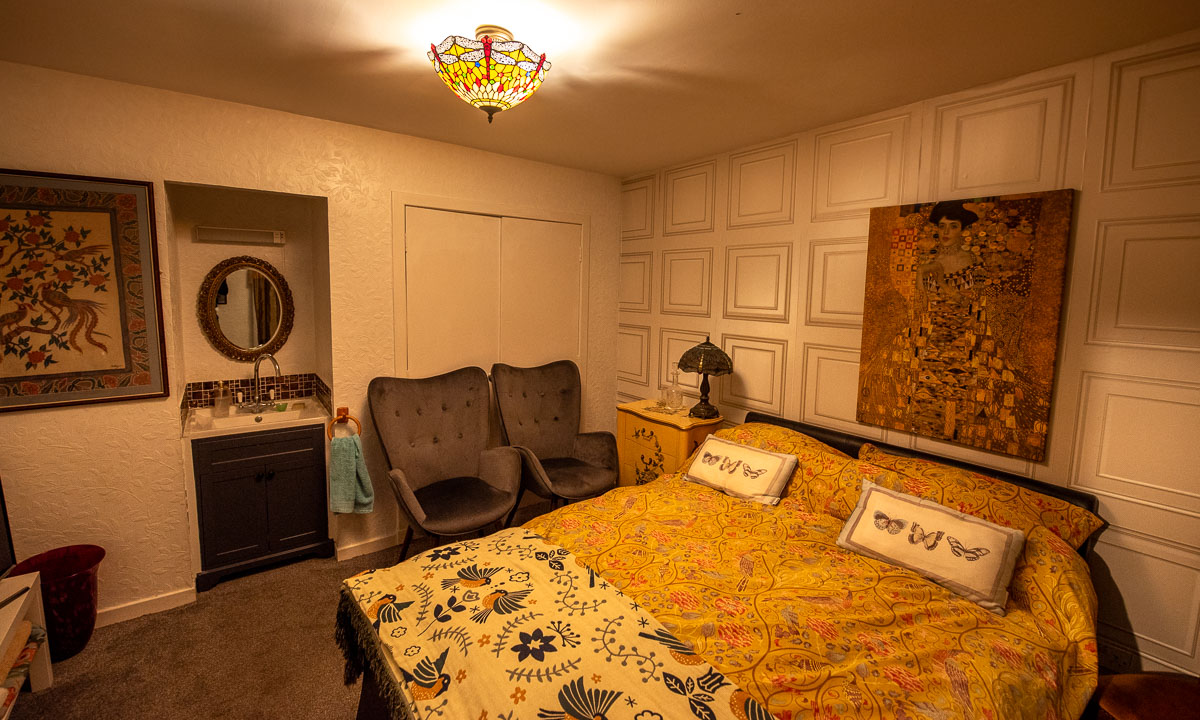
Back at our guesthouse “Song of the Sea, Selkie House”, Lorna, our host is inviting my wife Annika and me to her big kitchen where she prepares our breakfast. And what a breakfast: Cereals with fresh strawberries, eggs, bacon, mushrooms, toast with home-made jam and more was put on the table while we had a long and cheerful chat with plenty of laughter. I feel so welcome to be here and we only left reluctantly. I think: “If you do not like Lorna’s place you do not know anything about travelling.” If only my English was better and my ability to understand all kinds of Scottish accents.

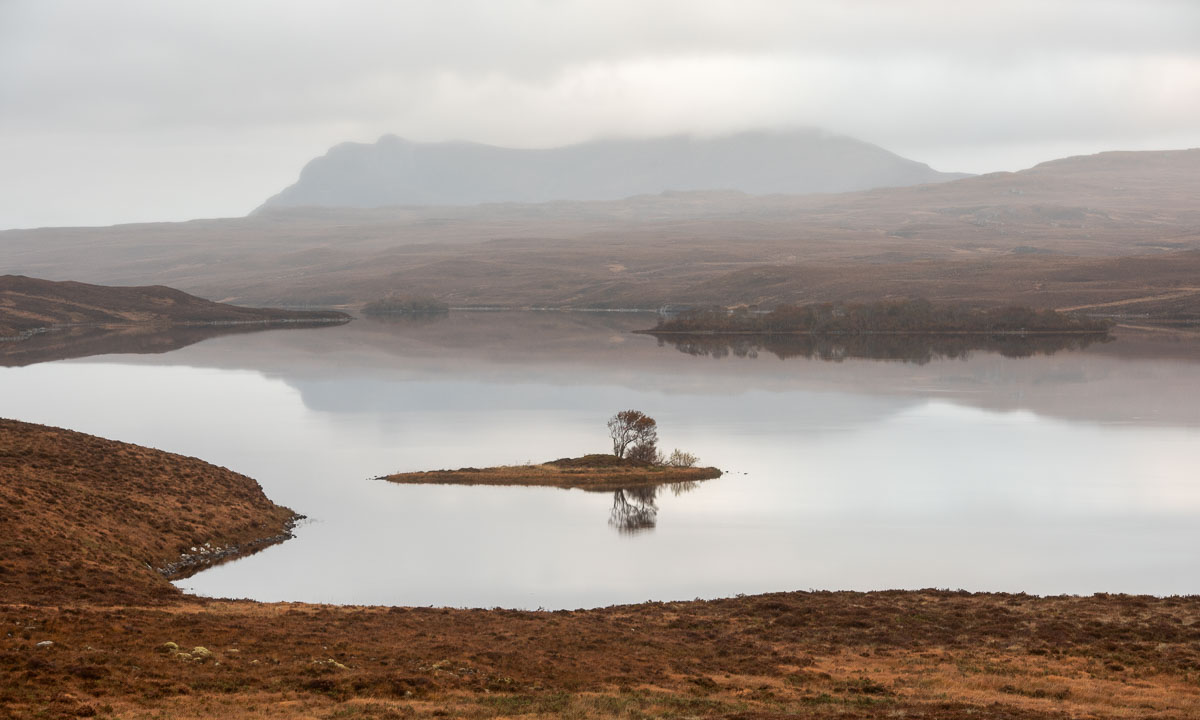
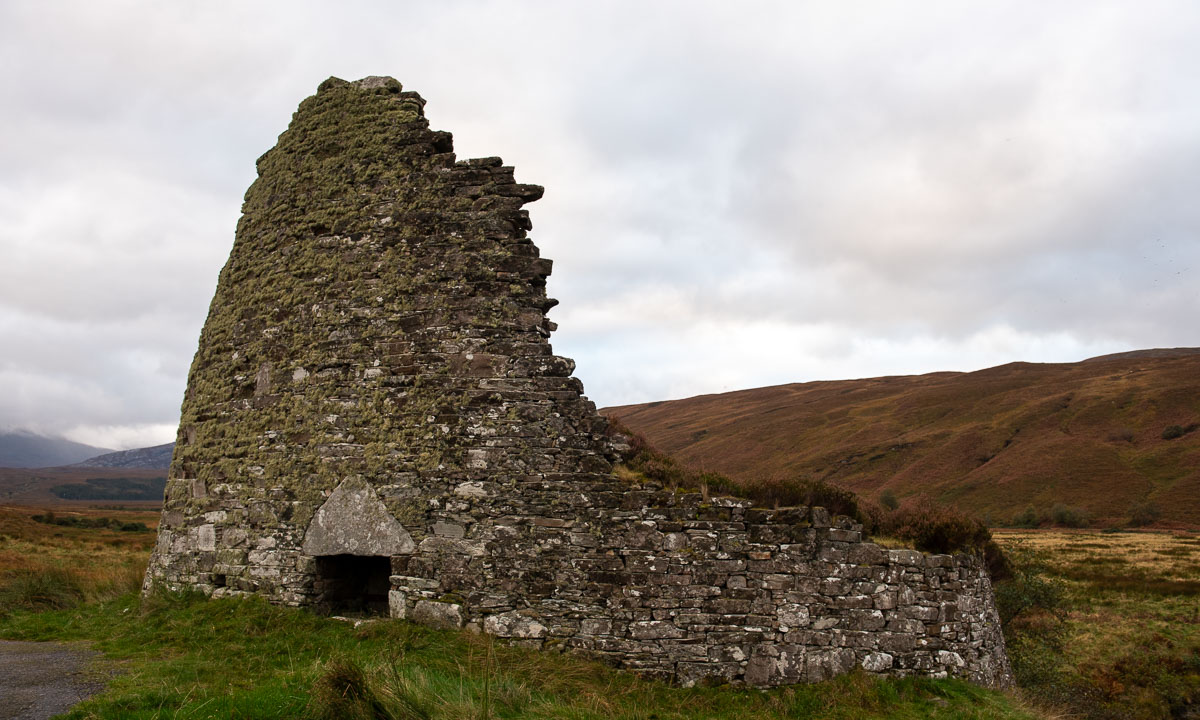
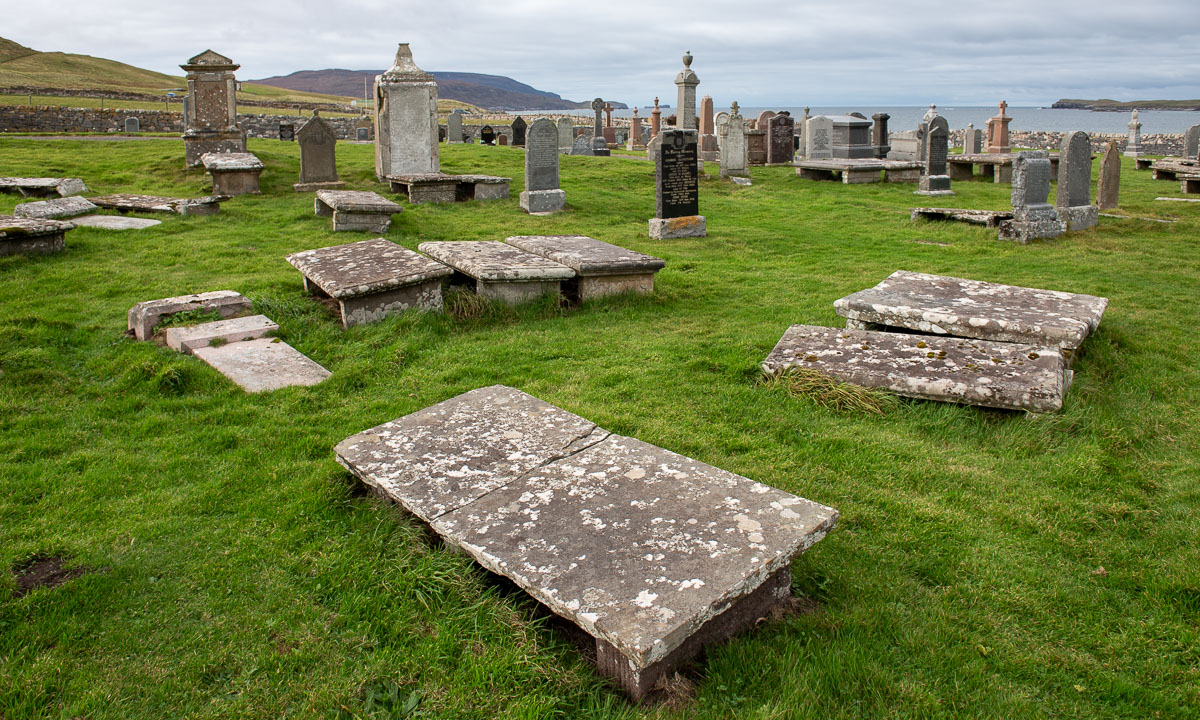
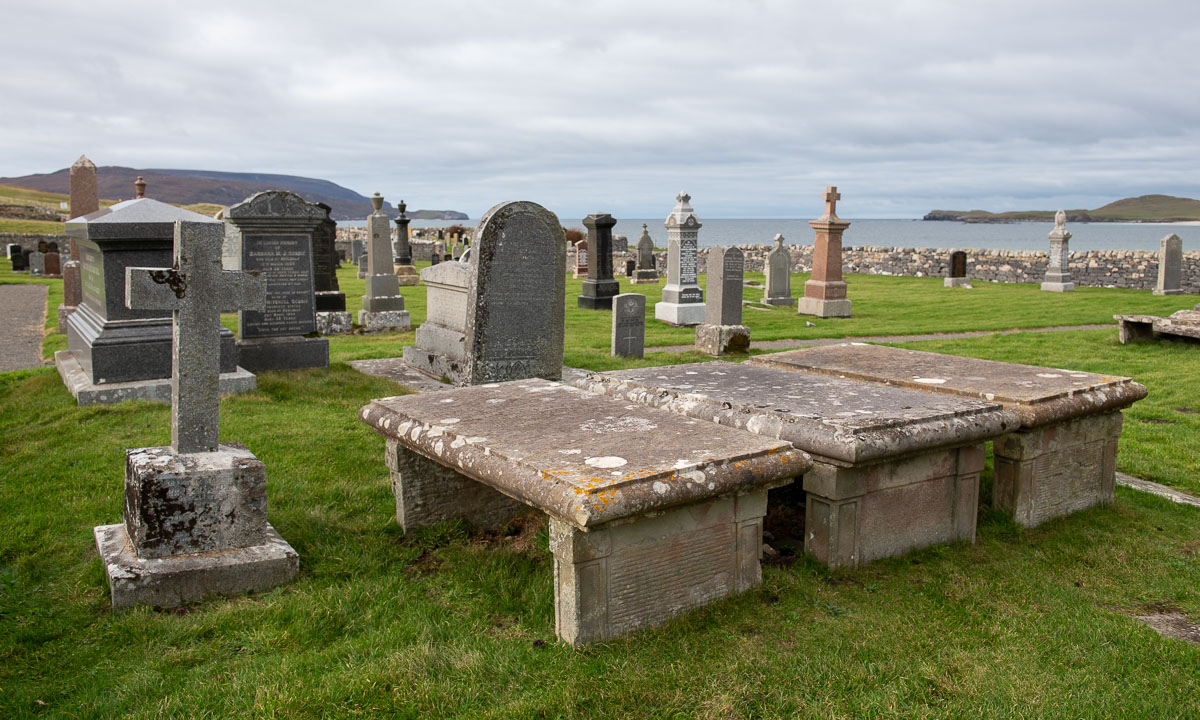
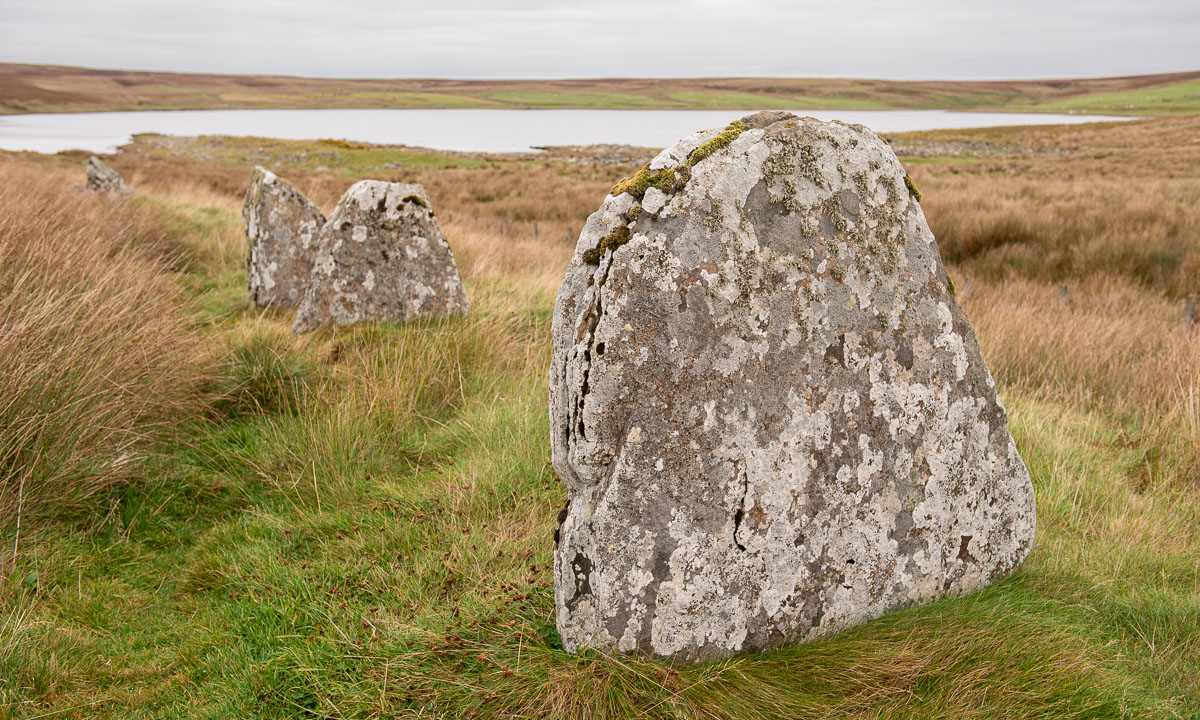
Round half past ten we continue our road trip, heading straight north. Some attractions we find in our guidebook, while others are on using Google Maps. So we have found Achavanich, a megalithic structure literally in the middle of nowhere. We use the tiny parking area und wander around between the lichen-covered stones that are arranged in a horseshoe-shaped pattern. A bit further down – a lake called Loch Stemster.

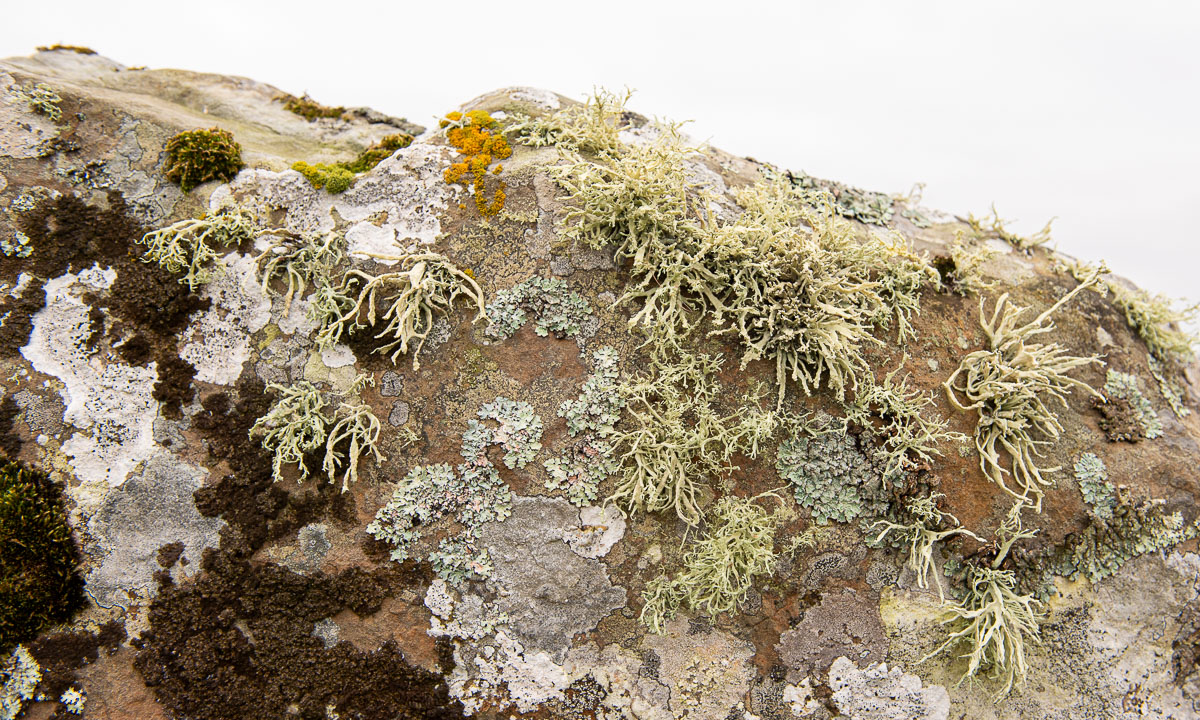
Exercise for lichenologists: how many different species can you count on the second photo?

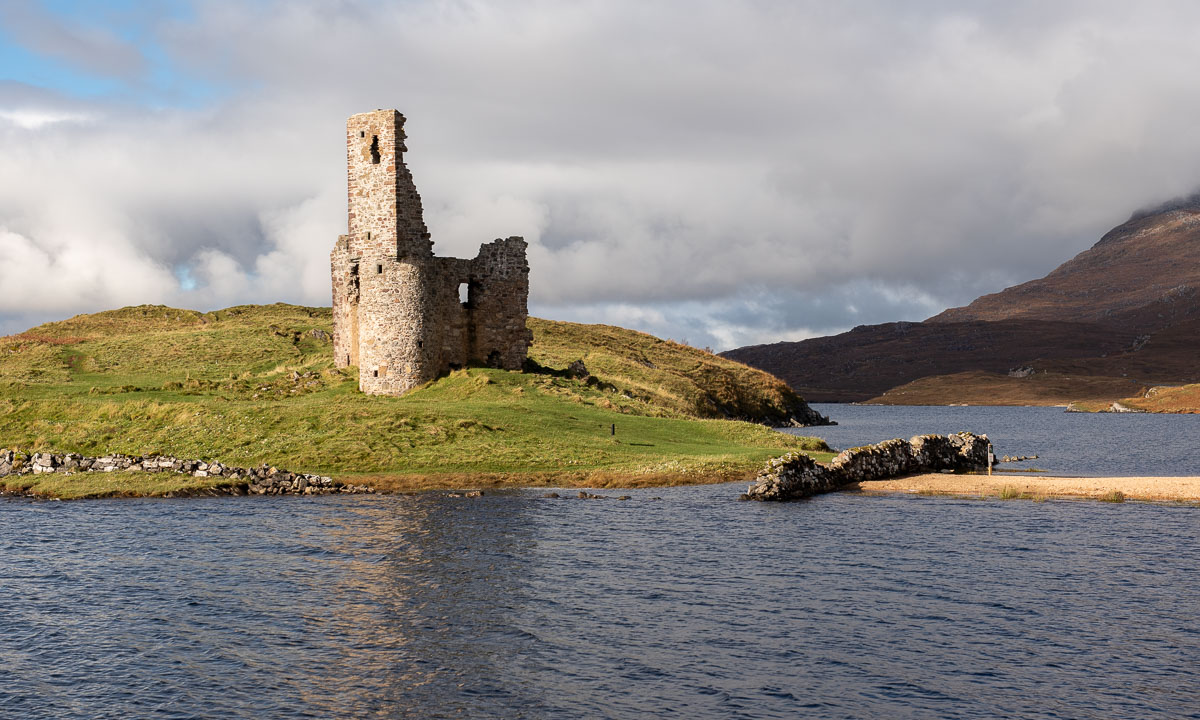
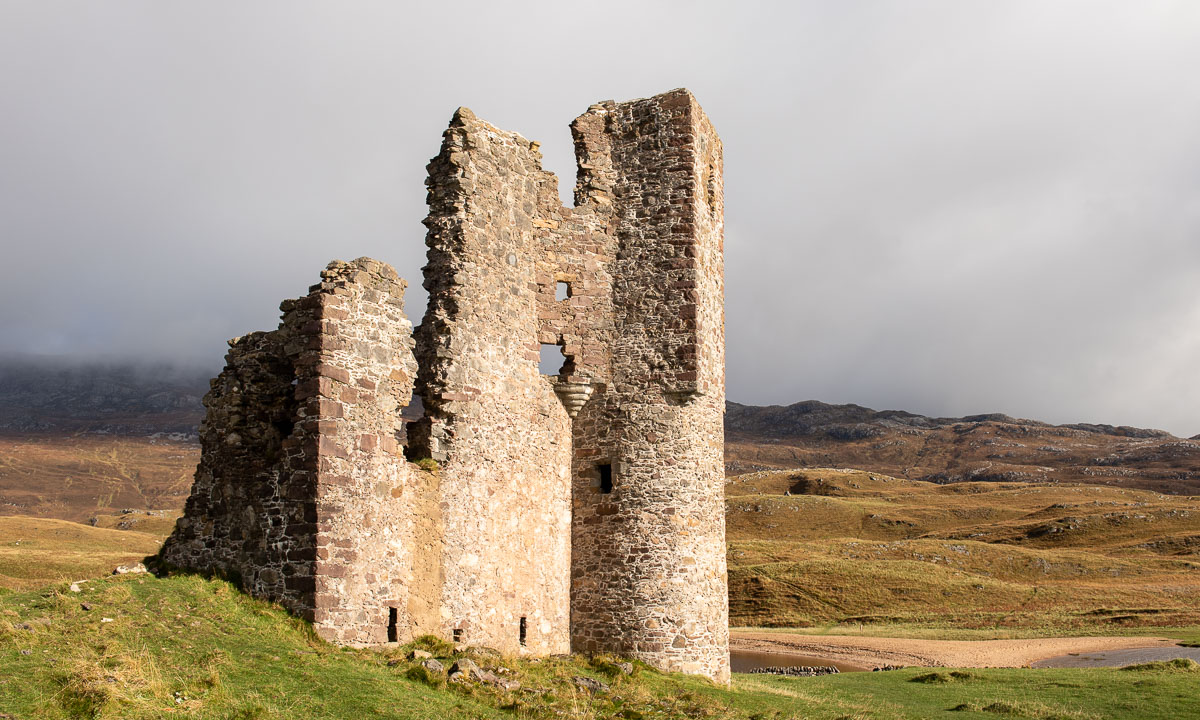
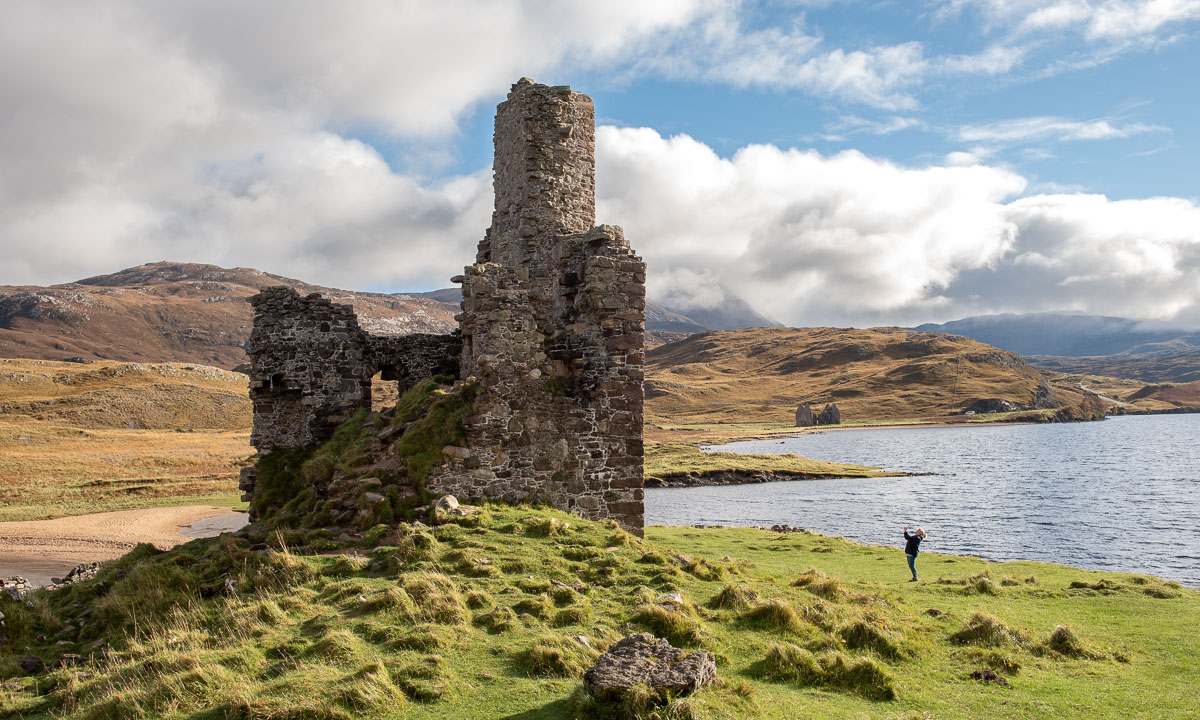
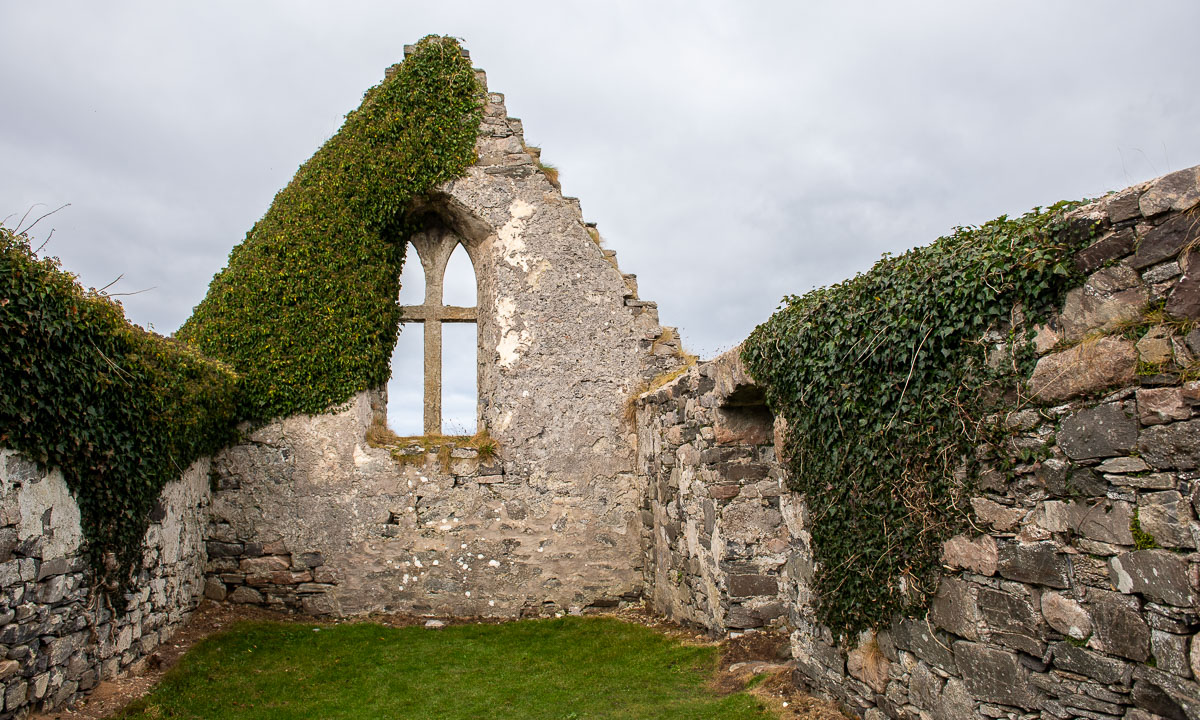
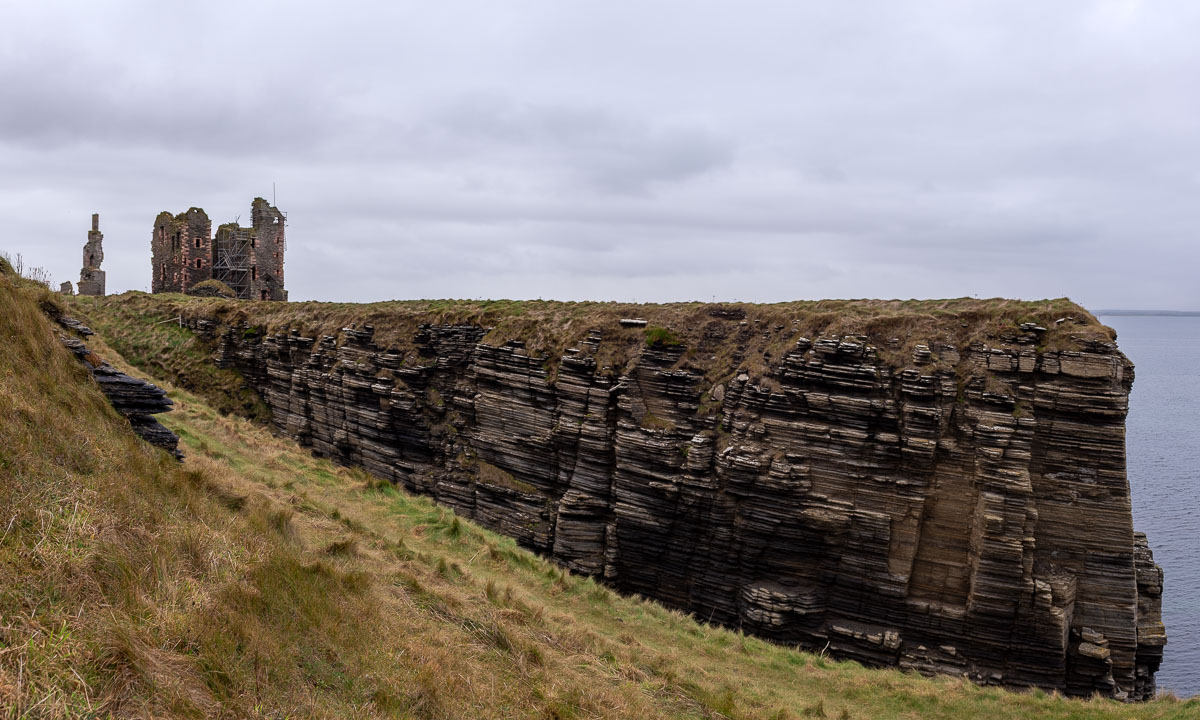
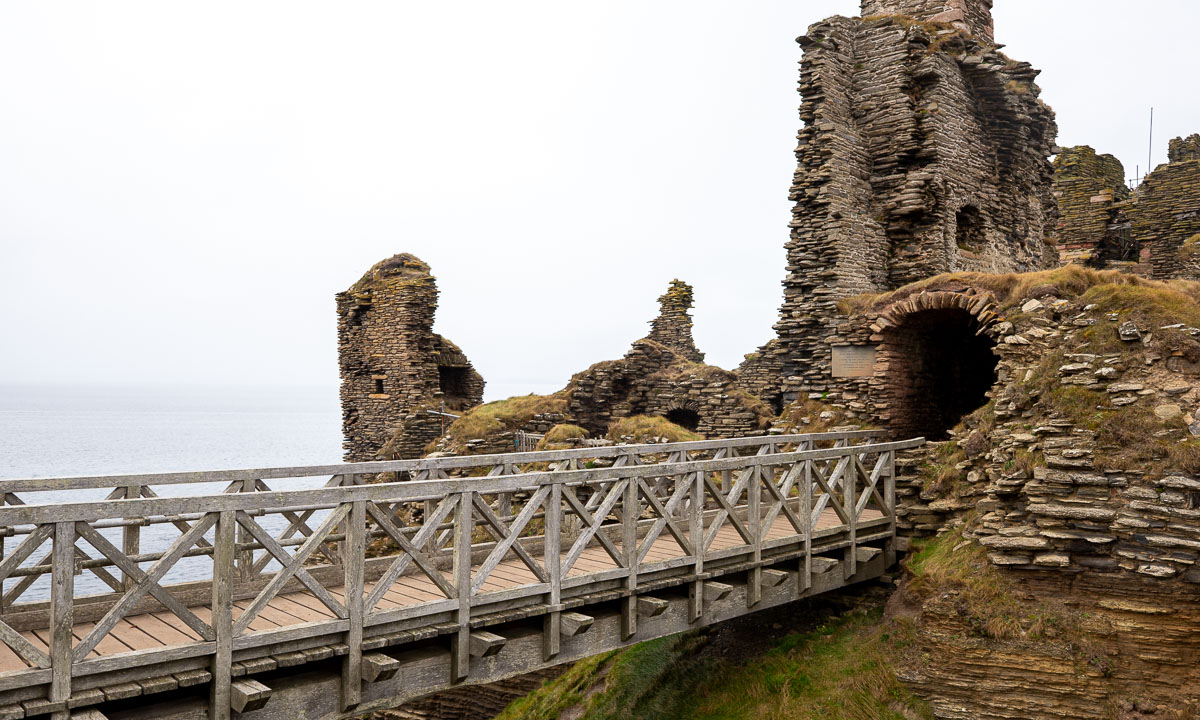
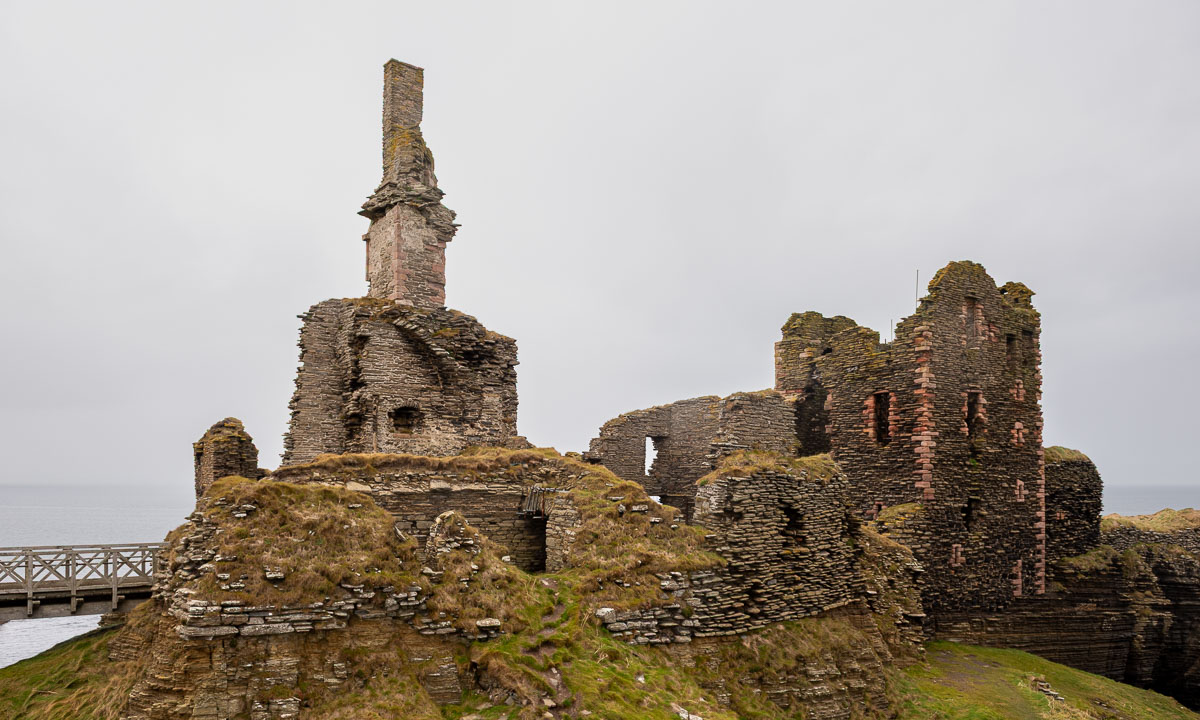
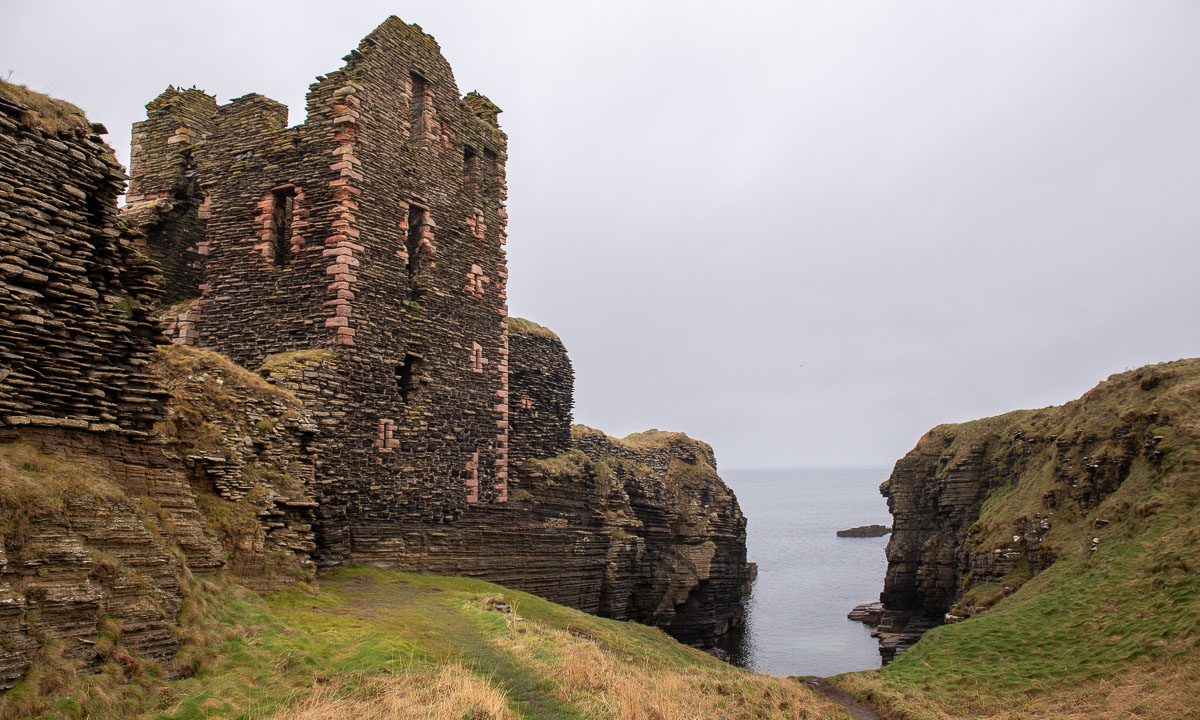
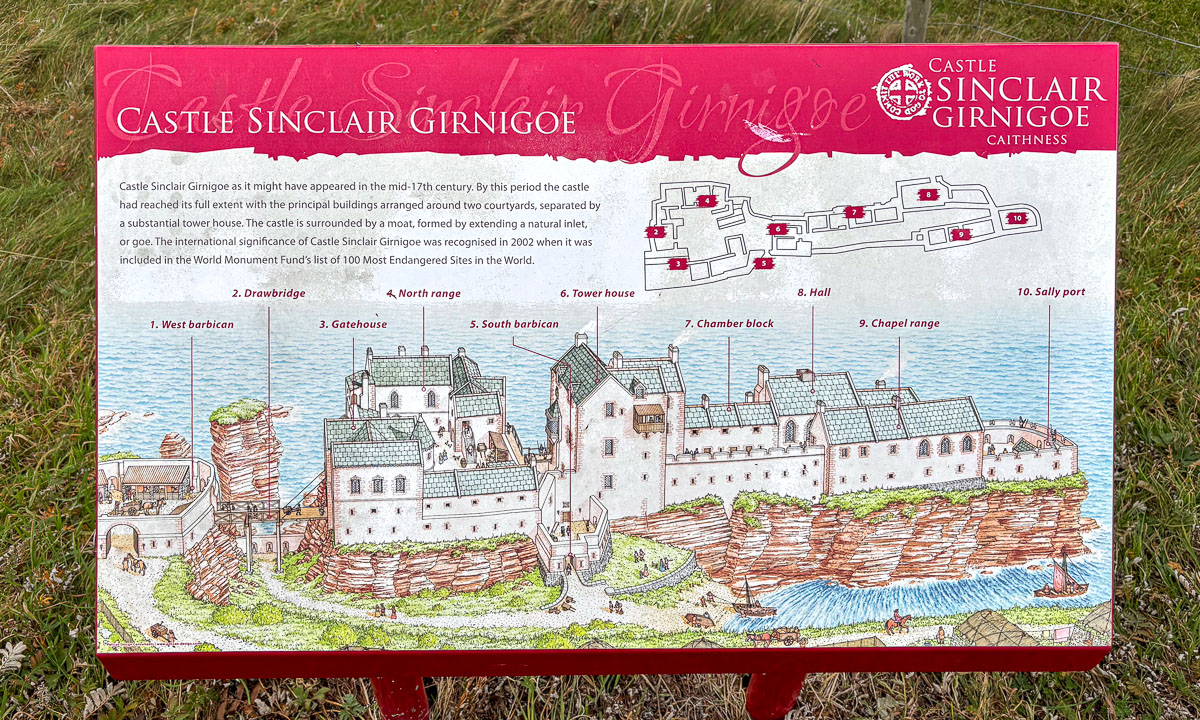
The next attraction is in the book: The Castle Sinclair Girnigoe 5 miles north of the town Wick. This castle – or better said its ruins – is located at the very edge of the coastal cliff. There are educational displays that explain the history, but for me the most impressive detail is the exposed location by the sea. More than an hour Annika and I are strolling round the castle despite of the drizzle. A real highlight on our trip!

This is one of the displays showing how the castle looked centuries ago.

Back in the car we drive back to the A)), follow it north and then take the road to the Duncansby Head Lighthouse which marks the most northeasterly point of the Scottish mainland. Photo. Check!

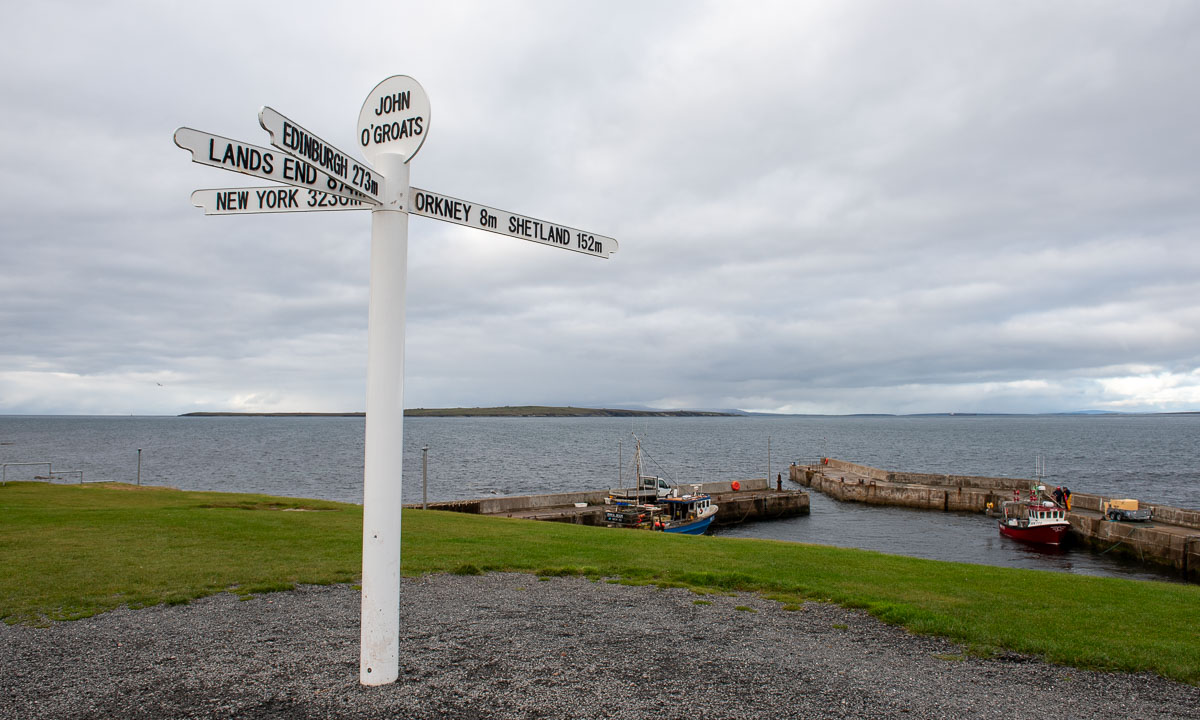
The next stop is only a very short one. I take some photos of the John o’ Groats Signpost, a famous but surprisingly boring signpost. It has four arms pointing to Orkney and Shetland, to Edinburgh, Lands End and New York. That’s it. While I take these photos Annika is slowly driving around because parking is expensive in this commercially focussed place and we are happy to leave it behind.

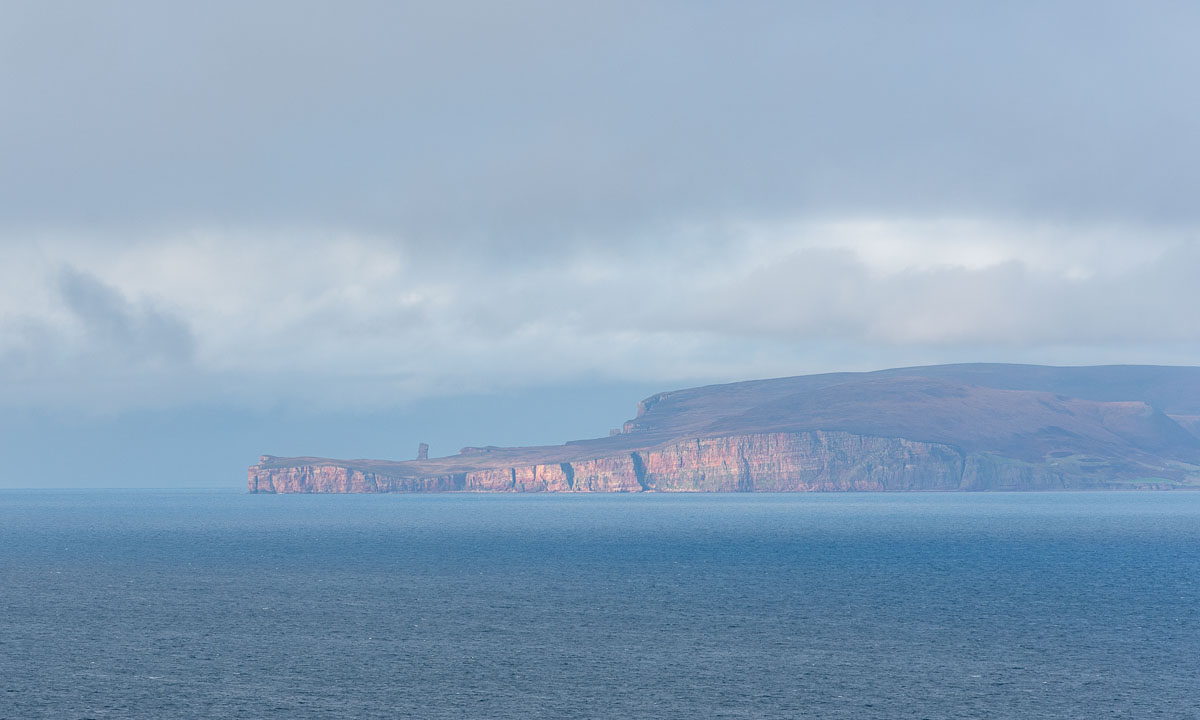
But the signpost is true: The Orkney islands are pretty near and we see the cliffs from different places, such as our next stop Dunnet Head. This is the northernmost point of the UK. Here take a photo of the partially sunlit cliffs of the Orkney islands in the distance.

So Annika, next time Orkney and Shetland? … and Faroe islands? … Iceland again? … Greenland? … Vinland? Sorry, I got slightly distracted. Back to our road trip.

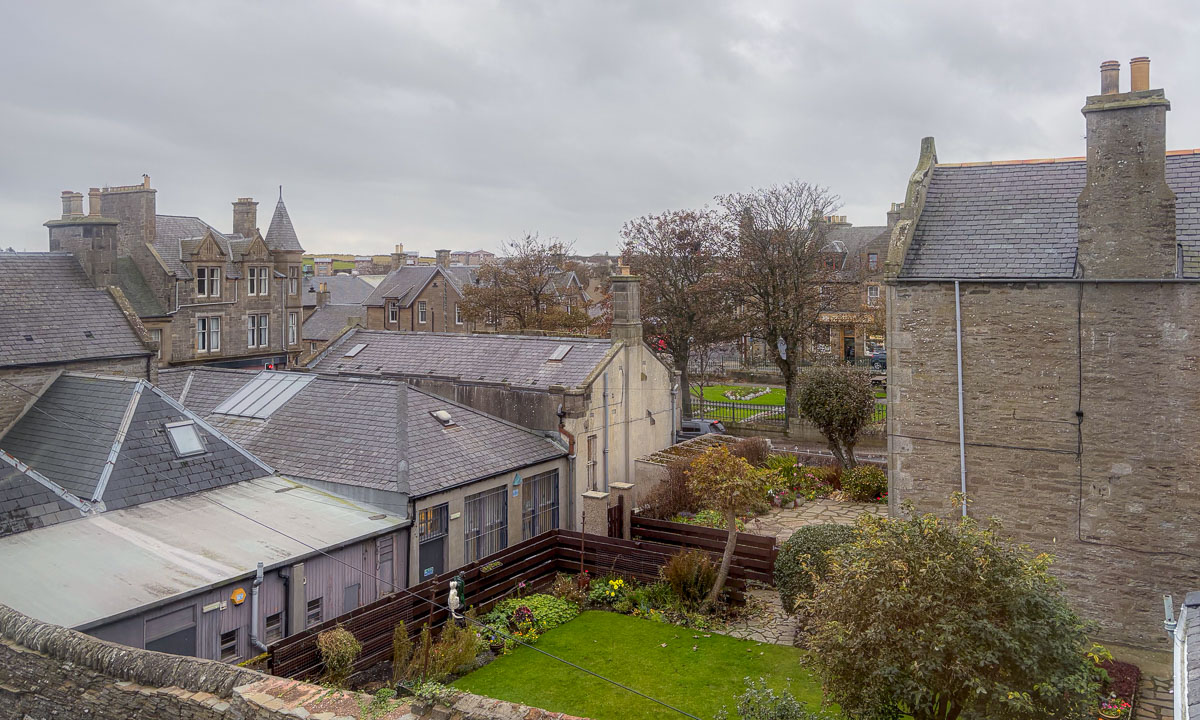
From Dunnet Head it is just about twenty kilometres to Thurso, a surprisingly big town by the north coast of Scotland. Here we stay in a quite shabby hostel, but we can cook, we can sleep and that’s all you really need. Parking the car in town however was adventurous because the rules are pretty cryptic and time-dependent. Anyhow, there is a big car park by the River Thurso, where Annika parked our rental car over night. (Thanks again, Google Maps for the tip.)

The next day we will leave the NC500. We thought, travelling in October would make it easier to find accommodation, but it gets harder, because many guesthouses have been closed for the season.

Steindalsbreen 2025

It is the third year, that I hiked to the glacier Steindalsbreen in the Lyngen Alps. This time I had the pleasure to do the tour with my wife Annika. To make it a holiday we have decided to try to book the cabin Steindalshytta over the weekend. This cabin lies some kilometres from the parking place on the way to the glacier.

Saturday morning we manage to book two beds but we have to hurry to fetch the key in Steindalen, which is 100 km away. There we meet H. that gives us the keys and some info. She tells us we can use the gas driven hotplates to cook. We also learn that there’s hardly any firewood left, but it’s not cold and we have sleeping bags, so no worries. We pay using Vipps, the leading mobile payment system in Norway, then we take the car to Lyngseidet – 25 km away – to buy food.

When we pack our backpacks to start the tour it is already afternoon, but the cabin is not far away.

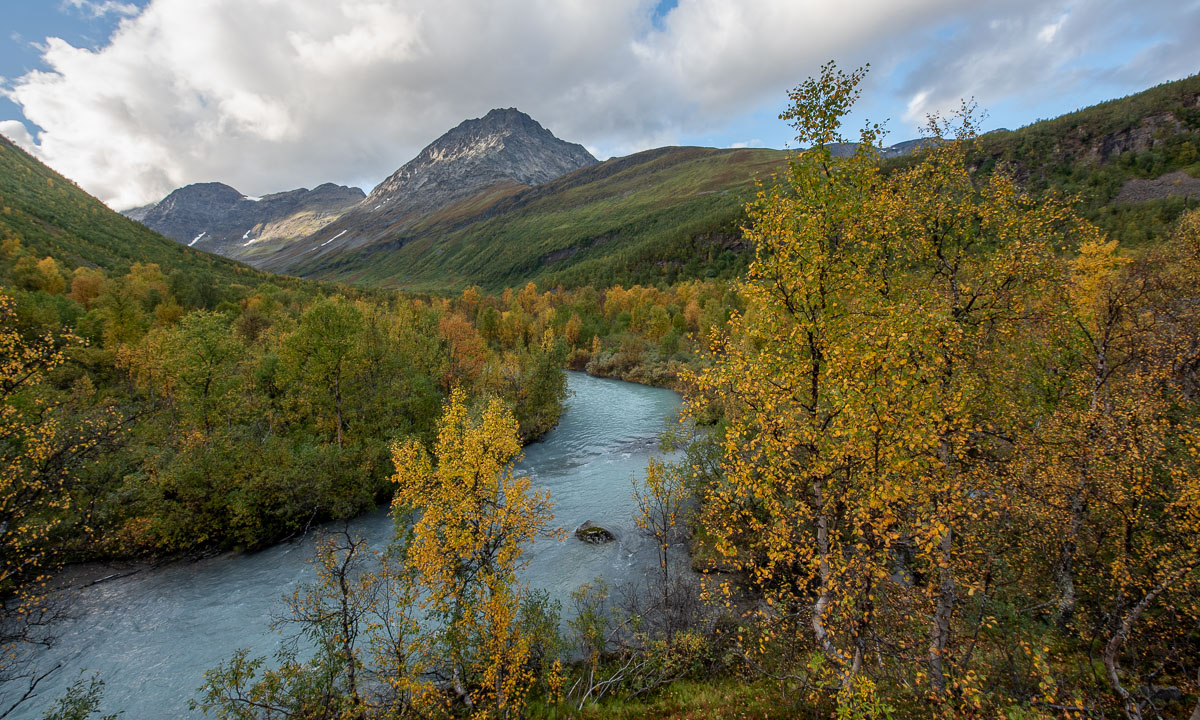
In the beginning a forest path winds up through a narrow valley. The colours are autumnal – yellow the birches, red the cornel and the blueberries. To the left down from the bottom of a ravine we can hear the river Gievdanjohka.

The path is rising and so is the river. After two kilometres we are almost level.

From there it is not far to the cabin. We go round a moraine and there it is: Steindalshytta. I unlock the door and we peek inside. Looks cosy!

Now we want to cook. This will take the rest for the evening because the gas canister is empty. No cooking on the hotplates, we have to use the wood-burning stove. We gather all the leftover wood from inside and outside of the cabin. There is no axe. Luckily Annika has a knife that is sturdy enough to make some smaller peaces of firewood. The wind is calm, the oven isn’t drawing and it takes almost three hours until the water for the spaghetti is boiling. At least we get a starter: warm shrimps with parmesan that we eat from the huge plastic plates we found in the kitchen. And I found chocolate cookies in the kitchen.

Meanwhile it has become dark outside and soon we get to sleep. We don’t have to freeze. After having powered the stove for hours we have 24 °C in the living room and hardly less in our sleeping room. Good night!
When I wake up the next morning it is raining, but it stops soon and the sun starts to light the mountains in the east.

After breakfast we pack our backpacks and start our hike to the glacier Steindalsbreen. Many things like our sleeping bags we leave behind, because we will go the same way back.

Again we follow the river to the east, then the landscape opens to a broader U-shaped valley. The terrain flattens and hiking is easy.

But we can already see the ascent we have to take. After two steeper passages we stand between two landscapes. In our back lies the mellow valley with its gentle slopes, everything in autumnal colours. Ahead lies a rough and rugged mountain landscape, where grey rocks and stones are the predominant element.

And there it is. The glacier. (Photo Annika Kramer.)

We continue the gravel path. Soon we pass the first of the signs that marks the glacier front some decennials ago. Due to global warming the glacier is melting and retreating every year. It is fantastic to see the glacier and we feel excited, but sad at the same time. First we hike to the glacial lake in front. Will we manage to go round the lake the glacier itself? Yes – and it is quite easy this year.

I have my big camera backpack with me and the Nikon with three lenses. That was made possible by Annika who took all the food. Although the weather is a bit dull it is photo time!
As often I’m not content with my photos and yes, I should have carried my tripod with me. But I’m happy about being there together with Annika. (Next photo: Annika Kramer.)

It is time to go back. This time we follow the river and pass two fields with scientific instruments, part of the project iC3. I have to ask a colleague from the Norwegian Polar Institute what is measured there.

Now the trail leads mostly downwards. We descend the hill, cross the broad valley, enter the forest and then reach the bridge by the cabin again. Here we take a rest and then fetch the rest of our stuff from inside the cabin.

I take a tiny detour that leads on a hill. Here I can see everything together: The huge mountains with their snow fields, the river Gievdanjohka, the autumnal birch forests. Only the glacier is hidden from view.

What a terrific tour we had! The glacier Steindalsbreen is worth a visit, especially in autumn. We drive back to Tromsø and I copy the photos to my computer. Then I check the tracker I used on the tour. As I was afraid I have walked on rock, sand, and mud this year, where last year the glacier covered the ground.

Kayaking around Håkøya

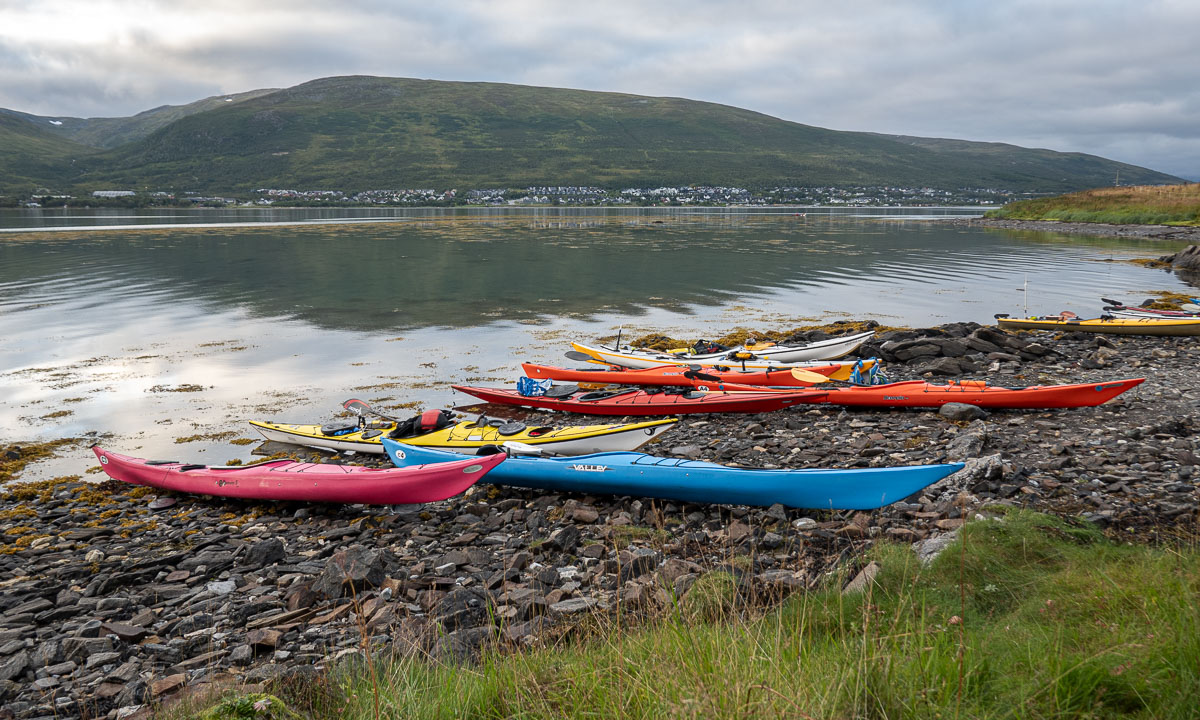
Yesterday I finally had time to join the Thursday paddling in Tromsø again. The weather was calm and the tour leaders suggested to take a tour to the island Håkøya. After the usual preparations I entered the club’s kayak that I’d reserved – a Valley Etain 17,5 – waited for the others to be ready and off we went. Fourteen paddlers we were, including the tour leaders.

First we head west over the sound Sandnessundet. After 3 km we reach the northern tip of the island Håkøya.

First I was a bit disappointed about the gathering clouds after the clear and sunny day. Then I realised again, what wonderful light the combination of clouds and the low sun can produce. The houses and farms on the island look extremely picturesque in this light.

We slow down a bit and go on land to take a break. While sitting, eating, chatting we decide to circumvent Håkøya. Great – a new tour for me!

We enter the kayaks and continue our counterclockwise circumvention. Since I’ve been on Håkøya before I’m looking forward to some of the attractions such as the red sail boat anchoring near the shore and especially the 330-metre-long bridge Håkøybrua, built 1961 with its prominent wooden construction.

What however comes completely unexpected are the three catamarans anchoring on the southern side of the bridge. Huge, modern and probably ridiculously expensive sailing catamarans. What a contrast to the other sailing boats and the wooden bridge.

It is half an hour to sunset. The clear sky in the southeast has turned red and the light on the mountains is spectacular. Alas, My only camera on the water is my iPhone, so no telephoto shots.

When we reach the east side of the island the sea is getting rougher and choppier. The next photo is probably my favourite shot from the tour showing the sea, the evening light and some of my kayaking mates.

With the waves comes the wind and of course it comes right from the front. Together with the waves I have to focus more on paddling than on taking pictures on the last 3½ kilometres. Just two snapshots. On the second one you may see the lights at the kayaks. We’re in navigable waters with commercial traffic and we have to be seen. I have a light on the kayak as well and a second one attached to my life vest. And by the way, the clouds are vanishing.

After 13.5 km we arrive at the boat houses of the Tromsø Sea Kayakers Club at half past nine and it is pretty dark. Soon the kayak season will be limited not by temperature but by available daylight. Until then I’ll hopefully can join some more “Thursday paddlings”.

Here is a map of our route (including some zigzagging when taking photos.

I want to thank my paddling mates for good company and our tour guides for guiding and guarding. Takk for turen!


Just a pick-up at the station…

When Annika travelled to me last weekend, her train from Boden to Narvik was cancelled and the next and last train was heavily delayed. Unfortunately train problems have become common in Northern Sweden over the years. I had to use the airplane several times because trains didn’t run at all for days or it was impossible to buy tickets.

To keep Annika from being stranded, I drive to Narvik to fetch her. From Tromsø it takes me about three and a half hours plus some breaks.

Meanwhile Annika has booked a hostel in Bogen where we stay overnight. Our plan is not to drive back the direct route, but to visit the islands Andøya and Senja.

Monday, 21 July

The next morning starts sunny.

However it soon gets foggy. After crossing the Tjeldsund we are on Hinnøya, the largest Norwegian island (when we ignore Svalbard). We decide against a swim in the sea due to the fog and continue to Refsnes. From here go ferries cross the Gullesfjorden to Flesnes. On my trip to Narvik yesterday it was often 28 °C, now in the fog it is hardly 15 °C.

We have missed the 10 o’clock ferry, but they run hourly and we don’t have to wait for long. The journey itself takes only 20 minutes.

From Flesnes we continue to Risøyhamn. Hurtigruten travellers may know this place not only because it is one of the stops but also because of Risøyrenna – a man-made underwater channel that allows larger vessels to pass between Andøya and Hinnøya. The Hurtigruten ships has to go quite slow there.

We take the bridge over the Risøysundet and drive through Risøyhamn. Twice. Because I didn’t know that it is so small. Only round 200 people live there.

The weather is sunny again and we become more beach focussed. The first beach is for having lunch. We share it with a flock of sheep.

The second beach is for bathing. 16 °C in the water – surprisingly warm for the region.

We continue north. To the west the Norwegian Sea. Next shore westwards is Greenland, more than 1500 kilometres away. Our next stop is much closer: a public toilet at Bukkekjerka. But what a one! It is a designed block of concrete and mirrored glass. From the outside you cannot look in, but from the inside you can switch the huge glass windows between being transparent or opaque.

Around this place – a lighthouse on a peninsula, interesting looking rocks, a baaing sheep and of course the sea.

We follow the coastal road further north to Bleik. Here you can find beaches and turquoise water as well as ridiculously looking rock needles.

After refuelling my car in Andenes we drive south again to Marmelkroken, where we will stay overnight. With an additional photo stop.

To part 2 >

It’s June in Tromsø

After a week in my hometown Bremen in Germany I returned to Tromsø yesterday. This morning I took a tour through the nature of the northern island. The landscape is mostly wooded hills, with a few bogs and lakes dotted around. I was curious about two things: how much snow is left and have the birch trees got their leaves?

More and more snow is gone. However some of the forest floor is still covered with dirty snow, sometimes up to half a metre and more.

You can still see last winter’s cross-country ski trails. The pressure of many thousand skiers has squeezed the snow making it more compact. Like white ribbons, these paths wind their way through the forest.

Other paths give no hint that winter ever touched that place.

The moorland with its spongy ground is completely clear of snow. And so are the lakes.

However, although it is already 1st of June the colours look more like late October. But if you look a bit closer you see the signs of springs such as the blooming marsh-marigold and the birch leaves that finally start to grow and unfold on some of the trees.

October snow in Tromsø

After a period of warmer weather it got colder the weekend and on Monday, 28 October it started to snow. After work I took the bus to the lake Prestvannet and walked home. Some snow showers passed through making the landscape brighter. Most small paths are still wet and some are pretty muddy but apart from that it looked so nice with the first cm of snow.

The next day more snow came at temperatures round zero. After work I walked back pretty the same route (there are zillions of small paths leading through the hilly forests and over some overgrown bogs.) New snow depth: 6–7 cm. That makes a difference, at least visually.

Yesterday I took the bus home, today I walked again. It is 31 October, the last day of the month. The temperature is slightly below freezing and the now snow is fluffy. New snow depth: 15 cm. As the days before I pass the lake Prestvannet that starts freezing over at the edges. It is fun to plunge through the snow but as long as I leave the main tracks – and I do – I’m still glad about my rubber boots because under the clean white blanket of snow there are the same mud puddles as three days before. On the broader gravel paths however the first people have started using their skis.

Fun fact: the photos #2, #7, and #15 show the same motive. From open swampy water to frozen and snowed over in three days.

Norddeich/Norden

Annika and I were in Norddeich, the coastal district of Norden (“north”) in East Friesland, Germany the last days. The word “Norden” definitely qualifies that place for getting an article in my blog way-up-north.

Many streets of Norddeich have the theme “north” in their names. Am Nordkap (At the North Cape), Nordlandstraße (Northland street), Nordlichtstraße (Northern Light Street). Guess what, I like the names! Partly from my Scandinavian point of view, partly because I am from Northern Germany and therefore a “Nordlicht” (a nickname for people from Northern Germany) by myself.

Some photos from Tuesday, 10 September, the day of our arrival:

Yesterday on Wednesday, 11 September Annika and I rented e-bikes and took a cycle tour to Greetsiel. The weather was quite nasty for early September: strong gusty winds, hailstorms, cloudbursts and even a thunderstorm. And all that at temperatures around 10–11 °C. Kudos for the e-bikes! Without electrical motor support we wouldn’t have managed it against the wind.

It’s a long way to travel to Norden from our places. Round about 2800 km from Tromsø, my “work home” and still 1900 km from Obbola, my “home home”. But I think, I’ll visit Norddeich again some other time.

Four days hiking in Tromsø – part one

Prologue

I am sitting in the bus number 24, the bus that usually brings me to work.

But not today. It is Saturday, my wife Annika is with me and we will not leave the bus in the center but at the last stop „Kroken“. We have backpacks with us and are about to start a four-day hiking trip through the mountains on Tromsø’s mainland. We leave the bus stop behind, follow the street to the parking place above, pass the graffitis on the “trykkbassenget” and then …

Day 1 – Kroken—Skarvassbu

… we are on the hiking trail. Between the following two photos lie six minutes.

We are following the broad trail slowly gaining altitude and it doesn’t take long till we reach the tree line, which is between 300 and 400 metres in Tromsø. When we look back we can see the northern tipp of the island Tromsøya, but soon the city disappears behind the mountains.

At the lake Krokvatnet the path gets steeper and rockier. We celebrate every cloud because it is a warm summer day with temperatures above 20 °C.

With every hundred metres of altitude the landscape is changing. Soon rocks dominate the landscape, being a perfect habitat for the lichens growing on them.Here we are at an altitude of 700 metres – the highest of our whole trip.

Now we are descending again. Larger lakes have come into view: Čazajávrrit (or Storskarvatnan) and Storskarvatnet. Yes, the Norwegian names are almost alike.+

Between the lakes the cabin Skarvassbu is supposed to be – and there it is. A couple of black-roofed buildings, perhaps a kilometre away. We cross some more boulder fields and then arrive at the cabin. We have a DNT-key with us. That key fits to all but a few cabins of the DNT (the Norwegian Trekking Association), We unlock the door and enter the “hytte”. As many in Norway it is very cozy.

We have pre-booked two beds – probably quite unnecessary, since we will be alone in the night. Since it has been a dry summer the river usually being used to fetch water is dried up completely.

Luckily the small lake nearby has clear water and I fill one of the cabin’s buckets. A bit later I return to the lake to take photos from the cottongrass.

One of the things I love being out in the mountains for several days is watching the changes of light. It still does not get dark but still the sky shows evening colours.

Day 2 – Skarvassbu—Blåkollkoia

When I wake up at 5 o’clock it is broad daylight. It is Sunday, the 4th of August and sunrise was already at 2:45. No reasons for a photo session, I continue sleeping. At 8 o’clock I take some photos with my drone. It’s the first time I have it with me while hiking. Some aerial photos can be pretty boring but the extent of the landscape is often impressive. The mountain in the background is Tromsdalstinden (1238 m).

We have Müsli for breakfast. For milk we mix our milk powder with water. Perhaps not our favourite meal, bit it easy to carry and provides energy for our long trip. Wait, did I write “long”? Today it is only 5–6 km to go.

The first part takes a bit of time because the hiking trail crosses a large boulder field. The marks of red paint – sometimes a dot, sometimes a “T” – are guiding us.

We have left the worst rock fields behind and are looking at a lovely, grassy mountain valley from the escarpment we are standing on. That looks nice! But first we have to follow the winding path that leads down. We pass one of the rare and small snow fields. It has been a warm year and even many higher mountains are free of snow.

And then we reach the alpine meadows that present us a treasure: Blueberries!

According to some tour description Annika found in the net there are rivers to cross. Wading however was not required, all rivers and brooks had very low water levels and were easy to cross and so was the river Goahtevuomieatnu (or Norwegian: Tønsvikelva). We are walking along the river and soon the small cabin Blåkollkoia comes into view where we arrive round noon.

In the afternoon Annika and I go to the river again. We want to check how to cross it the next day, we want to fetch water, we want to clean some clothes and we want to bath. Four times success: There is a bridge, there are nice places to refill our water bottles and to do some cleaning and most important: there is a deeper spot perfect for taking a refreshing bath on an even warmer day. We dry ourselves in the sun and then are sitting by the river for an eternity. This is definitely a highlight of the tour that I will remember for a long time!

And we still have plenty of time. For reading, for taking photos of birds …

… for flying my drone again …

… for preparing dinner (Pancakes with blueberries), for enjoying sun and seeking shadow and for enjoying life.

Note to ourselves: if you want to make pancakes, bring butter or oil …

The next day we will continue to Trollvassbu, with 13+ km it will be the longest day of our four day hiking trip which on the one hand is far, far away from everything and on the other part of the neighbourhood of my work town Tromsø. What a special place in many ways!


Midnight paddling

It’s midsummer day in Sweden. Yesterday Annika and I danced around the midsummer pole and ate huge amounts of salmon, potatoes and eggs with roe, just as you use to do on a typical midsommarafton. One thing however was not typical: It didn’t rain at all. And since the night was still clear and beautiful, Annika and I decided to make a small kayak tour. At 22:40 we were clear to leave.

The eastern sky was blue and purple and the trees on the island Bredskarssten almost black – but it was not dark although some of the photos may look like. The sun had just gone down.We decided to paddle to the tiny archipelago Obbolstenarna.

When we arrived there all seagulls flew up into the air screeching. Did we disturb them? No, it was an eagle that quickly was chased off by the seagulls. We circumnavigated the islands and headed back east, where some of the spare clouds still caught some sunlight.

And now? There was no noticeable wind and kayaking has been pretty effortless until now. Annika and I had the same thought: kayaking to the southern tip of Stömbäck-Kont. We’ve been there often, but always by car. Stömbäck-Kont is 30 km from our home by car but only 5 km by kayak. So, let’s go …

Meanwhile it had become a bit darker and the flat sea and sky looked like fantastic paintings. Like from another world.

We passed the sea side of the island Tarv, and turned north behind the small island Gåshällan and some islands I don’t know the names of. Then we headed west.

This black shadow ahead, is it the rocks of Strömbäck-Kont? It is hard to see because the contrast is low. But my navigation was correct and soon we approached the barbecue area, where we were welcomed by the mosquitoes, that luckily were not present on the open sea. Time for a short break to stretch one’s legs.

The stop was pretty short, because the mosquitoes just loved us and we have quite a lot of them this year! So we jumped back into our kayaks and followed the coast a bit north were we could hear music.

Here lies Simphamn, both a nice sandy beach and a marina. A bunch of very expensive looking yachts were anchored at the boat bridge and apparently some people had had a party on one of the yachts. We paddled round the small island with the clubhouse.

Now it was time to head east back to the island Tarv and circumnavigate it clockwise. Most sea birds were relaxed. The geese more or less ignored us while the terns were ignoring us. They were hunting. Again and again they plunged vertically into the sea to catch fish.

After a while we headed south and reached the opening between Tarv and a peninsula connected to the main land. Here we reached the open sea again.

From there we know the way home by heart. Passing the bay Vitskärsudden, following the coast while avoiding the many rocks in the water and after two more kilometres we were back home.

Now we only had to drag the kayaks back to our house through a field of lupins. (I will pick them. They are an invasive species and we want to get rid of them.) And then – after 12.5 km of an extraordinary beautiful night paddling we were back home. Now it was a quarter to two – definitely time to sleep!

For those who love maps or live nearby, this is the track:


Summer weather in Tromsø

10:30. I am sitting in my car on my way to Sommarøya – “The summer island”. The sun is shining and it is warm already. Today it is supposed to be 19 °C, much warmer than the last weeks (or months). The first photo stop, a parking place by the sea. Tussilago is blooming everywhere.

The road leaves the sea and leads through the valley Kattfjordeidet. The lake Kattfjordvatnet lies on 149 metres of altitude. Does not sound much, nevertheless it is high enough that most parts of it are still covered with ice. I like the open areas – small waterfalls and beautiful reflections.

The valley is 12 km long. I leave it behind and meet the sea again. And two locals – reindeer that know the traffic rules and walk on the other side of the street (or better said in the ditch).

Just before the tunnel Oterviktunnelen there is a parking place and shortly after a beautiful sandy beach. It looks so warm, but I didn’t measure the water temperature …

I am lucky, I find a nice shell, a “pelican’s foot”. Then I continue my ride and enter the tunnel. It is not long, just 607 m.

Almost wherever you stop there are nice places to explore, for example this tiny beach, less than ten metres wide. It is not far away from the bridge to Sommarøya.

From the bridge you can see a lot of small islands, many of them with sandy beaches. A kayakers paradise, although the weather can be pretty rough. But if you like challenges, take your boat, head west and after 1600 km you are in Greenland. ;-)

The last weeks I have seen three kinds of wild flowers blooming in and around Tromsø. (1) Tussilago – 17 April (always the first). (2) Dandelion – 26 April. (3) Oxlip (or another primula) – 8 May. Today I discovered two others. According to Pl@ntNet, which I use for identification a Goldilocks buttercup (91.2%) and a Purple mountain saxifrage (94.6%).

Would I find one of my favourites flowers as well – the Marsh marigold, which loves wet places and has an incredibly beautiful hue of yellow. Yes? I found some of them beside a small pond.

On Sommarøya I hardly took any picture, on the outer island Hillesøya I took a photo of one of the boat harbours. In my back an open door, a dark room and in there a man cleaning fish.

After taking lunch in the snack restaurant Havfrua (“The mermaid”) it was time to drive back. I chose the way round the south of the island Kvaløya and made some small stops. One at the ponds and puddles in a boggy area, which now are free of ice. Another by the church Hillesøy kirke, which is by the way not on the island Hillesøya.

And then the time came: 20 °C according to the car thermometer! Last time it was so warm here was last August.

I took another stop to take a photo of one of the mighty mountains on the other side of the strait Straumsfjorden. When I looked down into the deep water I spotted a shoal of fish. It was hundreds, probably thousands of fish resting in the shadow. The photo is heavily edited to make the fish more visible.

After a while I came back to more known areas – less than 30 minutes away from my “work flat” in Tromsø. I stopped at a small grave yard. Most tomb stones were free of snow, but those located in the snow drifts will have to wait a bit longer. Anyhow snow in the lowlands has become the exception. Even the bogs that tend to be cold are hardly frozen any more. And so I had to be quite cautious to avoid wet feet, when I looked for a good place to take a picture of that beautiful pine tree other there – the last photo for today.

Those of you that are not so familiar with Norway as a country may ask yourselves: Why did Olaf make an excursion on a Friday? That’s because today it is Constitution Day. On 17 May 1814 the Constitution of Norway was signed and this is the most important day of the year. Even through our street a marching band walked by and all people have their best clothes on – many of them the traditional bunad which shows, from which part of Norway they come from.

And so I shout out: “Gratulerer med dagen, Norge!” – Happy birthday, Norway!

Here is an article from 10 years ago: Syttende mai (German text).