Wintry day trip to Vindeln

C. and O., my best friends from Munich have been visiting me for some days. Today we made a car trip to Vindeln via Burträsk.

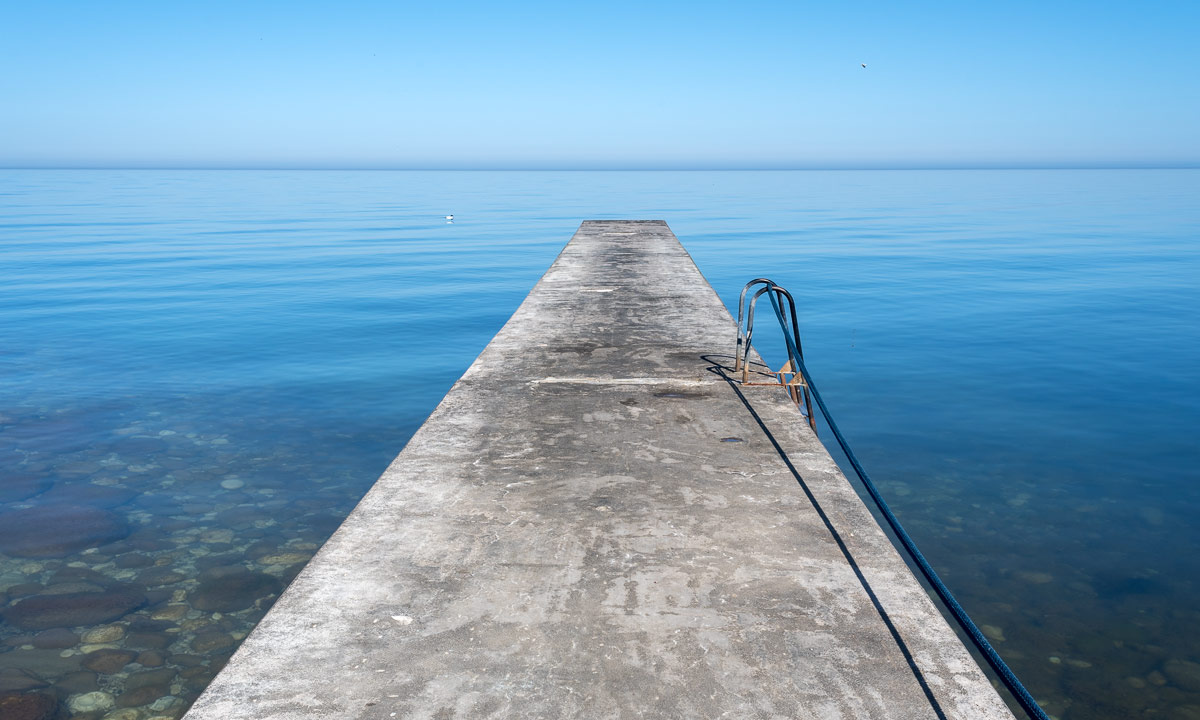
Contrary to the weather forecast the sun was shining, when we started. Right after Örviken, hardly 7 km from home I had to stop the car to look at the bay Ytterviksfjärden. Larger parts had frozen over under the last two days and were covered with a thin layer of fresh snow. The first sunny “winter photo” of the season!

The road between Falmark and Hjoggböle – hometown of Per Olov Enquist – was snow covered and hardly any other car appeared. Mist lay on the snowy ground, illuminated by the sun in warm yellow and orange. The whole scenery looked extremely beautiful and a bit fantastical. I was really glad to share this special mood with my friends instead of a cold November rain.

When we approached Burträsk clouds had started to cover the sky and the sun was hidden. It was so foggy, that the lake Burträsket hardly could be seen. We continued without stopping and arrived in Vindeln round 11 o’clock. While O. vas visiting a business acquaintance, C. and I made a long promenade along the river Vindelälven. It was grey in Vindeln and sometimes it snowed a bit. So the scenery was wintry as well but completely different from the colourful hazy atmosphere some hours ago.

28 August: Kungsleden day 9 – Vistas—Alesjaure (18 km)

This article is part of the series “2017-08: Kungsleden hike”.

Today Katrin, Annika, Andi and I would continue to Alesjaure, the longest distance to walk so far.

The morning was frosty with -2 °C and the petals of the flowers called rallarros (rosebay willowherb or fireweed) were covered with ice.

The sky was blue, the sun was shining, we had picture-book weather. As a photographer I would have preferred to hike two weeks later when leaf coloration would be in progress, but you can’t have everything. Anyway, the photo of the bridge over the Visttasjohka right at the Vistasstugan looks like a postcard motif:

This spot looked quite Canadian or Alaskan to me. I almost expected to spot some huge grizzly bears catching salmon in the river. But we’re still in Sweden where bears are brown bears and (luckily) very shy.

The first kilometres of the trail to Alesjaure lead through dense birch forest. Then gradually the forest got less and less dense and the snow covered mountains that frame the valley Visttasvággi were revealed.

The first kilometres were said to be muddy and they were, but not more than many other passages that we walked the days before. Unfortunately the trail continued to be both rocky and muddy and therefore wasn’t easy to walk.

After we left the birch forest the landscape became more rocky again. We found the resting place I remembered from two years ago. Someone had used a plank and some stones to build a bench in front of a huge block of stone. Still the sun was shining but gradually the sky become cloudy. Will we manage to arrive before the rain comes? We still hadn’t walked half of the distance.

We continued our tour until we reached the bridge over the stream Moarhmmájohka. Andi and I went down to refill out water bottles, then we took only a short rest since we were eager to arrive not too late.

After having crossed the bridge we had to go uphills quite steeply and we all slowed down more or less. Then we arrived at the plateau and looked back a last time into the beautiful valley Visttasvággi.

The clouds became denser, the wind increased but still it was dry. We passed the lakes Vuolip Čazajávri and Bajip Čazajávri. We went on and the sami village Alisjávri, located by the lake of the same name came into view. Now it was only 1.5 km left to the Alesjaurestugorna, our destination. As the day before we spotted the sauna first.

At 4 o’clock we arrived at Alesjaure and we stayed dry. Alesjaure is the largest mountain hut that we would stay at. It has as much as 86 regular beds (and more place if needed.)

I already found out, that stugvärd J. would be here, he whom Annika and I met in Nallo two years before and I again on my winter tour in Singi for some days. And really, he indeed was there and I was very glad to meet him again.

To meet J. means also to meet Simba, his kingsize dog. Simba dosed in the outside, stoically ignoring the mosquitoes in her eyes and on her nose. I said hello and started to pet her, which she apparently liked: she sighed and slumped onto her side. The photos I made before and afterwards:

Alesjaure has several houses, which appear more like a youth hostel than a mountain hut. That may look less cozy but we all enjoyed our big beds in our own four-bed-room. Katrin and Annika went to the sauna and after that we cooked one kilo (!) of pasta with goulash soup as a sauce. No, we didn’t manage to eat it all, the rest would follow us to Abiskojaure the next day.

Alesjaure would the last place in the kalfjäll above the treeline on this tour. Tomorrow we would continue to Abiskojaure, which is round 22 km away. This could be the longest day’s march, but we took a shortcut …


Three trips round Tromsø

This article is part of the series “2017-07: Tromsø”.

It’s me who is thrilled by the North, who loves to travel to places like Tromsø or Kirkenes. It’s my mother however who has been much northerly than I was. She was in Spitsbergen/Svalbard with a cruise ship many years ago. But on the way back the route had to be changed due to fields of drifting ice and therefore the travellers couldn’t leave the ship in Tromsø. So my mother missed Tromsø on that cruise.

This year we managed to close this gap: three weeks ago my mother took a plane to Munich, another plane to Oslo and a third plane to Tromsø, where Annika and I picked her up from the airport. That’s why we’d travelled to Tromsø by car two days before.

We had four days in Tromsø, I will write mostly about the first two:

Monday, 10 July

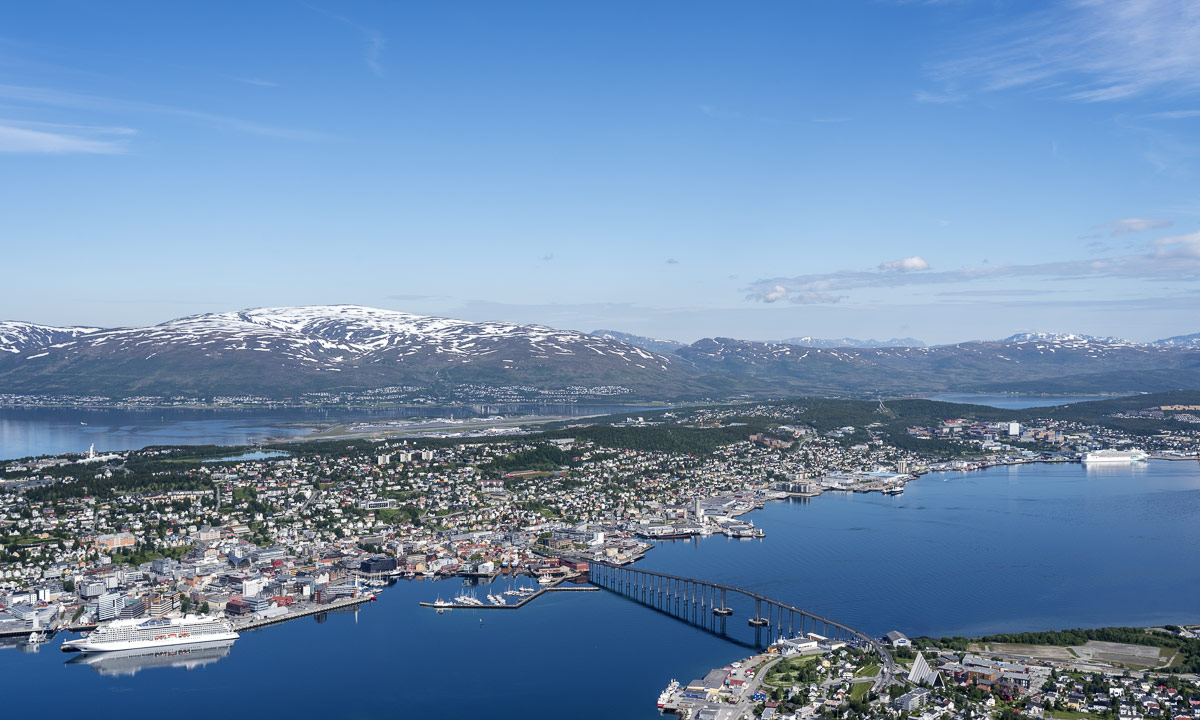
Weather was better than forecasted and so the first thing we did after breakfast was taking the car, crossing the Tromsøysundet on the Tromsø Bridge and taking the Fjellheisen on the other side of the town. Fjellheisen is a cable car up the mountain Storsteinen (approx. 420 m), where you have an incredible view over the town Tromsø, the island Tromsøya and the mountain ranges on the neighbouring islands.

We stayed there the whole morning, enjoying the view, walking around, eating ice cream and looking at the arctic flowers that grew everywhere.

Finally we went down with the cable car again driving back to Tromsø and since the weather was sunny and nice we just continued driving, leaving Tromsøya again, this time using the Sandnessund Bridge. We continued our trip on the island Kvaløya (Whale island), Norway’s fifth largest island. At the western end there’s a bridge leading to the island Sommarøya which sometimes looks like like a caribbean island with it’s turquoise blue bays.

Annika and I were very keen to take a bath, but we all were hungry too, so we took a lunch first. While we were eating our fried fish, clouds approached and soon it started to rain. So much to our summer bath plans …

After looking around on Hillesøya (another bridge, another island) we drove back, this time taking the coastal way in the south of Kvaløya. Finally even the sun came back and illuminated the bright yellow blossoms of Lotus corniculatus, or common bird’s-foot trefoil that covered the sides of the narrow road.

Have a look at the beach photo above. It’s not sand, it’s corals covering this beach, which makes them looking even more caribbean – at least as long it’s sunny.

Late in the afternoon we arrived at our hotel after our first day together.

Tuesday, 11 July

After the rainfalls of the night sun came out again. Time for another trip to the surroundings – this time the island Senja, Norway’s second largest island (beside of Svalbard).

The first part of the tour was the same as the trip to Sommarøya the day before, but instead of turning right the last T-junction we turned left to Brensholmen and waited for the ferry to Botnhamn/Senja. Annika downloaded an app to pay the passage, since it was much cheaper than paying cash. As in Sweden it has become quite unusual to pay cash. The idea to start early was a good one, we were one of the last cars to fit on the ferry. Some others were unlucky – they had to wait for many hours or change plans.

Hour plan was to take a round trip on Senja using the roads 862, 86 and 861. In addition to that we planned to take some side trips.

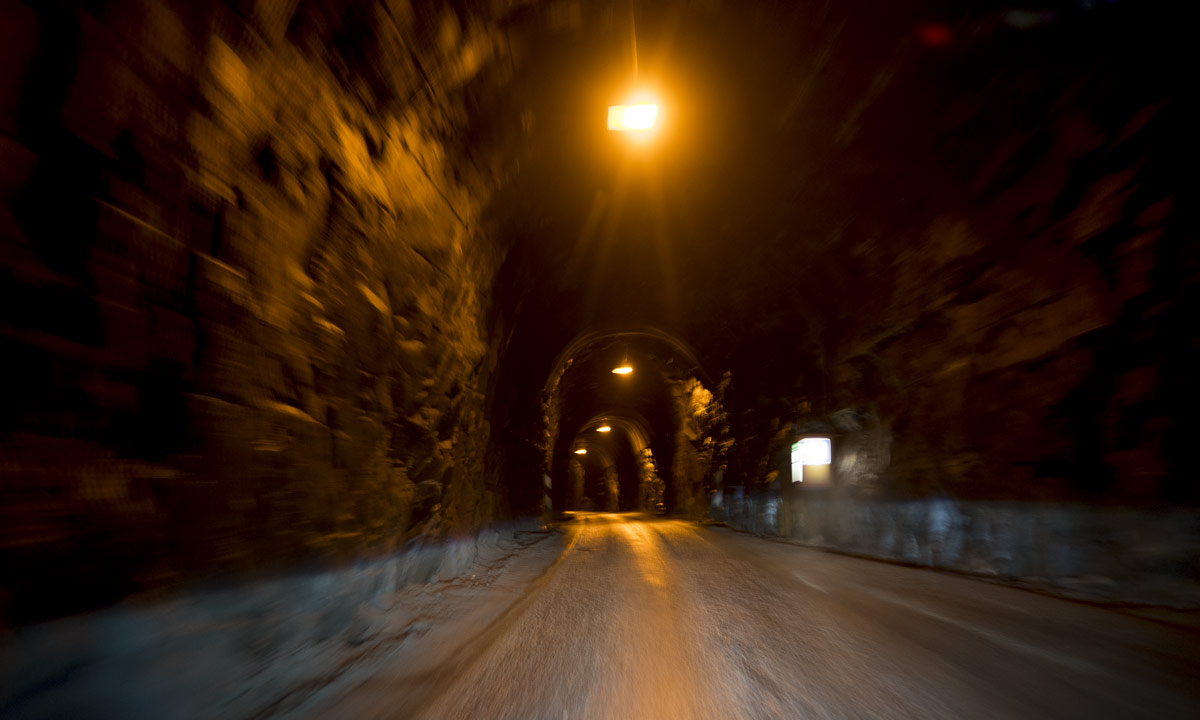
The first side trip was special, since it led through a dark tunnel cut into the rock, that much too narrow for two cars to pass. In addition to that it was curved and bent so that you couldn’t see other approaching cars in advance. There were lay-bys were you could try to squeeze in and let others pass and I was really glad that the regular bus had left the tunnel minutes ago.

But when we left the tunnel we got “Norway in a nutshell”: Wide bogs, birch and pine forests, clear blue lakes, green meadows and fields and most impressive: big snow covered mountains, some of them looking unreachable by foot, so steep and harsh they were.

But it wouldn’t be Norway without the fjords. Sometimes the coast is as rocky as the mountains, sometimes it provides sandy beaches in beautiful bays. And finally we came to our bath, all three of us. Of course the water was cold, but the air was warm and we stayed in the water quite a long time.

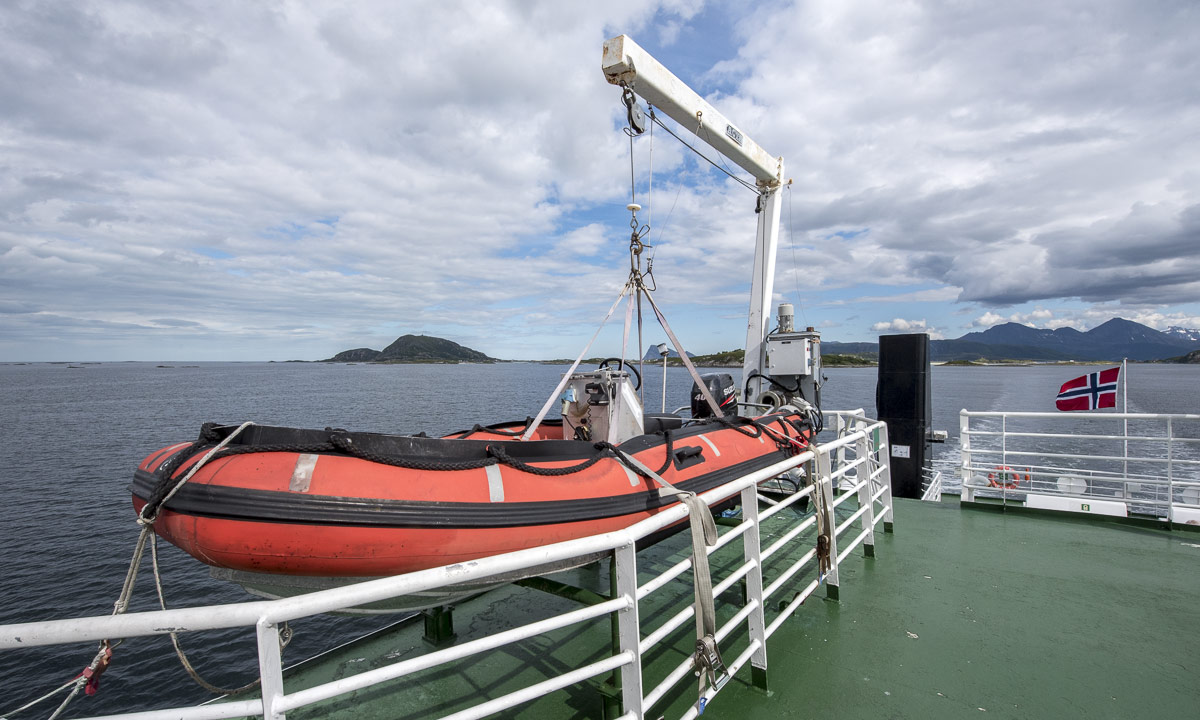
We continued our round trip, again some clouds approached and again some rain drops fell. I thought we’d have to wait an hour for the ferry back, the ferry arrived simultaneously. I realised that I looked wrong when I checked the timetable, but we were lucky and found a place on the ship anyway.

On the way back we didn’t stop for taking pictures any longer. First of all the weather had become grey and dull and then we were tired and hungry. So we stopped only at the supermarket to buy some food for the dinner.

The other days

We did it right, making the larger trips in the beginning, because the other two days it was cloudy and rainy. Time for some sight seeing and indoor activities in the city that we hardly touched the last two days.

We visited the Polarmuseet – we went shopping (kind of) – we tried to visit the Tromsø Cathedral (in vain, it was closed).  We visited a photo exhibition in the Universitetsmuseet – we were on board of the seal hunting ship Polstjerna (another museum) – we strolled around in the beautiful botanical garden (hard to find!). We ate lunch or dinner at the harbour – we visited the park Prestvannet – we visited the Hurtigruten ship Trollfjord, the very same ship Annika and I travelled with last winter. Did I forgot something? Certainly!

On friday we started our road trip back to Skelleftehamn were I live, but that’s another story.

It’s summer

When you look out of your window and see long green grass in the urgent need of being cut, where 4 weeks ago a snow shower covered the whole garden with white

When you go along the river Skellefteälven and finally other flowers started to bloom than only tussilago

When nights are no dark nights any longer and it will take many weeks until you can see the first stars again …

When you paddle on the river Skellefteälven, barefoot, just with t-shirt and shorts, not with a drysuit as three weeks ago and you even enjoy becoming wet by some breaking waves, because it’s so refreshing …

… then it’s summer in Northern Sweden.

And summer is more than welcome after the long winter. By the way, summer solstice is just 10 days away.

From winter to summer in seven days.

I hardly can remember the intense snow fall a week ago, when I look at a day as today.

Today in a nutshell: sun, shorts, temperatures between 15° and 22° C, sandals, blue sky, t-shirt only, ice cream.

It looked like early spring with only some of the birches starting to come into leaf but it felt more like high summer with today’s temperatures.

Annika and I have been in the “Arboretum Norr” today, just five days later as last year. Last year we could see many different species of flowers, this year only some, mostly Tussilago and Alpine Penny-cress, the two flowers that use to bloom first in the season. No wonder, April and May has been colder than last year. But today warmth attracted many butterflies, such as this European peacock.

And Tussilago is a beautiful flower anyway.

Abroad north – climbing the mountain Roßkopf

I’m at Arlanda Airport, waiting for my flight to Skellefteå. I’m longing home to Skelleftehamn but my thoughts are still in Germany, where I visited C. and O. – two fantastic friends who live in Munich yesterday.

Since the weather promised to be good, we decided to make a tour near Spitzingsee in the German Alps. We soon realised that all lifts and cable cars were closed and so we decided to climb the mountain Roßkopf (1580 m). It won’t be so hard, it’s just 500 meters up and then down the other side to the Albert-Link-Hütte, which is famous for its Kaiserschmarrn!

There was not much snow round the lake Spitzingsee (1084 m) but you could see, that some slopes and mountain tops were still quite white. Anyway I thought that it wouldn’t be so much. The Roßkopf is hardly 100 meter higher than the Feldberg were I’d been the Sunday before.

I had to smile about the man that went down the grass covered ski slope with huge ski boots, shouldering a pair of skis. Did he find any snow to glide down more than ten metres, I wondered. Well, I might have been wrong …

We started going up the grassy slope, partly following the way, partly just going up. There were some leftover snow fields to cross, but mostly we went on bare ground, looking at the countless flowers. When we went up the first slope we turned left and soon the way was completely covered with snow.

We carefully avoided the places round the little brooks and stream to avoid getting wet feet. Anyway I  guessed that the snow was round 50 cm deep – more than expected.

Some skiers approached, effortlessly gliding downhills. We went up until we came to a place with another ski lift. It was closed too. Shall we take the longer but flatter snowy way through the forest or just go uphills? We decided for the latter knowing that we could take as many rests as we wanted. We saw some skiers, but no one on foot as we ourselves.

Well, we managed the slope, but it was hard work and we rested more than once, before we continued plodding through at least knee deep snow. But it was worth it. When we stood on the mountain saddle that leads to the Roßkopf we had a gorgeous view onto the much higher mountain tops in the South.

We went to the Roßkopf were we met some other hikers without skis or snowshoes. We learned that there would be no really easy way down but we soon made up our minds about our way down.

The first steps went well, then we landed in a large patch of much deeper snow. My legs disappeared completely in the wet snow several times. It was easier however to glide down there than on the lower parts of the slope, that were partly snowy, partly grassy and partly covered with slippery clay. None of us managed to go down the whole way without slipping.

I didn’t expect that so much snow would have been left even on the less high mountains in the beginning of May. So I took a picture of me myself being stuck in the snow. It might be a bit overexaggerated perhaps …:

Soon we arrived less steep terrain where we just could plod through the snow again. After another fifteen minutes we were in the land of Spring again.

But when we looked up we could see the land of Winter. That very land that we touch just half an hour before.

So – much snow left in the German mountains. But how about home? Will I still have snow in my backyard in Skelleftehamn? I don’t know. I’ll see it in some hours.


Tussilago 2017

It almost became a tradition: take photos of the first local spring flower and share them in my blog. And as every year the winner is tussilago. These samples I photographed yesterday in Skelleftehamn.

What spring flowers blossom at your place?


Beach pea

It’s July and the beach peas (aka sea peas) are blooming. They love sand or gravel beaches, where they seem to crouch over the ground. Crouching I did, too, to get a photo from the pale purple blossoms.

These flowers grew near Grundskatan south of Bjuröklubb.

Translation:

EnglishGermanSwedishLatin
Beach pea / Sea peaStrand-PlatterbseStrandvialLathyrus japonicus