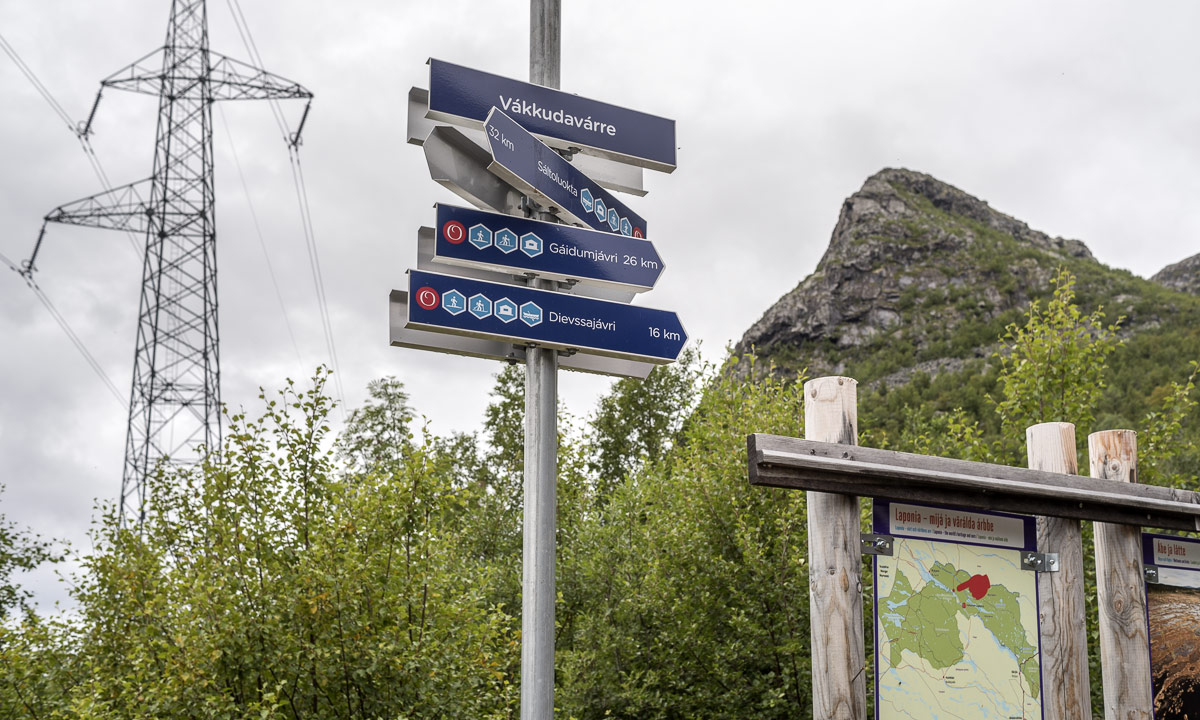
24 August: Kungsleden day 5 – Singi—Sälka (12 km)

This article is part of the series “2017-08: Kungsleden hike”.

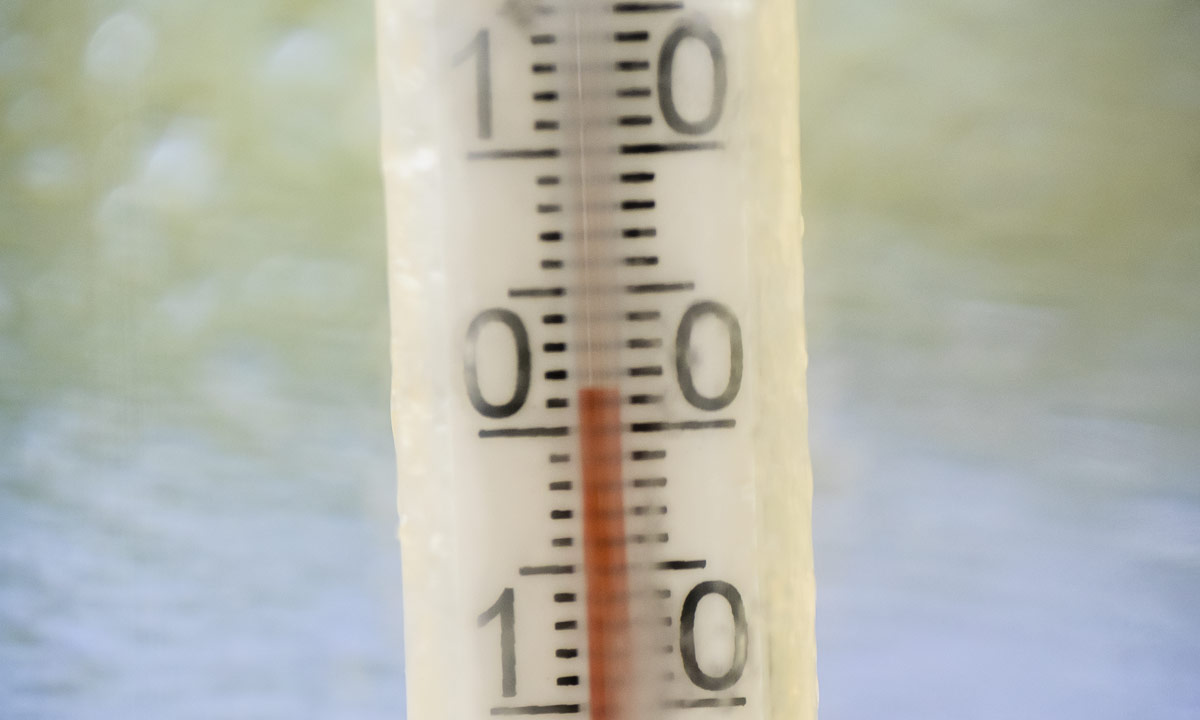
The morning in Singi was cold. The temperature was just above freezing point and again it had snowed onto the higher mountain tops.

Good to have a stove to fire and a gas burner to prepare hot tea!

Each day we got out of our beds earlier and earlier. This day we stood up way before seven and started our hiking day already at half past eight. Hejdå, Singi!

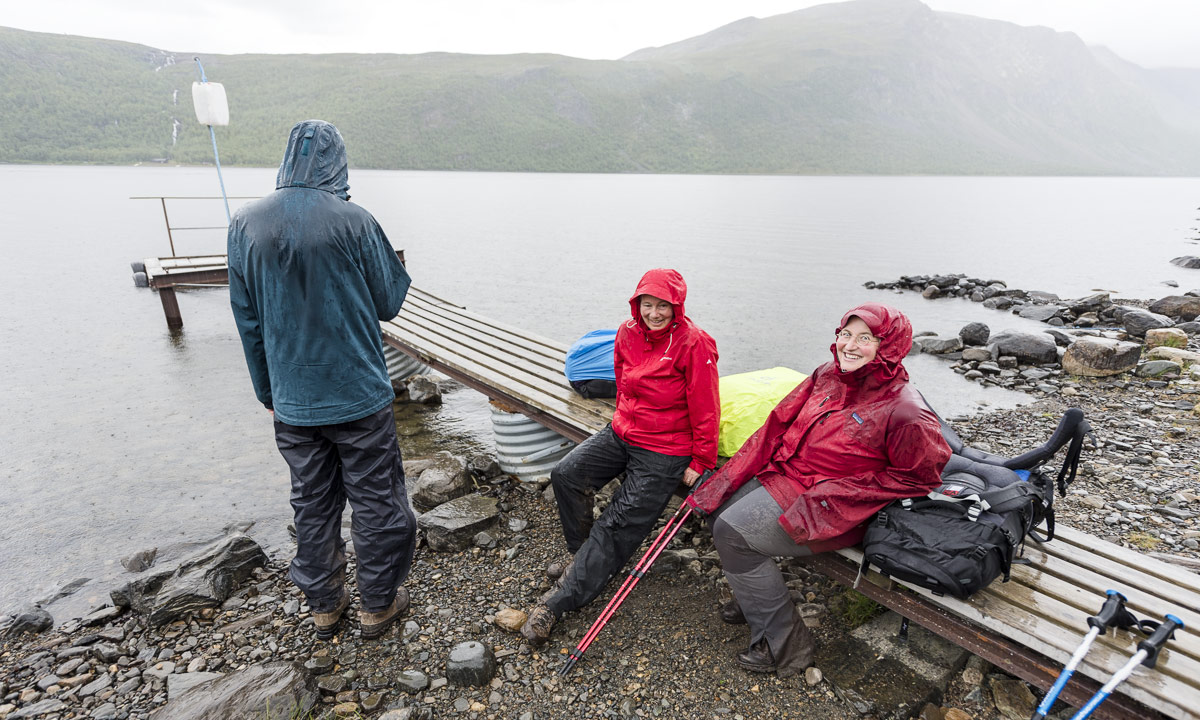
It’s only twelve kilometres to the Sälkastugorna, so we could take it easy. We planned to take a rest in the small emergency shelter Kuoperjåkka which is 6 km away from Singi but it was already occupied. So we rested outside. Despite to the cold weather there were many mosquitoes that tried to bite us. Some succeeded, some died …

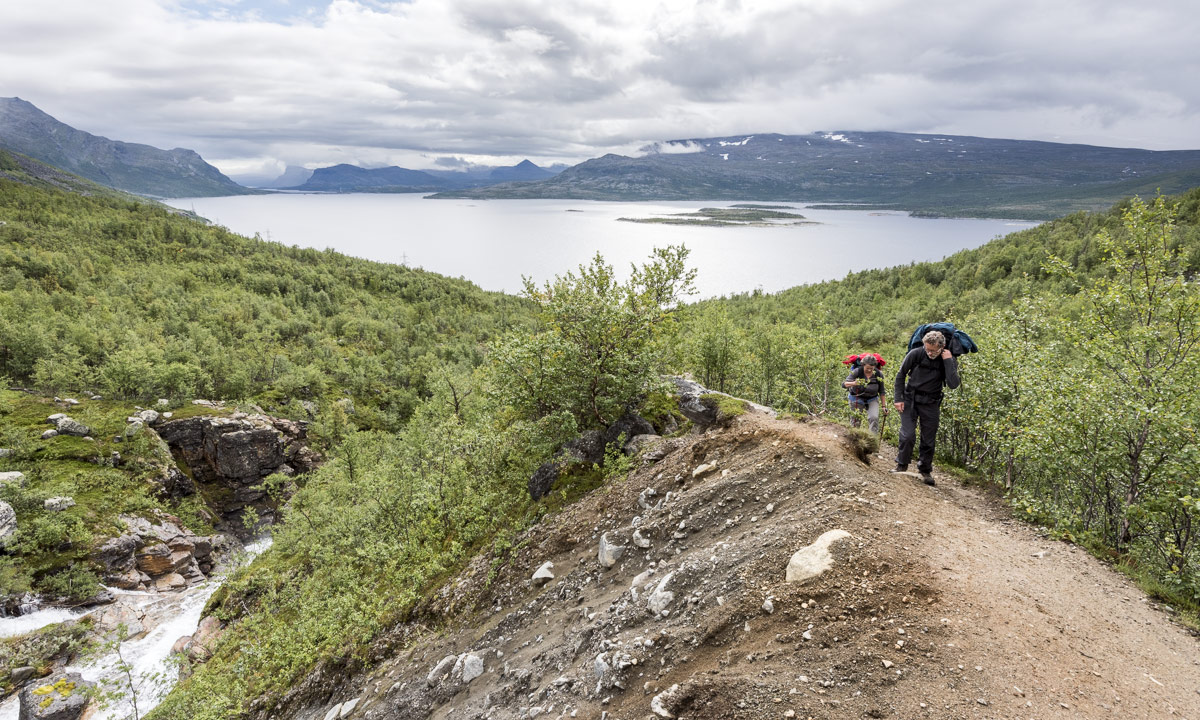
We continued our trail to the north and crossed many small mountain rivers and alpine brooks. All of them were bridged. The smaller ones with wooden planks, the larger ones with metal chain bridges.

First the sky was grey and the air chilly but little by little it was clearing up and the mountain tops that first were hidden by clouds and haze started to reappear.

At 13:30 we arrived in Sälka where one of the three stugvärdar – the mountain-lodge keepers – gave us four beds in a 10-bed-room. A lot of people stayed overnight and some of the latecomers had to sleep on mattresses on the floor or in the sauna.

I took an afternoon stroll and peeked into the Stuor Reaiddávággi, the valley that we would hike through the following day.

The kitchen was both too small and designed in the most impractical way. So we moved into our room after dinner and avoided that kitchen. Quite early we climbed in our beds (it’s always bunk beds with two or in some huts even three beds on top of each other), but we didn’t get much sleep that night. Eleven people were sleeping in that room and it was noisy and the air was hot and fuggy. Anyway I managed to fall asleep after a while.

In the night some of us were woken up by a bright flashing light. It held on for minutes without stopping and I realised, that it came from the outside. The light was attached on an antenna on top of a roof and illuminated the whole area. I put on some clothes, went outside and woke up a stugvärd by knocking at the window. He told me, that the police would call. (Every hut on the Kungsleden has a satellite telephone, but only the police can phone the huts from the outside.) I went into bed again, realising once more the bad air  in the room, but I didn’t dare to open a window since it was cold outside. Finally I managed to fall asleep again.

Next day the stugvärd thanked me for waking up him. The police was asked to look for a hiker, that indeed had been in Sälka the day before but already had continued his trip.

There are summer trails and winter trails. Partly they are united and partly they run differently. Summer trails mostly are marked with piles of stones. The upper stone is often painted red to increase the visibility of the waymark. Winter trails are marked with red crosses sitting on the top of long poles. Nowadays many of those crosses are made of plastic. That’s a shame since they are ugly, probably less ecological and quite fragile, too.

Don’t follow a winter trail in summer if you don’t want to swim through lakes or find yourself sinking deeply into the mud of a bog.

20 August: Kungsleden day 1 – Vakkotavare—Teusajaure (16 km)

This article is part of the series “2017-08: Kungsleden hike”.

The idea to walk the Kungsleden with my sister Katrin and my brother-in-law Andi had been existing several years. This year we put our plan into action and went this famous Swedish long-distance trail from Vakkotavare to Abisko, which is round about 110 kilometres. Fortunately Annika had time to join us.

We started our tour on 20 August, exactly two weeks ago. As many hikes our tour started with public transport: The bus 93 from Gällivare to Ritsem. The last 130 km of that route are famous for being Sweden’s longest dead-end road.

We however left the bus at Vakkotavare where we immediately started the tour. We had no time to loose since our destination – the Teusajaure hut – is located on the other side of the lake Teusajaure and we hoped for a lift with the motor boat at 19:15 to avoid rowing cross the lake.

The first part of the trail is quite steep and leads along a mountain brook with some waterfalls. 500 metres in altitude can be exhausting, when it’s the first day and the backpacks are still packed with some extra food.

Finally we were on the plateau on the “kalfjäll”, the alpine region above the tree line. I really love that bleak but wide landscape where you can look so far.

Until then we were quite lucky with the weather. It wasn’t sunny but at least it didn’t rain. But the weather worsened. The clouds became darker and it started to rain, first lightly then gradually intensifying. We could see some patches of old snow far away but soon all mountain peaks vanished in the thick layer of clouds.

The last part of the trail descends again. This was probably the most dreadful stage of our whole hike: it rained more and more and the steep stony path downwards was muddy and slippery. Despite of the rain there was not a single wisp of wind. So every second we stopped we were immediately surrounded by clouds of mosquitoes that landed in our eyes and nostrils or tried to get into our ears to suck our blood. Anyway we hardly rested anyhow since we tried to reach the boat.

We managed to reach the landing stage at the lake Teusajaure in time, wound up the signal for the boat (a white plastic jerry can) and waited. At least we were glad that the hut Teusajaure was in sight.

I felt disappointed and frustrated. It was the first hiking tour in Sweden for Katrin and Andi. What would happen if the weather would stay like that? And the muddy trails? And the mosquito clouds? Would we continue or abandon the tour? What would they think about hiking in Lapland? Would they ever come again …?

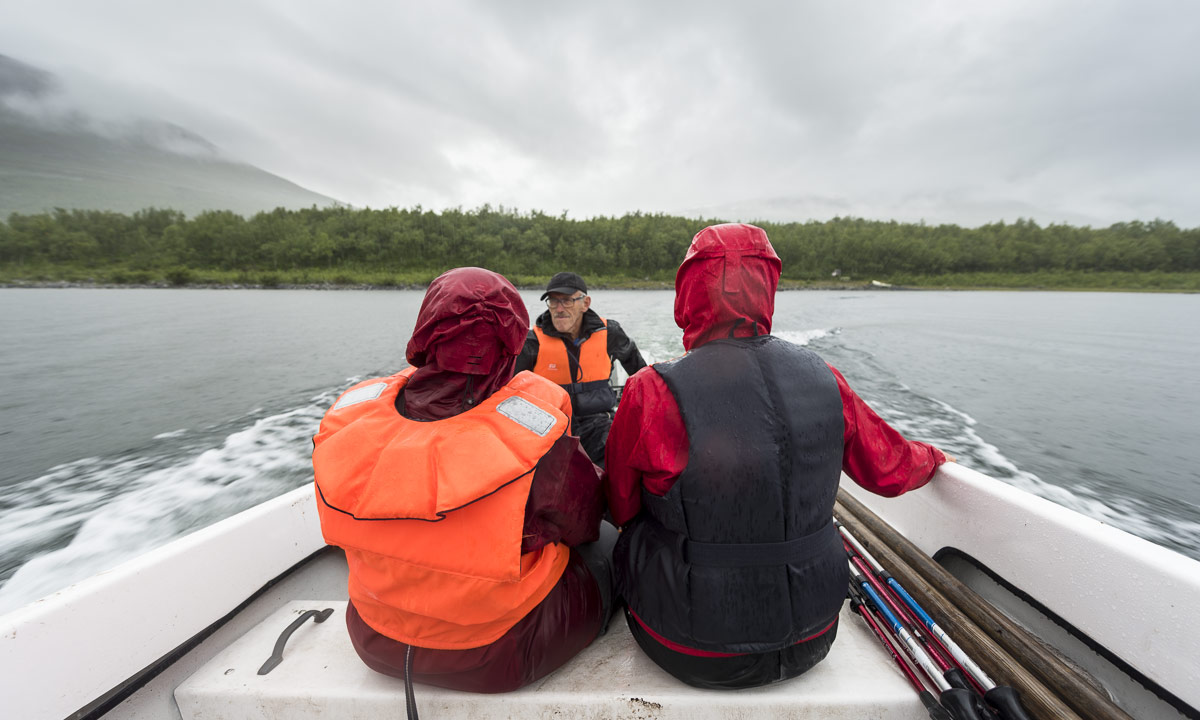
Soon we could see the boat leaving the other side of the lake. Minutes later it arrived. We put the backpacks onboard, jumped in, put on live wests and soon brought across the lake.

On the other side we unpacked the wet trunks and the stugvärd – the mountain-lodge keeper – gave us four beds to sleep. While Annika and I had hiked in Sweden many times it was brand new to Katrin and Andi and felt like a culture shock:

No electricity, no water tap and no water toilet neither! Instead of that: candles, a wood fired oven, two gas cookers and some buckets with water – partly fresh, partly used. And the earth closet somewhere out in the dusk. Again I felt a bit guilty that I persuaded Katrin and Andi into that Kungsleden hike.

Anyway the first tour day that was long away from being ideal came to a nice end: We had pasta, fresh chanterelle mushrooms and sour cream with us for the first day and therefore could enjoy a dinner far above standard. Now we only hoped for the rain to stop. It didn’t take long until we went to bed and soon we all slept.

What do you do if you don’t want to get a motor boat lift? You row by yourself. That’s round 1 km one way.

There are three rowing boats total. If you have two boats on your side, you’re lucky: Just take the boat and row across the lake.

If you have only one boat on your side, you have to row three times: First you take the boat and cross the lake. Then you row back with the same boat and a second boat in tow. Then you leave that second boat and row again a third time. So it’s ensured that there’s always at least one boat on each side.

It’s summer

When you look out of your window and see long green grass in the urgent need of being cut, where 4 weeks ago a snow shower covered the whole garden with white

When you go along the river Skellefteälven and finally other flowers started to bloom than only tussilago

When nights are no dark nights any longer and it will take many weeks until you can see the first stars again …

When you paddle on the river Skellefteälven, barefoot, just with t-shirt and shorts, not with a drysuit as three weeks ago and you even enjoy becoming wet by some breaking waves, because it’s so refreshing …

… then it’s summer in Northern Sweden.

And summer is more than welcome after the long winter. By the way, summer solstice is just 10 days away.

Ice fishing in Skelleftehamn

When it’s as warm and sunny as today many ice fishers enjoy sitting on their little folding stools on the ice, that still covers a small part of the bay Kallholmsfjärden in Skelleftehamn. I guess it’s both the glorious springlike weather as well as the knowledge that there may not be many opportunities left to set foot on the ice and do “pimpelfiske” this season. The open water in the background is quite near.

Some hours earlier: I stand at the very edge of the peninsula Näsgrundet and look at the Baltic Sea, which is partly ice covered and partly open. As it looks, I could both walk and paddle to the island Gåsören. I do neither nor. I don’t dare walking since the ice may be weak and I’m just too lazy to take the kayak today.

Visiting the “Vindelälvsdraget”

Yesterday Annika and I went to Vännäsby , 25 km away from Umeå, to view the 30th Vindelälvsdraget which is the world biggest draught dog relay according to the organisers. It started in Ammarnäs in the Swedish mountains on Thursday and ended just in Vännasby on Sunday. That’s a distance of 381 km in three and a half days.

Some of the competitors used a sledge pulled by four to six dogs, but most of them skated on skis and had one or two dogs dragging (more or less). They came along on the frozen river Vindelälven, turned into the river Umeåälven, which they had to leave right after the bridge. Some of the teams managed it perfectly while others had to shout höger! (right) to the dogs several times until they obeyed. The river bank is quite steep and was a real challenge for the discipline of the dogs. One of them just rolled in the snow while the skier tried not to slip and fall, while some others were shortly distracted by the smell of the grilled sausage by the trail. However all teams managed to come up where there were only some 100 metres left to the finishing line.

The speaker at the finishing line was great. His talk was so “adagio”, laid back and completely free of any stress. I really enjoyed his almost zen-like moderation which was the total opposite of the normal sport presenters stressful reporting attitude. My kudos!

Some photos:

Links: Website / Information pdf (both in Swedish)

Three times outdoor barbecue

This week vårvintern – “the spring winter” – really has been here. Some degrees above zero during the day, some degrees below at night and still a lot of ice and snow around.

On Tuesday Hans, a friend of mine, and I looked around Bureå’s surroundings. There are many places that are historically interesting or just beautiful and cozy. Some of the historical places however were either snowed in or hard to approach in winter time.

A fire had already been lit of two snowmobilers in the barbecue hut at Burehällorna, a natural reserve at the coast. How good Hans had everything for hamburger grilling with him!

Hans also showed me Bureå camping, his new camping ground right next to the E4. We considered to use the wonderful sauna next to the river Bureälven but postponed it to another day. Even if Hans is going to realise only a third of his plans, this will be a great place to be!

Yesterday I met my friends Annica and Martin and we went to their hut in Bygdeträsk. Anyway we didn’t heat the hut, we stayed outside. After shovelling away the snow to have a place to sit, Martin lit an outdoor fire directly on the icy ground and we grilled sausages. And warmed up apple pie! Sausages have never been my favourite meal of mine, but I really like them when they have been grilled above open fire – even if partly cold, partly burnt. Those who love outdoor grilling over open fire will know what I mean.

Believe it or not – I didn’t make a single photo!

Today Hans, his friend Stefan and I met at Kågehamn and we took a sauna jaunt. Kågehamn is situated at the bay Kågefjärden which has round a dozen islands. We skied over the snow covered sea ice to the island Bastuholmen were Hans has two cabins and a sauna on rafts. While Hans and Stefan started to saw a hole into the ice I fired the sauna oven.

While we waited for the sauna getting hot we grilled. After all the hamburgers and sausages of the week I preferred burgers with halloumi cheese today.

Then we went into the sauna that had been heated up to 60 °C and went into the ice hole several times. I cut my leg, because the ice at the edge is quite sharp. After two rounds of sauna we packed our stuff and skied back again.

If it comes to taking pictures I definitely prefer the cold winter in January, but if it comes to meeting friends and having fun outdoors, vårvintern is just great!


4×4 winter impressions of Kirkenes

This article is part of the series “2017-02: Northern Norway”.

Kirkenes – the harbour

While Annika and our friends in Kirkenes enjoyed their breakfast in the Hotel Thon I took a short promenade along the Johan Knudtzens gata to take some pictures. Already the view from the hotel terrace over the fjord is quite impressive and shows the beauties of the arctic nature while the harbour shows the more practical sides of living here: fishing, both commercially and just for fun.

A hike onto the top of the Lyngberget

After the breakfast we took the car to Jakobsnes and a bit further to take a promenade up the mountain Lyngberget, which lies on the other side of the Bøkfjorden. Here you can have a wide view over the whole town of Kirkenes – at least as long it doesn’t snow, as it did on our way back. I just love these wintry landscapes where you have views over fjell and fjord, but the wind was quite chilly and soon we looked like the participants of an arctic expedition.

The Huskies of the Kirkenes Snowhotel

Today we played tourists and visited the Kirkenes Snowhotel, which is just some hundred metres away. The Snowhotel has 180 Huskies including the seniors plus 30 puppies. The huskies are like we humans – some are working, some are resting, some are curious and some are shy. But they are all very kind and friendly.

Inside the Kirkenes Snowhotel

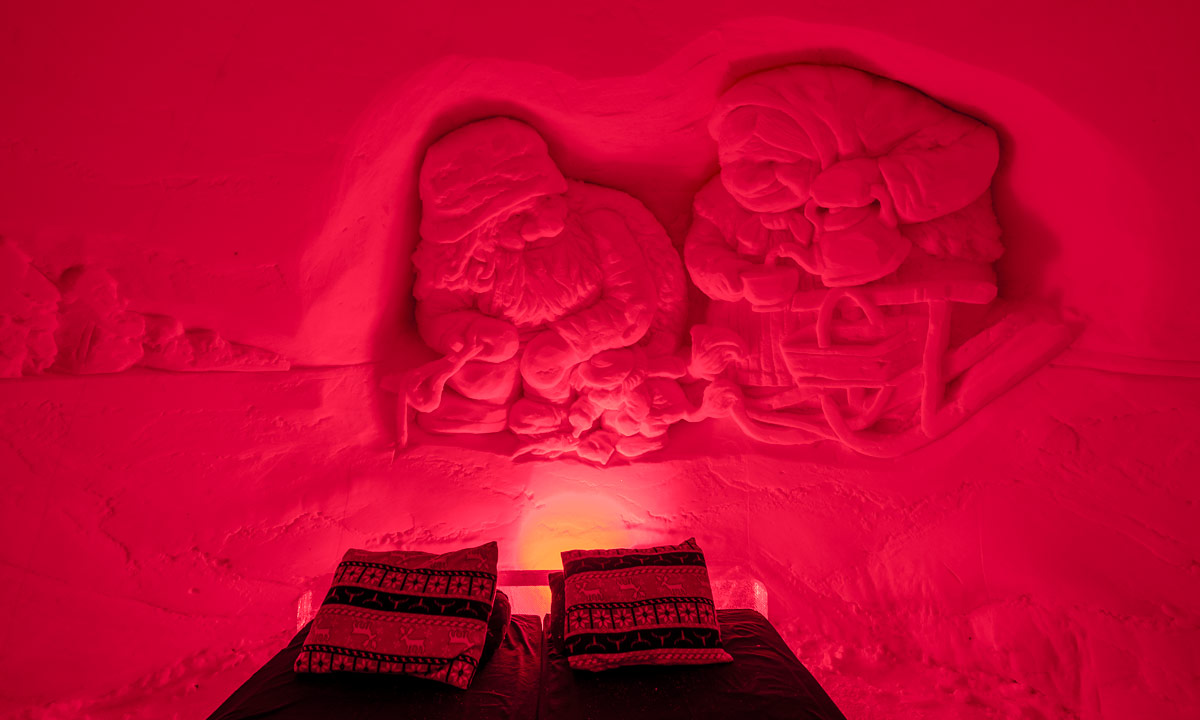
I slept in tents, in igloos and outside in wintertime. I even slept in the Kirkenes Snowhotel two years ago. This time Annika and I enjoy sleeping in the inside of our friends house (Thank you for your great hospitality, Christine and Ørjan) but gave the Snowhotel a visit. And it was worth it – especially the lounge with it carved ice blocks is very impressive.

Tomorrow we’ll leave this fine place, take the car to Vardø in the North (yes, that’s still possible!) and take the Hurtigruten from there to our next destination.

ɥʇnos uʍop ʎɐʍ – part II

Two days ago I started a journey southwards. After half an hour in Stockholm, where I changed trains, I sat in the X2000 to Malmö – a four and a half hour trip. I looked out of the window to have a look at Stockholm and saw the train crossing the Årstaviken on a high rail bridge.

Then I got tired and tried to fall asleep. Then the landscape got a bit boring. Then it got dark. That’s why my camera stayed in its backpack for a long time. Then our train started to delay more and more. Will I be able to catch my connecting train in Malmö? I knew, there were later trains the same day in case of missing this one, but I was a bit nervous anyway. I was tired and just wanted to end this part of my journey as soon as possible.

Two or three minutes before the departure of my connection we arrived in Malmö. I left the train, and started to run: Where’s track 2B? To the left – to the right – holding left – running down the looong escalator. Where’s the train? Oh – the track changed. Where’s track 1A? The other end of the same platform. Jogging again. Where’s the train? Oh – not here yet. Phew!

Some minutes later I entered the local train to Trelleborg where I finished my 12 hour 40 minute journey and took the short way to my hotel. I checked in, went to my room, took a shower and a photo and soon I was fast asleep.

Ten hours later: I stand on the huge ferry to Sassnitz, Rügen, Germany. The ferry crossing will take a bit more than 4 hours. Twice I am inside to buy small things to eat and to drink, the rest I sit or stand outside having a look at Sweden leaving behind, the open Baltic Sea with nothing in view beside of an offshore wind park and some other ships far away. Some places on deck were quite windy, other were wind-protected so that I can sit in T-shirt enjoying the sun. Two and a half hours later Kap Arkona, the northernmost tip of Rügen comes into view and later the outstretched chalk cliffs of Jasmund. A good hour later the ferry goes ashore in Sassnitz and I am in Germany – for the first time after Christmas 2014.

I think, travelling by ship could be my favourite style of travelling. You are not bound to your seat, you can walk around, you get food (if you want) and you can look at the sea. What a pity, that there’s no ferry from Skelleftehamn to Sassnitz. Come on, shipping companies, it’s both the Baltic Sea, it cannot be so hard …

Some images of yesterday: