Waves on the lake Falkträsket

Falkträsket is a lake a kilometre south from Skellefteå. Annika and I have been there yesterday and took a bath. The bath was refreshing and the lake was as calm as usual.

Today I had a litte time between work and the practise with the chamber choir. So I drove to the lake for another bath. It was almost as warm as yesterday and the sky was blue but today it was so windy that my towel was blown away. After I found a sheltered place for my clothes I took a bath in the wave-covered lake. That was fun although the waves were not very big.

Still no rain in sight. This is probably the warmest and driest May since I moved here.

Clearing snow in May?

Today I saw a funny thing in Skelleftehamn. A loader was removing snow from a large snow pile and shovelled it onto a truck. In the middle of May! Birches are leafy, birds are singing, grass is green and people are clearing snow?

In winter, a lot of snow was cleared and the resulting snow mountains were several metres high. They haven’t melted completely yet – some of them are still up to two metres high – but in the summer warmth that we have been experiencing for days it will be only a matter of some weeks until even these snow piles have melted away. So why using a loader?

I can only think of one reason: People are tired of all winter memories! It’s only five weeks and two days till midsummer and already now the nights are not really dark anymore.

Summer is coming.

Lazy sightseeing in Visby

This article is part of the series “2018-05: Gotland”.

After four days of cycling and driving Annika and I use the Friday to take it easy and stroll through the old town of Visby, including sightseeing and visiting restaurants. It is our last day on Gotland, tomorrow we’ll fly back.

We have fallen in love with Gotland a bit, both with the varying landscape and with the beautiful old town. We were incredible lucky with the weather: Sun from morning to night and day temperatures between 20 and 24 °C.

I won’t tell much more about Visby, I just show some photos, all made on Friday:

Sunday afternoon, 13 May: I’m back in Skelleftehamn. No snow is left in my garden and the Baltic Sea before Skelleftehamn is completely free of ice. And finally the birch trees have got fresh green leaves. That’s more spring than one year ago!

Three bicycle tours on Gotland – Wednesday

This article is part of the series “2018-05: Gotland”.

A bicycle tour in seven scenes

1. To Ihre by bus

It’s Wednesday. As yesterday we’ve planned a bicycle tour, this time north from Visby again. Today we want to try to take the bus and cycle back. We have to get up early, the bus leaves at 7:55. As we hoped, the bus driver will transport our bikes. The way however is a bit unexpected: Two bus drivers lift the heavy bikes on a transport rack attached to the back of the bus. It doesn’t look very stable. The bus driver however observes the back camera to check the bikes and it works, we arrive in Ihre without any problems.

2. The beach at Irevik

This stone beach is one of the beaches, where you can find fossils, e.g. Rugosa. There are so many fossils that I find them though hardly looking. (I found fossils however on almost every beach in Gotland.) As a child I collected fossils and it would have been almost impossible to remove my from these beaches. Now I love to look at the white swans as well, but I have many stones in my pockets.

3. Lickershamn

Probably the highlight of the day: Lickershamn, a cute old fishing town where you can buy both smoked fish and ice cream (a good combination if not eaten simultaneously!). We sit outside, it is warm as if it were summer and we enjoy the smoked salmon pieces and the shrimp salad.

4. Raukar near Lickershamn

We saw them already on the way to the sea: The raukar near Lickershamn. A rauk or sea stack is a steep rock formation formed by wave erosion. Due to the post-glacial rebound these rauks are quite far away from the Baltic Sea that formed them.

5. Lickershamn fornborg

Quite near there lies a fornborg, an ancient refuge castle. If you are not into archeology it’s hard to find the leftovers from the iron age in the forest. So I decided to take a picture of the blue flowers that bloomed everywhere in the light pine forest.

6. Ungemiss gård

We pass a farm, now café and art atelier, too. A chicken comes closer curiously. We however want to reach the Krusmyntagården before the kitchen closes and do not take a longer break.

7. Krusmyntagården

We’ve been there two days ago; Krusmyntagården is a wonderful place with great food, even though Annika and I do not fall in love with the saffron pancakes, a speciality from Gotland. It’s really nice to sit outside, have an ice cream, a lemonade and relaxing.

Extra: Brissund bathing place

Next stop: the near sandy beach in Brissund. The water feels much colder than the day before and is hardly more than knee deep. Refreshing however since the air is so warm.

After the bath we head home, first along the main road, then along the beach promenade, then through the old town. The dinner (taken on the roof terrace of our apartment): green asparagus with ham and potatoes.

First impressions of Visby, Gotland

This article is part of the series “2018-05: Gotland”.

And now to something completely different after all that snow and ice.

Yesterday Annika and I took the plane. First to Stockholm Arlanda and then to Gotland – Swedens largest island –  where we’ll stay in the Visby – Gotland’s main town – for a week.

Some first impressions from our yesterday’s walk through this wonderful medieval town:


Ice report 5 May 2018

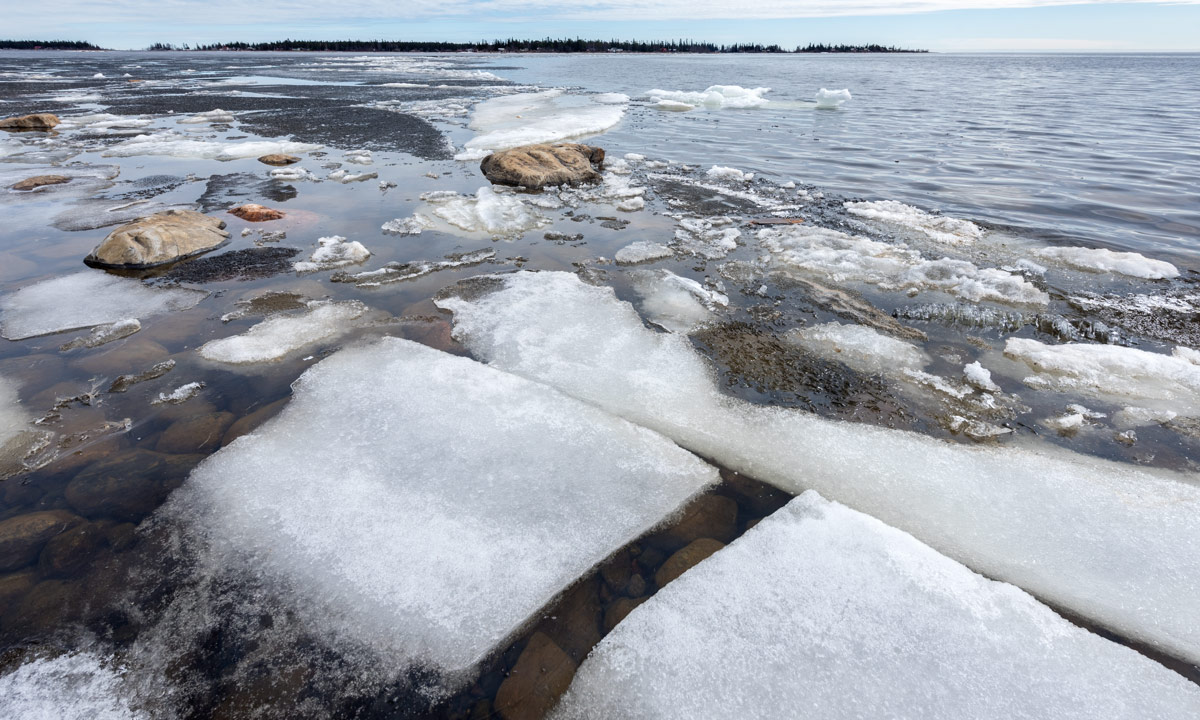
This morning I took the car to the lotsstation – the pilot station – on the peninsula Näsgrundet and took a closer look at the Baltic Sea. It was mostly free of ice, but the sheltered parts between mainland and the nearer islands were still covered with grey old ice. The rocky shore was partly covered with ice, too and some white ice floes floated on the ice cold water.

During the day it cleared up and the temperatures rose to 17 °C. Seven hours I returned to the same place. The floating ice I had photoed in the morning was gone by now. Had it melted or drifted away? I had to go to another more sheltered spot to be able to make probably my last ice photos in Skelleftehamn this season:

Why “the last snow” and “the last ice”? The reason is simple: Tomorrow Annika and I will fly to Gotland for a week. According to the weather forecast the next week should be warm and sunny, both in Skelleftehamn and on Gotland. I guess when I’m back, all snow and ice – beside of some huge manmade snow piles – has be melted away.

Then I’ll take a bath in the ice cold water and call it “spring bath”!

P.S.:

Snow report May 4 2018

Winter lovers in Skelleftehamn, you have to face it: winter is over and the snow is melting fast. Almost the entire property is free of snow. There is however some snow left round my house, so let’s check it out:

1. Next to the neighbours garage (45 cm)

There’s a pile of snow next to the garage. Anyway, that doesn’t really count. It’s remnants of a roof avalanche that slid down weeks ago.

2. Behind the garden hedge (33 cm)

There’s snow in the shadow of the garden hedge. Anyway, that doesn’t really count. That’s the place, where I had my personal snow dump.

3. On the garage driveway (47 cm)

There’s an icy pile of snow on the garage driveway. Anyway, that doesn’t really count. That’s the place, where my neighbour dumped the snow when he cleared the snow for me while I travelled around in February and March.

4. On the lawn (2 cm)

There’s a shallow spot of snow in the progress of melting. That snow does count as a matter of fact. No one moved snow to this place, it’s the last real remnant of the long winter 2017/18.

Incidentally, the last photo reminds me of Dr. Seuss’ children book The Cat in the Hat.

This will probably will be the last article about snow for a longer while. I probably won’t find any snow in June, July, or August. Or what do you think?

The first rain for ages

This morning I was awakened by a strange noise. The noise of dripping water.

First I thought of the smelting snow on the roof but that noise sounded differently. More like many tiny drops of water everywhere. Like precipitation of liquified snow, what do you call it …?

Ah yes, “rain”. It is called rain.

Of course I still know the word for rain but it was a long time ago that I experienced it, at least at home. I tried to remember the last rainfalls I witnessed.

  • 2 March (Domen between Vardø and Kiberg) – a short and light rain shower (temperature: -6 °C!)
  • 1 March (between Varangerbotn and Vadsø) – plus temperatures and rainy weather.

But before that? I even search the January and February articles of my own blog in for the word “rain” but only to find the words “train” and “terrain”.

But last year then?

  • 29 or 30 December (Bremen) – that’s Northern Germany, far away in the south. That doesn’t count.
  • 20 December (Skelleftehamn) – that’s the last rain at home I remember.

Exactly four months ago! The rest was snow. That’s the winter how I like it!

Since I consider blog articles without images as boring, I added an upside down image of Skellefteå today.


Between the seasons

Still a lot of snow in Skelleftehamn, still freezing temperatures every single night, still no rain since last year (if I’m right), but …

… spring comes nearer. According to smhi spring has already come to the town Skellefteå some days ago. Seems to fit, because I saw the first coltsfoots in bloom in Skellefteå yesterday. Unlike Skellefteå, Skelleftehamn is located by the Baltic Sea and the Baltic Sea is still covered with ice that cools down the air and causes the beginning of spring to delay by several weeks.

The snow piles on the first two images are remnants of the continuous snow clearing the whole winter. When walking around while taking these photos I experienced snow depths between 0 and 60 cm. Round 60 cm of snow lie in my backyard, too. At least all fences look out of the snow again.

Translation:

EnglishGermanSwedish
coltfootHuflattichtussilago