Wintry impressions from Sandängesstranden
Some wintry impressions from a promenade at the beach Sandängesstranden in Piteå.


Some wintry impressions from a promenade at the beach Sandängesstranden in Piteå.
It became colder the last days. Yesterday temperatures were between -10 °C and -6 °C. Today it was warmer but still below zero the whole day. Especially the night before last was cold: coldest in Nattavaara with -23.8 °C but even in Åliden, just 33 km west, temperatures lay round -17 °C the whole night.
This morning I took the car to the bridge Sundgrundsbron that leads over the river Skellefteälven and pleasured in the wonderful sunrise colours. The sky in the east was coloured of warm shades of bright orange, while the sky in the west was more blue and purple, looking much colder.
Due to the stream parts of the Skellefteälven were still open but many parts were already covered with ice. Noises of cracking and clicking echoed through the air, clearly indicating that the ice was still fresh and quite thin.
A family of mute swans paddled over the river. Did they decide to stay or will they fly south? I hope they’ll cope the cold weather in case of staying.


If you look closer at the first photo you see a layer of clouds hovering above the horizon. The locals call this phenomenon “vinterväggen”, meaning “the winter wall”. It’s quite typical for this season and sometimes the whole eastern horizon is covered by a thick layer of clouds. According to a neighbour it’s this type kind of clouds that brings snow.
But according to the weather forecast tomorrow’s precipitation will come more as rain than snow.
This article is part of the series “2017-08: Kungsleden hike”.
From Alesjaure to Abiskojaure it’s round about 22 km to go. That’s the longest day’s march on that part of the Kungsleden. The first 7 km go along the lake Alisjávri which is good for a special reason: In summer there’s a boat shuttle service that allows hikers to skip this part. We all decided to take the boat, both to shorten the distance and to enjoy the boat trip itself.
Since the first regular boat starts at 10 o’clock we had a very relaxed breakfast with a lot of time. The quite large shop had fresh eggs so we had the pleasure of boiled eggs for breakfast. And very special egg cups …

The sun came out and illuminated the Alisvággi, the valley that leads to Tjäktja.

We went to the shipping pear already at 9:30, to go sure that we would find places on the boat. Andi ran up the yellow flag – the signal for the boatsman. The sun came out and I decided to take a bath. Not so easy, since the water was only knee-deep (and as icecold as expected).


Soon the boat arrived with stugvärd J. onboard. He was out fishing and succeeded: eight big arctic chars he caught.
At ten o’clock we departed. I could have stayed on the boat for hours, not only because I love to go by ship or boat, but even more because the sami boatsman had so much to tell.
He was living in Alesjávri for the summer “together with his dog and three common gulls” to run this transport business that he considers as a holiday. In September he would continue herding his reindeers. There are 17 families left in his sameby that do reindeer husbandry full time. (A sameby is kind of juridic and economical collective for reindeer husbandry.) He told us much more (all in Swedish) but after barely half an hour we arrived at the other shipping pear and went ashore.


When we started to walk it started to rain – bad timing. It was more a series of rain showers and I put on my hood and put it off again many times. Almost all mountains lay in the clouds, only the Ádnji seemed to have sun the whole time.

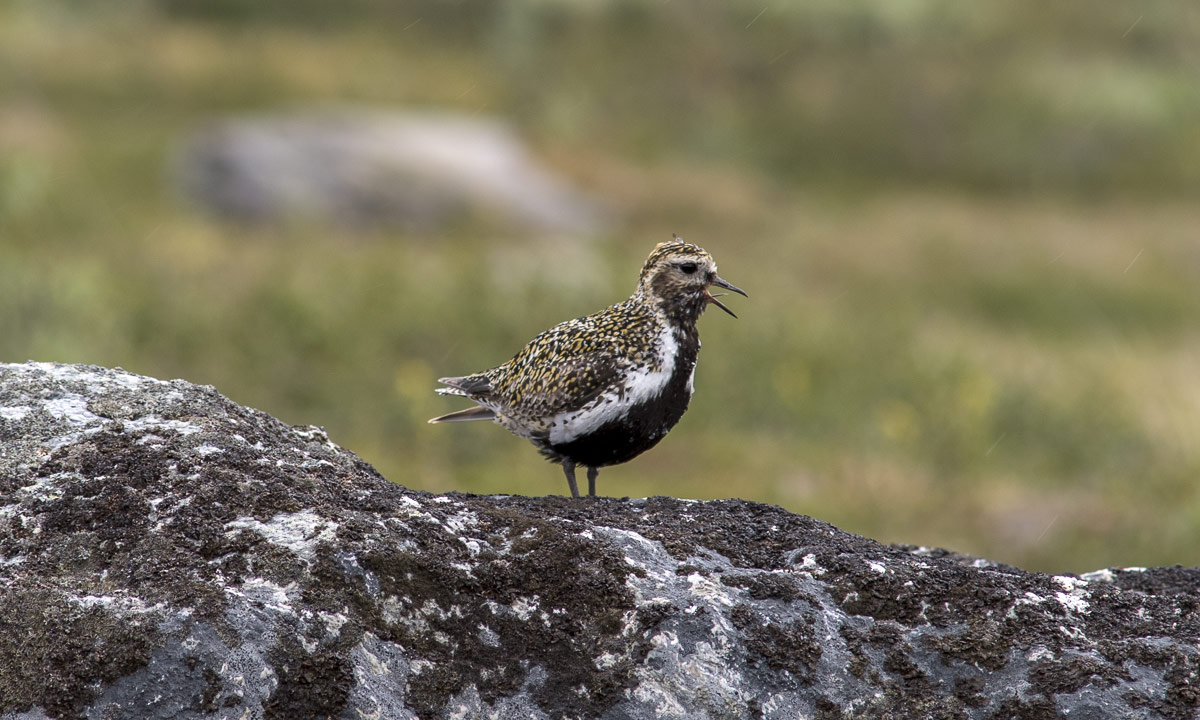
While we went on something chirped. Beep – Beep – (silence) – Beep … . We had heard that sound before on our hiking tour, but it was the first time that we could spot the matching bird. It was a golden plover as we figured out later. The bird was a bit nervous while I crawled nearer and nearer to get a photo, but it didn’t flee. Unfortunately my travel tele lens is not the best but I got a photo anyway.
We crossed the long reindeer fence that separates the sameby Laevas in the south and the sameby Gabna in the north. We just had to climb some stairs, where the Kungsleden crossed the border.
I knew that I had to say farewell to the treeless kalfjäll soon. In a short while we would enter the valley Gárddenvággi that would lead us deeper and deeper into more forested terrain. I was a bit sad, when i said farewell to that wonderful landscape.


The next kilometres were rainy, stony and muddy and we all just wanted to arrive in Abiskojaure, well knowing that it still would take some hours until we would arrive. I just trotted along and didn’t use my camera until we arrived in Abiskojaure. Here we finally made the photo of our four backpacks that we had talked about for days, but I was much too lazy to arrange it nicely.

The rain had stopped and the sun came out again so I took some last photos of the day, eager to eat something and to relax in the sauna.


Since Abiskojaure is the last hut before Abisko we found a lot of leftover food as dried vegetables, noodles or tuna sauce. That gave us a formidable afternoon meal. While we prepared for the sauna we heard, that there were moose on the other side of the lake. Indeed two female moose stood there in the wateraquatic plants. There were far away but we saw them dipping there heads into the water (they could hold their breeze really long) and eating aquatic plants. We saw them wading, swimming and shaking out the water. They had spotted us but knew that we were far away and no danger for them.


Katrin, Annika and Andi headed for the sauna, I watched a bit longer. When I went back to the hut I saw some others photoing something. It was a huge male moose, that stood amidst the huts and seemed to be not at all shy. I never saw a male moose so close! The moose went away, but stopped again, when he found rallarros flowers between the old toilet building and the wood shed. While watching us all the time he continued picking flowers with his huge mouth and eating them. At least twenty people stood there, watching, photographing and filming. Since all were quite sensible – no one was too hasty, too loud or came too near – we all could watch this big animal for some minutes. Then it took some step into the forest and almost instantly vanished in the shadows. What an experience!


This article is part of the series “2017-07: Tromsø”.
It’s me who is thrilled by the North, who loves to travel to places like Tromsø or Kirkenes. It’s my mother however who has been much northerly than I was. She was in Spitsbergen/Svalbard with a cruise ship many years ago. But on the way back the route had to be changed due to fields of drifting ice and therefore the travellers couldn’t leave the ship in Tromsø. So my mother missed Tromsø on that cruise.
This year we managed to close this gap: three weeks ago my mother took a plane to Munich, another plane to Oslo and a third plane to Tromsø, where Annika and I picked her up from the airport. That’s why we’d travelled to Tromsø by car two days before.
We had four days in Tromsø, I will write mostly about the first two:
Weather was better than forecasted and so the first thing we did after breakfast was taking the car, crossing the Tromsøysundet on the Tromsø Bridge and taking the Fjellheisen on the other side of the town. Fjellheisen is a cable car up the mountain Storsteinen (approx. 420 m), where you have an incredible view over the town Tromsø, the island Tromsøya and the mountain ranges on the neighbouring islands.
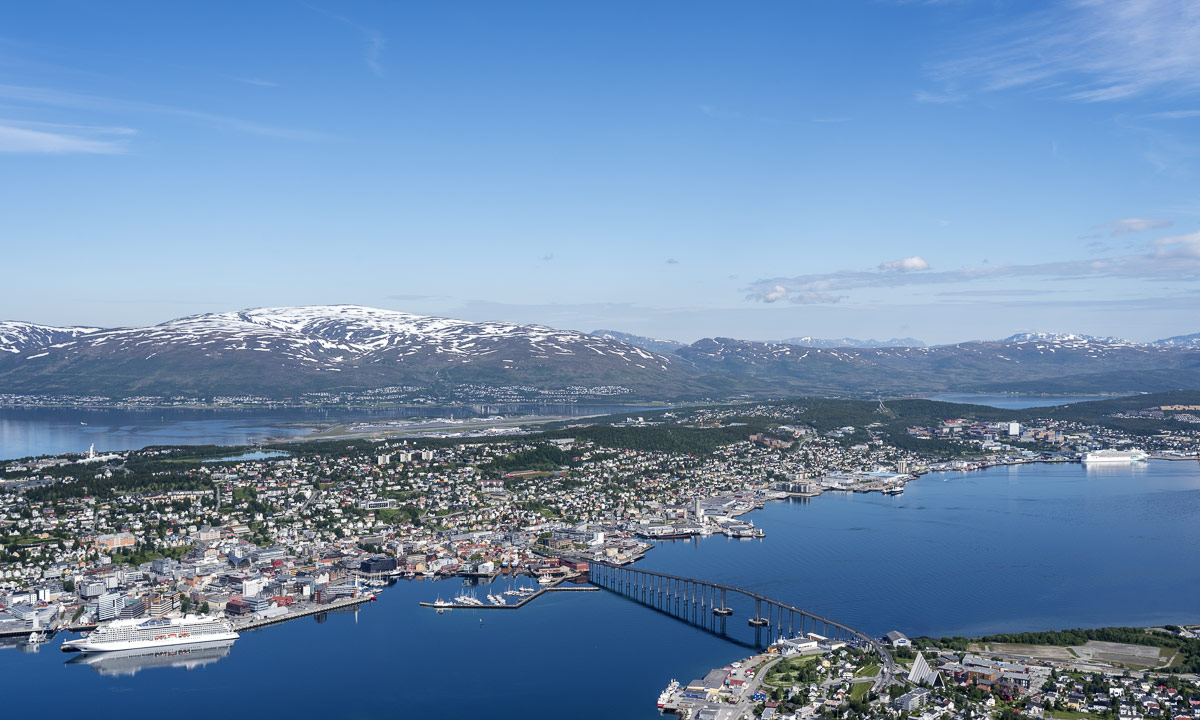


We stayed there the whole morning, enjoying the view, walking around, eating ice cream and looking at the arctic flowers that grew everywhere.


Finally we went down with the cable car again driving back to Tromsø and since the weather was sunny and nice we just continued driving, leaving Tromsøya again, this time using the Sandnessund Bridge. We continued our trip on the island Kvaløya (Whale island), Norway’s fifth largest island. At the western end there’s a bridge leading to the island Sommarøya which sometimes looks like like a caribbean island with it’s turquoise blue bays.

Annika and I were very keen to take a bath, but we all were hungry too, so we took a lunch first. While we were eating our fried fish, clouds approached and soon it started to rain. So much to our summer bath plans …
After looking around on Hillesøya (another bridge, another island) we drove back, this time taking the coastal way in the south of Kvaløya. Finally even the sun came back and illuminated the bright yellow blossoms of Lotus corniculatus, or common bird’s-foot trefoil that covered the sides of the narrow road.


Have a look at the beach photo above. It’s not sand, it’s corals covering this beach, which makes them looking even more caribbean – at least as long it’s sunny.
Late in the afternoon we arrived at our hotel after our first day together.
After the rainfalls of the night sun came out again. Time for another trip to the surroundings – this time the island Senja, Norway’s second largest island (beside of Svalbard).
The first part of the tour was the same as the trip to Sommarøya the day before, but instead of turning right the last T-junction we turned left to Brensholmen and waited for the ferry to Botnhamn/Senja. Annika downloaded an app to pay the passage, since it was much cheaper than paying cash. As in Sweden it has become quite unusual to pay cash. The idea to start early was a good one, we were one of the last cars to fit on the ferry. Some others were unlucky – they had to wait for many hours or change plans.

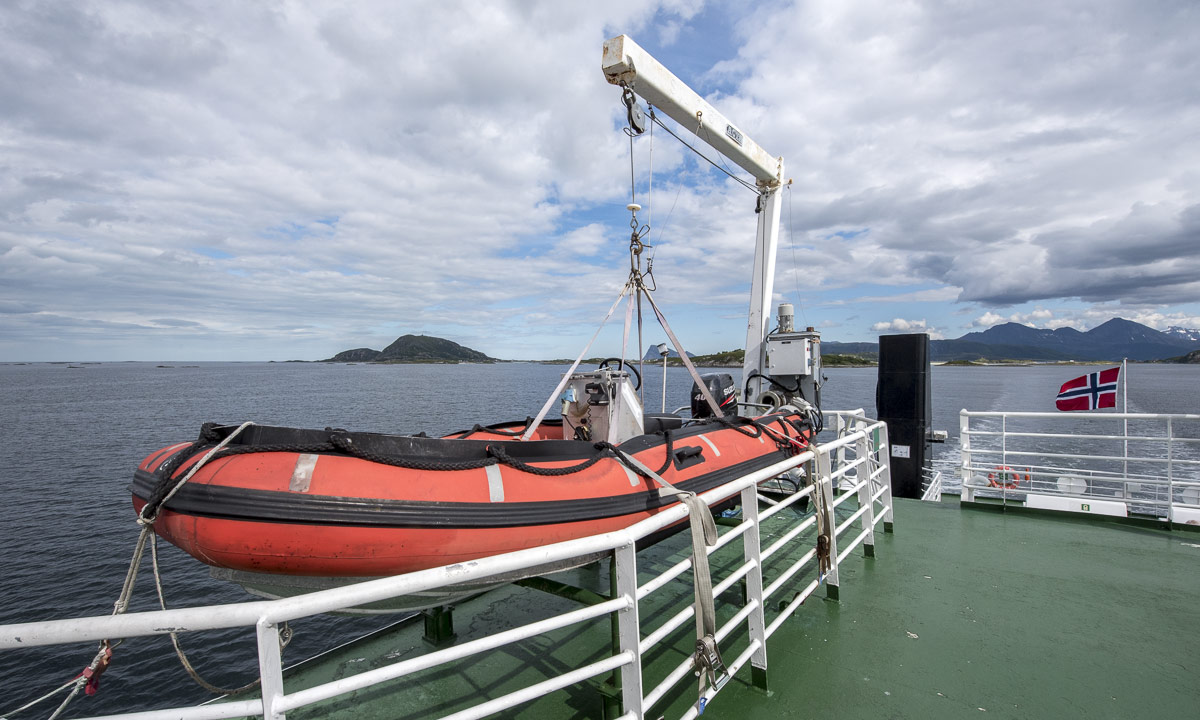
Hour plan was to take a round trip on Senja using the roads 862, 86 and 861. In addition to that we planned to take some side trips.
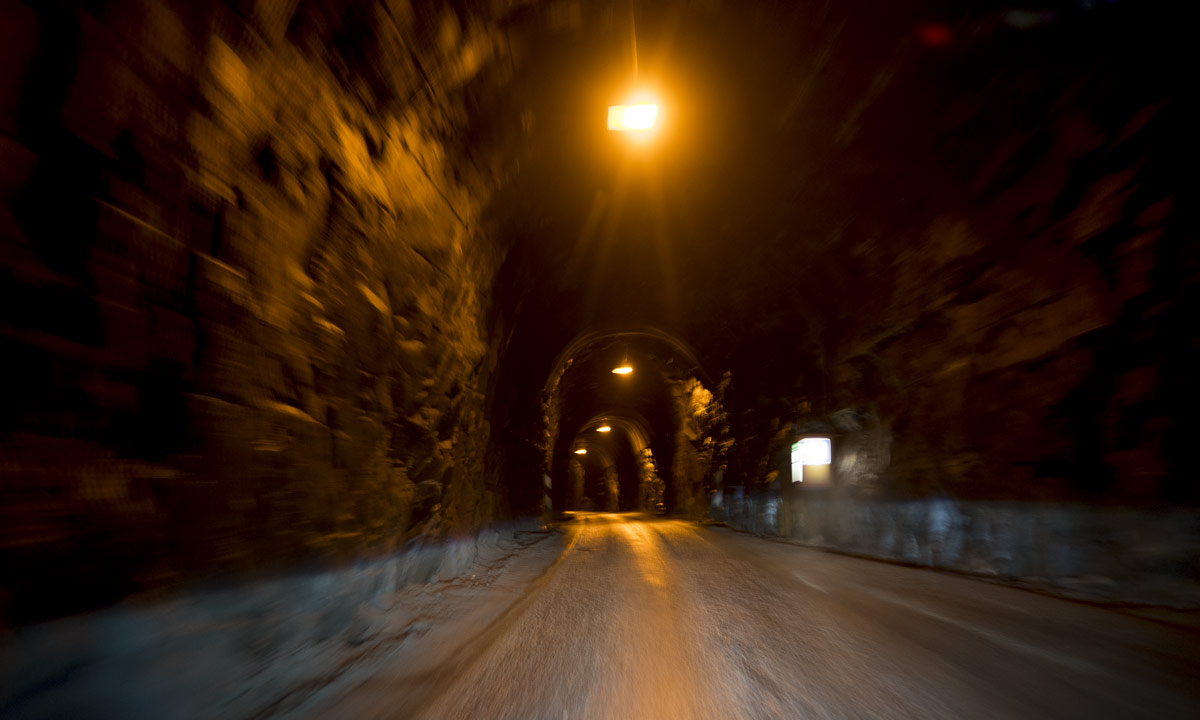
The first side trip was special, since it led through a dark tunnel cut into the rock, that much too narrow for two cars to pass. In addition to that it was curved and bent so that you couldn’t see other approaching cars in advance. There were lay-bys were you could try to squeeze in and let others pass and I was really glad that the regular bus had left the tunnel minutes ago.
But when we left the tunnel we got “Norway in a nutshell”: Wide bogs, birch and pine forests, clear blue lakes, green meadows and fields and most impressive: big snow covered mountains, some of them looking unreachable by foot, so steep and harsh they were.


But it wouldn’t be Norway without the fjords. Sometimes the coast is as rocky as the mountains, sometimes it provides sandy beaches in beautiful bays. And finally we came to our bath, all three of us. Of course the water was cold, but the air was warm and we stayed in the water quite a long time.


We continued our round trip, again some clouds approached and again some rain drops fell. I thought we’d have to wait an hour for the ferry back, the ferry arrived simultaneously. I realised that I looked wrong when I checked the timetable, but we were lucky and found a place on the ship anyway.

On the way back we didn’t stop for taking pictures any longer. First of all the weather had become grey and dull and then we were tired and hungry. So we stopped only at the supermarket to buy some food for the dinner.
We did it right, making the larger trips in the beginning, because the other two days it was cloudy and rainy. Time for some sight seeing and indoor activities in the city that we hardly touched the last two days.
We visited the Polarmuseet – we went shopping (kind of) – we tried to visit the Tromsø Cathedral (in vain, it was closed). We visited a photo exhibition in the Universitetsmuseet – we were on board of the seal hunting ship Polstjerna (another museum) – we strolled around in the beautiful botanical garden (hard to find!). We ate lunch or dinner at the harbour – we visited the park Prestvannet – we visited the Hurtigruten ship Trollfjord, the very same ship Annika and I travelled with last winter. Did I forgot something? Certainly!
On friday we started our road trip back to Skelleftehamn were I live, but that’s another story.
How much should I work for a German customer today? It’s Corpus Christi, a holiday in Germany but not in Sweden. Well, what about a half day? I finished work at 11:30 and shortly after I started a bicycle tour. The first one this year. Today’s destination: Budsba, a Thai restaurant at Skellefteå Solbacken.
Soon I was in the forest where I expected to be alone. But after some hundred metres there was a huge herd of children, who were too busy with themselves to let me though. Anyway I managed to squeeze through and soon I left the group behind – no children were harmed.
I took the forest path along the lake with the most boring name. It’s called Sjön – “The Lake”.


Some weeks ago parts of the way were quite wet, but now it’s much drier. After some bends I saw a car. Then two people with a table. Camping? Picknick? I came nearer and saw the table packed with plastic cups filled with water and juice. The people invited me to drink and I accepted thankfully. They were teachers and told me that it’s skolavslutning tomorrow – the last school day before nine weeks of summer holidays. Today the pupils of the Örjansskolan had a hiking day.

Thanks for the drink, teachers.
I continued the small way, which got sandy – not so nice for cycling – but soon I came to a larger way. I turned right and left again and cycled along a gravel road to Södra Skatan, one of the many cottage colonies by the sea.


Some of the cottages are huge and sometimes they surpass their owner’s regular houses. Most roads near the shore are only made for one reason: reaching those cottages. That’s why most ways come from the inland, lead to some summer cottages and end at the last house. They are hardly connected to each other beside of some narrow paths through the forest, if at all. The way after this last cottage was quite broad but stony and muddy so I had to walk the bike for some metres.


Since there are many cottages along Västerbottens Baltic Sea most of these connection paths are short and soon I was on another road, this time an asphalt street. Beside the street there were many log piles. Almost all Swedish forests are planted for getting timber and piles of logs are a common view in Sweden.

Do you see the white thingy on the left side of the log pile? I stopped the bicycle and looked. I looked again and my first consumption was right: It’s old snow which had transformed to ice. I never saw such nearby so late in the year!


I continued the street until I left it to take the gravel road to Solbacken. It ran through forests and sometimes it was quite stony and hard to bike. Clouds approached, but it was still warm with temperatures between 20 °C and 25 °C. Anyway I passed by another winter souvenir: A snowmobile trail. Some more kilometres and I met civilisation again. On the other side of the European Route E4 I arrived at today’s destination: Budsba.


I took it easy after the lunch, because I ate too much. That’s the problem with huge lunch buffets of tasty food. And spicy – phew, one of the chilly peppers was quite hot. After lunch I crossed the E4 again looking for the short cut to Fällbacken. I found it and after a short rocky passage the gravel path was quite beautiful and not as steep as expected. Here’s a photo of the way:

It wasn’t so steep, because it was the wrong way! It ended after a hundred metres. I returned and found the right way. This way was quite stony. Then it was quite stony and quite steep. Then it was quite stony, quite steep and quite wet.Here’s a photo of the right way:

First I tried to ride my bicycle but soon my hands started to hurt due to the permanent breaking. Therefore I descended and walked my bicycle until I reached the road that would lead me to Boviksbadet, a sandy beach. There I would clean my muddy feet.
An asphalt road again – it was nice and relaxing to just pedal along without looking for stones or glueing my fingers to the handbrakes. I arrived at the beach of Boviksbadet, the bathing beach of Boviken.



I took a rest but I didn’t bath. It was warm and I would have loved to swim. The sea at Buviksbadet however is extremely shallow. You could walk for ages and still would remain in only knee deep water. I waded in a bit, so at least my feet were clean again.
After the rest I continued the road and turned left into the Bergviksvägen. This way leads along the Storberget (100 m) and ascends to 90 metres within a kilometre. First I tried to climb the ascend on my bike, using the lowest available gear, but soon I had to rest while my heart beat like a colibri heart. While resting it started to buzz. Some hundred mosquitoes tried to suck my blood. They had a buffet by their own: Hands, neck, eyes, ankles, arms, legs …
Since I ate too much at the Thai restaurant I didn’t want the litte fellows to make the same mistake and so I decided to move on and walk my bike uphills. Walking is less exhausting and so I was on the “top” quite soon. After cycling one kilometre downhills I had to make up my mind.
But there seemed to be another possibility: I could follow the road for three other kilometres and take the small shortcut southwards, where I would meet a road to Ursviken, which is quite near Skelleftehamn.
And so I did. You should know however that it can be quite uncomfortable following me on shortcuts …
The gravel road descended and was quite broad, but since it was so much gravel on it and potholes in it I didn’t dare to let the bike go and braked from time to time. I approached the shortcut, which didn’t look very promising, but I gave it a try.
I cycled fifty metres away from the main road and looked down to that something that was marked on my map with a black dotted line:

I could return to the main road and just return home the same way, but I still didn’t like the idea. The shortcut would be just some hundred metres and only the first twenty of them seemed to be muddy.
I took my first steps and – splash! – I sank into the mud up to my knees. I freed one foot but unfortunately not the sandal that was still submerged deeply into the mud. It took some time until I could locate it and managed to dig it out. I clamped the sandals on the pannier rack and continued the way barefooted. It was short indeed, hardly 30 metres but my bike was muddy up to the axes and I – well, have a look:


So much to shortcuts …
The “way” became better with some other but less deep mud holes, then it became a grassy path that probably didn’t have been used for a long time (I guess, I know why!)

Now I longed for a bath. My bicycle as well. Anywhere …
… and I was lucky.
The path broadened and soon was covered with gravel again. Marvellous! I knew, that there would be some ponds along the way and I directly stopped at the first one. First I dunked my clothes, then my bike, then myself. After the bath I almost looked civilisation-compatible again. Well, almost!

I continued cycling. The gravel path became a gravel road, became an asphalt street and soon I was on the Skelleftehamnsleden, the road leading to Skelleftehamn, where I arrived round about five hours after my departure.
The daily stage: 42 km biking · ± 800 m walking the bike · ± 100 m bog walking. Not much in distance but in experience.
Today morning was the 103rd February. It has been so cold and snowy the night and morning that I refused to call it 14th May.
Some random photos, taken between 6 and 7 o’clock where temperatures had started being above zero again:


It took the sun some time to melt away the late snow, but this evening most of the snow was gone and I was content to call today’s date 14th May again.

Winter is finally gone. Winter is gone? Well, if you’ll look at the photos below you see that most of the lake Rudtjärnen is still covered with ice and that due to the cold temperatures this evening even the open parts starts to freeze over again.


But hey, that’s part of Spring, too. So I just say: winter is finally gone! Am I right? We’ll see …

By the way the first blog article for long that shows neither snow nor ice.
Friday, 31 Mars: I rehearsed for next days jazz concert with AÅO Trio and Hans Åkesson and it was sunny in Skellefteå.
Saturday, 1 April: I played that concert at the very same place and it snowed. April weather!


Sunday, 2 April: It continued snowing and a new layer of 5 cm of snow covered Skelleftehamn. What a nice birthday present for a winter lover like me!


Still Sunday: While the ice fishing season in Skelleftehamn is finally over, the ice fishers on the big lake Burträsket beside the town Burträsk took advantage of the last days of save ice. And it was many of them!

Monday, 3 April: We had a great late winter day with blue sky above our heads and fresh, white snow under our feet, when we took a promenade along the river Skellefteälven. We – that’s not only Annika and me but also my mother who visited me for some days. It was the first time that she came outside of the summer months and I’m really glad that she got some nice winter impressions.
Yesterday, 4. April: Yesterday it was almost 13 °C in town.
Today, 5. April: it was colder and partly cloudy, but we got a fantastic sundown. What a colourful contrast to the dull weather the ice fishers had experienced.

And the weather next weekend? Well, I don’t know and the weather institute neither. That’s two weekend forecasts of the SMHI – the 1st from Monday afternoon, the 2nd from Tuesday morning:


The temperatures were quite different in the last days. Sometimes it was -7 °C in the morning and even cold at daytime, sometimes it was warm with temperatures round +10 °C and frost-free nights.
But it wasn’t the warm temperatures that eliminated the ice on the Baltic Sea, it was the stormy and gusty winds that broke it apart and blew it away from the coast. Now I could easily paddle again to and even round the island Gåsören if I only had the time. There are however other things to do right now and so it’ll have to wait a bit.

This week vårvintern – “the spring winter” – really has been here. Some degrees above zero during the day, some degrees below at night and still a lot of ice and snow around.
On Tuesday Hans, a friend of mine, and I looked around Bureå’s surroundings. There are many places that are historically interesting or just beautiful and cozy. Some of the historical places however were either snowed in or hard to approach in winter time.

A fire had already been lit of two snowmobilers in the barbecue hut at Burehällorna, a natural reserve at the coast. How good Hans had everything for hamburger grilling with him!


Hans also showed me Bureå camping, his new camping ground right next to the E4. We considered to use the wonderful sauna next to the river Bureälven but postponed it to another day. Even if Hans is going to realise only a third of his plans, this will be a great place to be!

Yesterday I met my friends Annica and Martin and we went to their hut in Bygdeträsk. Anyway we didn’t heat the hut, we stayed outside. After shovelling away the snow to have a place to sit, Martin lit an outdoor fire directly on the icy ground and we grilled sausages. And warmed up apple pie! Sausages have never been my favourite meal of mine, but I really like them when they have been grilled above open fire – even if partly cold, partly burnt. Those who love outdoor grilling over open fire will know what I mean.
Believe it or not – I didn’t make a single photo!
Today Hans, his friend Stefan and I met at Kågehamn and we took a sauna jaunt. Kågehamn is situated at the bay Kågefjärden which has round a dozen islands. We skied over the snow covered sea ice to the island Bastuholmen were Hans has two cabins and a sauna on rafts. While Hans and Stefan started to saw a hole into the ice I fired the sauna oven.


While we waited for the sauna getting hot we grilled. After all the hamburgers and sausages of the week I preferred burgers with halloumi cheese today.

Then we went into the sauna that had been heated up to 60 °C and went into the ice hole several times. I cut my leg, because the ice at the edge is quite sharp. After two rounds of sauna we packed our stuff and skied back again.
If it comes to taking pictures I definitely prefer the cold winter in January, but if it comes to meeting friends and having fun outdoors, vårvintern is just great!