757.5 – from Mosvik to Skelleftehamn by car

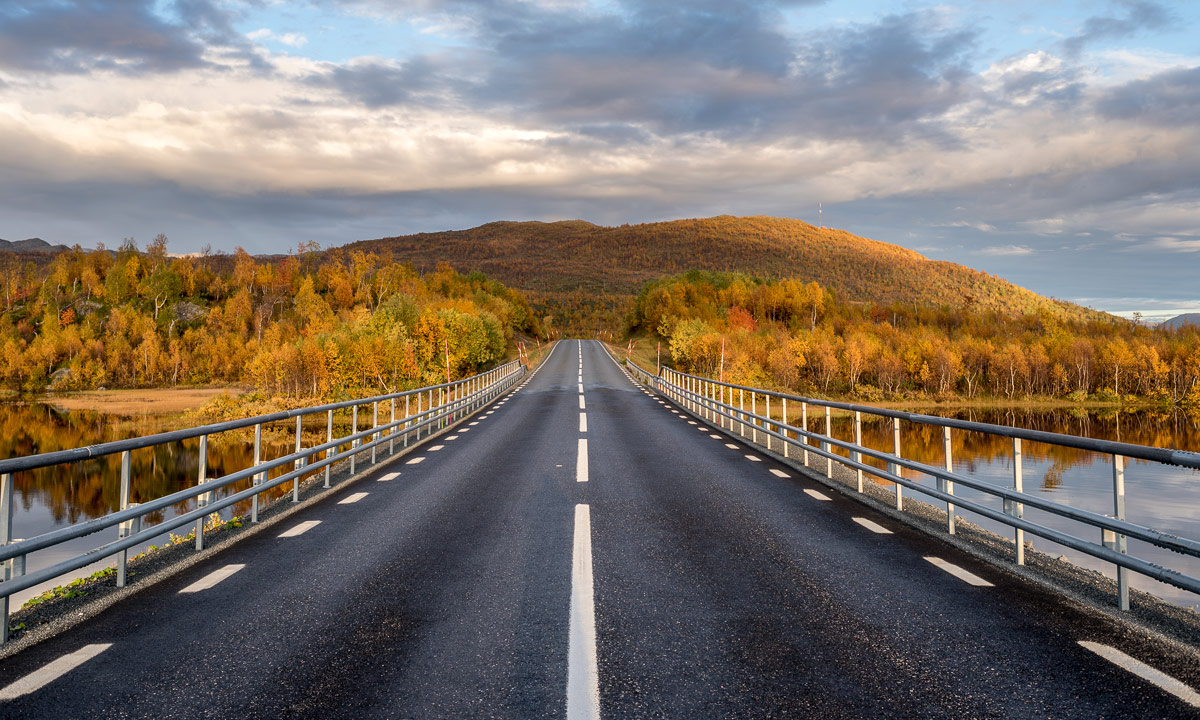
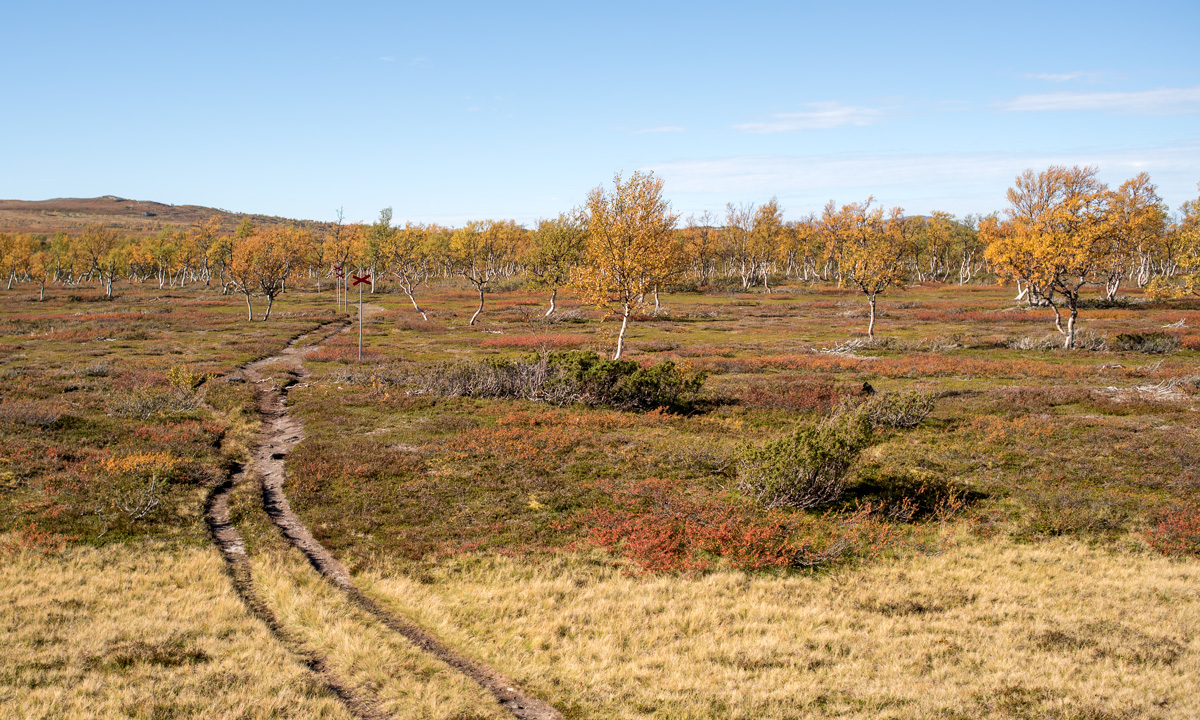
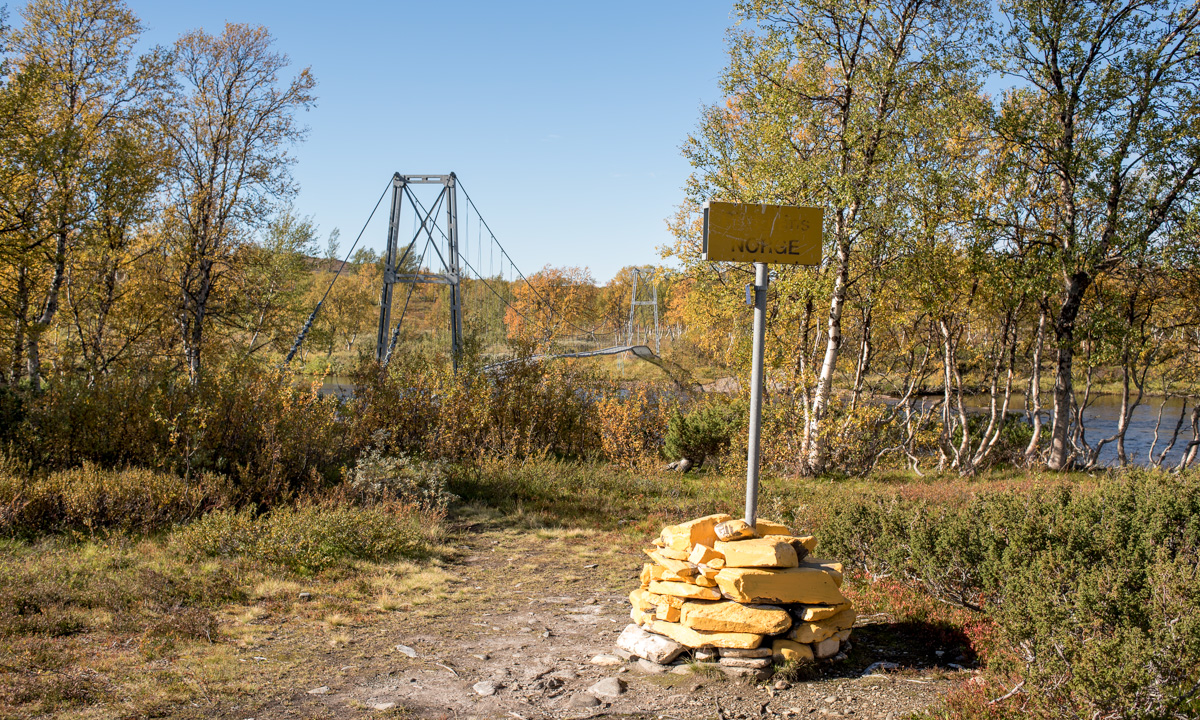
Last week I’ve been in Mosvik (Norway) to visit friends. Yesterday I drove back home, not directly but with a detour via Nordli and Røyrvik (Norway) and Stekenjokk, (Sweden).

According to google maps the direct way is 671 km, taking 8 h 38 min. With the detour it is only 67 km, but 1 h 46 min longer. That says a lot about the small and steep gravel roads near the Swedish–Norwegian border …

For me the journey didn’t take 10.5 hours, but more than 15. For one thing I don’t drive fast, especially in Norway and for another thing I took many smaller rests for taking pictures as well as a lunch and a dinner break. I left at 9 o’clock; at quarter past midnight I finally was home again. Total distance by car: 757.5 km.

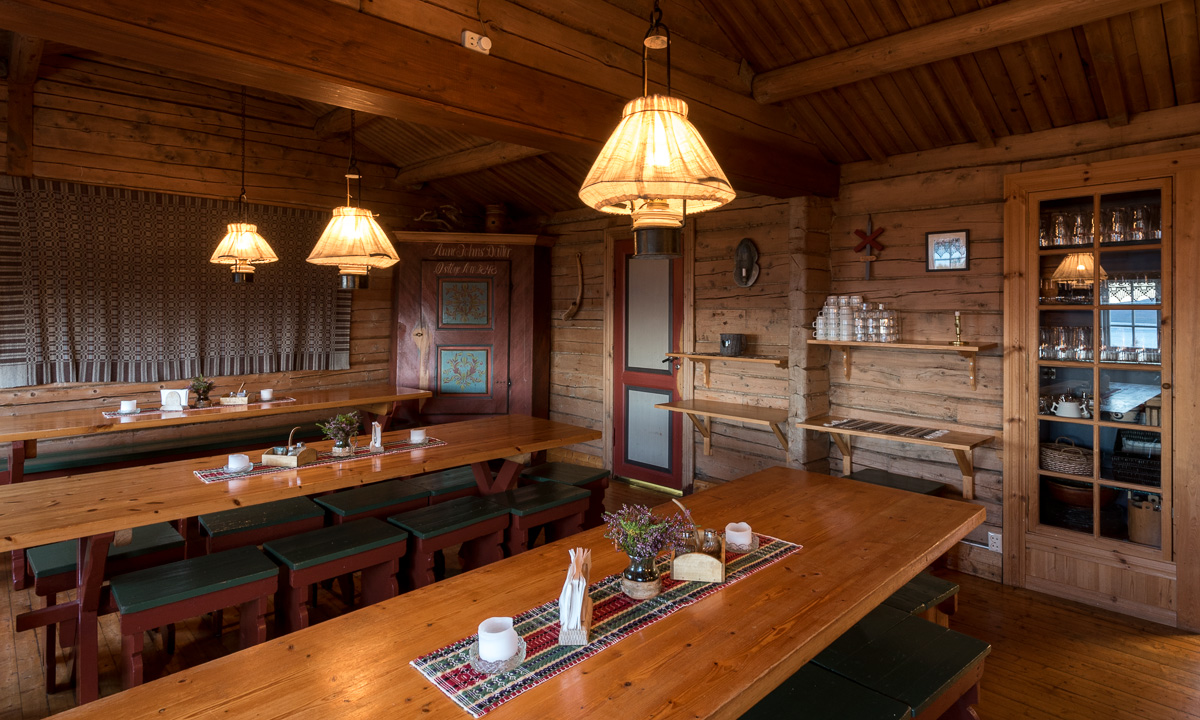
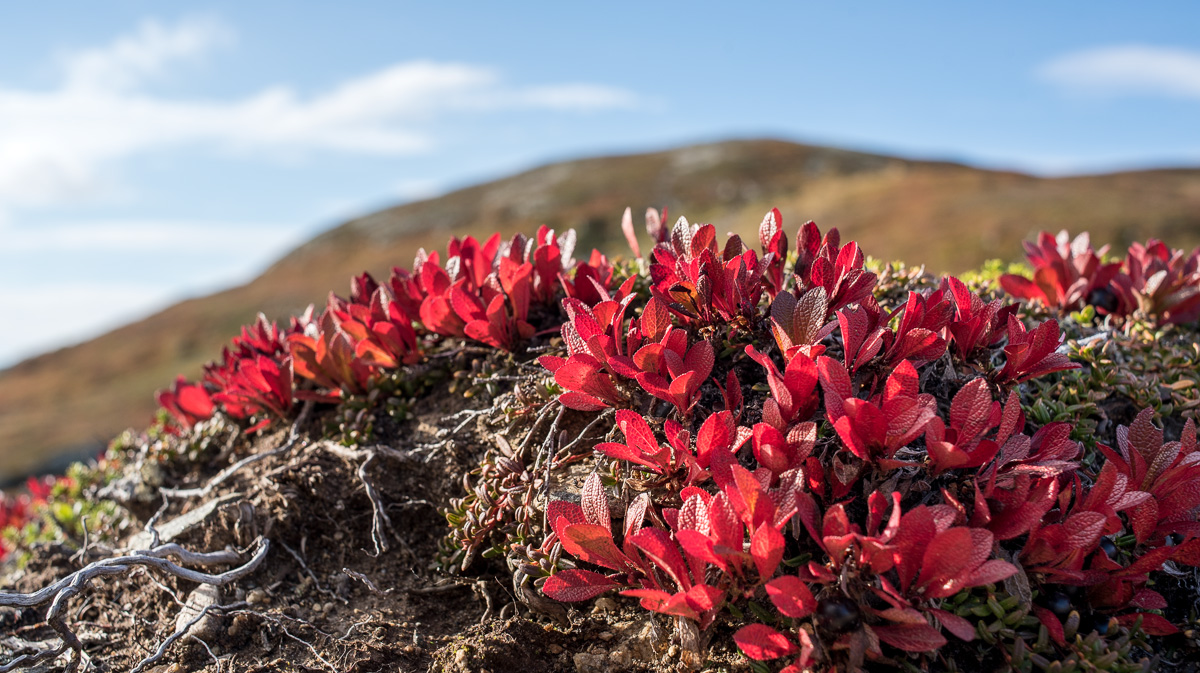
See my travelogue of the journey by clicking the first image and navigating through the images. Swipe on touch devices and click or use arrow keys on other computers.

By the way: After nineteen articles without any photo with snow, this is the first article showing at least some patches of snow again.

A trip above the treeline

Today the weather was really nice in Venneshamn in Norway. I took the car to drive to a mountain area not far away. At least, if you can fly … . If you take the car in Norway, there’s always at least one fjord you have to drive round, in this case the Verrasundet. So it took a bit longer than excepted taking the ways 191, 193 and 720 round the fjord. Finally I approached the street to the lake Ormsetvatnet. Street, well … it’s more like a steep gravel path, that you can drive up some kilometres to a parking place. The last kilometre to the lake is closed for cars and I had to walk it.

At Ormsetvatnet I crossed a dam wall, walked up a tree covered slope and soon was above the treeline. To be honest, I’m not too fond of forests, when it comes to taking pictures and I’m always glad, when I leave the trees behind when doing a mountain trip.

Now I was on a hilly plateau, the Vakkerheia. Some of the flat mountain tops were marked with piles of stones.

In the plain valley between the hilly tops the ground is soft and wet. Sometimes I had to go round shallow ponds and bogs, but mostly the ground was easy to go. In and round the swampy ponds the cotton grass was blooming. To my big delight there were many cloudberries plants growing in the lesser wet parts and the berries were ripe and ready to eat!

Picking cloudberries can be tedious, because of the many bloodthirsty horseflies that seem to guard them. I think, I slew most of them, but some bit me anyway.

After some hours of a really relaxed mountain hike I took another way back until I came to the gravel road again, where my parked car waited for me.

Half a day later

A thunderstorm approaches from the west. The center seems to be above the very same area that I wandered some hours earlier. The thunder and lightnings were as impressive as the intense colours, that I could see from the other side of the fjord. I was glad, that I haven’t been on that plateau – there would be hardly any place to seek shelter from the massive rain fall or to protect from the dangerous lightnings.

Addendum

And since we’re living in the age of selfies …

Mud walking

Last weekend I walked along the sandy beach of Storsanden, which reminded me of the beaches of the Northern Sea. But there are differences. First of all the water of the Bothnian Bay is hardly salty (only 0.3% – 0.5%). That’s why you cannot find shells, jellyfish, shore crabs and other animals.

Wait, there are exceptions: On the beach of Storsanden I found three tiny mussels, hardly two centimetres long. The shells were so soft, that I squished the first two just by touching them. Anyway I succeed in taking home the third one. Here it is:

There’s another difference: We hardly have any tidal movements. The change between ebb and flood is too weak to notice. Sometimes the water is high or low anyway, although independently from any tides. Yesterday we had more than 50 cm below and since many coastal areas are shallow you could see many mud flats along the shores. This may not sound much, but it happened only once that I experienced a water level that was even lower.

That’s how I came to a rare occasion of a mud walking tour along the bays Ytterviksfjärden and Norra Innerviksfjärden yesterday. The sky was grey, it was quite windy and cold. That may sound quite uncomfortable, but at least it hardly rained and I saw not a single mosquito due to the strong wind.

I guess I walked only six or seven kilometres, but the ground was quite muddy and I was really exhausted after plodding through calf to knee deep mud. When I arrived at the car again, it started to rain.

When I came home, I first showered off my neoprene boots (they have flexible soles and won’t get stuck in the mud) and then myself. Great – a hot shower is just great after such a walk, both for cleaning up and for comfort!

It rained the whole night with temperatures dropping to 3.7 °C. I almost expected snow as for example in Kiruna yesterday. What a contrast to the warm summer days last week.

They say, warm and sunny summer weather is on its way. Let’s see …

20 km south, 40 years back

Today I took the car to the peninsula Vånören – ca 20 km linear distance, ca 35 with the car. I thought, I would experience a new place, but well, I just forgot, that I’ve been there already. Anyway, a nice place with quite different types of landscapes. Forests, shallow bogs, rocky coast, small lakes and big granite rocks.

When I came to a rock pool, I saw the first tadpoles of the year. I kneeled down and had a closer look. After a while I discovered other animals in the shallow and clear water – most of them insect larvas. Some of them I knew, others I had to look up when I was home again.

Here they come:

For an hour I was an eight year old boy again. A boy, that has been loving water and all the small animals in it. When I was a child I had tadpoles, water insects, newts or water snails in big plastic bathtubs in the garden each summer.

Back to present age: I kneeled on the rocks, looked at the tadpoles, the great diving beetle larvae (they look like small aliens) – and the shy caddisfly larvas in their self-made “burrows”.

The photos are not the best – the animals were under water, the camera over water. The refraction of the light made it hard to focus and many photos were blurred. But anyway, it was great fun (beside of the hurting knees kneeling on the rough rocky ground).

One question is still open. Have a look at the 5th photo. What is it?! It floated underwater, was round 15 mm long and almost transparent. I don’t think, it’s an insect, perhaps a fish larva, but I don’t have any clue. If you know, what it is, let me know.

Postscript

Number 5 is a mosquito larva, not one of the biting ones, but probably of the family Chaoboridae. German wikipedia describes the larvae as Glasstäbchenlarven which means “glass rod larvae”. A good description in my opinion.

A weekend in Söråsele – rich in variety

Both Annika and I had some days off round last weekend and so we could visit friends of her, who live in Söråsele. That’s in Åsele municipality, 260 kilometres west-southwest from Skelleftehamn. We started our three-day trip on Friday. While all lakes in Skelleftehamn are completely free of ice, many of the lakes in the inland are still covered with soft ice, as for example the southern part of the lake Bjurselet between Bastuträsk and Norsjö. You can still see the numerous snowmobile tracks.

The ground, where I parked my car was quite soft. I left up to 10 cm deep tracks in the muddy ground. But luckily we didn’t get stuck and could continue out tour to Lycksele, where we had a dagens lunch – the lunch of the day. With some other detours and rests – here we met the first mosquitoes of the year, but they didn’t bite us – we proceeded and headed to Åsele. From this town it’s just five other minutes to Söråsele, where M. and F. – Annika’s friends – live.

After saying hello to M. and F. and their dog we said hello to the sheep: six cute adults and three even cuter lambs. I never experienced sheep, that were so cuddly as those little flock – they all came to us, not for begging for food but for being petted and tickled. One of the males bumped the head against my leg every time, when I dared to stop stroking and cuddling him.

Finally I could break free from the sheep to get the camera. I was lucky, none of the sheep licked my wide angle lens, although I came quite near  as you can guess from the pictures:

The next day we moved the fence and the wooden shelter for the sheep. We – that’s four people, a smaller farm tractor and a trailer. Moving the shelter took some hours of thinking and doing, but we succeeded. Anyway, that’s another story …

After a fika – the swedish coffee break, we took the car and drove to Sörnoret to go up the the mountain Bergvattenberget (“the mountain water mountain”). At the northeastern side there’s a 120 meter high steep cliff called Offerhällan where according to old legends Sámi people where pushed down when they were too old to follow the reindeers. Hopefully just a myth.

When you want to hike in May, it’s always a good idea to wear rubber boots, since the ground is still very wet after the snow melt.

The evening we ate home made Lasagne. A lot of home made Lasagne! Especially I was quite stuffed and so we took a small evening promenade along the coast of the lake Söråselesjön which lays right behind M.’s and F.’s beautiful house. The air still was quite warm and the sunset coloured the feathery clouds.

The next day we made another trip, this time to different places. First stop: Torvsjökvarnar, a group of old water mills that form an open-air museum today.

Annika and I already saw some frogs or toads crossing the streets the day before, but here I saw the first frogs from close up. Another spring sign.

Other stops followed but – sorry folks – no photos.

At half past five Annika and I said goodbye and started the way back. We decided to choose another route and took the 92 to Fredrika. A good choice. Here’s one of the artworks of the Konstvägen Sju Älvar (“Art way seven rivers”). It’s called Poem för en imaginär älv  (“poem for an imaginary river”) and is erected on a big rock in the midst of an archaic landscape build of rocks, mud flats and tiny lakes. beside of the road the area looks like ice age would have ended just some hundred years ago.

Just some kilometres later there’s a thing you wouldn’t expect in Northern Sweden: A Thai Buddhist temple called Buddharama Temple. The giant statues of the sitting and standing Buddha and the live size elephants made of stone really look a bit strange in the middle of the Lappish woods. In Thailand 95% of the people are buddhists, but in Norra Norrland …?

(Sorry for the bad photos – the sun was definitely at the wrong place when we visited this temple.)

After that we continued our trip back to Skelleftehamn. I drove the car and Annika guided me along the small roads: BaksjölidenVargträskÖrträskOttonträskVindelnBubergetBotsmarkÅkullsjönBygdsiljumFlarkenÅnäset and than the E4 northwards until the turnout to Skelleftehamn, where we arrived at 22:54.

Thank you, M. and F. for your kind hospitality. We’ll looking forward to come back some other time. Perhaps there are other things left to be moved ;-)

Appendix

i. Animals on the journey:

Among others: Reindeers, four moose, a fox, cute sheep, cranes, Canada geese, swans, some western curlews and a short-eared owl.

ii. Northern lights:

Yesterday the aurora was really strong with a Kp index between 5 and 6, which says it is visible even in Denmark and Scotland. Now it’s a disadvantage to live as up north as I do. The sky is just too bright even in the dead of night to watch the Northern Lights. I guess, we’ll have to wait until August.


Two images of the lake Snesviken

The heavy snowfall some days ago is history. Heavy rain melted the snow away. More and more ice on the lakes and the Baltic Sea disappears, too and only rests of snow and ice remind of the last winter.

Two images of the lake Snesviken – the first one shot yesterday, the second one made some hours ago.

Old ice and new ice on the lake Snesviken

All ice is melting. The Baltic Sea is almost completely free of ice, while the sheltered lakes in the wood are still frozen up. But even there the ice has started to thin down and melt, especially near the shore and around the rocks.

On the other side we have still frost temperatures on clear nights. Then the air is still cold enough to make the water freeze over again with a fine layer of new ice. The photo above is made at 20:15 and the process of freezing has already begun.

A day trip in direction Lapporten

Start at 10:00 – up through birch forests – against the sun – looking through sun glasses at the multicoloured clouds – gaining height – over the treeline – less and less snow and more and more stones and rocks – fantastic views over the lake Torneträsk and the Swedish and Norwegian mountains – too rocky (and too late) to continue – skiing down – birch trees again, first some solitary, then denser and denser woods – back at 17:15 – too lazy to write more …

Torneträsk and Port of Narvik

On thursday – three days ago – Annika and I drove to Abisko to enjoy some winter days in the Swedish mountains. Skelleftehamn is in Northern Sweden, Abisko is in Northern Sweden, but it’s still 570 km to go by car.

Yesterday I stood up quite early, because the sun was shining and I wanted to go onto the lake Torneträsk (one of Sweden’s biggest lakes – 70 km long) to make some photos. The whole lake is covered by a thick layer of ice and a thin layer of snow.

In the front you can see stacked up ice that builds along the fissures in the sheet of ice, in the background you can see Lapporten – the landmark of the region.

After a while fog came down and when you looked against the sun you only could see vague shades and pale colours. It looked more like standing in a sandy desert, not on the icy surface of the Torneträsk.

Some hours later: Annika and I had planned to do a ski tour near the Swedish-Norwegian border. We packed the car with our skis, cameras and hot tea and set off. It’s 38 km to the border. Behind that border – on the Norwegian side – there’re a lot of cottages and since it’s Easter and probably every single Norwegian is in his cottage there were a lot of parked cars, too.

We looked for a parking place as well. The most parking places were stuffed with cars and were furthermore only for private use. I continued driving and we looked for a public parking place. Well, we found one but the surrounded mountains were too steep for skiing. We stopped anyway to check our position on the map. After that we helped some Norwegians to dig out their car that was completely stuck in the packed snow – on the very same parking place! There’s a reason, that most of the locals have all-terrain vehicles or at least cars with all-wheel drive.

My Saab doesn’t have such and from now on I was even more cautious in choosing a potential place to park. To make a long story short: We didn’t found a single parking place that was (a) available, (b) public, and (c) not too snowy. That’s why we changed plans and continued to Narvik, which is 46 km behind the border.

There’re (at least) three signs for leaving the mountain plateau and approaching Narvik:

  • The road is narrower
  • The road has much more curves and bends
  • It gets much warmer. (down to -9 °C in Sweden, +5 °C near Narvik)

Soon we saw the first fjord, the Rombaken:

We continued to Narvik that seemed to be completely closed due to the Easter Saturday. Therefore we headed to the Port of Narvik and looked around there. Most ports I know are locked and fenced off. Not in Narvik. Here it’s possible to walk around, enter the piers and have a closer look to the ships. And we were completely alone.

Narvik is a huge contrast compared to Abisko! Even if I prefer landscape and nature to towns, I like this place.

But anyway we drove back to the wintry mountains of Swedish Lapland quite soon and round an hour later we arrived again at our fine and cozy room at Abisko Cabin.

Wintry Scandinavia in a nutshell (without the skiing).