26 August: Kungsleden day 7 – a resting day in Nallo

This article is part of the series “2017-08: Kungsleden hike”.

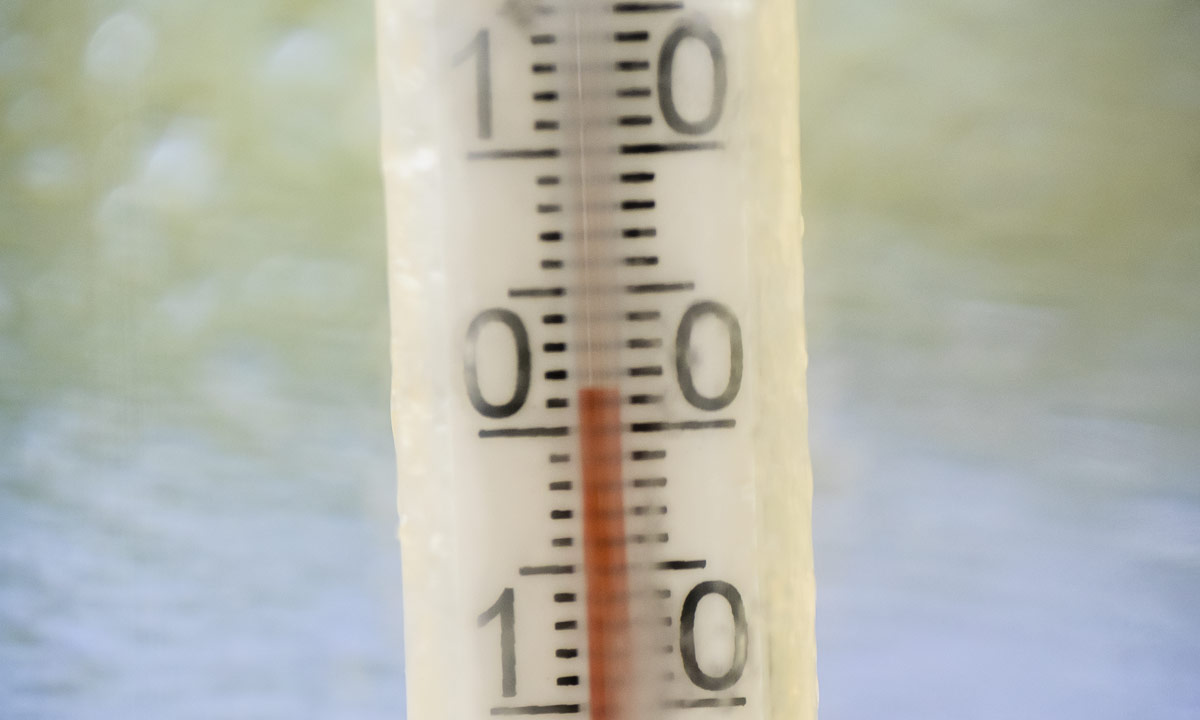
The whole night the gusty wind howled in the chimney and heavy blows seemed to shake the whole hut again and again. Already in the evening before the temperature had dropped to 1 °C and when we woke up it looked like that:

To continue our hike under these conditions would be difficult and troublesome. What a lucky coincidence that we planned a day off in Nallo. But what should we do, if the wintry weather would continue or even intensify and we would get snowed in?

A notice pinned to the wall informed about helicopter prices. A flight to Nikkaluokta for up to four people costs 4600 SEK (approx. 480 Euros). That’s quite affordable and could be a possibility to reach civilisation if we were forced to abandon our Kungsleden tour because of the weather. Anyway, the day just had begone – just wait and see … .

G., the stugvärd asked Andi and me if we could fix the door of her stugvärd toilet. She had used the toilet in the night and a wind gust had snatched the door out of her fingers so violently, that one of the metal hinges had been torn off. Luckily the door jammed and was save for the moment. Andi and I could help her and fixed the door. (As a matter of fact it was mostly Andi who fixed it as the photo below reveals.)

Katrin and Annika were also not idle. Katrin sawed logs of wood into 30 cm long pieces, so that they would fit into the oven. Annika chopped them into pieces. All the more we valued the oven that held our rooms warm and cozy.

Annika surprised us with pancakes for lunch, she had pulverised pancake dough with her. She used half of her supply and we got 2½ pancakes each – delicious!

Meanwhile the weather changed for the better. It got a bit warmer and the snow in the valley Stuor Reaiddávággi started to melt. The wind fell off and breaks in the clouds appeared. Good news for us who wanted to continue our tour on the next day, even if we all enjoyed the relaxed atmosphere at Nallo and the beauty of the landscape around.

We took a midday nap, solved a puzzle, played Yahtzee and finally we prepared dinner, this time tortellini with dried feta cheese and chanterelle mushrooms. We were eating inside while the reindeers, who had been around the hut all the time were grazing outside.

Again it was worth to have a day off in Nallo.

Recommendation for nice people:

Nallo is worth a visit! The hut is cosy and the landscape is of a special beauty. You can enjoy the much more familiar atmosphere compared to the larger huts on the Kungsleden and the arctic scenery around.

Recommendation for not so nice people:

Nallo sucks! The hut is small and has neither sauna or shop. All ways from and to Nallo are difficult to go and as you can see, the weather is always awful. Stay away!

25 August: Kungsleden day 6 – Sälka—Nallo (10 km)

This article is part of the series “2017-08: Kungsleden hike”.

Today we would leave the Kungsleden. Instead of the route Sälka—Tjäktja—Alesjaure (25 km) we would go Sälka—Nallo—Vistas—Alesjaure (37 km). Annika and I have been in Nallo two years before and fell in love with that place.

Again we woke up early, again it was cold with temperatures round +2 °C and again snow had covered the mountains over night, this time not only the highest peaks. After our breakfast—cleaning—packing routine we left the crowded Singistugorna hoping for less people in Nallo.

We went up a bit, but were on the wrong side of some alpine brooks. Katrin and Andi returned to use the small bridges, Annika crossed the brooks by balancing over some stones, I just waded through – one of the advantages of using rubber boots.

First the landscape didn’t seem to change but gradually the flowers and other plants lessened and the terrain became stony and harsh.

The mountains that framed the valley Stuor Reaiddávággi were rugged and rocky and powdered with snow. The lack of plants let them appear colourless.

More and more we had to cross boulder fields and some smaller streams. Water ran everywhere and we had to look for the path that was marked with piles of stone. Not easy to find in a landscapes made of rocks and boulders, even if some of the top stones were of white quartz.

It was cold, windy and then it started to snow.

We went along the lake Reaiddájávri. We would have to cross the river right behind the lake before it cuts down into a deep uncrossable ravine. Two years before Annika had to wade through in sandals, because the water was to deep for her boots. There are nicer things than wading through ice cold water while it’s snowing …

We were lucky. The water level was low and someone obviously had build a fort of stones that were quite easy to cross. We were cautious anyway, because no one wants to fall into icecold water with a backpack and fully clothed.

We succeeded and took a short rest to eat some chocolate (crucial food on hiking tours!) but we continued soon because of the chilly weather. We followed the Stuor Reaiddávággi and crossed some side valleys with old snow fields – reminders of last winter.

The precipitation got stronger, more rain than snow. While the others continued through the alpine and arctic landscape I went to the ravine to take pictures of the waterfall, but I soon gave up, since the rain fall grew too strong. The last photo after catching up with the others is blurred from the rain on my lens.

Finally we arrived at Nallo 12:30 and were delighted, that only few others had come there as well. We cooked an instant noodle soup and took a midday nap.

In the afternoon it had started to snow stronger and the wind speed increased while the temperature dropped to +1.5 °C.

The ground was still bare of snow – a good thing for the reindeers, that grazed in the valley.

Snowfall however continued the whole day and evening and slowly started to cover the ground. How good that we planned to take a day of in Nallo the next day.

Travelling to Tromsø

This article is part of the series “2017-07: Tromsø”.

Sometimes I’m just too lazy to blog and so was I the last weeks. Today however I finally want to write about a great trip to Tromsø, that Annika and I started on 7 July, almost three weeks ago.

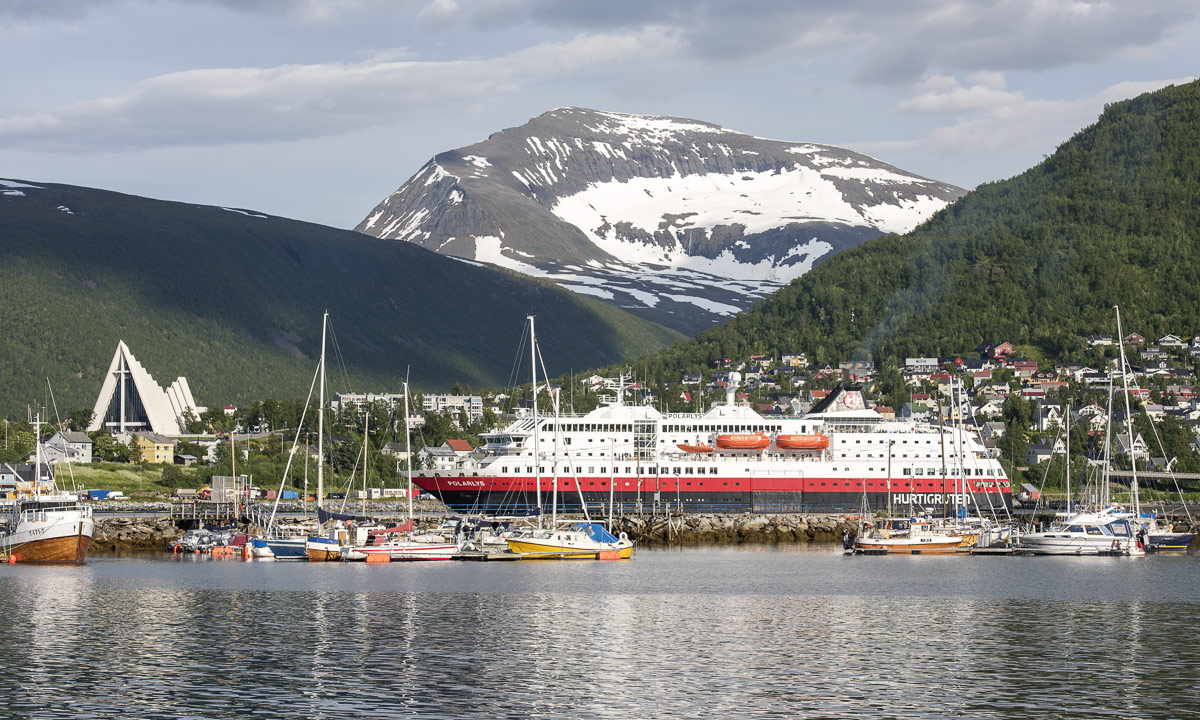
Tromsø is in located in the North. Very far north. It lies 344 km north of the polar circle and is the northernmost town of the world with more than 50,000 inhabitants. It has the northernmost university, both the northernmost cathedral and mosque, the northernmost brewery and probably some more northernmost things of the world.

The shortest route by car from Skelleftehamn to Tromsø leads over Luleå, Pajala, Kilpisjärvi (Finland) and Nordkjosbotn (Norway) and that’s the route Annika and I took.  We had a lot of time and planned to stay overnight twice, but didn’t plan where.

The first part of the route, the E4 leading north, is kind of boring. At least you’re allowed to drive 110 km/h – the maximum allowed speed of the whole journey. In Töre we left the E4, took a break and ate in the Restaurang Roady – the first KRAV-certified sidewalk restaurant.

After lunch we continued northwards. After 50 km we reached Holgers Traktor Museum in Svartbyn, which is always worth a visit. Since it was late – we started our trip in the afternoon – we just made a short stop to take a picture and then continued our trip.

Where to stay? Perhaps we could stay with Katharina whom I met last winter. She lives in Miekojärvi between Överkalix and Övertorneå. We tried to ring her, but she didn’t answer the call. Anyway it’s just a detour of 30 kilometres so we just gave it a try. Katharina has round 20 huskies and someone has to feed them. When we arrived at her house, a man left the shed, looked at us and we were quite surprised to meet Sascha whom we met before in Solberget several times. What a lucky coincidence! So we found not only our first overnight stay but great company, too! Thank you, Katharina (abroad) and Sascha for your hospitality!

The next day we continued our tour after a nice and rich breakfast. We crossed the arctic circle and watched the reindeers.

First stop: Pajala, where a big market took place. Here you could buy a lot of things between tradition and modern age.

After two hours we left the hurly-burly and entered the car again. We crossed the Swedish–Finnish border and followed the E8 which was more construction site than main road. We passed Karesuvanto, where I was sure to meet a food store. All stores however are on the Swedish side, in Karesuando. Not a problem, if you have bread with you and then are given butter, cheese and salami as a present on the super-nice camping ground Lätäsenon Majat near Enontekiö, where we stayed overnight.

Next day we passed Kilpisjärvi near the border triangle, where Sweden, Finland, and Norway meet and soon we were in Norway. Norway is my favourite country in summer because the landscape is so varying and beautiful that even I make photos from within the car:

In Skibotn we saw the first fjord – the Lnygen – and made a break. Annika used it for jogging and I for looking around and taking pictures. I love to stand at the shore, the feet in the water, the view either on the shells or on the fjord and the still snow covered mountains. But the seagulls didn’t like me standing there and they flew some feint attacks, luckily in vain. They don’t dare to come really close.

In Nordkjosbotn we ate hamburgers for lunch. It’s not easy to get anything other than burgers and pizza in Northern Norway outside the cities, but sometimes I like fast food, especially when travelling. From Nordkjosbotn it’s only another hour to Tromsø, where we arrived in the afternoon.

Here we would stay for four whole days with … but that’s another story for another blog article. Stay tuned!


Visiting the “Vindelälvsdraget”

Yesterday Annika and I went to Vännäsby , 25 km away from Umeå, to view the 30th Vindelälvsdraget which is the world biggest draught dog relay according to the organisers. It started in Ammarnäs in the Swedish mountains on Thursday and ended just in Vännasby on Sunday. That’s a distance of 381 km in three and a half days.

Some of the competitors used a sledge pulled by four to six dogs, but most of them skated on skis and had one or two dogs dragging (more or less). They came along on the frozen river Vindelälven, turned into the river Umeåälven, which they had to leave right after the bridge. Some of the teams managed it perfectly while others had to shout höger! (right) to the dogs several times until they obeyed. The river bank is quite steep and was a real challenge for the discipline of the dogs. One of them just rolled in the snow while the skier tried not to slip and fall, while some others were shortly distracted by the smell of the grilled sausage by the trail. However all teams managed to come up where there were only some 100 metres left to the finishing line.

The speaker at the finishing line was great. His talk was so “adagio”, laid back and completely free of any stress. I really enjoyed his almost zen-like moderation which was the total opposite of the normal sport presenters stressful reporting attitude. My kudos!

Some photos:

Links: Website / Information pdf (both in Swedish)

4×4 winter impressions of Kirkenes

This article is part of the series “2017-02: Northern Norway”.

Kirkenes – the harbour

While Annika and our friends in Kirkenes enjoyed their breakfast in the Hotel Thon I took a short promenade along the Johan Knudtzens gata to take some pictures. Already the view from the hotel terrace over the fjord is quite impressive and shows the beauties of the arctic nature while the harbour shows the more practical sides of living here: fishing, both commercially and just for fun.

A hike onto the top of the Lyngberget

After the breakfast we took the car to Jakobsnes and a bit further to take a promenade up the mountain Lyngberget, which lies on the other side of the Bøkfjorden. Here you can have a wide view over the whole town of Kirkenes – at least as long it doesn’t snow, as it did on our way back. I just love these wintry landscapes where you have views over fjell and fjord, but the wind was quite chilly and soon we looked like the participants of an arctic expedition.

The Huskies of the Kirkenes Snowhotel

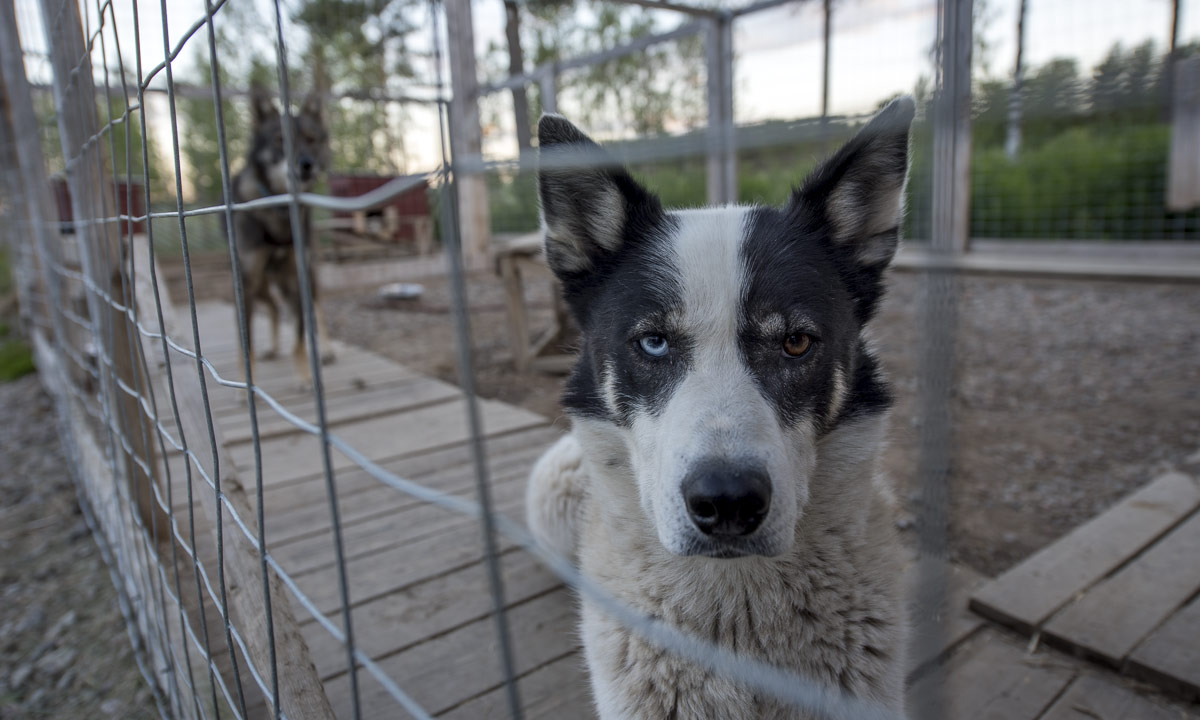
Today we played tourists and visited the Kirkenes Snowhotel, which is just some hundred metres away. The Snowhotel has 180 Huskies including the seniors plus 30 puppies. The huskies are like we humans – some are working, some are resting, some are curious and some are shy. But they are all very kind and friendly.

Inside the Kirkenes Snowhotel

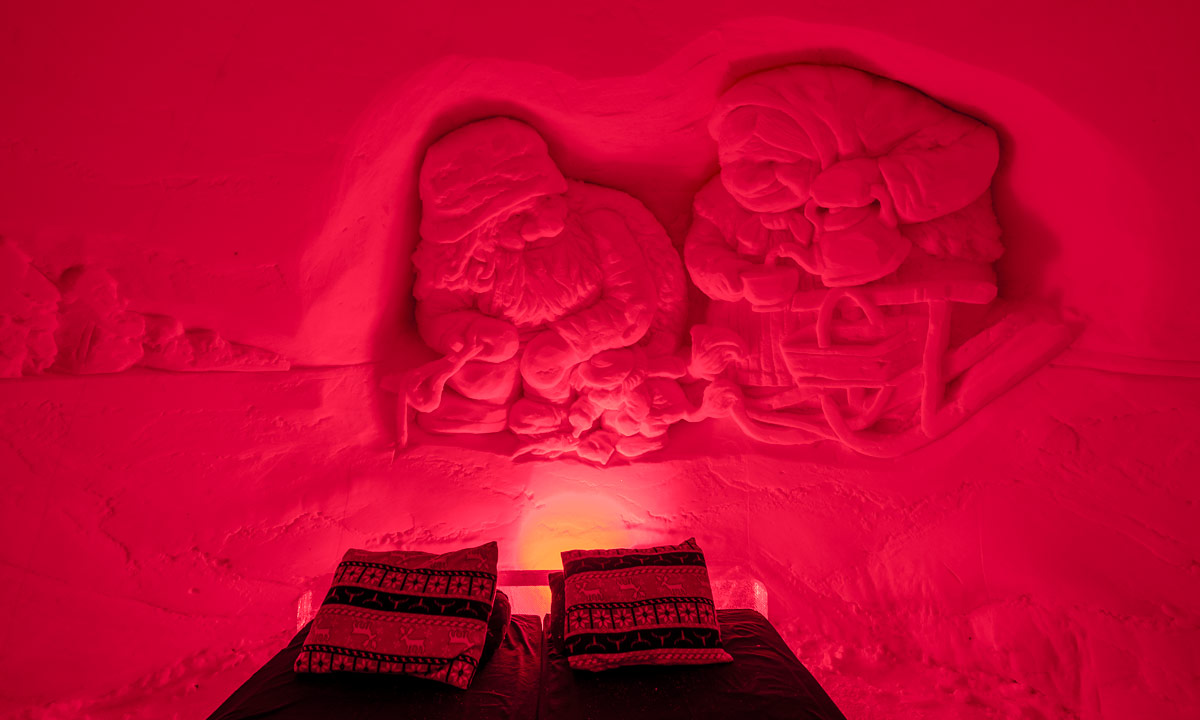
I slept in tents, in igloos and outside in wintertime. I even slept in the Kirkenes Snowhotel two years ago. This time Annika and I enjoy sleeping in the inside of our friends house (Thank you for your great hospitality, Christine and Ørjan) but gave the Snowhotel a visit. And it was worth it – especially the lounge with it carved ice blocks is very impressive.

Tomorrow we’ll leave this fine place, take the car to Vardø in the North (yes, that’s still possible!) and take the Hurtigruten from there to our next destination.

Definitely a seal

This article is part of the series “2017-02: Northern Norway”.

Four weeks ago I saw a something on the ice at Bjuröklubb. I still don’t know, if it was a seal, a stone or a UFO.

Yesterday Annika and I saw a seal at the bay Lilla Karpbukt but I had the wrong lens on my camera and couldn’t take a picture.

Today I saw another seal right in Kirkenes at the port. It was quite far away, too, but at least I could take a souvenir photo with my telelens.

  • Taking a seal picture: check
  • Taking a seal picture near home: maybe
  • Taking a seal picture in Skelleftehamn from my kayak: not yet

Maybe a seal?

There are seals in the Baltic Sea, even in Skelleftehamn. I’ve been living here for six and a half years but never ever saw a single seal, neither from the coast nor from the kayak. Today this may have changed.

Annika, I and two German guests were in Bjuröklubb today and had a look at the wintery sea. The coast of the peninsula Fäbodarna on the other side of the bay Bjuröfjärden was hardly visible in the chilly, foggy air. The sea was partly open, partly covered with a thin layer of grey ice and some ice floes. On one of the ice floes there was something dark.

A rock? Probably not, since the depth of sea is at least 25 meter at this place.

A tree trunk? Maybe, but why should it lie on the ice floe?

Could it be a seal? I took my tele lens and made a photo. Here it is (which strongly increased contrast):

It really could be a seal, but I’m not sure at all. While I considered if it was one or not the fog came closer. And closer. And even closer. I took this photo before the fog curtained even these ice floes:

Home again I posted the first photo on Facebook to get help in the seal-question. These are the answers so far:

  • A UFO landed on the ice?
  • Nessie?
  • Toyota Camry?
  • Russian submarine?
  • Elvis Presley bathing?
  • Teenage Mutant Ninja Turtle?

Well, the answers were probably more entertaining than helpful so I’m still unsure.

Any thoughts?

Jämtland hike part II: hejdå Sweden, hei Norge!

This article is part of the series “2016-09: Jämtland and Norway”.

Annika and I are in the mountains in Jämtland and have just reached our first destination: Blåhammaren, where we slept in a 14-bed room.

Tuesday, 13. September

Sleeping in a 14-bed room can be quite demanding, especially if you have this kind of snorers in your room, that could awake a frozen mammoth. However Annika and I were really lucky, no snorers at all! After our breakfast we had to decide where to continue our tour. From Blåhammaren you can hike back to civilisation or continue to two other destinations. Most of the hikers continue to Sylarna which is very central and part of the Jämtland Triangle, a very popular three-day-tour, that connects Storulvån, Blåhammaren and just Sylarna. We were keener to cross the border and hike to the Norwegian lodge Storerikvollen and so we did.

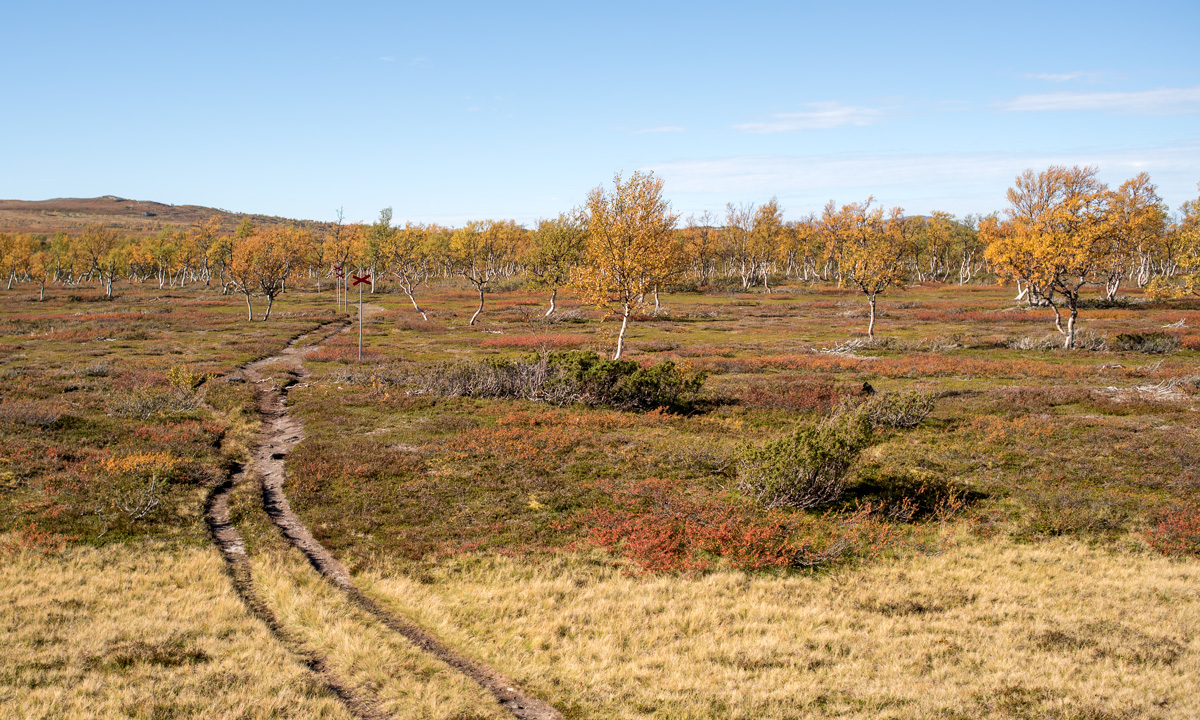
With an altitude of 1086 m Blåhammaren is the highest tourist station of the STF – the Swedish Tourist Association – so first the trail ran over the treeless mountain plateau, over rocks and moss, crossing some swamps and brooks. After a while we descended and the first yellow coloured birch trees came into view again.

Swedish summer trails are marked with red coloured dots on rock or tree, while winter trails are marked with poles bearing red crosses. You really shouldn’t follow the winter trails in summer unless you want to stand in front of a lake or find yourself deep in a bog – both are easy to cross only in wintertime. But quite often there’s a year round trail which makes navigation extremely easy even on less walked routes.

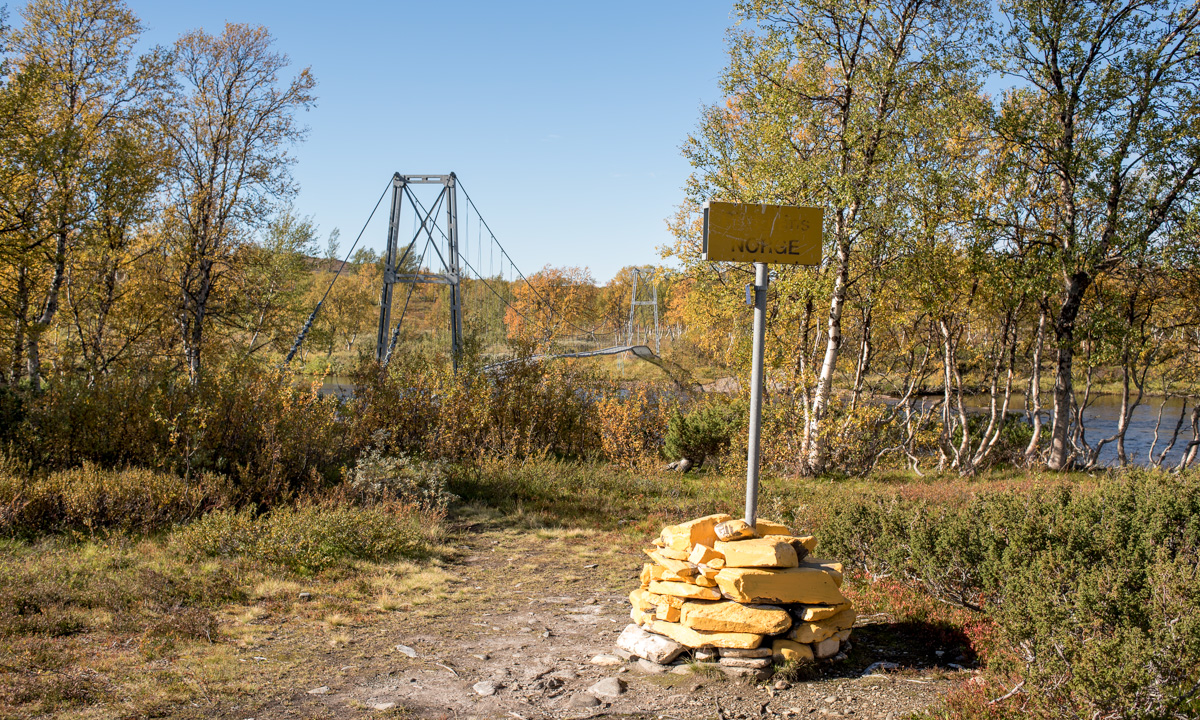
One kilometre behind Endalen, an emergency shelter, where we rested for a short while, the Sweden-Norwegian border came into view. It’s hard to mark a border less spectacularly than this one: A sign amidst of a pile of yellow painted stones, that’s it. The large bridge that crosses the river Enan (Sami: Äjnänjohke) directly after the border offers far more spectacularity.

We detected a real nice resting place on the other side of the river, where we planned to enjoy the warm summerly weather, but two other hikers – by the way the first ones we met that day – coming from the other side chose exactly the same slab of rock to rest. Luckily we found another place, at least as nice as the first one. We unmounted our backpacks, took of our boots and dangled our feet into the ice-cold water.

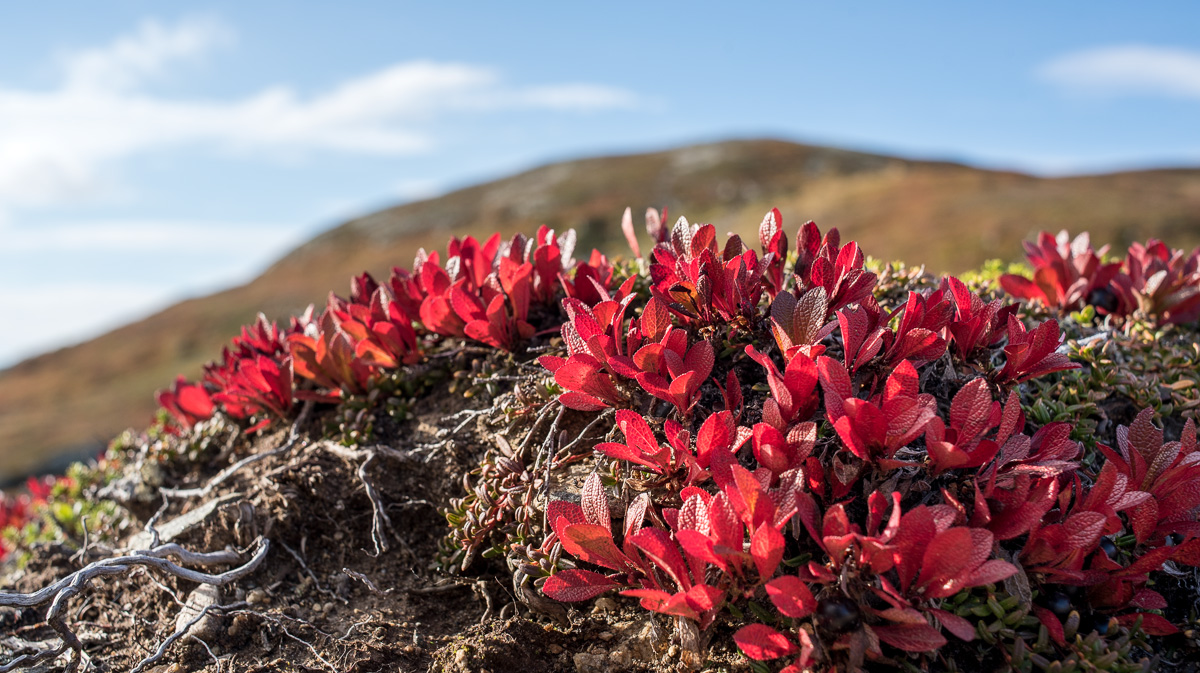
(I like the photo with the drifting yellow birch leave and the dead mosquito. It illustrates, why I prefer the autumn to summer: Beautiful colours and no biting insects left!)

In Norway the summer trail marks change, now the trail was marked with big bright red T-s. The red T is also the logo of the DNT, the Norwegian Trekking Association.

Do you see the dark piece of something on the top of the stone? It’s animal droppings, but I’m not sure of which species. I asked for help on Facebook and the favourite answers are reindeer and (arctic) fox.

We continued our tour until we came to another swing bridge, this time crossing the river Djupholma. On the other side of that river lies a nice sandy beach where I took a refreshing bath (the only one of the whole tour). It was only two other kilometres to walk to our destination, the cabin Storerikvollen, where we arrived round six o’clock.

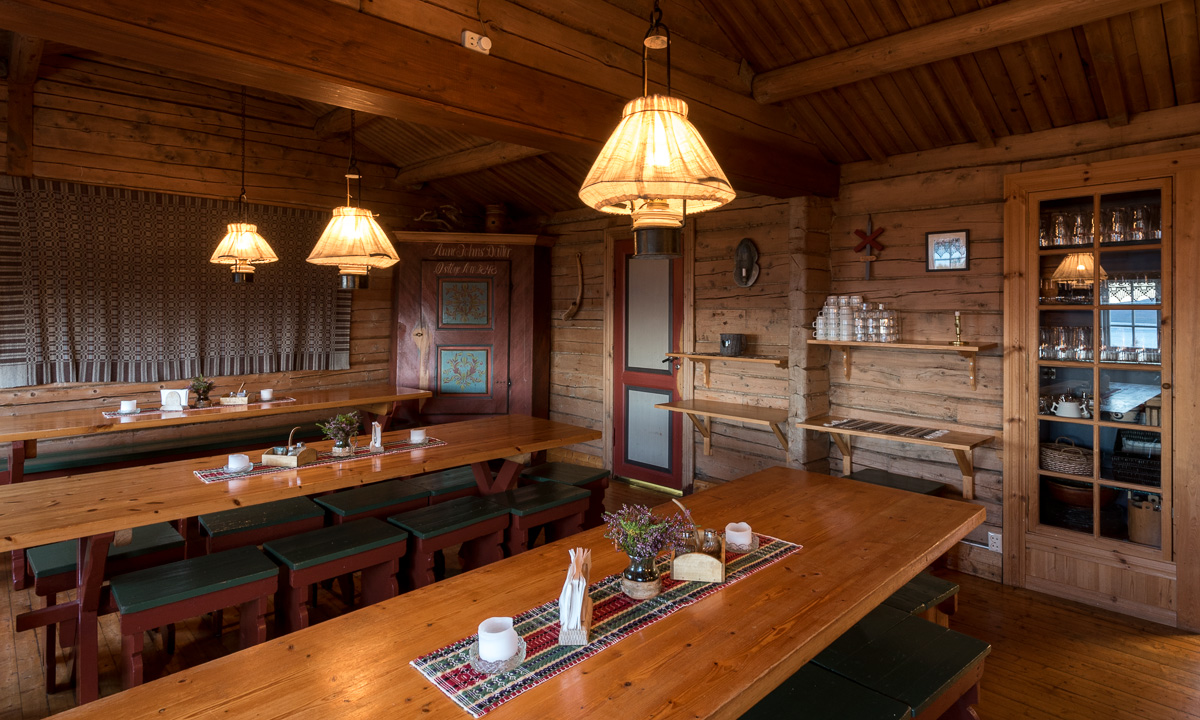
Oh, so nice these Norwegian lodges are. They seem less “funkis” (the Swedish functional style) and more “hyggelig” (the Norwegian word for cozy, snug, or homelike). Just gemütlich! And we got a two-bed-room for a good price. The only thing you should know, when you visit the Norwegian side: These cabins hardly sell any food and there is no public kitchen as in the Swedish cabins. So you have three options: (1) take a camp stove with you and cook outside. (2) cold dishes! Hopefully you have all with you. (3) eat the dinner and breakfast provided by the lodges (and pay the Norwegian price).

We chose (2) and had a nice dinner with salami, crisp bread and fresh water outside in the evening sun, enjoying both our simple meal, the warm air and the beautiful view. Later the almost full moon rose above the reddish mountain chain – what a beautiful evening!

Wednesday, 14. September

The next day would lead us to the Nedalshytta, which is between 20 and 24 km away, depending on which map or sign post you rely on. So we got up quite early.

We had to go back yesterdays route 2 or 3 km where the trail divided. Now we turned south and had to ascent. Soon again we were above the treeline. When we looked back, we could see parts of the big lake Essandsjøen and even spotted – beside of some reindeers – the now tiny Storerikvollen, that we left some ours ago.

After a while we came to the river Fiskåa, where we had to ford. My rubber boots were high enough and I just splashed through the water, whereas Annika changed boots with trekking sandals and waded through the river.

Since rivers use to flow through valleys we had to ascend again and walked up along a reindeer fence. The weather was still warm and sunny, but you could see a cloud layer approaching afar. Would it rain in the evening as the forecast told us?

Only the map showed us the progress of our longest tour so far. We went a bit up, a bit down, a bit to the left, a bit to the right, down a small valley and up again. But finally trees came into view once more and soon we stood on an exposed plateau not far away from the yet invisible Nedalshytta.

Come on, just less than a kilometre to go … . Final spurt! A short while later we arrived at the beautiful lodge. Again we got a nice two-bed room, this time right below the grass roof. And we got: pizza! Perhaps not the best I ate in my life, but walk 20 – 24 kilometres with a backpack by yourself and you’ll know, how delicious a warm pizza slice can be!

The tour so far:

Continue with part three …

Jämtland hike part I: Storulvån—Blåhammaren

This article is part of the series “2016-09: Jämtland and Norway”.

After three weeks of travelling I’m back in Skelleftehamn. The first week I was in Germany, then I travelled back to Umeå, where Annika lives. Let’s start there:

Sunday after breakfast Annika and I started our tour through the autumnal Jämtland. However the first day’s focus was on getting there by car. It takes round six and a half hours to get from Umeå to Storulvån. We made a stopover in Åsele to look in on some friends and so it took a bit longer until we reached the STF Storulvån Fjällstation where we parked our car. But anyway, we have semester – holiday – and plenty of time. It was even still daylight left, when we crossed the creek Stor-Ulvån (sami: Stoere Vïerejällanjohke) to get to our cabin.

Monday, 12. September

I awoke quite early the next morning and went out to make some photos of the beautiful morning mood and the autumnal colours of nature.

After our breakfast we shouldered our backpacks and started the tour. My backpack could have been quite lightweight if I hadn’t taken my camera, four lenses and a tripod with me. Nevertheless the weight was less than 15 kilos since we were able to buy food in almost all cabins and mountain lodges.

First it was a bit cloudy but soon the sky cleared up more and more and we got a warm autumn day with temperatures up to 20 °C, which is quite warm for the season. The summer trail led us first through autumnal birch forests but after some kilometres we were already on the kalfjäll – the bare mountains above the tree line.

In the middle of the trail between Storulvån and Blåhammaren lies the cot Ulvåtjärn, one of the “emergency cots”. You’re welcome to have a break here, but not to stay overnight beside of emergency situations. Right before this cot you have to cross the Stor-Ulvån again, this time by fording it. When Annika crossed the river three years ago, the water was knee deep, now the water level was much lower and I could just cross it in my rubber boots, while Annika went barefooted.

After a break we continued our tour to Blåhammaren. There were many reindeers on the fjäll. No big herds, but many small groups here and there. They are quite shy and cautious, but on the kalfäll it’s quite obvious, that they are the real residents of the mountains, not we human beings.

We continued our tour on the treeless mountain terrain until the Blåhammaren fjällstation came into view. Here we got two beds in a 14-bed-room and entered the sauna, that has a gorgeous view. After that Annika invited my to a three-course dinner (Blåhammaren is famous for its cuisine) where I got the most delicious reindeer meat I ate in my whole live. Thanks for the invitation, Annika!

While we enjoyed our dinner it started to get dark outside and after a while the beacon in front of the main house was lighted and the first stars came out. Later in the night we got a fantastic crystal clear starry sky, but no Northern lights. I considered about taking some pictures of the milky way, but I was too lazy and too tired.

The tour so far:

Continue with part two …

A weekend in Söråsele – rich in variety

Both Annika and I had some days off round last weekend and so we could visit friends of her, who live in Söråsele. That’s in Åsele municipality, 260 kilometres west-southwest from Skelleftehamn. We started our three-day trip on Friday. While all lakes in Skelleftehamn are completely free of ice, many of the lakes in the inland are still covered with soft ice, as for example the southern part of the lake Bjurselet between Bastuträsk and Norsjö. You can still see the numerous snowmobile tracks.

The ground, where I parked my car was quite soft. I left up to 10 cm deep tracks in the muddy ground. But luckily we didn’t get stuck and could continue out tour to Lycksele, where we had a dagens lunch – the lunch of the day. With some other detours and rests – here we met the first mosquitoes of the year, but they didn’t bite us – we proceeded and headed to Åsele. From this town it’s just five other minutes to Söråsele, where M. and F. – Annika’s friends – live.

After saying hello to M. and F. and their dog we said hello to the sheep: six cute adults and three even cuter lambs. I never experienced sheep, that were so cuddly as those little flock – they all came to us, not for begging for food but for being petted and tickled. One of the males bumped the head against my leg every time, when I dared to stop stroking and cuddling him.

Finally I could break free from the sheep to get the camera. I was lucky, none of the sheep licked my wide angle lens, although I came quite near  as you can guess from the pictures:

The next day we moved the fence and the wooden shelter for the sheep. We – that’s four people, a smaller farm tractor and a trailer. Moving the shelter took some hours of thinking and doing, but we succeeded. Anyway, that’s another story …

After a fika – the swedish coffee break, we took the car and drove to Sörnoret to go up the the mountain Bergvattenberget (“the mountain water mountain”). At the northeastern side there’s a 120 meter high steep cliff called Offerhällan where according to old legends Sámi people where pushed down when they were too old to follow the reindeers. Hopefully just a myth.

When you want to hike in May, it’s always a good idea to wear rubber boots, since the ground is still very wet after the snow melt.

The evening we ate home made Lasagne. A lot of home made Lasagne! Especially I was quite stuffed and so we took a small evening promenade along the coast of the lake Söråselesjön which lays right behind M.’s and F.’s beautiful house. The air still was quite warm and the sunset coloured the feathery clouds.

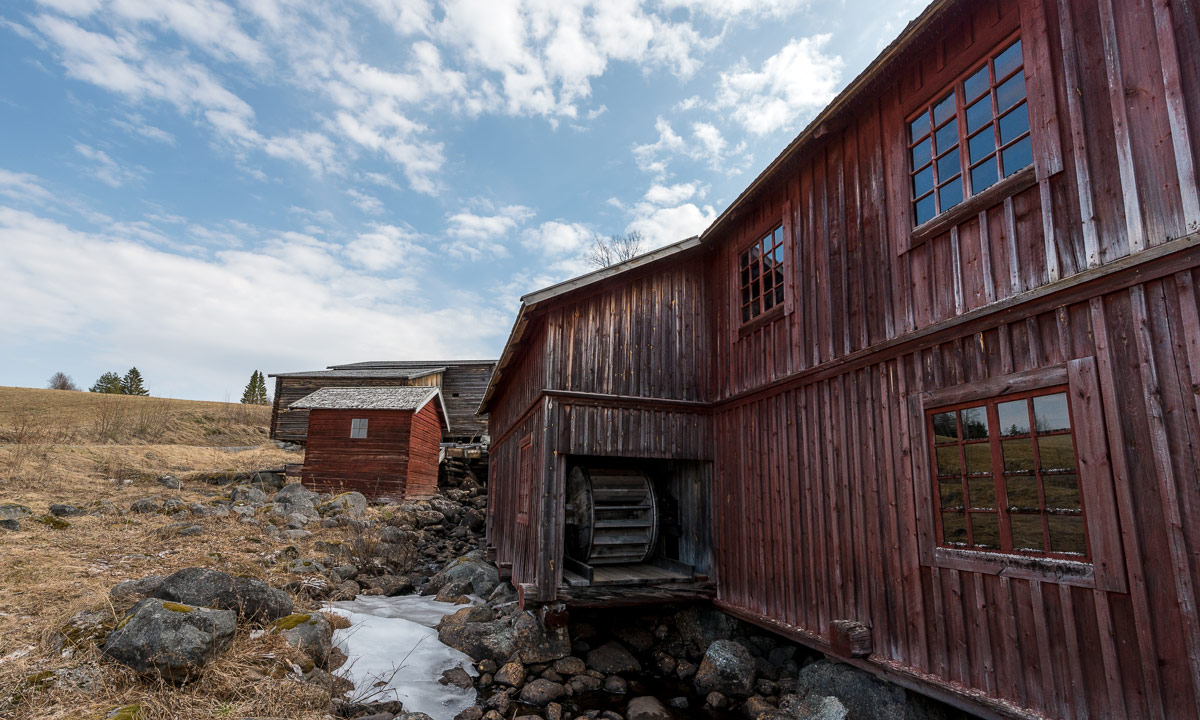
The next day we made another trip, this time to different places. First stop: Torvsjökvarnar, a group of old water mills that form an open-air museum today.

Annika and I already saw some frogs or toads crossing the streets the day before, but here I saw the first frogs from close up. Another spring sign.

Other stops followed but – sorry folks – no photos.

At half past five Annika and I said goodbye and started the way back. We decided to choose another route and took the 92 to Fredrika. A good choice. Here’s one of the artworks of the Konstvägen Sju Älvar (“Art way seven rivers”). It’s called Poem för en imaginär älv  (“poem for an imaginary river”) and is erected on a big rock in the midst of an archaic landscape build of rocks, mud flats and tiny lakes. beside of the road the area looks like ice age would have ended just some hundred years ago.

Just some kilometres later there’s a thing you wouldn’t expect in Northern Sweden: A Thai Buddhist temple called Buddharama Temple. The giant statues of the sitting and standing Buddha and the live size elephants made of stone really look a bit strange in the middle of the Lappish woods. In Thailand 95% of the people are buddhists, but in Norra Norrland …?

(Sorry for the bad photos – the sun was definitely at the wrong place when we visited this temple.)

After that we continued our trip back to Skelleftehamn. I drove the car and Annika guided me along the small roads: Baksjöliden – Vargträsk – Örträsk – Ottonträsk – Vindeln – Buberget – Botsmark – Åkullsjön – Bygdsiljum – Flarken – Ånäset and than the E4 northwards until the turnout to Skelleftehamn, where we arrived at 22:54.

Thank you, M. and F. for your kind hospitality. We’ll looking forward to come back some other time. Perhaps there are other things left to be moved ;-)

Appendix

i. Animals on the journey:

Among others: Reindeers, four moose, a fox, cute sheep, cranes, Canada geese, swans, some western curlews and a short-eared owl.

ii. Northern lights:

Yesterday the aurora was really strong with a Kp index between 5 and 6, which says it is visible even in Denmark and Scotland. Now it’s a disadvantage to live as up north as I do. The sky is just too bright even in the dead of night to watch the Northern Lights. I guess, we’ll have to wait until August.