Ice report 5 May 2018

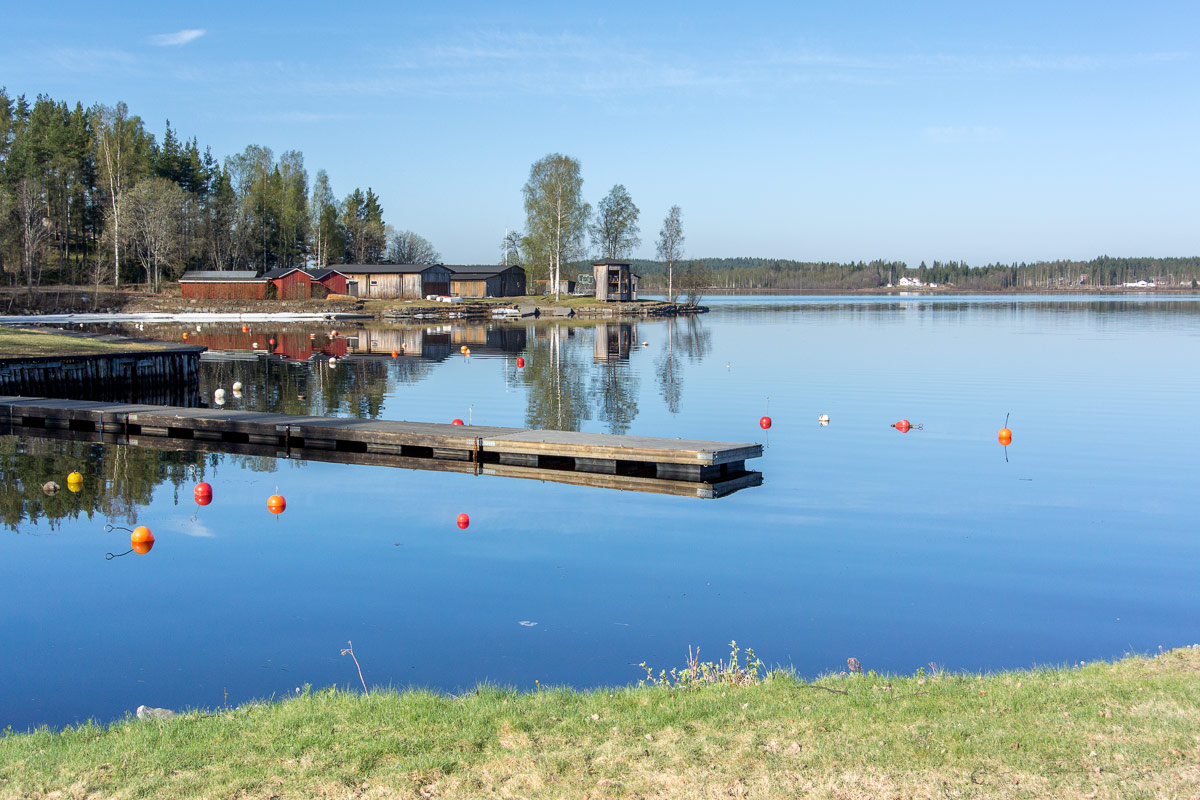
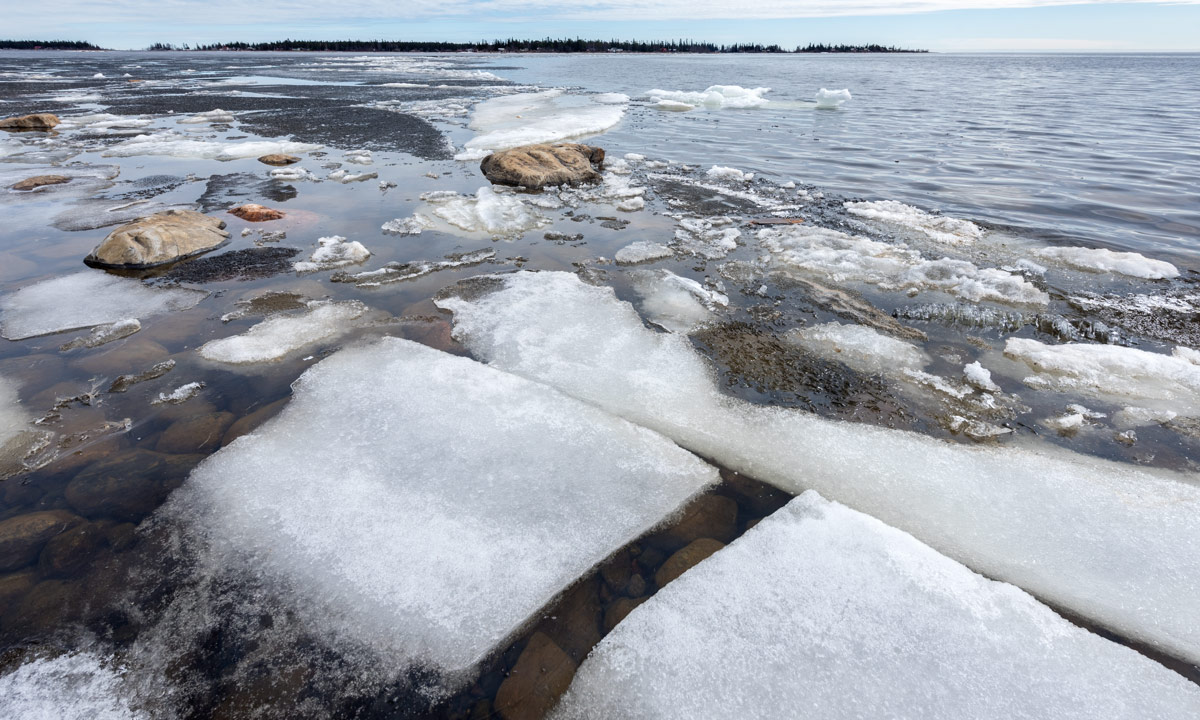
This morning I took the car to the lotsstation – the pilot station – on the peninsula Näsgrundet and took a closer look at the Baltic Sea. It was mostly free of ice, but the sheltered parts between mainland and the nearer islands were still covered with grey old ice. The rocky shore was partly covered with ice, too and some white ice floes floated on the ice cold water.

During the day it cleared up and the temperatures rose to 17 °C. Seven hours I returned to the same place. The floating ice I had photoed in the morning was gone by now. Had it melted or drifted away? I had to go to another more sheltered spot to be able to make probably my last ice photos in Skelleftehamn this season:

Why “the last snow” and “the last ice”? The reason is simple: Tomorrow Annika and I will fly to Gotland for a week. According to the weather forecast the next week should be warm and sunny, both in Skelleftehamn and on Gotland. I guess when I’m back, all snow and ice – beside of some huge manmade snow piles – has be melted away.

Then I’ll take a bath in the ice cold water and call it “spring bath”!

P.S.:

Snow report May 4 2018

Winter lovers in Skelleftehamn, you have to face it: winter is over and the snow is melting fast. Almost the entire property is free of snow. There is however some snow left round my house, so let’s check it out:

1. Next to the neighbours garage (45 cm)

There’s a pile of snow next to the garage. Anyway, that doesn’t really count. It’s remnants of a roof avalanche that slid down weeks ago.

2. Behind the garden hedge (33 cm)

There’s snow in the shadow of the garden hedge. Anyway, that doesn’t really count. That’s the place, where I had my personal snow dump.

3. On the garage driveway (47 cm)

There’s an icy pile of snow on the garage driveway. Anyway, that doesn’t really count. That’s the place, where my neighbour dumped the snow when he cleared the snow for me while I travelled around in February and March.

4. On the lawn (2 cm)

There’s a shallow spot of snow in the progress of melting. That snow does count as a matter of fact. No one moved snow to this place, it’s the last real remnant of the long winter 2017/18.

Incidentally, the last photo reminds me of Dr. Seuss’ children book The Cat in the Hat.

This will probably will be the last article about snow for a longer while. I probably won’t find any snow in June, July, or August. Or what do you think?

The ice weakens

At time I use to wake up quite early, today even at 5:30. Probably it’s the sunlight that wakes me up despite of the black curtains and the closed window blinds. I felt well rested, got up and as many times before I took the car to the peninsula Näsgrundet to have a look at the Baltic Sea. The weather was nice (clear sky, -2 °C) and I was curious about the ice situation.

Already from the car I could see that the ice still extended to the horizon and the island Gåsören. The old ice looked greyish and many half-frozen puddles with meltwater were seen everywhere. The ice on land however was free of melting water and therefore still white.

The ice covering the water had started to get the first big holes. They seemed to be only next to the coast so I guess you still could cross the ice to Gåsören, but I wouldn’t dare anymore.

They are still some wintry motives left but it’s quite visible that snow and ice finally are coming to an end.

I took a last look to Gåsören and made a photo with my telephoto lens. Yes, no open water in sight yet! I skied to Gåsören twice this winter. I guess the next visit will be by kayak!

And otherwise?

  • more and more birds have been arriving, among others northern lapwings and curlews (if I’m right)
  • the roof of my house has been completely free of snow for two days now
  • more tussilago is blooming, but the clay-like soil is sometimes so muddy, that you can easily sink to the top of your rubber boots with one single step
  • still 30 cm of snow in my backyard – I measured right now –  but it’s melting rapidly and the ground round the fence and beside of the garage is already free of snow
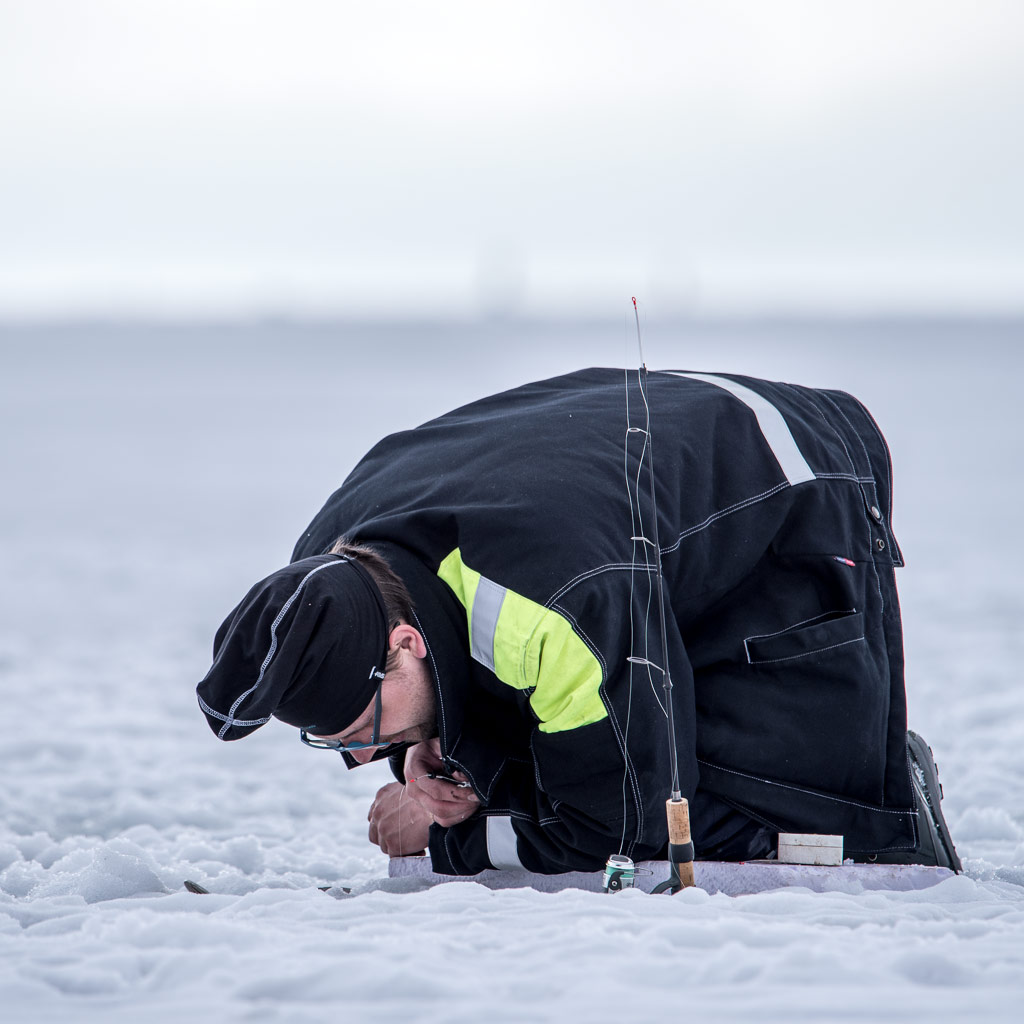
  • the ice fishermen have been sitting, crouching or lying on the ice on every single day for the last weeks – yesterday even in the cold rain. They know, that saison is over soon

Although it sometimes hardly looks like it …

Ice fishing in Skelleftehamn

Still going on: ice fishing on the bay Kallholmsfjärden in Skelleftehamn. Sometimes the positions of the ice fishermen look to me like modern dance-theatre.


Tussilago 2018

It has become a personal tradition over the last years: Every spring I look for the first blooming coltsfoot, in Swedish tussilago in Skelleftehamn. Even though I already saw some in Skellefteå, it wasn’t before today that I spotted the first tussilago here. It grew on the foot of a muddy southern slope and the blossom was not open yet. No wonder at temperatures of just 2 °C and occasional sleet.


Holes in the ice

Today a neighbour told me, that it’s still safe to go over the ice to the near Baltic islands Norrskär and Bredskär. He said however, that there was so much water on the ice that even my rubber could be too short to stay dry.

An hour later at the coast: I let my eyes wander over the frozen surface of the Baltic Sea. Still there was ice everywhere but it looked old, wet, grey and bleak.

There was water on the ice but less than excepted. But I saw something different: Two holes in the ice. Quite near the coast and apparently very deep.

I definitely don’t want to break into the ice without dry suit. These holes are a sure sign for me that the ice-crossing season is over. Anyway, it’s 21 April and all the other years I’ve been living in Skelleftehamn at least parts of the Baltic Sea were already free of ice at this time of the year. This years it will take some more days or weeks until the ice disappears.

Incidentally I saw not only wet ice today but something else: The first tussilago!

The first rain for ages

This morning I was awakened by a strange noise. The noise of dripping water.

First I thought of the smelting snow on the roof but that noise sounded differently. More like many tiny drops of water everywhere. Like precipitation of liquified snow, what do you call it …?

Ah yes, “rain”. It is called rain.

Of course I still know the word for rain but it was a long time ago that I experienced it, at least at home. I tried to remember the last rainfalls I witnessed.

  • 2 March (Domen between Vardø and Kiberg) – a short and light rain shower (temperature: -6 °C!)
  • 1 March (between Varangerbotn and Vadsø) – plus temperatures and rainy weather.

But before that? I even search the January and February articles of my own blog in for the word “rain” but only to find the words “train” and “terrain”.

But last year then?

  • 29 or 30 December (Bremen) – that’s Northern Germany, far away in the south. That doesn’t count.
  • 20 December (Skelleftehamn) – that’s the last rain at home I remember.

Exactly four months ago! The rest was snow. That’s the winter how I like it!

Since I consider blog articles without images as boring, I added an upside down image of Skellefteå today.


Between the seasons

Still a lot of snow in Skelleftehamn, still freezing temperatures every single night, still no rain since last year (if I’m right), but …

… spring comes nearer. According to smhi spring has already come to the town Skellefteå some days ago. Seems to fit, because I saw the first coltsfoots in bloom in Skellefteå yesterday. Unlike Skellefteå, Skelleftehamn is located by the Baltic Sea and the Baltic Sea is still covered with ice that cools down the air and causes the beginning of spring to delay by several weeks.

The snow piles on the first two images are remnants of the continuous snow clearing the whole winter. When walking around while taking these photos I experienced snow depths between 0 and 60 cm. Round 60 cm of snow lie in my backyard, too. At least all fences look out of the snow again.

Translation:

EnglishGermanSwedish
coltfootHuflattichtussilago